In 1607, the first permanent English settlement was established. It was called James Fort, and is considered to be where the English Empire began, according to William Kelso, who is and archeologist and director of Preservation Virginia Jamestown Rediscovery project.
I started off my visit with a trip thought the museum, which helped to set the stage for what was to come. Quite frankly, what I had known about Jamestown had slipped my mind.
The first thing I came across was a monument to Jamestown’s 300th anniversary.
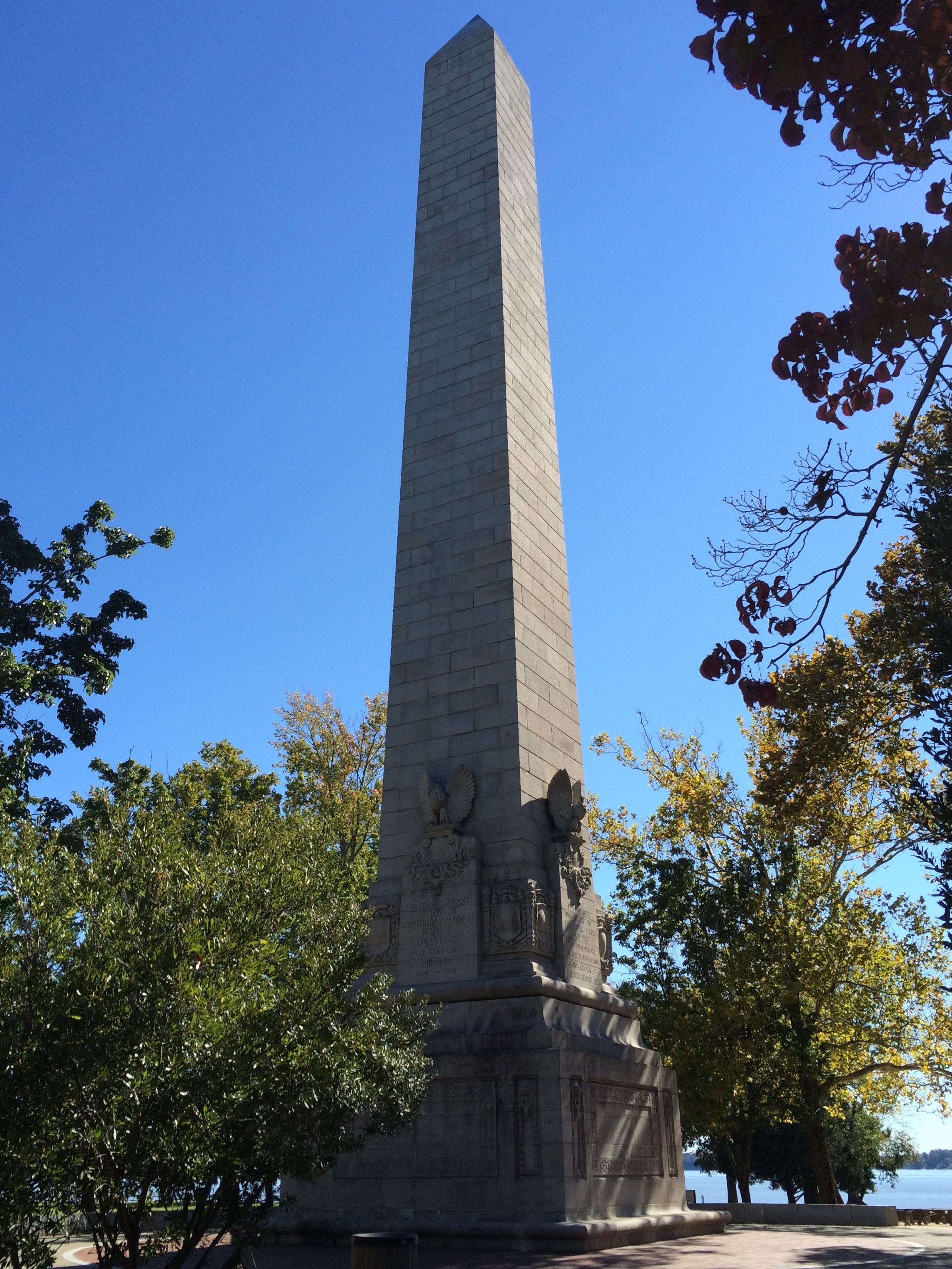
Interestingly enough, this monument is already over 100 years old. You know you are in an old part of the country when the memorial monuments could have their own memorials!
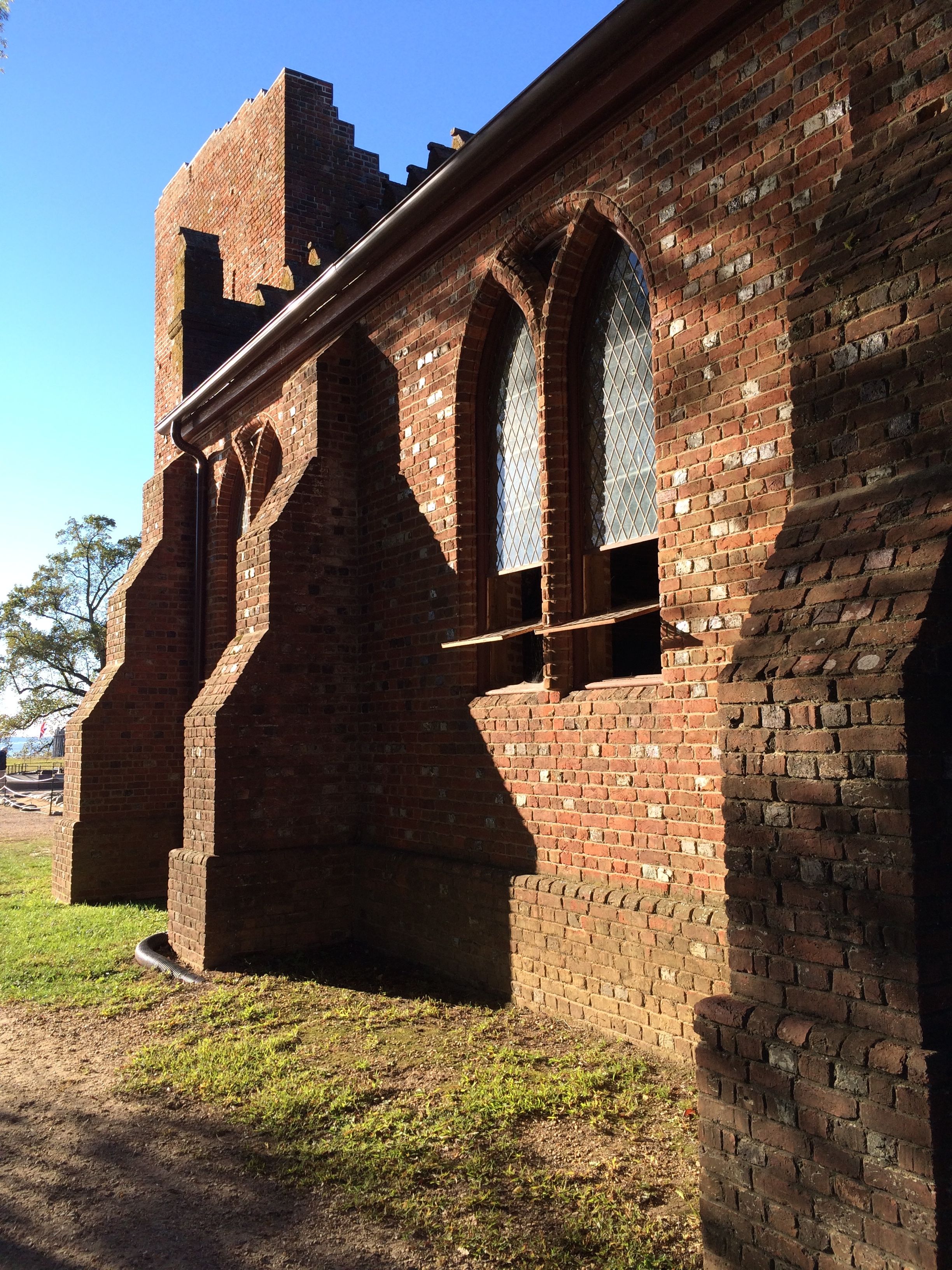
This church was also erected to commemorate the 300th anniversary.
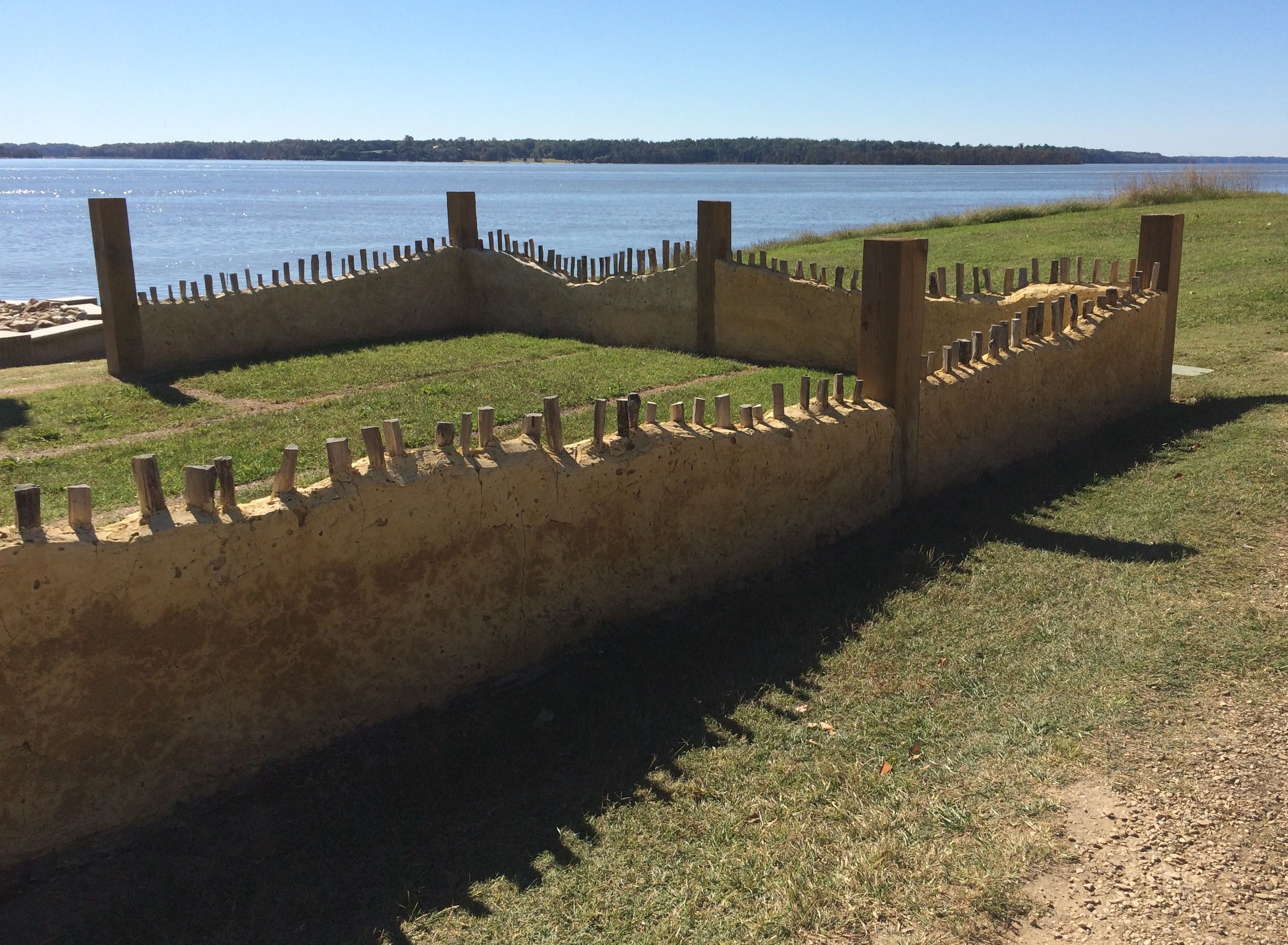
The real church is no longer standing. This is the outline of the building that the archeologists have found. There was nothing left above ground.
This is an active archeology site. They do a lot to make the history come alive, but when you get right down to it, archeology of this type isn’t alway a lot to look at.
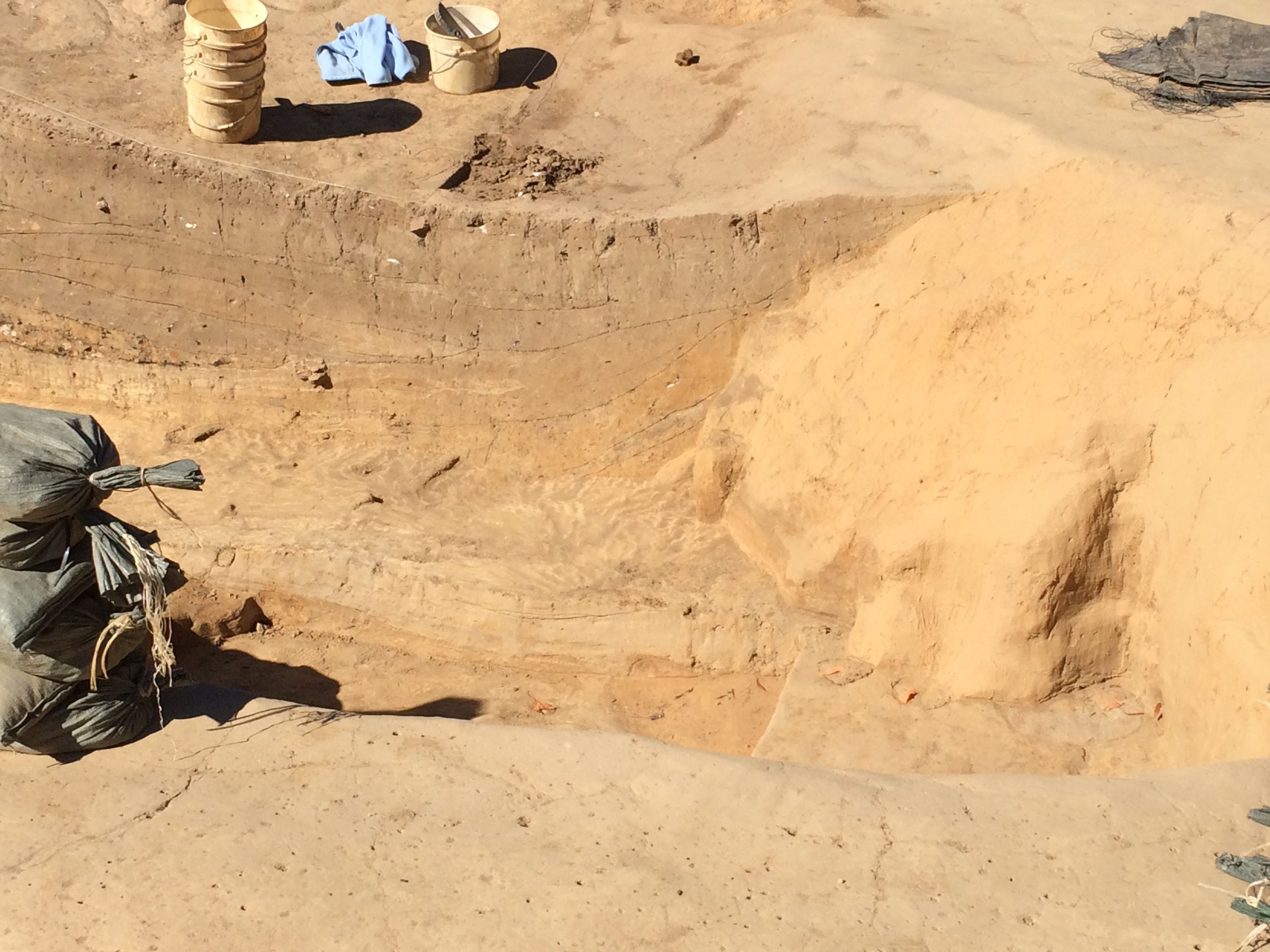
Excavation Site
There were a couple of active excavation sites that I saw while I was there. This one had an archeologist working. I came upon her when she was explaining what she had just found.
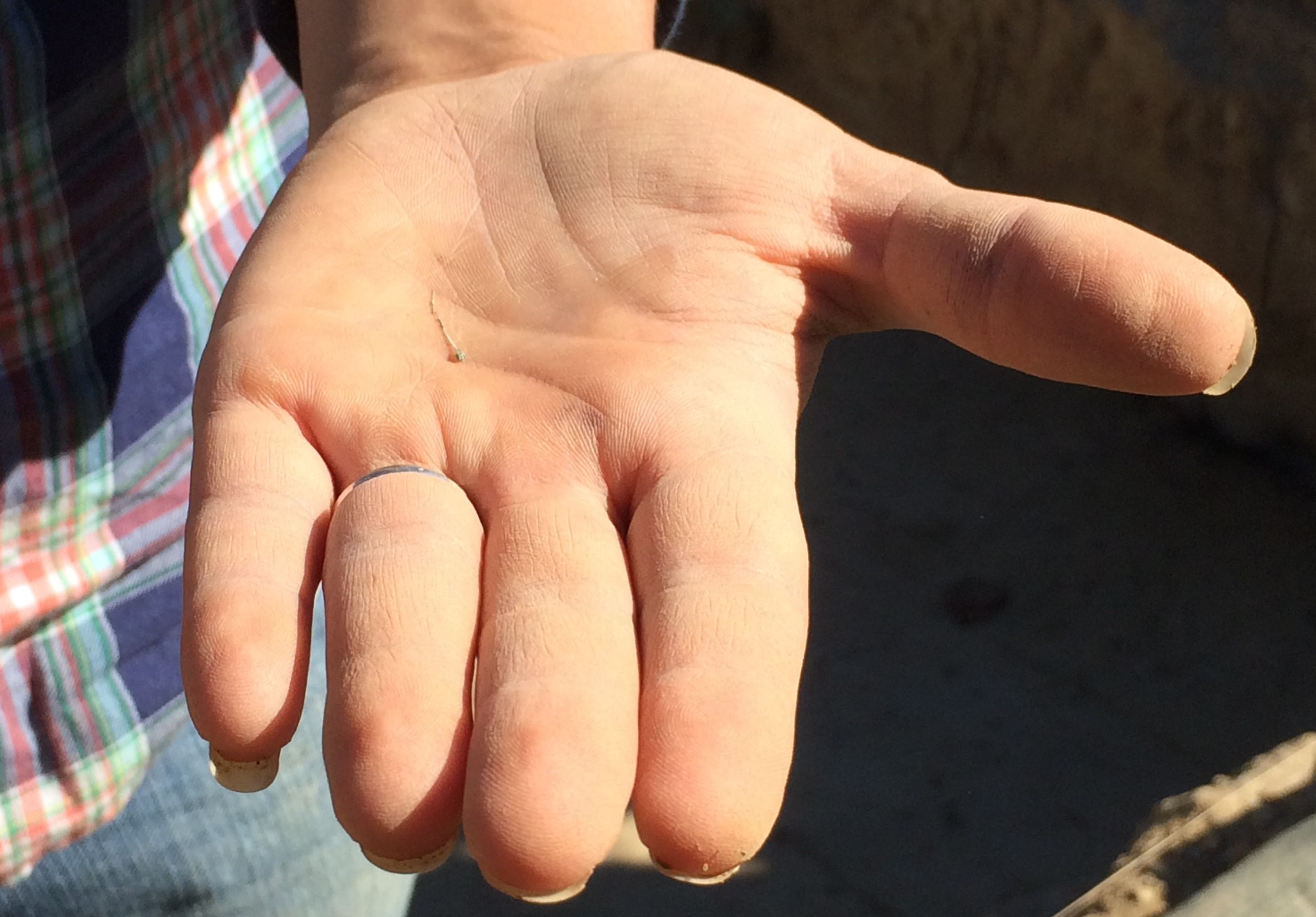
She had just discovered a brass pin. This actually counted as two artifacts, as it was broken into two pieces.
She also explained how they could identify the posts used to hold up the buildings.
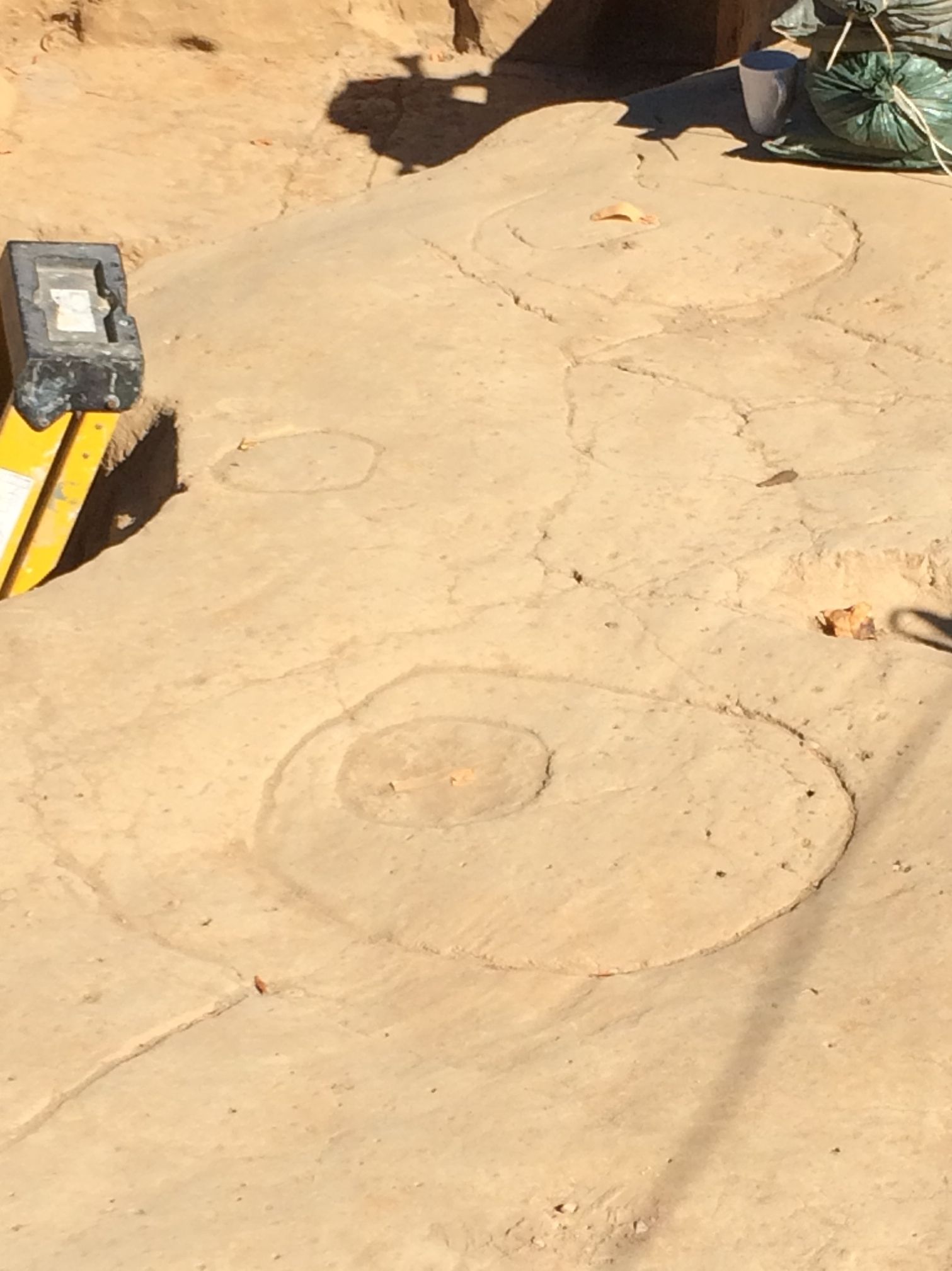
The larger circles were the holes the dug to put the posts in. The smaller circles were the remnants of the posts.
I roamed around, trying to find more information about Jamestown – anything that might jog my memory.
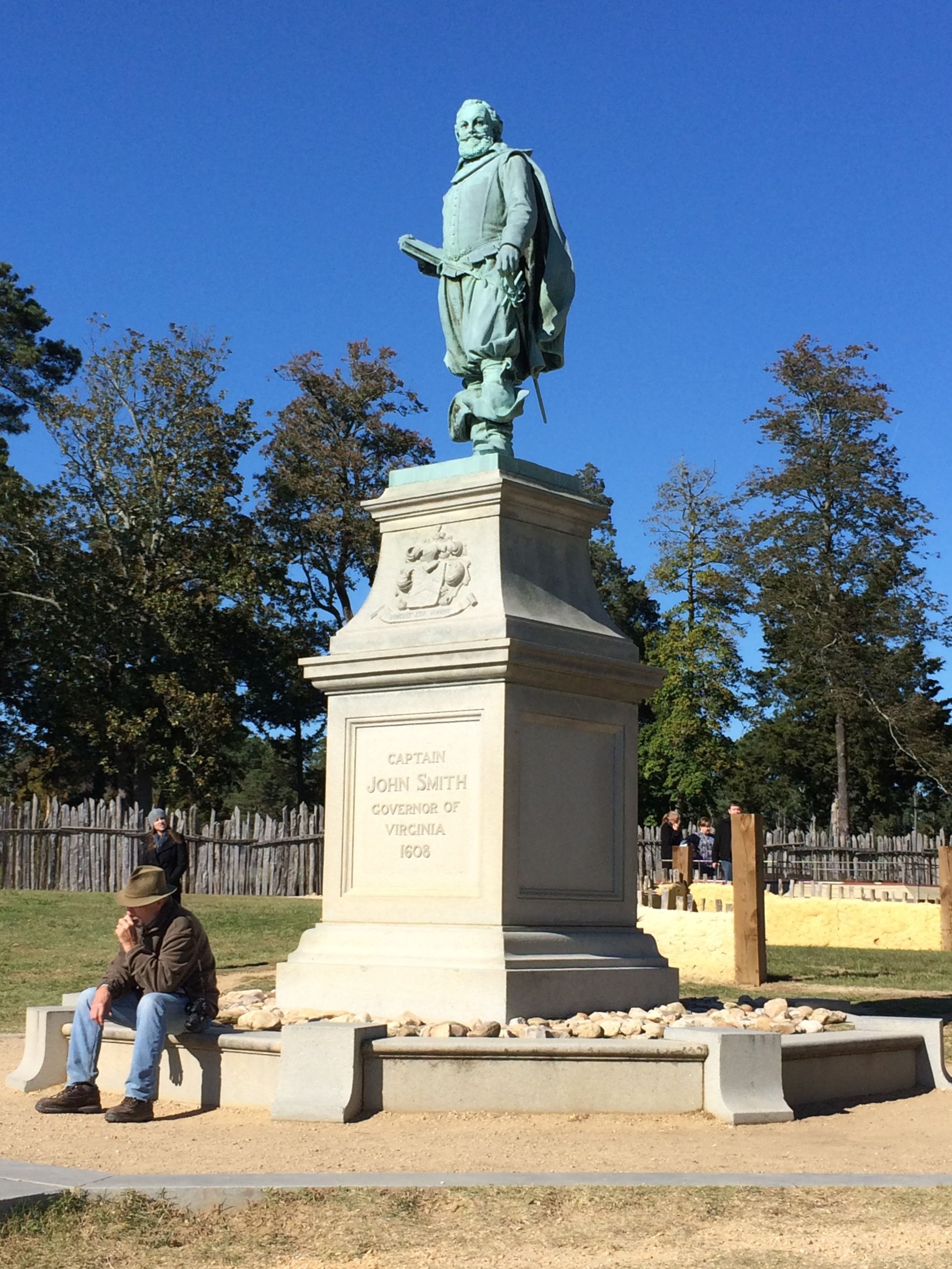
John Smith…oh, I remember that name.
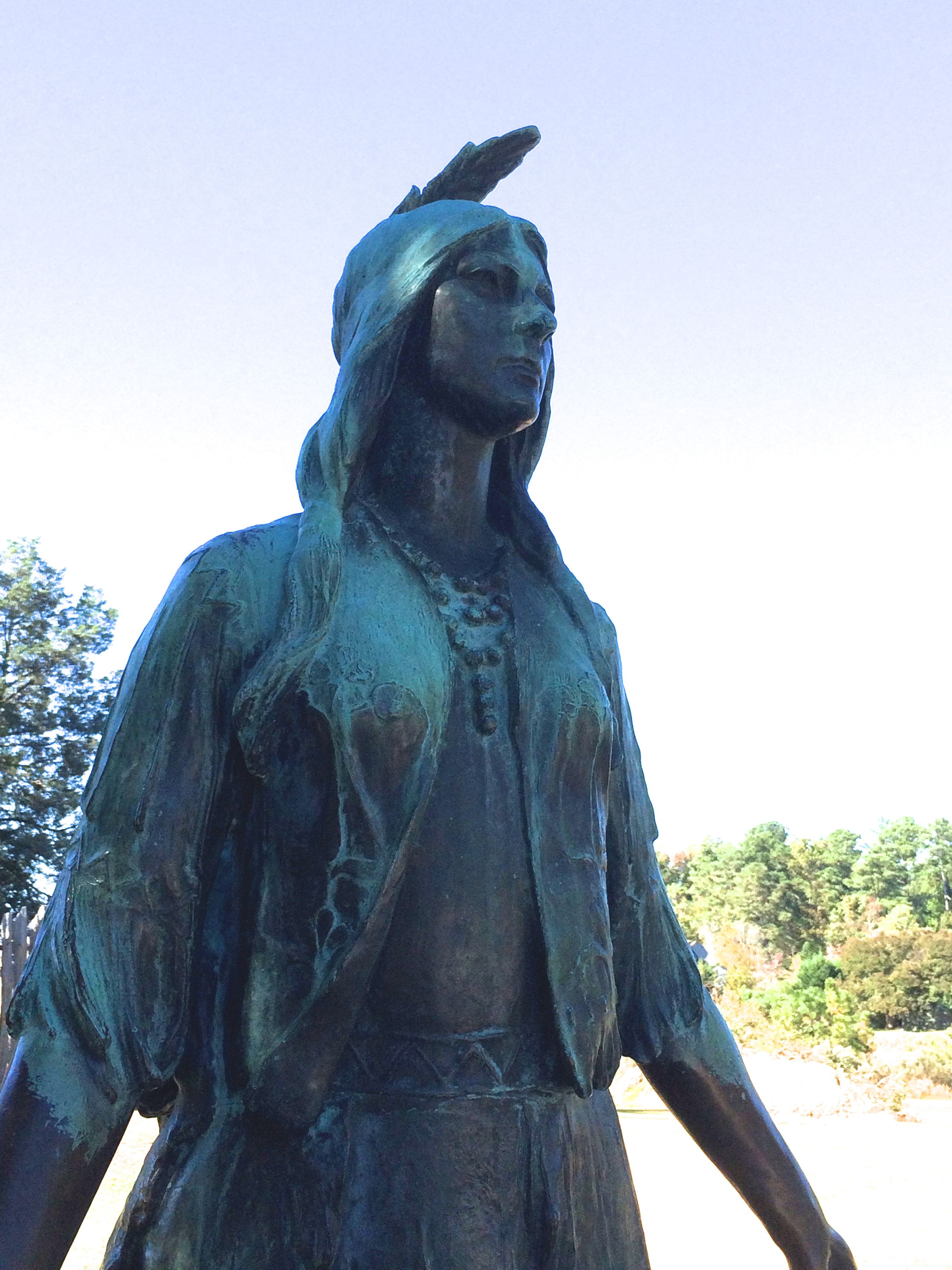
Oh, yeah, and Pocahontas. There is that story that Smith told about Pocahontas saving his life when her father was going to kill him. Most historians say that this story is not true.
Pocahontas did end up converting to Christianity while she was in captivity and she took the name Rebecca. She ended up marrying tobacco planter John Rolfe. In 1616, she went to England with her husband and her son, Thomas. Unfortunately, she died while she was in England and she is buried there. The site of her grave is thought to be underneath the chancel of the parish church of Saint George’s in Gravesend, on the south bank of the Thames river near London. The exact location of her grave isn’t known, though, because the church was destroyed in a fire in 1727.
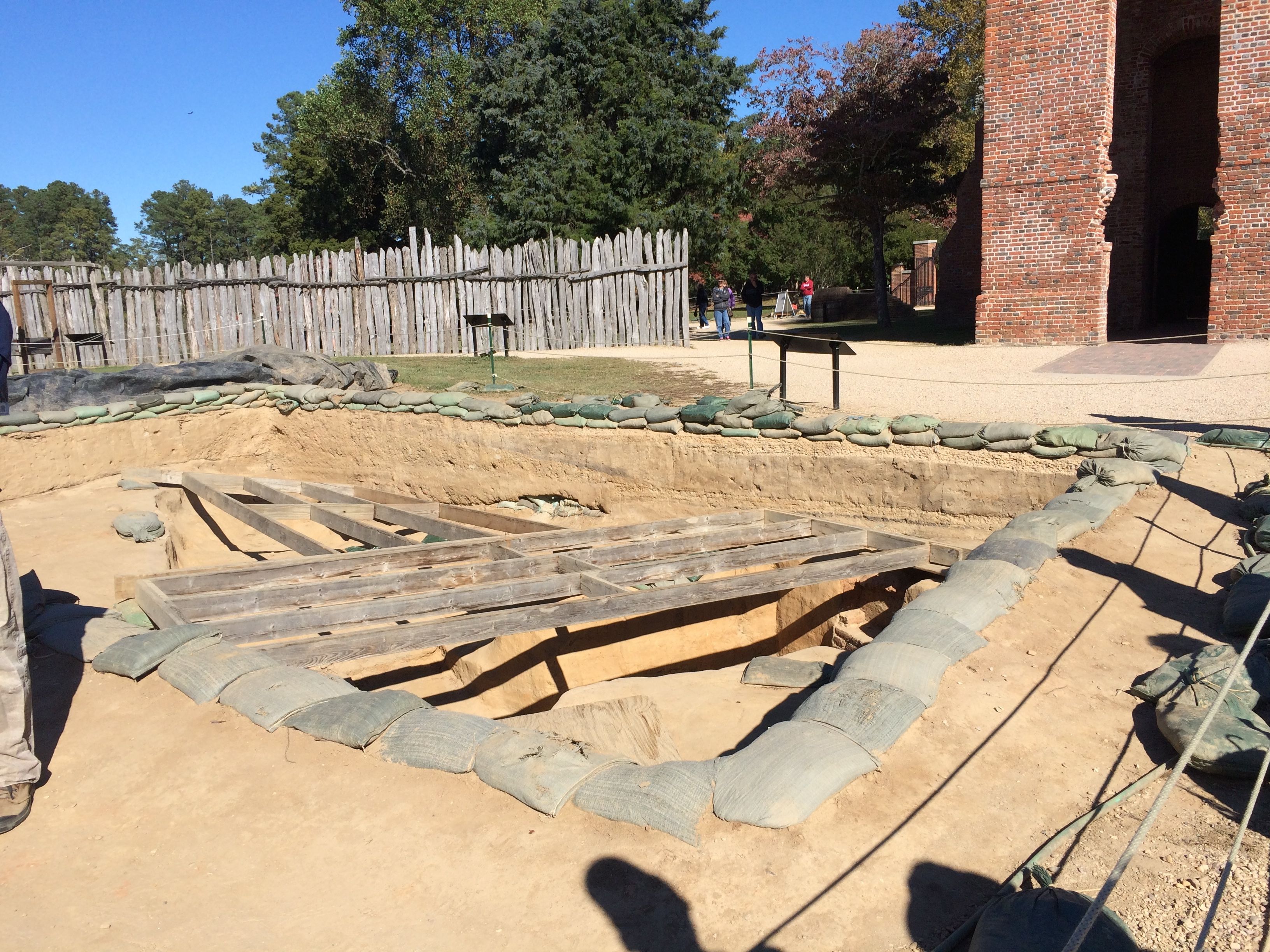
I happened upon another dig with a talk in progress. This time, the talk was being given by one of the archeologists involved with the study of cannibalism during the starving time during the winter of 1609-1610.
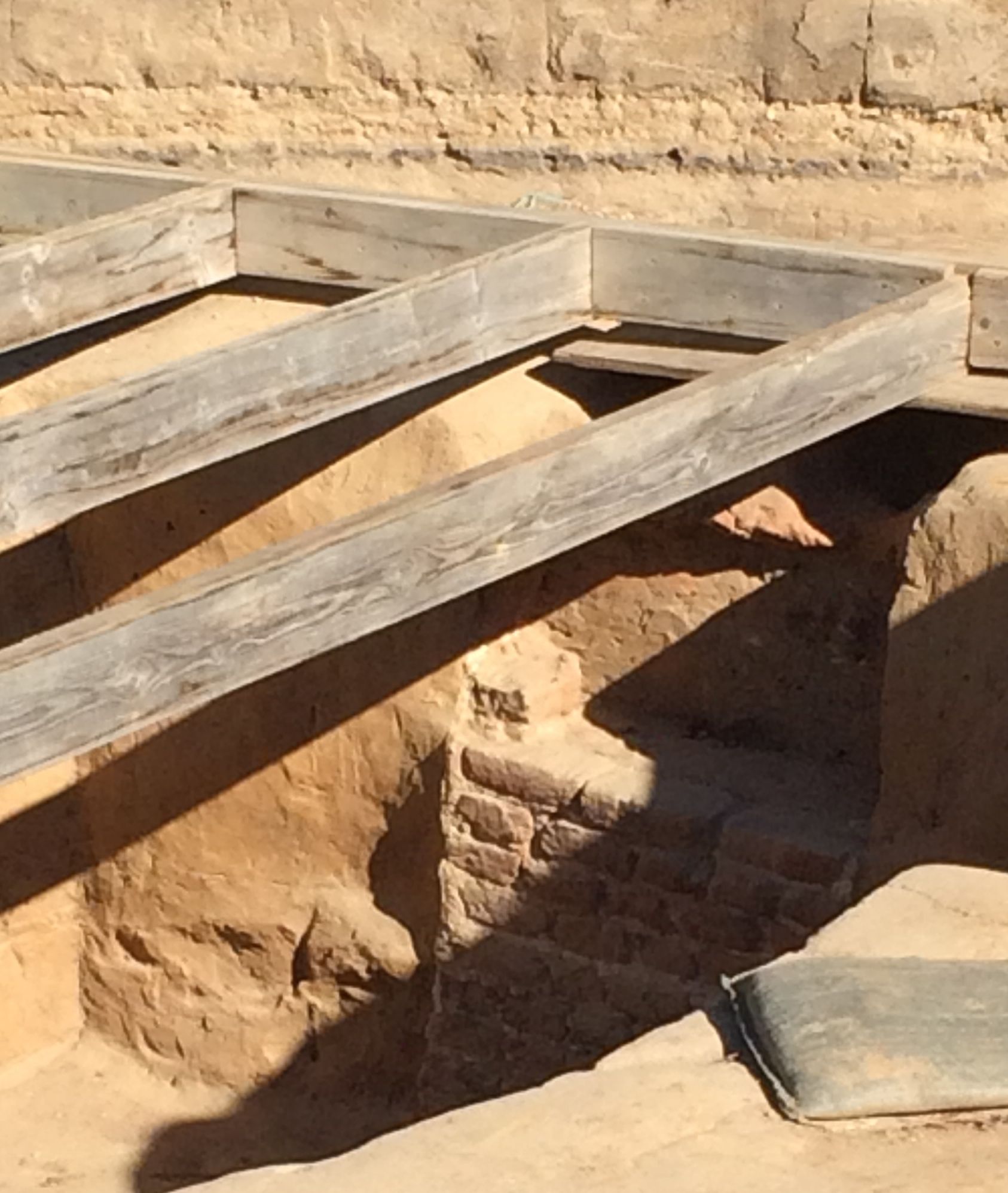
From what I understood, a skull with evidence of butchering was found tucked back behind the bricks of the oven in the cellar being excavated here.
They did forensics on the skull and determined that the cut marks were made postmortem. They did a facial reconstruction and inside the Voorhees Archaearium Archeology Museum, they have a display of the skull and the reconstruction.
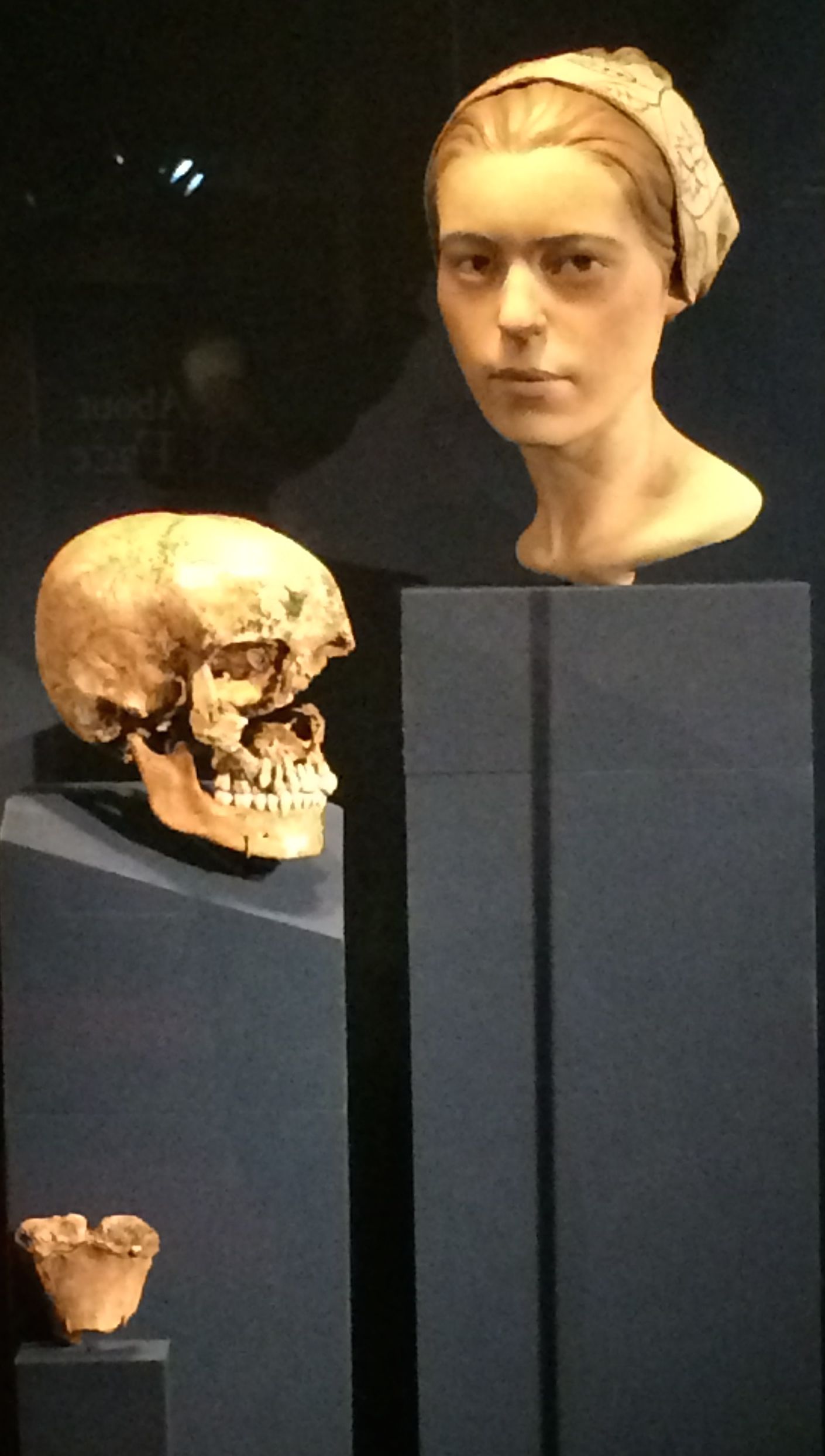
They named her Jane, but they have no idea who she really is.
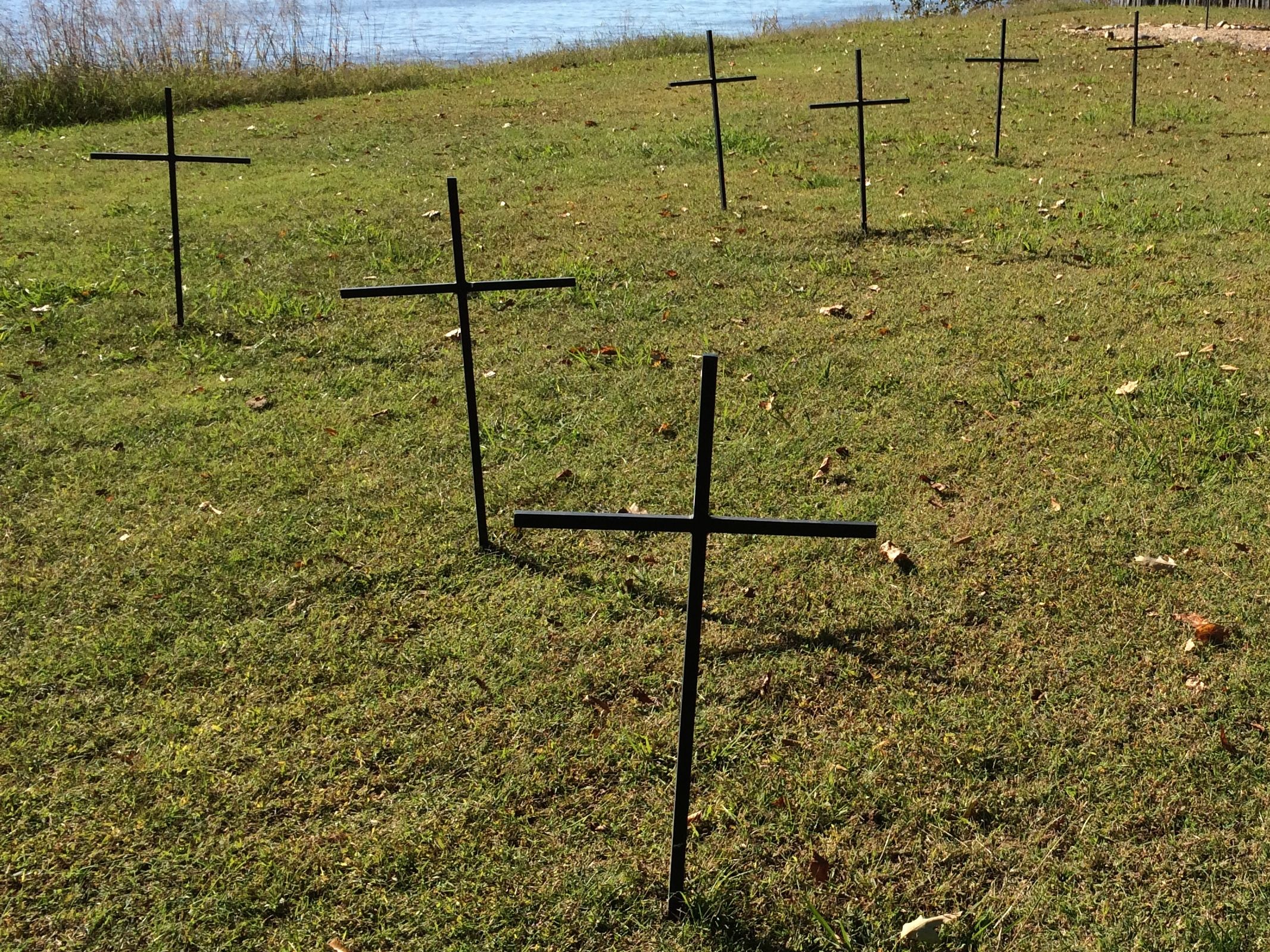
The archeologist – and I really wish I had gotten his name – said that he had these crosses made to mark the graves inside the fort when Queen Elizabeth came for the 400th anniversary. The graves had been marked with wooden crosses, which he said gave the grave an “Old West” feel, which wasn’t in keeping with the era. He said that they had some old wrought iron fence, so he had a welder use the fence to make these crosses.
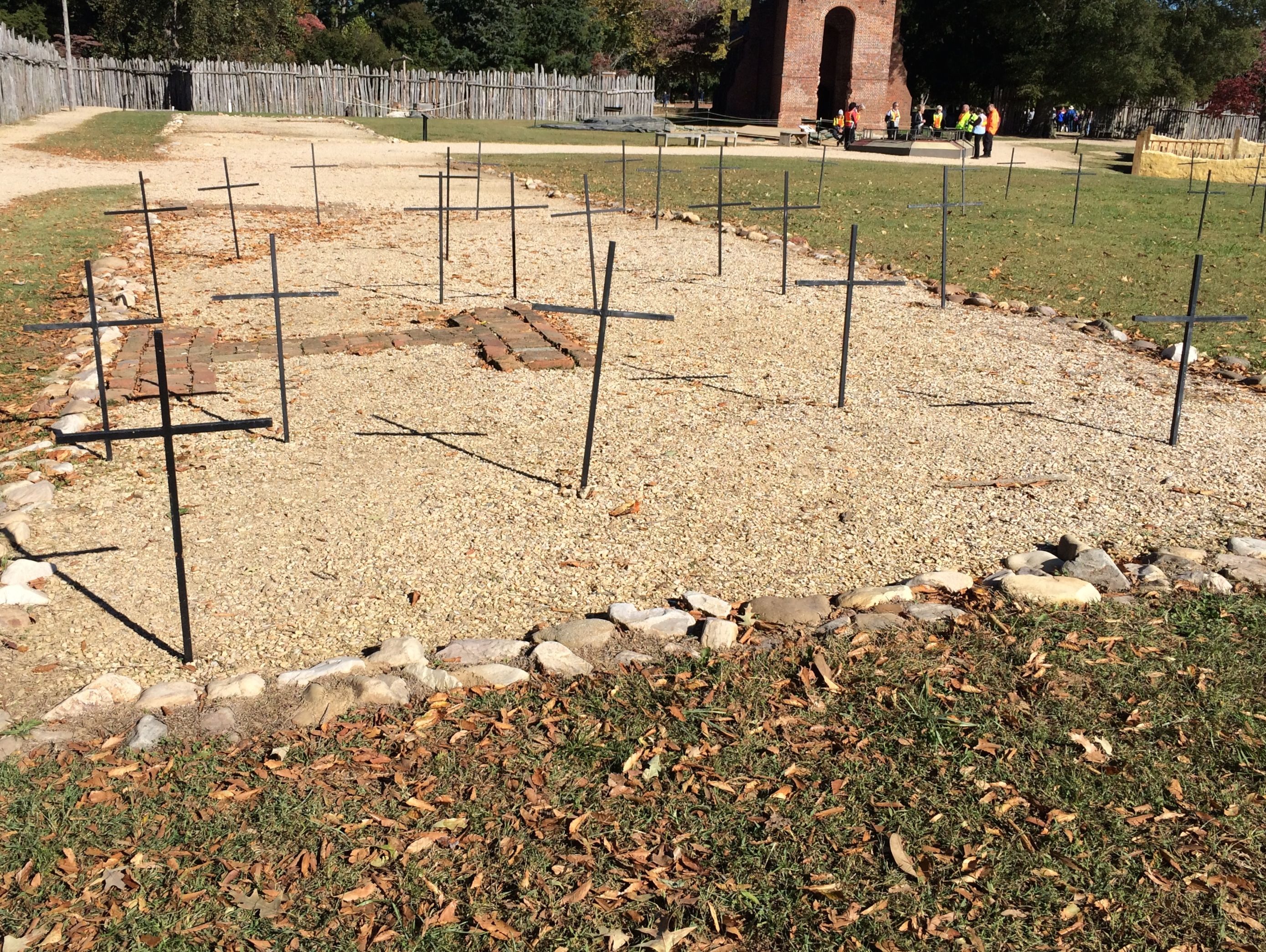
Archeologists have discovered 30 grave shafts located beneath this building, known as Councillors’ Row. The graves predate the 1611 building, so they believe that these graves were from the summer of 1607, when only 38 of the 104 original settlers survived.
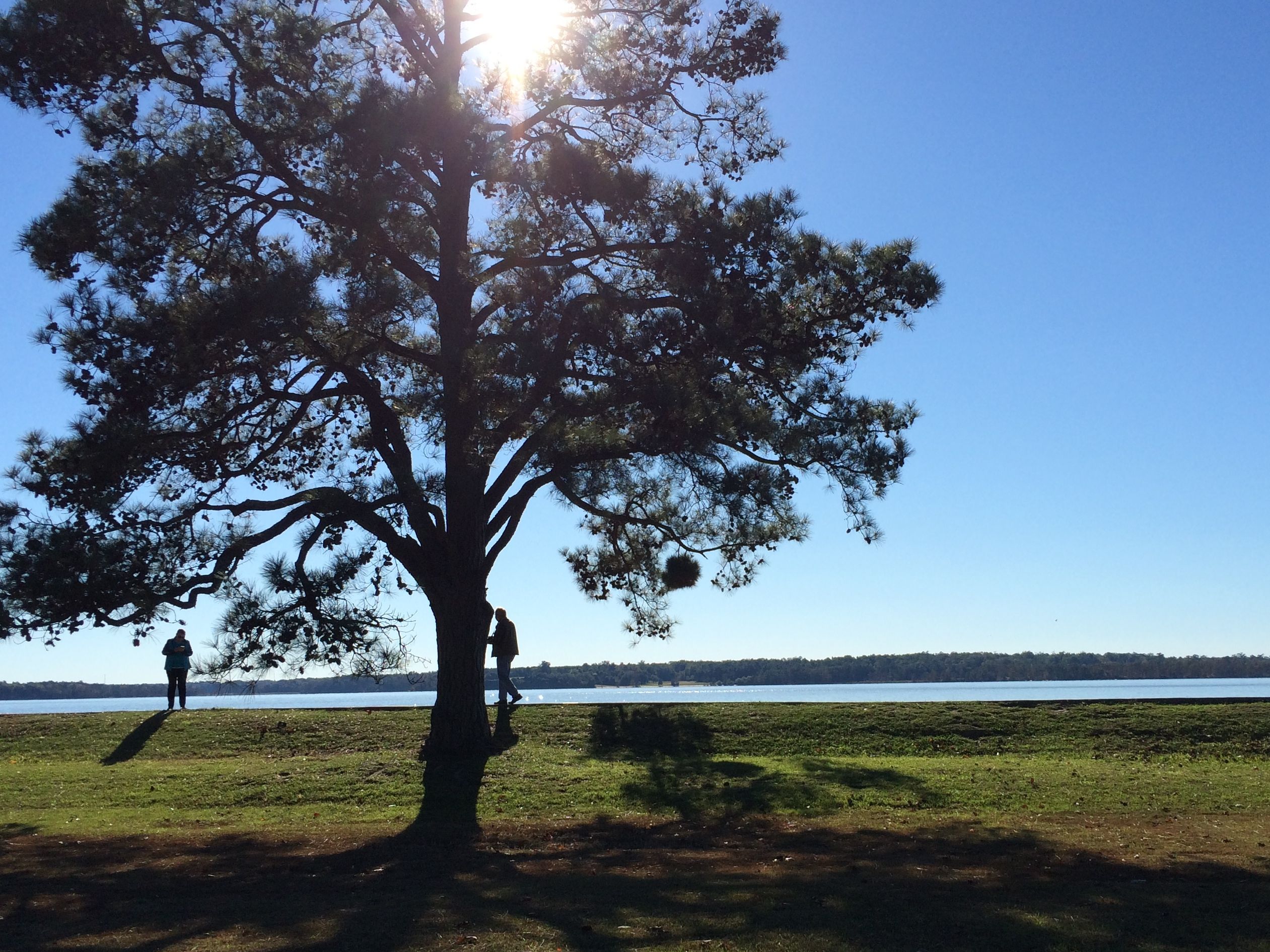
This spot is close to the site of the first landing. Erosion has worn away the actual site. There is a marker nearby that commemorates the landing – I just didn’t make a random guess.
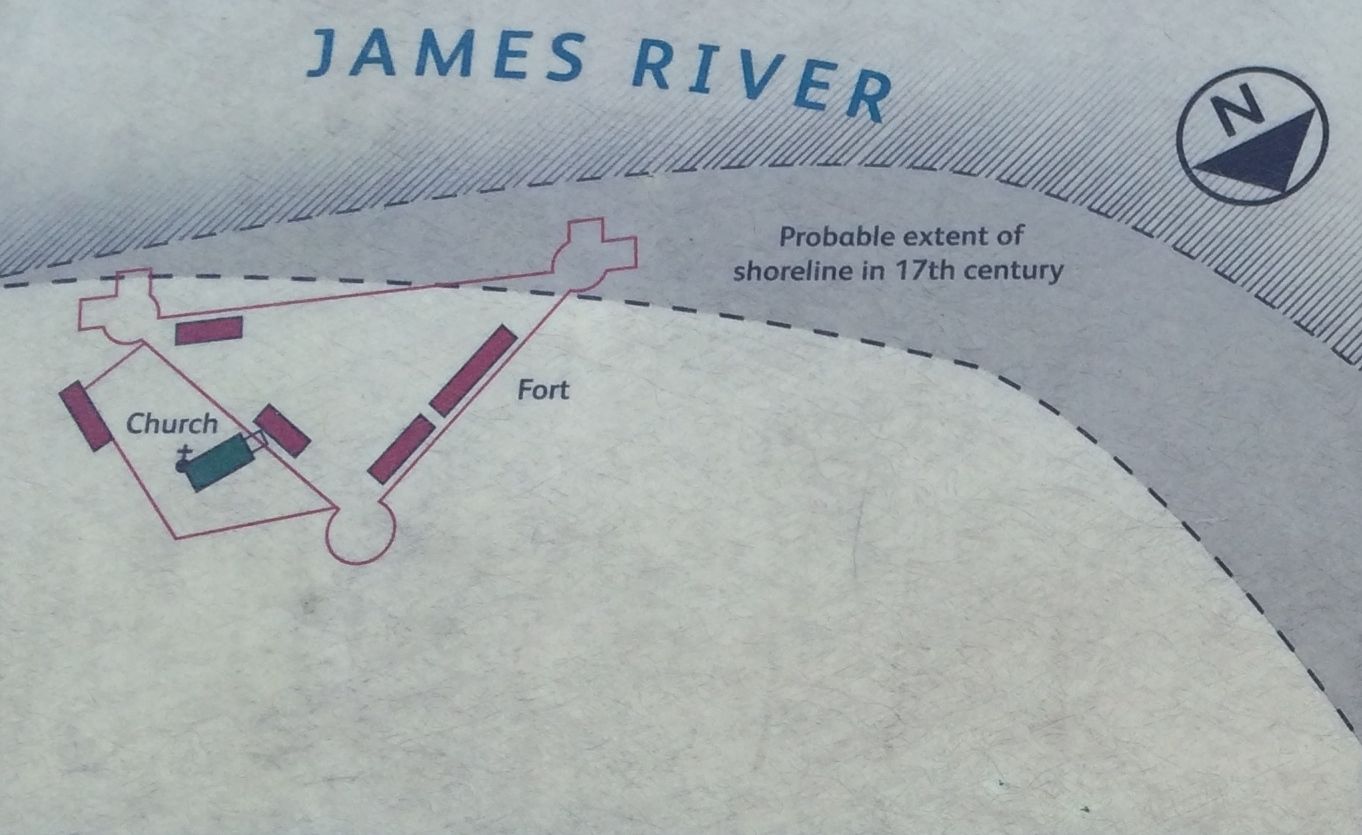

All sorts of disciplines contribute to keeping track of the land and how it changes over time. They have seawalls up now to inhibit further erosion.
Water is such a predominant feature here. I enjoyed watching the ferries cross the James River while I was there.

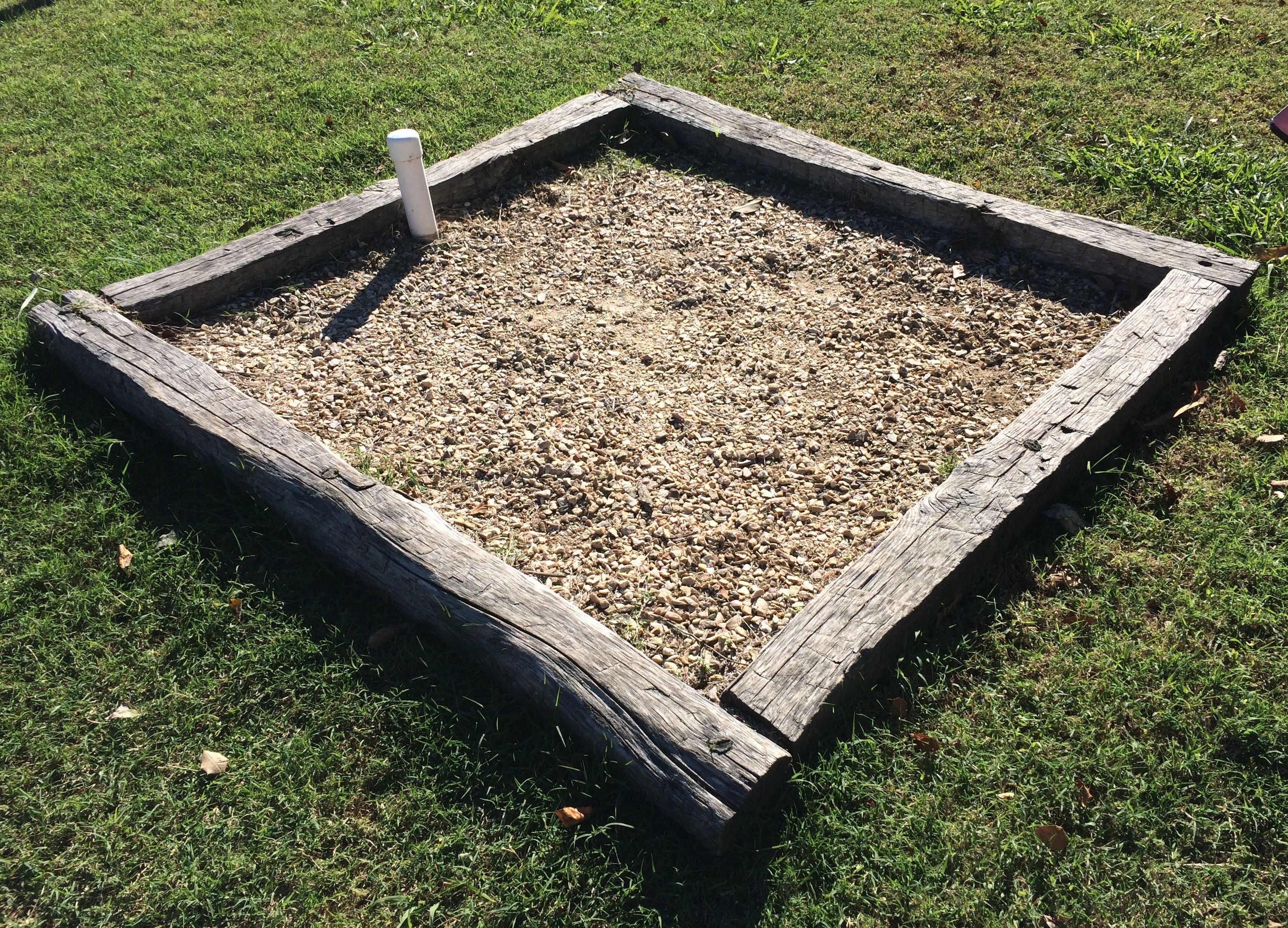
As any person with a casual interest in archeology can tell you, wells are a great source of artifacts, along with midden piles and outhouses. They excavated this well that was dug in 1611 an they uncovered a good number of artifacts. They filled it back in, but inserted a pipe so that they can monitor the water and gases underground.
I continued walking along the paths and came to a remnant from another era.
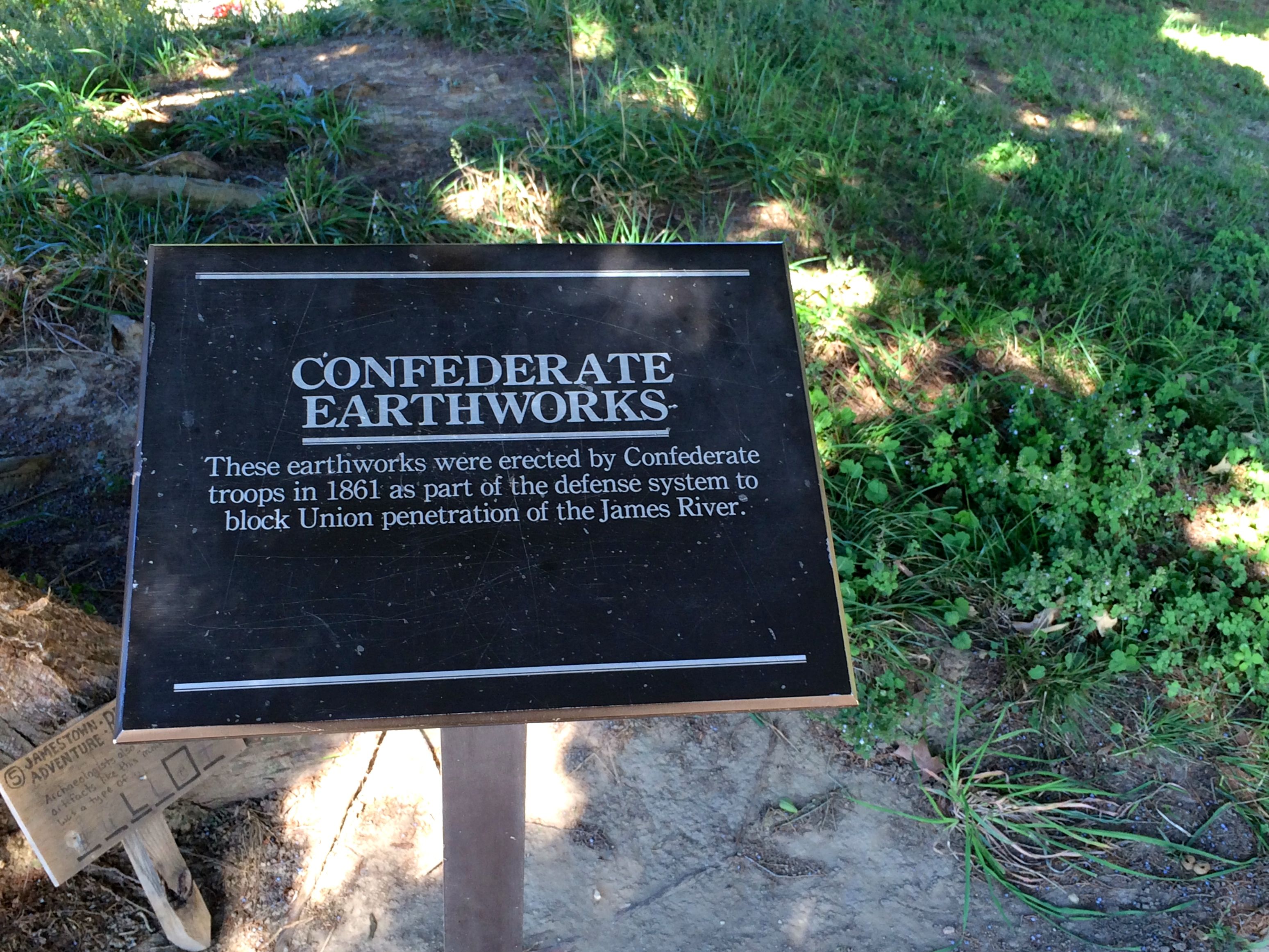
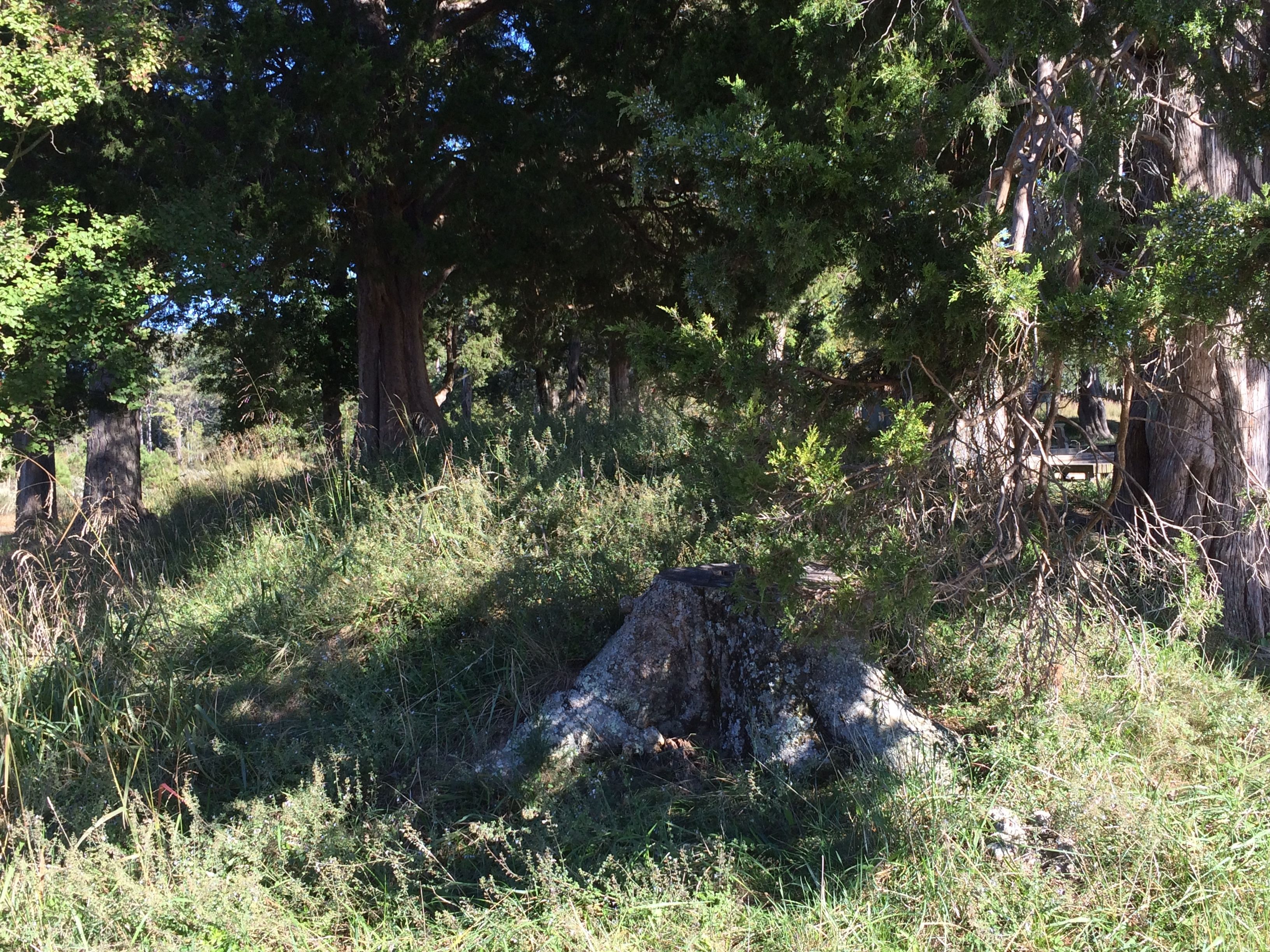
Archeology is piecing bits of information together to create understanding. This doesn’t look like much, but this was part of a Confederate fort that had a gun platform and three large powder magazines.
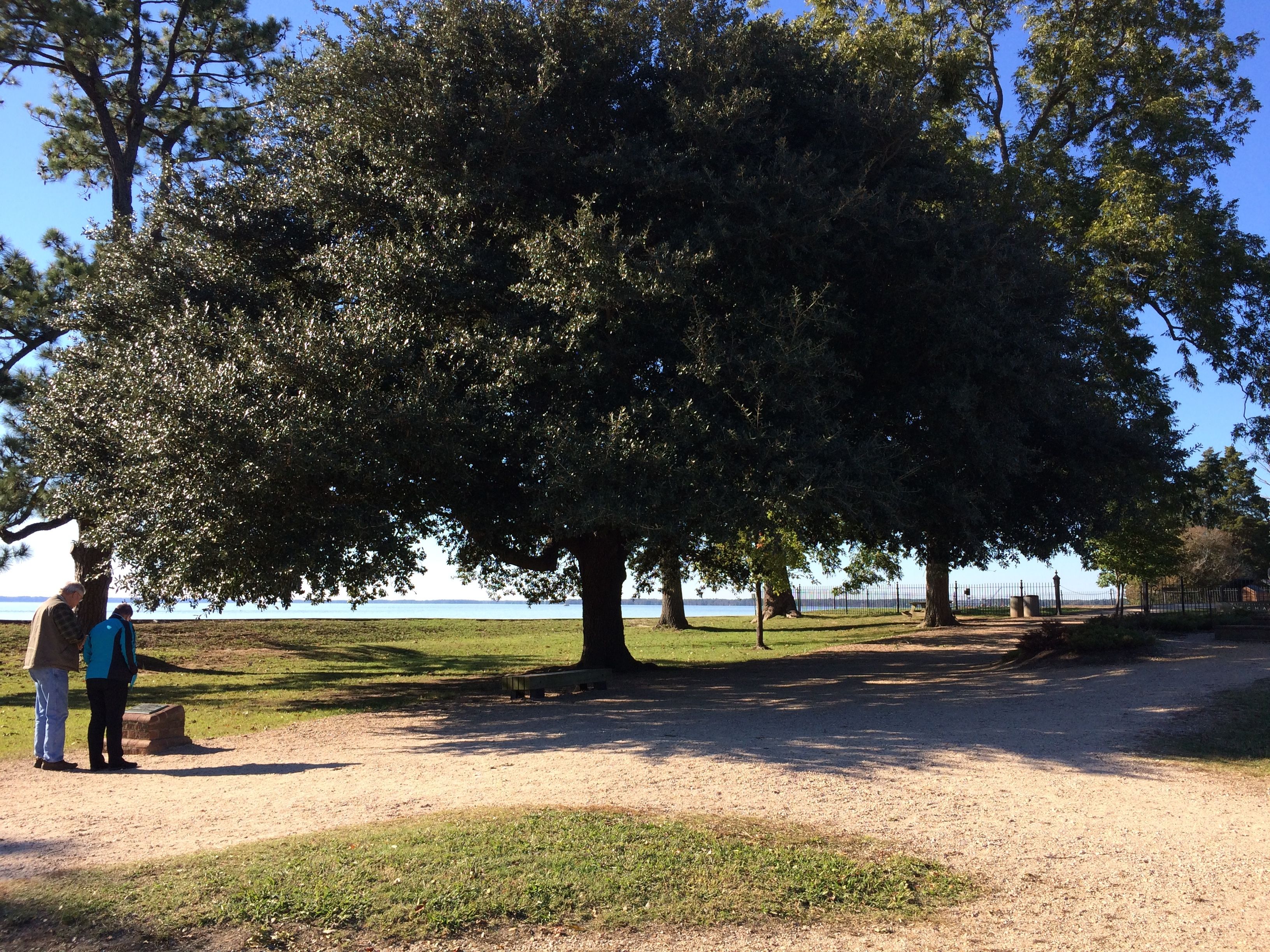
The people in the photo are looking at a plaque that says that this live oak was dedicated on June 15, 1965 to commemorate the 750th anniversary of the sealing of the Magna Carta.
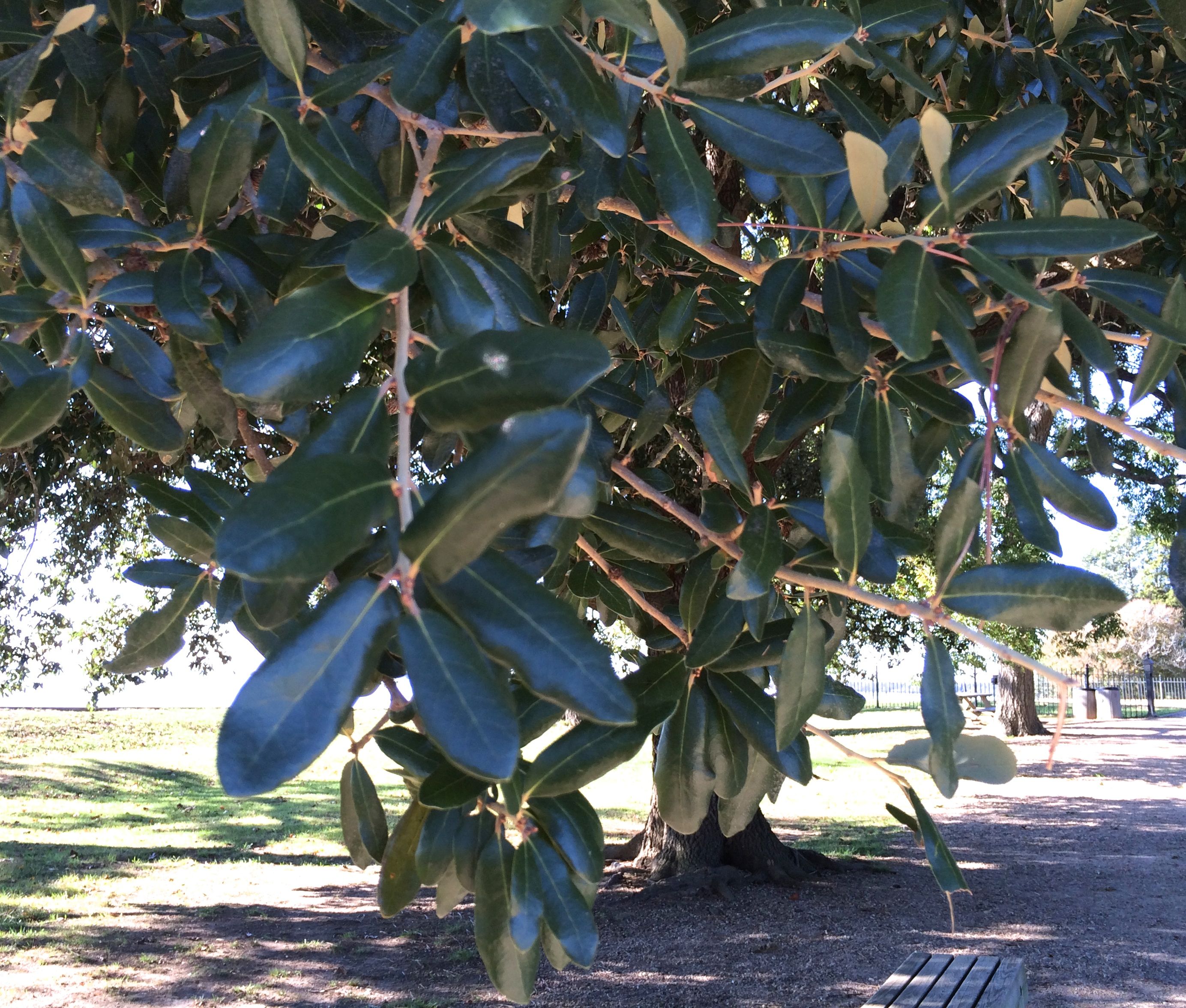
Now, I have always been confused about what a live oak was. Is a live oak the opposite of a dead oak? I found out that a live oak is an evergreen oak. the leaves stay green when deciduous trees drop their leaves.
A little further along the path, I came to the Archaearium, which is built over the foundations of the House of Burgesses. The Burgesses met there until 1698, when the statehouse burned down for the fourth time.
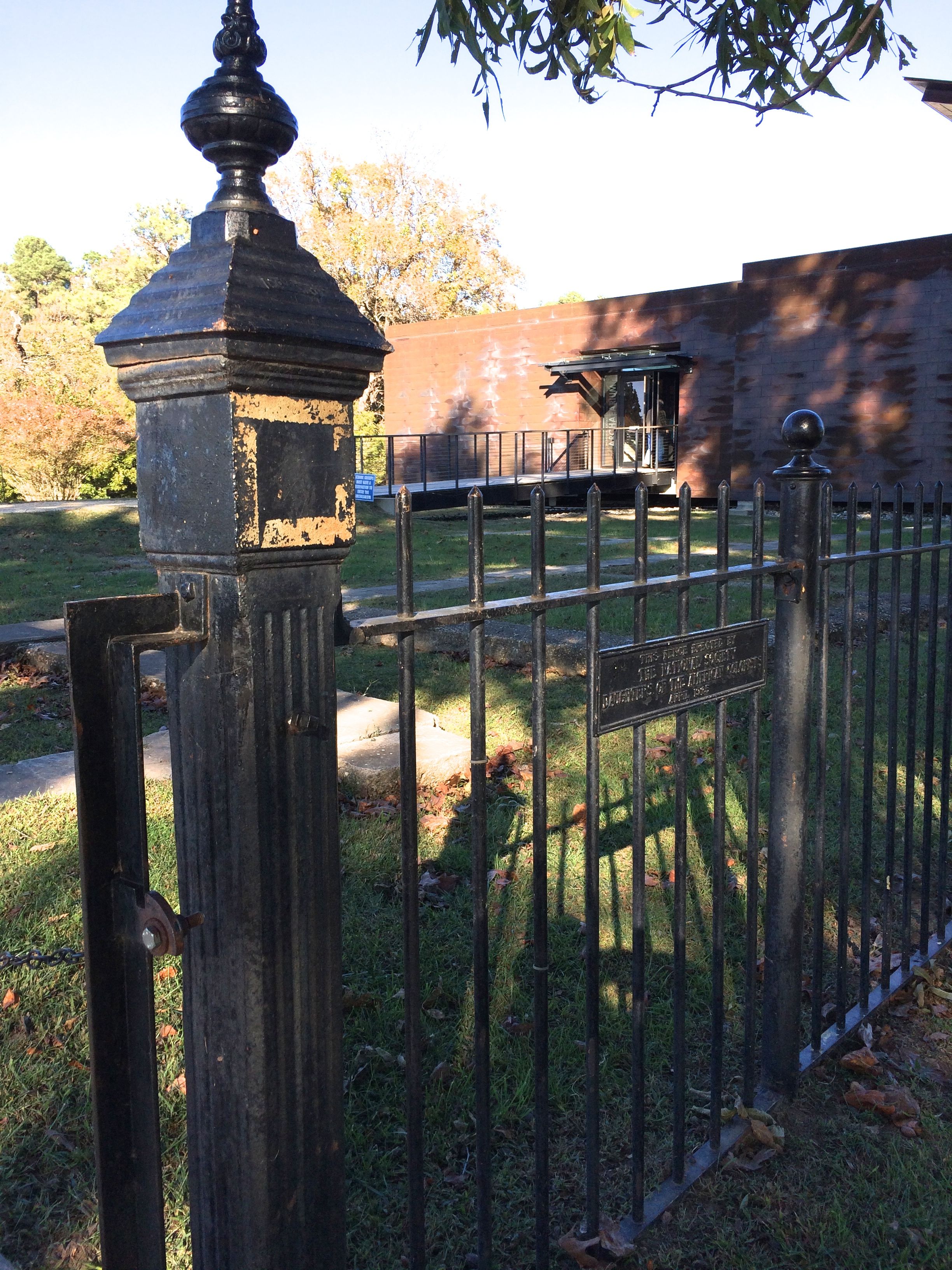
Everyone wants to have their contributions recognized.
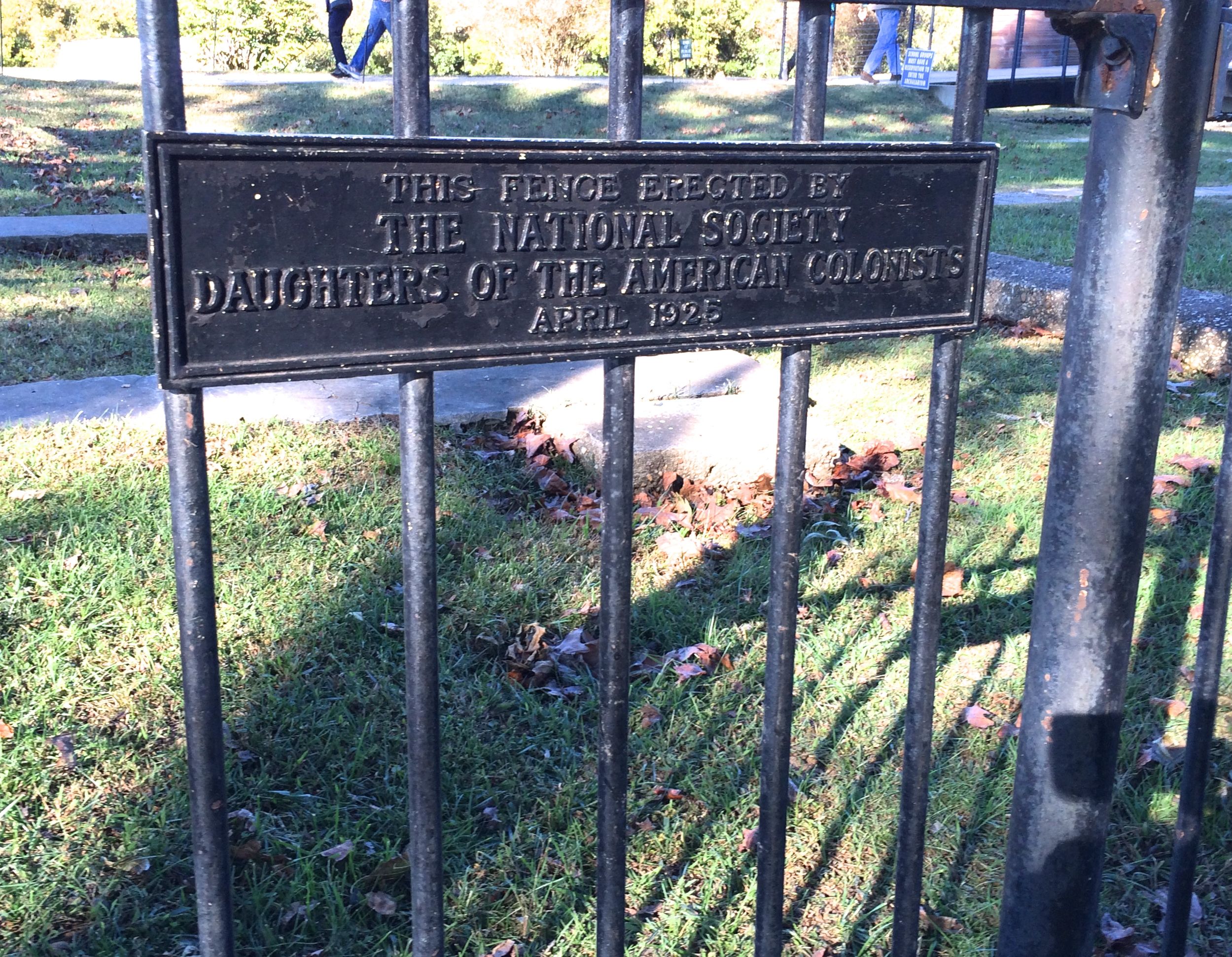
Although the foundations aren’t much to look at, they are still a part of the history of how we got to where we are.
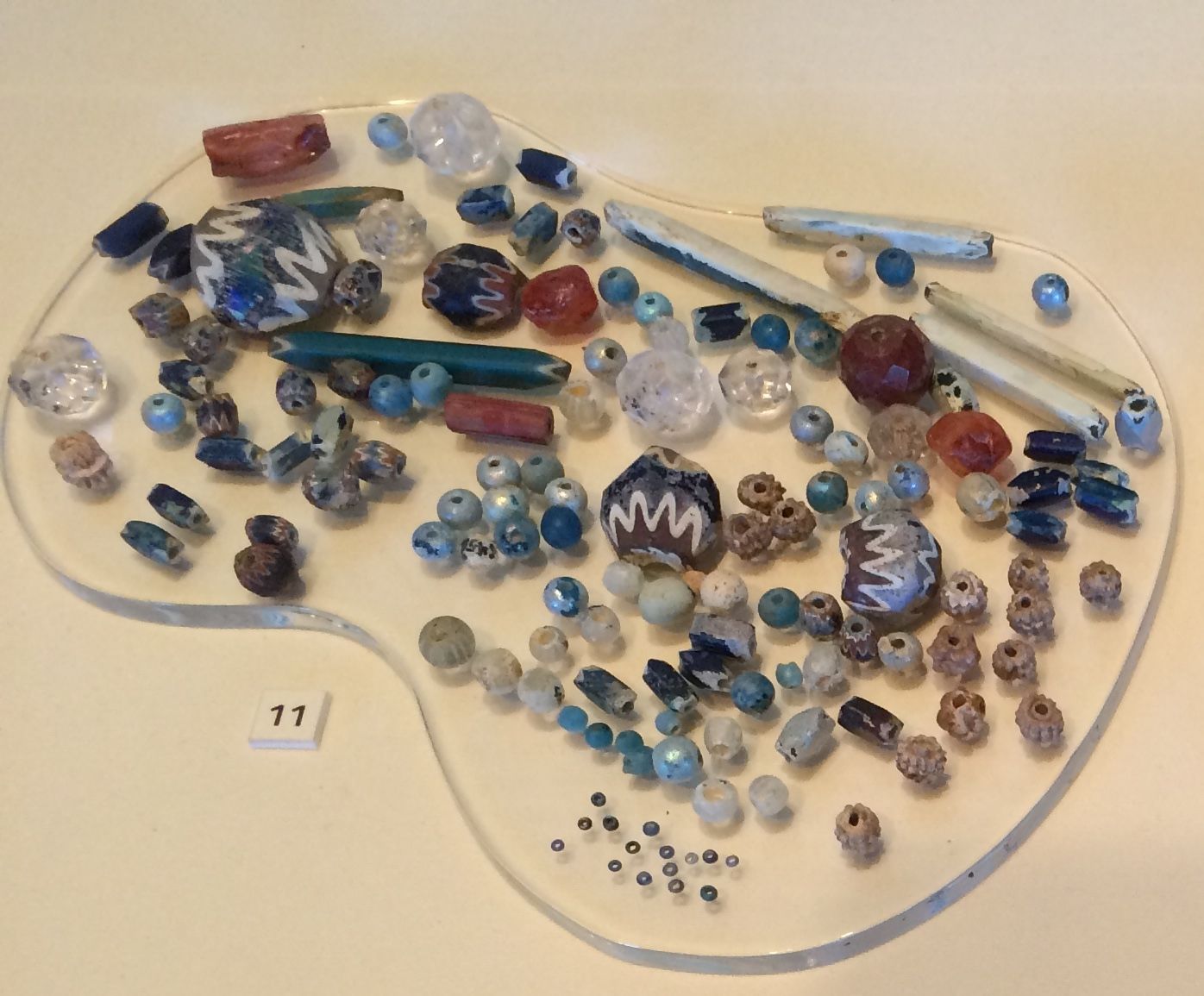
There were signs up inside the Archaearium prohibiting photography. I did my best, but I just couldn’t help myself. I had to take a few. The first one I snapped was the skull and reconstruction of Jane. Then, I just had to get a shot of some beads that were brought in as trade goods.
The last one I got a shot of was a caltrop.

A caltrop looks a lot like a jack, doesn’t it? It has the same effect on the feet of attacking enemies. OW!
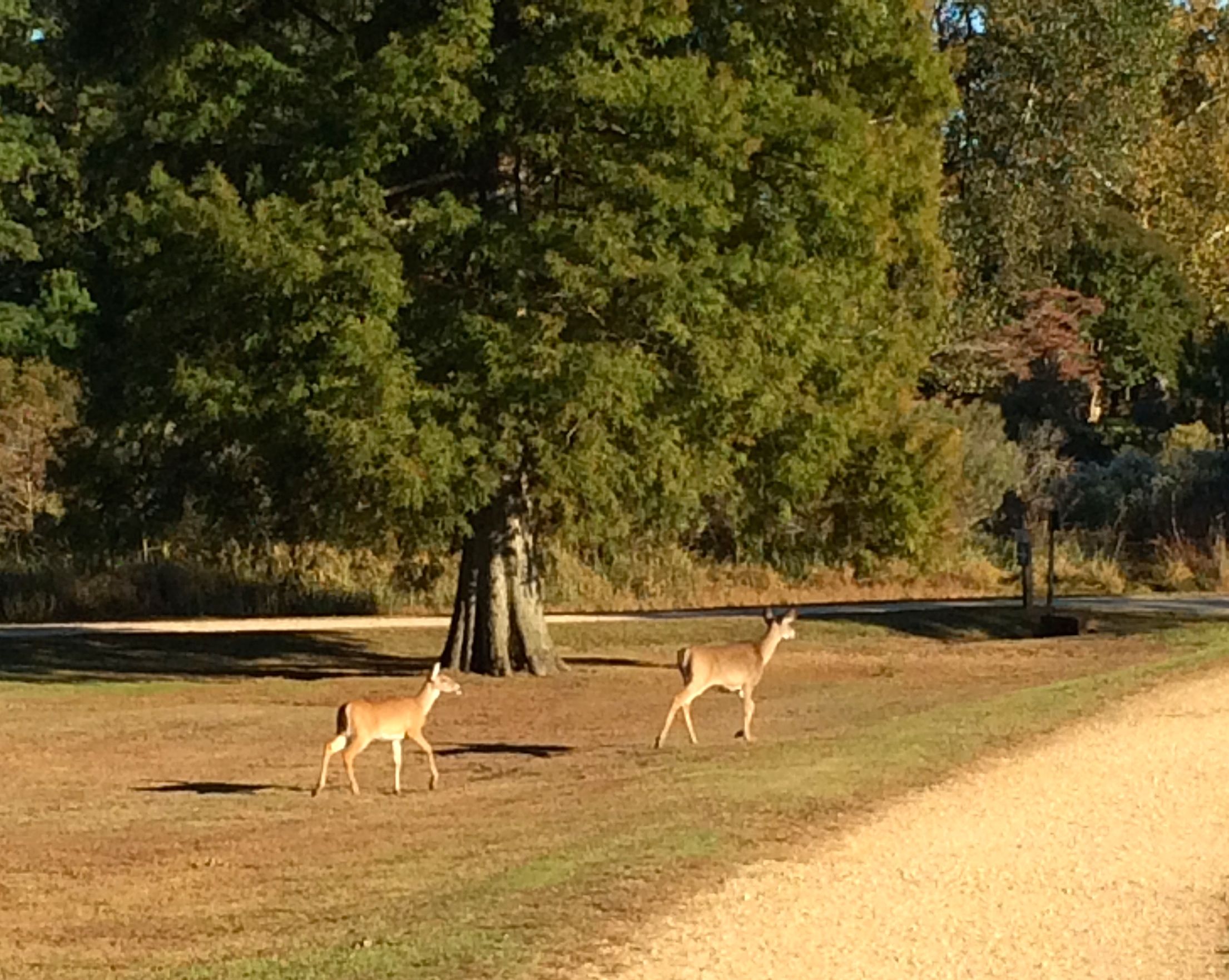
With that, it was time to head back to the campground. The deer went bounding ahead to show me the way.