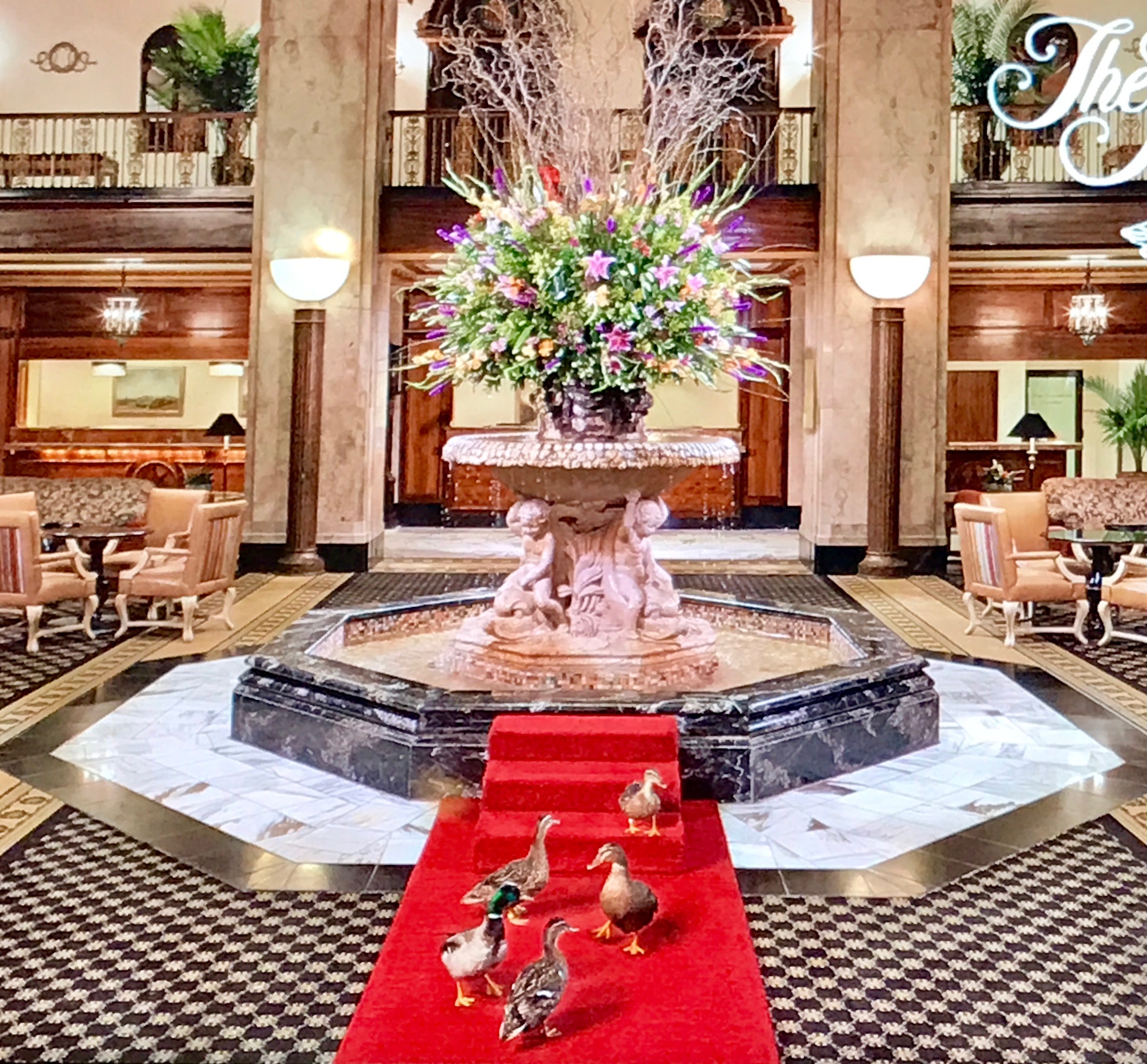
One of the things on “The List” was to see the ducks at The Peabody Hotel. When I taught third grade, I had this book by Patricia Polacco in my library. It was based on the ducks that live-in the fountain at The Peabody Hotel.
Naturally, The Peabody was on my list for Memphis.
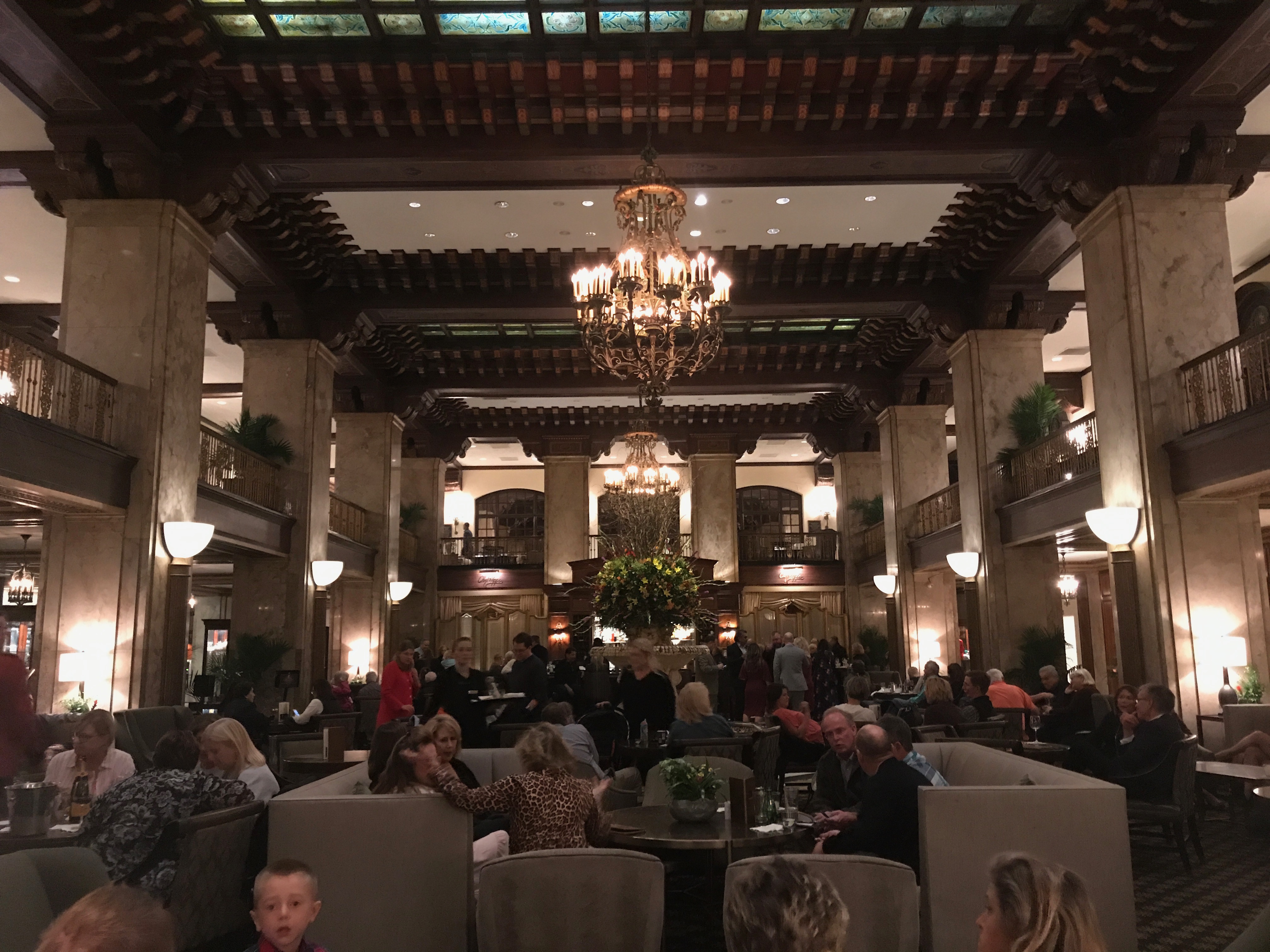
I love big, fancy hotels. I love their elegant lobbies.
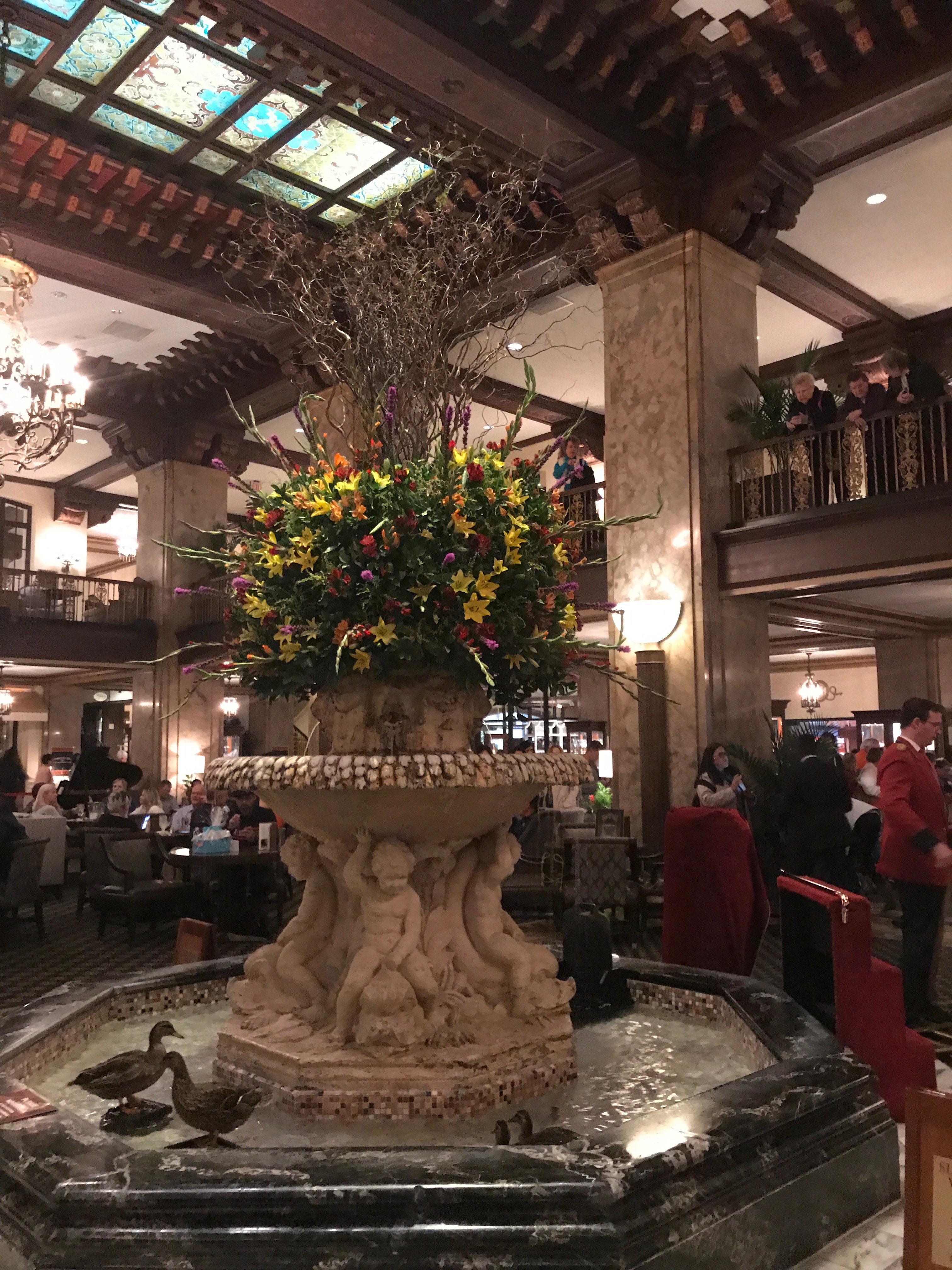
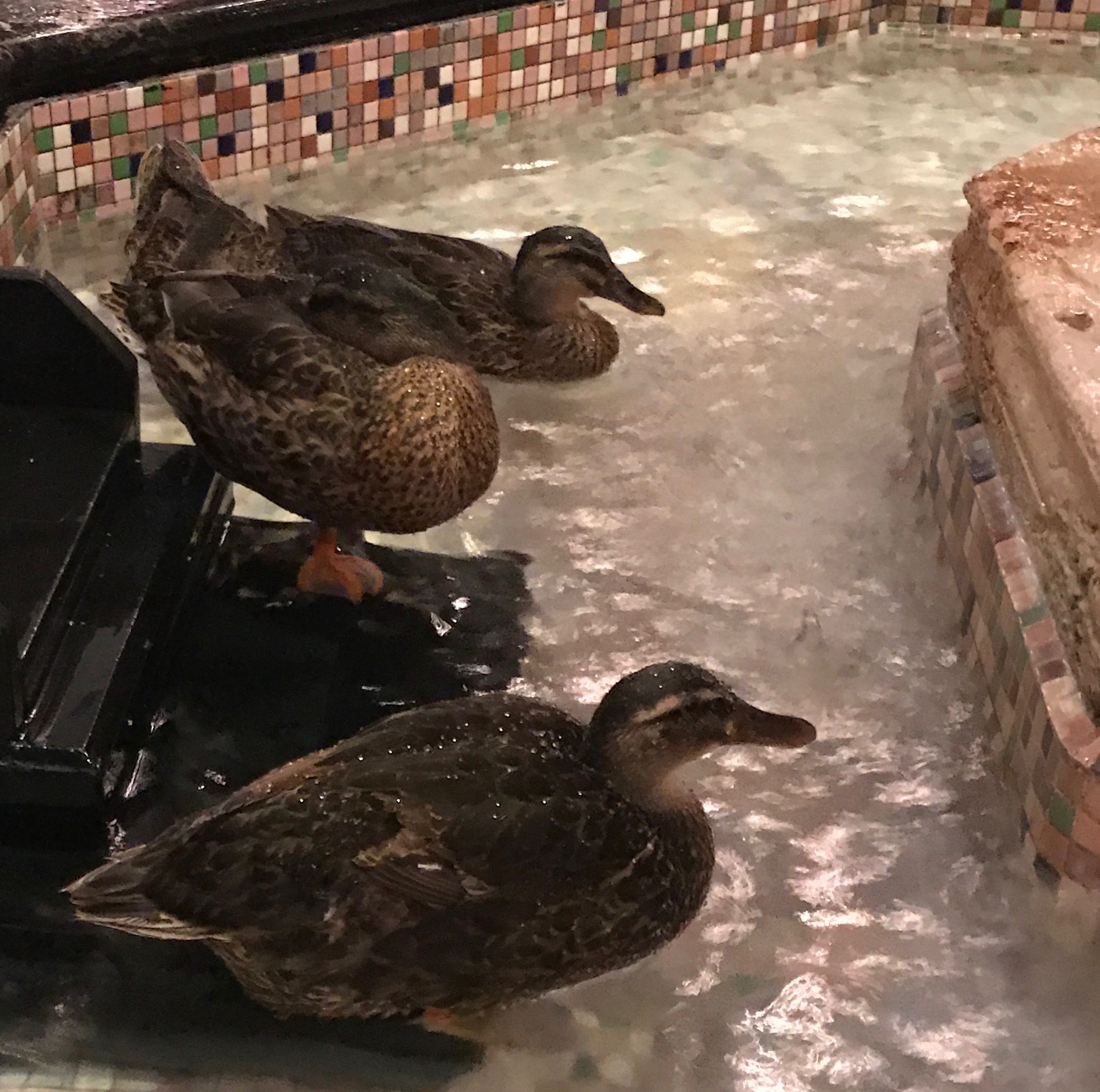
The Peabody’s lobby’s centerpiece is this fountain, complete with ducks.
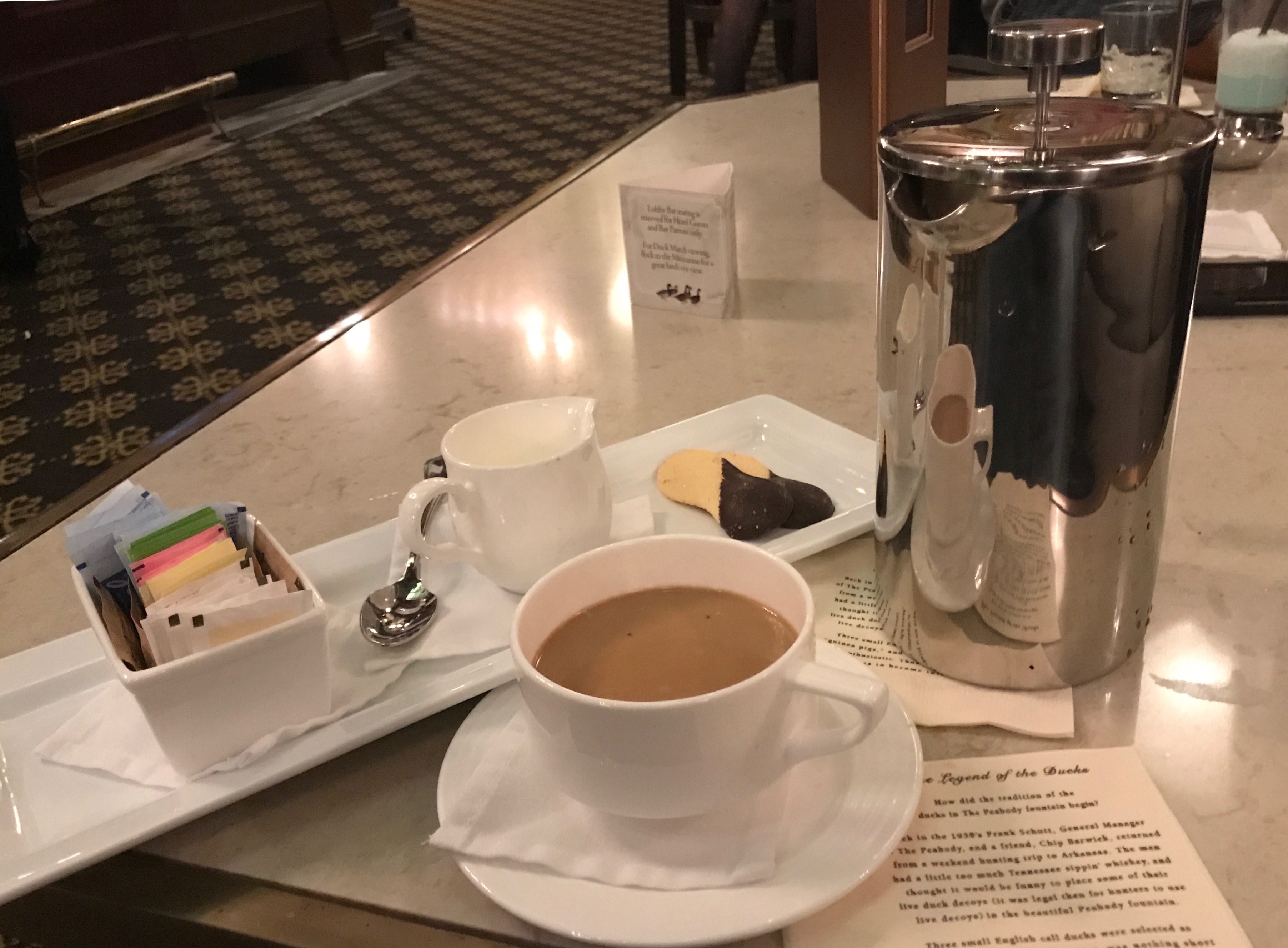
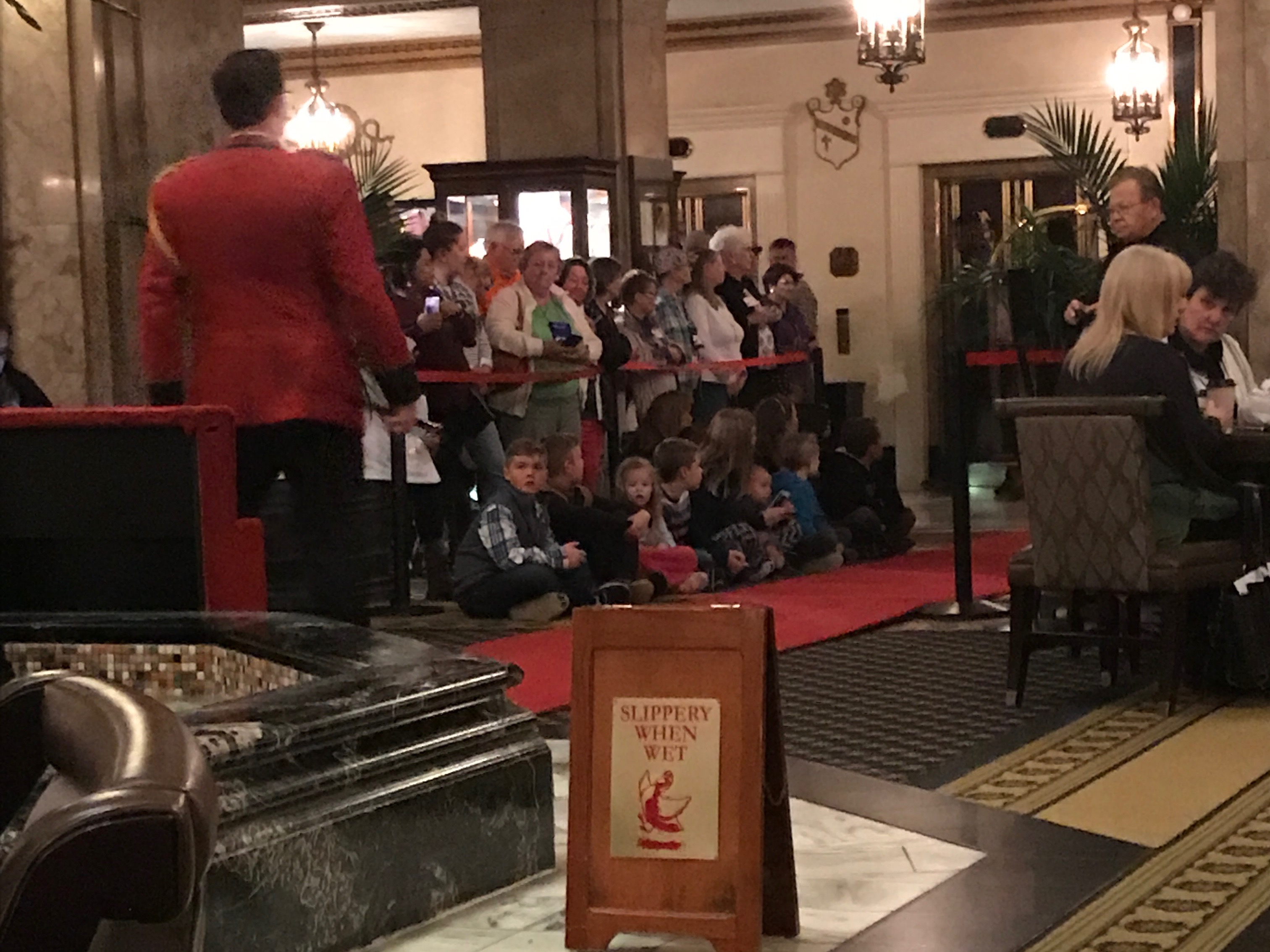
It was crowded, but I managed to find some friendly people who let me squeeze in to their bench area. I find the nicest people wherever I go.
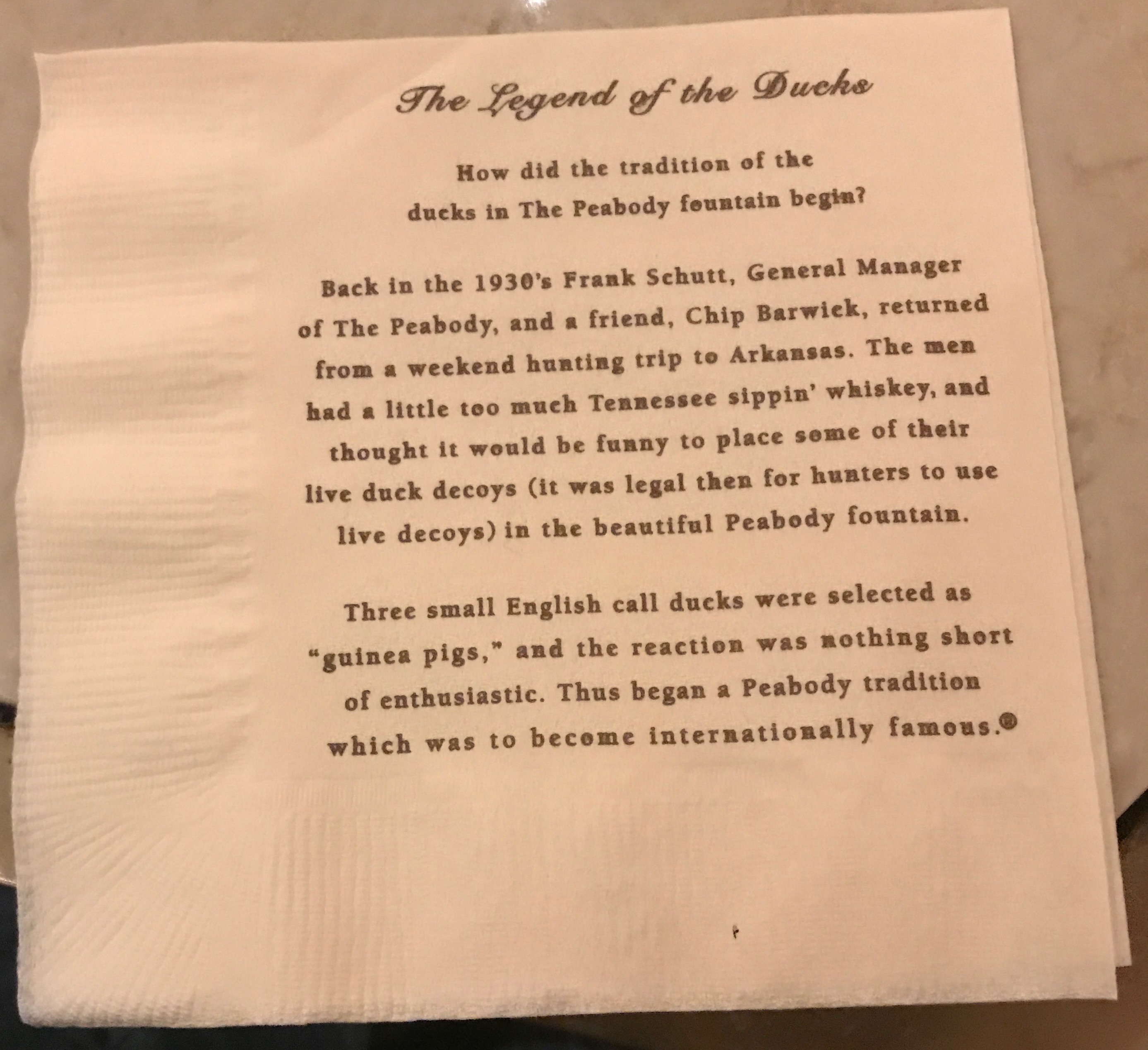
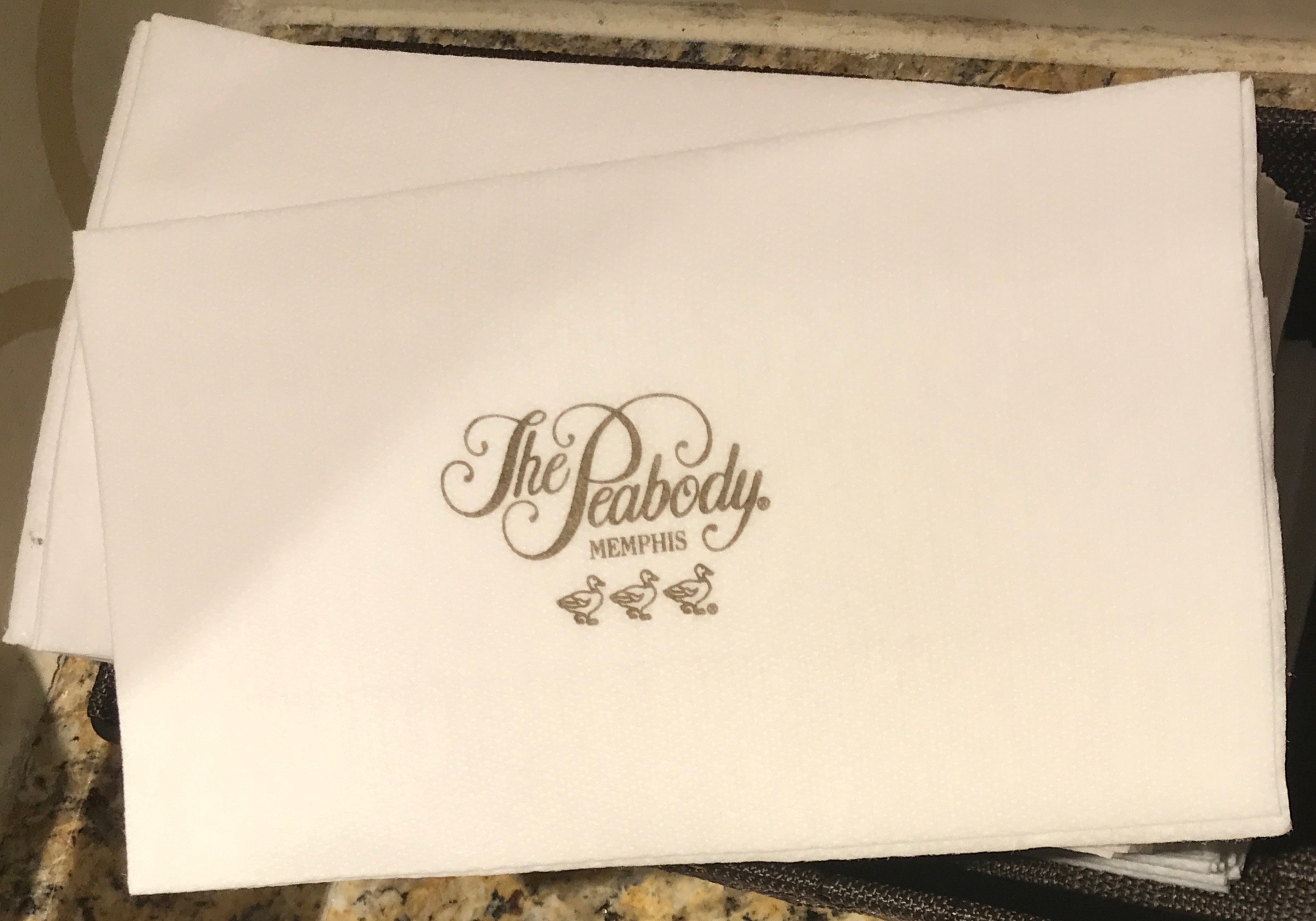
They had The Legend of the Ducks printed on their napkins.
They had a publicity photo framed and hanging on the wall. How can you tell the photo was staged? No people!
You could see the ducks, if you walked over to the fountain. And, when I crop it just so, I have a photo of ducks without people.
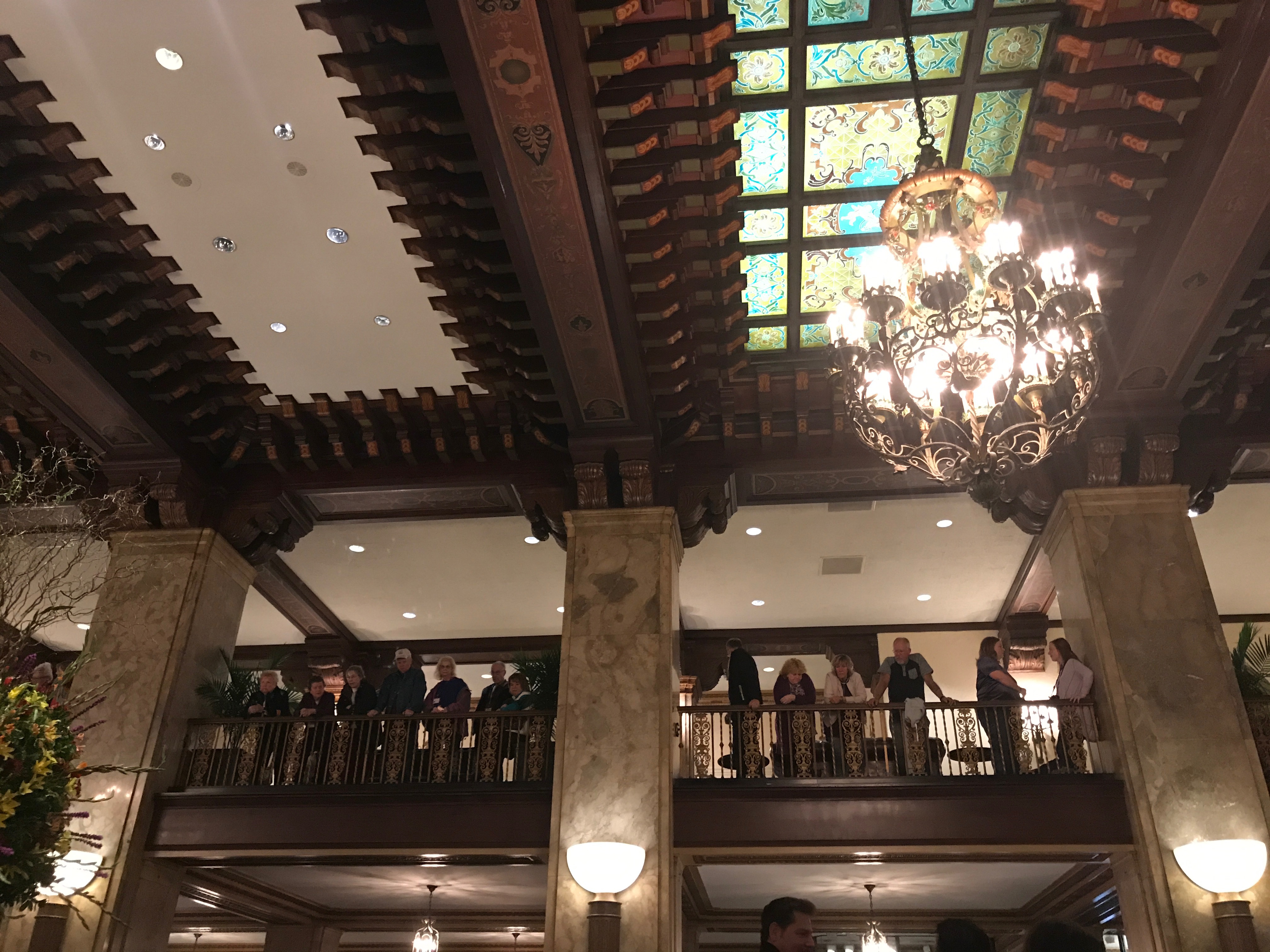
There were people everywhere. Up one the second floor looking down.
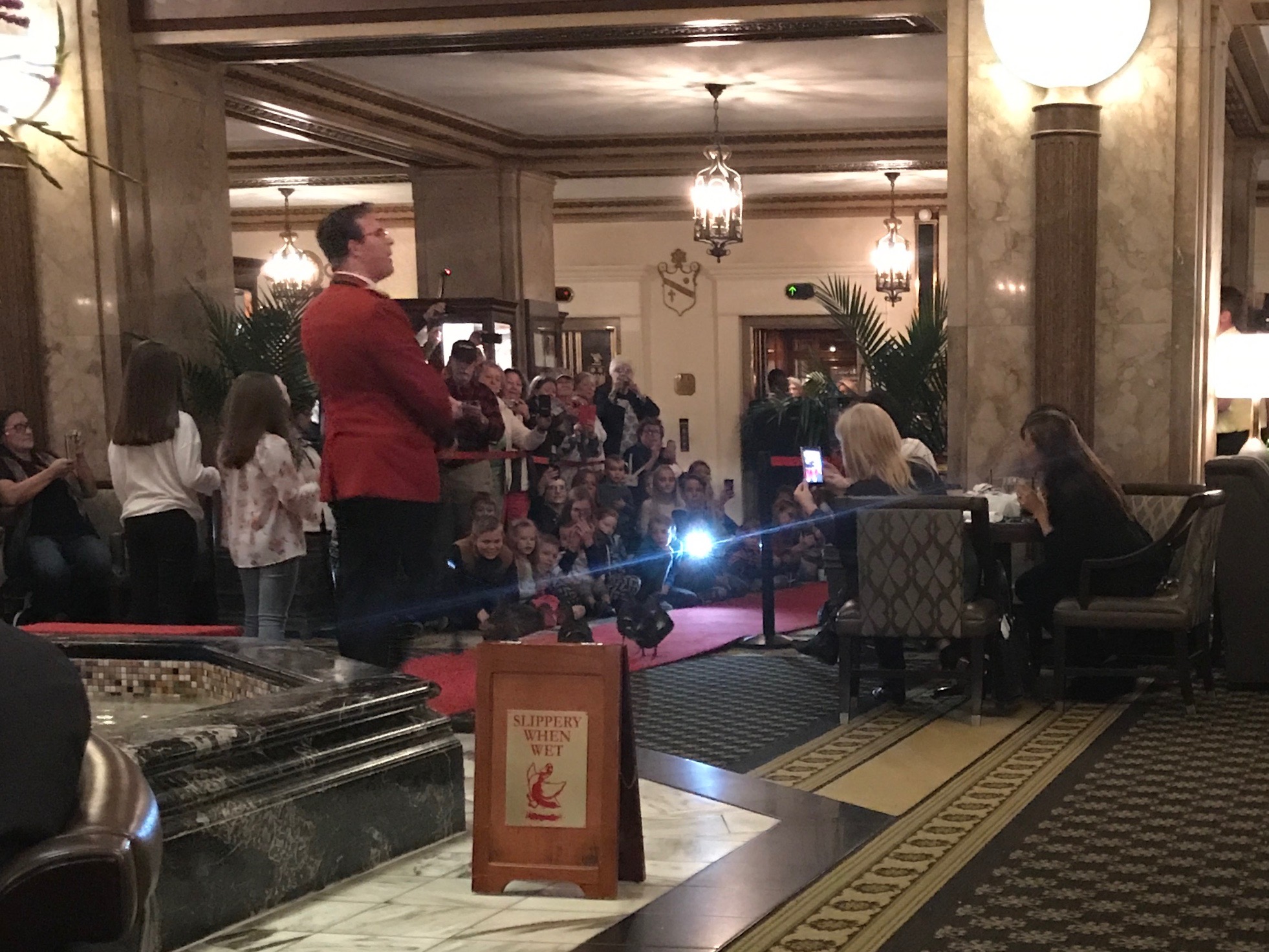
They had a special area for the kids to get an up close and personal view of the ducks marking out. The duckmaster was telling us about the history of the ducks in the lobby.
He recruited some assistants to help him escort the ducks to their overnight accommodations in the duck palace on the roof.
The ducks are marching down the red carpet and into the elevator.
I stopped in the restroom after the show. I thought the duck motif on the towels was a nice touch.
I took one last look back at the lobby and went on to my next adventure.
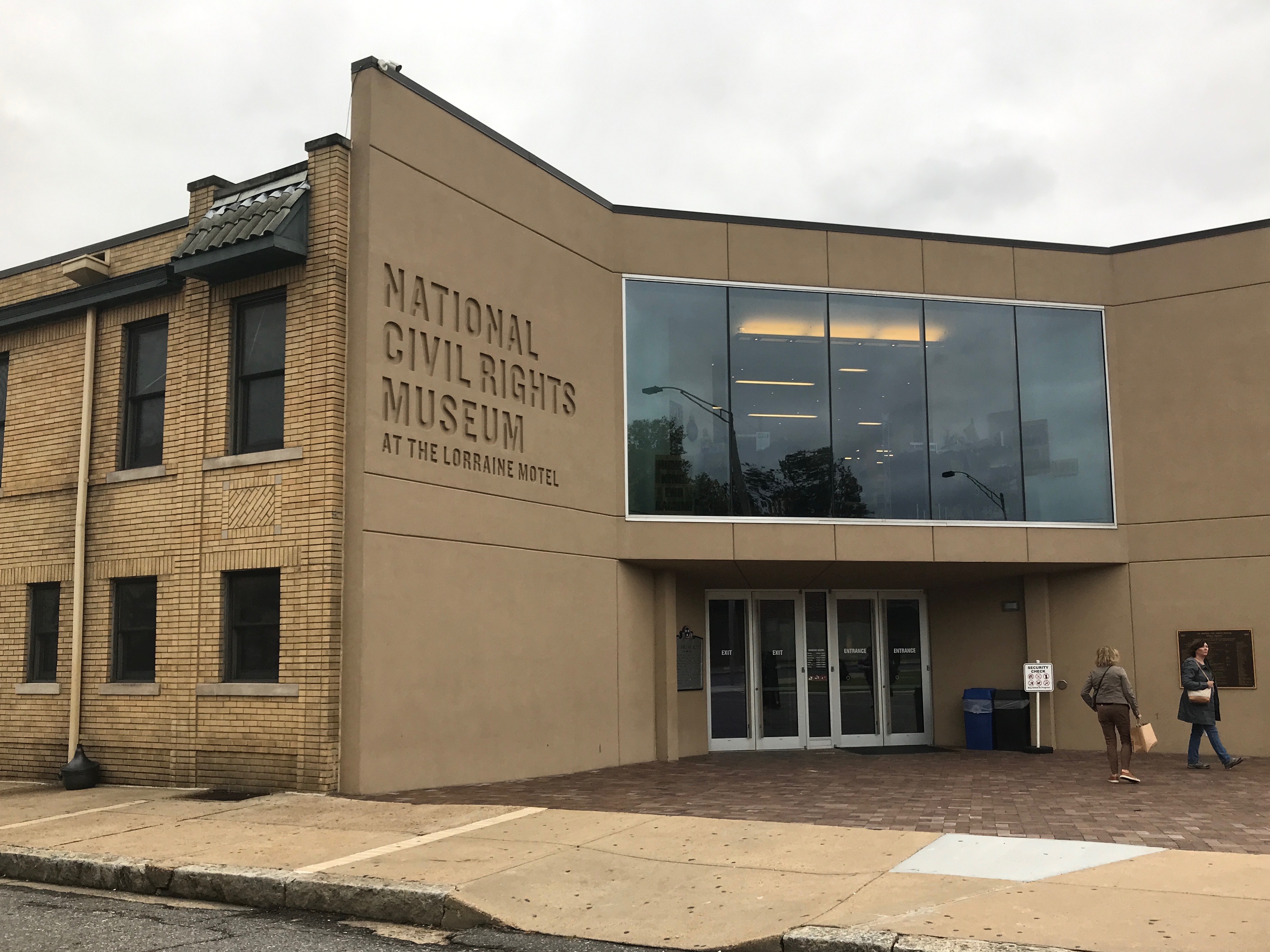
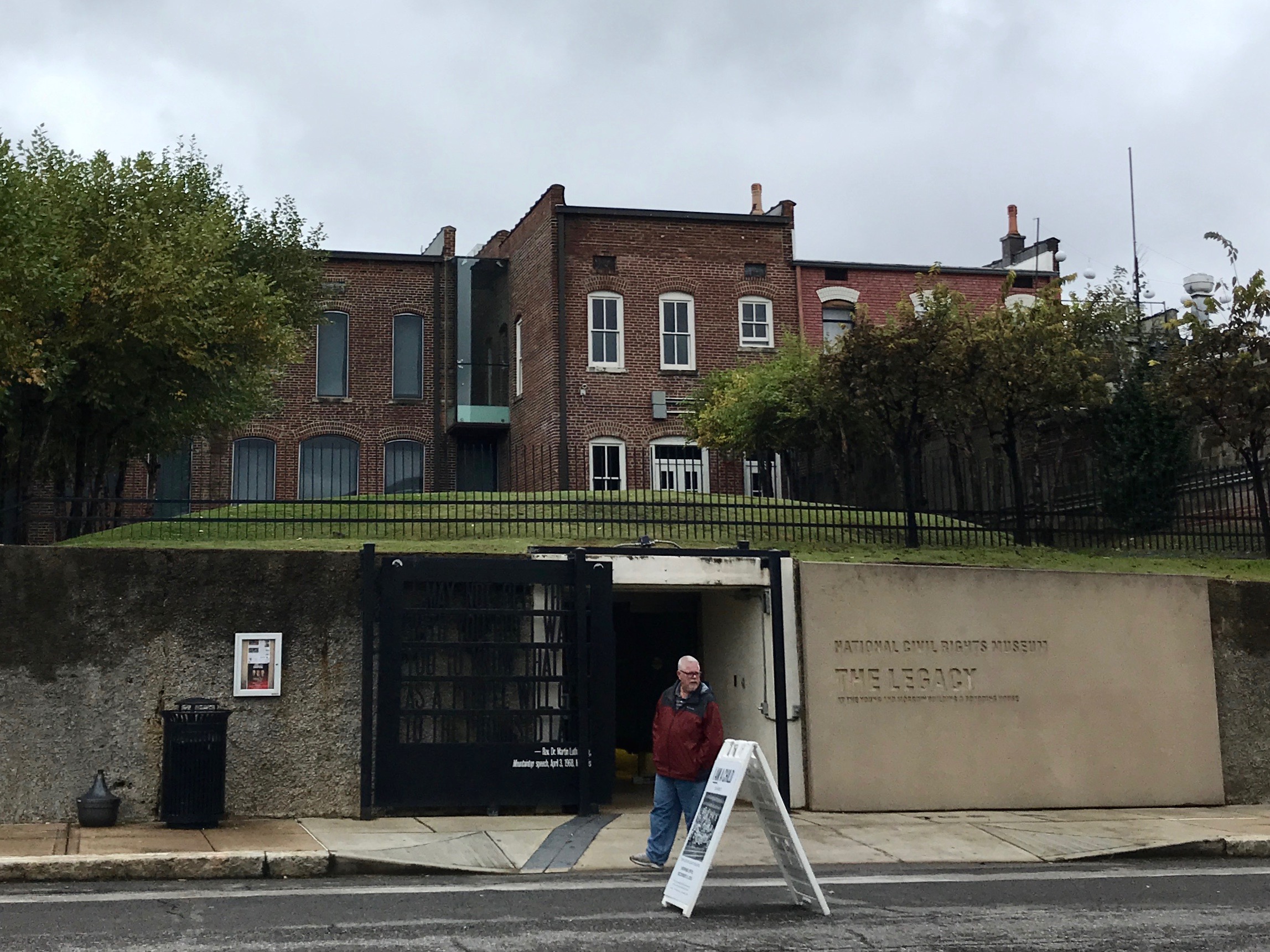
The museum has a wide range of exhibits that meet many learning styles. There are a lot of things to read, but there are also videos and recordings, as well as artifacts.
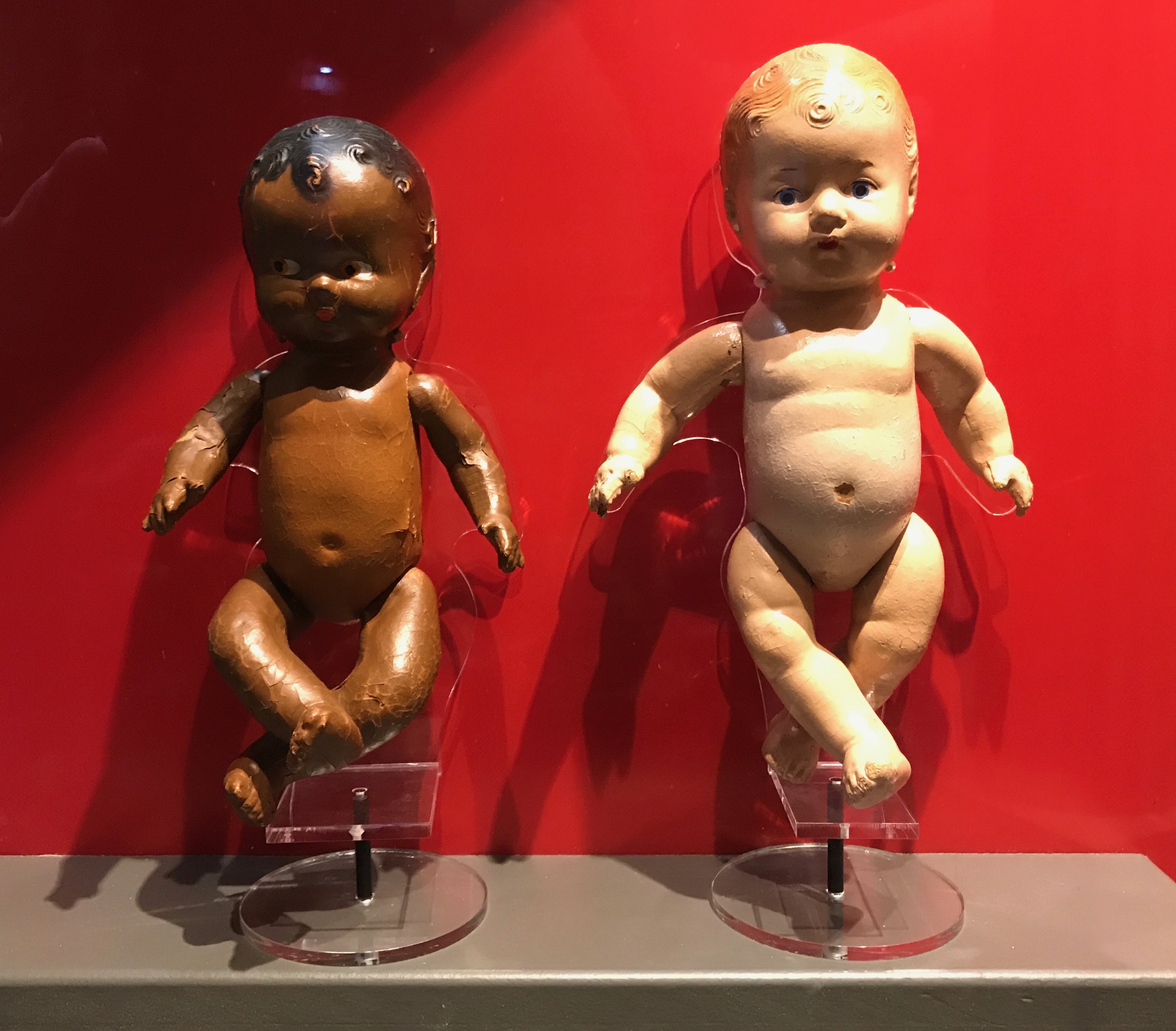
I was particularly interested in this display.
According to the text in the display, in arguing the Brown v Board of Education case, the NAACP legal team held that segregated schools negatively affected how black children saw themselves. To prove the point they called on black psychologists Kenneth and Mamie Clark, who had been studying the effects of segregation on black children since the late 1940s. Their research, based partly in what became known as the “doll test,” showed that segregated schools created “a sense of inferiority and self-hatred” in black children.
I’m not sure if these were the exact dolls they used or if they were replicas.
The Clarks used the dolls with children aged three to seven and asked them questions about the dolls. Most children preferred the white doll and described its attributes positively.
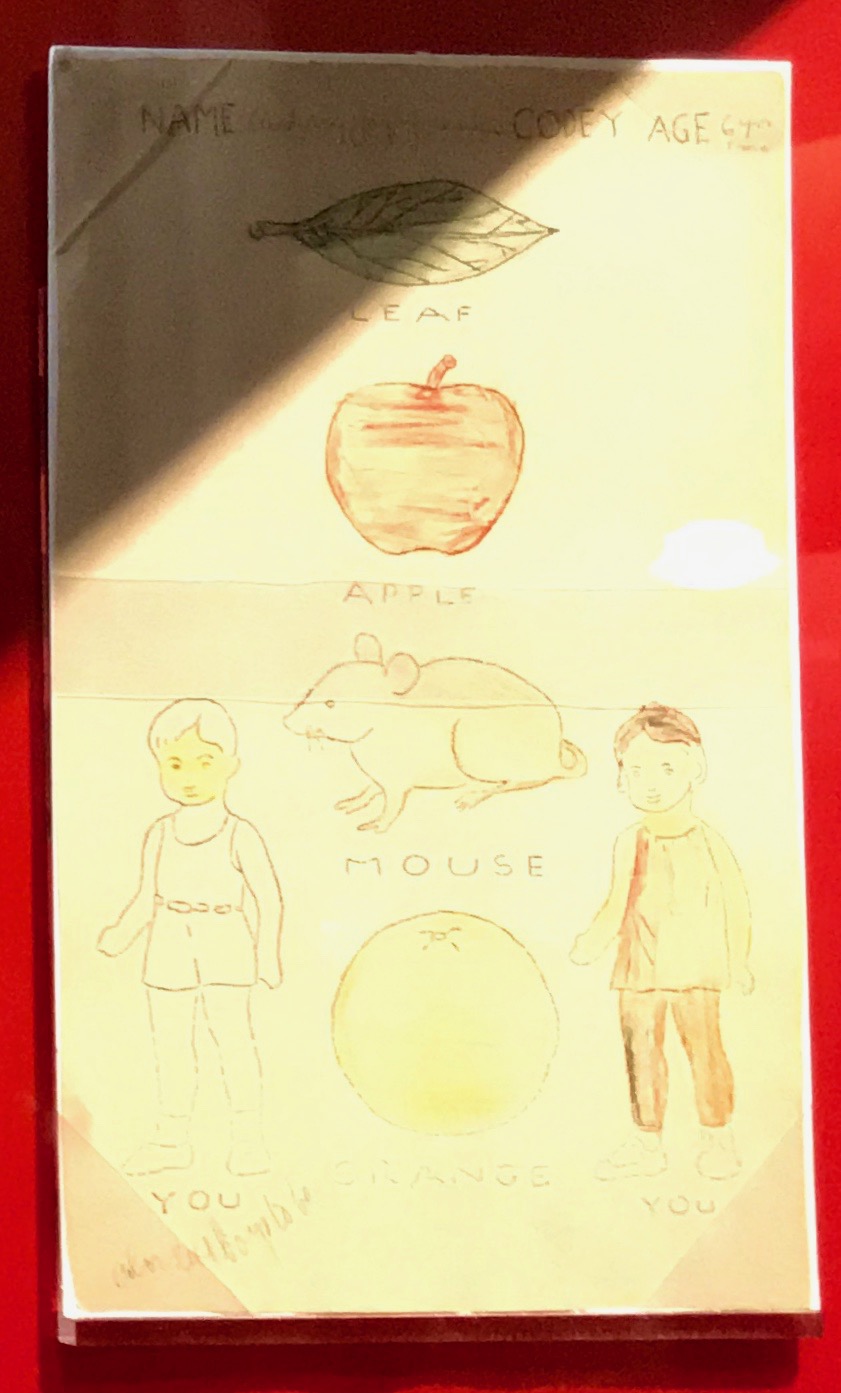
The Clarks also asked children to color in drawings using the same color as themselves. Many dark-complexioned children chose light colored crayons, such as yellow and white.
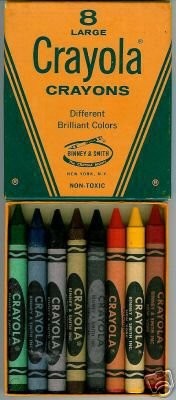
Just a sidebar: When I was a child just starting school and we were directed to draw ourselves, I always selected the yellow crayon out of the eight pack of Crayolas that we had to work with.
Apparently, the “correct” color for white kids in 1960 was orange.
A classmate made fun of me. “Are you a Jap?”
I guess we weren’t that far removed from World War II – and a good ways away from common decency.
Anyway, back to the museum.
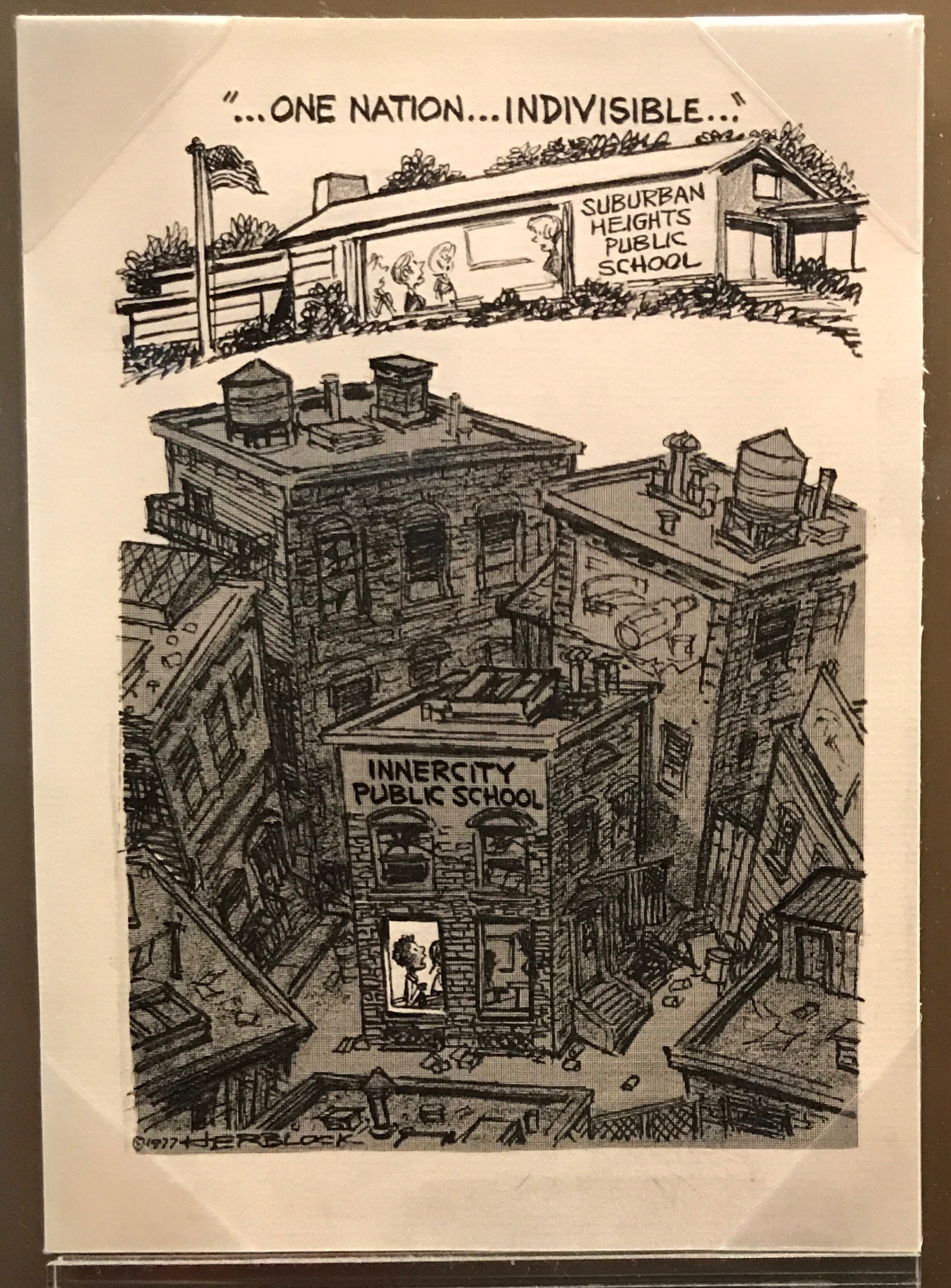
This political cartoon was published in The Washington Post, February 22, 1977.
As the Brown verdict was increasingly enforced in classrooms across the country, some white parents resorted to a drastic measure to keep their children from attending integrated schools: they moved to the white suburbs. Segregation actually increased after 1954 as a result of “white flight.”
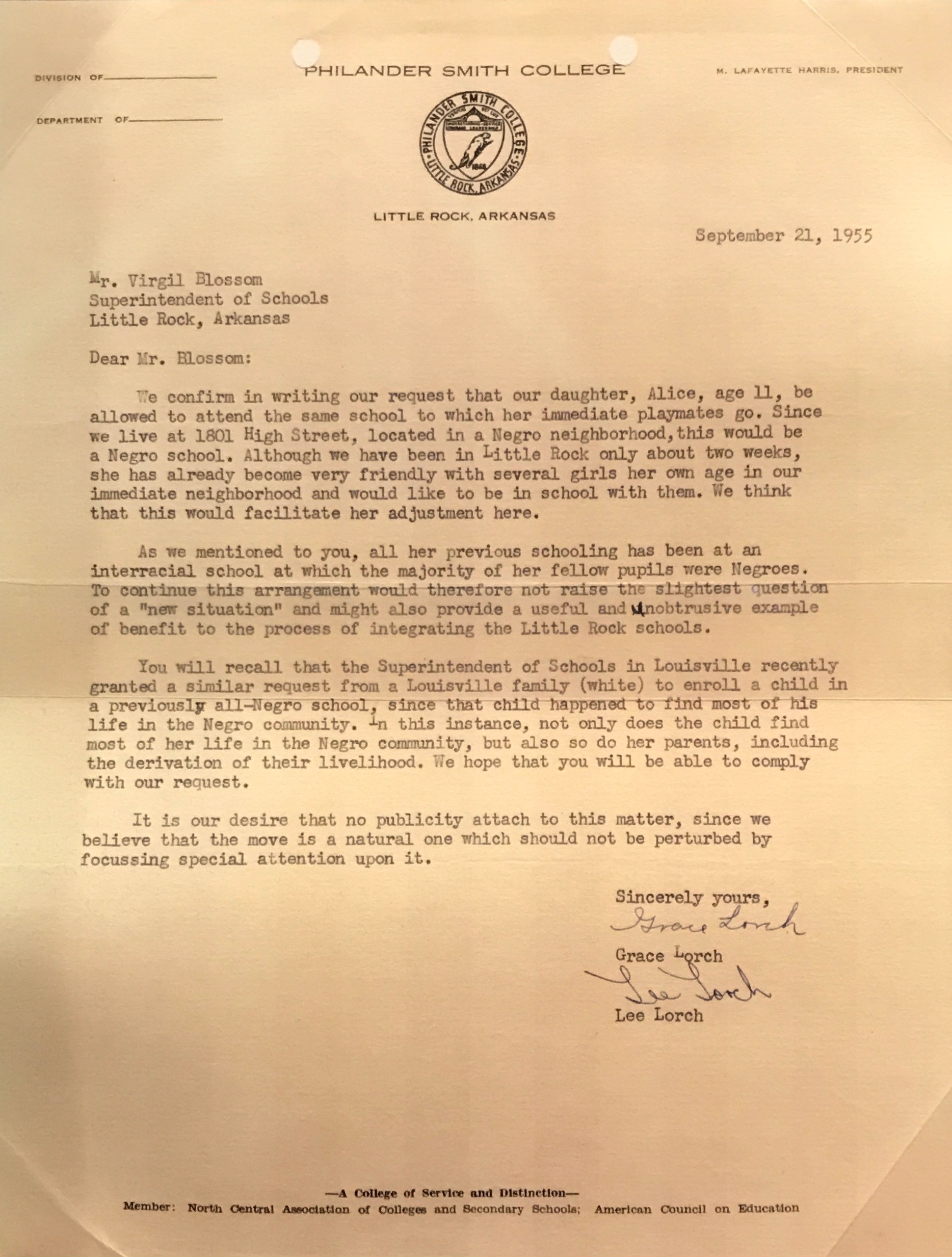
I do find it heartening that not all white families fled to the suburbs. This letter, written in 1955, documented the request of the parents of Alice Lorch that she be allowed to enroll in the neighborhood school that they describe as a “Negro school.”
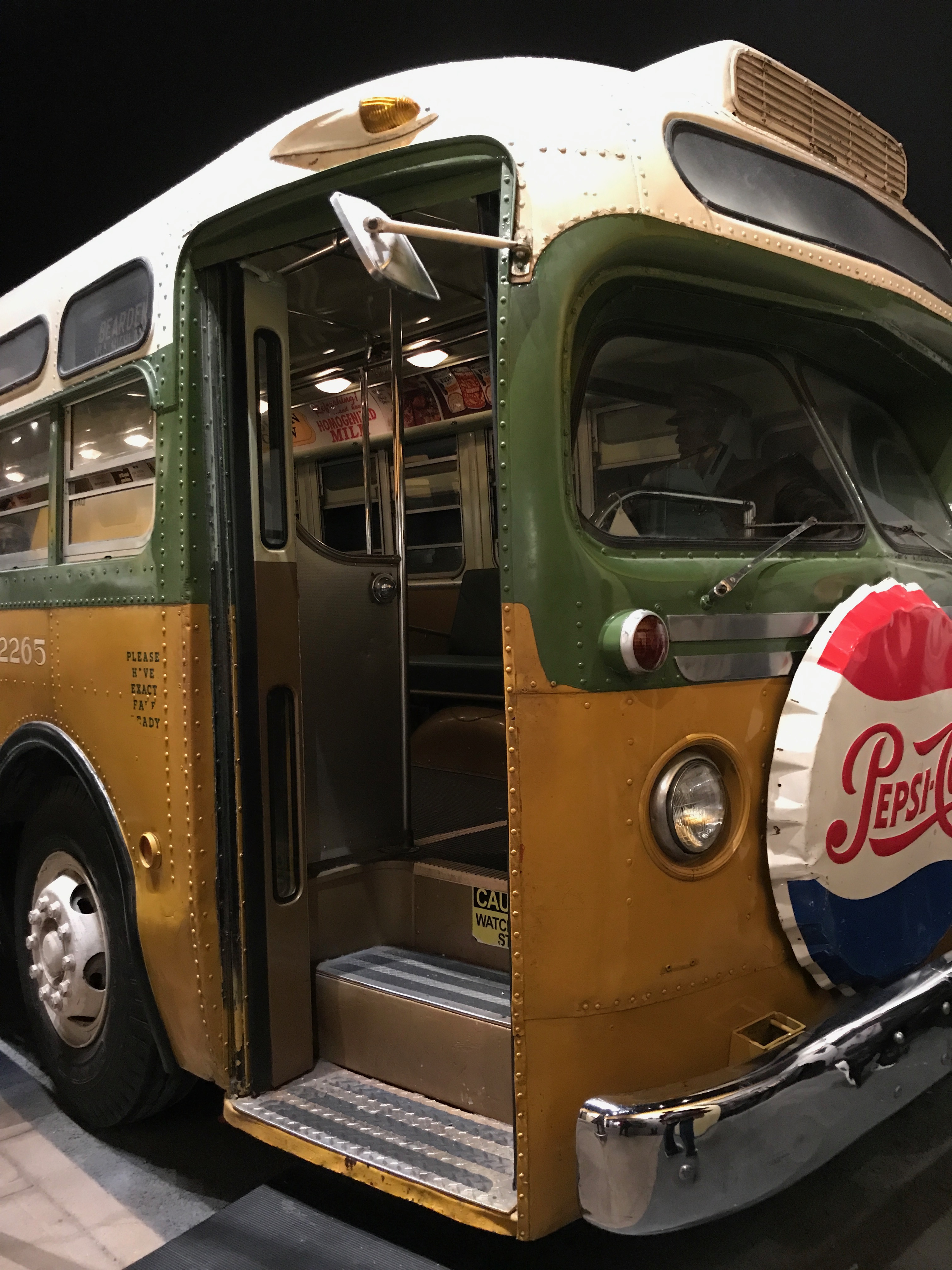
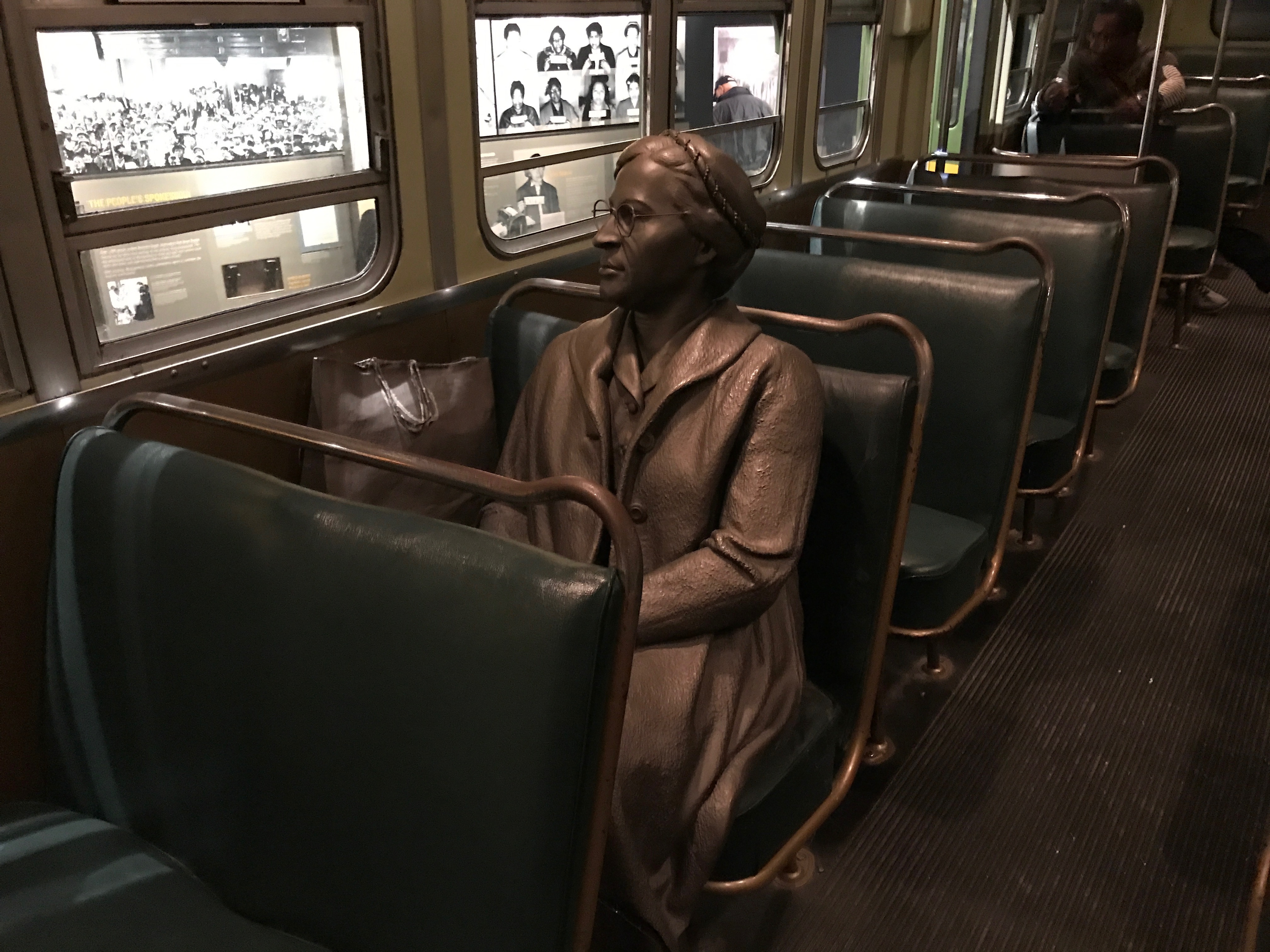
The struggle continued, though. A little later in 1955, Rosa Parks refused to get up and let a white person have her seat.
In Montgomery, Alabama, the first ten seats were reserved for white passengers. Rosa Parks was seated behind the line, but bus driver, James Blake, believed that he had the discretion to move the line separating black and white passengers. The law was actually somewhat murky on that point, but when Mrs. Parks defied his order, he called the police. Officers Day and Mixon came and promptly arrested her.
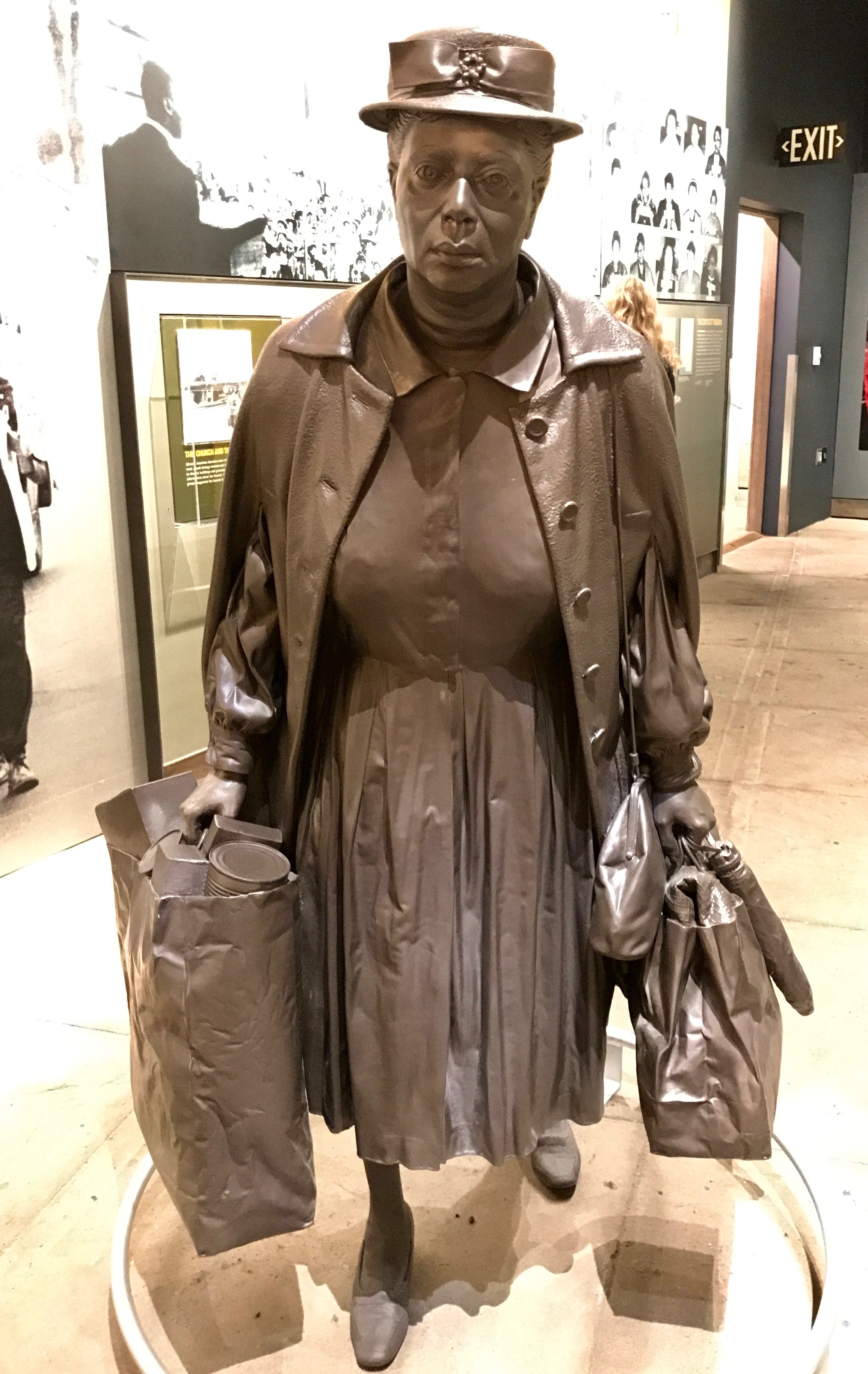
The Montgomery bus boycott started the next day and went on until December 20, 1956.
That is 381 days of walking, walking, walking. Carrying groceries and whatever else you needed.
“There comes a time when people get tired…tired of being segregated and humiliated…If you will protest courageously and yet with dignity and Christian love…historians will have to pause and say ‘there lived a great people – a black people – while injected a new meaning and dignity into the veins of civilization.’ This is our challenged and our overwhelming responsibility.”
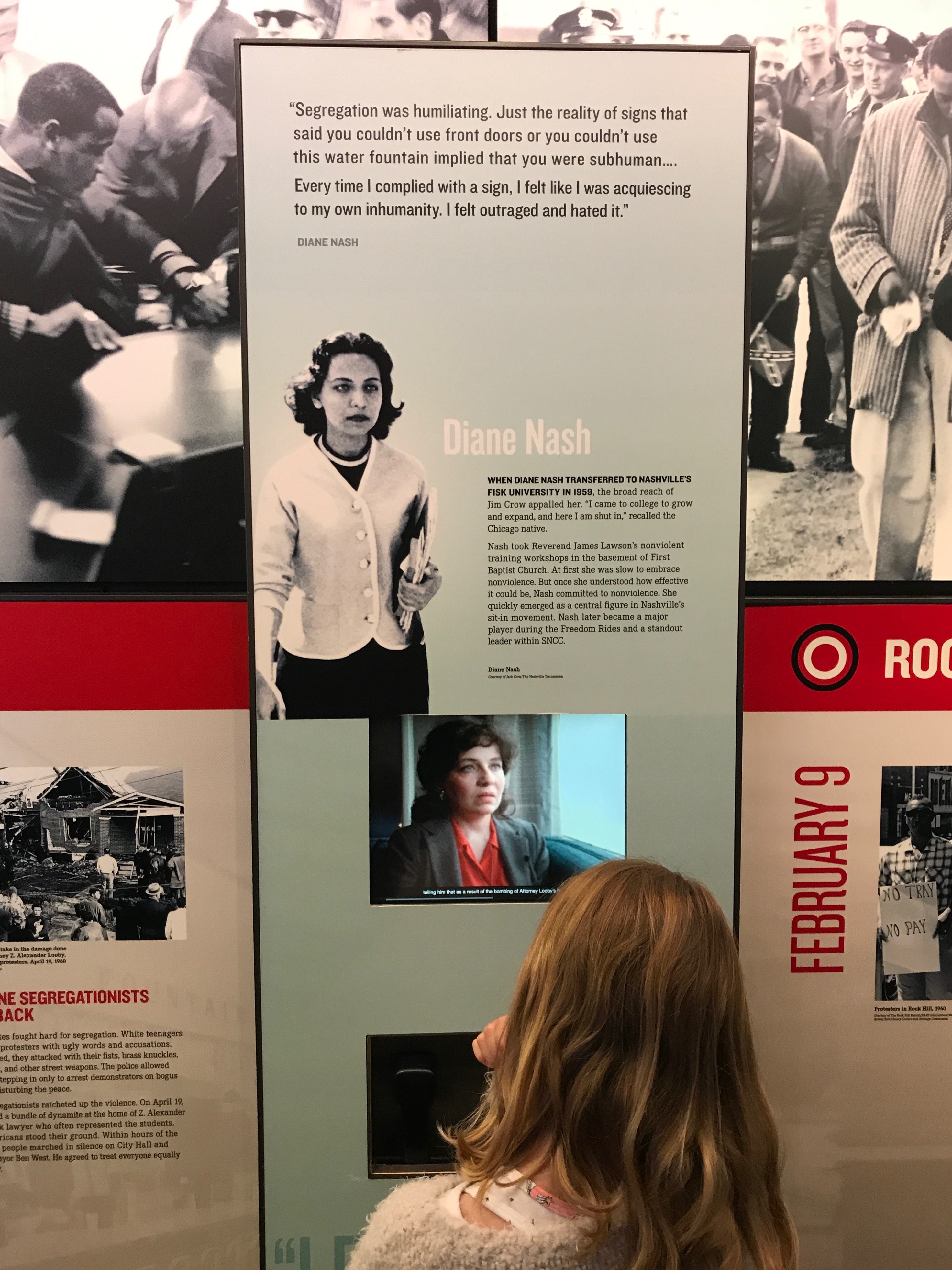
As I mentioned, this museum presented information in many different ways. Here you can see a young visitor watching a video about the topic.
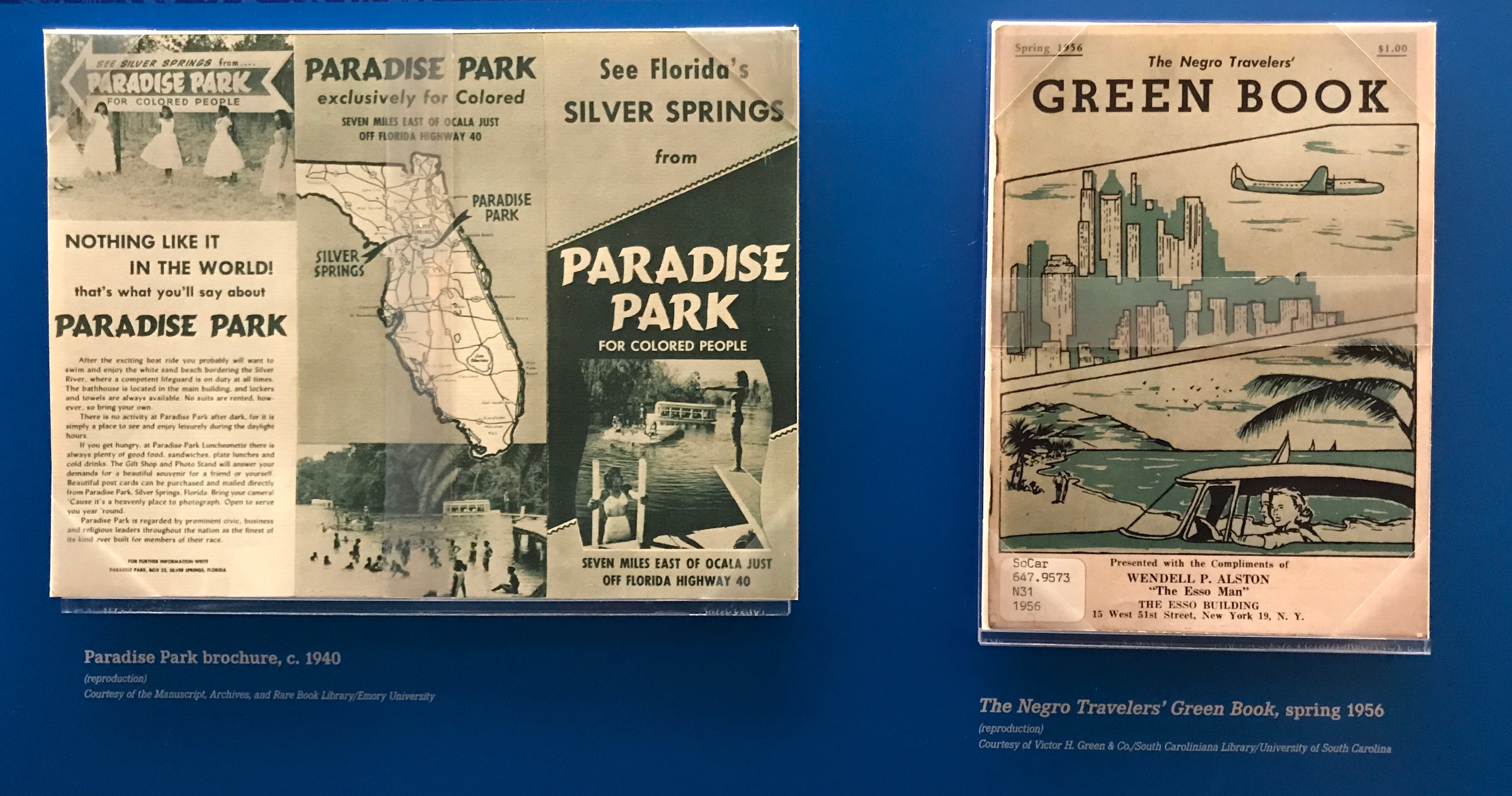
There were artifacts, too. I was particularly interested in The Negro Travelers’ Green Book. The “green” in the title referred to the author, Victor Hugo Green, rather than the color of the book. There was a movie, set in 1962, called Green Book, in case you are interested. I would recommend it.
Side note: Green Book won the 2019 Oscar for Best Picture, Best Original Screen Play and Best Supporting Actor. I was surprised that Mahershala Ali, who played the pianist Don Shirley, was a supporting actor. I understand that the driver, played by Vigo Mortensen, was crucial to the story. He was nominated for his performance in the Best Actor category. His performance was excellent. I do not want to take anything away from him, but it certainly seemed to me that they were costars. I wonder when we will ever stop viewing history from the perspective of privilege.
Okay, back to the tour.
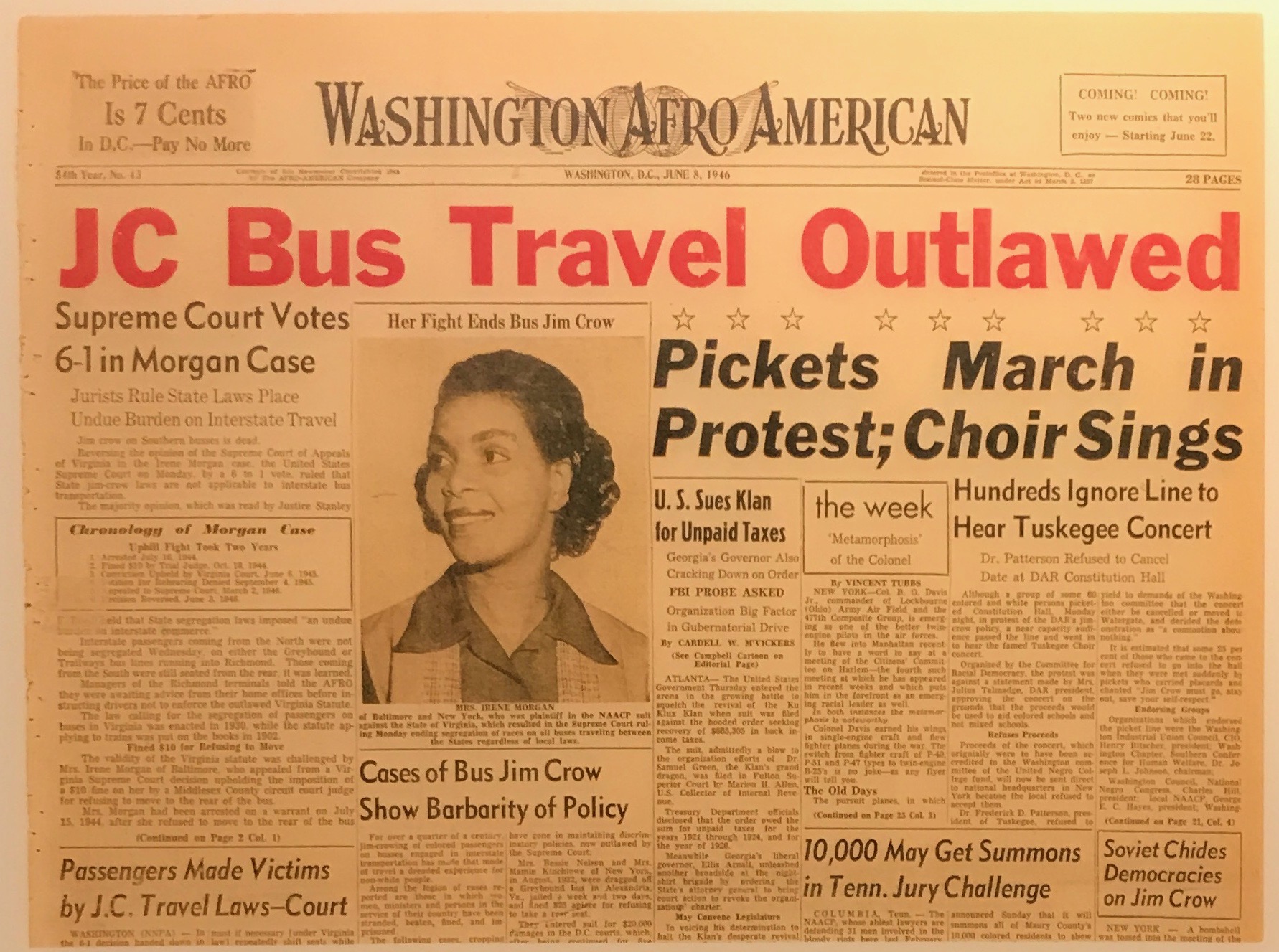
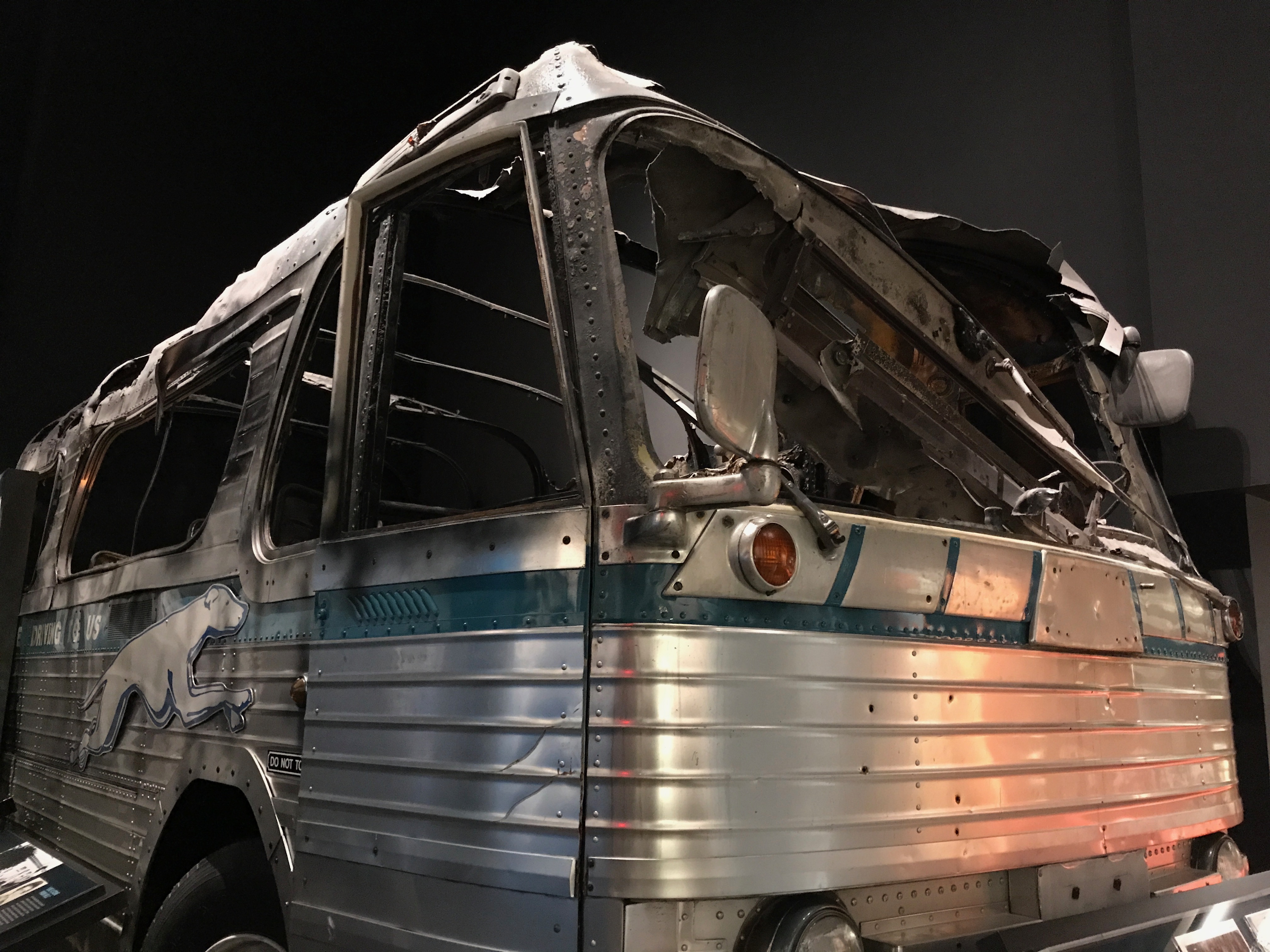
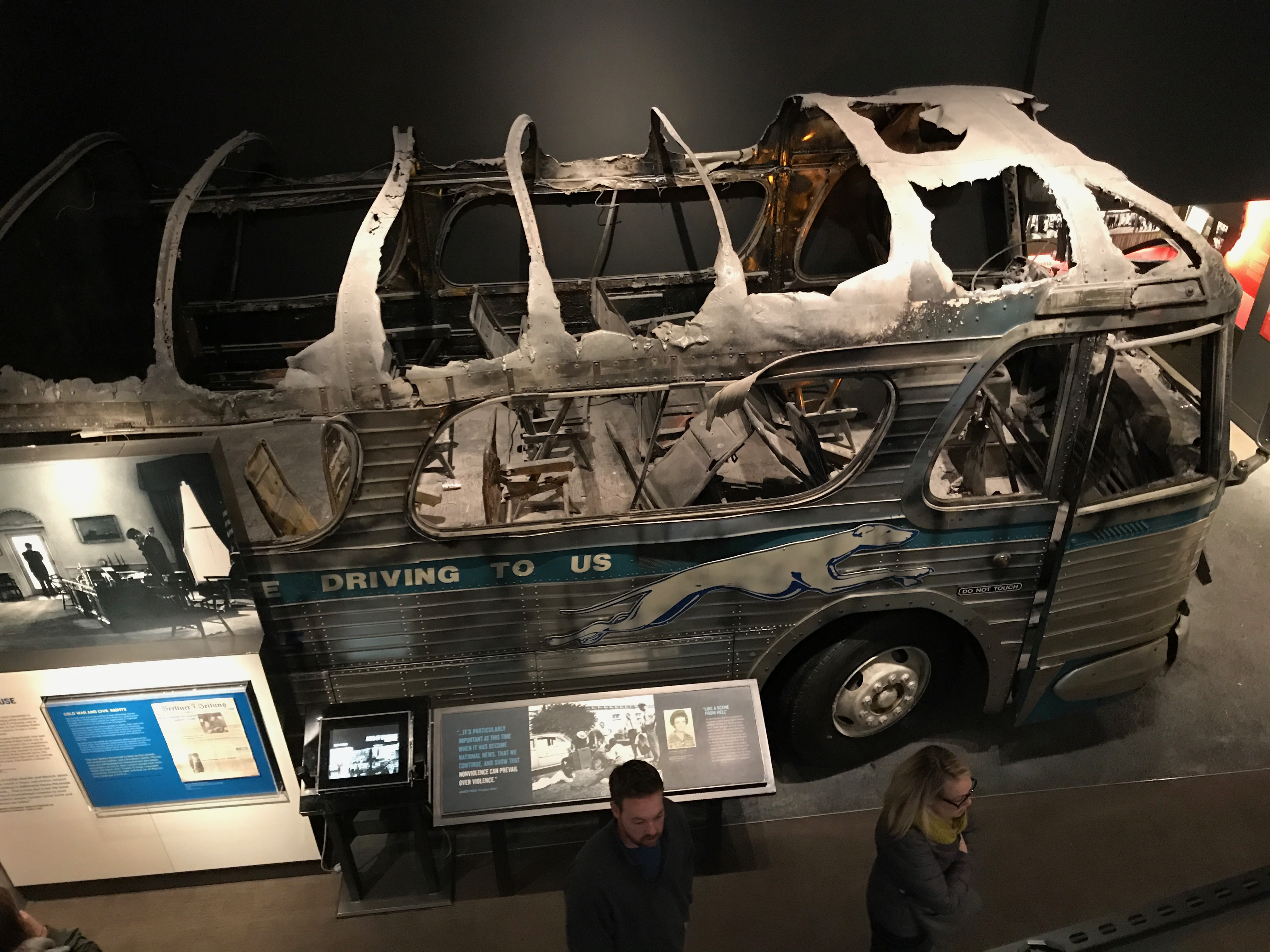
Interstate travel became a target for political action. In 1946, the US Supreme Court ruled that segregating passengers on busses and trains traveling between states was unconstitutional.
Southern officials refused to enforce the law. Incidentally, the JC in the headline refers to Jim Crow, the laws enacted in the Southern United States to enforce racial segregation.
The first Freedom Ride took place in 1947. They called it the Journey of Reconciliation. Eight black men and eight white men boarded buses in Washington DC, bound for Louisville, Kentucky. The bus ride was a test to see if the South would enforce the 1946 Morgan v. Virginia ruling that struck down state mandates that made it legal to segregate seating on trains and buses traveling state to state.
There was a total of 12 arrests during the rides. In North Carolina, Bayard Rustin, who helped organize the protest, was sentenced to the chain gang.
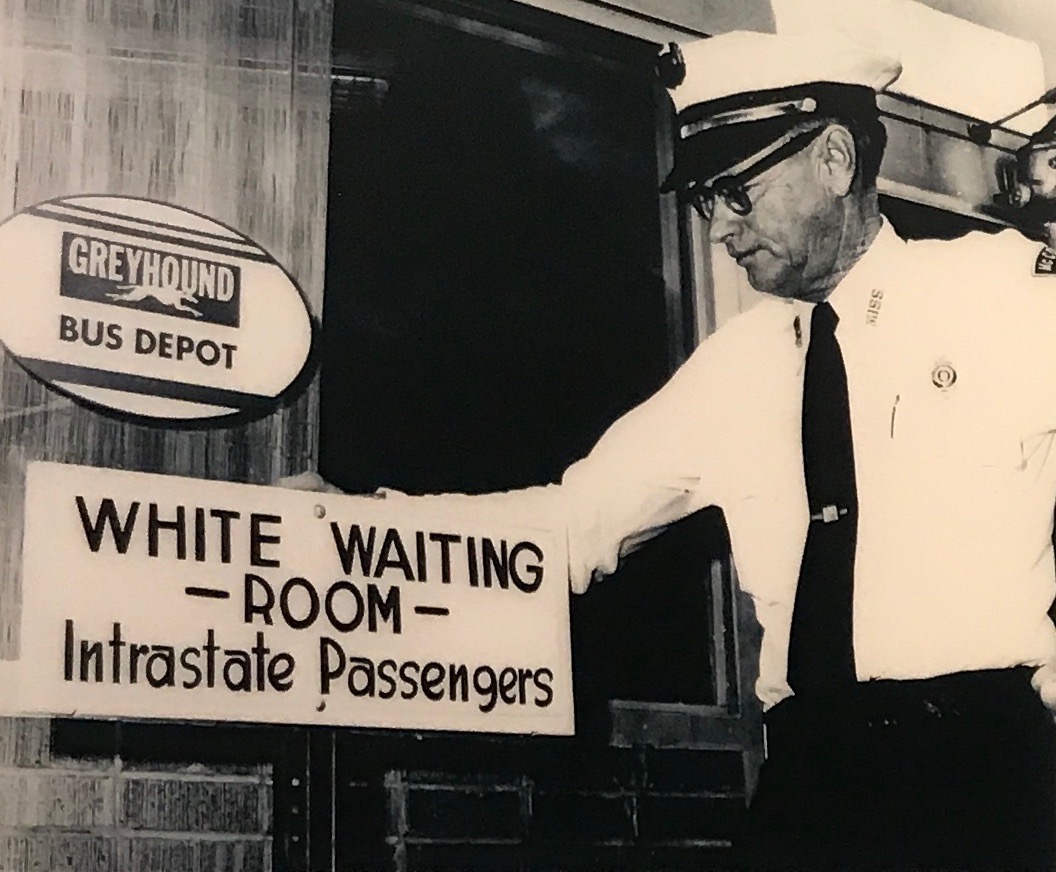
Southern states ignored the Court again in 1960 when it banned segregation in bus and train station waiting rooms, restaurants and bathrooms. Perhaps they thought they could just label waiting rooms as “Intrastate” rather than “Interstate” and that would take care of things.
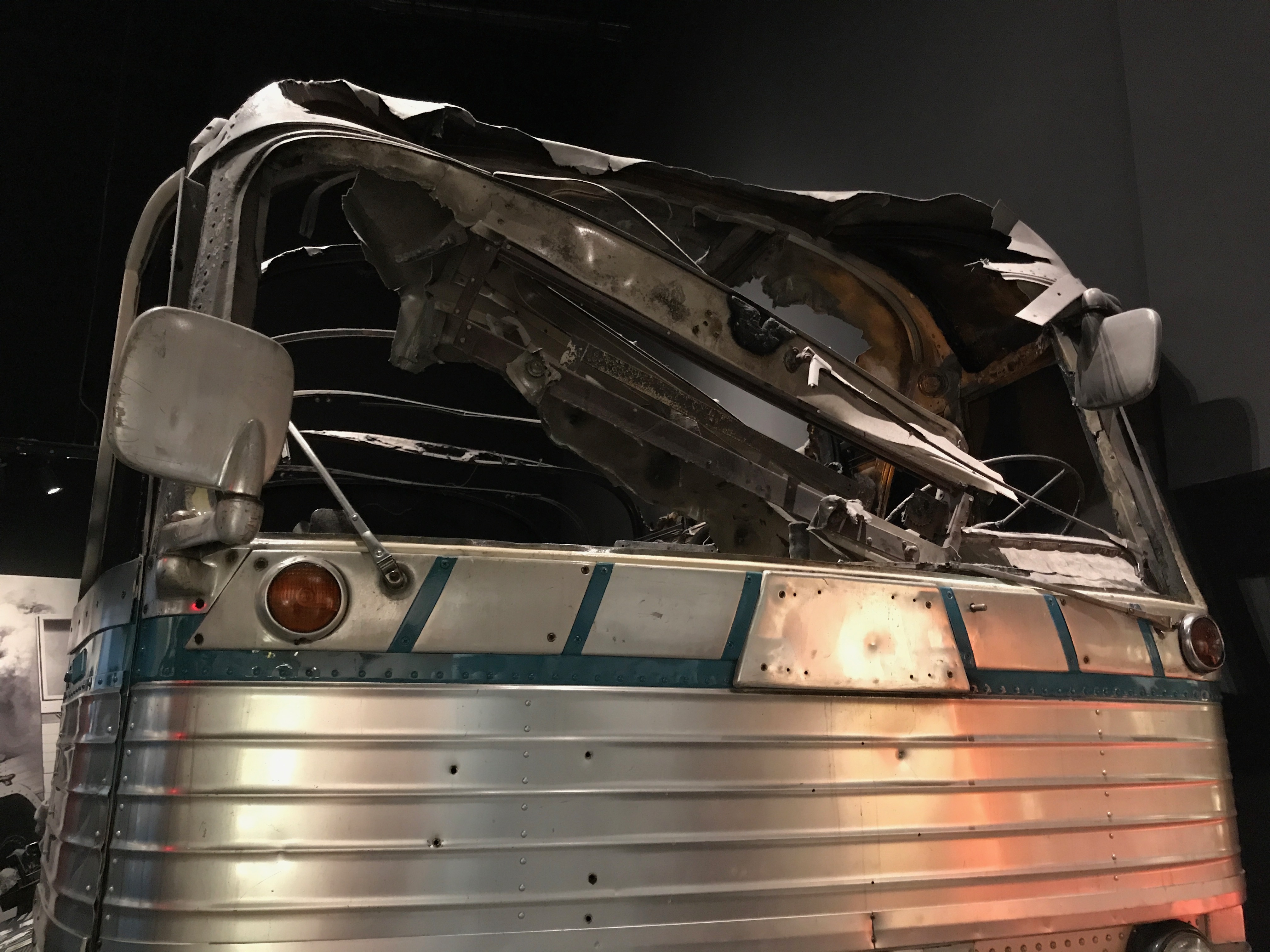
The Freedom Rides of 1961 are the bus rides I remember hearing about.
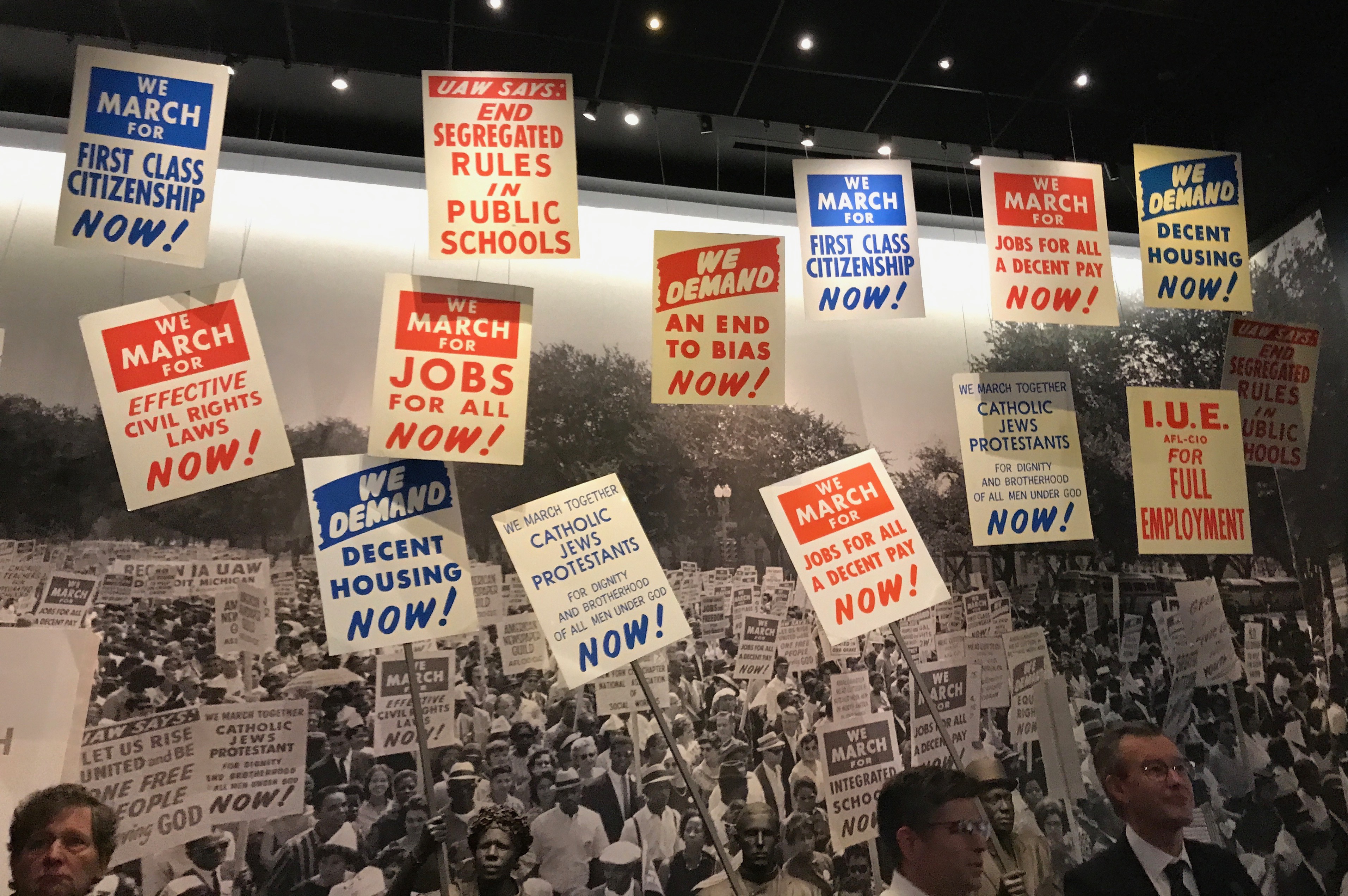
An estimated 250,000 people came to Washington to peacefully make known their demands for civil rights. Observers estimated that 75%-80% of the marchers were black.
According to information at the museum, the march vastly exceeded its organizers’ expectations in terms of participation and media attention and it remained peaceful. It prompted President Kennedy to strengthen safeguards against employment discrimination in his civil rights bill and it provided Dr. King with a platform to share his vision of a democratic society.
However, the march didn’t transform America. Unfortunately, the media focused on how many people marched rather than why they marched and Congress did not embrace President Kennedy’s civil rights bill until after he was assassinated.
The march was a remarkable moment that offered America a vision of a better society, but it was only a single day in the African American freedom struggle. Sadly, many Americans ignored, misunderstood or rejected the vision it offered.
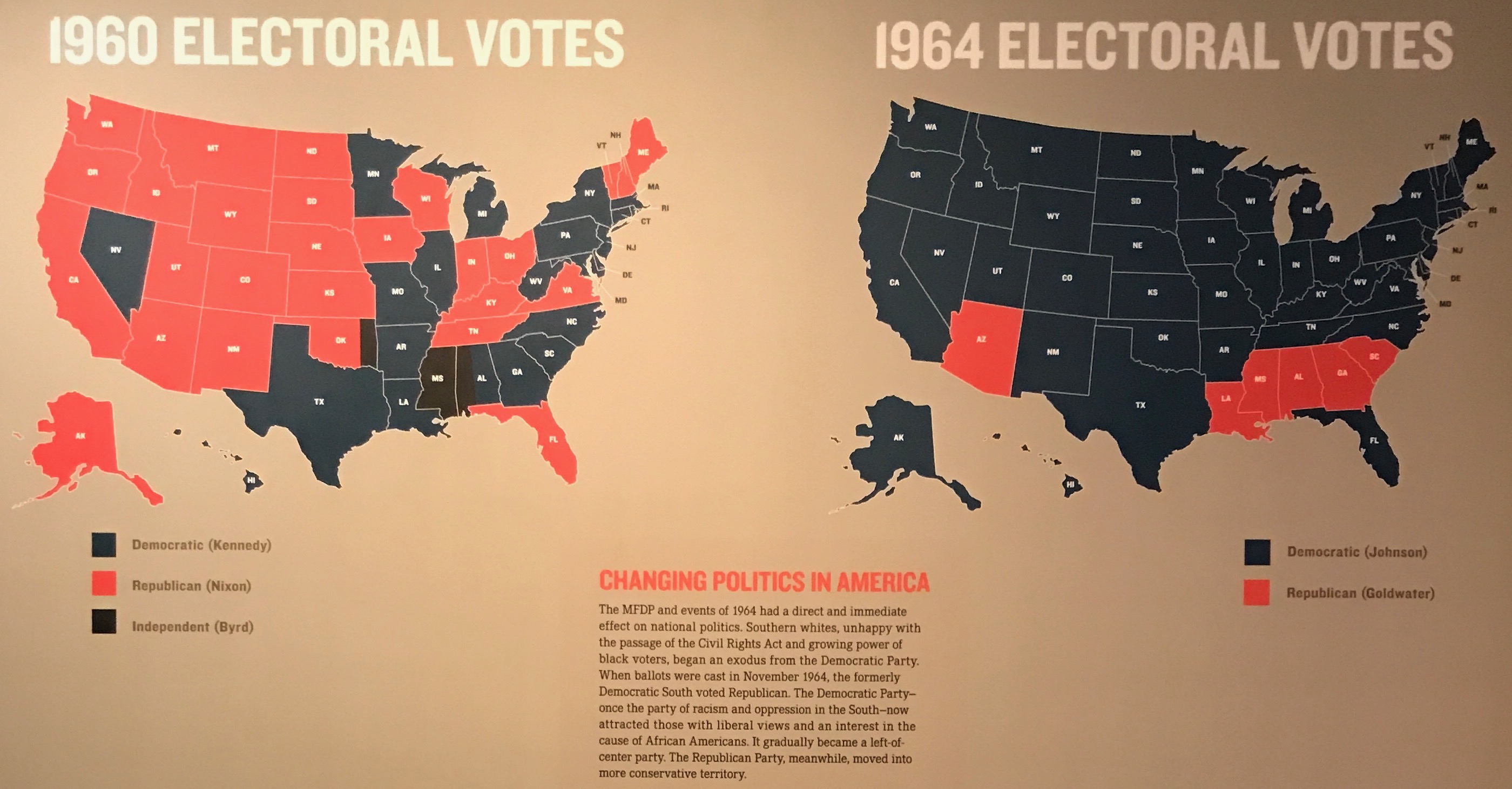
I found this map of the electoral votes in 1960 and 1964 interesting. I must admit that I haven’t quite digested it, but I offer it up for your consideration, along with a link to an article about the MFDP.
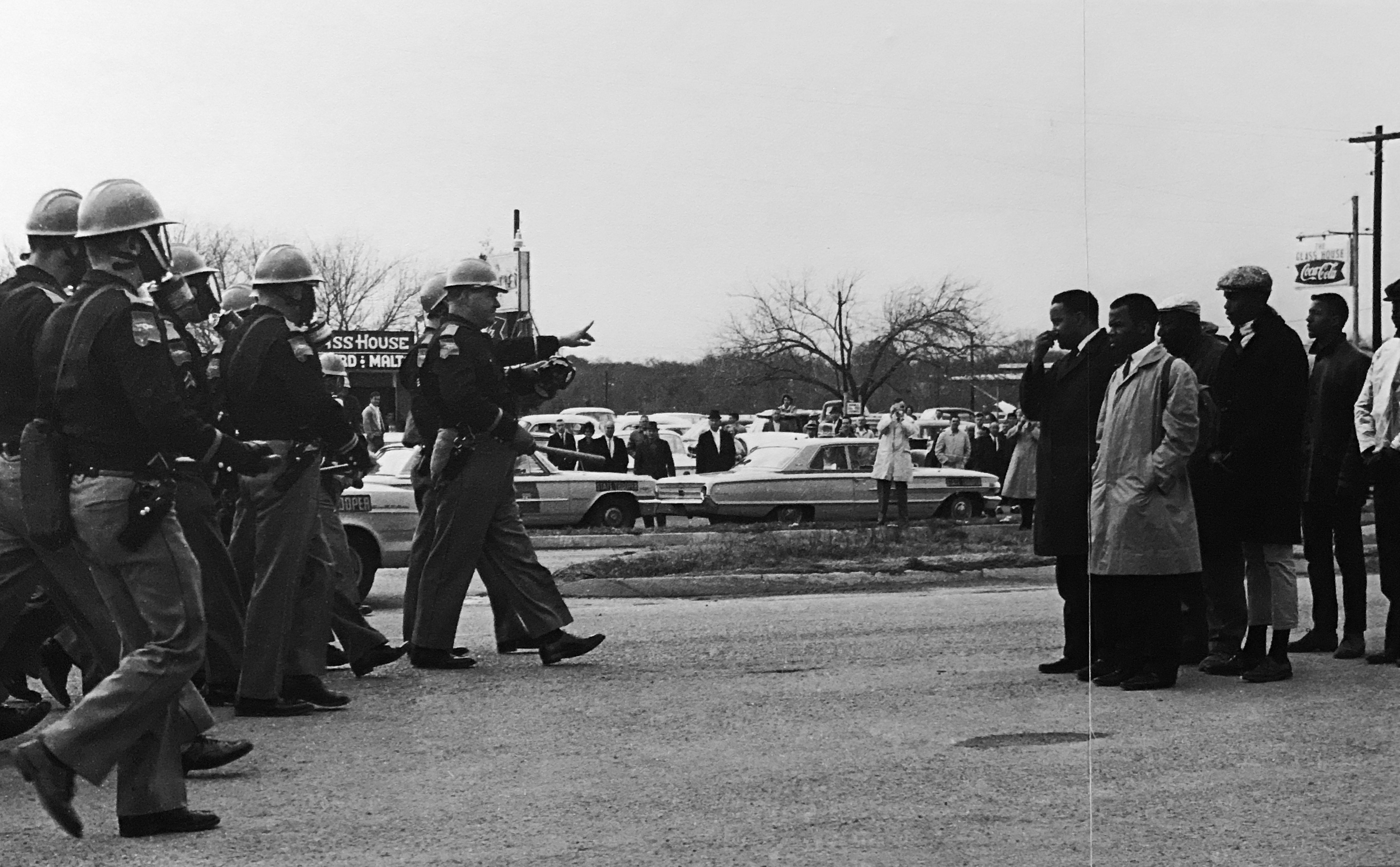
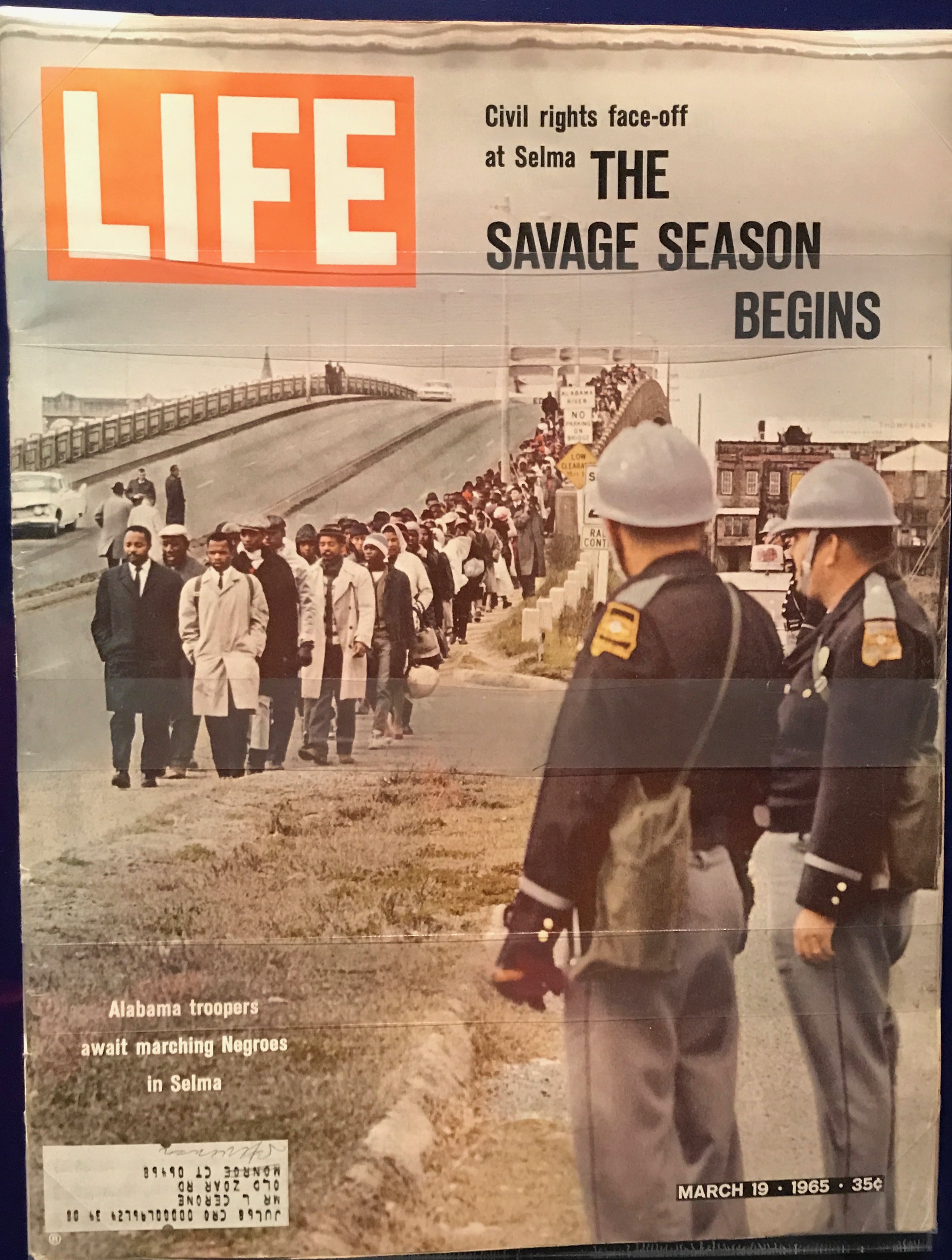
A photo of the march from Selma to Montgomery was included in the exhibit. I had the sad honor of visiting the site of this event, as I have written about in an earlier post.
There were three marches in all. The first march began on Sunday, March 7, 1965. That resulted in what is known as “Bloody Sunday.” The second one was on Tuesday, March 9.
There was a movie made about this, too. Selma. It was nominated for the Best Picture Oscar in 2015, which it did not win. It did take home the Oscar for Best Song, Glory, by John Legend and Common.
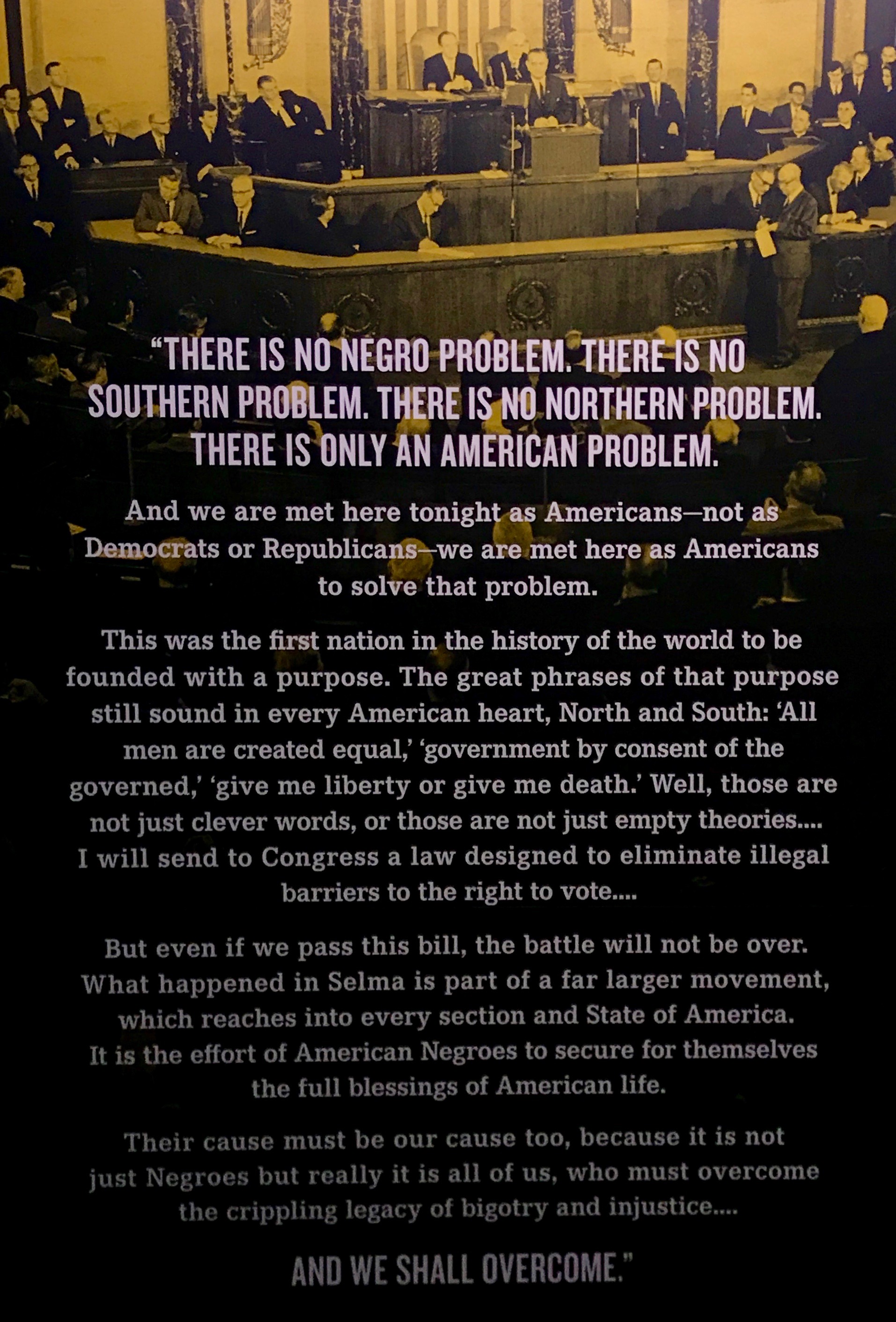
LBJ addressed a joint session of Congress on March 15th.
If you would like to hear LBJ deliver this speech to Congress, click here. Incidentally, this address was given in 1965.
The third march began on Sunday, March 21. When Governor Wallace refused to protect the marchers, LBJ federalized the Alabama National Guard. Under federal command and accompanied by many FBI agents and federal marshals, they escorted the marchers from Selma to Montgomery.
There were conditions placed on the marchers about the numbers that would be permitted on the two-lane section of the U.S. Route 80. When the march reached the two-lane section, 300 continued and the rest turned back, slogging through the rain and the mud, averaging about 10 miles a day.
Once they reached the four-lane section of the highway again, the marchers who had turned back were ferried by bus and car to rejoin the march. When they arrived in Montgomery on March 24, and reached the state capitol on March 25, the crowd was 25,000 strong.
Dr. King gave his How Long Not Long speech on the steps of the capitol.
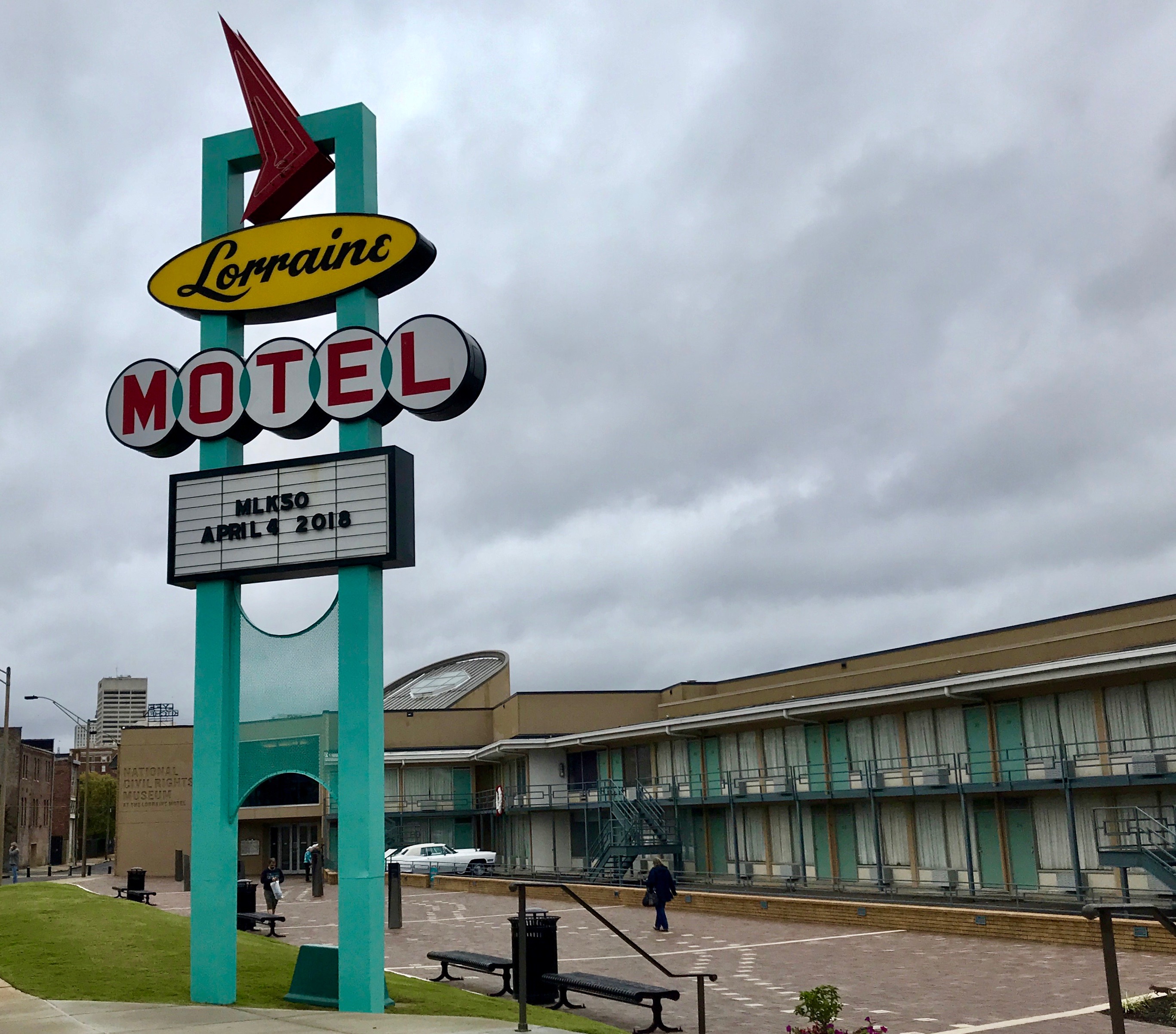
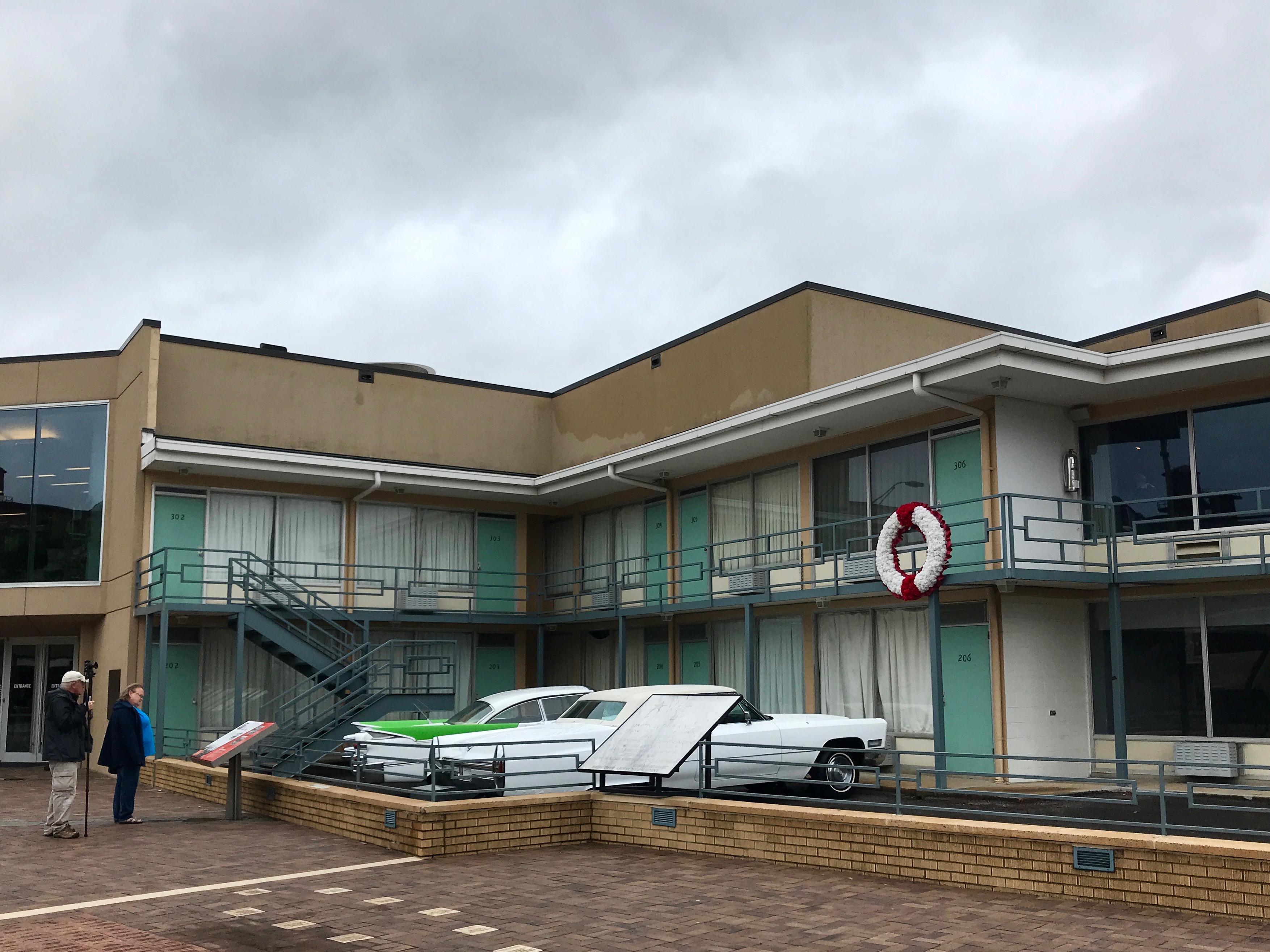
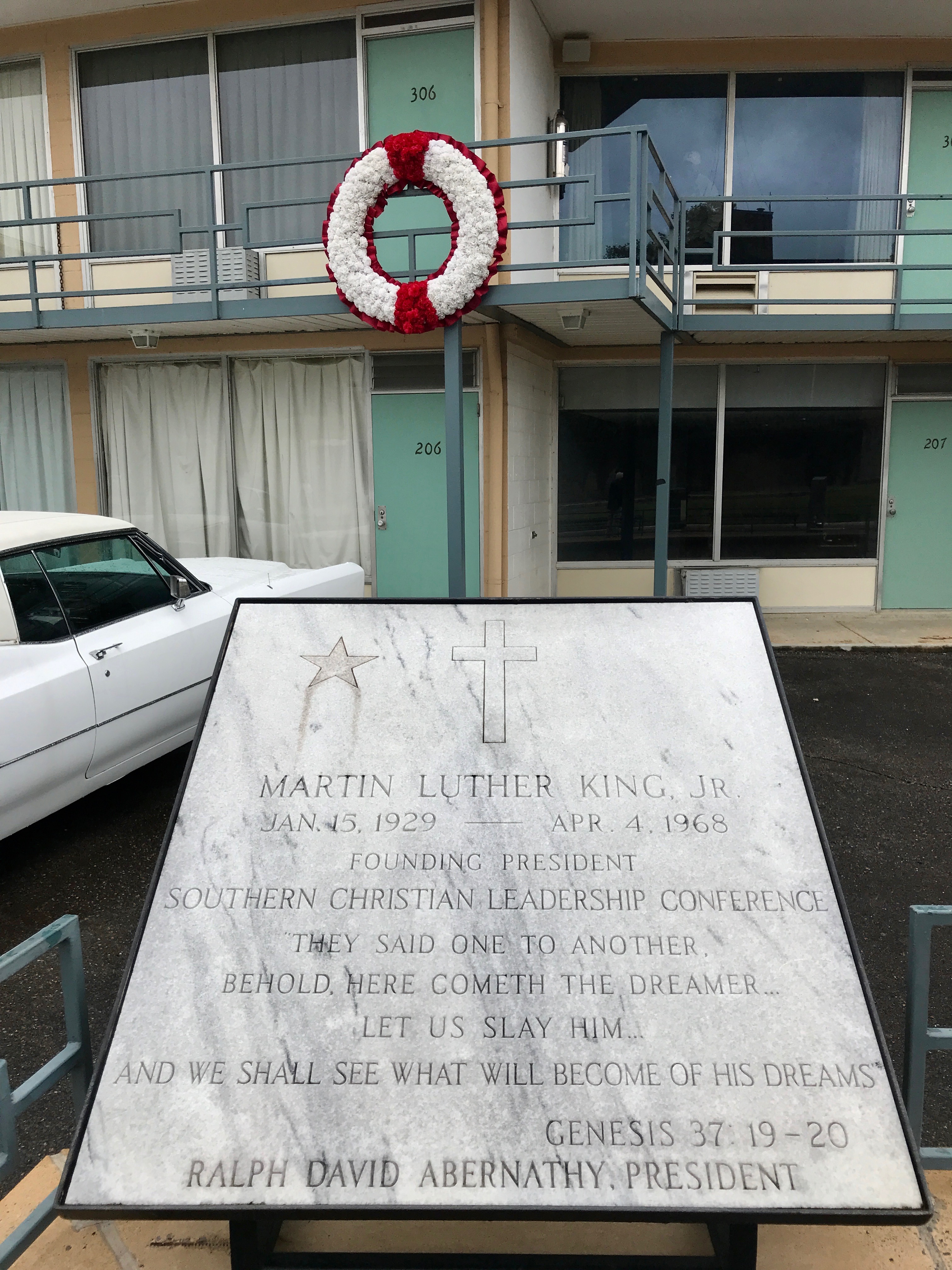
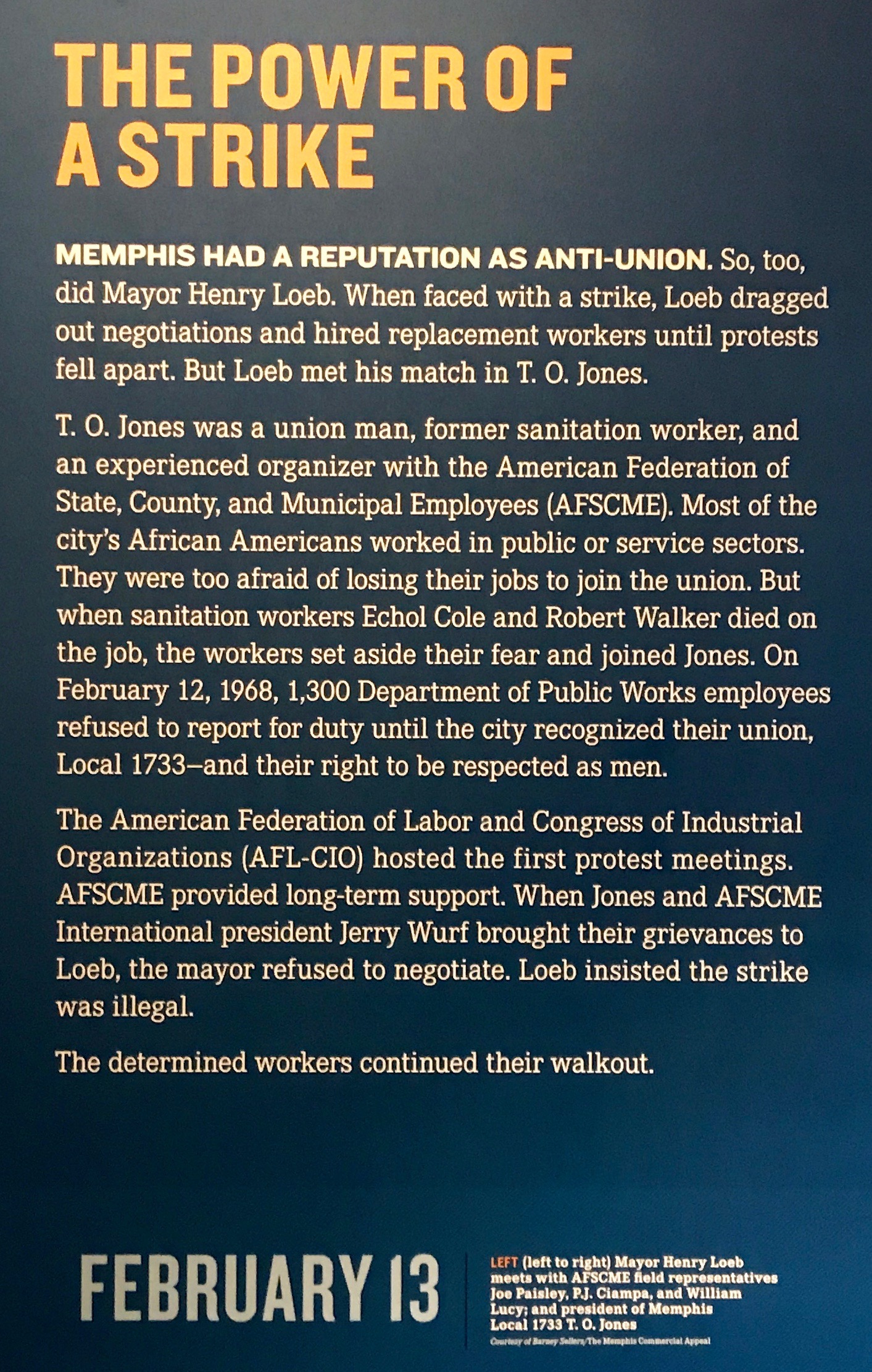
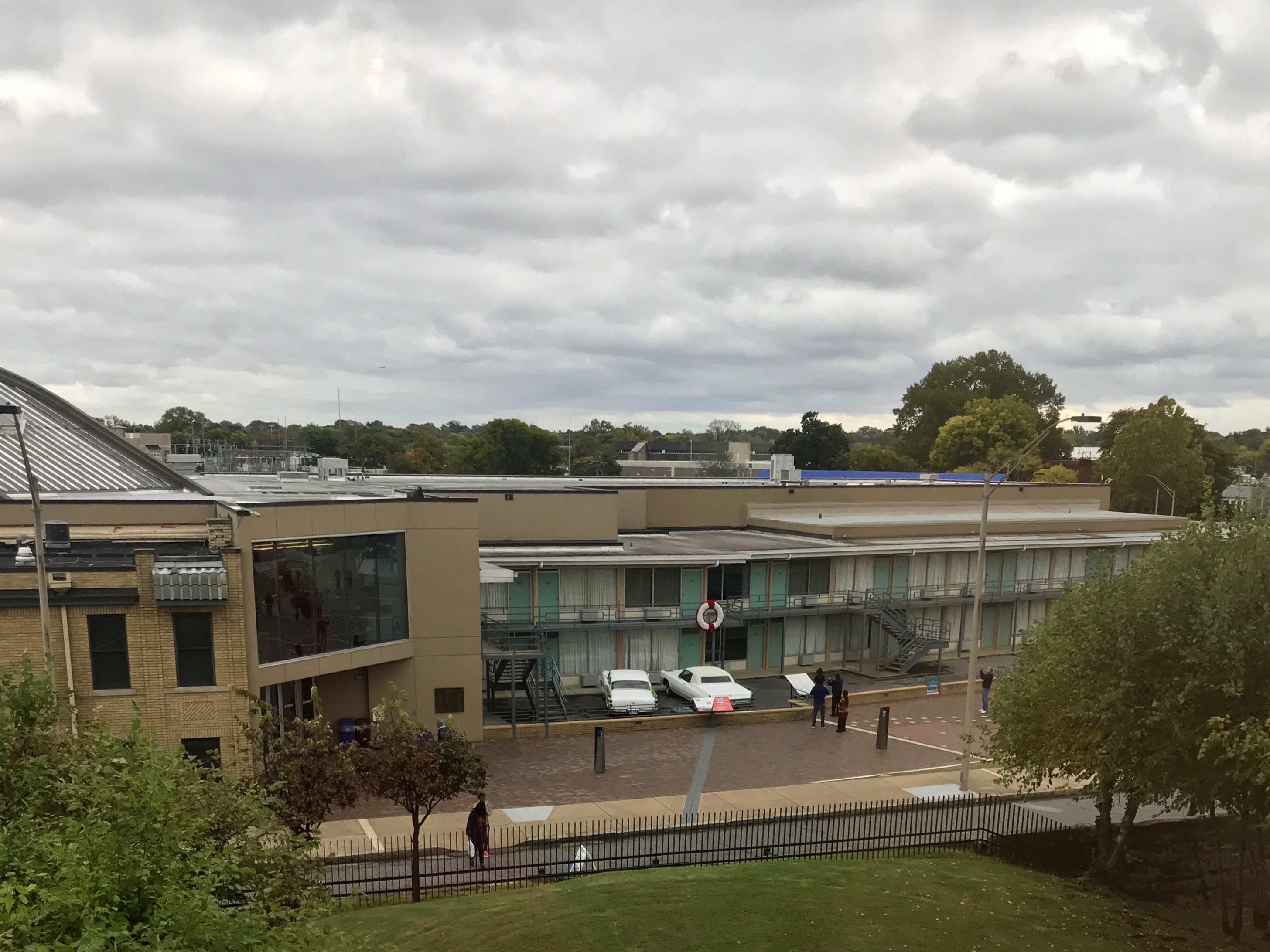
In 1968, Dr. King went to Memphis to support the sanitation workers’ in their struggle for better working conditions and the right to unionize.
In 1968, Dr. King came to Memphis to support the sanitation workers’ strike.
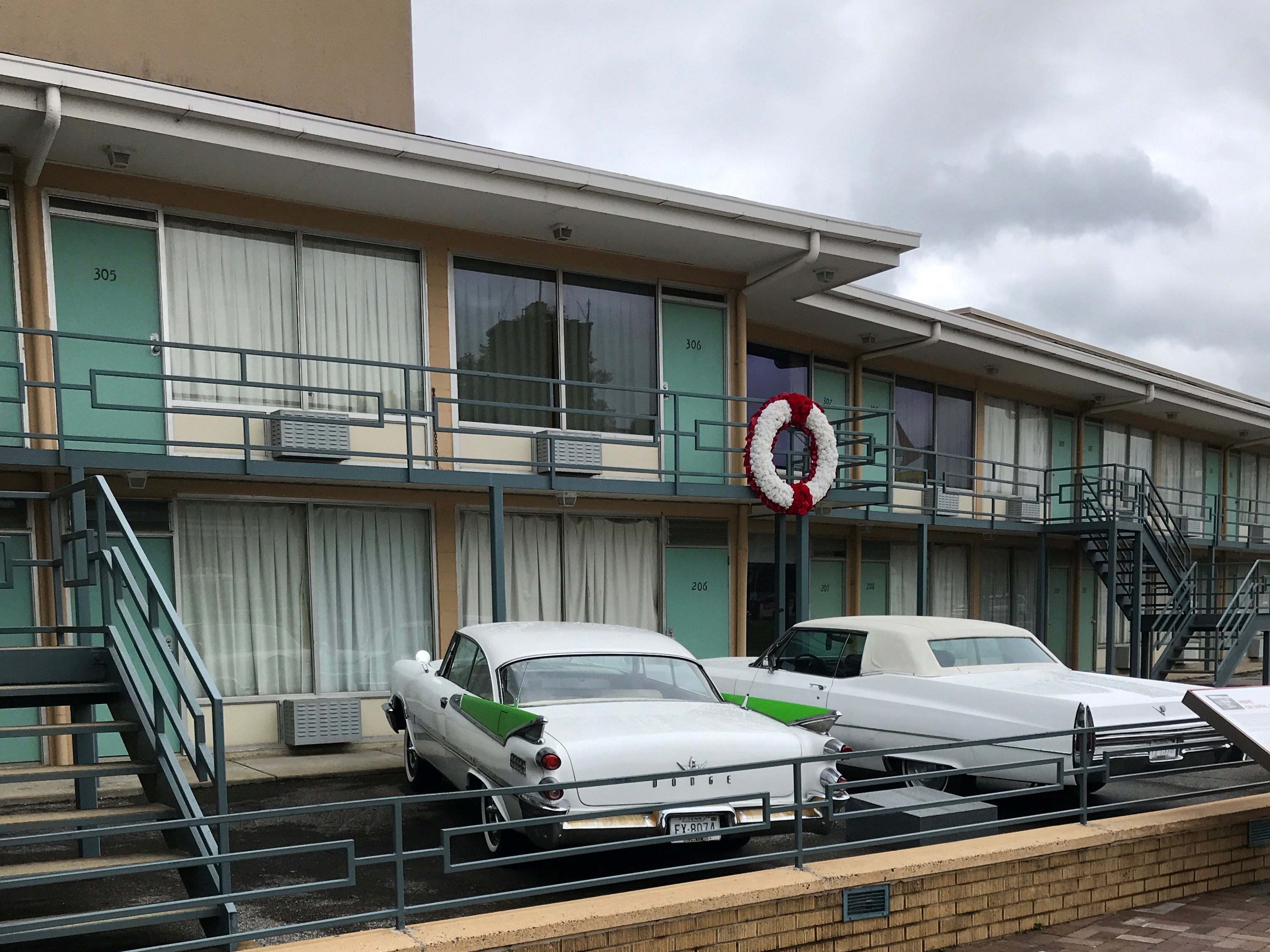
Chicago’s Operation Breadbasket Orchestra came to Memphis to perform at a rally supporting the sanitation strikers.Delayed by bad weather, Ben Branch – Memphis native, orchestra leader and tenor saxophonist – arrived at the Lorraine Motel just before 6:00 PM on April 4.
Dr. King greeted Branch from the balcony. King called down to Branch and requested that Branch play his favorite song at the rally, Precious Lord Take My Hand.
King said, “I want you to play it real pretty.” Branch responded, “You know I will, Doc.”
Moments later, the assassin’s bullet struck King.
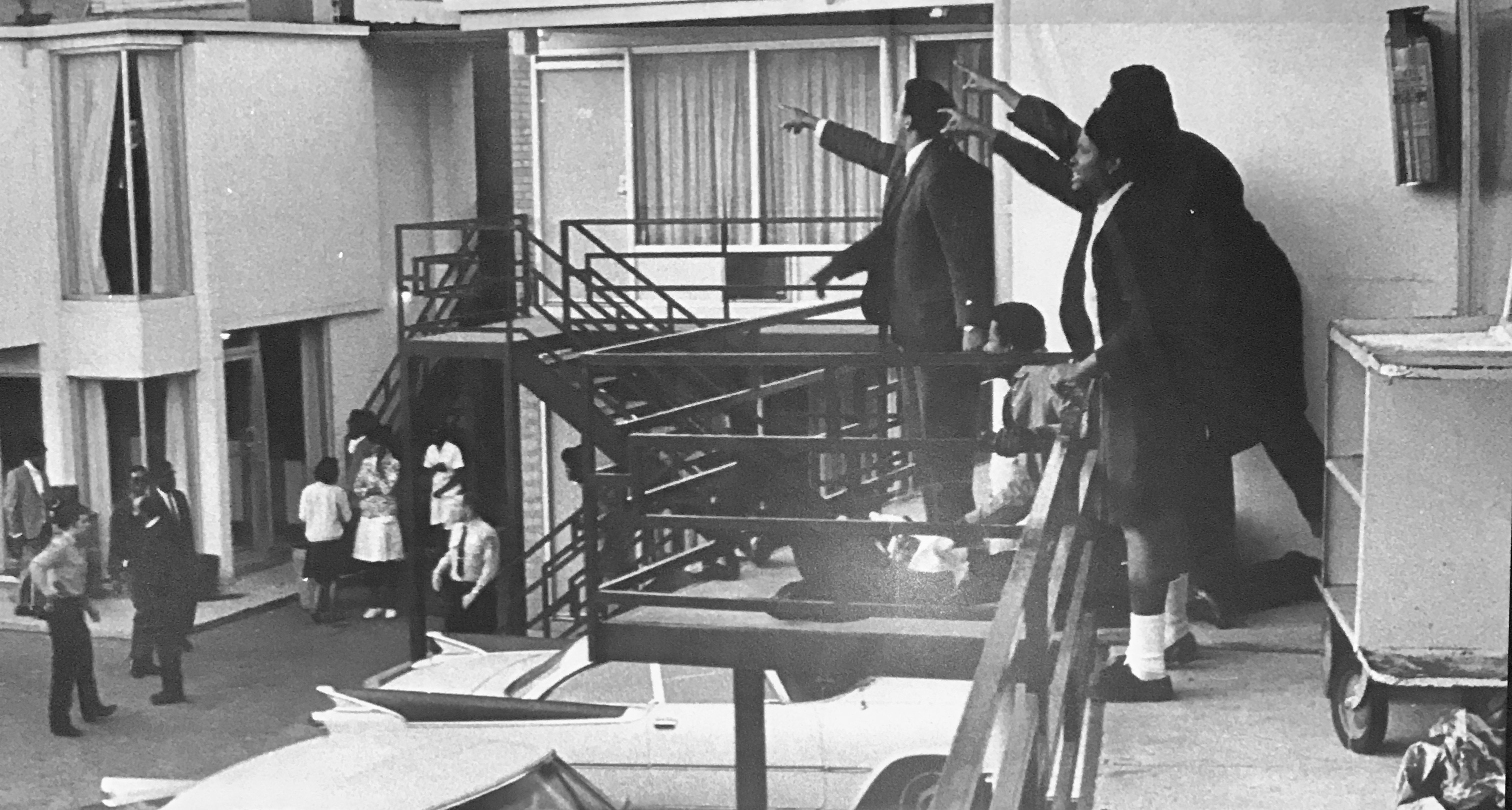
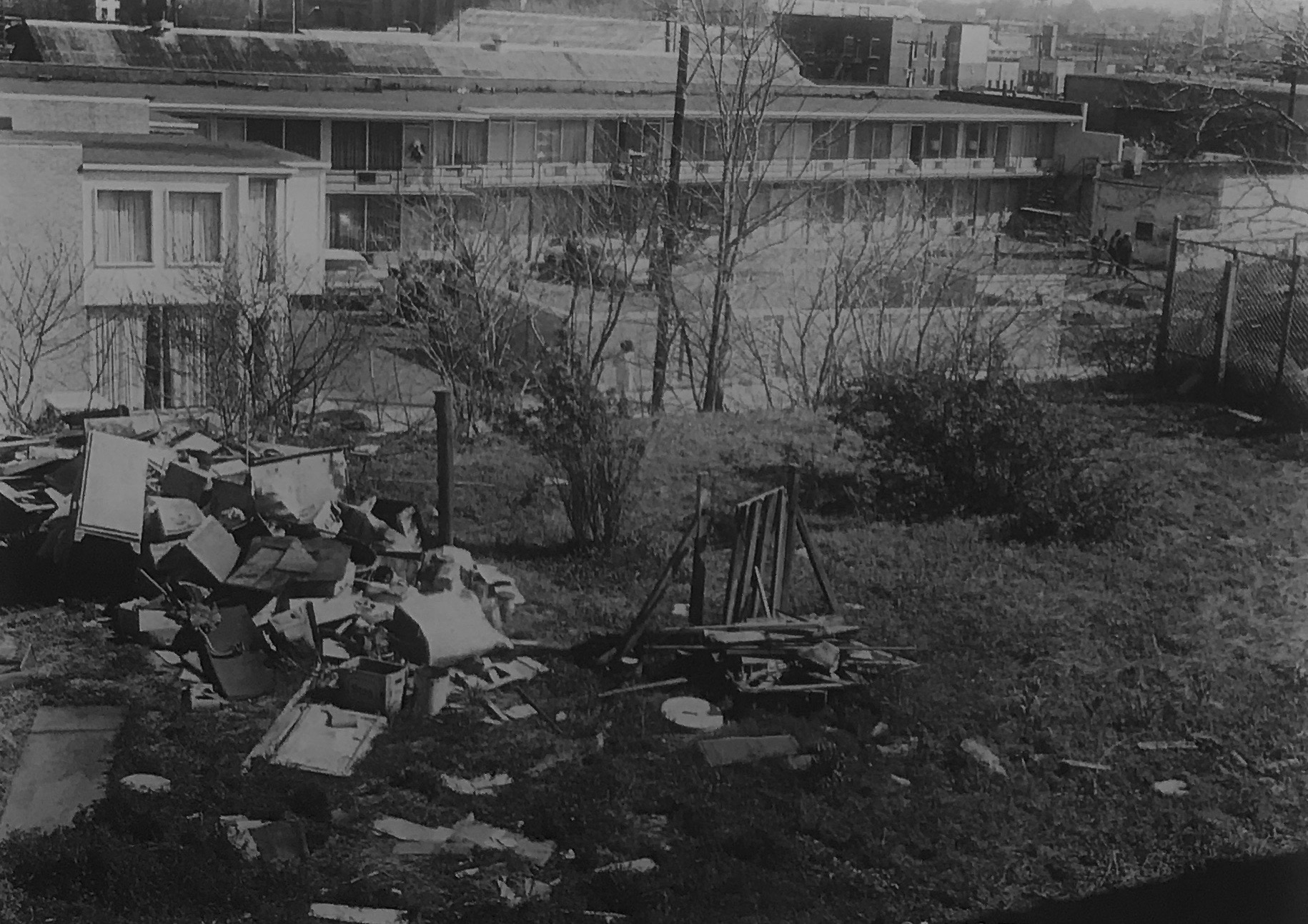
A single bullet fired from the boarding house across Mulberry Street struck Dr. King in the neck. He collapsed instantly and lay motionless.
Rev. Abernathy rushed to King’s side, whileRev. Kyles retrieved a bedspread from the room to lay over him.
Those who heard the shot pointed toward the boarding house. Police, who had been monitoring King during his stay in Memphis, ran from the fire station and scrambled to find the shooter.
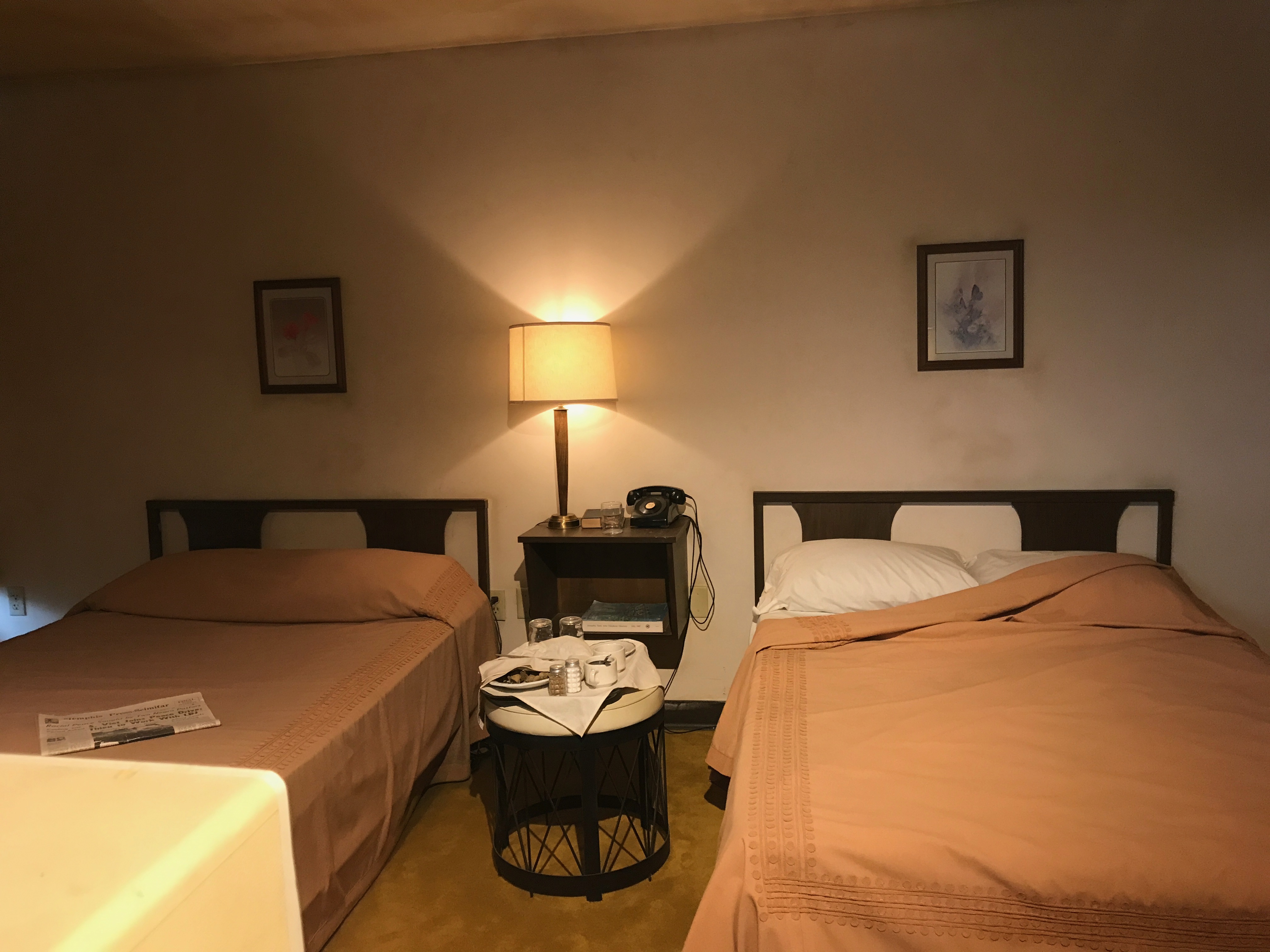
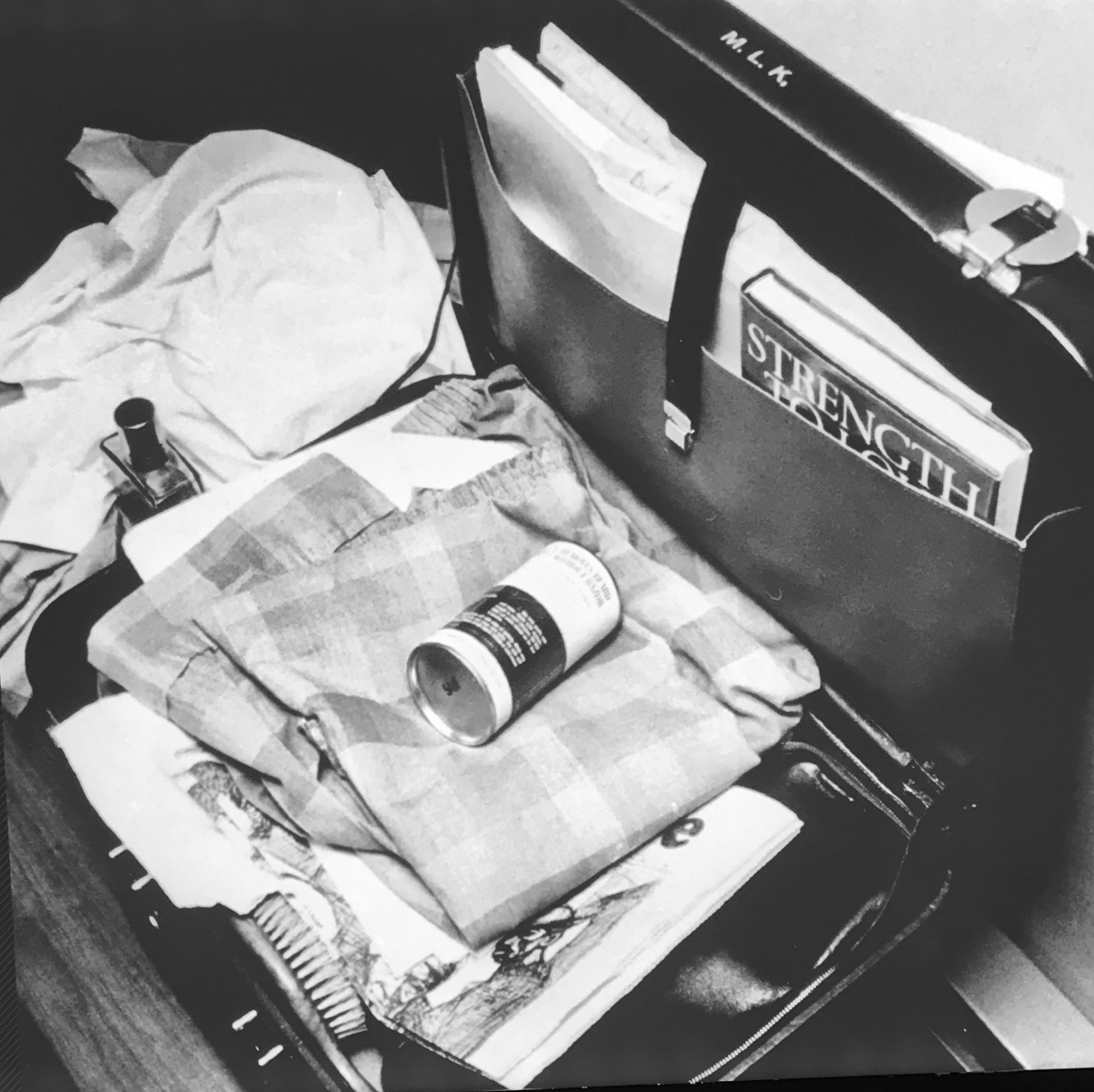
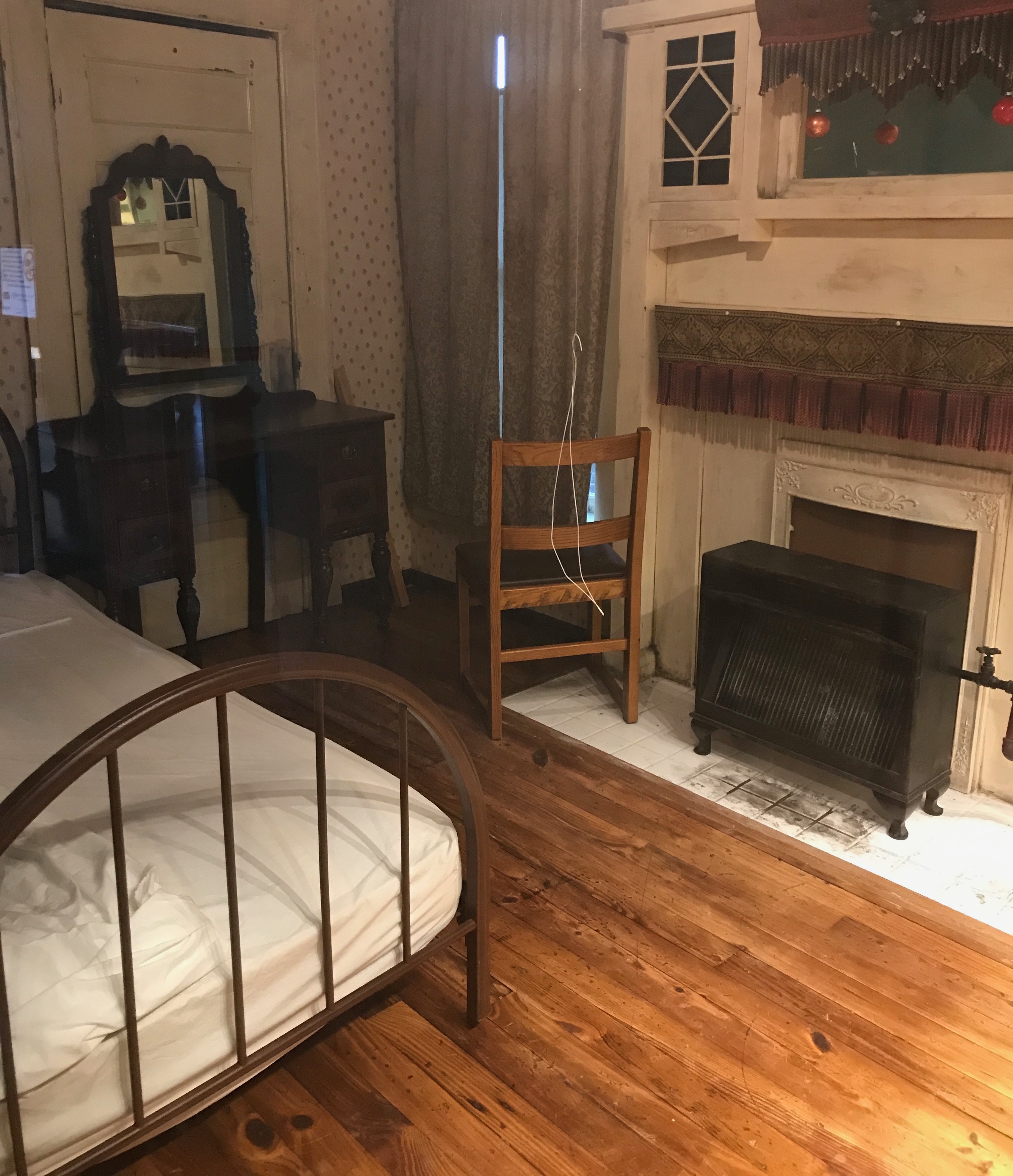
They had a room set up the way Dr. King’s room was arranged.
We were allowed to stand and contemplate as long as we wished.
Then it was time to exit.
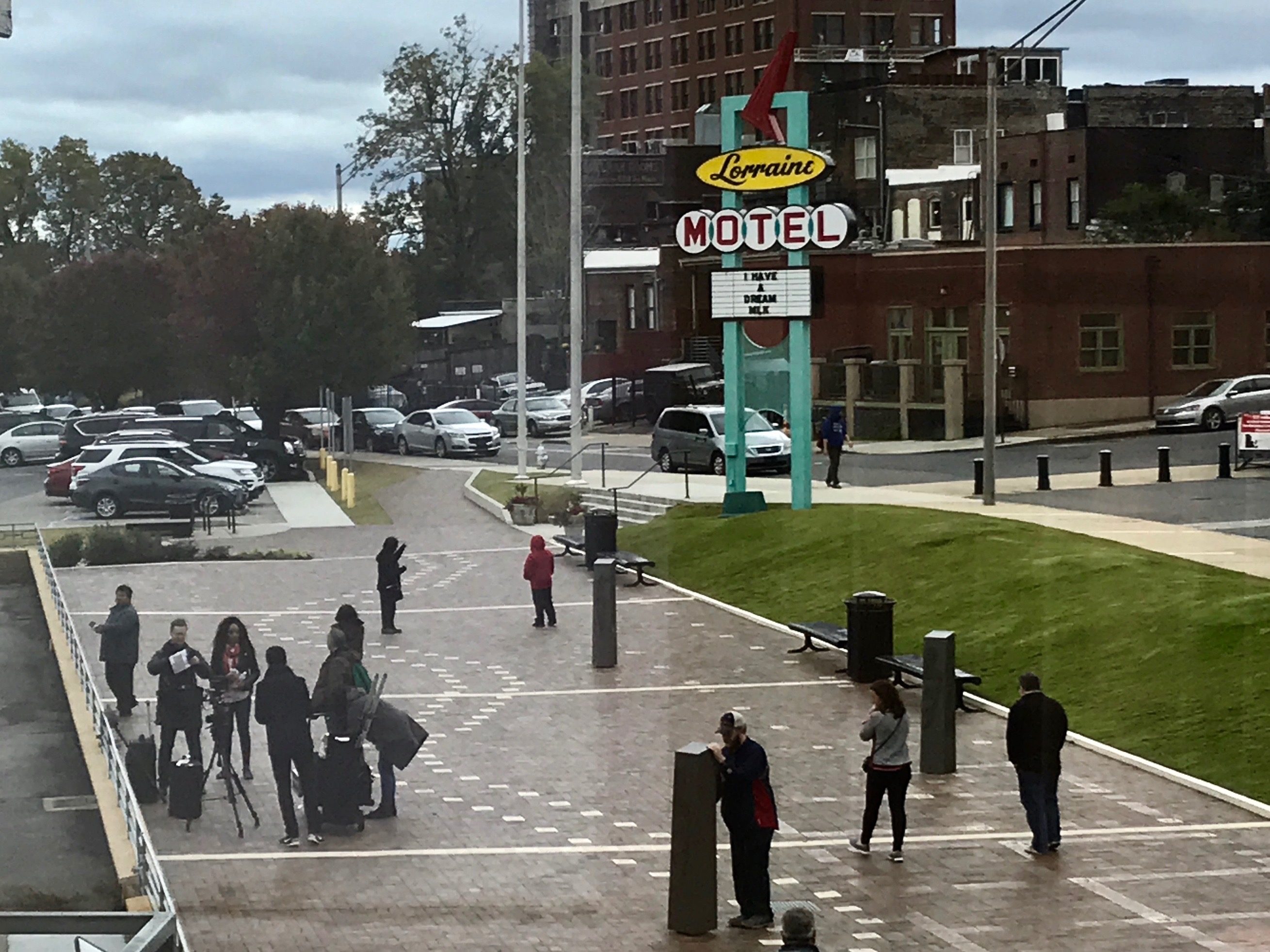
I paused on the balcony and looked out at the people that were coming in or pausing before they left.
One look back at the room.
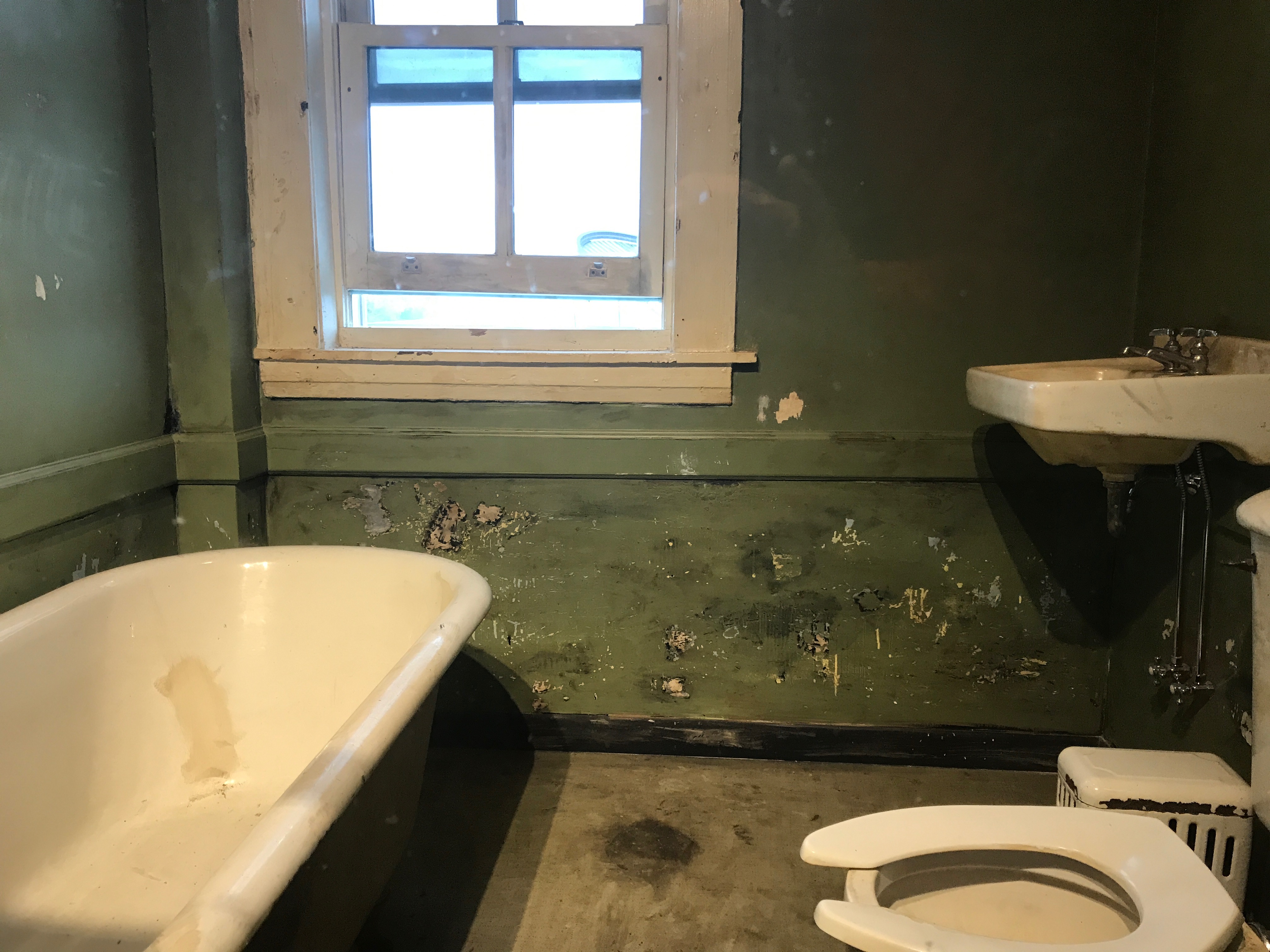
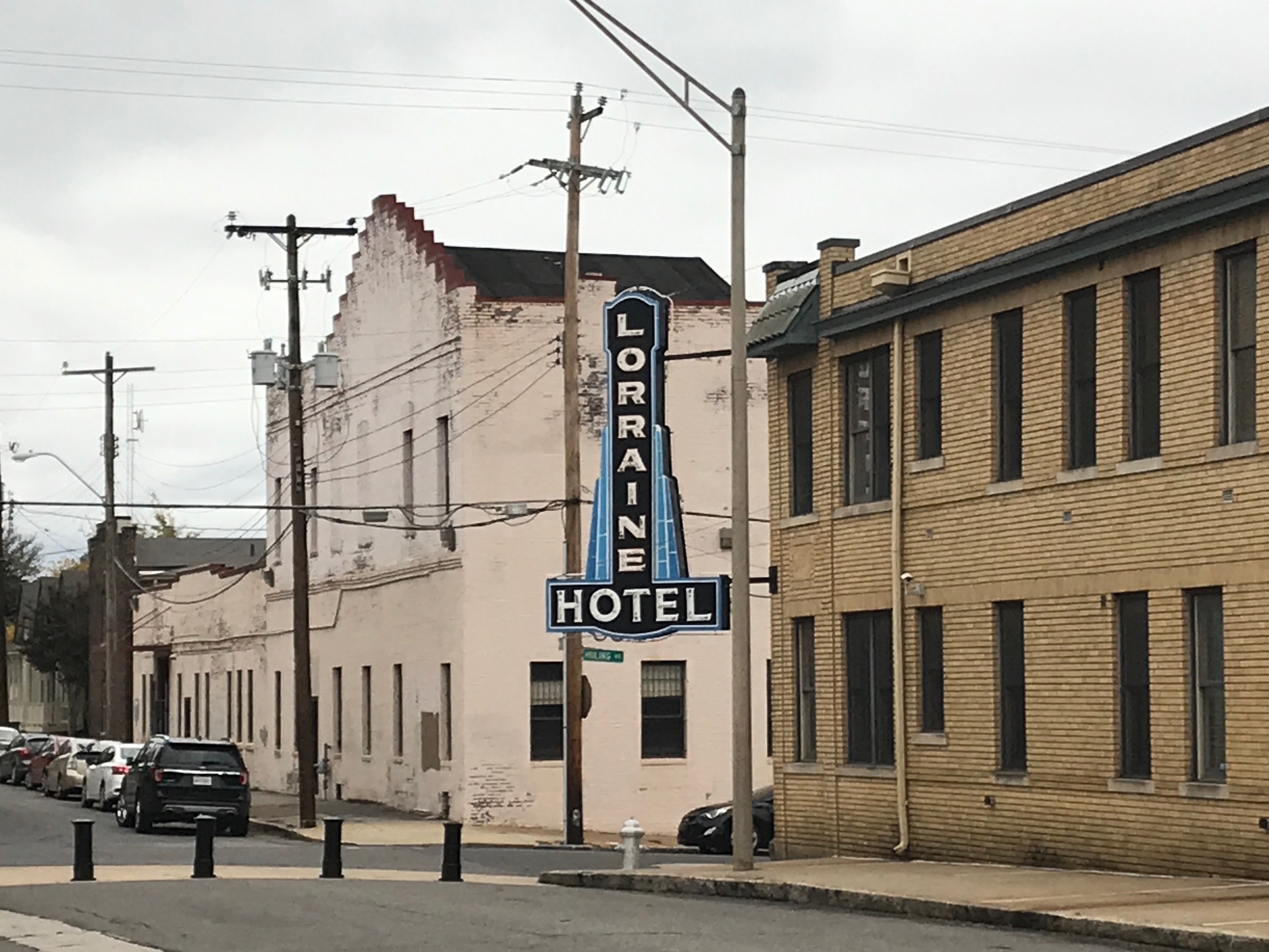
Then it was time to visit more displays in the boarding house across the street. The shots were fired from here.
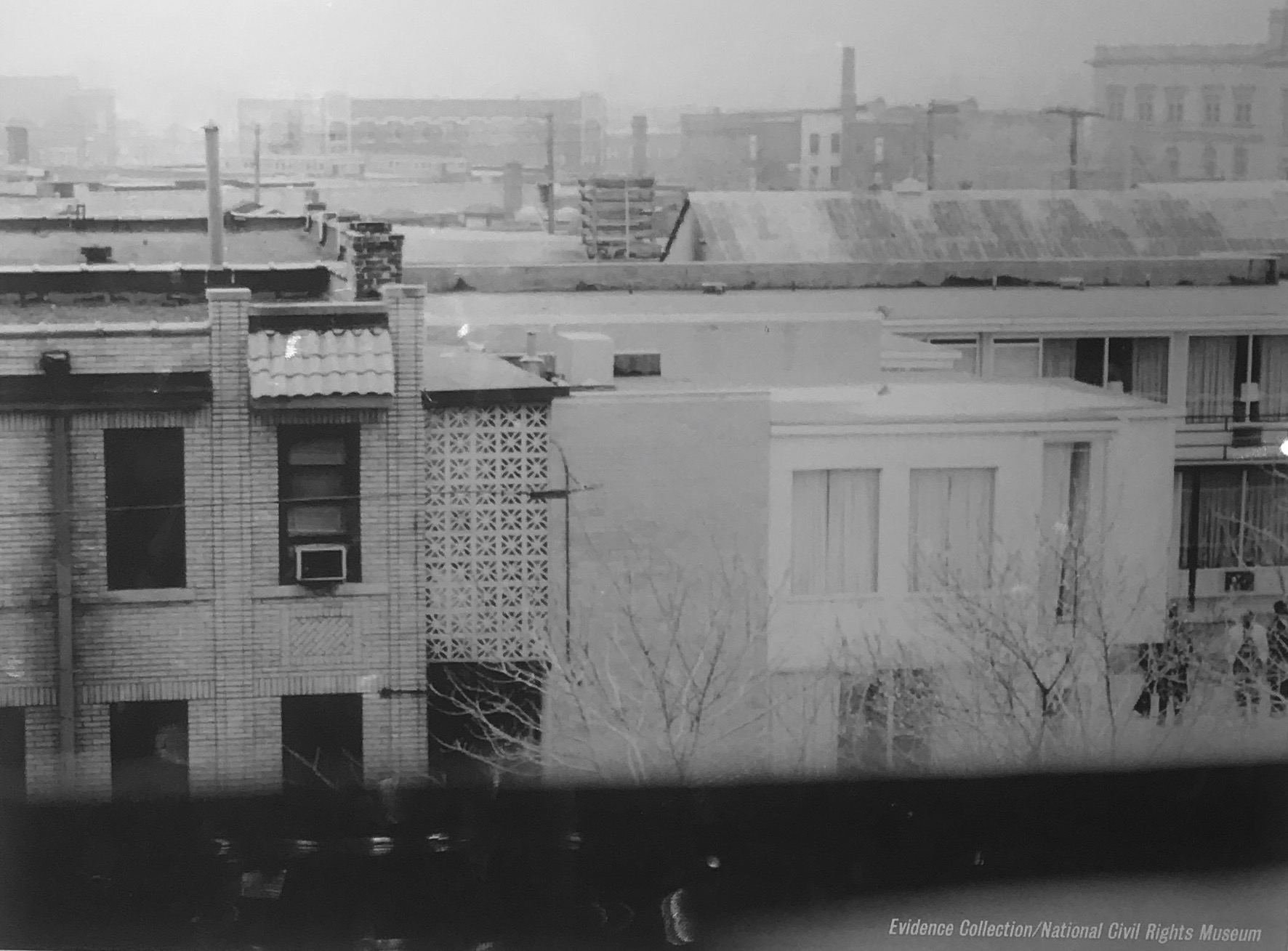
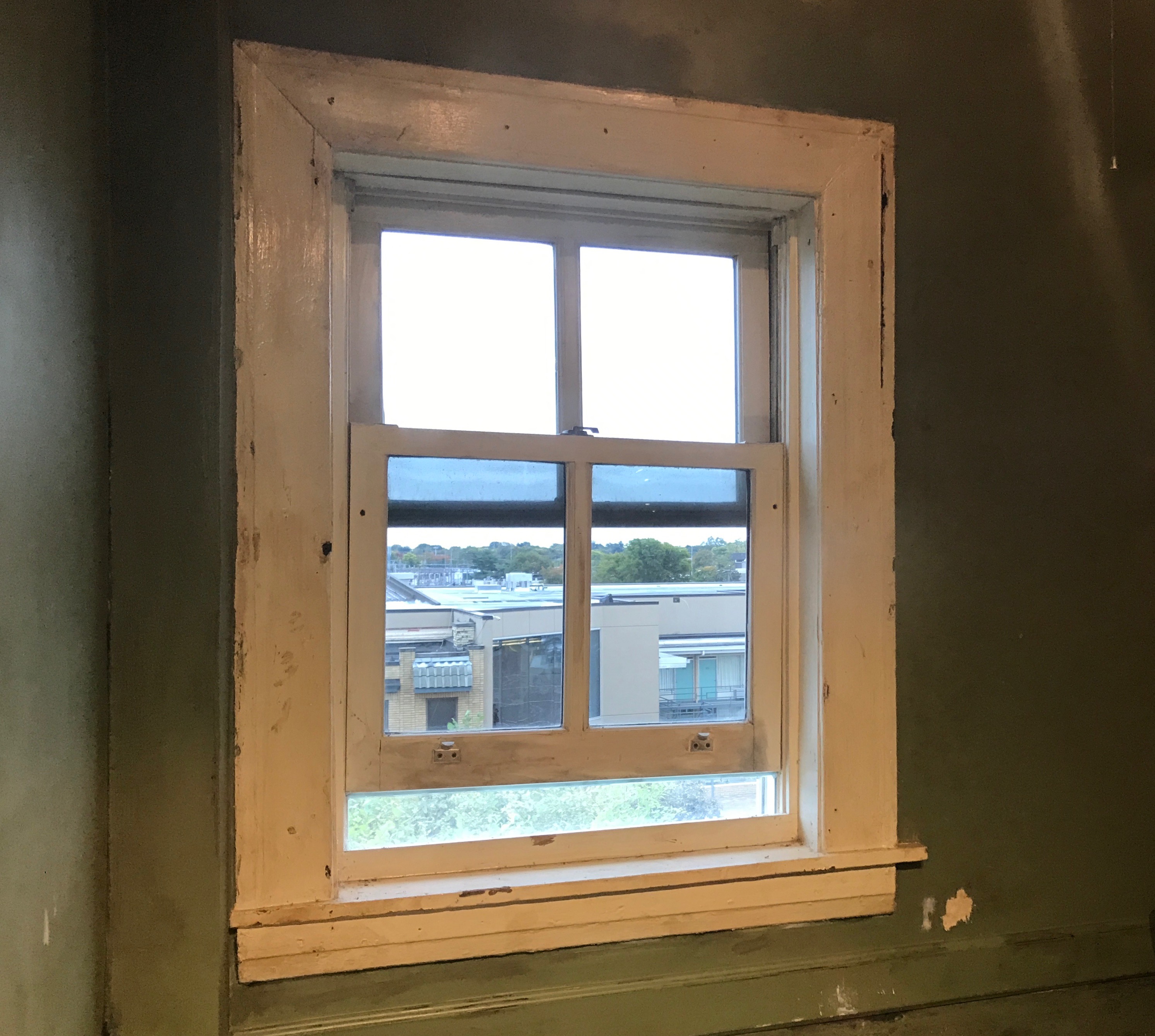
This is the view from the window. It was taken after the seventh, because there is a wreath at the scene.
Although the photo doesn’t show it very well, the display said that this photo was part of the evidence that shows the window partly open.
There was more too look at, but, as you can well imagine, I was pretty worn out from trying to remember my experiences from the time and attempting to assimilate new information.
I headed back to my car.
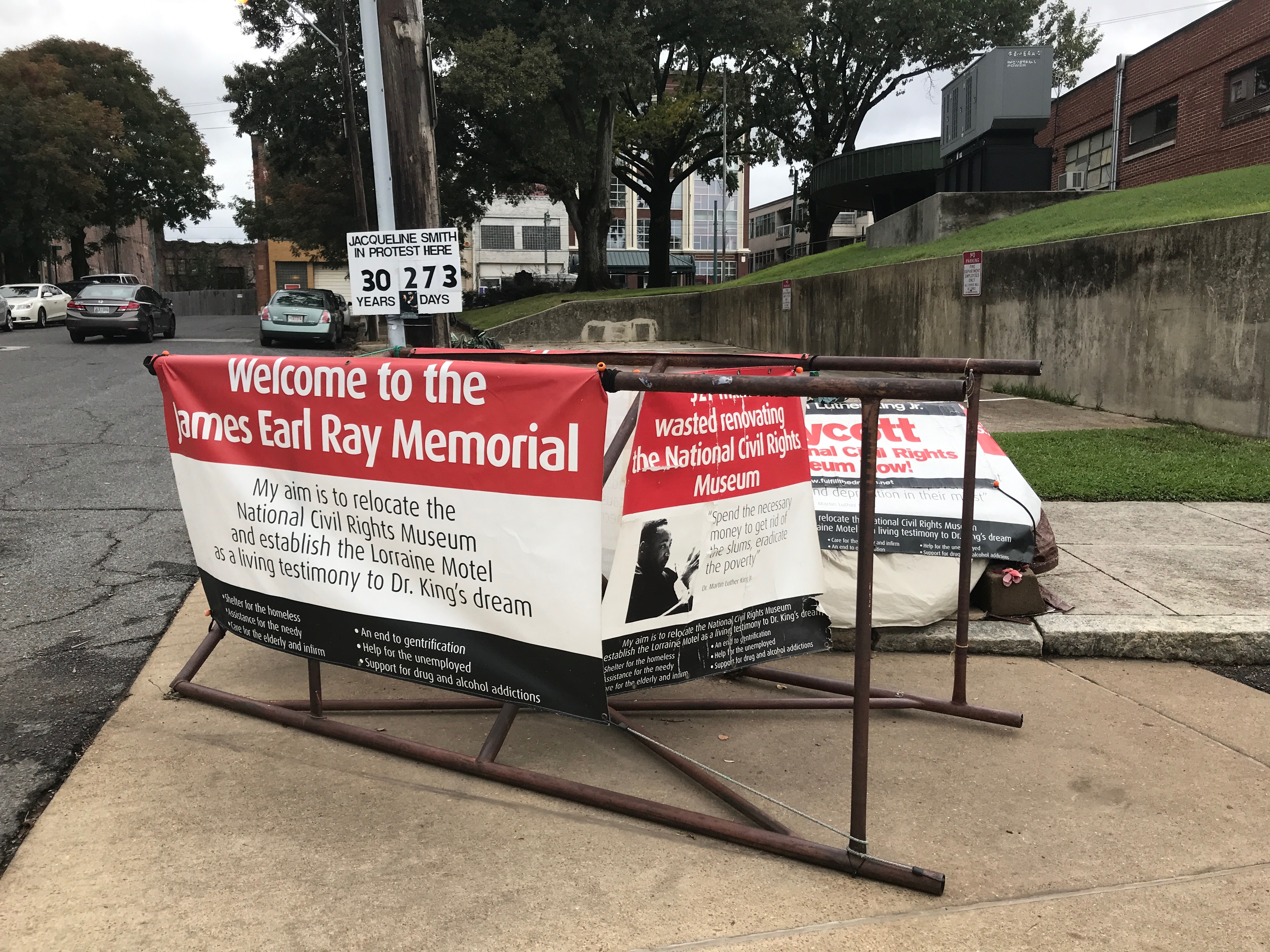
I saw this when I went in. At that time, there was a woman with these items. I wanted to ask her about her point of view, and what she hoped to accomplish. However, she wasn’t there when I was finished with my tour.
I guess I’ll have to save my questions for the next time. At the time I visited, Jacqueline Smith had been protesting for 30 years and 273 days.
Barring any ill fortune, I imagine she is still there.
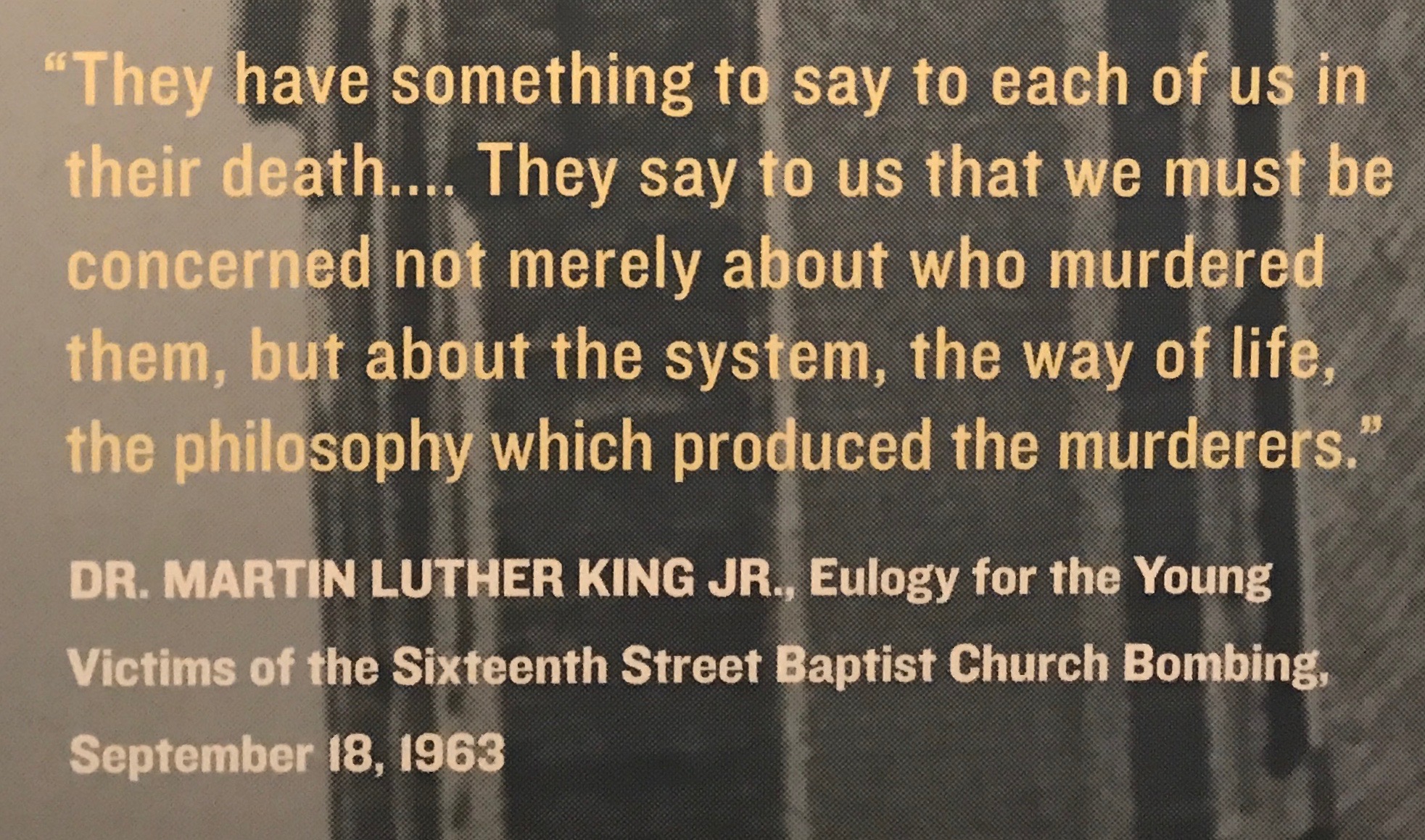
Let me close this post with Dr. King’s last request.
After my day of diamond mining without turning up even so much as a quarter karat, I decided that I pretty much had the basic idea of what was involved. I had booked my campsite to allow for two days of mining, but decided that I didn’t need more diamond mining. What I needed was a bath!
I headed down to Hot Springs to indulge myself.
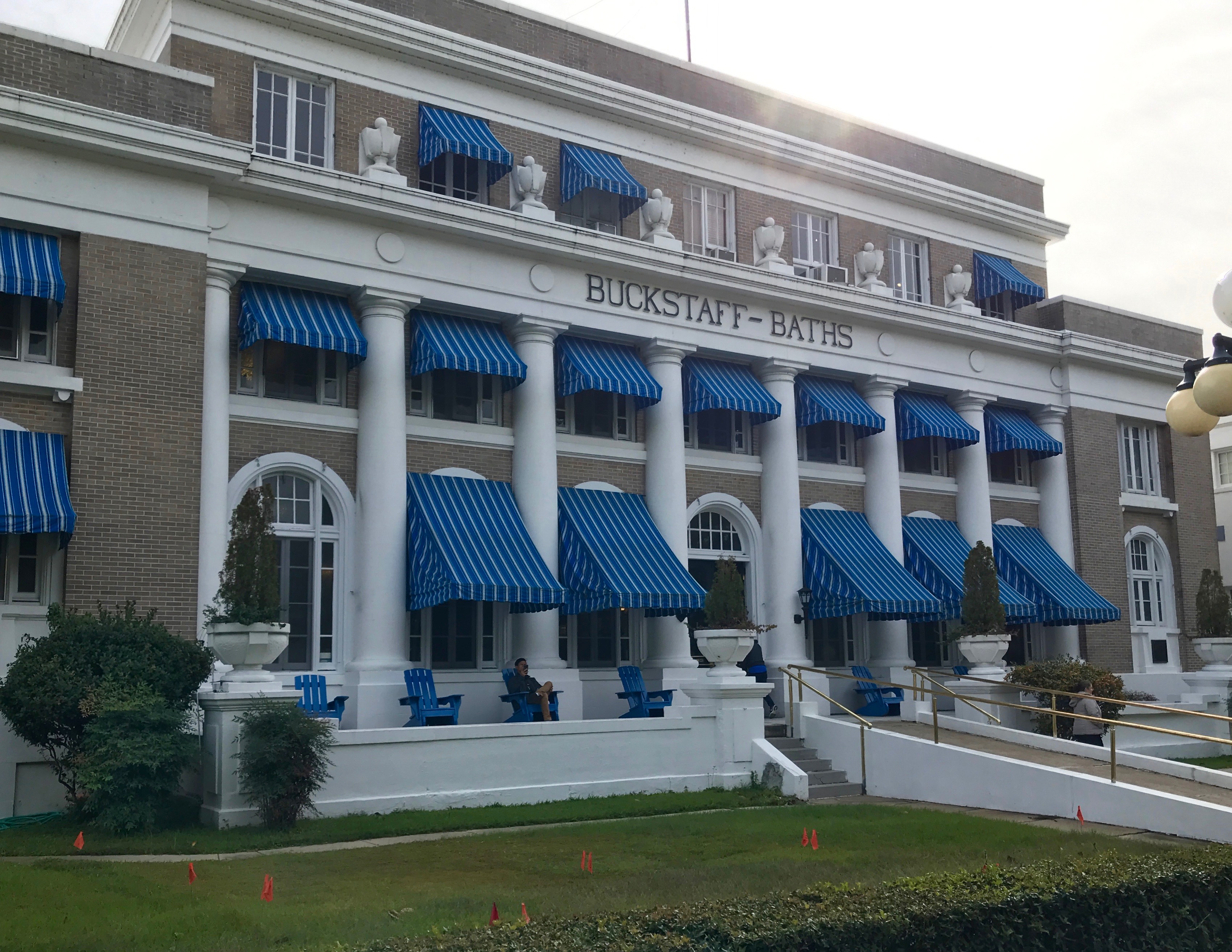
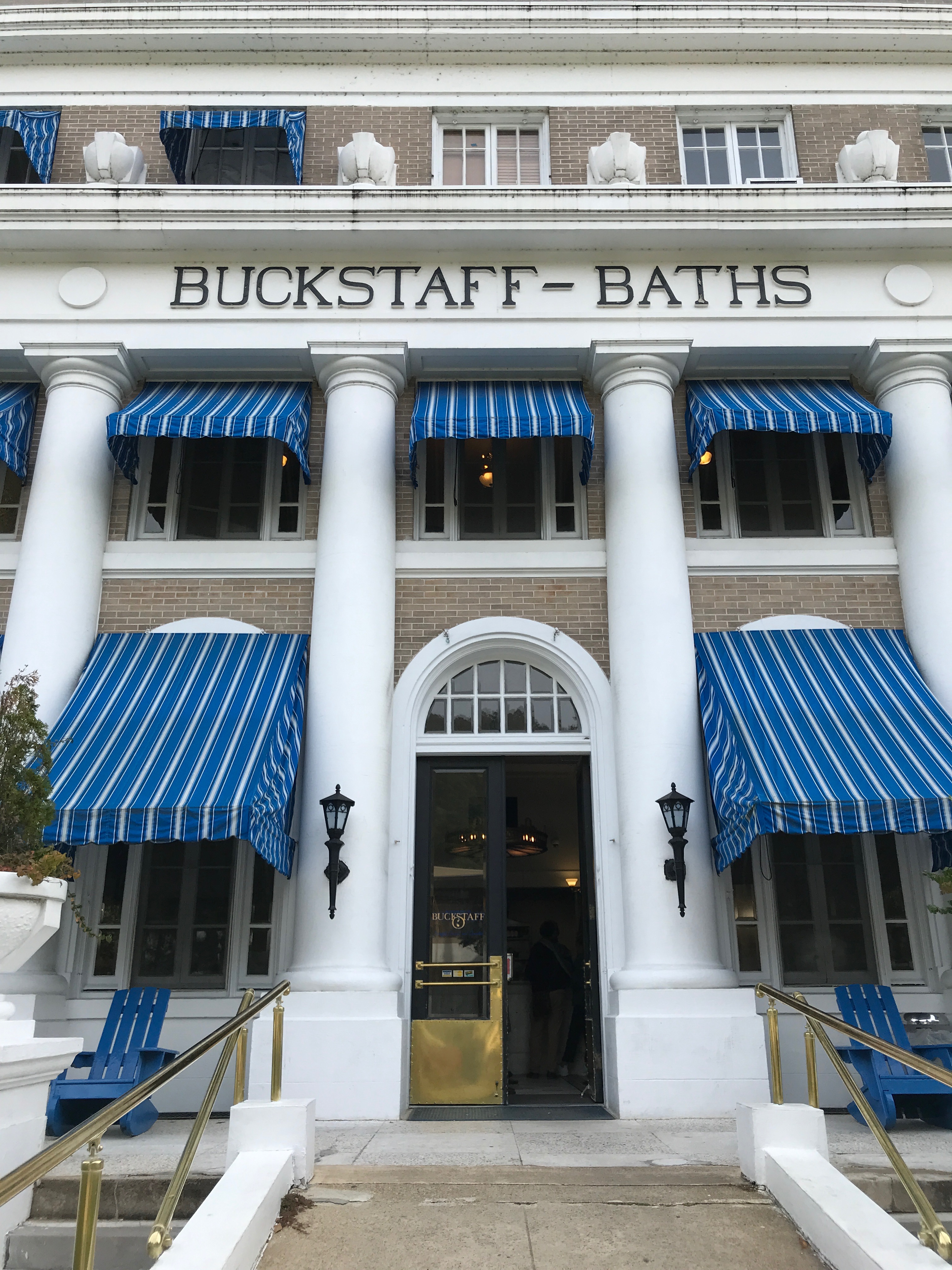
I wasn’t sure how I’d like it, but I figured that I wouldn’t know until I tried. I climbed the stairs to the Buckstaff Baths. I went up to the counter and paid for the least expensive package they had – The Whirlpool Mineral Bath. It cost $38. I felt a little bit like Jack Benny as I dug the money out of my wallet. I kept expecting moths to flutter out.
Just in case you are wondering what I paid for, this is how their website describes it:
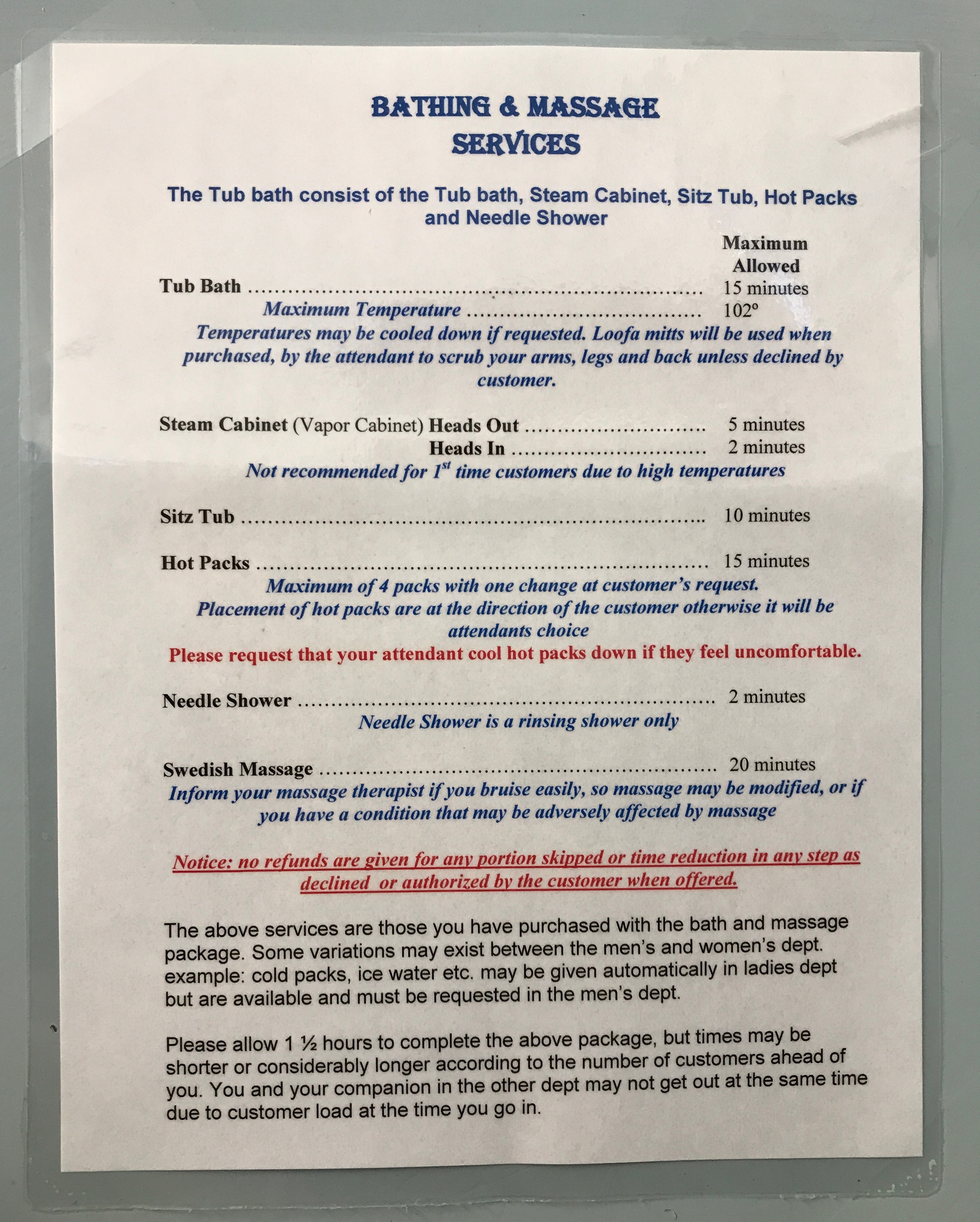
“A 20-minute tub bath with whirlpool at a maximum temperature of 102 degrees. This bath includes, hot packs, sitz bath, vapor cabinet, needle shower, and whirlpool turned on in your tub.”
I got in the elegantly appointed elevator – complete with elevator operator – and rode up to the second floor.
I arrived at the locker room.
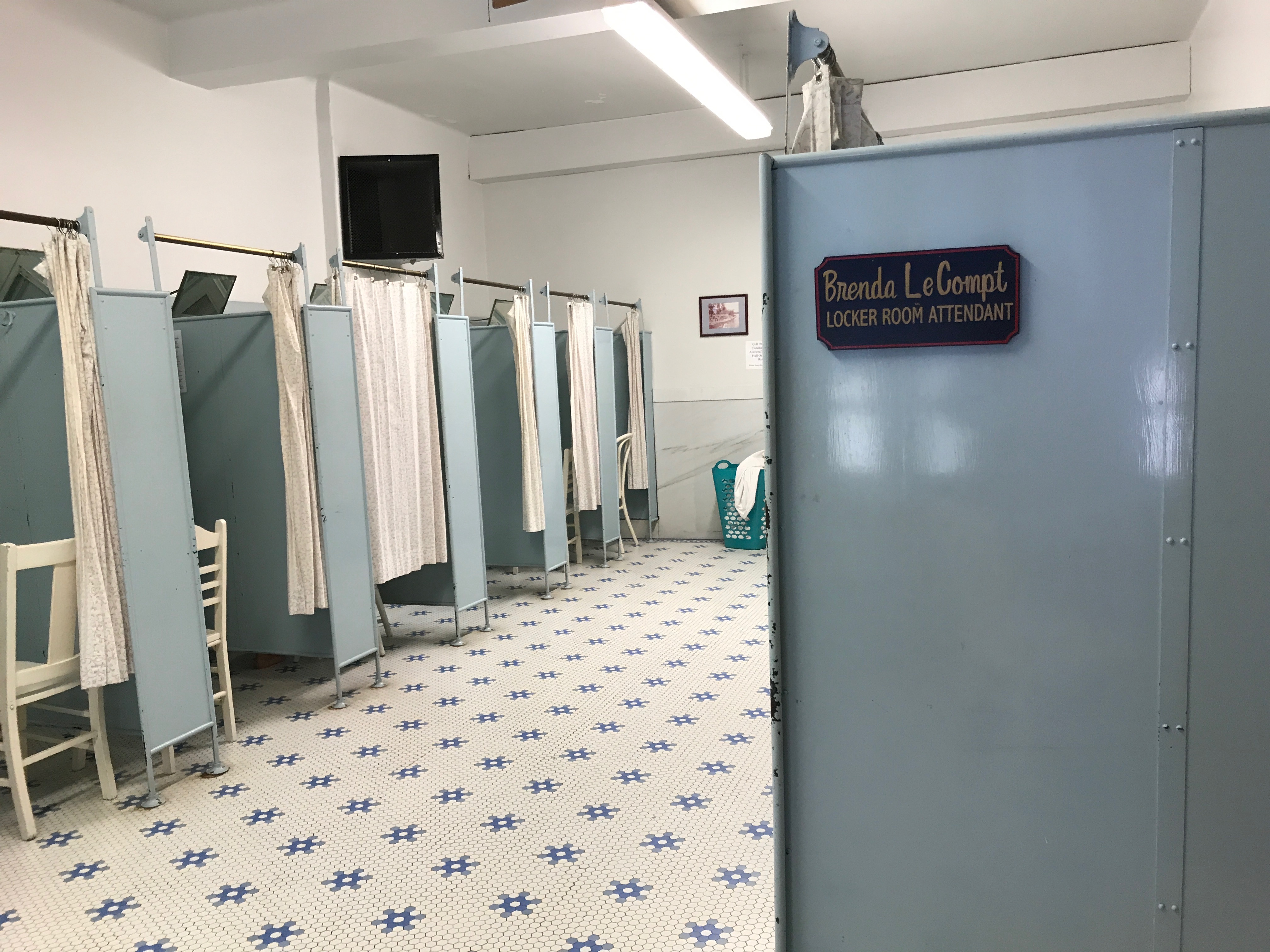
The attendant showed me to my cubicle.
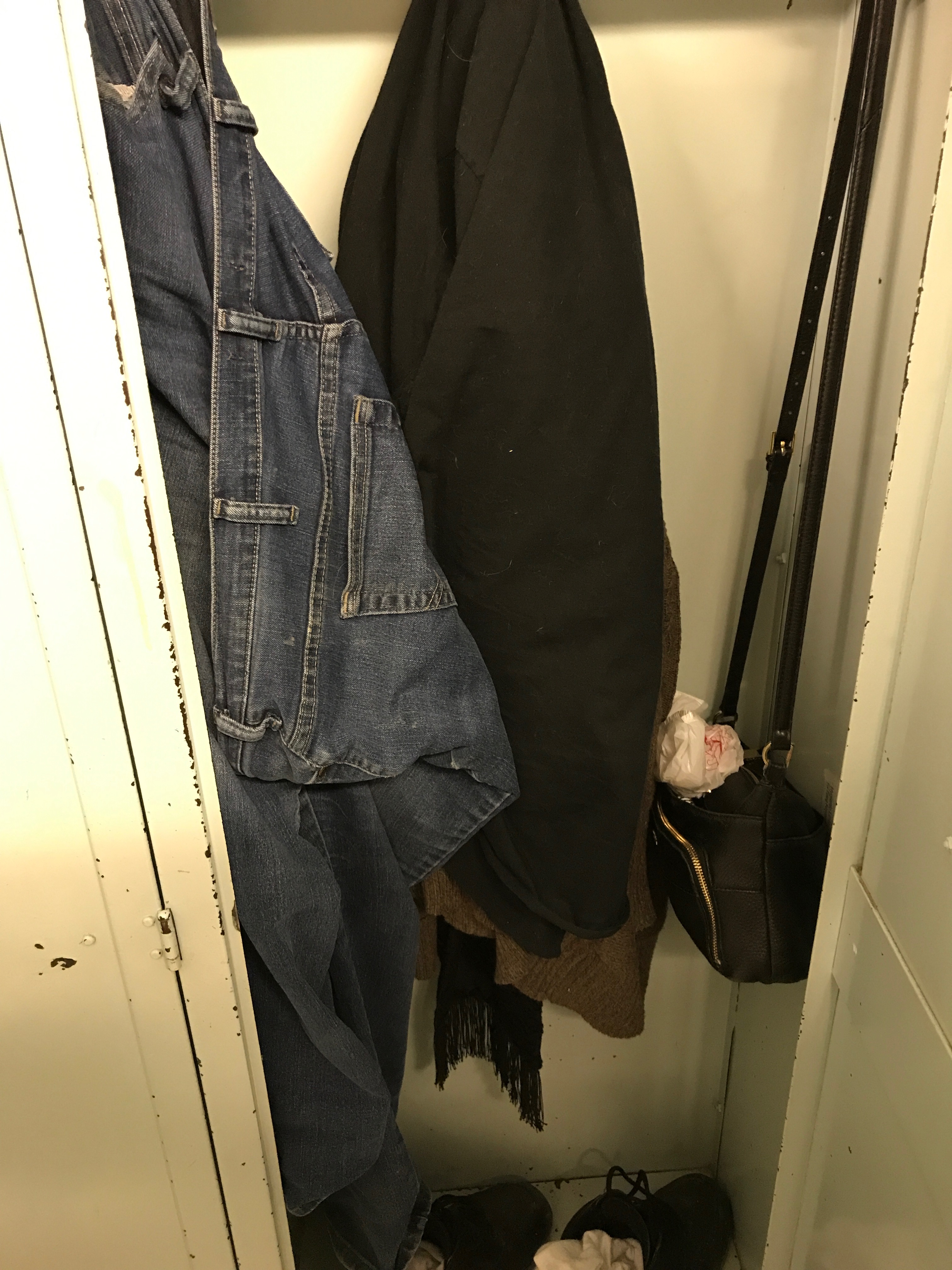
My locker even had a small hoop to hold my walking stick, cane or umbrella upright, just in case I had one.
I undressed. While I waited for the attendant, I read the informational sheet about what to expect.
And that’s the end of the photos I have for the bath portion of my visit to Hot Springs. I’ll do my best to fill you in one what came next.
When I had undressed, the locker room attendant instructed me to raise my arms to shoulder height and she wrapped me in a large white sheet and then handed me off to the bath attendant.
She lead me to a long, deep white tub that was filled with hot water. As I remember, it had a whirlpool attachment that kind of reminded me of an outboard motor, except that in place of a propeller it had a water jet. I sunk down to my ears in the lovely hot water. It was great to be almost totally submerged in that long, deep tub.
After the specified 15 minutes, the bath attendant wrapped me up again and took me to a table. She had me lie down and then she applied hot packs. I rested there until they cooled down.
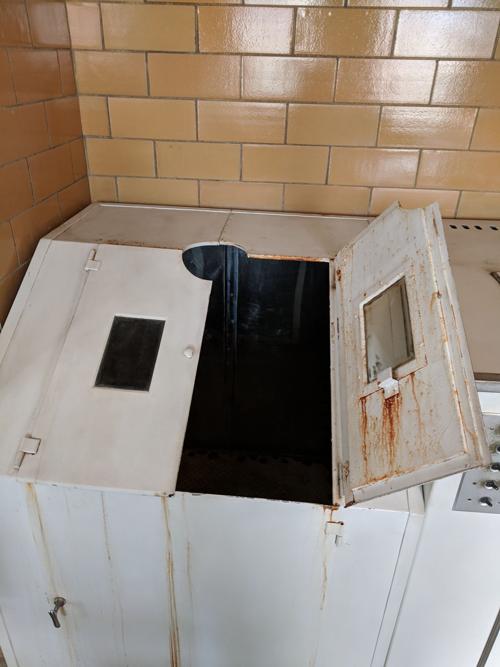
After that, it was off to the steam cabinet.
This is not the steam cabinet I was in. It is similar, though. I seem to remember seeing them in old movies as an example of hedonism. They way these are set up, you couldn’t really do it yourself. You needed an attendant to help.
The attendant opens them up, you sit inside and then they close it up around you so that only your head is sticking out, and a towel is wrapped around your neck so that none of the steam is lost.
Next, I was off to the sitz bath. You sit down with your bottom in a smaller tub of hot water and soak.
Then it was off to the needle shower. That sounds a little uncomfortable, but it wasn’t. As I remember, I stepped into concentric copper pipes – maybe four or five of them arranged in a “C” shape. The pipes were fitted with nozzles that sprayed you with cooler water from about your shoulders to your ankles.
At the end of that, you were escorted back to your locker to get dressed.
I didn’t know what to expect, but I felt marvelous! Completely clean and relaxed and ready for lunch.
I headed down Bathhouse Row to find sustenance.
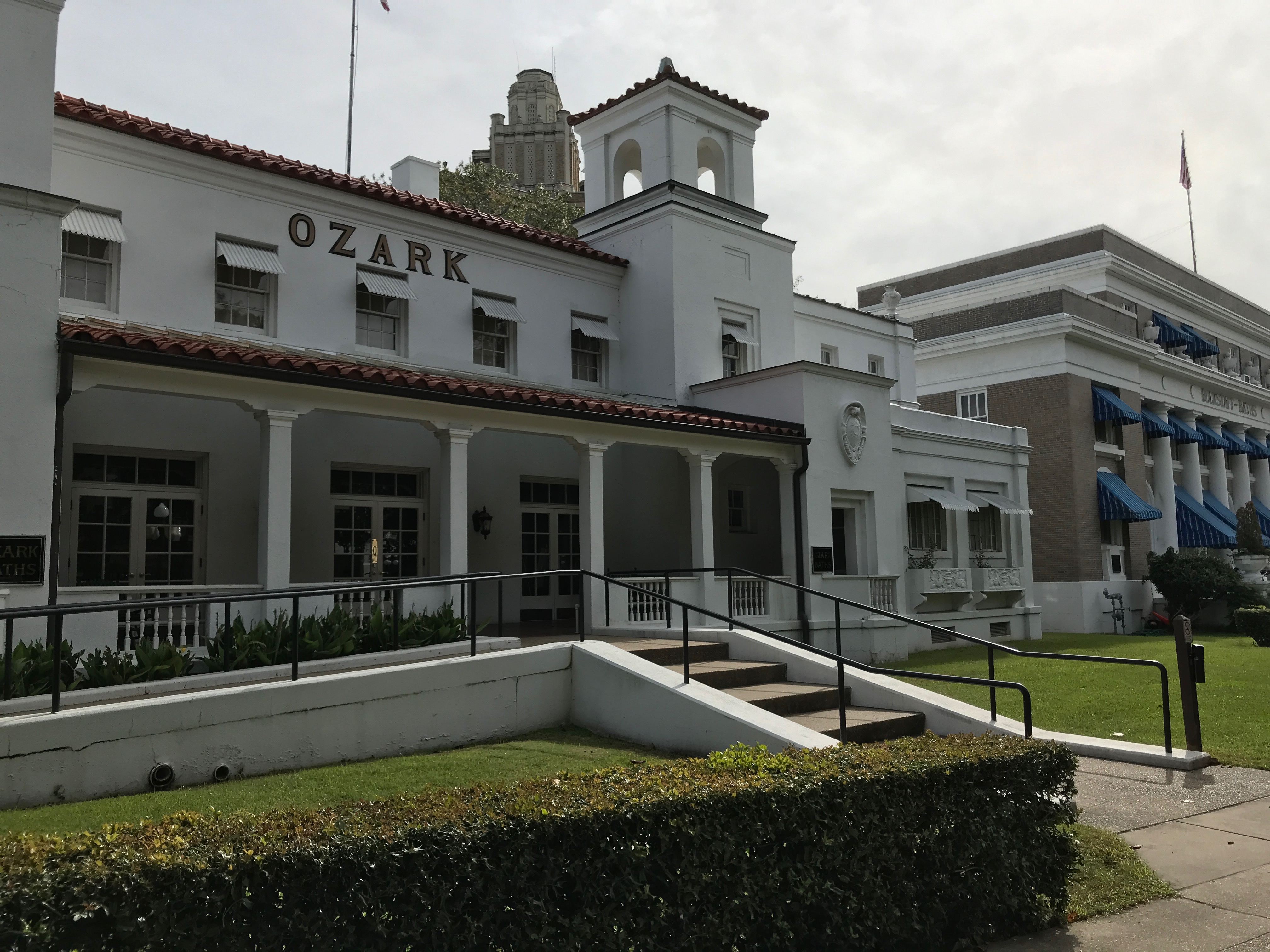
I passed by the Ozark Bathhouse, which was completed in the summer of 1922. It was built in the Spanish Colonial Revival style at a cost of $93,00.
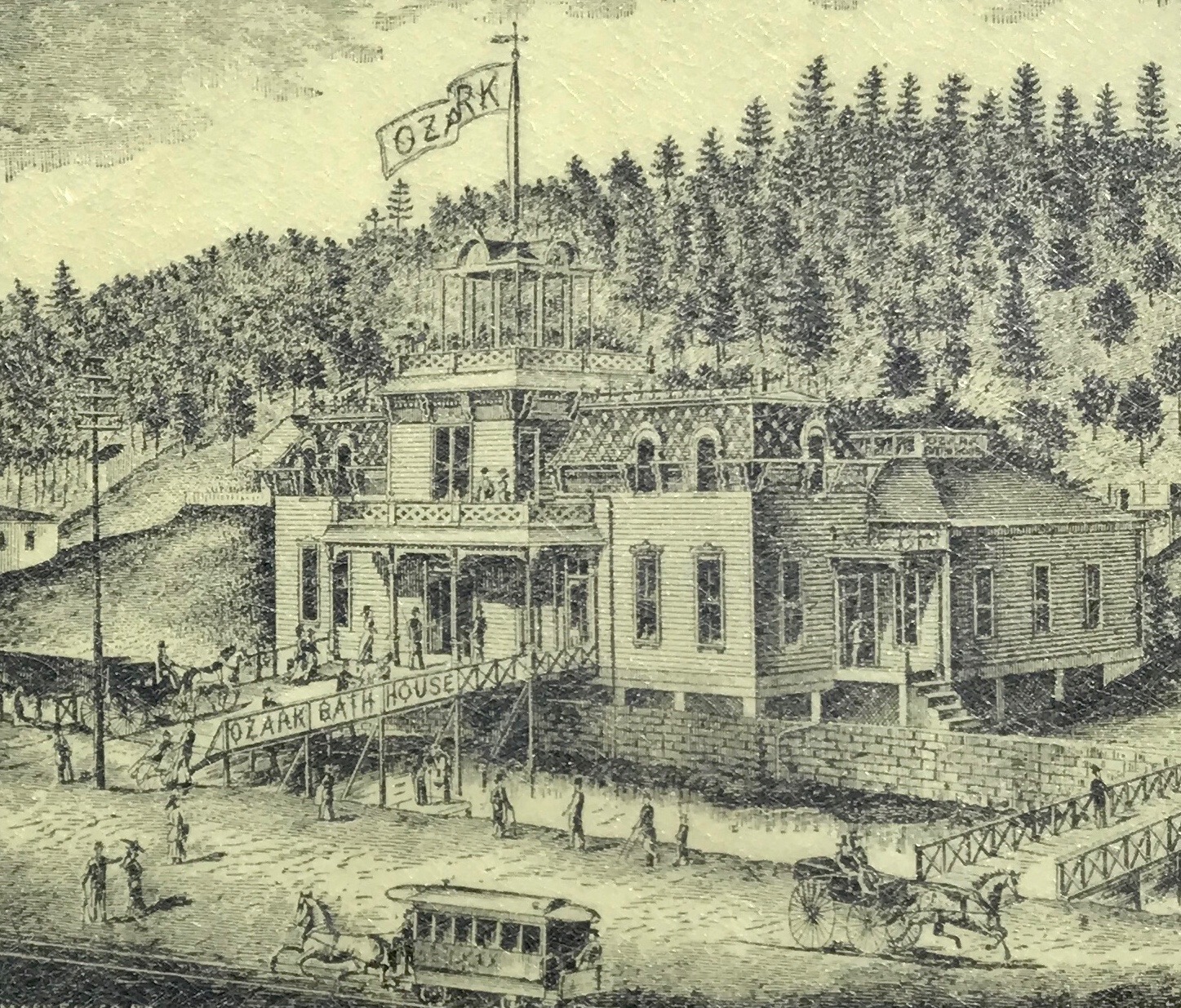
Originally, the Ozark Bathhouse looked quite different. Here it is in 1882.
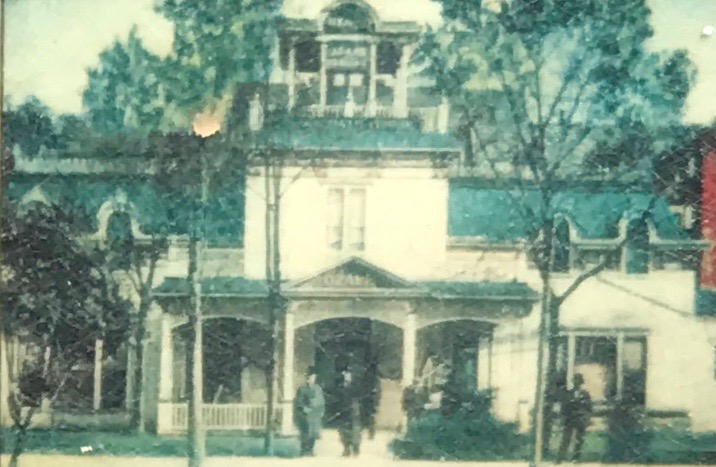
They don’t seem to be satisfied with their design, as this photo from 1915 demonstrates. Or, maybe, the person who made the 1882 drawing took some artistic liberties.
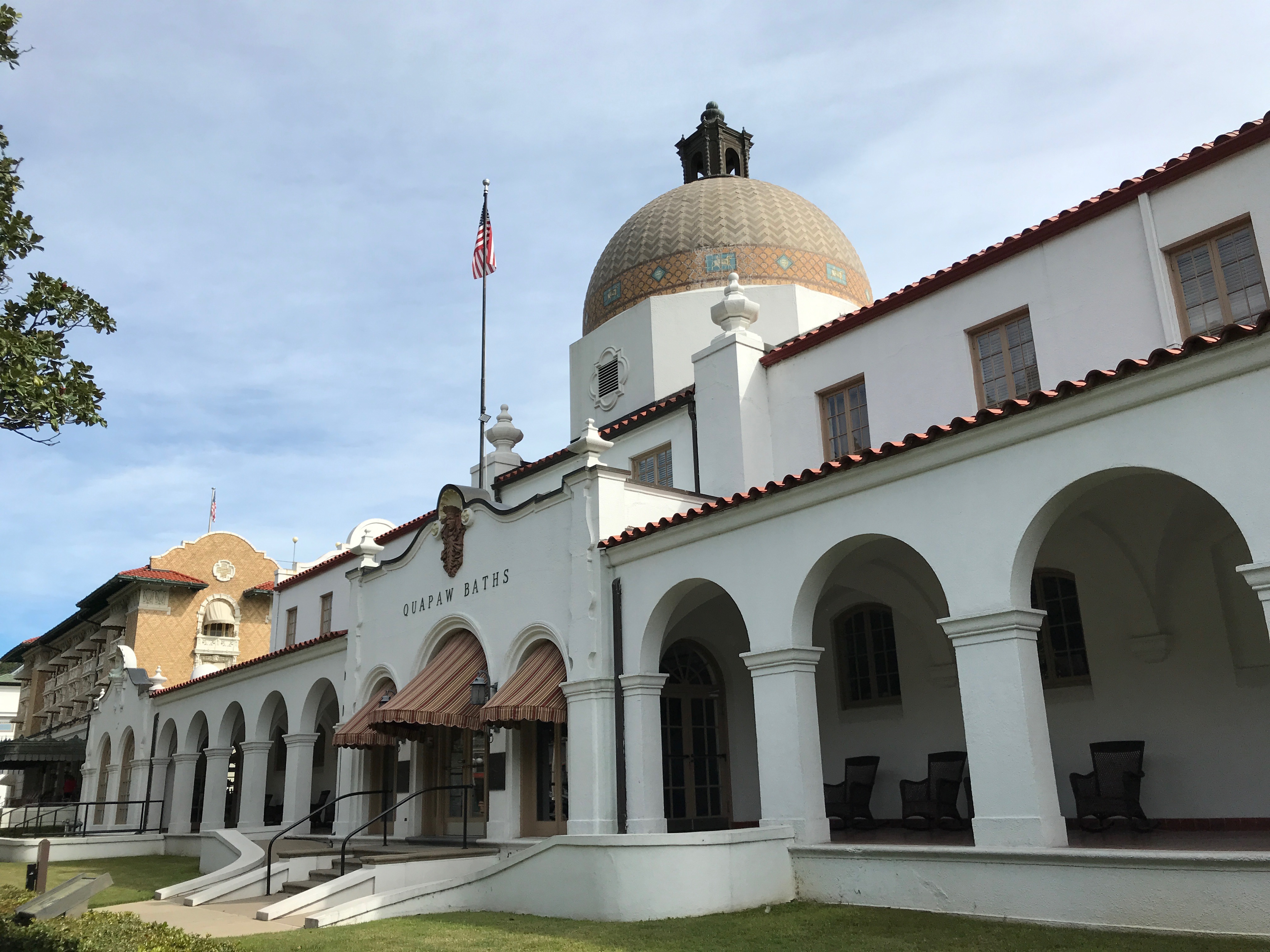
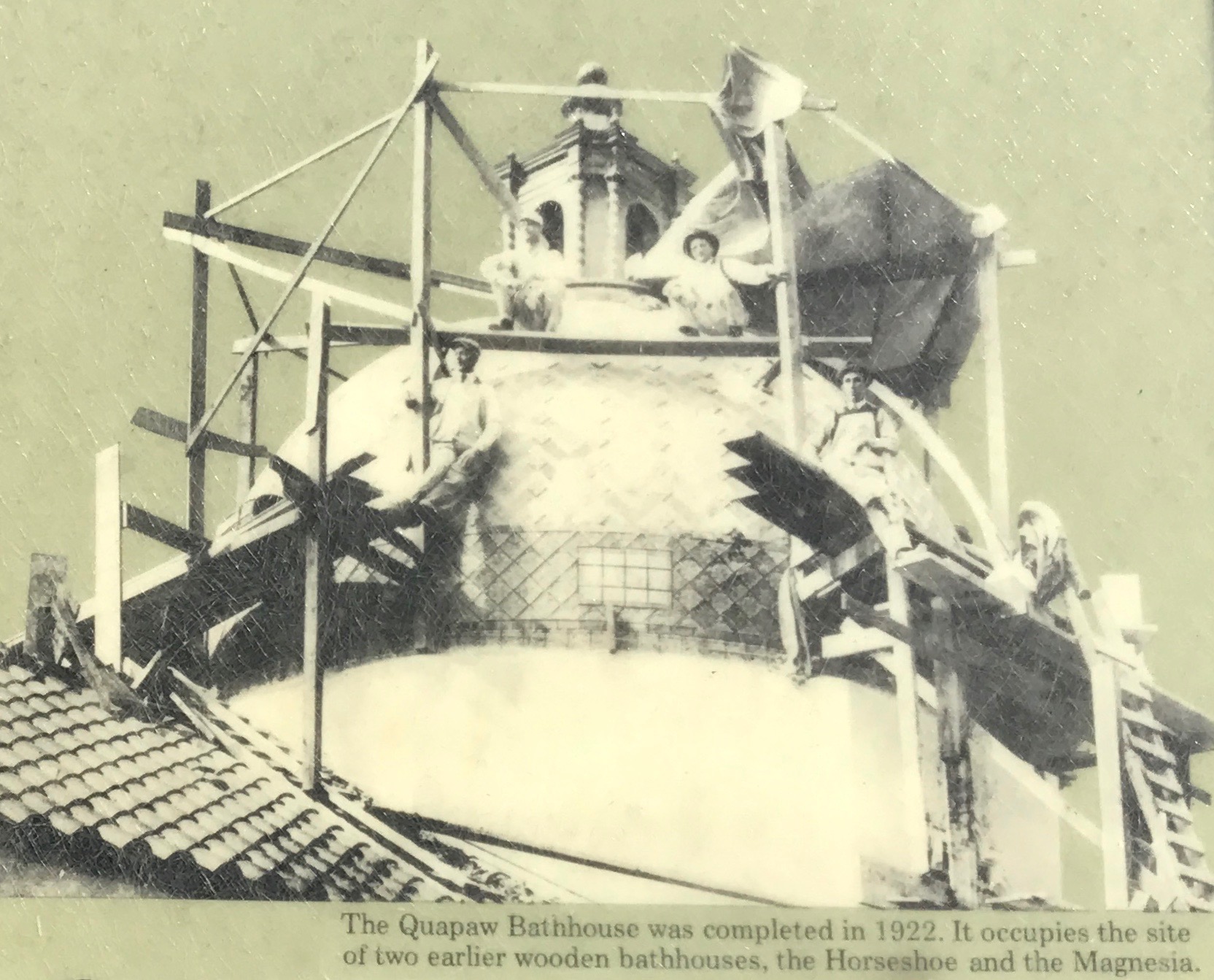
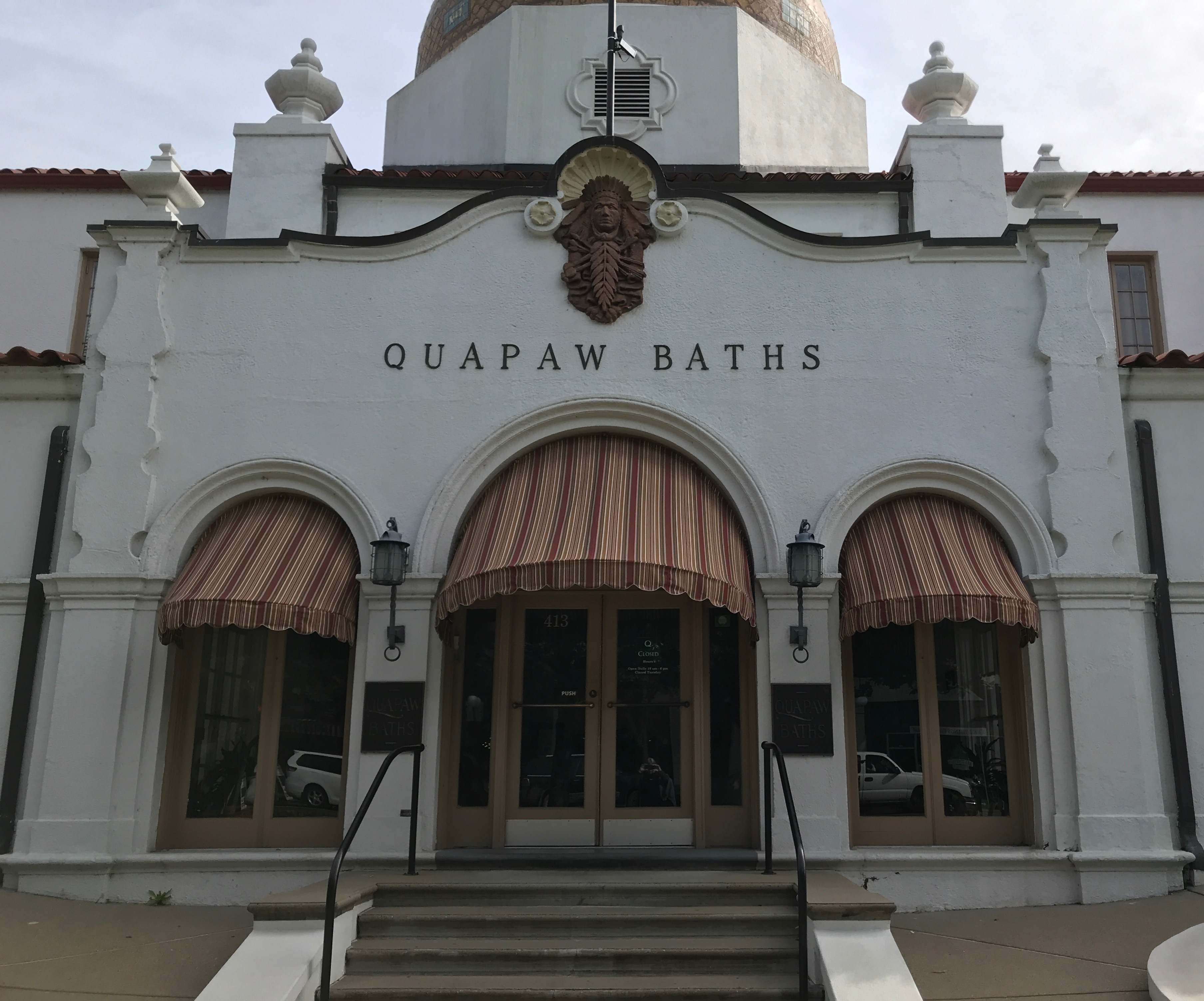
I passed by the Quapaw Bathhouse, which is also built in the Spanish Colonial Revival Style and also opened in 1922. Its most notable feature is its dome covered with colorful tiles.
It was originally going to be named The Platt Bathhouse, after one of the owners. However, during construction, a cavity in the rocks in the building site was found, and the owners decided to promote it as an Indian cave. They named it after the Quapaw Indians that had occupied the area for a while in the early 1800s.
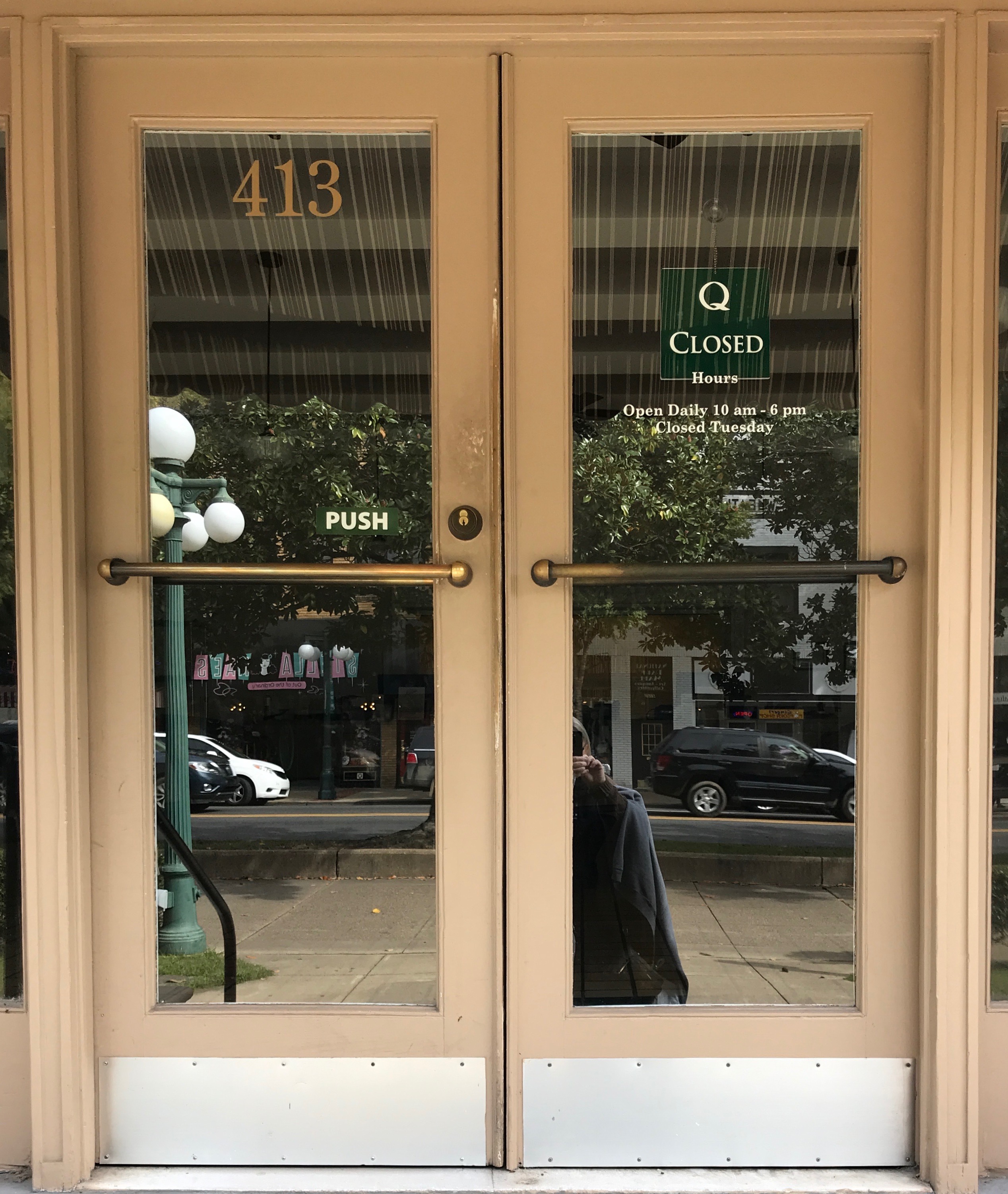
I walked up to the doors to take a peek inside.
Naturally, it was closed. That’s how I roll!
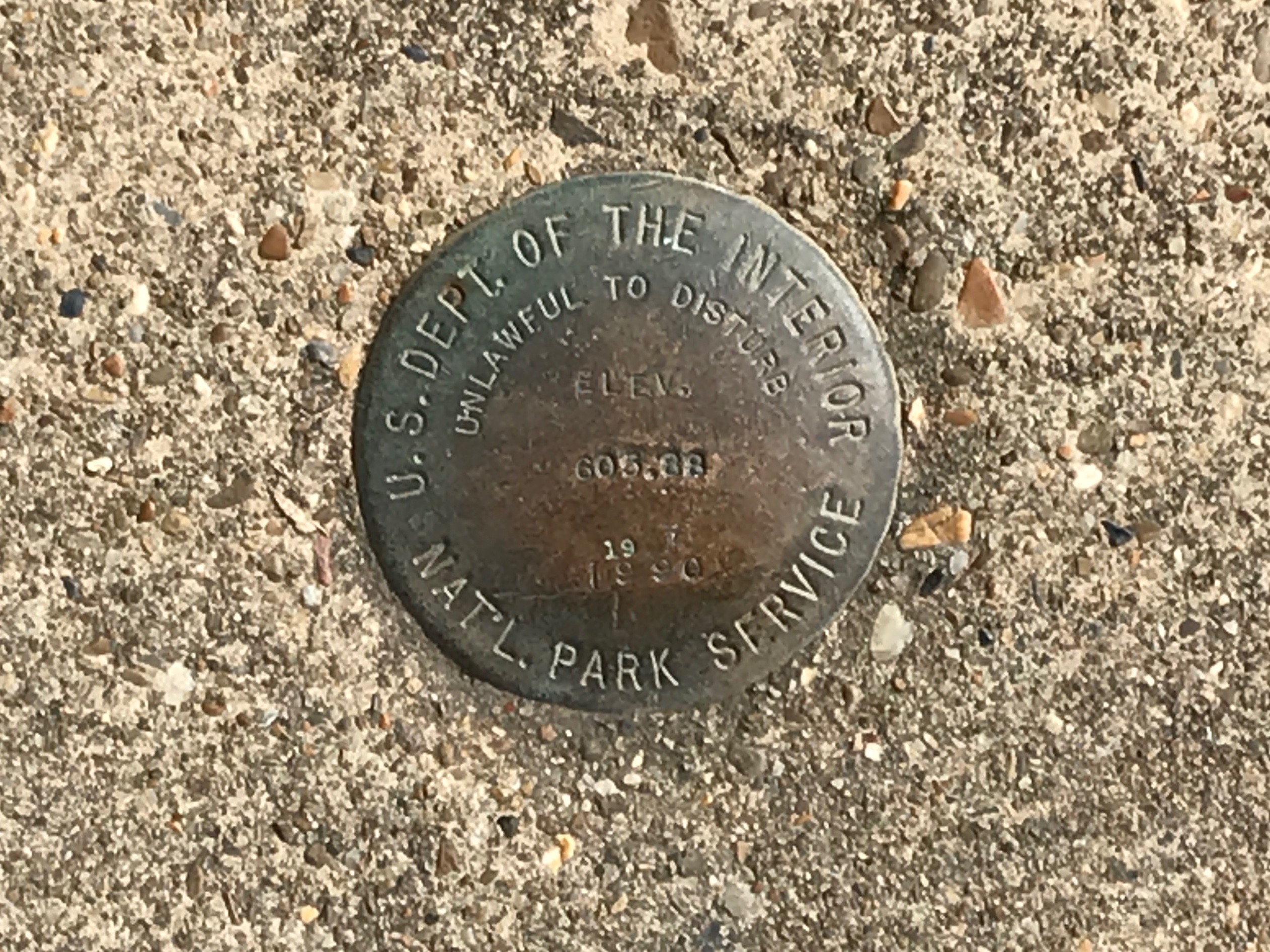
I came across this elevation marker as I continued my hunt for lunch.
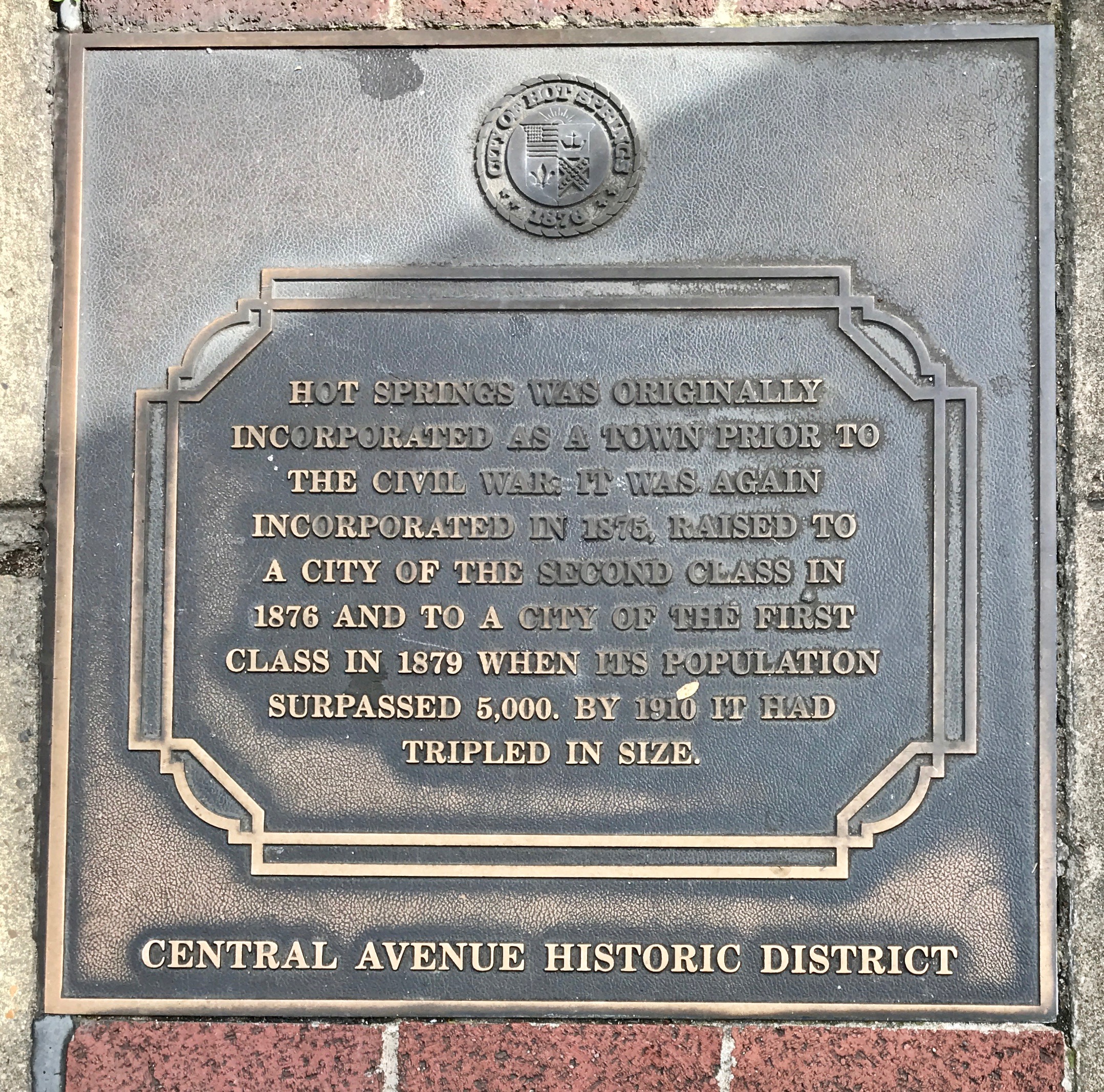
I noticed this plaque set into the pavement as well.
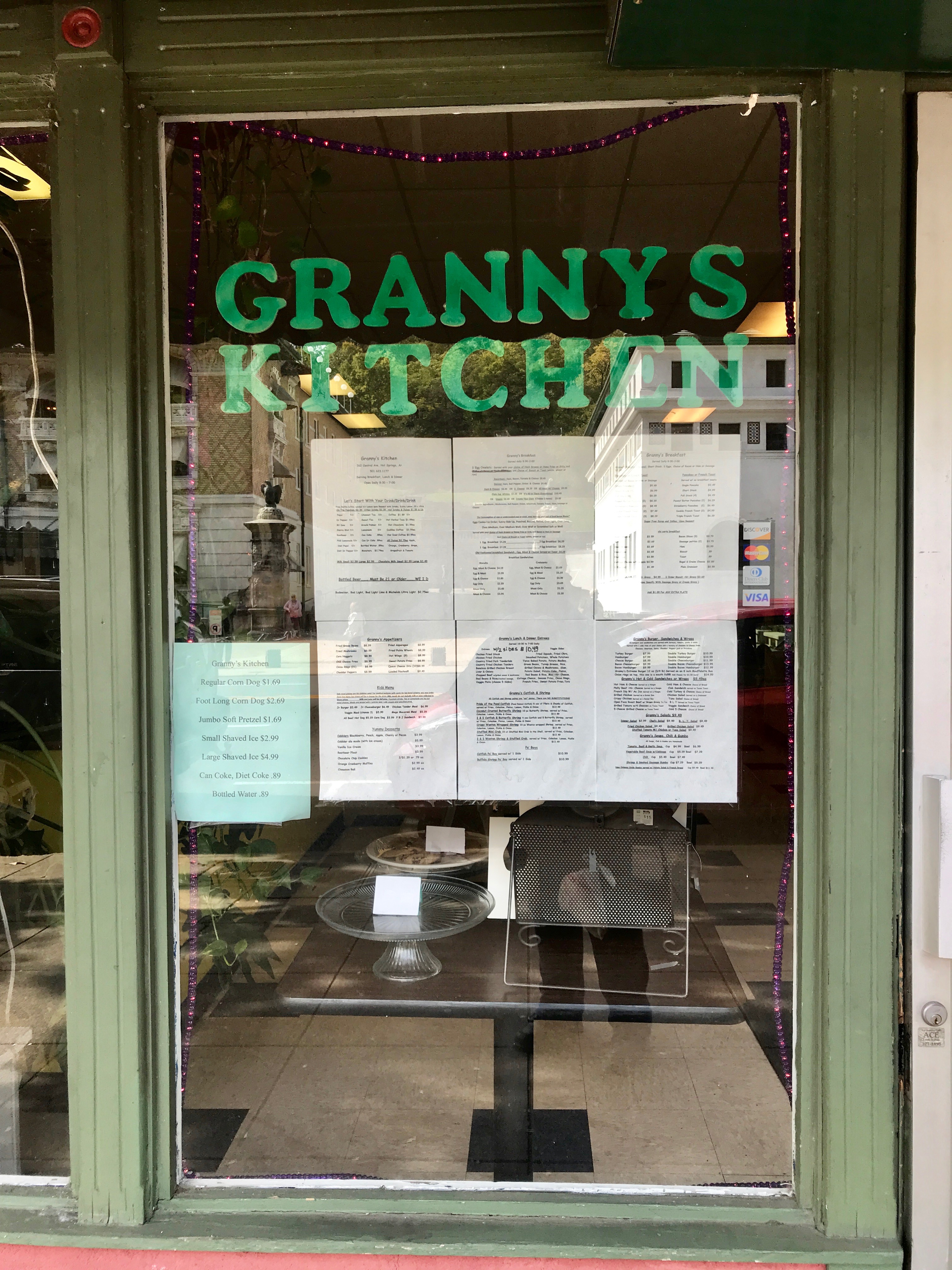
Finally, I crossed the street and I found lunch.
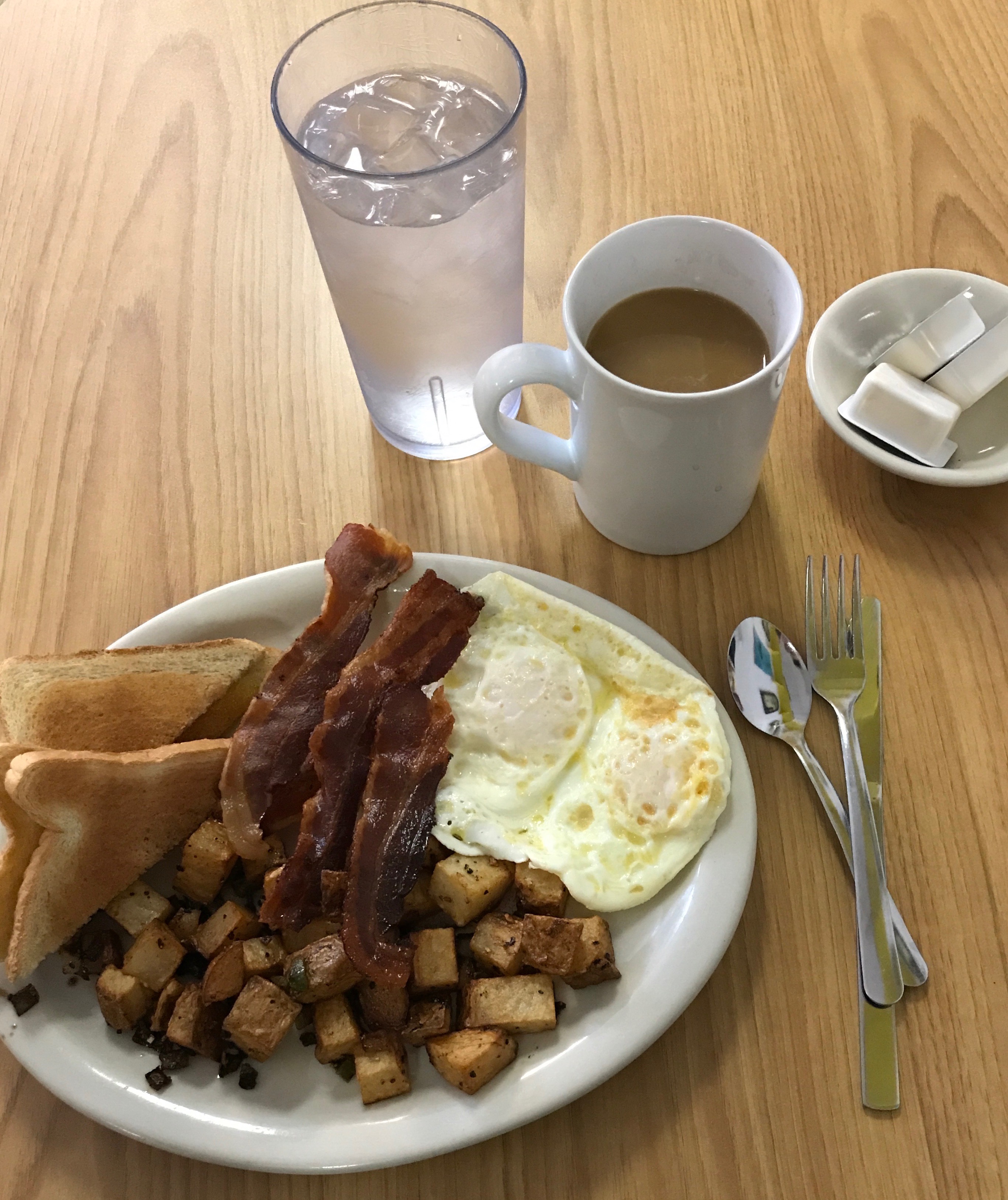
Lunch!
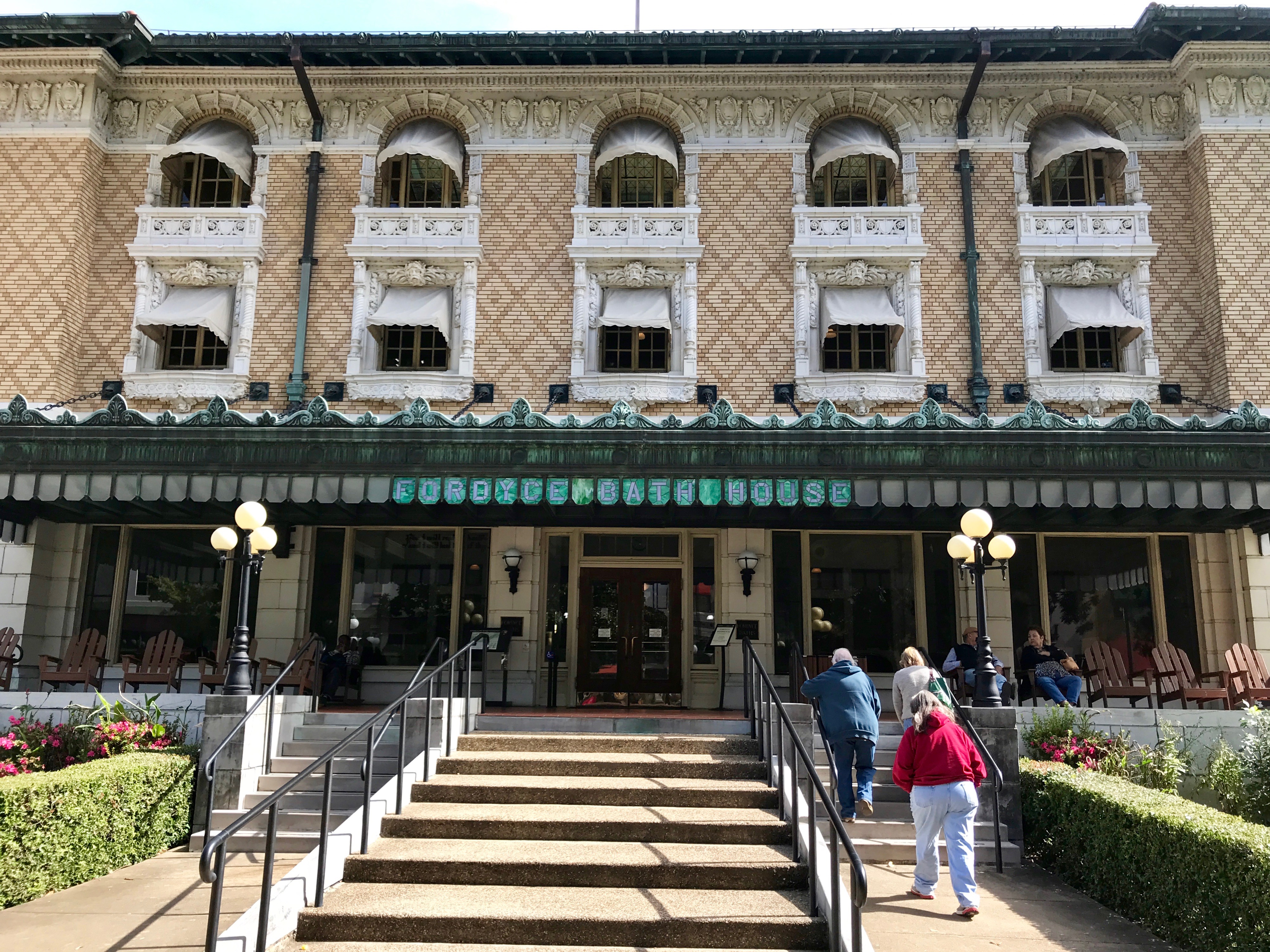
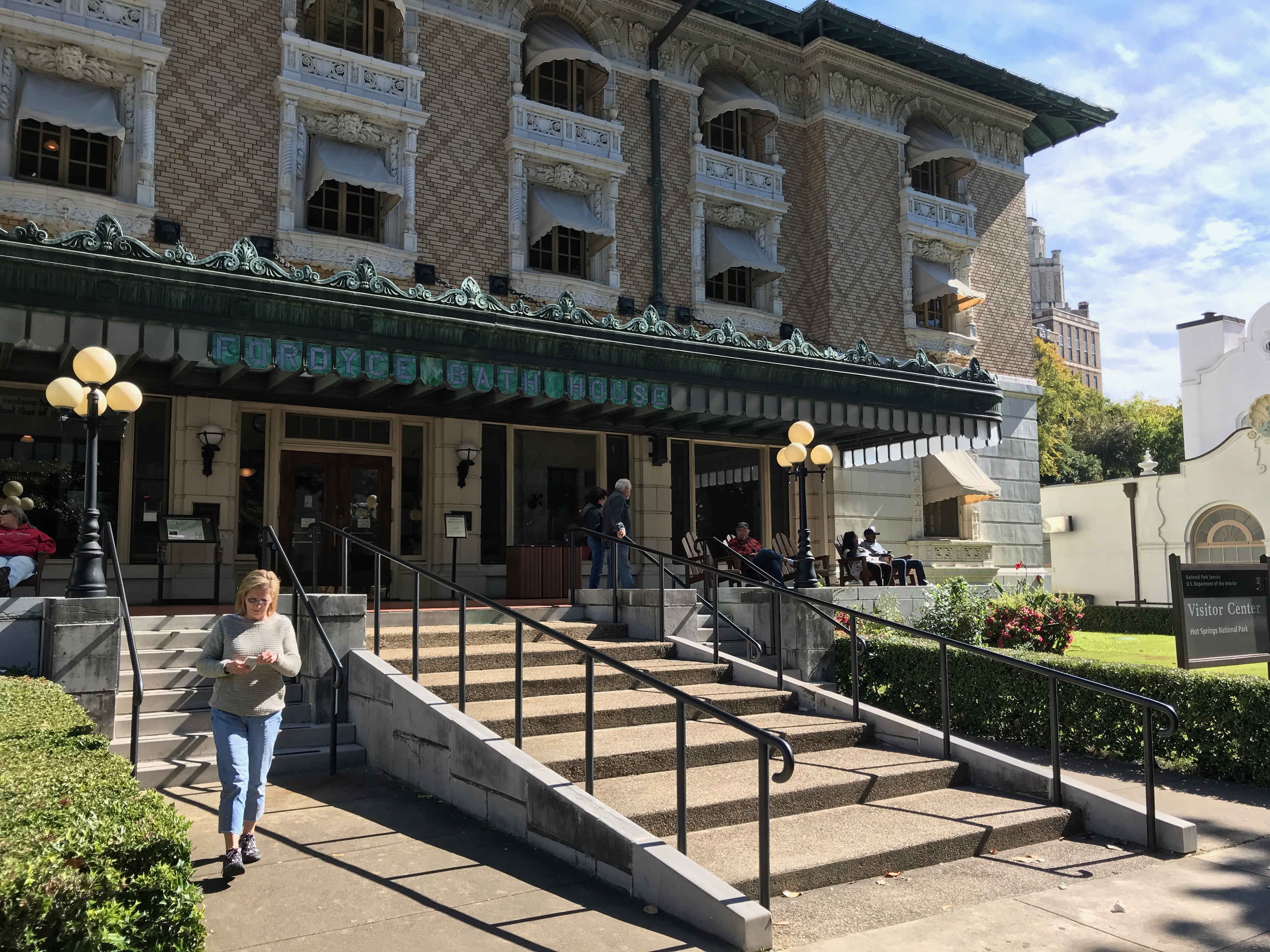
Thus fortified, I headed back across the street to the Fordyce Bathhouse, which is now the Visitor Center for the Hot Springs National Park. Yes, this whole area is one of our national parks!
The Fordyce Bathhouse was built by Colonel Samuel Fordyce. Inspired by the spas of Europe, it opened in 1915 and was the largest bathhouse on the row. Built in the Renaissance Revival style, it eventually cost over $212,000 to build and equip and had 28,000 square feet on three floors.
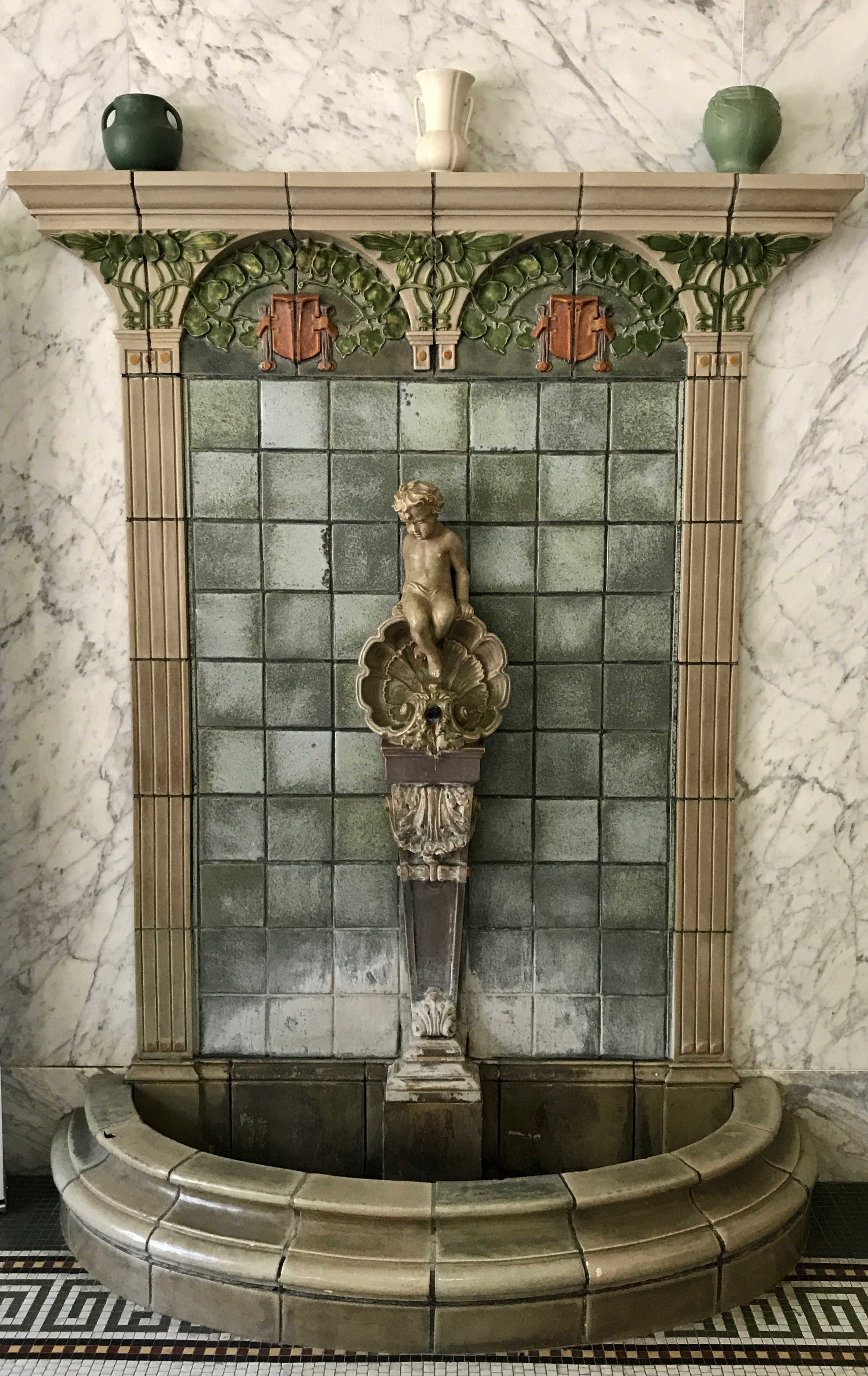
I stepped inside and was greeted by terra cotta fountains.
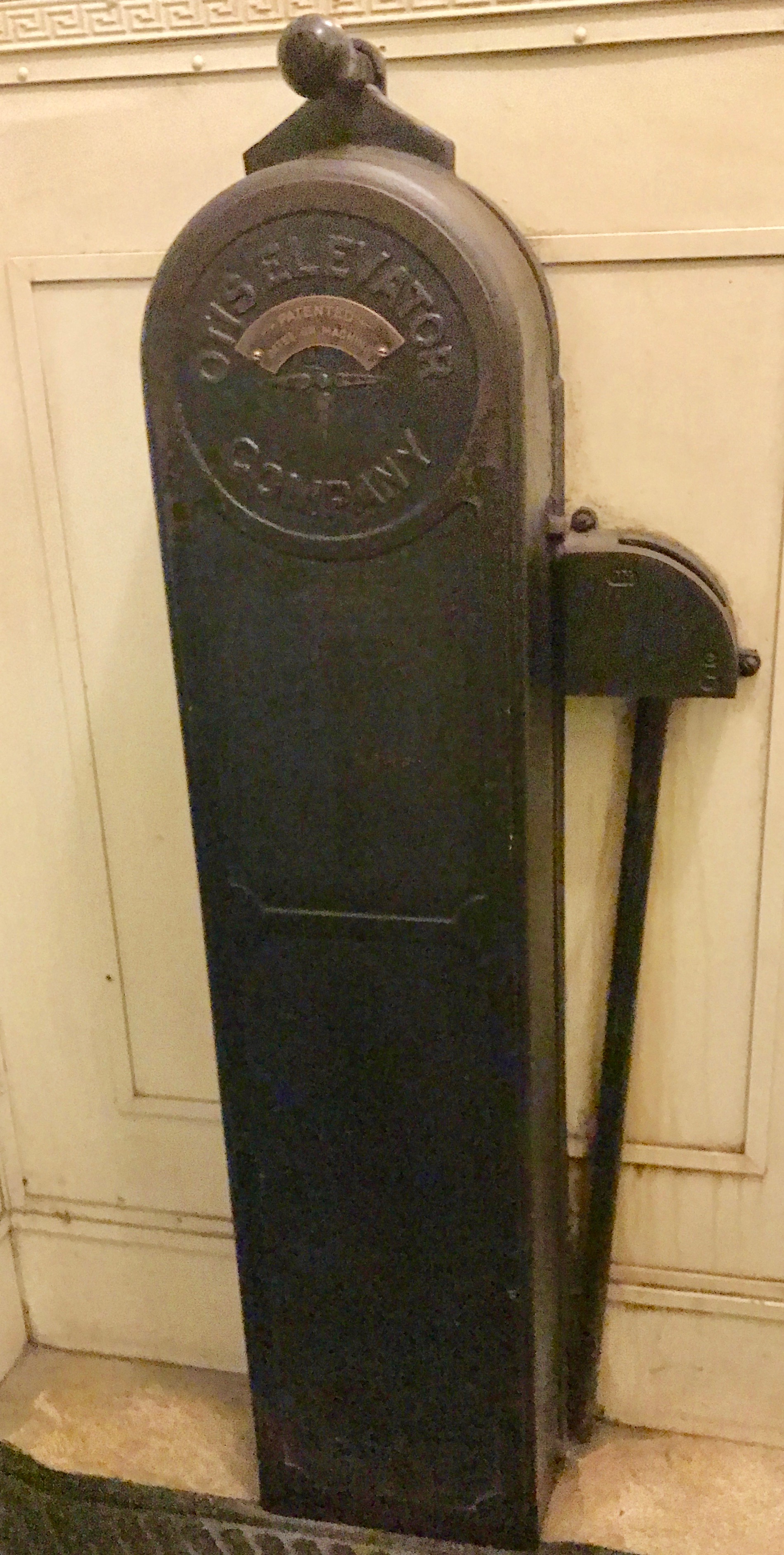
I took the elevator up to see what I could see. The original equipment was there.
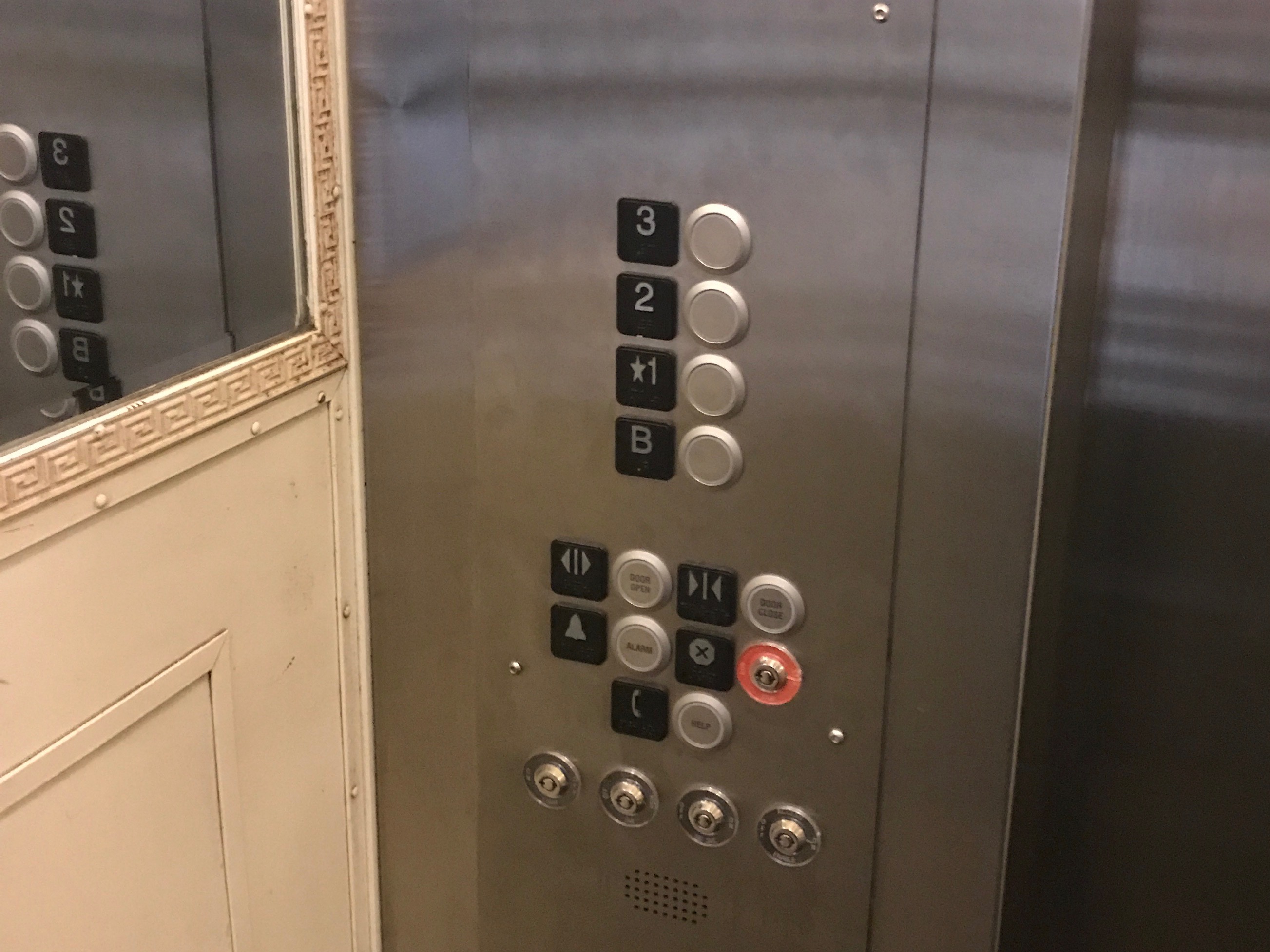
They had upgraded it to modern standards, though.
As I remember, I just kind of wandered around.
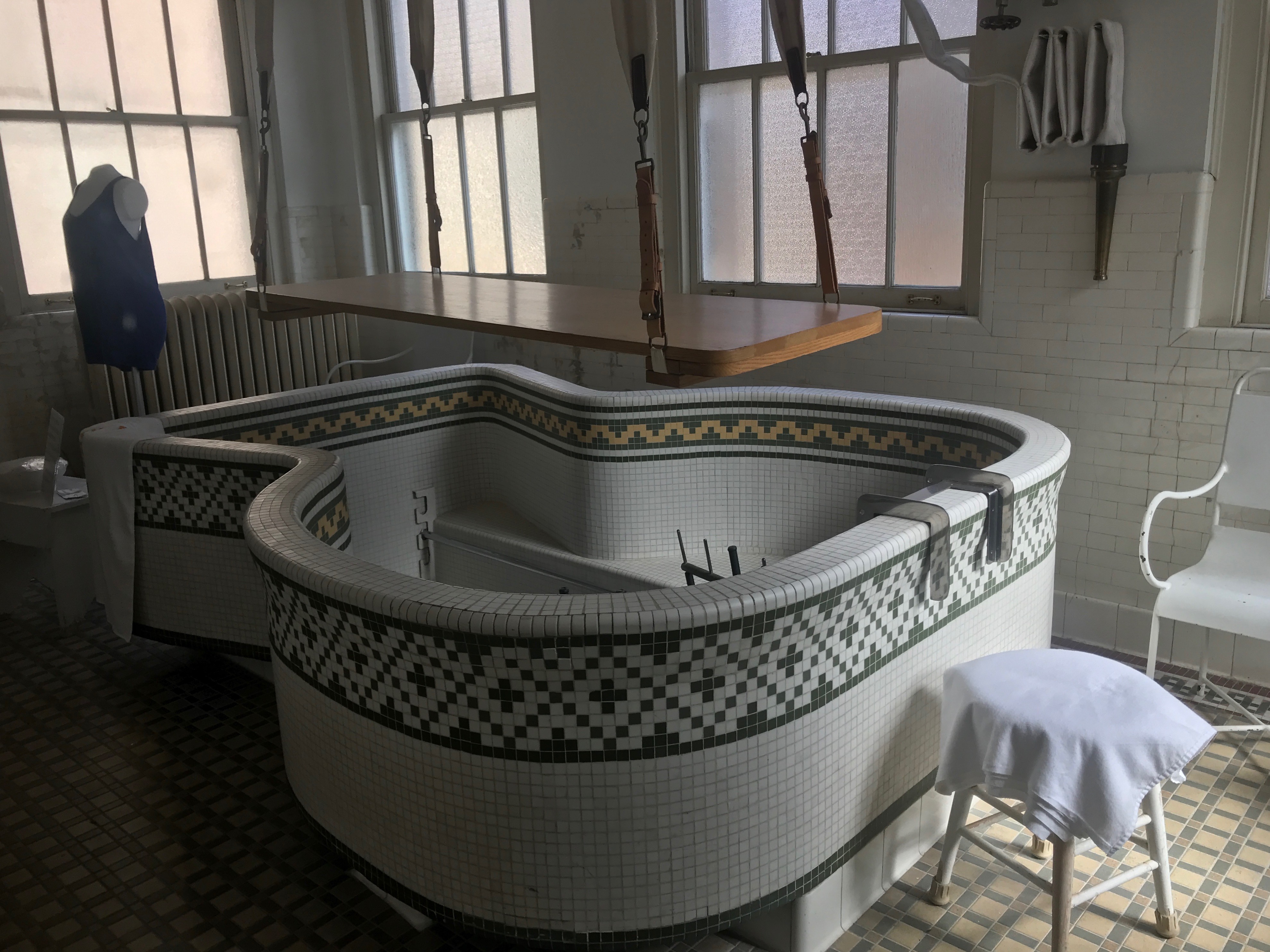
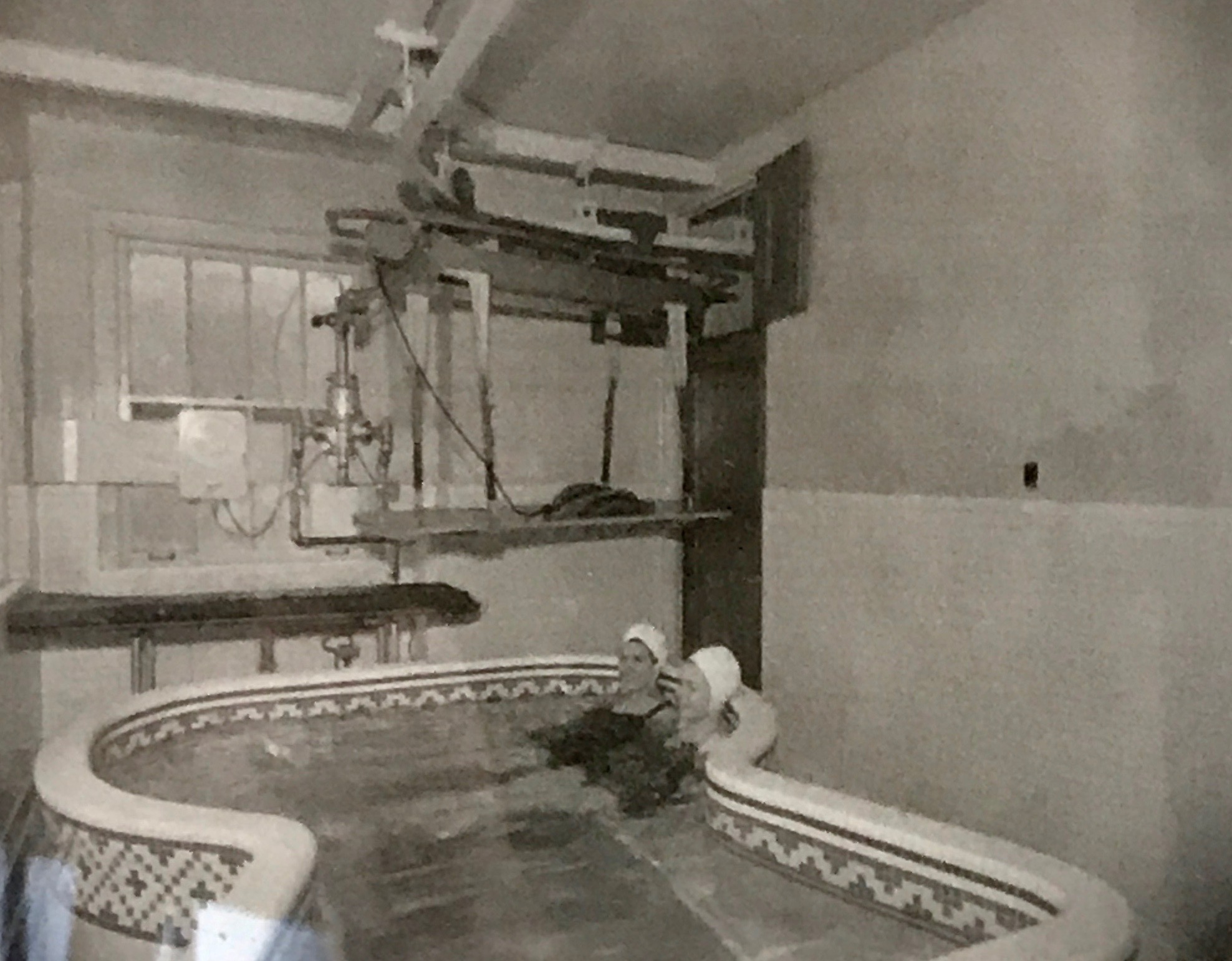
The first thing I came upon was The Hubbard Tub. It was installed in 1939 for conducting physical therapy with non-ambulatory patients. The therapist was normally in the water with the patient, manipulating the affected parts of the body. The buoyancy and warmth of the water enabled people to move joints and exercise muscles impossible to use elsewhere.
Here is a photo of the tub in use. You can see the lift that was used to get the patients into the tub.
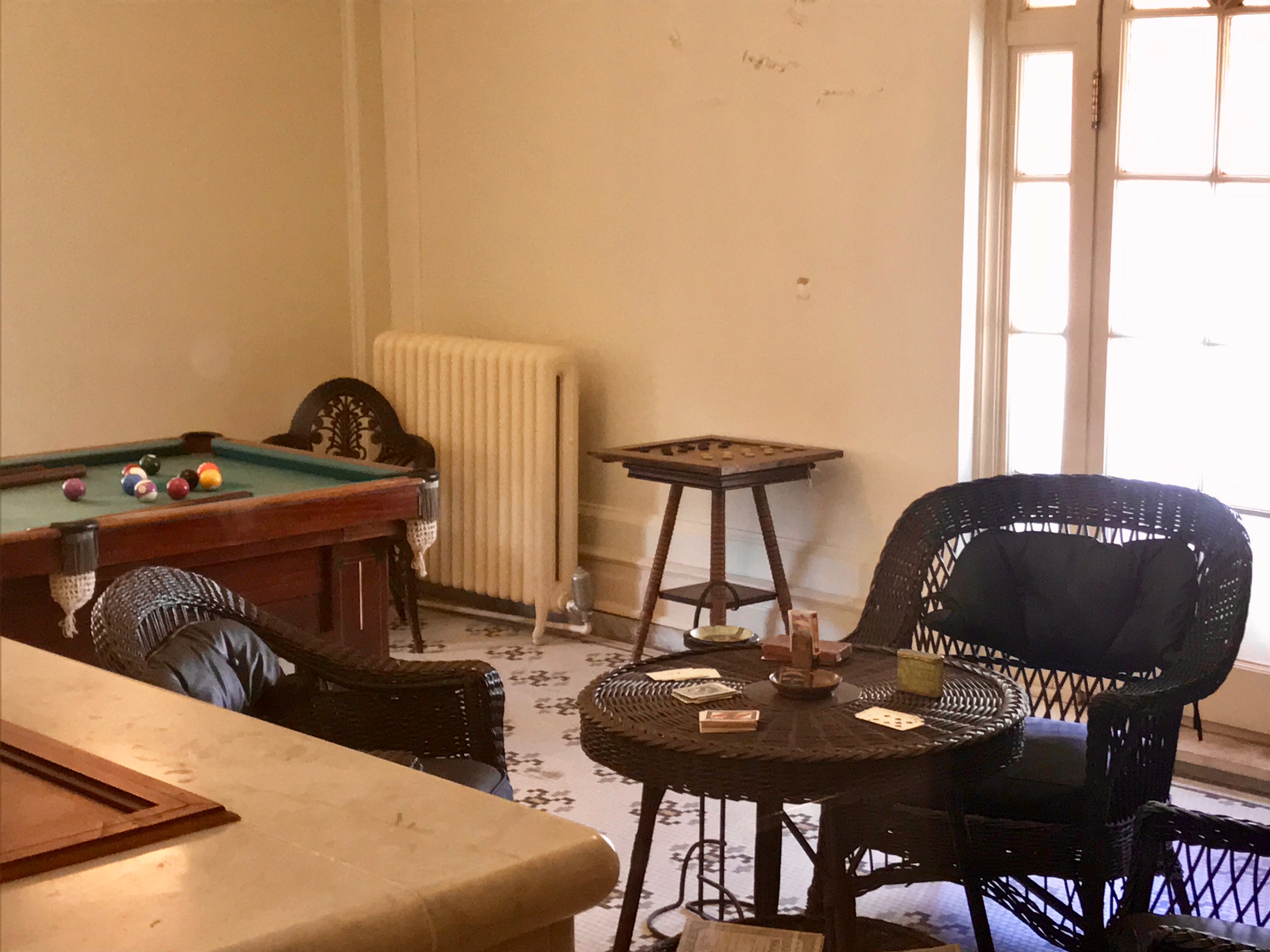
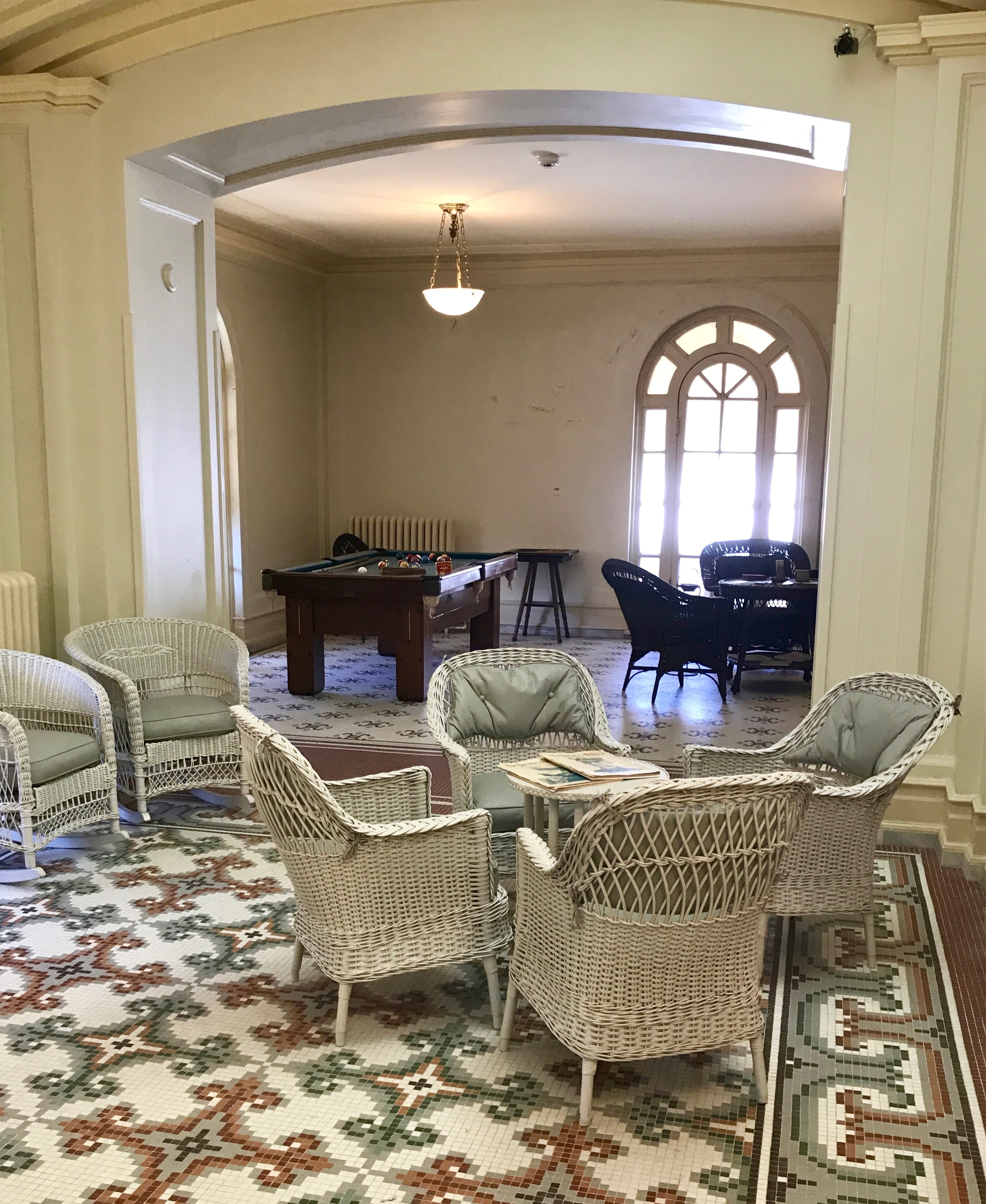
As I wandered, I came across the men’s lounge.
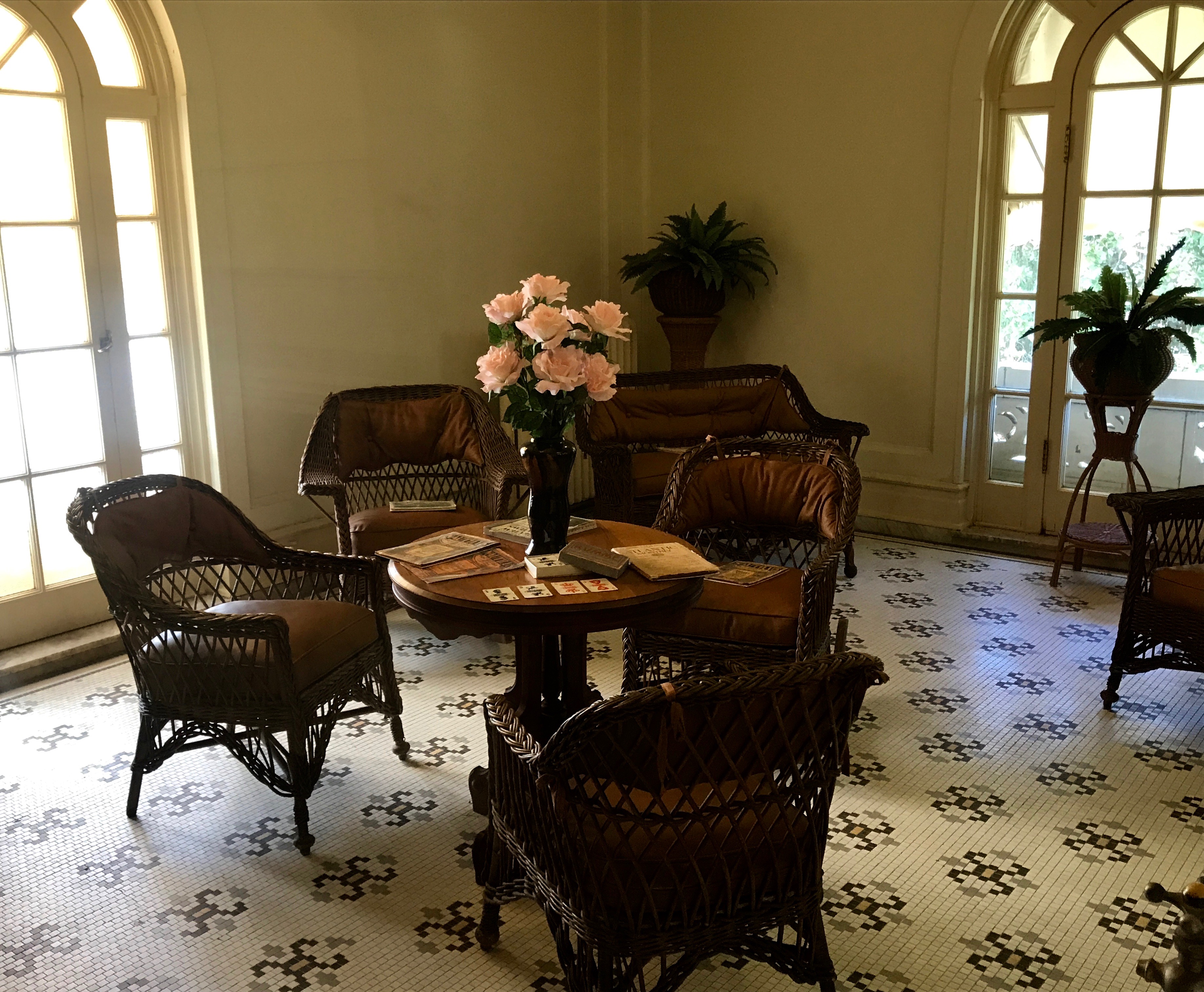
The women also had a lounge.
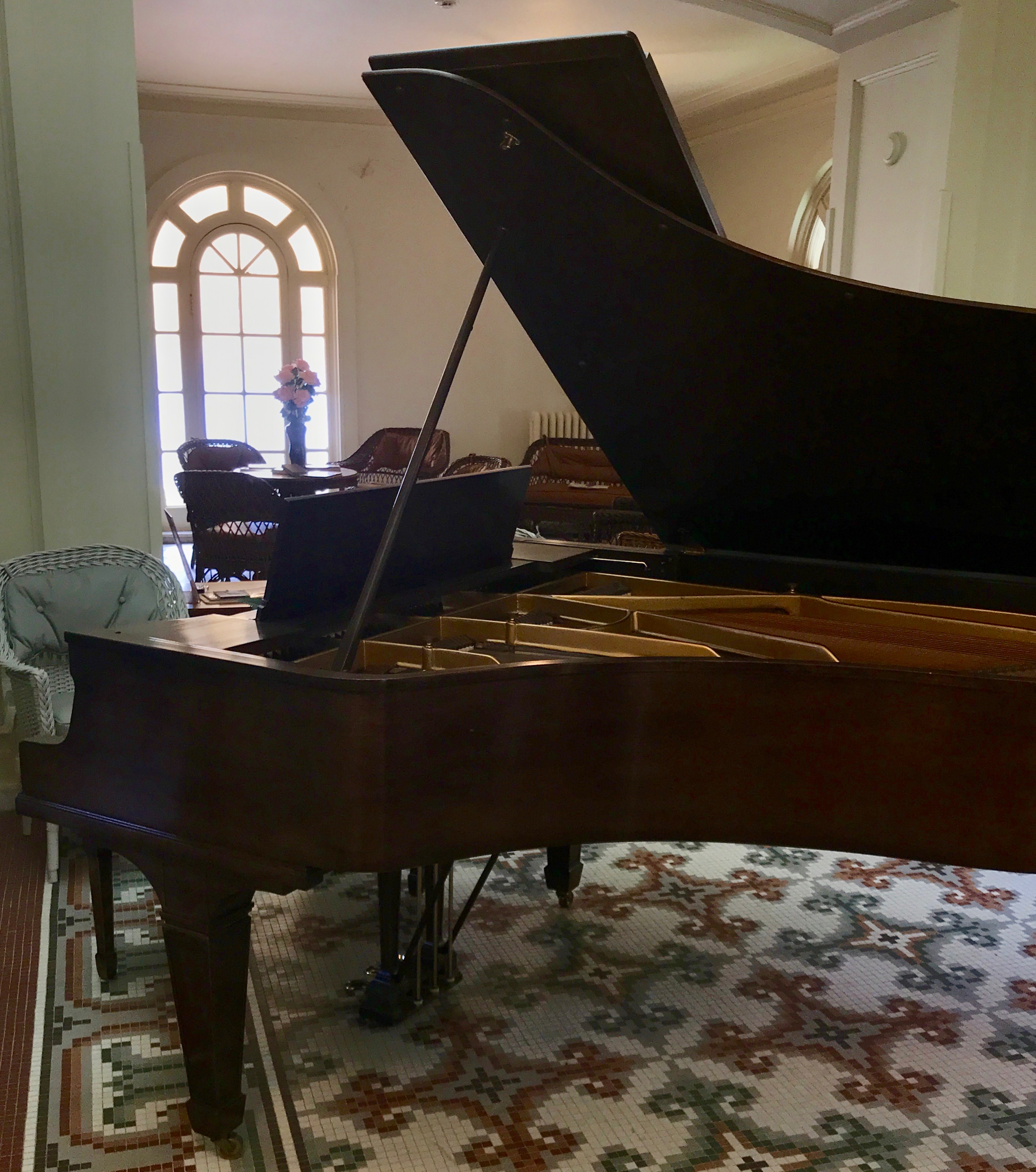
There was an assembly hall between the two segregated lounges,
It was complete with a grand piano.
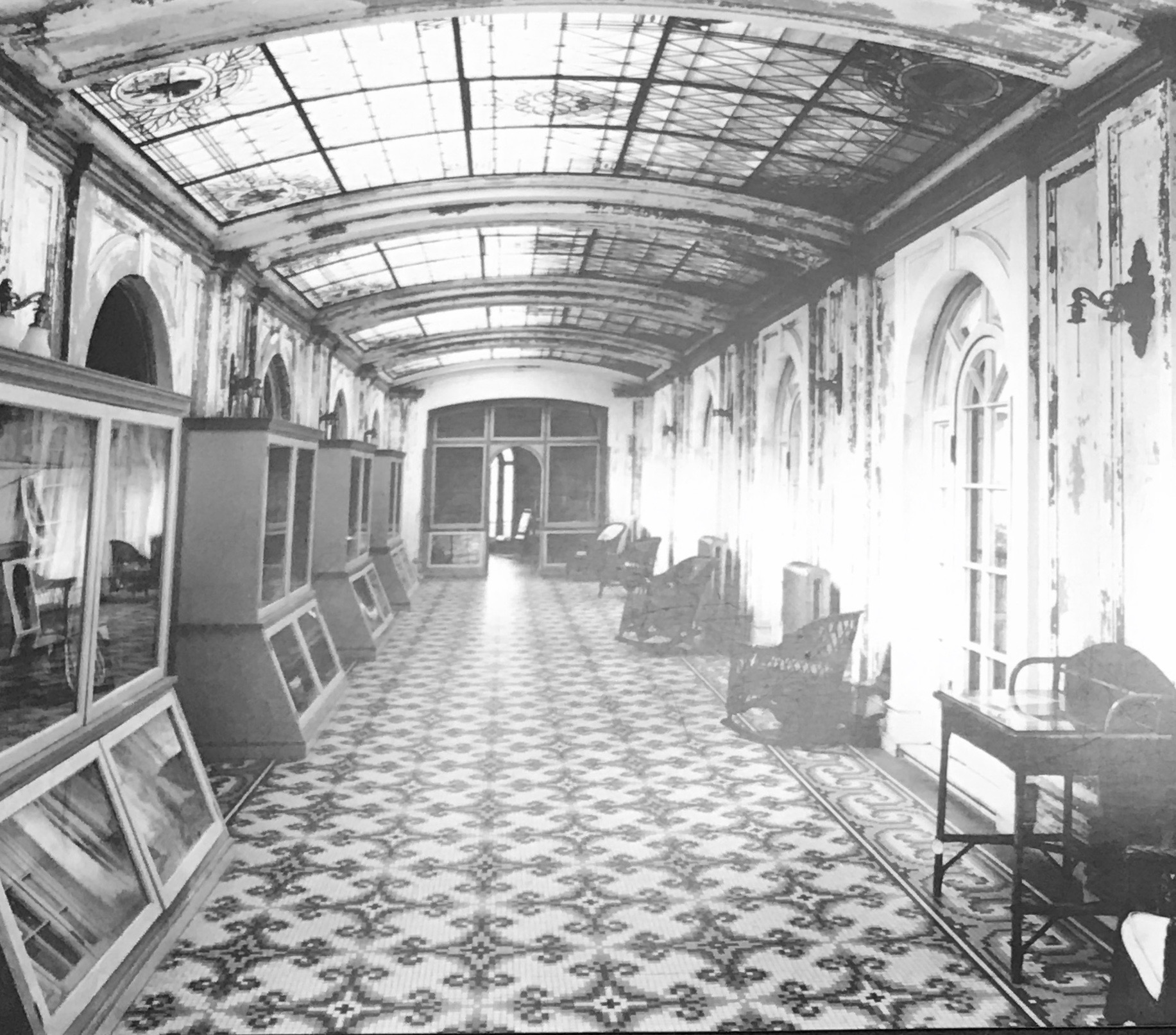
This photo from the past shows display cases where Fordyce displayed his Indian artifacts.
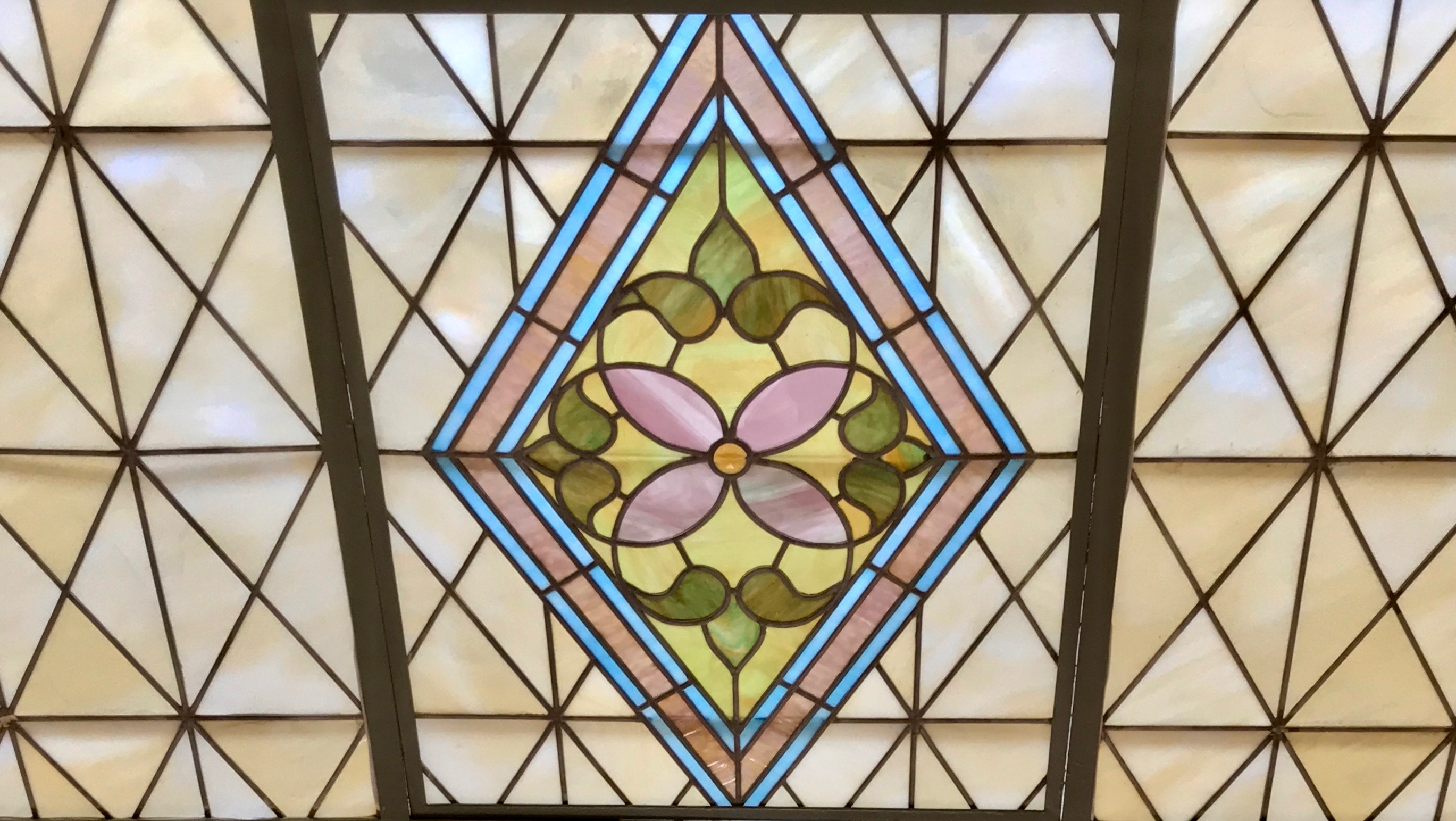
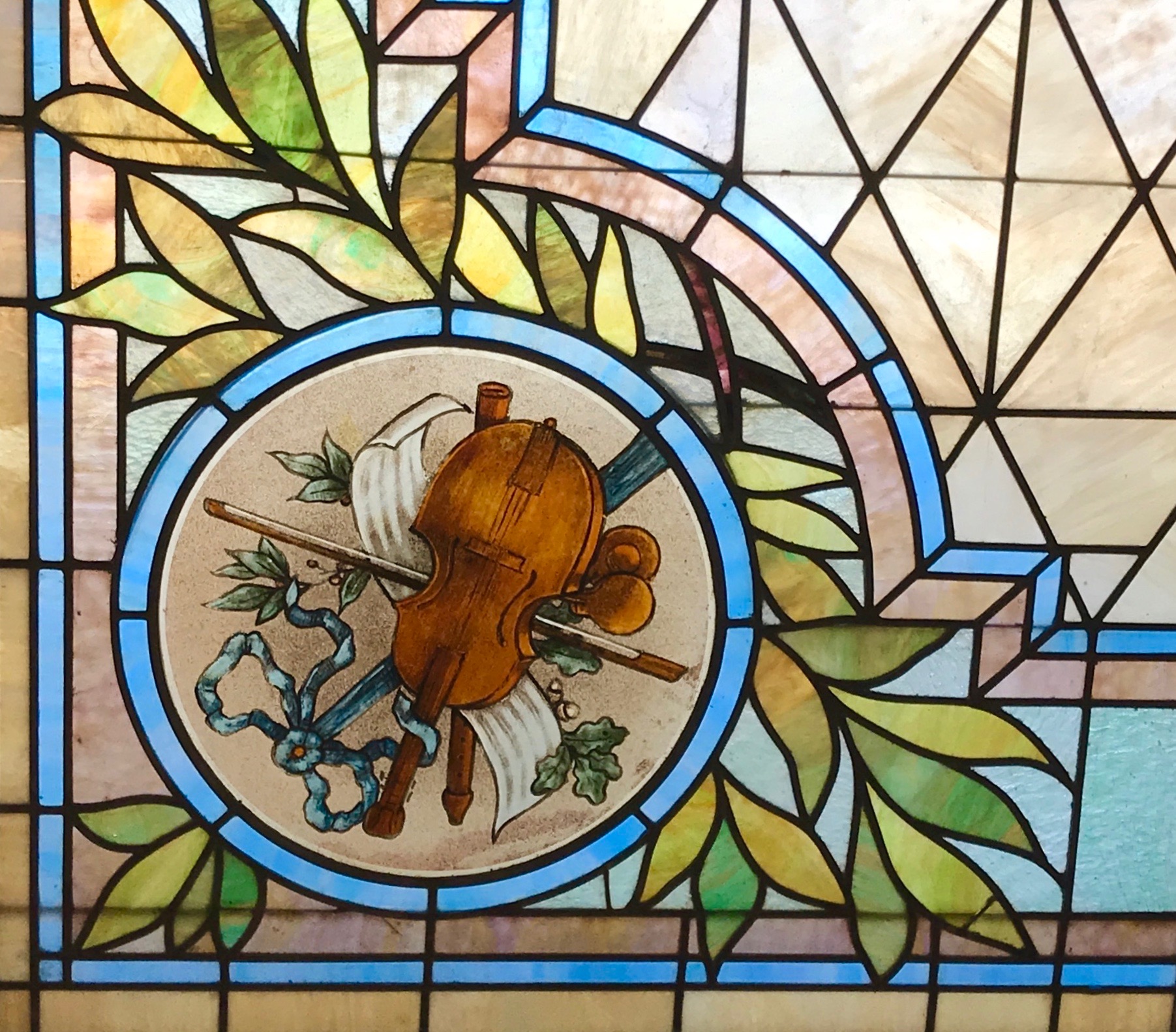
The stained glass in the vaulted ceiling was quite lovely.
It appears that music was encouraged.
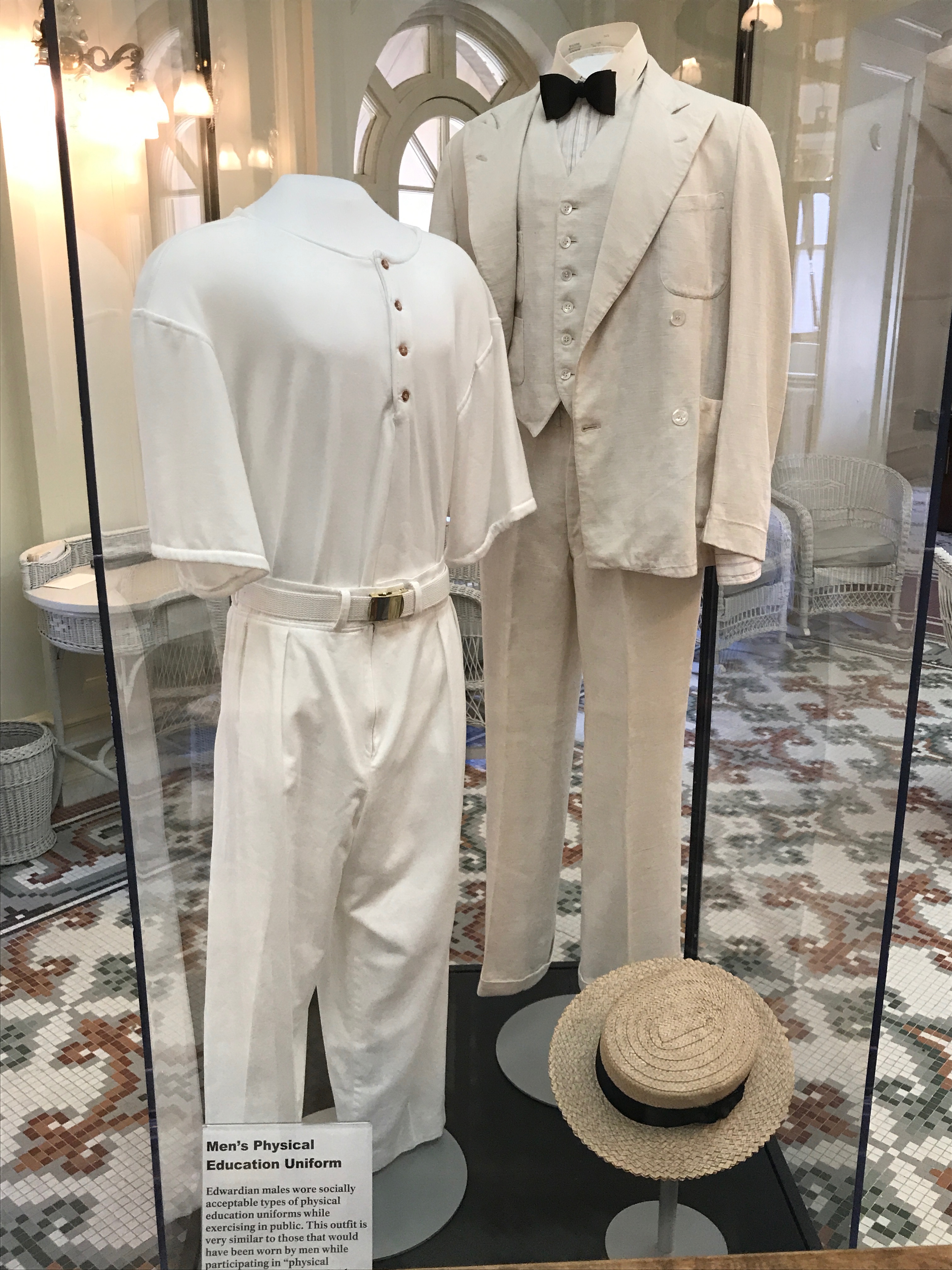
They also displayed what the well-dressed male wore during the Edwardian era, which was 1901-1910. The outfit for physical education looks much more comfortable than the three-piece double-breasted linen suit. Just in case you were curious, the jacket and vest have mother-of-pearl buttons. I am not sure what kind of buttons were used on the button fly trousers. The cotton shirt has French cuffs and no collar.
I can see you scratching your head. You see a collar, don’t you? Well, that is a separate starched collar. It is double folded and has buttonholes to fasten it at the front. Do you suppose that they or their man servant tied the bow tie? They did not. The black silk bow tie has an adjustable elastic band with hook and eye clasp.
And there you have it – more information than you ever wanted about resort wear for men in the Edwardian era.
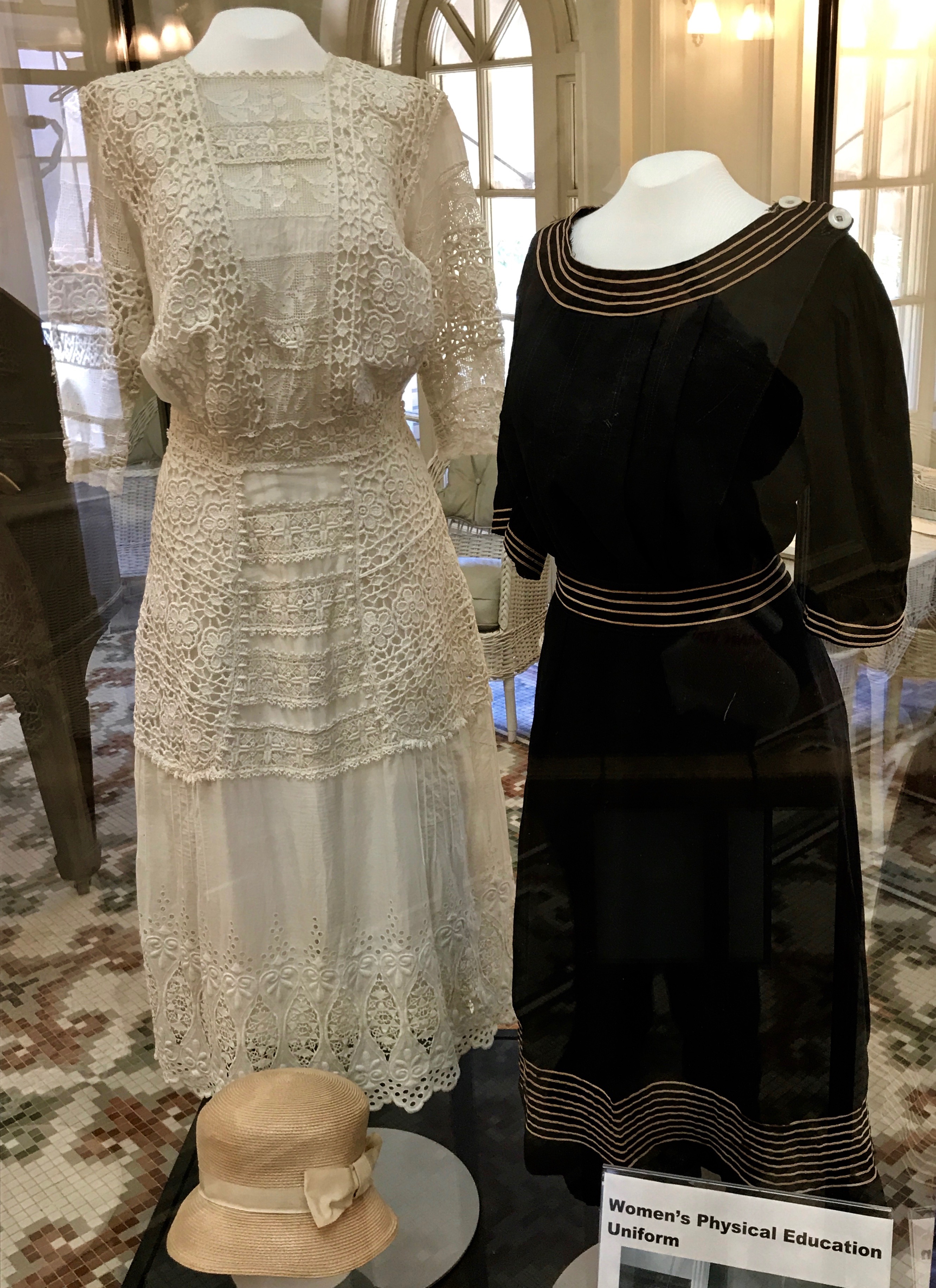
You might wonder why I have little to say about women’s fashion during this period. Well, the answer is quite simple. If they had an information sign about it, I neglected to take a photo of it! (You didn’t really think I remembered all these details, did you?)
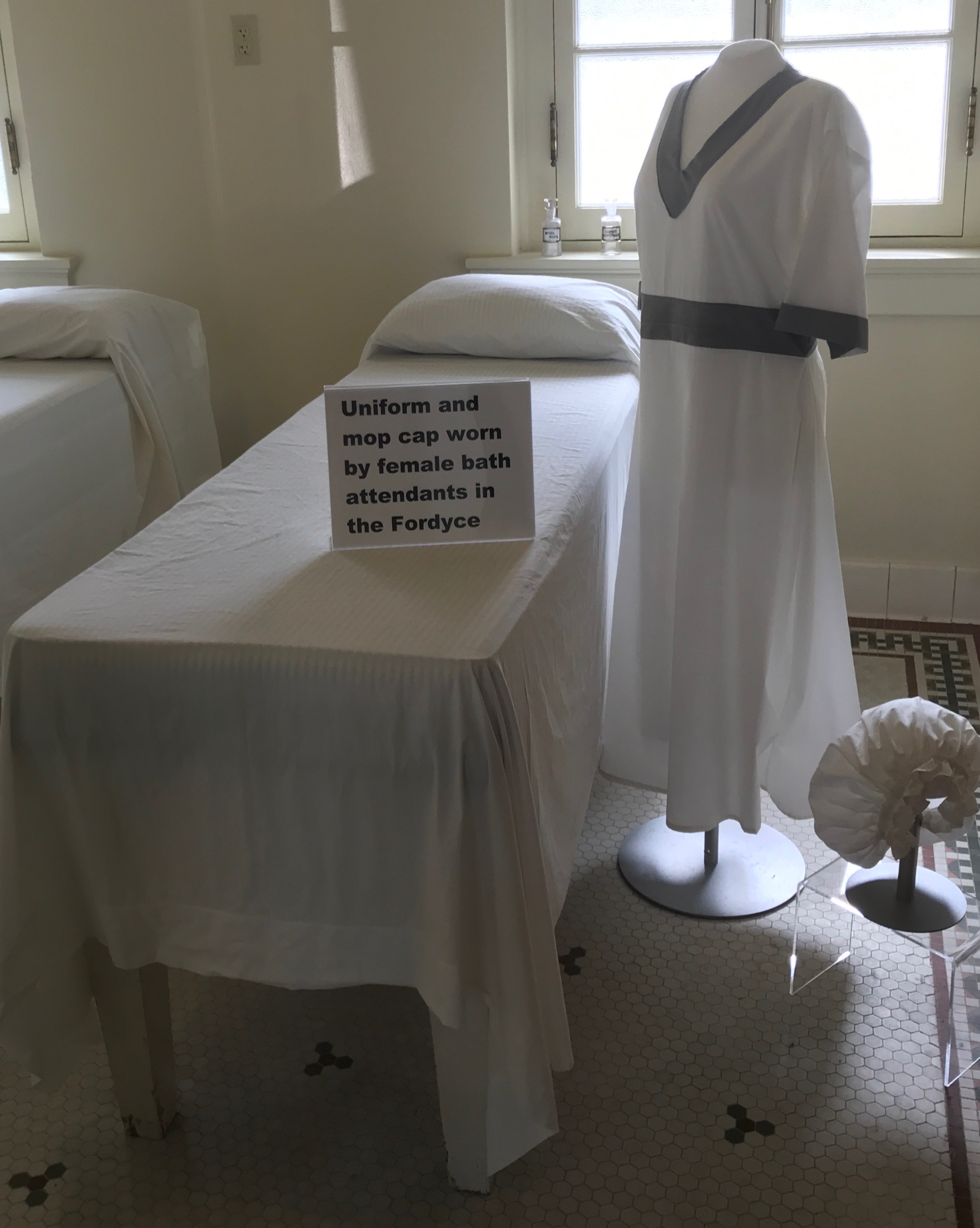
I do like the women’s clothing. I could even see myself wearing the physical education uniform. The white dress is lovely, but doesn’t look particularly comfortable. I do like the hat, though.
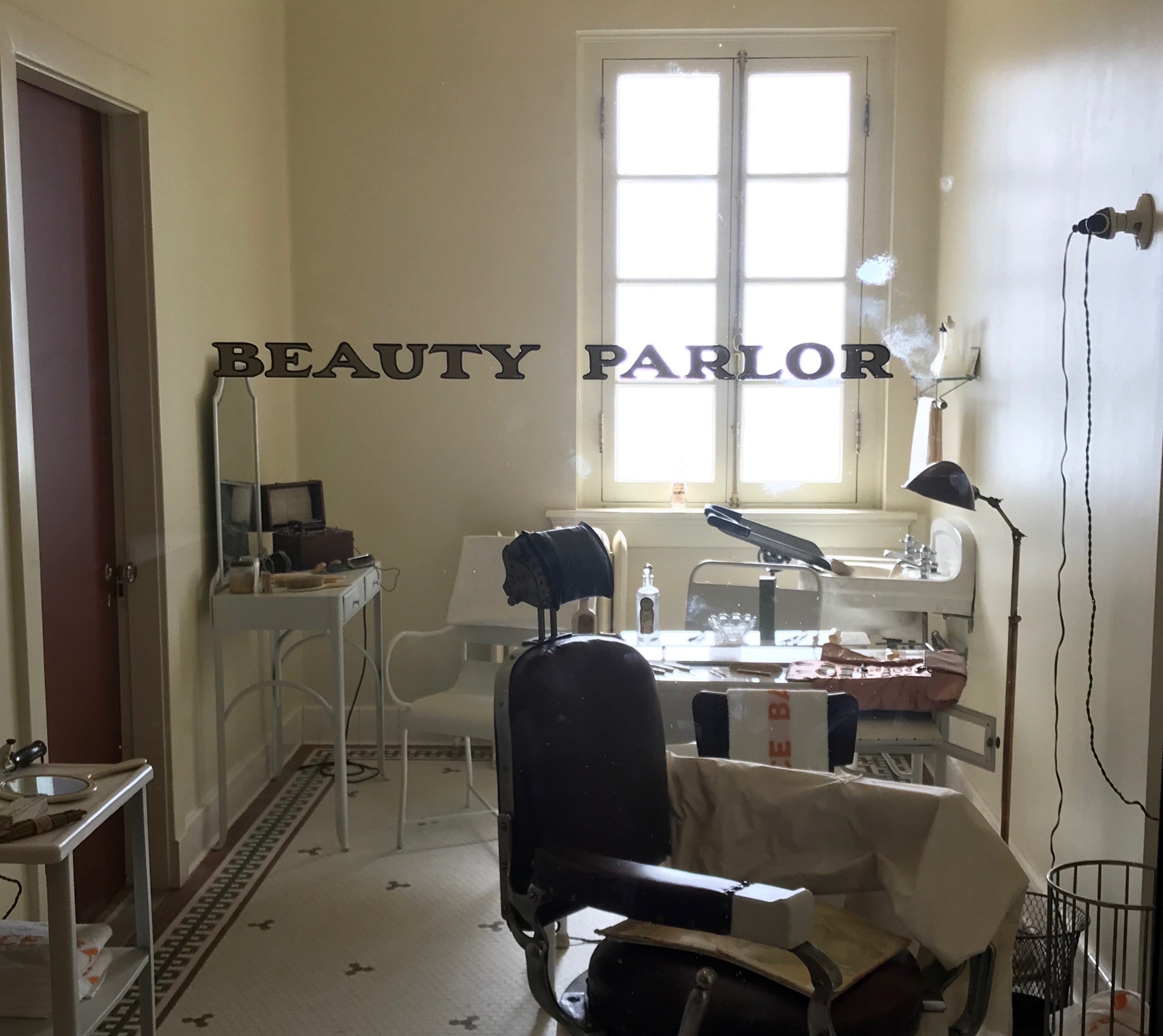
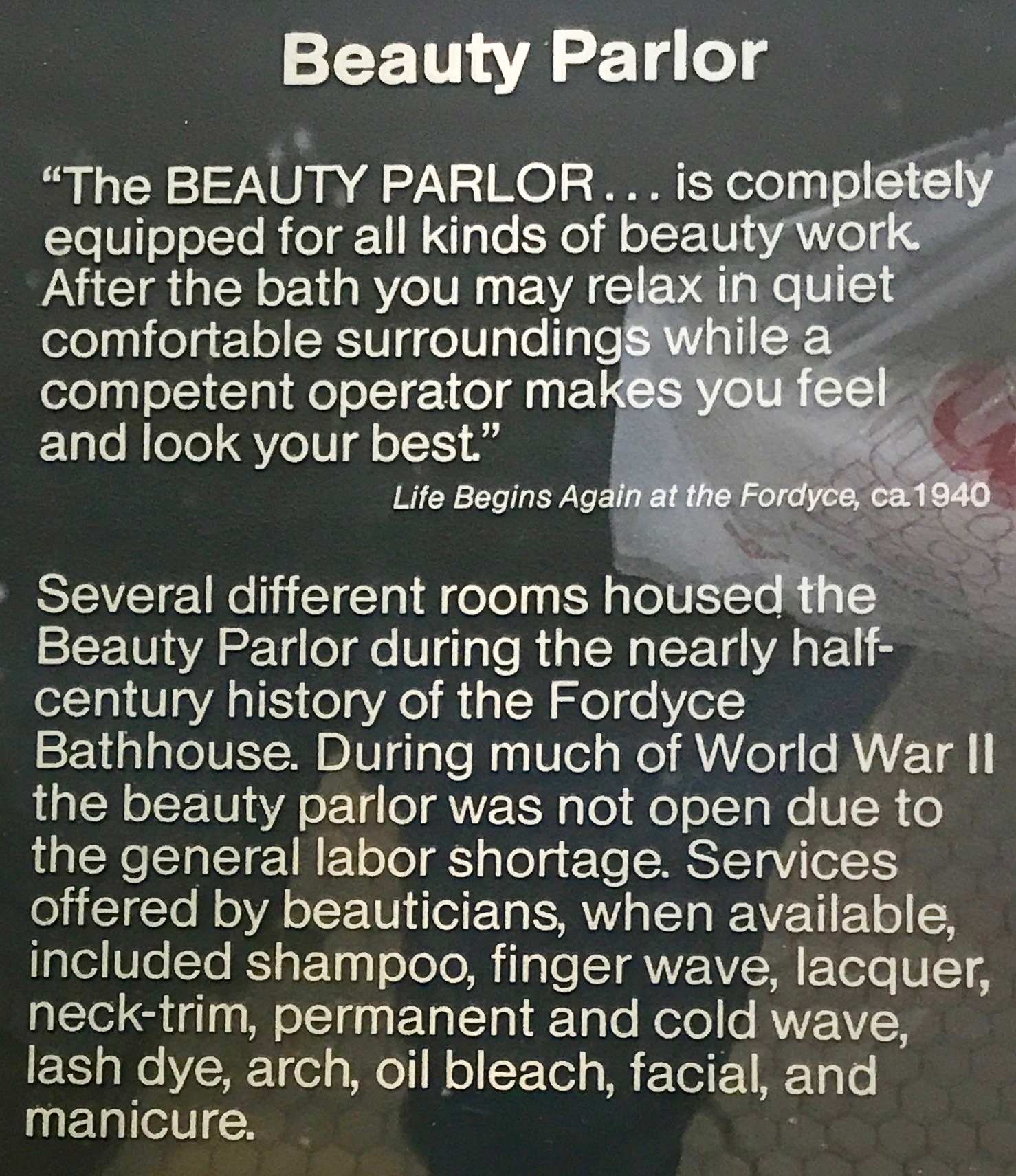
They had a beauty parlor at the Fordyce. After all, what is a spa without beauty services? I’ll let you read about what they offered.
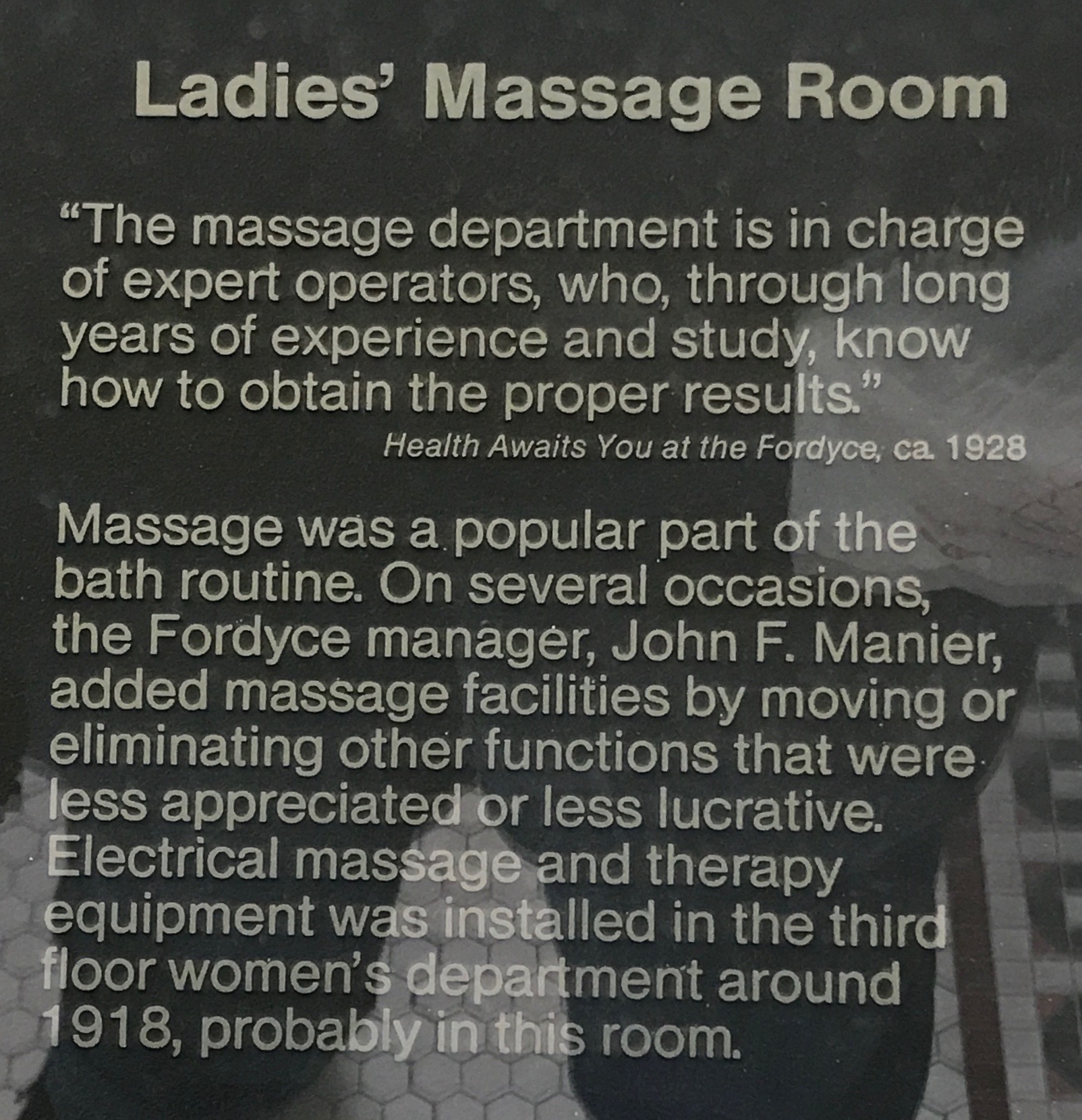
Massages were also available.
You can read about what they shared about the massage room and services.
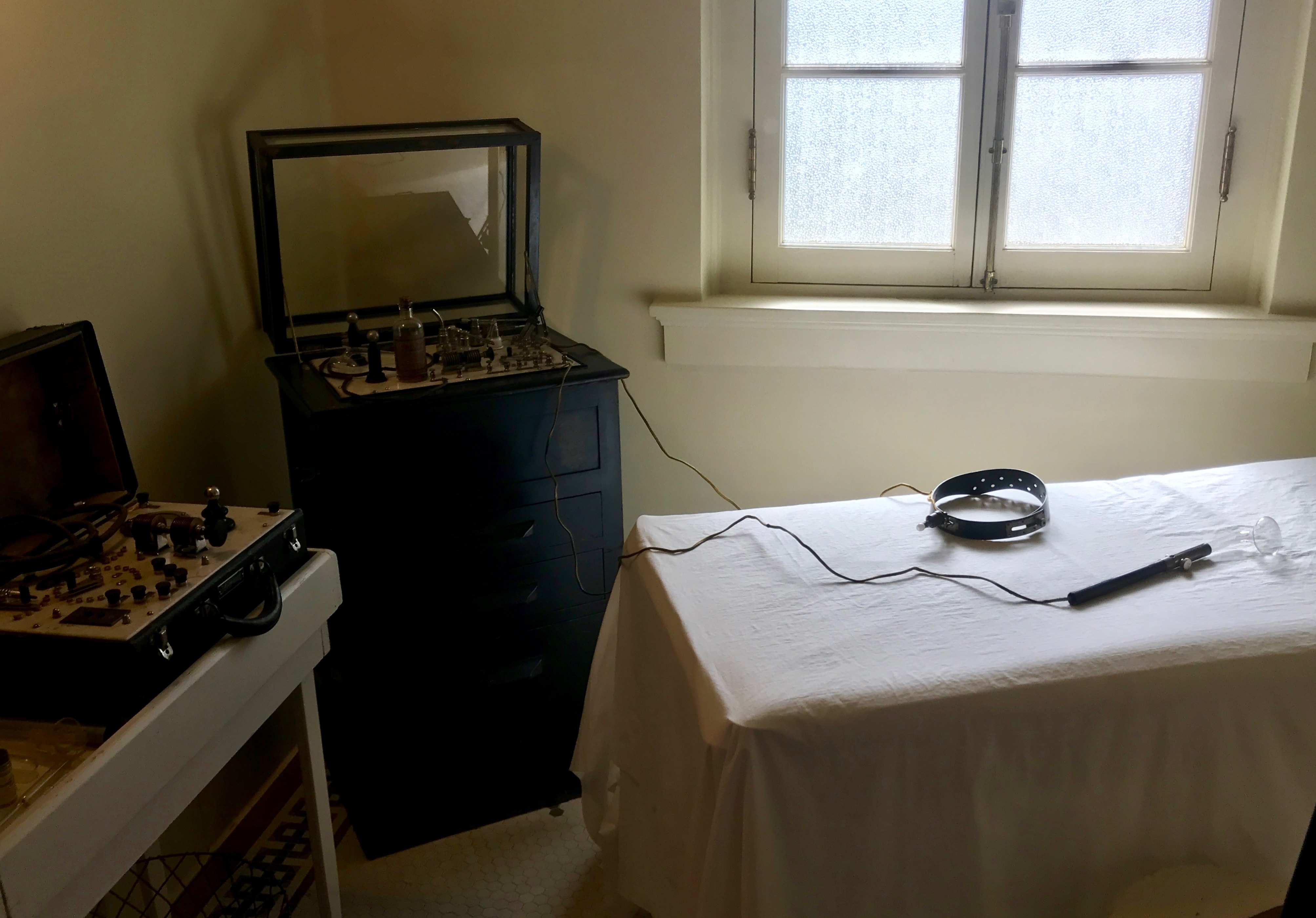
They also had an extra massage room that used various electro-massage machines. The glass objects on the end of the wand are interchangeable high-frequency vacuum electrodes used for applying electric charges to various parts of the body.
In 1936, this room was converted for use as a mercury rub room.
What?! They rubbed mercury on people?! Well, that’s what the information said.
They were truly full service.
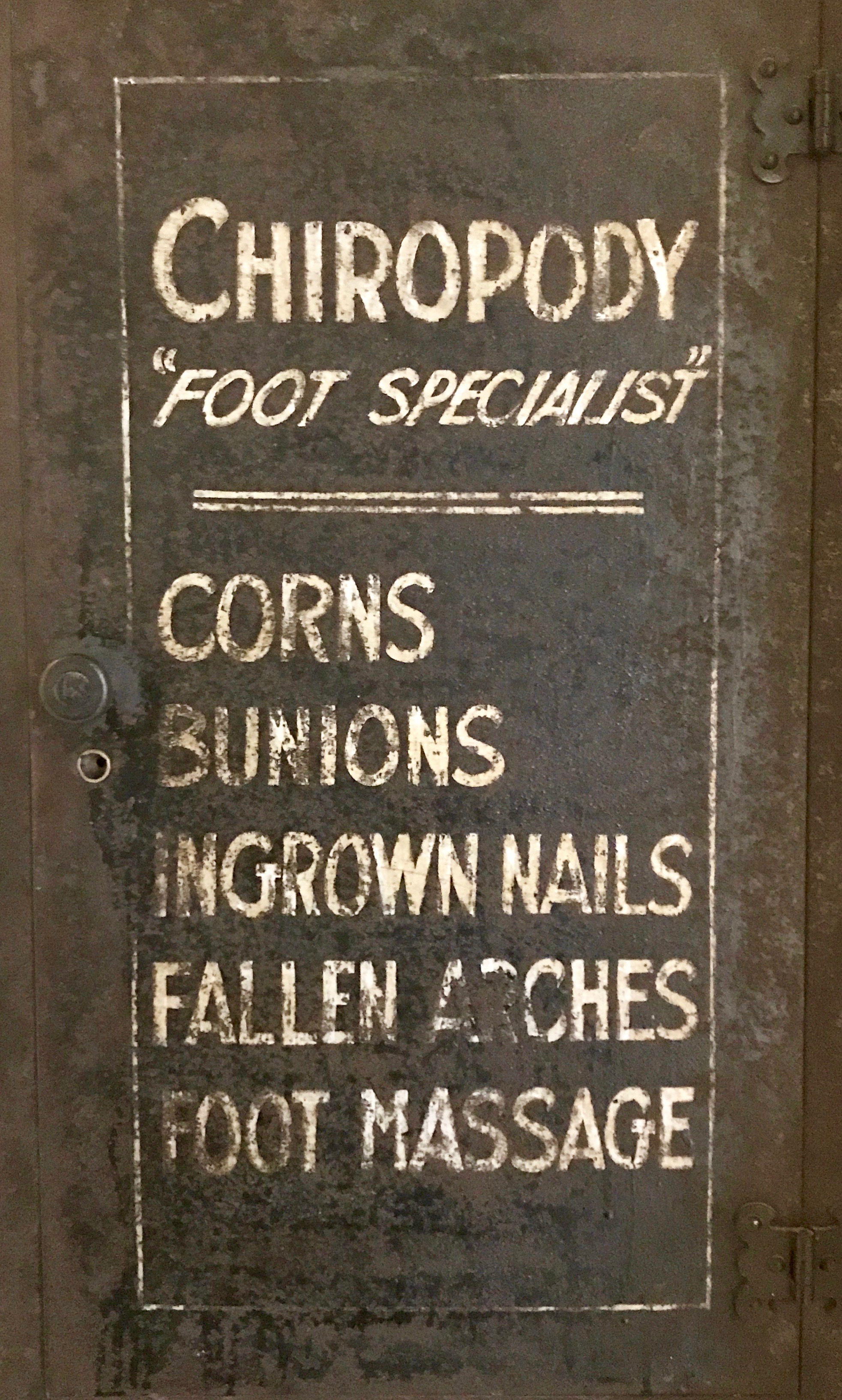
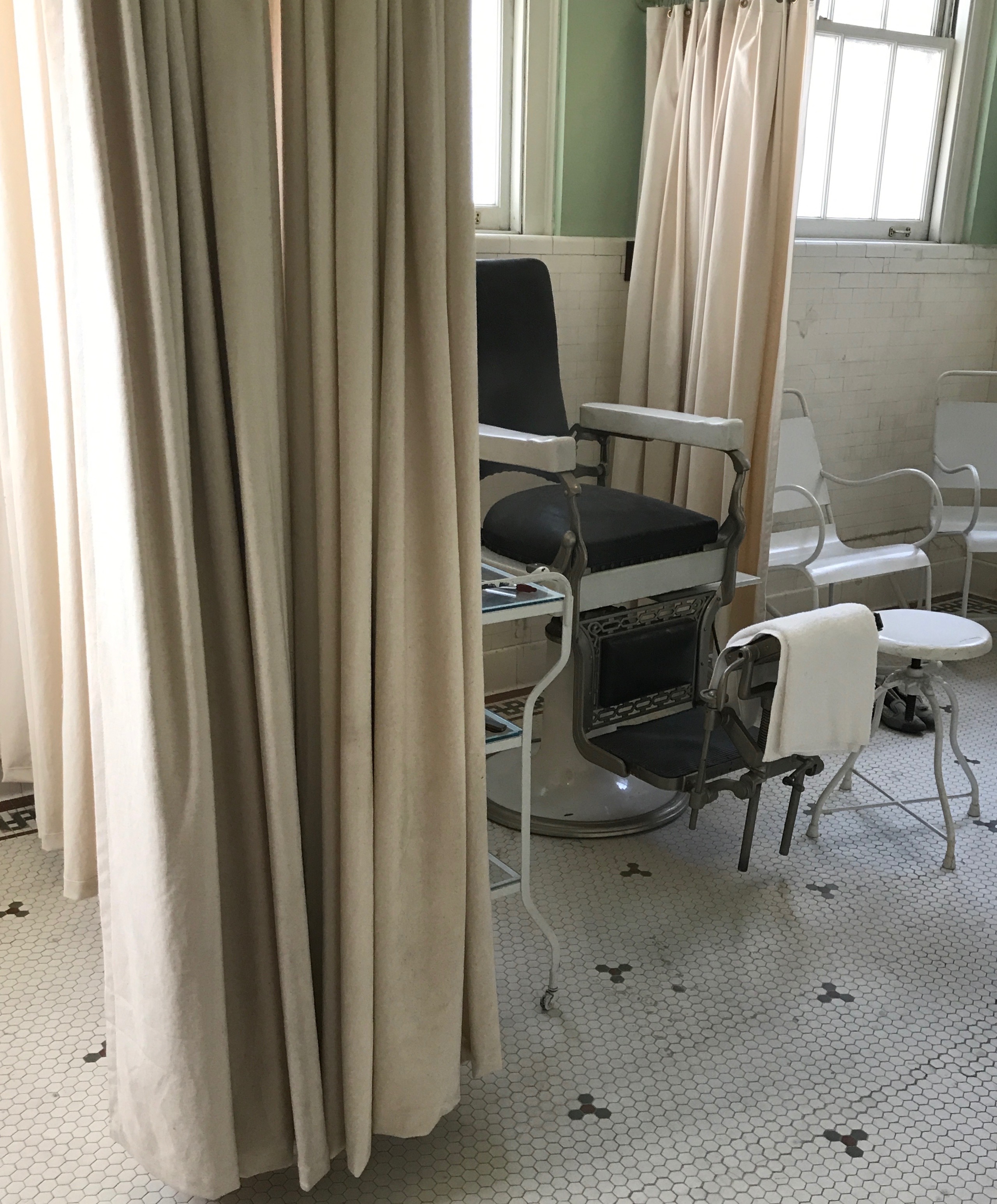
You could get it all done here. According to a guide written in 1917, they had “…a Chiropody Department to satisfy the most fastidious.”
Apparently fastidiousness declined because patient use of the chiropody room declined in the 1930s.
I wonder if they resorted to soaking their feet in mercury instead?
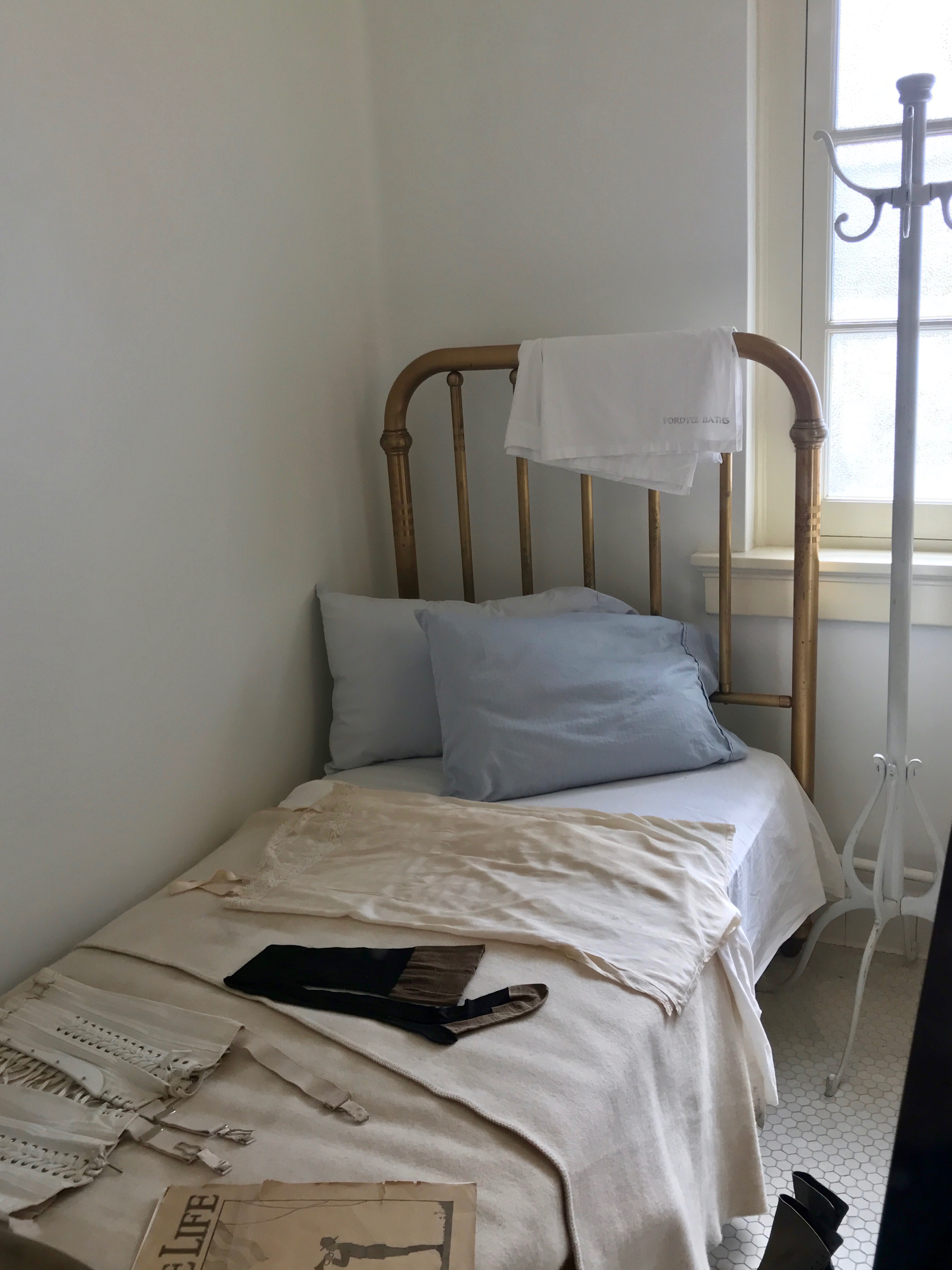
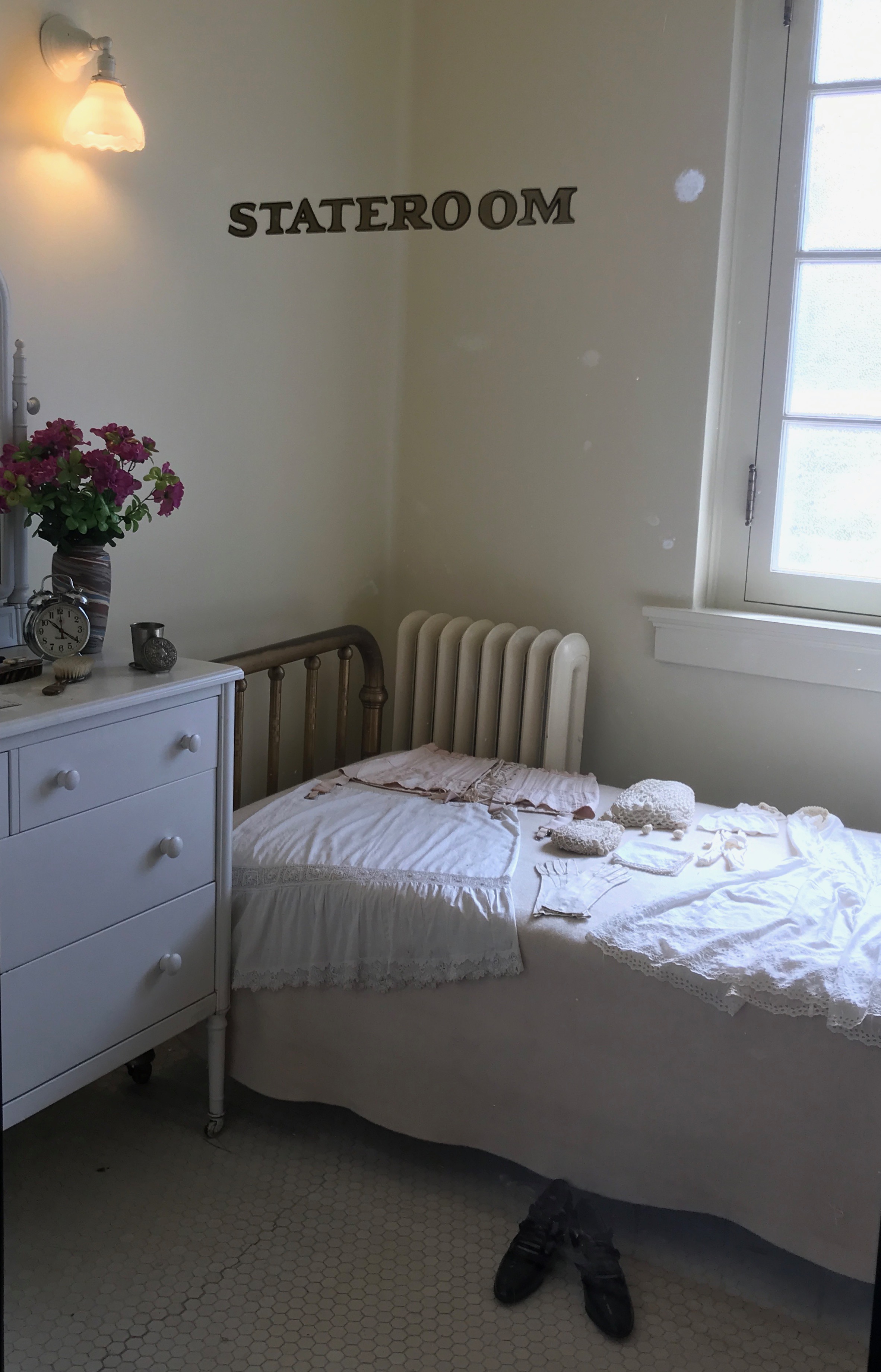
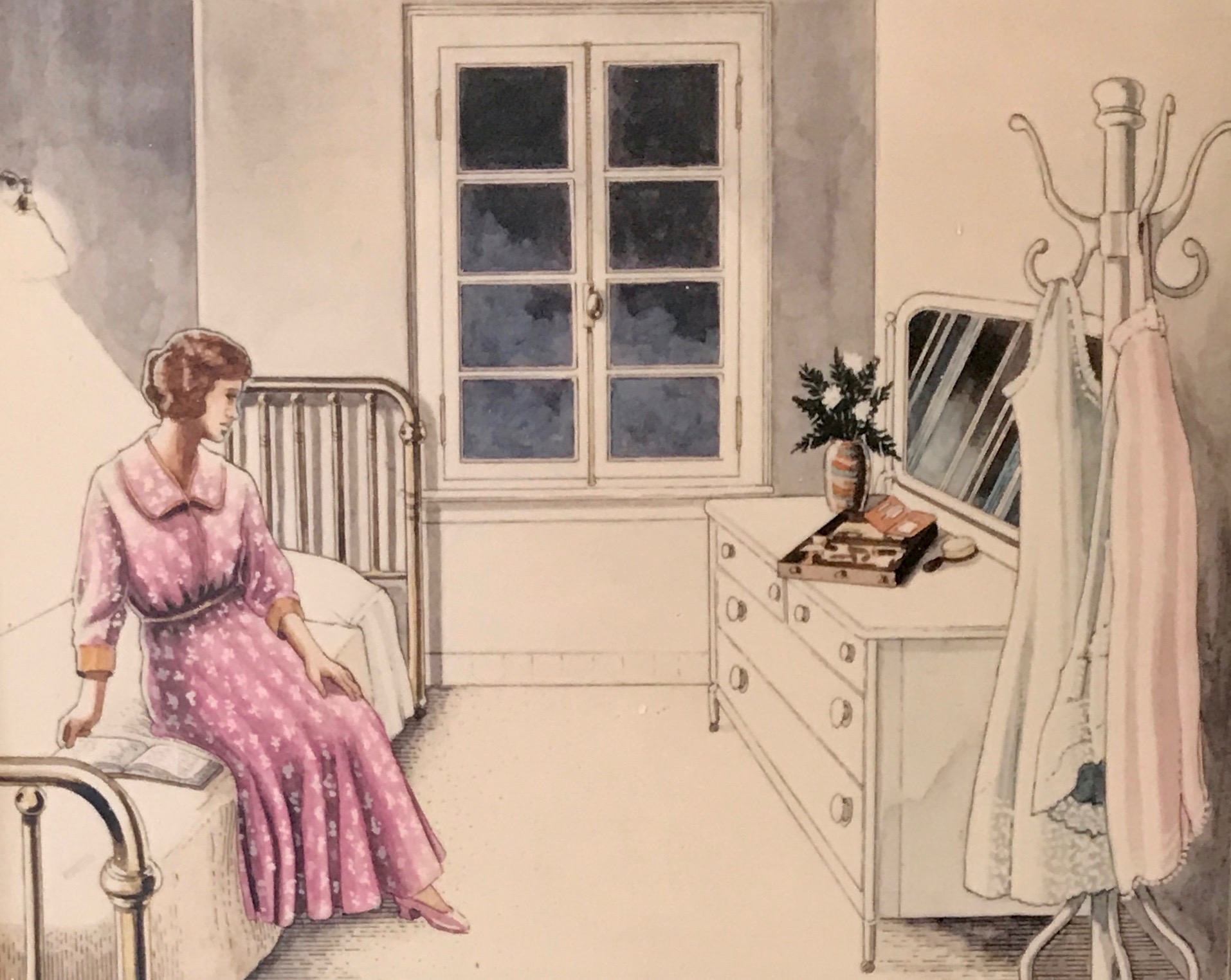
If all this pampering left you needing to recover, there were staterooms available.
According to what I read there, “Twenty-two private staterooms occupied part of the third floor. Each came equipped with a metal bed, dresser, and coat rack. A few rooms even offered hot and cold running water and telephones.
Valet or maid service was provided, however, no overnight accommodations were available to the customers
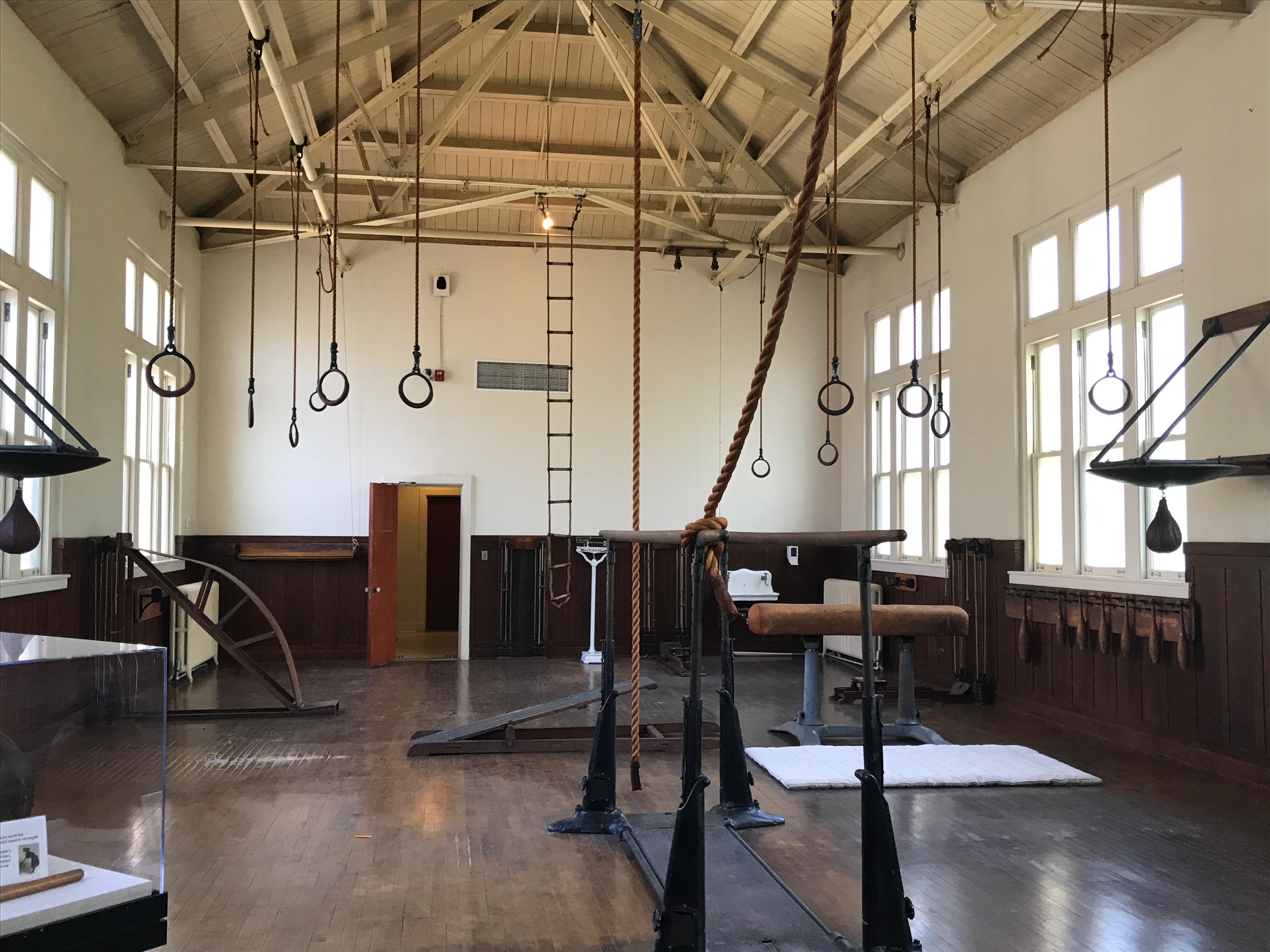
I don’t know for sure, but I think the gymnasium was exclusively for men. I could be wrong, but if women used a gymnasium, I imagine they had their own separate room.
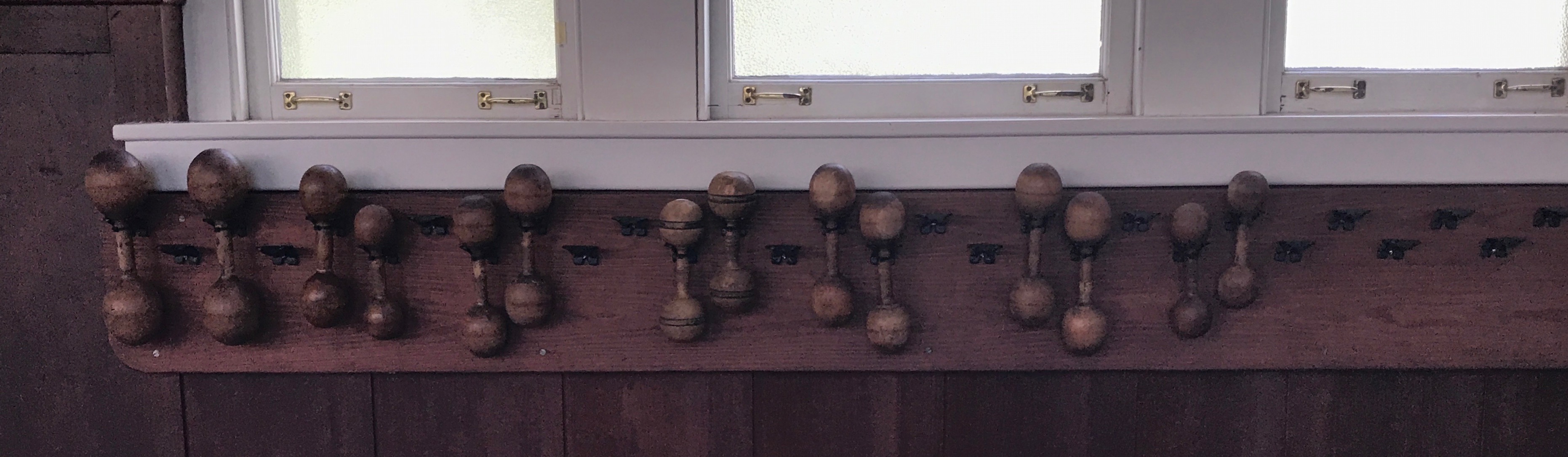
Dumbbells have changed a bit in the last century. I guess “free weight” is the more correct term.
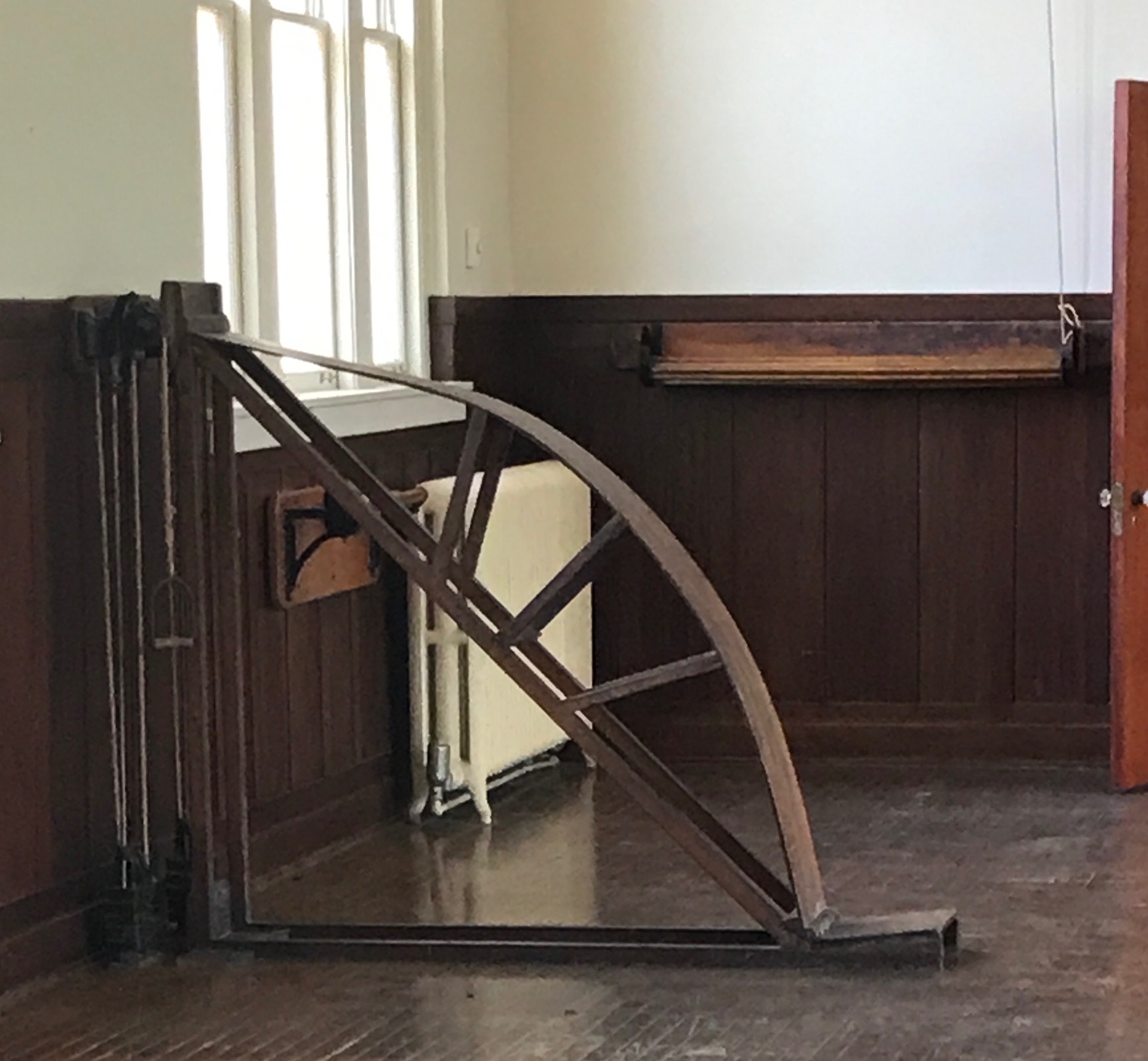
Here you can stretch out any kinks that the masseuse wasn’t able to exorcise.
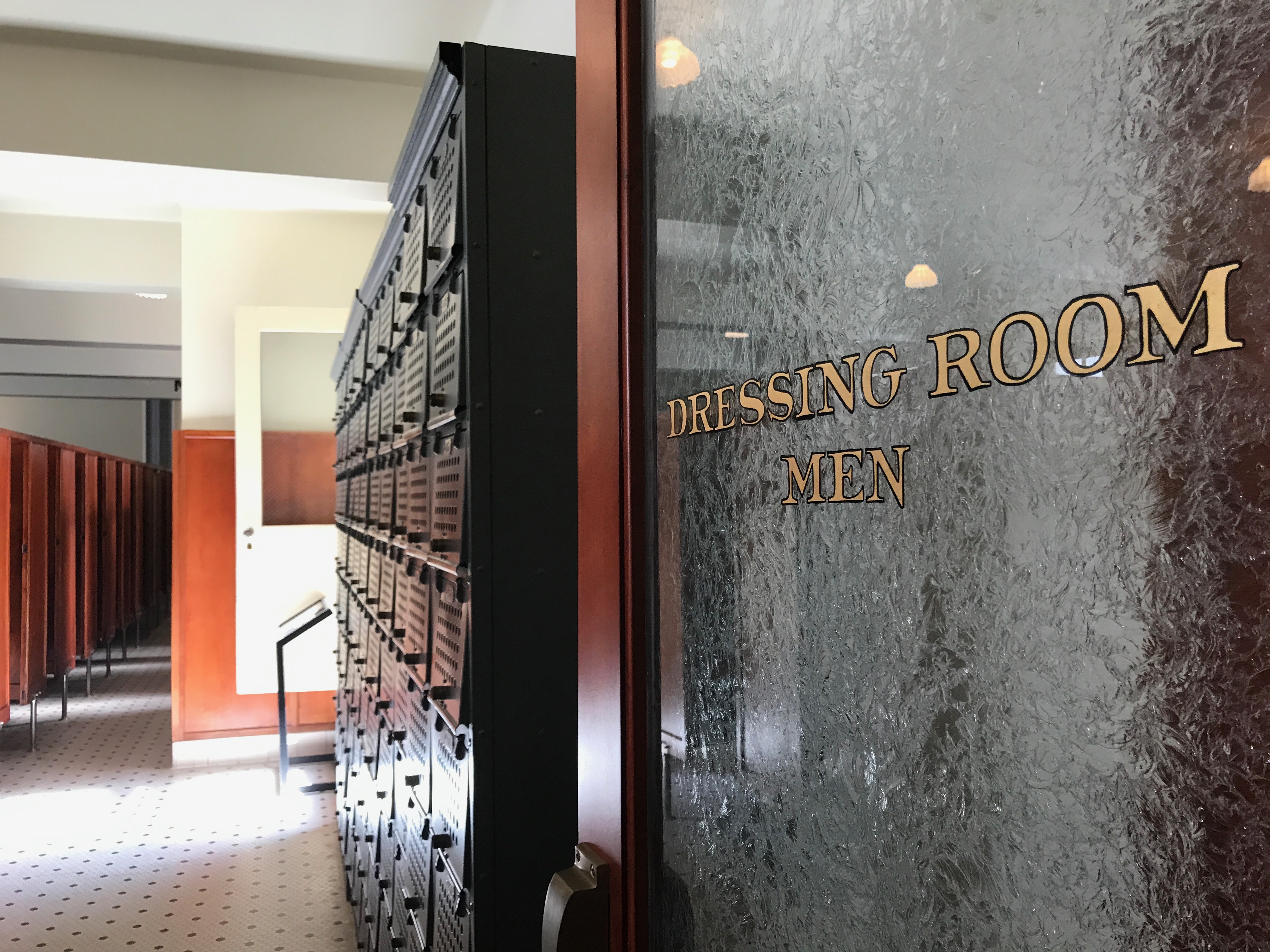
Then, head off to the dressing room and get ready for what ever came next. I imagine they had to take off their physical education uniforms and get back in their three-piece double-breasted linen suits with the mother-of-pearl buttons, starched collar and black silk bow ties.
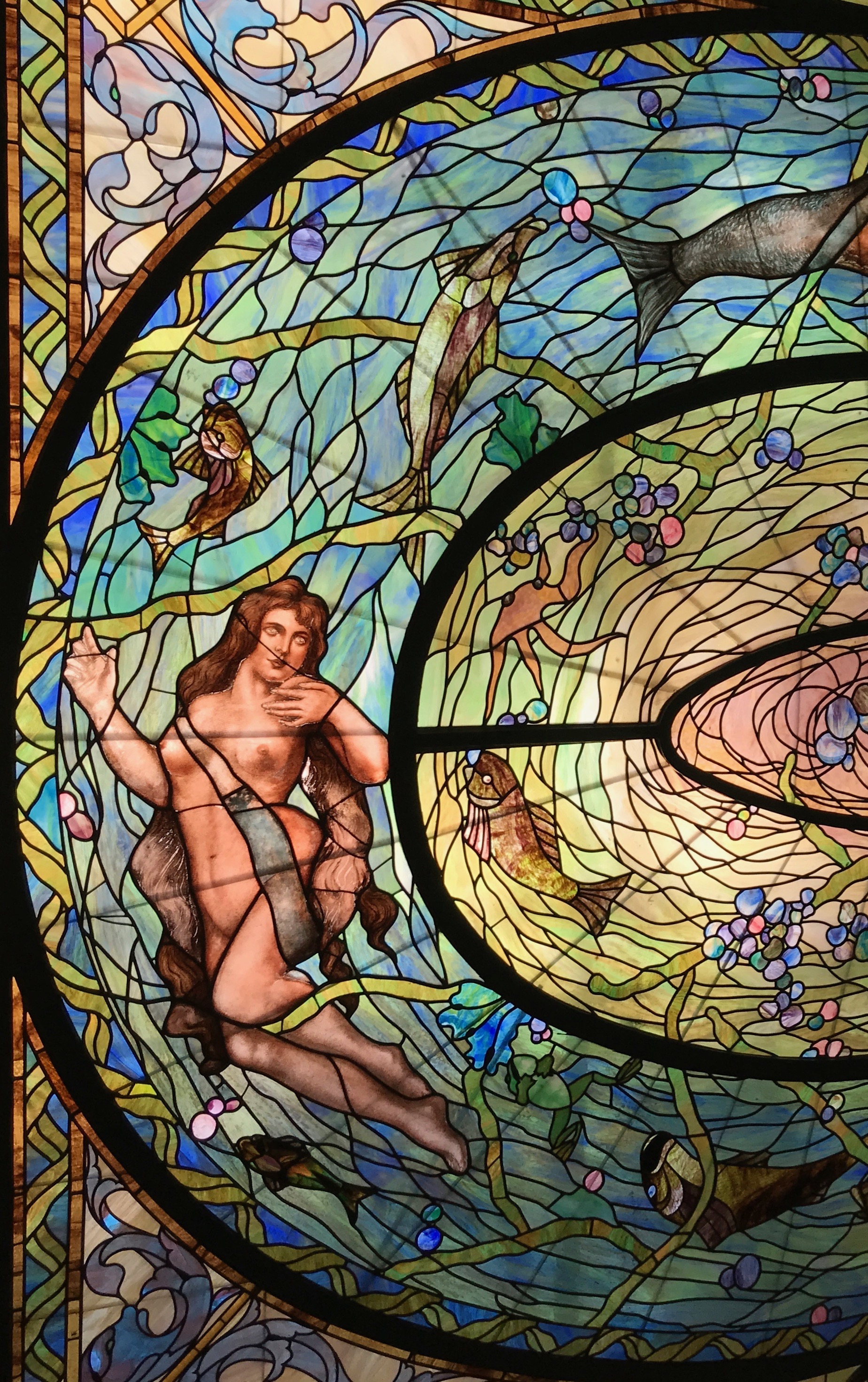
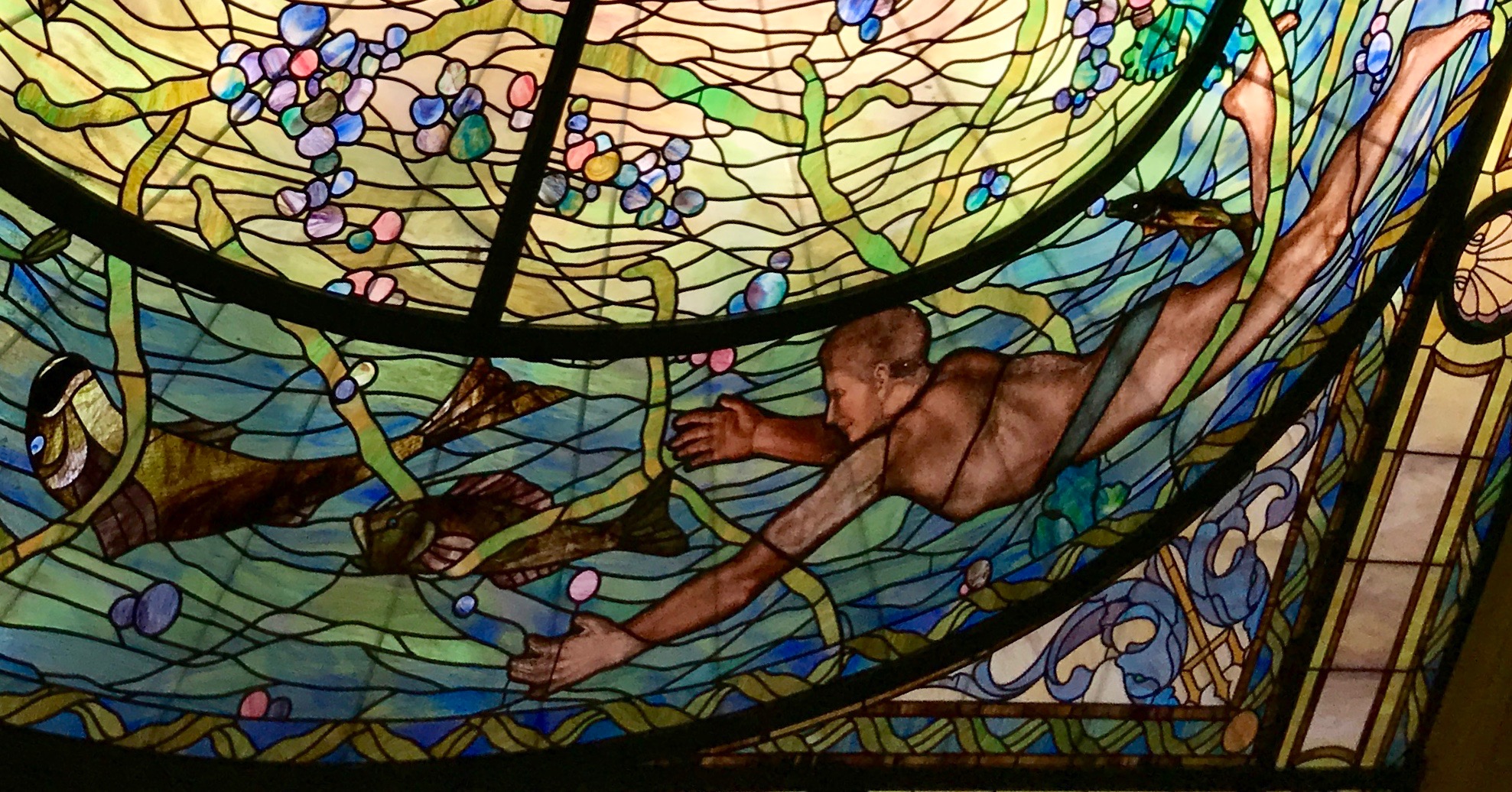
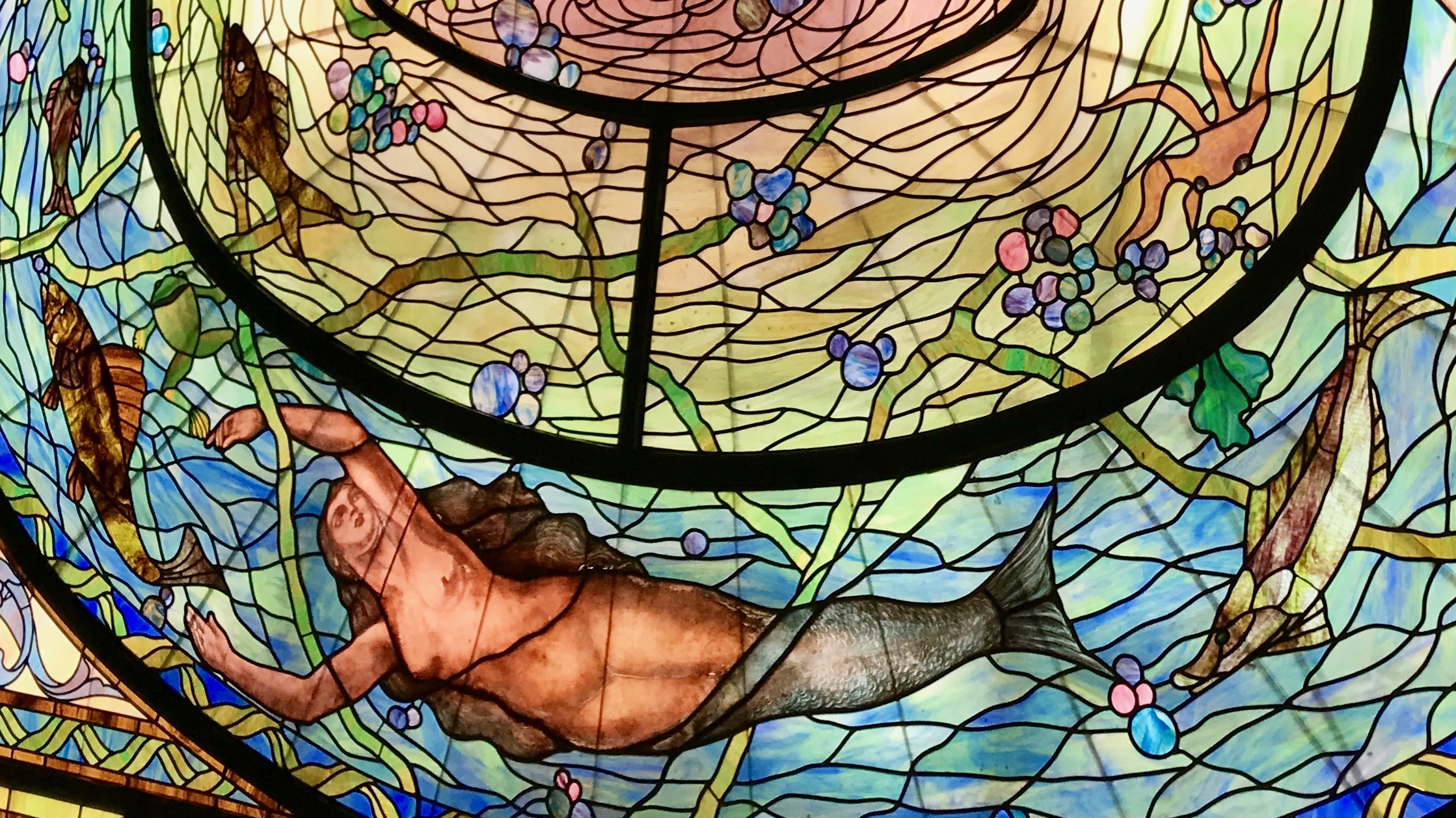
This stained glass ceiling was in the men’s bath hall.
It was full of all sorts of flora and fauna…
…and mystical creatures.
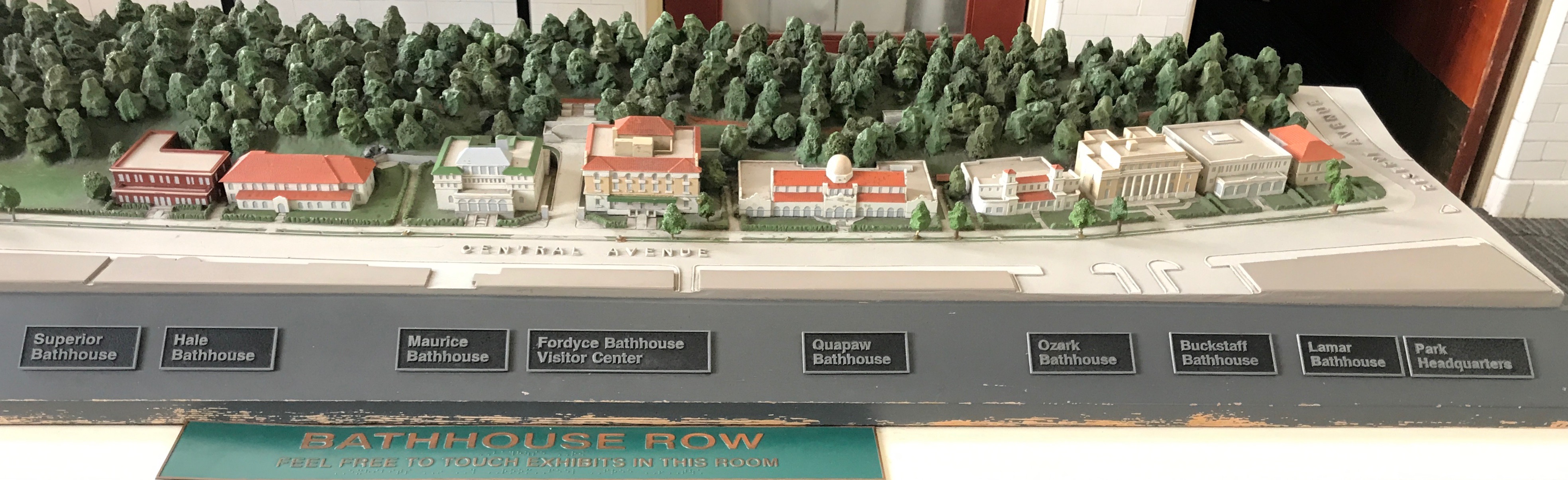
Before I left the Fordyce, I checked out some of their exhibits. This was the Bathhouse Row.
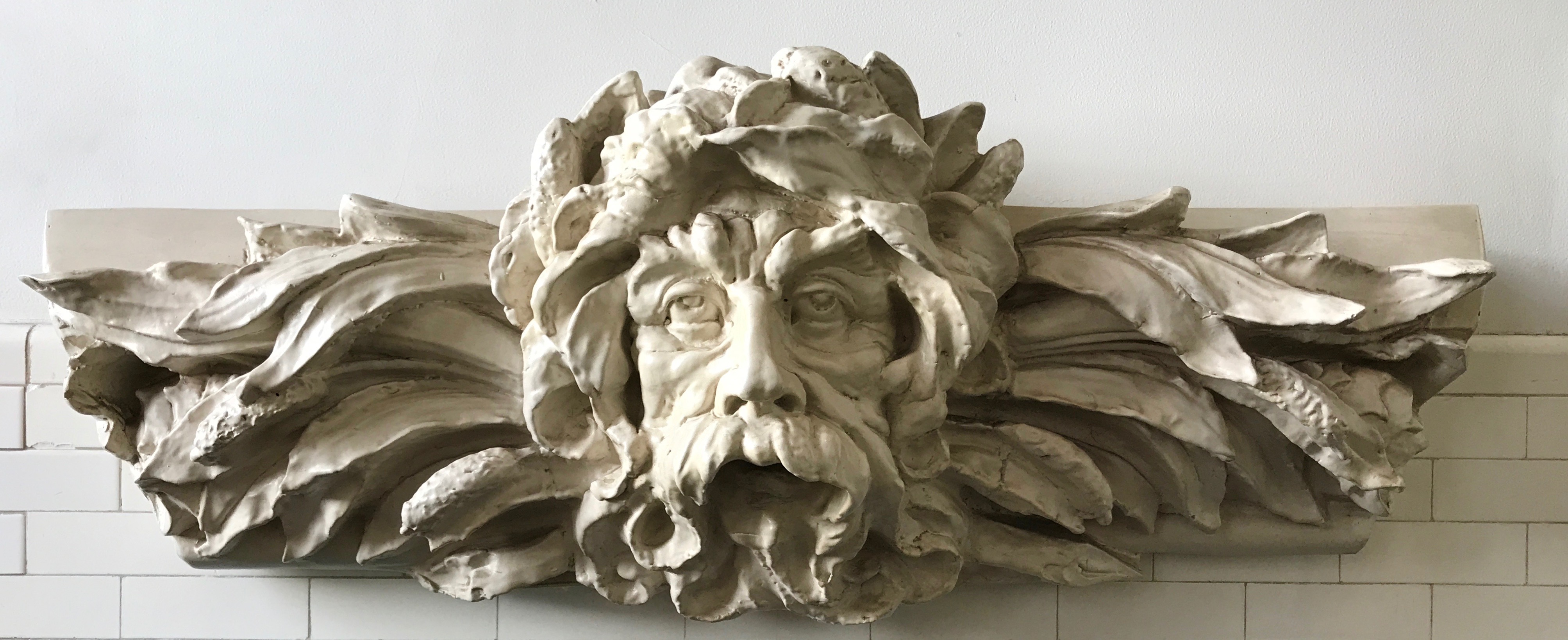
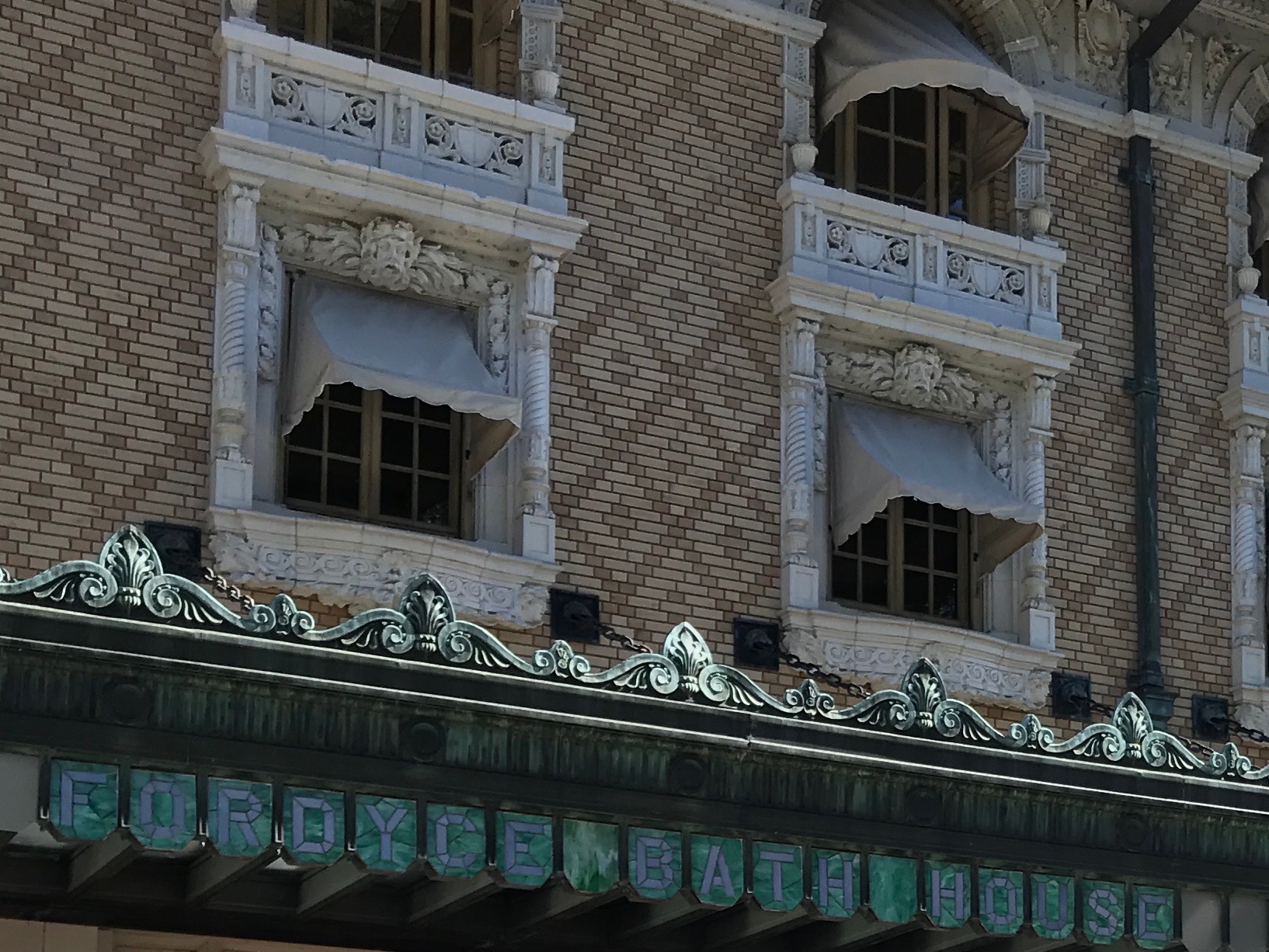
This ornament came from the Fordyce Bathhouse. The second floor windows have them on the lintels above the awnings
Do you see them?
With that, my visit to Hot Springs National Park drew to a close. There was one thing I still had to track down in Hot Springs, though.
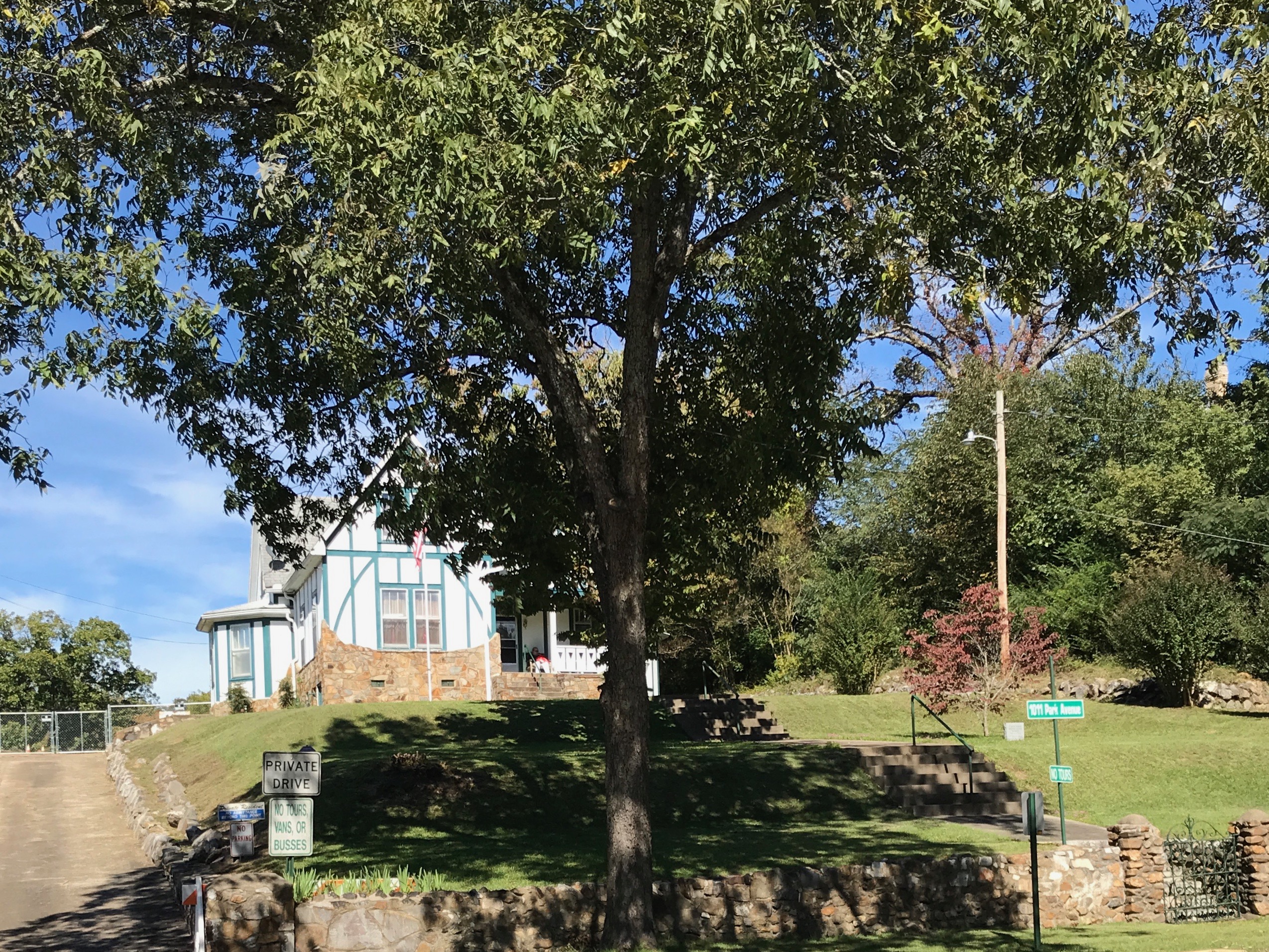
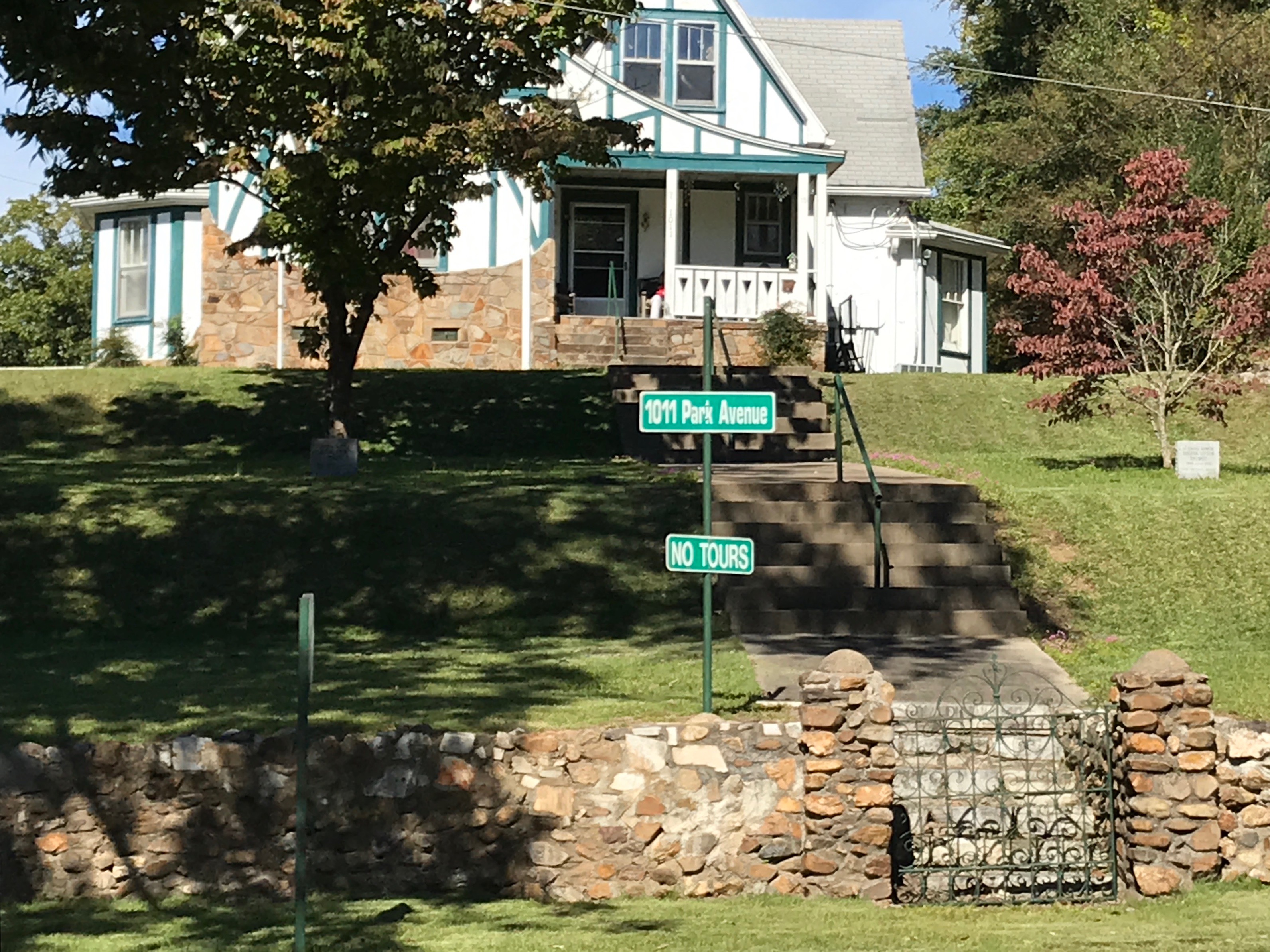
I wanted to find where Bill Clinton lived. I found it.
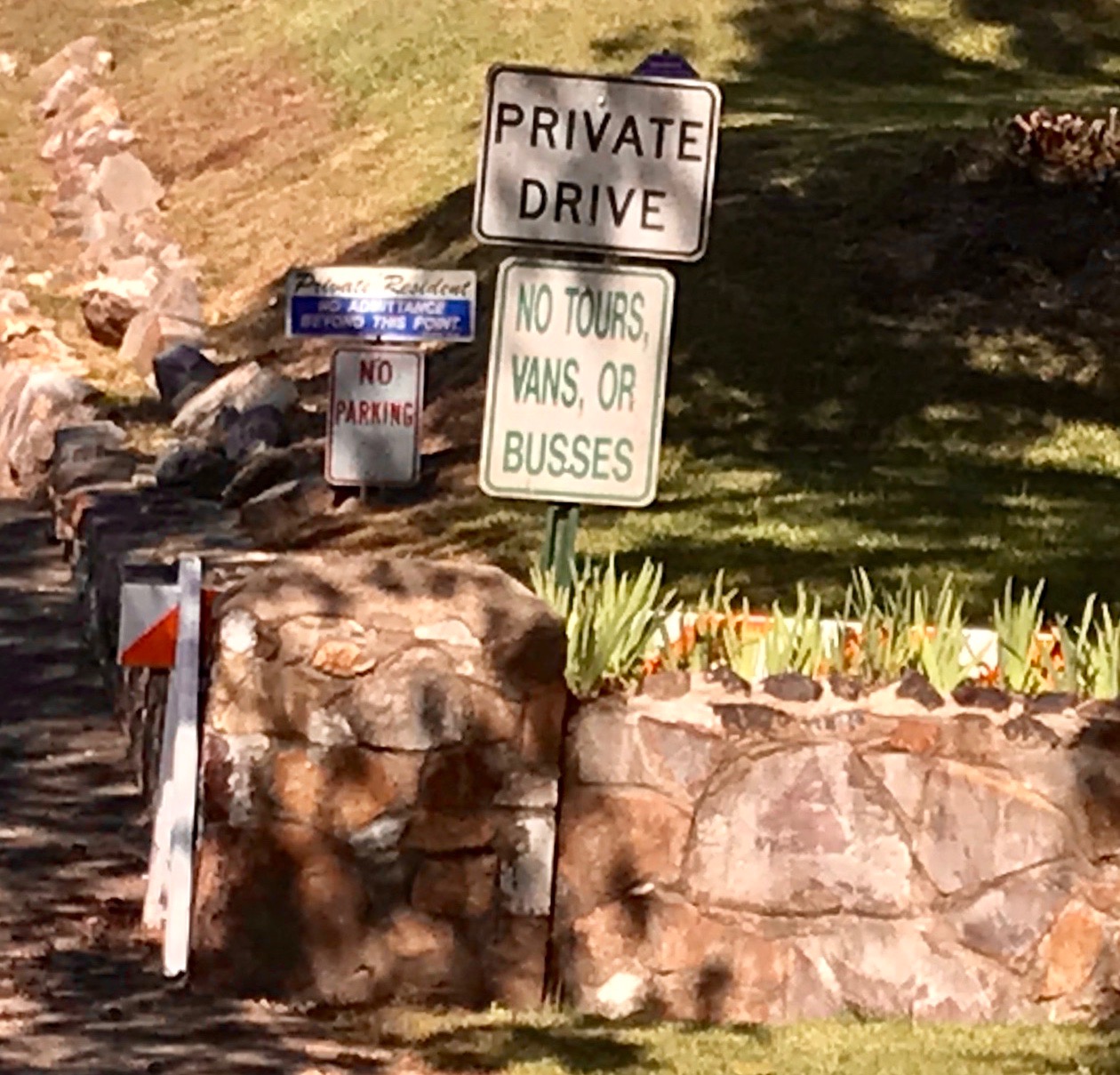
The current owners were not particularly welcoming, though.
That is putting it mildly. In fact the guy on the porch was even yelling at me, and I was standing across the street!
I headed back to Crater of Diamonds State Park. I had to get ready for a day of travel in the morning.
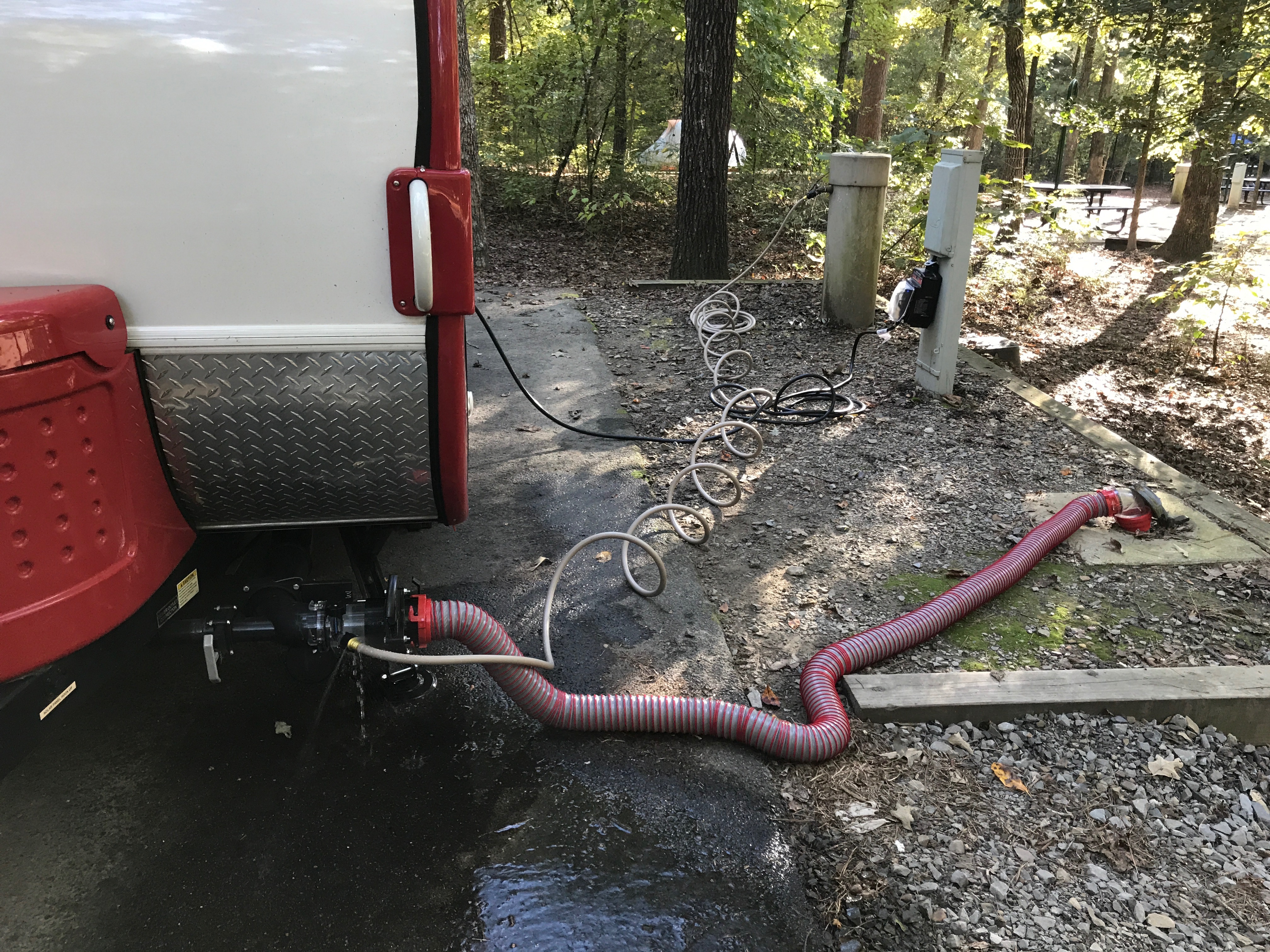
I dumped my waste tanks. I took advantage of having a full hookup (which means water, electric and sewer, for the non-RVers among you.) I gave my tanks a good rinsing out.
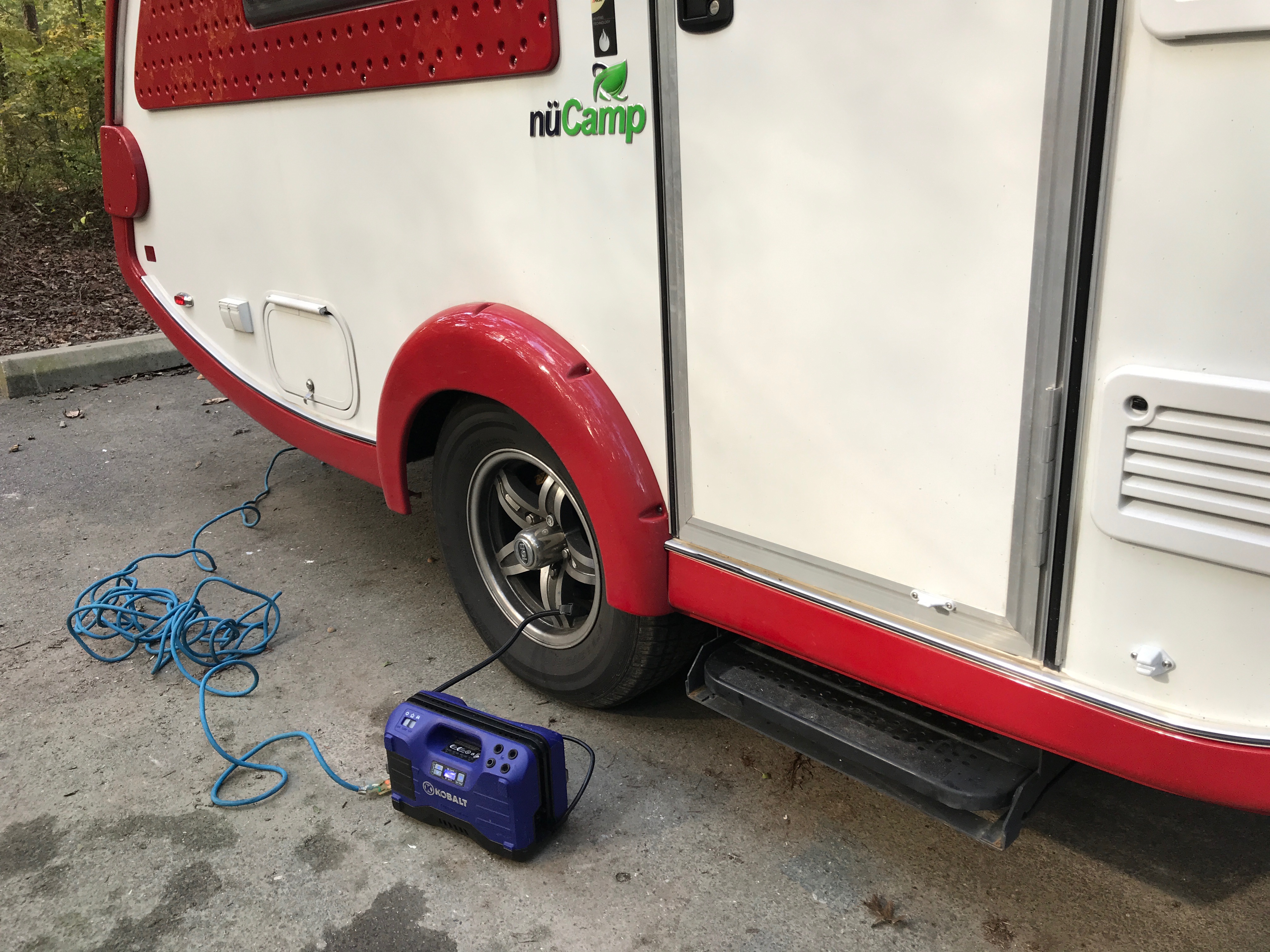
I checked my tires and made sure they were all inflated to the proper psi and then I got ready to roll in the morning.