The next morning, I hitched up and started up the Trace. It was the end of April and it was full-blown spring/early summer down here. I wonder what it’ll be like by the time I get home. Will I watch the seasons reverse themselves? Will it be spring when I get home or will it be winter/spring? I don’t imagine that it will be quite as nice as it is here.
With that thought, I was happy to take advantage of many of the places to pull off and enjoy the season and the land.
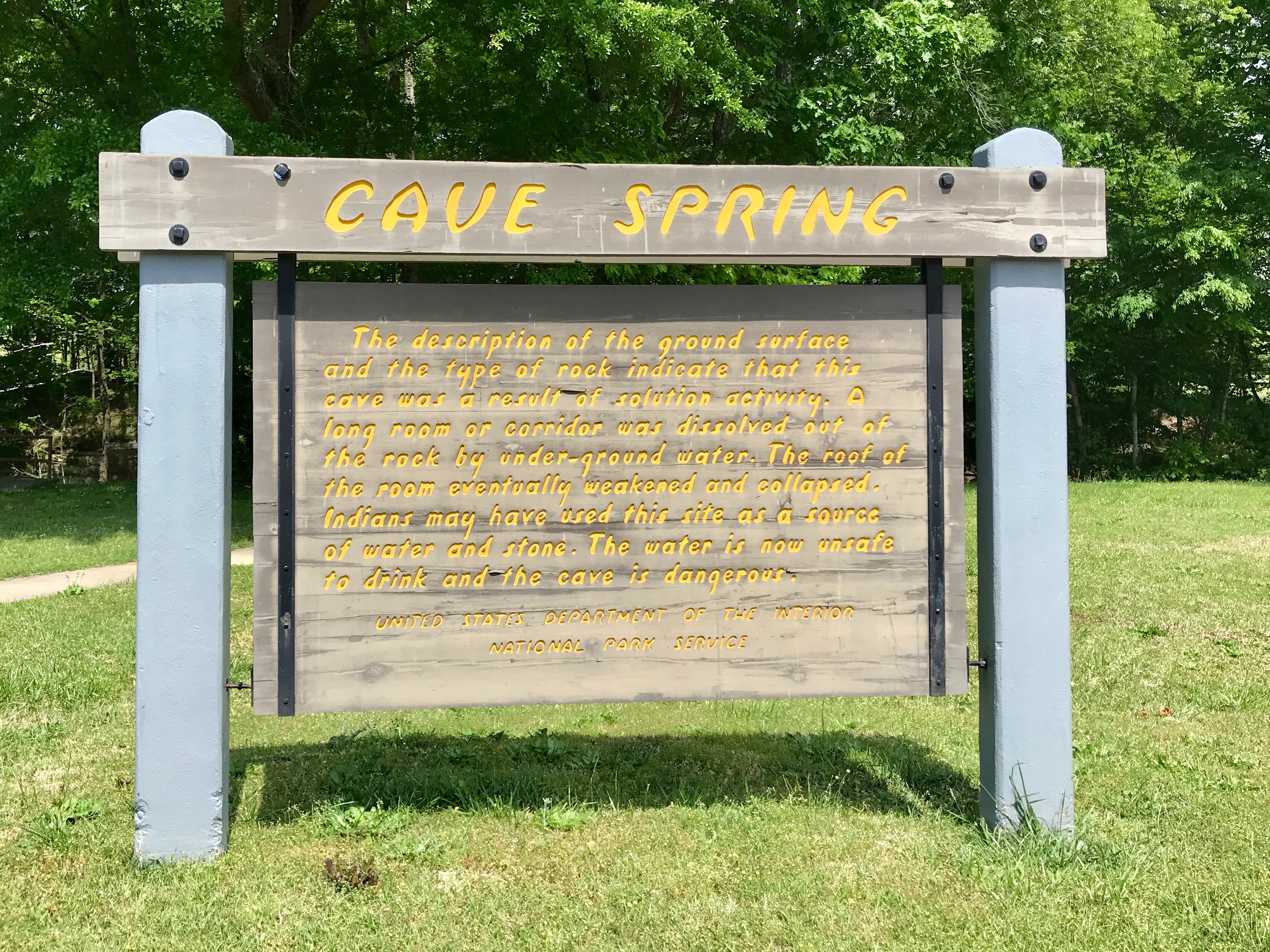
The first place I pulled over was Cave Spring. Based on the description, it sounds like the spring was something like a sinkhole or a cenote.
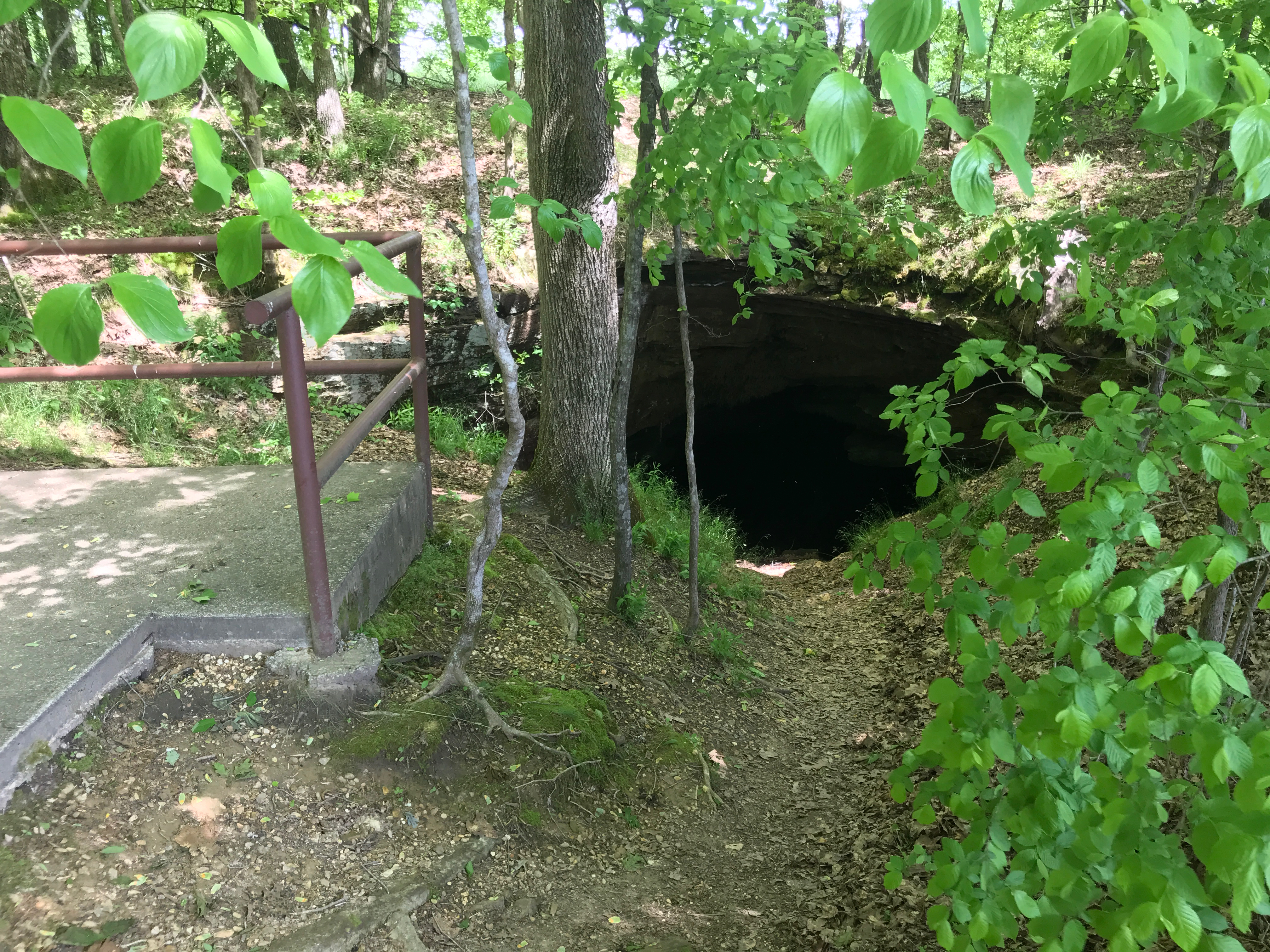
It’s not much to look at now-a-days, but it had its uses as a source of water and stone.
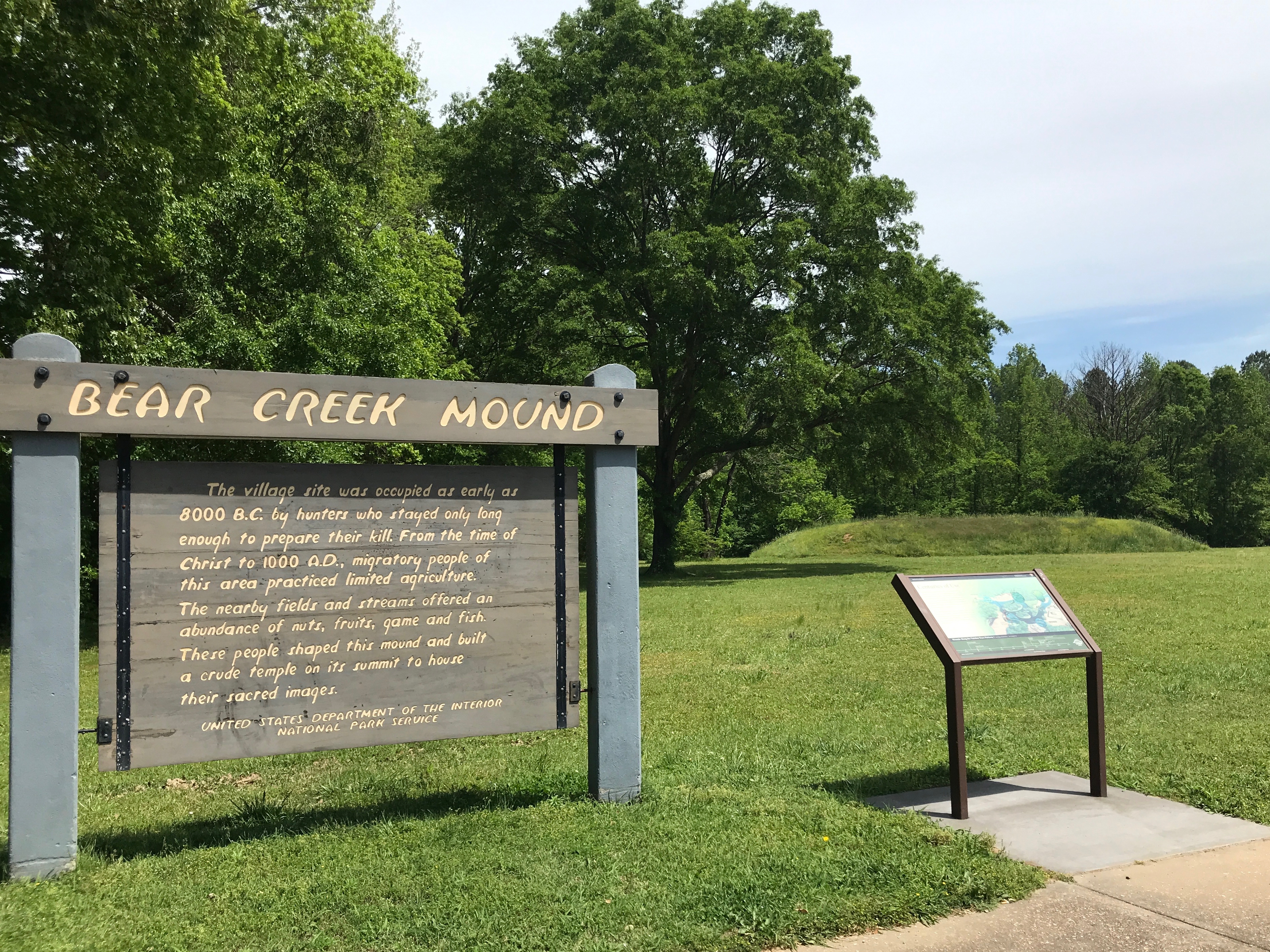
I stopped at another mound.
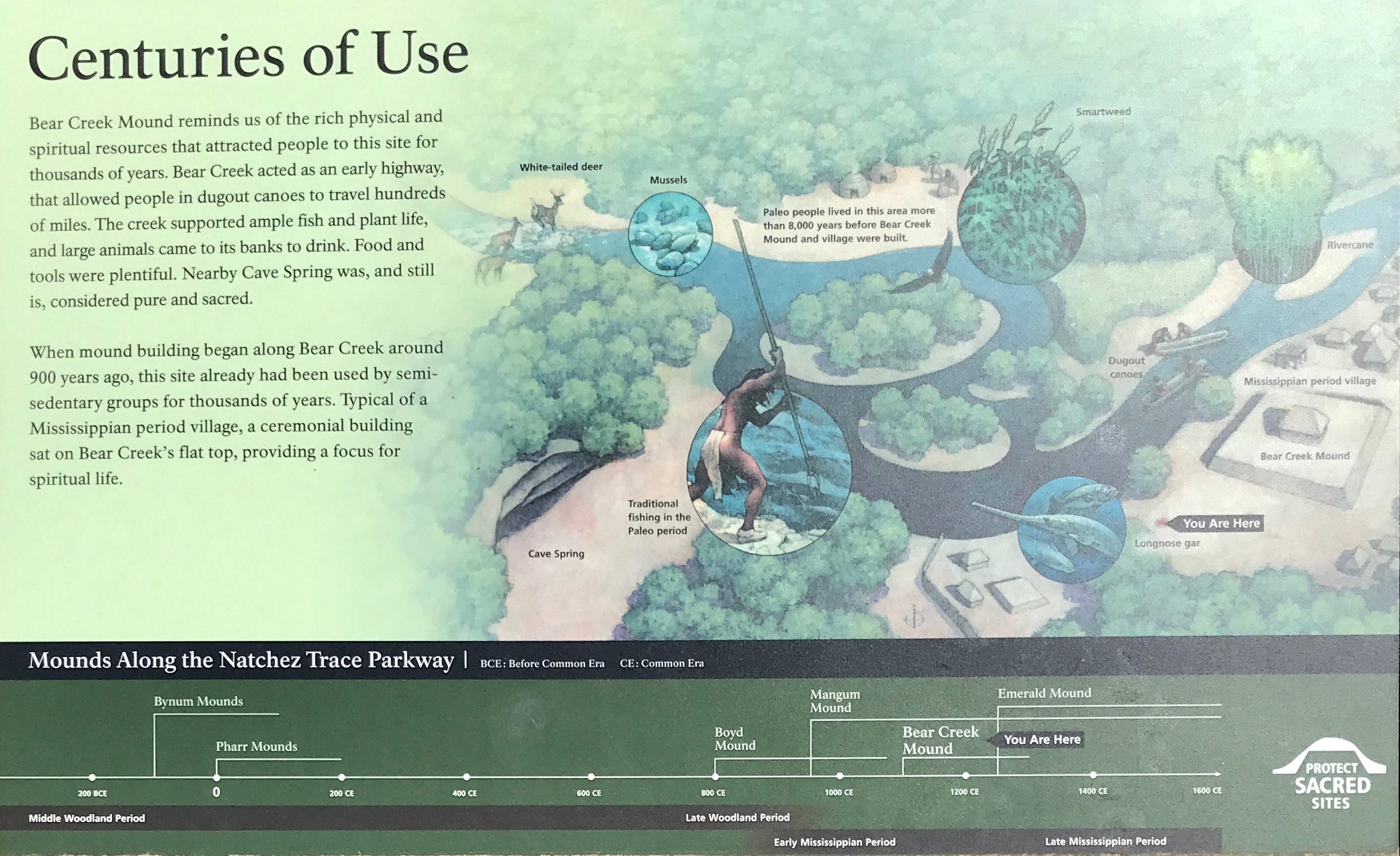
I was impressed with the interpretive signage that the National Parks service provided.
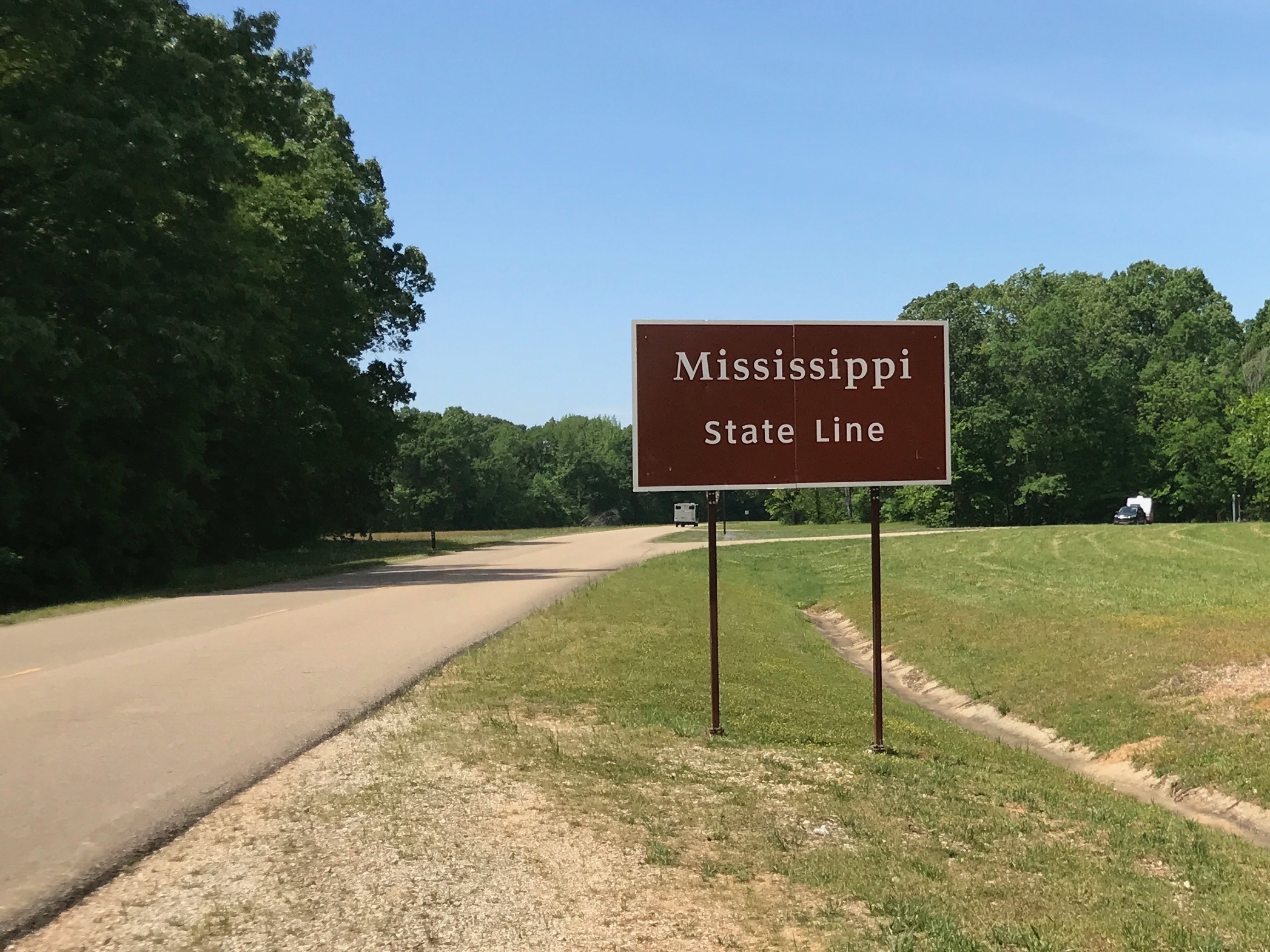
Leaving Mississippi…
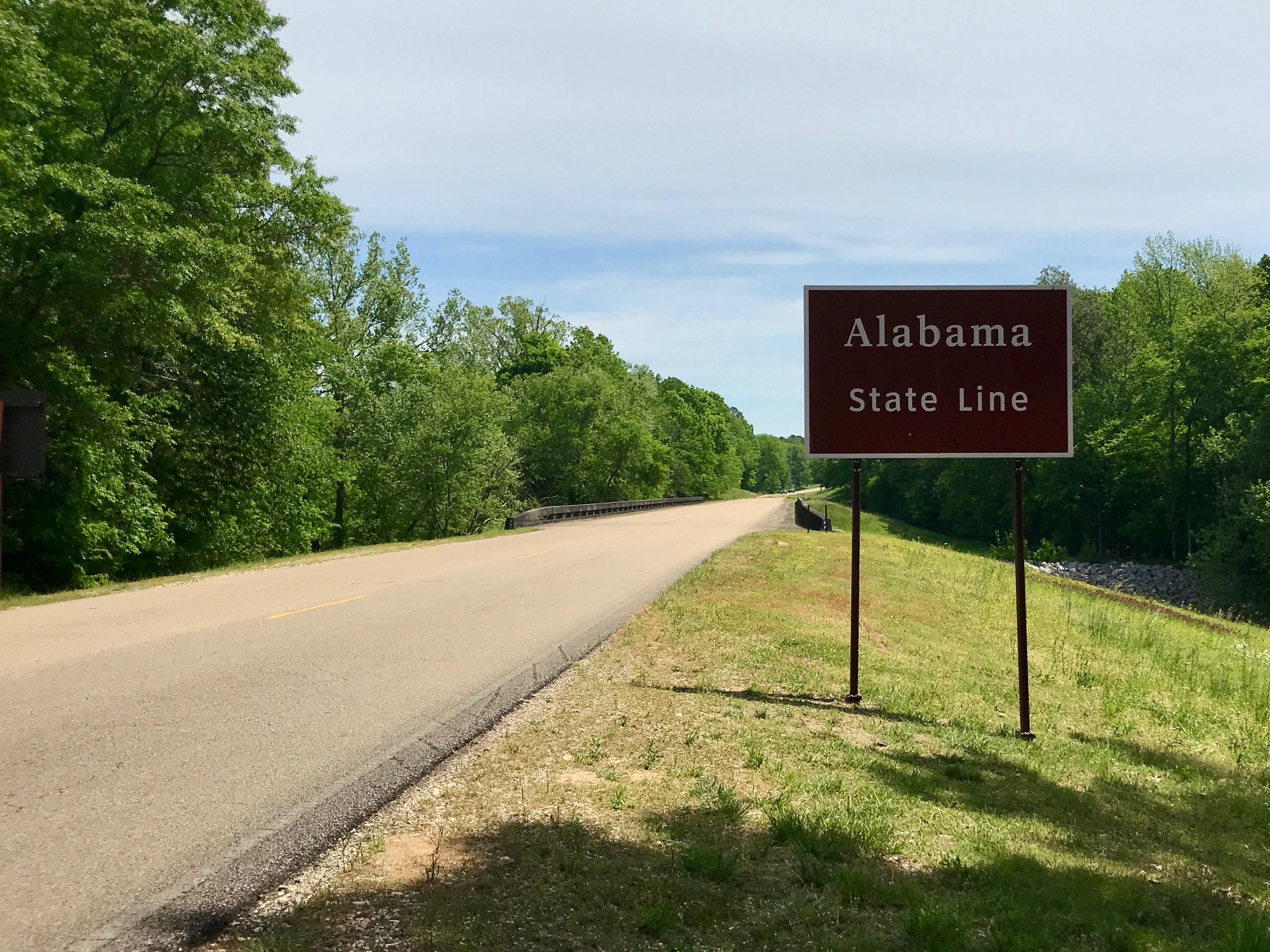
…and entering Alabama for a few miles. This is important because this was one of the first – if not THE first Interstate in the nation.
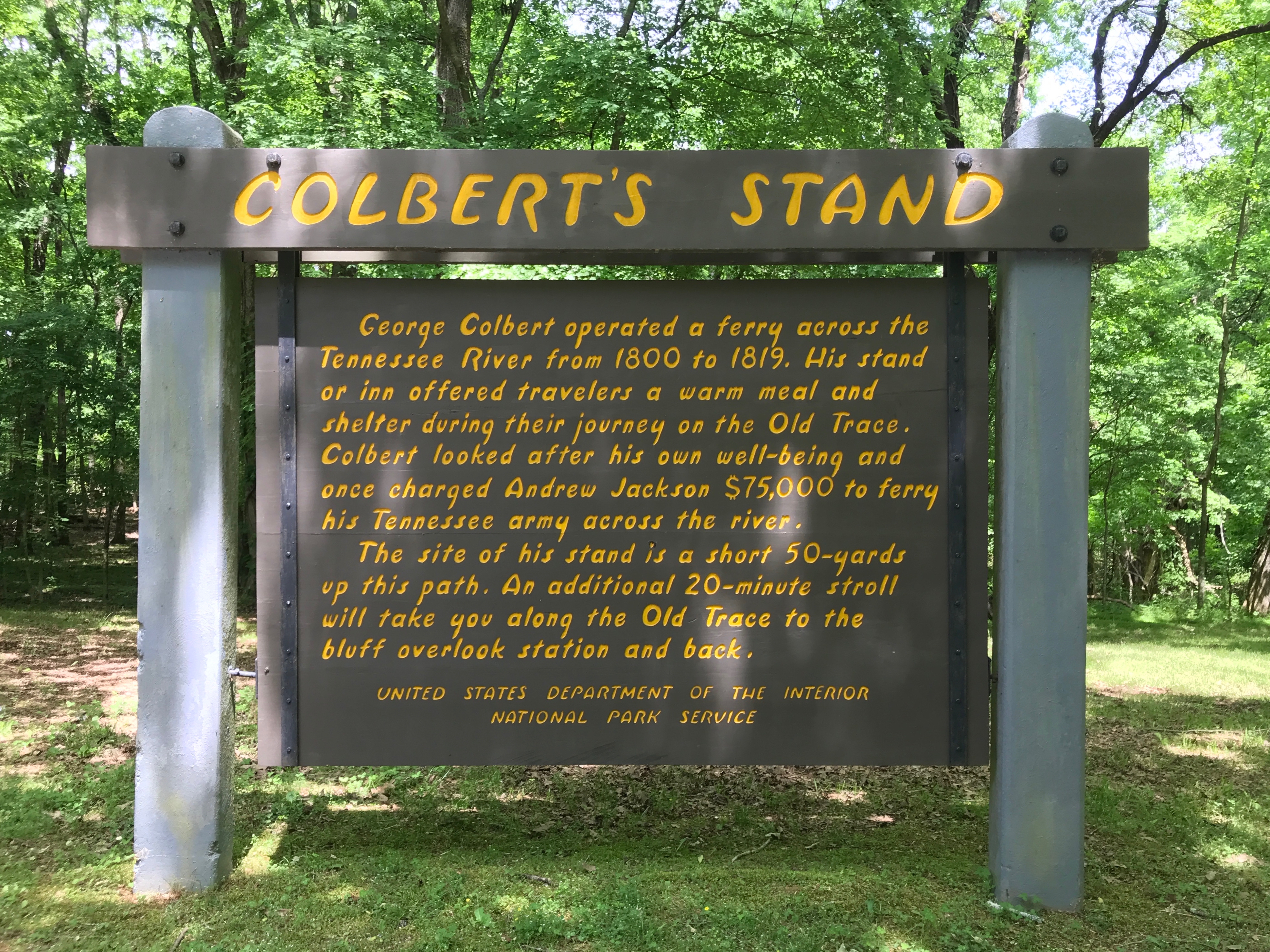
Okay, tell the truth.
When you read the name of this location on the sign, did you read it as ColberT…

…or Colbear? (As in Stephen Colbert.)
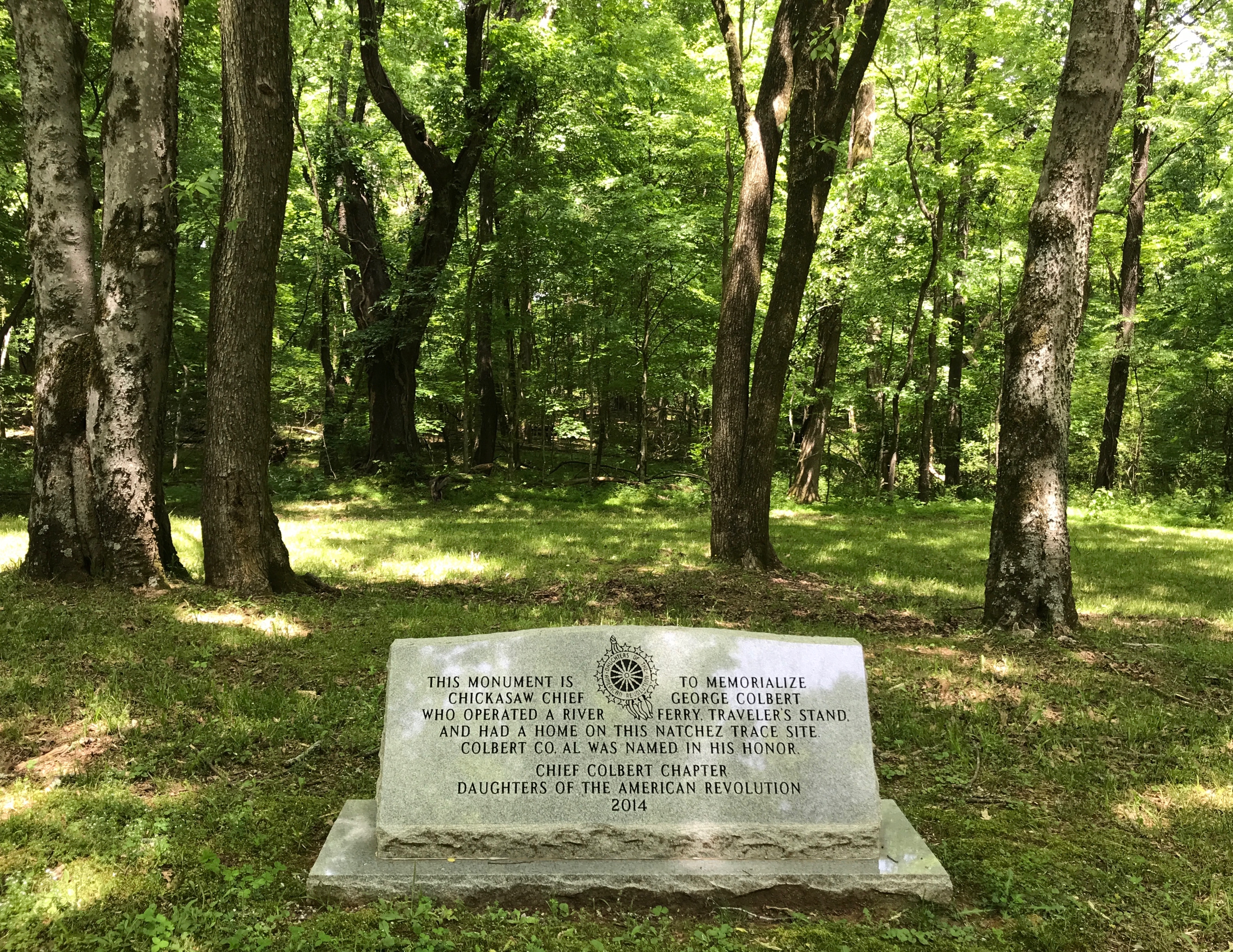
In any event, George Colbert was an interesting person. I invite you to click on the link to read more about him. He did many things, according to the Wikipedia entry.
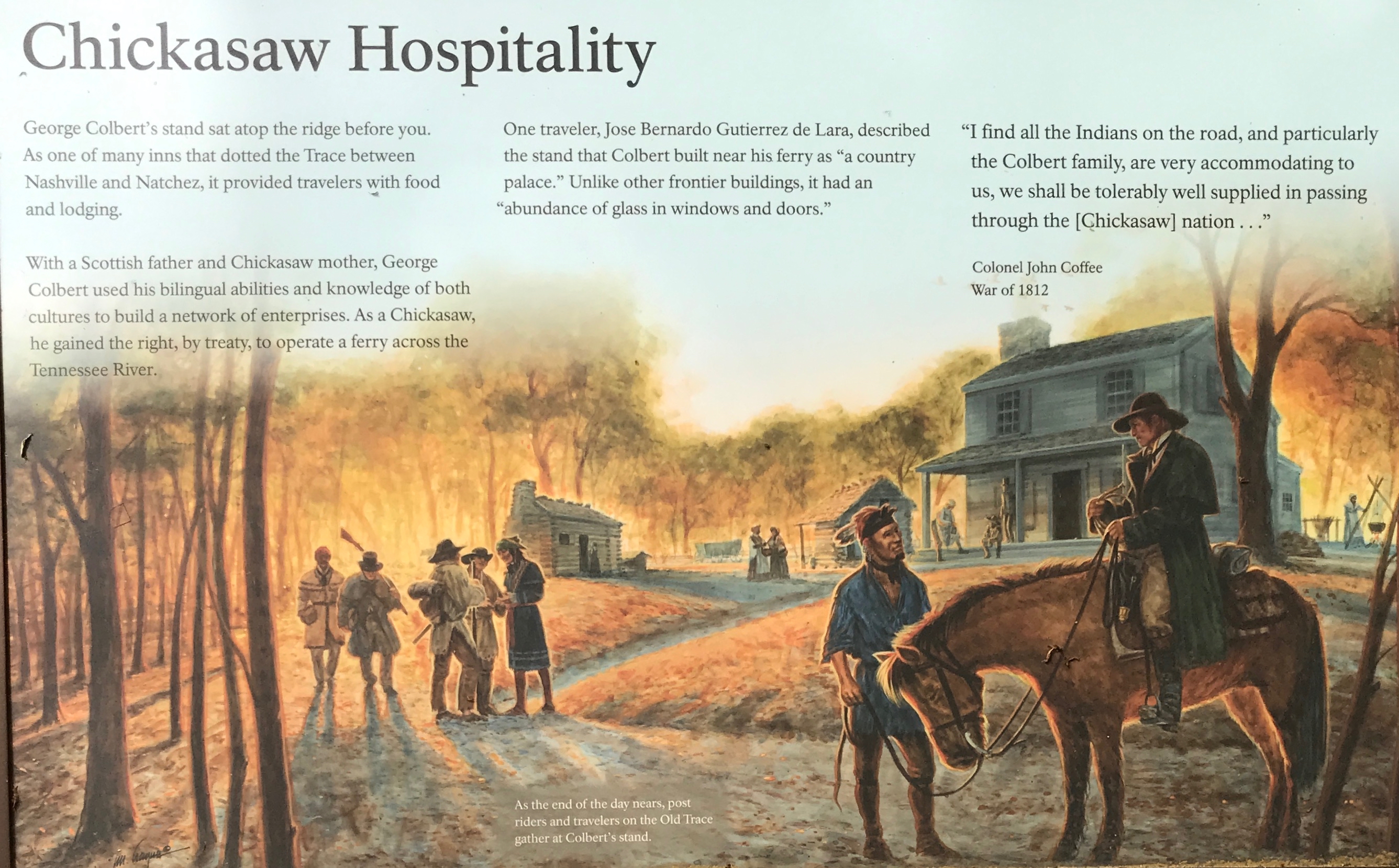
At this stop, they focused on his ferry across the Tennessee River and his “Stand” which was an inn.
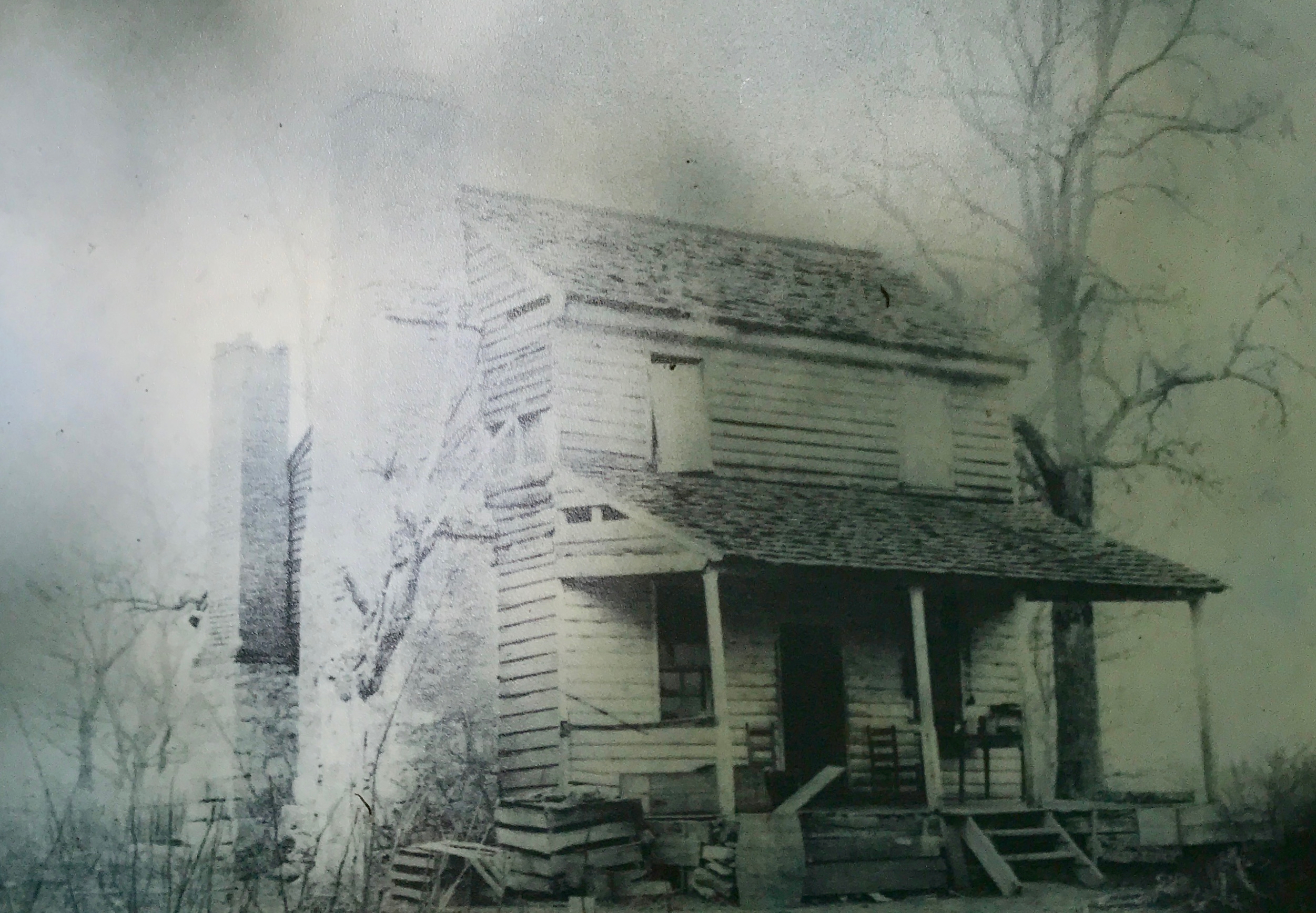
This photo was taken after it was no longer offering lodging to travelers, but was important in its day.
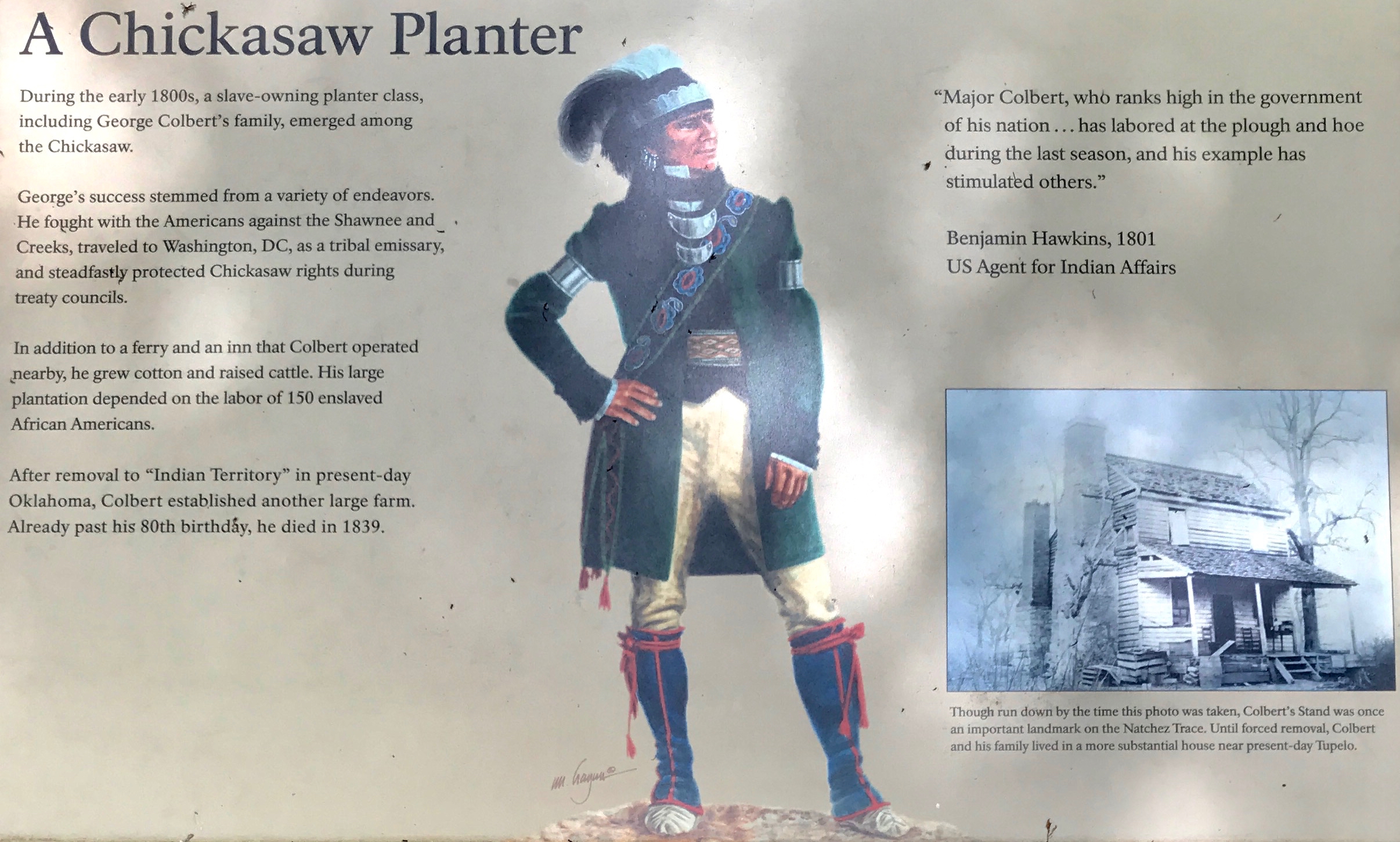
Something I read someplace said the George Colbert ferried Andrew Jackson’s troops across the river after the War of 1812 for an enormous sum. The figure $15,000 sticks in my mind, but that seems like an outrageous amount, and I can’t find where I originally saw it, so I may be way off.
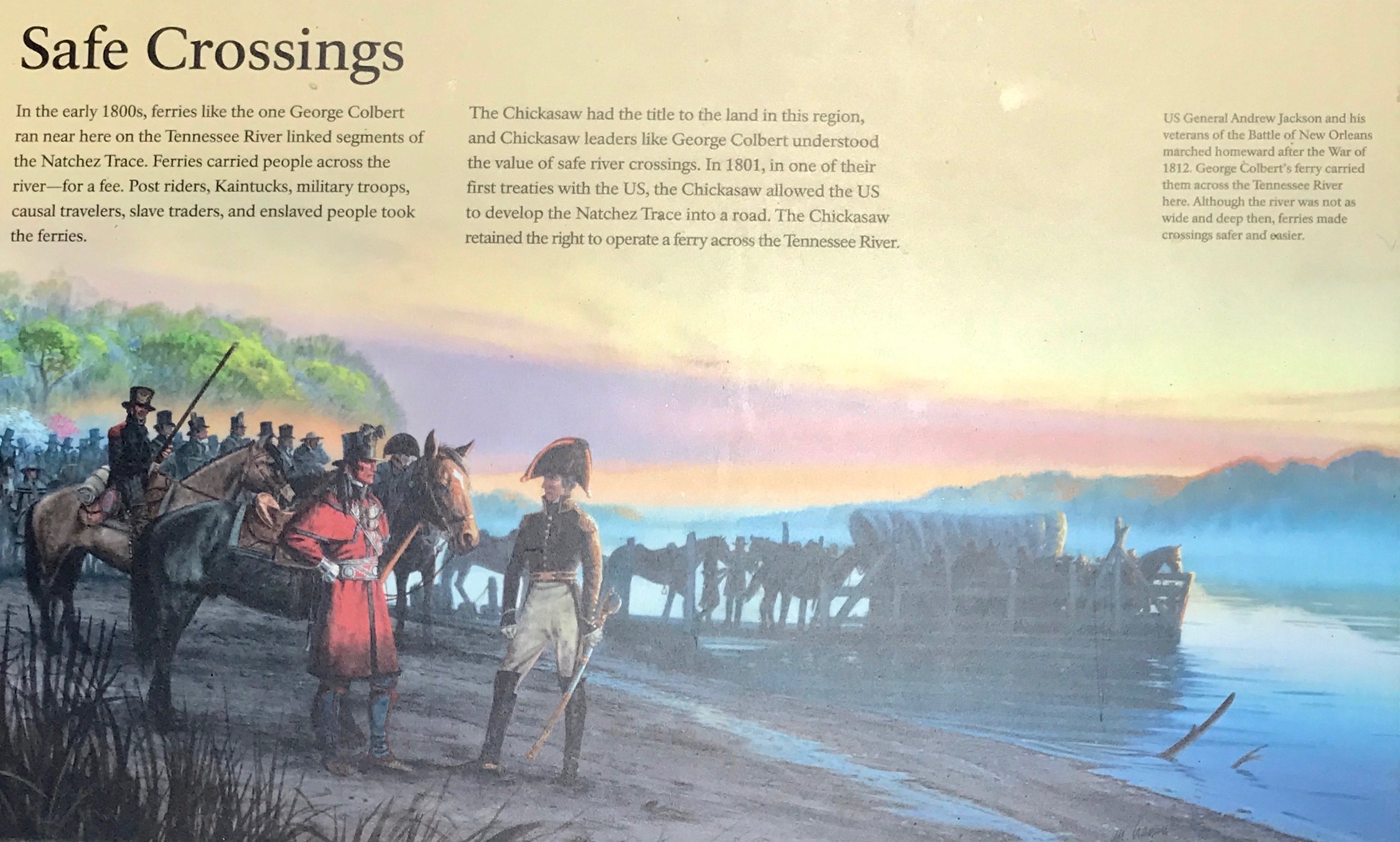
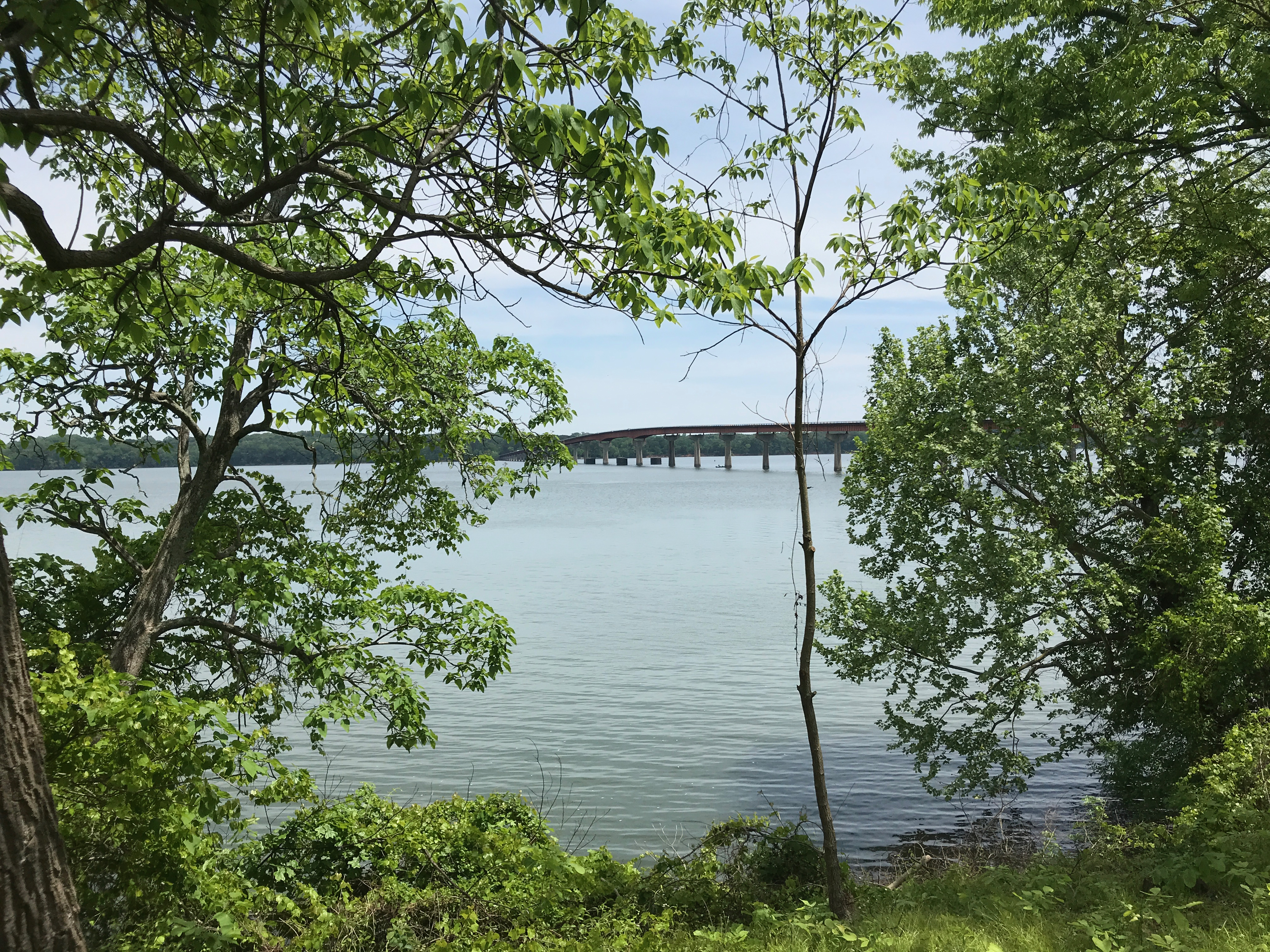
I took the trail down to the river to see where the ferry had been.
I saw this on a plaque, which didn’t photograph well, so here is the text:
“The mail – and the military muscle – that kept the isolated Natchez district bound to the Union, based along these ruts. n 1801 the loose chain of Indian trails was made a post road, vital to the communication, defense, commerce and settlement. Bu 1820, steamboats made upstream travel practical and the Trace fell into disuse.”
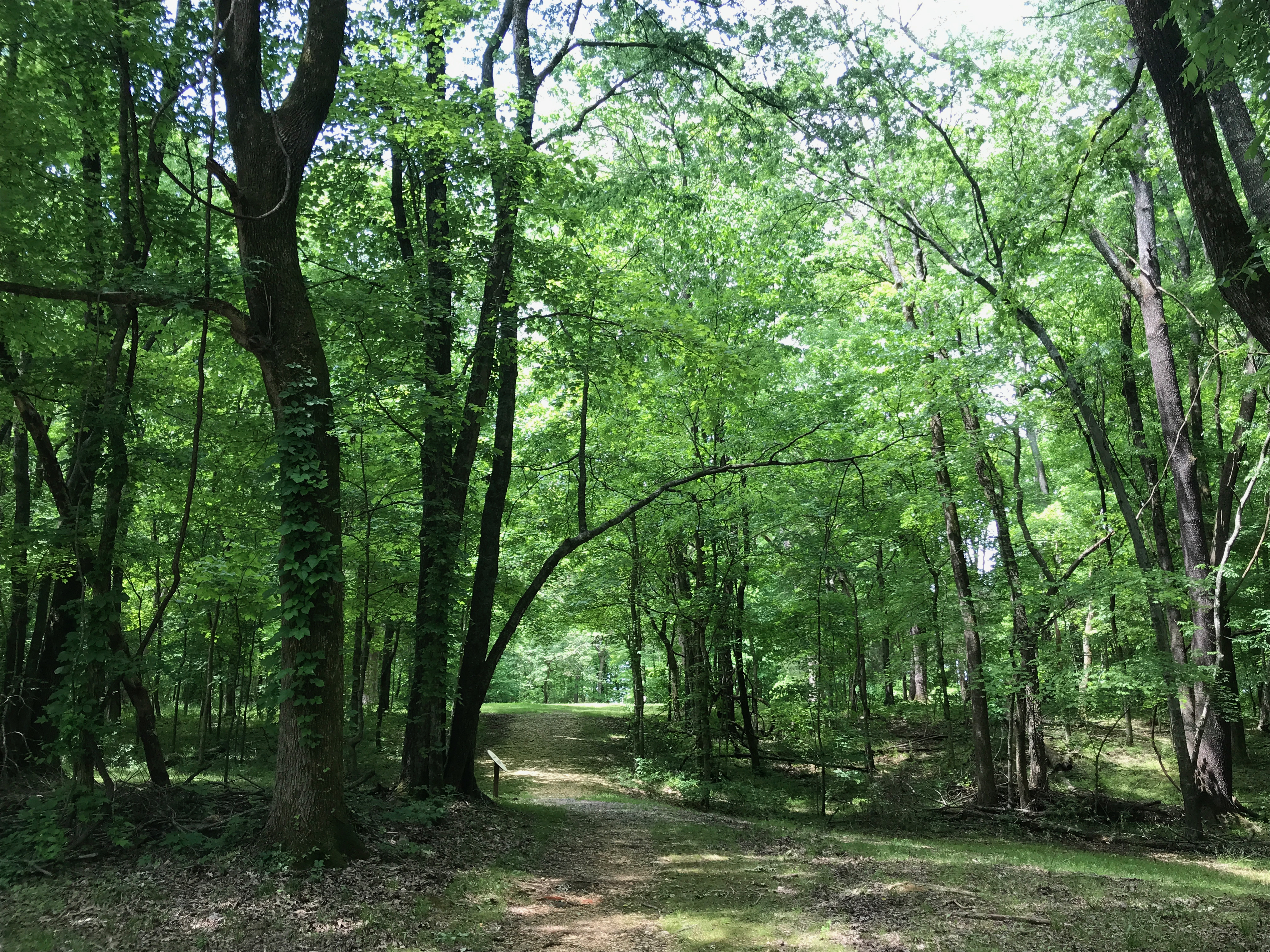
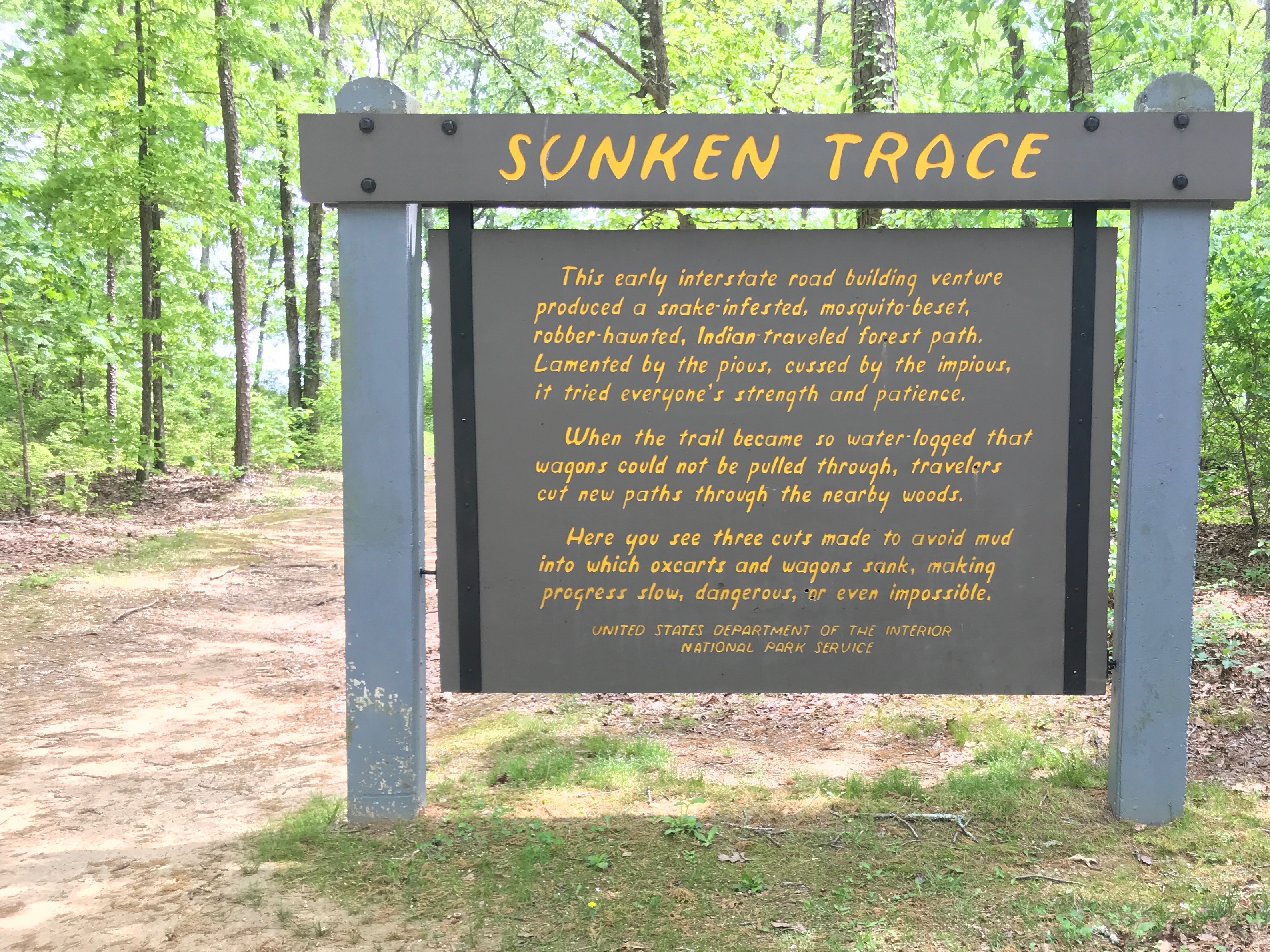
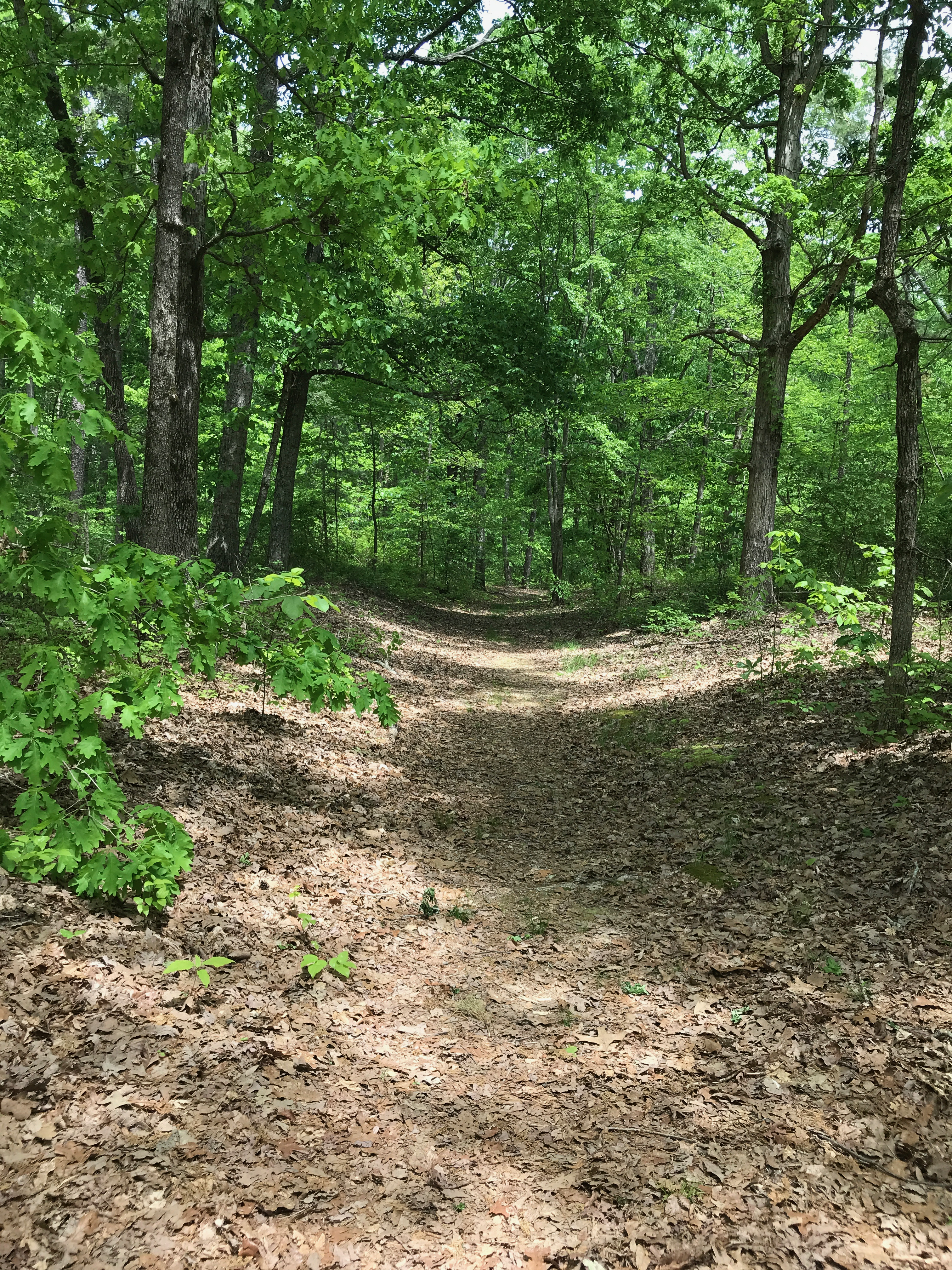
Next time you are grousing about the conditions of the current Interstates, Give thanks that you are not walking on the Trace, which this sign describes as “snake-infested, mosquito beset and robber-haunted”. The potholes may be troublesome, but I have never felt that I needed to cut new paths to get where I was going. (I have used service roads on occasion, though.)
My next stop was the Meriwether Lewis Historic Site. Back at the Park office near Tupelo, I learned that there was a free campground there. No hook ups, but it was my favorite price. FREE!
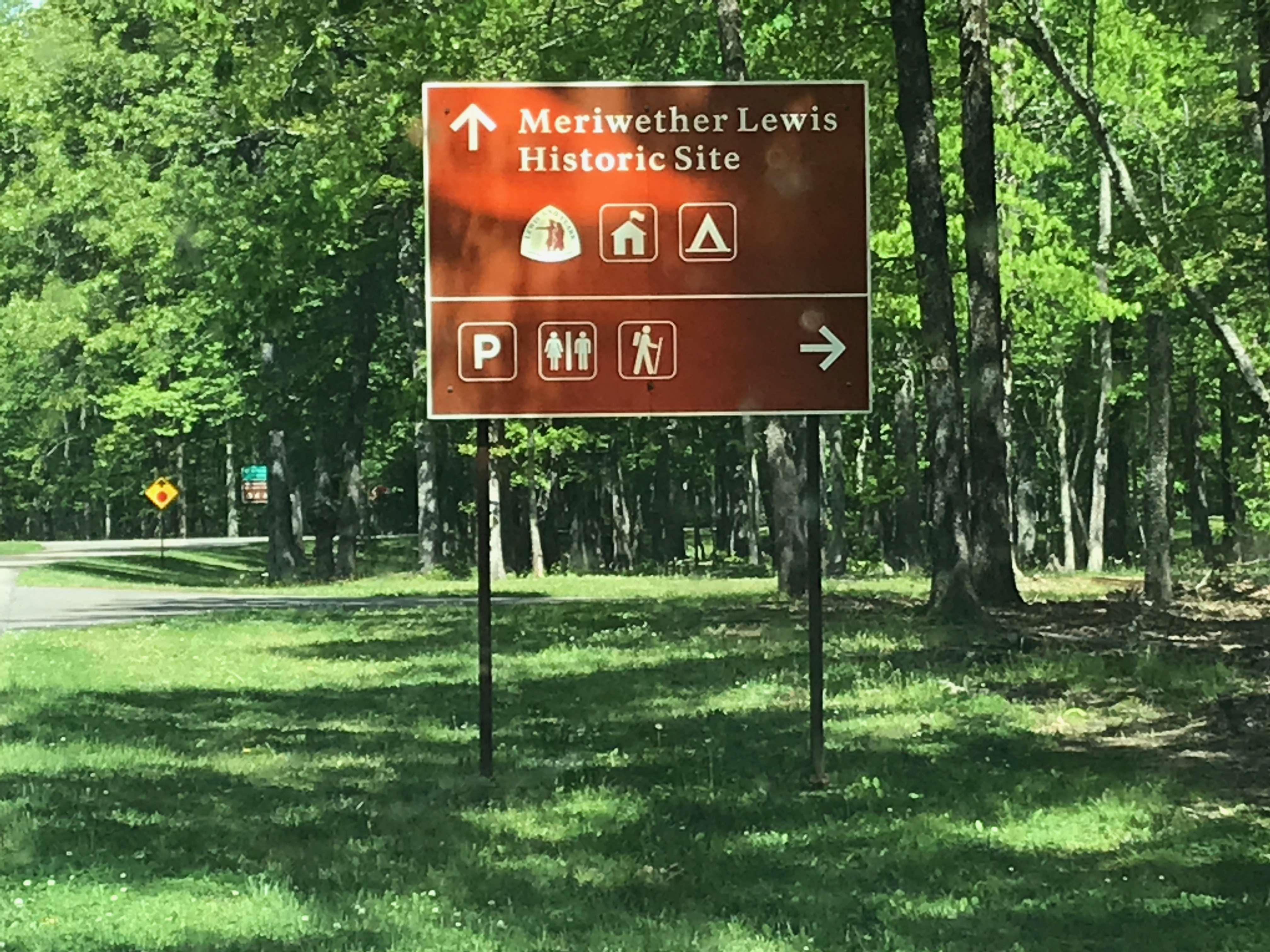
I dropped my trailer at a site and headed over to see Lewis’ grave.
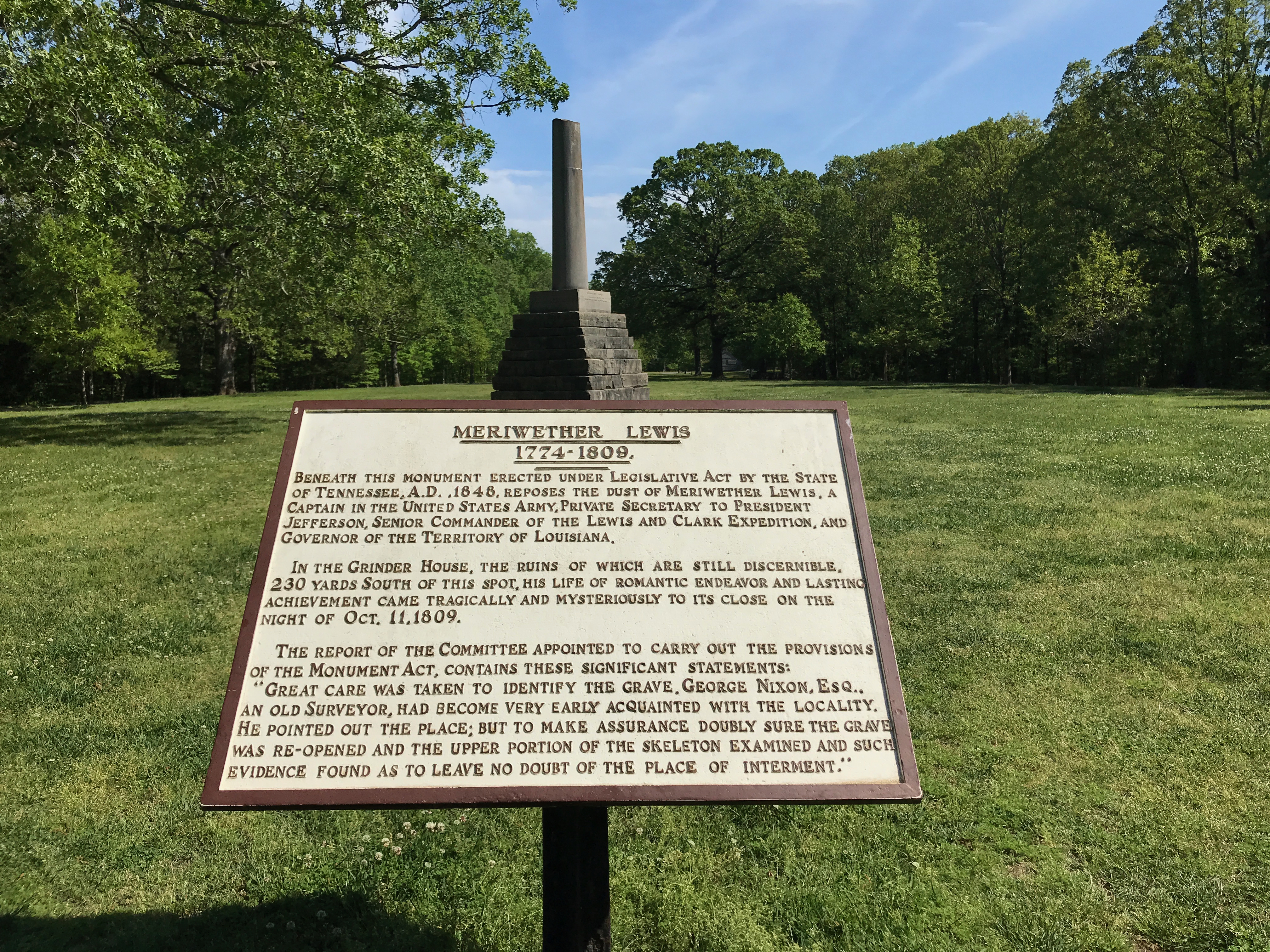
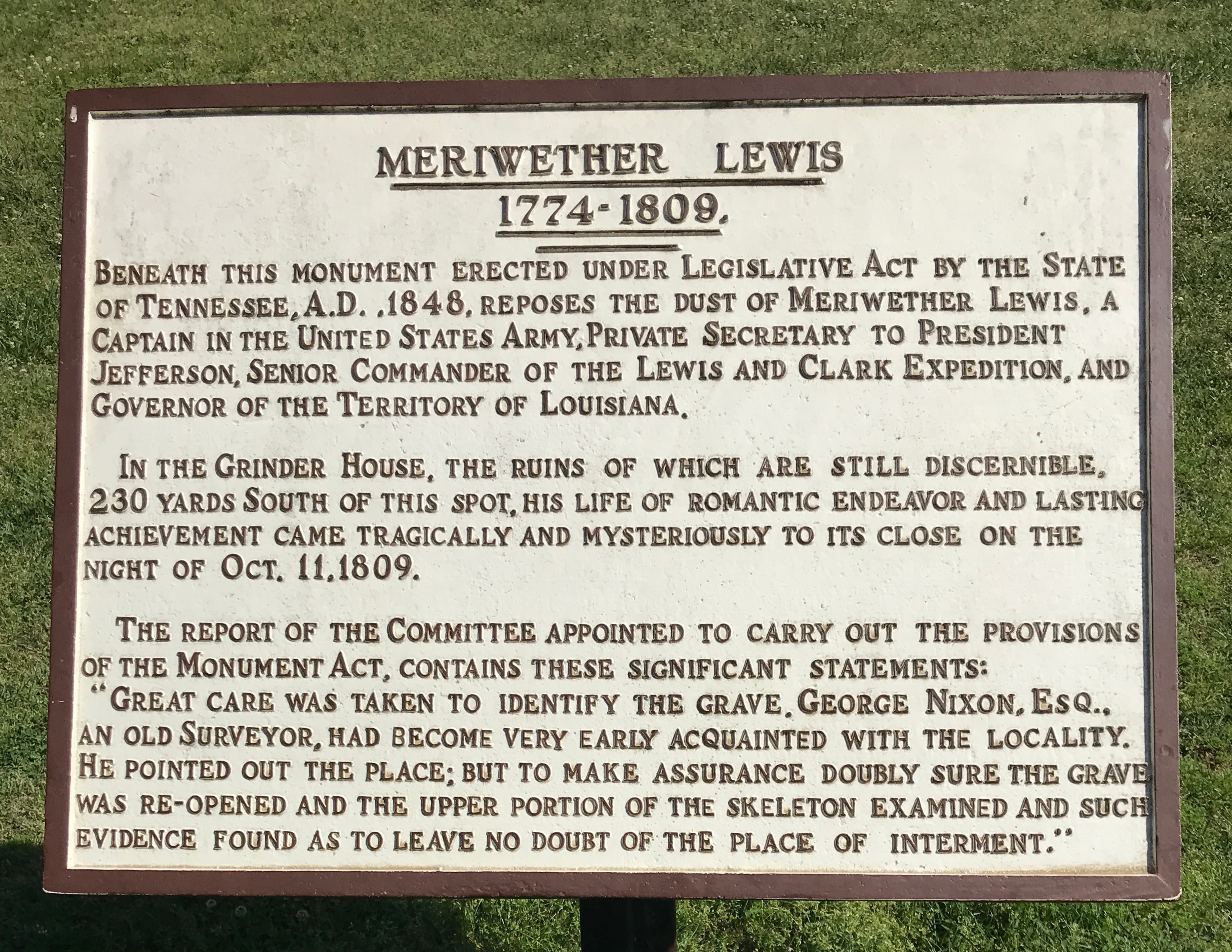
Just below this photo, I’ll post a close up of the sign for you to read.
It was a lovely day! Look at that blue sky!
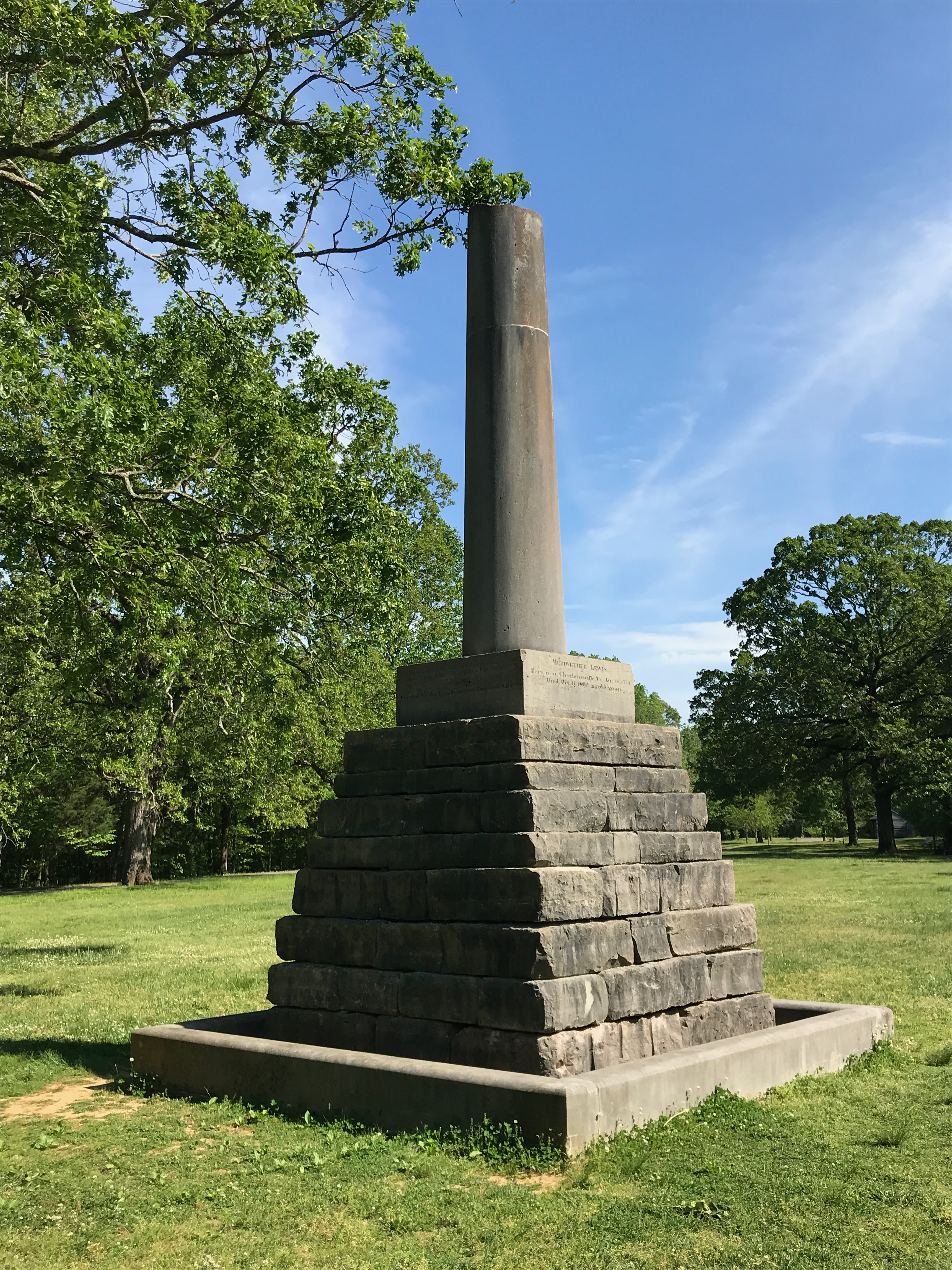
There was writing around the bottom of the column, but the angle of the sun made it hard to see. This portion says:
“An officer of the Regular Army, Private Secretary to President Jefferson, Commander of the Expedition to the Oregon in 1803-1806. Governor of the Territory of Louisiana, His melancholy death occurred where this monument now stand and underneath rest his mortal remains.”
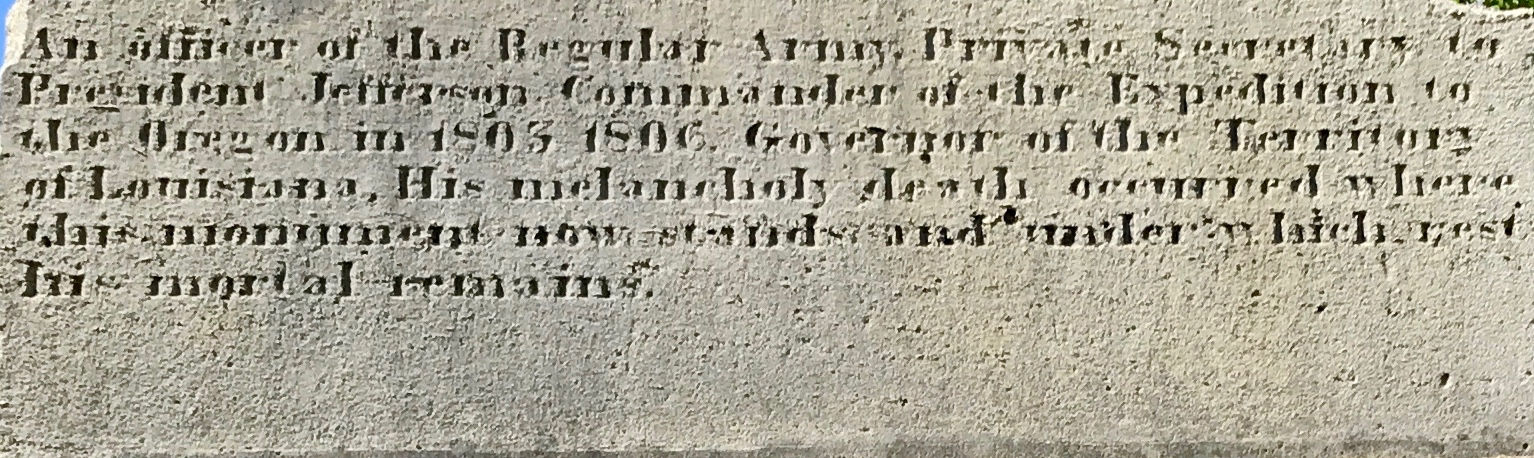
I came across this marker, too.
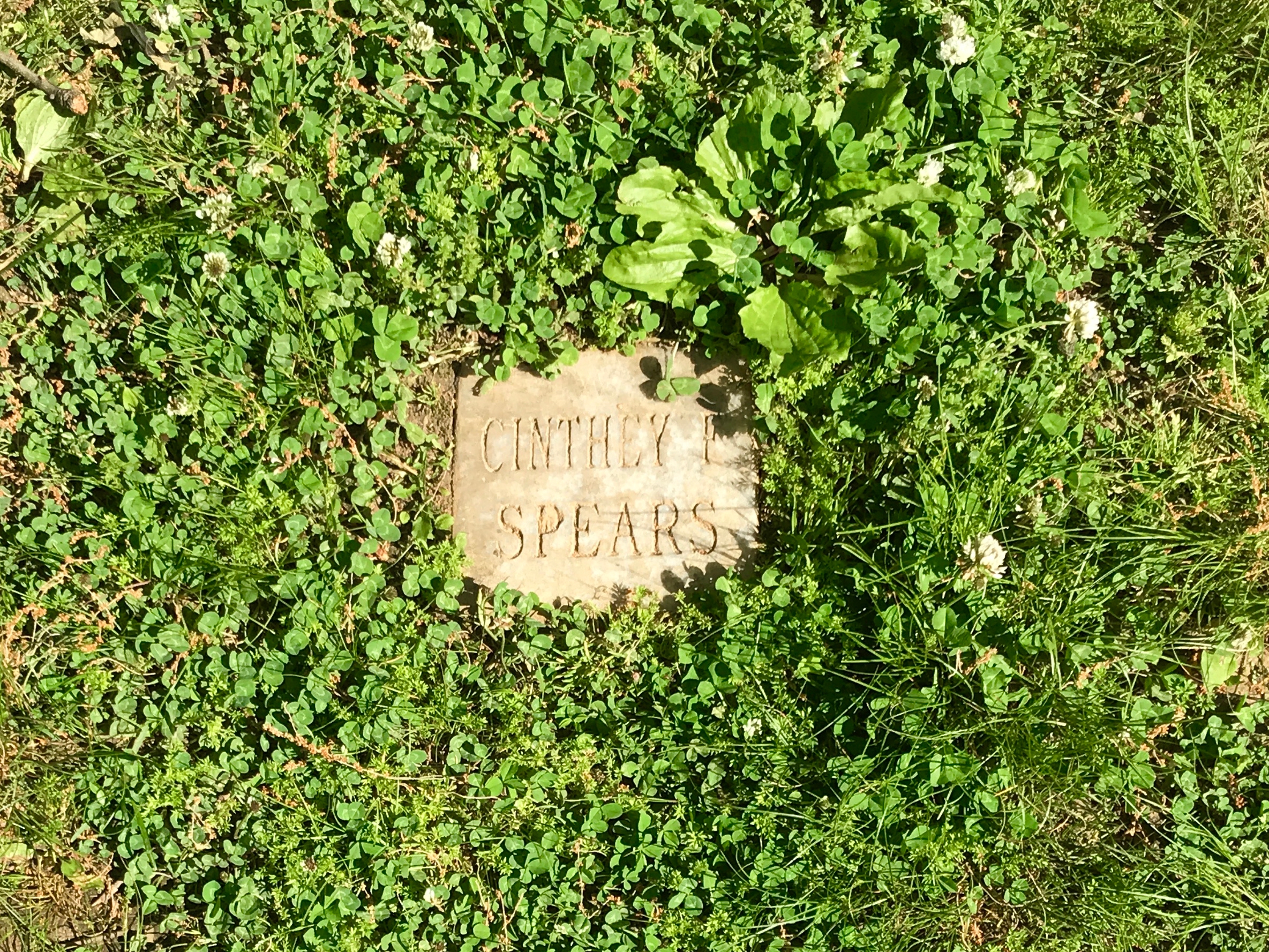
I wondered if I could find anything about it. Whaddaya know? I did! I don’t know anything about Cinthey F Spears, but there is information about her in Findagrave.
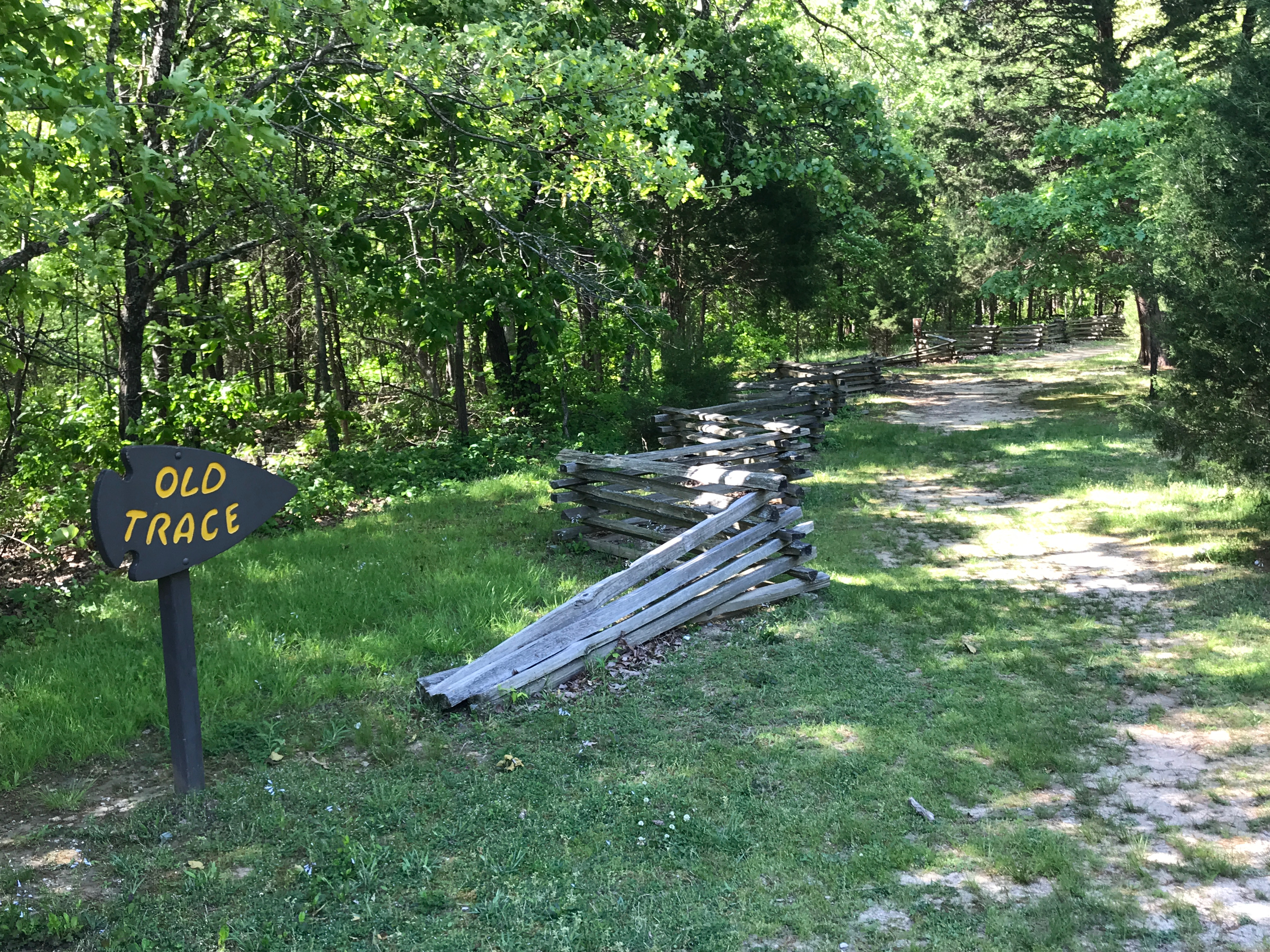
There is a little more of the Old Trace.
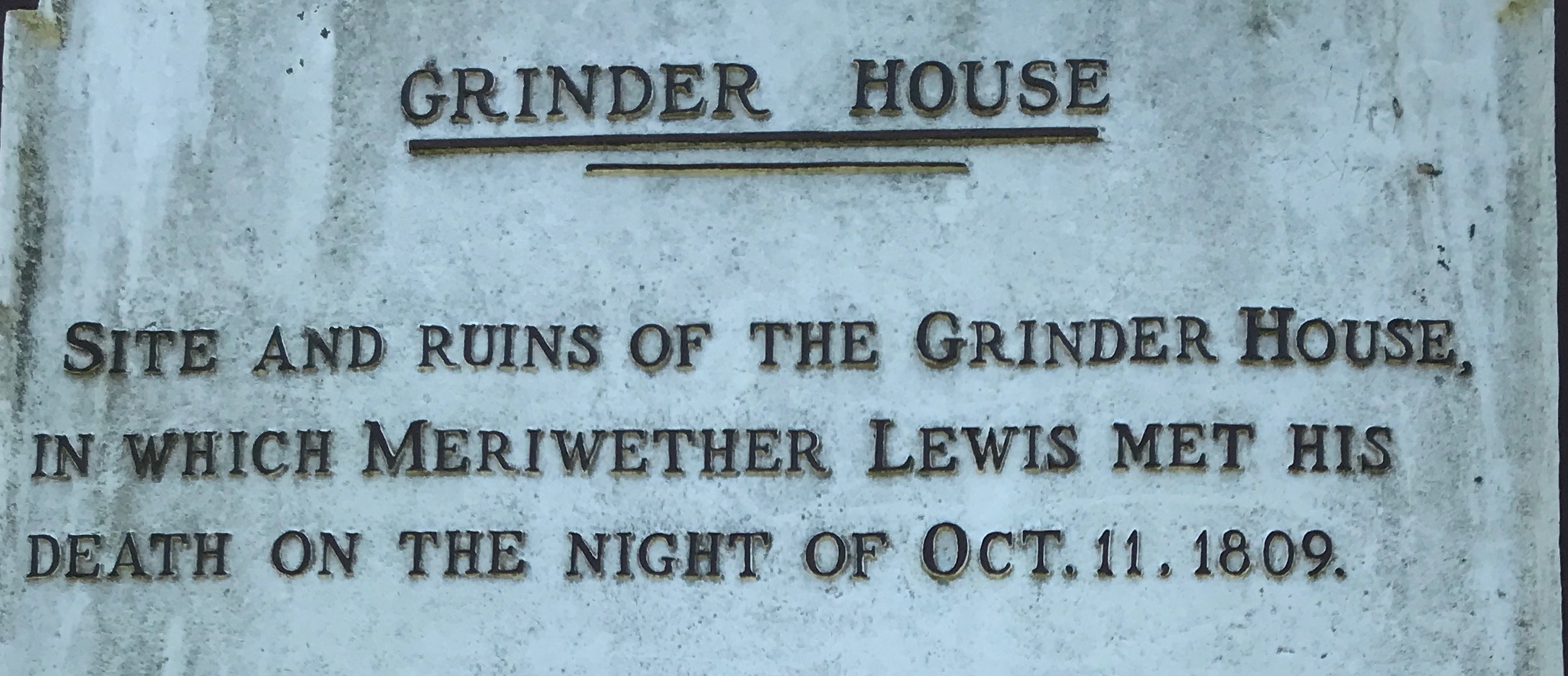
And another sign that you can read, if you so choose.
Ah! The ruins of the Grinder House.
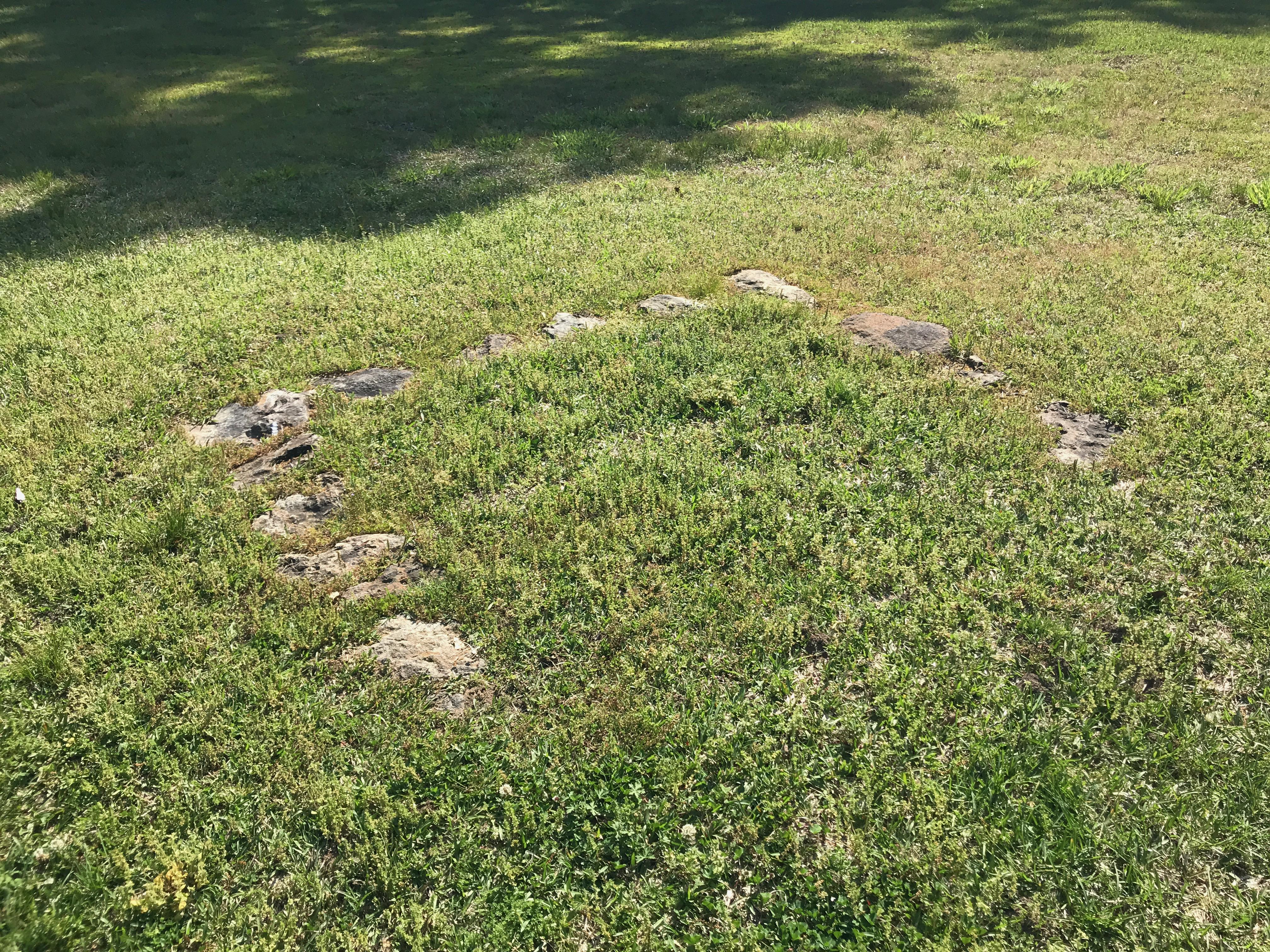
There isn’t much left of it.
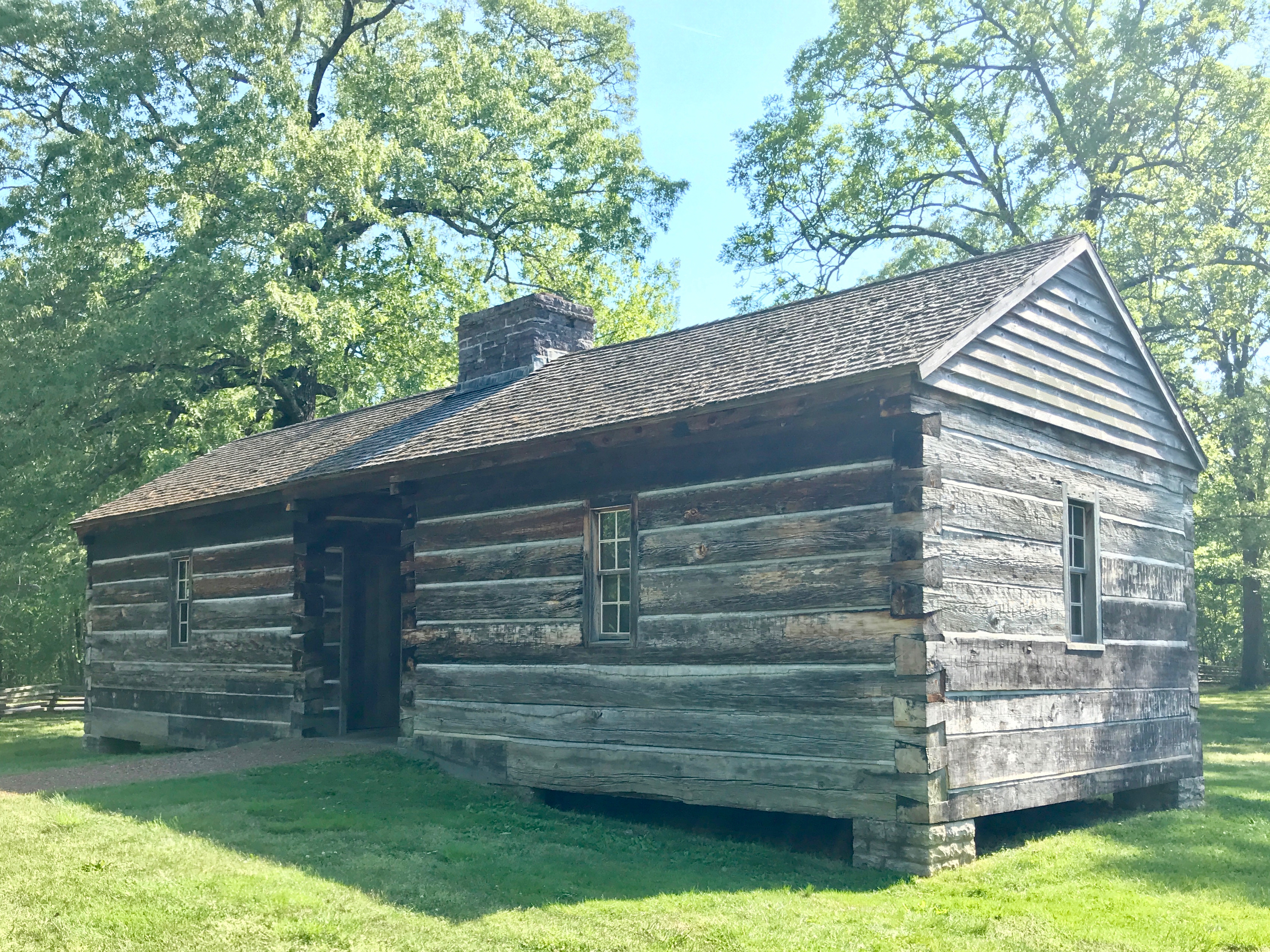
They did build a recreation in the vicinity.
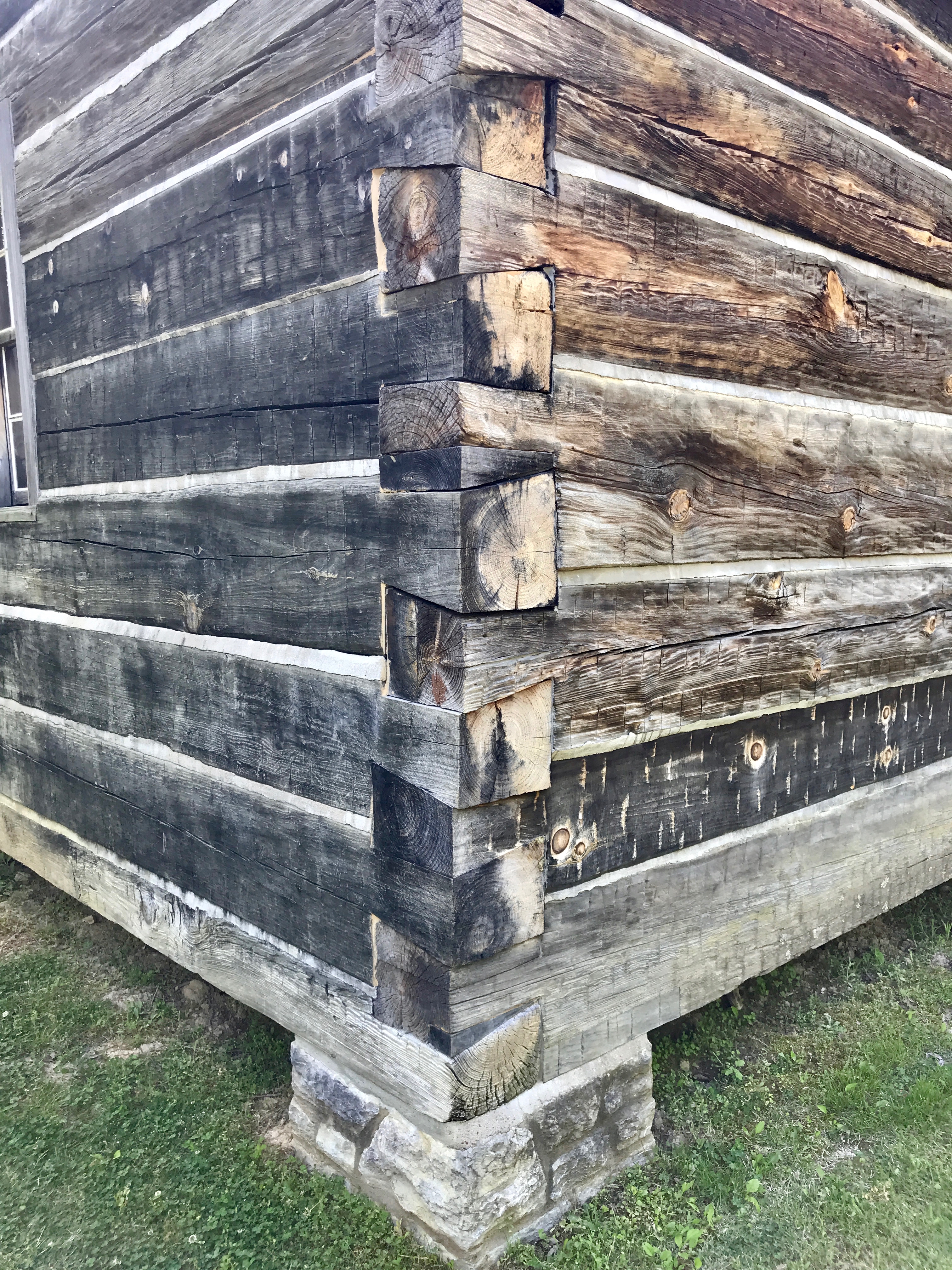
It looks like they used hand tools and old construction techniques.
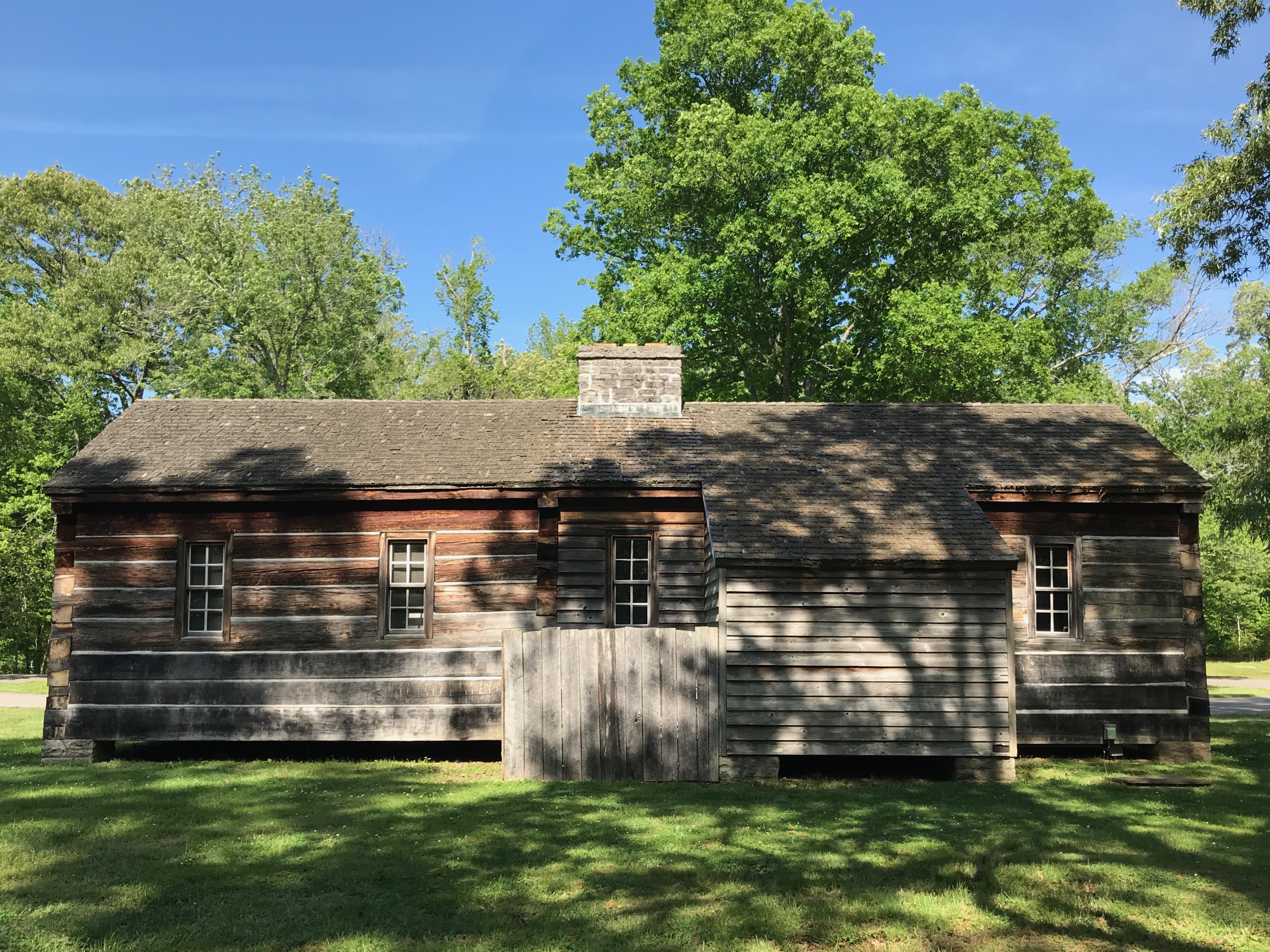
I always walk around the back, when I can, just in case there is something interesting to see.
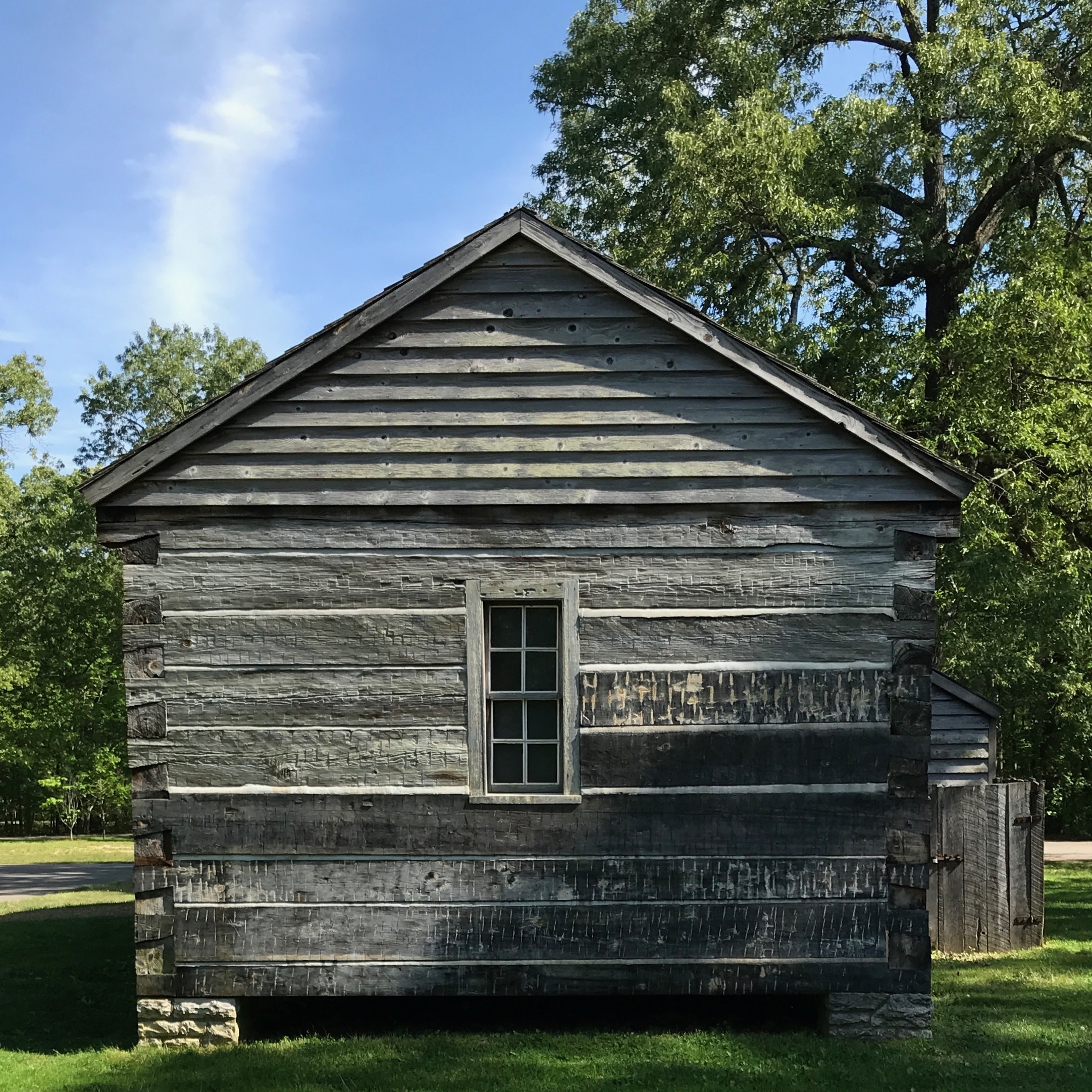
And, as long as I am walking around, here is the end of the building.
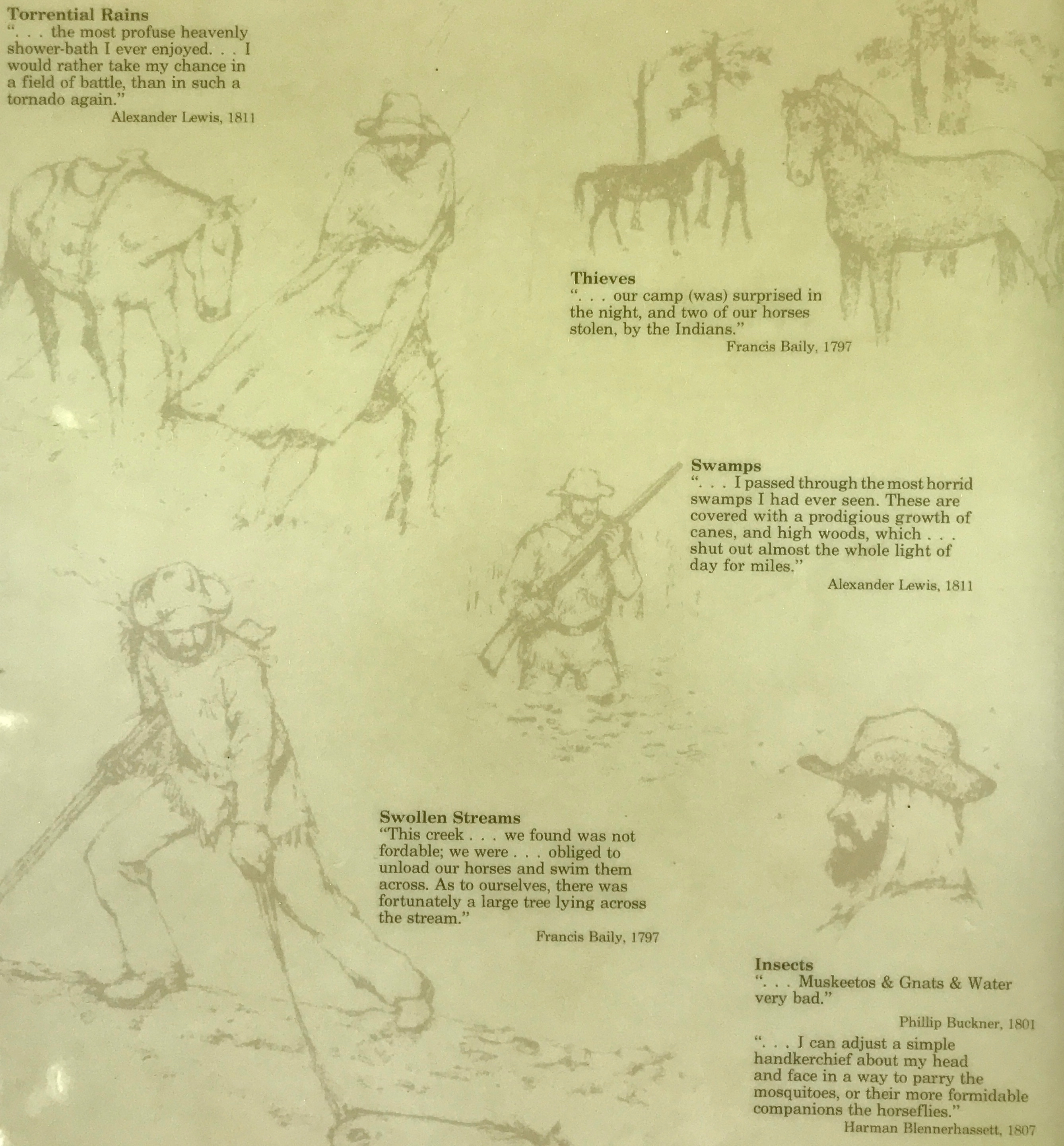
Here are some comments by the travelers along the Trace.
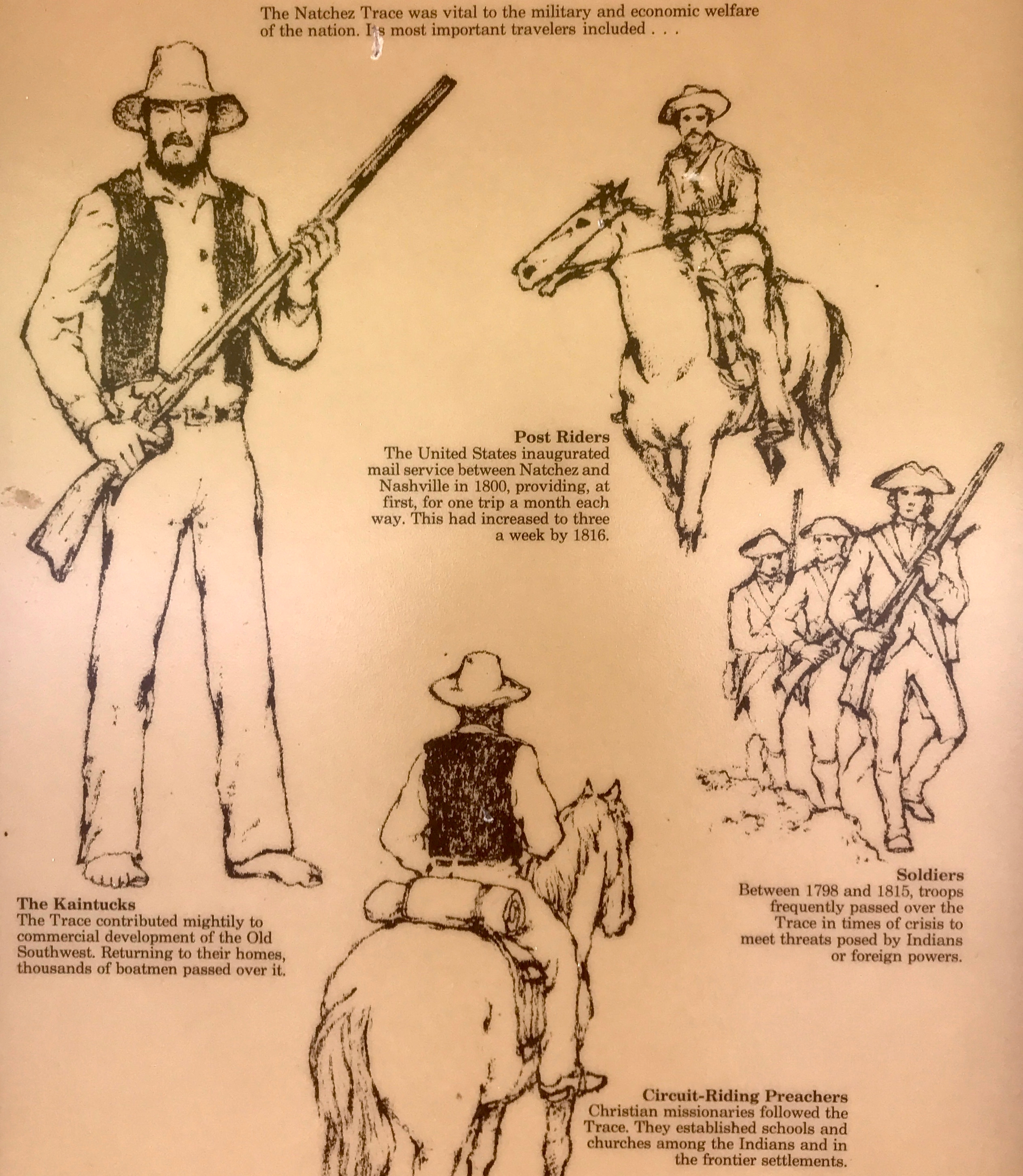
Just who was using the Trace? According to this sign, these are some of the people you might find along the way.
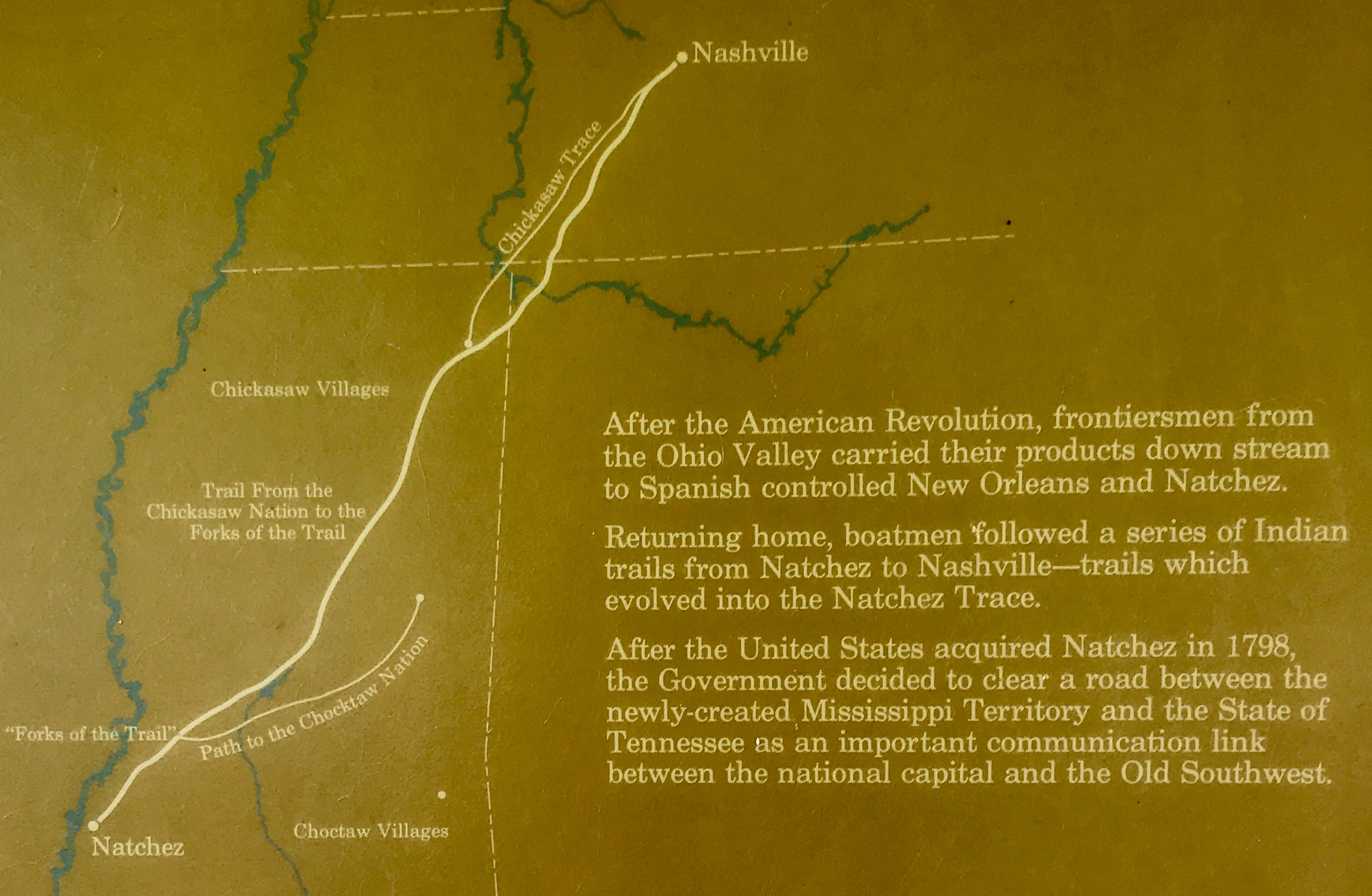
Here’s the route the Trace followed.
I had a little time before the sun set, so I decided to check out this Drive and then head in to Hohenwald, the nearby town.
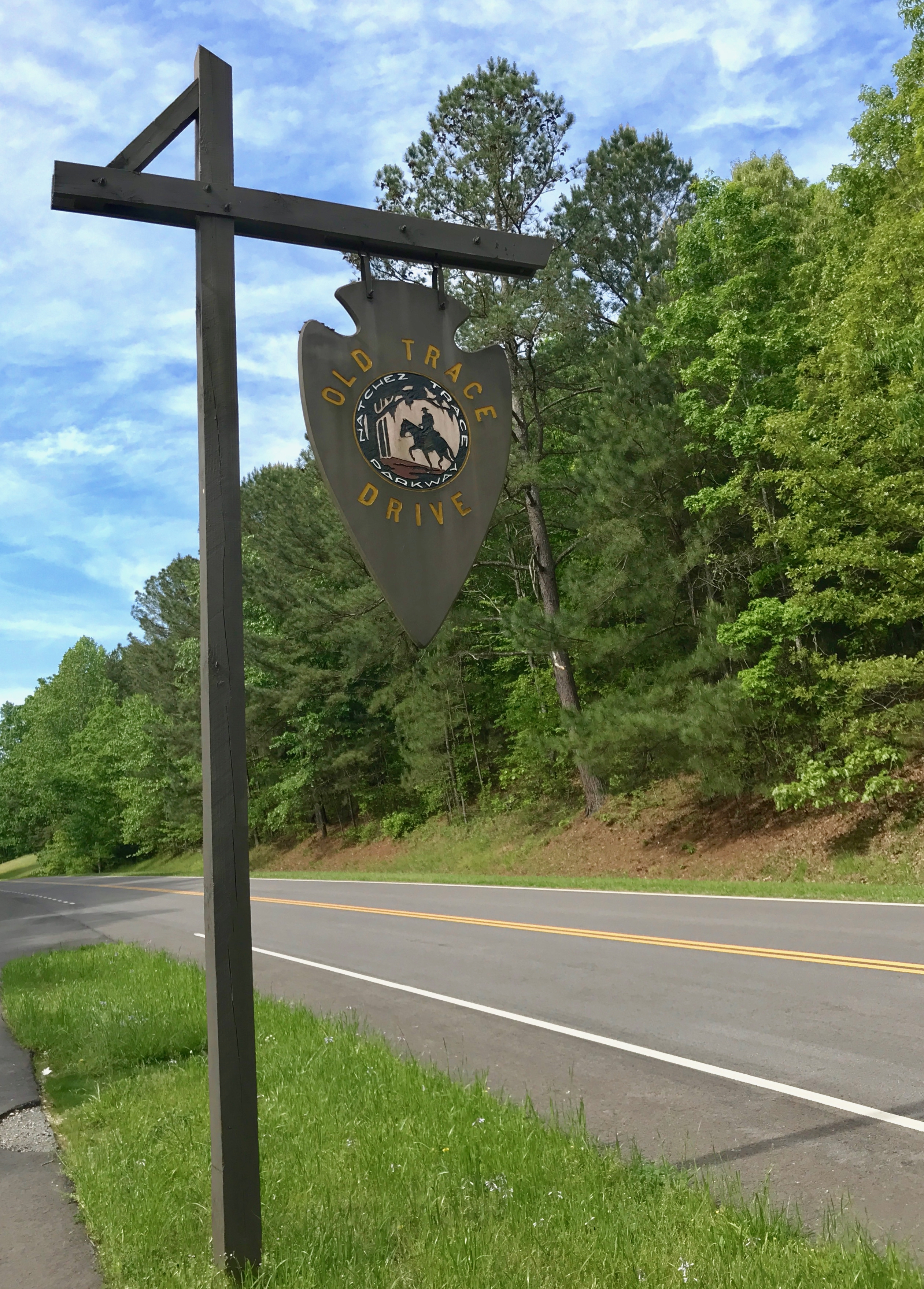
And why did I do it then and not in the morning on my way north?
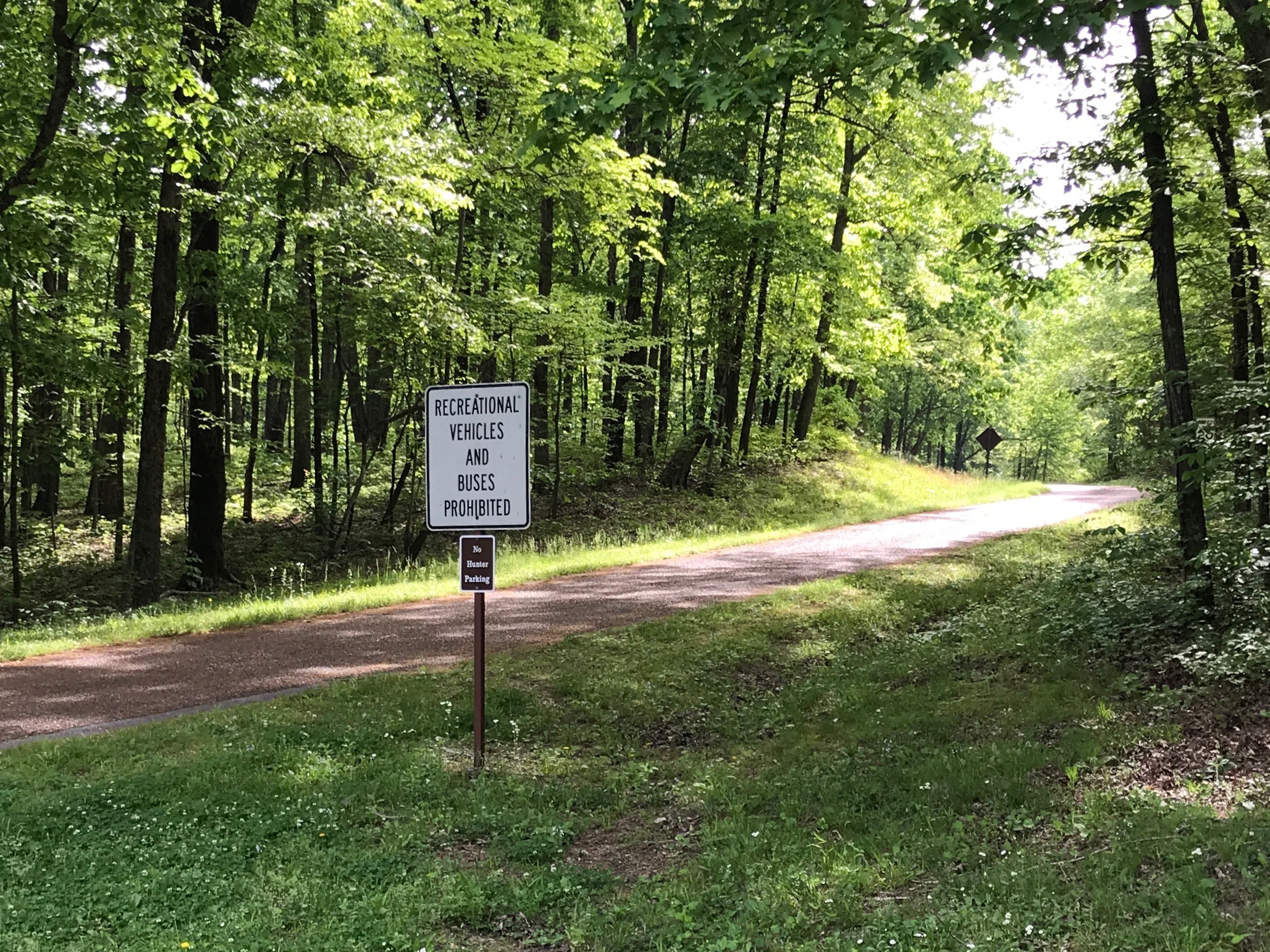
See that sign? Recreational Vehicles prohibited. the road wasn’t meant for towing.
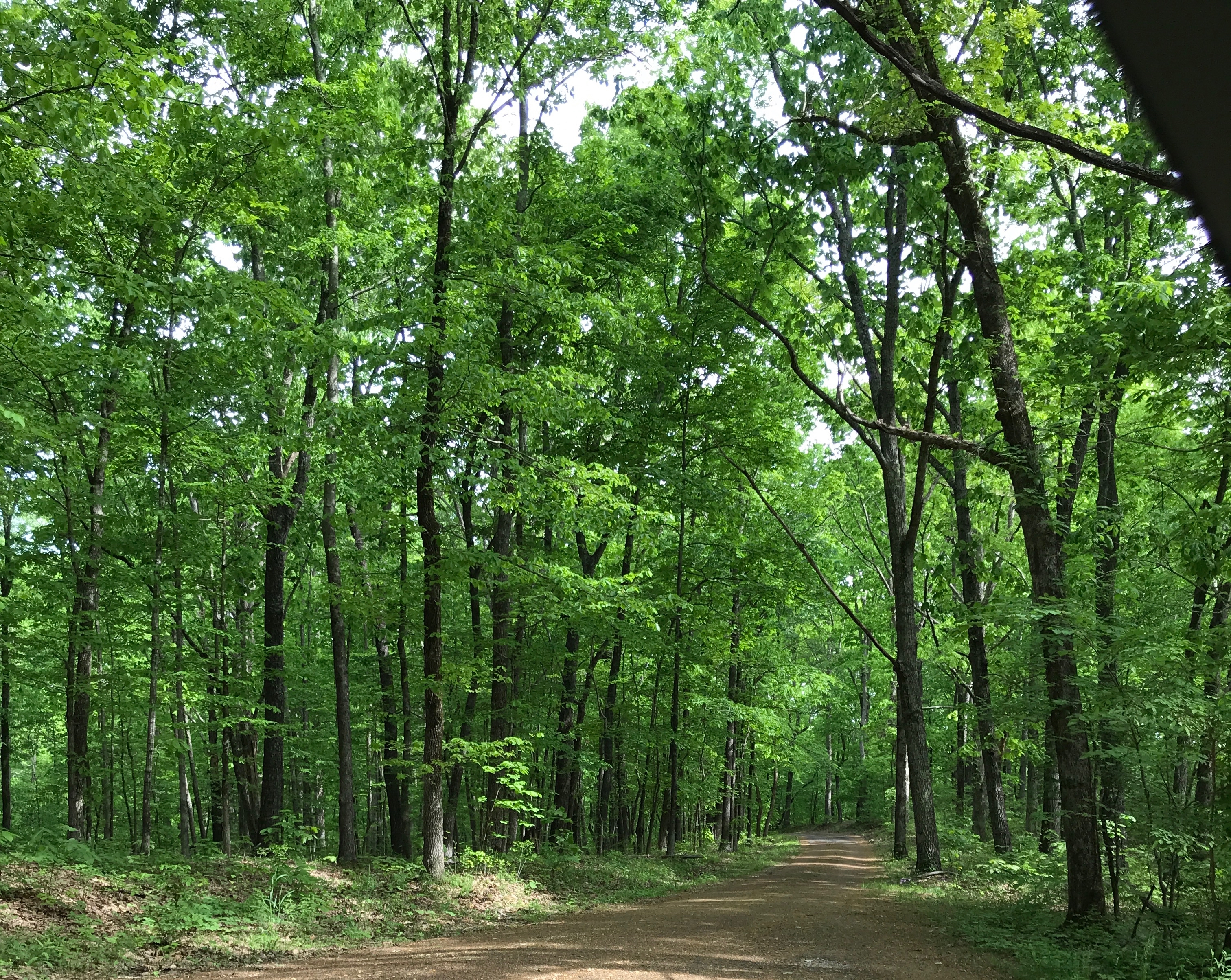
It’s kind of narrow. In fact, if I remember correctly, it’s currently a one way drive.
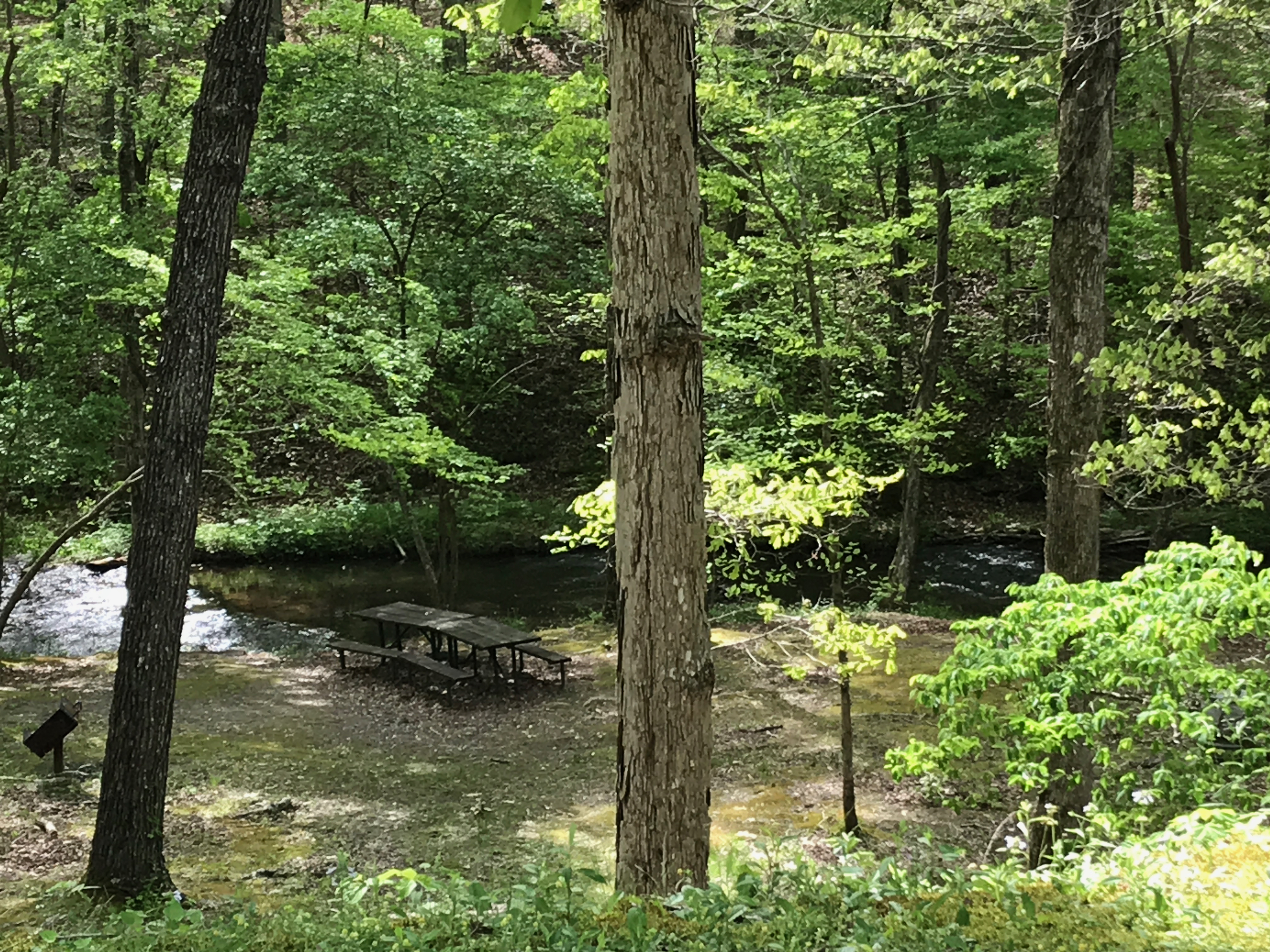
There was a nice little picnic area.
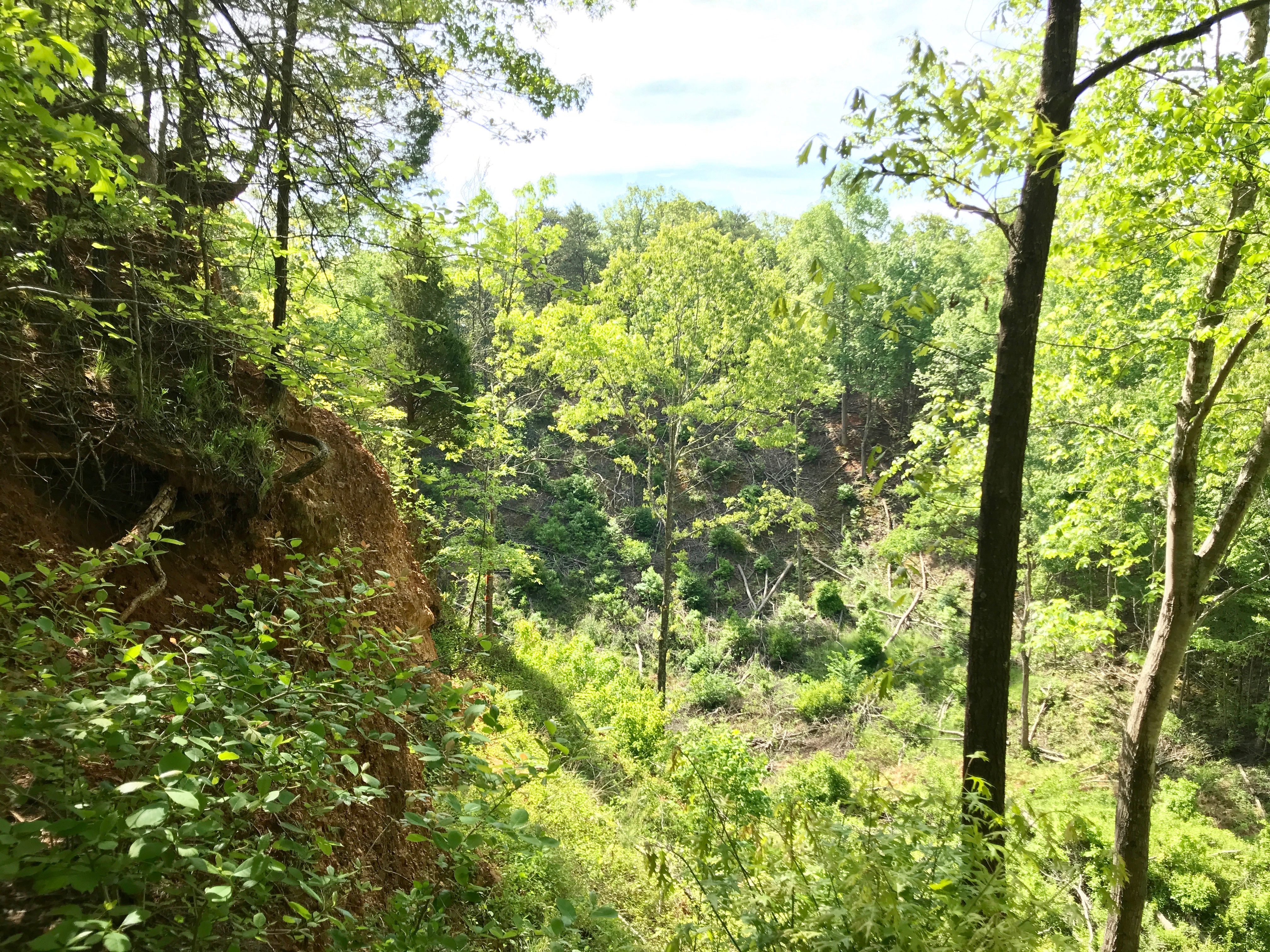
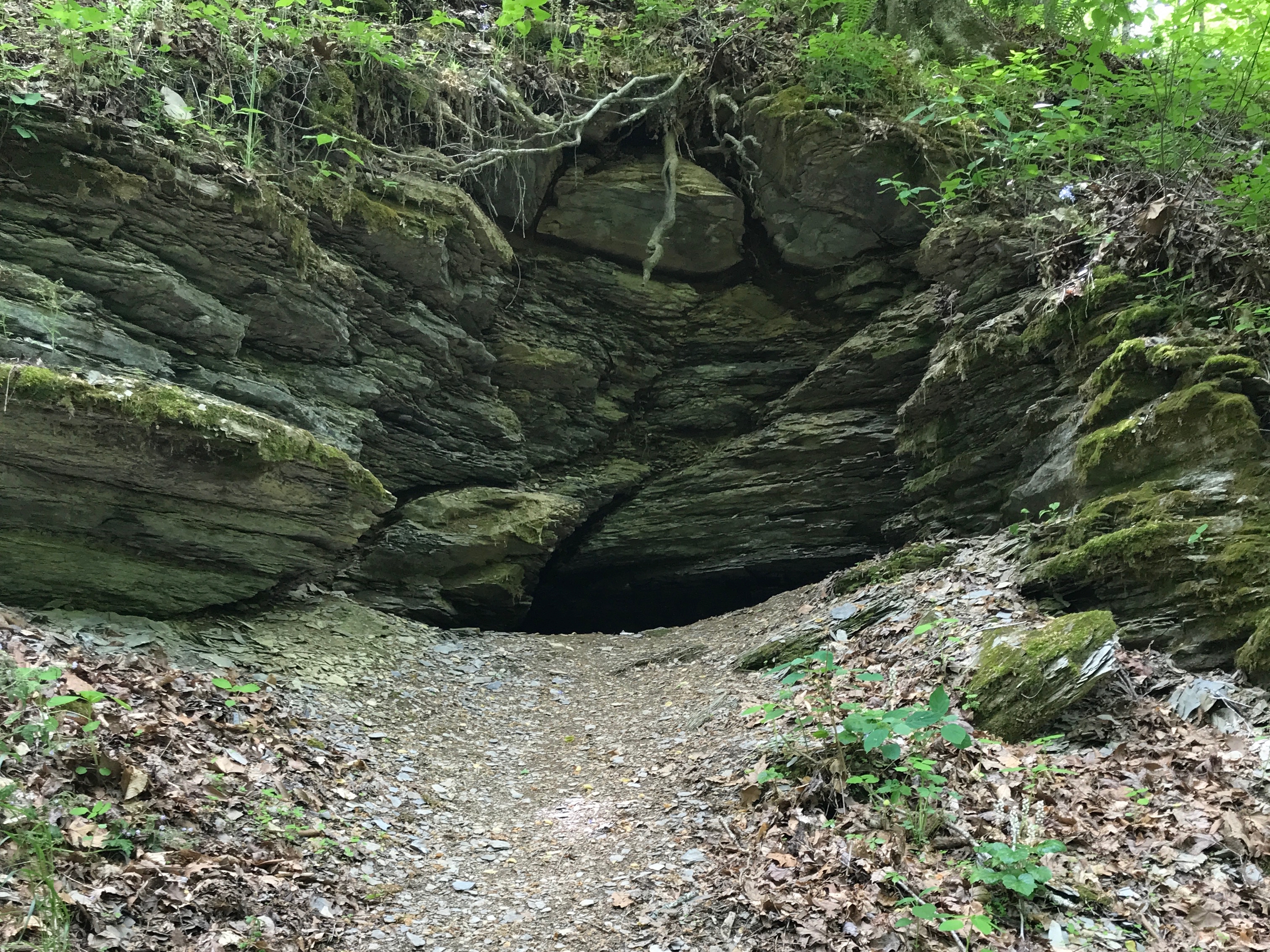
I came across an abandoned iron mine. The deposits were so shallow that they were relatively easy to extract. They dug it out with pick axes, transported it out of the pits using mule-drawn wagons and then the men used 26 pound sledge hammers to break up the large pieces. Then they washed the ore to remove dirt, sand, gravel and rock so that it could be smelted.
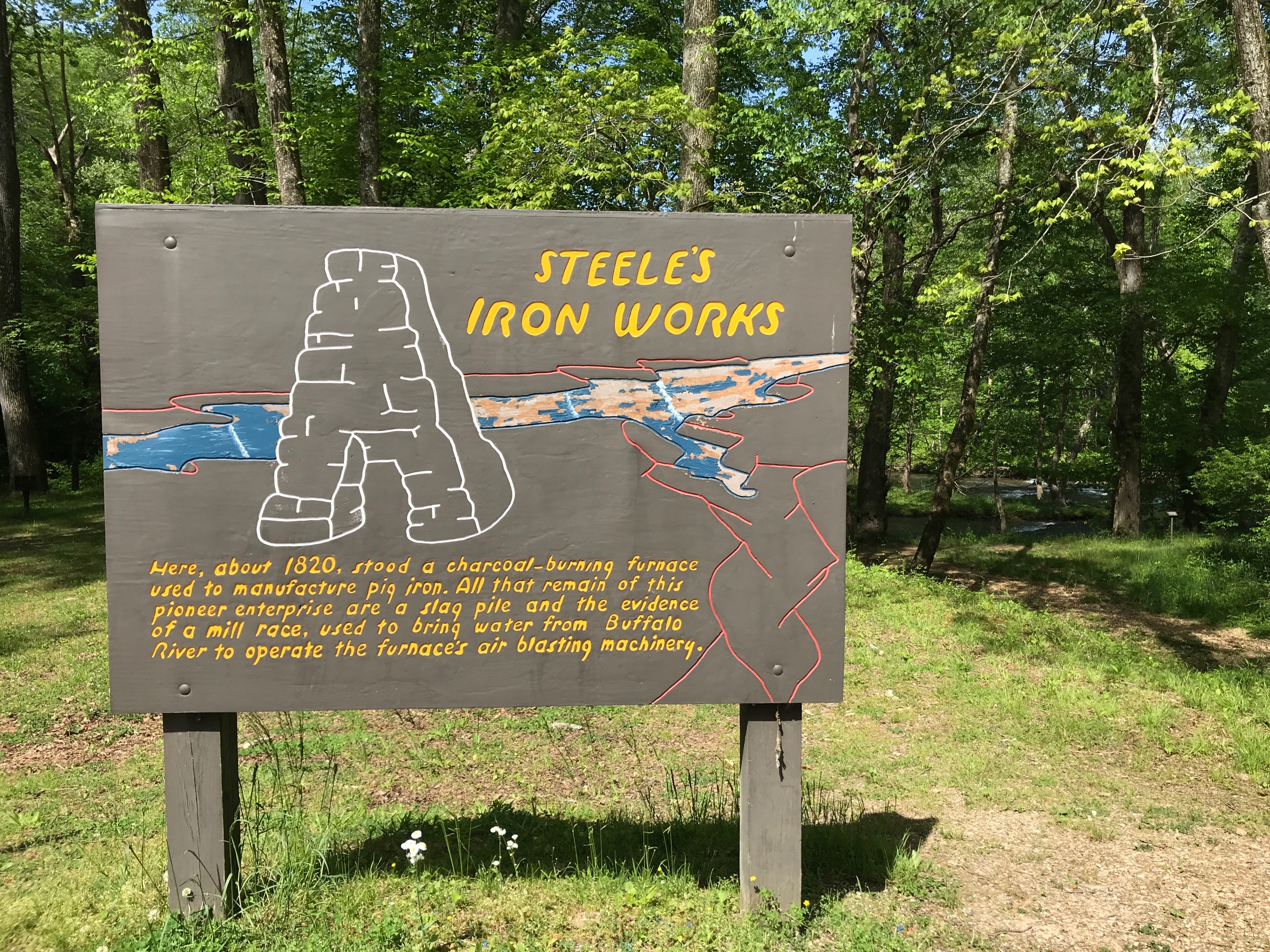
Speaking of smelting, another stop lead me to this spot.
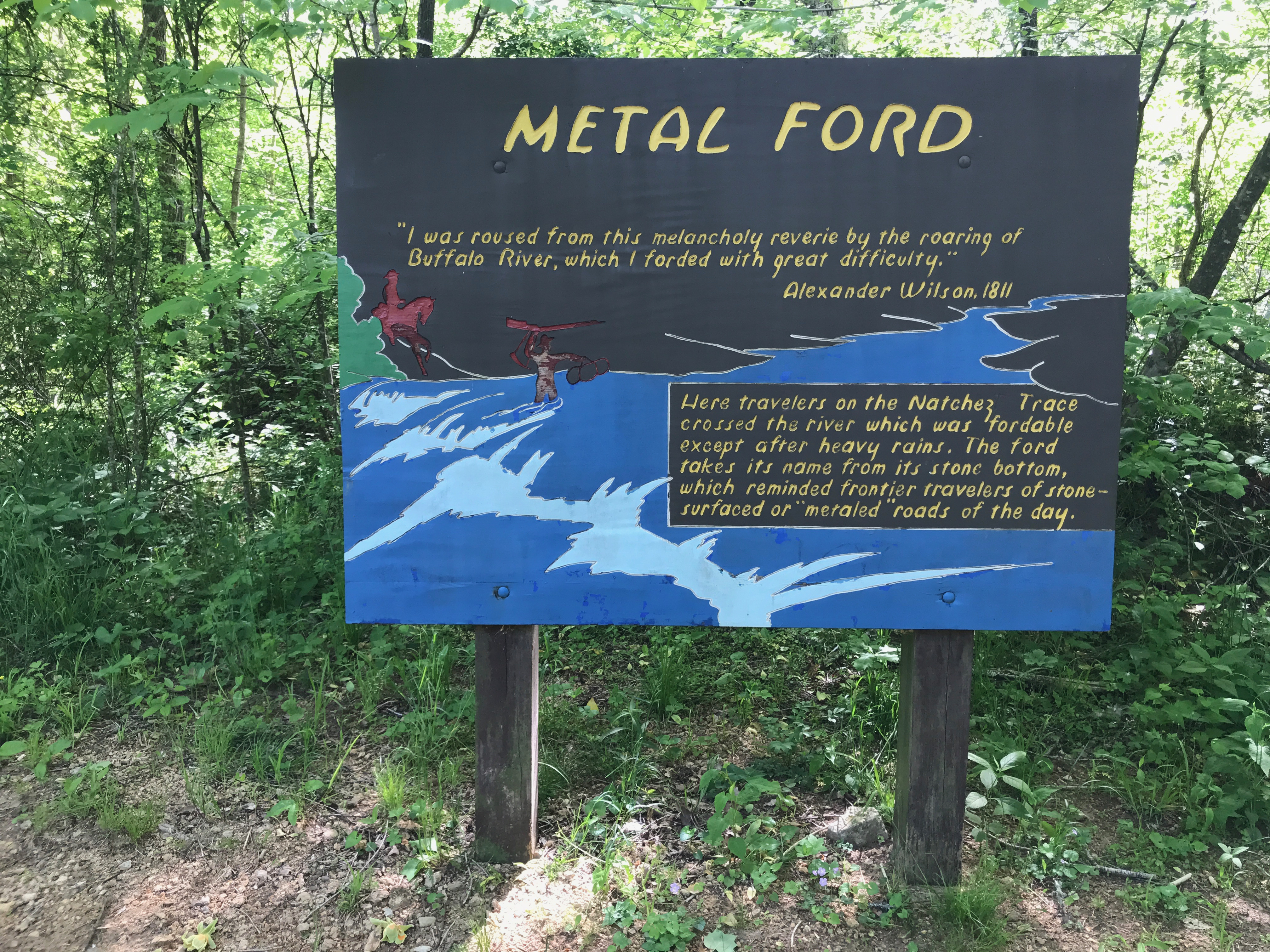
I might as well head down to the Metal Ford.
I love the sound of the river.
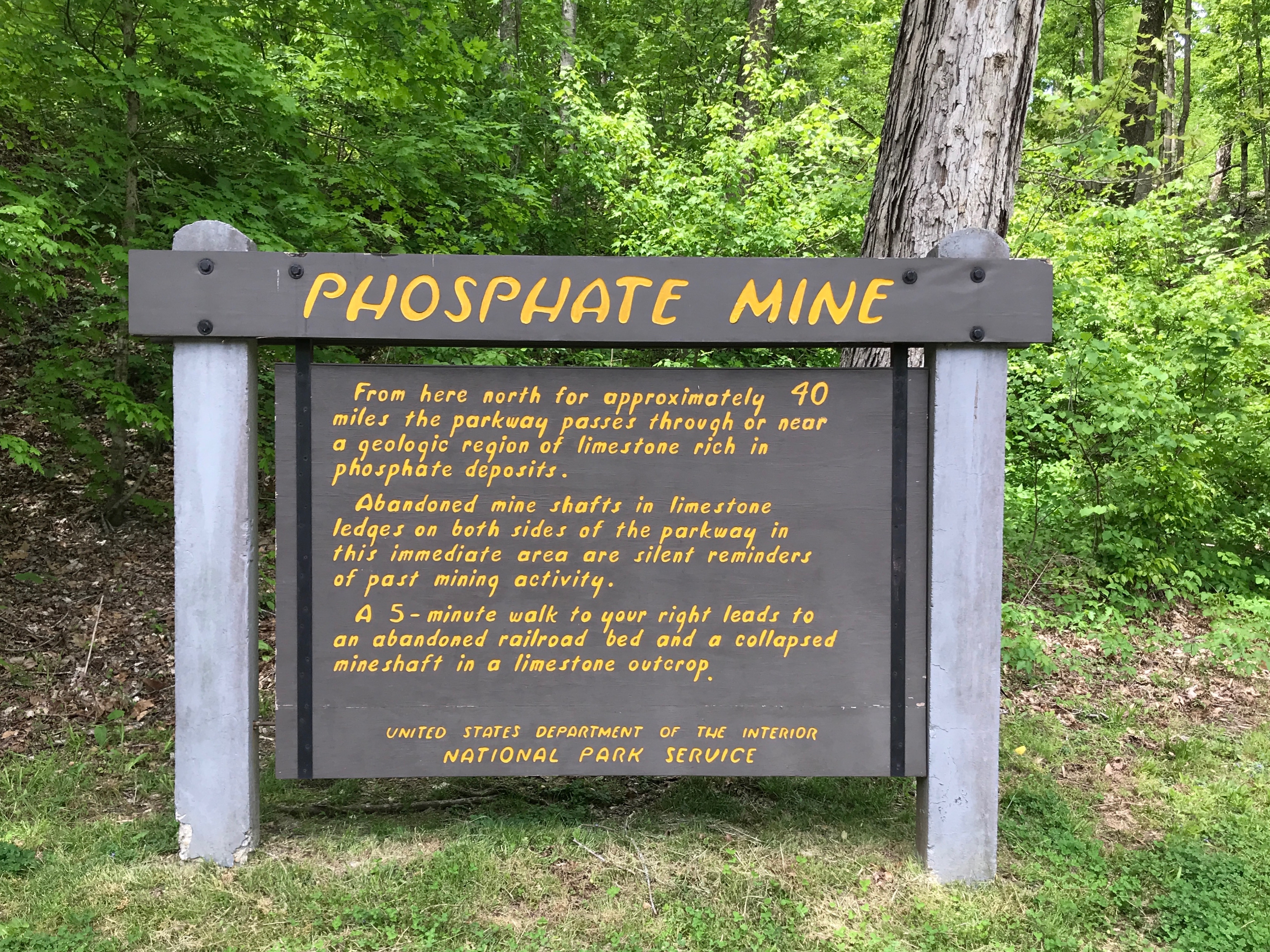
A five minute walk? That sounds doable!
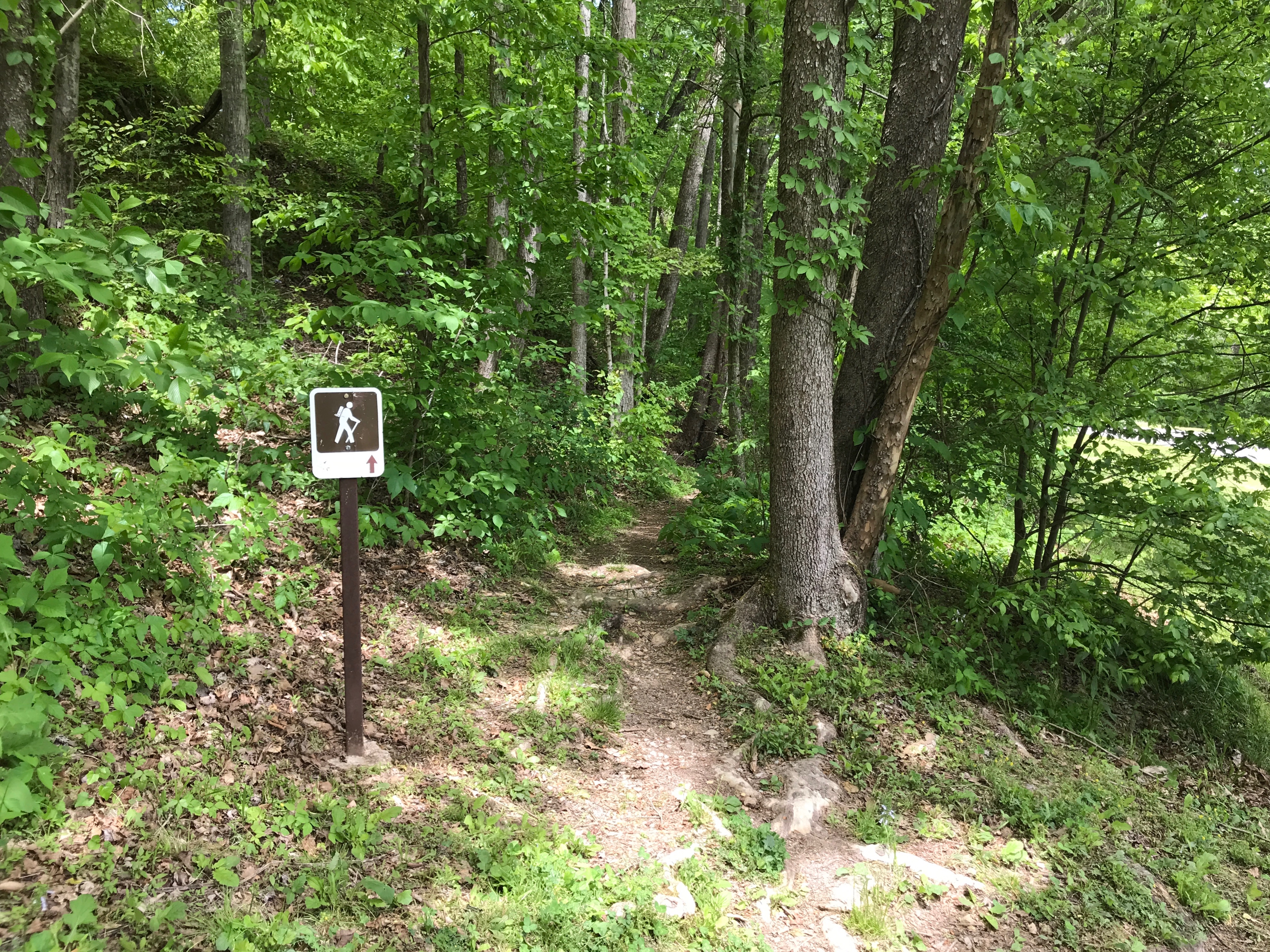
What do you know? I’m walking on an abandoned railroad bed!
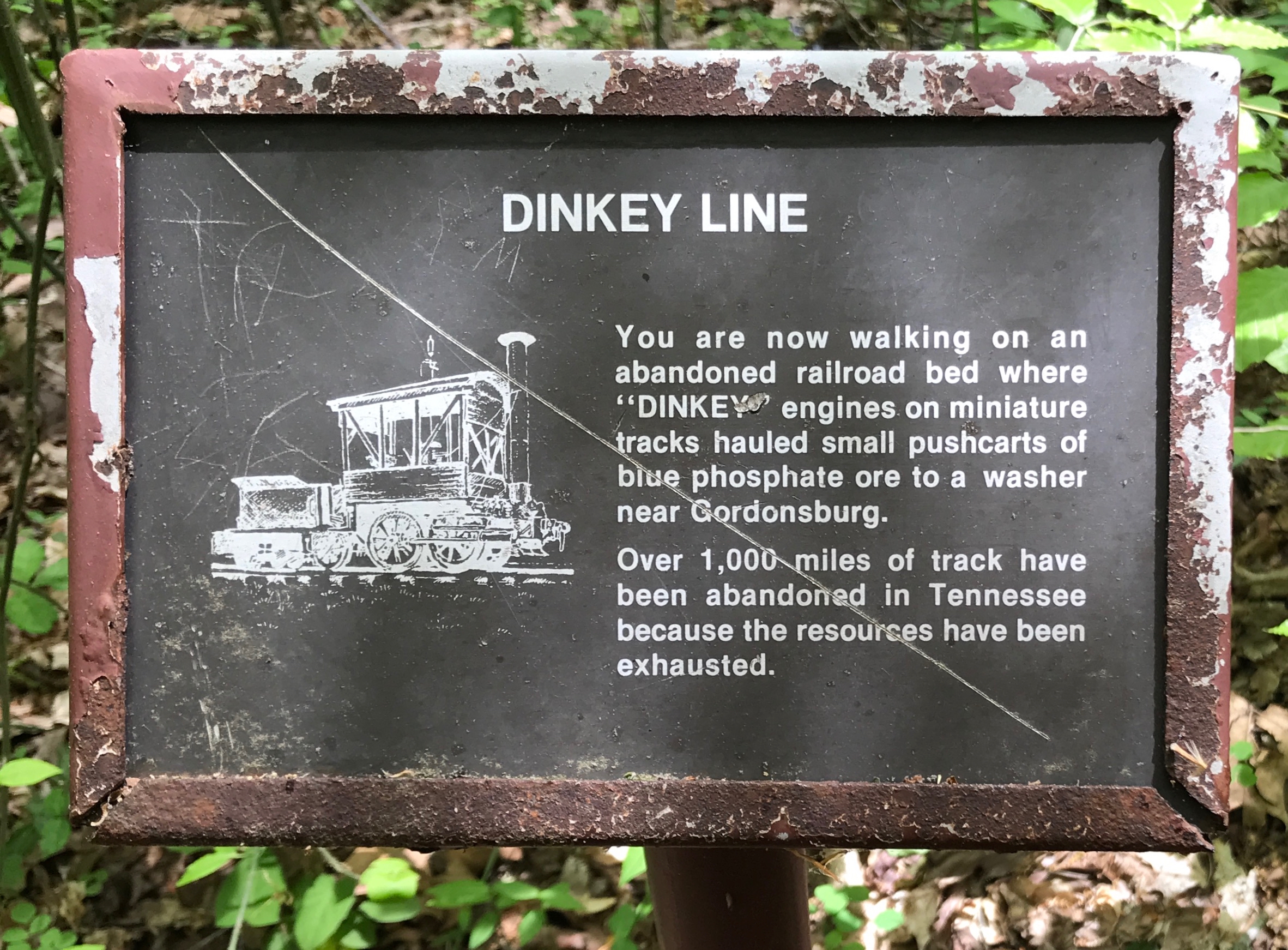
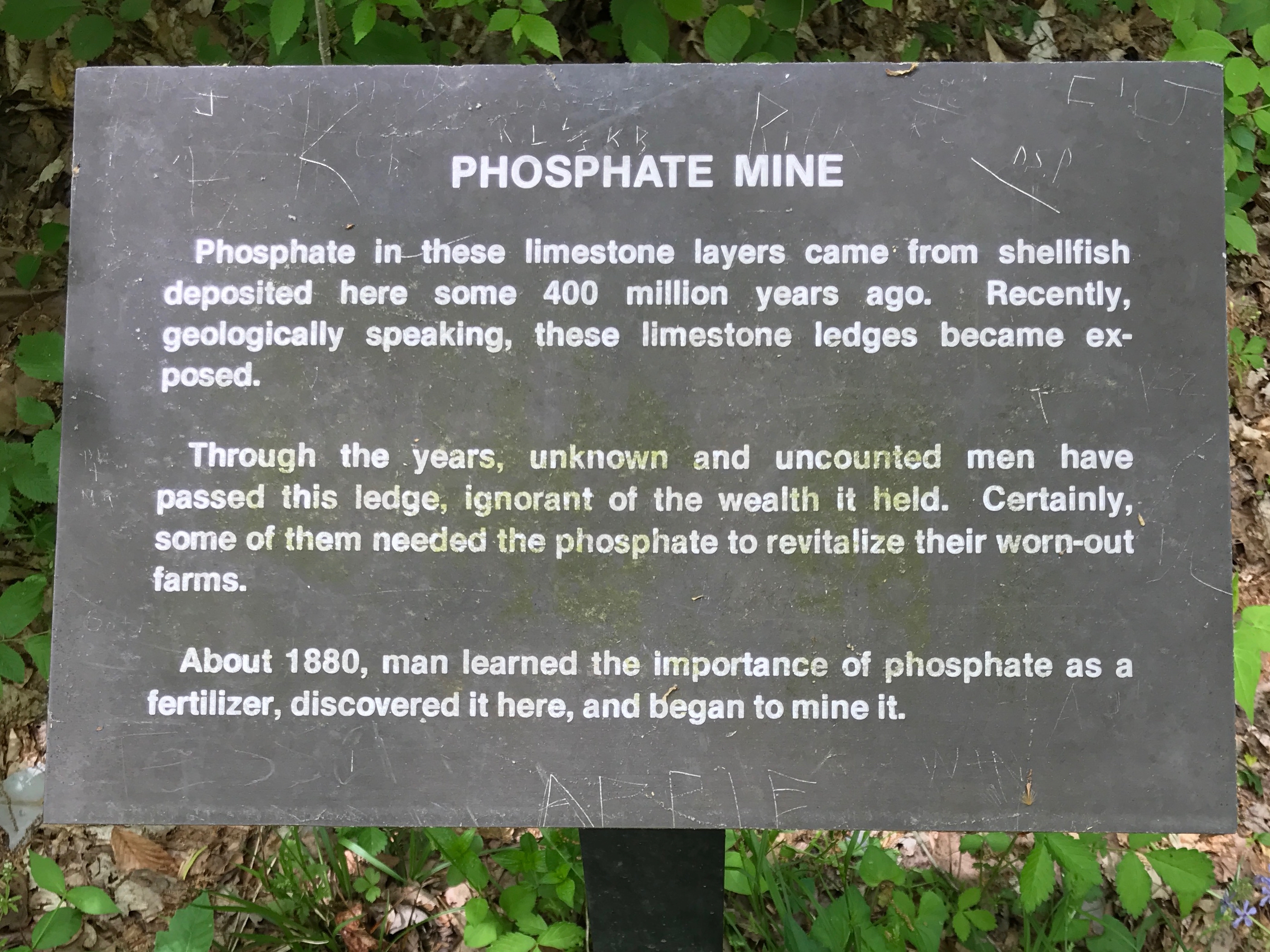
Here’s one mine.
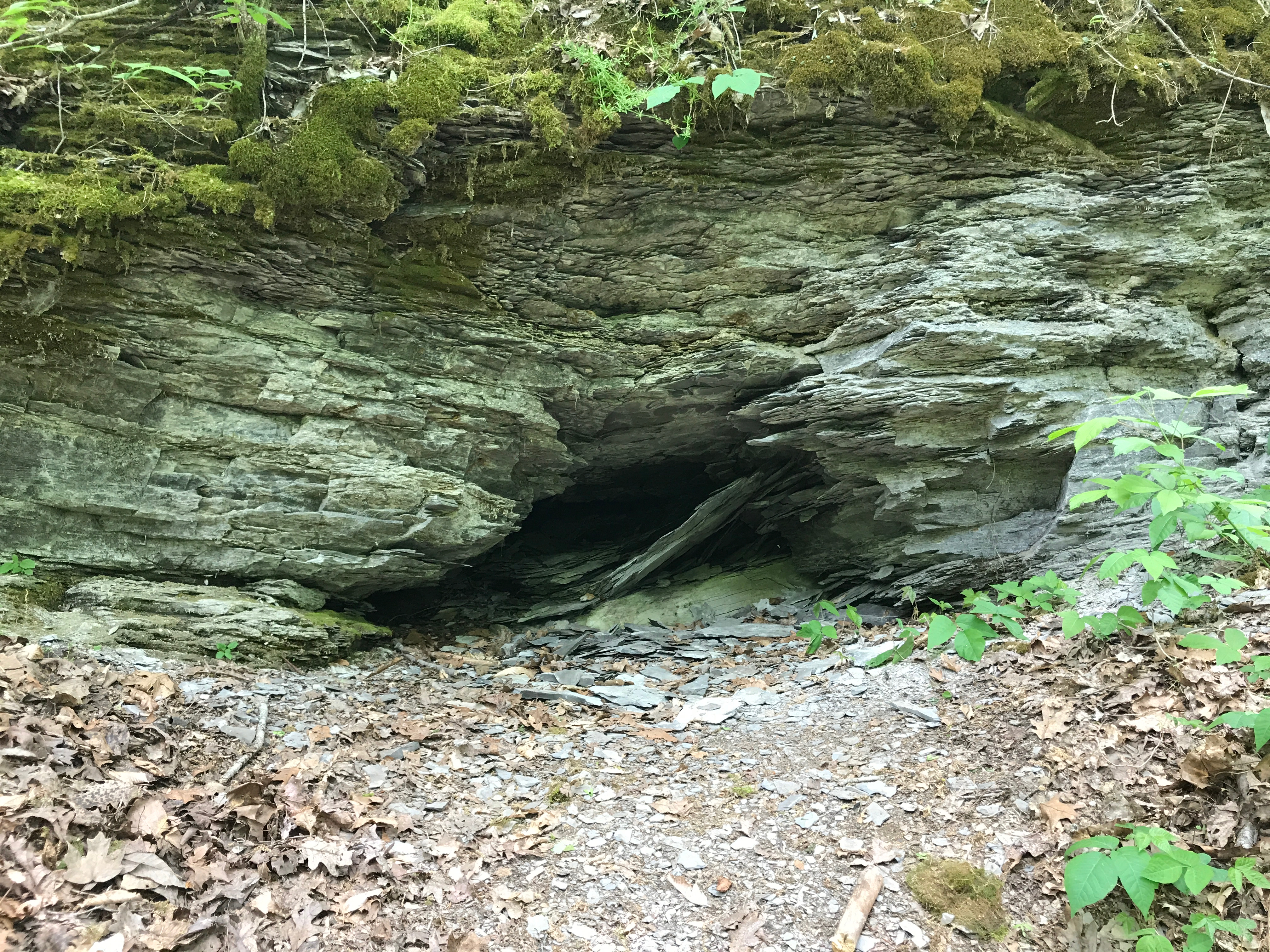
Here’s another. Where’s OSHA when you need it?
After that, I zipped into town and got gassed up for the morning. Then back to the campground for a good night’s sleep.
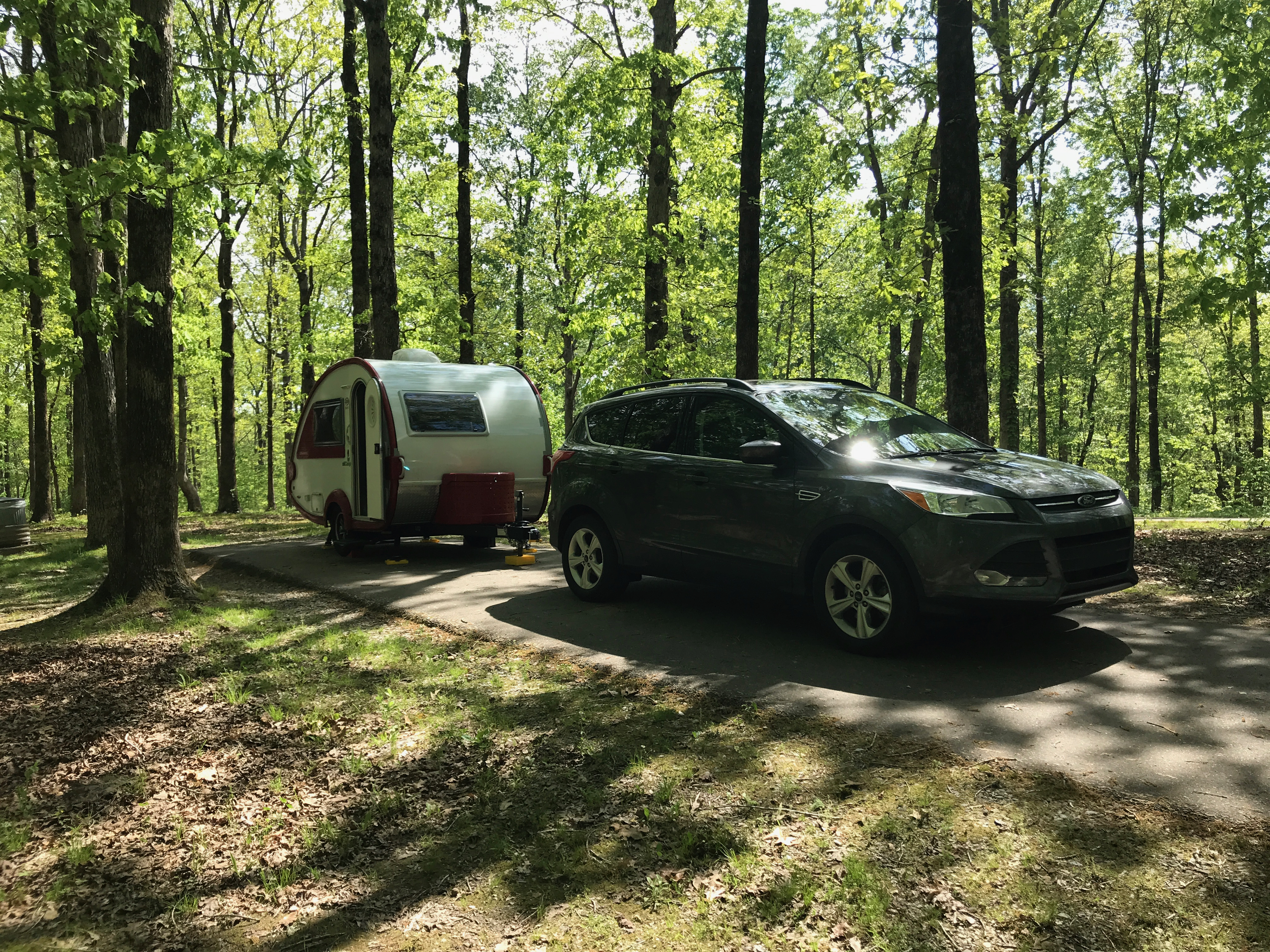
One more sleep after this an then I’ll be home!