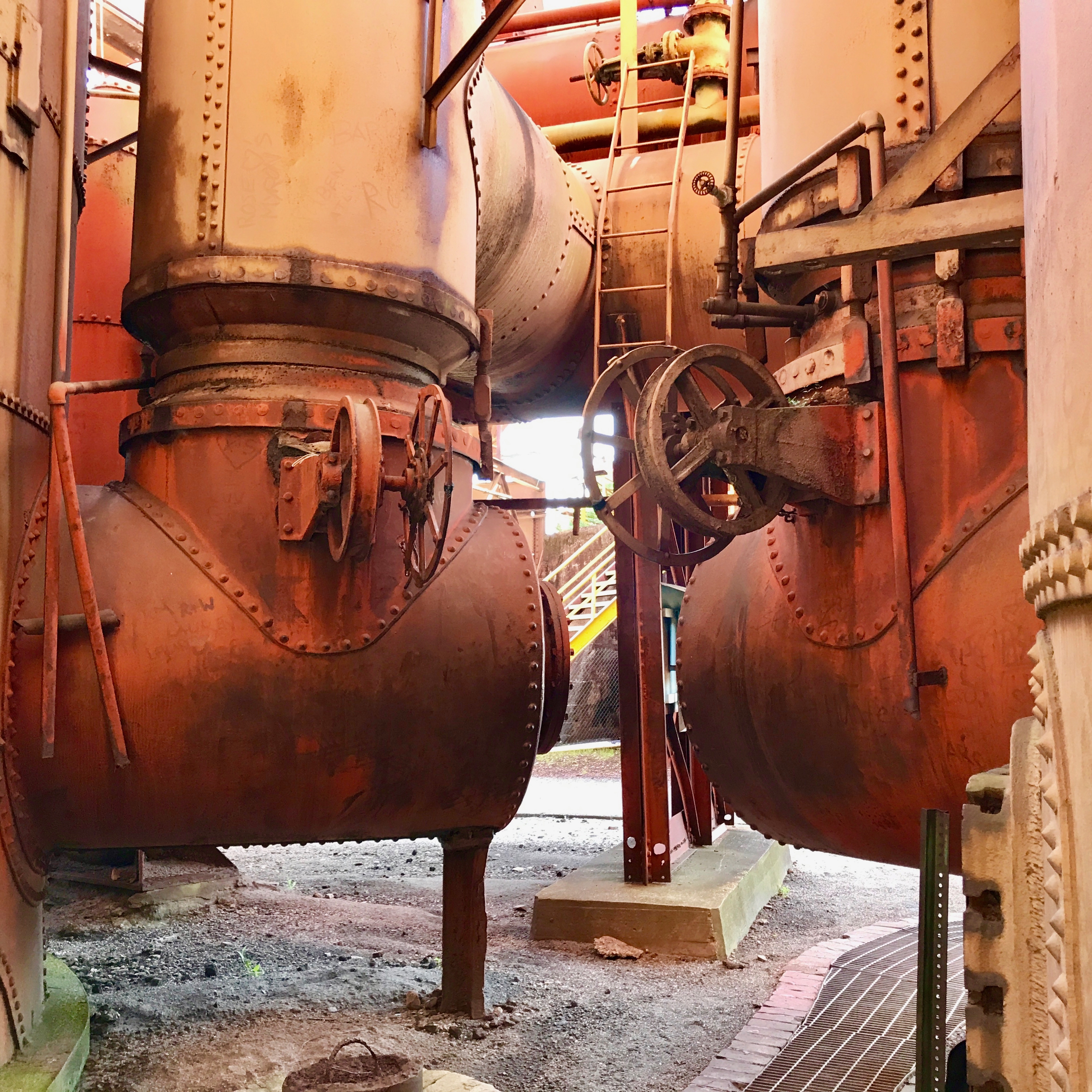
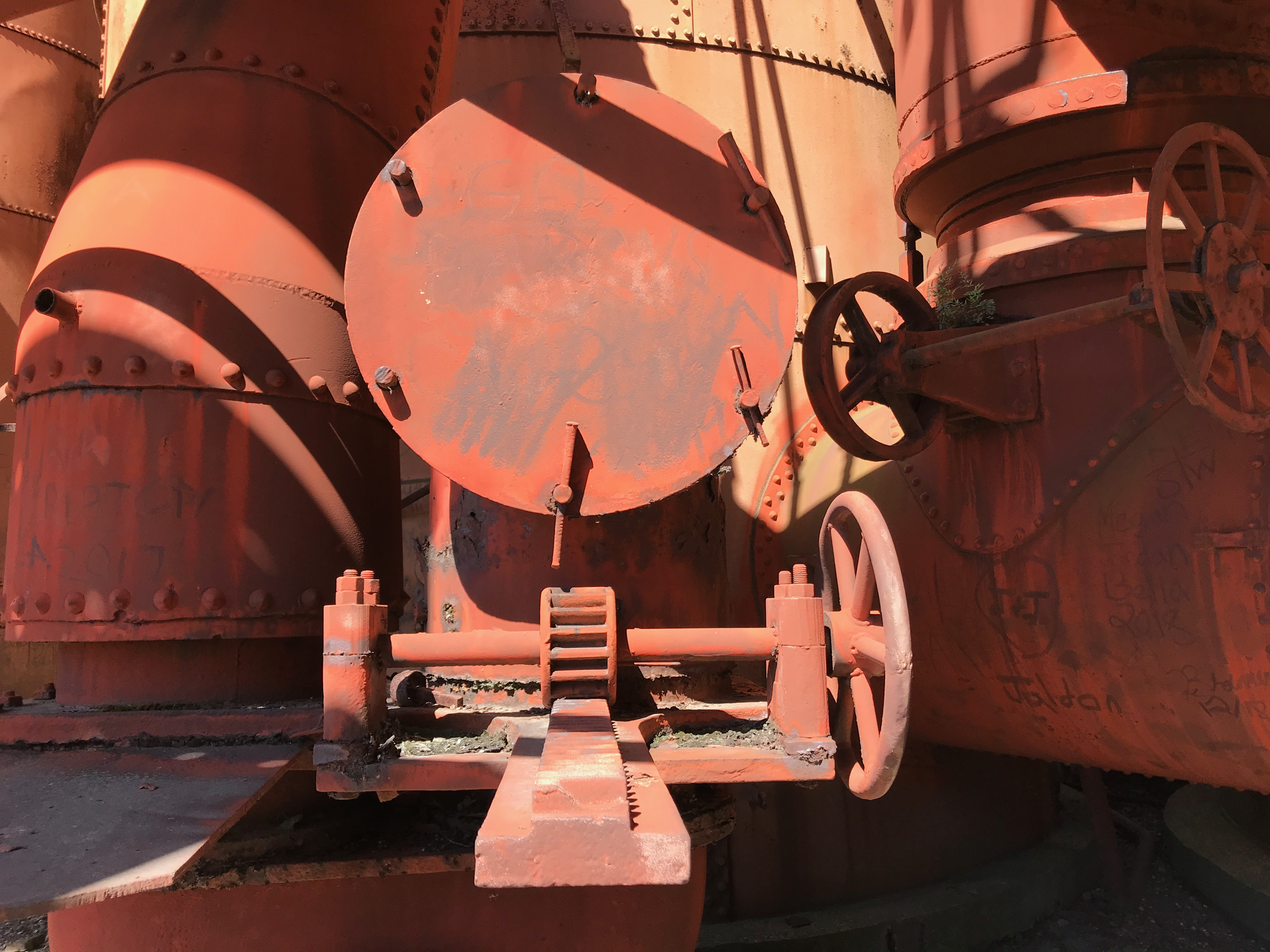
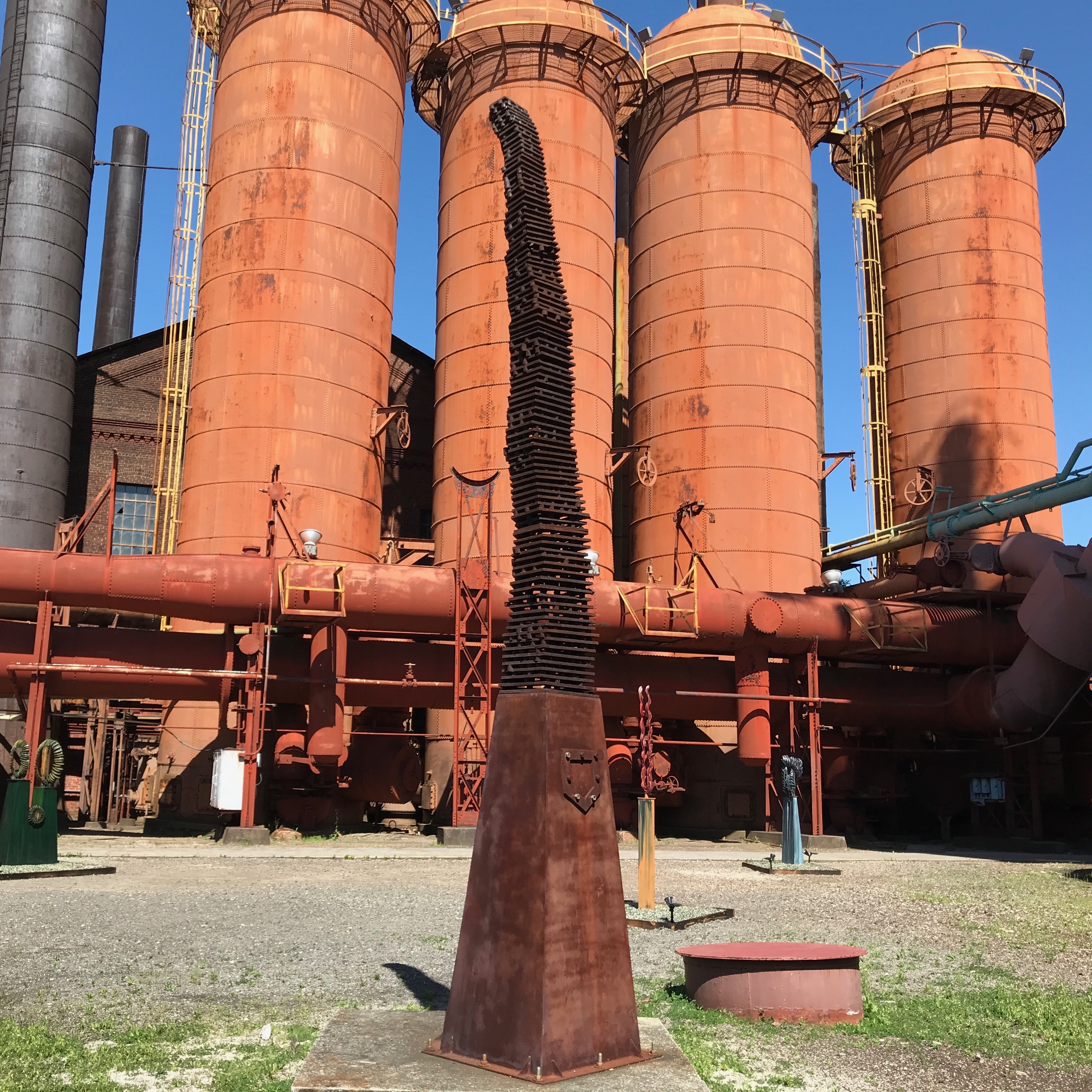
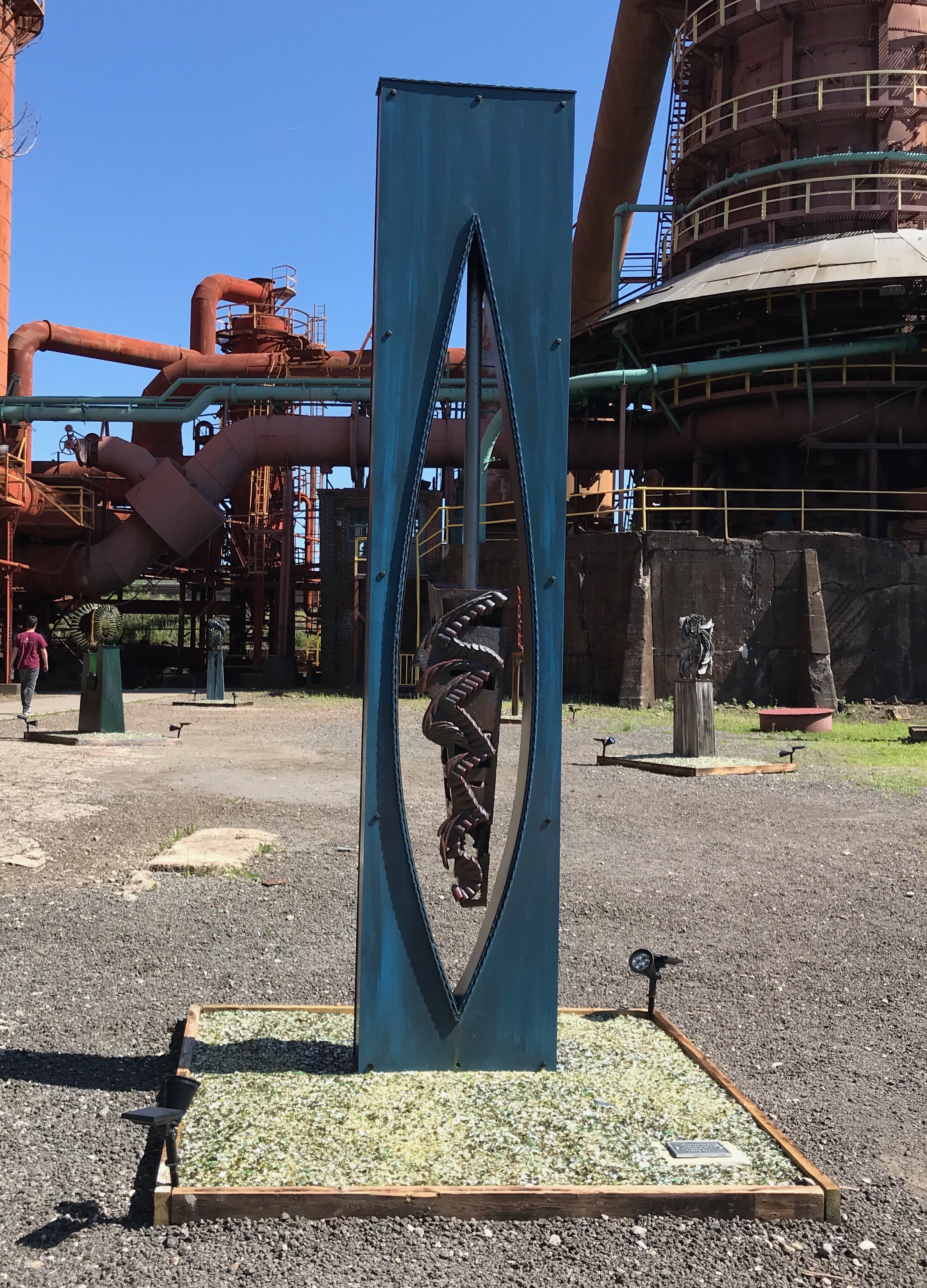
How do you get back in the mood to travel and explore after several days of grim history of recent and ongoing events? How about a trip to a defunct steel and iron company? The weather was good and I do love exploring, so I headed to Sloss Furnaces, a National Historic Landmark.
You can choose how to approach this post. You can focus on the photos, focus on the text or both.
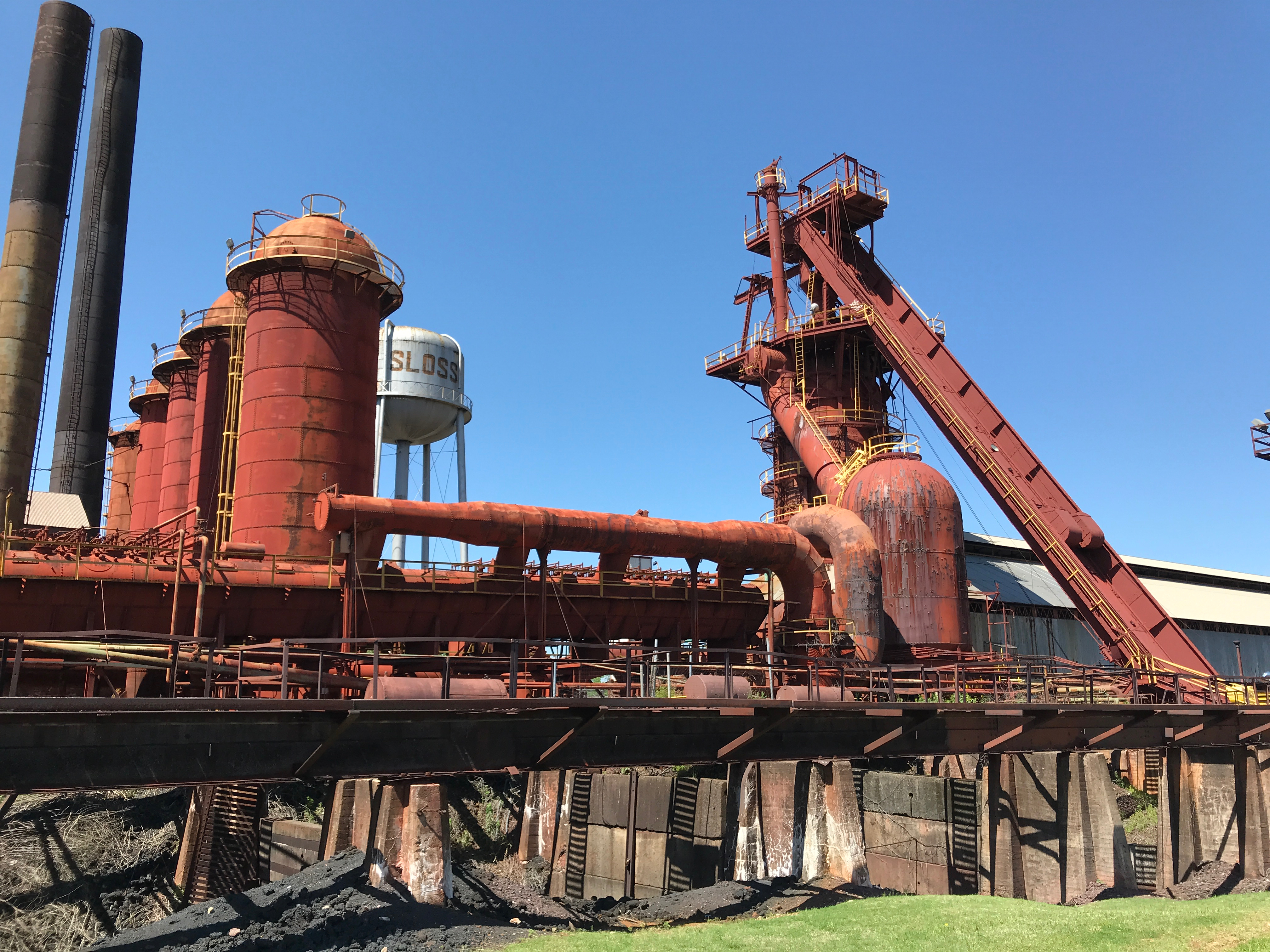
It operated as a pig iron-producing blast furnace from 1882 to 1971. After closing, it became one of the first industrial sites – and the only blast furnace – in the U.S. to be preserved and restored for public use.
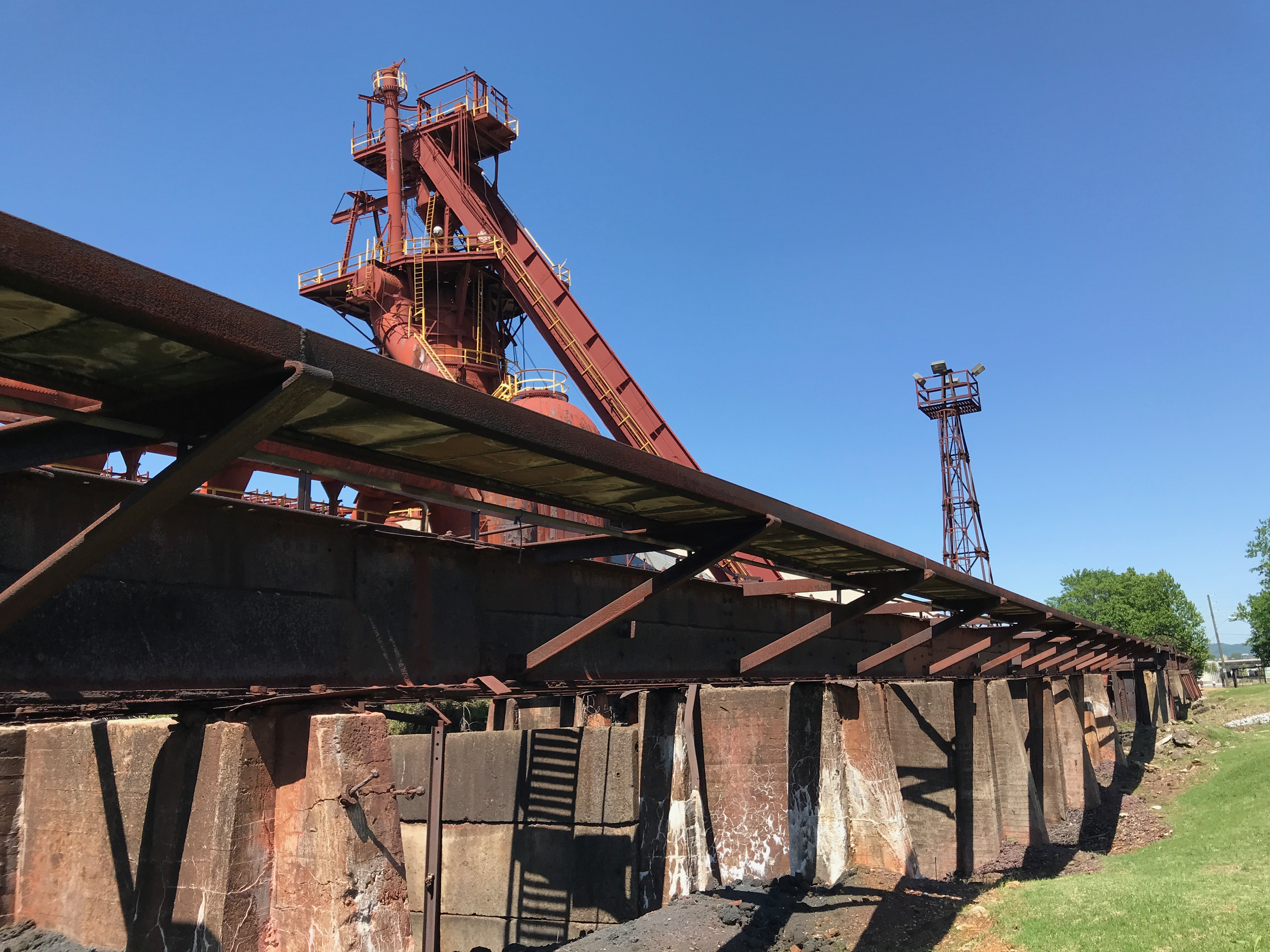
Putting on my geographer’s hat, I asked myself why they would produce pig iron here. It turns out that all the ingredients needed were located nearby – iron ore, coal and limestone, and Colonel James Withers Sloss (C.S.A.) knew it.
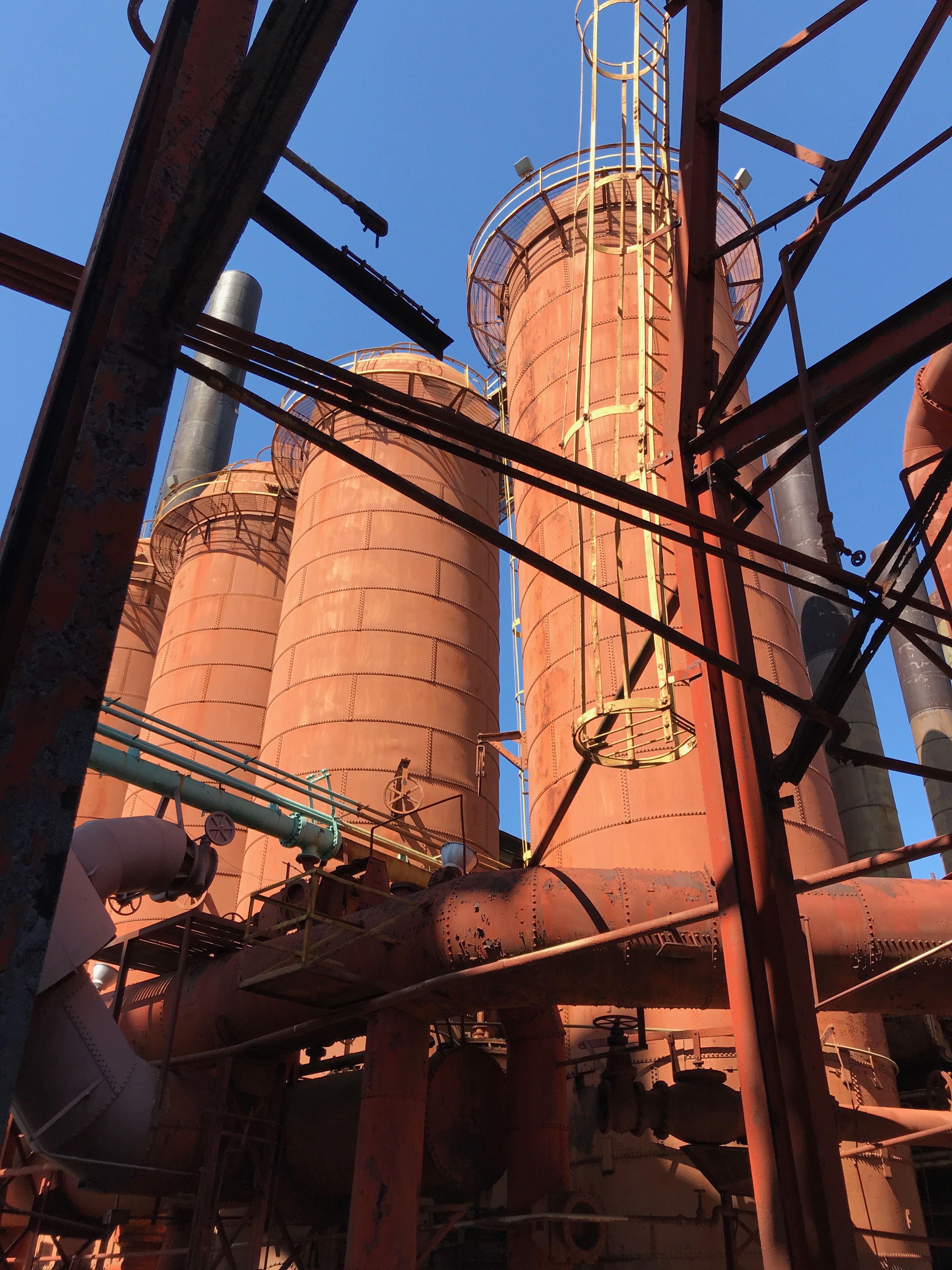
Prior to the war, Sloss had become one of the richest men in Alabama, thanks to his plantation and his store in Athens, Alabama. After the war, he became president of the railroad line from Tennessee to Alabama, and convinced them to finish a line of railroad track between Birmingham and Decatur.
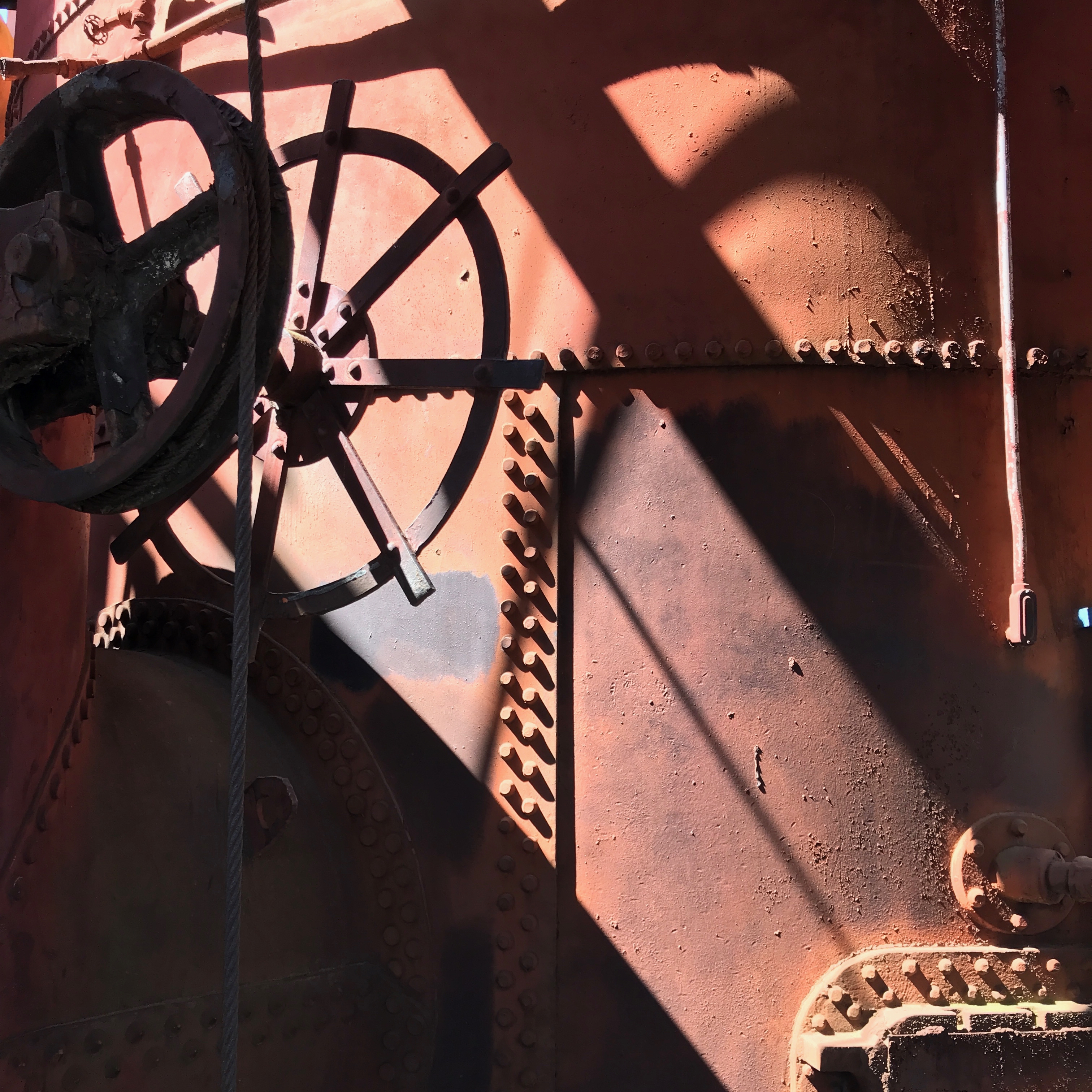
Having secured the kind of transportation that made production of iron feasible, he also secured iron ore mines.
They had the location, transportation and raw materials. What else did they need?
That’s right. They needed labor.
Where do you suppose the laborers came from? After all, slavery had been abolished with the enactment of the 13th Amendment in 1865. People now had to be paid for their labor.
Except as a “punishment for crime whereof the party shall have been duly convicted, shall exist within the United States, or any place subject to their jurisdiction”
And, oddly enough, Blacks found themselves convicted of random and specious “crimes” and re-enslaved.
Alabama began convict leasing in 1846 and outlawed it in 1928. It was the last state to formally outlaw it. The revenues derived from convict leasing were substantial, accounting for roughly 10% of total state revenues in 1883, surging to nearly 73% by 1898.
It’s hard to go very far “down south” without evidence of horrendous injustices.
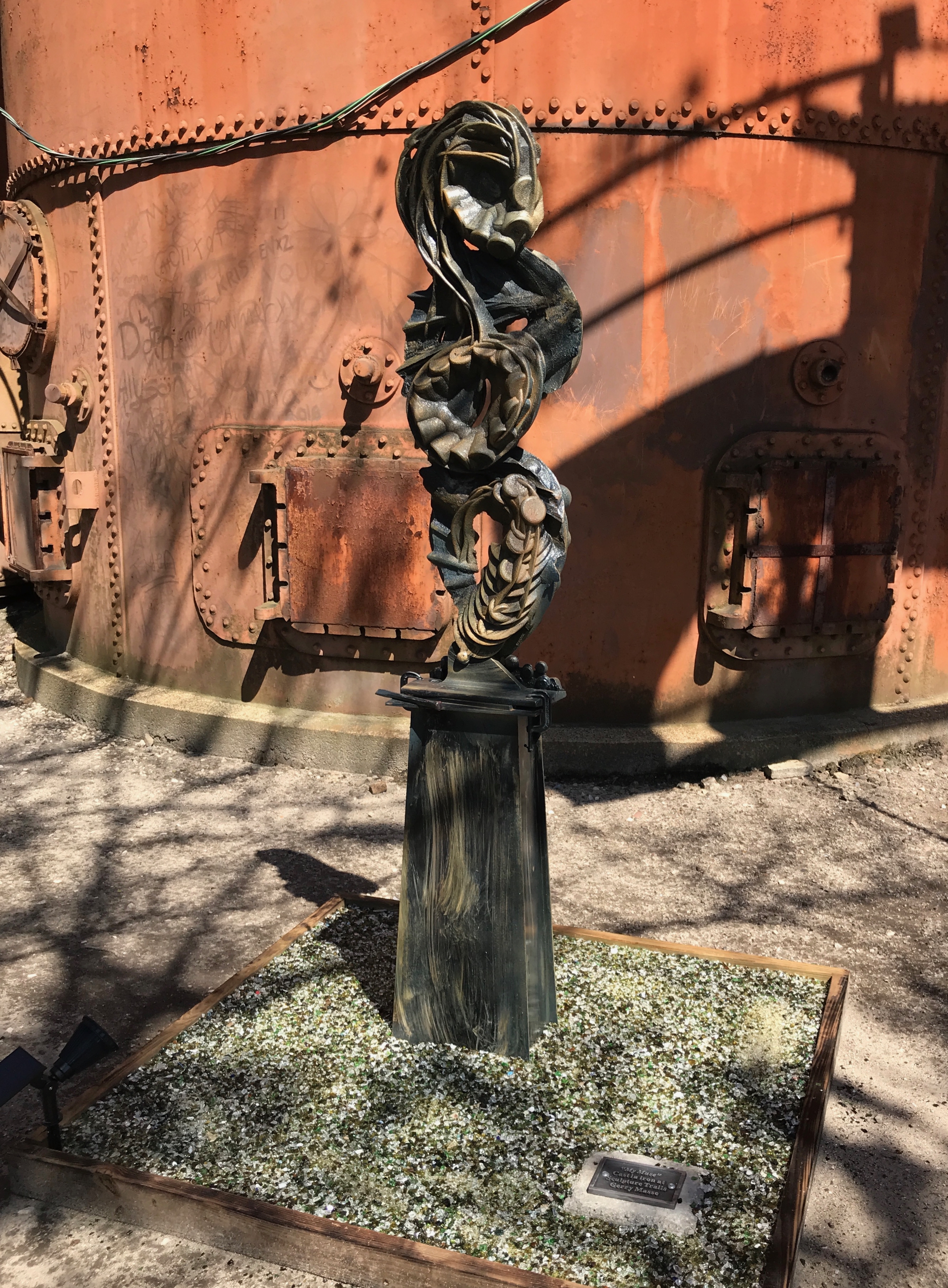
When you’re a tourist, it’s easy to identify them.
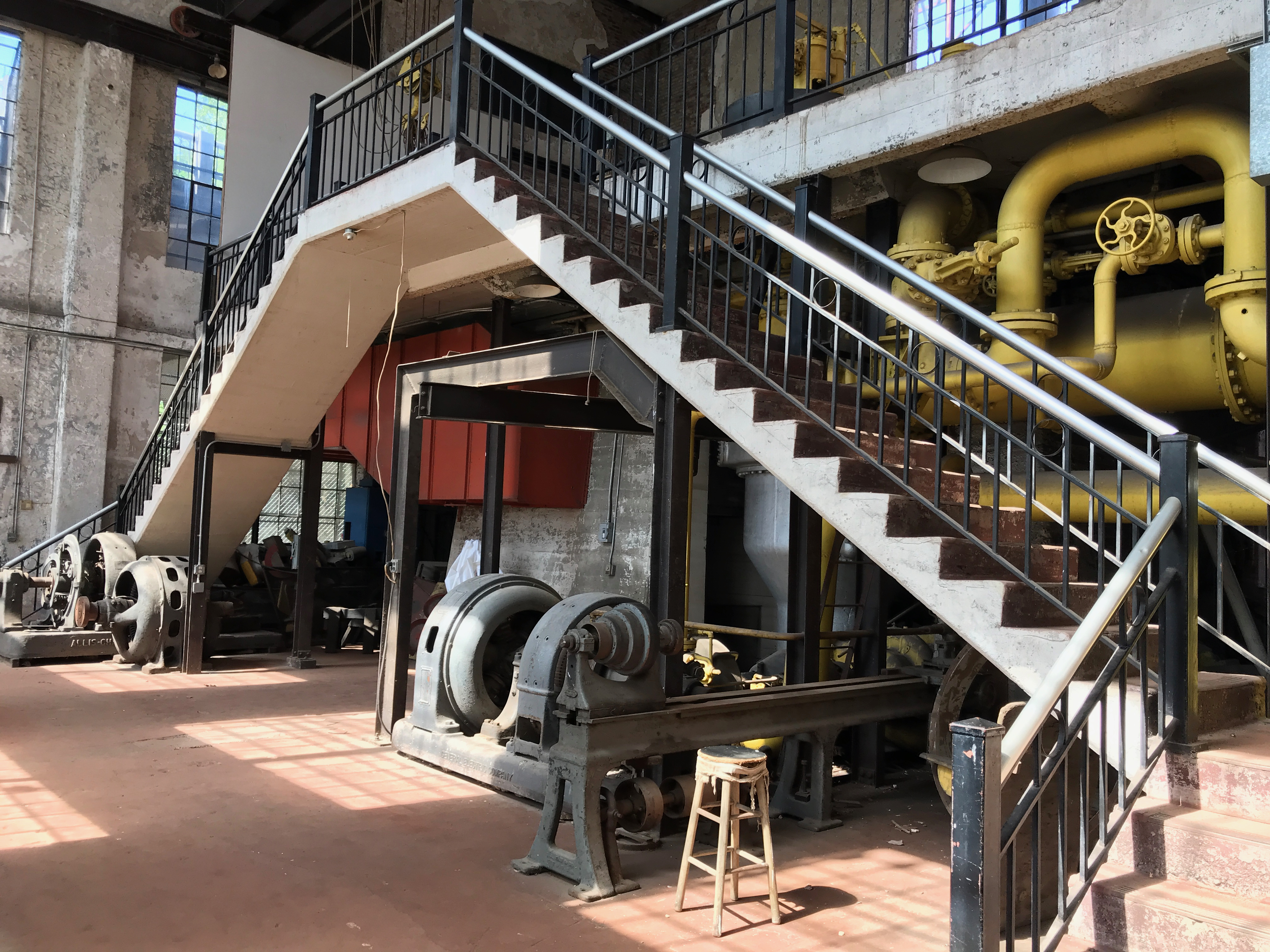
As you move around, you look at things and ask yourself, “What is that? What happened? Why did it happen? Why here?”
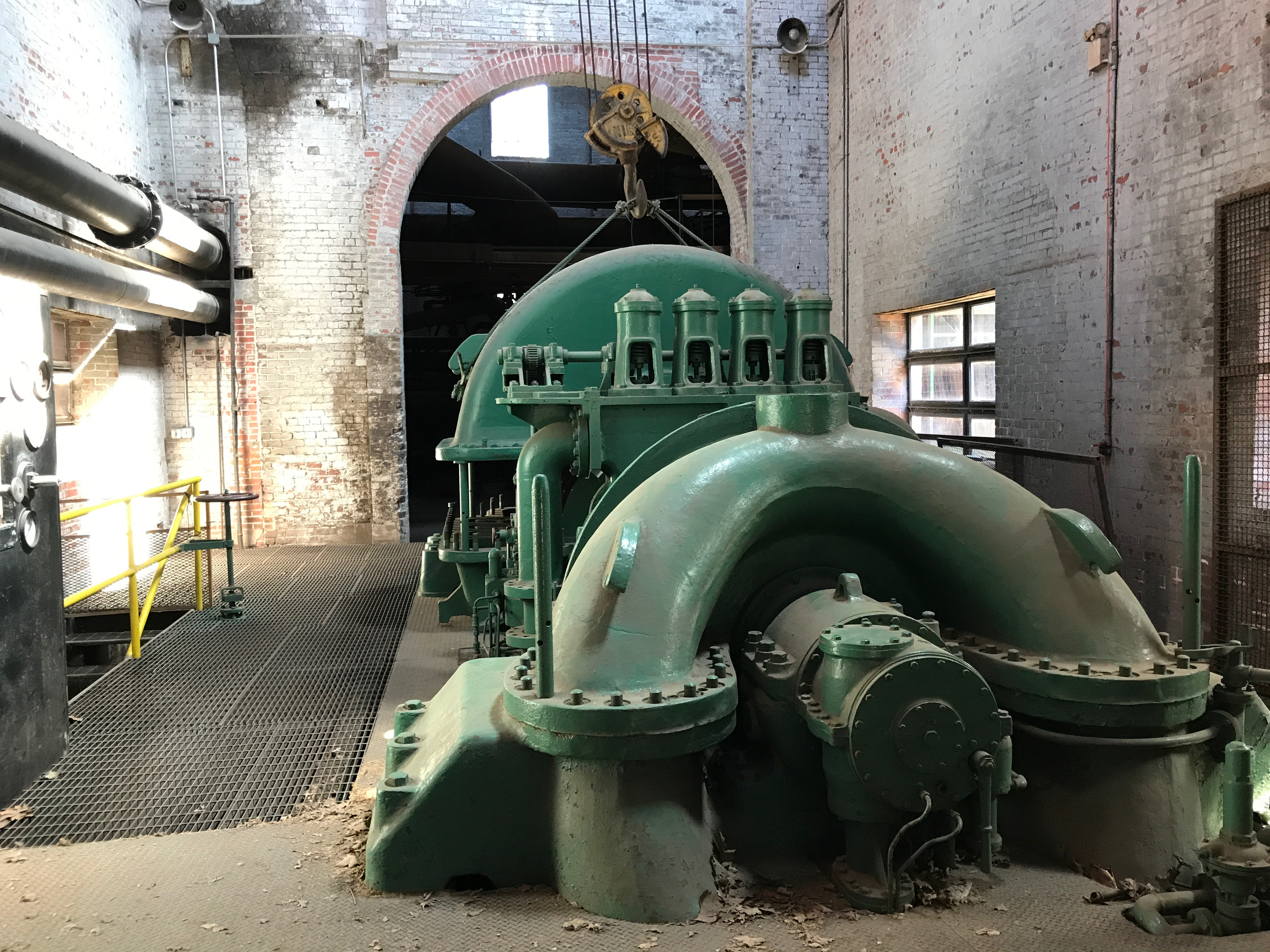
It’s easy to overlook things you see every day back home.
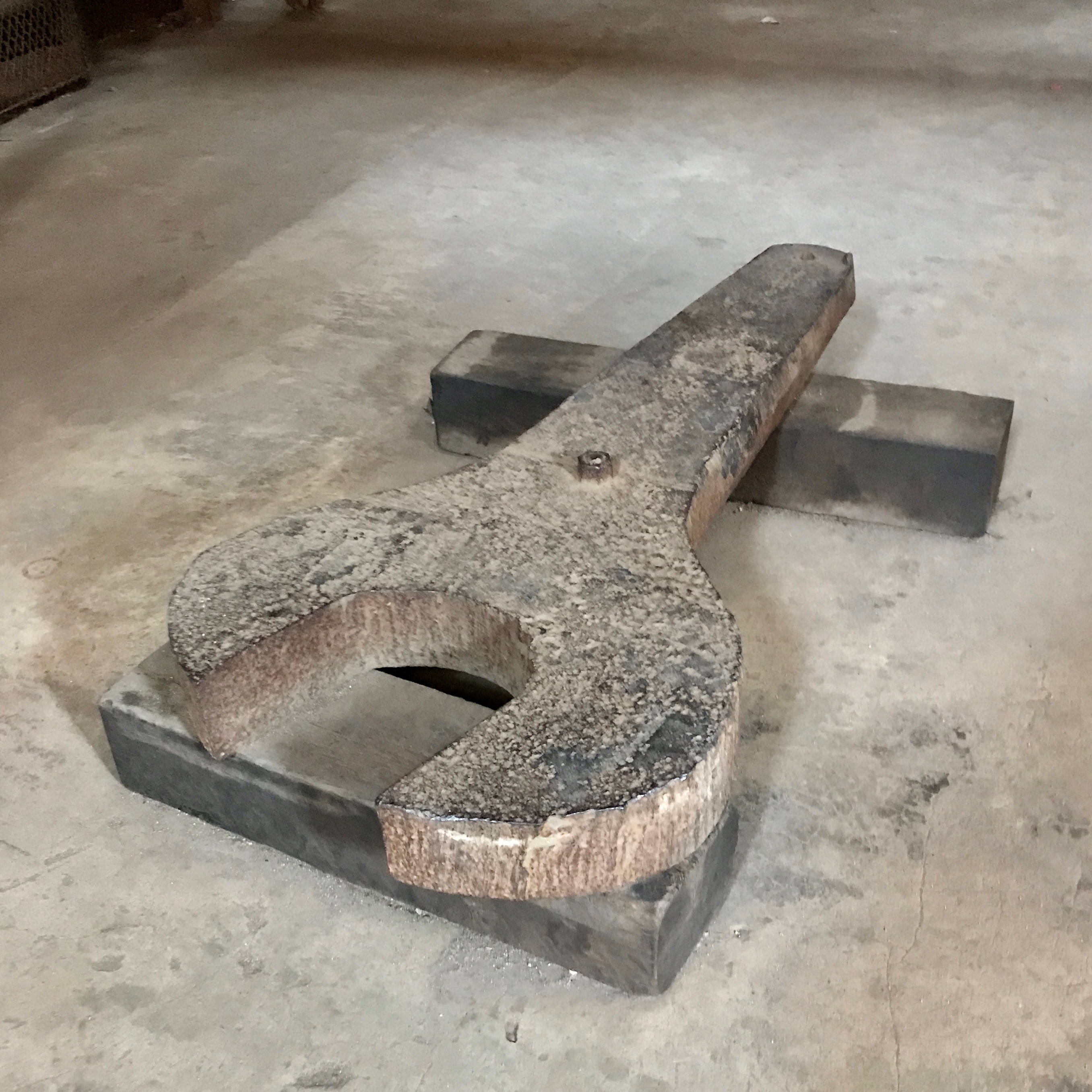
Paying attention is the key.
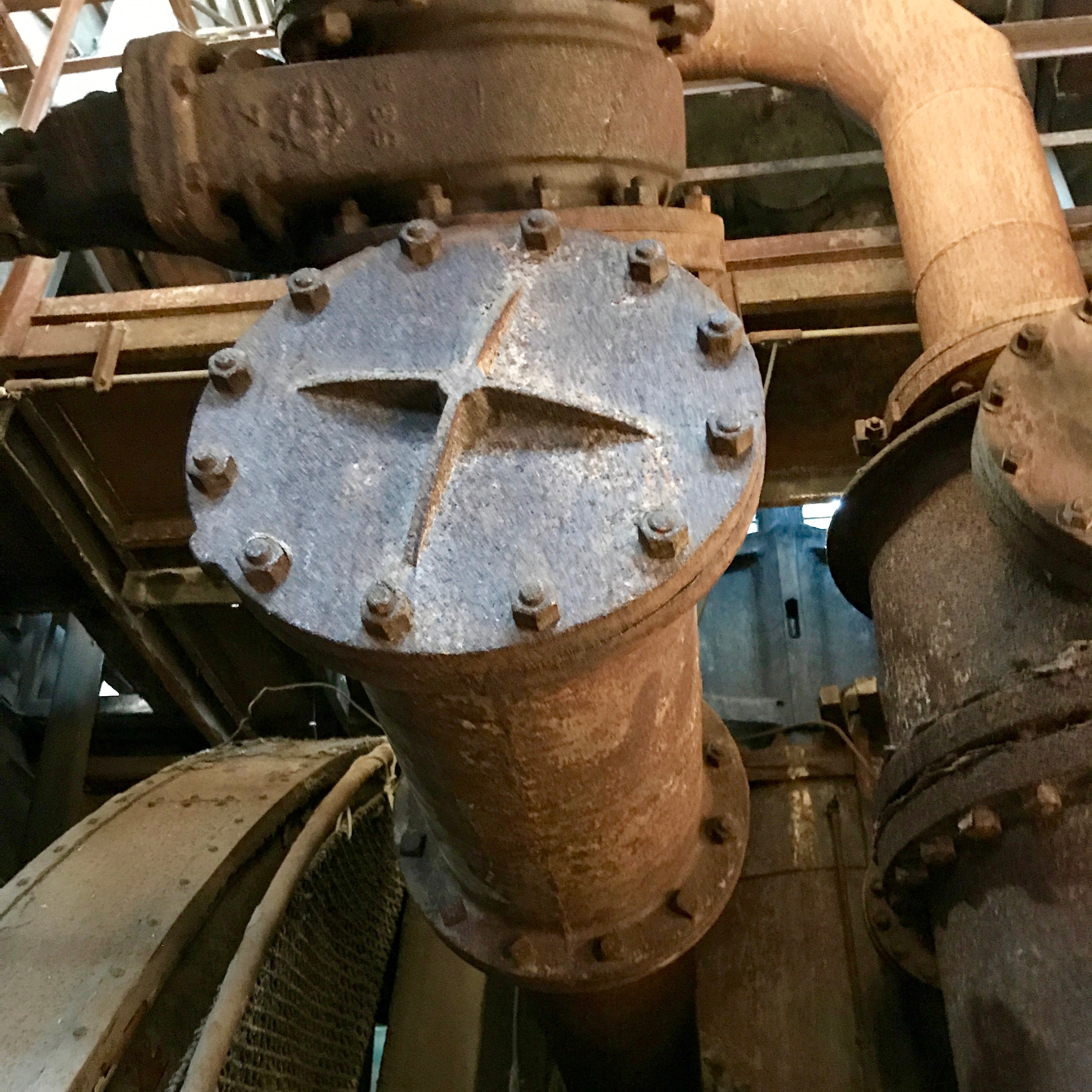
Asking questions is another key.
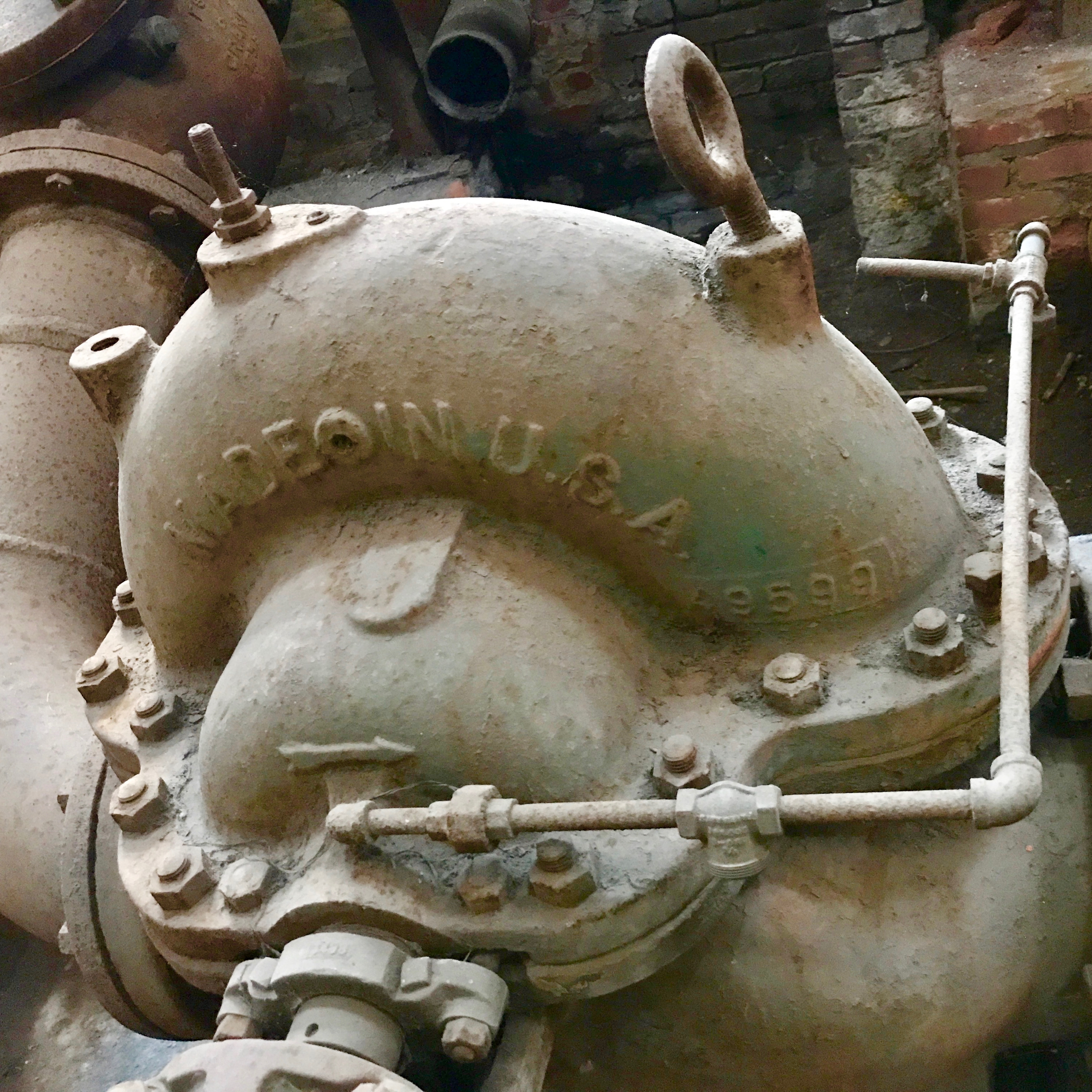
Curiosity.
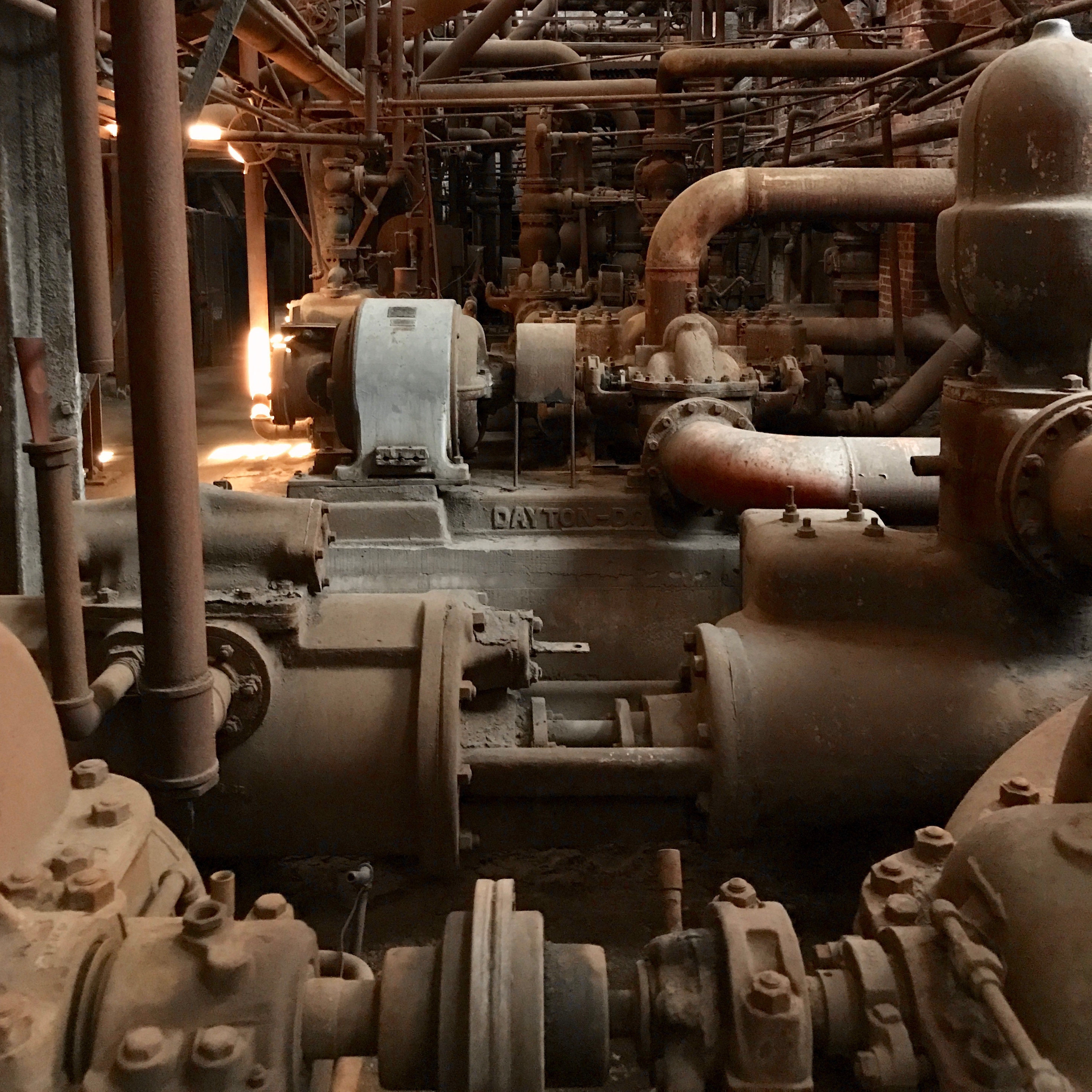
What?
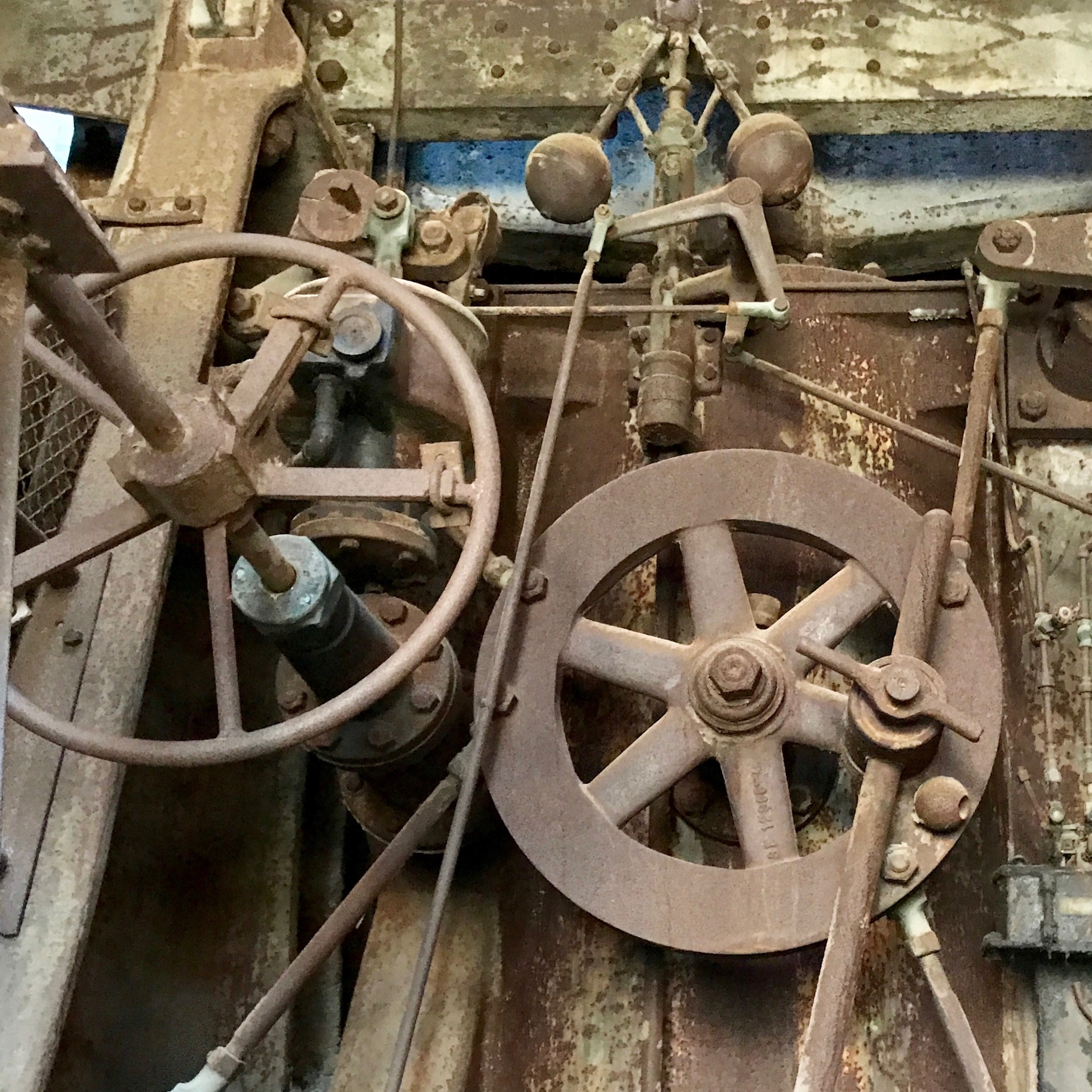
Why?
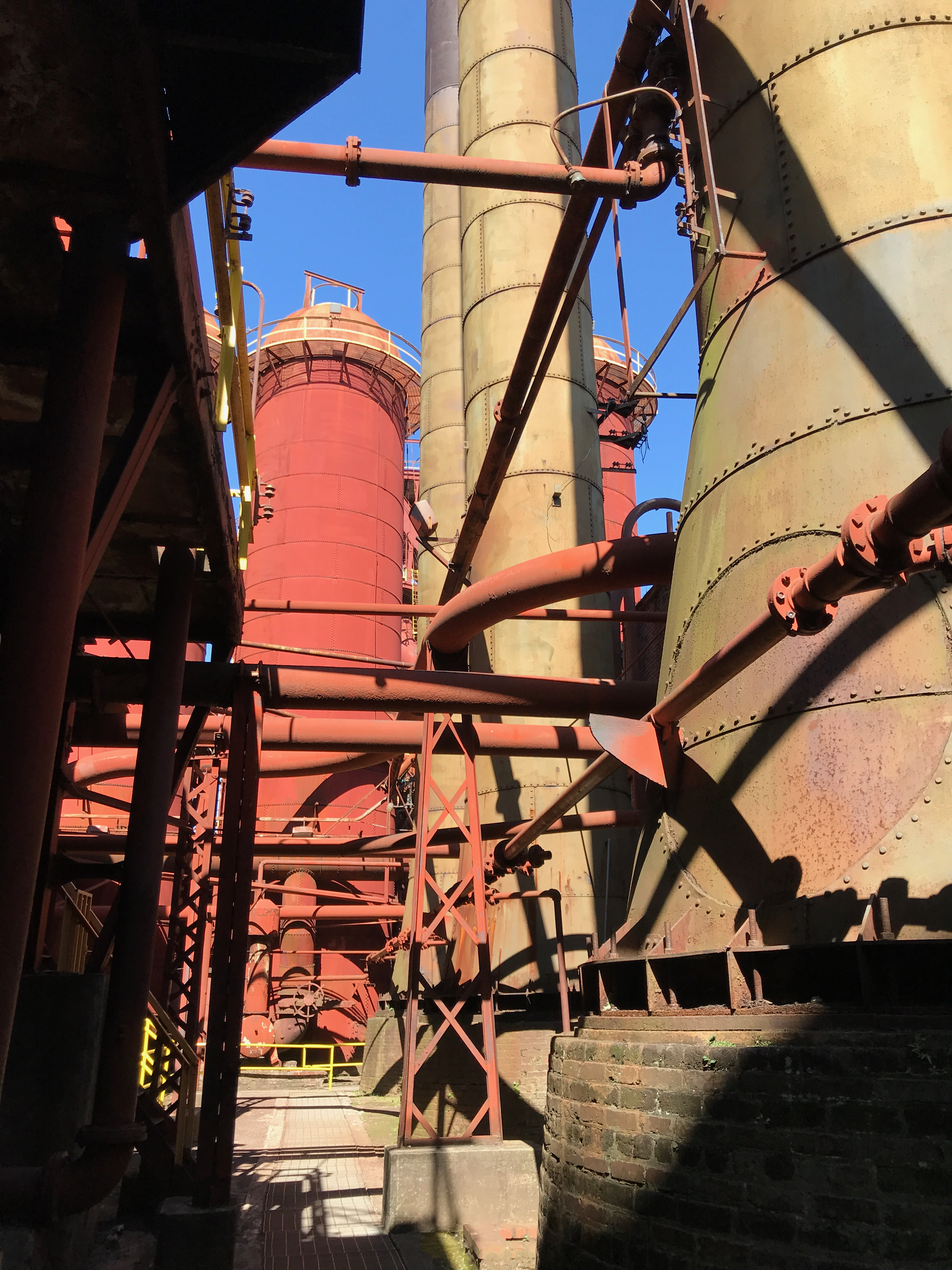
What could be next?
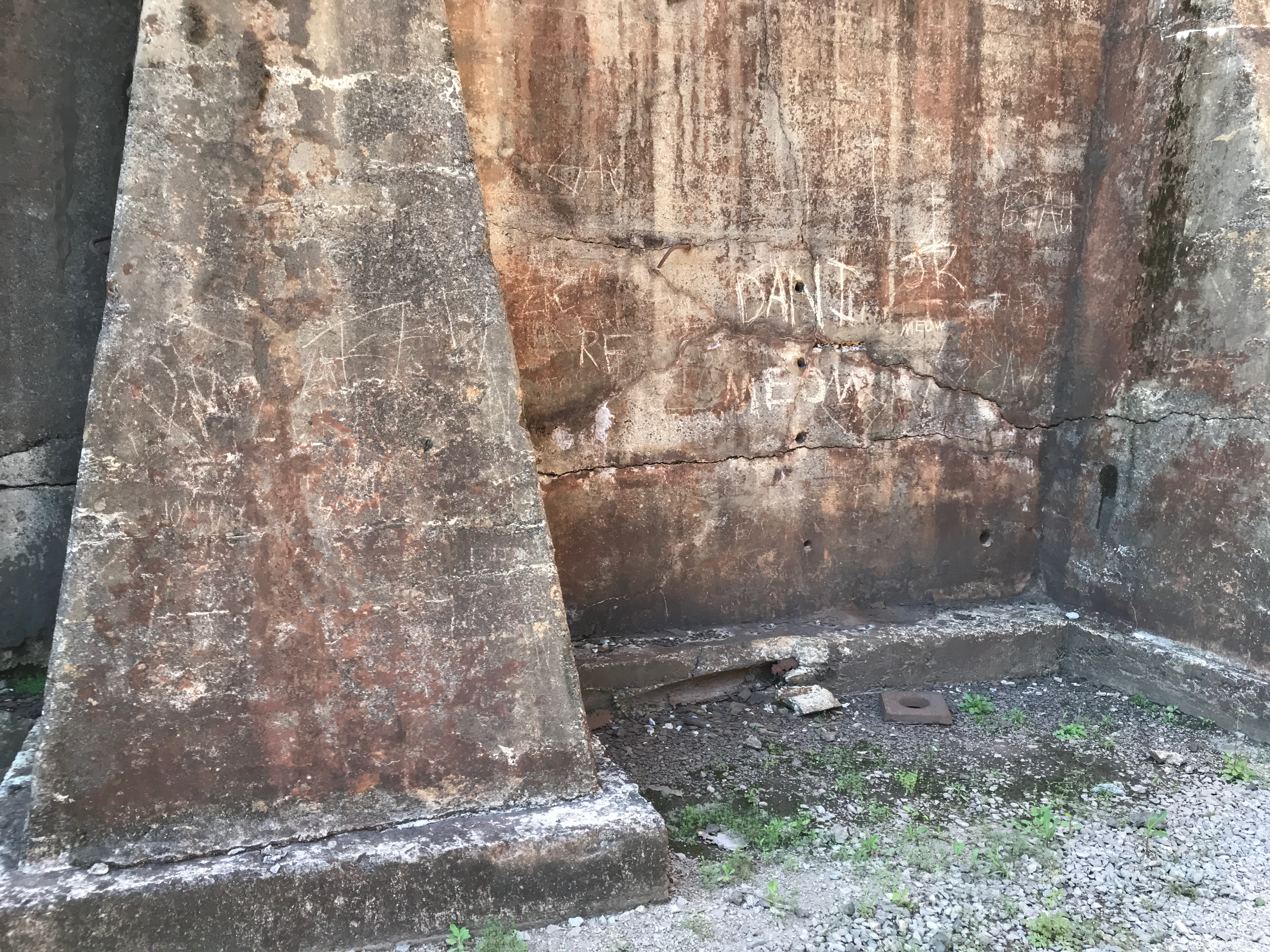
How do I fit into the picture.
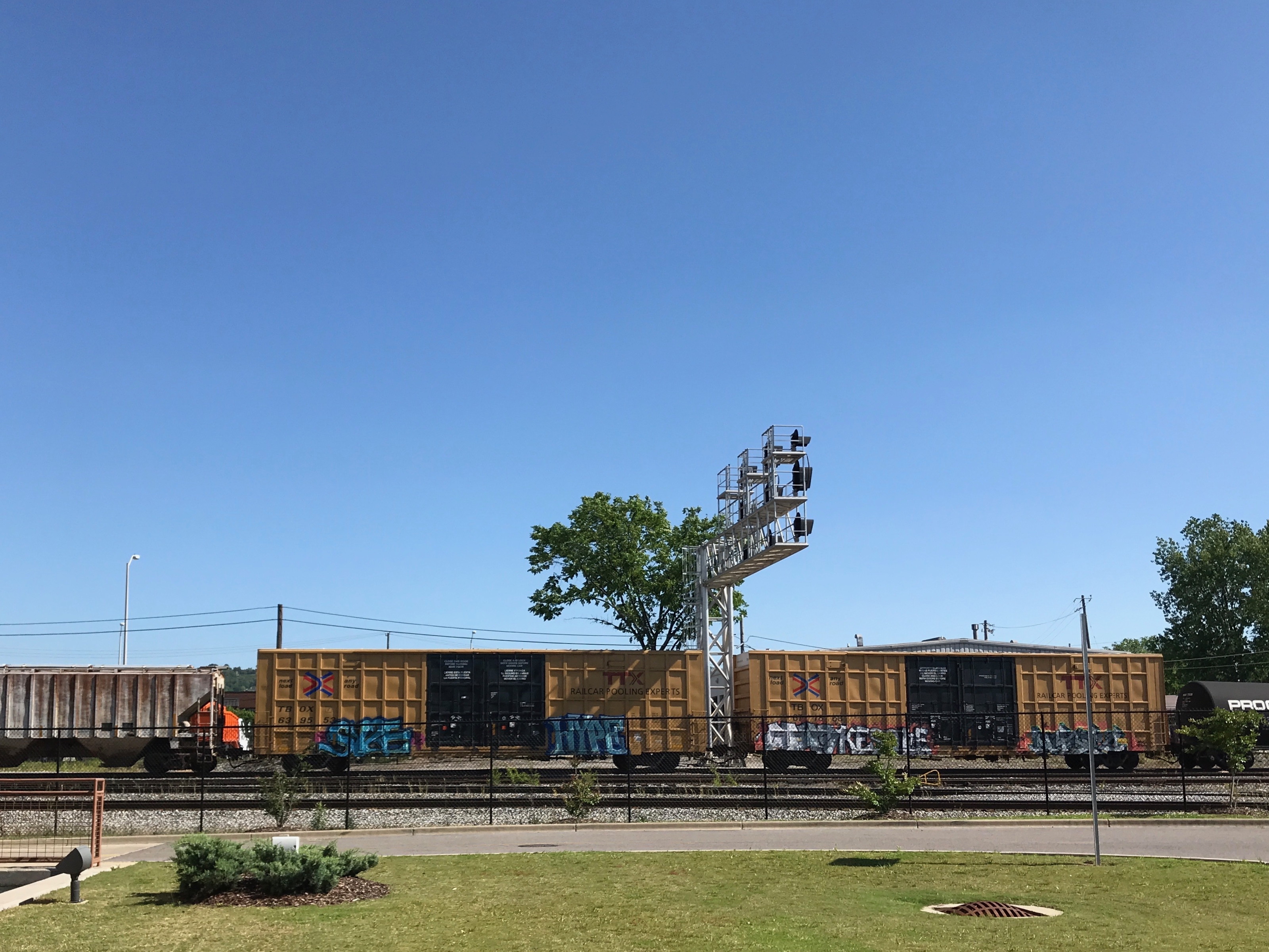
There are lots of important questions.
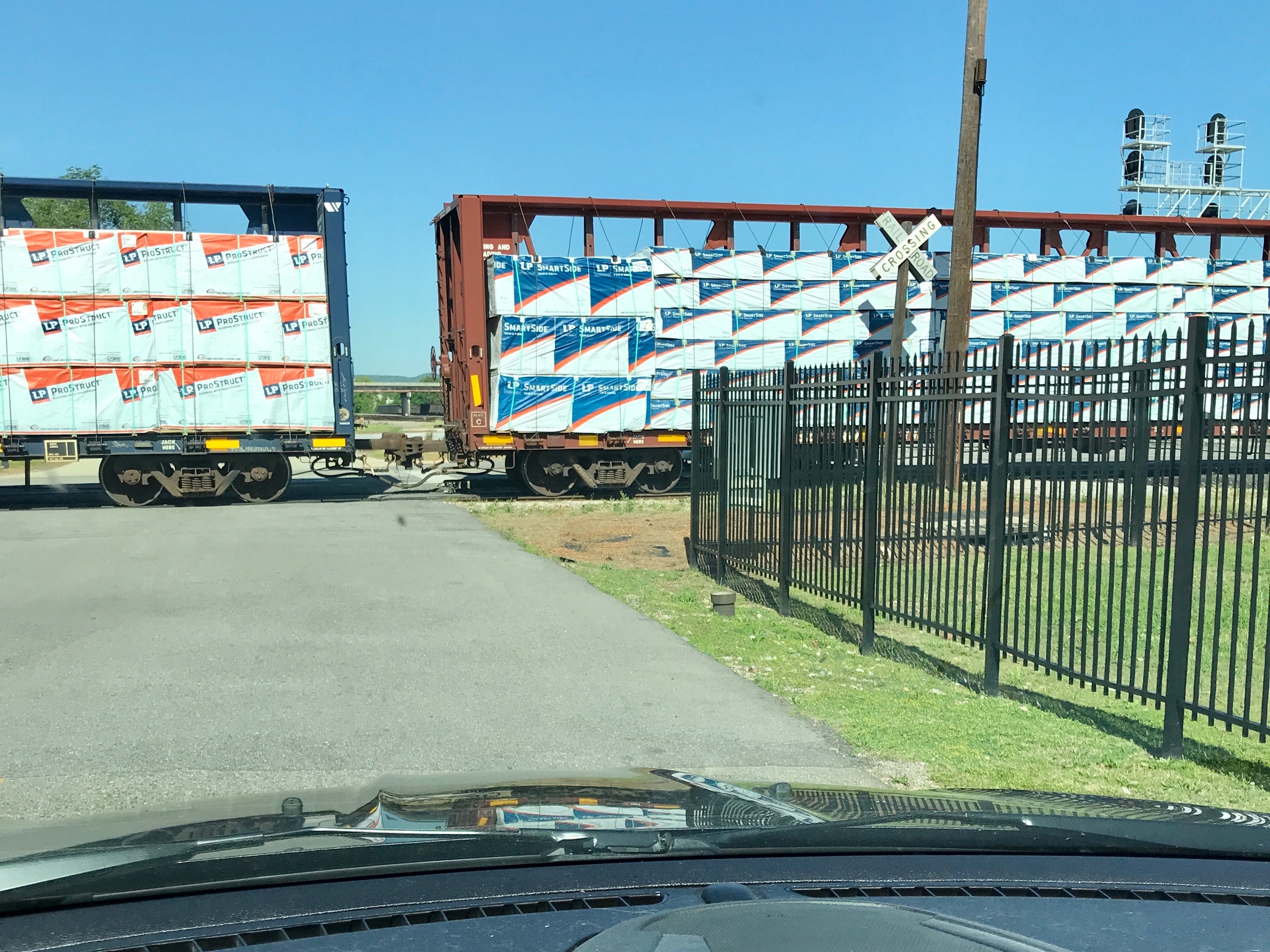
Sometimes things aren’t what they seem.
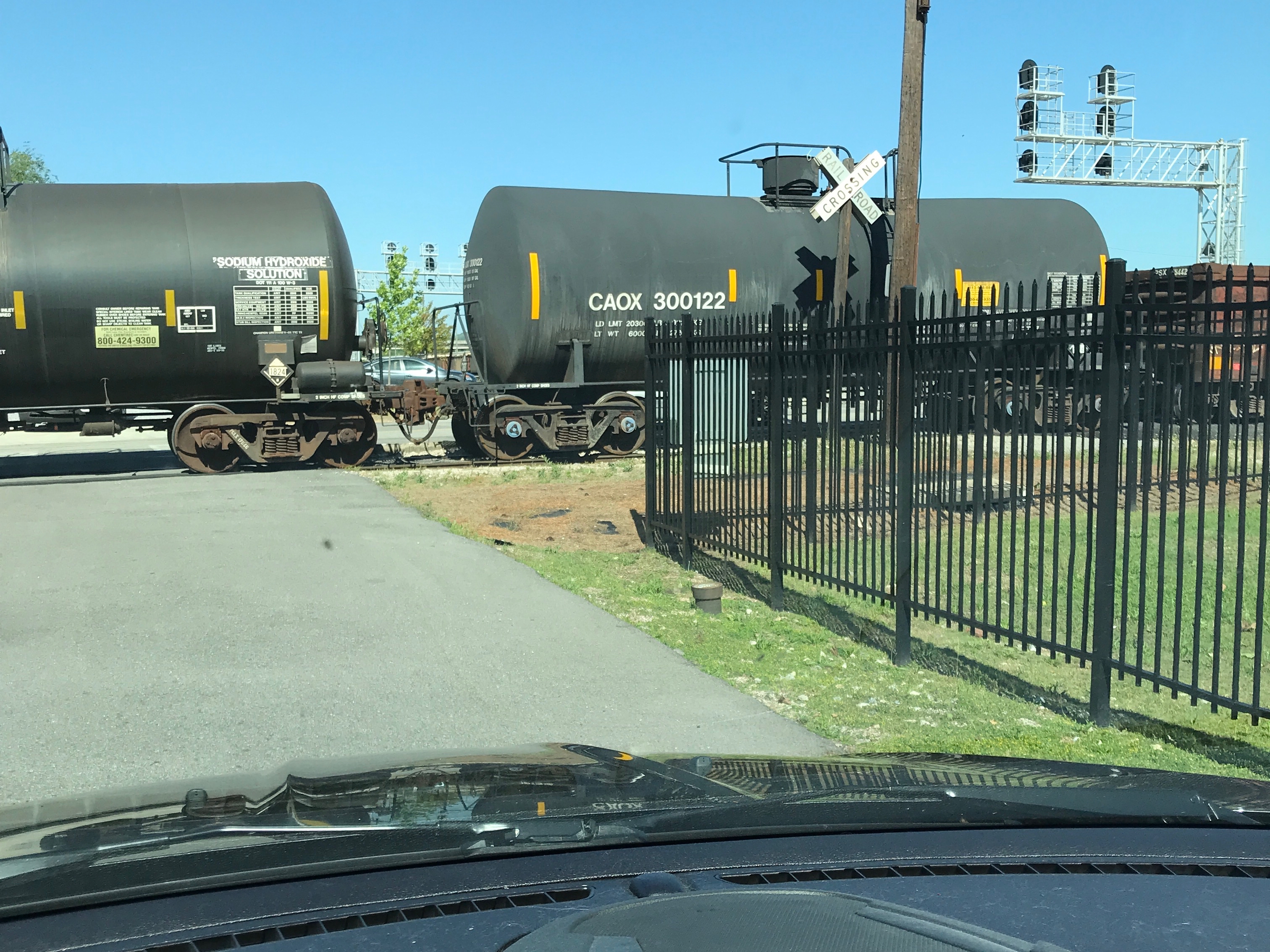
What is next?
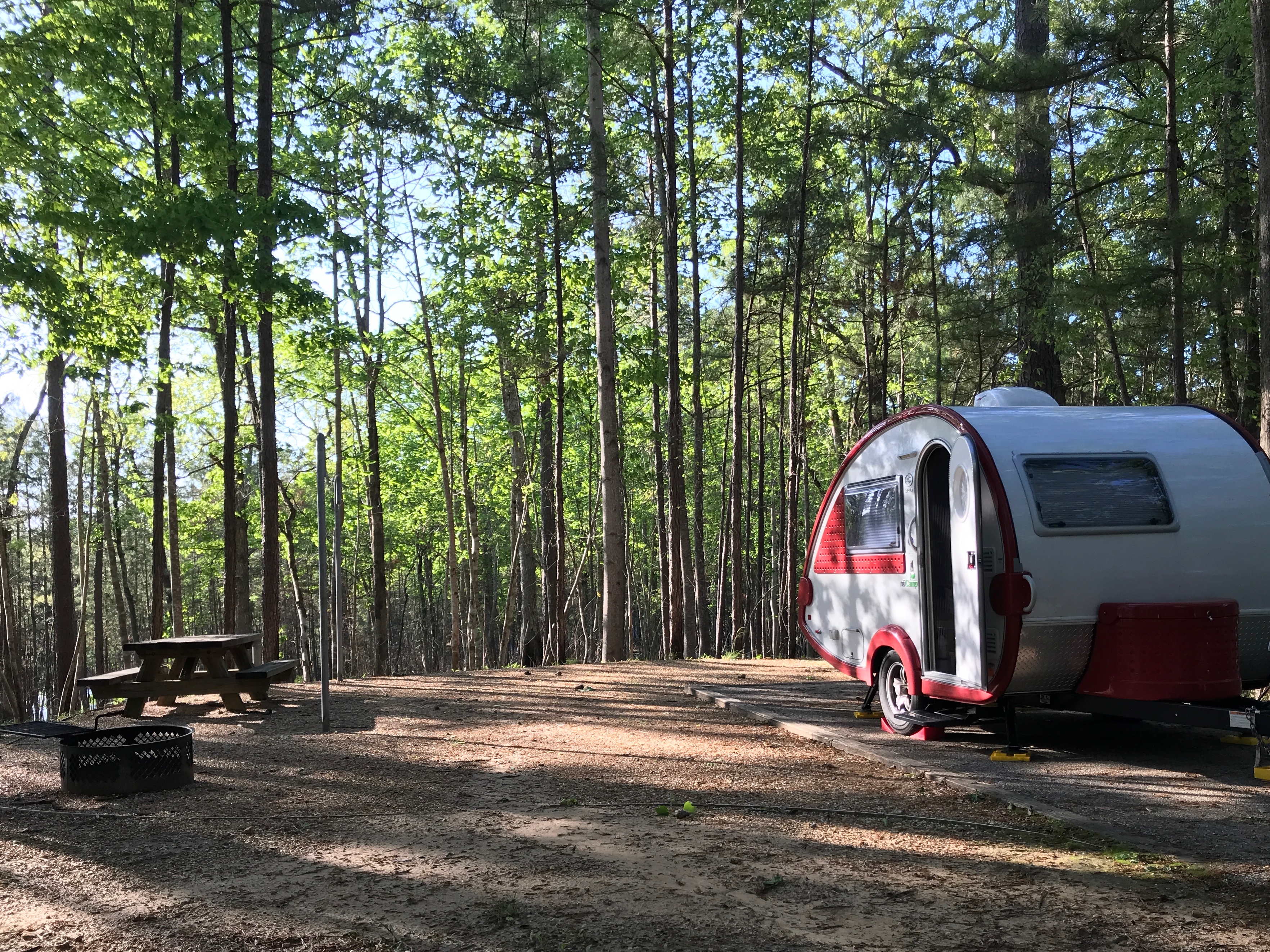
I headed back to the campground.
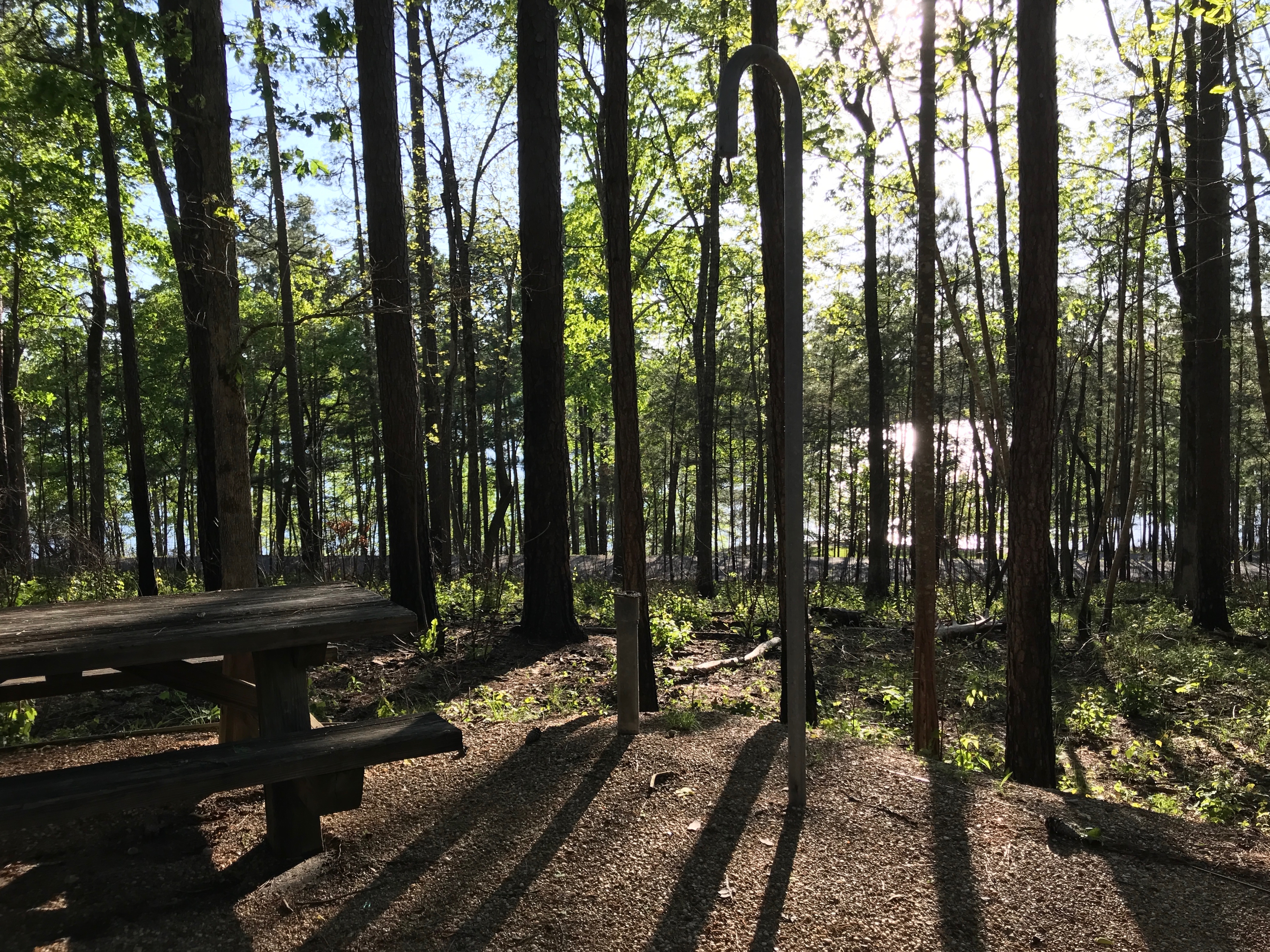
It was a verdant respite from a heavy day.
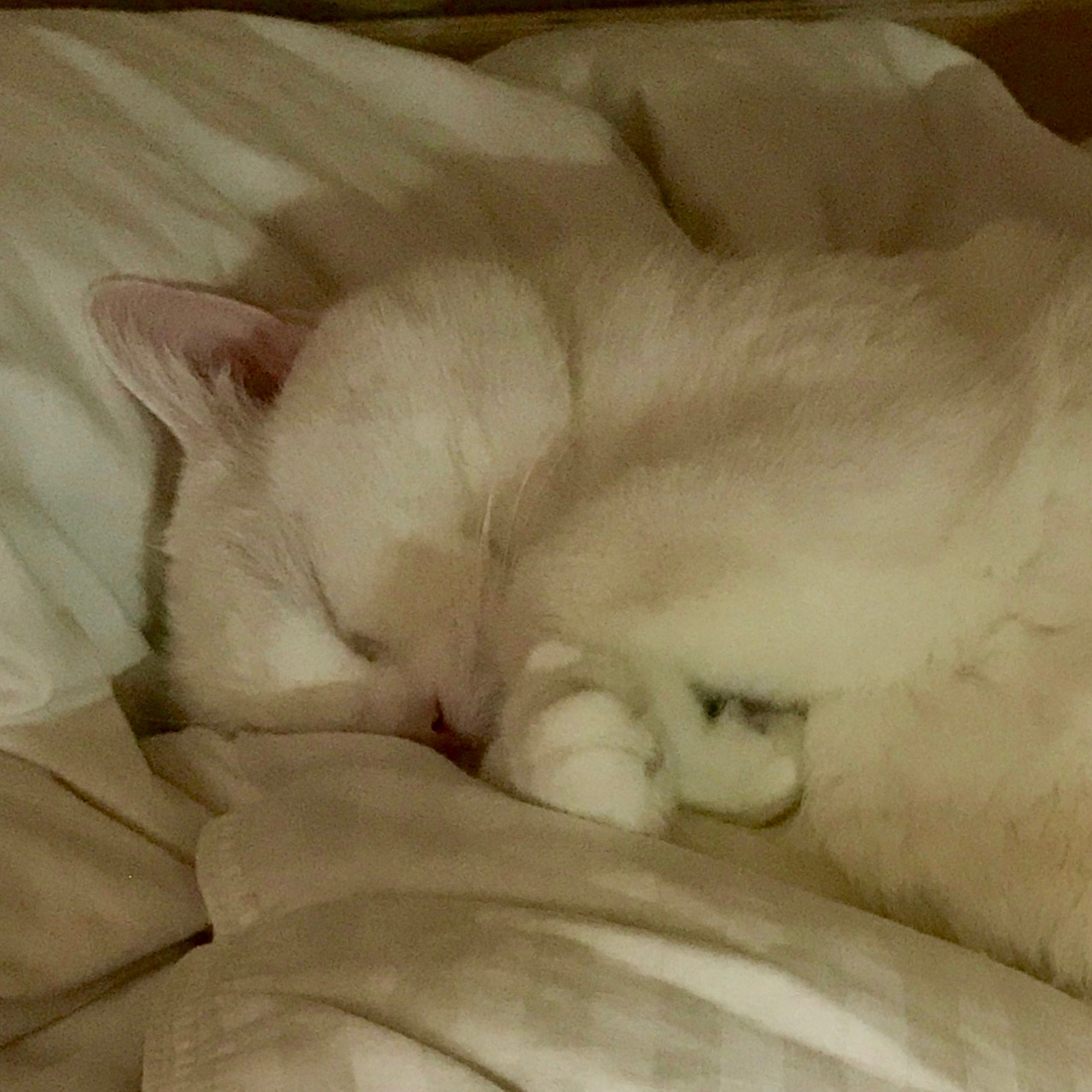
And my sweet little Cora was waiting for me.