My next stop was just 23 miles south, at Gamble Rogers State Park in Flagler Beach.
The park is named after Gamble Rogers, who was a cherished Floridian folk singer. While camping at Flagler Beach in 1991, a young girl came running up to him to get help for her father, who was struggling in the surf. He grabbed an air mattress and attempted to rescue him. Unfortunately, both men died. In honor of his heroism, Florida renamed the park after him.
It’s a lovely modern park, with paved roads, level gravel pads and easy-to-back-into sites. I made it in one pass! I am always so proud when I can do that. I wish it happened more often.
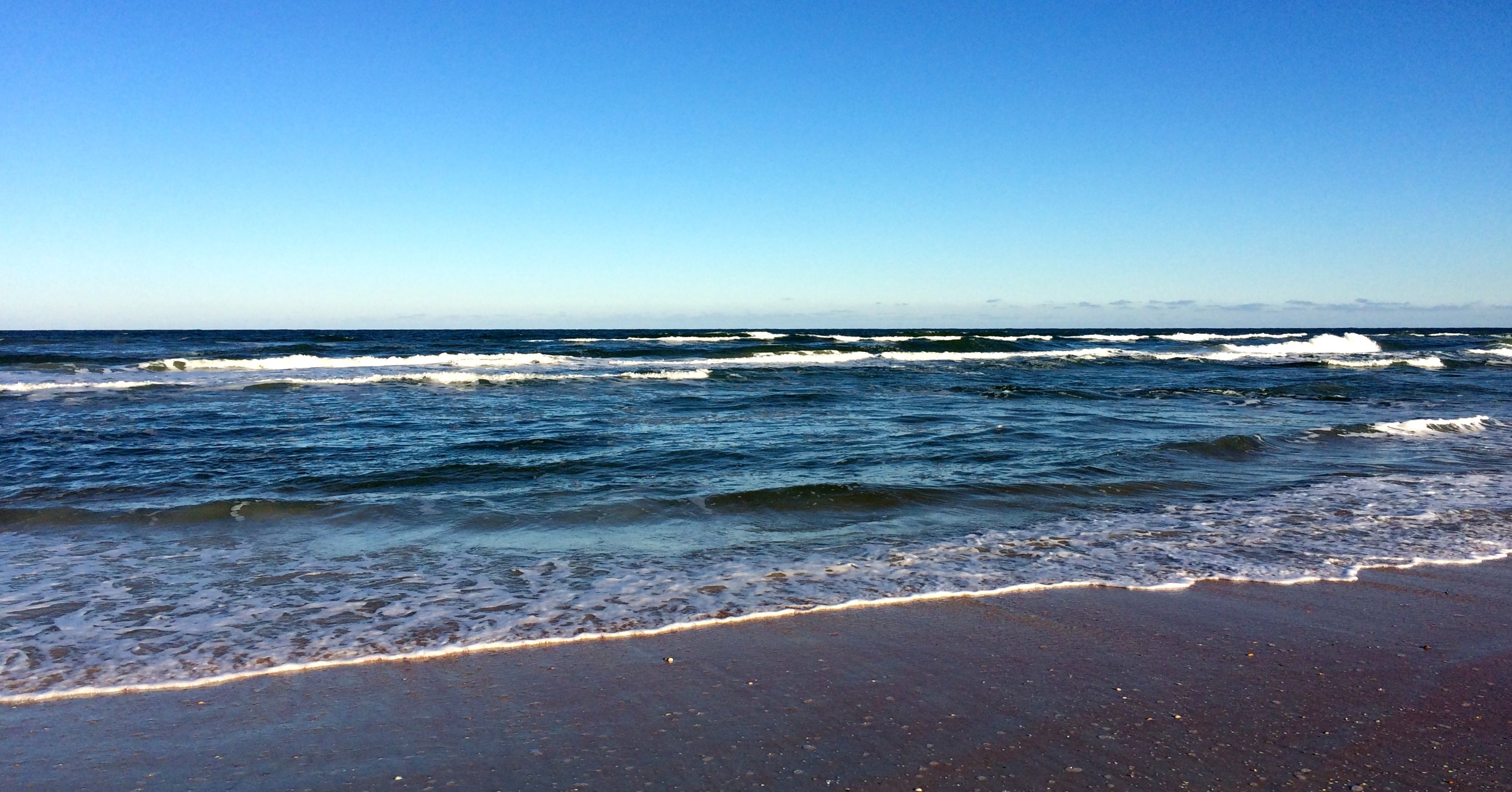
The sun was bright and they sky was blue. It was a beautiful day for a walk on the beach. It could have been a few degrees warmer, though.
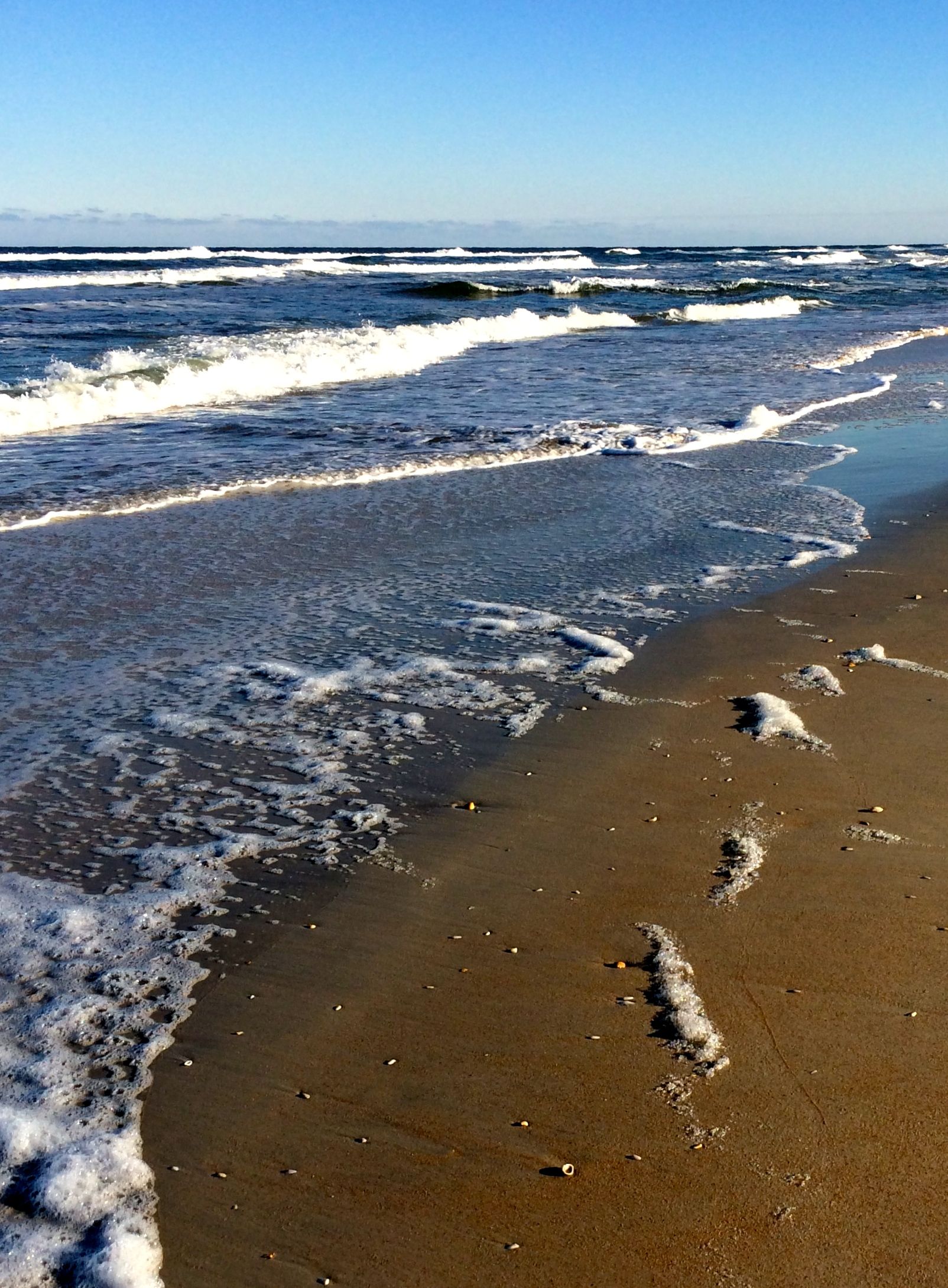
I was rather surprised by the foam on the beach. I wonder what is causing that? And I found the most beautiful shell.

The weather was chilly. I feel embarrassed saying that the 50s felt chilly. After all, I was born in Buffalo. I spent nearly 30 years in Kalamazoo. My last winter in Kalamazoo, I cleared the driveway of the 12 feet of snow that fell with nothing more than my orange fiberglass shovel. I should be able to handle 50 degrees. But, my father always said that there is no cold like cold in Florida.
And he was right.
I enjoyed time in my trailer with the heater running. After my time at Faver-Dykes, I revealed in watching a little TV.
One day, I fired up my HISTORY Here app to see what might be nearby. I identified two places I thought might be worth visiting.
The first one was in Ormond Beach, just down the shore. The Casements was the winter home of John D. Rockefeller. The name, The Casements, comes from the casement windows used in the house. Just in case you are curious, a casement is a window that is attached to its frame by one or more hinges. Casement windows are hinged at the side. Windows that are hinged at the top, like the windows on Flo, my Airstream, are referred to as awning windows. I’ll bet you’re wondering what the one hinged at the bottom are called. Those are called hoppers.
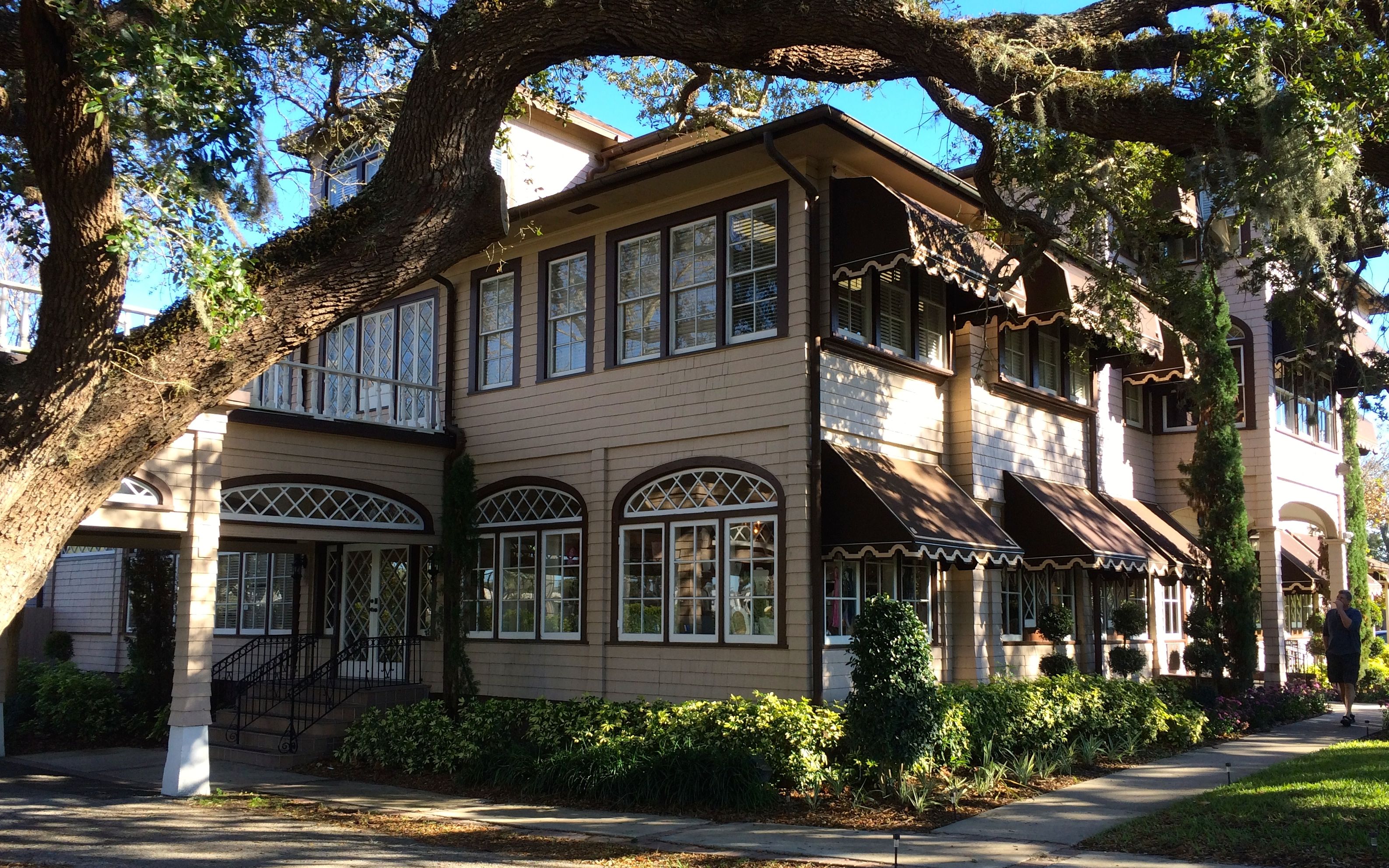
They offered a free tour. The price was right and I showed up one minute before the tour was to start.
The guide gave a good fifteen minute tour – and it only took her an hour to do it.
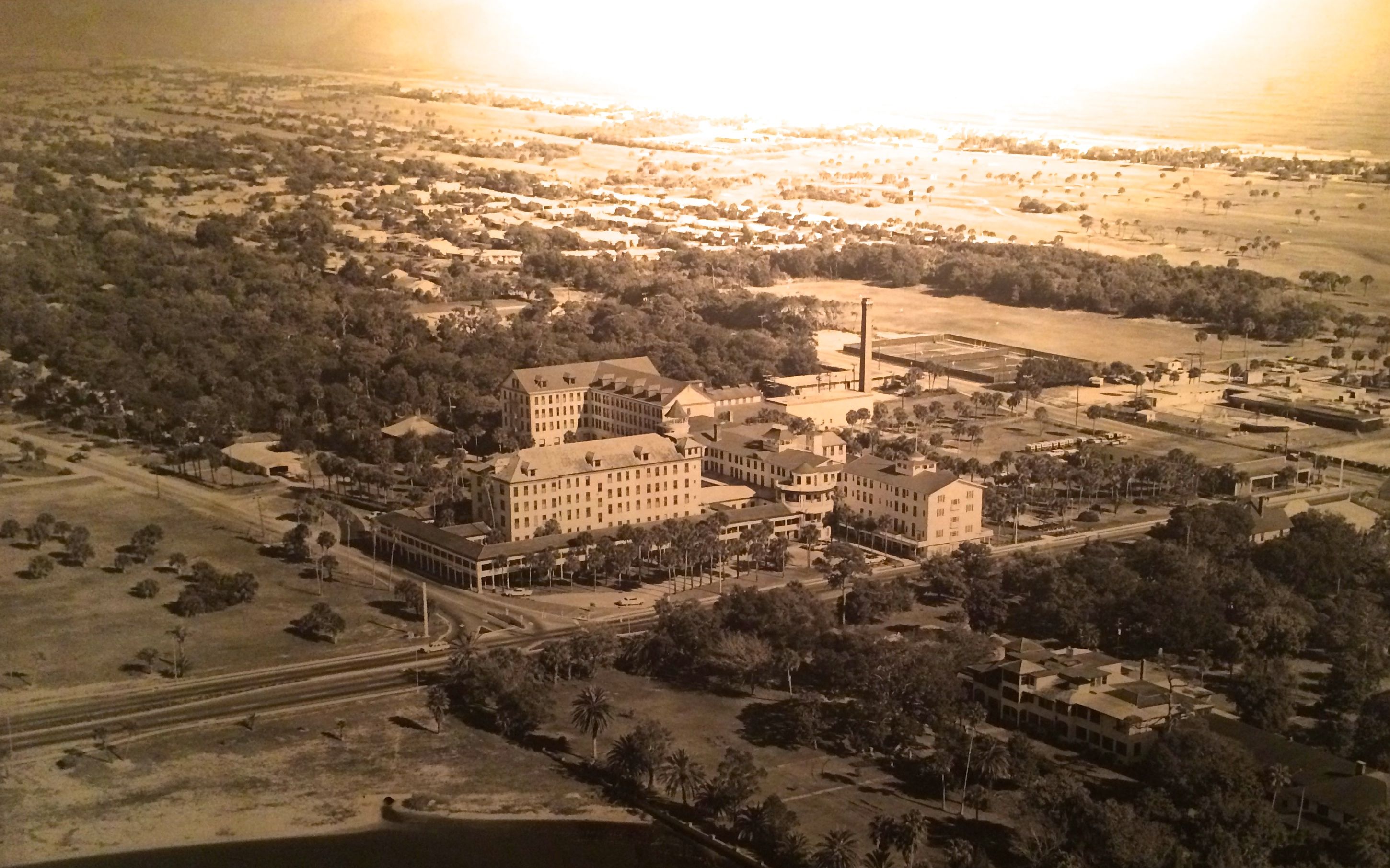
The Casements is the building in the lower right corner. The large building in the center of the picture is the Ormond Hotel. When Rockefeller began wintering in Ormond Beach, he first stayed at the hotel. His party took up the whole top floor. The guide told us that Rockefeller was happy with his accommodations there until he found out that the general public was charged considerably less than he was. He made arrangements straight-away to move into his own house.
He wintered in The Casements from 1918 until his death in 1937 at age 97. After his death, the property was sold and served as a girls school for a while. After that,it was a rest home and then it was carved up into apartments. It fell into terrible disrepair. It was on the verge of collapsing into the ground, if the photos on the walls were any indication. The city of Ormond Beach acquired the property in 1979 and renovated it for the use of the city.
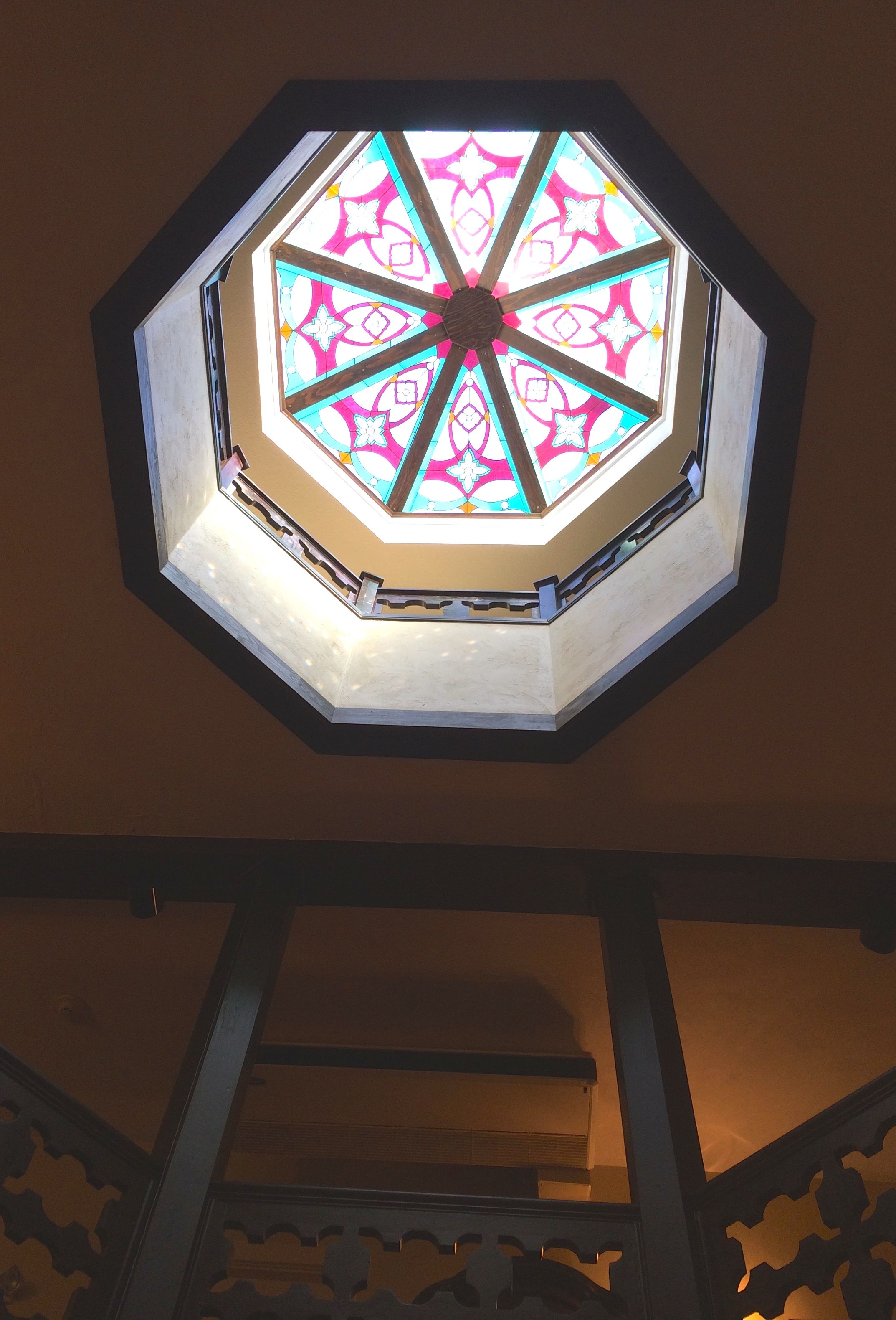
This is the window at the top of the living room. Of course, this window is a replacement. The railings around the mezzanine are also replacements.
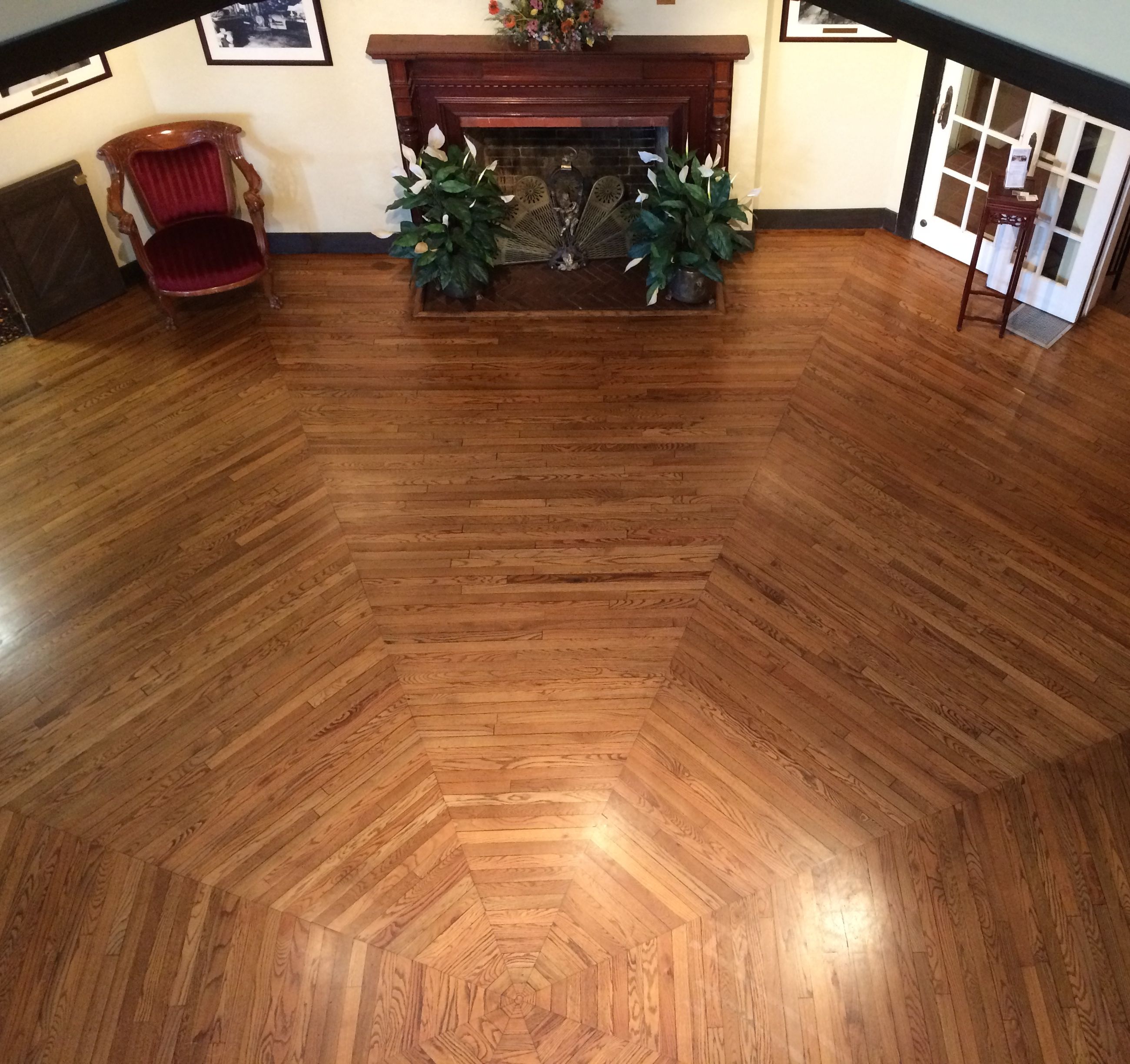
The floor has been replaced, too. Oddly enough, the mantle is original. It had been removed and installed in the Ormond Hotel. When the hotel was demolished, someone remembered that it had been here. They returned it to the city for the renovation.
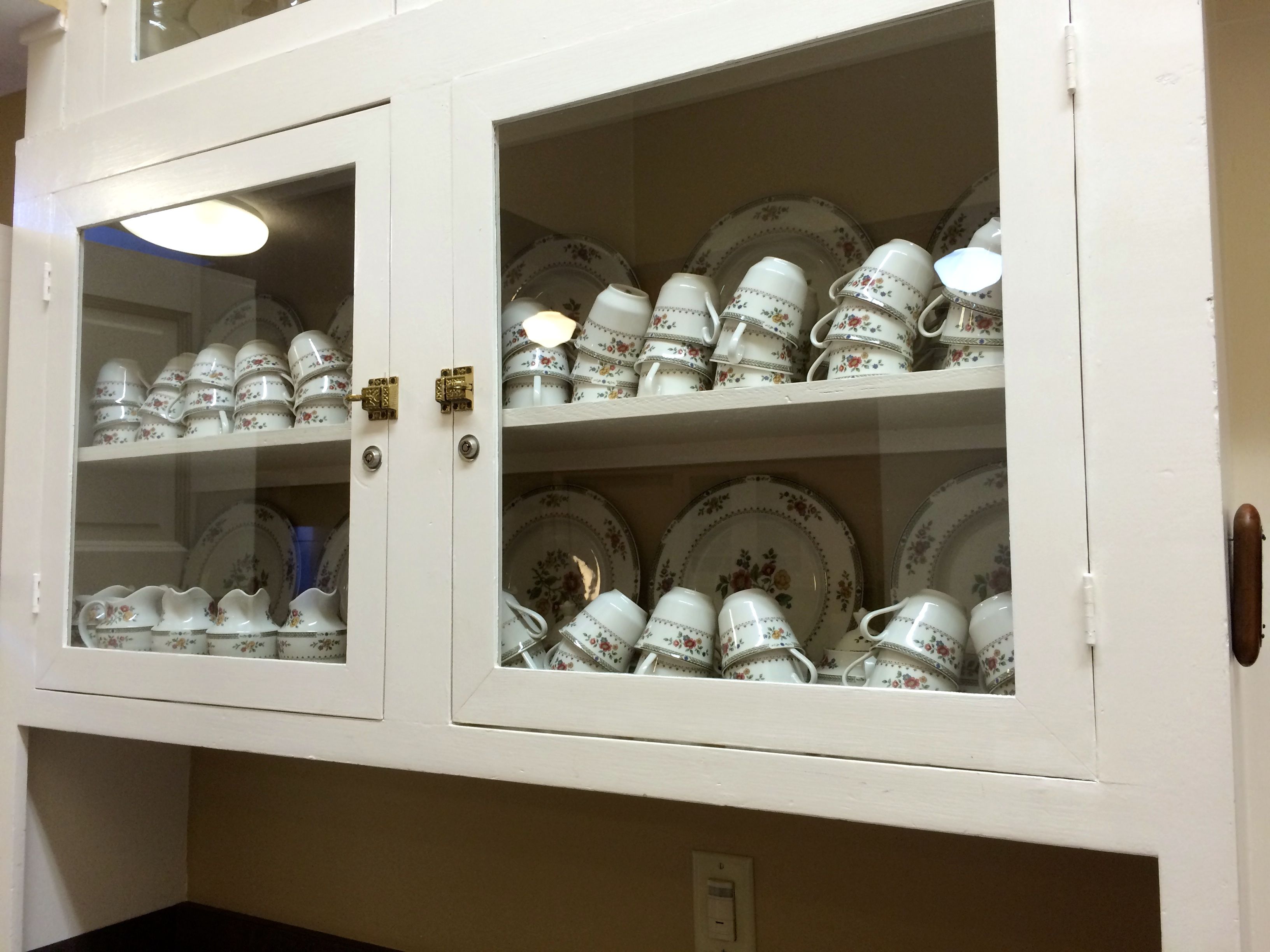
The guide pointed out this cupboard in the kitchen. It was the only original cupboard in the room. The dishes, naturally, are not original. They are used at the many festive activities here during the year.
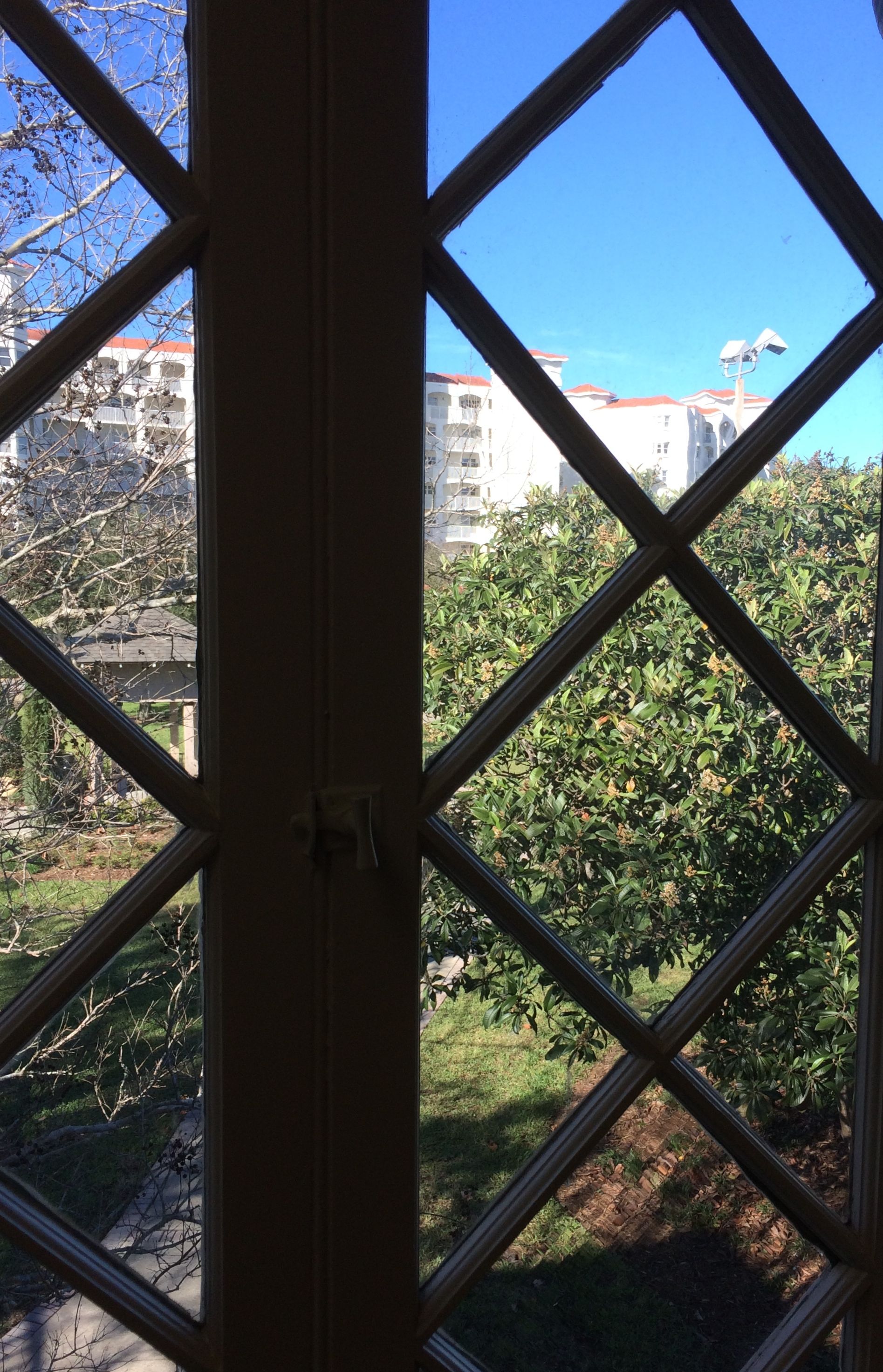
The guide pointed out the last remaining original glass in the house.
She also took us into a room that had a couple of pieces of furniture that belonged to the Rockefellers. Photos were not permitted in the room, although she couldn’t say for sure why. She did tell us that John D. Rockefeller’s son, David, is still alive at 100. In honor of his 100th birthday, he gave $10,000 to The Casements. That was a nice gesture.
There was also a Boy Scout display on the third floor that was begun as an Eagle Scout project.
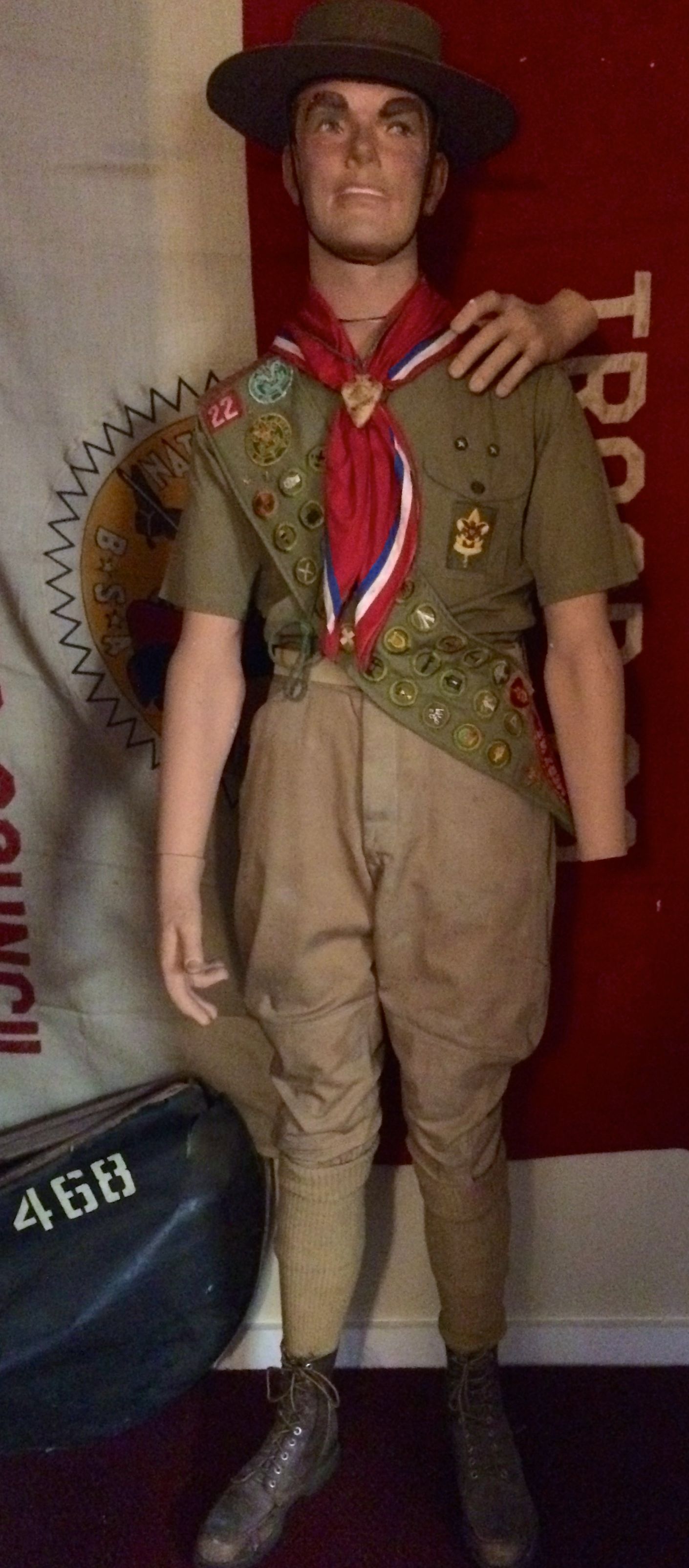
I was a bit perplexed by the hand on the dummy’s shoulder, until I realized that it was the one that fell off. Someone with a sense of humor had repositioned it.
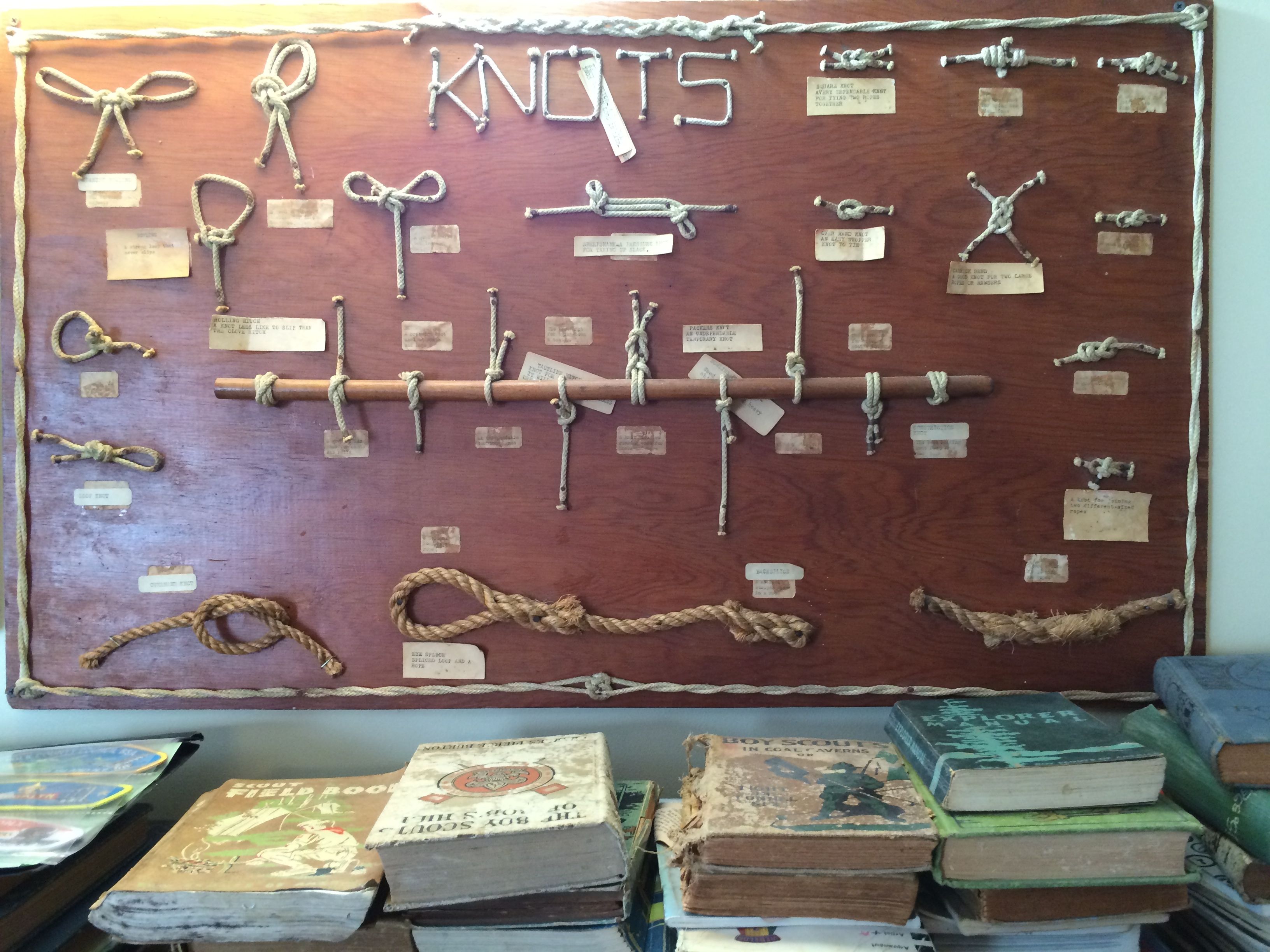
What is a Boy Scout museum without knots?
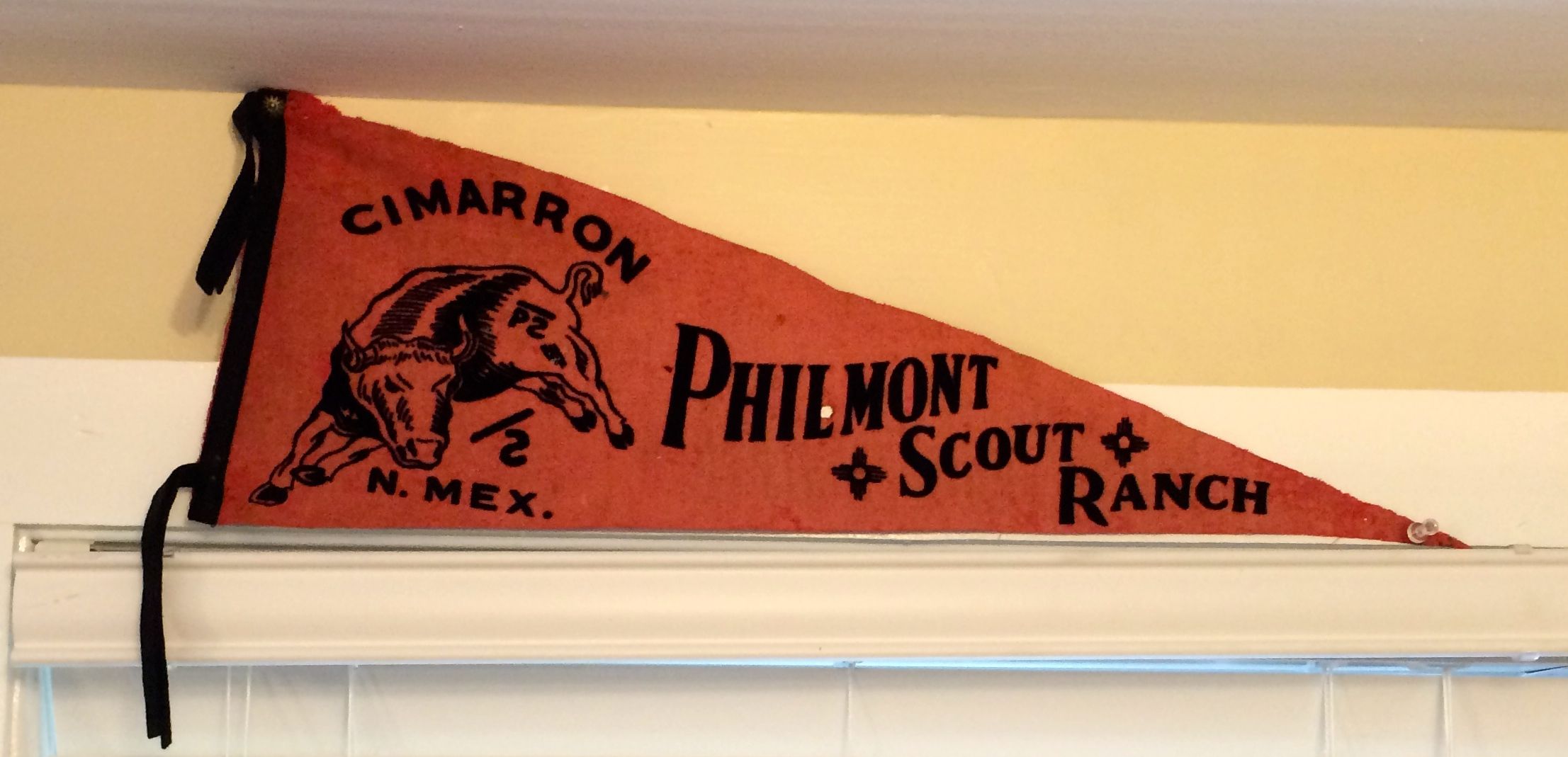
I was pleased to see this banner from Philmont. I had driven by the ranch when I was in New Mexico last spring.
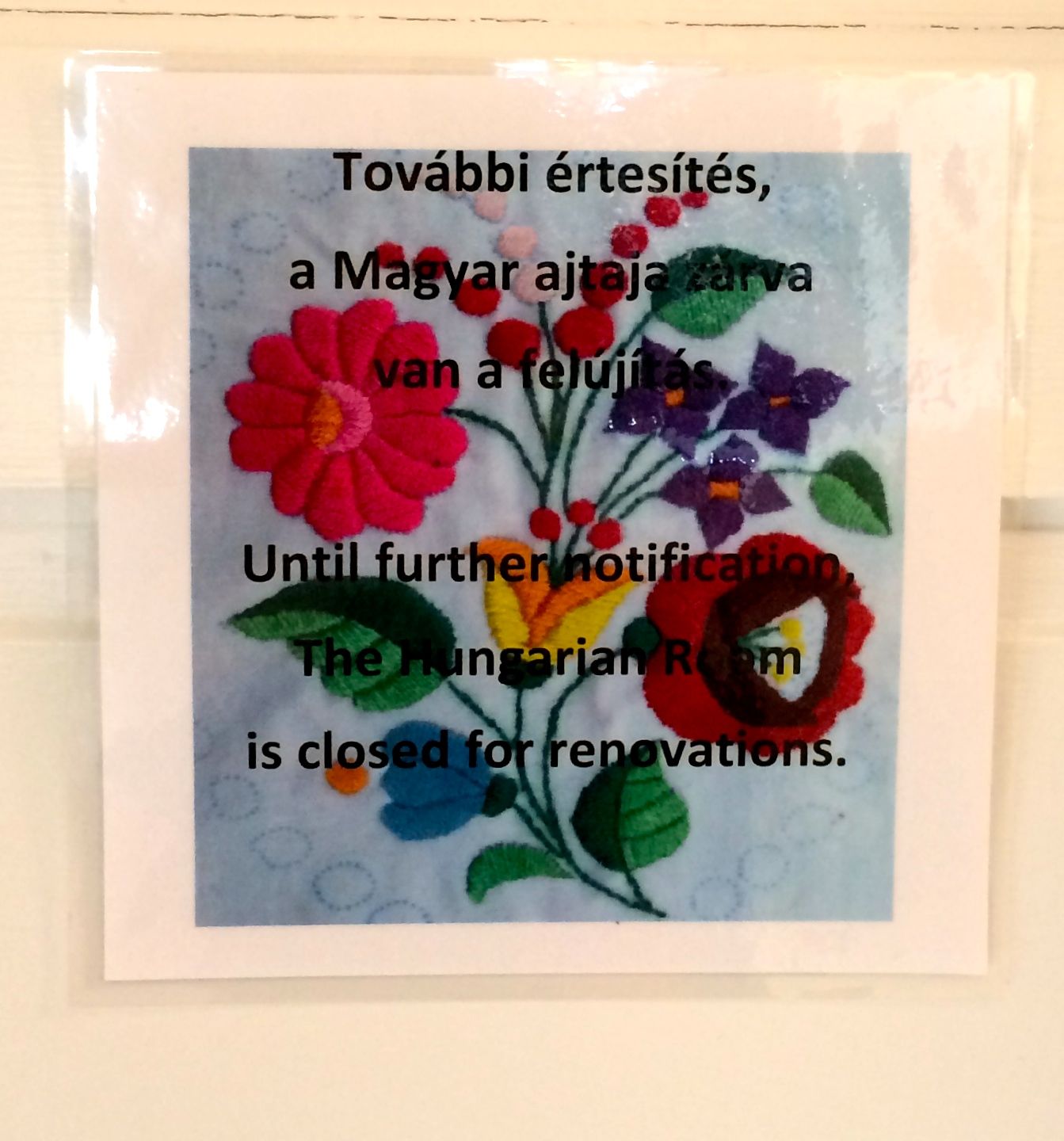
There was another display on the third floor that I had hoped to see. It was a display of Hungarian art. In the brochure about The Casements, it said that the display was facilitated by Cardinal Mindzenty. A good friend of mine attended high school in Dunkirk, NY in a school named in his honor. Alas, the display was closed due to a leak in the roof.
And then it was time to move along to the next item on my agenda.
I headed further down the road to Daytona Beach to see the home of Mary McLeod Bethune. When I was a youngster, I was really into reading biographies, and I was taken with Mary McLeod Bethune’s life story. It could have been the neat name. It could have been that she was born to former slaves and accomplished great things, including starting a school. I think it might be the story I remember from the biography about how she would have the butcher wrap each piece of meat separately so that they could use the butcher paper for learning to write.
I am always drawn to people who are thrifty, can get things accomplished and figure out ways to use what other people see as trash.
Just check out some of my art work.
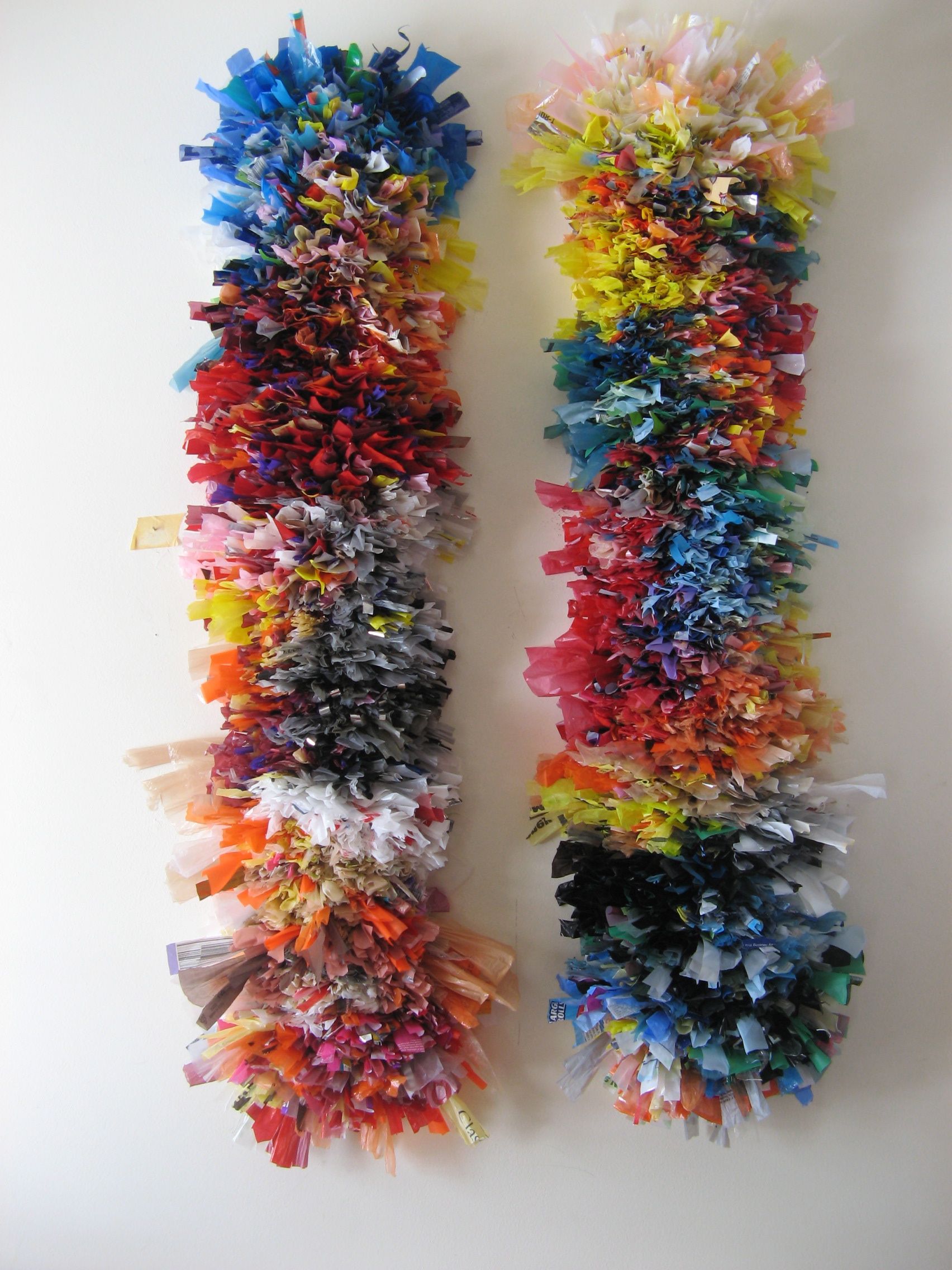
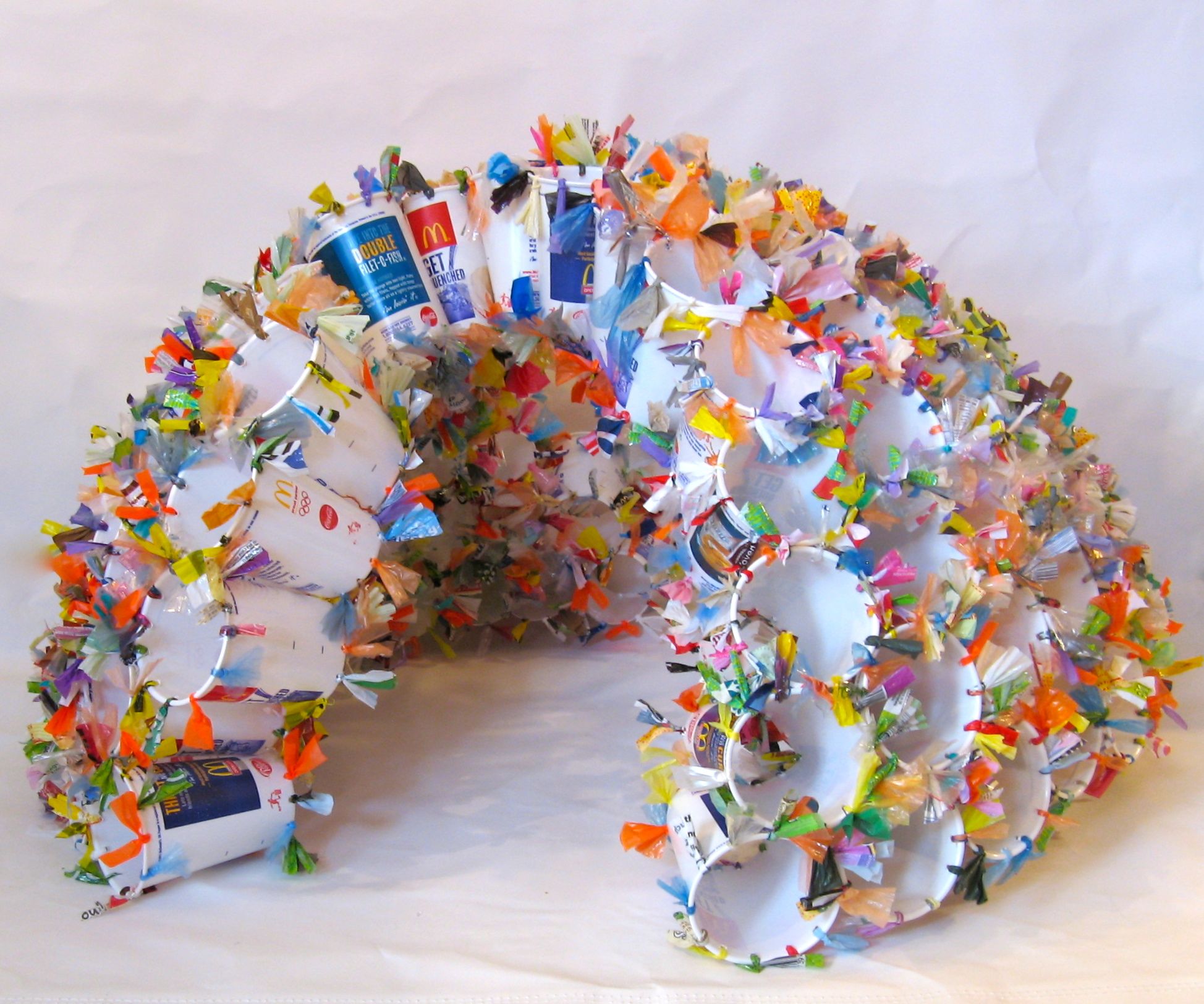
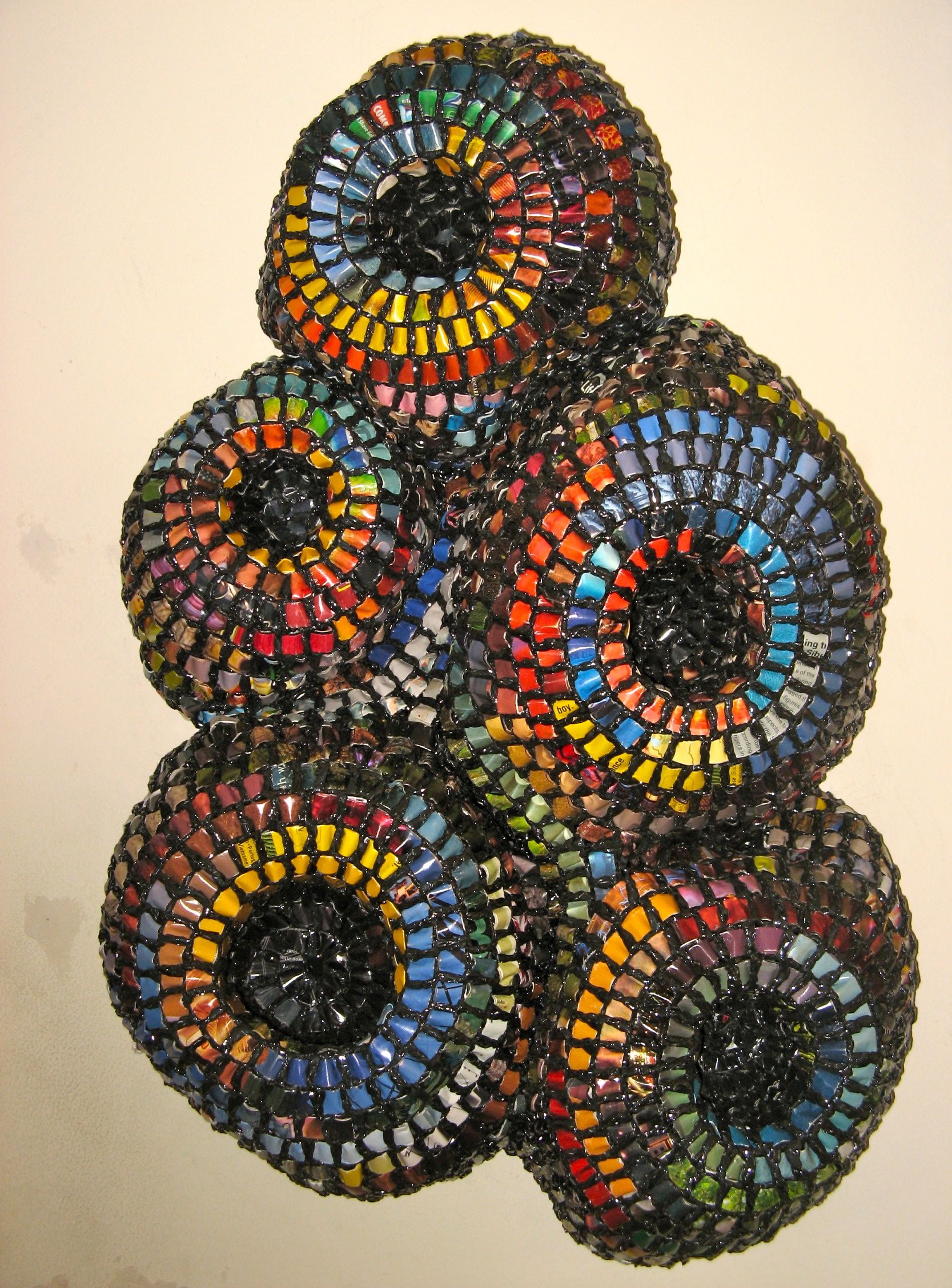
Enough about me. Let’s get back to Mary McLeod Bethune and her house.
Born in 1875, she was one of 17 children born to former slaves. Everyone worked in the cotton fields. She was the only person in her family that was able to attend school.
She had wanted to be a missionary in Africa, but decided to come to Daytona Beach in 1904 to start a school for the daughters of black workers. In the 1920s, her school, Daytona Normal and Industrial Institute for Negro Girls, merged with the Cookman Institute for Men. She remained at the head of the combined of the school, which became Bethune-Cookman College, until 1942. She was 67 when she left that leadership position and moved to Washington DC to work on various causes, including NAACP. She took up residence at its new National Council of Negro Women headquarters in a Washington, D.C. townhouse and returned to Daytona Beach in her retirement. She died in 1955.
Anyway, I wanted to see her home, which is on the grounds of Bethune-Cookman College. According to some information I tracked down, they give tours of the house. I got to the university and found a place to park. It was a lovely campus, and the students passing from one side of the campus to the other to the other smiled and greeted me. I got to the house…
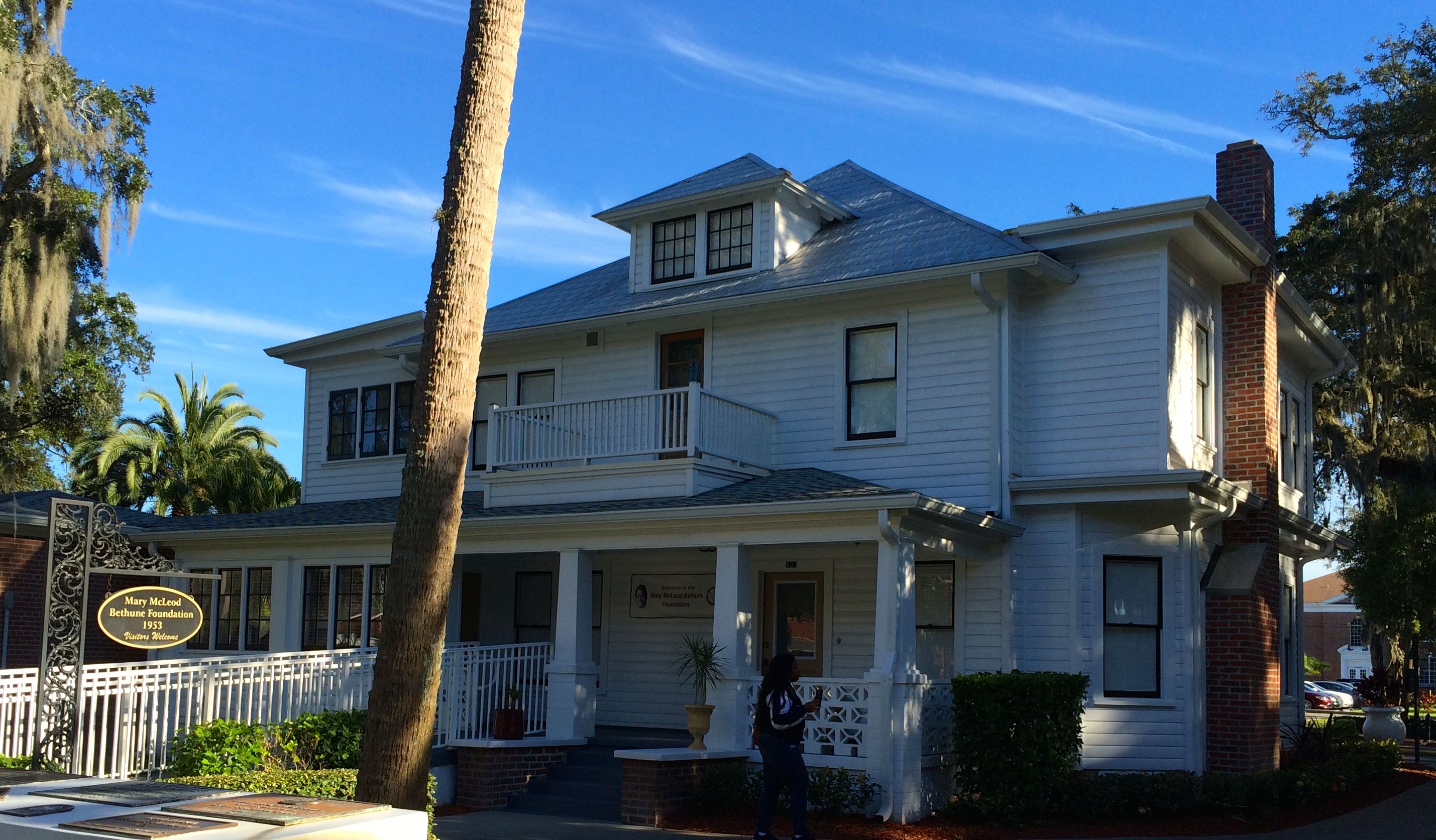
And found that it had closed at 3:00. Rats!
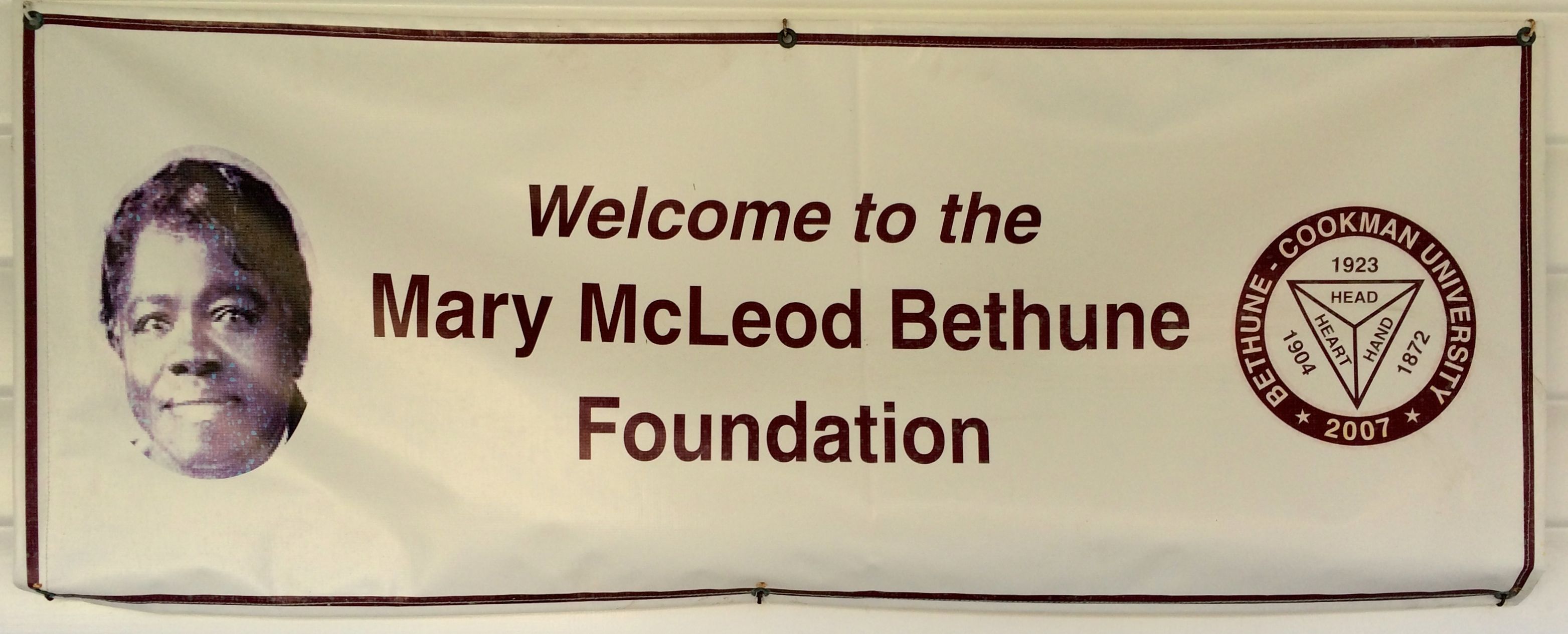
Oh well. At least I had seen it.
On the way back, I saw some signs that said “Ramp to beach”. I wondered if it really was possible to drive on the beach. I made a U-turn and entered the ramp. It turns out that there was a $10 fee to enter. I really wasn’t interested in spending any time on the beach. It was way too chilly and I didn’t know how far I could drive. So, I explained to the guy in the toll booth that I didn’t really want to enter – I had made a mistake. He said that I could turn around, and so I did.
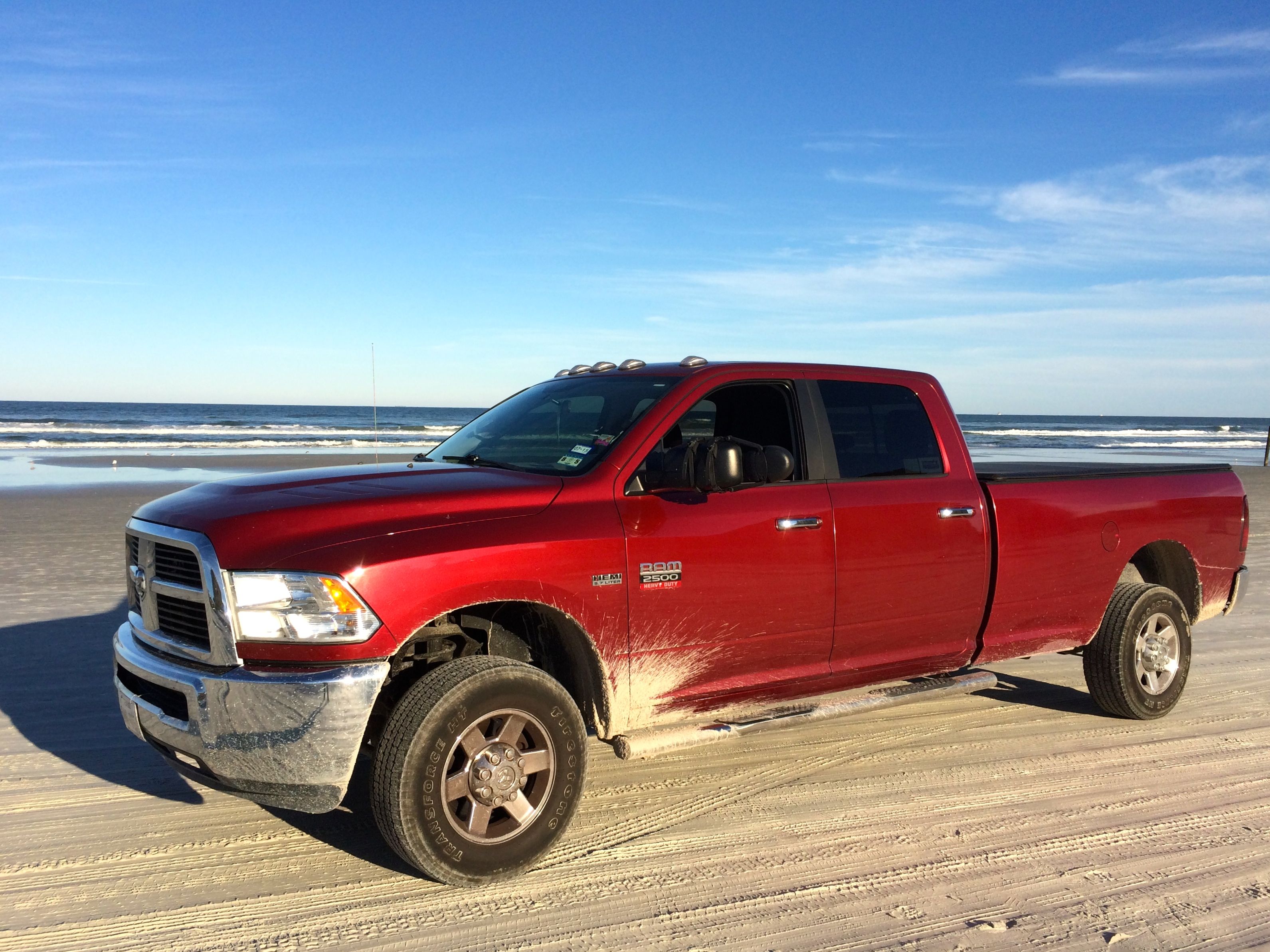
But not before I got a glamour shot of Bart on the beach.
I stopped to get some gas on the way back, and had to go into the convenience store to get the receipt. The clerk asked me if I wanted a Powerball ticket. You remember? The $1.5 BILLION jackpot? Well, why not buy one and be a part of the excitement. I took one. And I WON!

I won $4. Hey, I doubled my money! It was my first ever attempt to play the lottery and I won.
I decided to quite while I was ahead.