When I was a youngster, I was a real Civil War buff. I could recite battles, dates, generals- you name it. These days, the details are not as sharp, and when I visited Gettysburg this time, I was not as taken with the battle itself as with how people responded to it.
No doubt about it, the battle was horrific. It lasted for three days – July 1-3, 1863. By this point in the war, the armies had gotten extremely efficient at killing and maiming their opponents.
Of the more than 160,000 soldiers from both sides taking part in the battle, almost 8,000 were killed, 17,000 wounded and 11,000 captured or missing. To put that in some sense of perspective, Gettysburg itself had only about 2,400 residents living there at the time.
After the battle, they had to take action. The had to get their town back in order and they had to do something with all the dead. At first the dead were buried in shallow graves, with names written in pencil on wooden boards. Wind and rain began eroding the temporary graves and the townspeople began calling for a cemetery to provide for a more proper burial for the Union soldiers. Governor Curtin worked with a committee headed local lawyer David Wills to get the dead buried. The reburial process started at the end of October, four months after the battle.
This was the first national cemetery. Our country was still so young that such things were still being established.
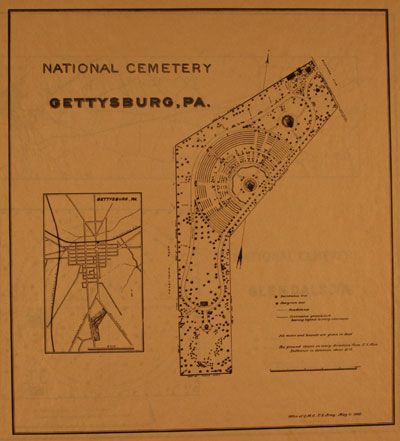
Rather than the rows of white markers that we are familiar with in Arlington National Cemetery, these markers were laid flush with the ground, and were arranged in a semi-circle.
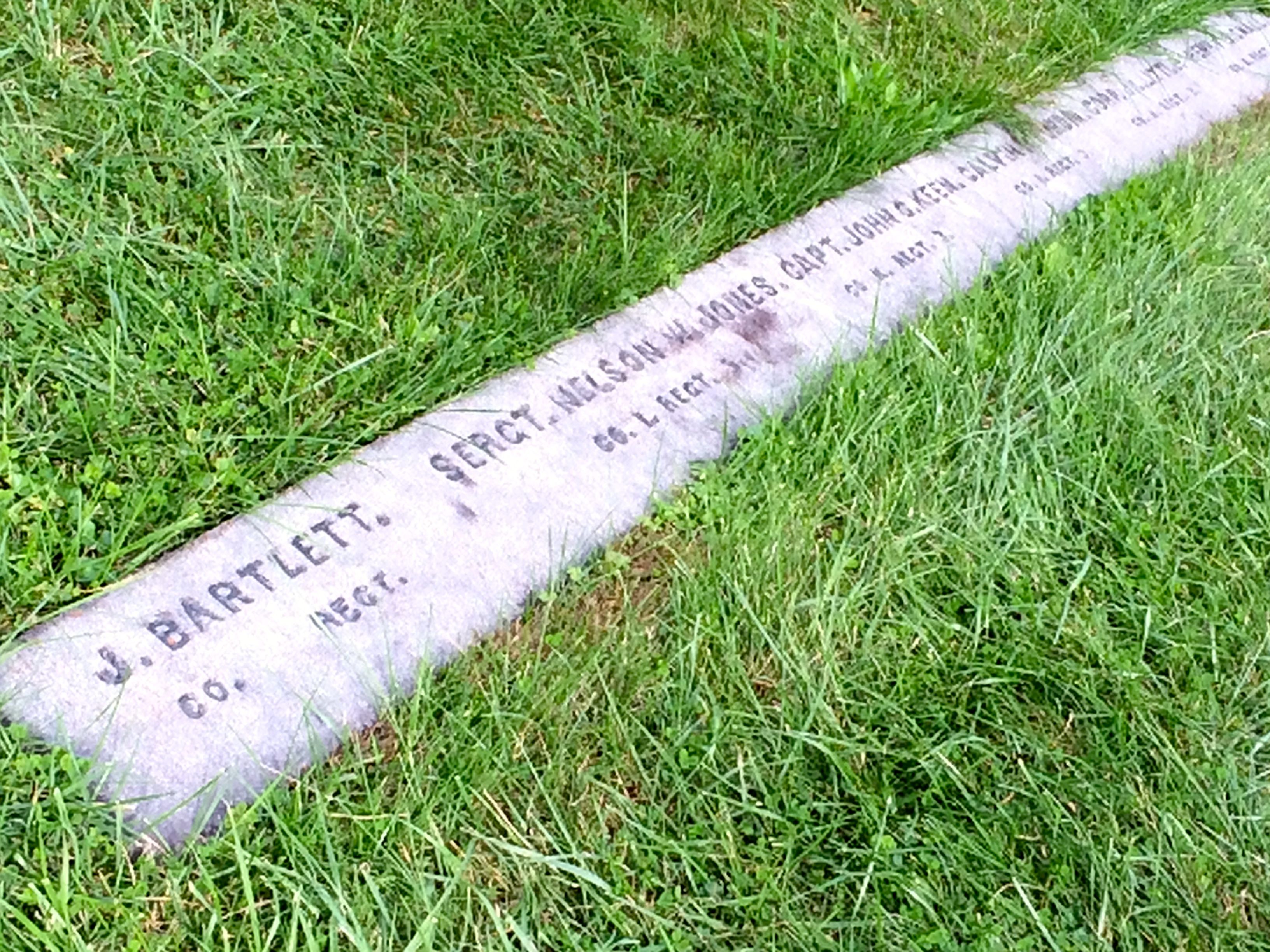
Enlisted men were buried next to officers.
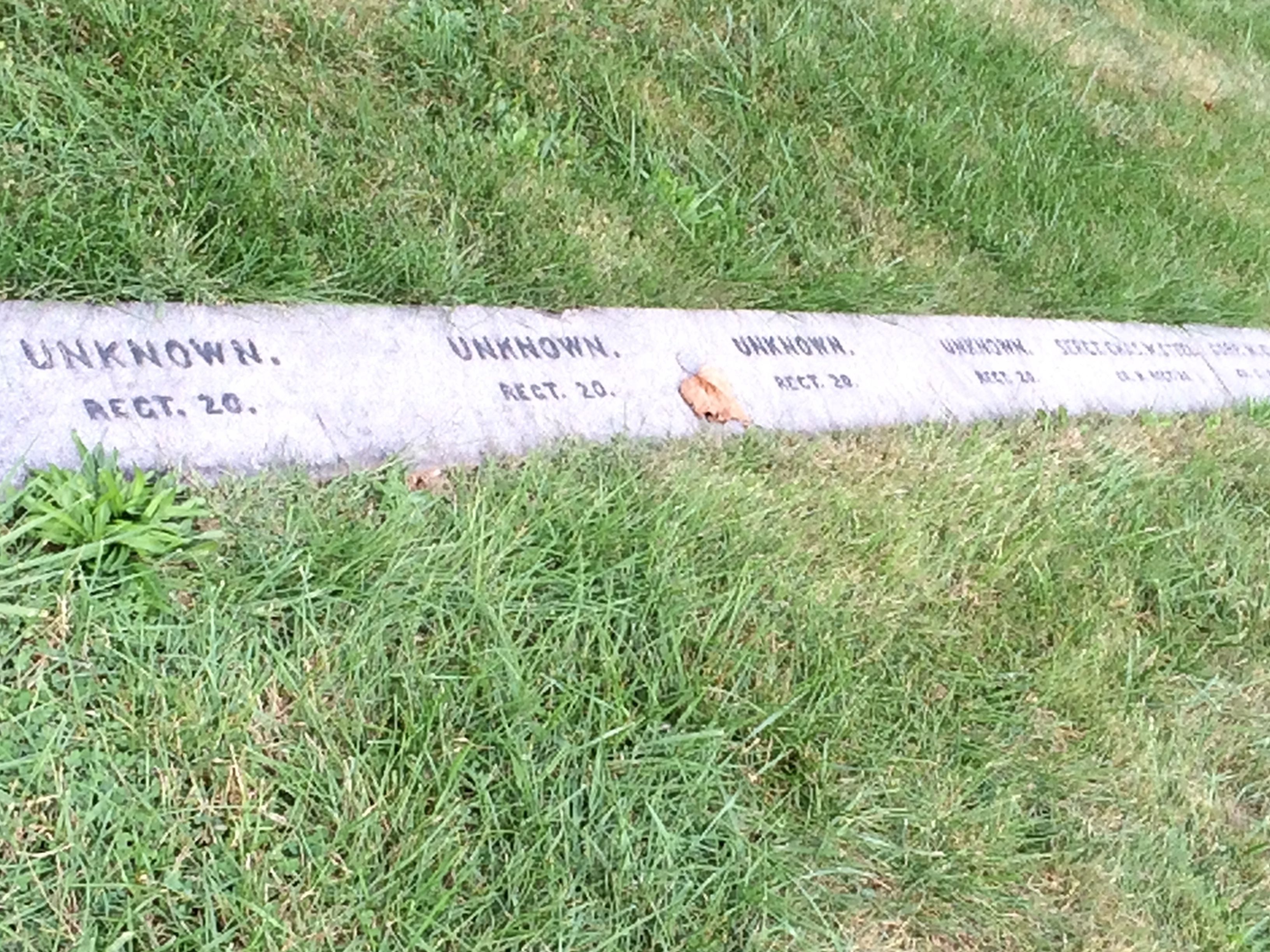
Unknown soldiers were buried as well.
The reburials had only been going on for about three weeks when the dedication ceremony took place. The reinterments continued until March of 1864.
Probably the most eloquent speech ever given was Lincoln’s Gettysburg Address, and it was made here on November 19, 1863.
That day, Gettysburg was invaded again. An estimated 20,000 people came to town for the dedication. Lincoln stayed at David Wills’ house, located on the town square. According to the guide at the Wills House, there were 38 people staying there for the dedication.
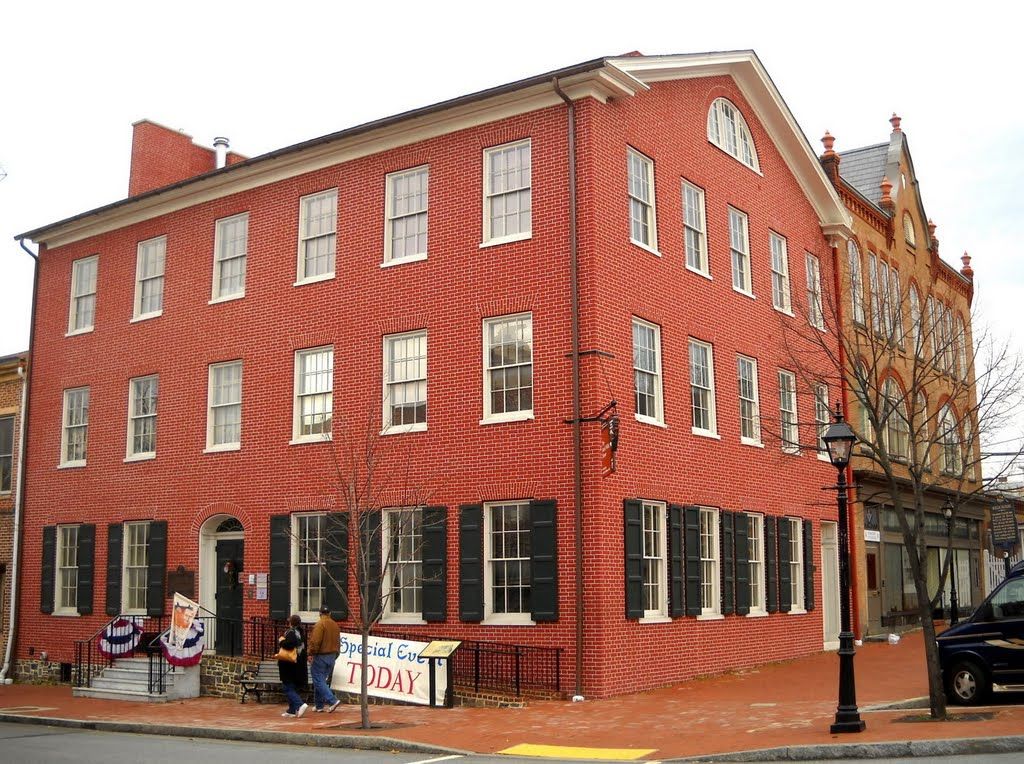
However, Lincoln was allowed his own room. The furnishings are believed to be the ones he used during his visit. Even the linens belonged to the Wills family, even if they are not the exact ones he used.
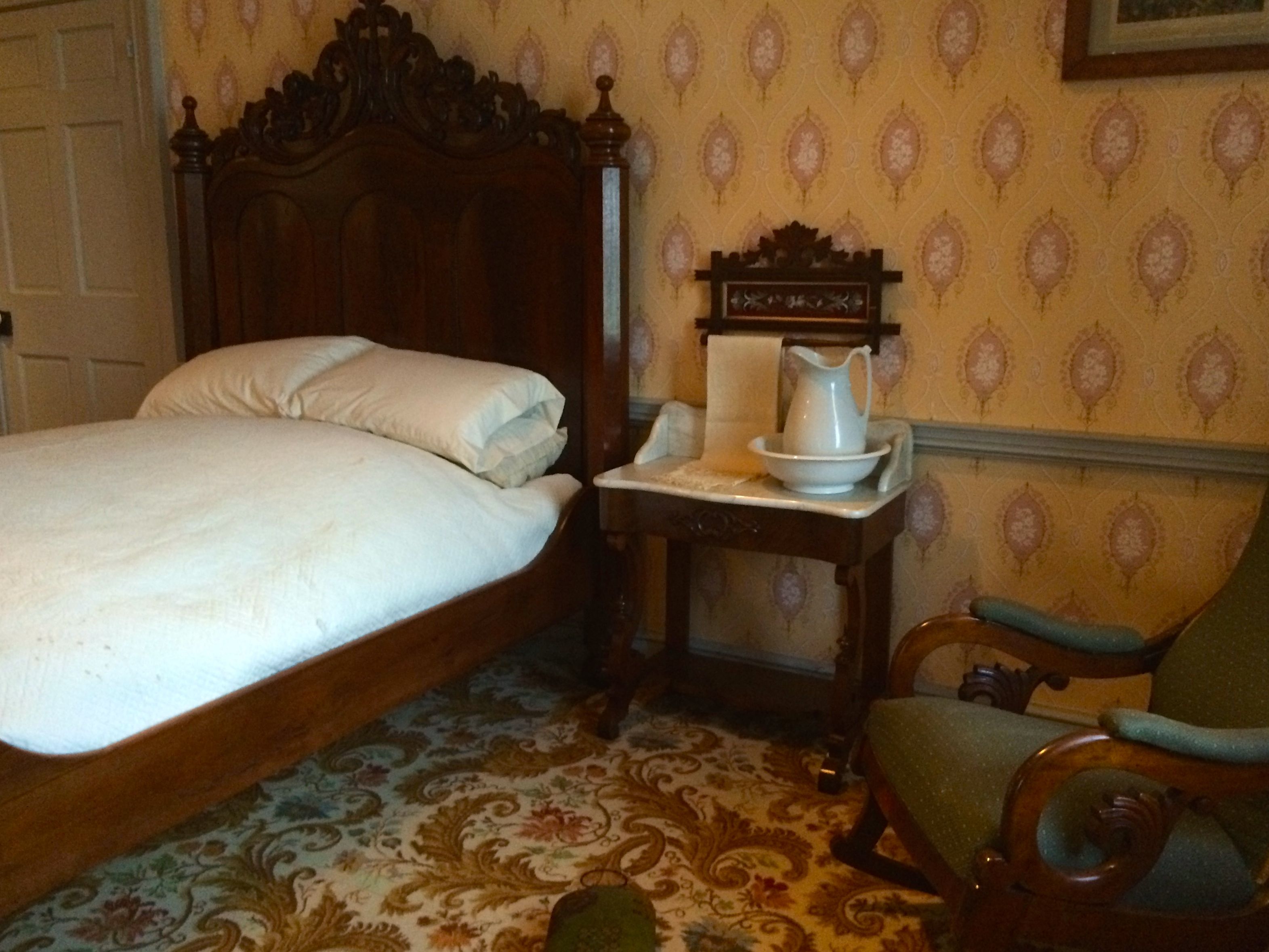
He made his final revisions on his remarks while he was in this room.
The big draw for the ceremonies was the keynote speaker, Edward Everett. He spoke for two hours before Abraham Lincoln got up and spoke for two minutes.
Now, I always had the feeling that the committee that put together the ceremony had sort of slighted Lincoln by inviting this nobody Edward Everett to be the main speaker.
I thought that history rather laughed at Edward Everett. After all, he delivered a long, flowery speech, but Lincoln’s short dedication is the one that is remembered. However, Edward Everett really was somebody back then.
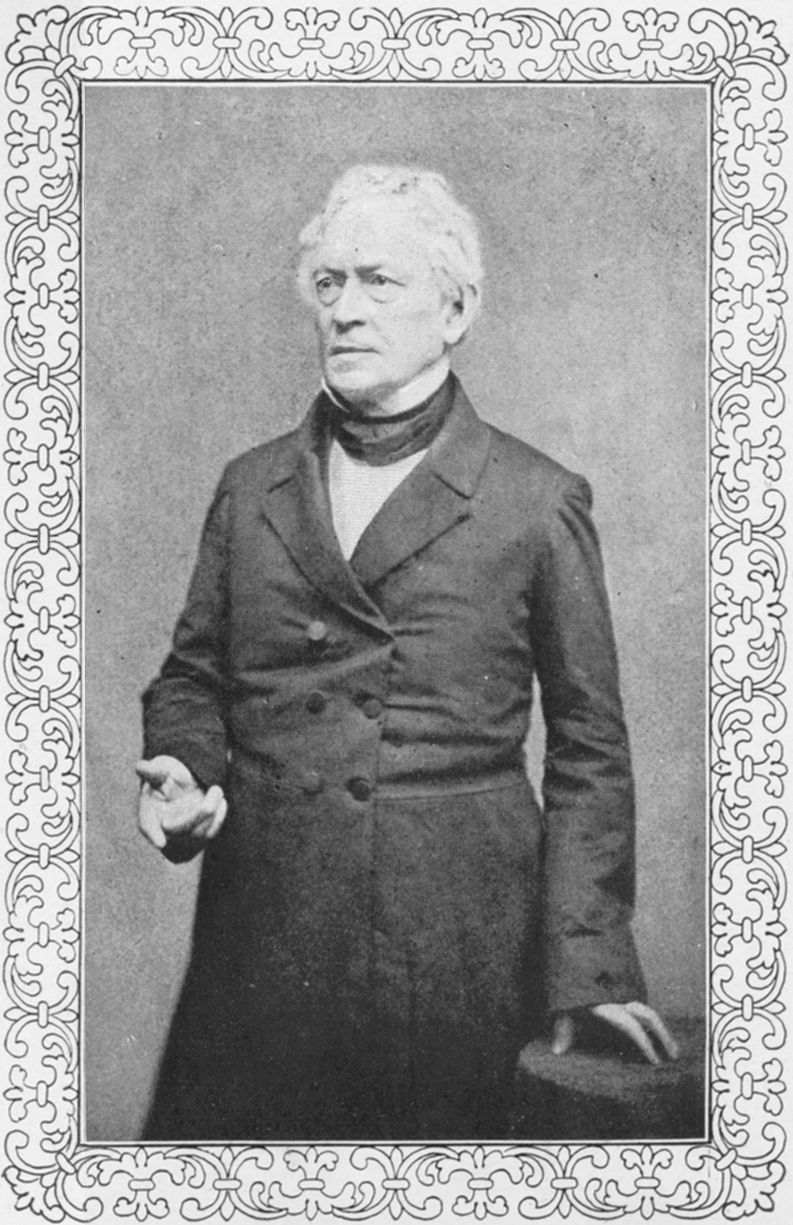
In addition to being a pastor and educator, he served as U.S. Representative, U.S. Senator and governor for the state of Massachusetts. He was also an Ambassador to Great Britain and president of Harvard. So, asking him to deliver the main speech probably wasn’t the slight to Abraham Lincoln that I imagined it to be. Besides, Lincoln had a war to run.
The reinterments had only been taking place for about three weeks when the dedication of the cemetery happened. It must have been a raw, muddy place. In spite of all the death and destruction of the battle, which had raged back and forth across this piece of land, there was a tree that survived.

That tree survives to this day. It is the honey locust that is in the center of the photo.
At the center of the cemetery, near where the speeches were given, is now a memorial to the soldiers.

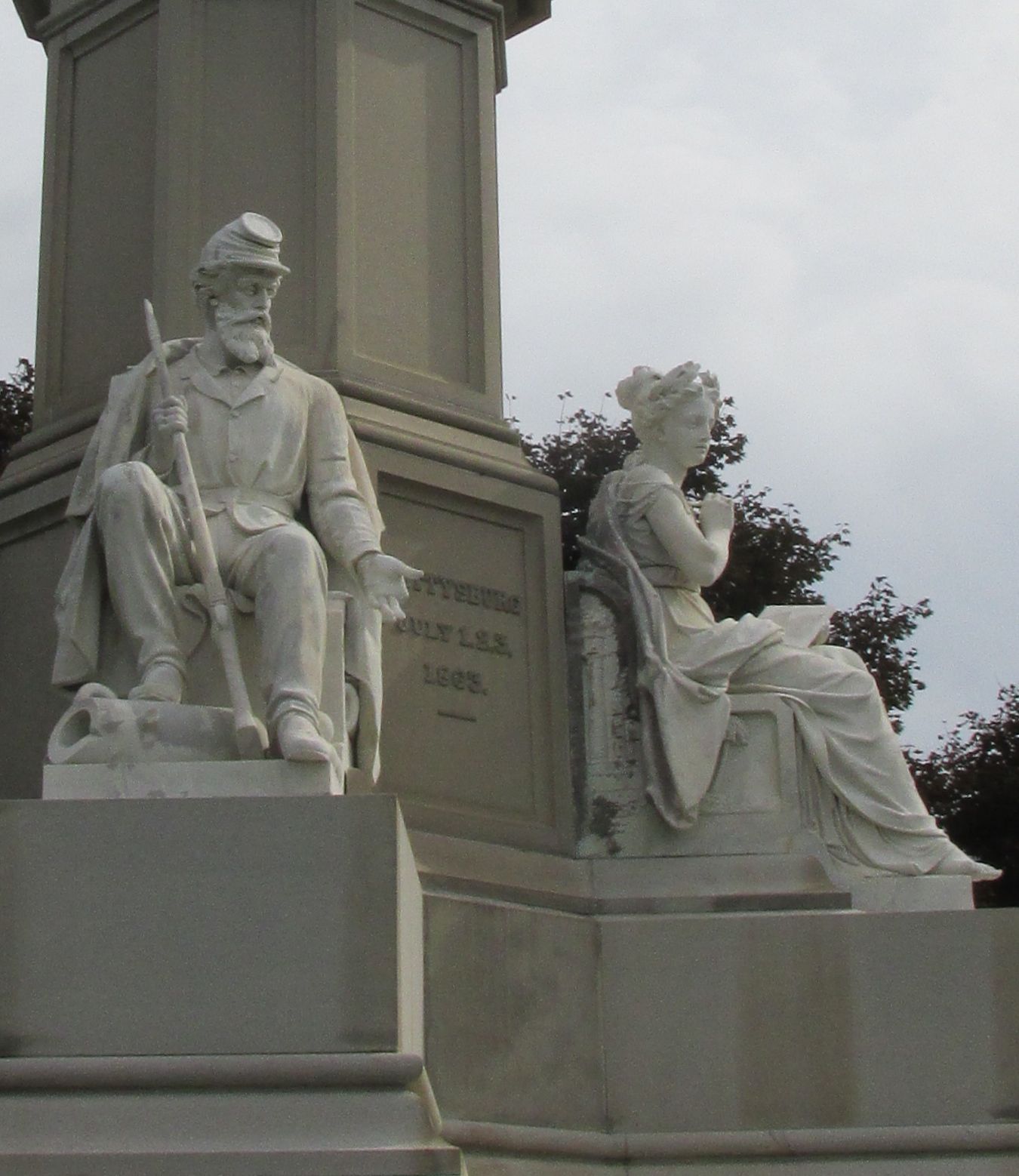
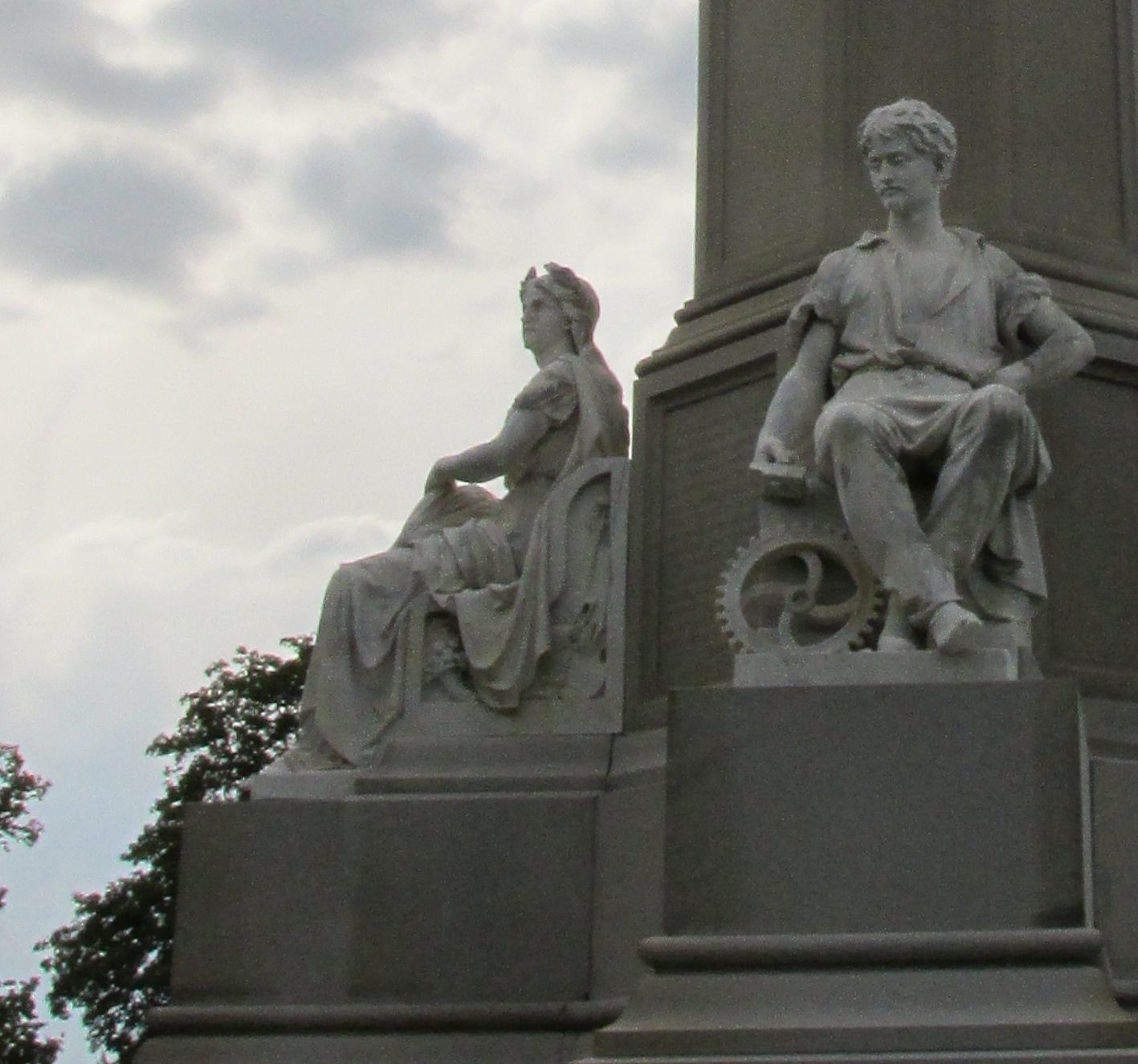
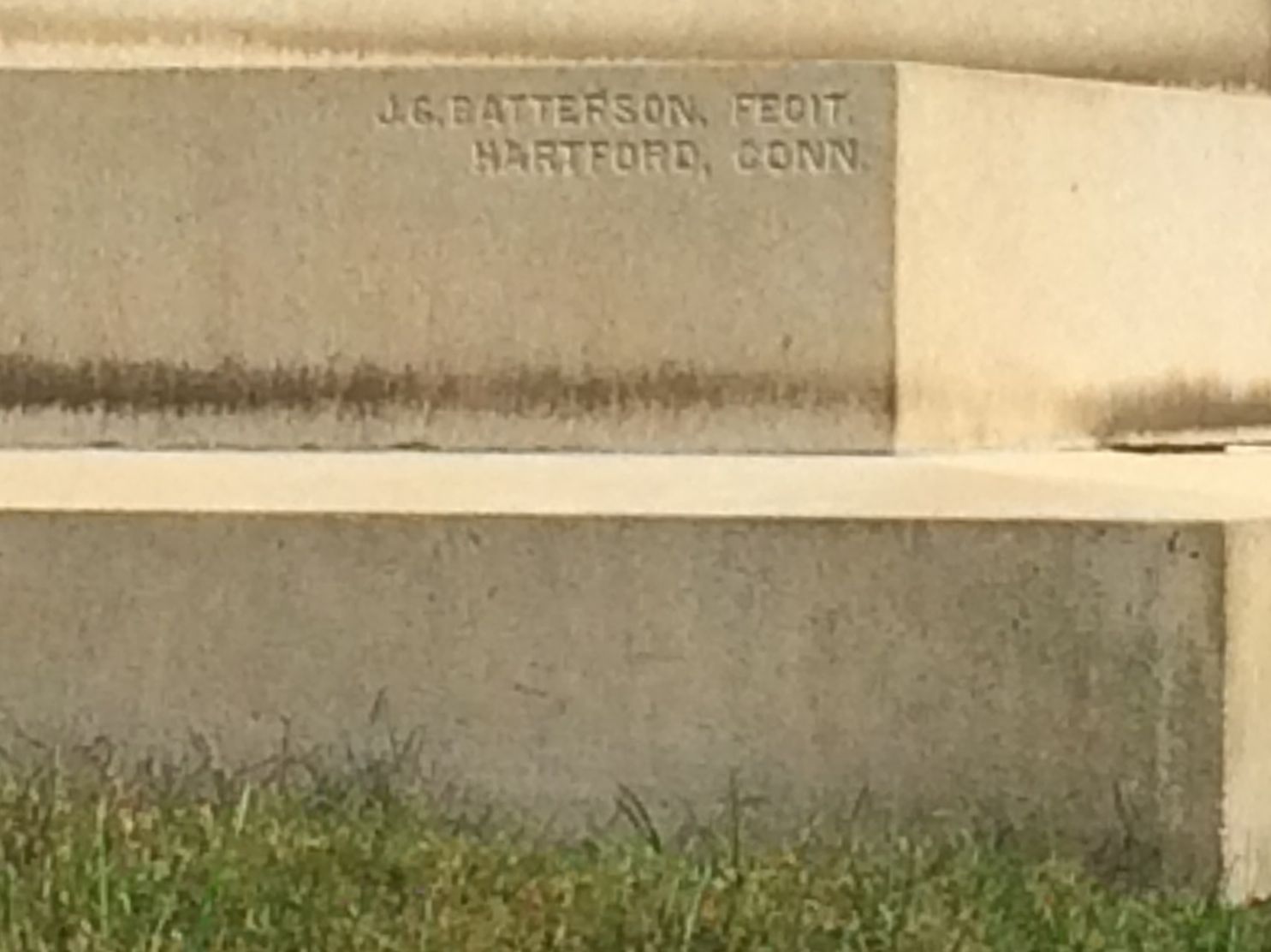
I particularly like how J. G. Batterson signed his work on the base.
The state memorials started coming in. The first one was a modest urn on a pedestal from Minnesota in 1867.
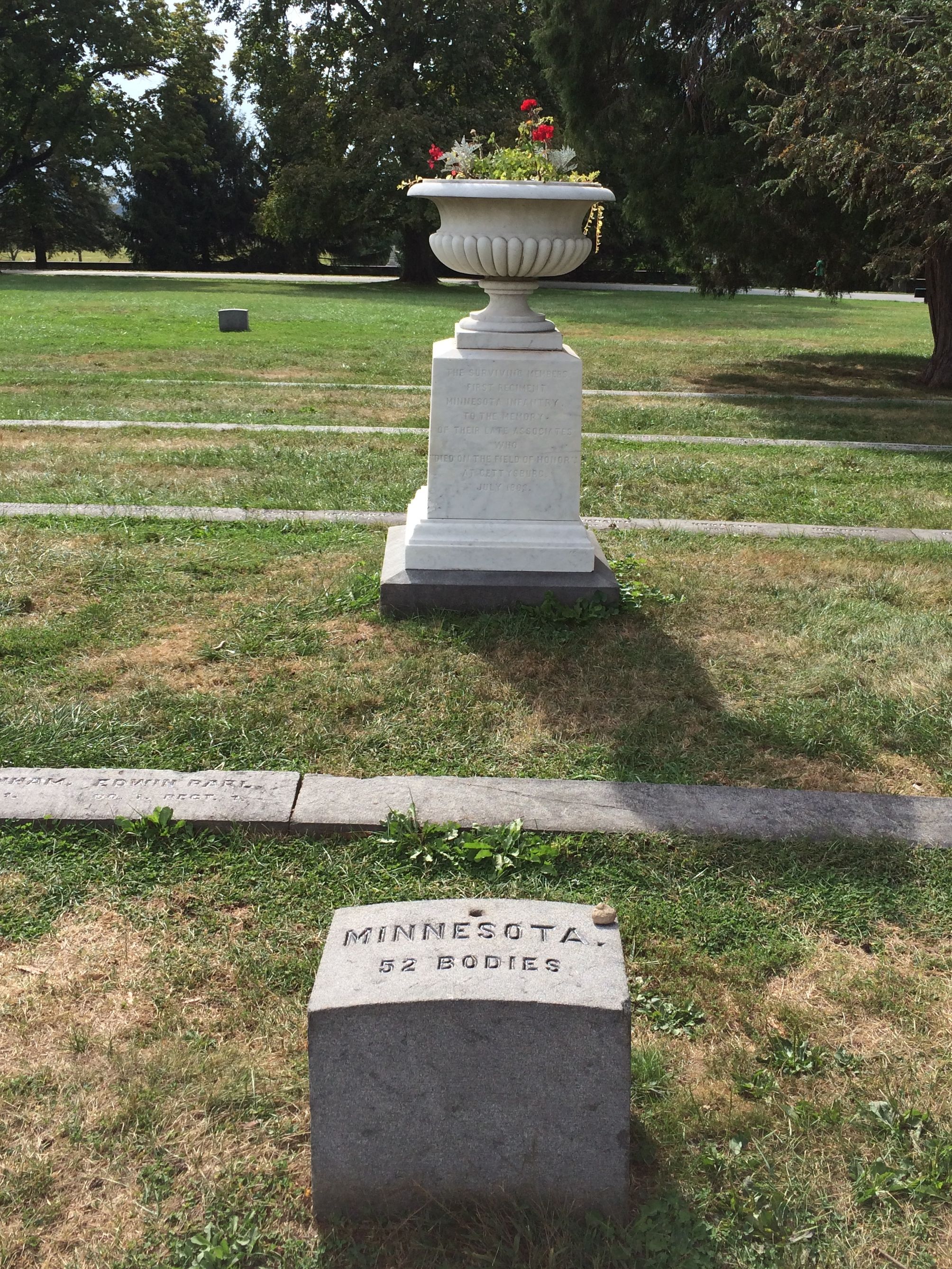
The last one was from Tennessee in 1982.
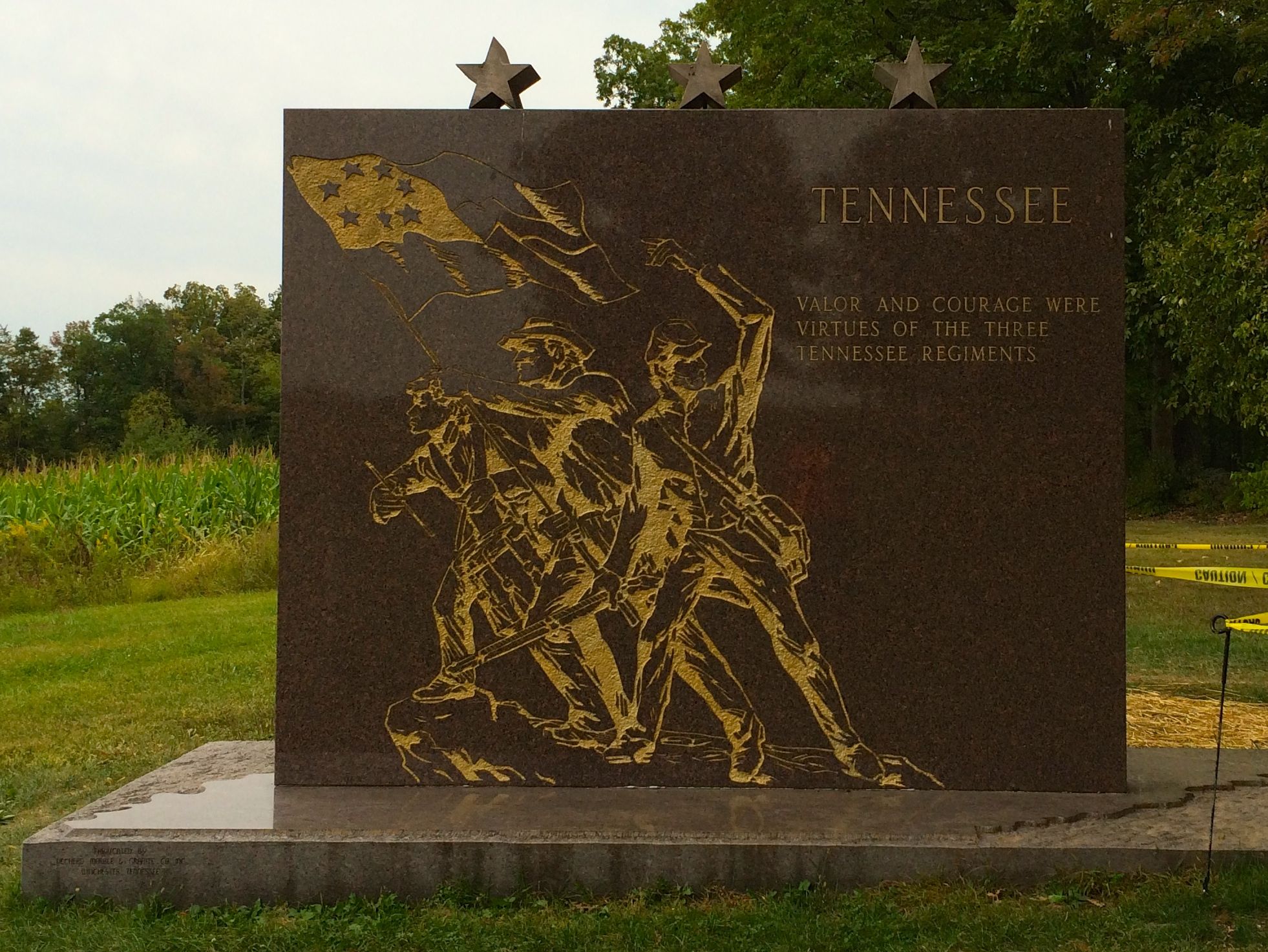
It has the distinction, I am told, of being the only one paid for entirely with private donations.
Thus ends Gettysburg – After the Battle, Part 1