After meeting the former Director of History and receiving strong recommendations from the Cabbages of Hutchinson, Kansas, I decided to stop in at Panhandle-Plains Historical Museum if I could find a place to park Bart and Flo. Luckily enough, I managed to squeeze into four spots on the side of the building.
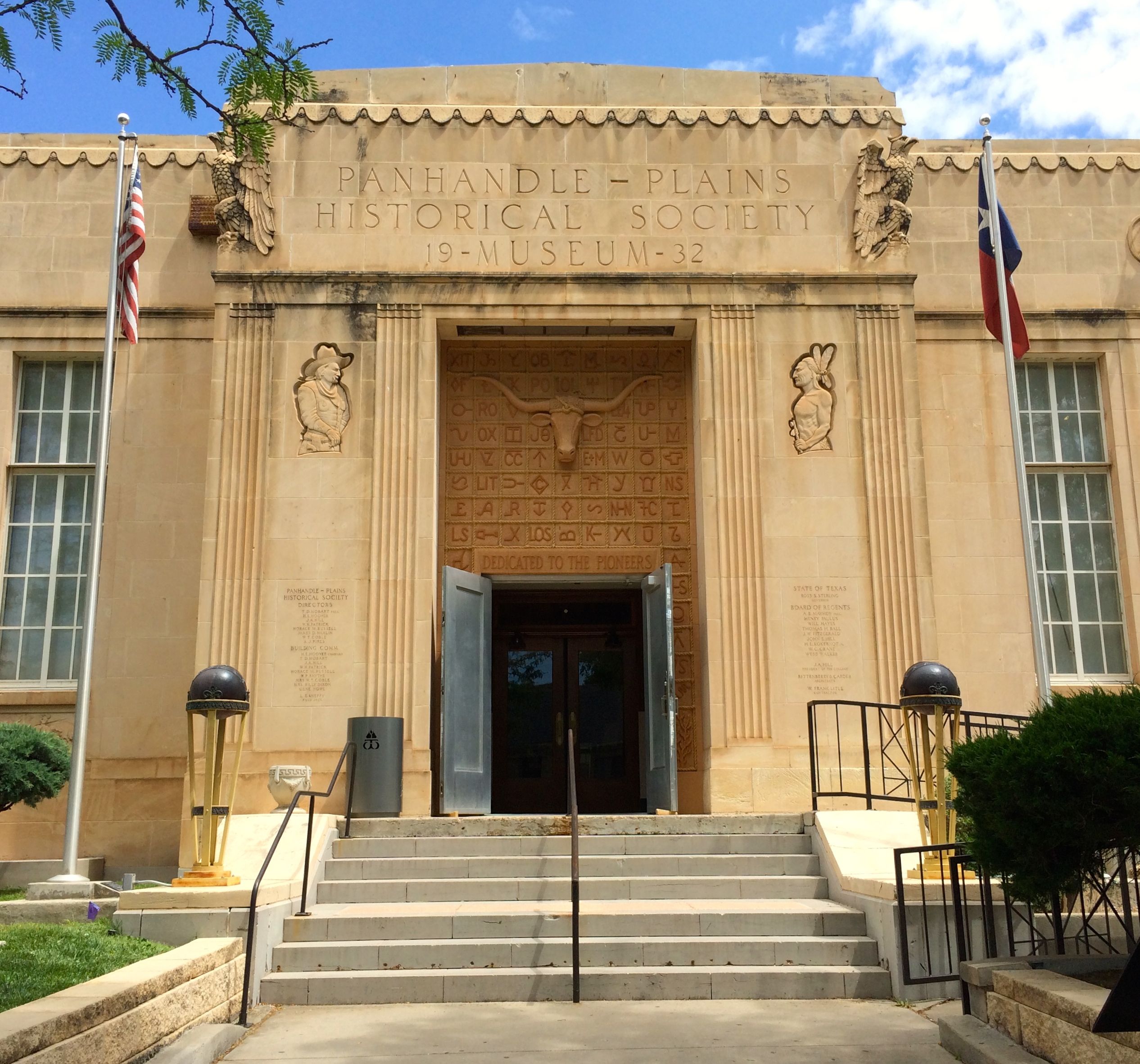
I passed between the cowboy and the indian and went inside.
You never know what you are going to find in a museum. I guess a bottle of crude oil is a worthy representation of the area.
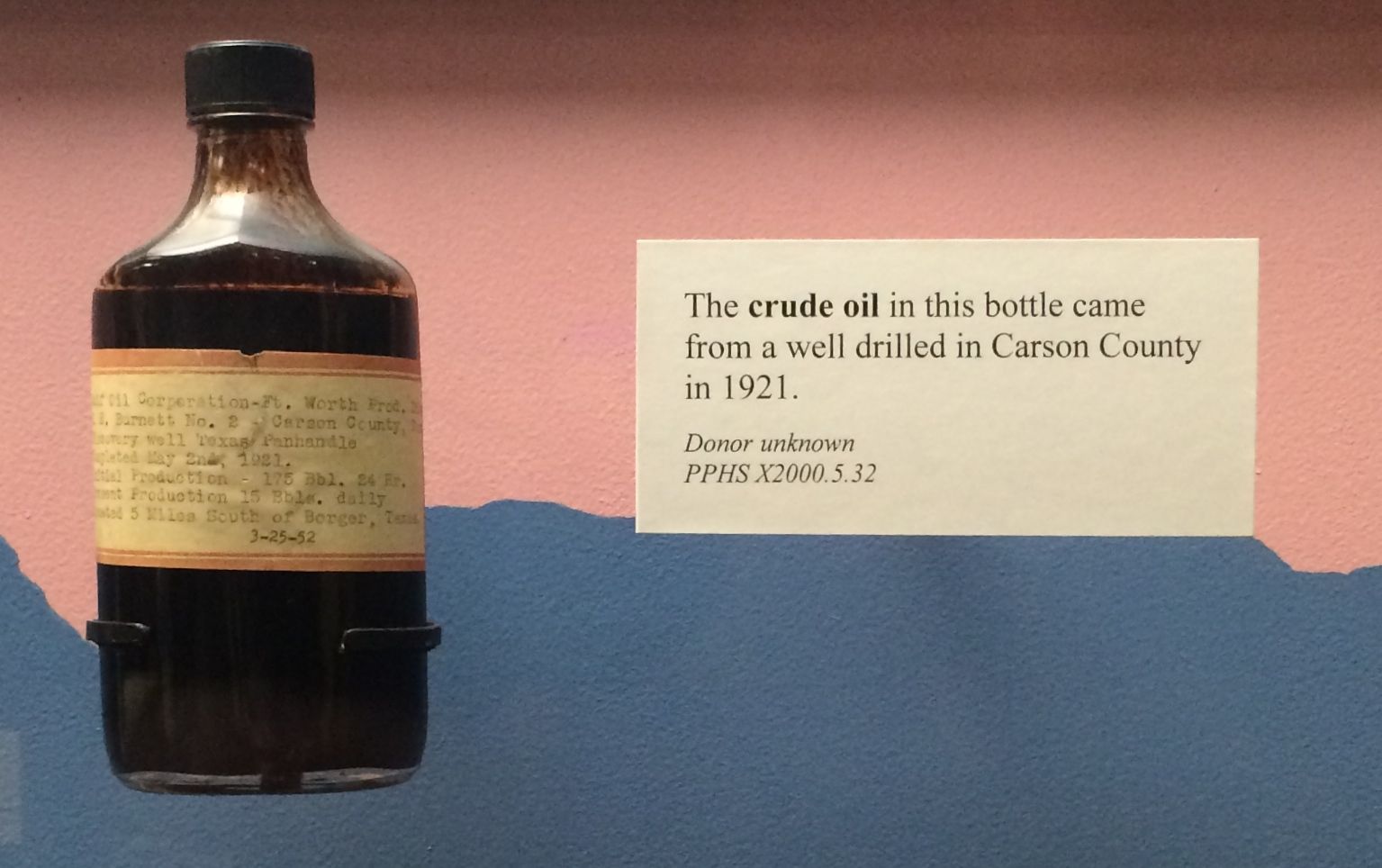
The first displays I saw pertained to more modern times. Oil drilling, roping, riding and ranching.
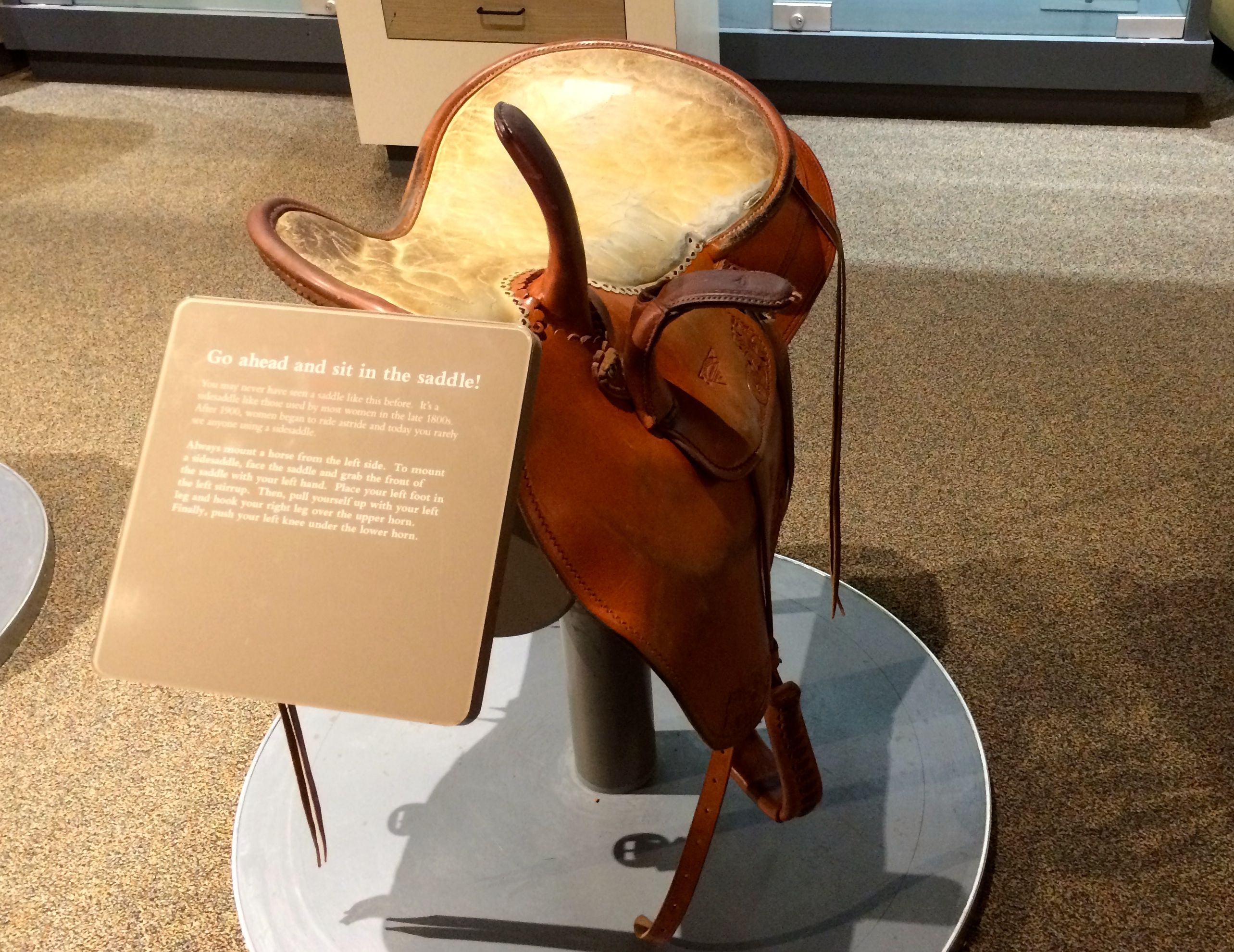
I was particularly interested in this sidesaddle. It never occurred to me to wonder how women managed to remain on their horses when riding sidesaddle.
There was barbed wire, too.
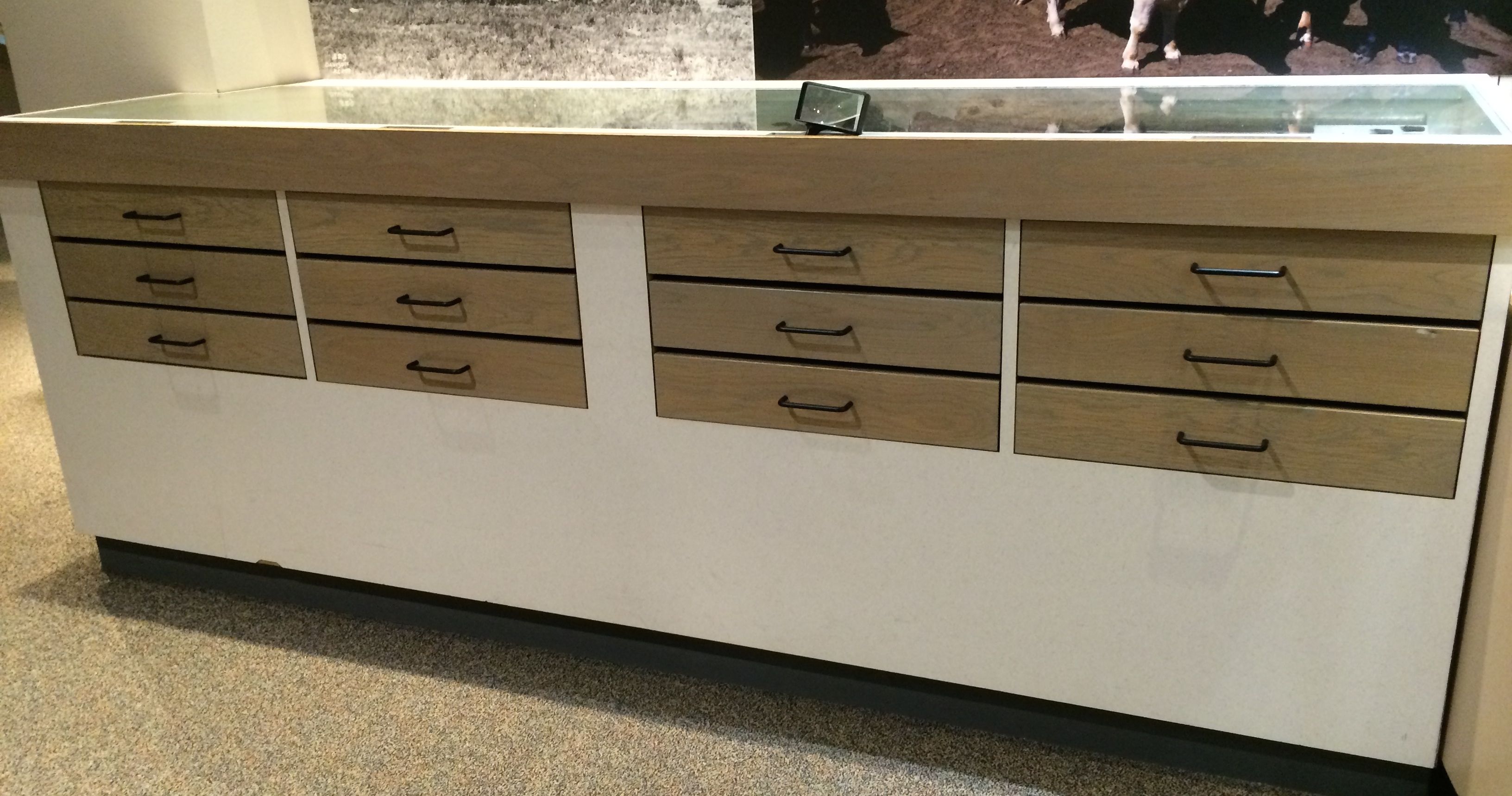
Twelve drawers.

Ten different kinds of wire in each drawer. That’s a lot of variety!
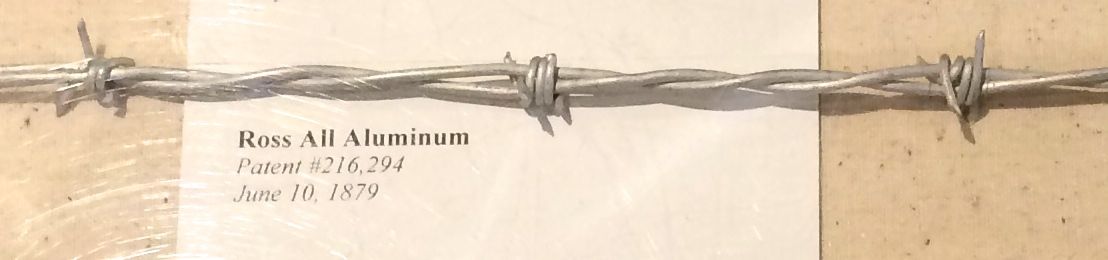
There was even aluminum barbed wire! I wonder if anyone ever used aluminum barbed wire? It would probably last a long time, but I imagine it would have been pretty expensive when it was patented in 1879.

This is a photo of the JA Ranch, when it was under construction in 1878. I include it because Palo Duro Canyon State Park was once part of the ranch, if I understood correctly.
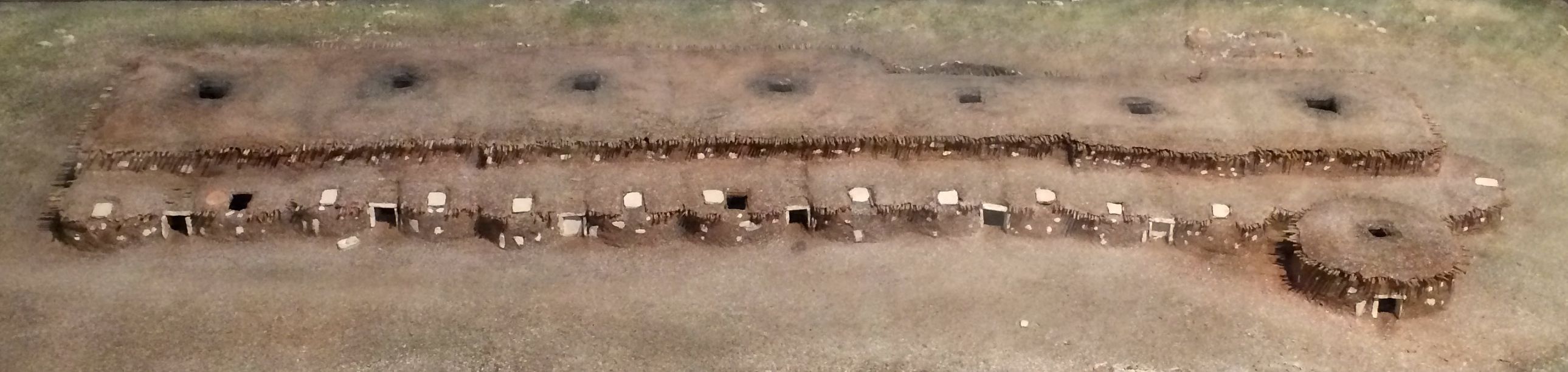
This is a model of the Antelope Creek village, near the Alibates Flint Quarries, and a drawing of one unit of the village.
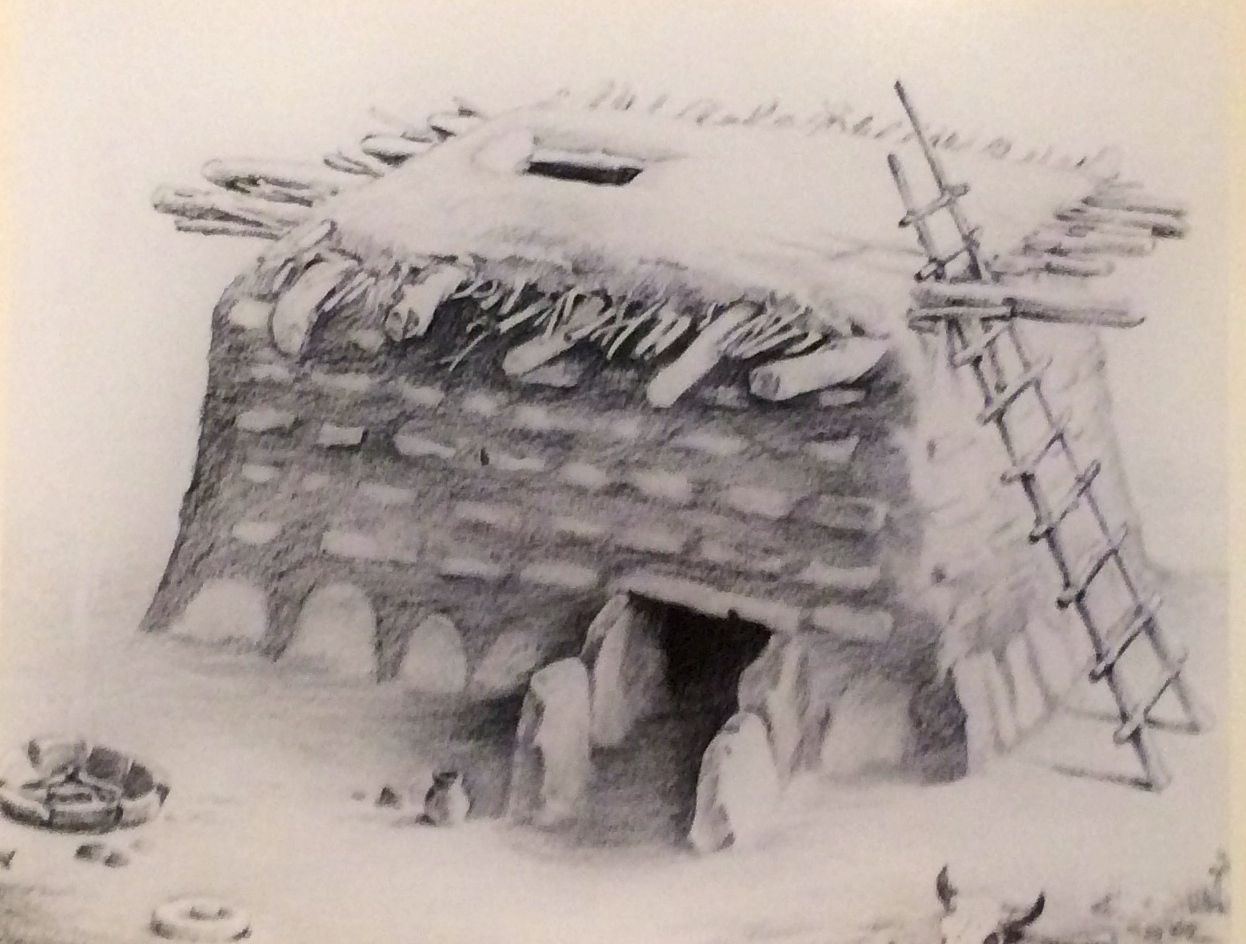
The residents of the village had long tunnels that they used to enter their houses. They had a model of part of a house, including the tunnel they had to crawl through. I imagine that must be a lot of fun for kids. I have long since passed the age where crawling into and through things is fun, so I passed on the experience. According to the display, archeologists discovered stones worn smooth from crawling into the houses. That must have been a fun discovery!
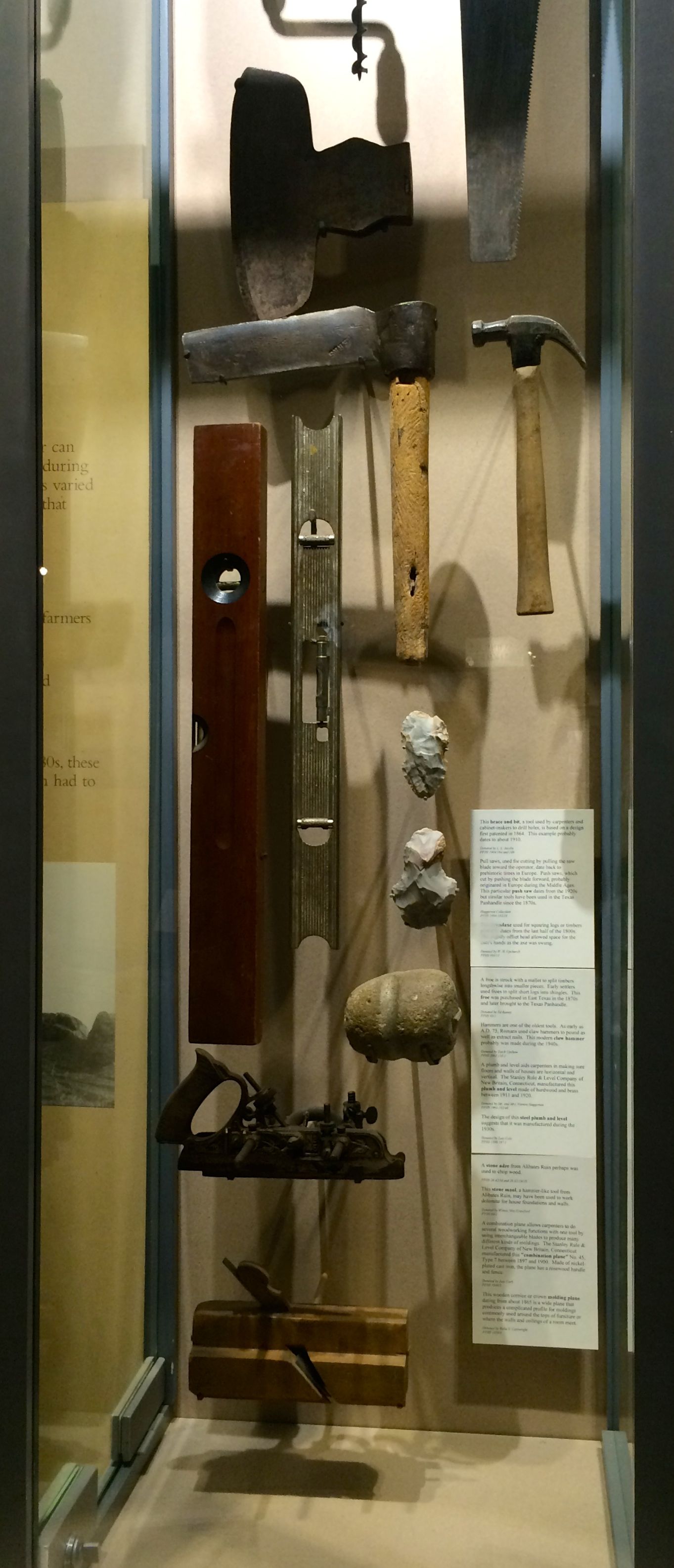
I particularly enjoyed the displays that focused on how people met similar needs with the materials they had on hand. For instance, this case focuses on how they built things across the ages.
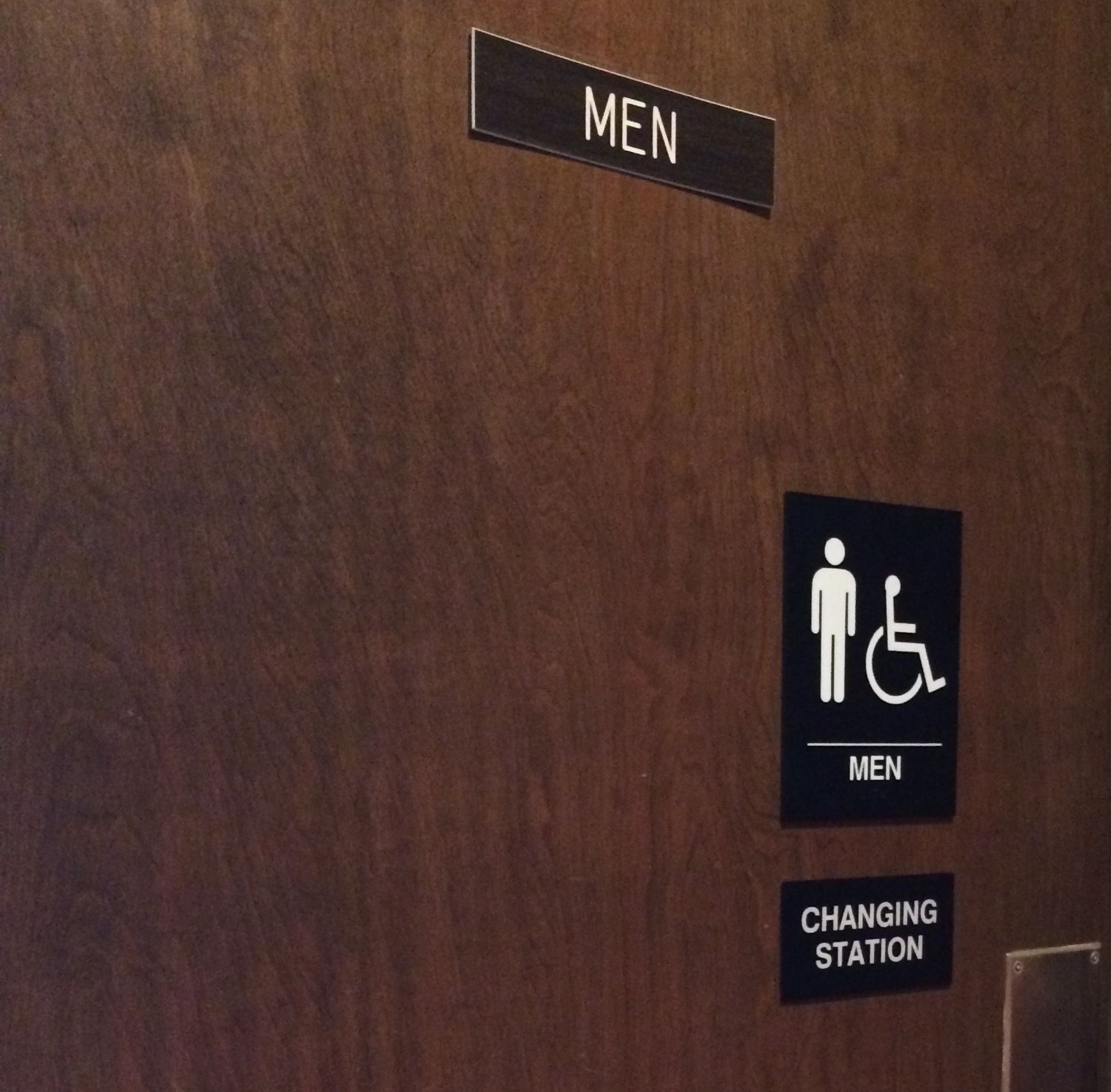
I just must have a bathroom fetish! However, I must say that I felt a little frisson of joy when I saw that they made it possible for men to change their children’s diapers.
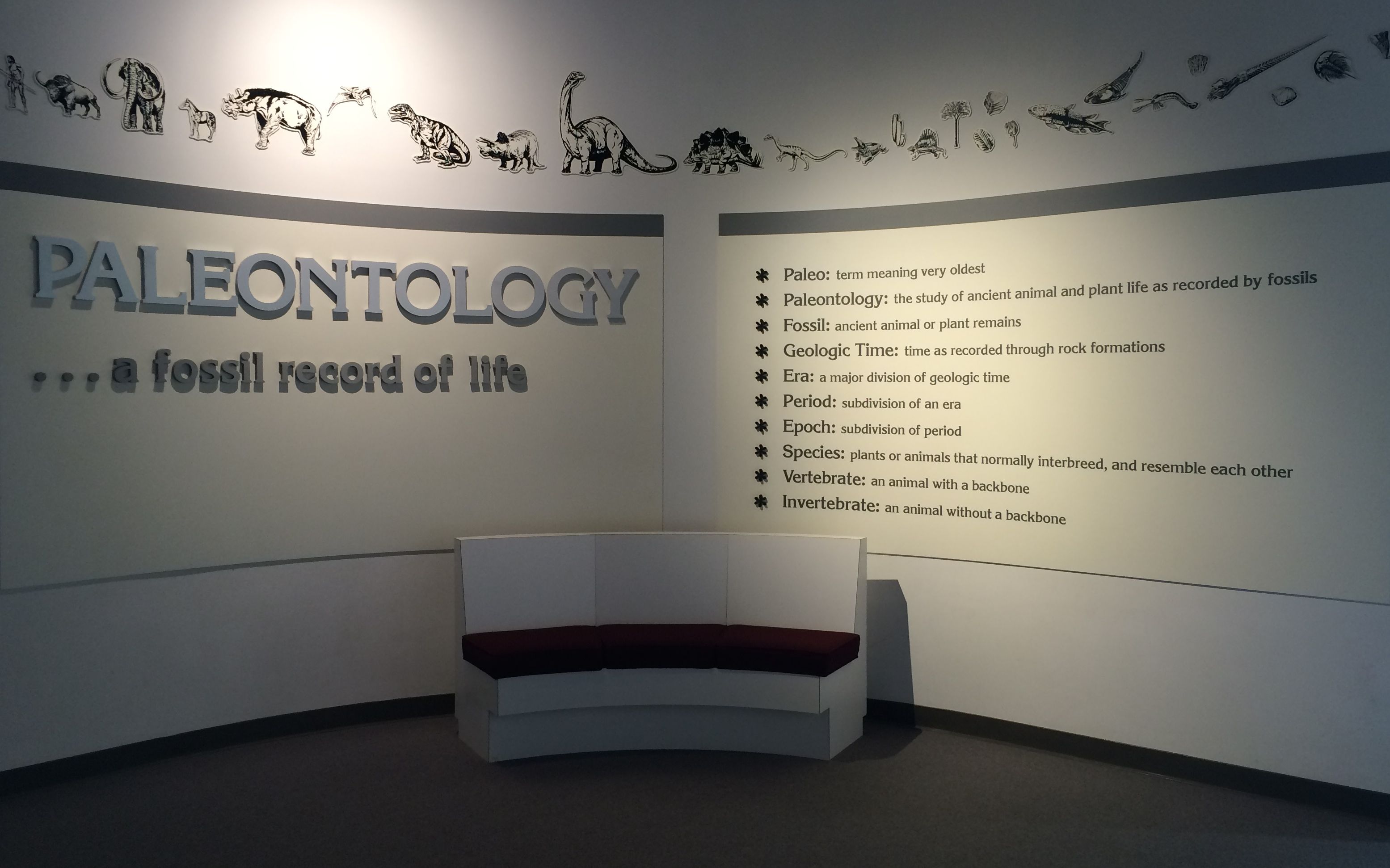
I was also delighted with this entrance to the paleontology display. Not only was it a nice break from the darker exhibits, it included the definitions you would need to make sense of the exhibits.

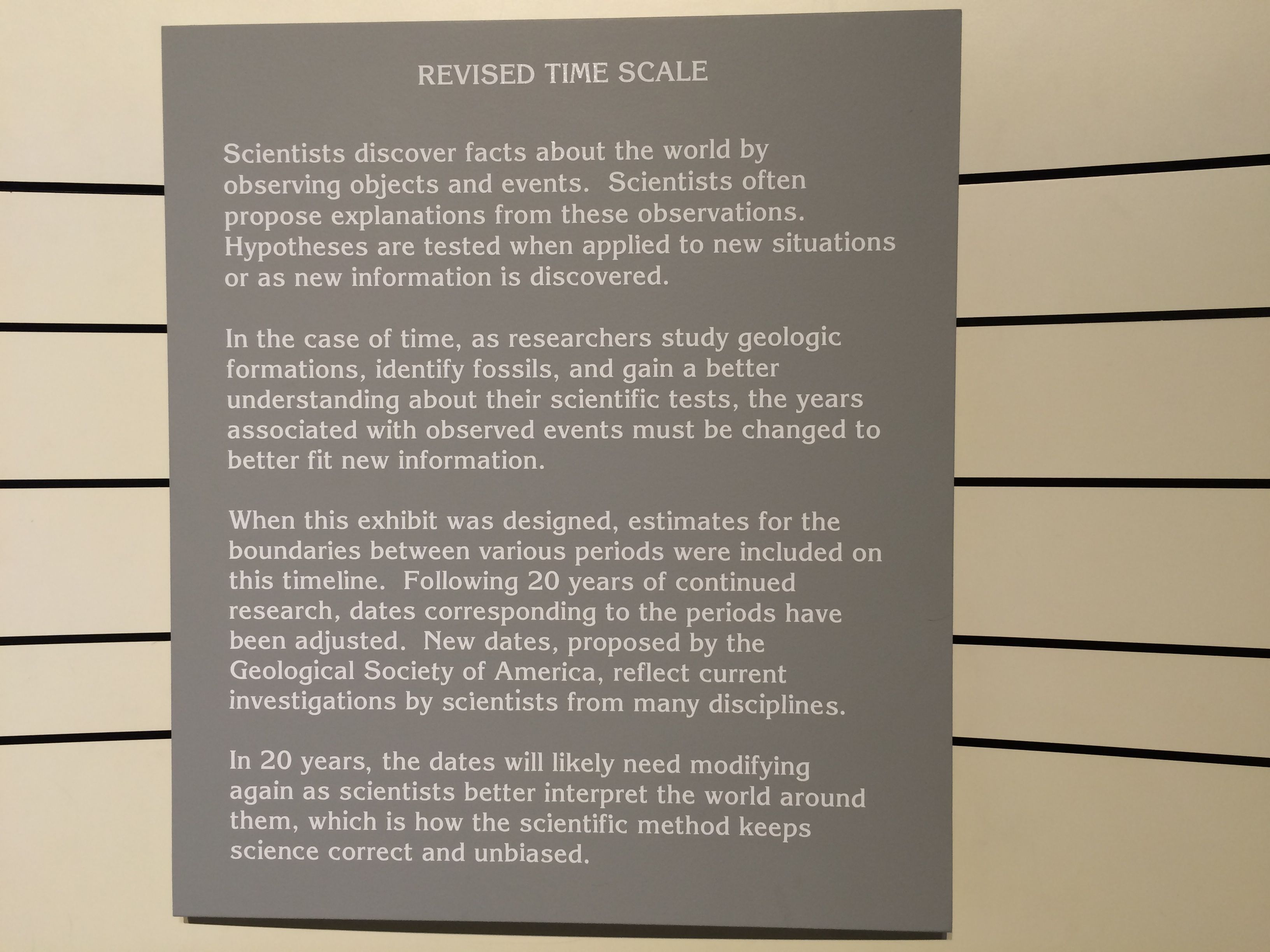
And then there was a marvelous timescale that showed how the different periods related to each other. I have included a close-up of the gray plaque that explains how scientists revise what then know based on new findings.
Impressive!
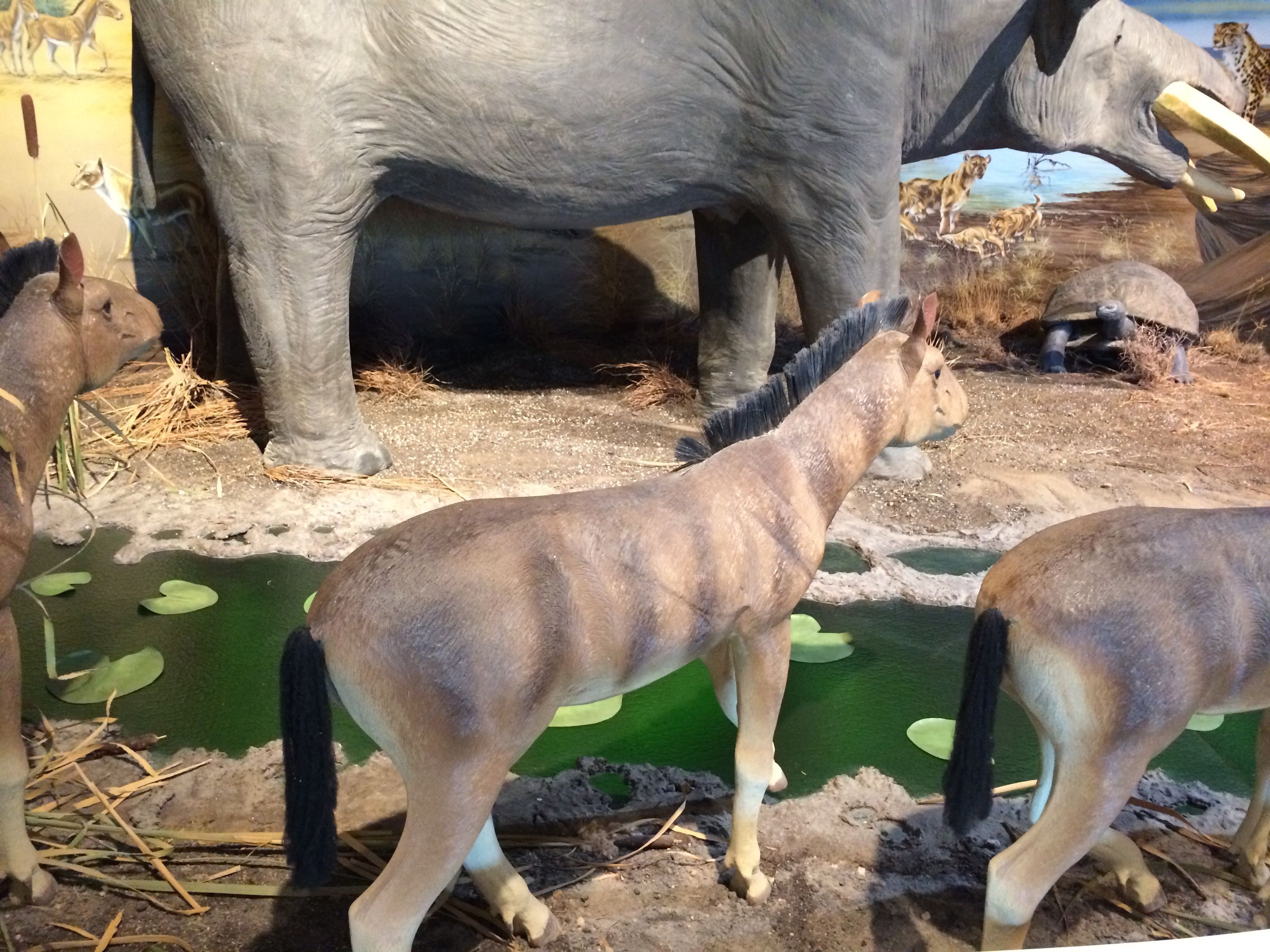
Of course, we are in Texas, so including the gripphippus gratis, a prehistoric horse, was a logical choice.
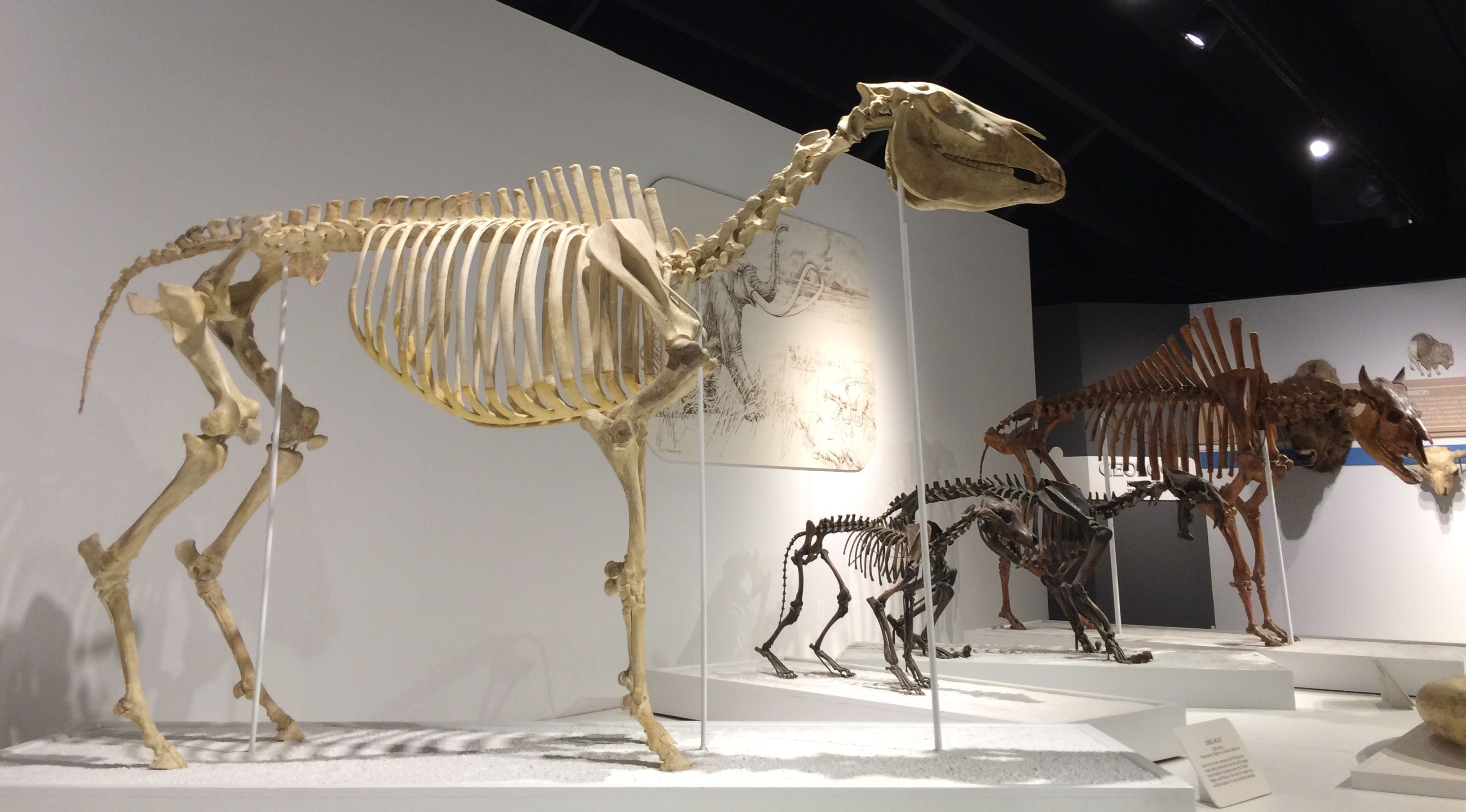
They had some interesting skeletons. I like how brightly lit they are. I feel like I am in an art gallery!
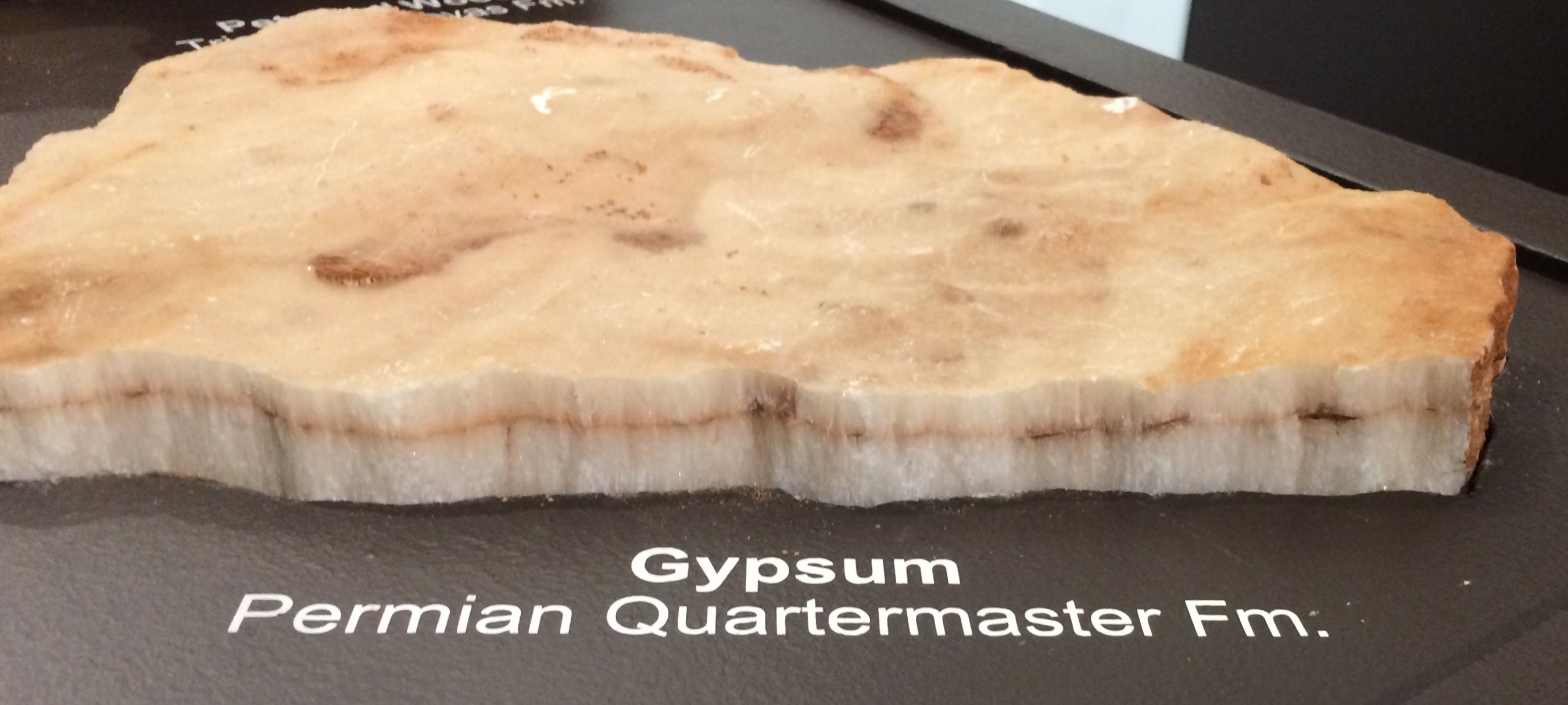
There’s the gypsum I saw in Palo Duro Canyon! It even has the brown “seam” in it! I wish there had been someone available to explain that layer to me.

Windmills were very important to settling the area. Although the region receives only about 20 inches of rain and 15 inches of snow a year, the Ogallala Aquifer is right below their feet.

They even had a demonstration that showed how the rotary motion of the wheel was changed to a reciprocating motion for pumping water. I may not crawl through tunnels anymore, but I had fun turning the wheel and watching the machinery work.
Incidentally, the American windmill was invented in Connecticut. Daniel Hallady invented, manufactured and marketed the first successful self-governing American windmill in 1854. A self-governing windmill automatically turns to face the wind when the wind changes direction. It also controls its speed to prevent it from self-destruction during high winds. I can see how it turns into the wind, but but I don’t see how it controls its speed – so don’t ask me.

I meandered downstairs and took in the art exhibits. Photography of the artwork is prohibited, so I have no pictures of that. However, they had this sweet little hands-on display that invited patrons (presumably children) to create their own exhibits.
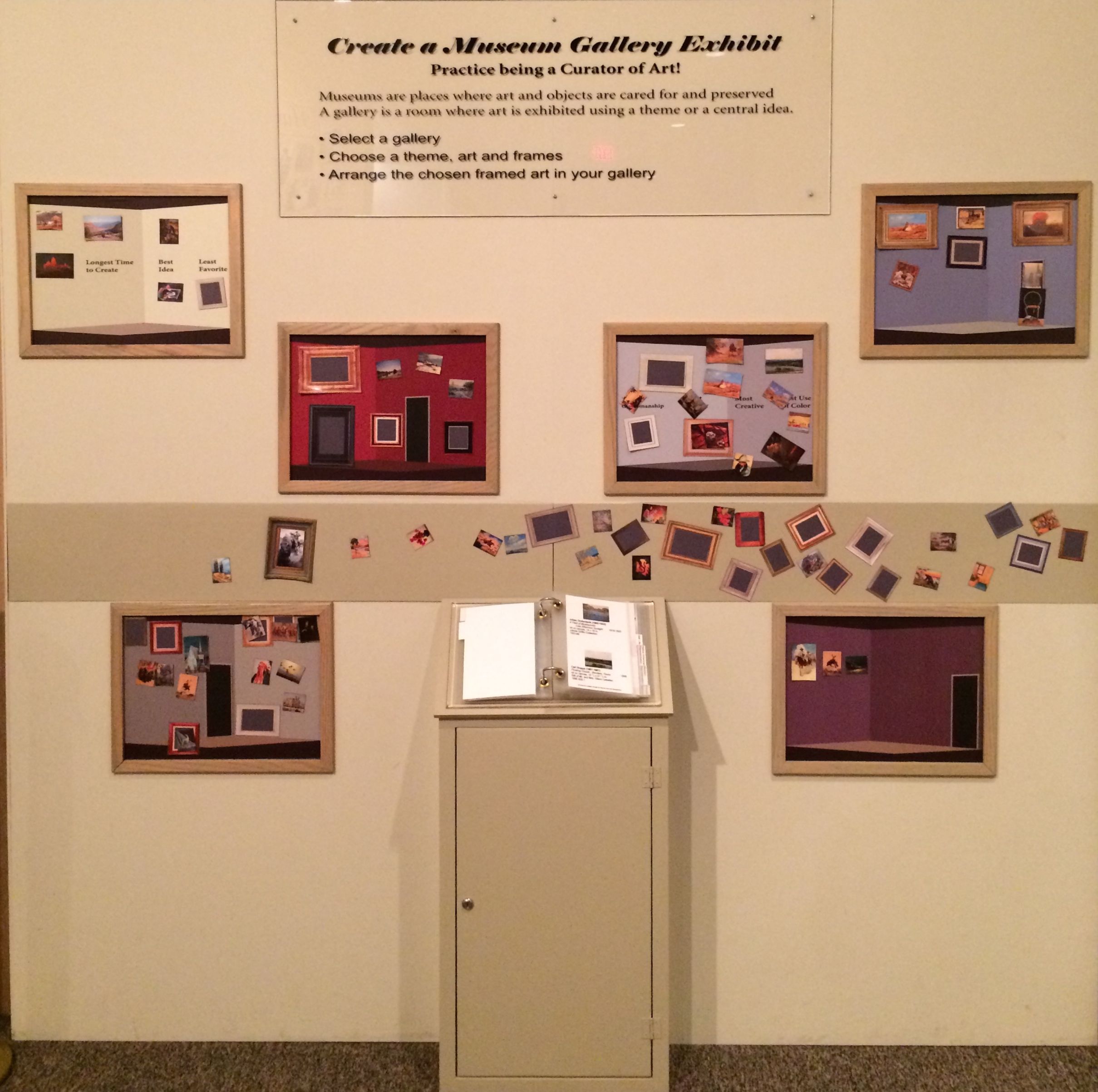
I like how they walked the curators through the steps they needed to take to create their exhibits.
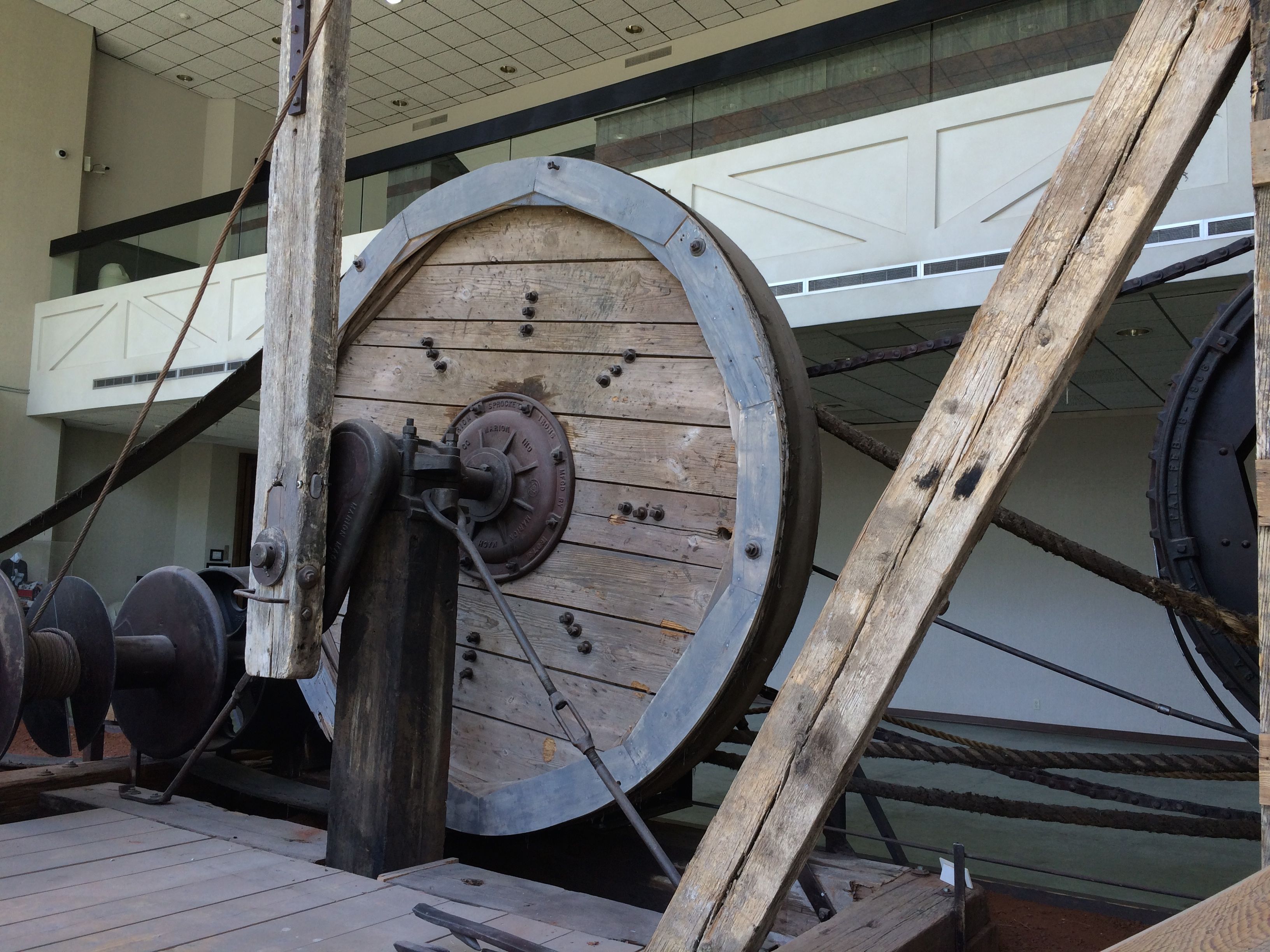
They had an enormous oil rig from the 1920s. It was so large that I couldn’t get a picture of the whole thing.
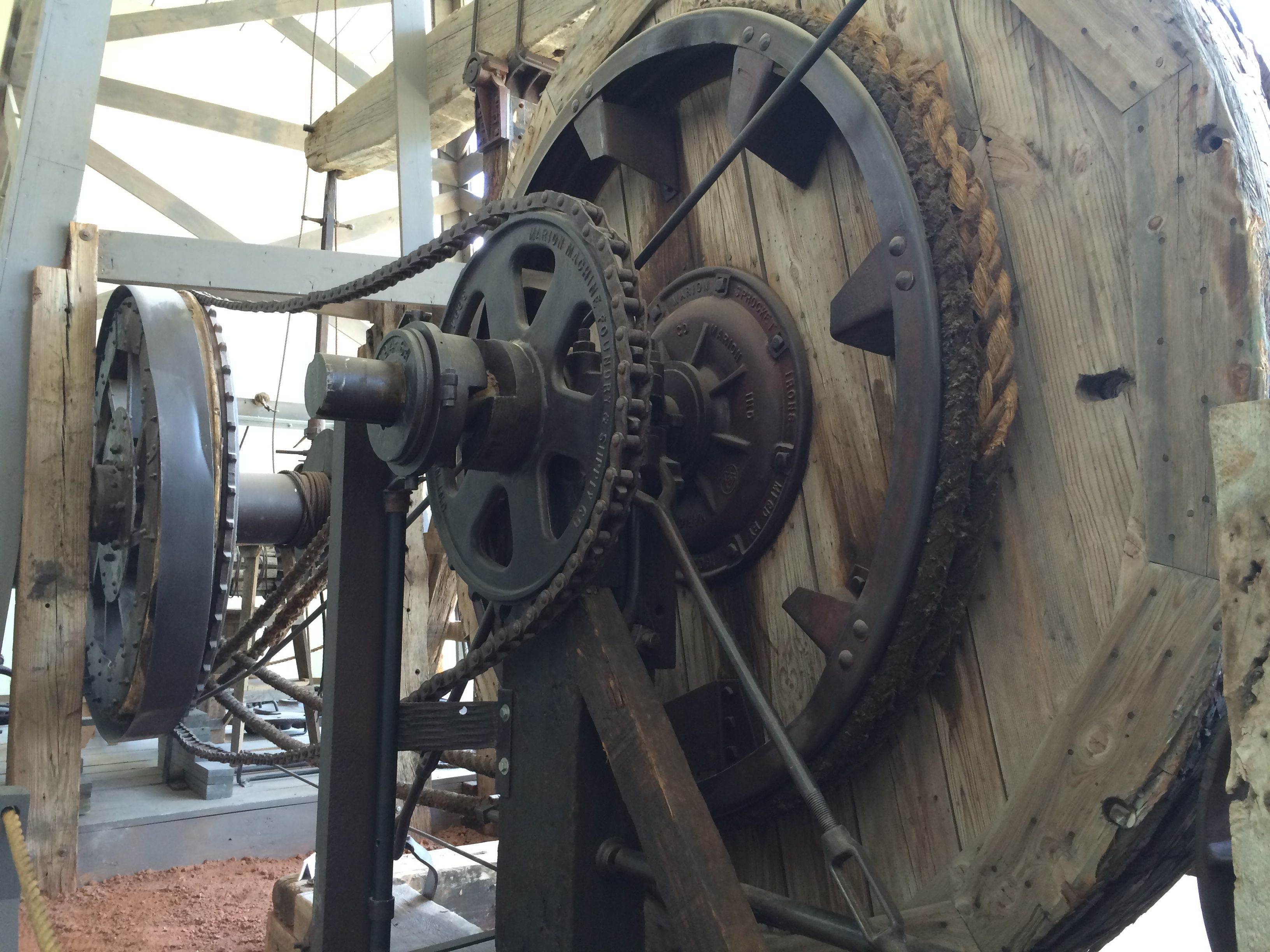
I found it intriguing that you could still smell the oil and hard work that went into it.
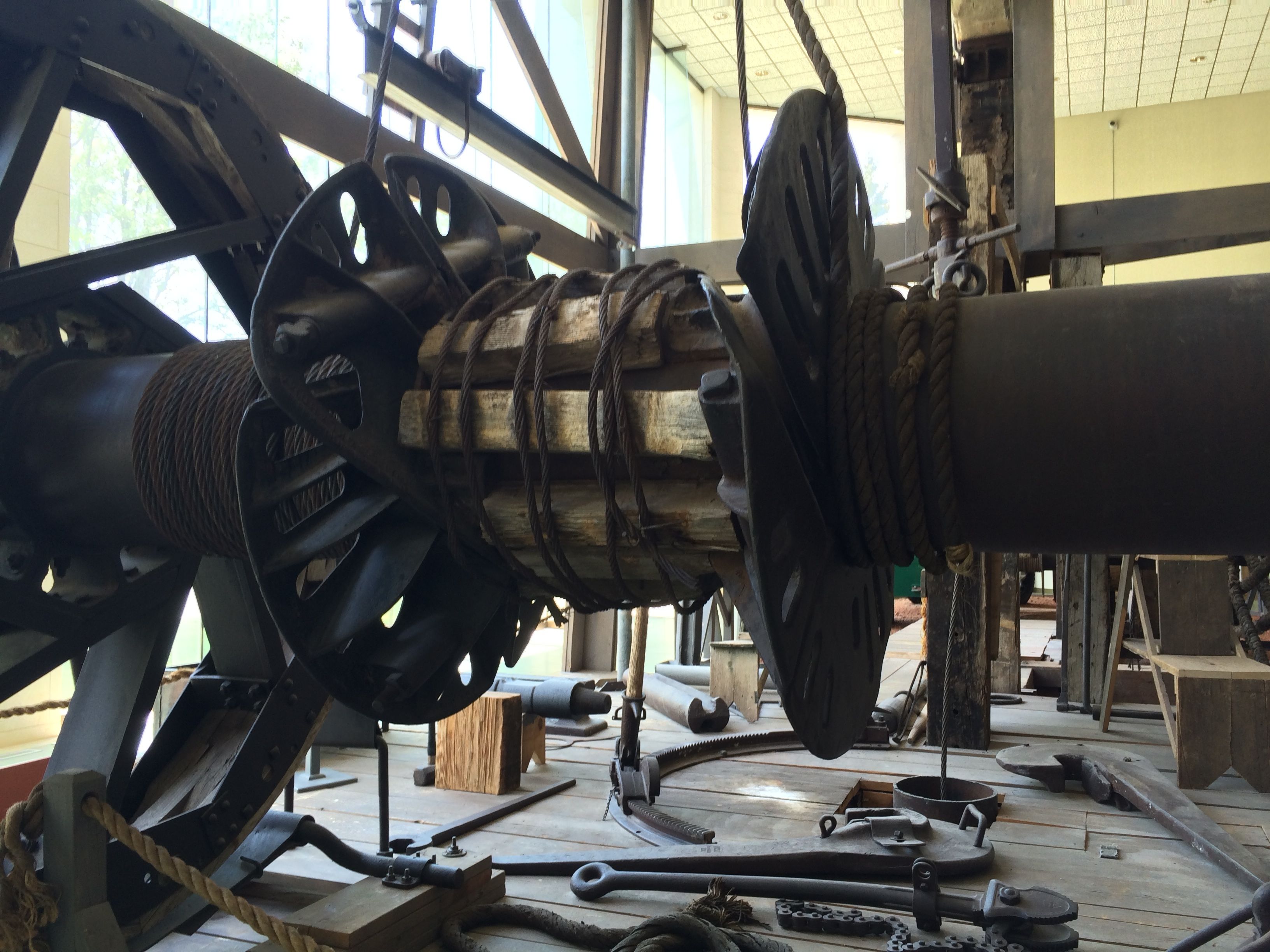
And, again, you can see how the rotary motion was changed to a reciprocating motion.
There was more to explore, but my feet were getting tired and I still had to reach my campsite. Time to bid adieu to Canyon, Texas.
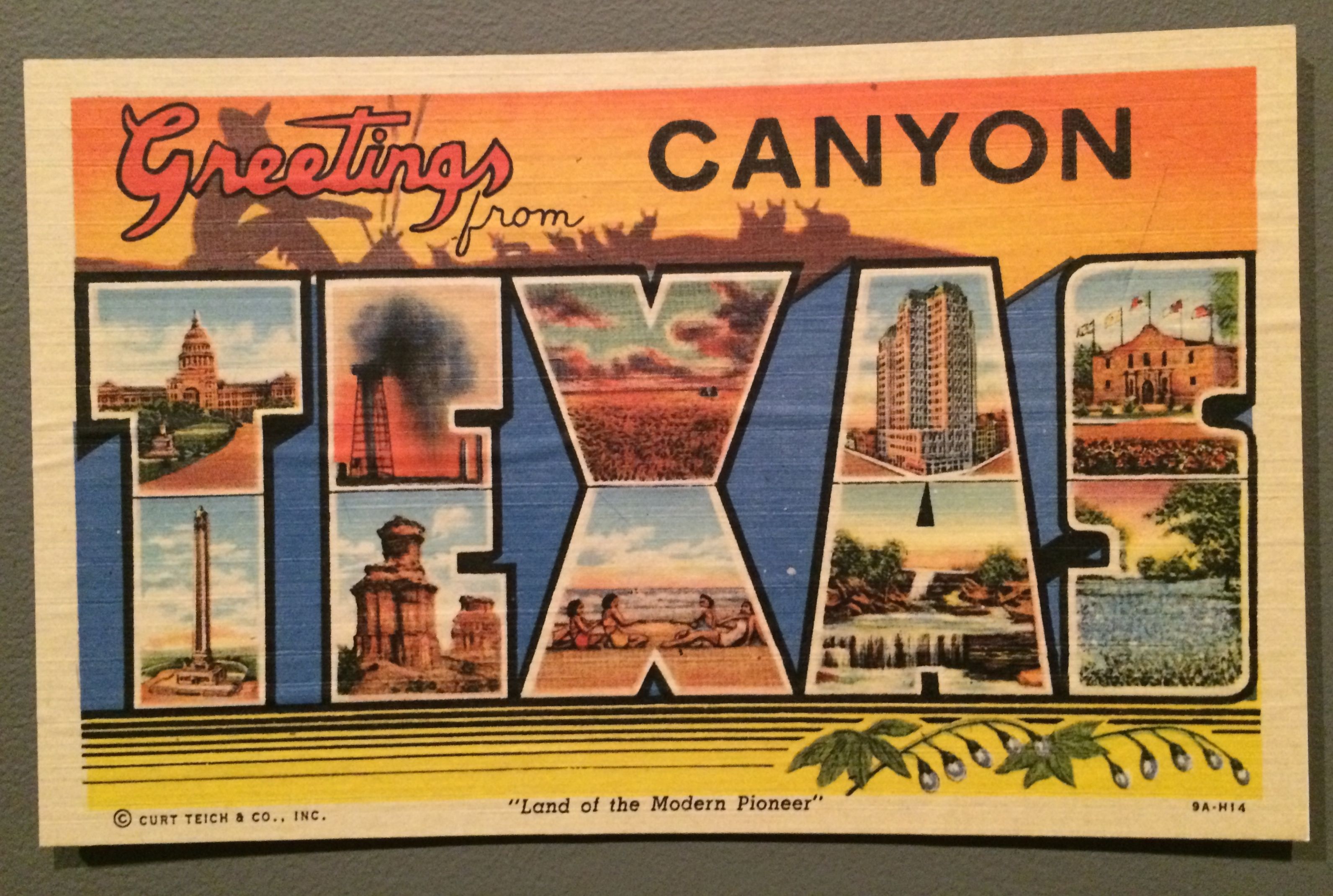
On to Oklahoma!