As I was planning my stops in Florida, I realized that I just didn’t know much about about the history of the state. When looking for things to do while I was in the Tampa Bay area, the Tampa Bay History Center looked interesting.
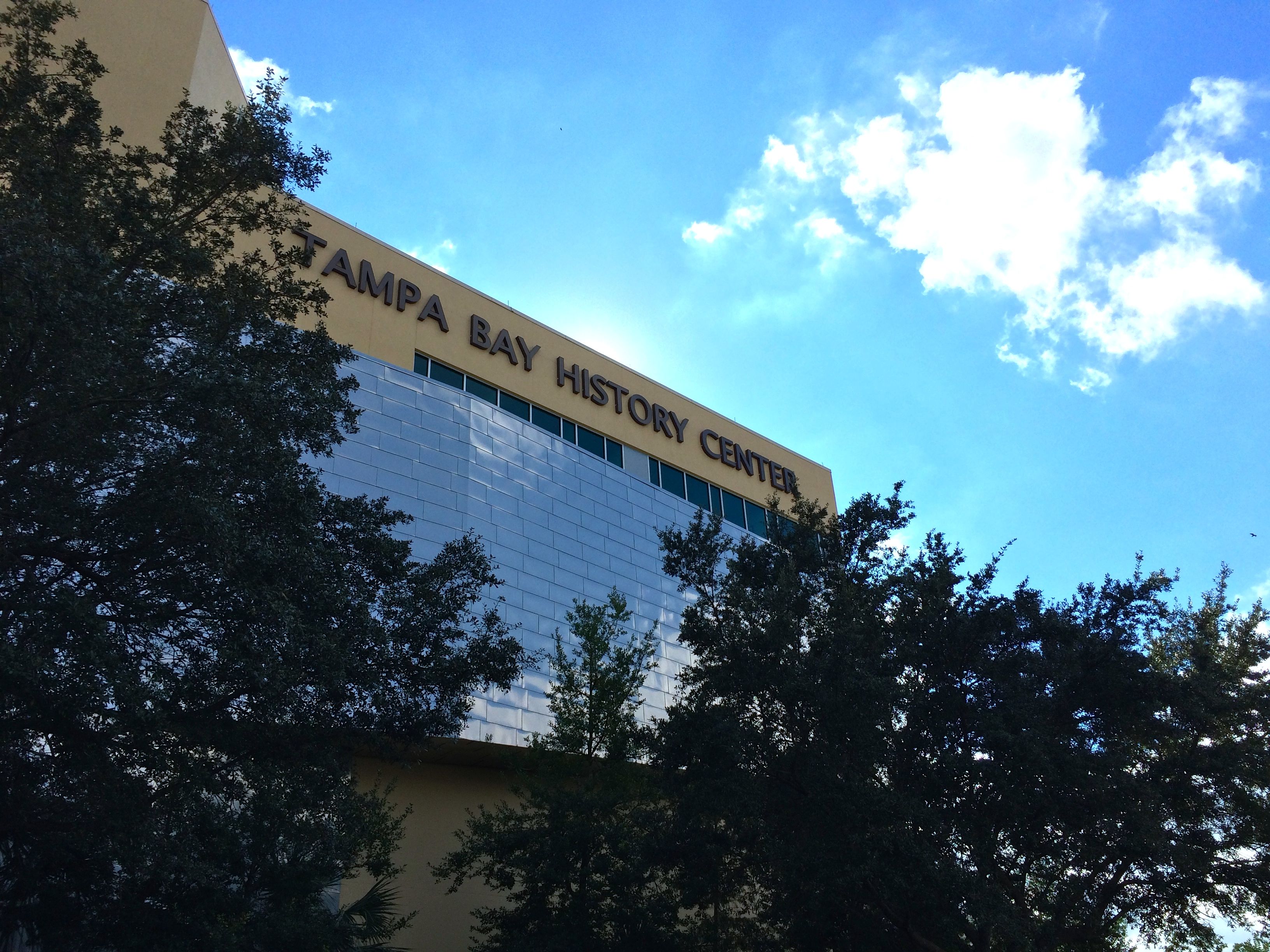
I found my way to Tampa’s Canalside District and found parking in a lot for Amalie Arena, which is the home ice of the Tampa Bay Lightning.
As I entered the Center, I encountered some amazing memorials to America’s heroes.
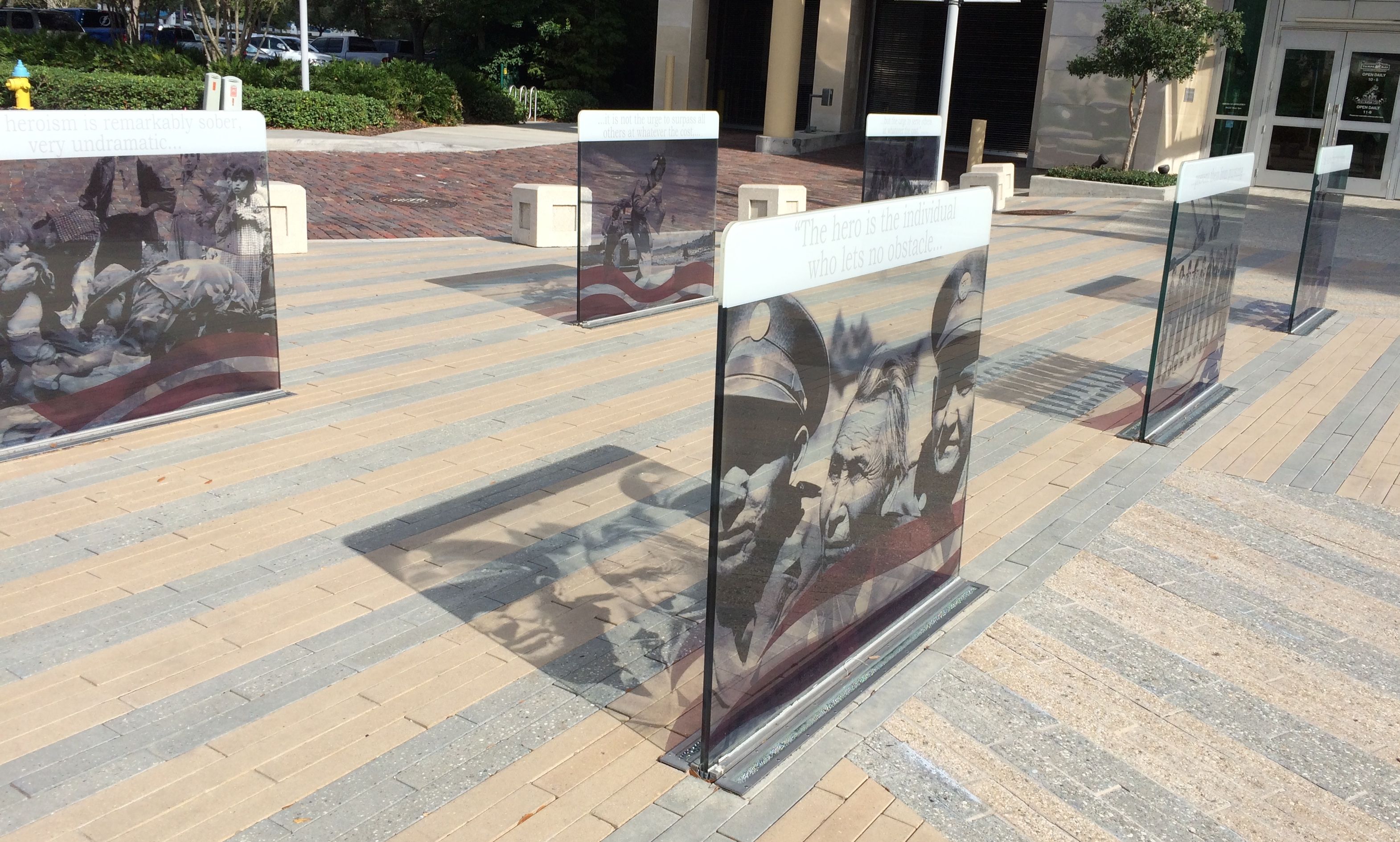
They had several rows of photos printed on glass. The sun streamed through and projected an image on the bricks behind them.
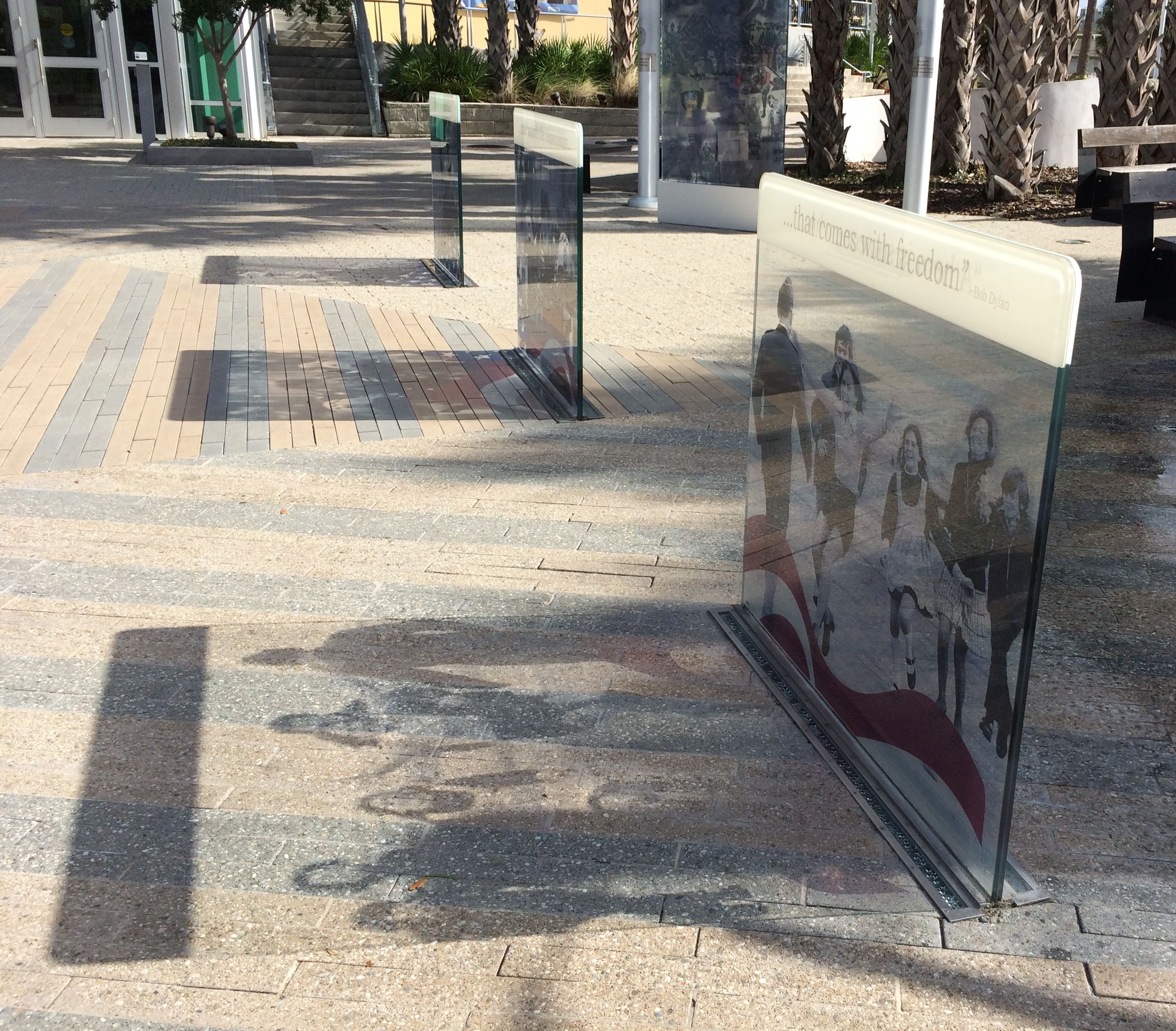
Quite appropriate for “The Sunshine State”, I thought.
Now, I have a bias against paying for parking, but they included the price of parking in the admission to the History Center. If only I didn’t have a bias against paying to go into museums, I would be all set.
When I entered, I did my best to find a discount. AAA? No. AARP? No. Good Sam? No. But, the helpful woman at the admission desk helped me locate a discount coupon in one of the tourist guides that they had in the racks of information in the lobby. A $2 discount and free parking? Okay, I can live with that.
The museum did a good job of interpreting the area’s history from the Seminoles through the Spanish and on into the present day.

Now, I am not completely certain that these pots are authentic relics from the past. But, they do seem like they might be.
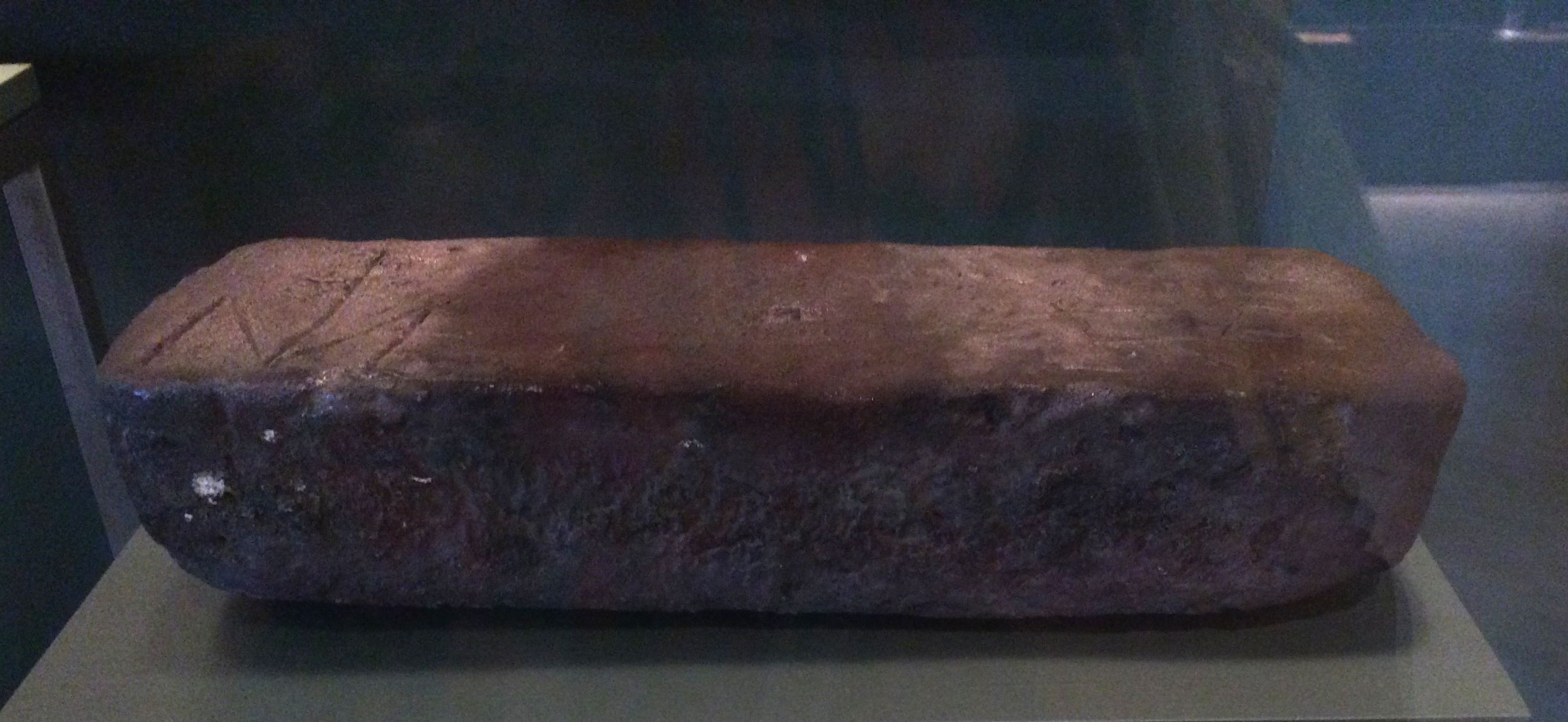
This relatively innocuous looking lump is what caused all the trouble. Spanish ships sailed in fleets, carrying the riches of South America back to Spain. Nuestra Señora de Atocha was the most famous ship in the fleet. The treasure that was arriving by mule to the port in Panama City was so large that it took two months to record and load the treasure onto the Atocha. Between the time required for loading and then additional delays in rendezvousing in Havana, the 28-ship convoy wasn’t able to depart until September 4, 1622, six weeks behind schedule.
Two days after setting sail, a severe hurricane drove the Atocha and another ship, Santa Margarita, onto the coral reefs near the Dry Tortugas, about 68 miles west of Key West. The Atocha’s hull was badly damaged and it sank in 55 feet of water. Everyone on board the Atocha drowned, except for three sailors and two slaves. The Santa Margarita ran aground in shallower water, and about half of her cargo was salvaged. The Spanish were never able to find the Atocha.
So, how did a silver ingot from the Atocha end up in the Tampa Bay History Center? Well, American treasure hunter Mel Fisher and his team searched for the wreck for 16 and a half years. They found portions of Santa Margarita’s cargo in 1980 and finally found the Atocha in July of 1985.
The State of Florida claimed title to the wreck. According to the research I’ve done, they forced Fisher into a contract that gave 25% of the treasure he found to the state. I also found a citation that says that the U.S. Supreme Court ruled in Fisher’s favor. I am not quite sure of the logistics, but this ingot of Peruvian silver is in the Tampa Bay History Center, and it represents the lust for wealth that sent the Spanish into the region.
The Seminole that lived around Tampa Bay persisted, in spite of being “claimed” for the Spanish government. The trouble really seemed to start when the U.S. acquired Florida in 1819. Secretary of State John Quincy Adams negotiated a deal that got Spain to cede Florida for no money. The U.S. merely assumed some of the $5 million dollars of claims that U.S. citizens had against Spain.
The Seminole Wars ran from 1817 – 1858. There were actually three periods of intense fighting during that time span. According to the notes I took while touring the exhibitions, 200 Seminoles managed to escape death and deportation. Those 200 are the basis for the Seminole population that exists today.
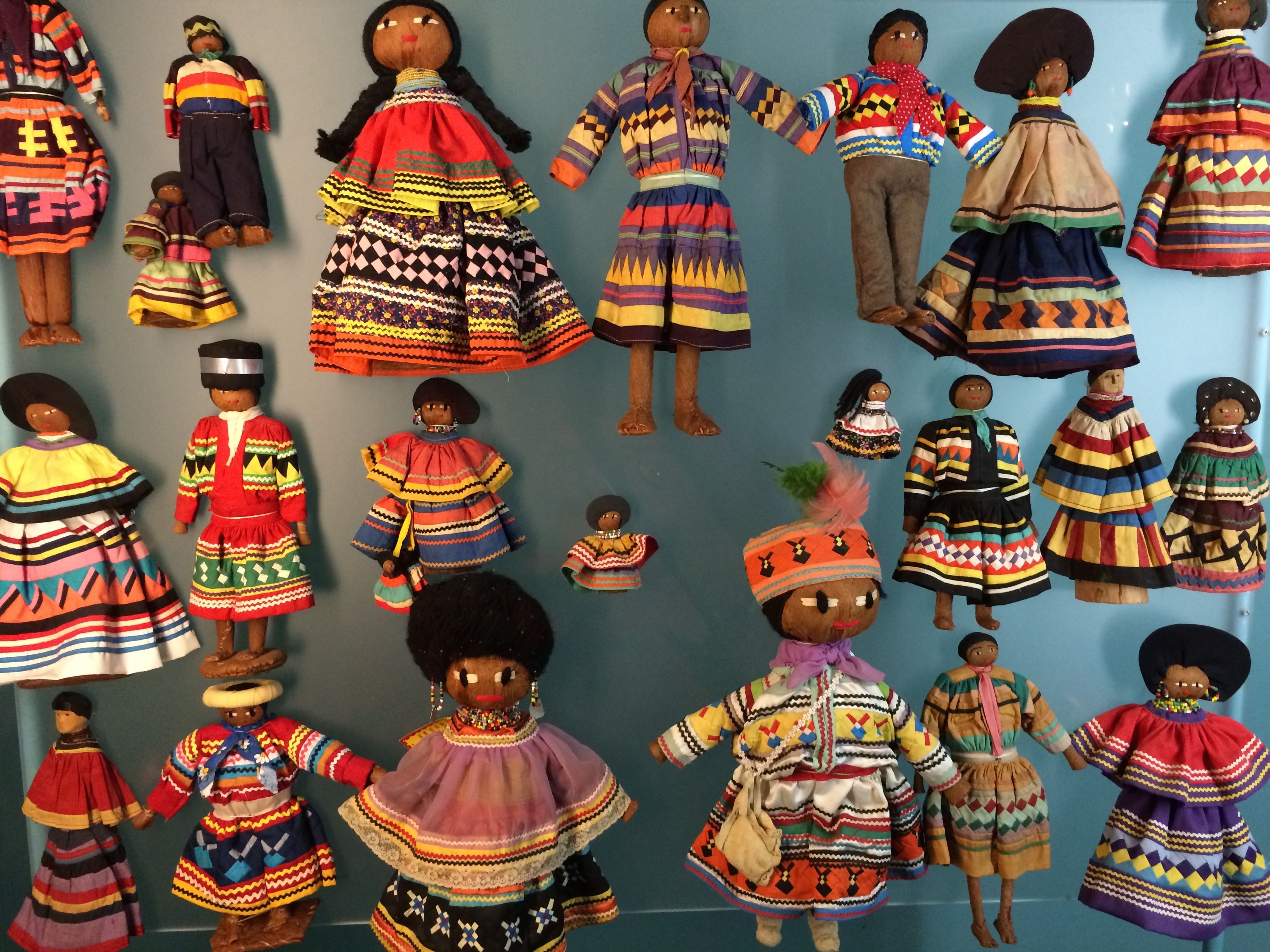
These dolls remind me a great deal of the dolls I brought back from Guatemala. These were created for the tourist trade as well as for their own use. I like the patchwork details that you can see on some of the clothing.
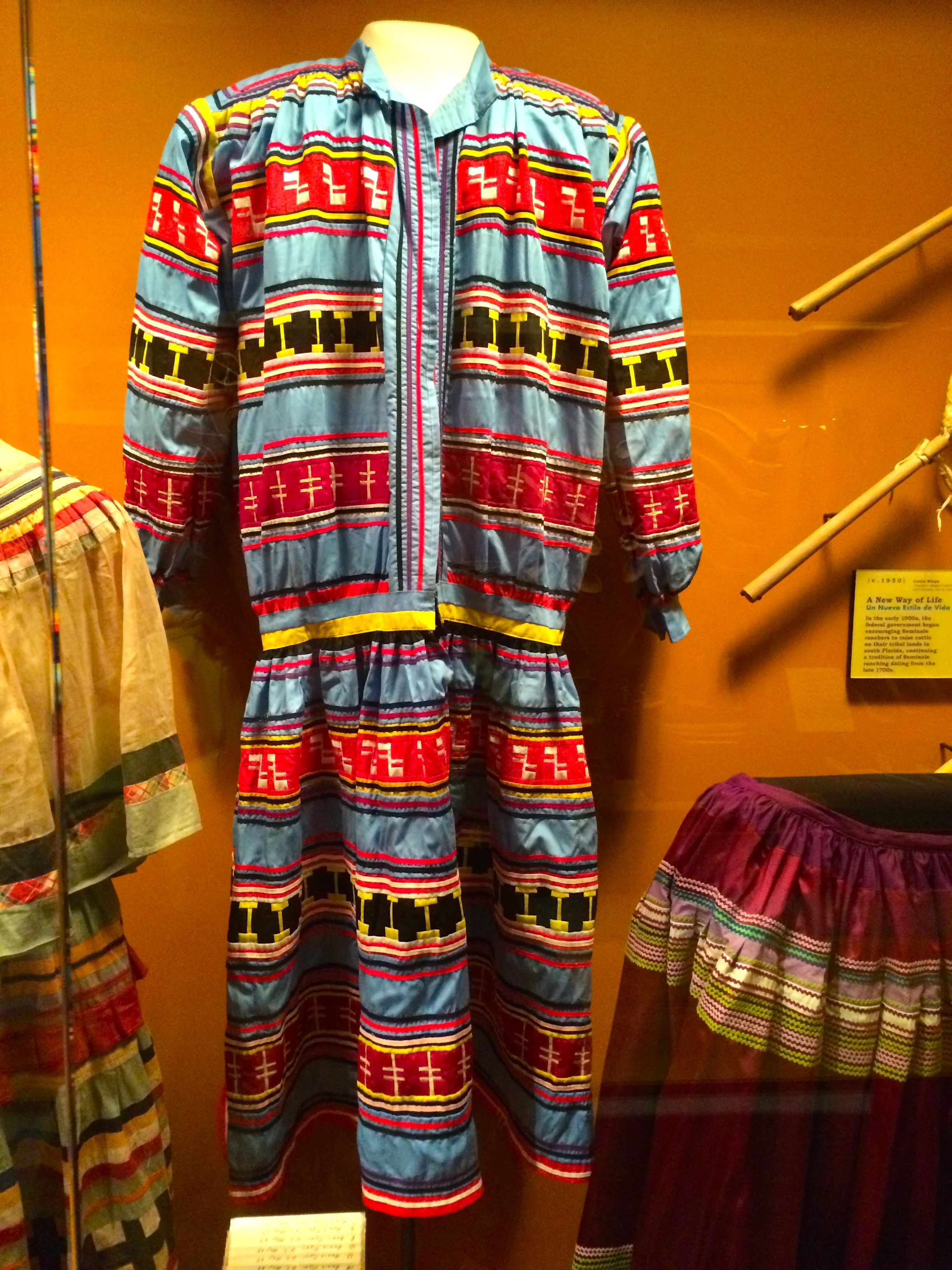
Patchwork was an important part of their clothing.
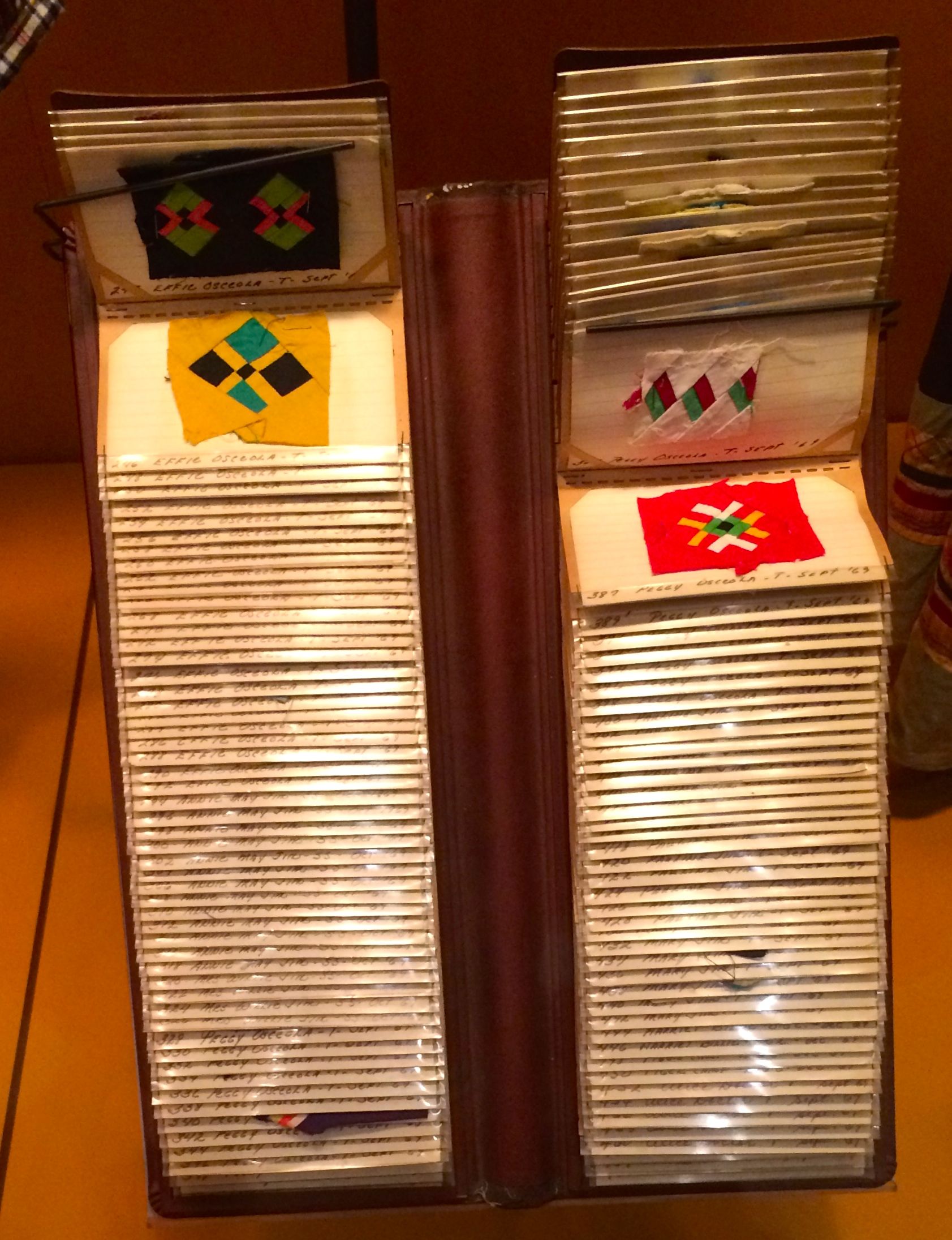
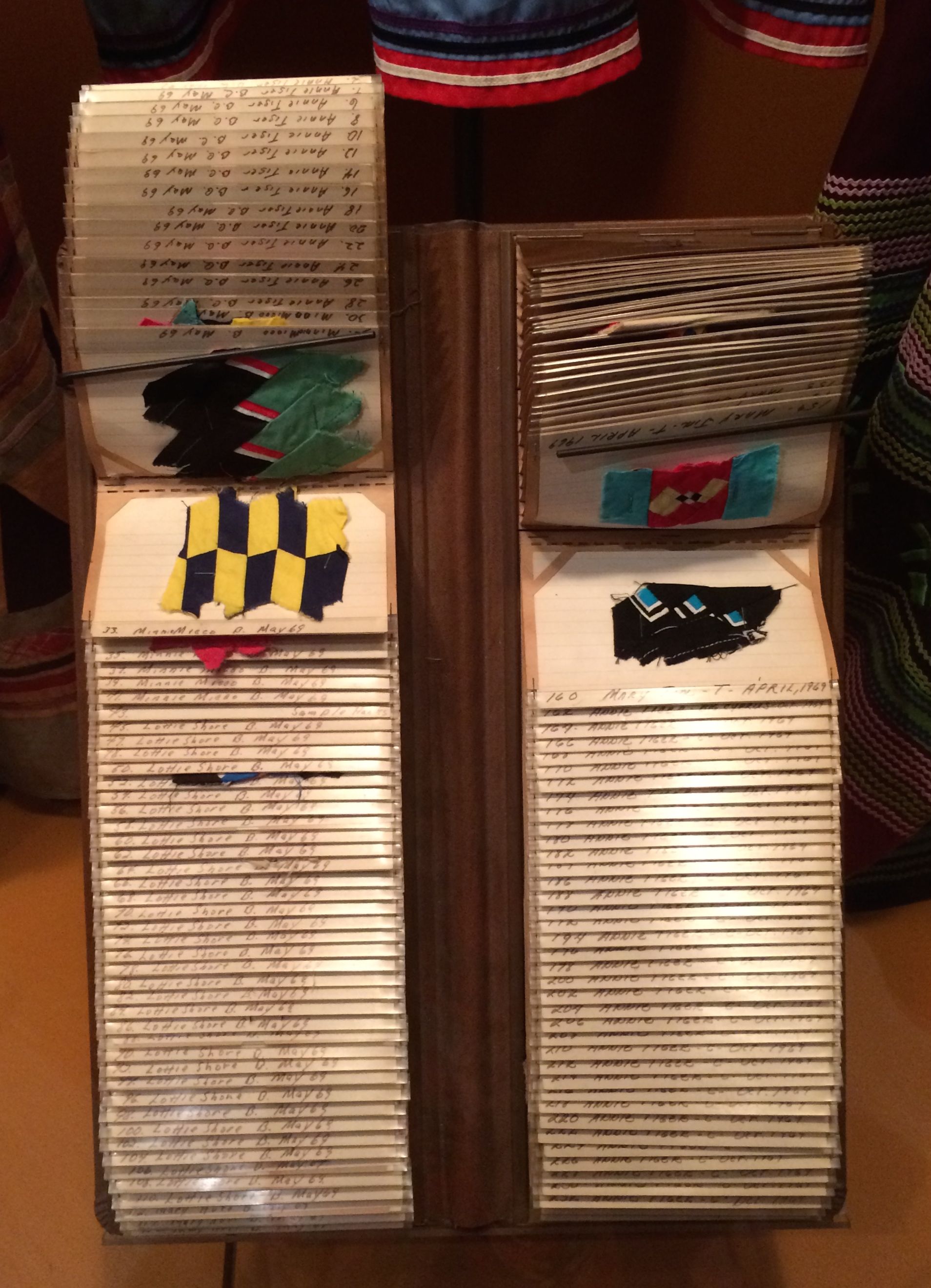
There is even a collection of the different patchwork patterns they used.
By the time I finished with the first floor of the museum, I was getting a little depressed. It is just the same thing, over and over again.
People are living their lives in an area.
Someone else wants what they have.
Bloody conflict ensures.
I went upstairs to see what else I could learn.
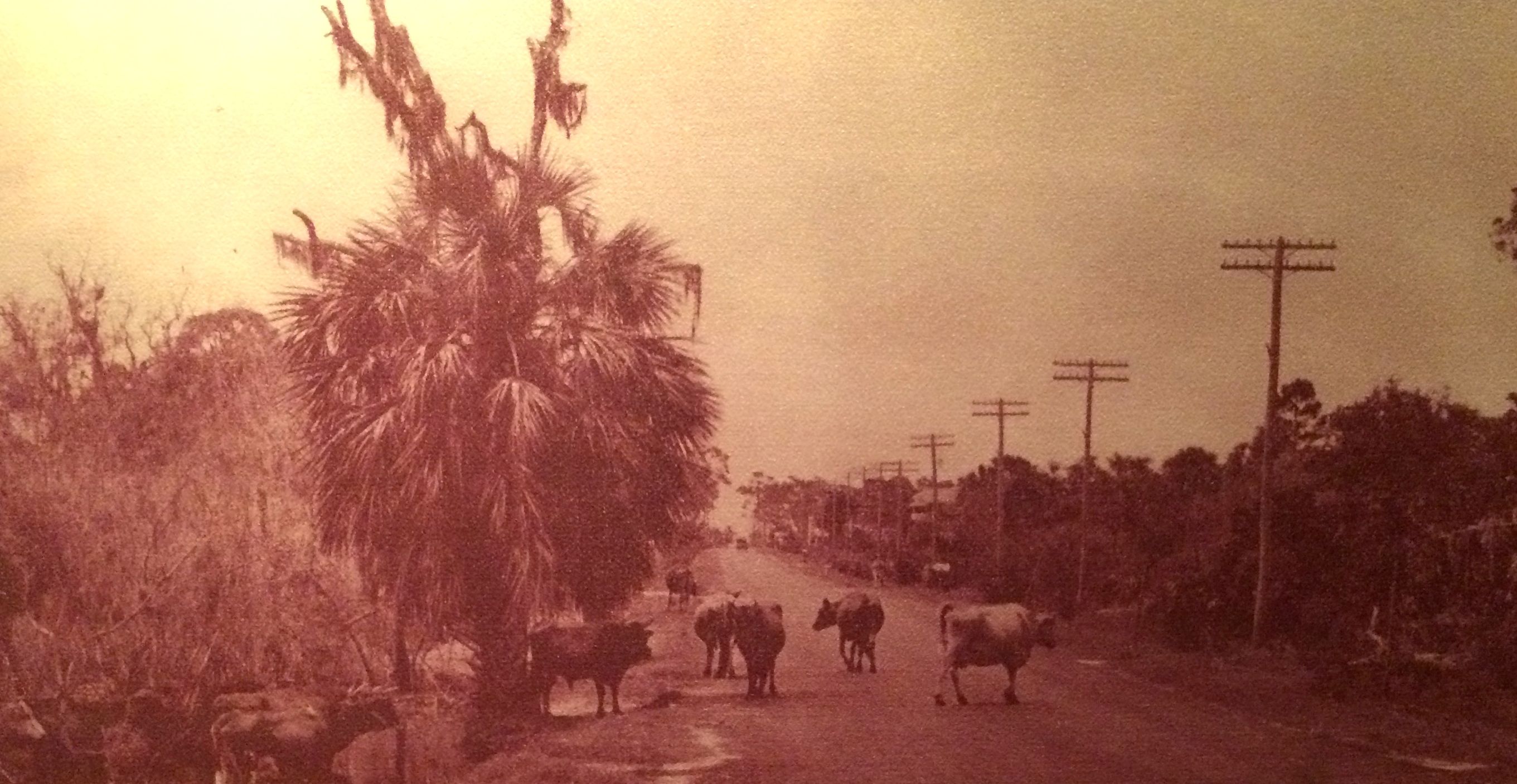
I found out that Florida didn’t have fences to control cattle until the statewide fence law took force in 1949. Florida wasn’t just oranges!
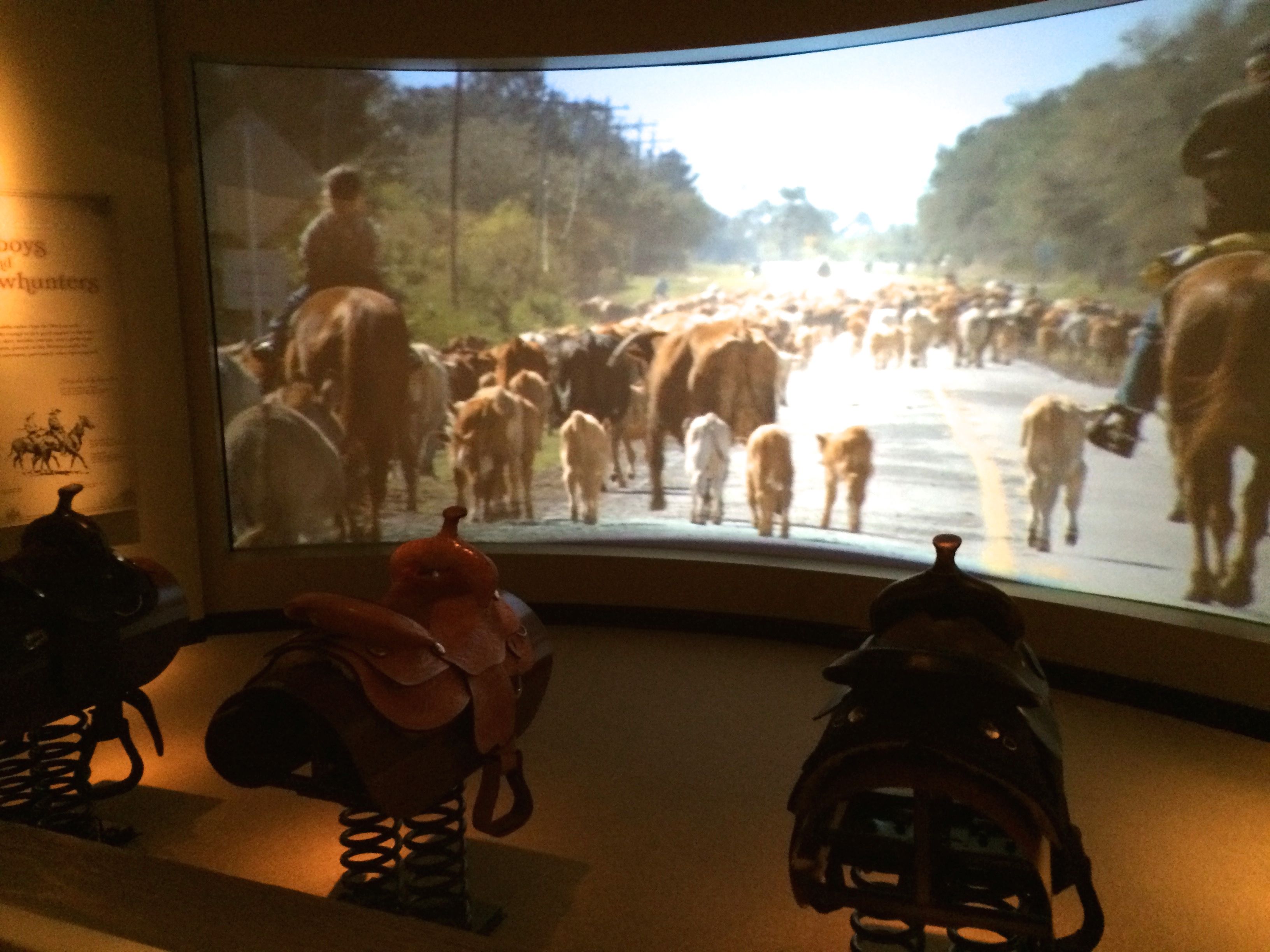
They had these great saddle seats that rocked and bounced as kids watched a film about the ranching industry. I almost tried one out, but then I got a bit worried about the possibility – or probability – that I would fall off.
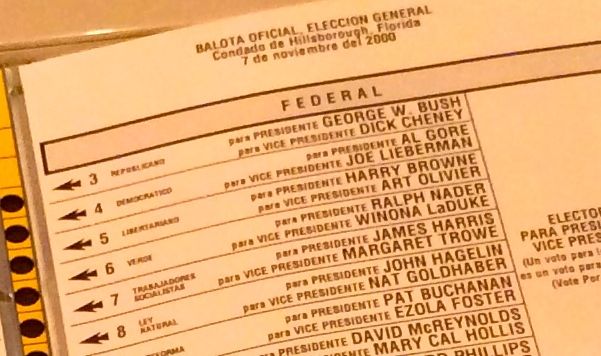
Oh, and remember the famous presidential election of 2000?
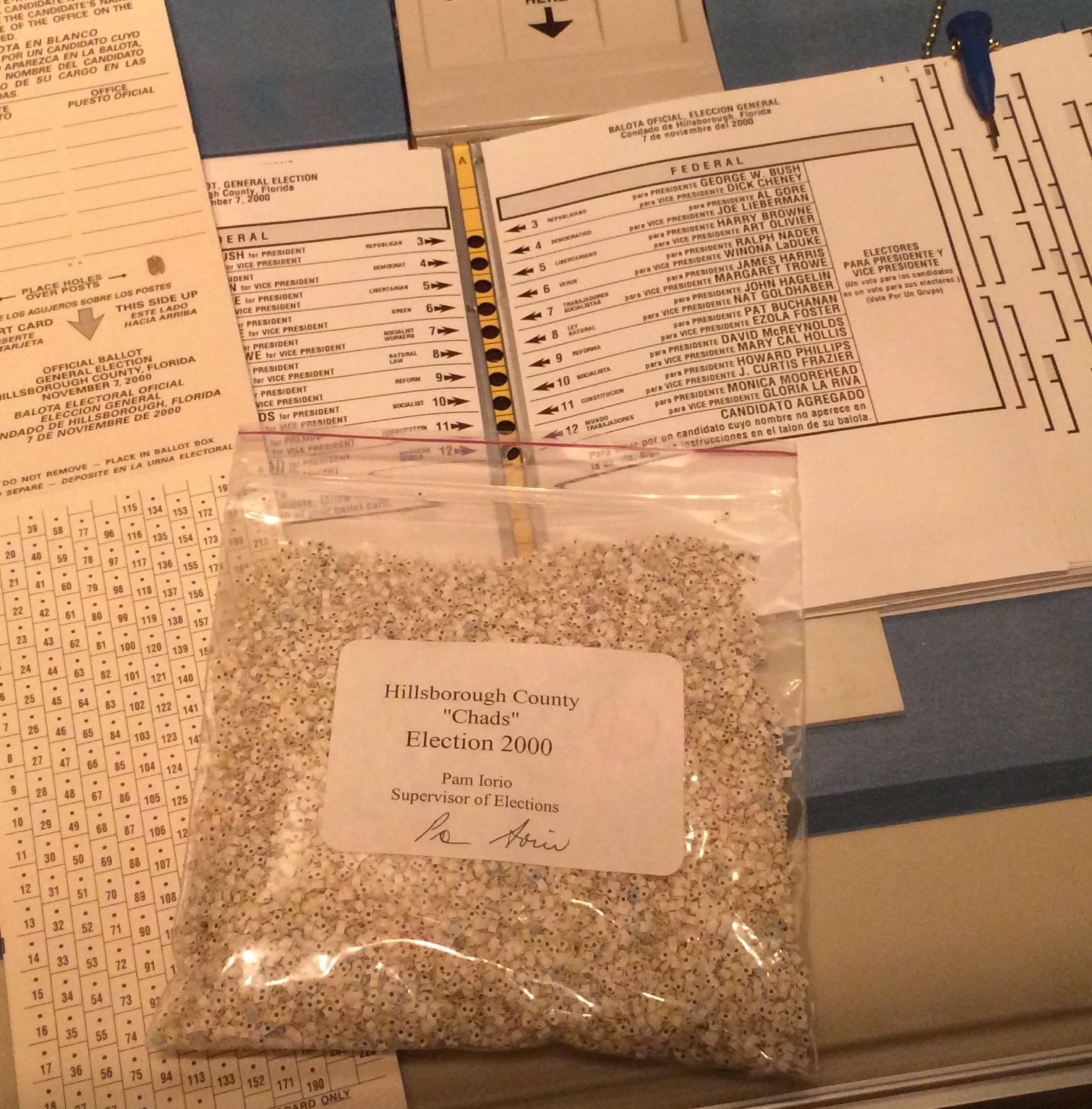
Who could forget “chads”? Who even knew what they were before 2000? I mean, I would have called them confetti.
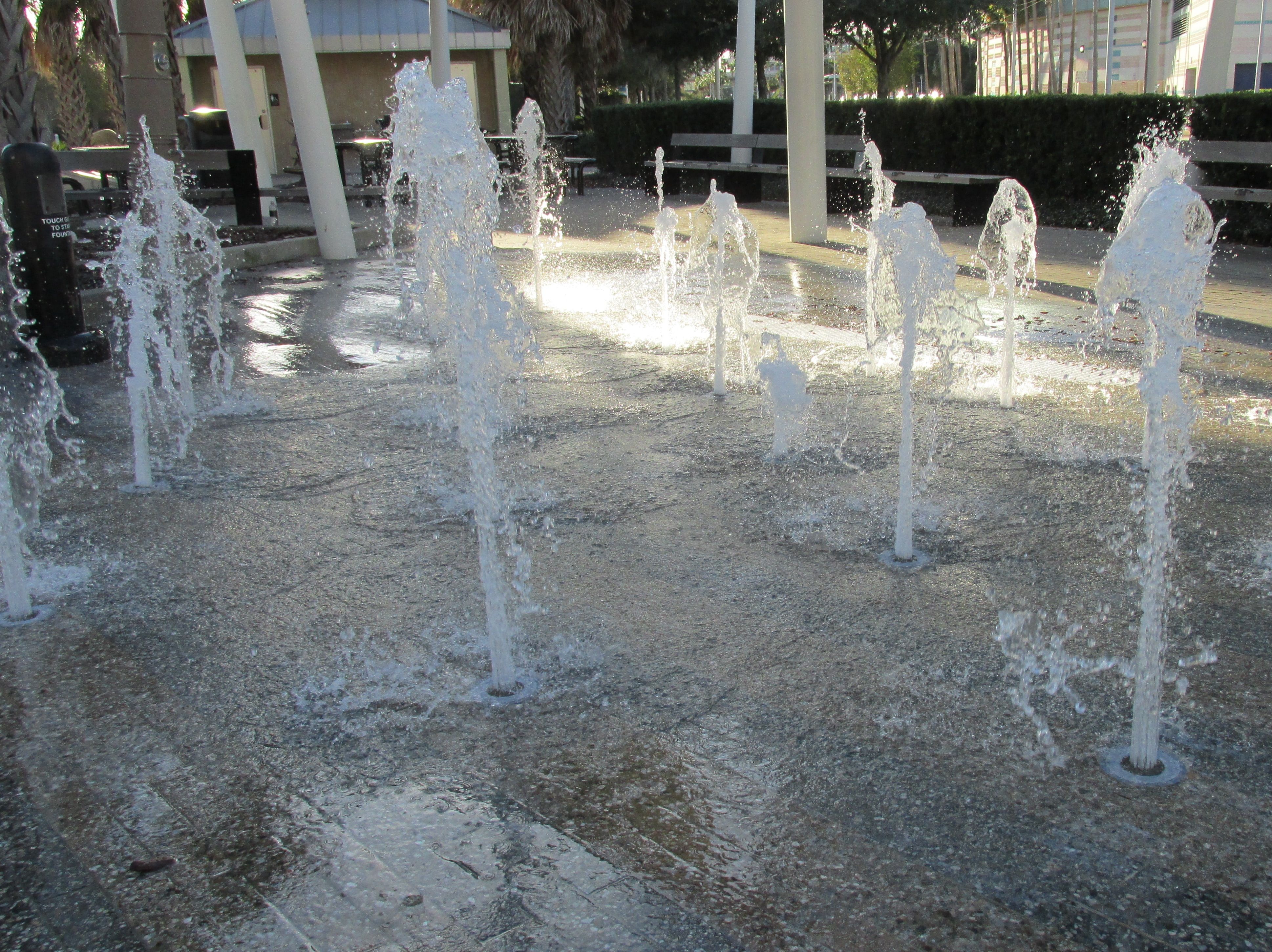
When I finished touring the museum, I encountered this lovely water feature in front. It was there to play in, and they even had a shower there to clean off before – and maybe after – splashing about in it.
They also used historic bricks in the entrance to the building’s garage.
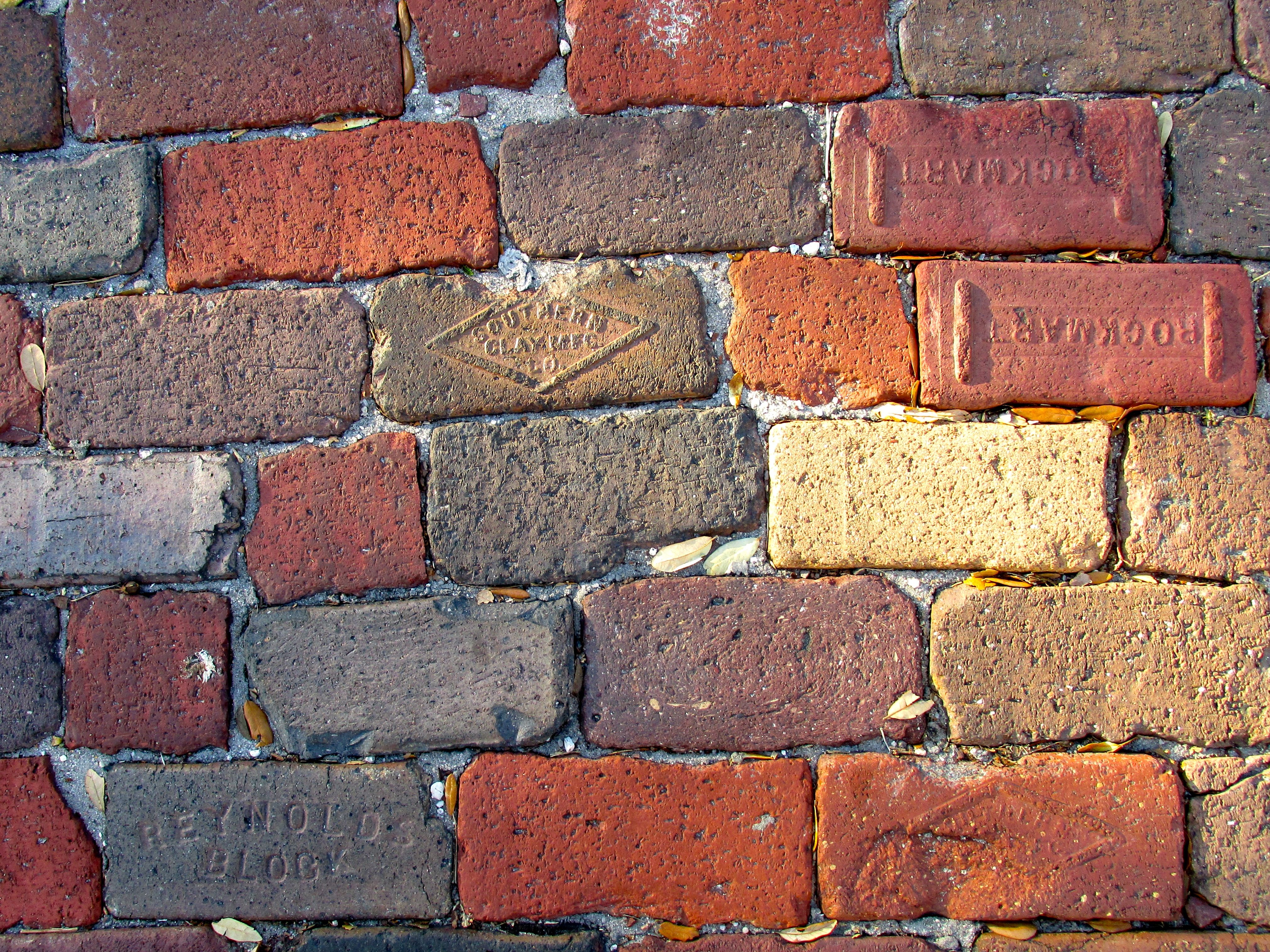
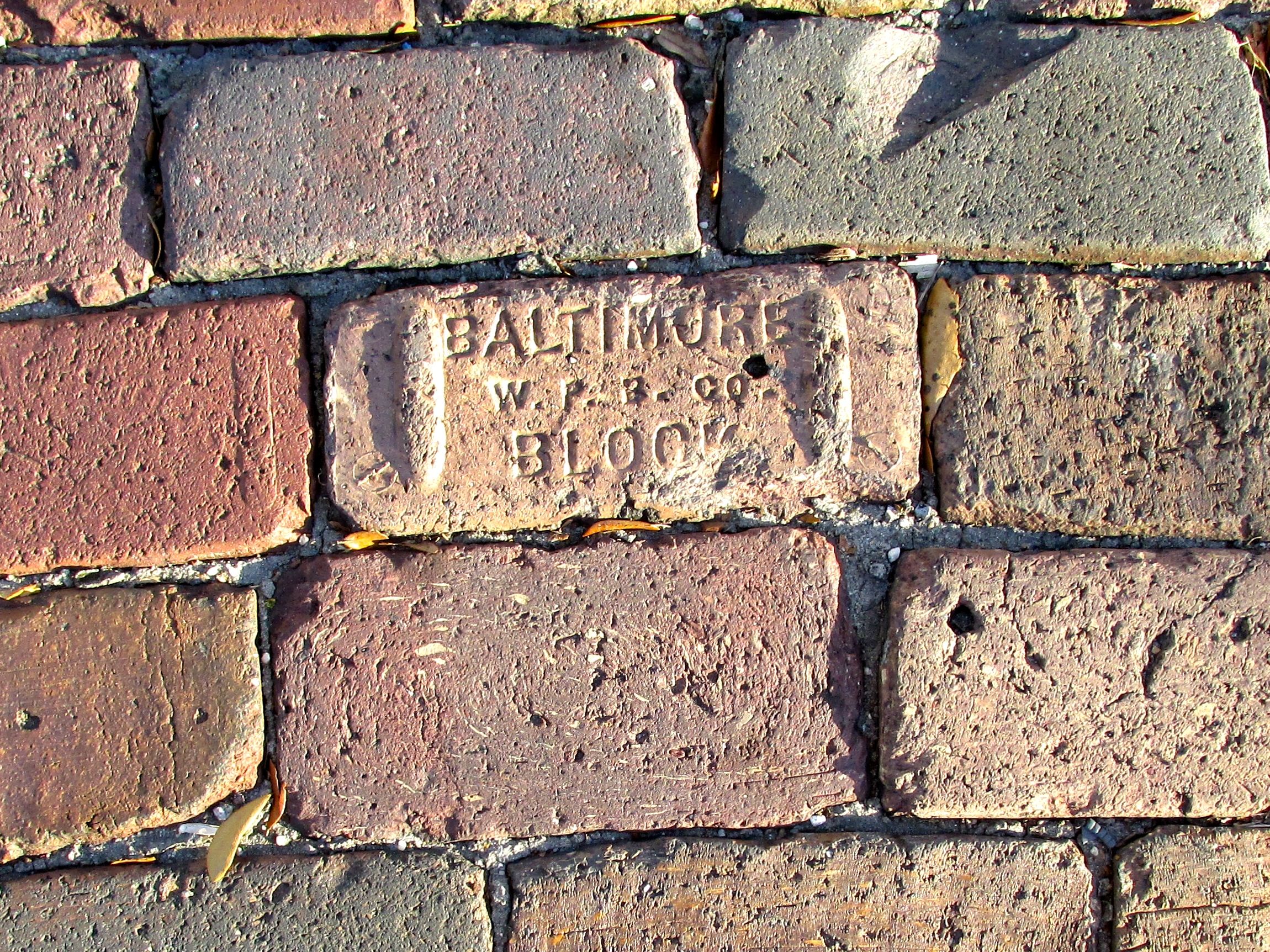
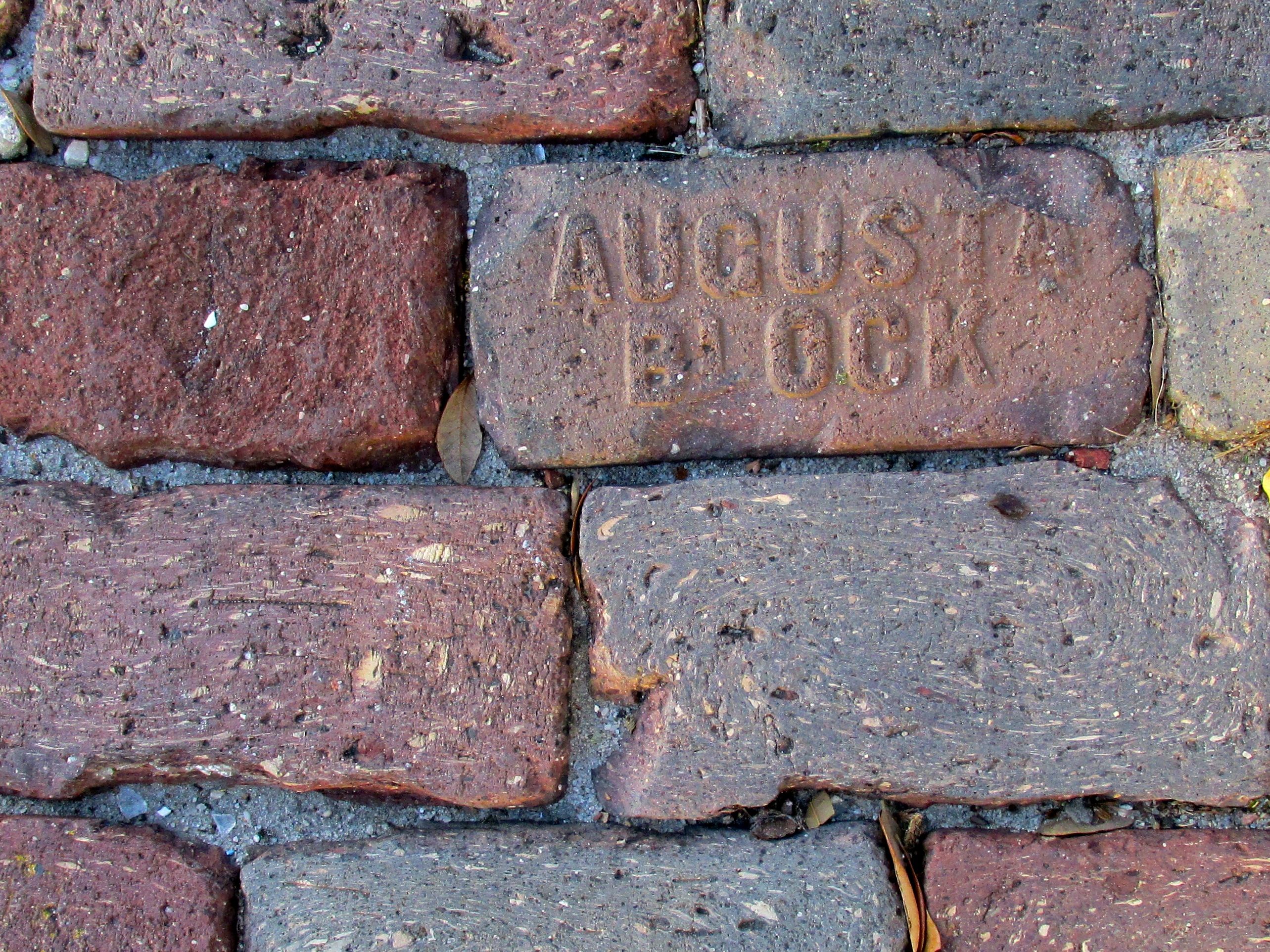
Baltimore, Augusta, Catskill, and Southern Clay Manufacturing, among other companies.
The road back to the campground was smooth, and there was a lovely sunset.
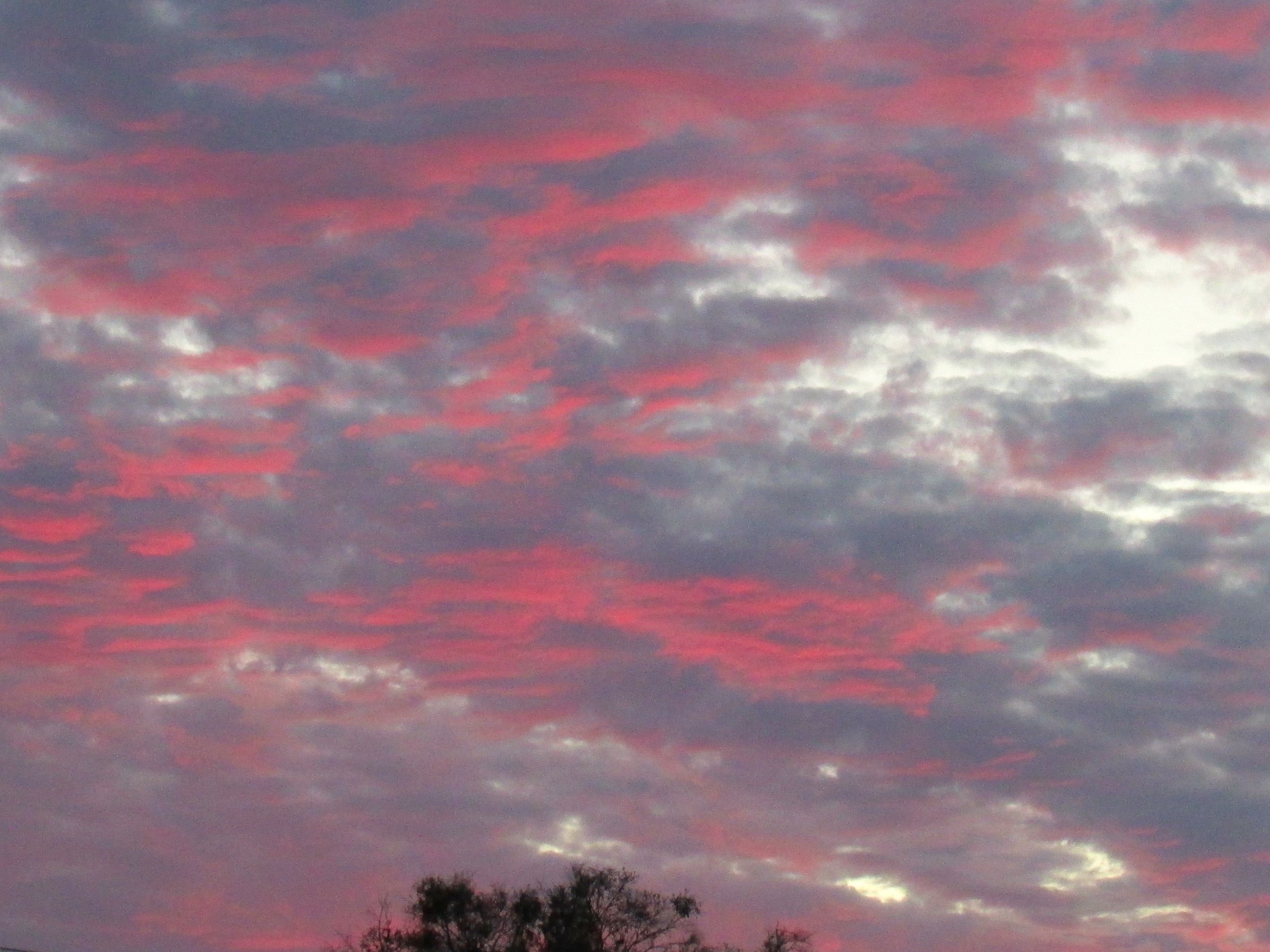
Red sky at night, sailor’s delight!