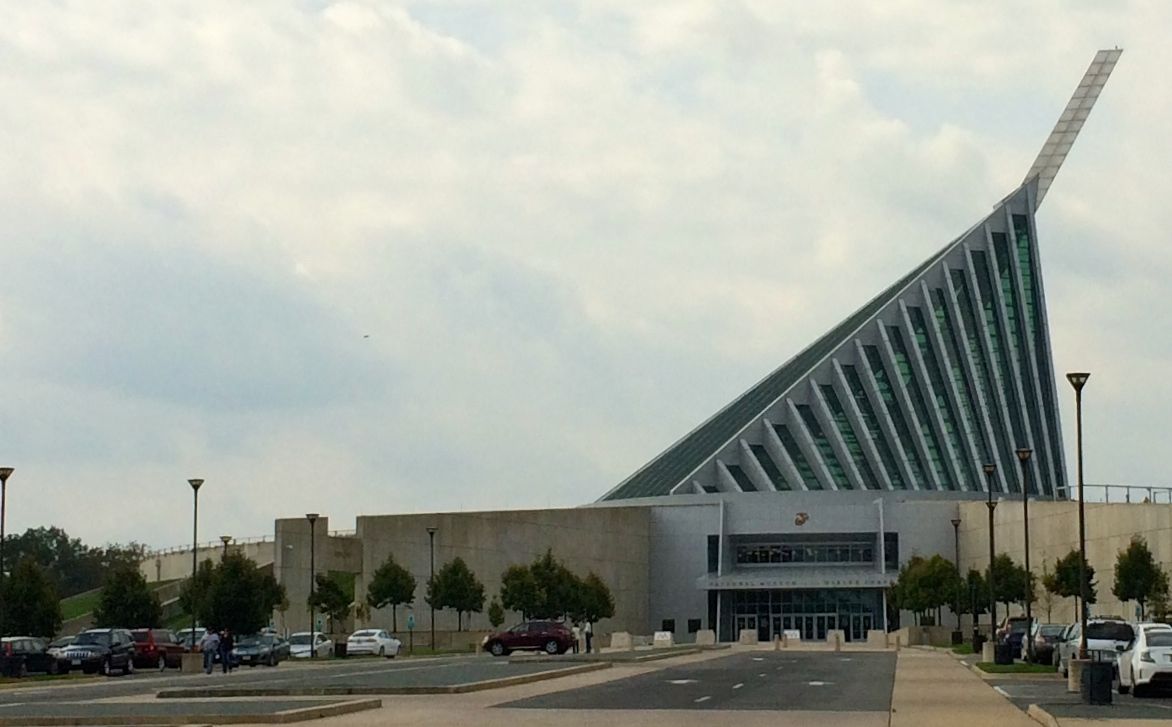
When I looked up the name of the museum, to be sure that I got it right, I found out that the architectural style of the building is deconstructionism. That was a new one for me.
However, anyone familiar with the iconic photo and statue of the flag being raised on Iwo Jima during World War II can probably see the inspiration for this building.
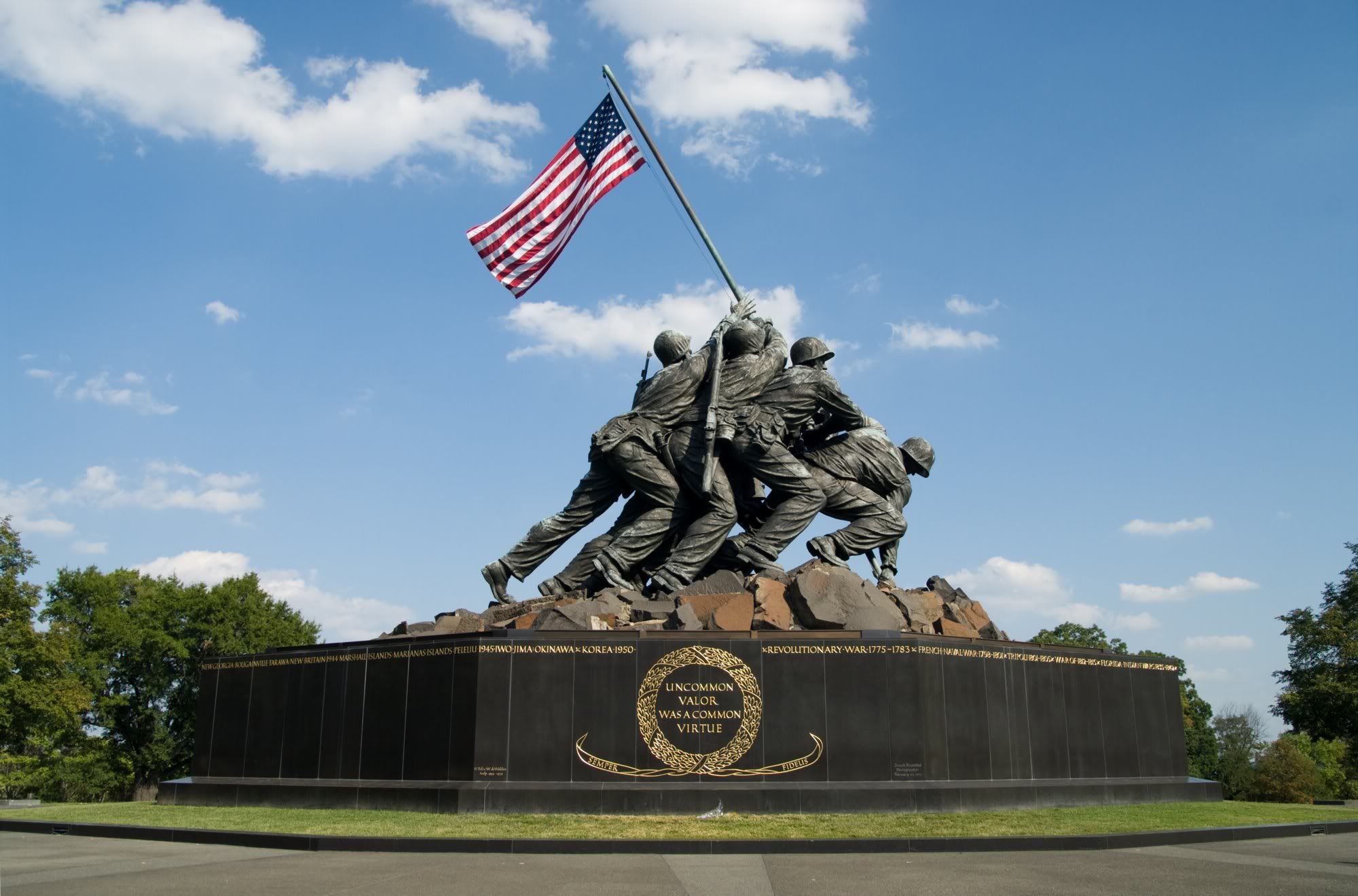
Well, you have to be able to mentally flip the statue to see it. Go ahead. I’ll give you a moment.
The museum opened in Triangle, Virginia on November 10, 2006, after being in the works since the late 1980s. It is still growing, though, and will be closed from January – March 2016 to hang an SBD Dauntless aircraft in Leatherneck Gallery and to continue to expand and improve displays.
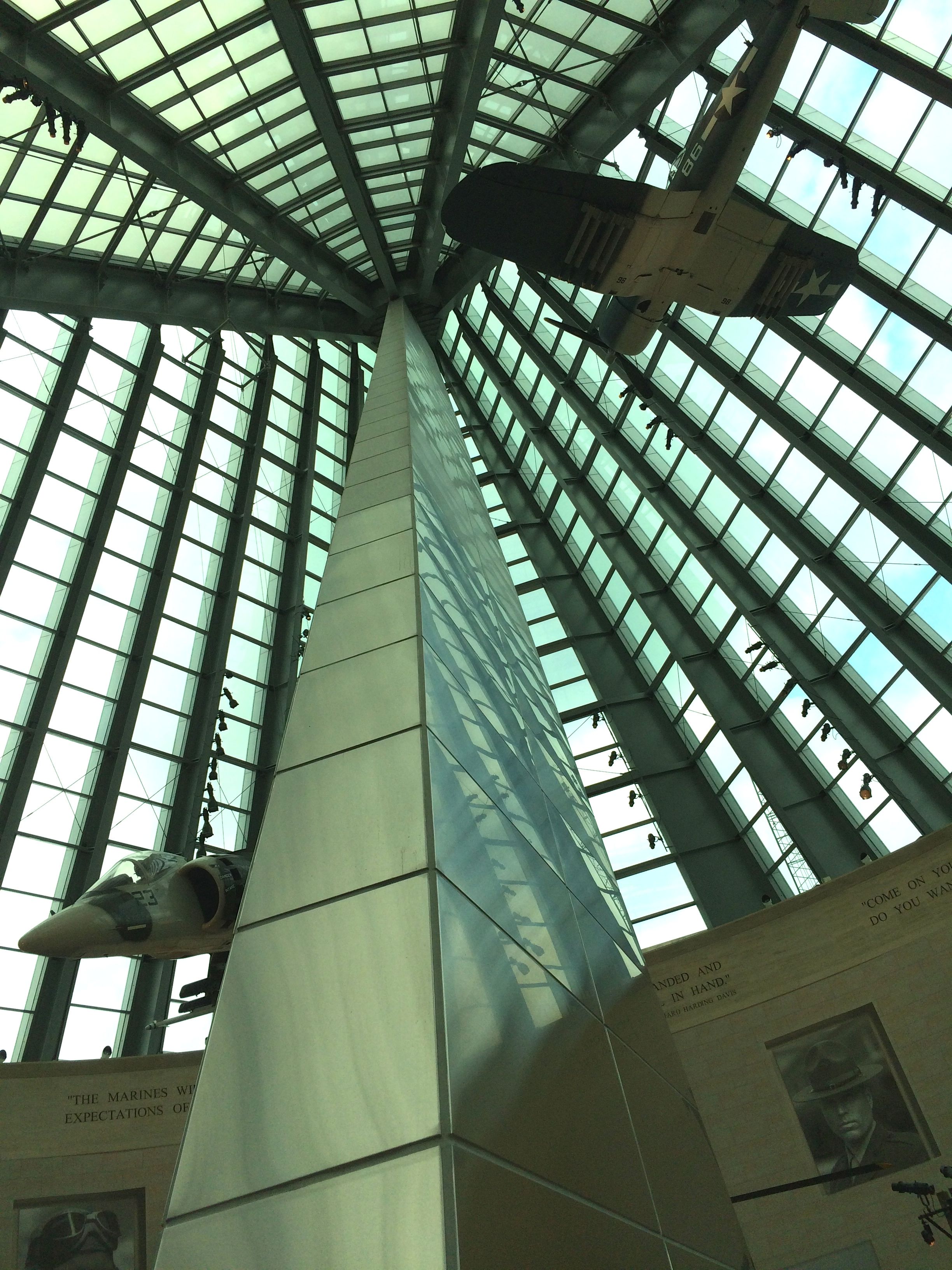
This is the Leatherneck Gallery.
For those that may not have heard the term “Leatherneck” before, this term refers to Marines. It comes from the 3.5 inch high stiff leather collar that they wore from 1798 until 1872. It served two purposes: it held the Marine’s neck erect while on parade, giving him a great military bearing by forcing the wearer to hold his chin high, and it protected the neck from cutlass attacks when boarding pirate ships during the Barbary Wars.
It wasn’t exactly a practical piece of equipment, as it restricted movement. I guess that is why it was abandoned long ago.
The museum is absolutely filled with artifacts and information from the Corps’ long history. In fact, the Corps is older than the USA, as it was formed on November 10, 1775.
In addition to artifacts, there are three dimensional displays that involve life-sized models of Marines in action with their equipment.
Who would be interested in a museum of the history of the Marine Corps? Well, would you be surprised to hear that there were many Marines visiting on the day I was there?
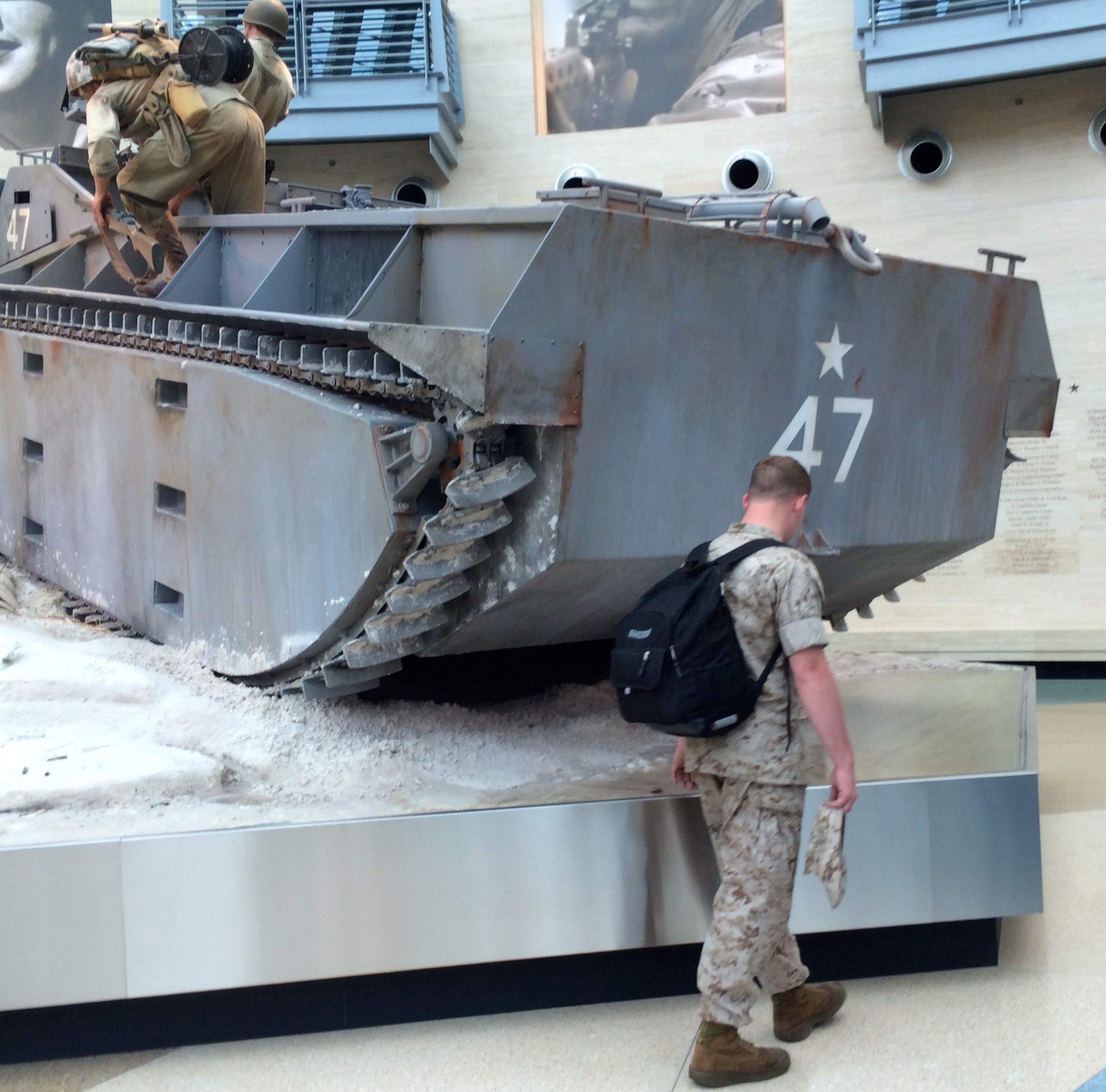
For the record, the live Marine is the one closer to the camera.
There were also people of all ages. Young families with children as well as retirees of my age and much older. After an introductory movie, it was on to the exhibits.
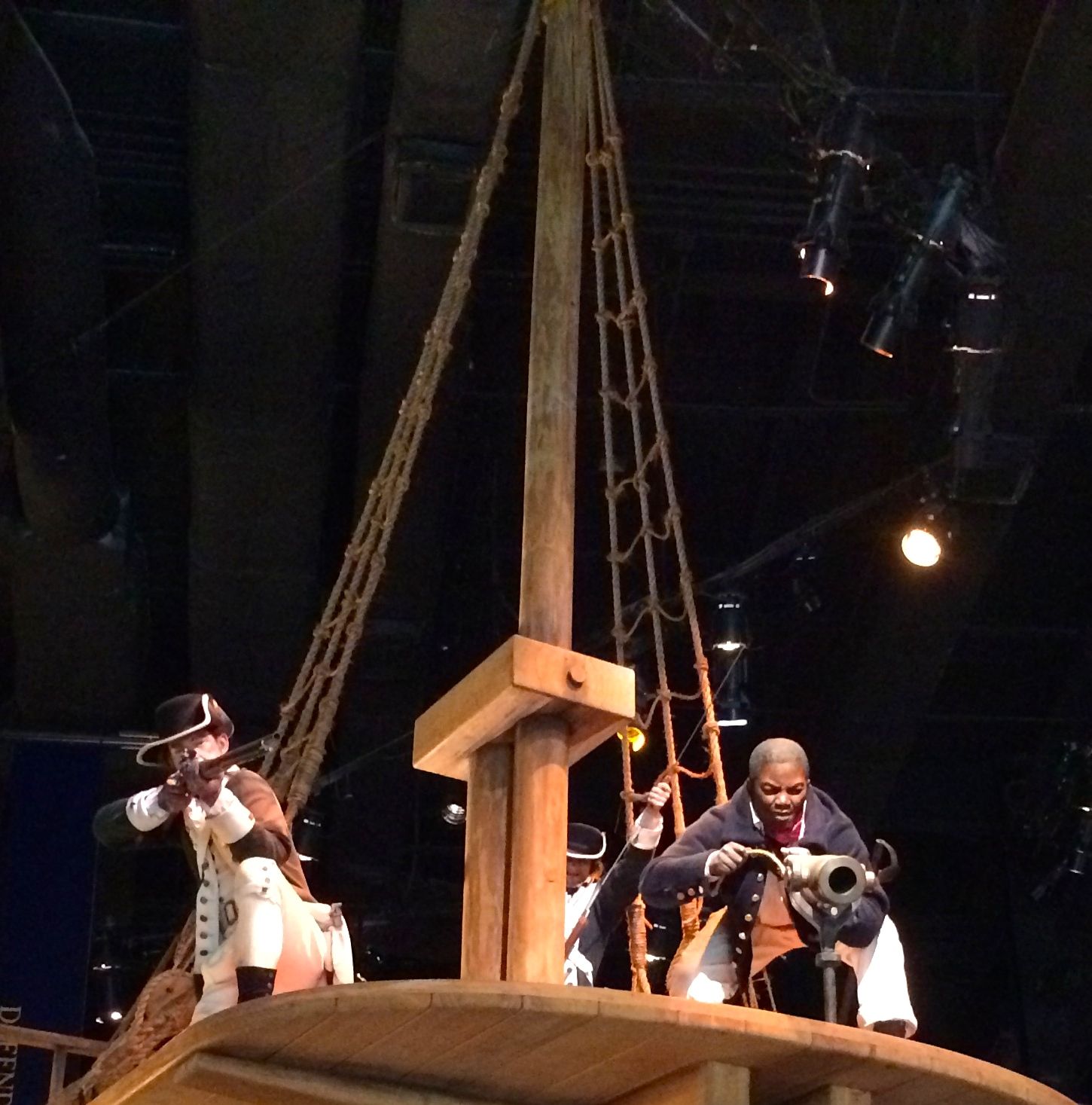
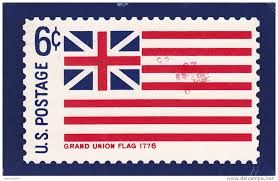
In early 1776, Captain Samuel Nicholas boarded hastily converted merchant ships. bound for the Bahamas, a British Colony. Any able-bodied man willing to volunteer was accepted. John Martin, of Wilmington, DE, was the first black Marine. It was a short battle, and the Grand Union flag – which was the predecessor of the Stars and Stripes – was raised over the island.
Marines have been involved in just about every part of American history that involved other countries, and helped promote American interests around the globe.

Marines and sailors serving on board Navy warships in the early 19th century slept in hammocks slung between hooks on bulkheads. At reveille, they they secured the hammocks for the day. When they died at sea, they were sewn into their hammocks, wrapped in a flag and committed to the deep.
From the halls of Montezuma, to the shores of Tripoli…

The northern coast of Africa is called the Barbary Coast. Barbary pirates seized American ships repeatedly, commencing with the end of the Revolutionary War in 1783 and leading to the Barbary Wars in 1800 – 1805. European practice had been to pay ransom for hostages. Sometimes the Europeans would even pay protection in advance.
Thomas Jefferson sent a message to the ruler of Tripoli, May 21, 1801.
“We mean to rest the safety of our commerce on…our own strength and bravery in every sea.”

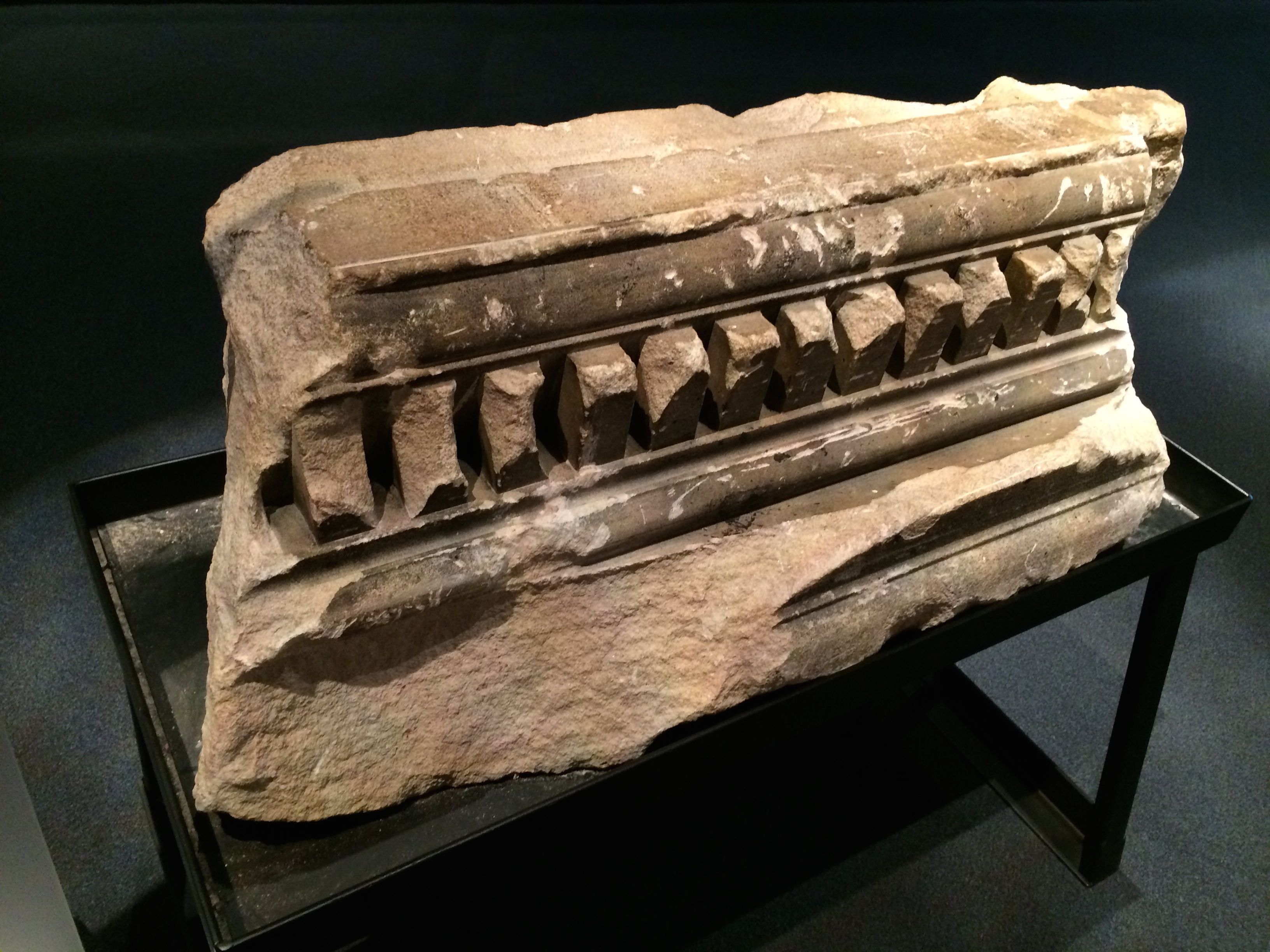
This marble plaque, inscribed in English and Arabic, marked the location of the fort in Derna, Libya, that was captured by U.S. Marines on April 27, 1805. It was placed there in the 1940’s by the British. It was found broken and partially buried in the garden of the former American Embassy residence in Tripoli.

Did you know that these hats were called “chapeau de bras”? They were worn by officers in the late 18th and early 19th centuries. The hat was designed to be easily folded and stored under the arm. Formal uniform orders from April 1810 directed that the end was to be worn over the right eye with the hat tilted at a rakish angle.
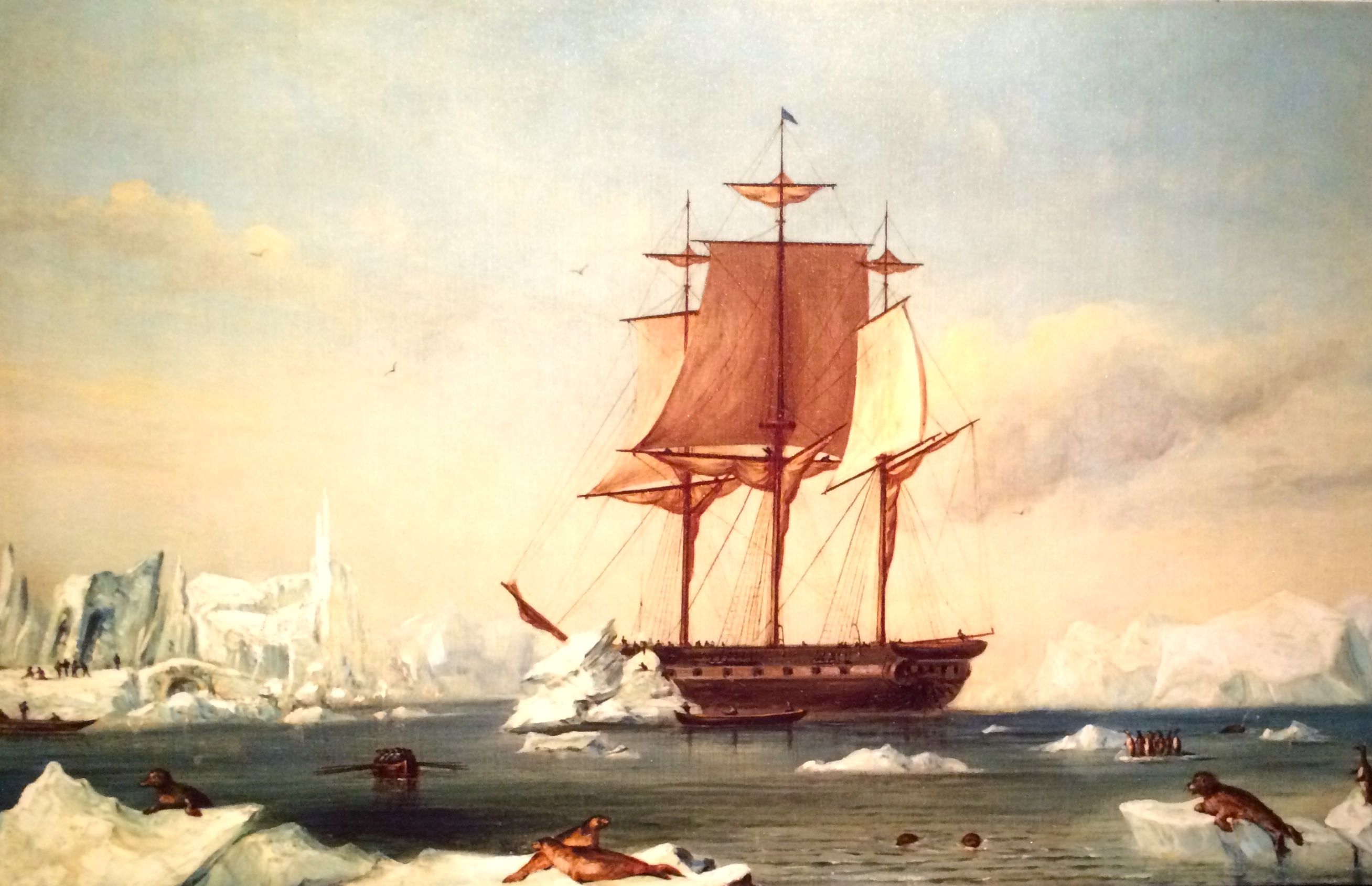
The USS Vincennes, commissioned in 1826, became the first U.S. naval vessel to circumnavigate the globe. She was decommissioned after that venture, refitted and named the flagship of the Wilkes Expedition in 1836. Although lead by LT Charles Wilkes USN, Marines also took part in the expedition, which surveyed South America, Antarctica, the Far East and North Pacific.
There were many other expeditionary activities, intended to advance American interests in the early 1800s, but I will leave those for you to discover when you visit.
(You might properly infer that I am finding it difficult to decode my notes from that era. Besides, I want to get on to some other artifacts and displays that caught my attention.)
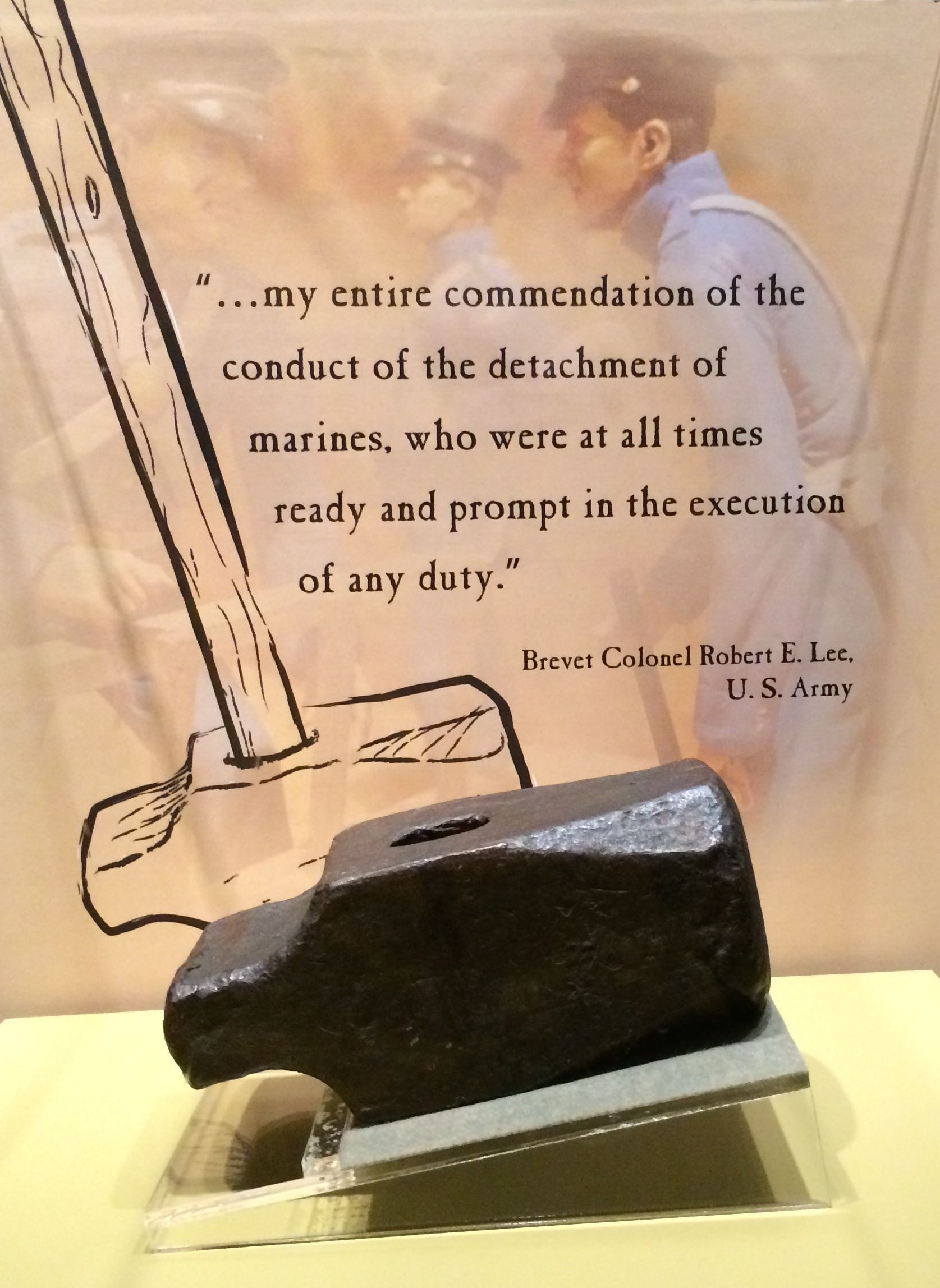
Yes, the Marines were involved in apprehending John Brown in Harpers Ferry. Here is the sledge hammer used to break down the door.
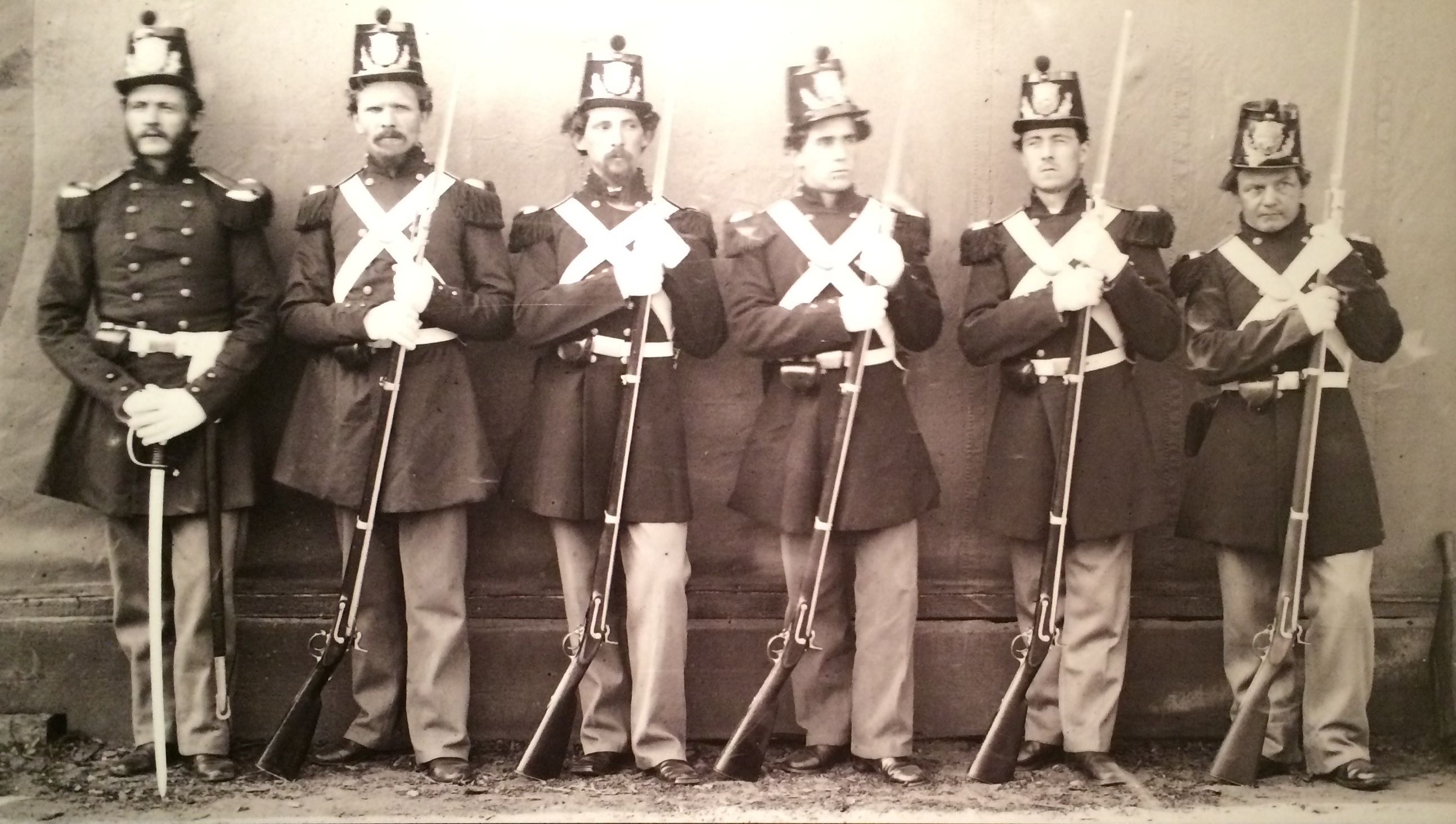
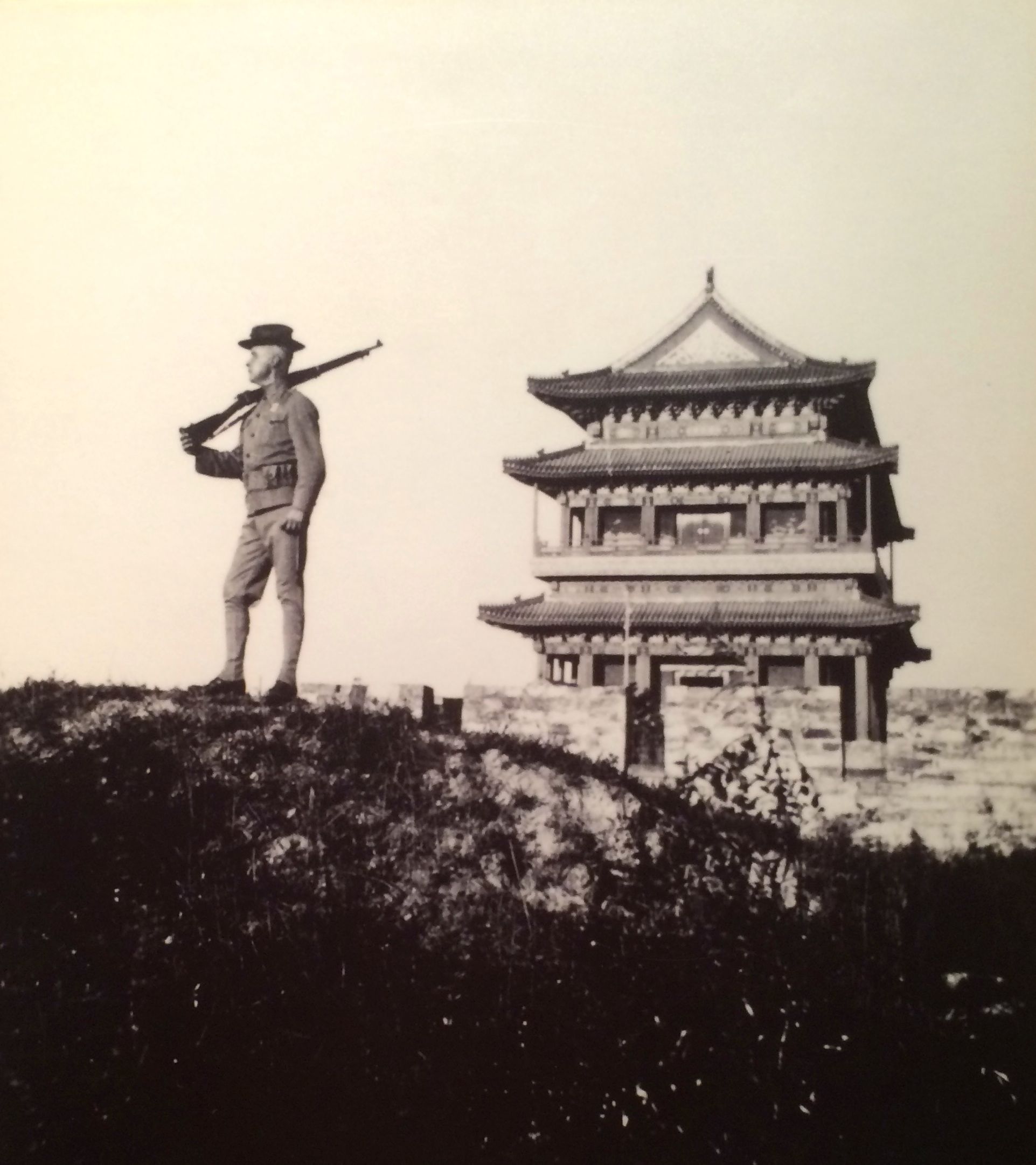
In 1900, Marines landed in China to help protect western diplomats and their families from an anti-foreign and anti-Christian uprising by the “Society of the Righteous Harmonious Fists” also known as the “Boxers”. I always wondered why this was called the Boxer Rebellion. Marines took part in scaling the walls that surrounded the central governmental offices, including the foreign legations in Peking. This was no ordinary wall, though. It was 60 feet high, 40 feet wide and extended 25 miles.
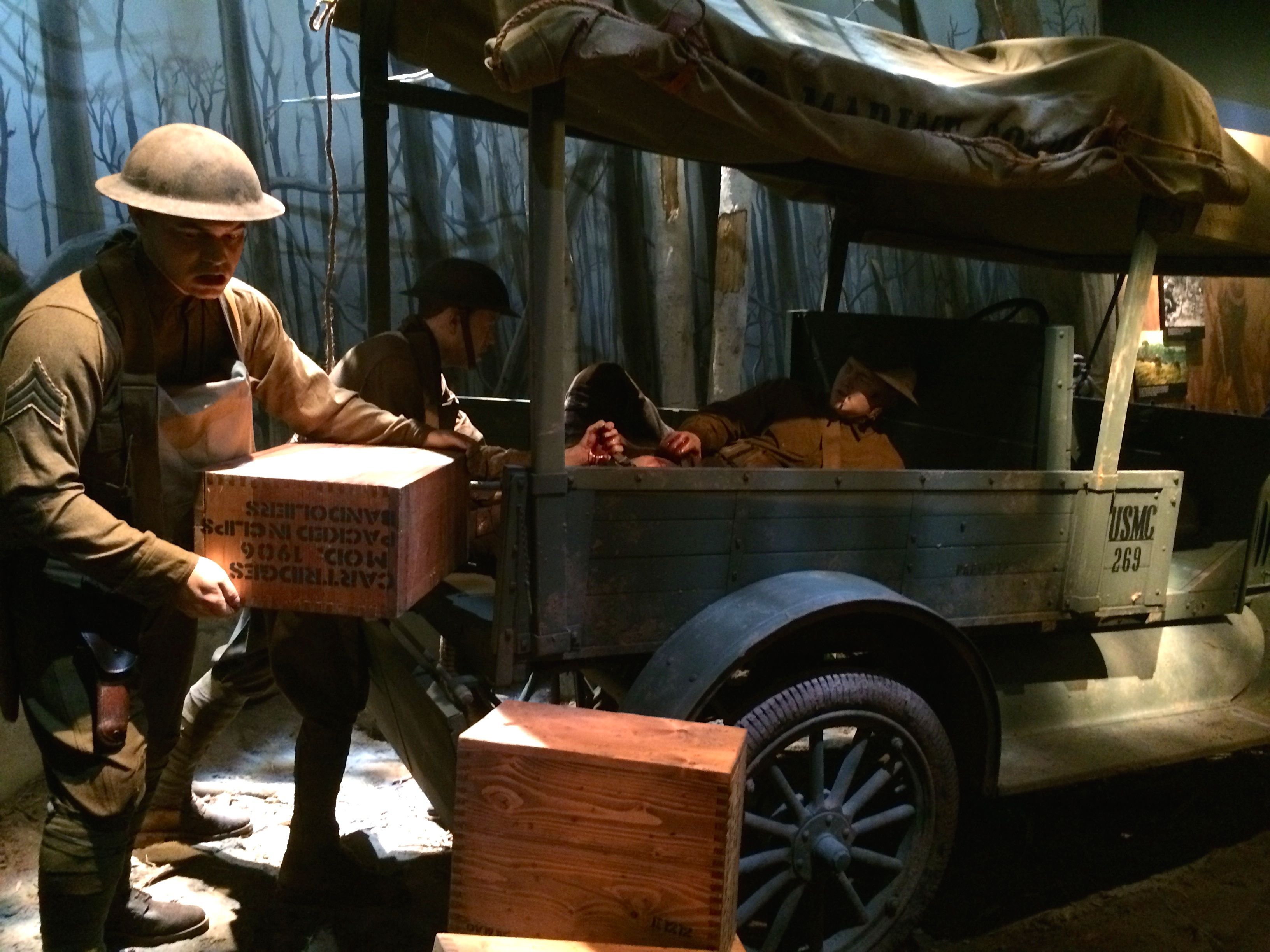
And World War I was just around the corner.
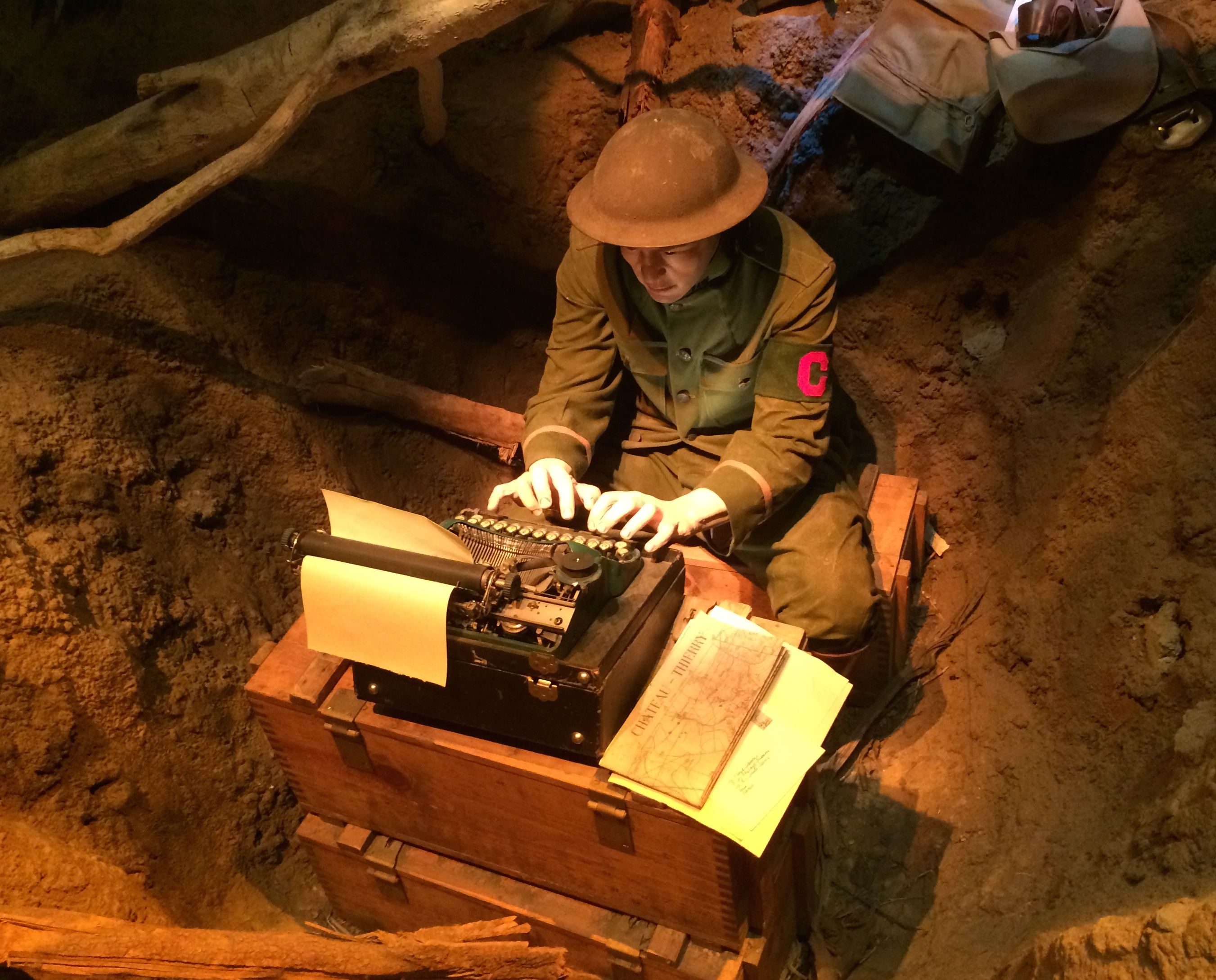
World War I was the first war with newspaper correspondents right in the midst of the battle.
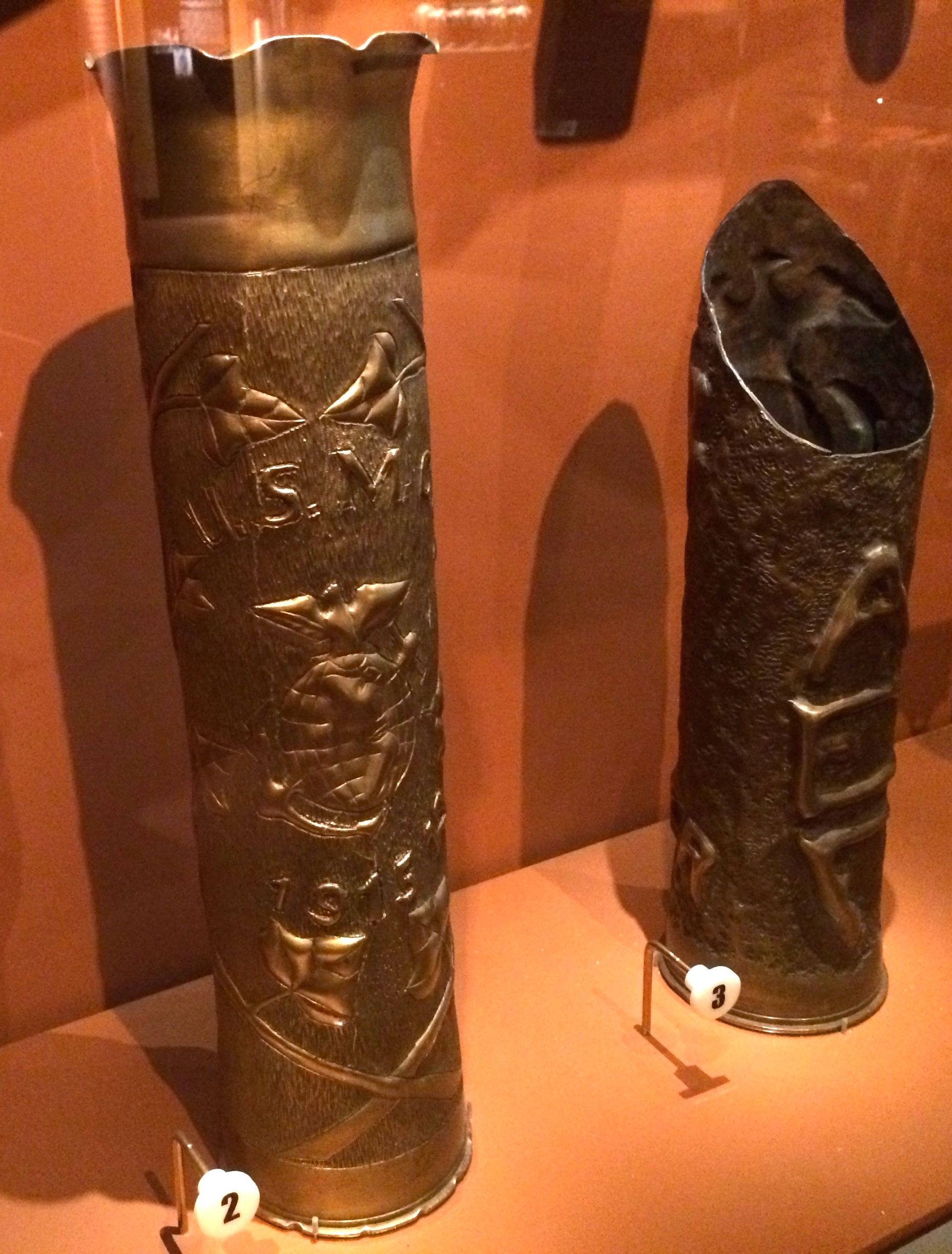
Marines took advantage of extra time by using an almost inexhaustible supply of shell casings to create “trench art”. These works were made by Marines out of 75mm brass casings.
Of course, the war to end all wars didn’t live up to its name.
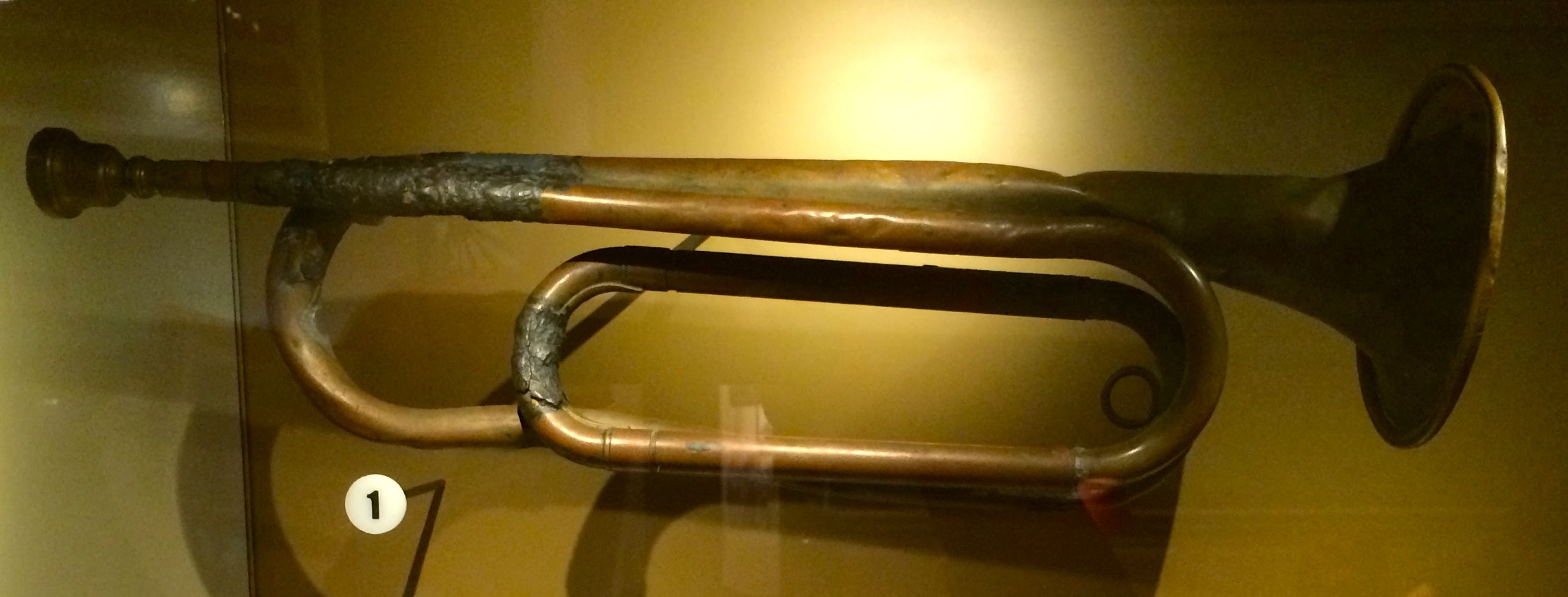
During the attack on Pearl Harbor, Private Roy F.W. Rieck, a Marine bugler, sounded the call to arms as Japanese planes flew overhead. Later, he used the same bugle at funeral services for the dead.
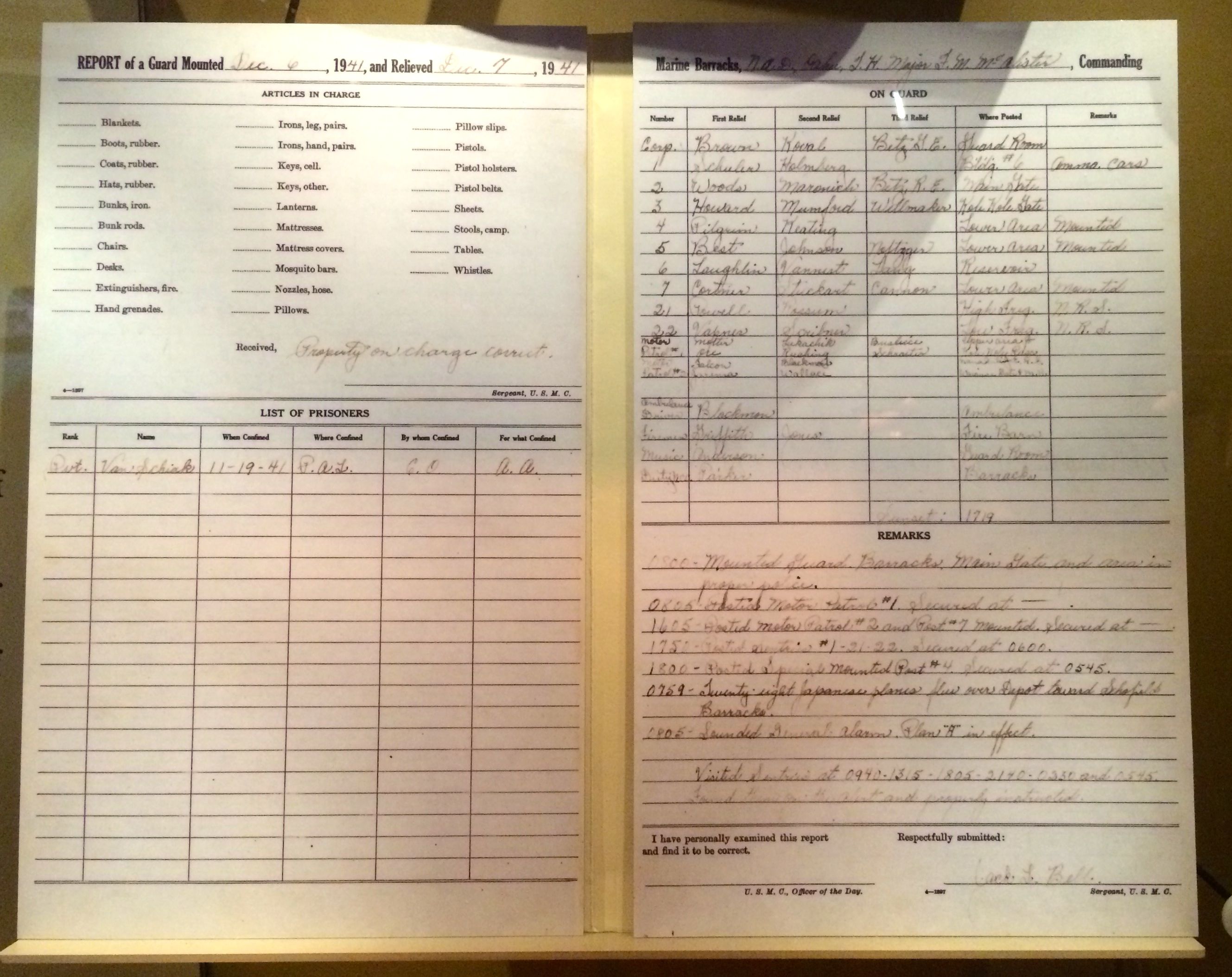
In this logbook, Naval Ammunition Depot personnel recorded the start of the Japanese attack with the words, “Twenty-eight Japanese planes flew over Depot toward Schofield Barracks at 0759.”
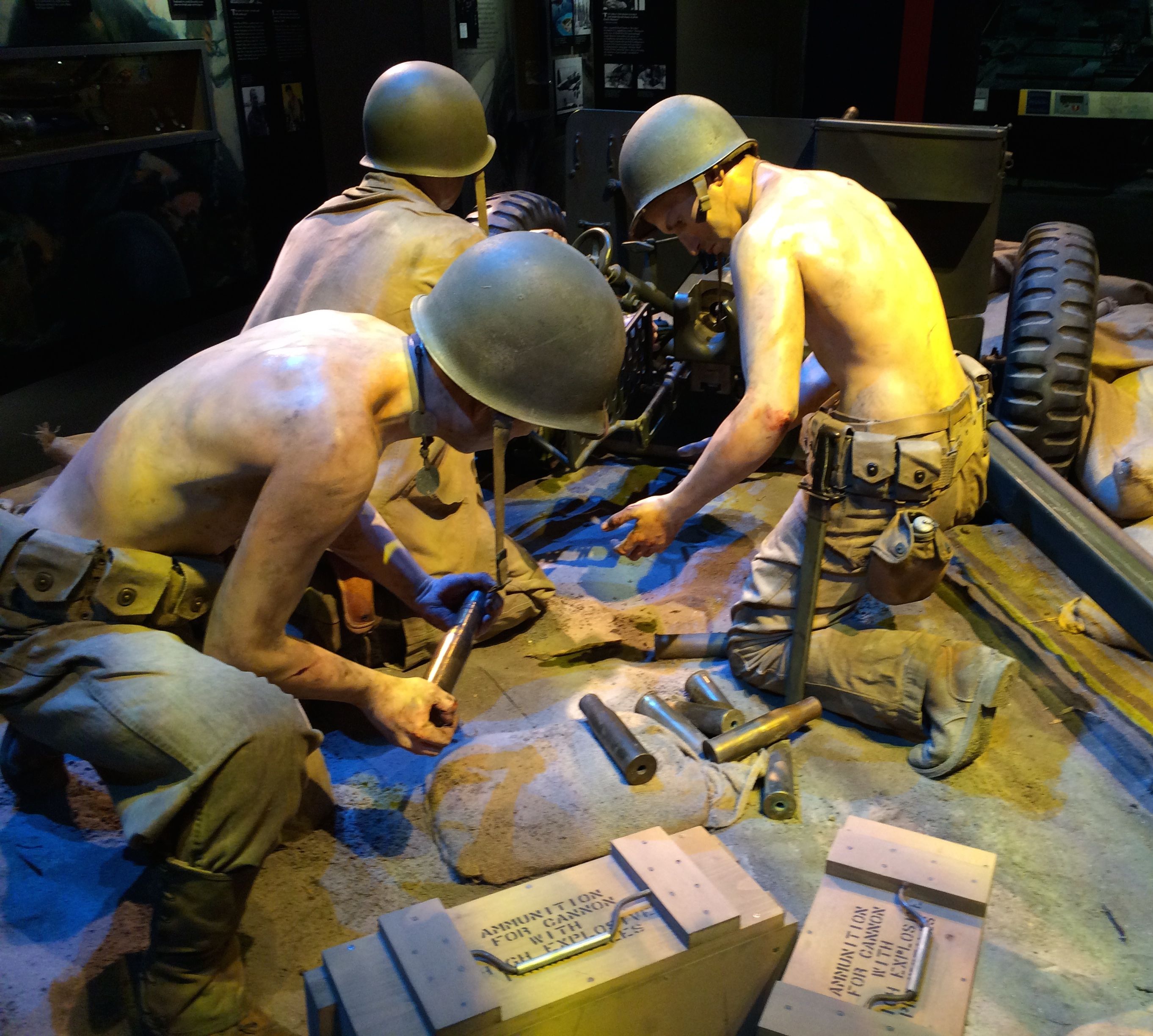
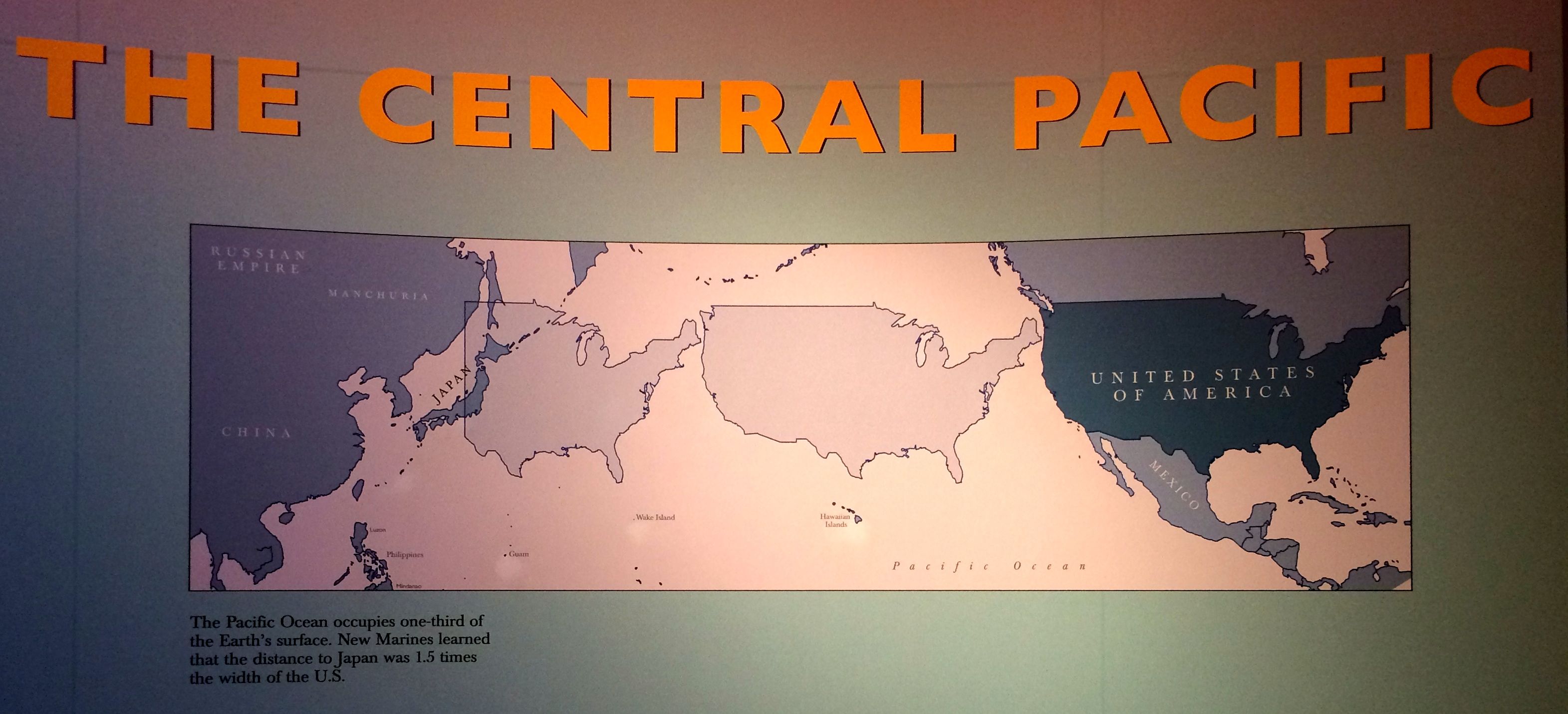
It was quite a feat to manage to conduct a war with so much water to deal with. However, deal with it they did. Which brings us back to raising the flag over Iwo Jima.
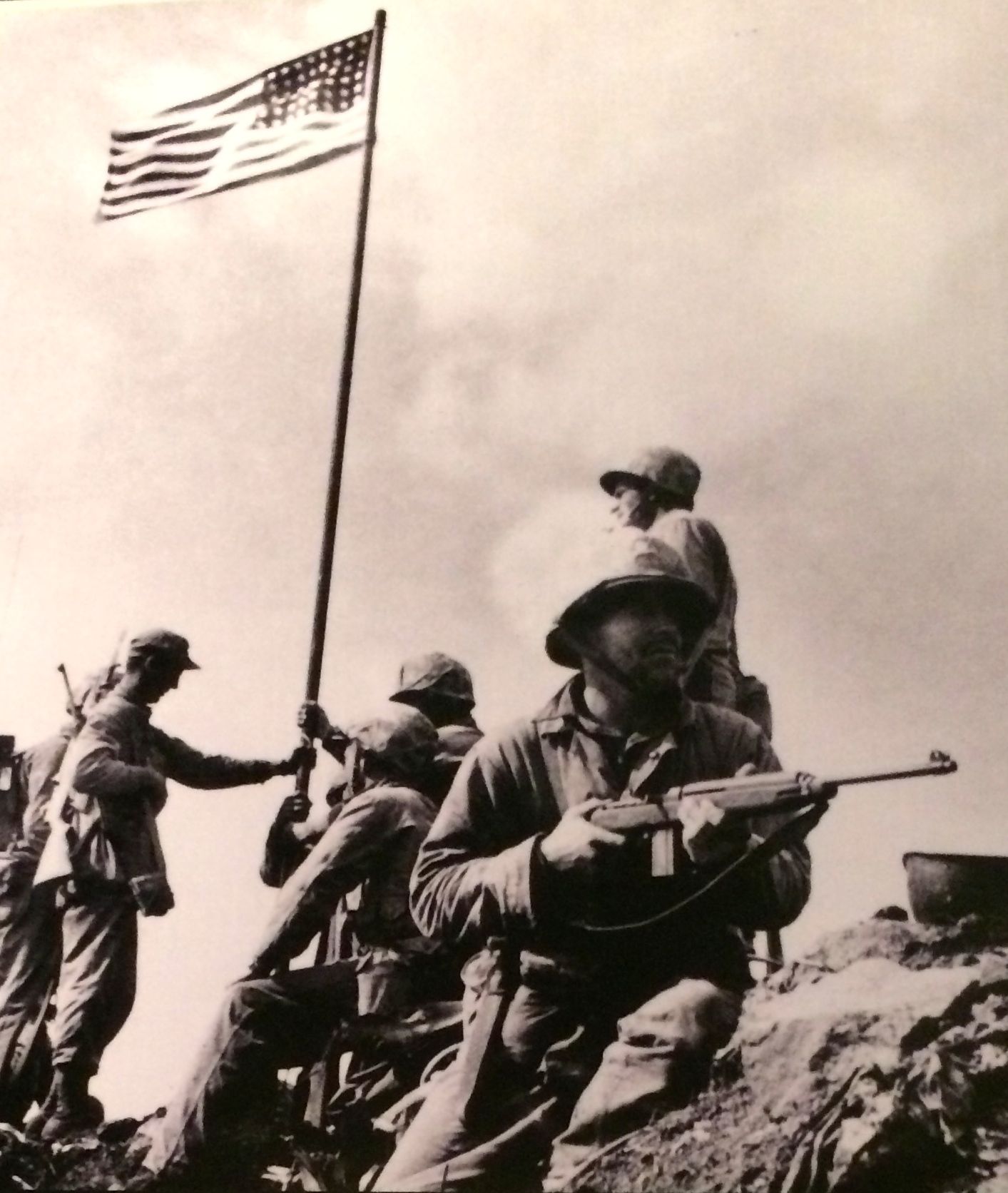
This is the first raising of the flag on Mount Suribachi, on Iwo Jima, February 28, 1945. They put it up quickly, so the next day, they did it again so they could get better photos.
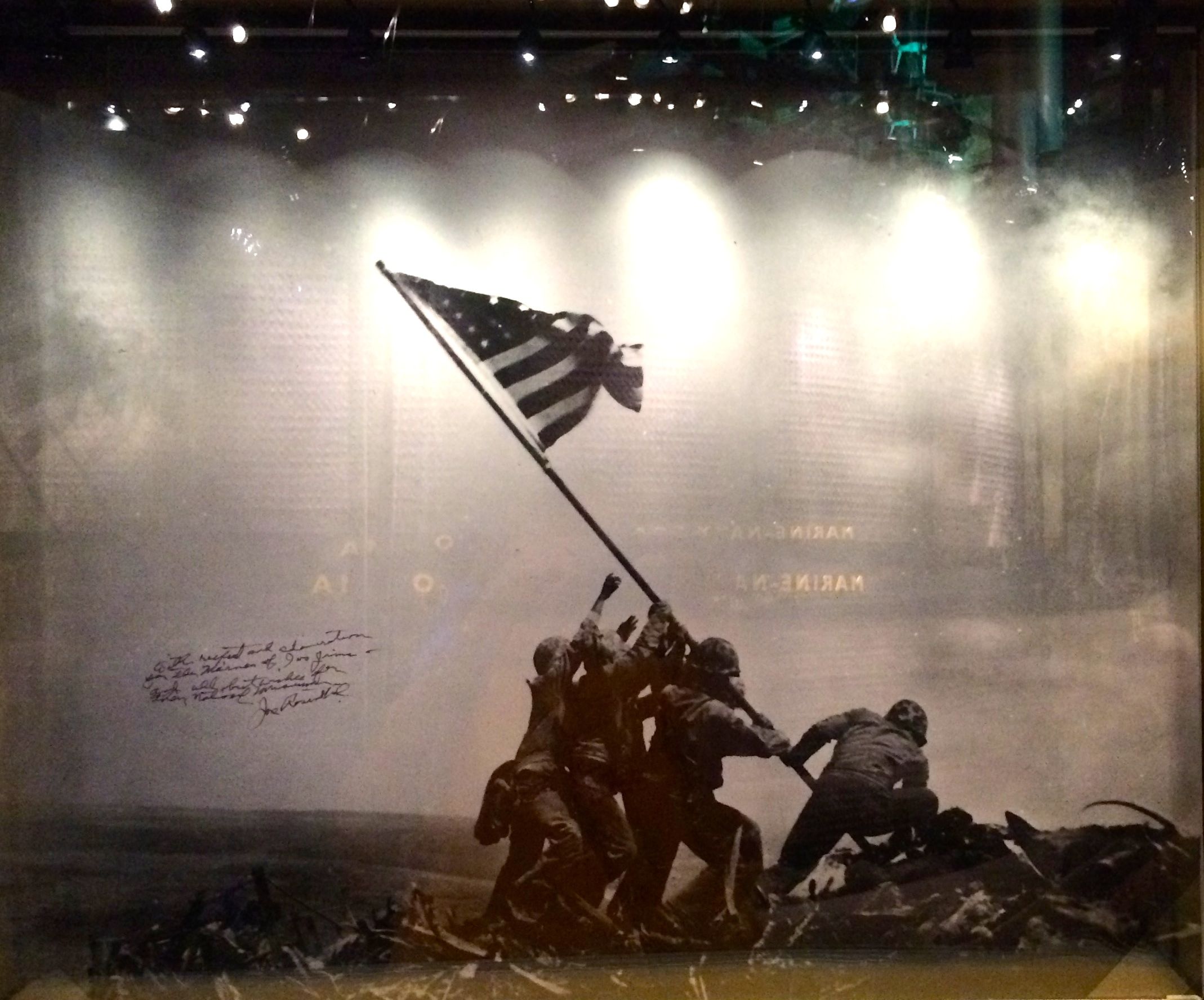
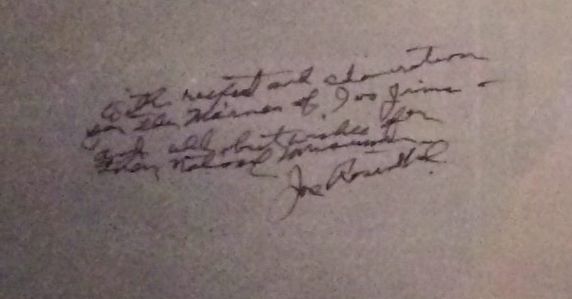
As might be expected, they have a good display in the museum about this image. Below is a close up of the inscription from the photo in the display.
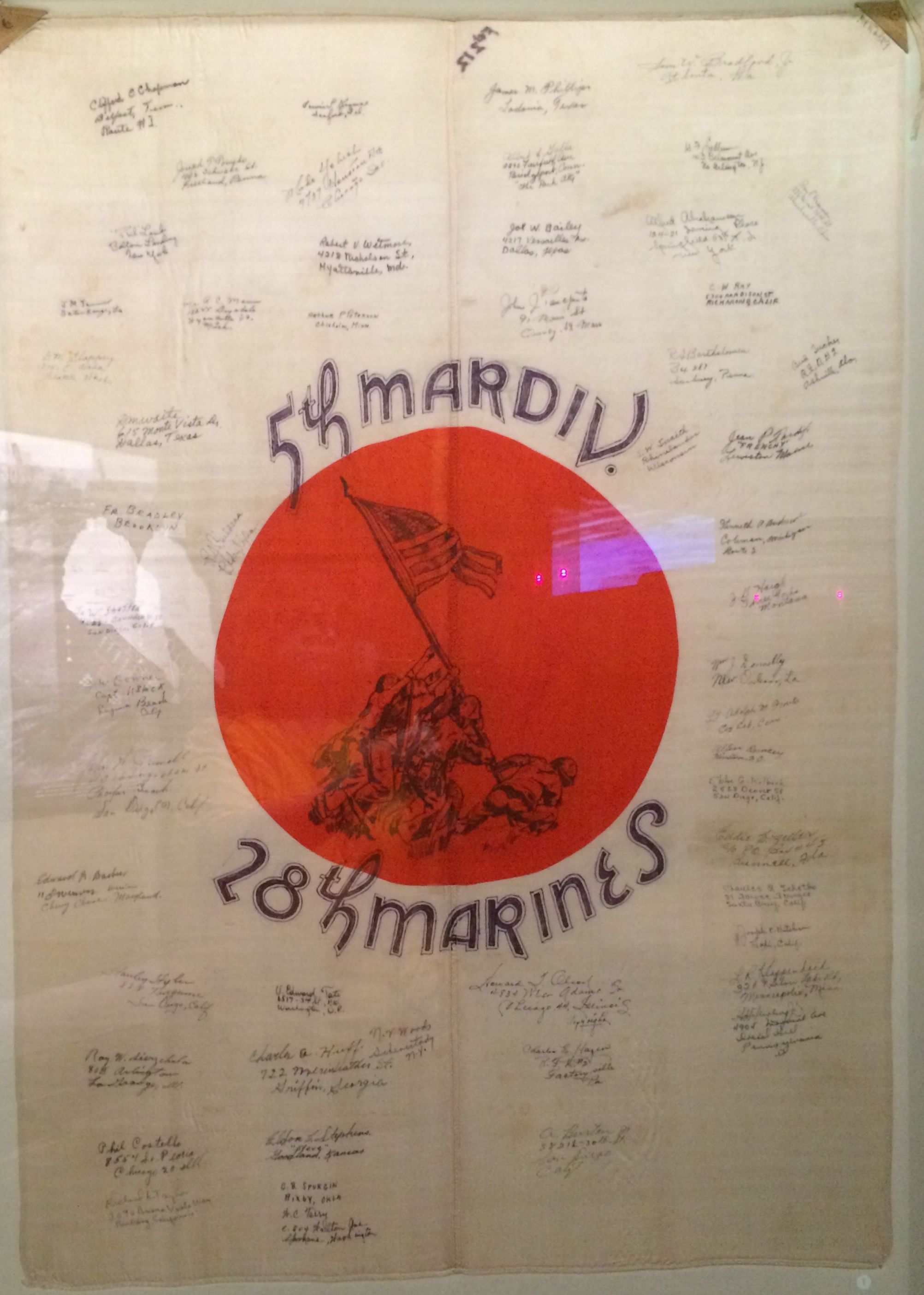
This is a flag that was captured on Iwo Jima. It bears the names and addresses of the men who served with the 28th Marines.
The war was taking place in Europe, as well.
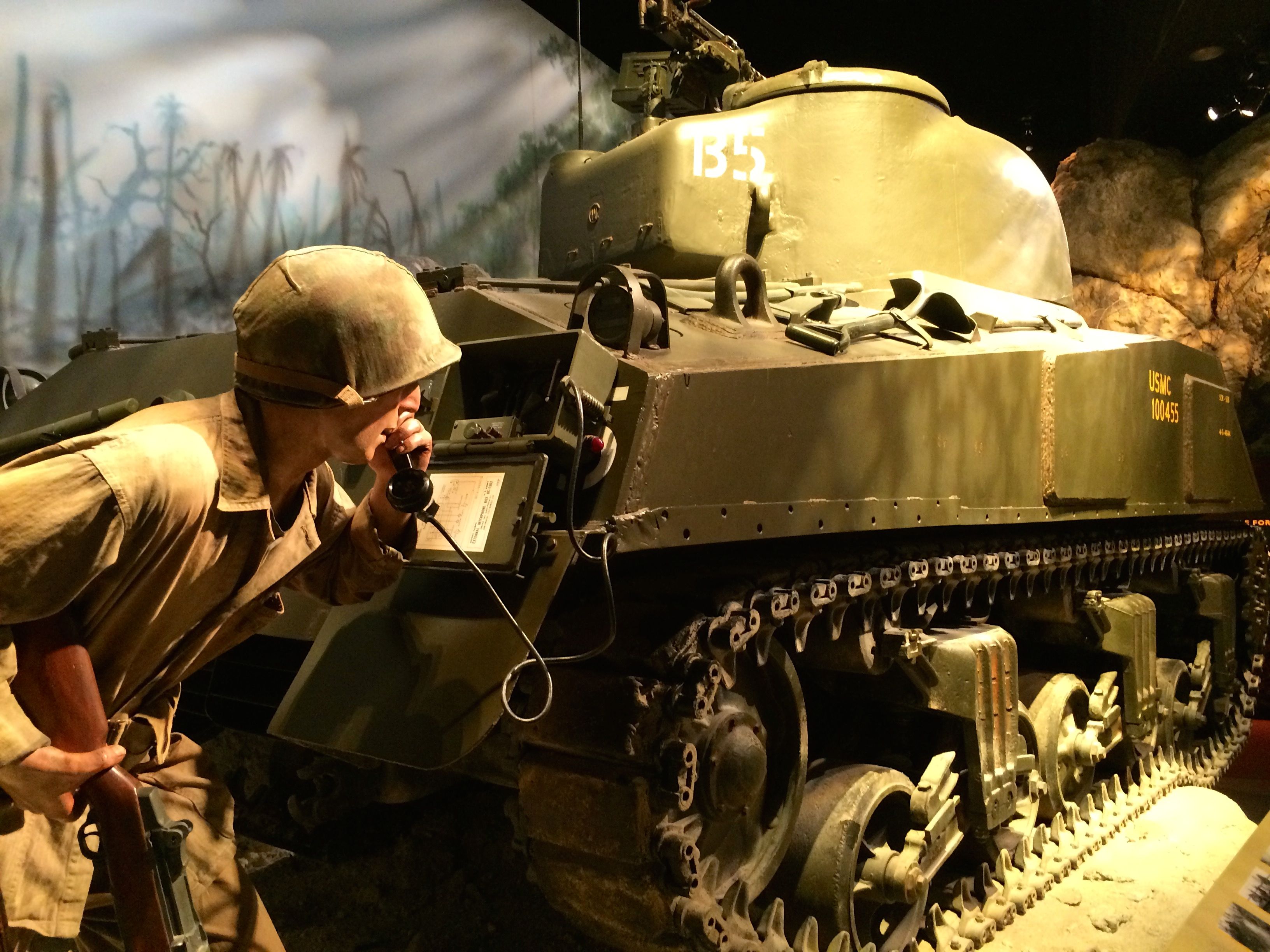
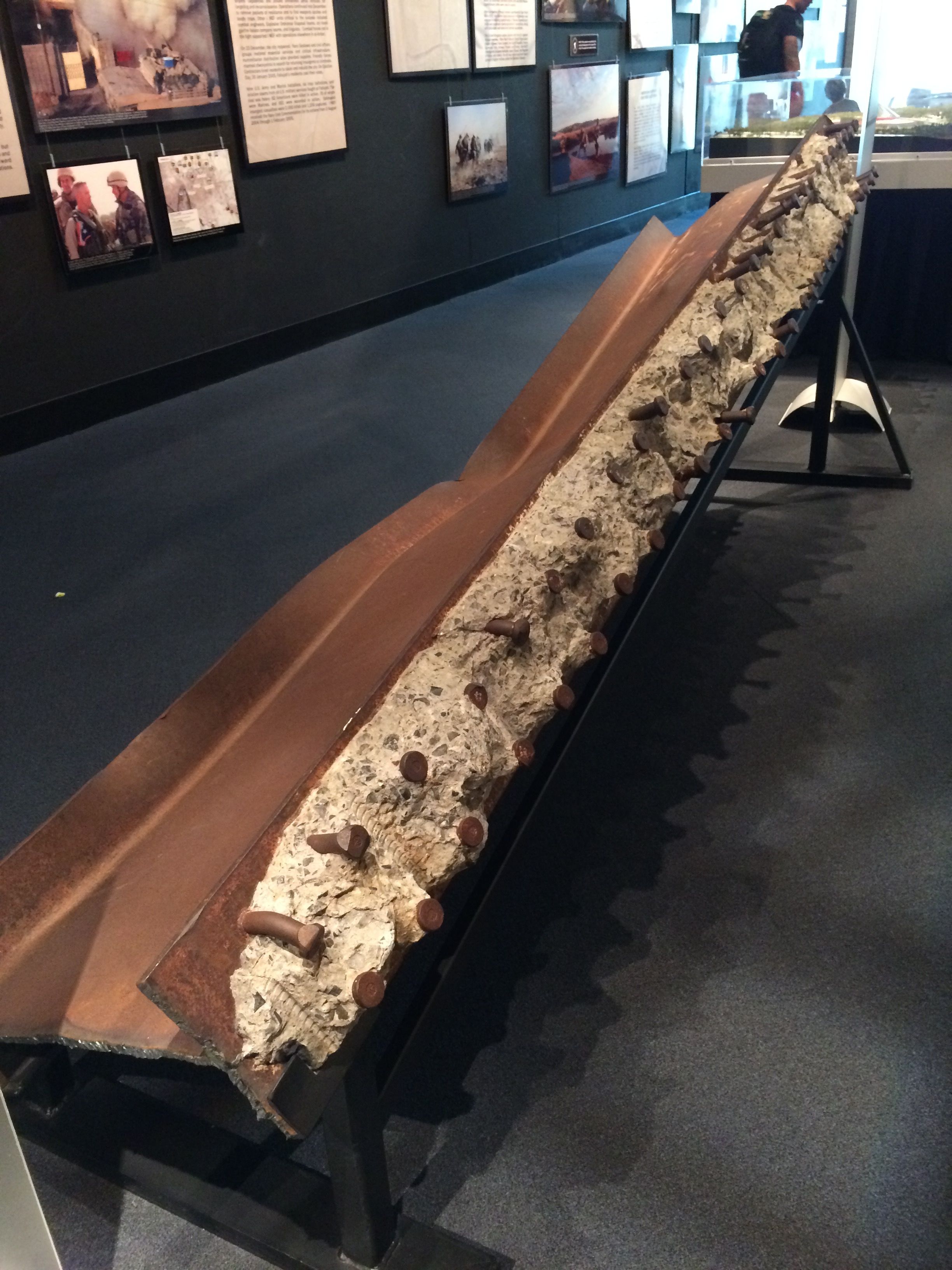
My time in the museum was growing short, so after I left the World War II gallery, I headed for the exit. In the hallway that lead back to the Leatherneck Gallery, there were mementos from September 11, 2001.
Of course, I had to take a look in the gift shop before I left.
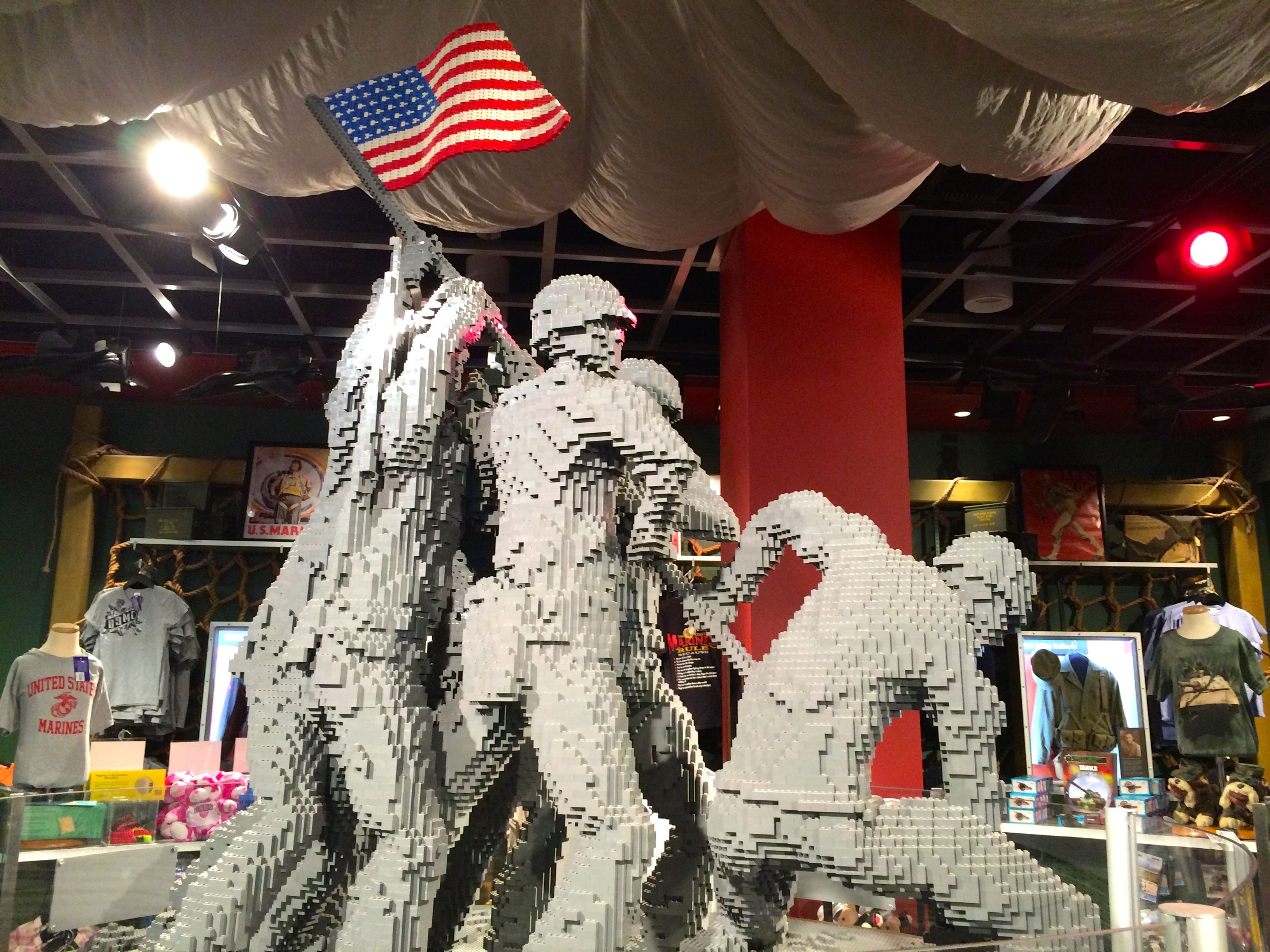
That was quite a display!
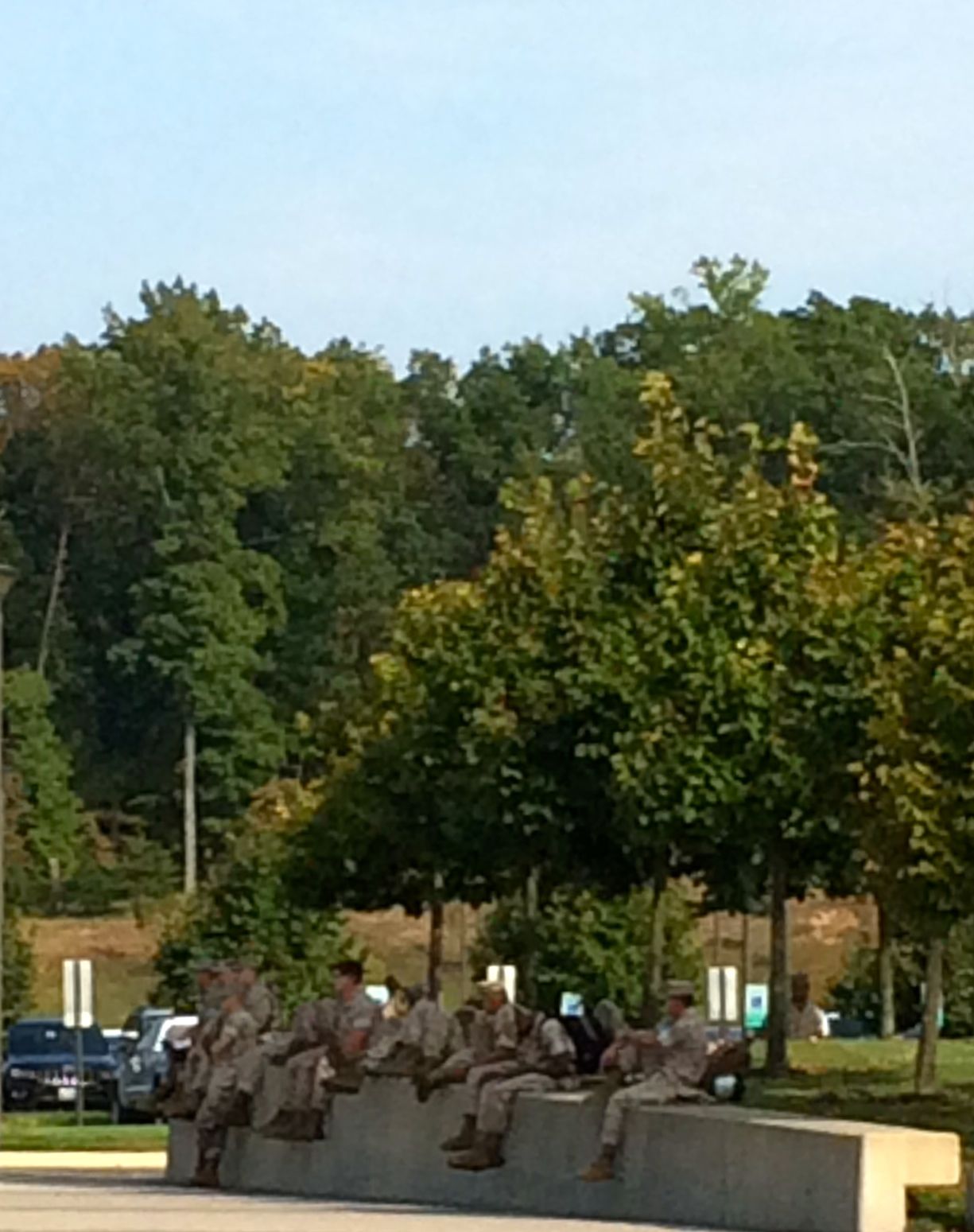
As I walked back to BART, I passed a group of Marines that had been touring the museum.

Oorah!