The countryside looks so peaceful.
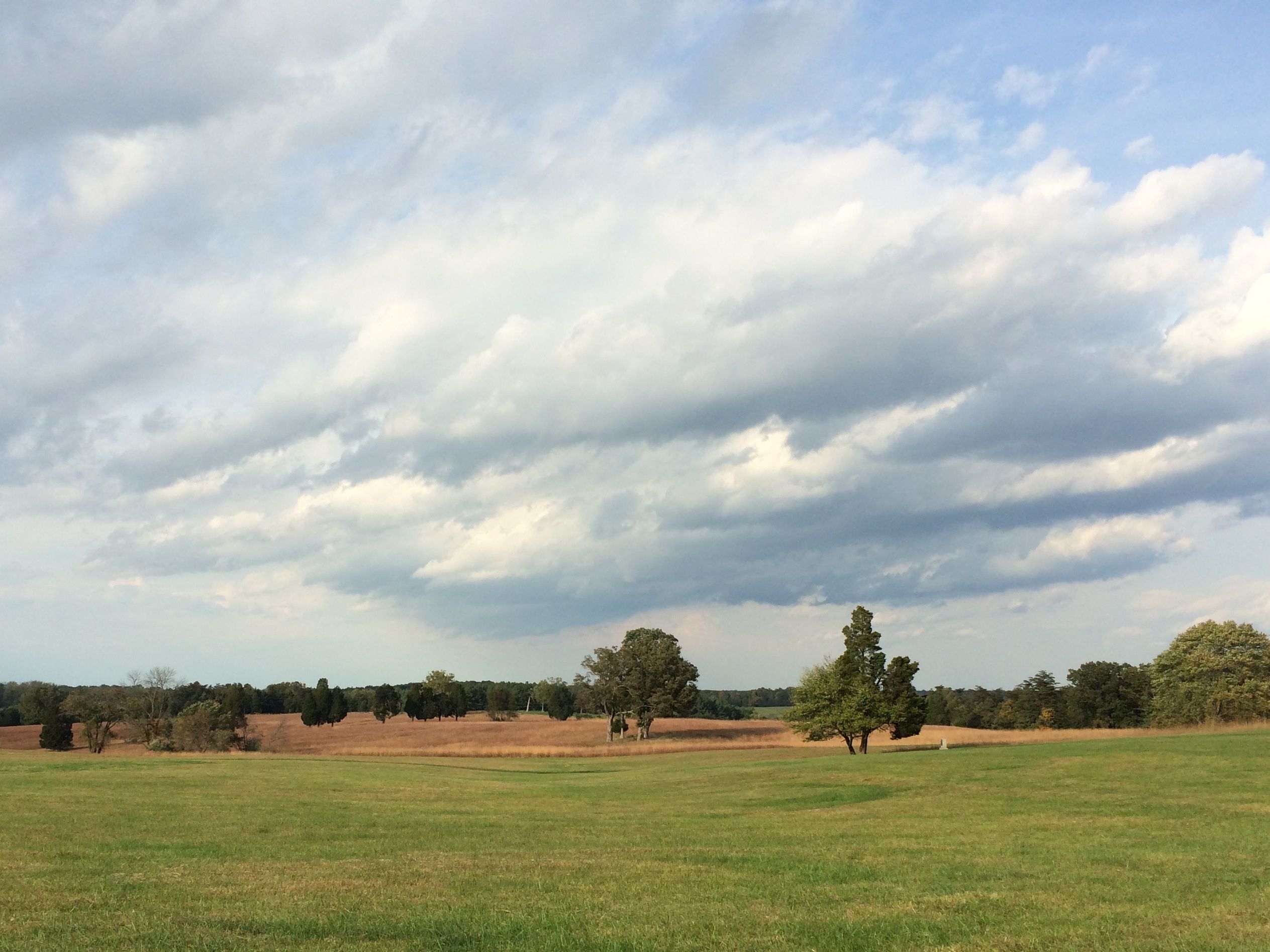
The rolling fields are turning golden and the trees are starting to show signs of fall. People are taking advantage of the sun and the weather to make photos that will mark their places in time.
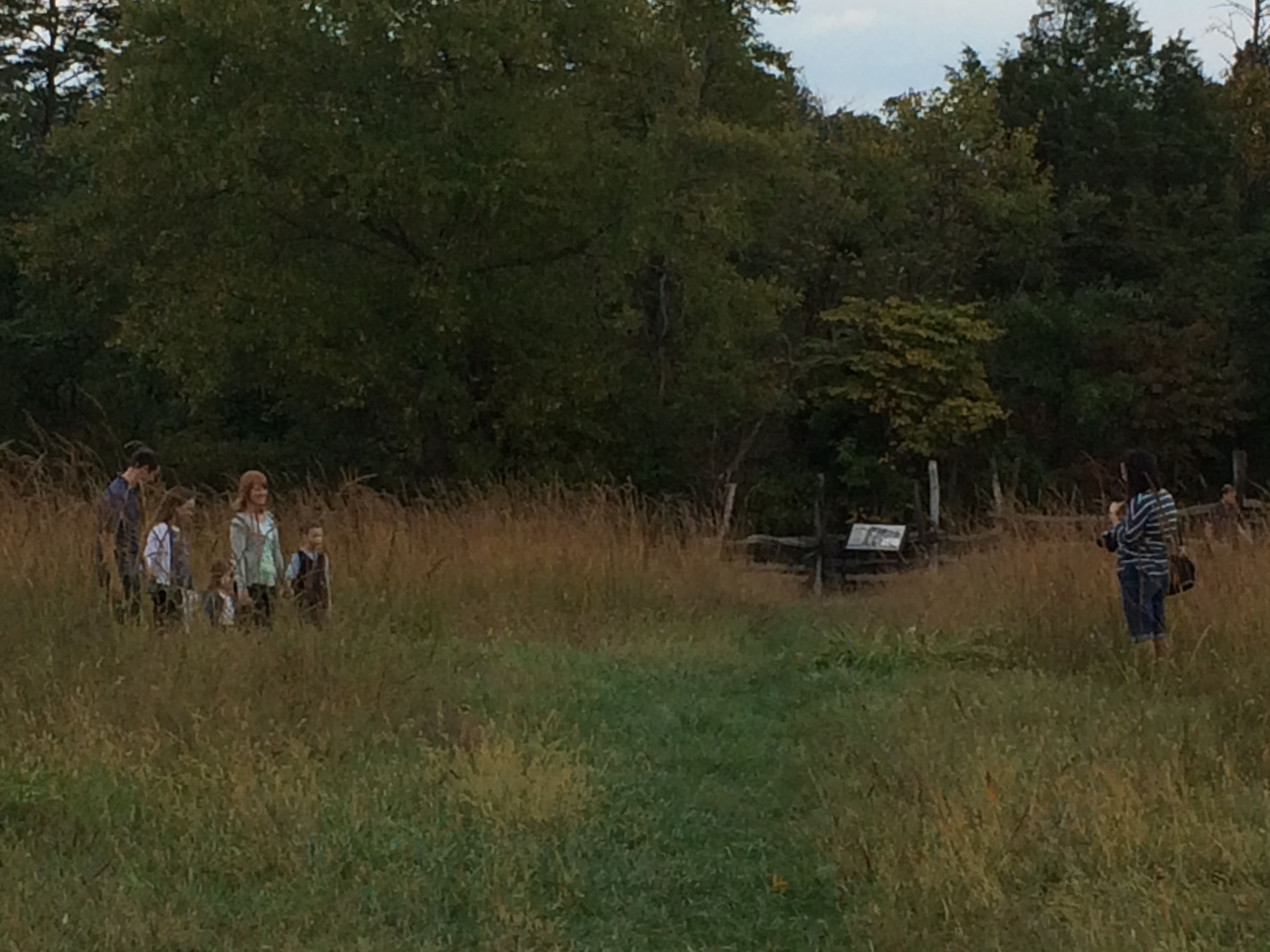
Yet, a little more than 150 years ago, this land was awash in blood.
Henry Hill was the site of fighting in the first and second battles of Bull Run, as we say in the North, or Manassas, as the Southerners refer to it. The first battle raged around the Henry House on July 21, 1861.

The Artillery from both sides formed up less than 1000 feet apart from each other. The Henry House was in the middle. Judith Henry, and 85 year-old widow was bedridden and unable to leave her bed. Her sons attempted to carry her out to a safer location, but she begged to be taken back inside. She died in her bed.
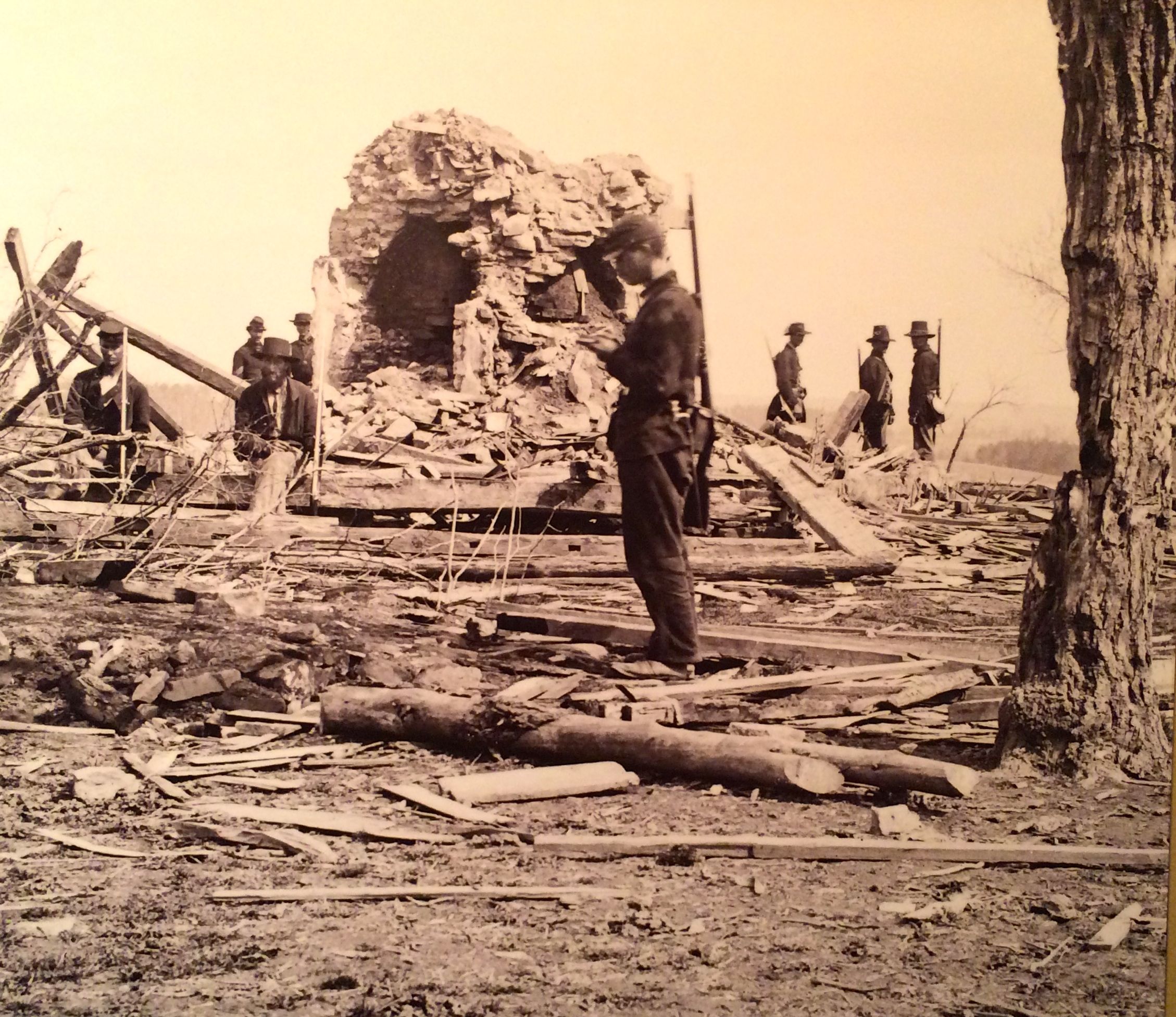
This is what was left of her house after the battle and after wood was pulled off the splintered house to be used as firewood.
From the various sources at the battlefield and museums, I got the idea that this battle was particularly gruesome due to the inexperience of the troops. This was the first battle of the war. The Union soldiers had only been called up for three months. Both sides thought that it would be over quickly.
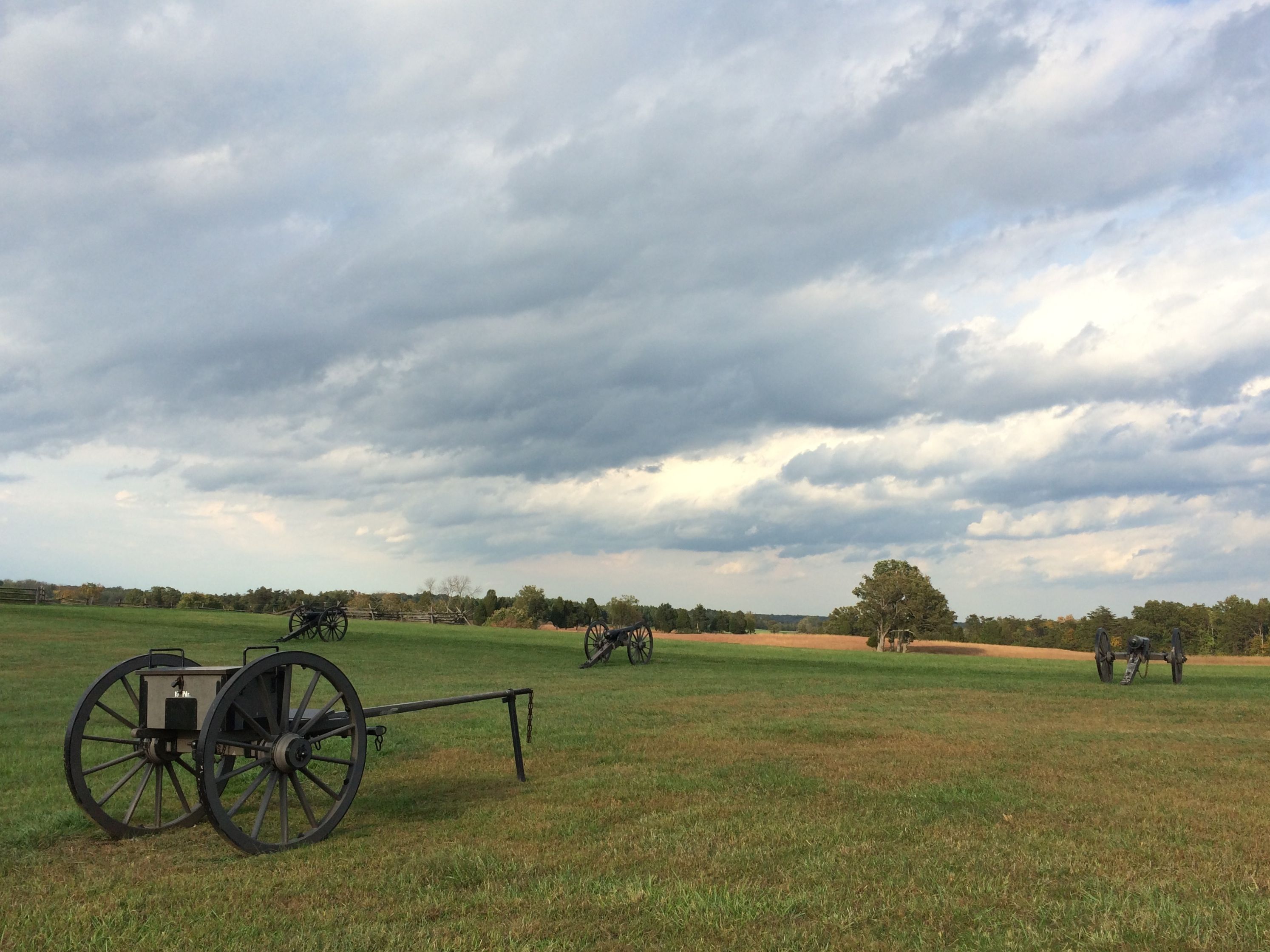
The supplies a cannon needs are carried in a two-wheeled cart called a limber. The limber is usually hitched to the horse or horses, and the cannon is towed behind the limber. If you have ever heard (or used) the word “unlimber” – meaning to prepare for action – this is where the term comes from. The lines of cannon were less than 1000 feet apart, judging by the map and the map scale. Actually, considerably less, in some instances. For my friends in Kalamazoo, this is about from one side of the Westnedge Meijer parking lot to the other.
While the battle raged, General Thomas Jackson, road back and forth on his horse. in an effort to rally his men, General Bee said, “There stands Jackson like a stone wall! Rally behind the Virginians!”


Civilians on both sides gathered on hill tops to experience what there was to be seen and heard. In fact, the Union retreat from the first battle was hampered by congressmen and others who had come out from Washington to watch. Panic ensued and the retreat became a overwhelming defeat.
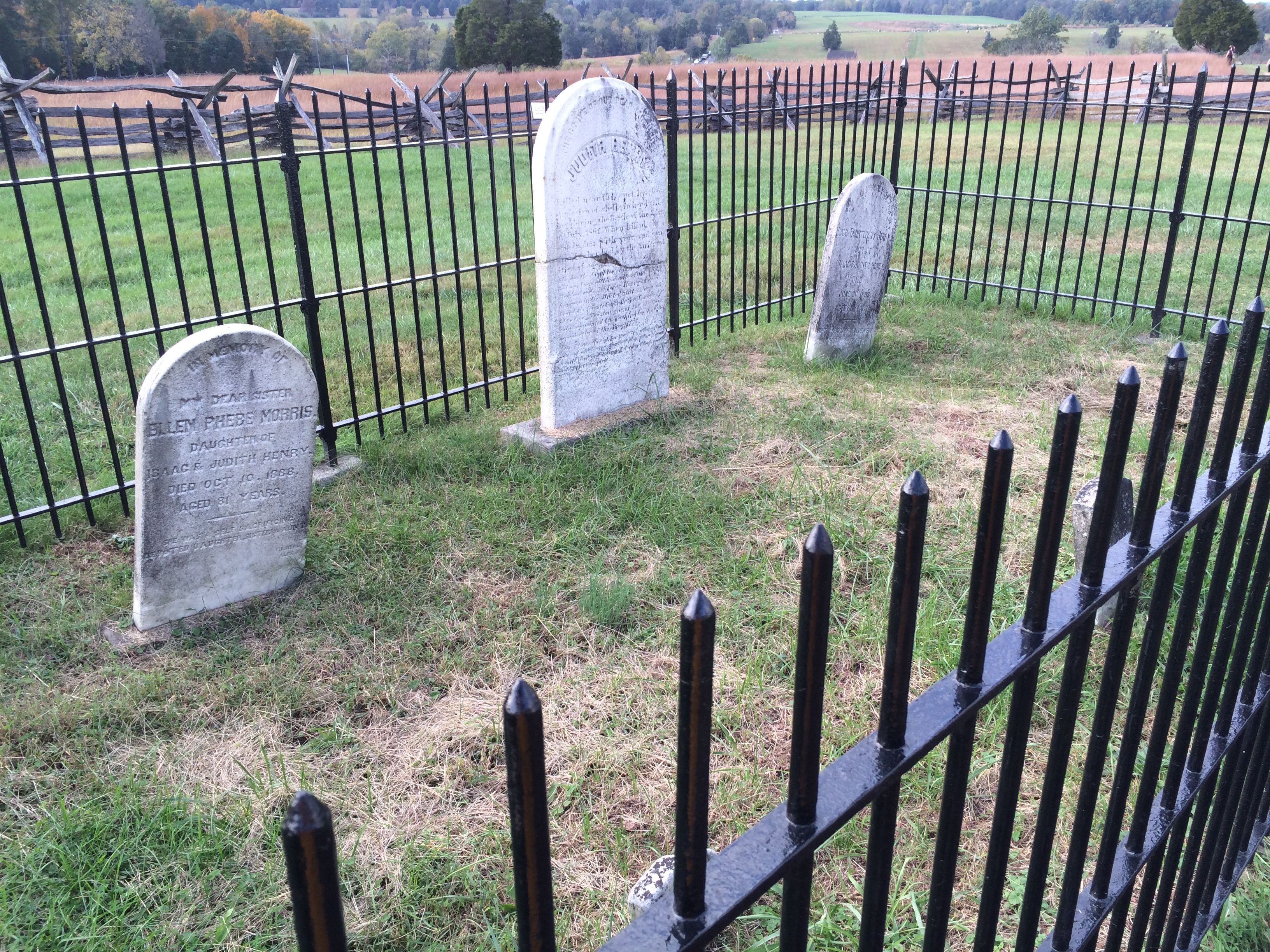
Fewer than 5,000 were killed or wounded in the first battle of Bull Run and 1,325 were captured or missing out of the 36,000 troops involved. It was a bloody, ugly affair that set the stage for the long, brutal war that would follow.
The second battle in this area took place a little more than a year later, on August 28–30, 1862. This time, about 112,000 troops took part. This time, 18,300 were killed or wounded.
Some of the fighting was particularly deadly. In 1906, New York State was given permission to erect three monuments to honor the sacrifices of the Fifth New York Volunteers, the Tenth New York Volunteers and the Fourteenth Brooklyn.
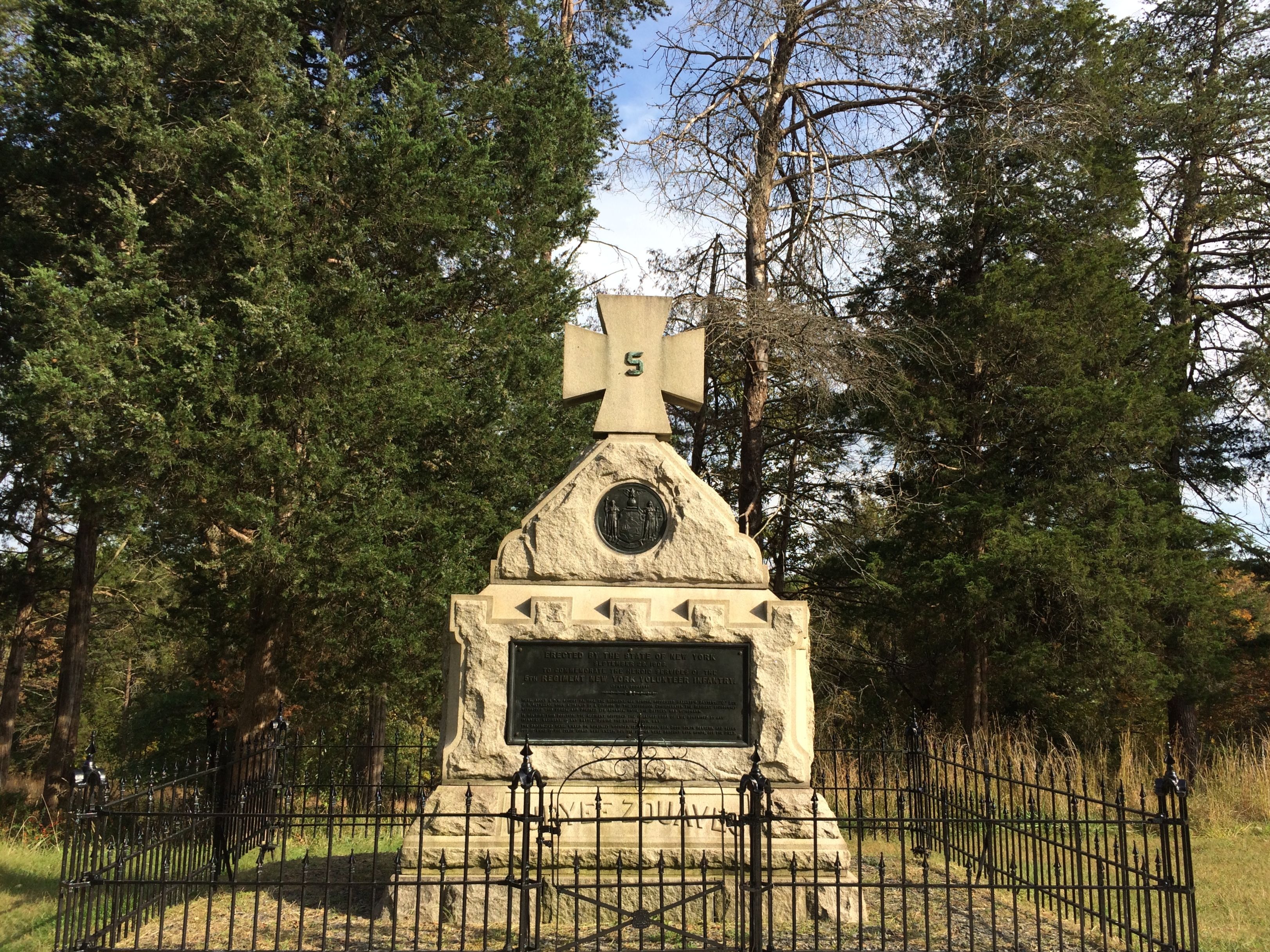
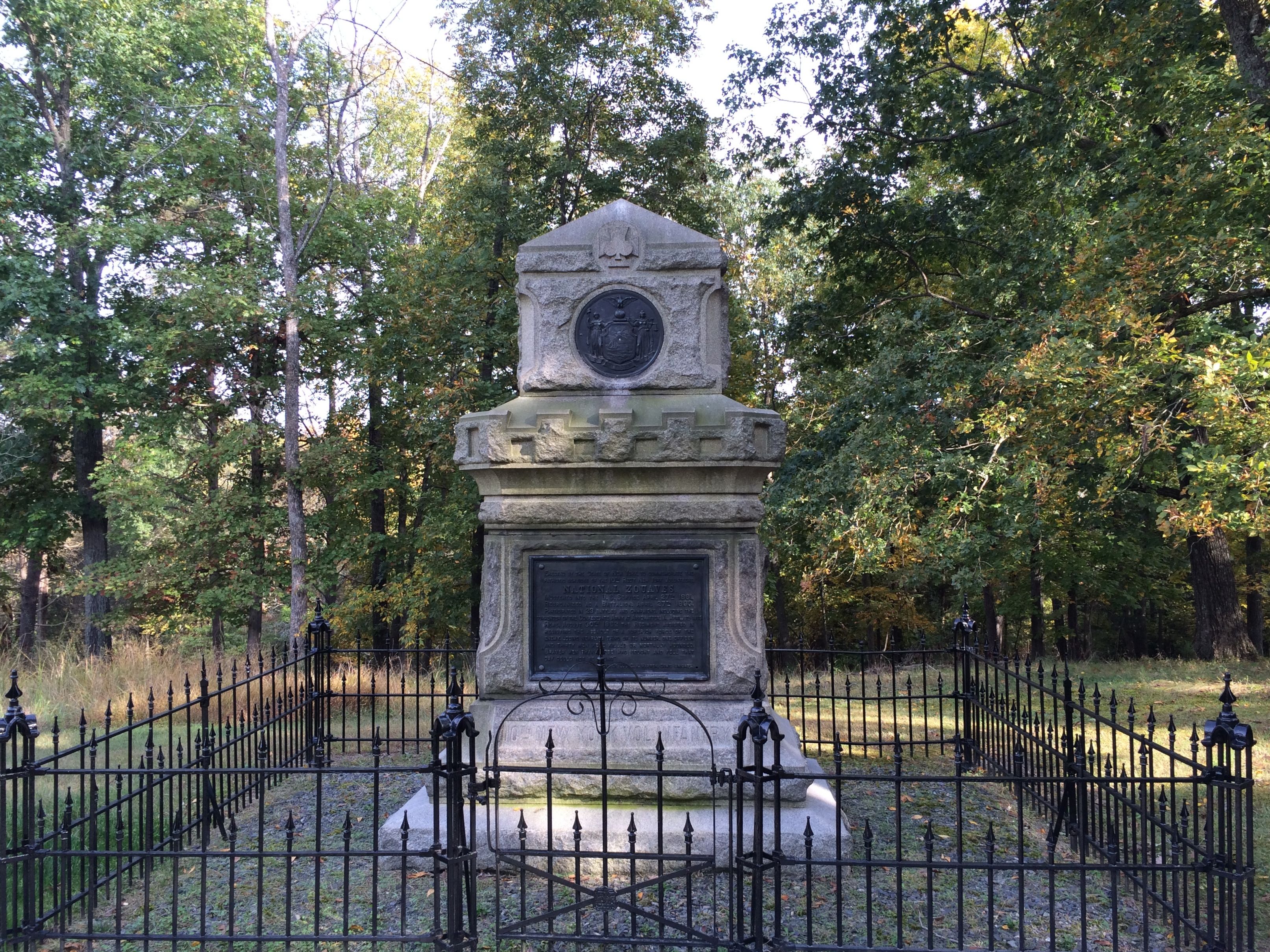
It appeared to this regiment that they had escaped combat that day. Suddenly, the Confederates crashed through the brush and leaves. The unit was overrun within ten minutes. 123 men were killed or mortally wounded, which was the greatest loss of life in any Union infantry regiment in any single action of the war.
A veteran, remembering the one-sided slaughter compared it to “the very vortex of Hell.”
Just across the road from this grouping of memorials is the Groveton Confederate Cemetery.
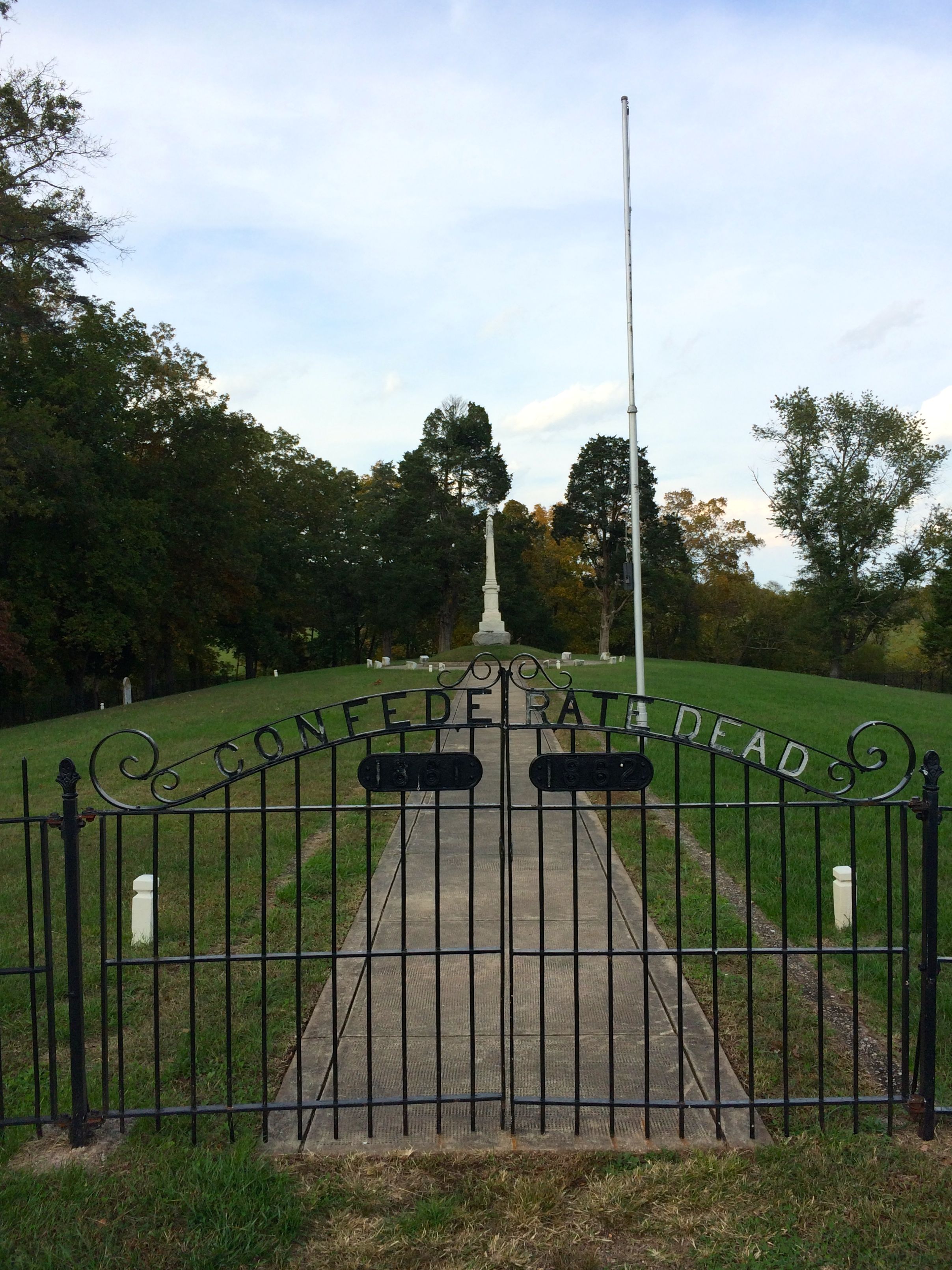
With so many dead, soldiers were buried in shallow graves where they fell. In 1867 The Bull Run and Groveton Ladies Association launched a campaign to re-inter around 500 Confederate fallen in this cemetery. Few could be identified, and there are only two individual headstones.
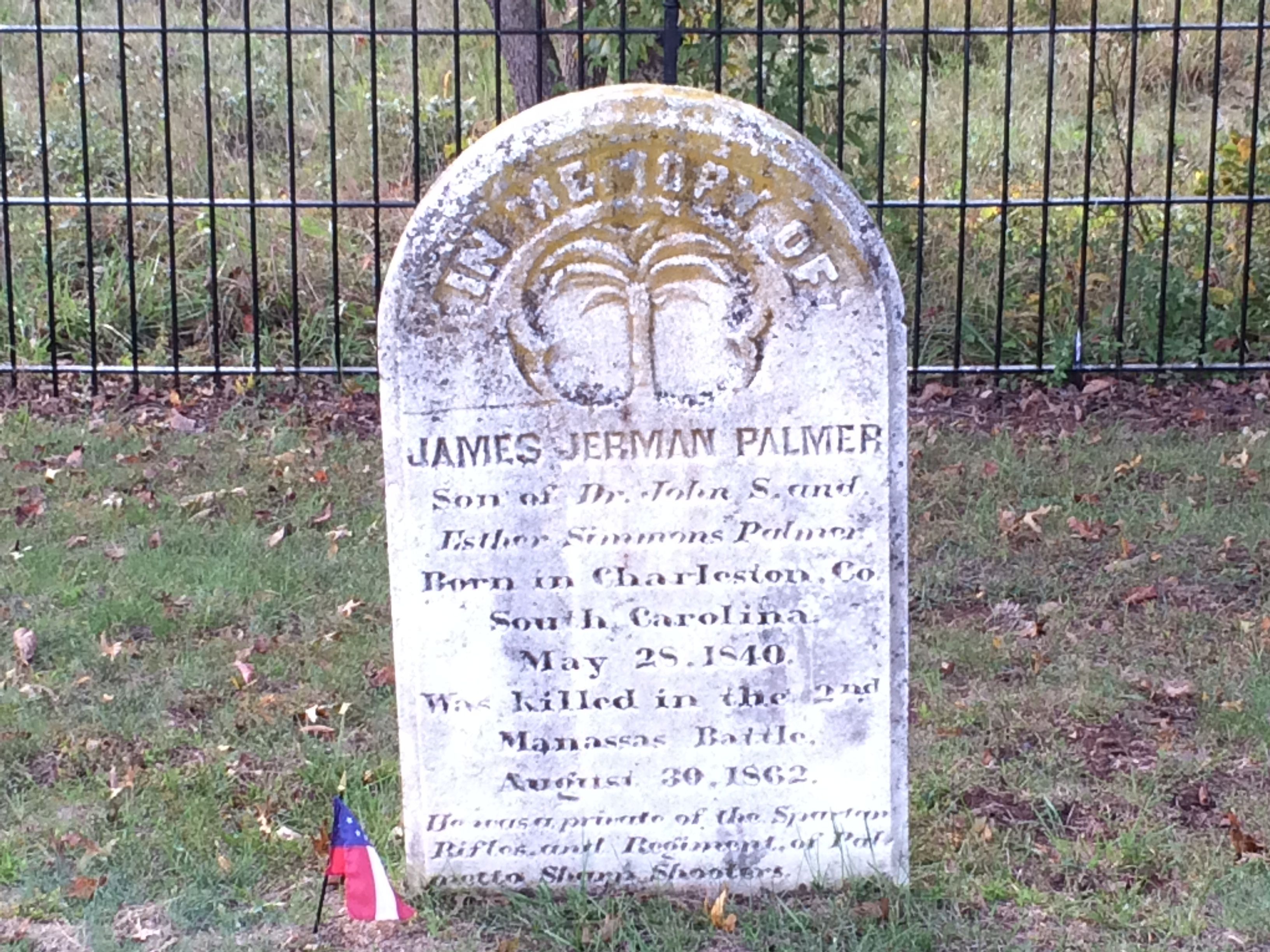
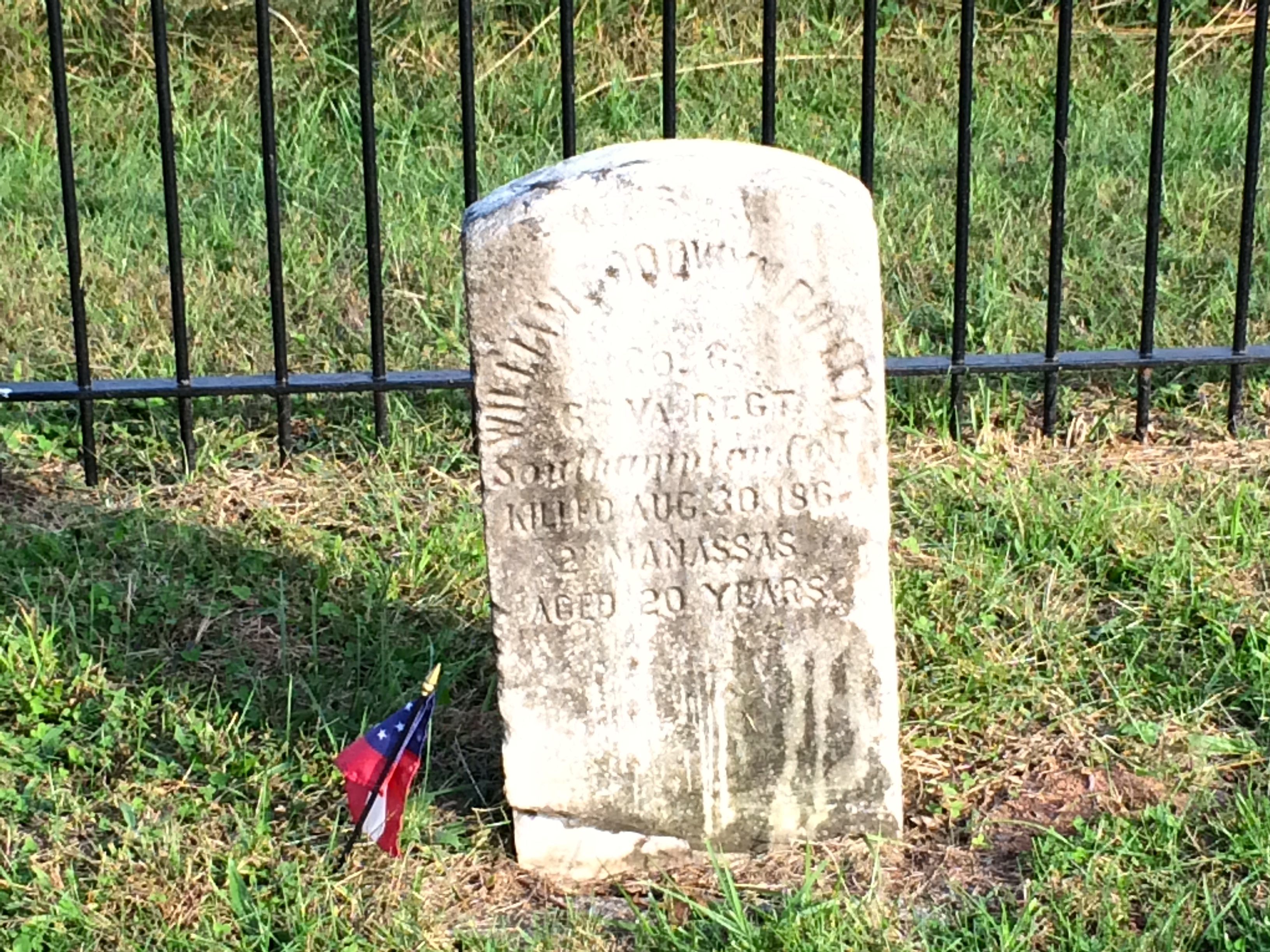
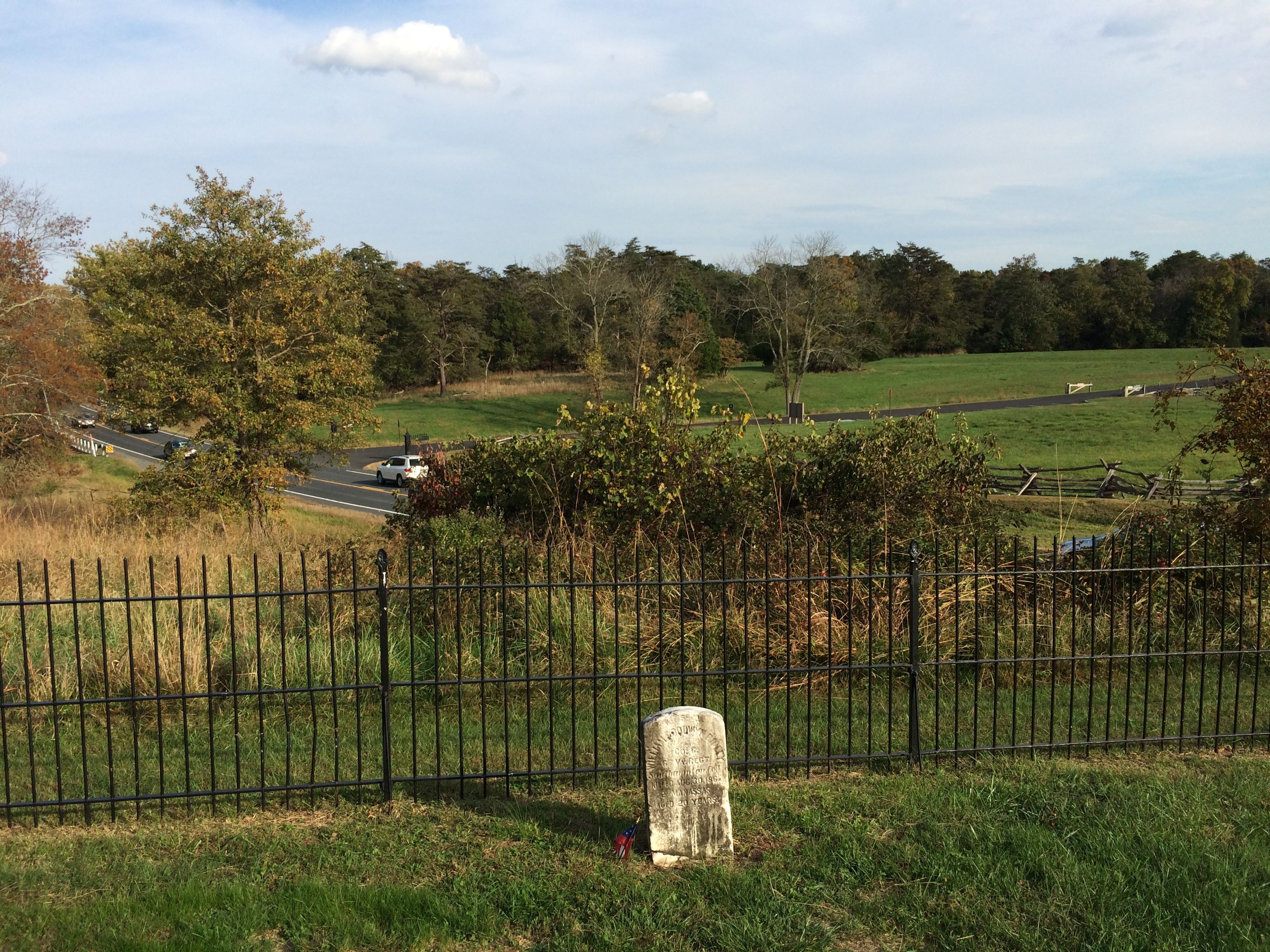
And so life goes on.
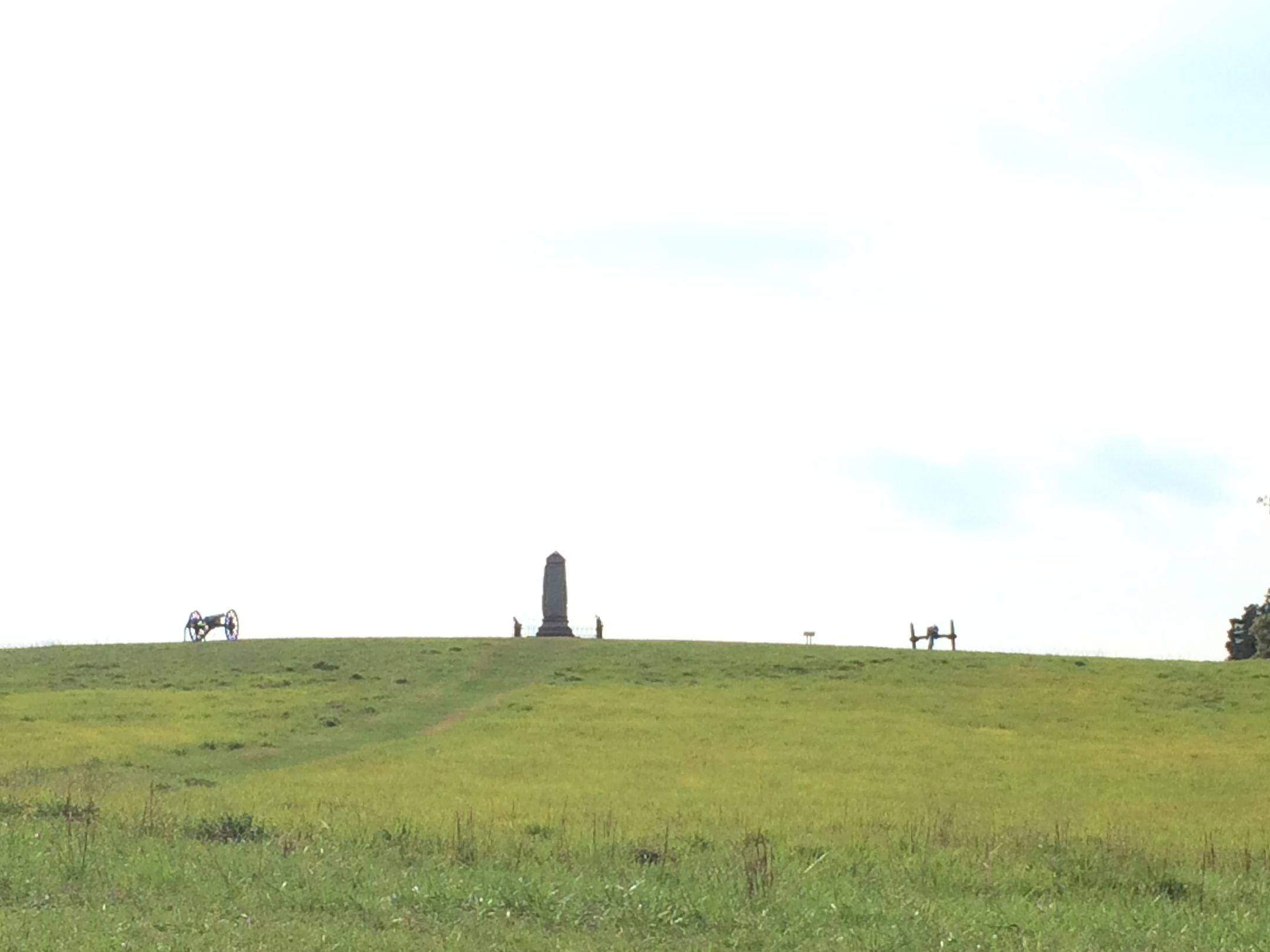
At the end of the war, Union soldiers stationed at nearby Fairfax Courthouse erected this monument by the Henry House. It is one of the oldest extant memorials on any Civil War battle field.
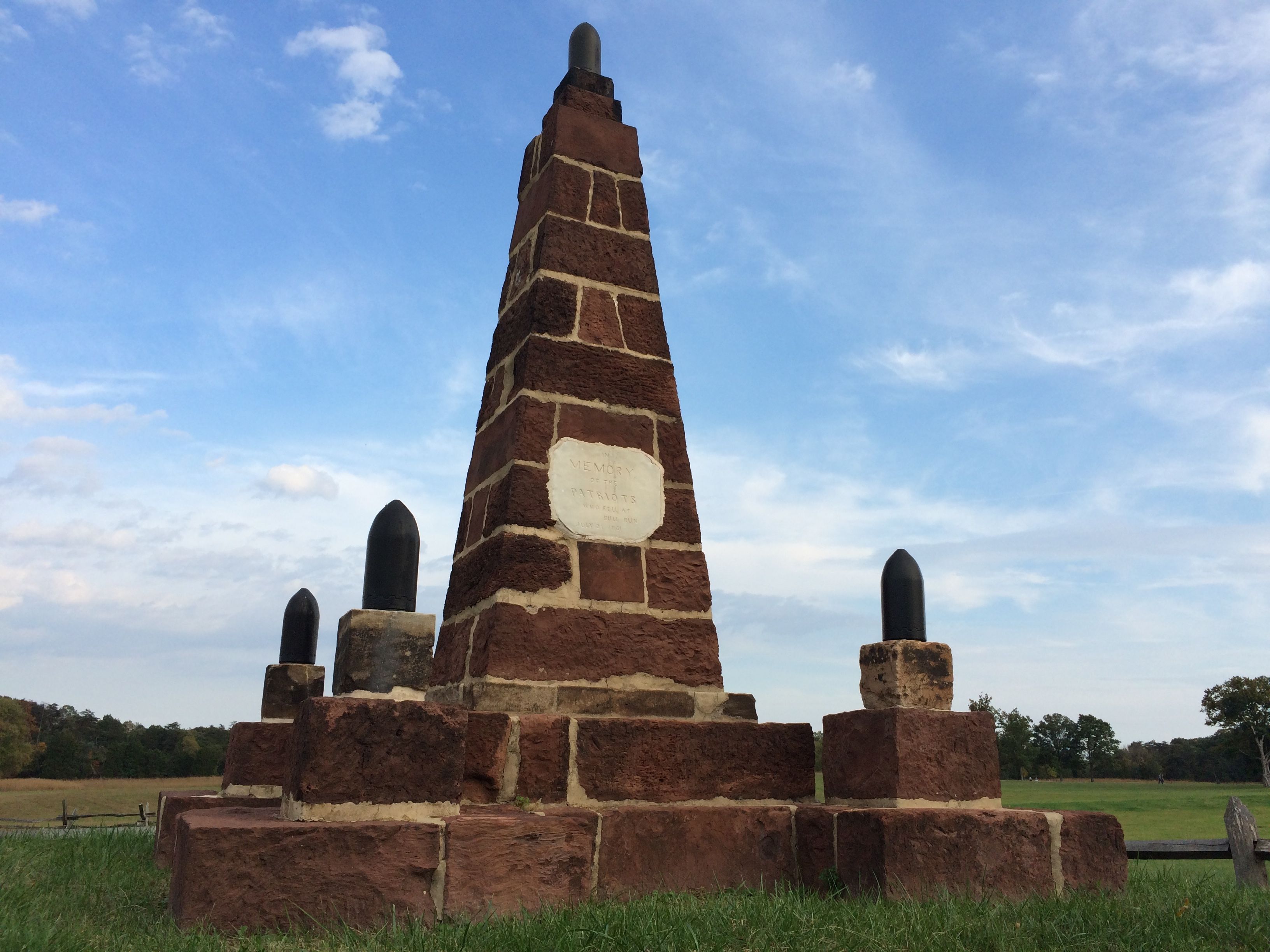
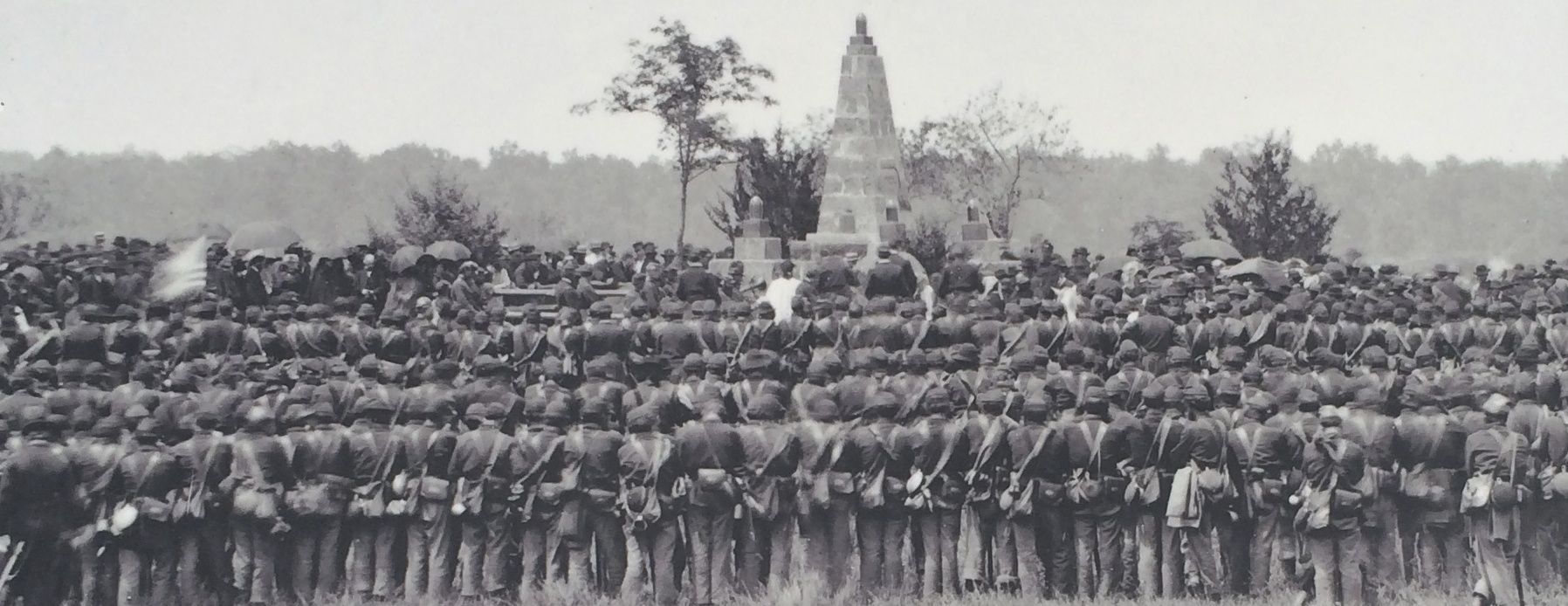
And we continue to honor their sacrifices. If only these issues had been able to be worked out in a civil manner instead of resorting to Civil War.