My next stop was New Bern, North Carolina, down toward the coast.
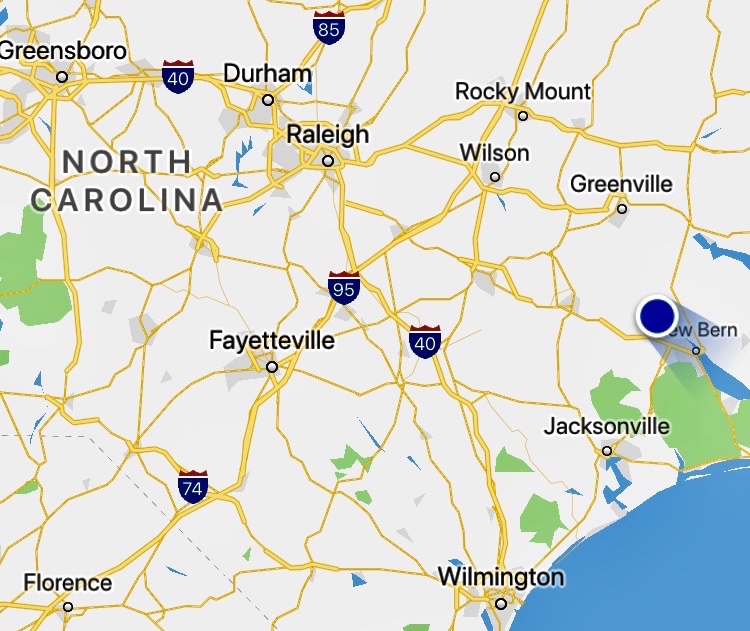
New Bern was settled in 1710. It’s the second oldest European settled town in North Carolina, after Bath. The previous inhabitants of the area were the Tuscarora, an Iroquoian-speaking people, who settled in the area and occupied the region for several hundred years before the first Europeans arrived. They had a village called Chattoka at the confluence of the Neuse and Trent Rivers, where the Palatines and Swiss established New Bern.
My purpose for visiting New Bern was to work on a project for HistoriCorps. I was part of the first week of a month-long project. Our mission was to work on repointing the bricks on New Bern Academy.
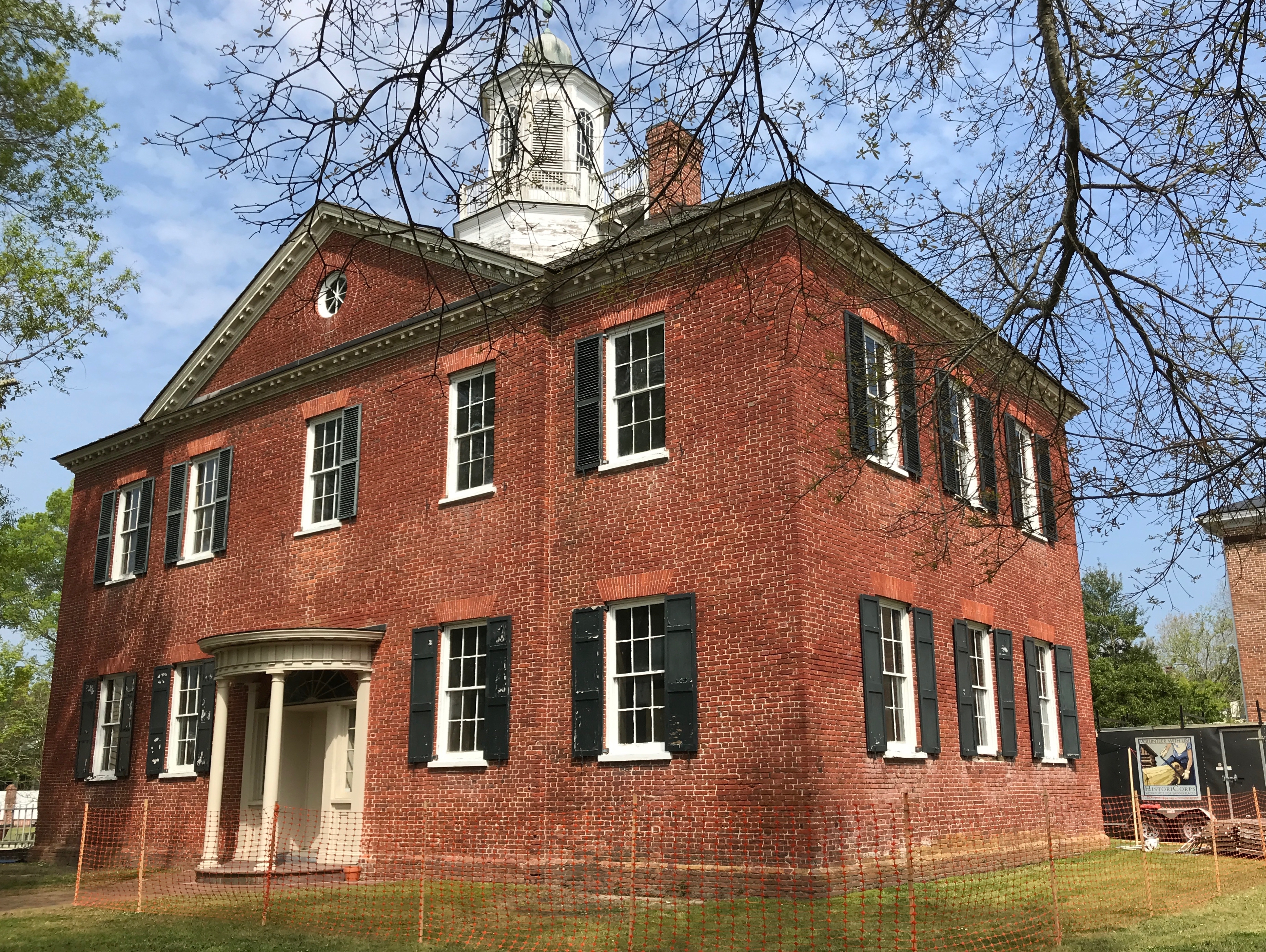
New Bern Academy was established in 1766. It was the first school established by law in North Carolina. Fire destroyed the original building in 1795 and this Federal-style structure was erected in 1810.
At first, the Society for the Propagation of the Gospel subsidized the teachers, who had to be members of the Anglican Church. Before it became a graded public school, the Academy followed the Lancasterian system, developed by Joseph Lancaster of England. Students were grouped by level of achievement rather than by age, and a pupil who had been promoted to a higher level lead each class.
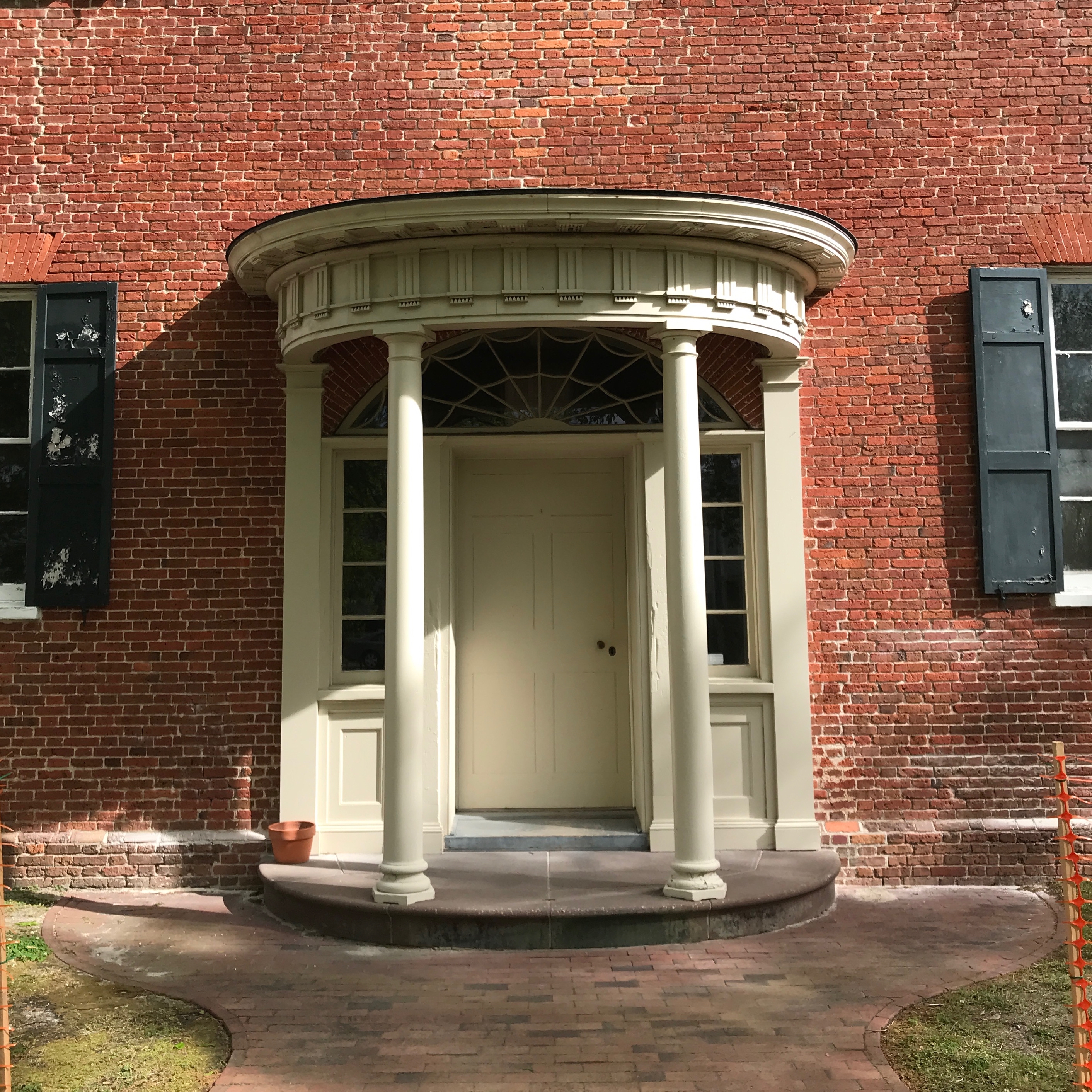
The Academy’s roll as a school ended in 1972.
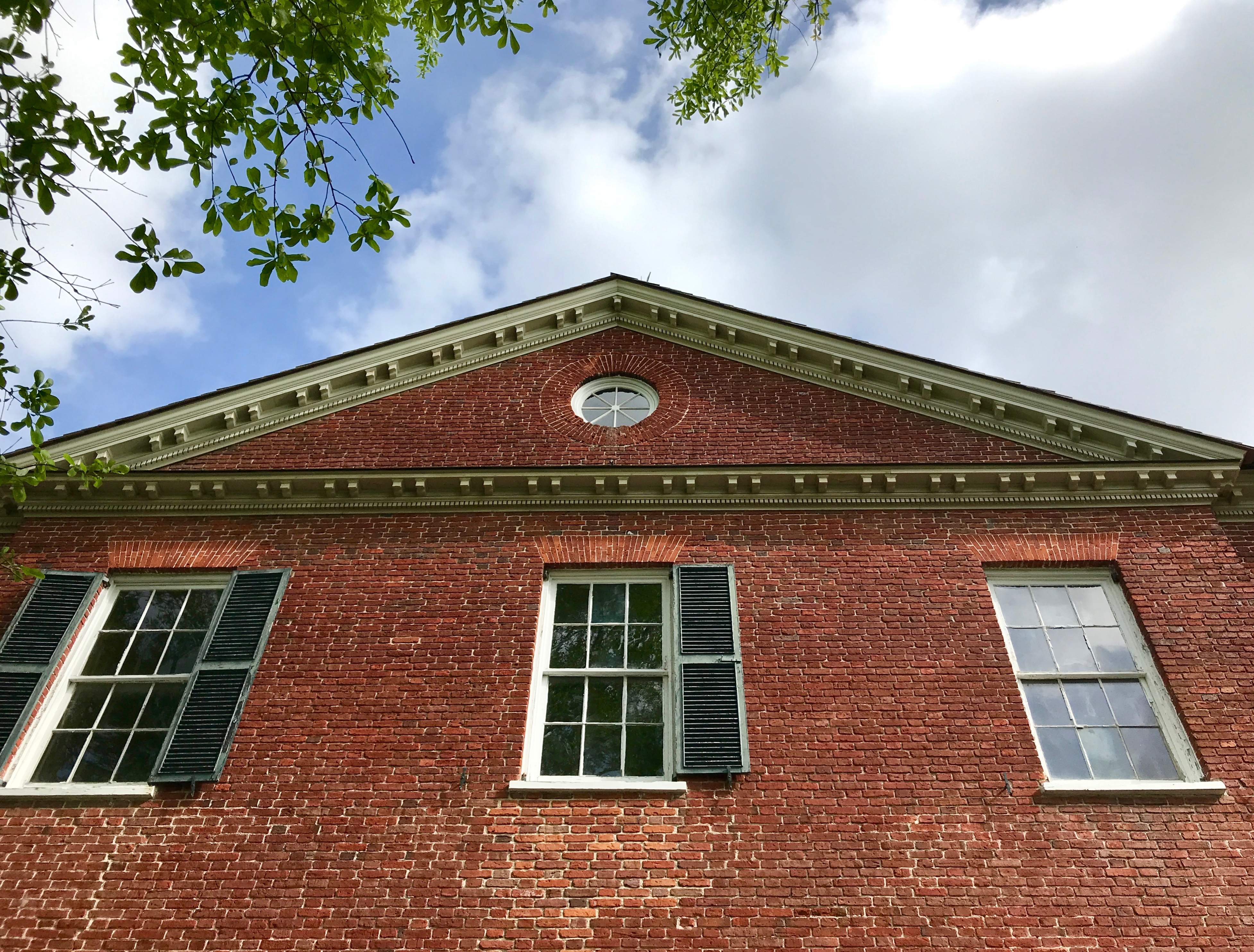
That is a lot of years of students! It was time for a little maintenance.
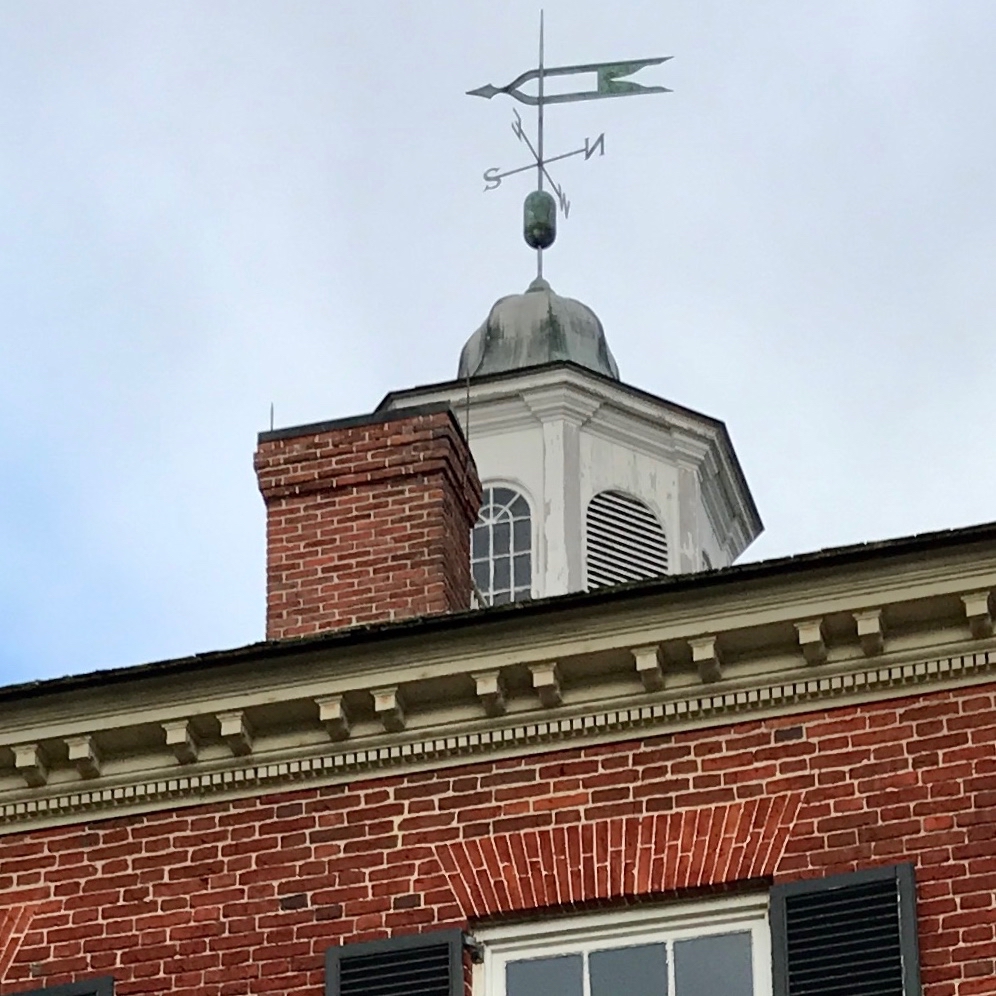
This structure served other functions as well as educational.
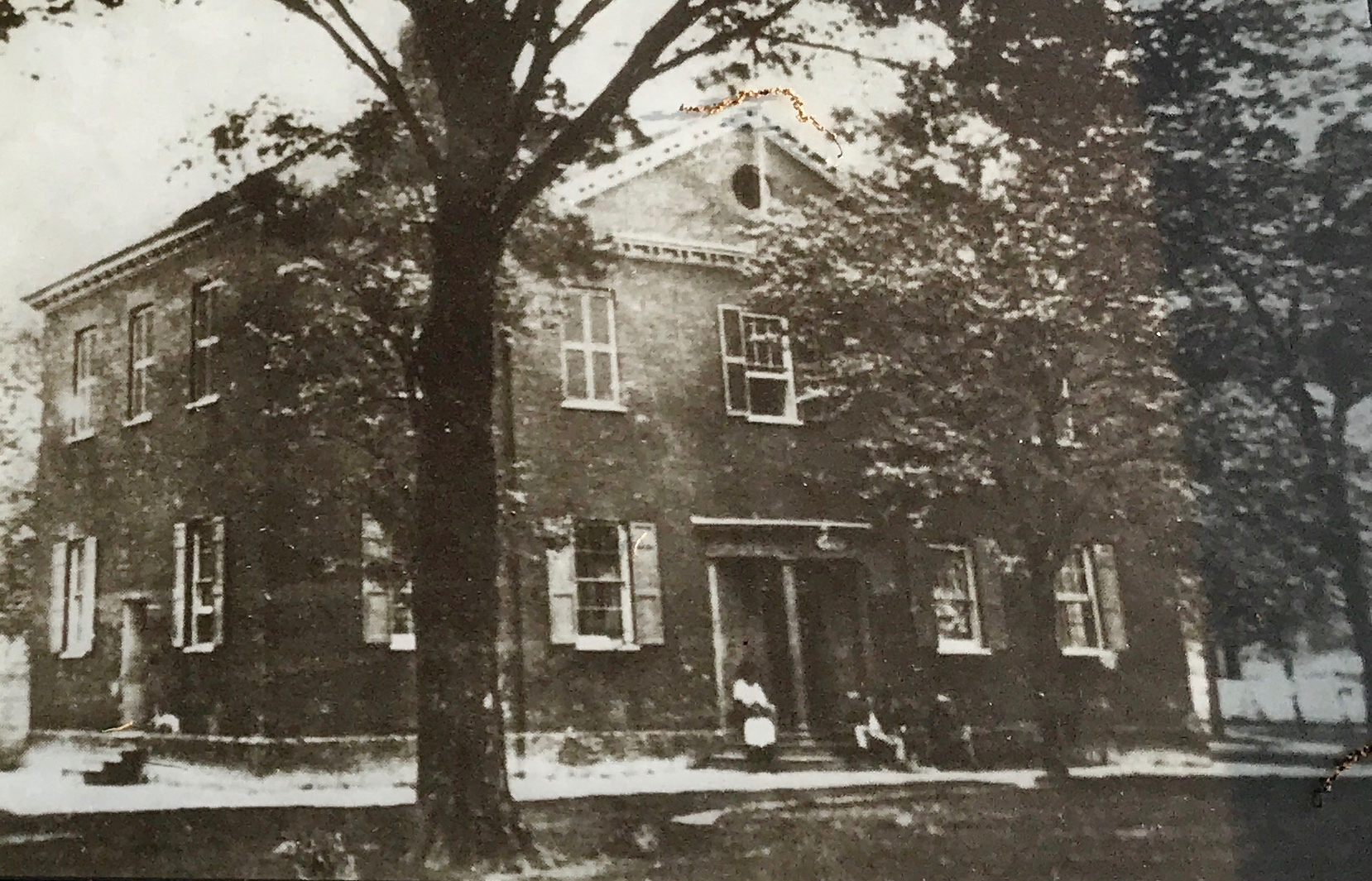
In 1861, Confederate authorities converted the New Bern Academy from a school to a hospital. In 1862, after defeating Confederate forces in the Battle of New Bern on March 14, the U.S. Army commandeered the structure to care for the wounded.
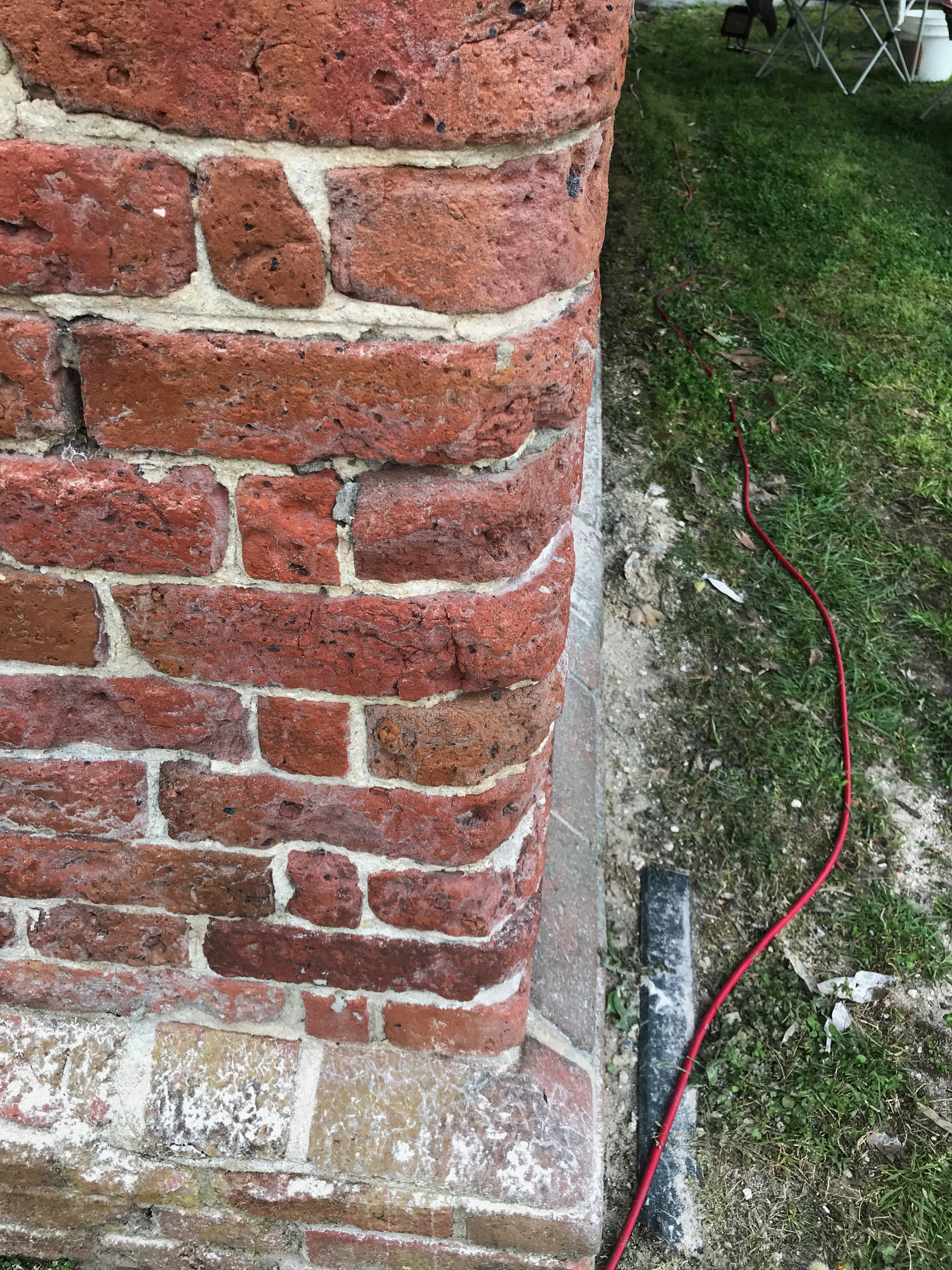
After all those years of use and misuse are evident.
And that’s just why we were there. HistoriCorps to the rescue! Our job was to touch up the mortar between the bricks.
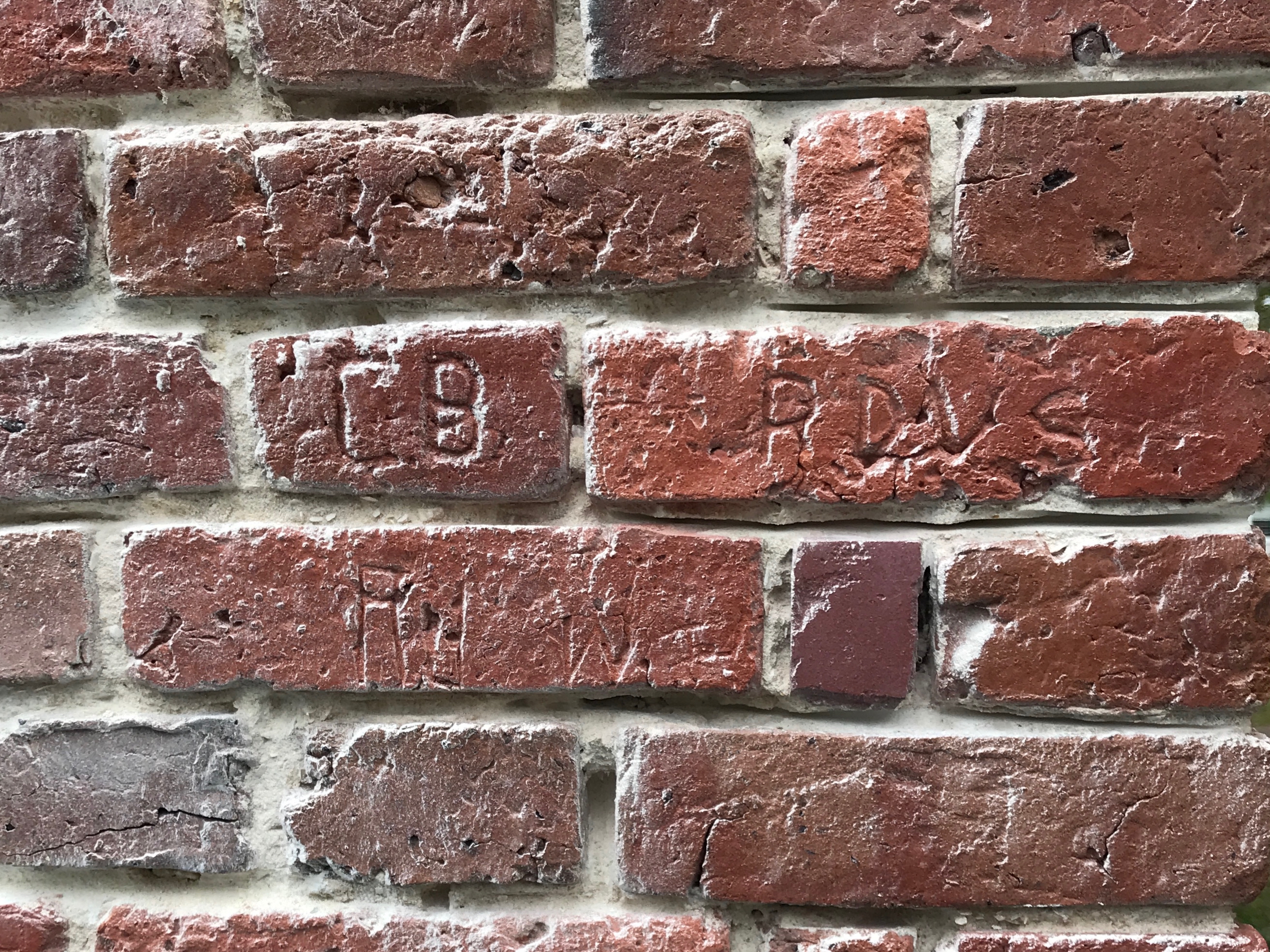
The first step is to get the loose and crumbling mortar out of the joints.
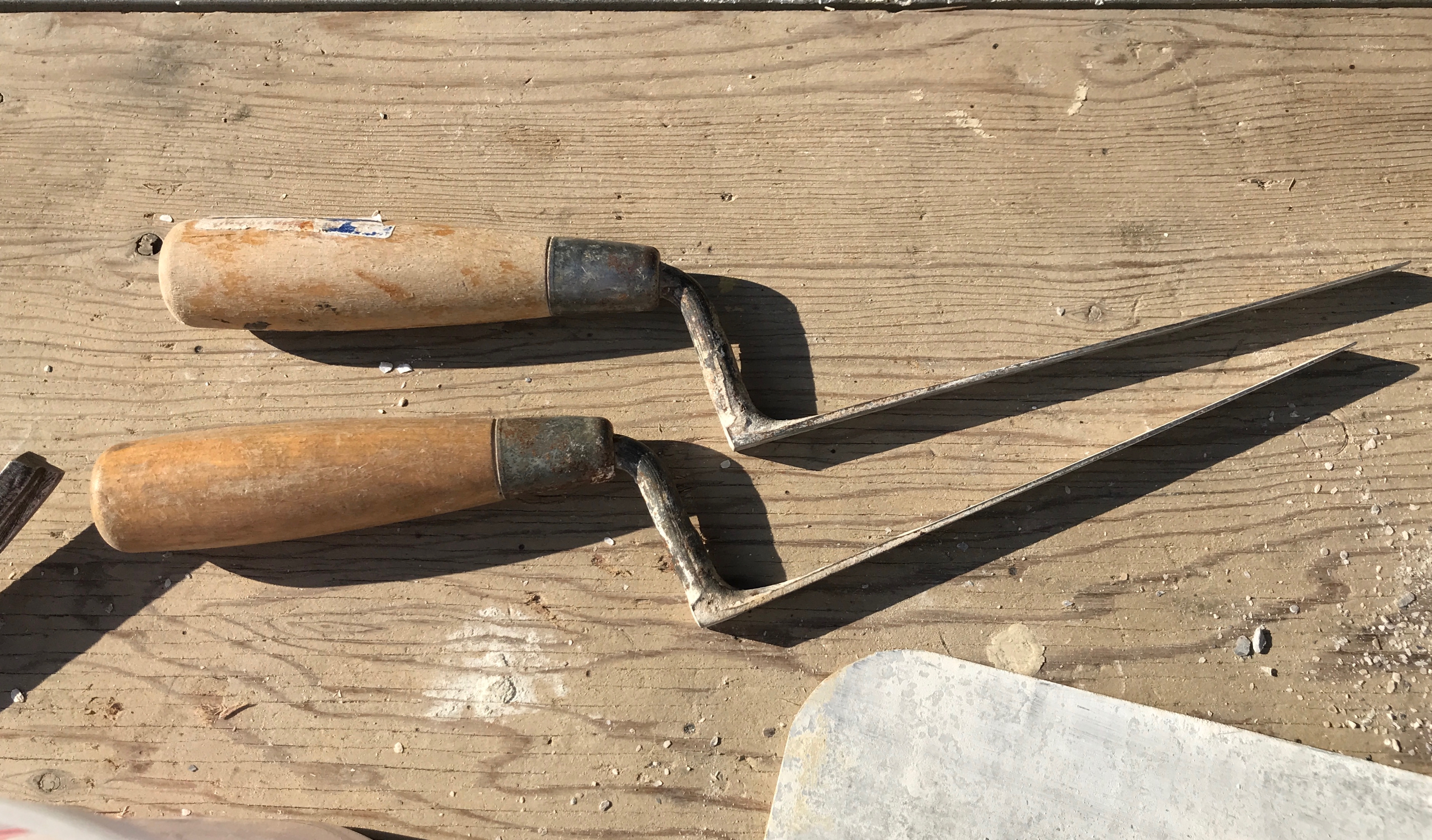
As I remember, the tools we used for that were pointing tools. We also used them for putting the mortar back in the joints.
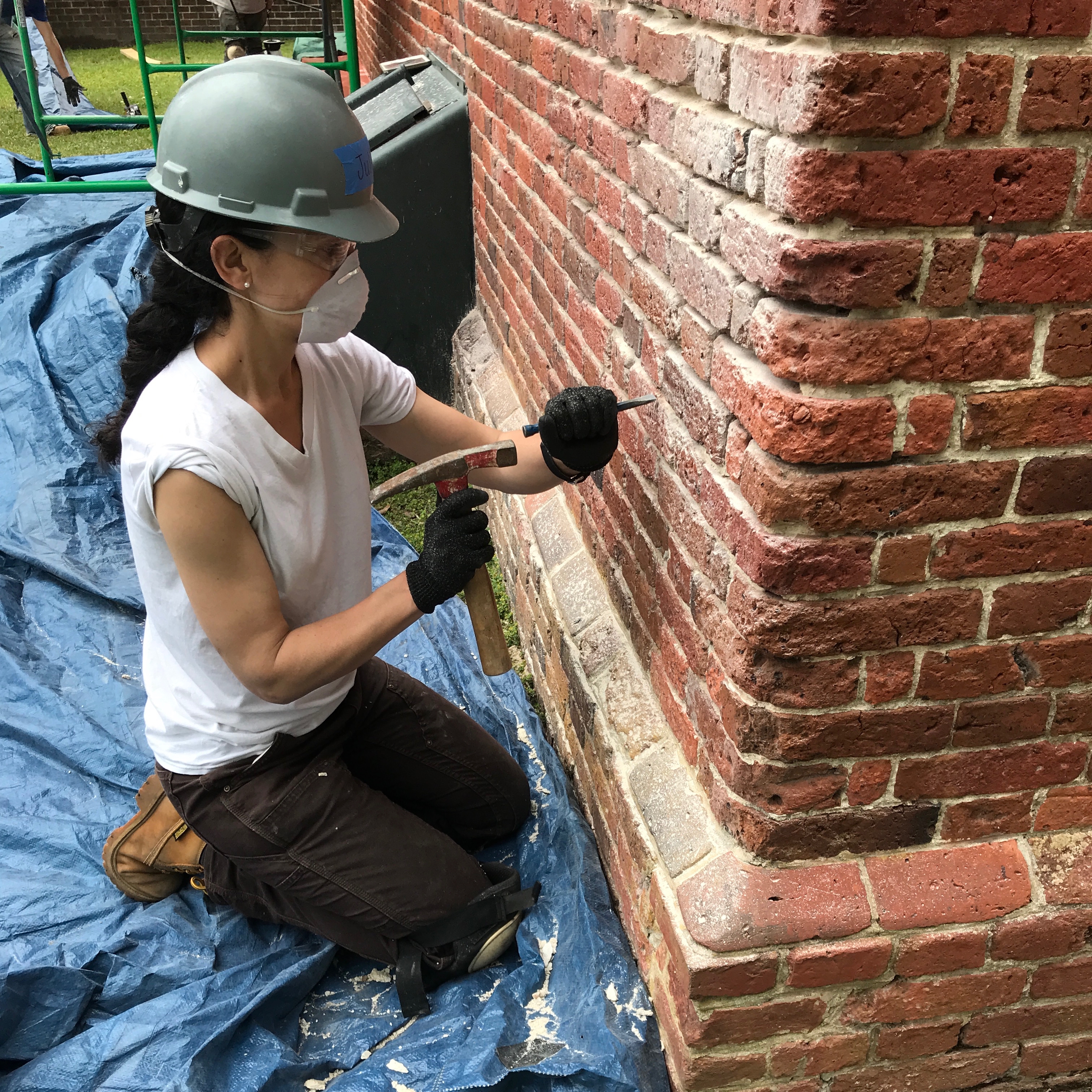
Hammers and chisels were used as well.
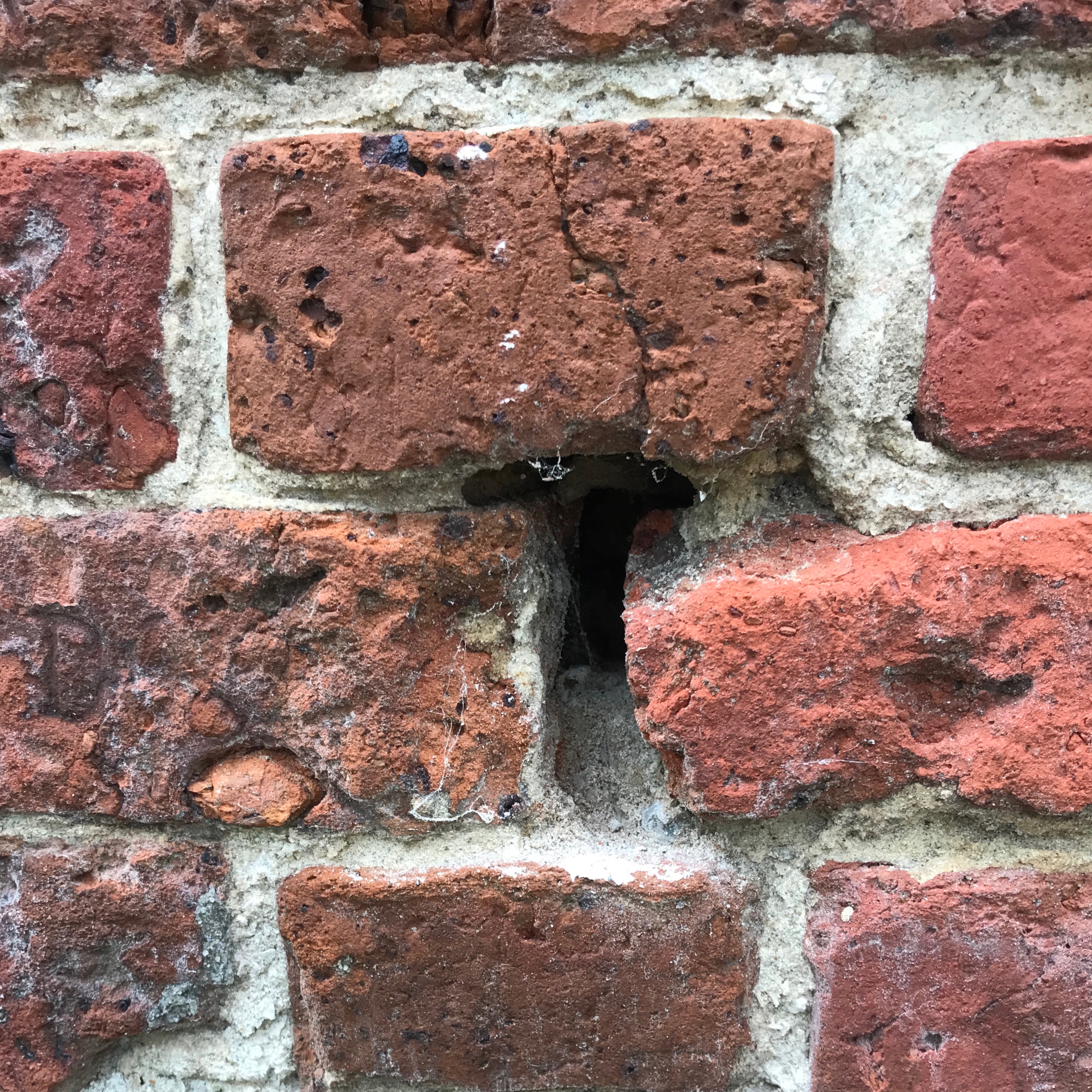
Sometimes there was quite a bit of crumbly mortar that needed to be removed. I dug down as far as I could go.
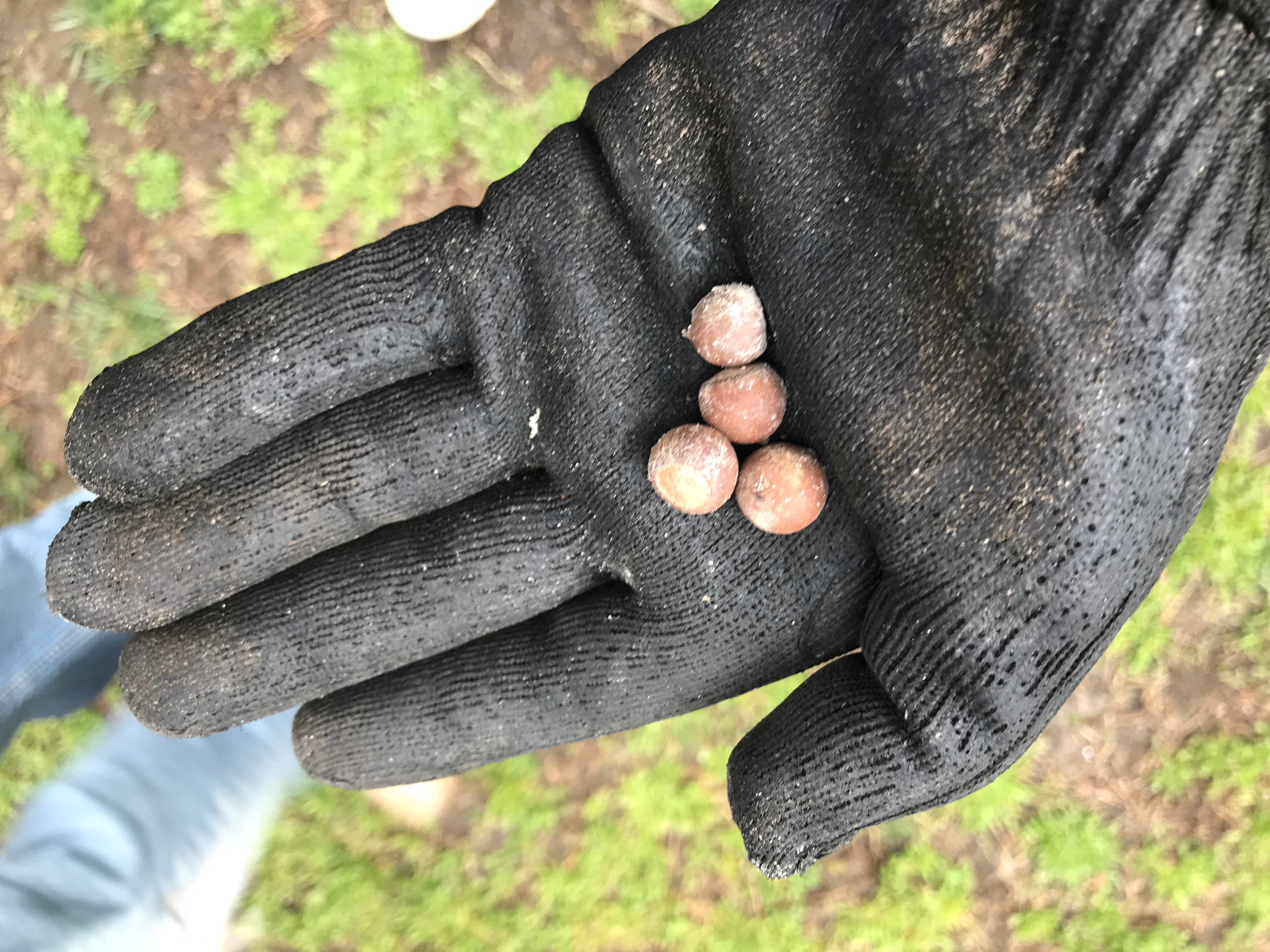
I was surprised when I dug these nuts out of the cracks.
After digging out the mortar that needed to removed, the next step was to replace it with fresh mortar.
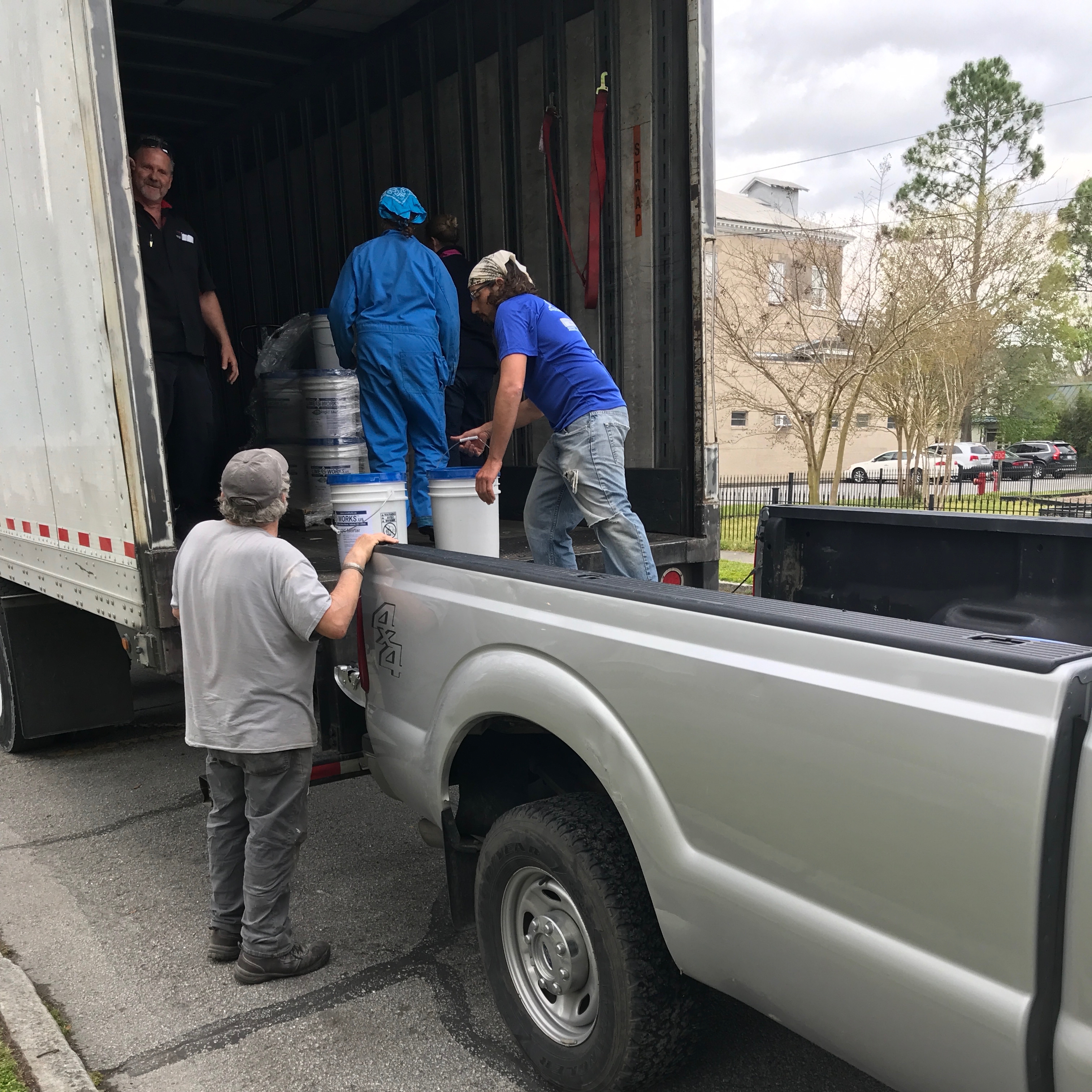
The shipment of mortar arrived. They offloaded it from the delivery truck to the pickup.
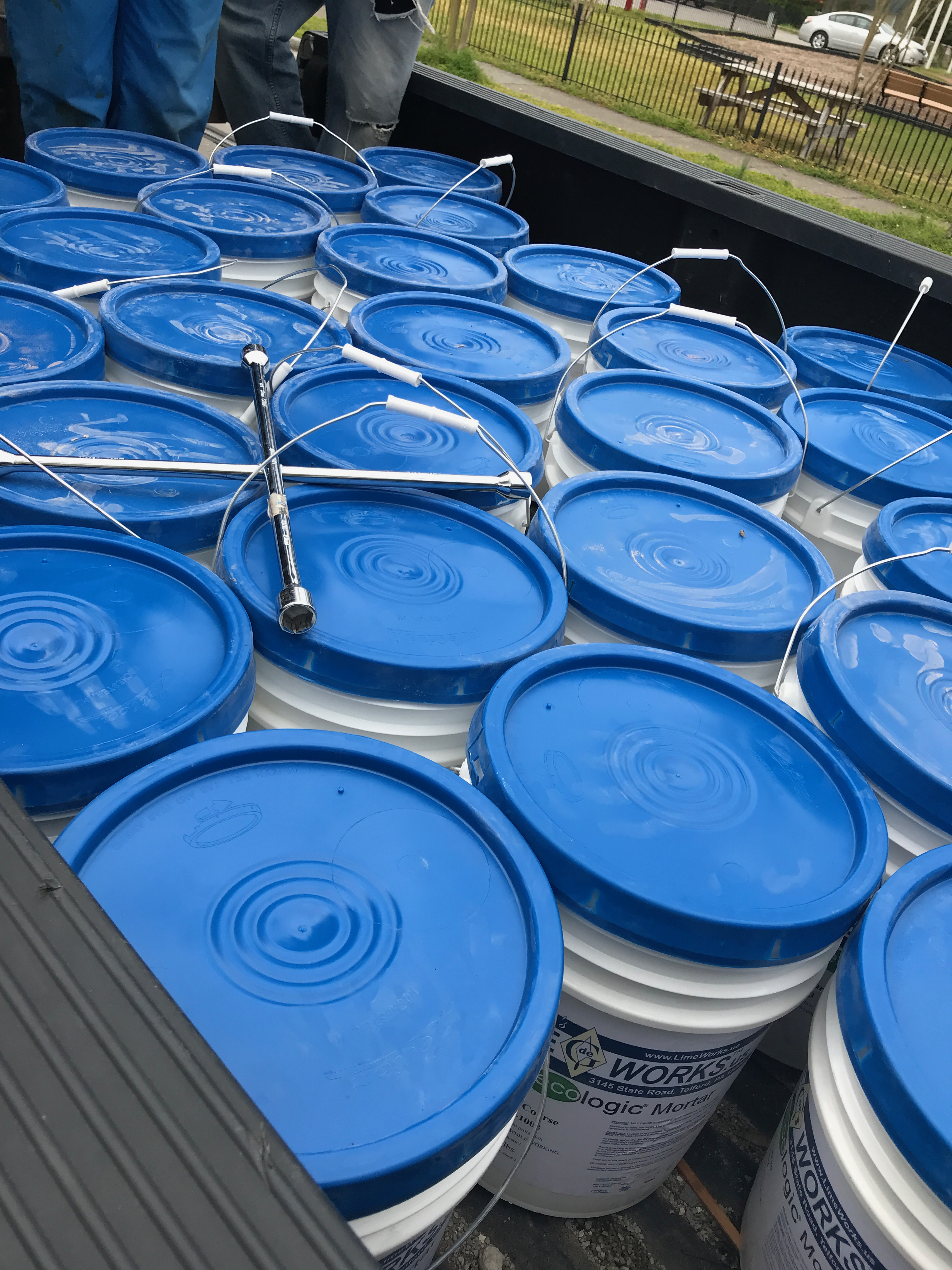
That’s a lot of mortar, but then, this was the first week of a four week job. There are a lot of bricks that need to be repointed. I believe that the windows were also on the schedule.
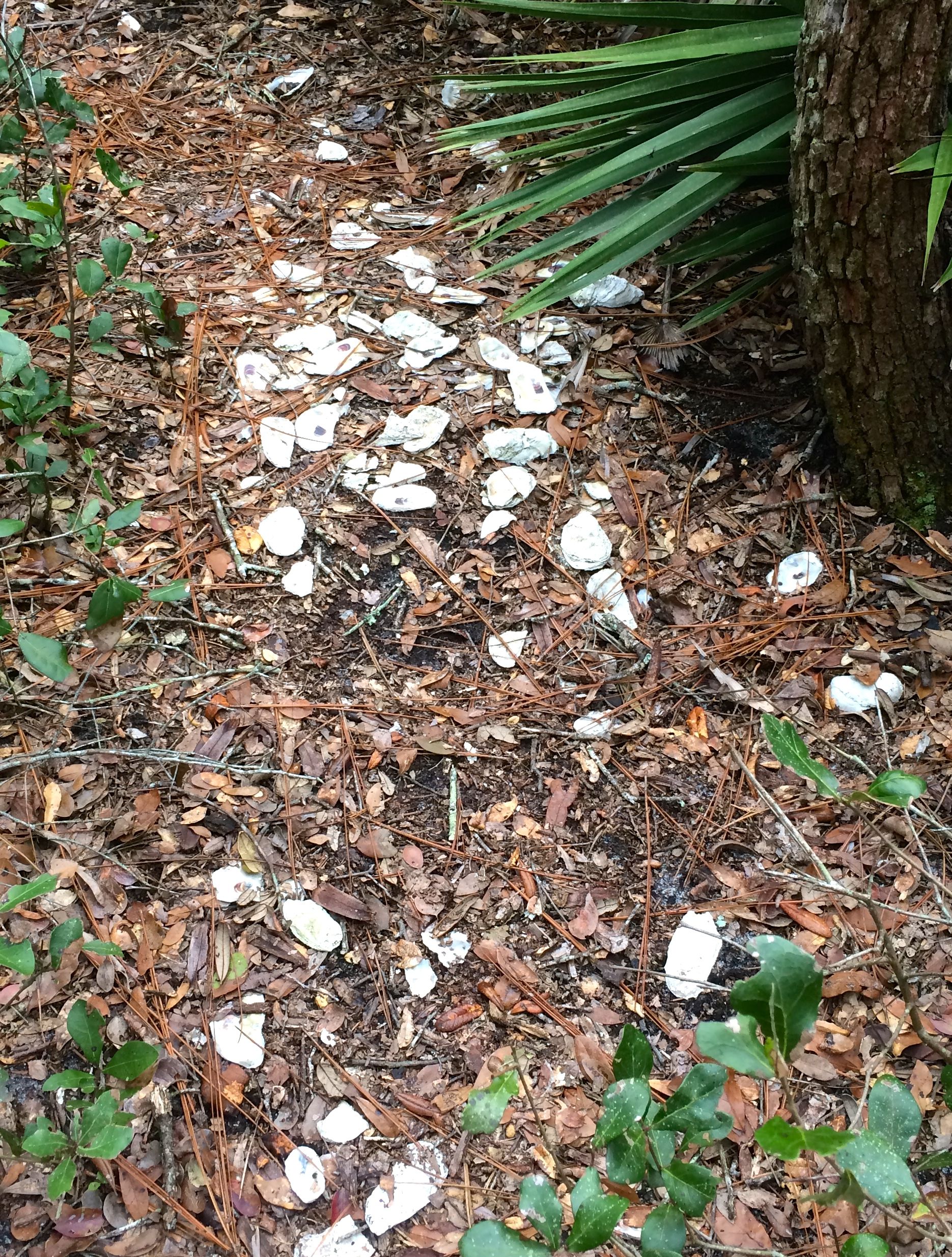
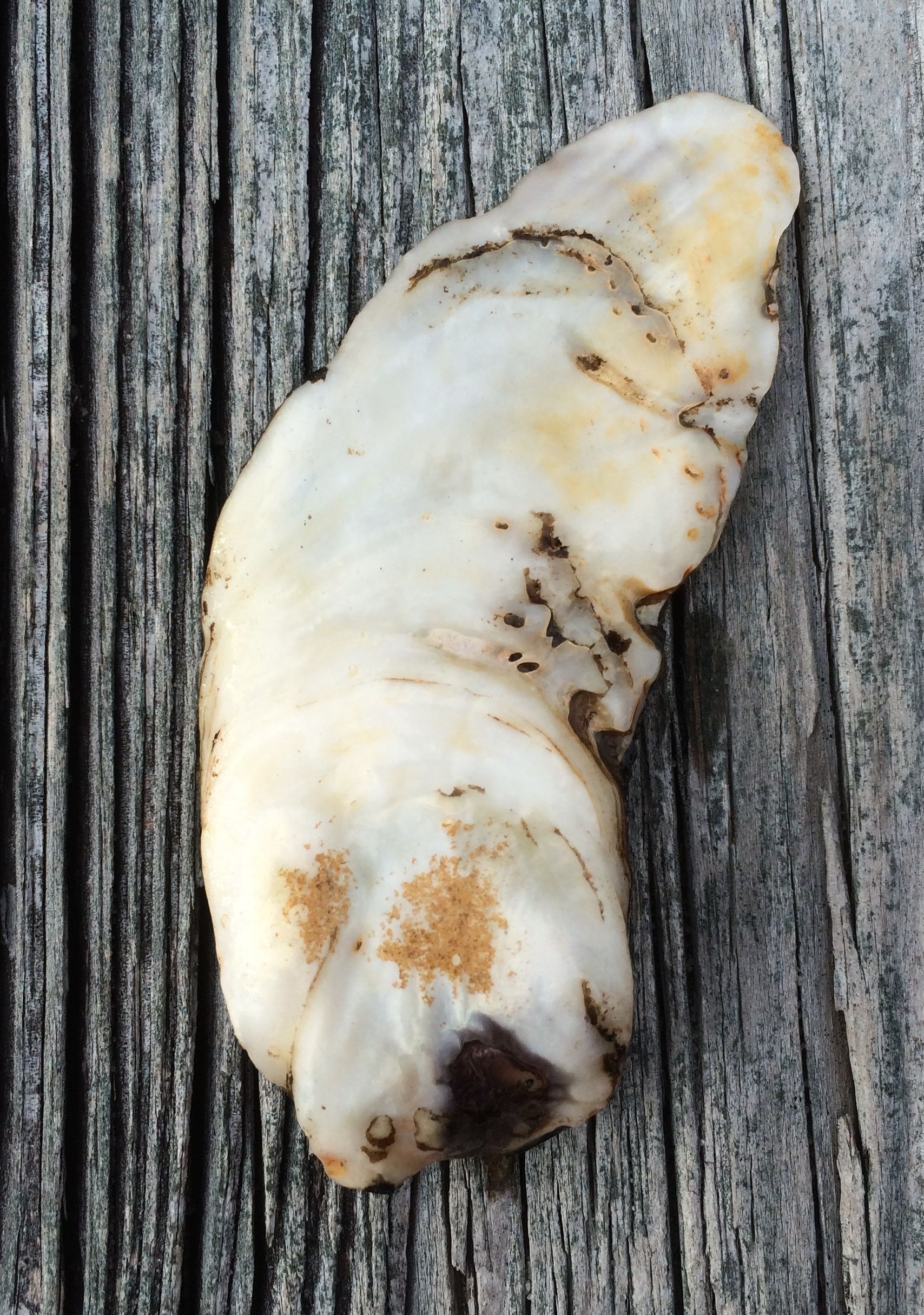
The name of this group is HistoriCorps, and they try to restore places in a manner that is historically accurate. To give the “store bought” mortar a 19th century vibe, oyster shells were mixed in.
We didn’t harvest the shells ourselves. though.
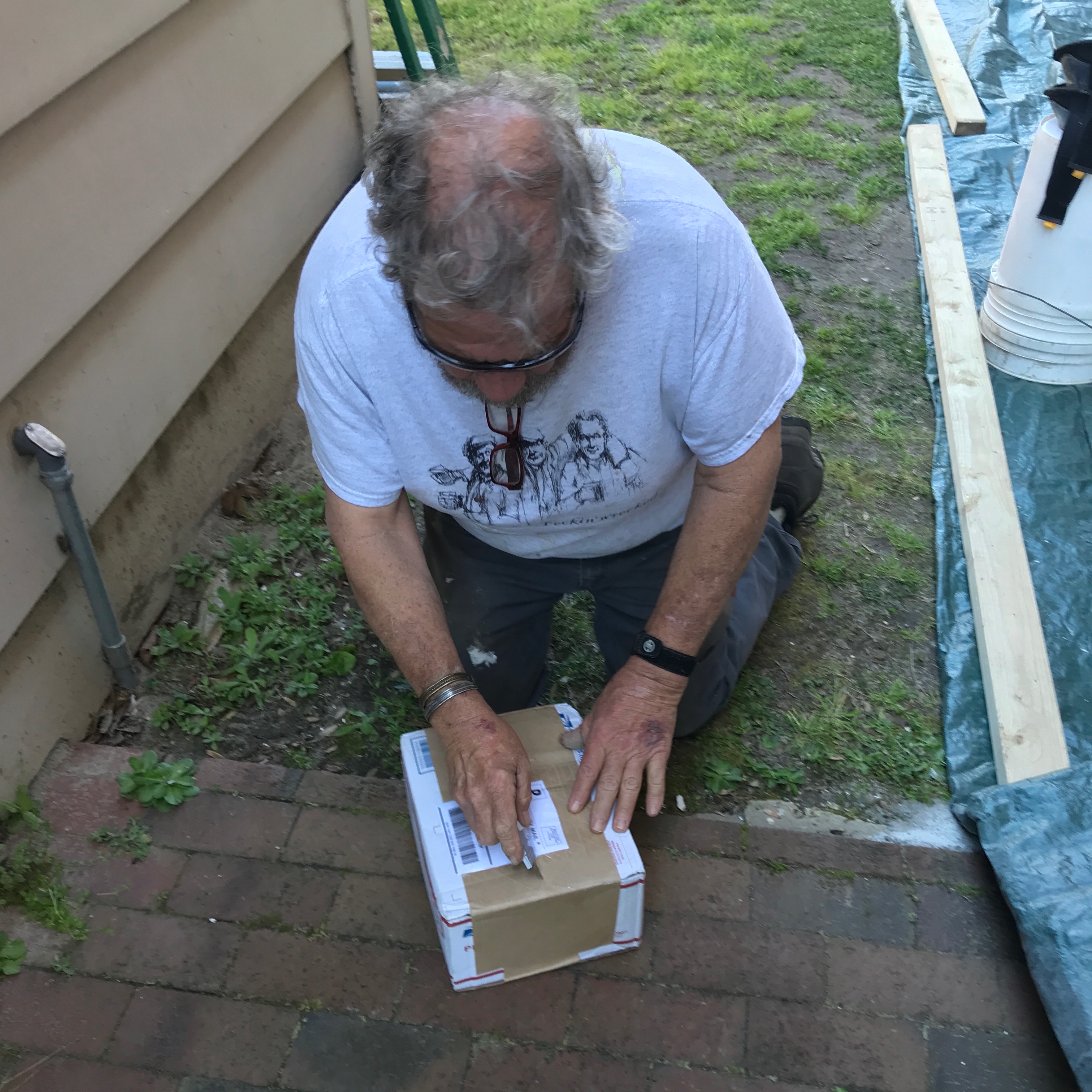
They were ordered online and were delivered right to the job site.
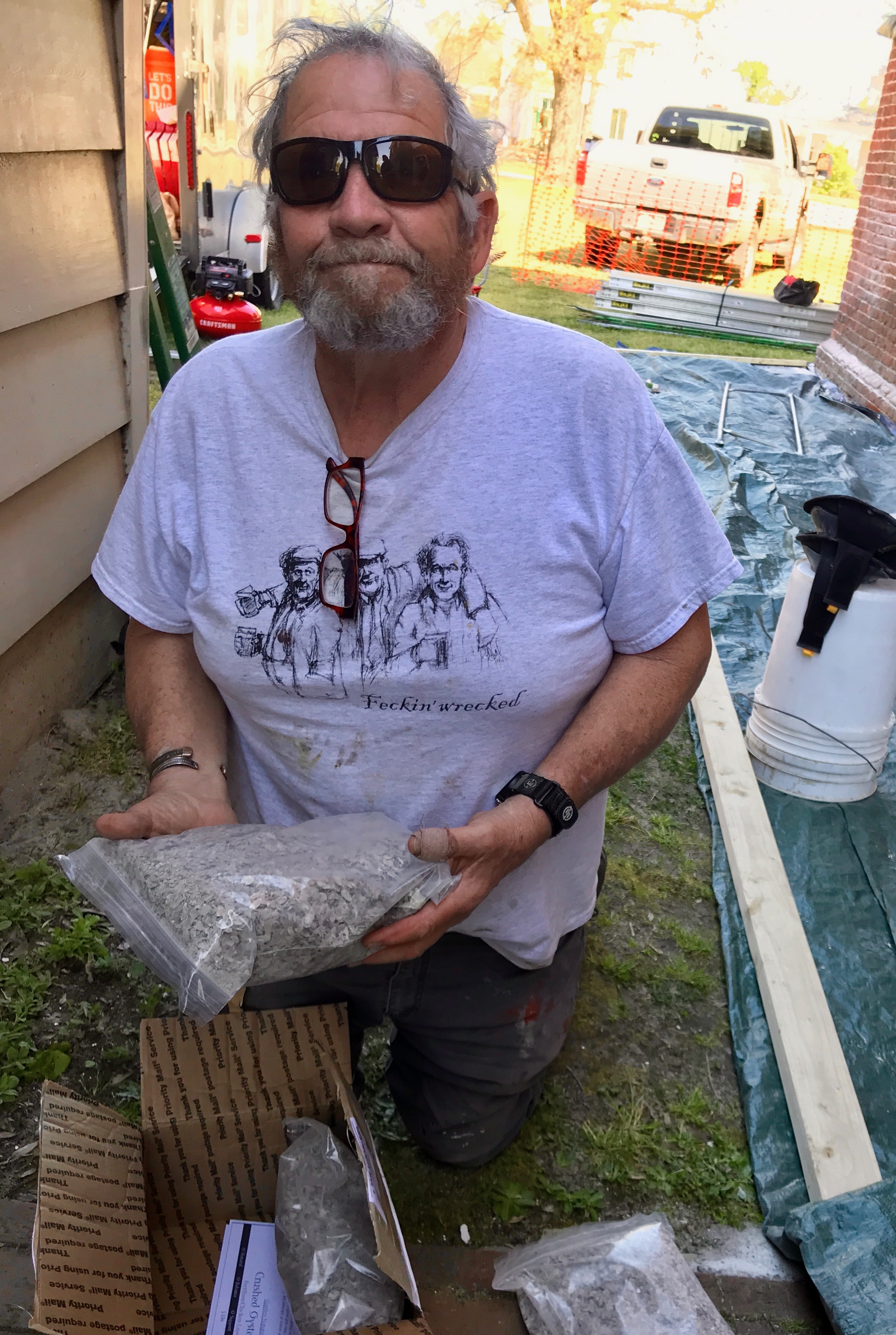
The shells weren’t whole when they arrived, but they did require some processing.
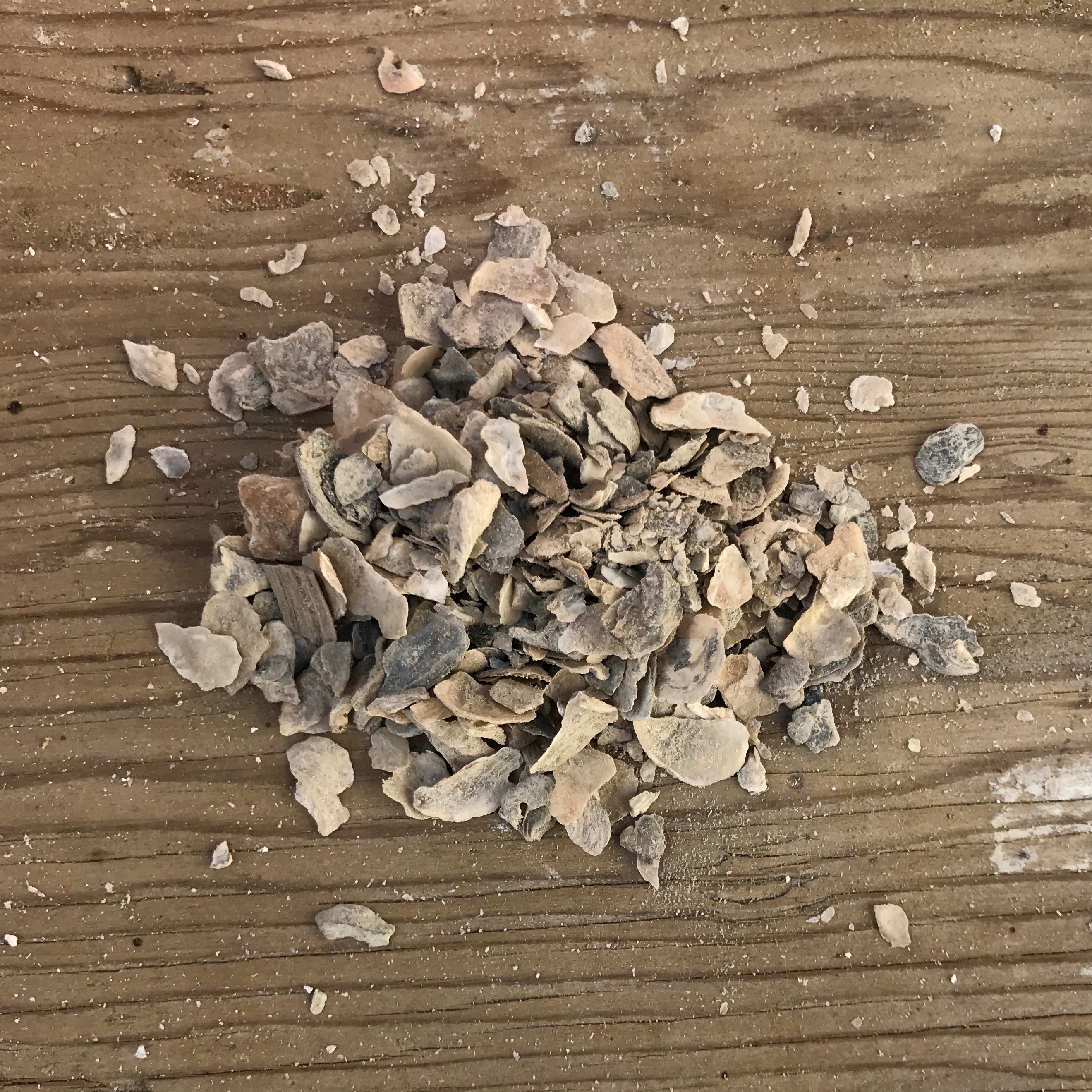
I suppose, “back in the day” they would have ground them up with rocks.
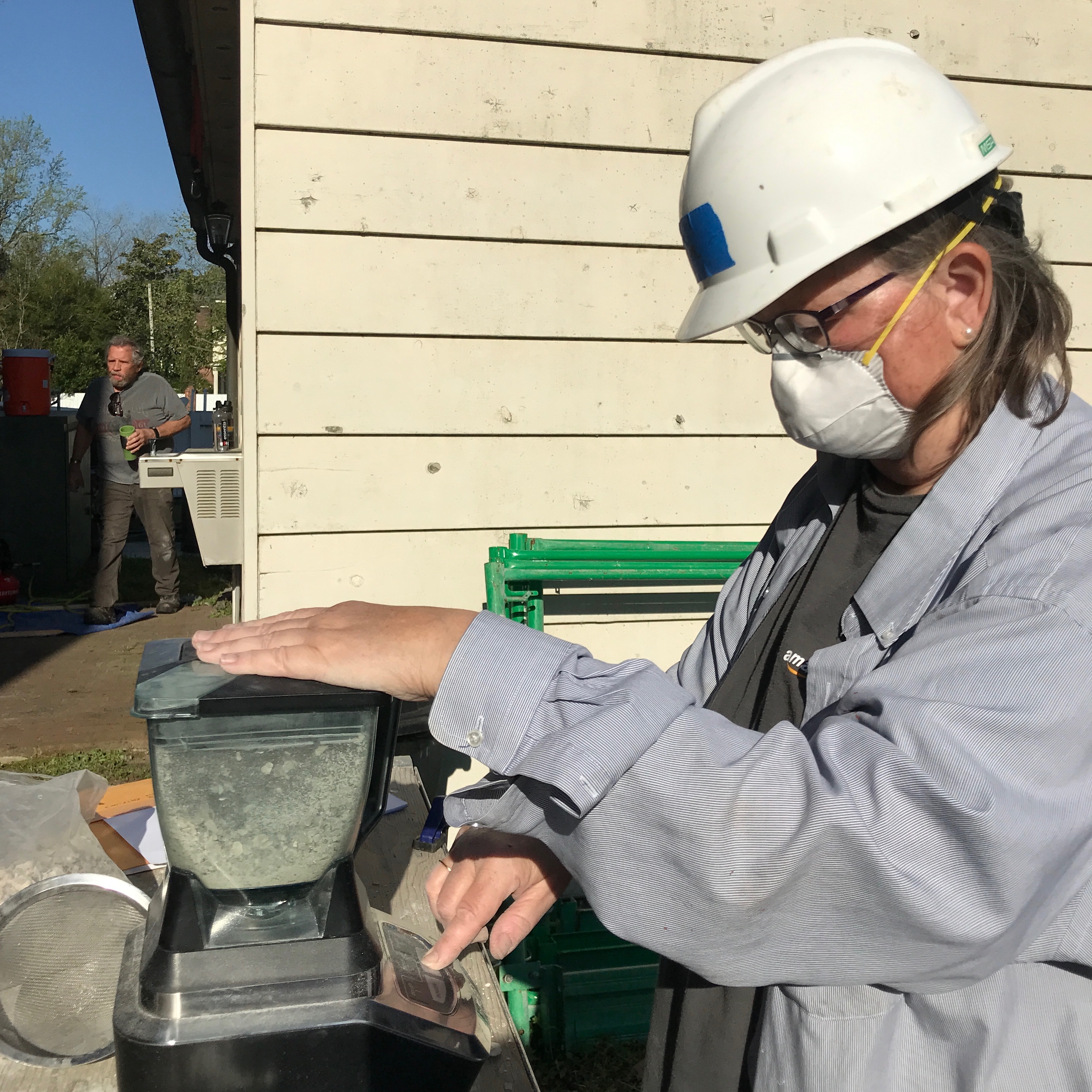
However, we opted for a thrift shop blender.
On a side note, when I saw myself wearing a mask in this photo, I didn’t even give it a second thought. I’ve been wearing masks for months now!
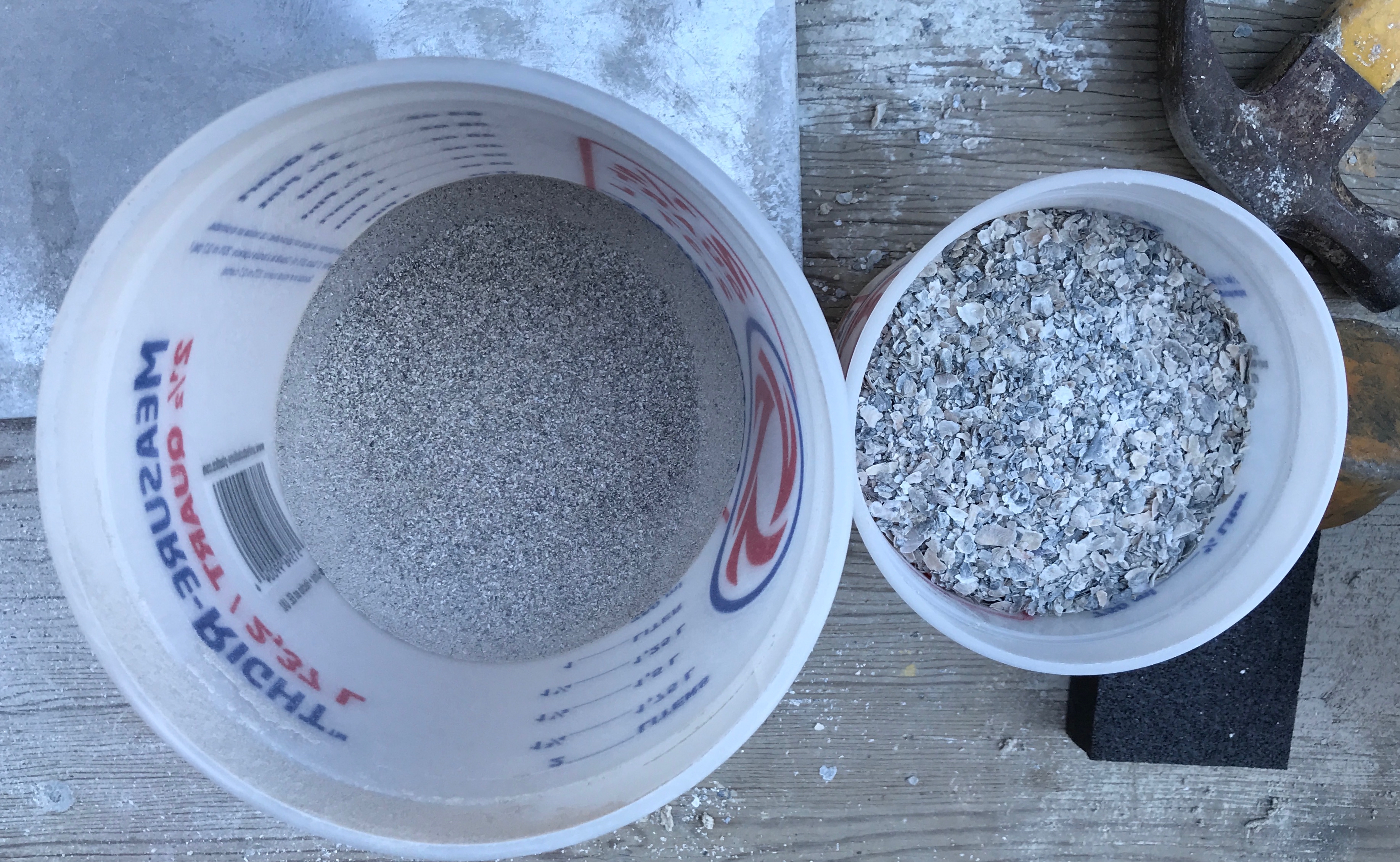
We got the shells ground up as finely as possible.
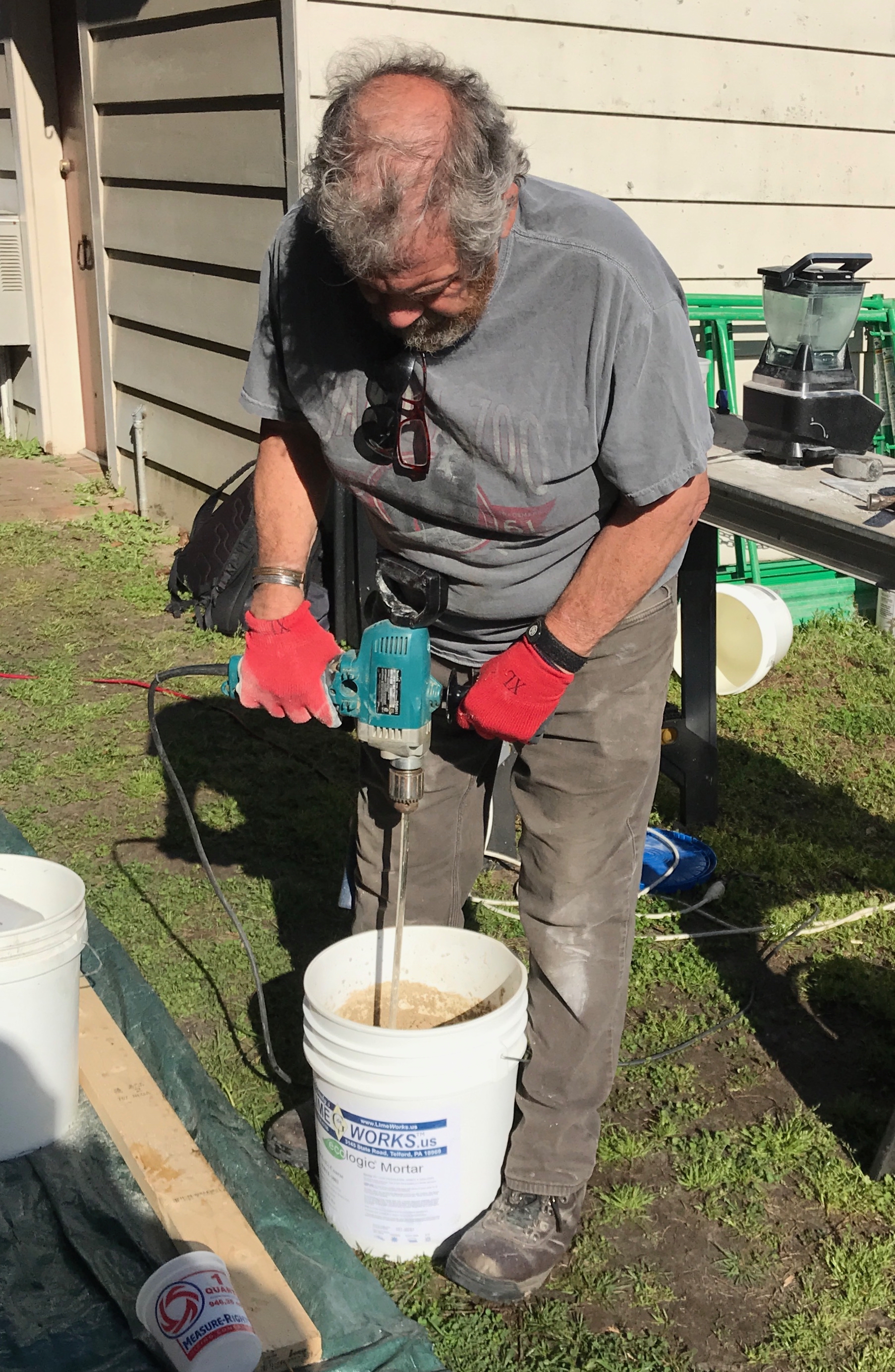
Mike mixed them into the mortar with another anachronistic tool and then it was time to get to busy fixing things up.
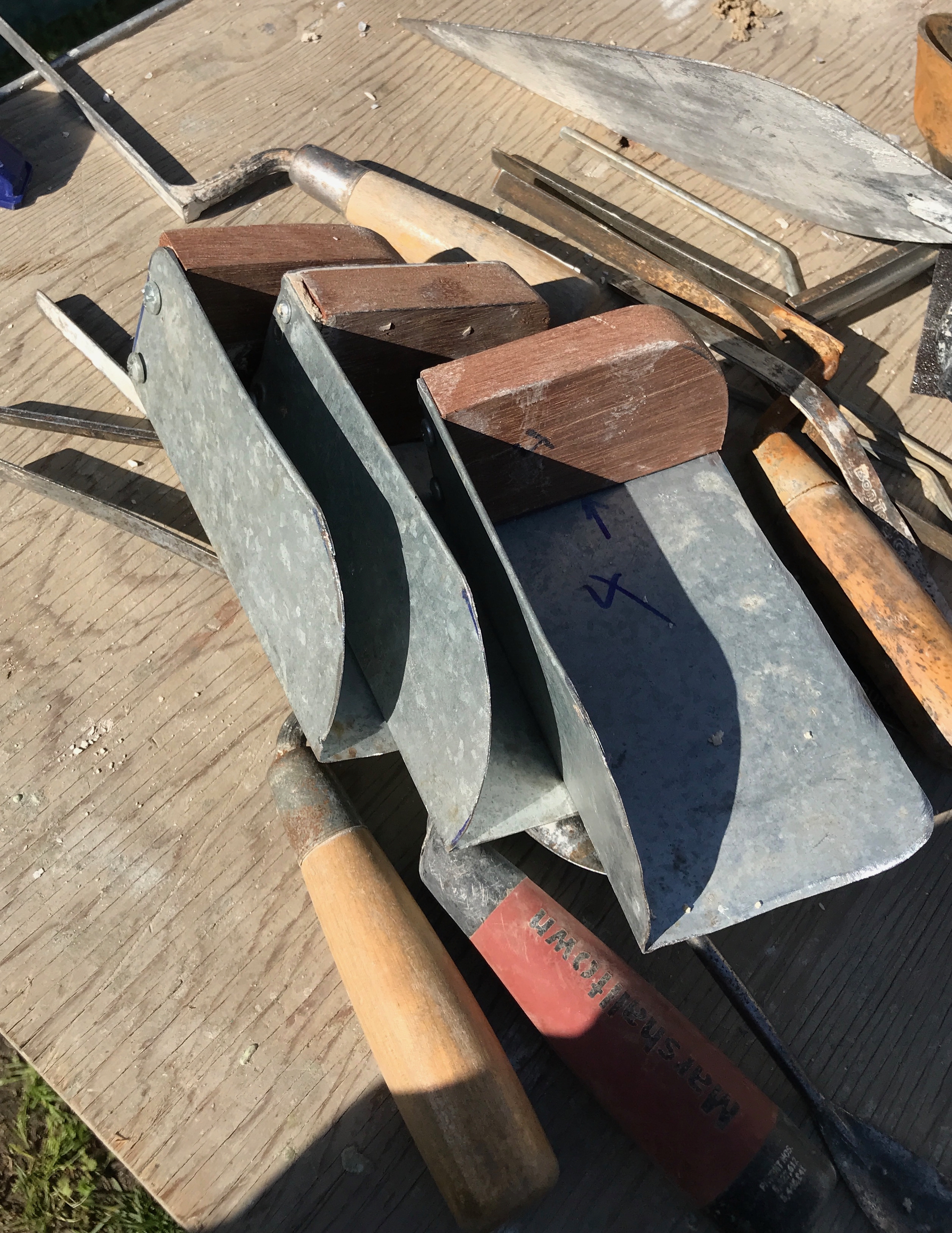
We used these small trays to hold the mortar while we worked.
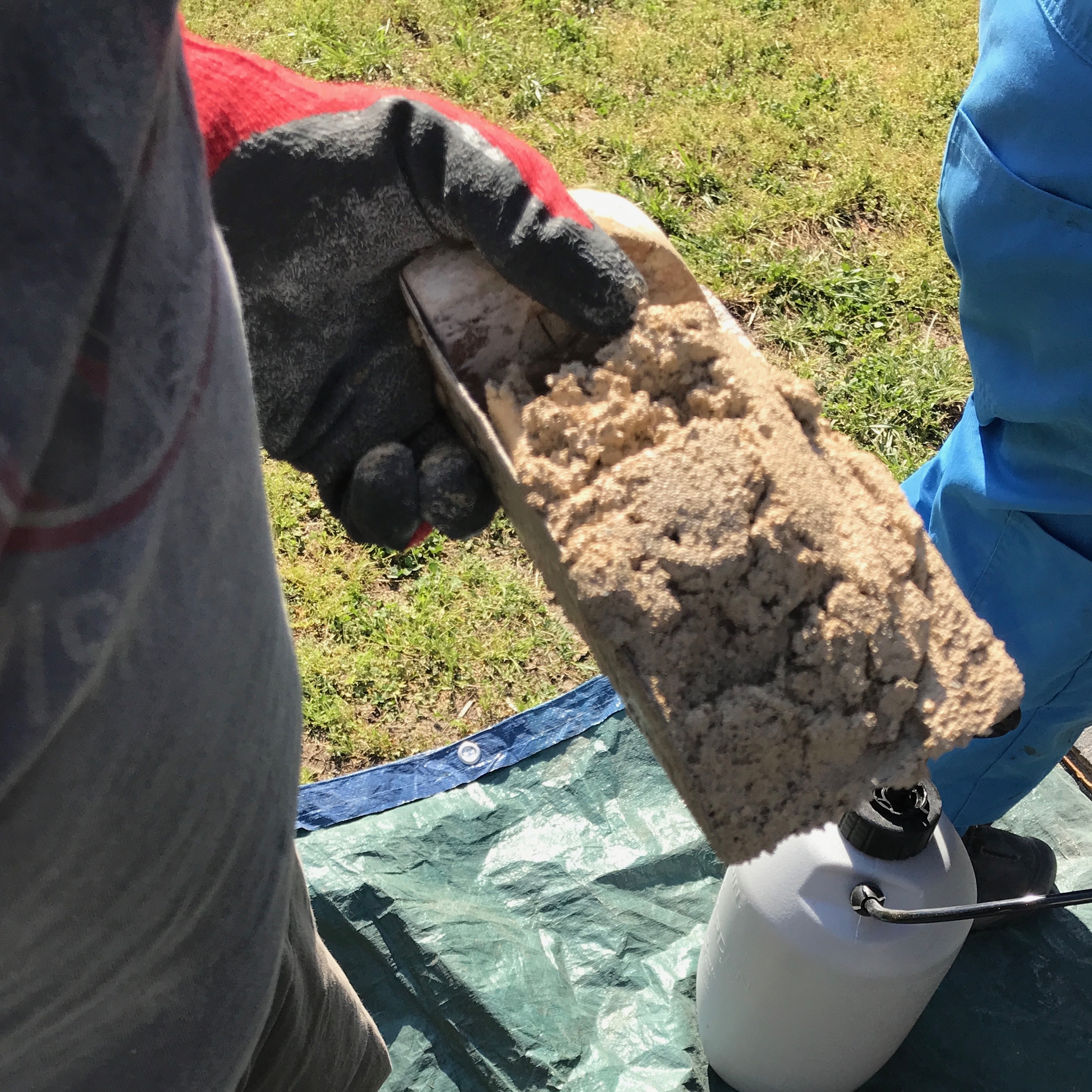
Here’s a tray that’s loaded up and ready to go.
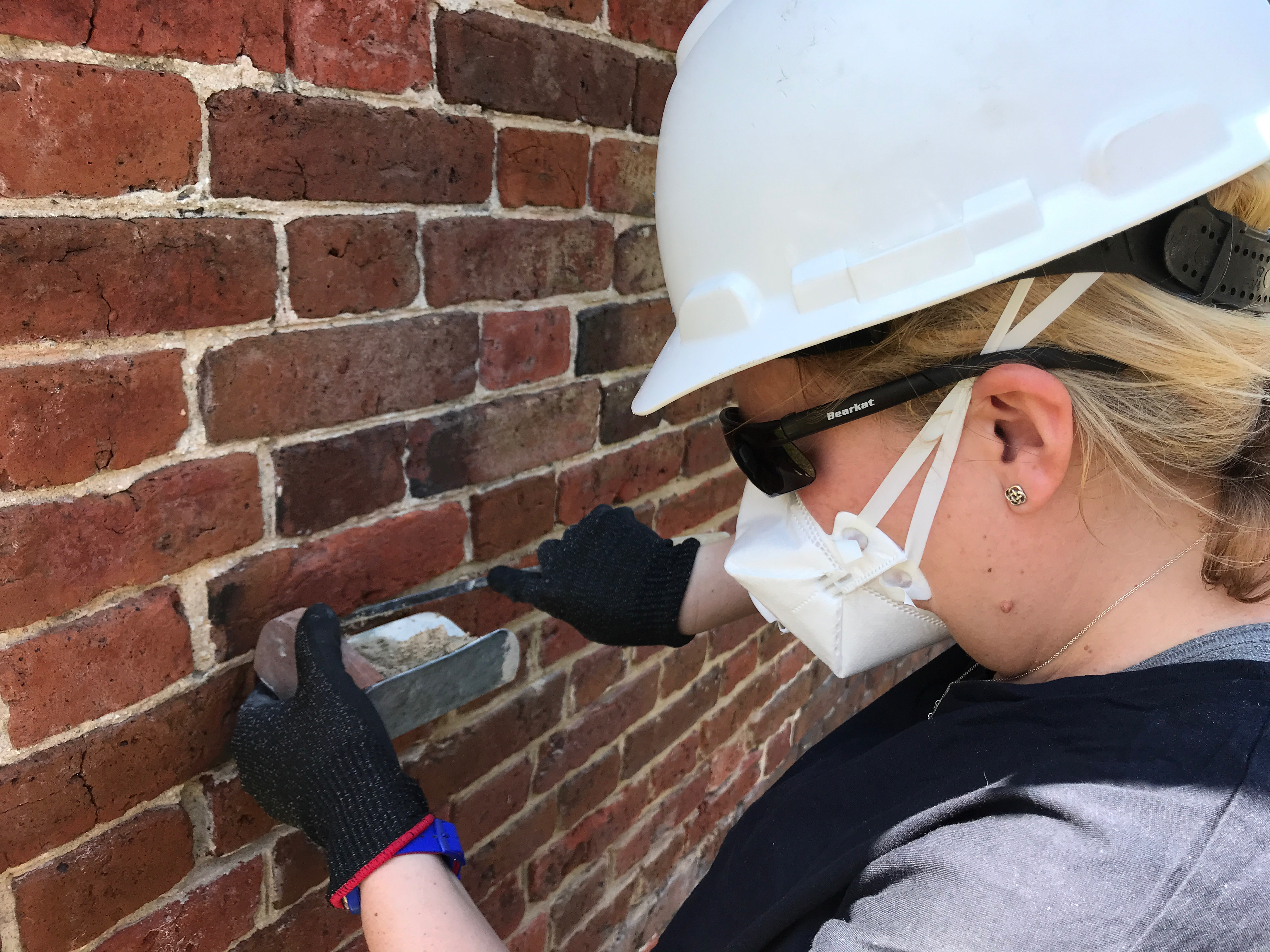
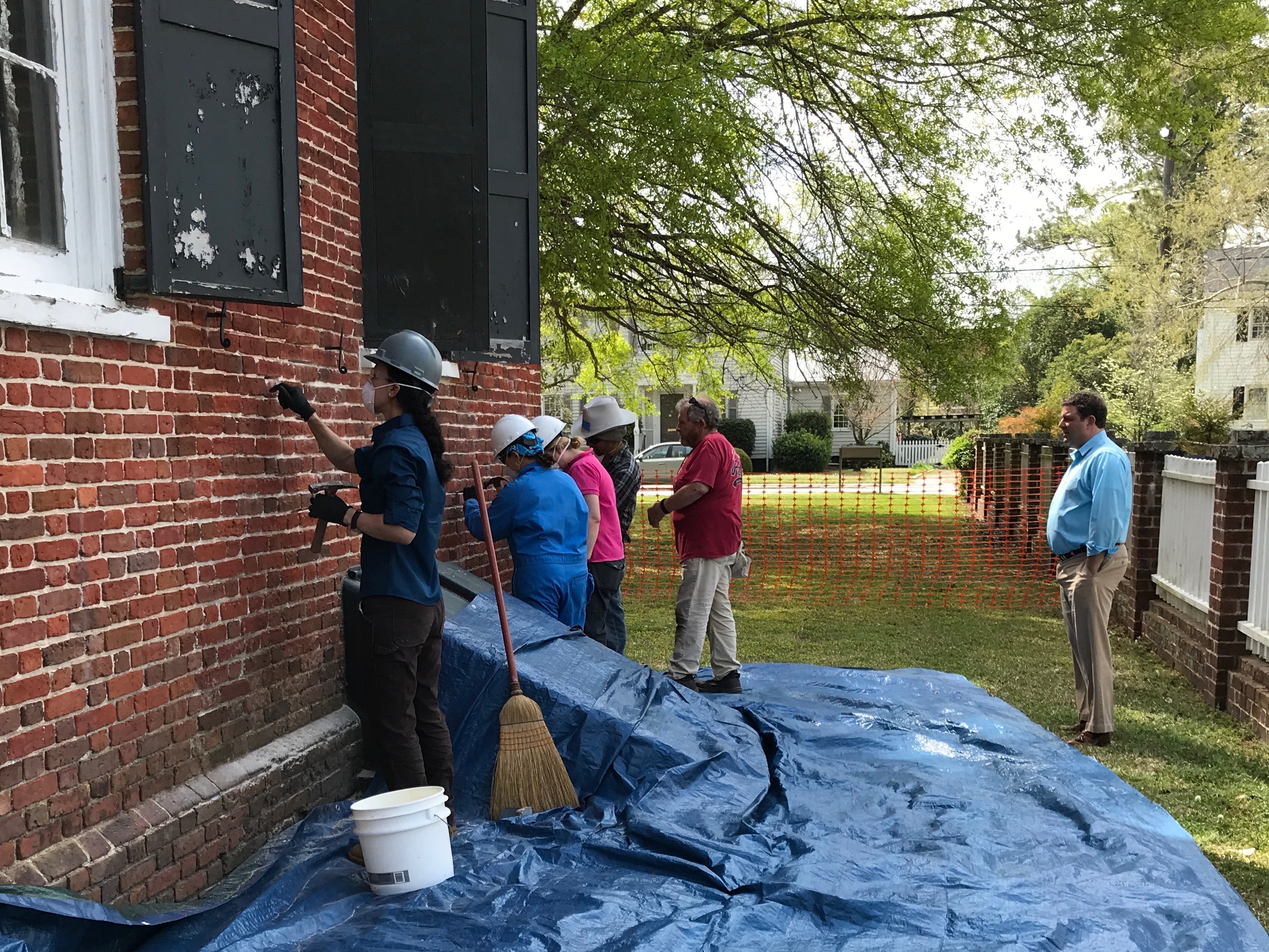
Then, we took the pointing tools and wedged the mortar into the spaces.
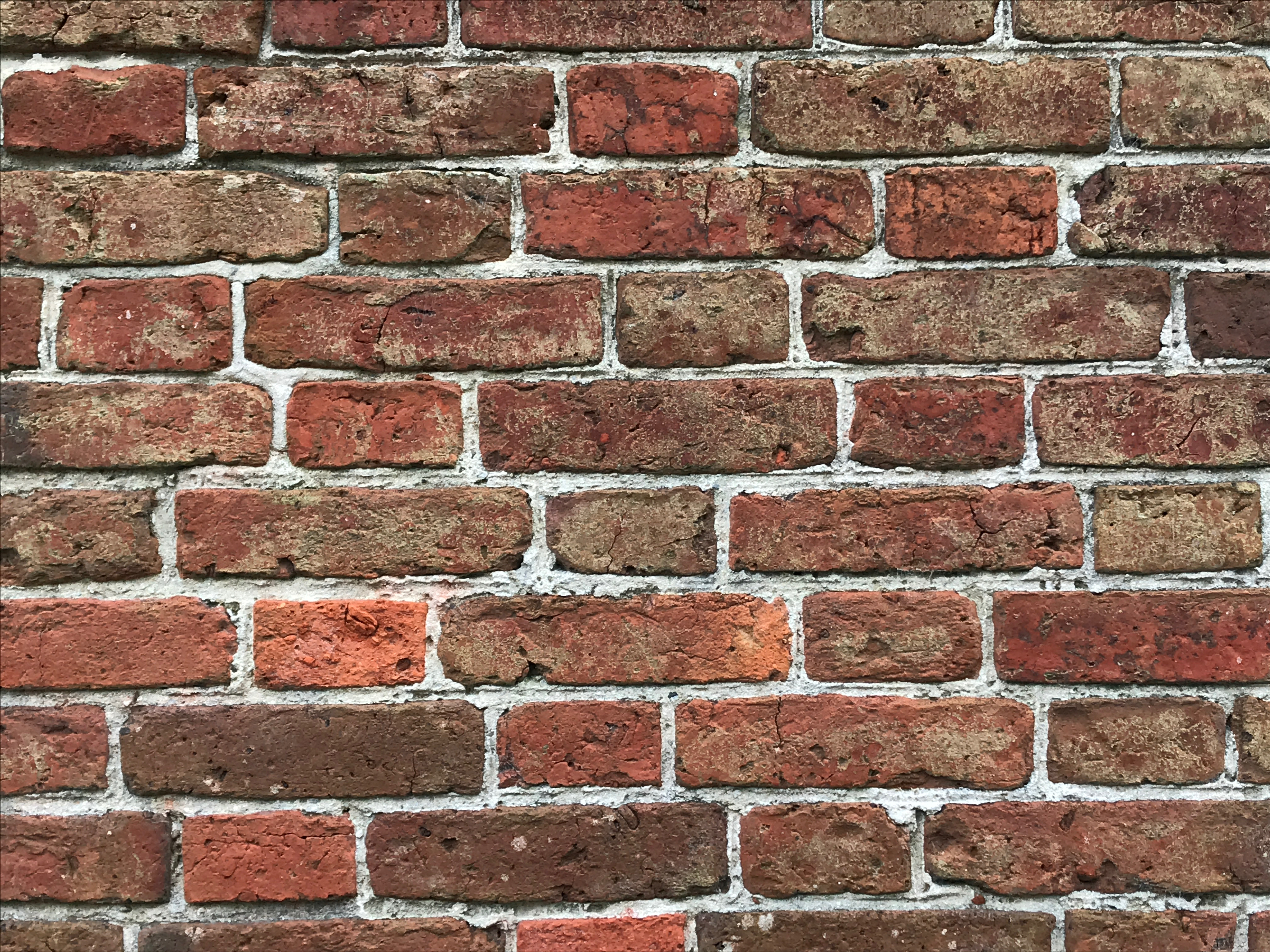
Here’s a section of the wall that has been repointed.
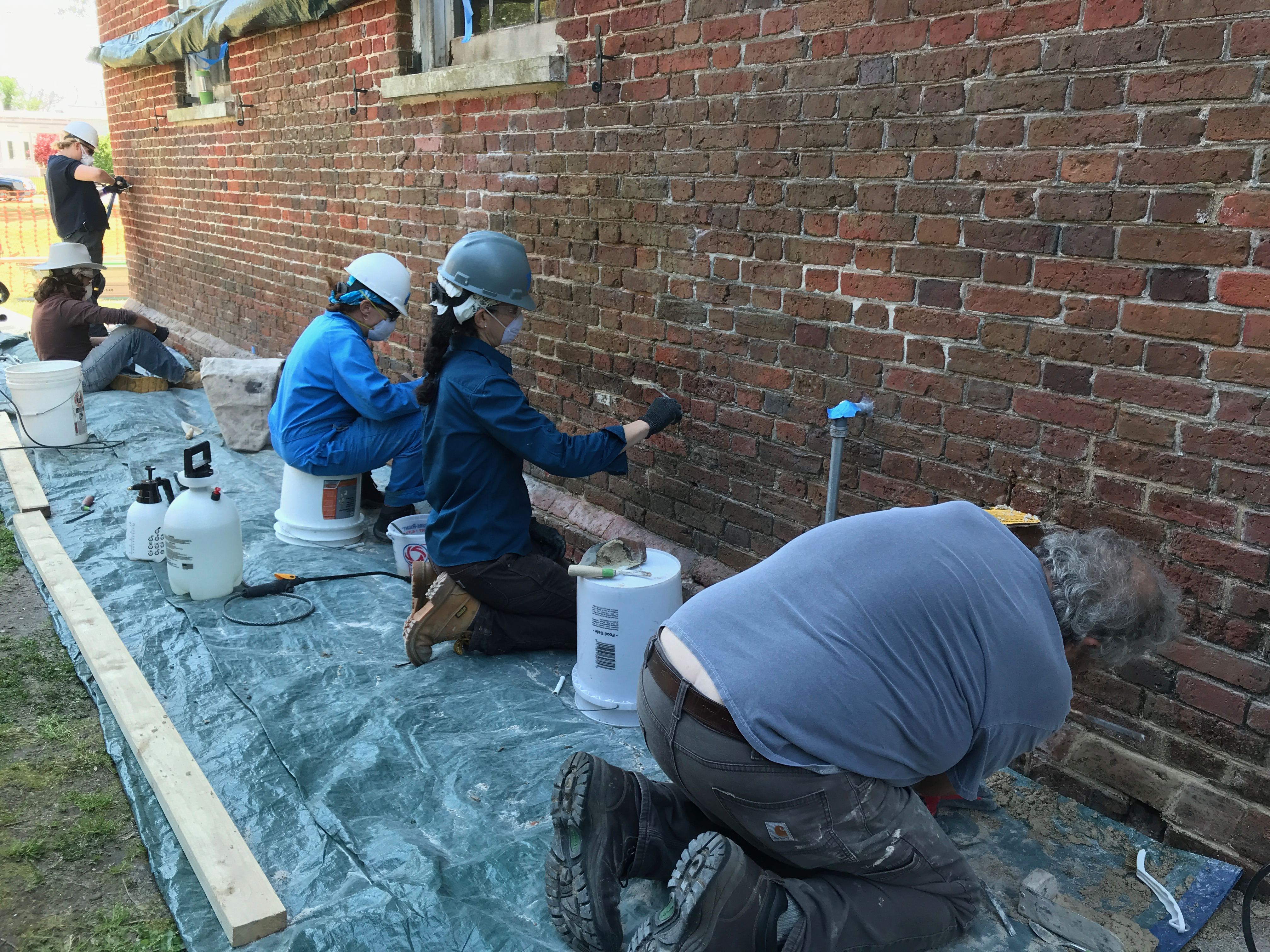
We all got busy.
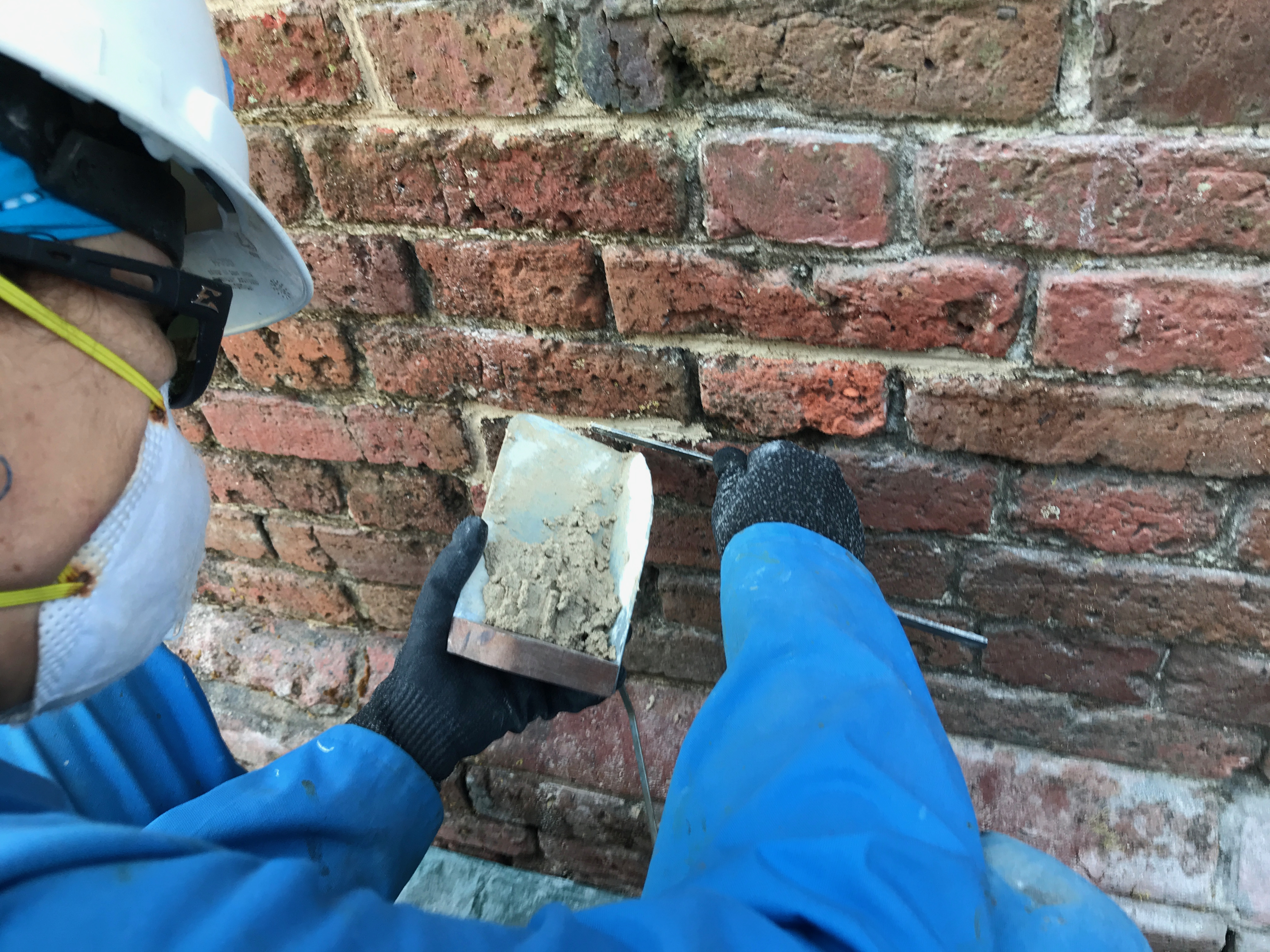
Slip that mortar in.
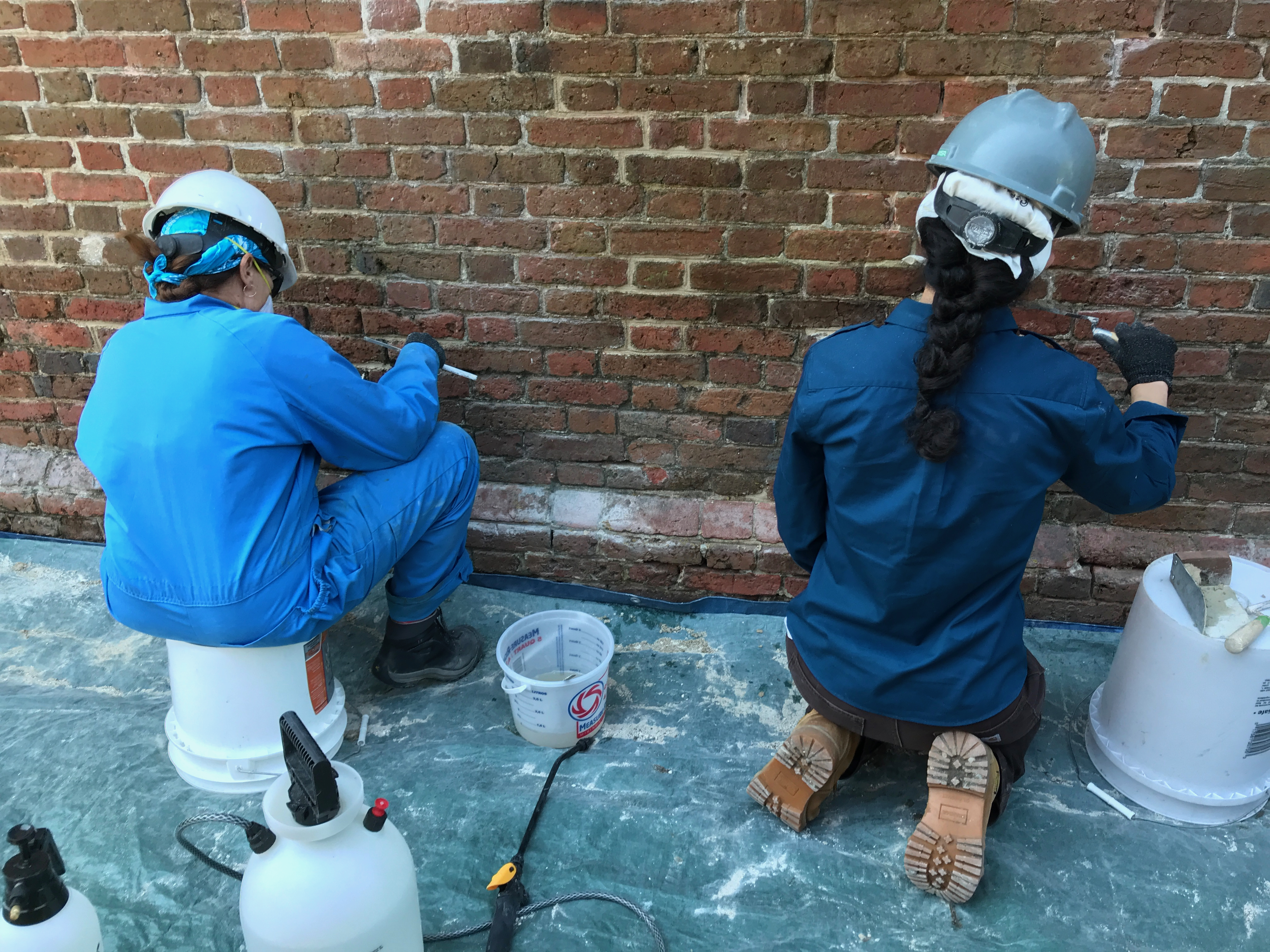
Smooth it out.
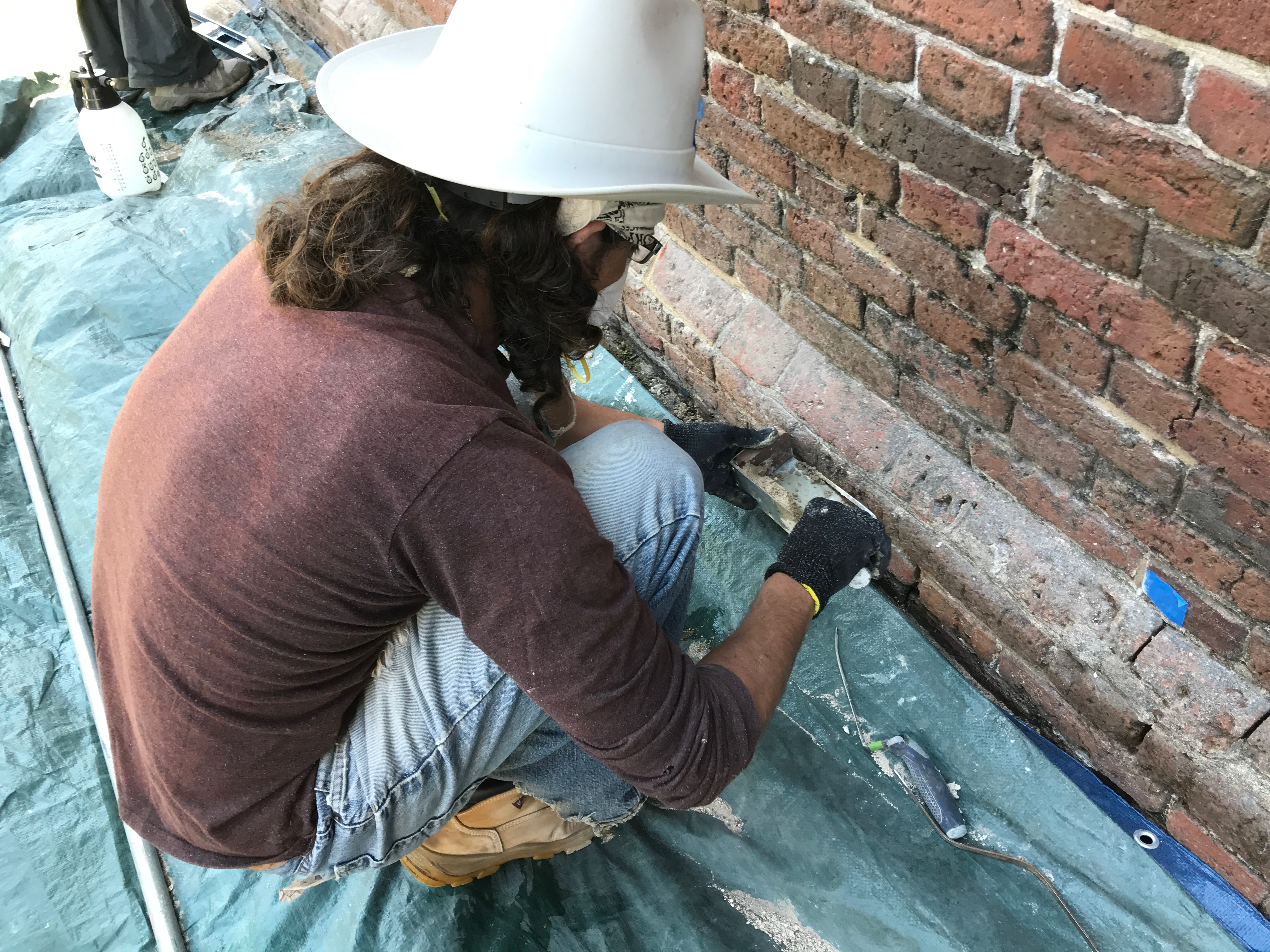
Make it look good.
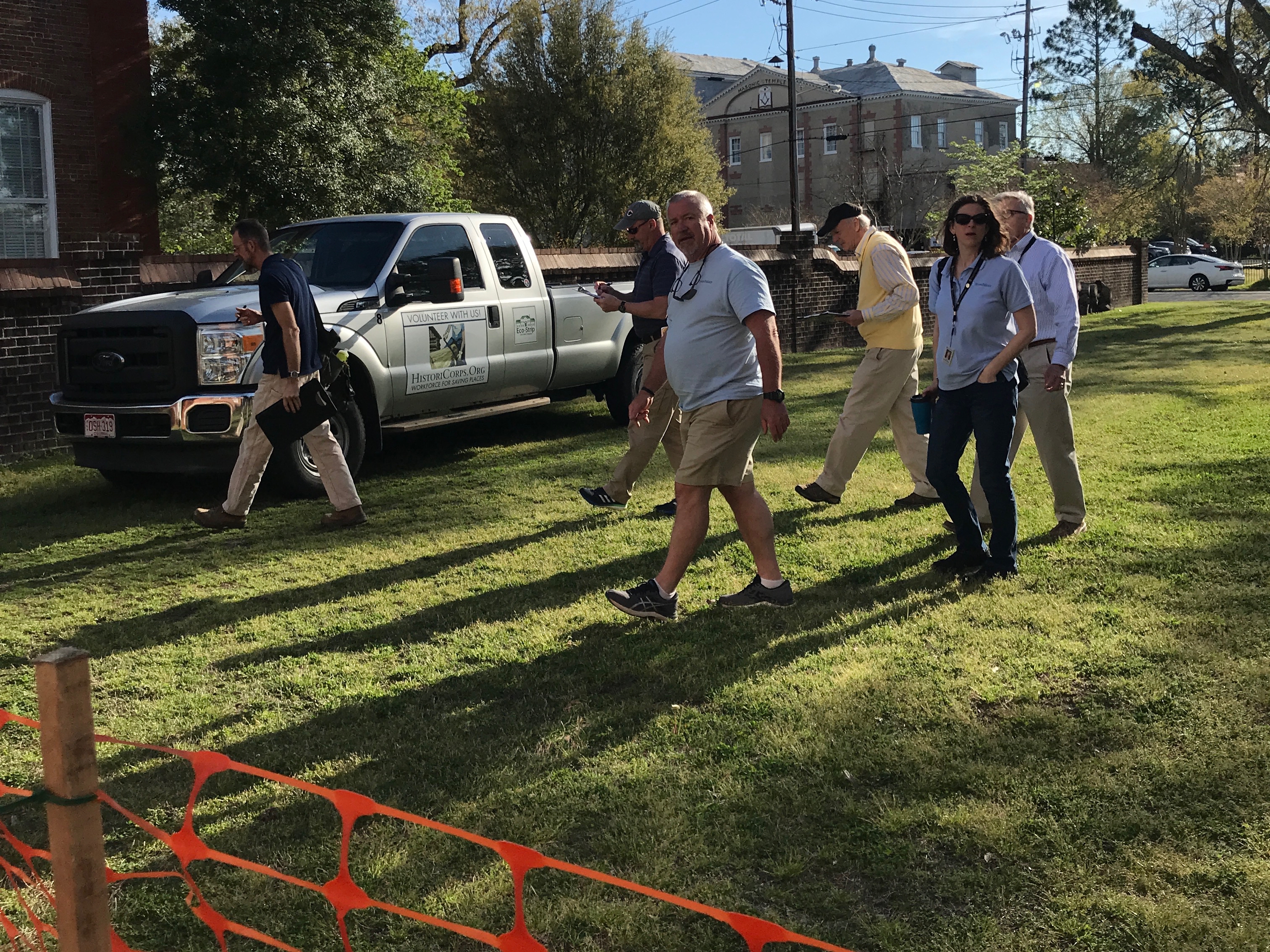
Speaking of looking good, clean and presentable visitors love to stop by Historicorps work sites, especially when we’re working in a town.
Yep, we’re doing it right.
It wasn’t all work-work-work.
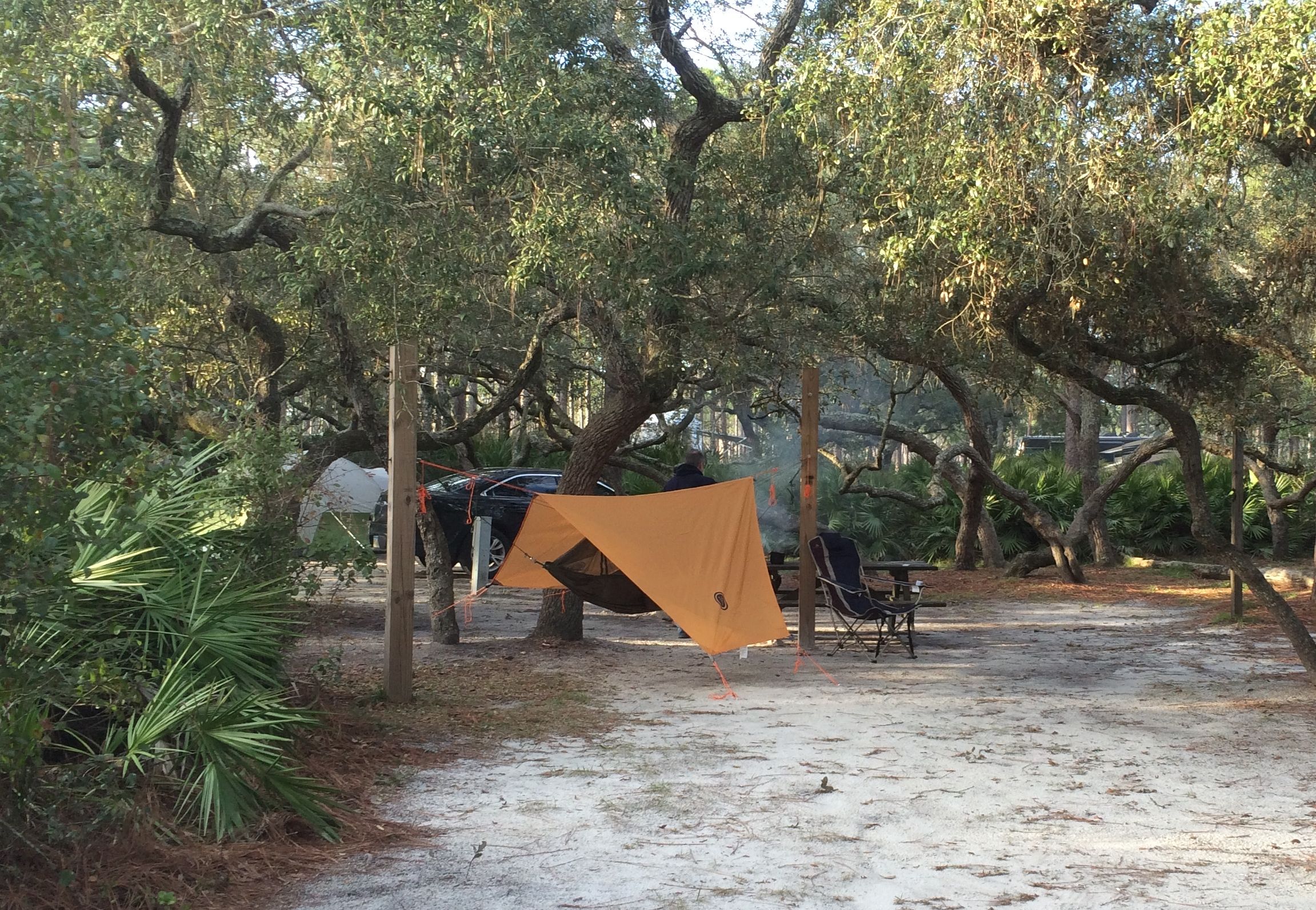
We were camped out of town a few miles. Most folks slept in tents.
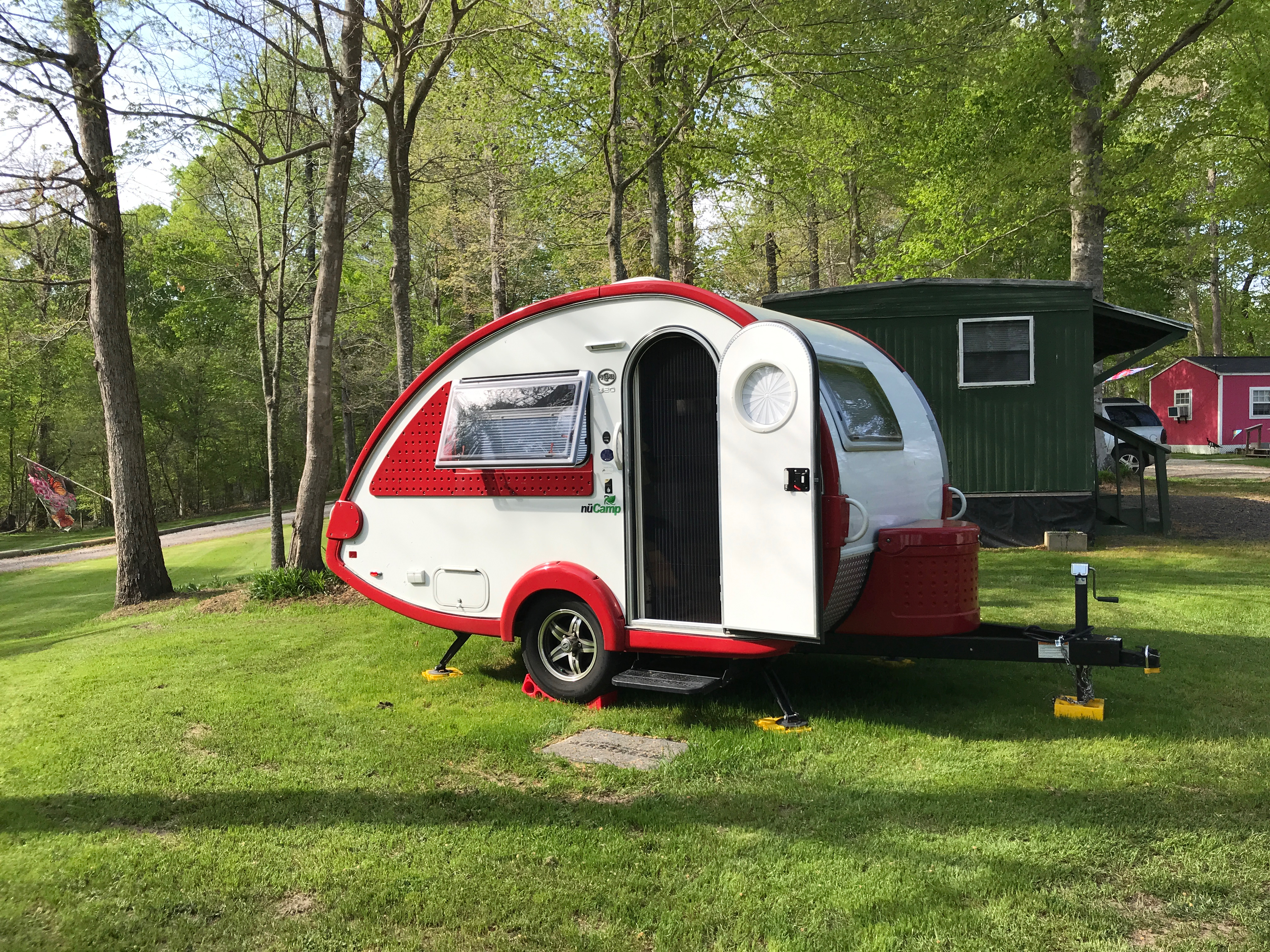
I had my sweet little T@b. strategically located next to the bath house.
Our meals were cooked over a camp stove in a tent. Breakfast and dinner were cooked for us, and we each packed out our lunches to take to the job site.
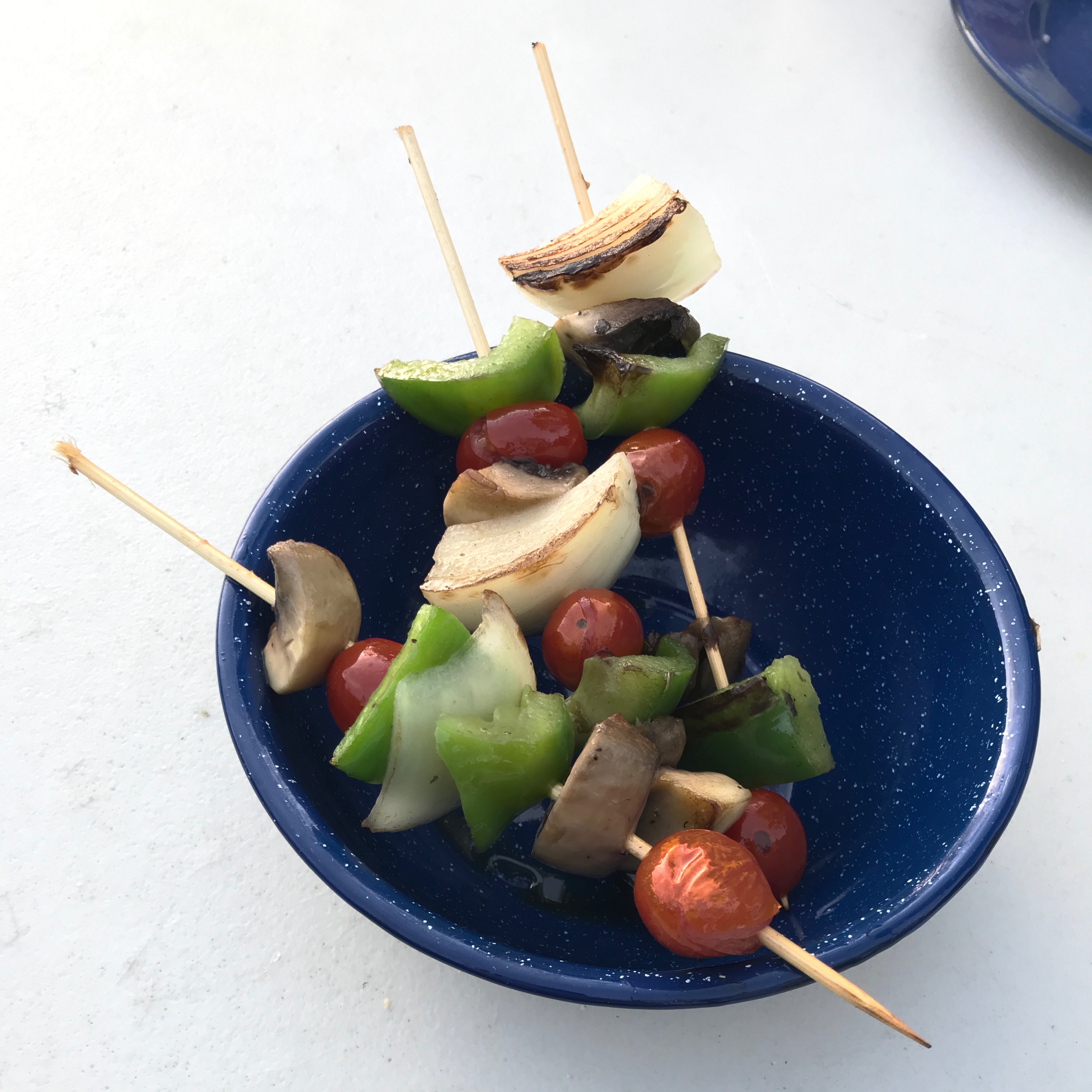
They fed us well. One night, we had shish kebabs.

We had s’mores for dessert.
The two women in the center of the photo were from Australia. I found that rather amazing. You never know who you’ll meet on a project!
They had never had s’mores, so we had them for dessert.
You know me…I always have to see what I can see. I took an afternoon to explore New Bern.
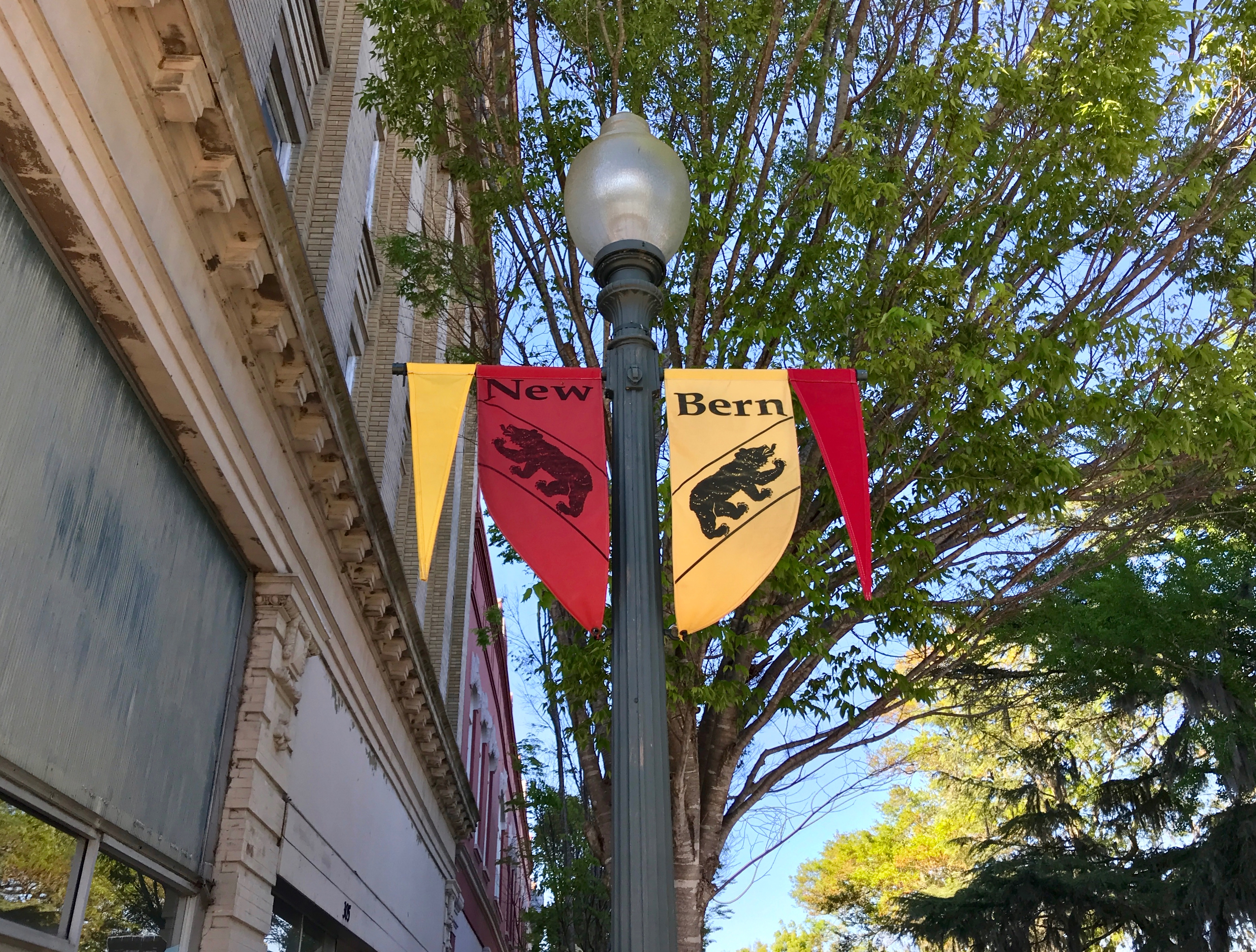
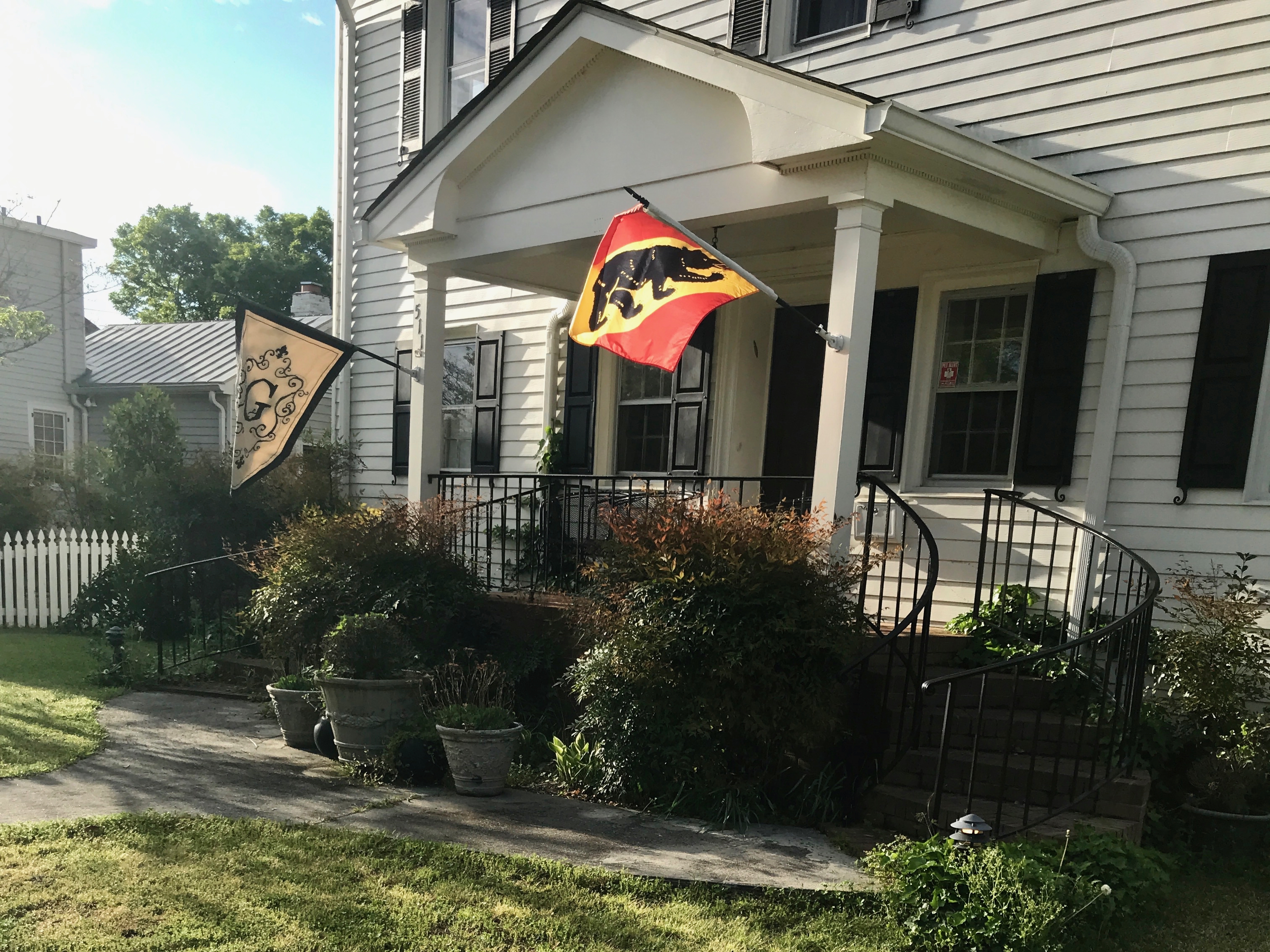
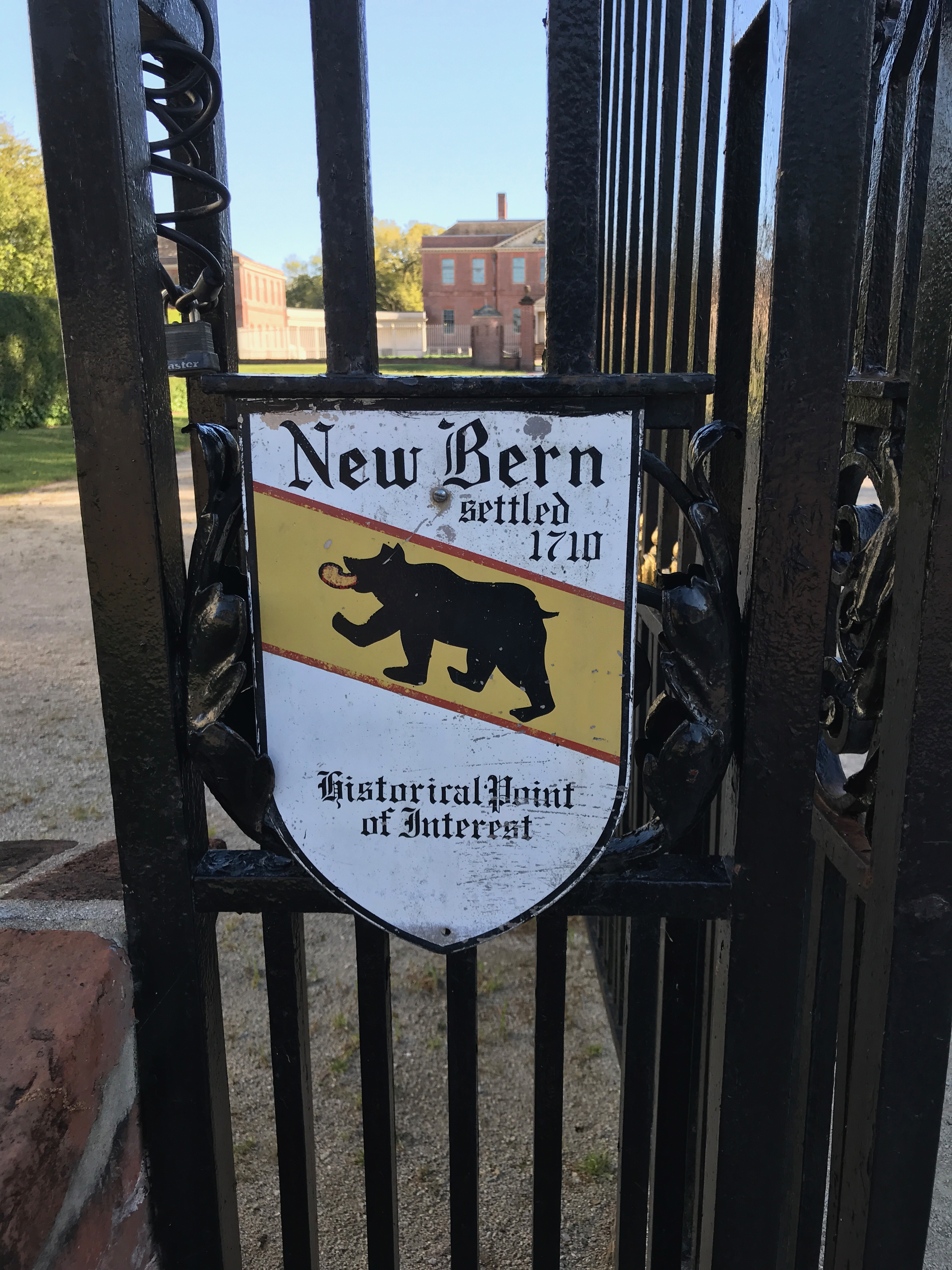
New Bern was settled by the Palatines and Swiss from the Bern region. The bear is the heraldic animal of Bern, Switzerland. (I had assumed that “bern” was German for bear, but apparently I was mistaken.)
Bears are featured prominently in the town, from the banners on the lamp posts…
to flags on houses…
to creatively interpreted bear statues.
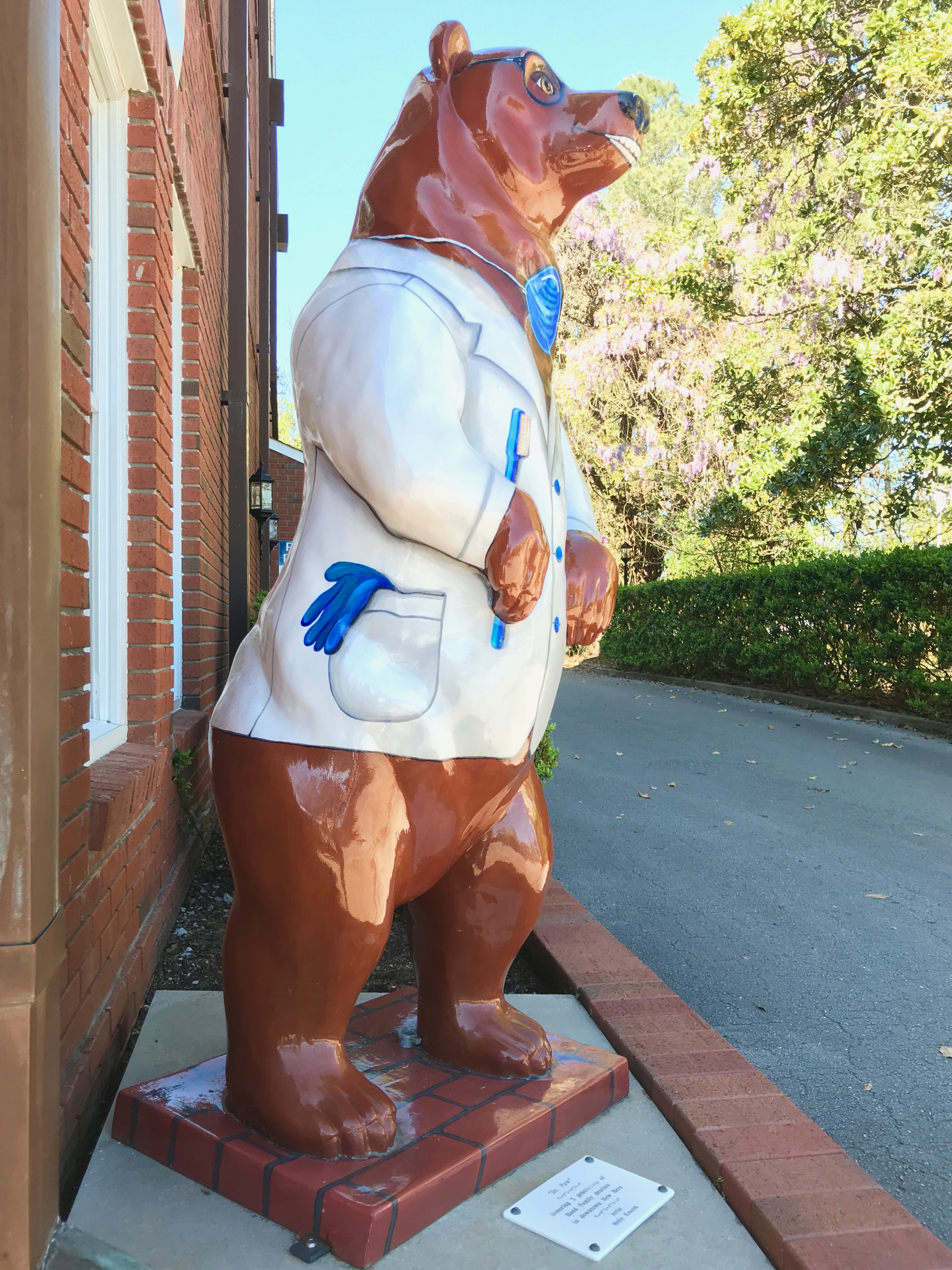
There was a dentist bear…
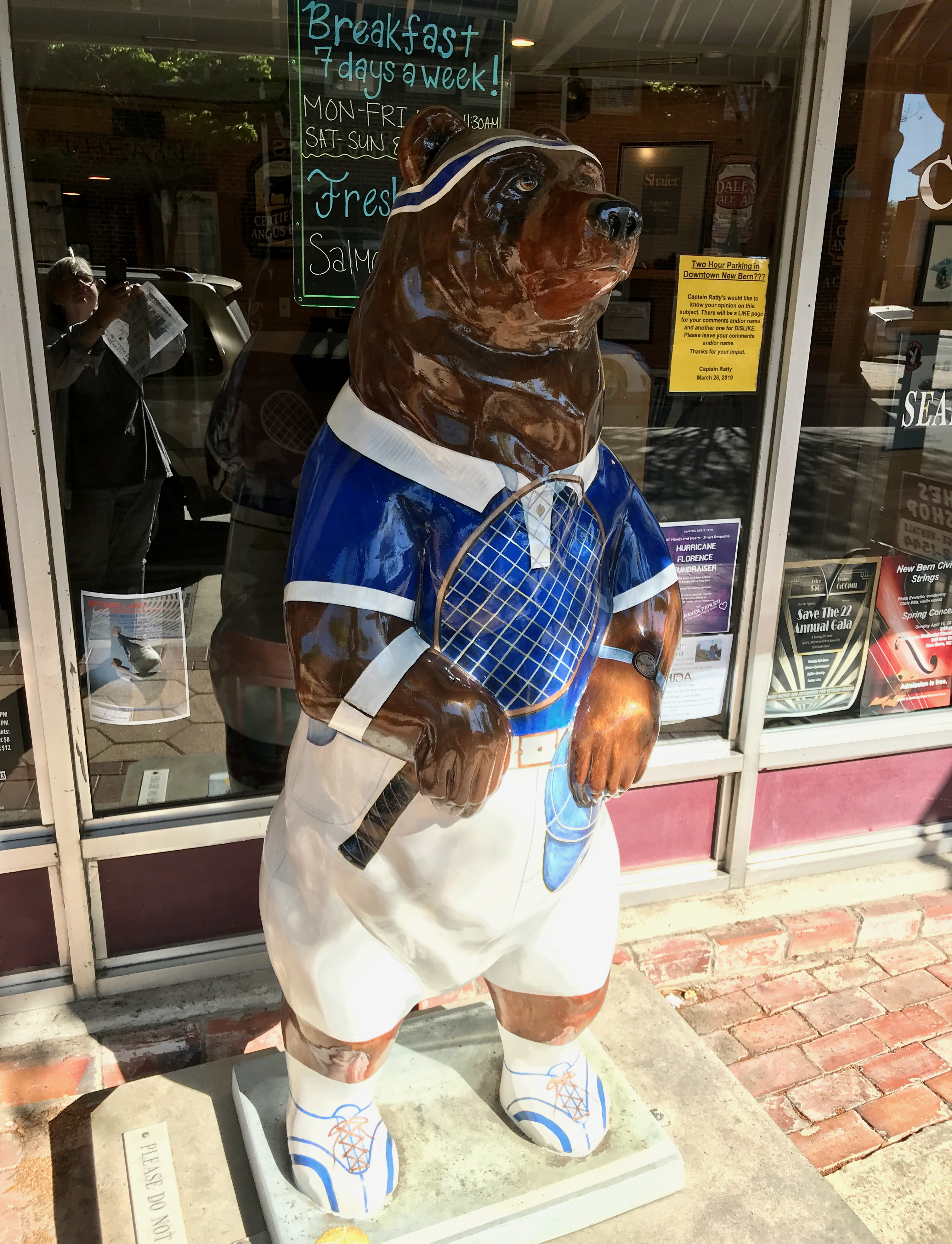
a tennis pro bear…
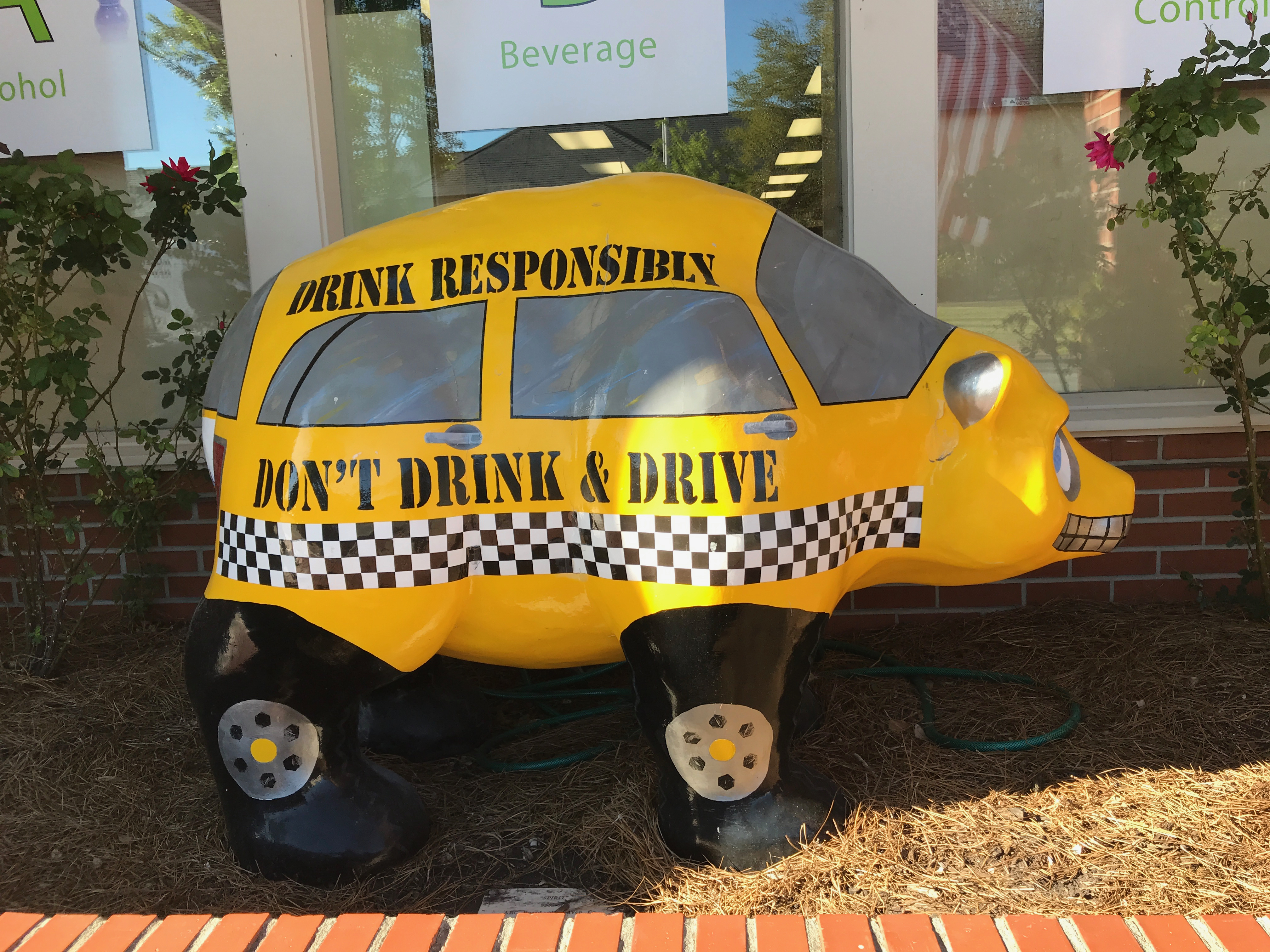
and this rather interesting version of a bear reimagined as a taxi.
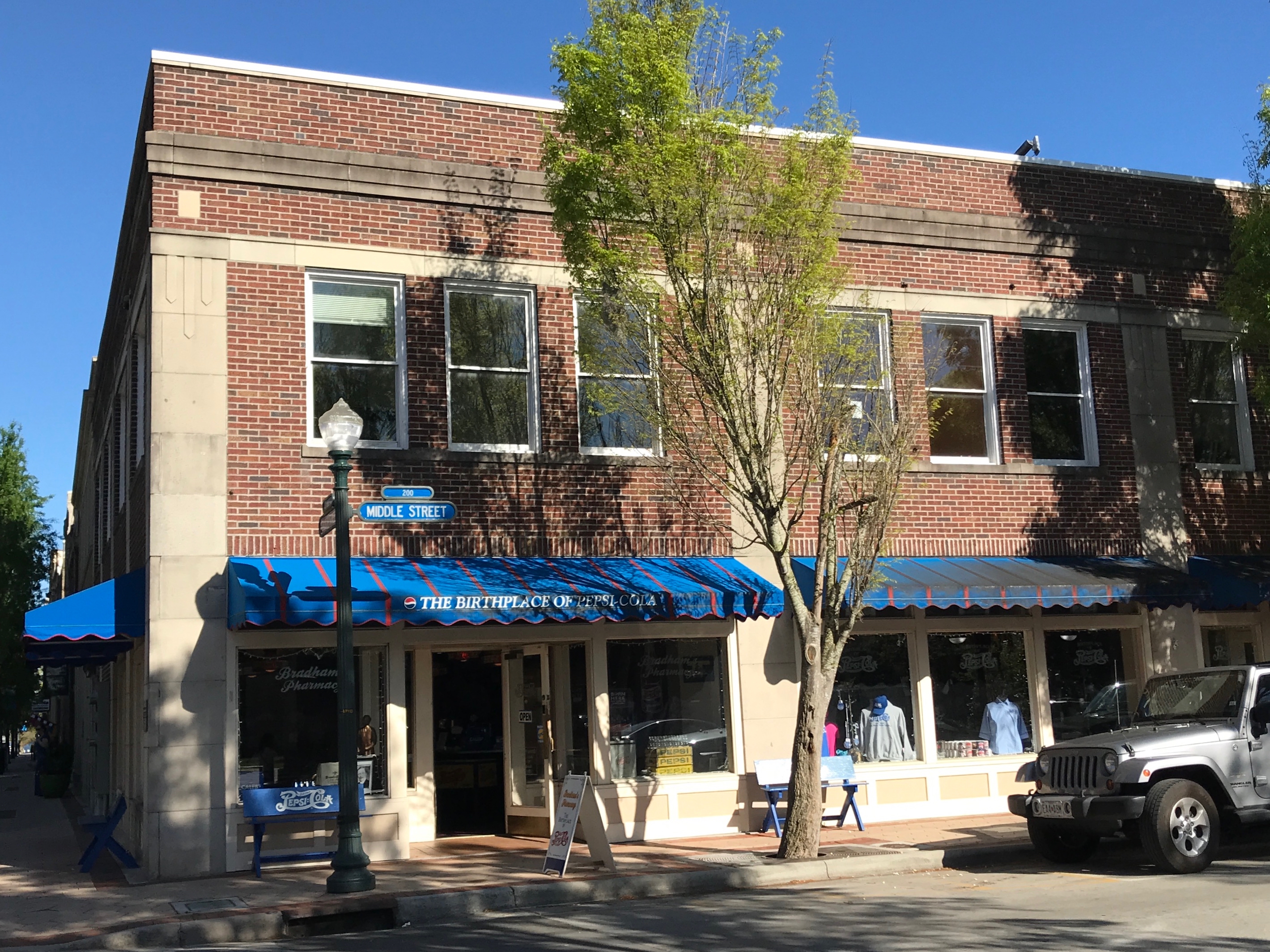
Can you read the words on the awning?
Yes, it’s the birthplace of Pepsi-Cola!
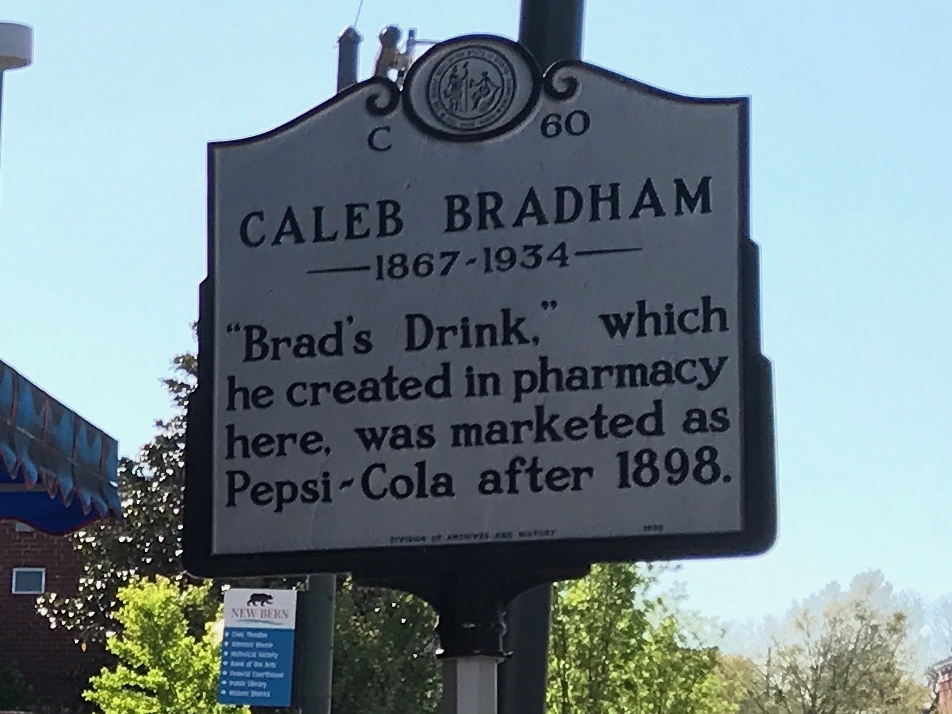
Now, I’m a Coca Cola person, but I had to take in all the memorabilia.
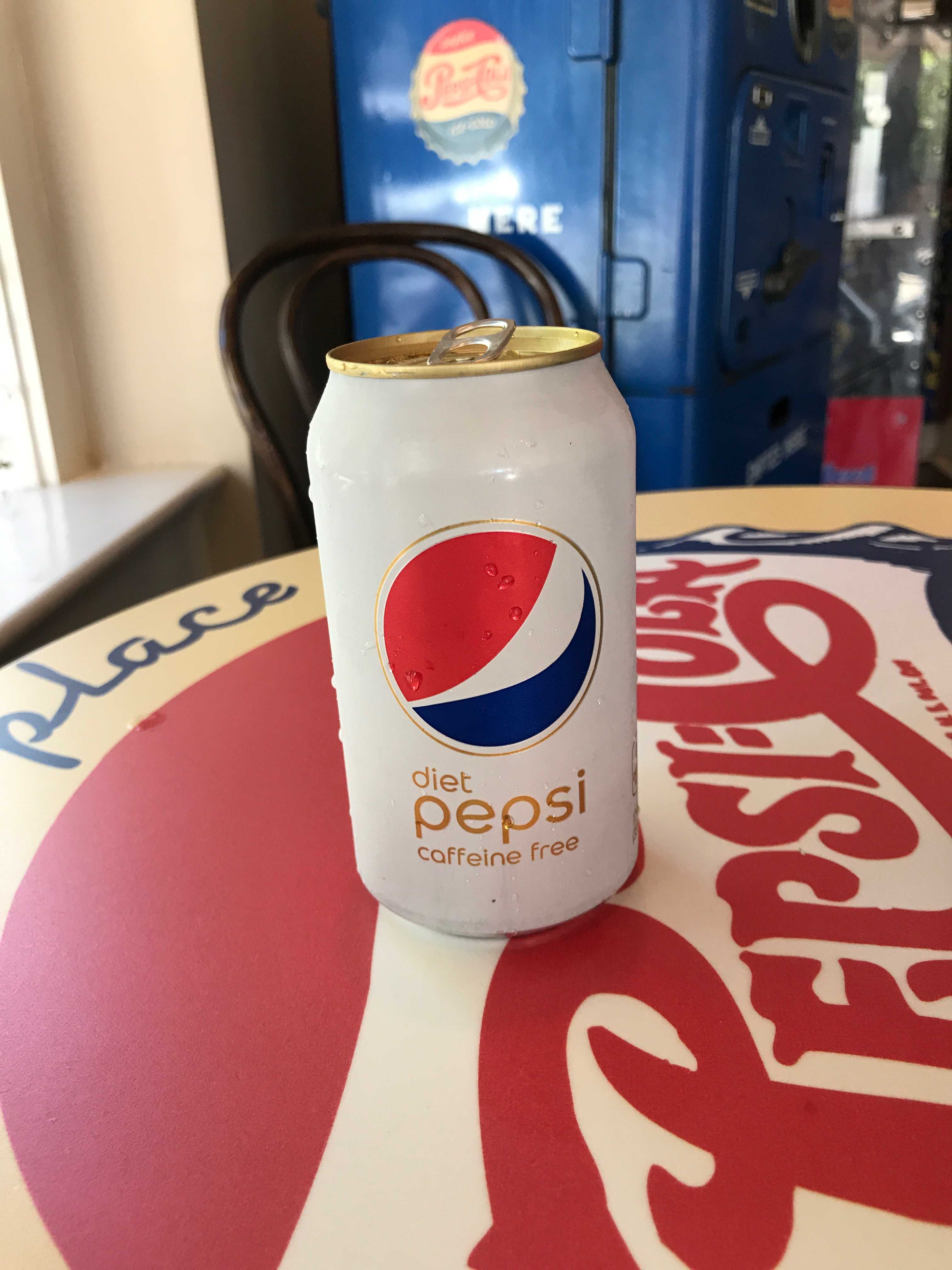
And, of course, I had to have one.
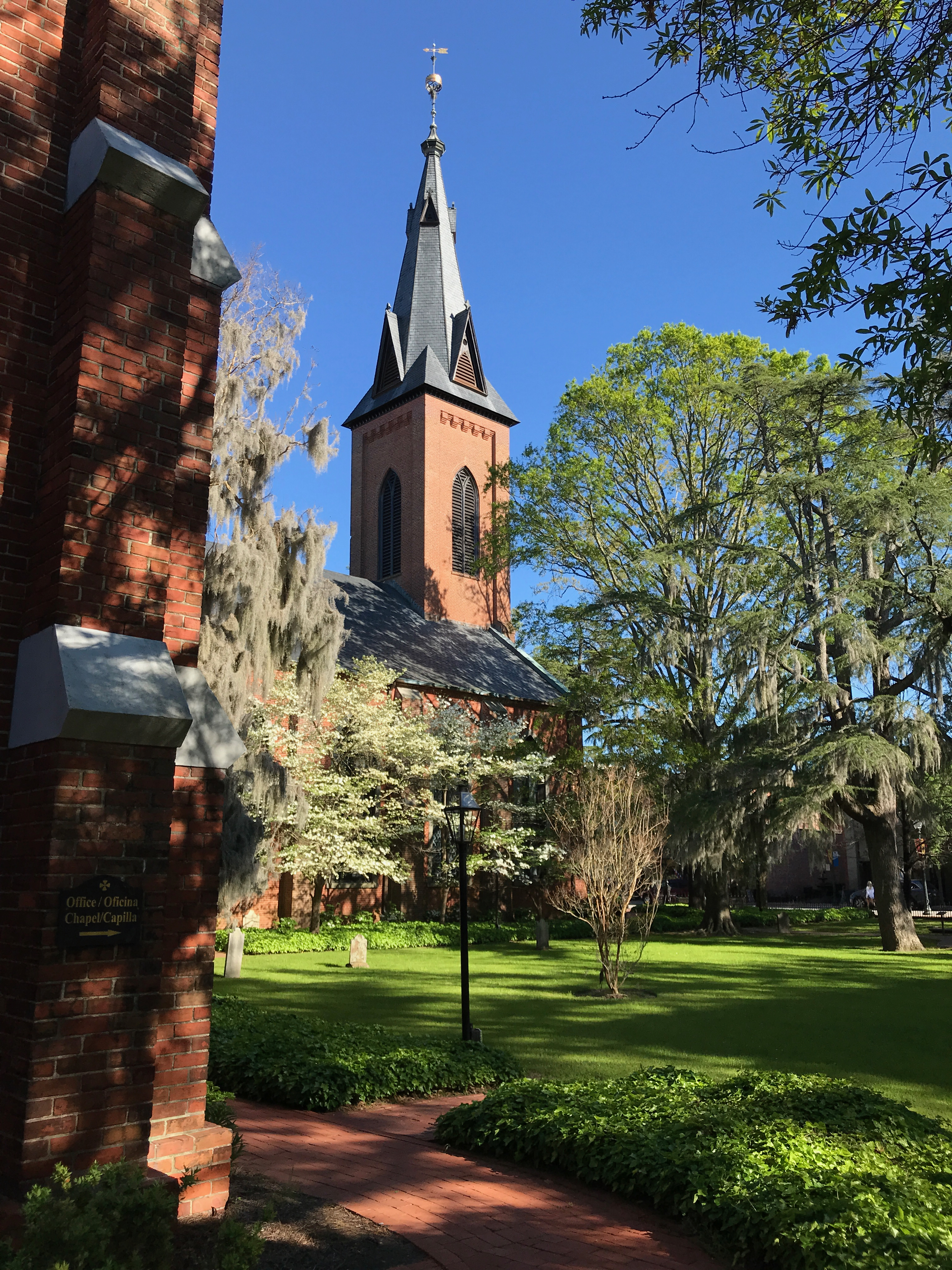
It was a picturesque town. There were loads of plaques that described the significance of the sites. Unfortunately, as the shadows deepened, the plaques got kind of hard to read. Maybe I’ll go back one day.
Tryon Palace is there, too. It was the official residence and administrative headquarters of the British governors of North Carolina from 1770 to 1775. In 1775, it was seized by patriot troops.
The Tryon Place of today is not the one that was built in the 1700s. Shortly after the state capital was moved to Raleigh, it burned to the ground. This building is a recreation that was constructed in the 1950s. Since it was a recreation, I wasn’t particularly interested in spending my limited time in touring it.
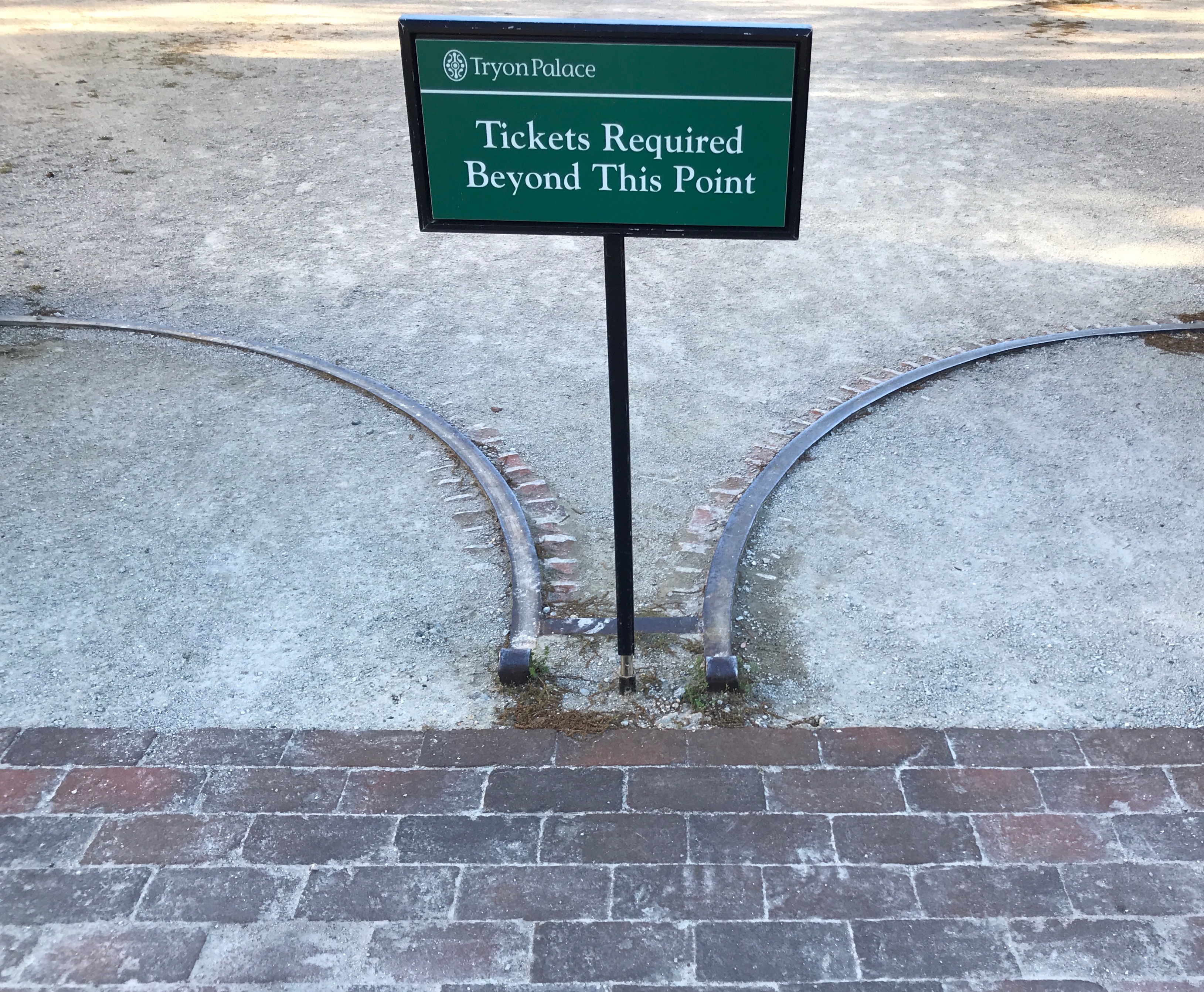
However, I took this sign as a challenge. In I went.
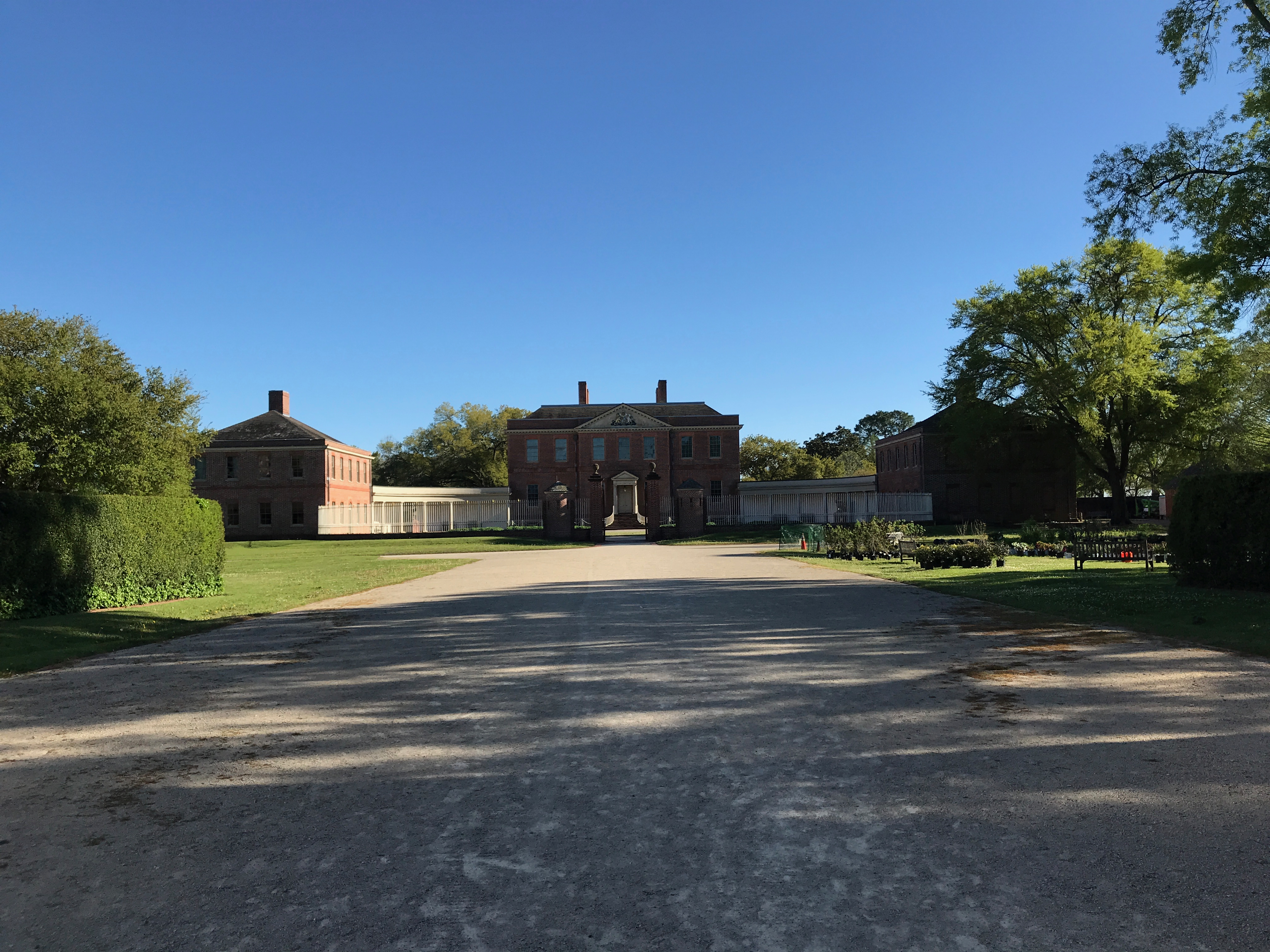
Closer…
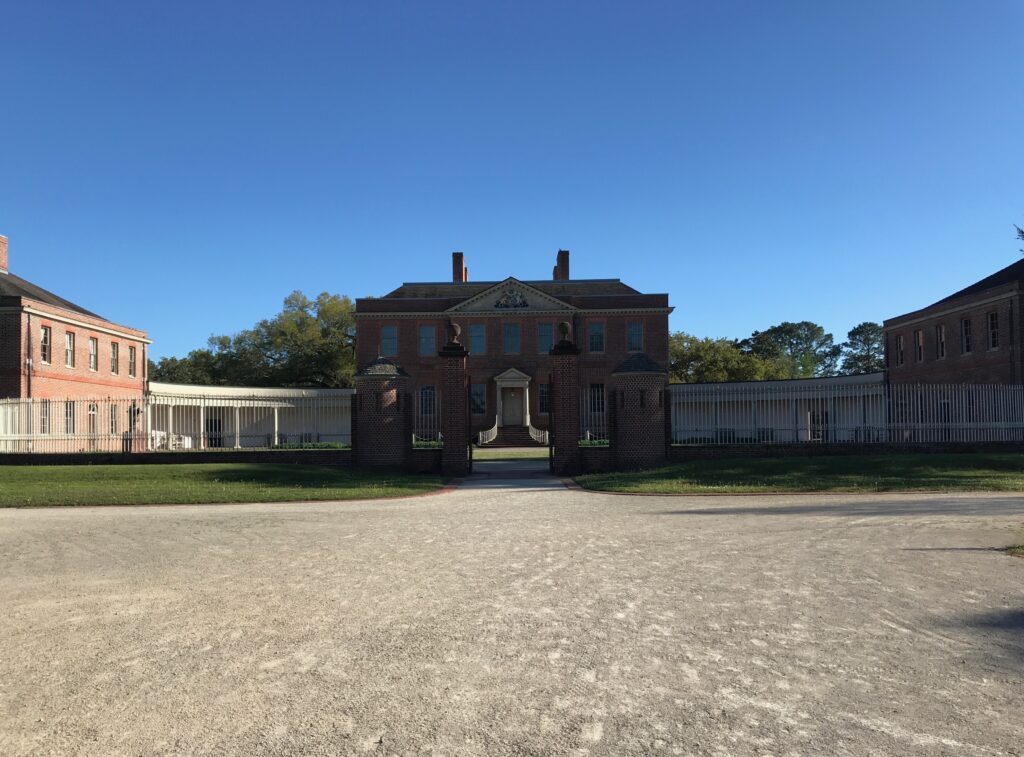
Closer…
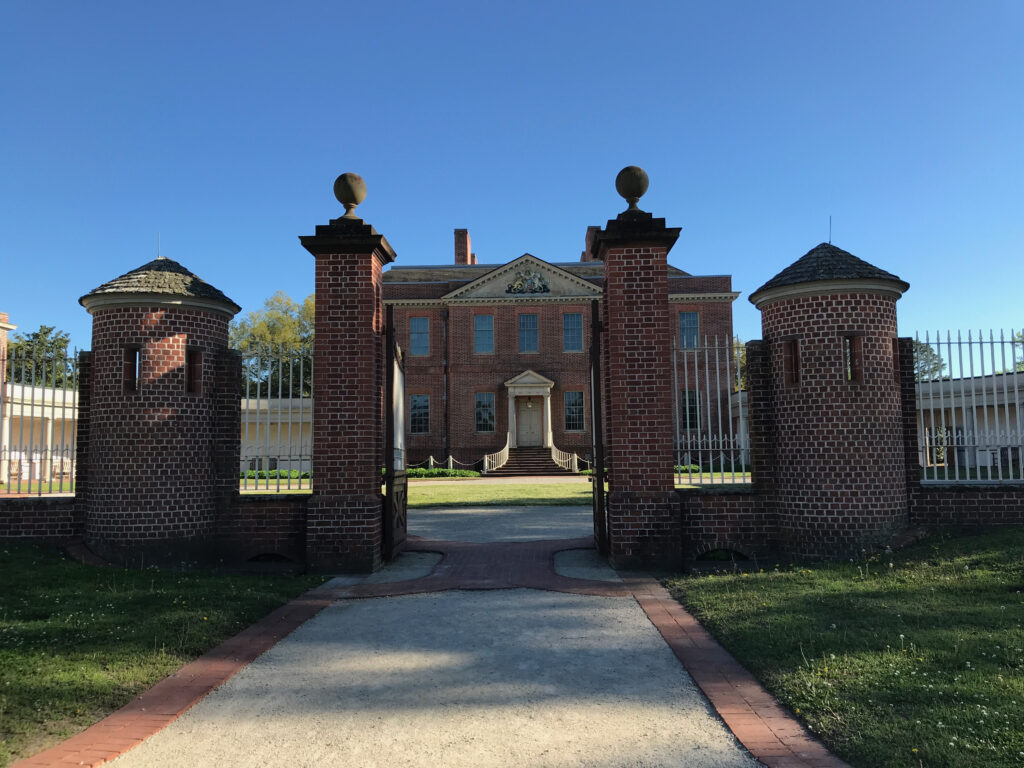
Closer…
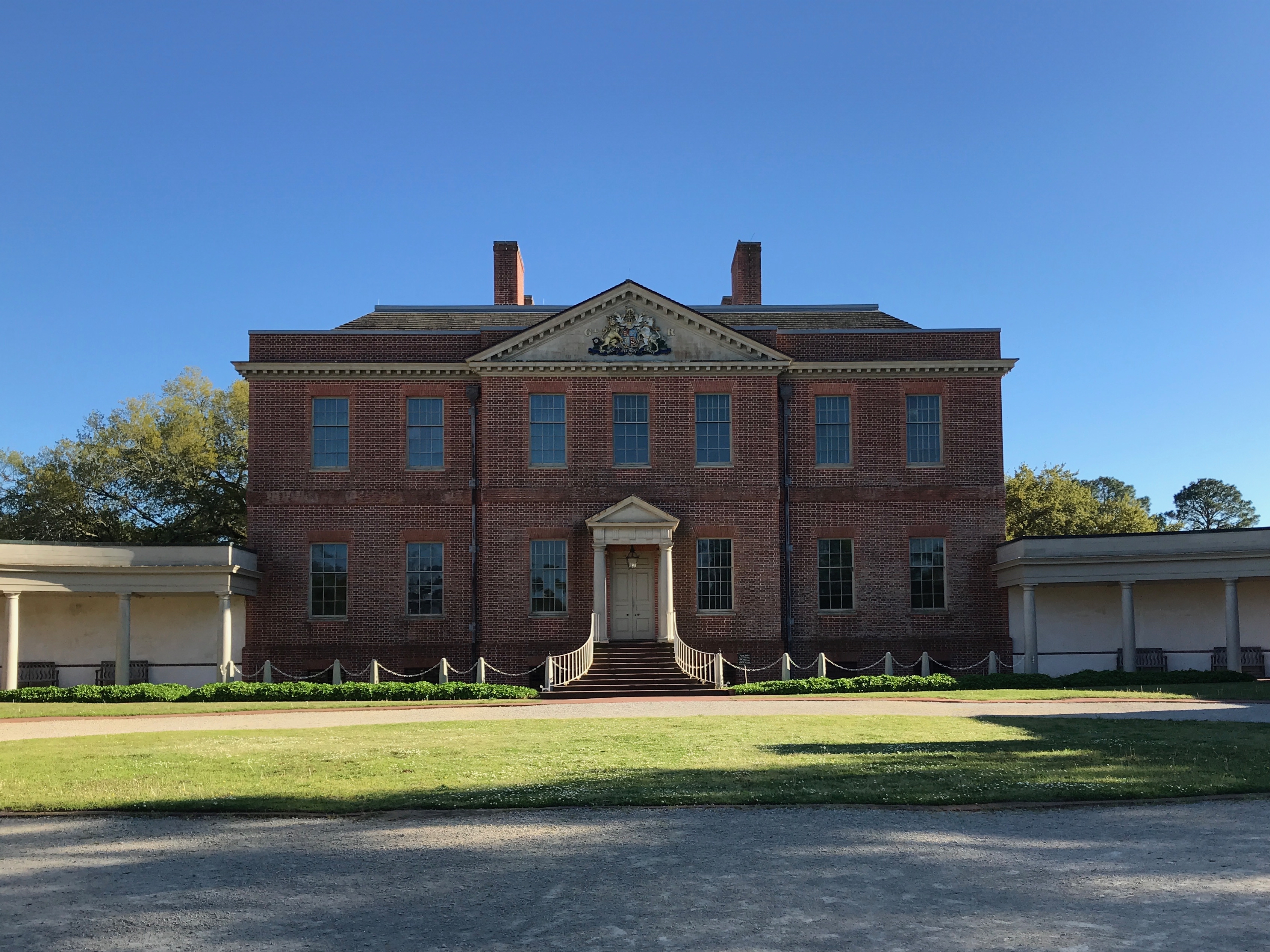
And this is as close as I got.
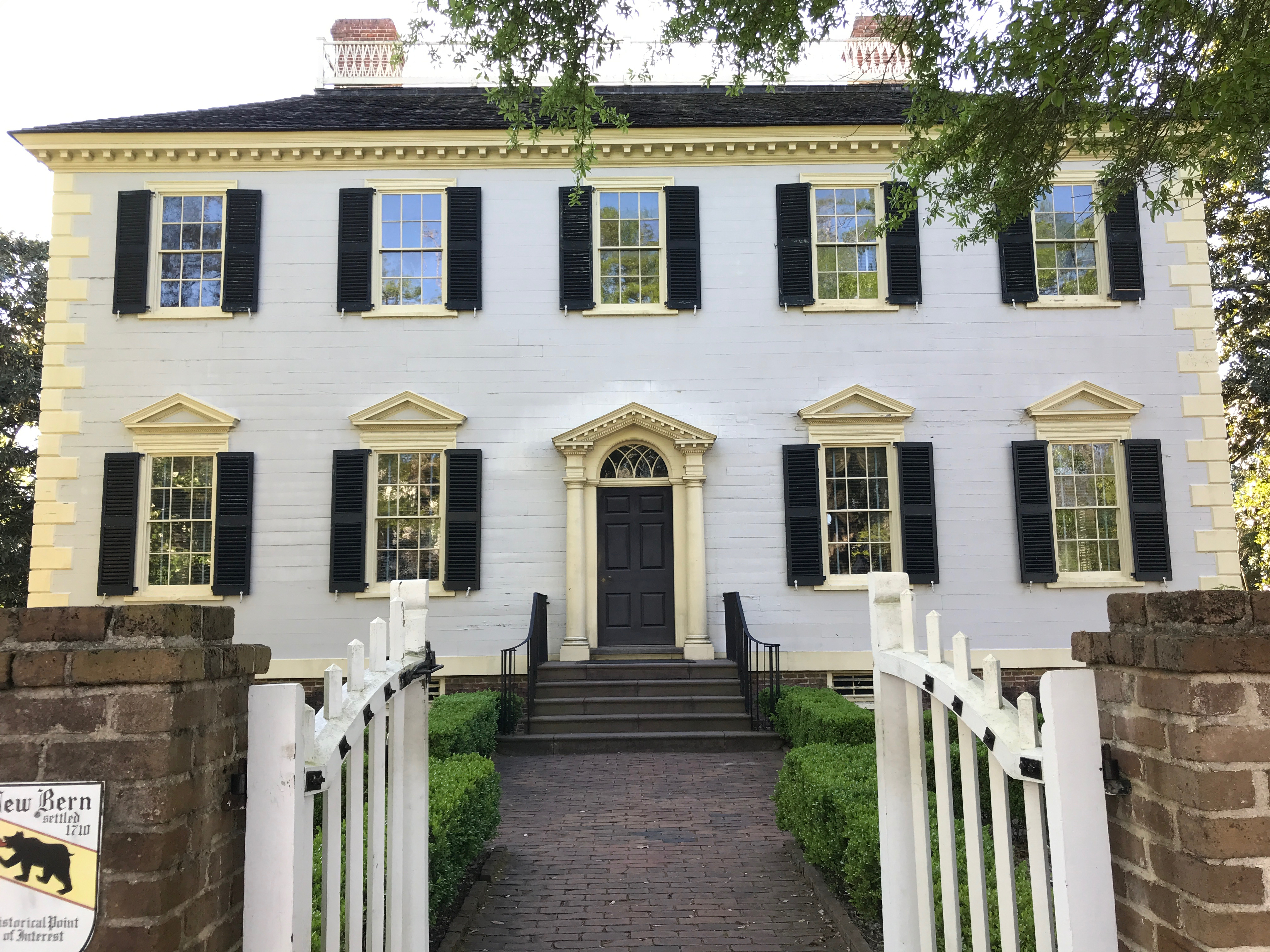
They also had some authentically old houses, like the John Wright Stanly House, which was the birthplace of two men who fought on opposing sides during the Civil War – Edward Stanly, the Unionist military governor of North Carolina, and Confederate General Lewis Addison Armistead, who was mortally wounded during the Battle of Gettysburg.
This house was built by John Wright Stanly between 1779 and 1783. It was moved two times after it was built. You know what they say…
Location,
Location,
Location.
If I remember correctly, they found a valuable resource on one of the prior locations.
Parking.
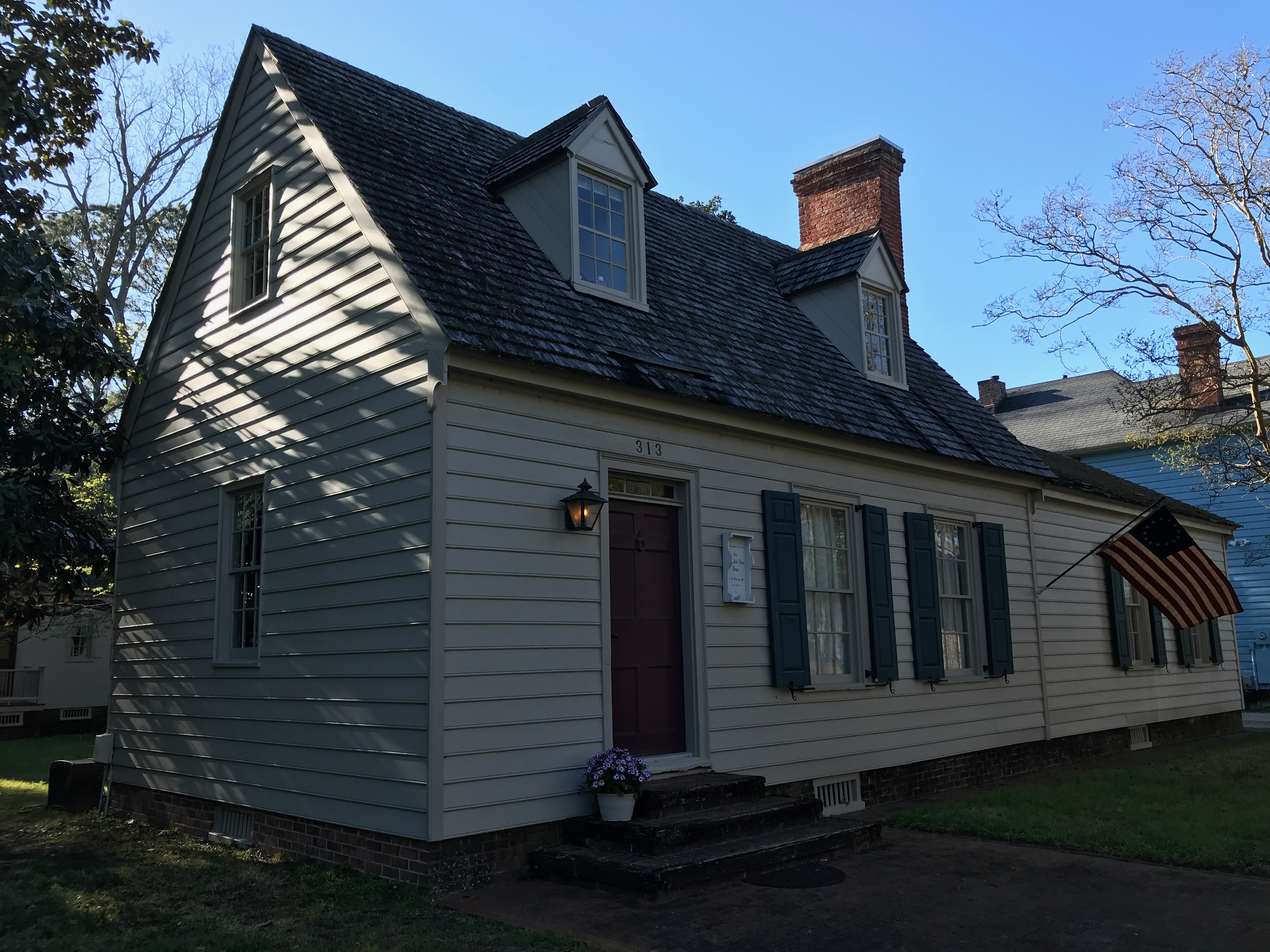
This house was built around 1770, just a little before the Stanly house. This is the Major John Daves House. I wonder who he was?
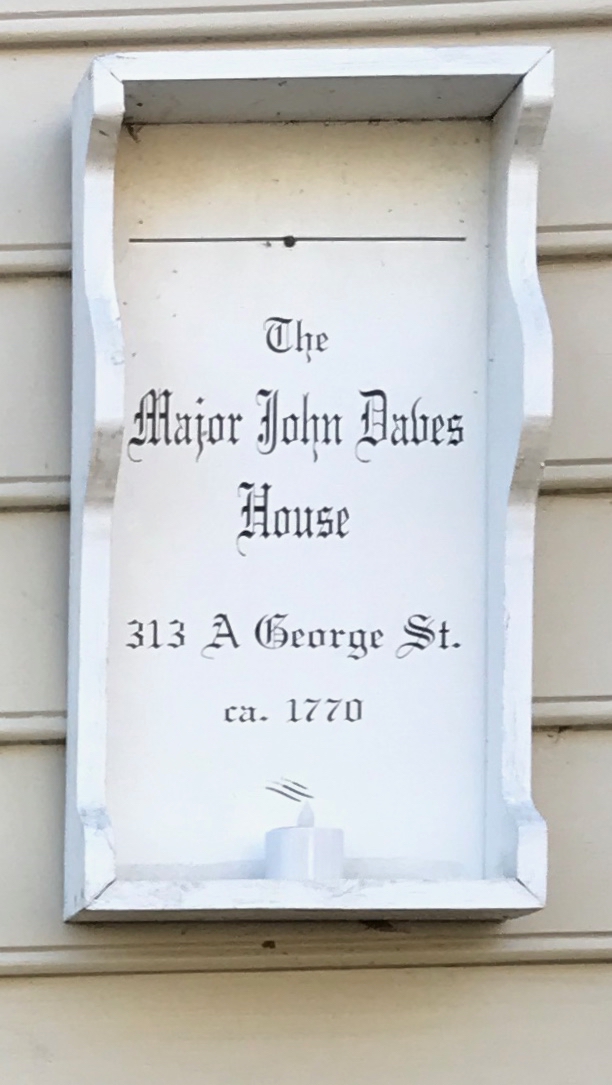
There was no biographical information and Wikipedia didn’t have anything, although it did suggest starting a page.
One day, I was trying to avoid waiting for a train, so I took a different route to the job site. I came across a National Cemetery.
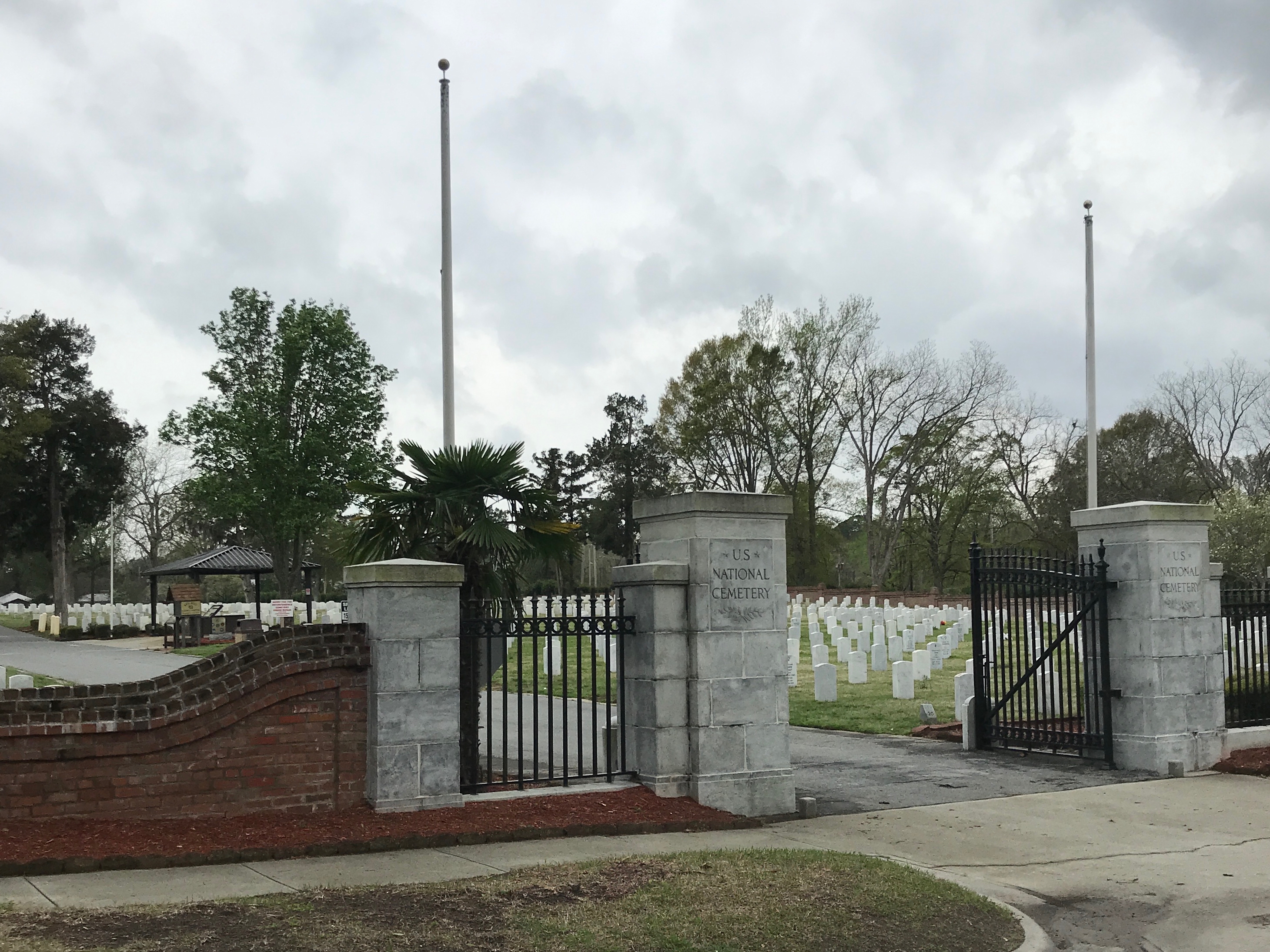
The U.S. Army Quartermaster General’s Office purchased seven acres to develop New Bern National Cemetery.
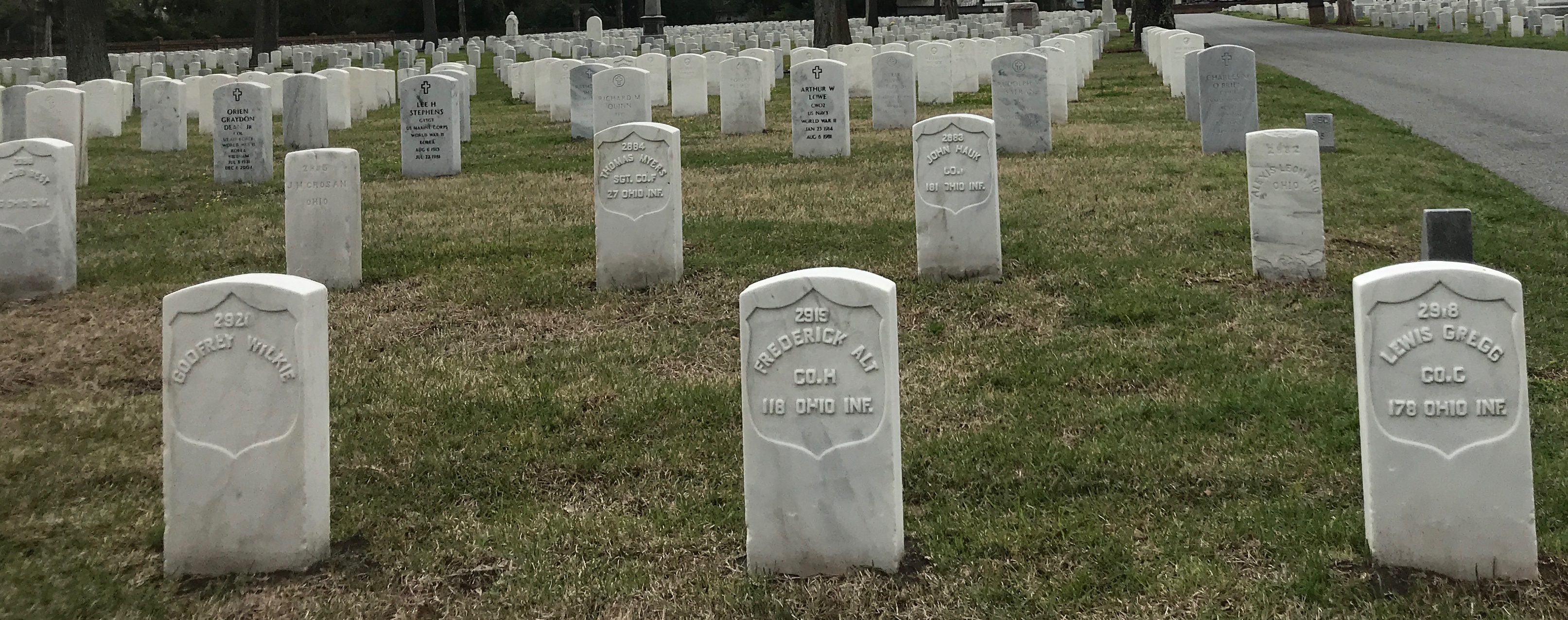
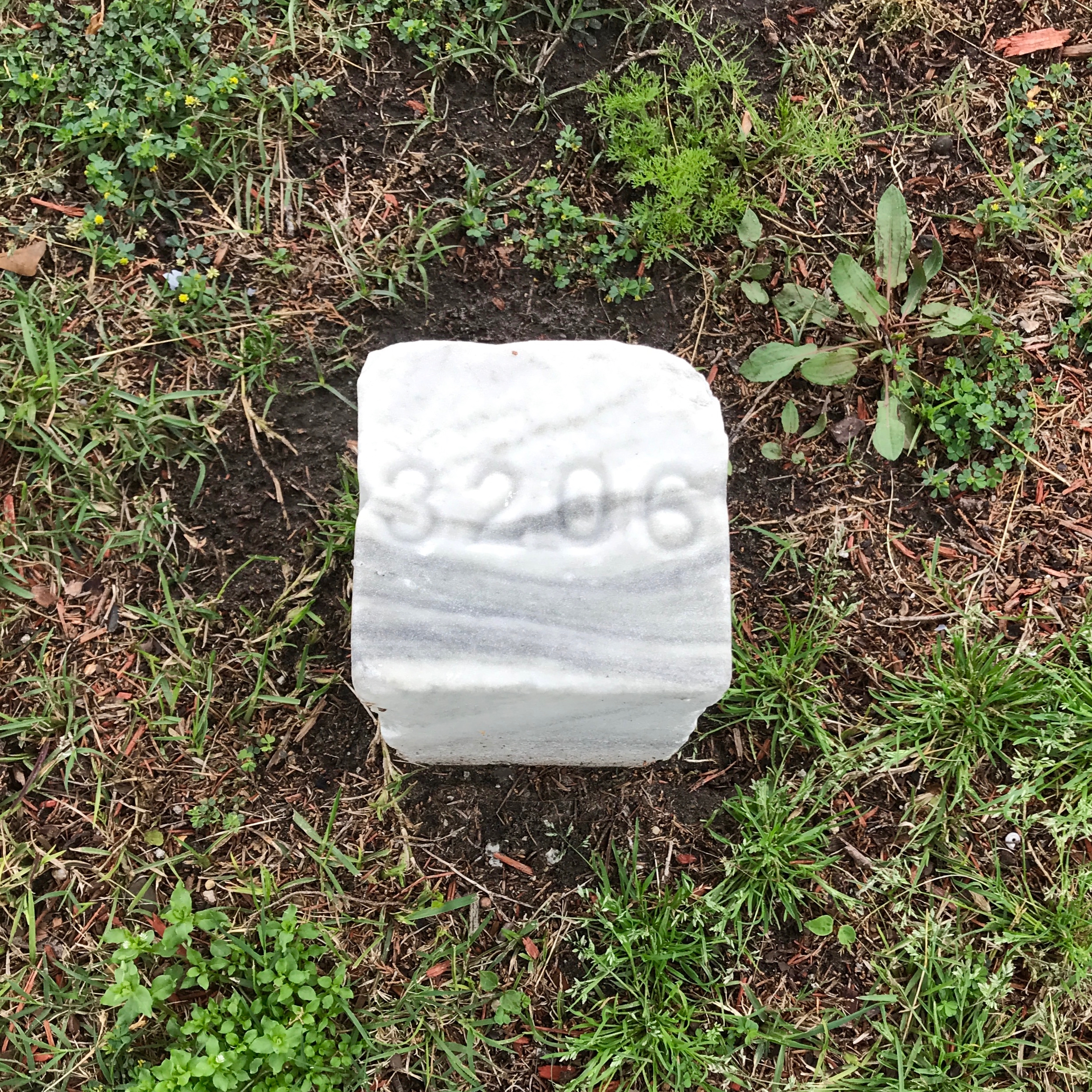
By 1874, there were 3,249 internments, including 140 civilians and 1.068 unknown soldiers.
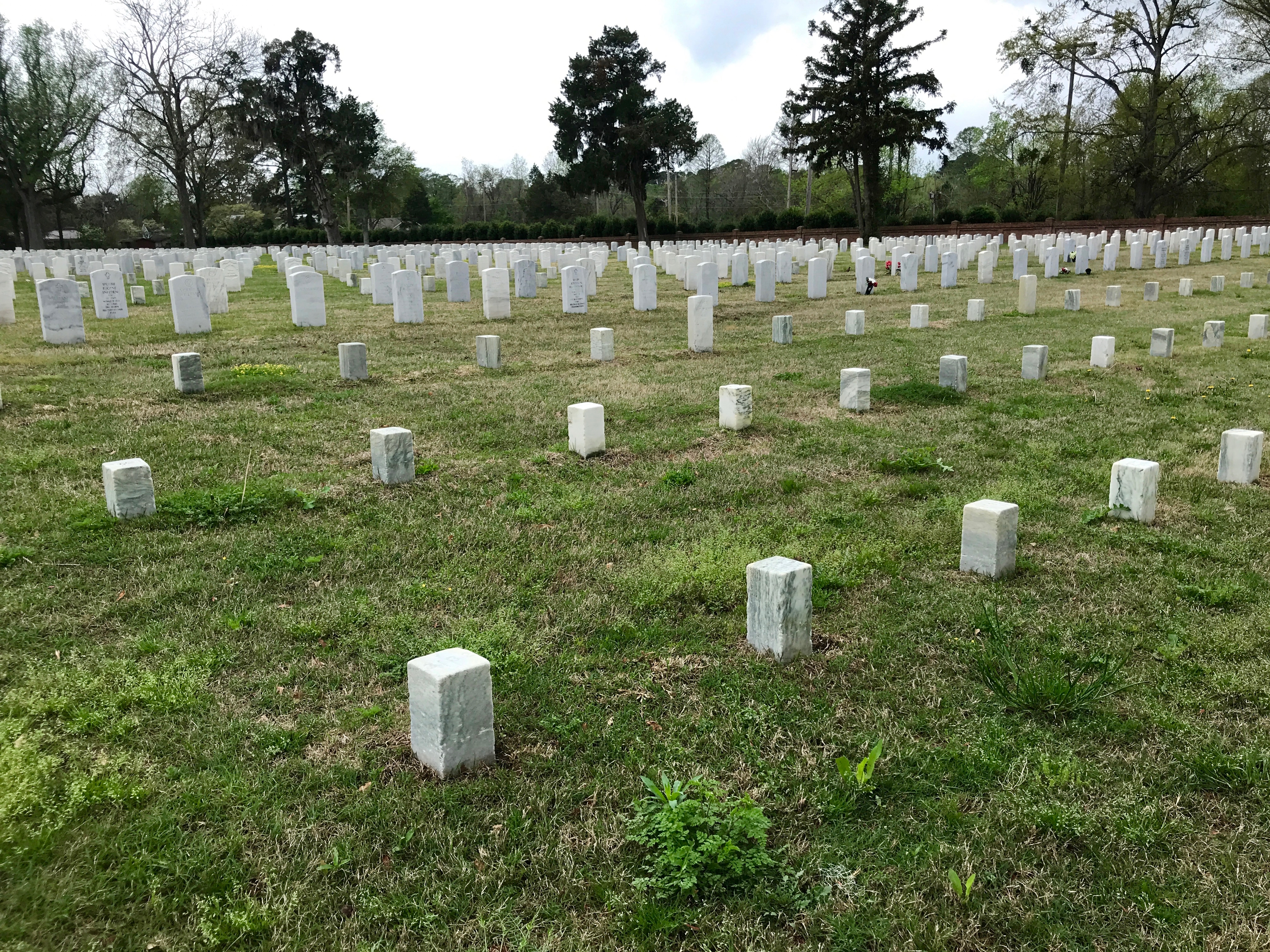
I always find it so humbling to think of people being marked with a number rather than a name.
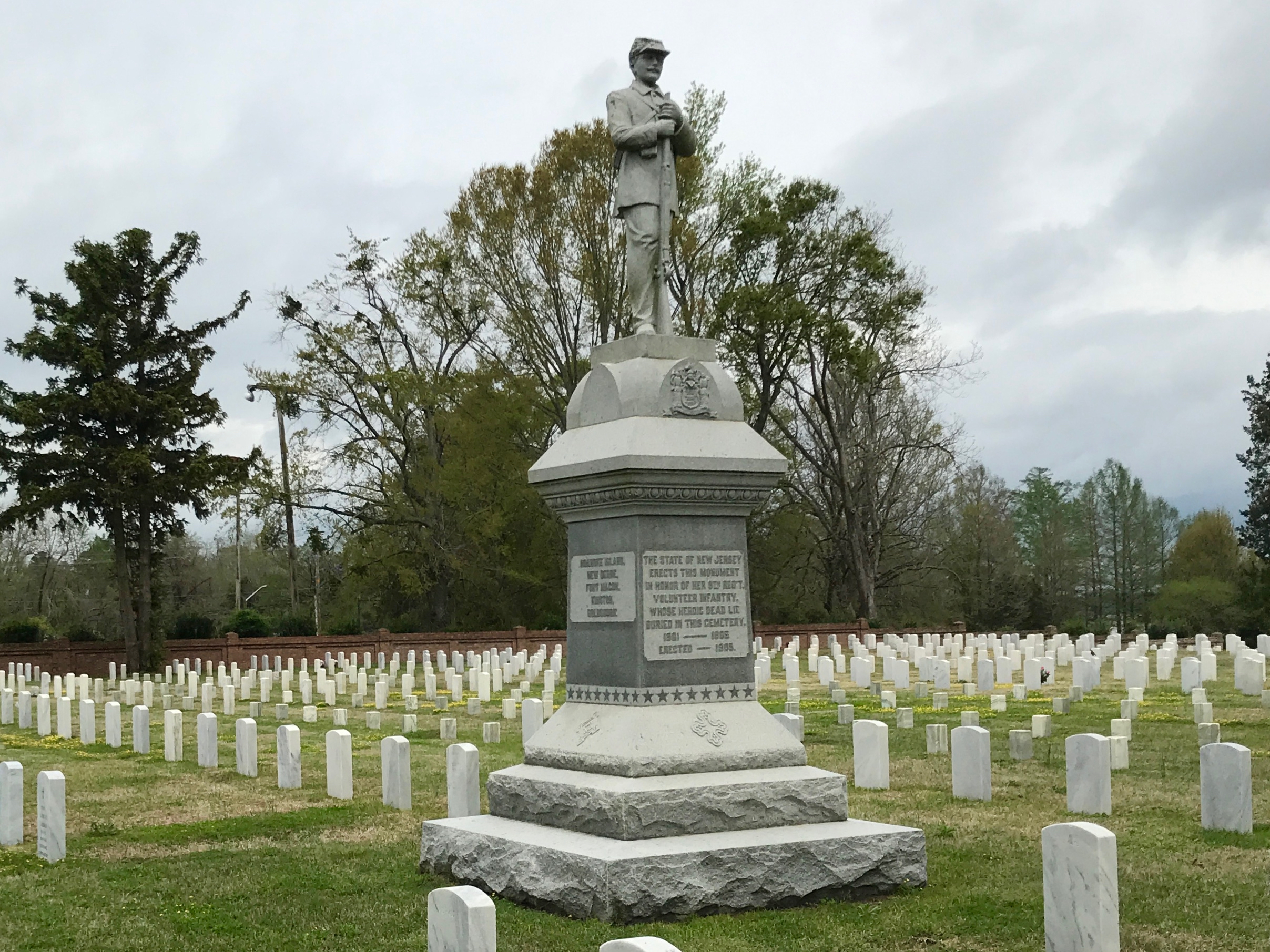
This monument was erected by the State of New Jersey in 1905. It honors the Ninth New Jersey Infantry. There are other monuments honoring Union soldiers that were all erected in the first decade of the 20th century.
Speaking of trains, I was surprised to see a train rolling down the street right by the Academy. If you listen carefully, you can hear the tapping of removing the mortar.
Just in case you couldn’t quite hear the tapping over the train, here’s a video of what it sounds like.
Before I knew it, it was time to wrap things up and head out.
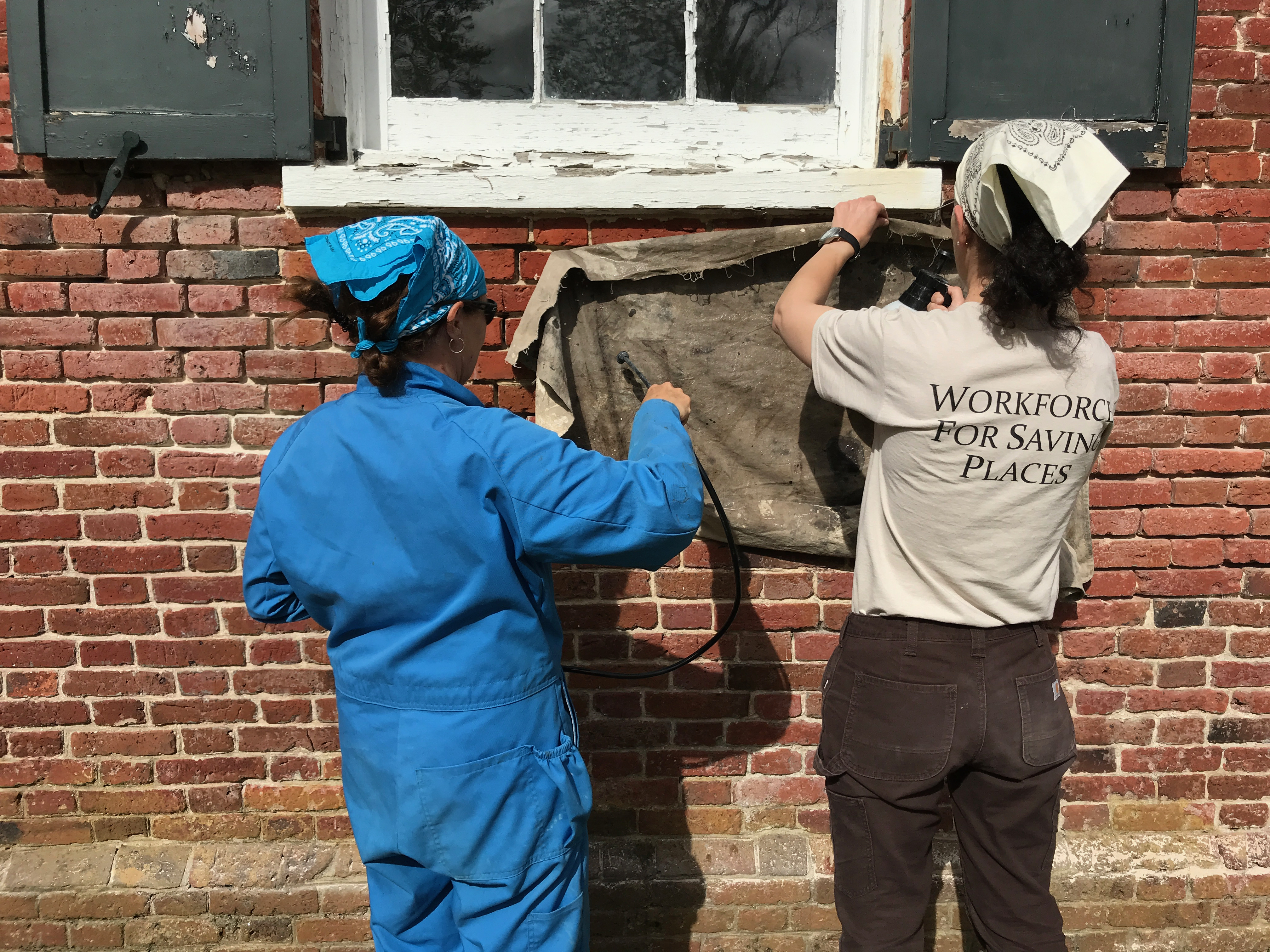
At the end of our session, we had to cover the areas that needed extra time to cure and spray them down with water.
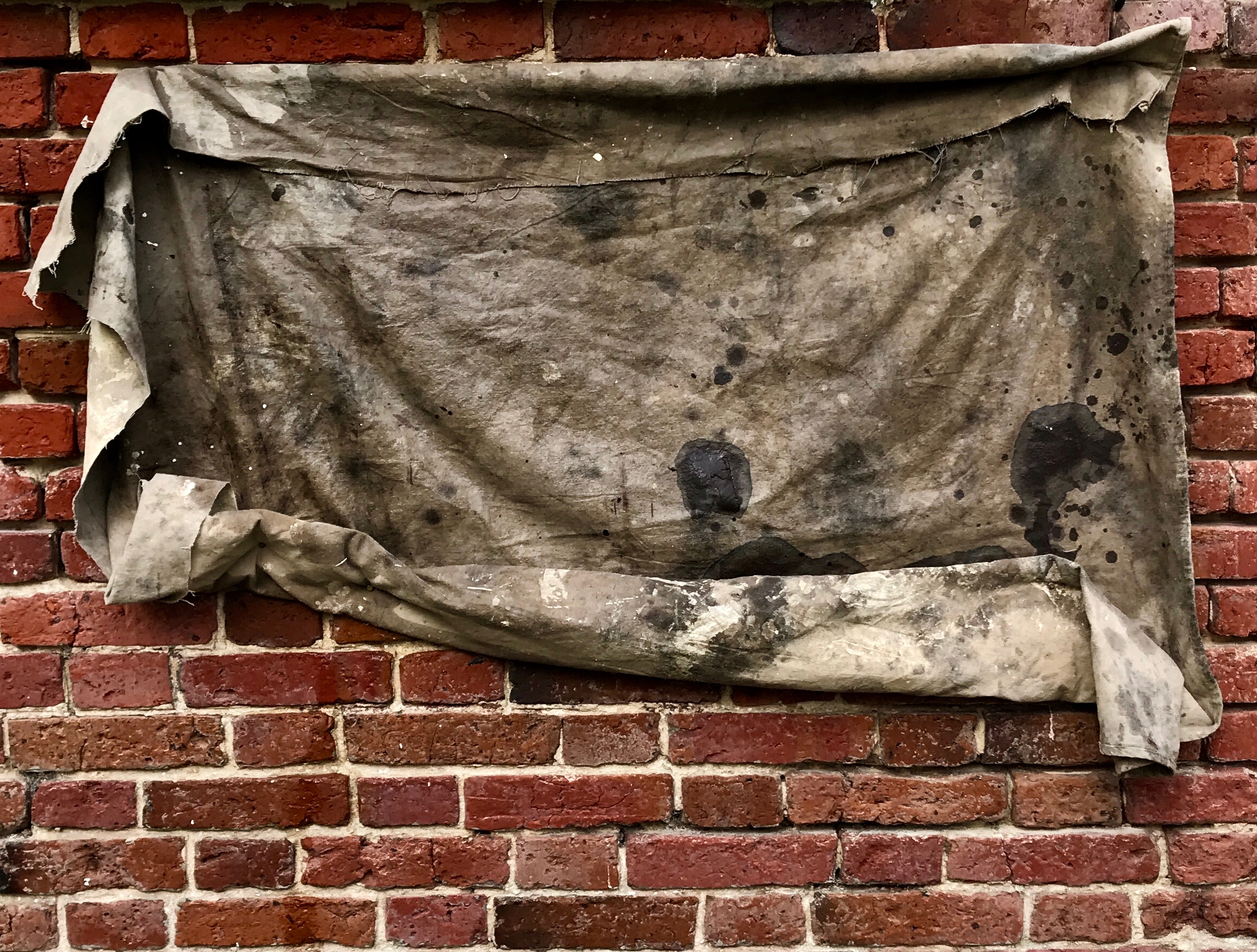
I thought the much-used tarp was quite interesting.
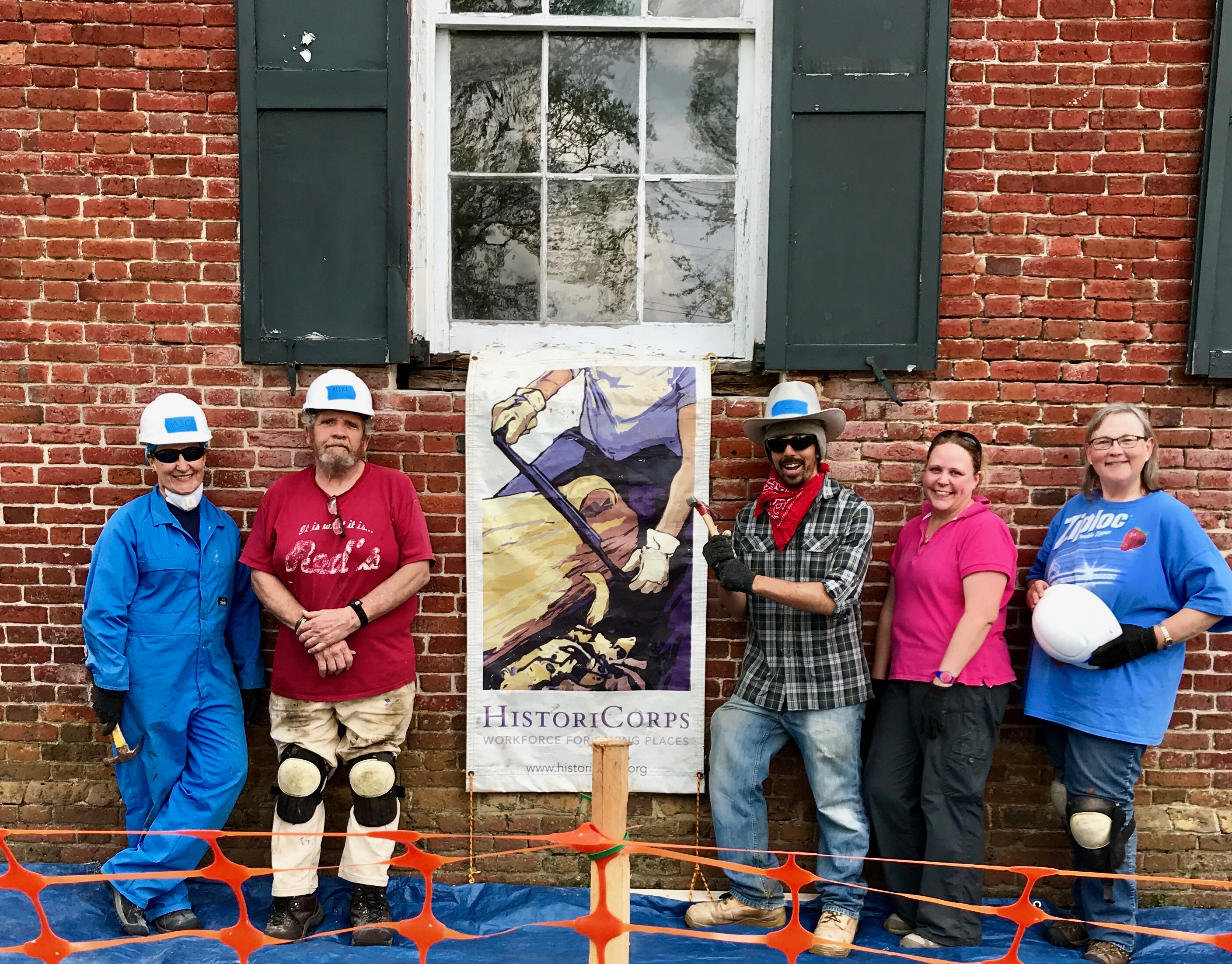
Another session of HistoriCorps is history!