Lake Champlain is a rather small lake – well, at least in comparison with Lake Michigan or even Lake Erie. It’s about 160 miles long by 15 miles wide at its largest dimensions – that’s about 500 square miles of surface area. It’s average depth is about 60 feet and its maximum depth is about 400 feet. It is drained to the north by the Richelieu River, which empties into the Saint Lawrence River. It’s also connected to the Hudson River by the Champlain Canal. Thank you, Wikipedia!
I happened to visit LCMM on their reenactment weekend, Rabble in Arms, so I was treated to something special. I got to see Revolutionary War re-enactors in their camp, as well a witness a mock battle with the Philadelphia II.
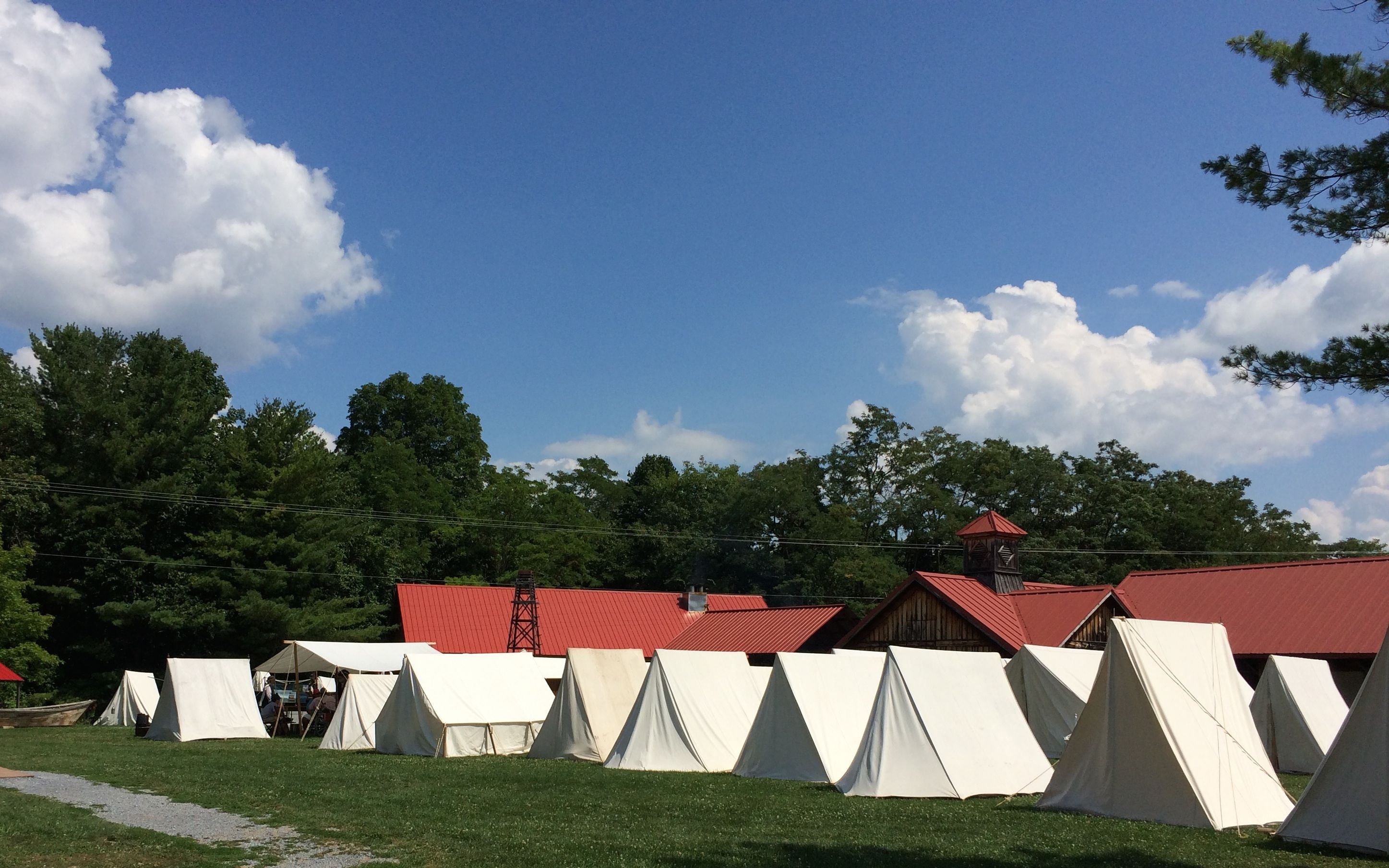
The tents were lined up like soldiers. Some were pup tents and some were wall tents.
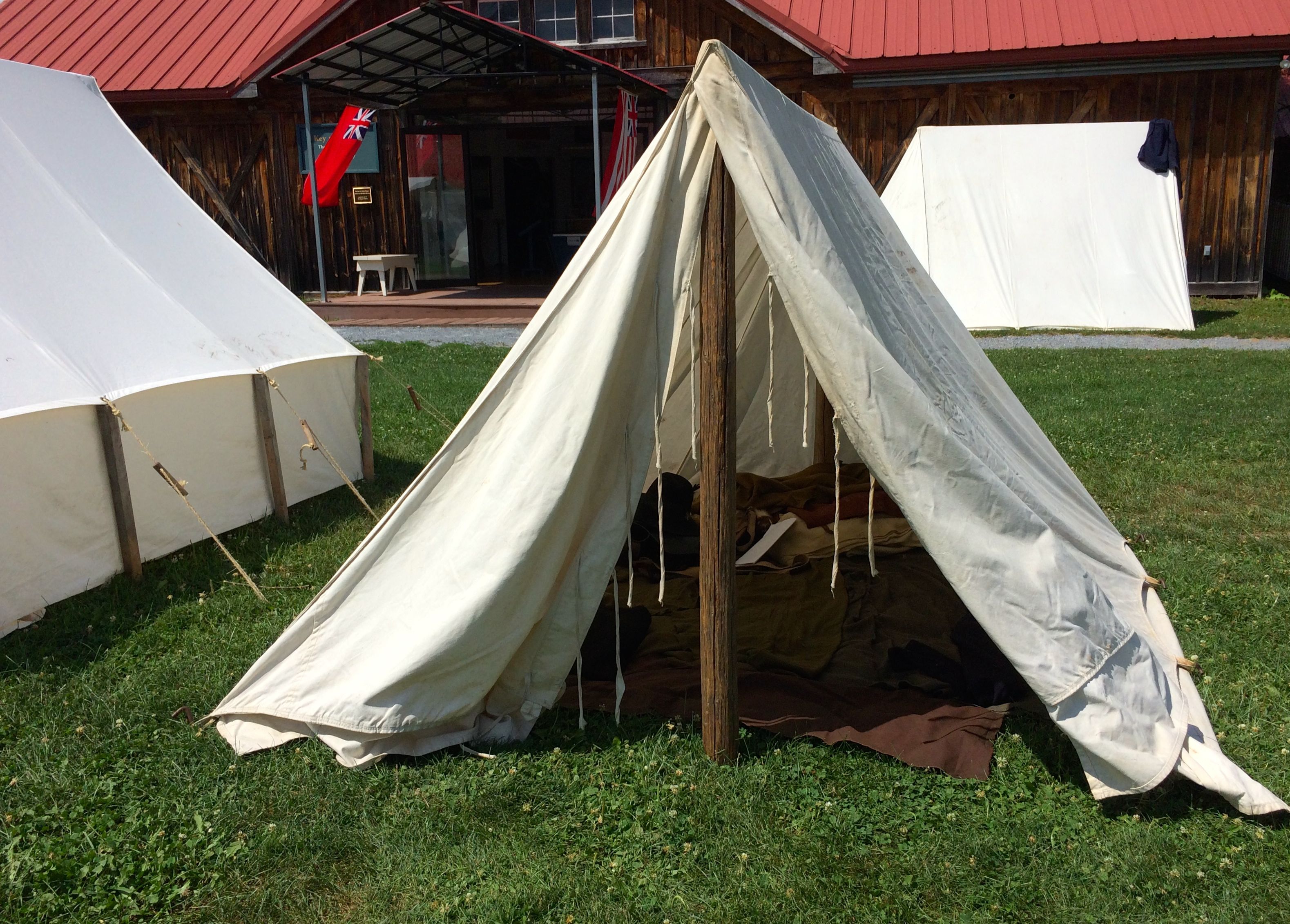
I have to say – an Airstream looks a lot more comfortable.
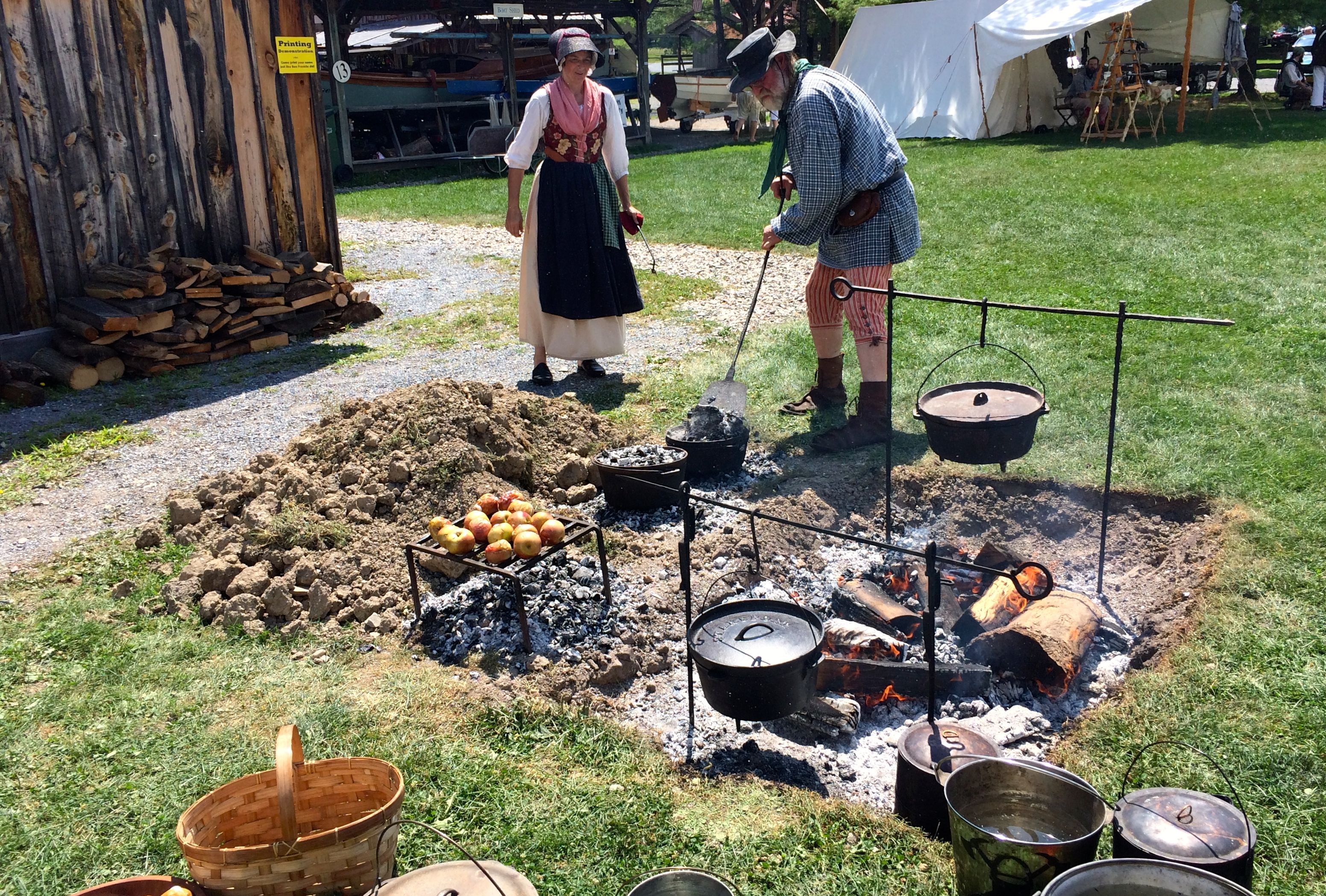
There were cooks making food for the meals. The apples roasting on the grill over coals were being prepared for the evening meal. The man was shoveling coals on top of the dutch oven to bake bread.
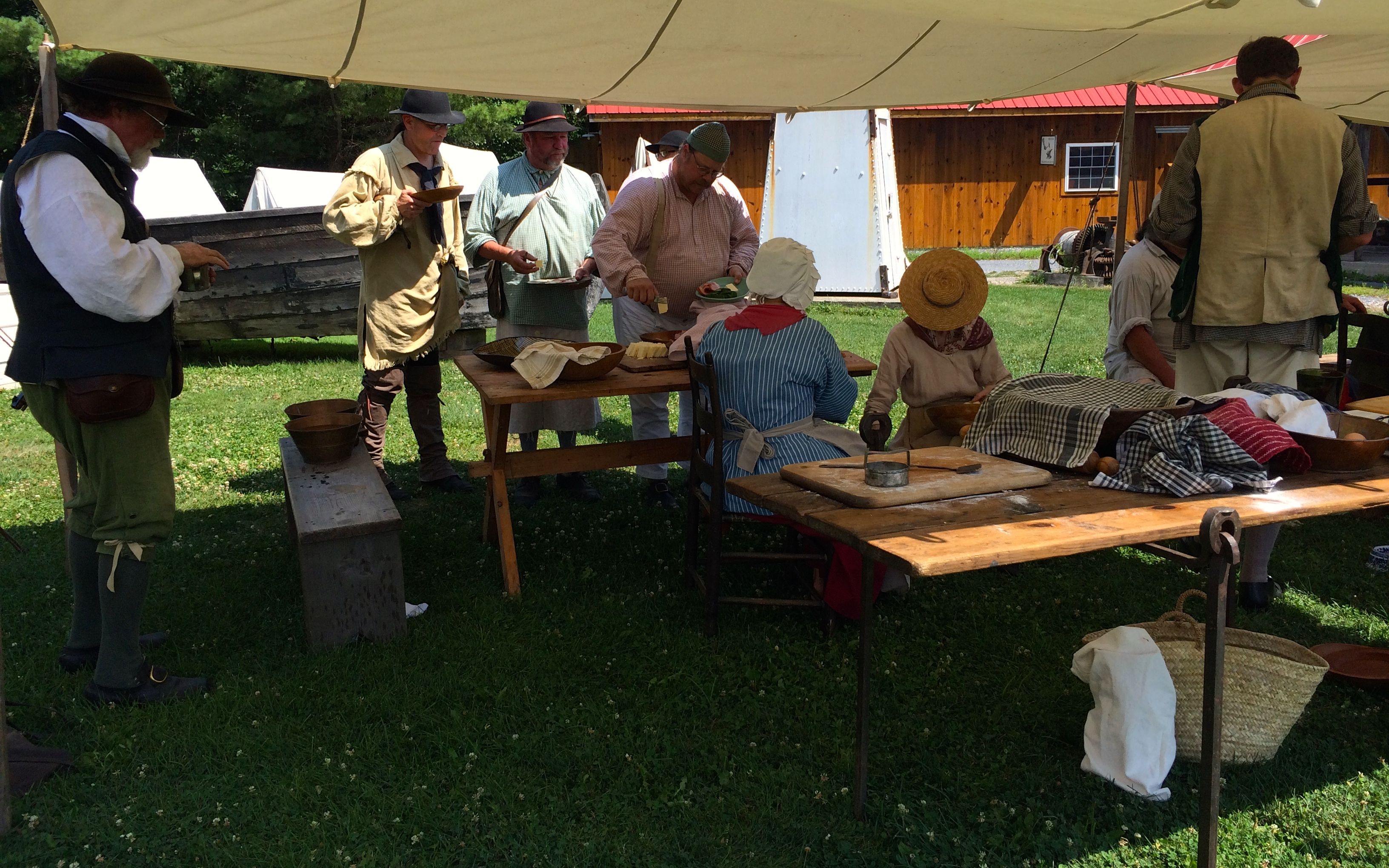
The re-enactors gathered for their mid-day meal. The food looked good. I wish I was dressed for the occasion. Maybe they would have invited me to join them.
While they were eating, I decided to look at some of the exhibits. They had a good video that described the archeology of raising the Philadelphia. It was originally raised in 1935 by an amateur archeologist named Colonel Lorenzo F. Hagglund. He wasn’t an archeologist, but he was a an experienced salvage engineer. He located the Philadelphia midway between Valcour Island and the New York shore. She was lying upright in 60 feet of water, her mast still standing with its top barely 15 feet beneath the surface.
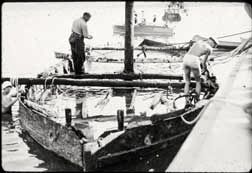
After Hagglund raised her from the bottom of the lake, he put her on a barge and toured the lake. After his death, Philadelphia was donated to the Smithsonian’s National Museum of American History. If you’d like to see more information on the original Philadelphia, click here.
One thing I found interesting was this ballast stone that was used in the Philadelphia.
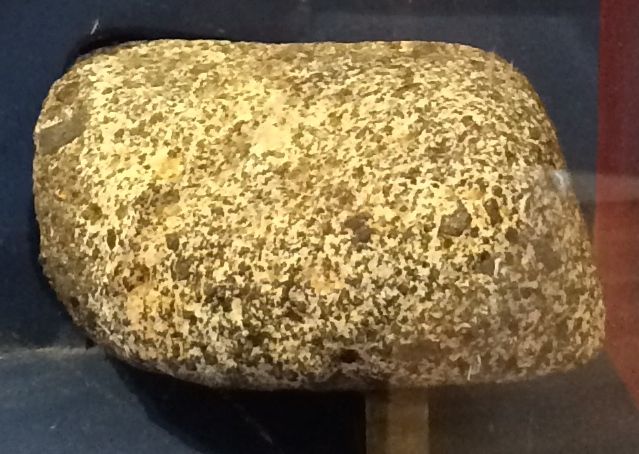
It was a cobble about the size of a fist that was used in the bottom of the Philadelphia to give it stability in the water. The ballast stones were given to volunteers who worked on raising the gunboat.
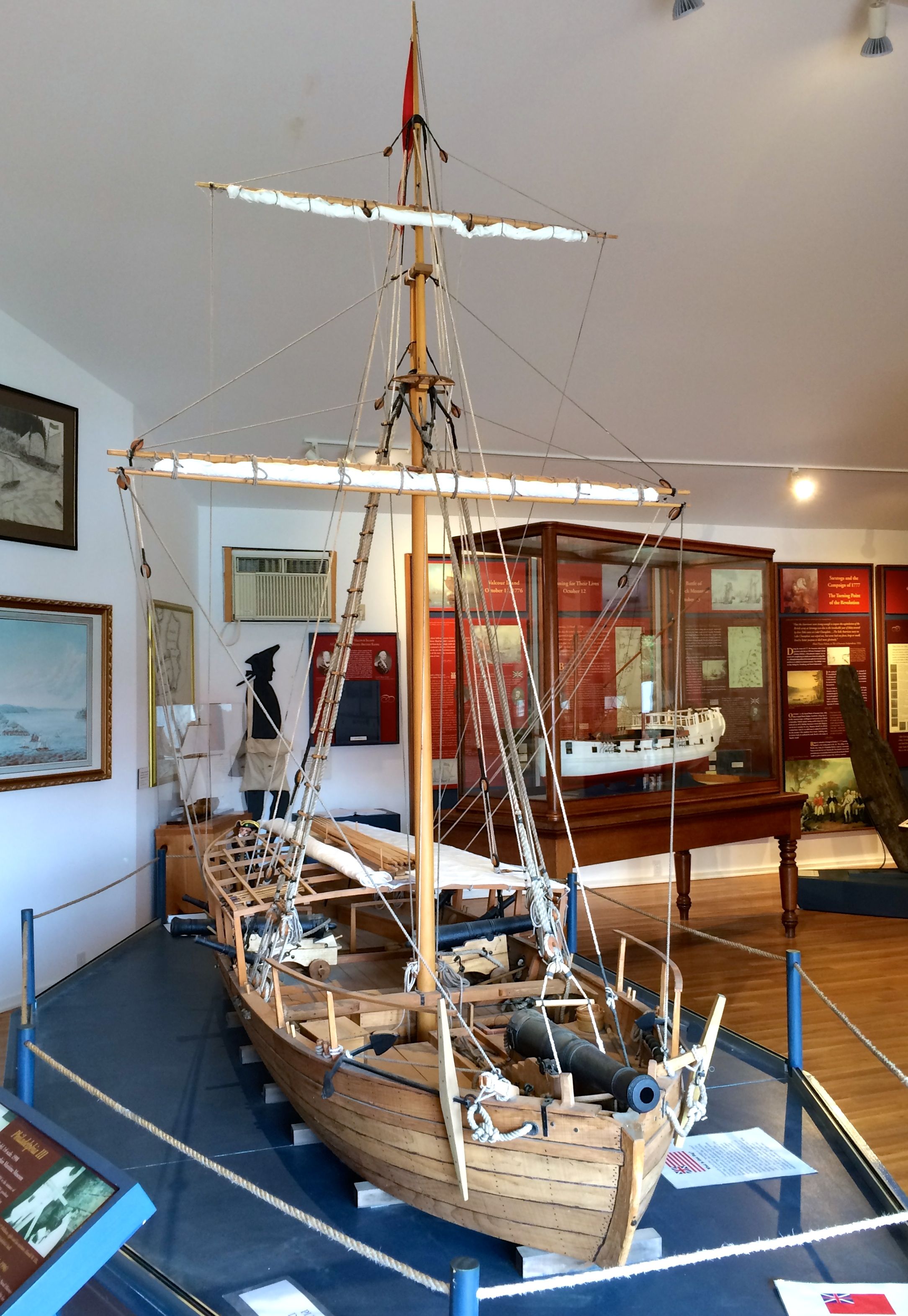
They had a model of the Philadelphia that was a nice preview of what was to come.
They also had other archeological odds and ends that were brought up from the bottom of the lake.
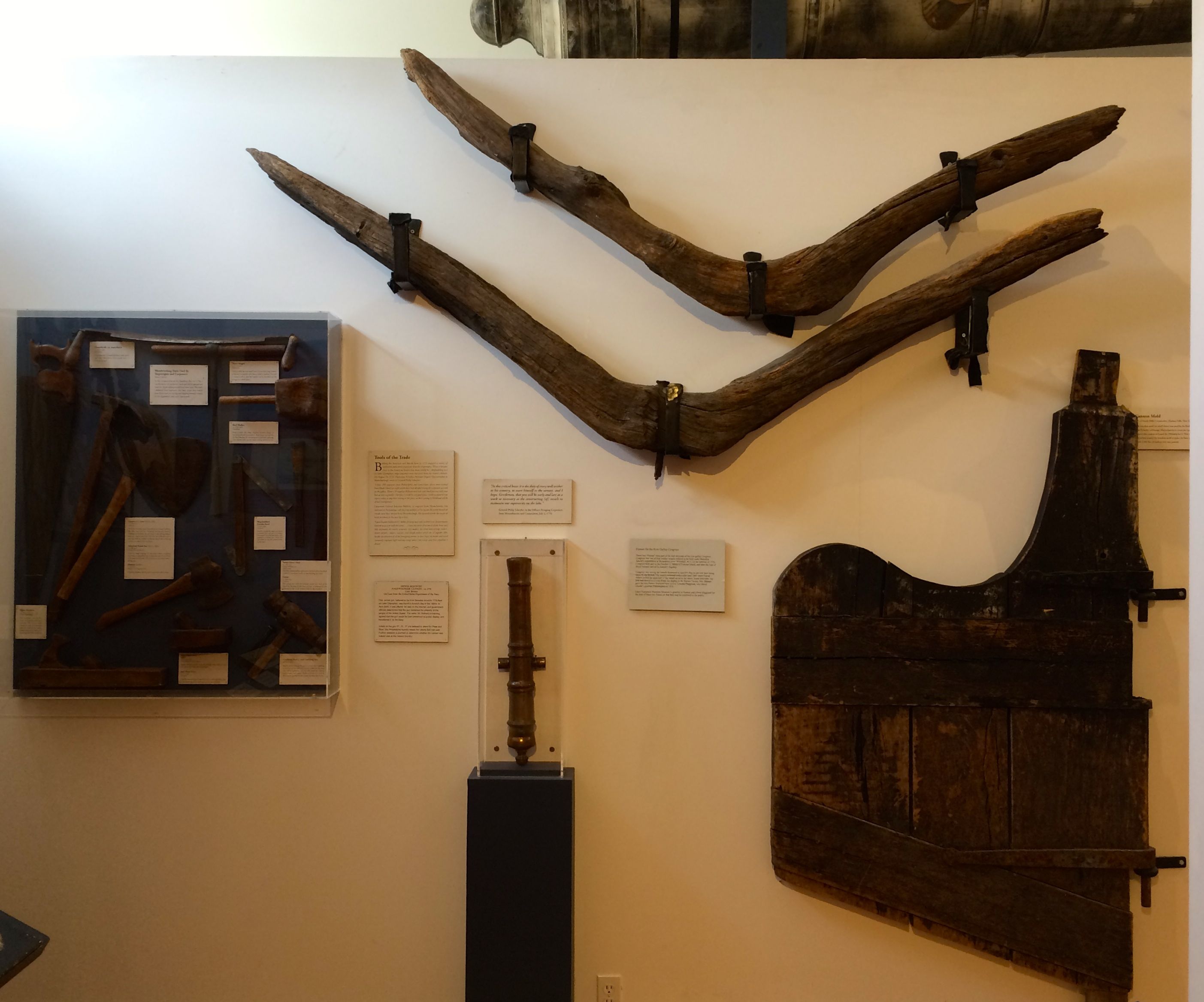
They also had information and an artifact from the caisson bridge that connected a fort on Mount Independence in Vermont with Fort Ticonderoga in New York. 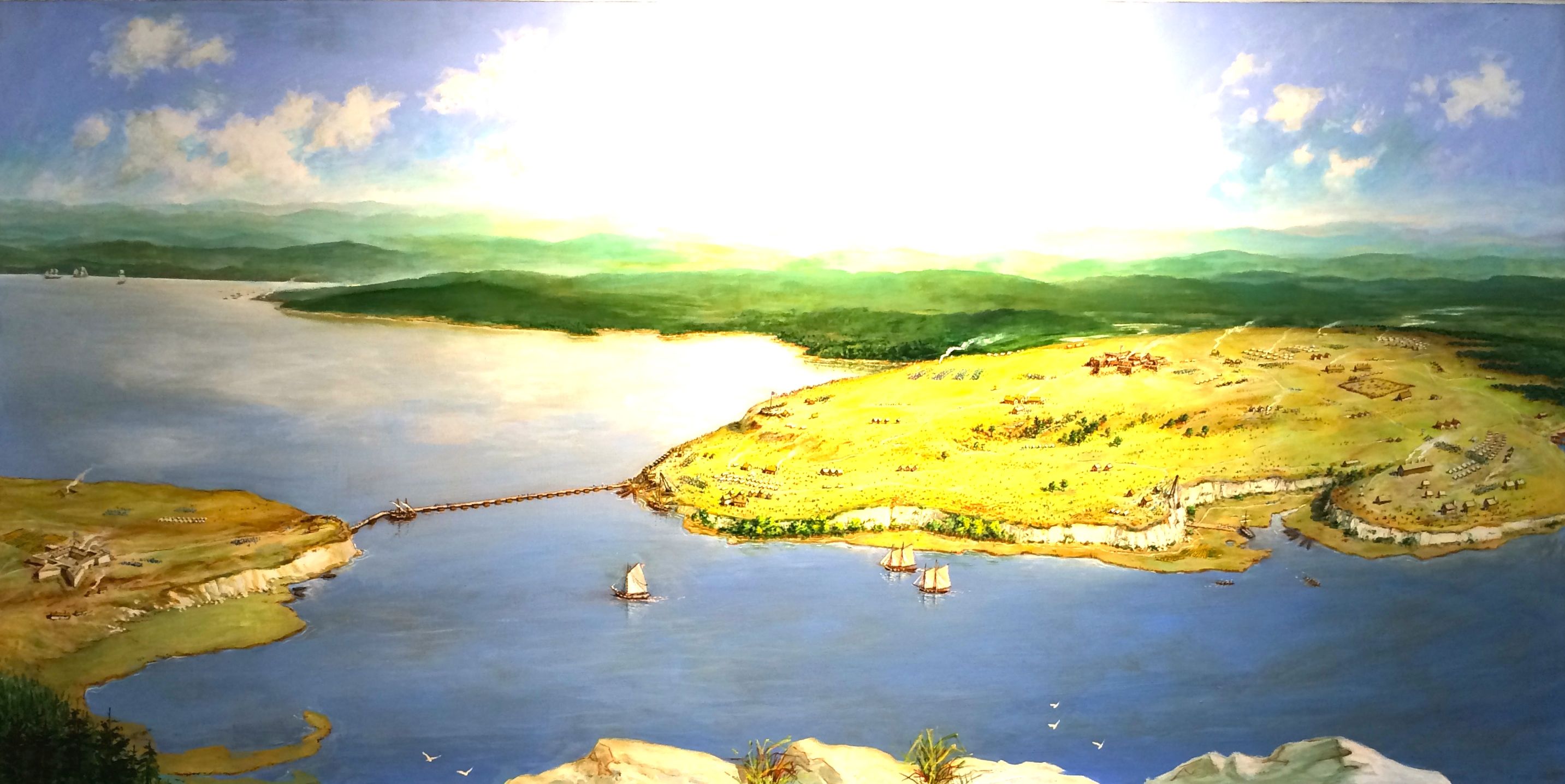
According to the information, there were a series of 22 caissons that were built on the ice during the winter and then sunk with rocks. A floating footbridge was connected with chains to the caissons.
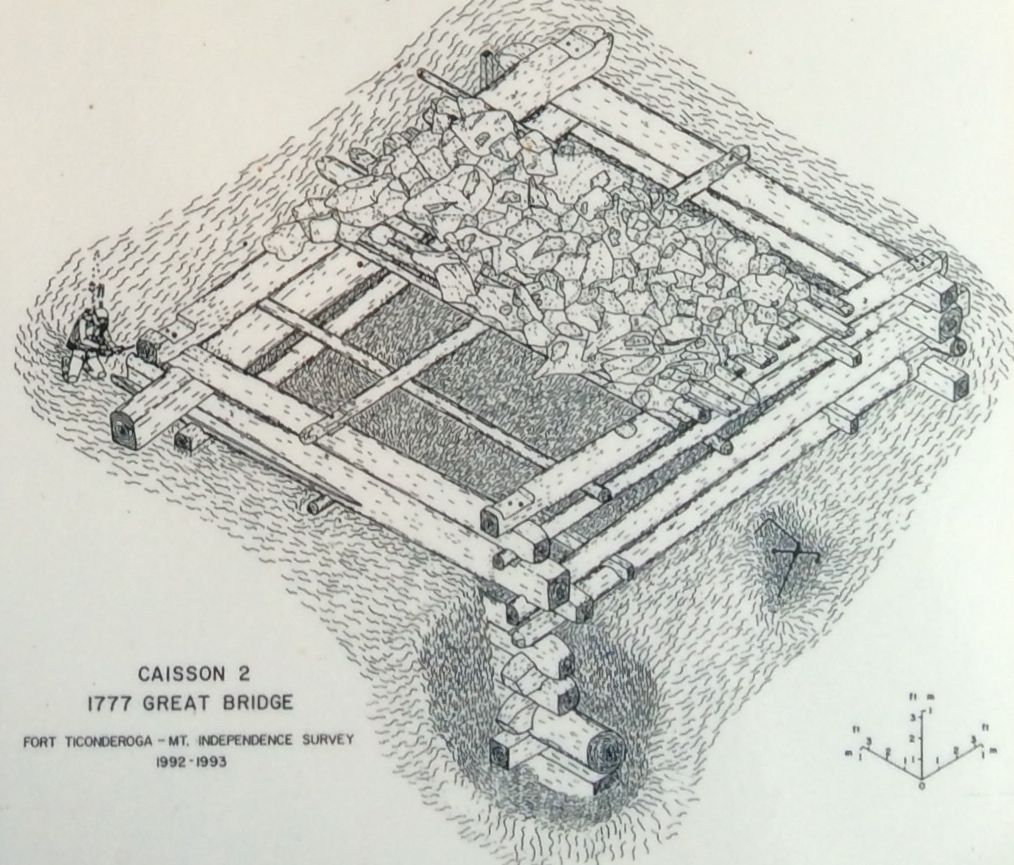
What I do find amazing is that all but one of the caissons are still in place, at least according to the signs.
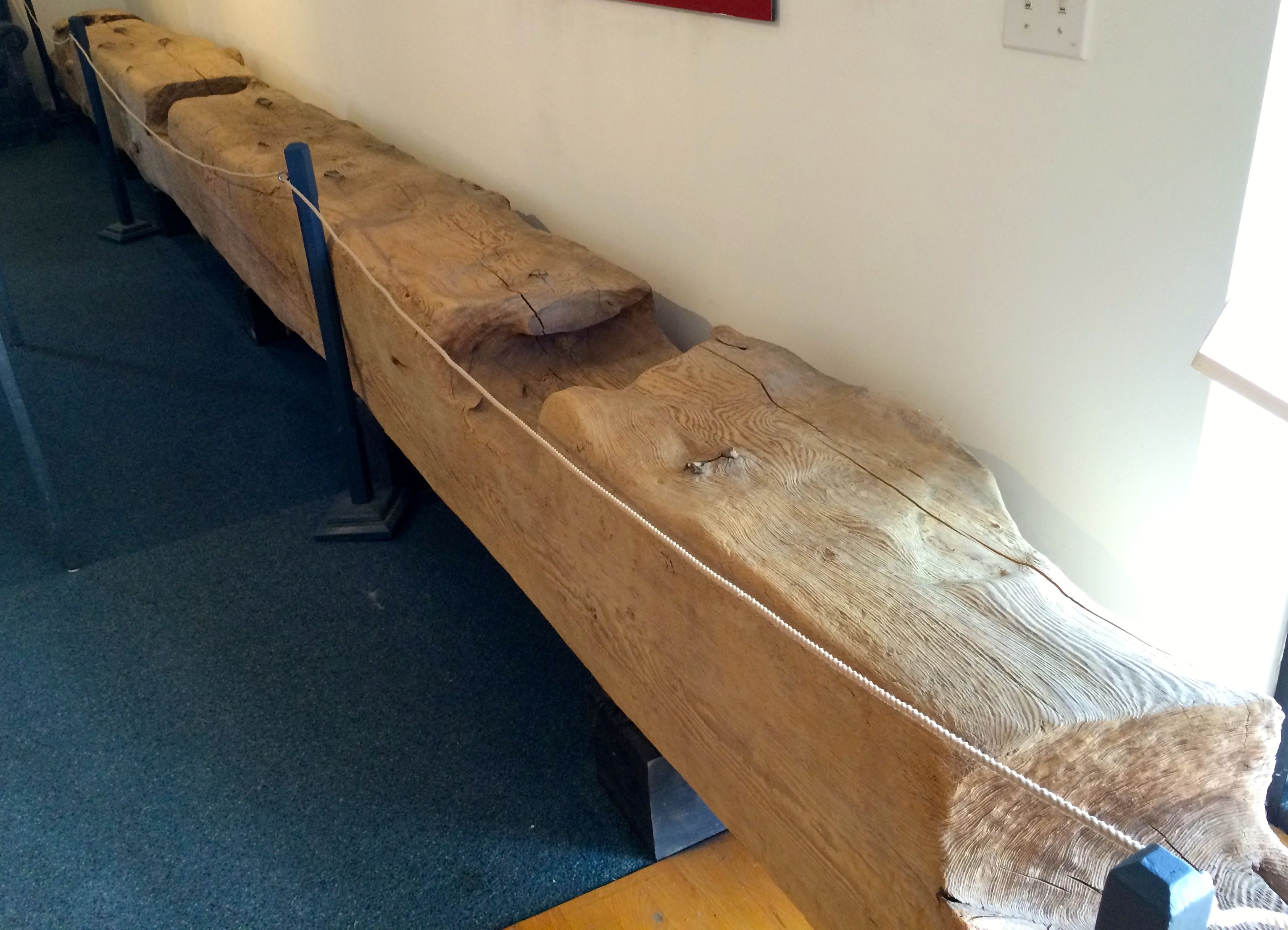
Here is one of the logs from the bridge. When I think of the Revolutionary War, it seems so long ago. Yet, here is a piece of the infrastructure that made it possible.
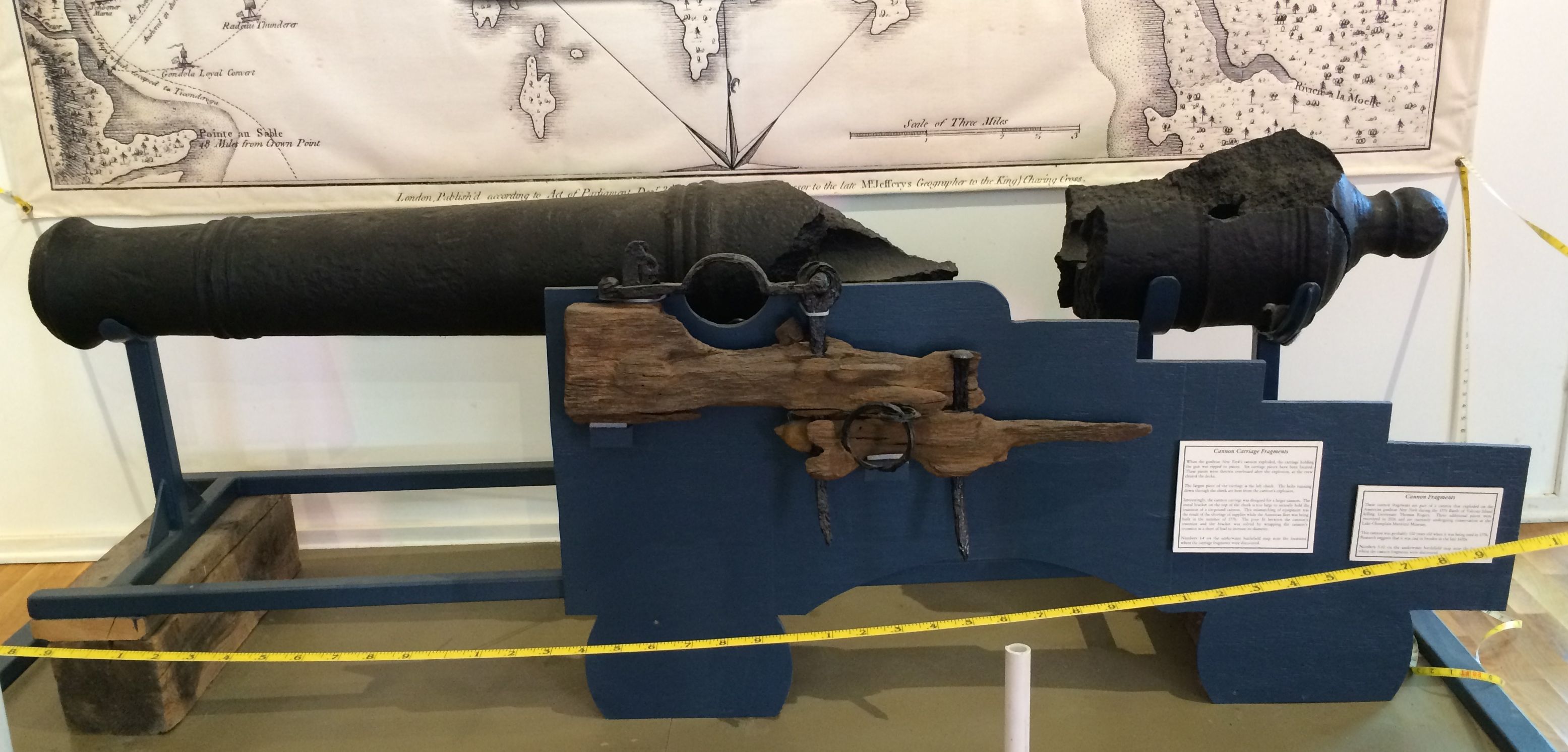
Ordnance was also found under the water. It looks like this one must have exploded.
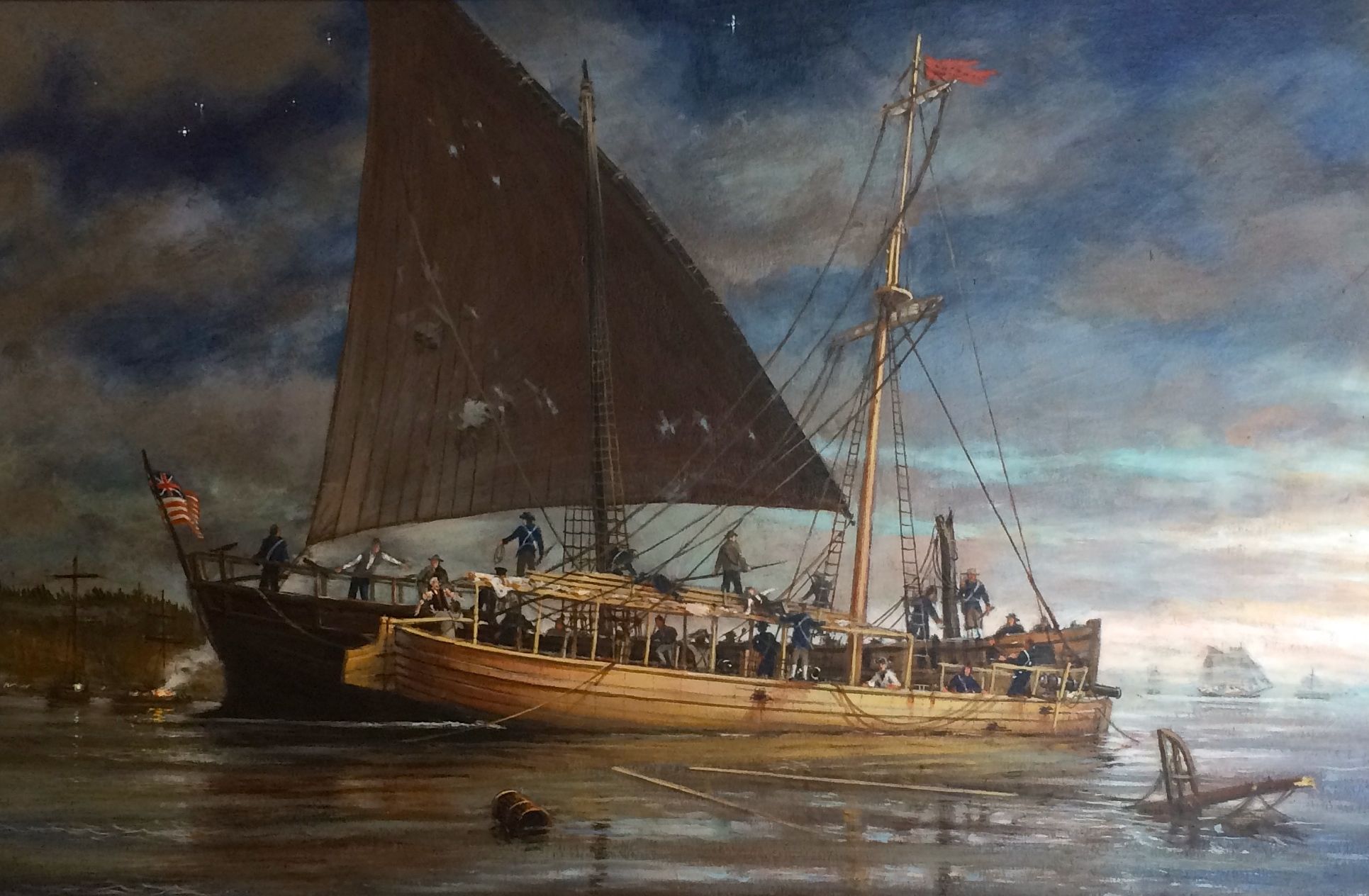
Speaking of things that sink, here is a painting of the Philadelphia as it was going down.
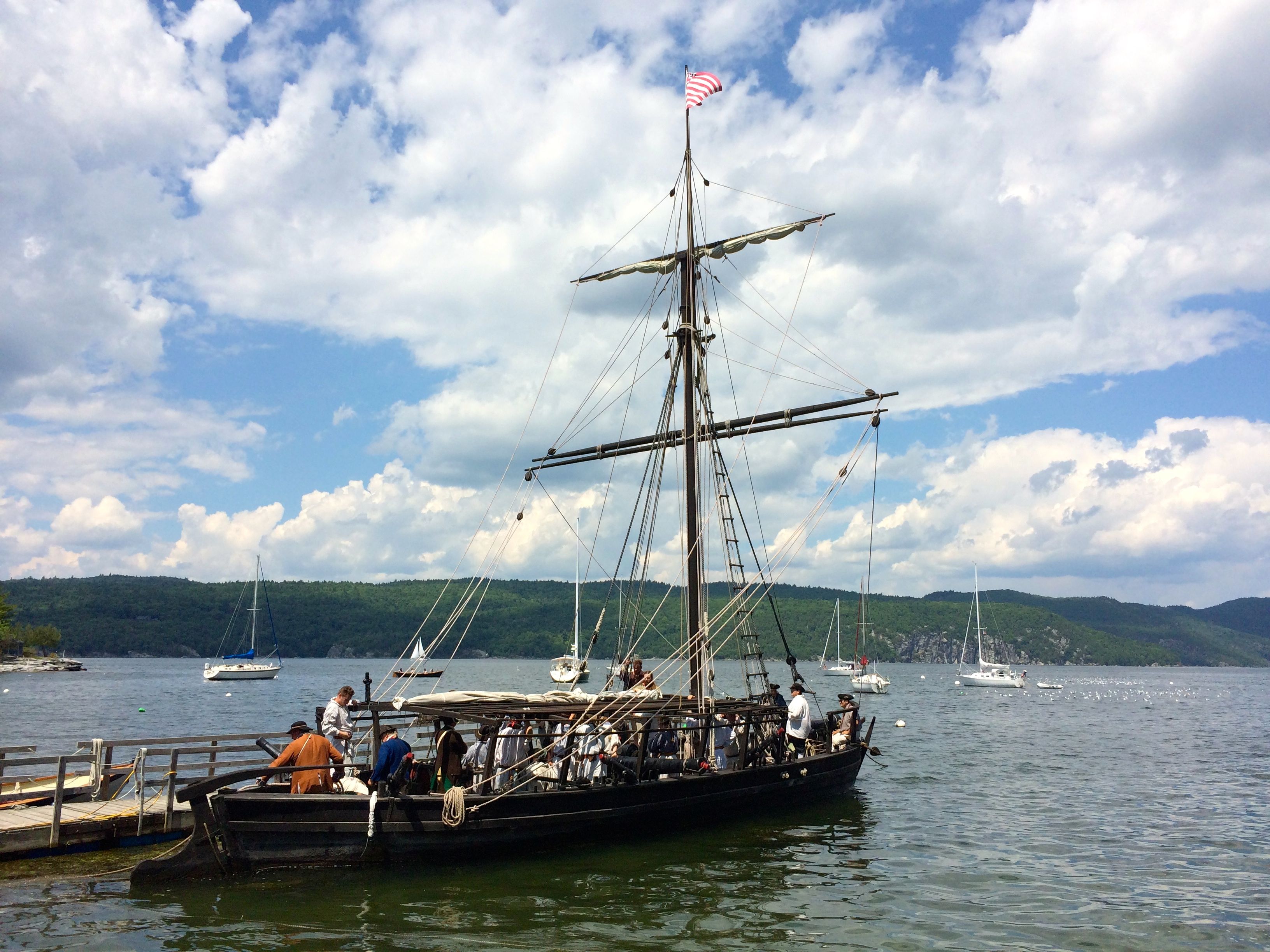
And here is Philadelphia II, at the dock. It was getting ready to reenact a battle.

The flag caught the breeze. I imagine that the ship would have really moved if the sails had been up. The used the oars for this exercise.
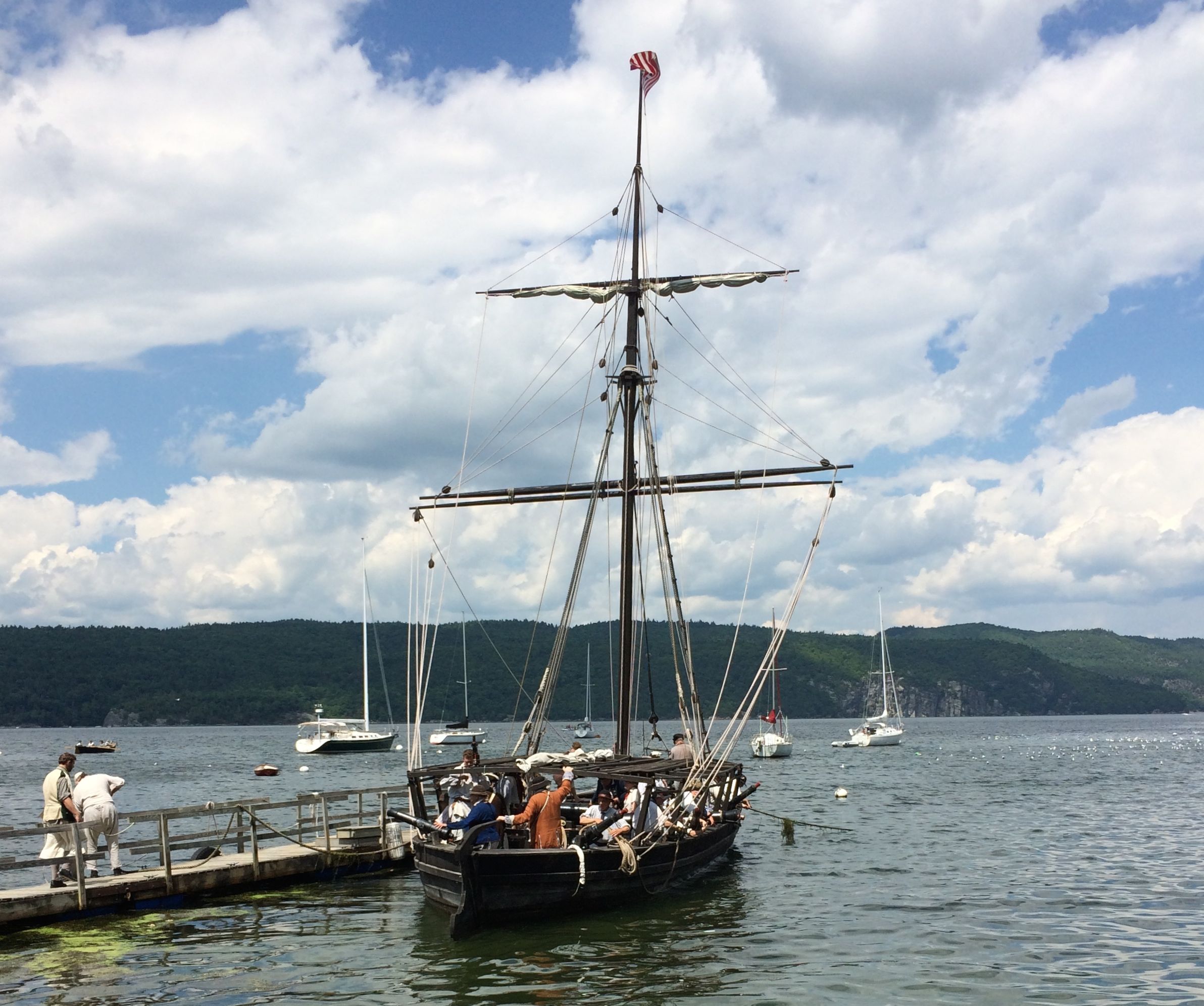
After the battle, which involved people on shore who lured them within gun range so that they could fire at the boat, They cam e back to dock and I headed up to see what else I could discover.
There was a typesetting demonstration after the battle reenactment. I took a course in typesetting back in the 1990’s, so it was fun to watch.
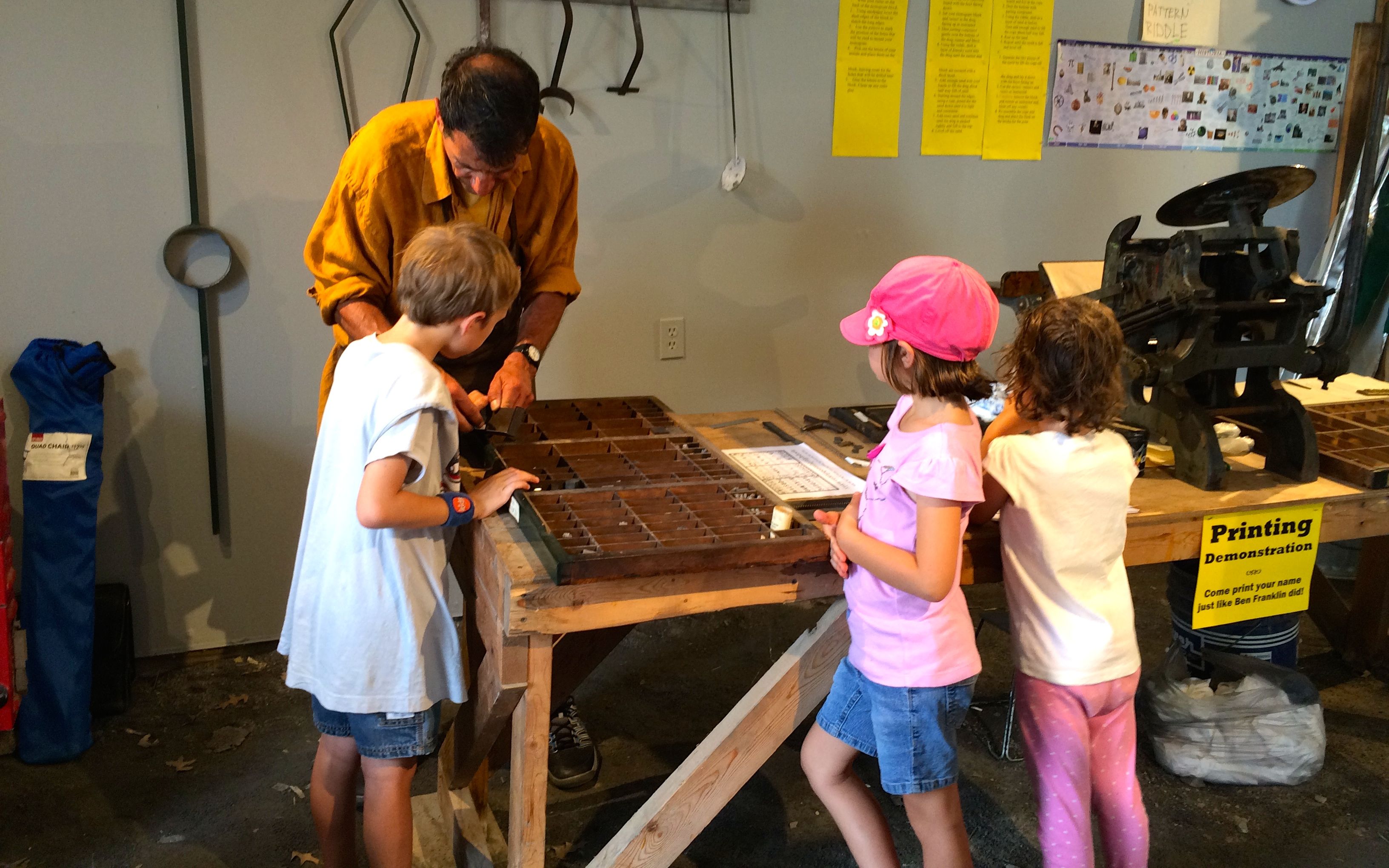
But, gee! the kids get to have all the fun!
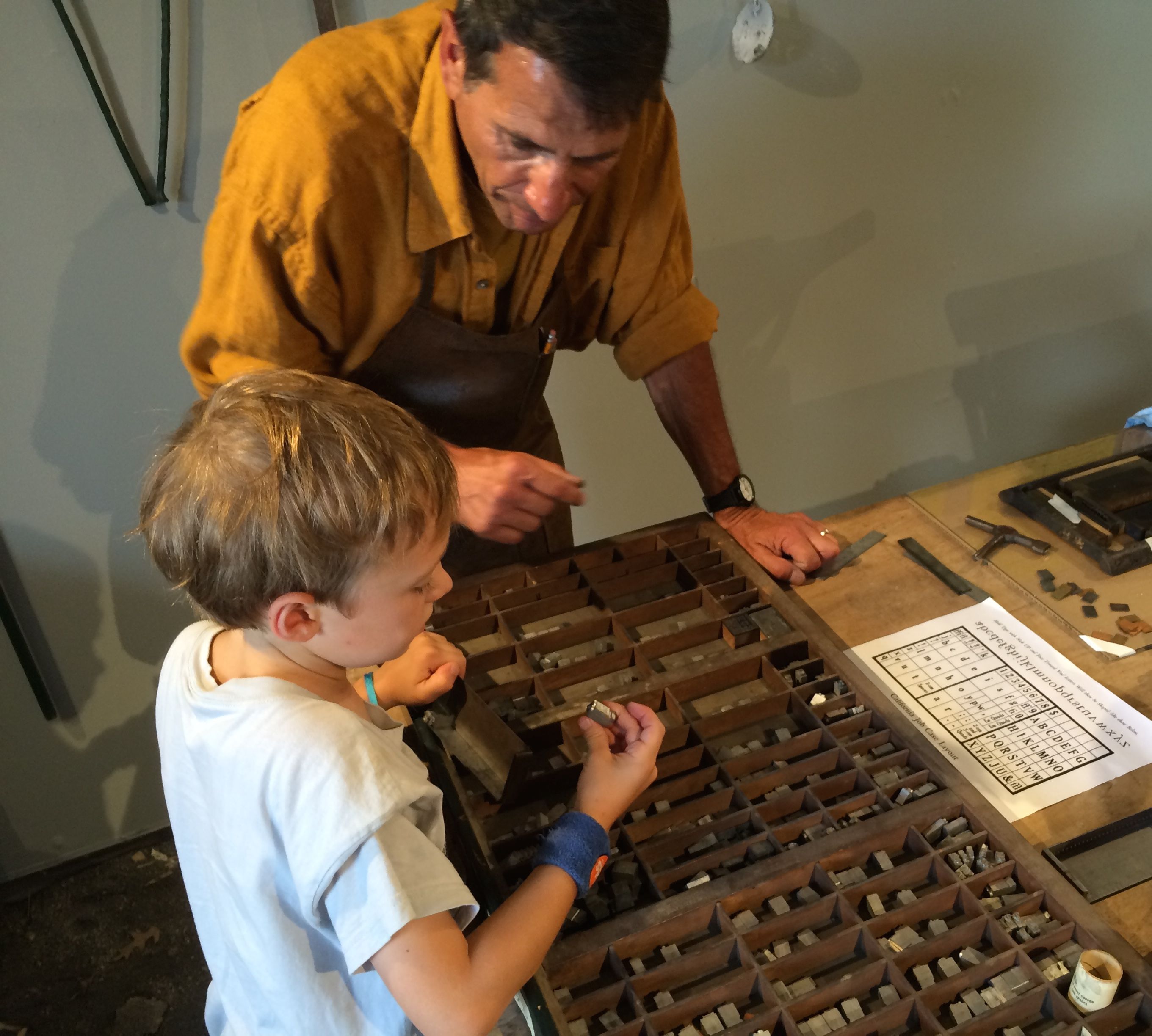
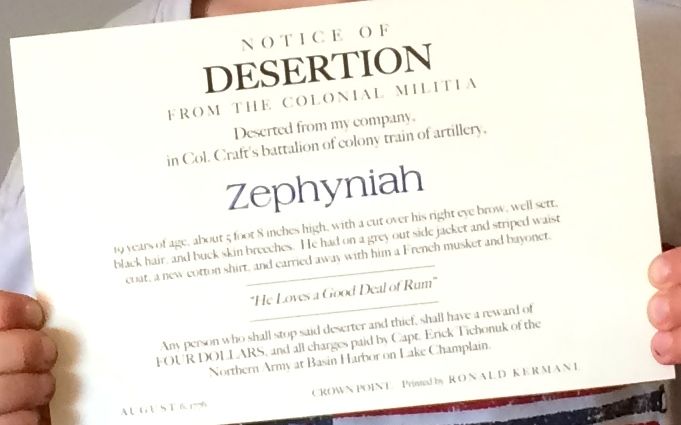
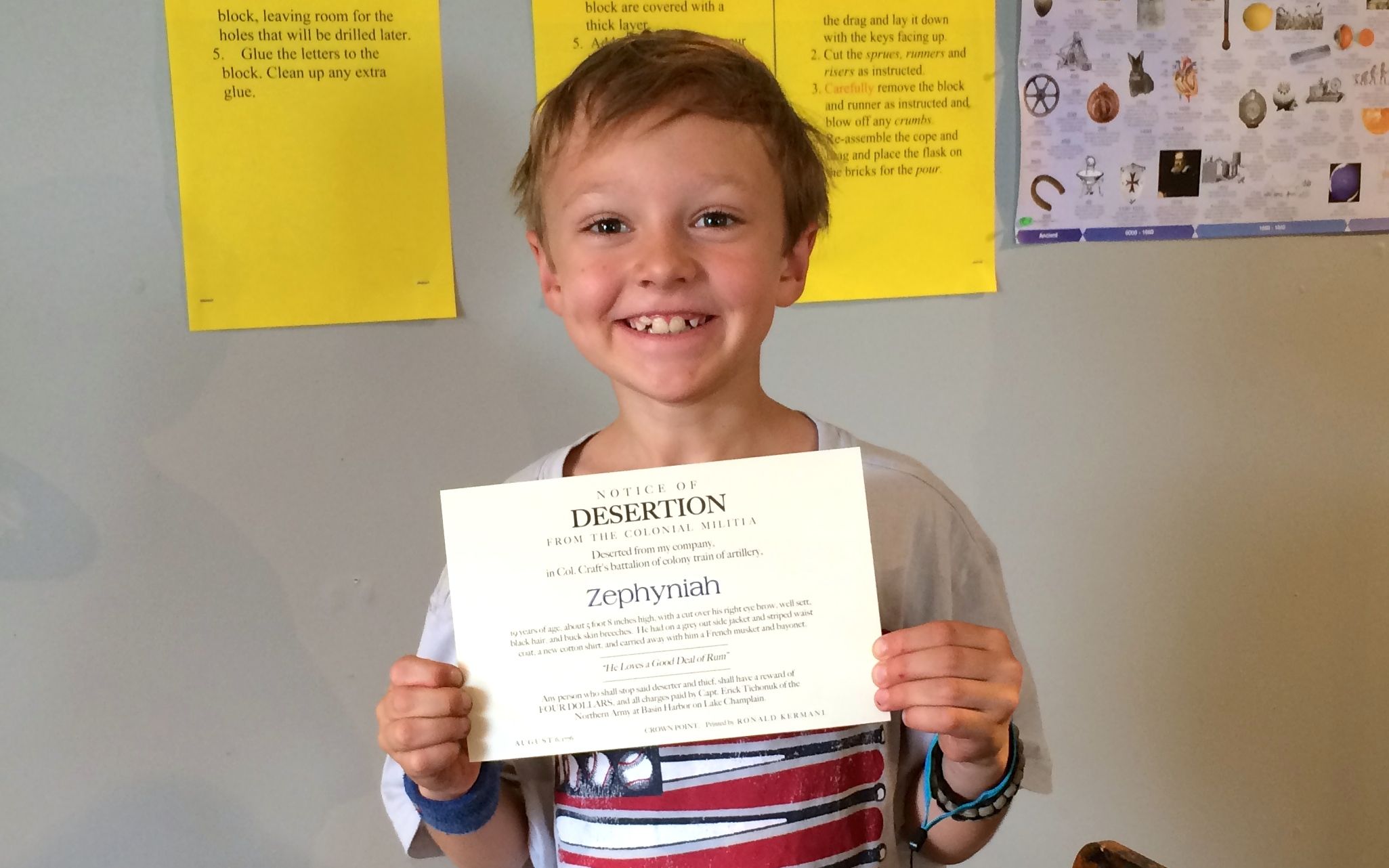
This lucky youngster got to print his own notice of desertion. With a name like “Zephyniah” he got a lot of practice finding letters.
He sure looks proud of his work!
There were many other interesting items.

Like a display of the first hundred years of outboard motors. I was tempted to just walk out of that display, but there was a guy there who collected outboard motors. It was interesting to hear him speak with such enthusiasm about a collection that wasn’t something I didn’t know much about.
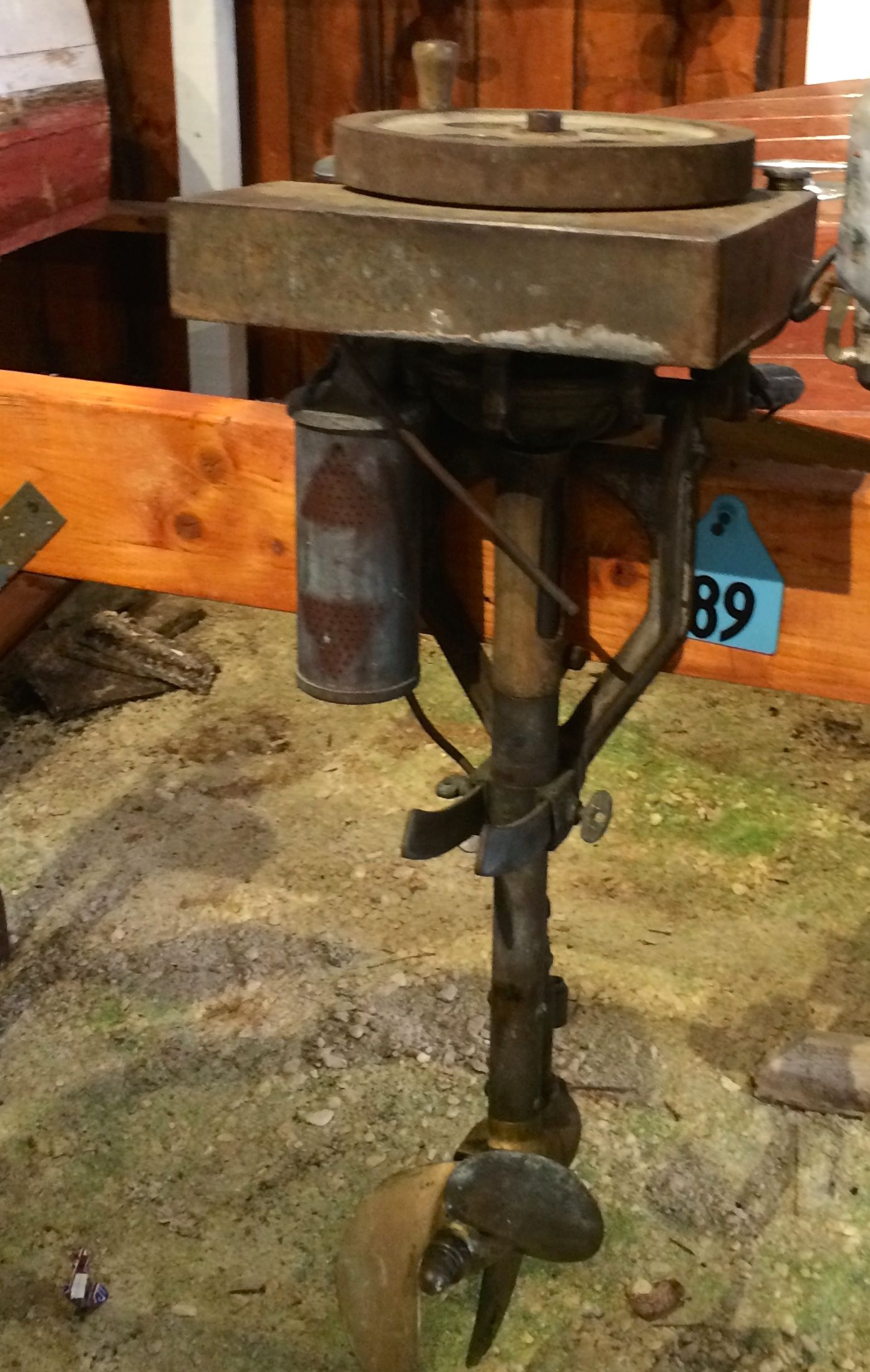
Incidentally, this is the oldest outboard motor in the collection. Things have changed a bit, but you can see the similarity.
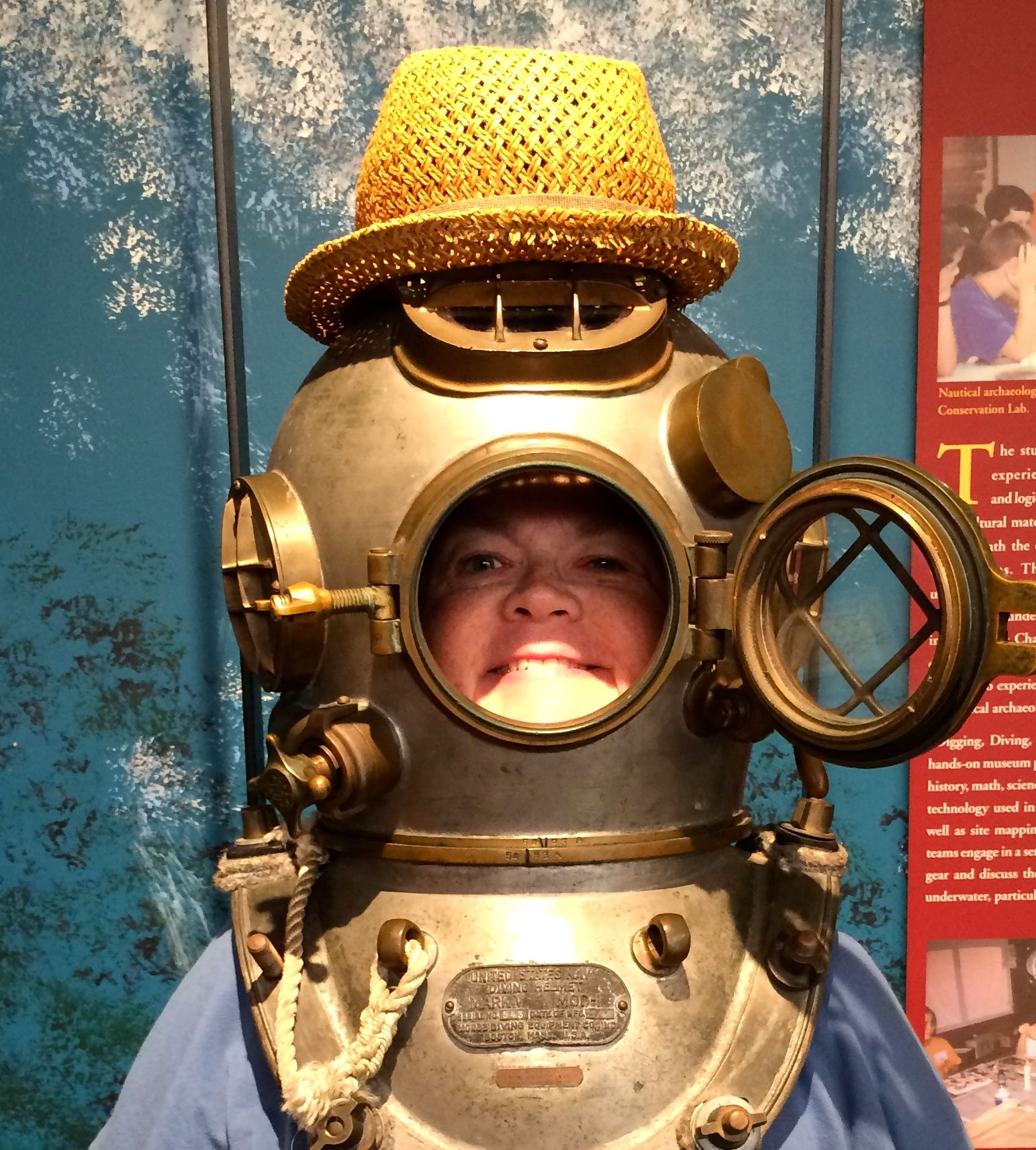
I got to try on a diving helmet. It sure was heavy! They had it on a system that helped you raise and lower it into position. The woman who took my photo came up with the idea of putting my hat on top of the helmet. The whole experience made me feel like Diver Dan!
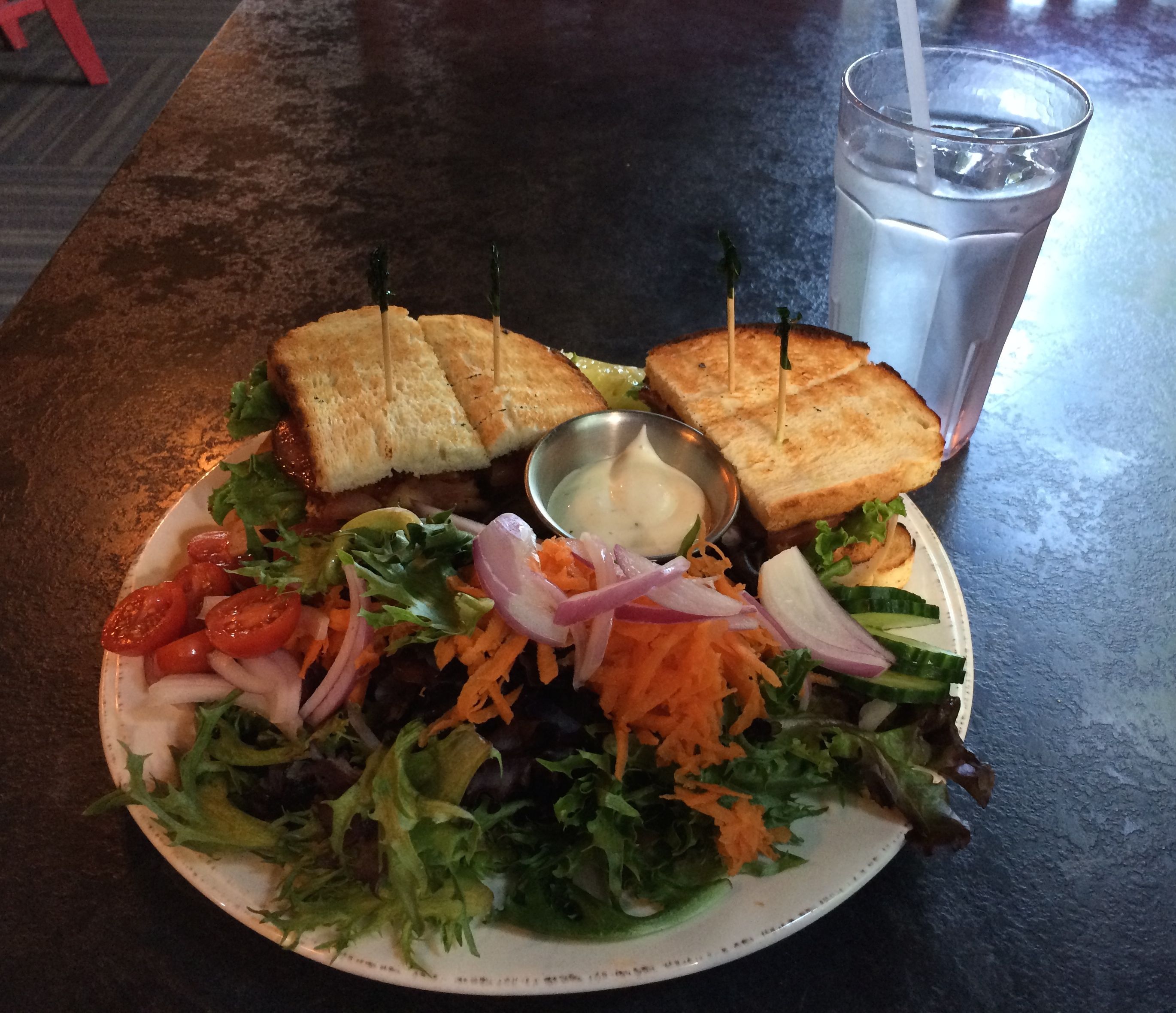
After checking out all the exhibits and attending a lecture by the printer, I was ready for dinner. Luckily, my entrance fee to the museum included a 10% discount at the Red Mill Restaurant across the way.

I had a very tasty sandwich in a lovely restaurant. They were just opening for dinner, so I had very attentive service.
When I got back to the campground, I had to take a picture of the shirt I wore to the museum. Remember how the shirts I wore to the Shelburne Museum matched the the admission stickers? Well, it happened again!
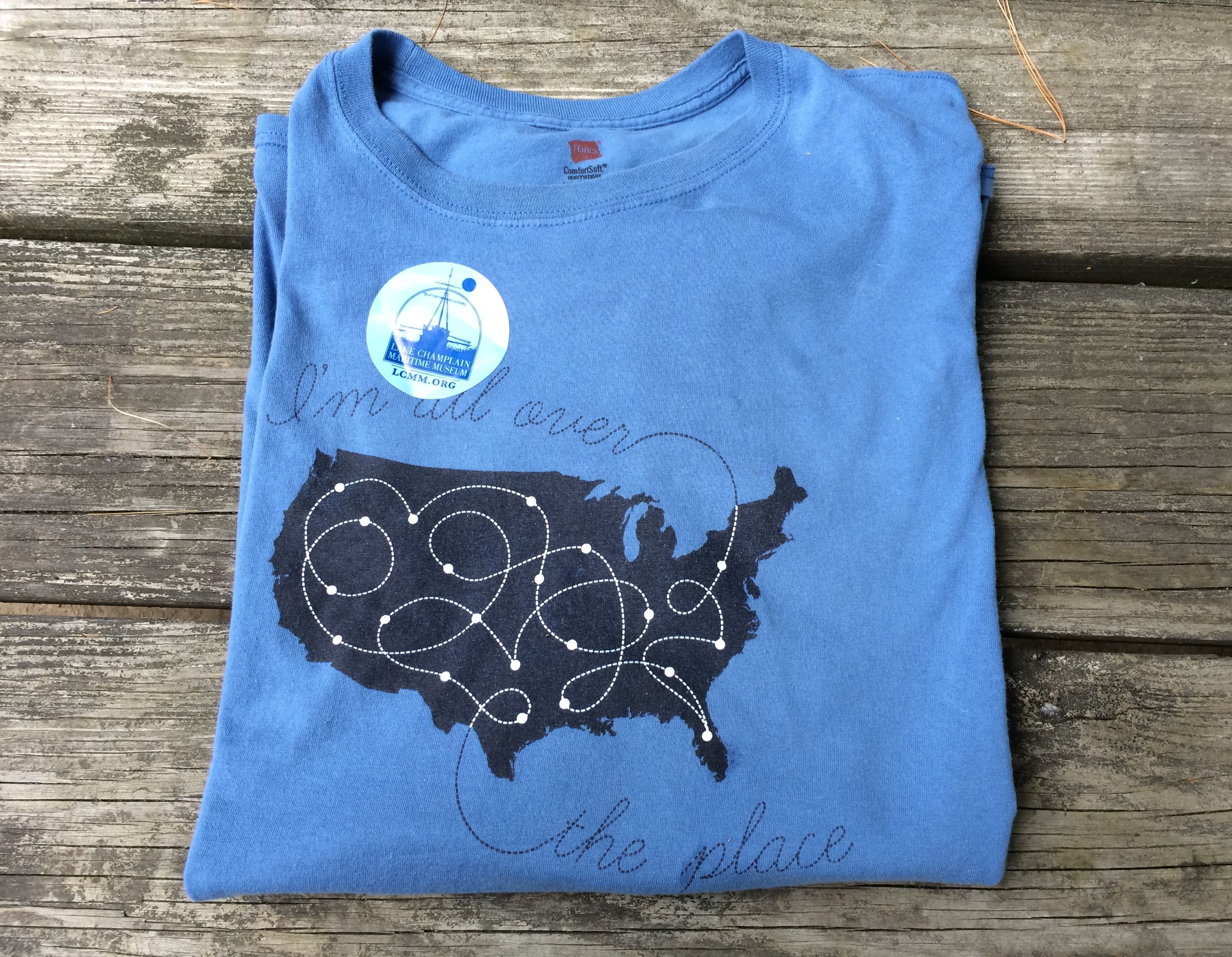
Blue sticker, blue shirt!