At this point, I had been on the road for a month. I had decided to book two nights in Tupelo before making the trek north. This was a day of rest and preparation.

I had a scenic campsite, and it was early in the season, so it was peaceful there. I hung out a bit, got things squared away and set out to see what I could see.
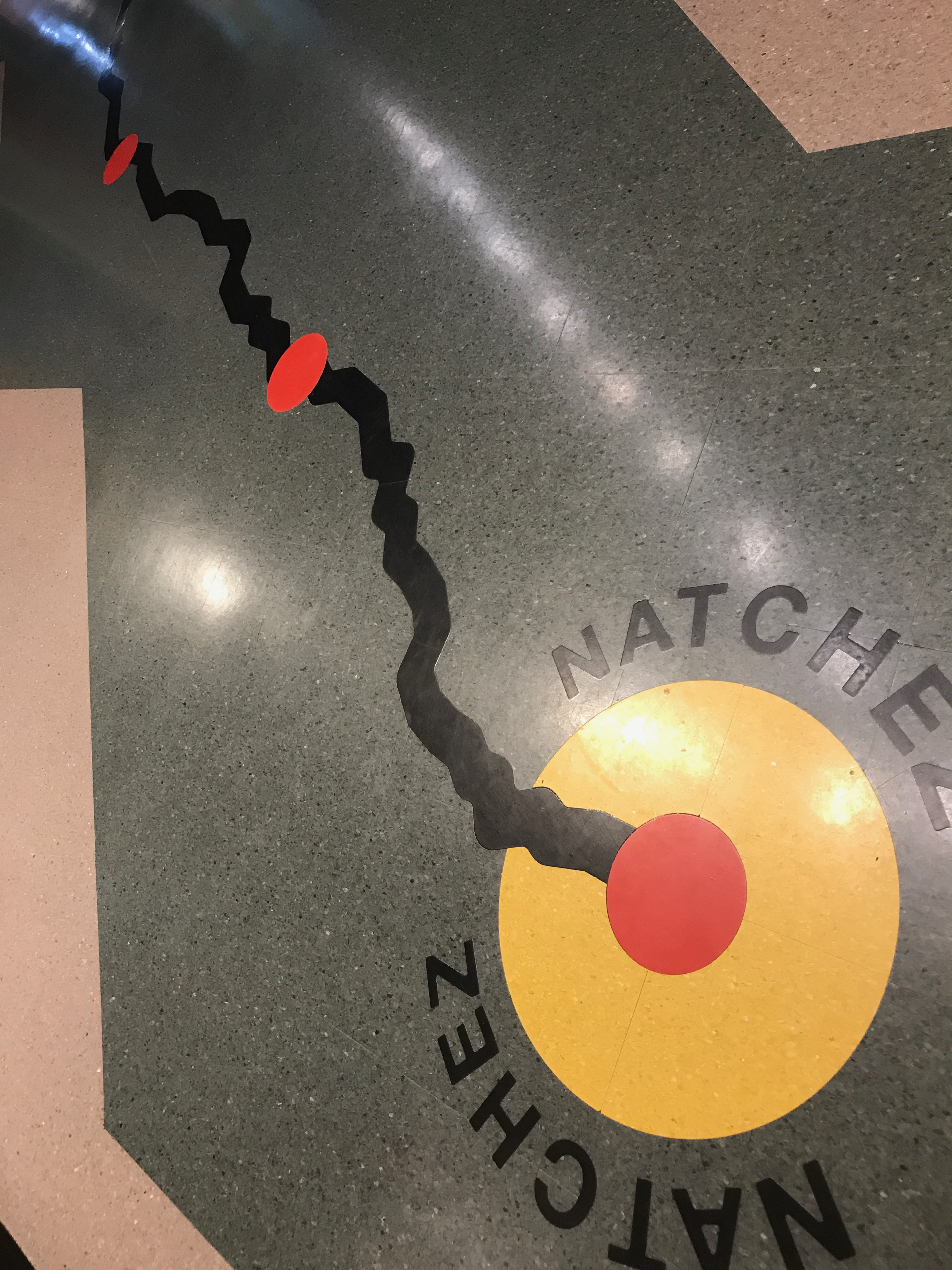
My first stop was the Natchez Trace Visitor Center. There were a number of interesting displays about the Parkway, and the volunteer was very informative. I decided to hit a few places along the Trace and then circle back to town.
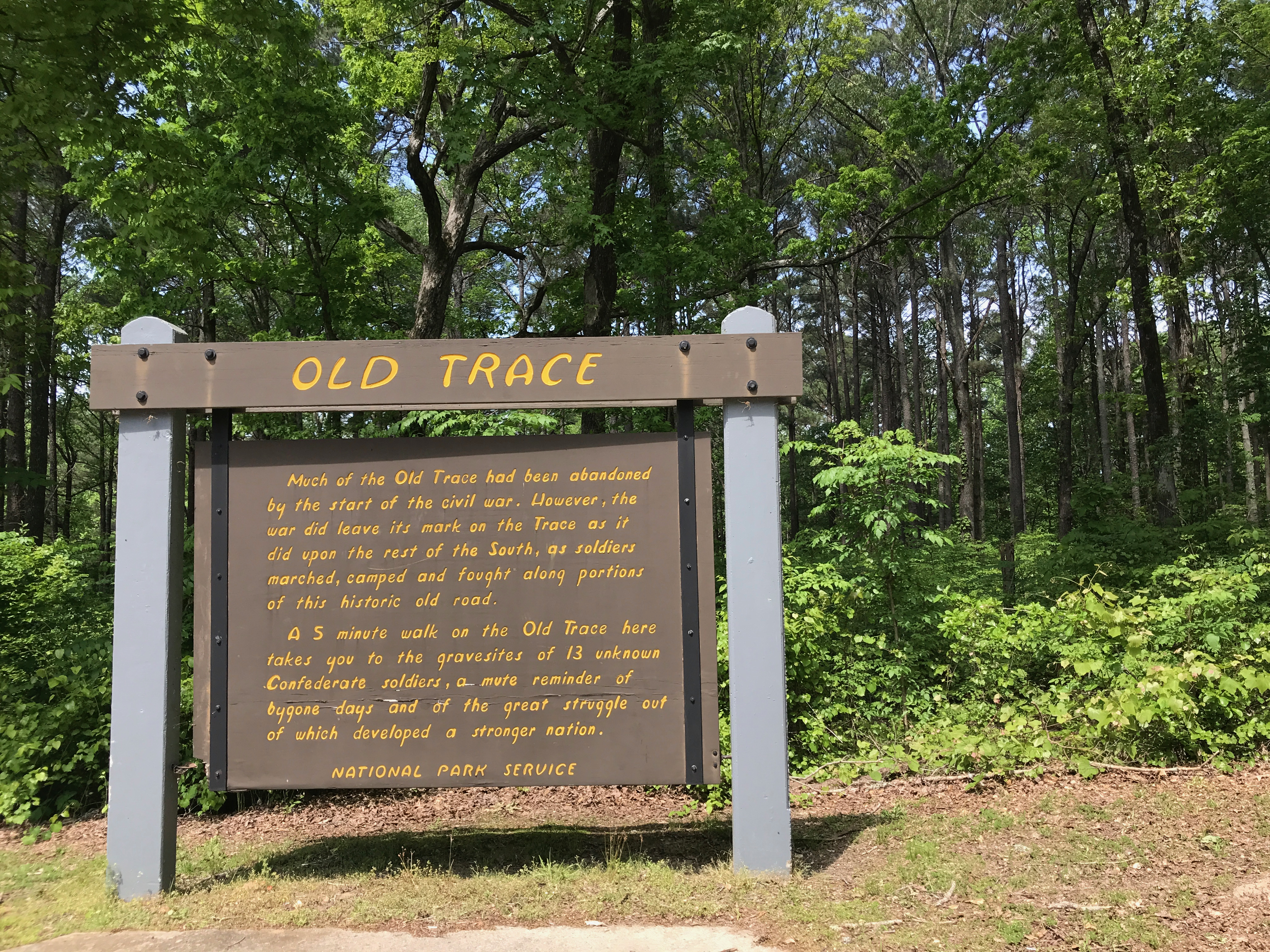
My first stop was a section of the Old Trace, which was a trail through the woods.

Can you imagine setting out on a journey and encountering this level of growth? I’ll bet no one was fighting to go first in that line! A trail must have seemed like a real improvement!

I walked down the Old Trace until I came to the graves of the unknown Confederate soldiers.
These graves aren’t identified, and they are not sure how they came to die here. The original markers may have borne names, but they disappeared long ago.
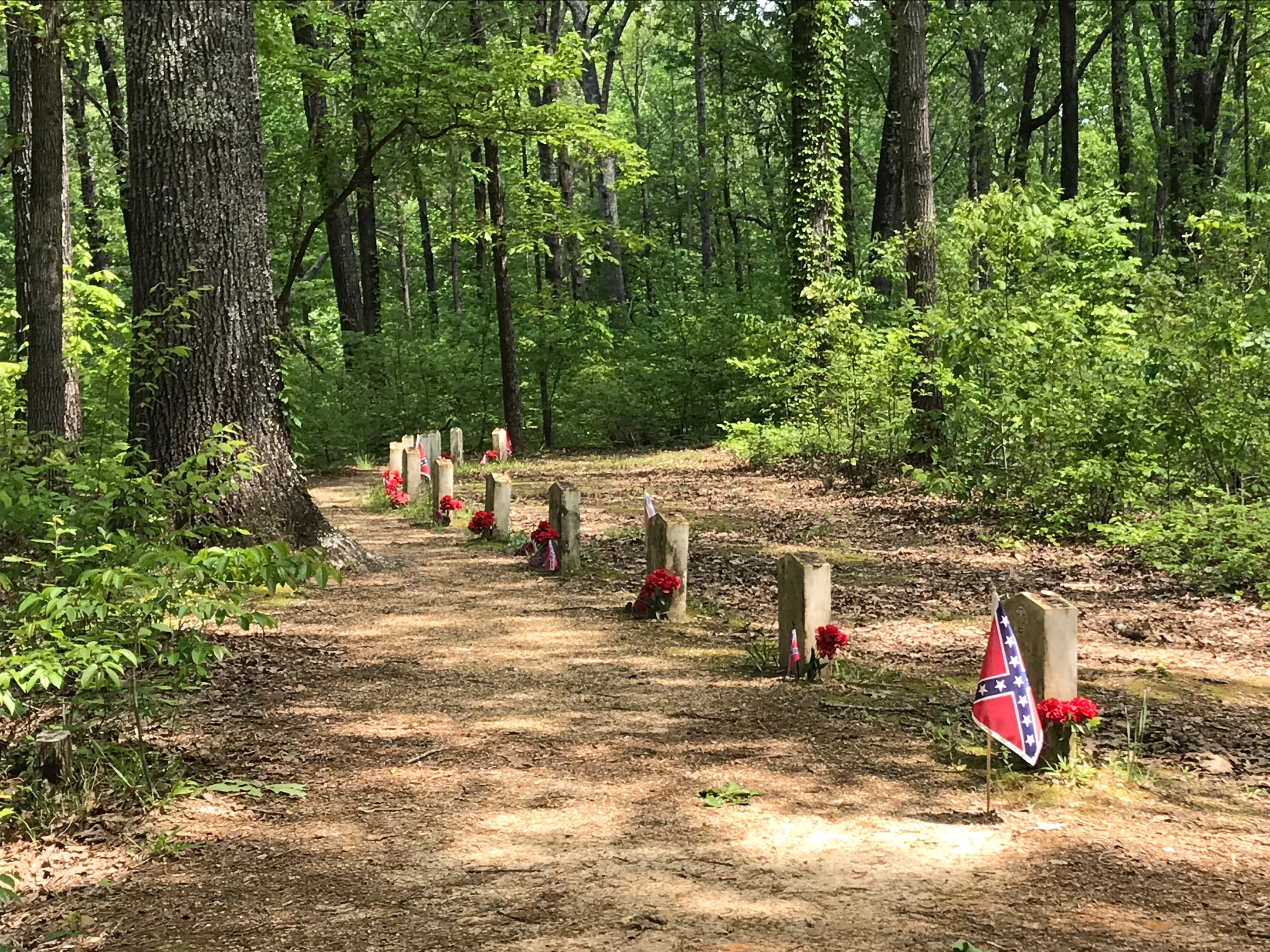
In 1940, Senator Theodore Bilbo arranged for marble headstones, but they were stolen.
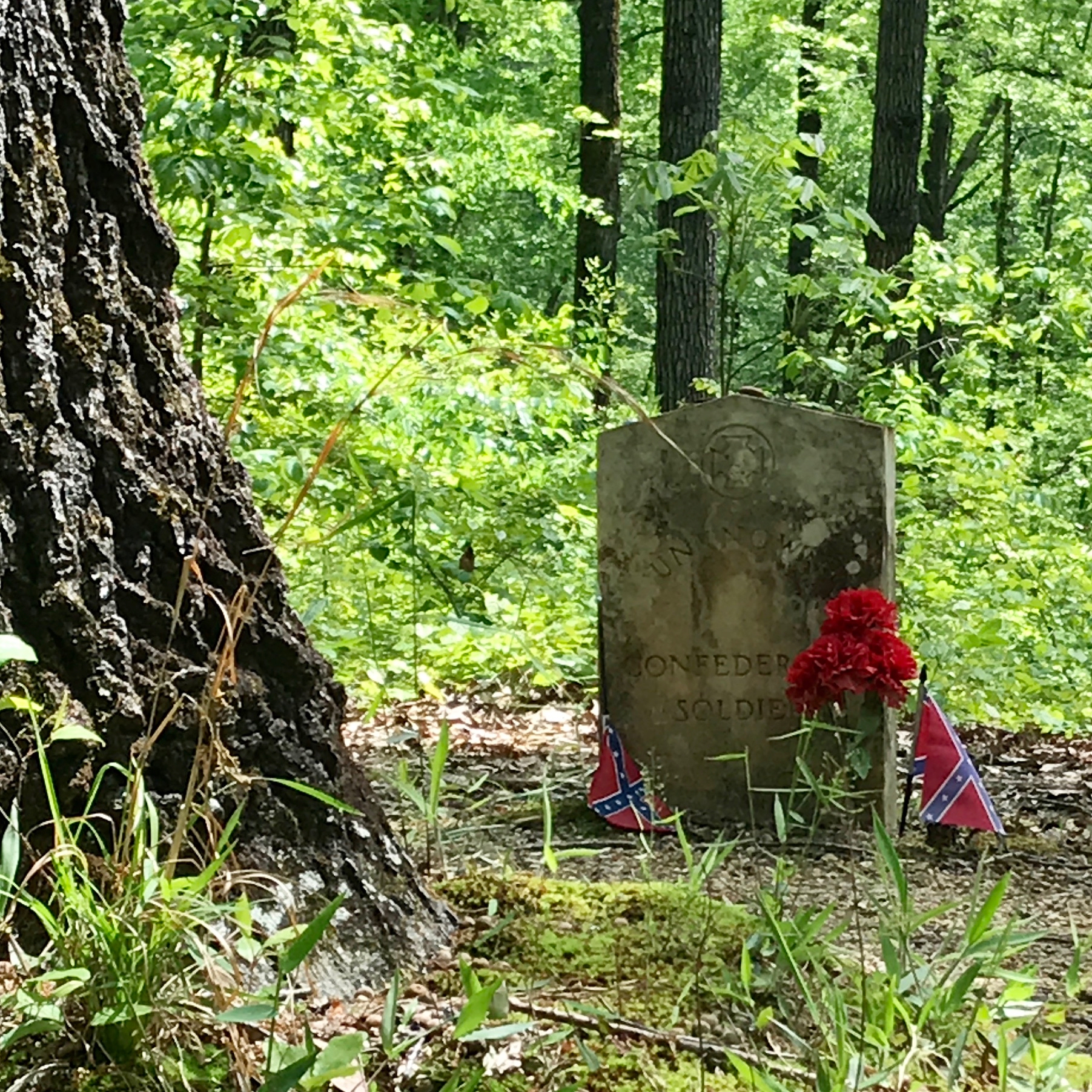
The National Park Service erected the headstones that are now in place.
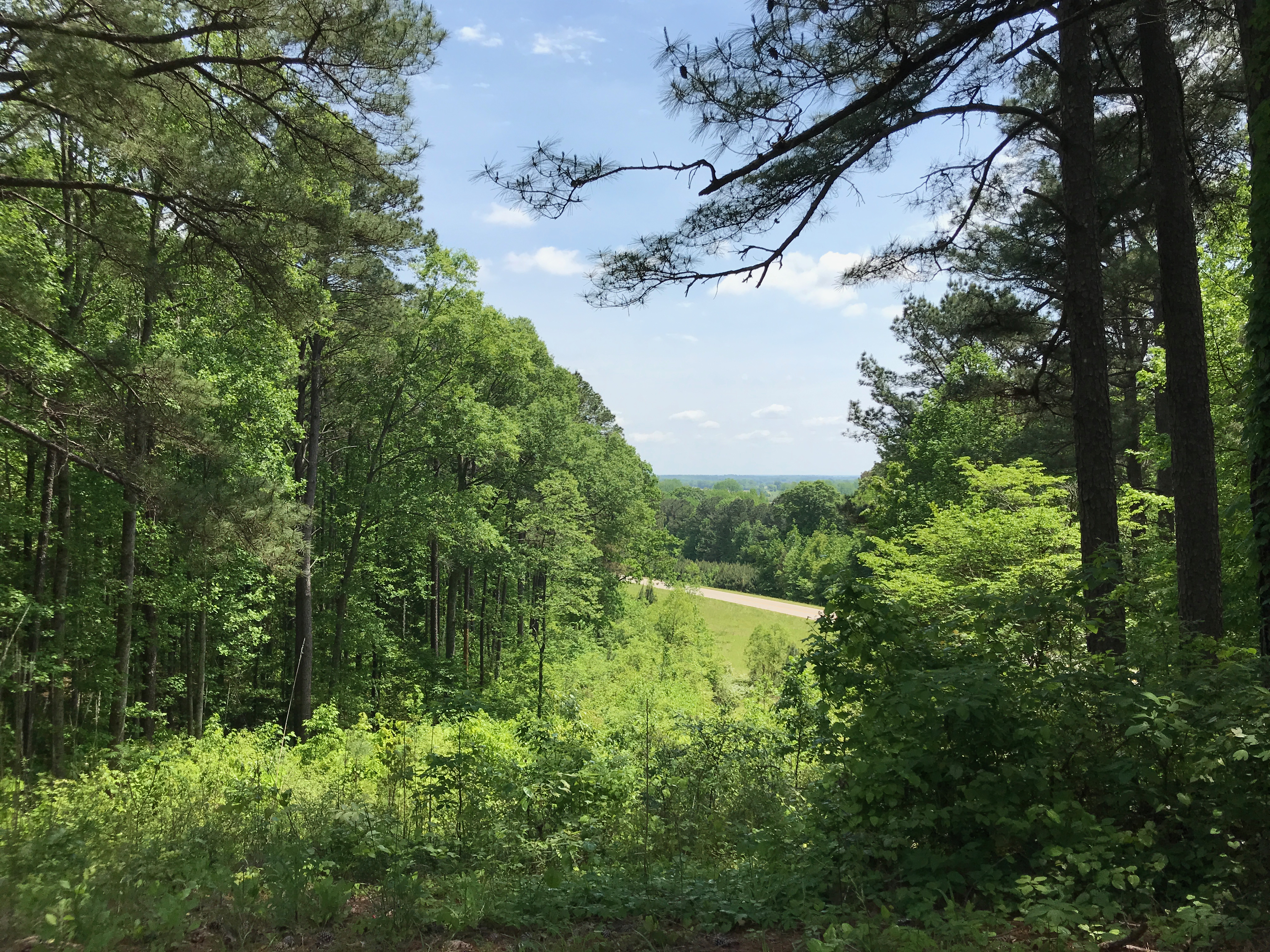
Ah, but what a beautiful world we live in!
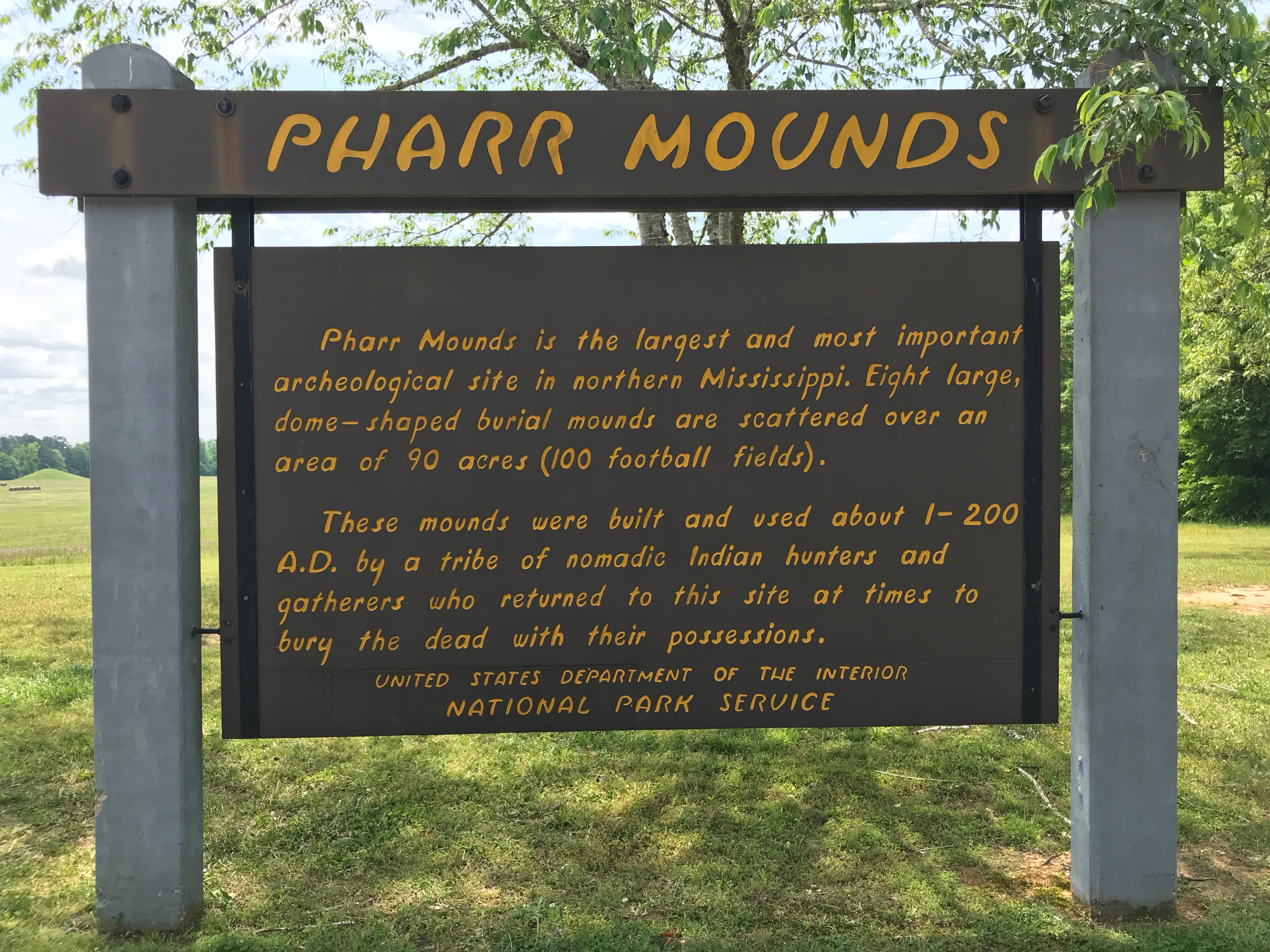
I continued north on the Trace until I came to Pharr Mounds.
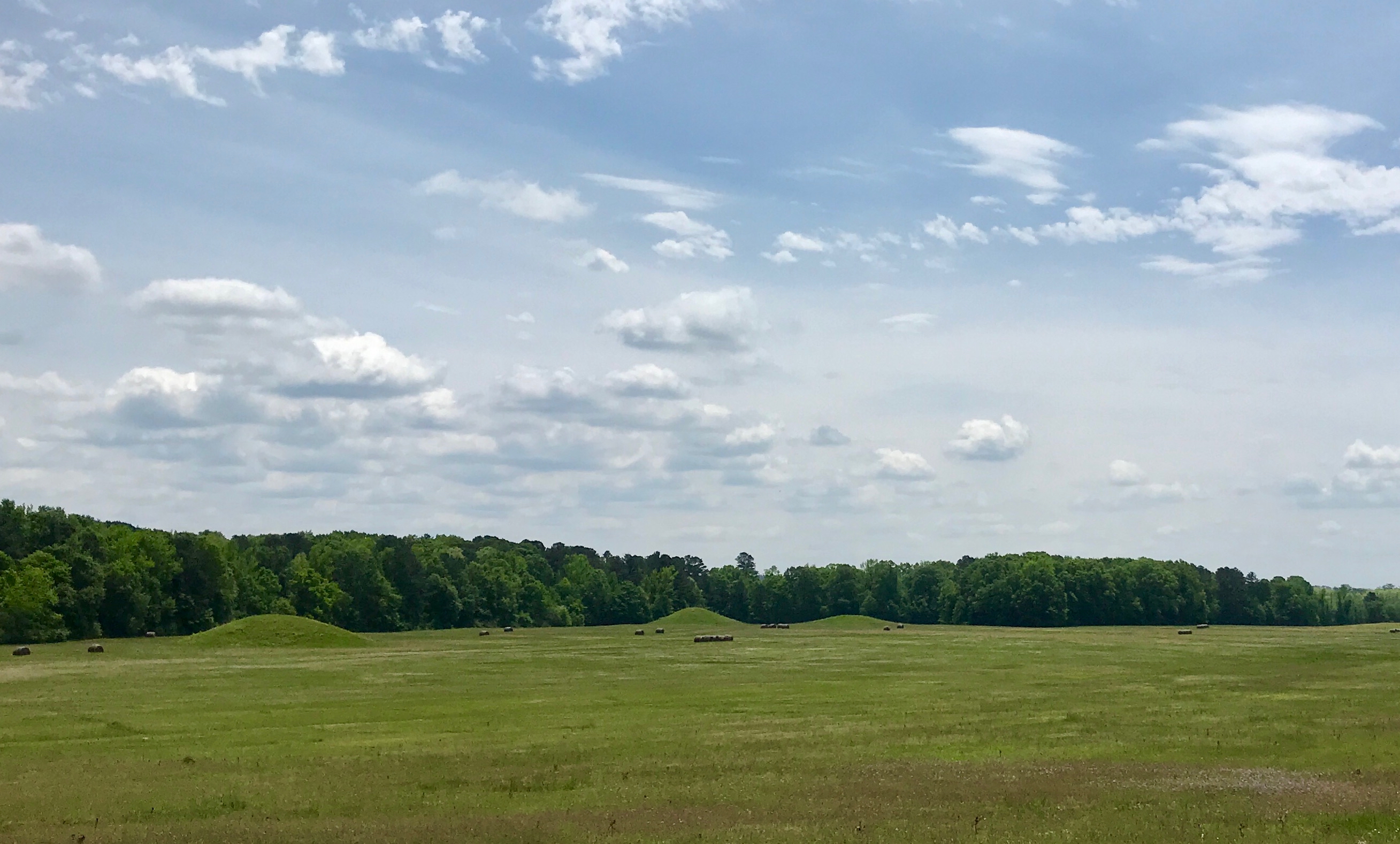
The next time you are driving past fields with mounds that seem out of place, stop to consider what they might be and why they might be important.
At this point, I was starting to feel peckish. I got off the Parkway and found a restaurant.
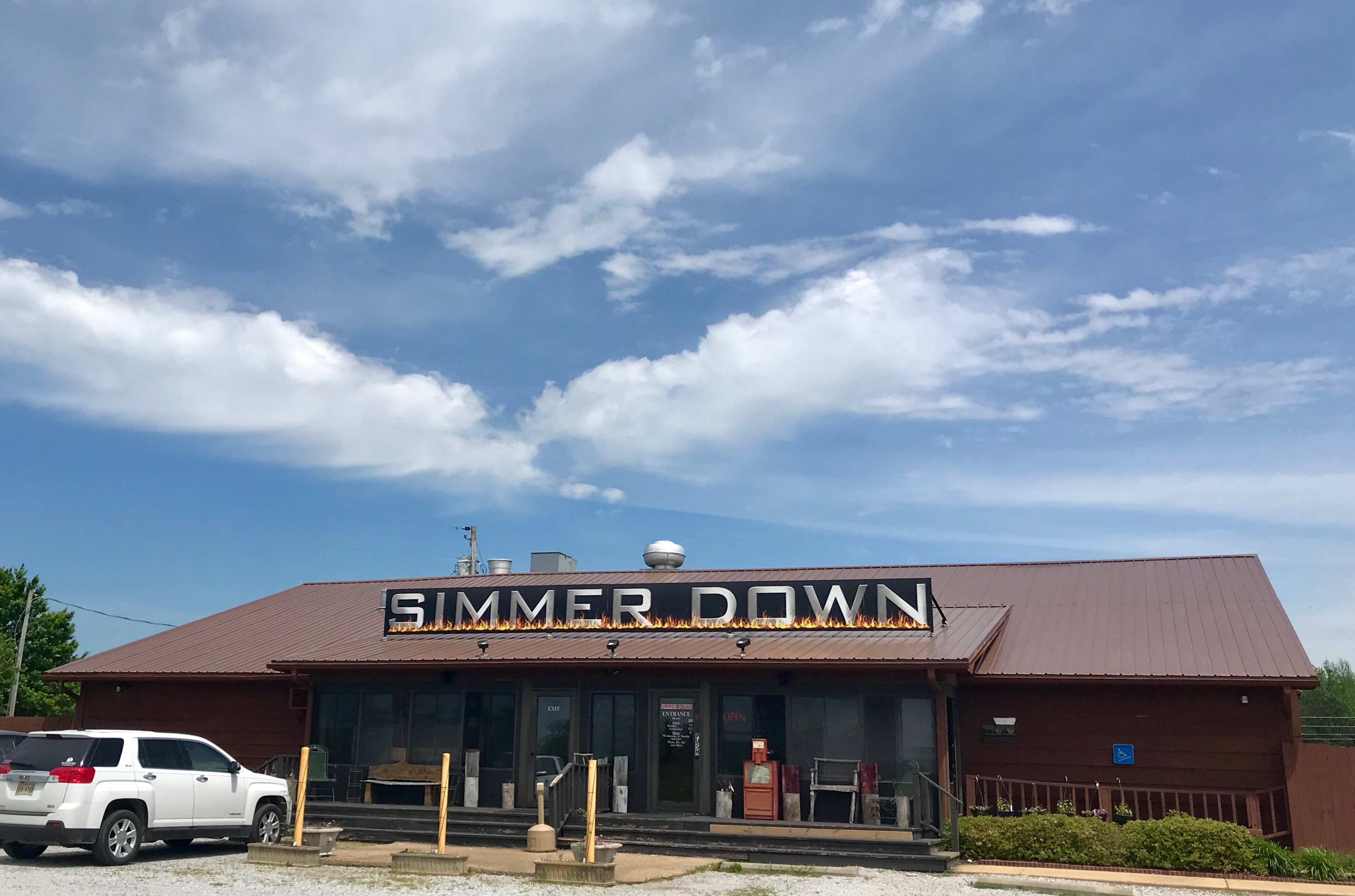
Isn’t that a great name? My mother would always tell us to do that.
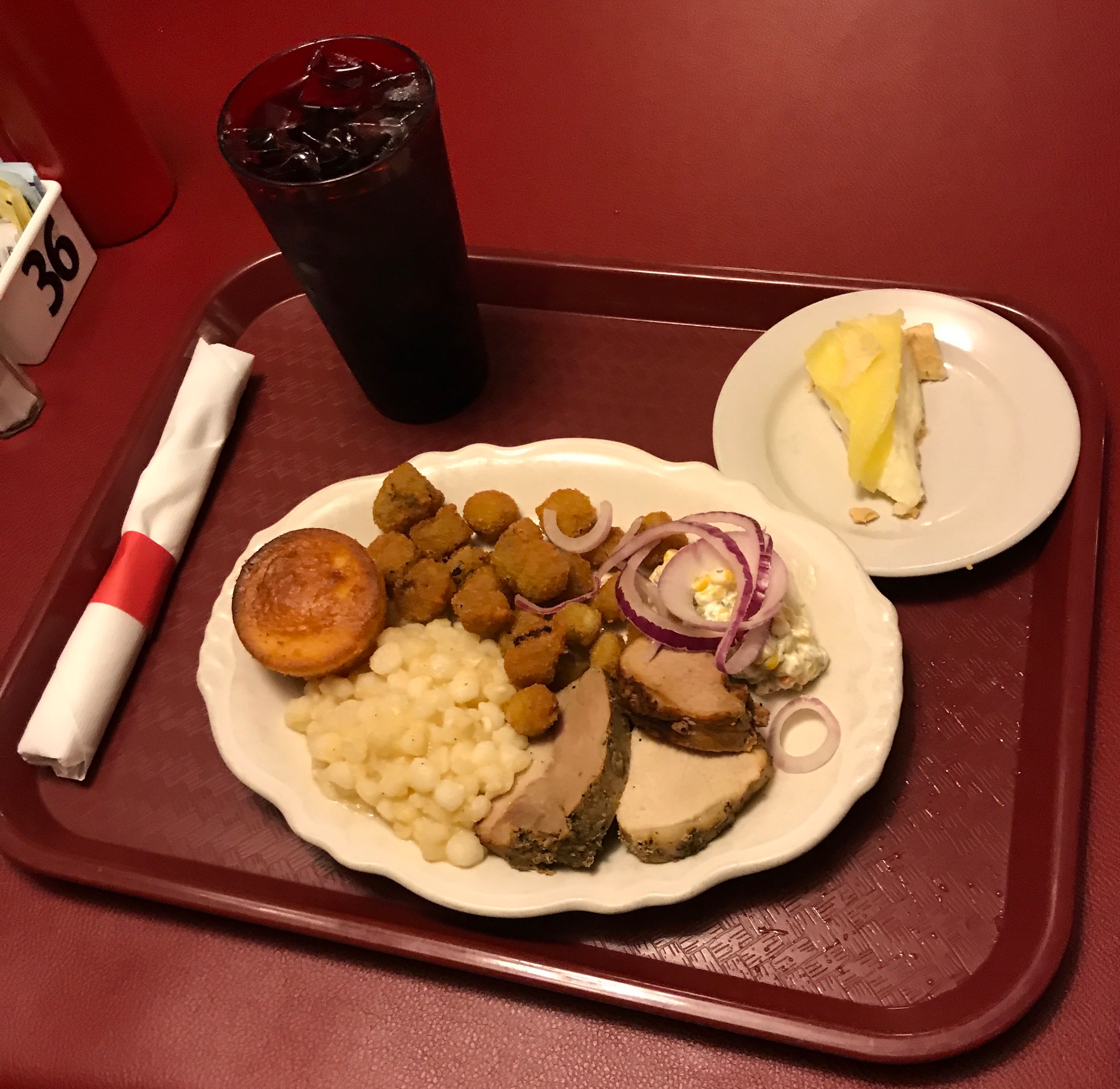
I stopped for a “meat and three” – which apparently came with dessert. If I remember correctly, the dessert was Chess Pie.
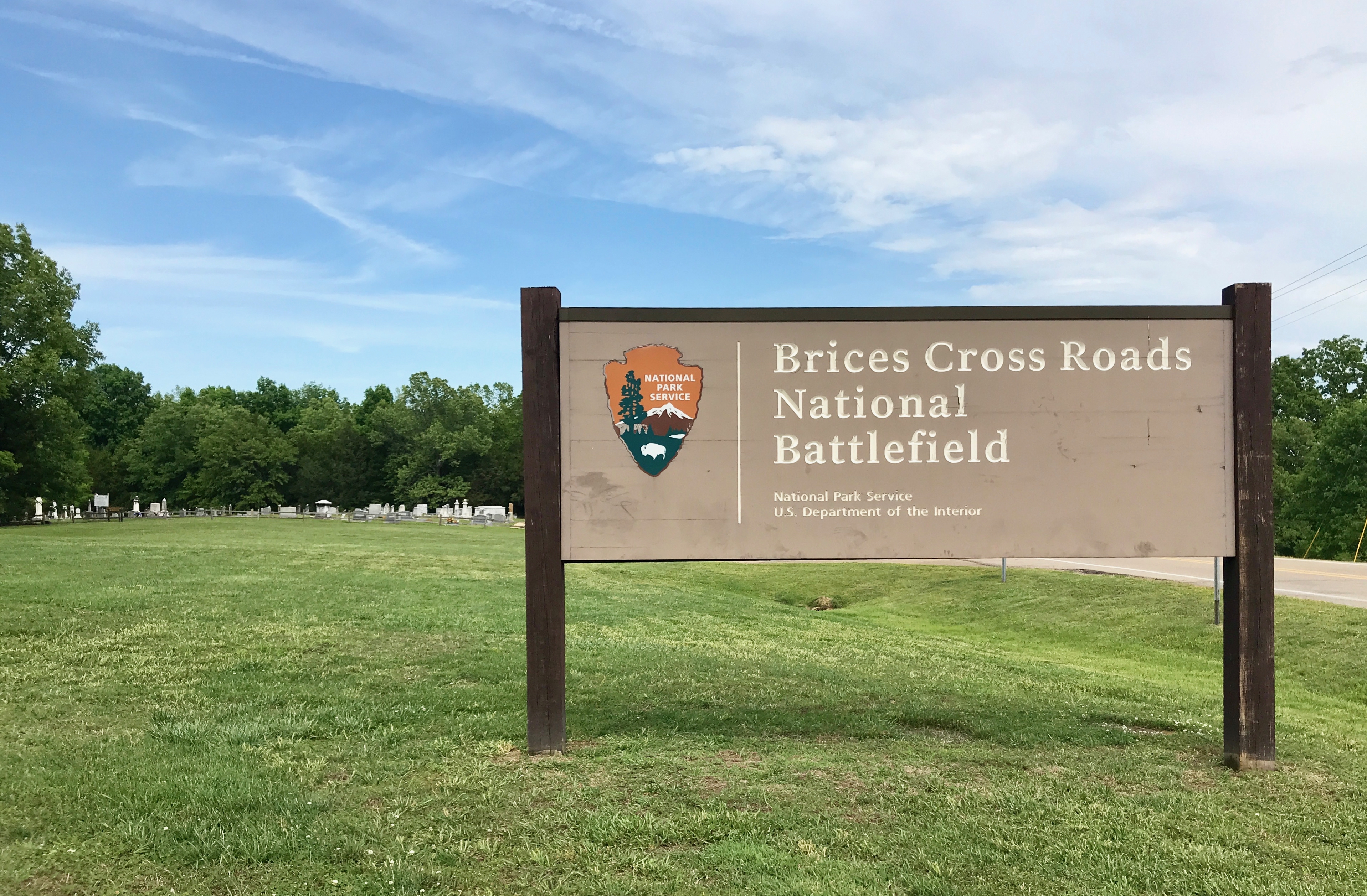
I came across a memorial for a battle I had never heard about. All around the area there were markers about significant events in the battle.
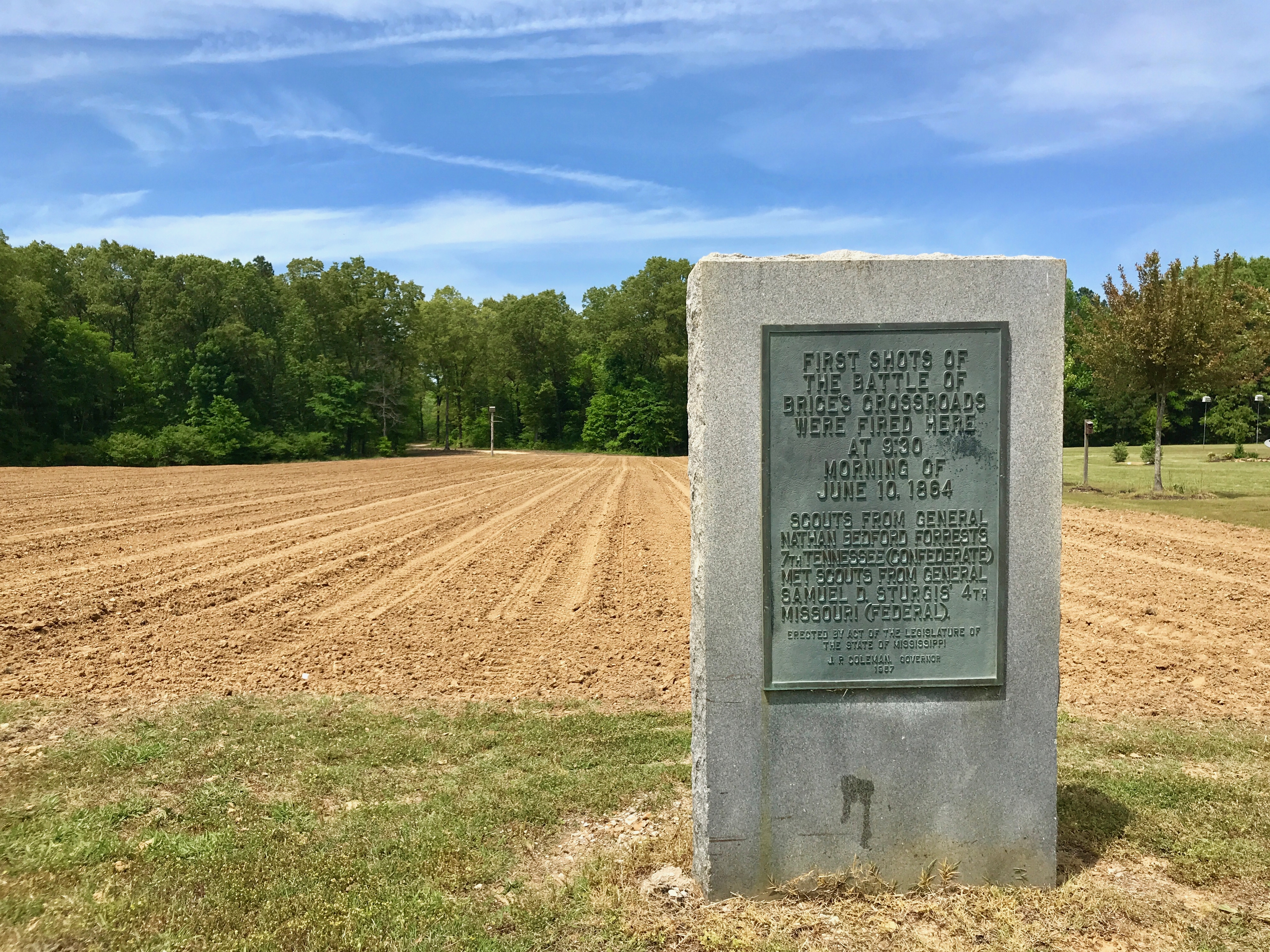
The first shots…
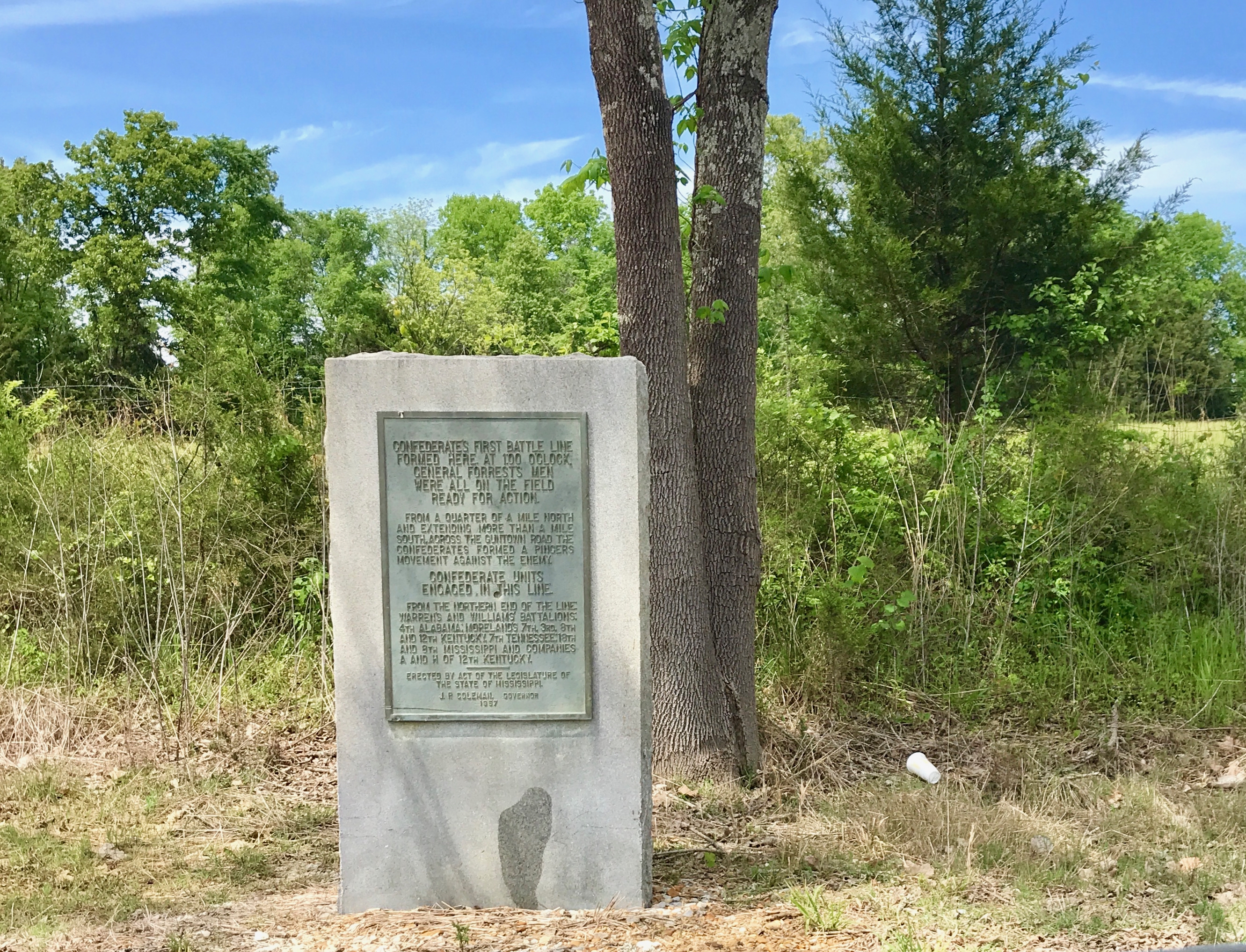
The first Confederate battle line…
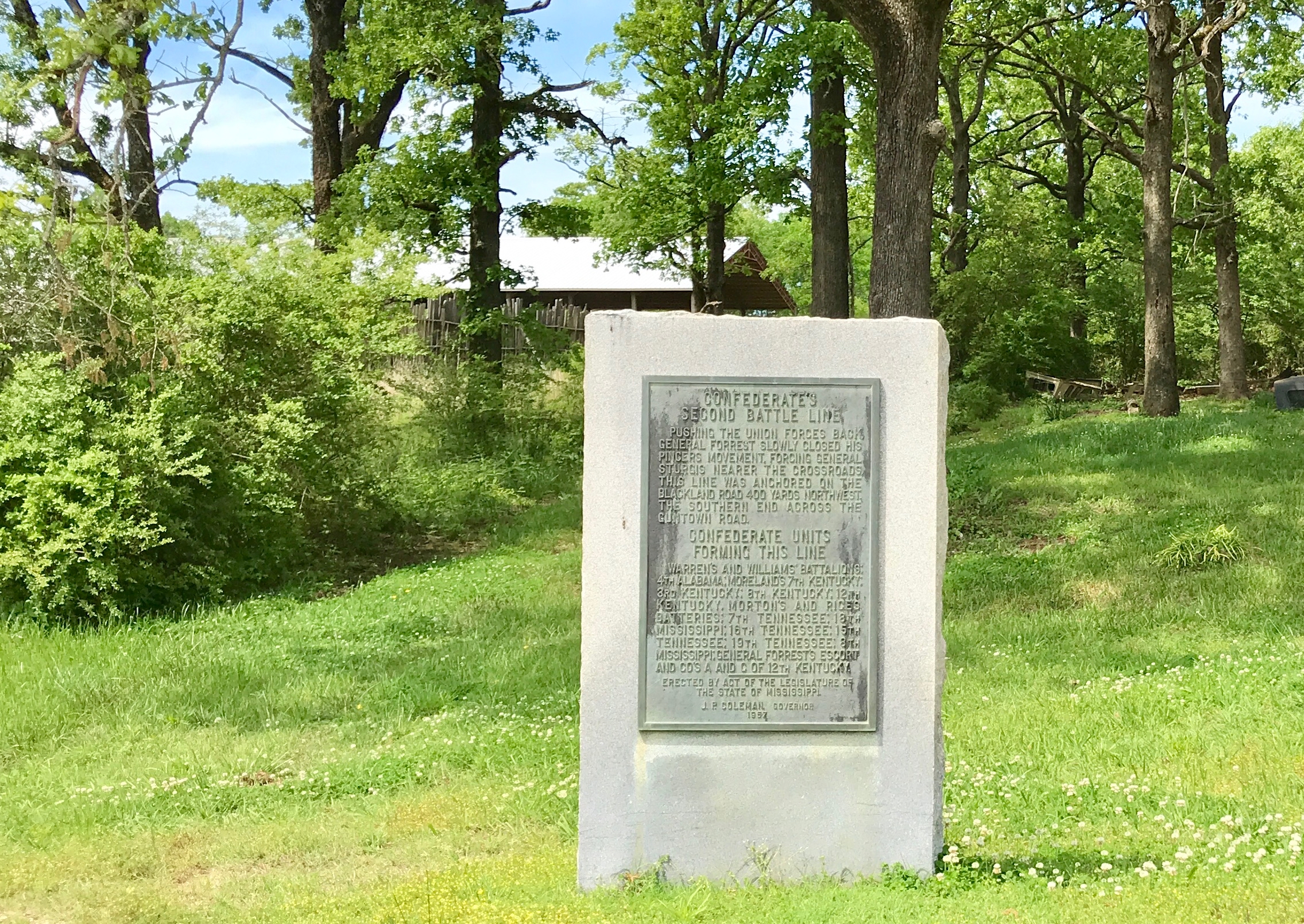
The second Confederate battle line…
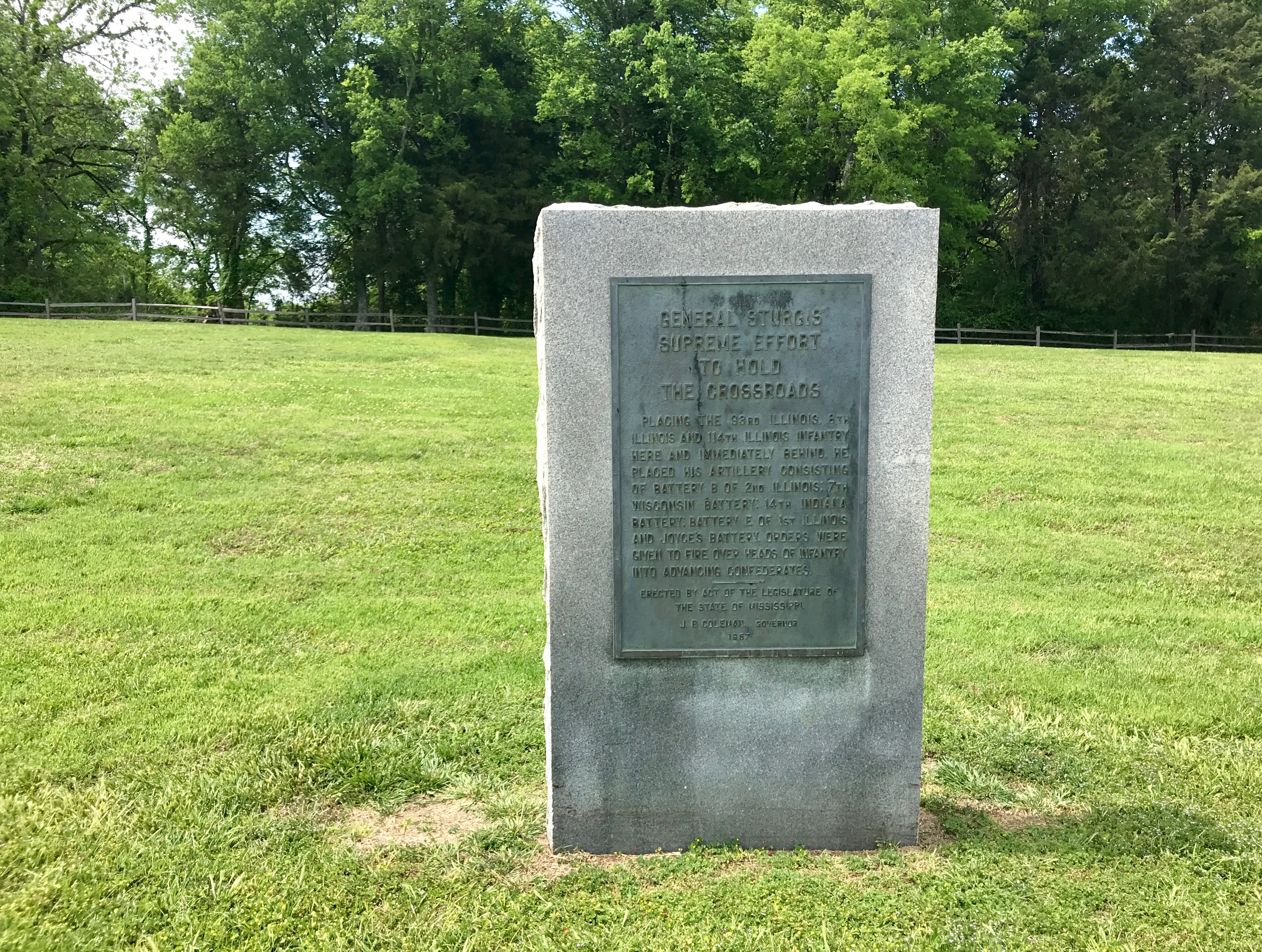
The Union soliders’ supreme effort to hold the crossroad.
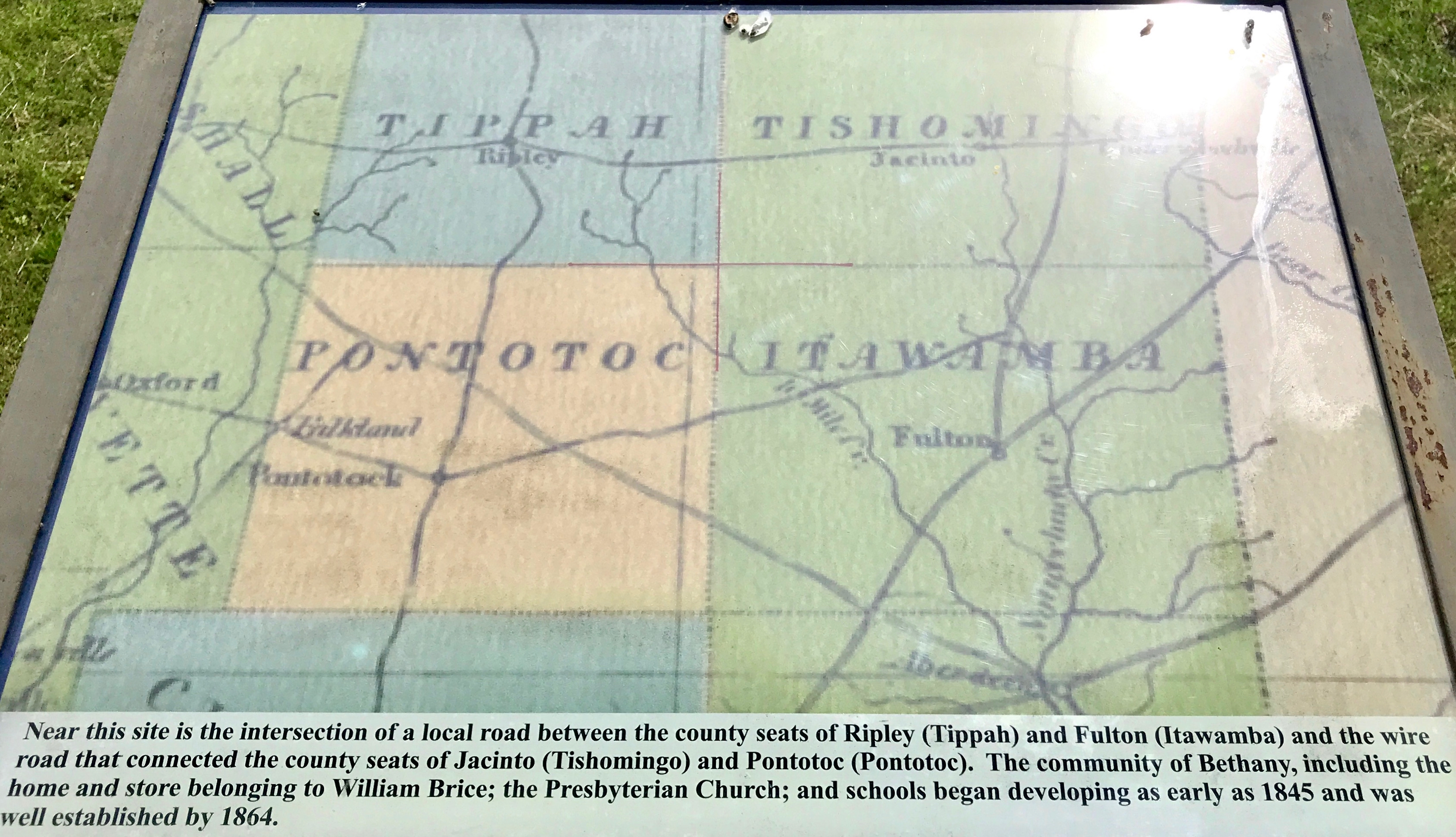
This is where the fighting took place…
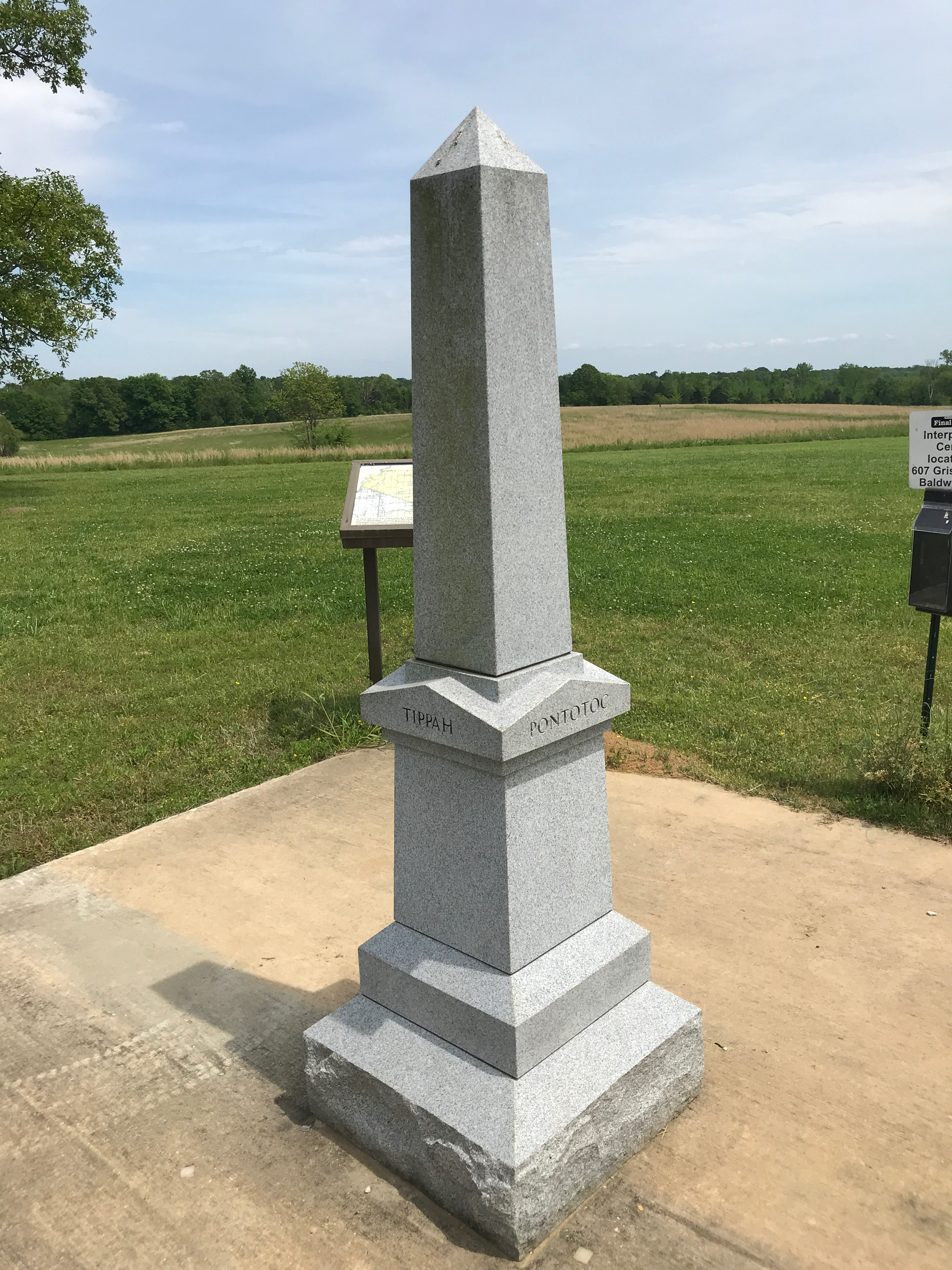
and the marker of the spot where the four counties connect.
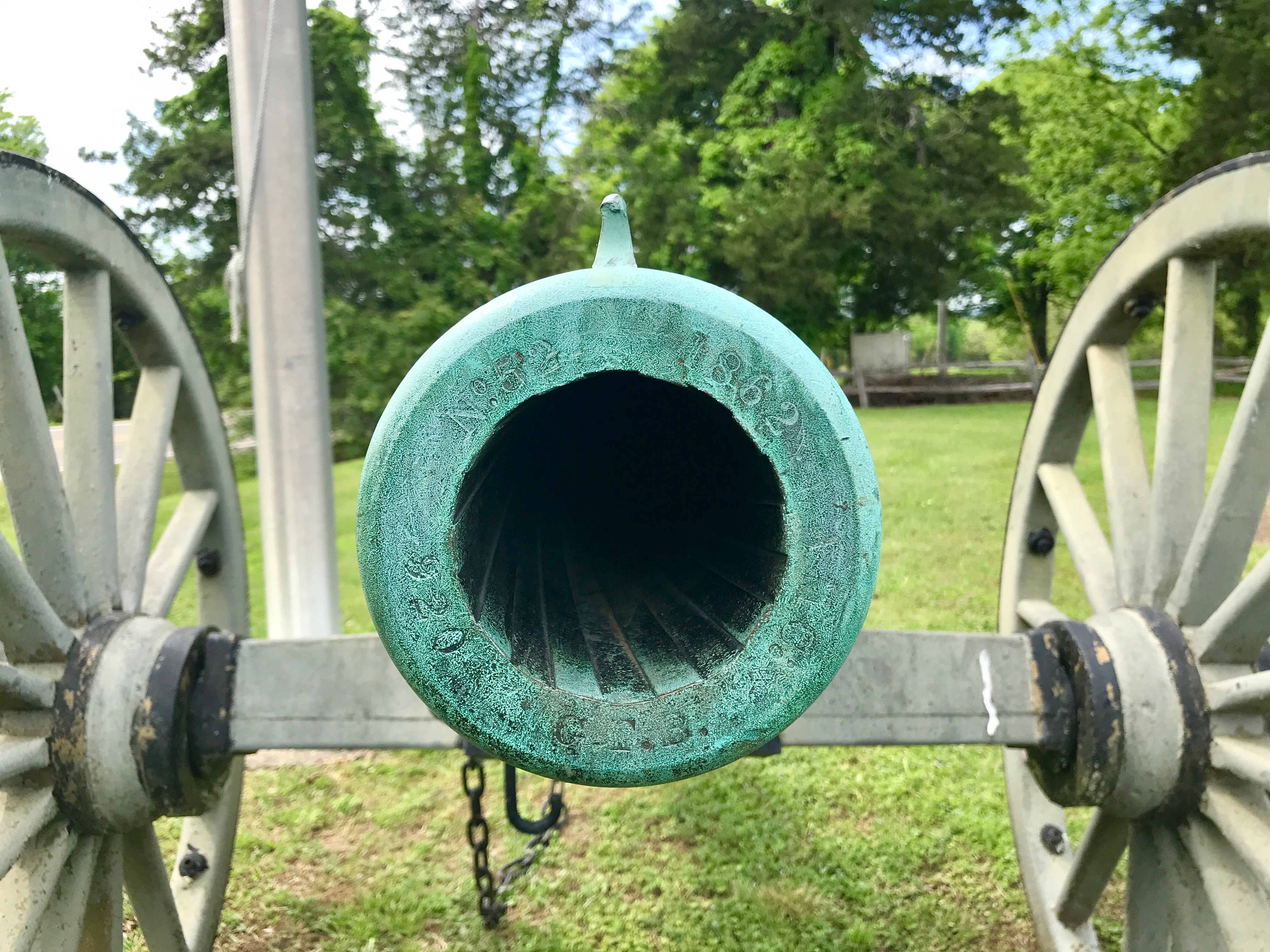
A major portion of the Battle of Brice’s Cross Roads was fought through the cemetery, much of it was destroyed. The church and William Brice’s house, which flanked the cemetery, were also involved.
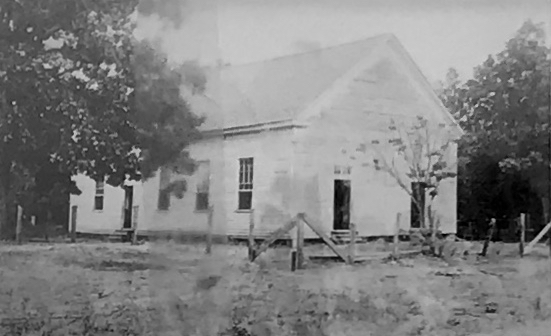
This is the second church, which was build in 1872.
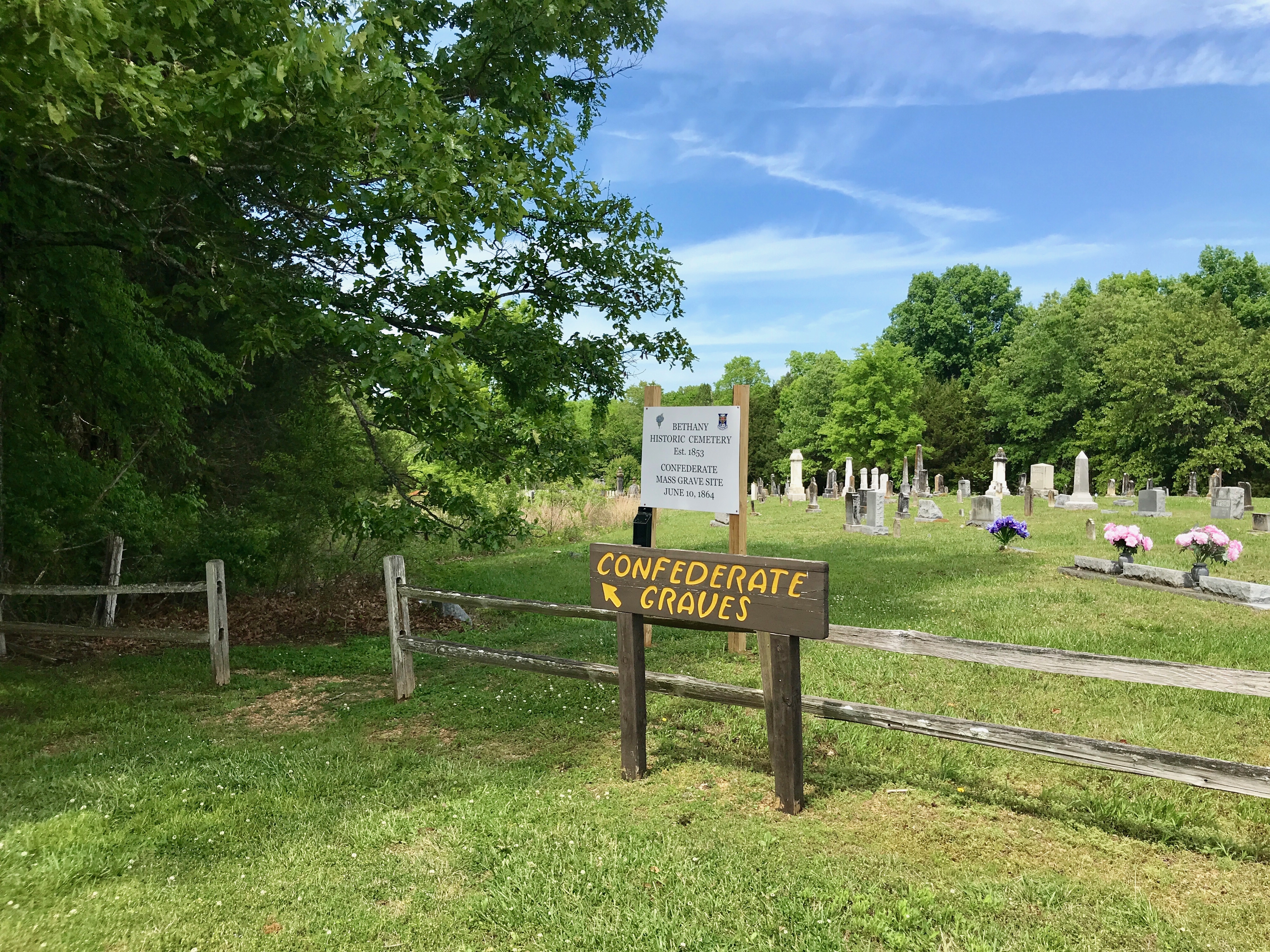
It was a lovely day to stroll through a cemetery.
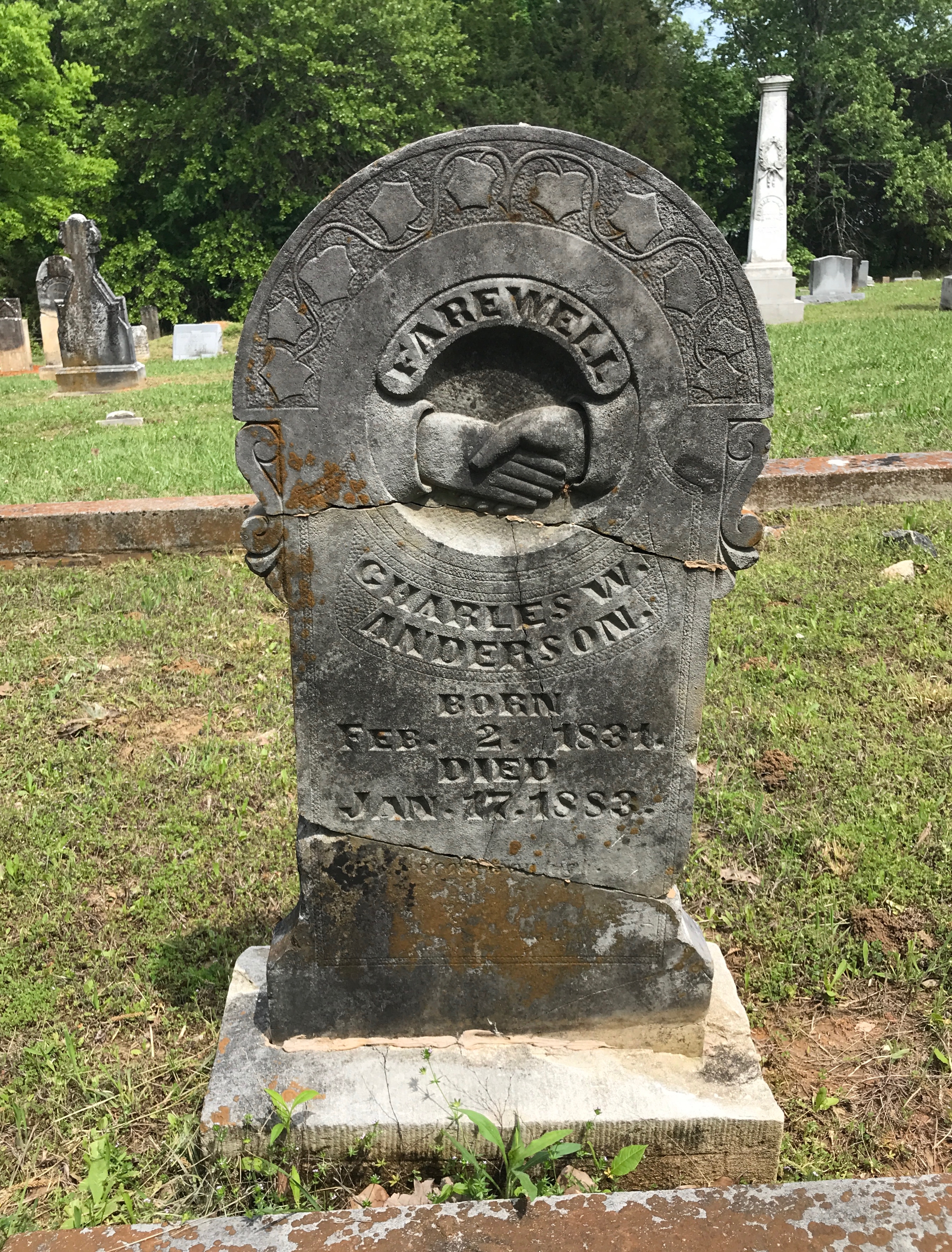
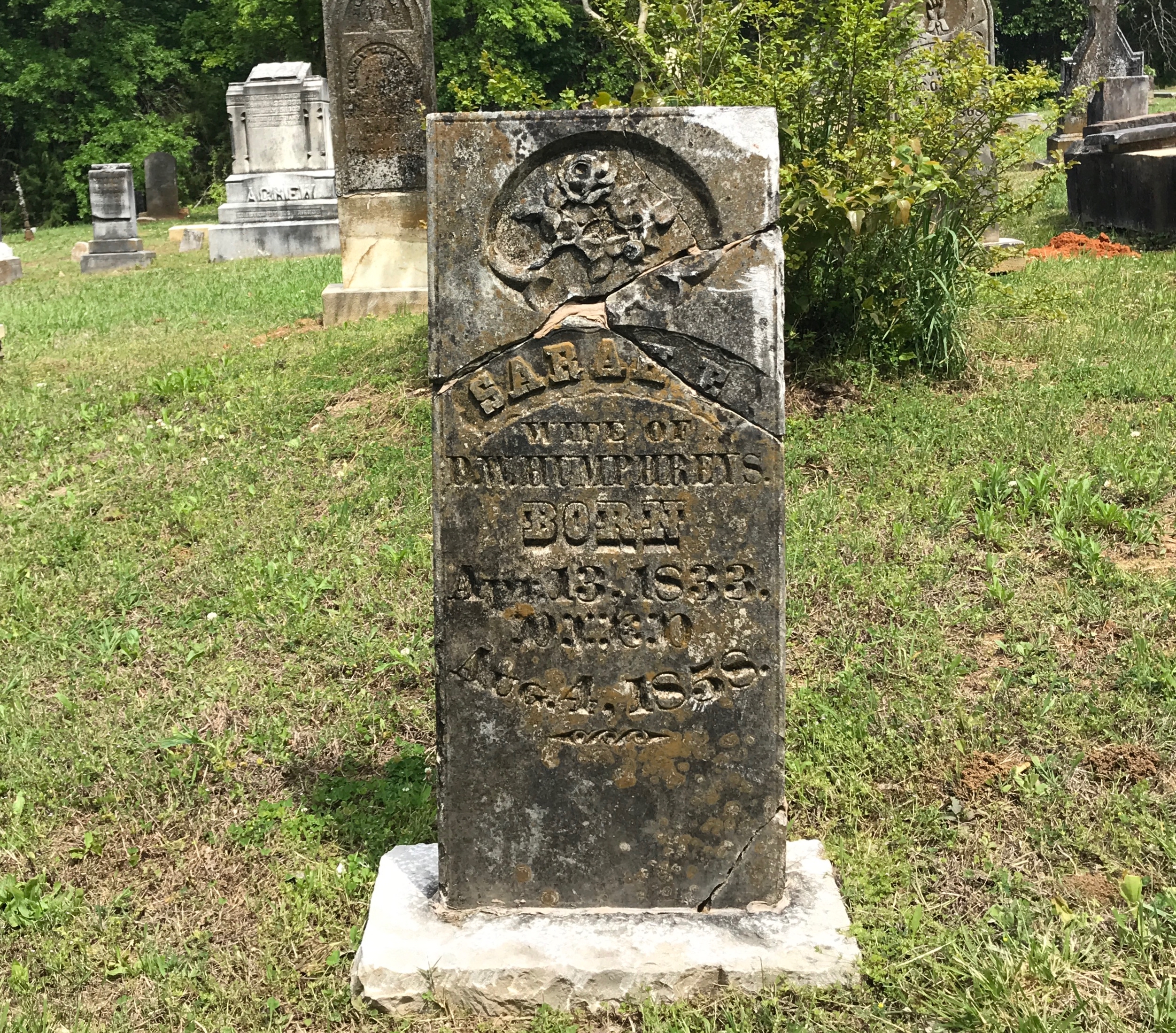
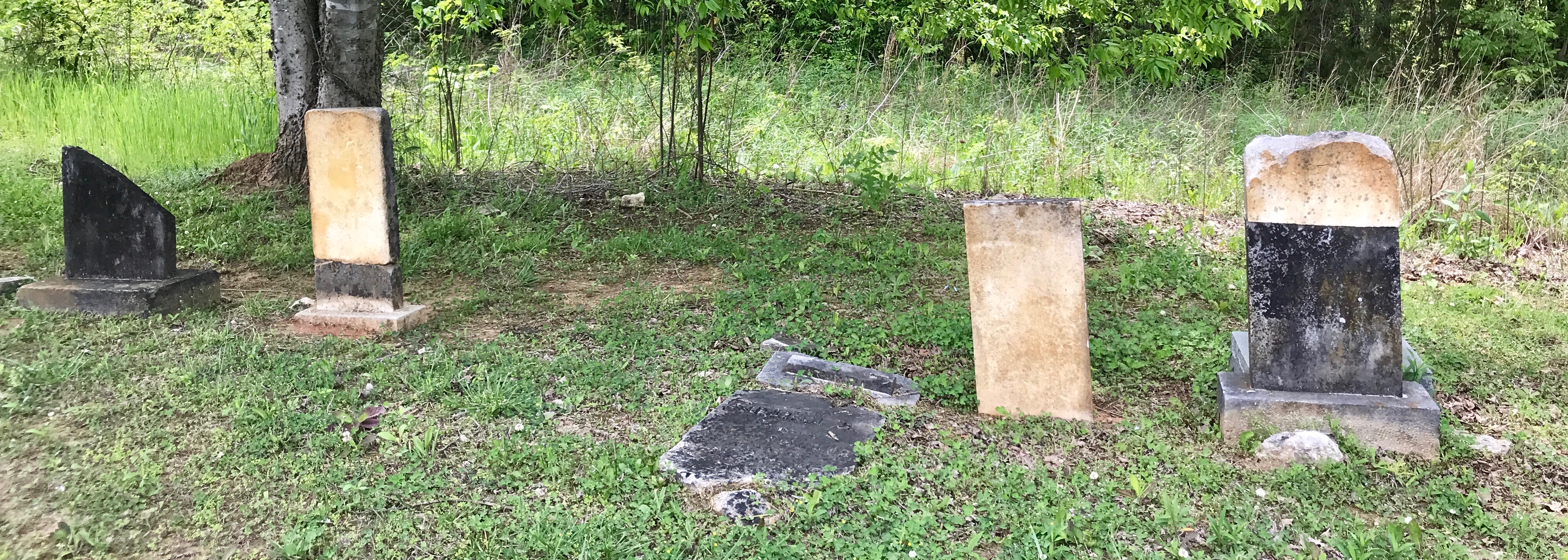
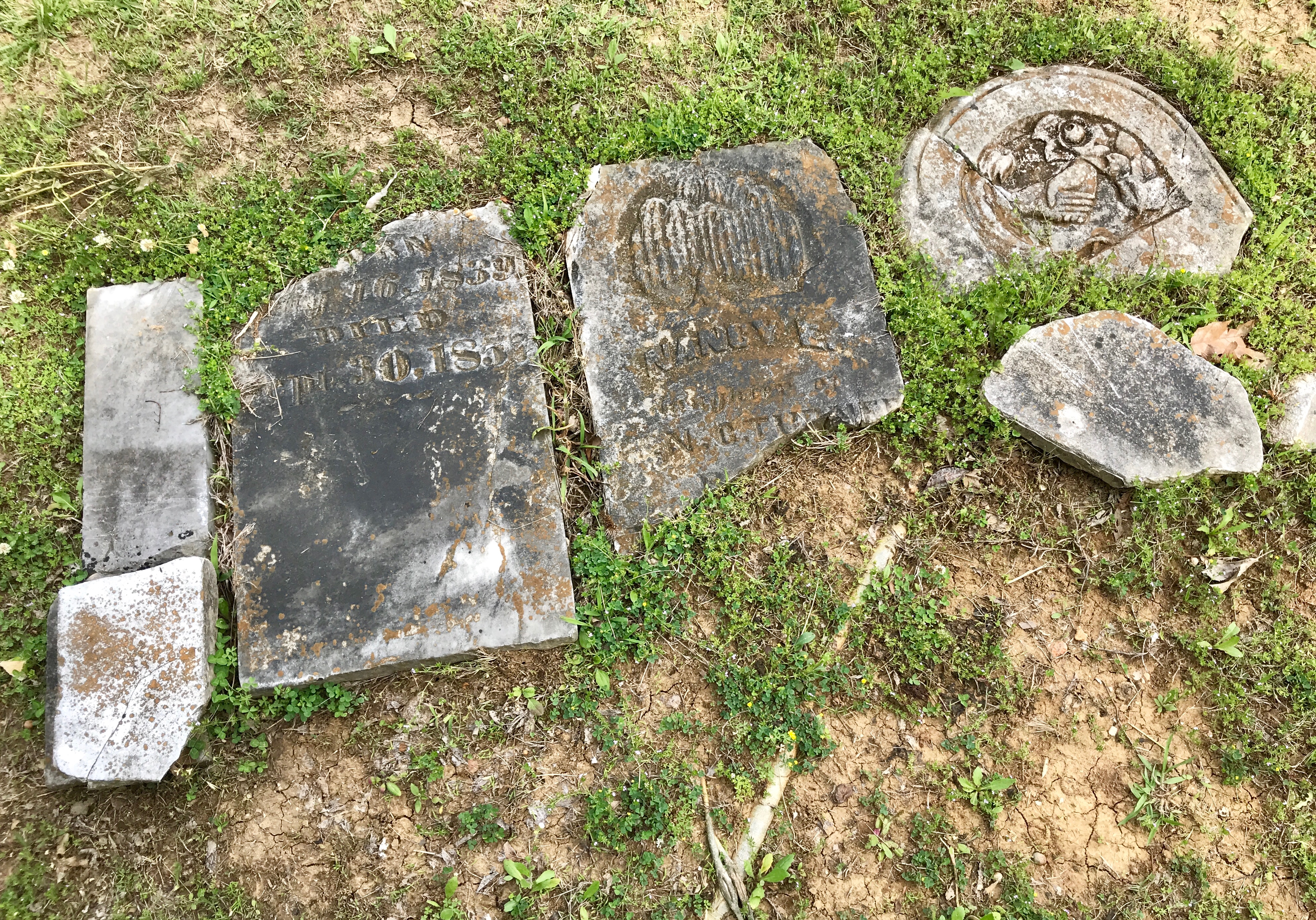
And back to the Confederate graves.
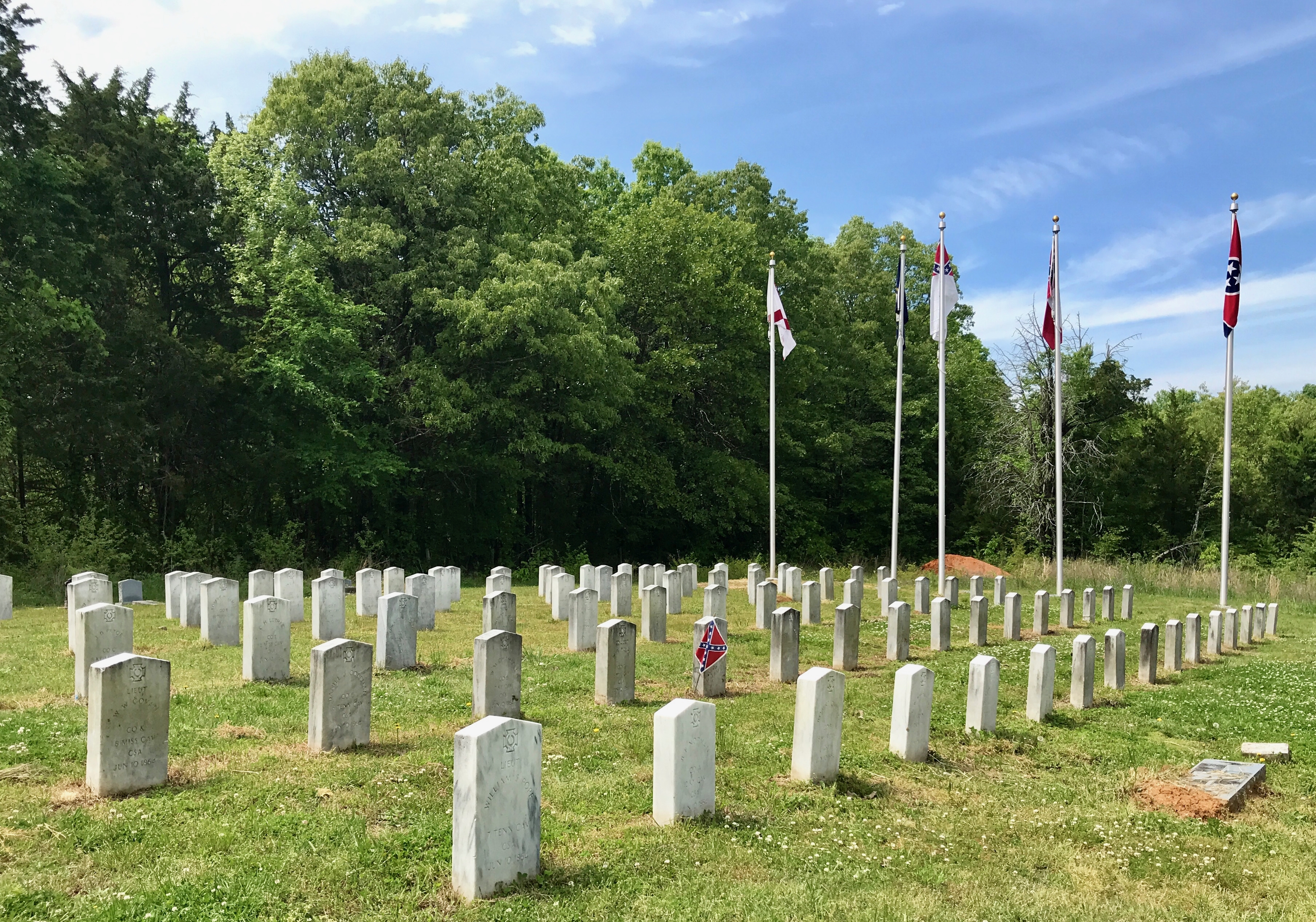
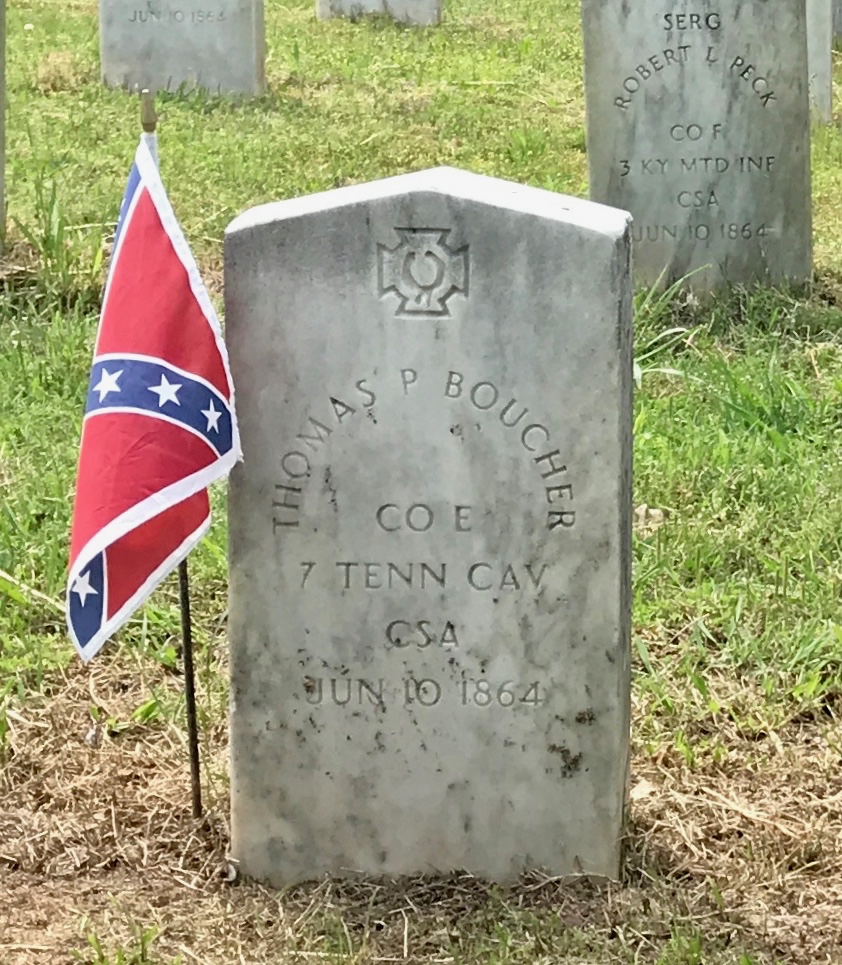
Everyone deserves to be remembered.
I wonder when this memorial was erected?
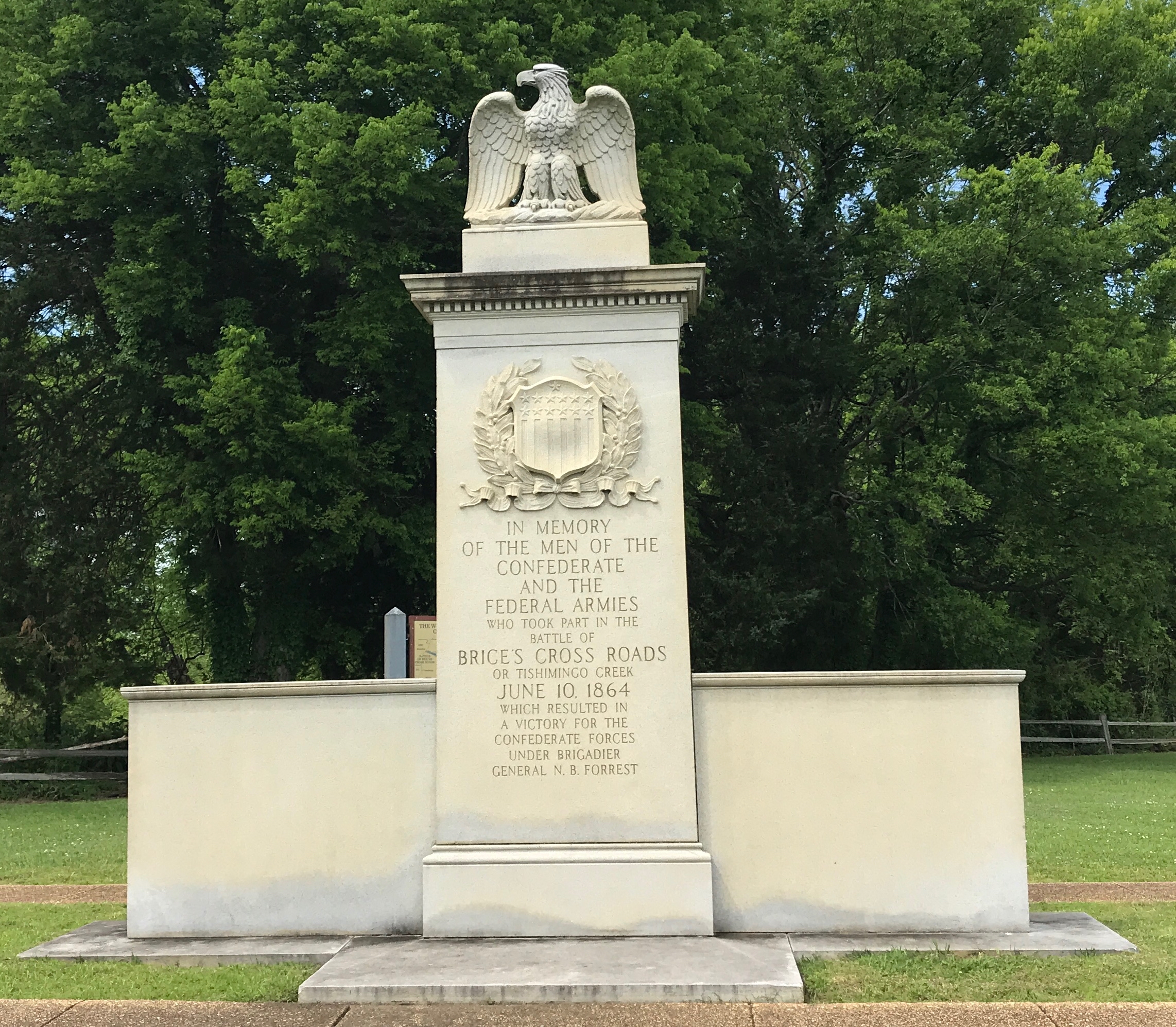
Something about it reminds me of artwork from the ’30s and ’40s.
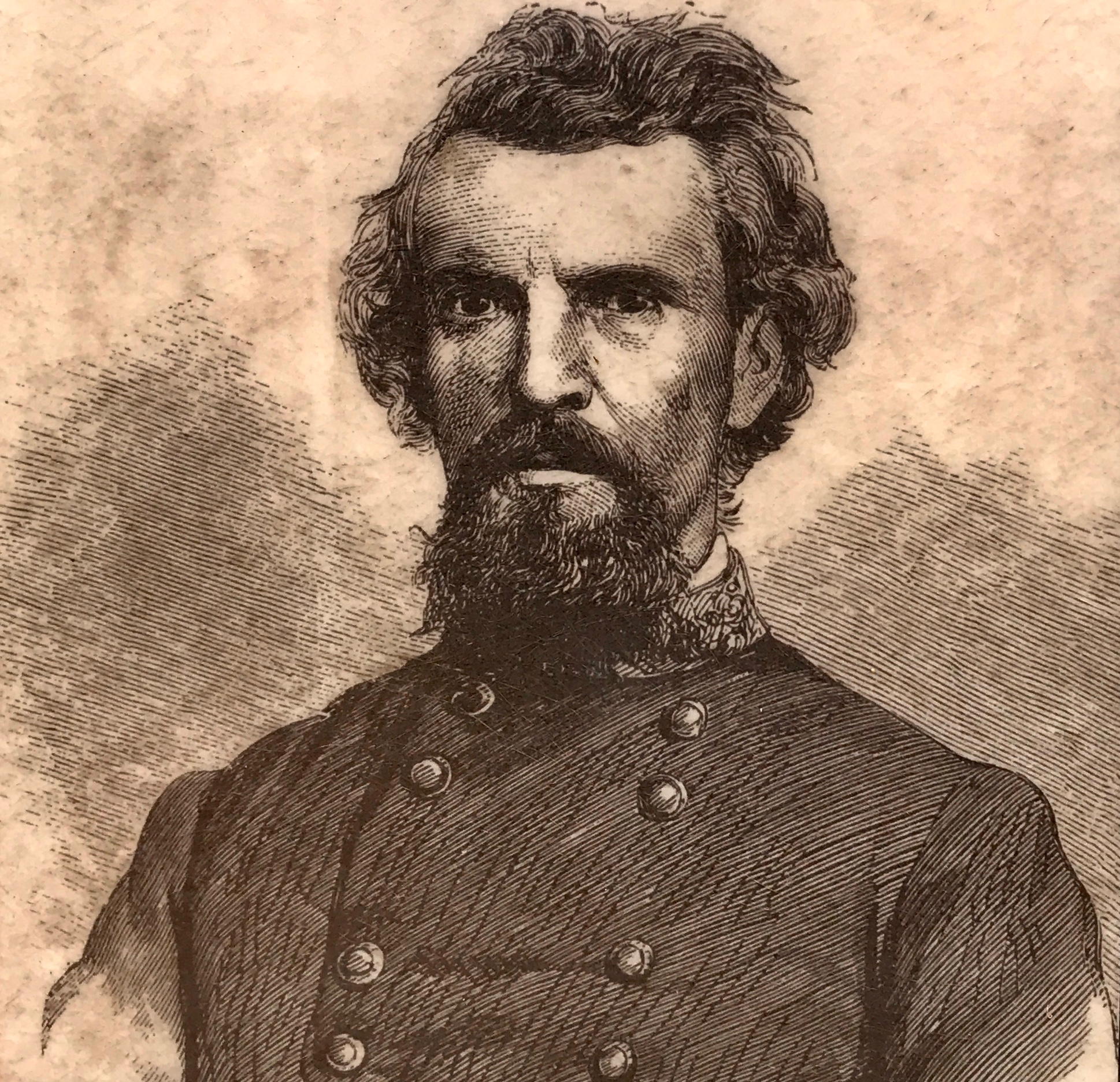
Incidentally, did you notice the name of the Confederate leader who is credited with the win? Brigadier General Nathan Bedford Forrest.
The first time I’d heard the name was in Forrest Gump.
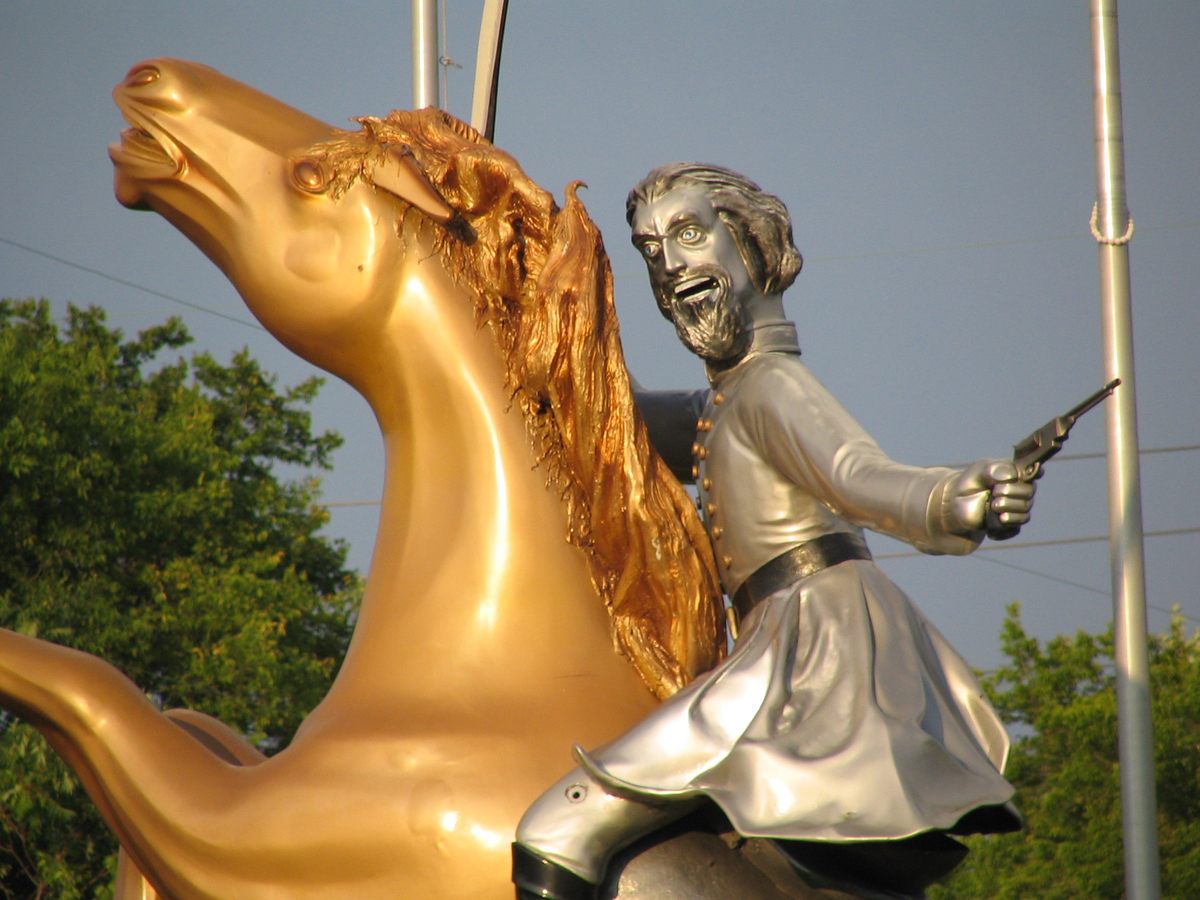
Before coming across this monument, The only other time I’d heard of him was when this sculpture was in an Atlas Obscura email.
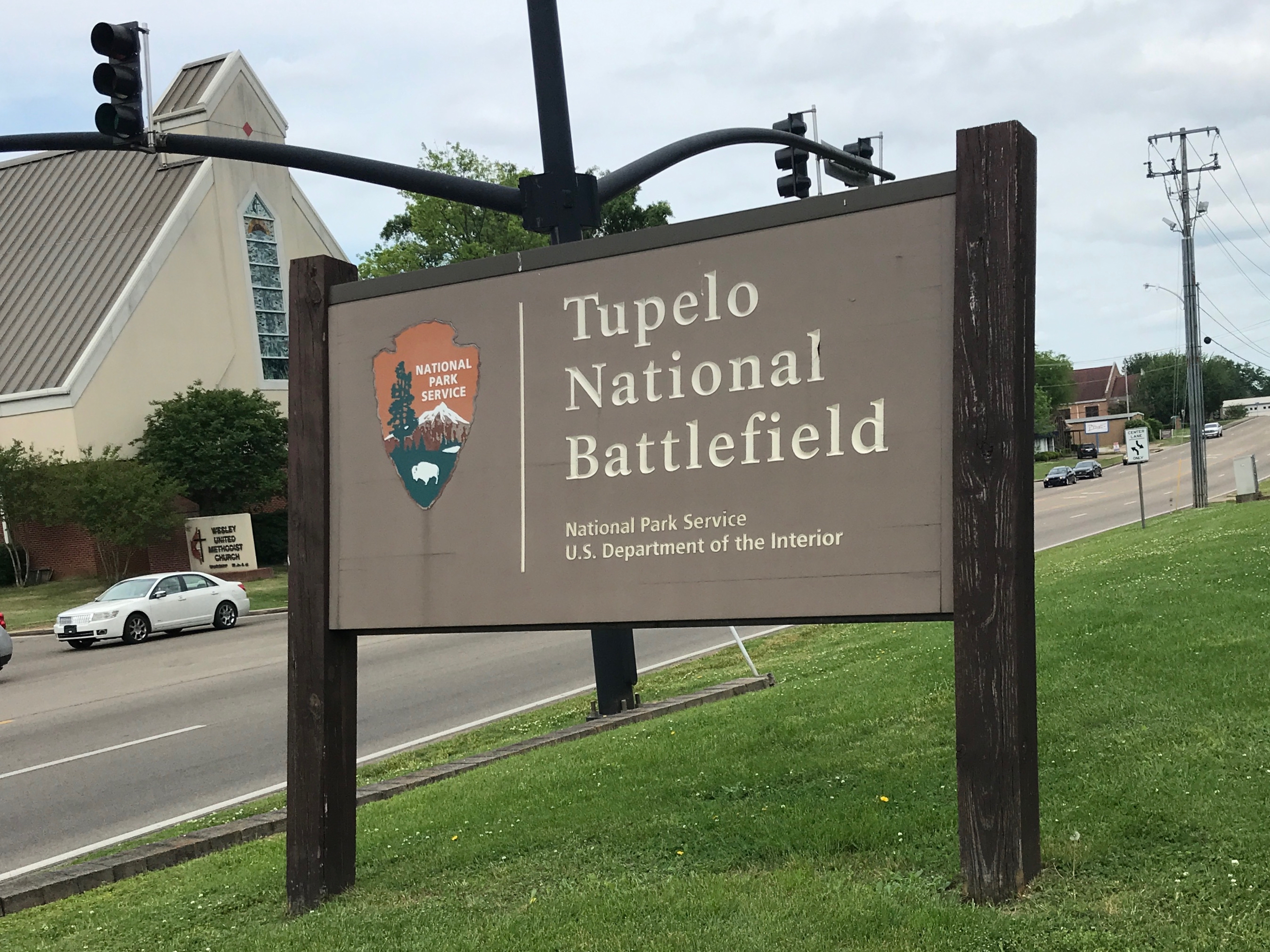
Time to head back to Tupelo, and another battlefield.
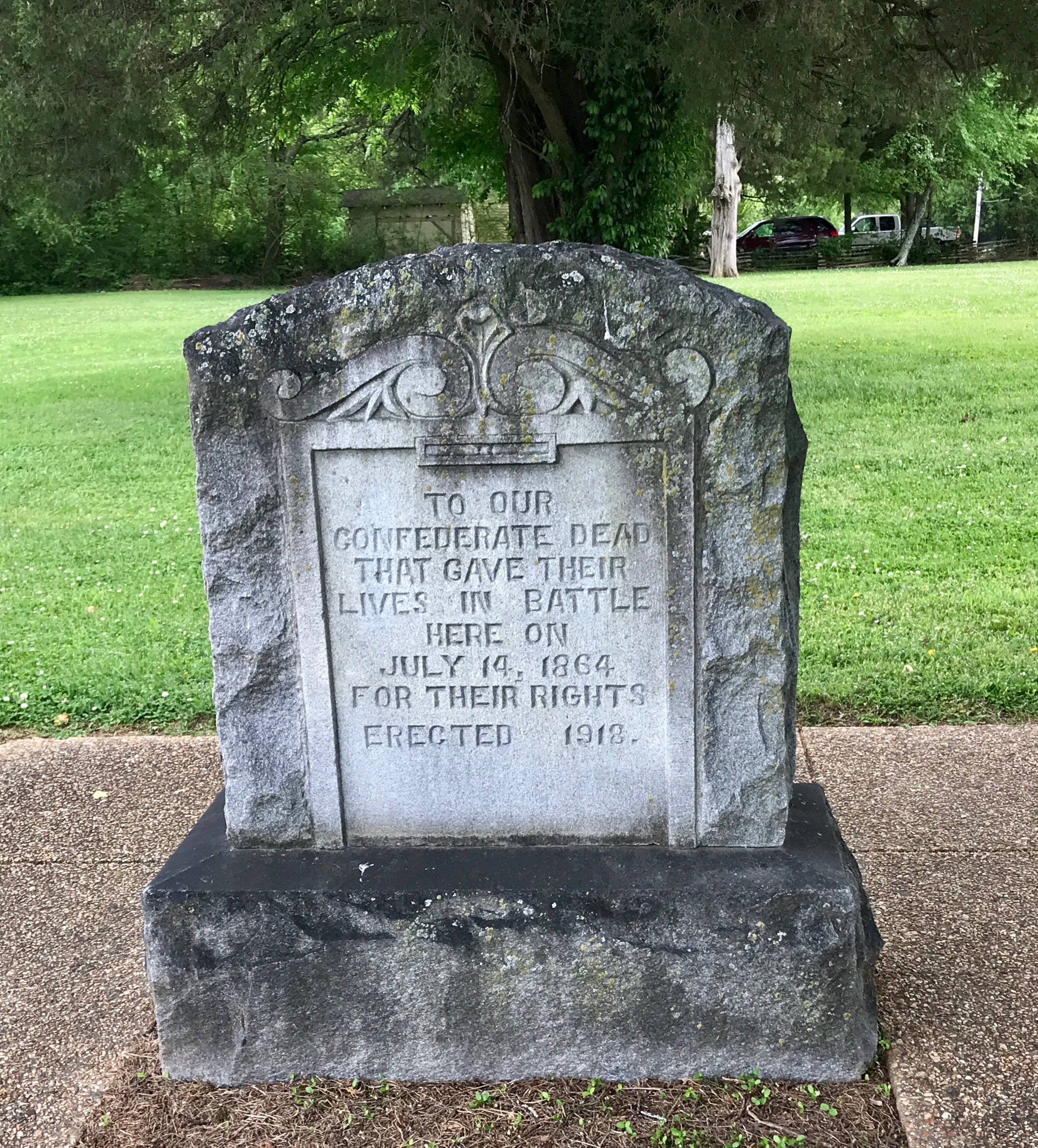
Well, we can see when time memorial was erected.
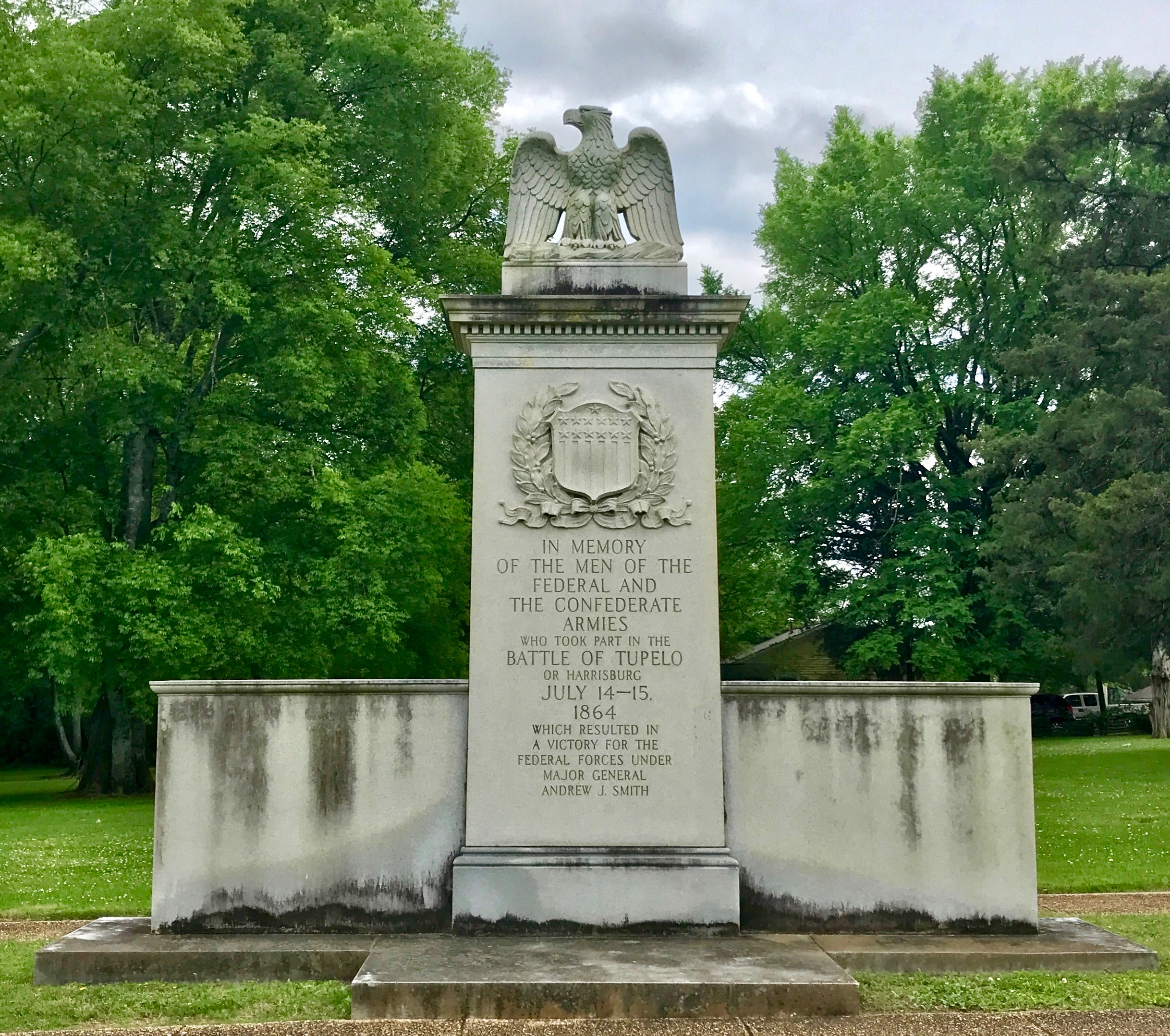
Hmm…something about this memorial looks familiar.
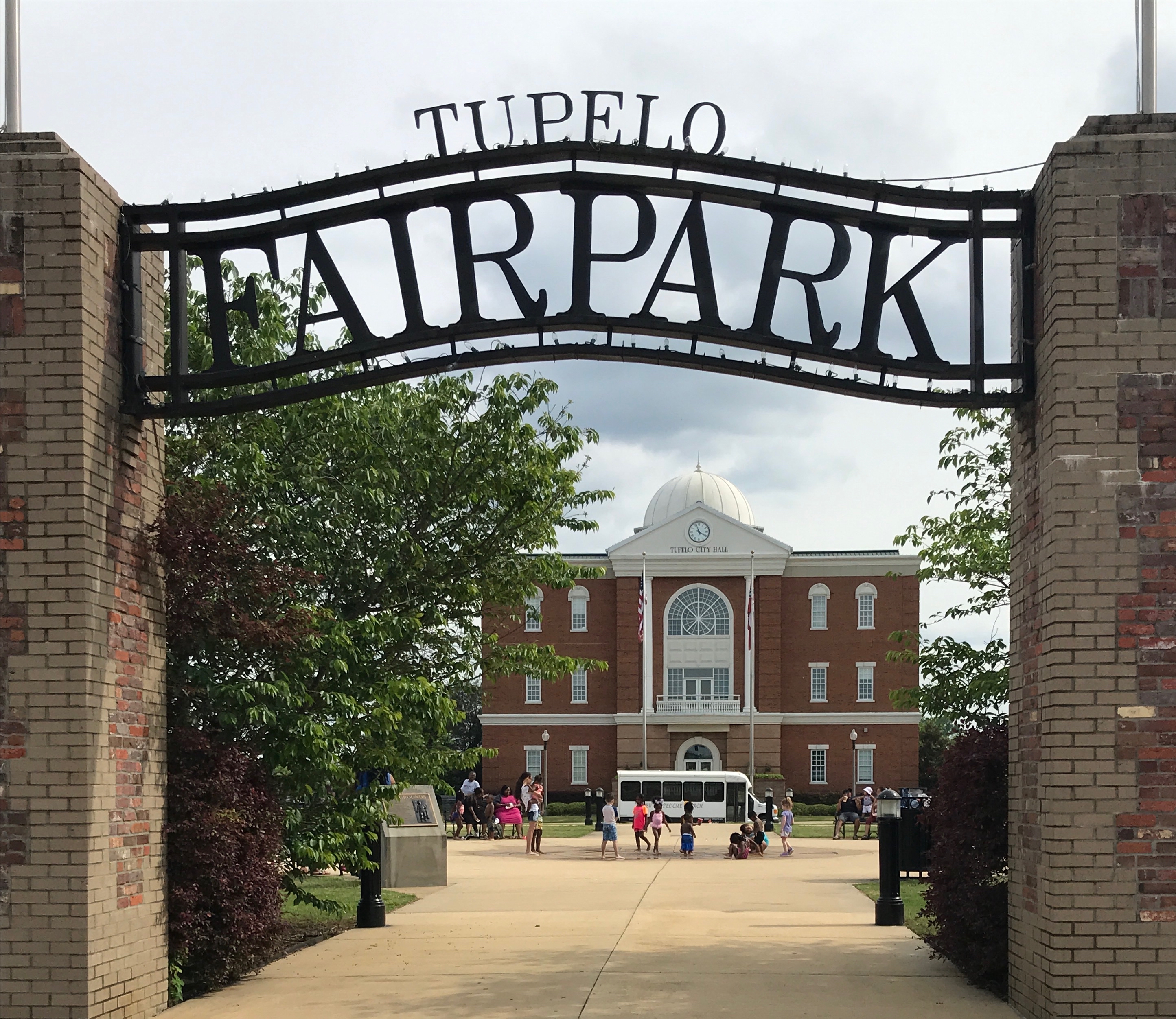
I headed over to the Tupelo Fairpark.
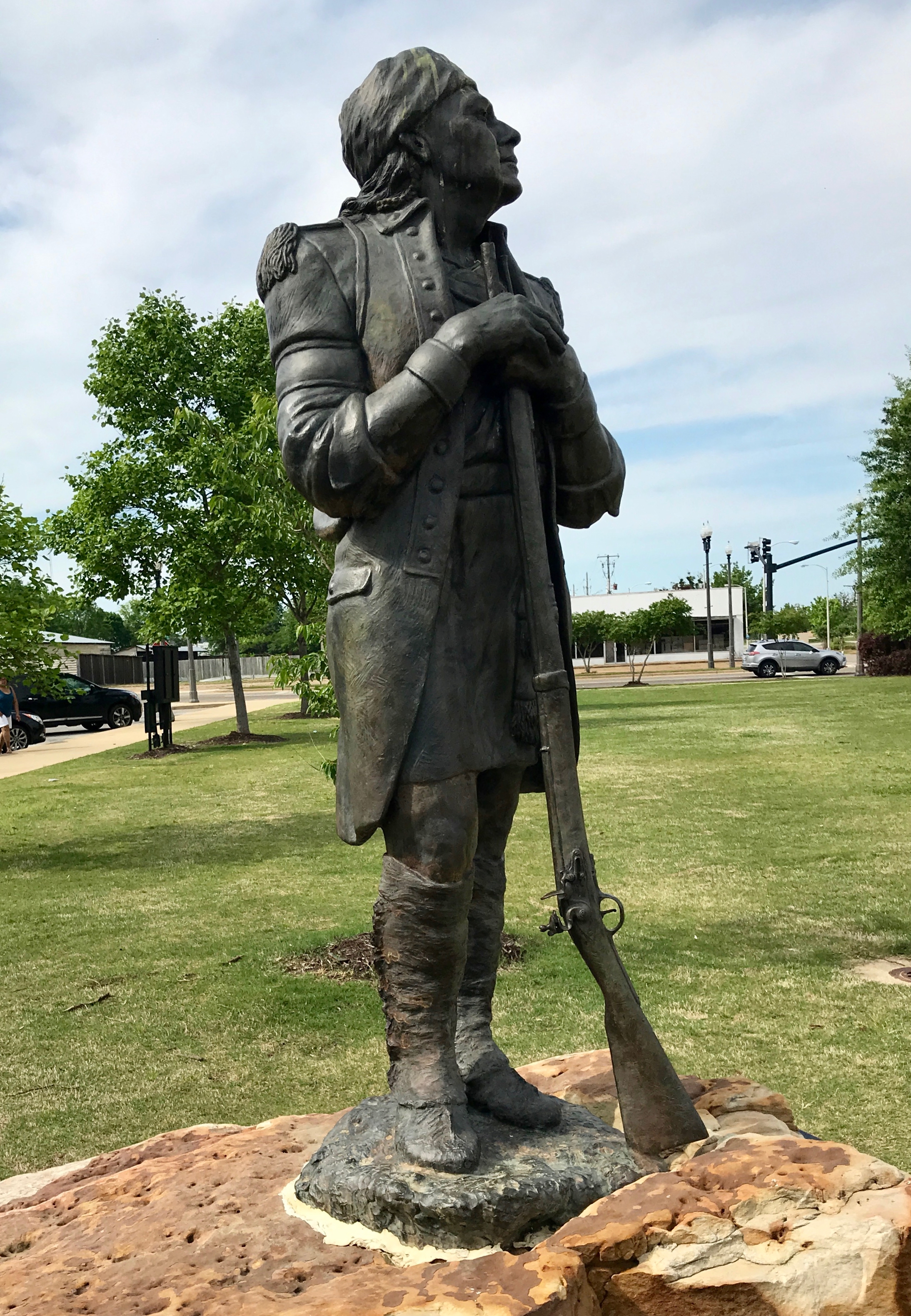
It was refreshing to see a monument to a native American leader.
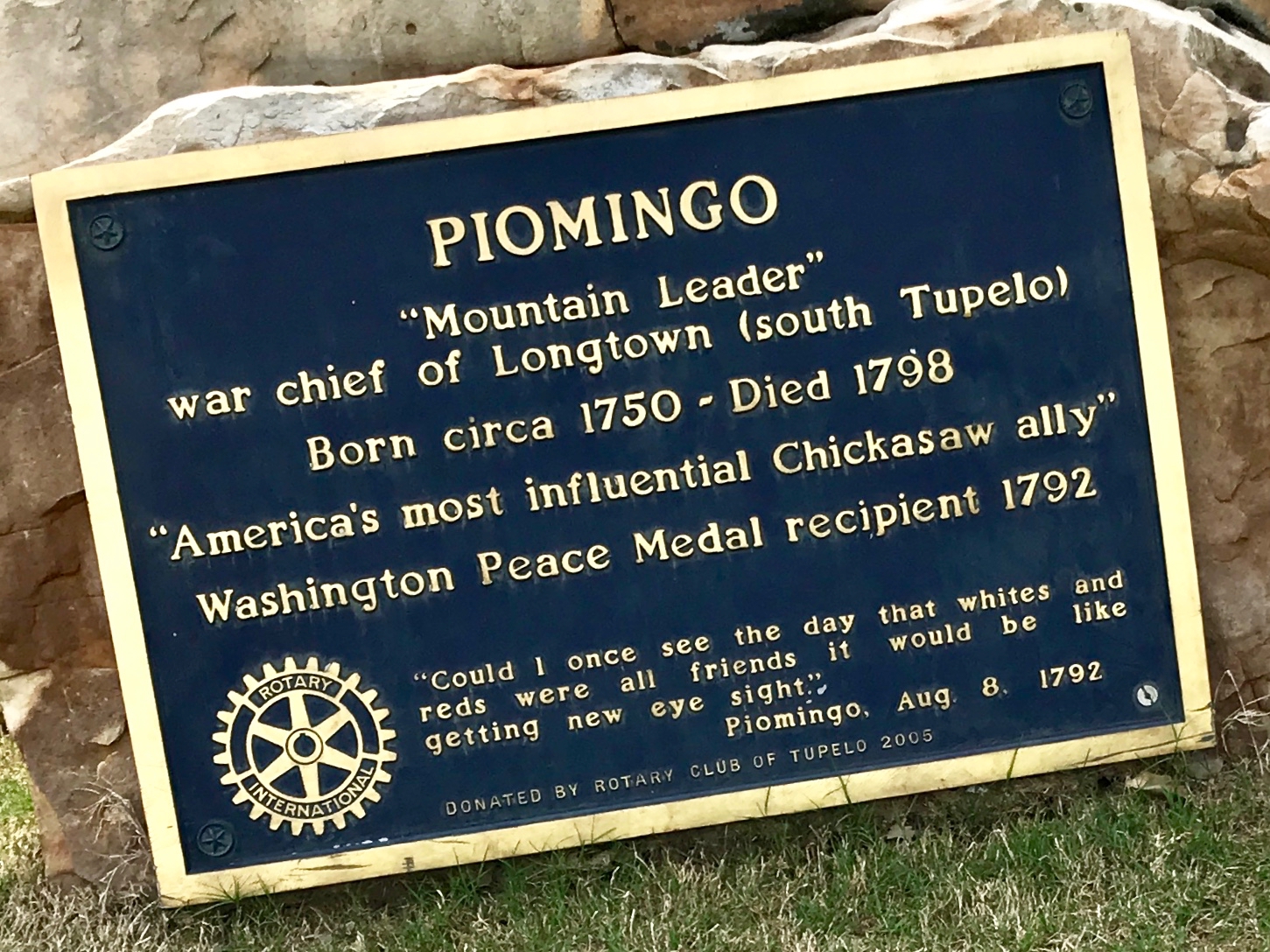
Piomingo lead his people at a crucial time in their history. The alliances he forged and the choices he made paved the way for Chicasaw prosperity into the 19th century.
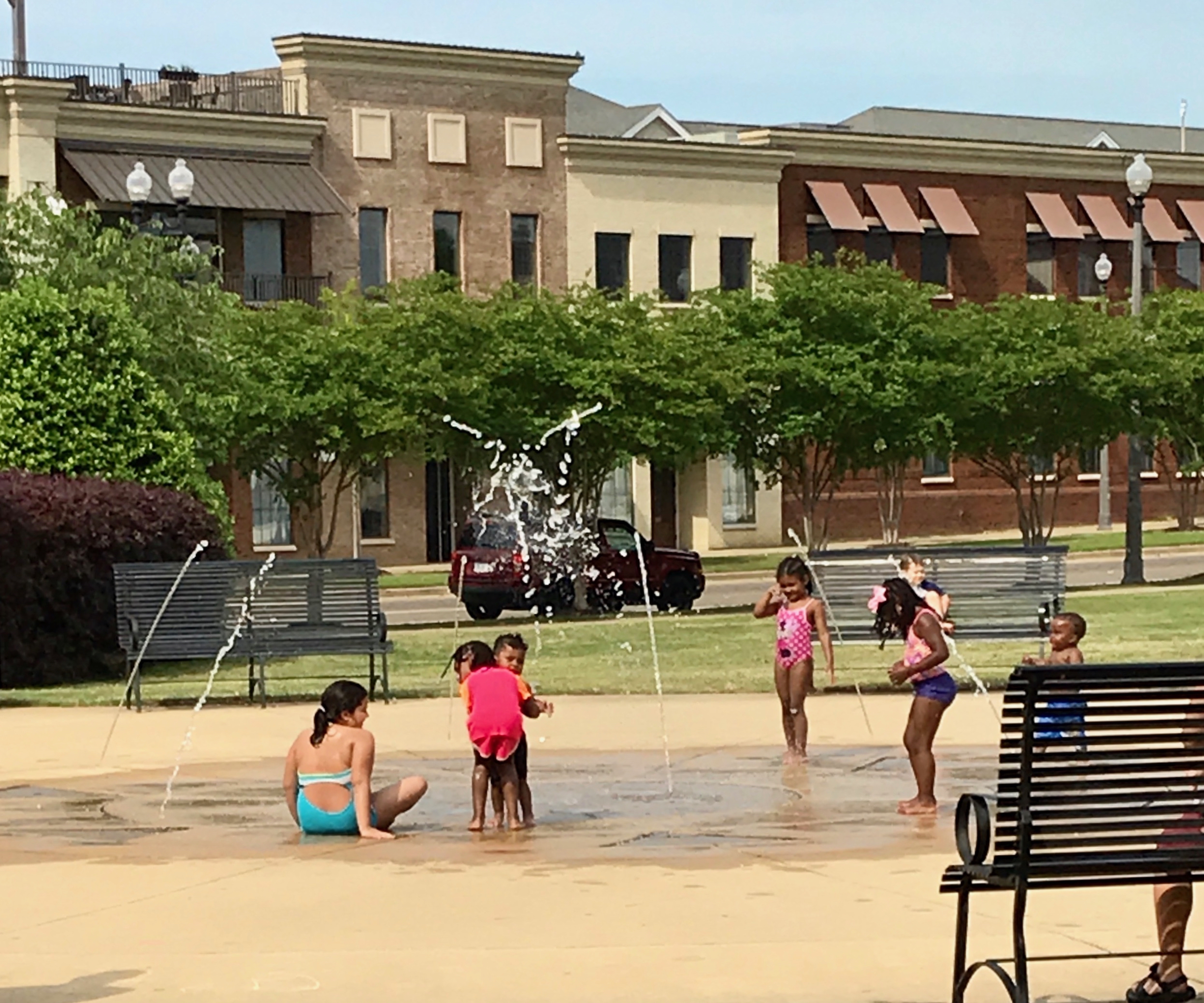
I walked about the park a bit more, and saw this delightful splash pad. The children were having fun playing and the adults were sitting around relaxing.
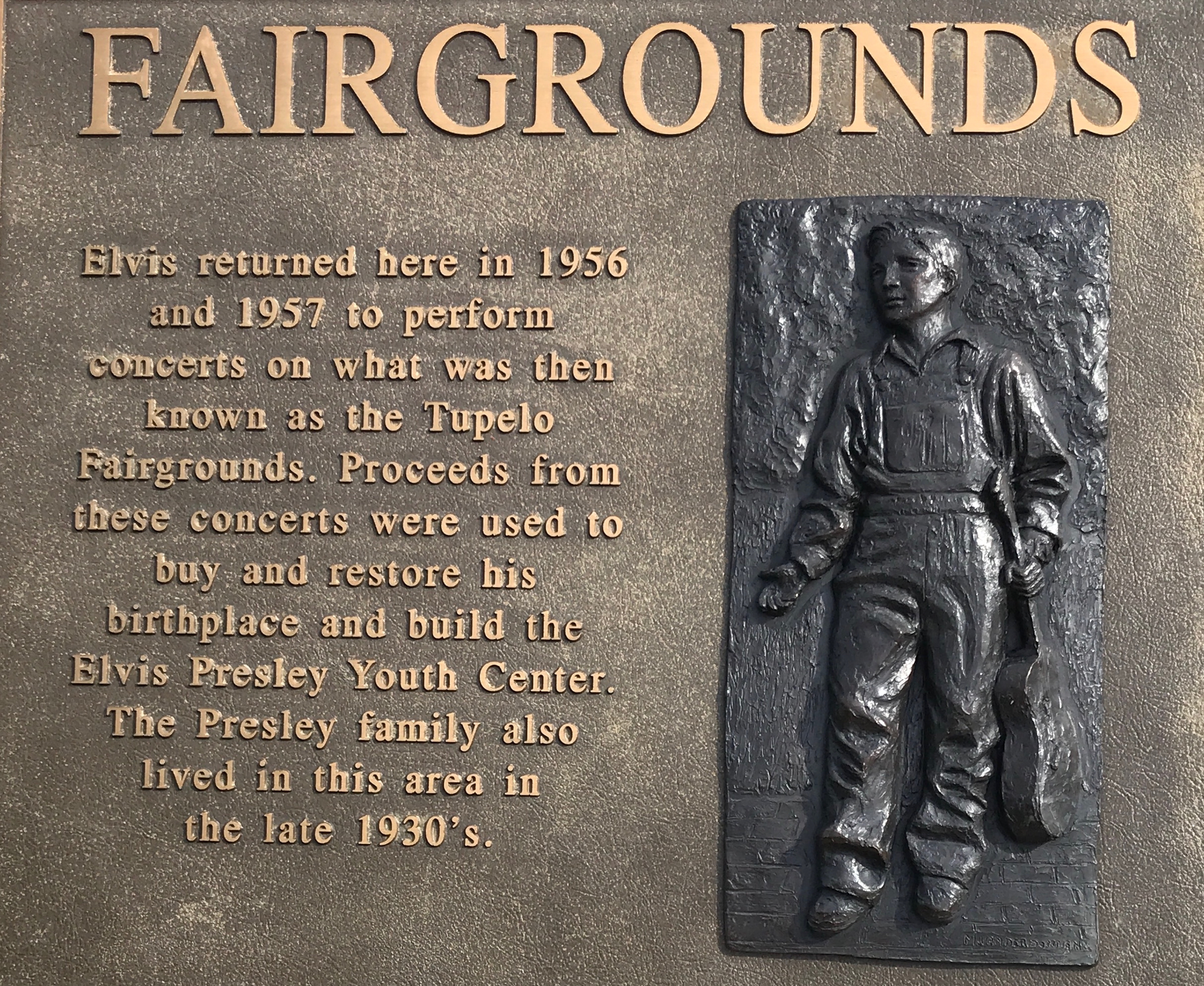
What would Tupelo be without Elvis?
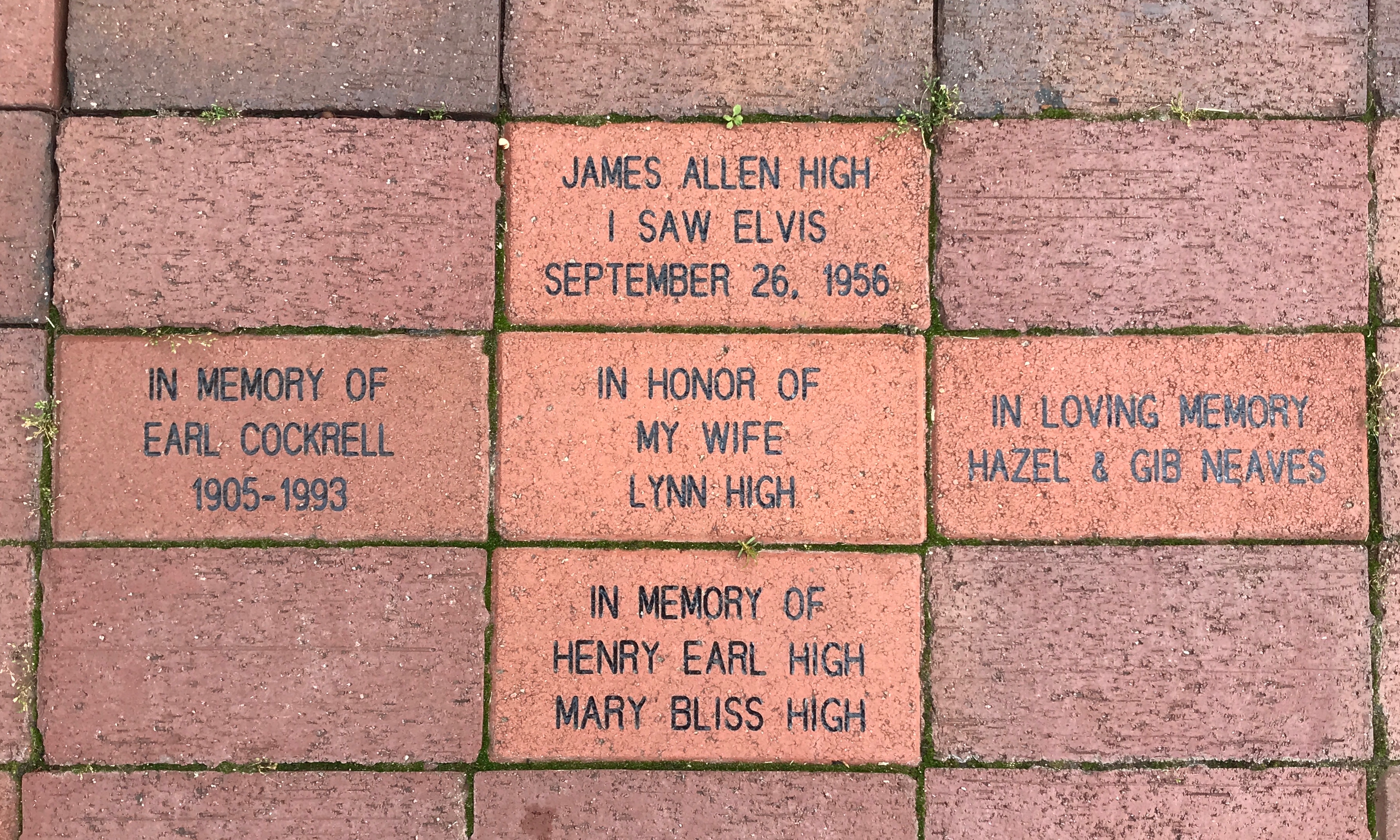
Well, Elvis and the people who love him.
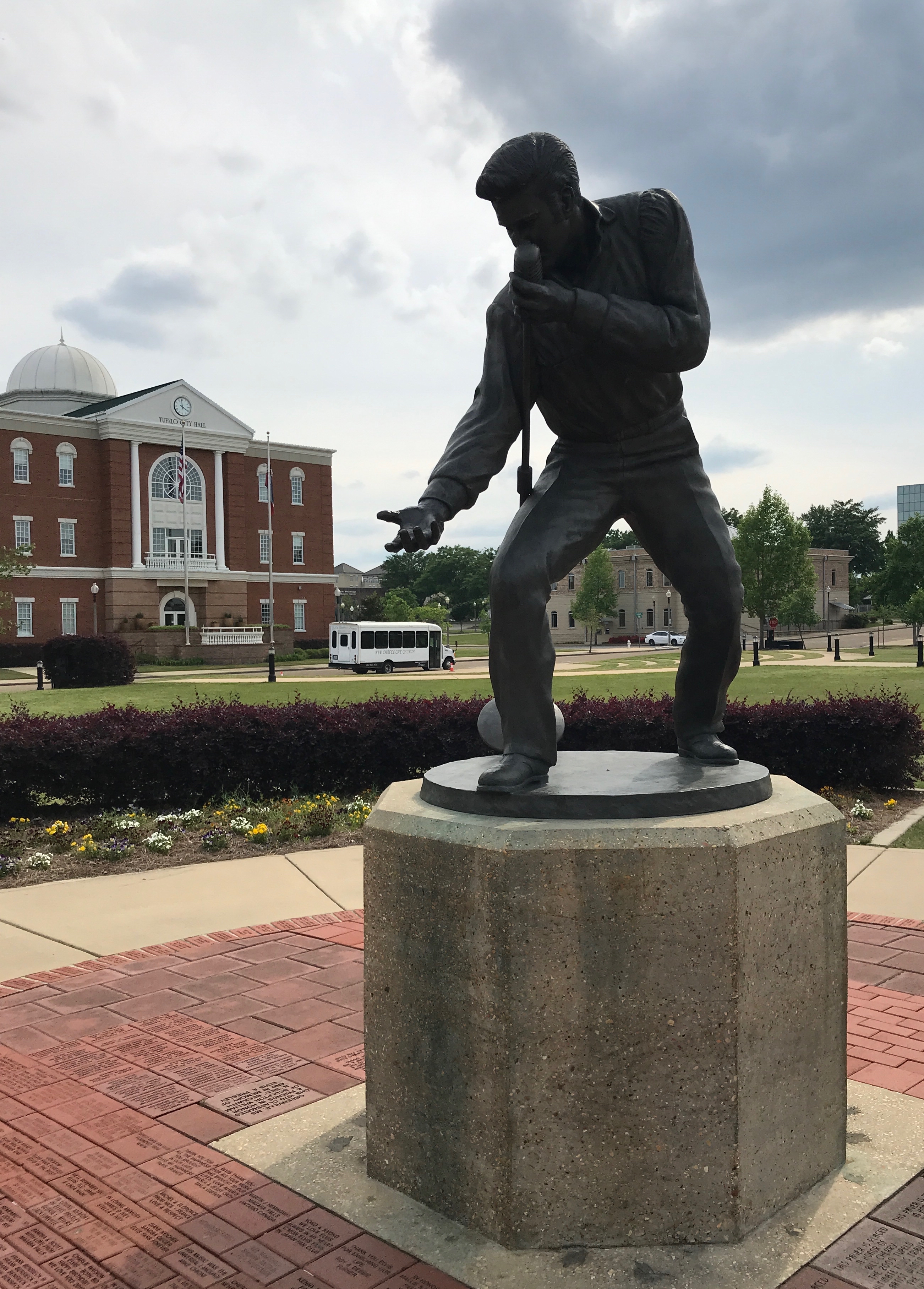
Goodbye, Elvis!
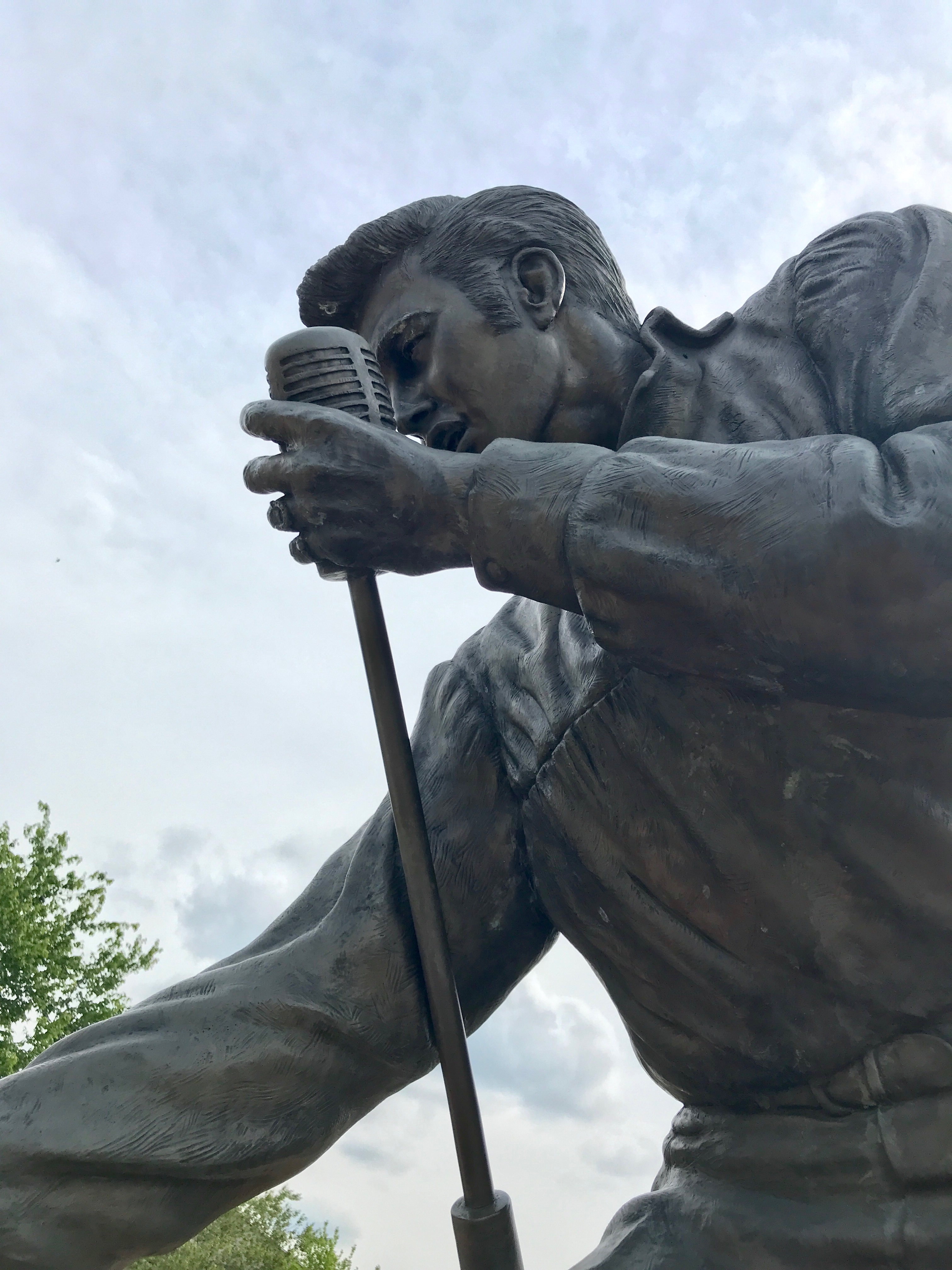
It’s time to bid adieu to Tupelo and start my trip north in the morning.