I was fortunate to be invited to spend the day with Lisa, who is Deputy Director for Curatorial Affairs/Curator of Asian Art at the New Orleans Museum of Art.
She had work to do at home in the morning and I had to take Cora the Travel Cat to the vet. I wanted to have her chin looked at and her ears checked. It turns out that she has feline acne, and I need to wipe her chin down with a Stridex Pad every other day. Luckily, the treatment she received in Manassas last year did the trick for her ear infection. I got back to the campground and Lisa came over to pick me up.
After we skimmed across Lake Pontchartrain on the Causeway and wiggled our way over to the museum, my first stop was the cafe.
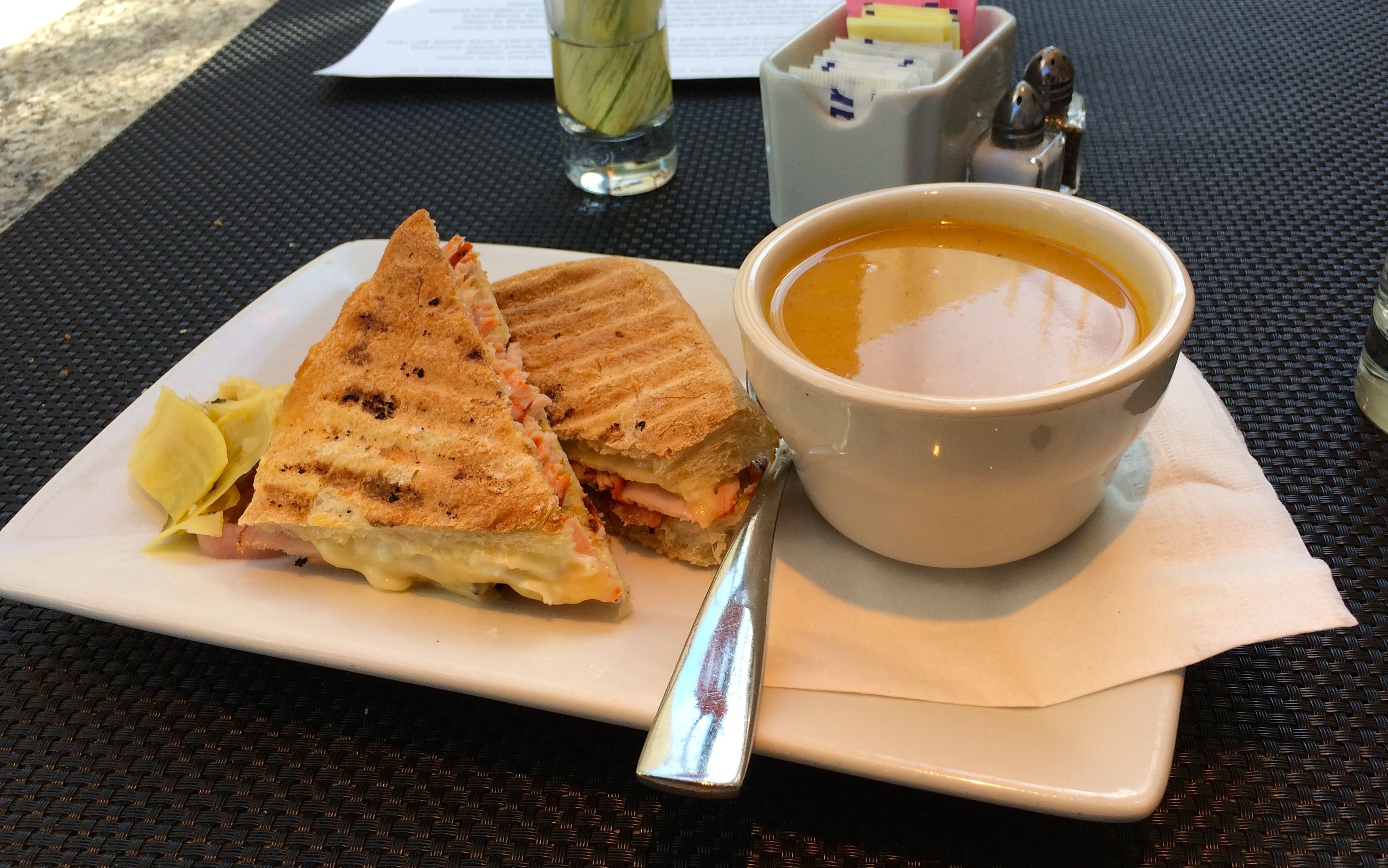
It was a delicious treat and fueled me up for the three floors of art that awaited me.
I took the elevator to the top floor, because that is how I like to view museums, unless their is a reason to do it another way.
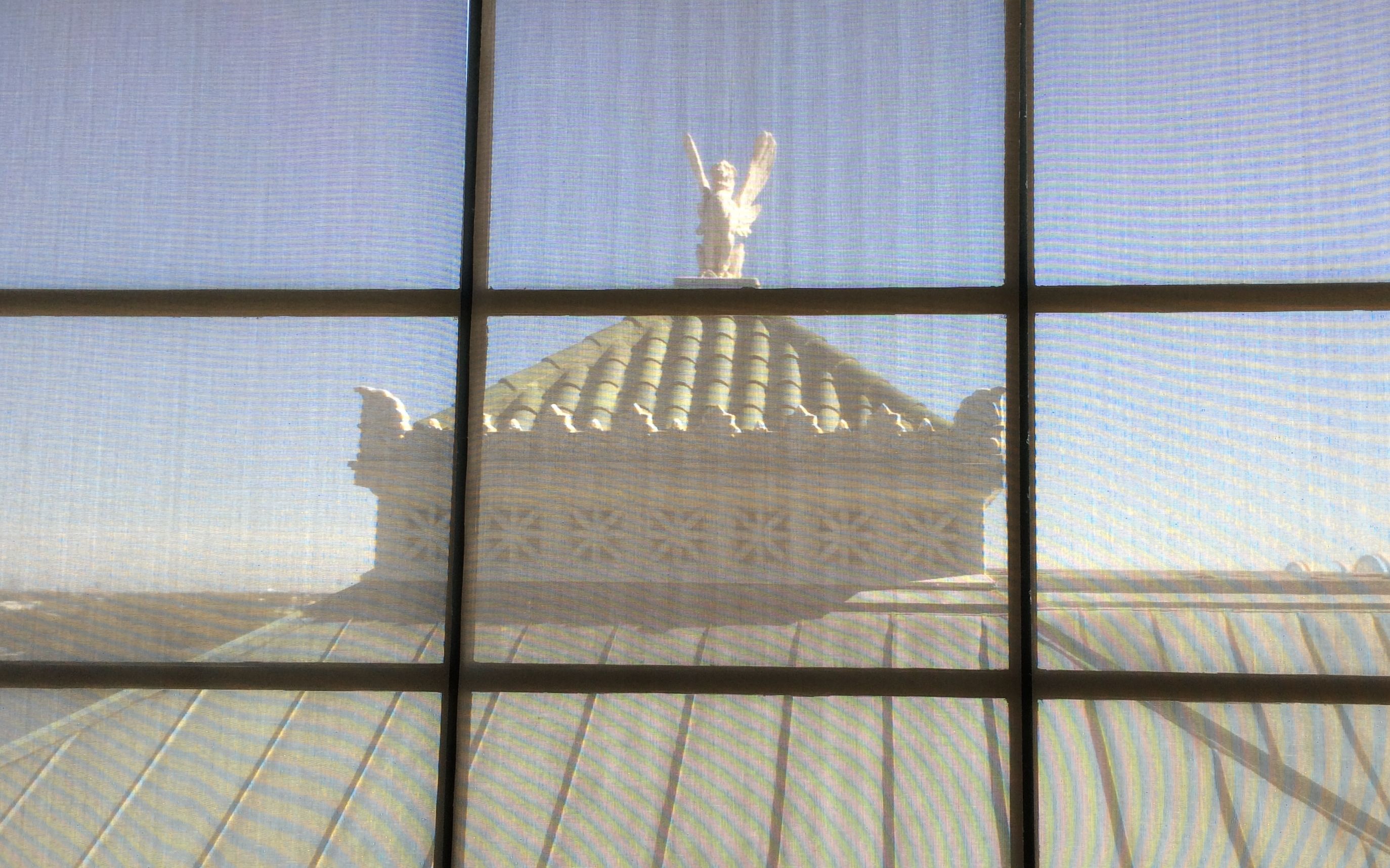
On the top floor was Asian, African and Indigenous American Art – some of my favorite kinds of art.
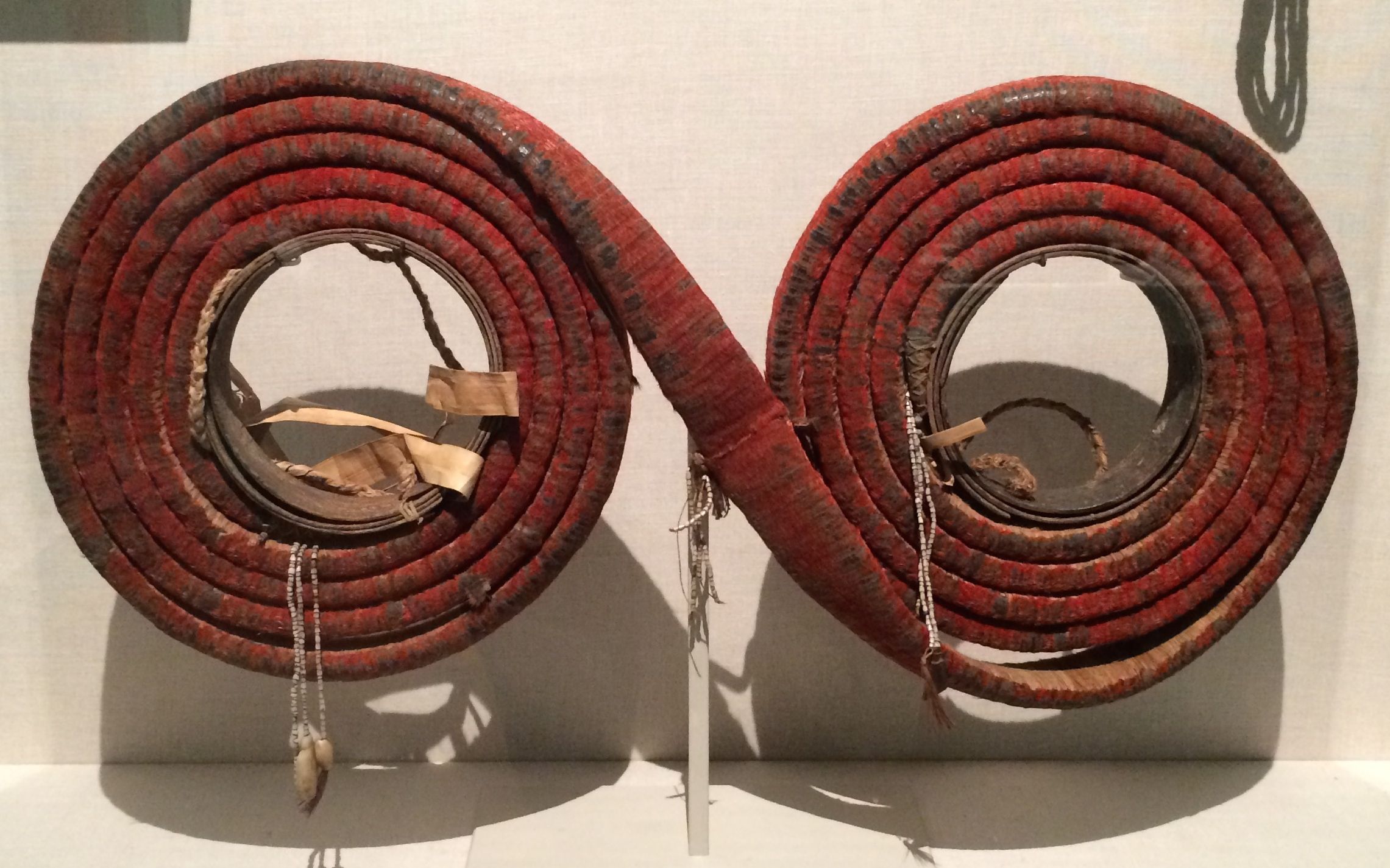
How would you like to have to carry this money around in your wallet?

These baskets bear a great resemblance to some of the baskets I bought in Guatemala. I love the similarities that arise when the same kinds of materials are put in the hands of different people.
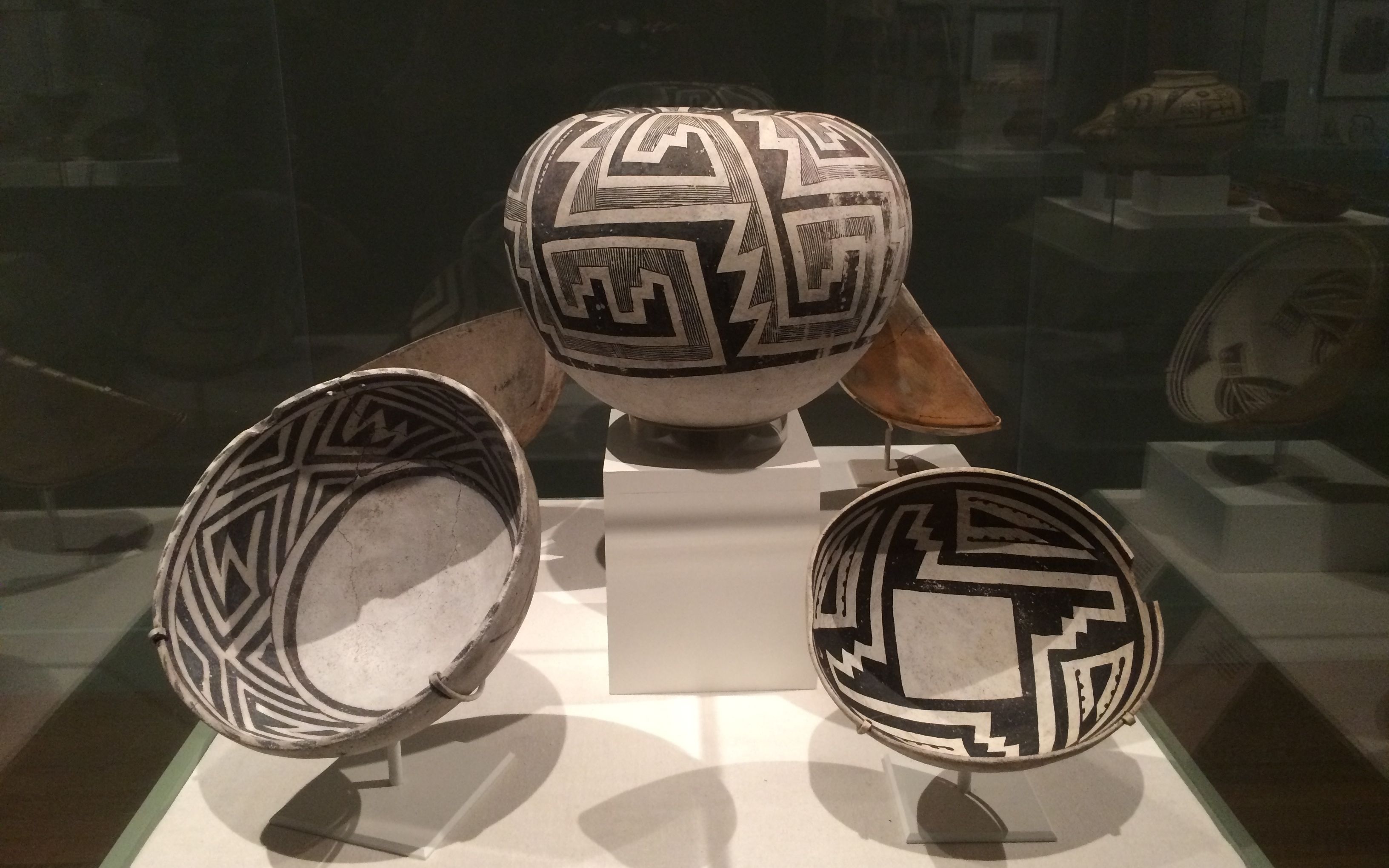
These pots reminded me of the wonderful time I spent in the southwest last spring. I can’t wait to return this year.
There was a display of a local artist from the early days of the colony. Pierre Joseph Landry was born in France in 1770. He came to Louisiana with his widowed mother and her father in 1785 in order to escape the coming revolution in France.
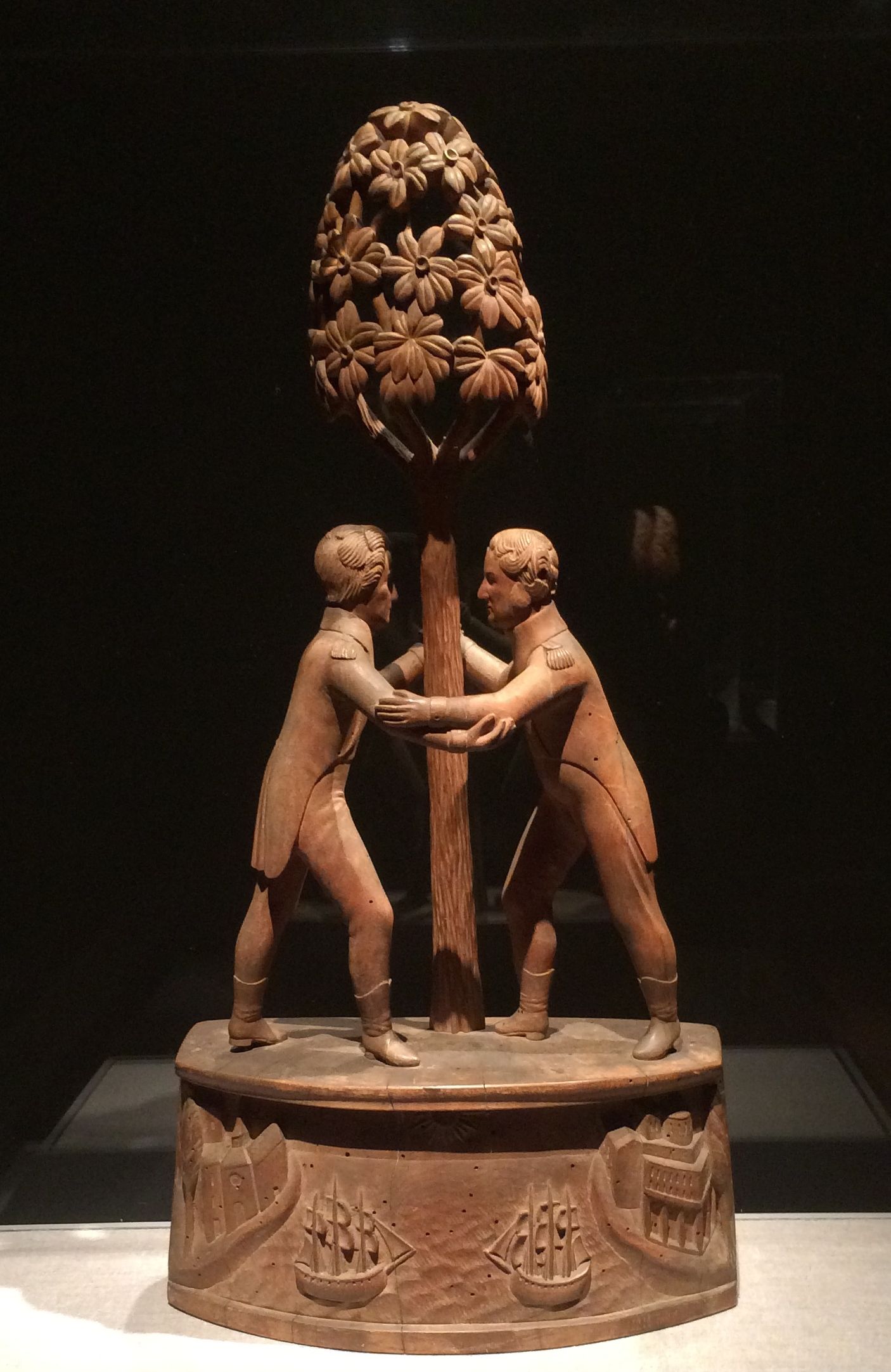
He received a land grant on the west bank of the Mississippi, and after fighting with General Andrew Jackson in the Battle of New Orleans, he returned Iberville Parrish to develop his land. His plantation was known as Home Plantation and he prospered as a sugar planter and refiner.
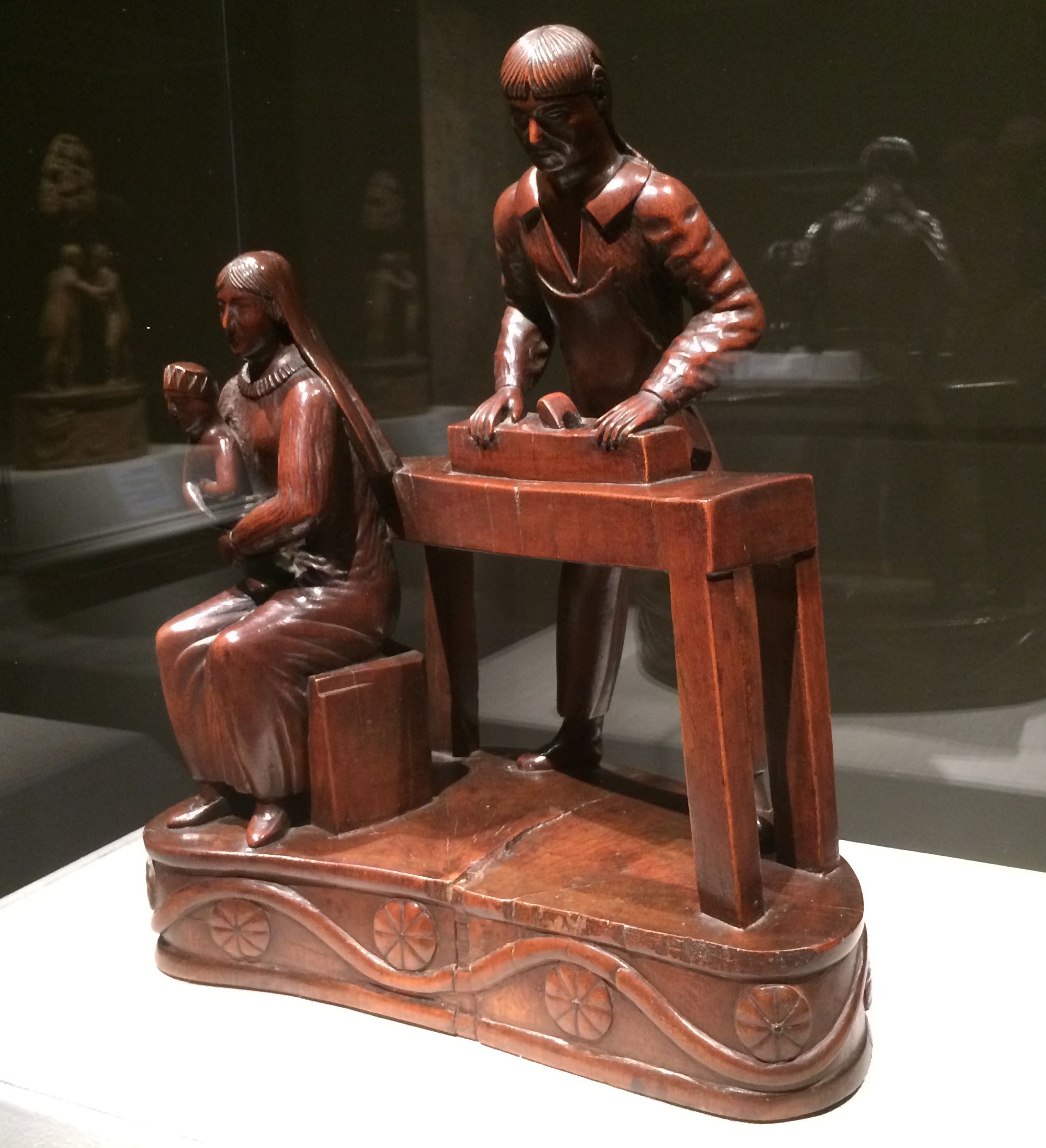
In the 1820’s Landry contracted a disease known as “white swelling”, which was tuberculosis of the knee. He was confined to a wheelchair and began passing the time making carvings. He used a common penknife and used local woods, such as magnolia, beech and elm.
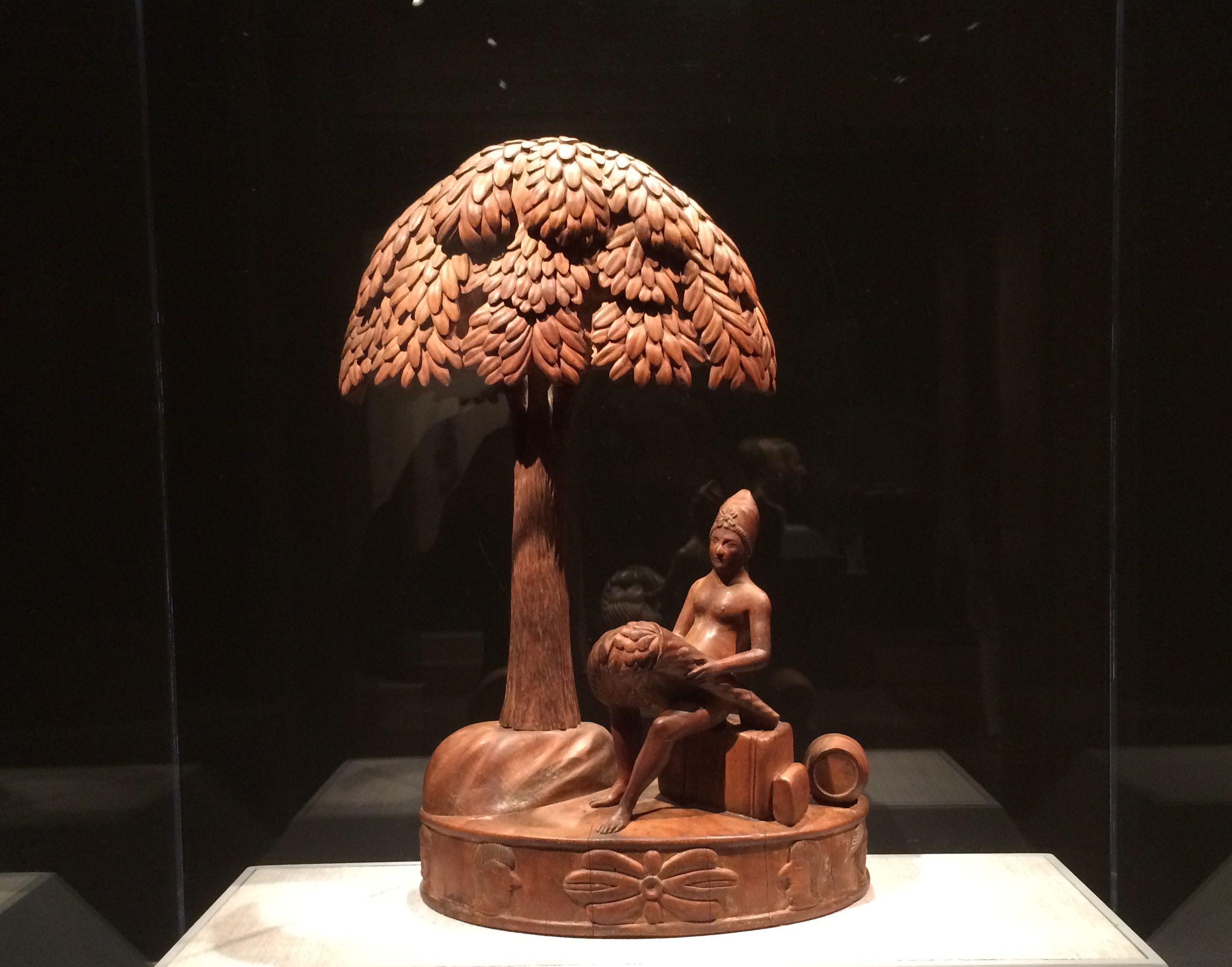
He was a remarkable self-taught artist. While his output of artwork is small in number, it was sufficient to establish him as one of the self-taught artistic geniuses of early nineteenth-century America.
And, my thanks to the staff of NOMA for the excellent descriptive and informational signs with the exhibits.
I enjoyed being introduced to some new contemporary artists, as well as early American ones. These works of art were created by Tim Youd.
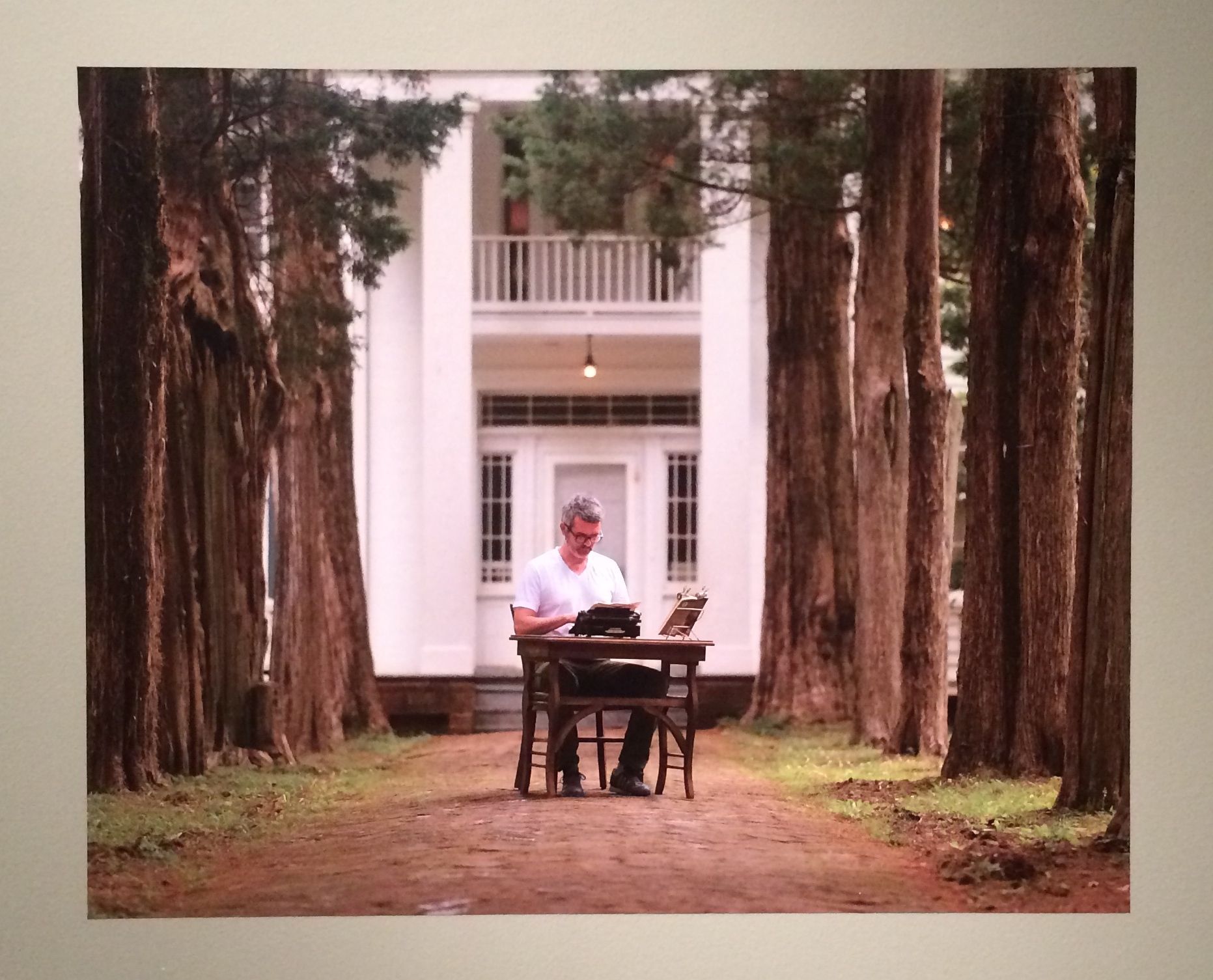
He did a combination performance art and visual presentation. His display was called 100 Novels. He is retyping novels that are set in Louisiana using the the original make and model of typewriter used by the book’s author. He retypes each novel in its entirety on a single sheet over a backing sheet.
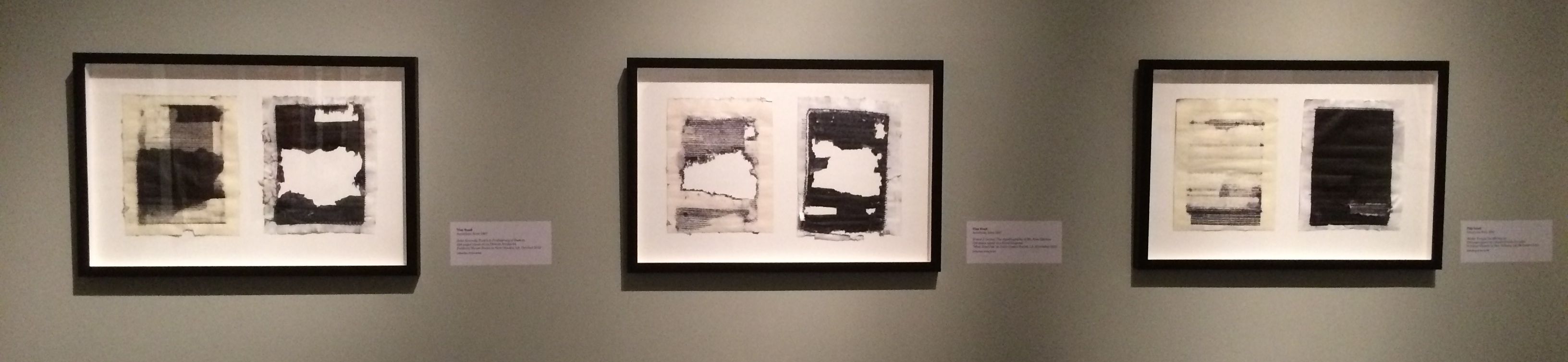
These are some of his works. The page he typed on is on the right side of the frame and the backing sheet is on the left.
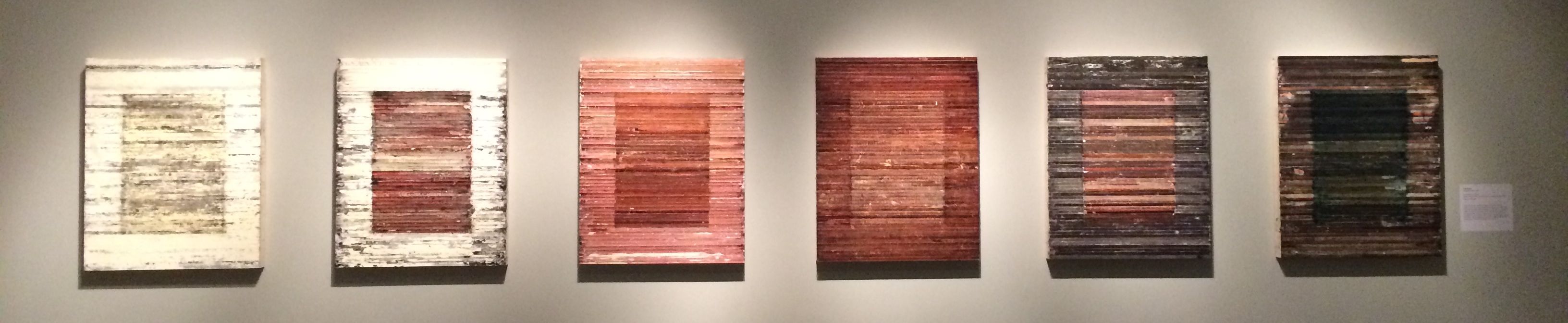
These works are made from the ribbons of the typewriters.
Raise your hand if you remember typewriters. Raise the other hand if you remember ribbons. Wiggle your fingers if you have ever typed on a typewriter with a ribbon.
Okay, back to NOMA.
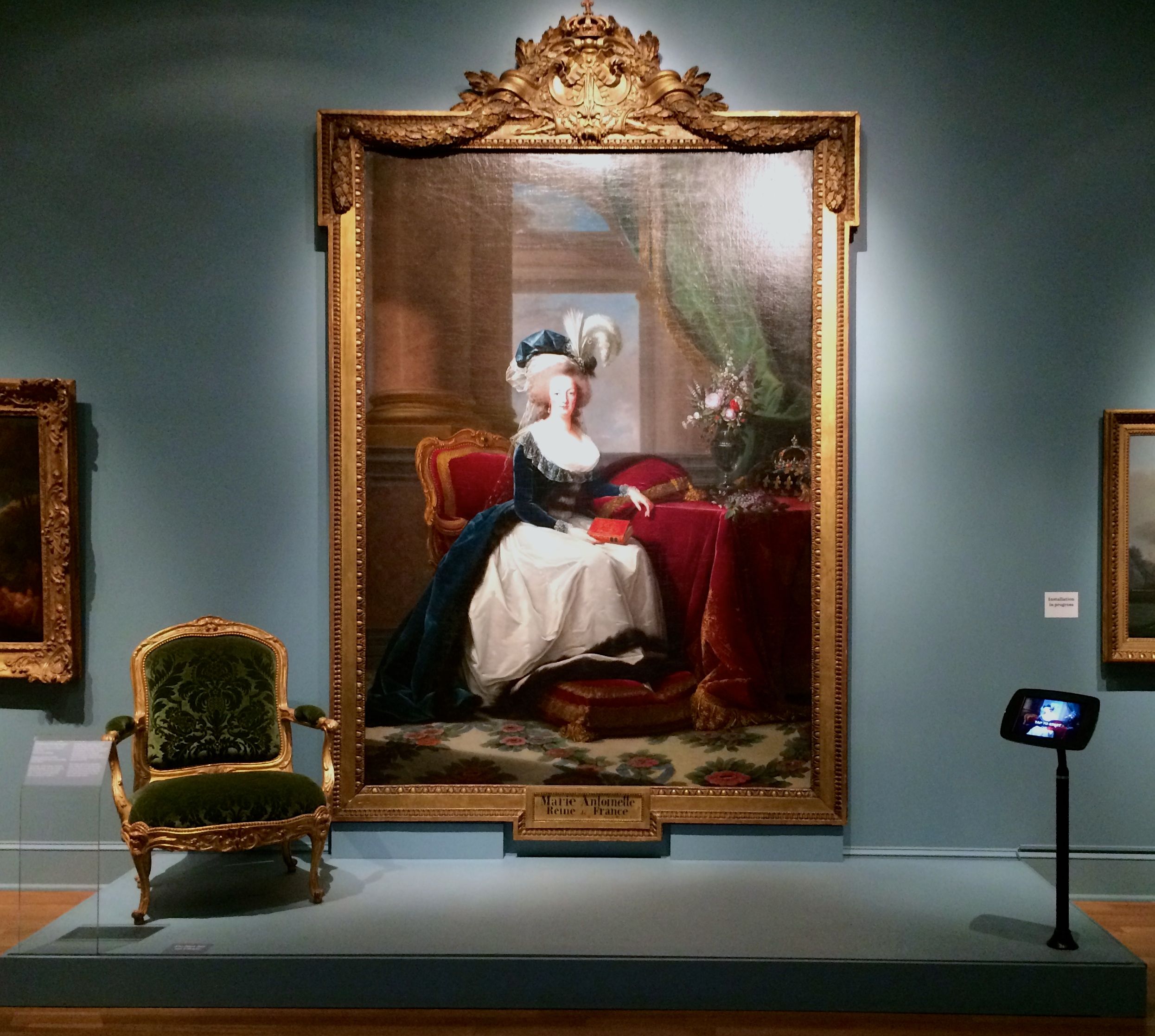
Another prize in their collection is this portrait of Marie Antoinette. I really enjoyed the context in which it was displayed. On the left is a chair that was made back then. On the right is an interactive computer that allows you to get information about the various features of the painting.
I particularly appreciated the fact that the text was not mounted on the wall next to the painting. I could read the information on the digital display at the right and look at the painting to see how the parts related to each other. I didn’t have to walk up to the plaque, read the text and then back away to see the painting.
I know, it’s probably a small thing, but I appreciated it.
Another thing I appreciated was the fact that the painter was female! Elisabeth Vigeé-LeBrun (1755–1842) was earning enough from her portrait painting by the age of 15 to support herself, her widowed mother and her younger brother. Her father, Louis Vigeé, taught her to paint before he died in 1767. This painting was done around 1788.
All the details crammed into Marie Antoinette’s portrait related well to Will Ryman’s work, “America.”
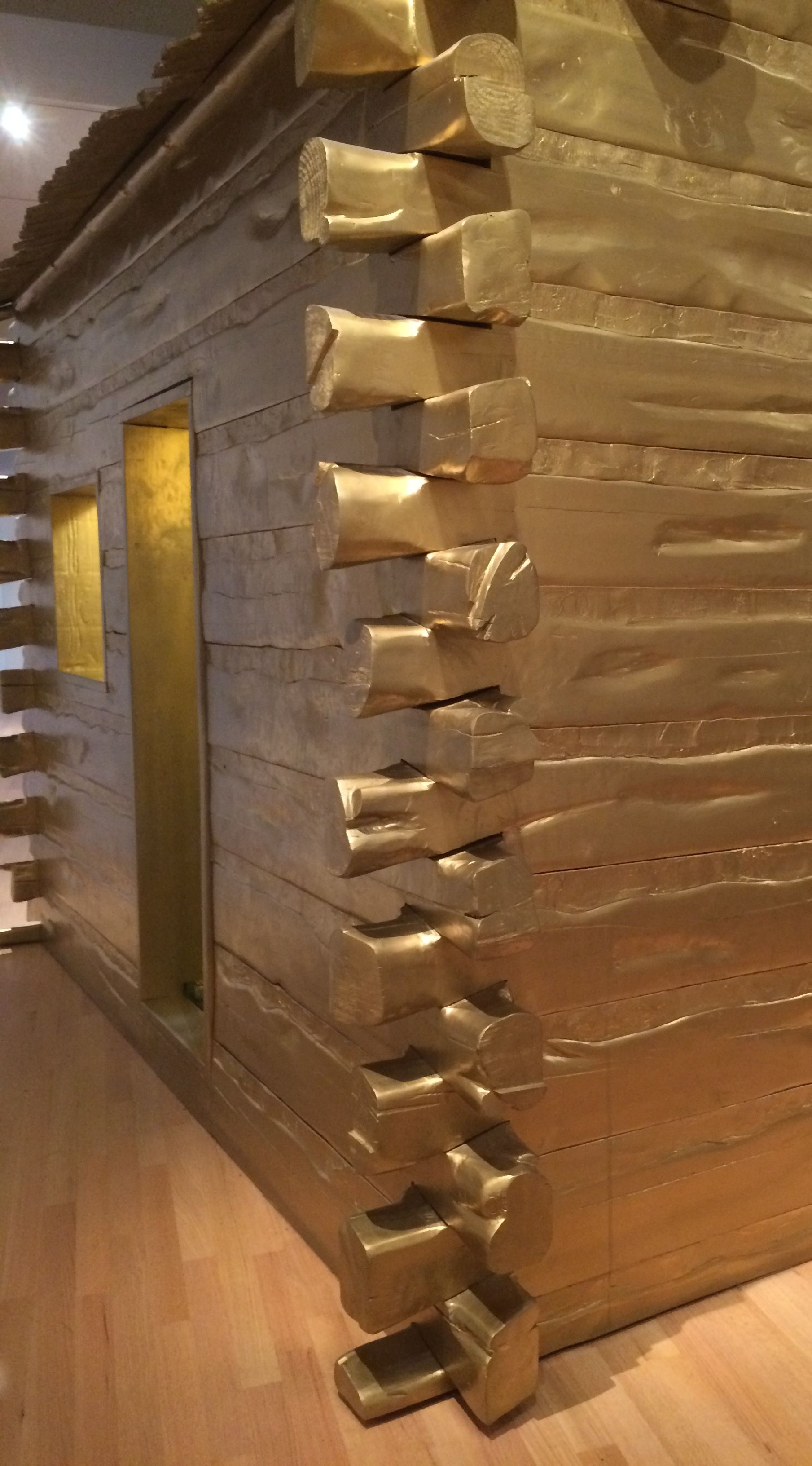
It resembled the cabin that is enshrined in Hodgenville, Kentucky as Lincoln’s birthplace.
When I visited Abraham Lincoln’s birthplace in 2014, I found out that the log cabin inside the shrine couldn’t possibly be the one Lincoln was born in. Dendrochronology proved that the logs came from someone else’s cabin. But, it was already in the shrine by the time they figured it out, so it might as well stay, I guess.
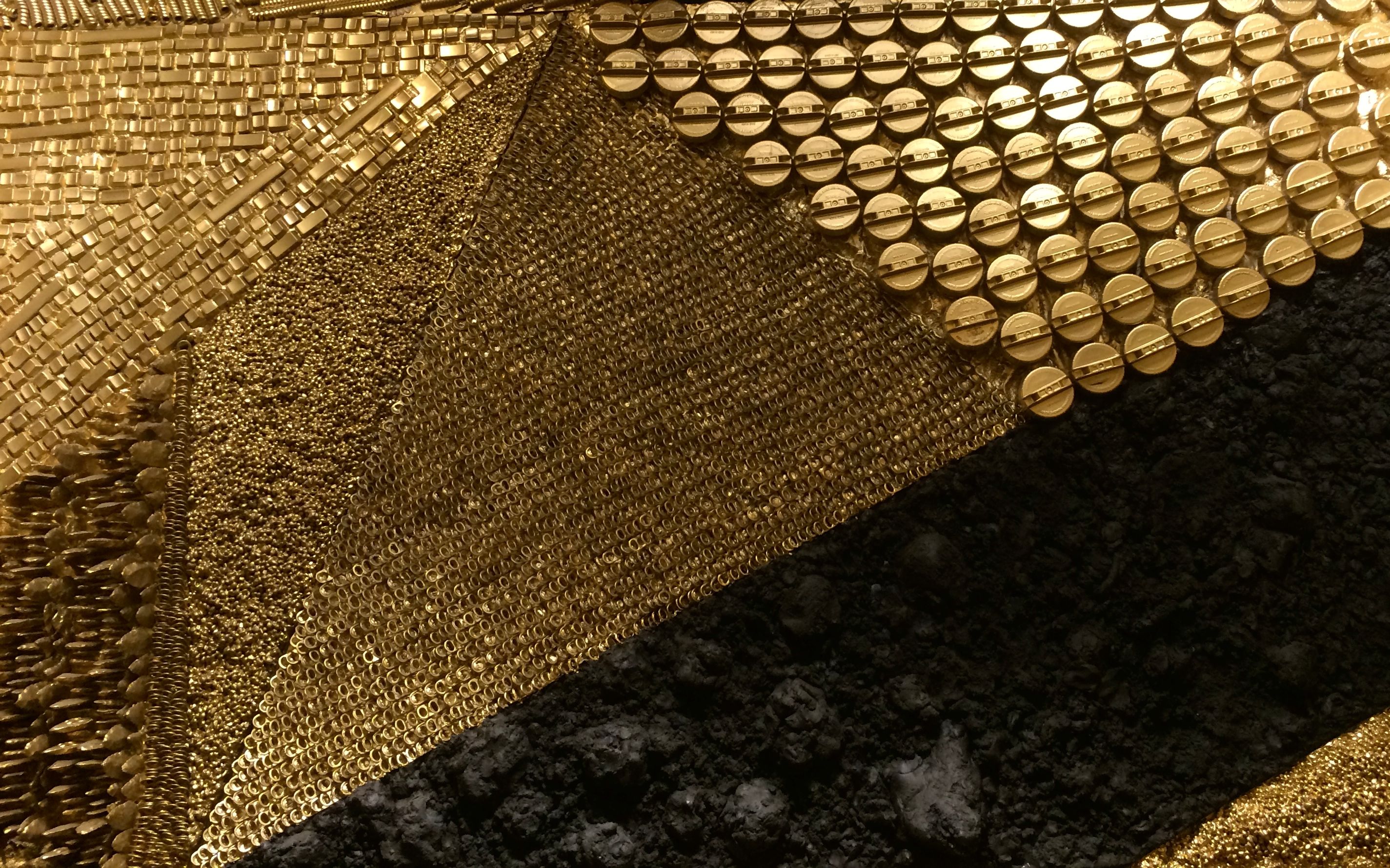
Ryman’s “America” is packed with items that help tell the country’s story – bullets, arrowheads, cotton bolls, chains, sparkplugs, iPhones, lumps of coal, and shackles of the enslaved.
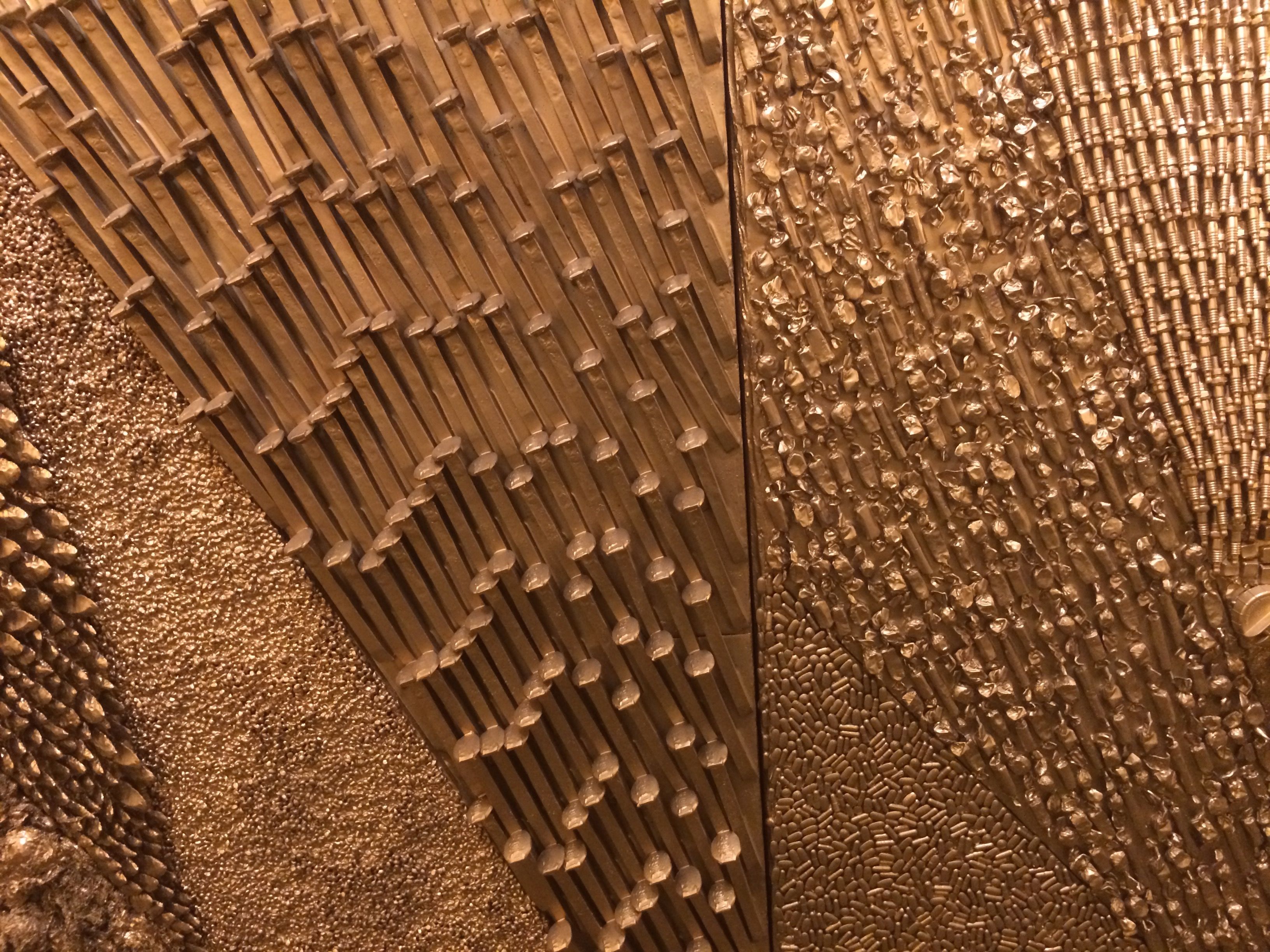
The inside is rendered in gold and black.
This sculpture reminded me of the work of my favorite artist, Louise Nevelson.
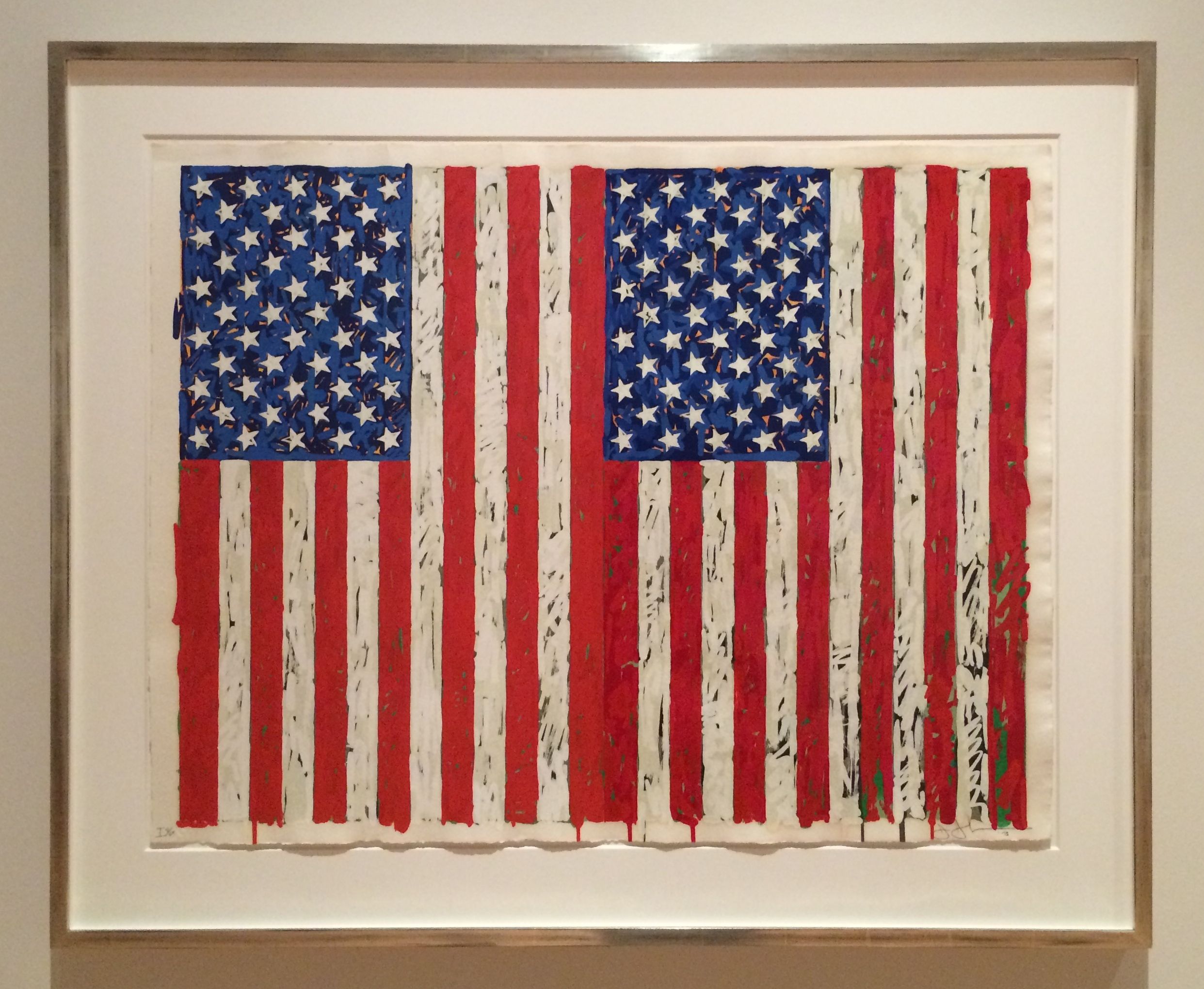
Jasper Johns was well-represented, too. Of course, they had some of his flag-based work.
One theme of his that I hadn’t seen before this is Usuyki, which is Japanese for “light snow”.
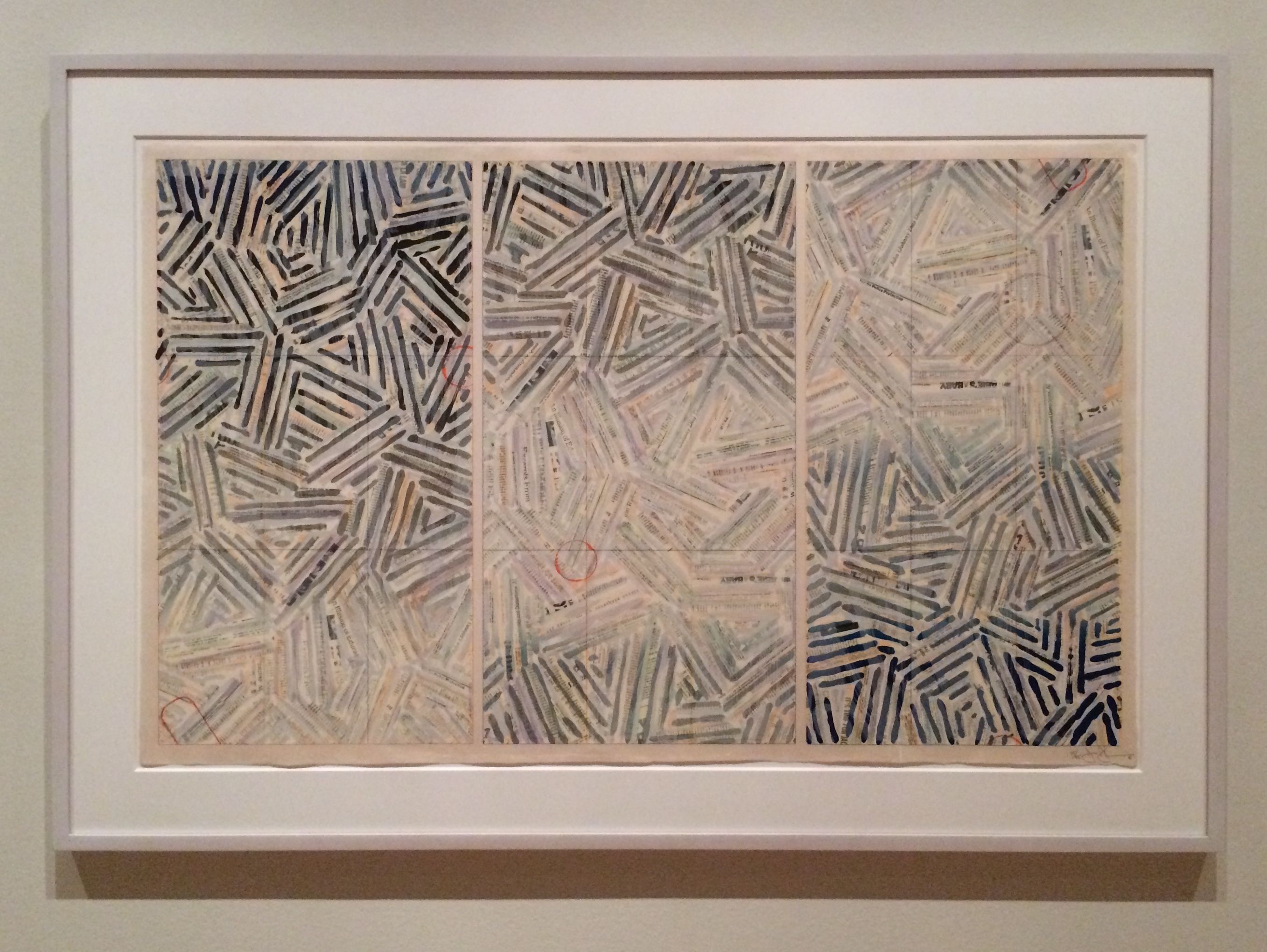
I am delighted when I find new-to-me works of art from my favorite artists.
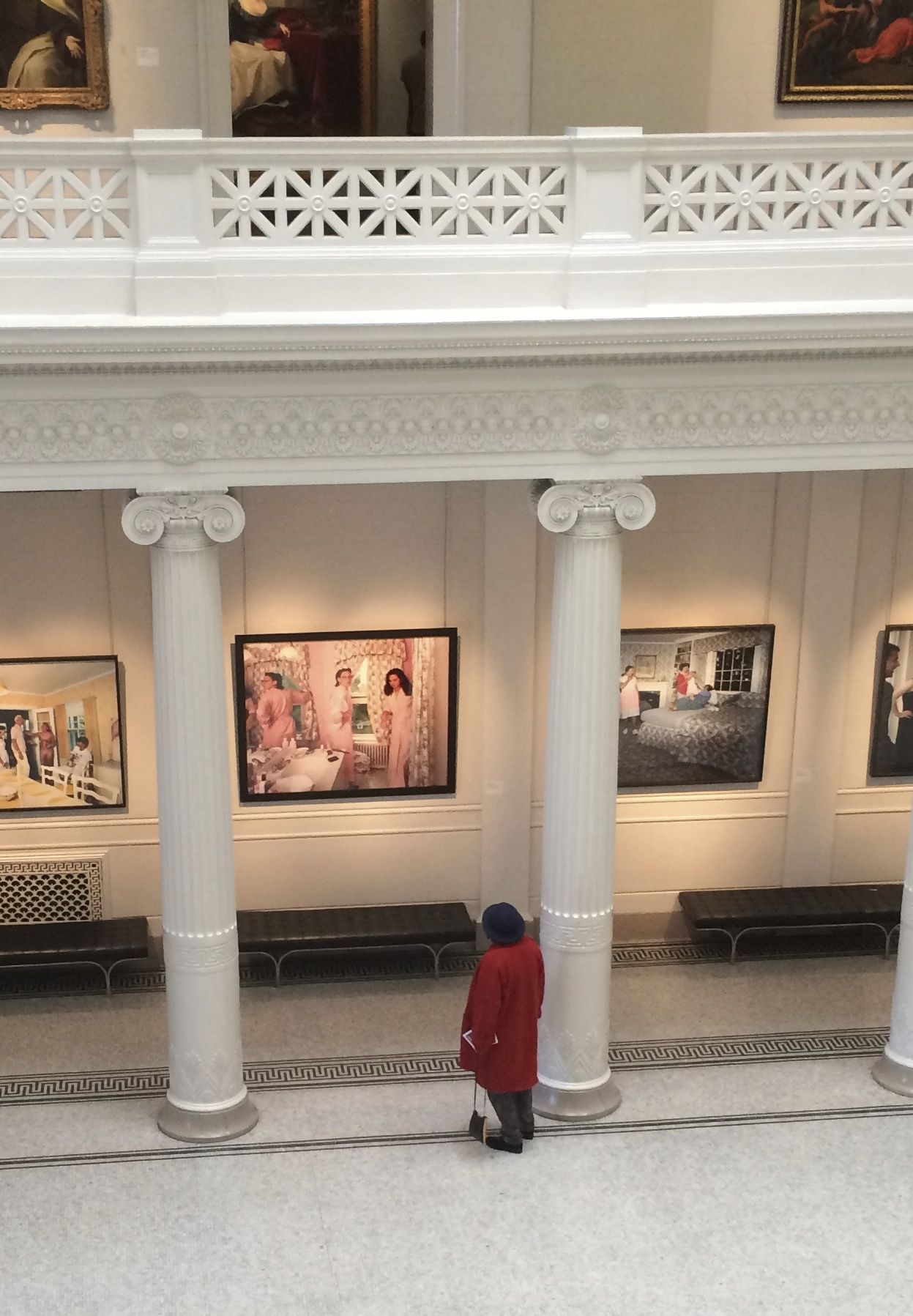
The building, itself, was delightful. I love a good, old-fashioned art museum.
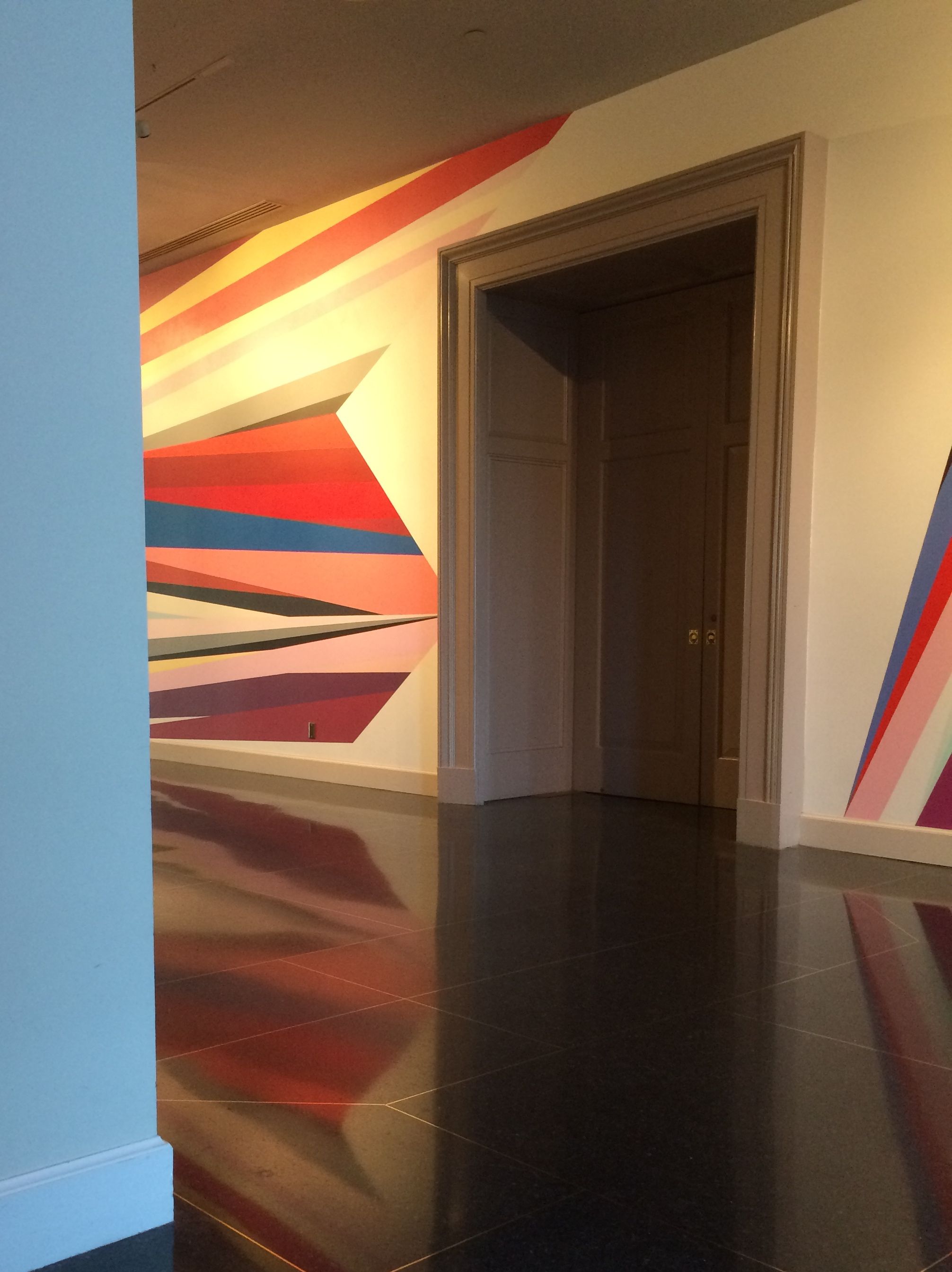
Of course, it also had its modern touches.
I think that I have made my case that I thoroughly enjoyed my time at New Orleans Museum of Art, so I won’t go on any longer. (And, believe me, I could!)
There were two more stops to make.
The first stop was at Newman School, for a reception celebrating a collaboration between the school and NOMA.
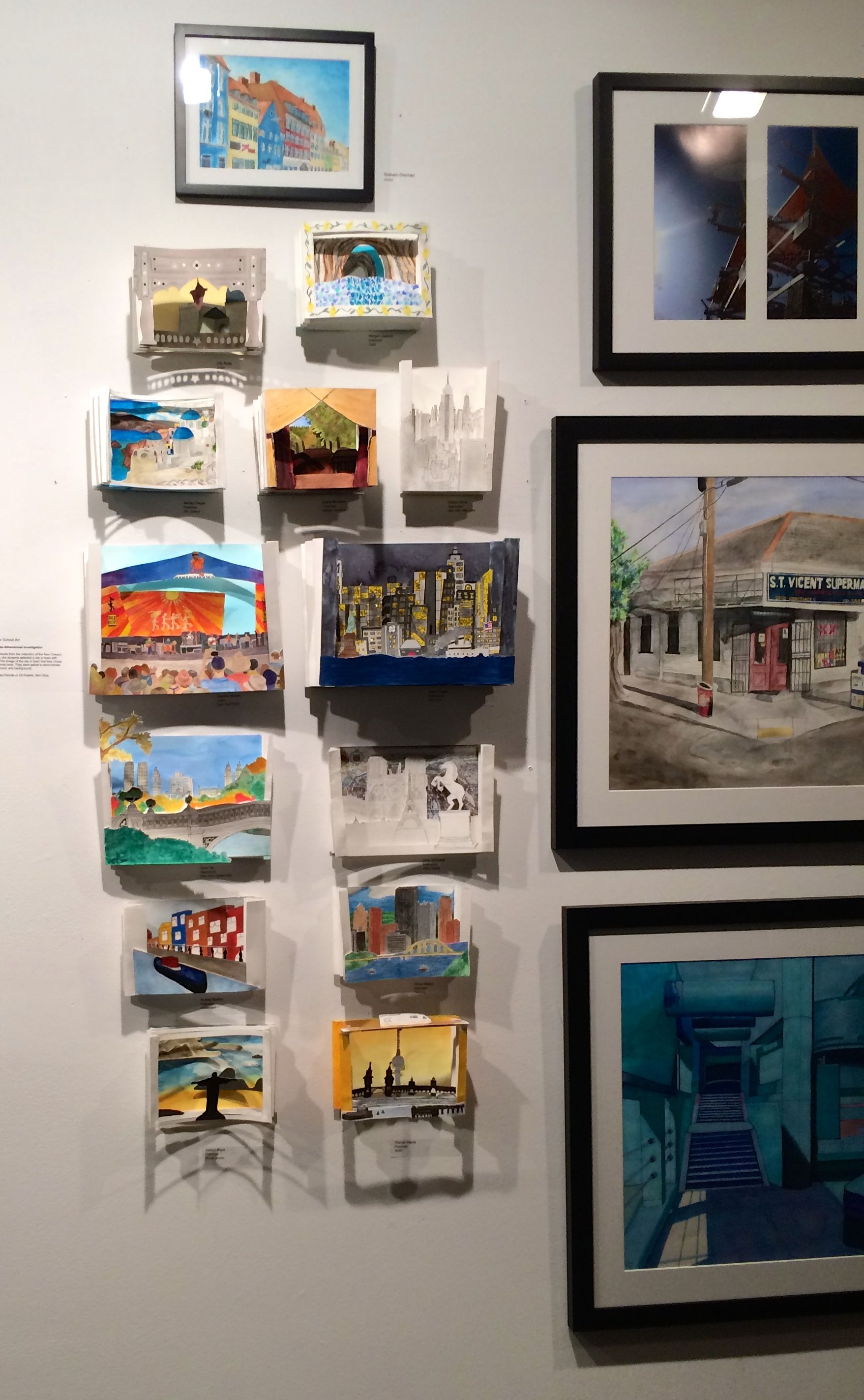
This was of particular interest to me, as my last teaching assignment was at Woods Lake School Magnet Center of the Arts, and we were lucky to be able to integrate the arts into our curriculum.
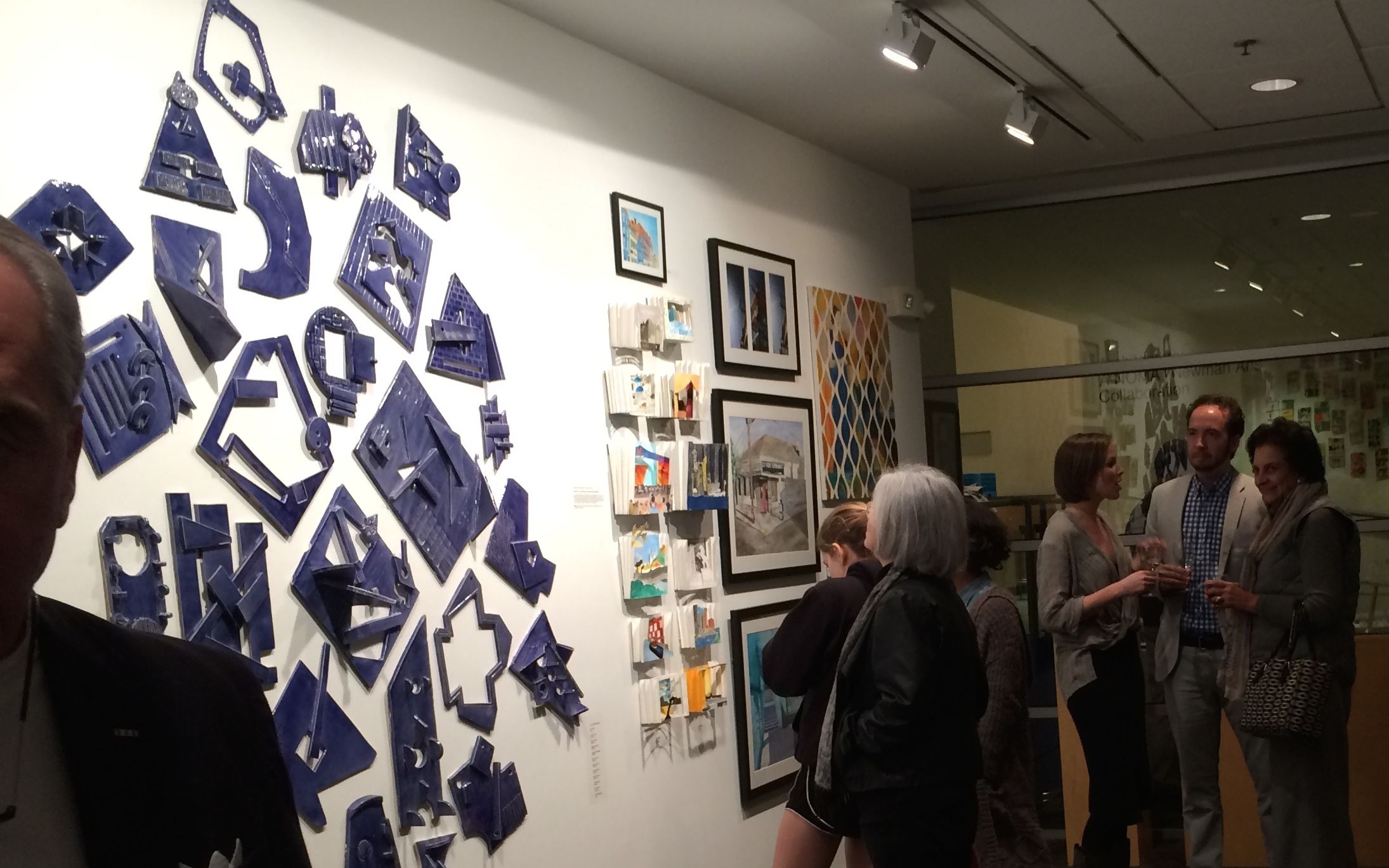
Their work looked really good. Our work looked good, too, back in the day.
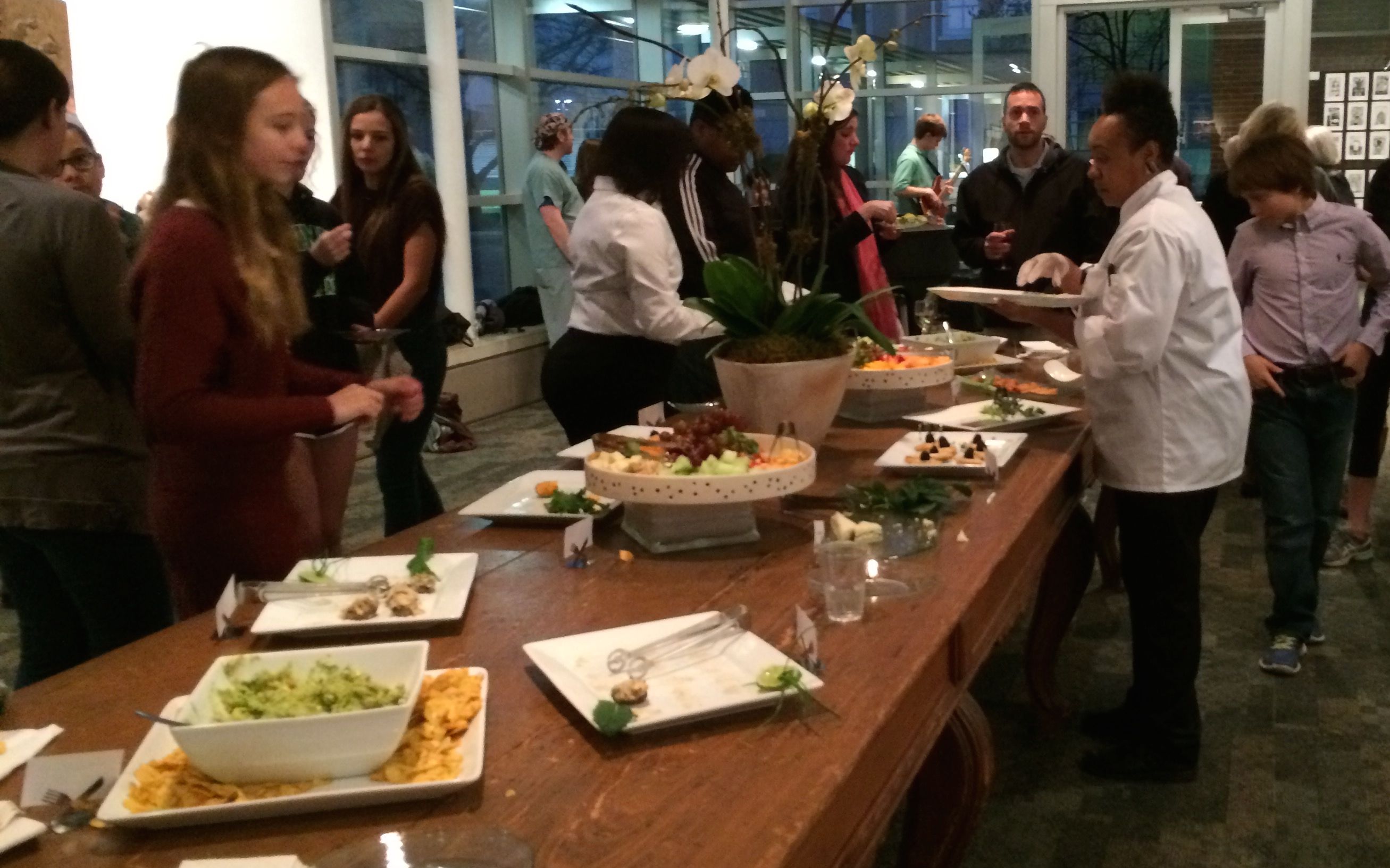
But, I have to say, they definitely had better refreshments. And wine!
The last stop of the night was Preservation Hall in the French Quarter, where we attended a party in the back.
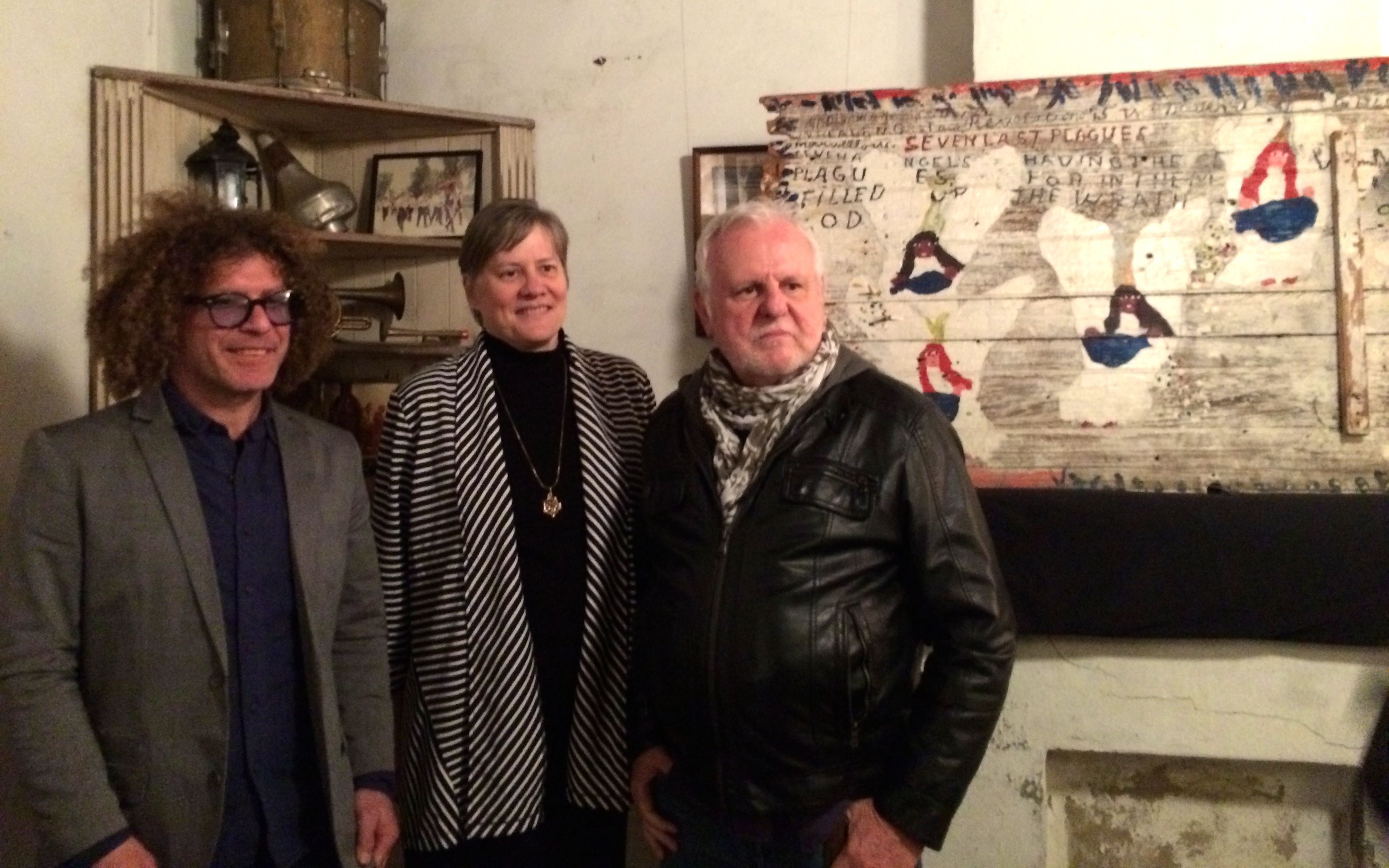
The man on the left of Lisa is Ben Jaffee, and he is the son of one of the founders of Preservation Hall. The man on the right of Lisa is William Fagaly, the curator of African Art. They are there to accept the work of art on the mantle, which is by Sister Gertrude Morgan. Her work contained religious topics and she painted as she felt directed to by God.
After the dedication, Lisa and I squeezed into the Hall to catch a bit of the performance. I was amazed at how small and beat-up the space was. It might have been 20 x 20. I was trying to estimate the space and the number of people in the audience.
If this was a typical crowd, I have to say that traditional jazz is alive and well.
But, we couldn’t stay for the whole set. Lisa needed to get home. She had a work day in the morning.
I love retirement!
What a great day! Thanks Lisa, and thanks, Diane, for having such a wonderful and hospitable family.