April 2021
Time really flies…or it doesn’t.
2020 has kind of evaporated. I don’t know about you, but there were a whole list of things I had hoped to accomplish during the Covid lockdowns.
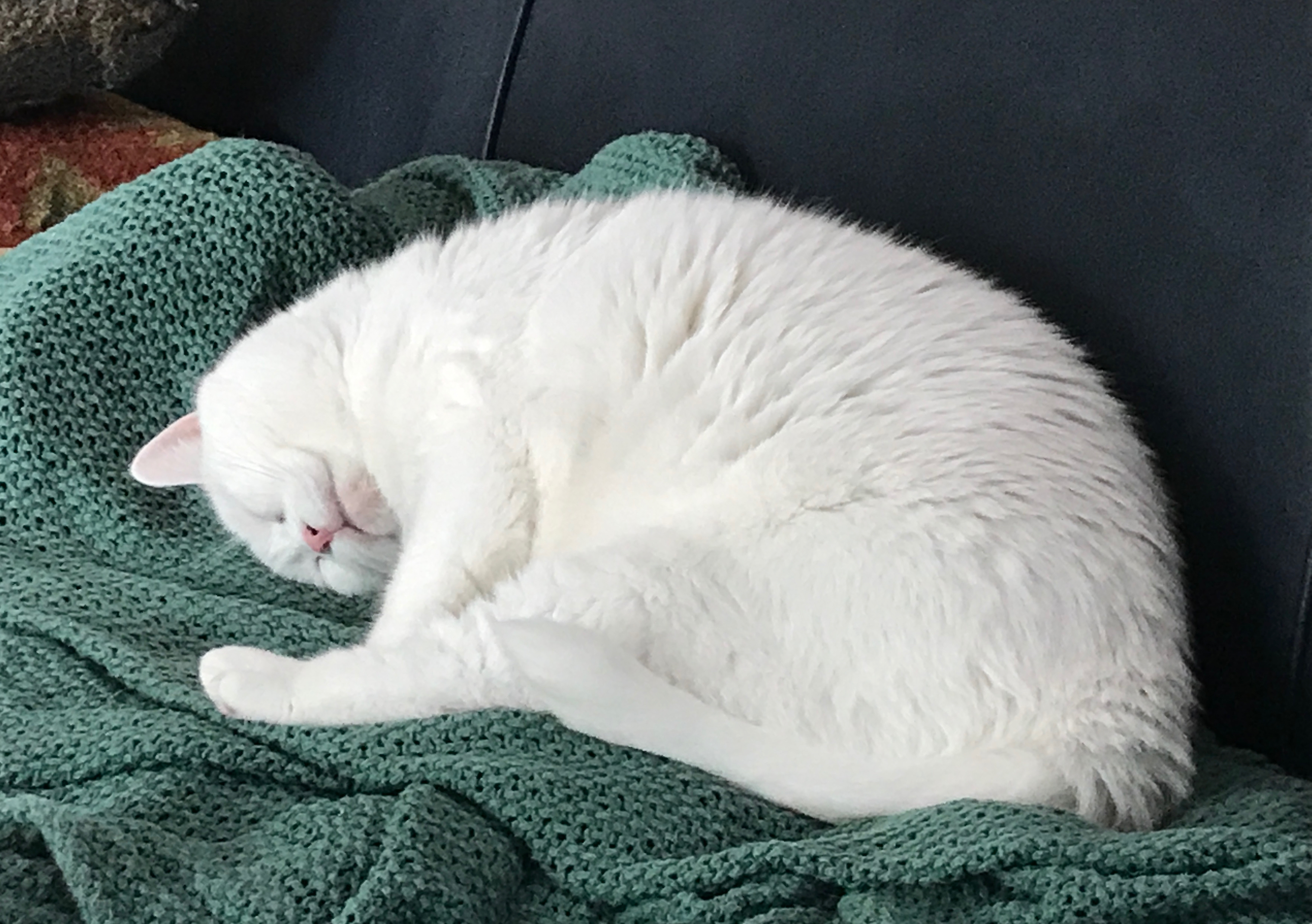
I managed to spend some quality time with Cora.
I planted my first real garden.
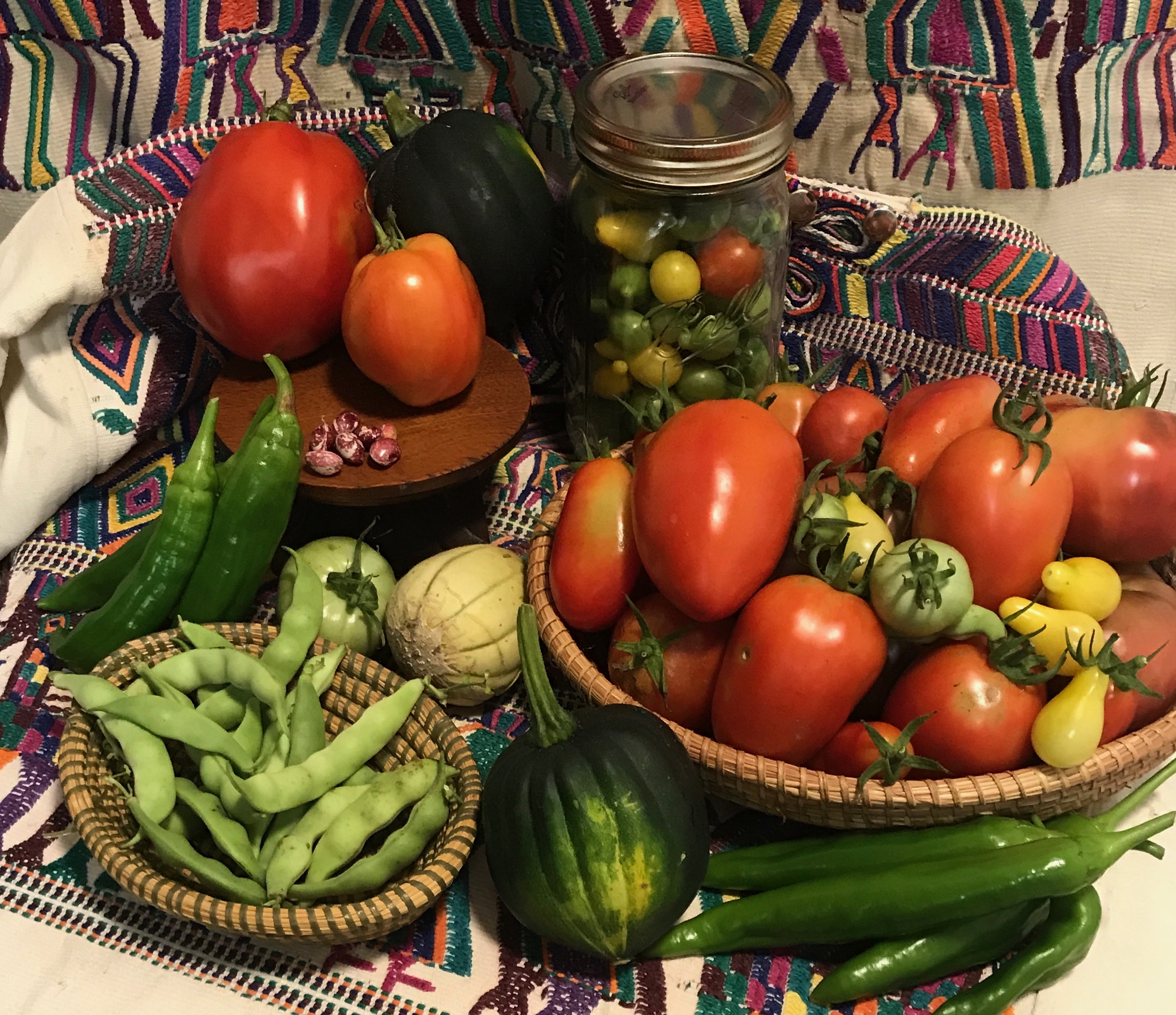
I amused myself by taking photos of each day’s harvest.
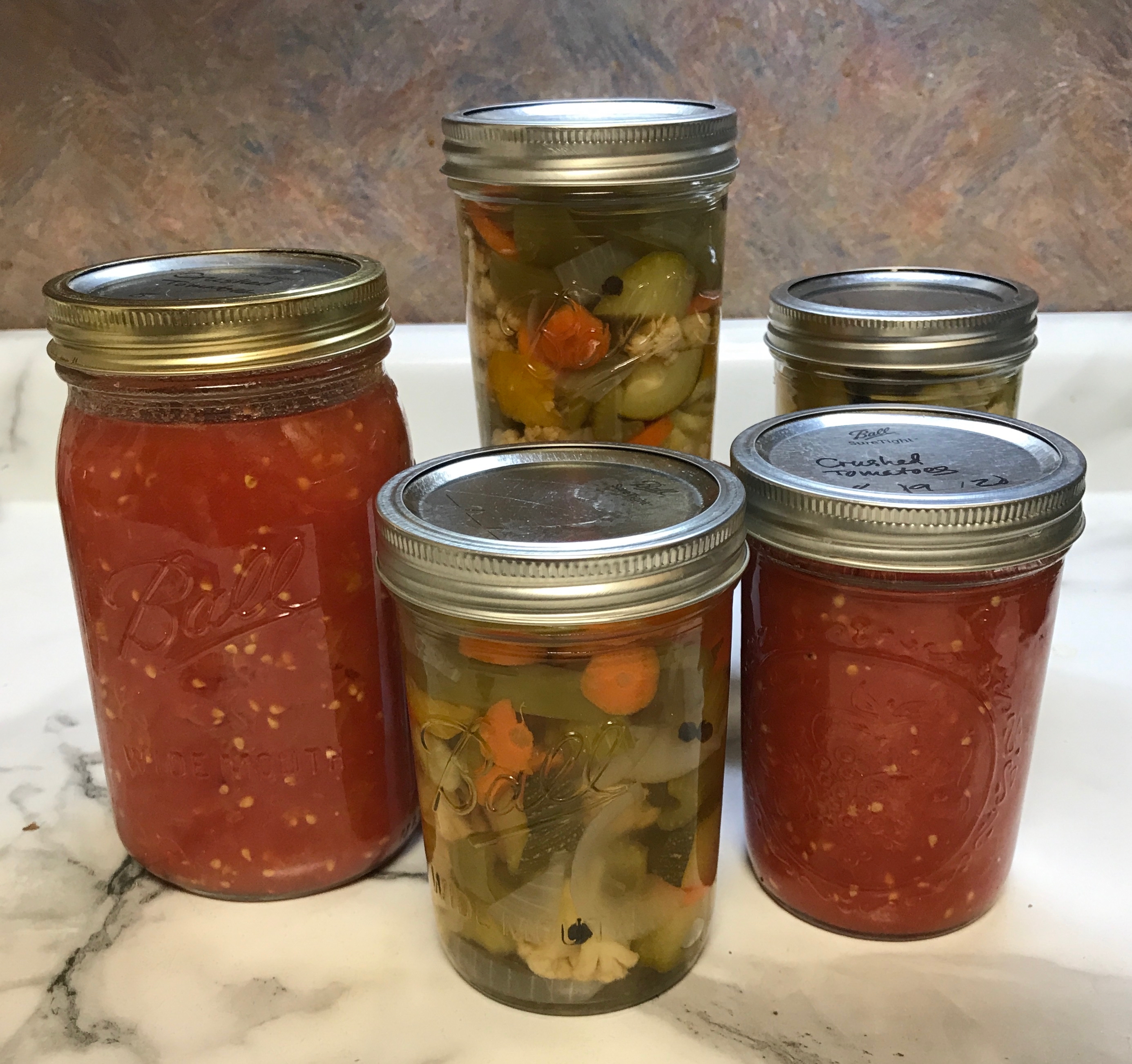
Then, I had to learn how to can all of what my garden grew.

“It’s a good thing.”
I have managed to avoid contracting the disease, and that is a Good Thing.
I am healthy. I am vaccinated. I am rarin’ to go! But, what to do about all those adventures I had in 2019? I am going to see how many I can reasonably record, and then declare a victory.
First things first: How much of what I did can I even remember? And, can I even remember how to write a post that anyone will want to read?
I guess we shall see.
Well, when I left off, I had just visited Frank and Debbie in Asheville, NC. My next goal was to visit the state capitol in Raleigh. I ended up camping at the North Carolina State Fairgrounds.
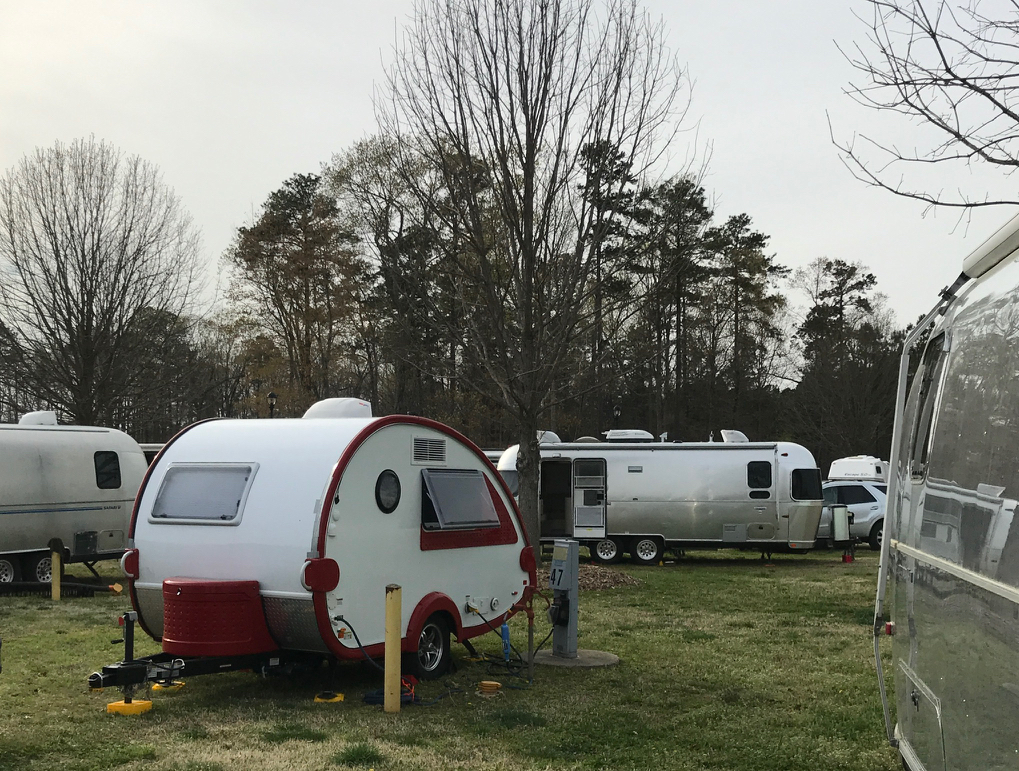
It felt like old home week! Here I was, nestled in with all the Airstreams! In fact, one of the ‘Streamers was a person I had worked with at Amazon back in 2014. What a small world!
My first activity was a visit to the North Carolina Museum of Art.
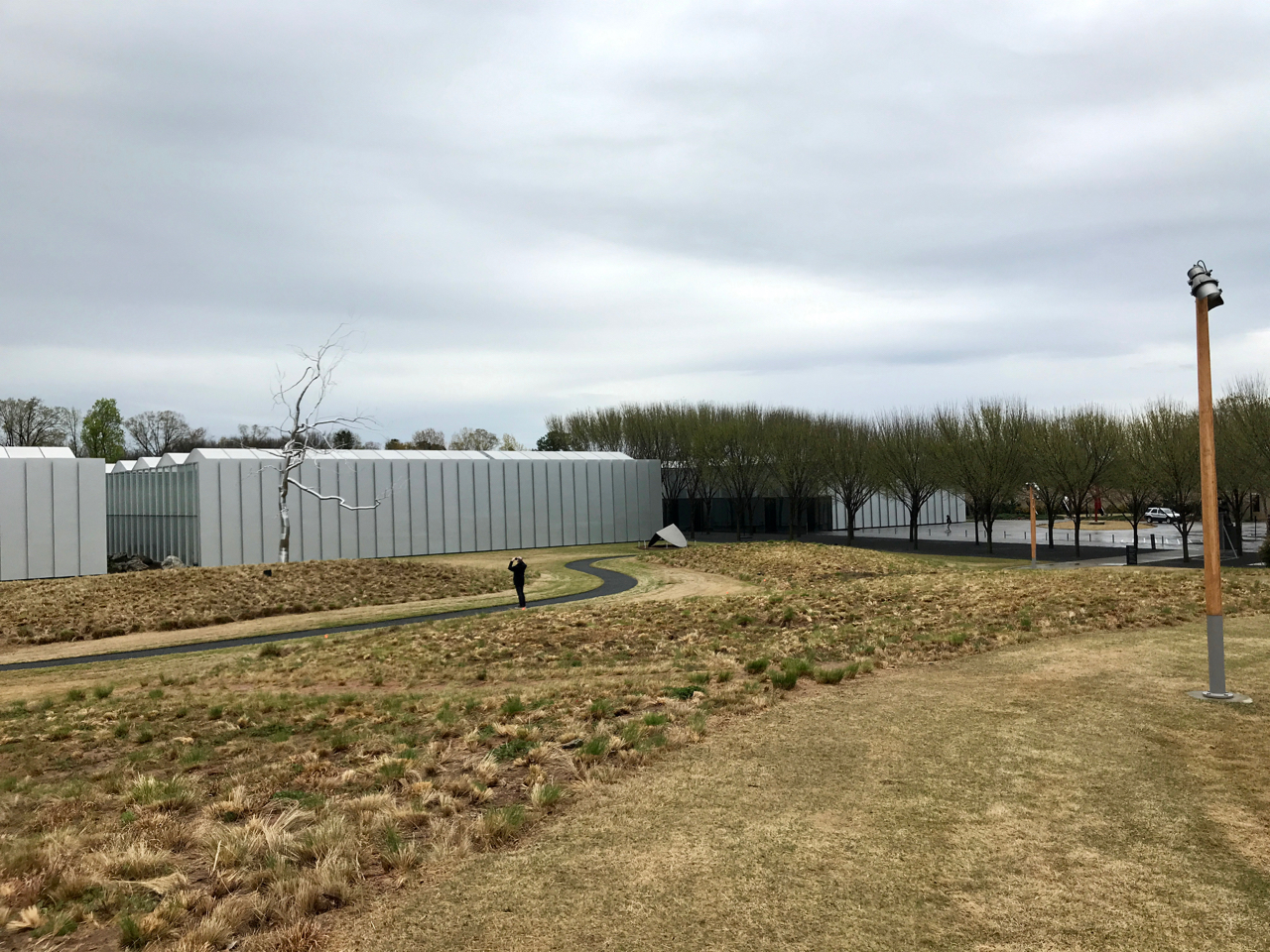
While the exterior was a bit austere, the collections were outstanding.
I snapped a lot of photos while I was there. In going through them to decide what would help tell the story of my visit, I have to admit I was overwhelmed. I’ll share a few, but if you are at all interested in art, I recommend that you make time for a visit if you find yourself in North Carolina.
(Actually, I’m sharing a few more than a few. But, there are so many more that I still have in my files.)
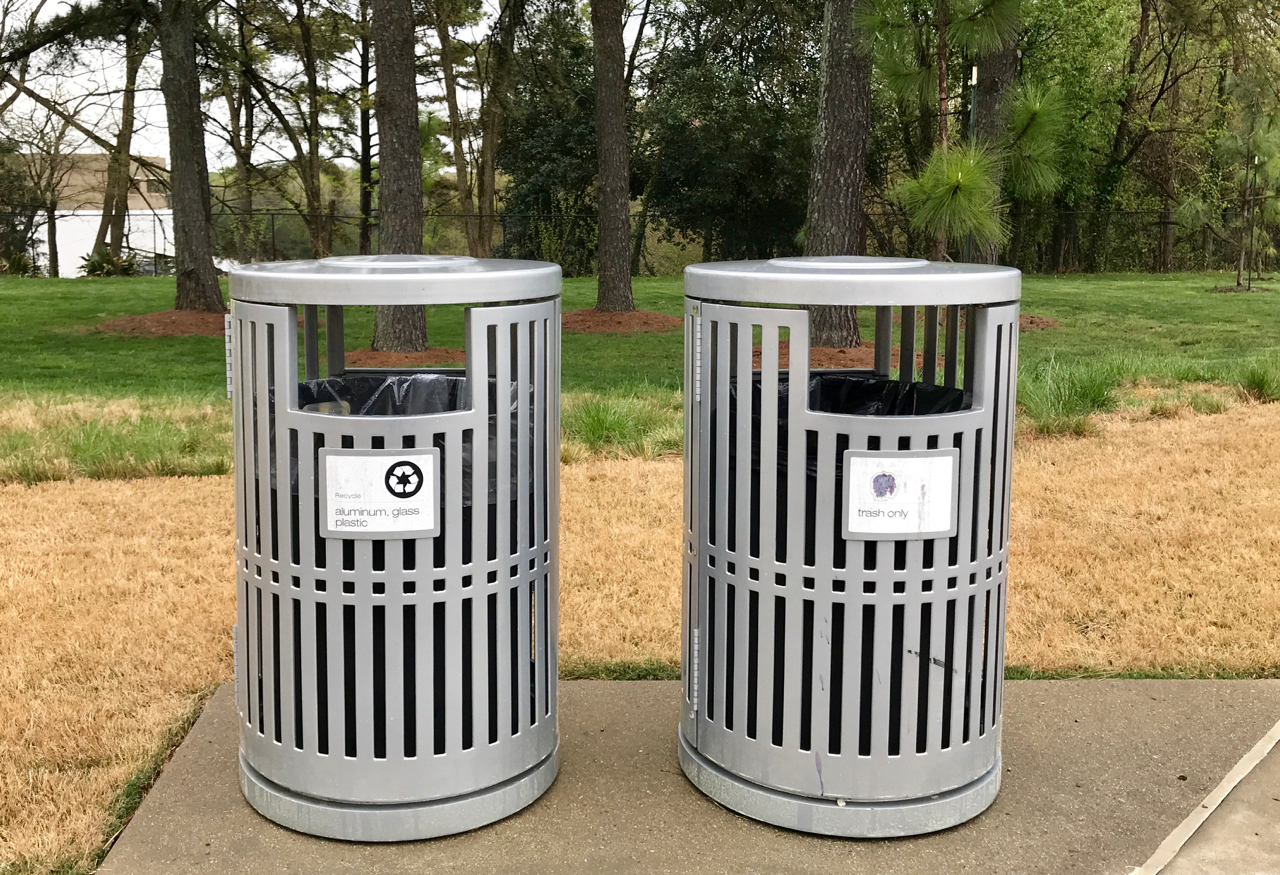
I mean, I was taken by their attention to details – like the trash and recycling receptacles.
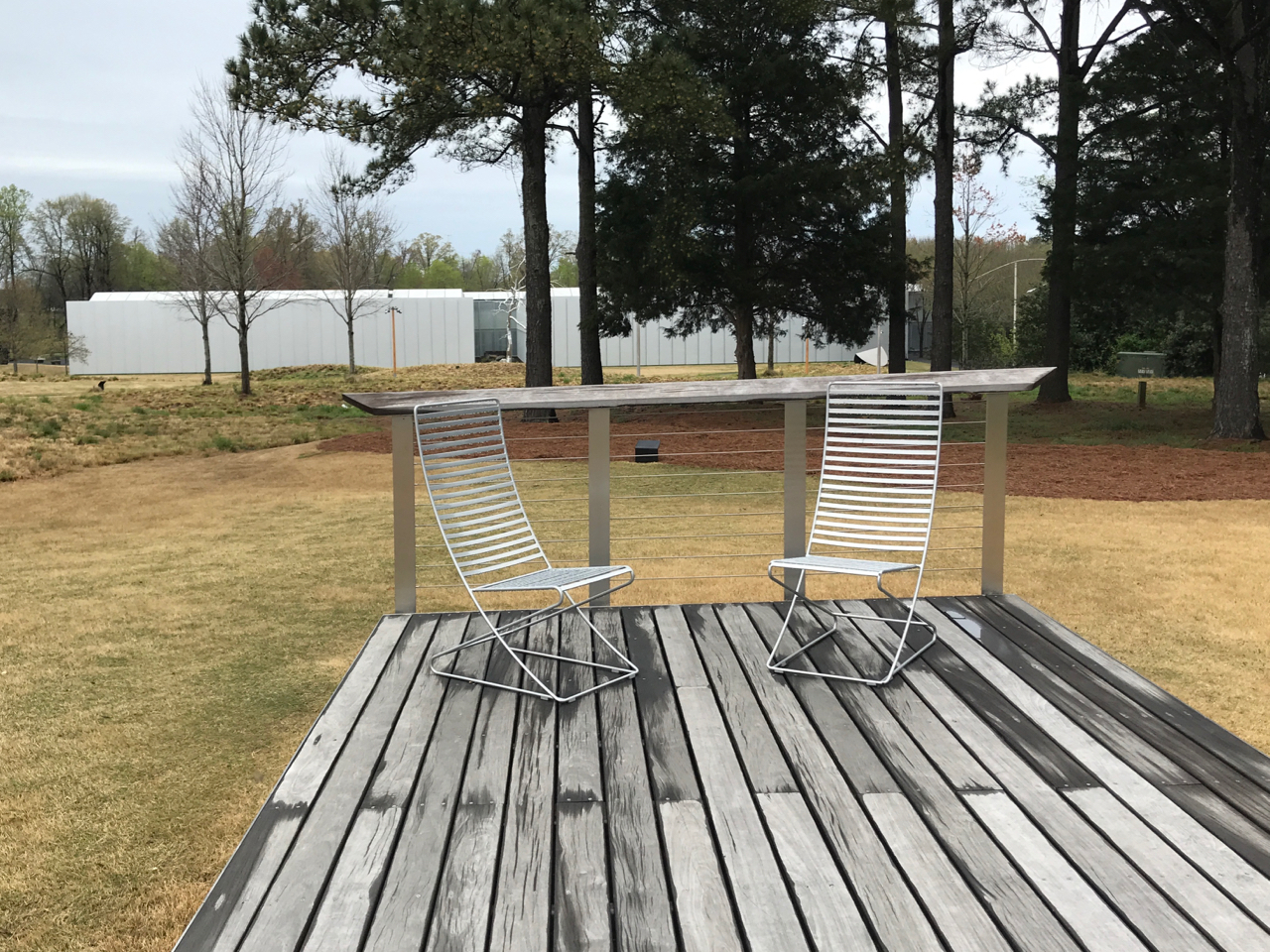
And how the trash receptacles complemented the chairs, which complemented the walkway with complemented the building.
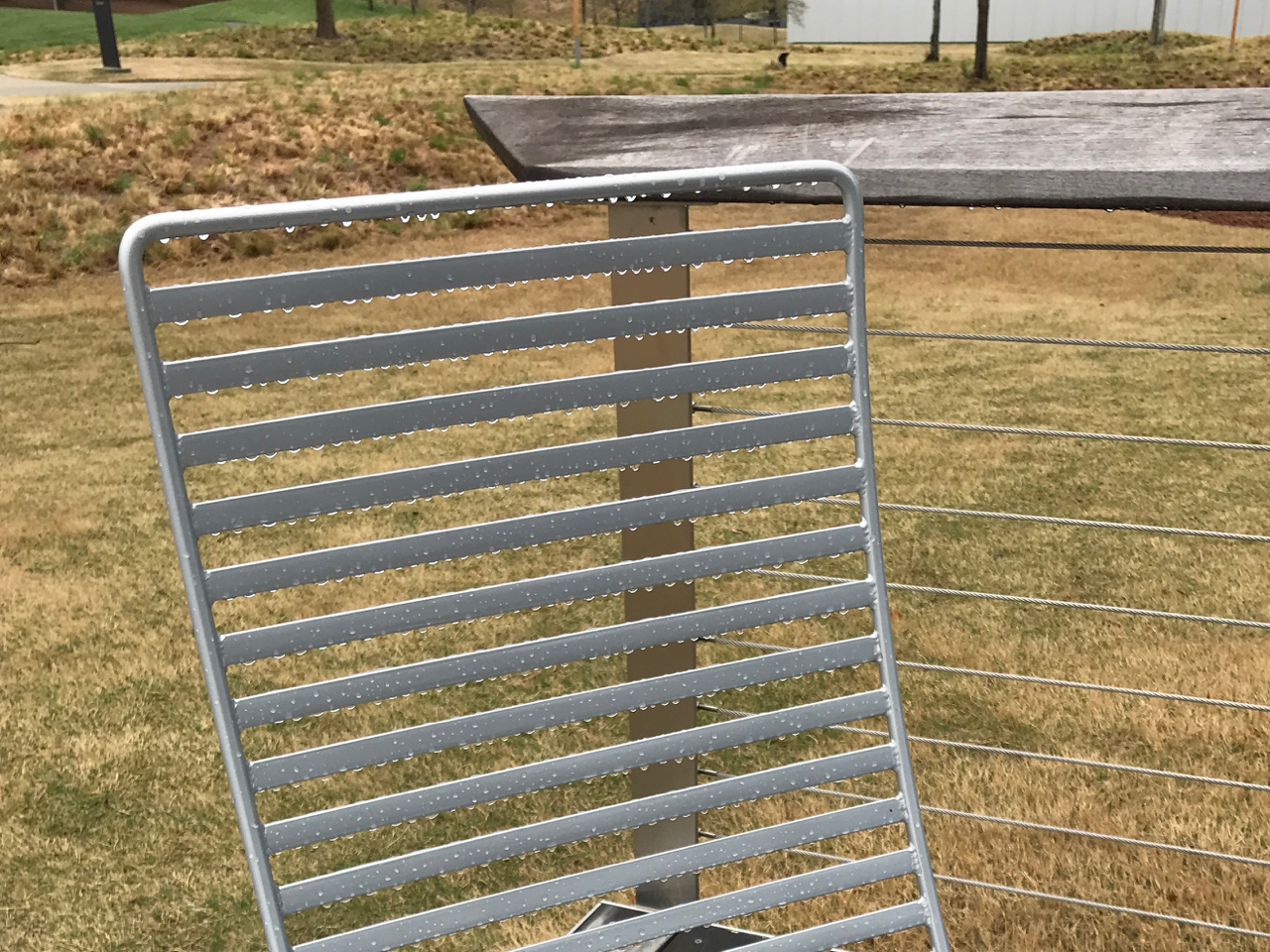
Even the drizzle added an artistic feature!
Anyway, the first building I entered was dedicated to African art.
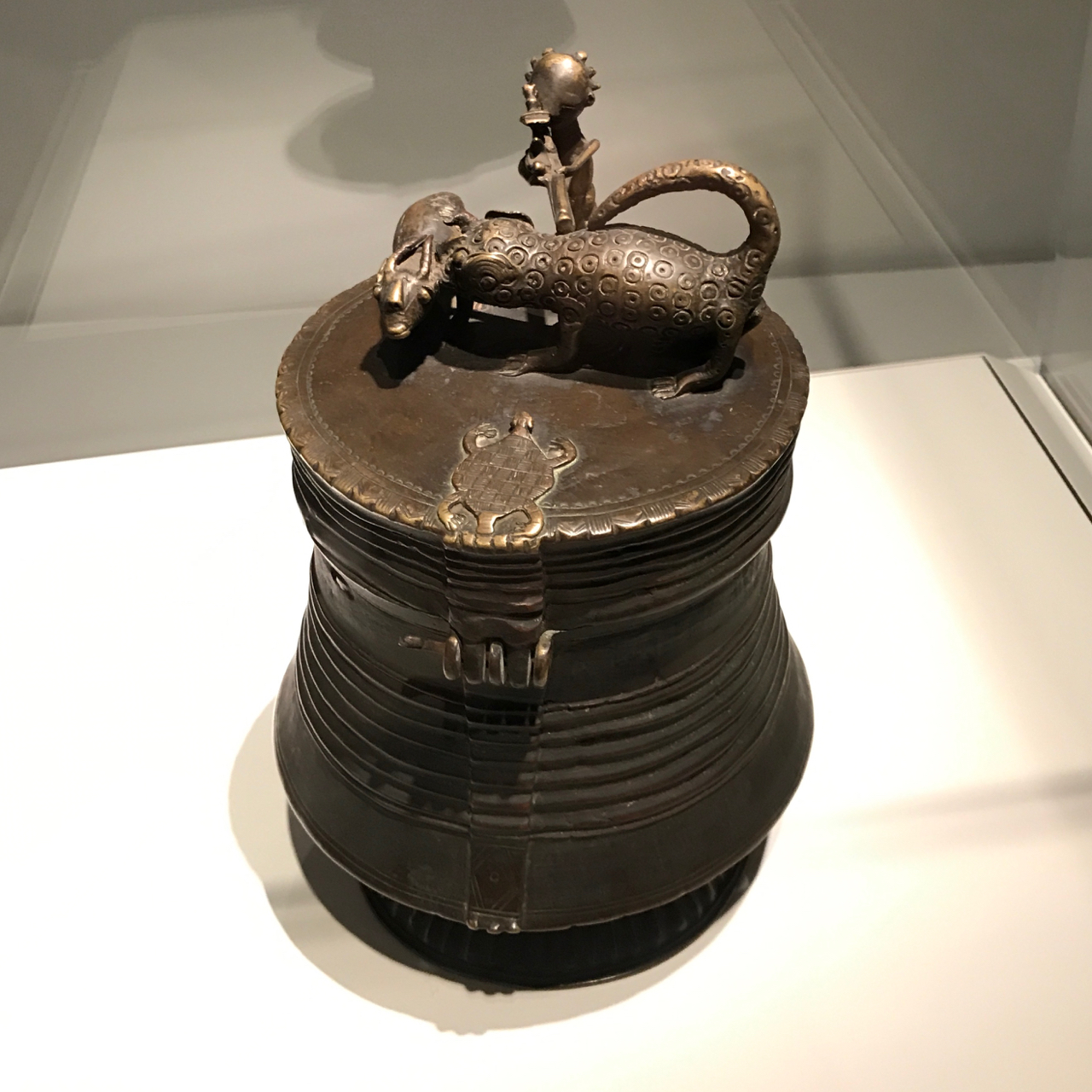
There were the things you expect to see when you visit a museum of African art, like this 19th century prestige vessel from Ghana,
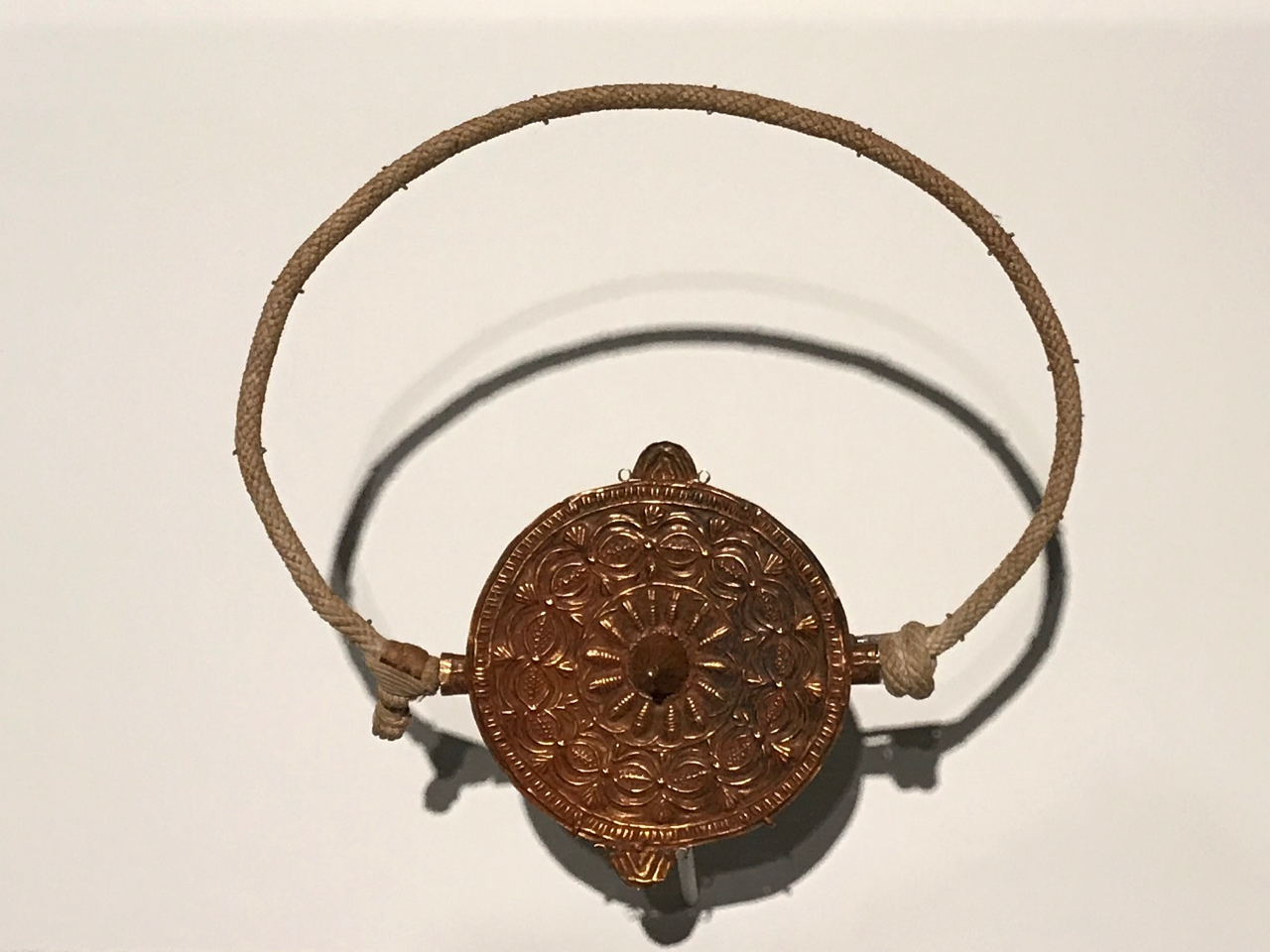
or this piece of jewelry,
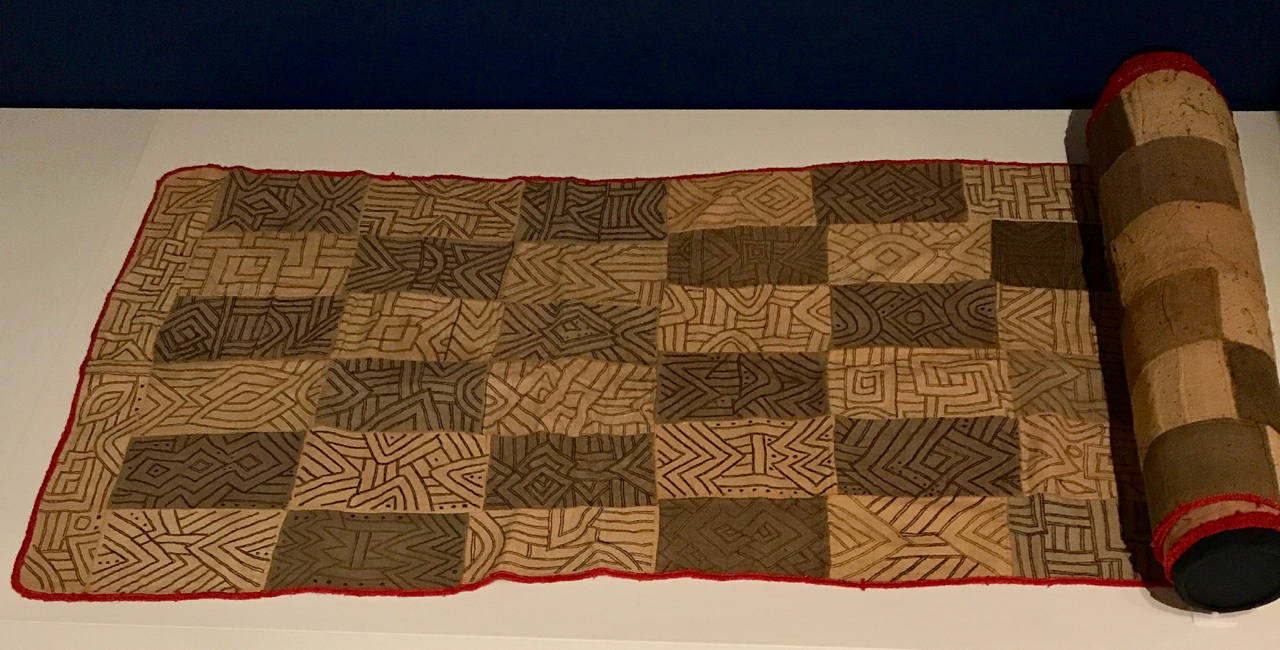
or this mid 20th century women’s ceremonial skirt from the Democratic Republic of the Congo.
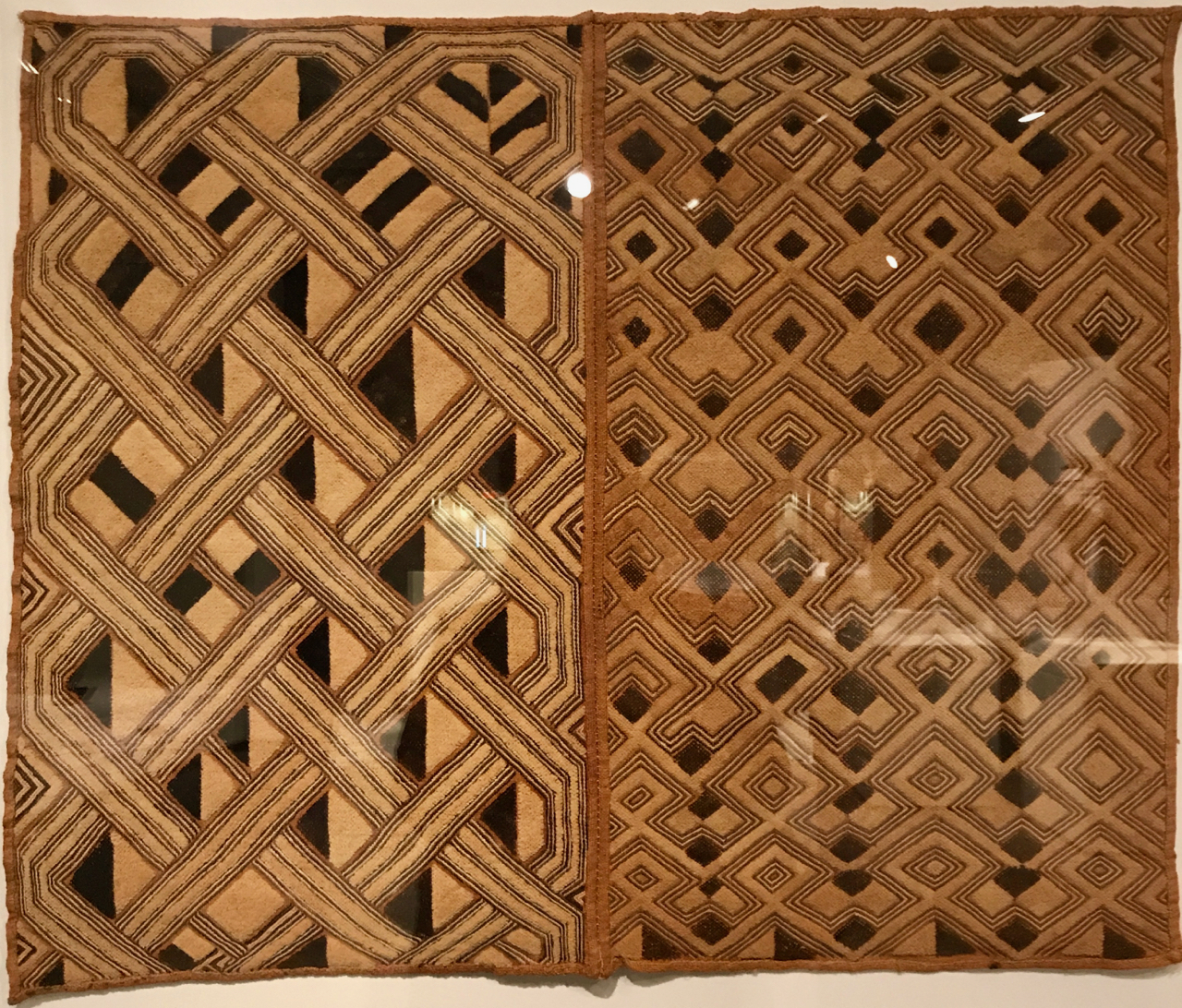
But they had some textiles I had never seen before, like this velvet from the Kasai region of the Democratic Republic of the Congo. From what I understand, the base cloth is woven by the men and the decorative elements are added by the women using an embroidery technique that adds a looped pile. The ends are cut leaving dense areas that are similar to velvet.
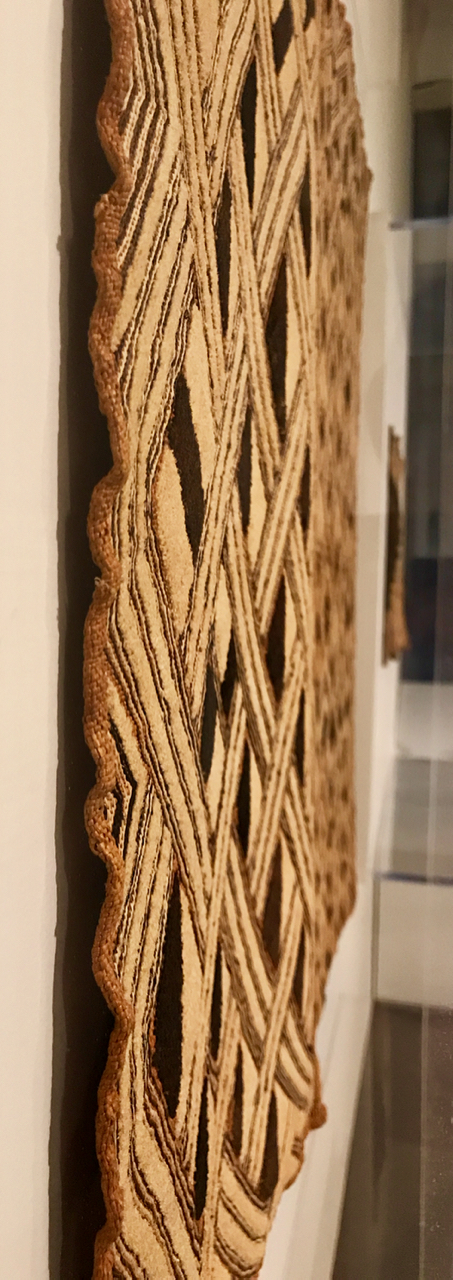
This photo taken the edge gives you a different view of the work.
Incidentally, the ceremonial skirt and the velvet are both made from raffia palm leaves. I would love to know how they process those fibers!
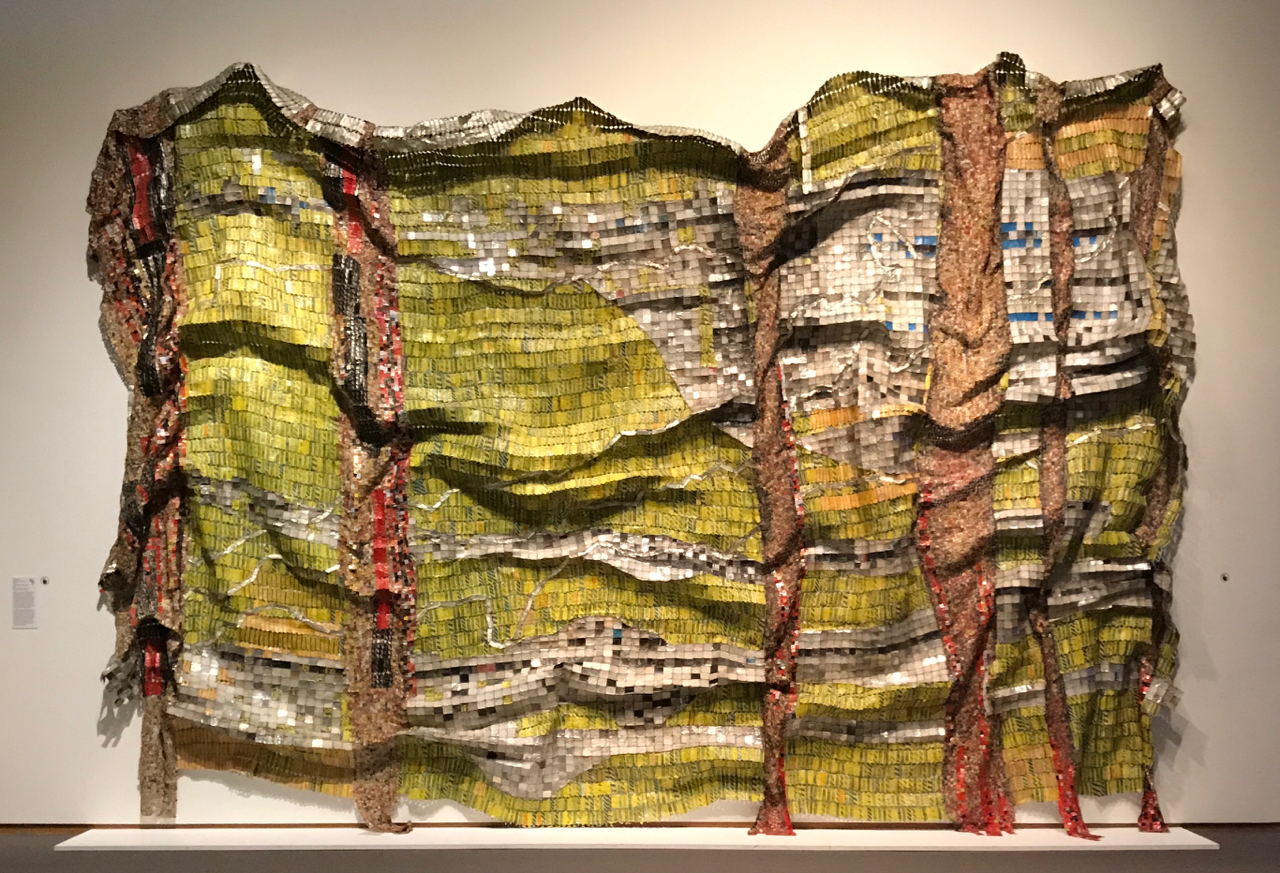
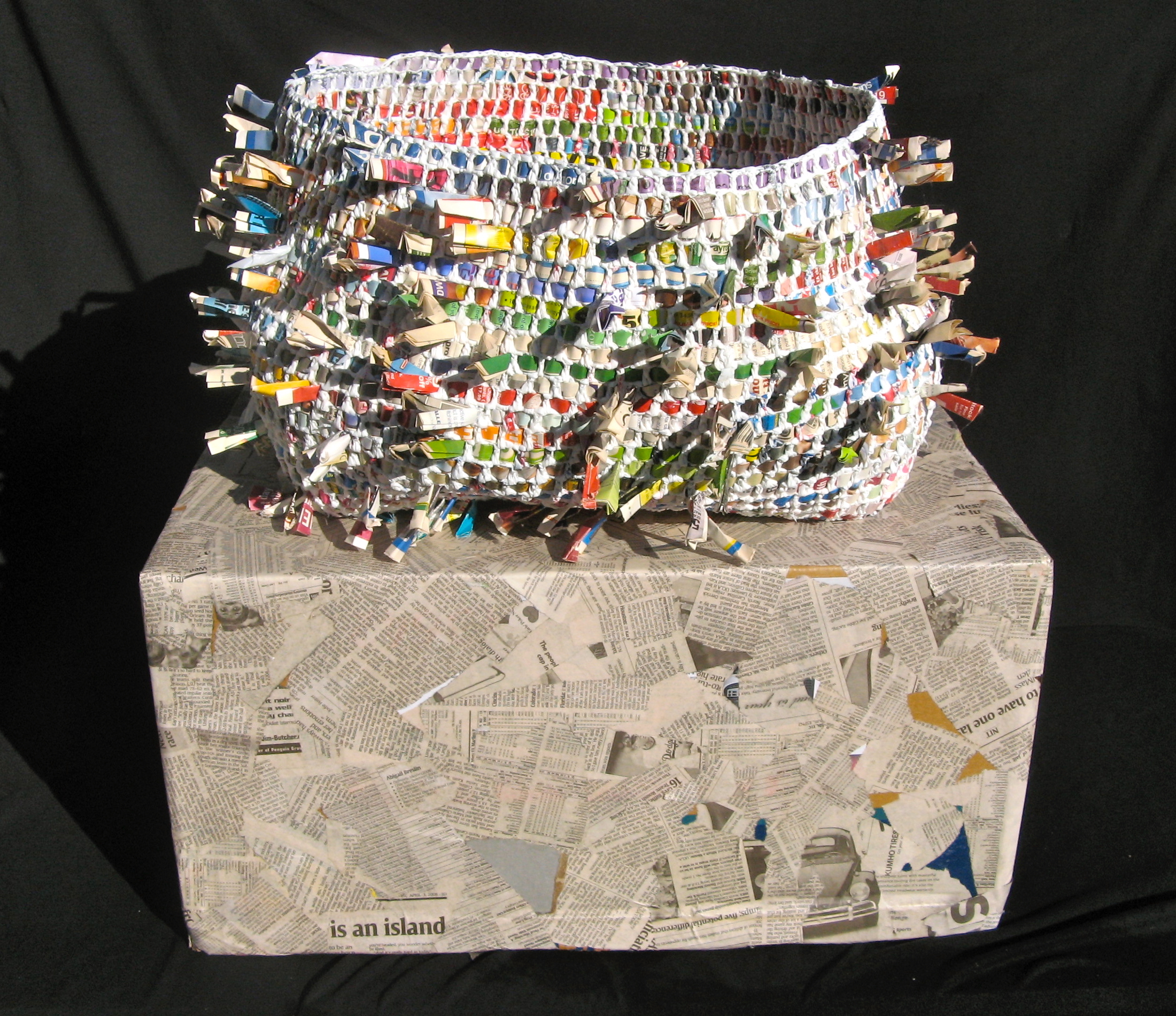
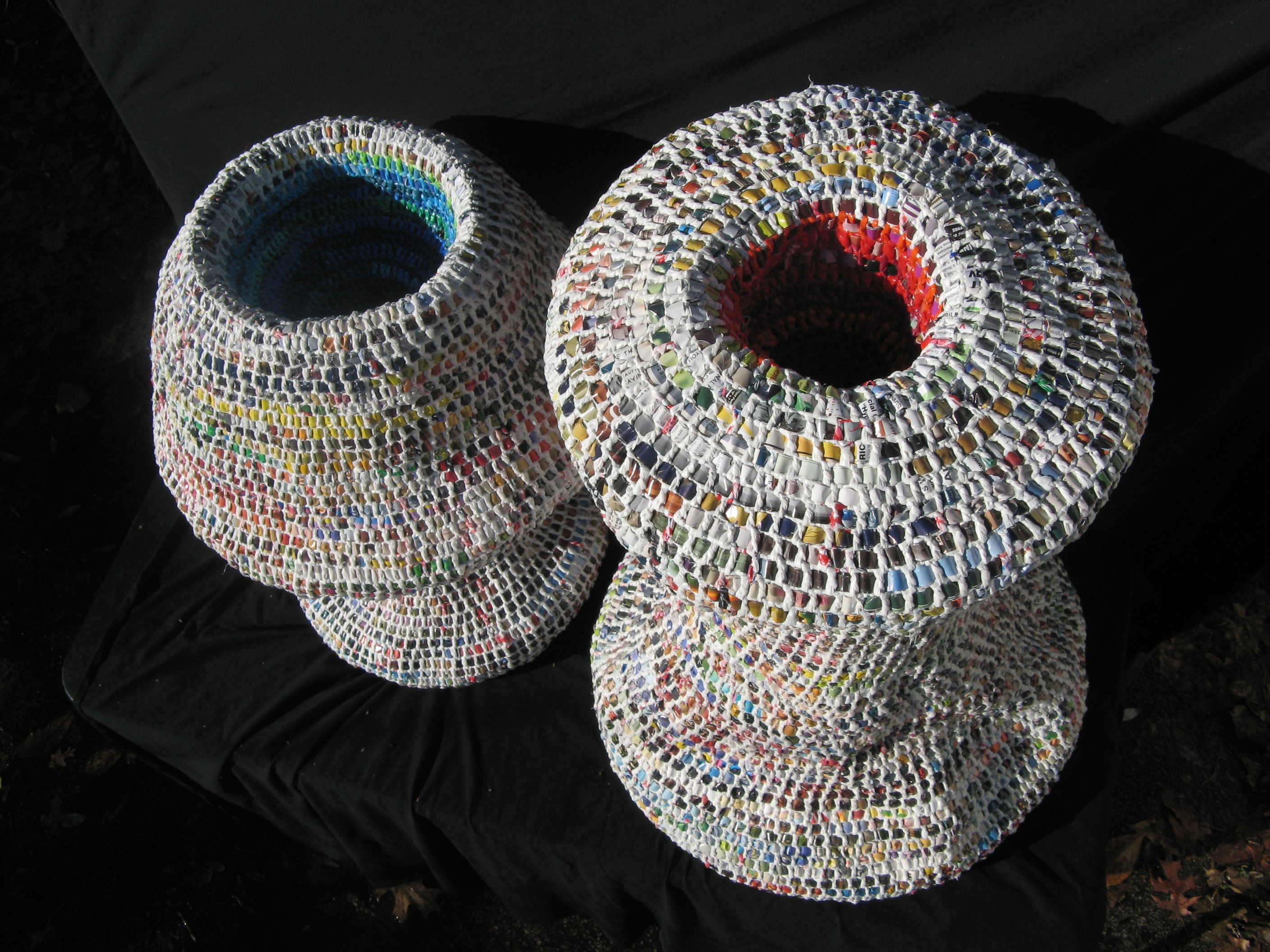
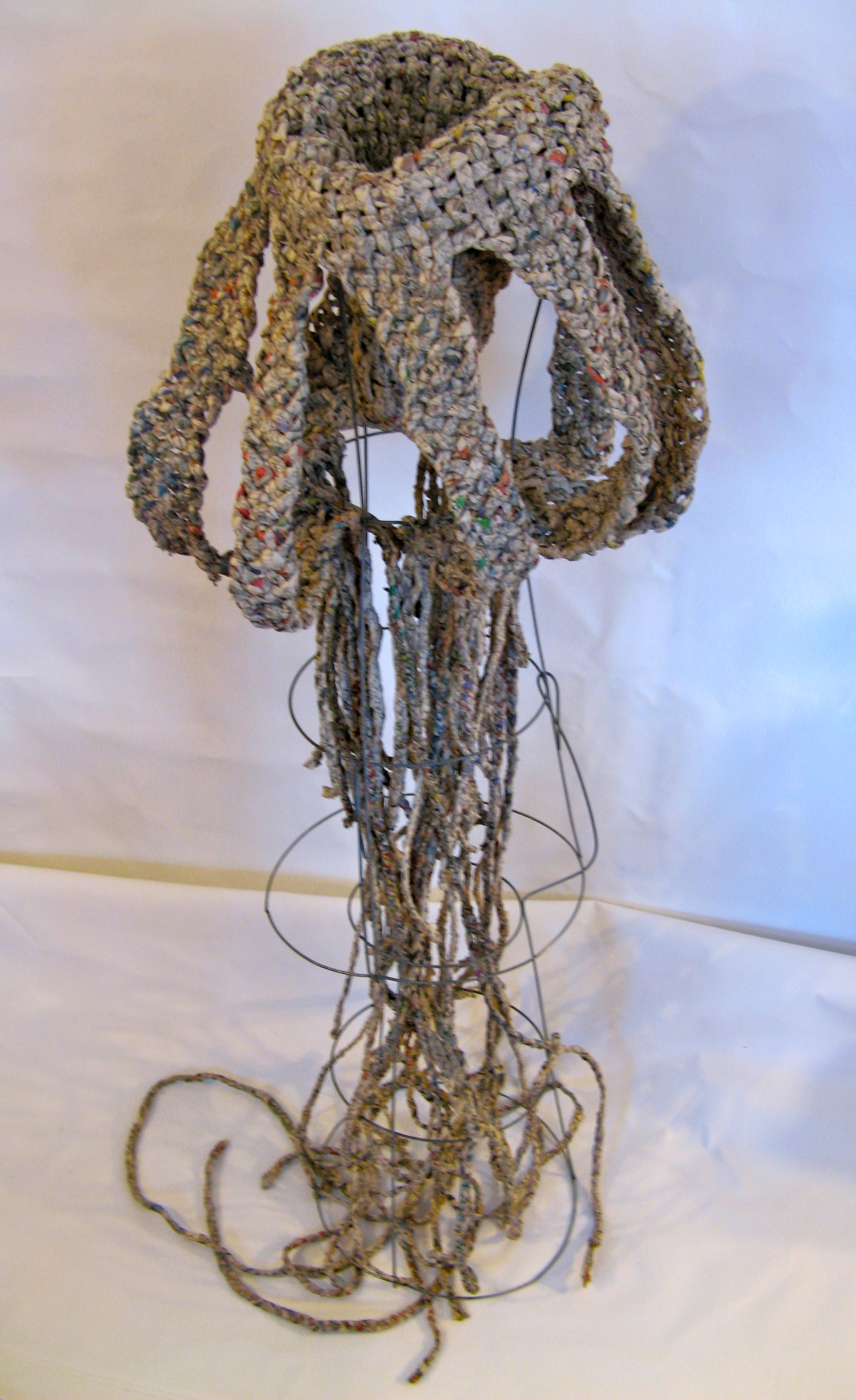
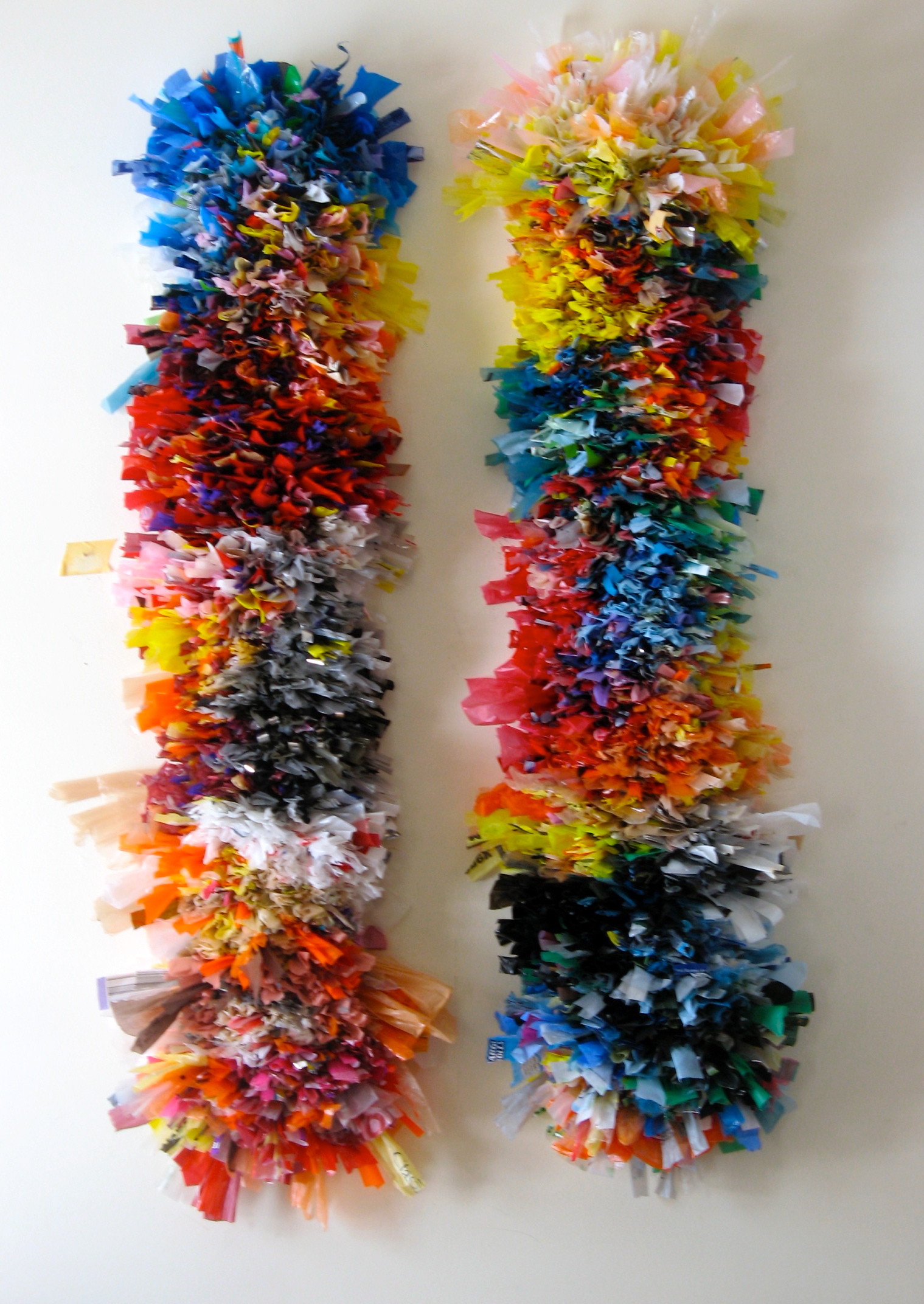
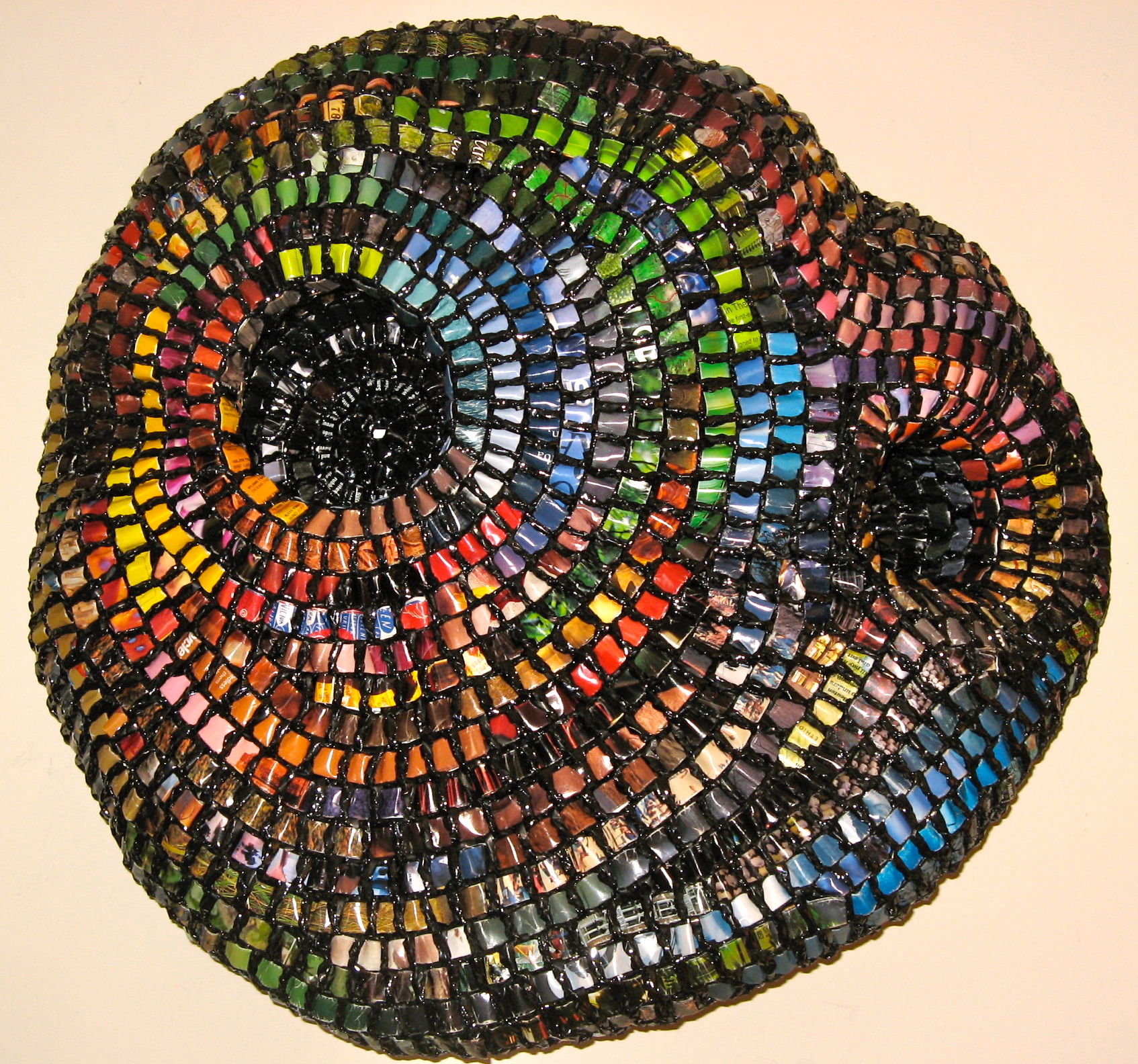
They had more recent textile-like work, as well. This piece is called “Lines that Link Humanity” and is by Ghanaian artist El Anatsui. It’s made from discarded bottle caps and liquor packaging. You all know how I love recycled things. Some day I’ll do a post about my sculptures made from plastic bags, videos, newspapers, minutes from meetings and magazines.
Oh, what the heck! No time like the present. Here are some of my works of art.
And now we return to the North Carolina Museum of Art.
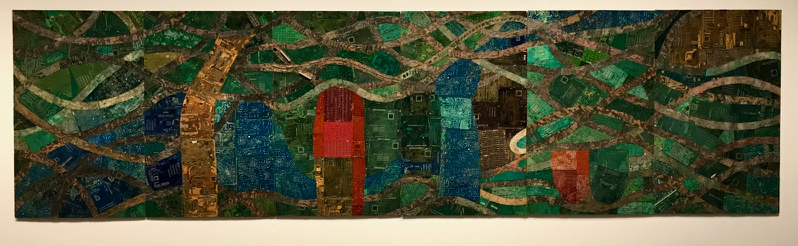
This is a work of art by Ethiopian artist Elias Sime. It’s made from recycled materials, such as buttons, batteries, bottle caps, clothes, dismembered computers and cell phones. This waste is shipped from all around the world to Addis Ababa and it is sold in huge open air markets.
This work of art is actually quite large. It’s made up of six panels and overall measures about 5’3″ by 20′.
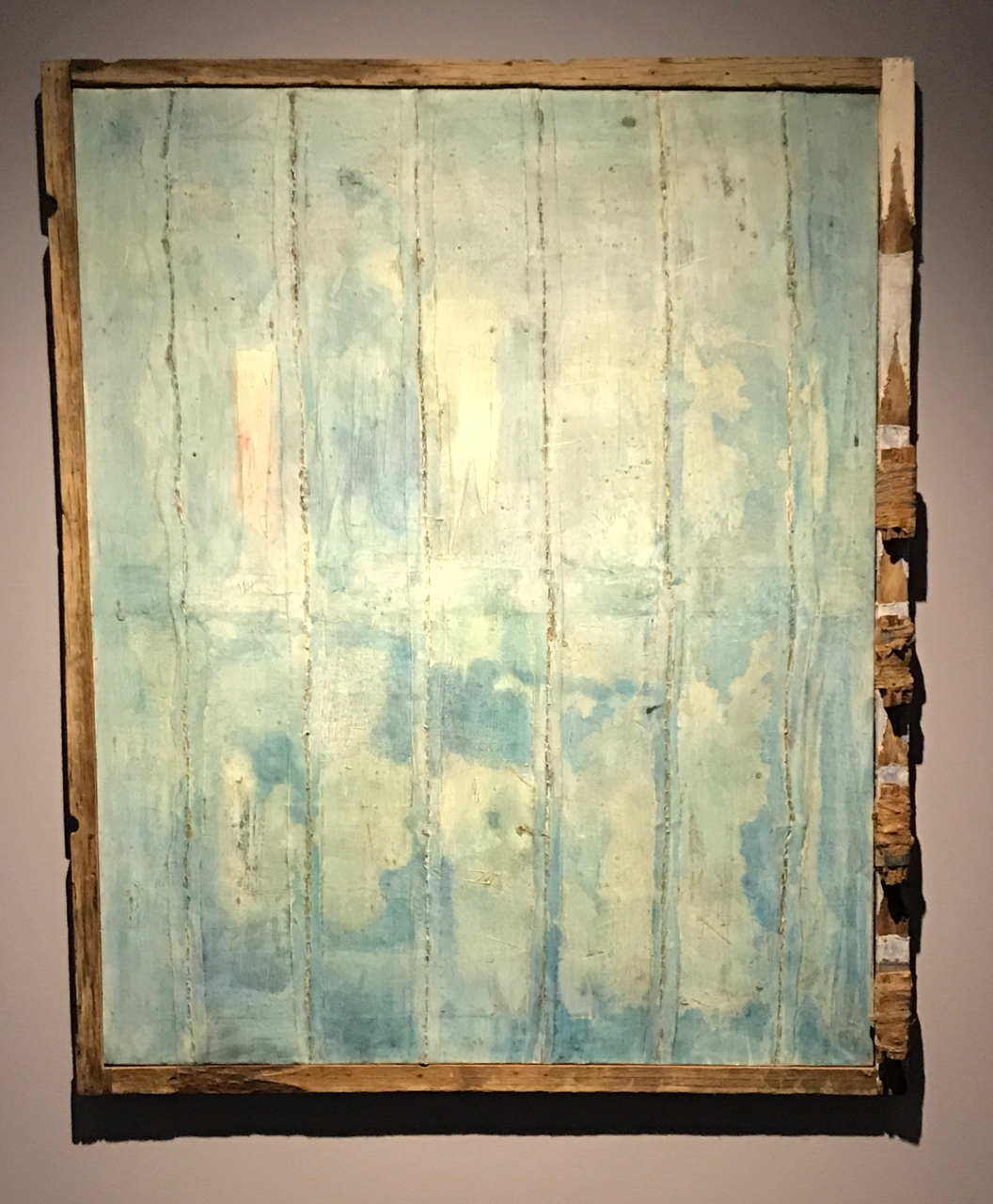
This work of art is by Senegalese artist Viyé Diba. According to the artist, blue is the symbol space and liberty. It’s created from recycled wood and cotton strip-woven cloth.
I have to admit, though, my favorite part of this part of the museum was the children’s section. And, luckily for me, there weren’t any children there that day.
I didn’t have to share!
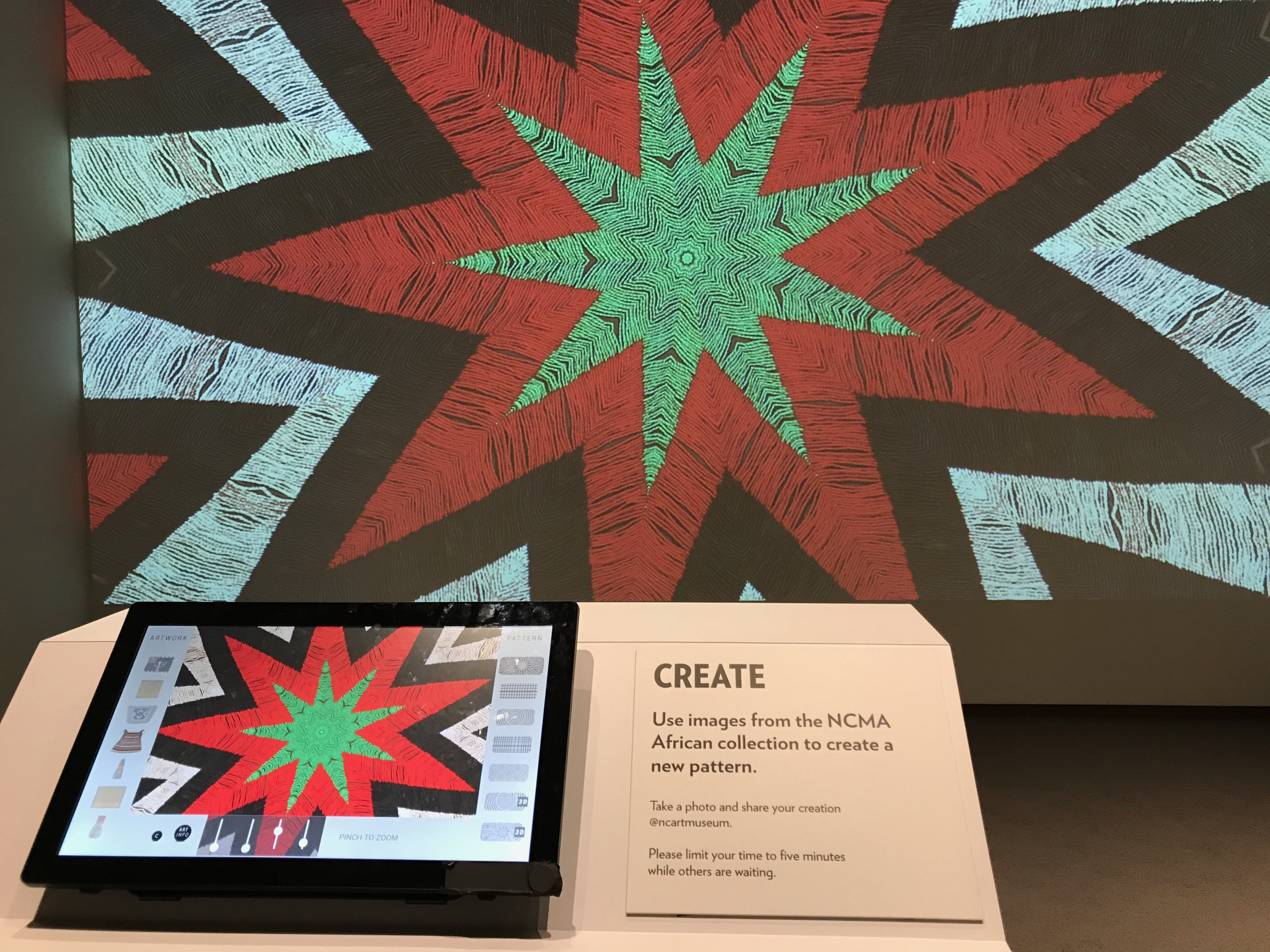
The system worked kind of like a kaleidoscope. You selected the pieces that interested you and then played around with them until you liked the results.
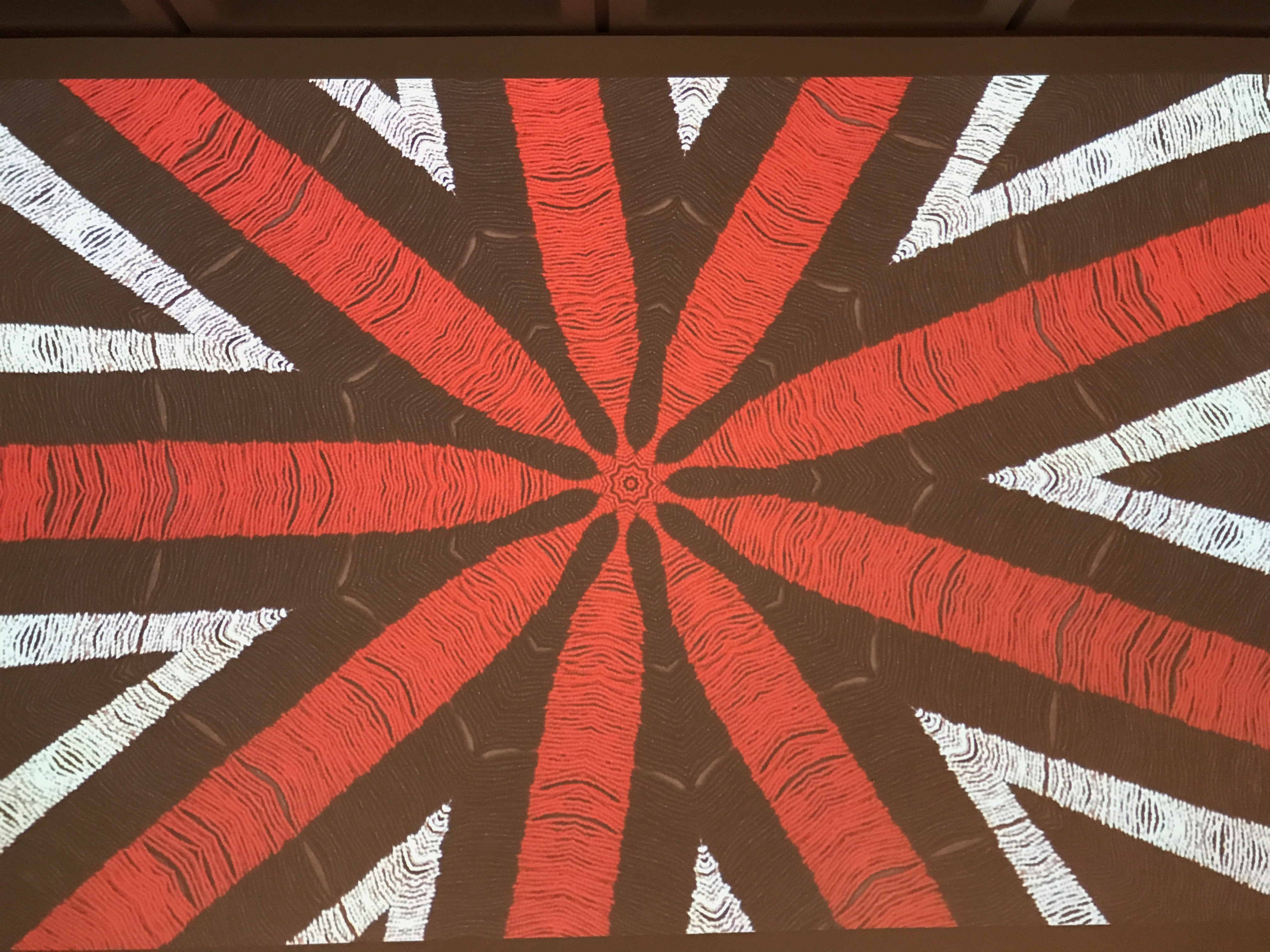
And play I did!
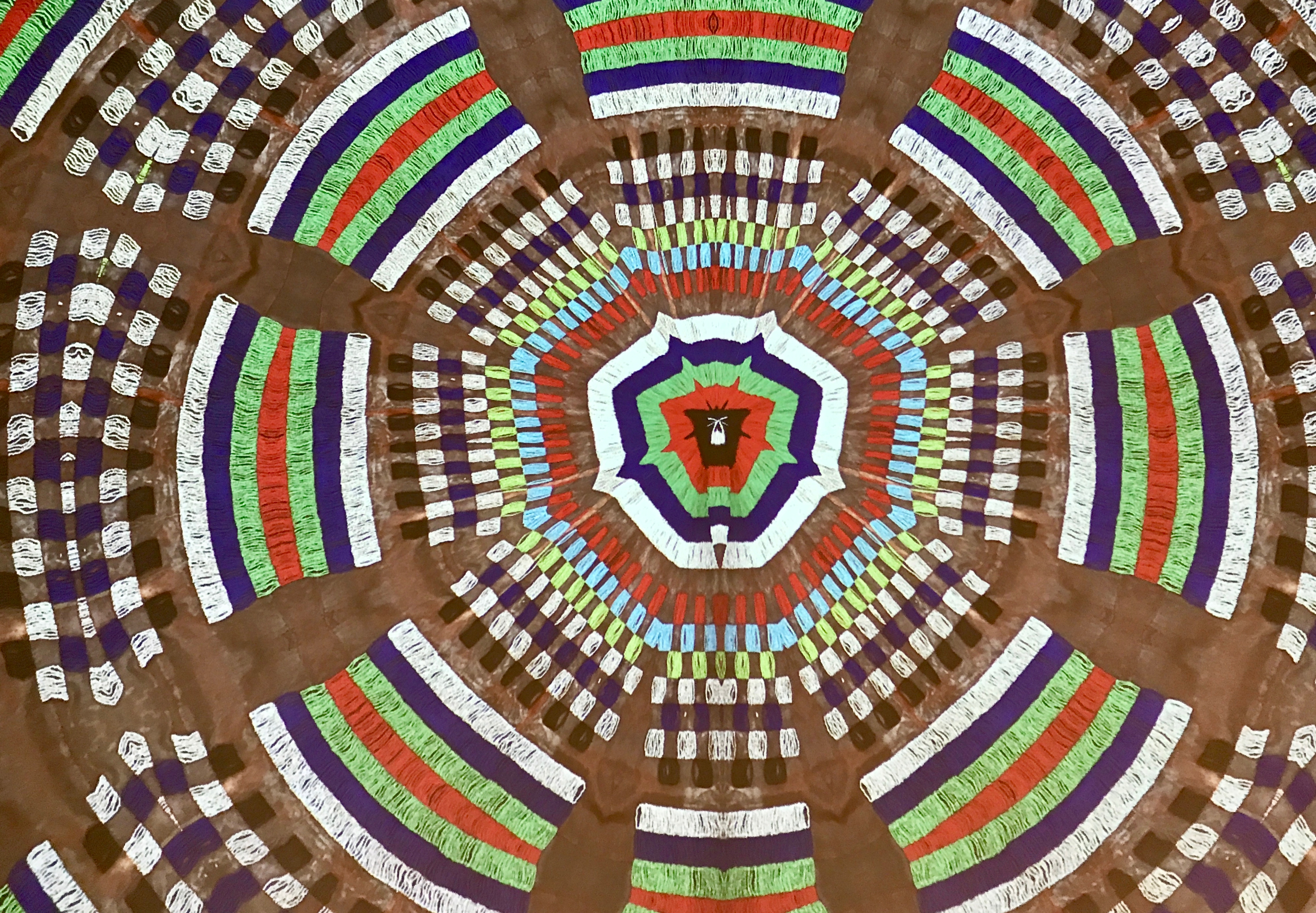
I was so glad no one else wanted to use it.
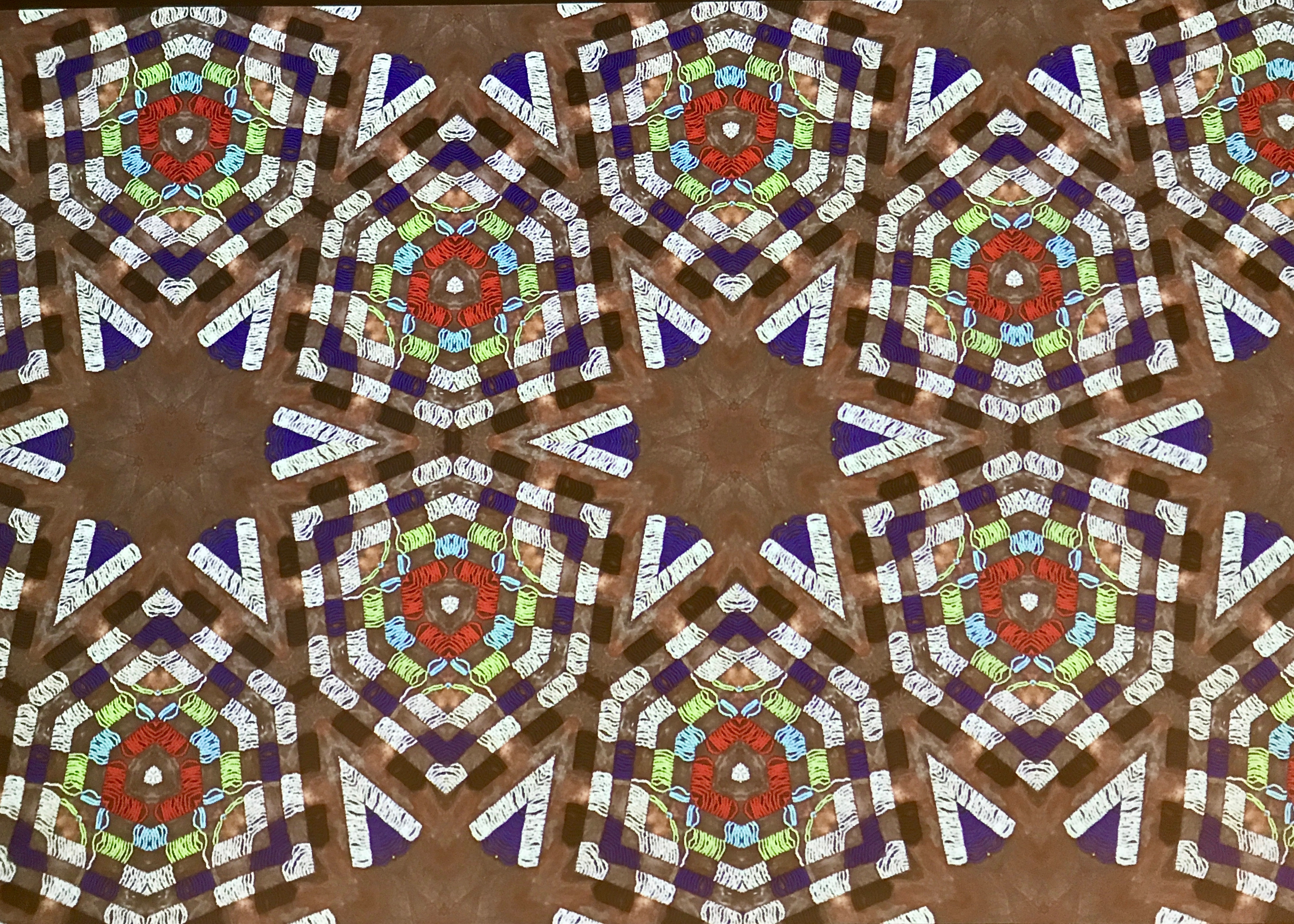
It was just mesmerizing!
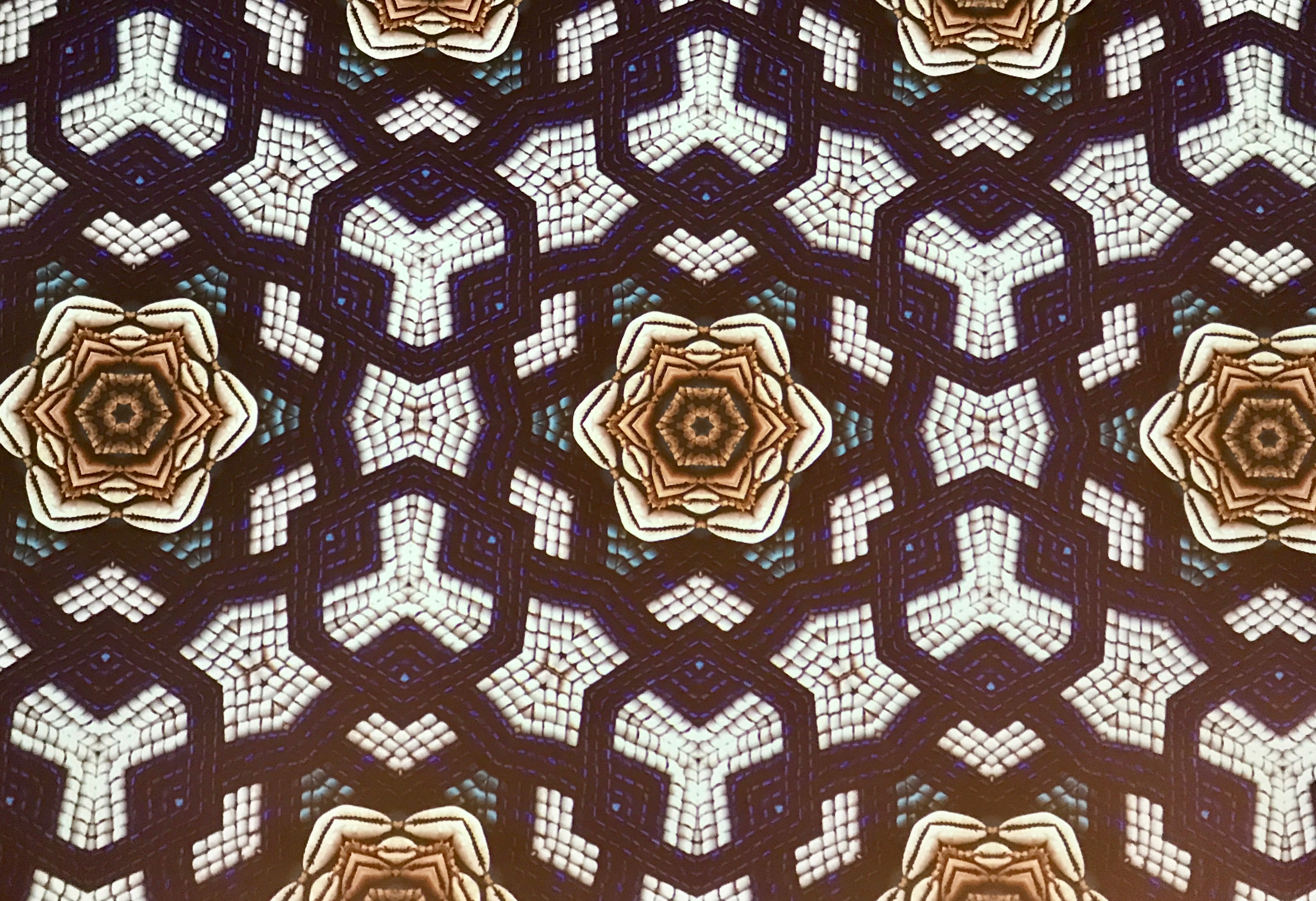
I could easily see myself wearing some of these designs.
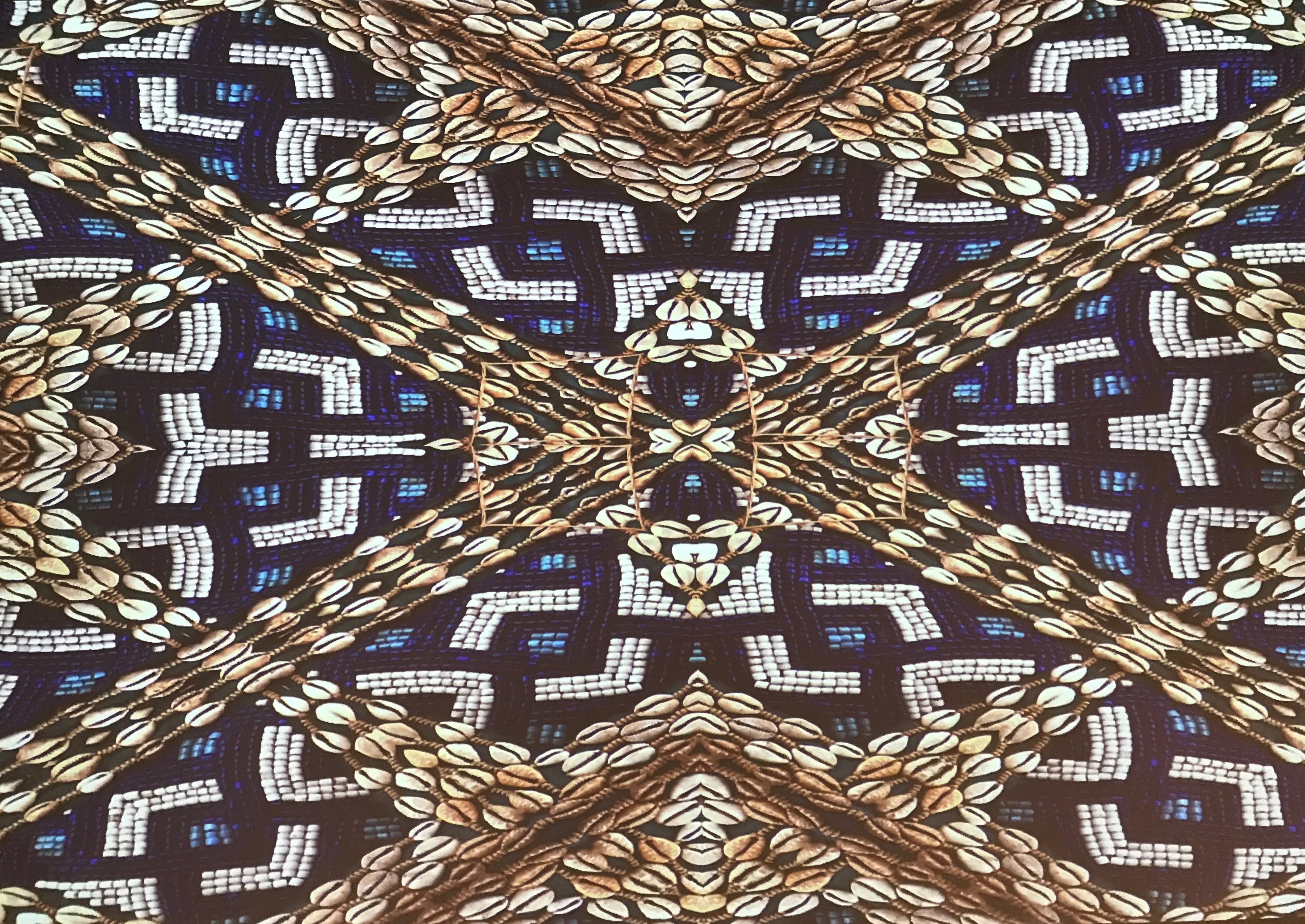
Or maybe a rug?
I just had a fantastic time playing with the system!
I was really taken with Bill Viola’s 2000 work, “The Quintet of Remembrance.” It’s hard to convey the impact of the work of art in a static medium, as he worked in video for this piece.
I love pieces that reference other cultures and artists. According to the information posted at the entrance to the room where the piece was playing, in this work, Viola, an American artist, references Hieronymus Bosch’s Christ Mocked (The Crowning with Thorns) (circa 1490-1500), Andrea Mantegna’s Adoration of the Magi (1495-1505) and Dieric Bouts’s Mater Dolorosa (Sorrowing Madonna) (1470-75).
Each of these paintings captures one moment in history.
Viola uses video to explore a series of sentiments relates to these paintings.
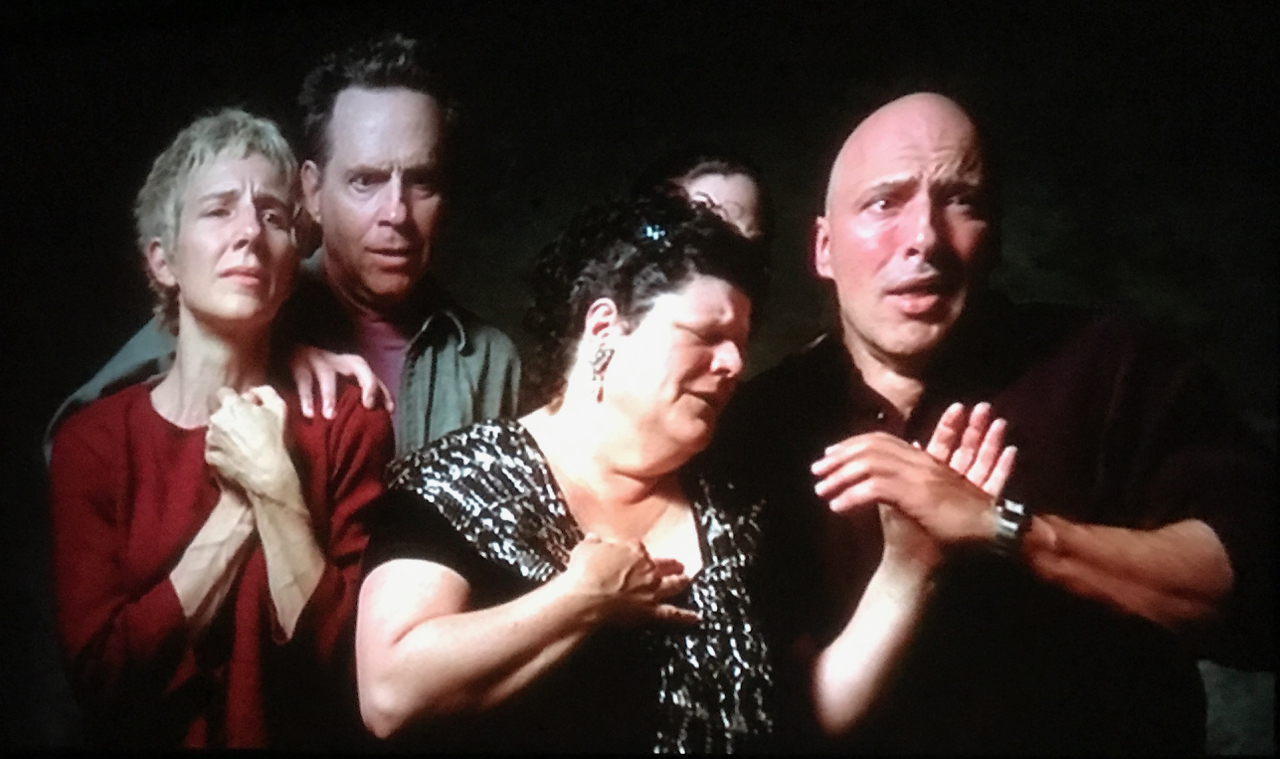
With the technology of digital video recording, sixty seconds of footage is slowed to fifteen minutes.
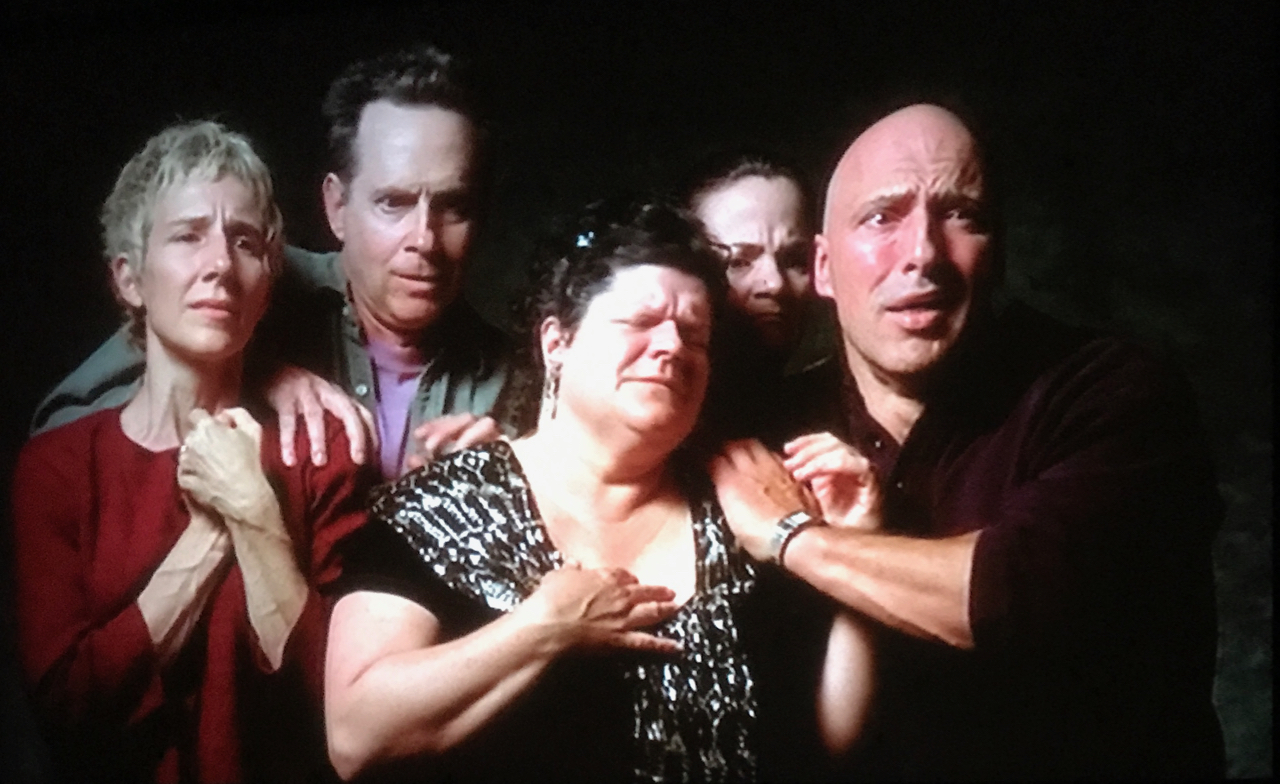
We’re allowed to observe actors’ interpretations of compassion, shock, grief, anger, fear and transcendence.
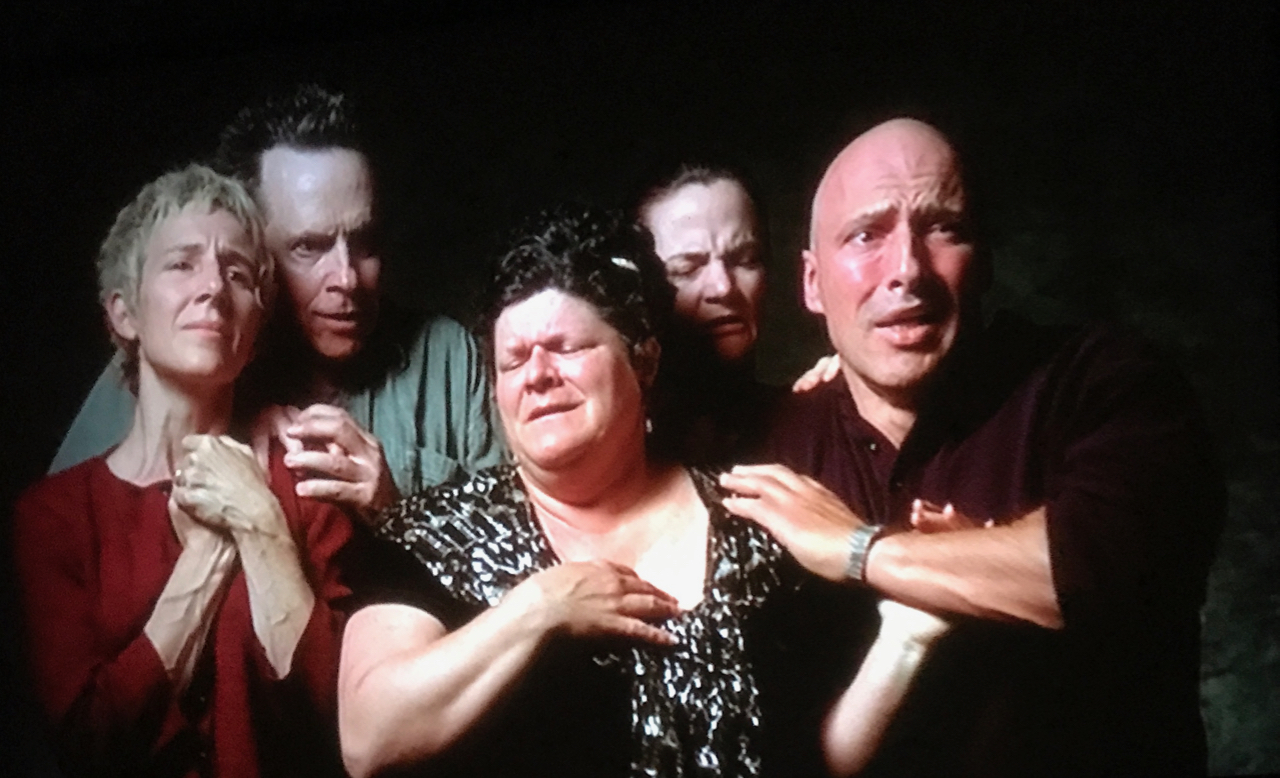
The video’s slow speed emphasizes subtle transitions from one feeling to another.
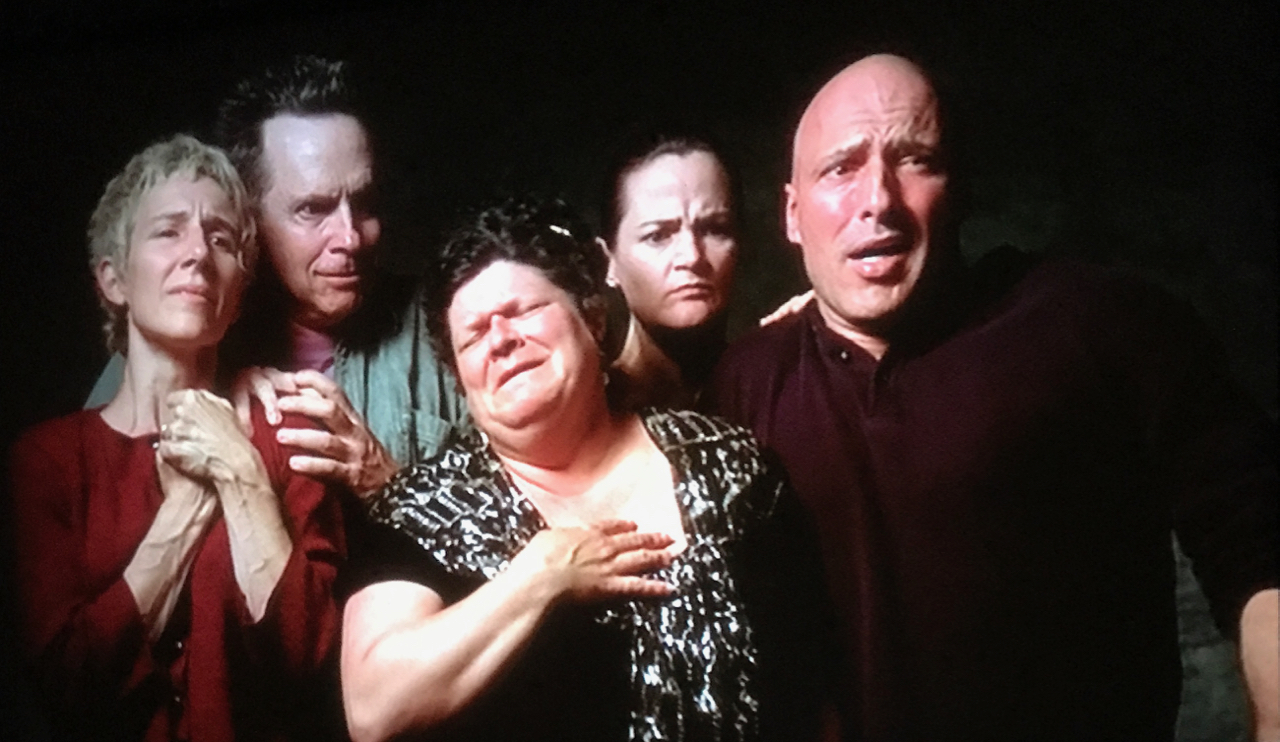
We are allowed to experience certain timeless, universal qualities of expressive emotions.
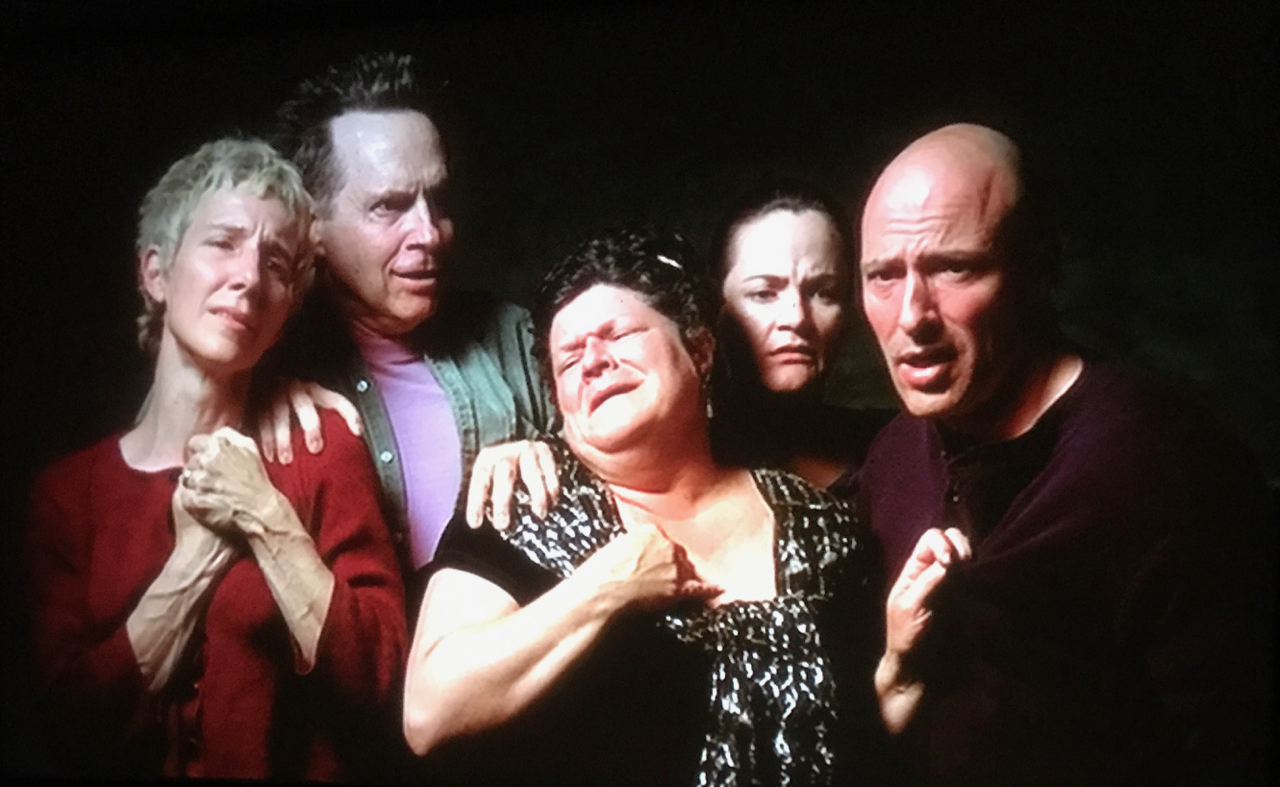
The changes are really subtle but captivating at the same time.
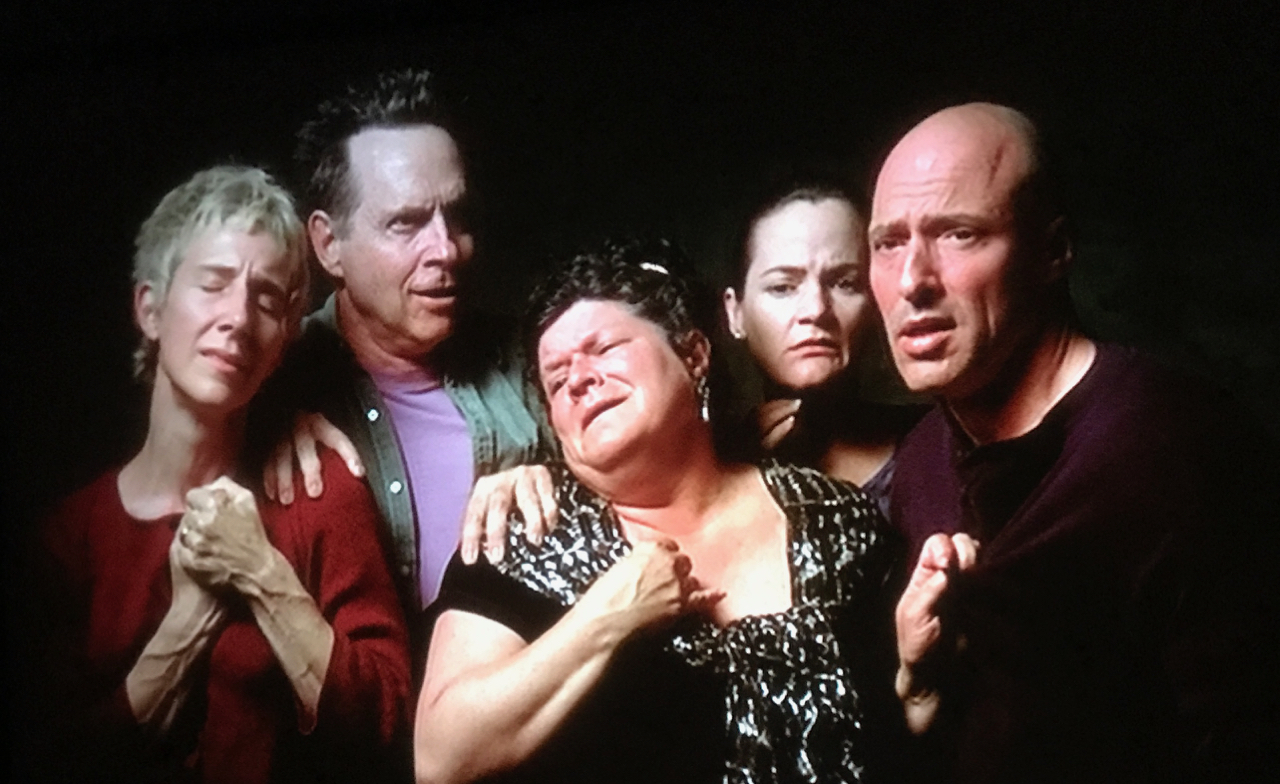
I could easily have watched it a few times, but I had much more museum to visit!
I left the annex and headed over to the main part of the museum.
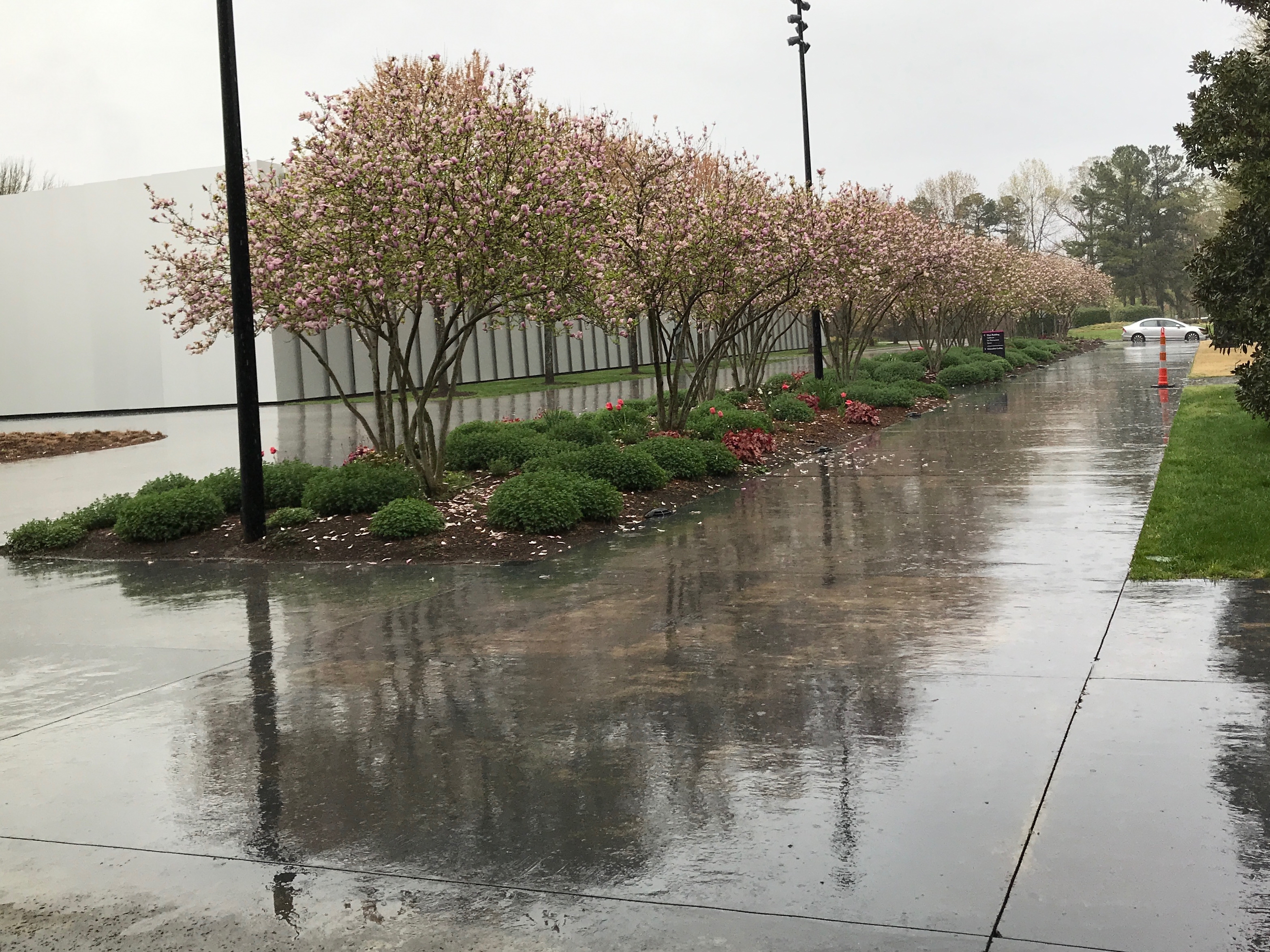
Yep, it was still raining.
Once inside, I saw a sign for the cafe. I wasn’t ready for a break, but I thought I’d check it out.
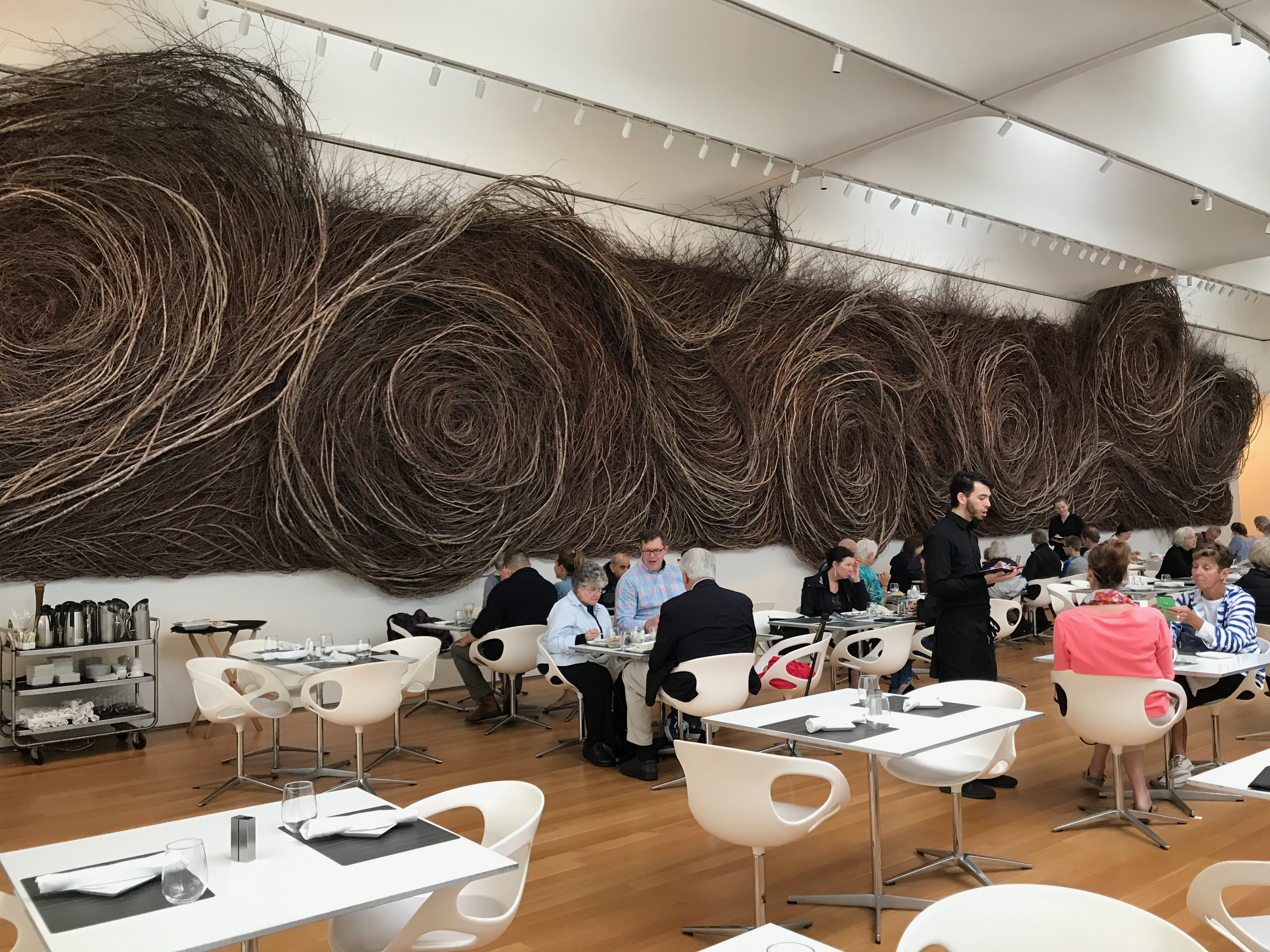
What a cool piece of art! And they have waiters?! I will definitely have to return some day. This looks like a place I’d like to eat!
Now, I suppose that there is a logical way to tour this museum. By looking over my photos and the order I took them, I think I may have gone the wrong way. Still, everything was well displayed and the lighting was wonderful.
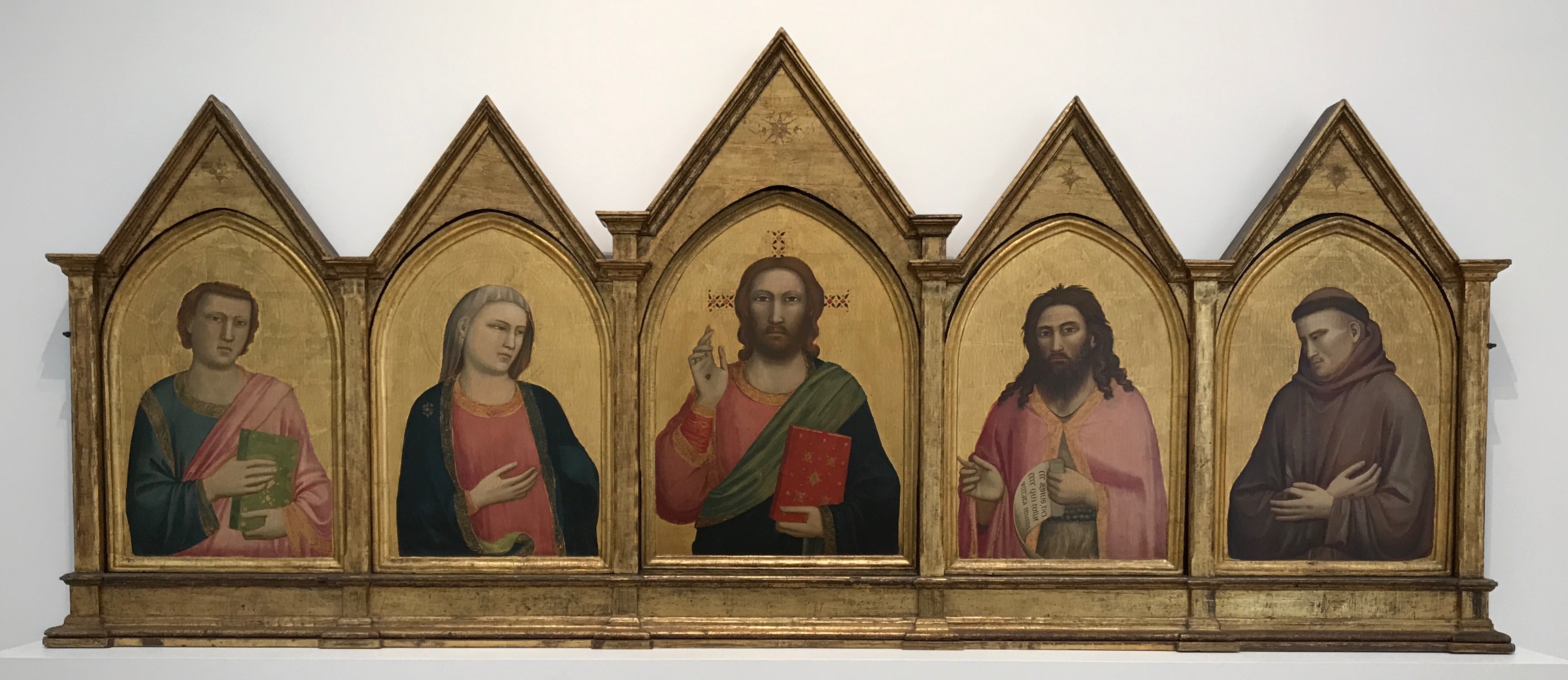
This altarpiece was created by Giotto di Bondone and Assistants somewhere around 1300. I was lucky enough to see the Scrovegni Chapel in Padua, Italy, on my last trip in 2006.
Giotto is one of the most influential artists who ever lived. He is credited from changing the flat, artificial styles of Byzantine art to a style more based on the study of nature. He was the first painter to paint his figures with believable bulk and weight and give them expressive gestures and features.
A mere 300 years or so later, Frans Snyders (and his Workshop) painted this work of art, “Market Scene on a Quay.”
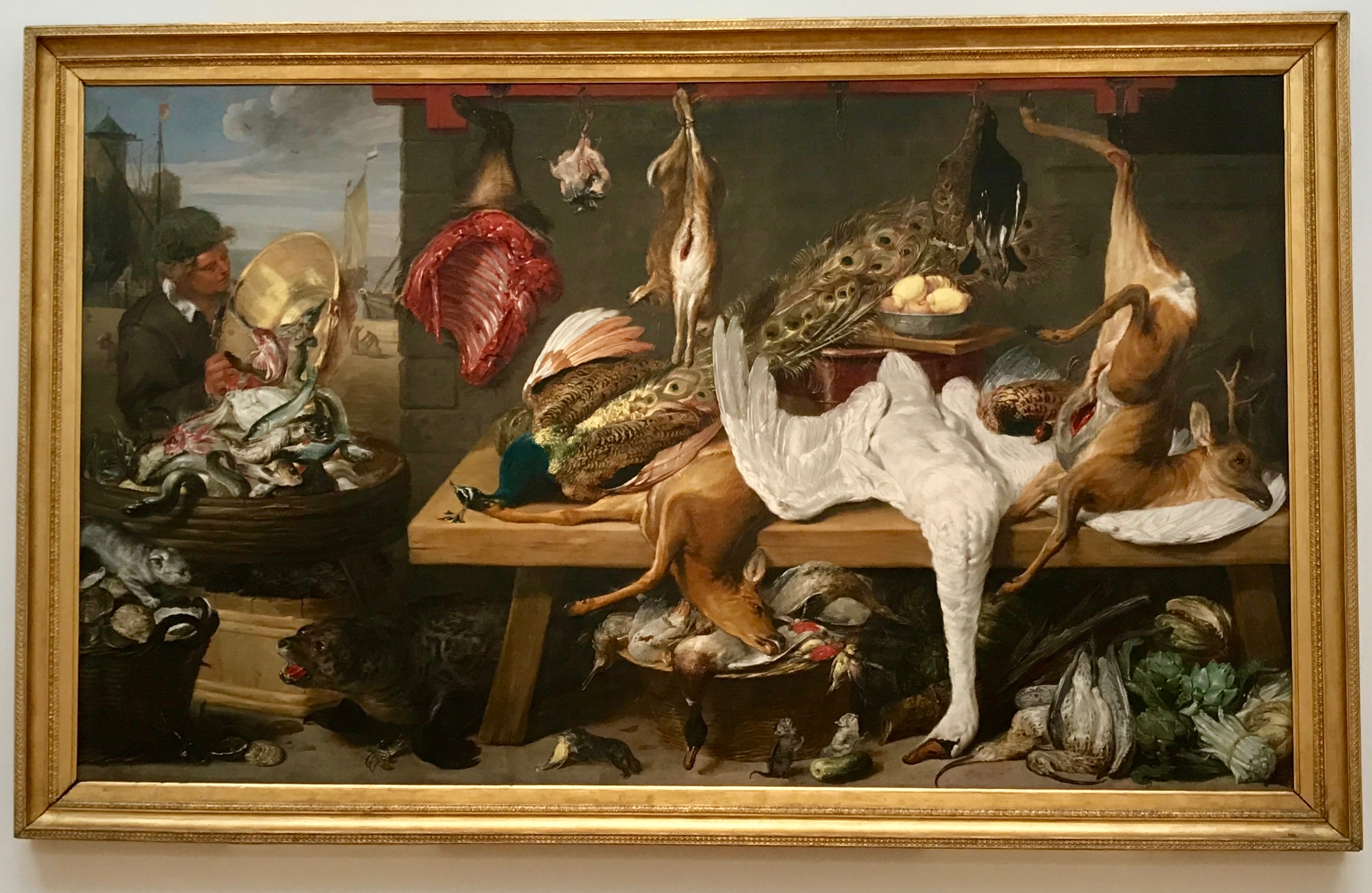
The details in this painting are amazing.
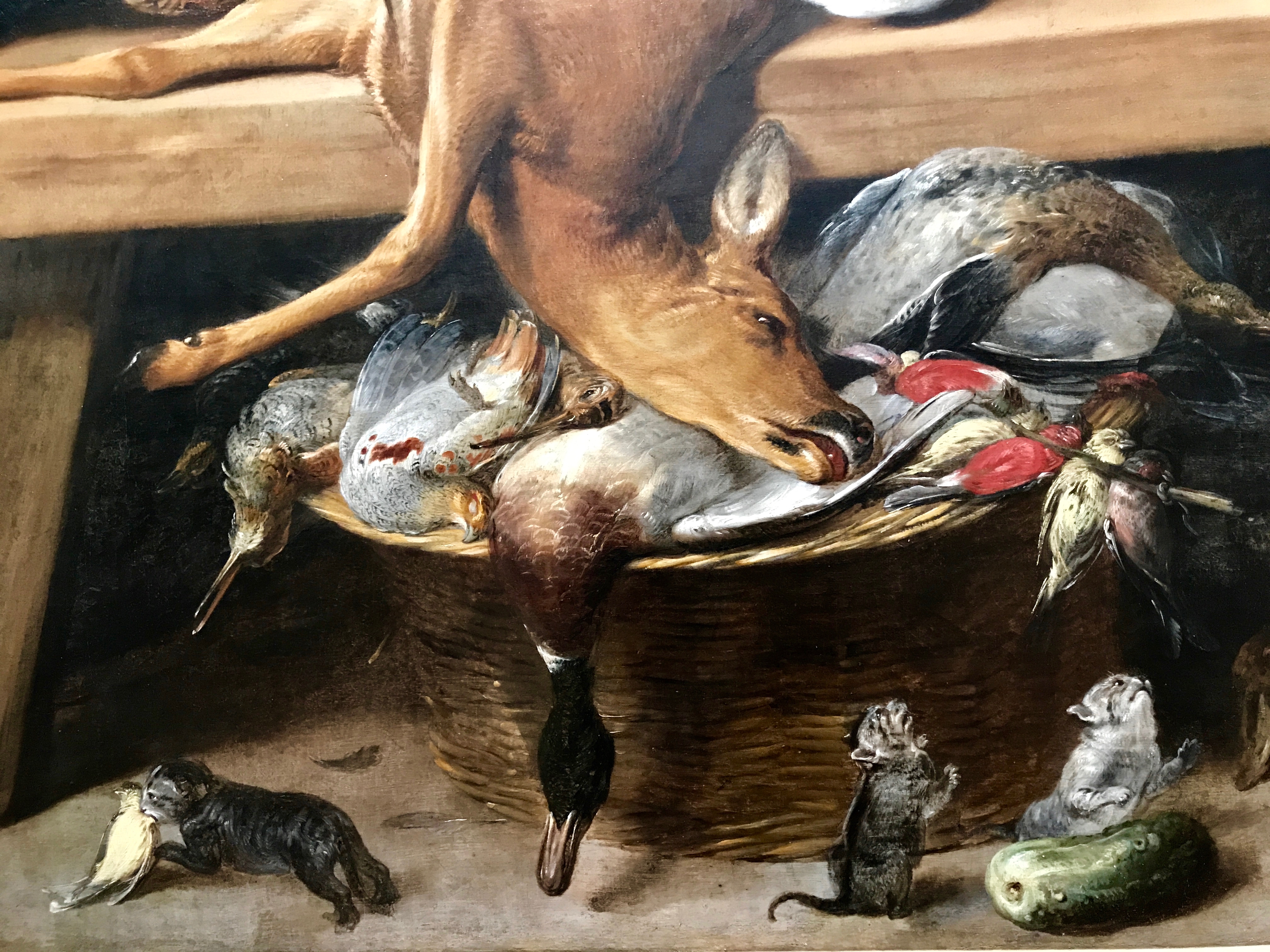
I love the little kitties grabbing themselves some dinner!
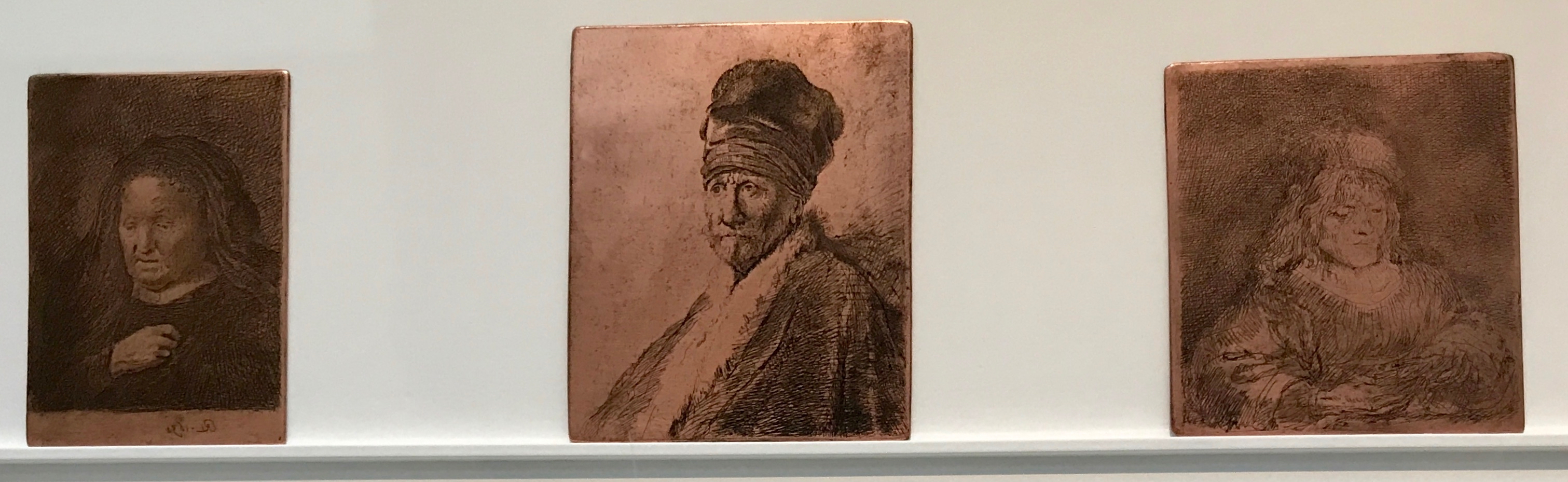
They had some Rembrandts, too, which were from the same era as the previous painting. Rembrandt worked in many media. These are not the finished works of art; they are the copper plates that produced the etchings.
The museum didn’t have the prints, but I did manage to find one on the internet to accompany the plates.
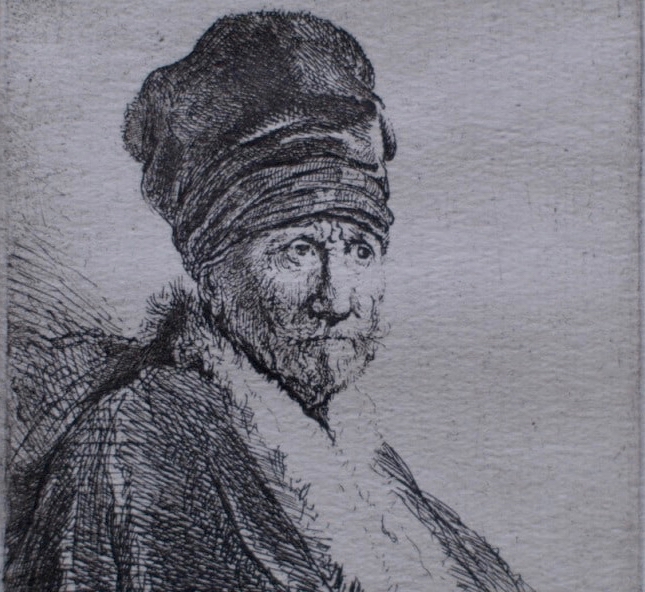
The plates had great value through the ages.
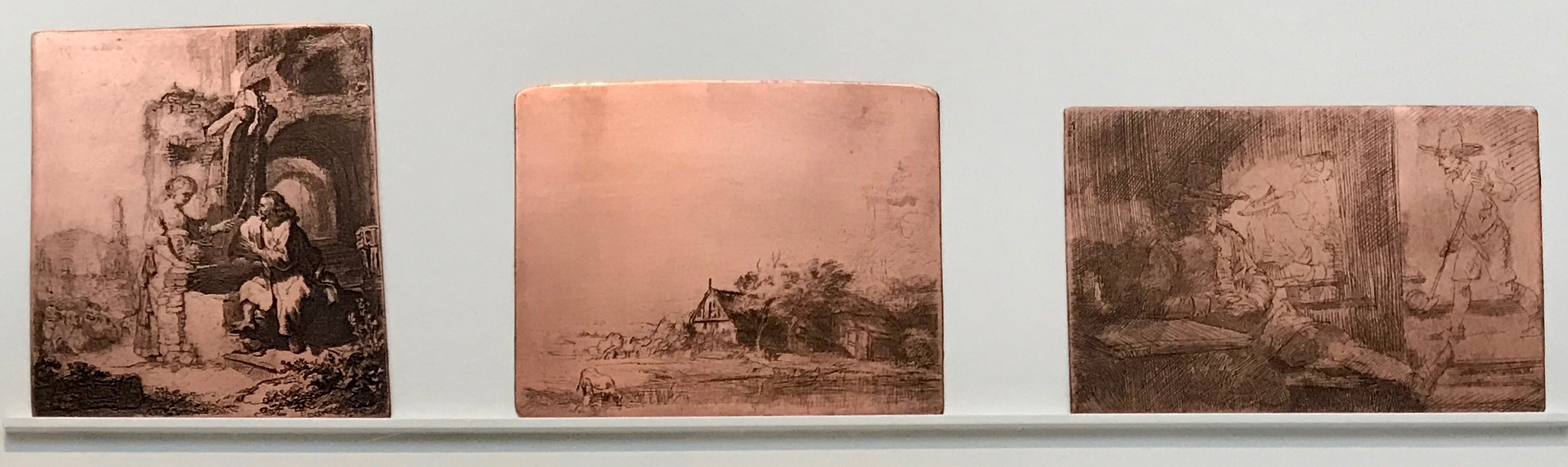
As they would get worn down from use, printers would re-etch the lines and keep on printing. Now they are valuable, because Rembrandt.
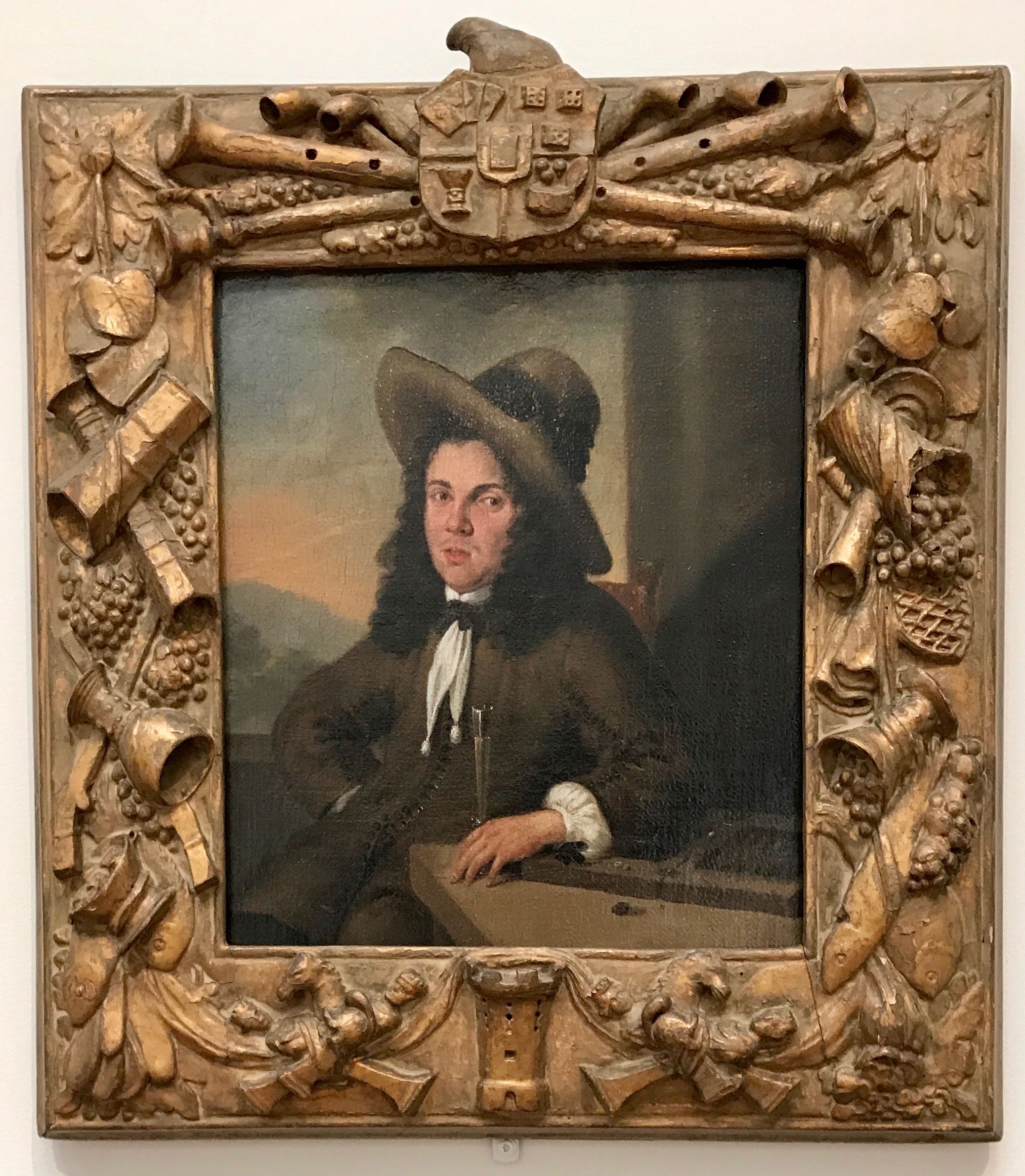
I’m not sure of the details of this painting, but I thought the way the frame reflected the subject matter was interesting. Could this fellow be given to drinking and gambling? If so, there’s an app for that!

Speaking of debauchery, this painting by Jan Steen seems to fit the theme.
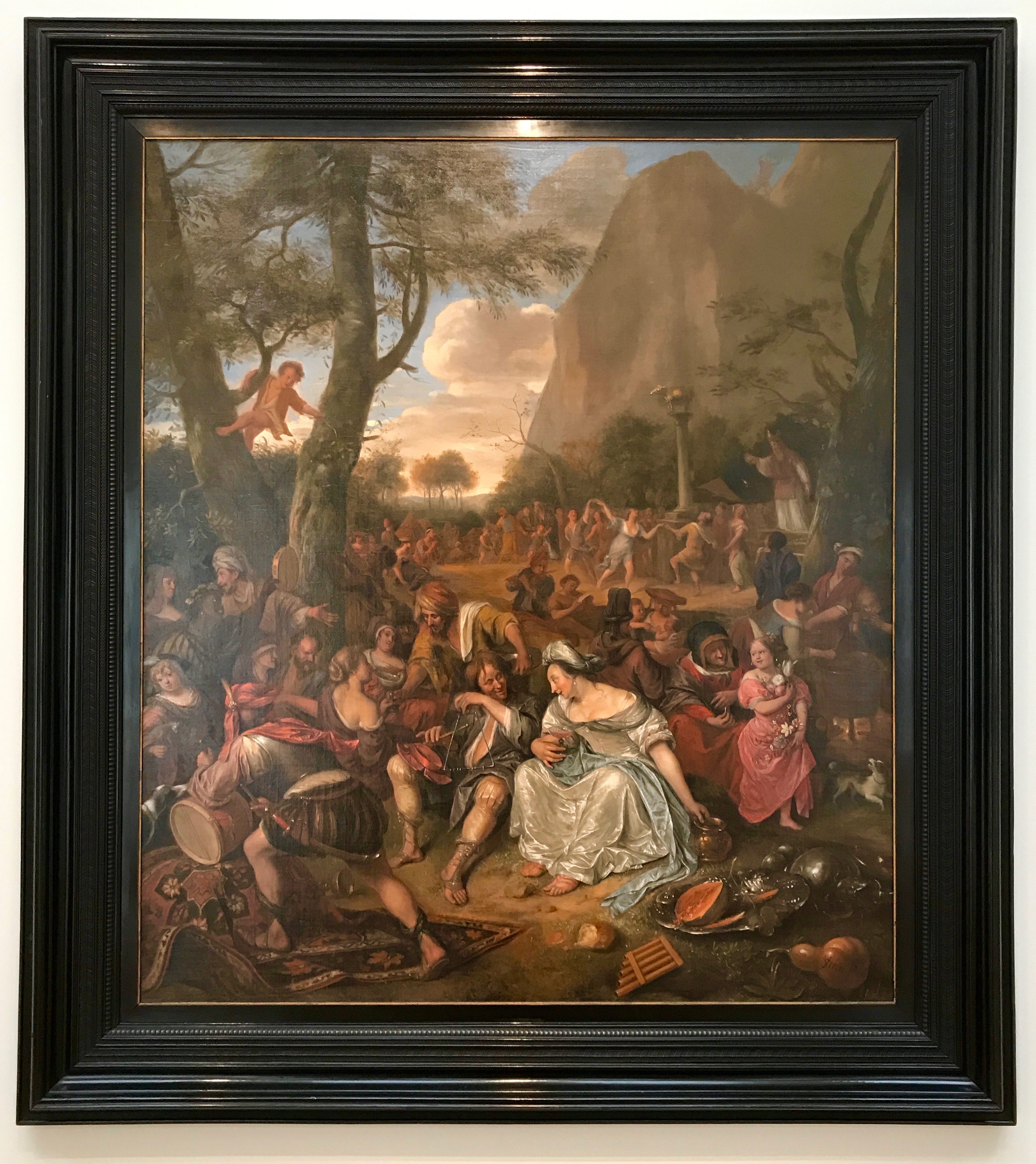
The Worship of the Golden Calf, painted around 1670, tells the story of what happened with the Israelites while Moses was away on Mount Sinai receiving the Ten Commandments.
Moses’ brother Aaron gave in to the demands of the people and created a golden calf for them to worship. you can read all about it in Exodus 24 in the Bible or click here.
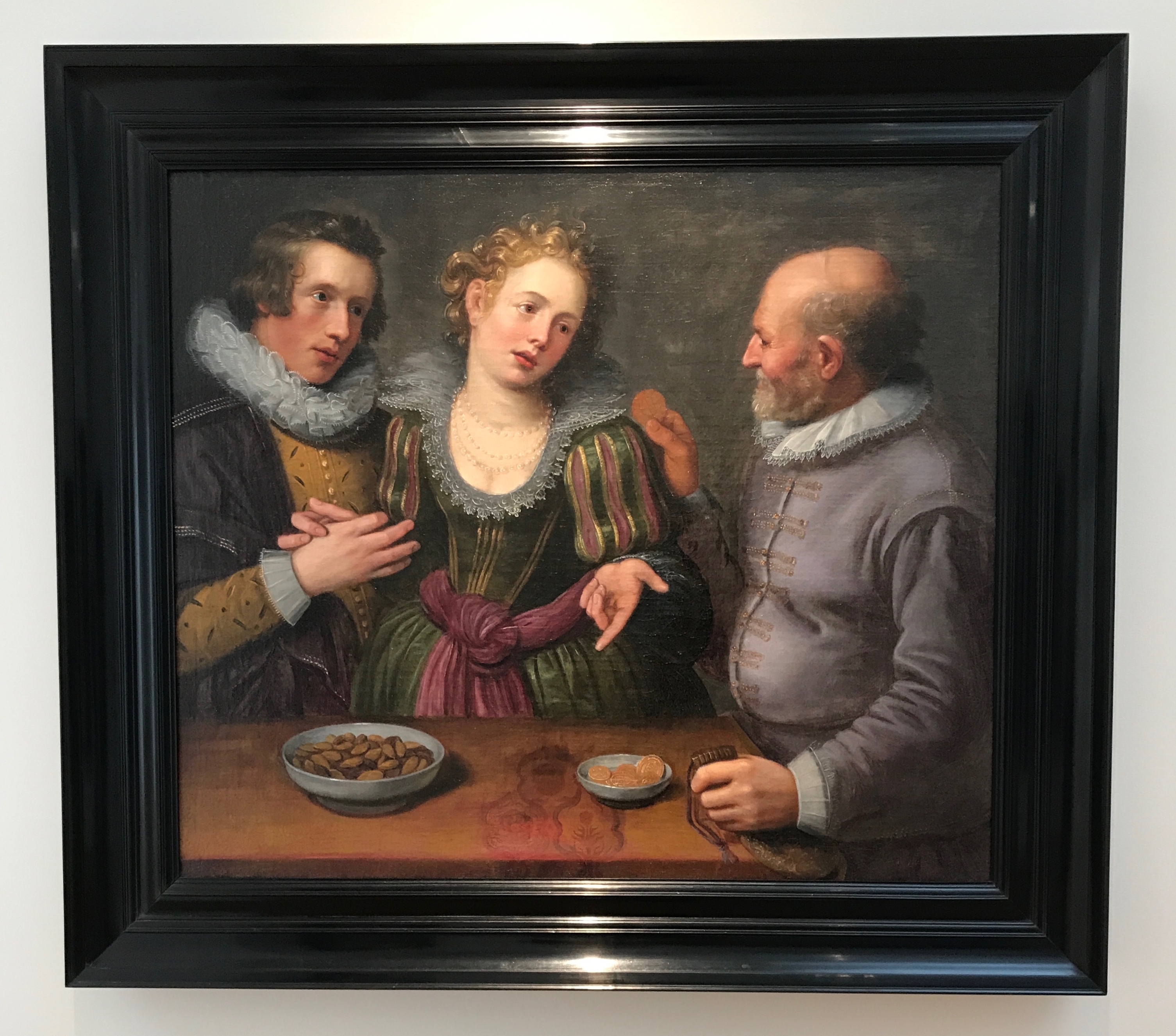
I’ll share one more painting from this section of the museum. This work of art, An Allegory of Unequal Love, is by Jacques de Gheyn II, and was painted in the 1620’s. I’ll let you study it on your own.
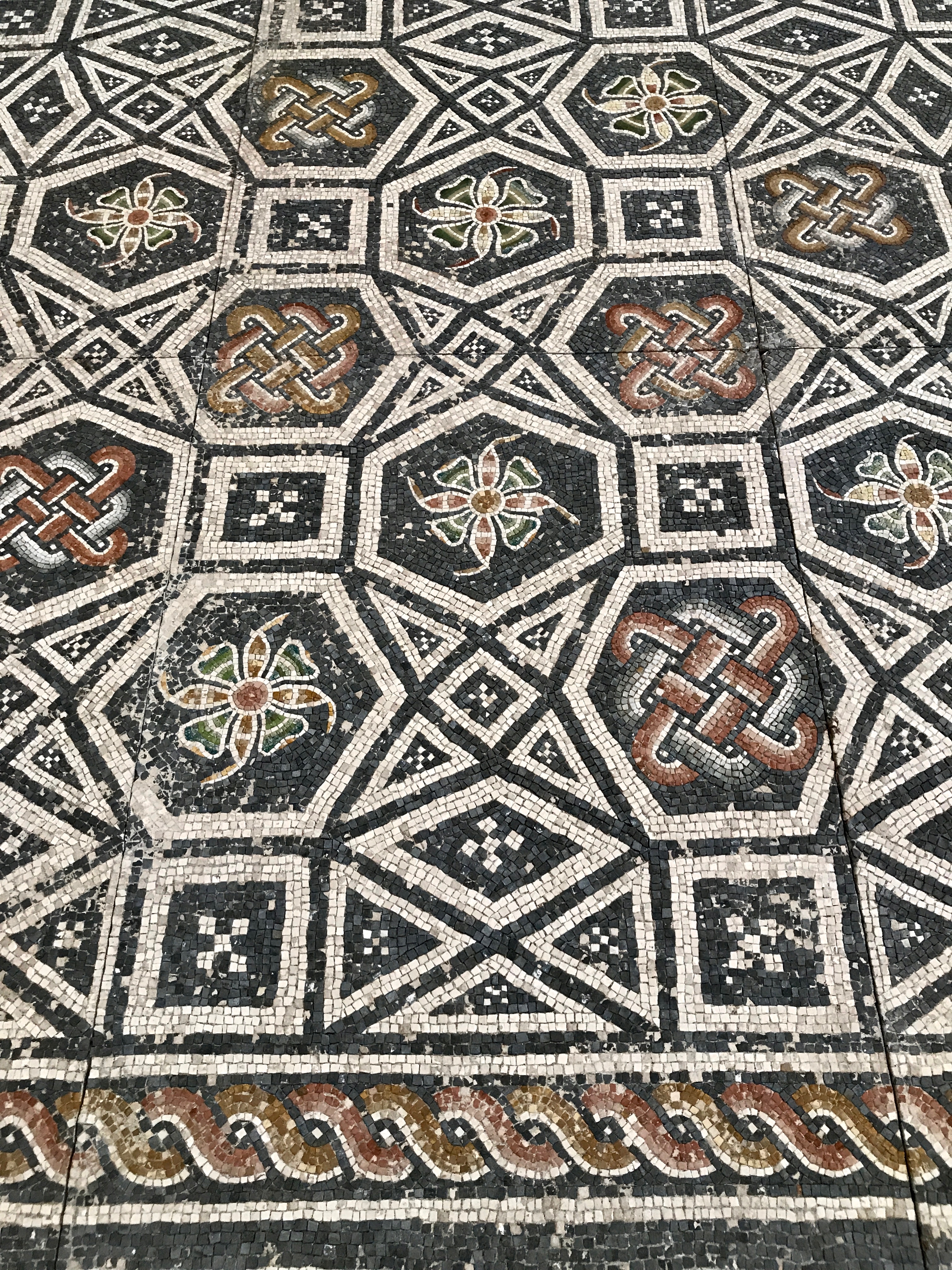
Moving on, I passed this second century Roman mosaic. Something tells me that I may not be proceeding through the collection in chronological order.
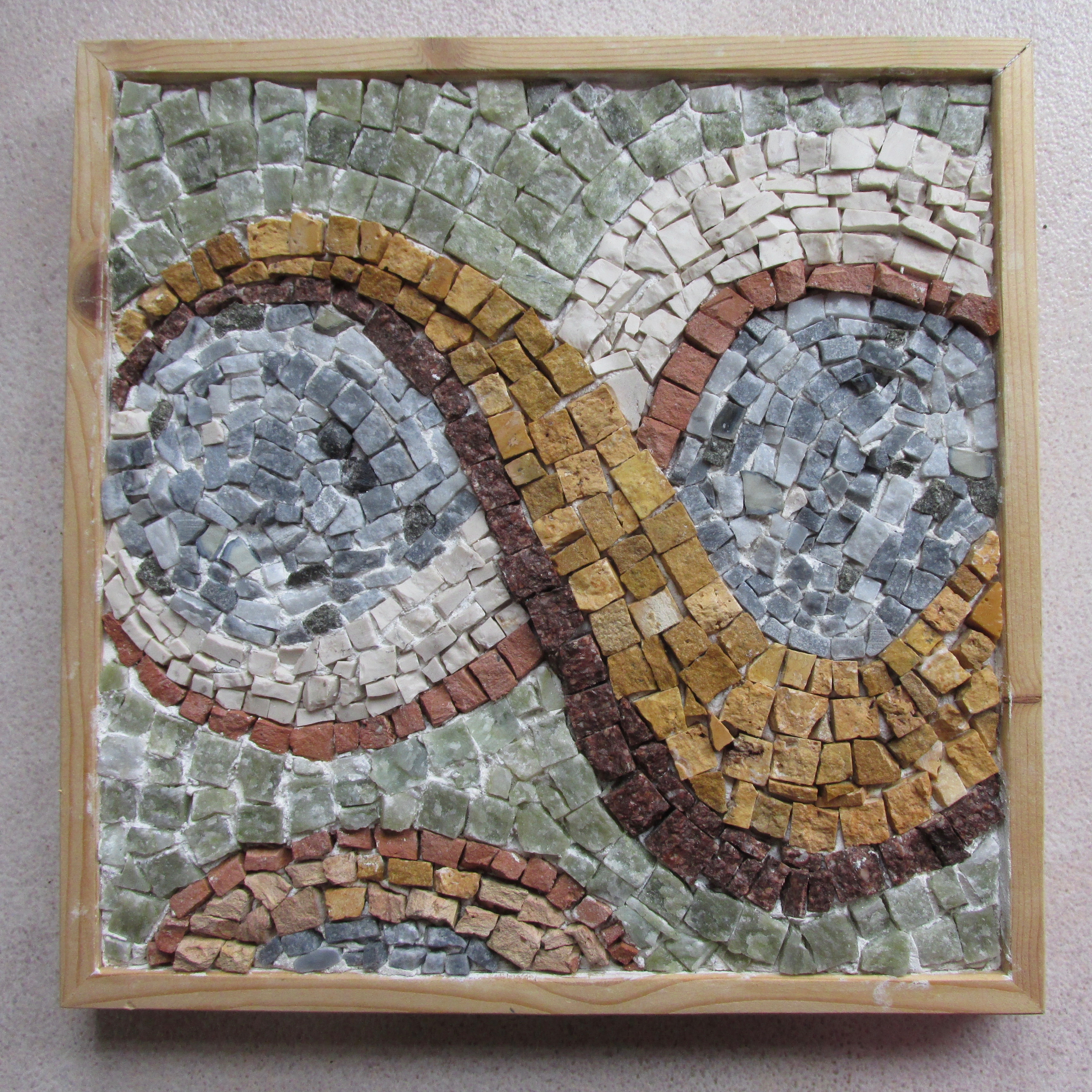
As long as I’m indulging myself, here’s a mosaic I made when I attended a mosaic course in Ravenna, Italy in 2006.
And, on we go…
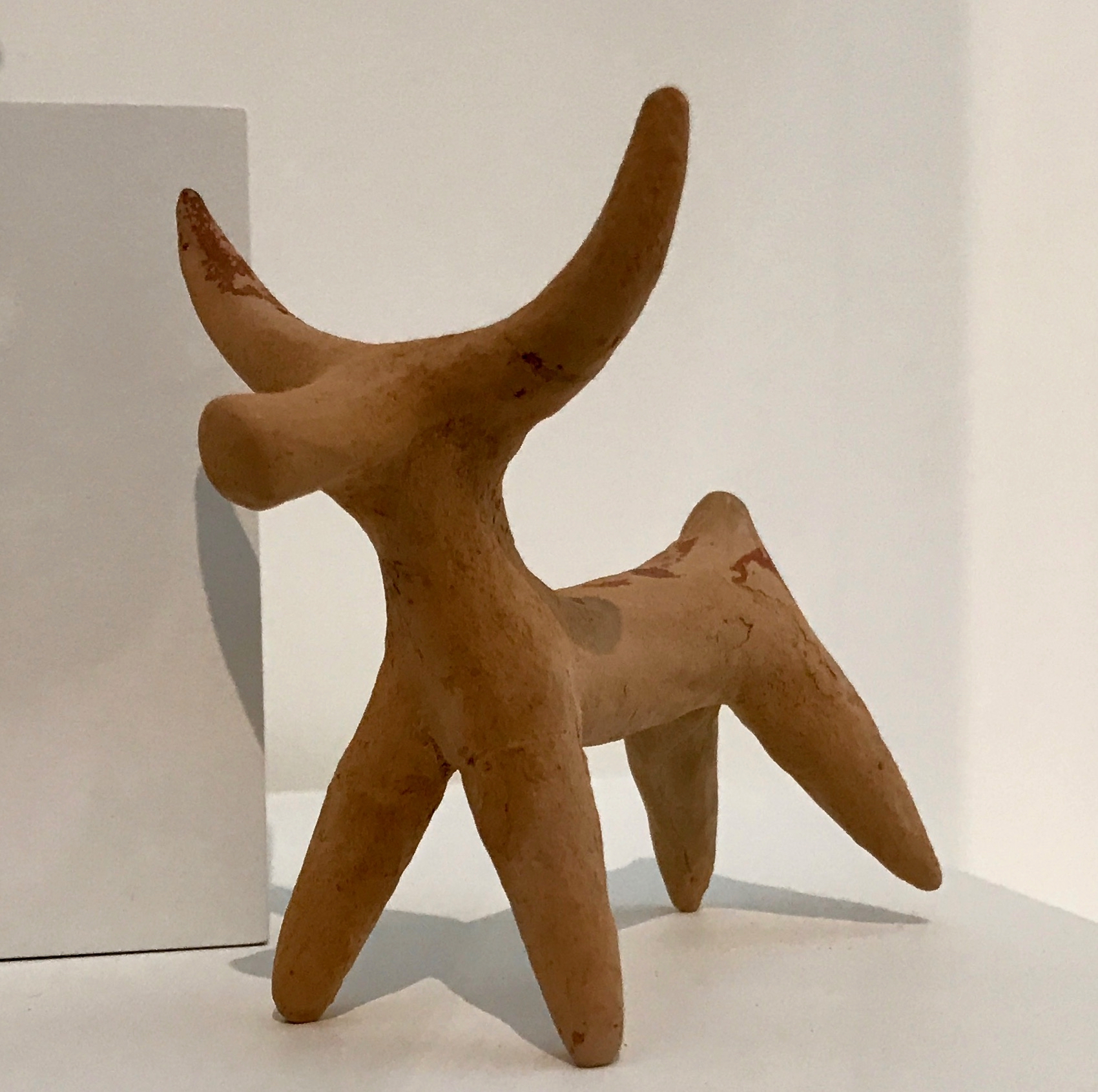
Apparently, I’m not proceeding in a chronologic or geographic order. This bull is from Greece and is from circa 1400-1200 BCE – or AD if you are still rocking it old school.)
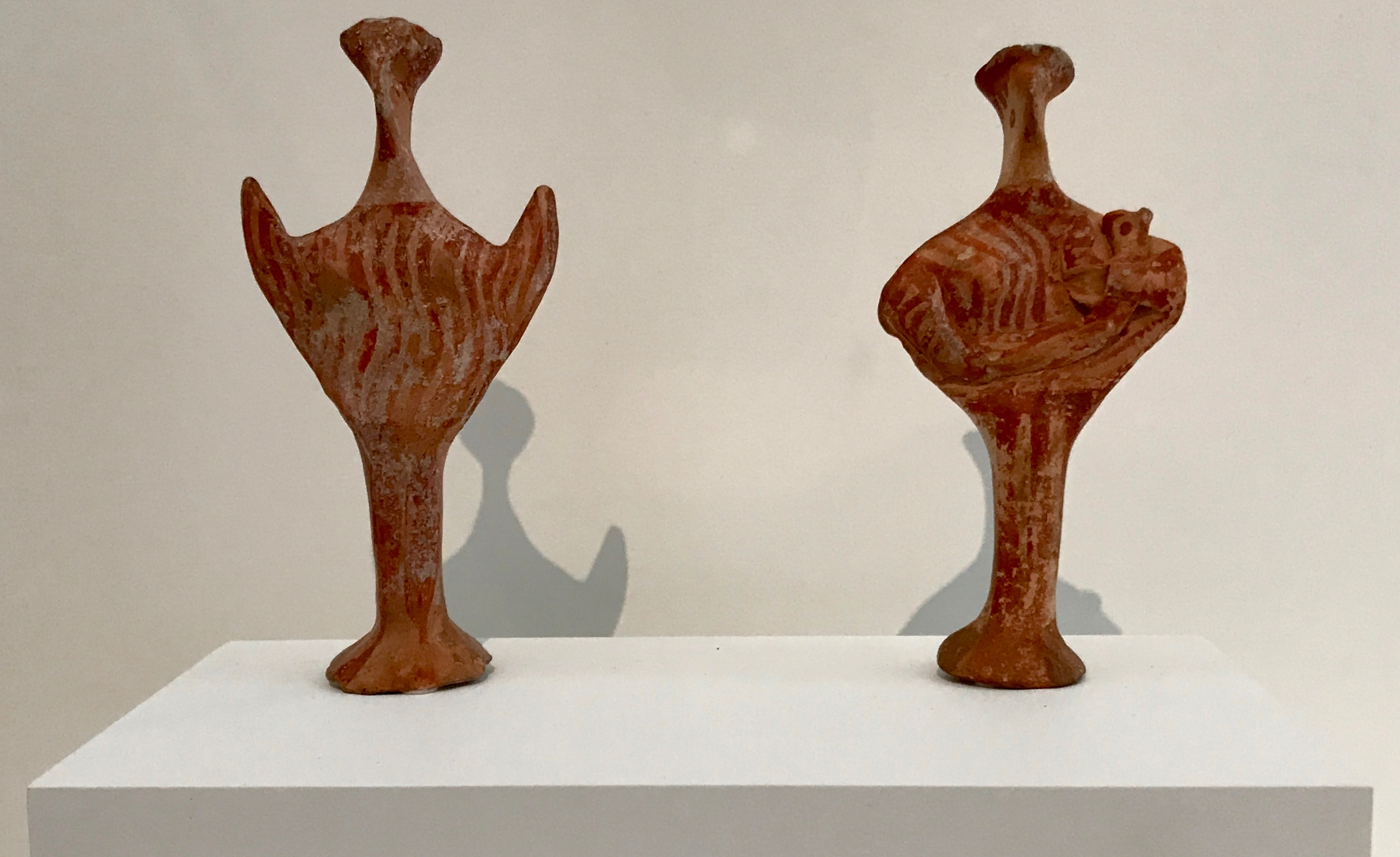
As always, women are a favorite subject. The one on the left is identified as “Idol” and the one on the right is “Woman holding child .”
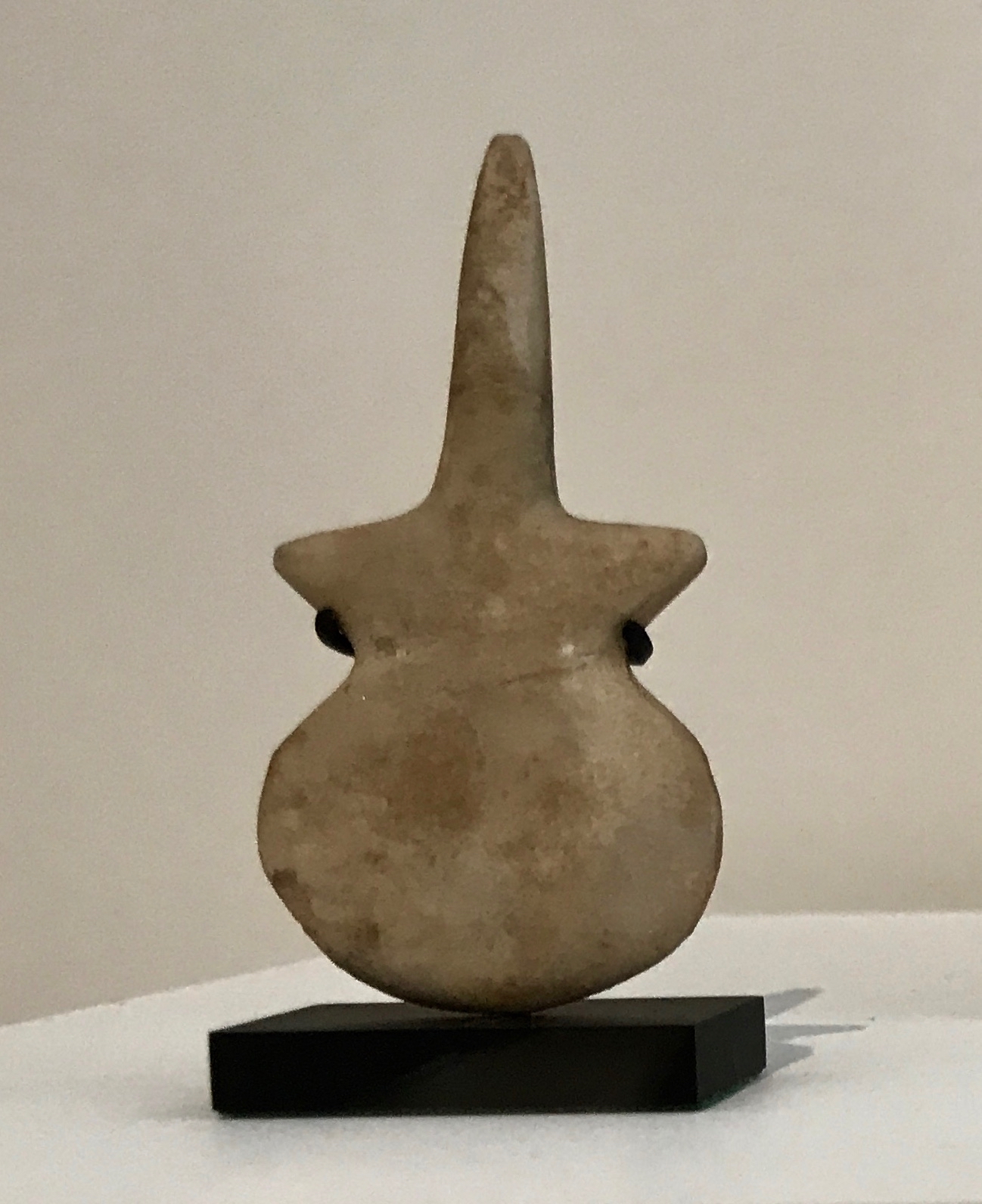
I didn’t make any notes about this, but I am sure this guitar-shaped figure is female.
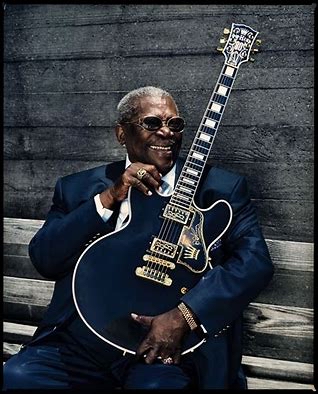
After all, B.B. King named his guitar “Lucille.”
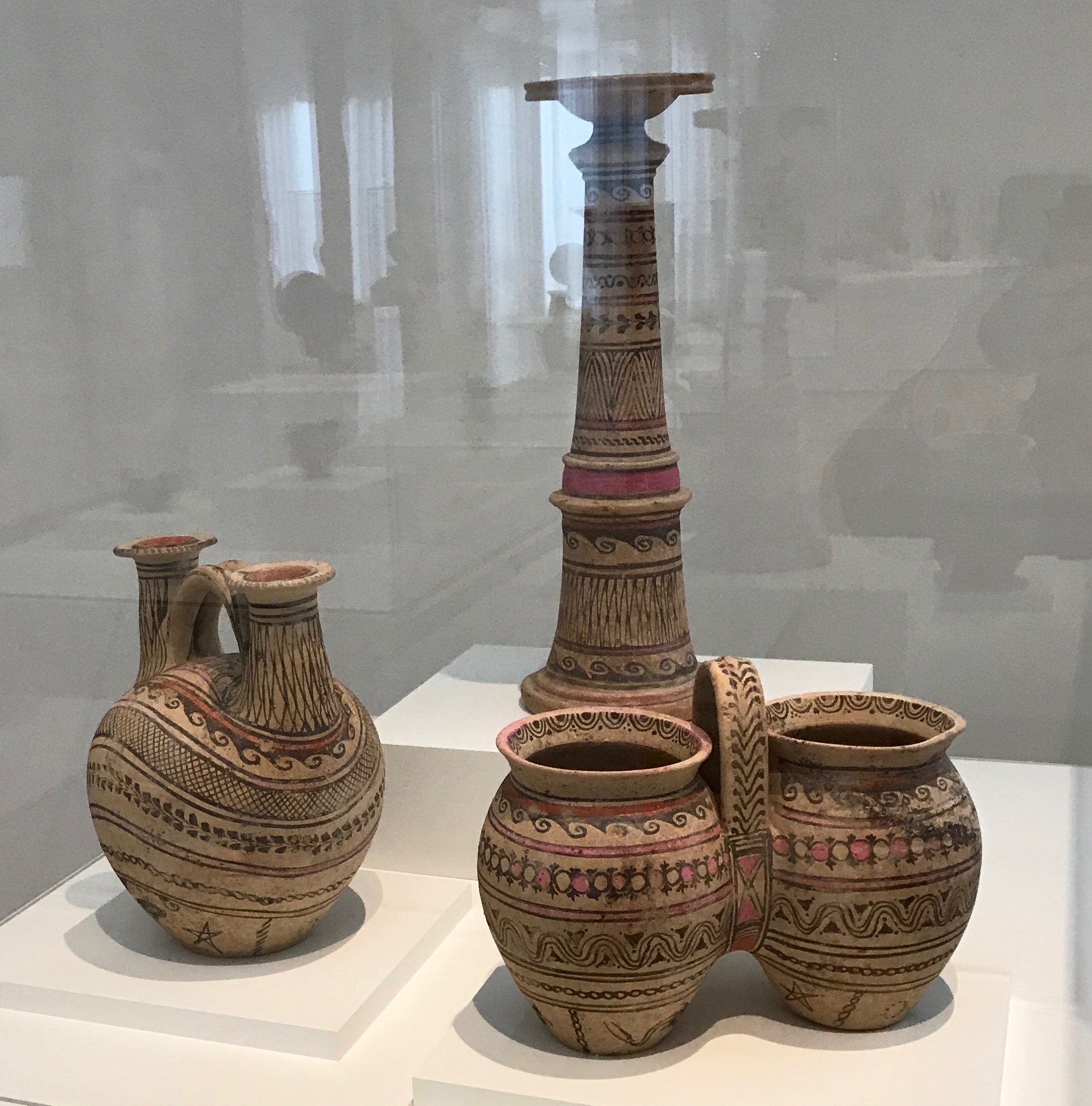
We’re still in Greece, but now we’re in the late 3rd or 4th century BCE.
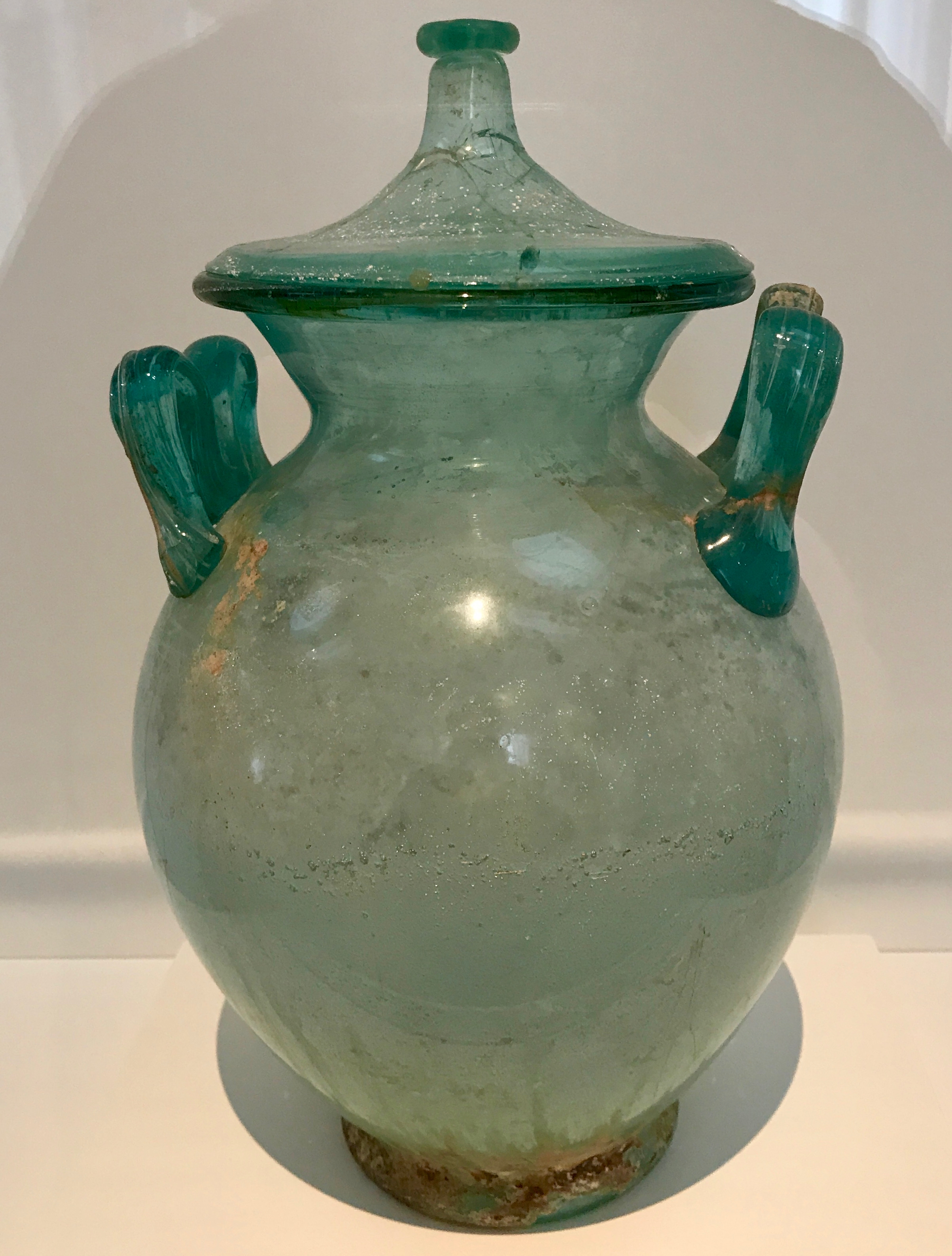
This is a blown glass Roman amphora from the 1st-2nd century. It would have been used as a burial urn inside a tomb. It held an egg-shaped lead vessel, which contained the ashes of the deceased.
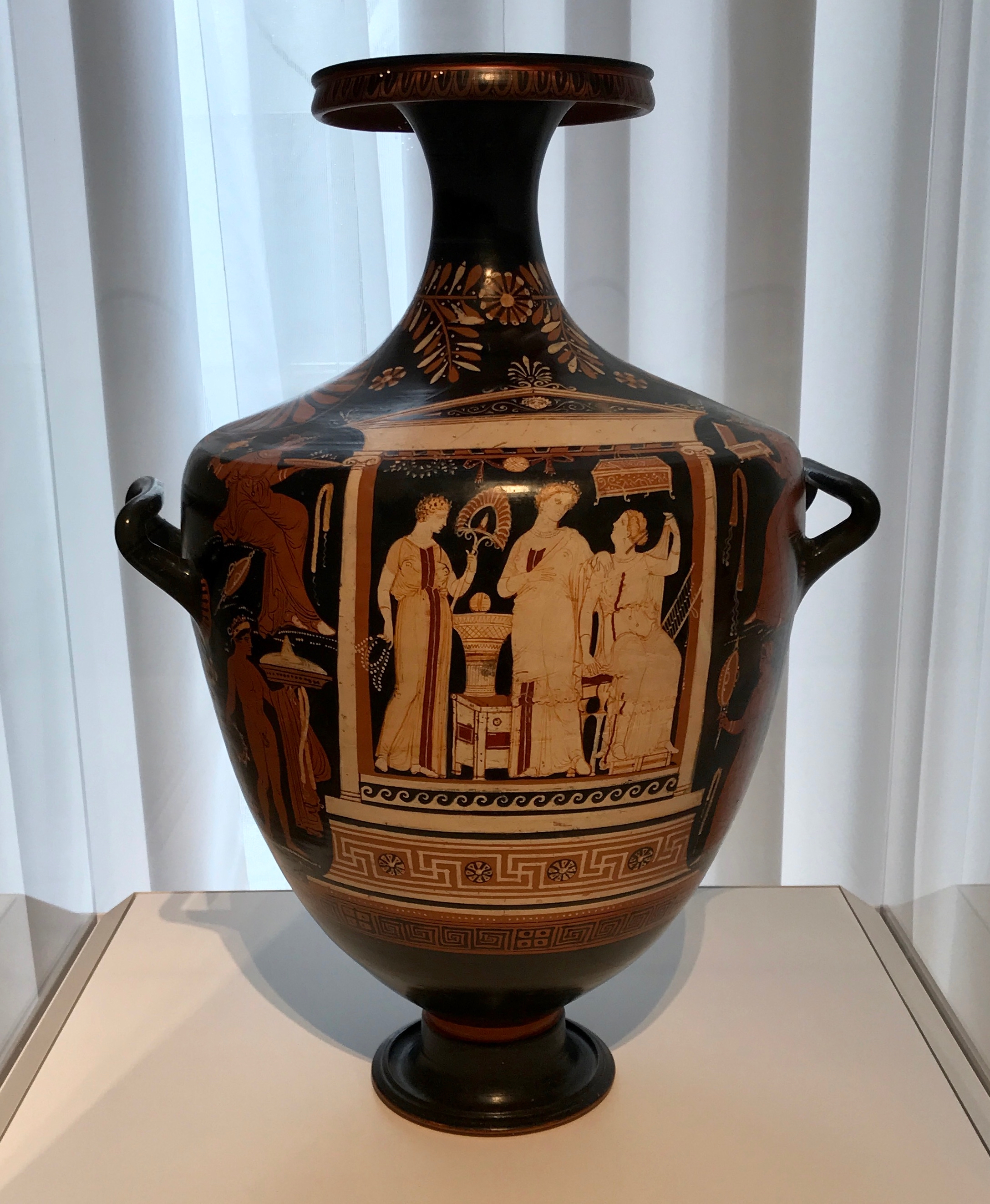
This is also funeral-related, but this Italian Hydria, from about 320 BCE would have stood above a grave. Libations for the deceased were poured into the vase. I wonder if there is an opening in the bottom for the drinks to drain right down to the deceased?
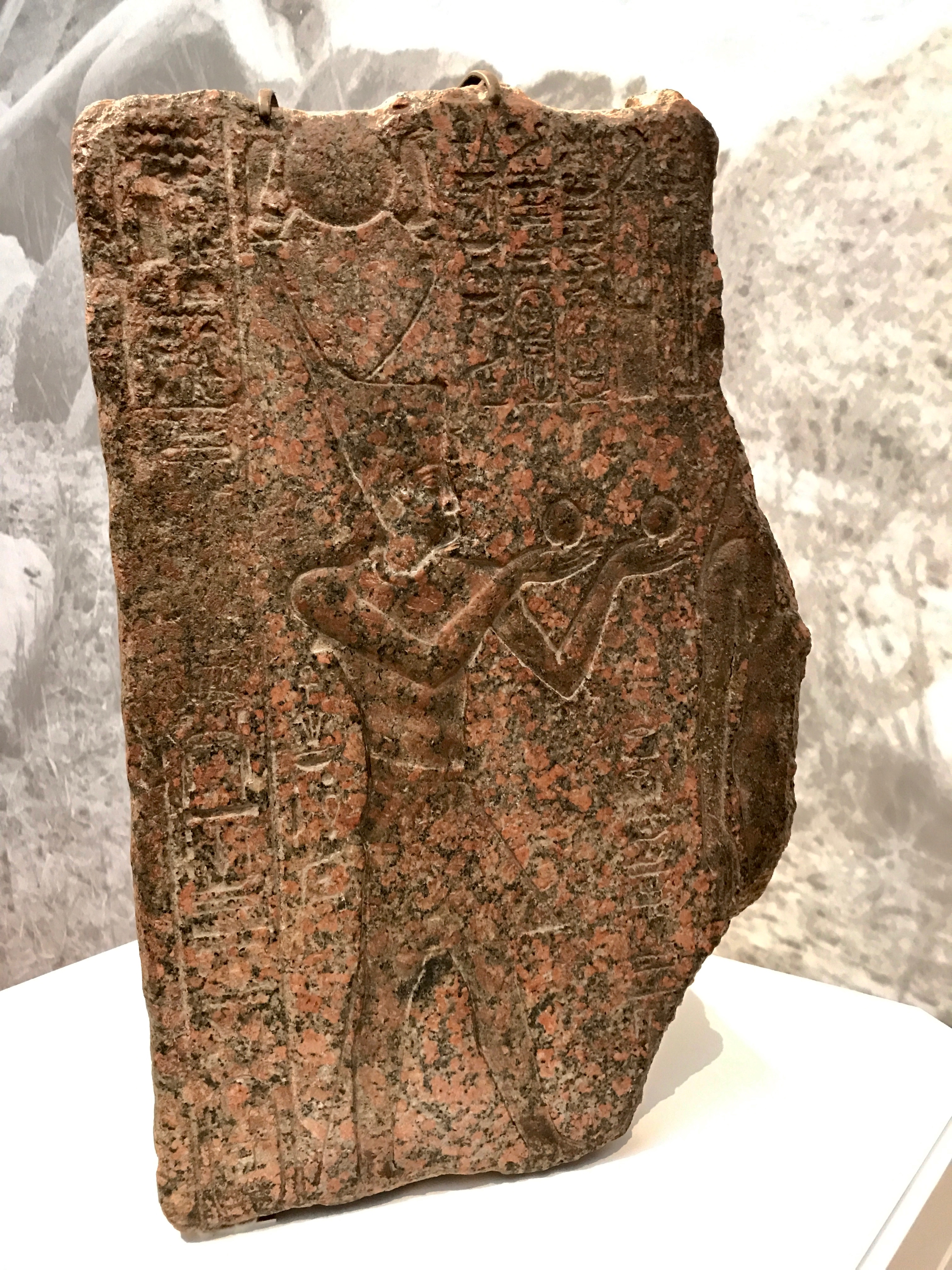
And now we’re in Egypt, at least for a hot minute.
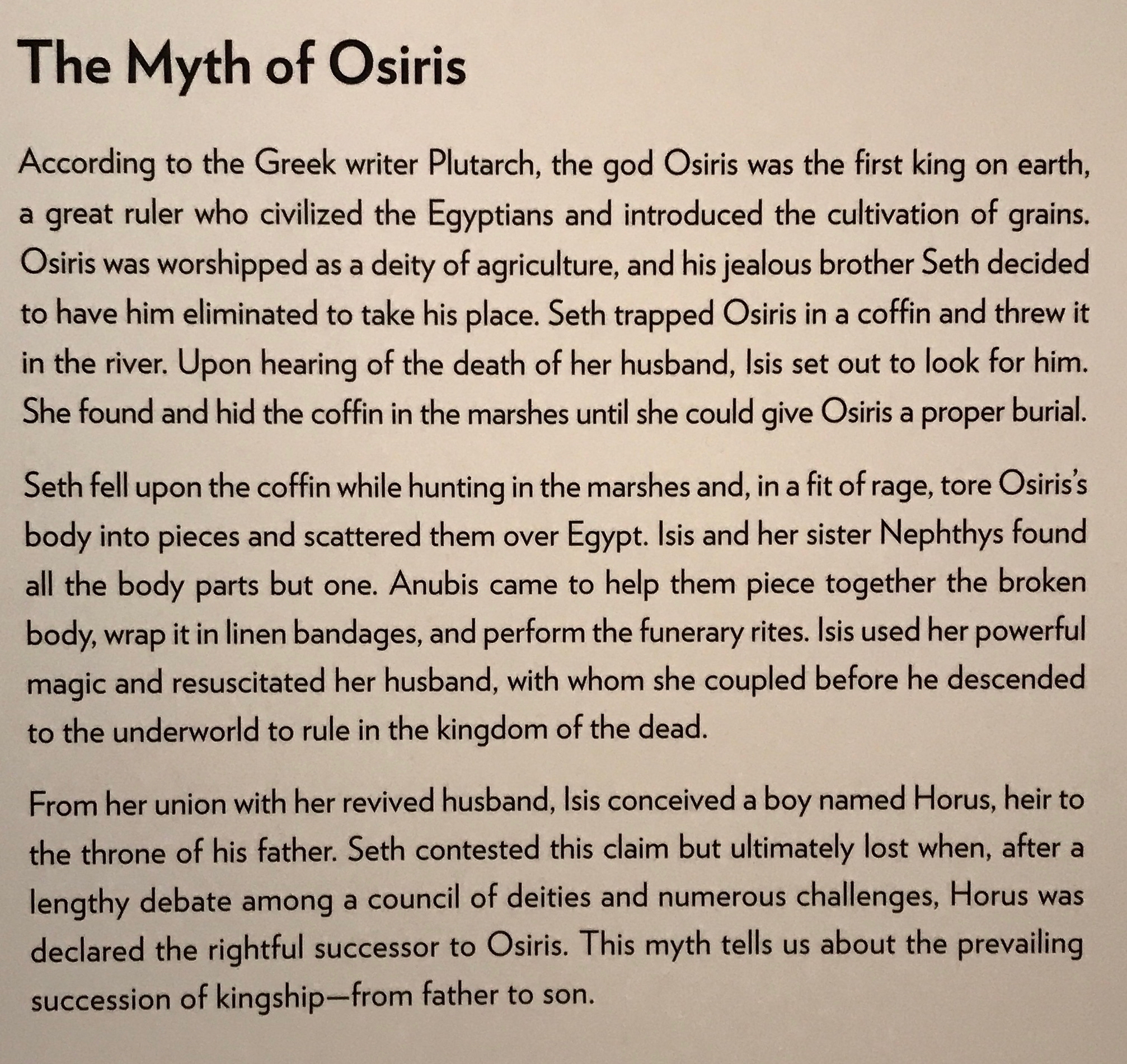
Hold on a second!
I was in Egypt and now I’m in Central America!?
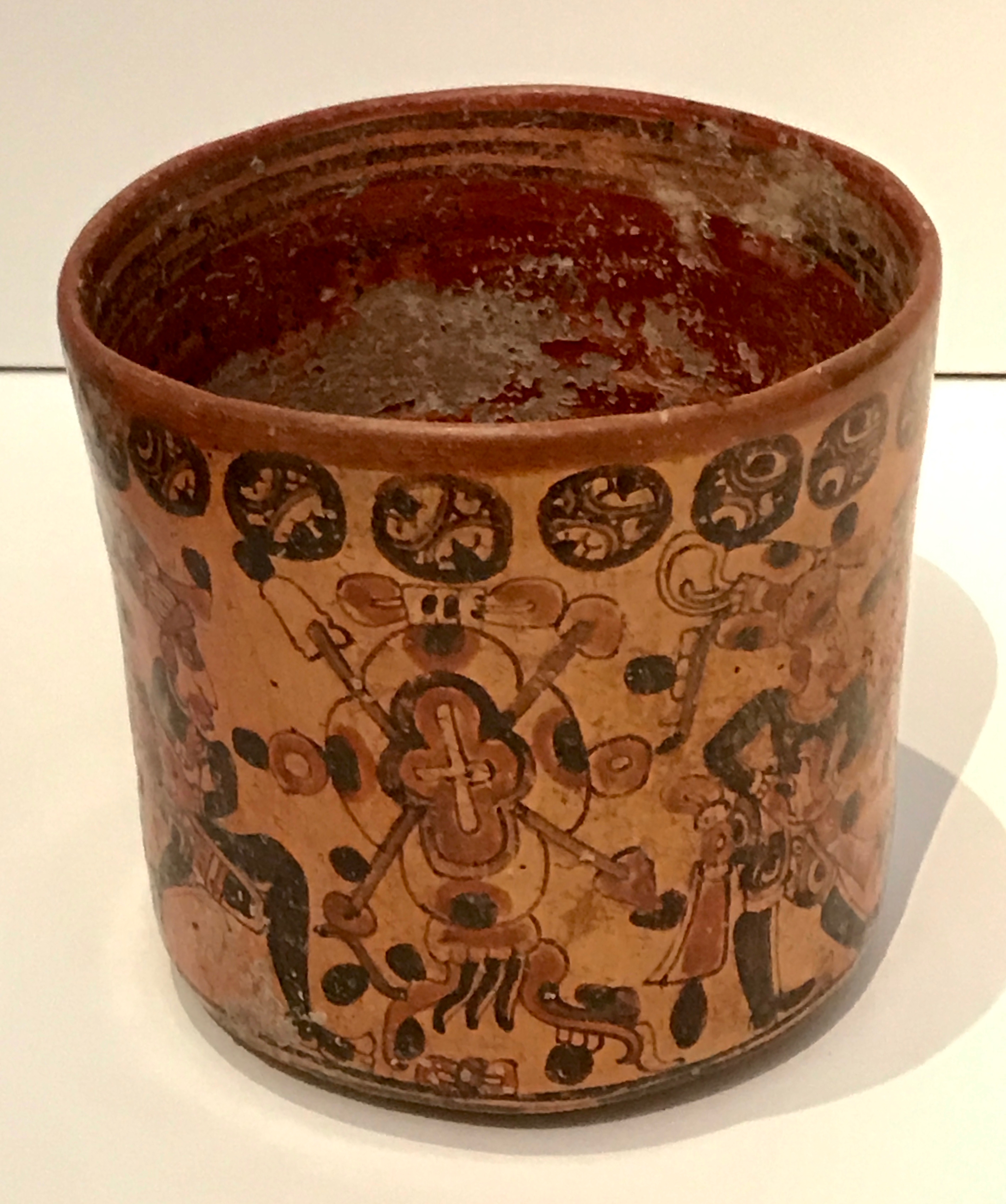
I believe this one came from the Mayans near – or in – modern-day Honduras, and was created circa 650-850.
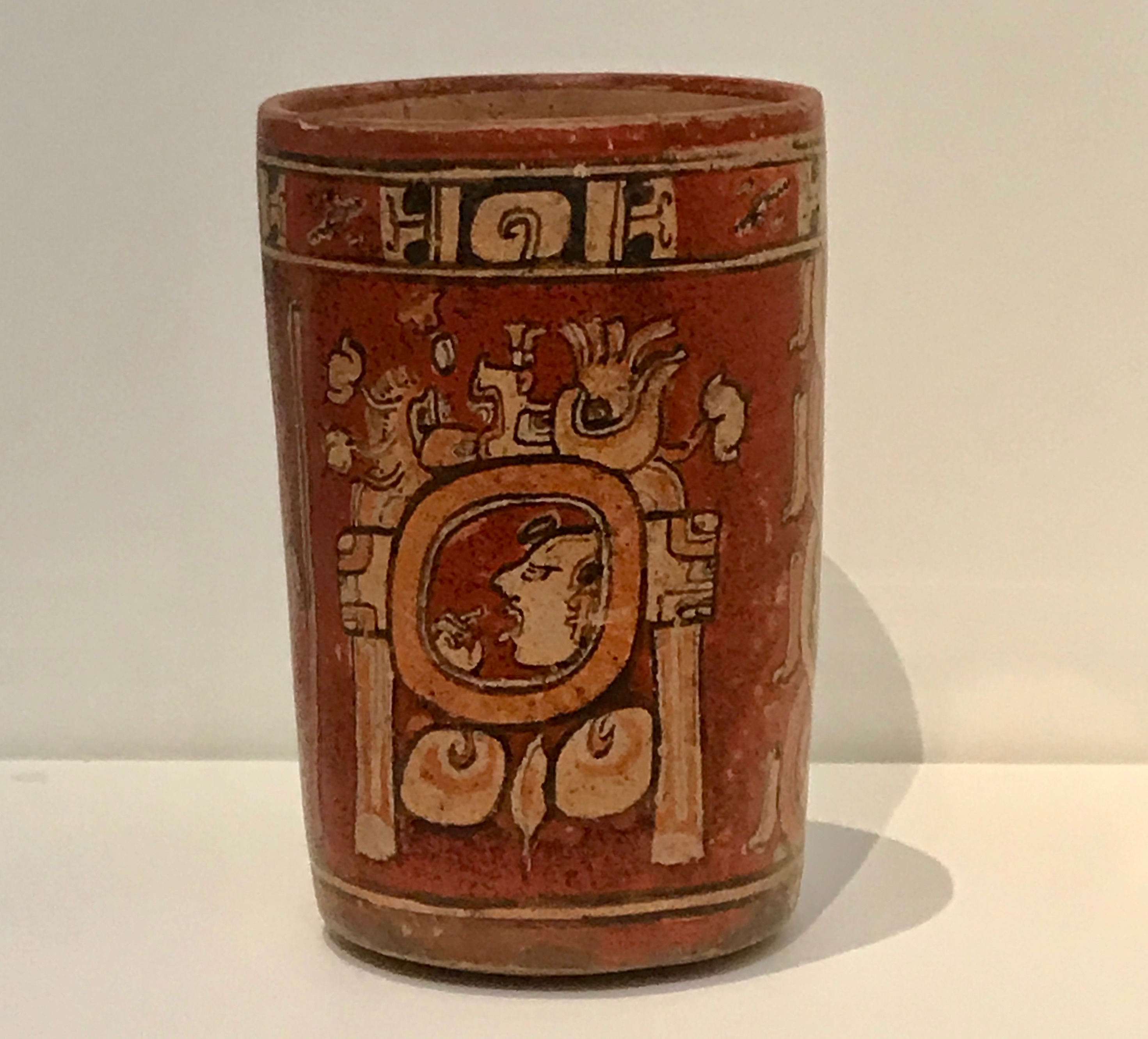
This looks like more of the Mayan artwork I’m familiar with. It is from Guatemala, circa 700-800.
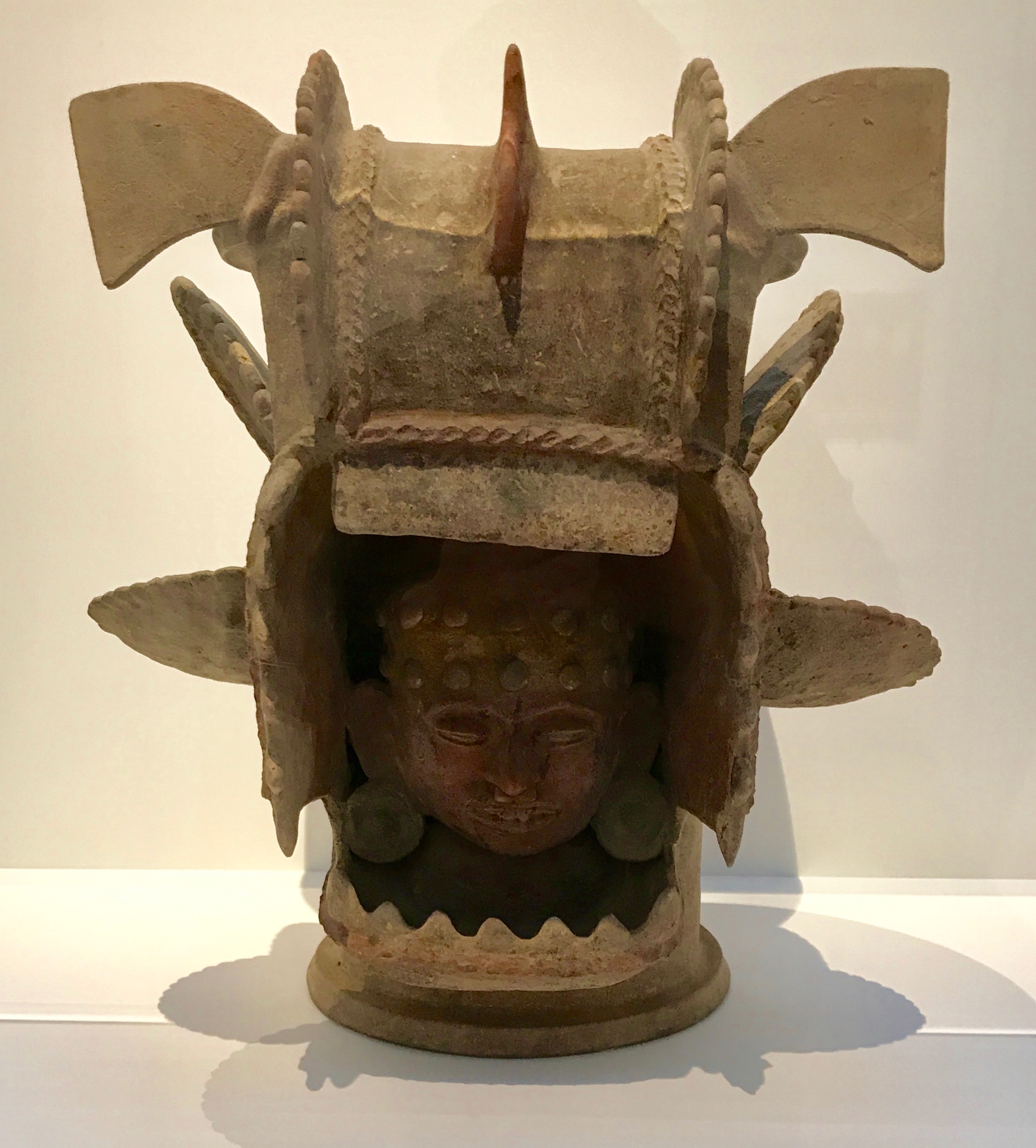
This is also from Guatemala – a terracotta censer from circa 350-550. It’s kind of amazing that such a fragile looking piece made it for so many years.
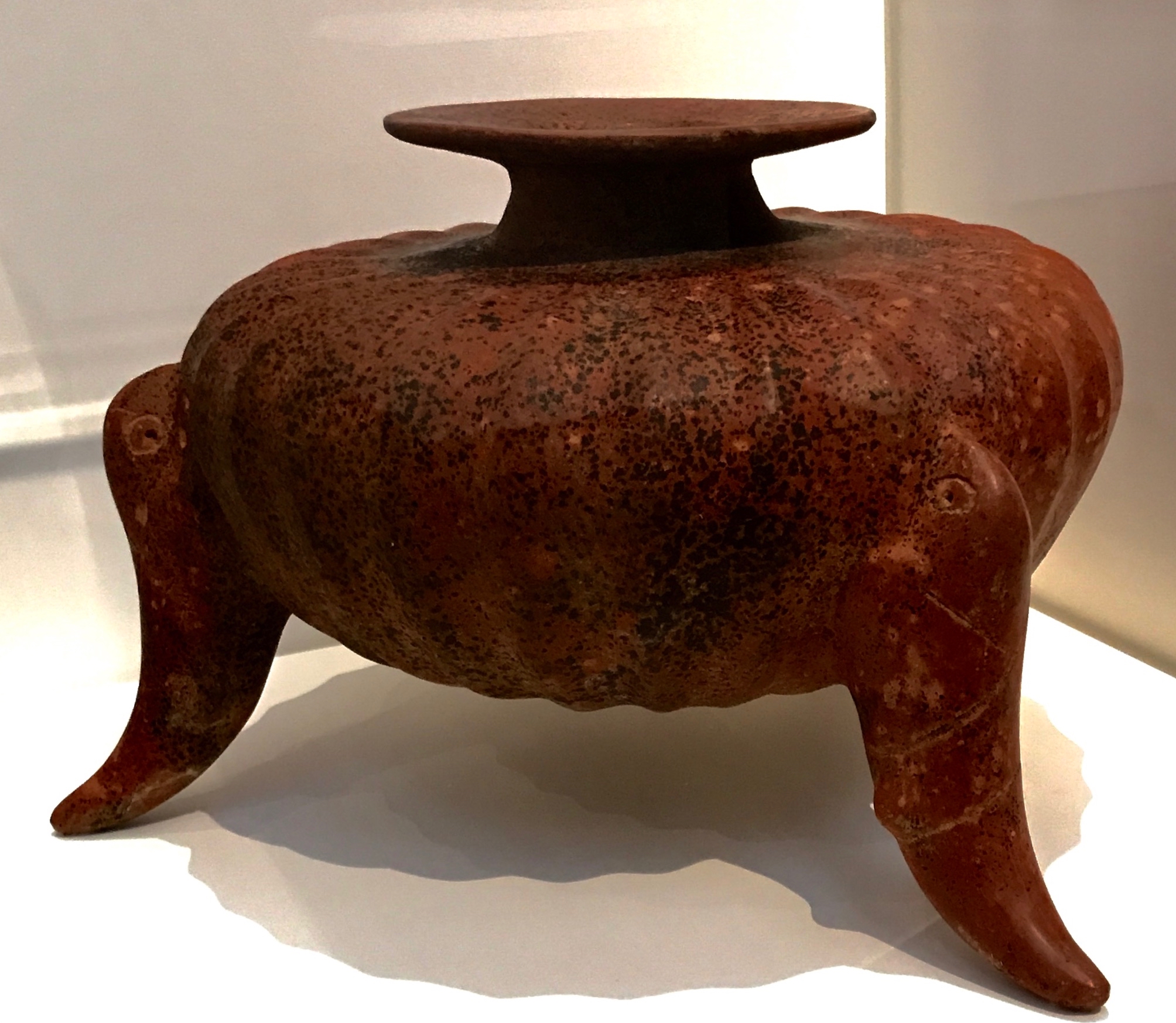
I loved this squash effigy jar, from Colima State, Mexico. The era it was created is a bit uncertain, circa 200 BCE – 300 CE.
In case you’re wondering, Colima is about 200 miles south of Puerto Vallarta, a favorite destination of The Pacific Princess.

I wonder if The Love Boat is in port these days?
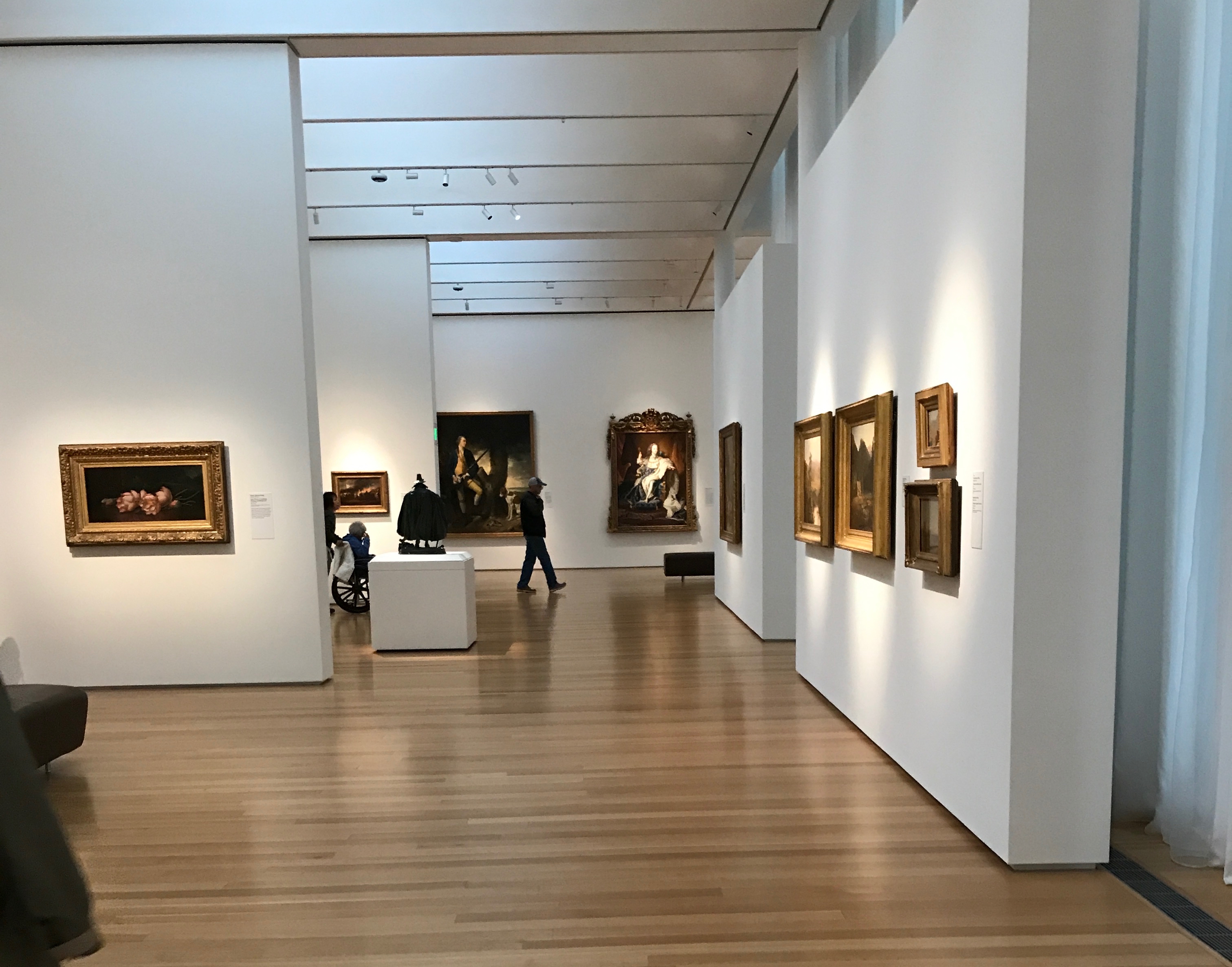
I’m sure that I must have charted my own course through the museum, because now I’m in a wing dedicated to painting.
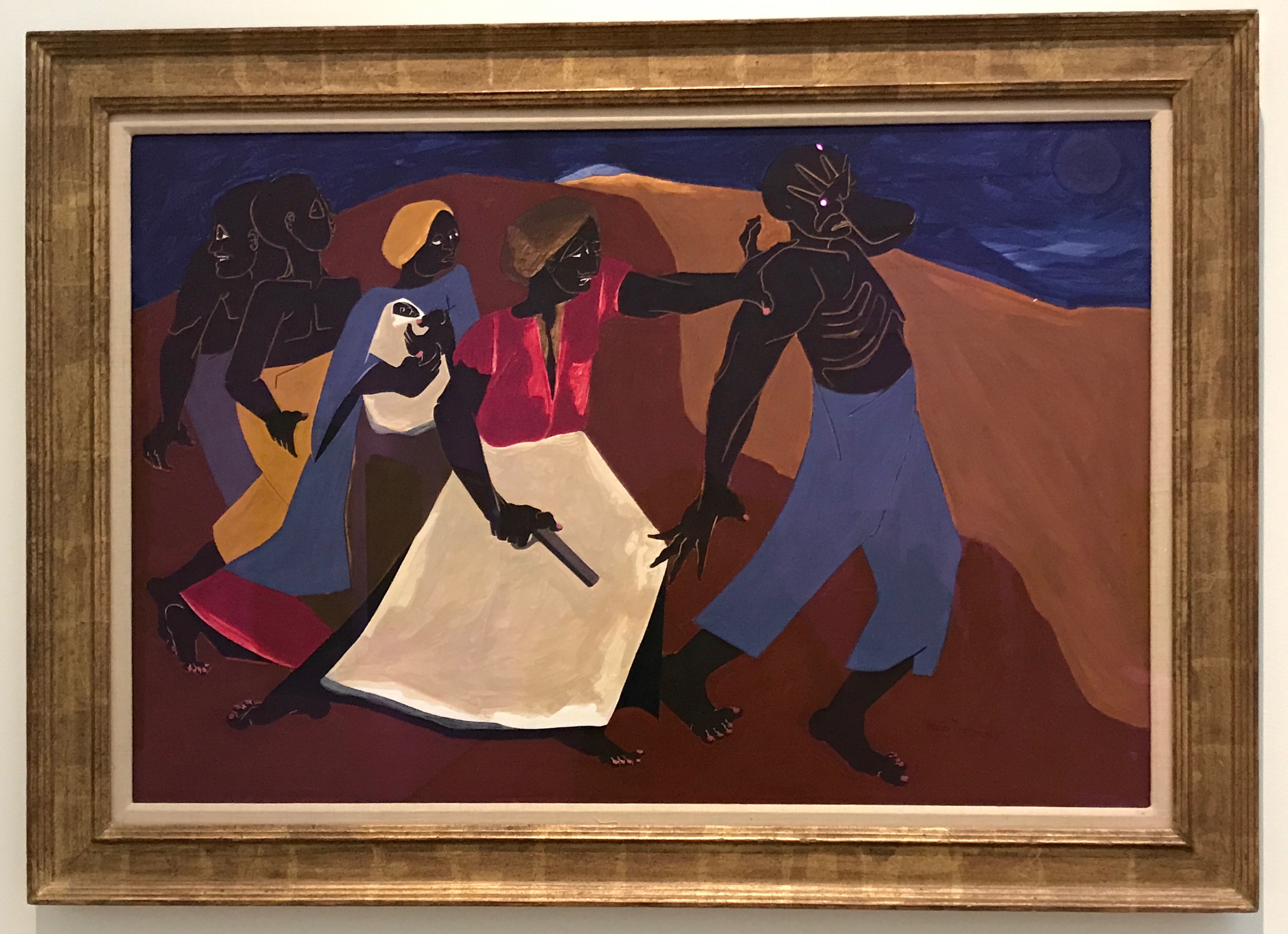
This work of art is by Jacob Lawrence. He painted Forward in 1967 and it is done in tempera on masonite. (And you thought tempera was only used by children in elementary art classes.)
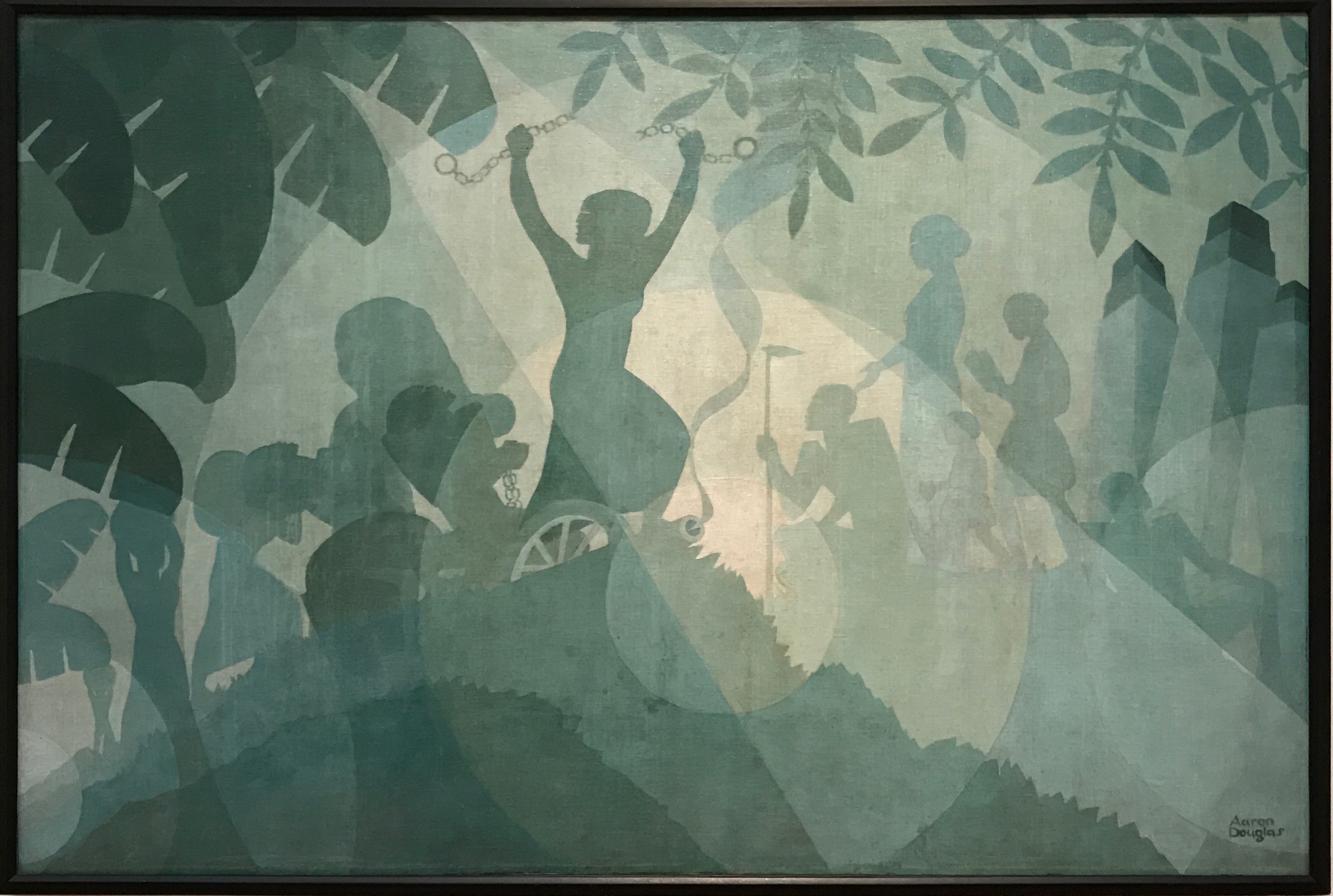
Harriet Tubman was painted by Aaron Douglas in 1931. It’s a mural-sized painting that was commissioned for the Bennett College for Women in Greensboro, North Carolina.
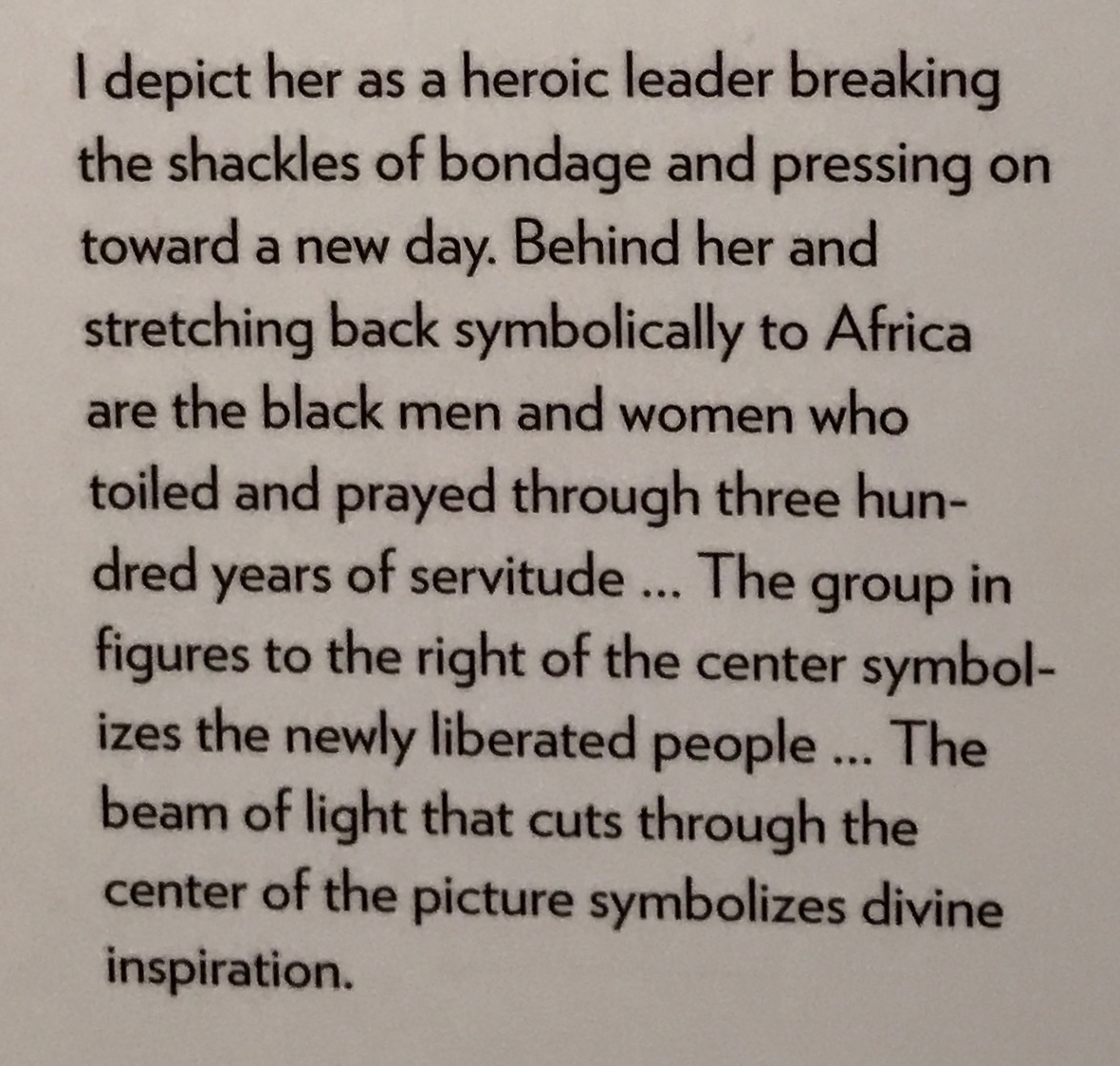
This is Aaron Douglas’ explanation of his painting.
Are we back in Rome? Is this some ancient Roman?
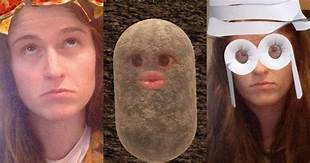
No, this is South Carolinian Senator John C. Calhoun (1782-1850), as envisioned by Hiram Powers in 1835, an American sculptor who spent much of his life in Italy.
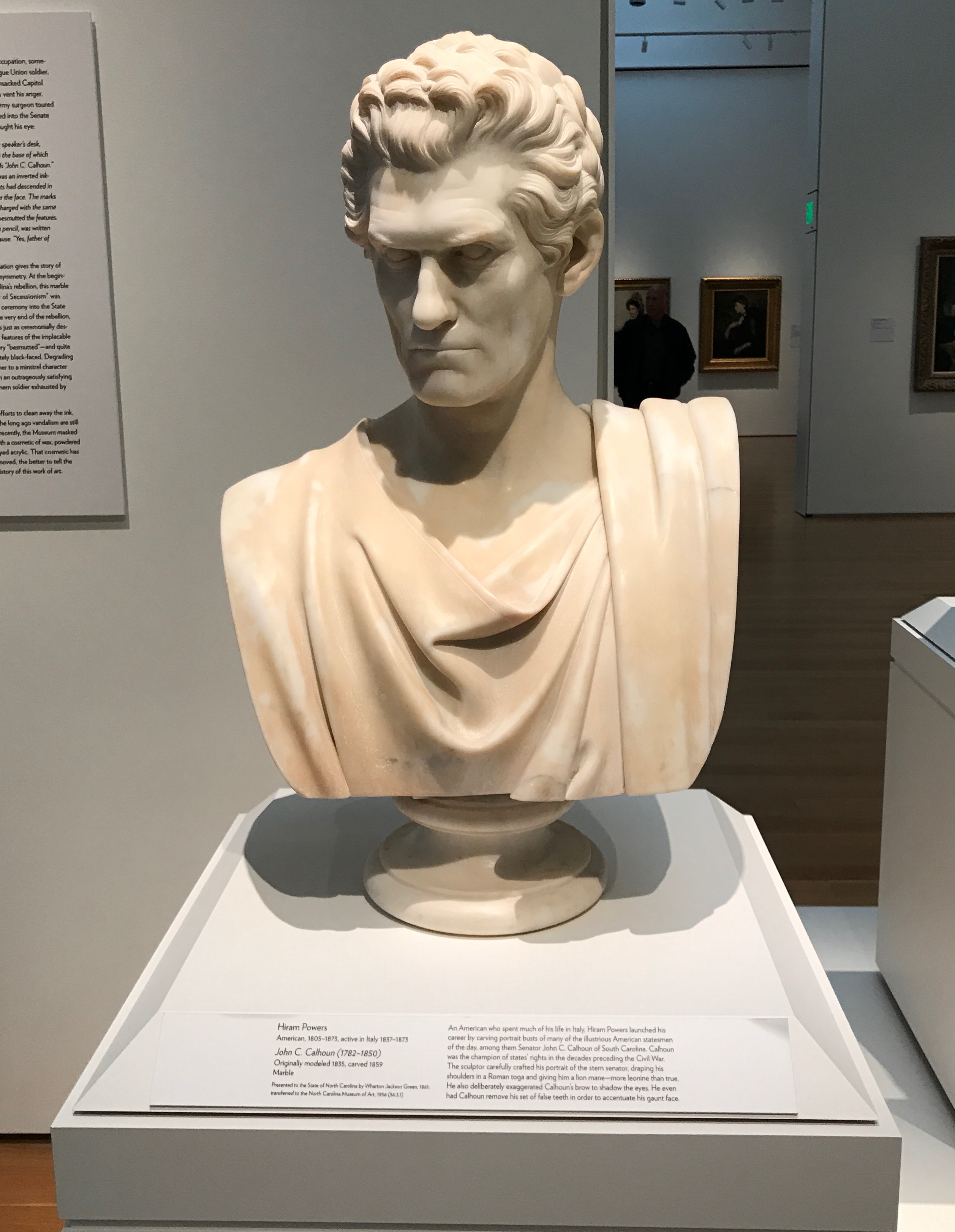
Powers took a number of artistic liberties with this portrait.
In addition to draping him in a Roman toga – not everyday attire in Calhoun’s era – he gave him a “lion mane – more leonine than true. He also exaggerated Calhoun’s brow to shadow his eyes. He even had Calhoun remove his set of false teeth in order to accentuate his gaunt face.”
I suppose this was the 19th century version of a Snapchat filter.
Immigration is part of the American story. This next painting is by John George Brown, an American artist who was born in Great Britain
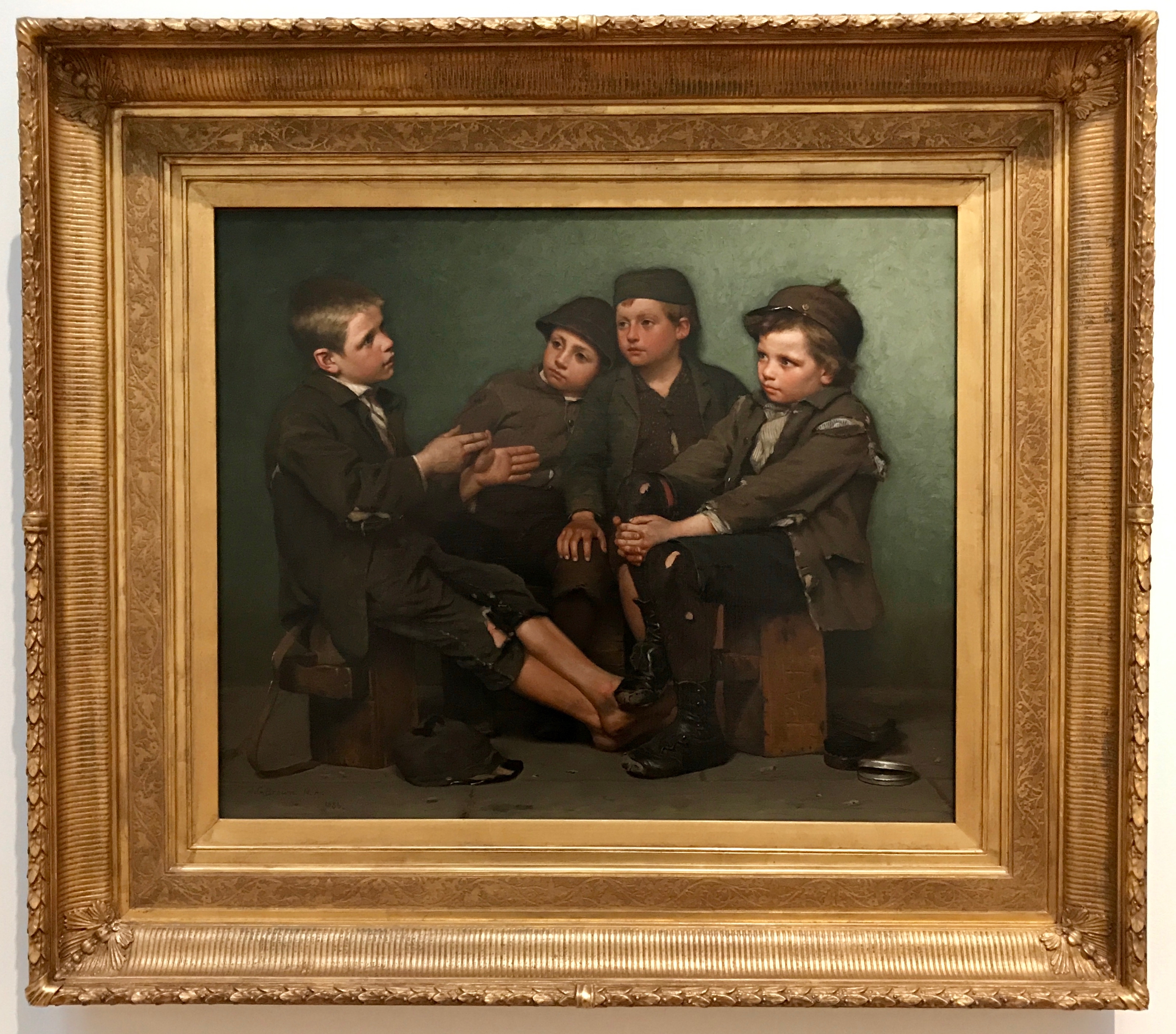
A Tough Story was painted 1886. in the 1880s, the streets of New York City teemed with the children of the desperate poor, many newly arrived from Europe. In the paintings of the time, the squalor and viciousness of urban poverty are downplayed. Such depictions of young entrepreneurs were reassuring to wealthy Americans, many of whom considered themselves to be “self-made men.”
Even so, Brown is too honest to disguise the bone weariness in their eyes.
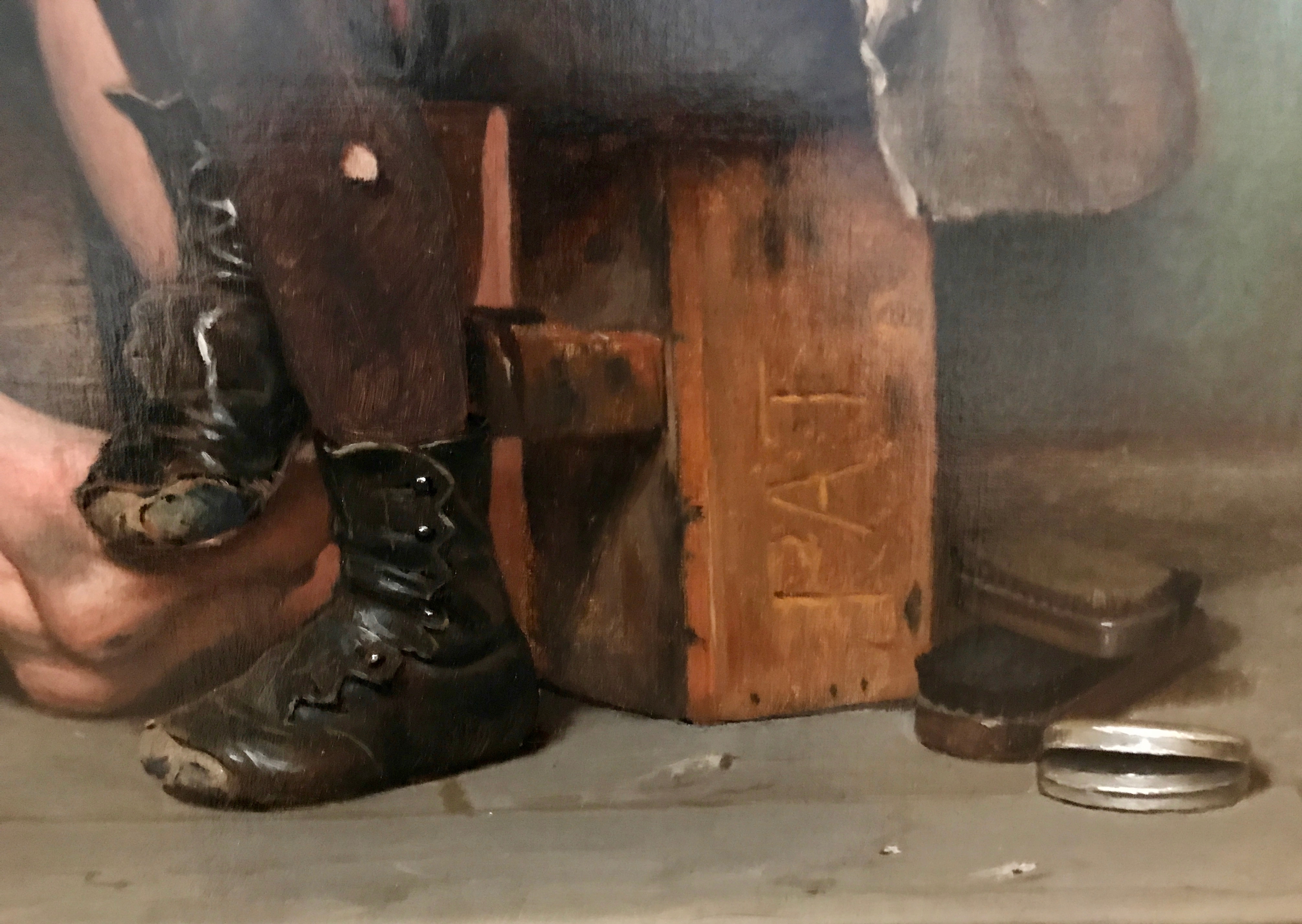
The name “Pat”, carved into one boy’s boot blacking box, identifies the lad as Irish born Paddy Ryan, one of the artist’s favorite models.
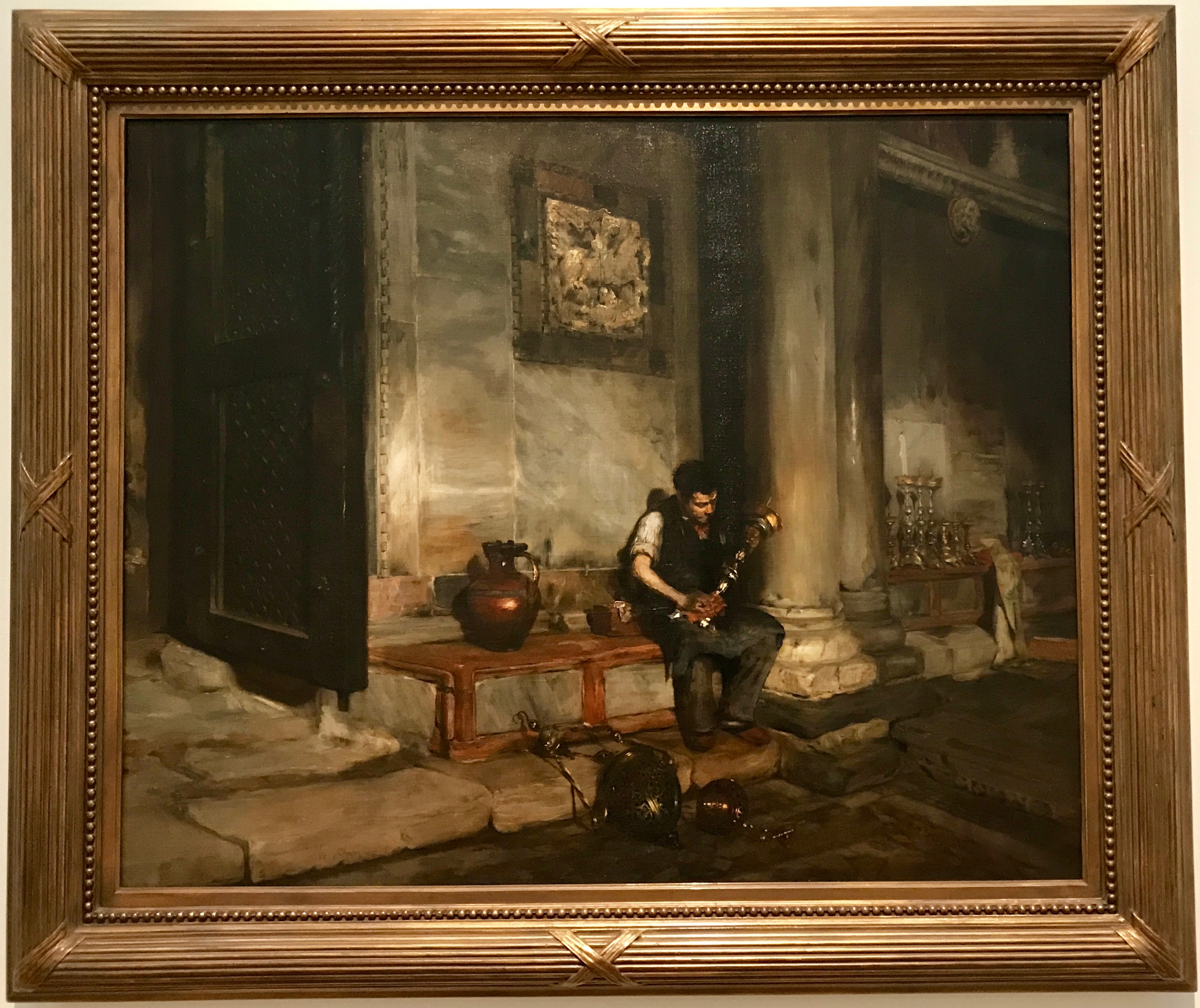
William Merritt Chase (1849-1916) studied in Munich for six years.
Before returning to New York, he spent nine months in Venice. Instead of painting the usual tourist views, Chase focused on scenes of everyday life glimpsed in the backstreets and markets.
In this painting, In the Baptistry of St. Marks, Venice (1878), he used the the cavernous spaces of the great Basilica of St. Mark.
When the painting was later displayed in New York, one critic described it as “really a still-life study of brass, marble and other substances.”
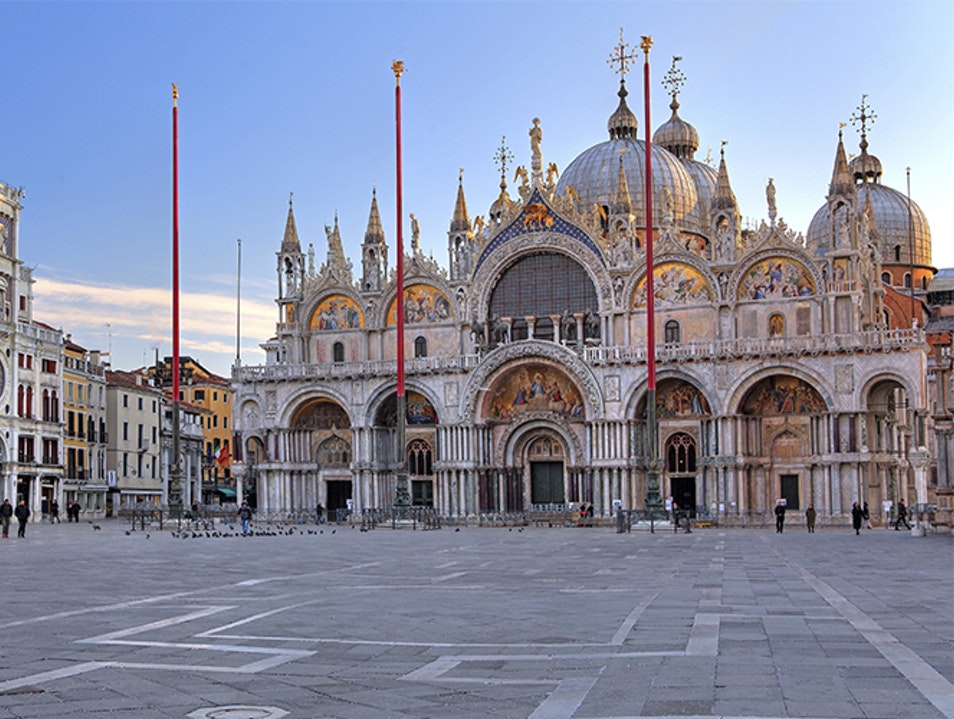
In case you’ve forgotten, this is the Basilica of St. Mark in Venice.
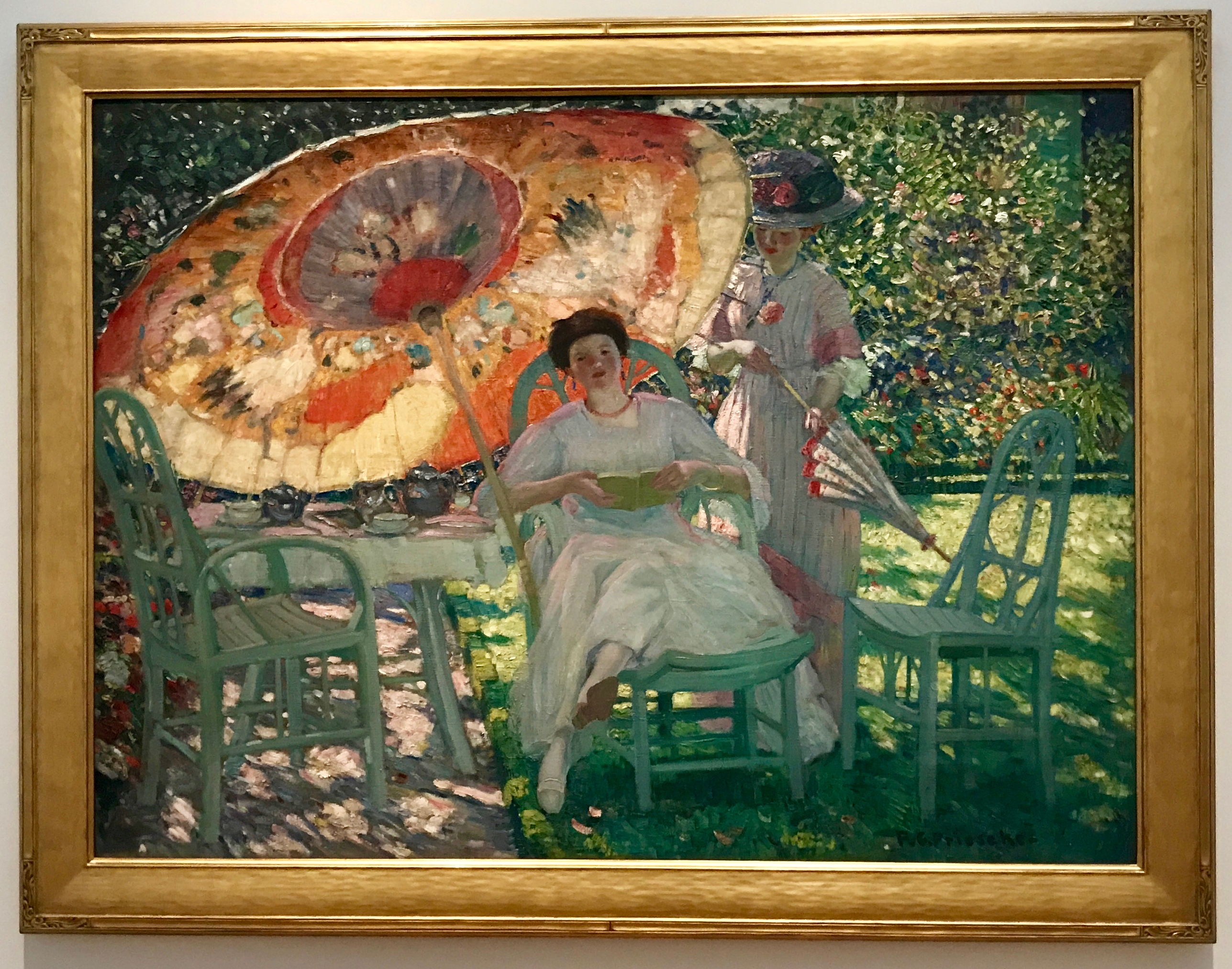
Americans do get around.
This painting, The Garden Parasol (1910), was painted by Frederick Carl Frieseke, An American artist who was active in France from 1898 until his death in 1939.
The painter poses his wife as a cultivated woman of leisure whose readings interrupted by the arrival of a visitor, that prompts her to look up from her book.
I found it interesting that he staged this scene in his garden in Giverny, France, where he spent many summers living near Claude Monet.
Now, why did I select this work of art from the literally hundreds of images I snapped in the museum? See if the title gives you a clue.
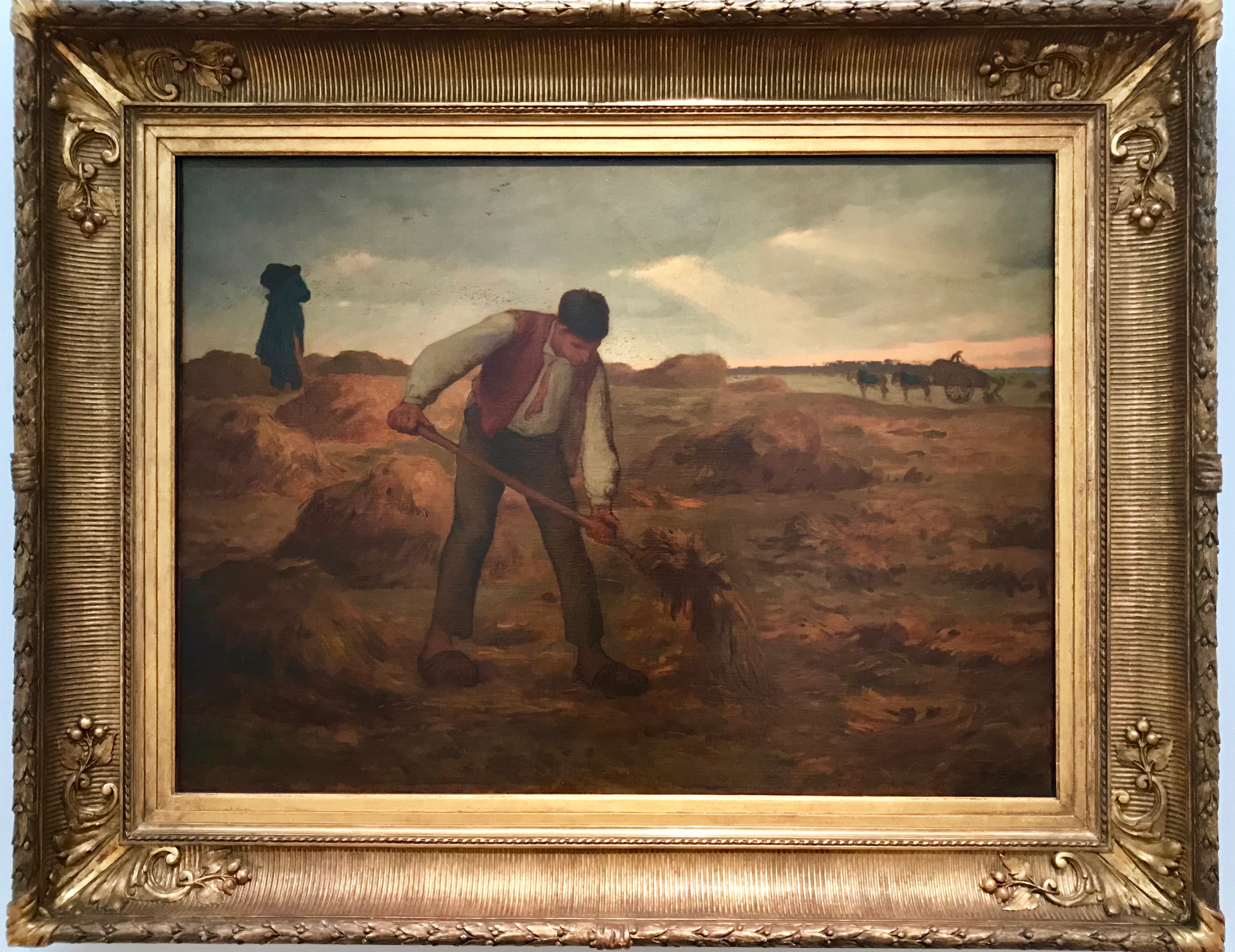
This is Peasant Spreading Manure (1854-1855) by Jean-Francois Millet.
If you guessed that it reminded me of my gardening last summer, you win! However, I didn’t have any manure to spread. I had to make do with compost. I had a healthy amount of compost, as I my lawnmower has a bag that I have to empty. I compost the clippings, the leaves in the fall, and the kitchen waste.
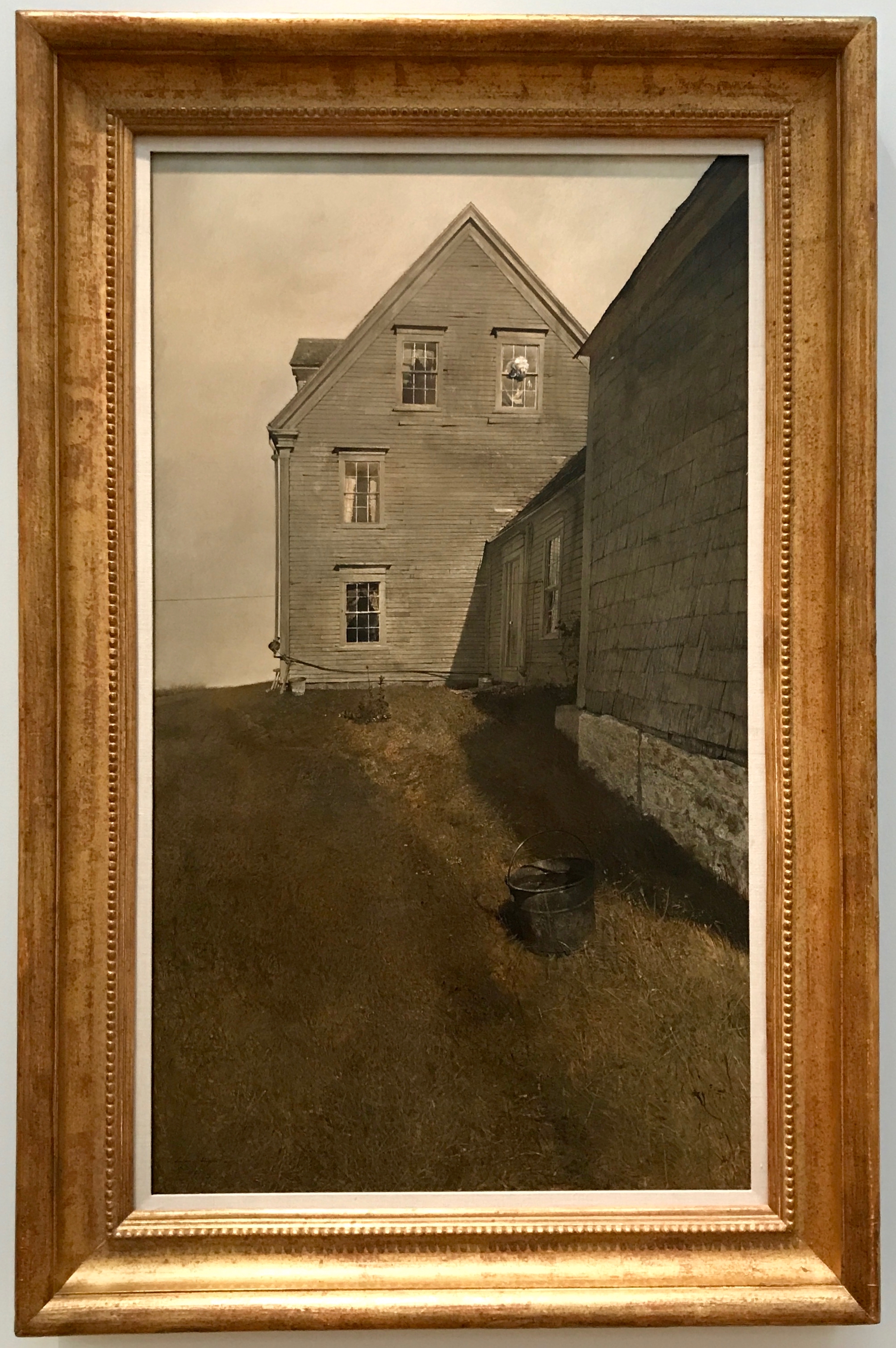
This painting is Weather Side (1965) by Andrew Wyeth. Does the house look familiar? I imagine it is the same house that is in his famous painting, Christina’s World (1948).
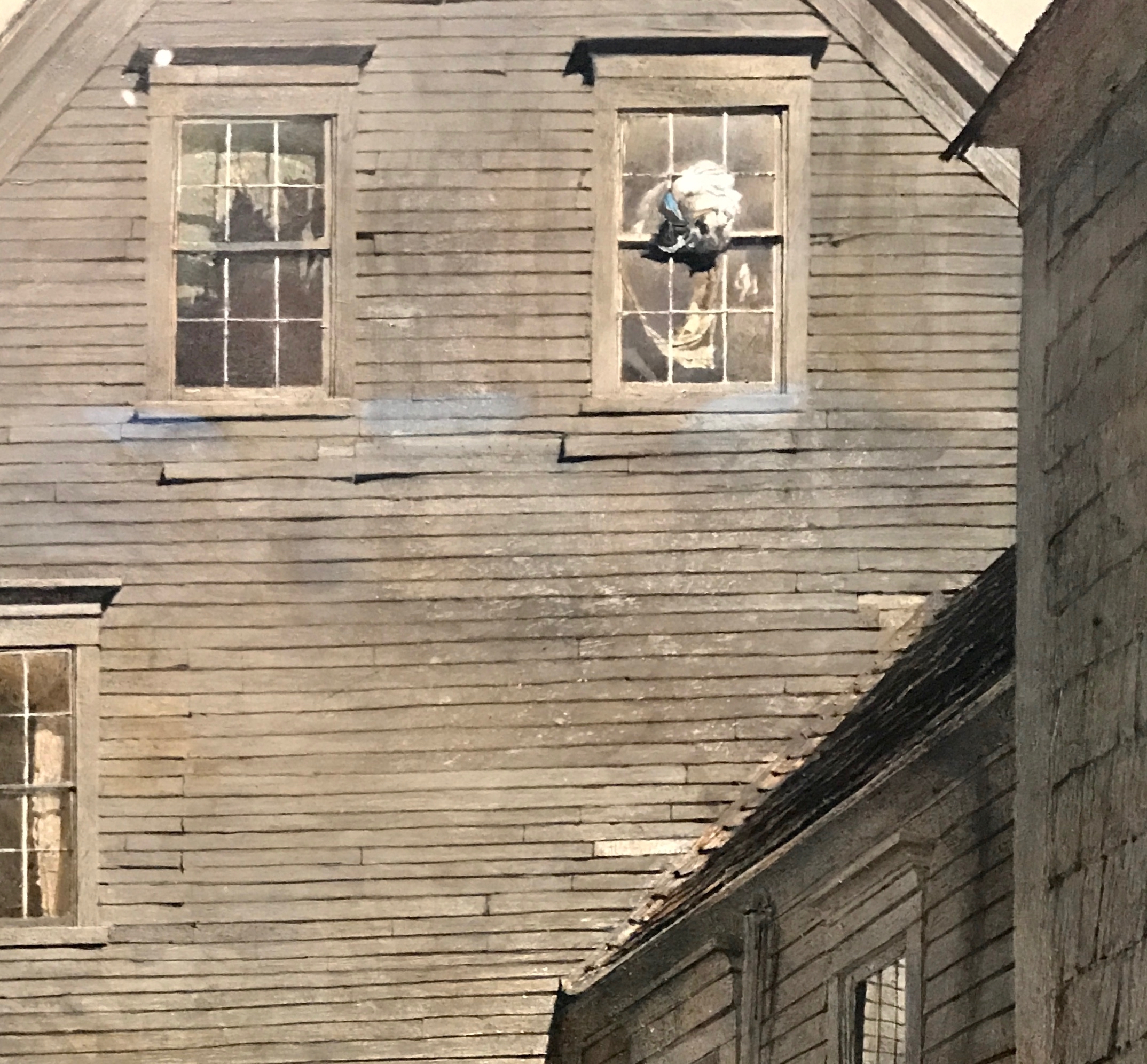
According to the information with posted with the painting, “Wyeth intended the decaying Maine house to be a surrogate portrait of his close friend Chistina Olson and her brother Alvaro. Wyeth studied every detail of the house for traces of its eccentric inhabitants: note the sheet stuffed in a broken attic window and Alvaro’s jerry-rigged system to collect rain water. Christina was crippled from polio and insisted on dragging her body around the house and yard. Out of sympathy Wyeth chose to paint the house from her low point of view.”
If you are still reading this post, you are probably wondering if I will ever stop.
The answer is, “Yes. Yes, I will.”
But bear with me for a few more works of art and then I’ll let you go.
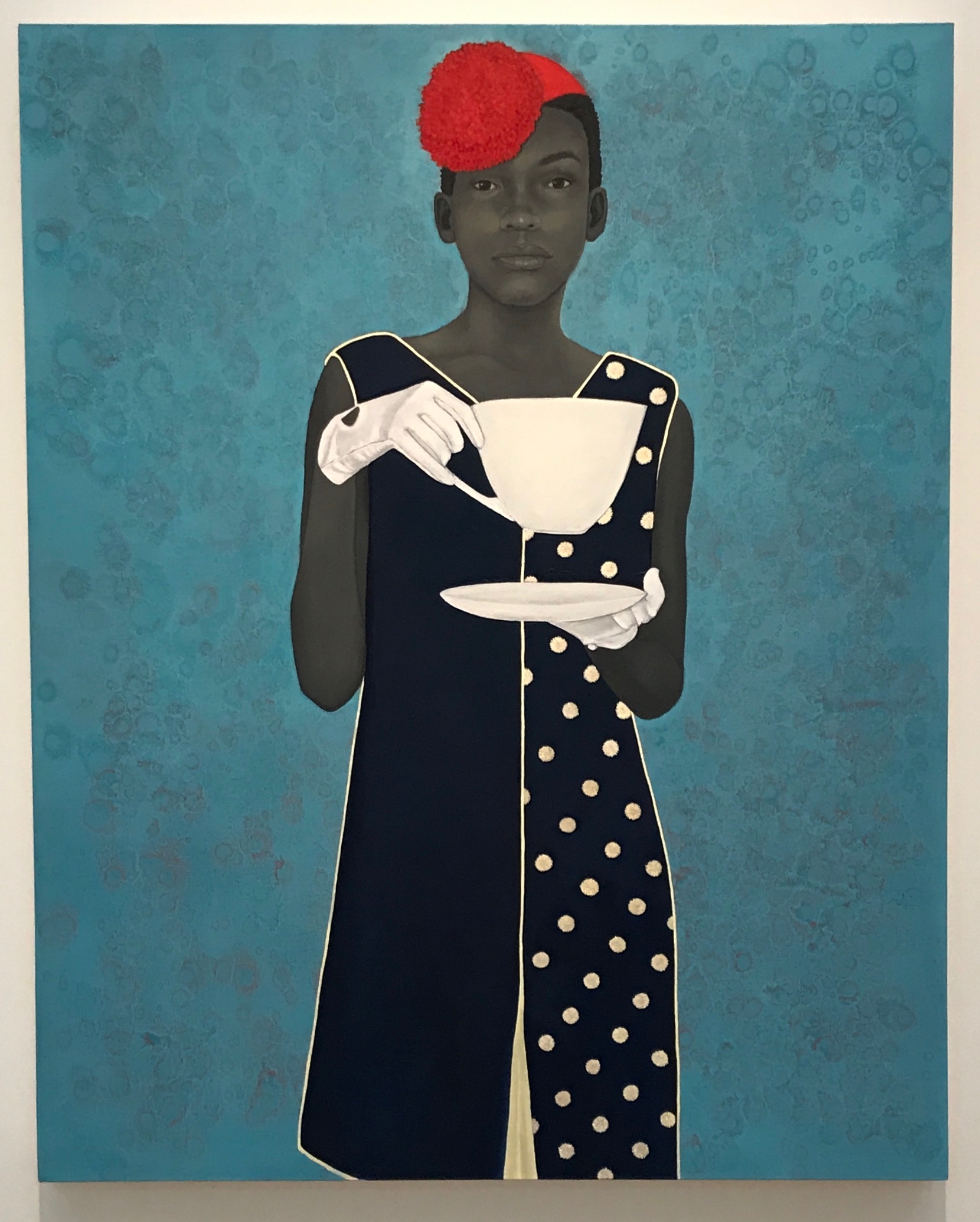
This is Miss Everything (Unsuppressed Deliverance) (2013) by Amy Sherald. I selected this work of art because Sherald is the artist Michelle Obama chose to do her official portrait.
According to the information with the painting, this “encapsulates Amy Sherald’s desire to build “alternative narratives” through her work. “Historically, people of color,” she says, ” are often shown looking away. But [this subject] has let that go and meets the viewer’s gaze. She assesses the viewer rather than being assessed.”
Sherald is known for her portraits of African Americans, all of whom are depicted with grey skin tones, forthright facial expressions, monochromatic backgrounds and vibrant clothing.
Quietly confronting issues of historic underrepresentation and stereotypical imagery, Sherald deliberately paints her subjects’ skin grey; doing so challenges the notion of color as race.”
The last work of art I will share with you is Light of Life by Yayoi Kusama.
It is a mirrored box and LED lighting system, an enclosed version of an infinity room, which are her most well-known works. You gaze into the work of art through portholes at your your reflection, other viewers, and a two minute show of colored lights.
Click on the play symbol to see what I saw.
According to Kusama, “Thousands of illuminated colors blinking at the speed of light. Isn’t that the very illusion of Life in our transient world?”
And, with that I headed back to the campground.
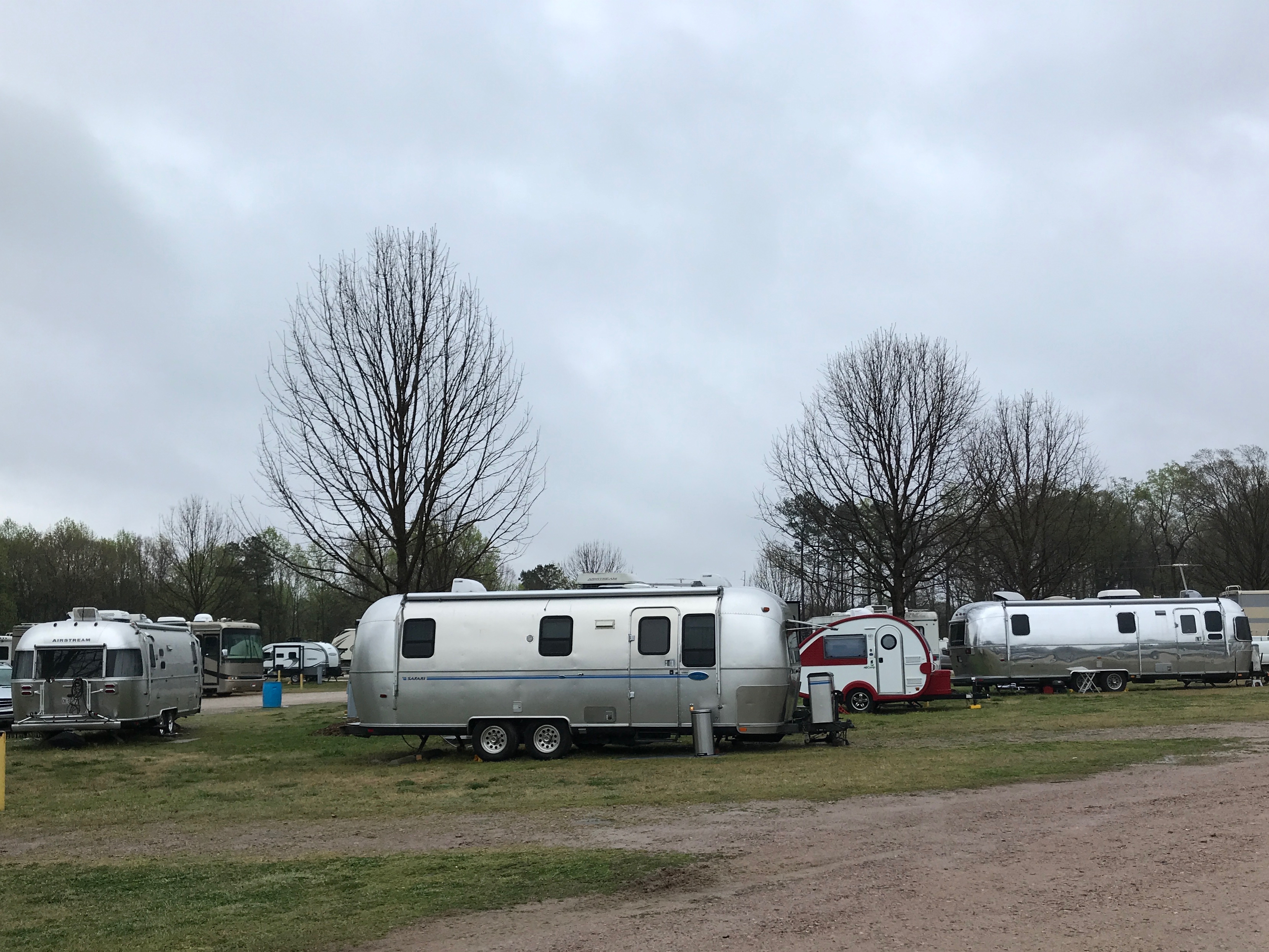
And it was still raining.
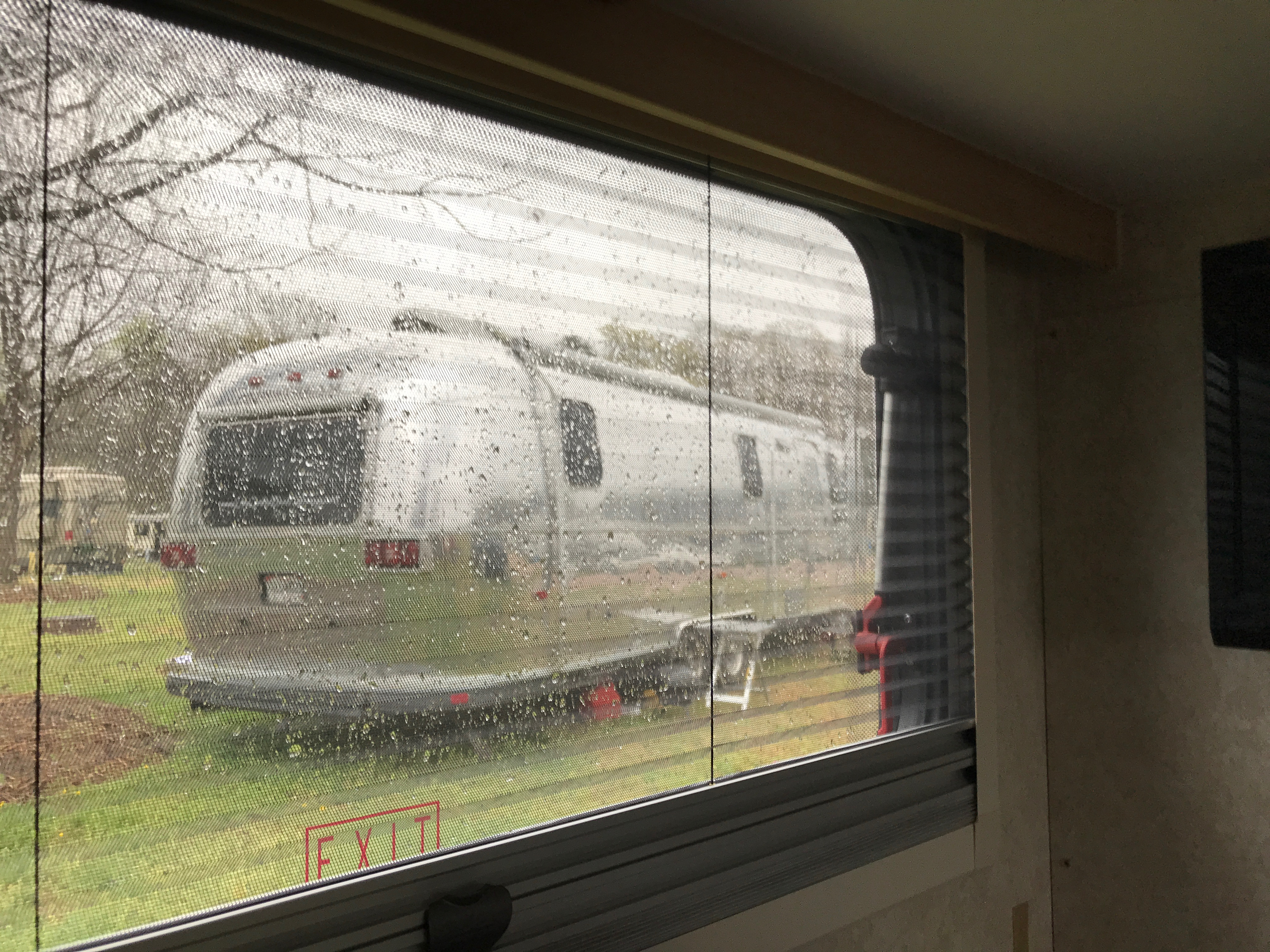
Next up: the North Carolina capitol.