
This is the $7000 dining room table, and no, I didn’t eat lunch on it.
Andrea and I joined Kathy for lunch at Christ the King Seminary. Afterwards, we stopped off to see Kathy’s new office.

We had a lovely lunch and talked over old times. We had gone to Daemen College in Amherst, NY together.
I’ll let you try to figure out exactly WHEN we went to college!
After lunch, Kathy went back to work, Andrea went to take a stroll about the grounds and I went in to East Aurora. It had been years since I had been there, and I wanted to see the restorations that had been done on the Roycroft Campus.
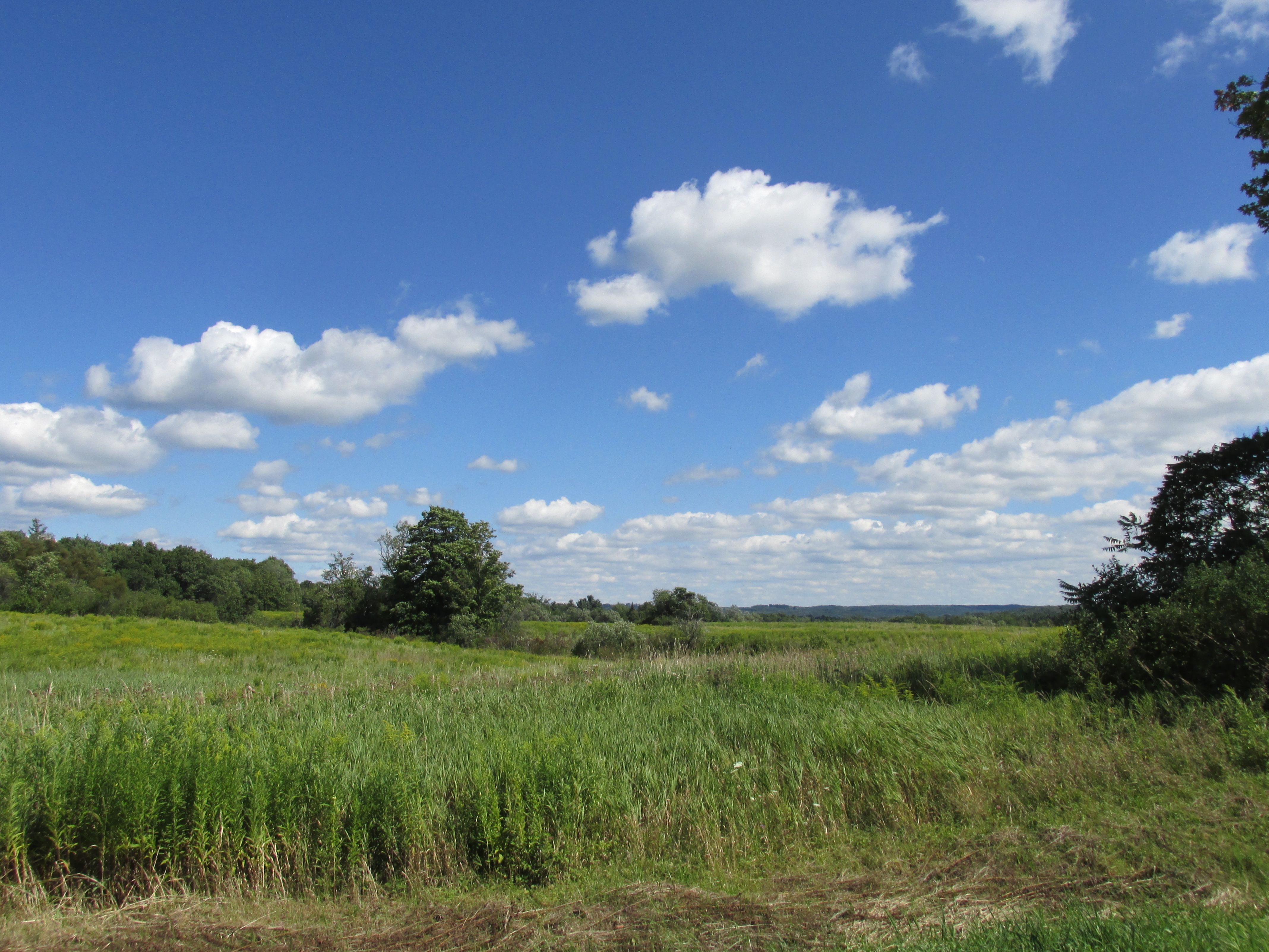
The Roycroft was a community and movement of artisans where were influential in the Arts and Crafts movement at the beginning of the twentieth century. It was founded by Elbert Hubbard in 1895 and funded in large part by his essay, A Message to Garcia. The essay was originally included as a filler piece in the magazine, Philistine, that Hubbard published. It was so warmly received that it was published on its own in a pamphlet and then as a book. It sold more than 40 million copies! I guess you could say that it was the “viral sensation” of its day. Eventually two movies were made about the core incident that inspired the essay. One was a silent film in 1916 and the other was a “talkie” in 1936. A radio adaptation was also broadcast in 1953.
If you would like to read A Message to Garcia, click here.
The philosophy of the group was summed up by noted art critic, John Ruskin:
A belief in working with the head, hand and heart and mixing enough play with the work so that every task is pleasurable and makes for health and happiness.
If you ask me, that is a good recipe for life!
The Roycroft Campus was given National Historic Landmark status in 1986. There are fourteen existing buildings remaining. From what I have read, this is an unusual number of buildings to survive.
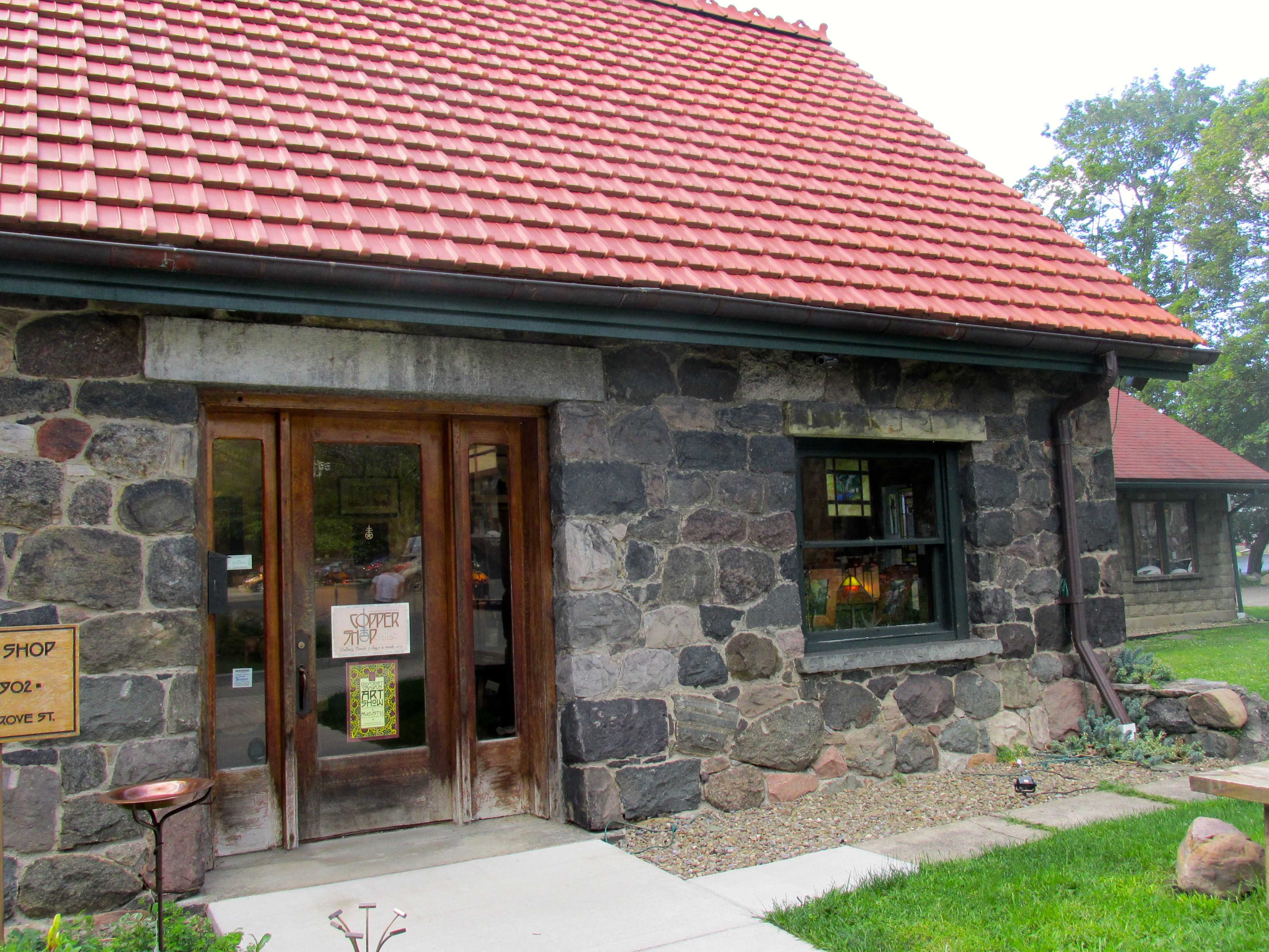
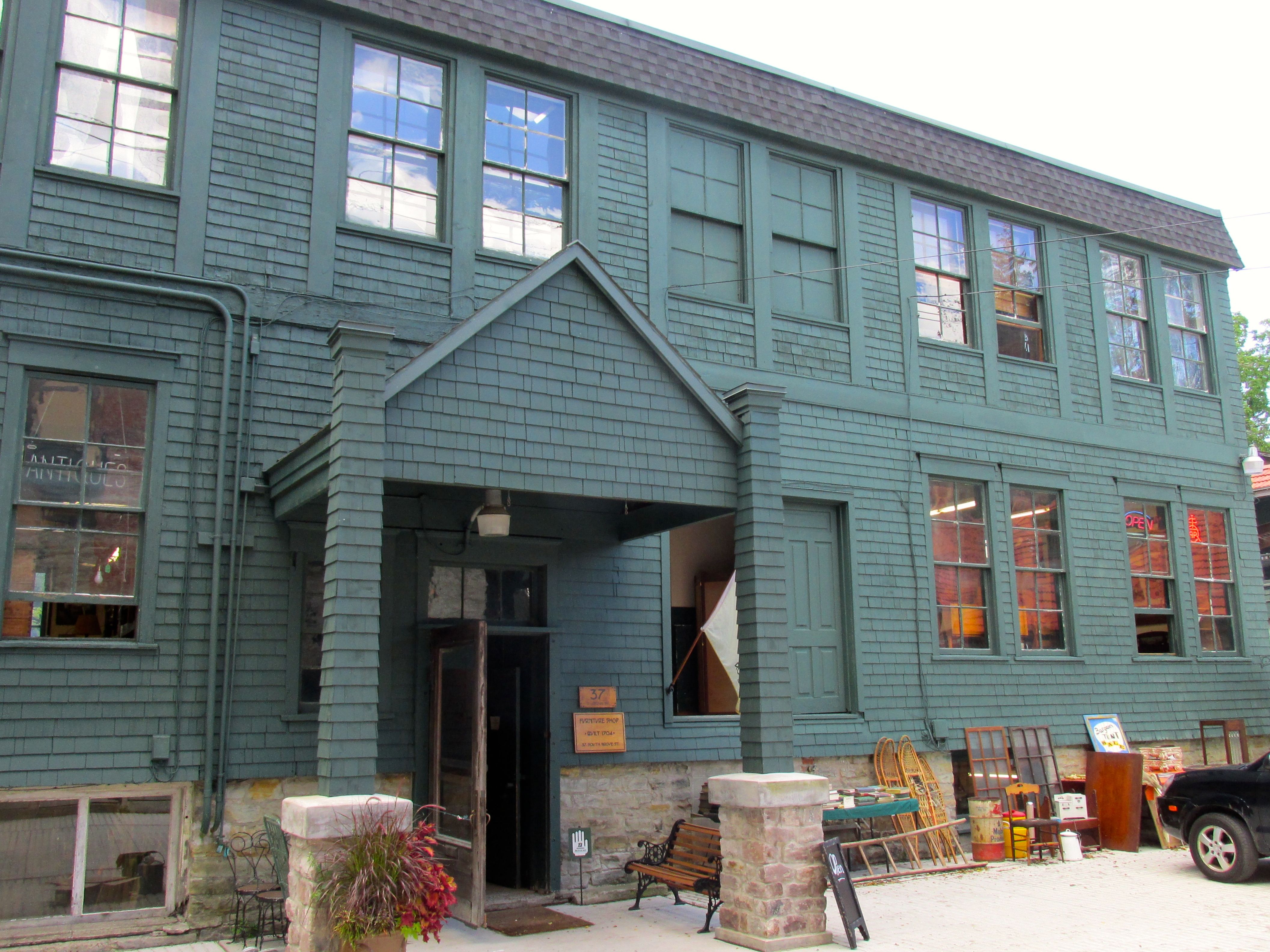
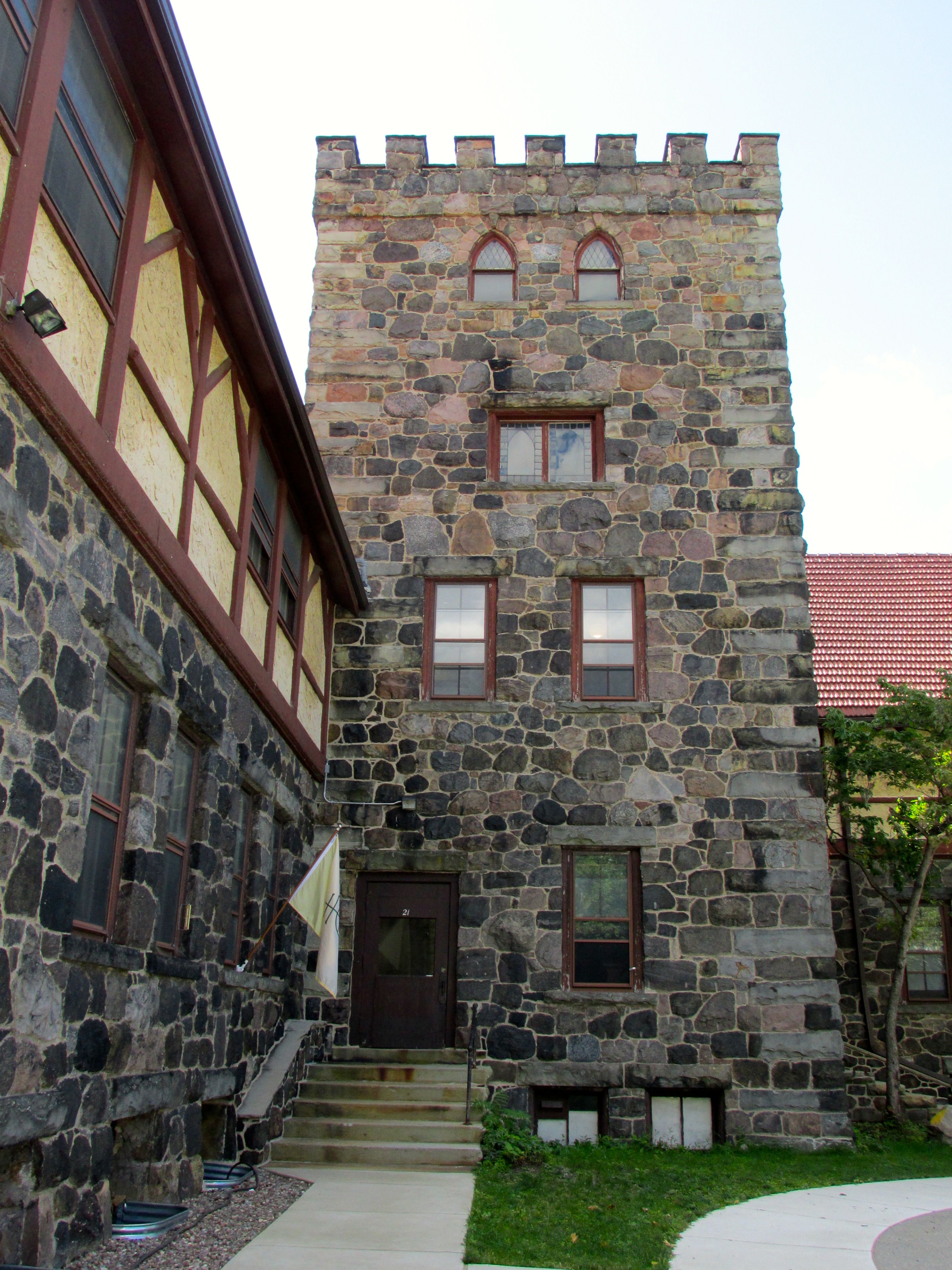
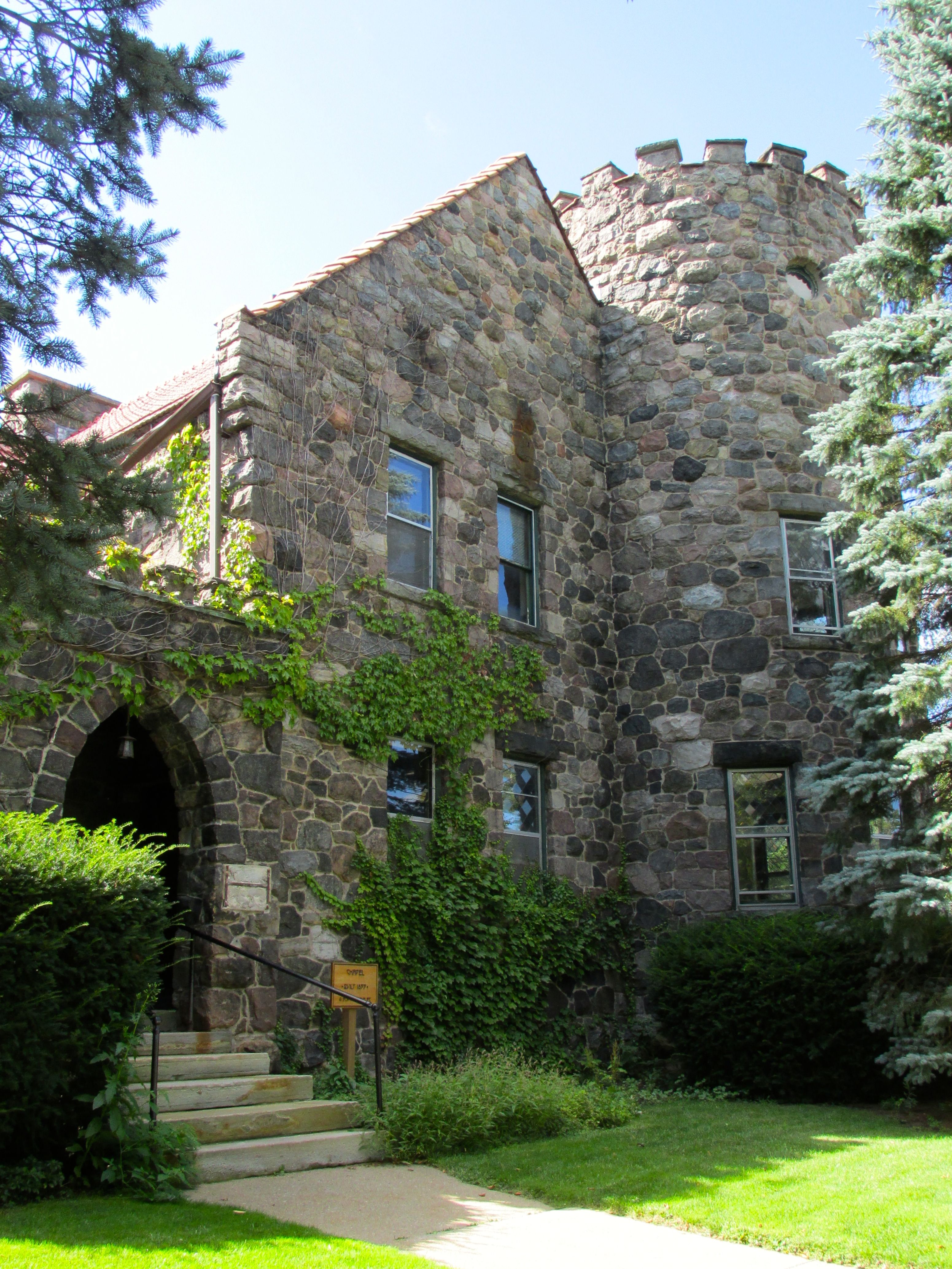
As you can see in the style of the buildings, there was a longing for the “good old days” when everything was handcrafted. The campus looks a lot like modernized buildings from the age of the medieval craftsman.
Across the street from the Roycroft Campus is the Roycroft Inn. I have just added something else to my “Must Do” list.

I want to eat lunch (or dinner) on the Peristyle at the Roycroft Inn!

Maybe I should just get one of the suites at the Inn and have breakfast, lunch and dinner there.
From what I remember, Hubbard purchased two existing Queen Anne style houses and connected them with a peristyle to create the Roycroft Inn. With 500 artisans working, people were coming from all over to buy their products.

And people coming from all over brings me back to that $7000 dining room table.
You can still buy the products of the Roycrofters. They are thoroughly vetted to make sure they meet the appropriate standards.
Once they do, they are allowed to use the Roycroft Renaissance logo.

This logo was adopted in 1976. The back-to-back Rs stand for Roycroft Renaissance. The cross arms on one side point down to signify the early roots from Elbert Hubbard, while the other side points up to indicate growth and progress for the future.
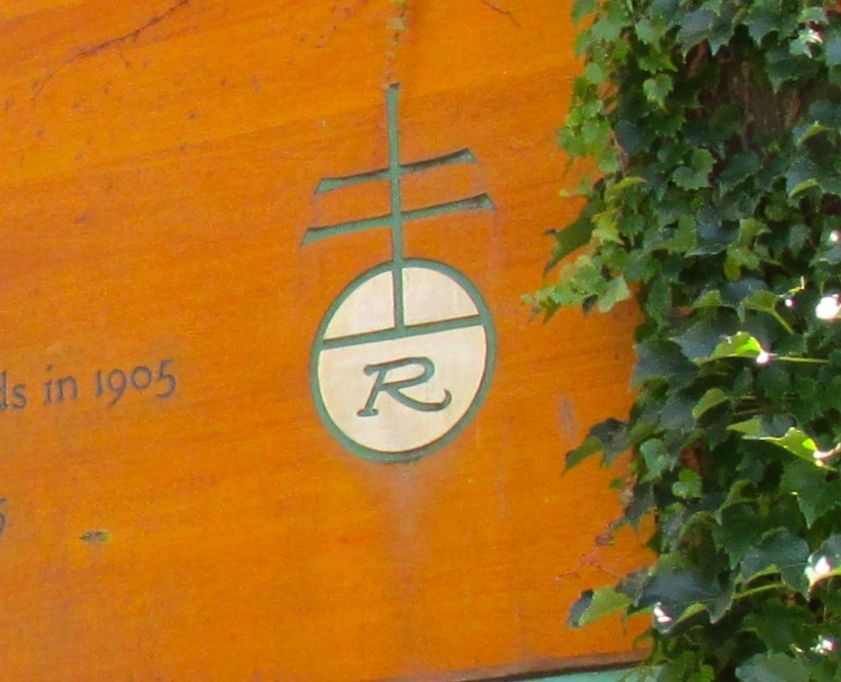
Hubbard’s original trademark was inspired by a mark used by monks who illuminated manuscripts in the middle ages. Places at the end of their work is meant, “The best I can do, dedicated to God.” Hubbard added the R inside the orb and had the artisans label their work with it to show where it came from.
And the $7000 dining room table? The chairs cost an additional $1000 each.
I am too cheap to have nice things!
After I left the Roycroft Campus, I went to visit Millard Fillmore’s home. He lived in it from 1826 – 1830. He was president from 1850 – 1853, assuming the office after Zachary Taylor’s death.
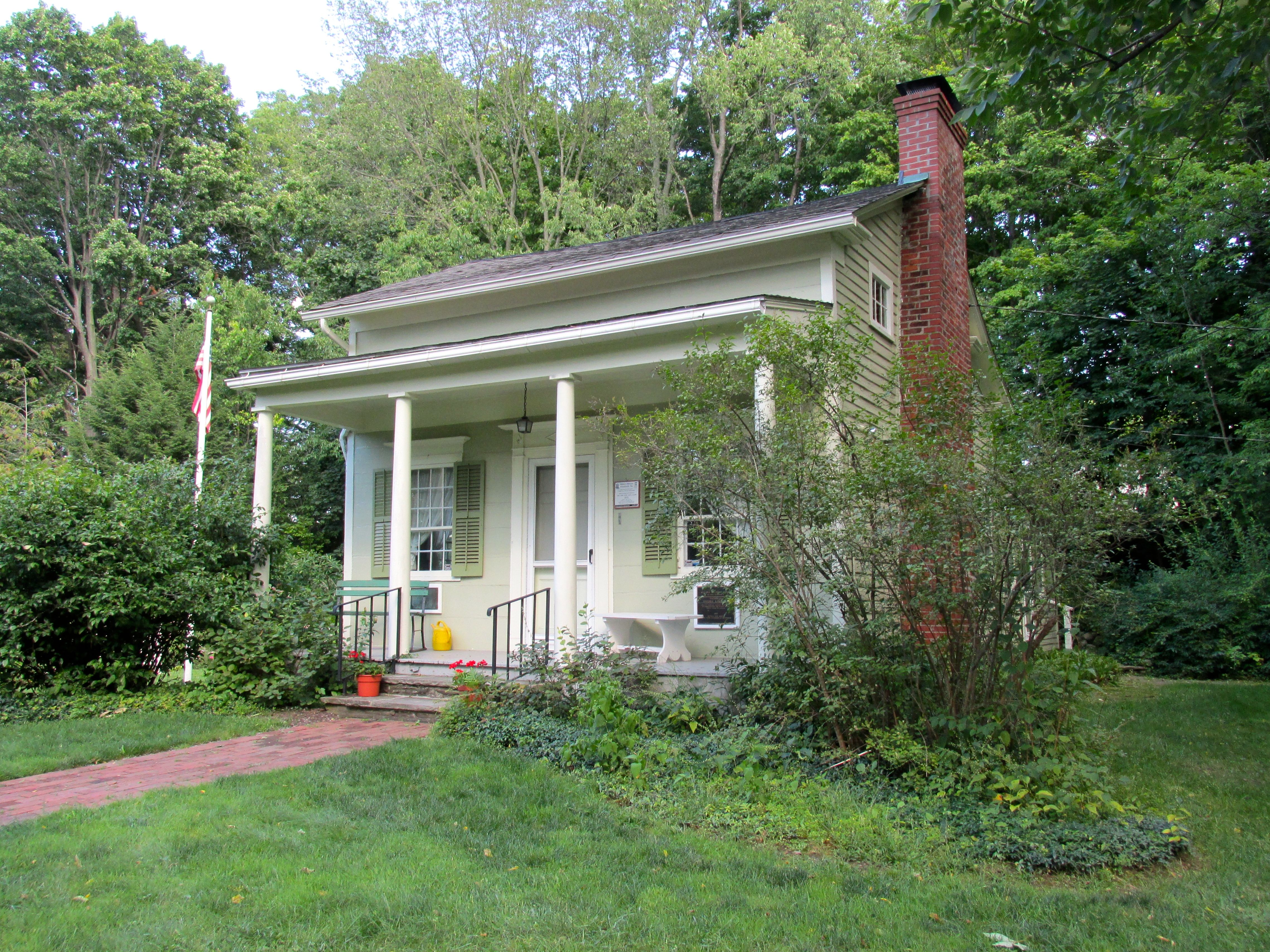
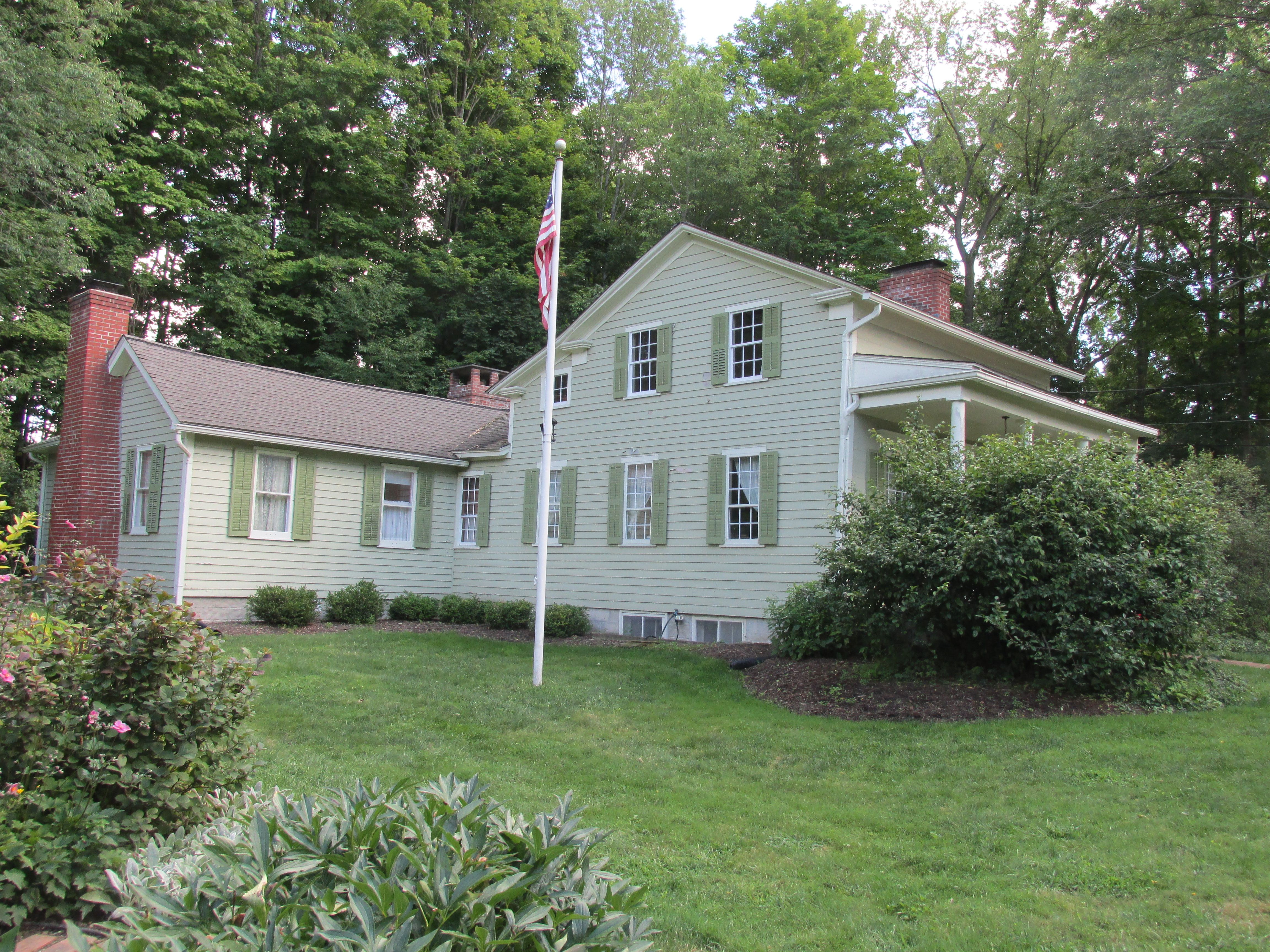
I remember from an earlier visit that Millard Fillmore was lacking education, having been apprenticed at an early age. Somehow, he managed to get into school at a later age and ended up marrying his teacher!
He made may not have been much of a president, but he did some good things for Buffalo, including helping to found the University of Buffalo and the Buffalo History Museum.
By this time, my tourism urge was waning. The Fisher Price Toy Museum would have to wait until another day.