I just love Facebook! It makes it so easy to keep up with people. One of the people I caught up with was a former student teacher who really was the cream of the crop. I knew he was going places – and he is now a PRINCIPAL! Cool, eh?
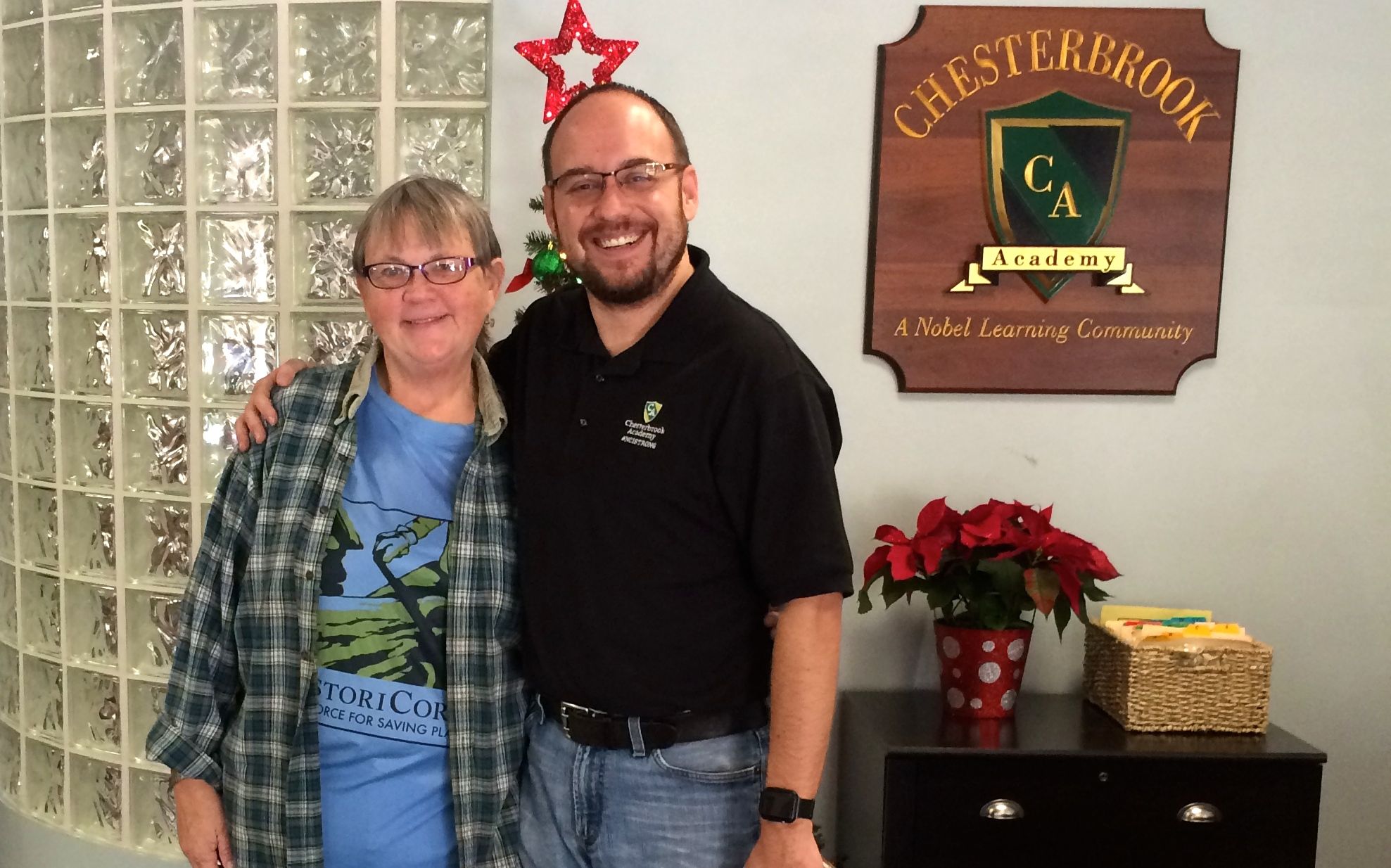
He showed me around the school in Mount Pleasant and interacted with all his students. They loved him as much as the kids did when he was working with me. He was as wonderful as I remembered. Then he took me out to lunch.
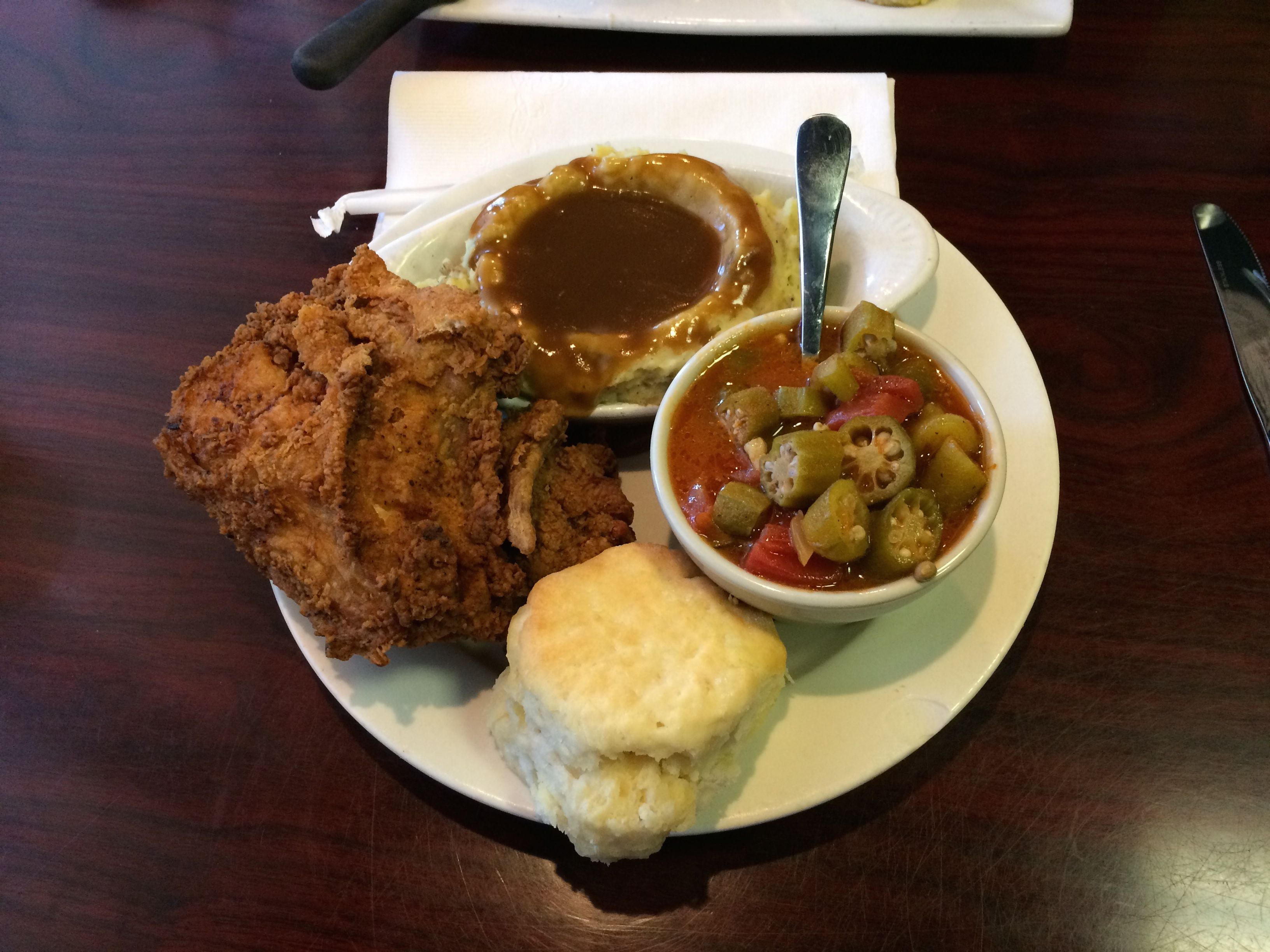
I had southern fried chicken, mashed potatoes and okra. The okra was delicious! I’d had it before, but it didn’t leave a positive impression. I guess it’s all in the preparation. Actually, everything was delicious! And the company was delightful.
On our way back to school after lunch, we swung by his house and picked up a pass for tourist attractions in the area. Free tourism!
It was great to see Curtis again and hear how well things were turning out for him.
After I left the school, I went to a place nearby that was on the pass he gave me, Boone Hall Plantation. In addition to being a tourist attraction, it is one of America’s oldest working plantations, continually growing crops for over 320 years.
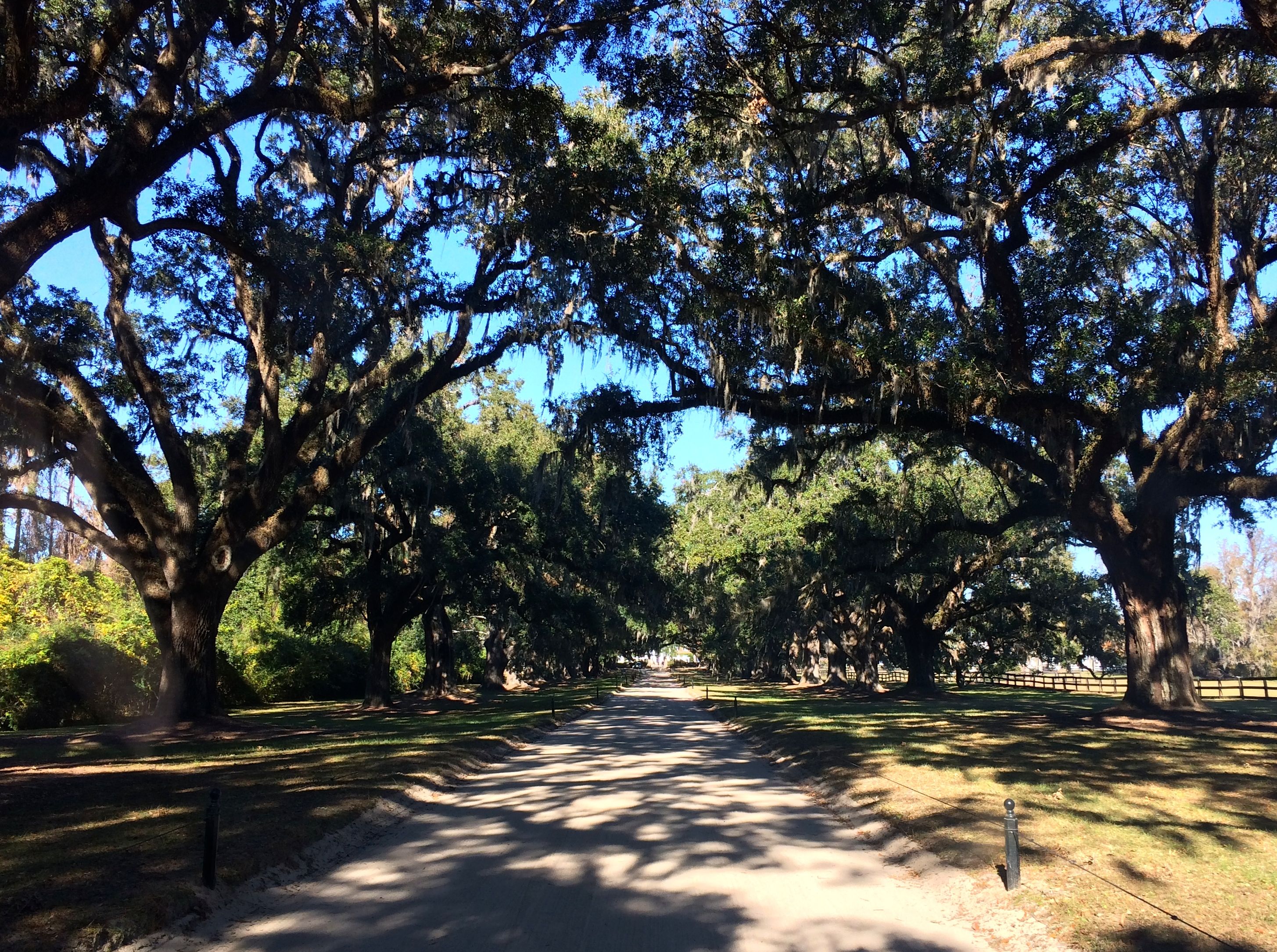
The road to the big house is lined with live oaks that were planted in 1743. According to the information at the plantation, it took 200 years for the branches to meet overhead.
My first stop was the hospitality office, which had been the company store that sold things to sharecroppers after the civil war.
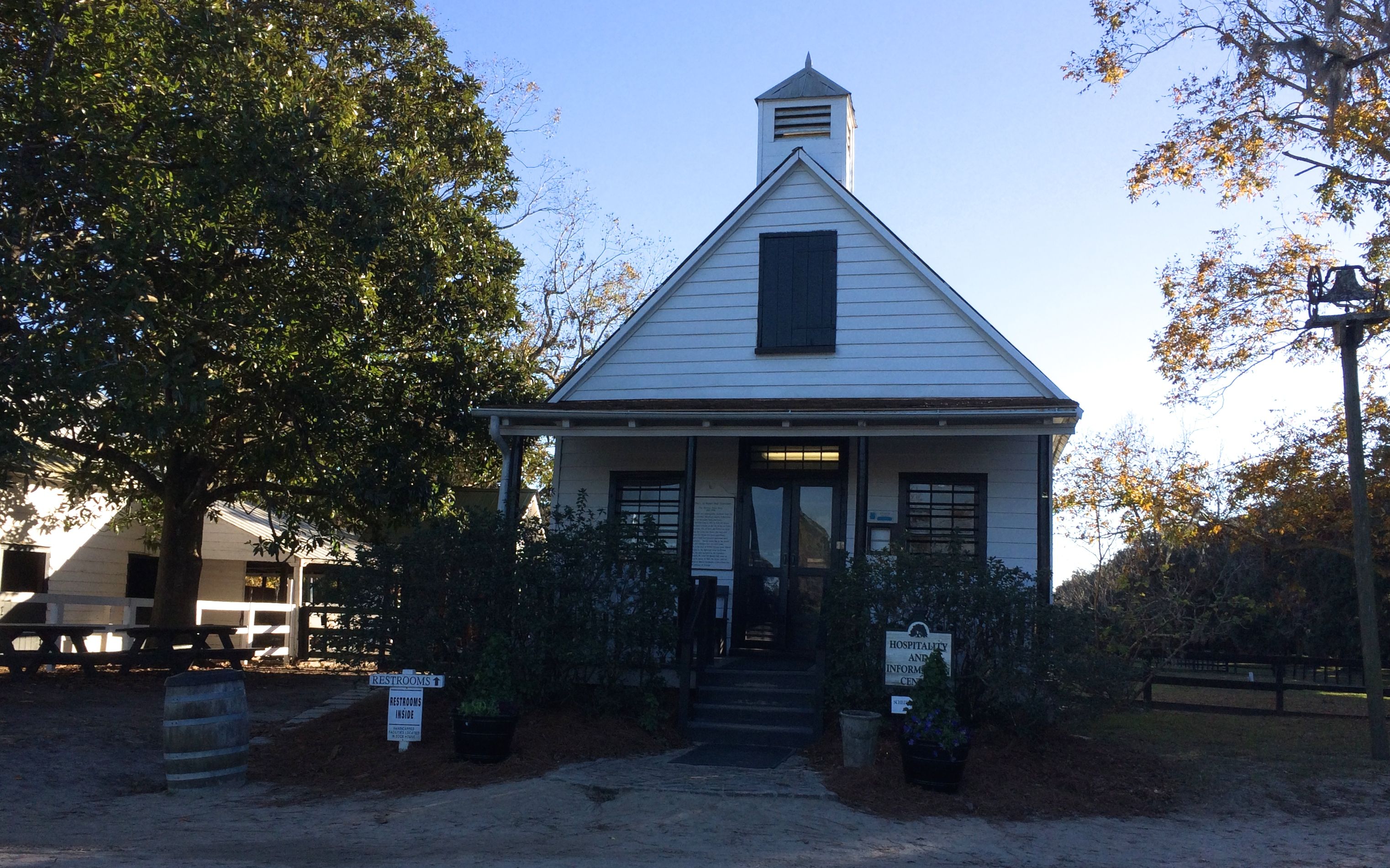
I had to get my ticket for the tour of the mansion.
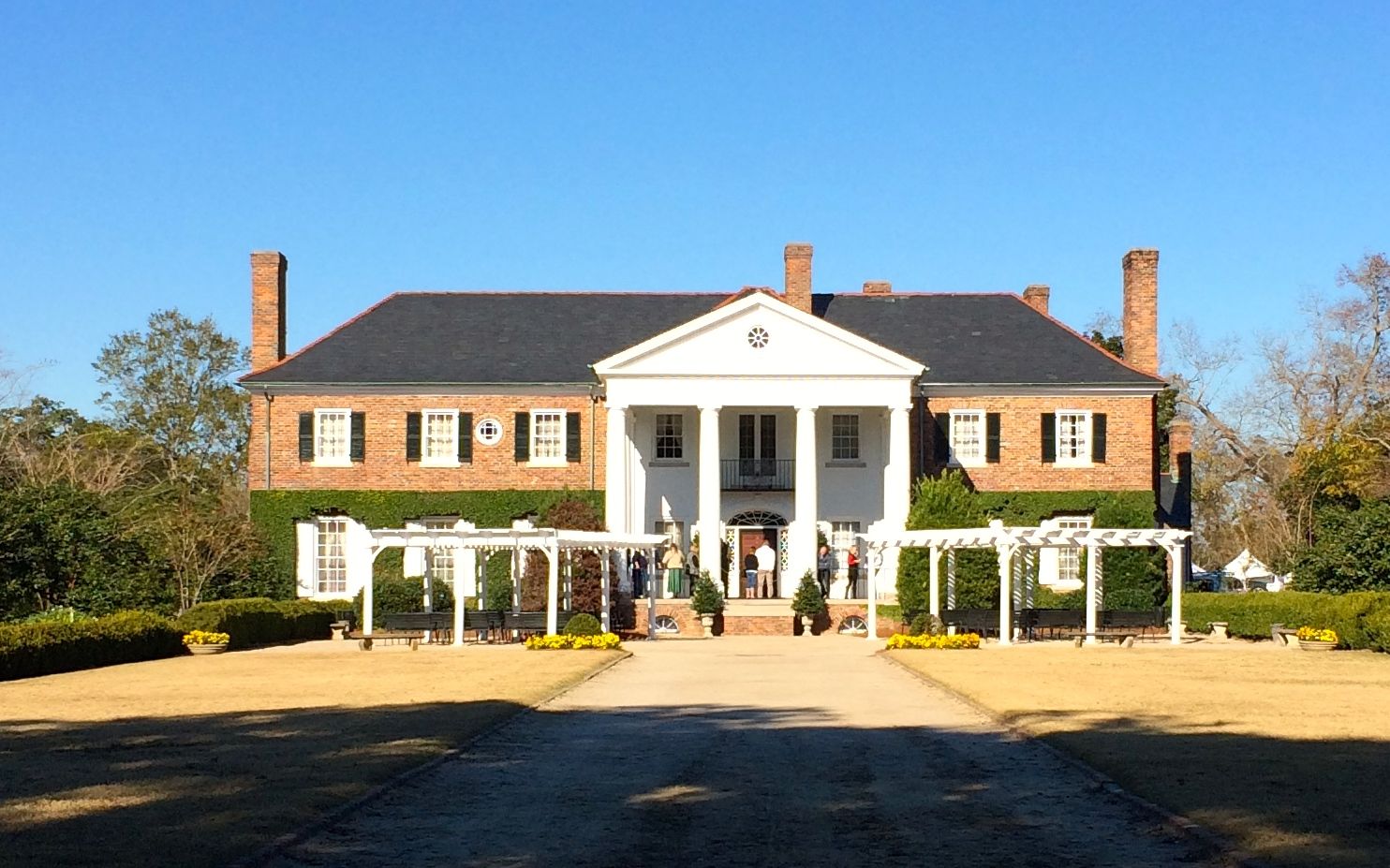
Now, this is not the original house.
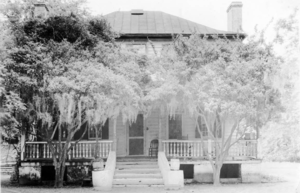
This is the original house. It was built in 1790, and it was a rather modest structure. Incidentally, this photo was taken around 1900. In 1935, Canadian Thomas Stone bought the plantation but wanted a grander style house.
Oddly enough, the house that I toured is recognized as a National Historic Site. According to the tour guide, this house was part of the “Second Reconstruction”.
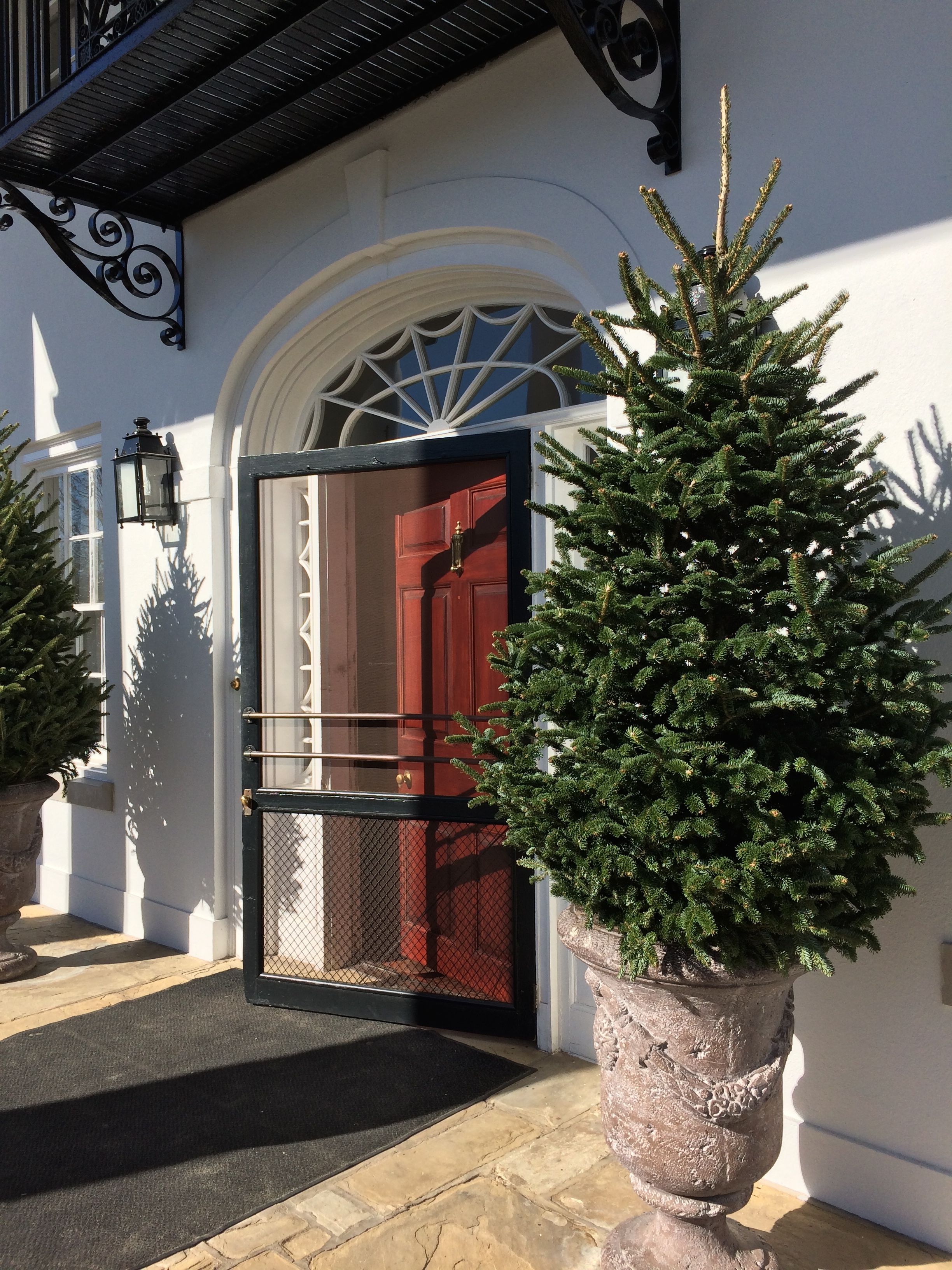
We met our tour guide at the entrance, where he gave us a brief history of the plantation and then told us that photographs of the interior were not allowed. I wasn’t too disappointed by that. After all, the house I grew up in was older than this and there wasn’t all that much that I thought was worth taking a photo of.
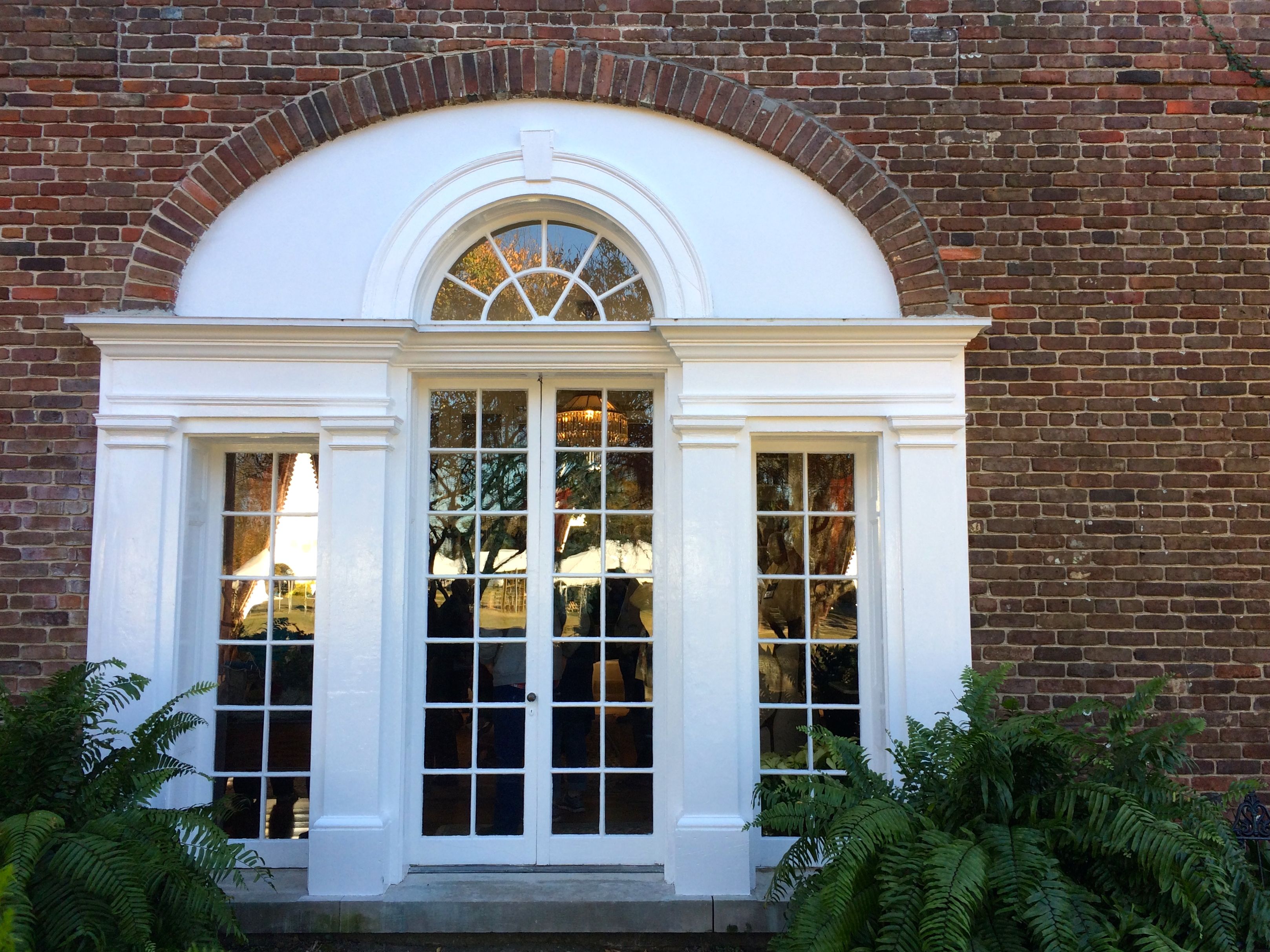
It was a nice house.
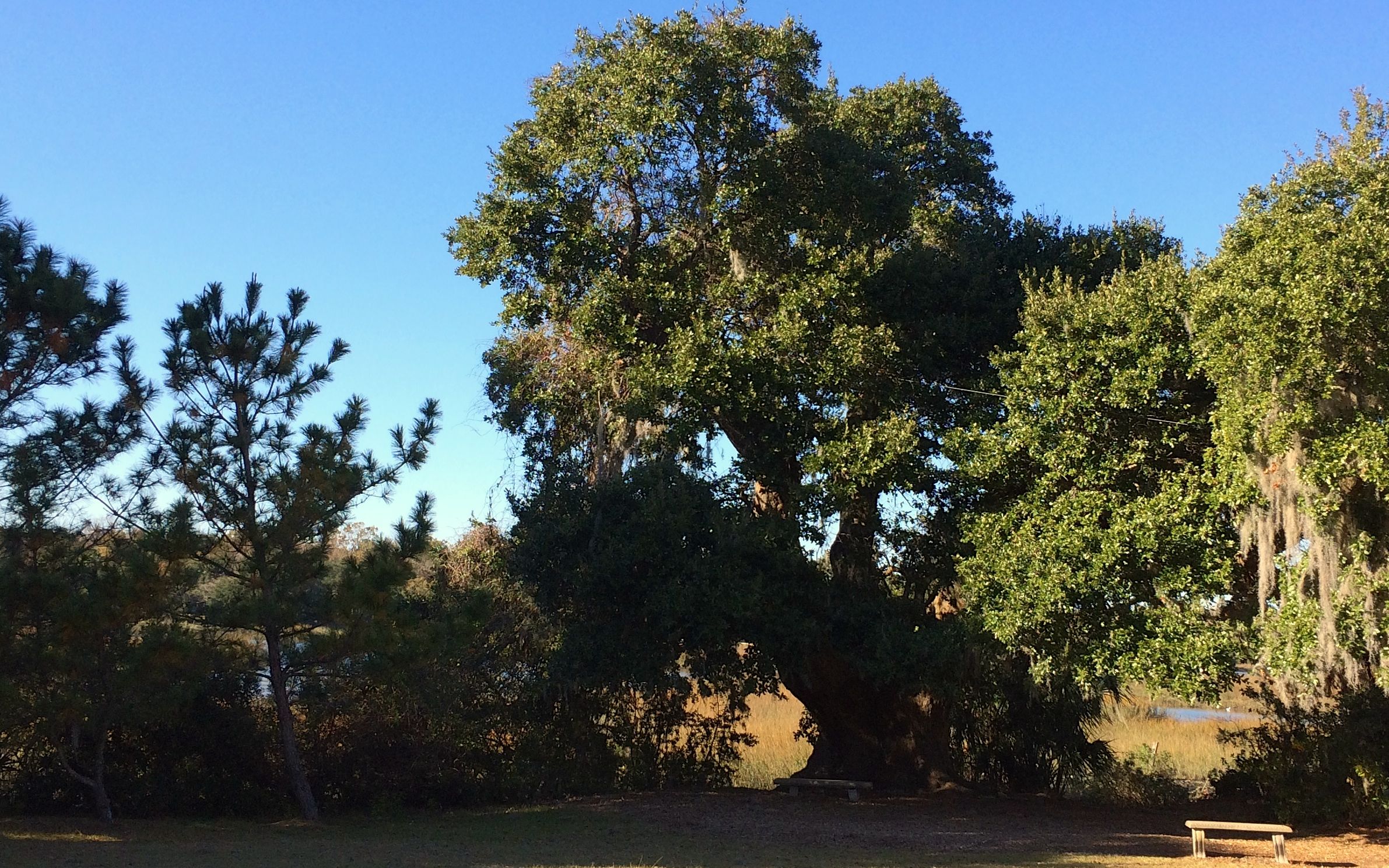
The guide pointed out this live oak that was on the bank of Wampacheeoone Creek. He said it wasn’t intentionally planted – it just grew there. They estimate that it is around 600 years old.
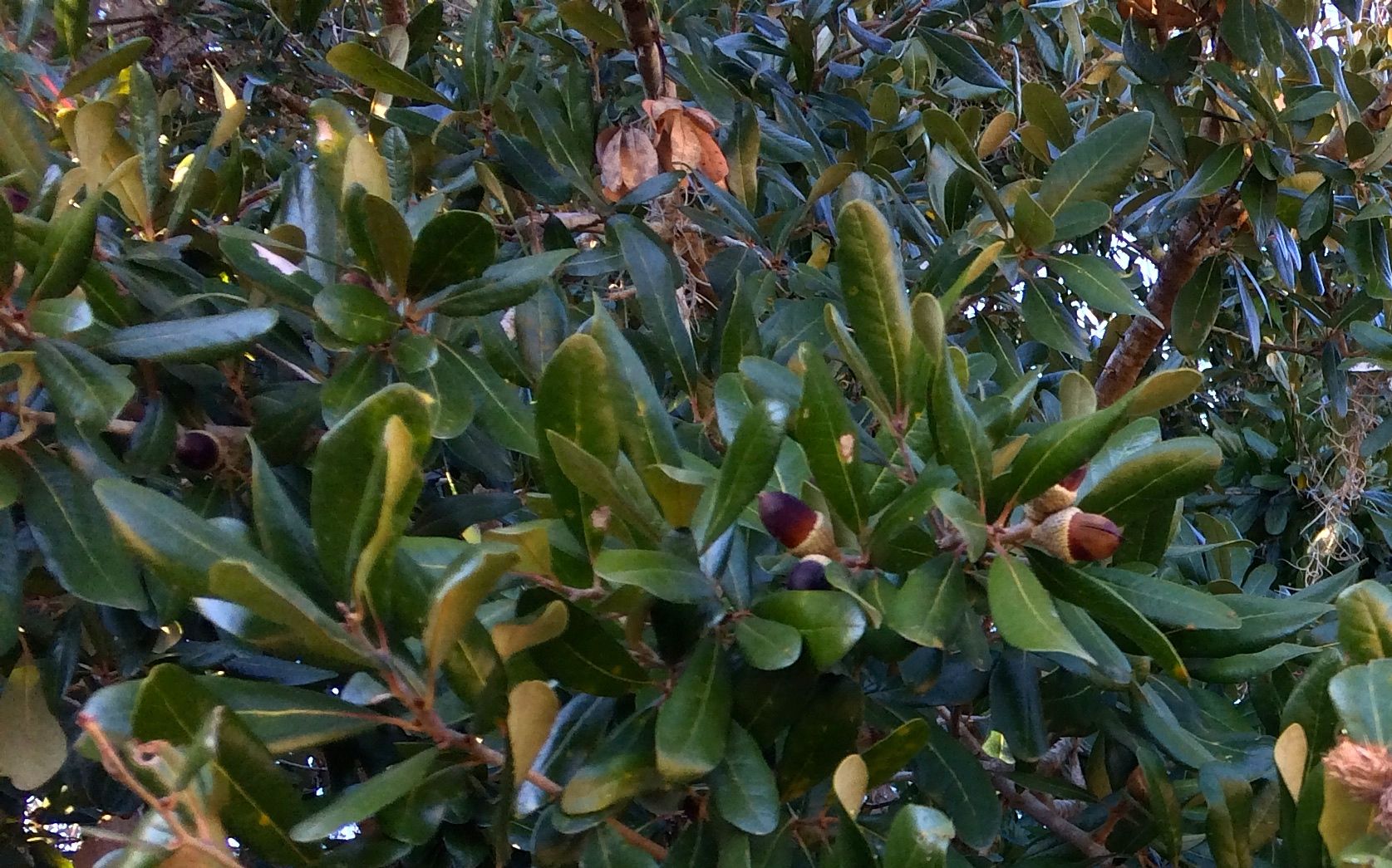
Judging by the acorns on the tree, it is still going strong.
The guide also told us something interesting about the creek. It is a tidal creek. To get products to market, they would load up the boats and poll them into the stream and then wait for the tide to go out. On the return trip, they would just reverse the process.
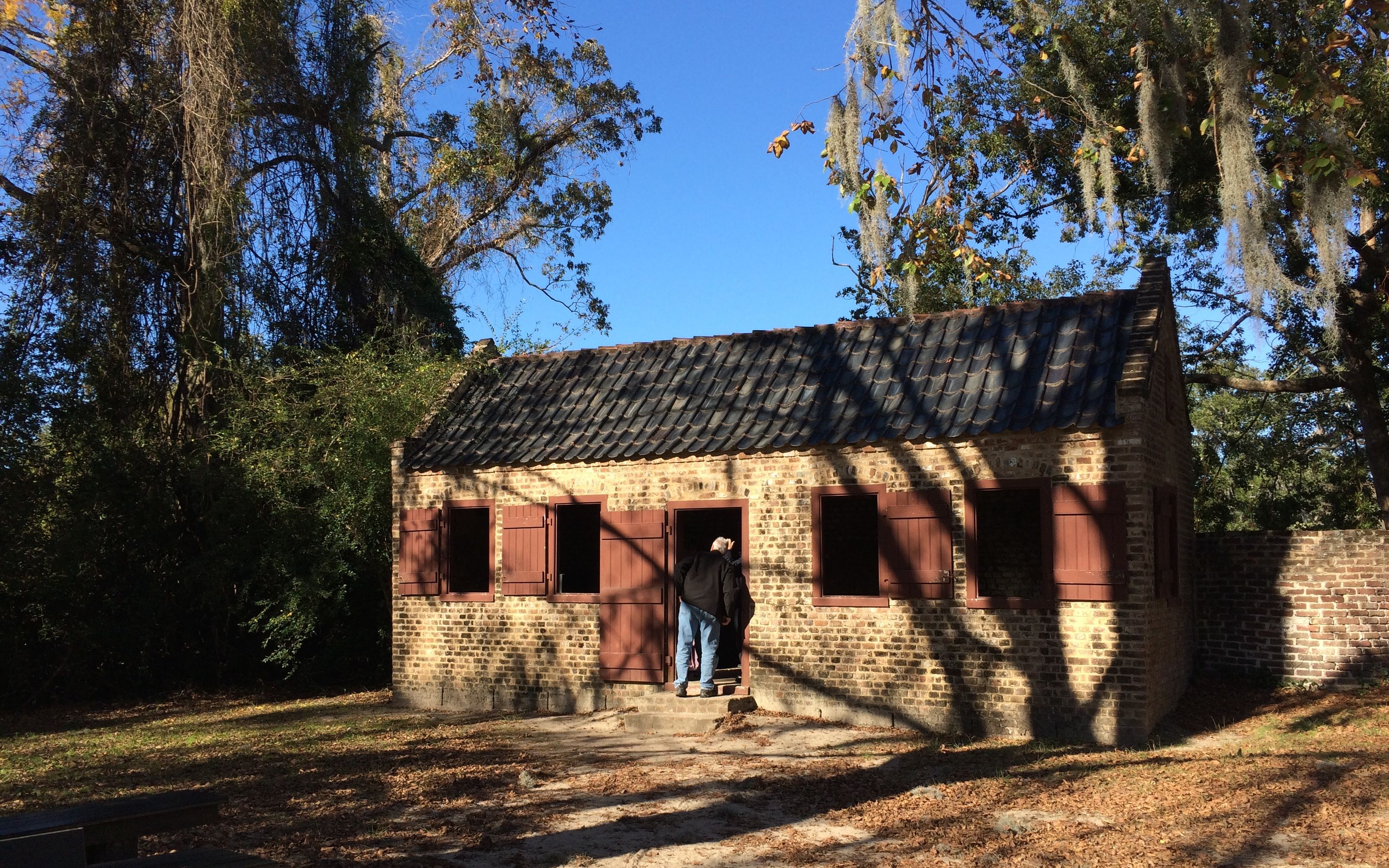
There are nine of the original slave cabins on the grounds. They were built 1790 – 1810. At one time, there were 40 slaves on the plantation.
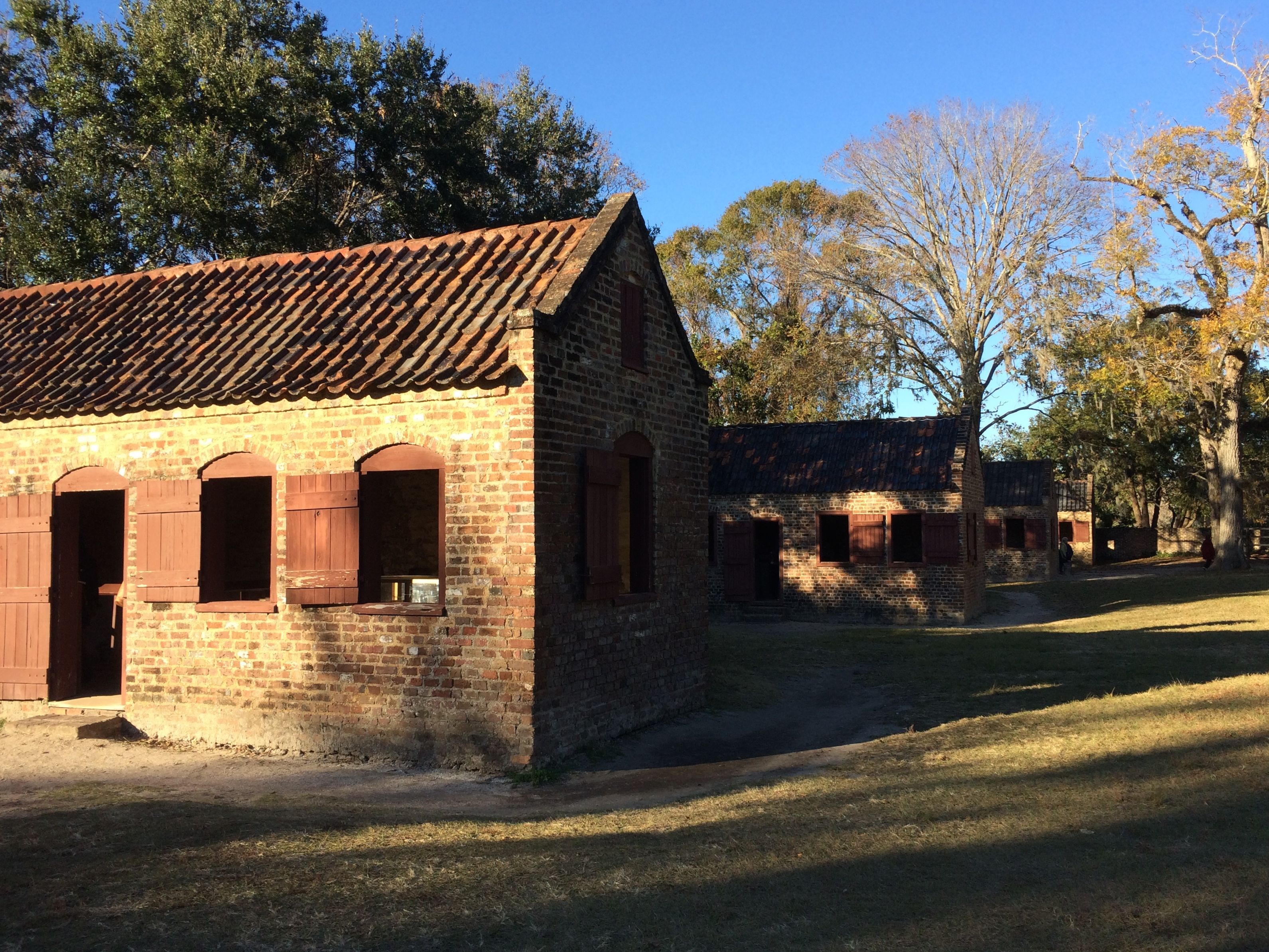
After the tour of the house and the slave quarters, I took a tour of the farms. There was a modified truck that took us around the fields.
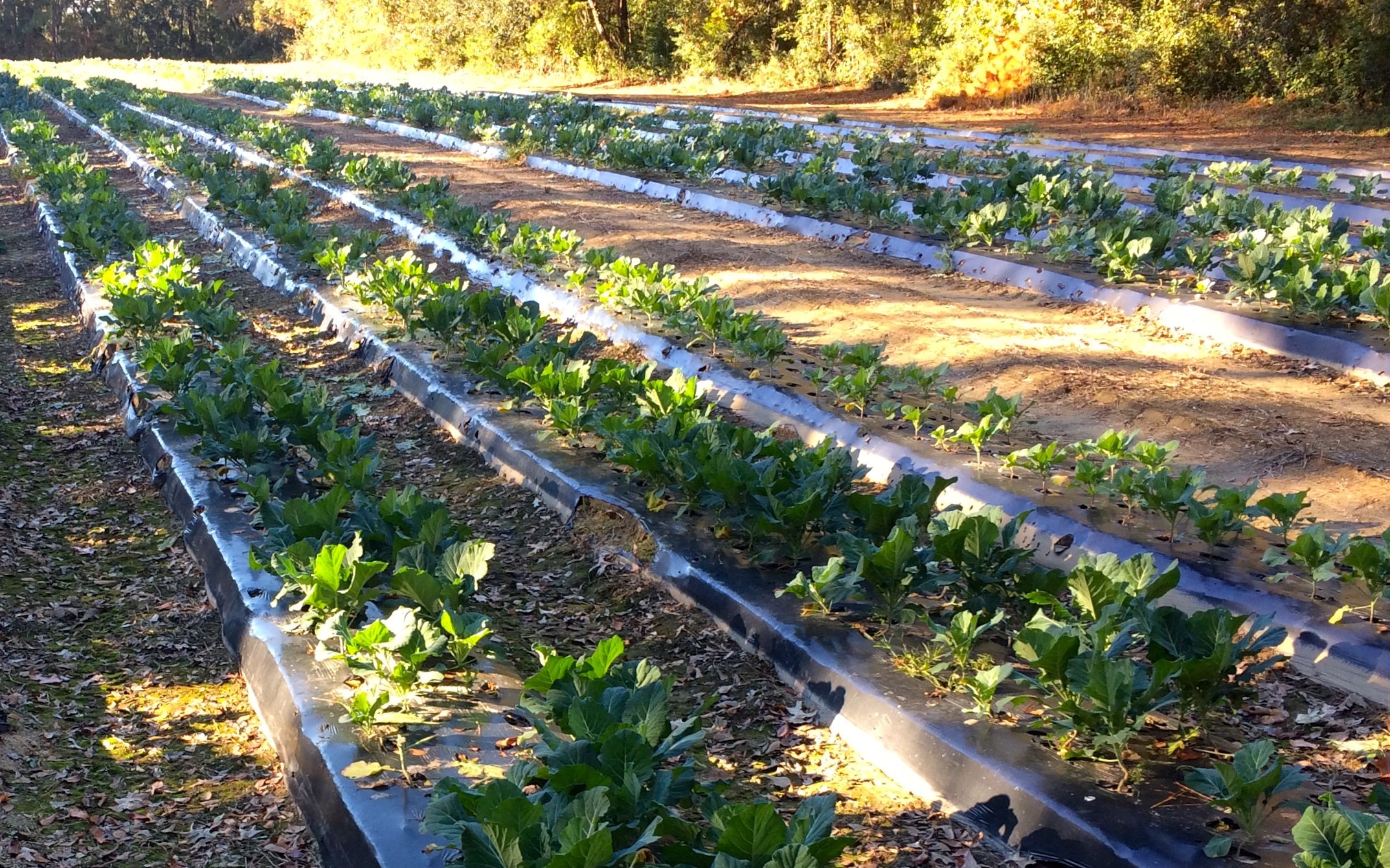
They use modern irrigation and crop management methods.
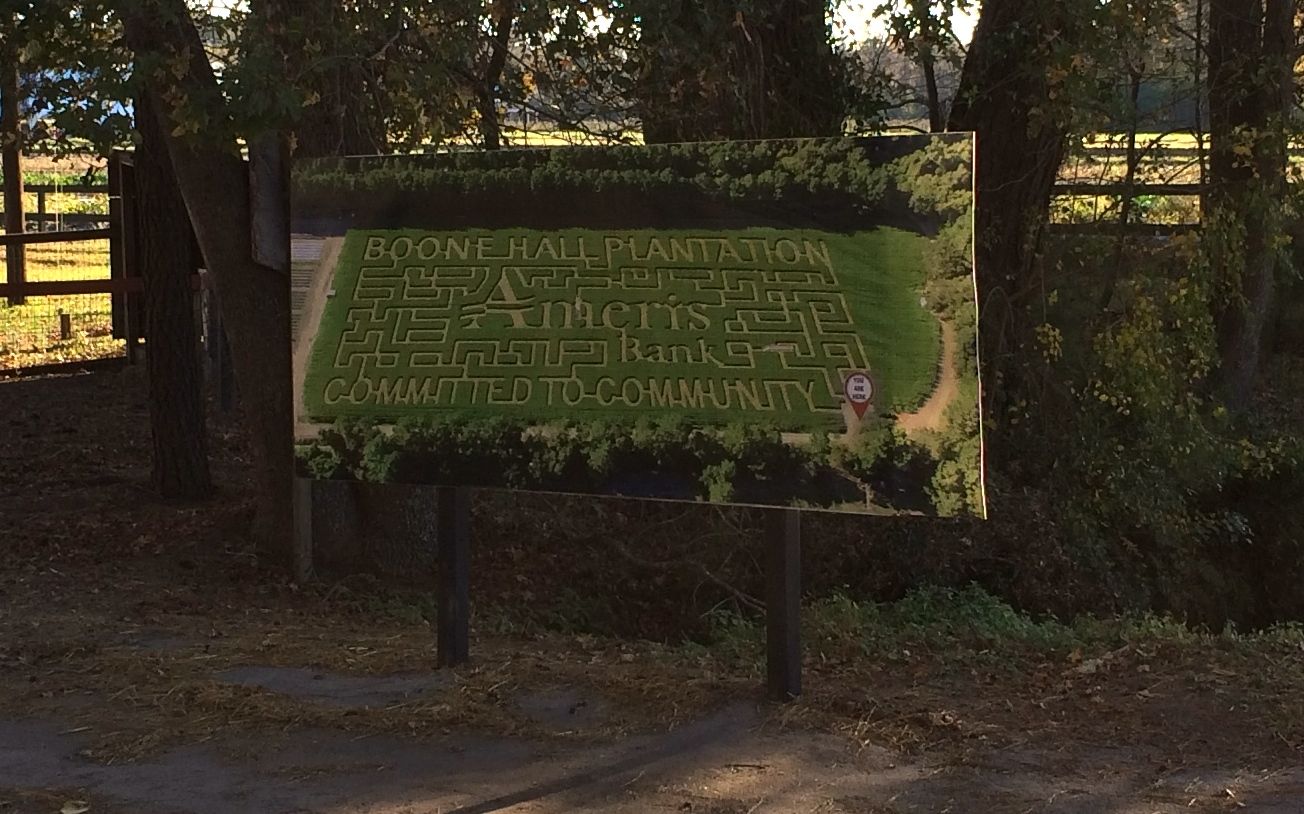
They do a corn maze in the fall. This is a photo of the one they had last year. By the time I was visiting, the field was mowed down.
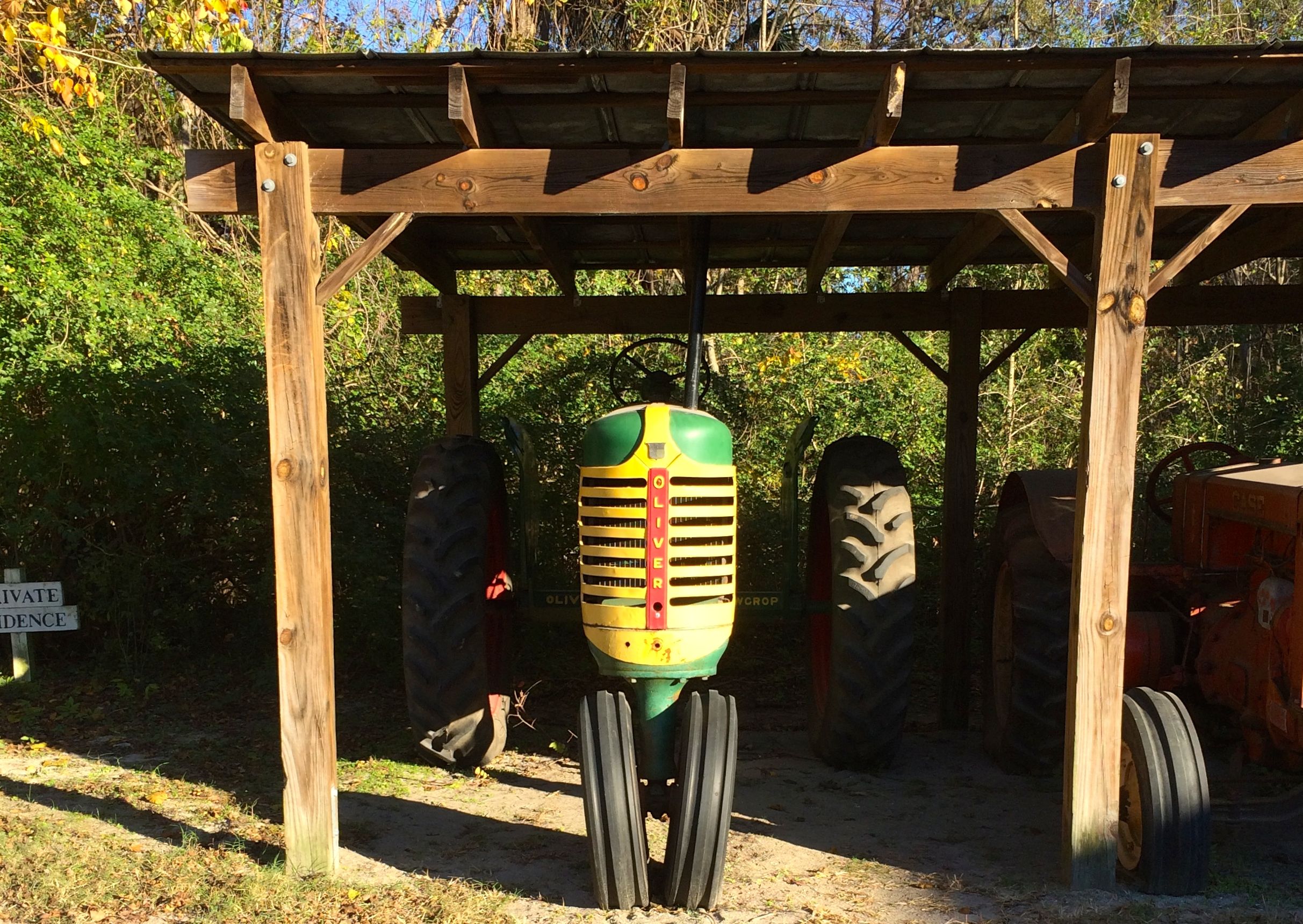
There was a nice collection of vintage farm equipment on display. 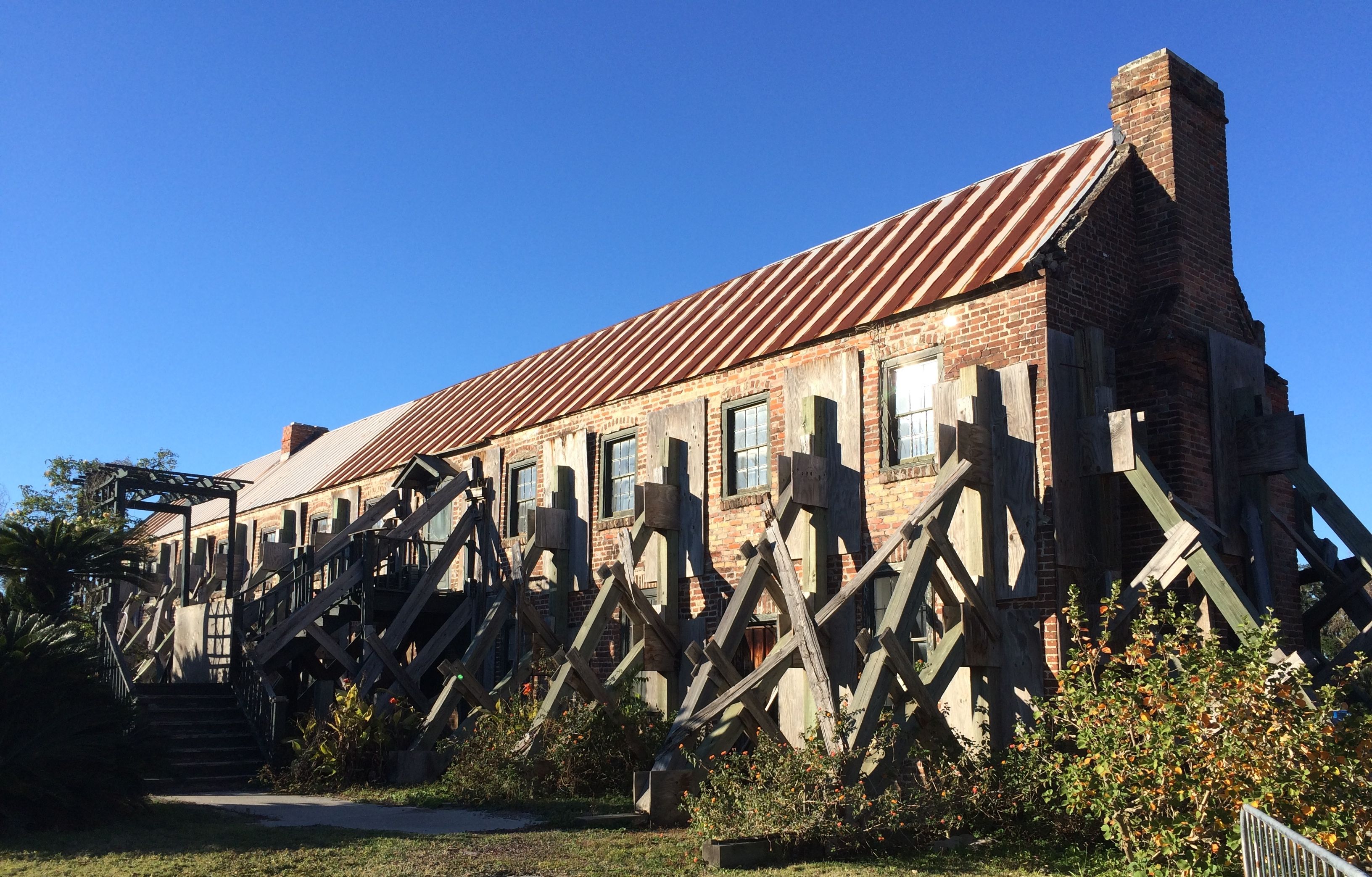
There was also a 1853 building that housed the cotton gin. It was used as an apartment building for a while. There are plans in the work to make it a restaurant.
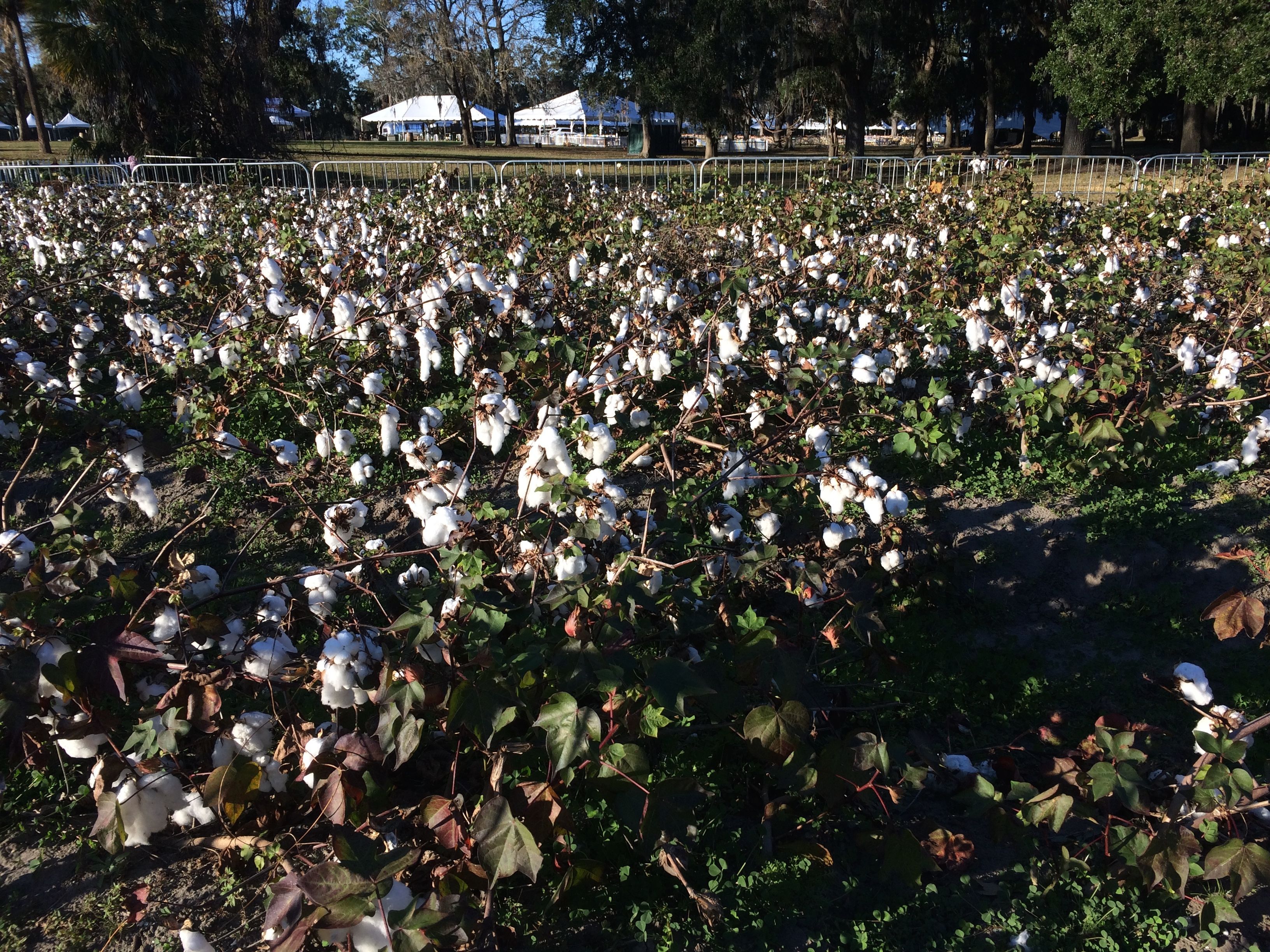
They had a small cotton patch. Unfortunately, there was a fence around it. I really want to get “up close and personal” with cotton one day.
I had one more tourism stop that day: Snee Farm. It is Charles Pinckney National Historic Site.
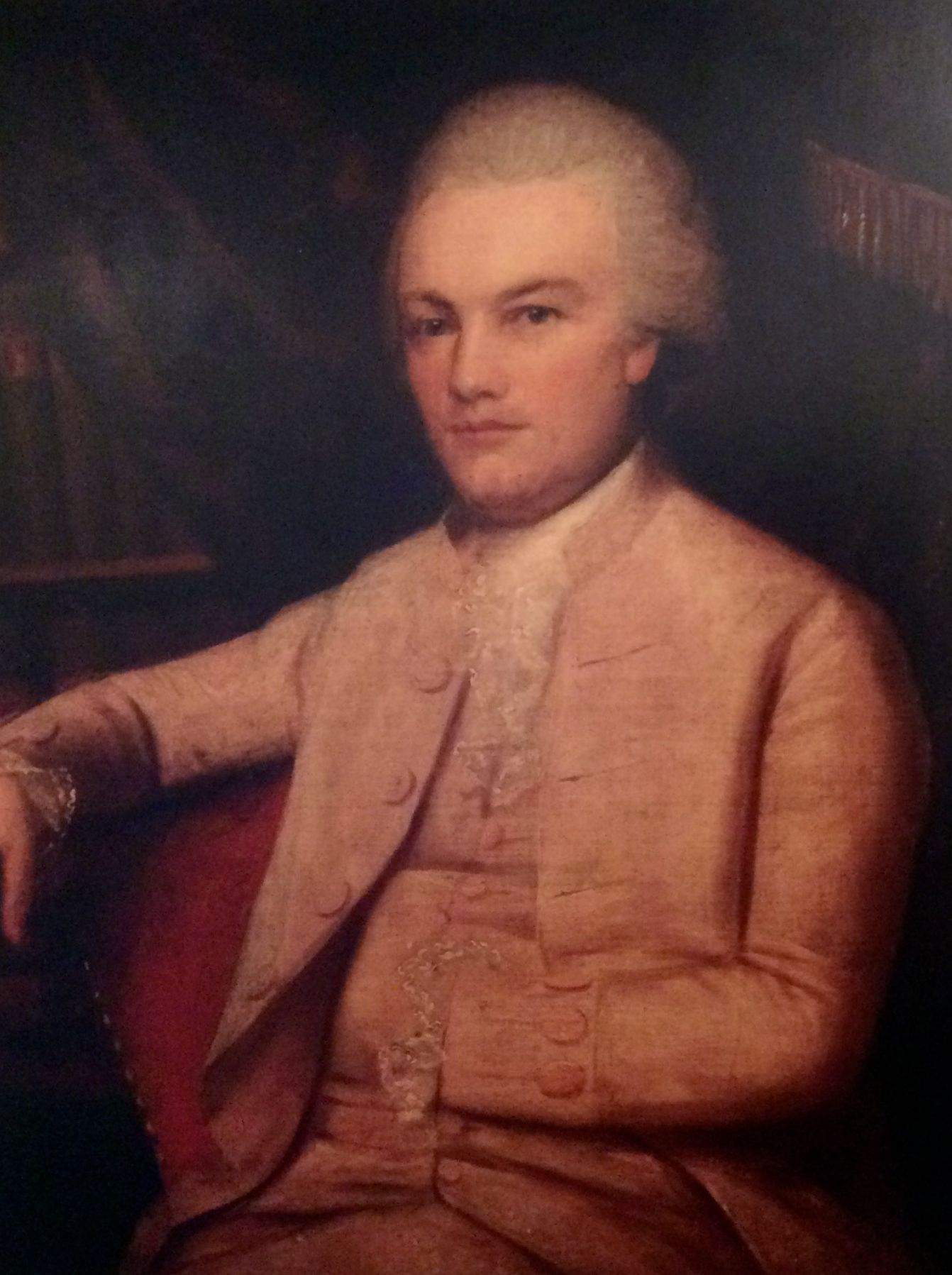
Charles Pinckney was a signer of the Constitution. He was also the 37th Governor of South Carolina, a Senator and a member of the House of Representatives. He fought in the Revolutionary War and was appointed by Thomas Jefferson as Minister to Spain. As such, he helped facilitate the Louisiana Purchase.
He was also one of the people who donated the land for the City Market in Charleston.
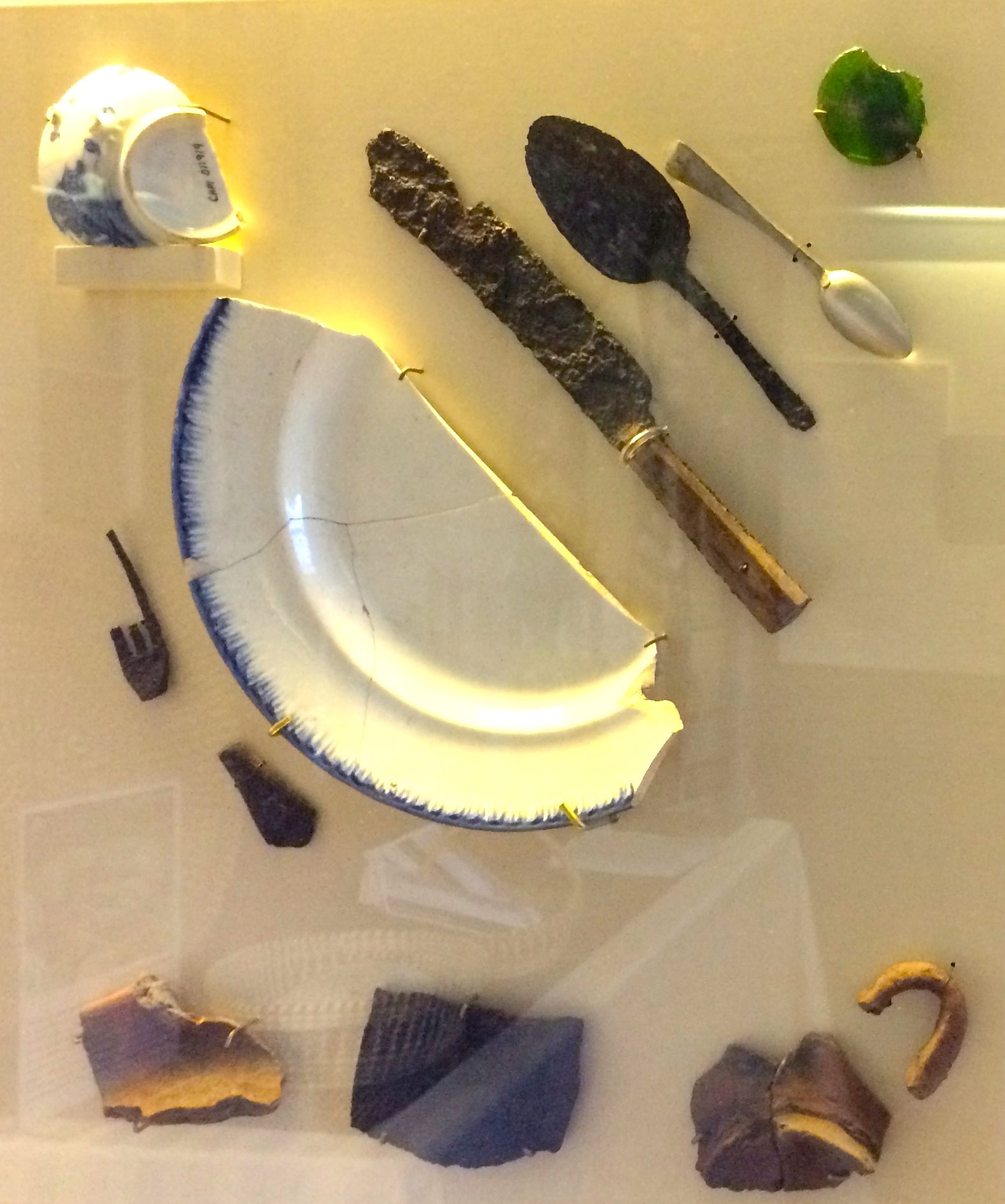
There is a house at the farm today, but it was built in the 1820s, after the farm passed out of his hands. There are no structures on the property that relate to the Pinckney family, but there is on-going archeology.
I got my National Parks Passport stamped and then it was time to hit the road for the campground.
What a lovely day!