The next day, it was time to head out of Medicine Hat.
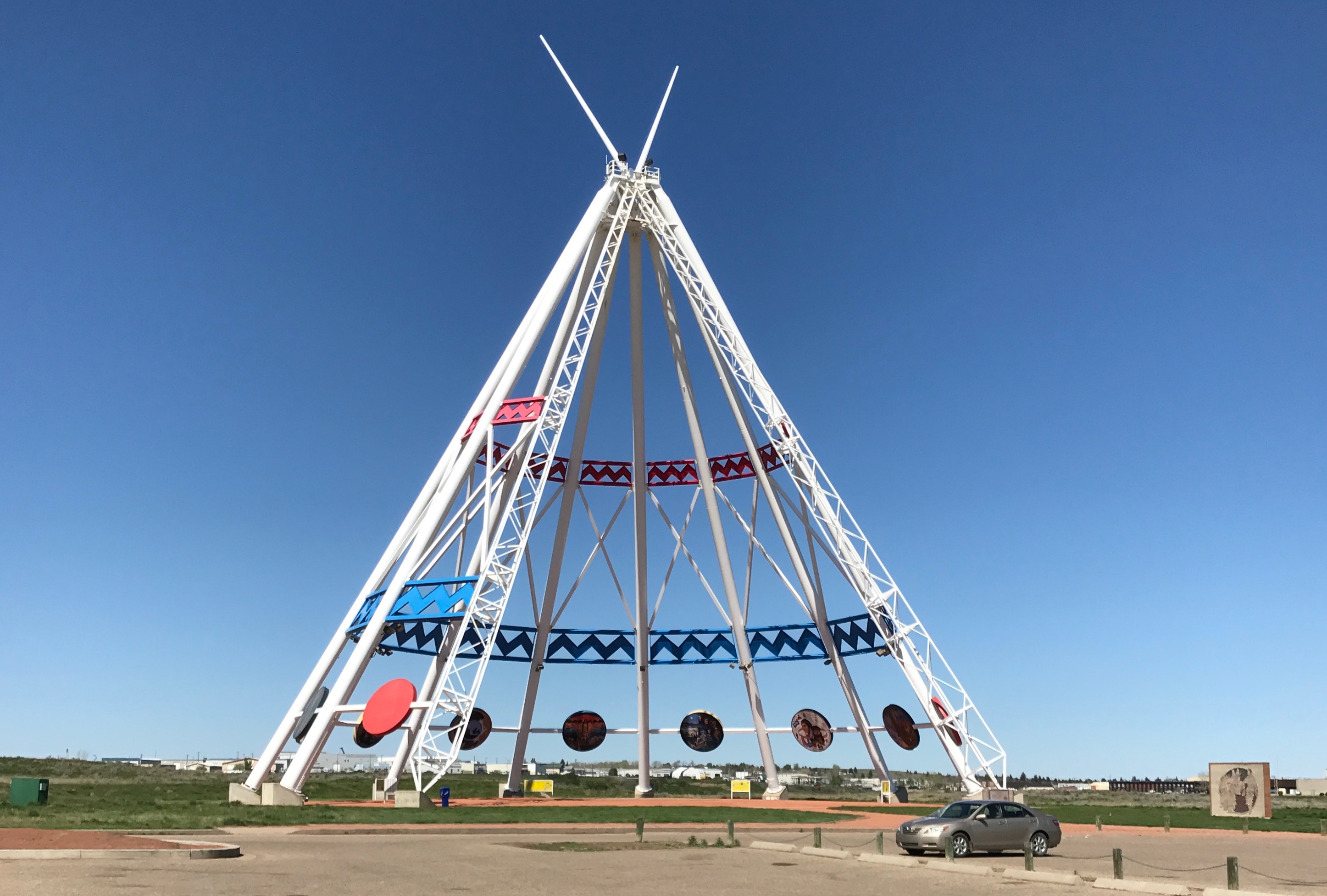
On the way out of town, I passed The World’s Largest Tepee. I read about it when researching things to do in Medicine Hat. I didn’t know what to expect, other than it was on the way out of town.
It is called the Saamis Tepee, and was originally constructed for the Calgary 1988 Winter Olympics and it was moved to Medicine Hat in 1991. It’s 215 feet tall, which is about the height of a 20 story building, and has a diameter of 160 feet. It’s built entirely of steel with a concrete foundation. From the bottom of the foundation, to the top of the masts, it weighs about 1,000 metric tons, which is about 1,100 tons. In either system of measurement, that’s heavy!
The tepee is ringed with 10 large circular story-boards depicting aspects of native culture and history. I was eager to get rolling, so I didn’t stop to look at the artwork.
Incidentally, there are 960 bolts holding it all together, just in case you needed another number.
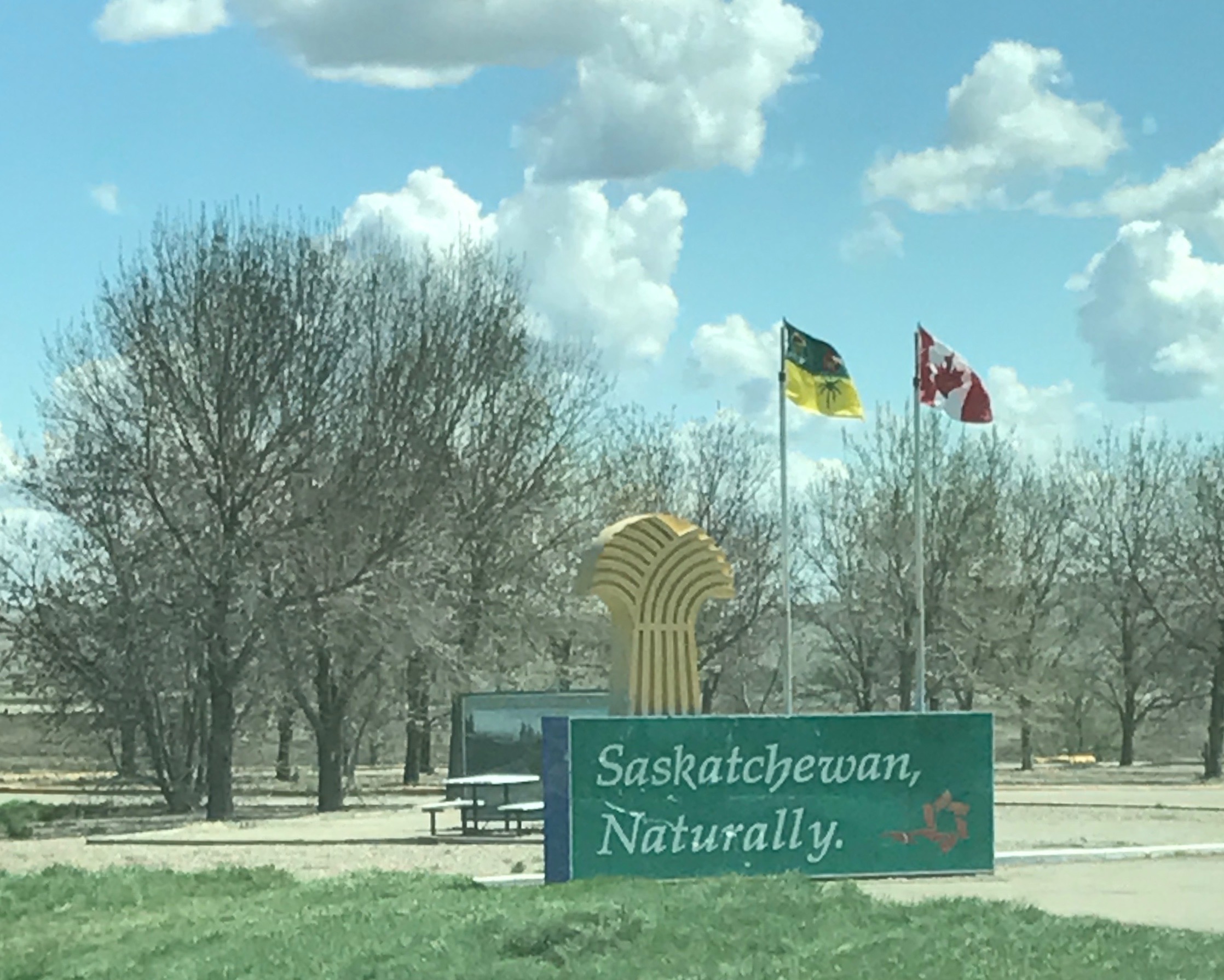
I headed east down the Trans-Canada Highway, and before too long, I was in Saskatchewan.
It was flat. Flat as a pancake. Flat as a board, Flat as a fart on a plate, as my mother used to say.
This pick up hauling two ATVs caught my attention.
I just kept rolling on and looking at the glorious flatness and enjoying the sunshine and cloudscapes.
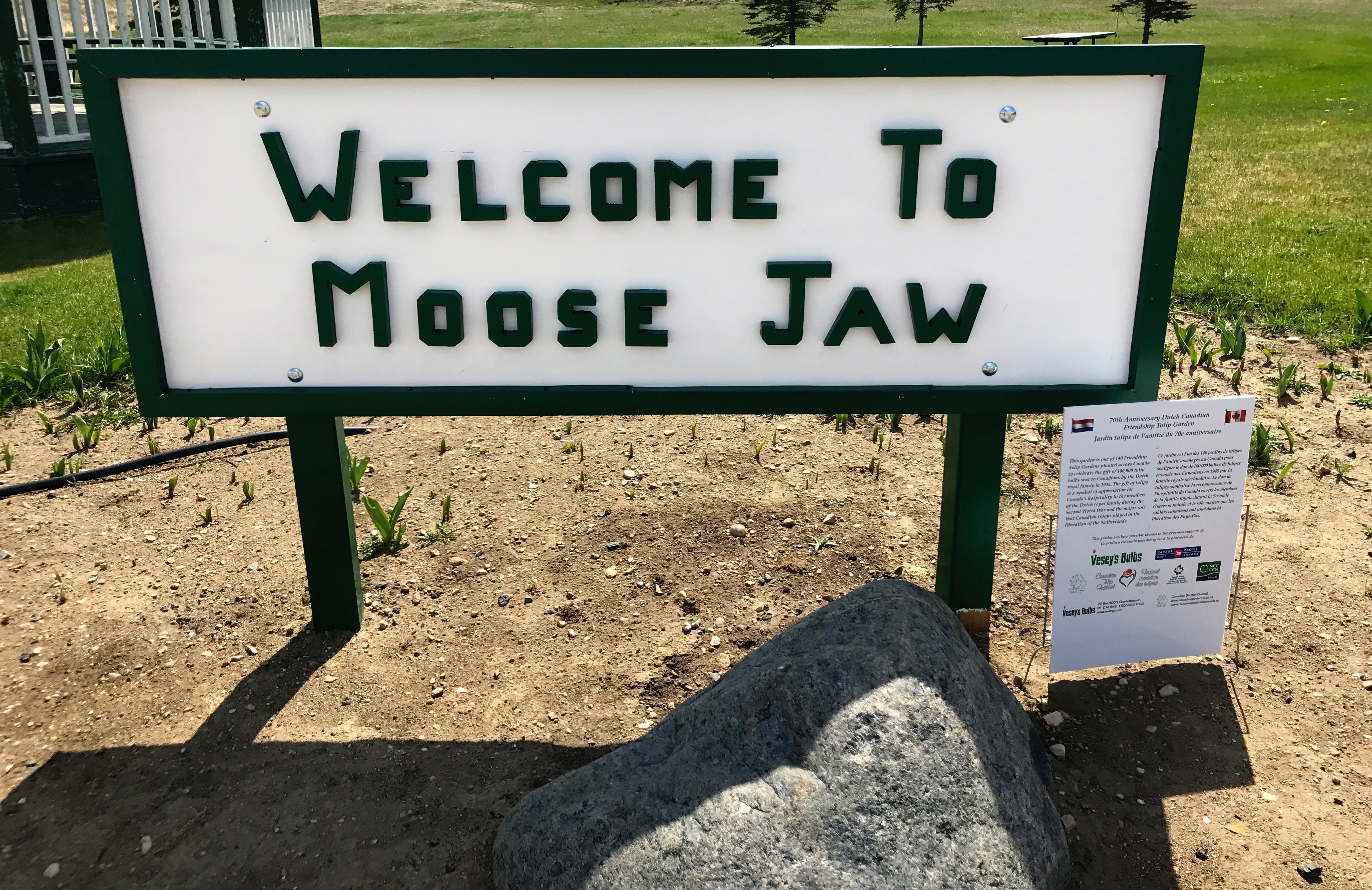
And just a few hours later, I was in Moose Jaw!
Why is the town named Moose Jaw? There are a few theories. One is that it came from the Plains Cree name moscâstani-sîpiy, which means “a warm place by the river”. Or it could be from the Plains Cree word “moose gaw” which means warm breezes. The other possibility is that the Moose Jaw River is shaped like a moose’s jaw.
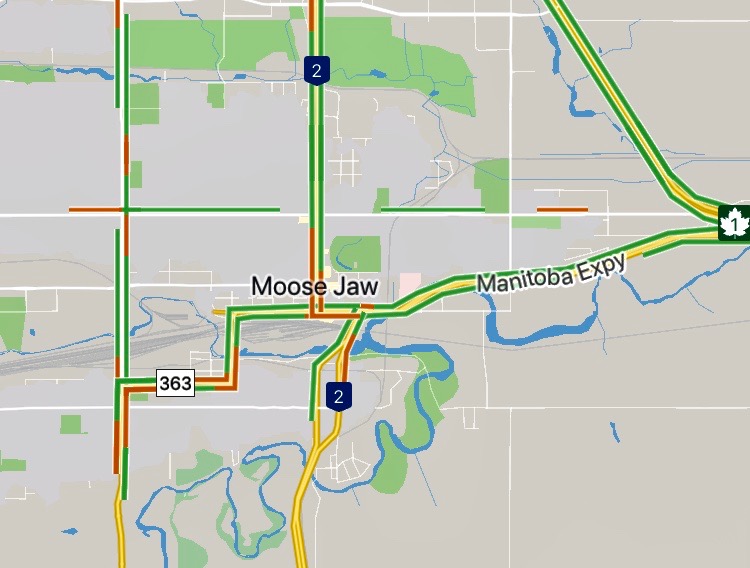
I guess it does, if you use your imagination.
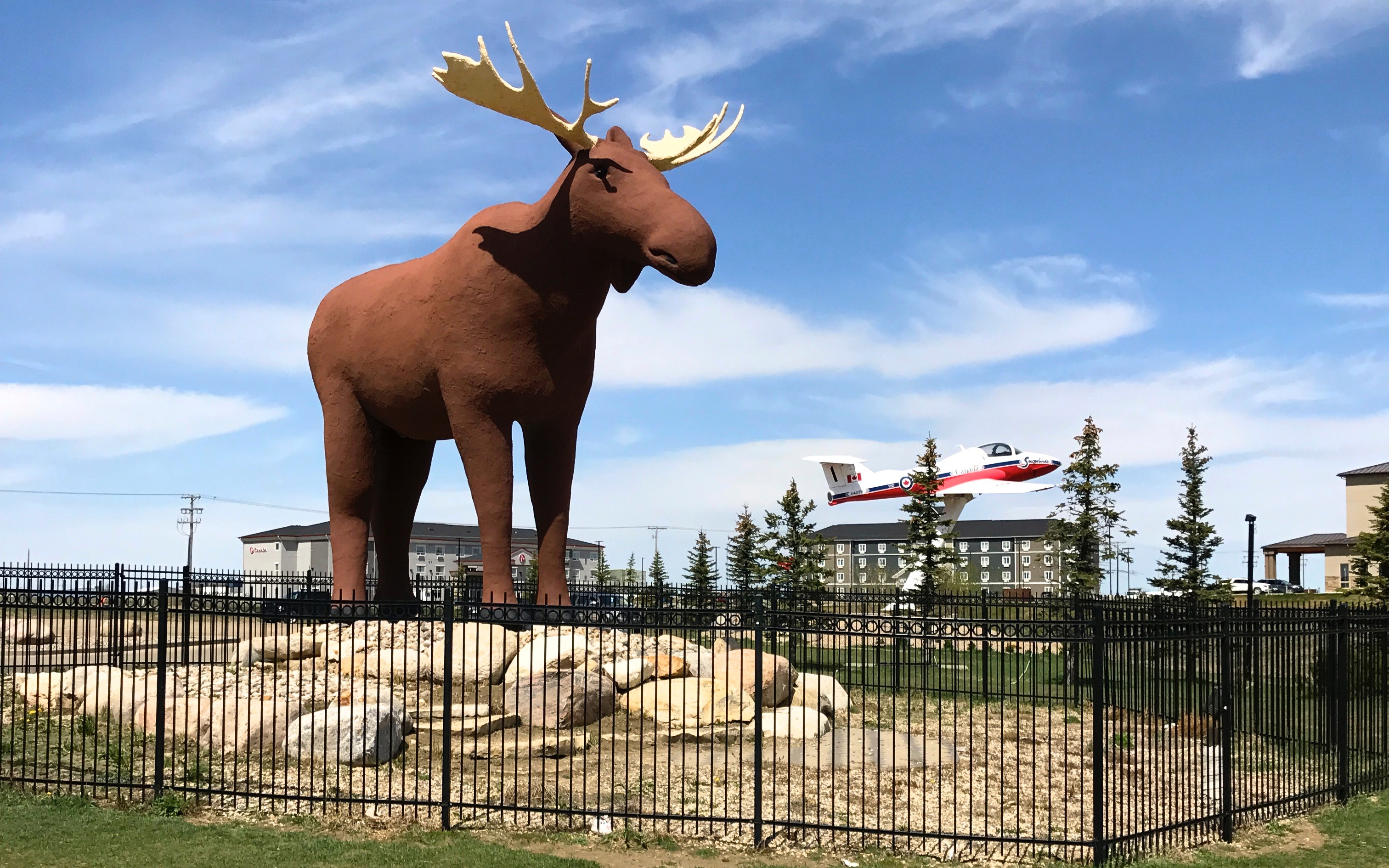
Mac the Moose is waiting to greet you at the Visitor’s Center.
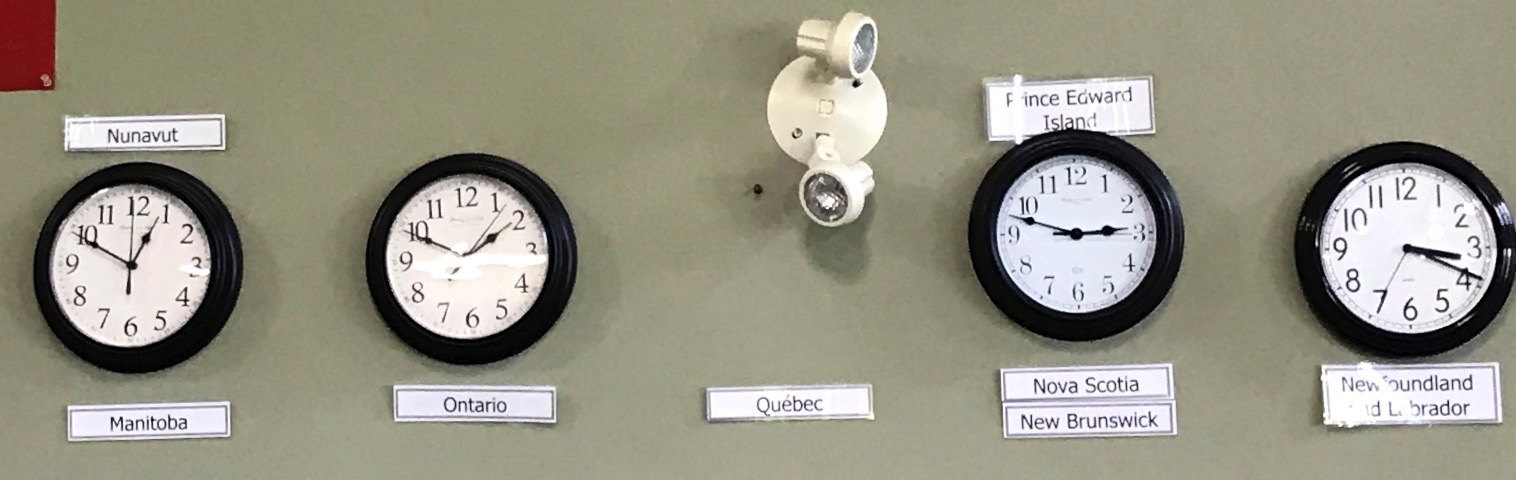
This array of clocks showing the time zones across Canada caught my attention. I always enjoy seeing the Newfoundland and Labrador has a time that a half hour ahead of its neighbor. And what is up with Quebec? Their clock is missing!
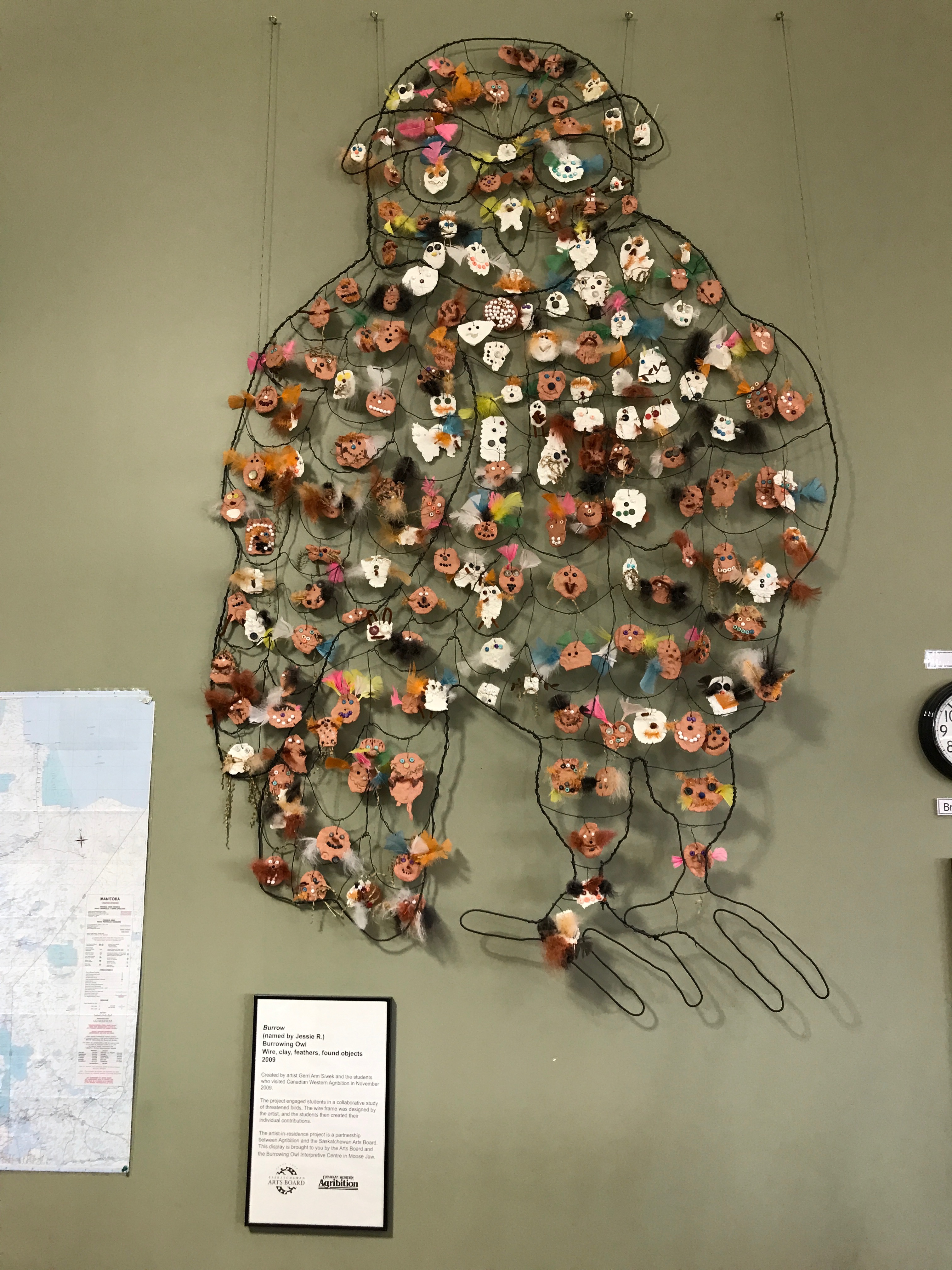
I liked this collaborative work of art created by artist-in-residence Gerri Ann Siwek, entitled Burrow. She worked with students who visited Canadian Western Agribition in 2009. They studied threatened birds and created this piece about the burrowing owl. The artist made the framework and the students created the small pieces inside the framework.
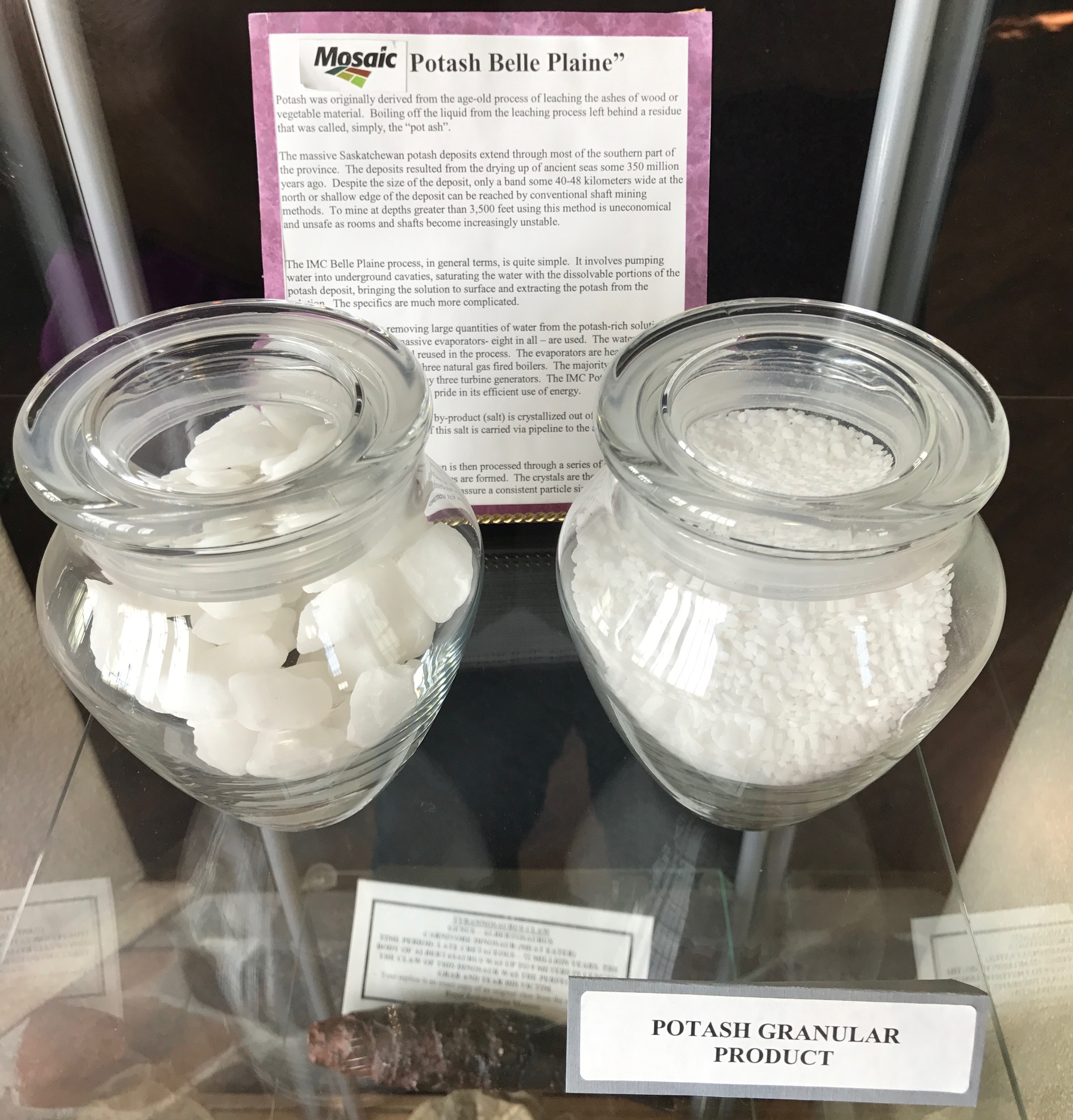
They had some samples of local products. For instance, potash is used as a fertilizer.
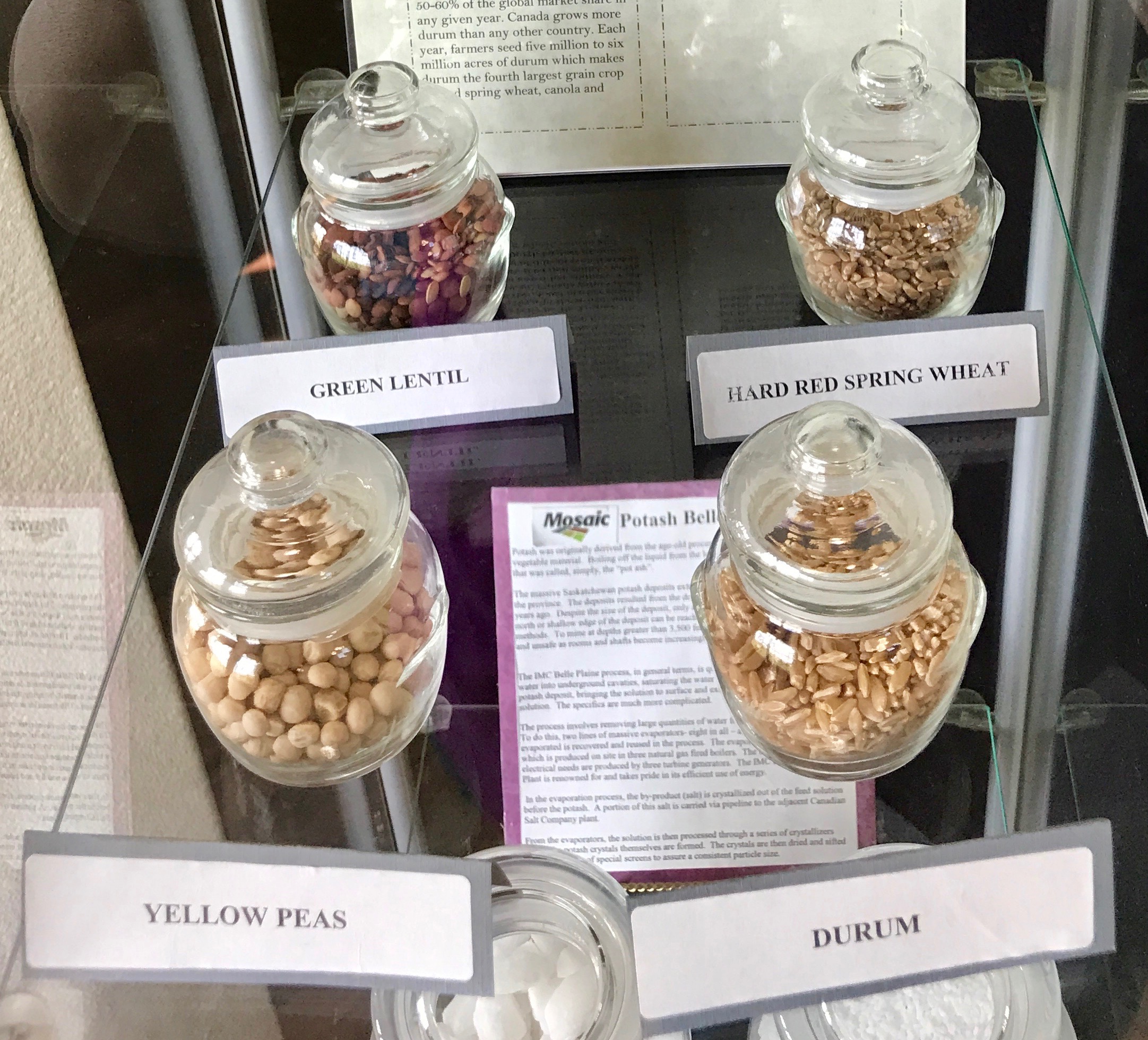
I imagine the potash would be used to grow these products.
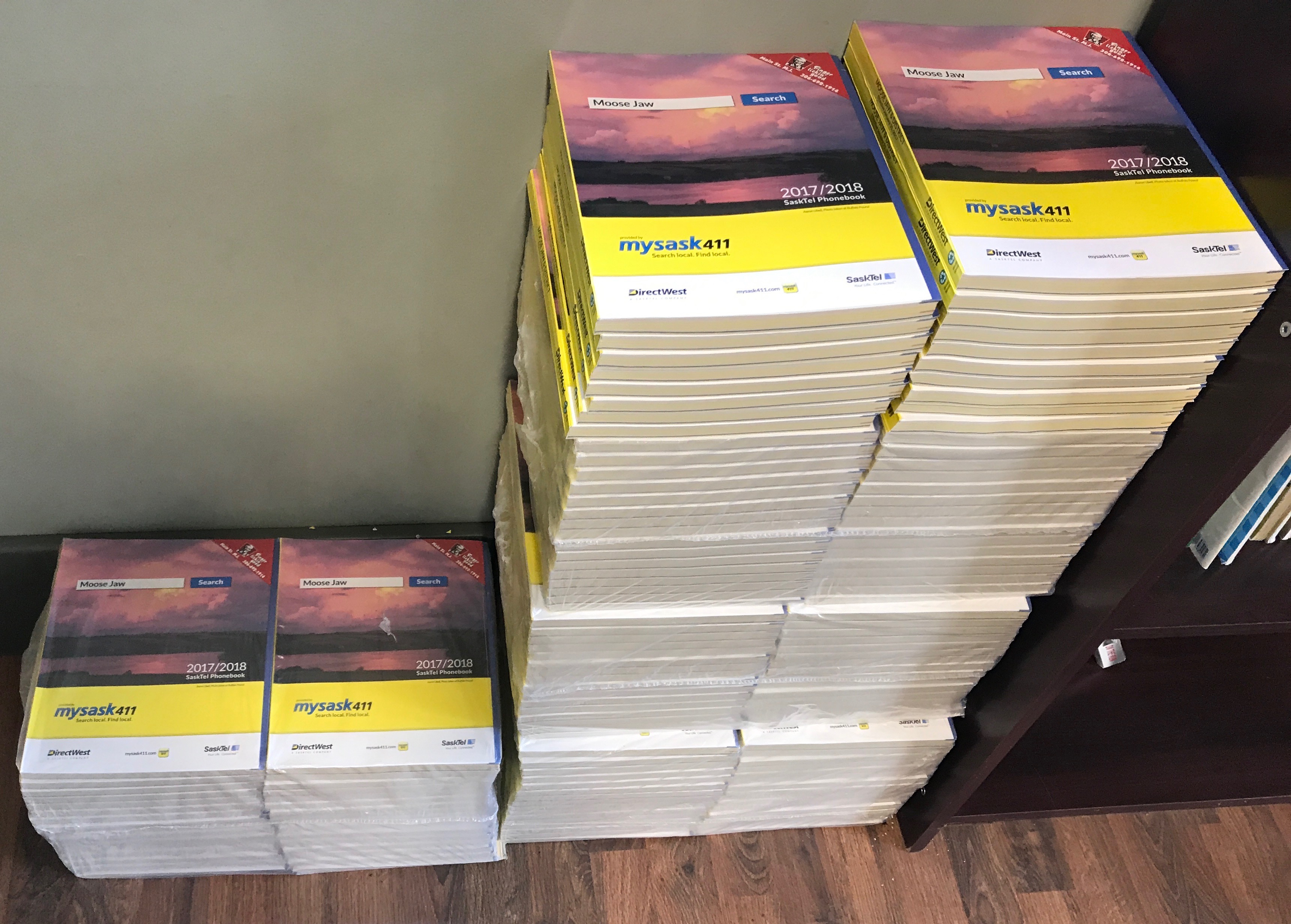
On my way out, I noticed these phone books. It’s been a while since I’ve seen phone books.
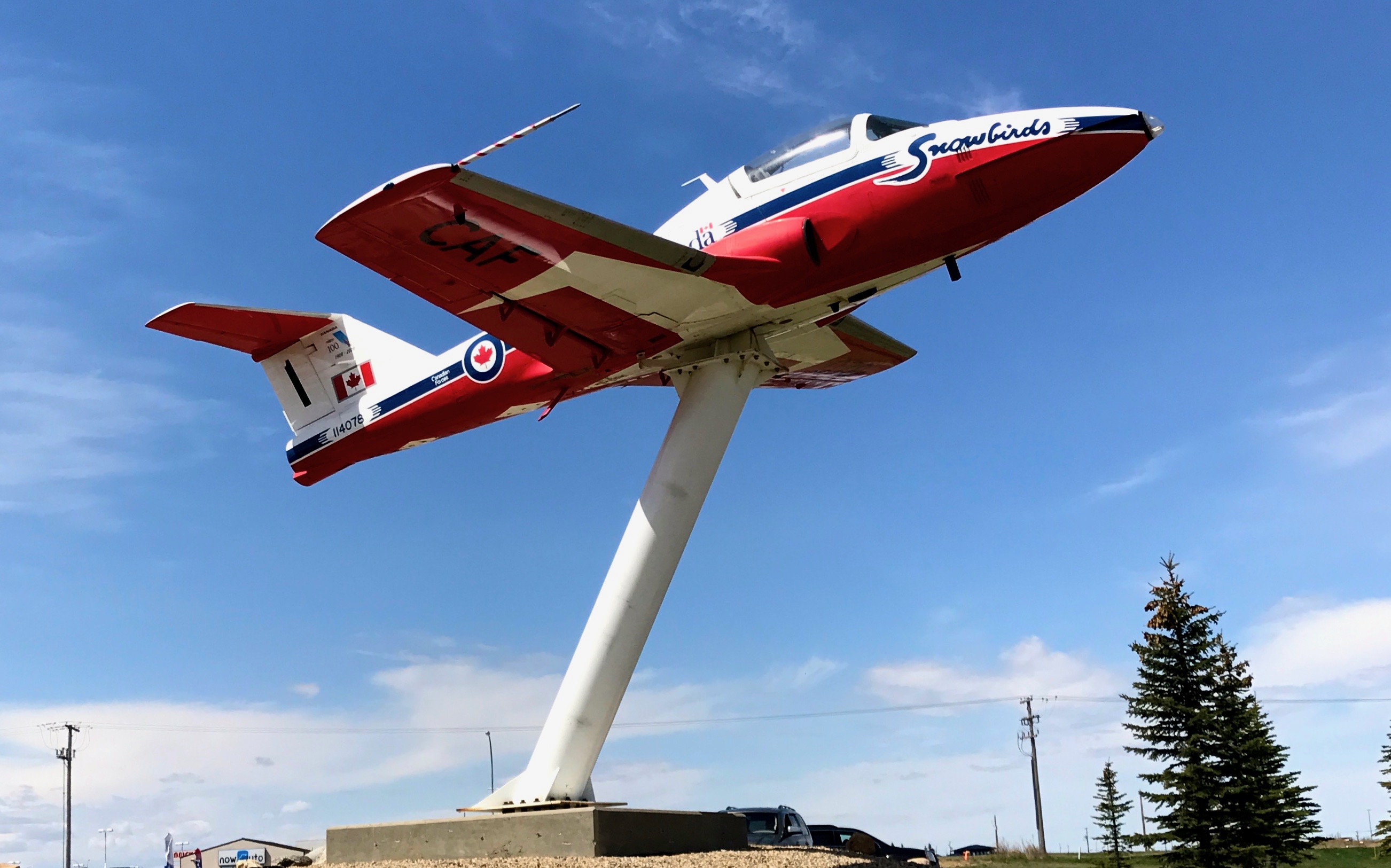
One last thing I stopped to look at in the visitor’s center was this CT-116 Tutor, which is what the Canadian Forces 431 Air Demonstration Squadron flies.They are based in Moose Jaw. This group is called the Snowbirds. You learn something new everyday! I thought Snowbirds were Canadians who spent the winter months in Florida.
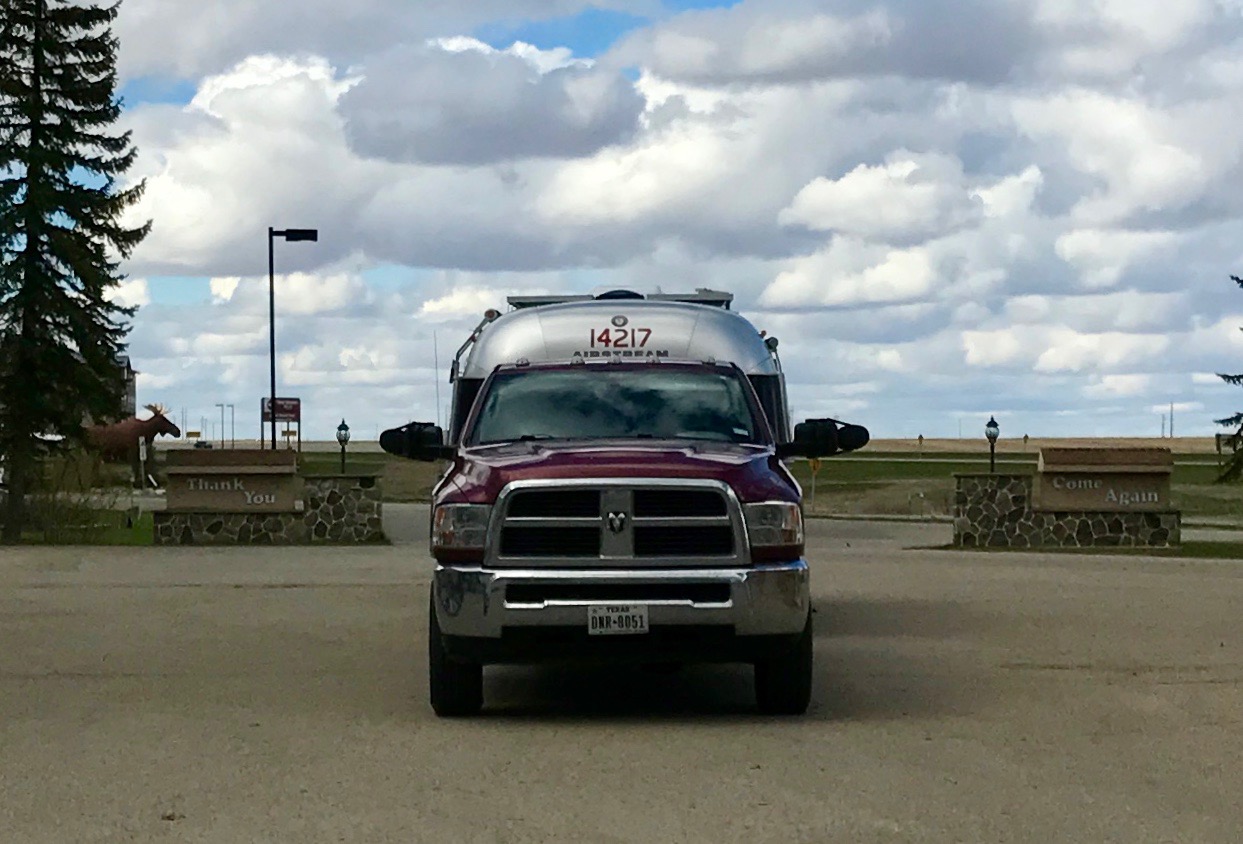
I drove across the way to the campground I was staying at that night. My plans were to do my laundry and get something to eat.
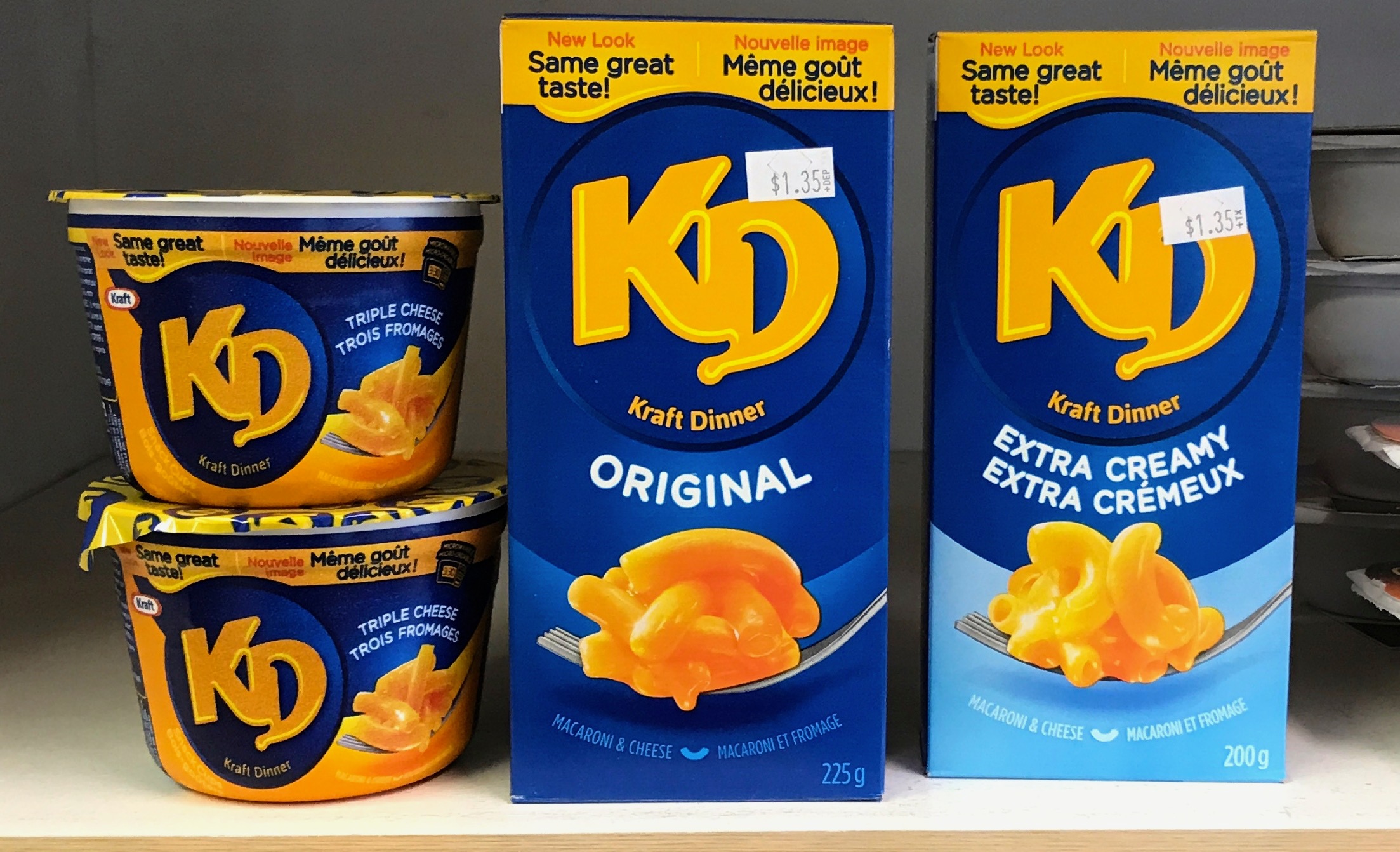
While my laundry was cycling through, I looked at the offerings they had in the camp store. While we call this products “Kraft Macaroni and Cheese” our friends north of the border call it “Kraft Dinner.” I also like it because my initials are KD.
There were other things I could have done in Moose Jaw, but I was kind of tired. I decided to go downtown and see what I could find.
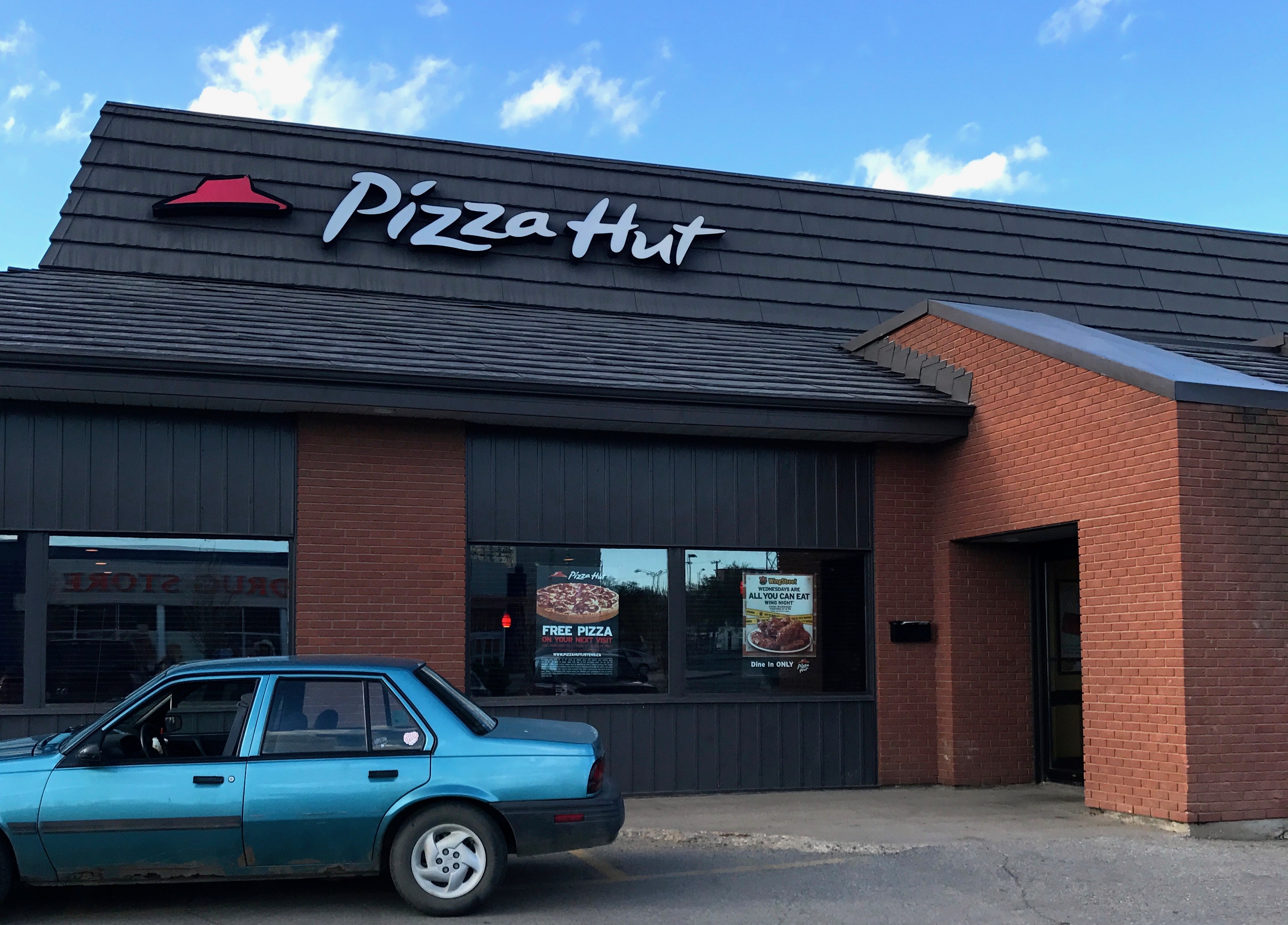
Okay, not an inspiring dinner choice, but I was familiar with the menu and who doesn’t like pizza?
(That’s a rhetorical question. I fully realize that there are people out there who might not like pizza.)
One more stop in Saskatchewan, and that adventure begins in the next installment.
Stay tuned!