My next stop was Vicksburg, Mississippi. I knew there was a Civil War battle there and I thought it would be a good stopping off point on my way west.
For me the Civil War battle was Gettysburg. In fact, in my mind, the Civil War was mainly an eastern phenomena. I didn’t think that there would be much to see or learn about a battle on the banks of the Mississippi River. I mean, it must be hundreds and hundreds of miles down the river to the Gulf of Mexico. What could possibly have taken place here?
I love it when I come to a place with a lack of preconceived ideas.
I found out that Vicksburg wasn’t a battle as much as it was a siege. It started May 18, 1863, and concluded on July 4 of the same year.
Do you remember another battle that ended around the same time? Right, Gettysburg took place July 1-3, 1863. The Battle of Tebbs Bend, near Campsbellsville, Kentucky, also was going on at the same time.
I didn’t know what to expect. When I checked into the headquarters, I watched the introductory movie about the battle. The workers must have thought I was nuts when I asked them if any of the trenches were still visible. I was trying to decide if I wanted to bother driving through the battlefield.
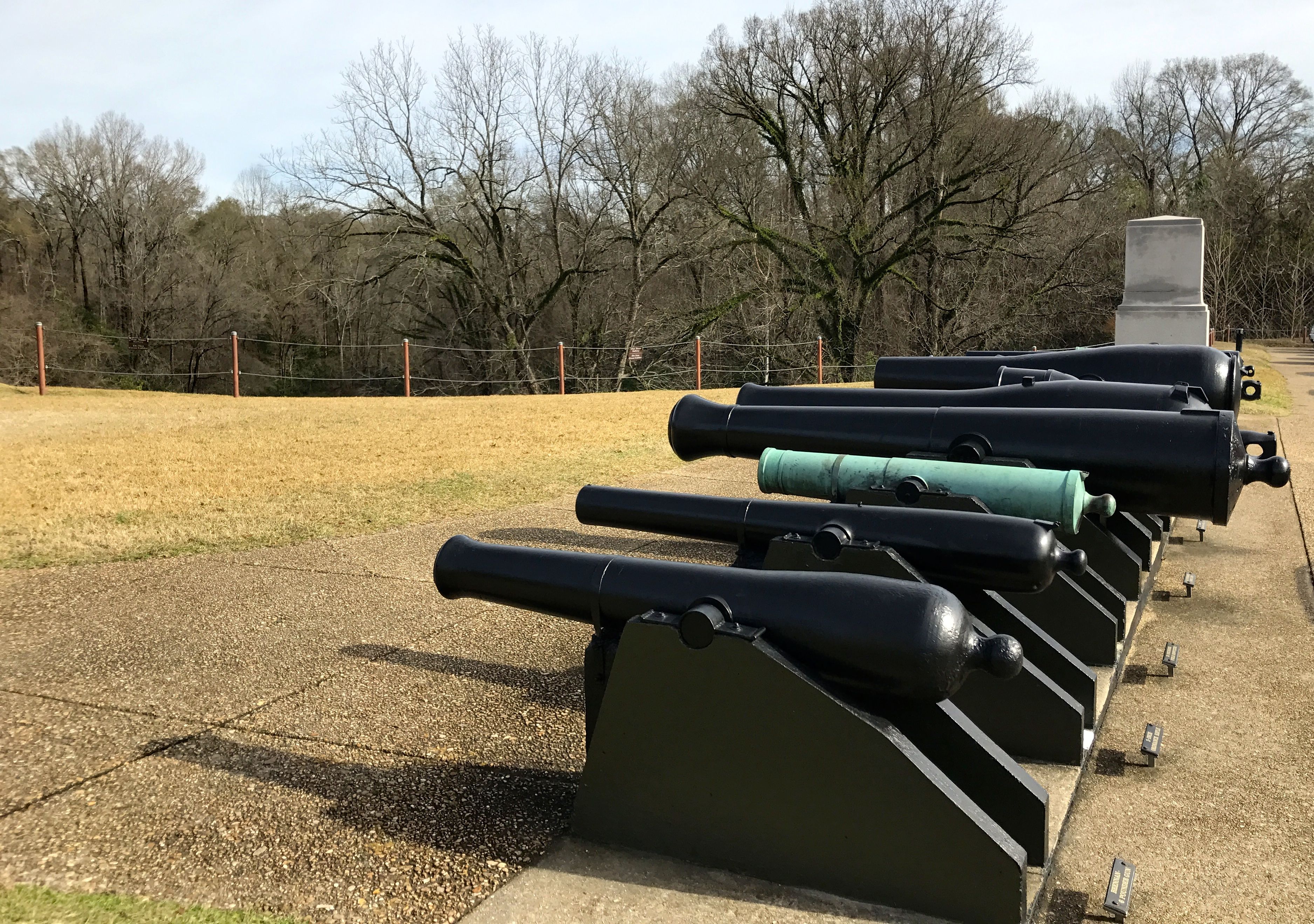
They had a nice array of cannon near the headquarters. In case you didn’t know, the greenish ones are bronze and the blackish ones are iron. (If I remember correctly.)
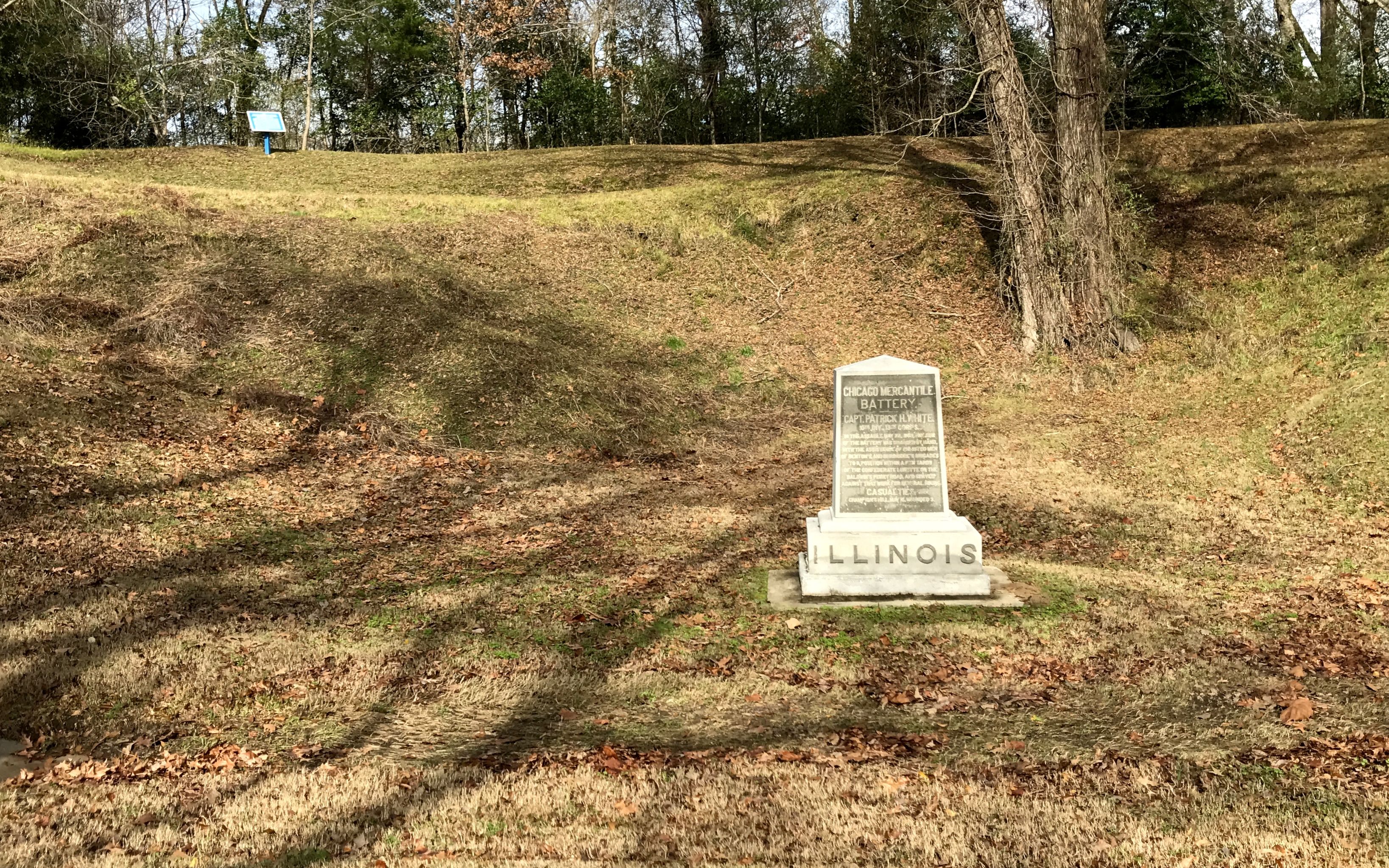
I came across this marker. “Cute,” I thought.
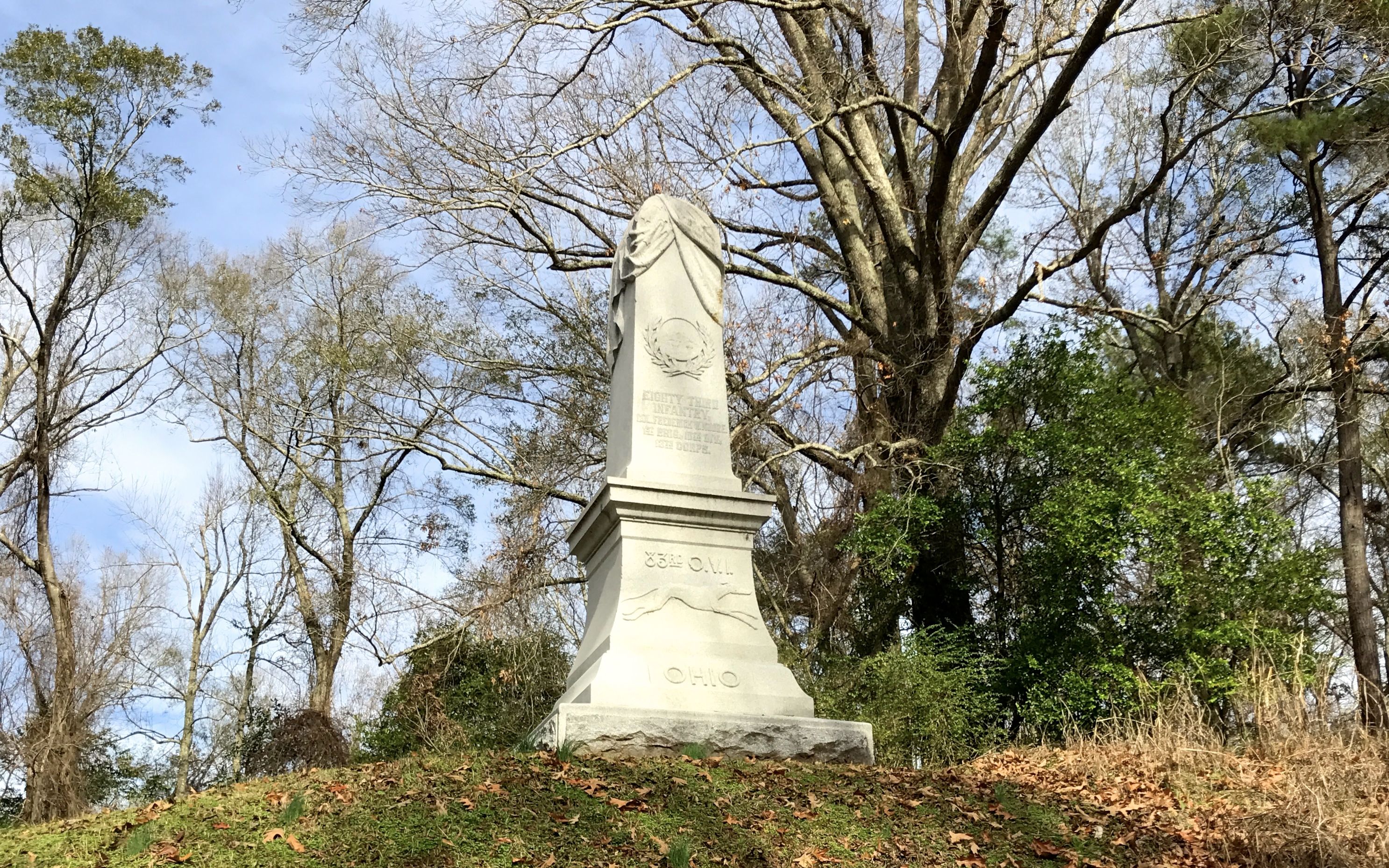
The road wound on through the battlefield. Here’s a memorial for Ohio,
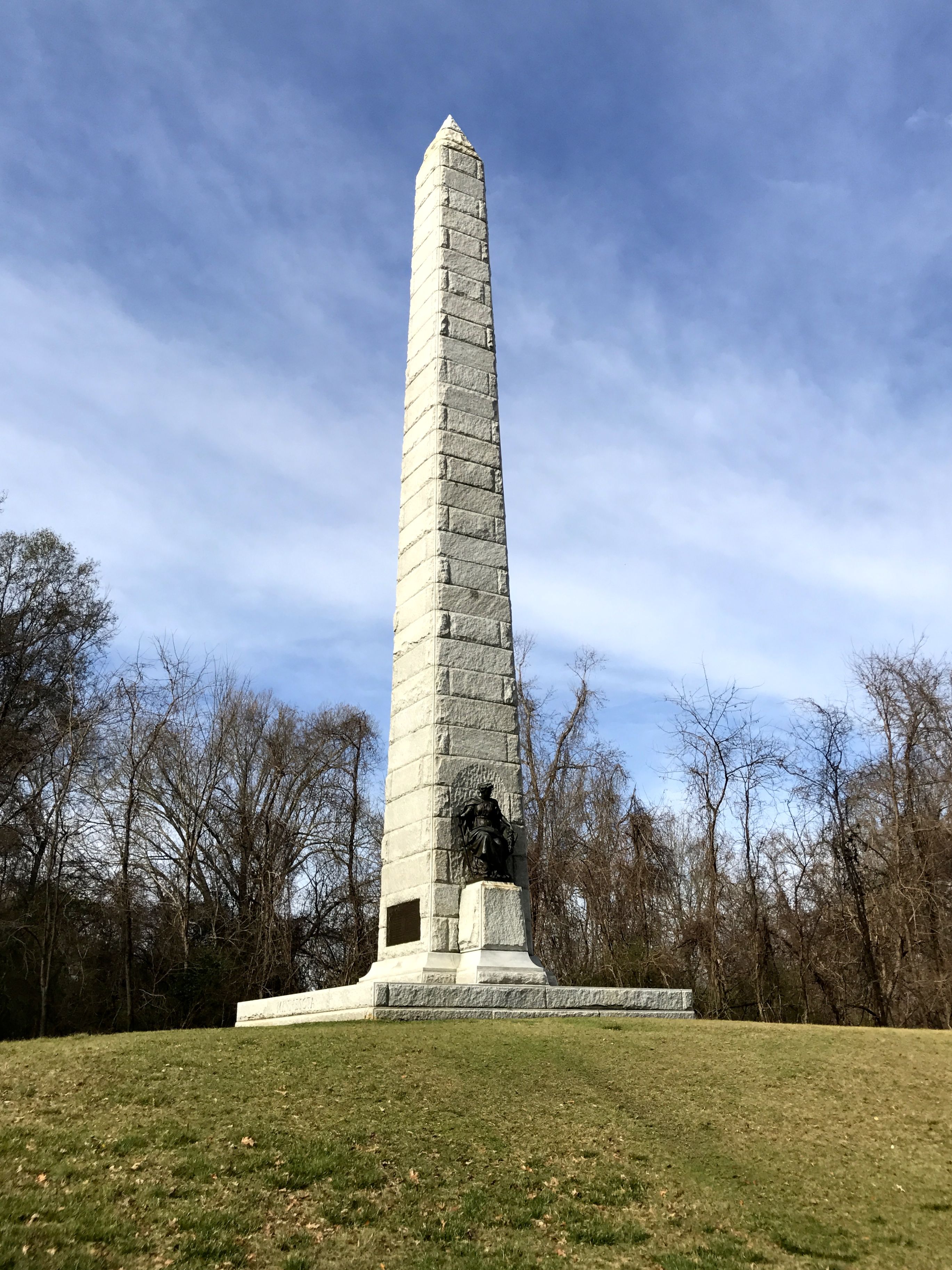
and one for Minnesota. This one was erected in 1907.
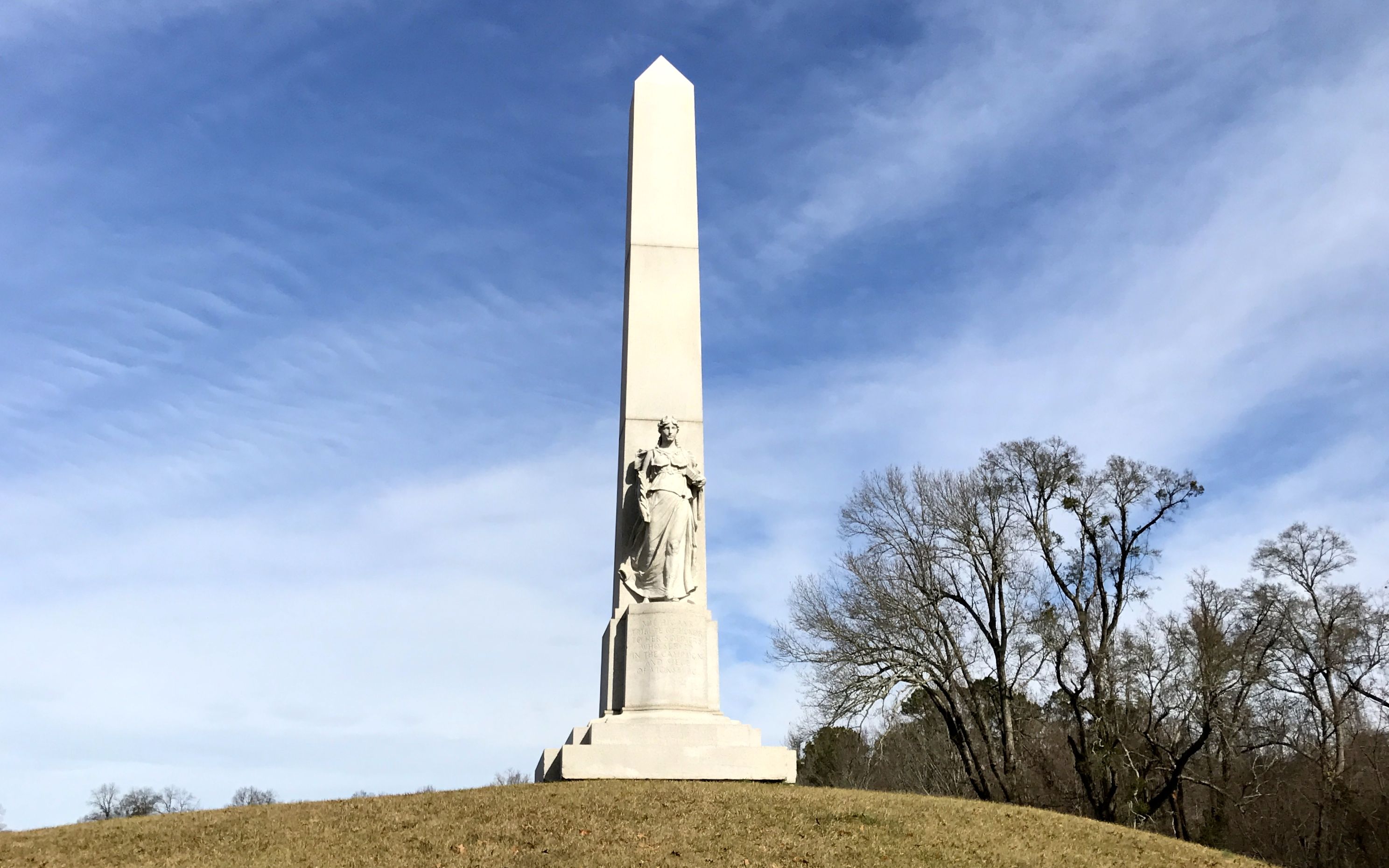
Michigan erected their memorial in 1916.
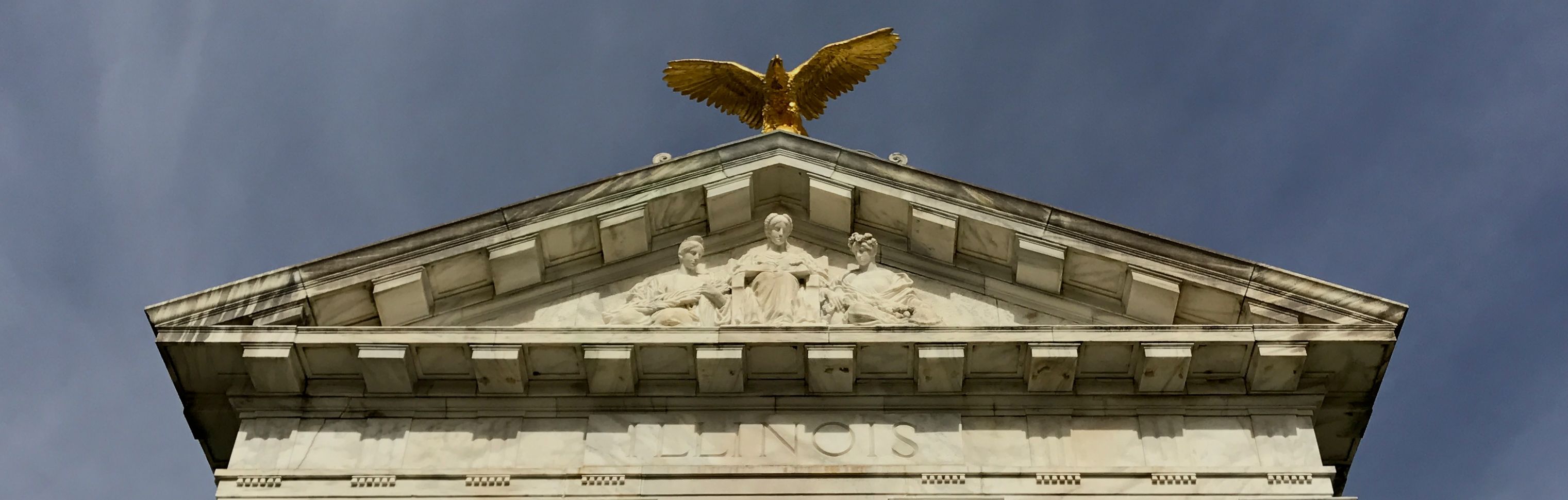
I wound around, past collections of cannon and other lesser memorials and signs about the battle. Until I came across this magnificent memorial to the soldiers from Illinois.
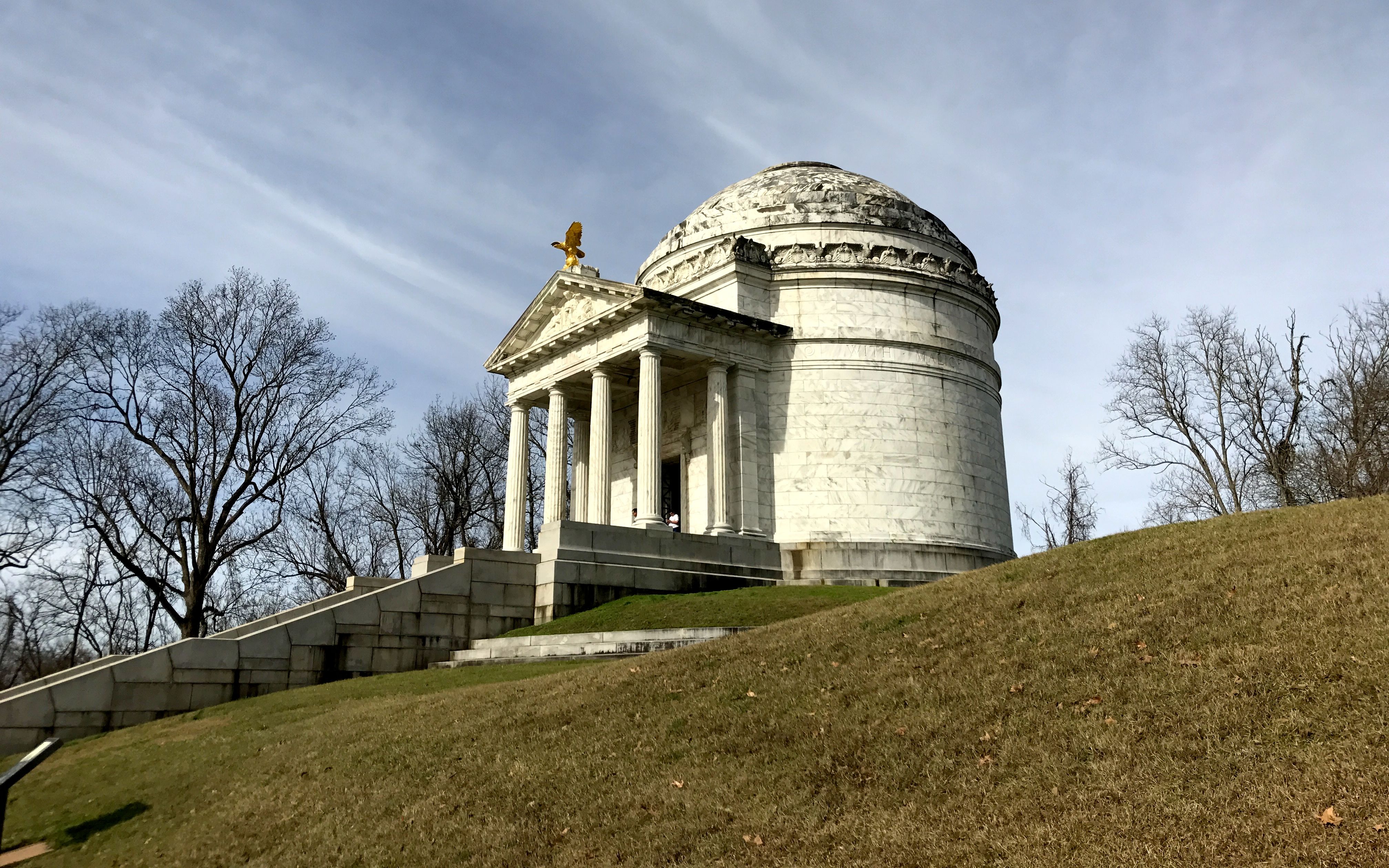
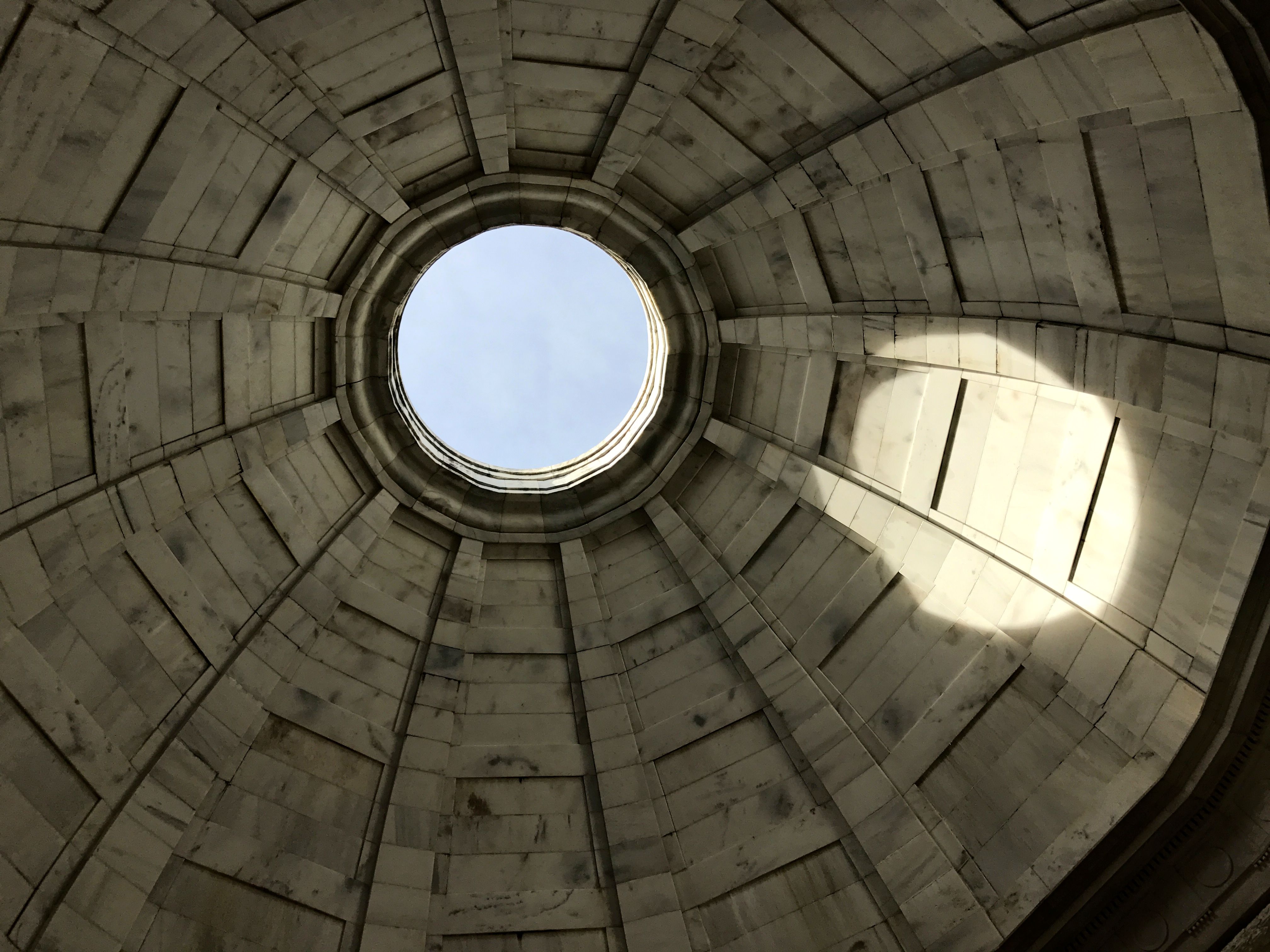
It was modeled after the Roman Pantheon, complete with the oculus in the center of the dome.
There are 47 steps leading up to the entrance, one for each day of the siege.
Inside are 60 bronze tablets listing the names of all 36,325 Illinois soldiers who participated in the Vicksburg Campaign
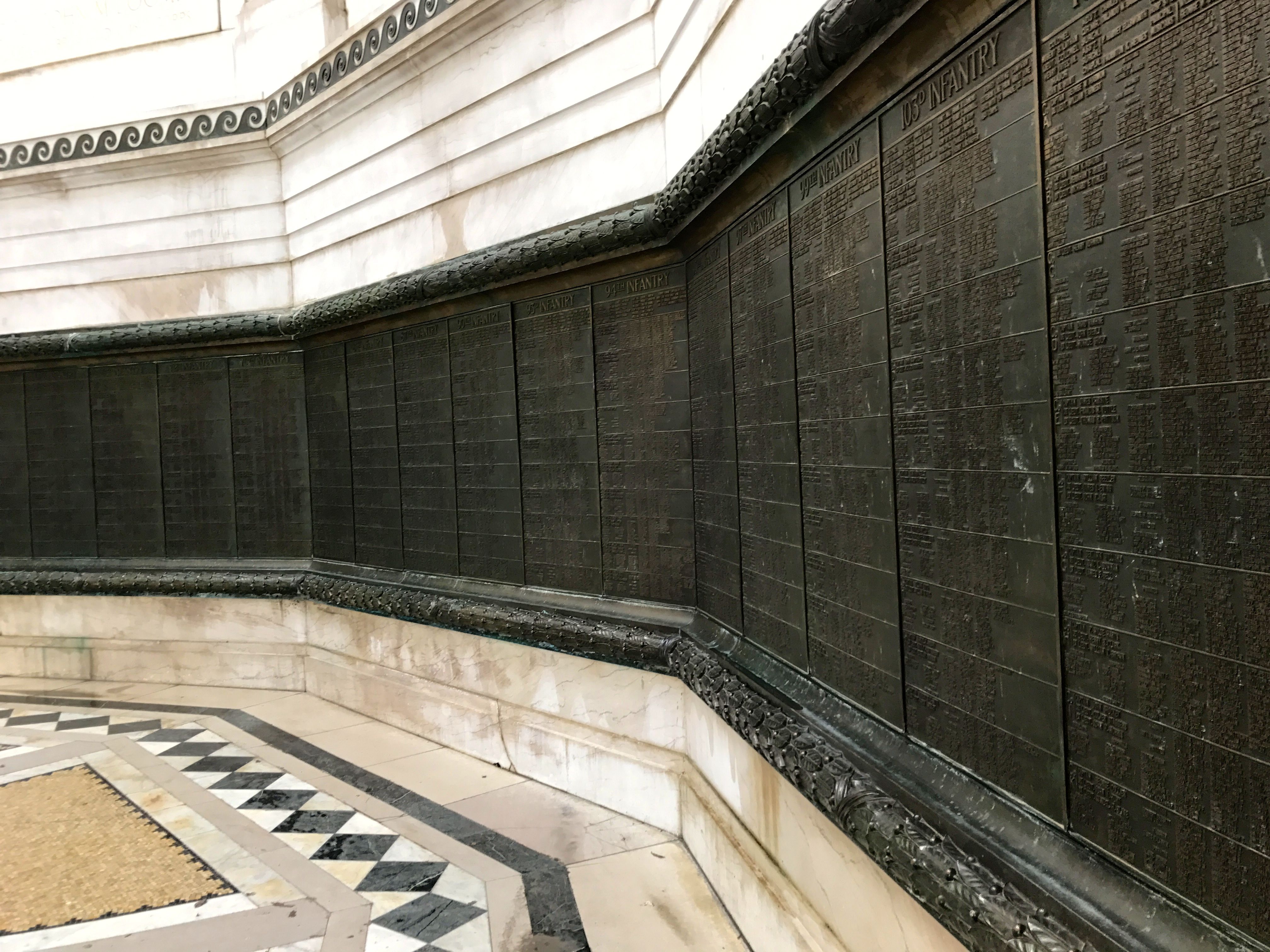
The memorial was dedicated on October 26, 1906.
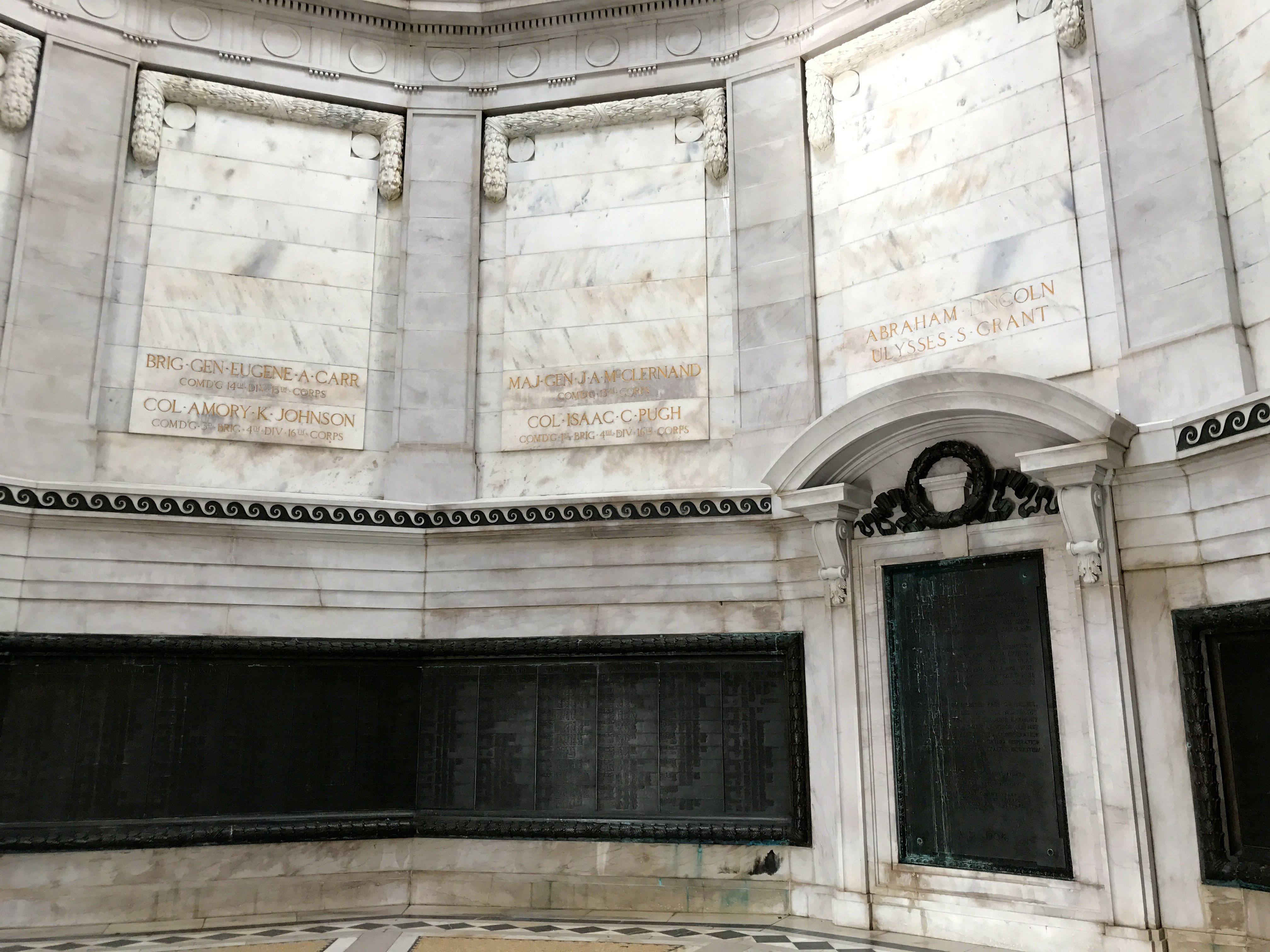
If you look carefully, about the arch over the tablet to the right, you can see the names of two prominent sons of Illinois, Abraham Lincoln and Ulysses S. Grant.
In fact, I always wondered why Grant didn’t take part in the Battle of Gettysburg. It turns out that he was otherwise engaged.
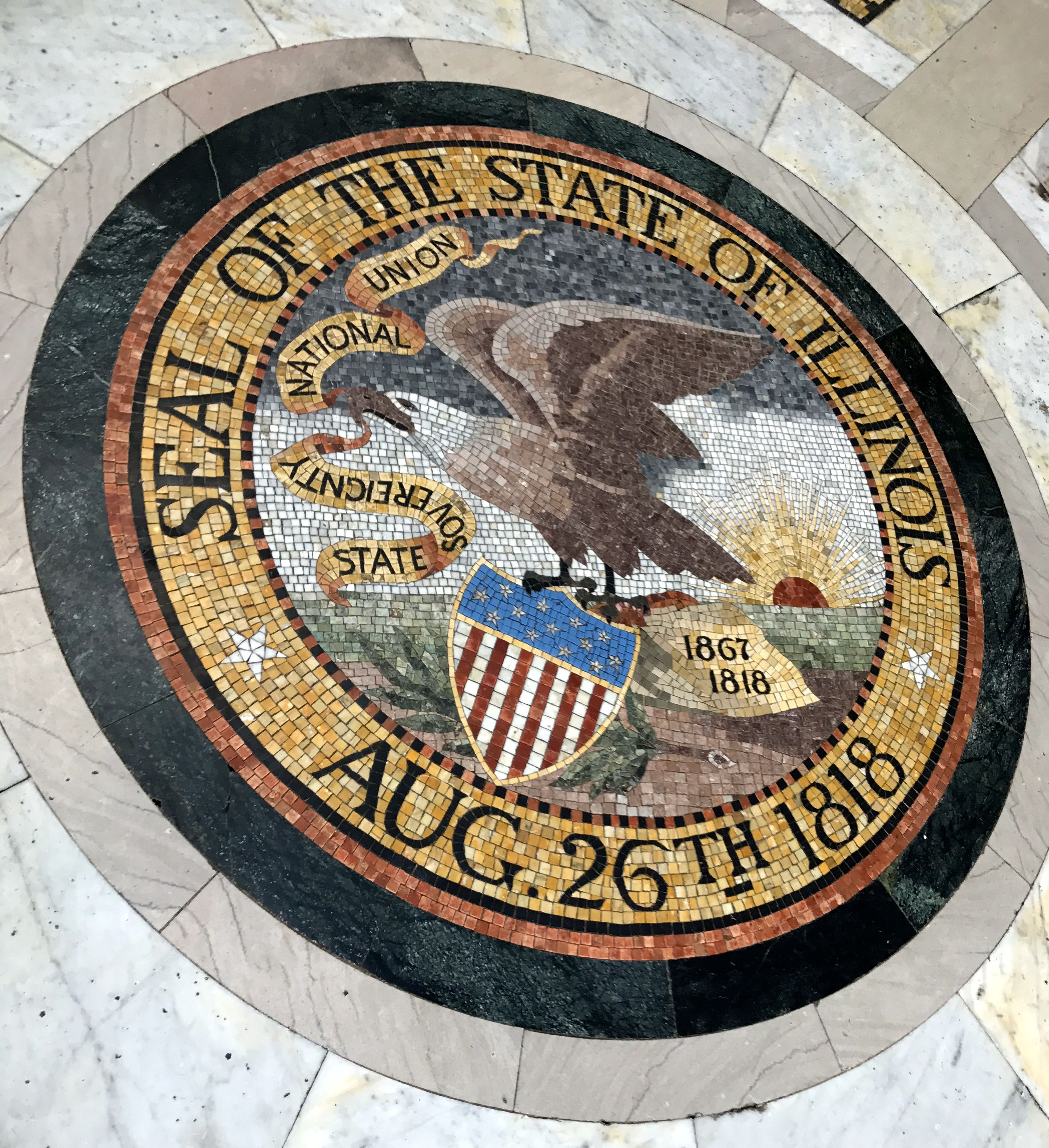
I was particularly captivated by this mosaic in the center of the floor. I imagine that at certain times of certain days of the year, the light from the oculus fills it completely.
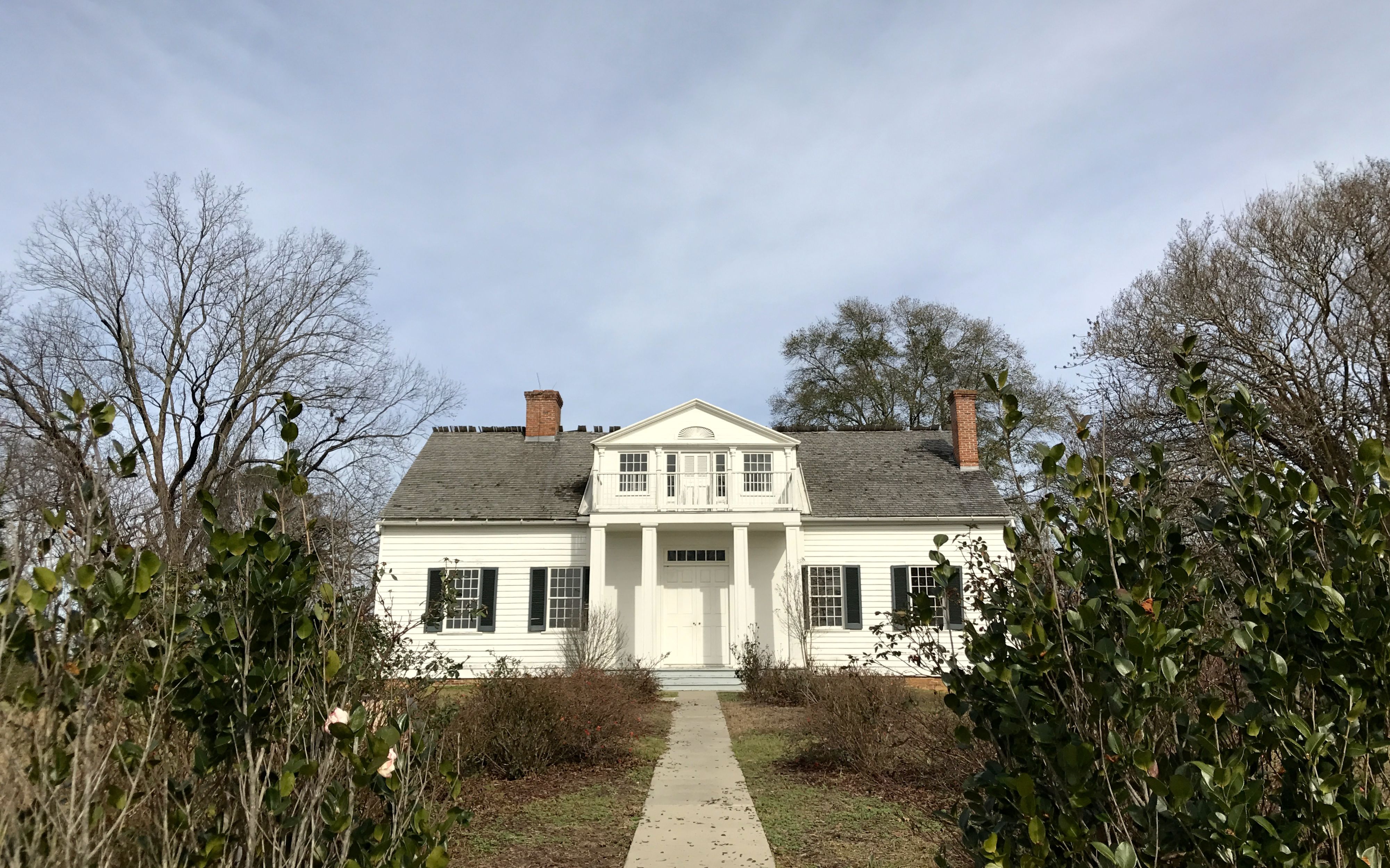
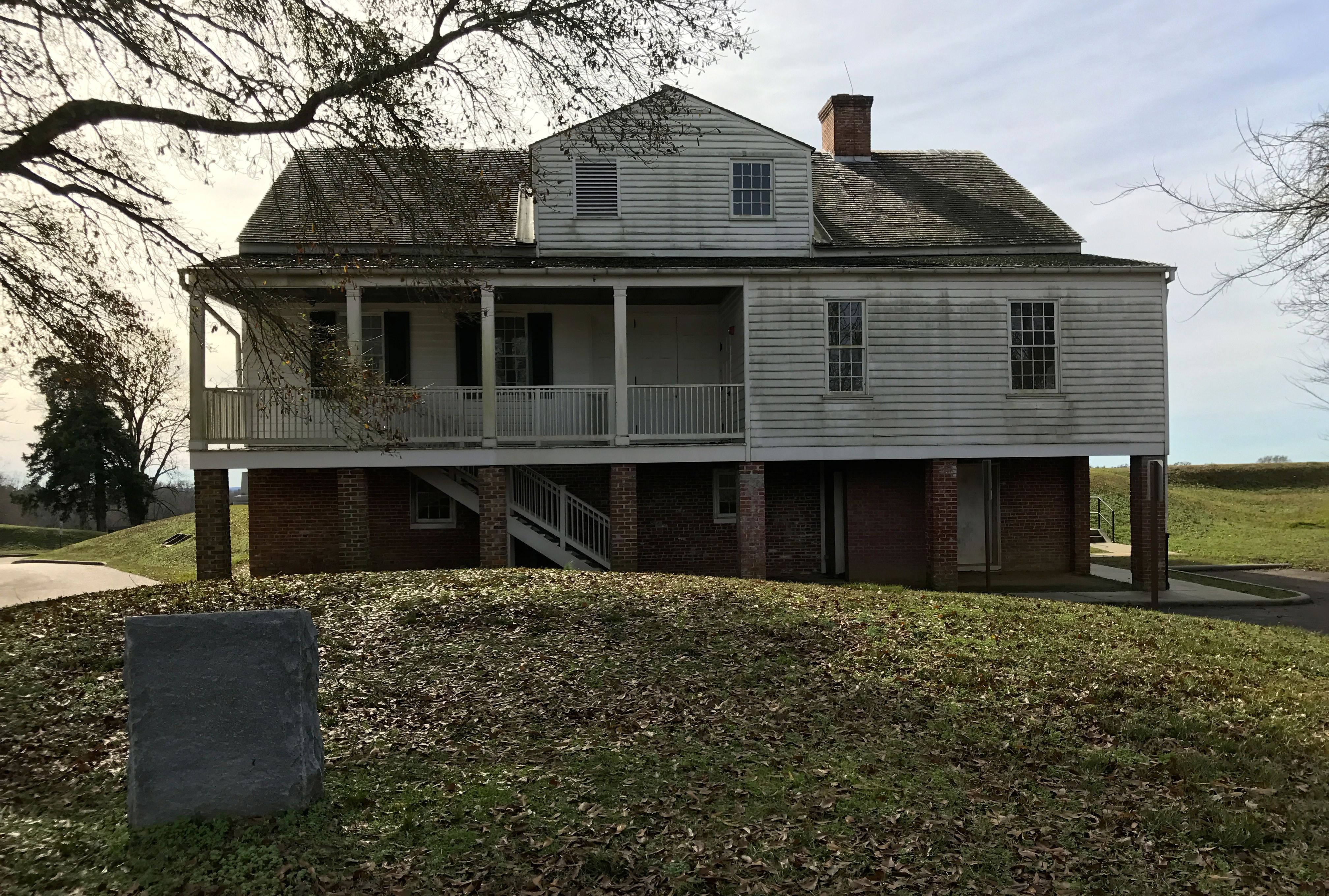
The only building still standing on the battlefield from that time is the Shirley House.
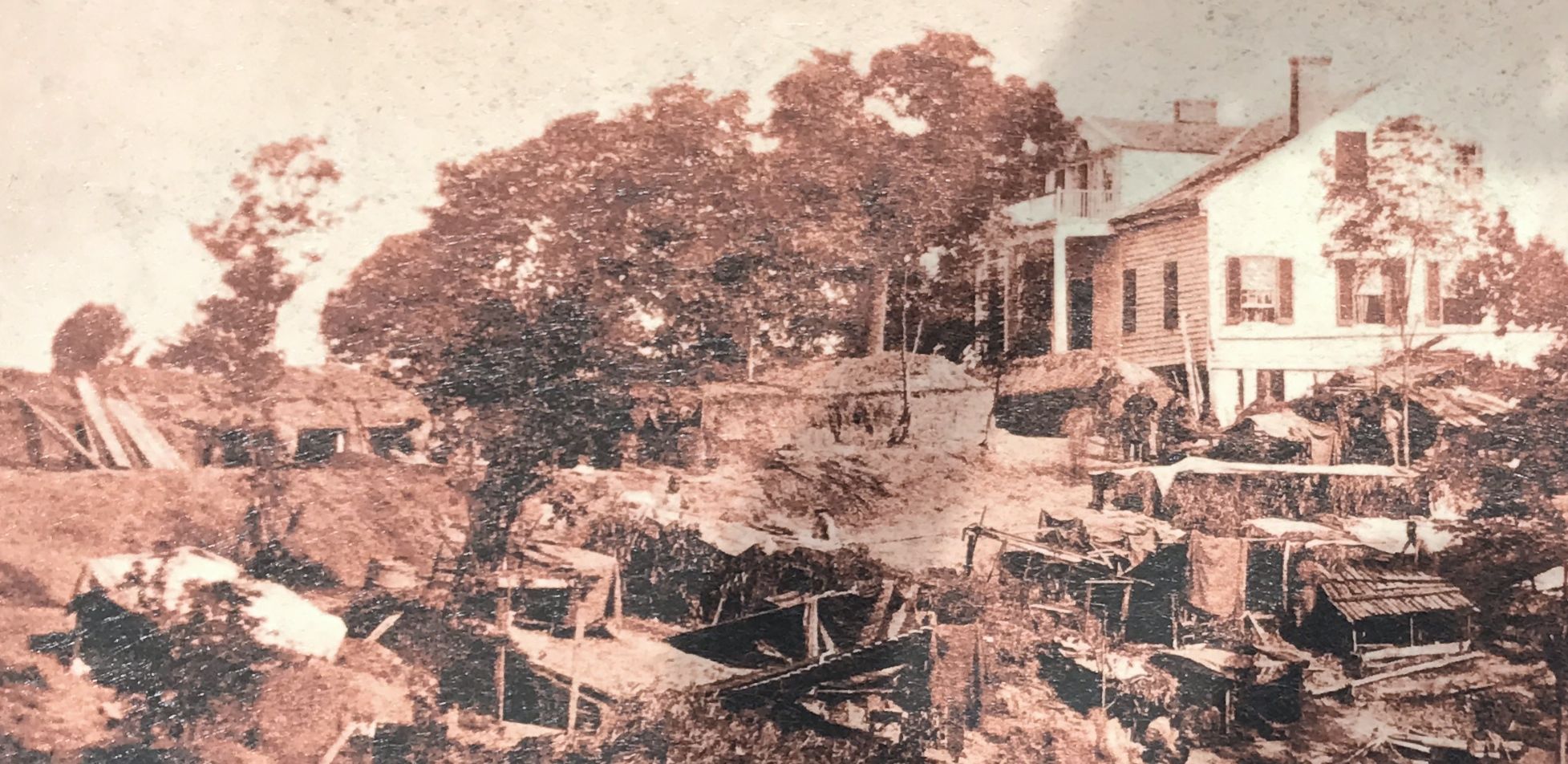
It has been extensively rebuilt. You can see the tunnels and ditches that were dug to carry out the siege.
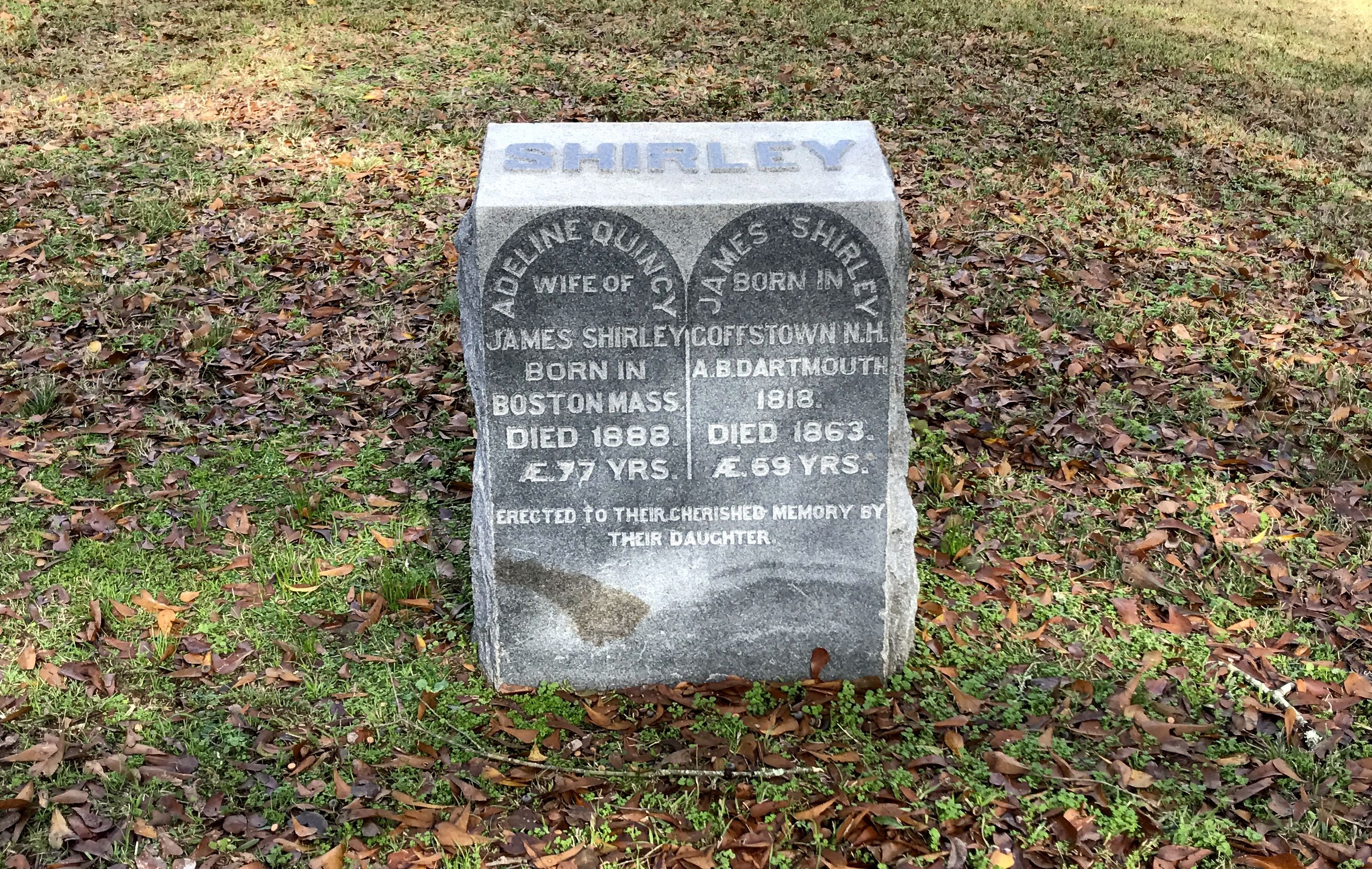
The parents’ bodies were eventually returned to the house and buried in the backyard.
You know how much I have been talking about rifled cannons? I looked into the barrel of a cannon and I could see the rifling.
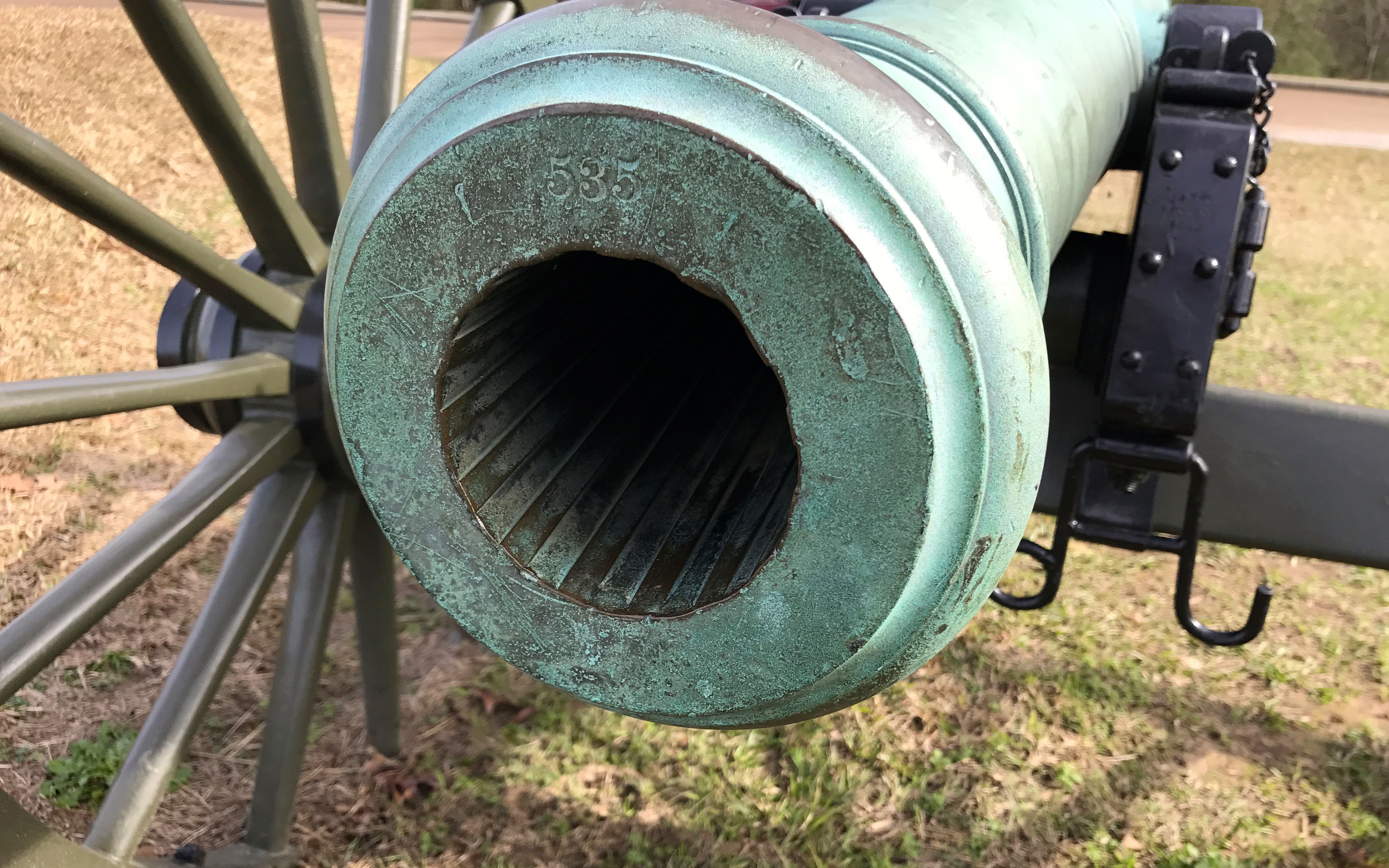
Who would have thought that spiraled grooves would make such a difference?
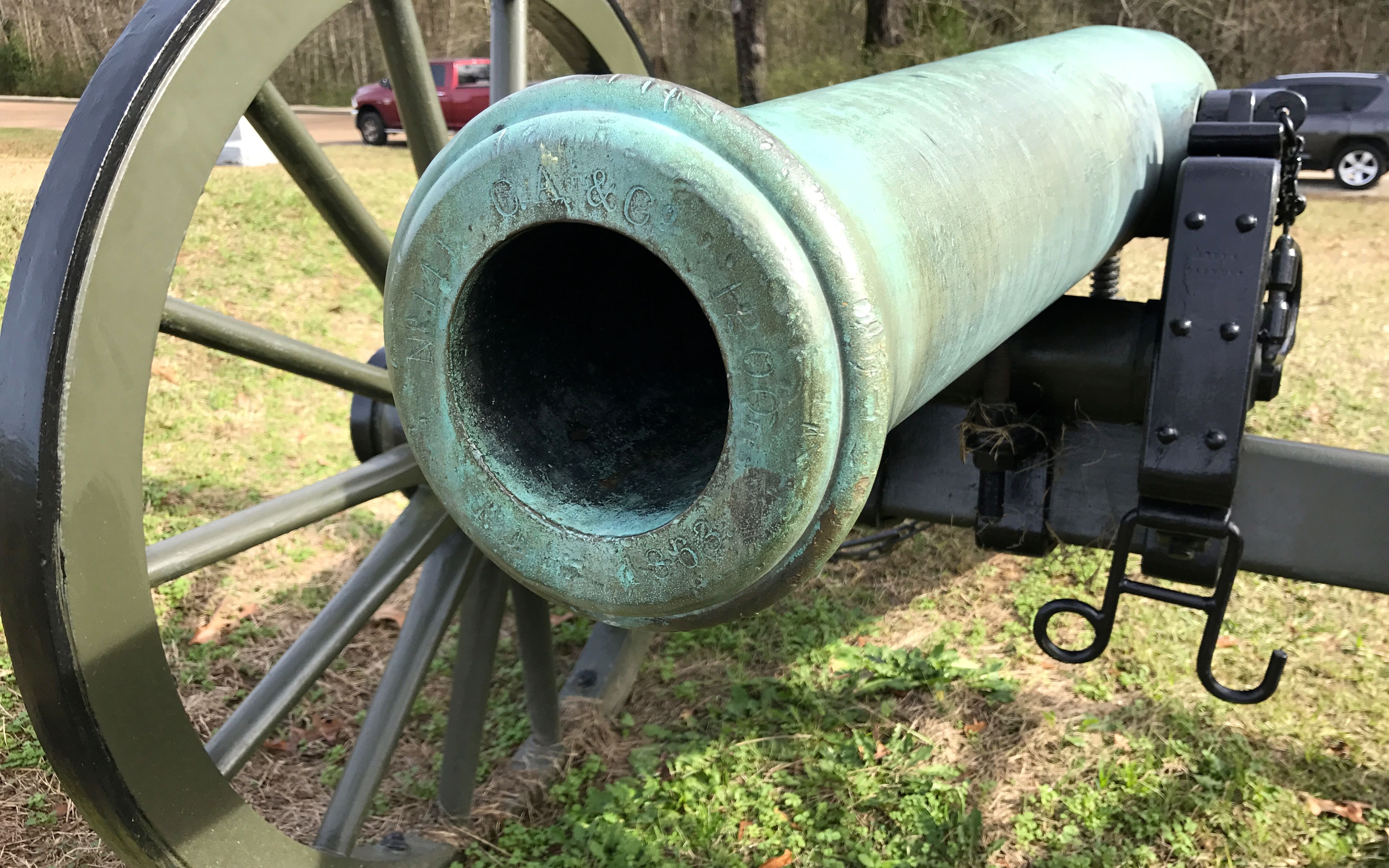
This one, on the other hand, doesn’t have the rifling.
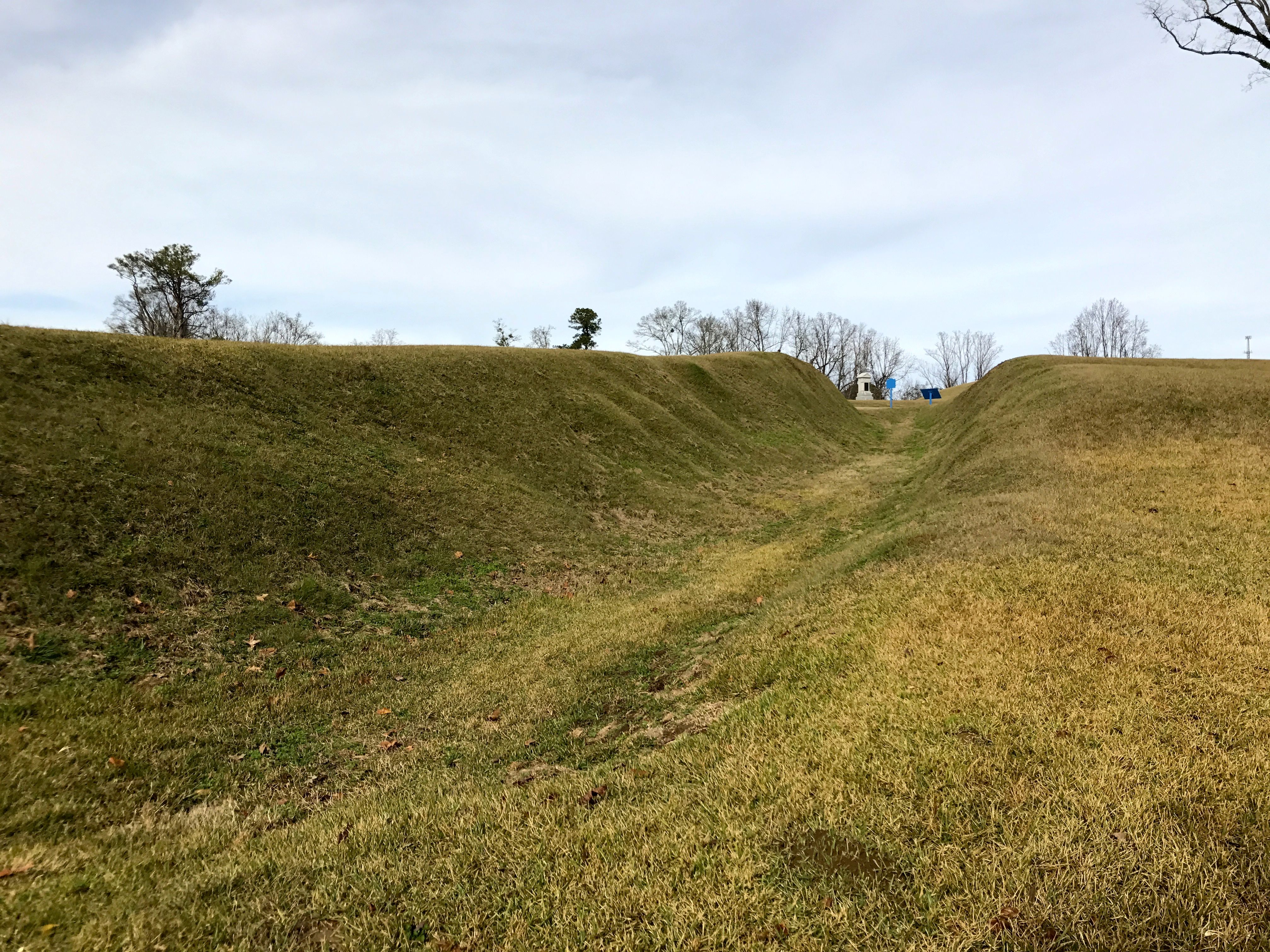
The trenches are very much in evidence.
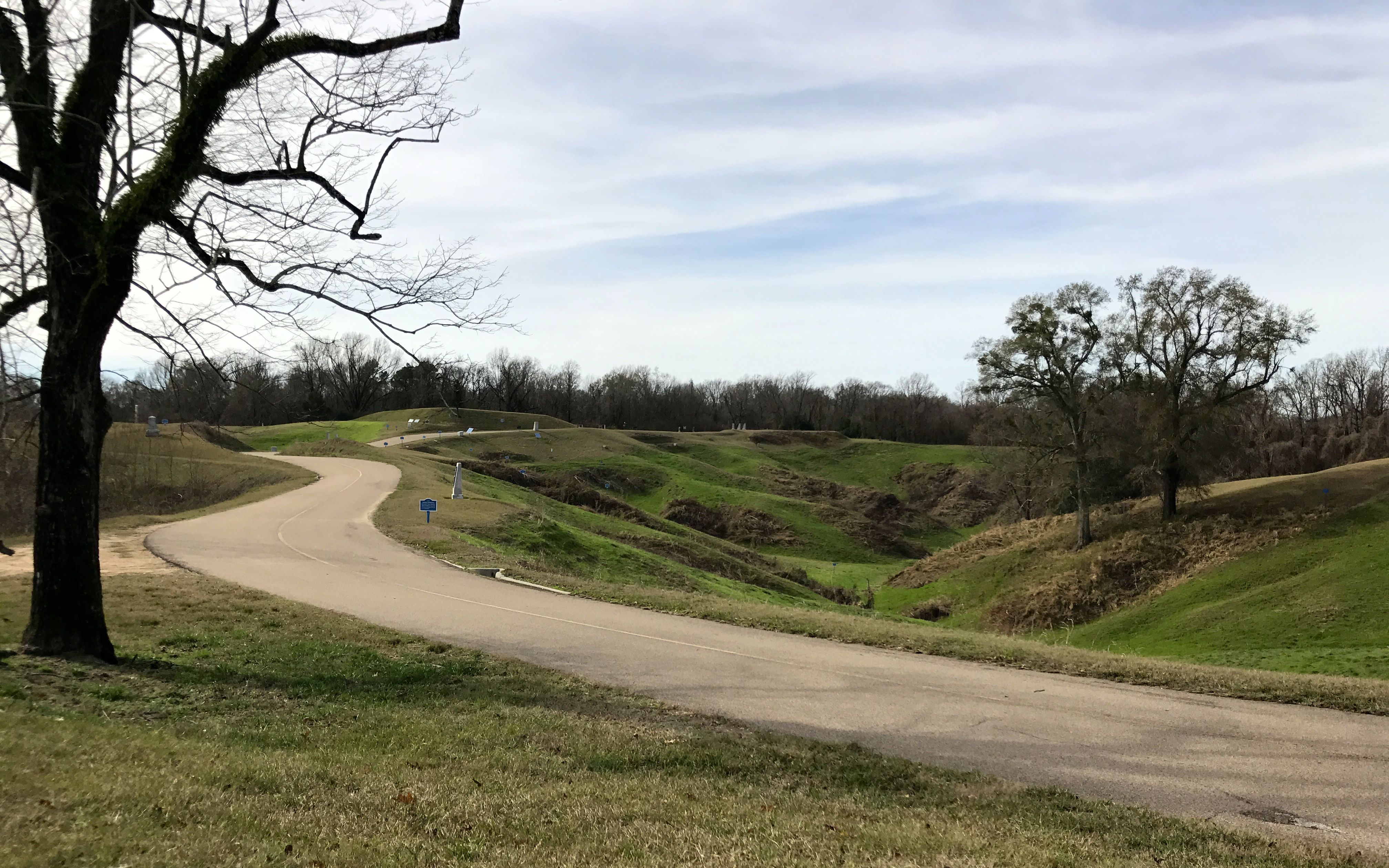
They really chewed up the landscape.
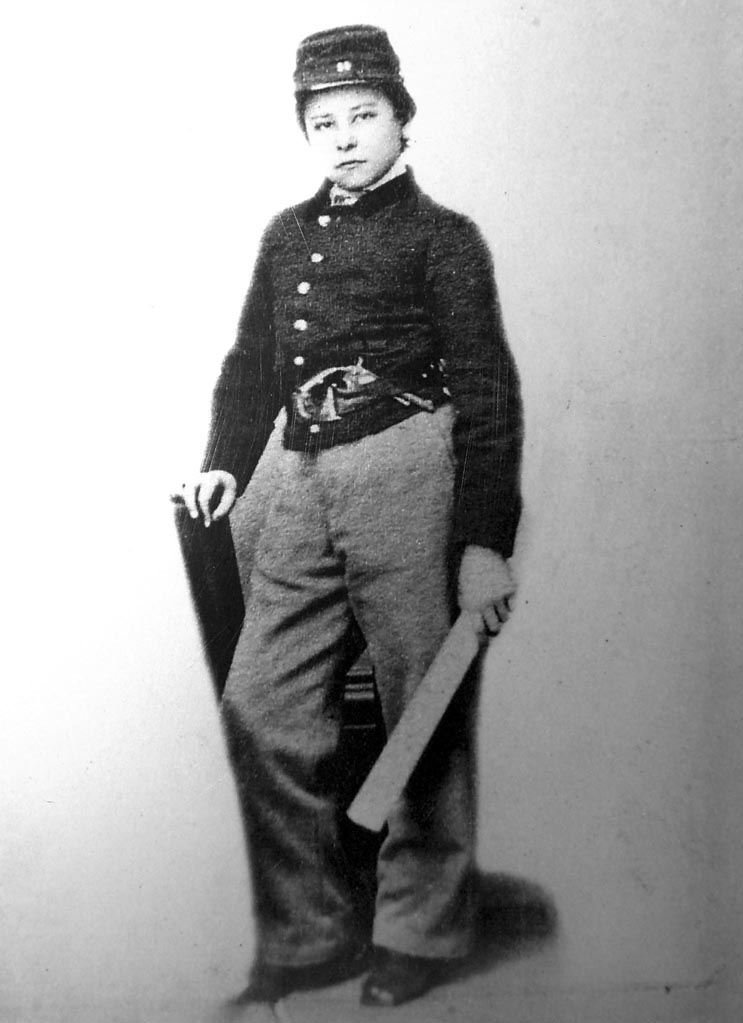
Orion P. Howe was a 14-year-old musician with the 55th Illinois Infantry. His unit was pinned down by enemy fire and running out of ammunition. He volunteered to run back and get more, but on the way he was wounded. He found General Sherman and asked for the needed cartridges.
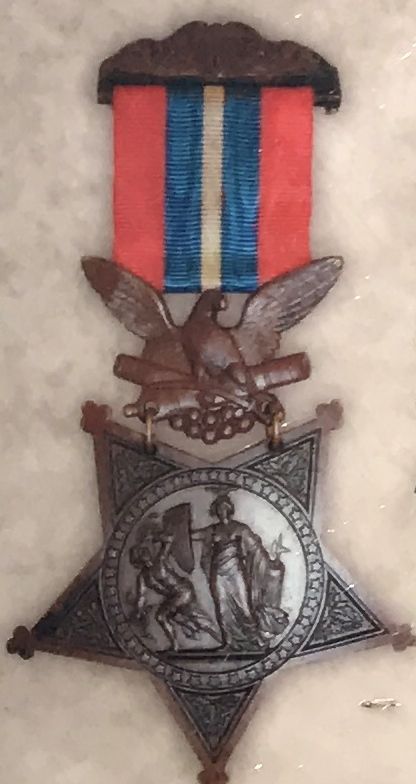
For his heroic run, Howe became one of the youngest recipients of the Medal of Honor.
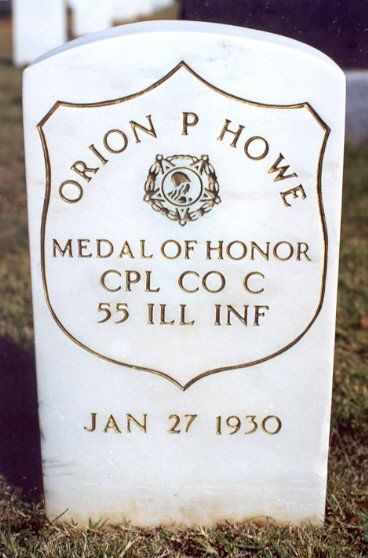
Orion went on to live a long life and eventually worked as a dentist. He’s buried in the National Cemetery in Springfield, Missouri.
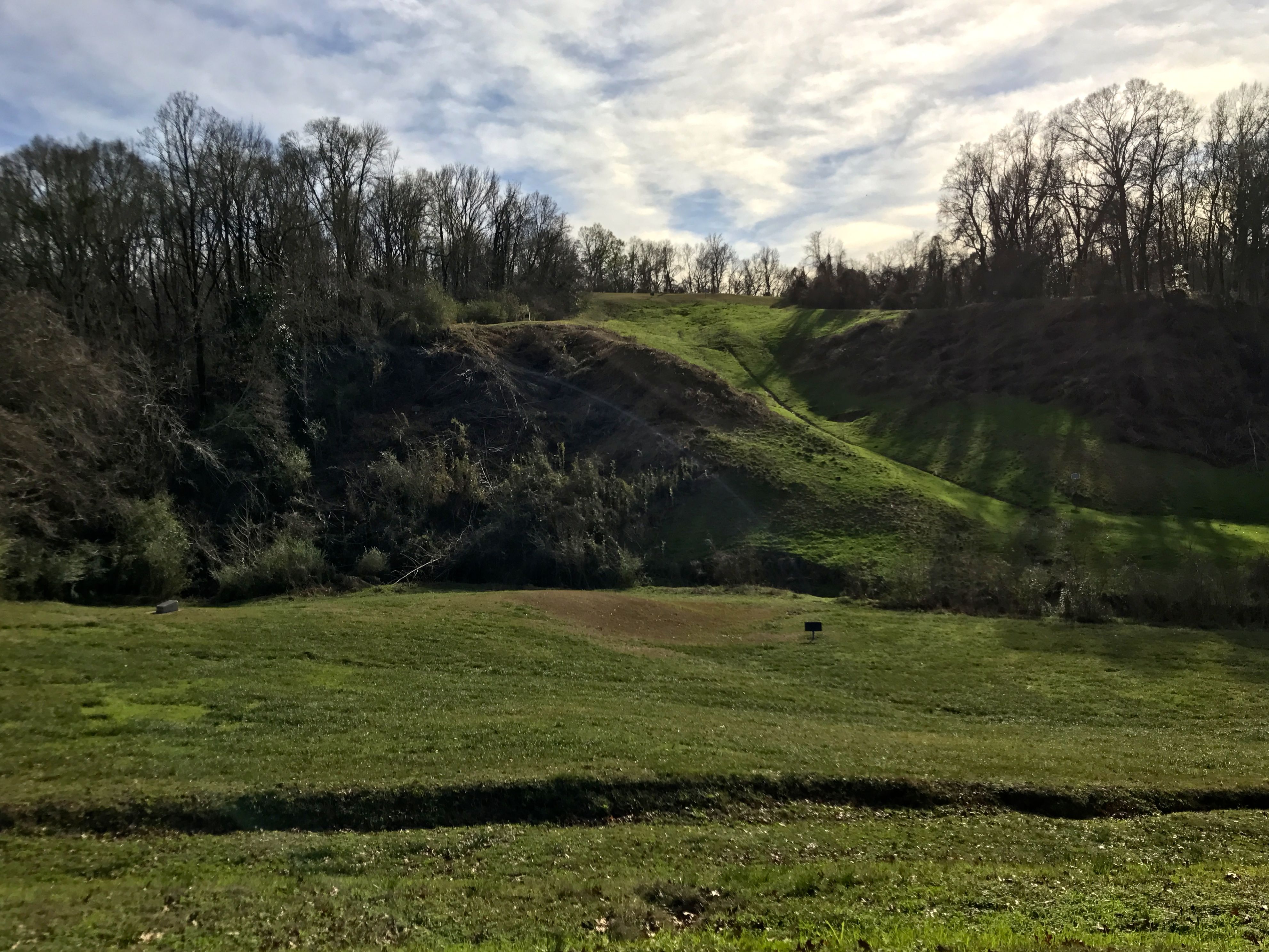
Thayer’s Approach must have been quite an undertaking. They used what they had on hand to help them dig their trenches.
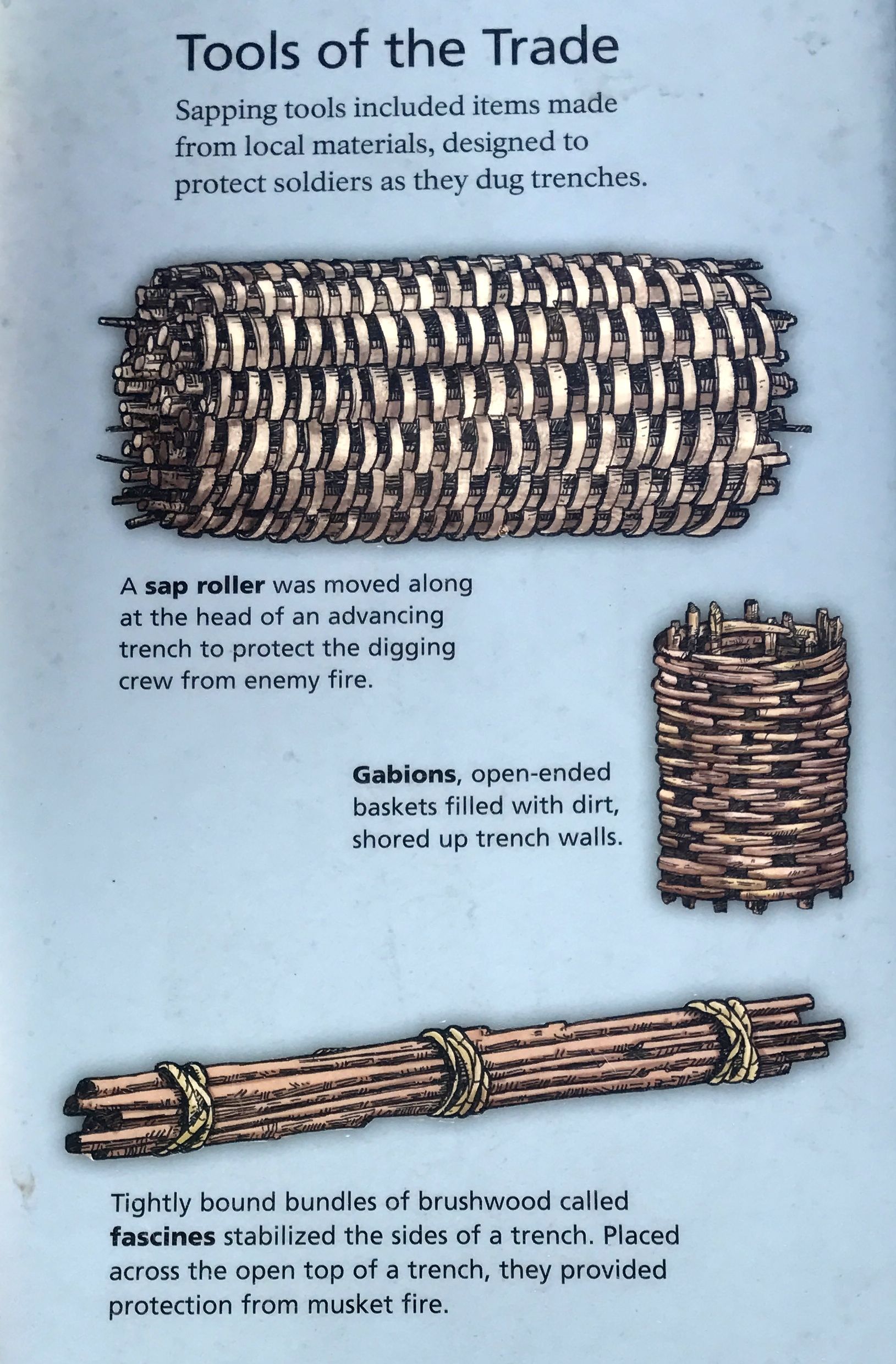
This particular area had a tunnel that made their work safer. They dug a tunnel through a ridge.
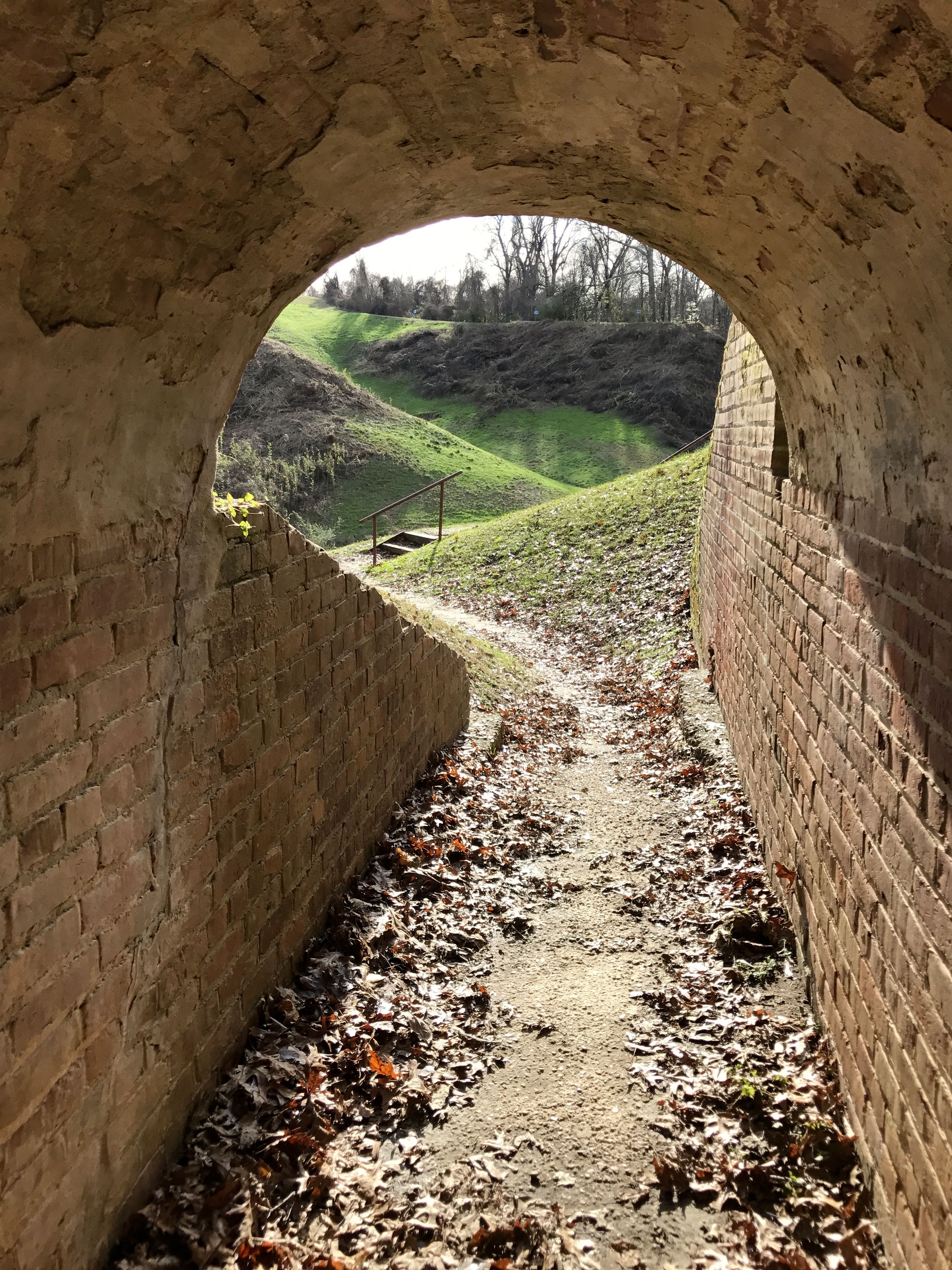
I am sure the brickwork is a later addition, but it preserved a vital connection to the past.
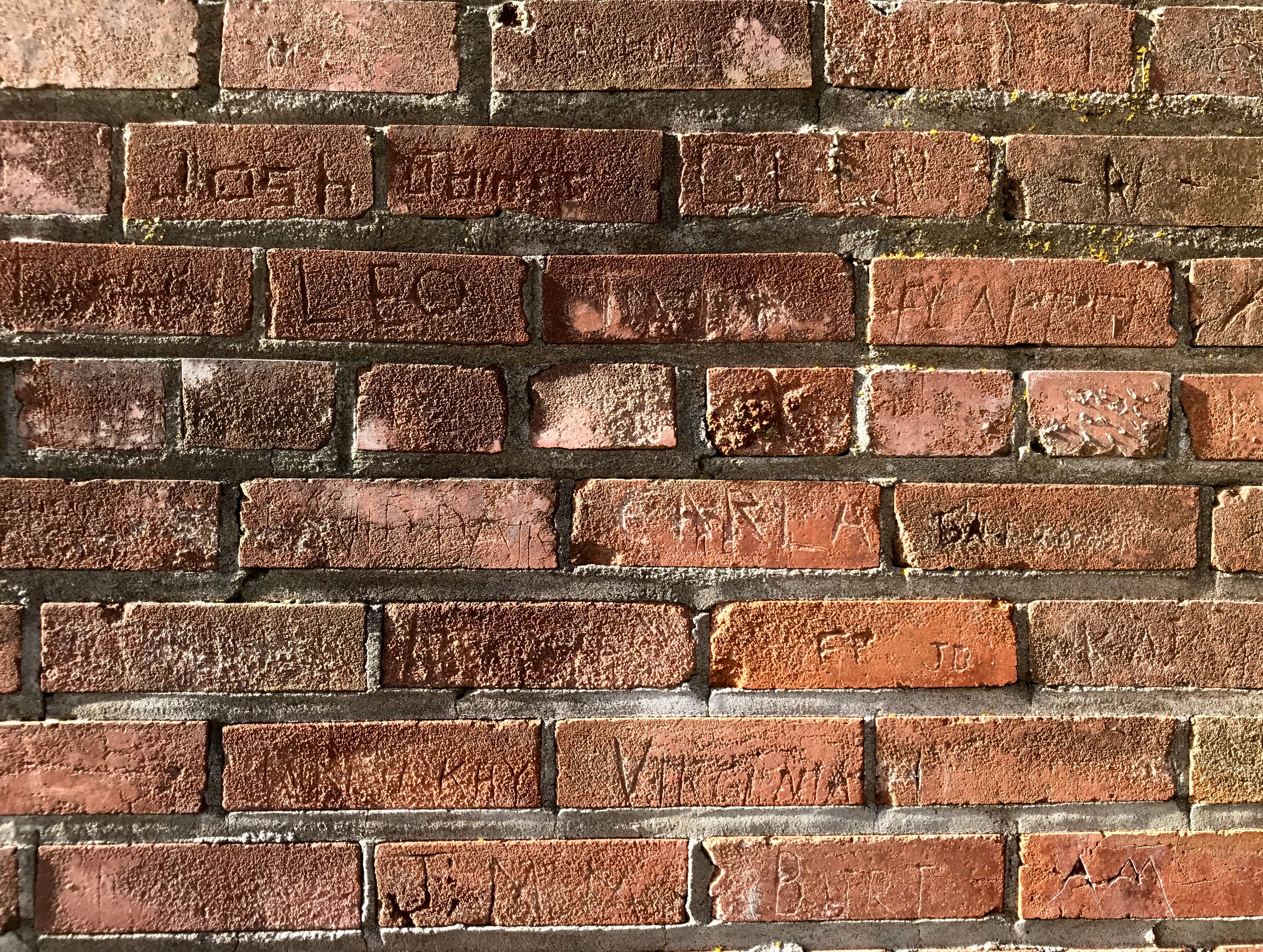
Of course, graffiti never goes out of favor.
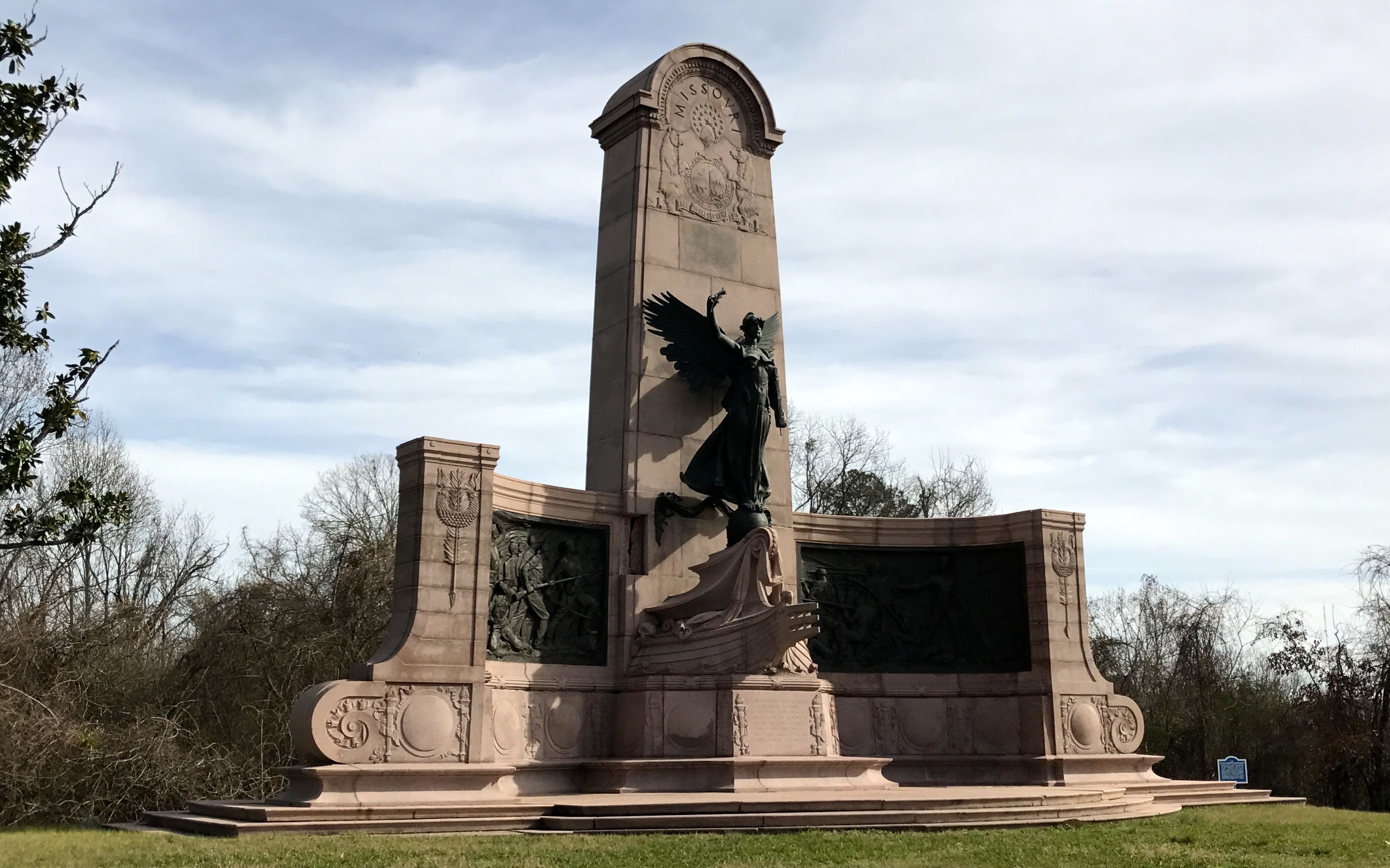
Missouri has an interesting memorial. Since their citizens fought on both sides, both sides are commemorated.
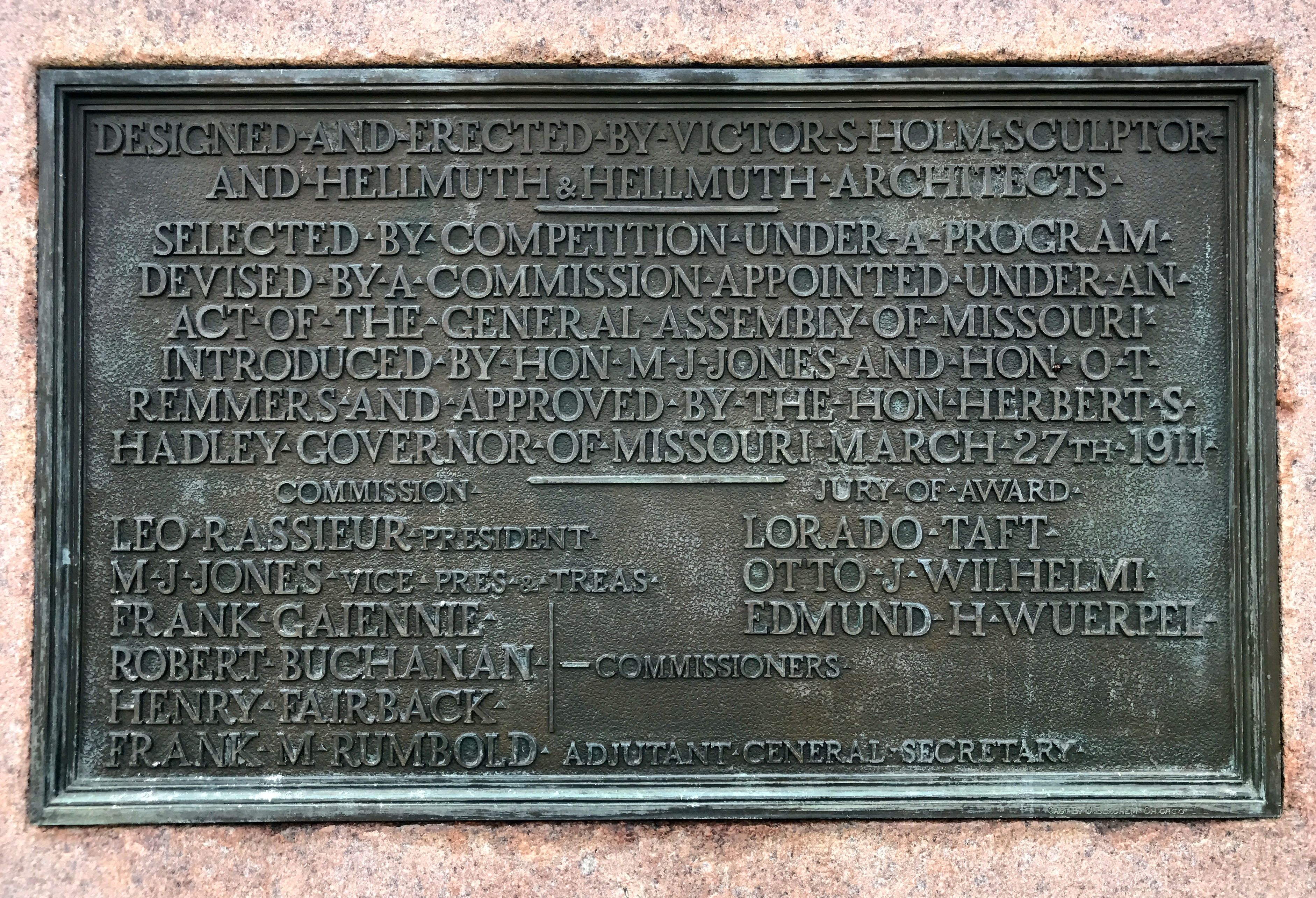
I found this plaque on the back. The monument was approved in 1911.
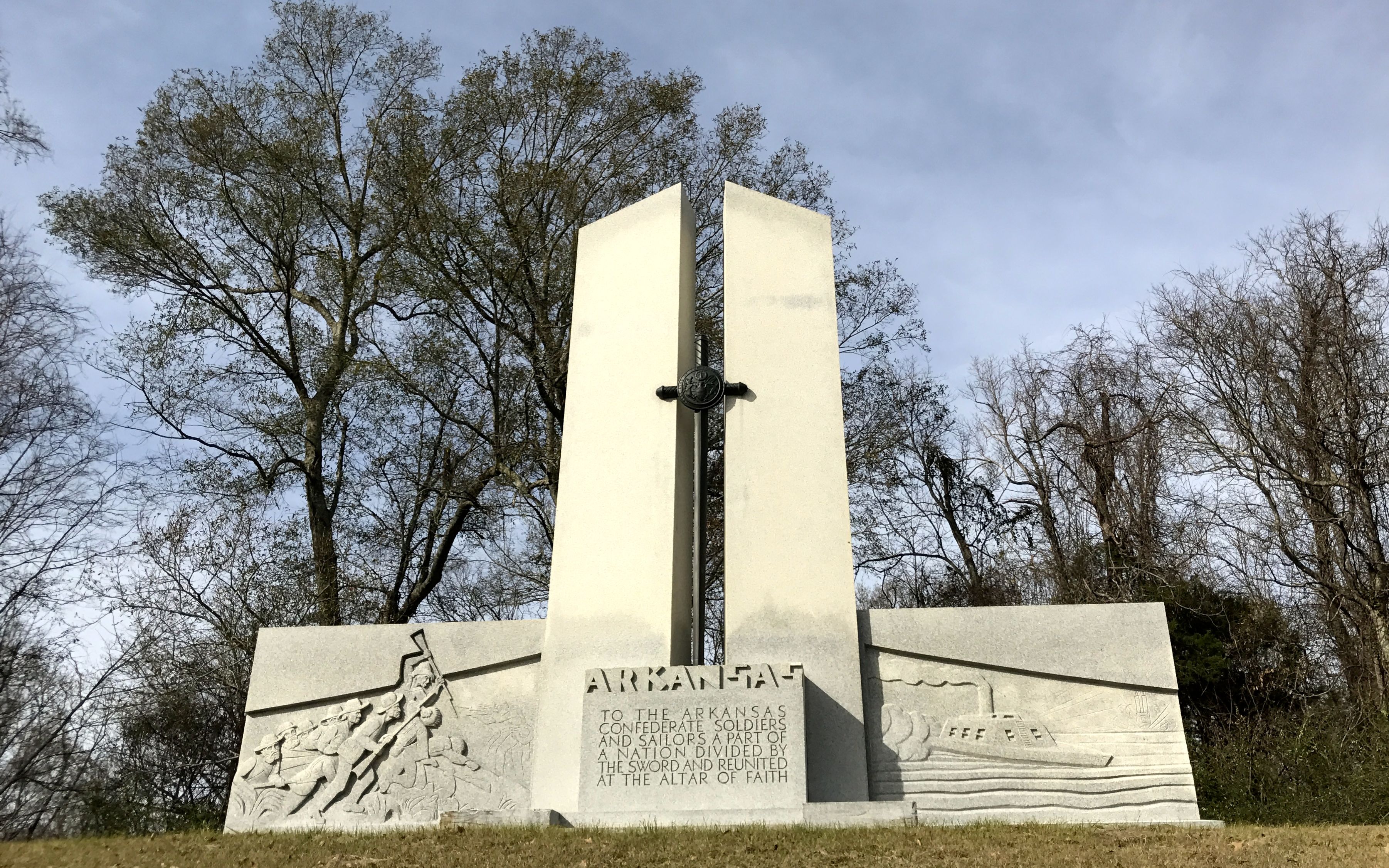
The Arkansas memorial wasn’t created until 1954. I think the negative space is interesting. It reminds me of the cannon that marks the spot where the surrender interview took place.
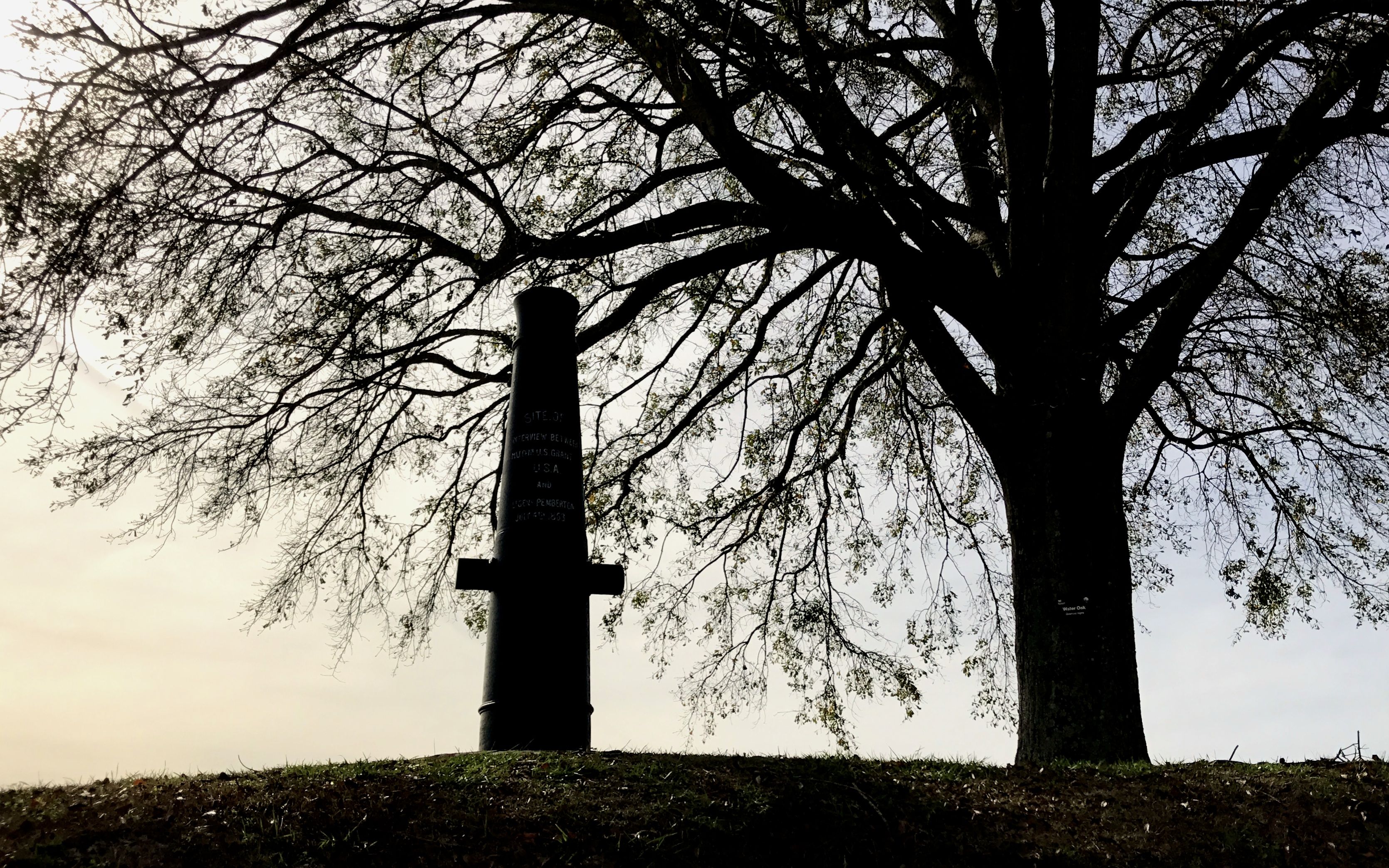
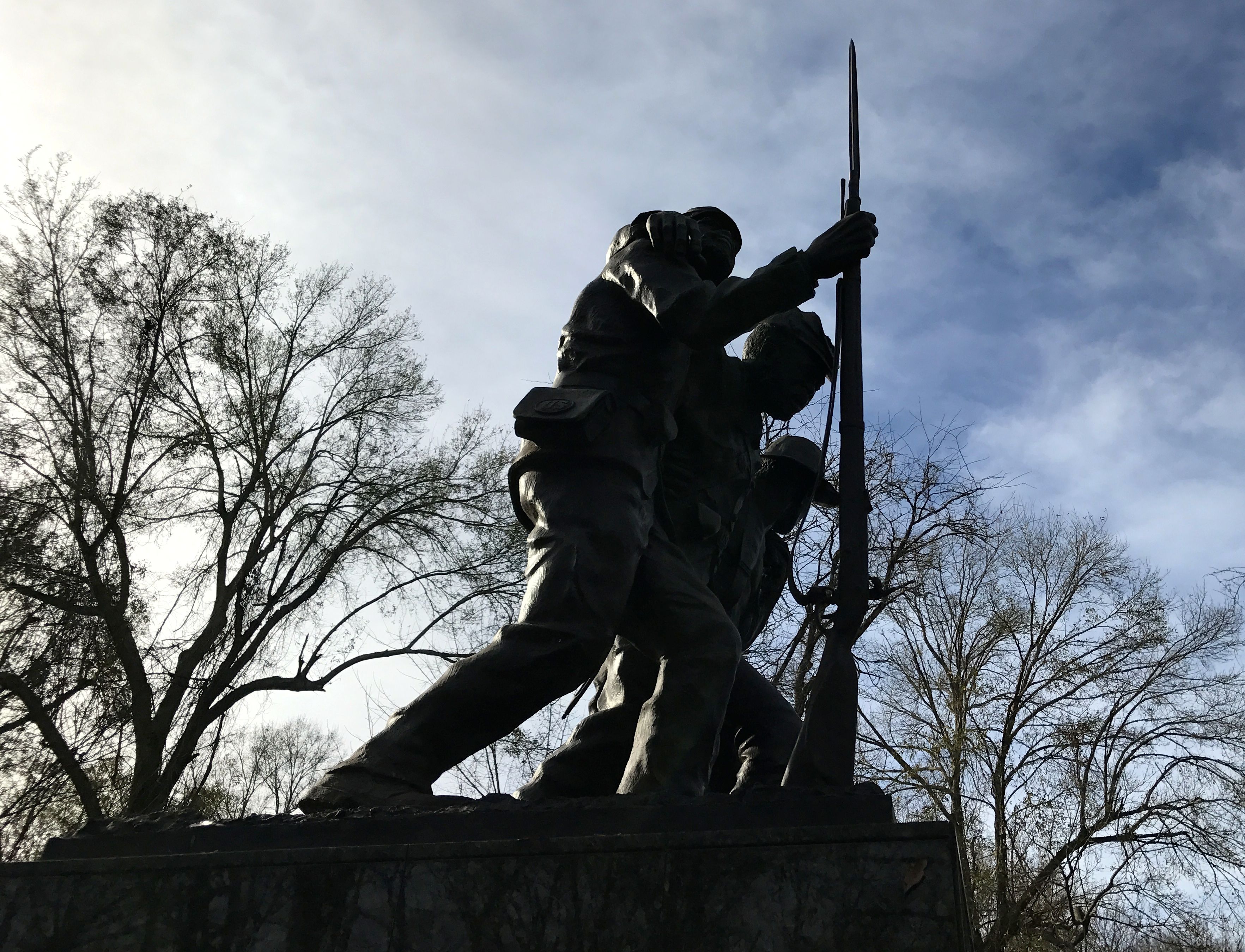
African American soldiers were honored in 2004.
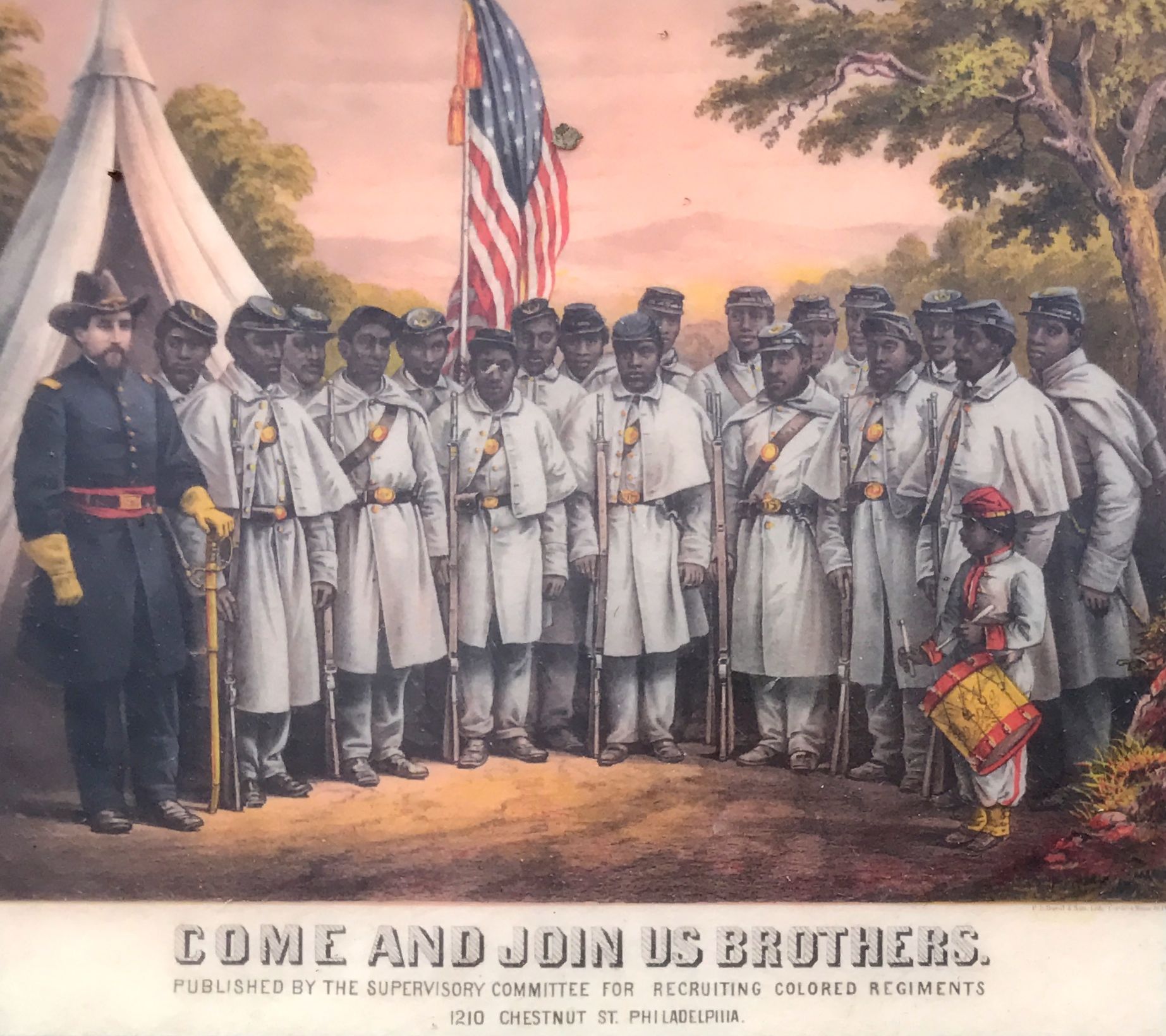
By early 1863, white recruits has slowed to a trickle. The Union army desperately needed more men. Creating black regiments brought an infusion of new soldiers – helping the North keep a numerical advantage over the South.
Here’s the New York memorial, which was erected in 1917.
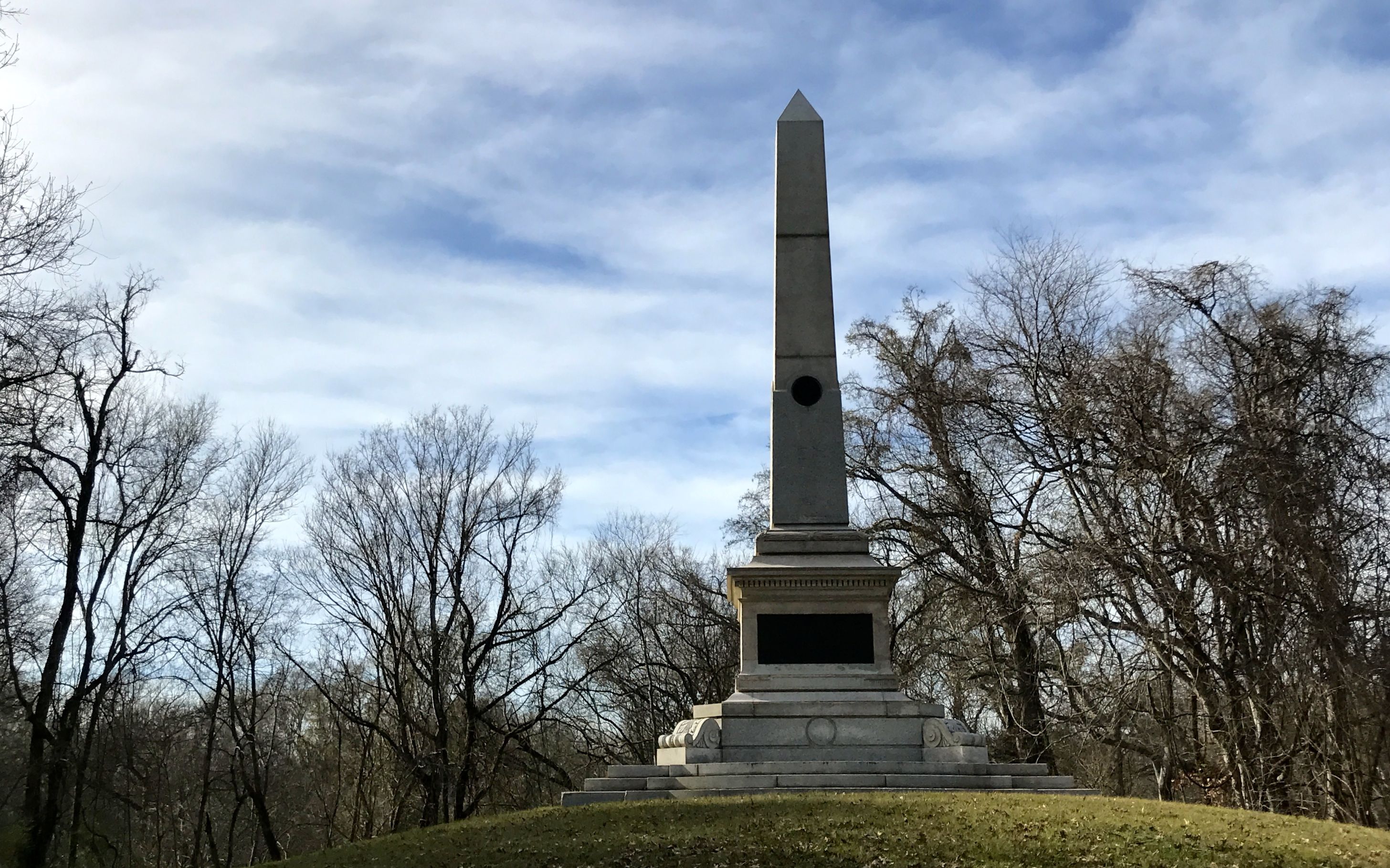
Massachusetts’ memorial was erected in 1903, and it was the first state memorial erected within the Vicksburg National Military Park.

Theo Alice Ruggles Kitson, was one of the most prolific female bronze sculptors in America. The monument cost $4,500 and is on top of a 15-ton boulder from Massachusetts.
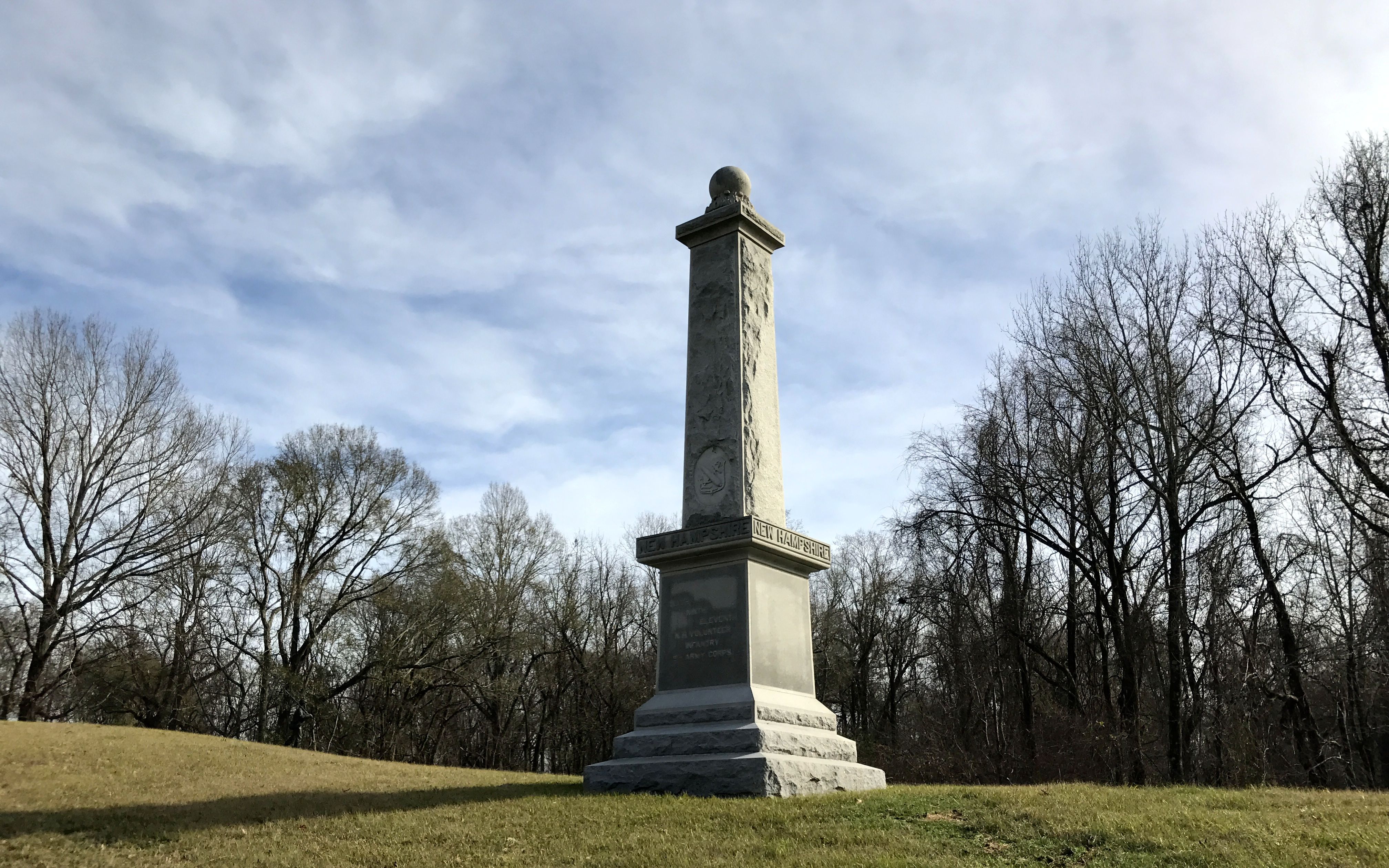
New Hampshire was not to be out-done. They followed up with their own monument in 1904.
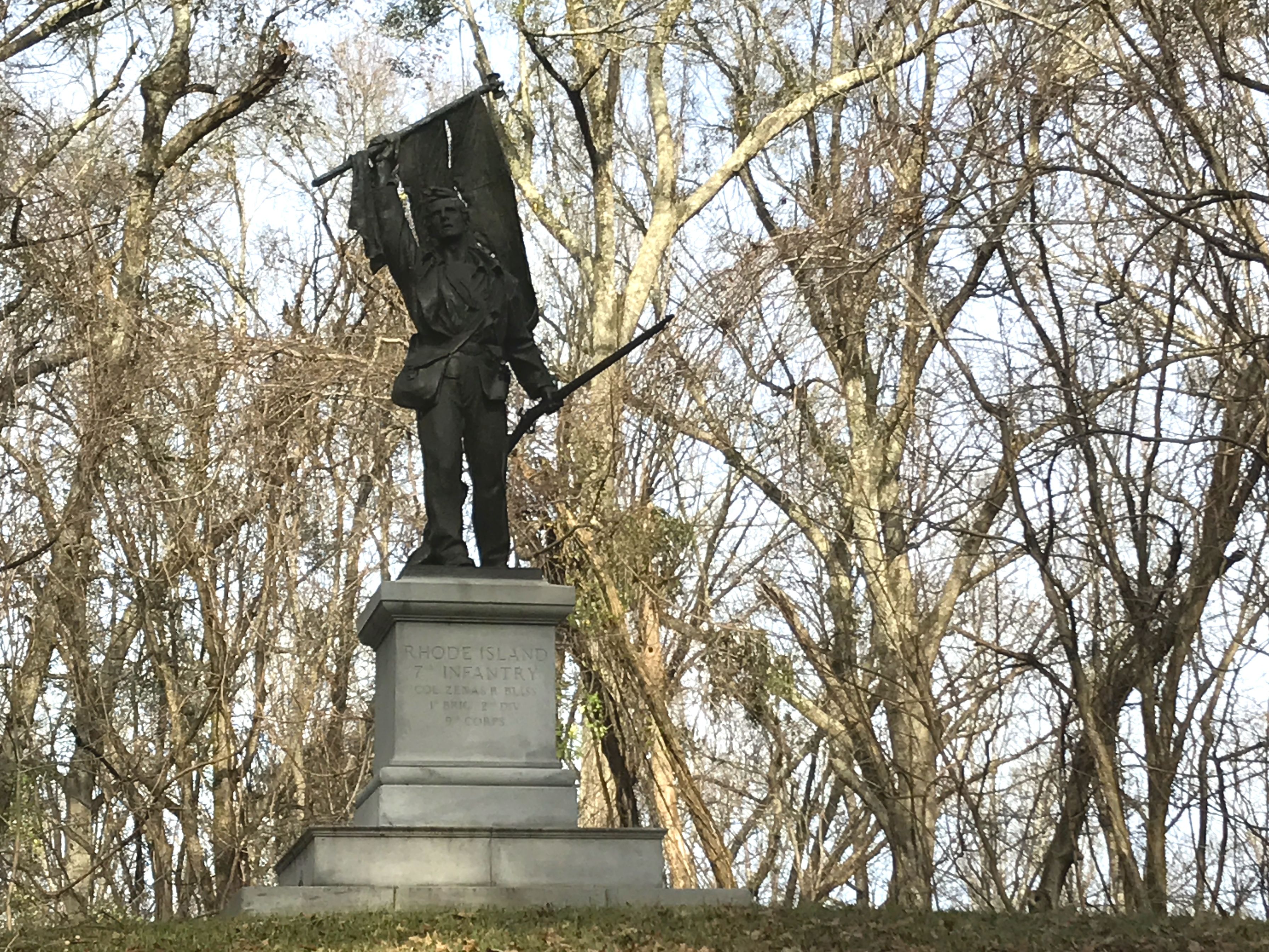
Rhode Island followed along in 1908.
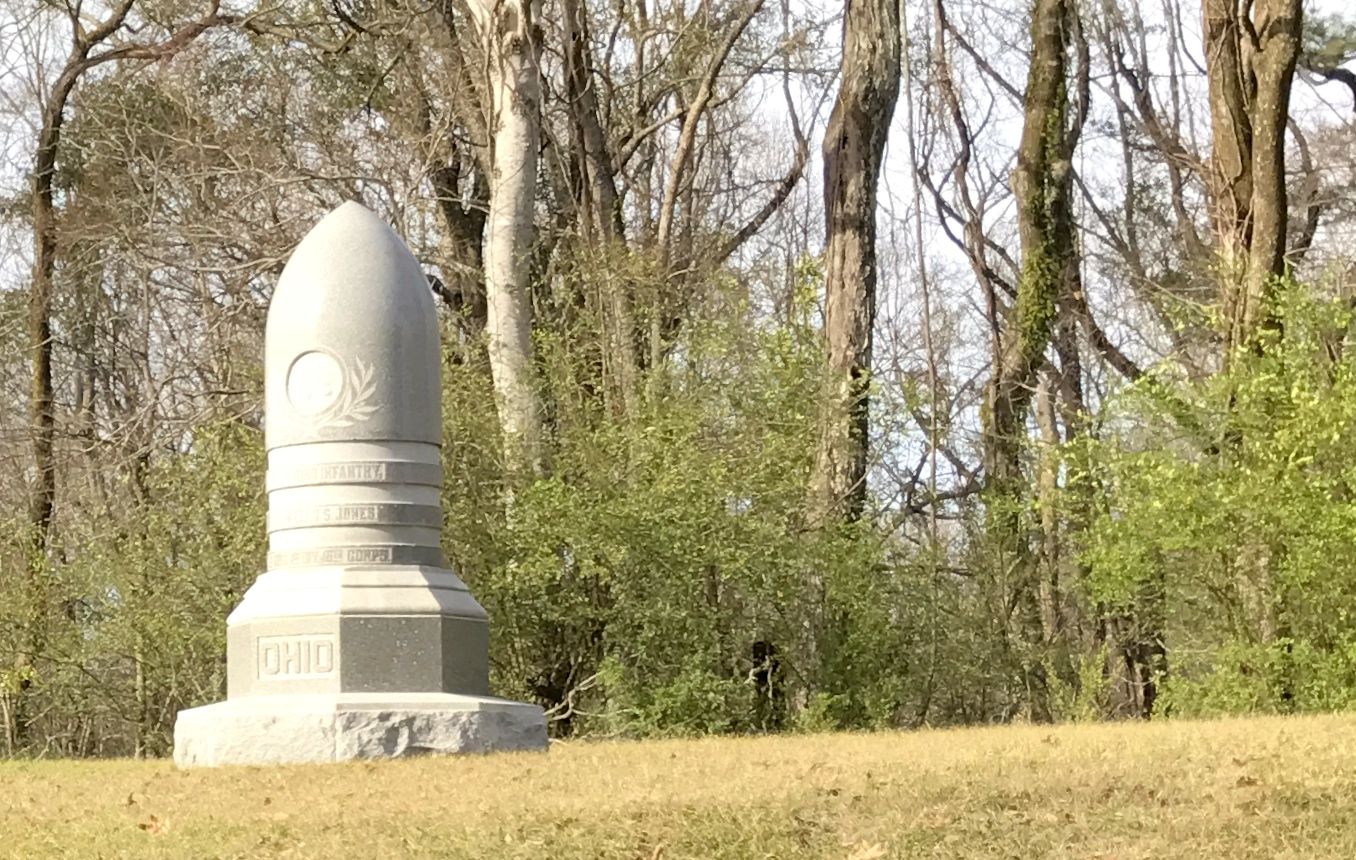
I kind of wonder if the NRA sponsored this memorial.
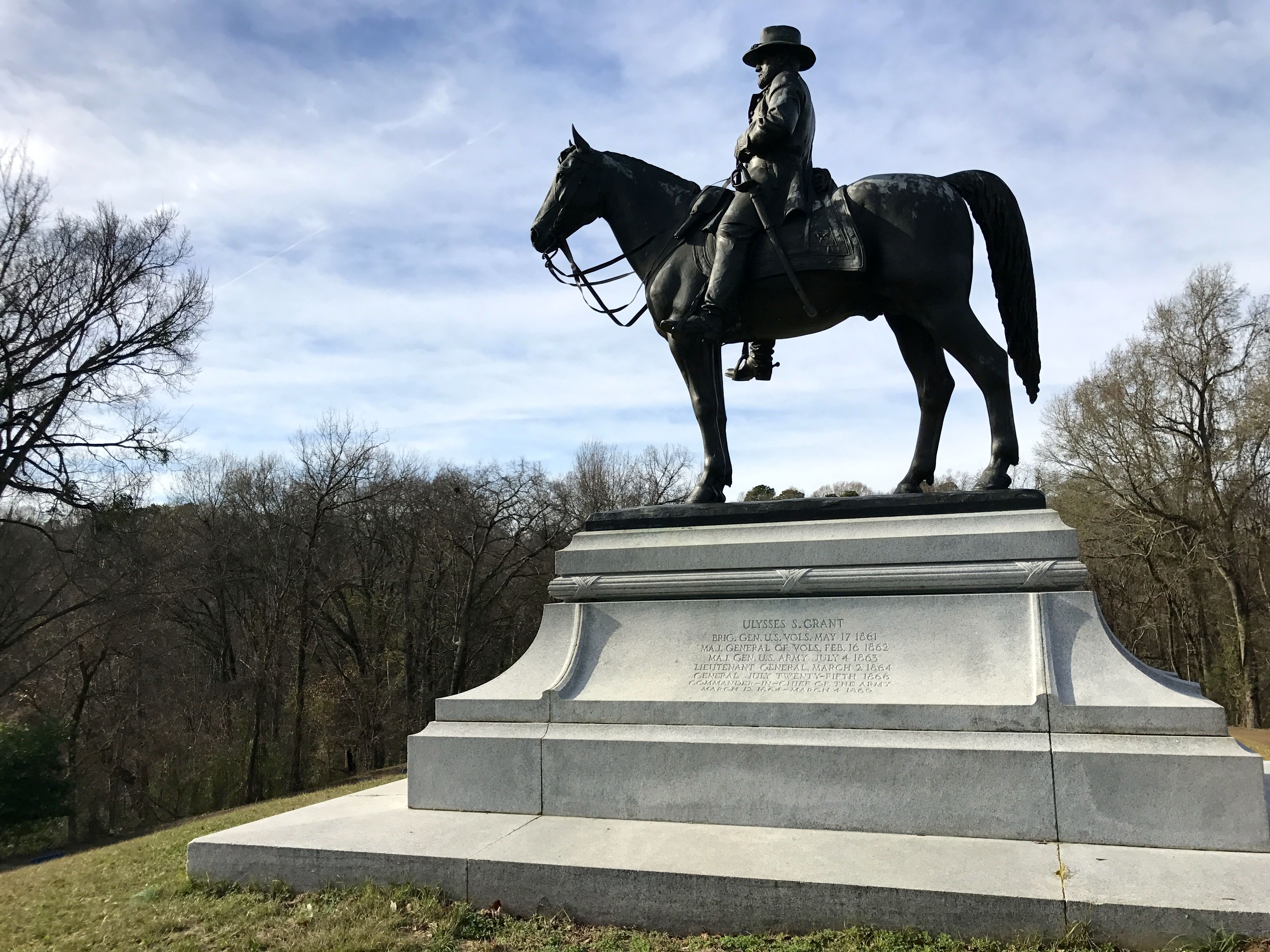
General Grant was suitably honored in 1918 by this $34,000 statue by F.C. Hibbard.
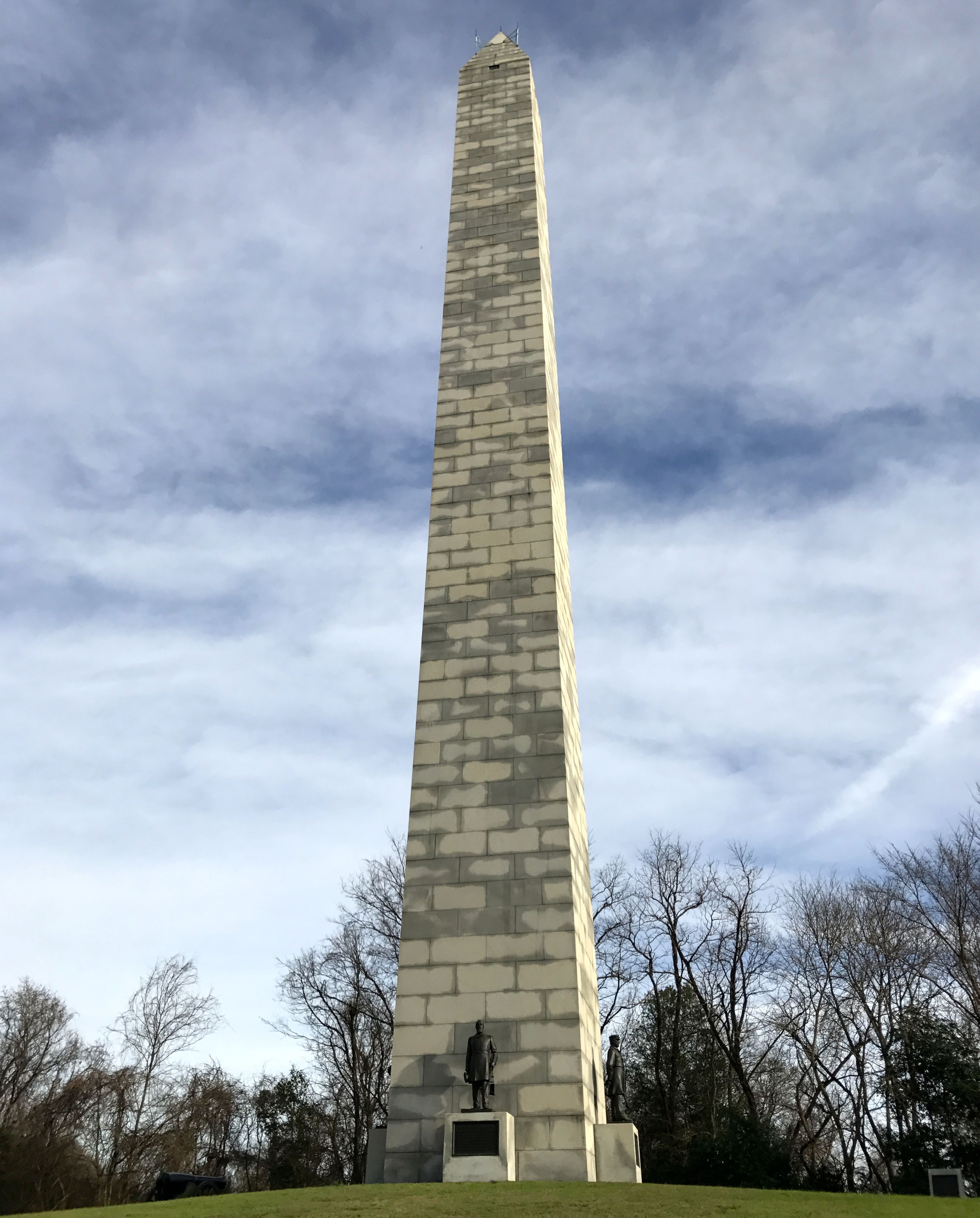
The last memorial I’ll share with you in this post is the Navy Memorial. It’s the tallest memorial in the park and is erected near the site where the crew of the Cairo continued fighting after their gunboat was sunk by the Confederates.
In my next post, I’ll tell you about the Cairo.