After all my carping in the last post, do you want to know what I liked about the Shelburne Museum?
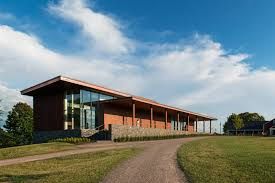
I liked the Pizzagalli Center for Art and Education. There were two exhibits up during my visit. The first exhibit I saw was much the same as the rest of the stuff at Shelburne Museum – a nostalgic Americana that was cobbled together from bits and pieces of memories. Grandma Moses: American Modern was on display on the first floor.
Now, before I am skewered for not liking her work, let me say that it wasn’t that I don’t like her art. It was more that I could see the a connection between her vision of America and Electra Havemeyer Webb’s vision. Both of them seemed to fabricate an America that really didn’t exist.
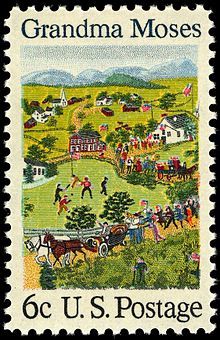
I have no photos of the exhibit, though, because that was not permitted. But, here is an image of a stamp that used one of her paintings. If you want to know more about Grandma Moses, you can check her out on the Internet.
What I really found interesting was the exhibit that was in the lower gallery, Papering the Town: Circus Posters in America. Photography was permitted in that exhibit.

Photography was permitted, but selfie sticks were prohibited! Good thing I never got around to getting one.
When the circus would come to town, advance men would go ahead of the circus and plaster their posters wherever they could. They favored houses and buildings at busy intersections. Location, location, location!
In the spring of 1991, a large cache of posters was found under a layer of siding on Harold and Gladys Degree’s house in Colchester, Vermont. They donated the posters to the museum, on the condition that they be removed quickly so they could continue with their renovation project.
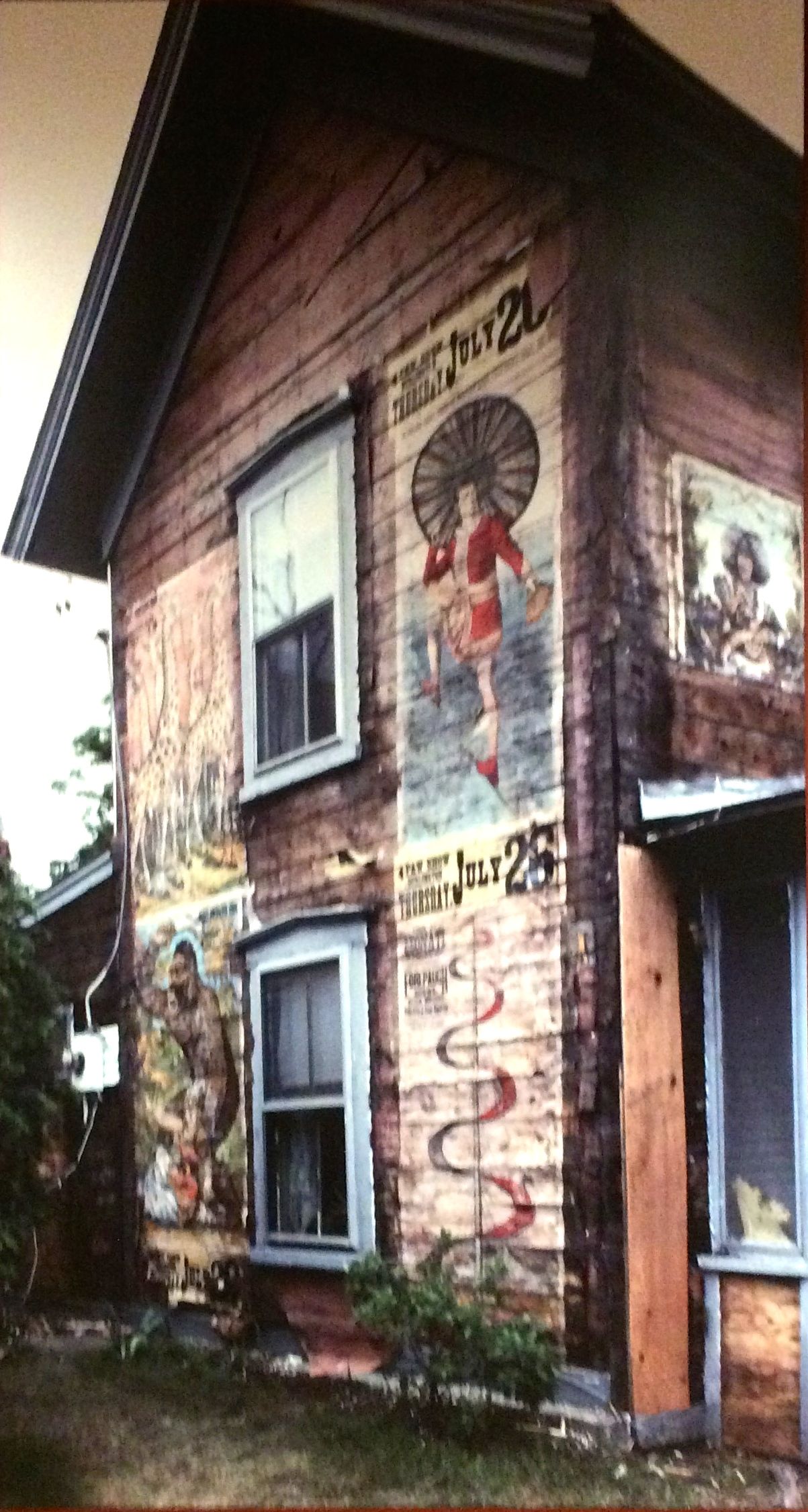
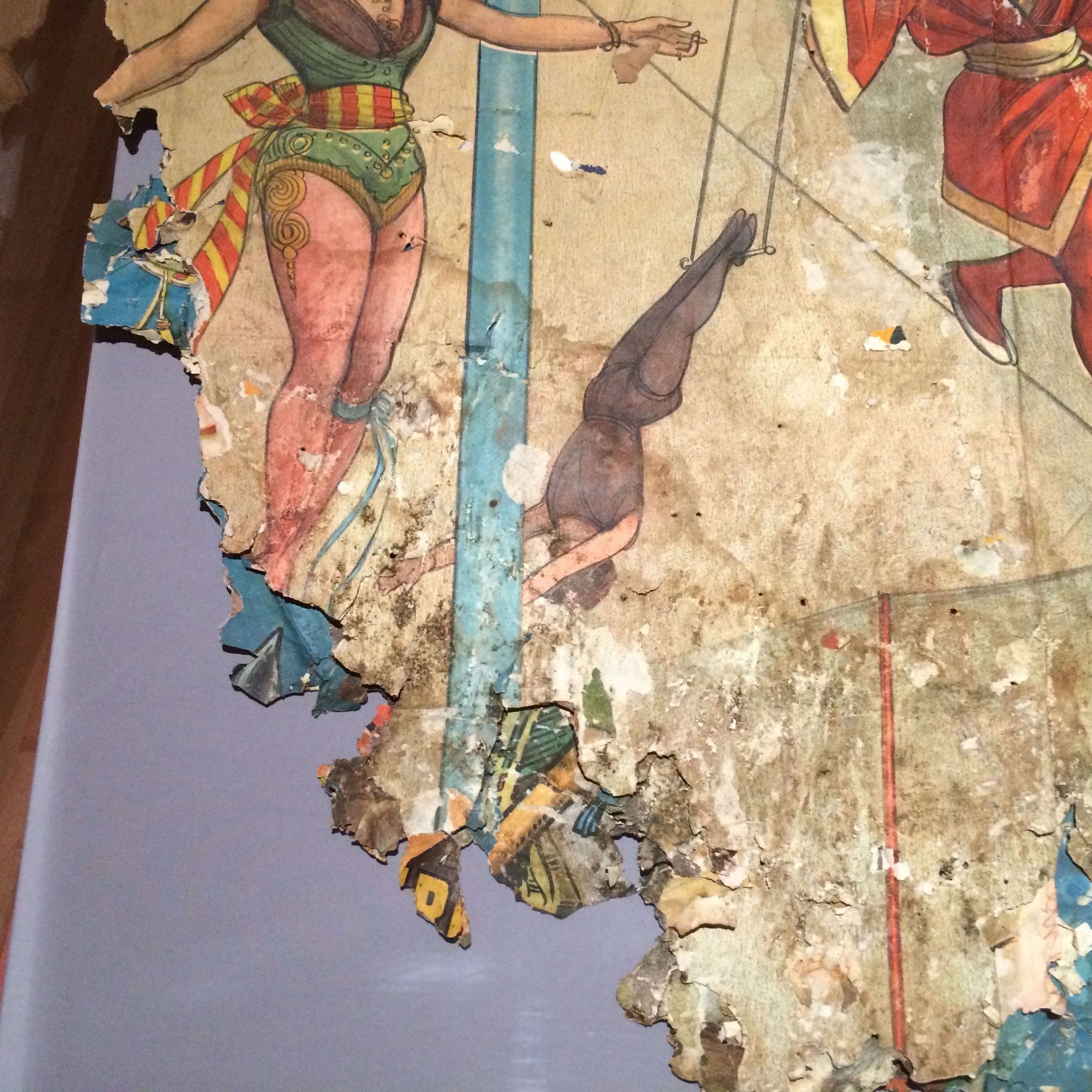
A team of conservators, curators and carpenters were dispatched to figure out the best way to proceed. Upon examination, they discovered two layers of posters and then decided that the best way to proceed was to cut out large sections of the wall with the posters still attached. I wonder if that is what the owners had in mind?
In any event, after many years of conservation work the posters are ready for exhibition.
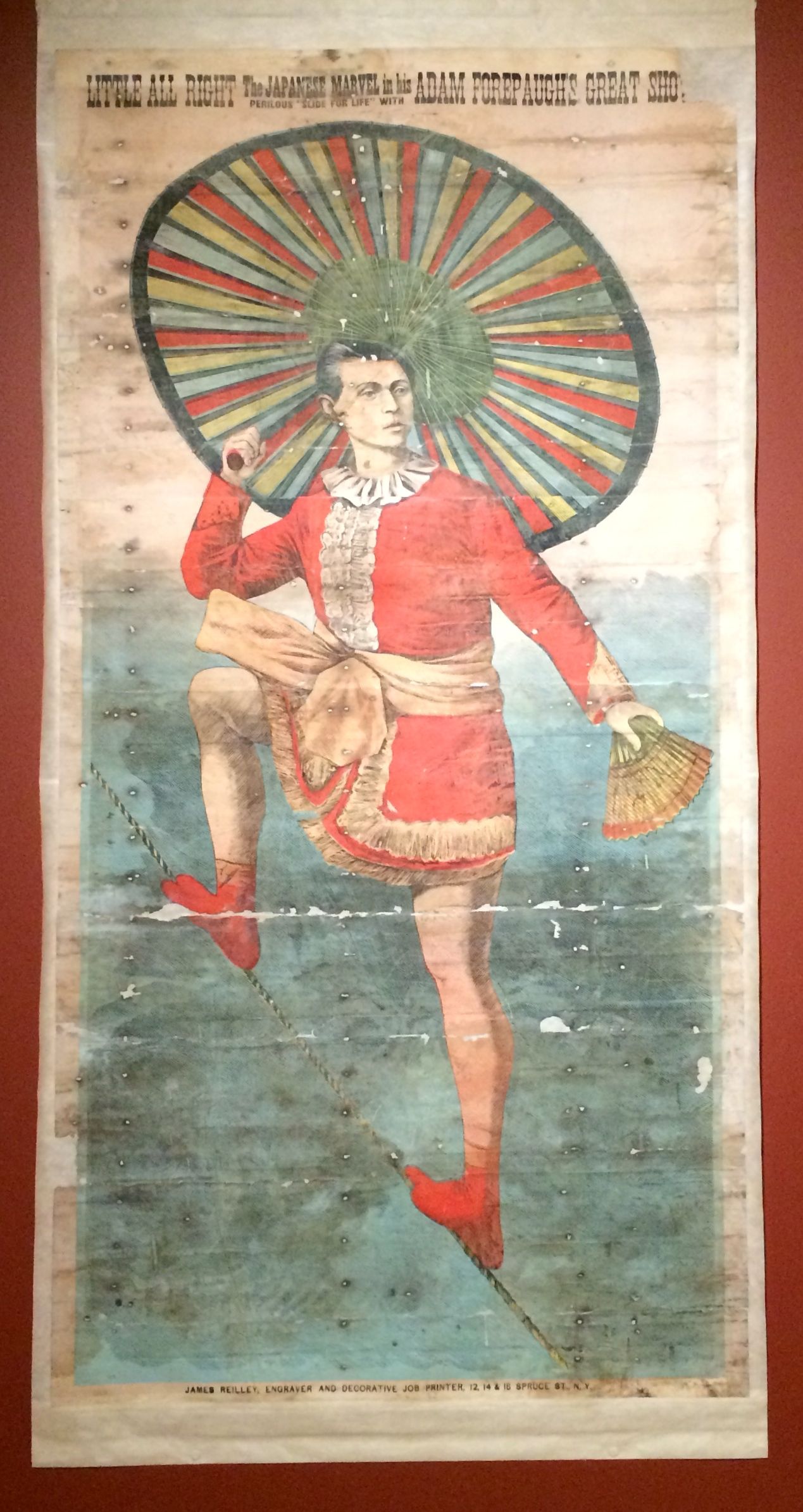
This poster promotes Little All Right The Japanese Marvel in His Perilous Slide for Life from 1883.
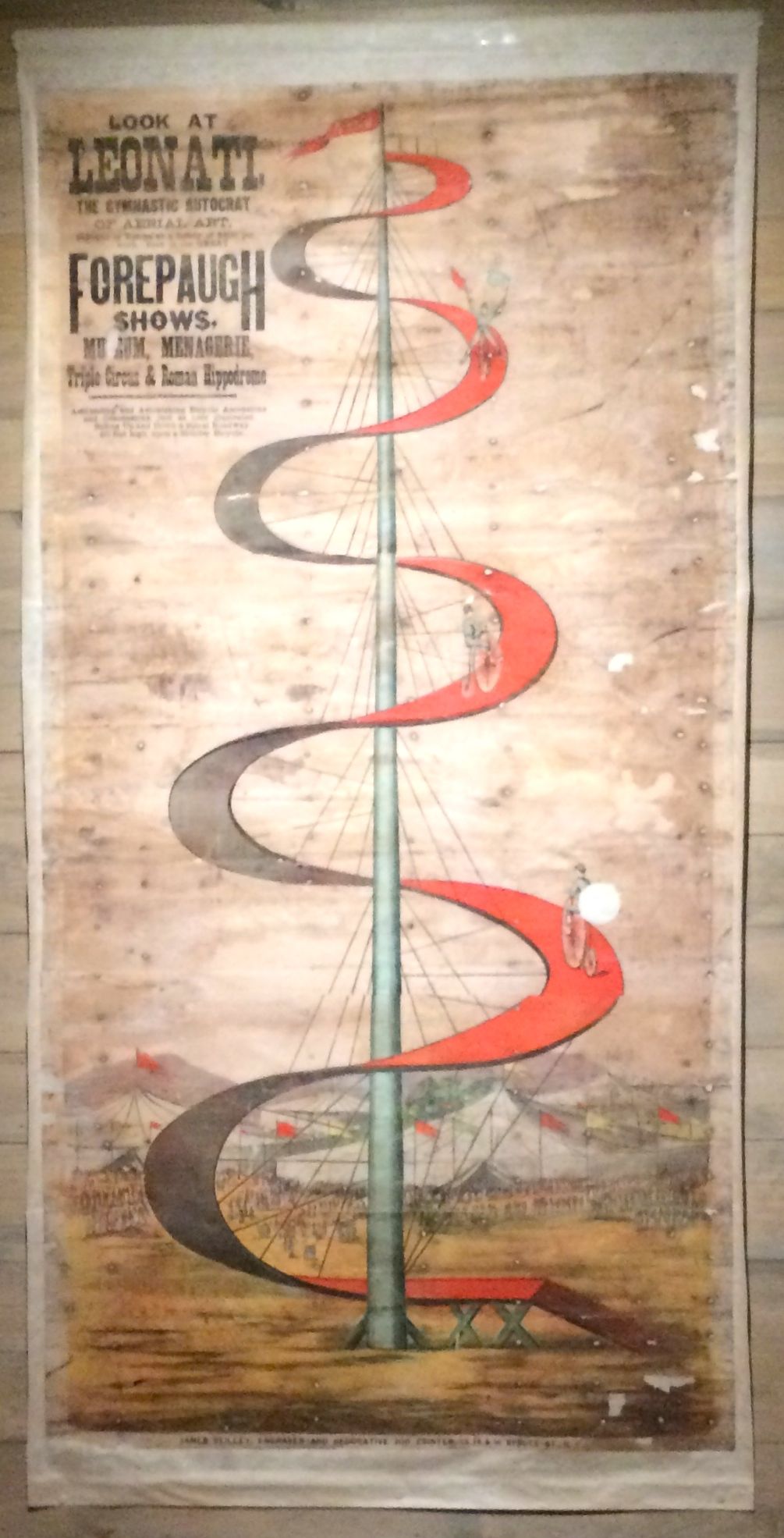
This poster proclaims, “Look at Leonati: The Gymnastic Autocrat of Aerial Art” This was a bicycle act from 1883.
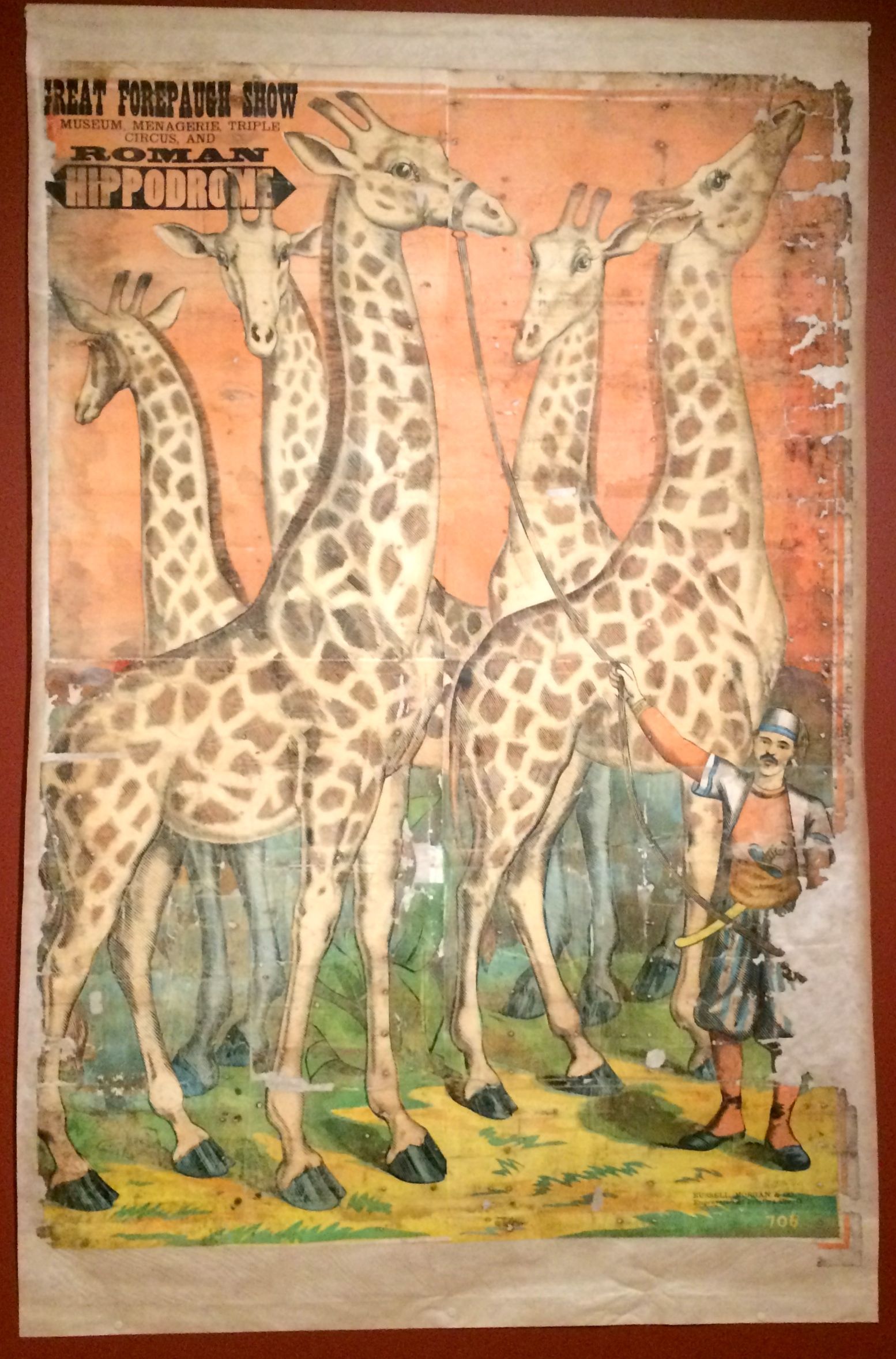
Wouldn’t you want to go see a circus with five giraffes? Such elegant creatures!

Here we have Nala Damajante: Snake Charmer.

Millie Christine: The Two-Headed Lady was also in the circus in 1883.
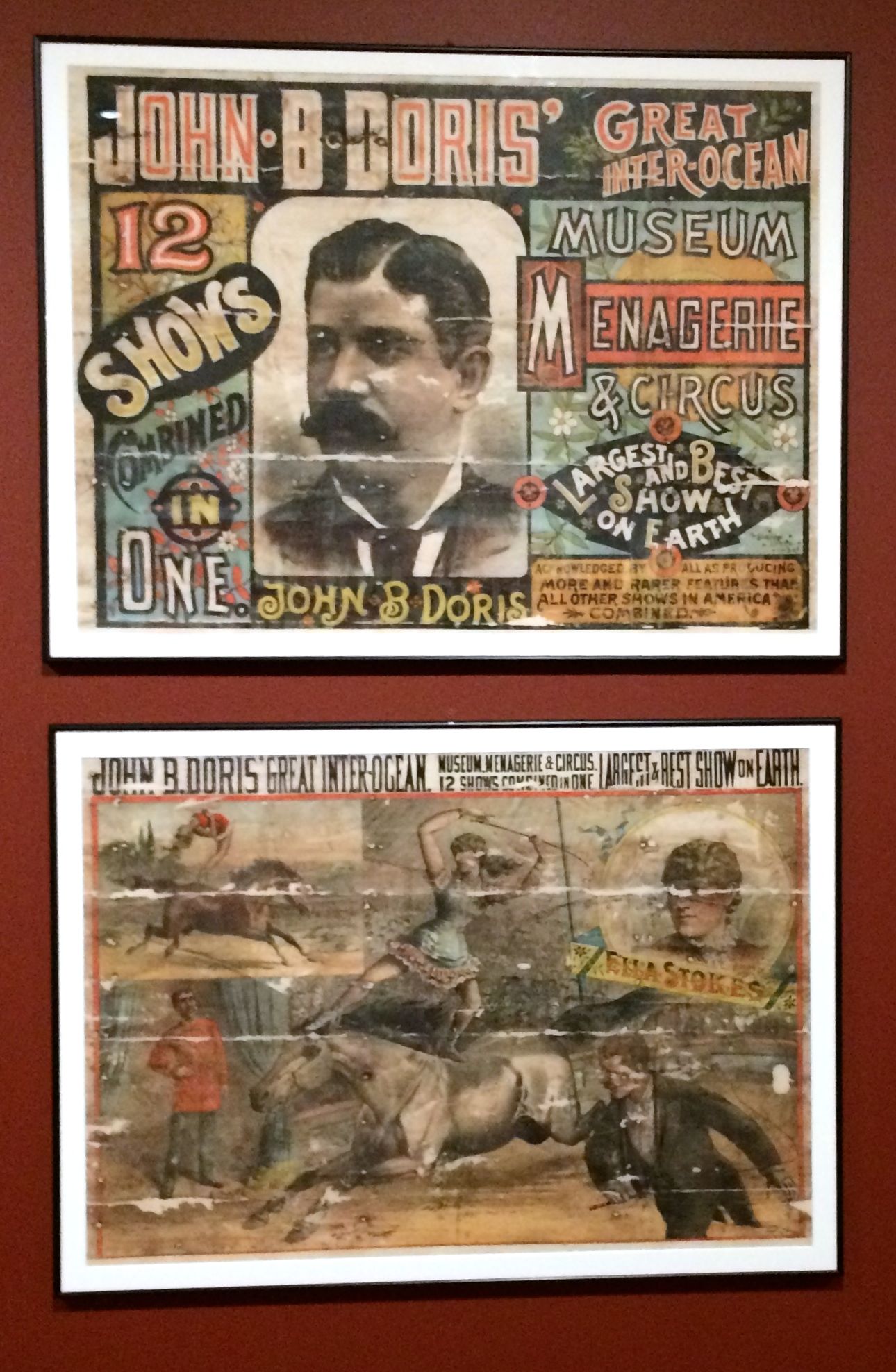
Of course, the people that brought the circus to you wanted you to know who they were. John B. Doris was the impresario.
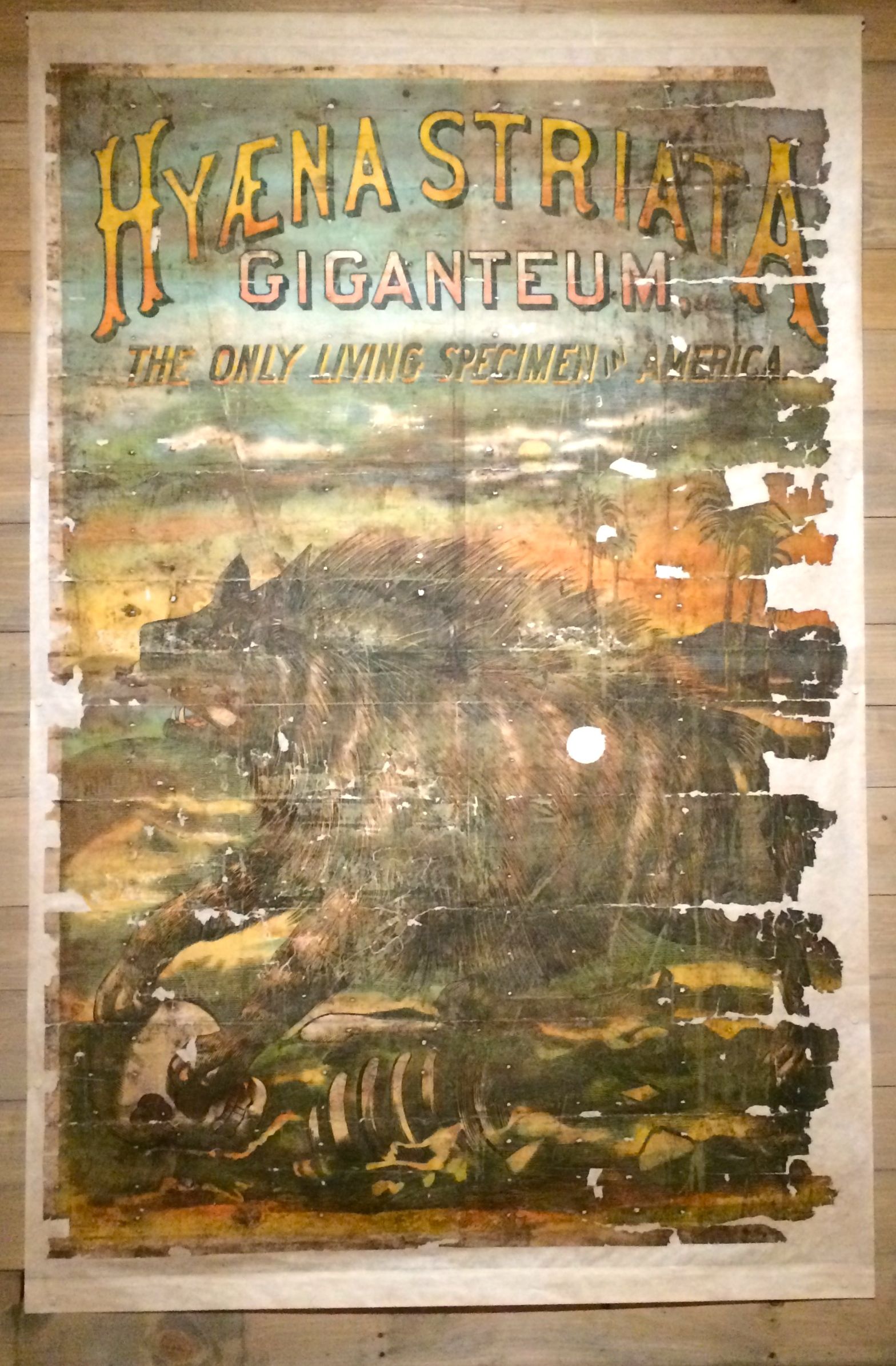
Hyaena Striata Gigateum: The Only Living Specimen in America. This poster is somewhat the worse for wear. It is mounted on cloth, as are the other posters.
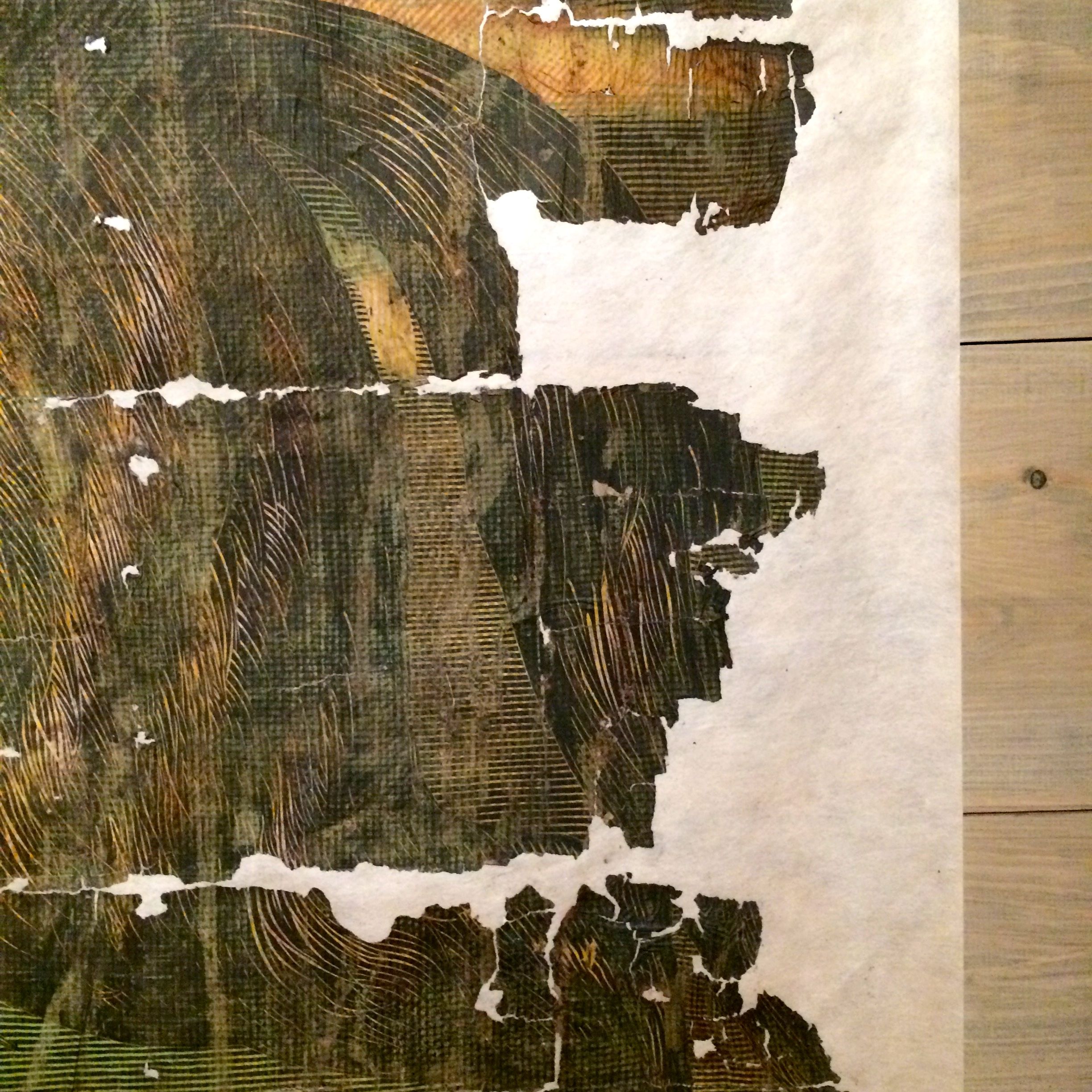
You can see how fragile the posters were. They must have had to work very carefully.
They had a display of poster fragments that were recovered by Nicholas Whitman in a barn in Hoosick, New York.
Examination of the twenty layers and the styles of the posters, they determined that the there were posters there from the late ninetieth century to the 1950’s
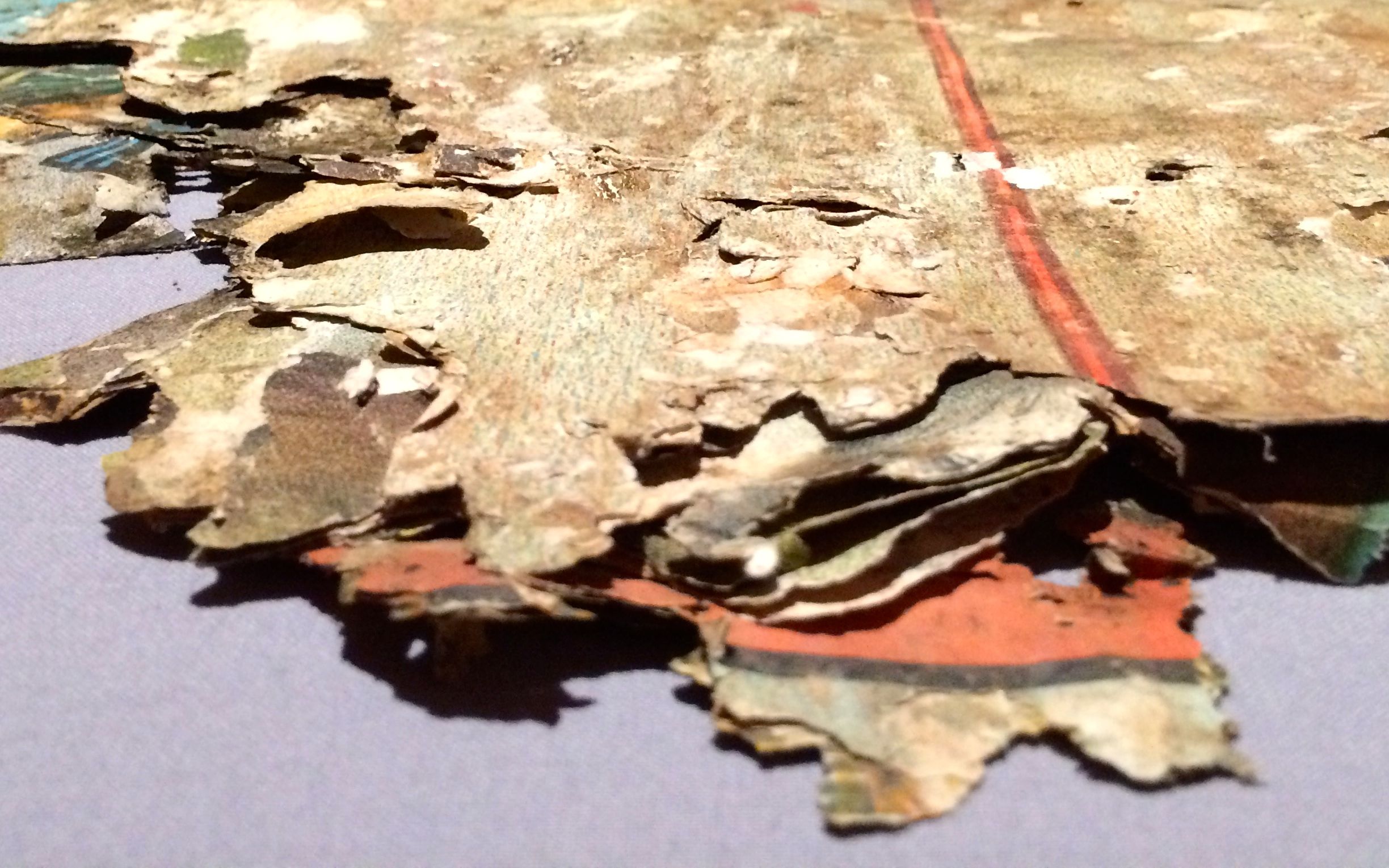
And that’s a whole lot of layers!
When I got done with the exhibit, I returned to the vestibule of the building. The guide who greeted me when I entered asked me how I liked the circus posters. We got to talking about the whole process and I asked her if she know where the house was. She went over to the computer to try to find the address.
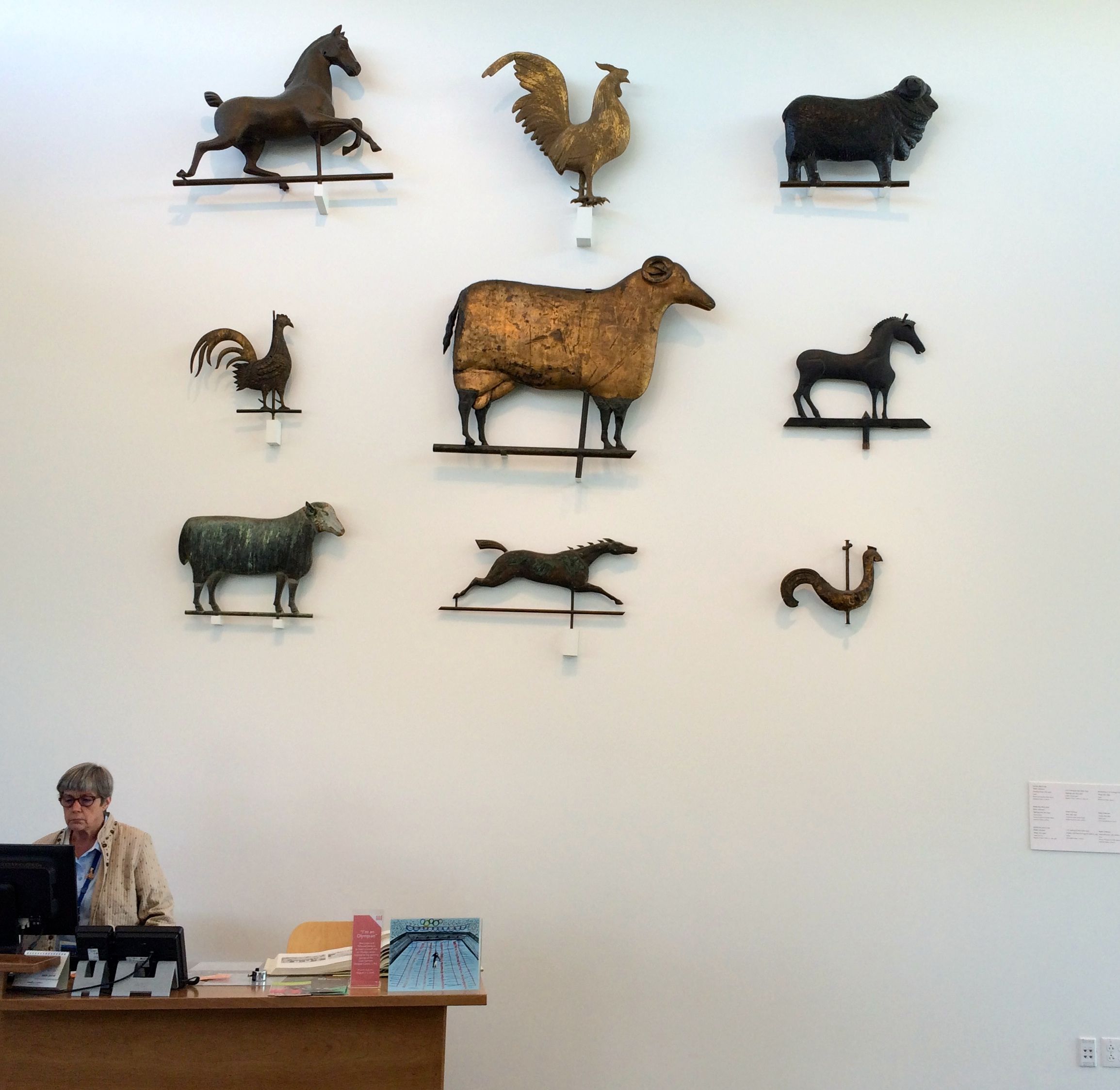
We worked together and identified where the house probably stood. When I left the museum, I set out to find it.
I followed the directions on my phone to the location we identified. I got to the intersection and looked for some place to park so I could look around. I found…

the library!
I parked and went in to ask them if they knew anything about the house I was looking for. They pulled out a reference book and found the address. It was right where I thought it would be.
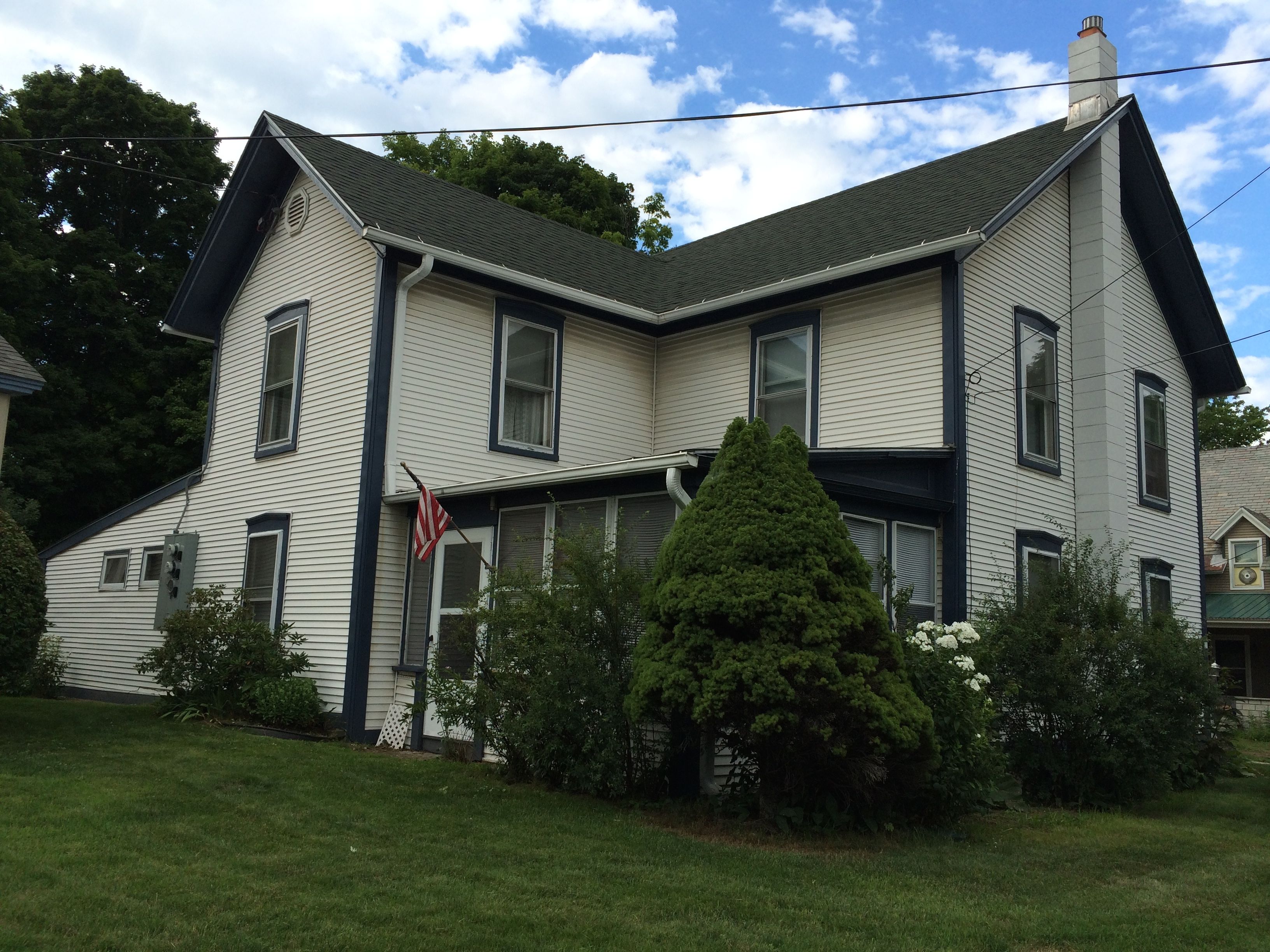
You can see right where the posters had been. I didn’t want to invade the owners’ privacy, so I snapped a few quick shots and went back over to see what I could see at the library.
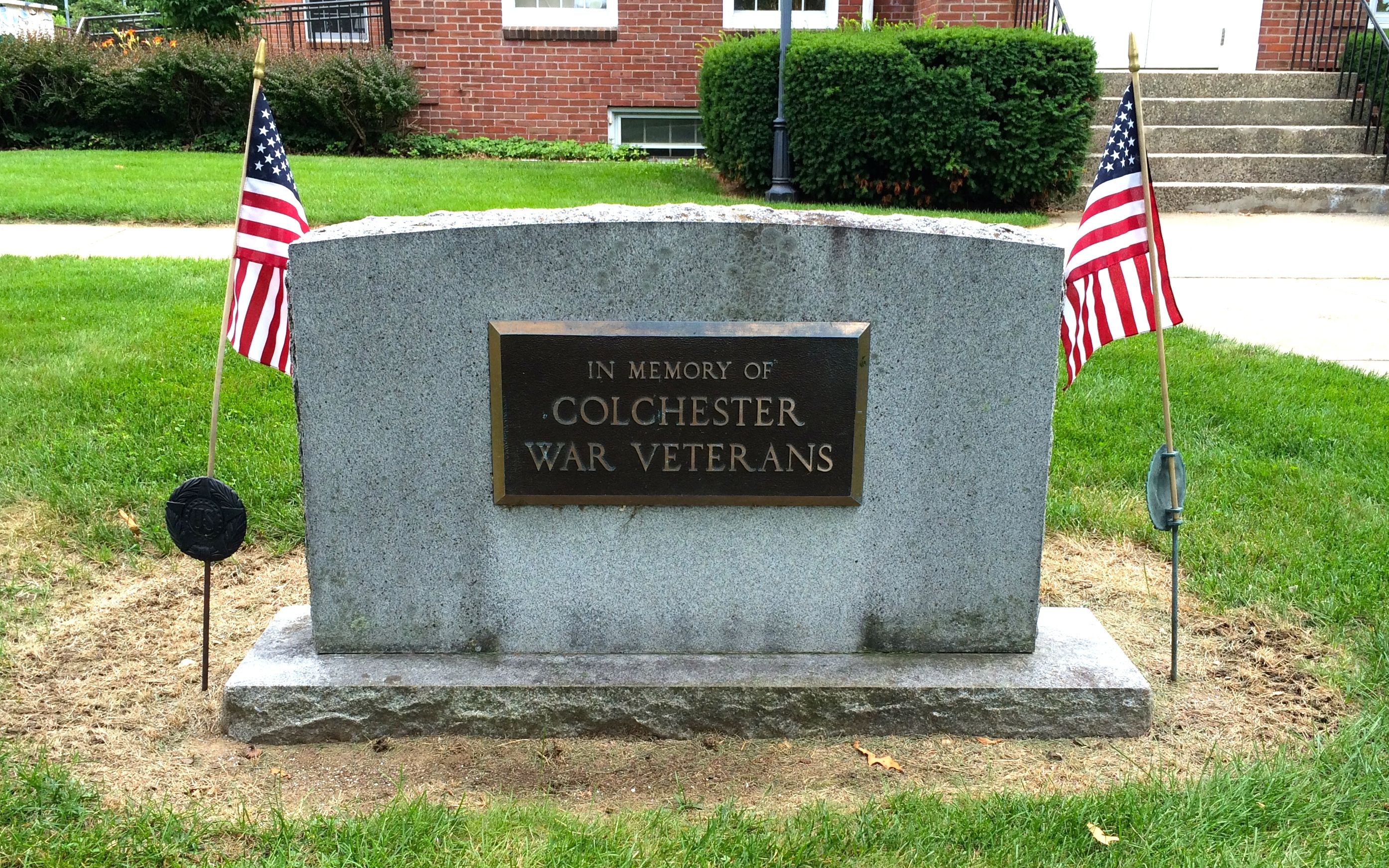
They had a war memorial. I found it relief that they didn’t have memorials to the individual wars that have taken place, with spaces for future wars, like I saw in Marshall, Missouri.
Behind the library was a cemetery. I decided to stroll through and see what I might see. I was amazed with all the history I could see in the small plot of land. For one thing, family names on the grave markers corresponded with road names I had been driving on for the last few days.
For another, I saw markers from almost all the wars our country has been involved in.
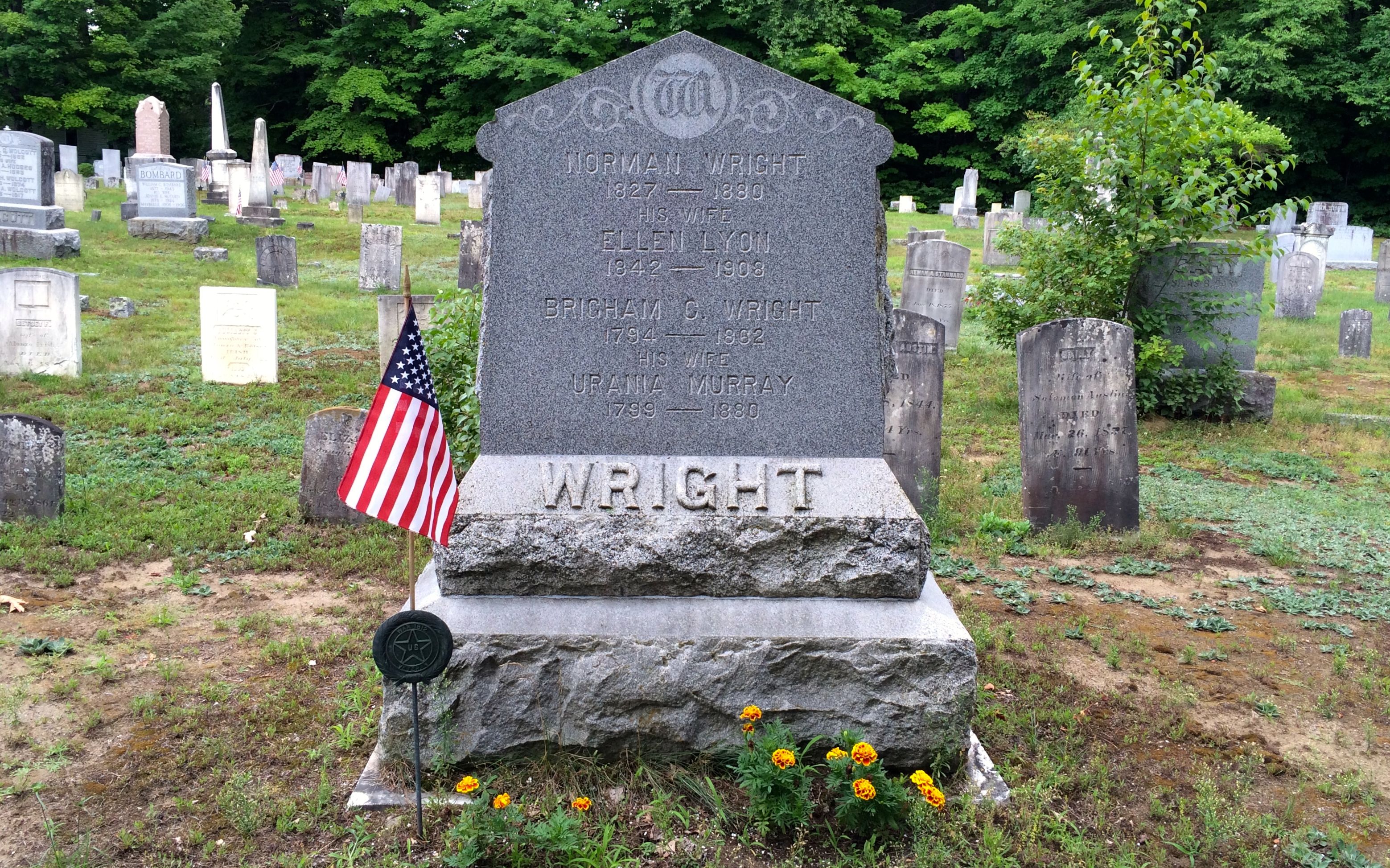
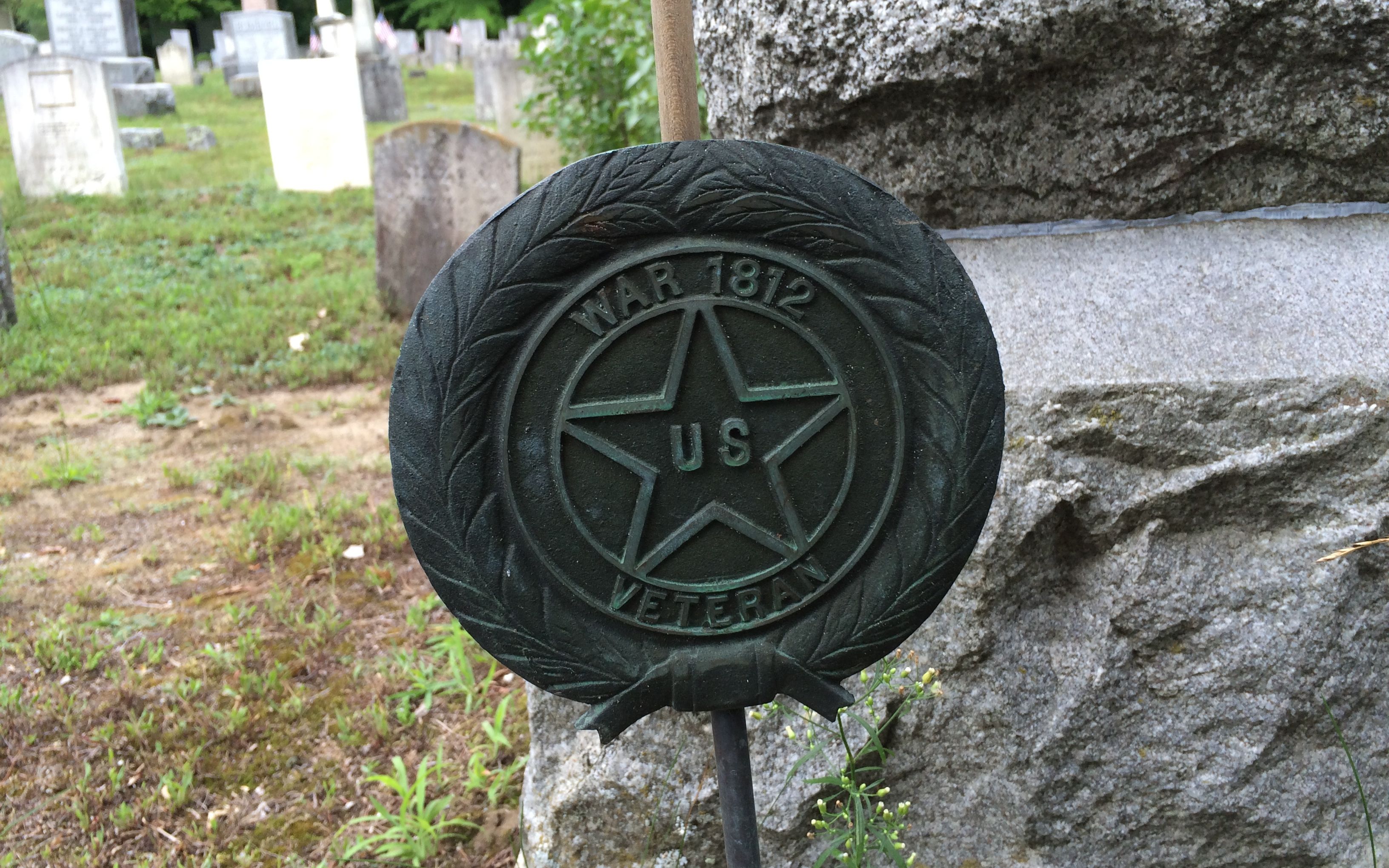
There was the War of 1812.
There was the Civil War.
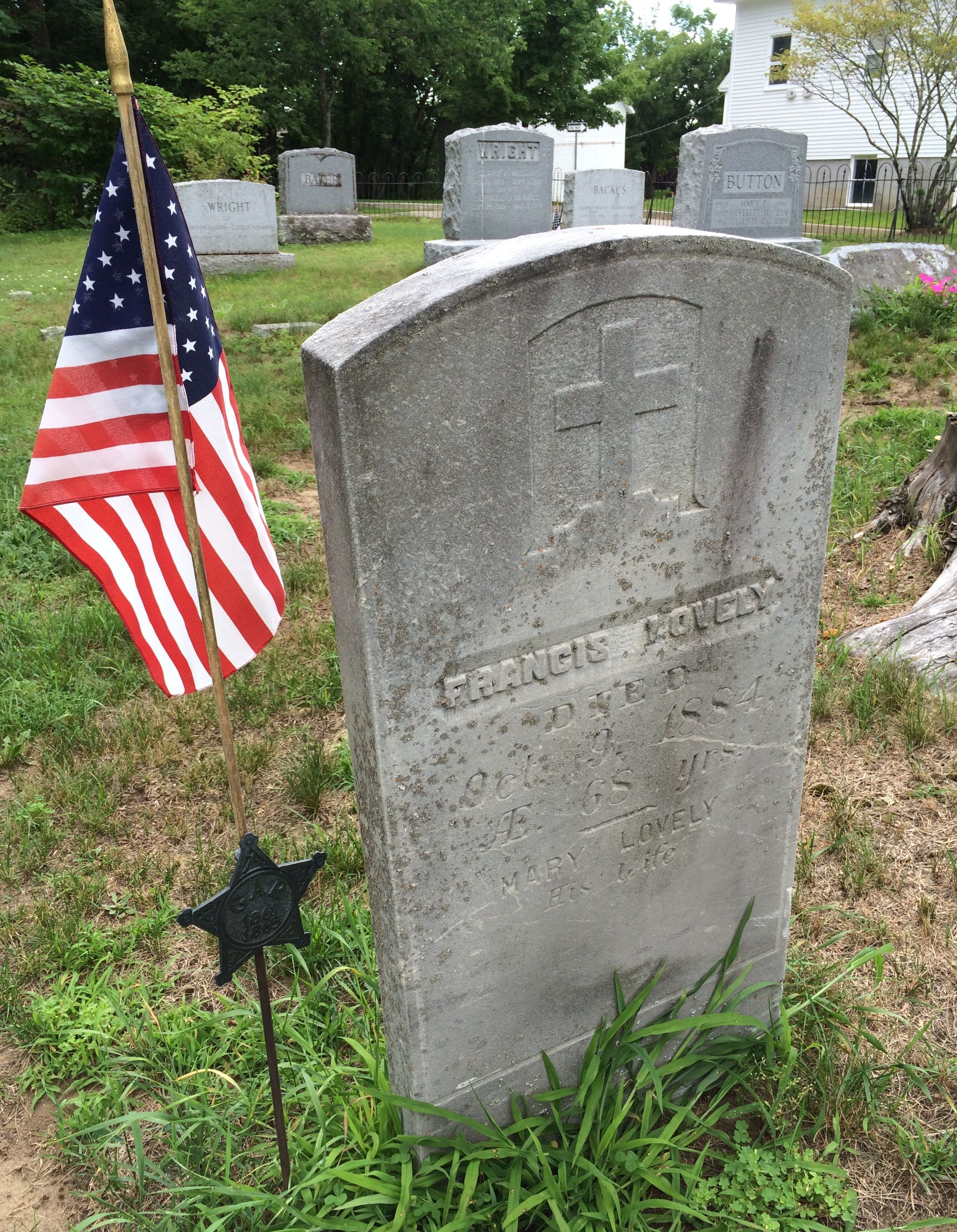
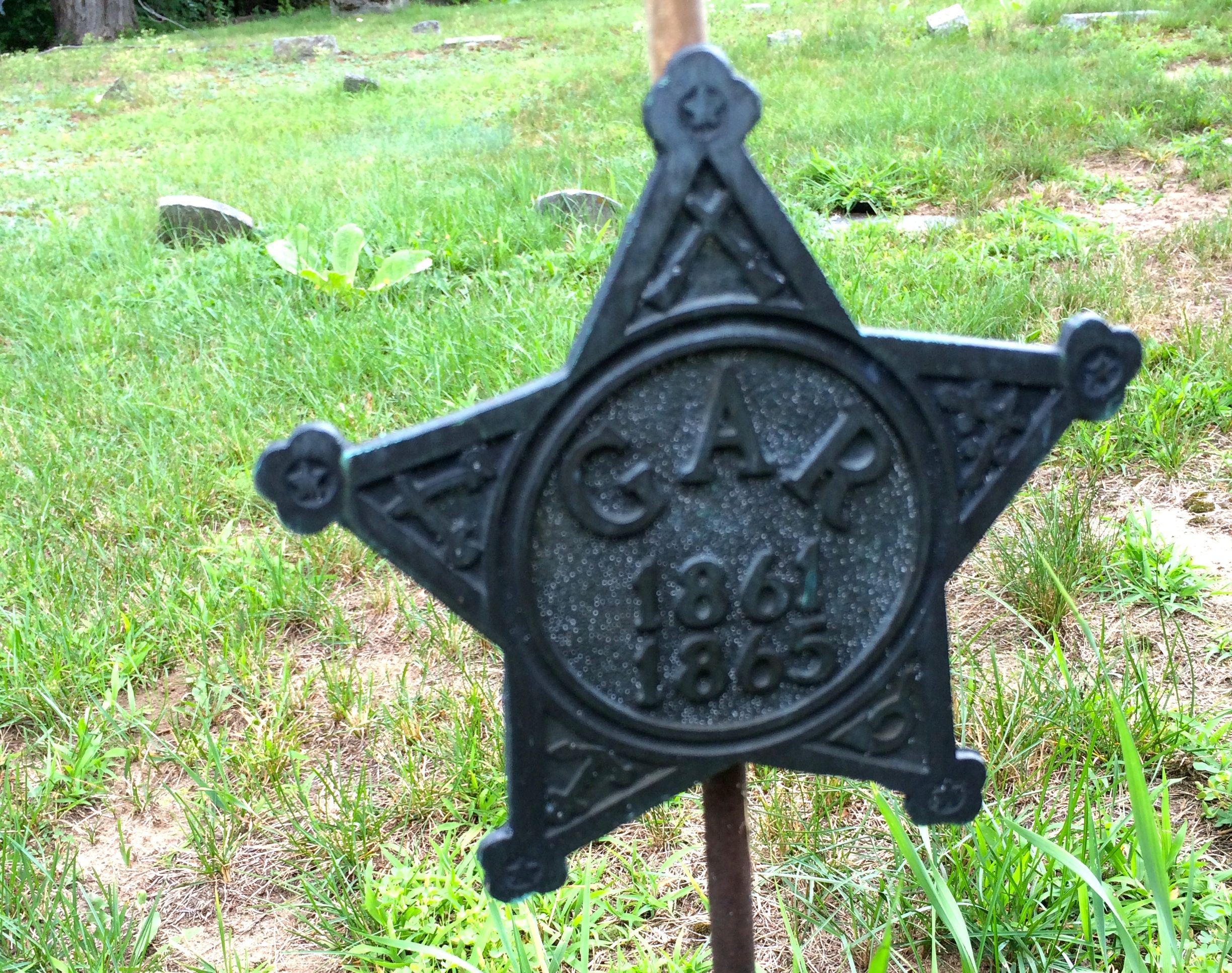
For those that may have forgotten, G.A.R. stands for Grand Army of the Republic.
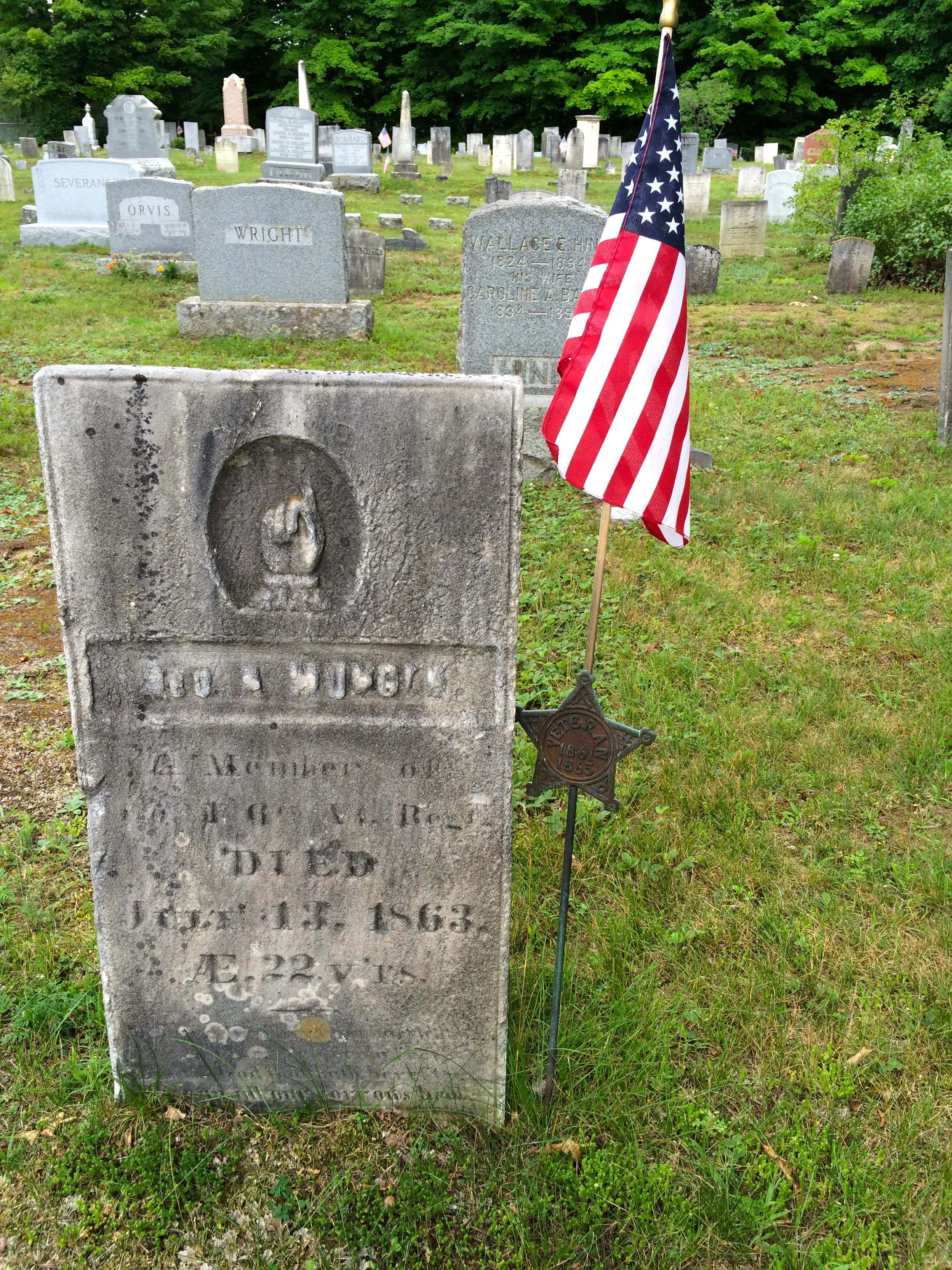
This vet died in 1863. I wonder if he died in a battle, as a prisoner of war or as a result of illness?
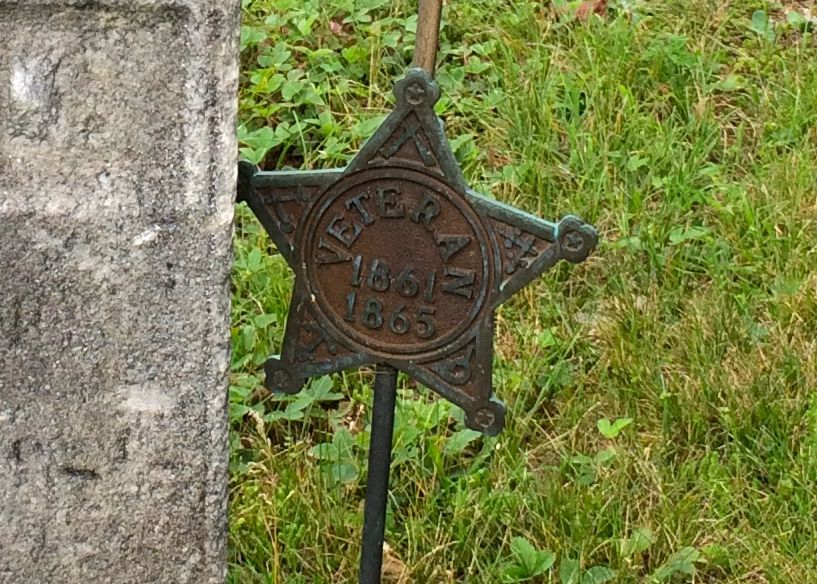
I wonder why there are different designs of flag holder badges? Do you suppose the people who selected them saw a distinction?
I didn’t see any mention of the Spanish American War, but next up was the World War.
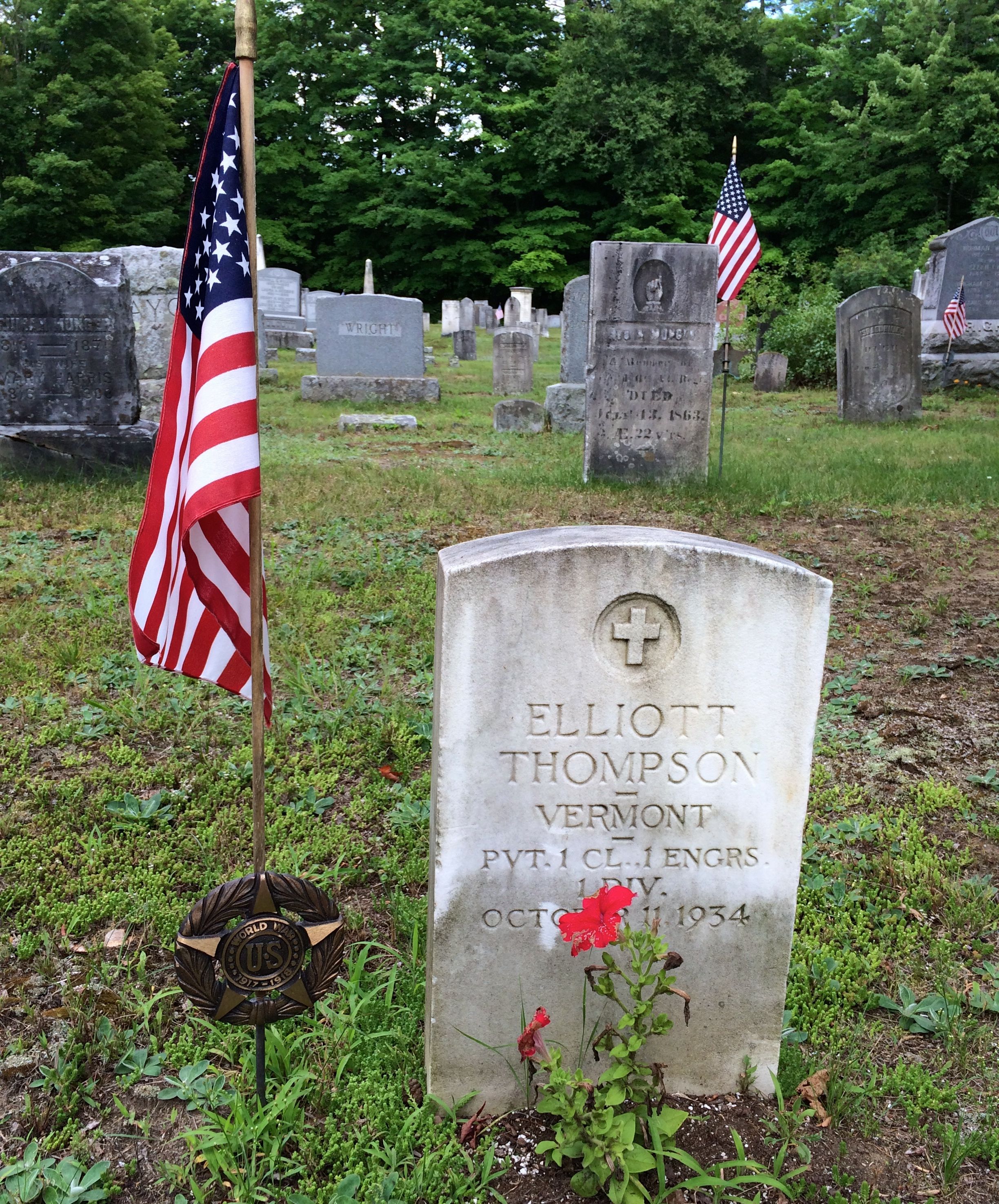
Such a hopeful time. No, it wasn’t World War I. At that time, they thought it was the war to end all wars.
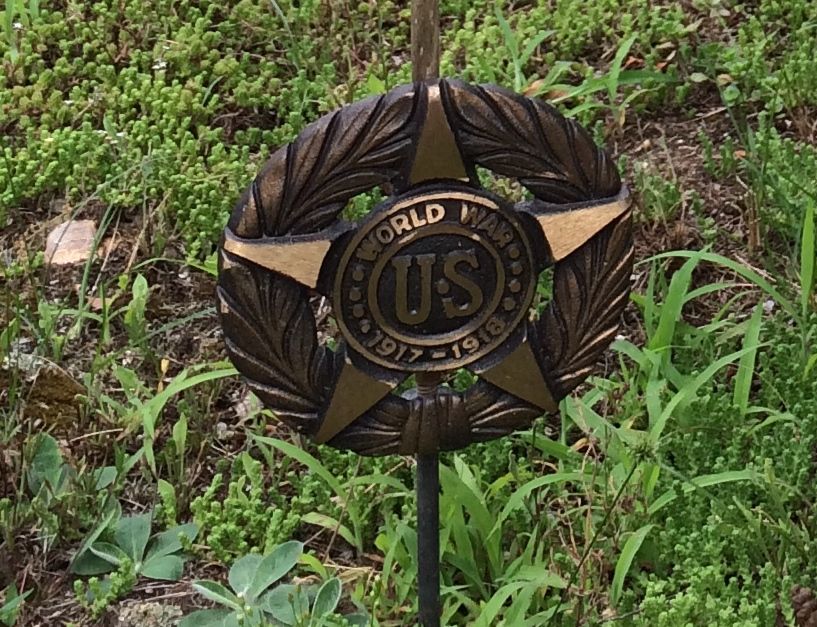
Now we know better.
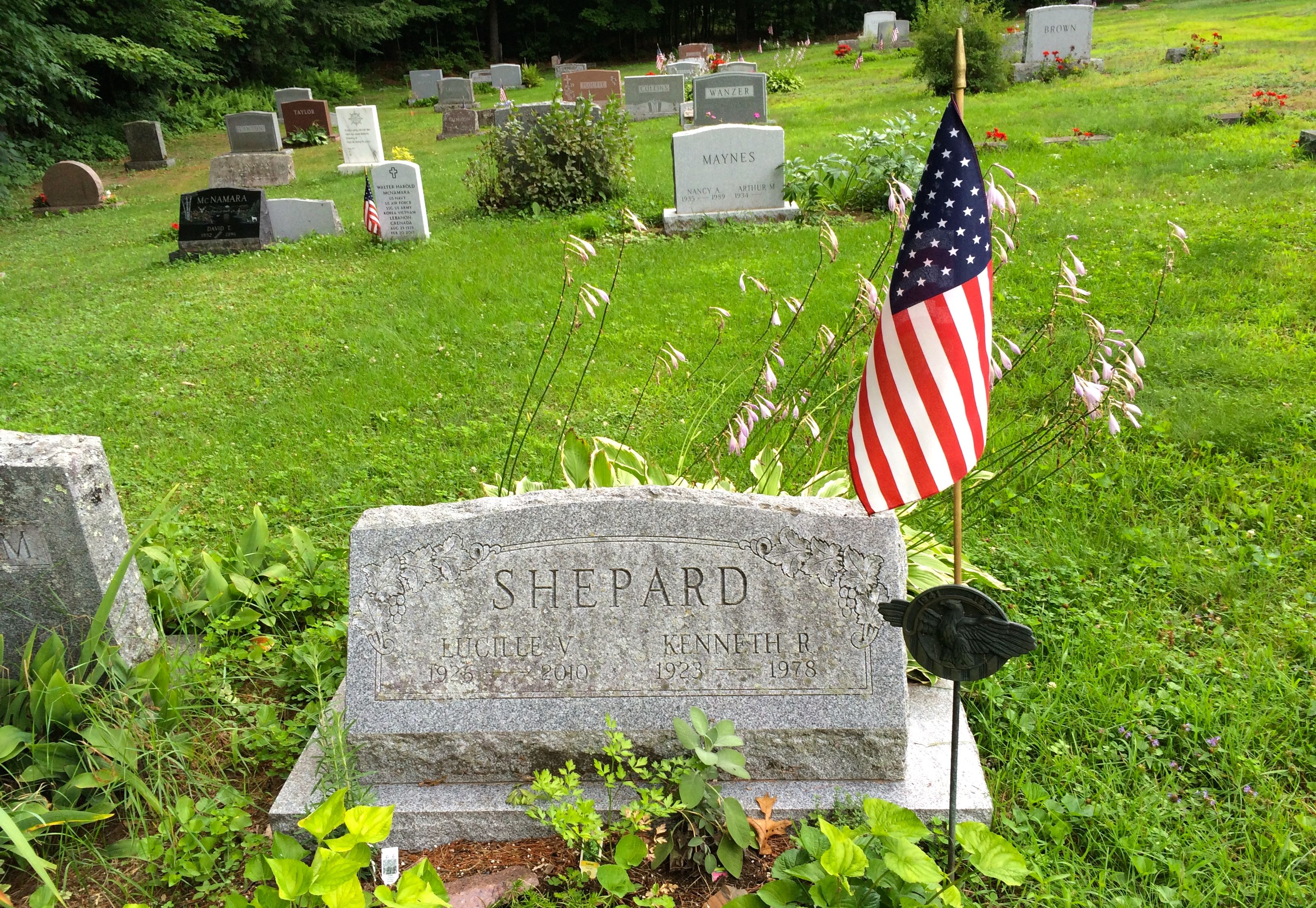 World War II came along before we had time to catch our breath.
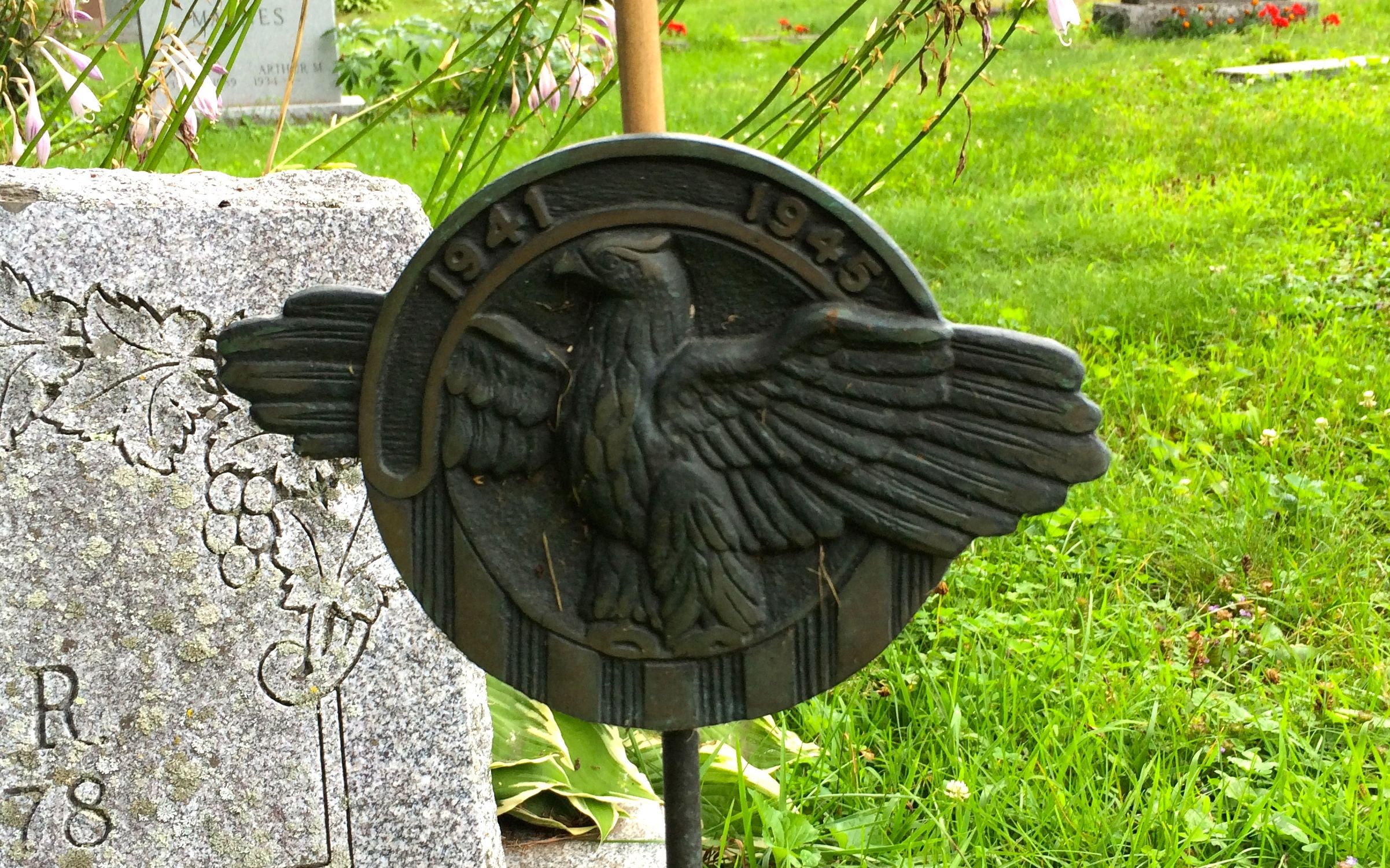
Is it just me, or do wars seem to be happening more quickly?
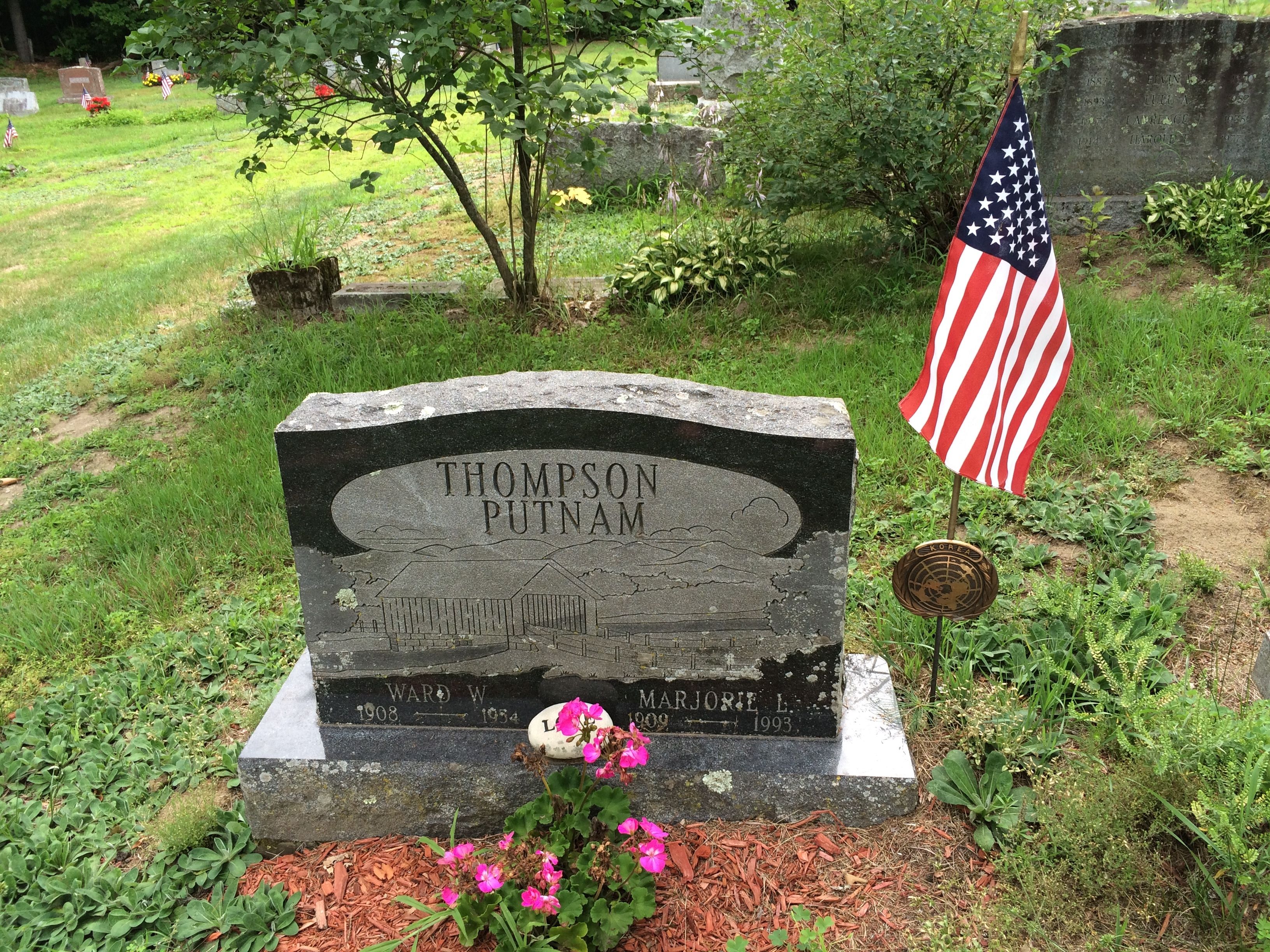
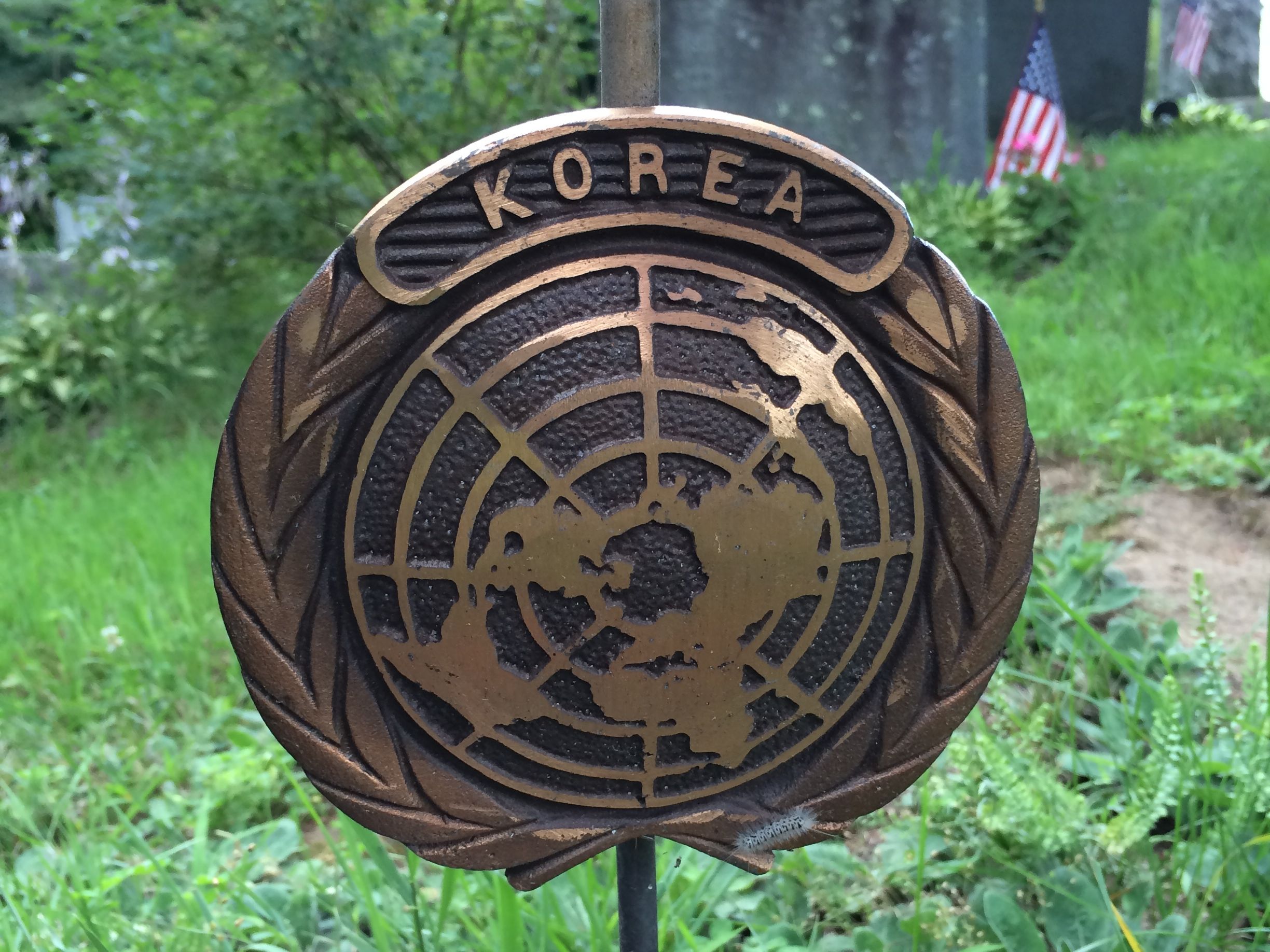
Next up, the Korean Conflict.
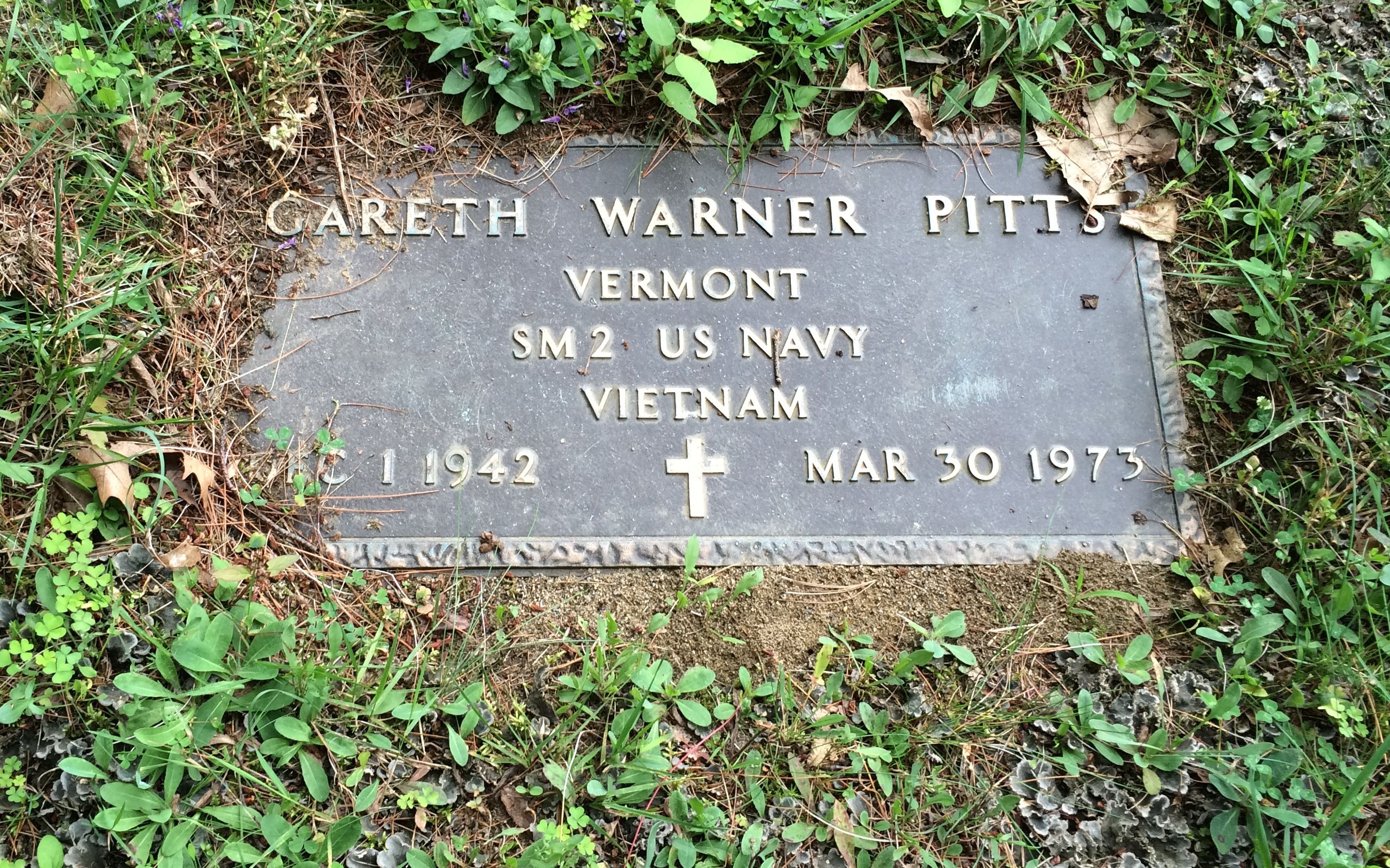
Next up: Vietnam.
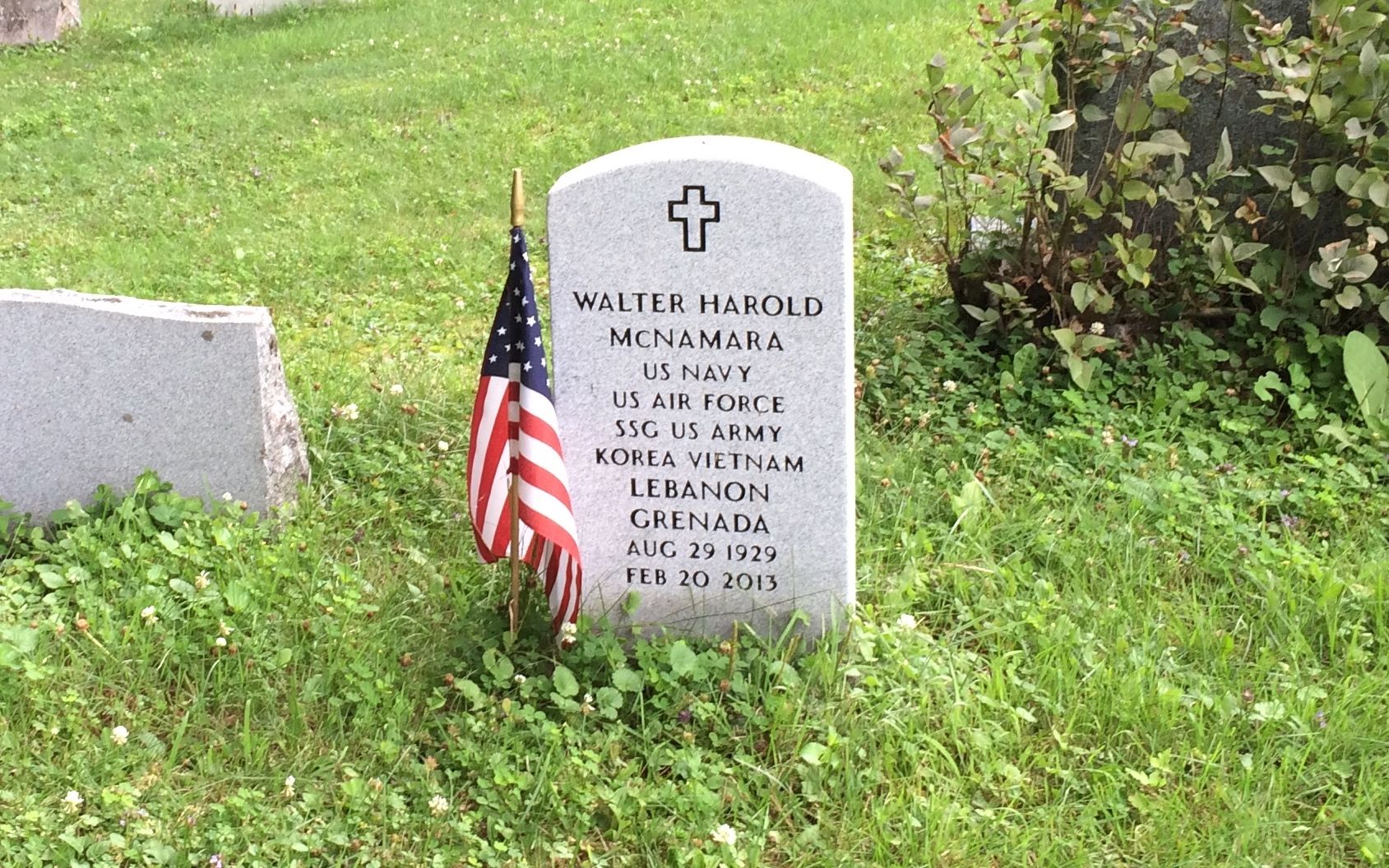 This man served in many conflicts.
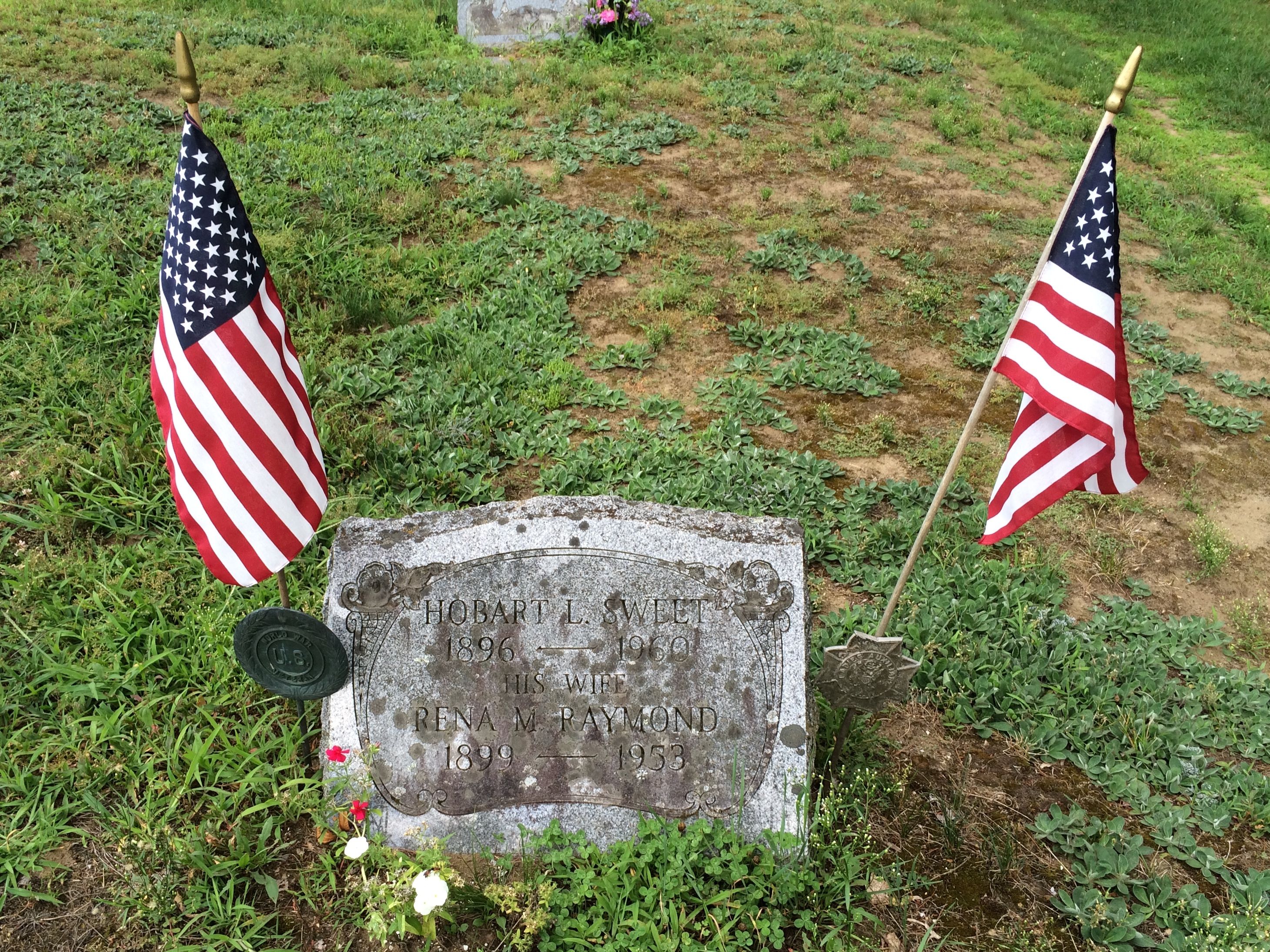
This couple each served in their own ways.
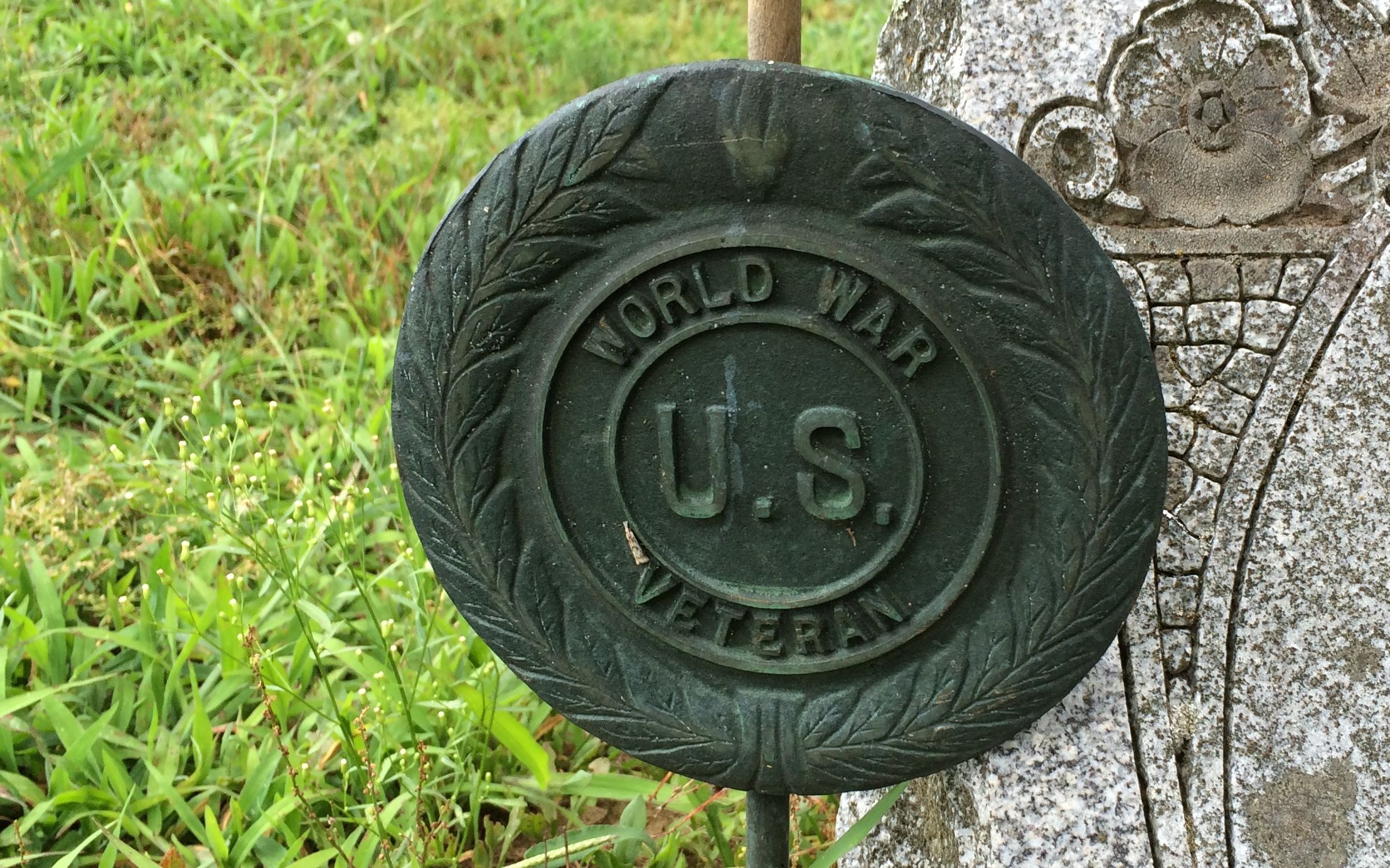
He was a veteran of the fighting.
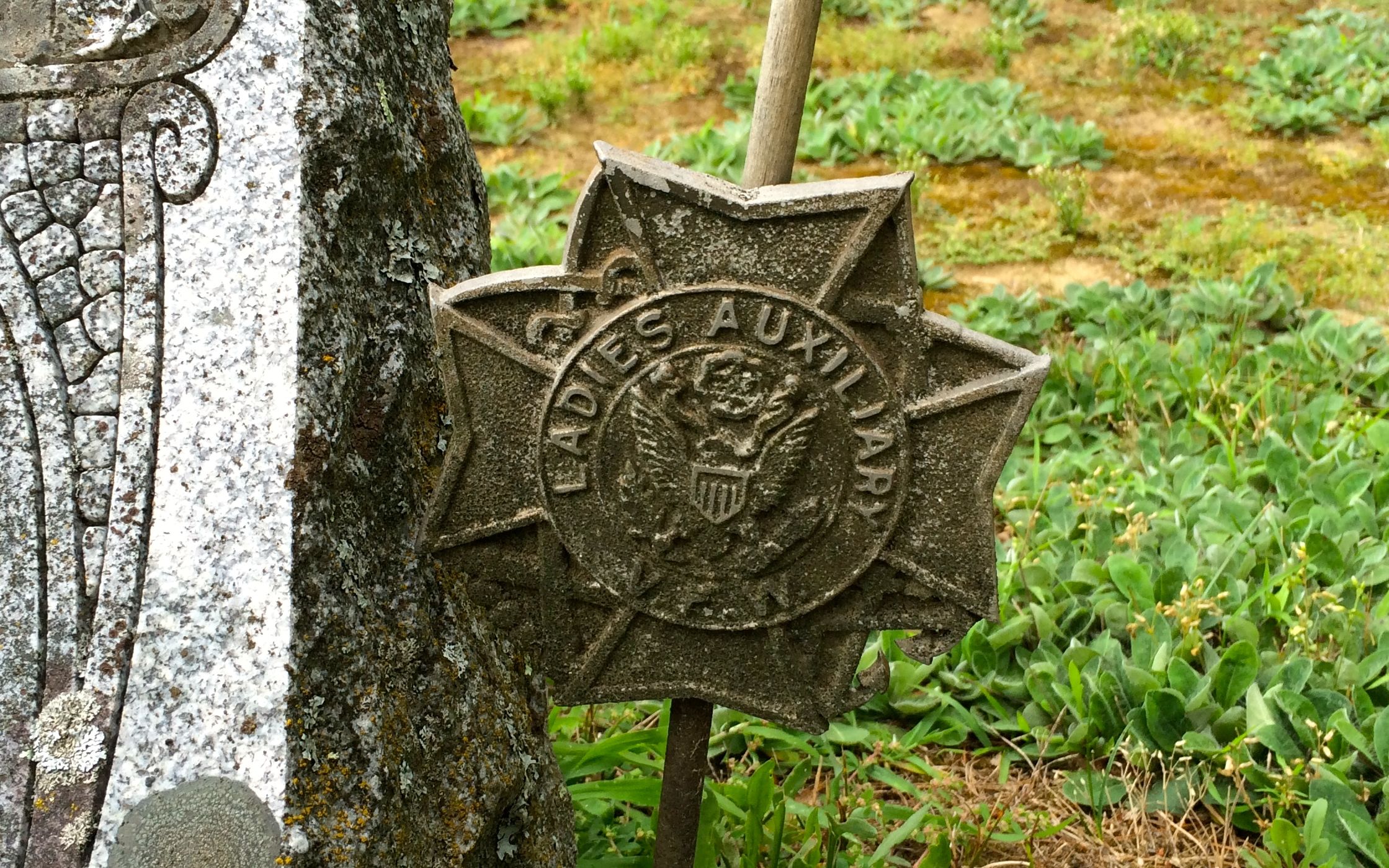
She served in the Ladies Auxiliary of the VFW.
So many of these people must have seen the posters that were plastered on the house at the corner. I imagine they even might have seen the circus. Now this was real history, and much more satisfying than a cobbled together museum celebrating “Americana.”
And with that, it was time to head back to the campground.