As I mentioned in my last post, the weekend was here and I was spending it with friends.

There’s nothing better than time spent with old friends! We did a lot of hanging out and chilling. Even though it was the Fourth of July weekend, DC had some work obligations, but Ron and I played tourist a bit.

It was a laid back weekend, but Ron and I managed to find something of historic significance to do.
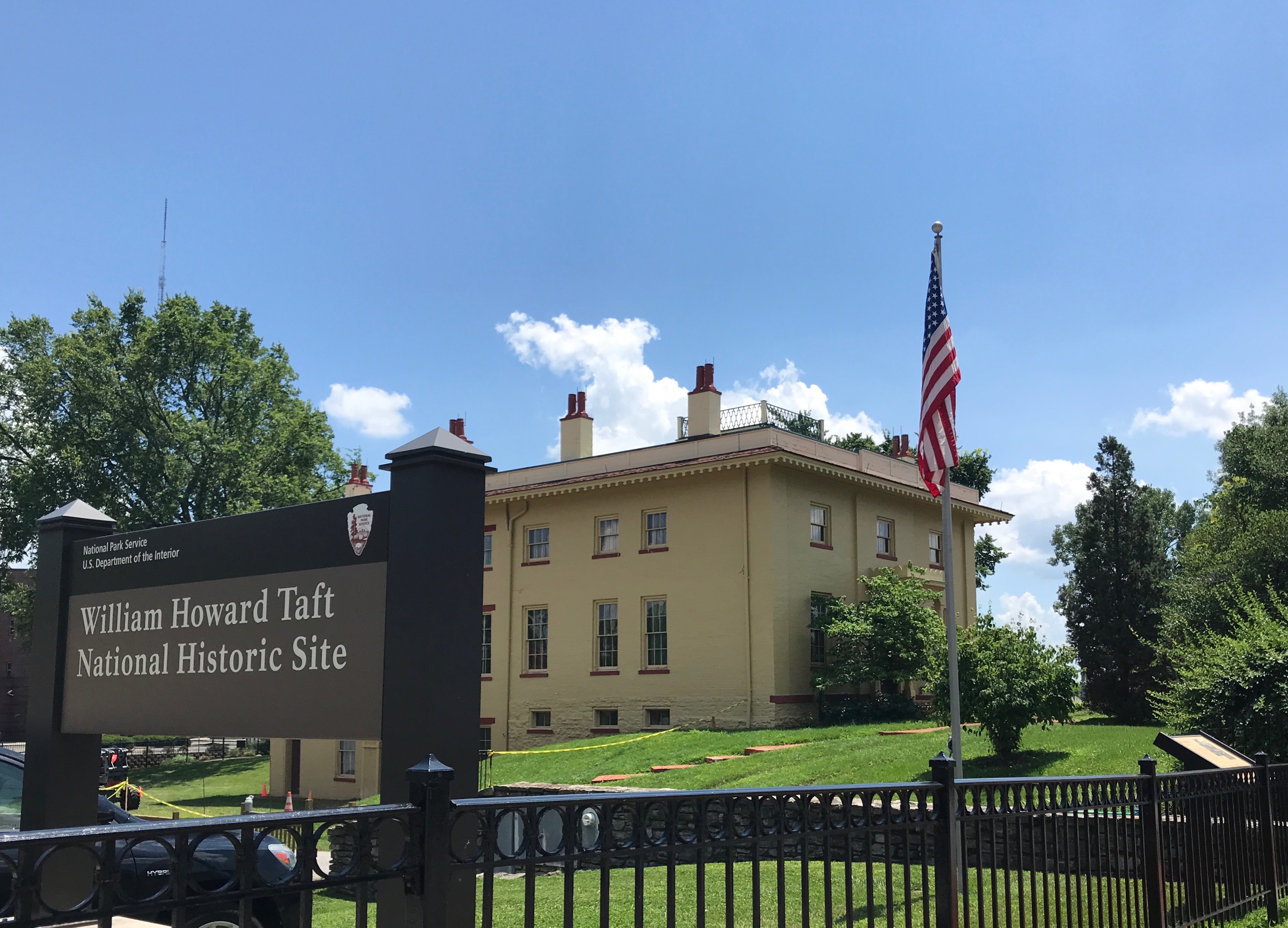
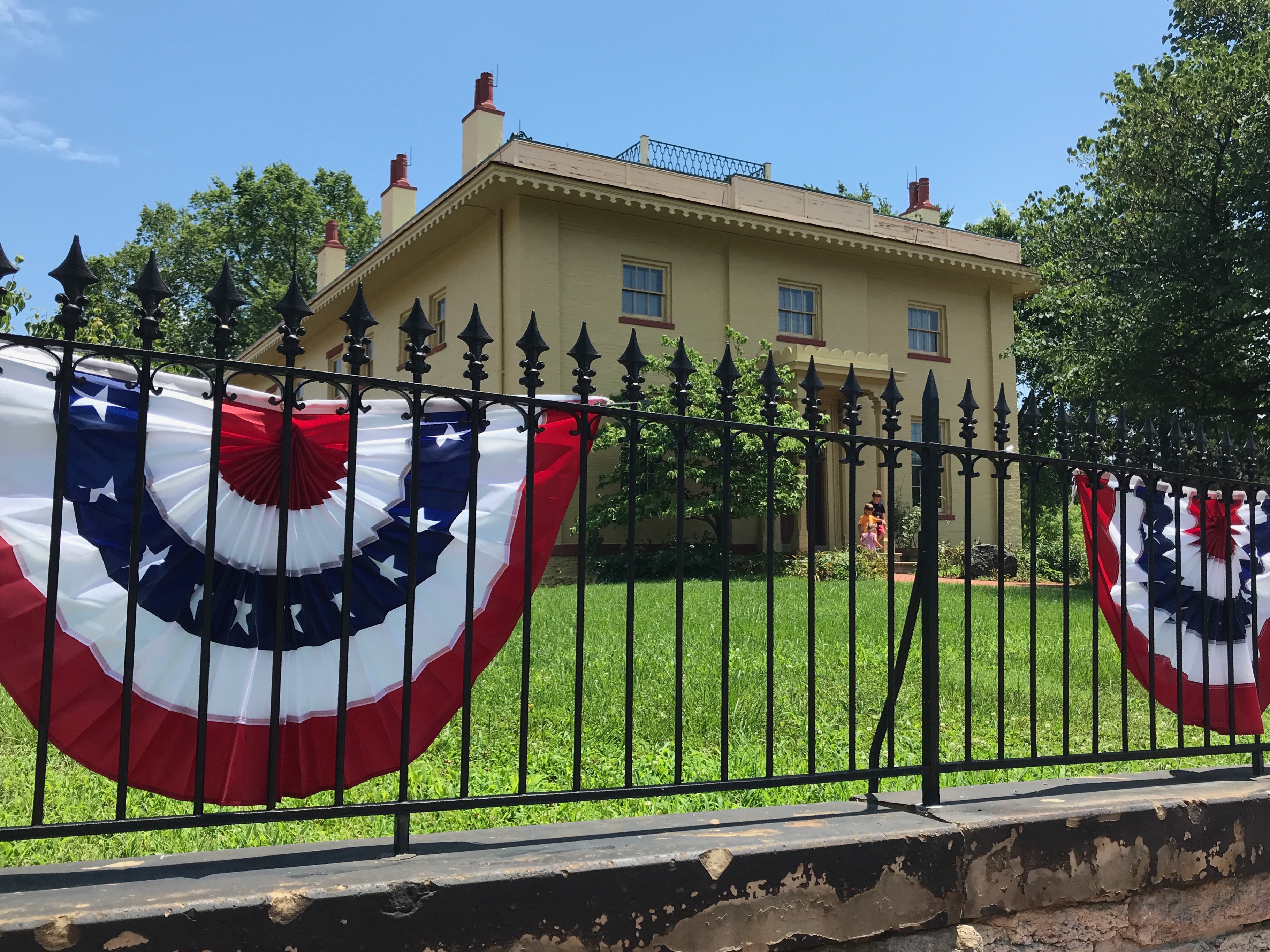
We visited the birthplace of our 27th president, William Howard Taft.
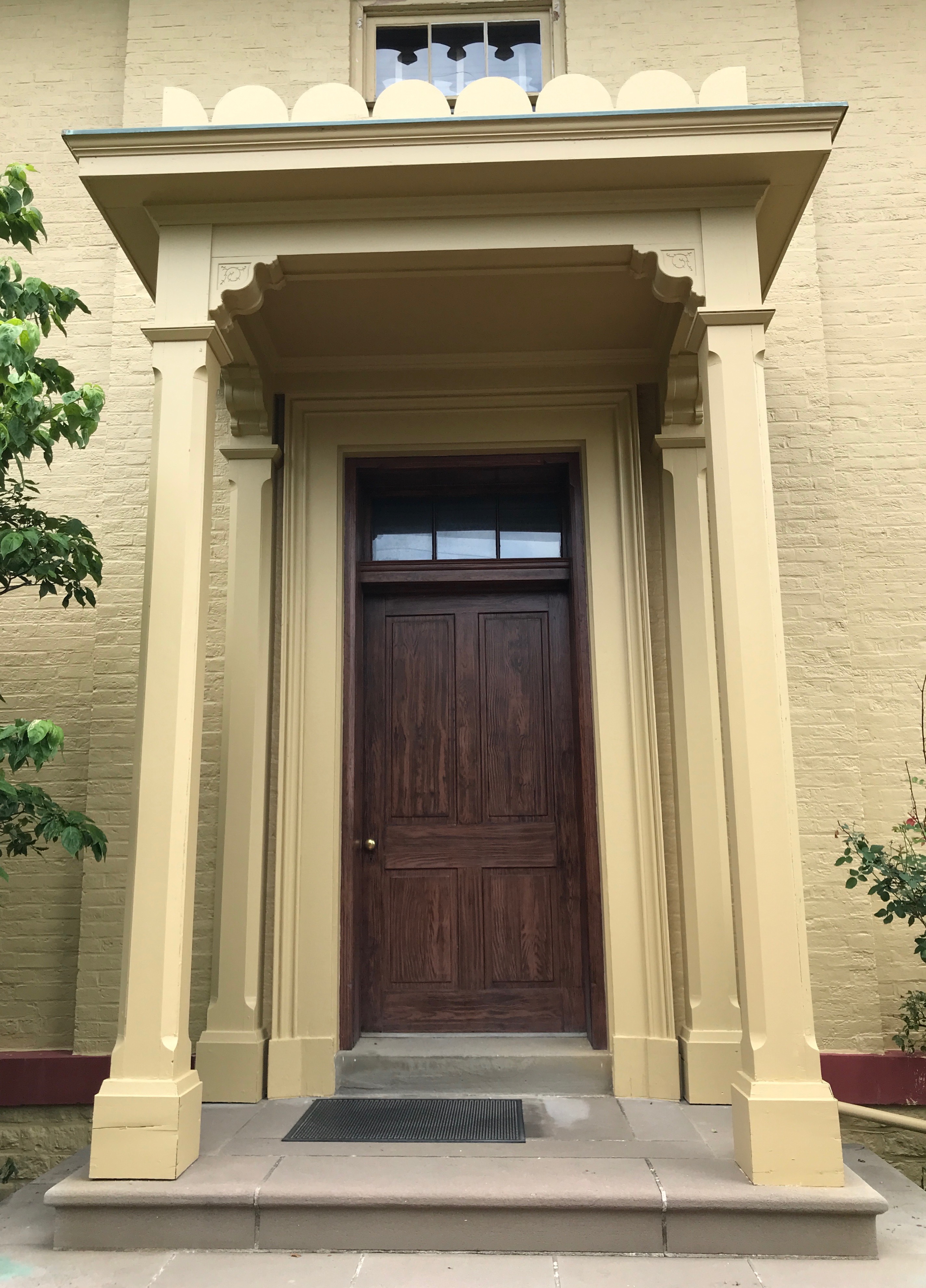
He was born in this Greek revival house on September 15, 1857, high atop one of Cincinnati’s most prominent hilltops. His father, Alphonso Taft, was a U.S. Attorney General and Secretary of War, so he had quite the role model. He attended Yale, like his father, and was also a member of Skull and Bones, like dear ol’ dad.
The house was built in 1840, and Alphonso bought it for his growing family in 1851. He added an addition on to the original structure. William and his six siblings must have been a lively bunch. He lived here until he went to Yale in 1874. The Taft family lived in the house until 1889, when Alphonso and his wife moved to San Diego due to his failing health. Alphonso died in 1891, but it stayed in the Taft family until 1899 when his widow was finally able to sell the house.
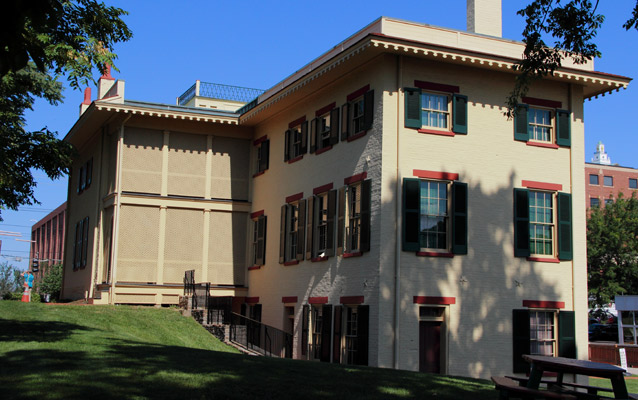
Interestingly, my Preferred Source says that the Taft family was not wealthy. This house is described as a “modest” home in the suburb of Mount Auburn. His father, in addition to being part of President Ulysses S. Grant’s cabinet, was also a judge and an ambassador.
Personally, I would consider the family to be fairly well-heeled.
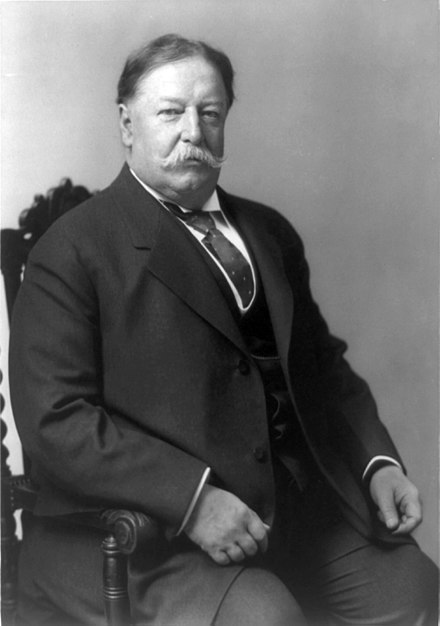
I have included this photo of President Taft, just in case you couldn’t remember what he looked like.
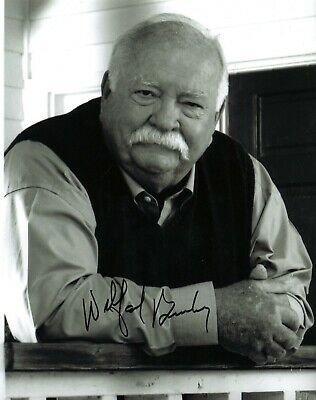
I do believe Wilford Brimley could have played him in a biopic, though.
Since I couldn’t remember anything much about Taft, I had to look up some information about him. He had quite the career.
When he passed the bar, he served as a lawyer and assistant prosecutor of Hamilton County, where Cincinnati is located. President Chester A. Arthur appointed him Collector of Internal Revenue for Ohio’s first district, but quit because he refused to fire competent employees who were politically out of favor.
His next big job was as judge on the Superior Court of Cincinnati.
Taft’s major professional goal was a seat on the Supreme Court of the United States. Ohio Governor Foraker suggested that President Harrison appoint Taft to fill a vacant seat. In 1889 Harrison appointed him, but not to the Supreme Court. He was appointed Solicitor General of the United States and removed to Washington.
In 1891, Taft was appointed as a judge to the Sixth Circuit, which was based in Cincinnati. These appointments are for life, just like the appointments to the Supreme Court. Somewhere along the way, he became dean and Professor of Property at his alma mater, the Cincinnati Law School. I wonder if this was considered to be moonlighting?
Ohio Governor William McKinley was elected president in 1896.
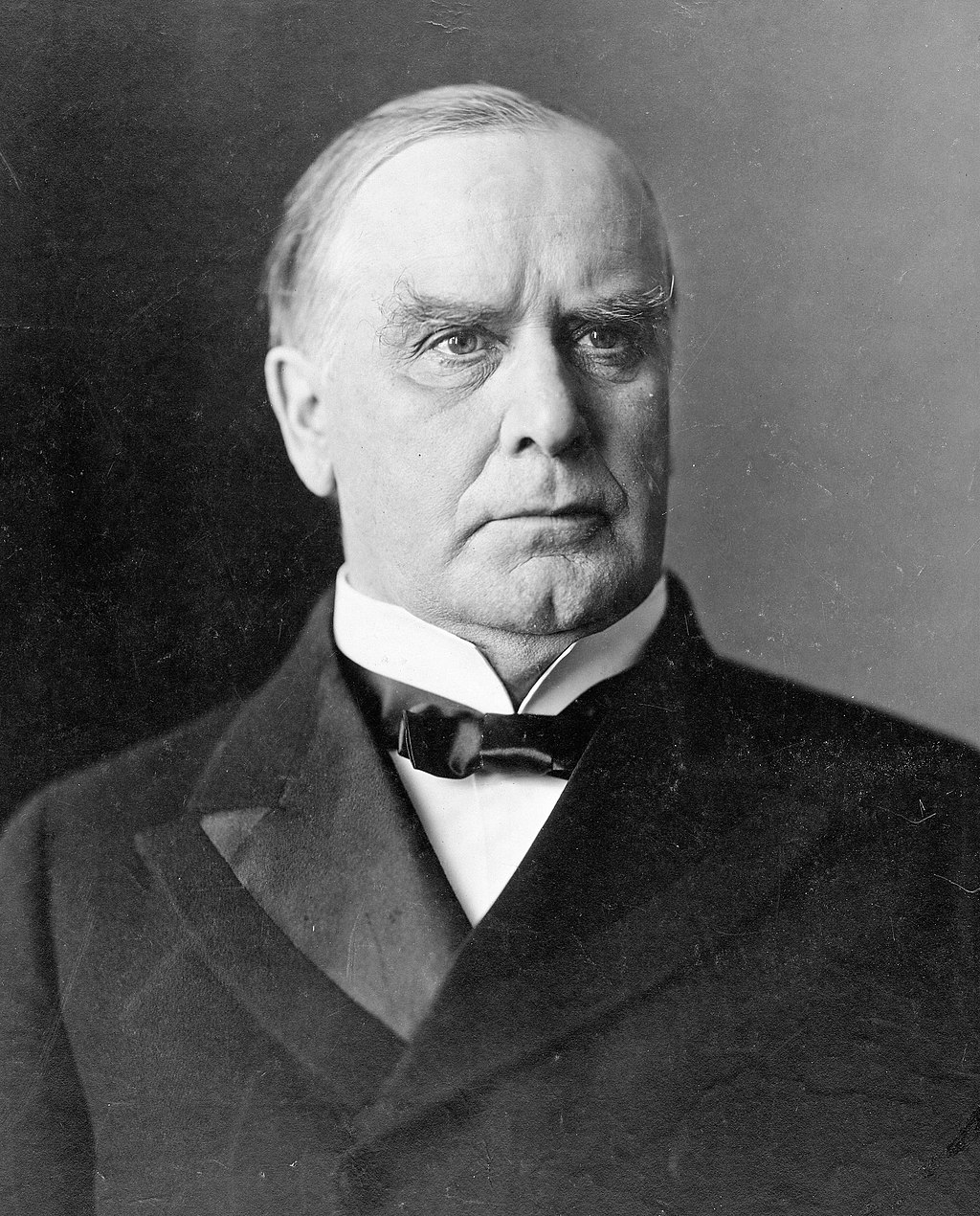
In 1898, a place on the Supreme Court opened. I imagine that Taft must have thought he had a good shot at the seat, as they were both from Ohio, but McKinley appointed Joseph McKenna.
In 1900, McKinley summoned Taft to Washington. Taft again hoped that a Supreme Court appointment was in the works. Instead, McKinley placed Taft on a commission to organize a civilian government in the Philippines. The appointment would require that Taft resign from the bench, but the president assured him that if he fulfilled this task, McKinley would appoint him to the next vacancy on the high court.
Unfortunately for Taft, McKinley only had one vacancy on the Supreme Court during his term. His presidency was cut short by Leon Czolgosz, who shot him at point blank range at the Pan-American Exposition in Buffalo in 1901.
Theodore Roosevelt became president.
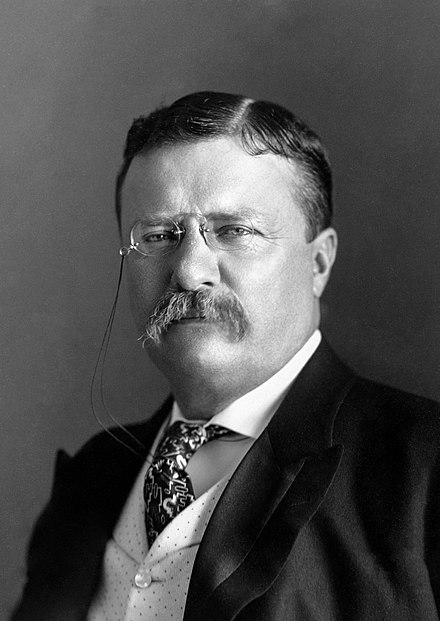
Hmm…Perhaps a young Wilford Brimley?
In late 1902, Taft heard from Roosevelt that a seat on the Supreme court would soon fall vacant. Roosevelt wanted Taft to fill it. Even though this was Taft’s lifelong professional goal, he refused the nomination, as he felt that his work in the Philippines was not yet complete. In 1904, Roosevelt asked him to become Secretary of War. As the War Department administered the Philippines, Taft would remain responsible for the islands.
After consulting with his family, Taft agreed and sailed for the United States in December 1903.
Personally, I imagine that his family started packing before the words were out of his mouth. The climate there is characterized by relatively high temperatures, oppressive humidity and plenty of rainfall. Remember that this was before the invention of air conditioning.
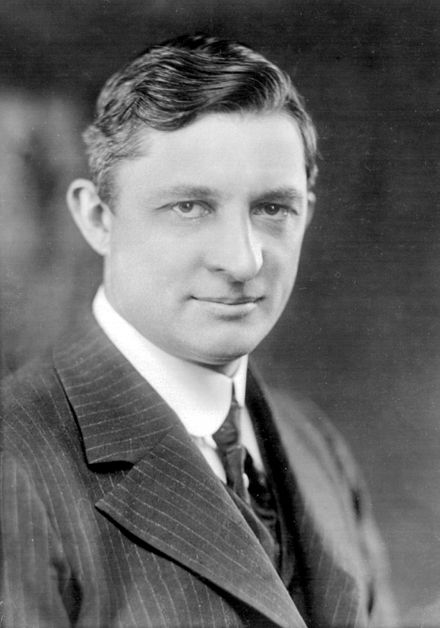
Willis Carrier, Buffalo boy made good, submitted drawings for what became recognized as the world/s first modern air conditioning system. That didn’t happen until 1902, and it was developed for a factory, not for home use.
Roosevelt completed three years of McKinley’s term and won election in his own right in 1904. On the night of his election, he pledged not to run for re-election in 1908. Although Roosevelt came to regret his promise, he stuck by his word. Taft was elected in 1908.
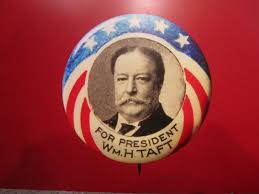
Taft was president from 1909 – 1913. Things happened. There are far too many to recount here. If you are interested in learning more, my Preferred Source is a good place to start.
in 1913, Woodrow Wilson became the 28th president of the United States.
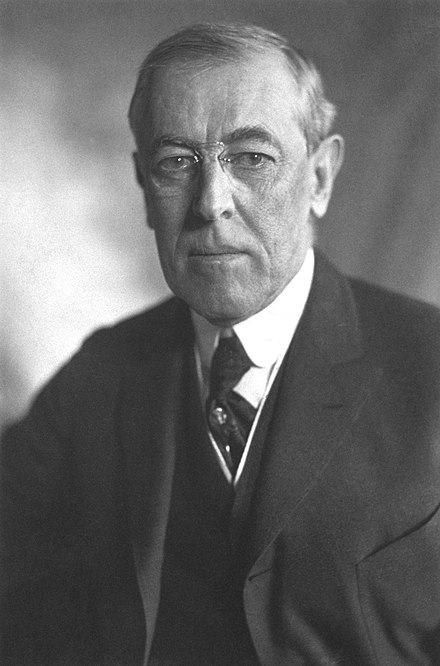
After leaving office, Taft was faced with a dilemma. At 56, with no pension or other compensation to expect from the government, he had to figure out how to support himself. The Former Presidents Act, which provides lifetime benefits to presidents who were not removed from office, wasn’t passed until 1958.
He considered returning to the practice of law. However, since he had appointed many federal judges, including a majority of the Supreme Court, this would raise questions of conflict of interest at every federal court appearance. His problem was solved when Yale invited him to be the Kent Professor of Law and Legal History. He also earned money with paid speeches and articles for magazines, and ended his eight years out of office having increased his savings.
In 1921, Taft finally achieved his lifelong career goal. Warren G. Harding appointed him as chief justice.
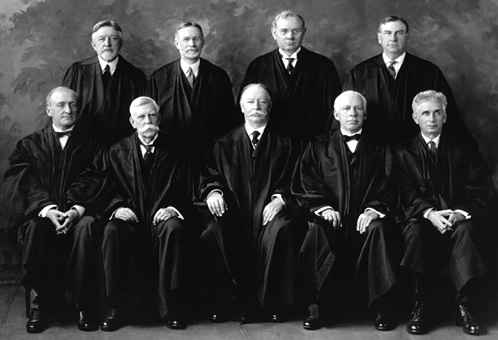
Taft’s health declined during the time he was Chief Justice. He died in his home in Washington D.C. on March 8, 1930.
His birthplace was established as a national historic site in 1969 when President Richard Nixon signed the legislation authorizing the William Howard Taft National Historic Site.
In the words of Forrest Gump,

“And that’s I have to say about that.”