My true mission for stopping in Raleigh was to see the state capitol building. I’ve been trying to see as many as I can while I’m traveling. Some are what you might expect to see, with columns and domes,
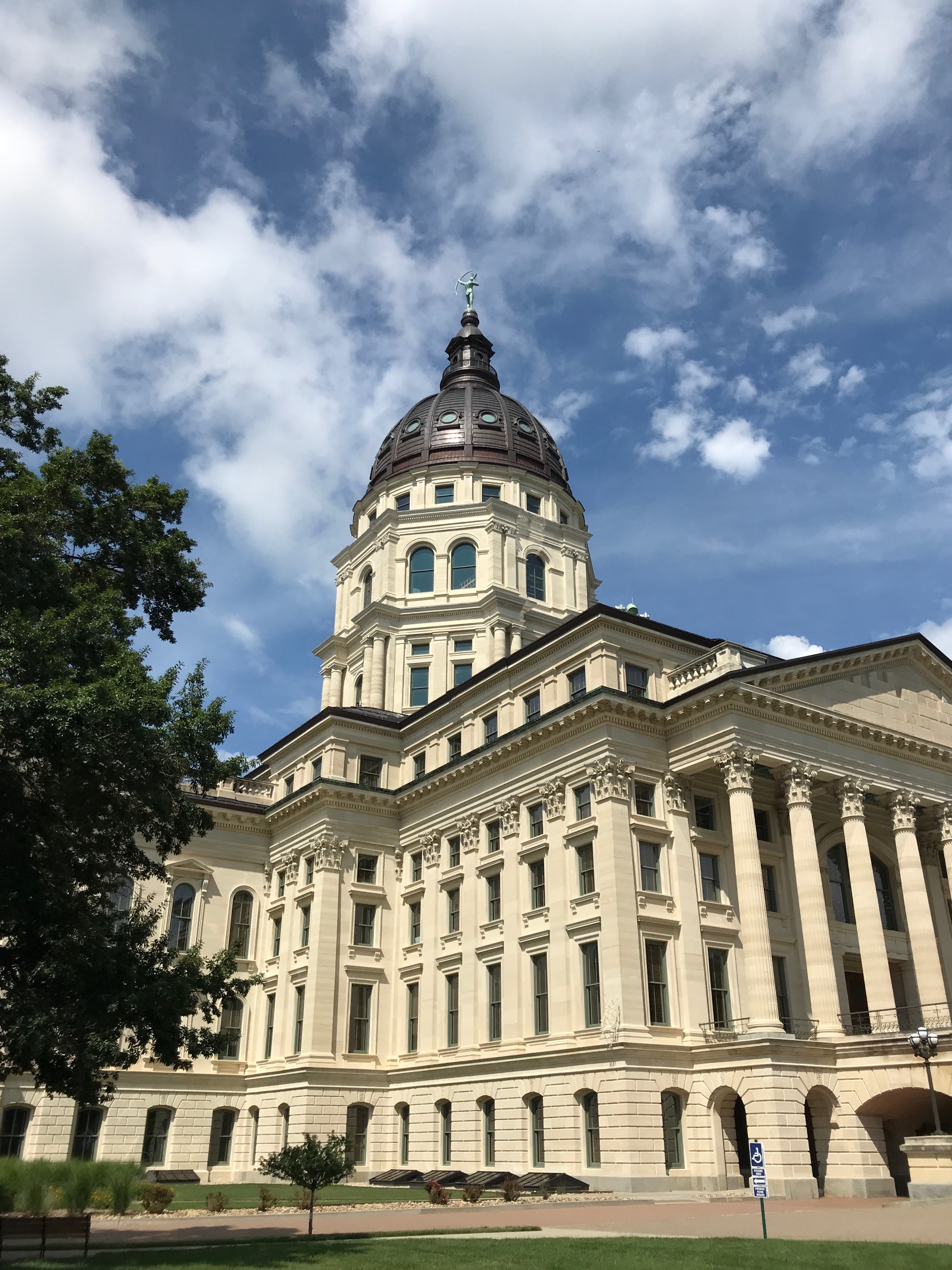
like the Kansas capitol building in Topeka,
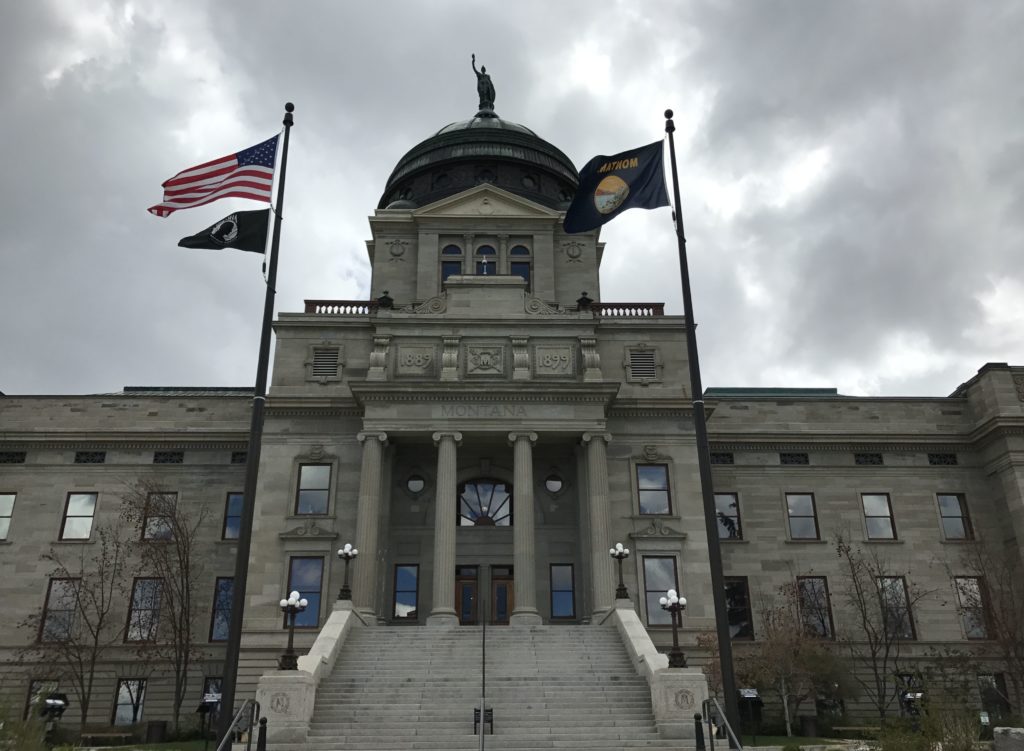
or the Montana capitol in Helena,
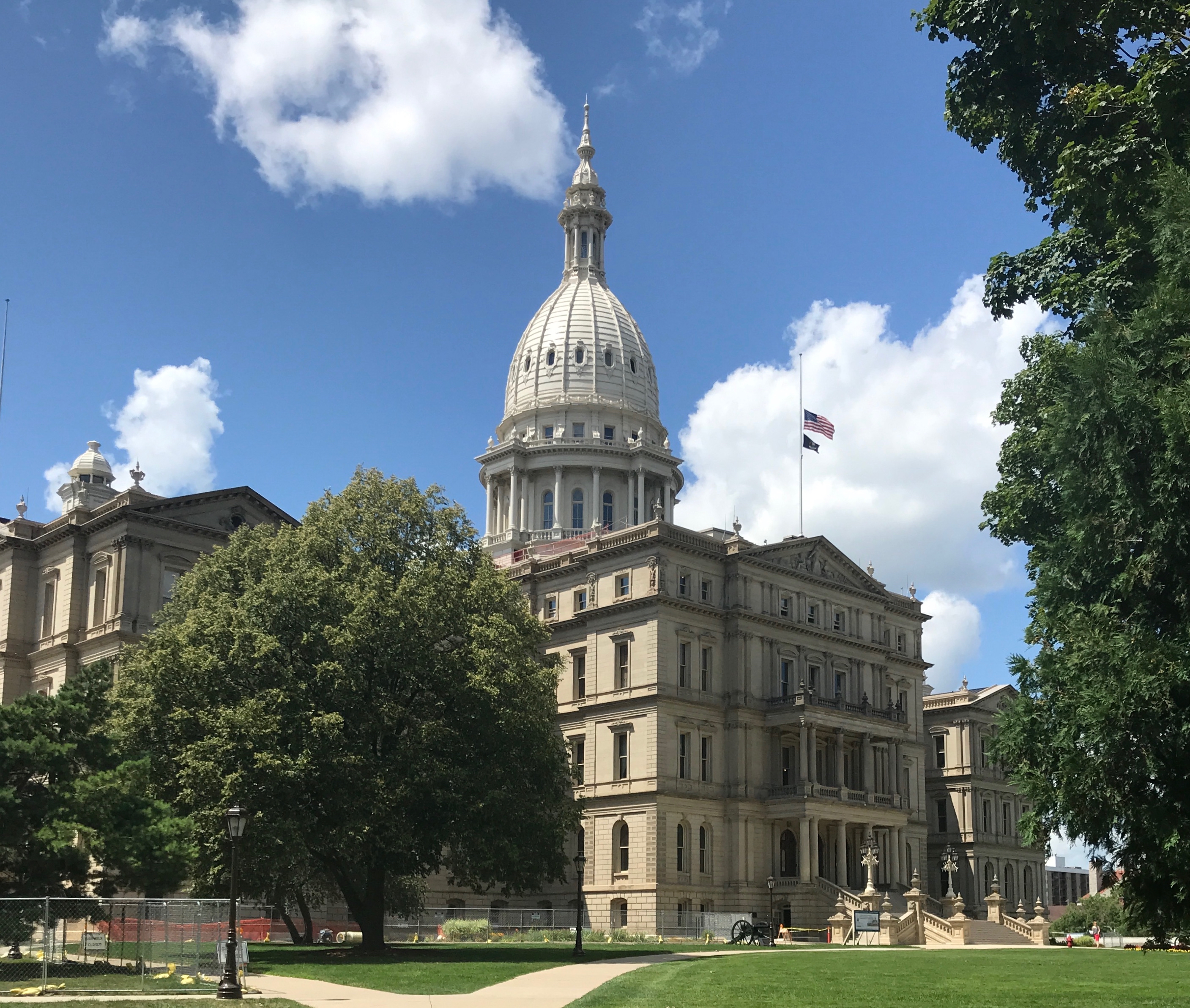
and the Michigan capitol in Lansing. They all follow the mold.
Some are more unusual, though.
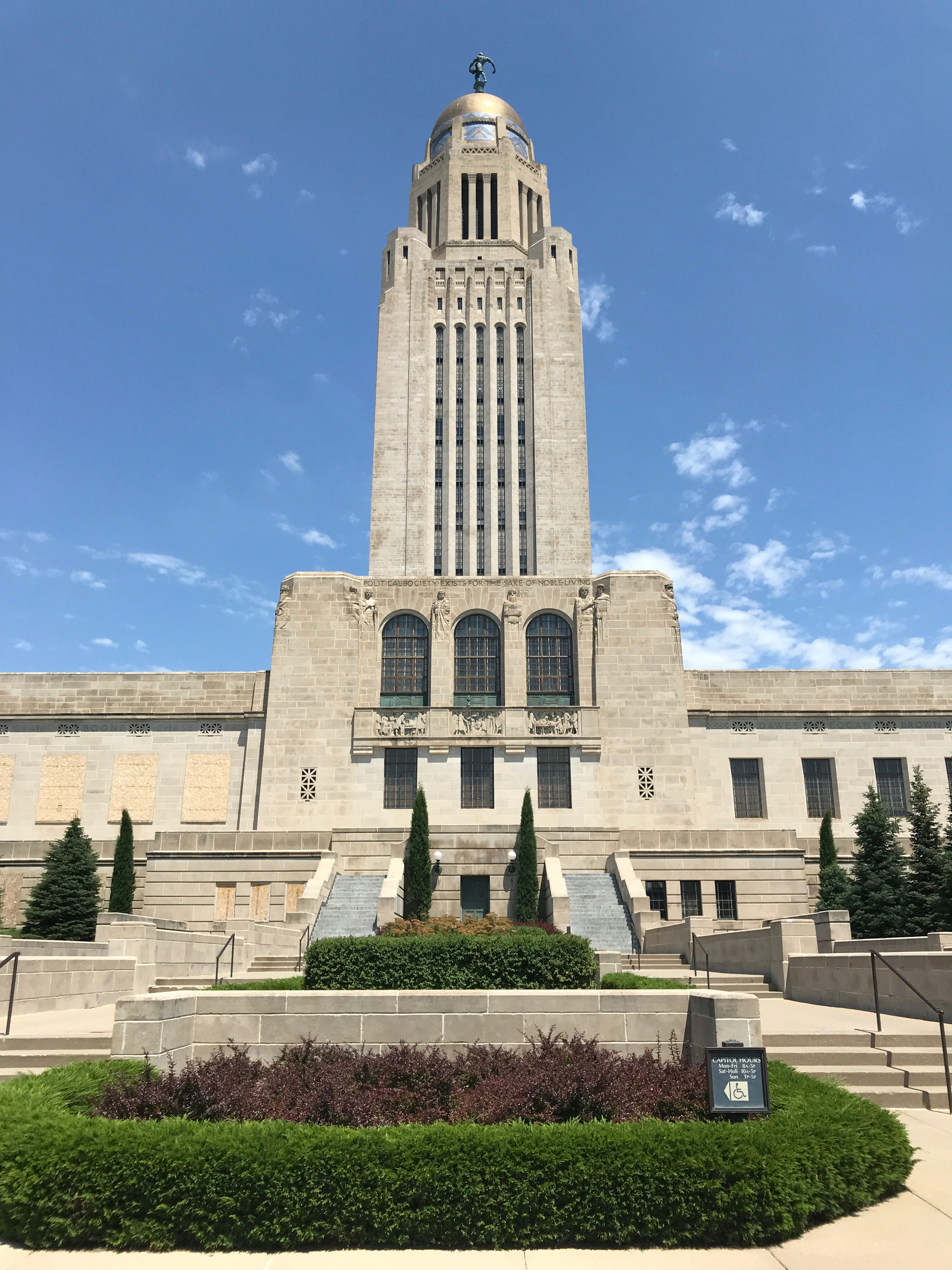
While the Nebraska state capitol in Lincoln is actually quite amazing, the exterior reminds me of a train station.
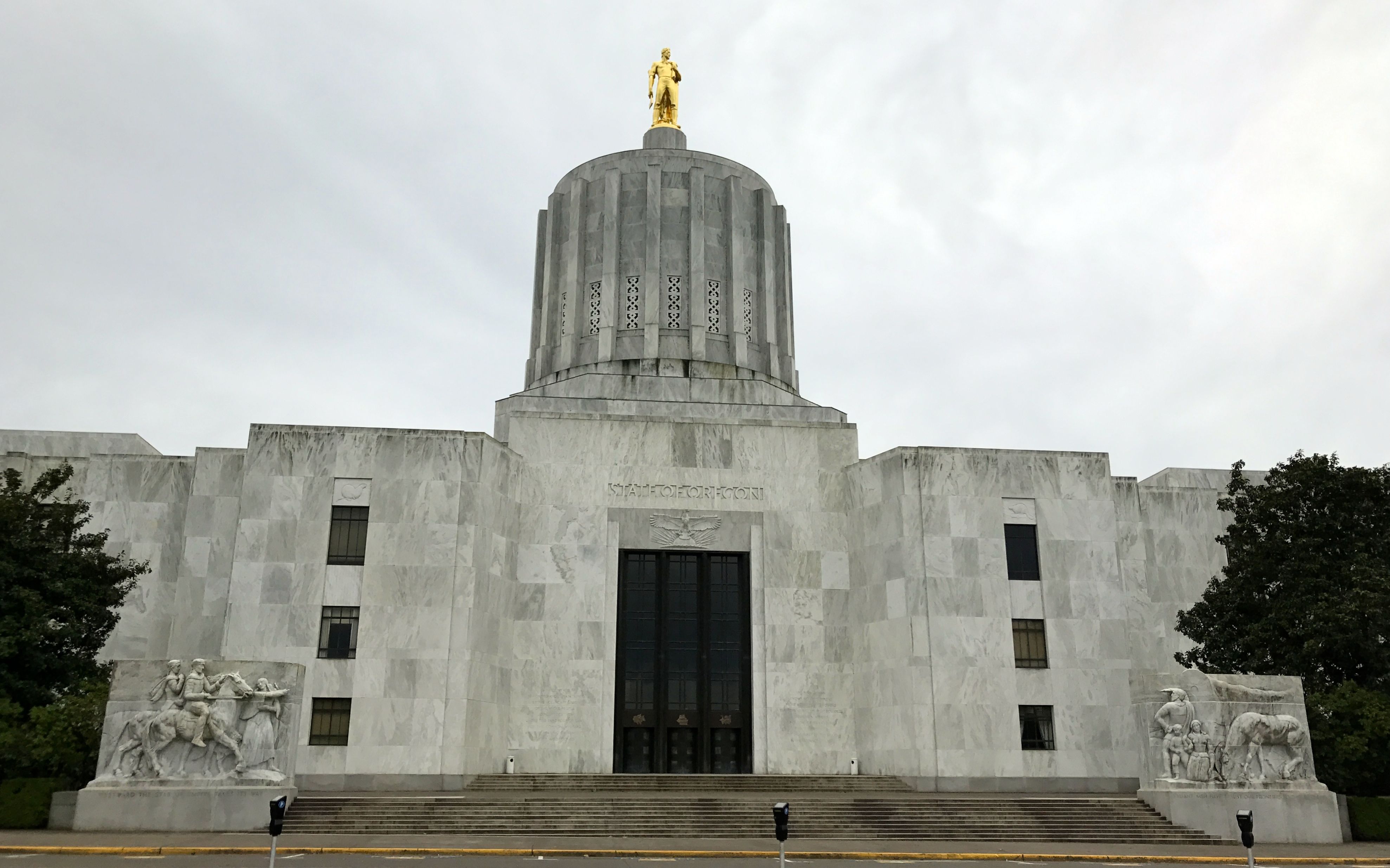
The Oregon state capitol in Salem was derided by critics for what looked to them like a paint can on top.
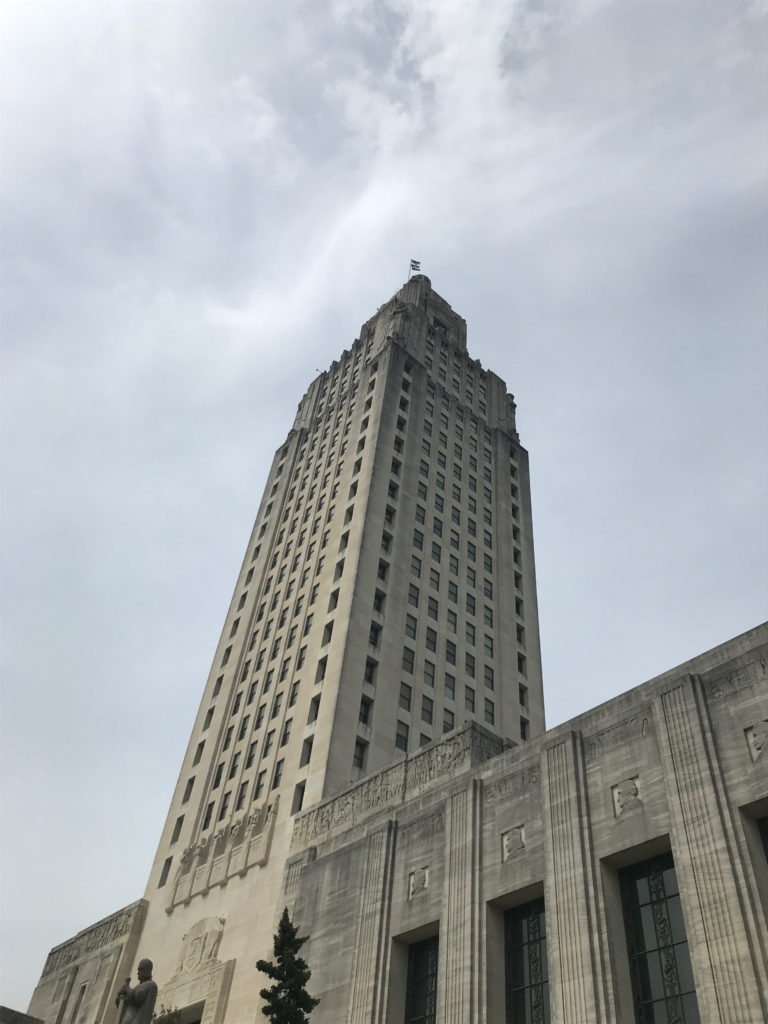
Louisiana’s state capitol in Baton Rouge is another capitol that breaks from tradition. It could be that they were all built in the 1930s in the Art Deco style that makes them so different.
Anyway, I wanted to see what North Carolina had to say for itself.
It turns out that they want to have it both ways.
They have a modern building that they use for actual governmental activities.

They also have the old capitol, which is used mainly as a museum, although the governor and the immediate staff have offices on the first floor.

I arrived in the Capitol district, parked and started looking for the Capitol.
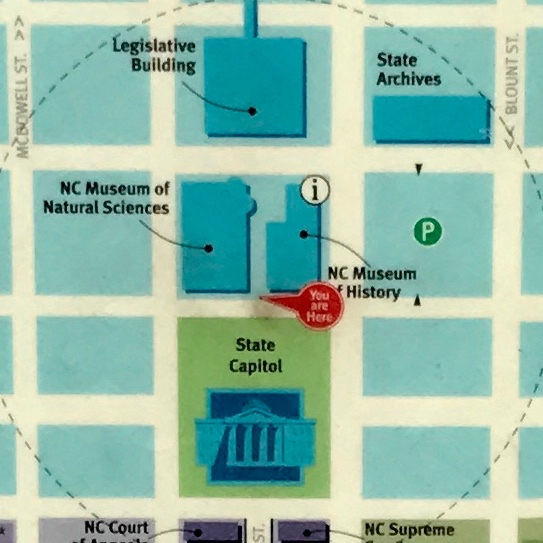
I do like maps that tell me where I am. Maps are most useful if you can locate yourself on it.
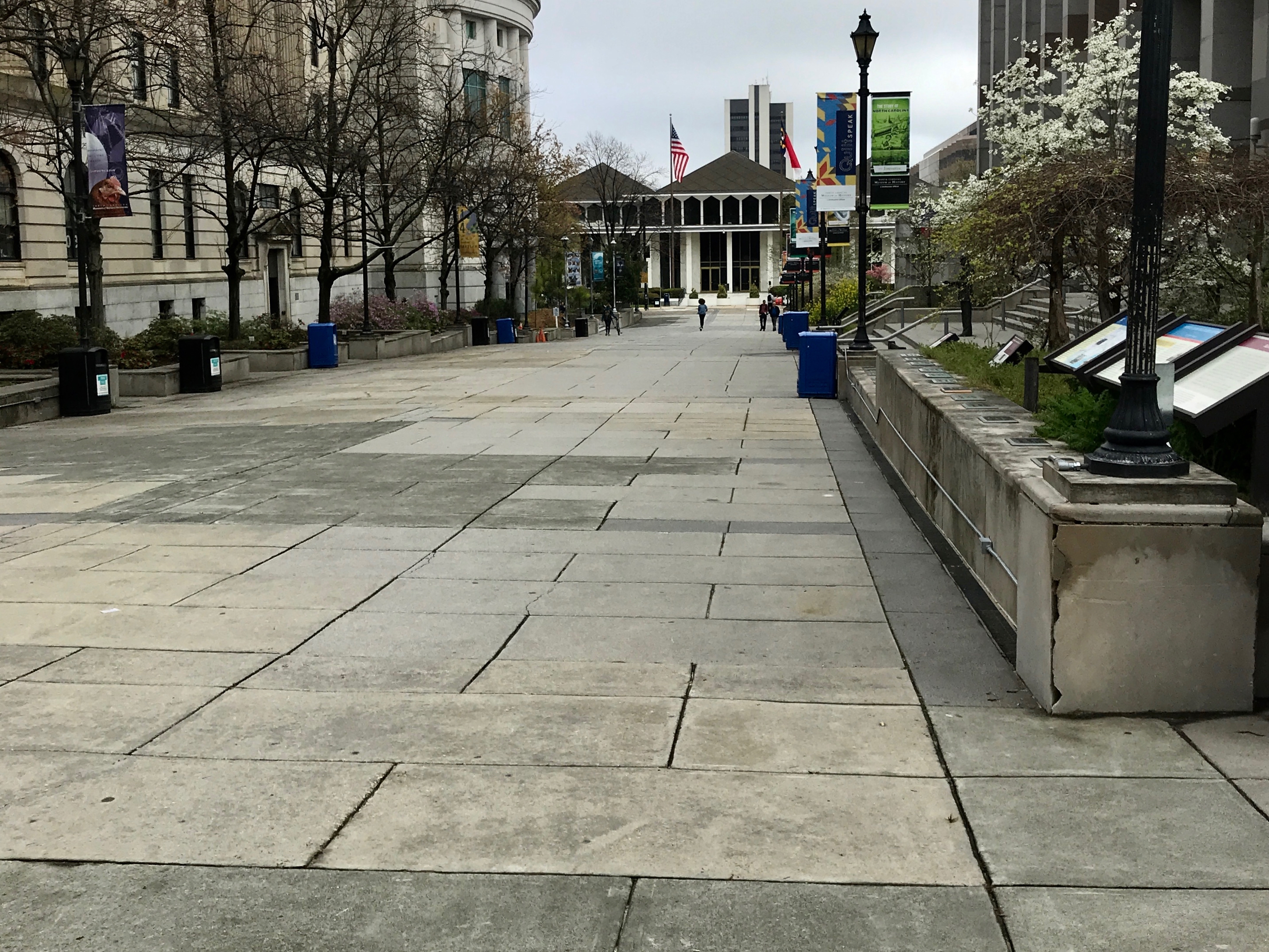
Hmm…Maybe I’ll check out the Legislative Building later.
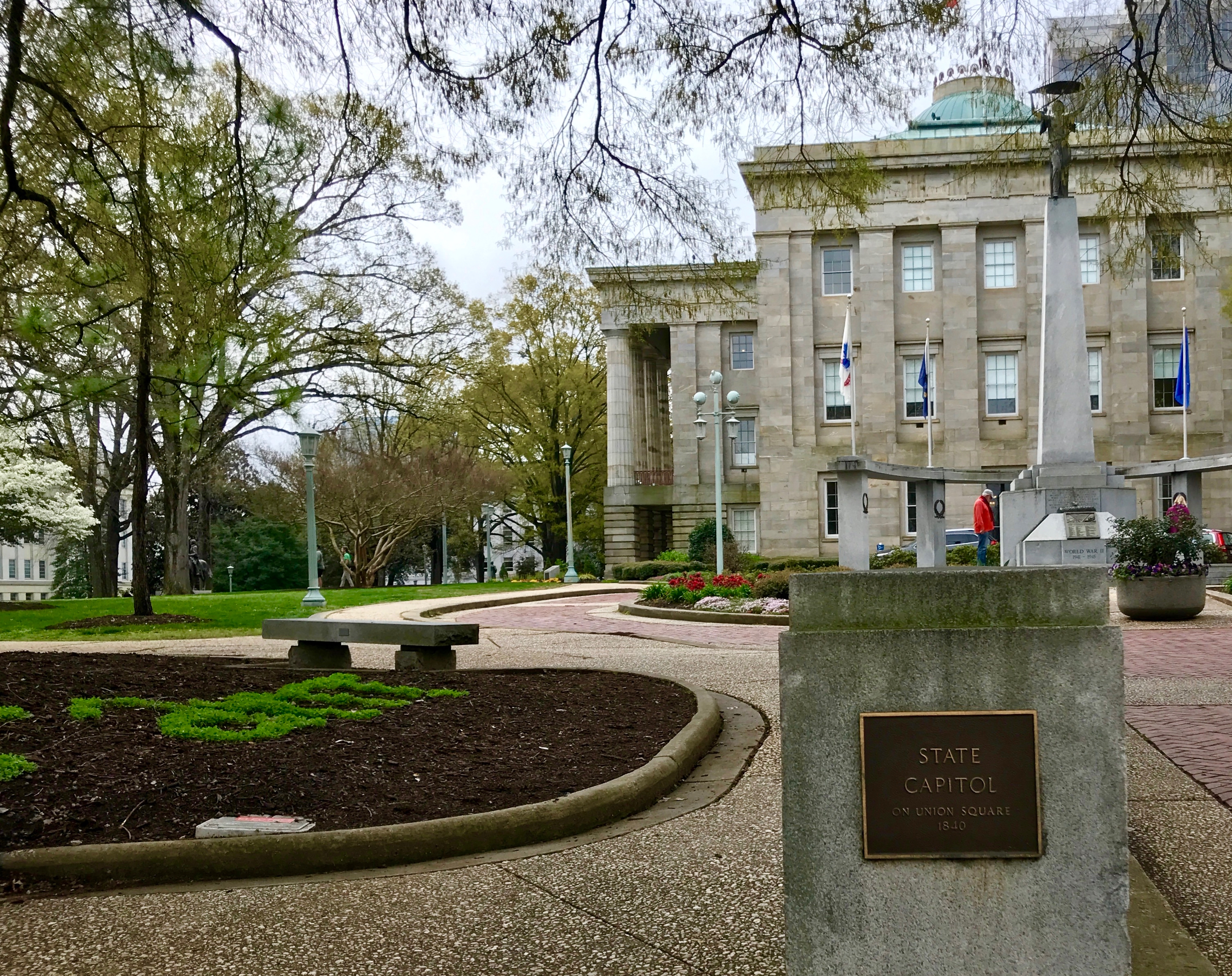
That’s more like what I had in mind!
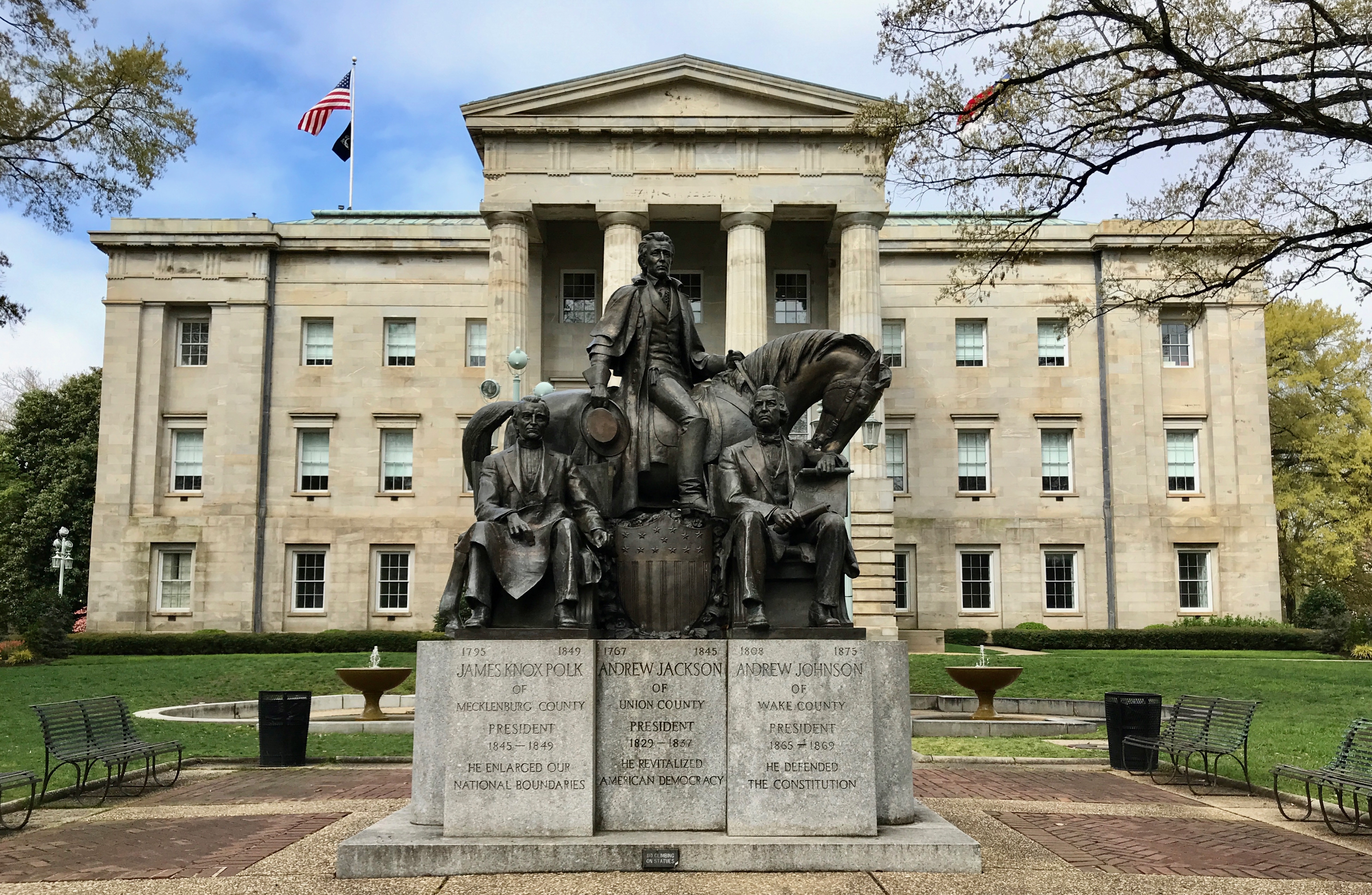
I walked around a bit, trying to get a good photo of the facade.

Holy moly! Would you look at those inscriptions?! I do believe Polk’s epigraph is accurate, although not necessarily laudable. The other inscriptions are definitely more in the range of opinion.
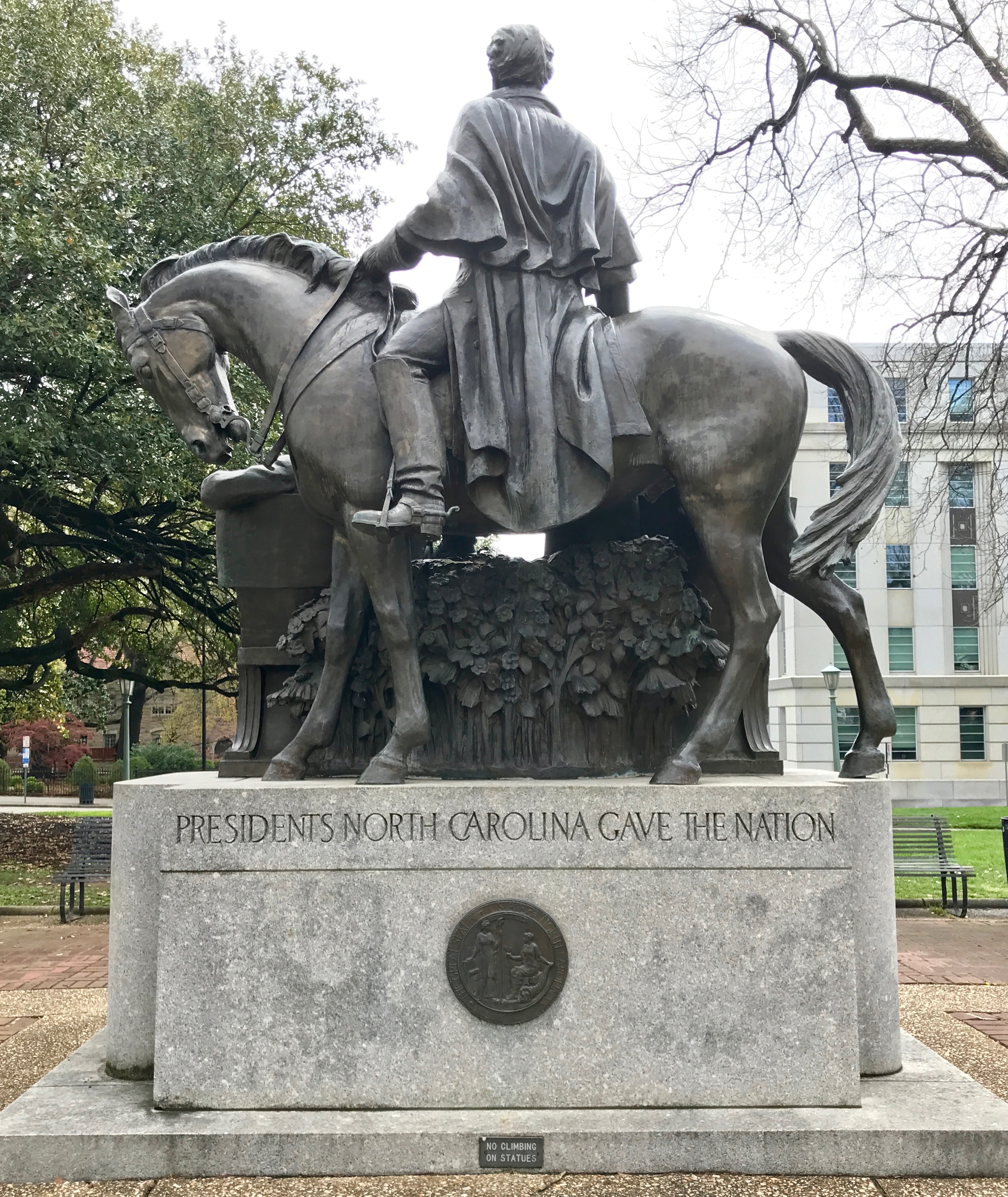
Interesting.
Anyway, I had located a door and I walked up to see if I could get in.
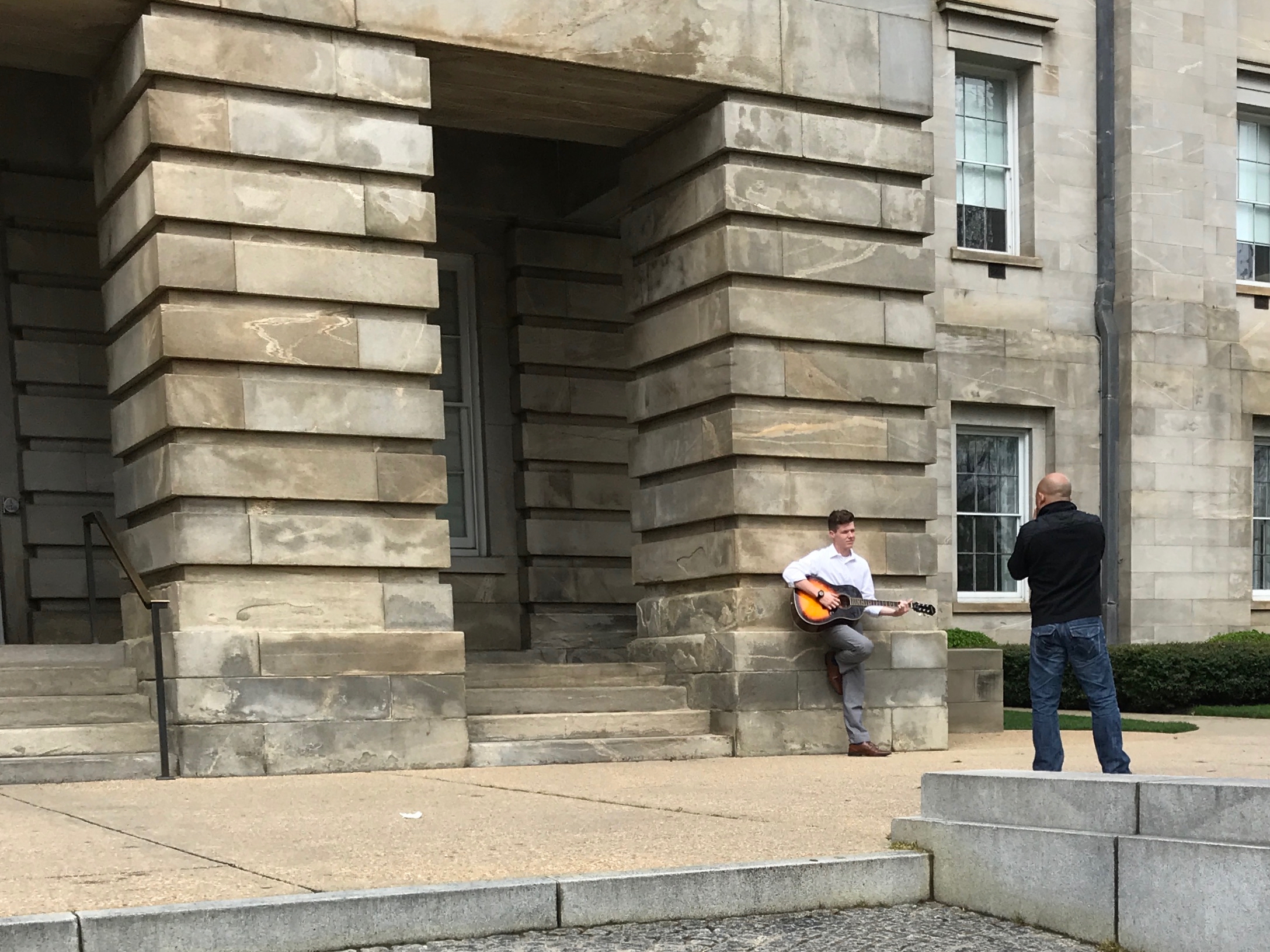
I happened upon a photo shoot.
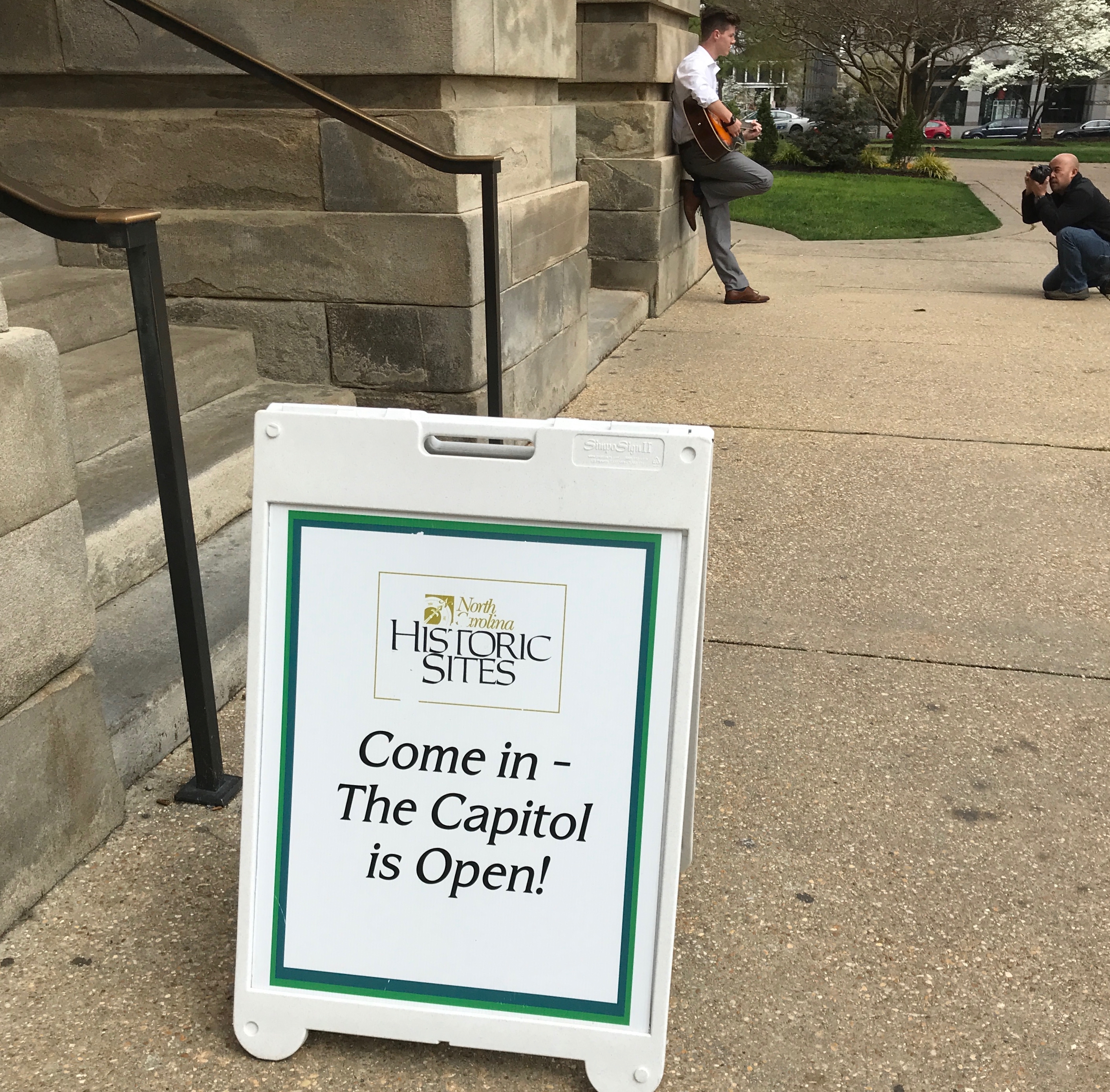
Lucky me! I found the entrance and The Capitol is Open! (Many times, I have trouble finding the entrances or they are not open for visitors.)
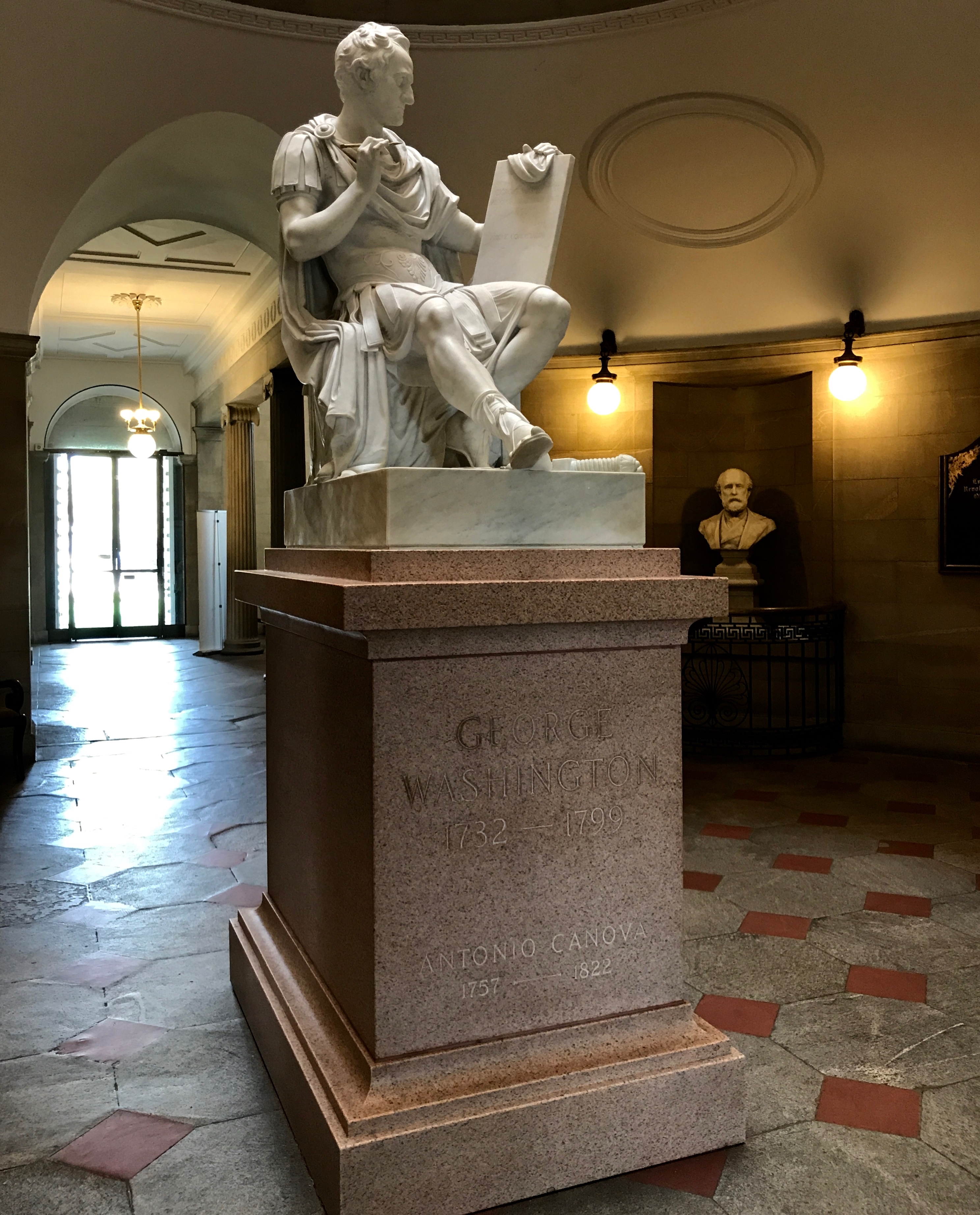
This is an interesting sculpture of George Washington.
Even more interesting is the history of it. It was commissioned in 1815, sixteen years after Washington’s death. Thomas Jefferson decided that Antonio Canova should be the sculptor and that Thomas Appleton, American consul in Livorno, Italy should handle the negotiations. I suspect that part of the reason for selecting Appleton might have something to do with the fact that he owned a plaster copy of the marble bust of Washington by Guiseppe Ceracchi that Jefferson recommended as a model for the head.
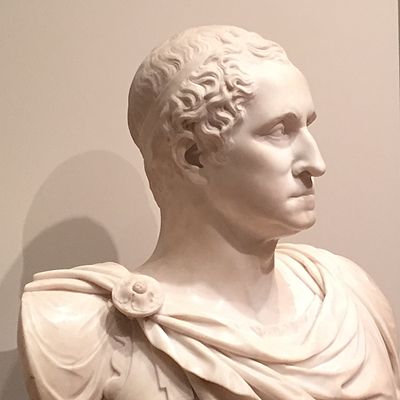
The bust can be found at the Metropolitan Museum of Art, if your travels take you to New York City.
Canova started work on the statue in 1817 and finished it in 1820. Governor Miller requested that the United States Navy transport it from Italy, and it arrived in Boston in July, 1821. It finally arrived in Raleigh in December.
After a citywide fire in Fayetteville in May of 1831, the state decided to protect the wooden roof of the state house with zinc sheets. On June 21, workers accidentally set the roof on fire while soldering nail heads to the zinc.
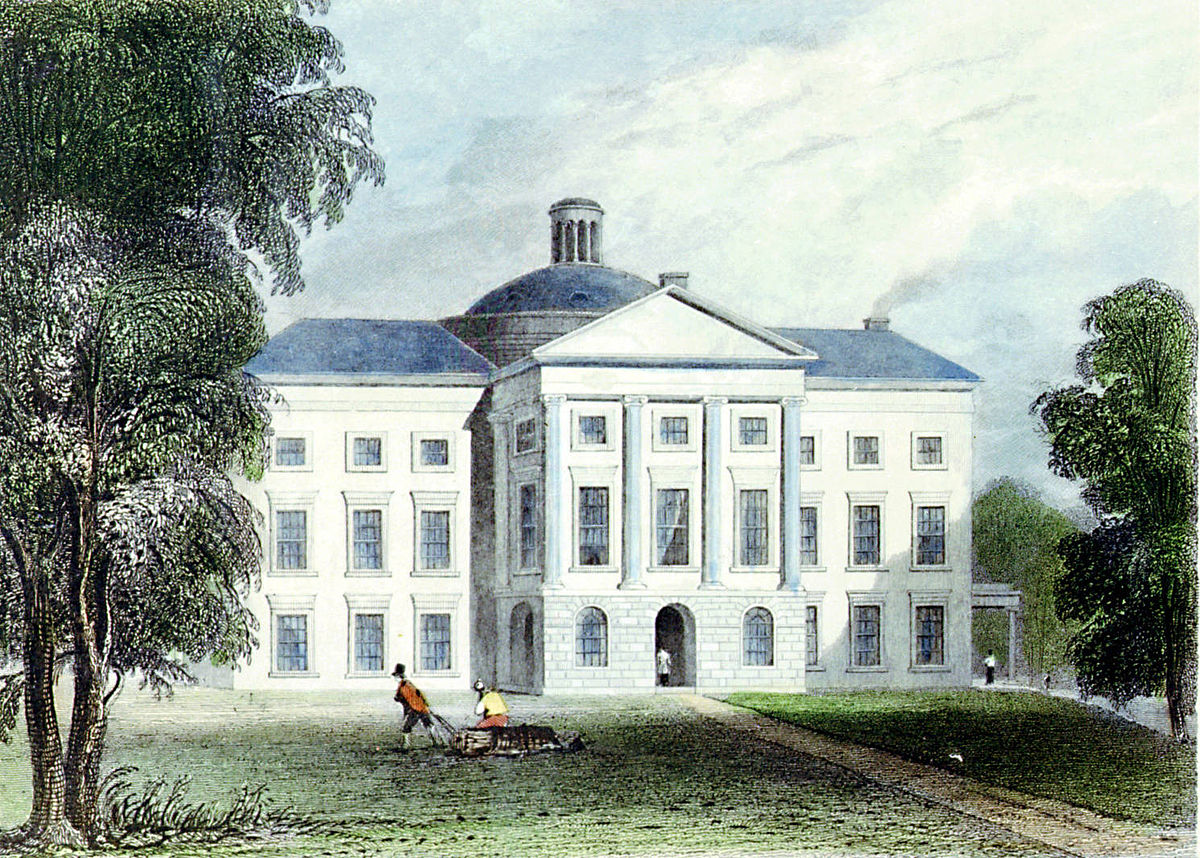
The state house and Canova’s statue were both destroyed.
So, how do we have this statue, if the fire destroyed it?
A plaster replica was sent by the Italian government in 1910. You can see it at the North Carolina Museum of History. A marble copy was sculpted by Romano Via in 1970, and that is the one that I took a picture of.
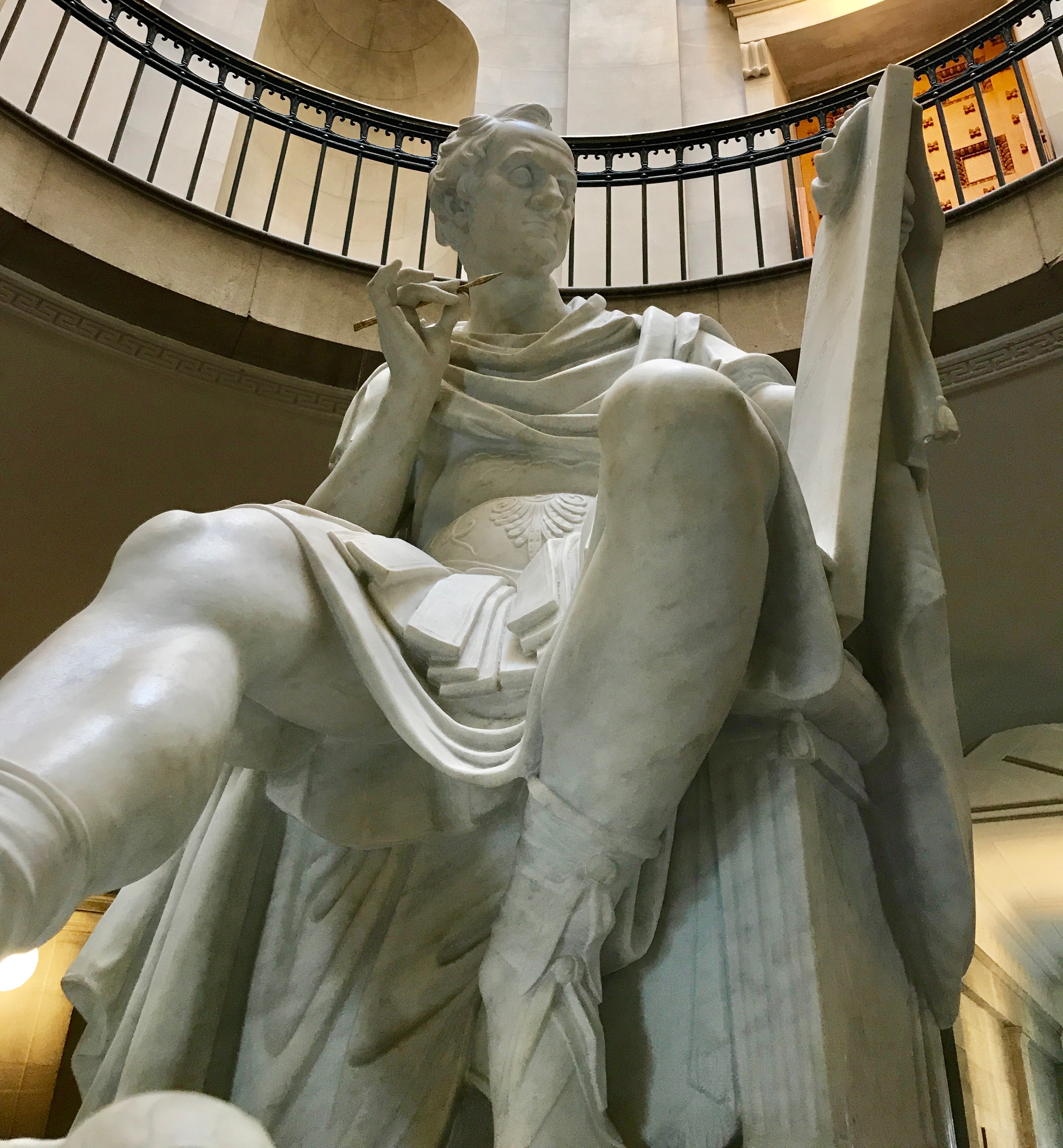
Actually, I took several photos.
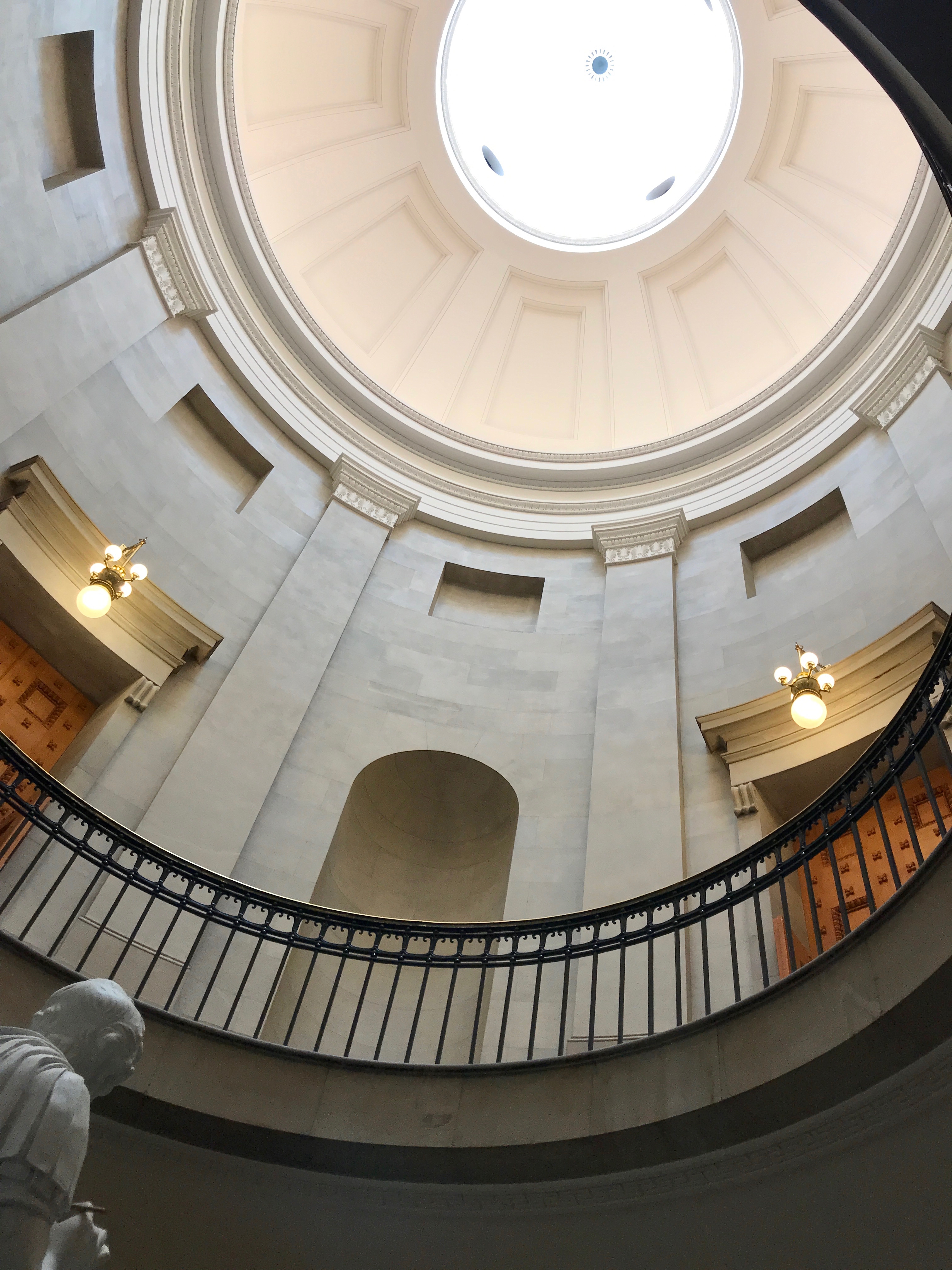
I do enjoy looking up into the domes that most state capitols seem to favor.
Around the rotunda, they had niches with busts of people they wanted to memorialize.
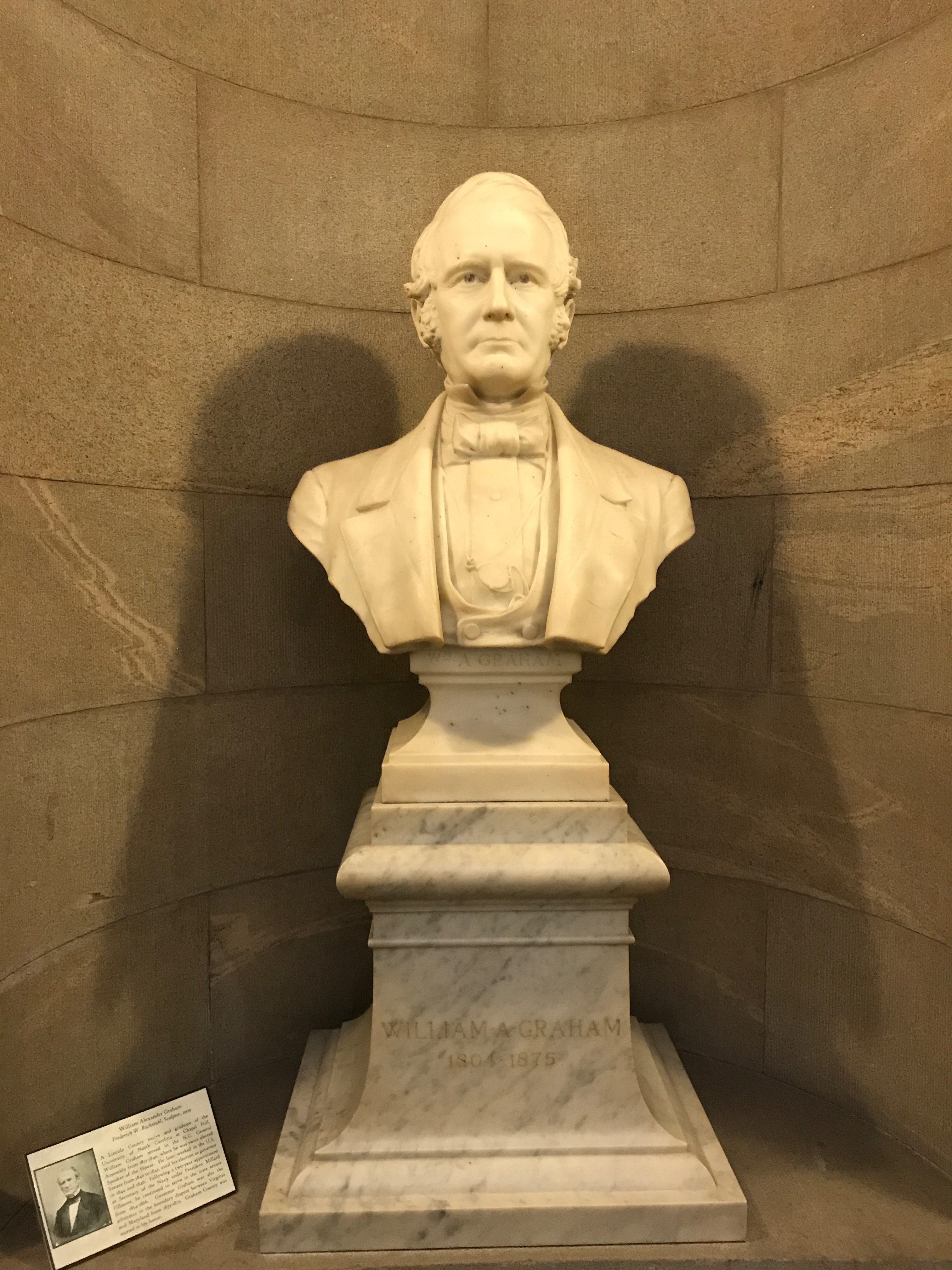
William Alexander Graham, who served in the General Assembly, the U.S. Senate, the Secretary of the Navy under Millard Fillmore, the State Senate and was governor. Oh, and he was in the Confederate senate. After the Civil War, he was elected to the the U.S. Senate, but couldn’t present his credentials because North Carolina was not readmitted to the Union until 1868.
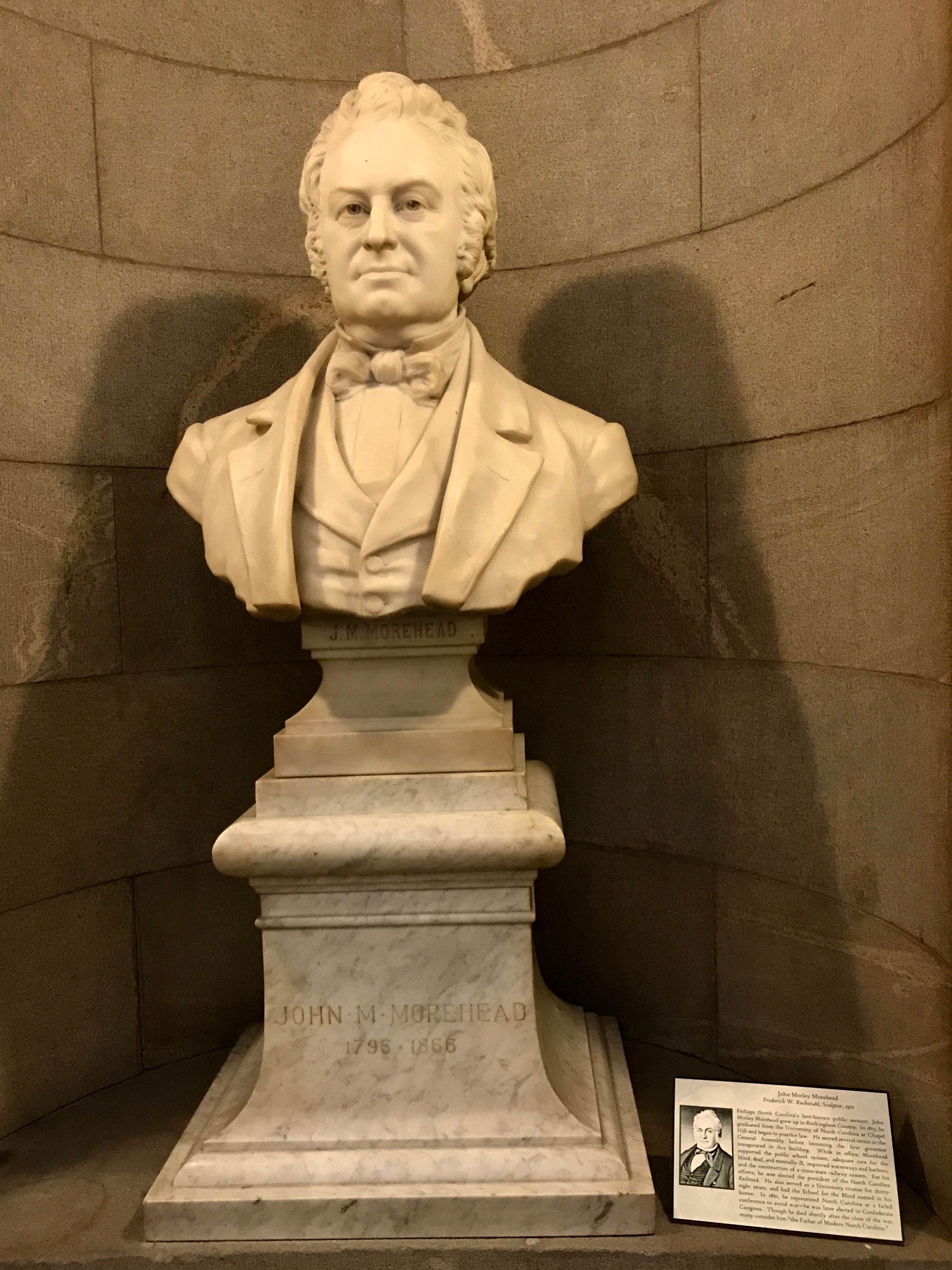
John Morley Morehead served several terms in the General Assembly before being elected governor in 1840. While in office, Morehead supported the public school system, adequate care for the blind, deaf, and mentally ill, improved waterways and harbors and the construction of a cross-state railway system.
According to the plaque with the statue, his efforts were rewarded by election to serve as president of the North Carolina Railroad.
In 1862, he represented North Carolina at a failed conference to avoid war and was later elected to the Confederate Congress. According to the plaque, “Though he died shortly after the close of the war, many consider him “the Father of Modern North Carolina.”
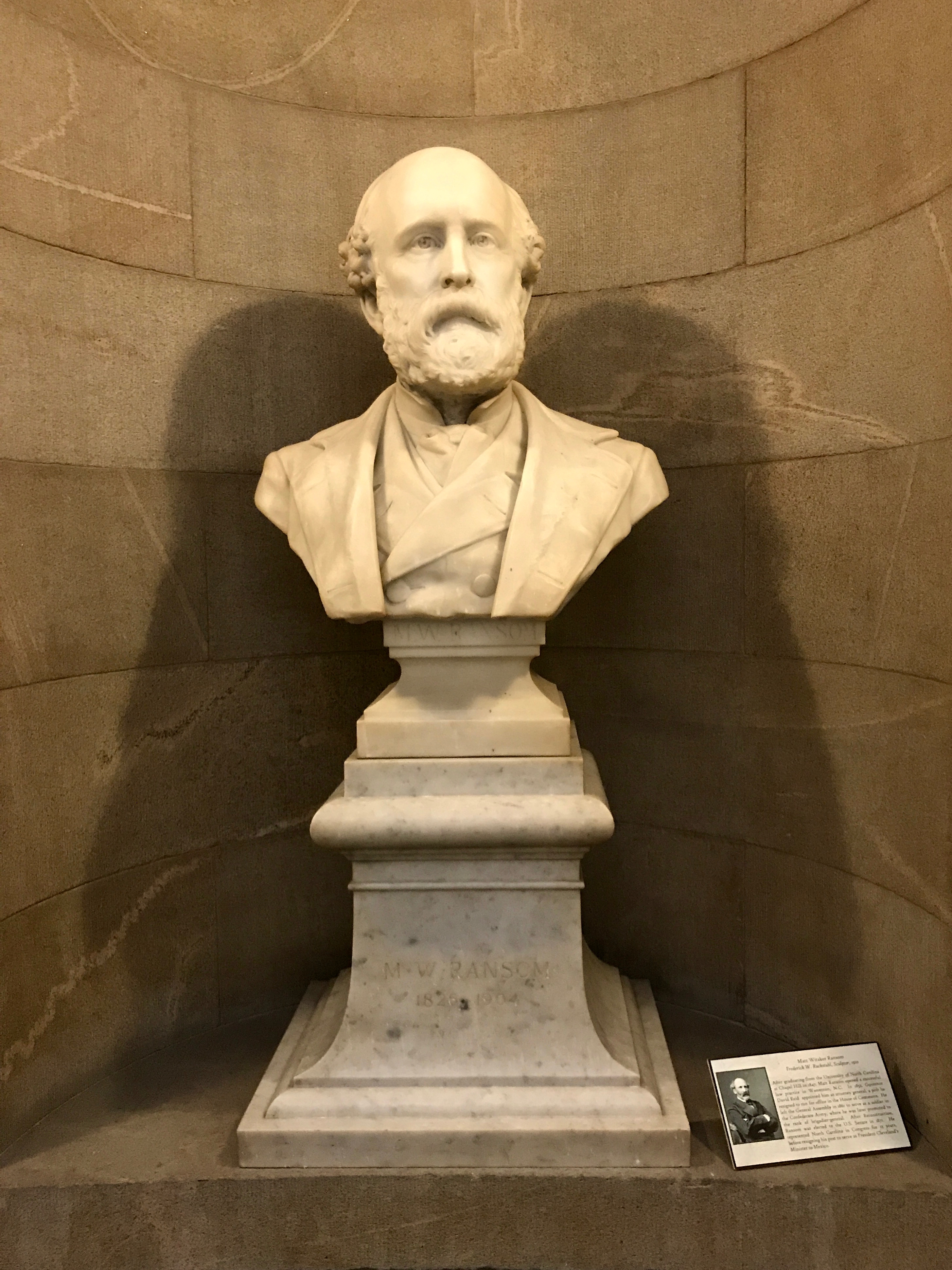
Matt Witaker Ransom was a general in the Confederate Army and a Democratic U.S. Senator between 1872 and 1895, as well as attorney general and a member of the House of Commons prior to the Civil War. He was also appointed by President Grover Cleveland to serve as Minister to Mexico.
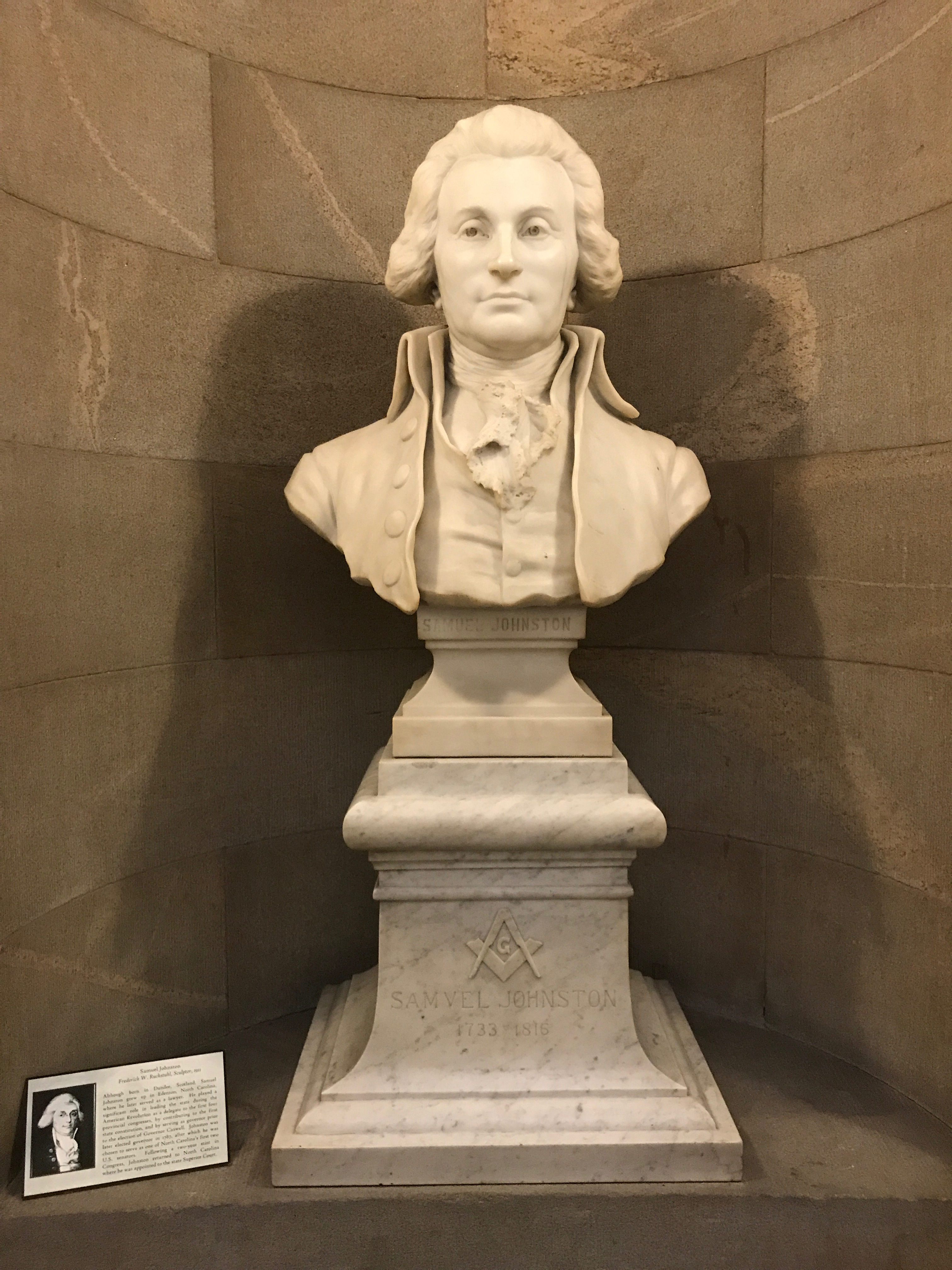
Samuel Johnston was born in Dundee, Scotland, although he grew up in Edenton, North Carolina. As you can probably tell from the hair and the attire, Johnston’s role in North Carolina goes back to the American Revolution. He was a delegate to the first four provincial congresses and contributed to the first state constitution, and later served as governor. He was chosen to serve as one of the state’s first two U.S, Senators.
This was back before Senators were directly elected by the voters, which didn’t happen until 1914.
After his stint in Congress, he returned to North Carolina and was appointed to the state Superior Court.
So, what does it look like North Carolina is trying to say about itself with their art choices so far? I’ll let you decide for yourself. Let me mention that the four busts were created by the same artist – Frederick W. Ruckstuhl – between 1909 and 1911.
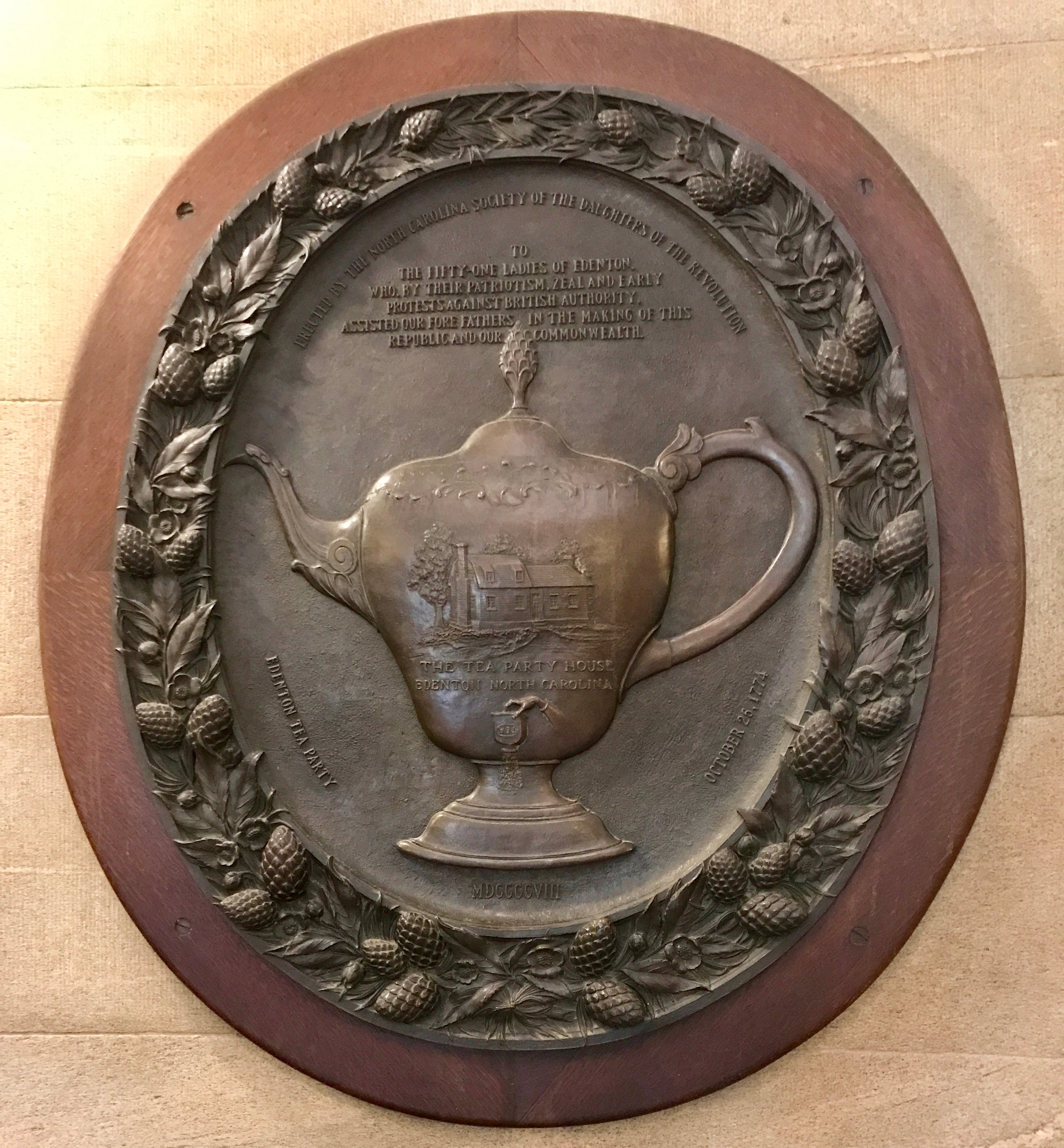
There were many more plaques in the rotunda, but I’m not going to share them all. They honored the thirteenth, fourteenth. fifteenth and nineteenth amendments, as well as a few more that pertained to the American Revolution, and this one that commemorated the Edenton Tea Party.
I wrote about it when I visited Edenton the year before this spring 2019 trip. You can read about my visit here.
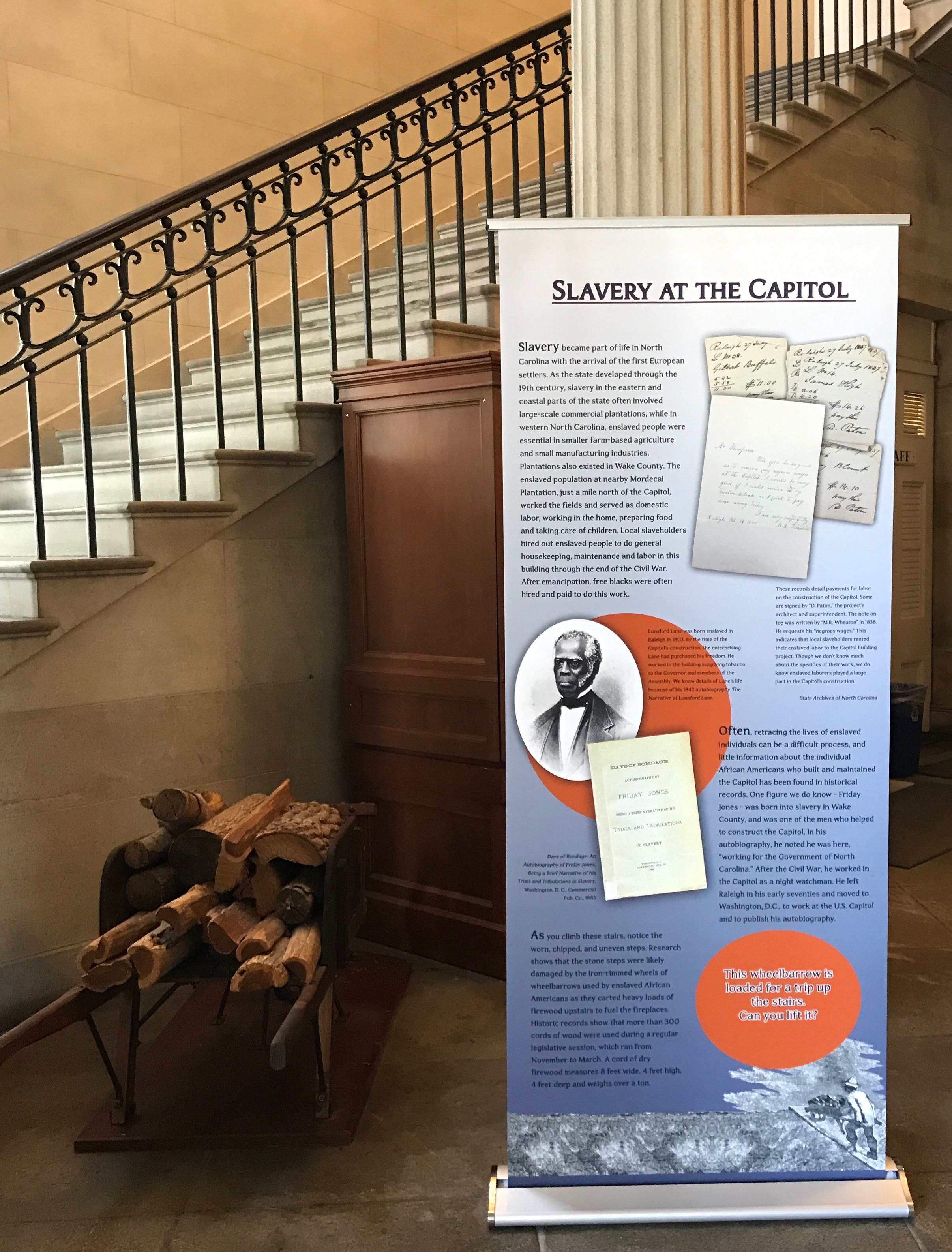
In case my previous comments about the artwork came off as harsh, I do give the people of North Carolina credit for trying to offer information that would allow visitors to develop a more complete understanding of the state’s history.
If you’re interested, you can also read the autobiography of Friday Jones, who was one of the enslaved people who built the Capitol.
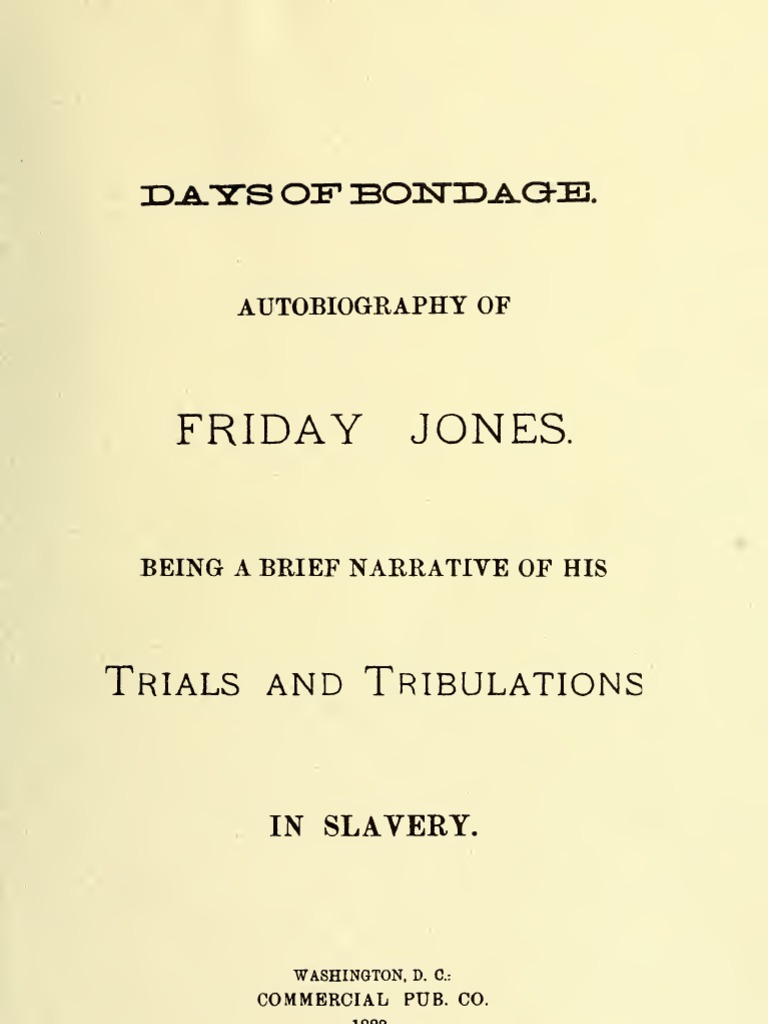
You can buy it on Amazon or you can access it here, if you would like to read it for yourself.
The portrait on the banner is of a person who did not help build the Capitol. This is because Lunsford Lane had purchase his freedom by the time the Capitol was under construction.
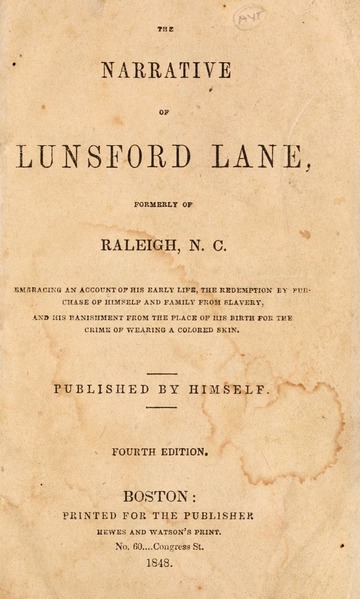
You can also read his narrative here or order it online.
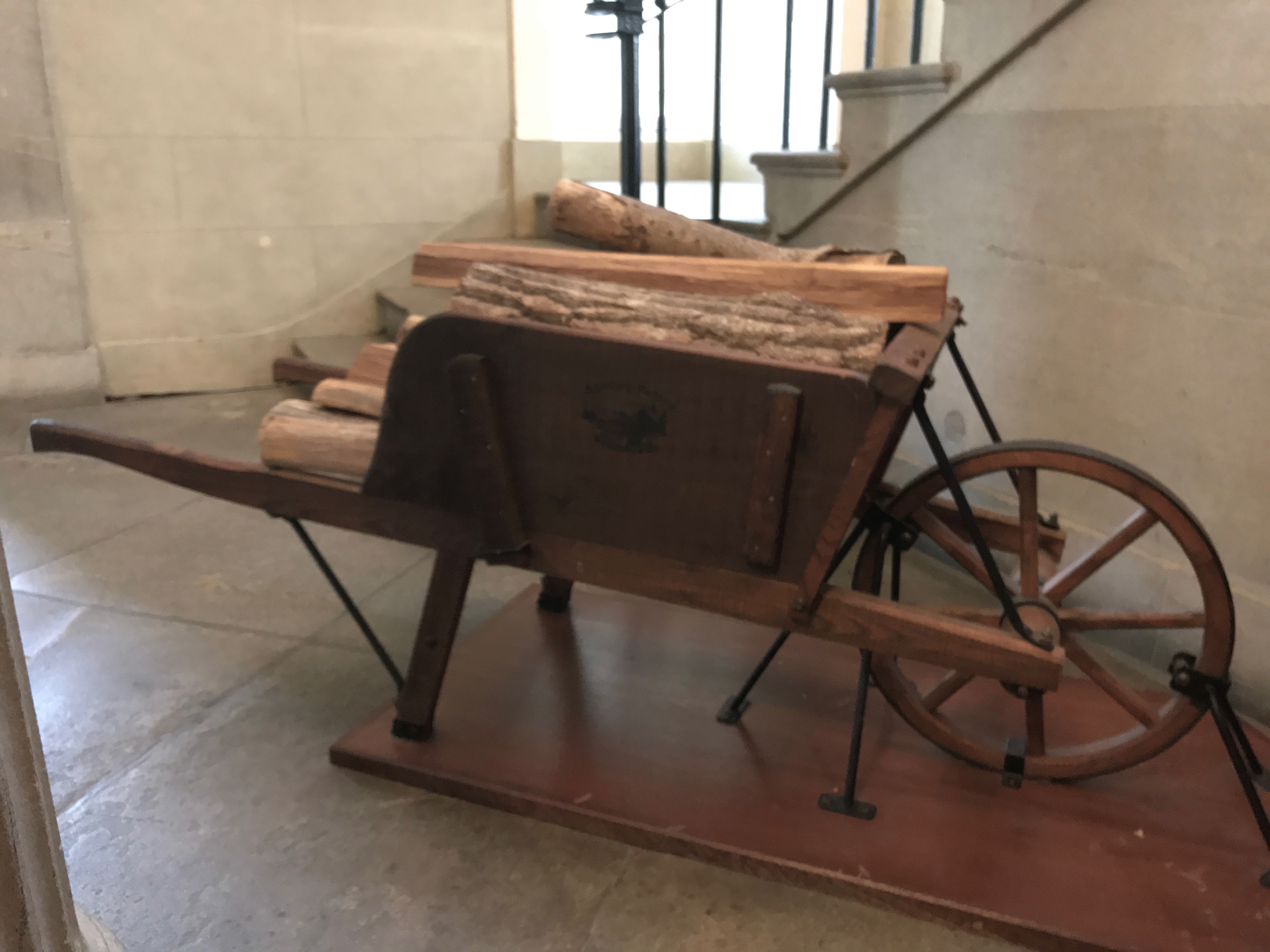
You might be wondering why there is a wheelbarrow full of wood in the building. Historic records show that more than 300 cords of wood were used during a regular legislative session, which ran from November to March.
A cord of dry firewood measures eight feet wide, four feet high and four feet deep and weighs over a ton.
The enslaved African Americans used wheel barrows with iron-rimmed wheels to cart the firewood up to the legislative chambers. That would be 600,000 of wood muscled up those stairs. I wonder how much a single load weighs.
The orange oval at the bottom of the banner says, “This wheelbarrow is loaded for a trip up the stairs. Can you lift it?”
I’d say that is a rhetorical question, as the wheelbarrow looks securely fastened to the wooden base.
I went up the stairs. there were some displays that may have been interesting. Unfortunately, the lighting wasn’t good enough for me to study them well.
While looking around, a tour group showed up. It looked large enough for me to sneak in – so I did.
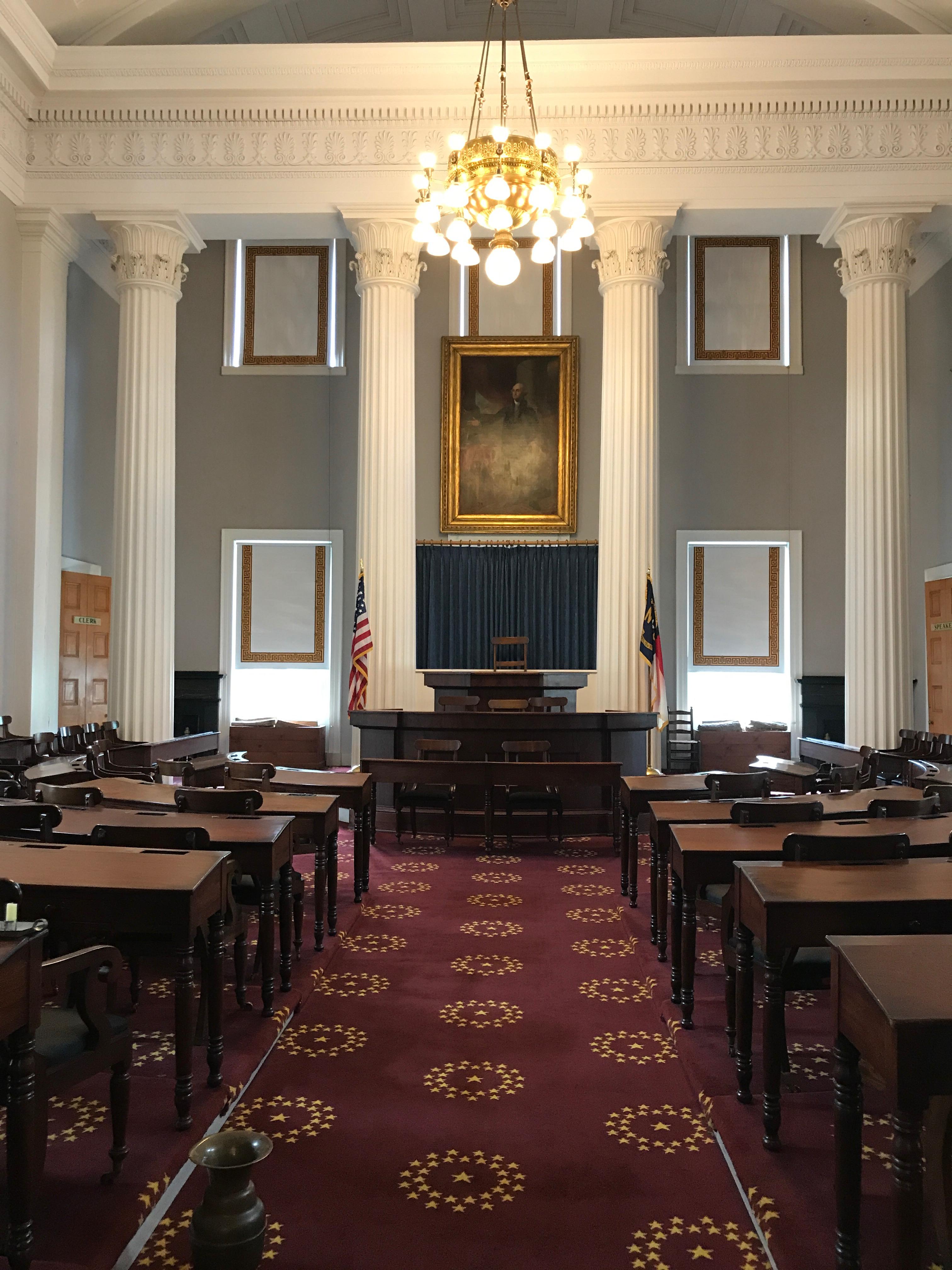
This is the House of Representatives, which was first known as the House of Commons. It was in this space in May 1861 that delegates from across the state unanimously voted to secede from the Union.
It was also in this space, once built and maintained by enslaved laborers, that Parker D. Robbins served two terms as one of North Carolina’s first African-American legislators.
Representative Robbins was an interesting person. He was a free Black and owned a 102 acre farm in North Carolina before the Civil War. After the War broke out, he went to Norfolk, Virginia and enlisted in the Union Army. He attained the rank of Sergeant-Major.
Robbins was one of fifteen Blacks to be elected to the North Carolina General Assembly in 1868 and served two terms. He was also a representative to the North Carolina Constitutional Convention. He was postmaster of the town of Harrellsville, North Carolina and held patents for a cotton cultivator and a saw sharpener.

Lillian Exum Clement was the first woman elected to serve in any state legislature in the southern United States. The nineteenth amendment was passed in 1920. Her term began in 1921. She defeated two male opponents in the primary election and then won the general election in a landslide, 10,368 to 41.
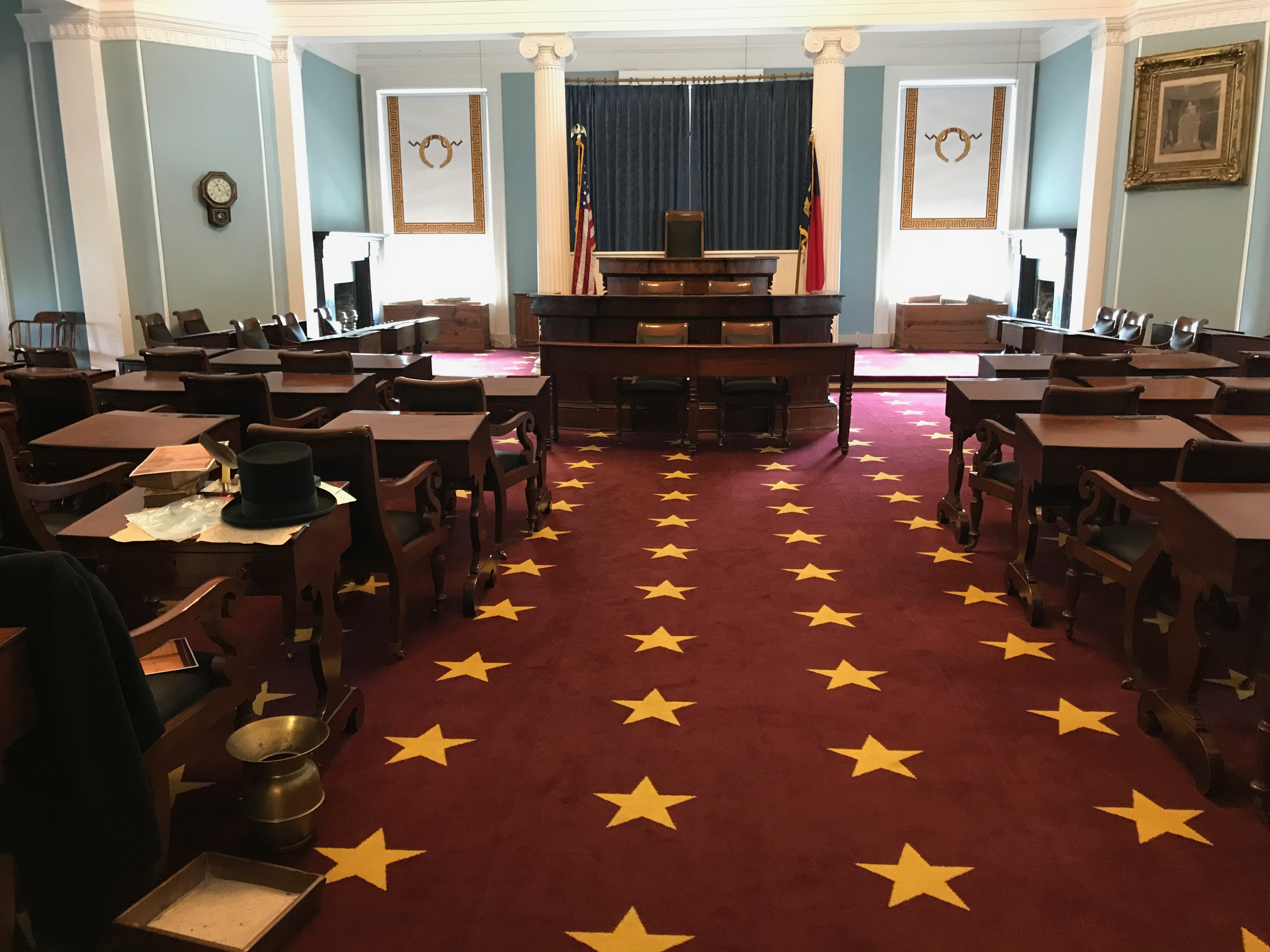
This is the Senate chamber, where Abraham H. Galloway served.

He was born into slavery in 1837 and escaped to Canada in 1857. He returned to North Carolina in 1862 to become a Union spy.
After the war, he traveled across the state, advocating equal rights and helping to organize the 1865 Freedmen’s Convention. New Hanover County chose him to attend the 1868 state constitutional convention and elected him to two consecutive terms in the NC Senate., where he supported women’s suffrage and labor rights. He died unexpectedly at the age of 33 while still in office. Six thousand people attended his funeral, an event the Christian Recorder called “the largest ever known in this states.”
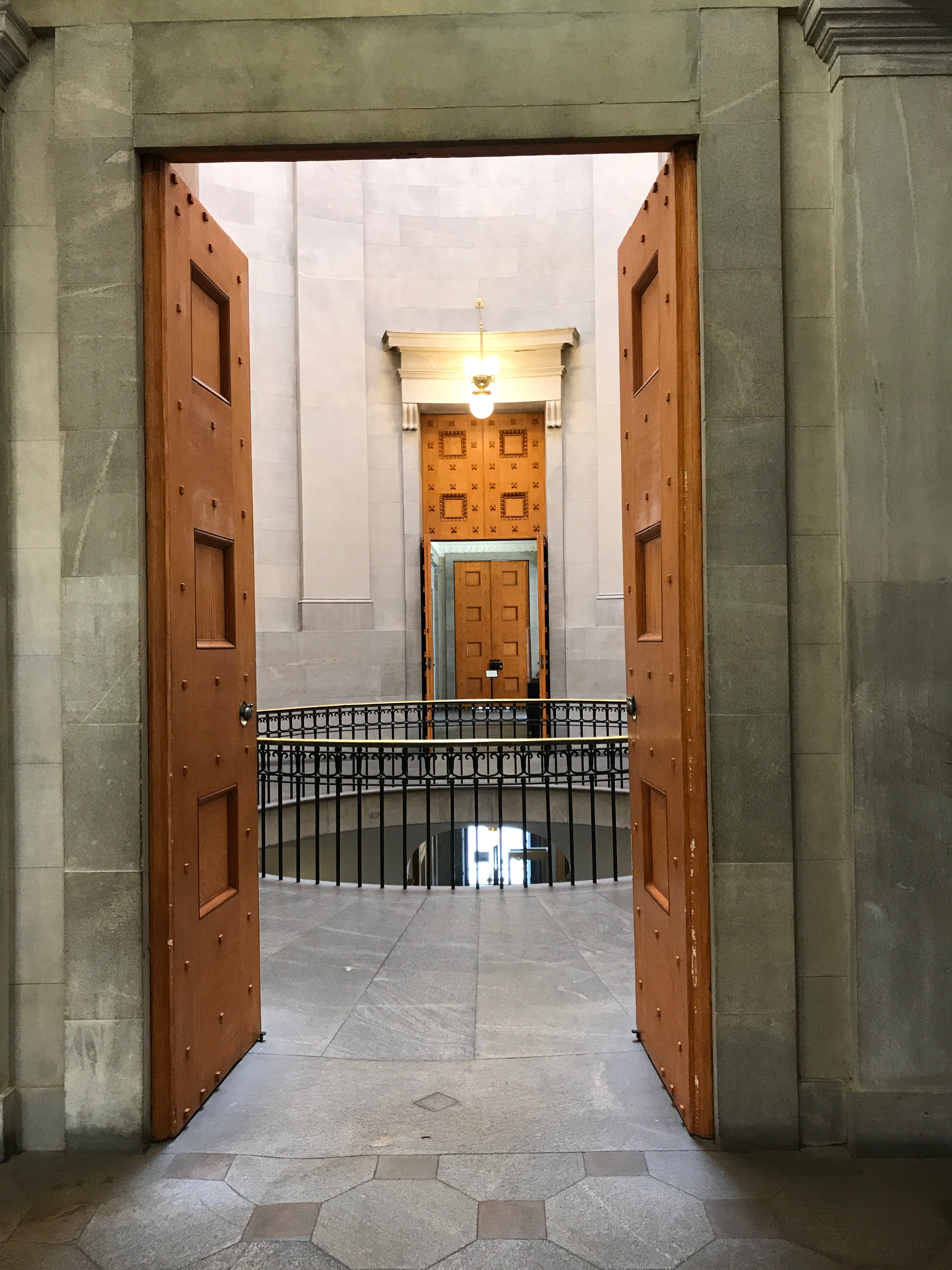
I walked back out to the rotunda.
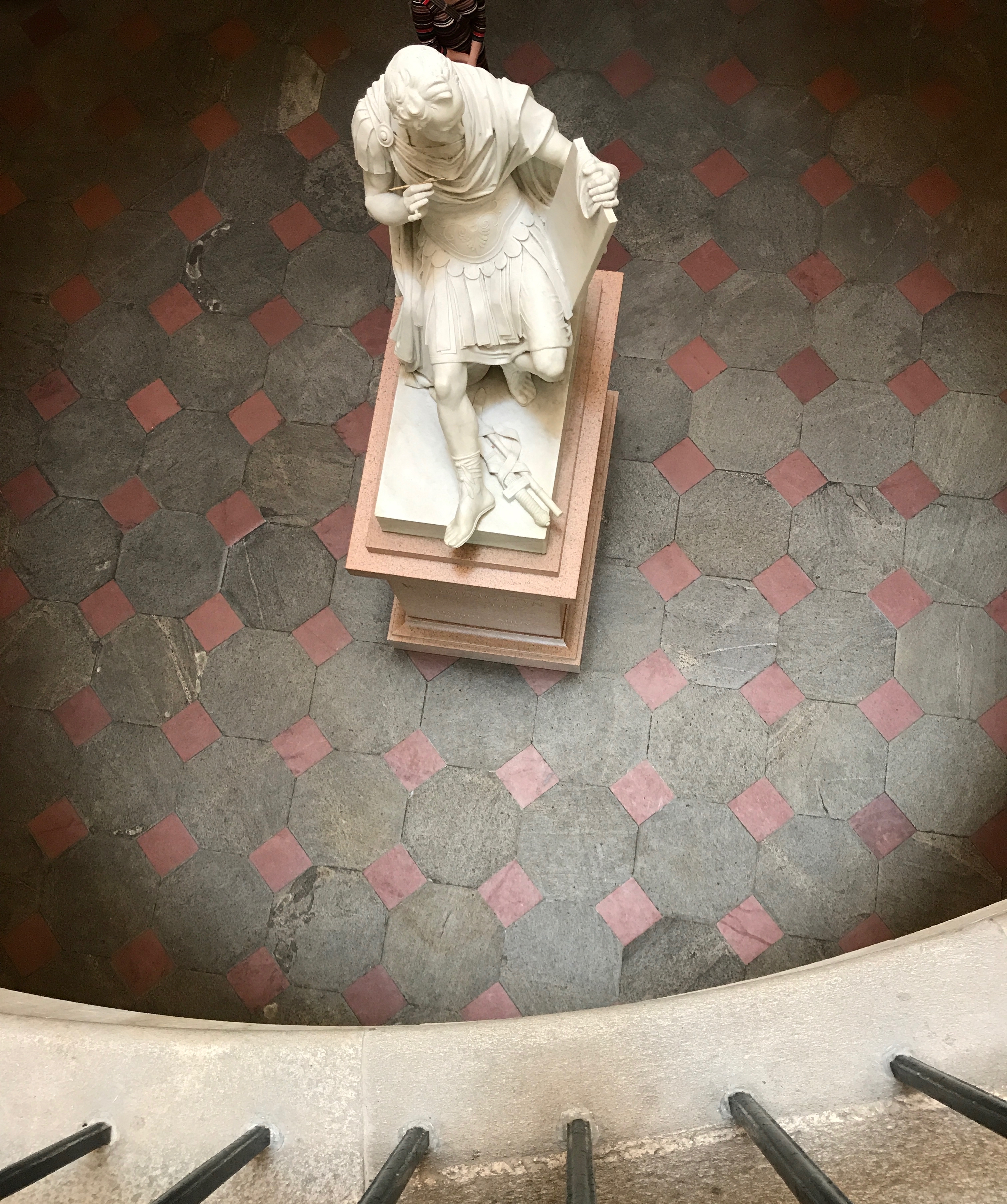
and looked down on The Father of Our Country.
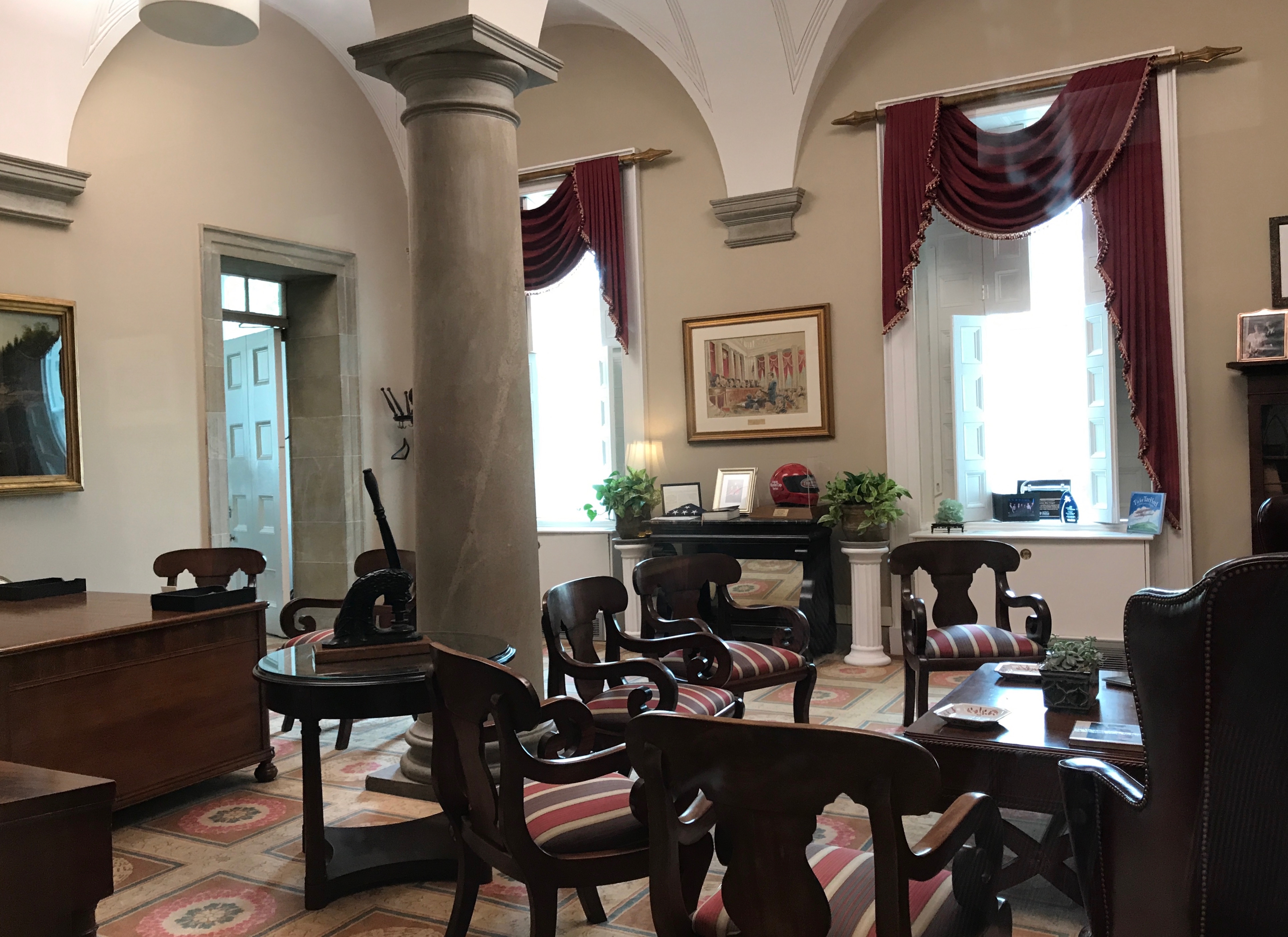
There were a variety of other meeting rooms.
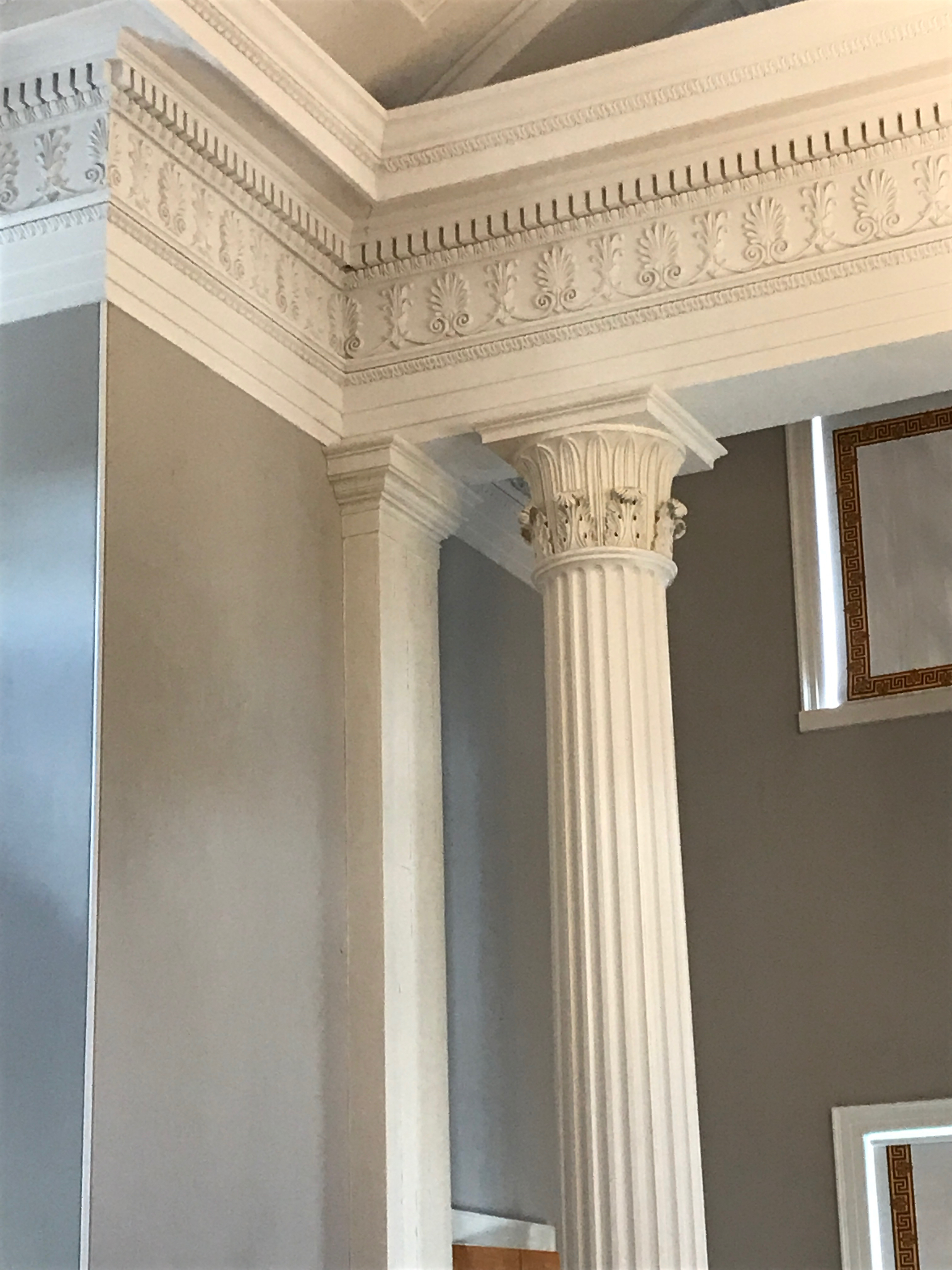
The details were simple yet elegant.
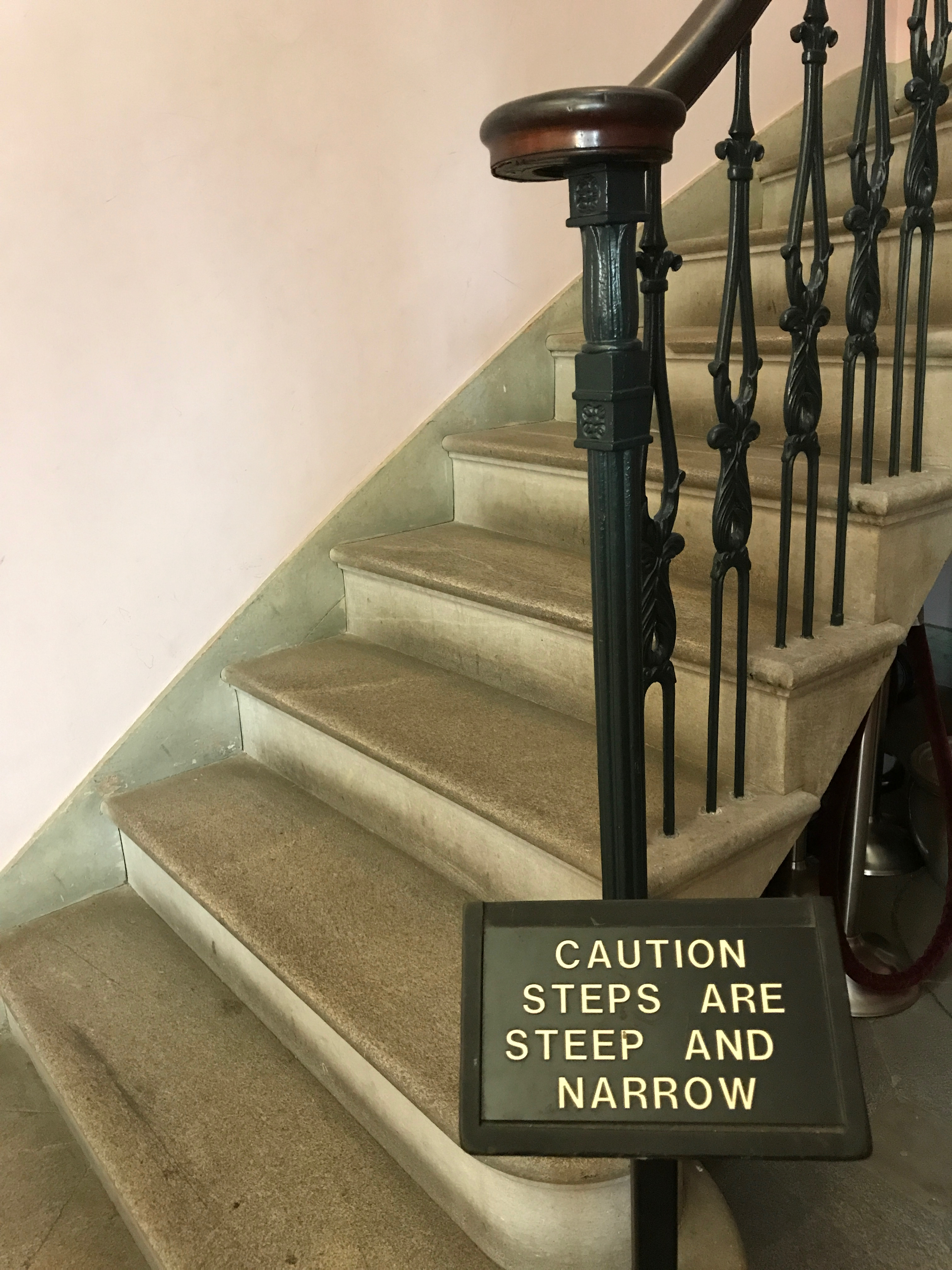
I guess it’s time to go upstairs.
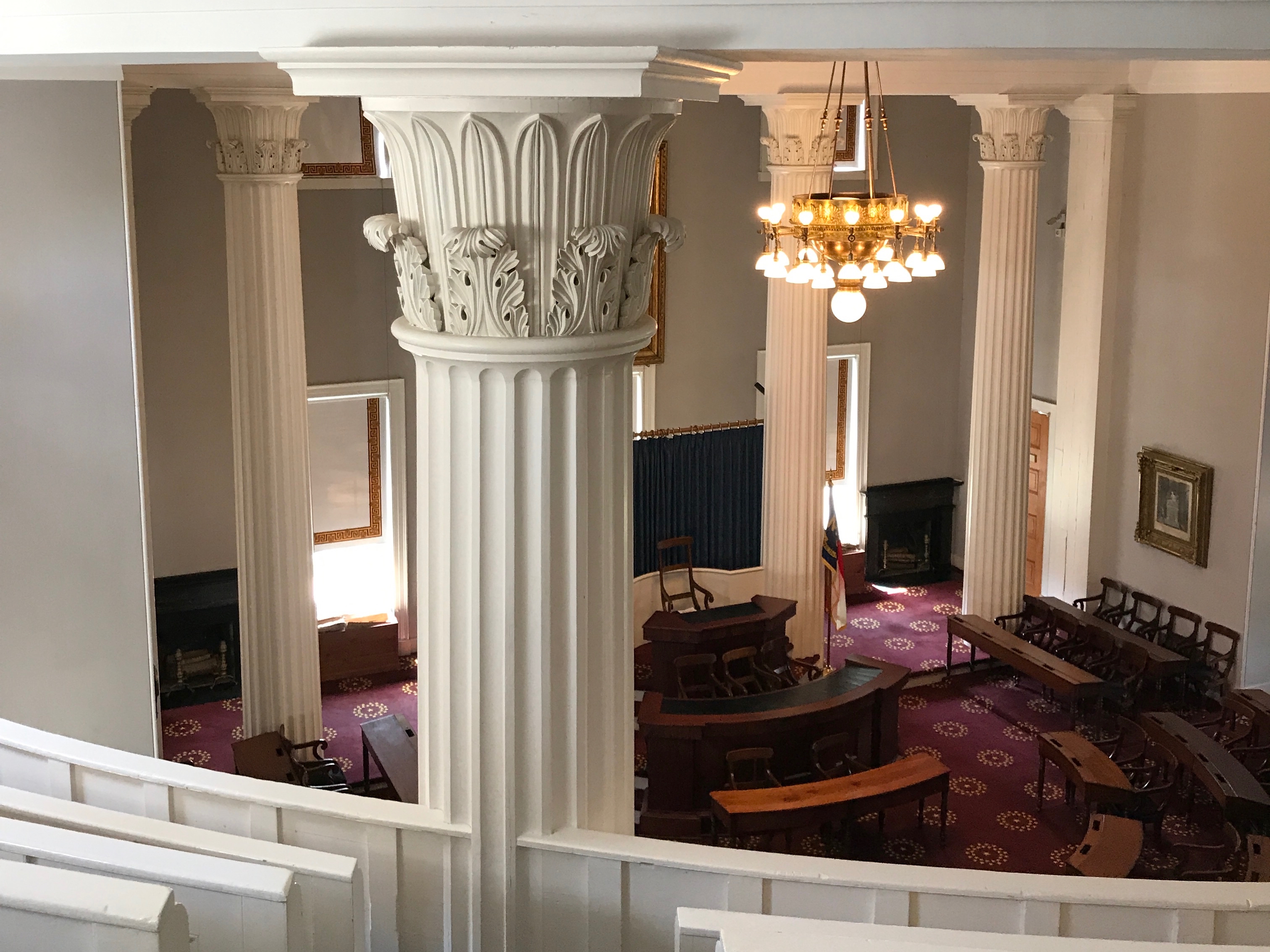
Here’s the view from the spectators’ gallery of the chamber of the house of representatives,
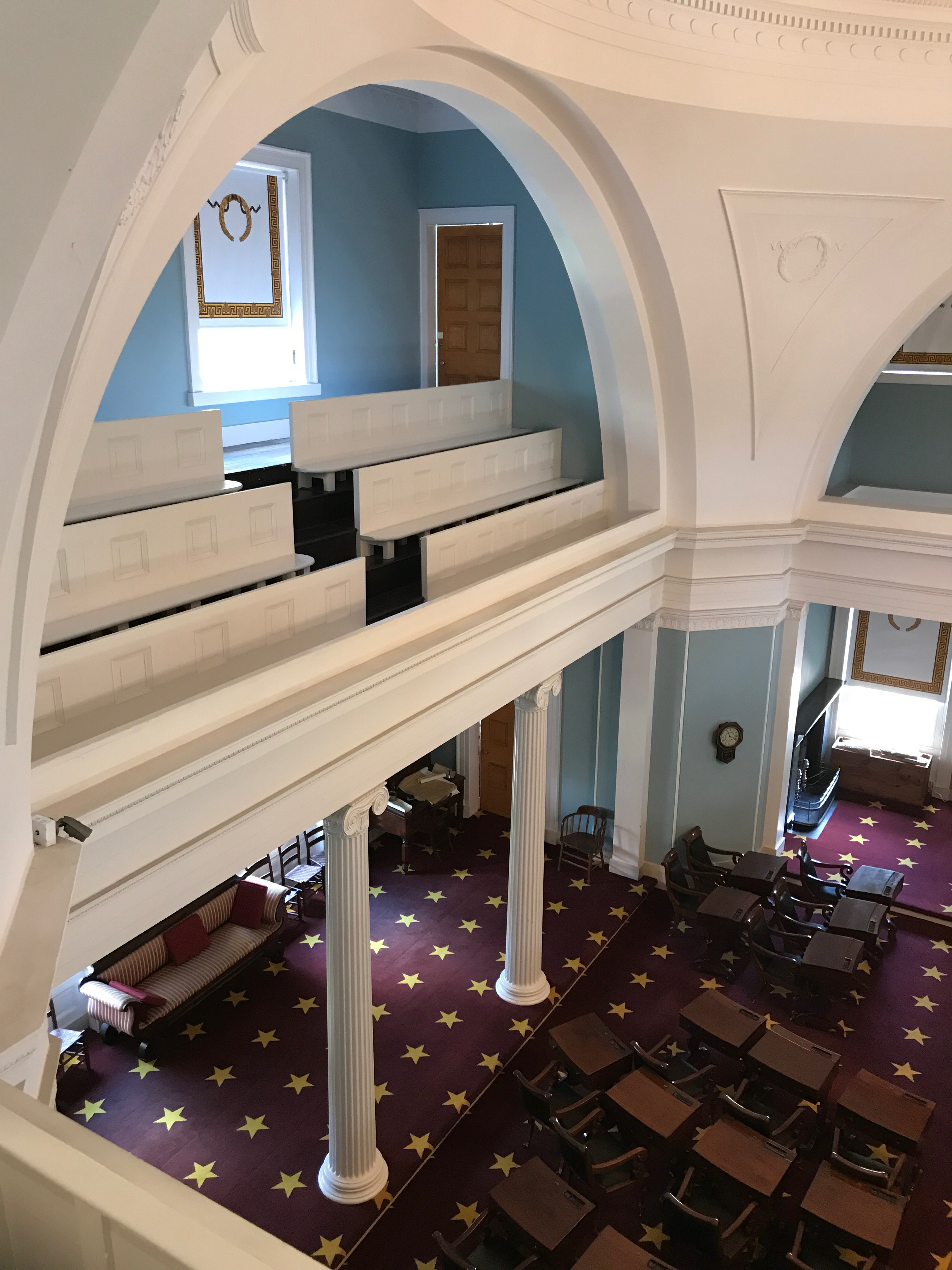
and a similar view of the Senate chamber.
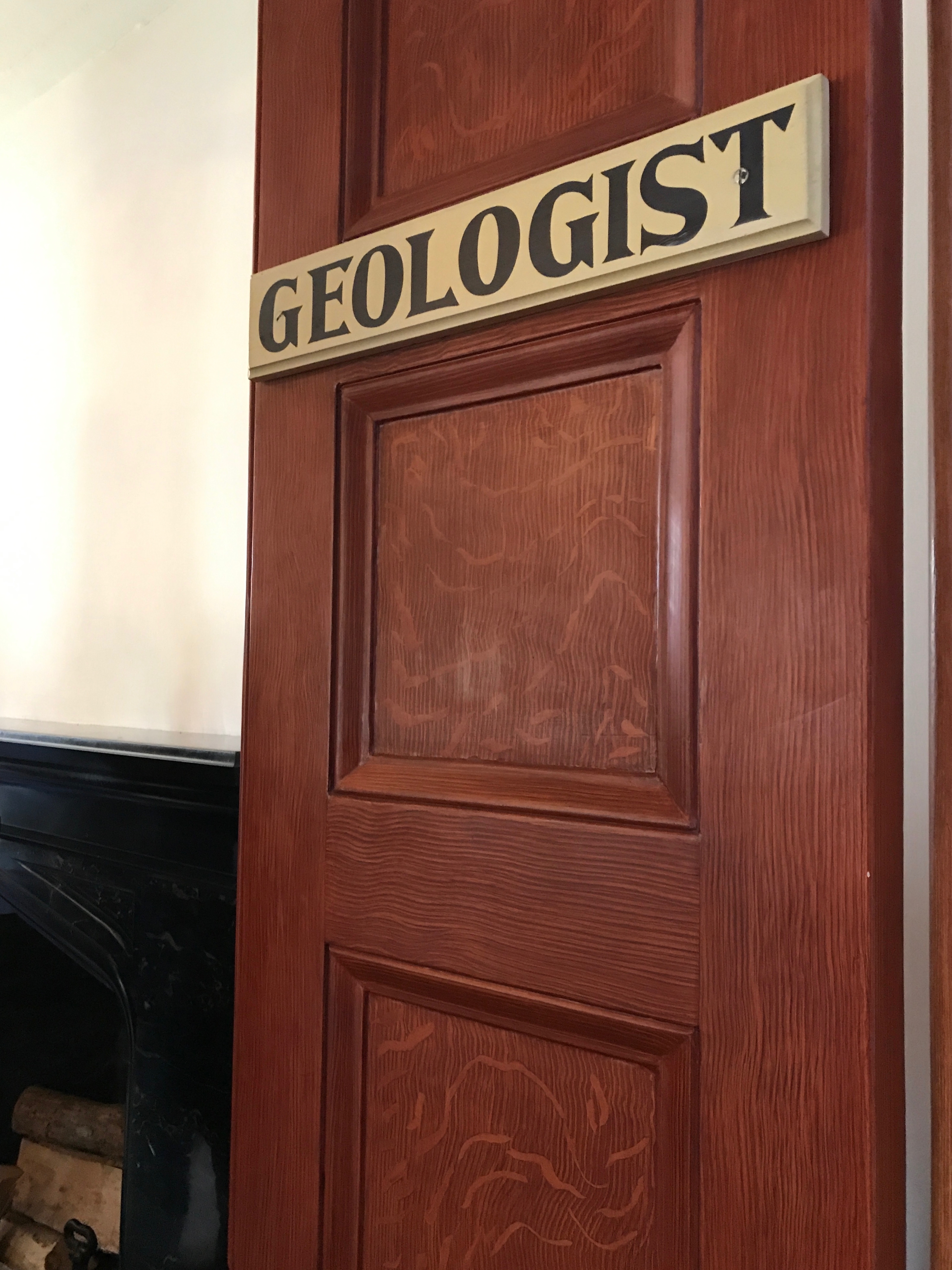
Ooh! We’re going to see the office of the State Geologist! I do like rocks!
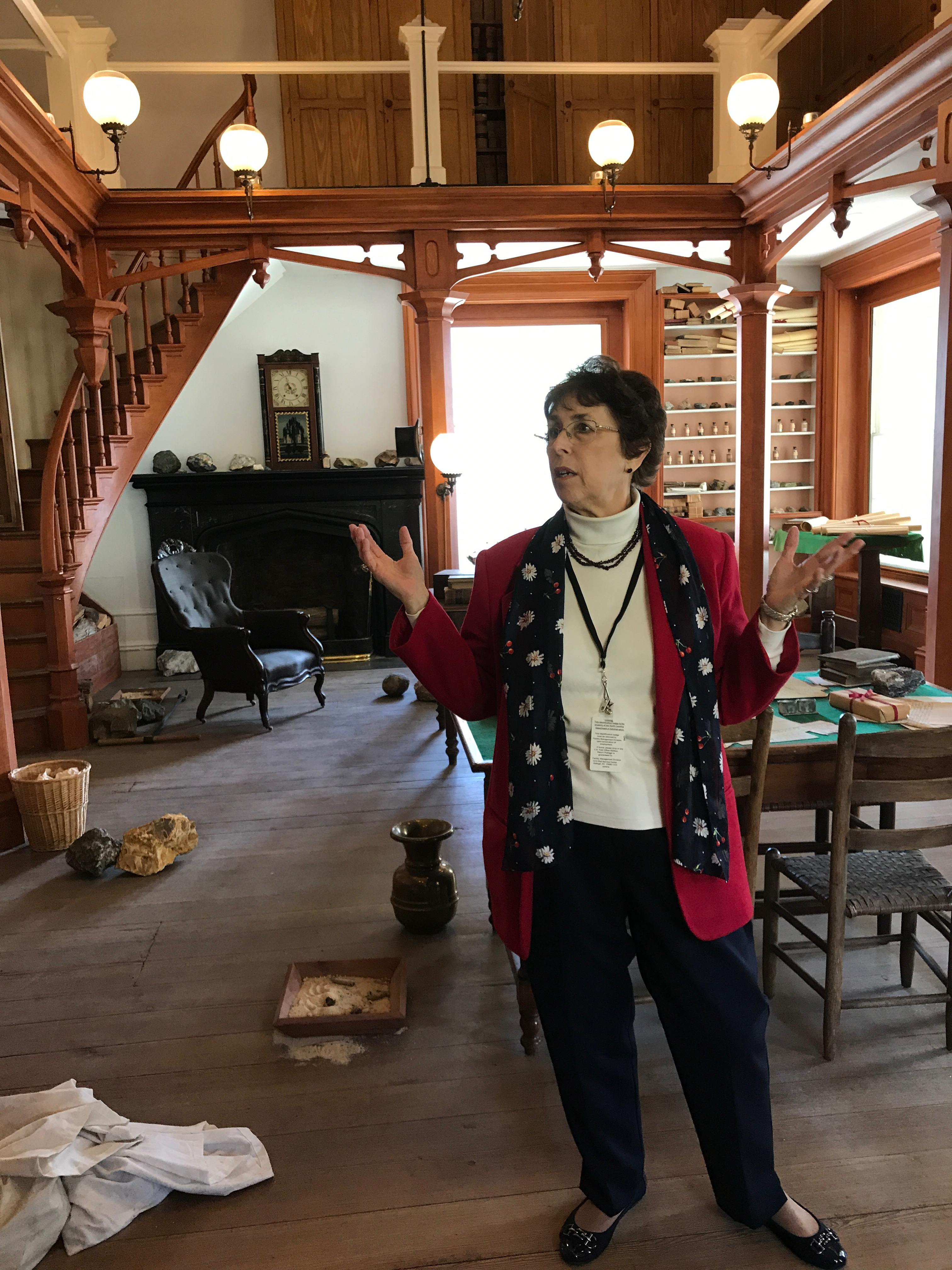
Our tour guide gave us a brief look at the office.
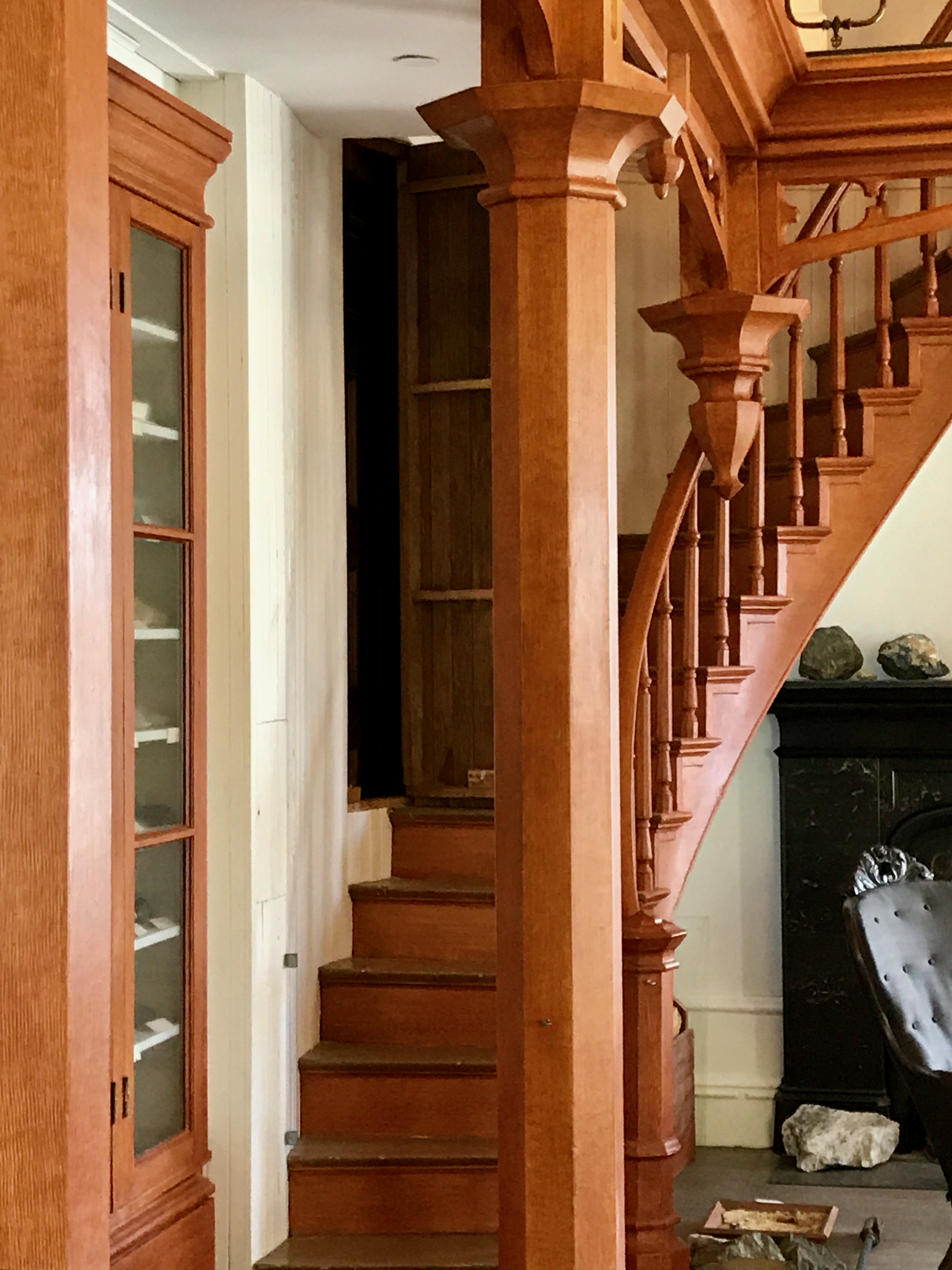
That’s some nice woodwork. (I like wood, too.)
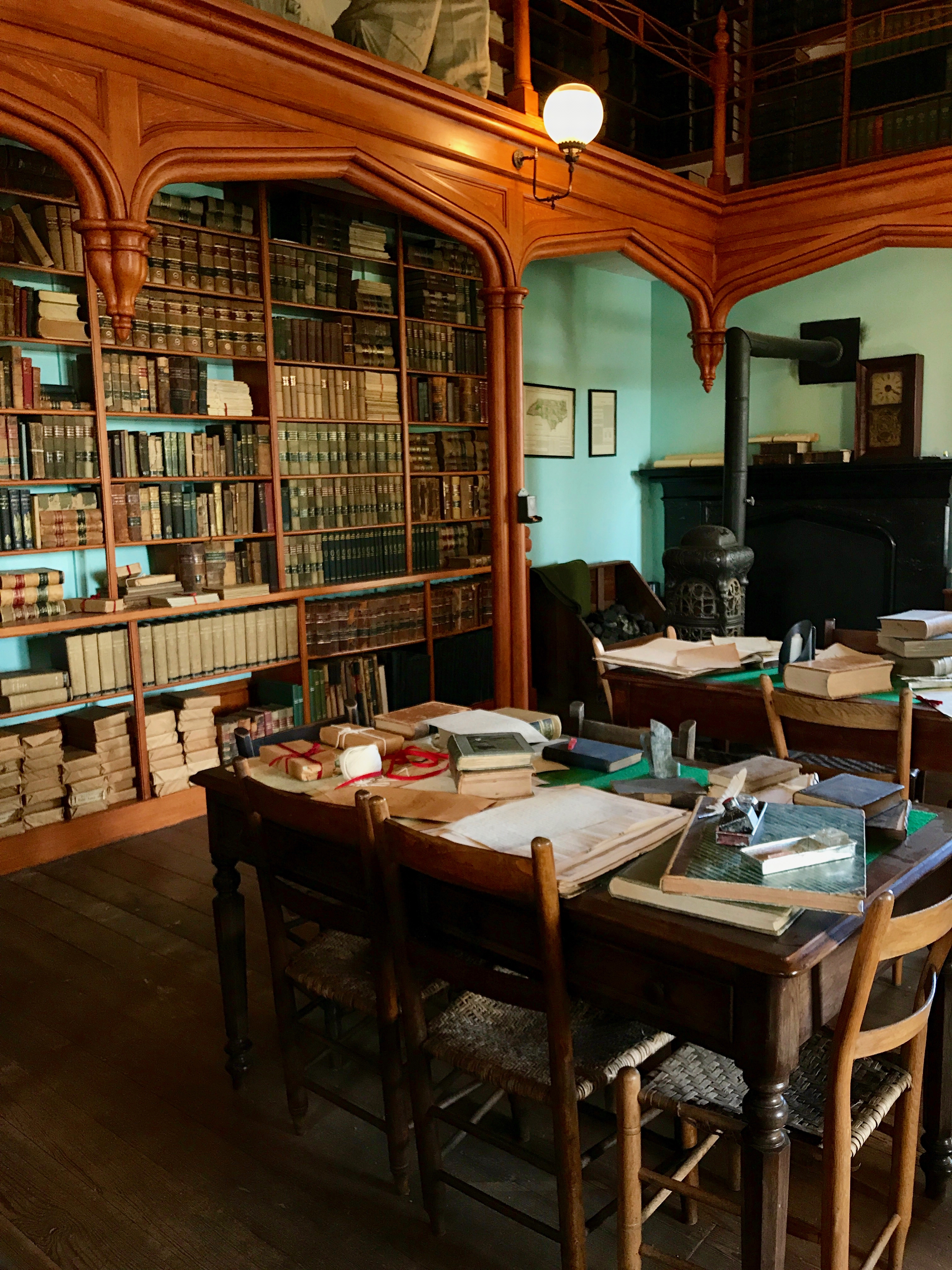
And now on to the library.
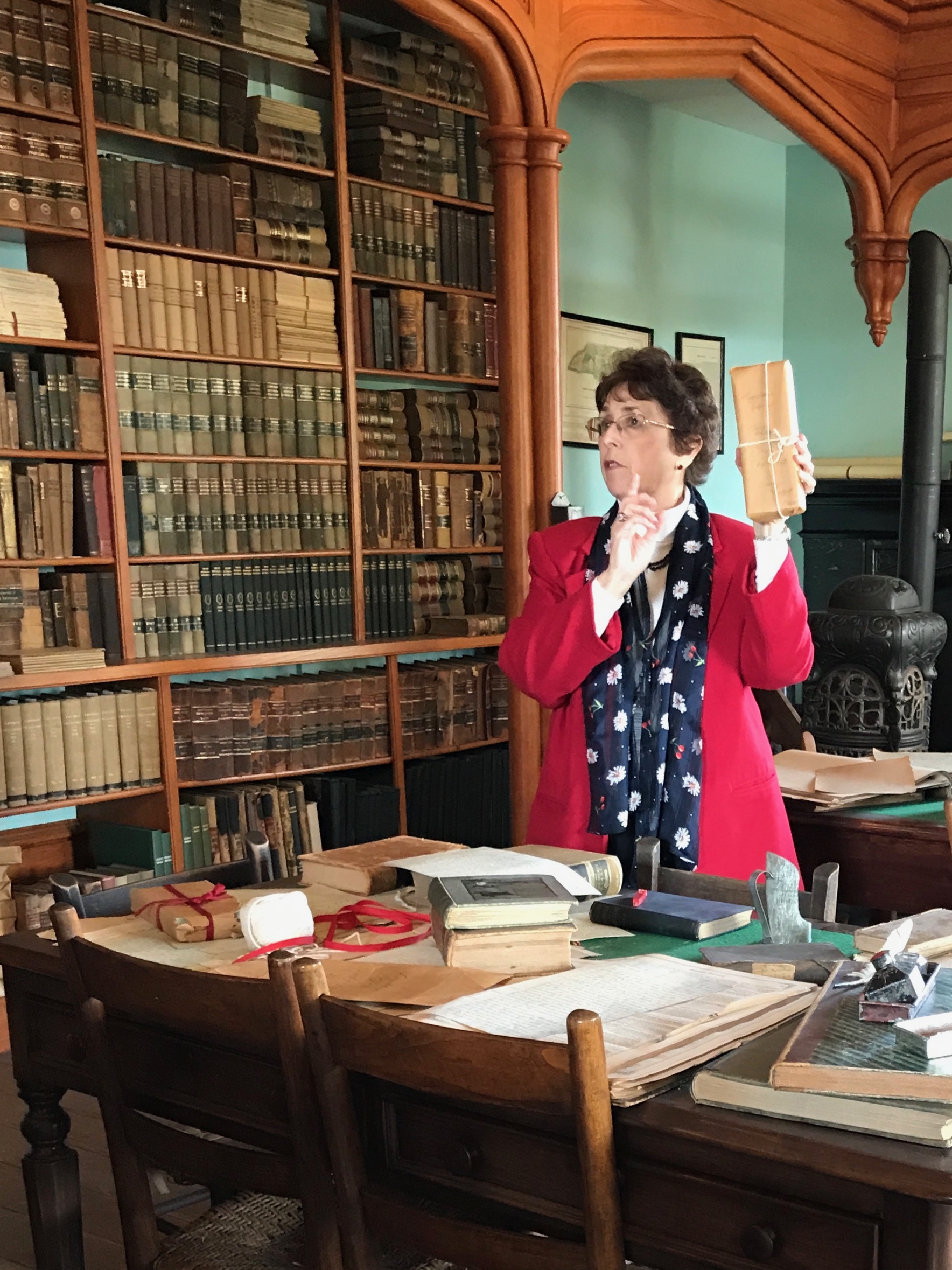
The guide told us that bills were wrapped up in paper and tied up with red tape. I guess the one she’s holding isn’t quite done yet.
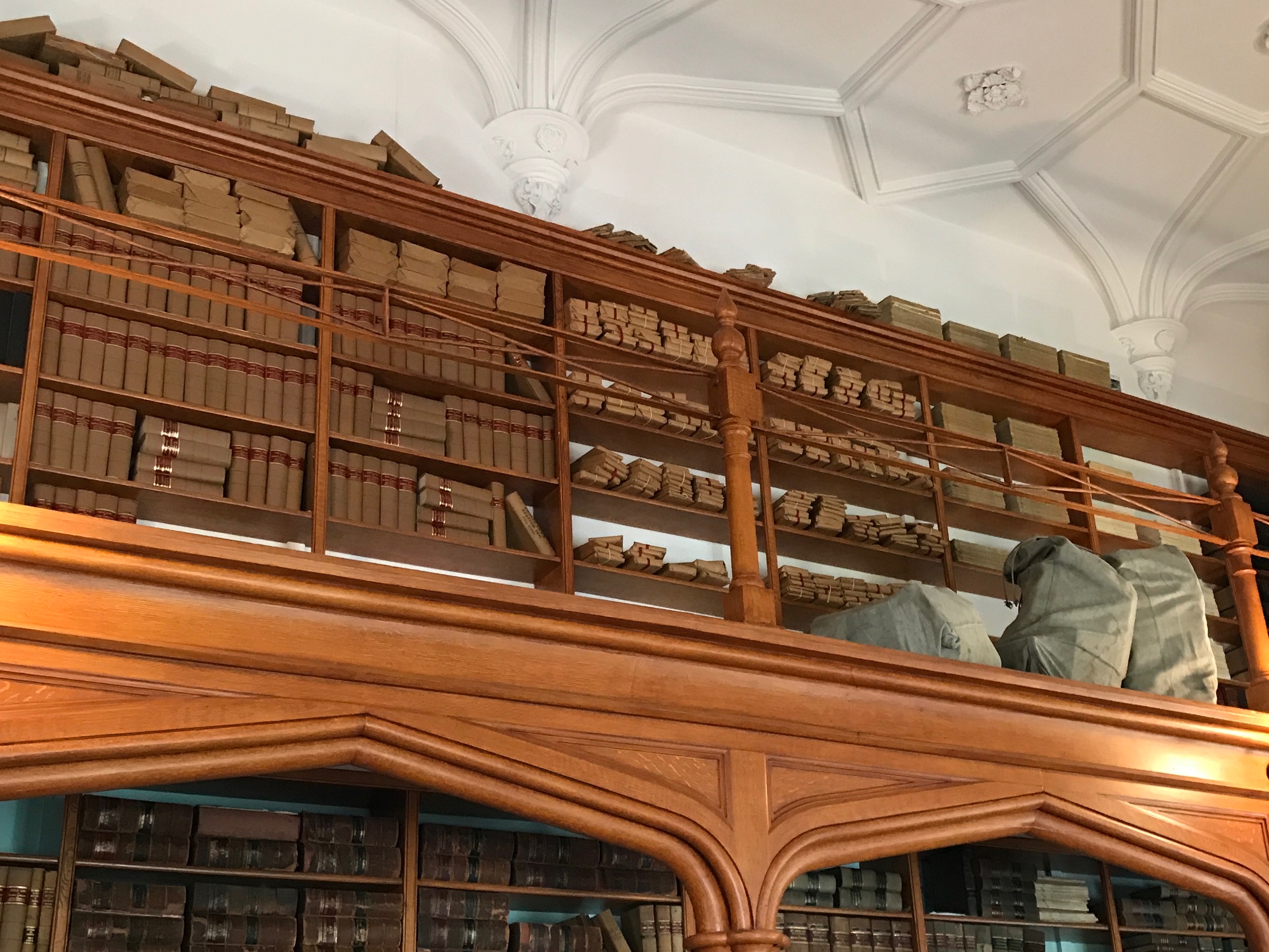
There is plenty of storage above the lower stacks.
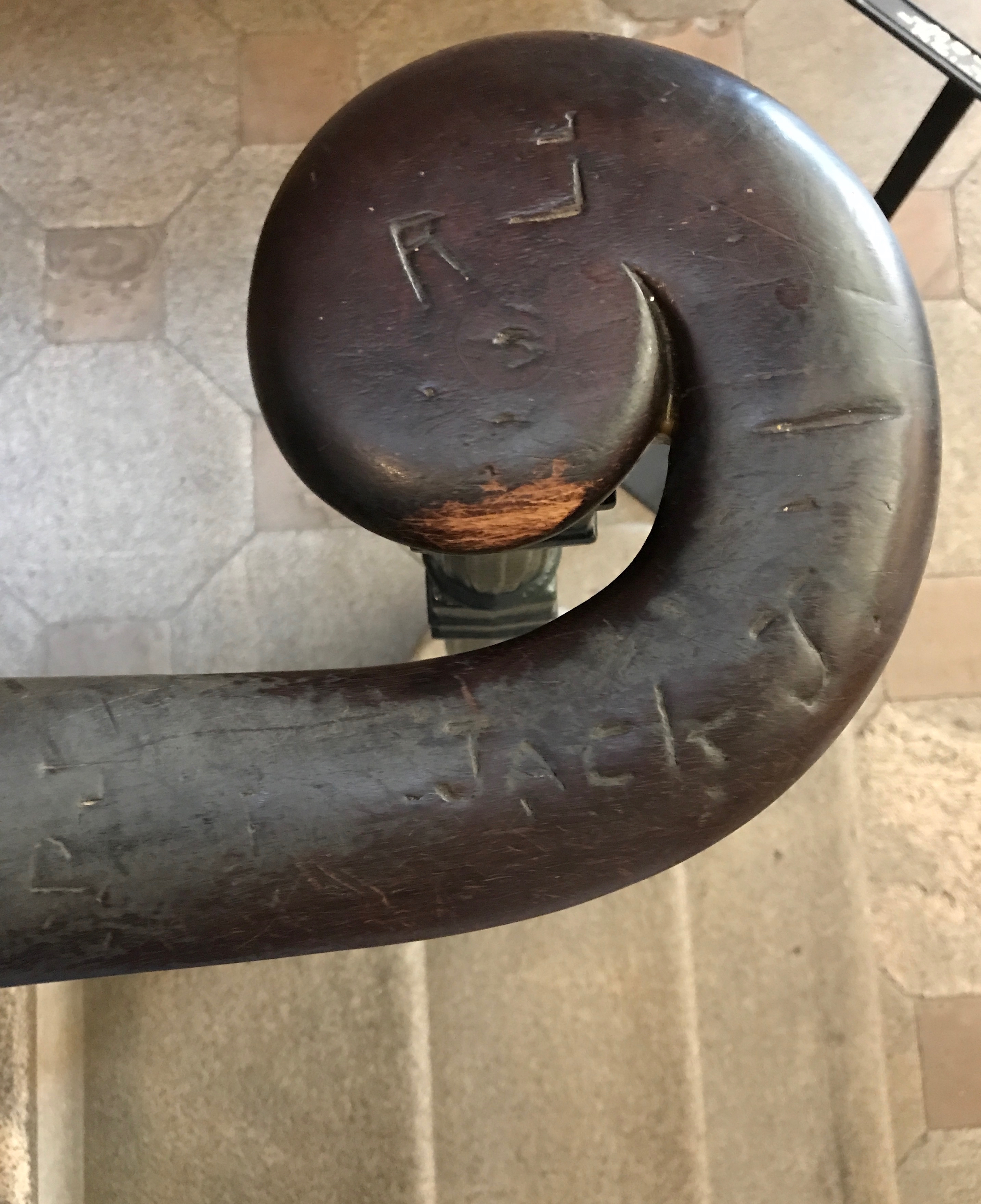
It does frustrate me when people feel the need to deface things. Well, Jack J. is now part of the historical record.
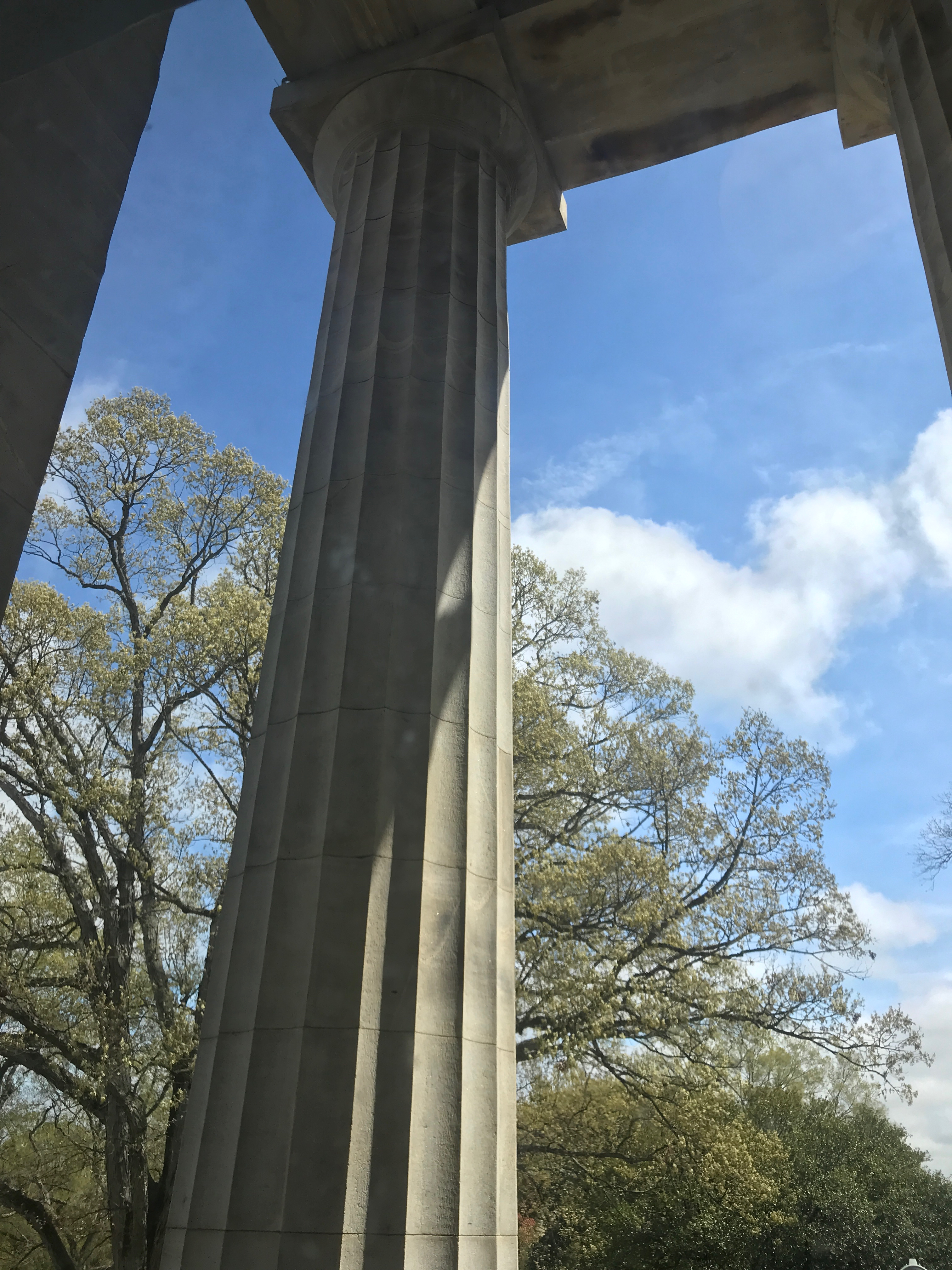
The tour ended and I went out to explore the rest of the grounds.
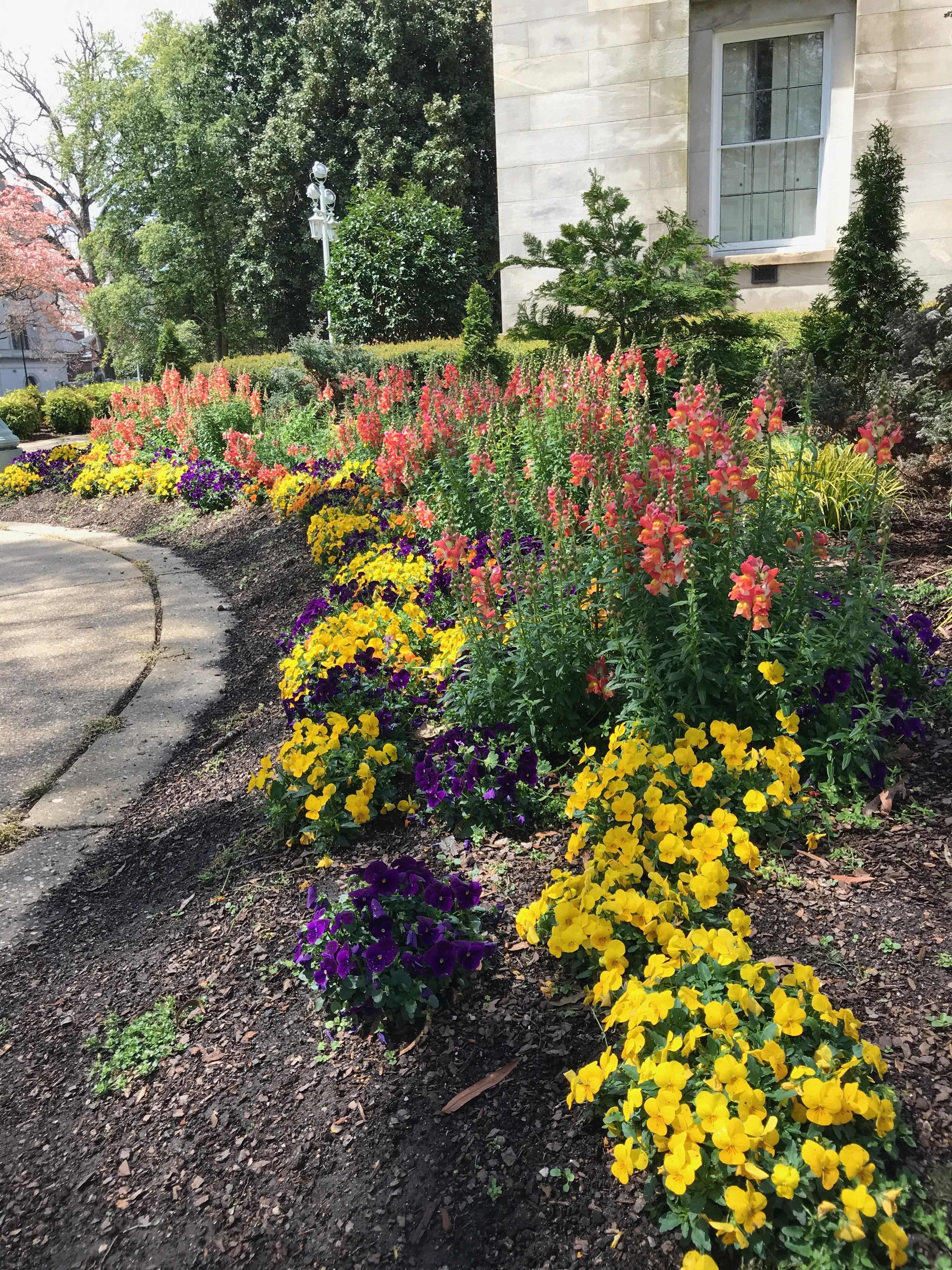
The landscaping and spring flowers were lovely.
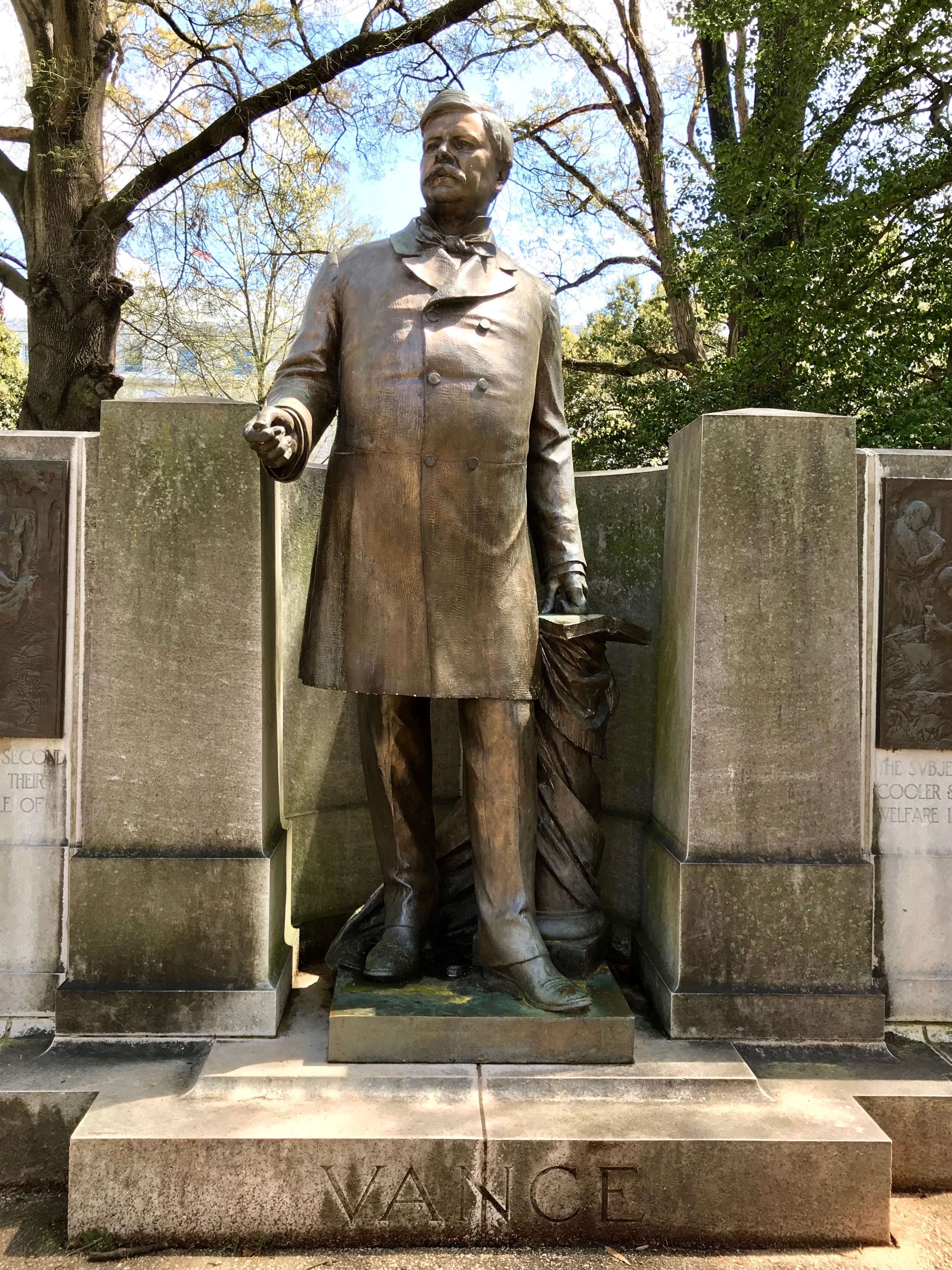
This memorial is to Zebulon Baird Vance, Confederate military officer, 37th and 43rd Governor of North Carolina. What did he do between his first and second terms as Governor? Among other things, he was a U.S. Senator.
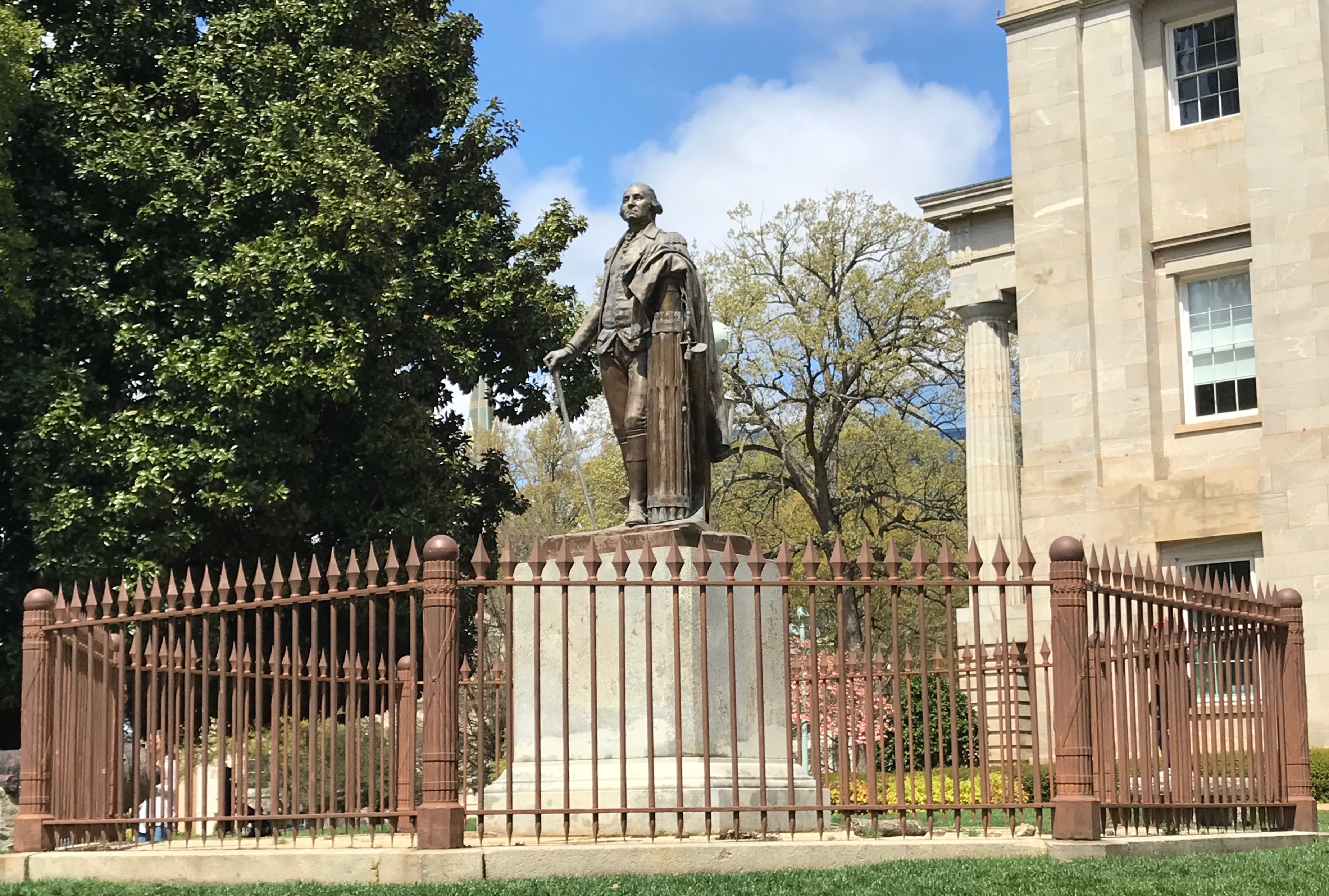
Ah! There’s a person I recognize. Another memorial to George Washington, this one was the work of Jean-Antoine Houdon. It cost $13,454 when it was dedicated on July 4, 1857. In 2021 dollars, that would be $409,615.
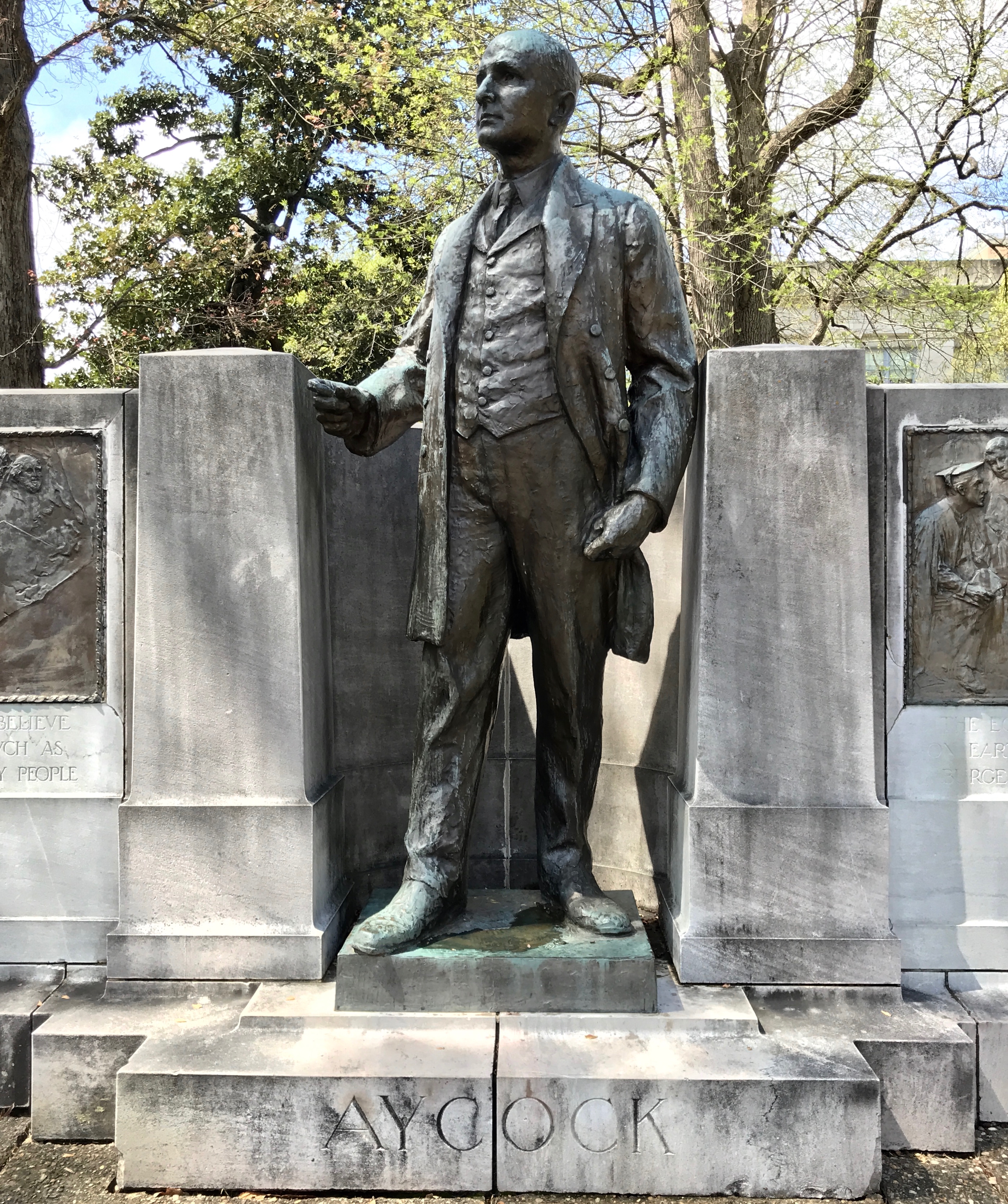
Here we have another governor memorial. Charles Brantley Aycock was North Carolina’s 50th Governor, and he served from 1901 to 1905. He was a strong proponent of the white supremacy campaigns of that period and was one of the leading perpetrators of the Wilmington Insurrection or 1898, in which whites took over the city government by force, the only successful coup d’état in U.S. history.
(Let’s keep it that way.)
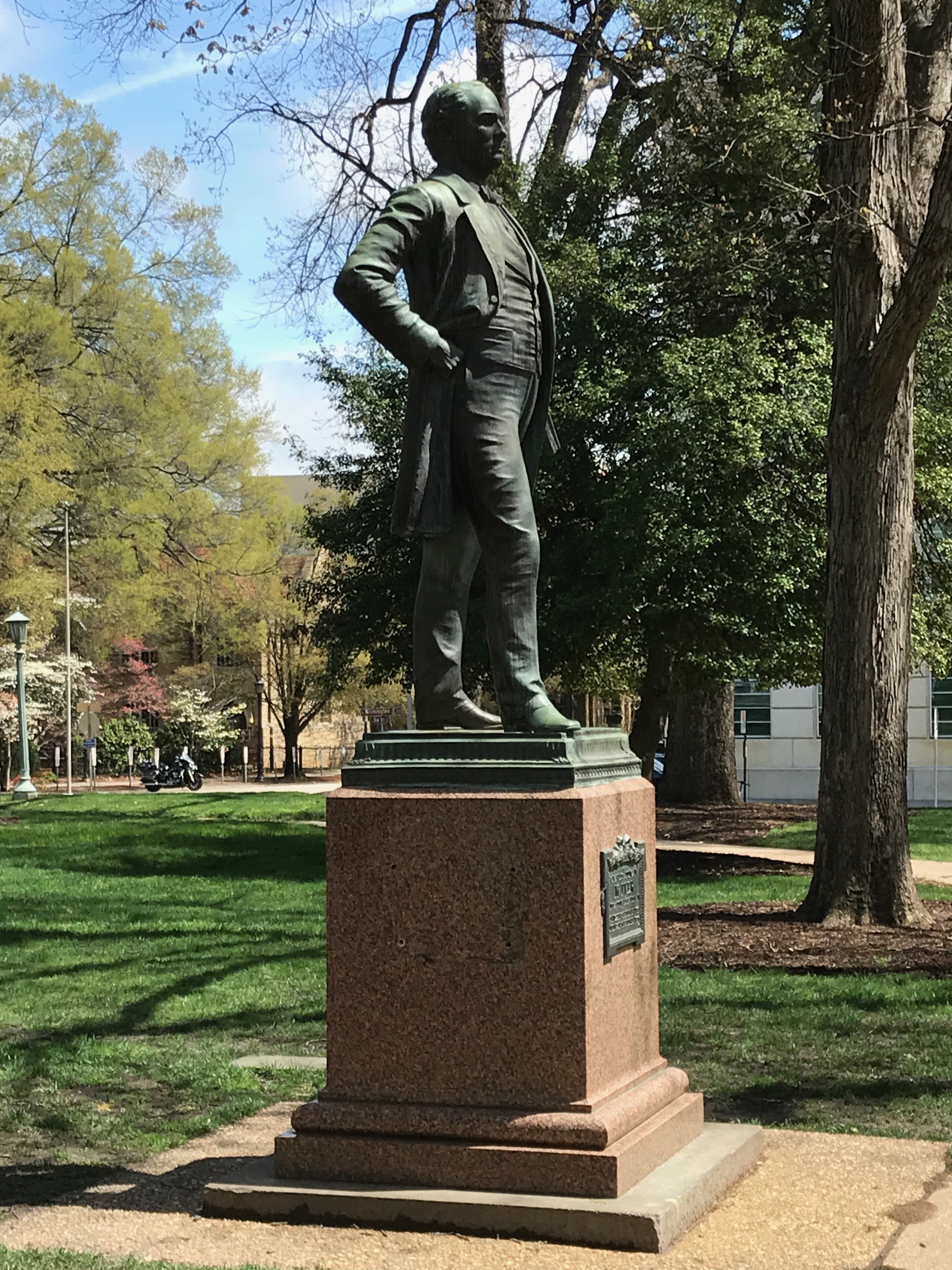
This statue is of Charles Duncan McIver.
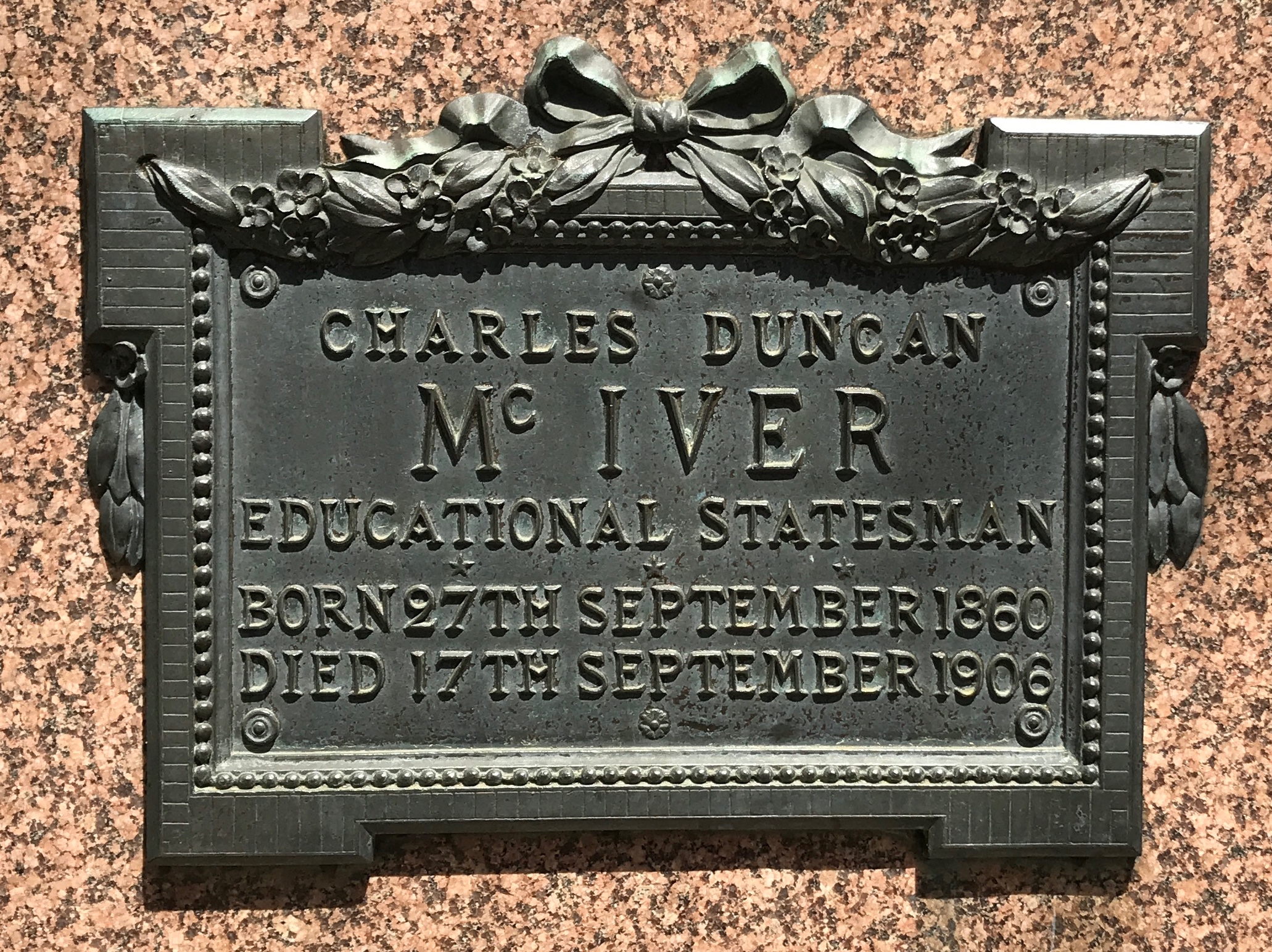
He was the founder and first president of the institution now known as The University of North Carolina at Greensboro.
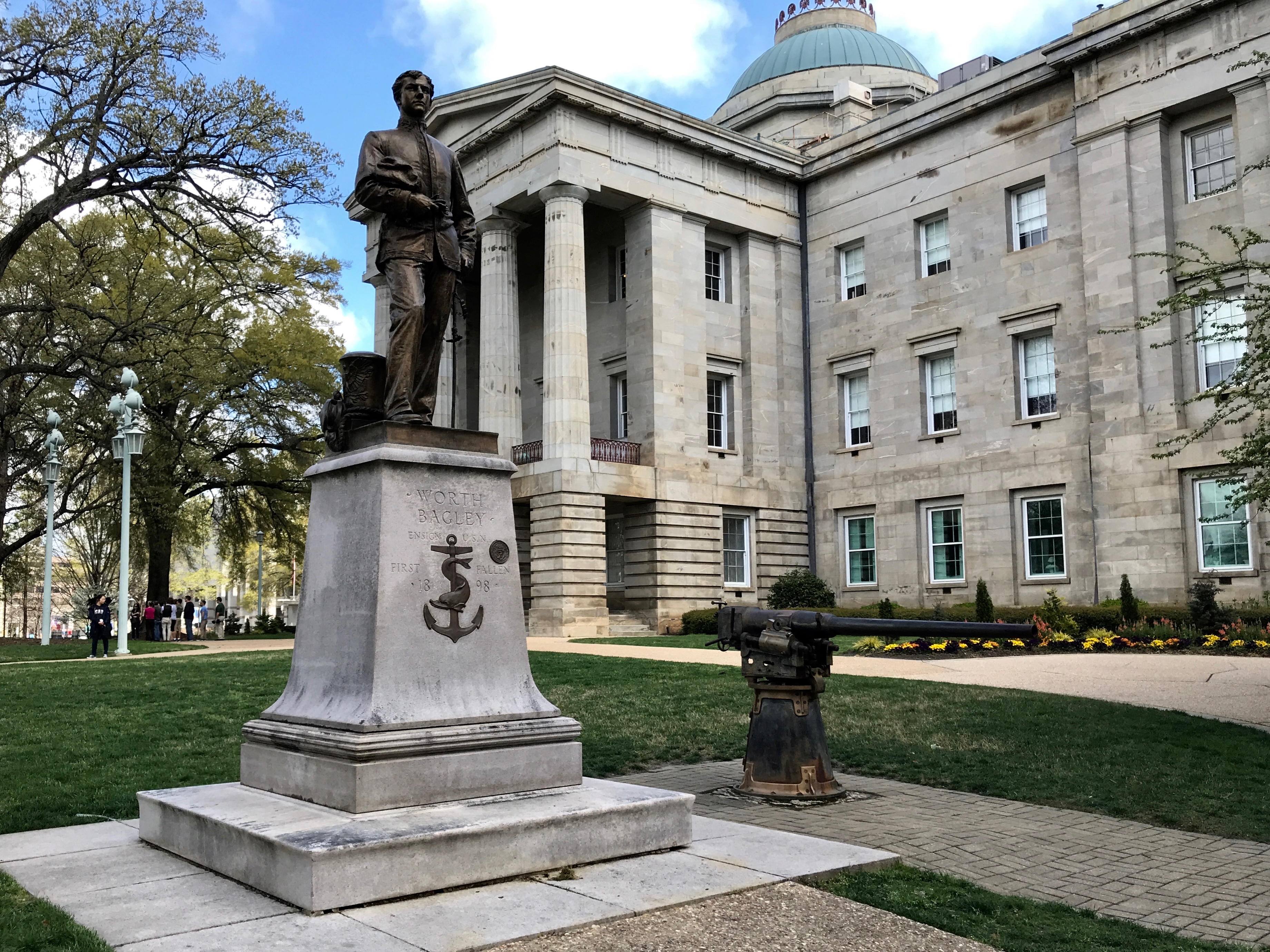
This statue is of Ensign Worth Bagley, who was the only U.S. naval officer killed in action during the Spanish-American War.
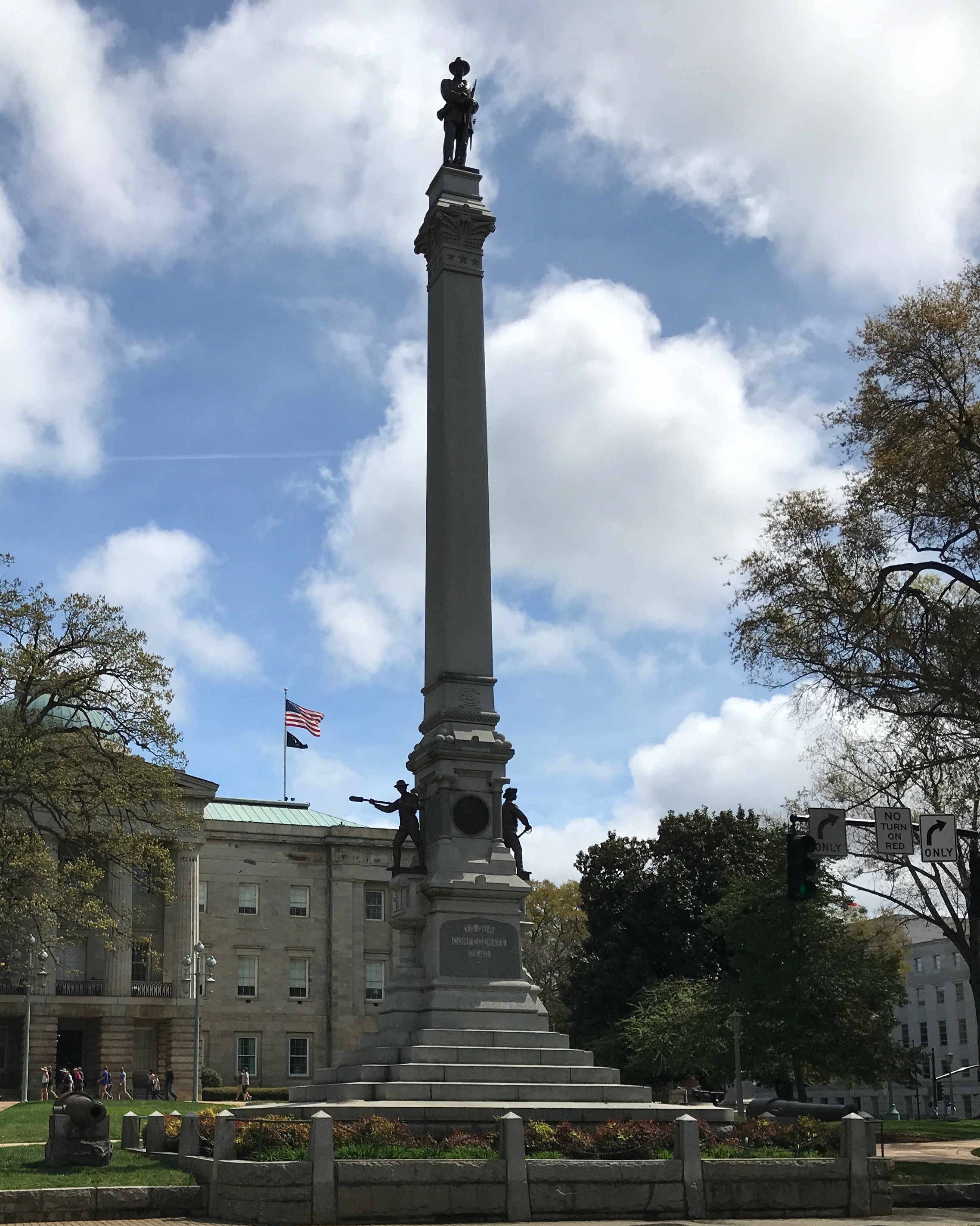
What do you suppose this large monument is for?
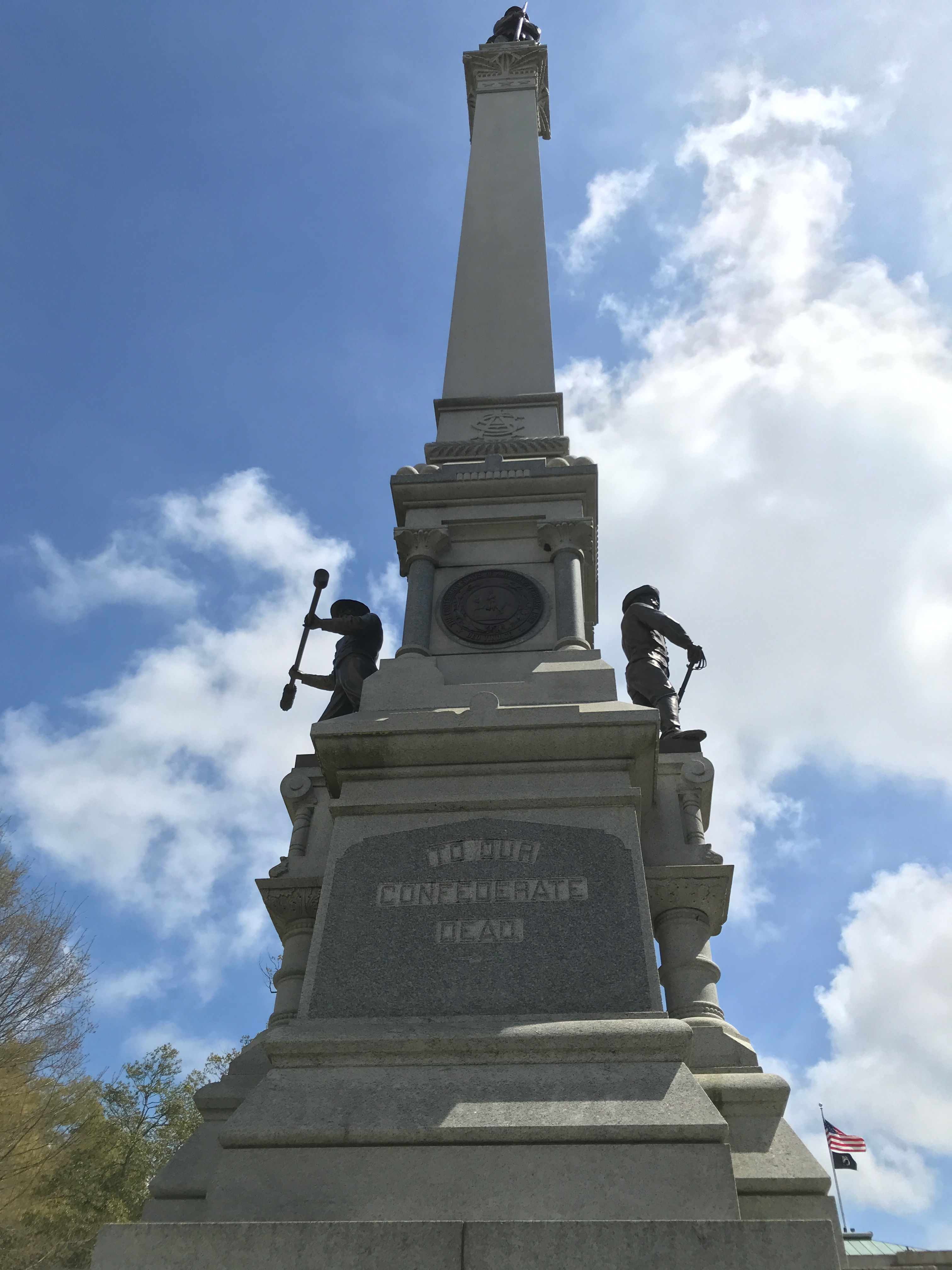
Yes, “To Our Confederate Dead.”
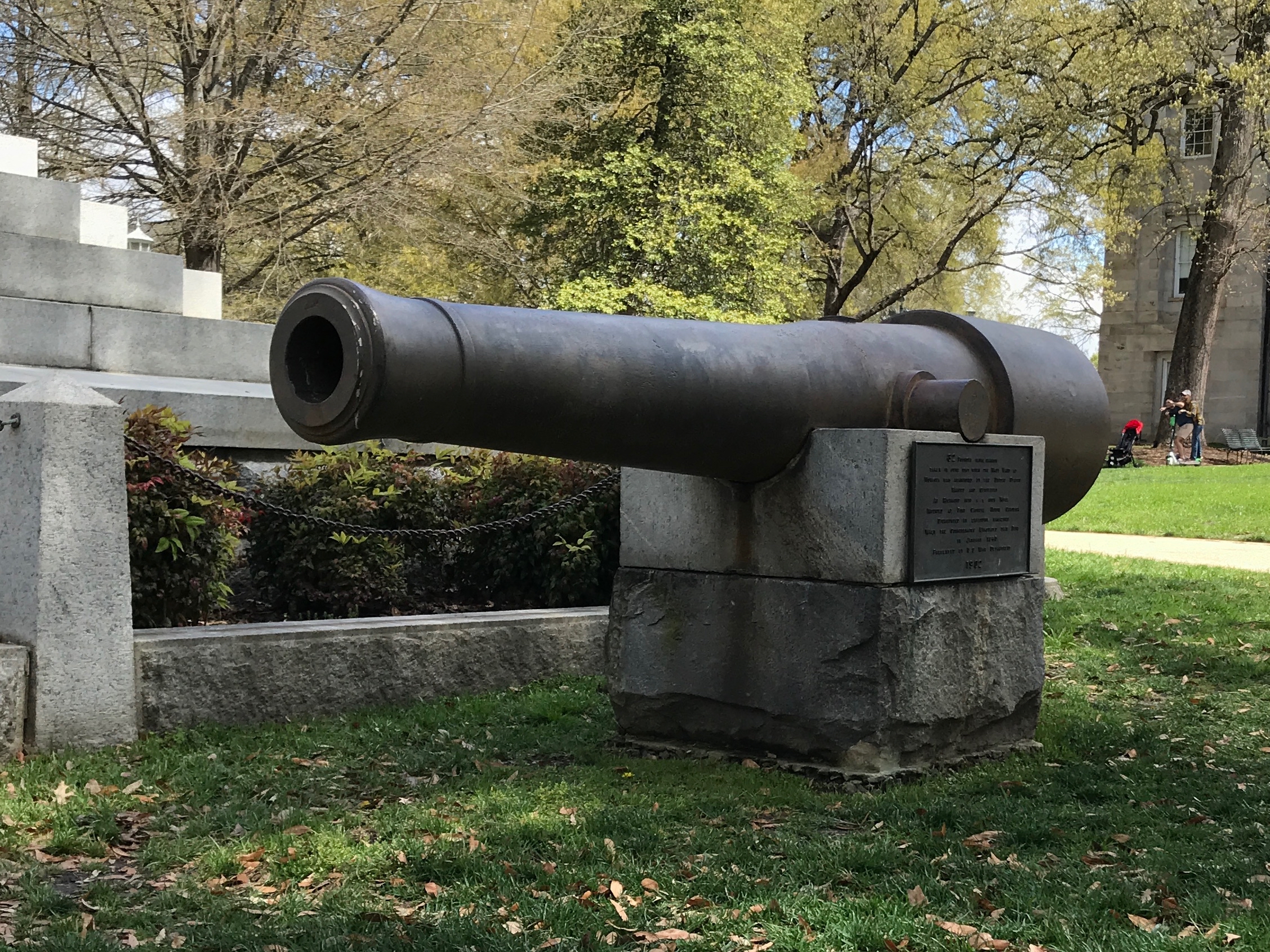
With cannon standing at the ready.
This 32 pounder naval cannon was taken in June of 1861 when the Navy Yard at Norfolk was abandoned by the Union. It was presented by the U.S. War Department in 1902.
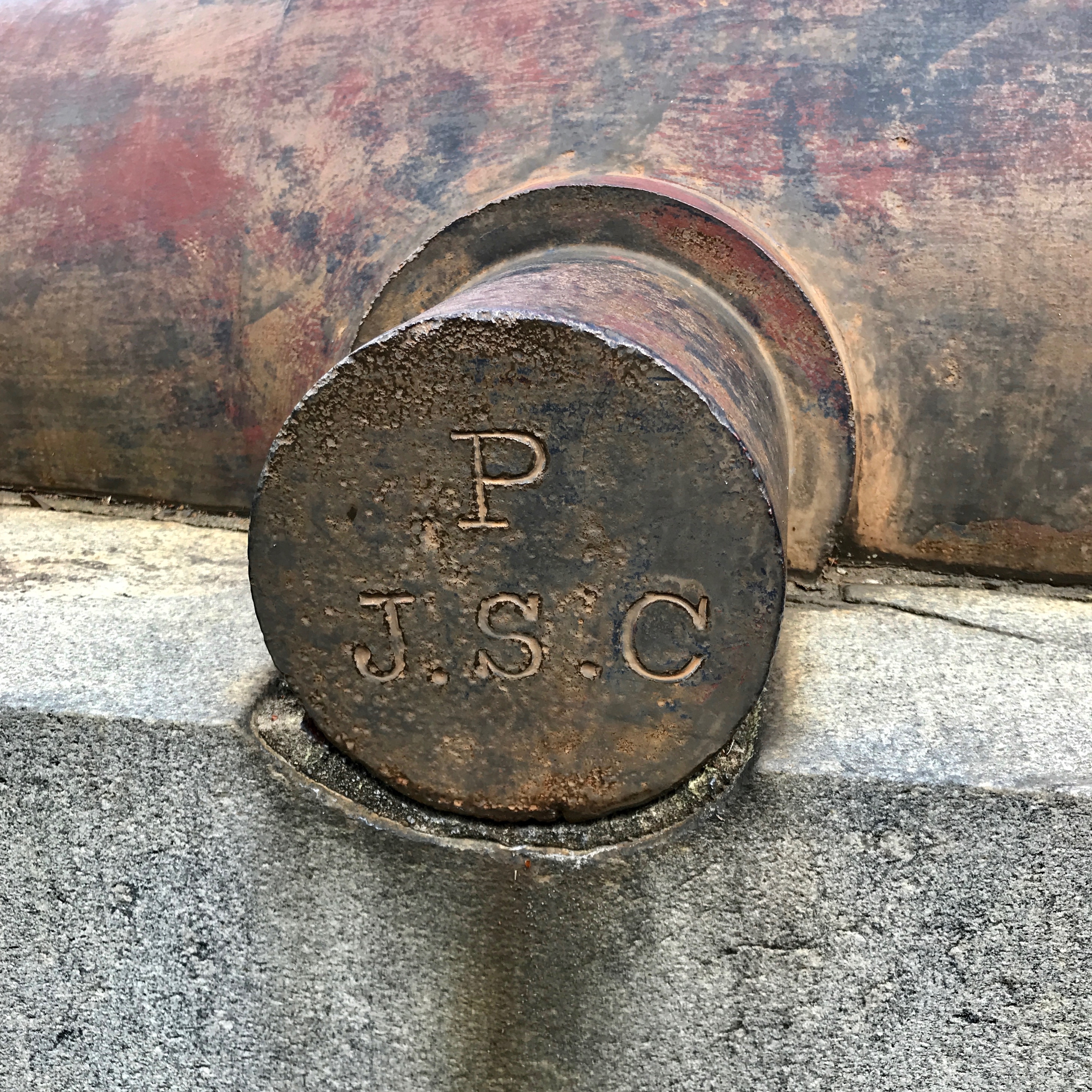
I thought this shot of the cannon’s trunnion was interesting.
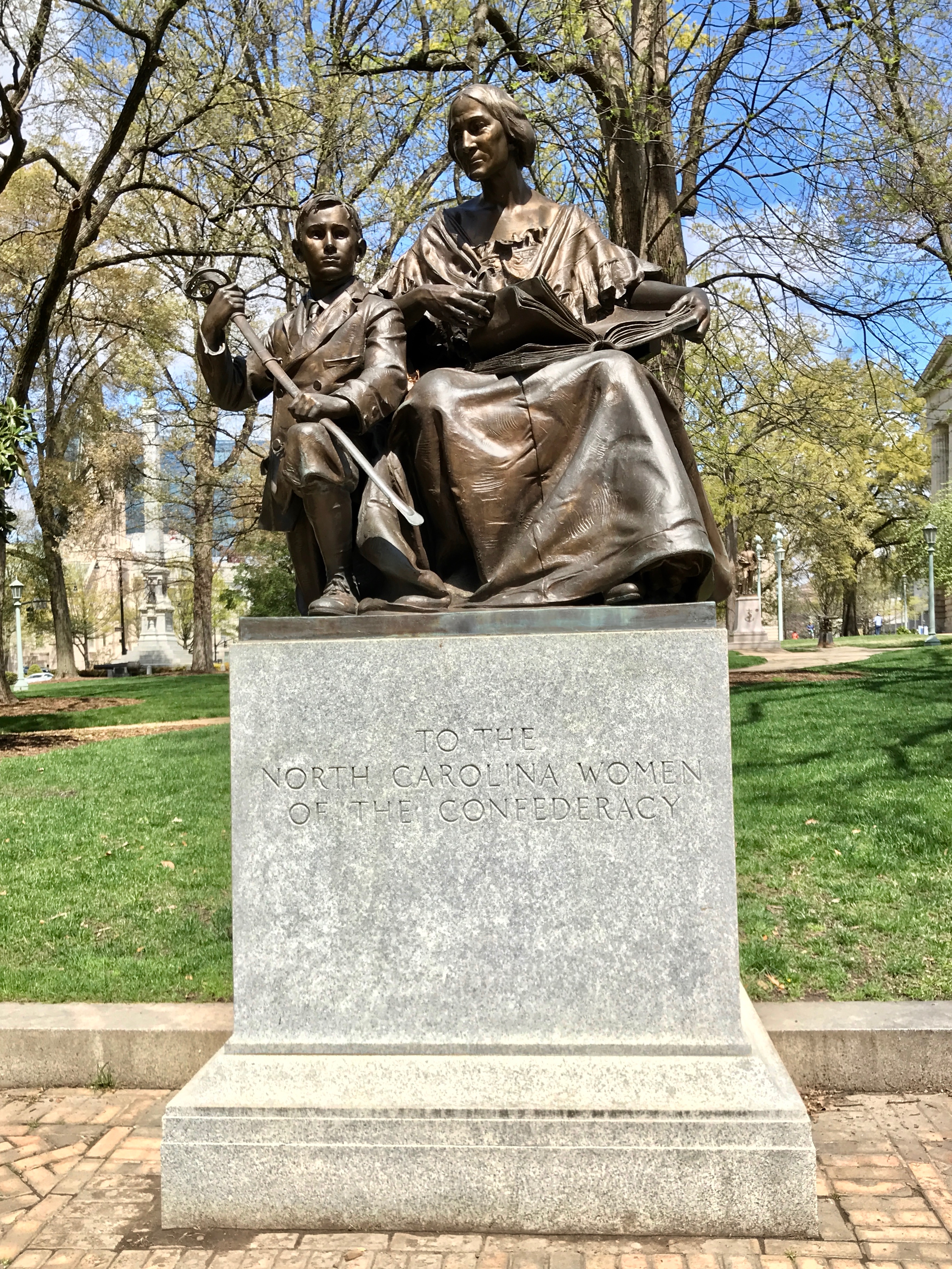
I appreciate that it was important to them to honor the women of the Confederacy, too.
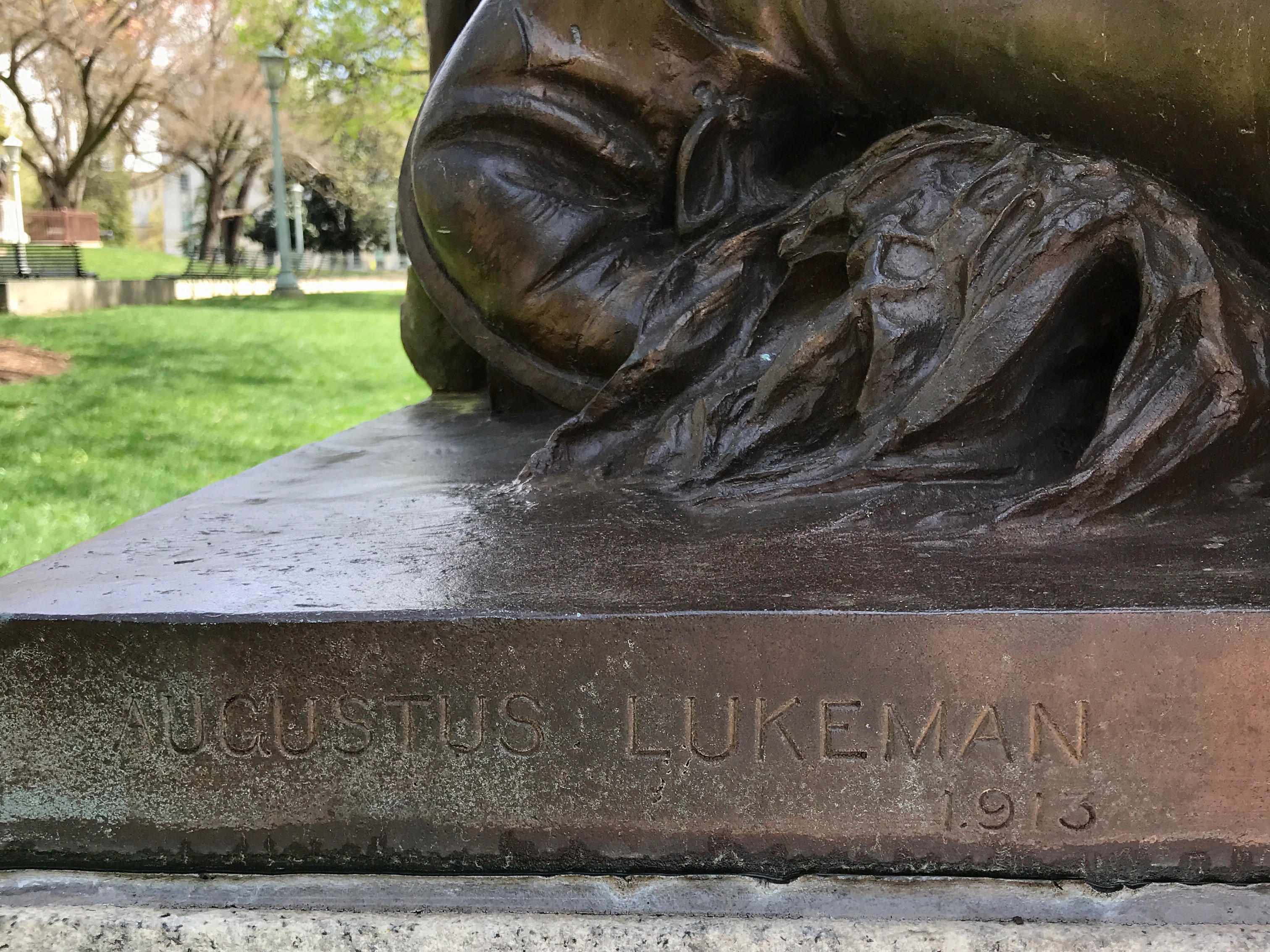
Augustus Lukeman created the statue in 1913,
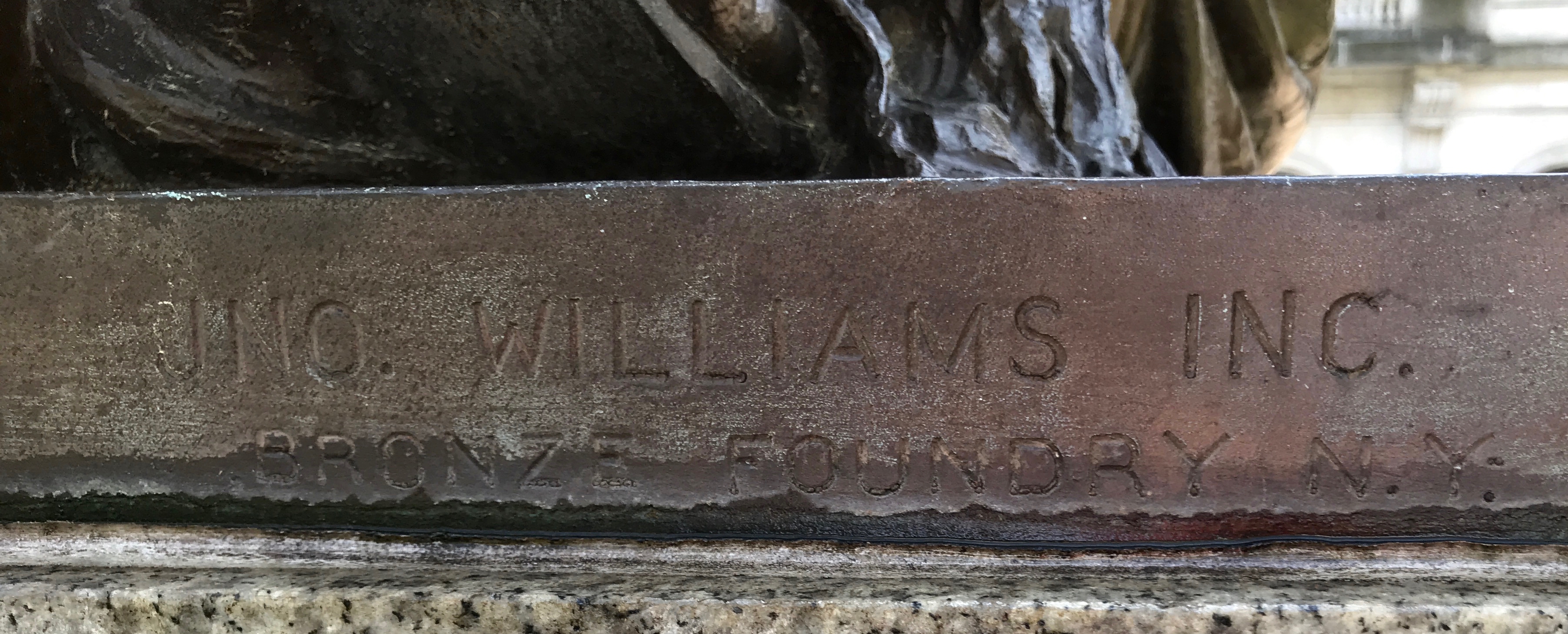
and it was formed at the JNC Williams Inc. Bronze Foundry in New York.
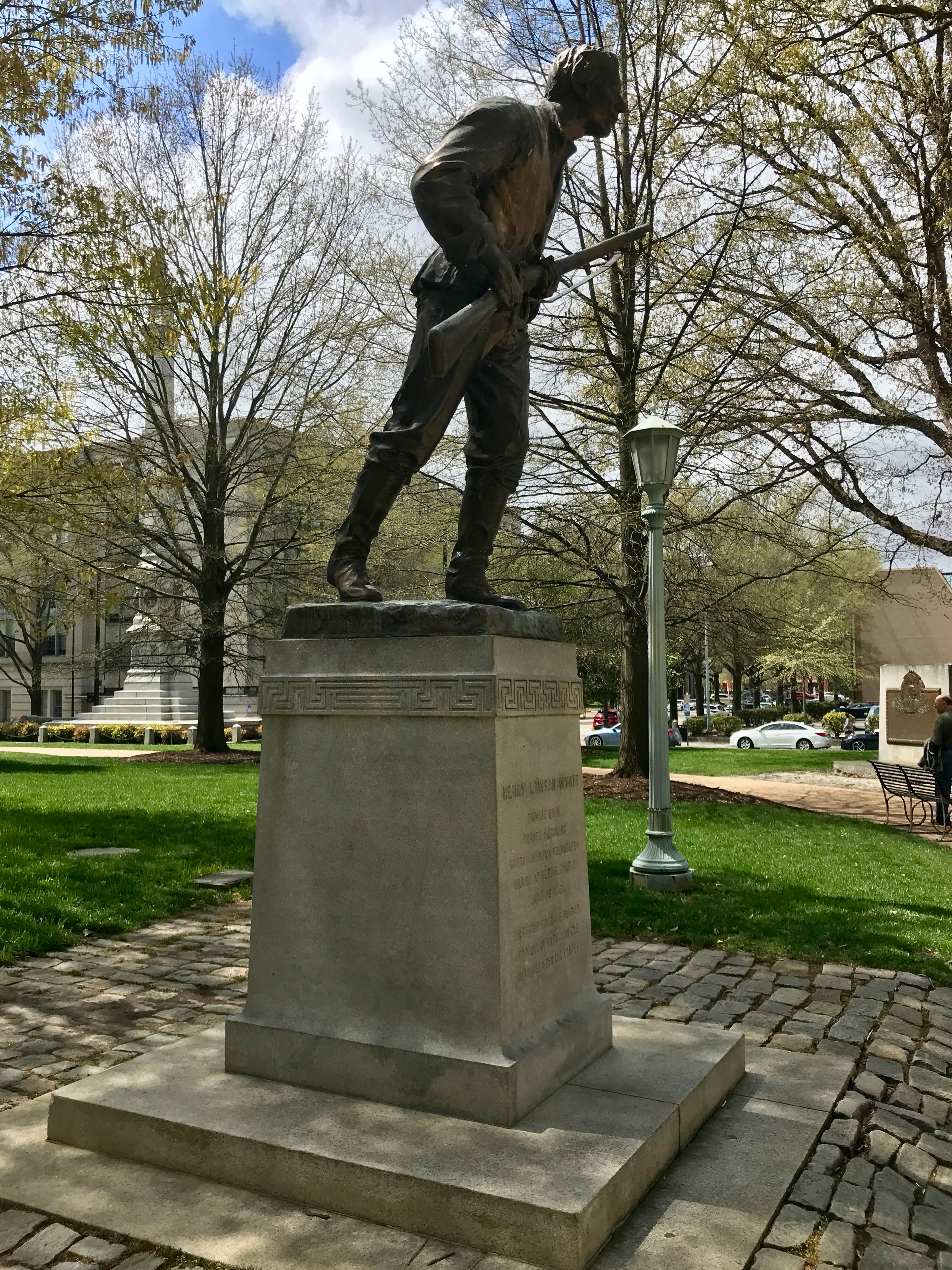
This statue is of Henry Lawson Wyatt. He died in the Battle of Big Bethel, one of the first skirmishes of the Civil War, making him the first enlisted soldier from North Carolina to die in battle.
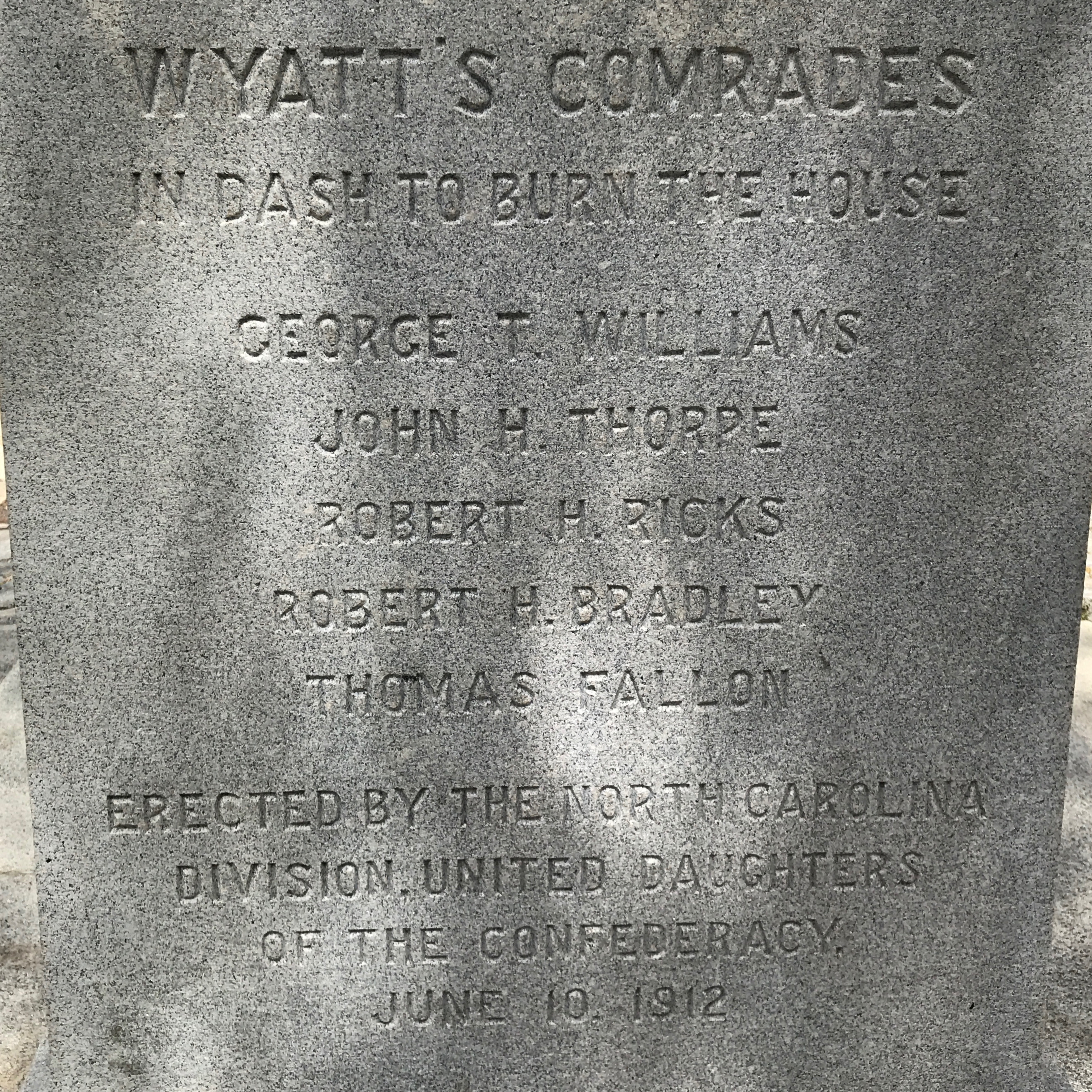
His comrades in arms are also honored on the plinth. I like to take note of when memorials were created and by whom. Notice that Wyatt was honored but the United Daughters of the Confederacy in 1912.
What do you suppose these last three memorials have in common, beside the Confederacy?
They were all removed June 21, 2020.
For more information on the removal of the Confederate monuments, you can click here.
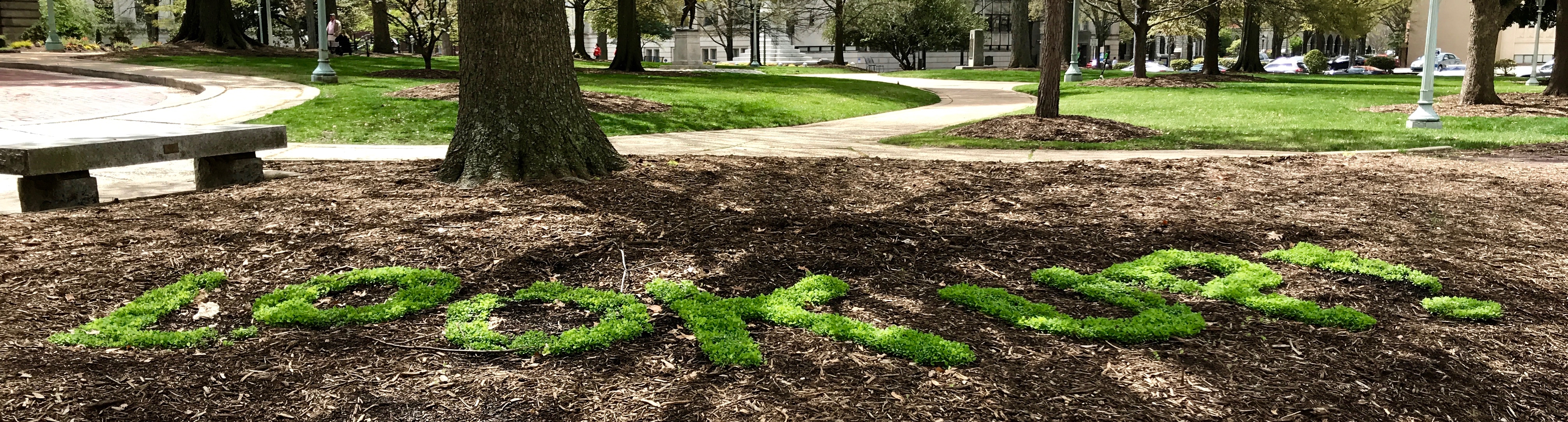
Look up!
I thought that was an interesting planting. I did look up. I noticed that the day was lovely and still young. So, I got on with my explorations.
I wandered about a bit more,
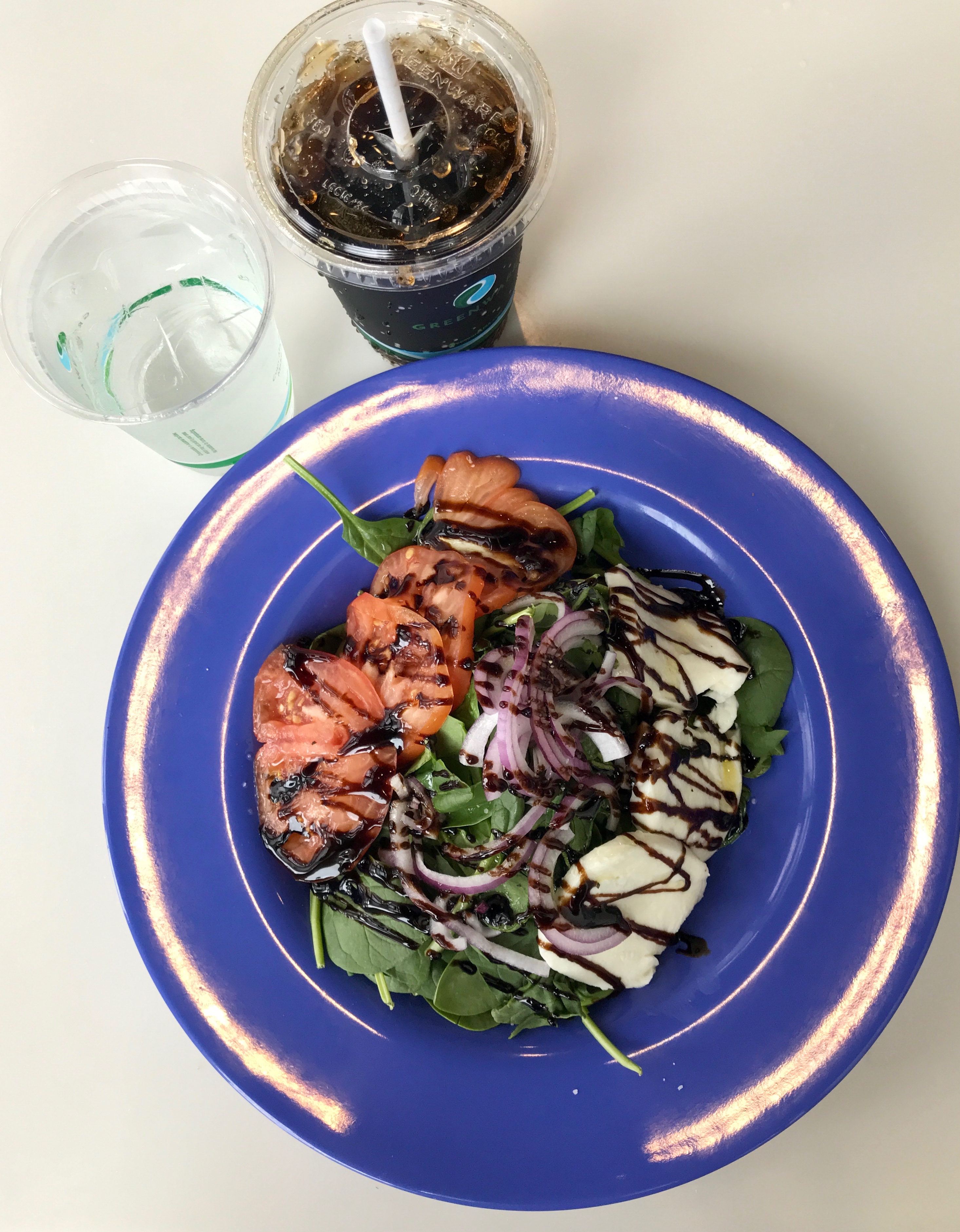
Grabbed a bit of lunch.
I poked my head into a few museums. I won’t bore you with the details of what was inside. I was running out of time and energy for looking at things. (If you’ve stuck with me this long, I’ll bet you are, too.)
Let me just share a few more statues that were in front of museums.
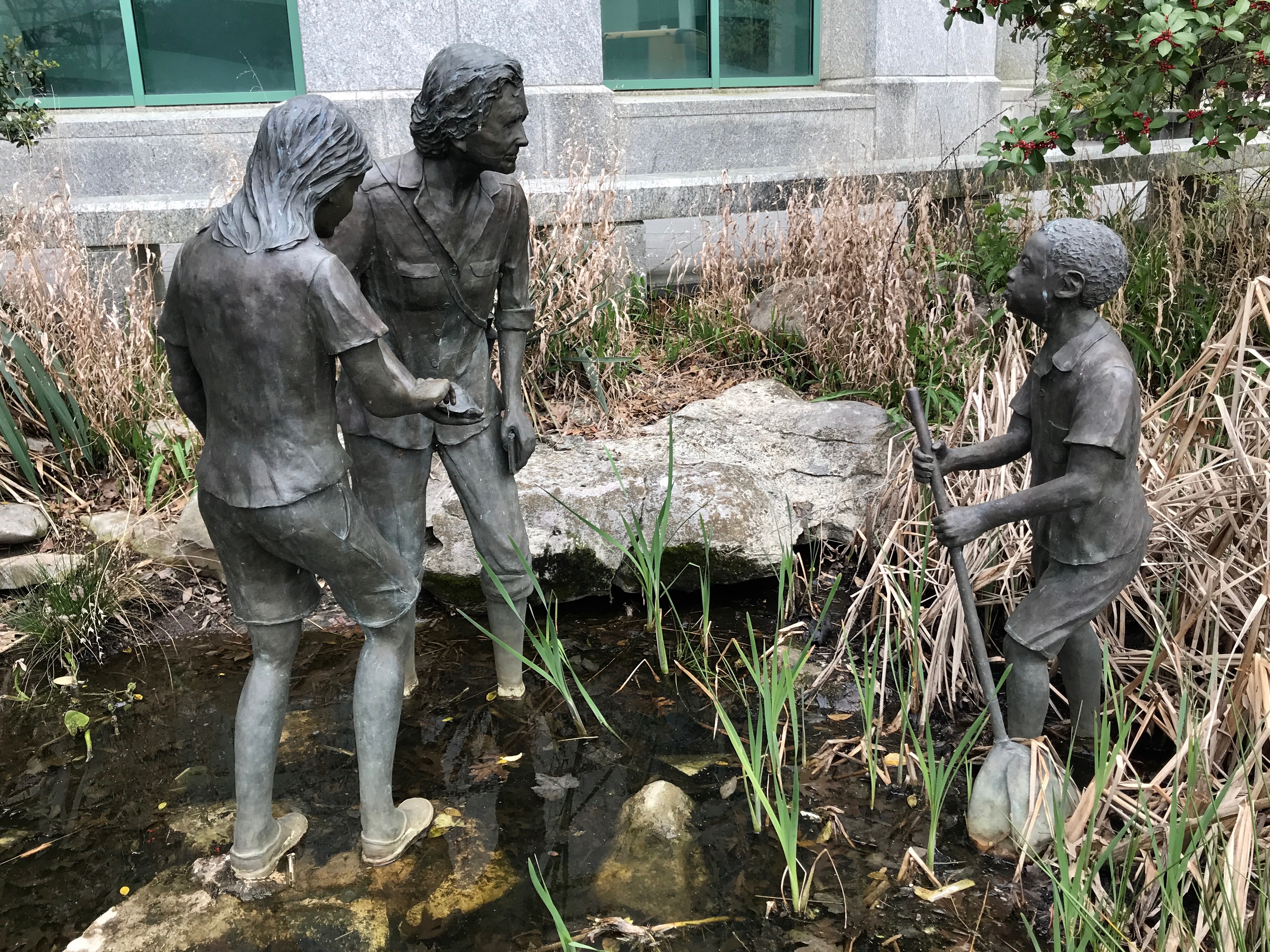
This statue grouping in front of the North Carolina Museum of Natural Sciences shows Rachel Carson sharing the wonders of the natural world with children.
The North Carolina Museum of History has a trio of statues greeting you at the entrance.
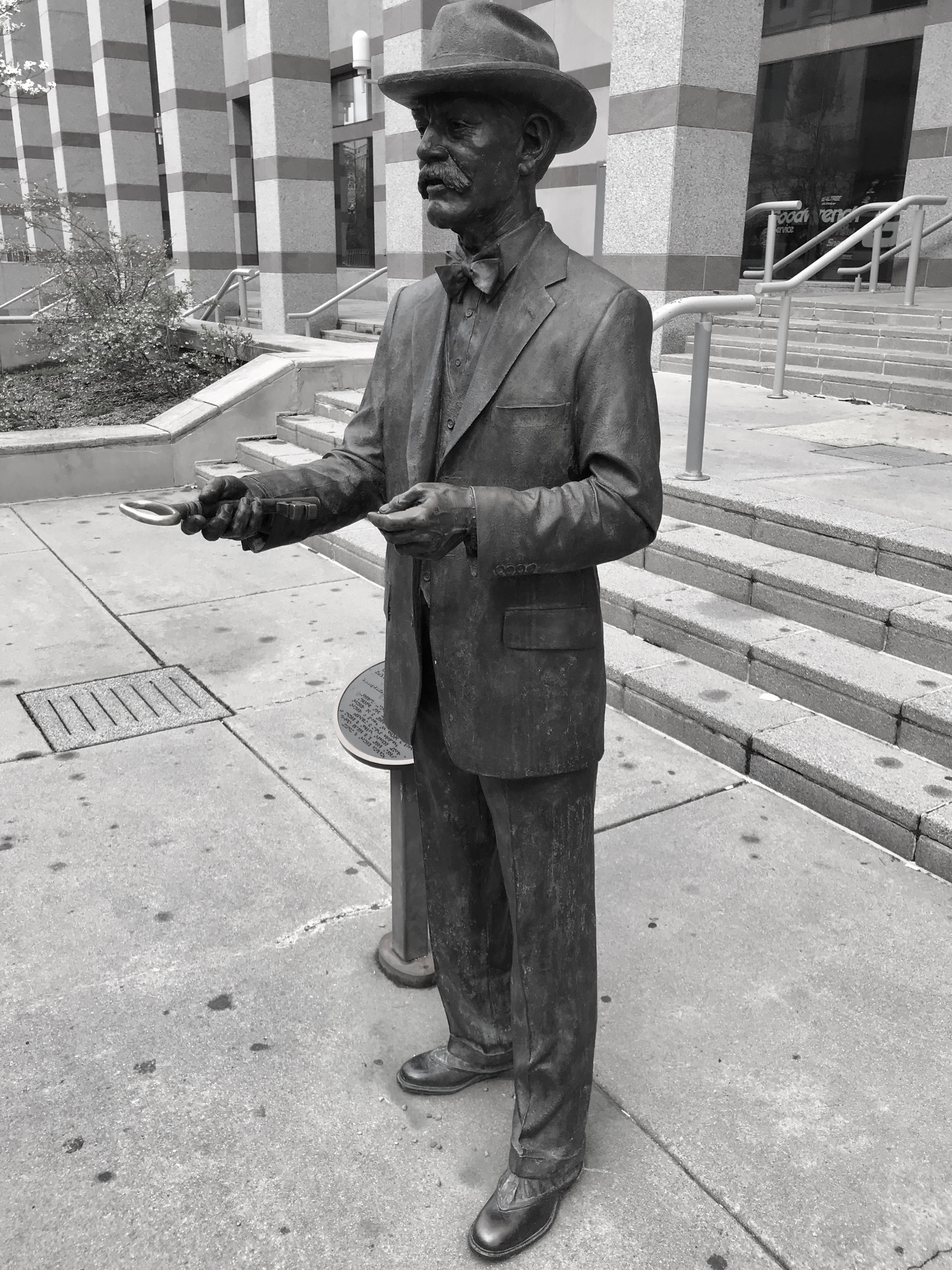
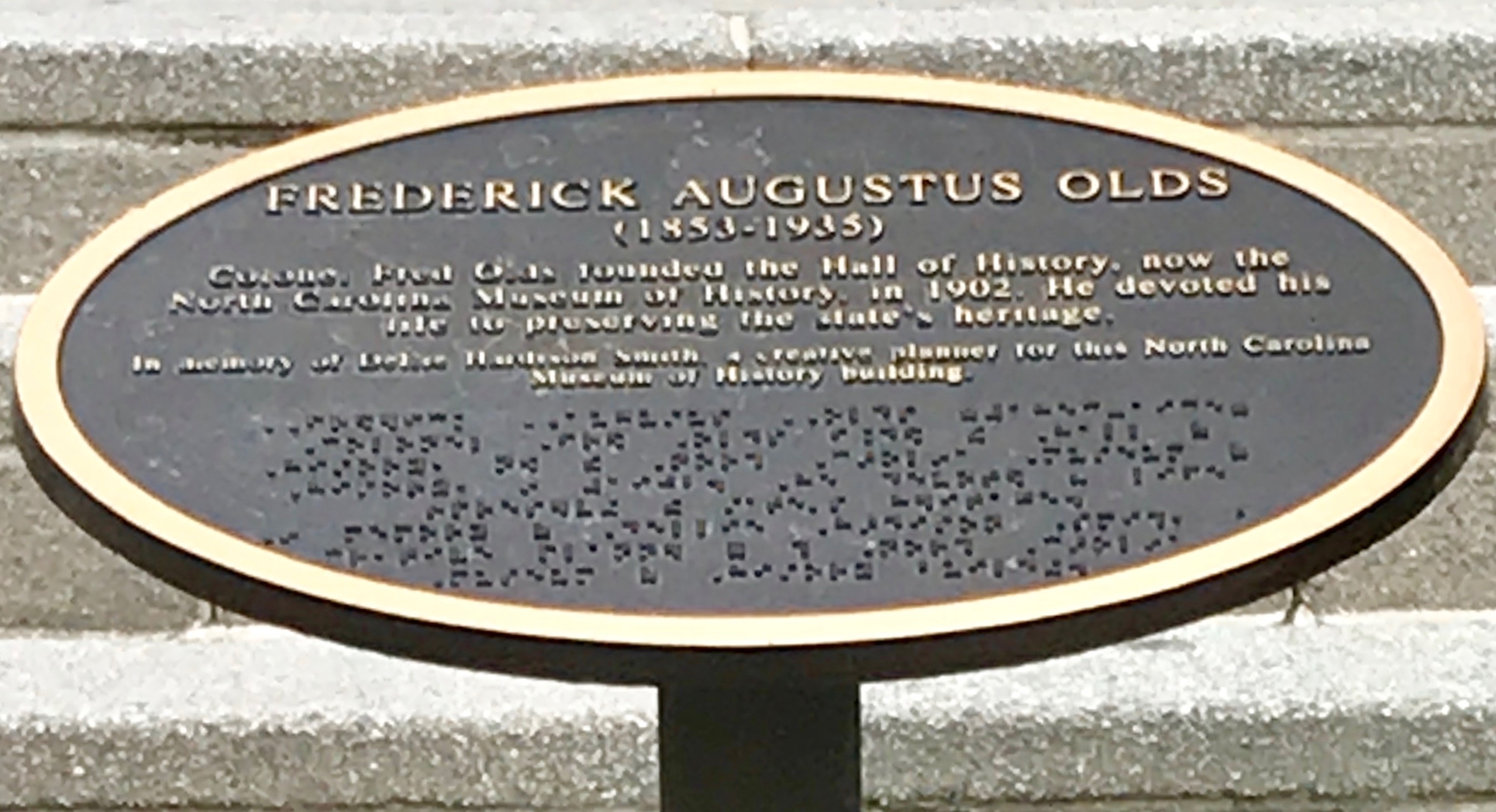
Frederick Augustus Olds was the founder.
I like how he invites people to enter.
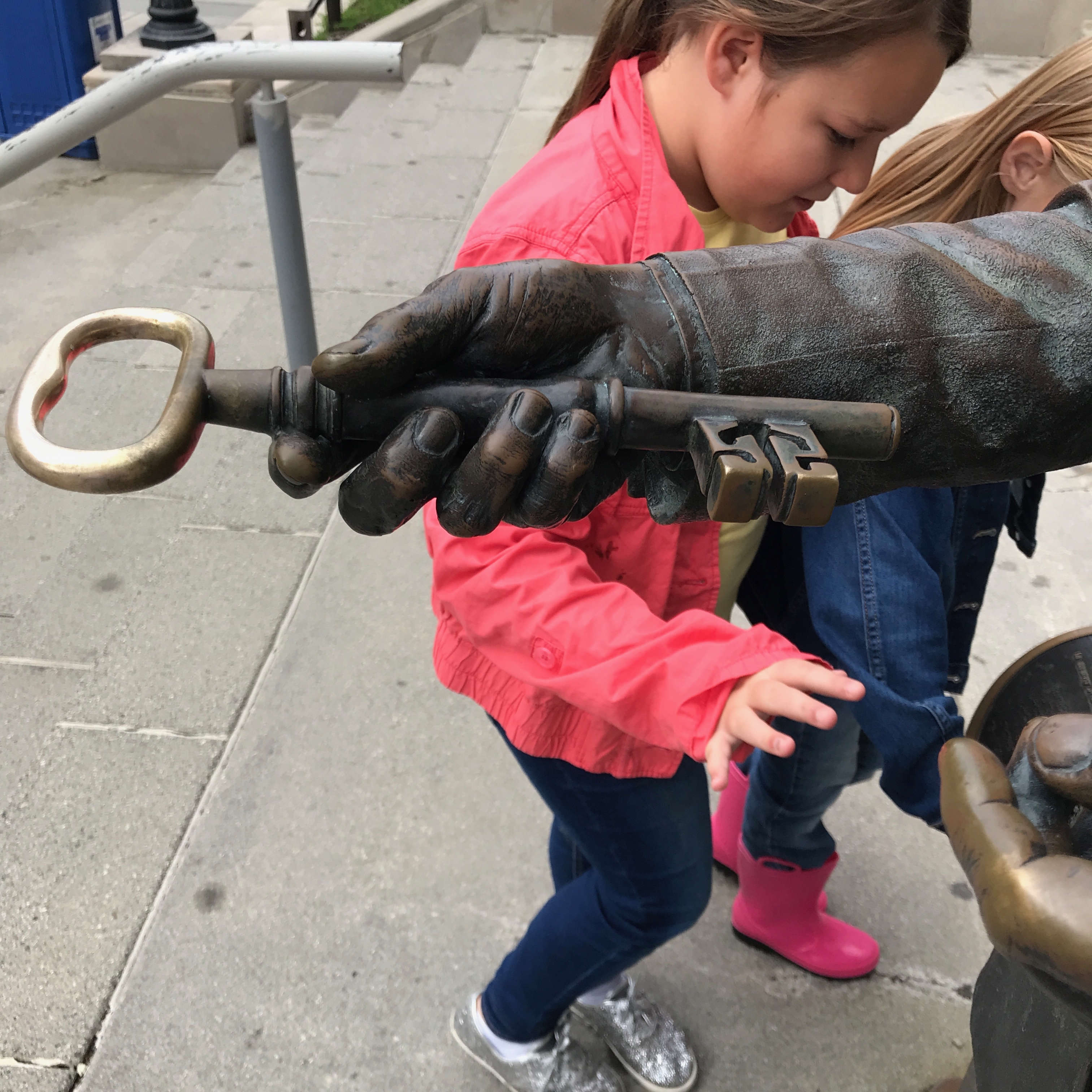
Does the key he’s extending represent knowledge that unlocks understanding and power?
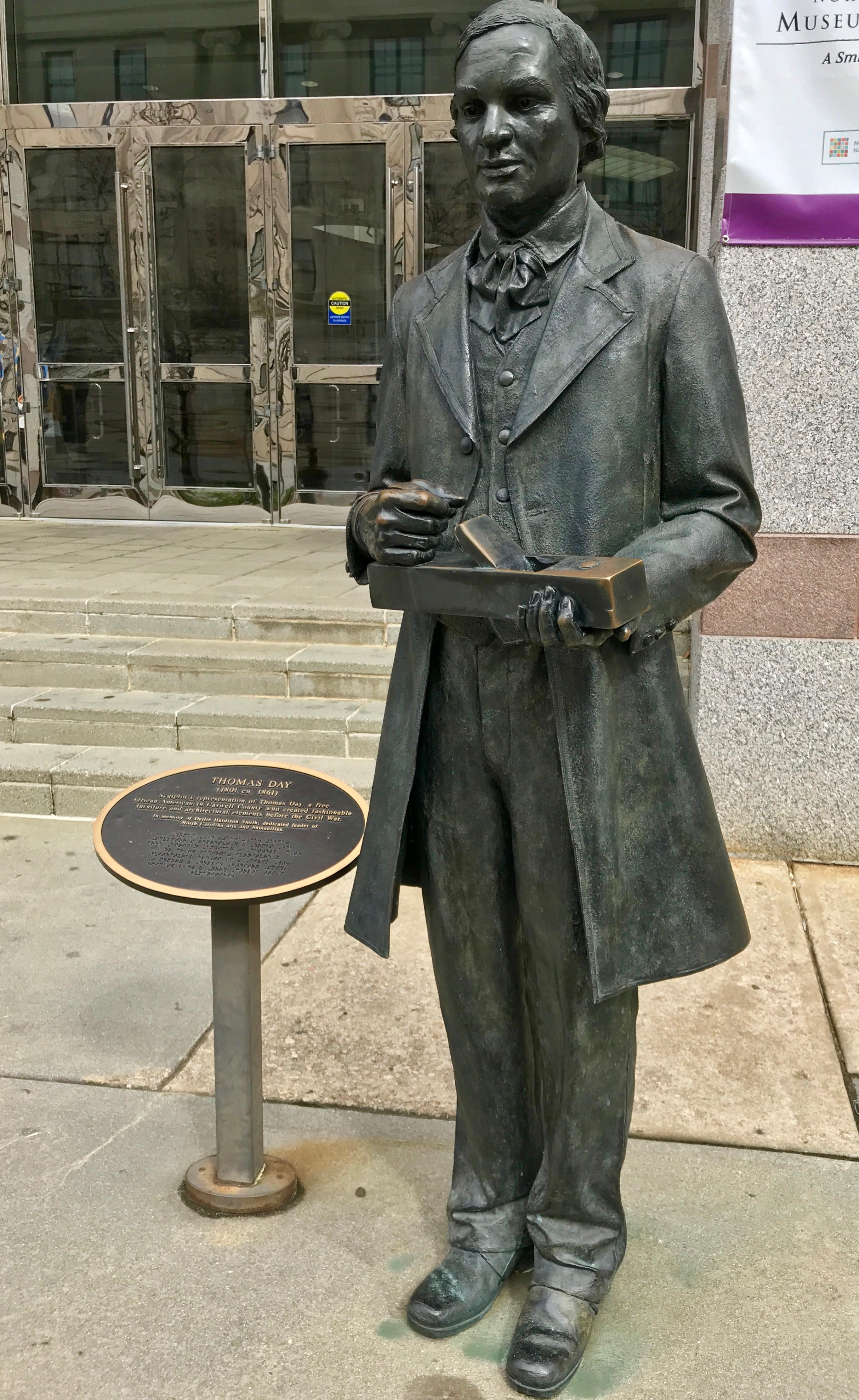
Thomas Day was a free African American who was a woodworker.
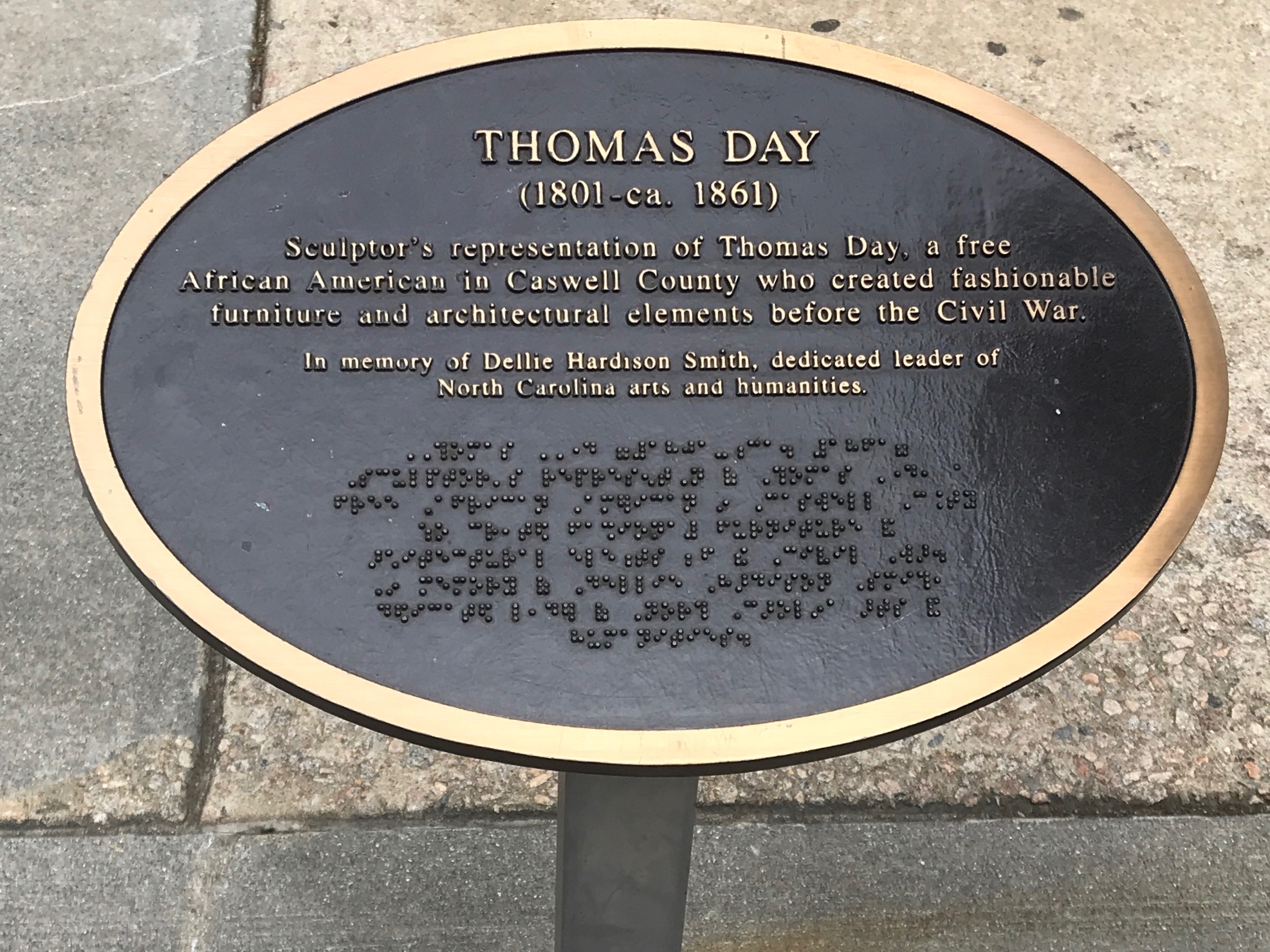
I appreciate the effort at inclusivity by including Braille text on the sign.
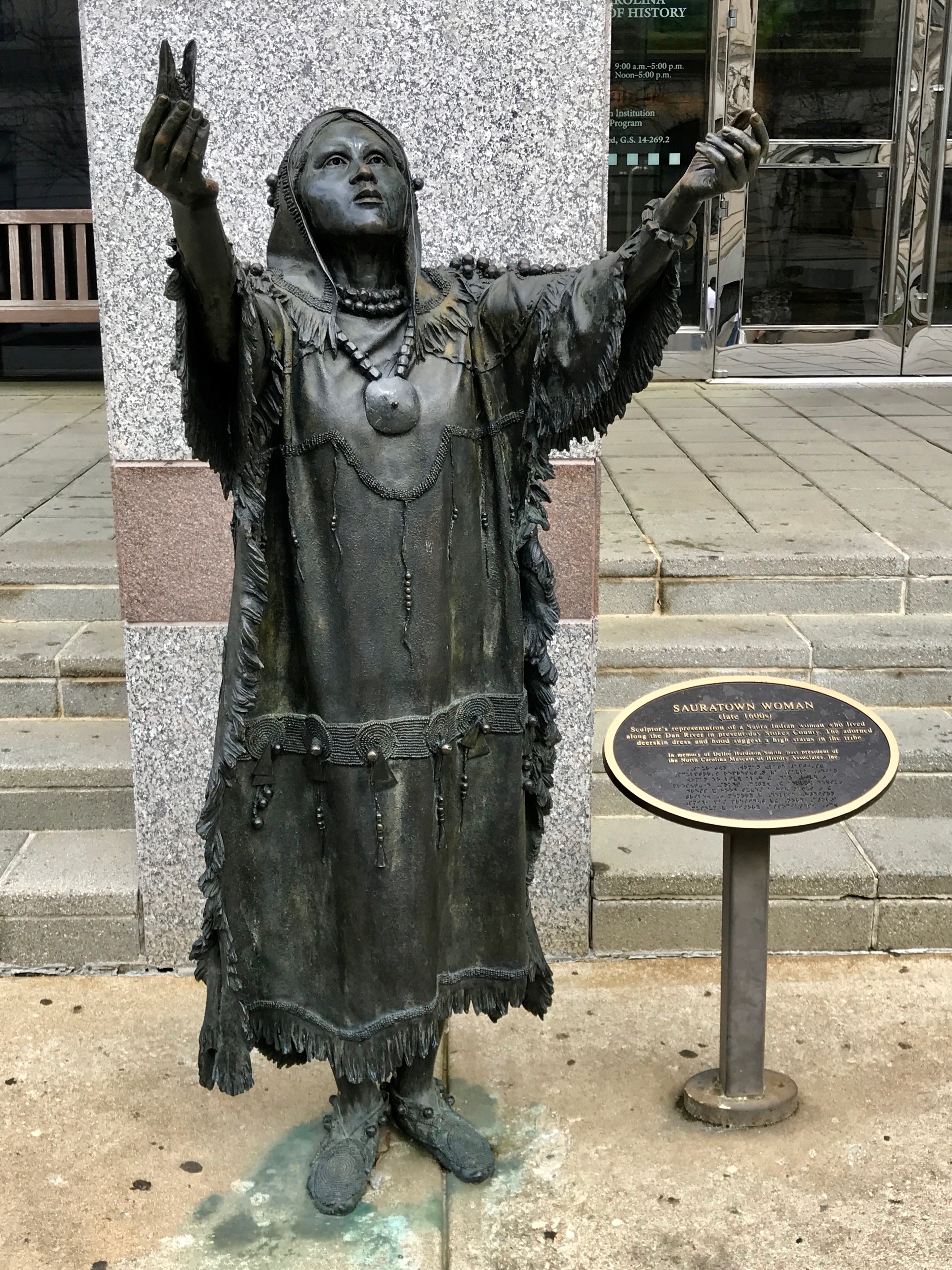
This statue is an artist’s representation of a member of the Saura tribe around 1600.
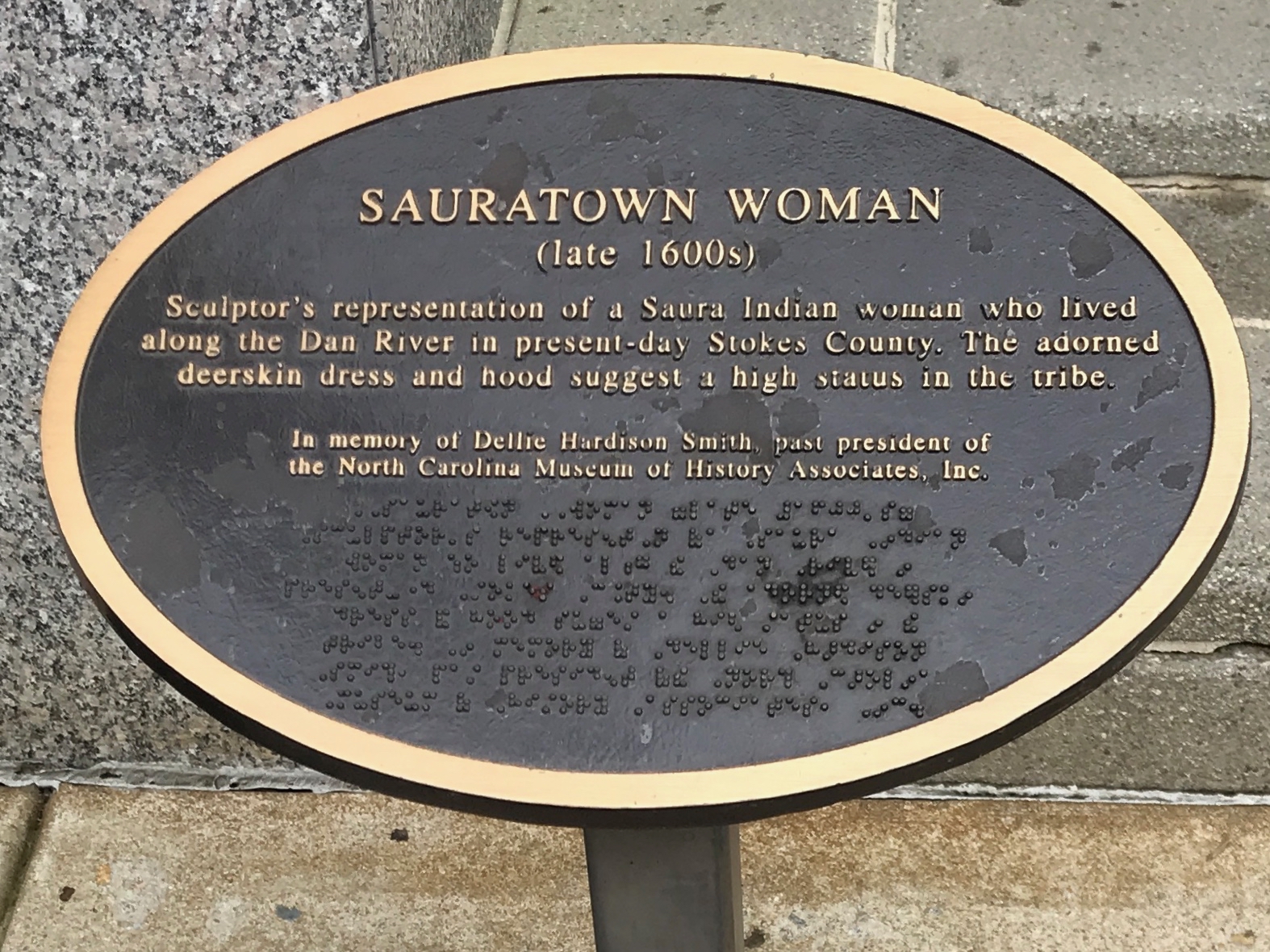
In these statues I passed, there were six figures.
Ratio to Male to Female – 3:3
Ratio of White to Non-white – 3:3
You can’t say that the people of North Carolina aren’t trying to offer a more balanced approach.
With that, it was time to head back to the campground to get ready for the next day’s adventures.