What a treat to visit friends! The friend in question is another college chum named Y. Well, her last name starts with Y – Yenelavage. First name, Barb.
I got to Cumbola and found her house. She had a spot saved for me in a lot a few doors down.

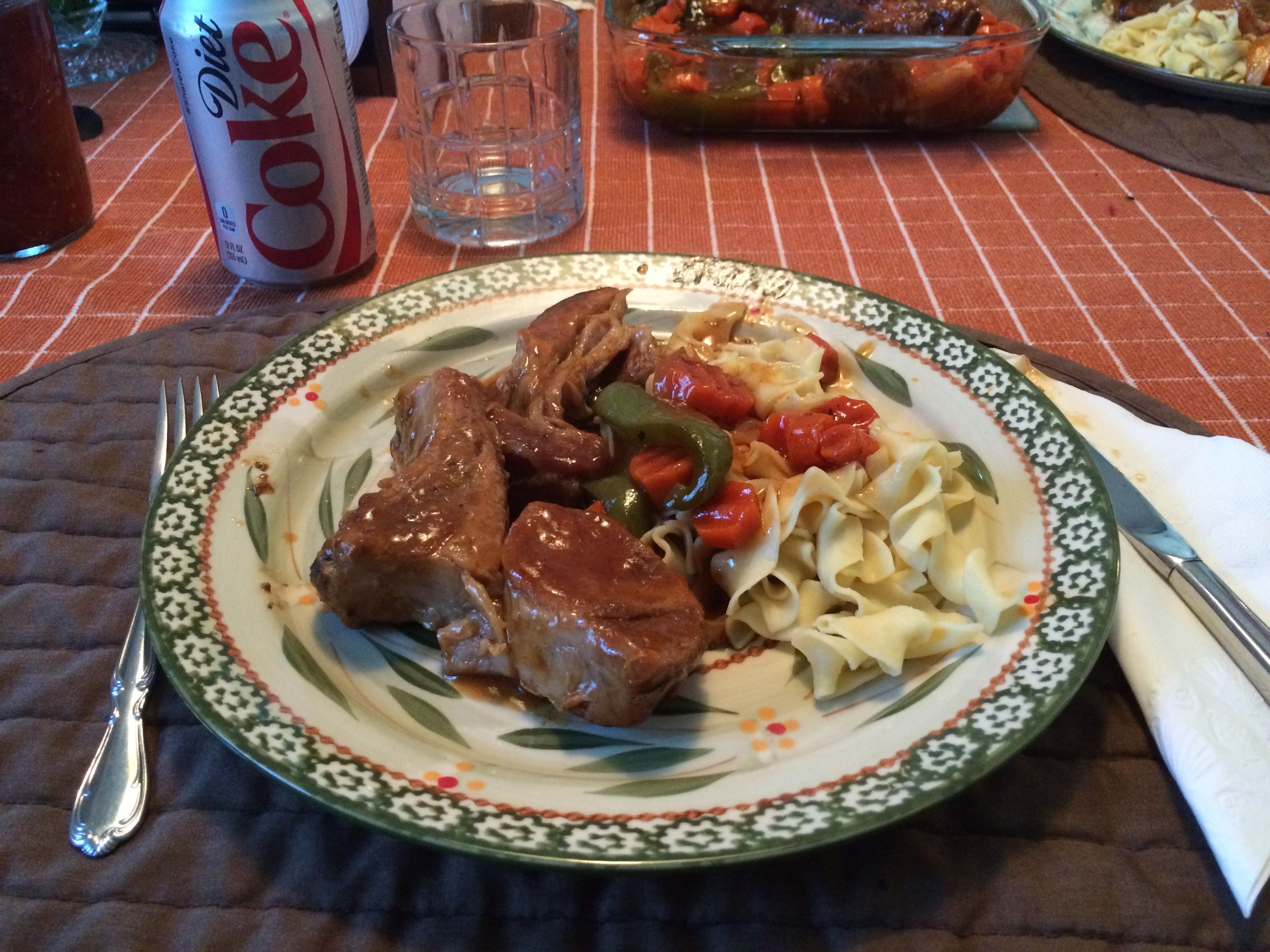
She had dinner waiting for me. I think she said the were called “No Time to Spare Ribs”.
We visited and made our touristic plans. The next day, were were off to Berks County Heritage Center, which was an interesting facility on the Union Canal.
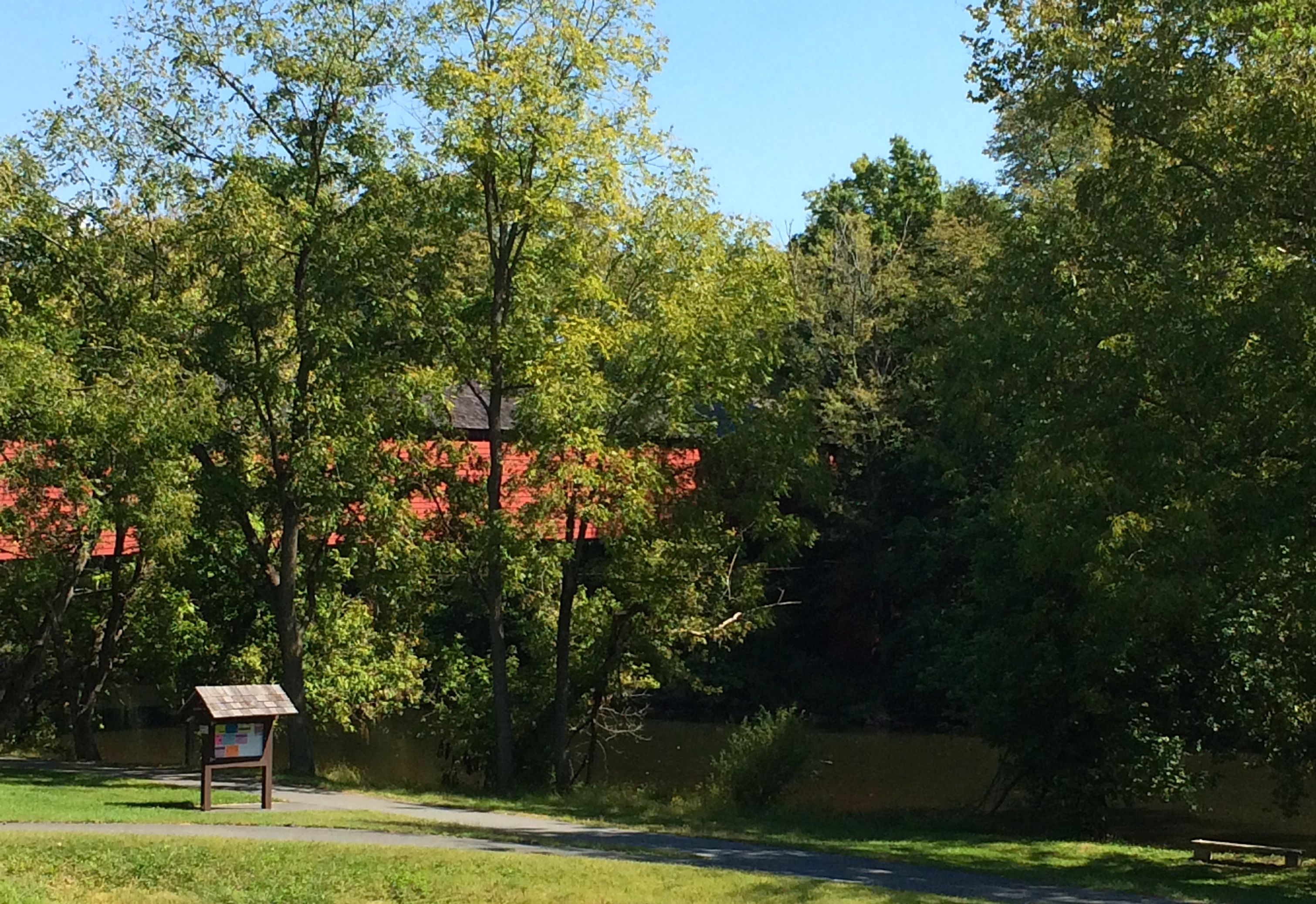
After the introductory video, our guide took us over to the Gruber Wagon Works, which had been moved over in four pieces and reassembled. The Army Corps of Engineers planned to build a dam to control flooding and it would flood the site of the company.
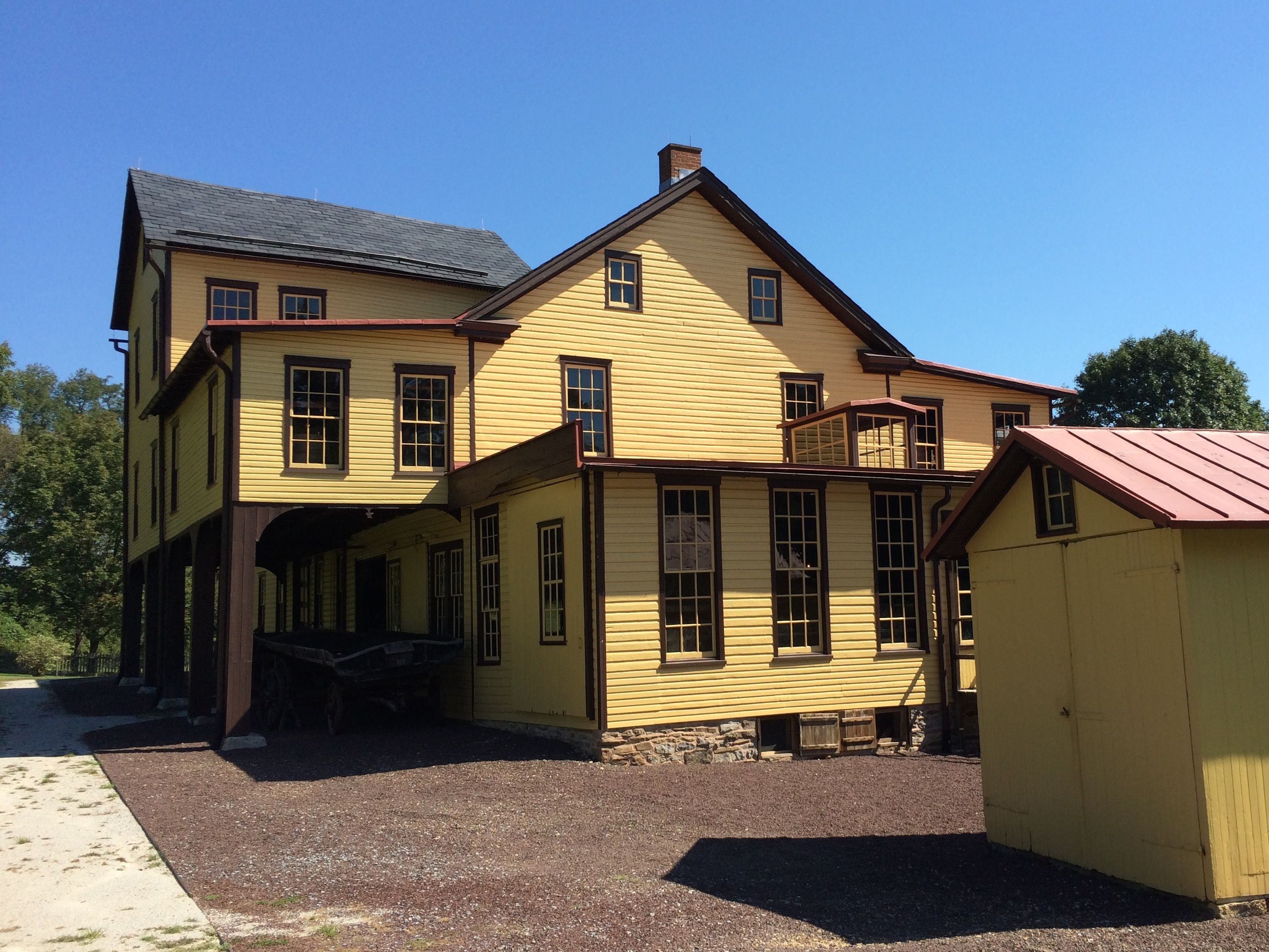
The Gruber Wagon Works was a family business that was started in 1882 by Franklin Gruber. It stayed in the family until it closed in the early twentieth century. It just closed – no one was interested in continuing the business. All the tools and records were left behind. When the Berks County Heritage Center took possession, everything was documented and archived. After it was put back together, all the items were returned to where they had been left.

Gruber made wheelbarrows, wagons, and hay flats. This sleigh was in the building when they took it over, although there is no record of them having made sleighs. Maybe they were just making a repair.
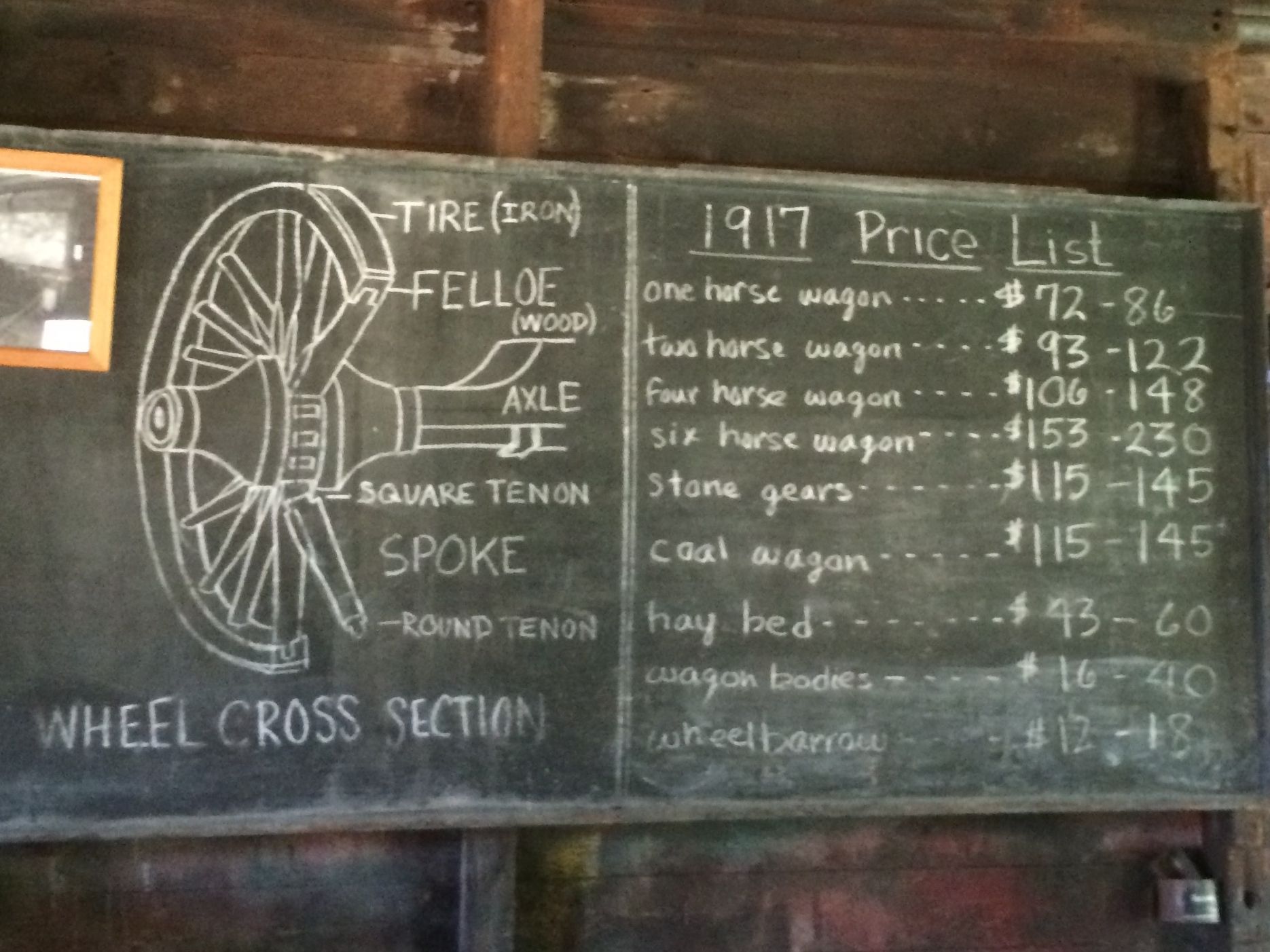
I like the price list they had up on the chalkboard. I am sure it was a modern posting, up to use with school groups that tour the site.

There were tools all over the building. It was a busy place. Many of the tools were built and repaired by the workers.
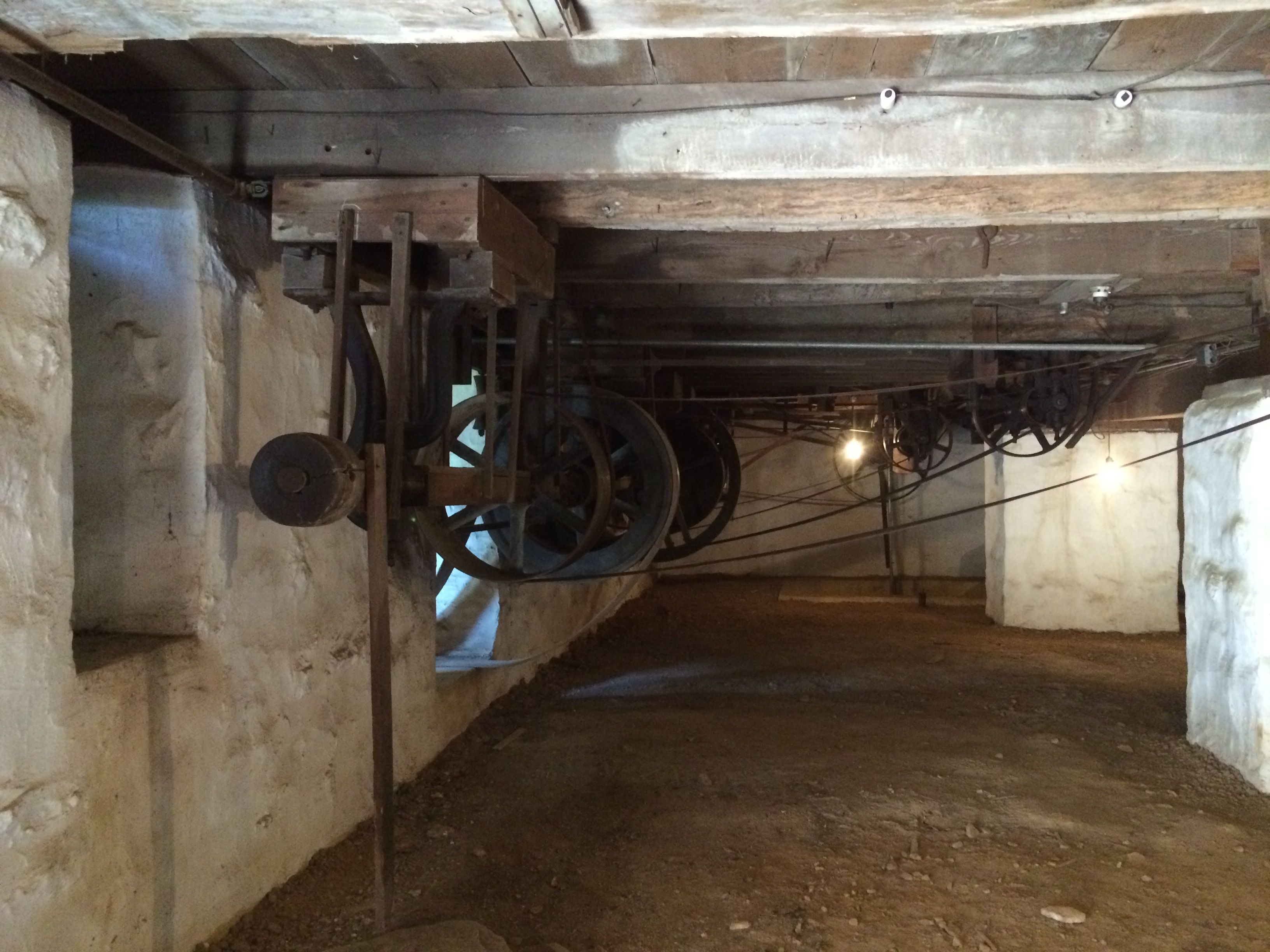
When the factory opened, the machines were powered by a water turbine that ran the belts.
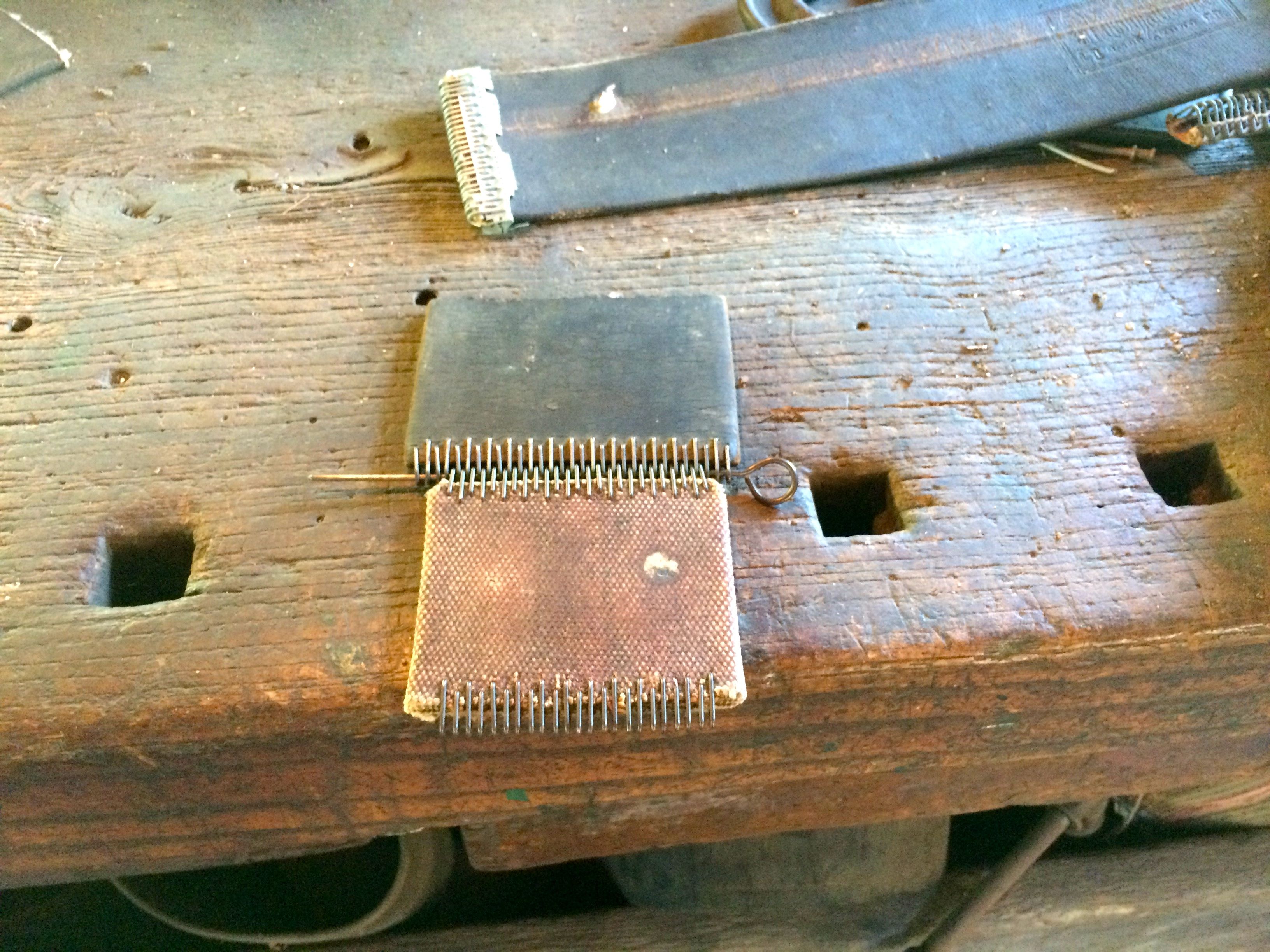
When the drive belts would break or become worn, they would be mended in the shop. They had a tool that would put the metal loops in the ends. Then a pin, much like on a hinge, would connect the pieces.
Eventually, other power sources were added. They added an engine that provided the power for the belts and it still runs. They fire it up twice a year to keep everything lubricated and in good working order.
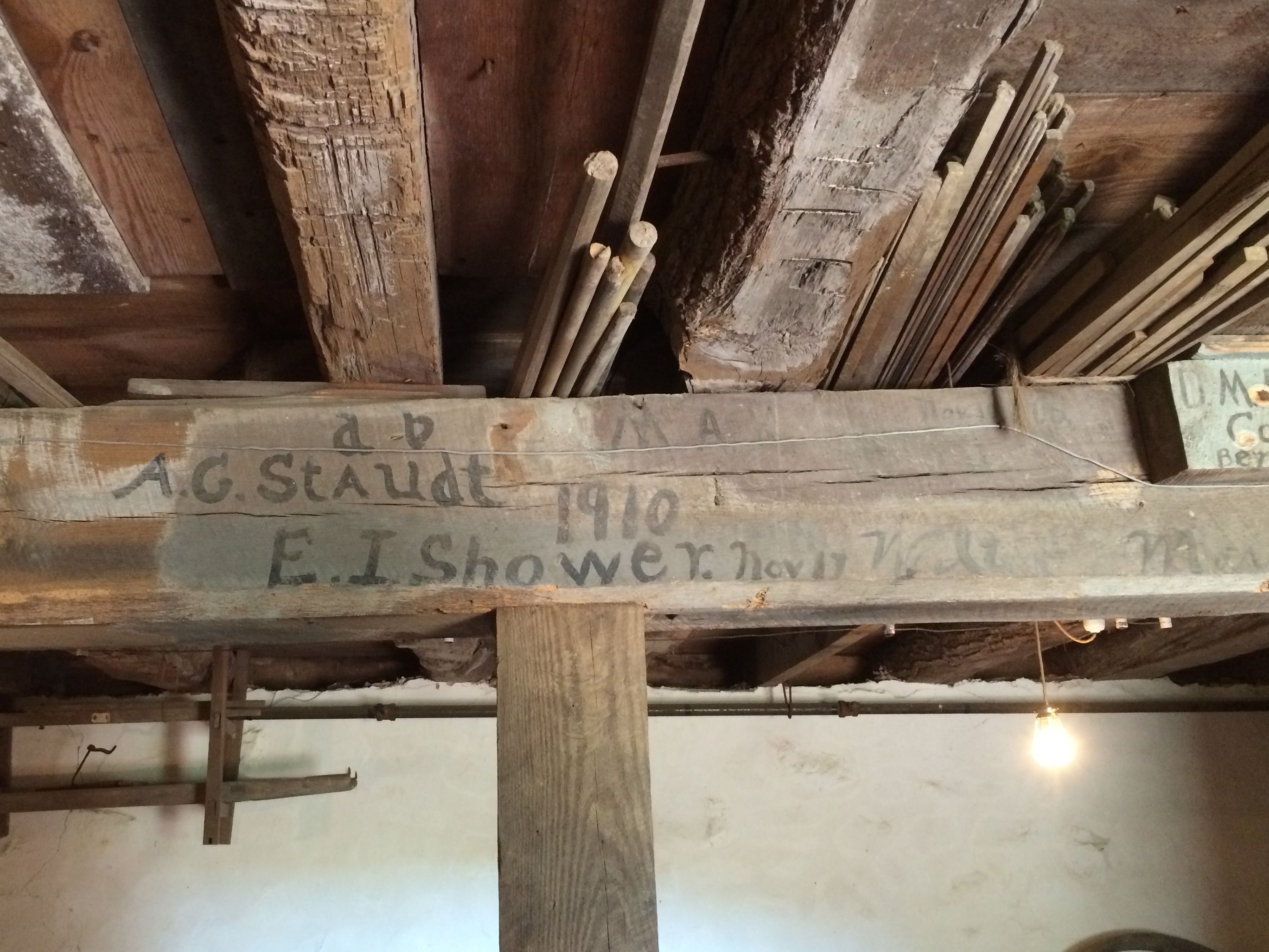
Electricity was added in 1910 by E.I. Shower, who signed his work. It was the old rod-and-tube wiring.

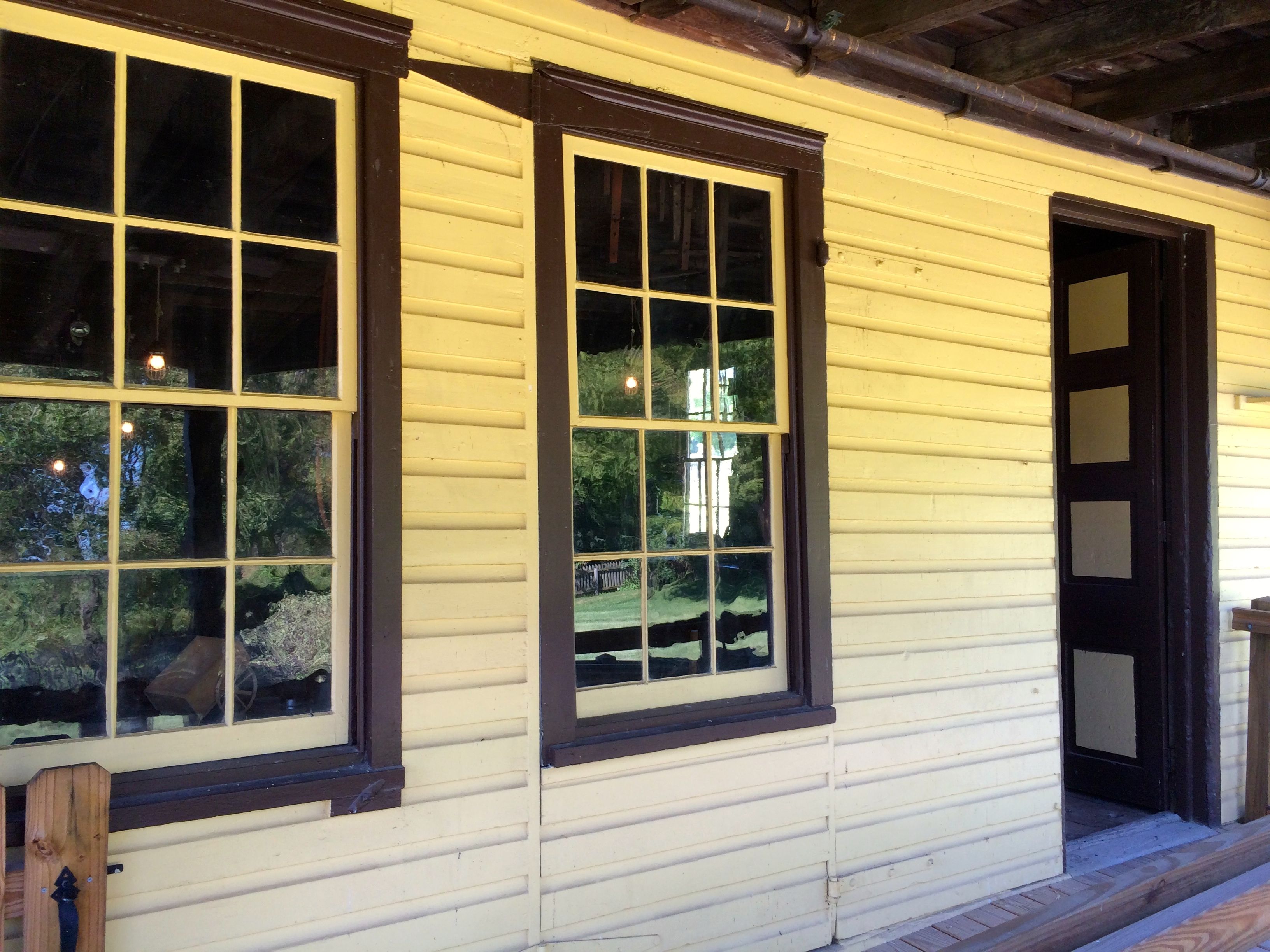
If you look carefully, you can see the hinges they used to customize this wall. It reminded me of the wall my father put in our garage. He could pull cars through the garage and into the back yard when he had more cars than room. He used to buy cars, fix them up and sell them. Well, he could sell them if we didn’t get our hands on them first!
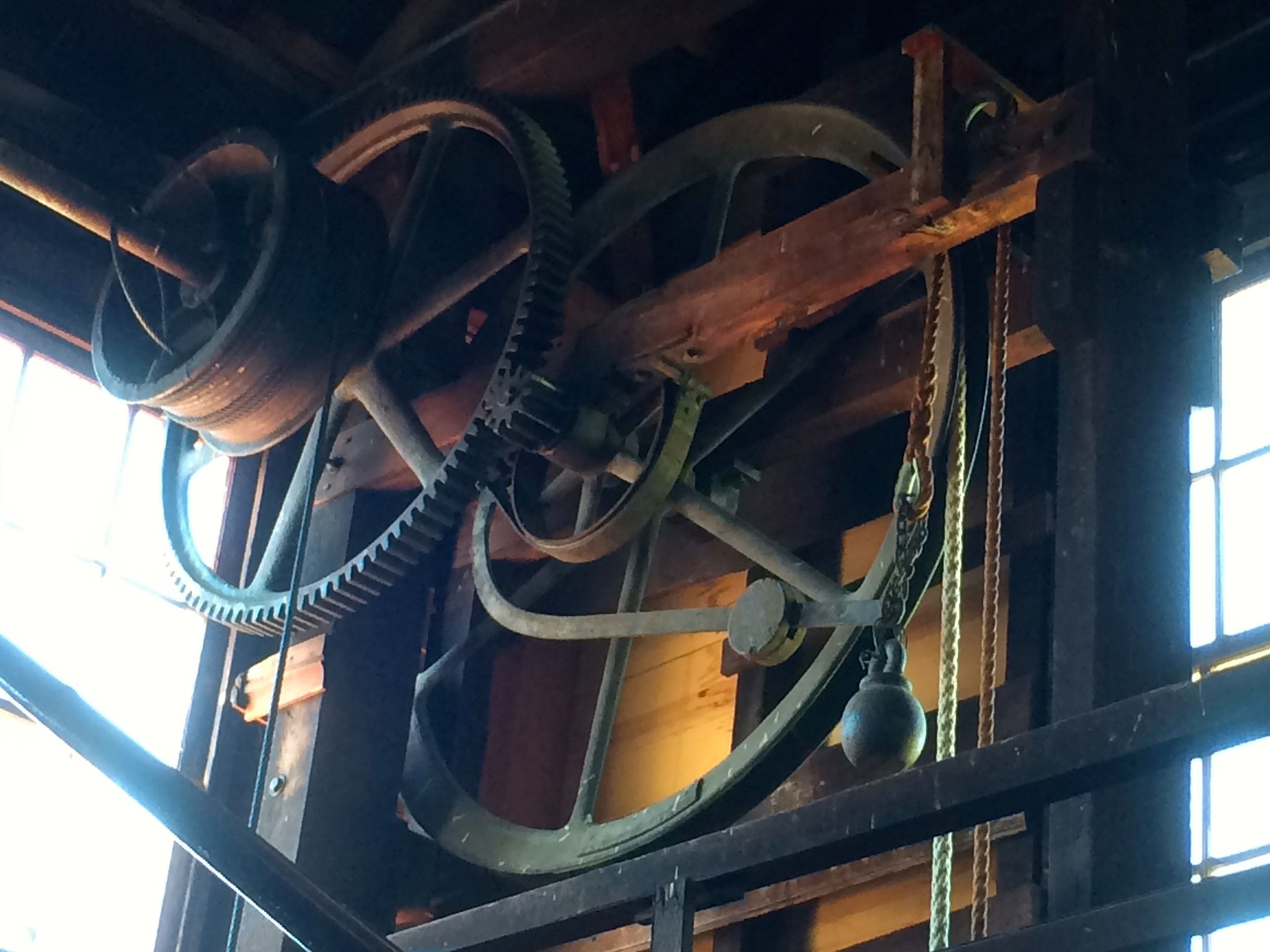
There was more than one way to get the wagons into the building, though. They also had an elevator that they could use to lift them to the second floor for painting.
Painting seemed to be a point of pride for them. There were remnants of paint on the older wheelbarrows and glorious designs on the hay flat that had been restored by “Dutch” Maugle from Quakertown, PA.
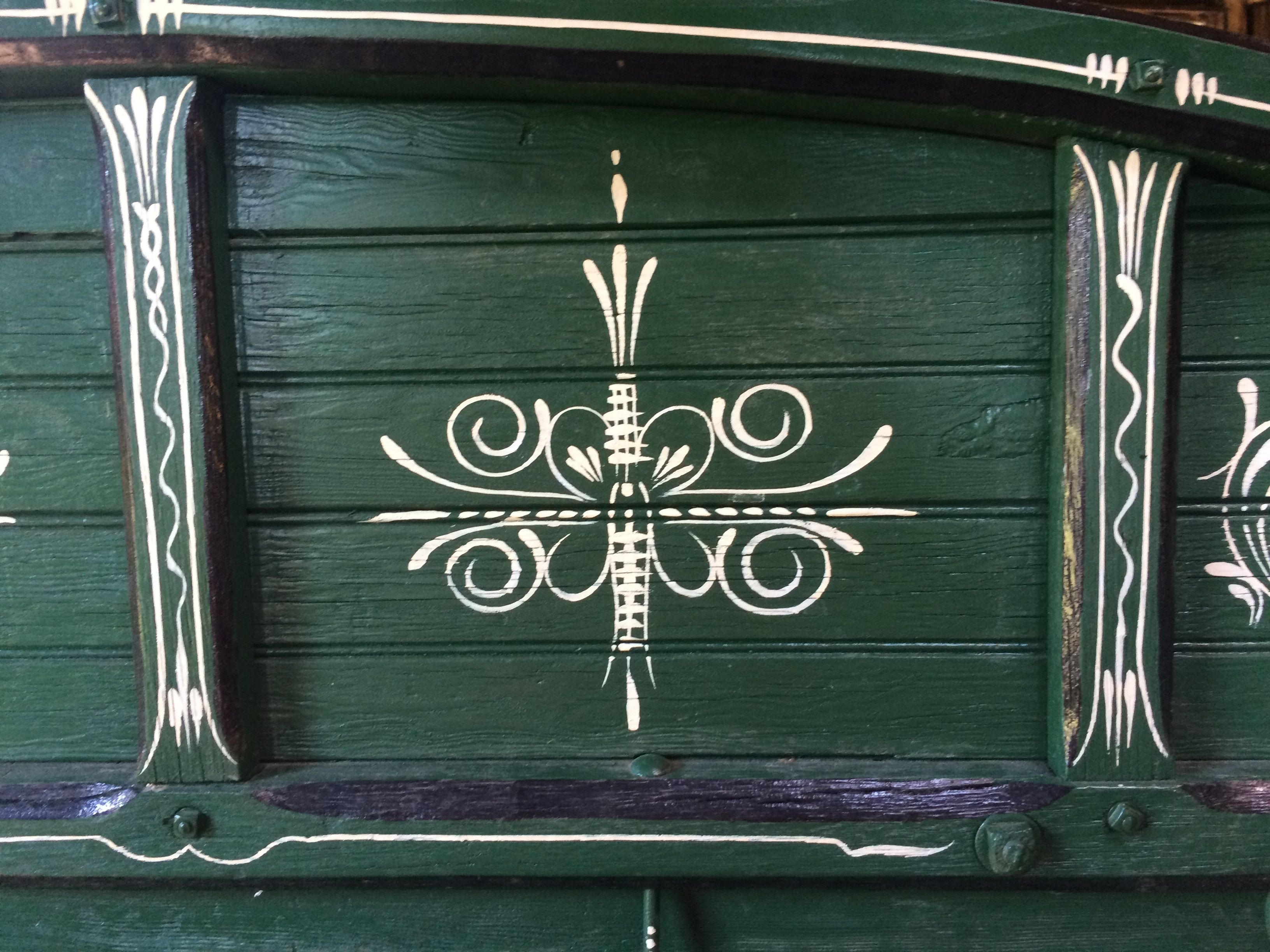
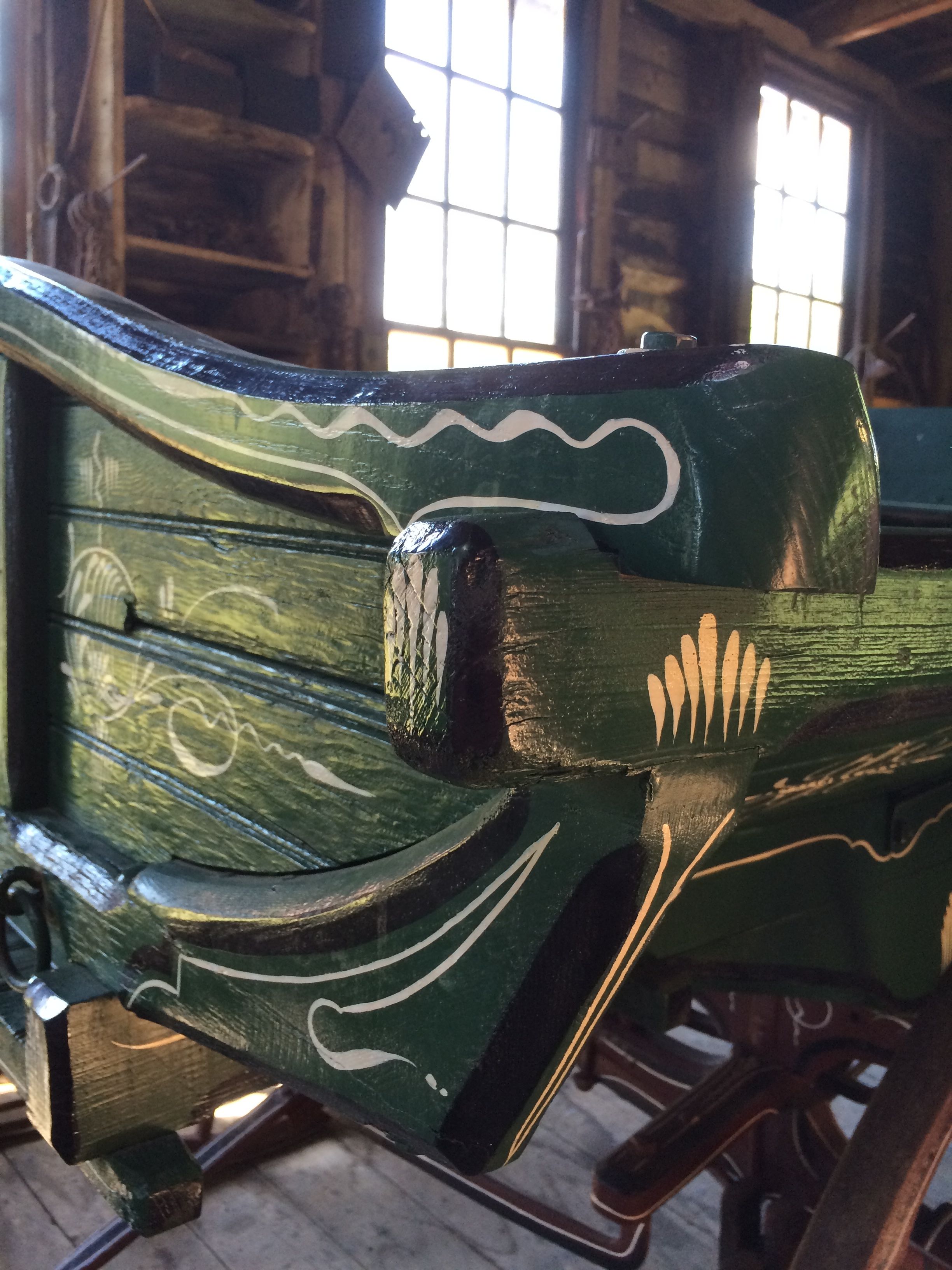
I couldn’t get a full shot of the restored hay flat, but here is an old picture of one being used to harvest hay.
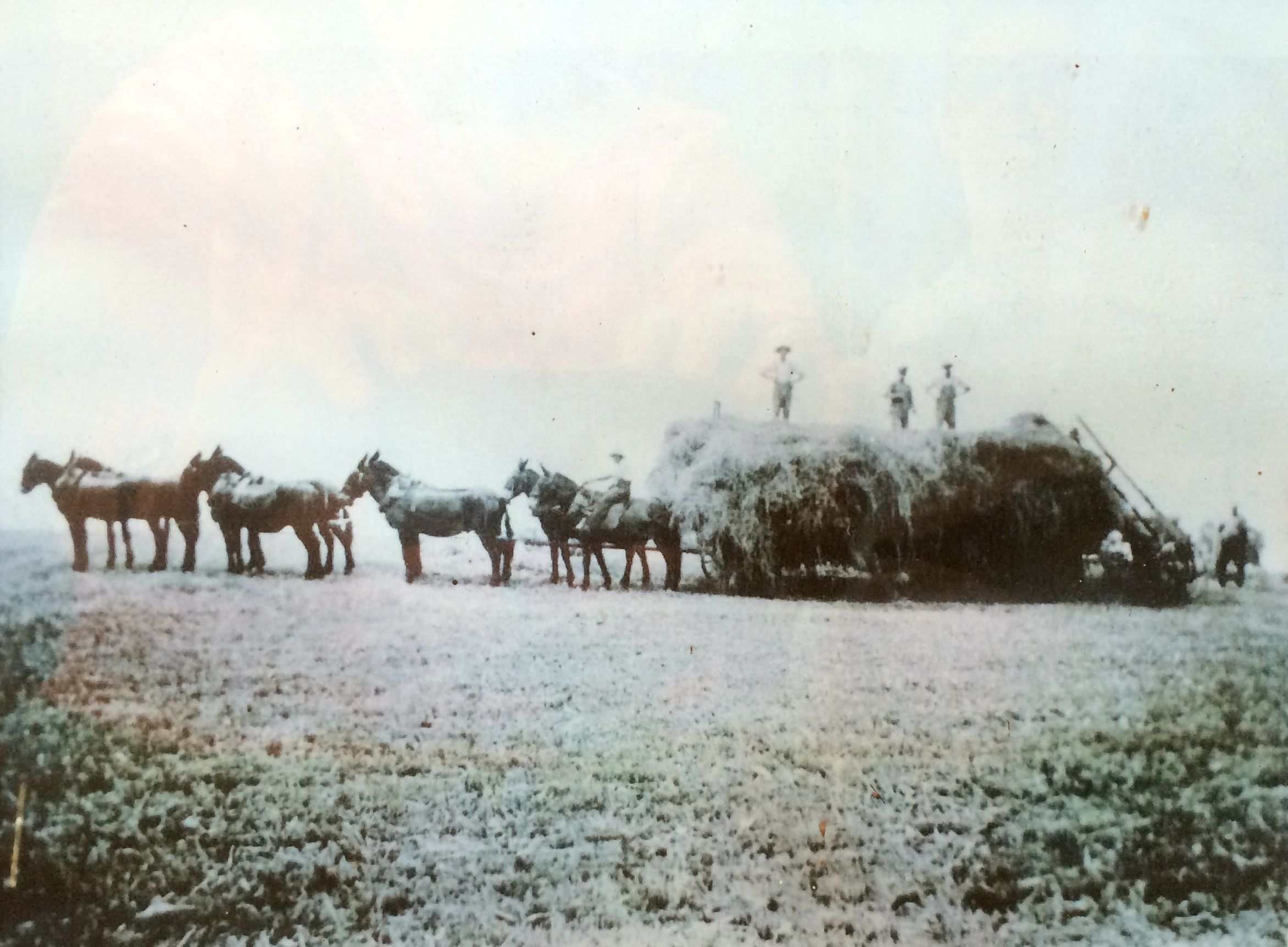
Not much hay flat visible under the hay!

You can tell that this is an older wheel because it is made in six segments. As technology evolved, they switched to steaming the wood to bend it. The newer wheels were made with only two pieces.
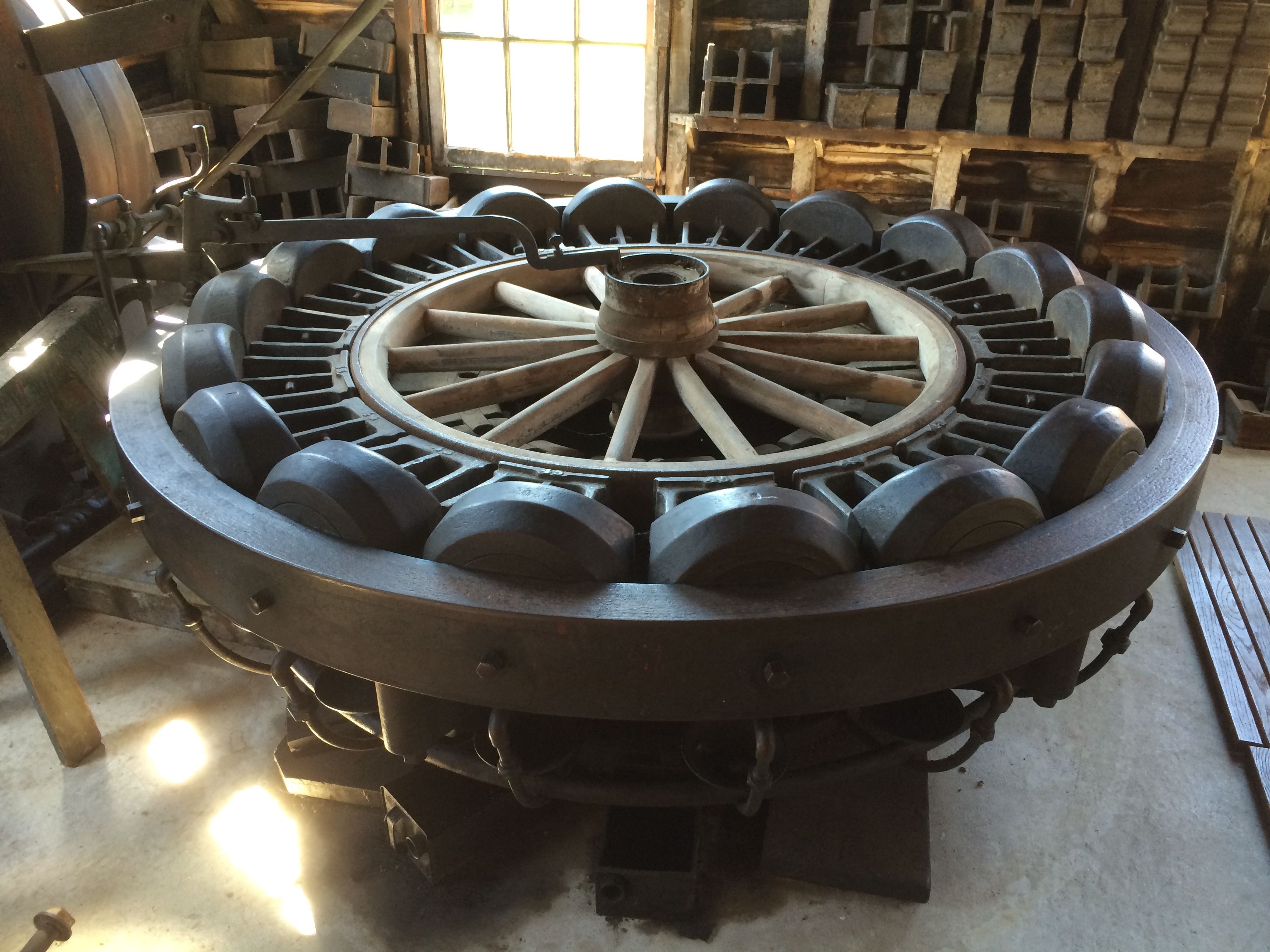
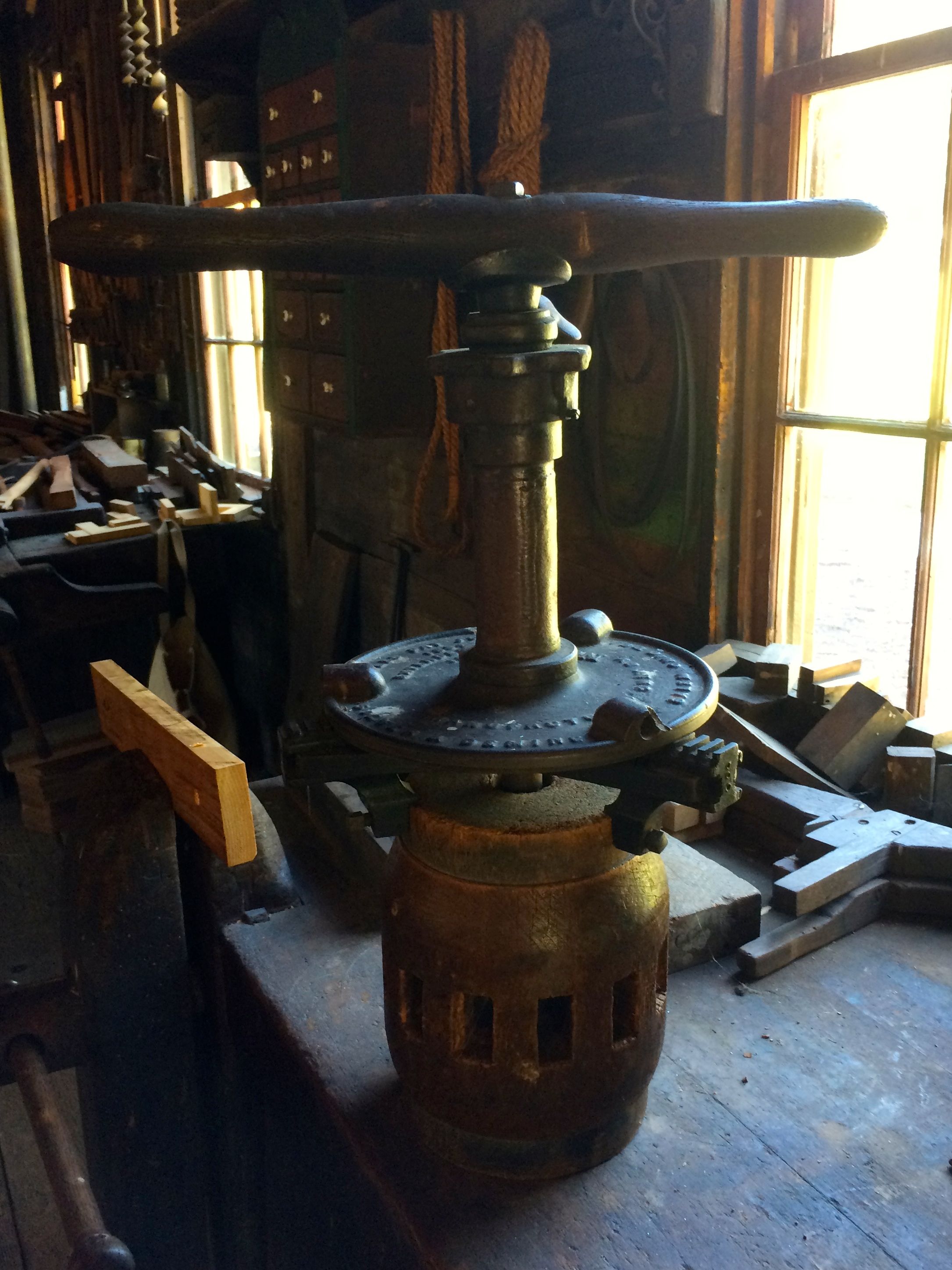
That metal band around the rim is called a tire. In the old days, fitting it to the wheel was done with heat and hammering. Eventually, they switched to a hydraulic press that forced the tire down to the rim. Those round protuberances could be switched out to accommodate wheels of different diameters.
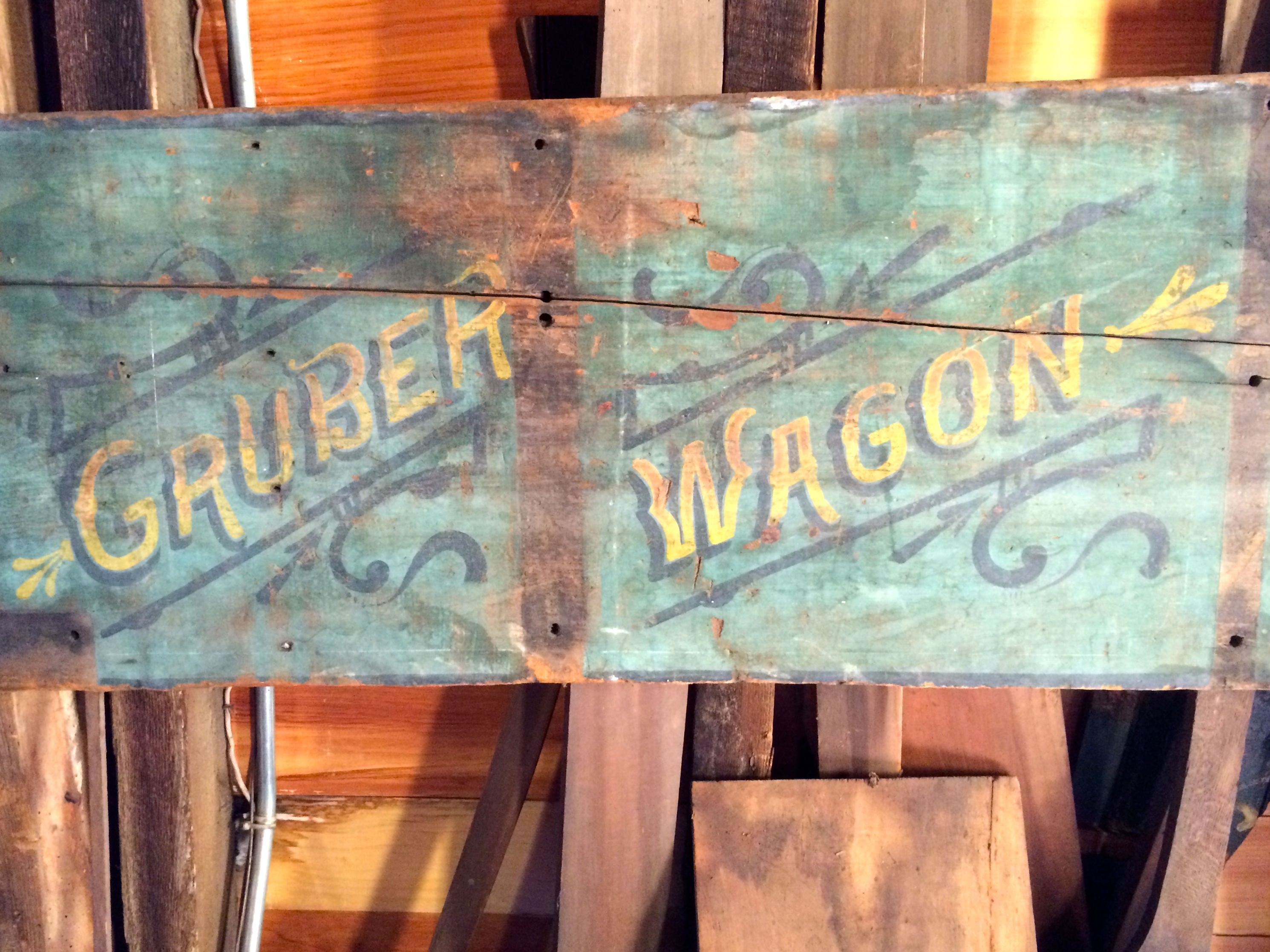
This sign wasn’t their only form of advertising.
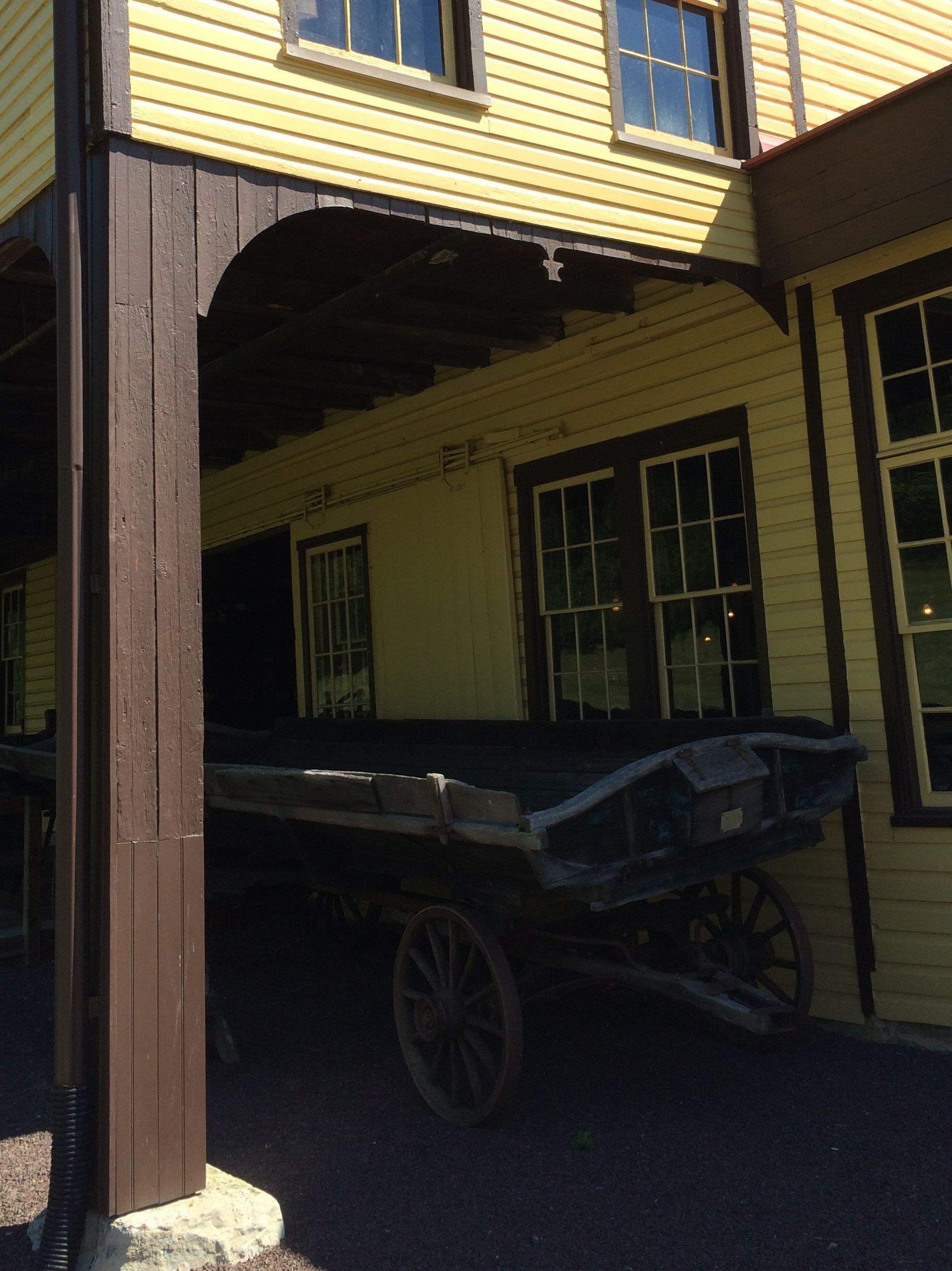
If you look carefully, you can see a small anvil extending down from the second floor. That told all who passed by that there was a blacksmith available.
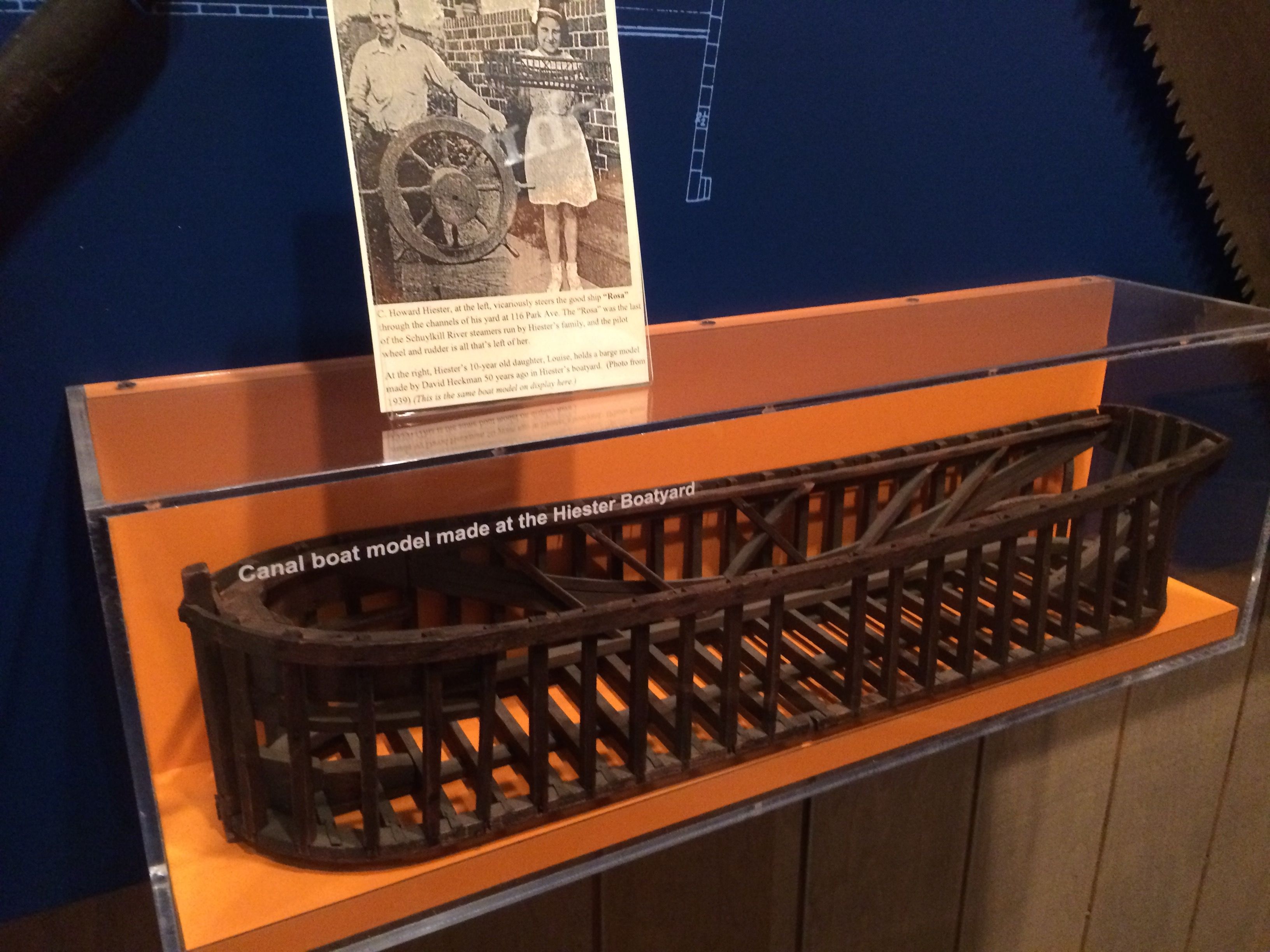
After that, we went over to the C. Howard Hiester Canal Center. Mr. Heister had a boatyard and loved the old canal lore. He collected all that he could.
Unfortunately, canal-related items seems to decay quickly. However, it shed some light on a few questions I had about canals in the region.
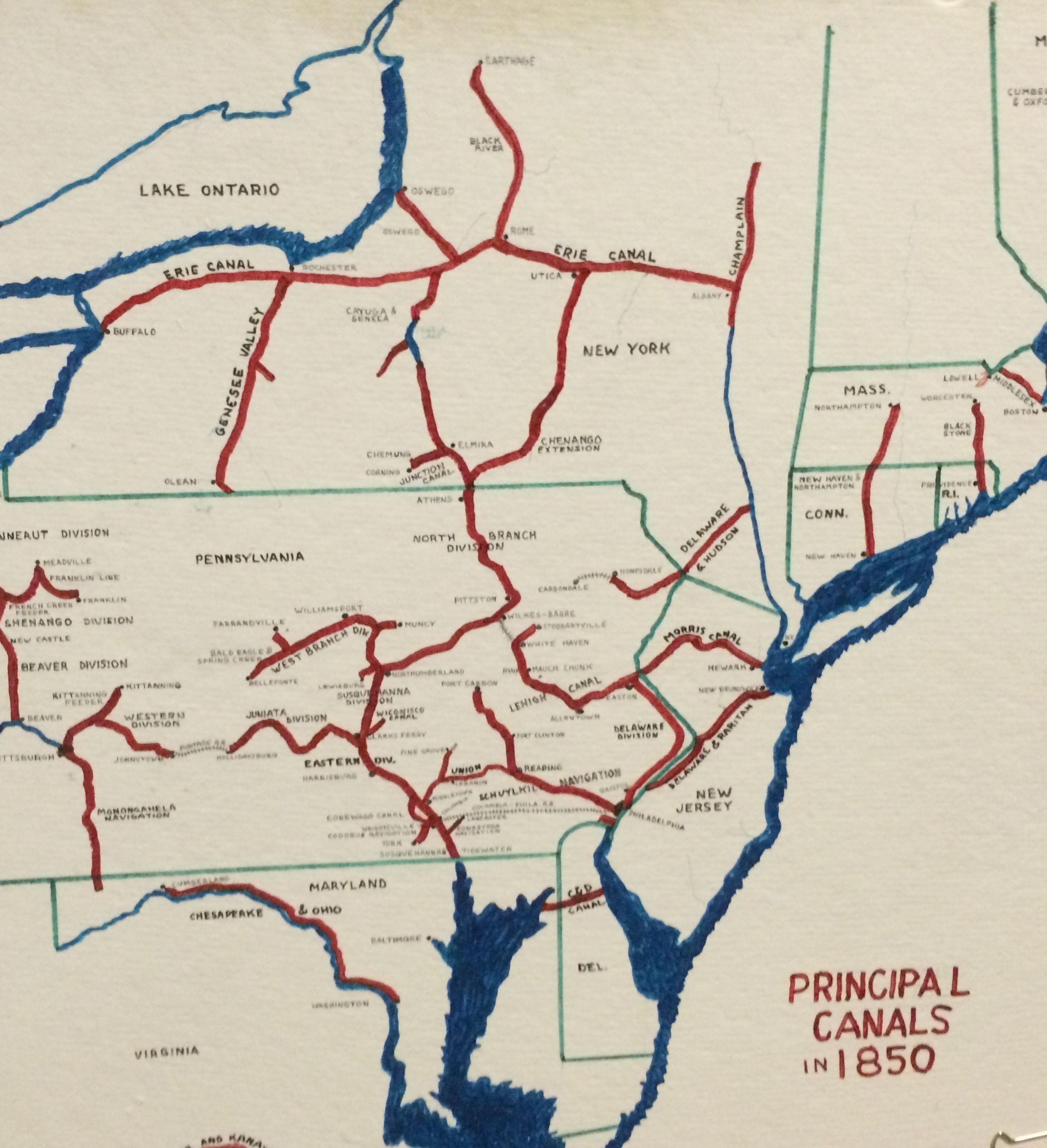
Now I can see how Elmira could ship things all over!
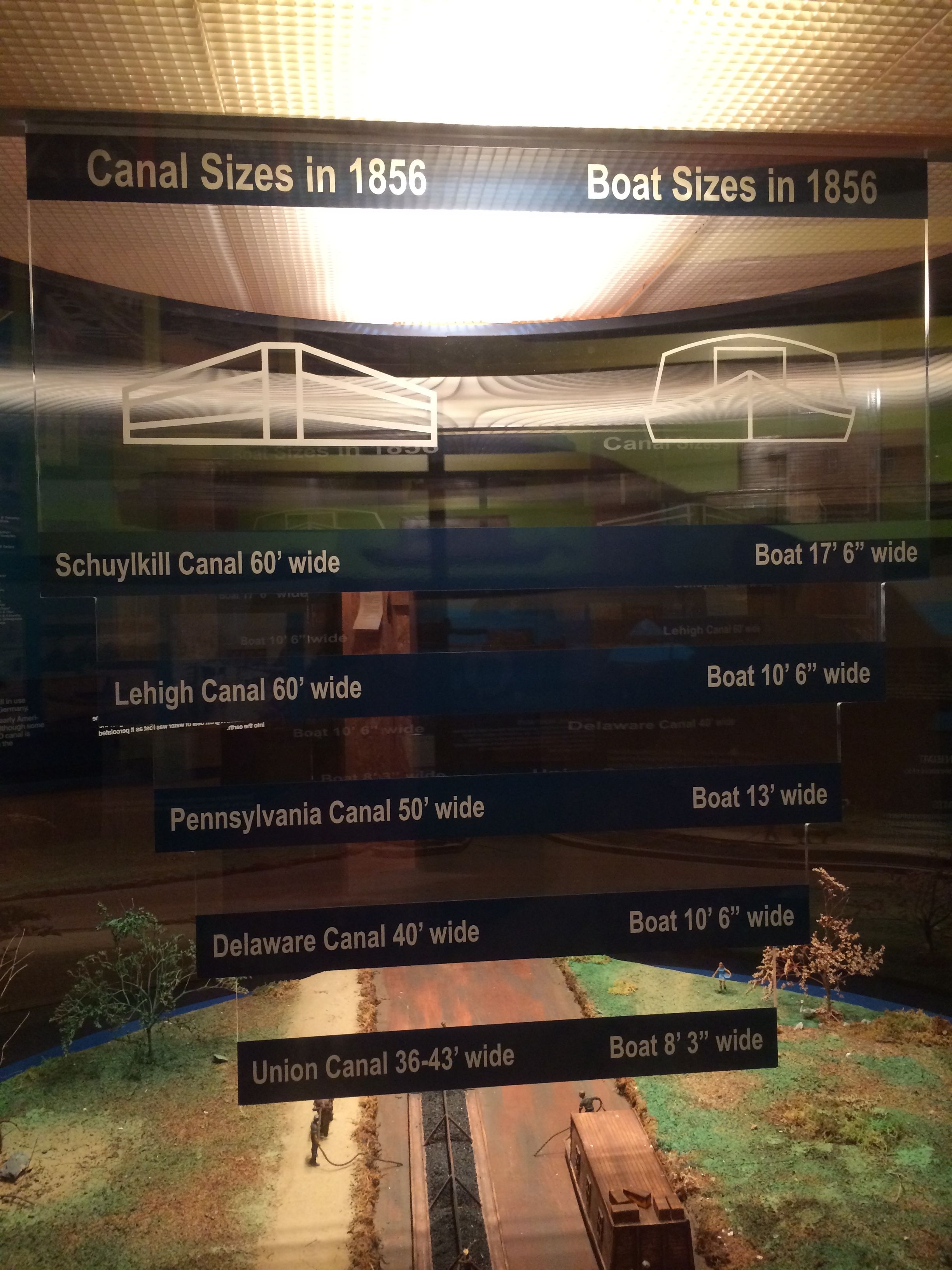
Canal boats had to be the right size to go through the locks. From what I understood, the locks were not necessarily the same width as the canals. Here’s a little data.
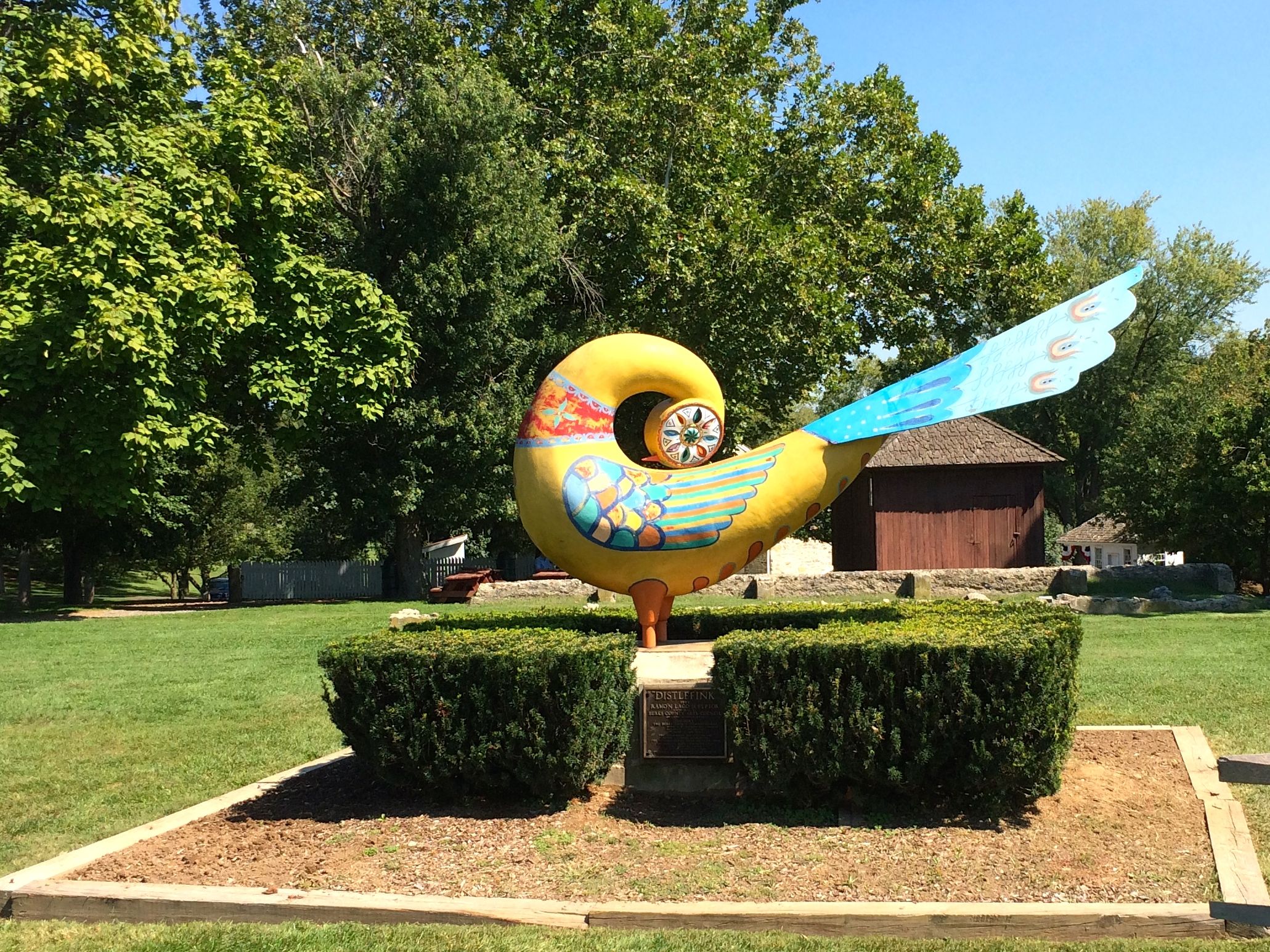
And, after our trip through the canal center, we said our goodbyes to the distelfink, which is a stylized goldfinch that is frequently seen in Pennsylvania Dutch folk art.
On the way home, we stopped and picked up the fixin’s for dinner. I took a nap
Barb and her mother worked on making some Lithuanian dishes for dinner.
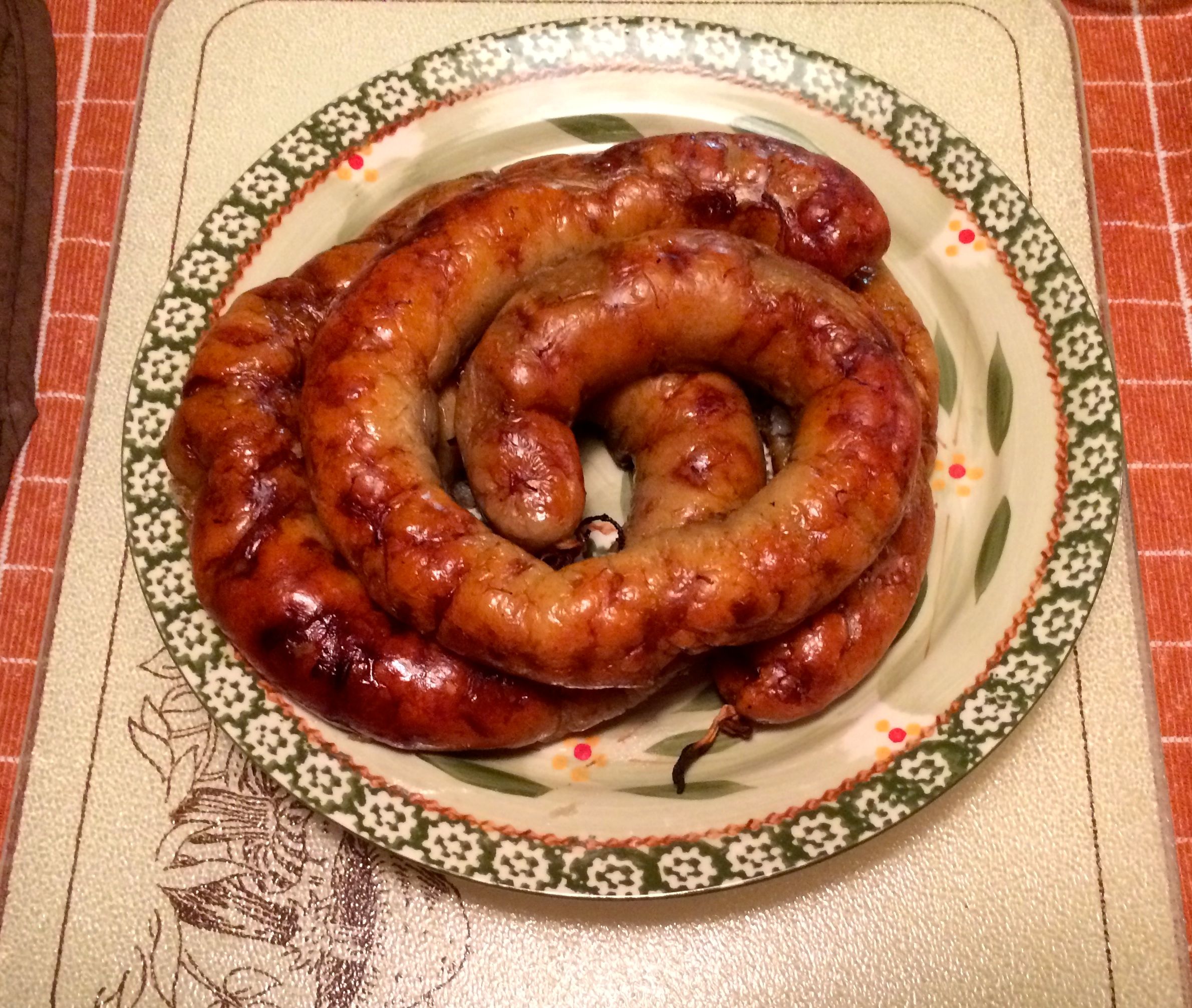
This is a potato sausage.
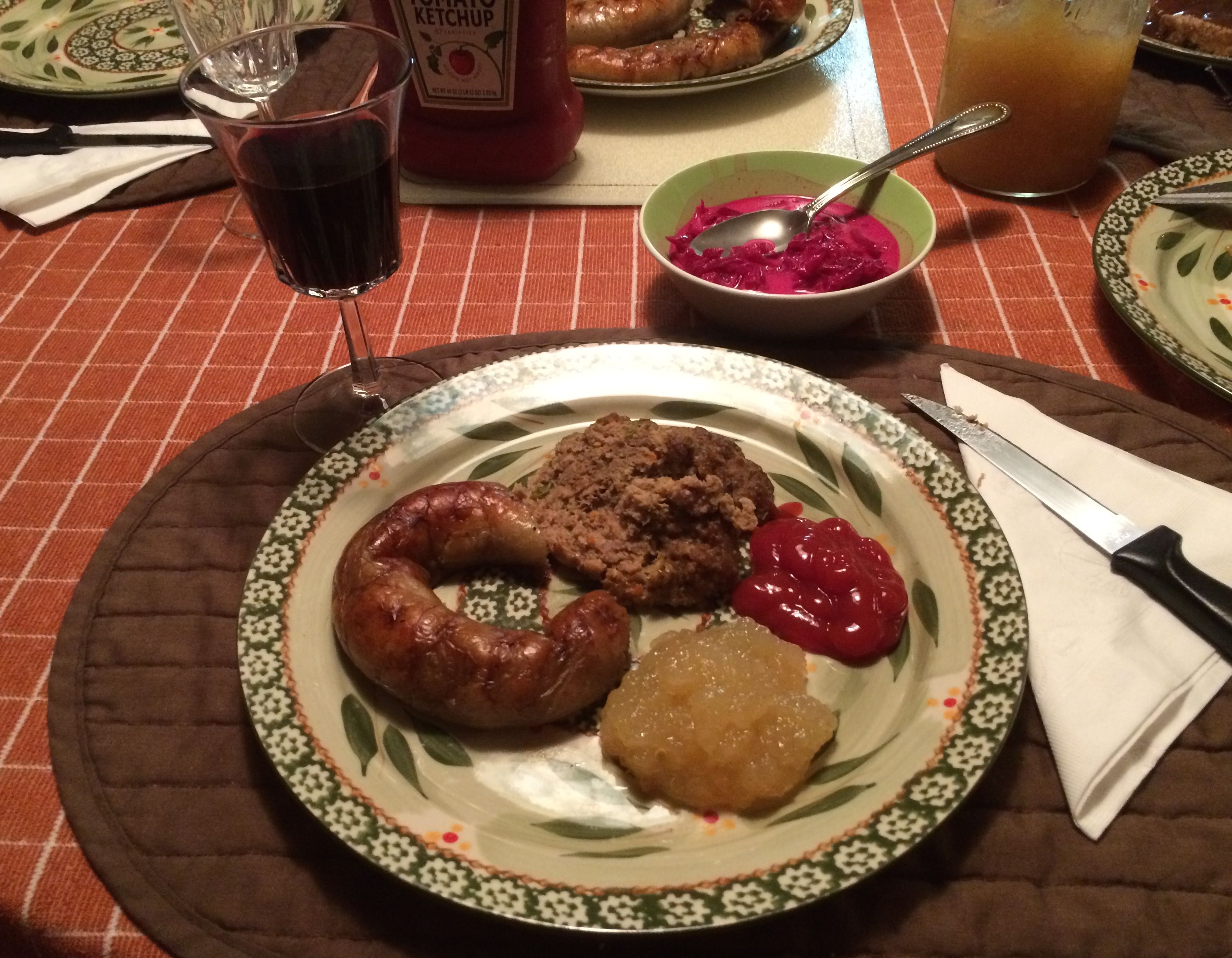
Delicious!
Netkas zulikas is meatloaf. It was the best meatloaf I’d had since my mother’s meatloaf.
And ketchup is a vegetable.
The next day: Yuengling Brewery – the oldest brewery in America!
Fascinating!
I’m glad you liked it!