Who can visit Virginia without stopping in at Monticello?
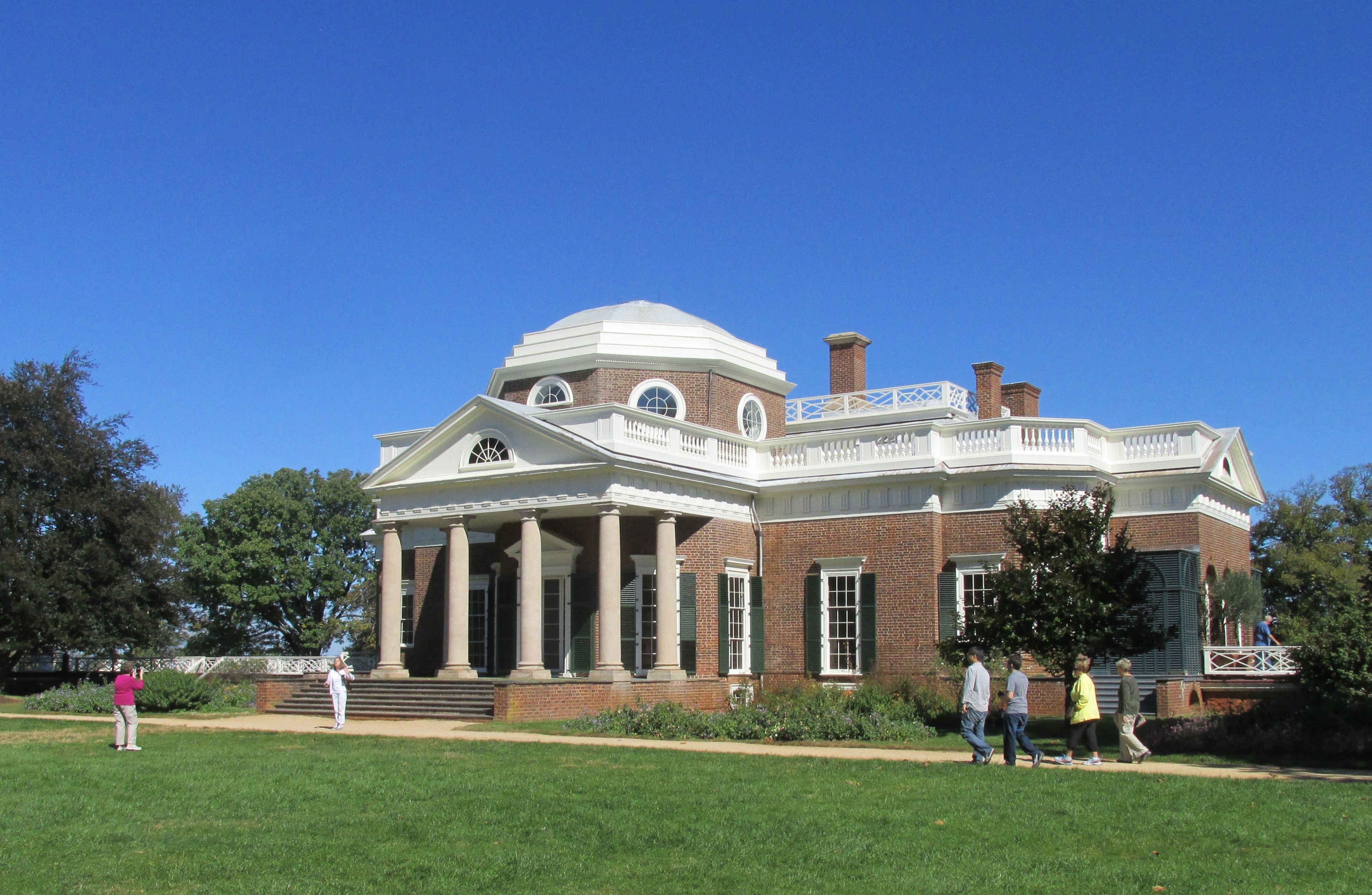
Well, actually, you don’t just “stop in” at Monticello. It is at the top of a mountain. But, what a view!
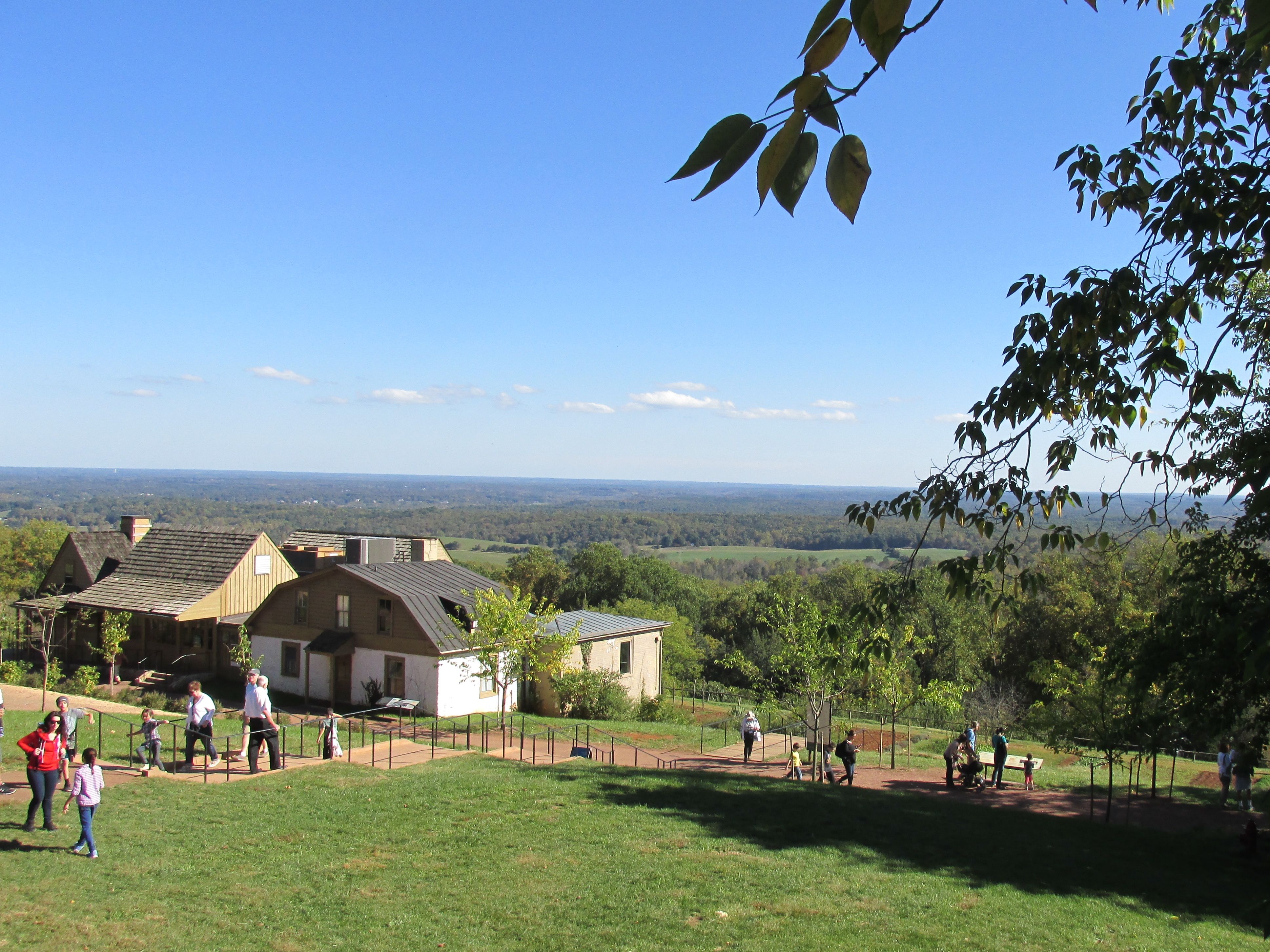
When you visit, you park down the mountain a ways and they run you up with a shuttle bus. Jefferson thought of so many things when designing his estate, but he didn’t anticipate automobiles and the need for parking.
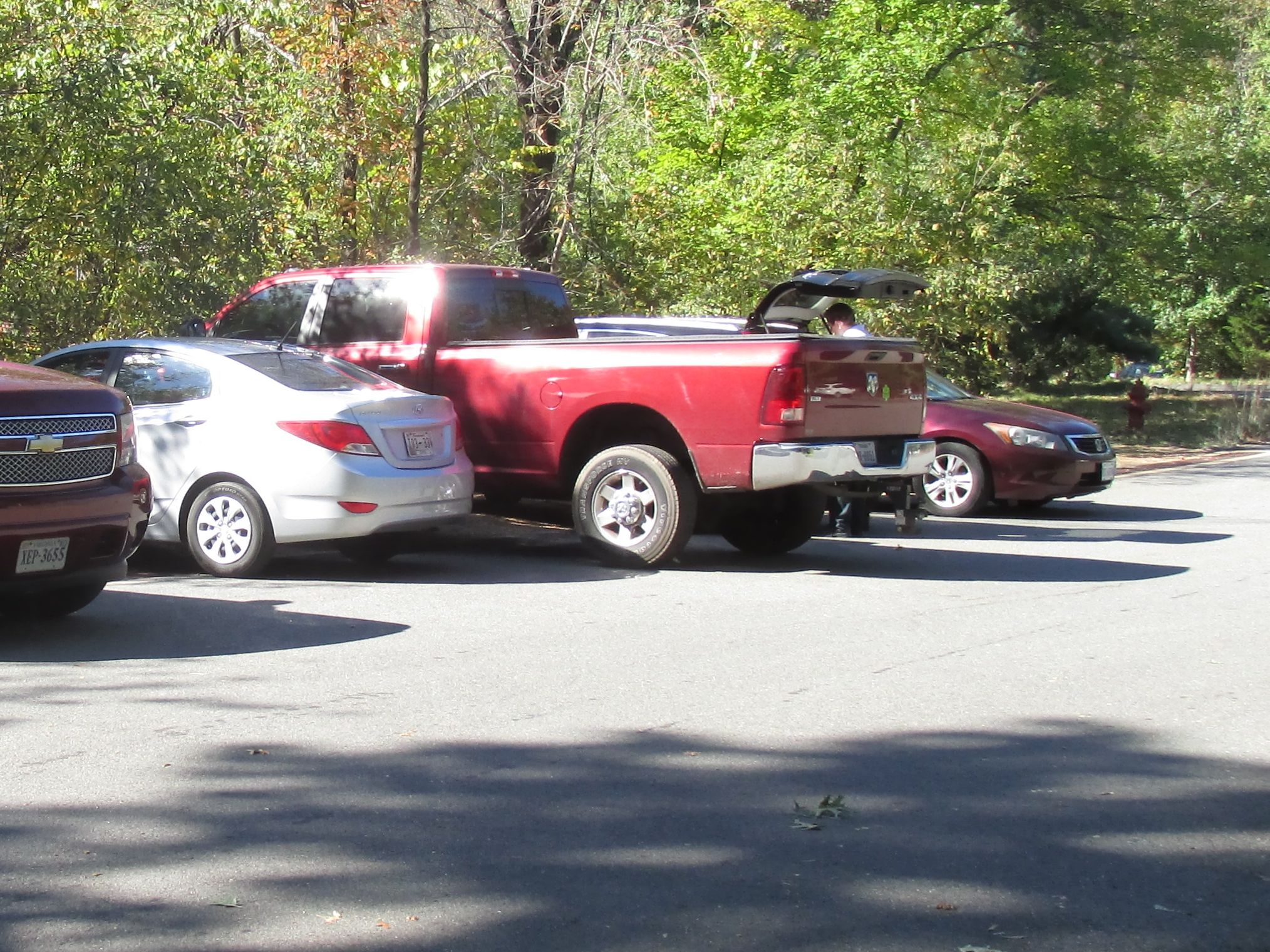
Oh, my! Bart sure does take up space!
Actually, given the hordes of history hounds visiting, I am glad I was able to find a spot I could get parked in with a minimum of jockeying.
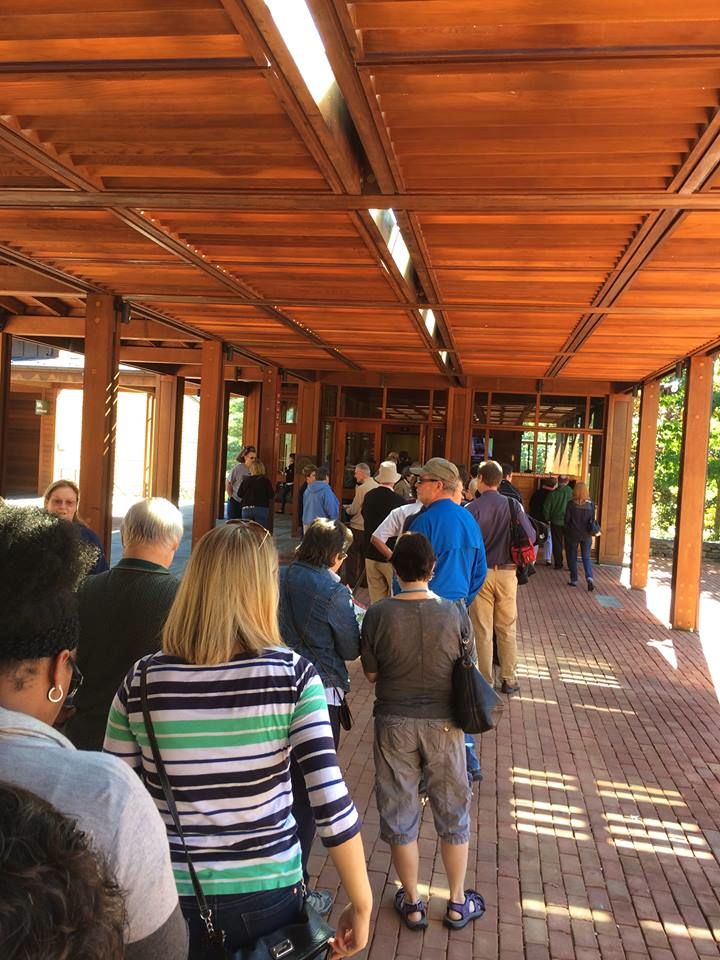
I think the problem with the line had to do with the the self-service kiosk being off-line. After I stood there for a bit, I noticed that volunteers were looking for people who had purchased their tickets on line. I raised my hand and a kind lady directed me to an office that normally handles group sales. After a short wait, I got my ticket and was on my way to the shuttle.
I had opted for the in-depth historic tour, and that didn’t start until 3:30. That gave me a few hours to stroll the grounds and see what I could see.
There is a lot to see. I made a quick stroll about to see the general layout. There is the central part of the house, where the family and visitors lived, and two wings, which he called dependencies. At the end of each dependency is a small brick building.
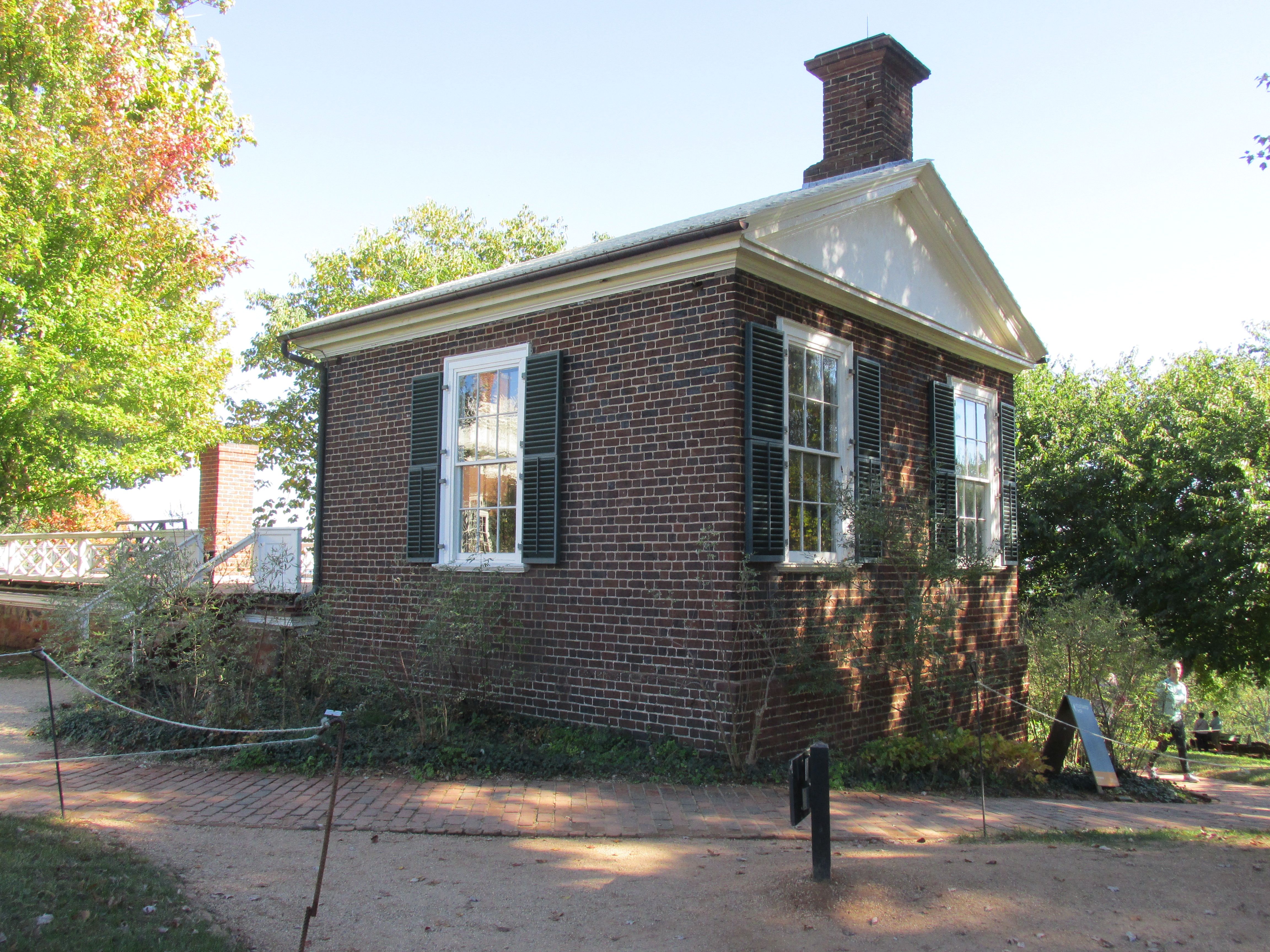
This was Thomas Jefferson’s first dwelling. He built this small, one-roomed house with the kitchen in he cellar. He brought his wife, Martha, to this house in 1772.
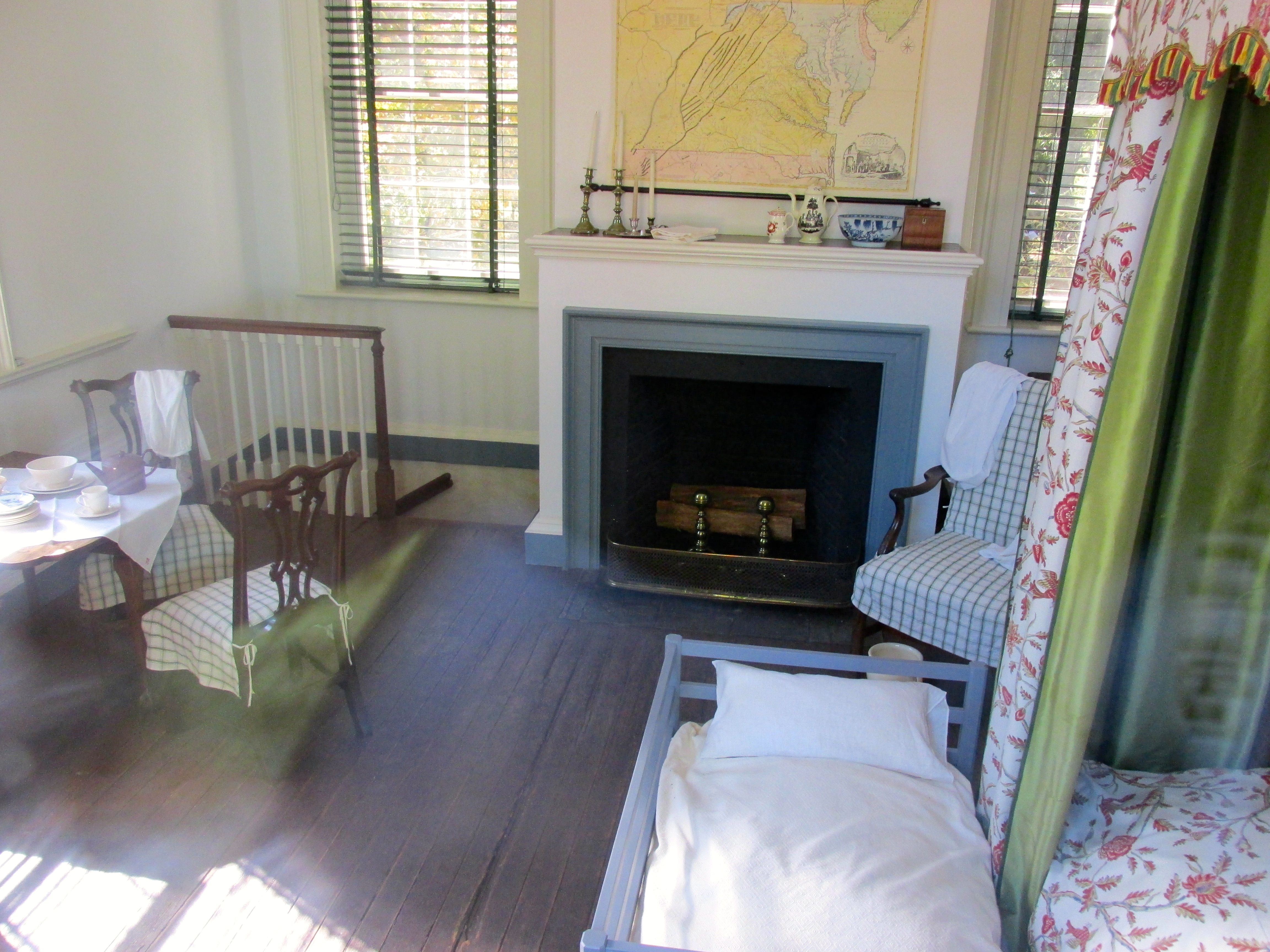
Thomas and Martha were married until her death in 1782. I’m not quite sure how long they lived in this “starter house” – but long enough to have a baby. Martha Washington Jefferson was born here.
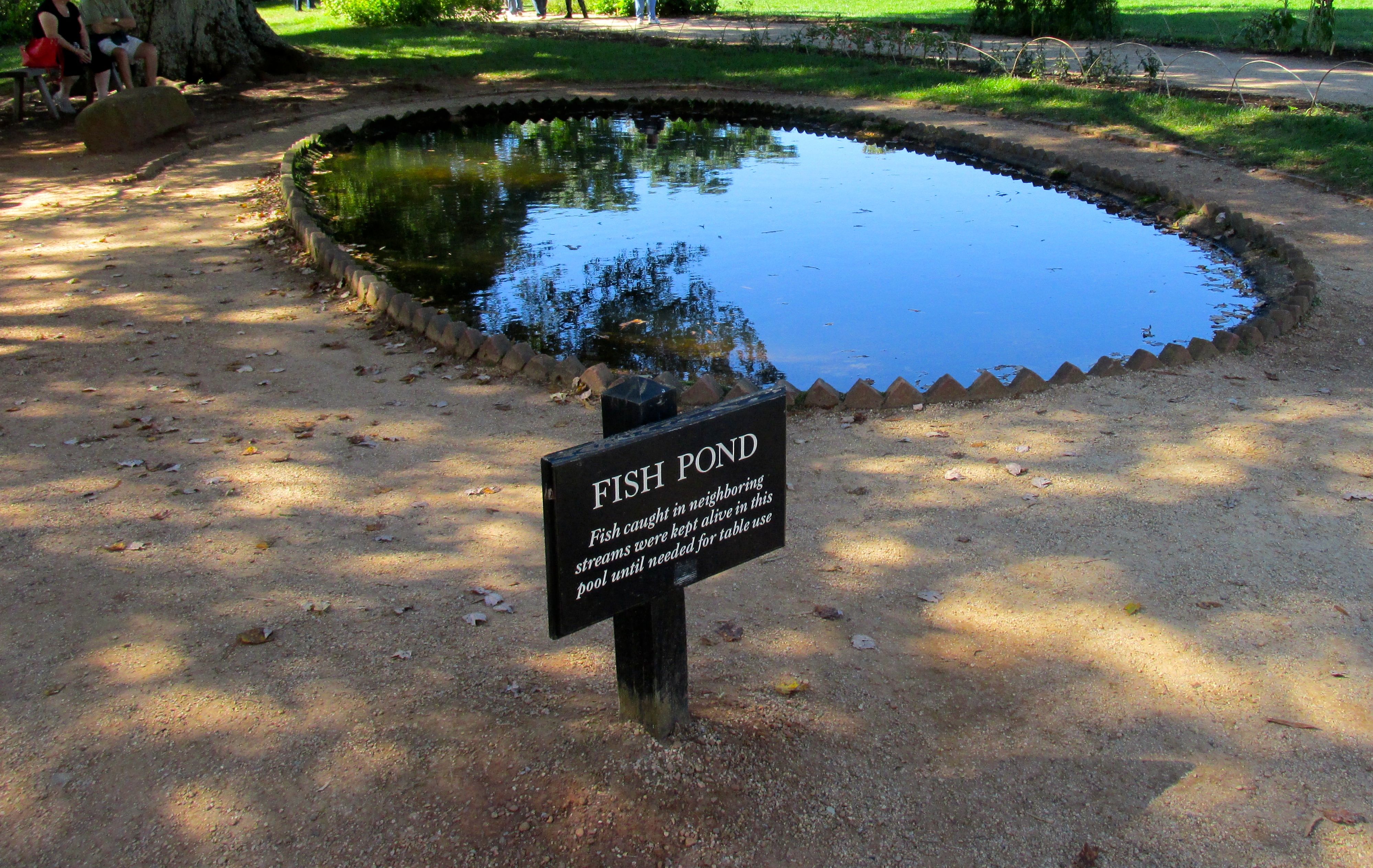
Just outside the door of the outchamber was a fish pond. Fish caught live in nearby streams were kept here until they were needed for meals.
On the other side of the outchamber was Mulberry Row, a lane on the property named for a pair of mulberry trees planted along side it.
Mulberry Row was the industrial heart of Jefferson’s agricultural enterprises. A variety of shops and dwellings lined the row. There are no existing structures from that time, but archeology is on-going and reconstructions based on what is discovered in the ground and in contemporary records are being made.
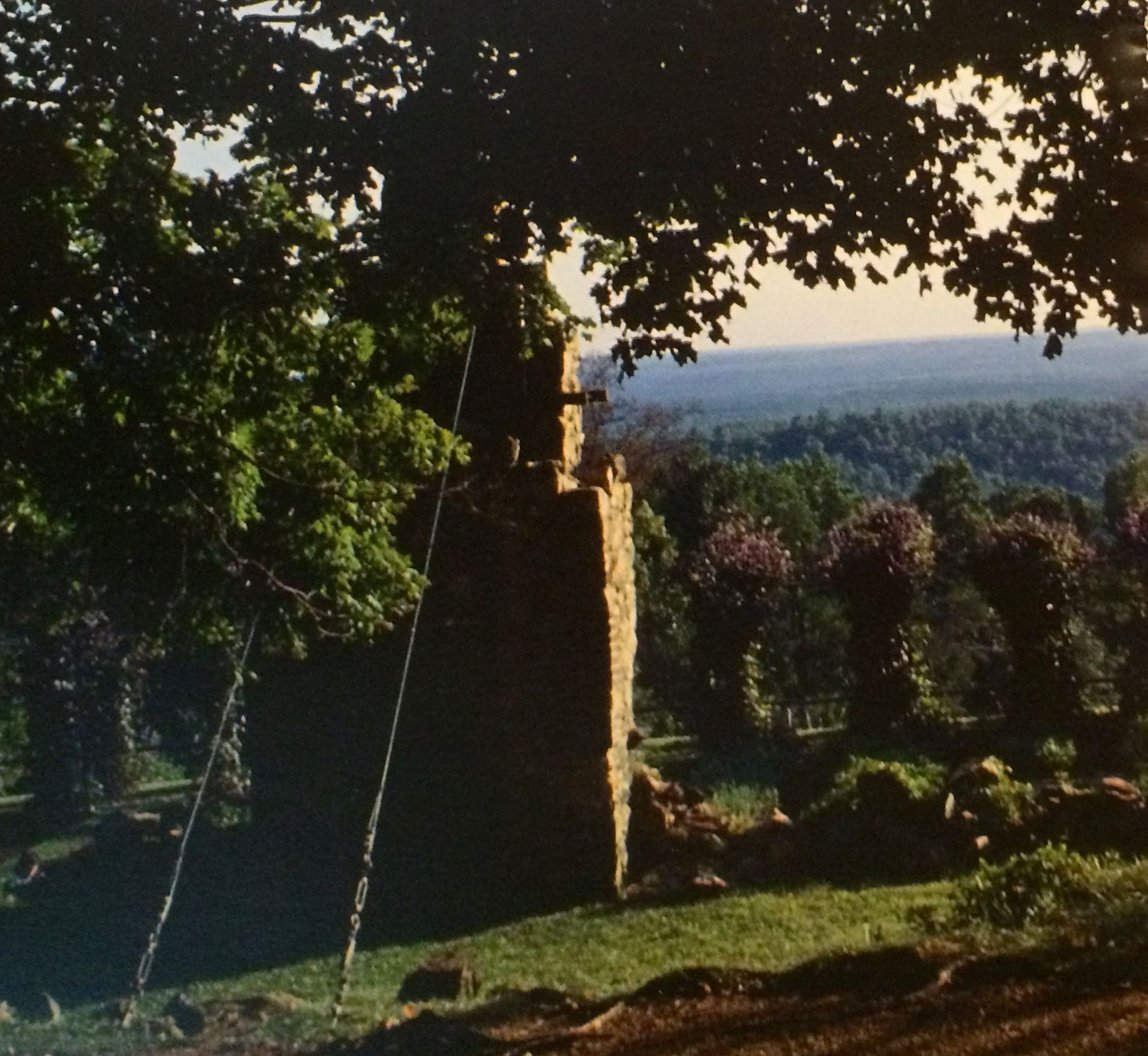
The was a chimney still standing, and archeologists were working on the dig when I was there. I can’t believe that I don’t have photos of the dig! I know I took them, but I guess my phone ate some of my photos. I am including a shot I obtained from another source.
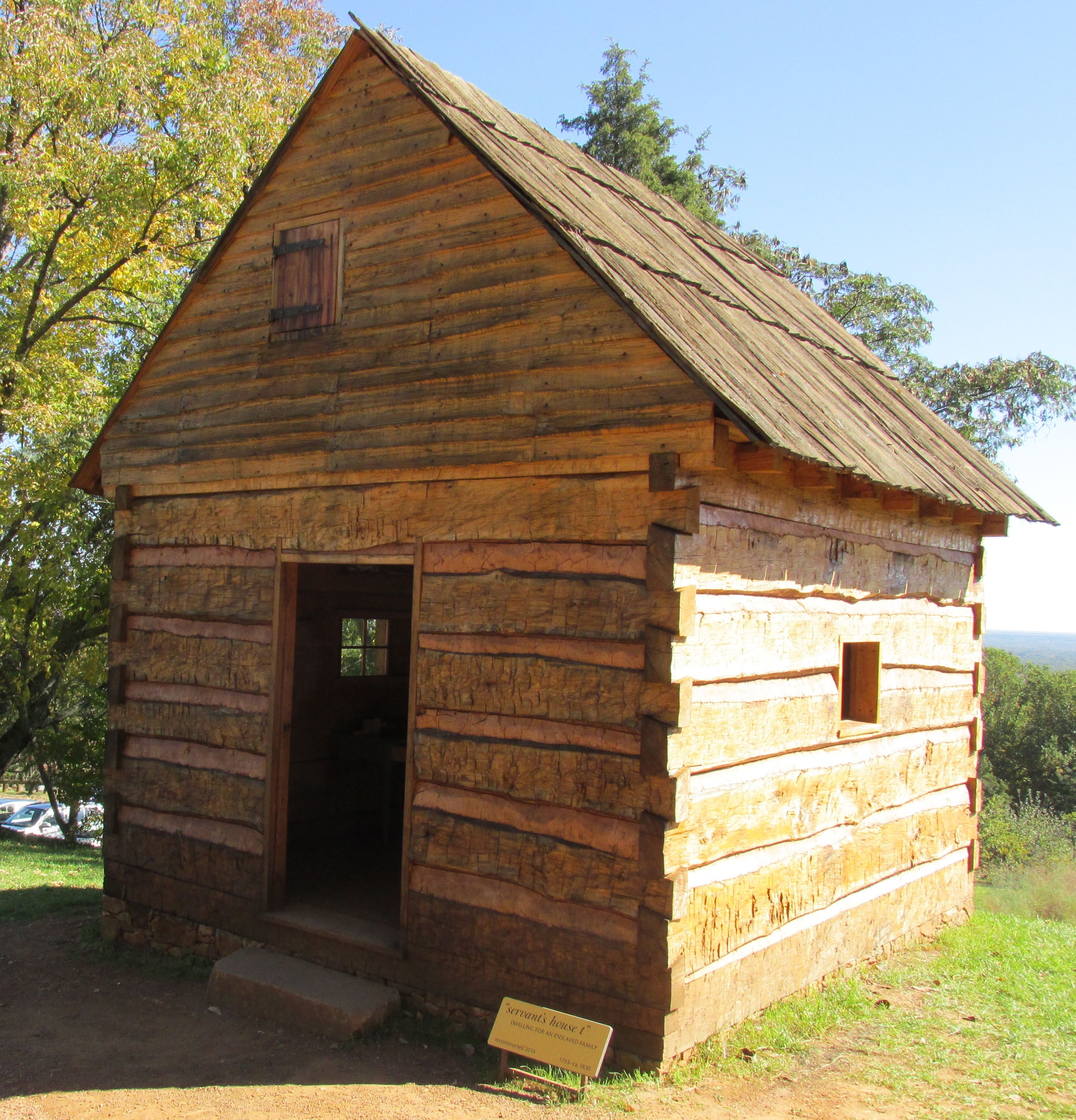
This cabin is labeled as “Servant’s house t” on Jefferson’s plans. Based on archeological and historical research, this cabin may have housed John Hemmings and his wife Priscilla.
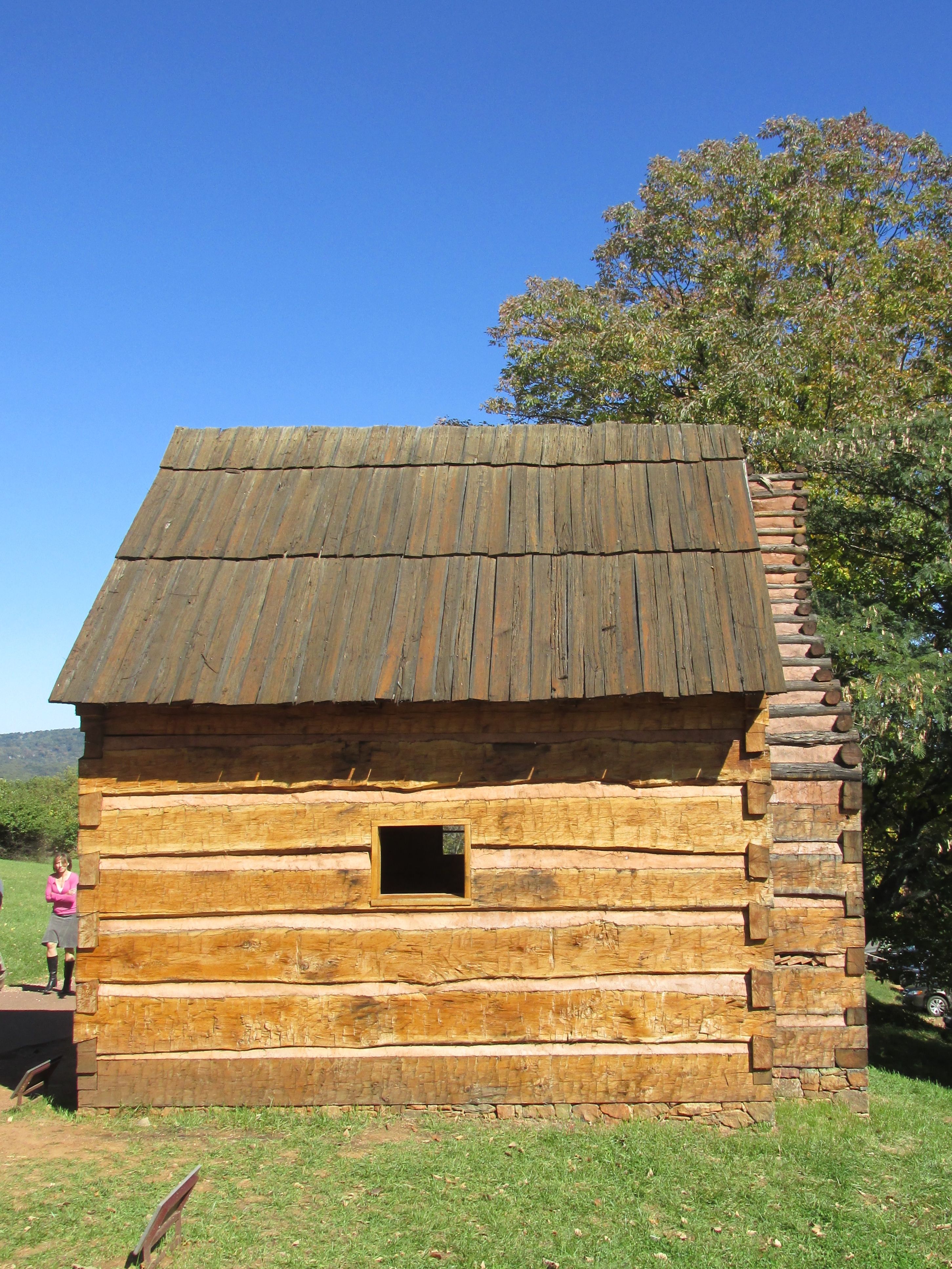
John was the head joiner, which is a woodworker, and Priscilla was nurse to Jefferson’s grandchildren. John and Priscilla had close relationships with the Jefferson family, and they had additional opportunities to earn money and purchase goods that were beyond the means of most of the enslaved workers at Monticello.
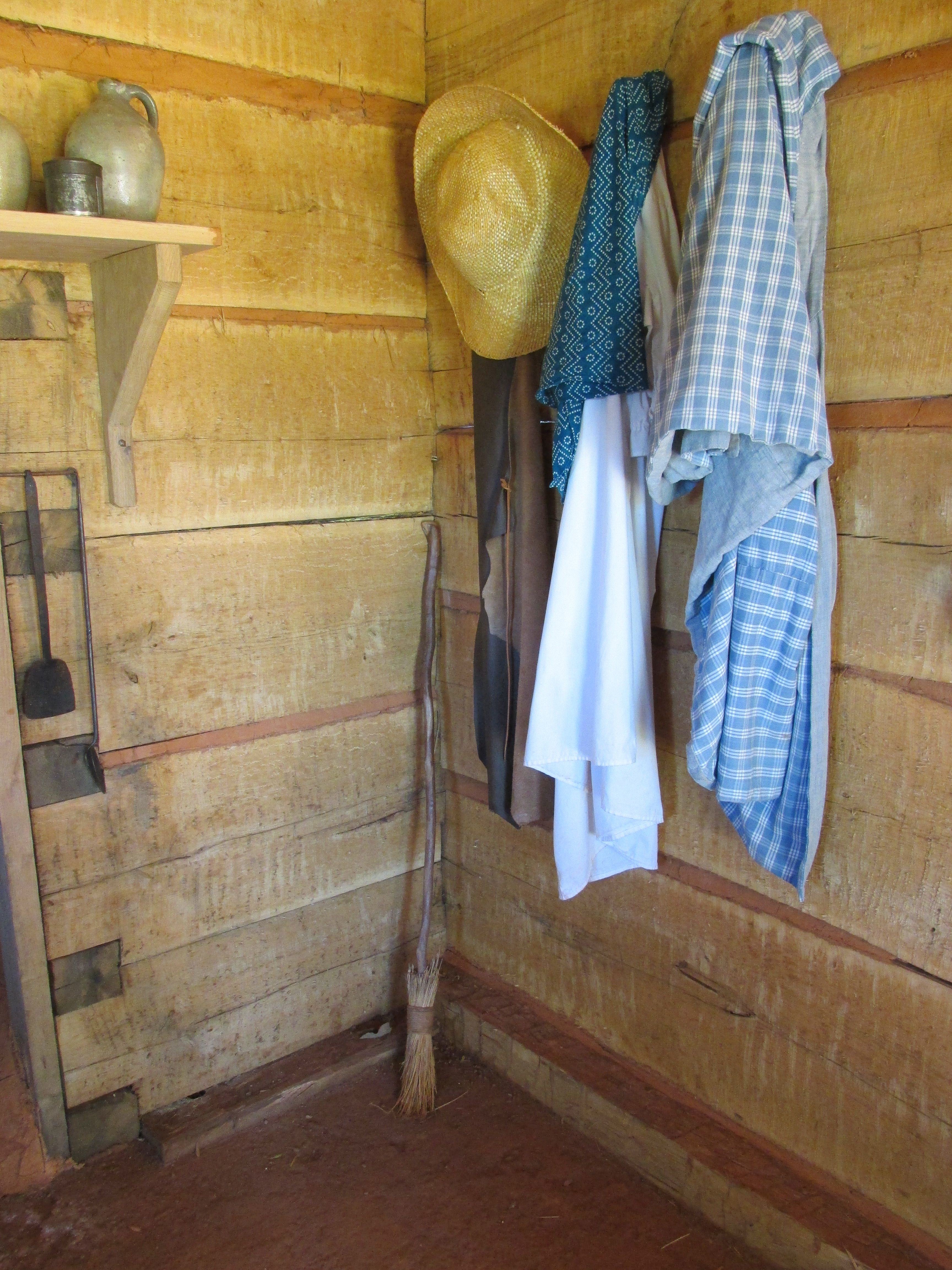
John helped build this and two other single-family log houses in 1793. Other family members – Critta, Peter, and Sally Hemings – at times lived next door. And yes, there are two different spellings of Hemmings. “Hemings” is not a misspelling.
However, much of the working part of the estate is still waiting for study and perhaps restoration.
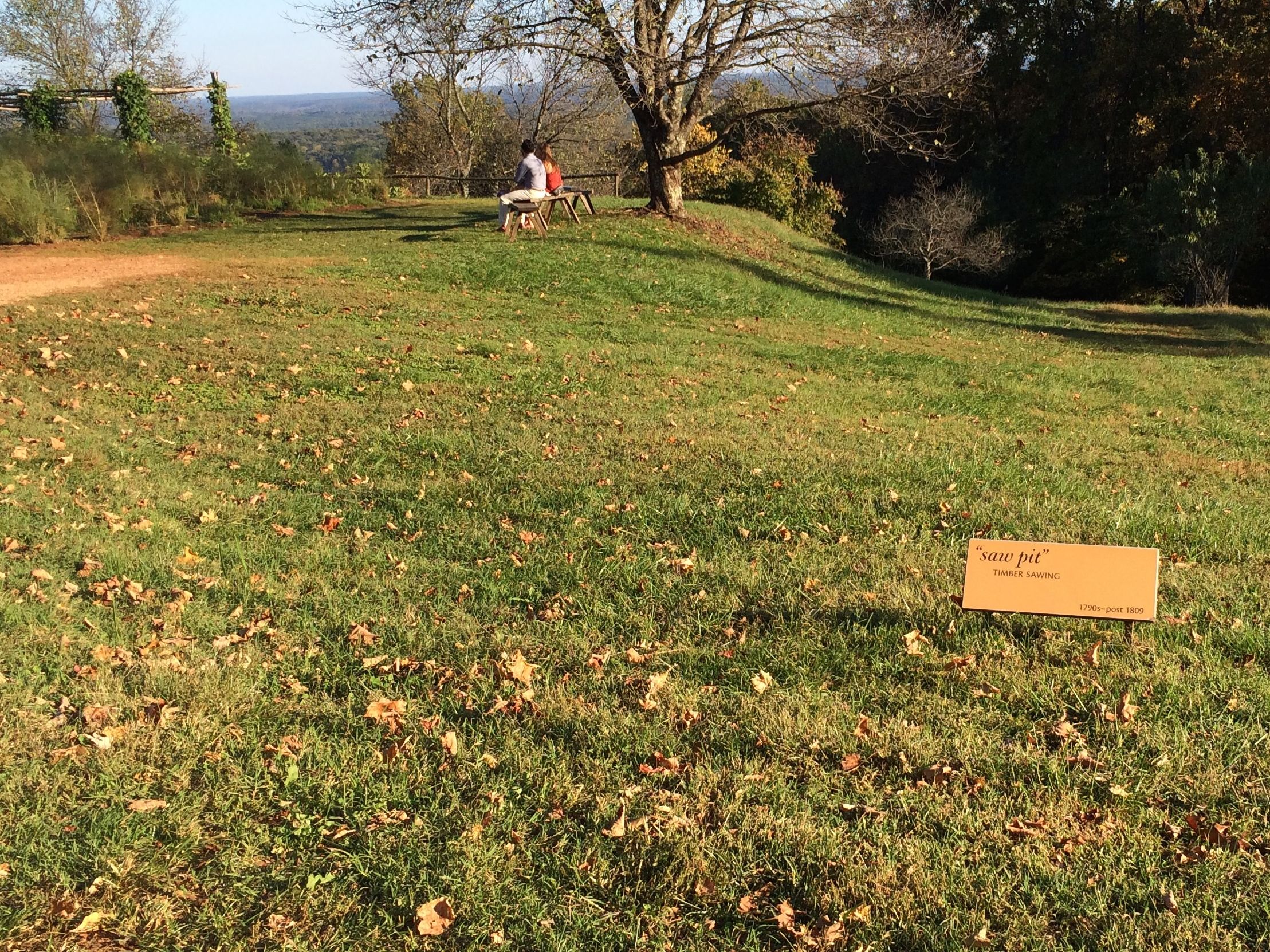
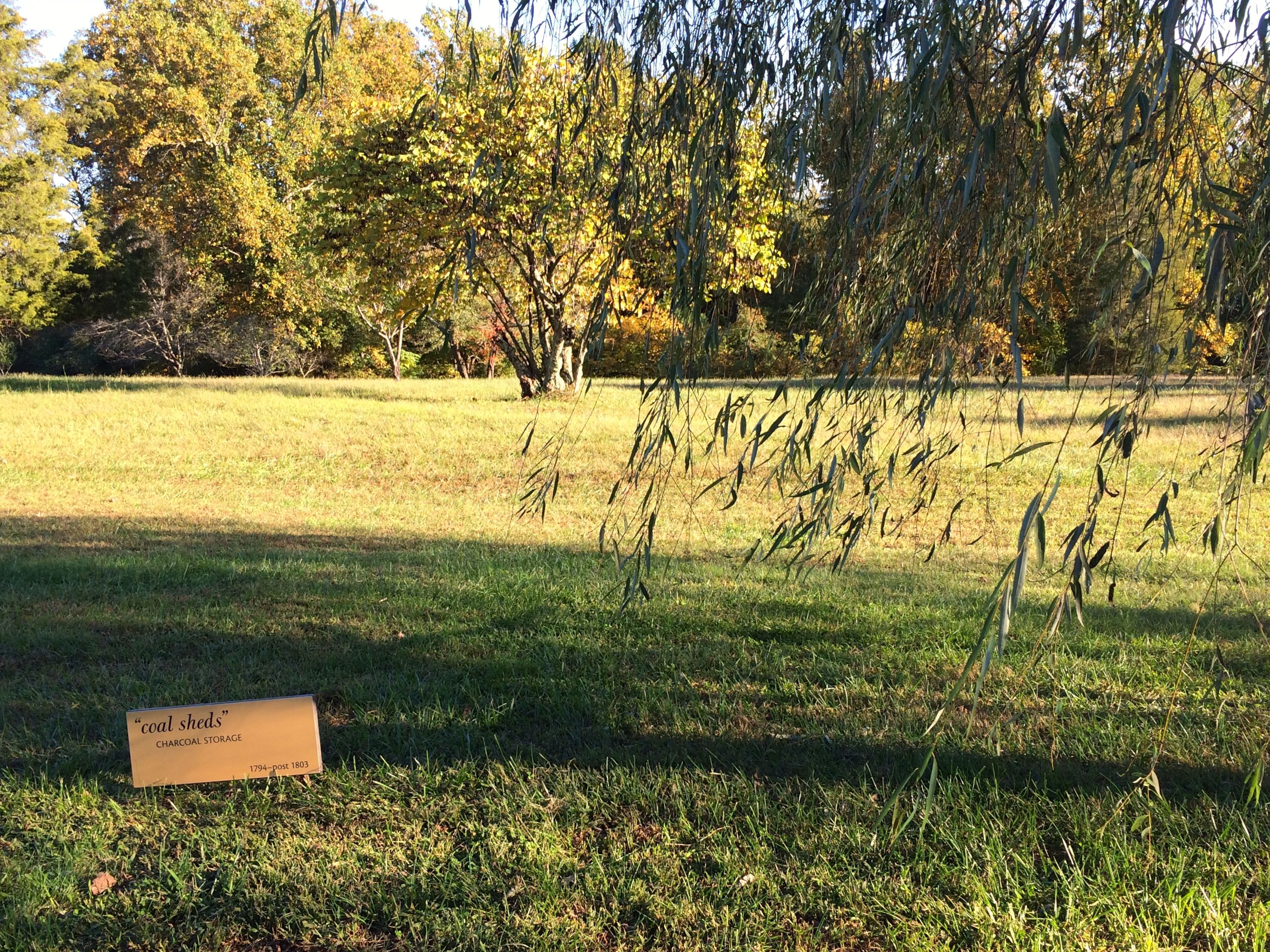
Near the coal shed was the part of the land used for making charcoal. Charcoal was important, as it was needed for one of the money-making products of the estate.
They made nails. A small item, but an extremely important product in an area enjoying growth. Jefferson calculated that, on average, 666 bushels of charcoal would be needed to make 172,480 nails in the nailery. Jefferson kept records of almost everything.
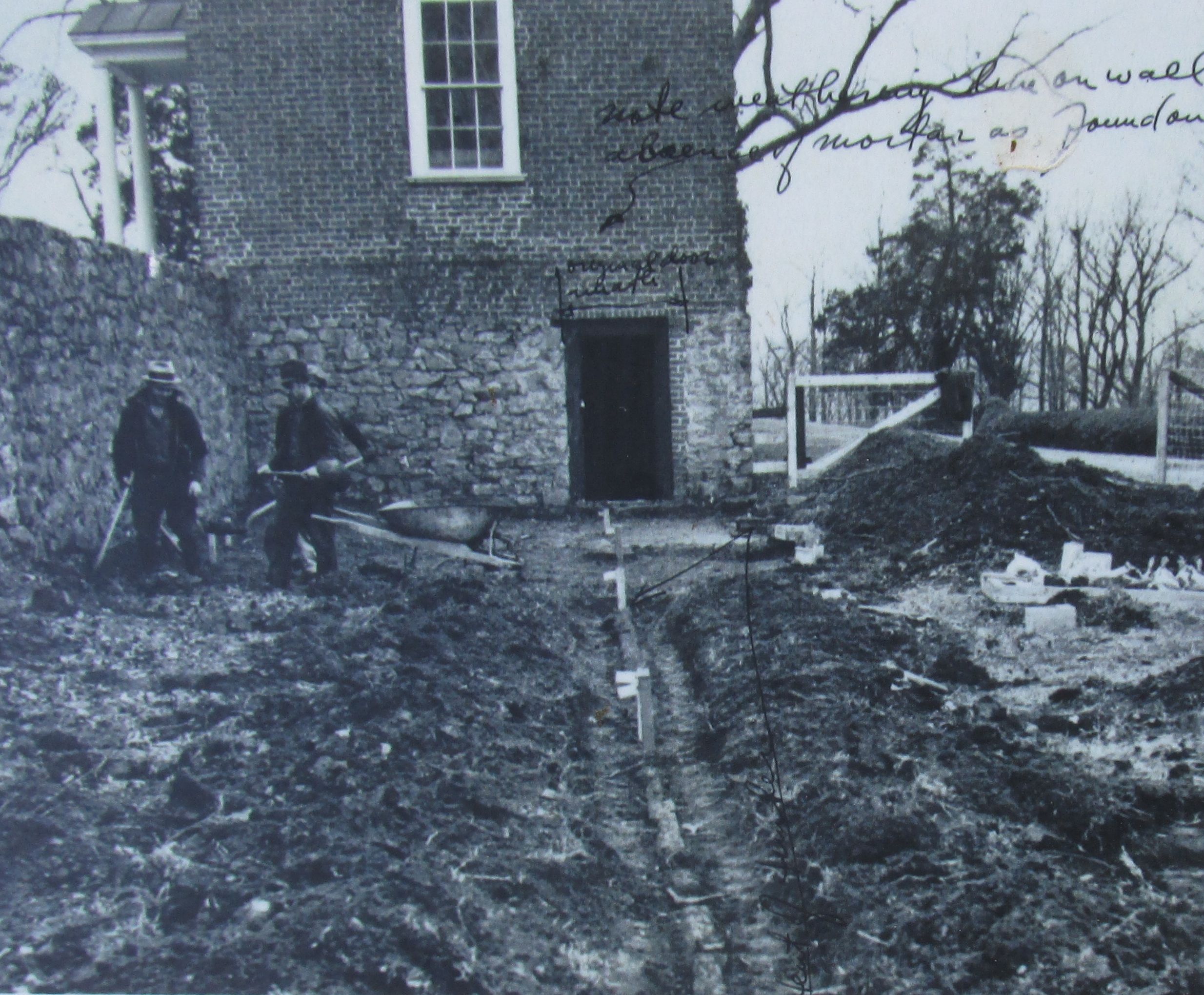
This is a photo I took from a display in the north dependency, which is on the other side from the outchamber that Jefferson used as his first home at Monticello. Since the north and south dependencies are very similar, I imagine that their archeology might be similar, as well.
The 1938 restoration project began with an archeological investigation to find physical evidence of the Jefferson-era building, which was constructed 1802-1809. The archeologist, Mr. Grigg, discovered a deteriorated sill that may have supported the outer wall of the original dependency.
The north dependency contained carriage and stable bays, and is currently being restored to reflect the original construction as well as providing areas for education and meeting the needs of visitors. The room behind the door in the photo is currently home to a small gift and snack shop.
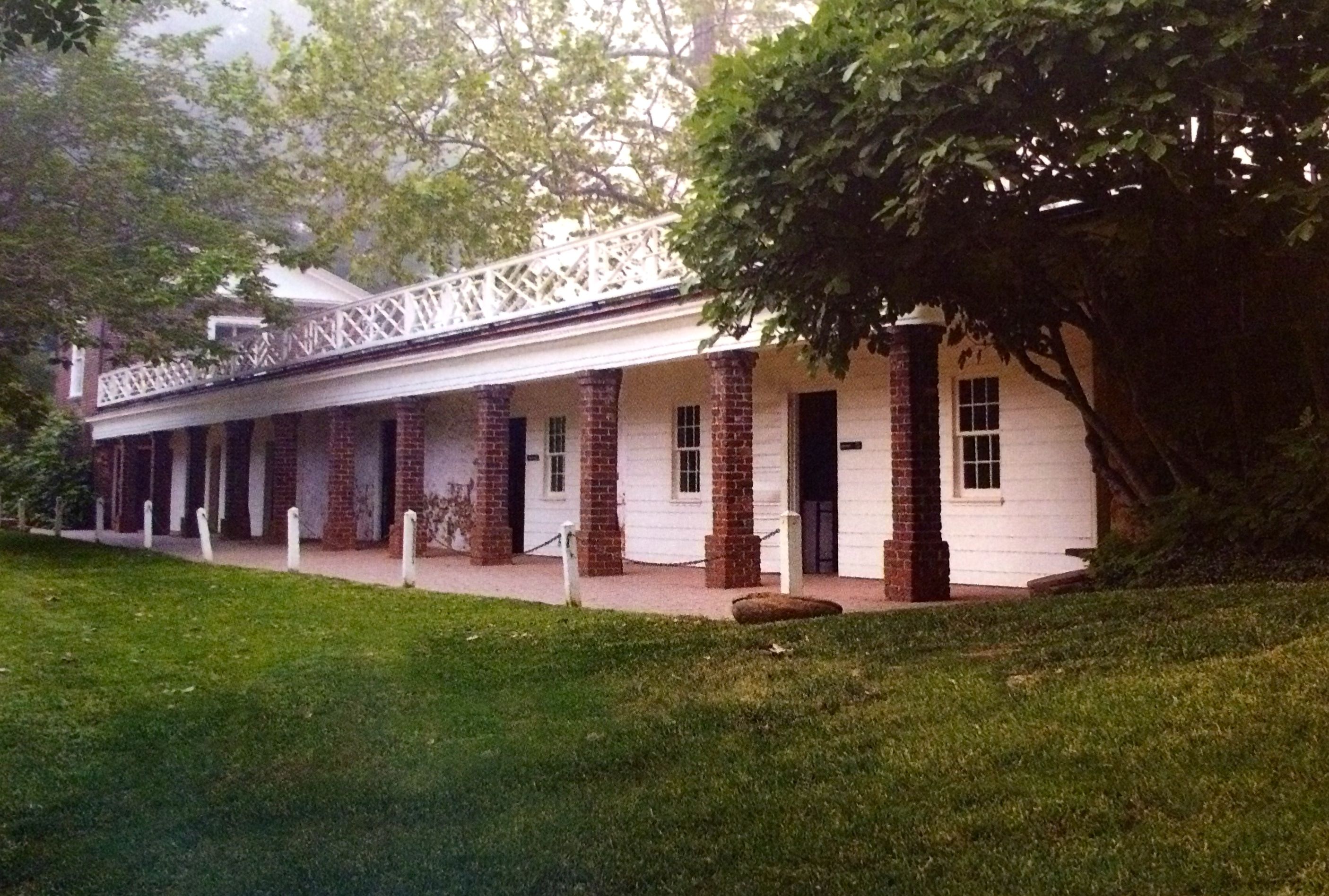
The south Dependency is on the other side, and is anchored by the Outchamber at the end. It was where the kitchens and domestic preparation areas were.
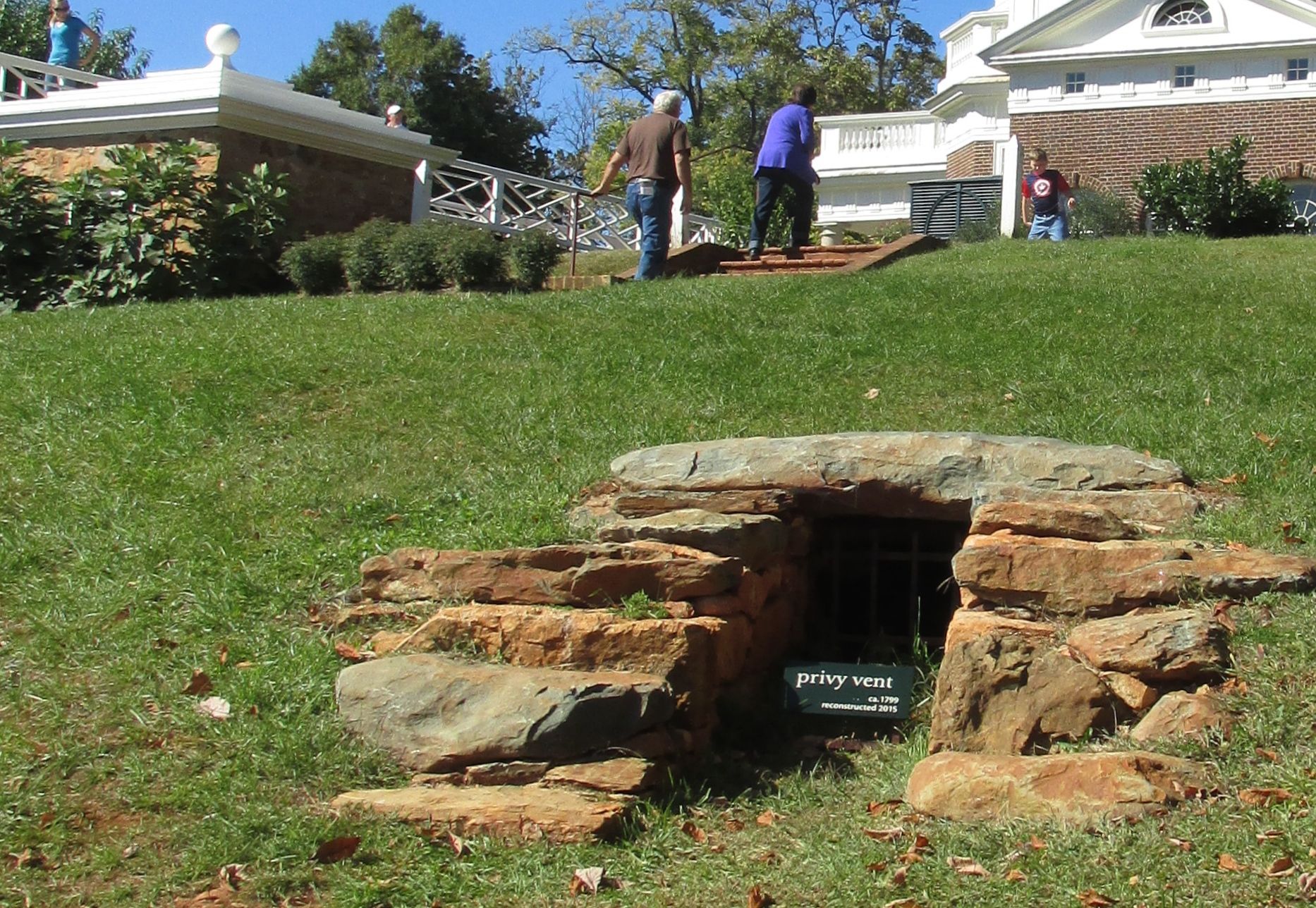
Archeology and restoration is ongoing. For instance, this privy vent was restored just this year. Since I was not allowed to take pictures inside Monticello, I guess this will be as close as I get to a presidential bathroom shot for Jefferson.
It was still a while until my tour started, so I explored the garden. I managed to join a tour for a bit.
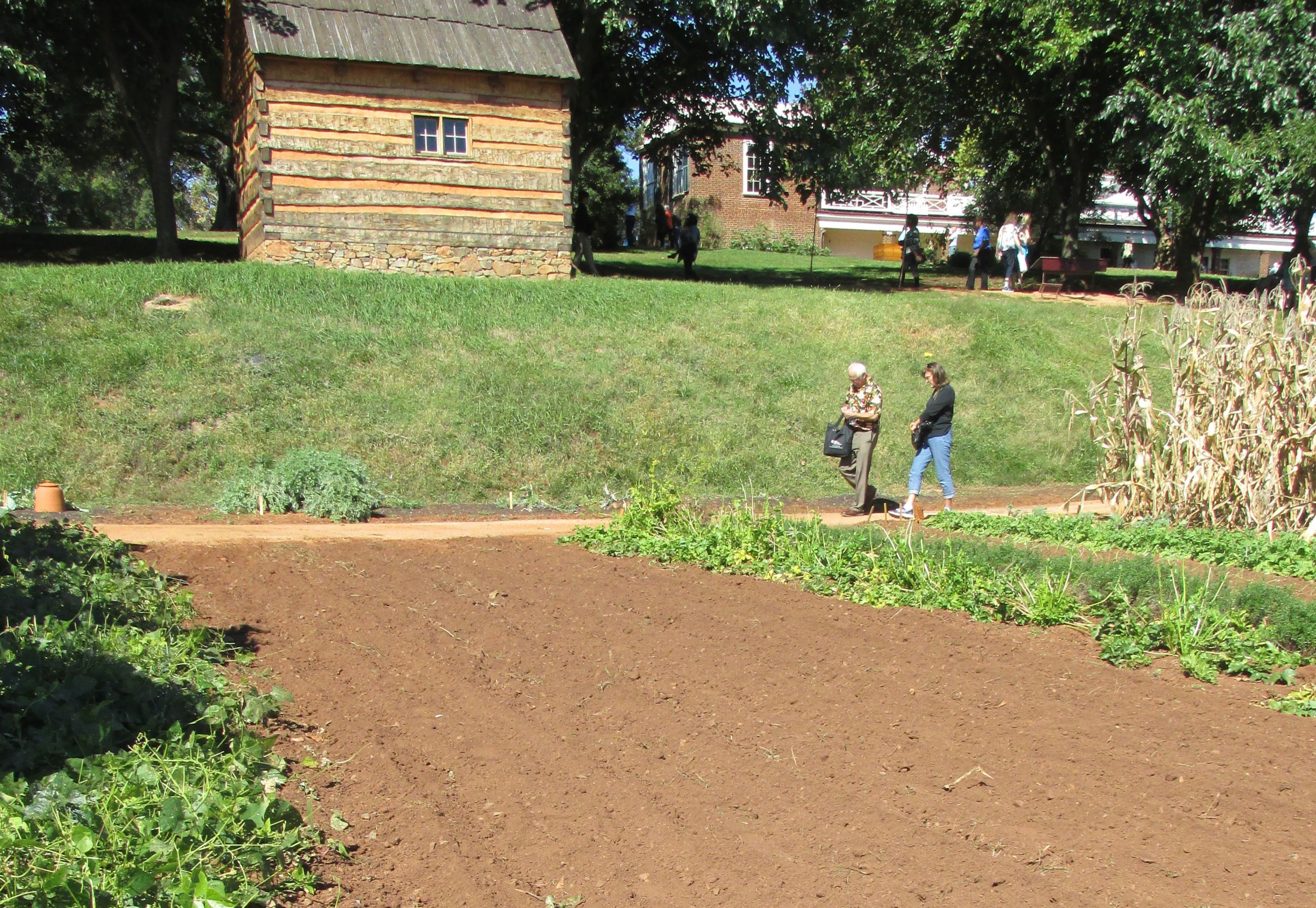
The garden is on a terrace. The land on top of a mountain is not know for being level. If I remember correctly, the hill and the buildings along Mulberry Row sheltered the garden and extended the growing season. Or, maybe I made that up.
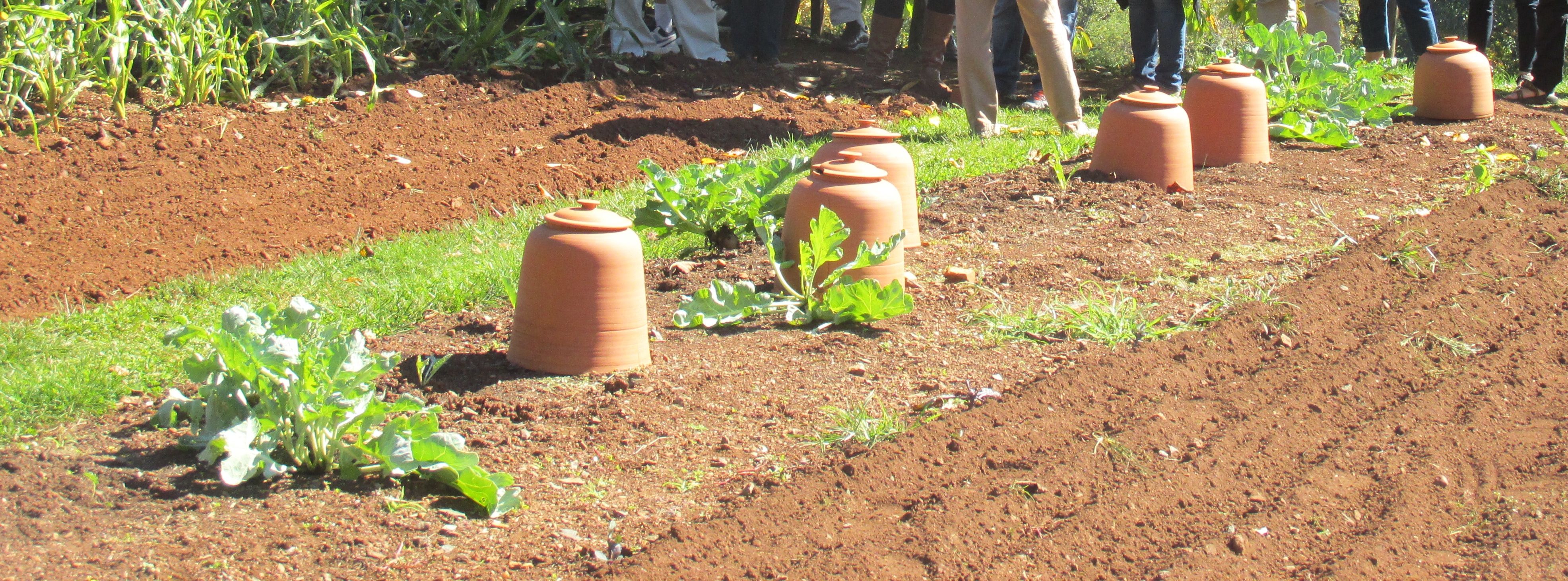
Anyway, I am fairly confident that these clay pots in the garden are cloches being used to keep the sea kale tender. I could relate to that. As a third grade teacher in Kalamazoo, AKA “Celery City”, I knew that the celery was covered to keep it pale and tender. In my day, Kalamazoo was covered in Social Studies in third grade, but that was five years ago. I wonder what they’re studying these days?

The guide said that this pepper was particularly hot. I was perfectly happy to take her word for it. I spoke with a gardener who was busily trying to prop up plants that had been trampled by deer. It seems that deer are the largest recipients of the produce of the garden, although they say that they use the produce in the restaurants in the visitor center.
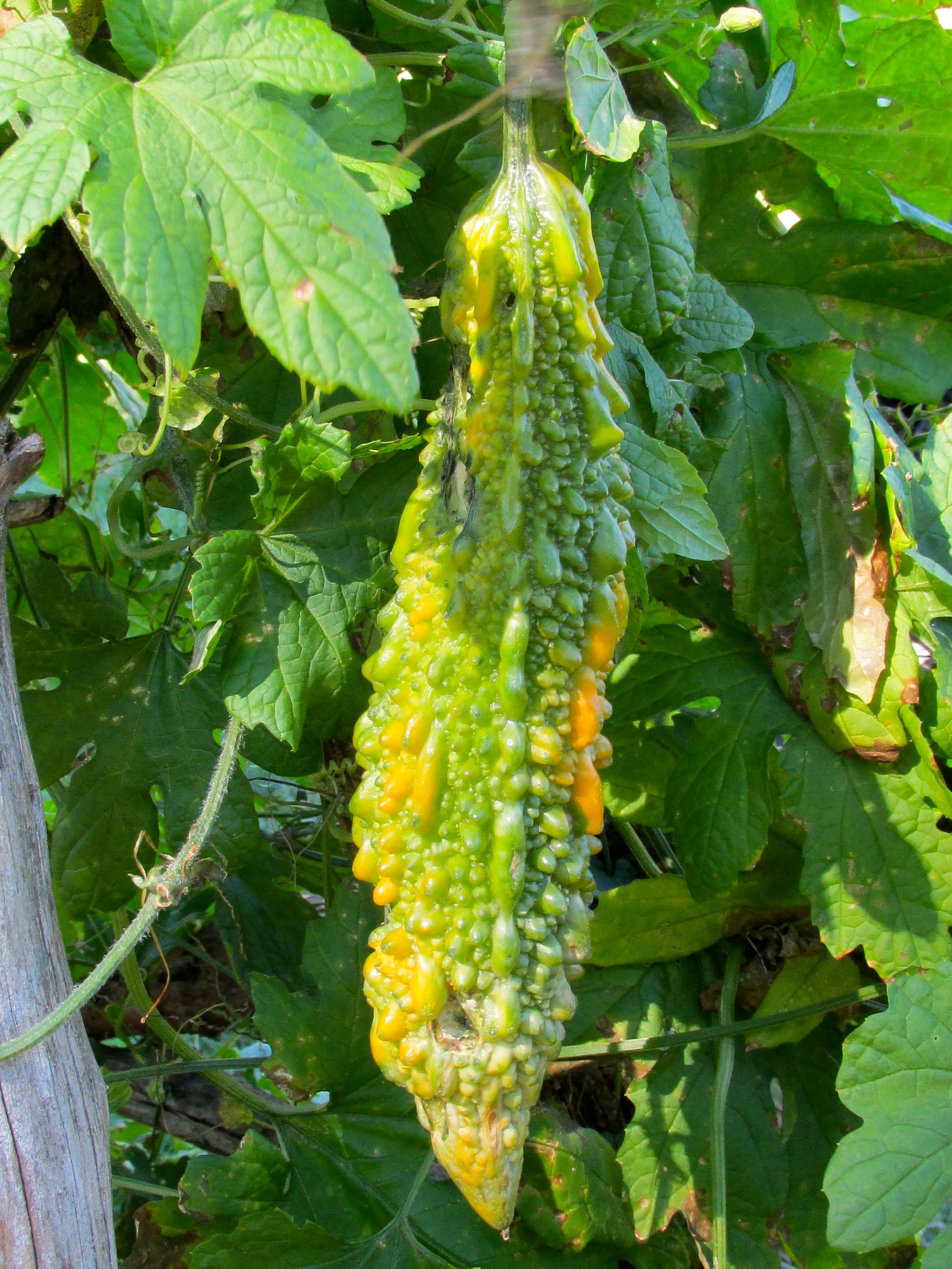
I wonder how this plant would be prepared?
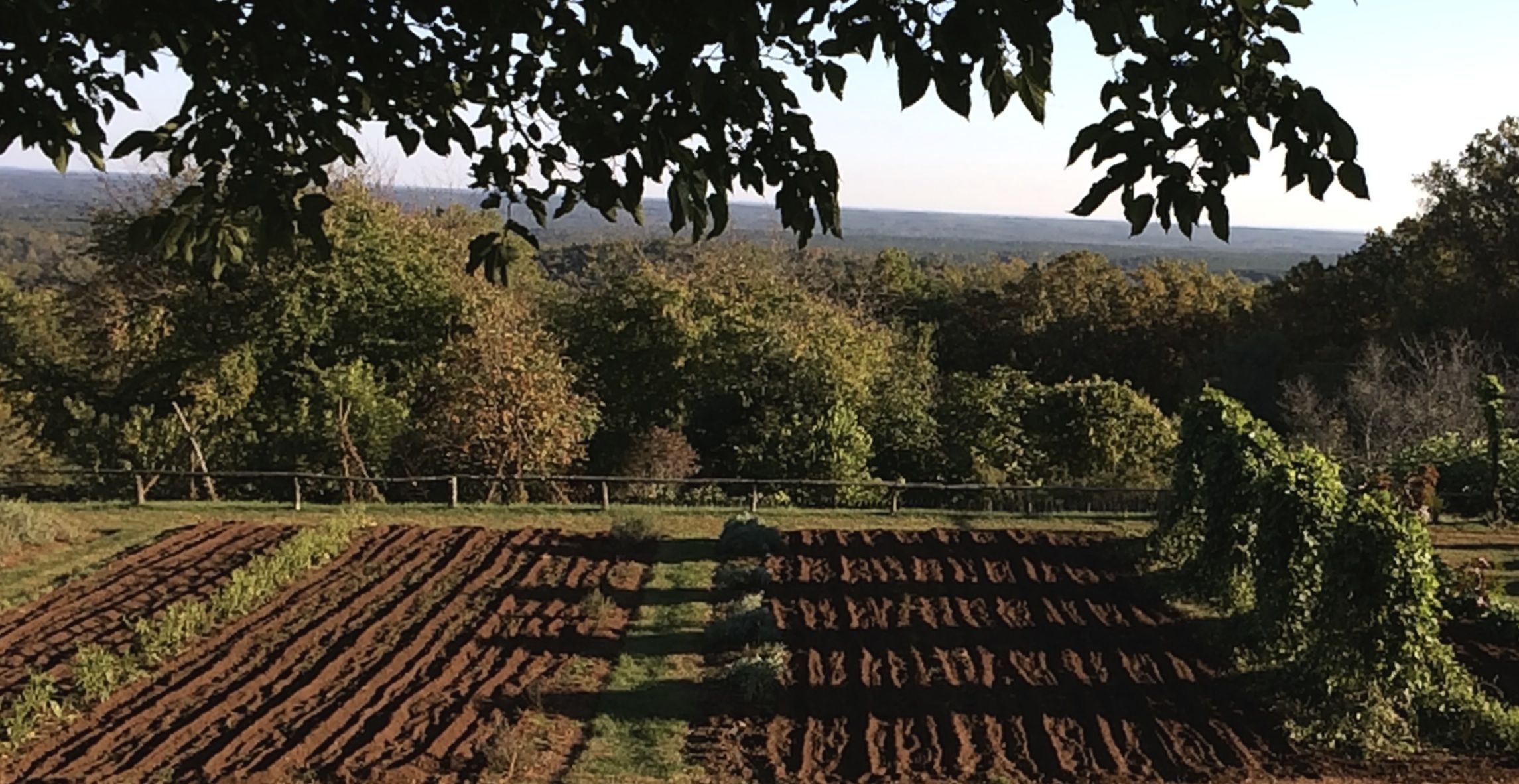
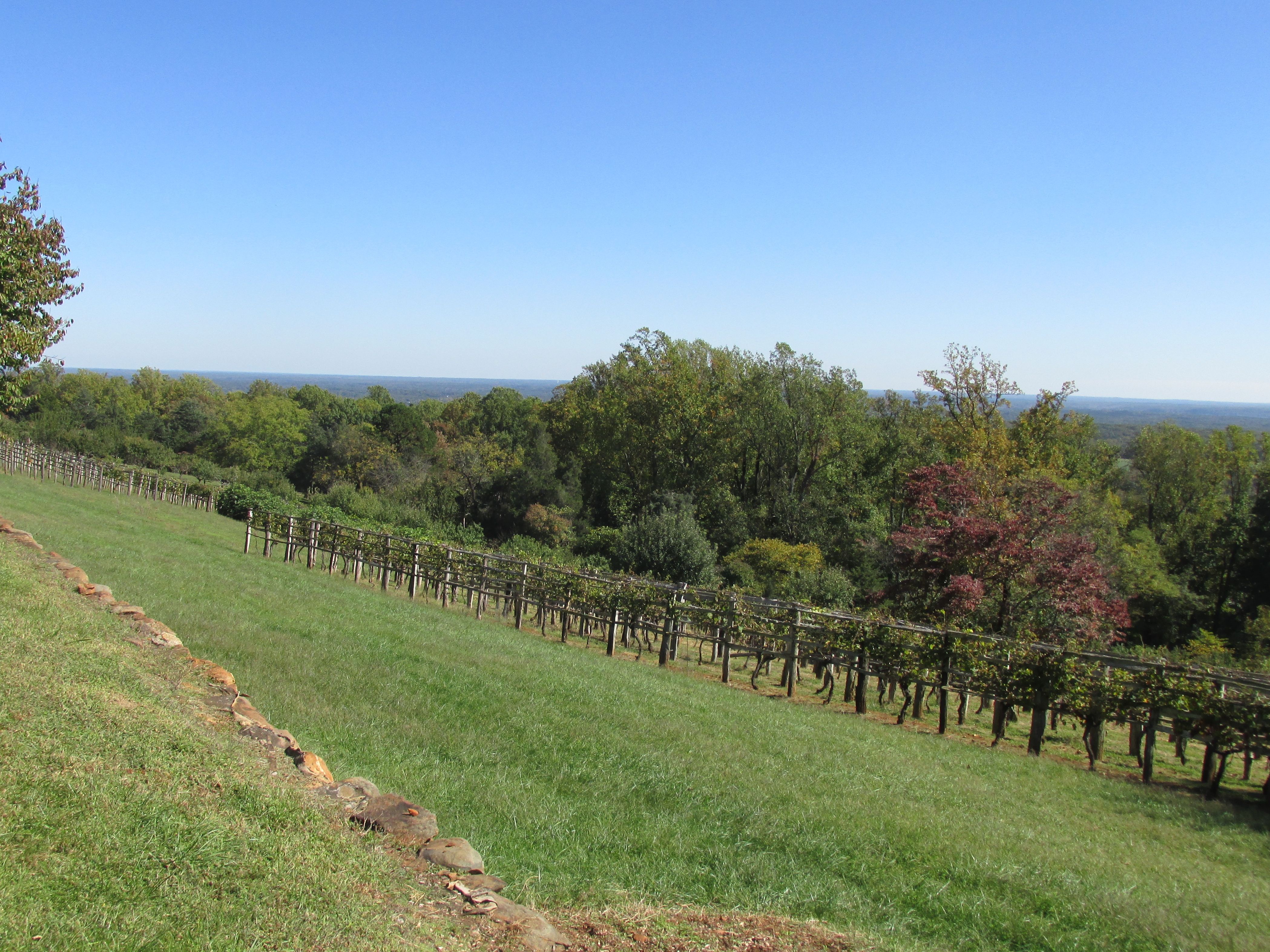
Jefferson was always looking for possible cash crops. He wanted to bring wine making to the New World, and experimented with many varieties. Again, you can make out the stone retaining wall. It helped to moderate the temperatures by absorbing the sun’s heat during the day and radiating it back during the night.
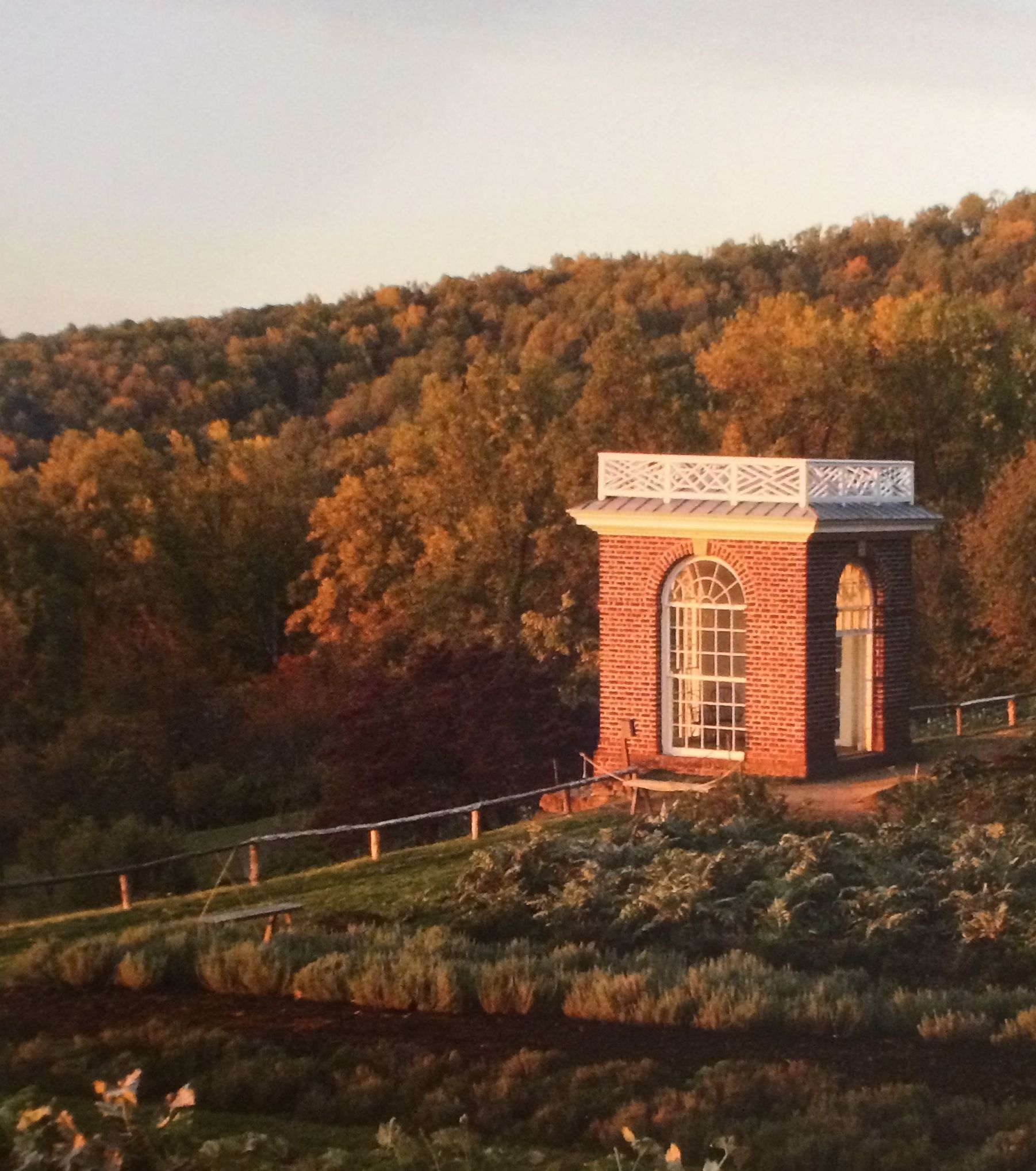
Jefferson enjoyed his garden and agricultural ventures so much that he had a small room built on the wall above the vineyard. He called it is “Observatory” and he could look out over his fields. This structure has been rebuilt.
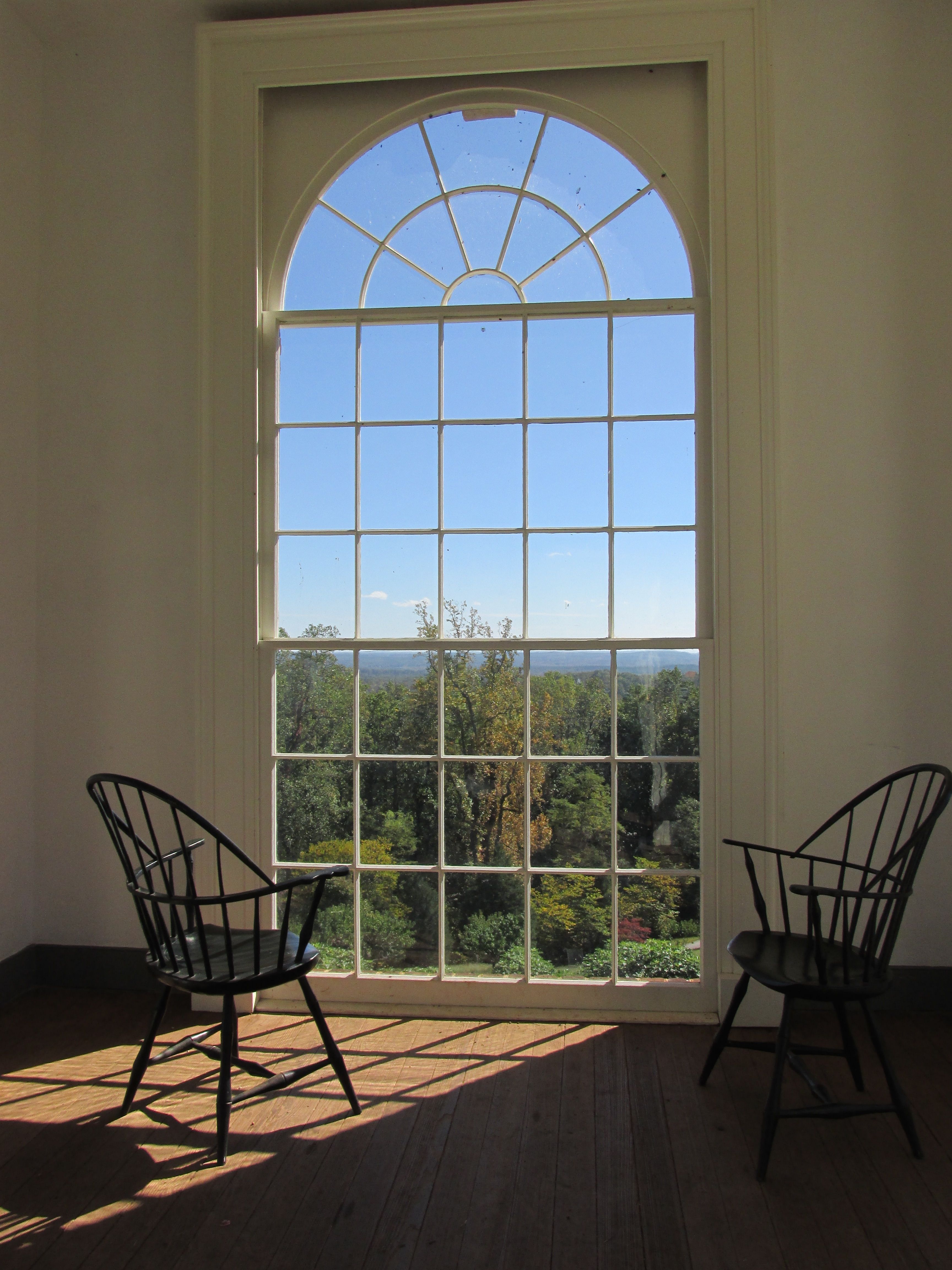
And, finally, it was time for the tour!
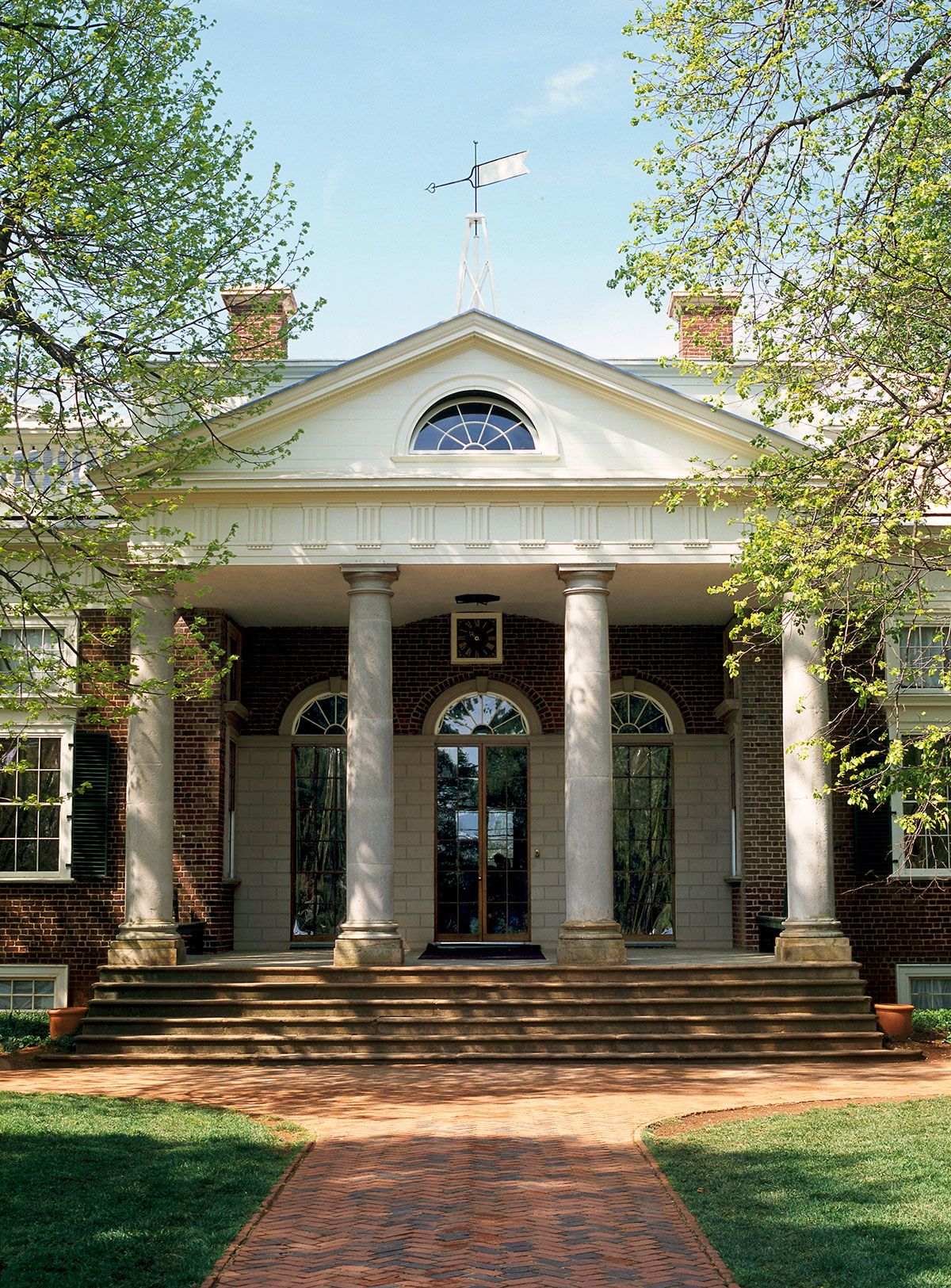
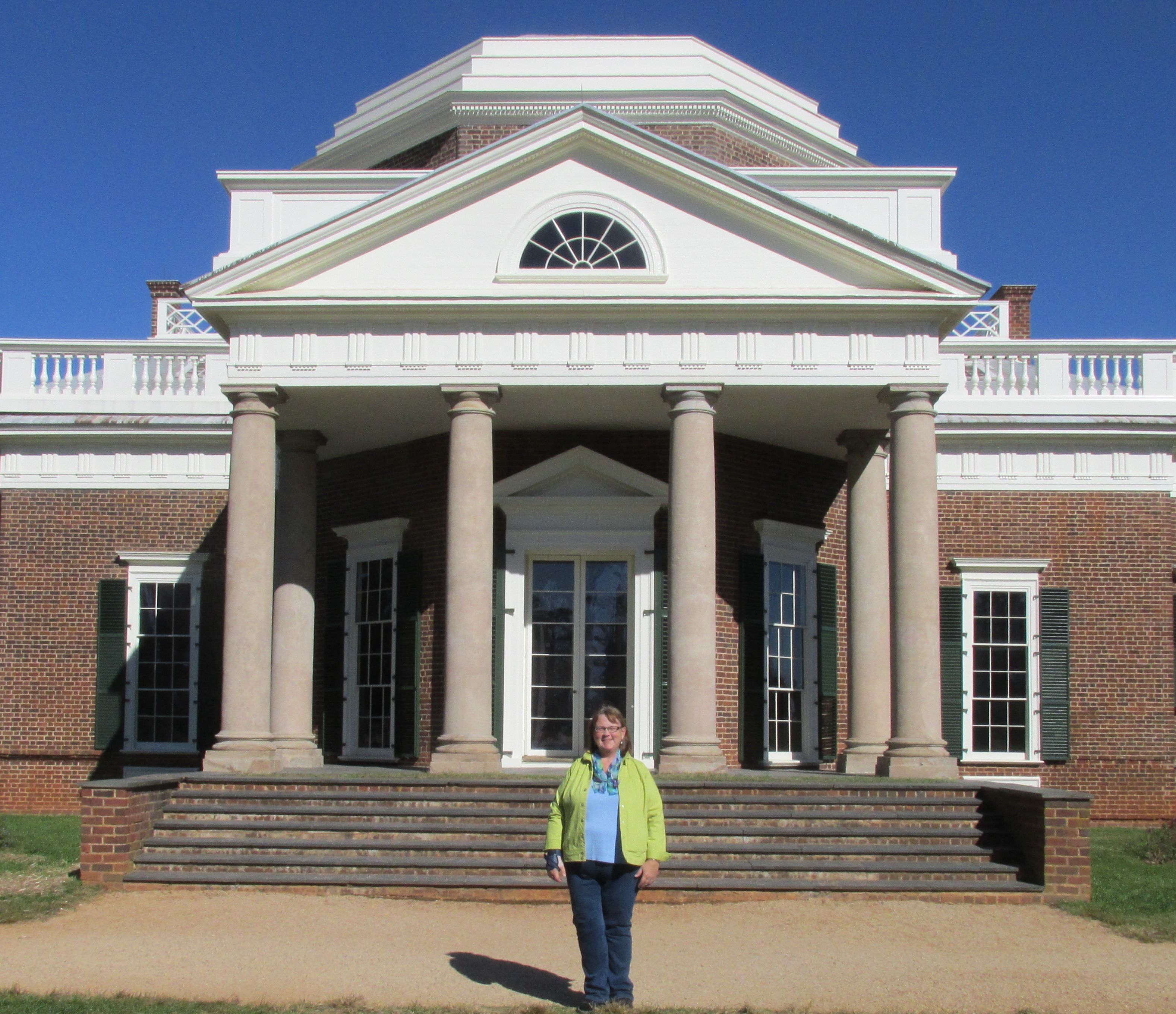
Now, I had to go to the web to find a shot of the entrance. I kept waiting for a chance to get a photo without the hordes of history hounds, but they just kept coming and coming.
And, since no photography was allowed on the tour, the following photos are taken from a booklet I bought in the gift shop.
I doubt if I would have been able to have taken a decent photo anywhere inside Monticello. It was so crowded!
This is the part of Jefferson’s suite that they called his “cabinet”. When they told us that we’d be seeing his cabinet, I envisioned a piece of furniture. It is actually an office.
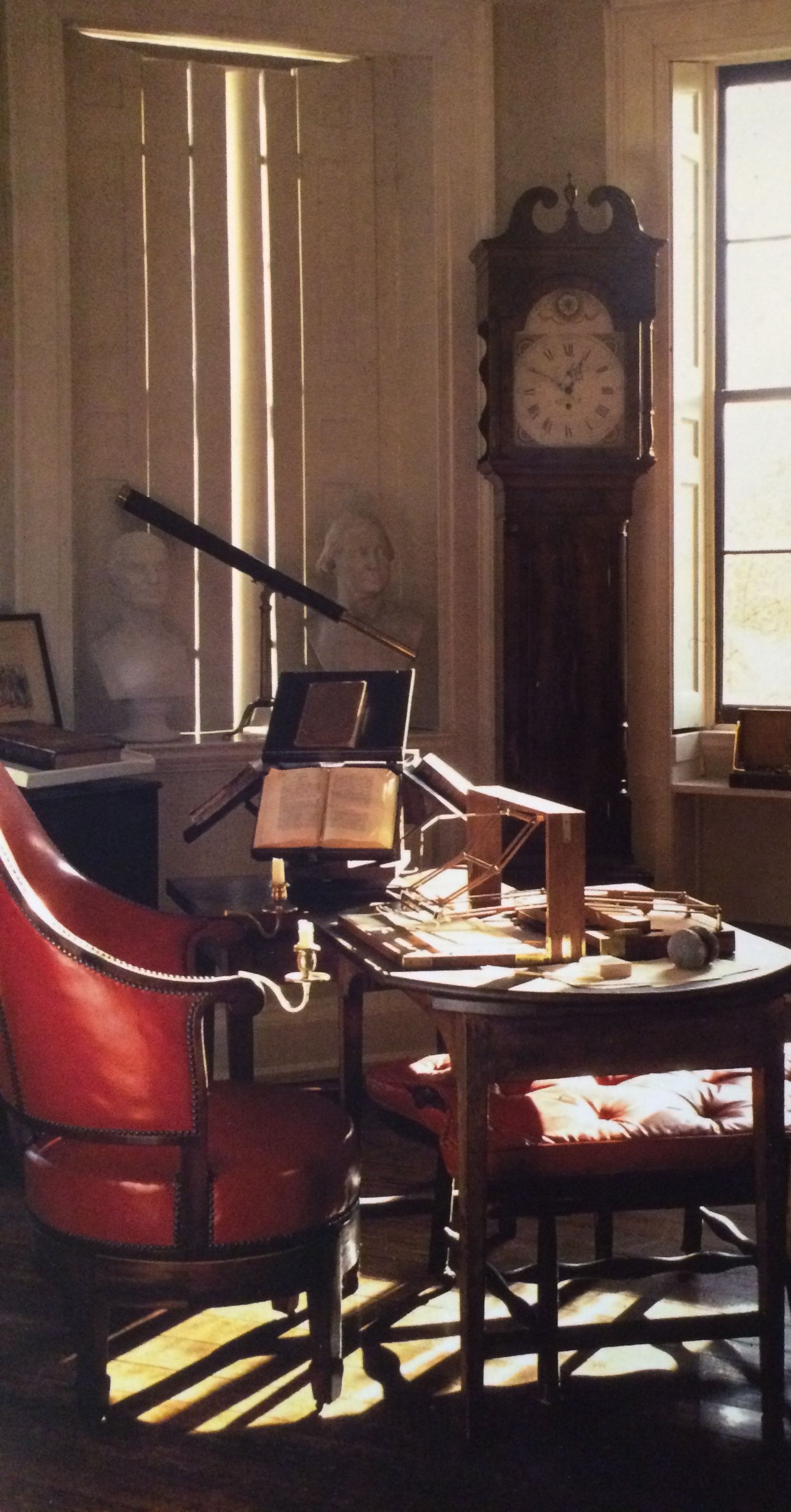
On the table, you can see his polygraph. This was a machine that copied what he wrote. The guide told us that he kept copies of all his correspondence. I asked her what did the copying, and she told me quills and ink. I can’t imagine how that worked. I find it difficult to write with quill and ink.
He was really interested in gadgets. If you look in the corner, in front of the telescope, you see his revolving bookstand. That way, he could keep a number of books in play at the same time.
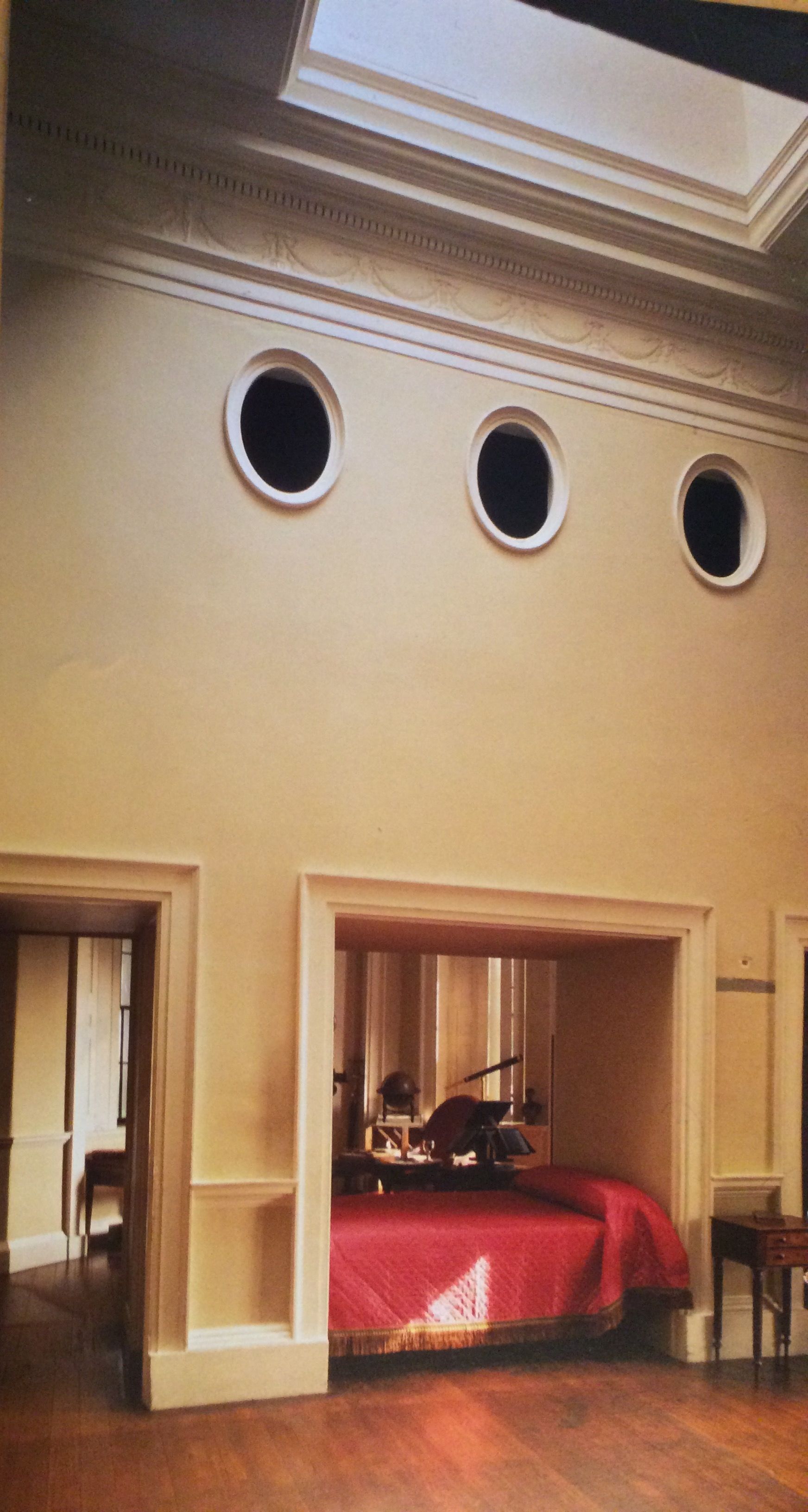
His bed was located in an alcove between his cabinet and the portion of his suite that had the fireplace. There really were not a lot of fireplaces in house of that size. There were eight fireplaces and two openings for stoves on the main floor.
Jefferson was really interested in allowing light to stream through the house. There were lots of windows and skylights. There weren’t any storm windows and the house was on top of a mountain. It must have been a chilly place to live. Our guide pointed out a painting of Jefferson where he was wearing lots of layers.
Those oval windows in the wall above his bed were there to let light into his closet for clothing he wasn’t wearing at the moment. The windows were necessary for ventilation as well as light. It wouldn’t have been a good idea to take open flames into a clothes closet.
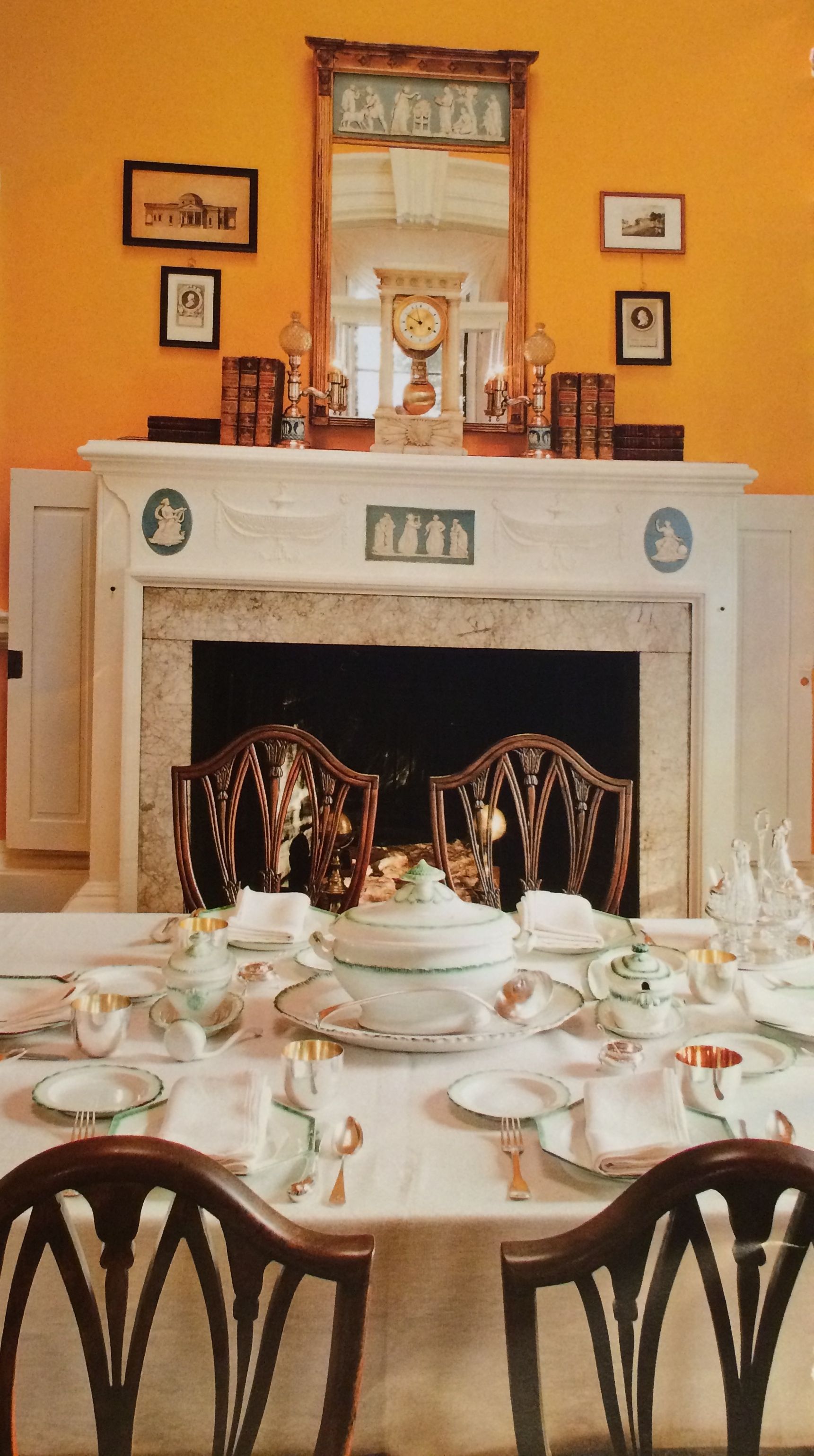
Wouldn’t it have been wonderful to have dined with Jefferson in this room?
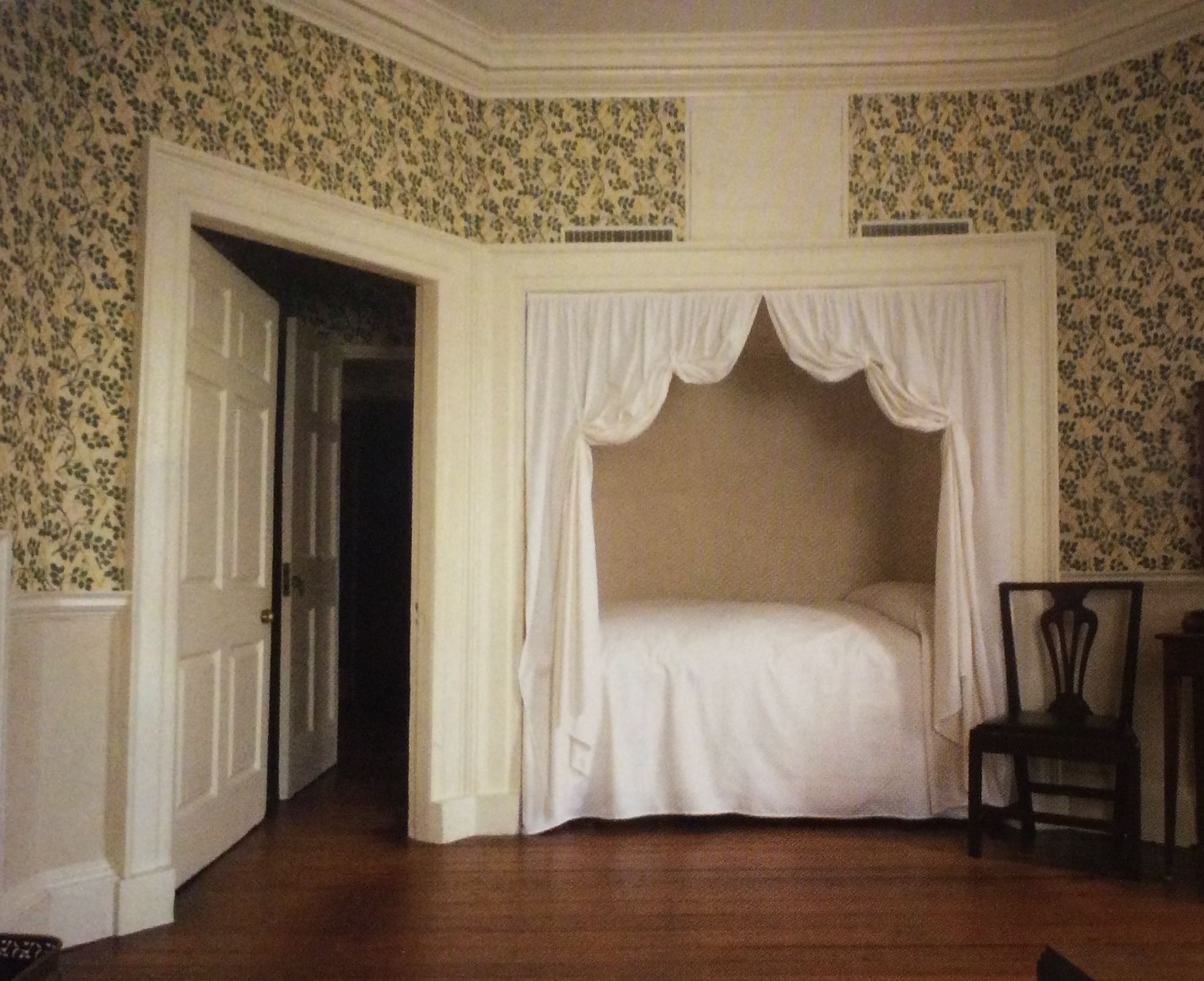
When guests would come to stay, they really came to STAY. This room was set aside for James Madison, who was Jefferson’s Secretary of State, and his wife, Dolley. Of course, I do imagine other people used it when they weren’t there.
When we signed up for the tour, they warned us that there would be stairs. Lots of stairs. Steep stairs. Narrow stairs.
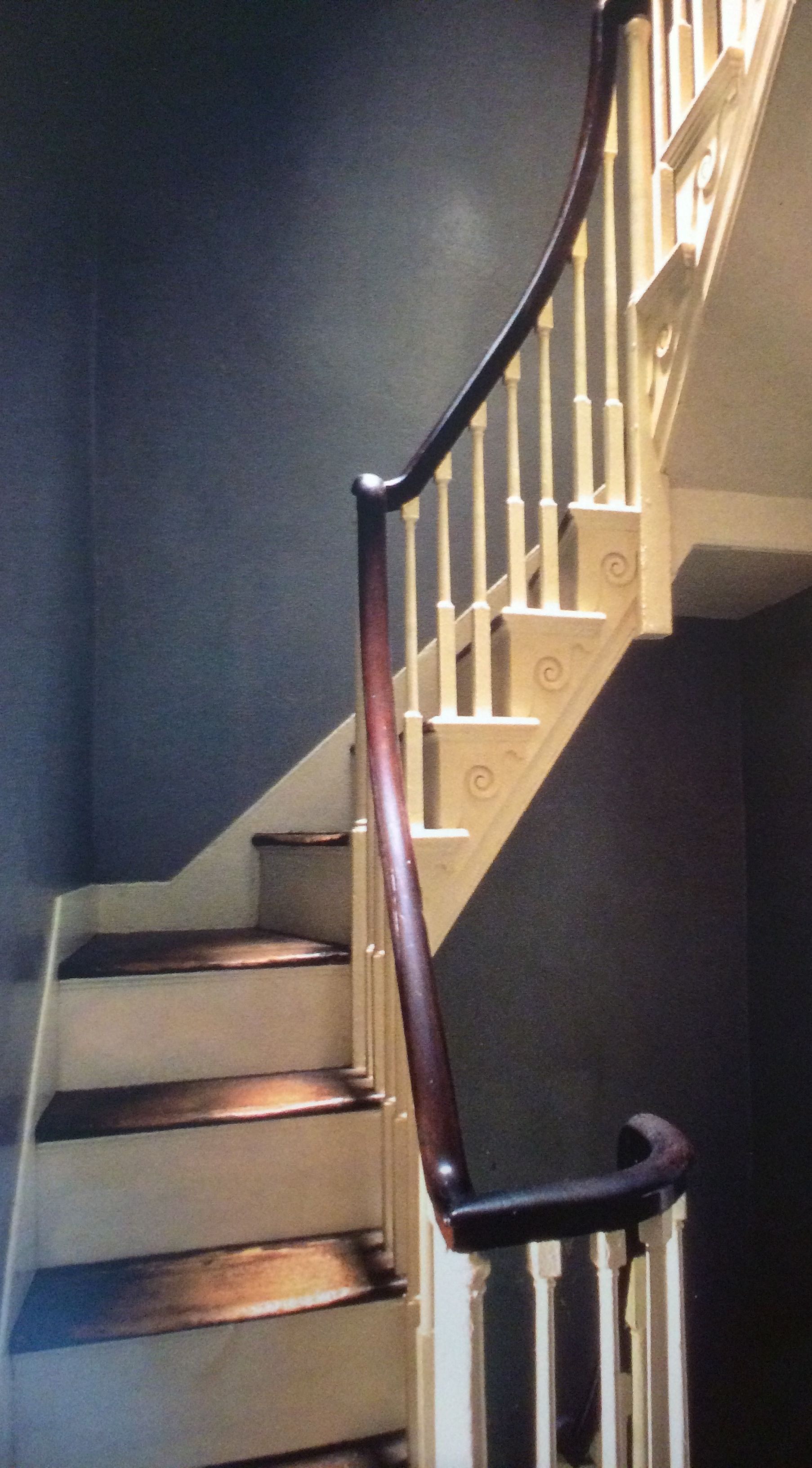
They did not disappoint.
One of the highlights of the tour was the Dome Room, which Jefferson sometimes called the “Sky-room.”

The round skylight in the center is called an oculus. These days, it is filled with hand-blown glass. When Jefferson lived here, it was covered with wood. He hadn’t gotten around to glazing it.
One other amazing thing the guide told us is that there is only one recorded instance of Jefferson ascending those stairs. And, in spite of the fact that the dome is one of the most notable features of the building, this room was rarely used. Records suggest that it was used as a bedroom by a grandson, a playroom for the children and for storage. Two of the granddaughters used a closet off the Dome Room as their private hideaway. They carved out a little private space for themselves.
Their little hideaway as behind the semicircular window you see here.
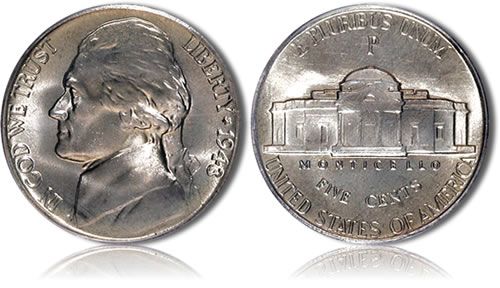
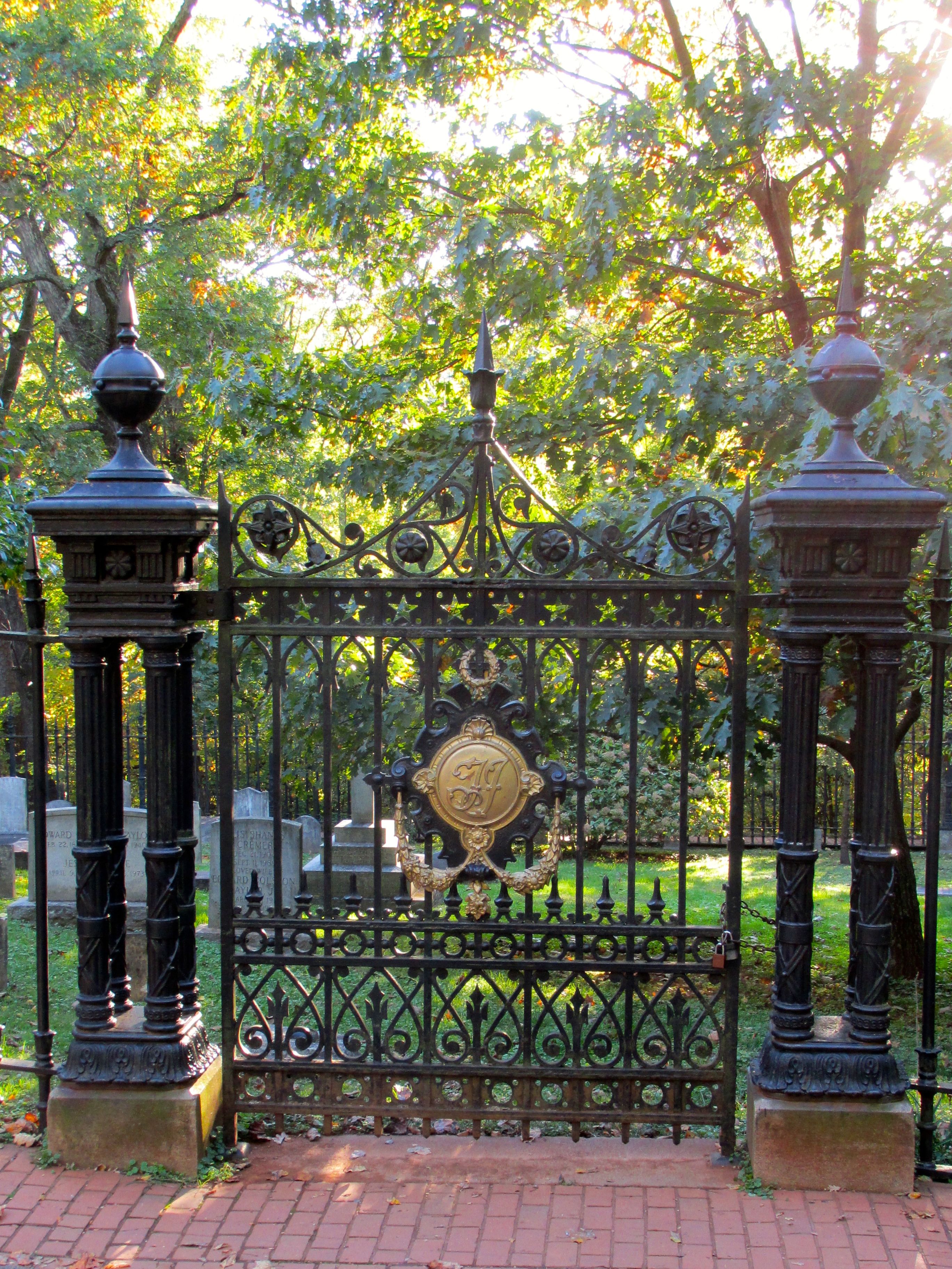
After that, I wanted to visit Jefferson’s grave before heading home. I followed the signs and came upon the graveyard that still belongs to the Jefferson’s descendants and is still active.
They decide who is to be buried there. Descendants from Jefferson’s union with Sally Hemings have not been allowed so far.

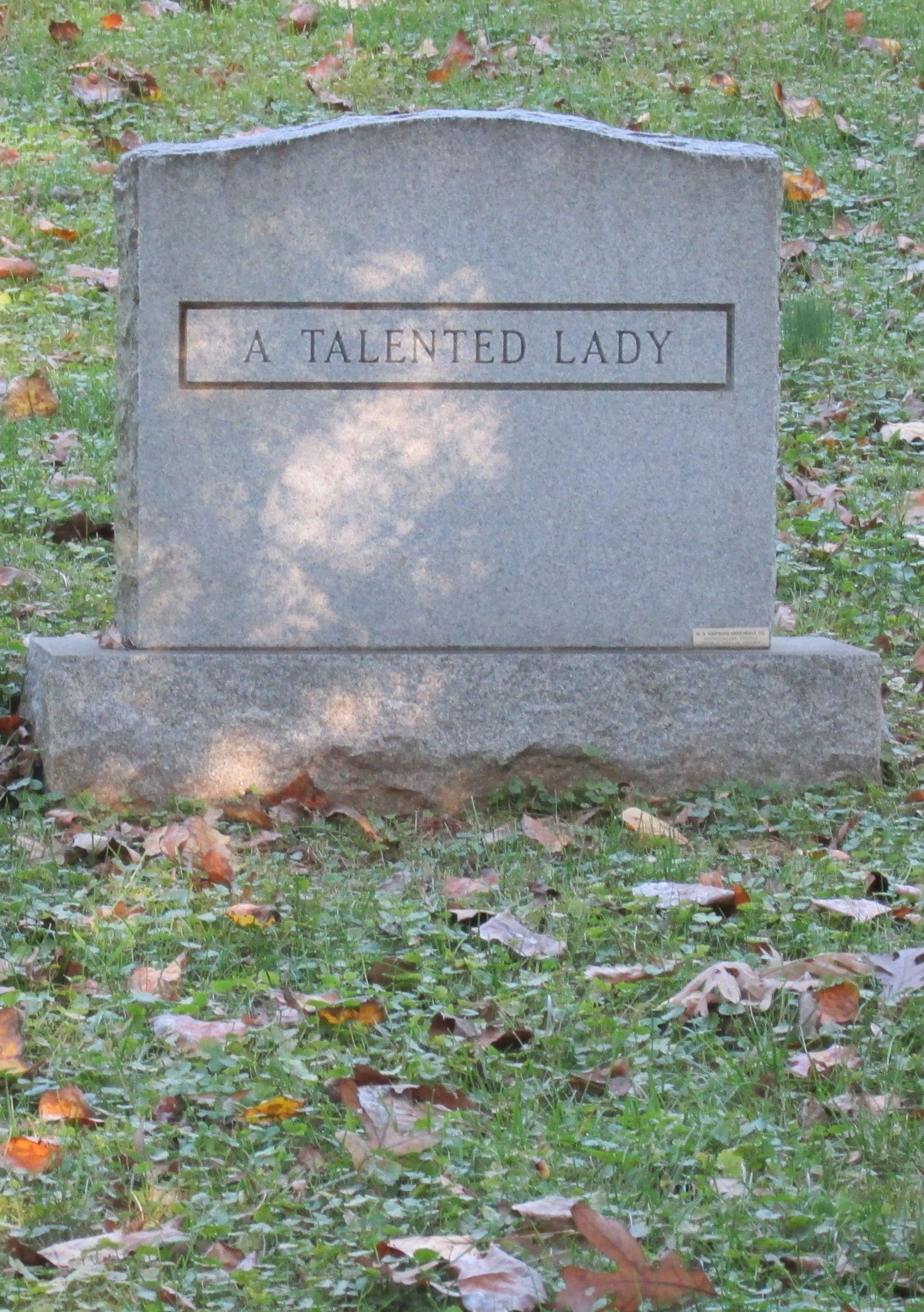
While Jefferson’s grave was inspiring, this one was my favorite. The name of the person is on the other side, but I like her description.
I decided to enjoy the beautiful fall day and walk back to the visitor center rather than wait for the shuttle bus.
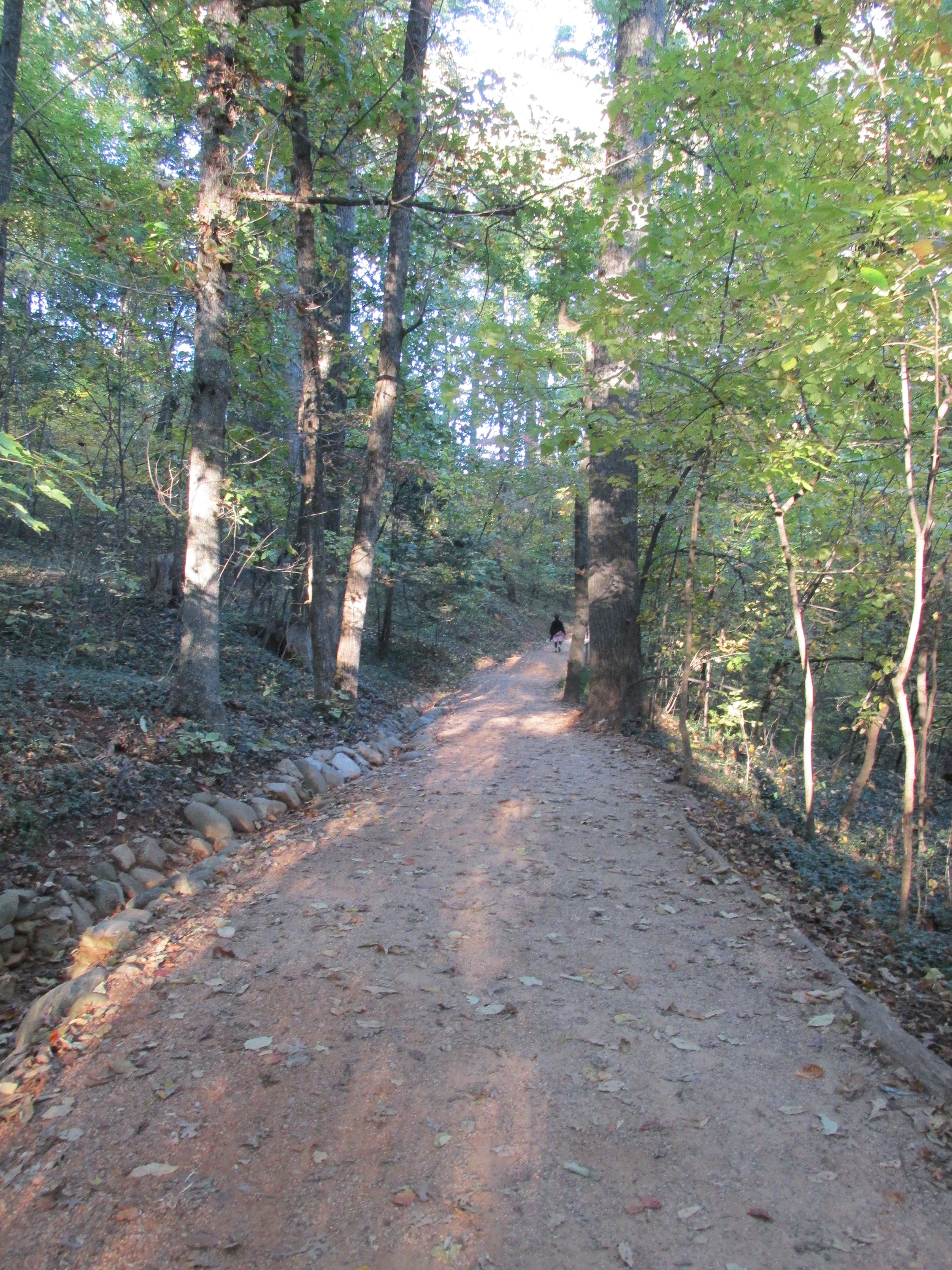
Note to self: sandals and gravel paths do not go well together.
Luckily, there were benches along the way where I could stop and empty out the stones.
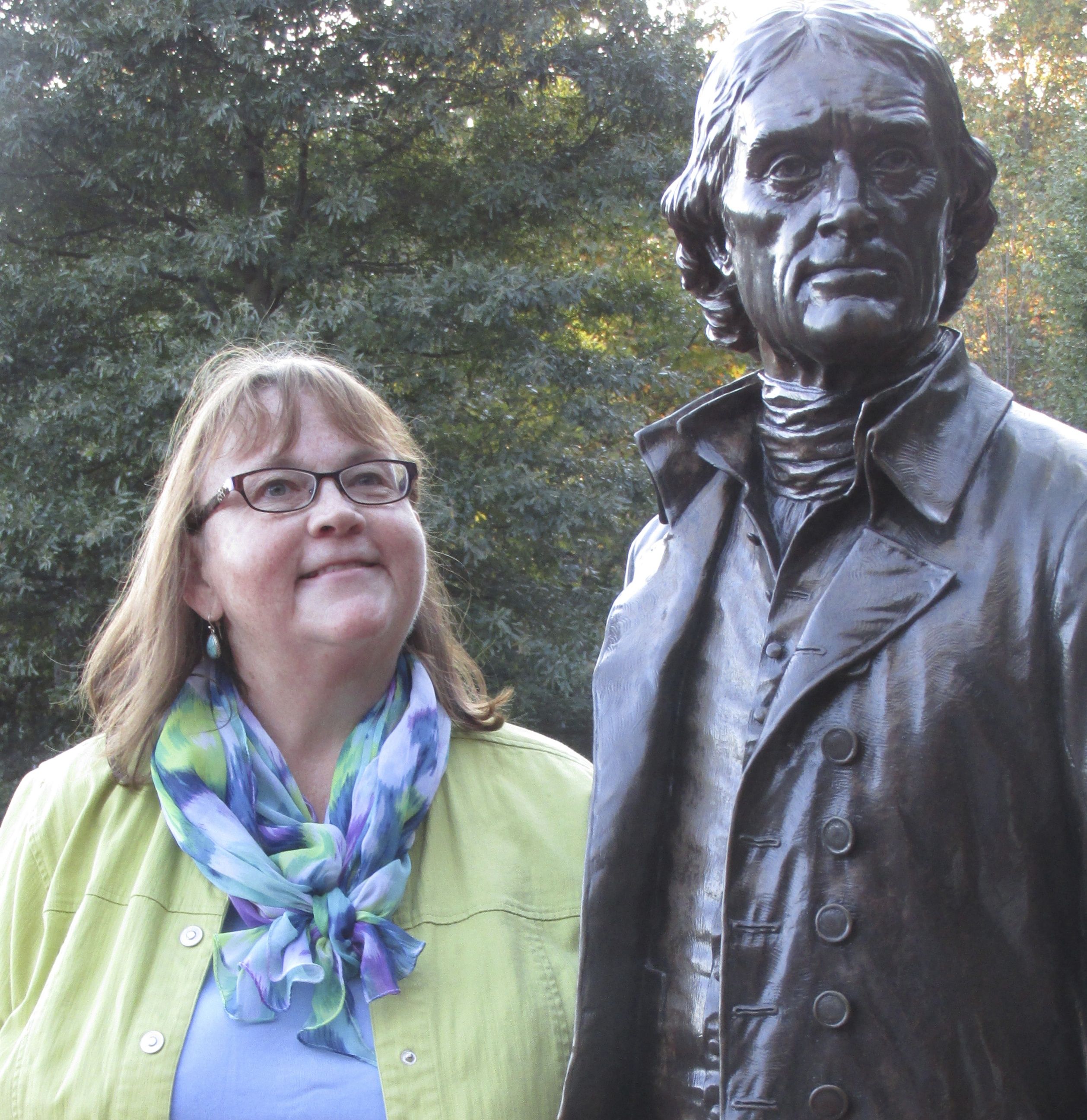
I stopped in to the gift shop and picked up that booklet I took the interior photos. Fittingly, this is the bill I received in change.

I had one more stop before I left. I needed to visit the graveyard for the enslaved workers.
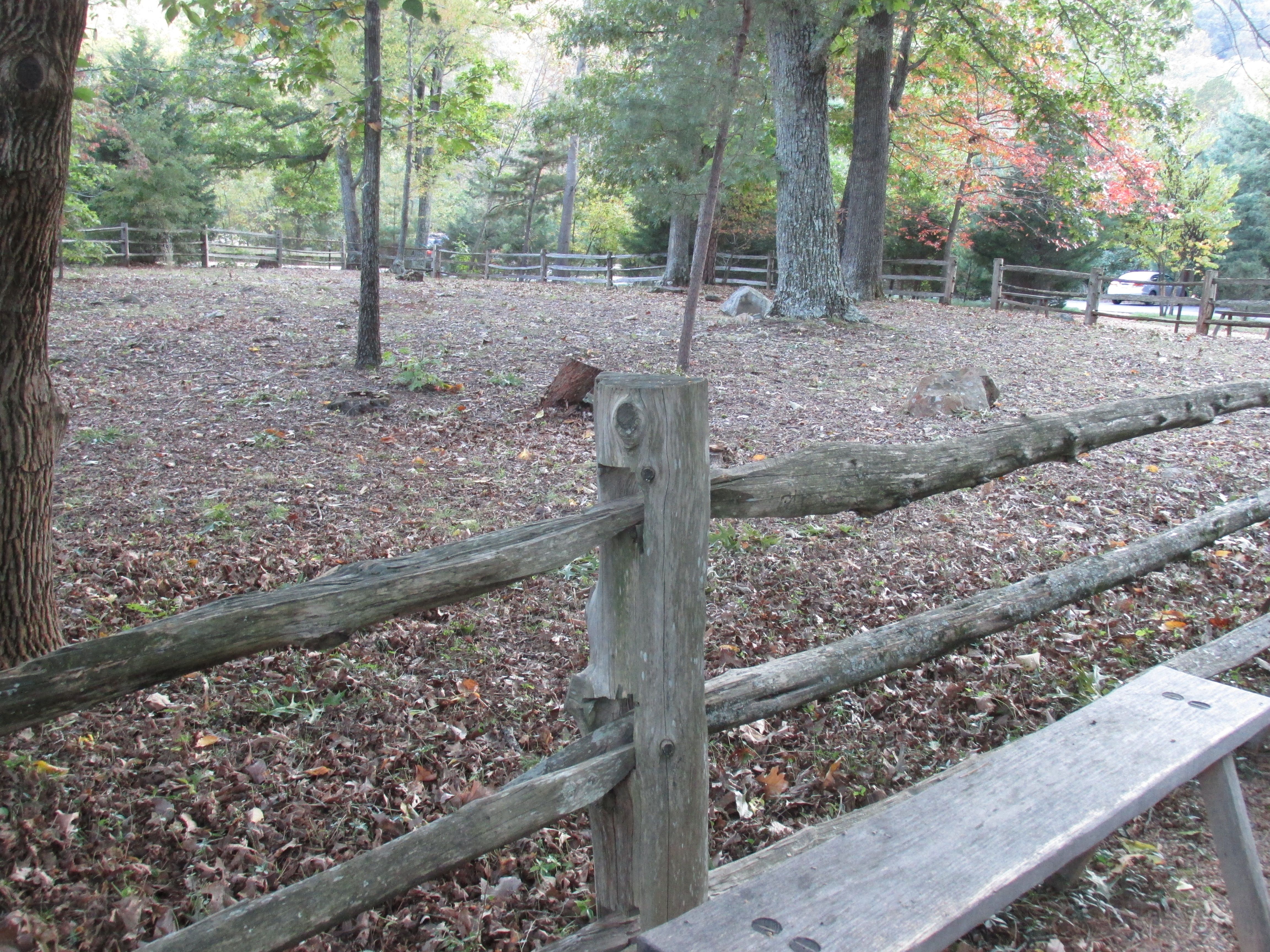
A sad note to end the tour.