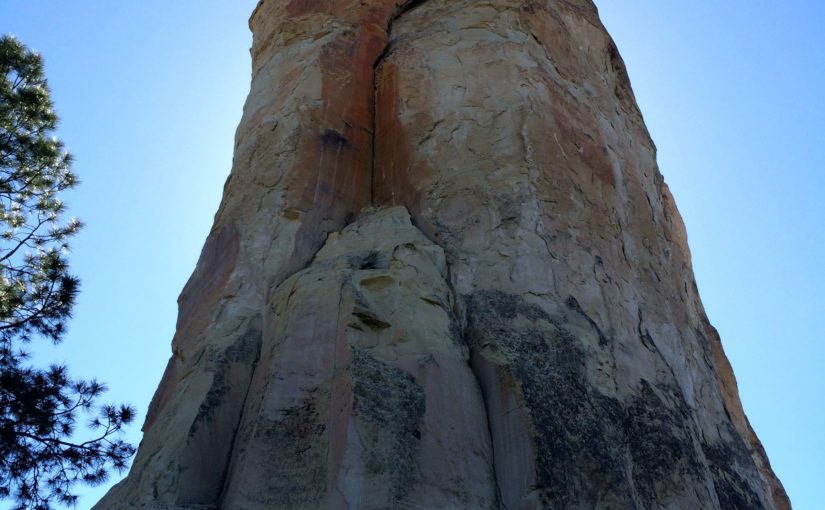
While I was in Gallup, I went for a drive out to El Morro National Monument.

I thought I knew a lot of obscure Spanish words, but apparently I still have a few to learn. “El morro” means “the headland.”
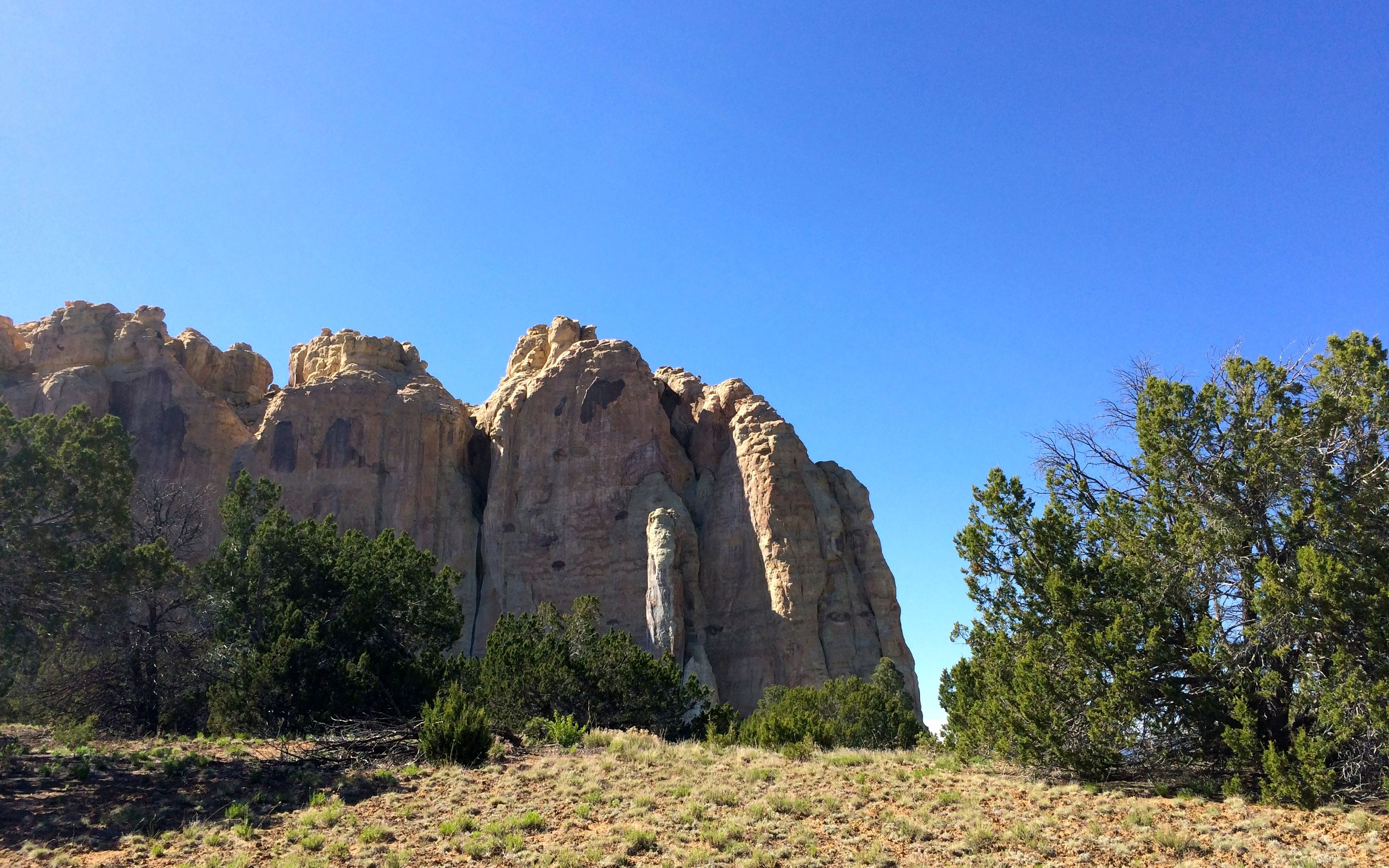
There are plenty of splendid rock formations in the area. What makes this one special is that was pool of water at the base of the rock.
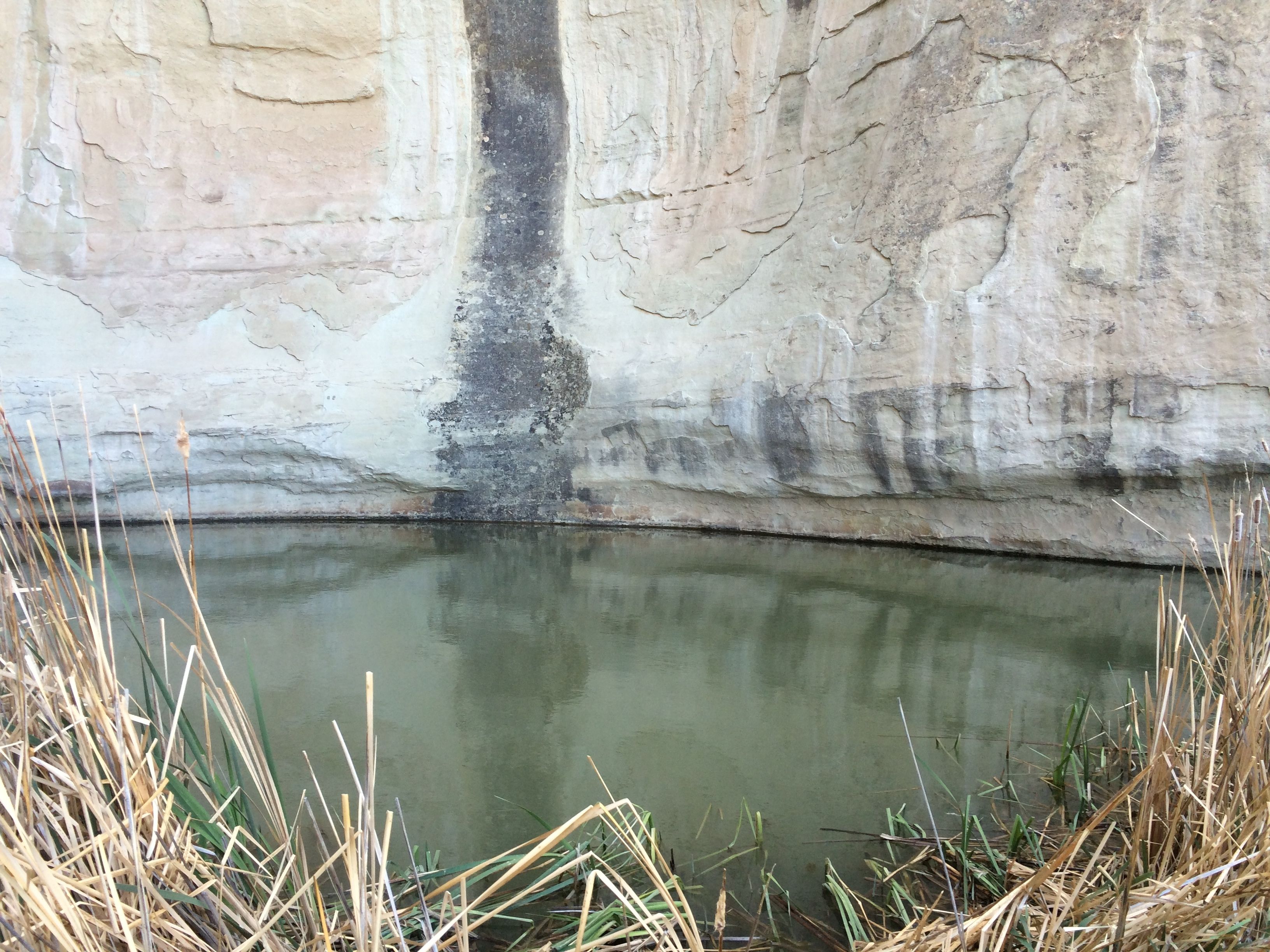
This feature has made it a valuable location down through the ages. On the top of the bluff are the ruins of Ancestral Puebloans and they must have used this pool. It isn’t a spring, rather it’s a catchment basin that collects run off from rain and snow.
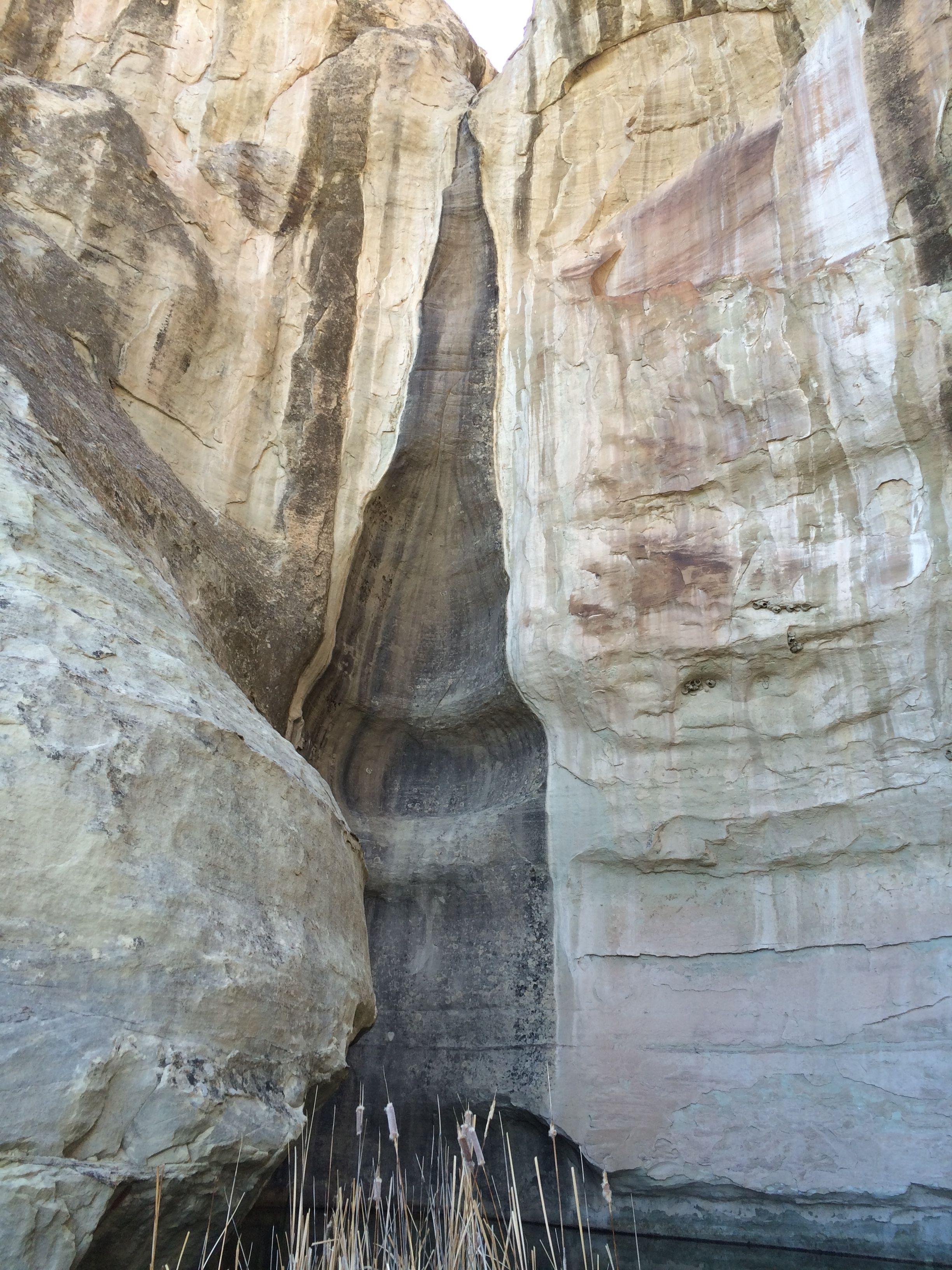
You can see where the water has been trickling into the pool for years and years.
The water is the big draw here, and the rock formation is kind of like a guest book for the people who have passed through over the years.
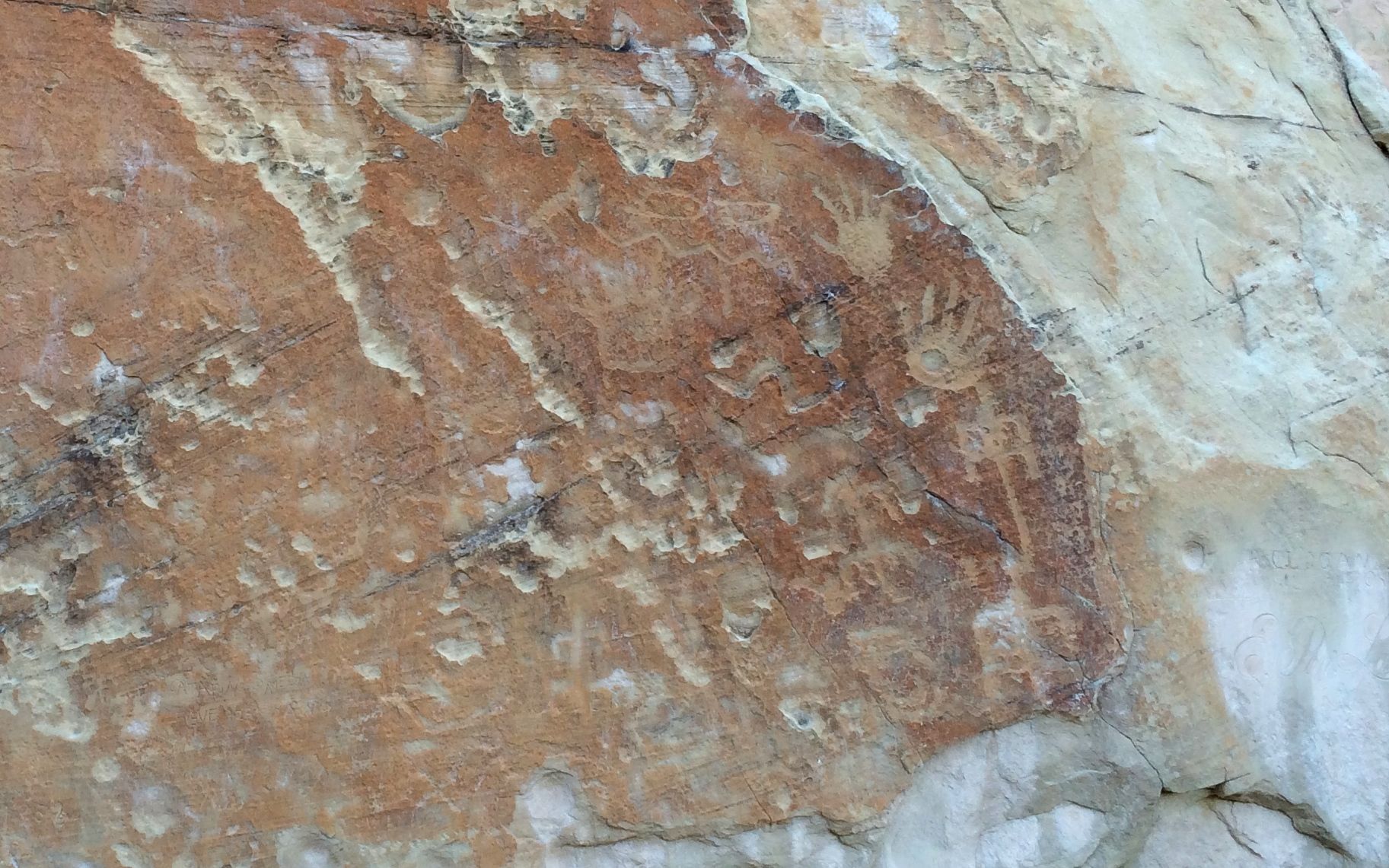
The Ancestral Puebloans left their marks.
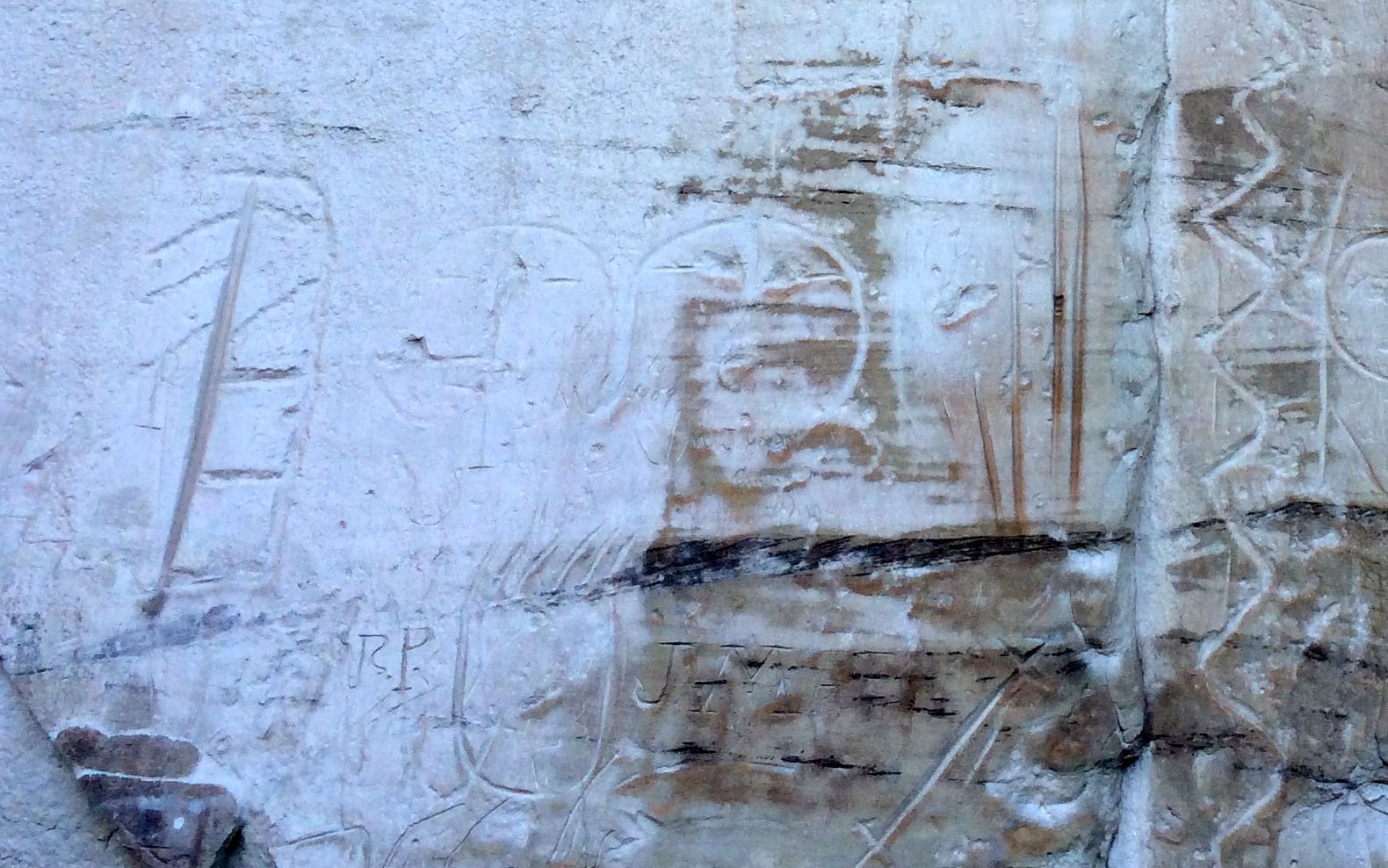
At the bottom, just left of center, you can see a bear claw. To the right side, you can see a zig zag line, which I have had several people at other petroglyph sites tell me represents a snake.
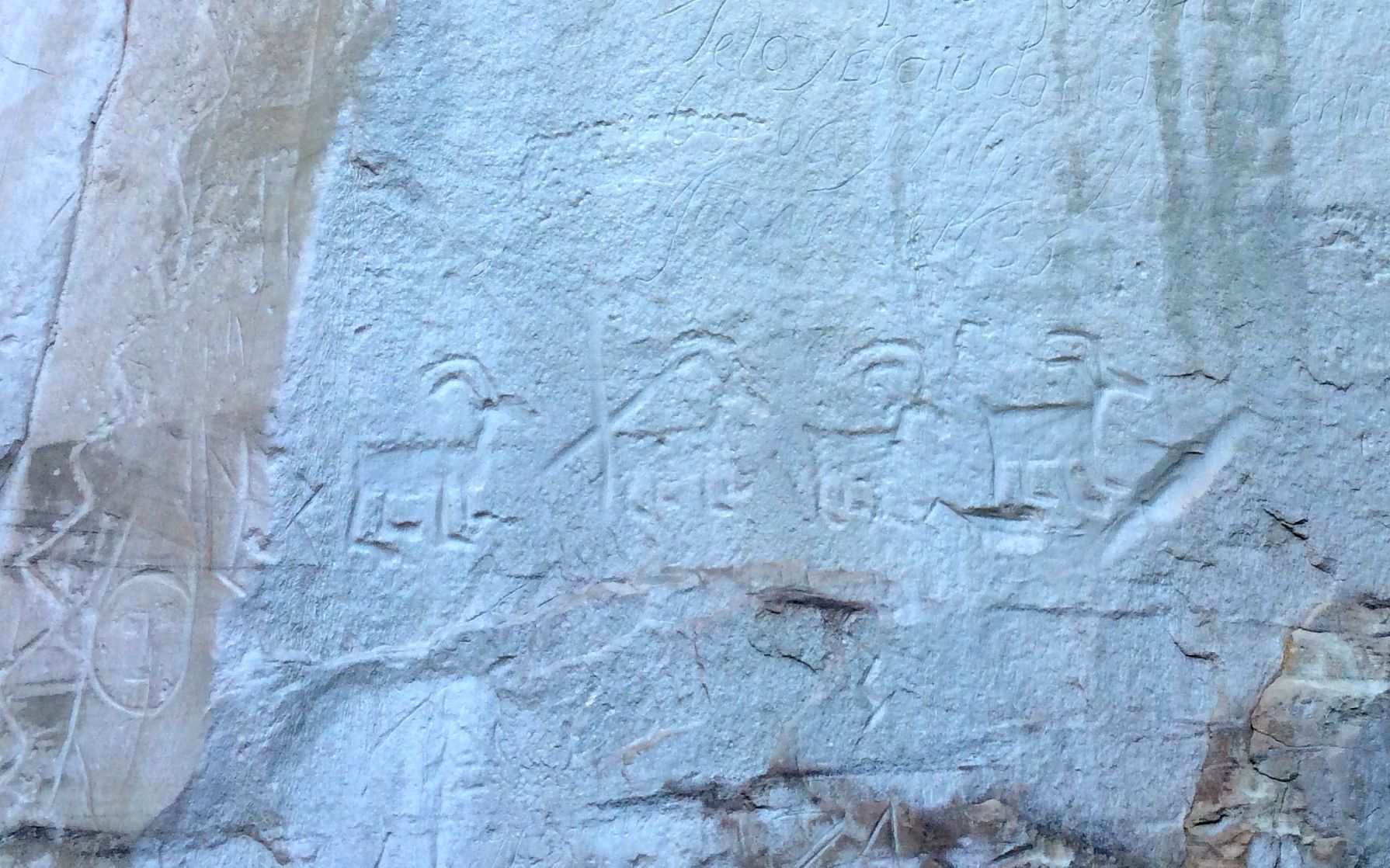
They even put up pictures of big horn sheep!
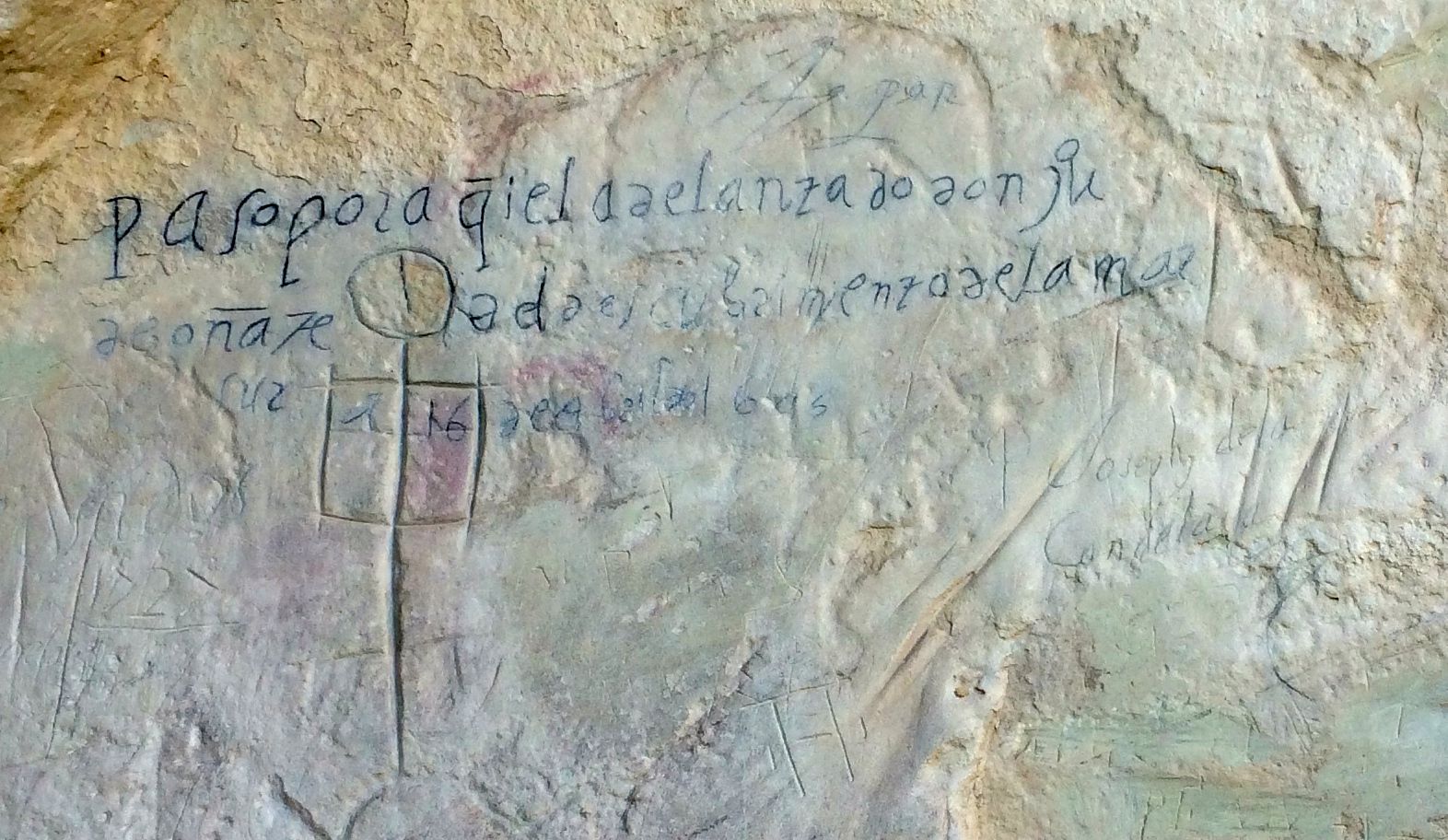
This signature was put on the rock in 1605, which was fifteen years before the Pilgrims landed on Plymouth Rock. The Spanish were exploring the area.
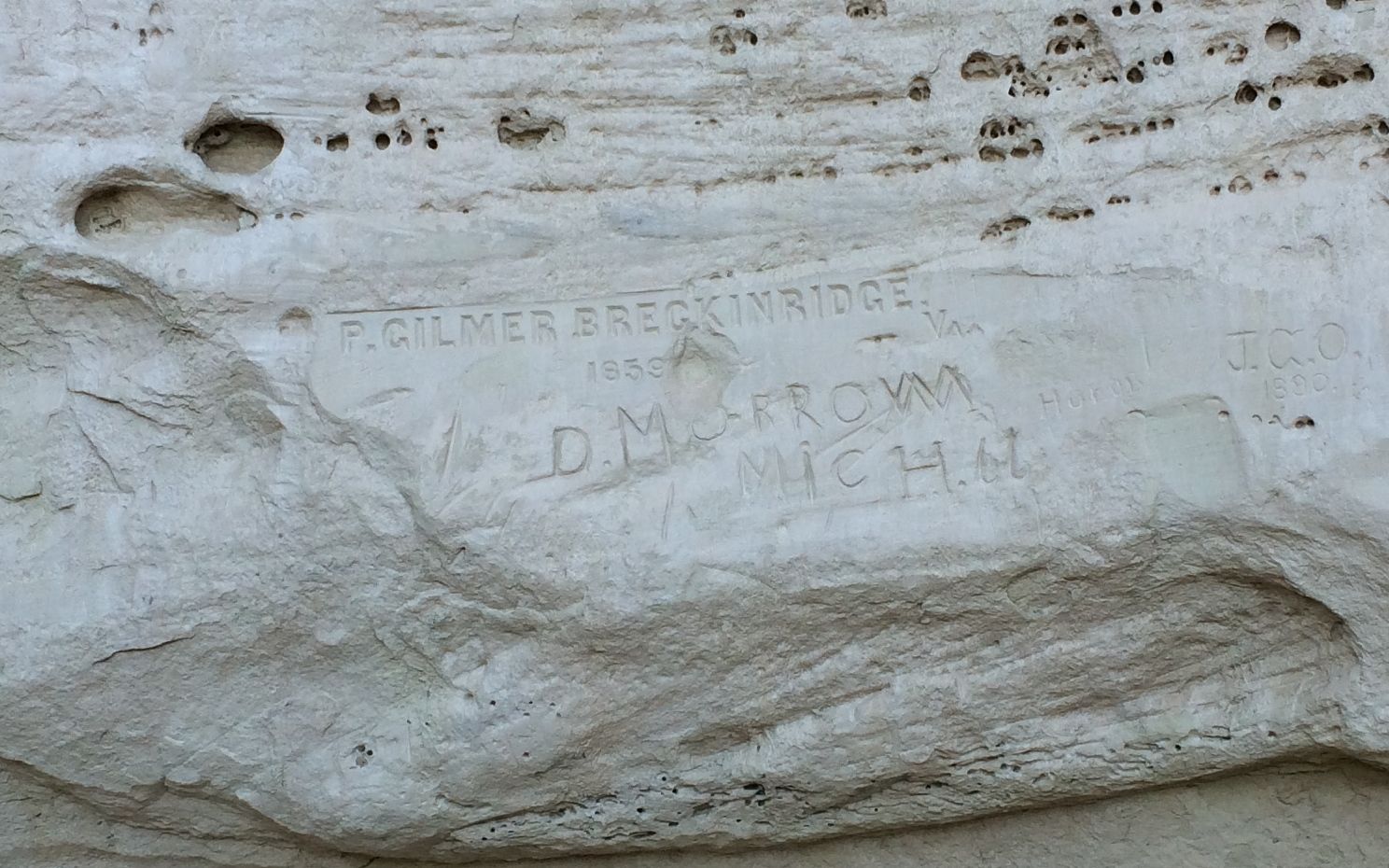
P. Gilmer Breckinridge – otherwise known as “Peachy” – passed through in 1859. He was part of an Army experiment to use camels in the desert. According to the ranger, the Army thought that the camel experiment was a success and, but the Civil War intervened before they could implement the program. The camels were kept at Camp Verde in Texas, and the Confederates captured them at the beginning of the war. Most of the camels were sold at auction to zoos and circuses, although some of them escaped. Some of them were spotted in the wild up through the 1900s.
Just under “Peachy’s” signature, is the signature of D. Morrow from Michigan. He passed through in 1866 on his way to California. He returned to the area and became one of the area’s leading ranchers.
Peachy returned to Virginia and served in the Confederate Army during the Civil War. Unfortunately, he was killed in 1863 during a skirmish at Kennon’s Landing in Virginia.
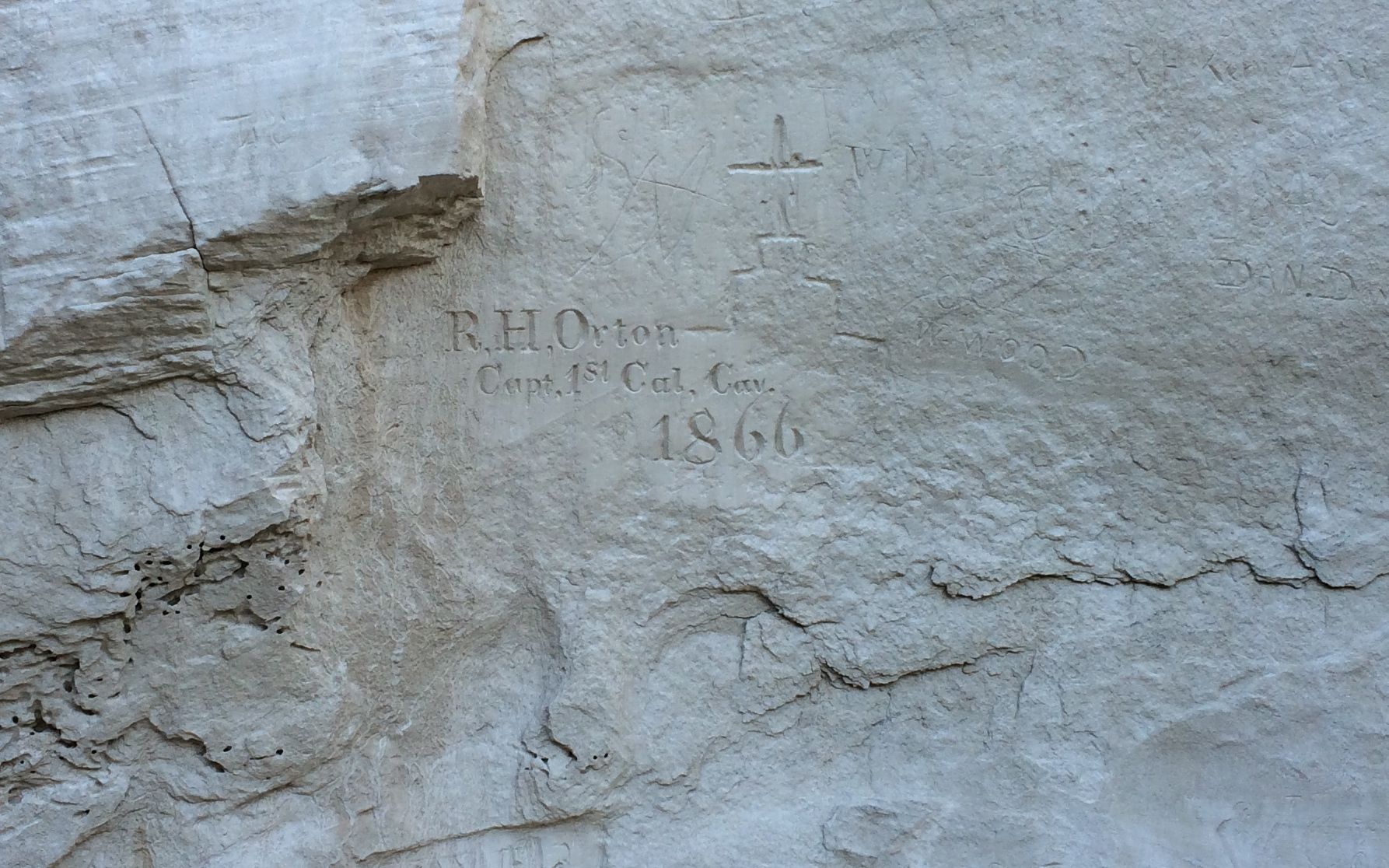 RH Orton Capt1st Cal 1866
Captain Orton served in the Union Army during the Civil War. Later he served in New Mexico, and most likely made his inscription on his war to California, where he served as the adjutant-general.
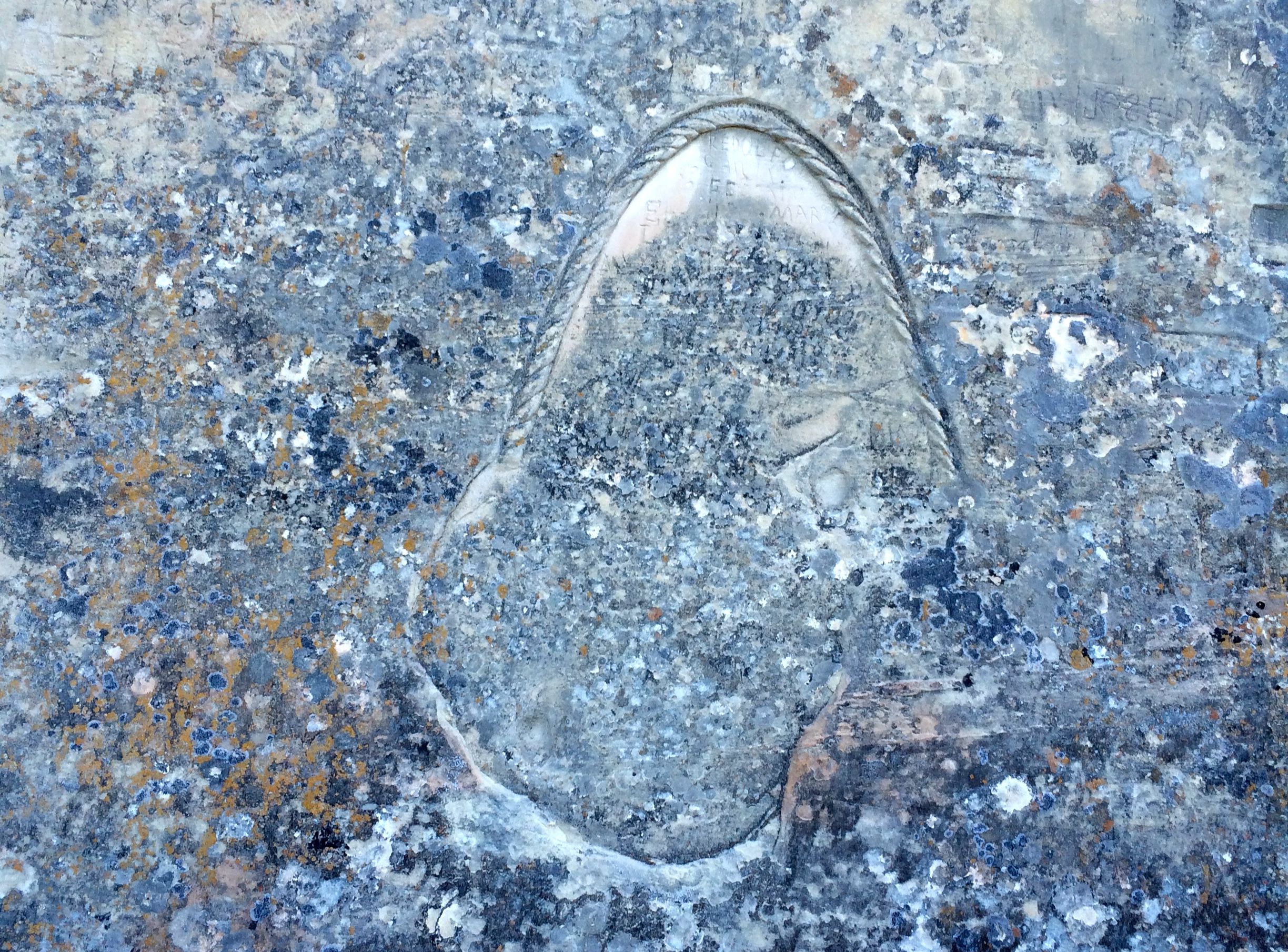
I asked the ranger about this inscription, too. He seemed to think it was made by someone connected with the railroad. The railroad passes quite a few miles to the north, so perhaps they were in the area scouting for a route.
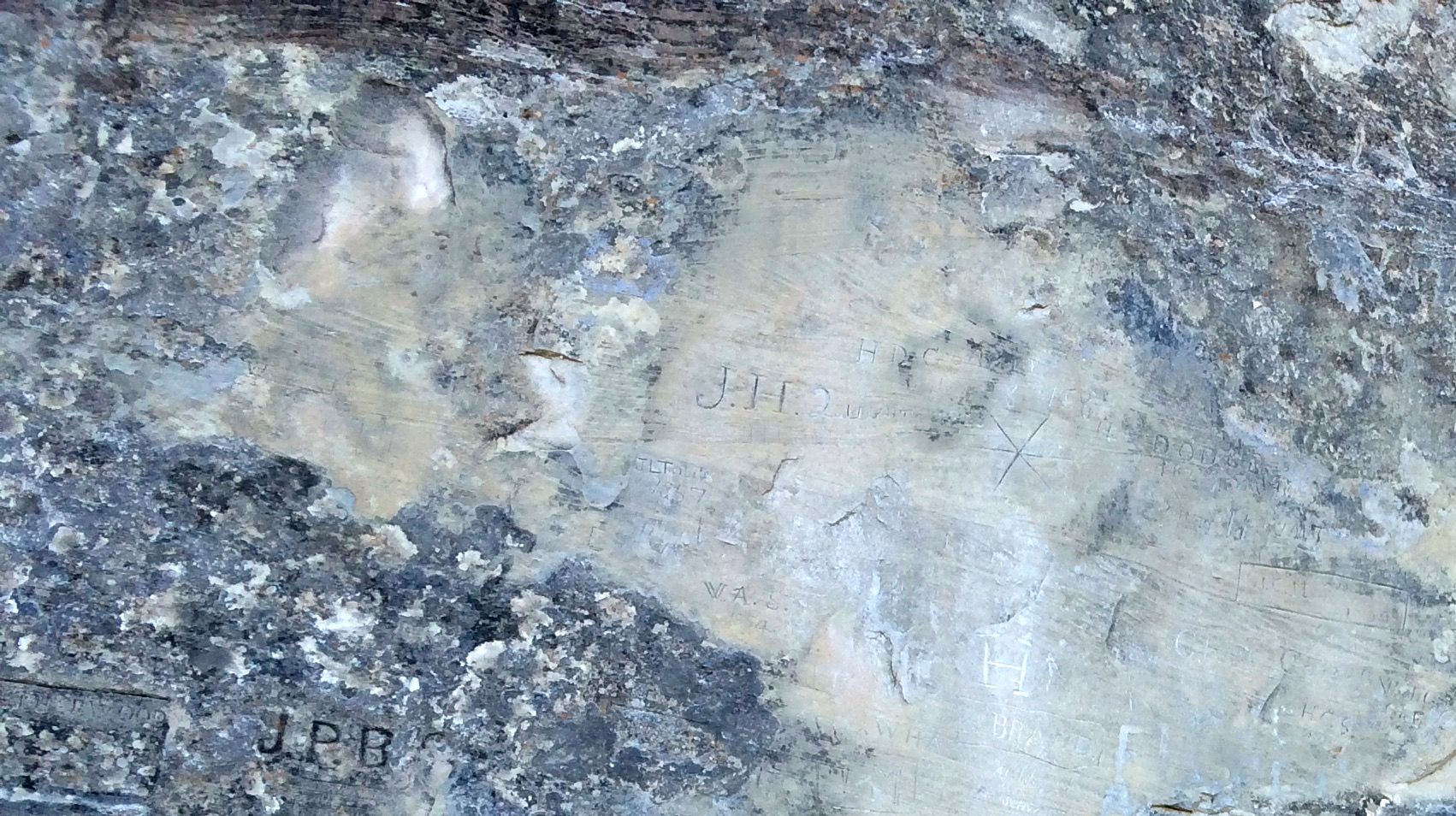
A great many of the 2,000 signatures on El Morro are fading away. The ranger told me that the first superintendent of was very aggressive about preserving the signatures.
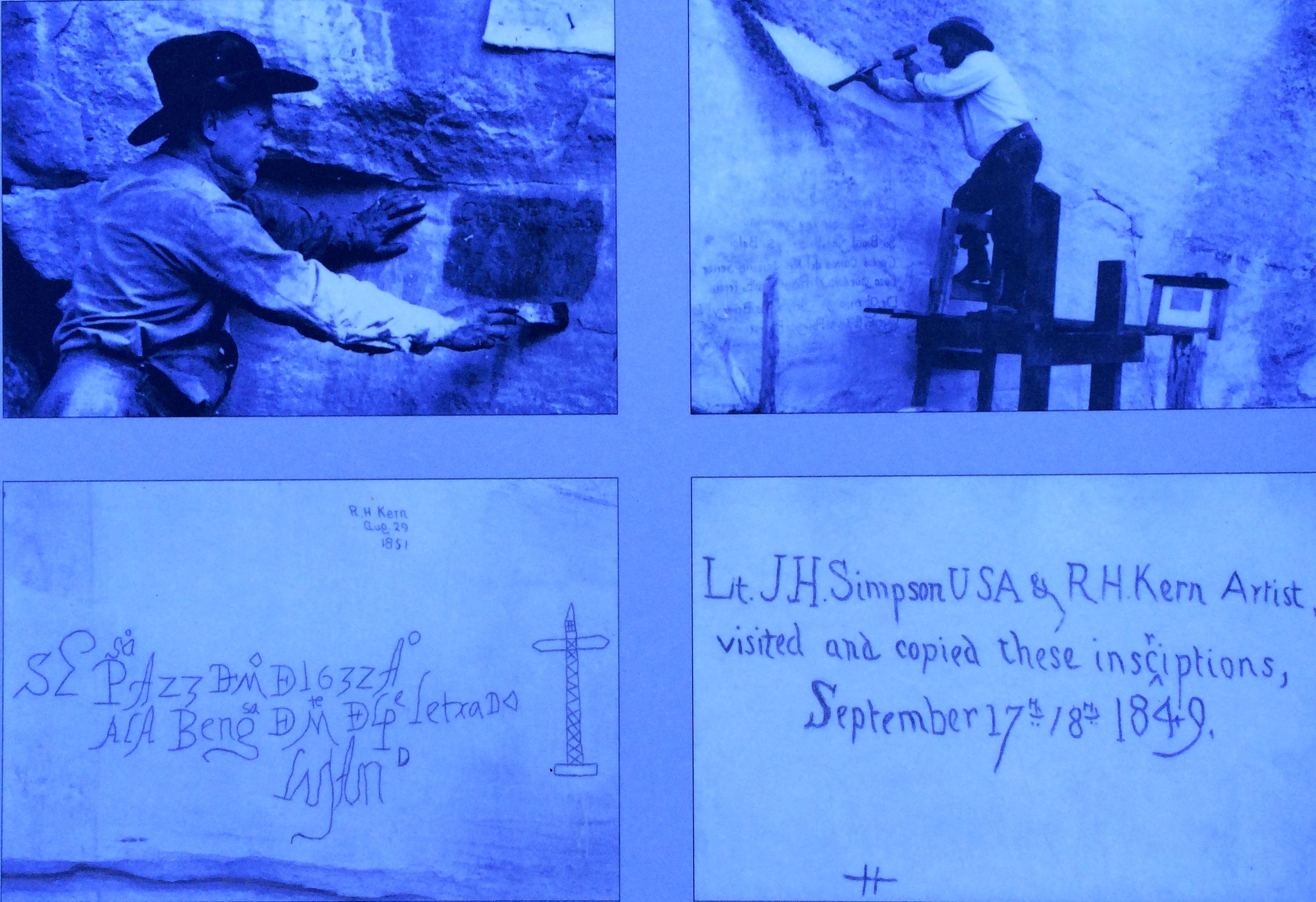
He had the signatures deepened. He also used hard black pencils to trace over some of the signatures. He tried coating them with paraffin and carved little gutters to channel water away from the carvings. They don’t do that anymore.
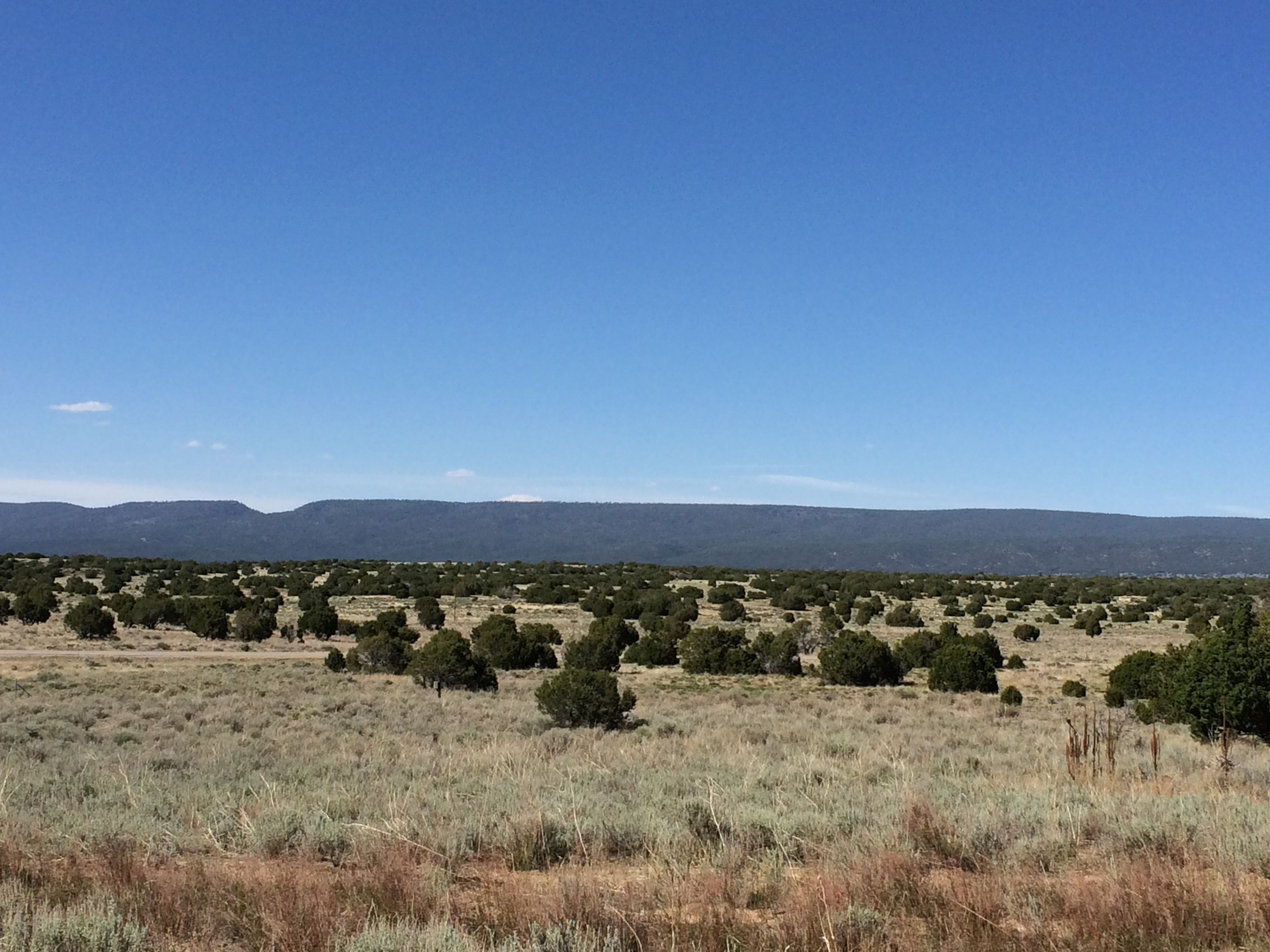
When I got to the junction where the trail returned to the visitor’s center, I paused to admire the view looking away from El Morro.

Then I turned back for one more glance at El Morro before I headed back to my truck.
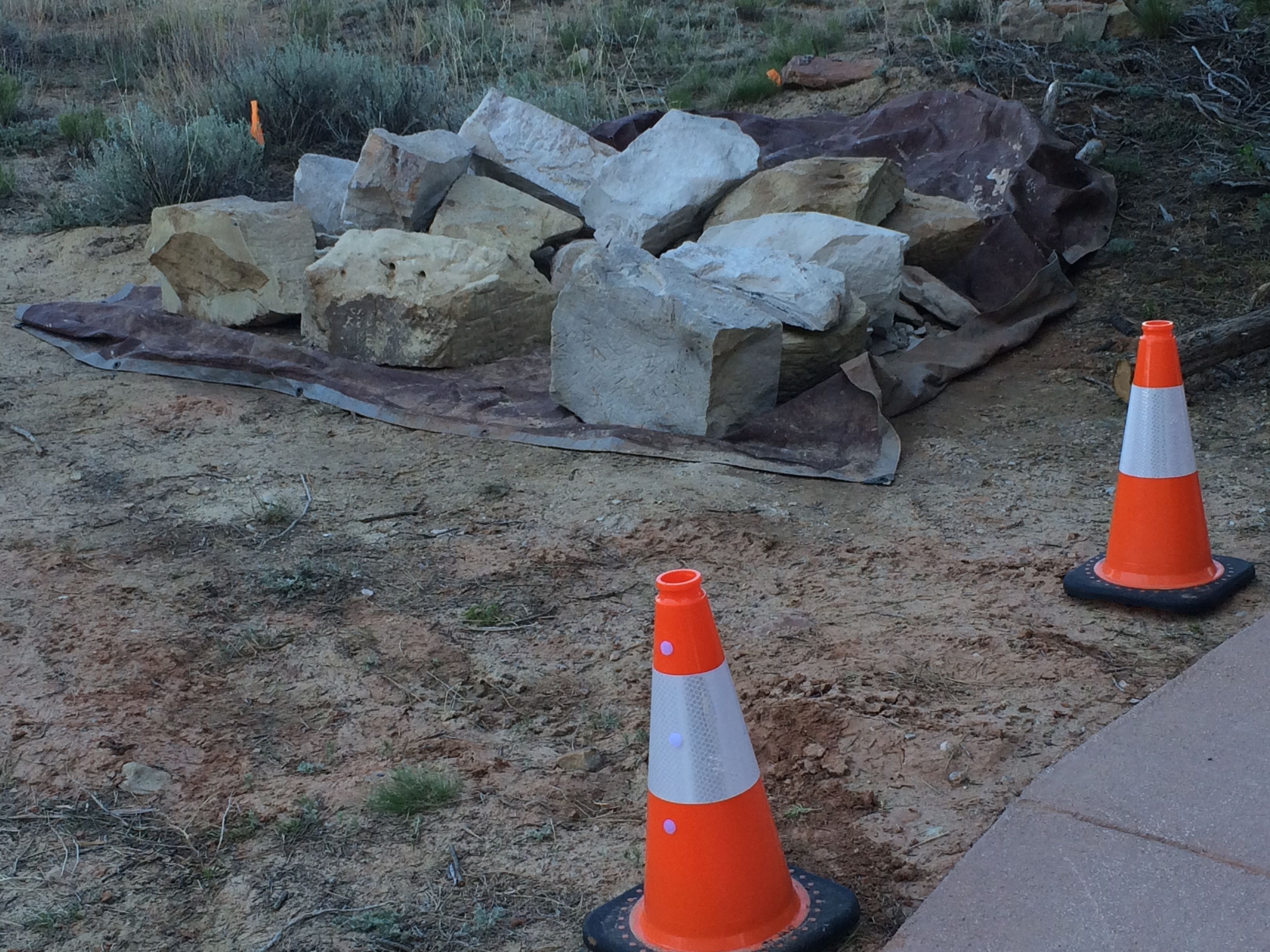
Along the trail, I came across a pile of rocks. They looked like they had inscriptions on it, so of course I had to ask about them when I got back to the visitor’s center. The ranger told me that they used to have rocks in the front of the center for people to carve their names into. She said that they decided to discontinue that practice. I guess they rocks are just here until they put them someplace else.
I took a pass through the campground, just to see what they had to offer. There are nine campsites, but they are kind of tight. They don’t accept reservations and there are no hook ups at the sites, but the sites are free! So, if you are a camper with a smaller RV or a tent, this sounds like a good deal.
After my drive-through of the campground, it was time to head back to Red Rock Park in Gallup. It was time to get packed up and ready to move on in the morning.