https://www.youtube.com/watch?v=l1s7HHnnjU4
When I was at Alibates Quarries National Monument, I picked up a brochure about Route 66 in Oklahoma. In thumbing through it, I found out that there was a Roger Miller museum in his home town of Erick, just across the border. A few miles further, the town of Sayre had a municipal RV park with full hookups for only $12 a night.
With attractions like that, I decided to stop in Sayre and then double back to visit the Roger Miller Museum in Erick.

I followed the signs and I had my pick of sites. They have 80 sites, but the highest number of fellow campers was eight.
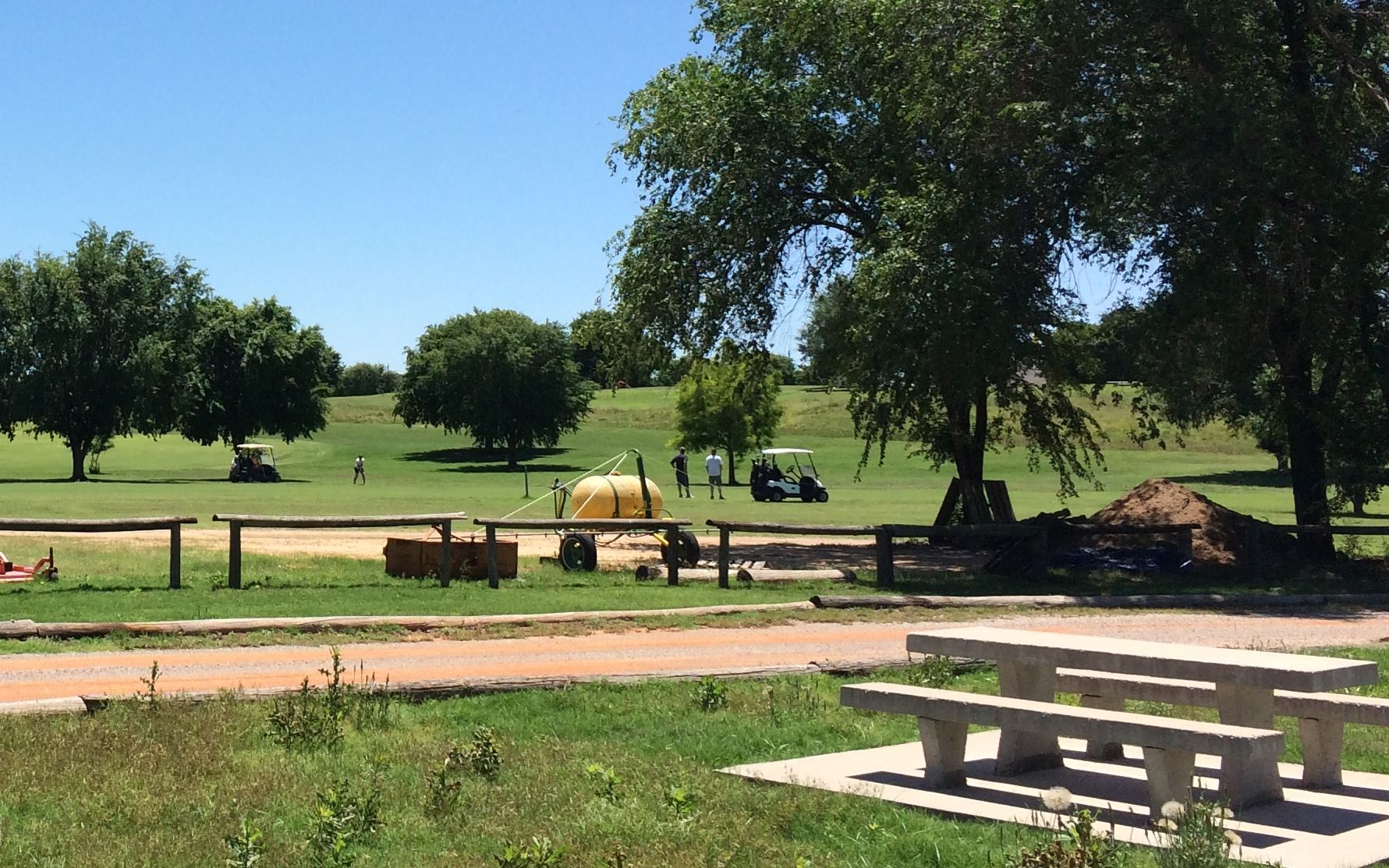
There were nice, level campsites with solid picnic tables. My site even had a view of the golf course. How many resorts charge extra for that?
There was even a greeting from my folks when I got there. A golf ball from Dad was sitting right there, and it was marked with Mom’s repeating numbers.

That night, I got settled in and added a new state to my map.
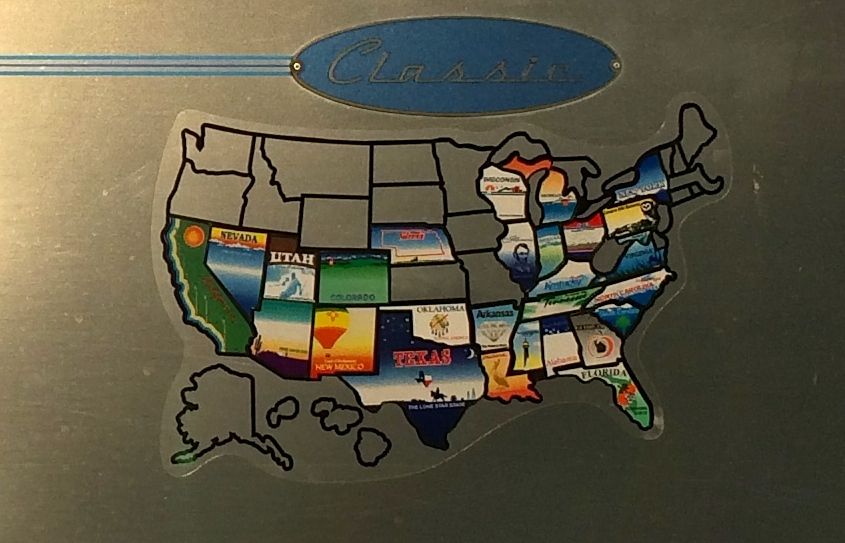
Oklahoma!
(Oh, go ahead and sing it…I’ll wait.)
The next day, I set out to see Erick, Oklahoma and the Roger Miller Museum, which was…
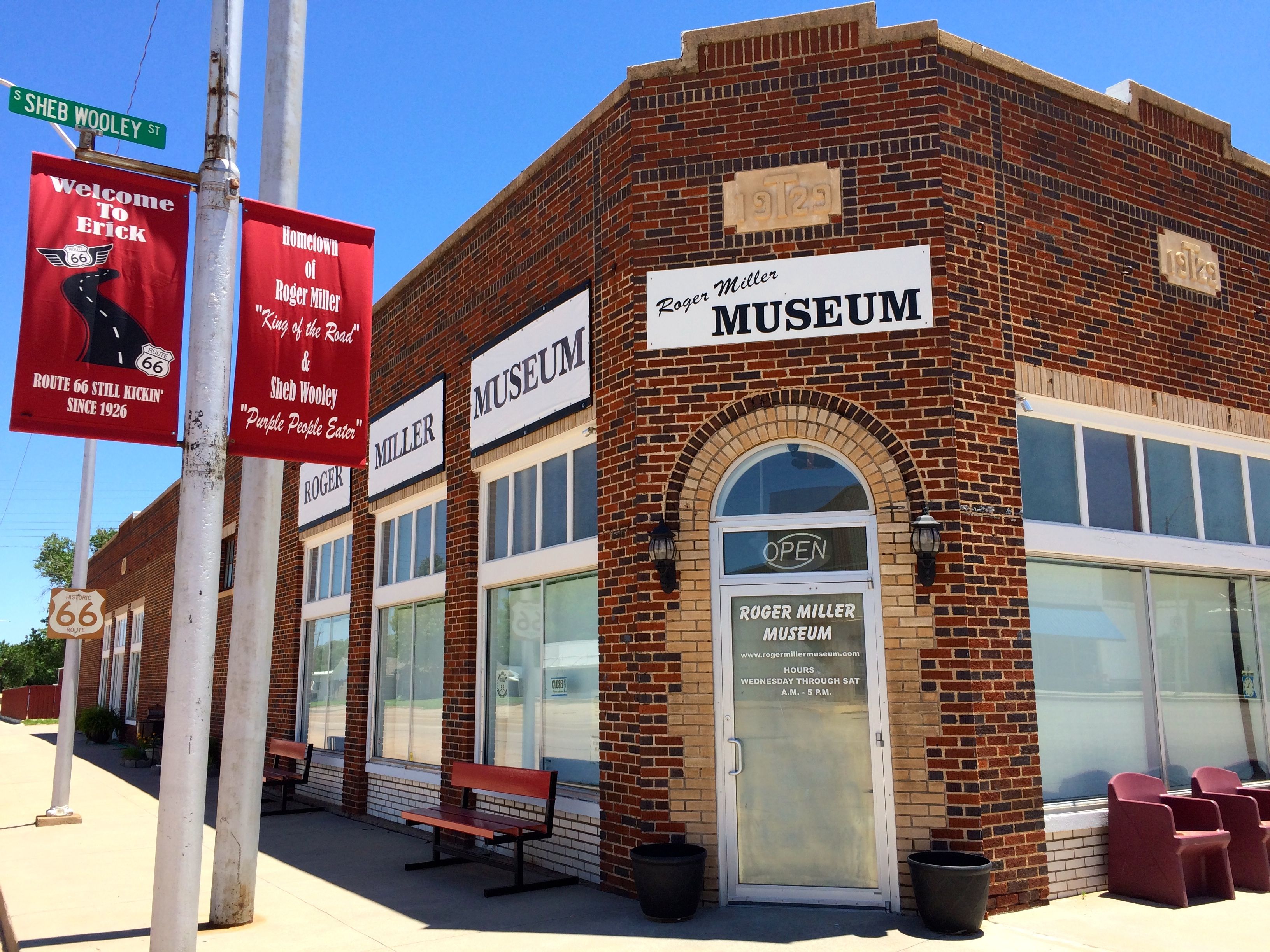
CLOSED!
The brochure said it would be open. I checked their website, and it said it would be open. It wasn’t.
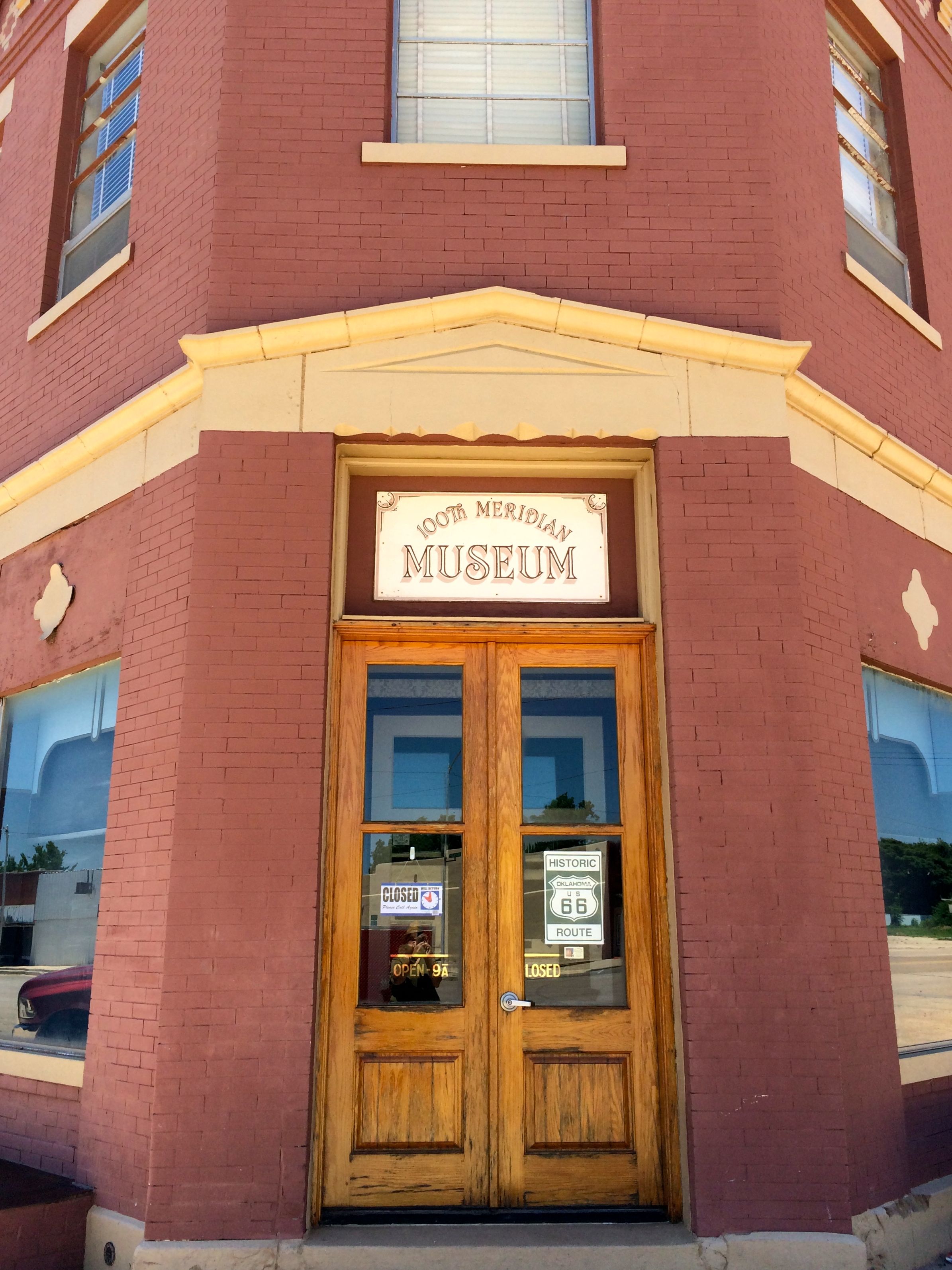
Neither was the 100th Meridian Museum, which was across the street. And, unfortunately, there wasn’t a Sheb Wooley Musuem. (Although it probably would have been closed too.)
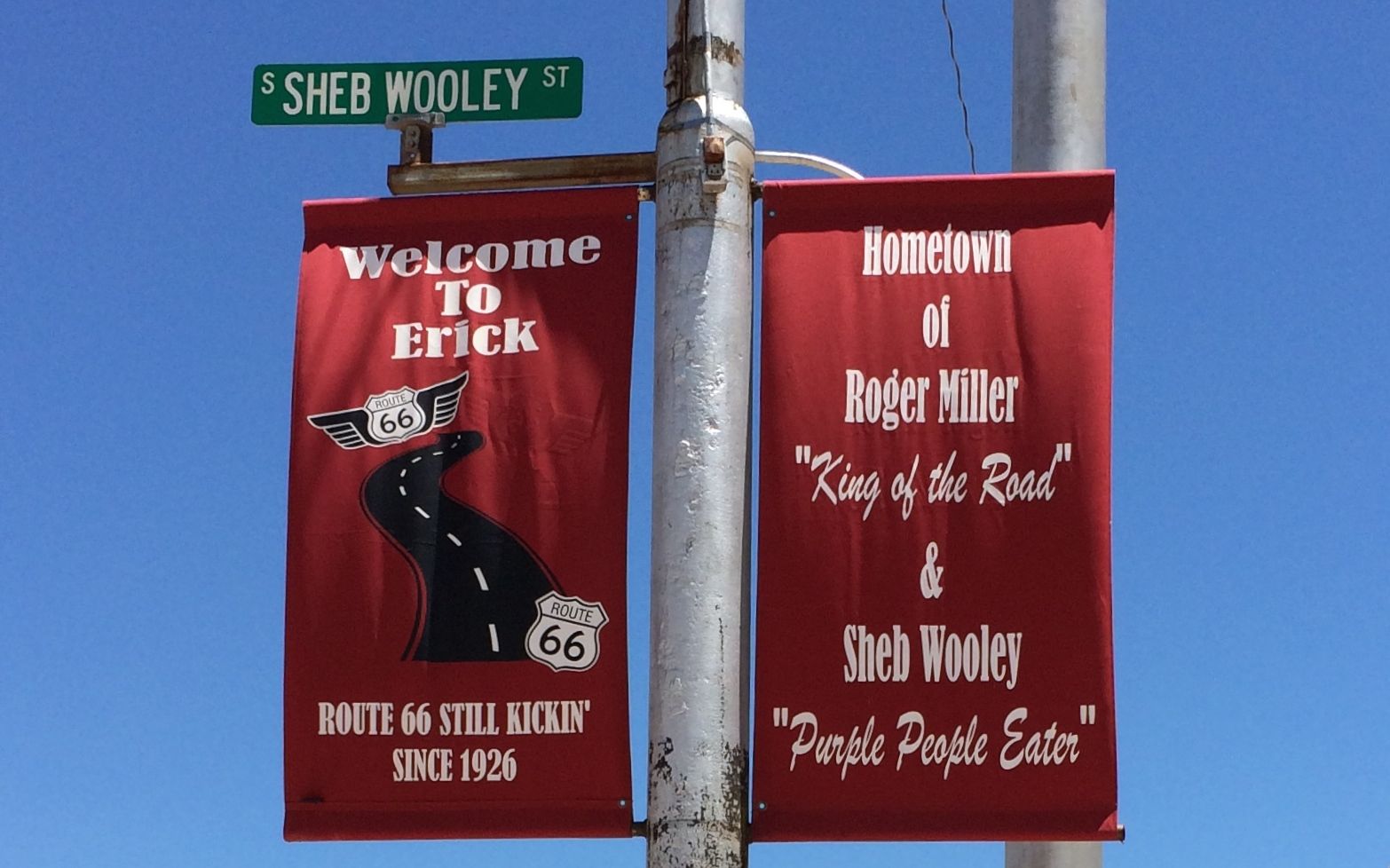
Oh, who is Sheb Wooley?
Why, he’s the man who gave us the One-eyed, One-horned Flying Purple People Eater!
In the words of the great Roger Miller, “Dang me!”
There was nothing else to do in Erick, so I consulted my HistoryHere app and decided to visit the Washita Battlefield National Historic Site, which was about 45 miles away.
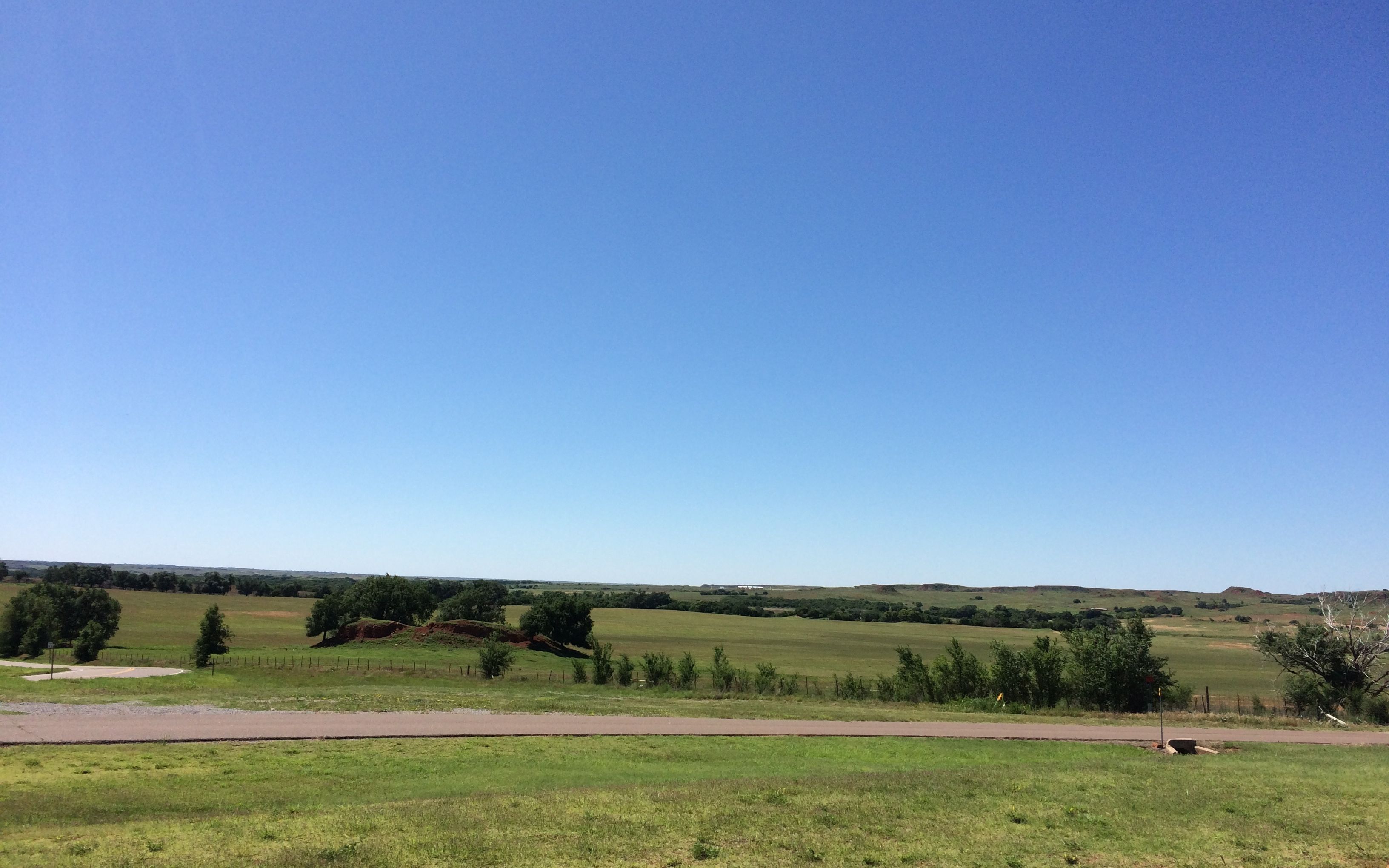
In this landscape of gently rolling hills, just before dawn on November 27, 1868, the village of Black Kettle was attacked by the 7th U.S. Cavalry under the leadership of Lt. Col. George Custer. It was bitterly cold and 18 inches of snow had fallen when they surrounded the village and launched their attack.
Custer’s orders were to go down south till he came to the Washita River and follow it down until he came across the hostiles. He was then to shoot and hang all the warriors, capture all the women and children, and destroy the camp and horses. Custer was going to do exactly what he was told because he wanted to get back into the good graces of Generals Sheridan, Sherman, and Grant.
While the exact number of casualties is uncertain, Black Kettle, who had been working for peace, and his wife were killed. The 51 lodges in the village were burned along with the band’s winter supply of food and clothing. The Calvary captured the village’s 850 horses and killed 650 of them.
53 women and children were captured and taken to Camp Supply, which was around 80 miles away. They were later taken to Fort Hayes, Kansas. They were released in July, 1869.
What a sad and shameful part of our country’s history.
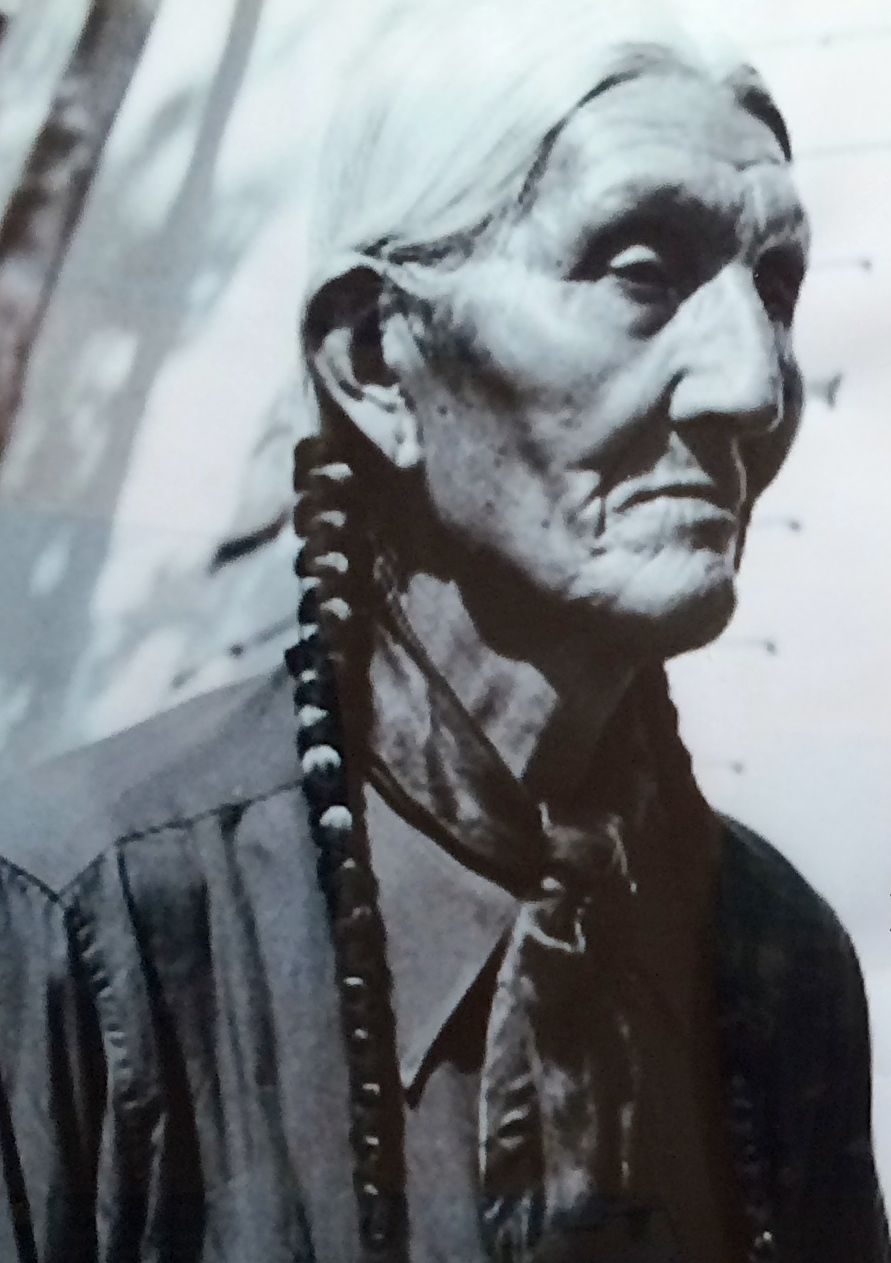
This is a photo of Eagle Nest, taken in August 1948, when he was 94 years old. He was the last known living Cheyenne survivor of the Washita attack.
As I am always drawn to maps. I had to snap some shots of how the land possession changed over the years.


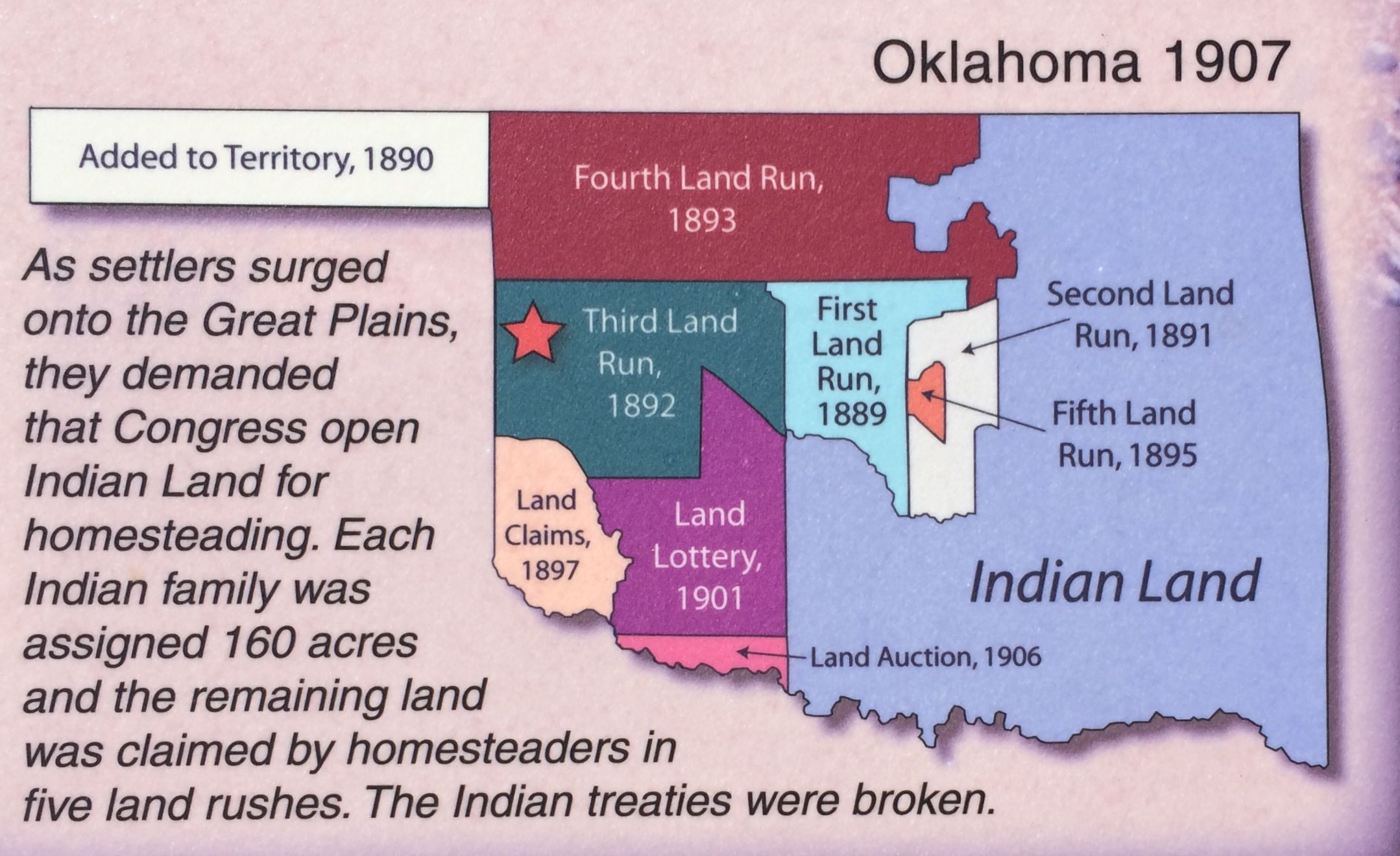
Outside the National Park Service building, there was an interpretive trail that gave some information about the homesteaders.
At high noon on April 19, 1892, hopeful homesteaders gathered to stake a claim to farmland on Cheyenne-Arapaho Indian Reservation. Some people snuck in ahead of time and hid until it was time to stake their claim. They were called the “Sooners”, which is the nickname of the University of Oklahoma football team. The nickname of Oklahoma is the “Sooner State.”

The homesteaders built houses called “dugouts”. They are built into hillsides so that they needed to build fewer walls.

Here is a shot of some settlers in front of one of their dugouts.
They had a working windmill along the trail. After seeing the display at the Panhandle-Plains Historical Museum in Canyon, Texas, it was cool to see one in action.
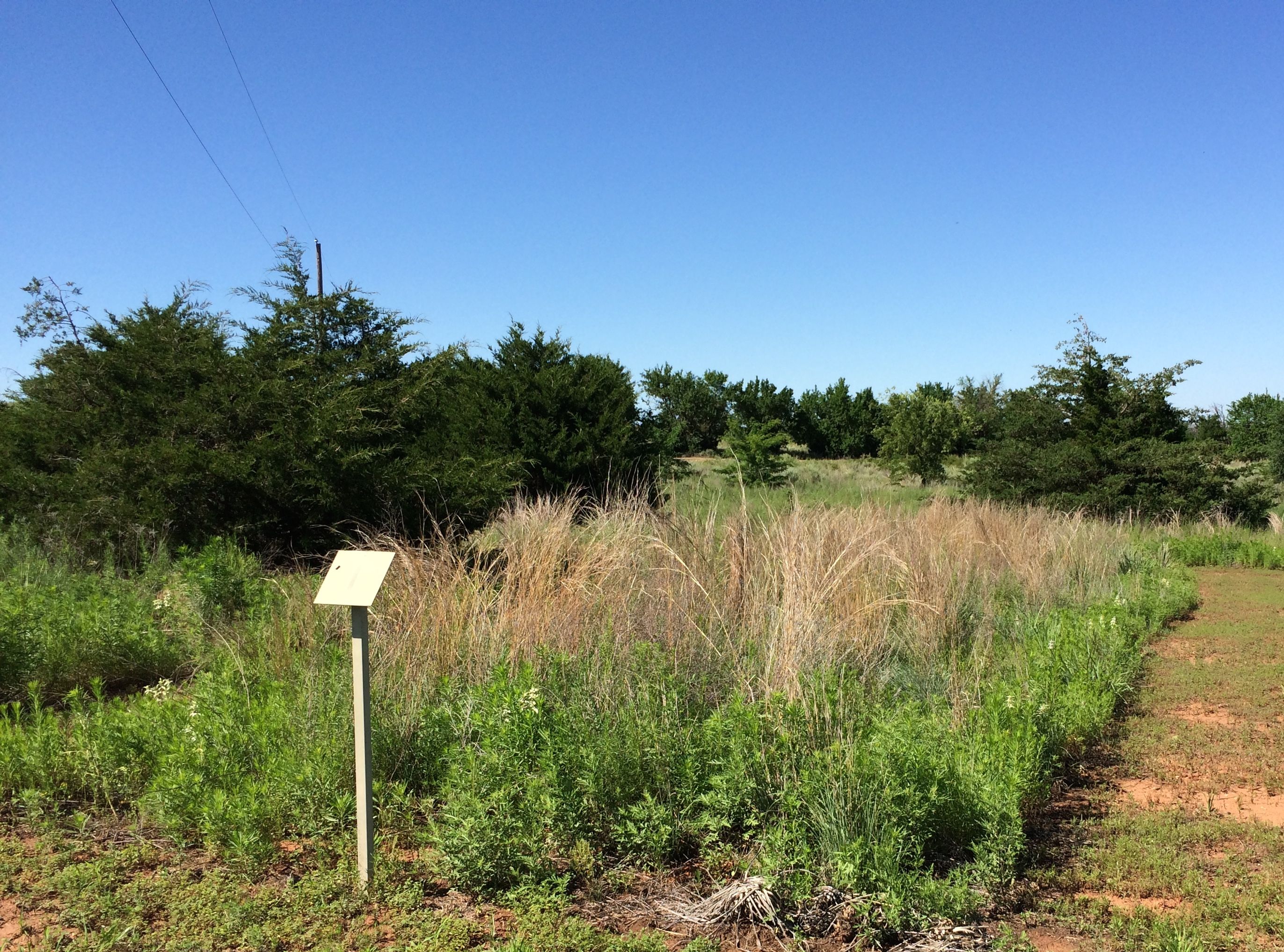
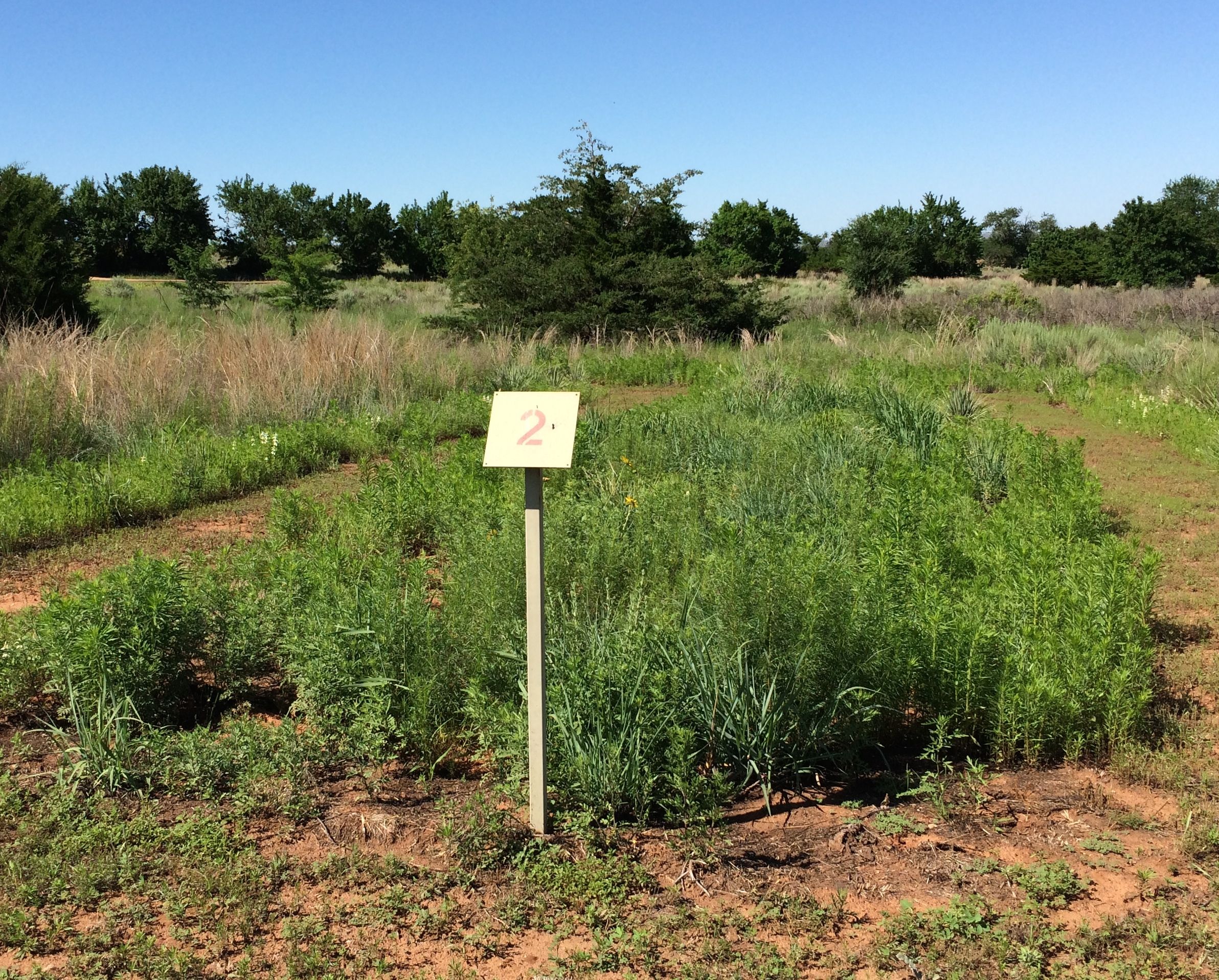
There was also a display about how fire contributes to the health of the grasslands. The land would have burned either naturally from lightning or from Native Americans setting the fires about every three to five years. These three plots were set aside so that one would be burned each year.
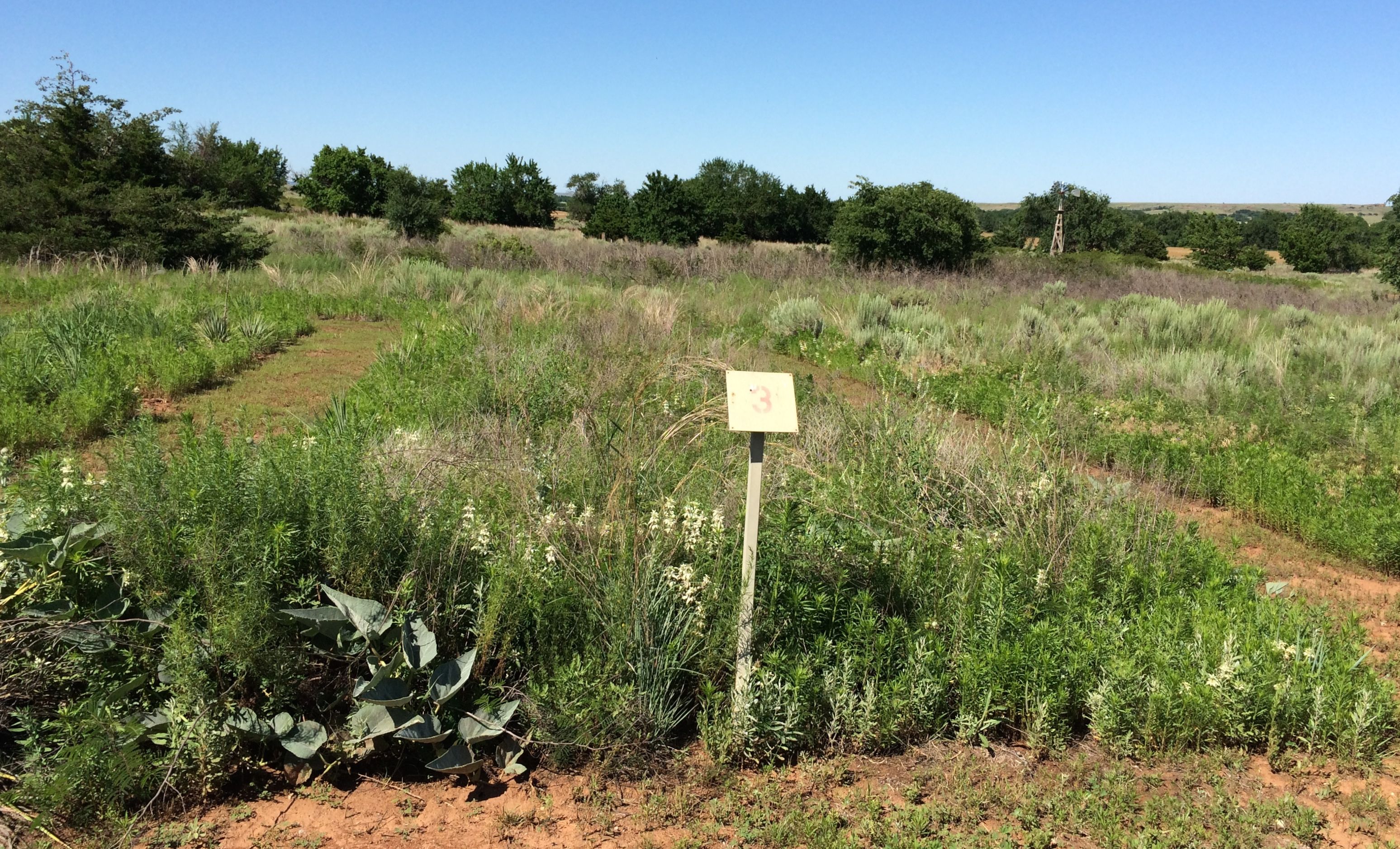
This plot was burned in the winter of 2014.
This one was burned in the winter of 2015.
This plot was burned this year – during the winter of 2016.
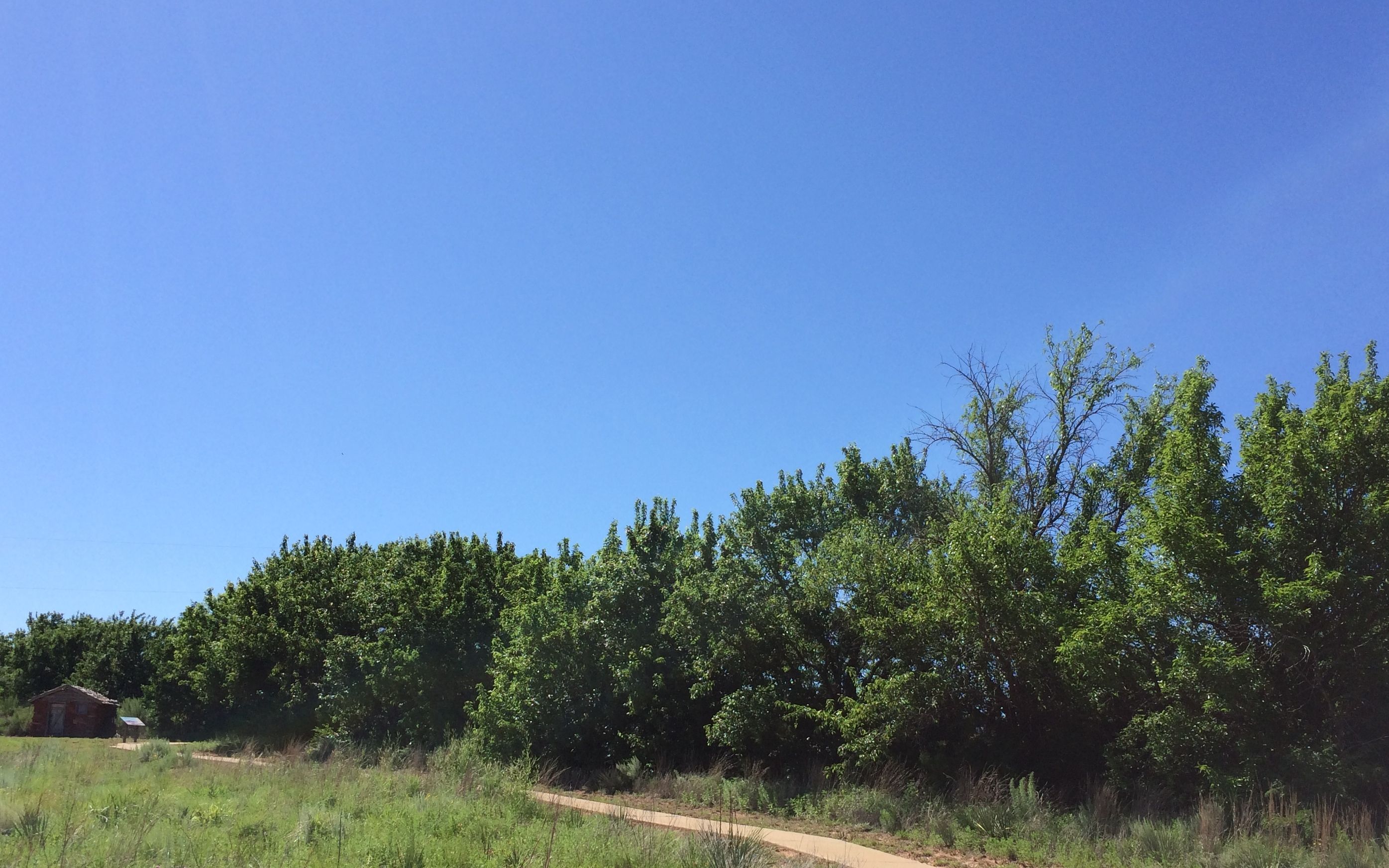
During the Depression, young men were hired by the Civilian Conservation Corps to plant wind breaks like this one of Osage orange trees.
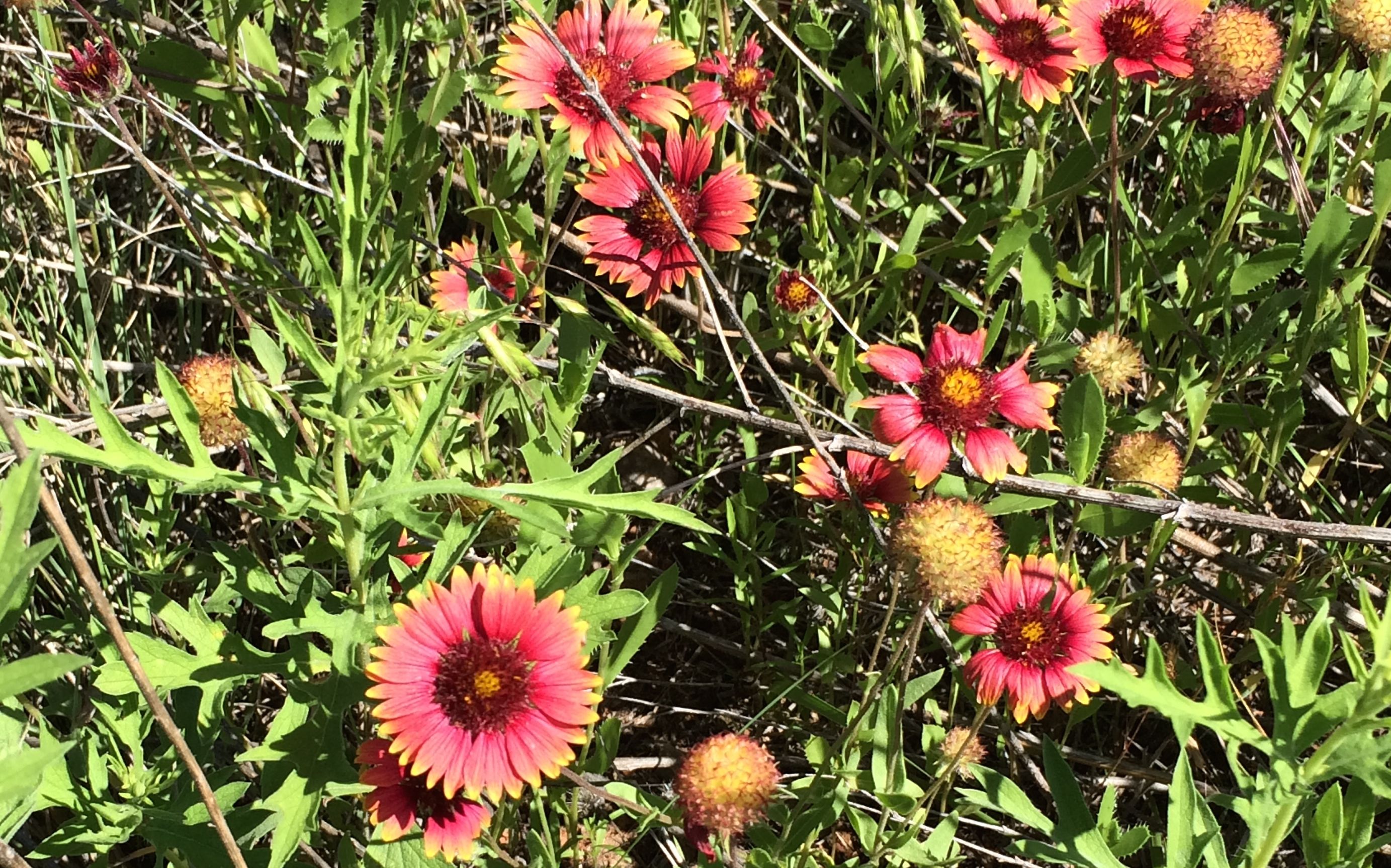
The Oklahoma state wildflower is the Indian Blanket.
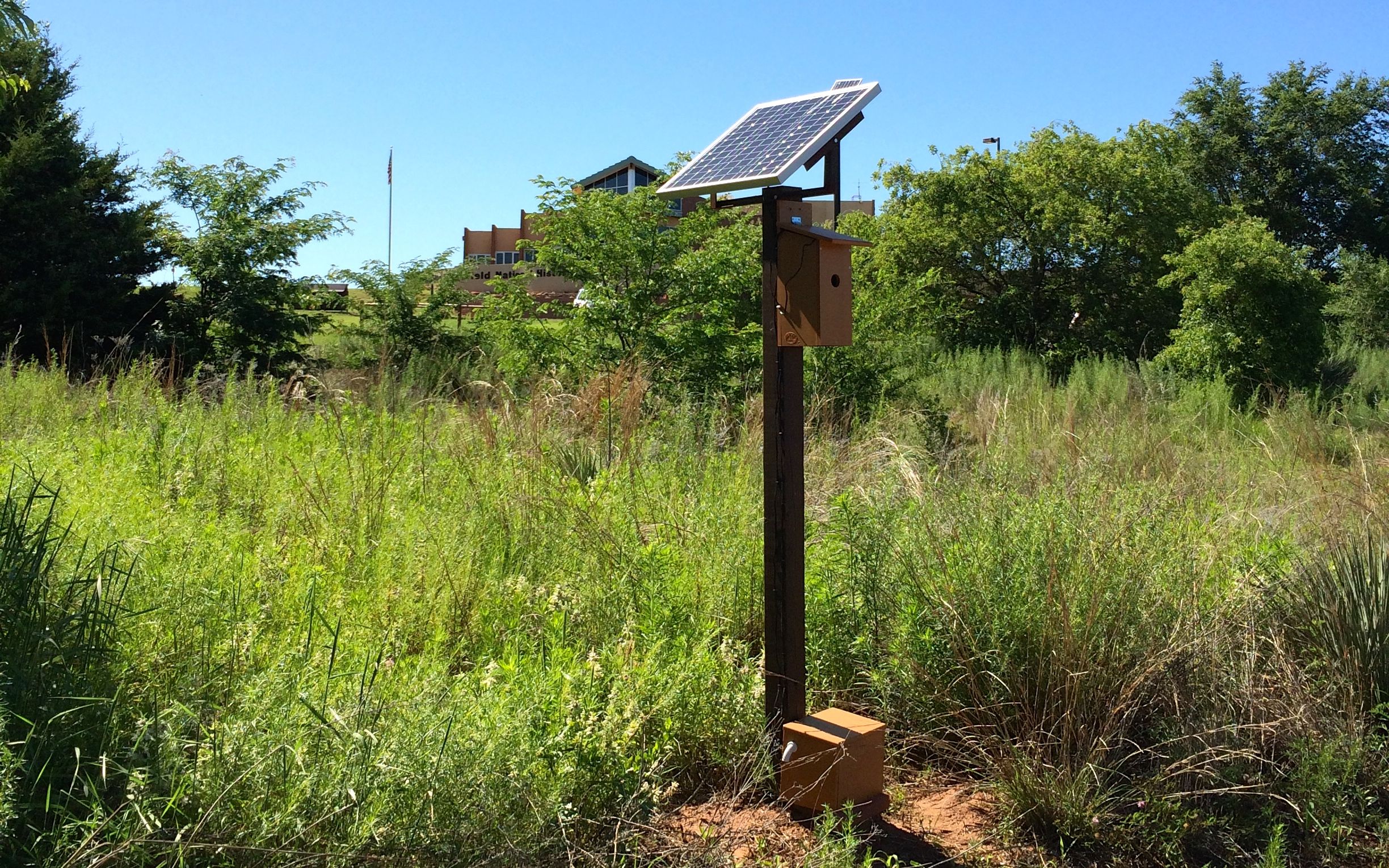
This birdhouse with solar array caught my eye. I imagine that they are tracking something, but there was no signage explaining the project.
By that time, I was ready to head back to the campground in Sayre. On my way back into town, I was noticed something that made me park and go over to examine it.
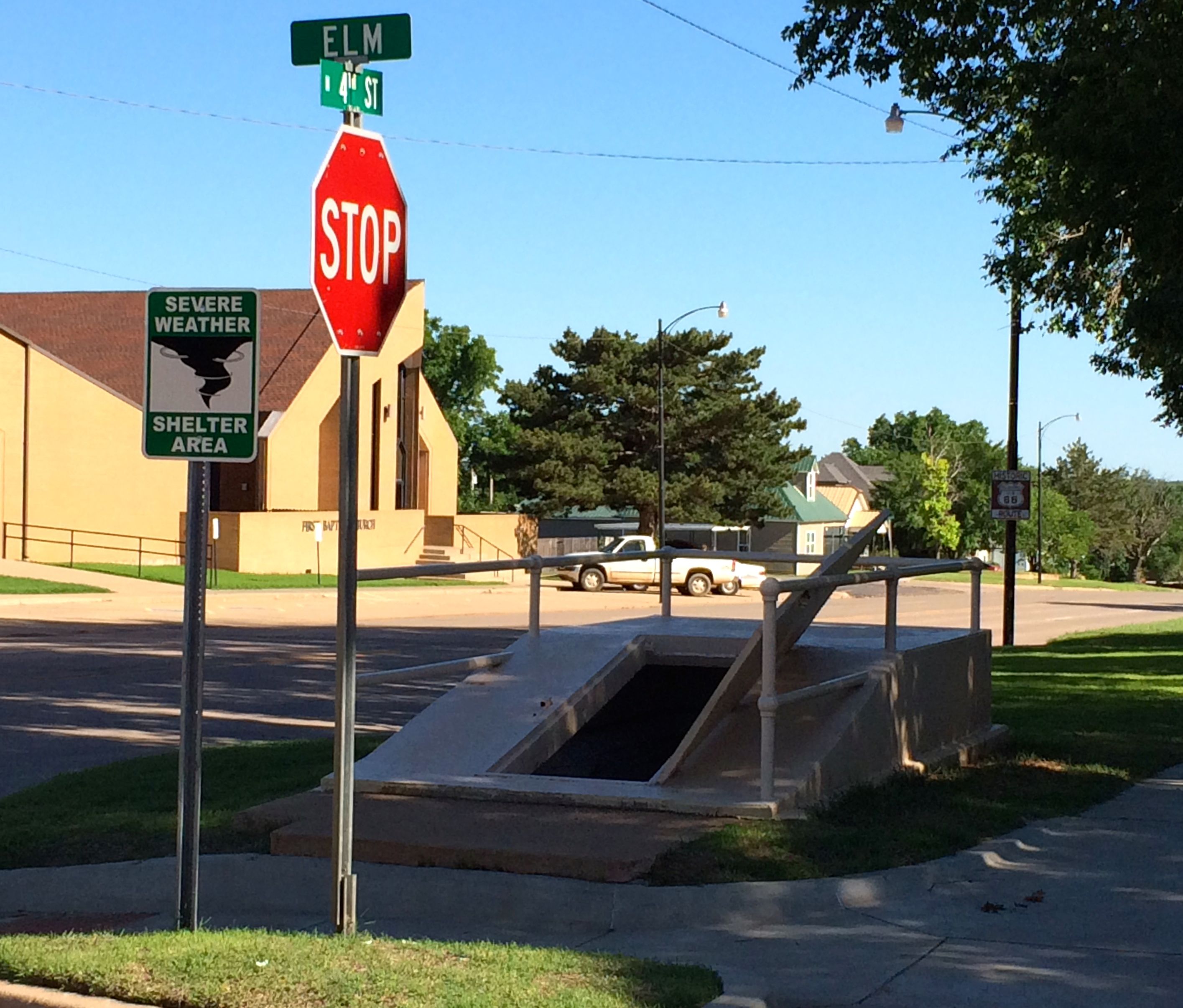
The door is kind of hard to make out because of the shade trees, but this is a tornado shelter that runs under the street from one side to the other!
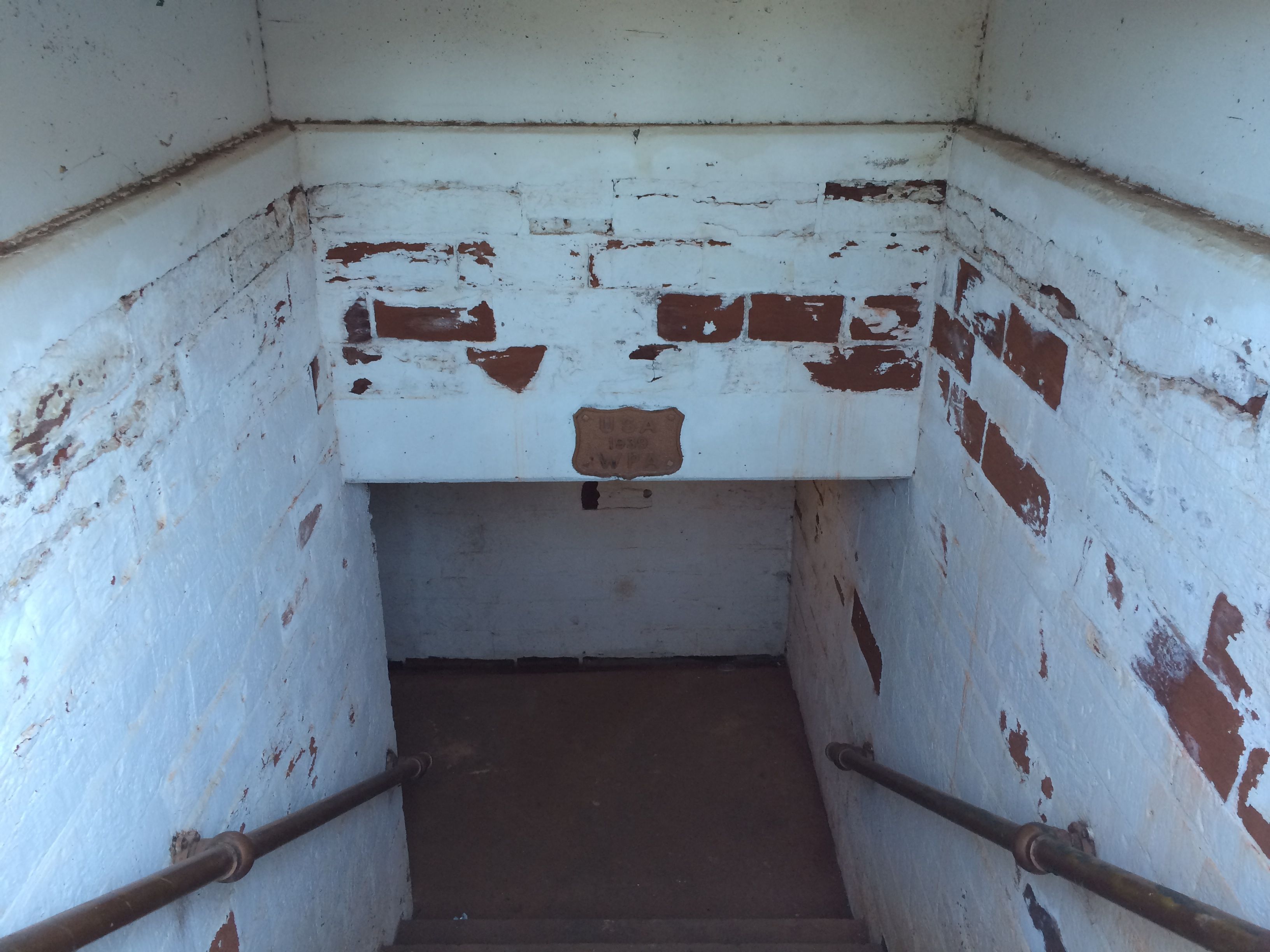
I don’t think you can read it, but the text on the shield reads “USA 1939 WPA”. The WPA sure contributed to the infrastructure of our country. I wish I could have asked someone how many times this shelter has been used since 1939?

I also had to stop in to see the Beckham County Courthouse. It’s claim to fame is that it had a few moments of screen time in the 1940 movie, “The Grapes of Wrath” when the Okies were leaving Oklahoma.
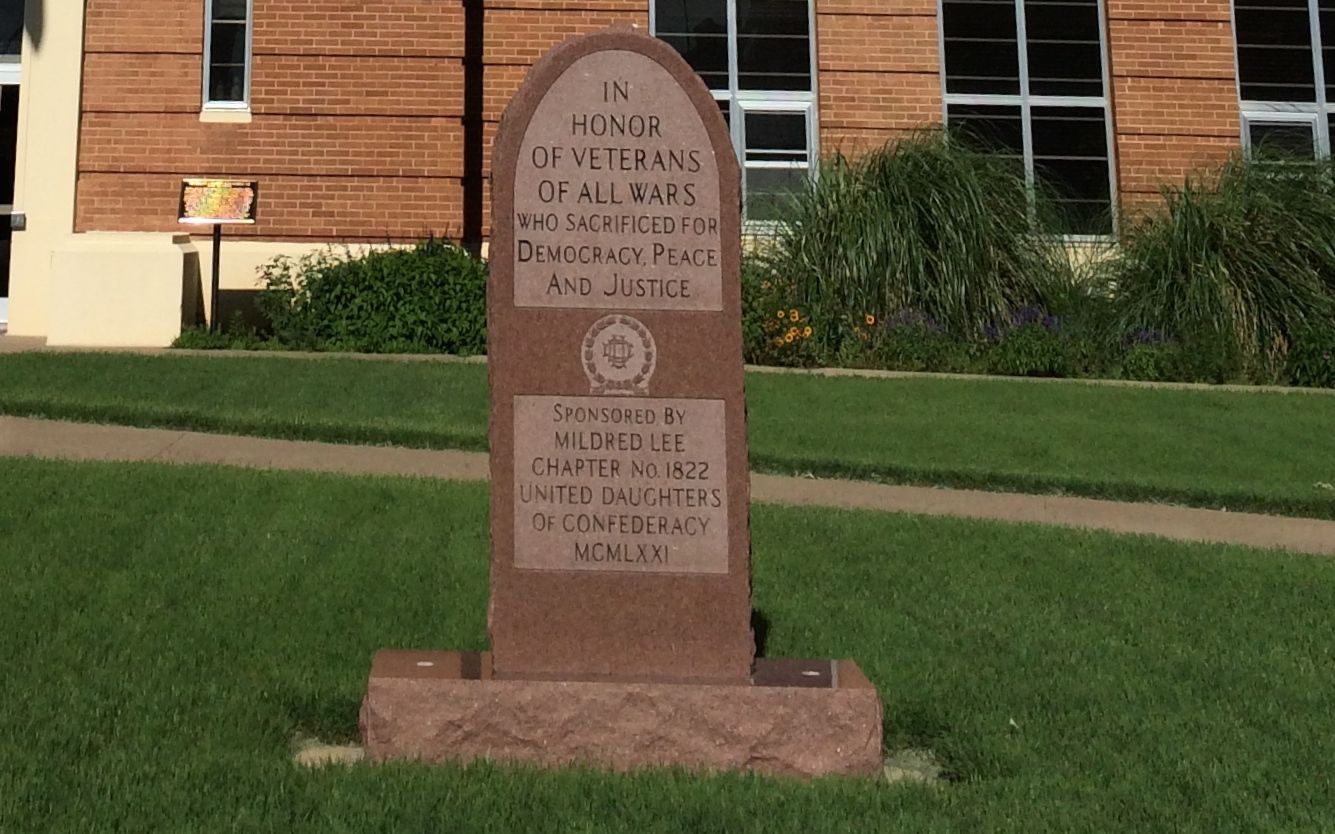
I was surprised to find this Veterans Memorial erected by the United Daughters of Confederacy in MCMLXXI. If I remember my Roman numerals correctly, it was put up in 1971. I was surprised that the Daughters of the Confederacy is still a going concern.
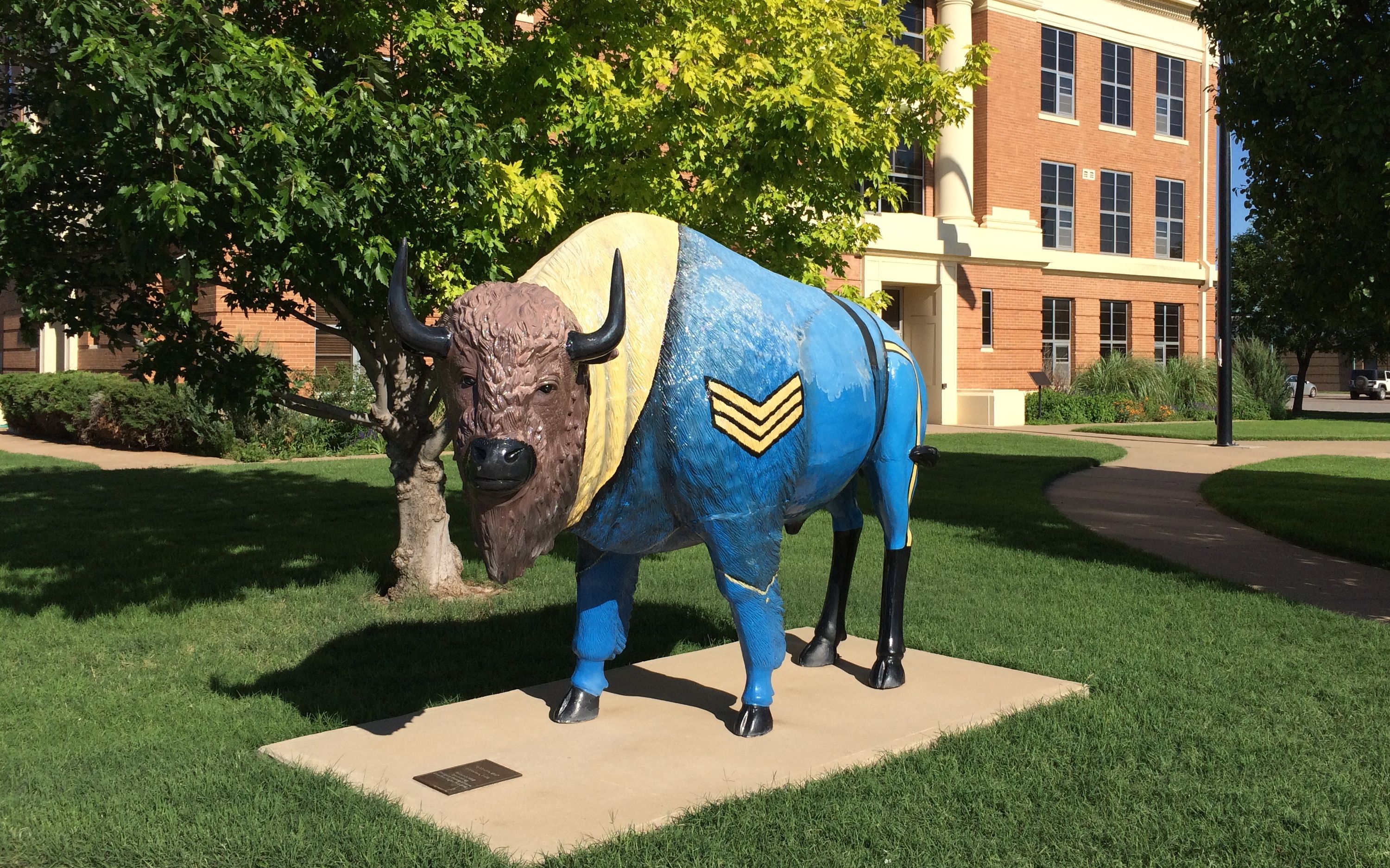
On the left side of the courthouse was this buffalo soldier. The sculpture is called “Spirit of the West” and was installed in 2007 in honor of the Oklahoma Centennial.
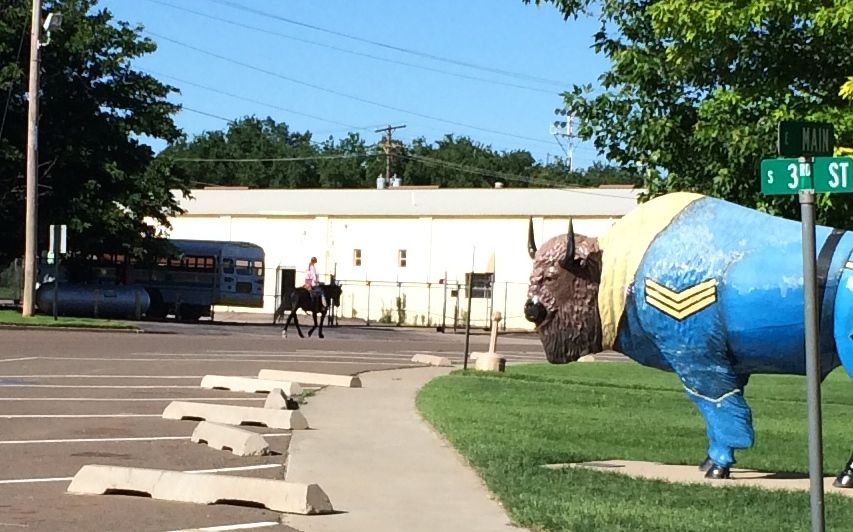
While I was examining the courthouse, I heard the sound of horse hooves. I looked around and spied the horse and rider just before she got out of range.
And with that, I headed back to the park. I’d have to be hitching up and heading out of town in the morning.