The day that I was going to leave the Burlington area and head towards Montpelier, I heard that Rokeby Museum was having a free admission day. Free? FREE?!! You know I’m all about free activities. I called to make sure that they had a parking lot that would fit Bart and Flo while I was seeing what they had to offer. They did, so I hitched up and headed out.
When I got to the site, I found out that the house wasn’t open for tours, but the adjacent museum was open. They had some awesome exhibits.
The museum is dedicated to the telling the story of the Robinson family, their Quaker beliefs and the part they played in the Underground Railroad.
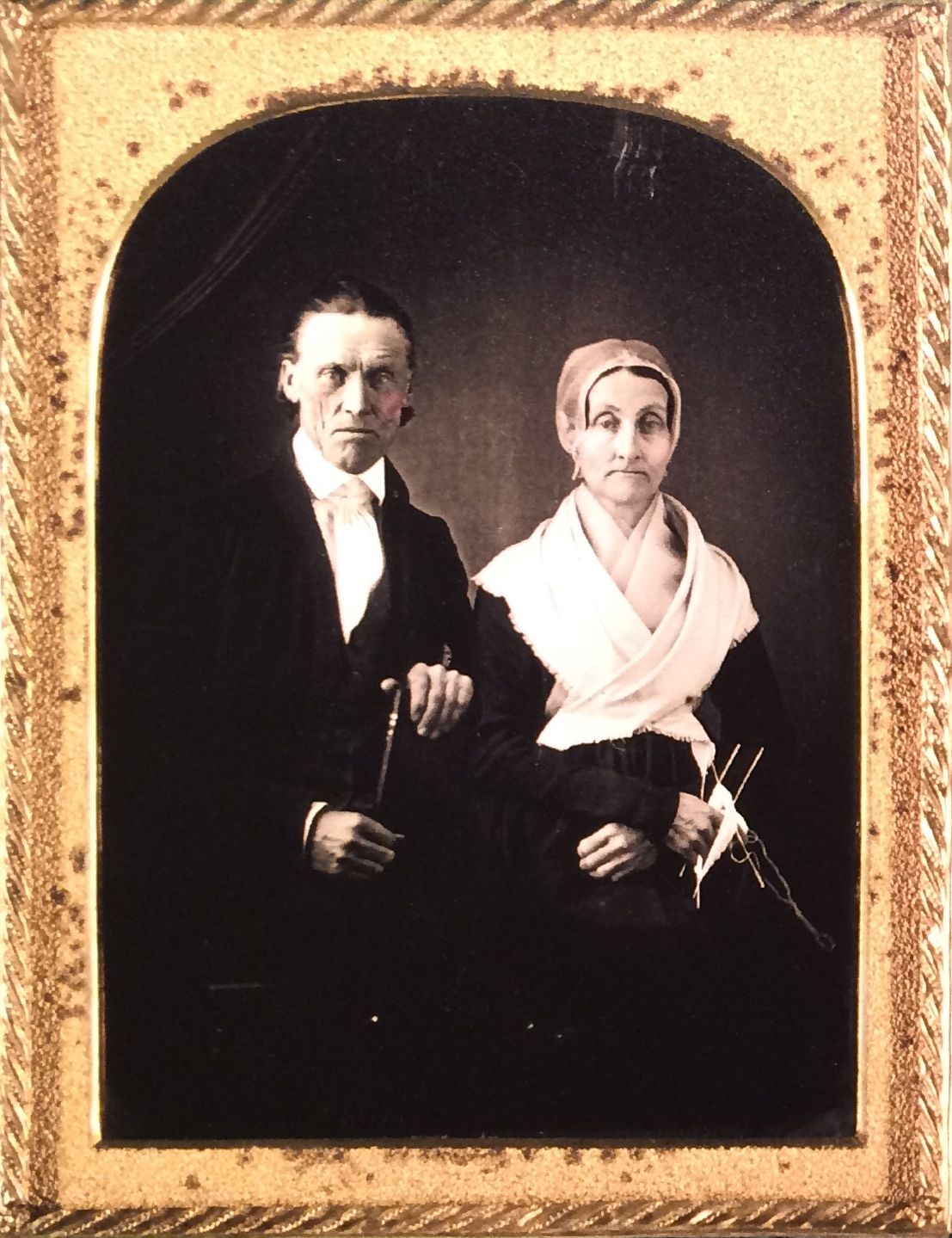
This is a photo of Rowland Thomas Robinson and his wife, Rachel Gilpin Robinson. He was born at Rokeby in 1796. He met his wife at a Quaker boarding school he attended and they were married in New York City in 1820. According to the information there, raising four children and managing their thriving Merino sheep farm kept them busy, but the always found time to agitate against slavery.
The most amazing exhibit was “Free & Safe: The Underground Railroad in Vermont.” It told the true story story of Simon and Jesse, two fugitives from slavery who found shelter at Rokeby in the 1830s. The exhibit traces their stories from slavery to freedom. It is a multimedia presentation with historic texts, documents and images. I think I spent two hours exploring the displays.
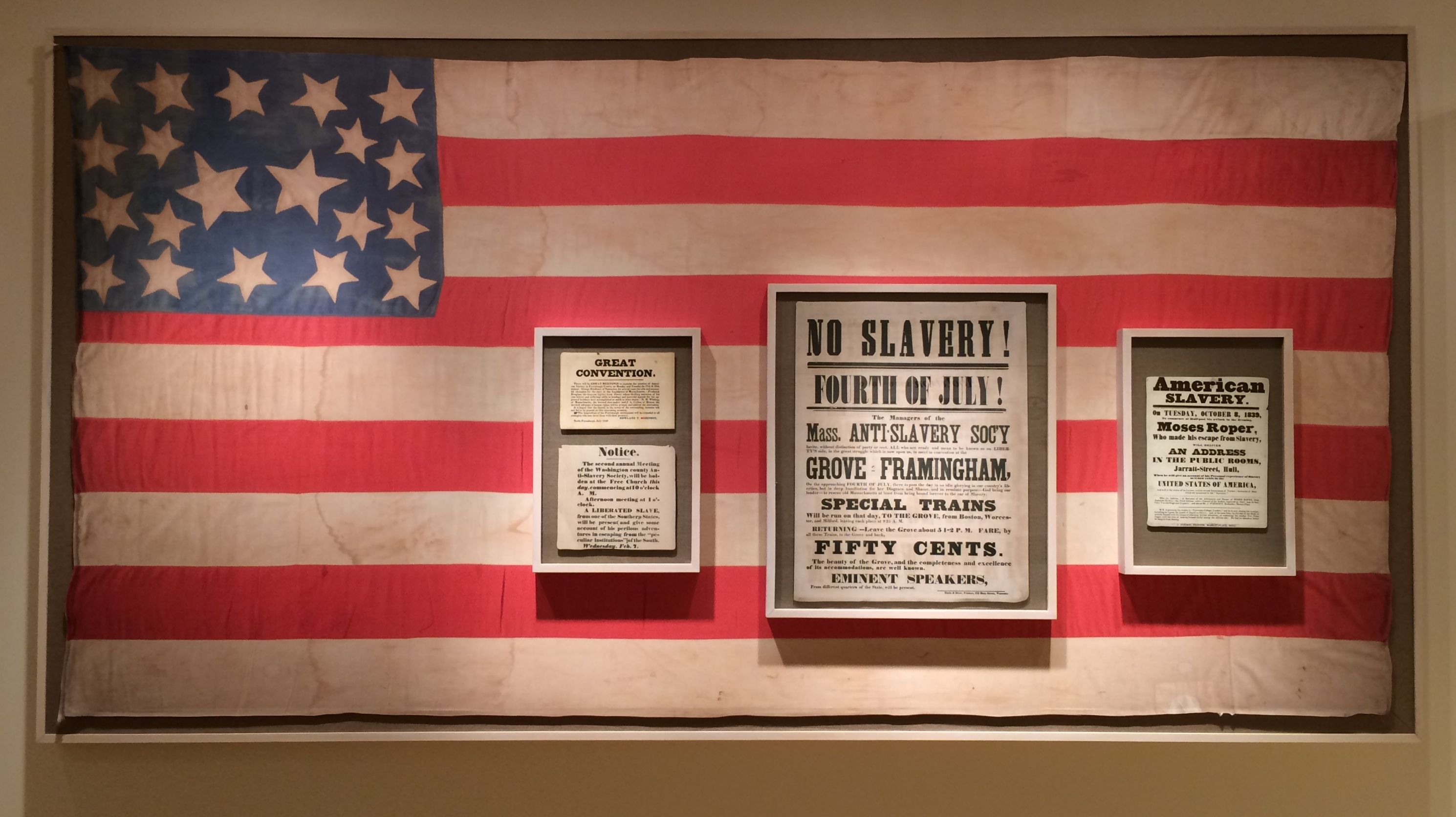
Unfortunately, there weren’t a lot of “photo ops” in the exhibit. If you are in the area, I would recommend taking the time to visit.
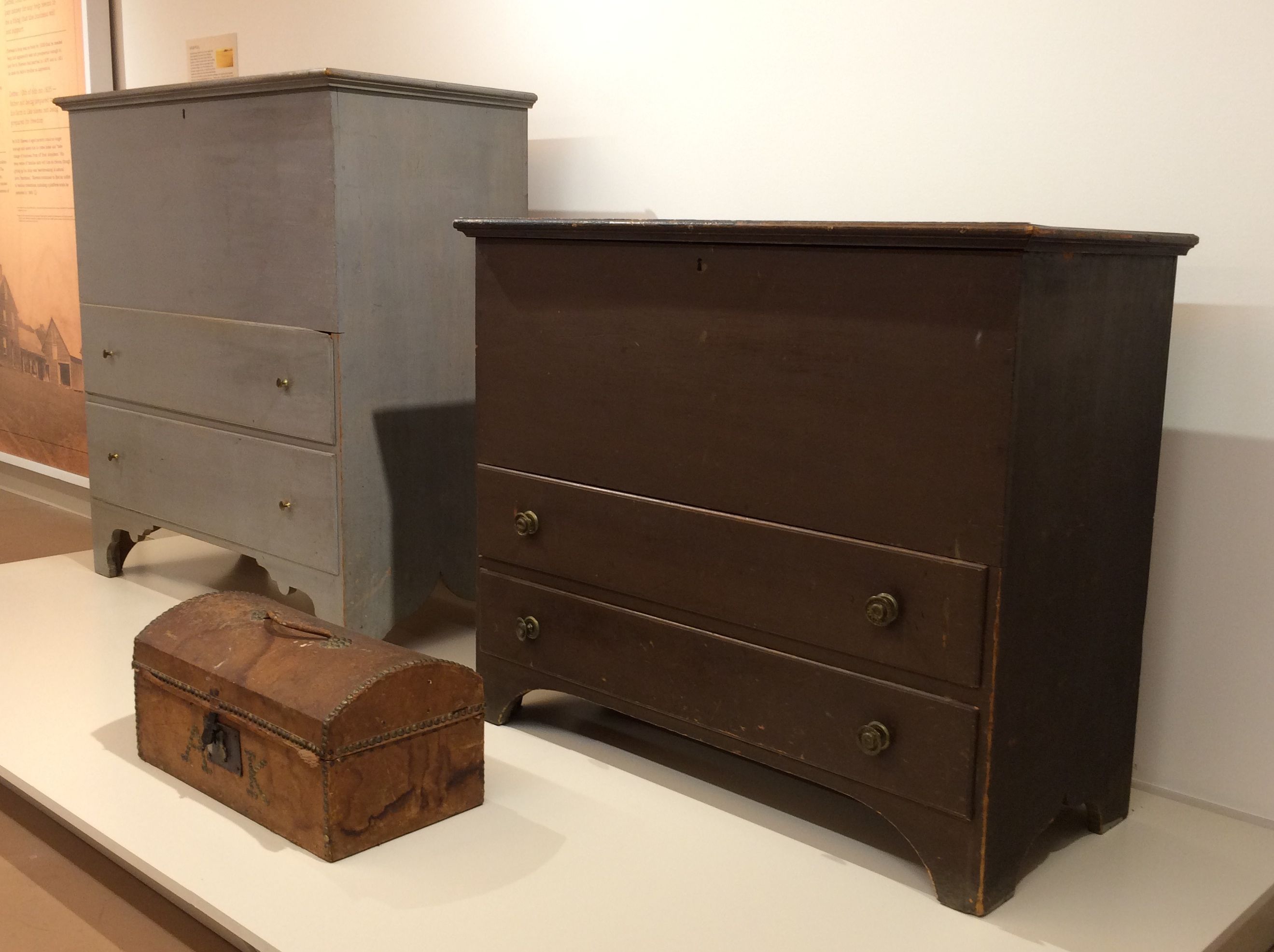
Downstairs was an exhibit of furniture made by Stephen Foster Stevens. Some of these pieces were in the Robinson home.
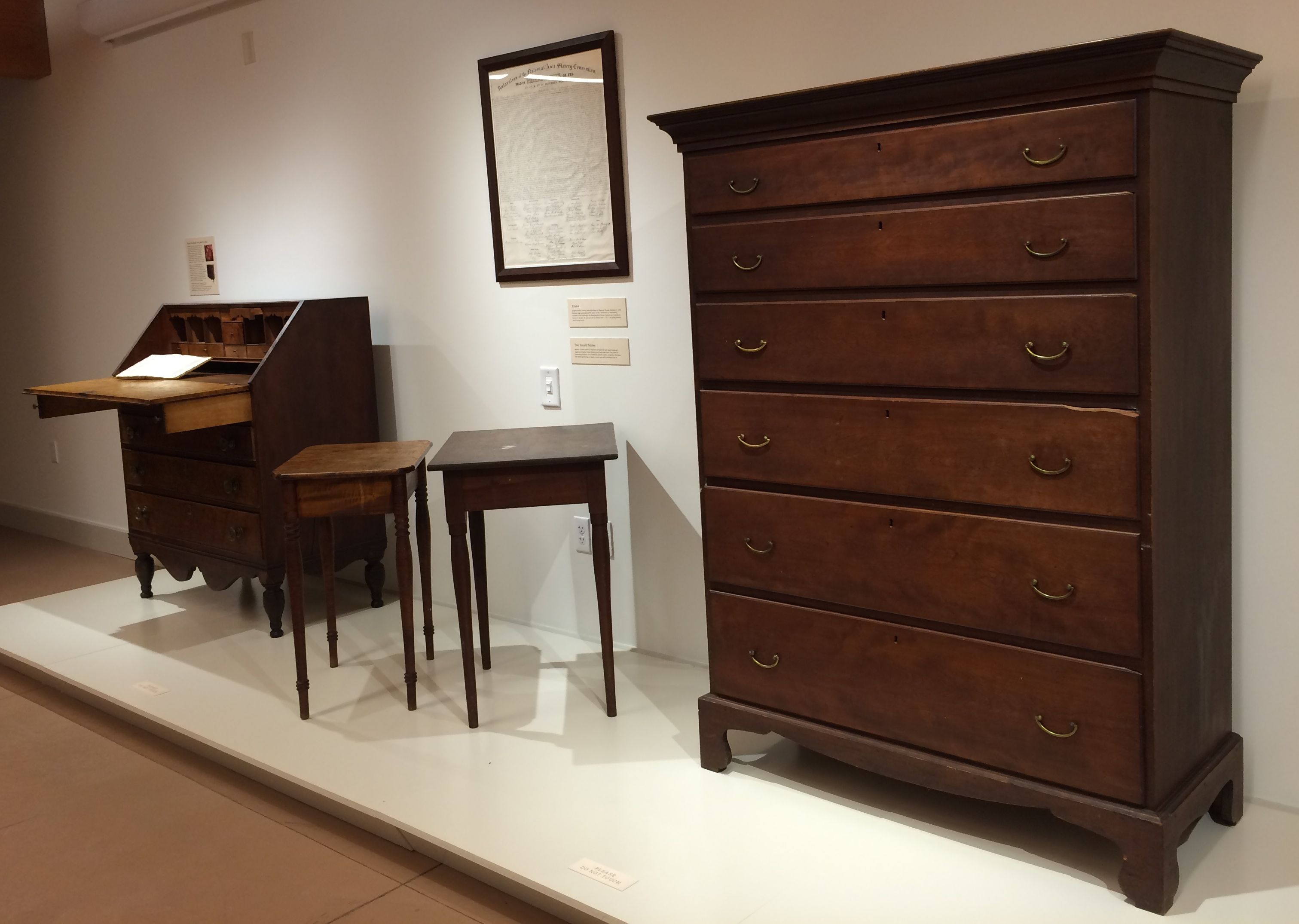
According to the information in the exhibit, what worried Friends most of all was fashion. (Just in case you didn’t know, Quakers are sometimes referred to as Friends.) Friends wanted their belongings to be plain – they should be useful, well-made and not too fashionable.
While Stephen Foster Stevens made expertly crafted pieces of furniture, they were outdated when they were built. For instance, the bureau above was made in 1826, but the style reached its peak of popularity in the 1780s – almost a decade before Stevens was born.
After enjoying looking at the furniture, I set out to see the farm. My first stop was the sheep dip. I’d always heard of sheep dips, but I had no mental picture of one. I also didn’t know what a sheep dip was for. I found out.
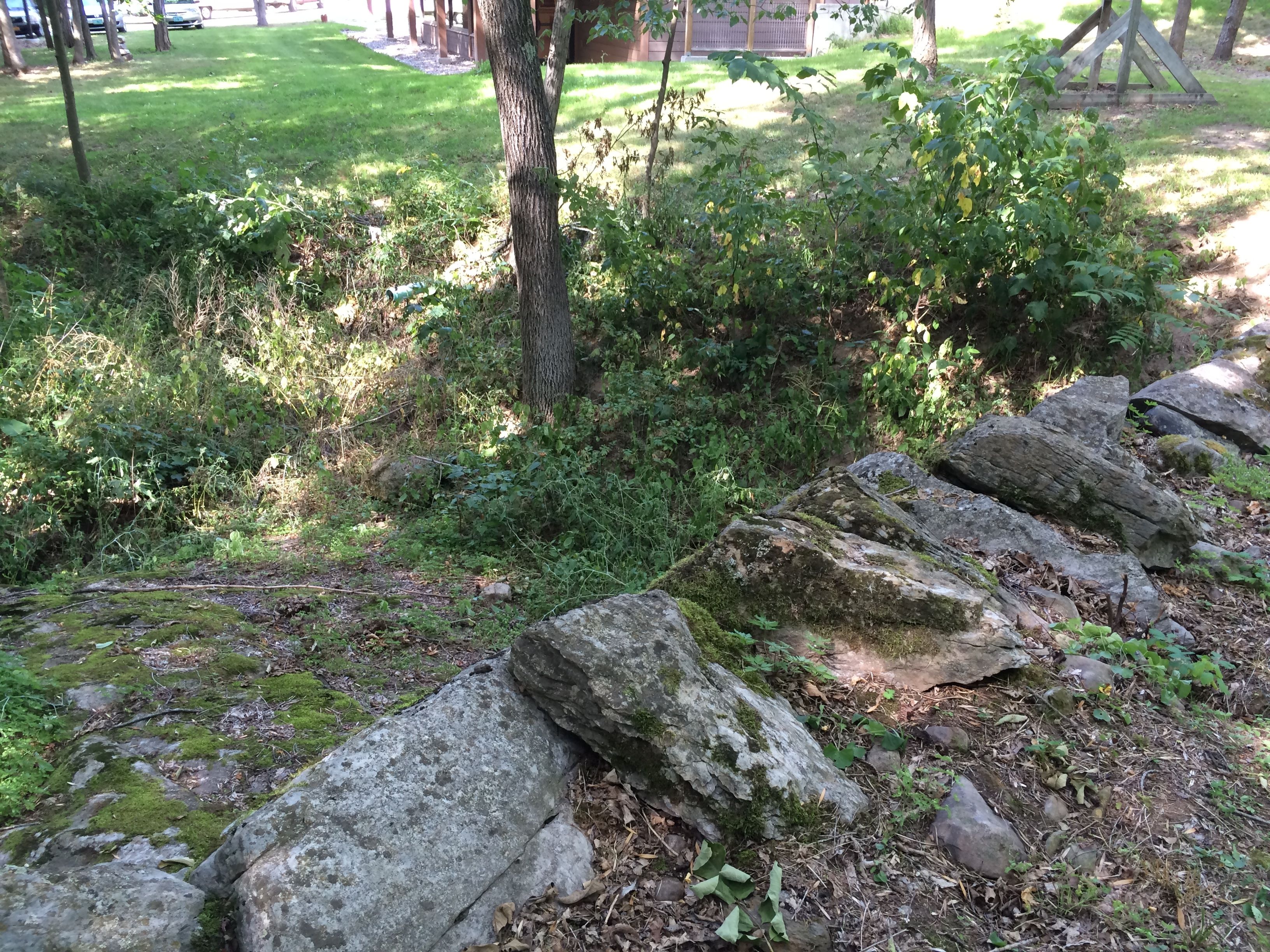
This is the remains of the Robinson’s sheep dip. After a long winter in the barn, the sheep would need to be cleaned up before they were sheared. Snow melt and spring water would collect in the pond and they would be washed up.
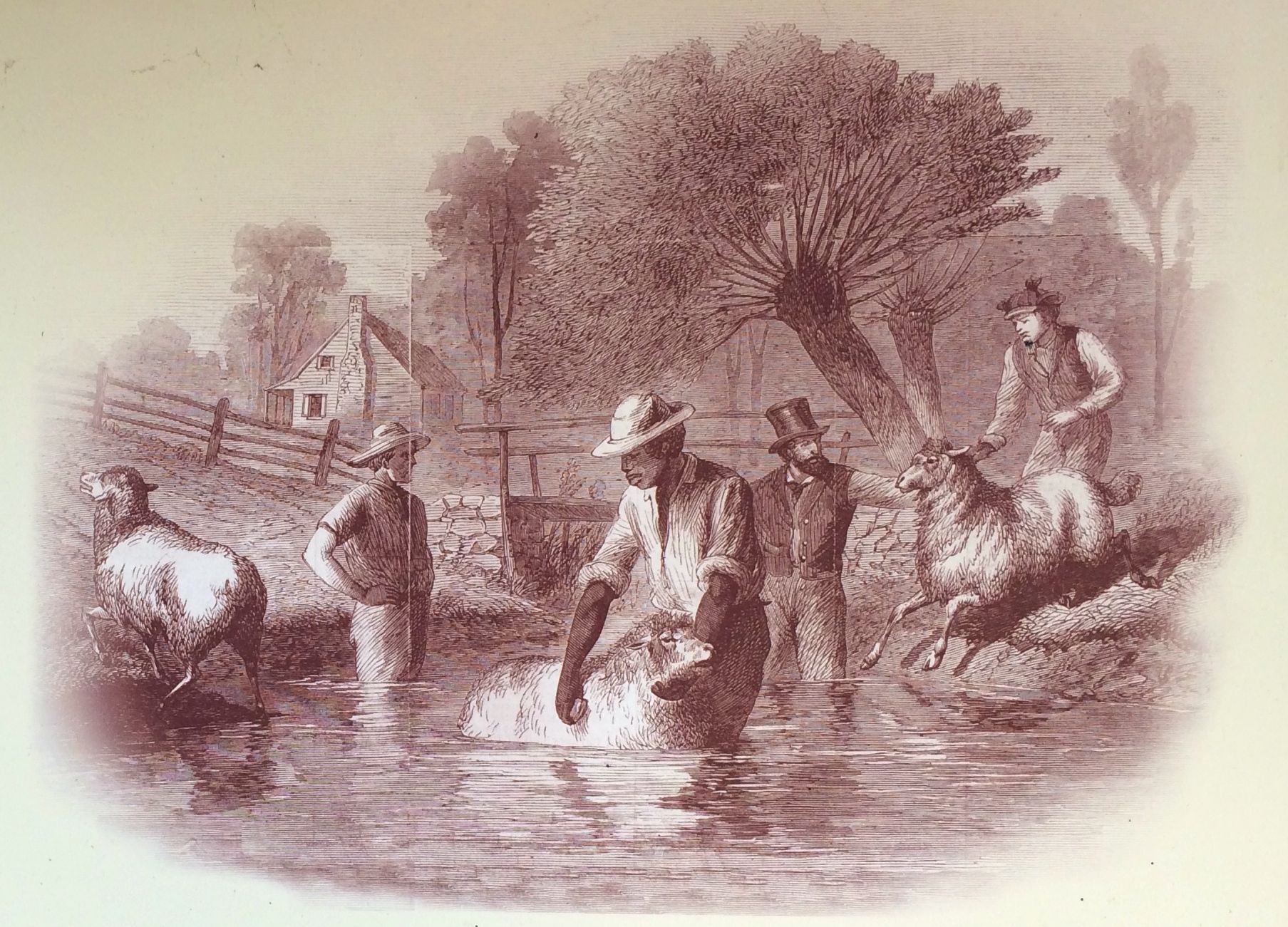
Merino sheep were introduced to Vermont in 1802 from Spain. By 1837, 1,000,000 sheep were in the state, which is about four sheep for each person in the state at the time. There was a boom-bust cycle of price for wool, and wool production couldn’t withstand the more efficient competition from the Western states. Sheep-raising in Vermont collapsed shortly thereafter.
Farmers were always looking for ways to bring in money. If the house portion of the museum was open, I might have learned more about all the different ways they made money, but on my way over to see the house, I passed a distinctively 20th century method of making money – the tourist cabin.

Tourists stayed here for $1 per night in the 1920s and 1930s.
According to a quote on a sign, “Some that are who declare that it is not cows we should milk, but city people. The latter come with full moneybags, overflowing with profits they have got Lord knows where. What more should be ask unless it were manna from Heaven?”

Finally, I made it over to the main house. The entry in Wikipedia lists its architectural style as “other.”

You can see all the additions that were made over the years.
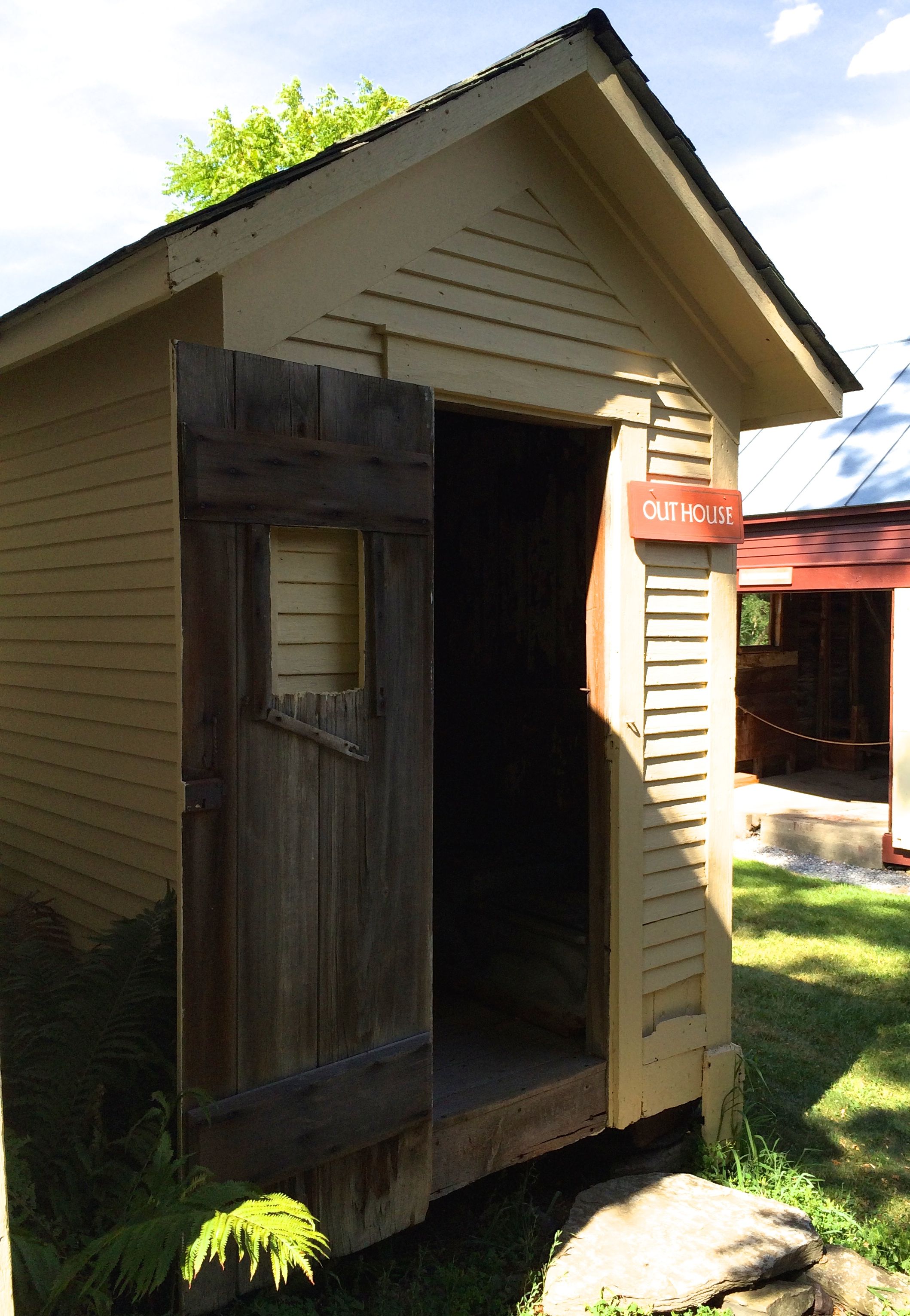
Around the back was the outhouse. Nothing as splendid as the one from Mount Vernon or James Buchanan’s house, but perfectly adequate to get the job done.

It was a three-holer, with a shorter one for children.
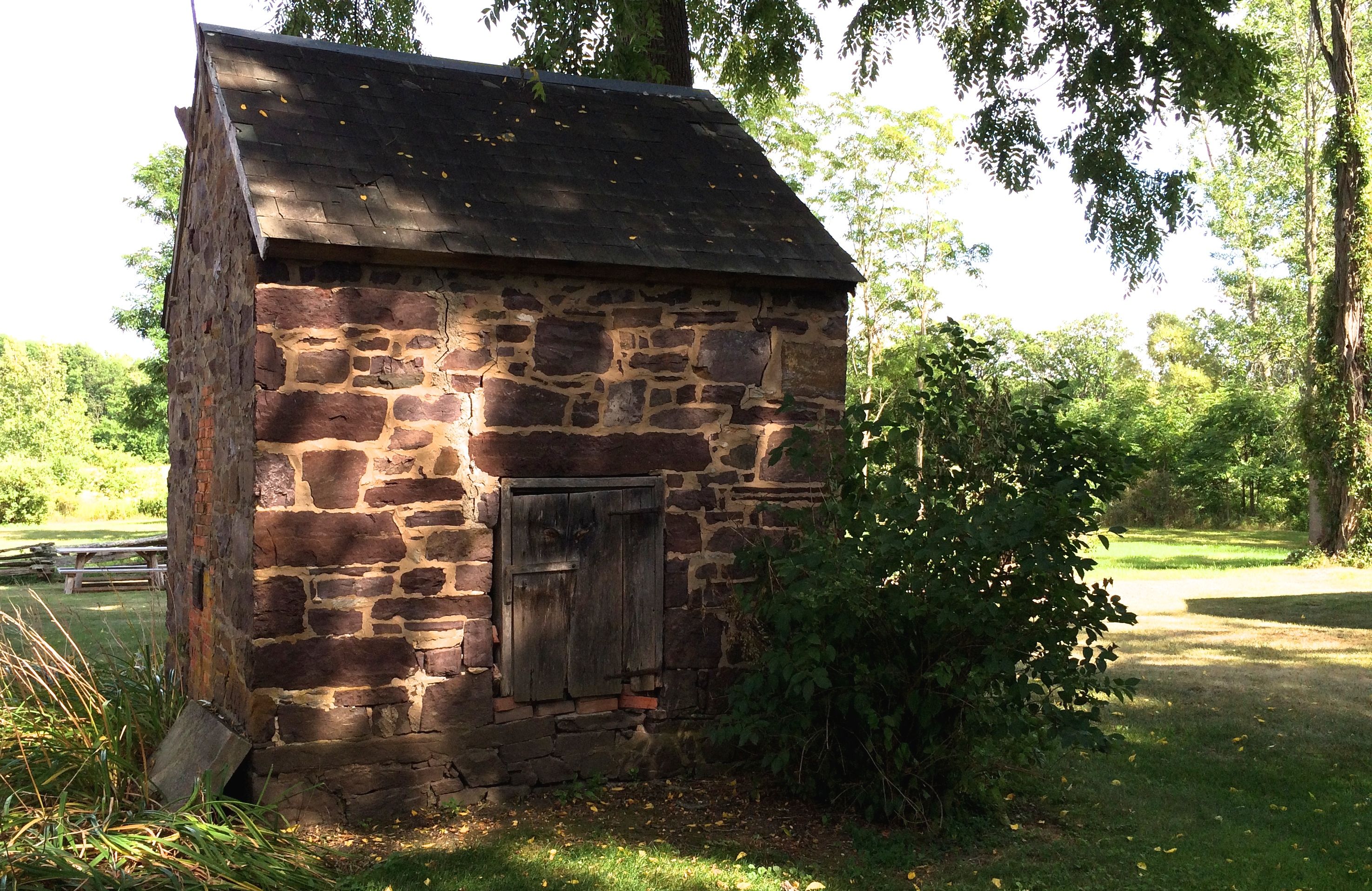
There was a smoke house in the back, too.

And a building called The Other House, which was a house for workers. It was originally larger. Over the years, parts have been taken down.
And with that, it was time to resume my travels. Next stop, Onion River Campground.