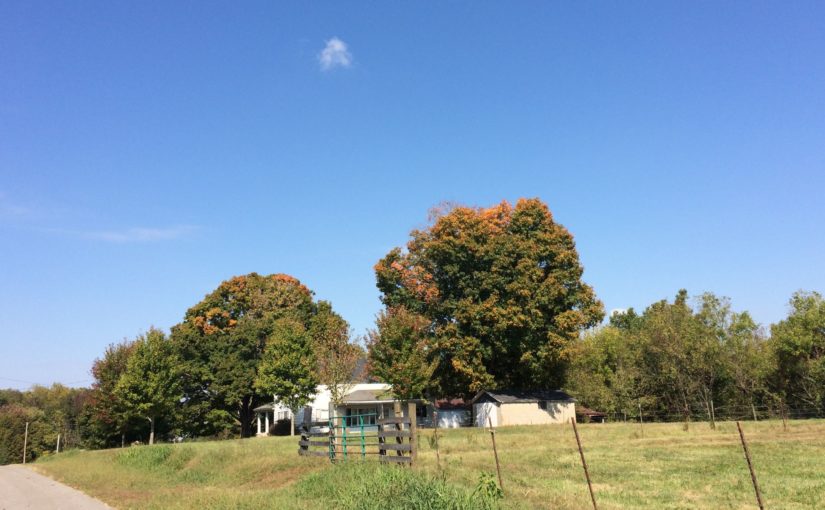
I was excited to get back to Campbellsville, Kentucky. I was eager to get started back at Amazon, but I had a couple of days to fill before my start up date. Although I had spent more than three months there in 2014, I managed to find something that I hadn’t seen before – and it was right down the road from the campground.
I saw a sign on Route 55 that directed me to some sites pertaining to the Battle of Tebbs Bend, so I turned off the highway and came upon a very familiar marker.
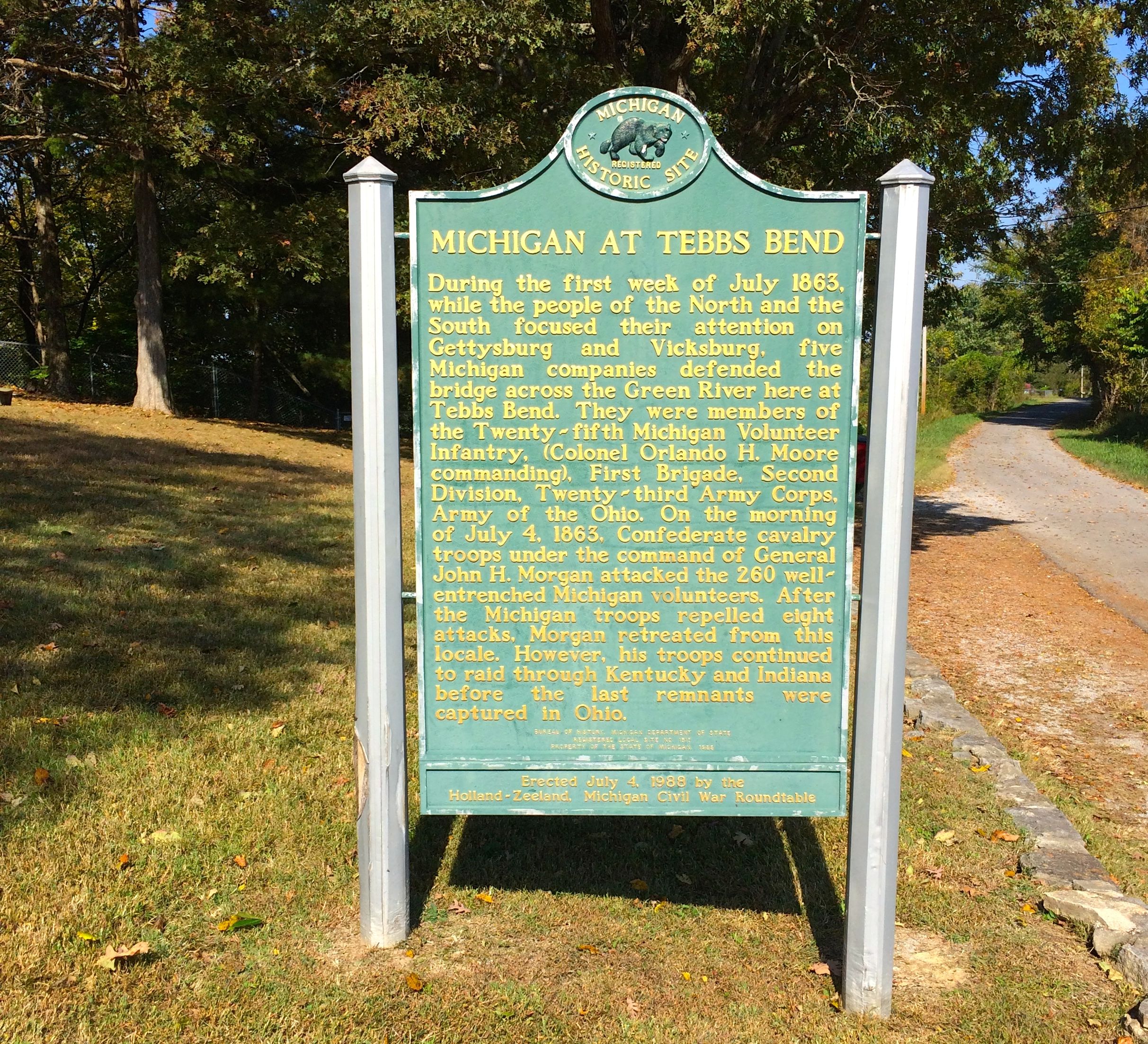
It was familiar because it was a MICHIGAN state historic marker!
This seemed rather odd, as I was in Kentucky. Naturally, I had to investigate.
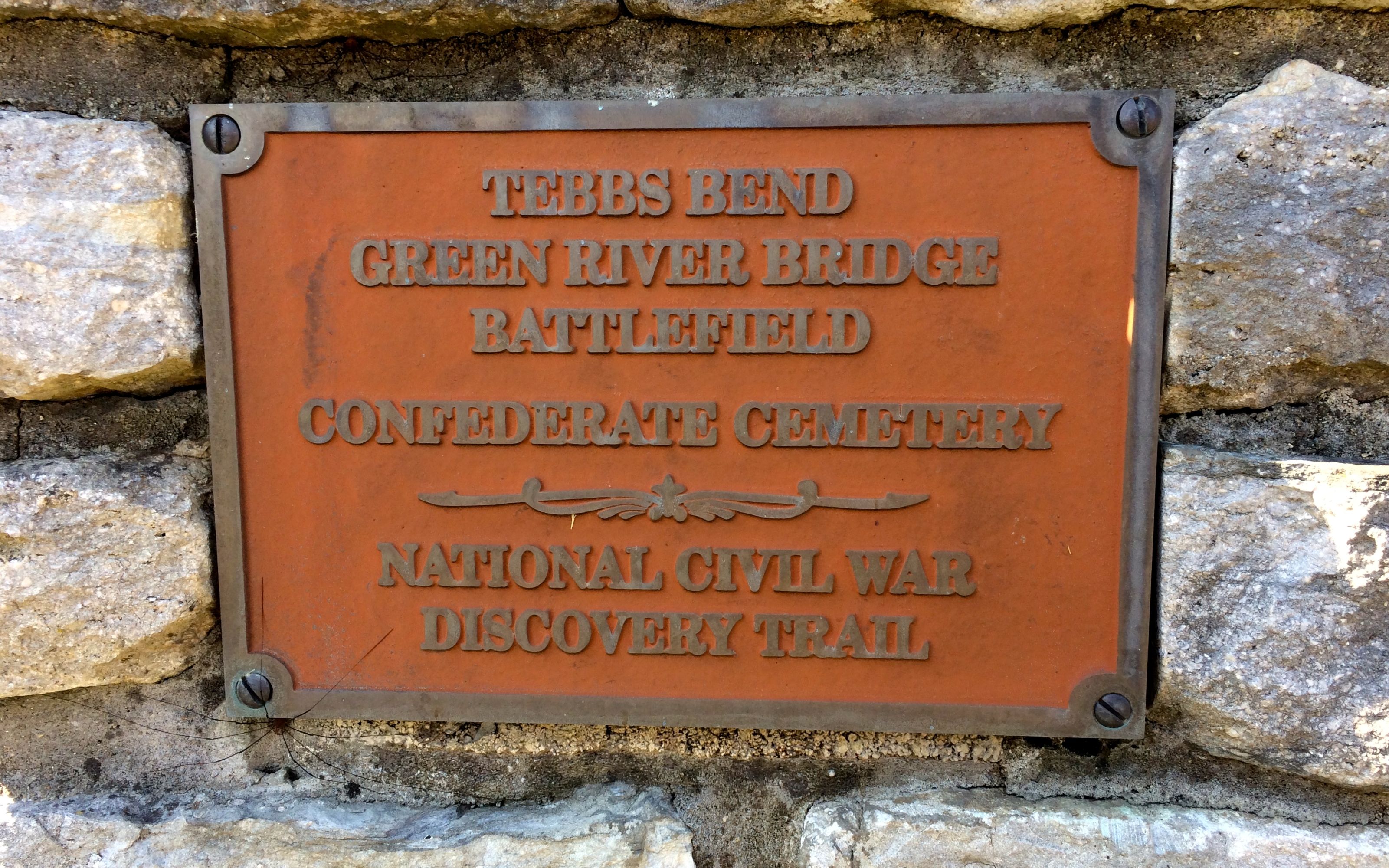
The sign read,
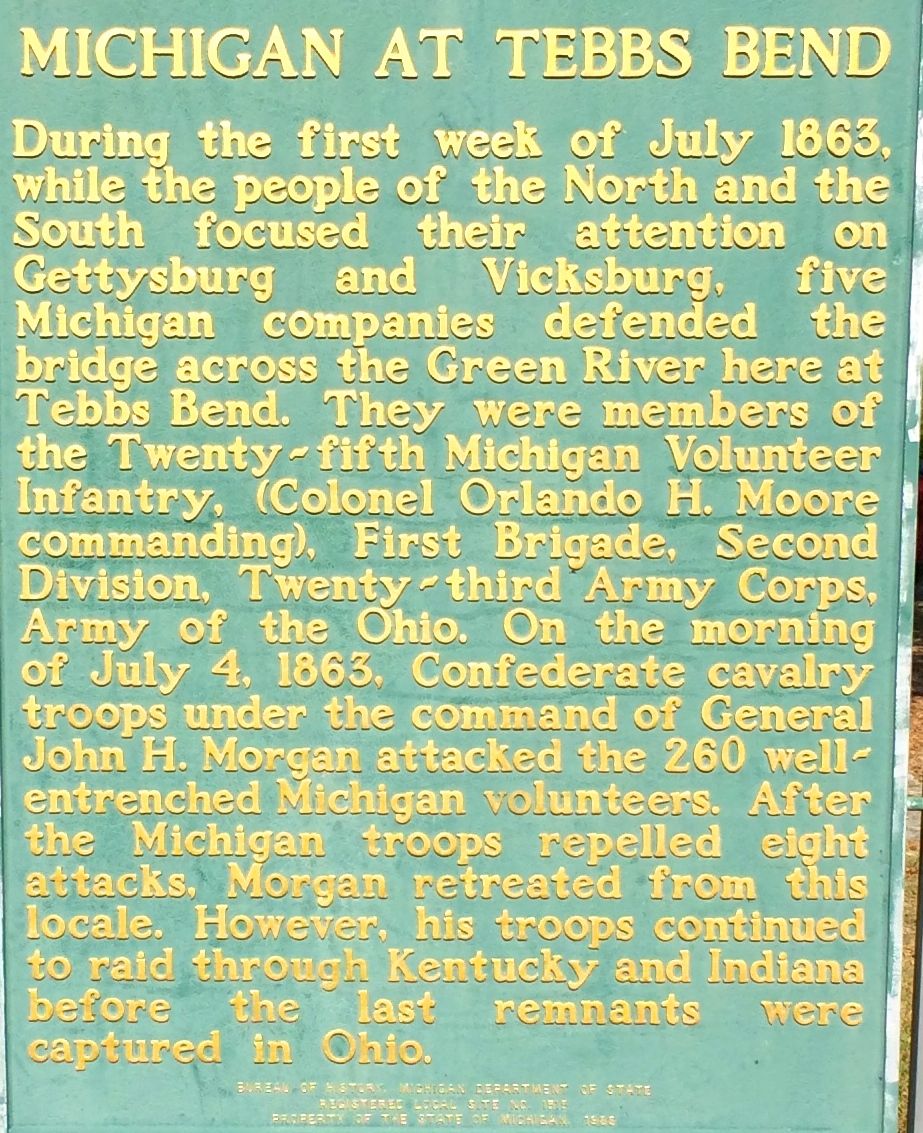
This sign was at the road. It was in front of a Confederate Cemetery.
It was a lovely day for a stroll through a cemetery.
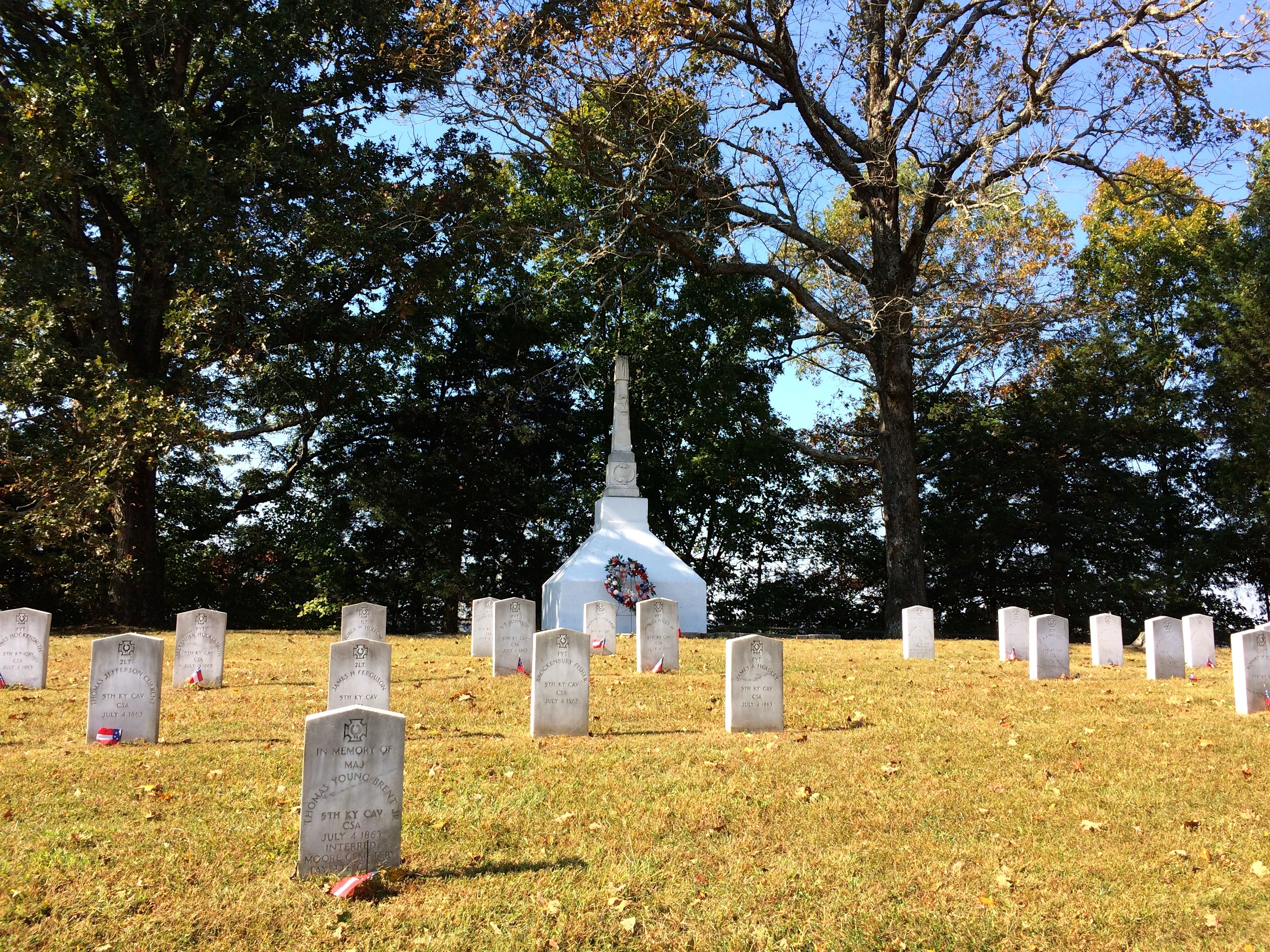
In 1872, some twenty bodies of Confederate soldiers were buried within the stone walls on land donated by James Madison Griffin.
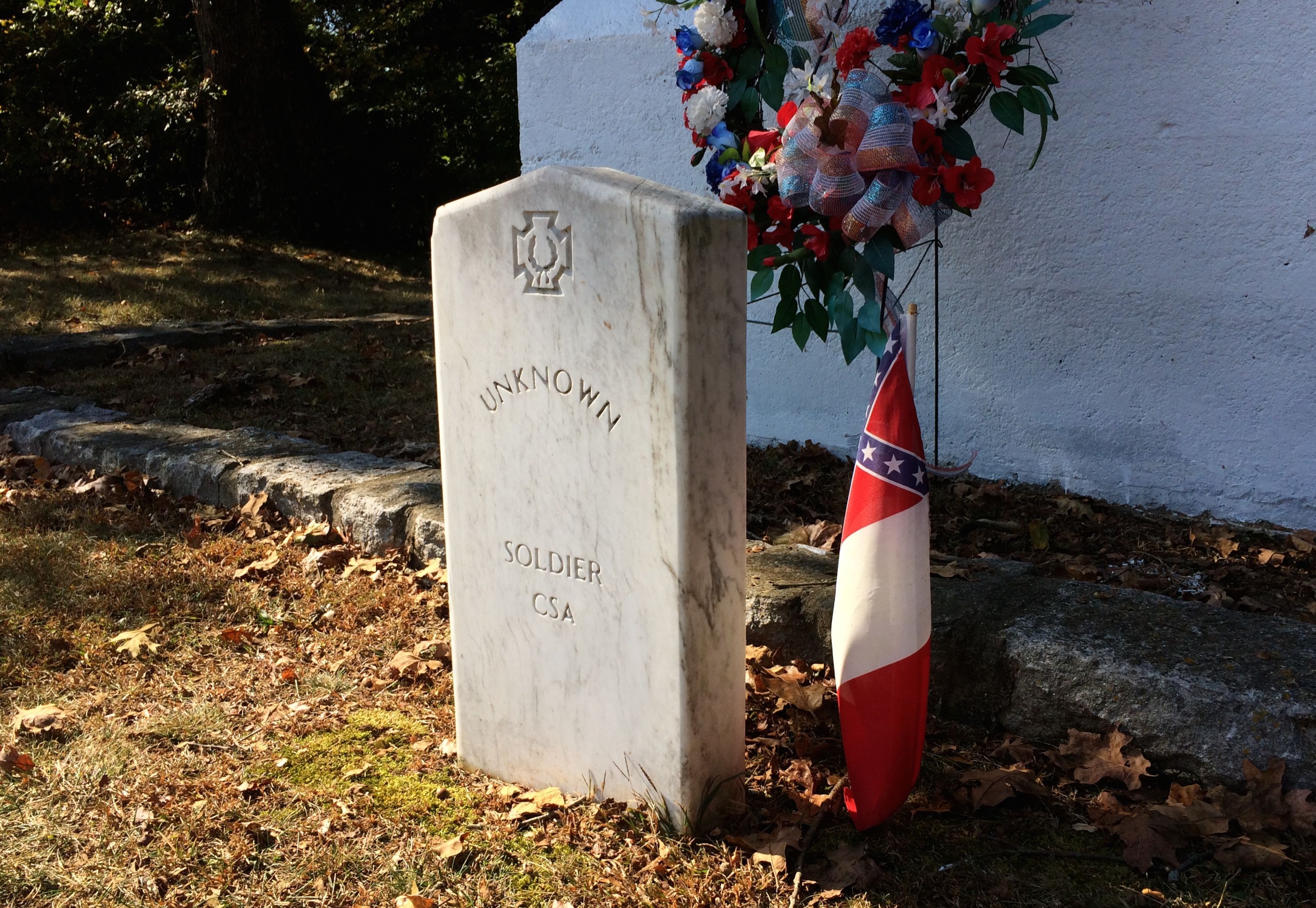
There was even a grave of an Unknown Confederate Soldier.
As always, transportation is important. Brigadier General John Morgan and his compliment of 2,460 handpicked Confederate cavalrymen rode from Sparta, Tennessee, intending to divert the attentions of the Union Army. He crossed the rain-swollen Cumberland River and advanced into Kentucky, eventually camping between Campbellsville and Columbia. He planned to cross the Green River at Tebbs Bend the next day, but found that it was guarded by about 200 men of the Michigan Infantry, lead by Colonel Orland Hurley Moore.
The Michiganders had erected earthworks in he woods near the river, further fortified by a line of abatis of felled trees and several forward rifle pits. His goal was to protect the Lebanon-Campbellsville-Columbia Turnpike, which was also the easiest and fastest route for Morgan to take to reach Louisville.
According to historian James Ramage, this was one of the most outstanding small victories in the Civil War. He said that is was unusual for a small Union force that was relatively inexperienced to resist to resist Morgan’s larger battle hardened company and to fight so fiercely and effectively.
If you are interested in this battle, there is a good description of it at Tebbsbend.org.
I drove along the three mile loop that went through the battlefield and across the river. In this area, the Confederates lost 35 men and 45 were wounded. The Federals lost six men and 23 were wounded.
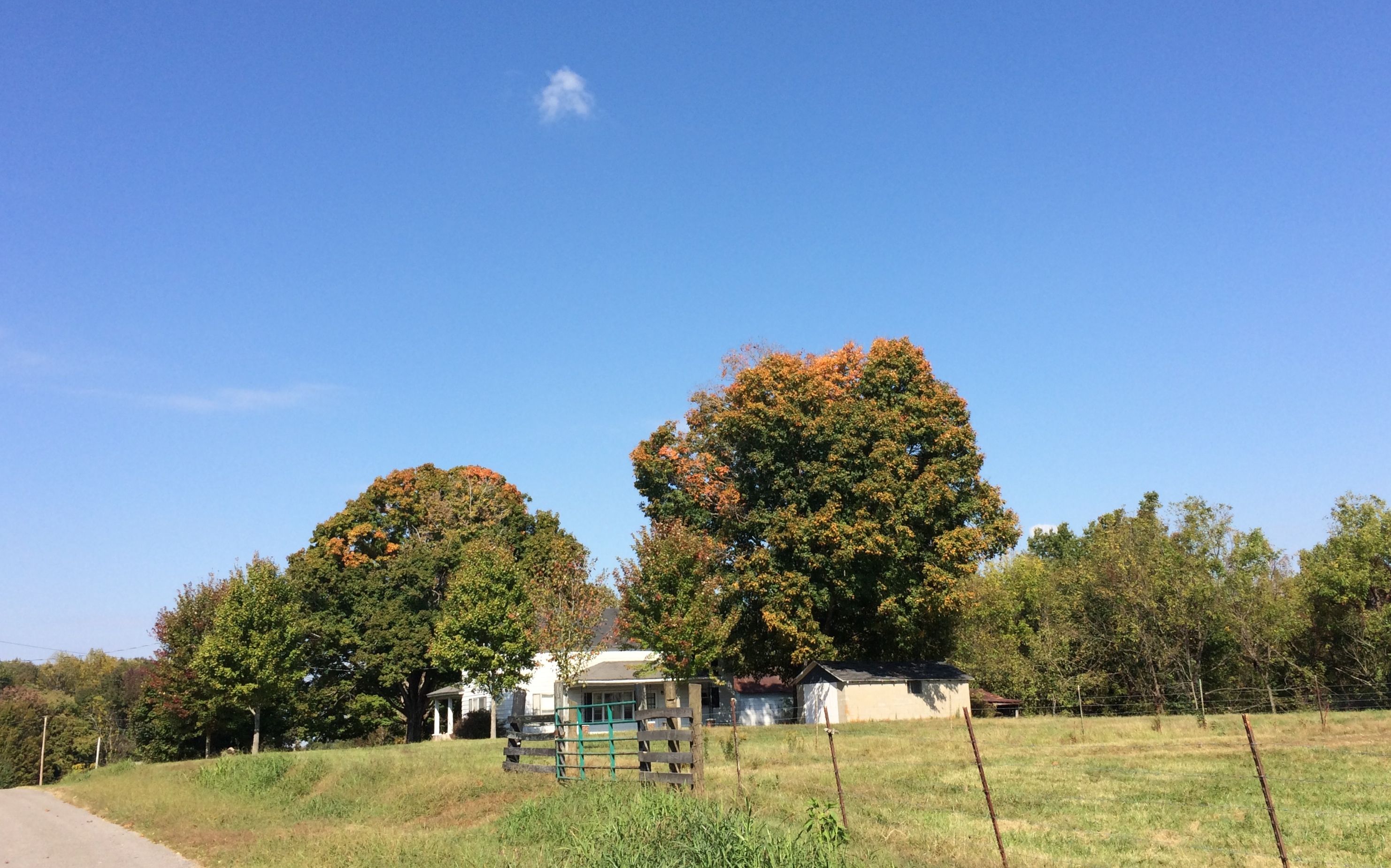
There were markers along the route that pointed out where various defensive positions had been erected. The fighting was fierce in this particular part of the battlefield.
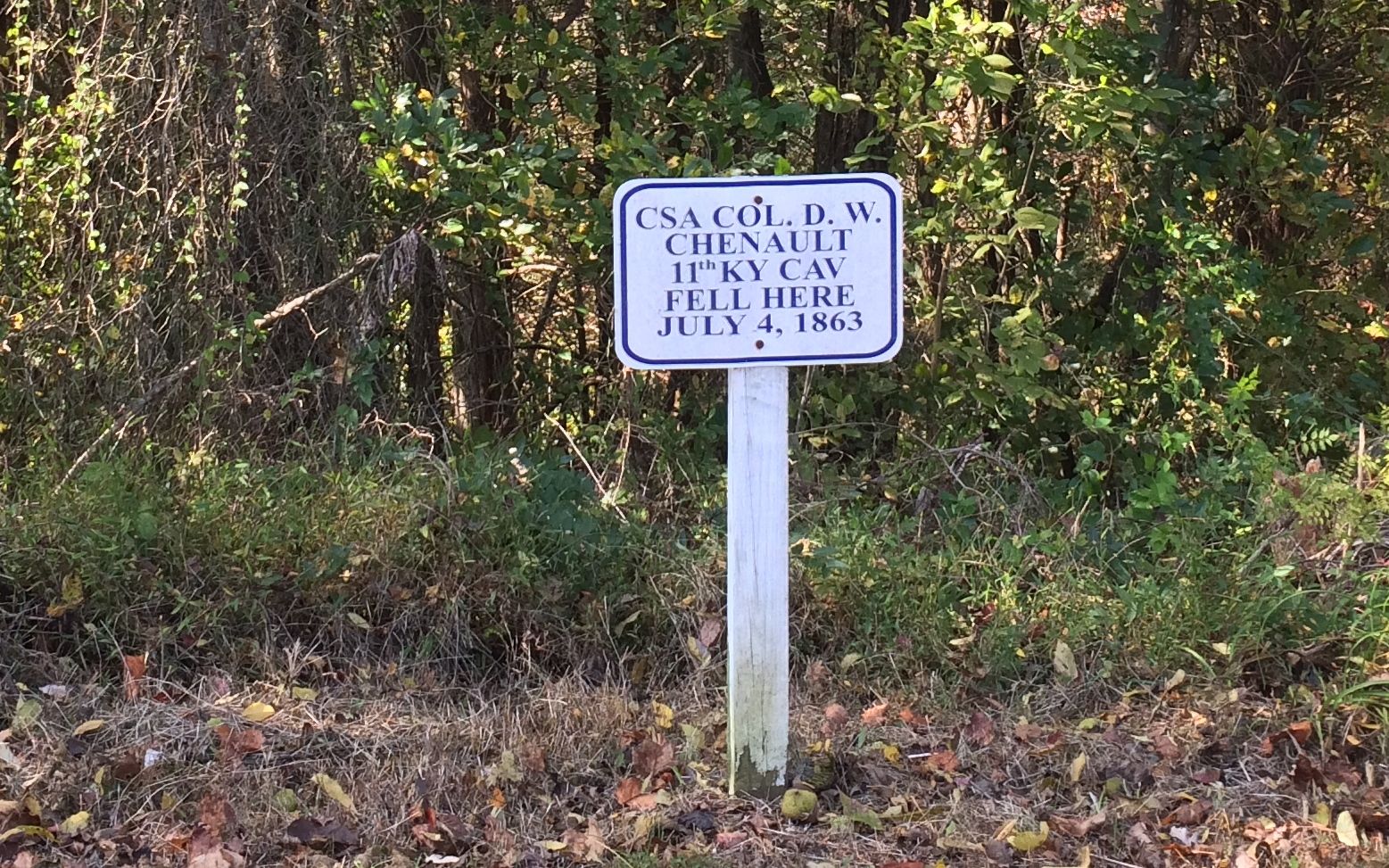
The spot where Colonel Chenault CSA is marked near where the farmhouse is today.
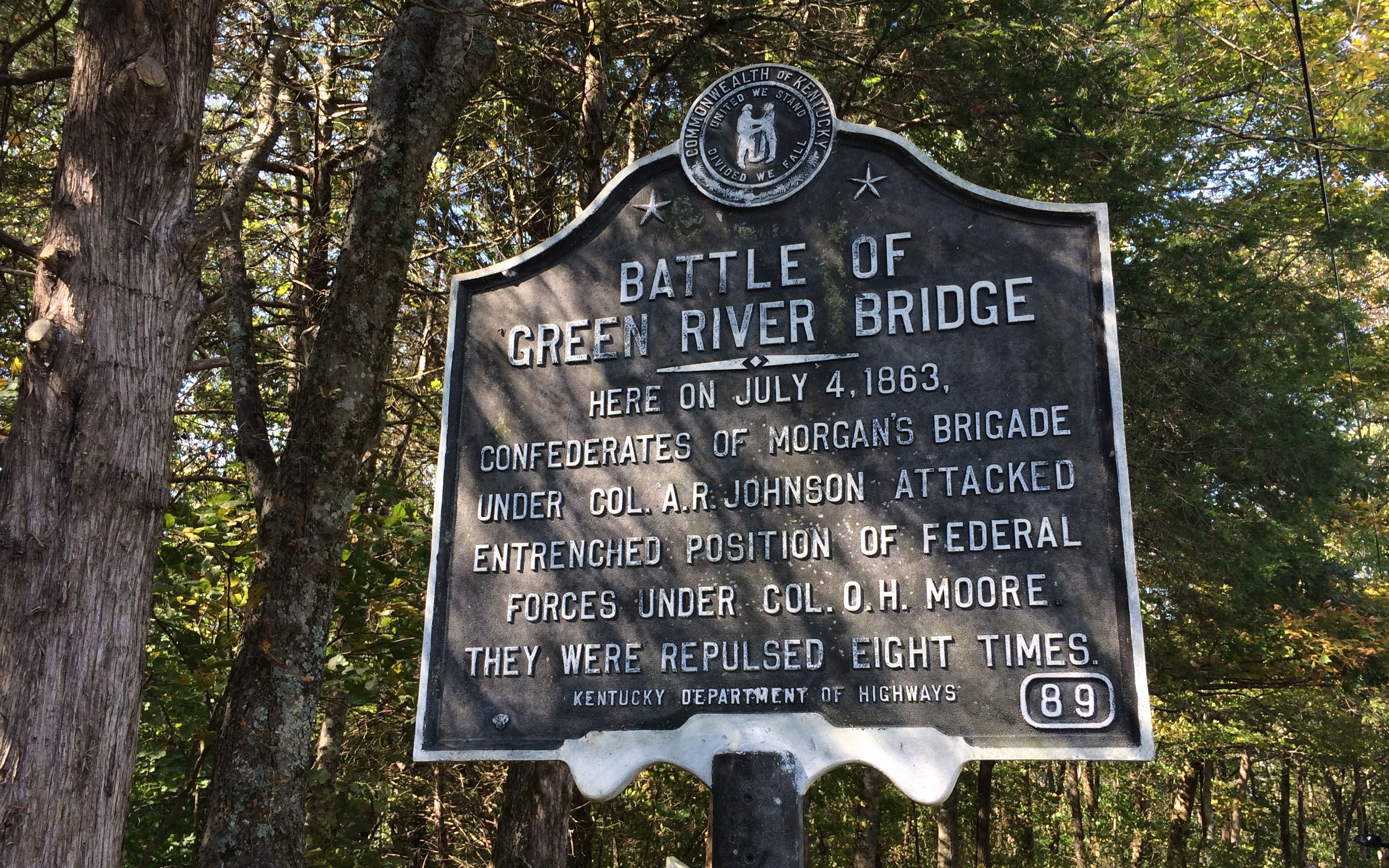
This plaque was erected where the bridge crossed the Green River.
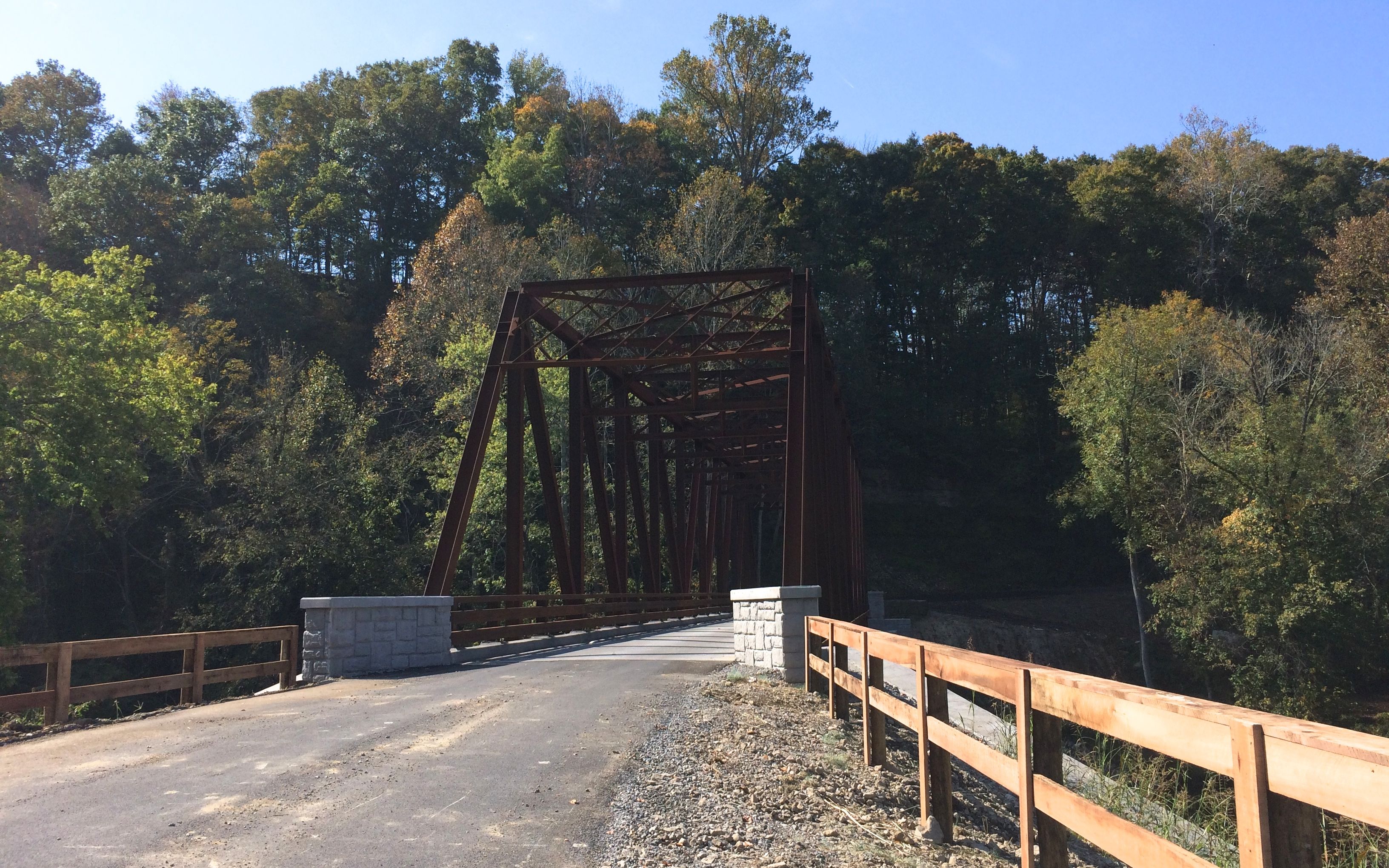
One interesting fact I learned while I was trying to refresh my memory about this site was the the Michigan forces, lead by Colonel Moore, walked back and forth across the bridge at night to give the impression that reinforcements had arrived.
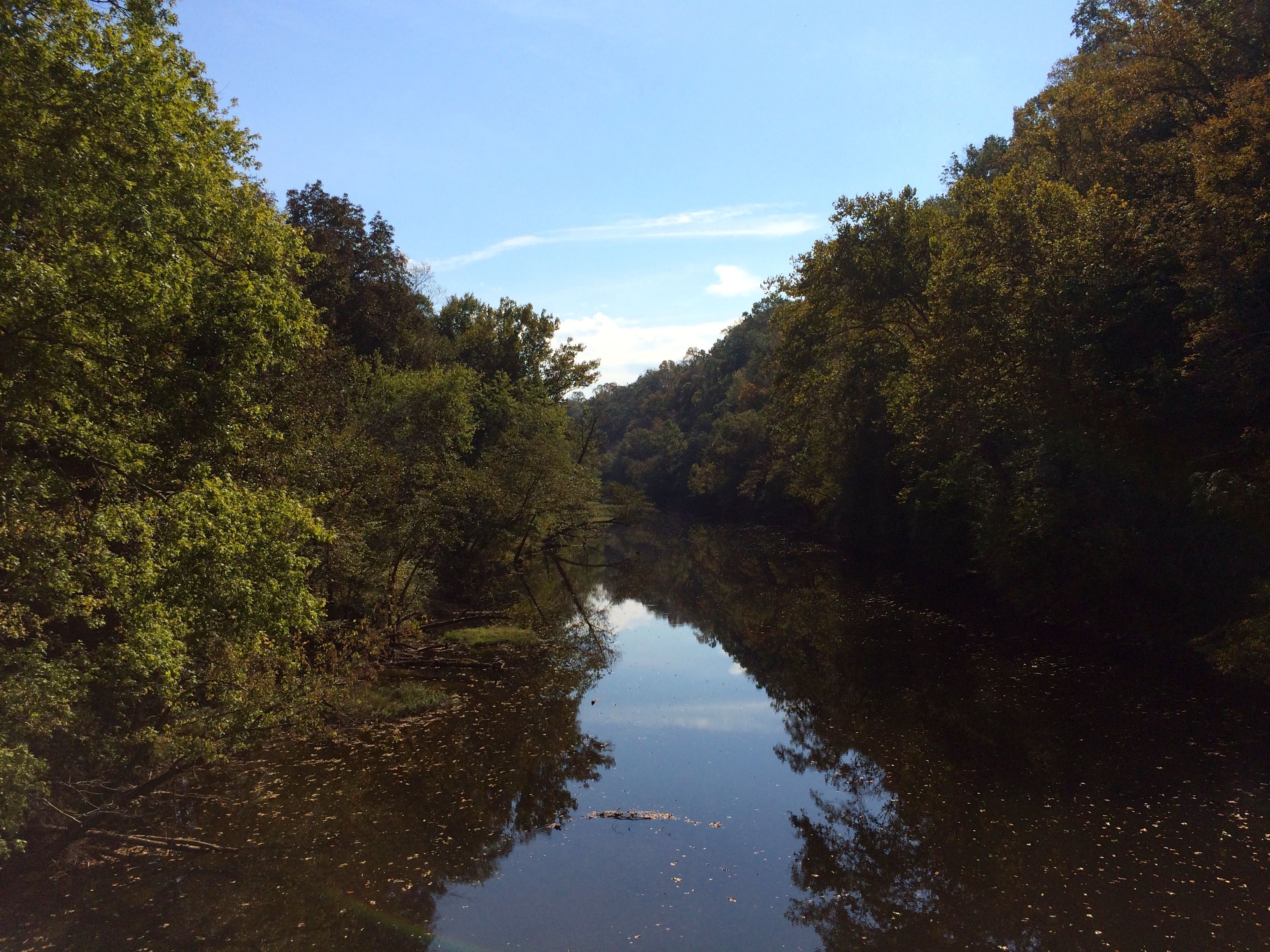
The bridge had just been repaired, as it had been washed out by high water early in the year.
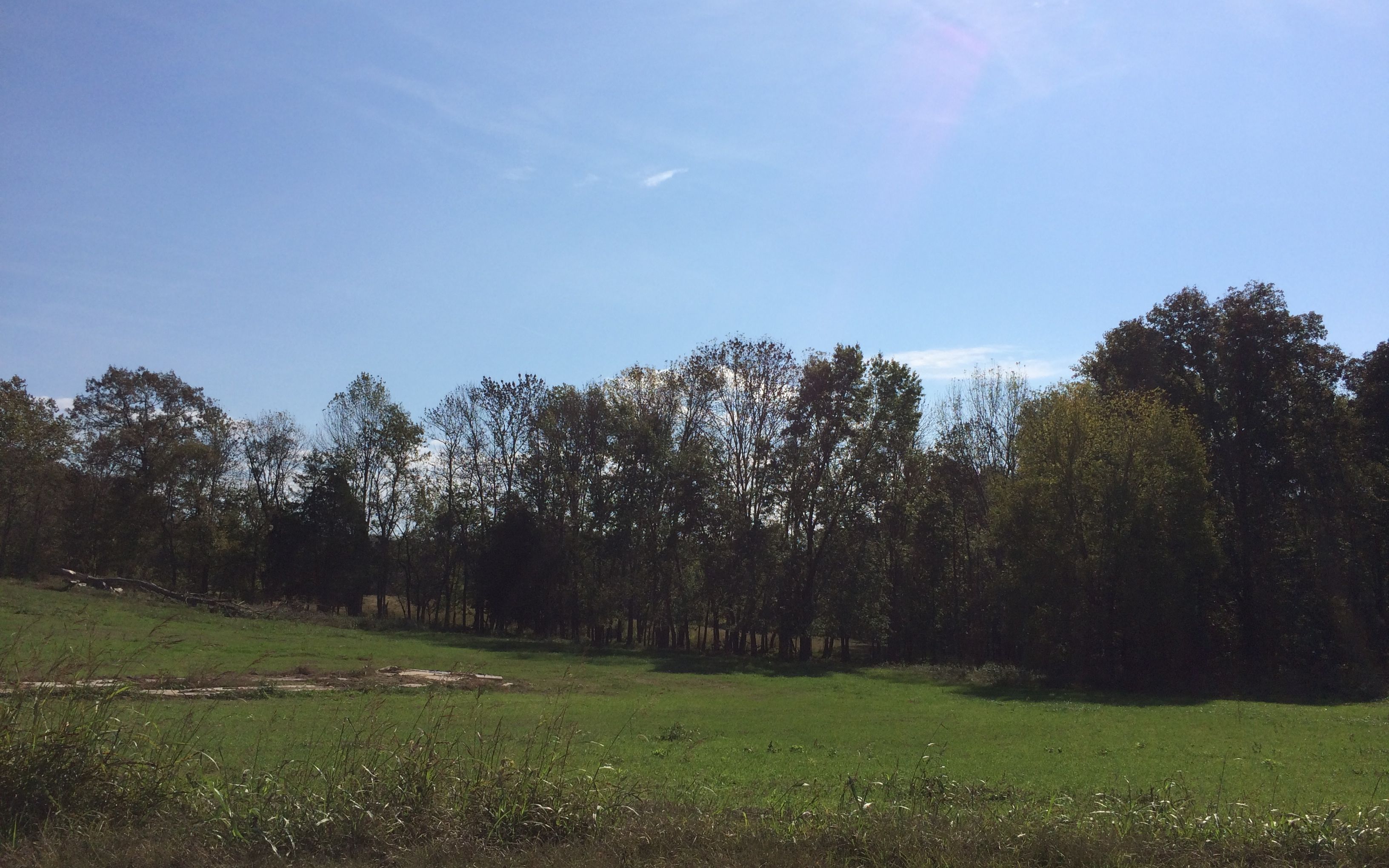
The Confederates had to attack across this field, if I understood the information correctly, across the river and then up a steep embankment.
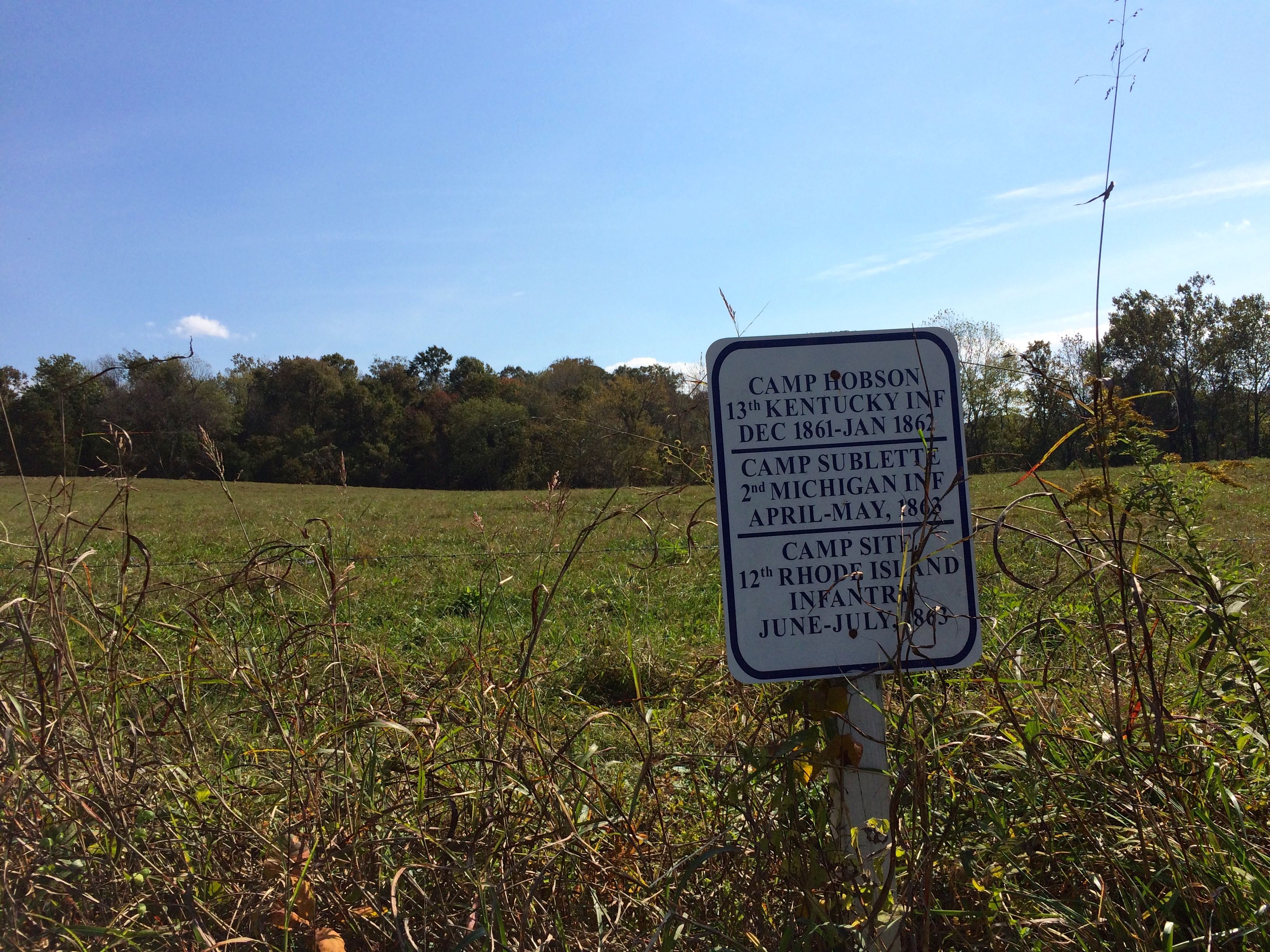
As you can see from the sign, this location changed hands several times during the war. Kentucky made camp here for a couple months in 1861-1862. Michigan was here April – May 1863 and then Rhode Island followed after that.
I was surprised that a small but significant Civil War battle had happened in a place I thought I knew fairly well.
It’s amazing what you can learn when you keep your eyes open and read the signs.
Never heard of this battle before. Goes to show it’s not the size of the dog in the fight, but the size of the fight in the dog.