Okay, maybe it wasn’t all that funny.
I decided I wanted to see the ocean while I was in Savannah, and I decided to take a drive out to Tybee Island. I was tooling down the road and saw a sign for Fort Pulaski National Monument, and I decided to investigate.
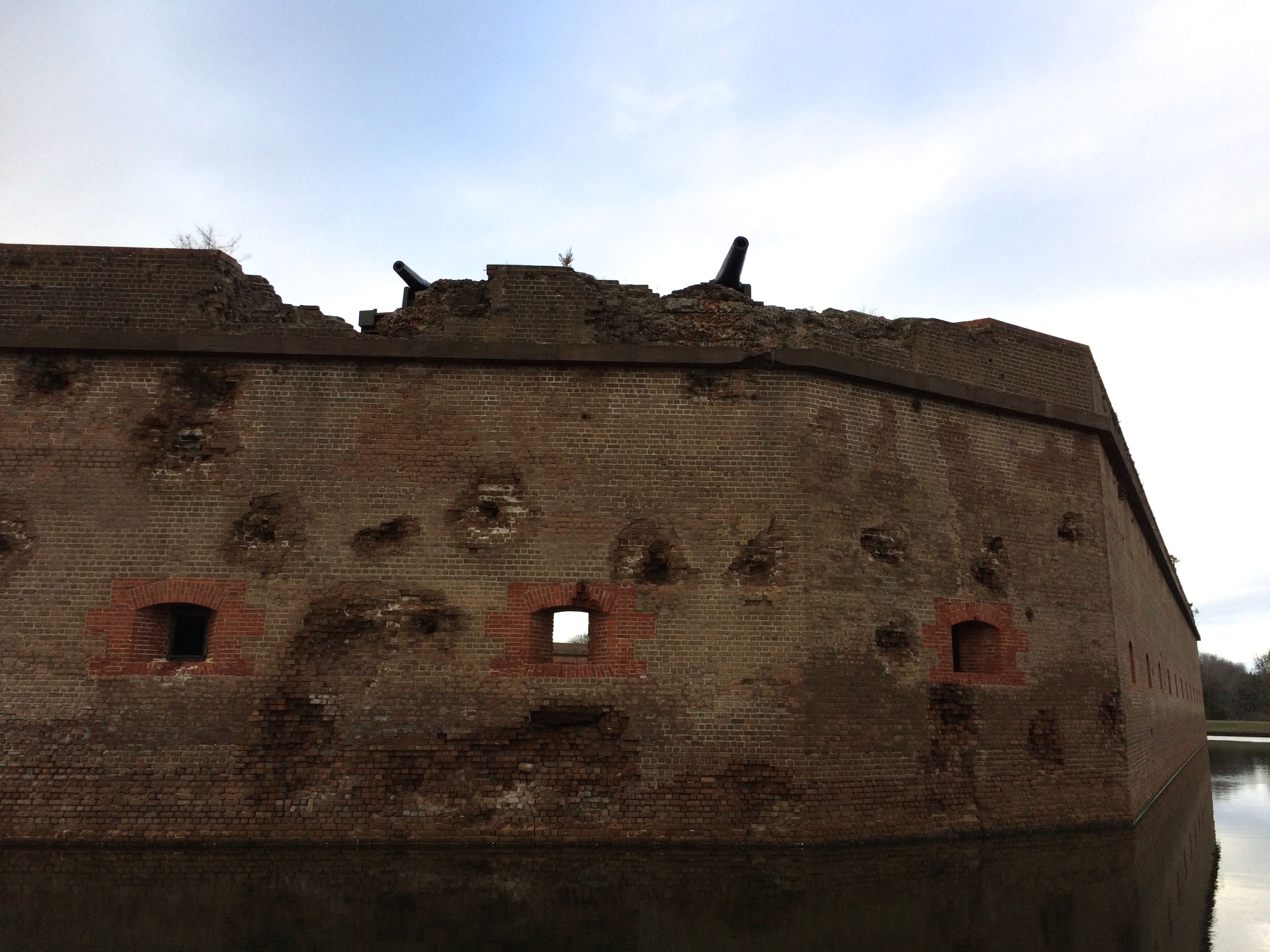
I stopped into the visit center and discovered that Fort Pulaski was pivotal in the Civil War. It was the first time that the Union Army successfully tested rifled cannon. They were so accurate that they made brick fortifications obsolete.
That is really something, when you consider that the walls were eleven feet thick.
I entered the fort through the demilune, which is kind of like a little island in front of the portcullis.
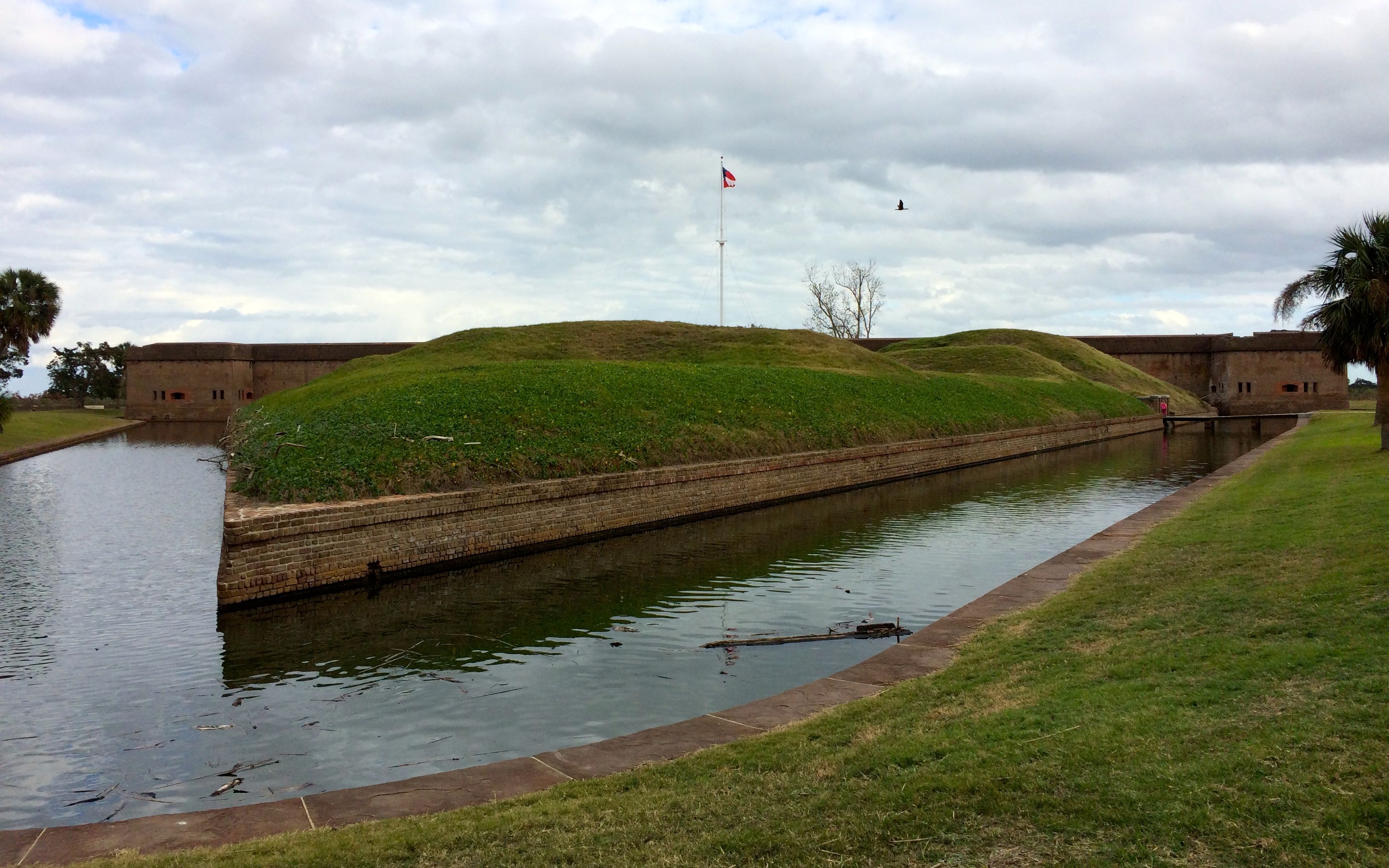
A moat ran all the way around the fort.
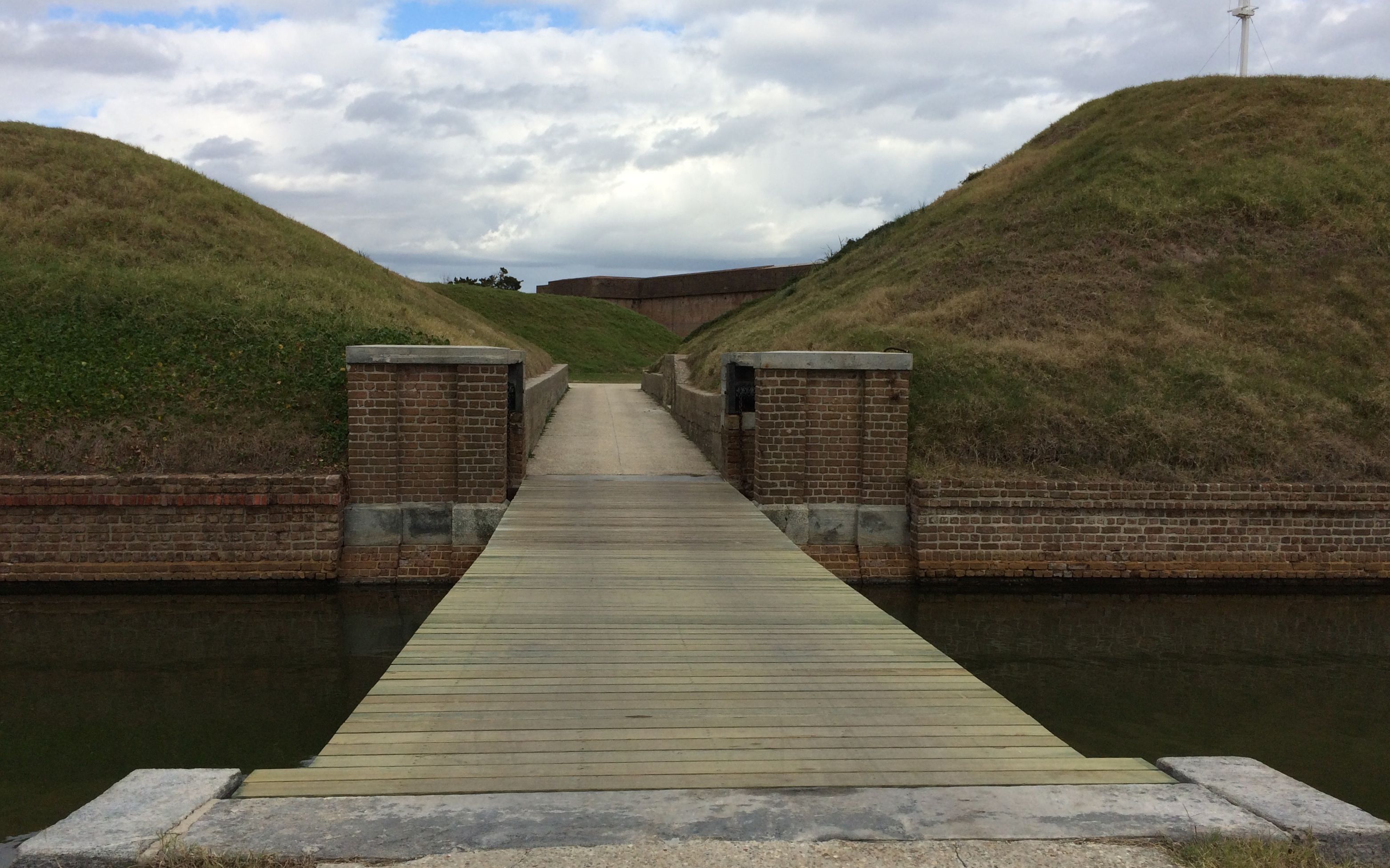
I crossed over.
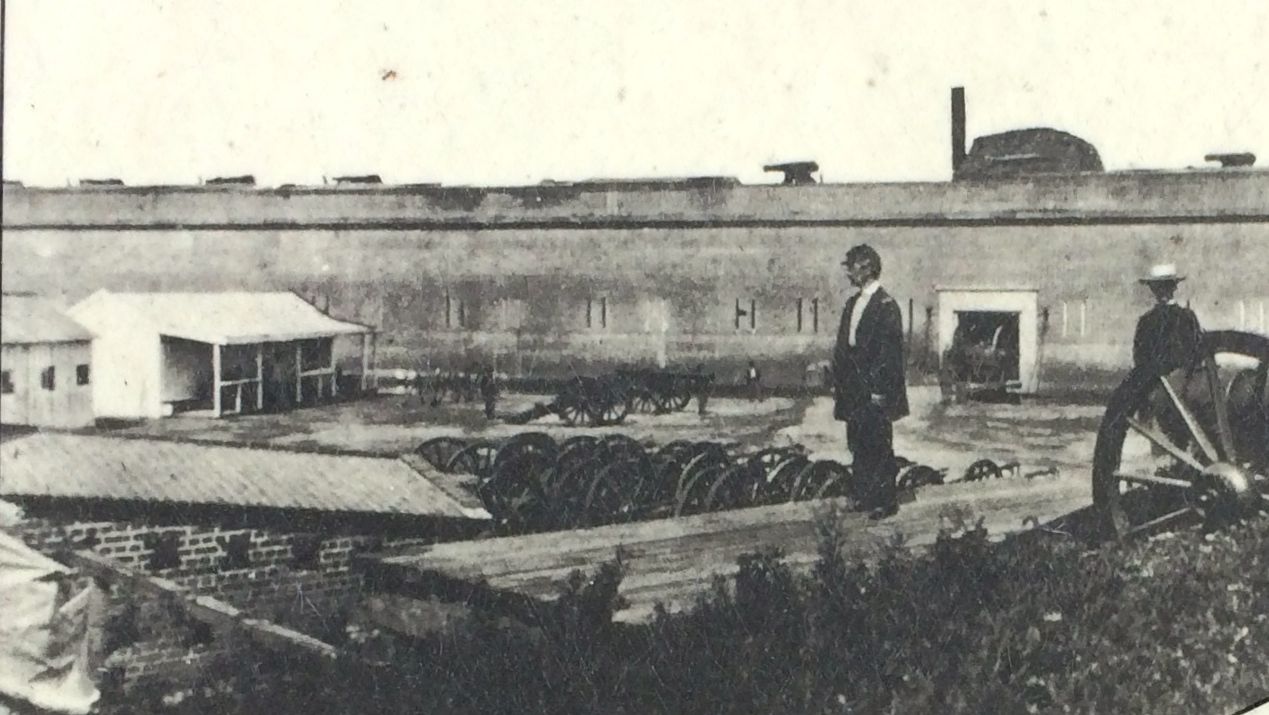
Back when the fort was built in 1847, this area was used as a kitchen and apparently as general storage.
Now a days, there is a magazine.
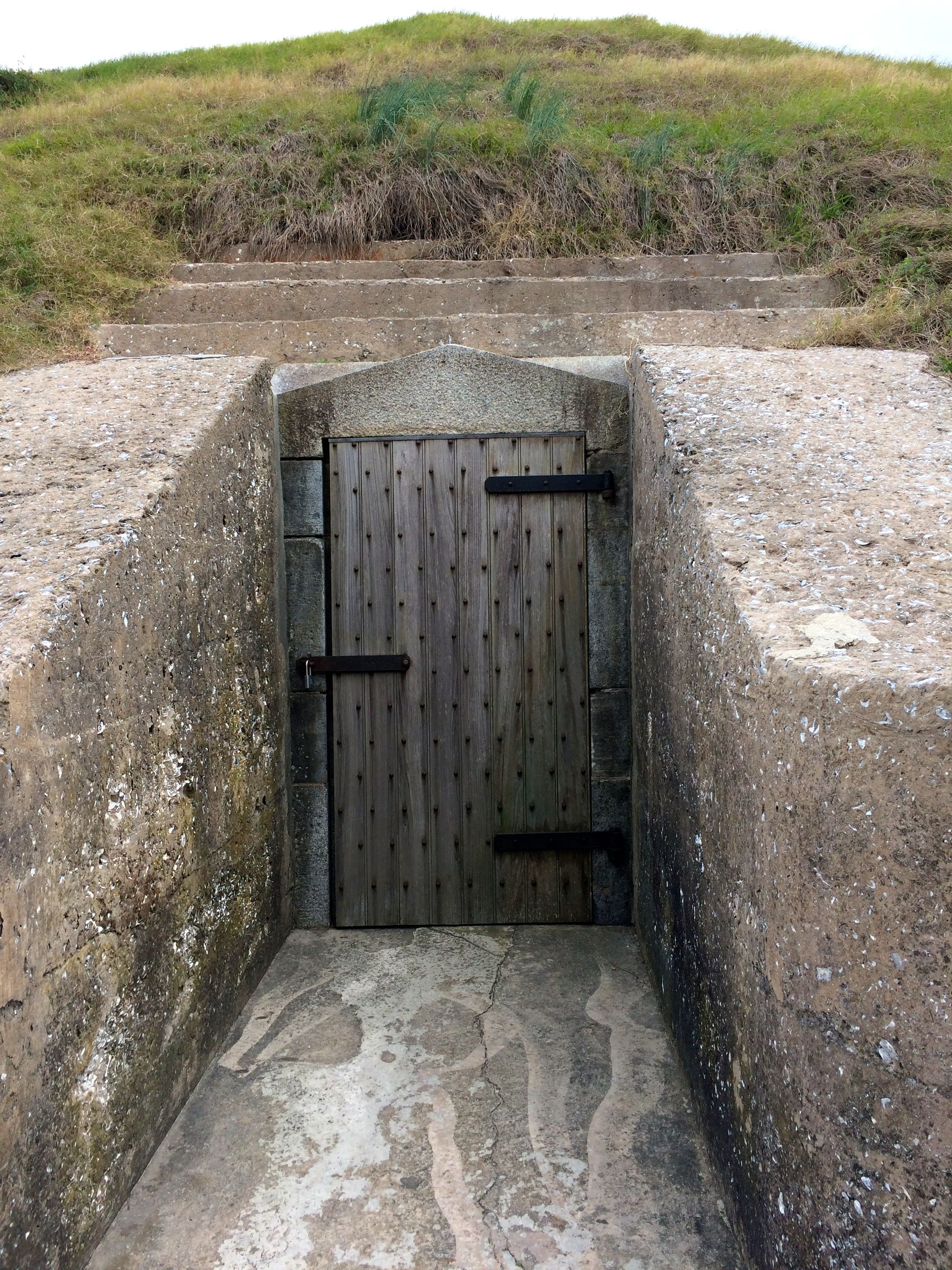
When the technology advances, it became unsafe to store the ammunition inside the fort.
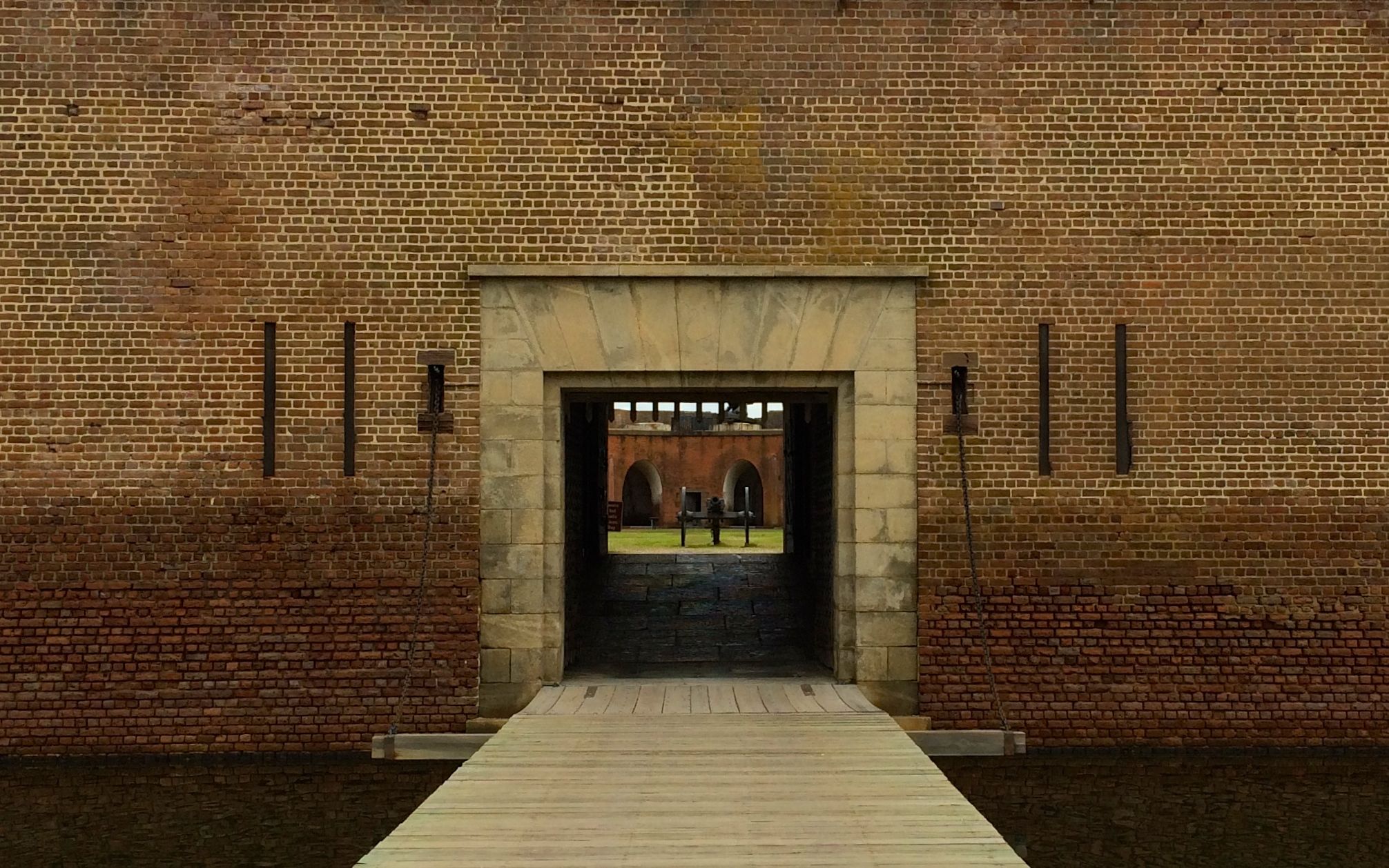
I wended my way through the demilune and crossed the drawbridge into the fort.
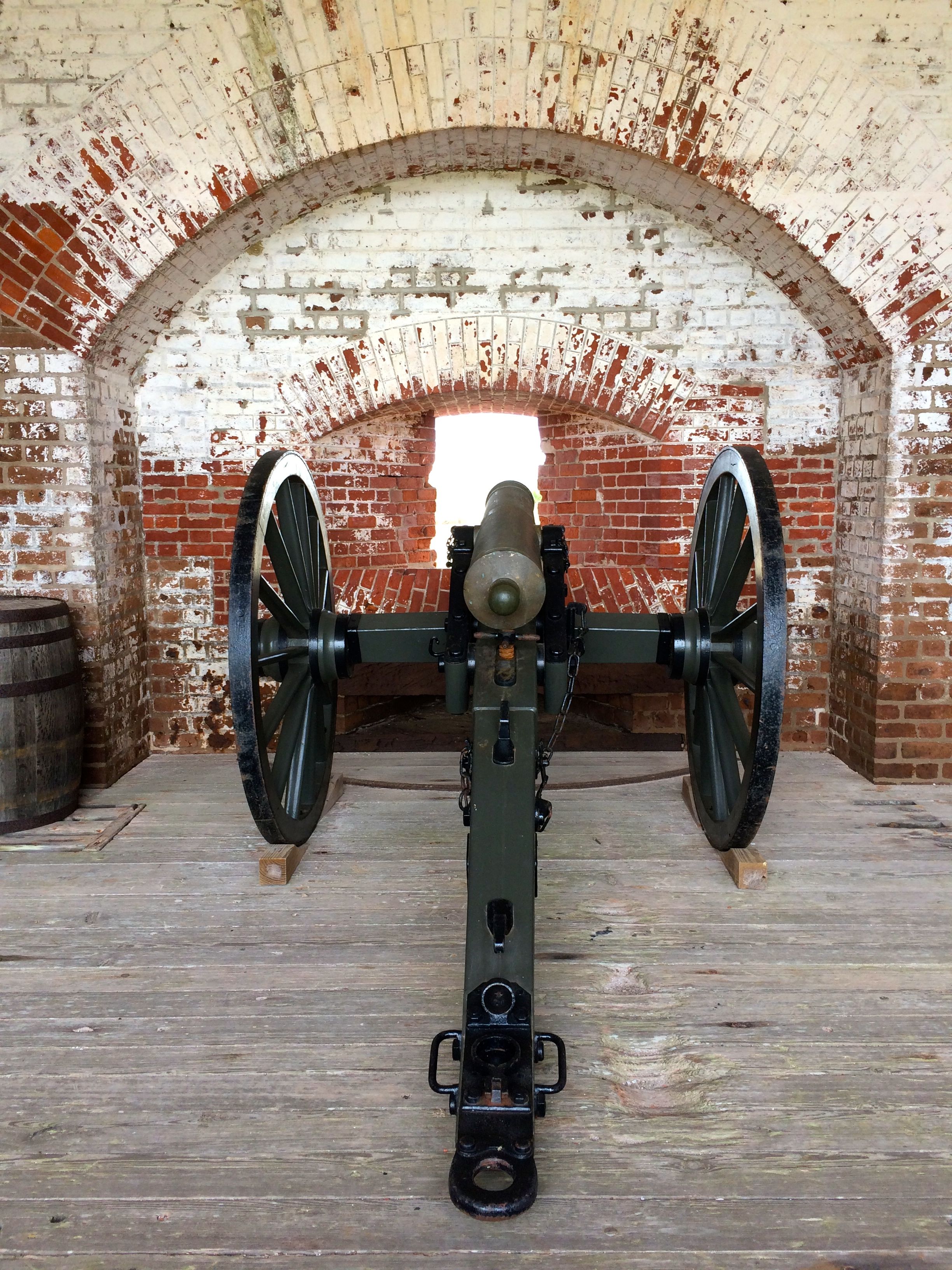
I spent time prowling around the fort. It was much like many of the other forts that were built as part of the Third System of coastal fortifications that were planned after the War of 1812. According to my sources (okay – Wikipedia) most of the nearly thirty Third System forts built after 1816 still exist along either the Atlantic or Gulf coasts.
The construction of Fort Pulaski began in 1829. It was named in honor of Kazimierz Polaski, a Polish soldier and military commander who fought in the American Revolution under the command of George Washington.
Pulaski Day was always a big thing in Western New York. That was part of the reason I was eager to visit the fort.
Anyway, back to the fort. Wooden pilings were sunk up to 70 feet deep into the mud to support an estimated 25,000,000 bricks. it was finally completed in 1847 after 18 years of construction and at a cost of $1 million.
When Robert E. Lee graduated from West Point in 1829, he came to work on building the fort. He was in charge of designing the series of canals and earthworks that drained excess water from Cockspur Island. During the war, Lee inspected the site and noticed that the dike system had worked as planned. Land maps dated 1862 show the area inside the dike as the only dry land.
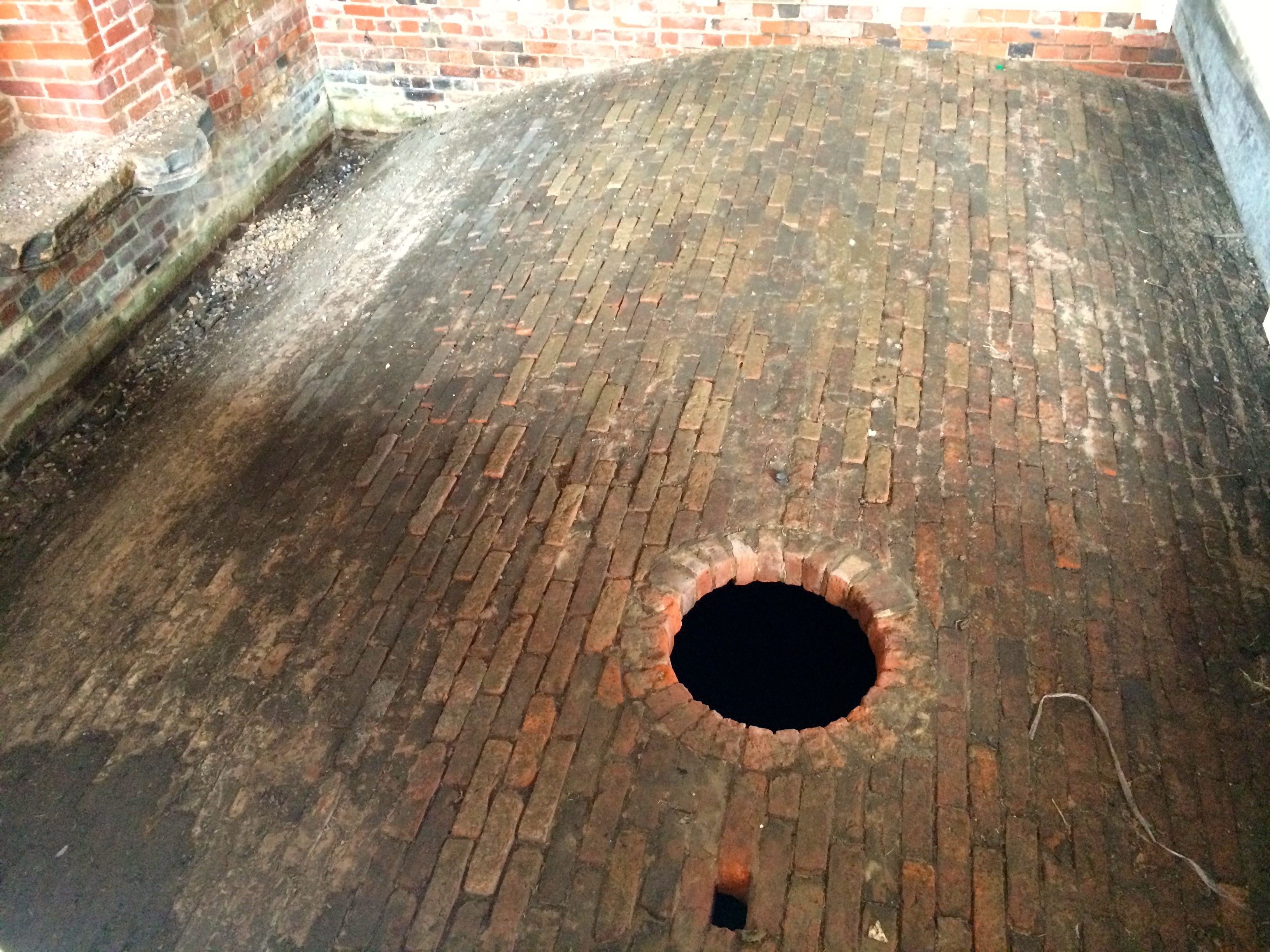
So, there was a lot of water, but it was all salt water. They must have saved rain water in cisterns like this one. There were ten cisterns in the fort and they could store a total of 200,000 gallons. Rain falling on the terreplein above filtered through pipes in the wall into the cisterns.
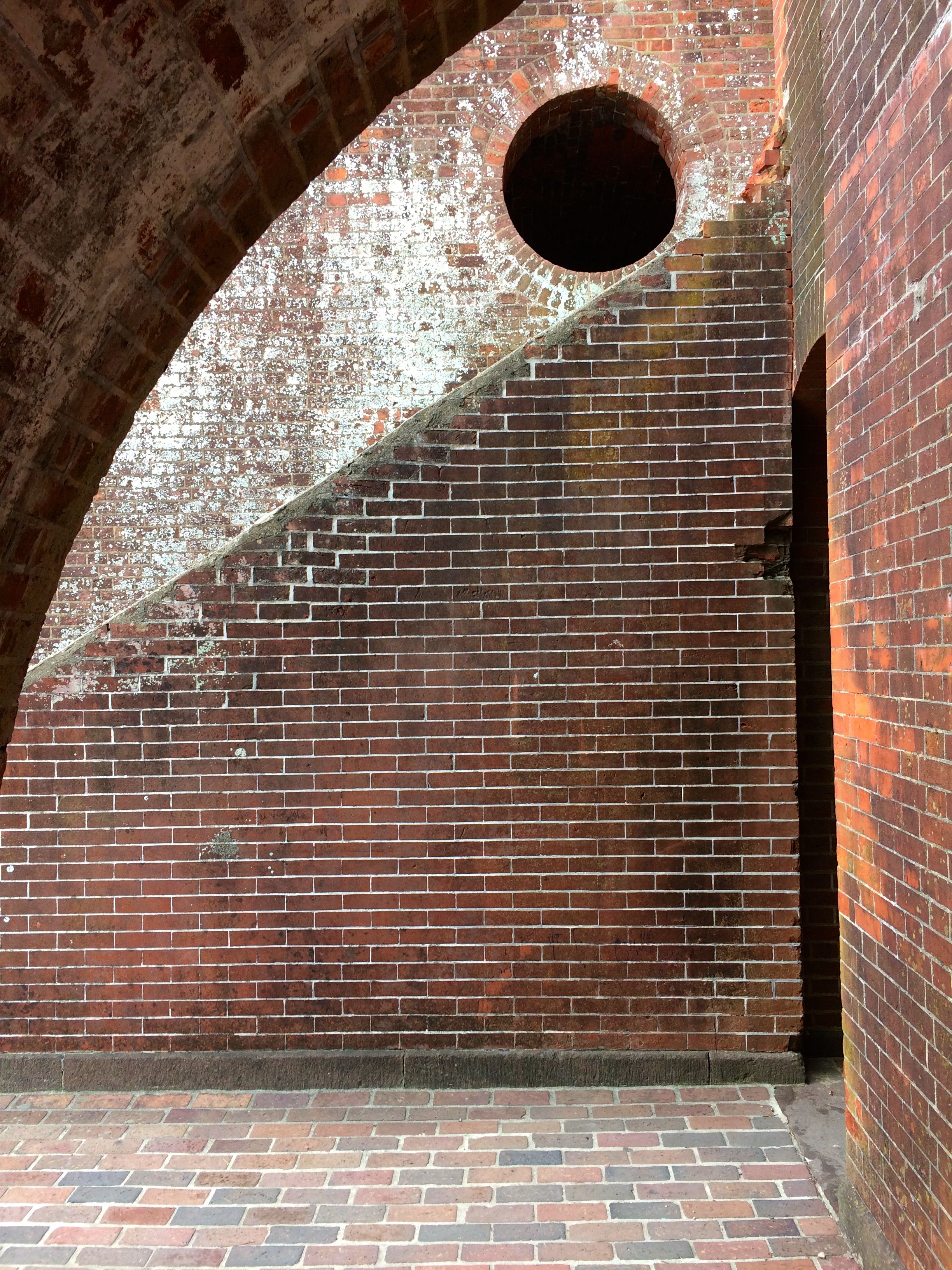
I walked around and admired the interesting brickwork. The guides told me that if I walked around outside I would be able to see cannonballs imbedded in the walls.
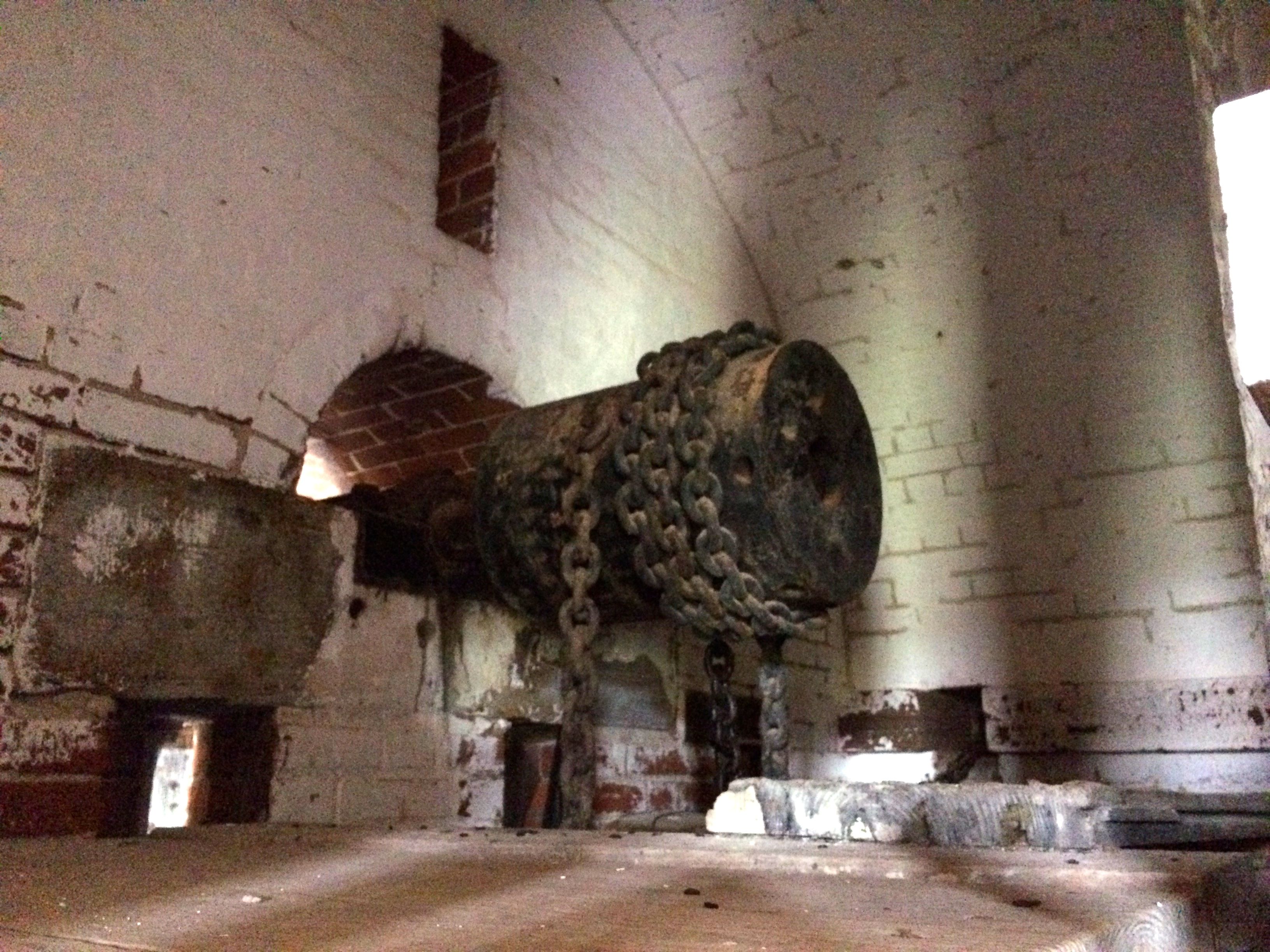
On my way out, I noticed the mechanics for raising and lowering the portcullis. Here are the chains.
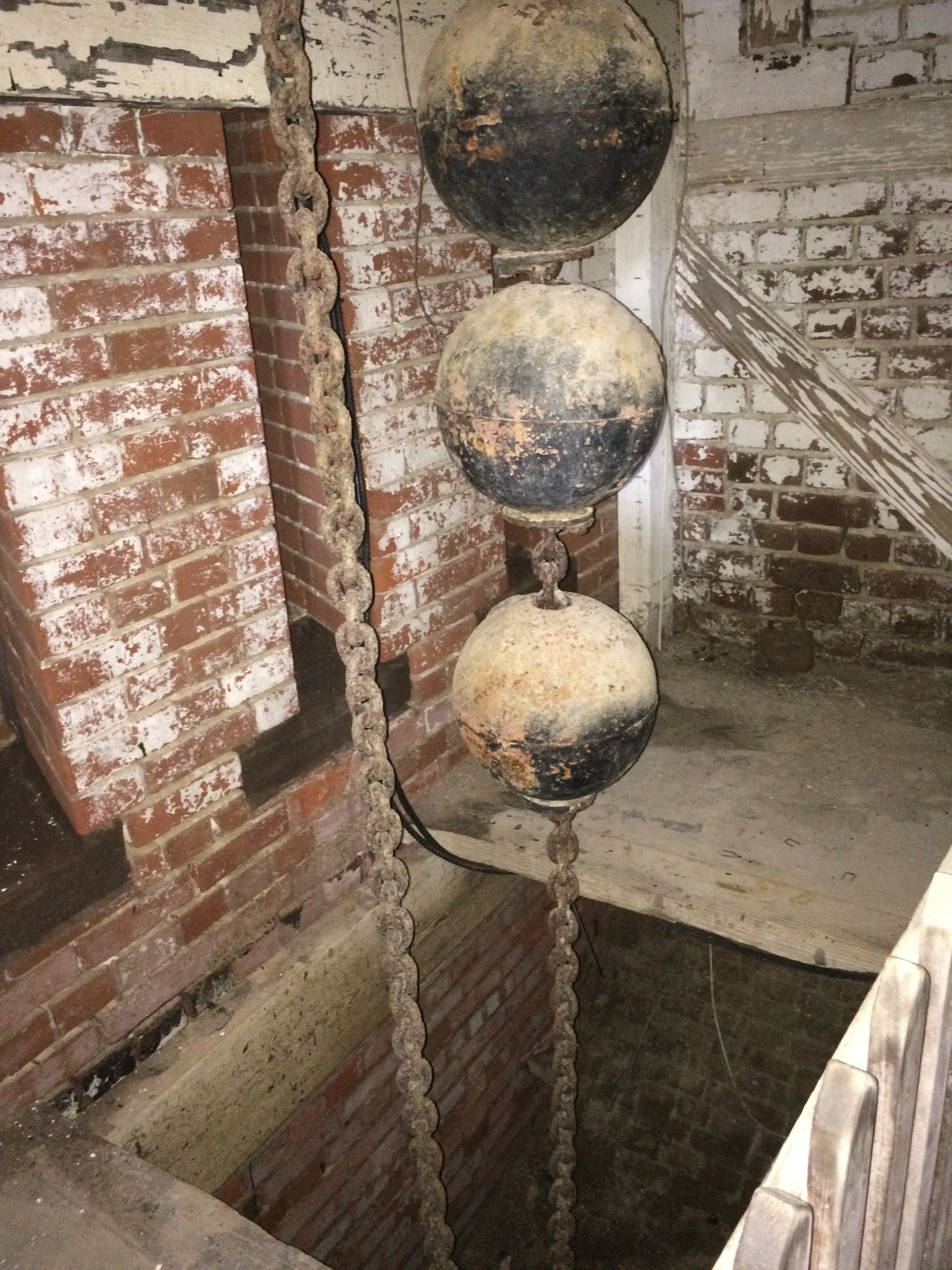
Here are the counterweights that make the work easier.
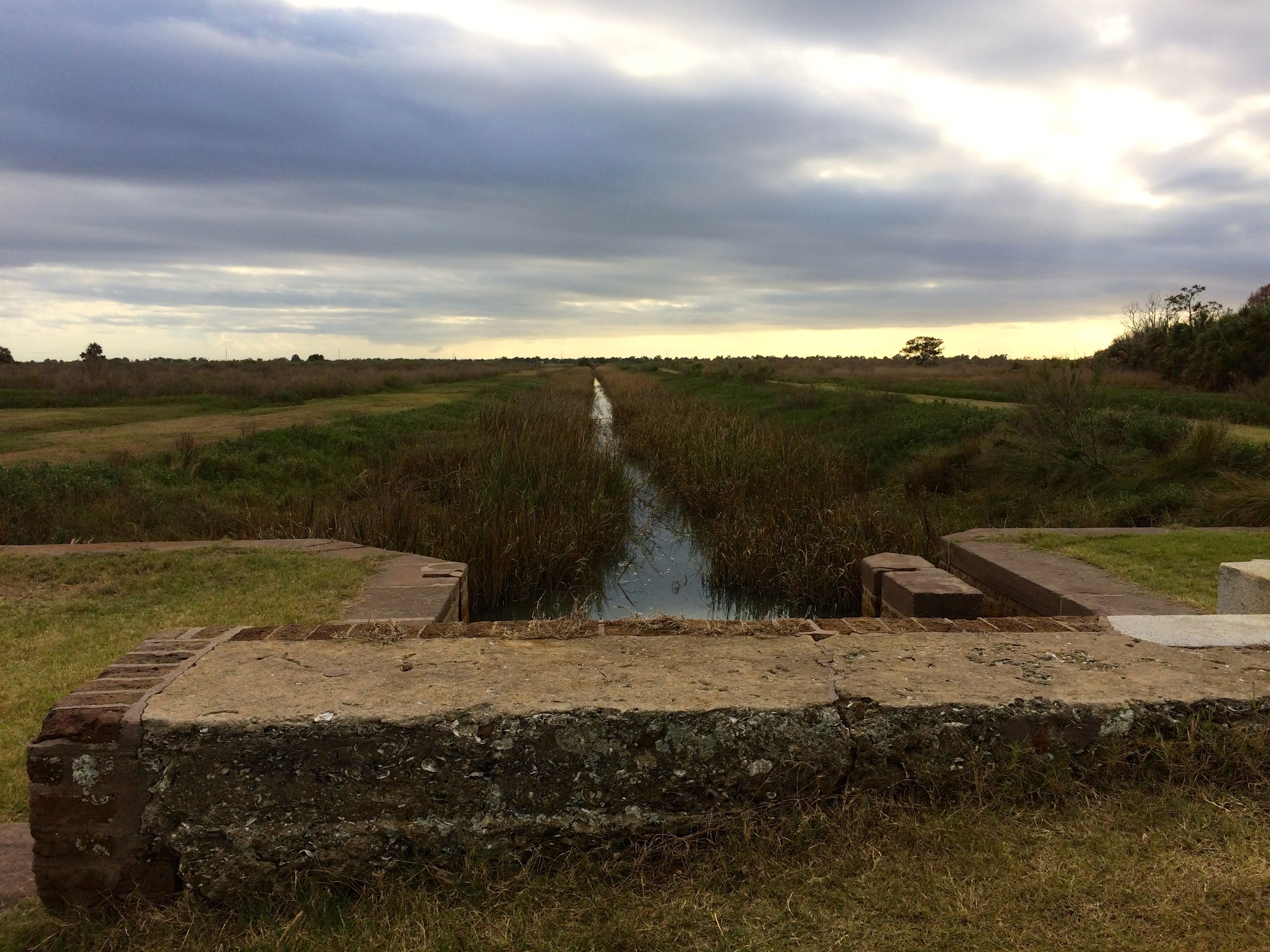
The canals for draining the land are still in place.
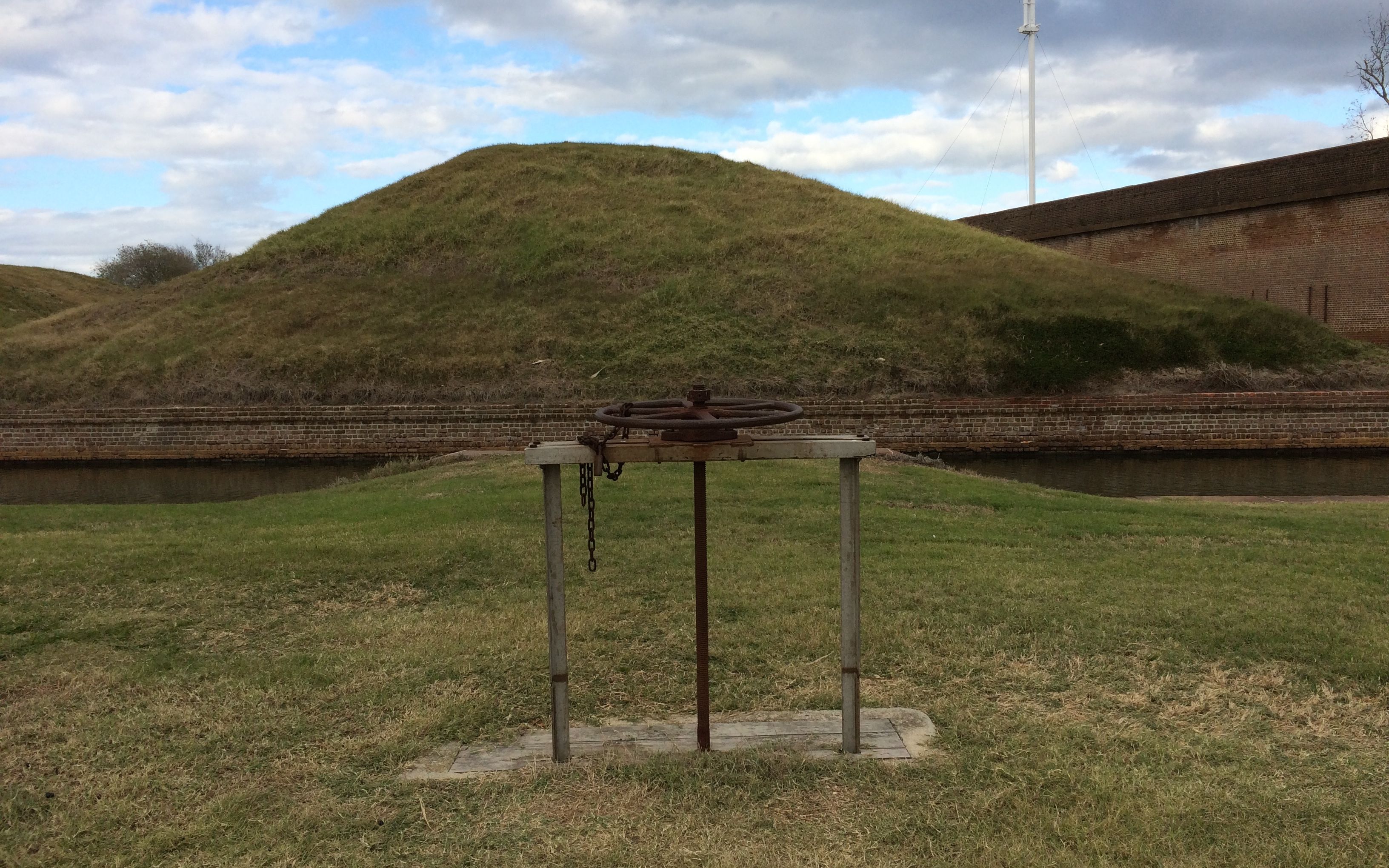
And here is the gate that controls the flow of water. I wonder if General Lee would still be impressed?
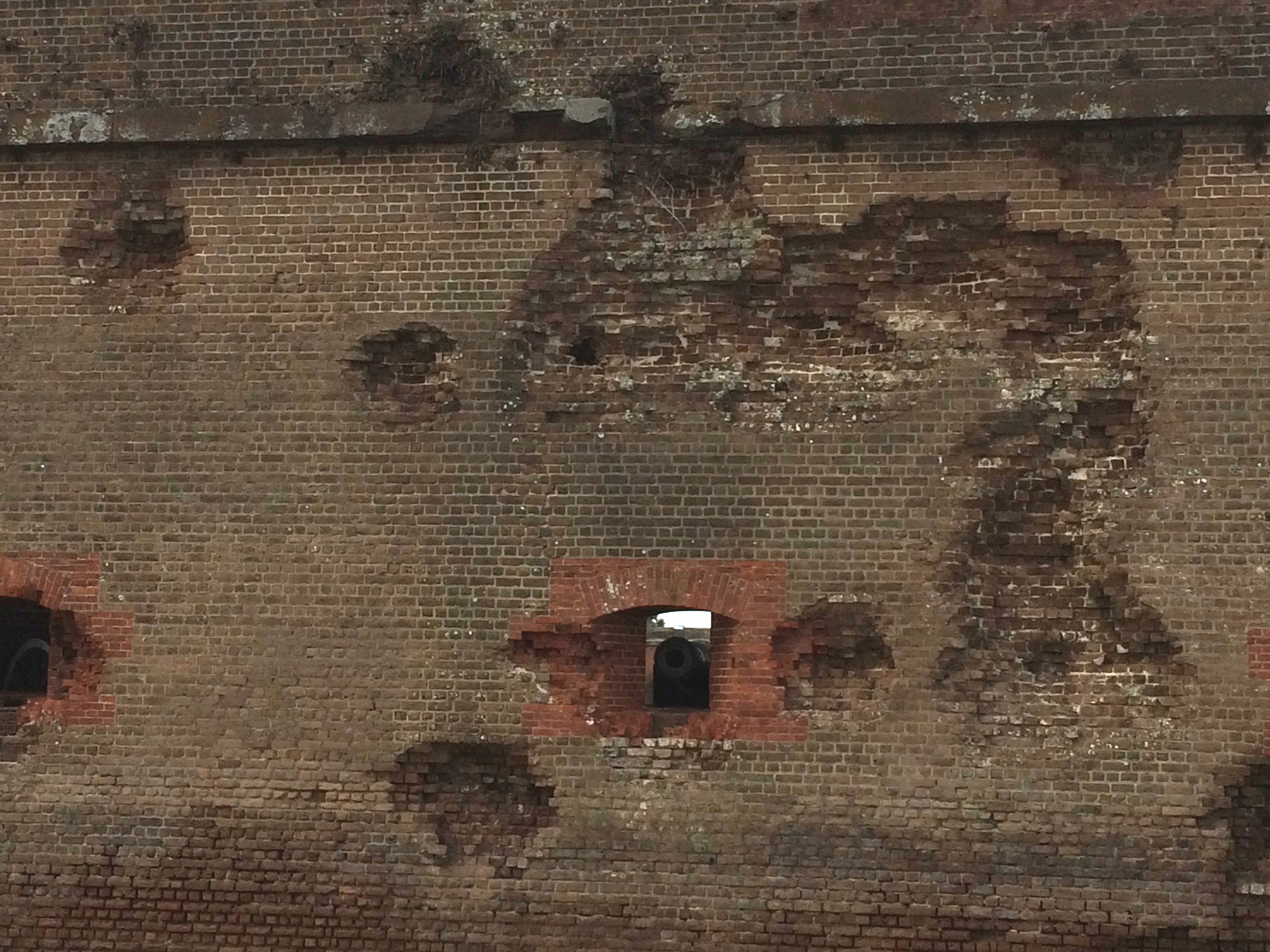
If you look at about 11:00 from the cannon, you can see a cannonball stuck in the wall. At least that is what the guide told me.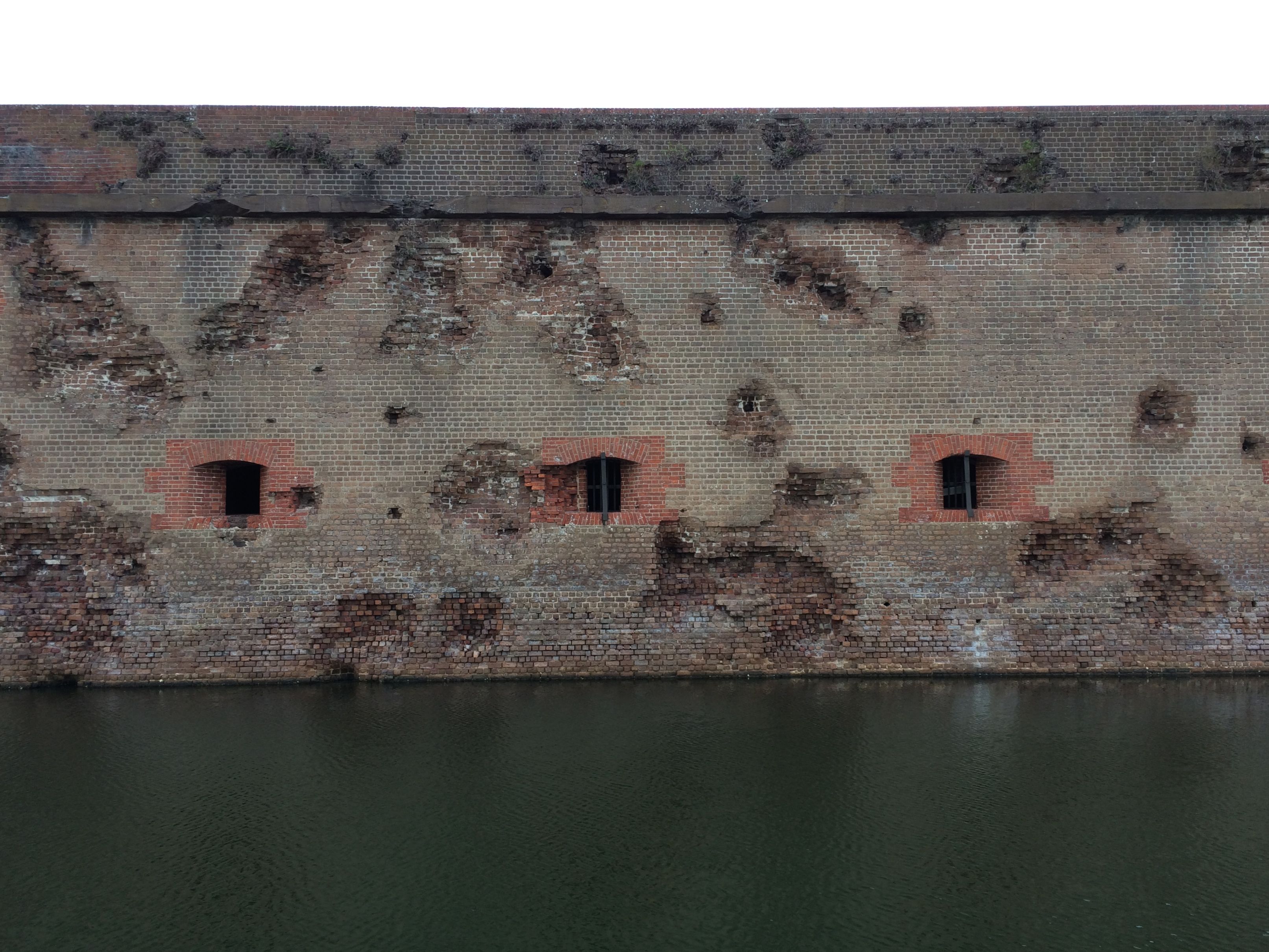
I kept walking around.
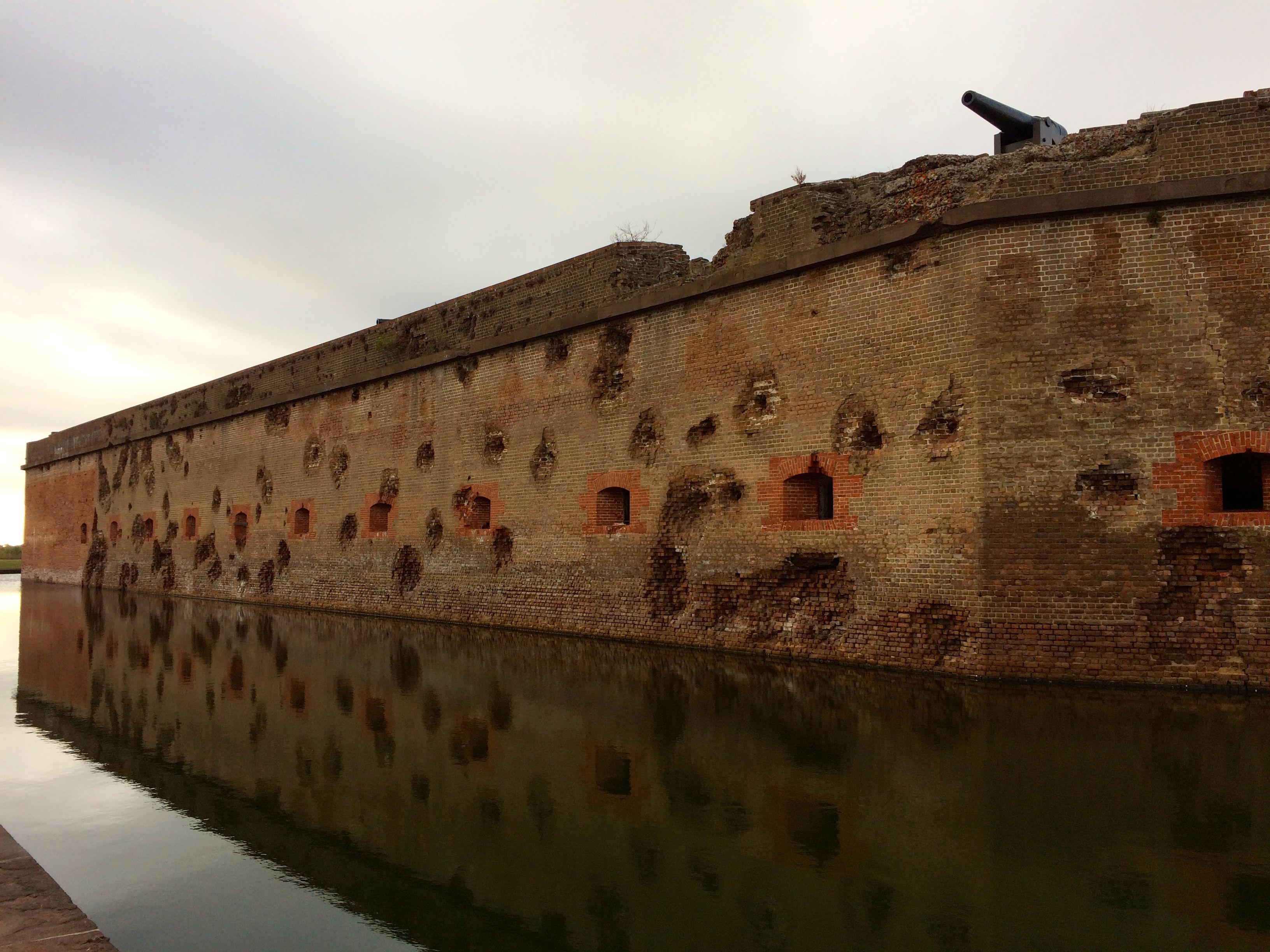
This fort took a lot of punishment.
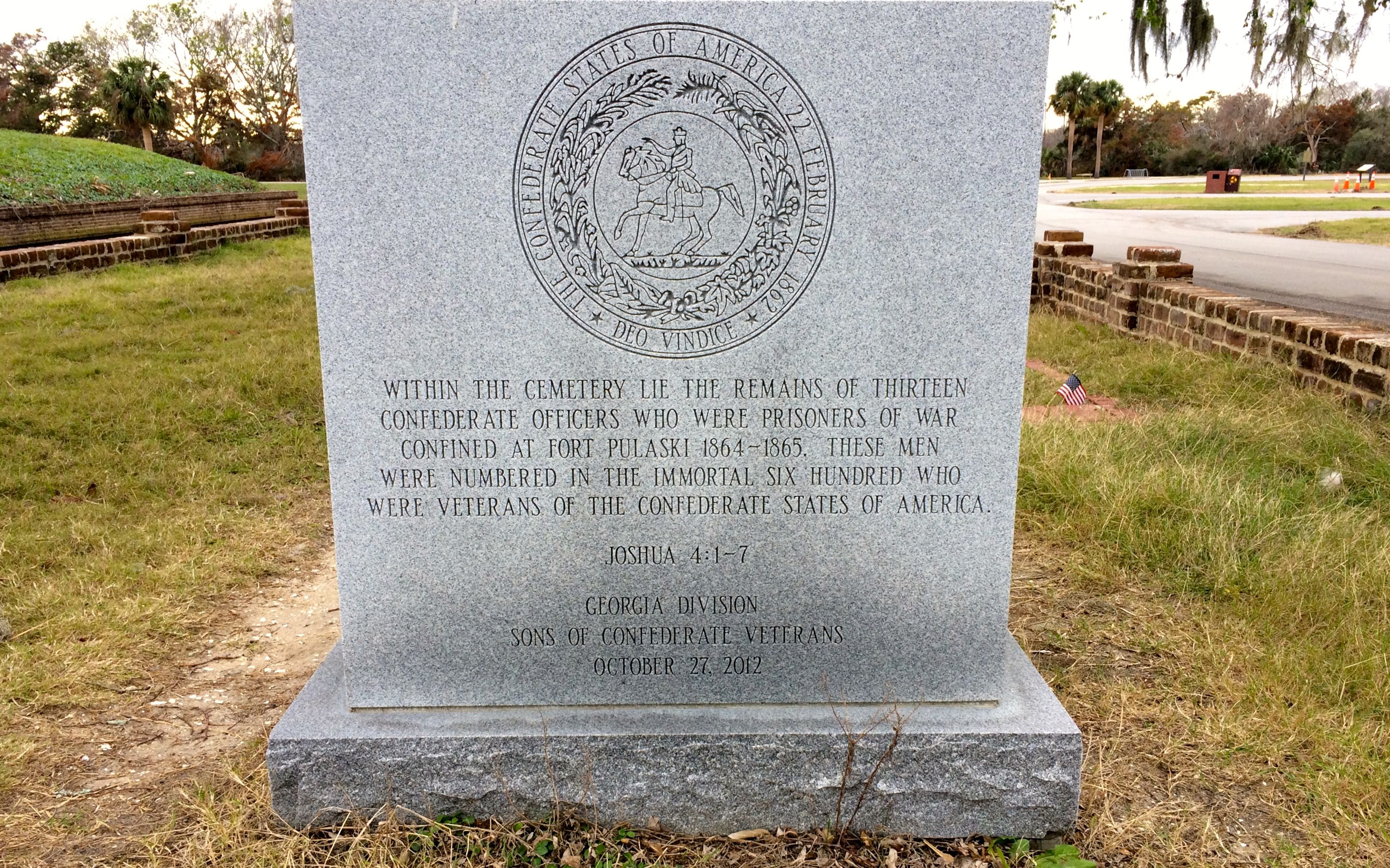
After the Union captured the fort, it was used as to hold Confederate prisoners of war. They were referred to as “The Immortal Six Hundred.” They were in poor health when they arrived in 1864. Thirteen prisoners died while they were incarcerated. They were buried here.
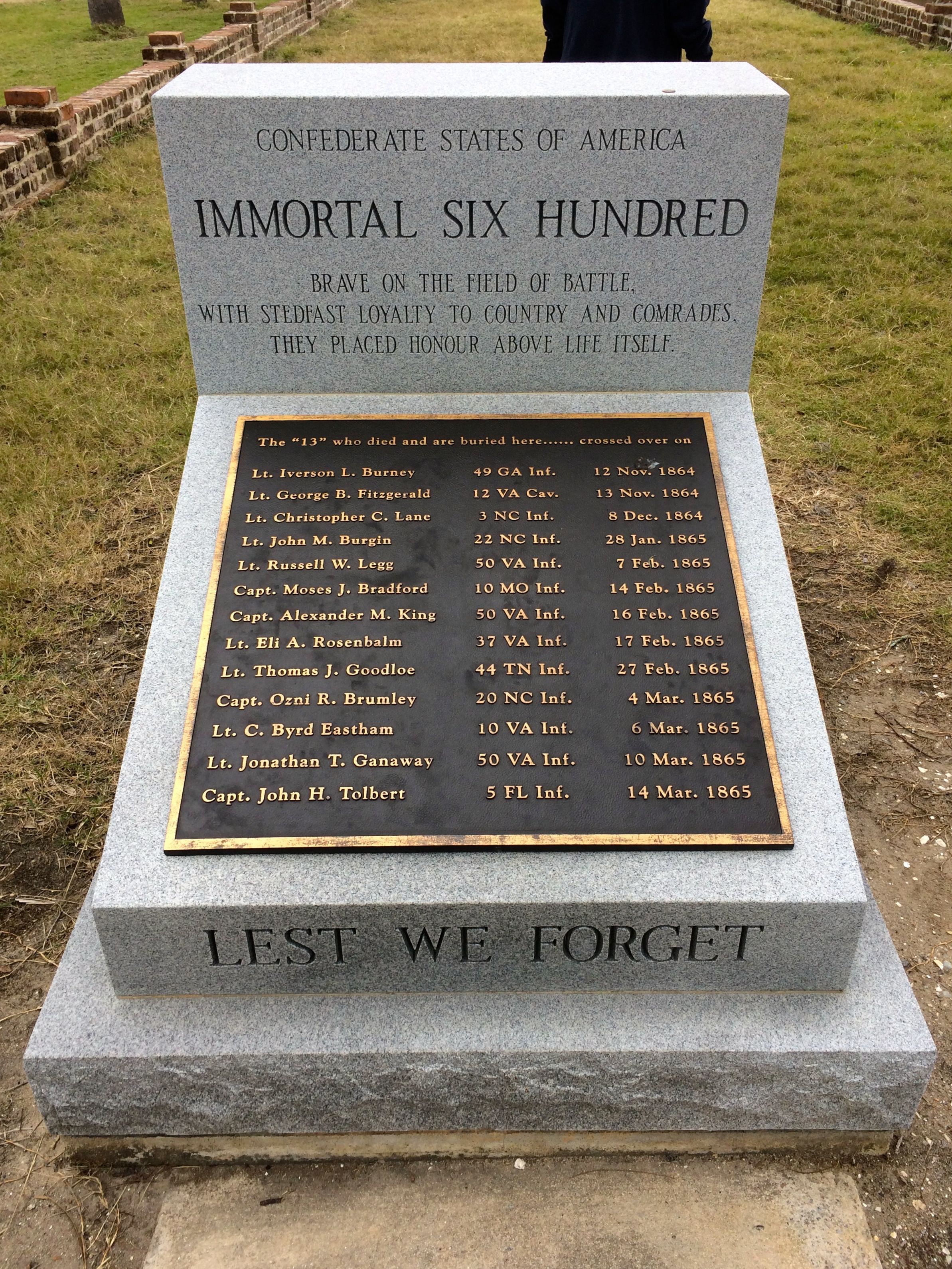
Incidentally, this memorial was erected in 2012 by the Georgia Division of the Sons of Confederate Veterans.
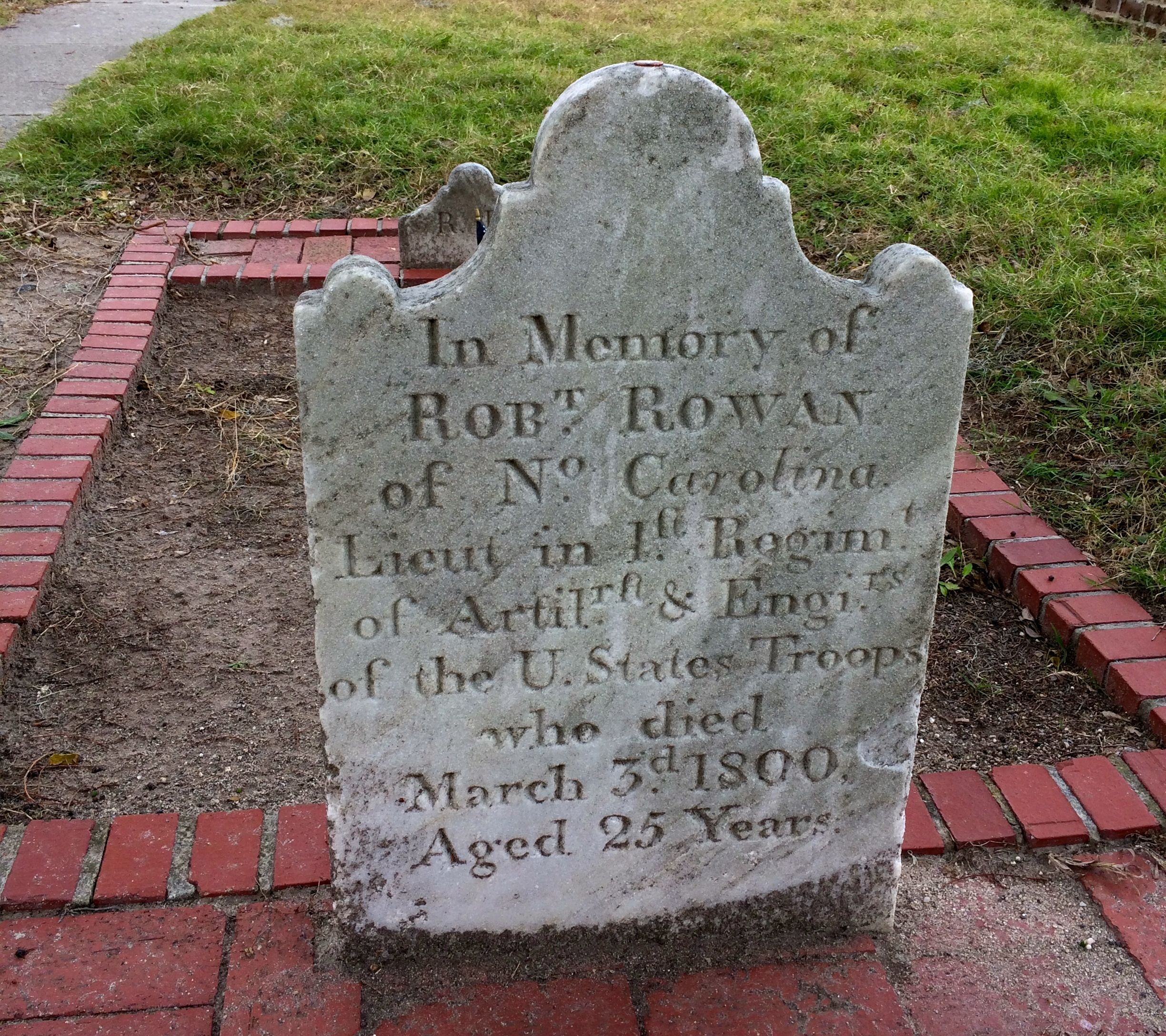
There was also this grave marker from 1800. If there was an explanation about who he was and what was going on here in 1800, I don’t recall it.
With that, it was time to complete my original mission of seeing the ocean. I headed out to Tybee Island. They had very assertive regulations about parking posted. I found a spot with a meter and plunked in a few quarters and headed to the water.
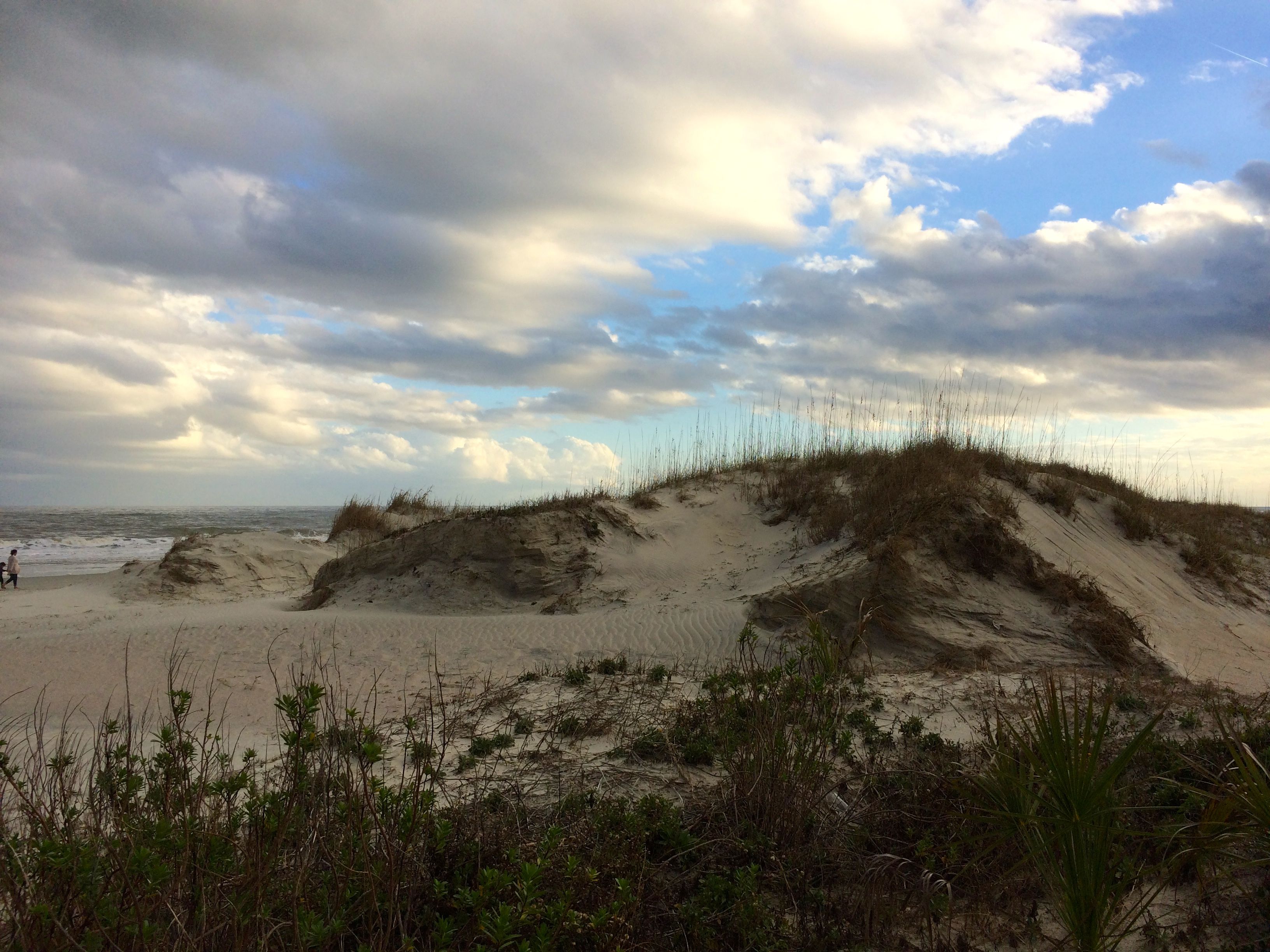
The beach was not crowded.
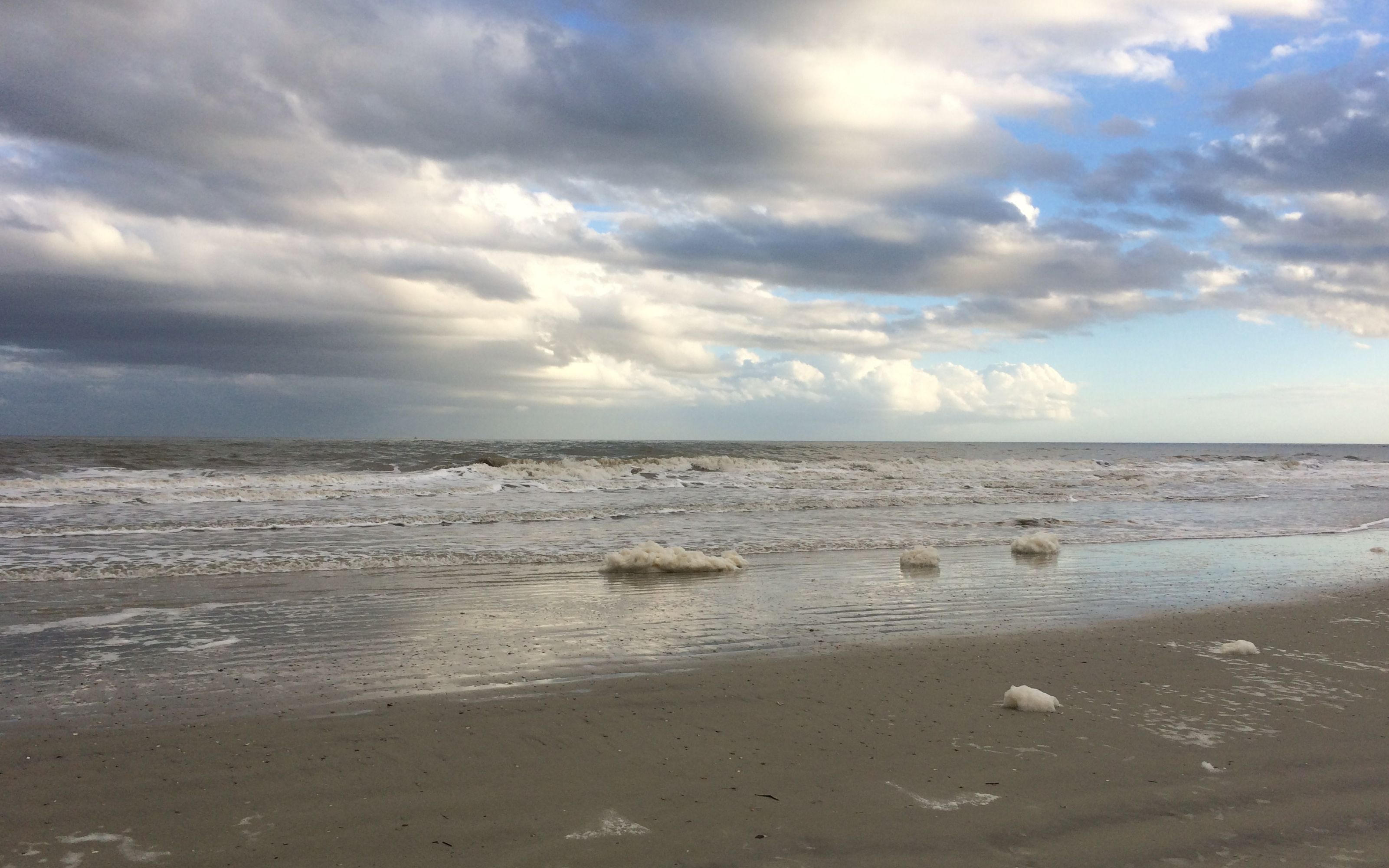
I was amazed by the foam I saw on the beach.

One of these days, I am going to find out how this stuff is created.
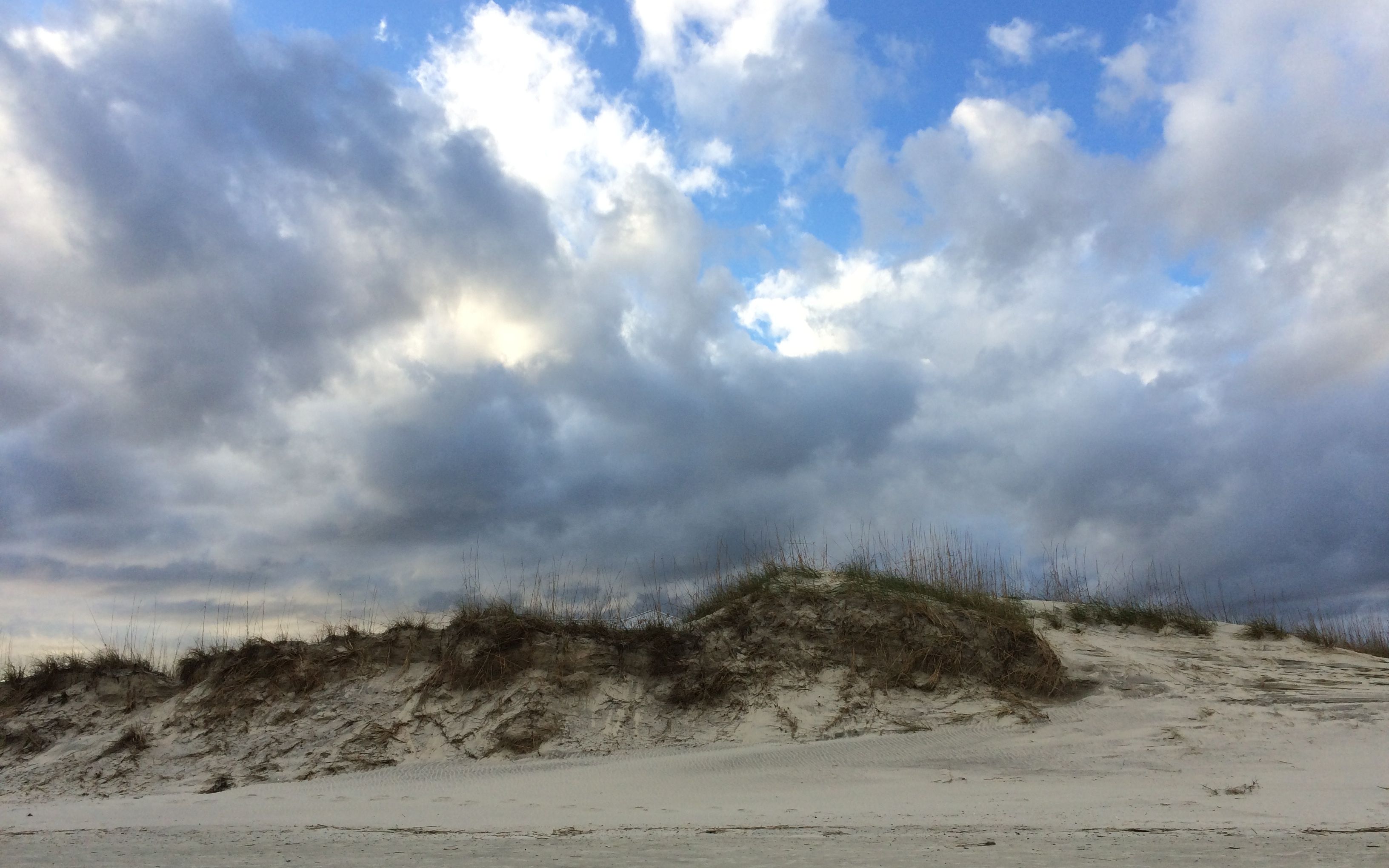
I wandered up and down the beach and admired the ocean and the dunes.
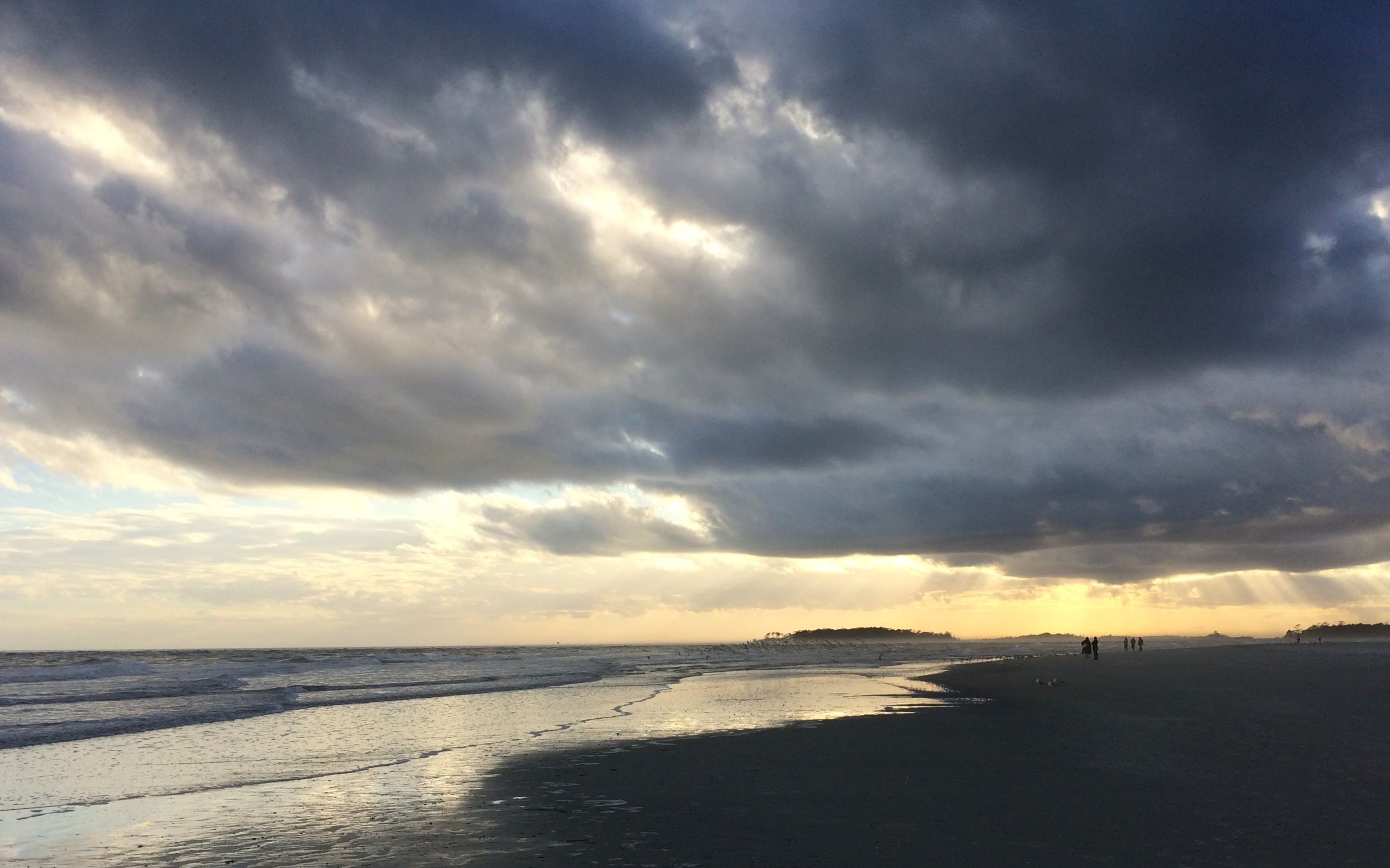
And with that, it was time to head back to camp for my last night in Savannah.
Next stop: Phenix City, Alabama
Is that foam a salt-based version of naturally-occurring cotton candy?
It actually has a texture more like meringue – kind of sticky and bouncy.