After I attended church with the Carters at the Maranantha Baptist Church, I set out to explore the Jimmy Carter National Historic Site, which has several places to visit scattered around Plains.

Let’ start at the beginning. James Earl Carter, Jr. was born in the Wise Sanitarium on October 1, 1924. The next time you need to pull out a presidential fact for a trivia night, here’s one: Jimmy Carter was the first president to be born in a hospital. His mother, Lillian, was at work at the sanitarium when she went into labor, so that is where he was born.
Jimmy’s parents, Earl and Lillian, moved their small family several times while Jimmy was an infant, finally settling on a farm on a dirt road in nearby Archery.
The family moved into this middle-class rural dwelling as its second owners in 1928, six years after the home had been built. In the beginning, there was no running water and electricity was unavailable until 1938. Earl Carter sold the farm to T.R. Downer in 1949, who owned the property until 1994, when the National Park Service purchased it.

The house is restored to the conditions the family would have experienced in the 1930s. Obviously, the ramp is a modern addition. The house was surrounded by white sand. It was a bit of an expense, as it had to be imported. The soil in that part of the state is red. I think I read on one sign that it was so they could see snakes and critters near the house. One of the guides said that it was just the fashion. I guess you can decide which to believe.
I entered through the back door.
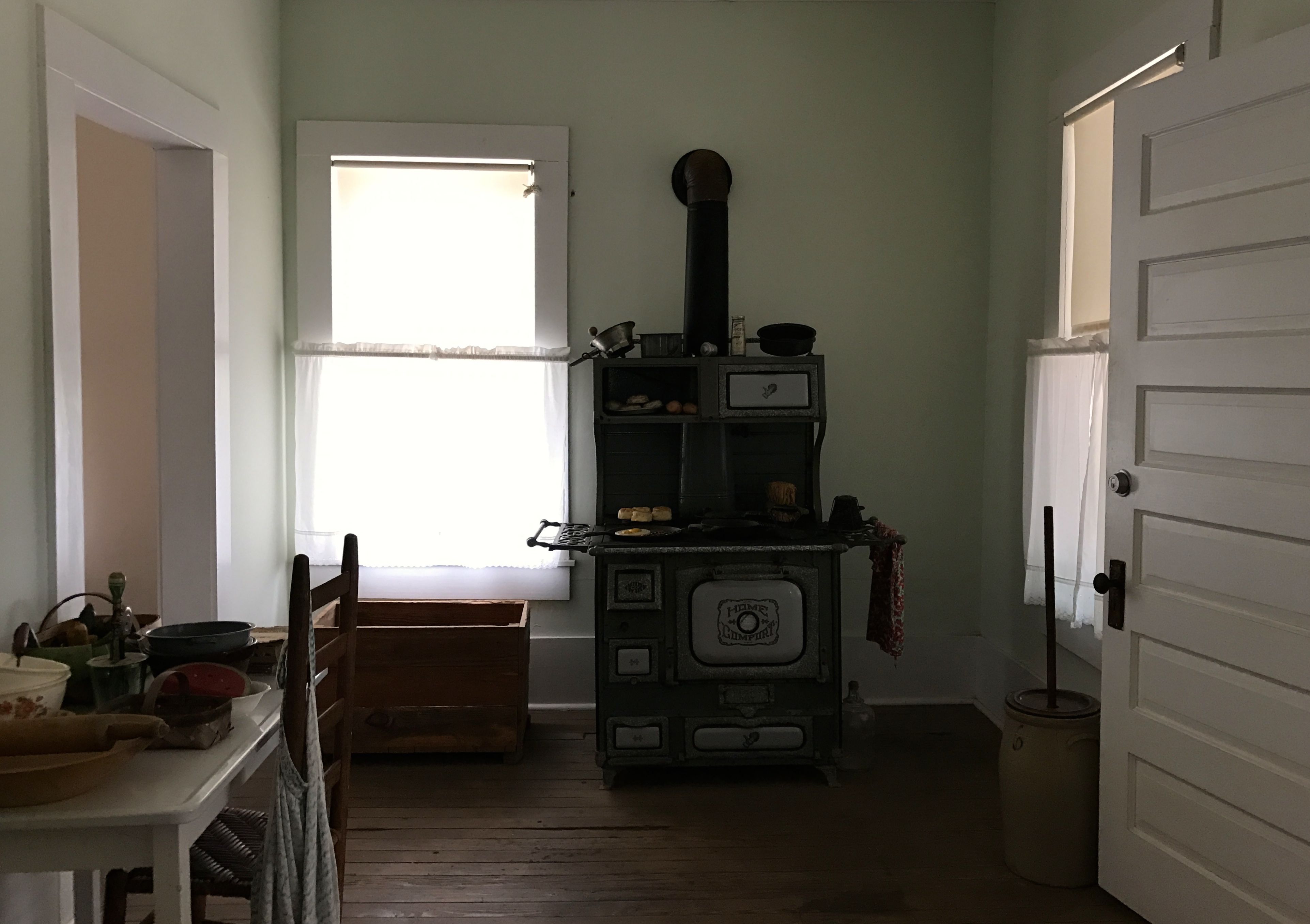
The kitchen was on one side. Compare and contrast that with your kitchen. I mean, where would you put your coffee maker and microwave?
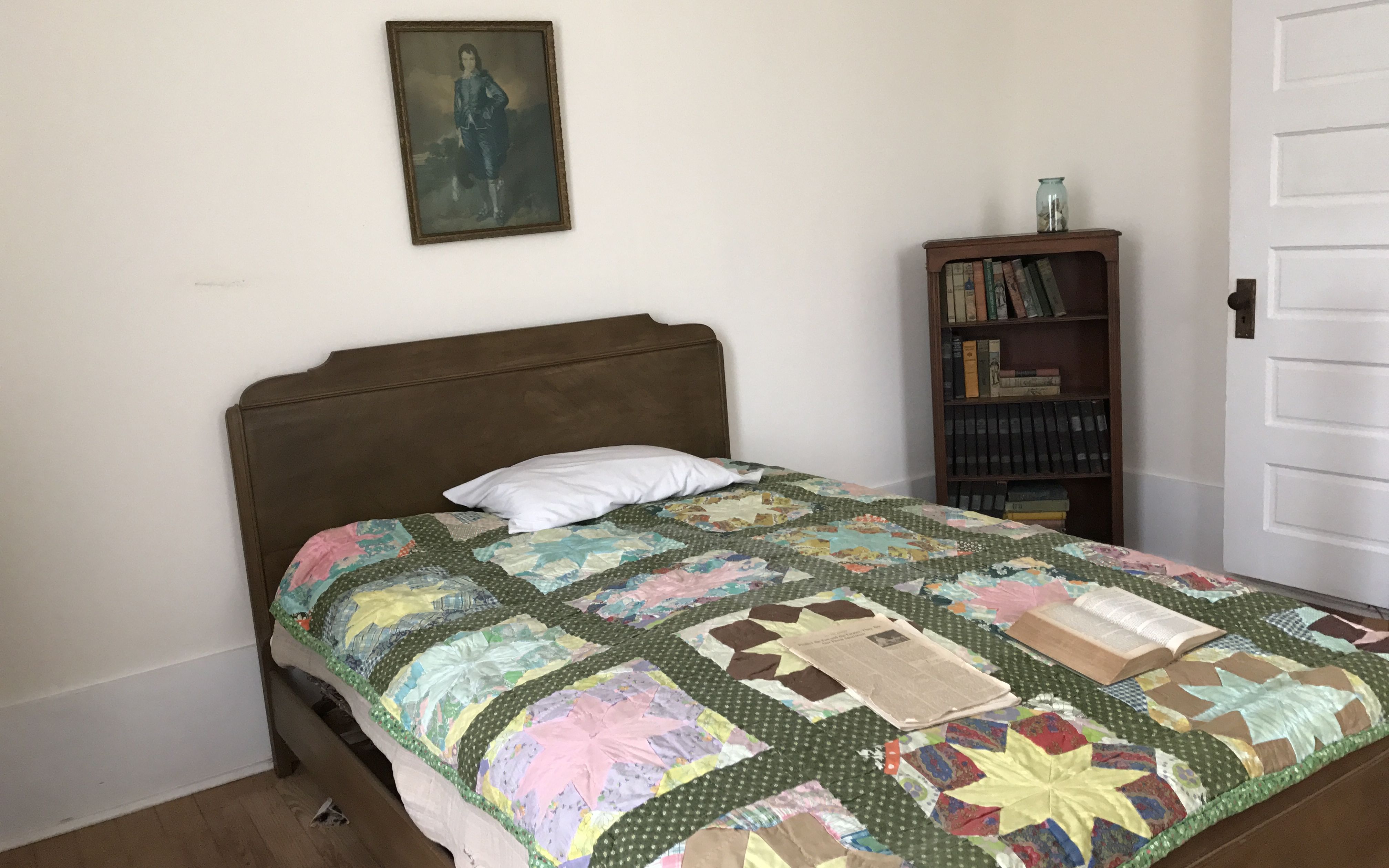
Jimmy’s bedroom was opposite the kitchen. There was a story about how Jimmy was sick one Christmas, and had to stay in bed. That year, he got a pony and was allowed to get up and look at it through the window.
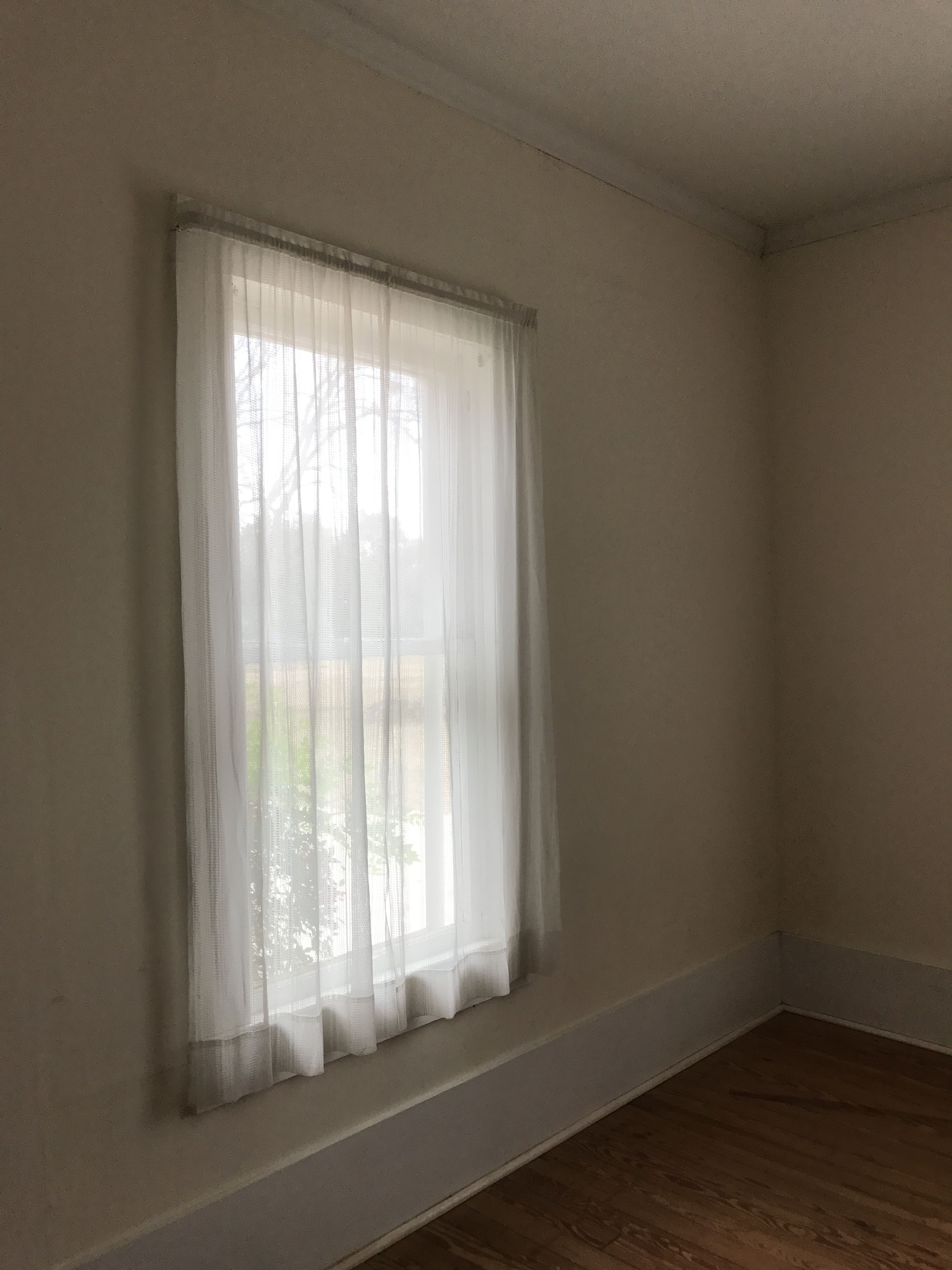
That must have been the window he looked out. Imagine how excited he was!

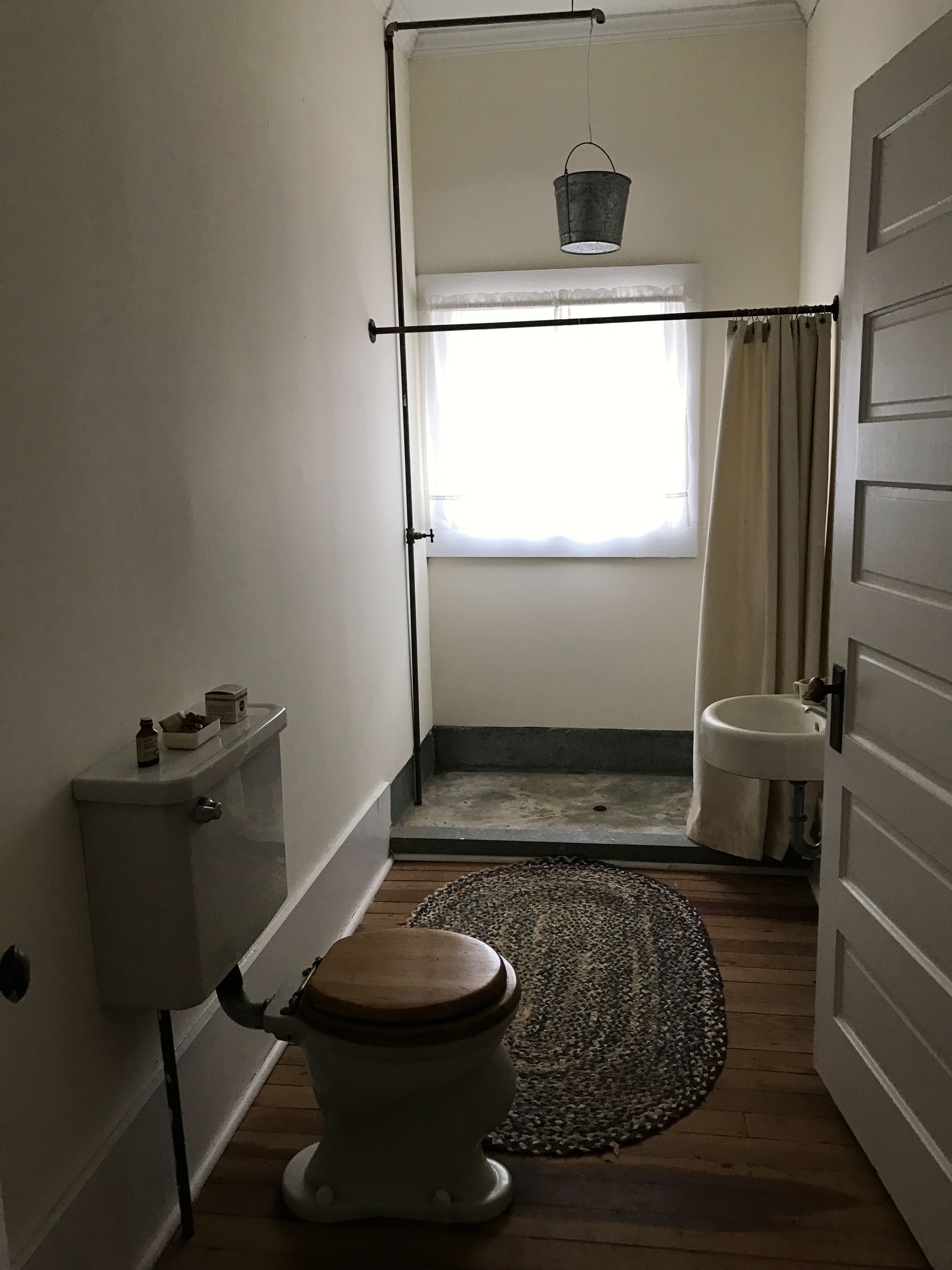
Next was the bathroom. I particularly like the improvised shower head. I wonder if they heated the water or were just thankful that they could take a shower?
The breakfast room was opposite the bathroom. I guess if you don’t have an eat-in kitchen, you have a breakfast room for those smaller, less-formal meals. These meals were typically quiet, as Miss Lillian, his mother, encouraged everyone to read – even at mealtimes.
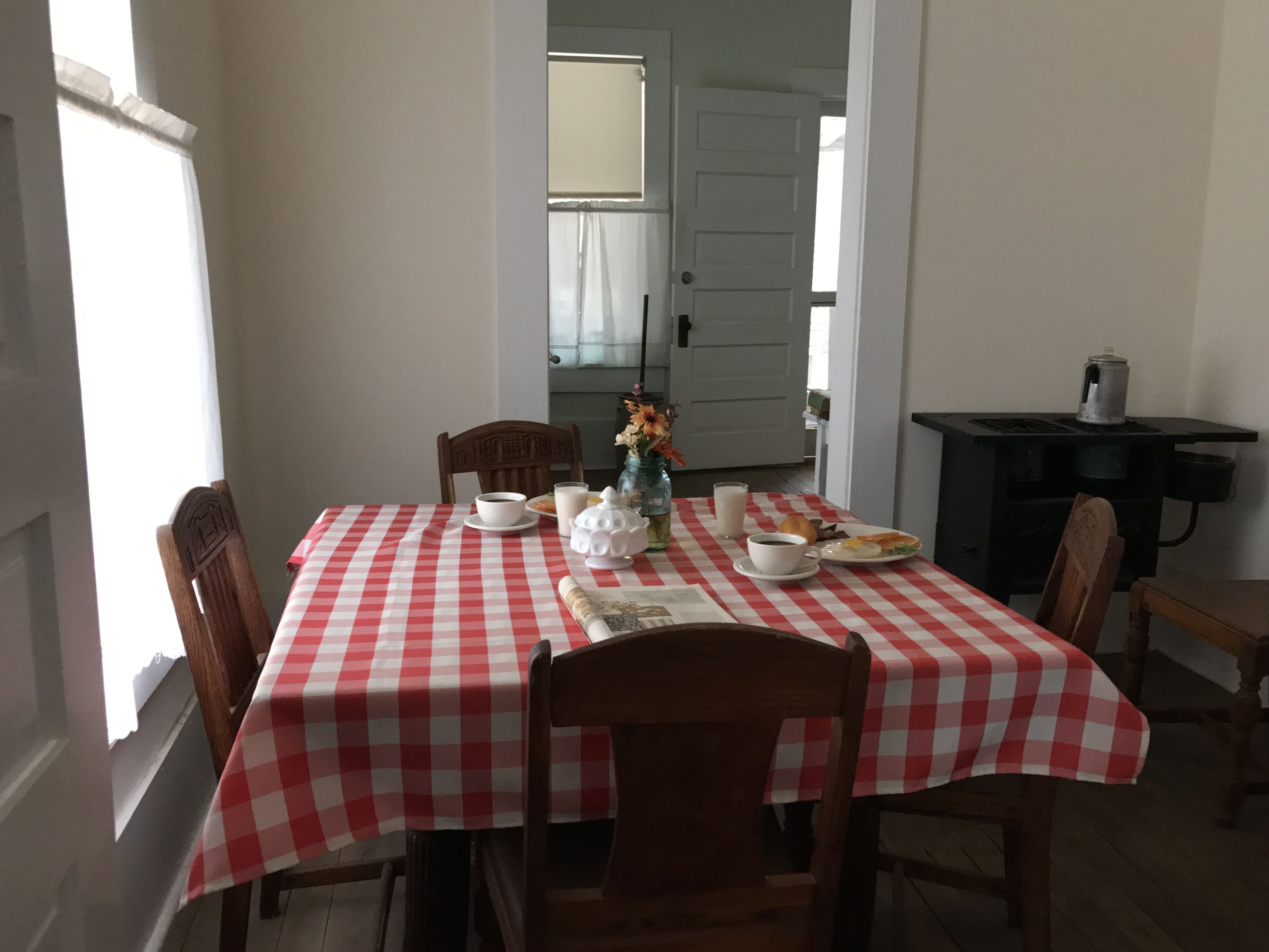
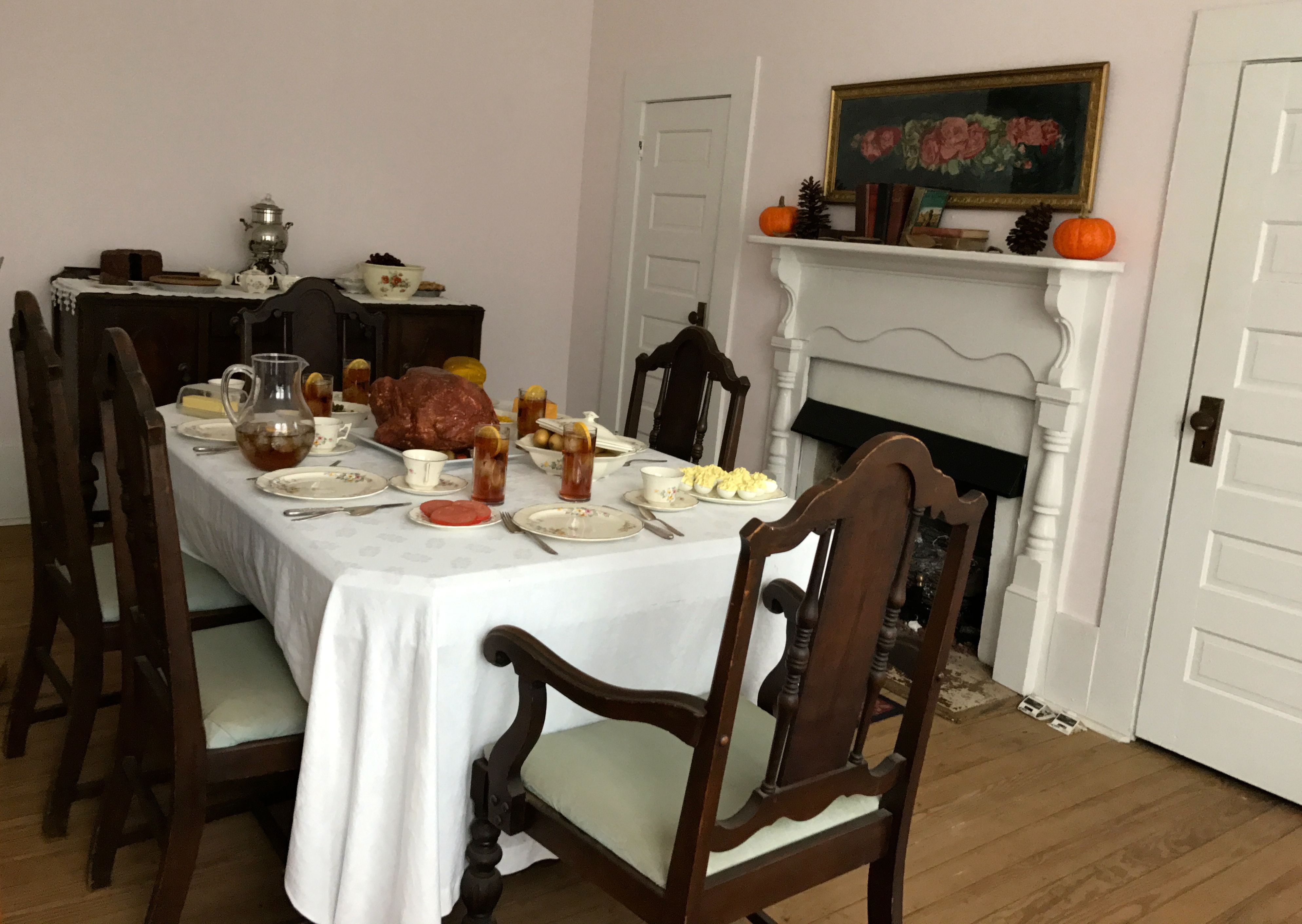
Ah, but for the more formal meals, you have a dining room!
They also had a parlor.
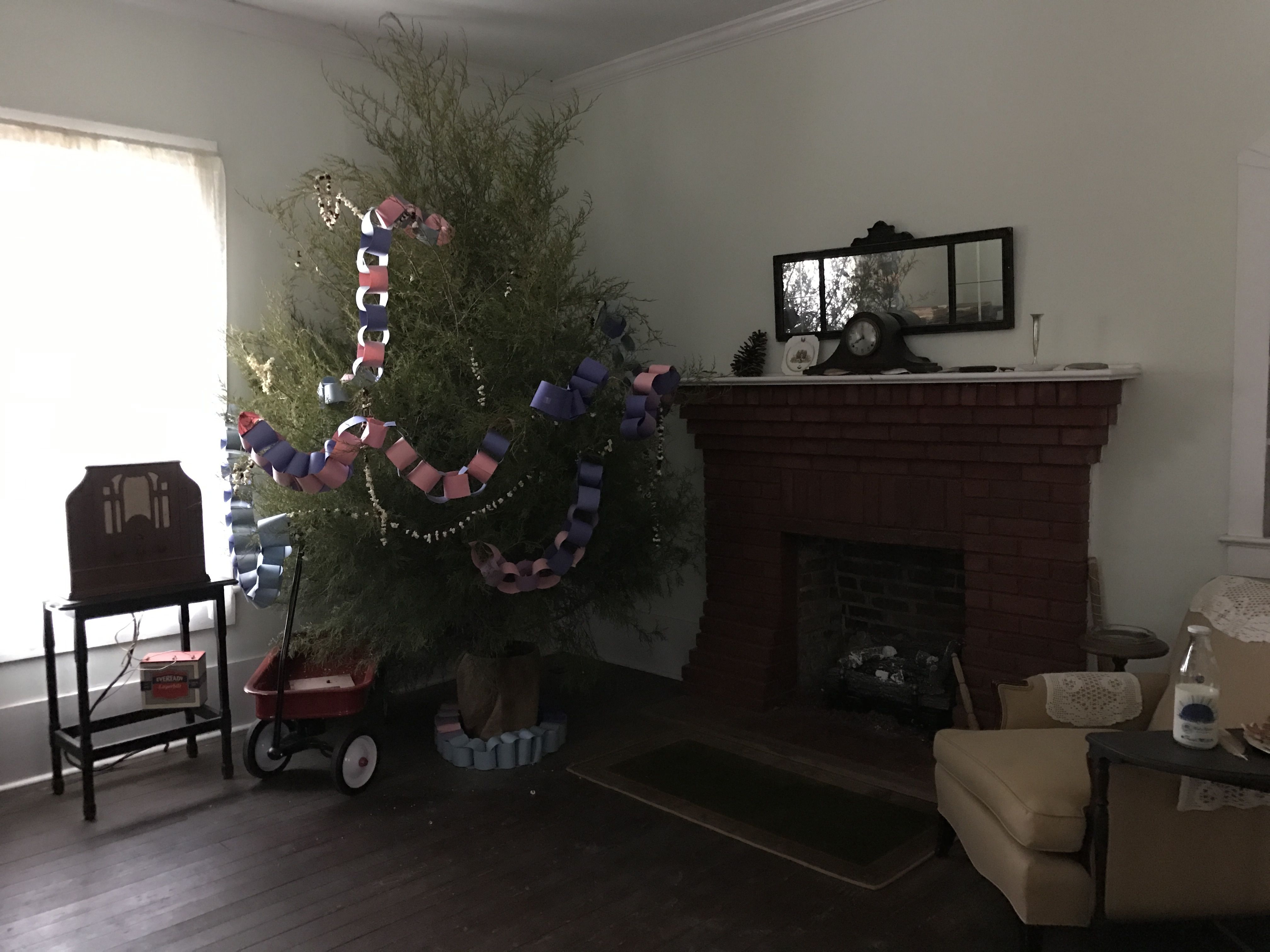
While they didn’t have electricity, they did have a radio. They powered it with the battery sitting on the shelf below it. There was a recording that played in the room that said that their neighbors, who were mostly black farmers, would come to listen to the radio. Earl would play it so that they could hear it outside. According to the story, they listened in silence to boxing matches and them went home to celebrate.
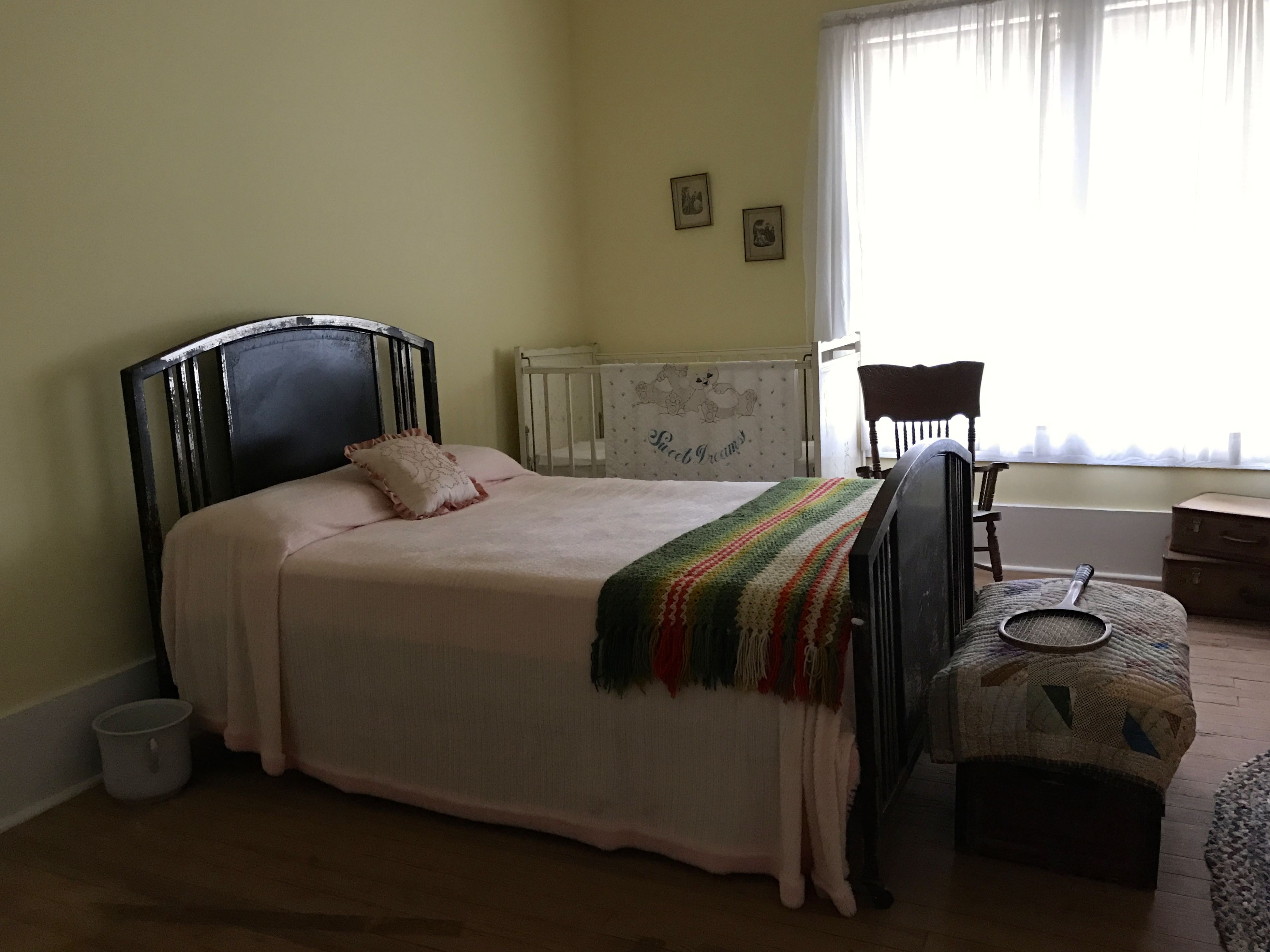
Here is Earl and Lillian’s bedroom. You can see Billy Carter’s crib by the window. He was born in 1937, he year before they sold the house.
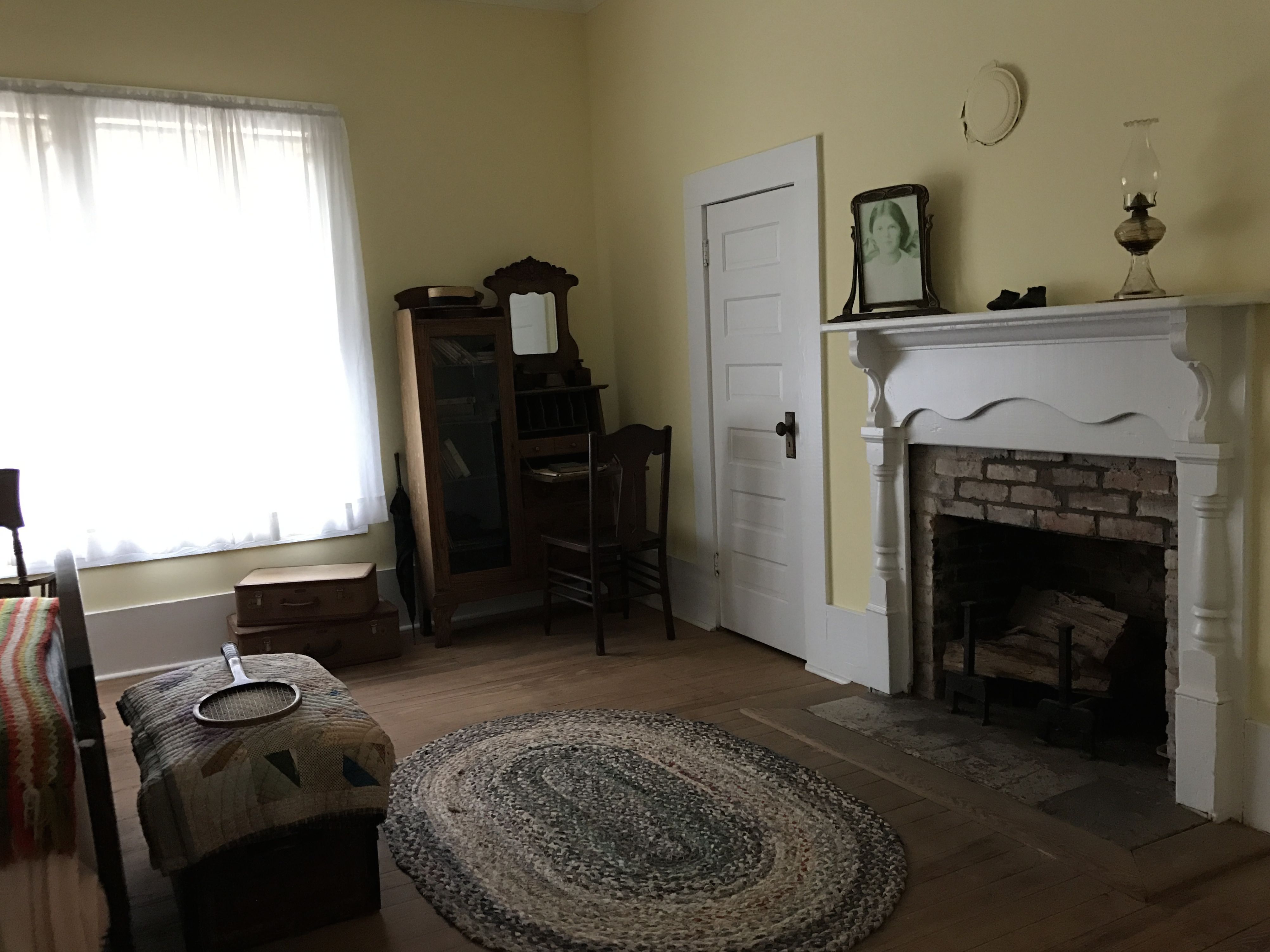
They had a fireplace in their bedroom. It kind of makes me wonder if Jimmy was cold, back there in the corner.
Next to the parents’ bedroom was the girls’ bedroom. Jimmy’s sisters, Gloria and Ruth, shared the room.
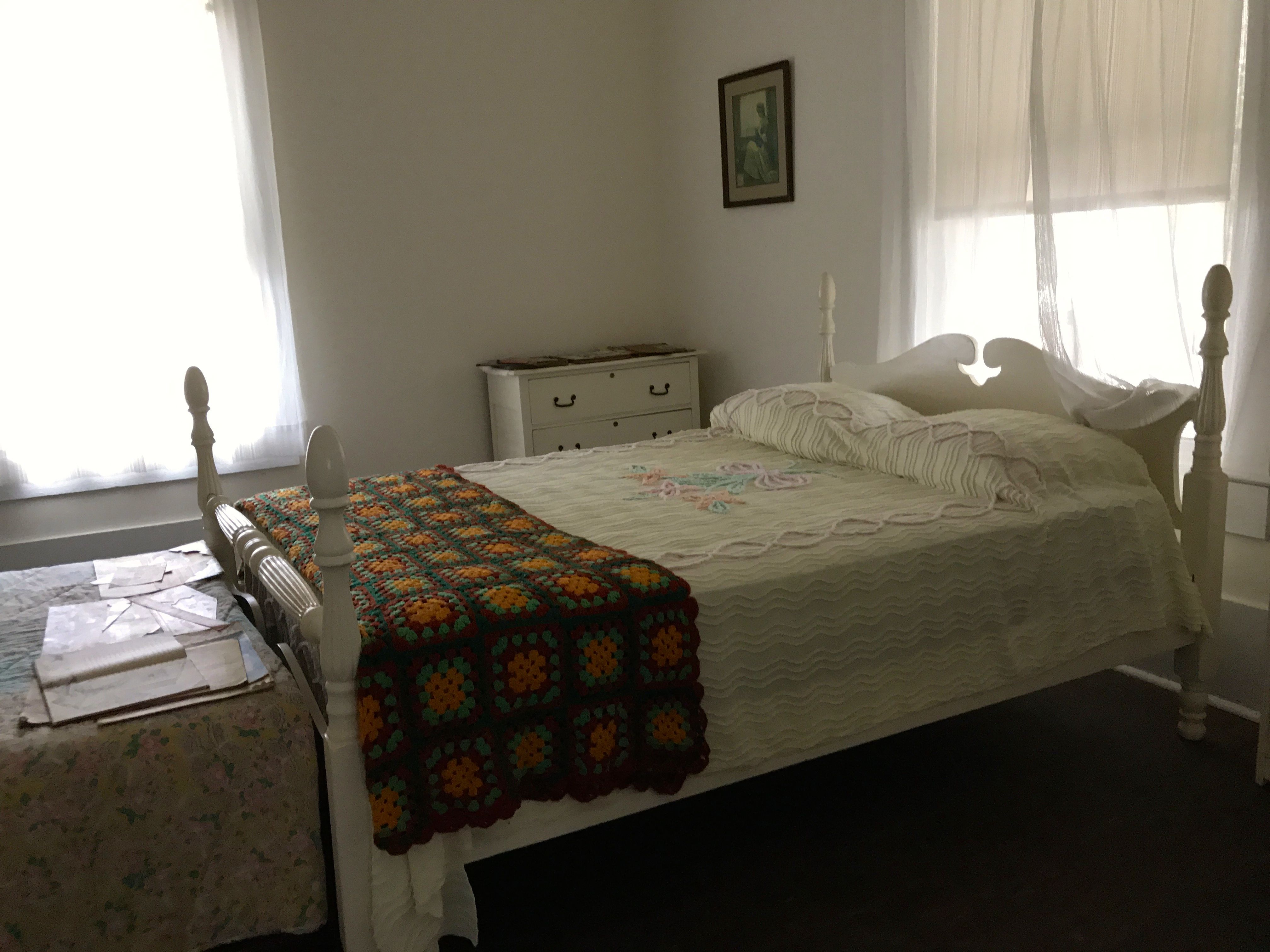
Apparently they shared the bed, too. It sure reminds me of a bed I had, except mine wasn’t painted white. I even had a bedspread like that – and an afghan.
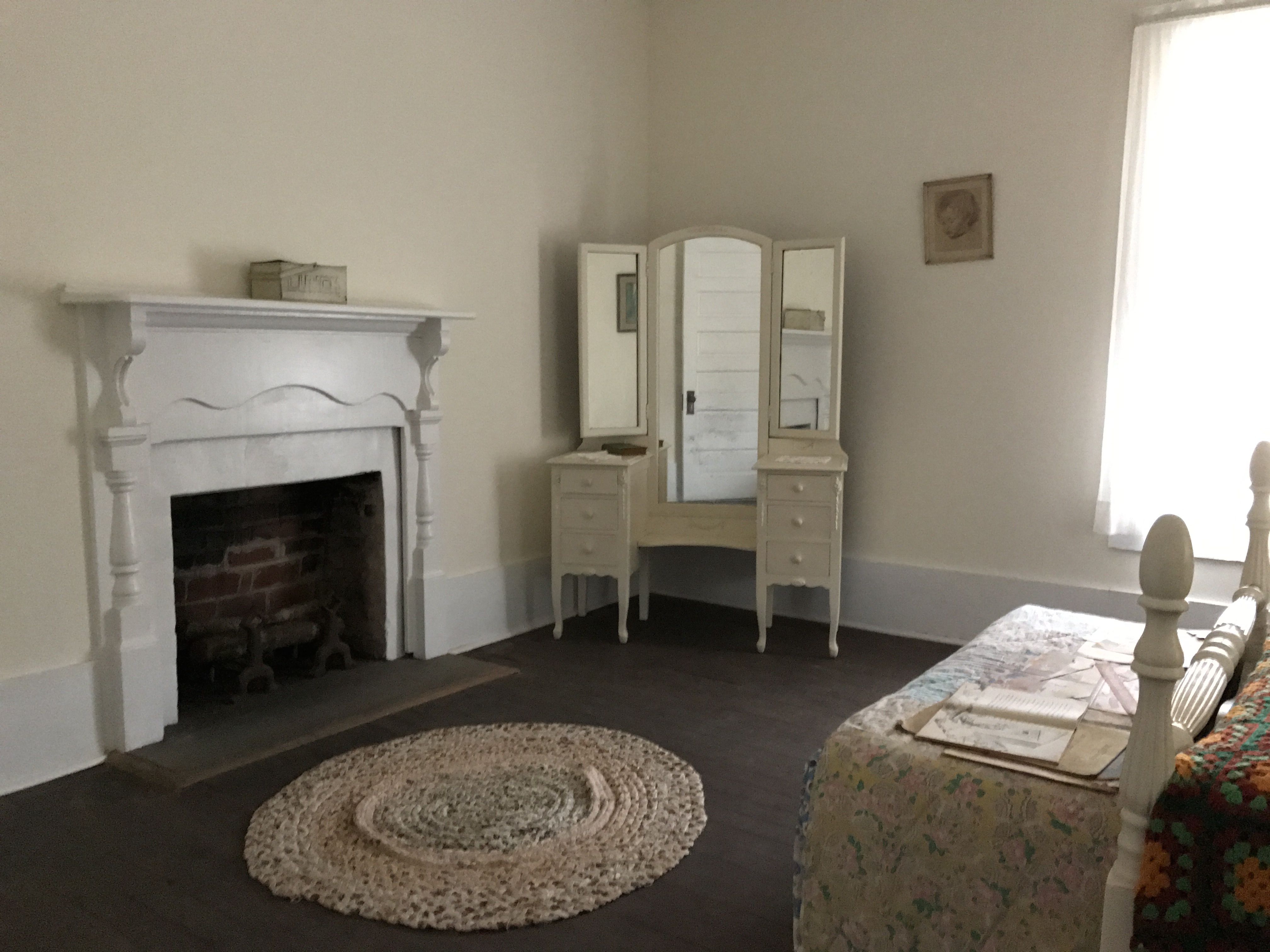
The girls had a fireplace, too! Poor Jimmy.
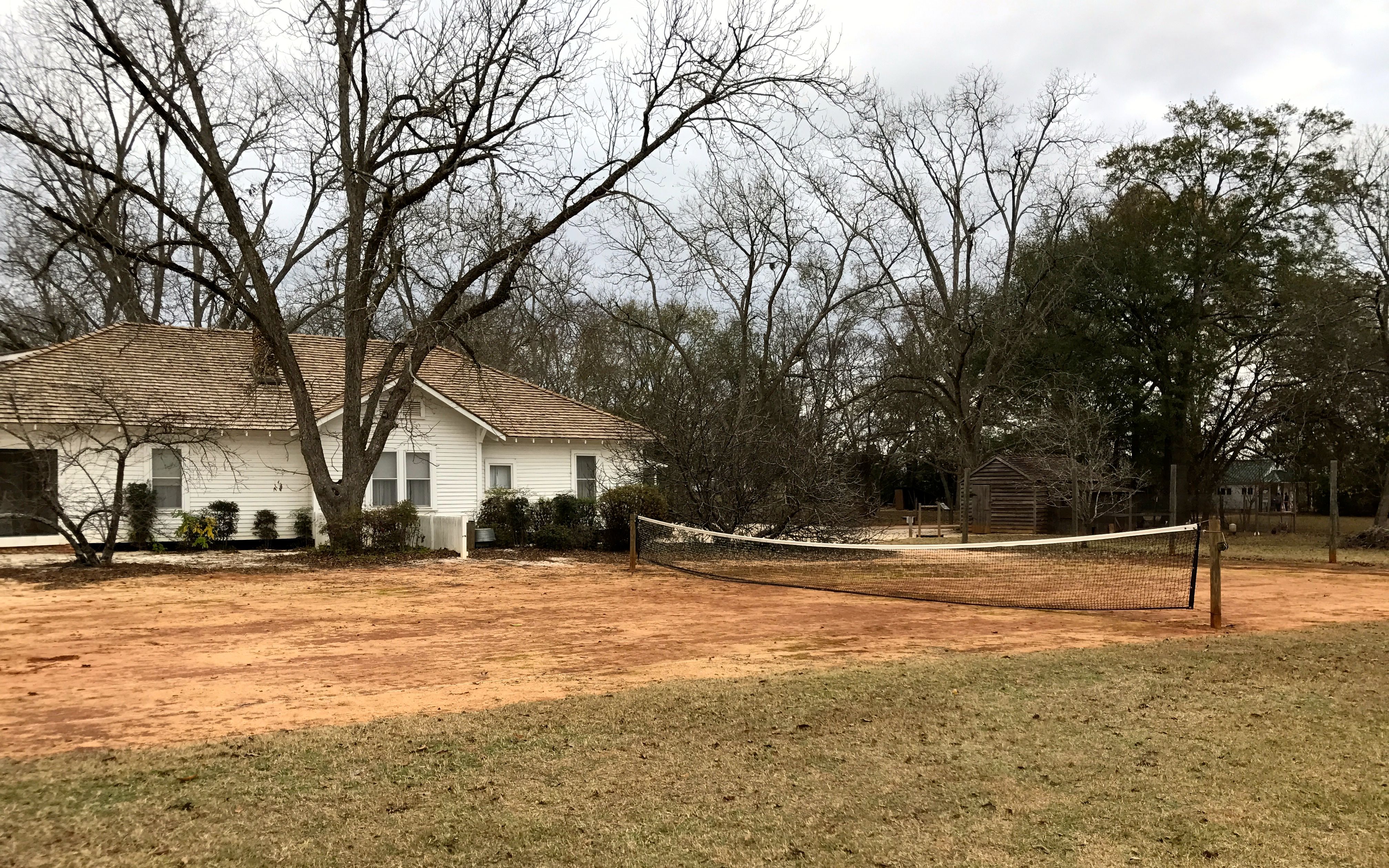
You might have noticed a tennis racquet at the foot of the bed in Earl and Lillian’s bedroom. Earl was wild for tennis, and with all the great Georgia red clay soil, he had his own clay court next to the house. Jimmy said that he never could beat his father at tennis.
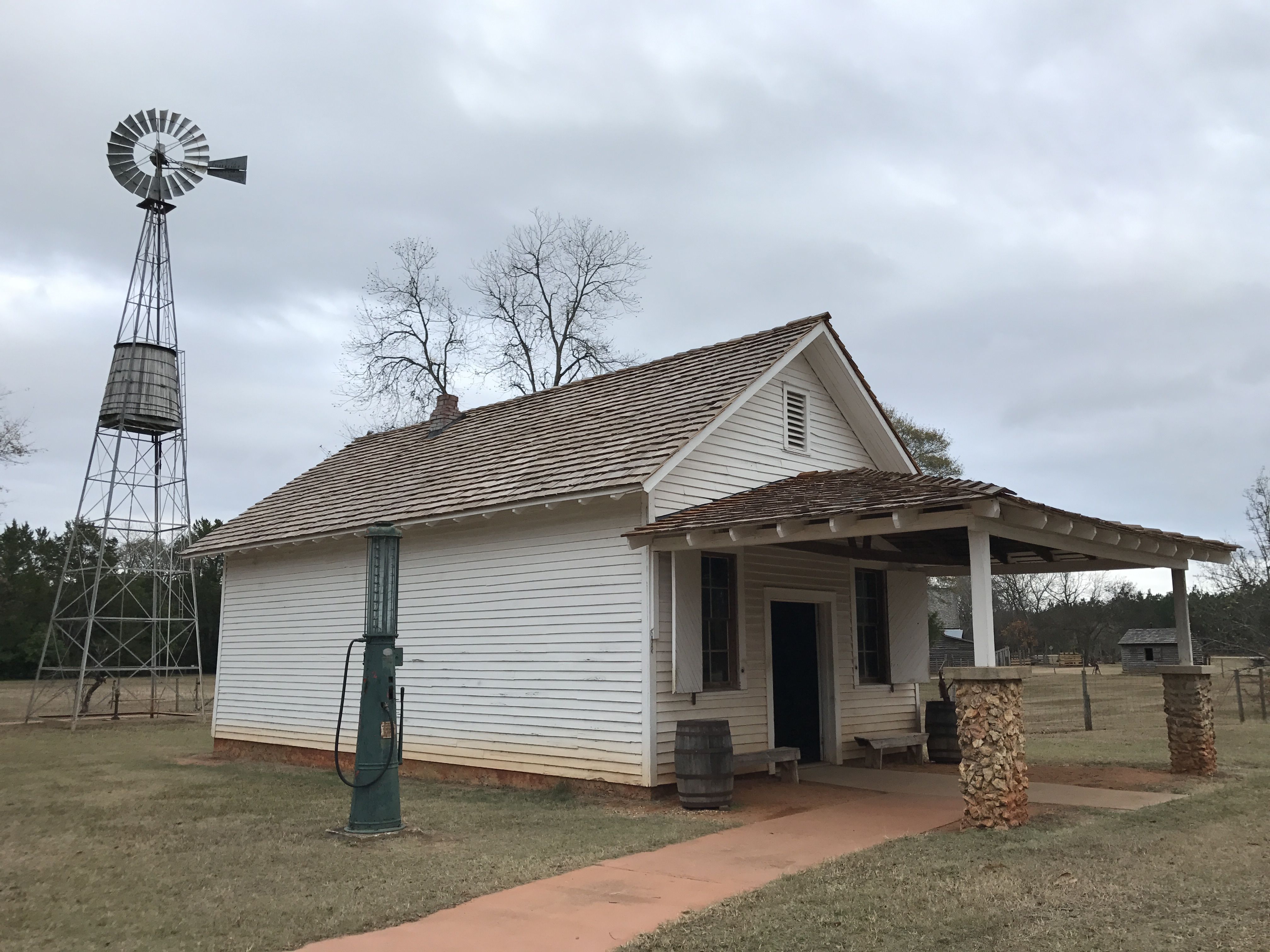
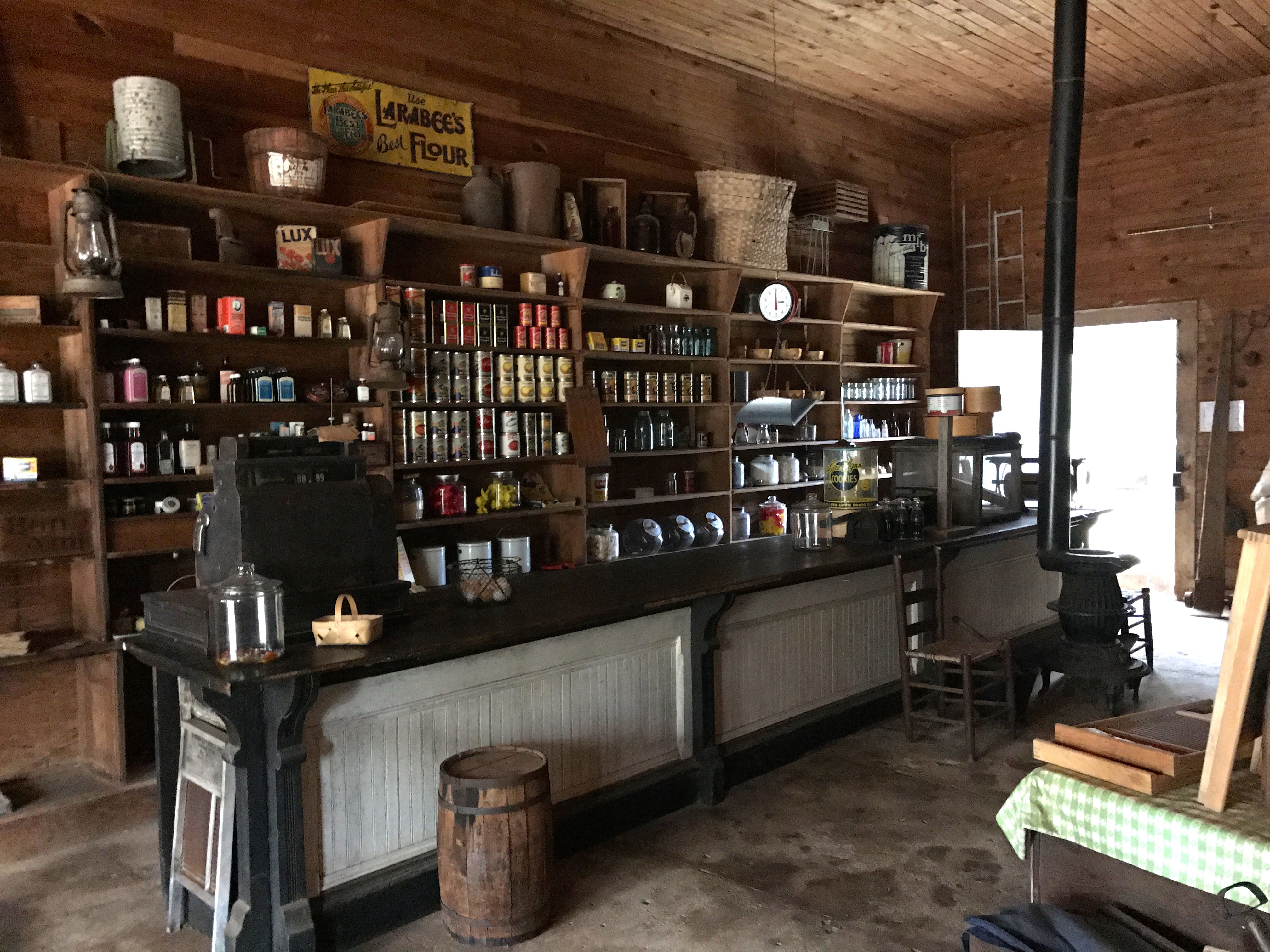
A little ways away from the house was the family store. One of Jimmy’s jobs was to handle business at the store during mealtimes. People would knock at the door and he would go take care of their purchases.
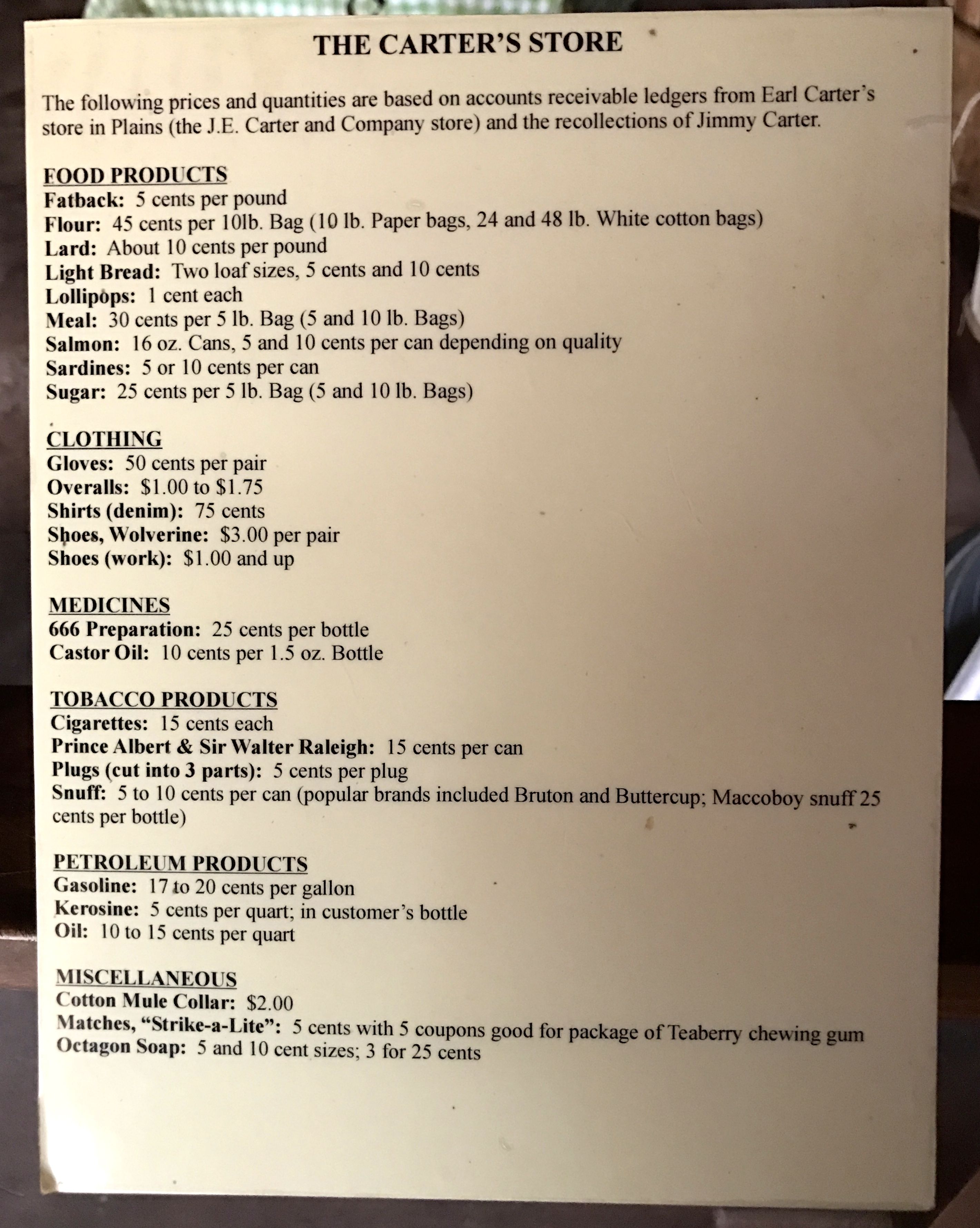
Just in case you were wondering, here are some of the prices of the day:
People tended to be more self-sufficient back then. Tools were simpler and could be repaired, if you had the know-how.
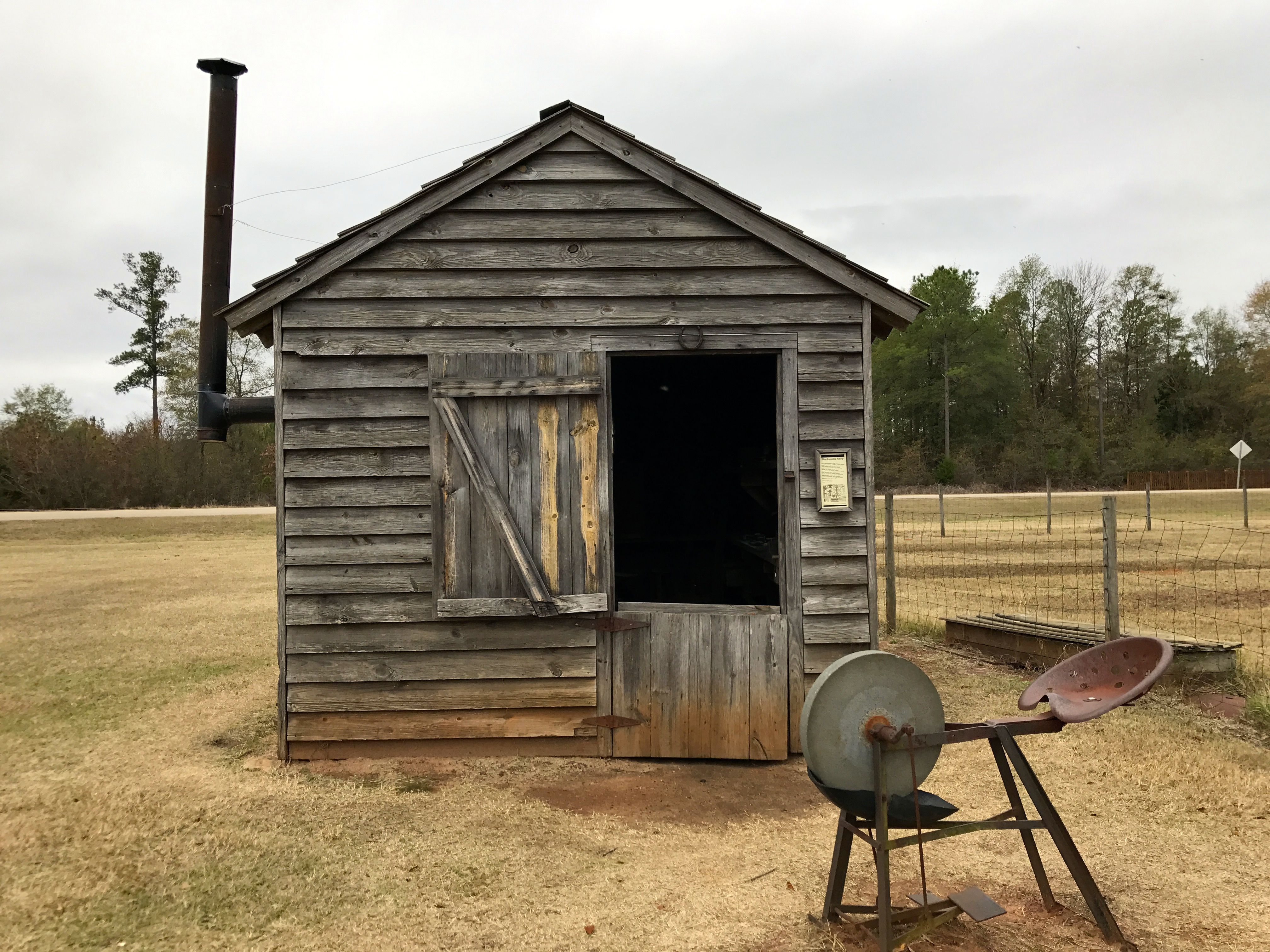
The Carters had a small blacksmith shop on the farm to take care of their tools. Their horses and mules were also shod there.
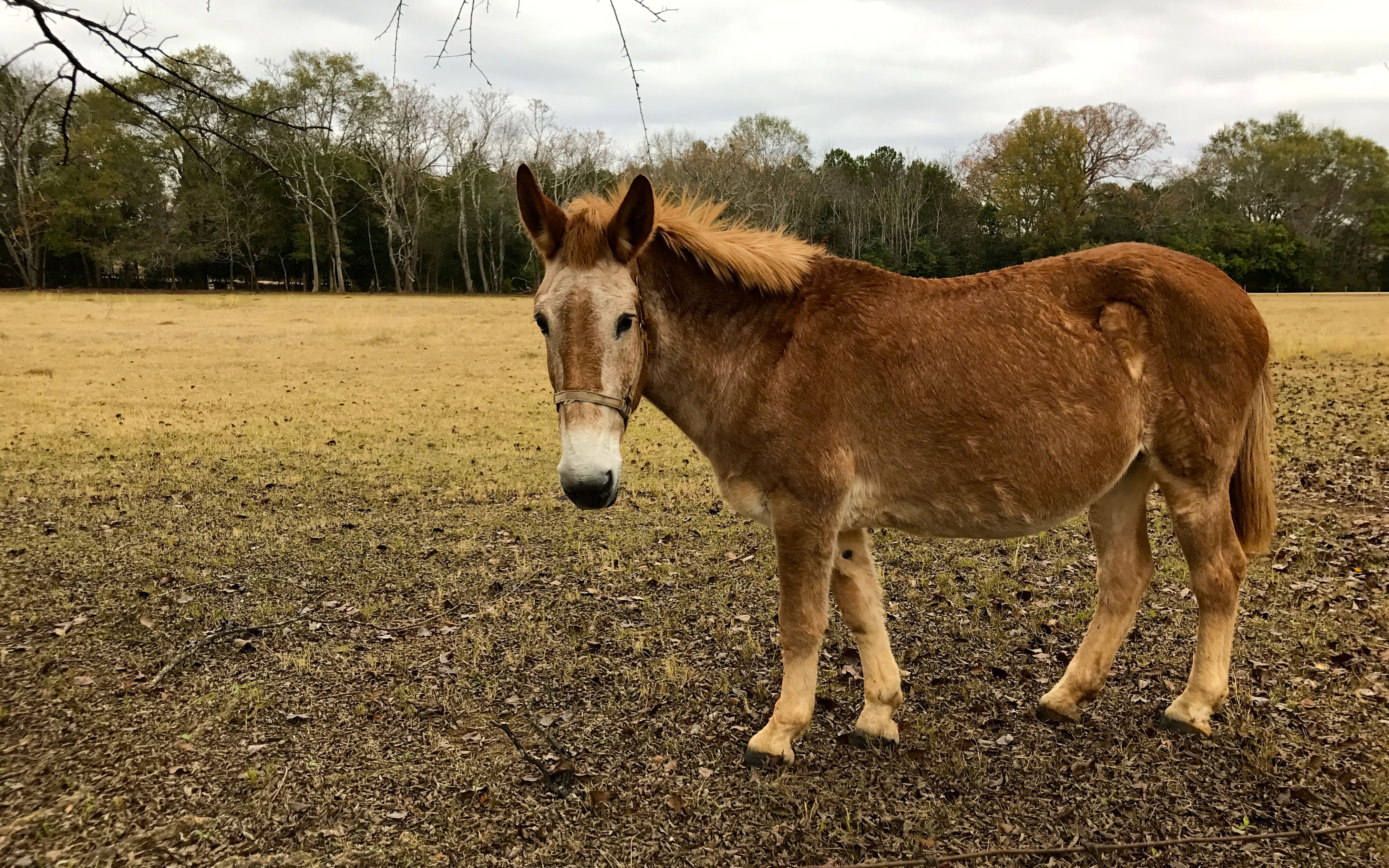
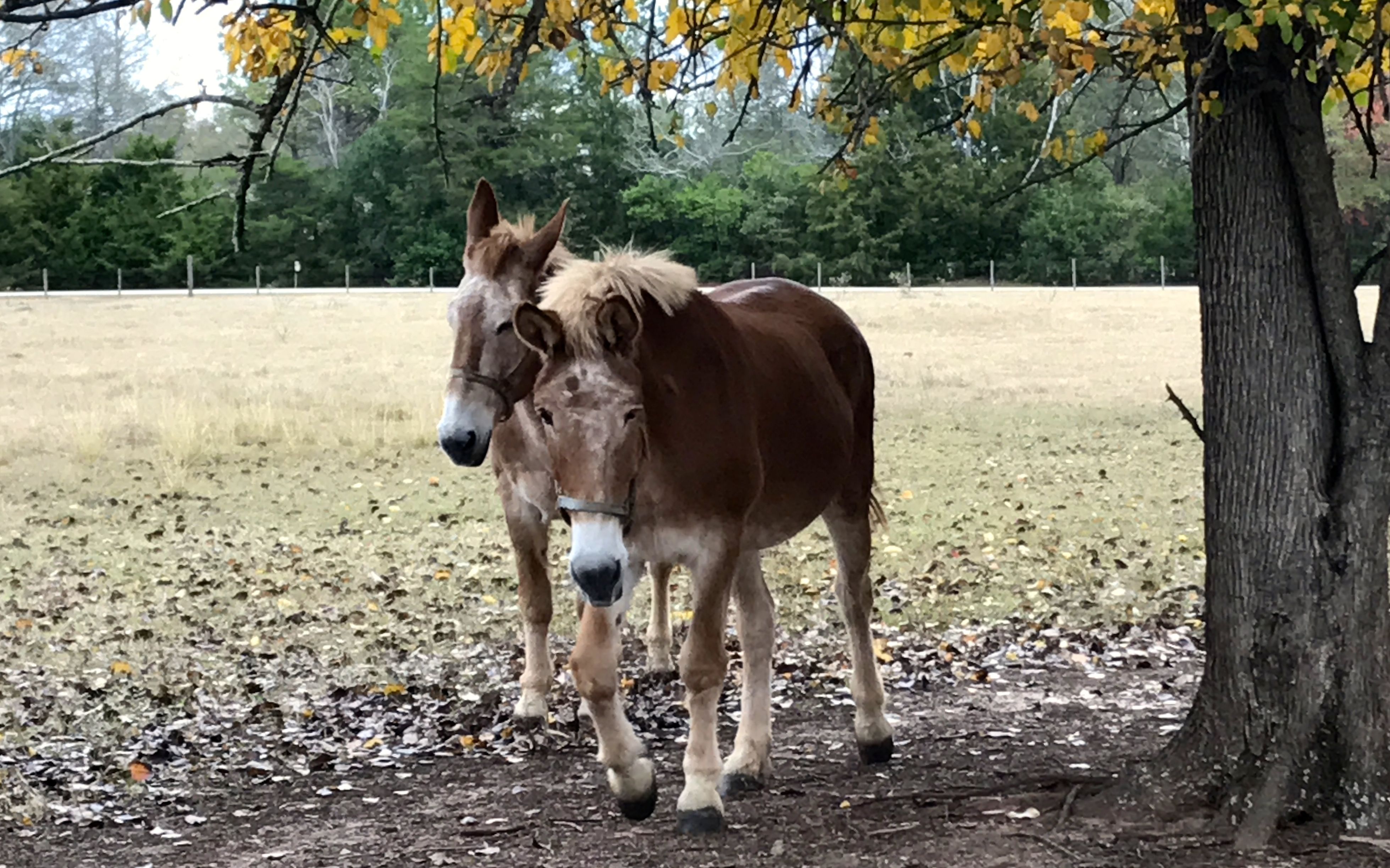
Speaking of horses, they had a few on the property.
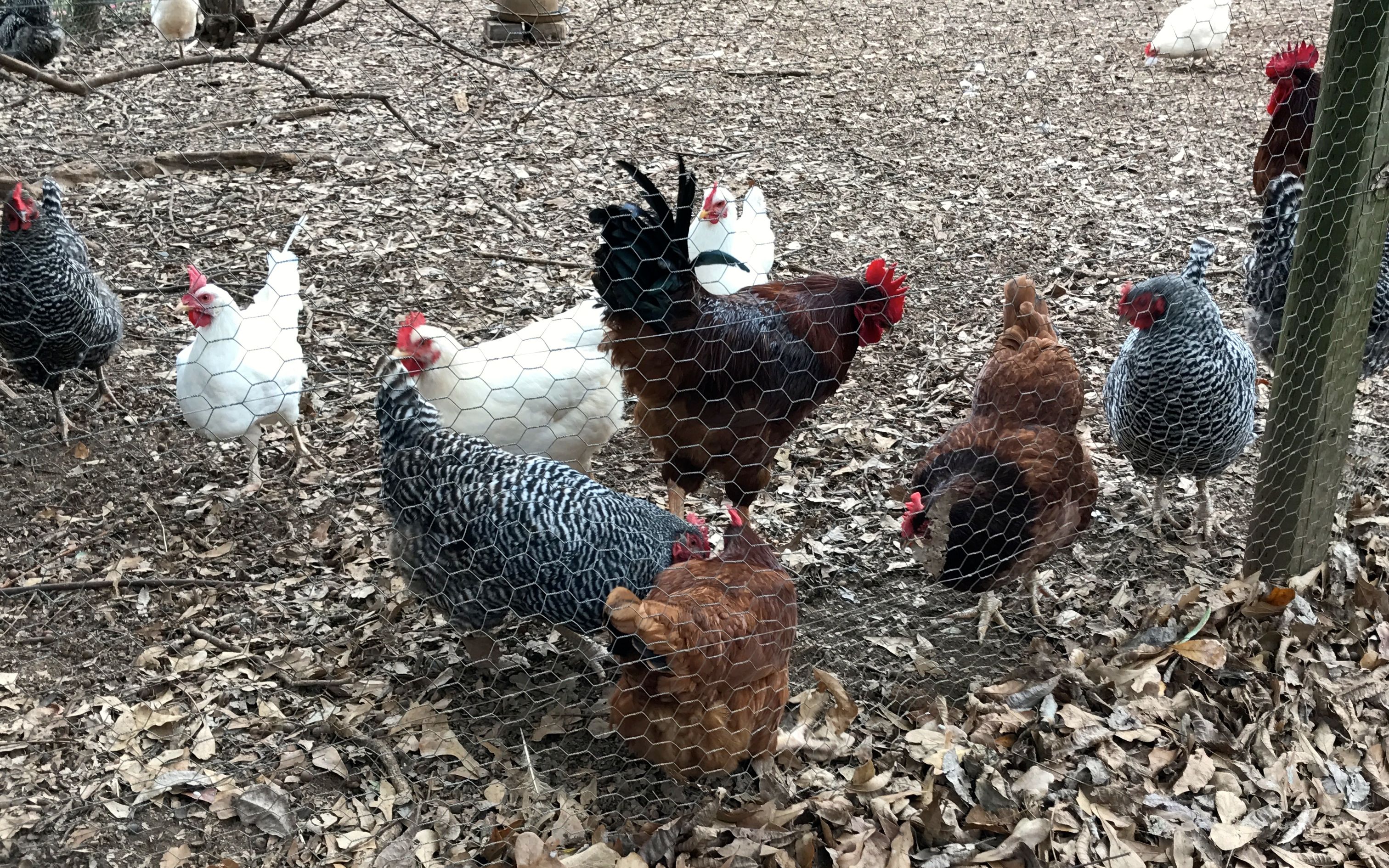
They also had chickens, to lend an aura of authenticity.
Actually, the Carters were all about multiple income streams. Miss Lillian had a pecan grove, which Mr. Earl planted soon after they moved to the property.
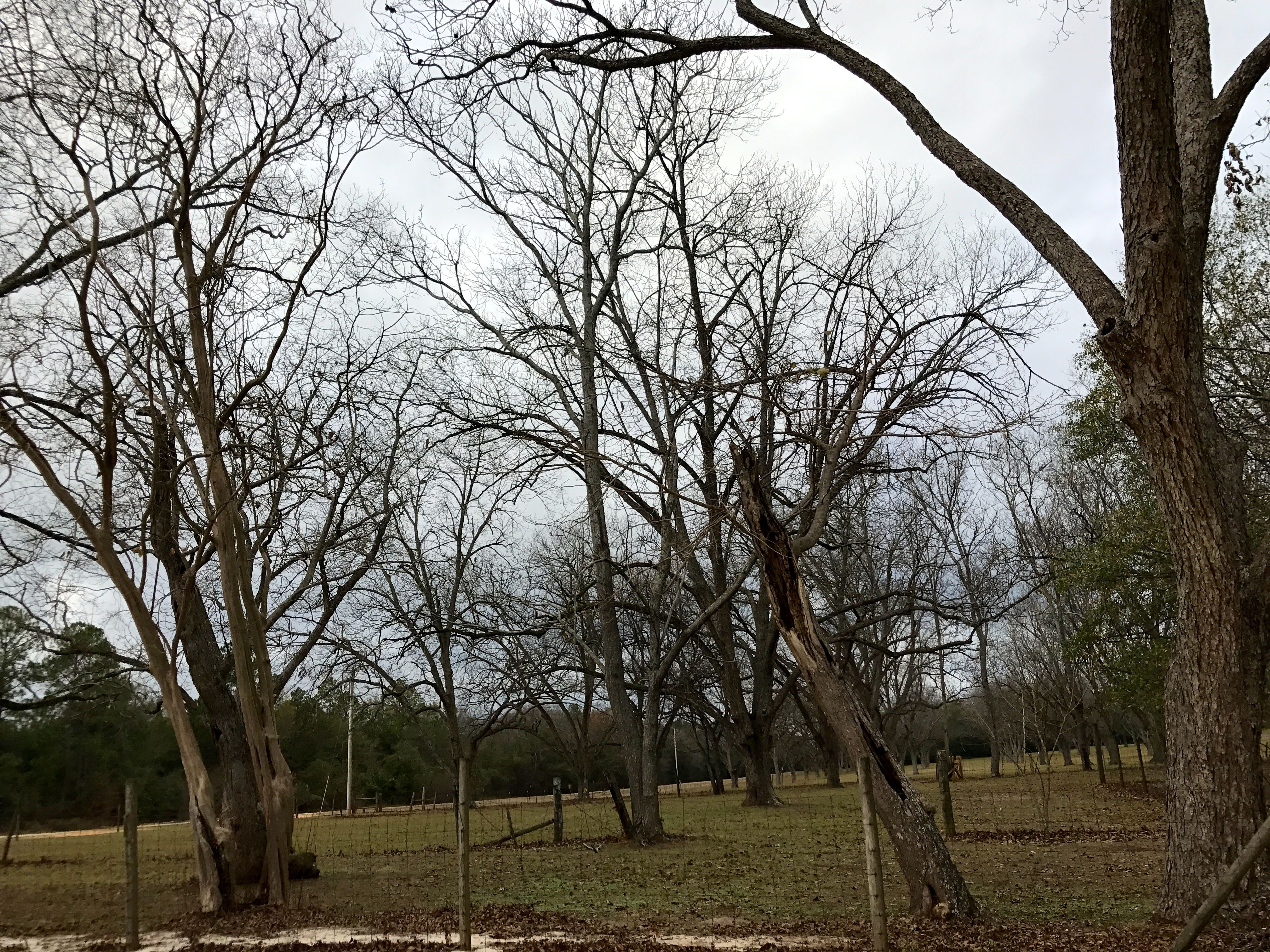
Each fall, Miss Lillian harvested and sold her pecans in nearby Americus. The extra income provided her with household spending money throughout the rest of the year.
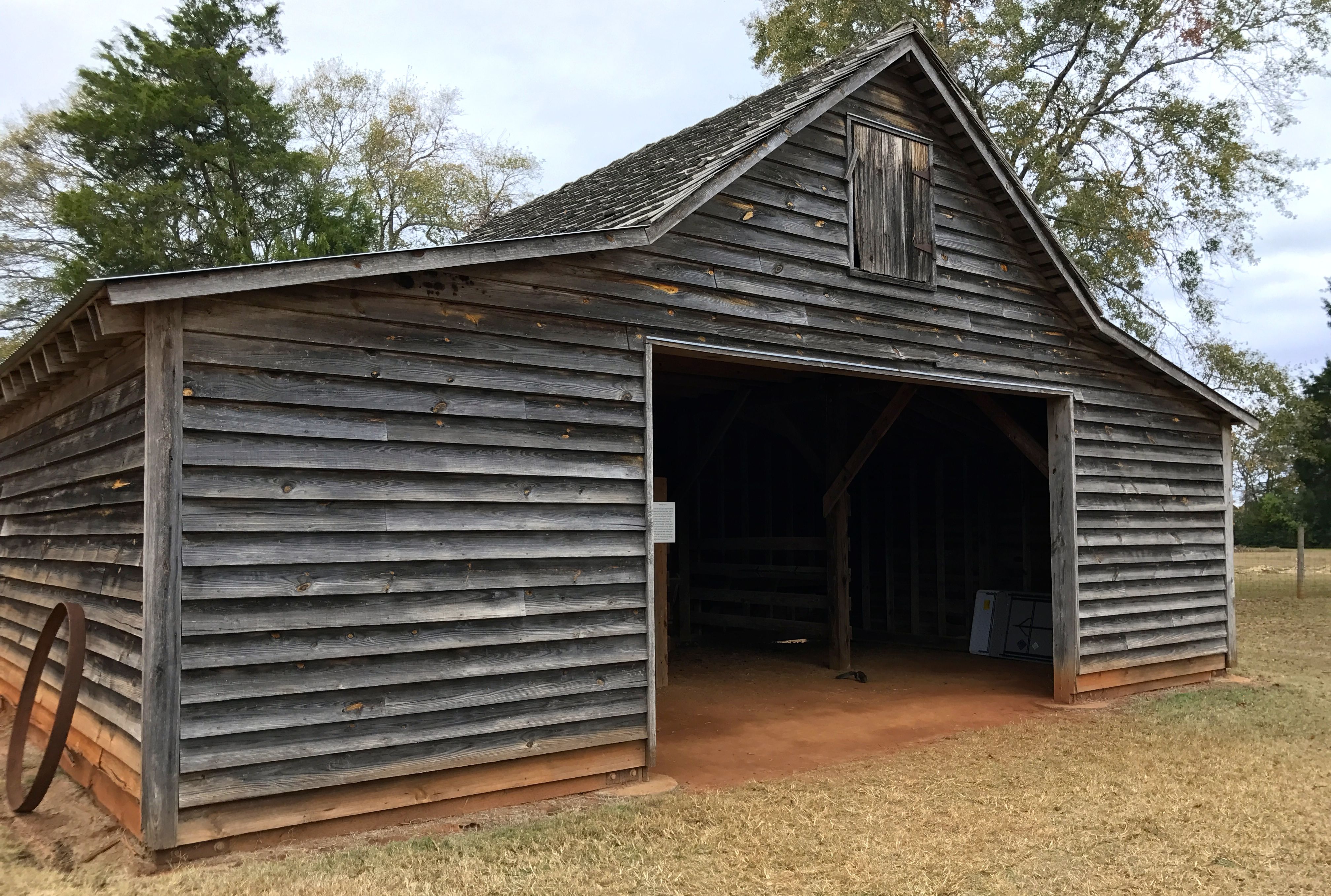
This building is a reconstruction of the milking barn. Between eight and twelve cows were milked on the farm each day, depending on the season and how many were giving fresh milk. None of the milk was ever wasted. Mr. Earl sold cream to a store in Plains. Leftover skim milk was fed to calves and pigs. Earl also had a good business of making making small bottles of vanilla and chocolate milk drinks, which he delivered to grocery stores and service stations in the area. He sold the drinks for five cents each. Each week he’d pick up the unsold bottles and then feed them to the hogs. The Carters also consumed several gallons a day themselves.
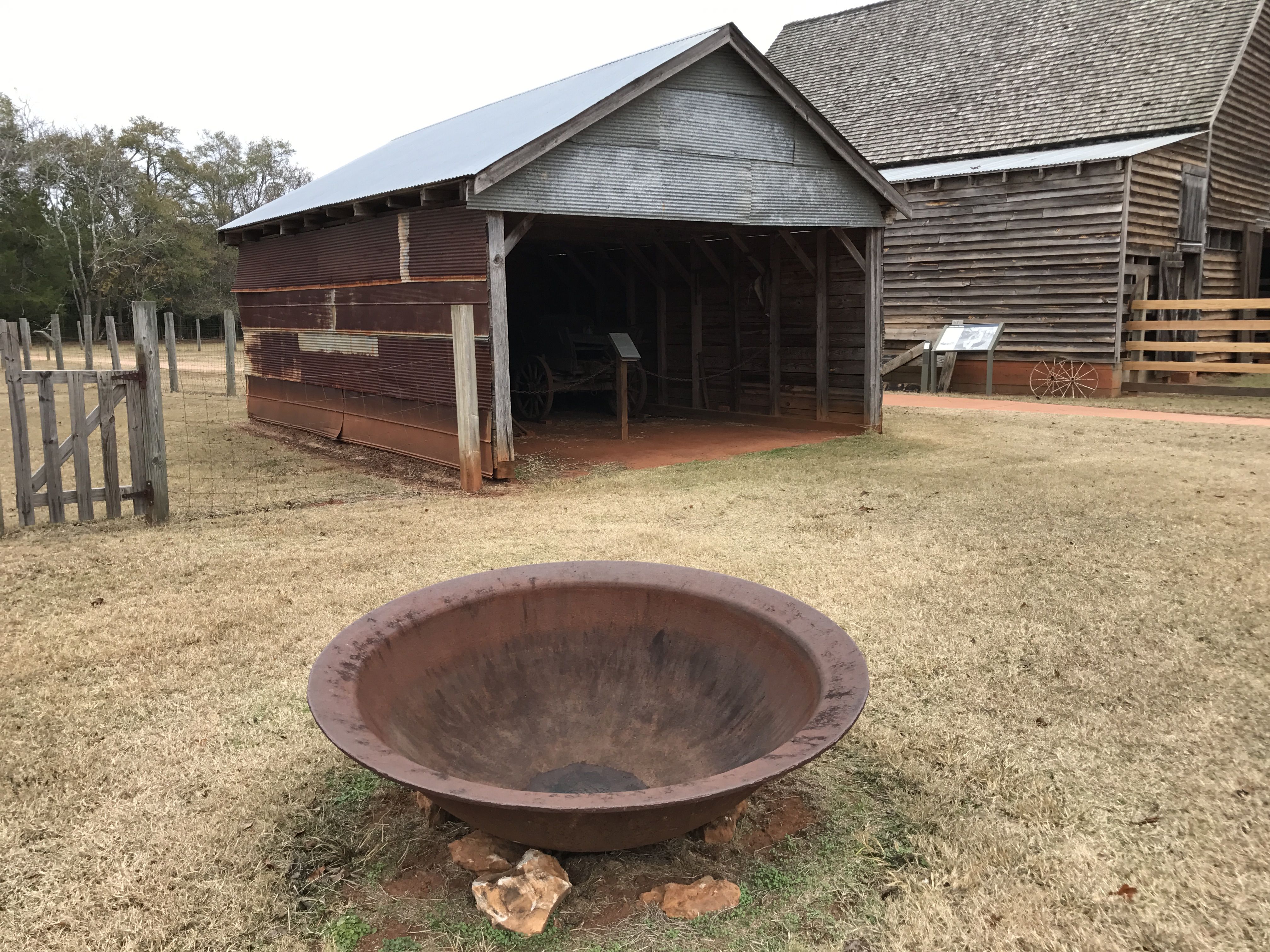
There were no interpretive signs about these large pans that were lying about the farm. I assume that they might have been used in scalding hogs when they were butchered. But, what do I know? I’m a suburban kid from the fifties.
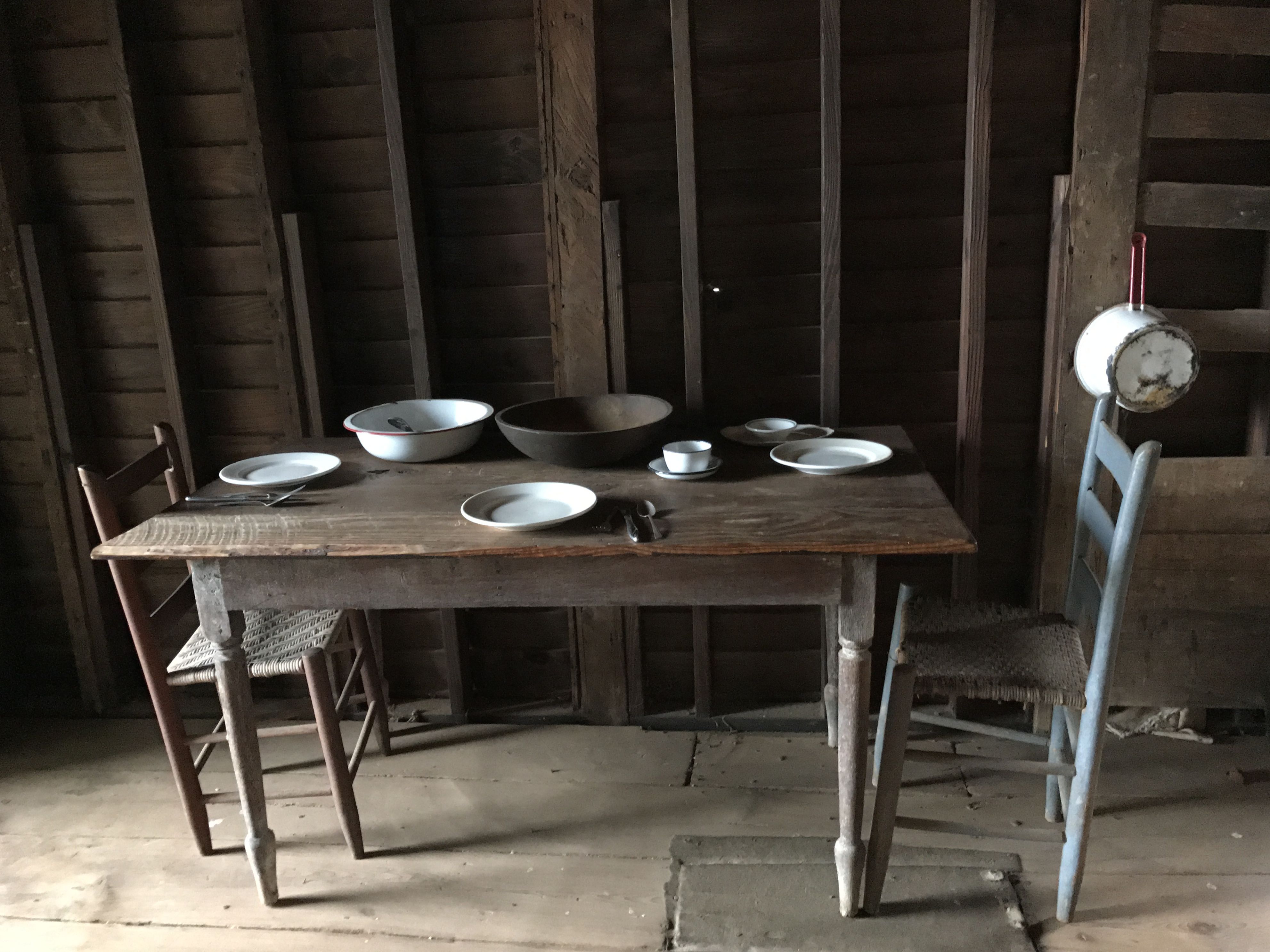
Jack Clark and his wife Rachel, were permanent fixtures on the farm, , and they had their own house on the other side of the barns and sheds. Jimmy spent a good deal of time with them.
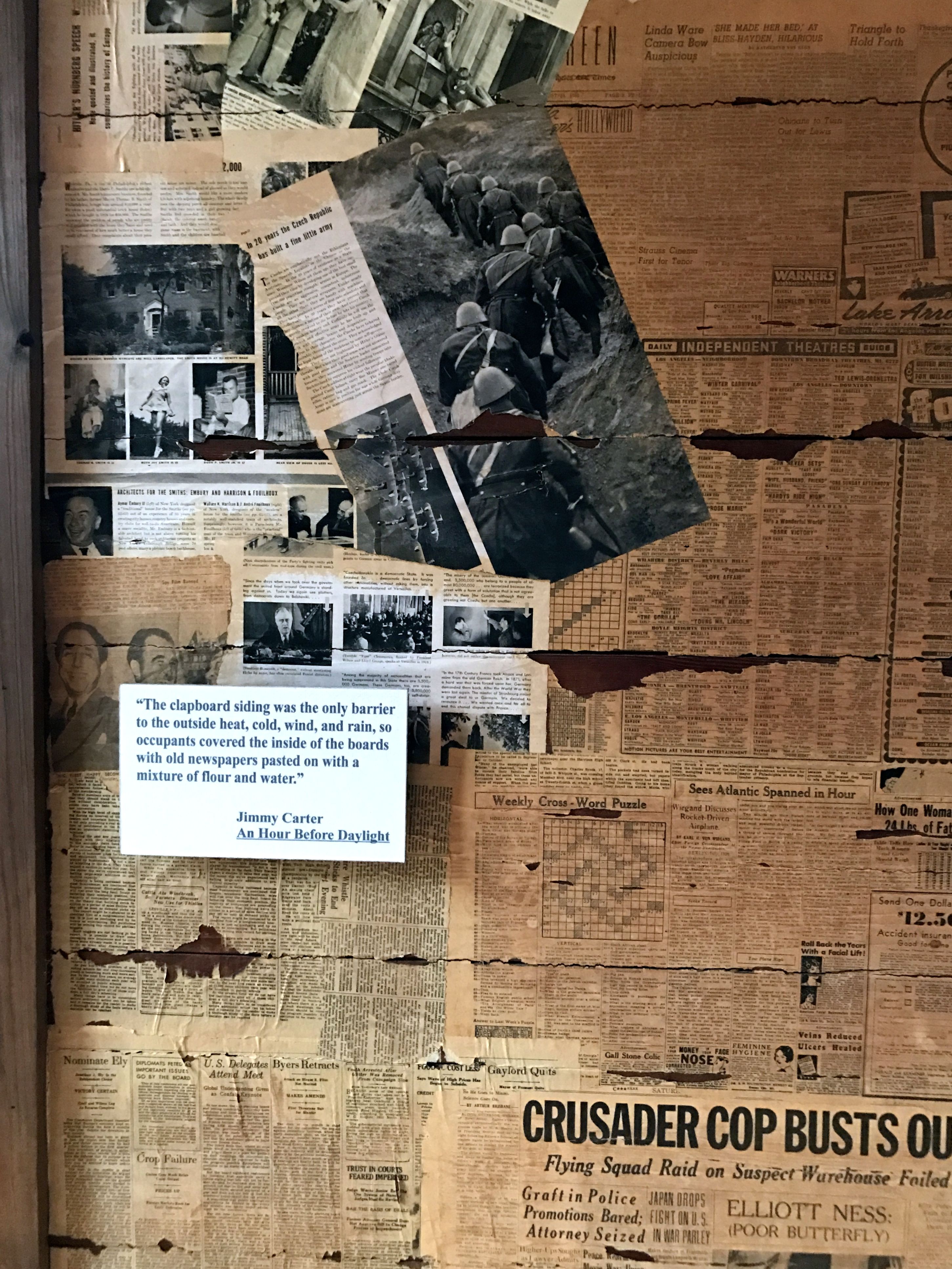
As you might be able to read, in Jimmy’s words, “The clapboard siding was the only barrier to the outside heat, cold, wind and rain, so occupants covered the inside of the boards with old newspapers pasted on with a mixture of flour and water.”
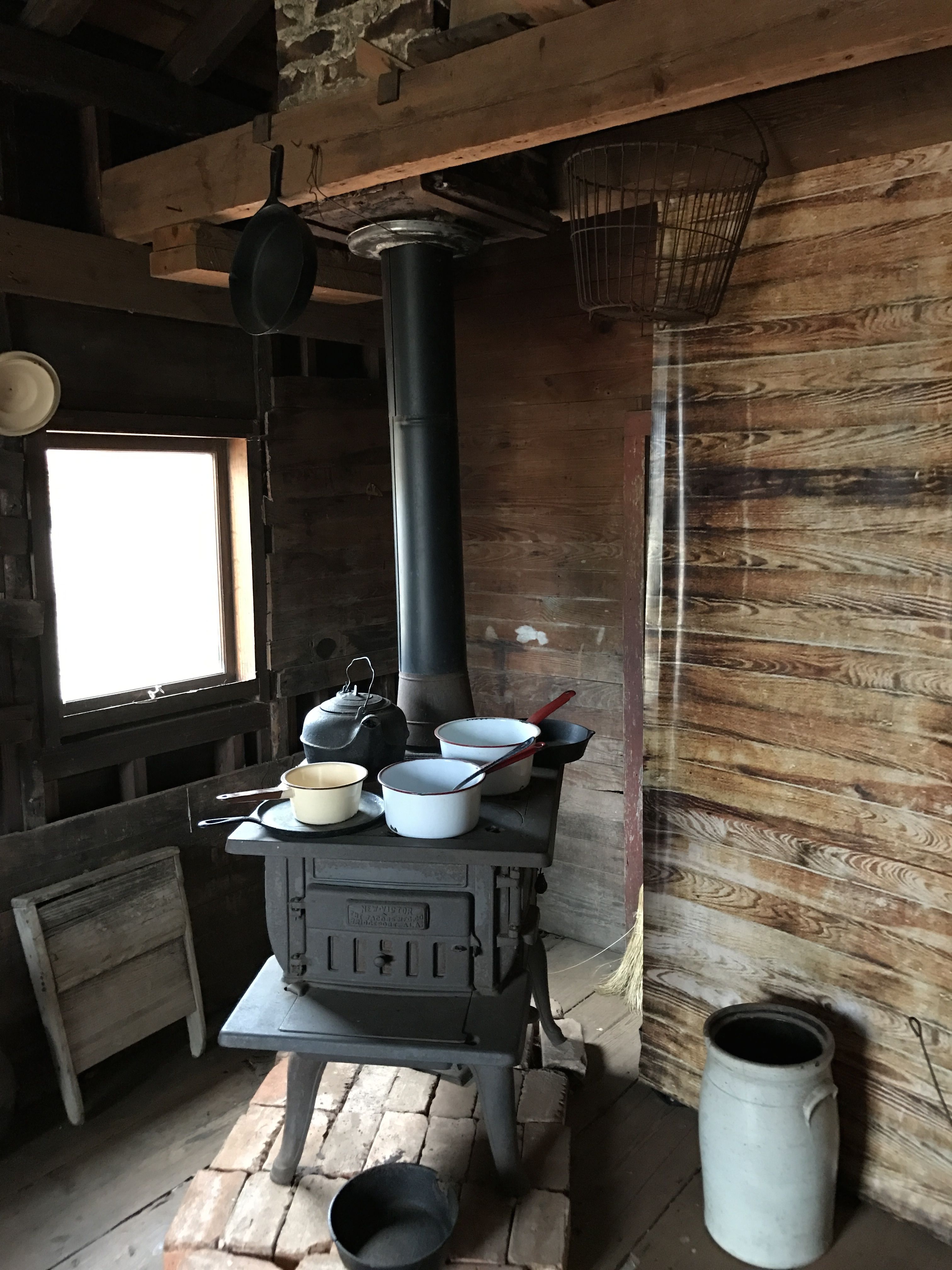
I am sure he was warmly received by the Clarks and was welcome around their stove.
The school that Jimmy attended is now the headquarters for the Jimmy Carter National Monument.
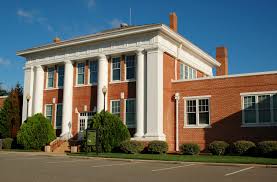
I got to wander the halls and rooms a bit and see what the school must have been like for him.
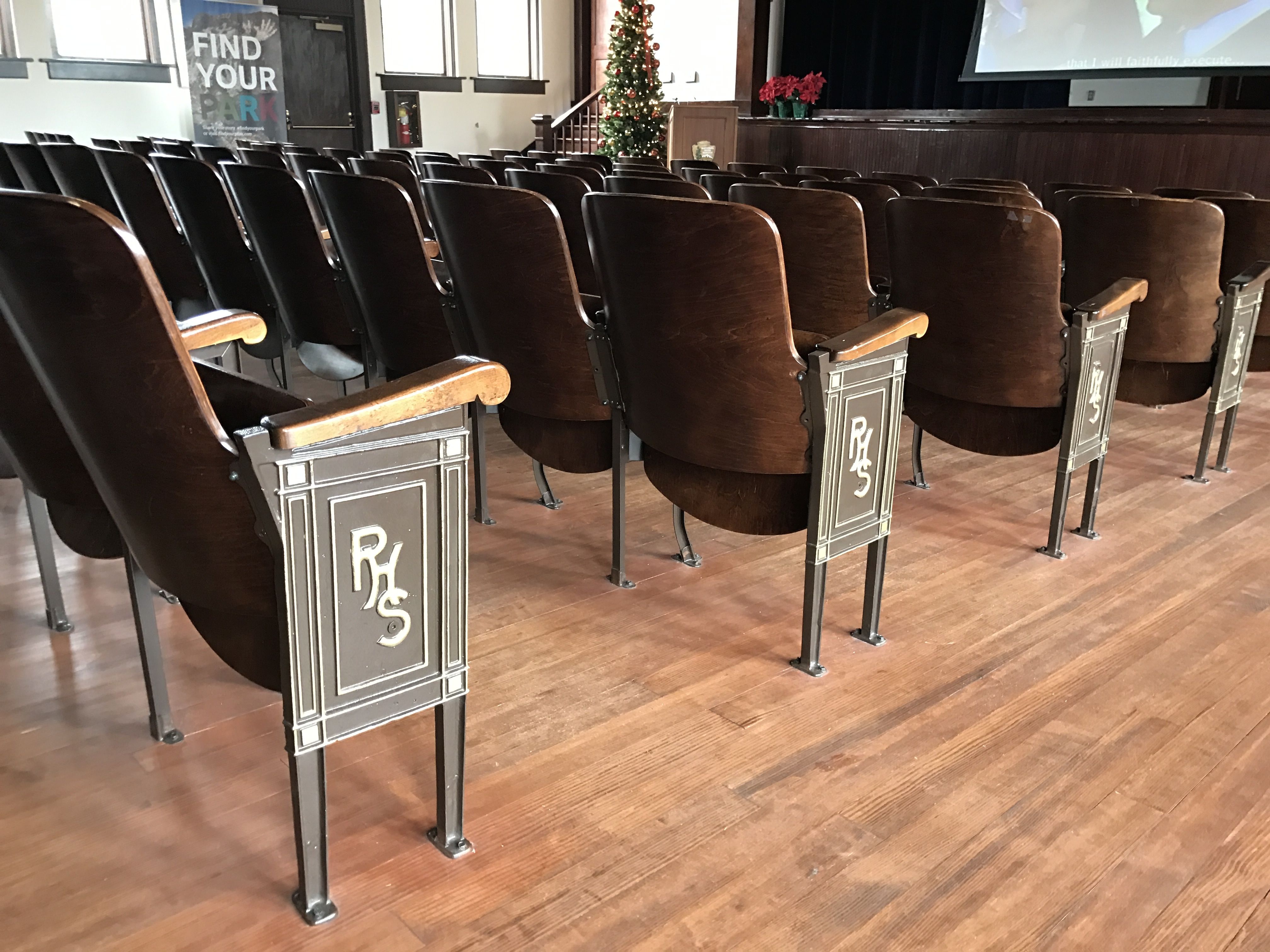
Here’s the auditorium, where we got to watch a brief introductory film.
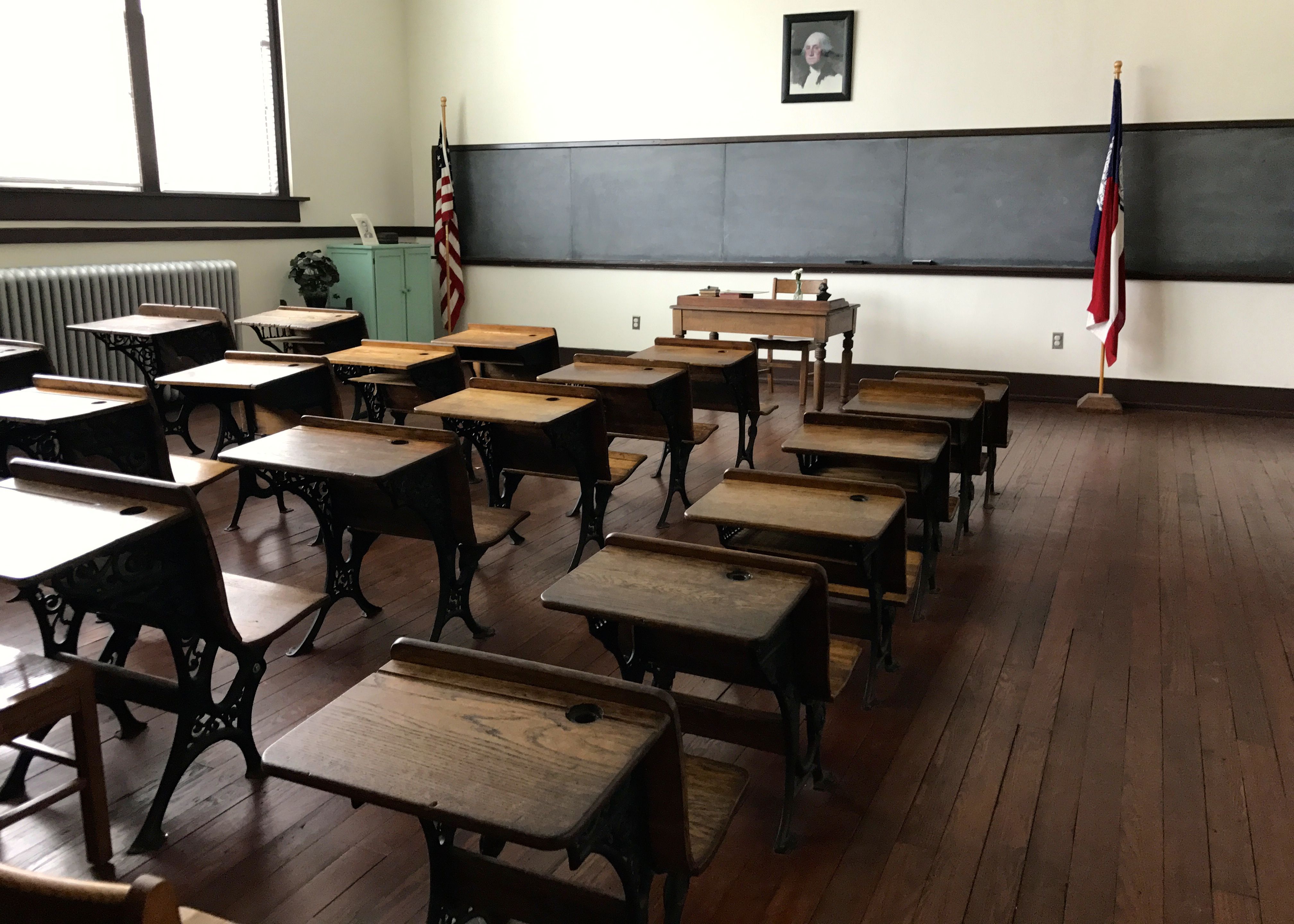
They had a classroom set up like it would have been when Jimmy attended.
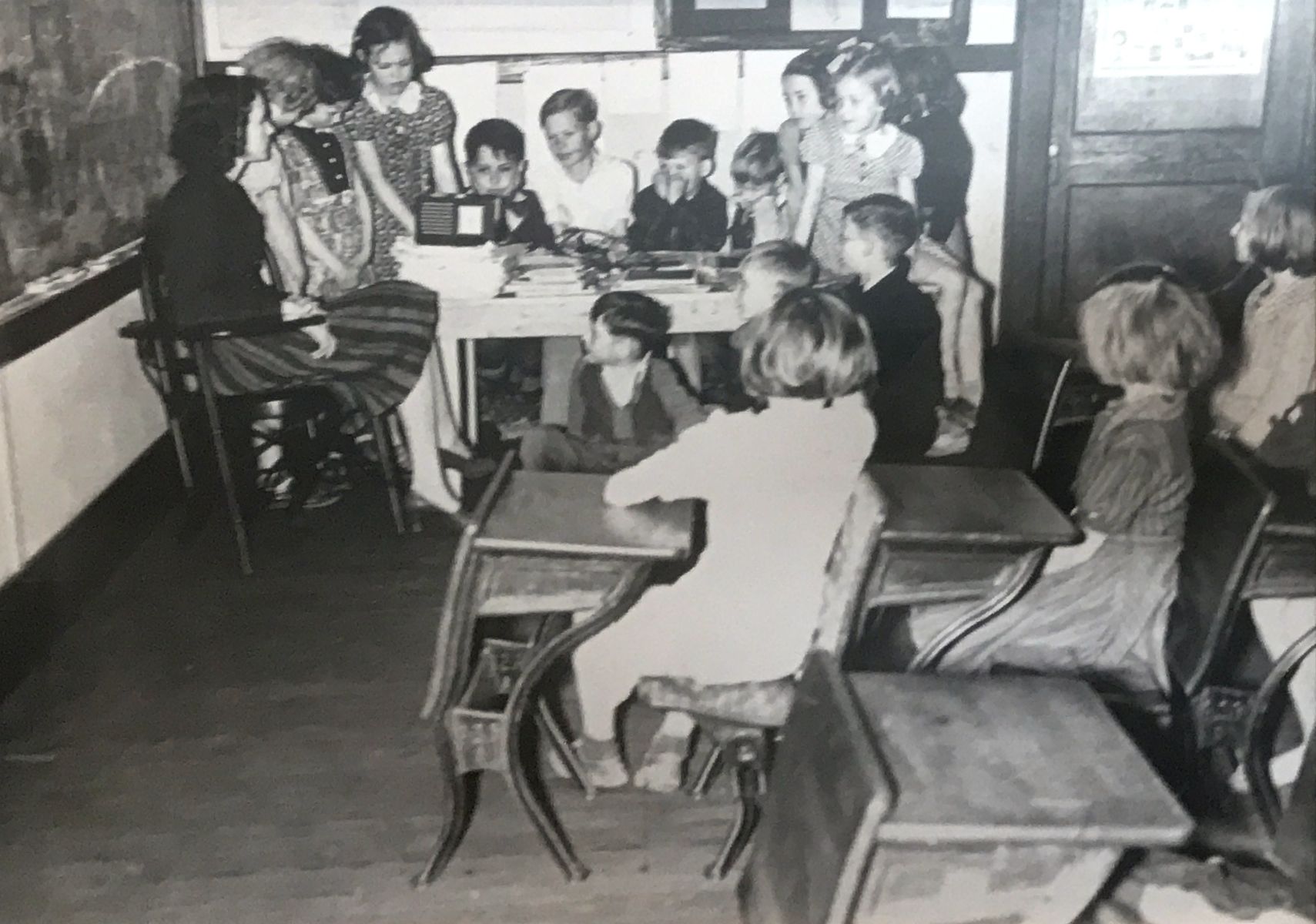
In fact, here is a photo of that classroom.
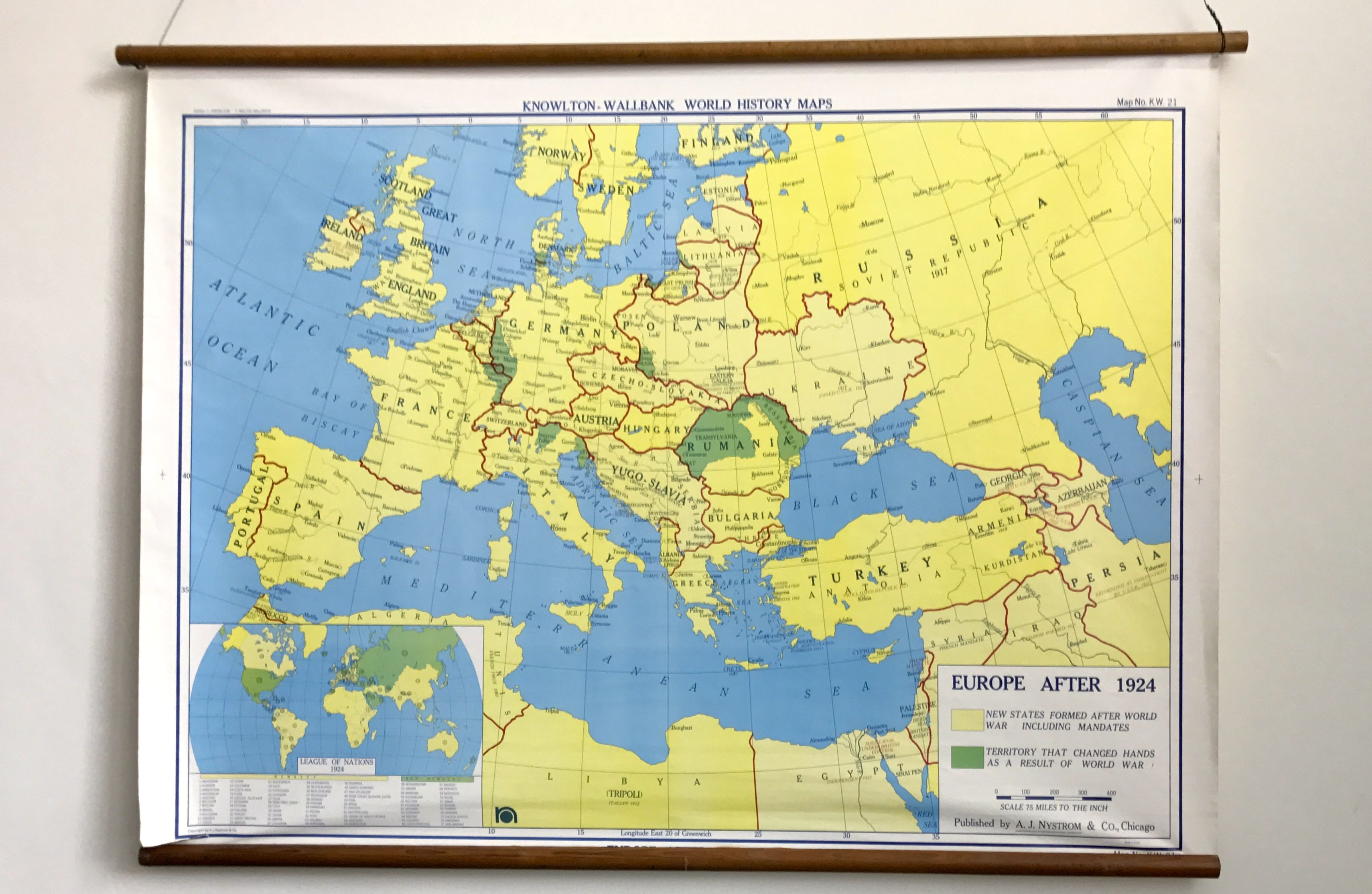
They even included a map that would have hung in the room when he was attending school.
There were other displays in the headquarters.
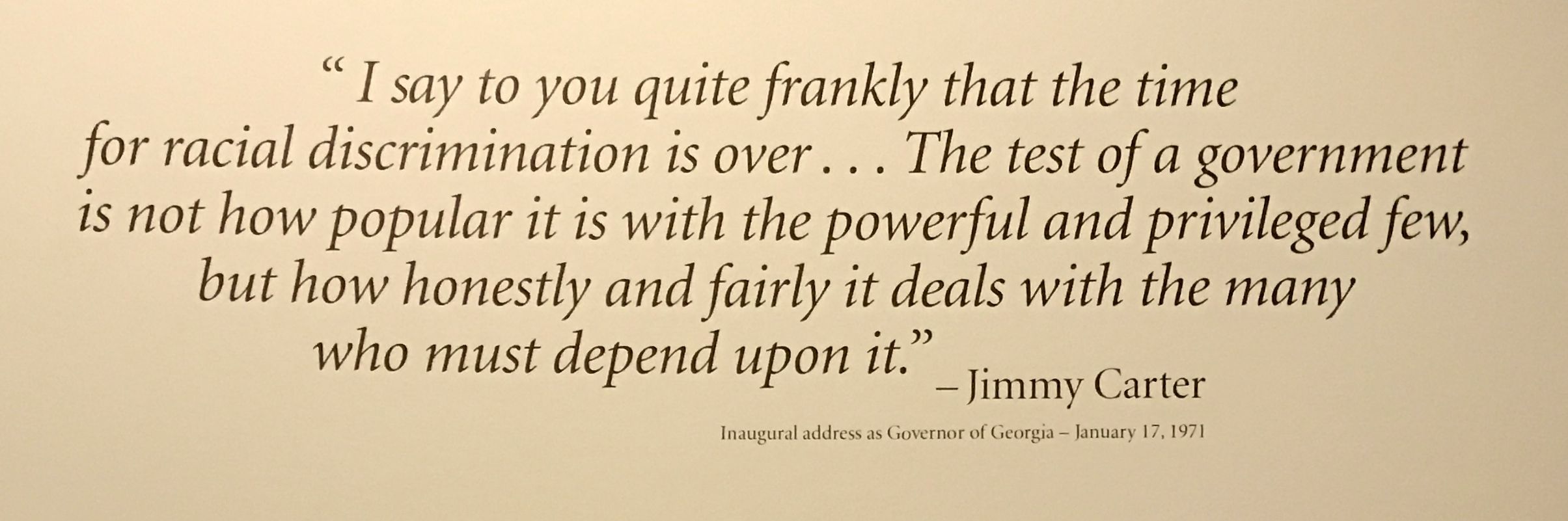
I particularly appreciated this quote from his inaugural address as governor in 1971.

I also liked this map of places where the Carter Center has worked to improve the quality of life around the world.
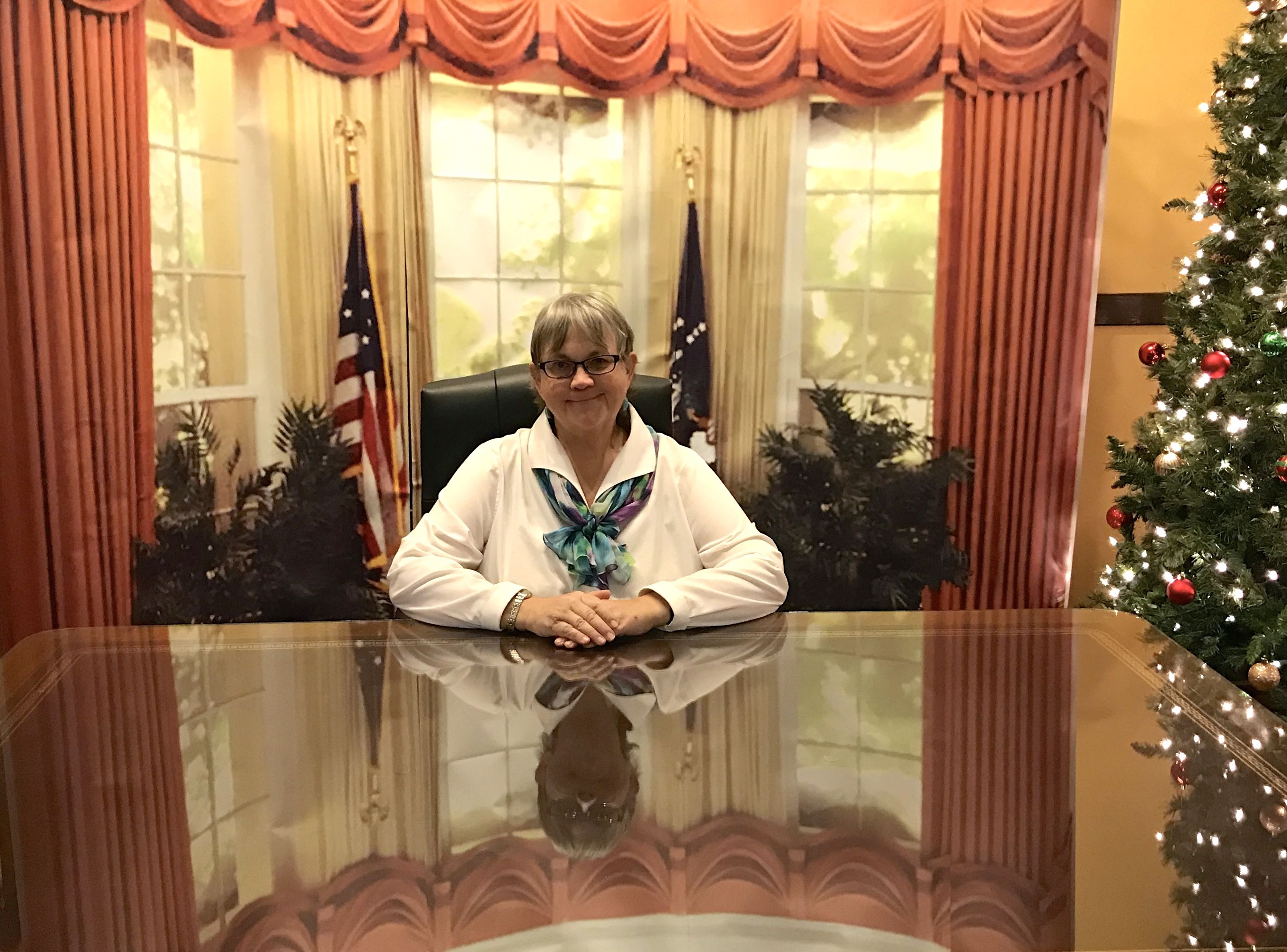
I had fun posing in this model of the Oval Office. Don’t I look presidential?
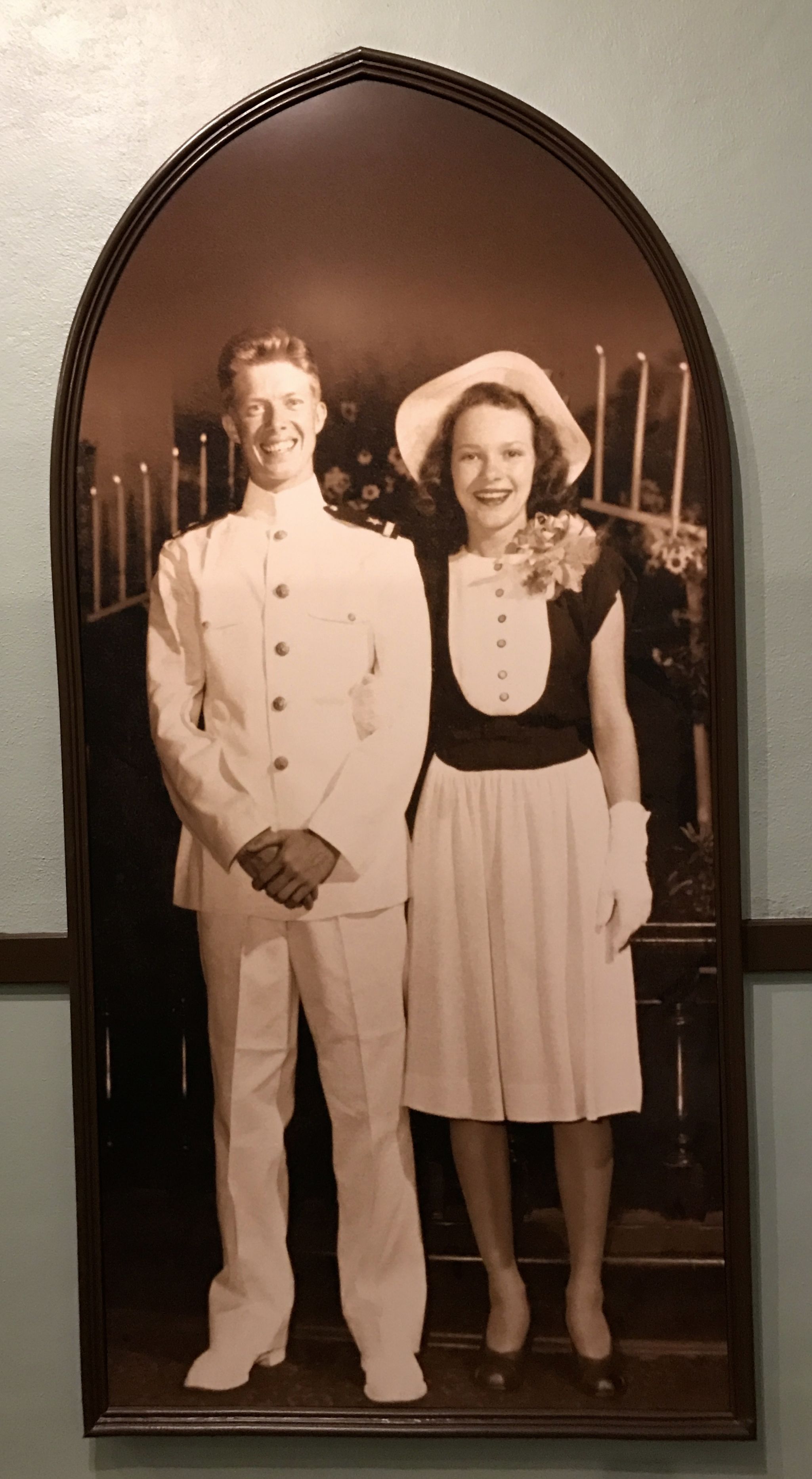
Jimmy pursued his eduction – as well as his sister’s friend, Rosalynn. They married in 1946. He was well on the way to a good career in the Navy. At the time he left the service, he was part of the nation’s fledgling nuclear submarine program.
However, in 1953 his father passed away of pancreatic cancer. He returned to take care of the family business.
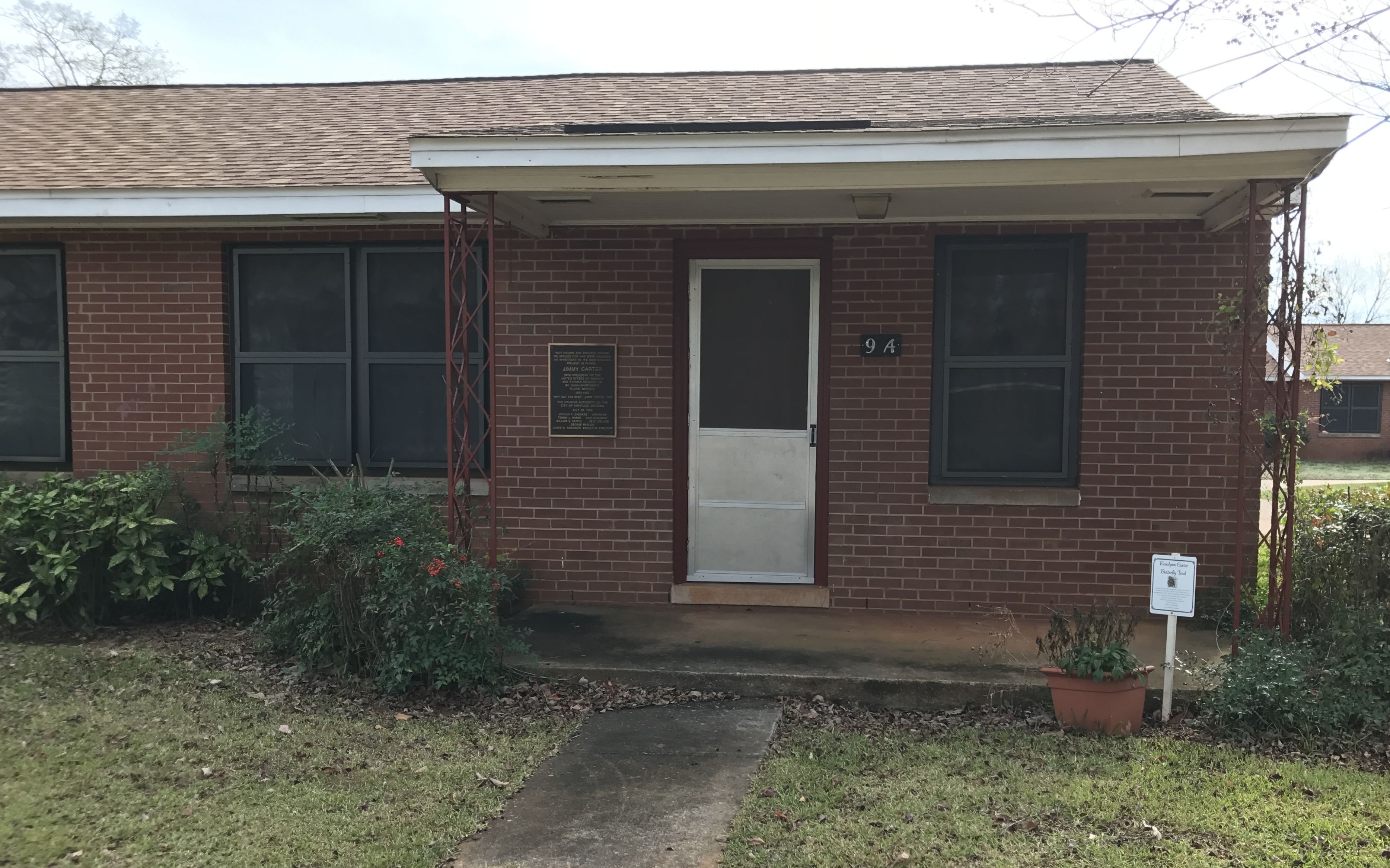
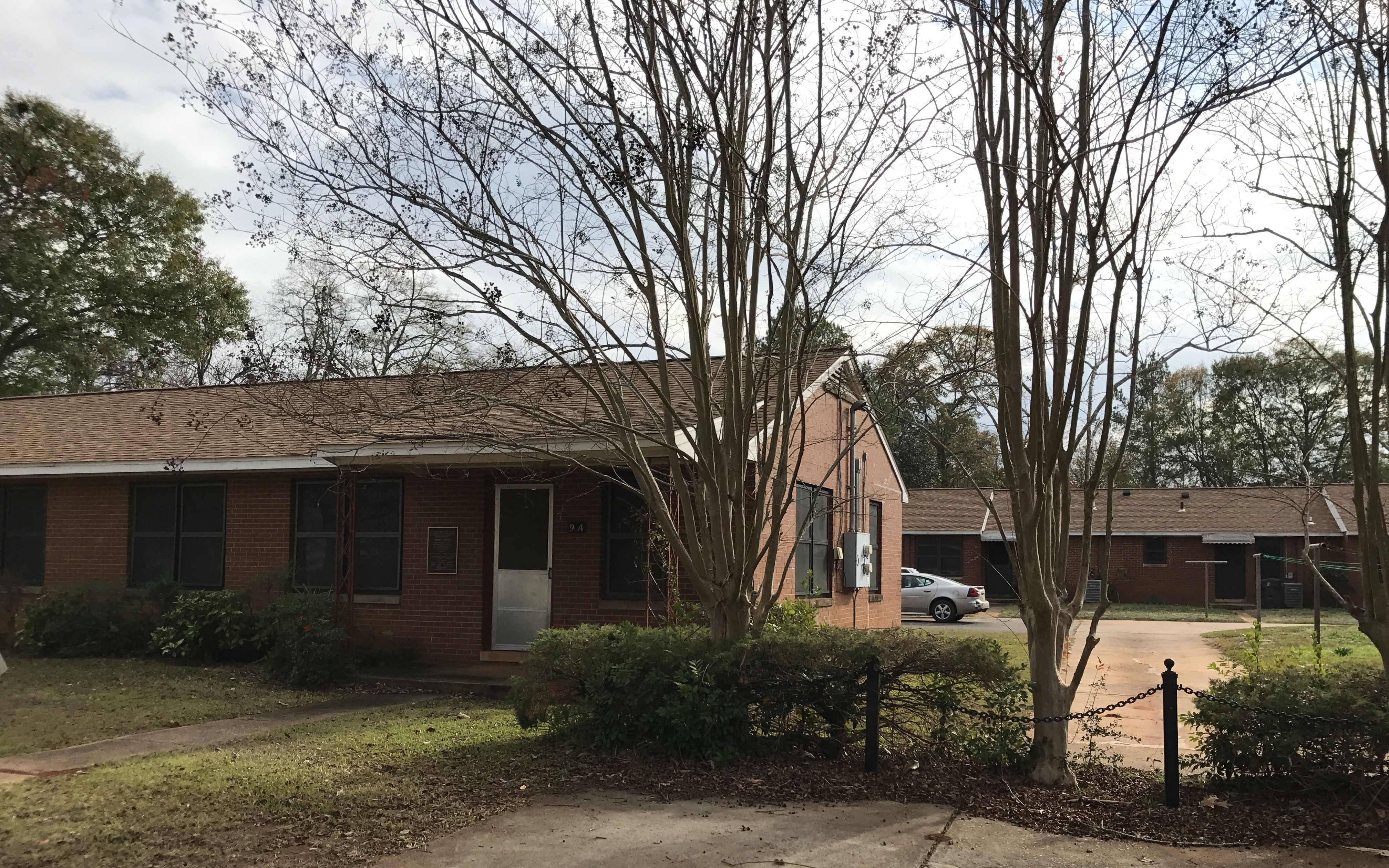
At the time, he was strapped for cash and lived in this apartment in the new housing project in Plains.
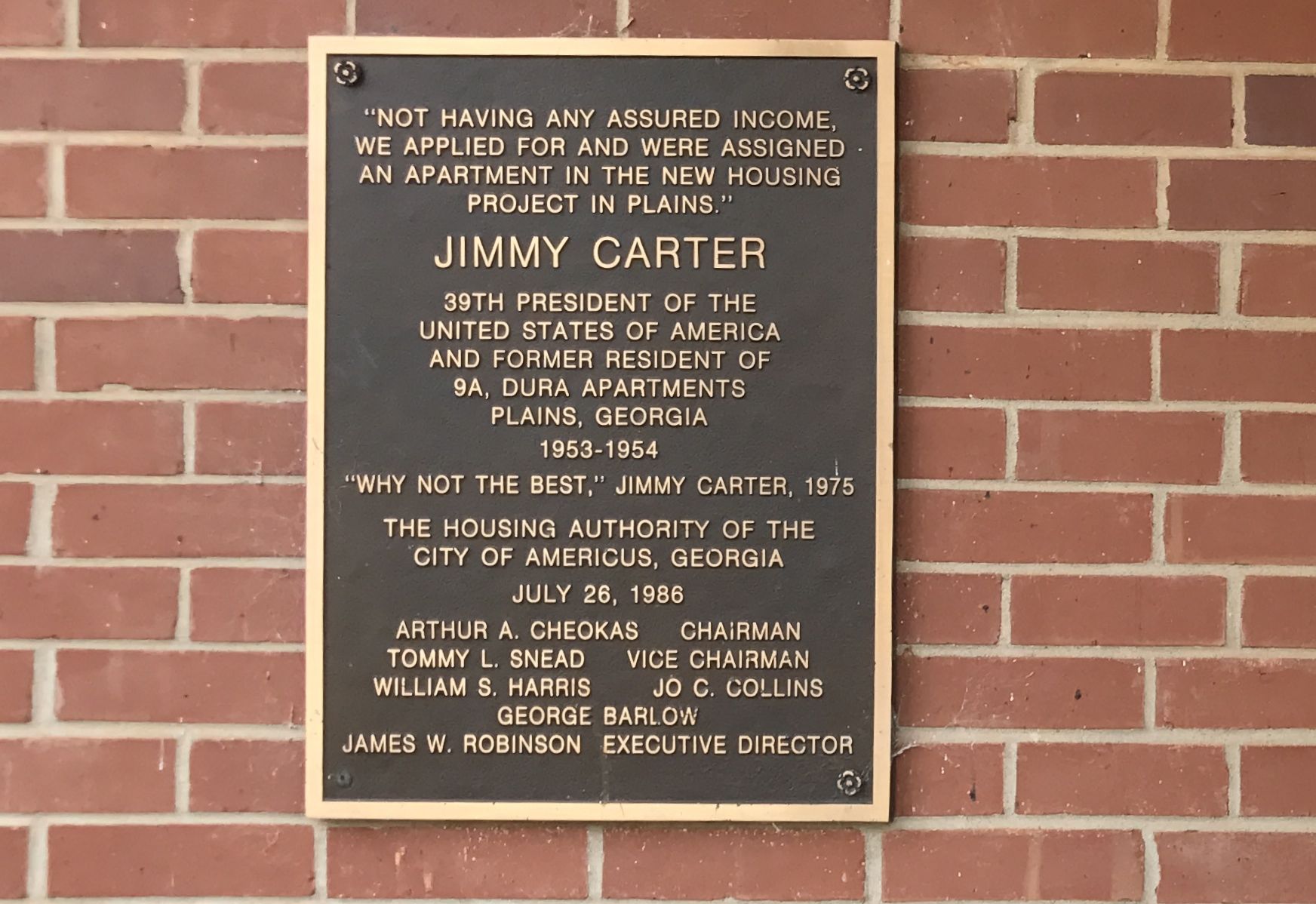
It actually looks like a pretty nice place to live.
Across the street from this complex, I saw this sign:
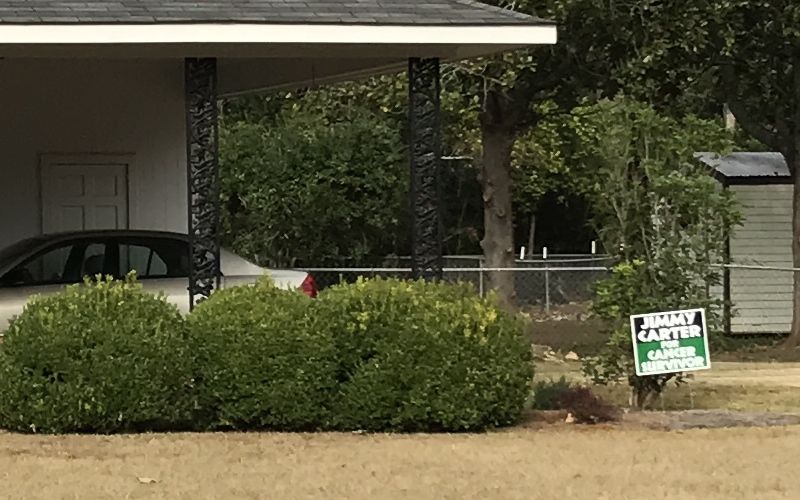
In case you can’t quite make it out, it says, “Jimmy Carter for Cancer Survivor.” As you may remember, a few years ago, he revealed that he had brain cancer. Whatever treatments he received, they were apparently successful. It wasn’t too long ago that he announced that there was no longer a sign of the cancer.
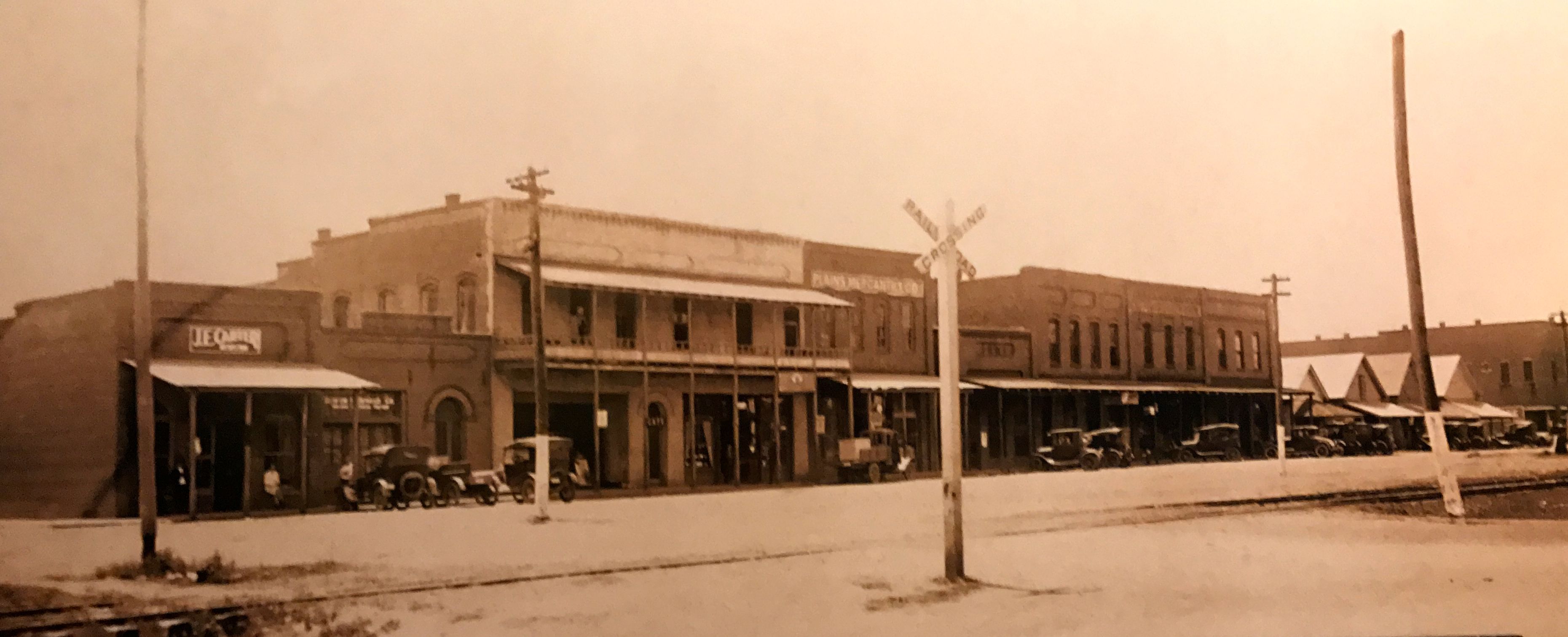
As you can see from this vintage photo, not much has changed in Plains.
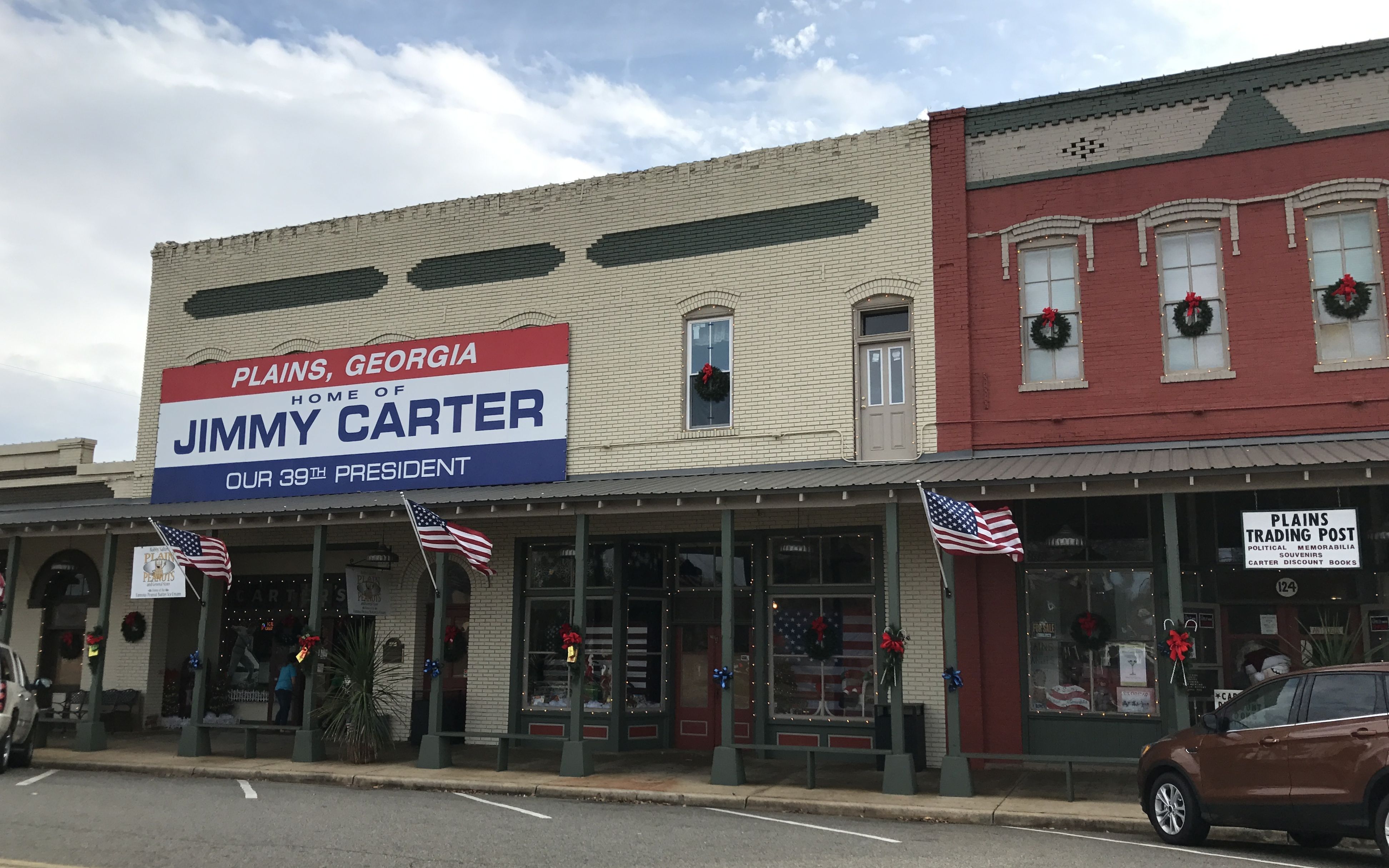
Jimmy ran for president from the train depot.
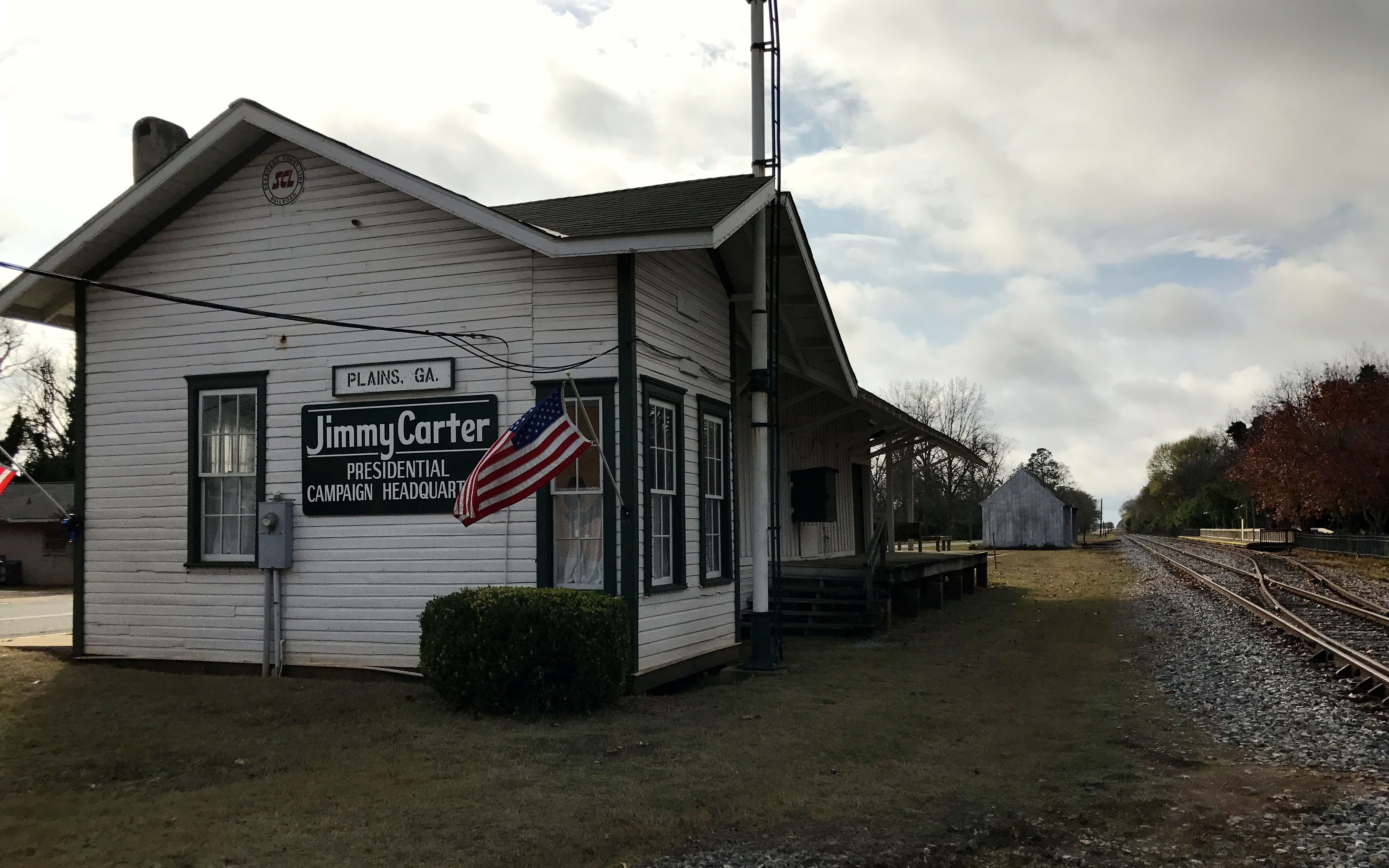
At the time he began, this was the sentiment.

However, people soon learned who he was. Jimmy who? became
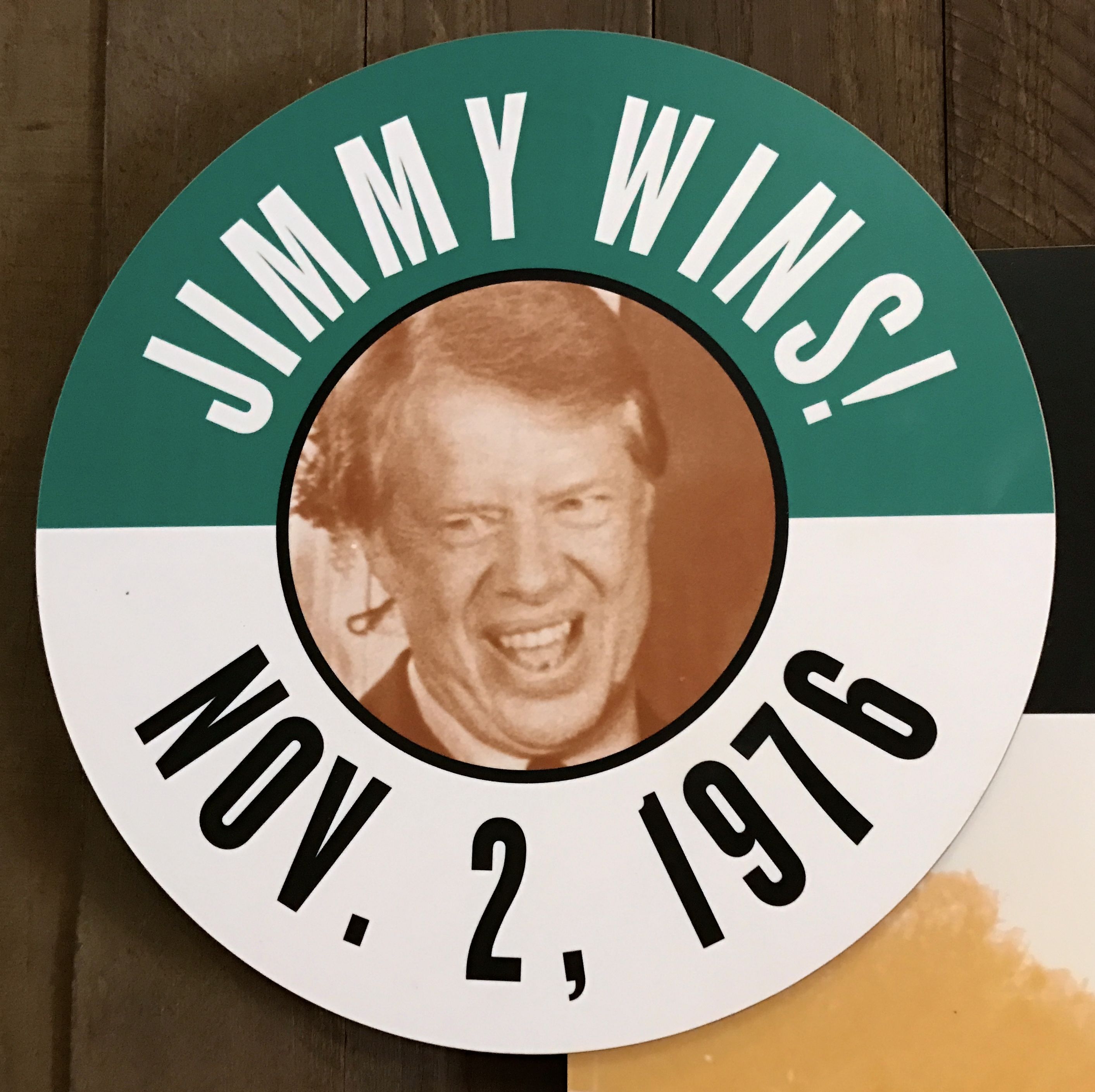
I think it is telling that his one of his first acts as president was to fulfill a campaign promise by issuing an executive order declaring unconditional amnesty for Vietnam era draft evaders.
He was a president who strove to put people first, in my opinion.
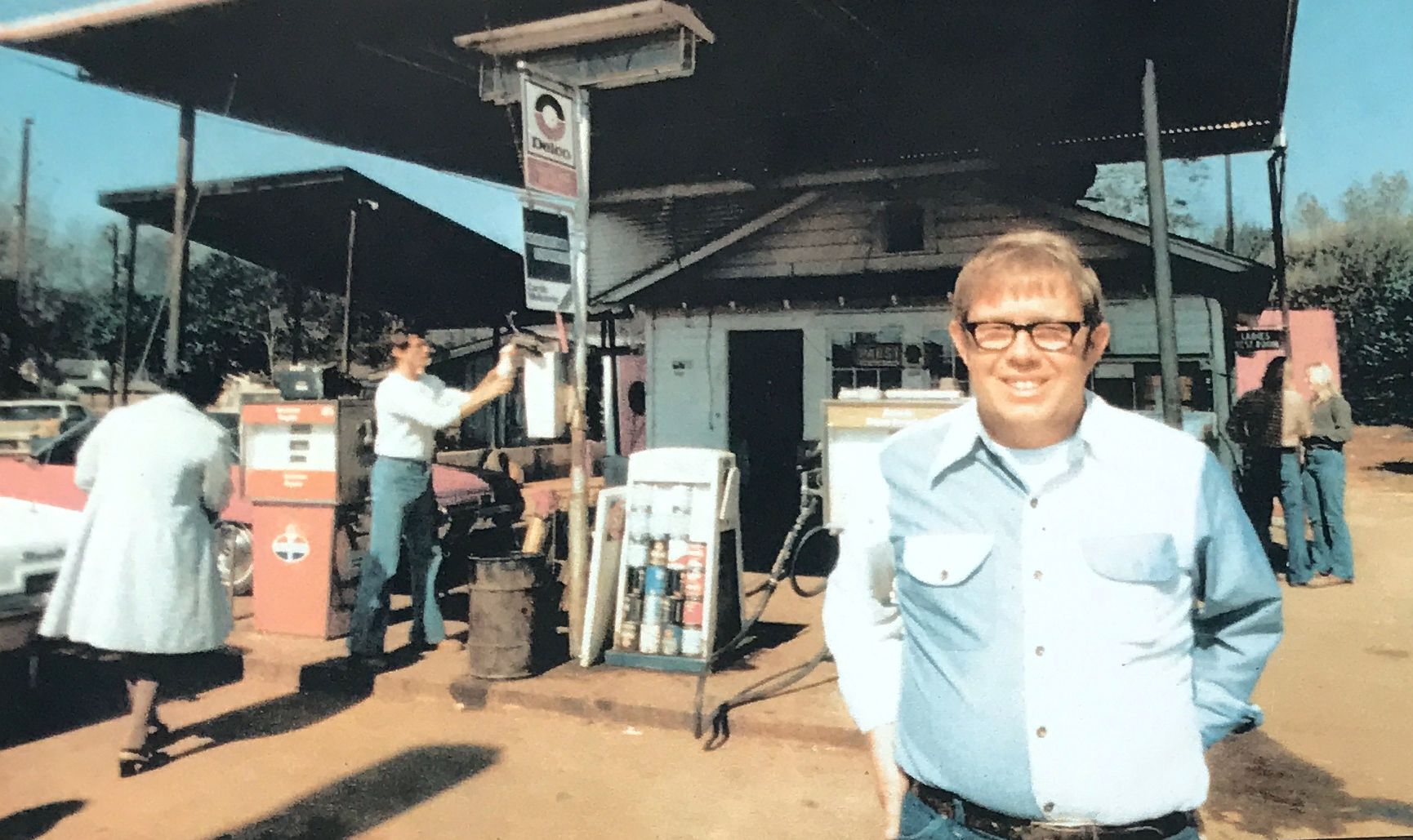
Jimmy’s little brother, Billy, had a gas station in town.
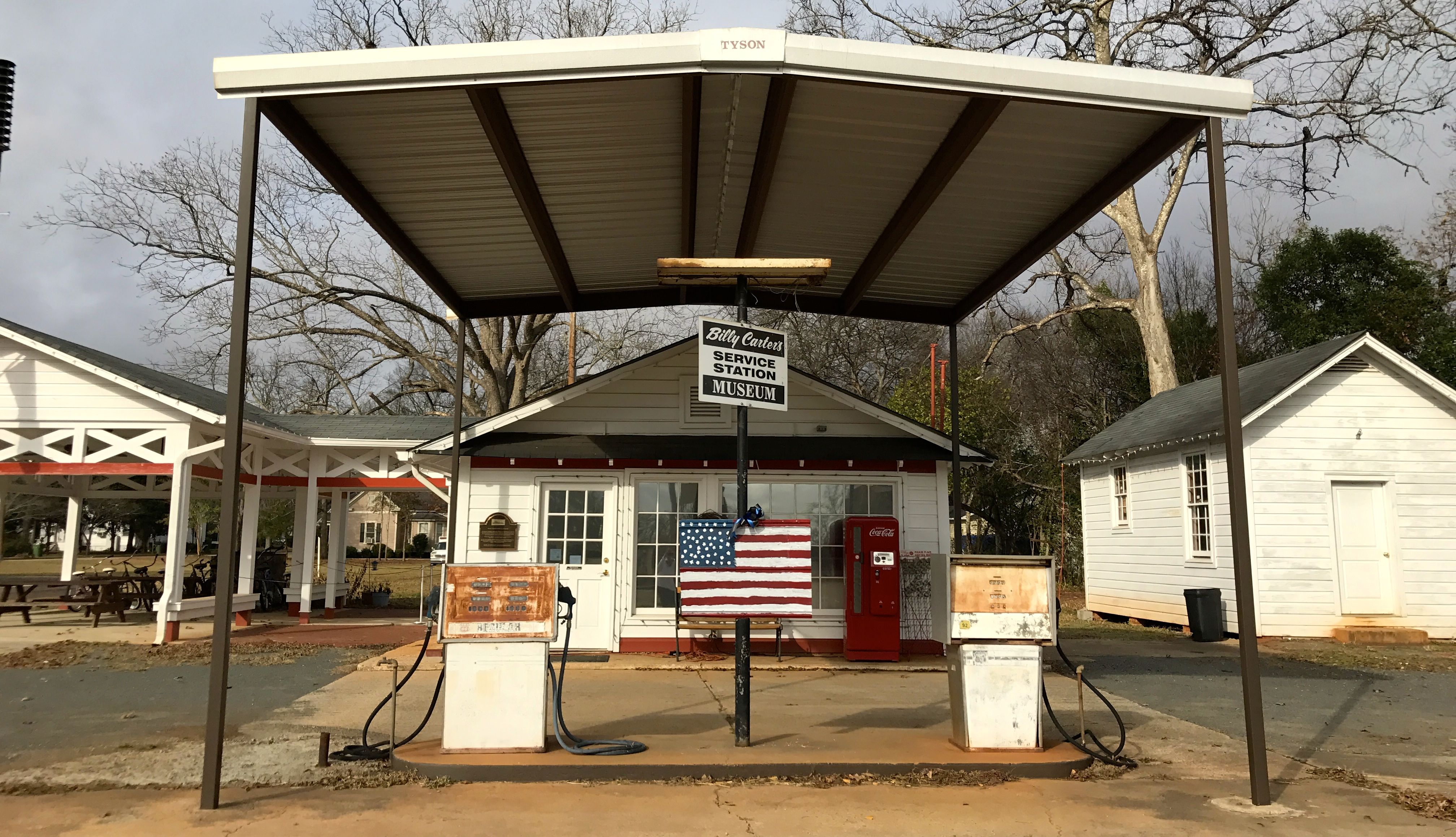
It’s now an historic site, as well.
Of course, people of a certain age might remember him best as the front man for Billy Beer.

This is the Carter’s house now. I snapped this photo off a display. You can drive by the house, but you can’t really see it. He continues to have Secret Service protection, and the drive to the house is gated. After living in several places around Plains, they bought this 2.4 acre lot in 1960 and built this home in 1961. It’s the only home they have ever owned.
And that brings me to the end of my tour of Plains. If you want to read the first part about attending church with Jimmy and Rosalynn, click here.

And after this post, I will be heading west.