I was zigging and zagging my way around Virginia, collecting samples of wheat to ship back to the lab. I kept seeing signs for George Washington’s birthplace. When it got toward lunchtime, I figured that I might as well take my lunch break there.

So, where was George born? His family plantation was at the confluence of Popes Creek and the Potomac River. On this map, it is by the little river just northwest of the green state park.
I headed the truck down the driveway.
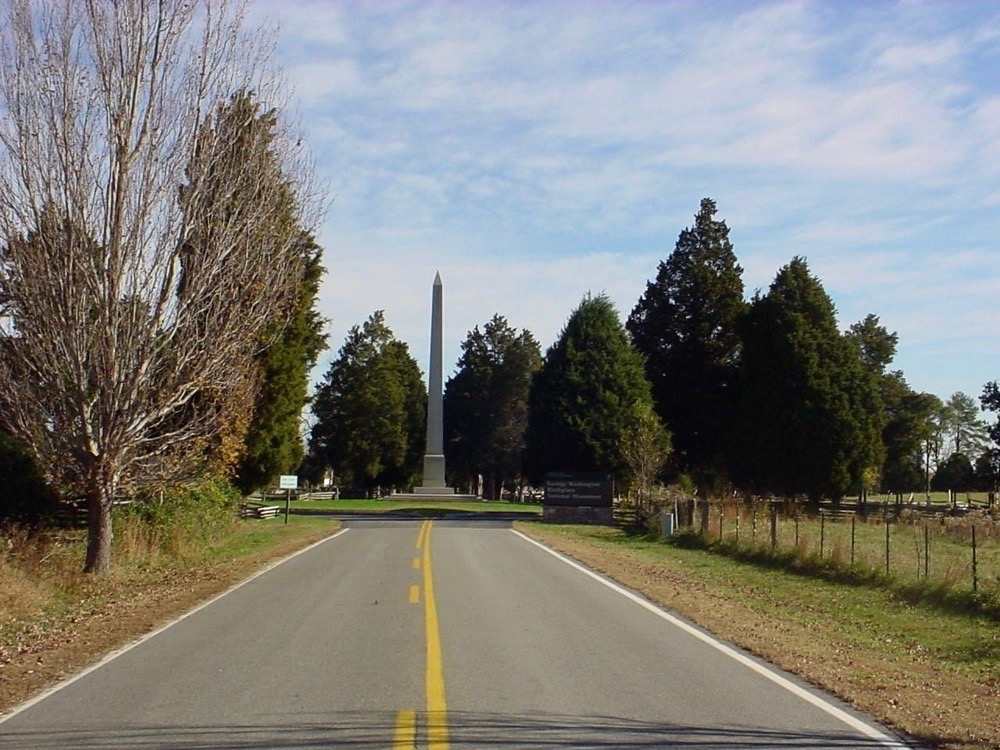
The Memorial Shaft obelisk just inside the entrance is made of Vermont marble and is a one-tenth scale replica of the Washington Monument in Washington, D.C. I made my way to the Visitor’s Center and waited a few minutes for the tour to begin.
While I was waiting, I read the displays. George Washington was born February 22, 1732, in a house that was begun before 1718. His father, Augustine Washington, enlarged and added on to it, so that by the mid-1770s it was a ten-room house known as “Wakefield.” Unfortunately, it was destroyed by fire and flood on Christmas Day in 1779 and was never rebuilt.
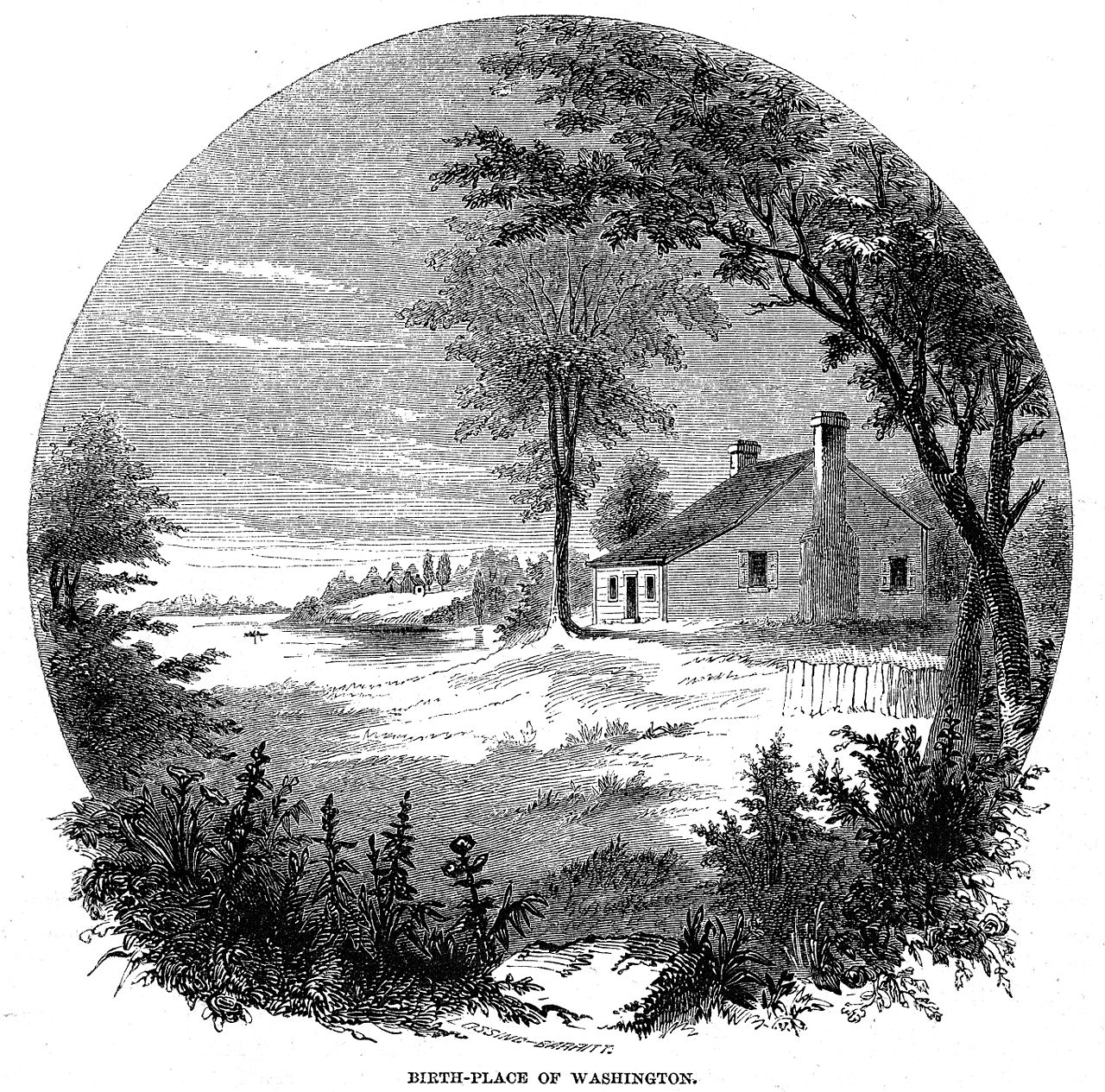
Of course, since this drawing was done seventy-six years after it burned down, who knows how accurate it is?
After a short wait, it was time to meet the ranger and leave for the tour.
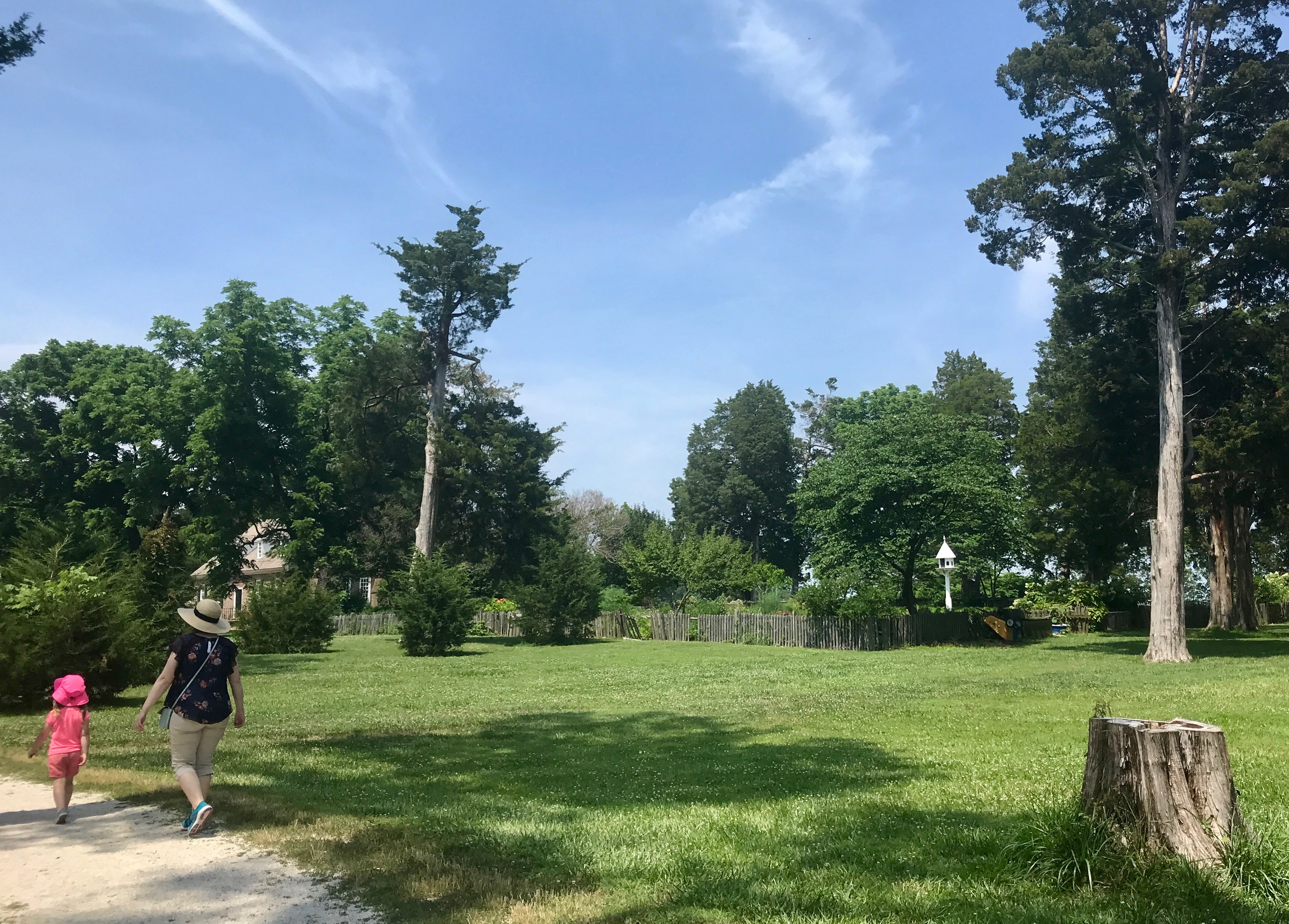
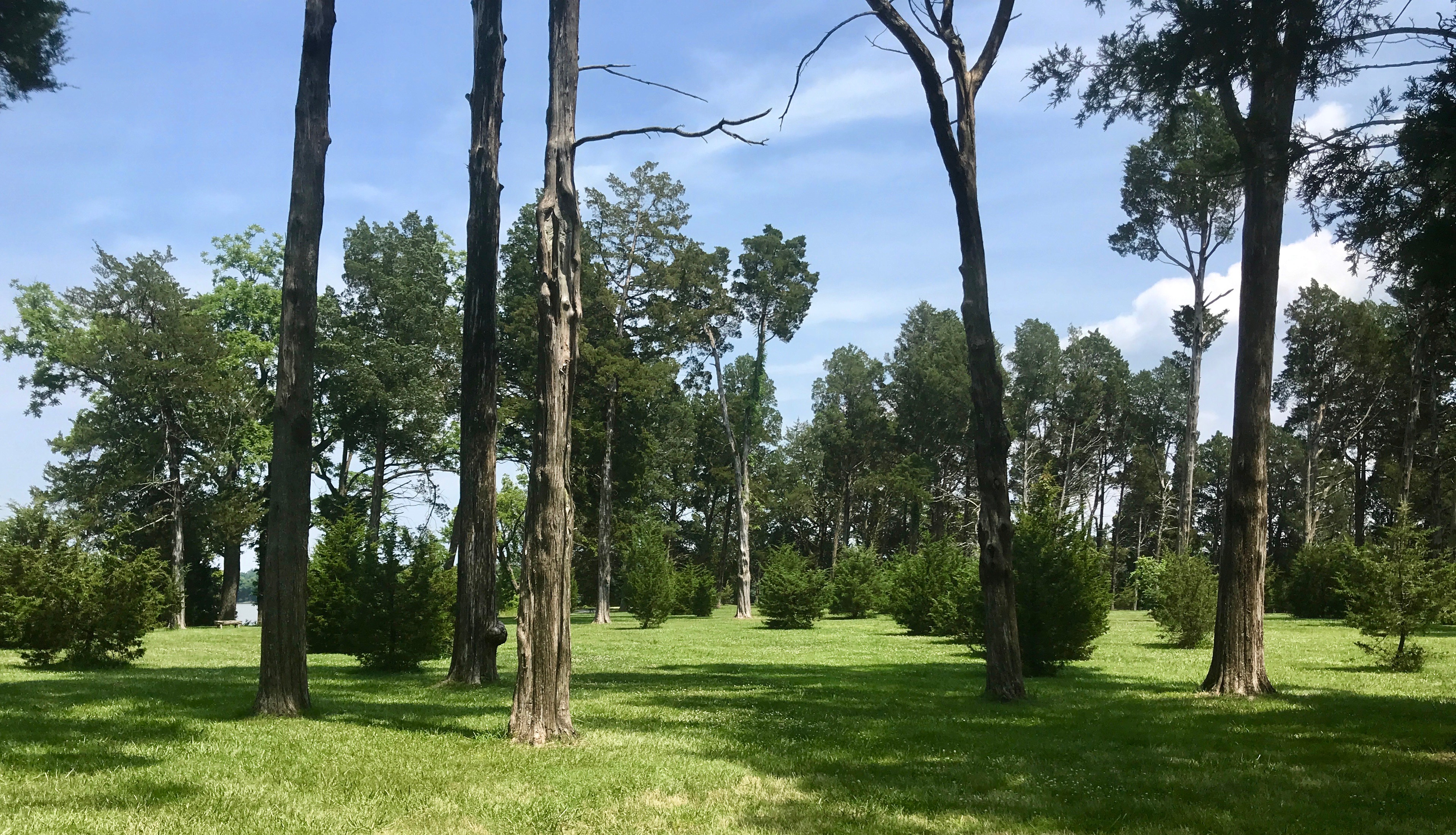
The grounds were pretty. In George Washington’s time, they were growing tobacco. His father had “20 or so” enslaved Africans working this plantation.
After a short walk, we got to the memorial house, which was built in the early 1930s.
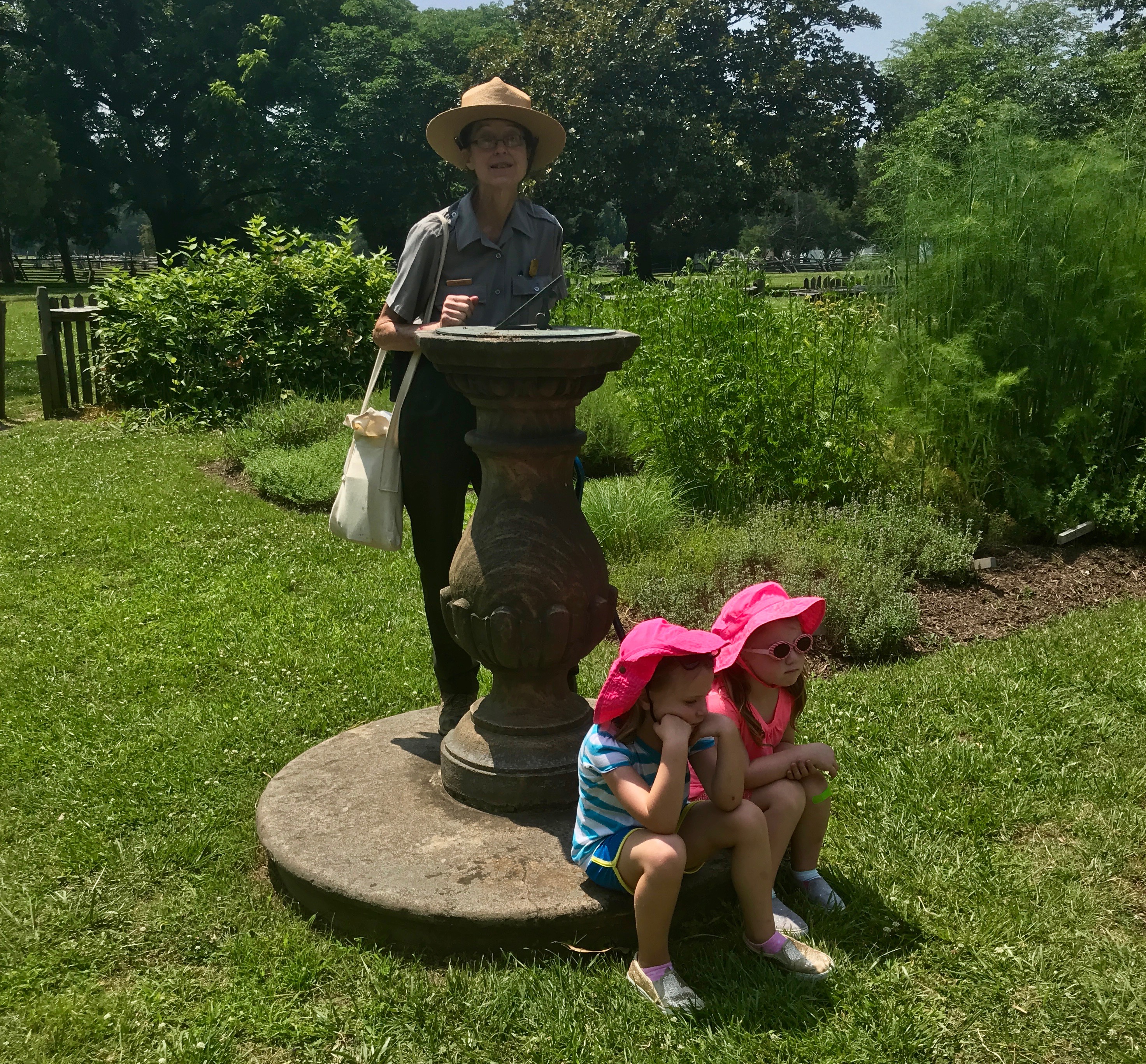
The little girls in the pink hats were less than enchanted, but I found the ranger to be well-informed and very interesting.
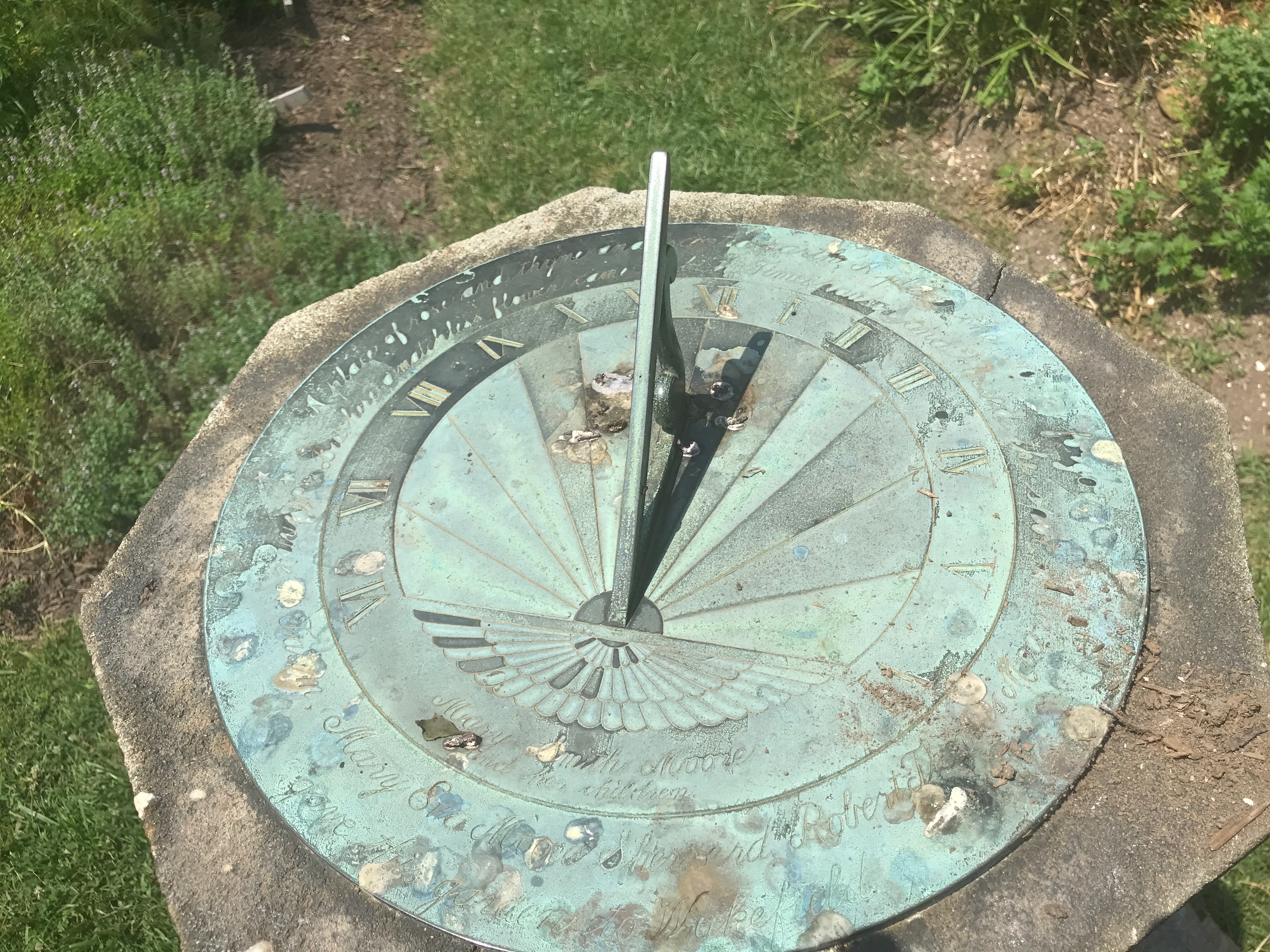
I guess it really was time for lunch.
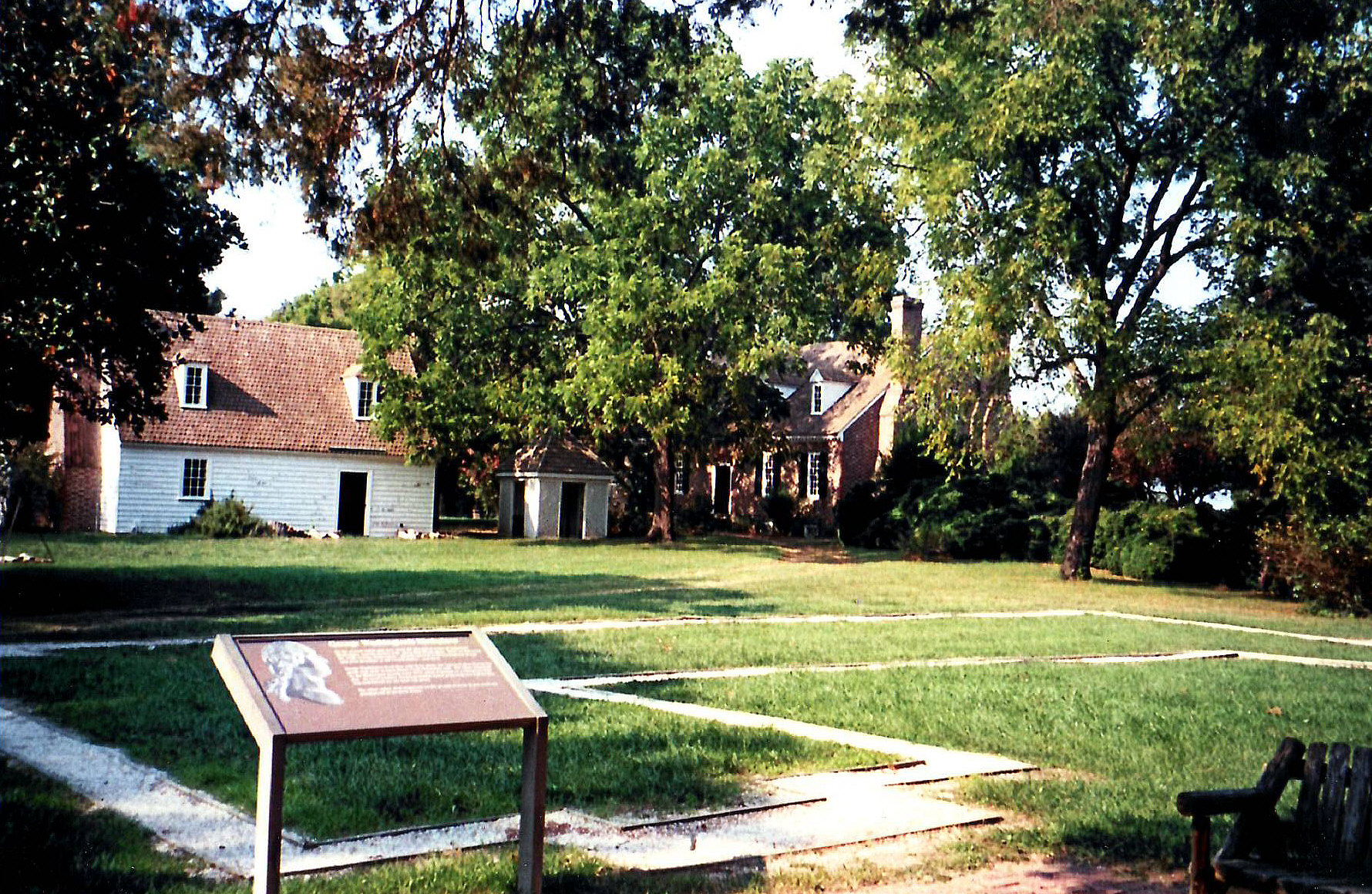
She explained to us that for a long time, they assumed that the part of the land outlined with white was the foundations of the house. But, as the field of archeology has advanced, they now believe that this is not the exact spot where he was born.
The park was opened in honor of the 200th anniversary of Washington’s birth. They hope to be able to pin the exact location down more precisely by the 300th anniversary, which will be here before you know it – 2032.
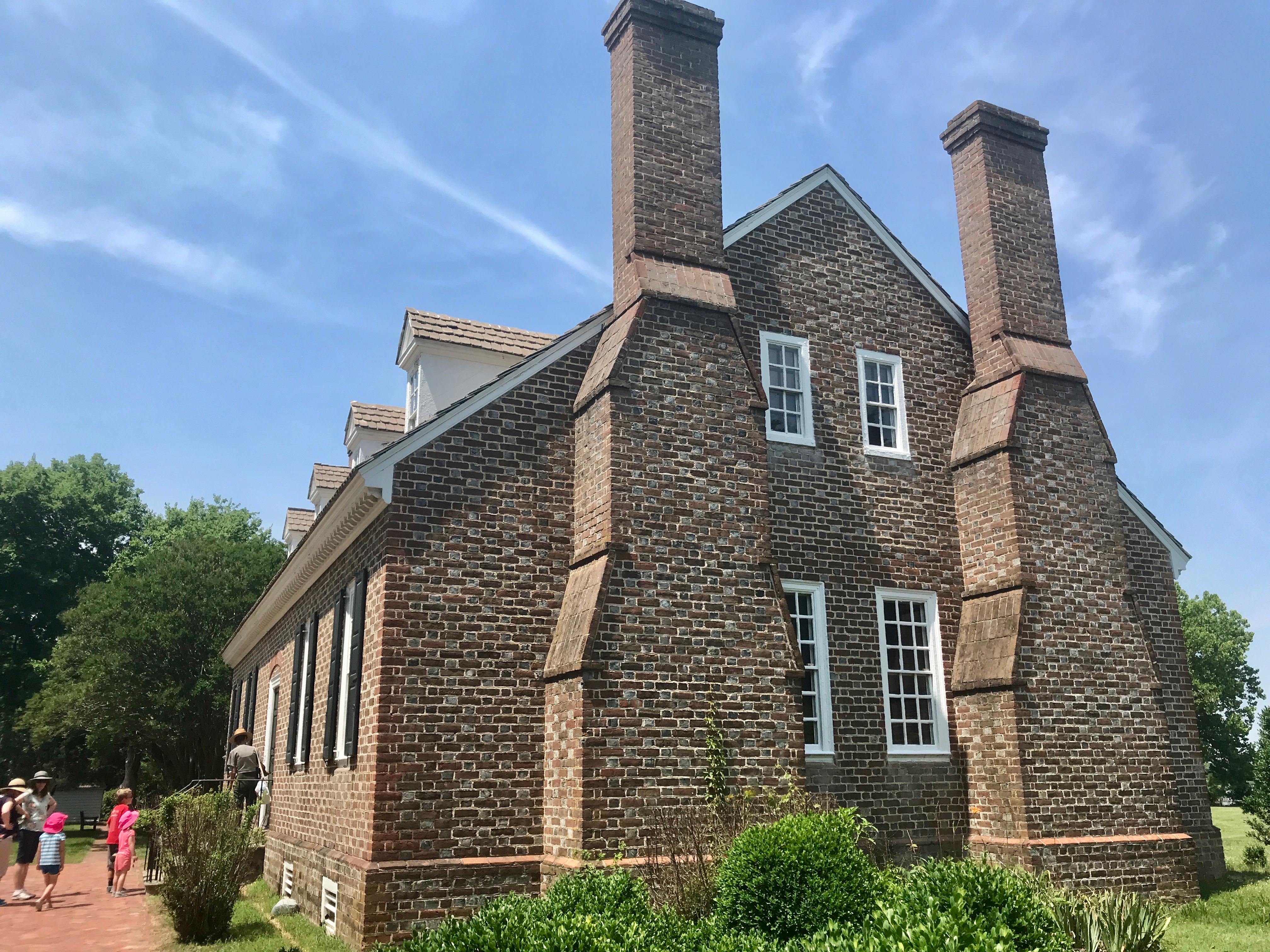
The ranger lead the way into the Memorial House, which represented how a wealthy planter would have lived at the time of Washington’s birth.
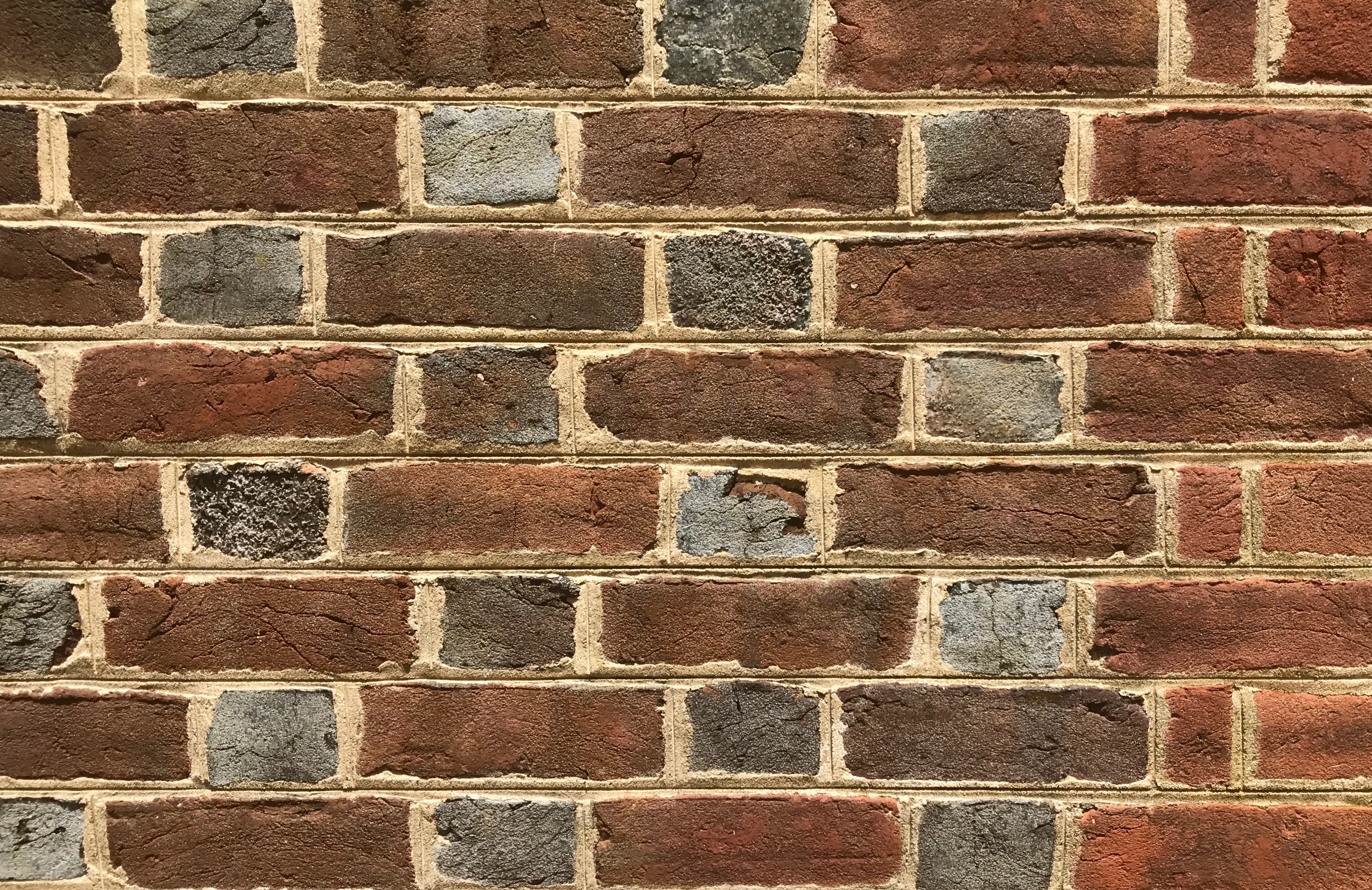
Before we enter, let us take a moment to appreciate the bond…
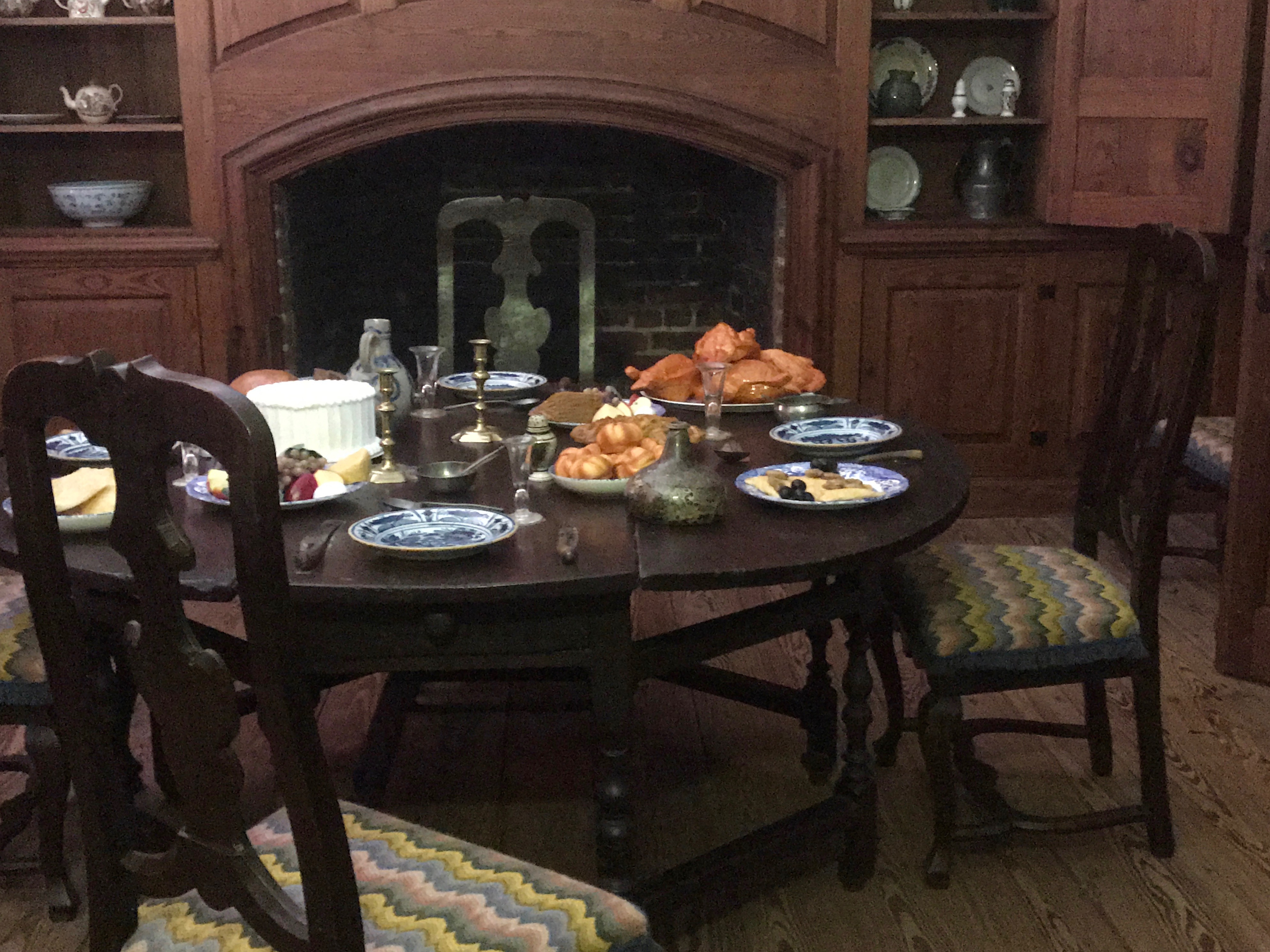
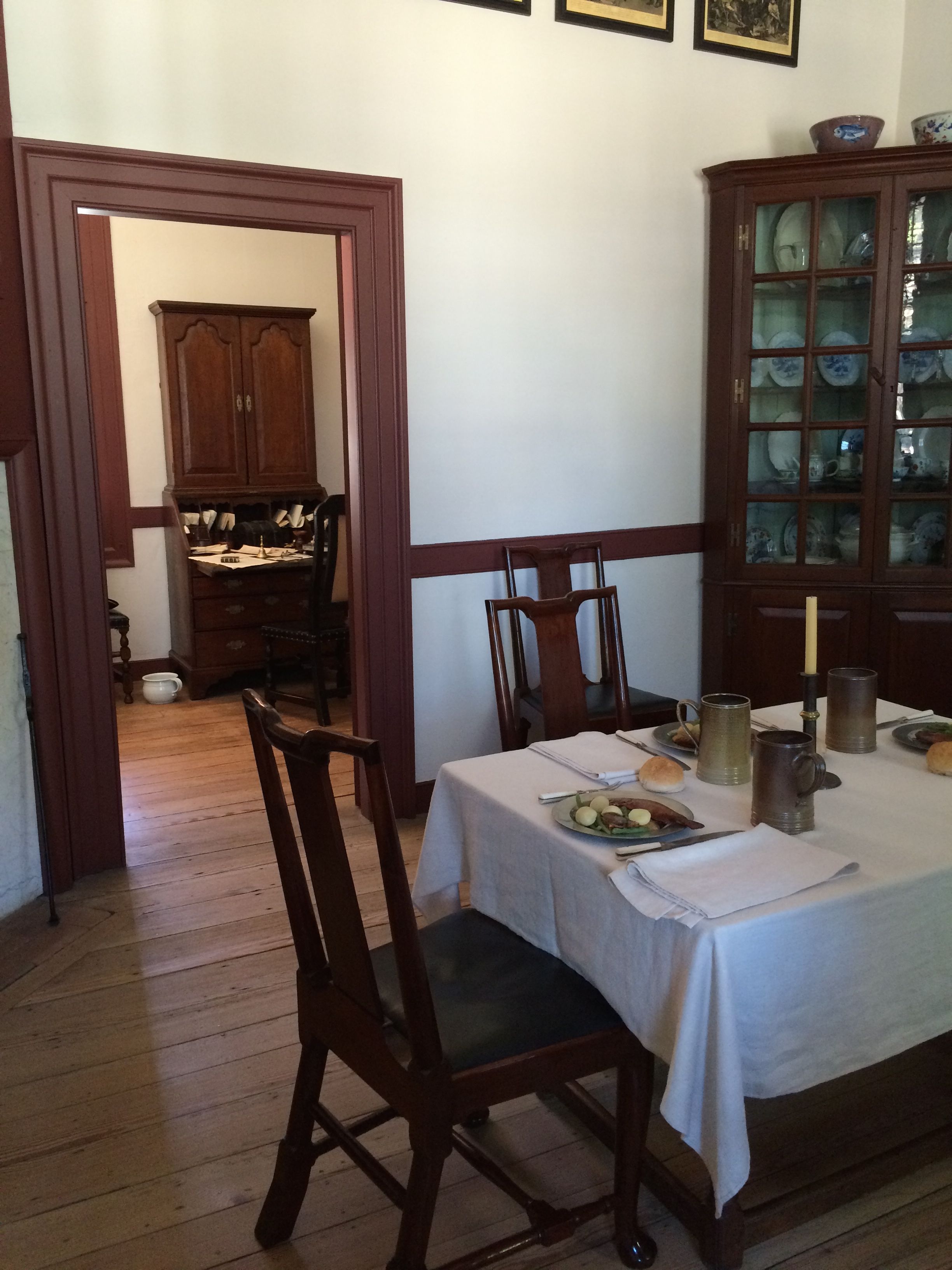
There was the dining room, with the table laid as if they were expecting us.
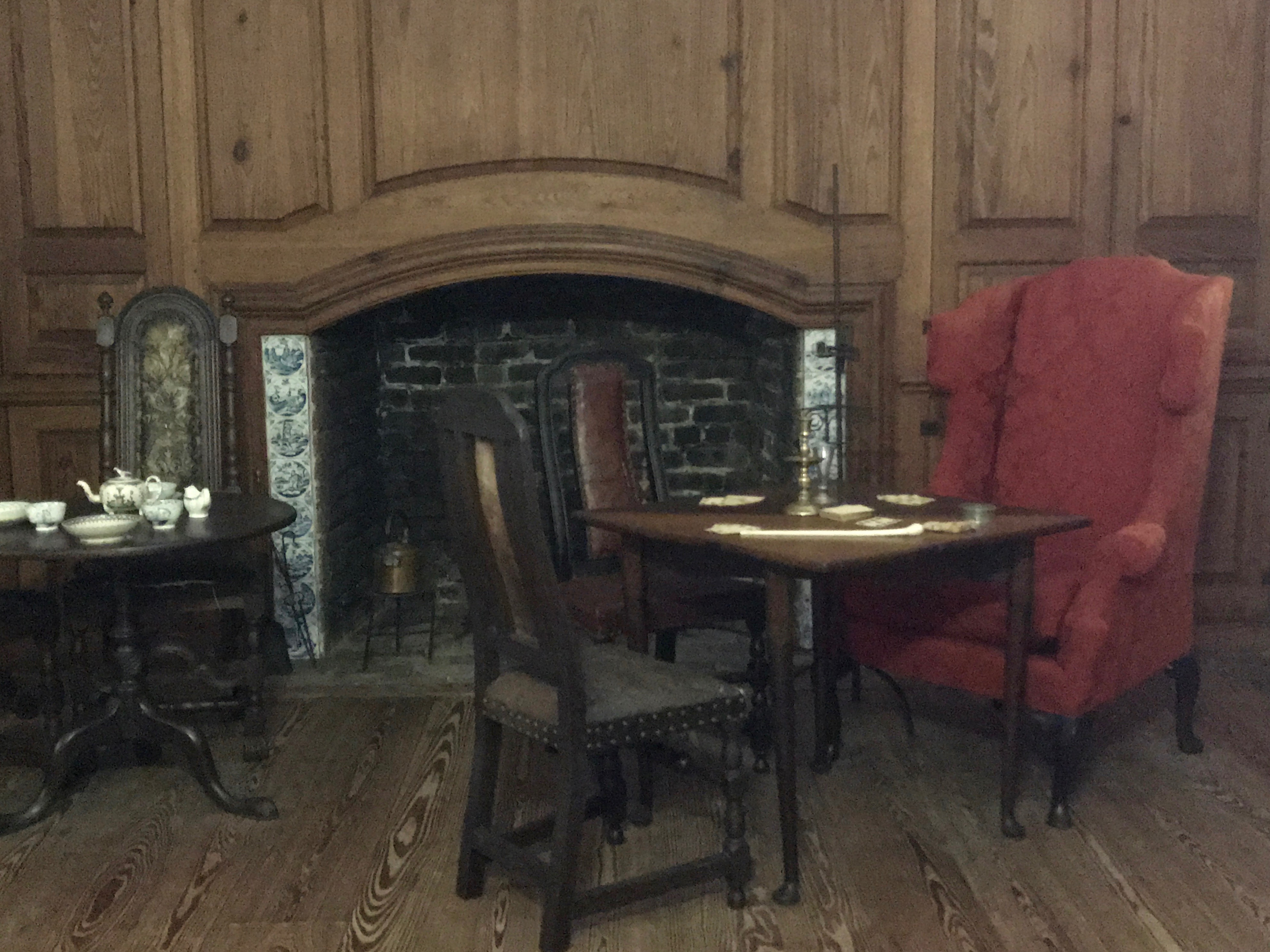
After dinner, time would be spent in the parlor.
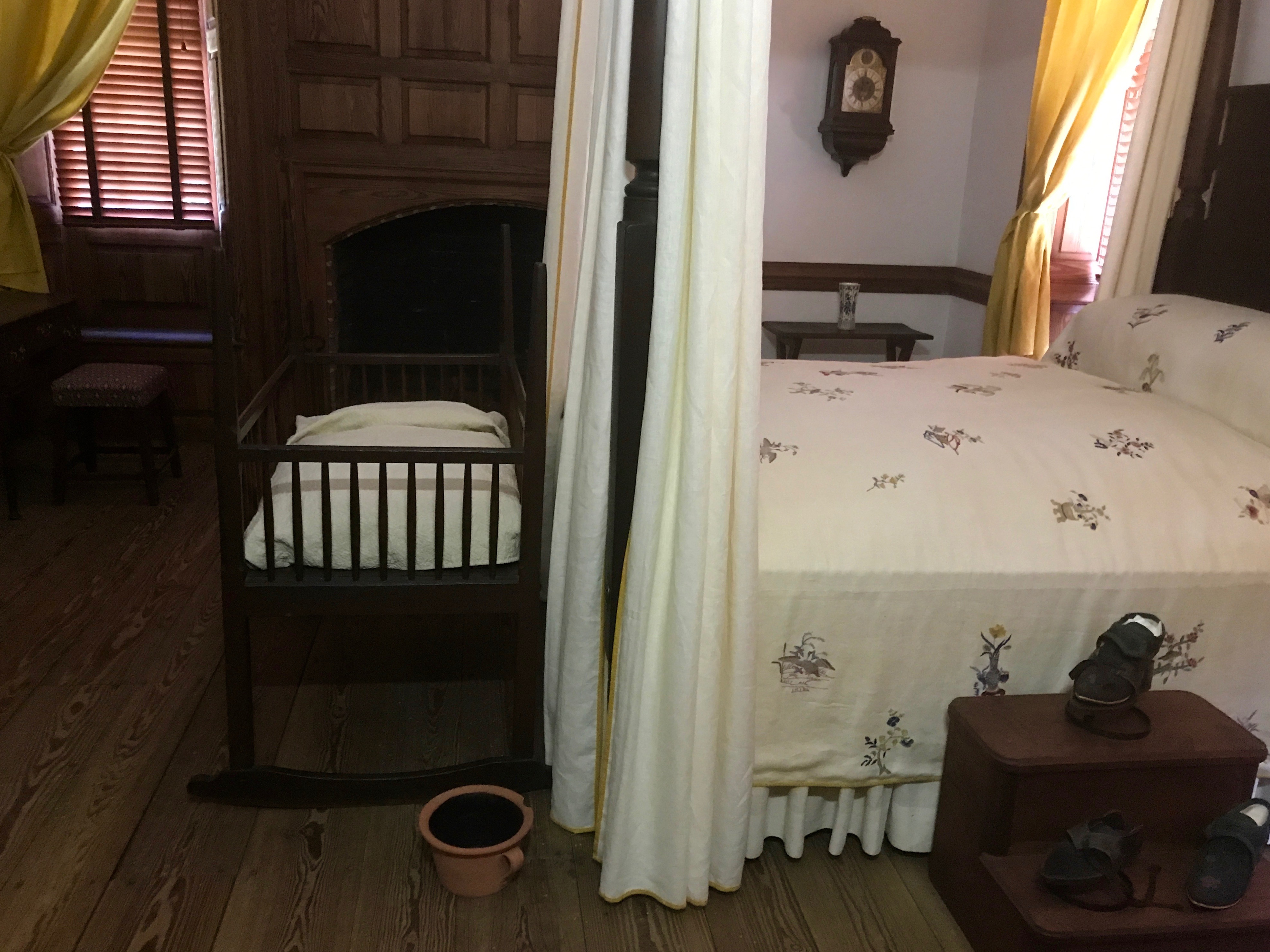
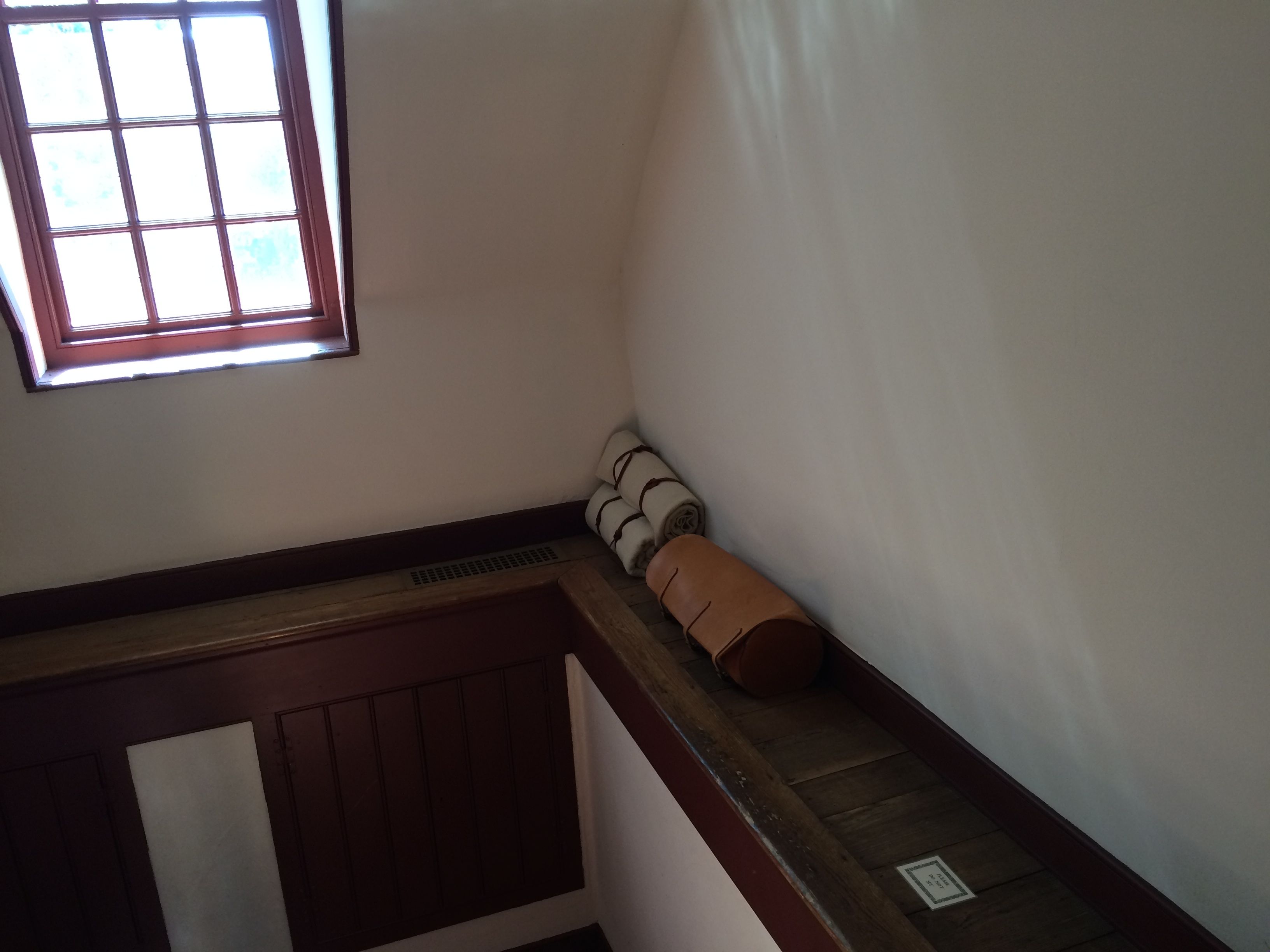
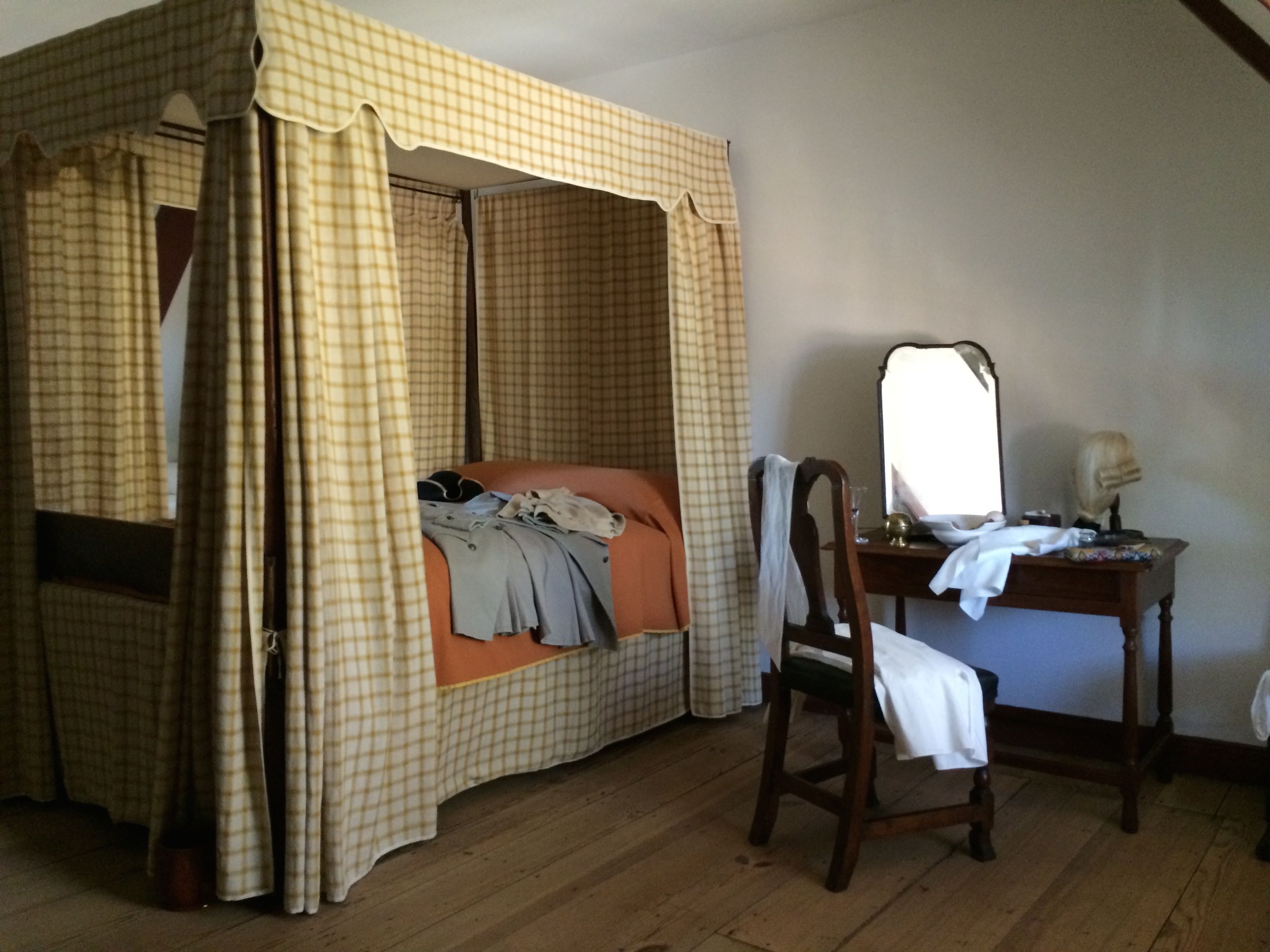
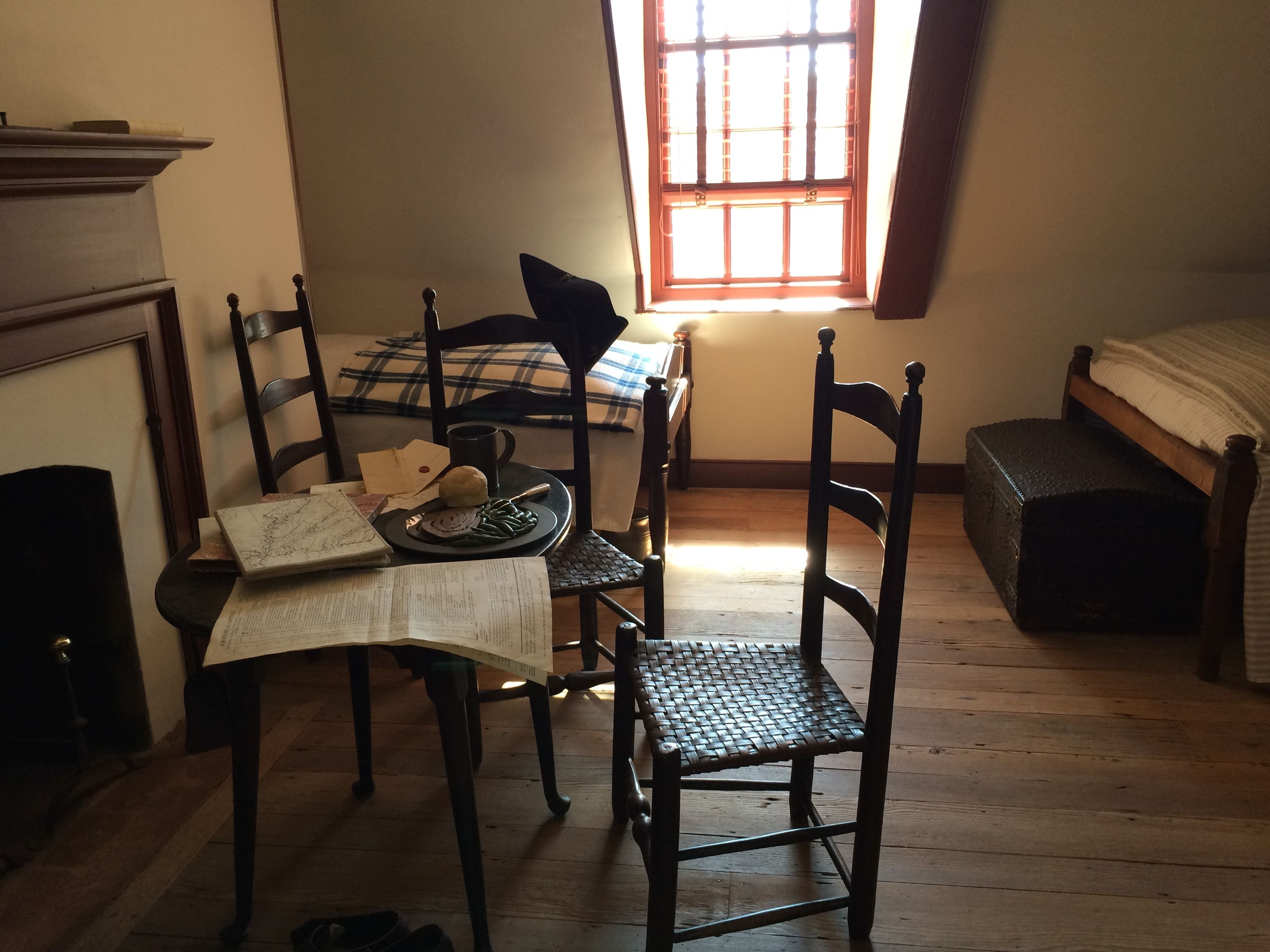
Bedtime would roll around soon enough.
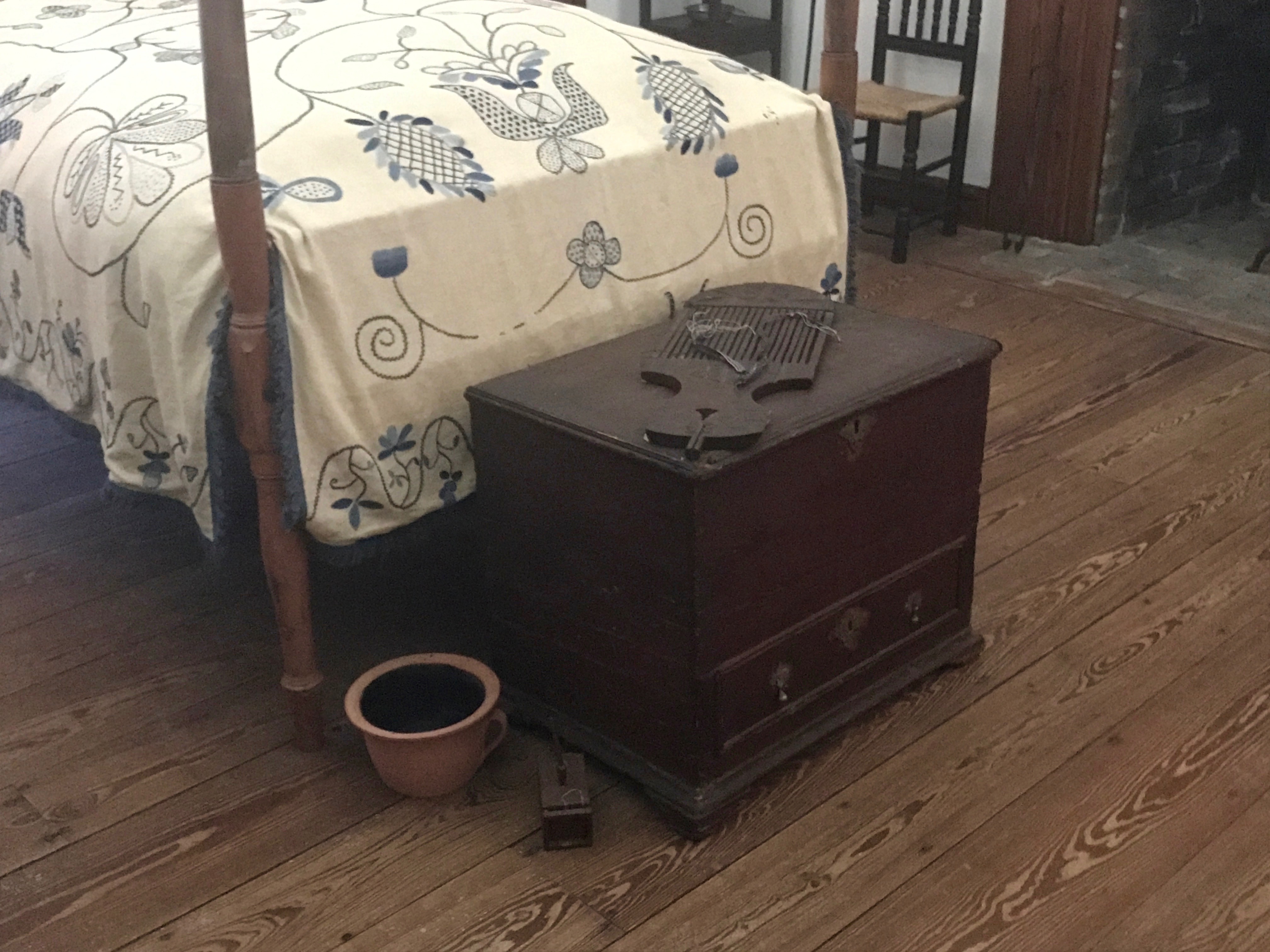
Of course, for those middle of the night potty trips, there were the chamber pots.
I could have roamed the grounds for a while longer, but I felt that I needed to continue on my way. After all, this was just my lunch break and I still had a few more facilities to call on that day.
There was one more area I wanted to visit and that was the boat landing for Popes Creek.
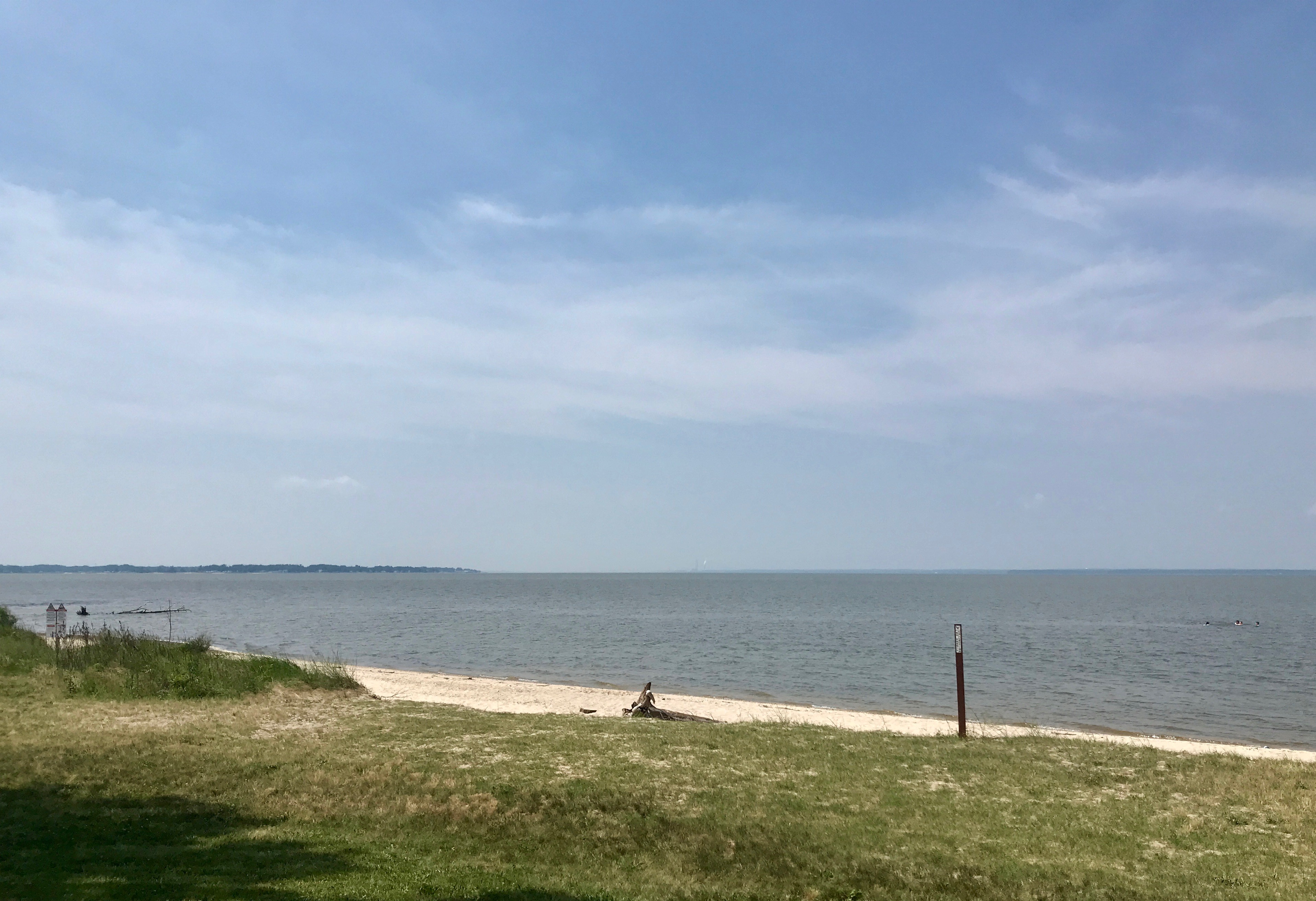
The boat landing was located somewhere near here. Several times a year, ships from English would anchor in the river channel. A small fleet of boats would then ferry the cargo – china, spices, linens, wines, silver and other luxuries – to the landing. On the return trip to England, the boats would carry hogsheads of Augustine Washington’s primary cash crop, tobacco.
Of course, nowadays we have a different cash crop.
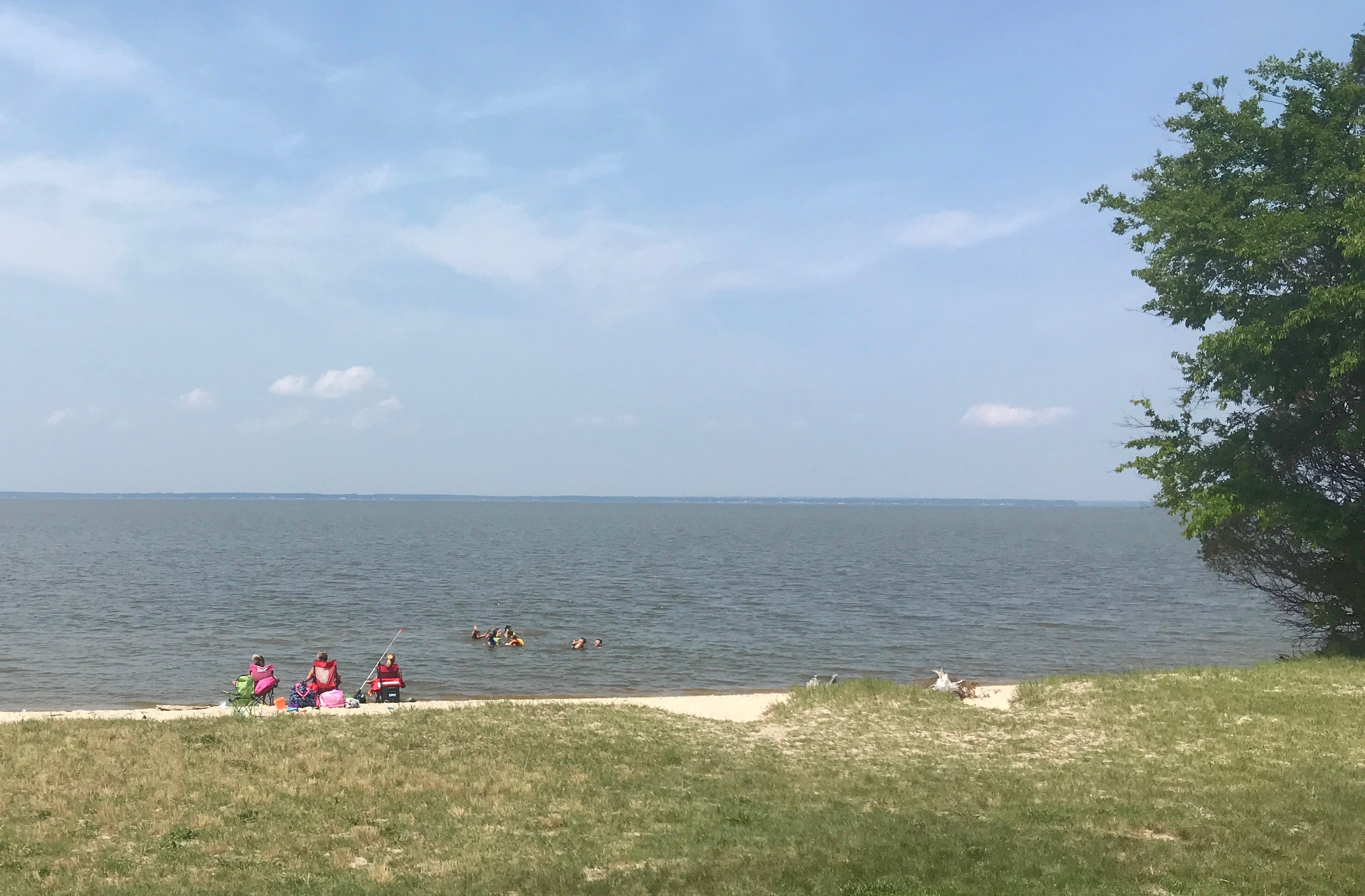
Tourism and recreation.
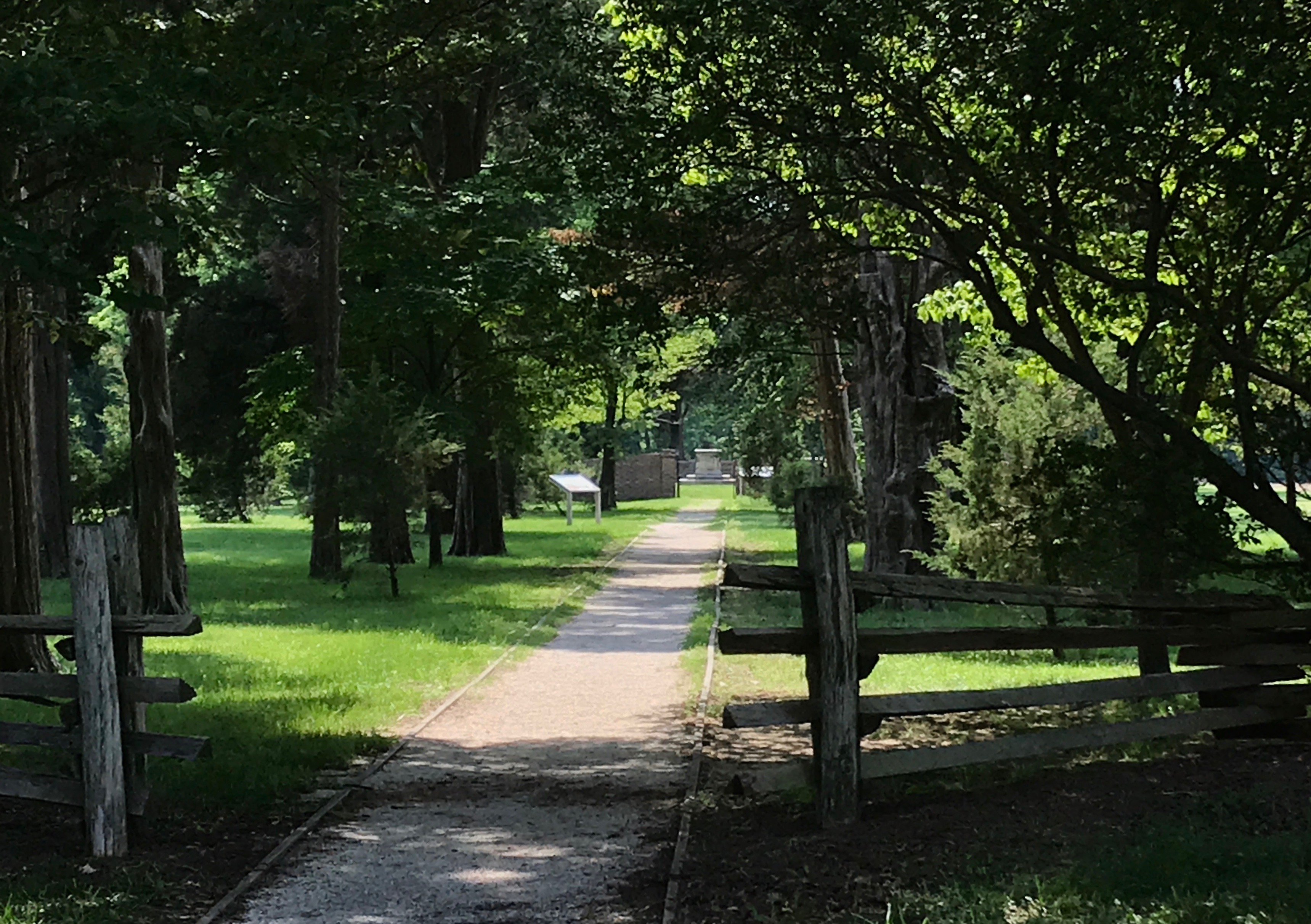
By now, I felt that I really needed to get moving, but I paused long enough to look down the pathway toward the family graveyard. Thirty-two graves of Washington family members have been found at the Bridges Creek cemetery plot, including George’s half-brother, father, grandfather, and great-grandfather.
And with that I was on to my next site. It was on the water, and they load the grain right onto barges. This was the first time I had seen how they got the wheat off the trucks!
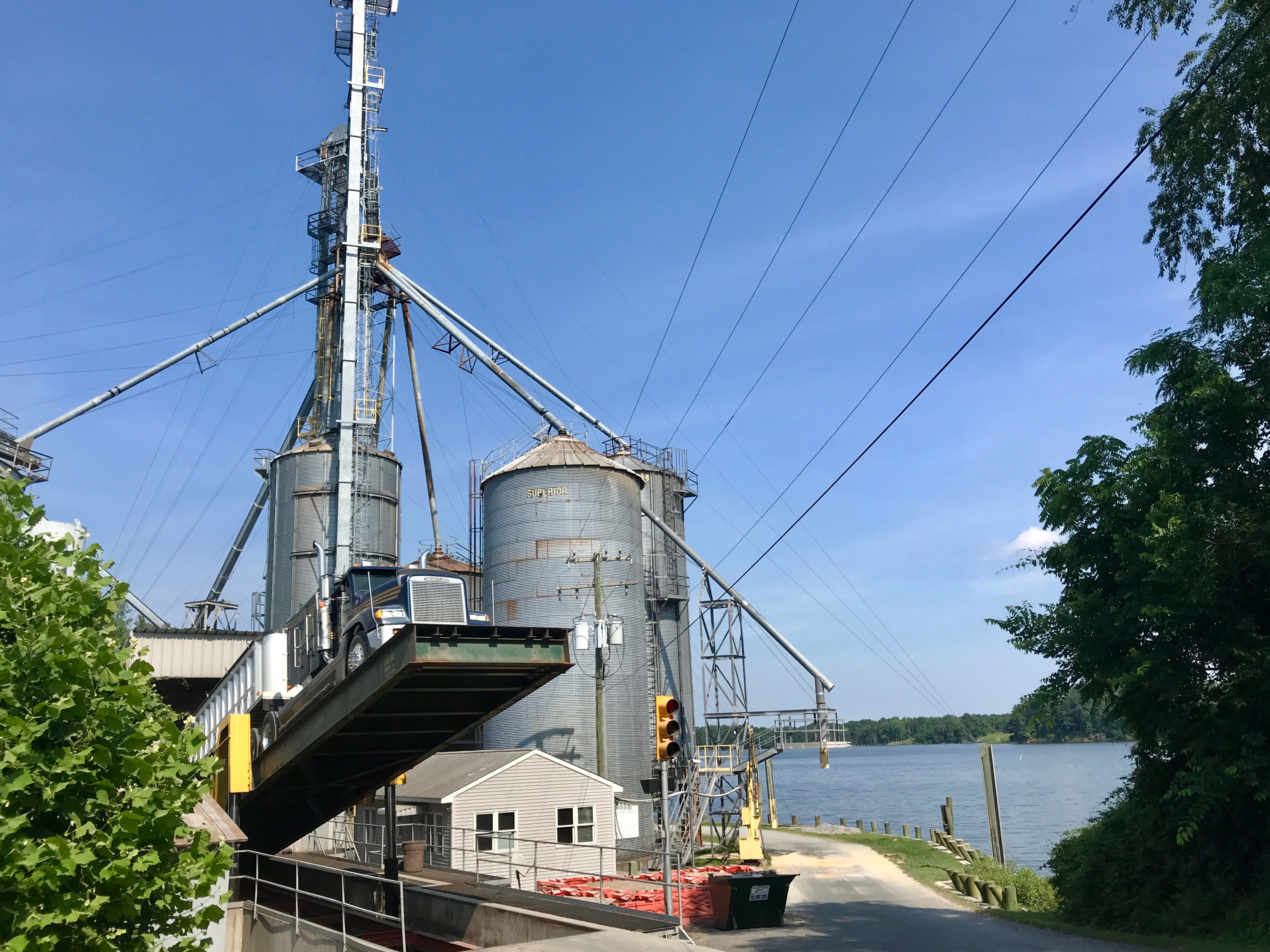
They tip the trucks up and the grain slides off.
Isn’t that something?