In the middle of my battlefield tourism, I started to feel a bit peckish and I headed into town for lunch.
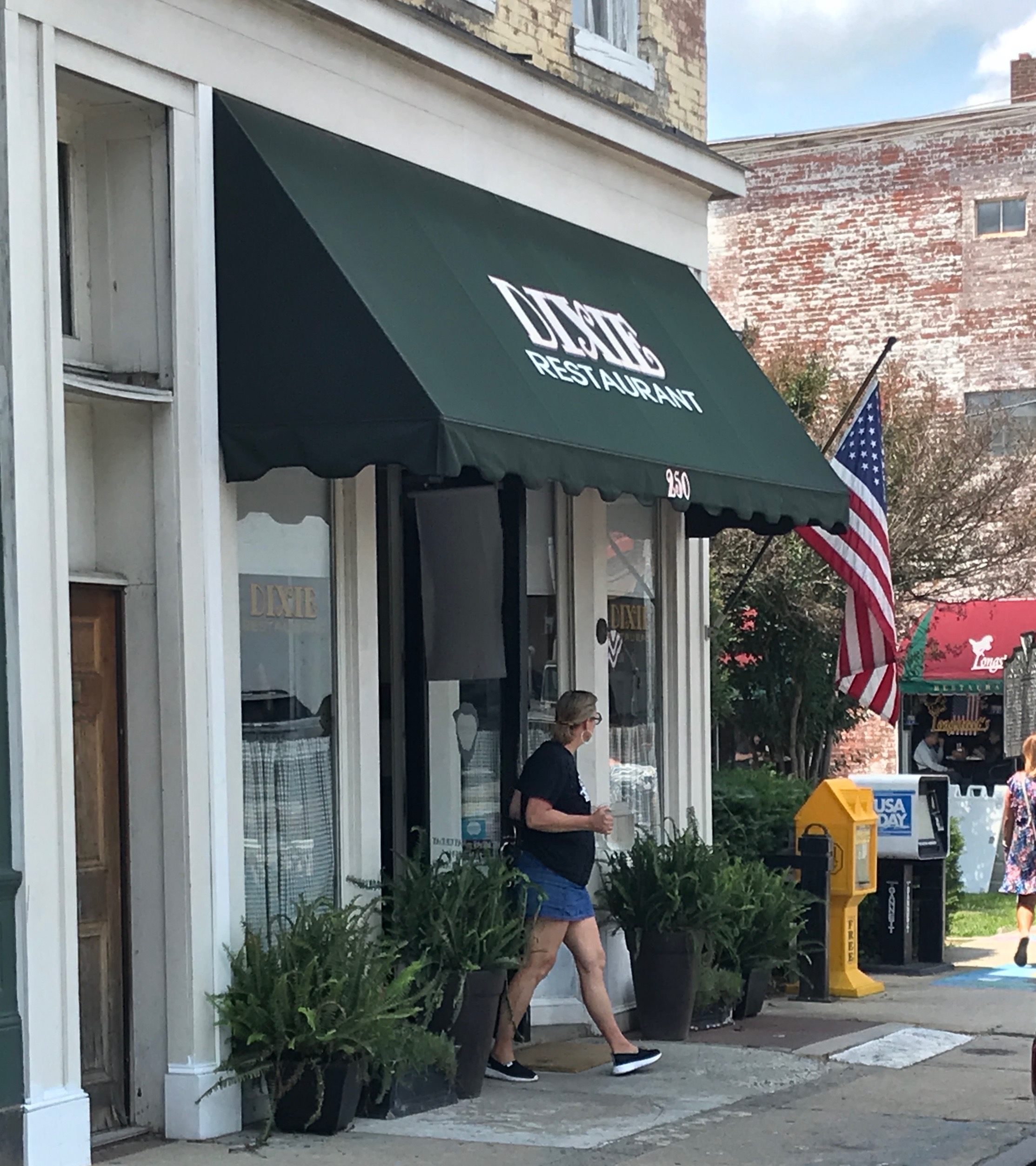
The Dixie Restaurant caught my eye, so I parked and went inside.
According to the information in the menu, The Dixie has been a Petersburg landmark since 1920, and has been in this location since 1939. The current owners, Charlie and Frannie Rawlings, spent three months renovating the restaurant, and reopened it in June 2011. They tried to keep as many of the old features as possible. They even managed to rehire some of the longtime employees, including Millie, a waitress, who has been serving for 25 years, and Mary, the cook, who has been whipping the southern delicacies for 15 years.
They value the history of the restaurant so much that they even listed the previous owners.
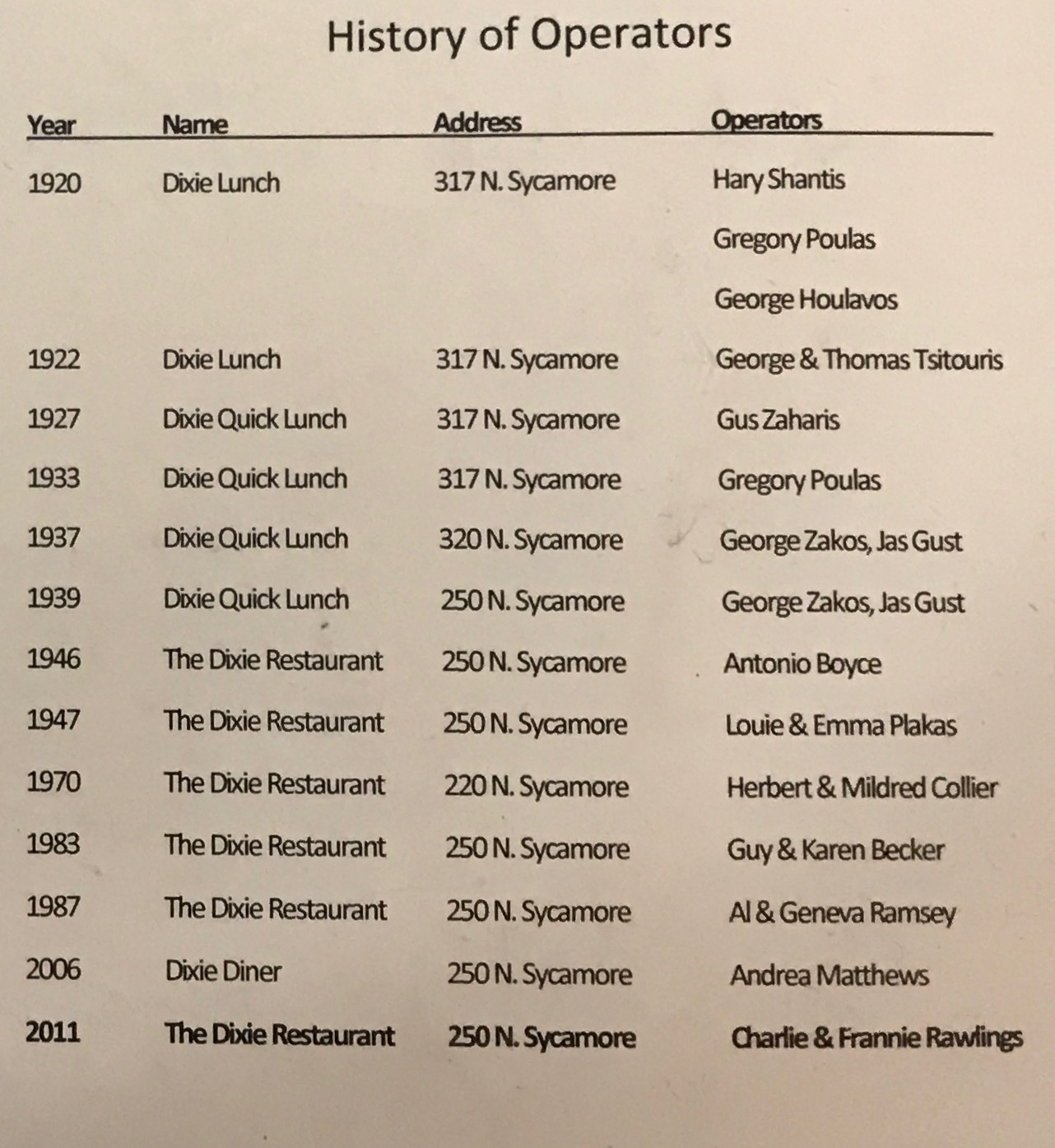
Hey! The Ramseys owned it in the ’80s! I wonder if we’re related? (On my mother’s side.)
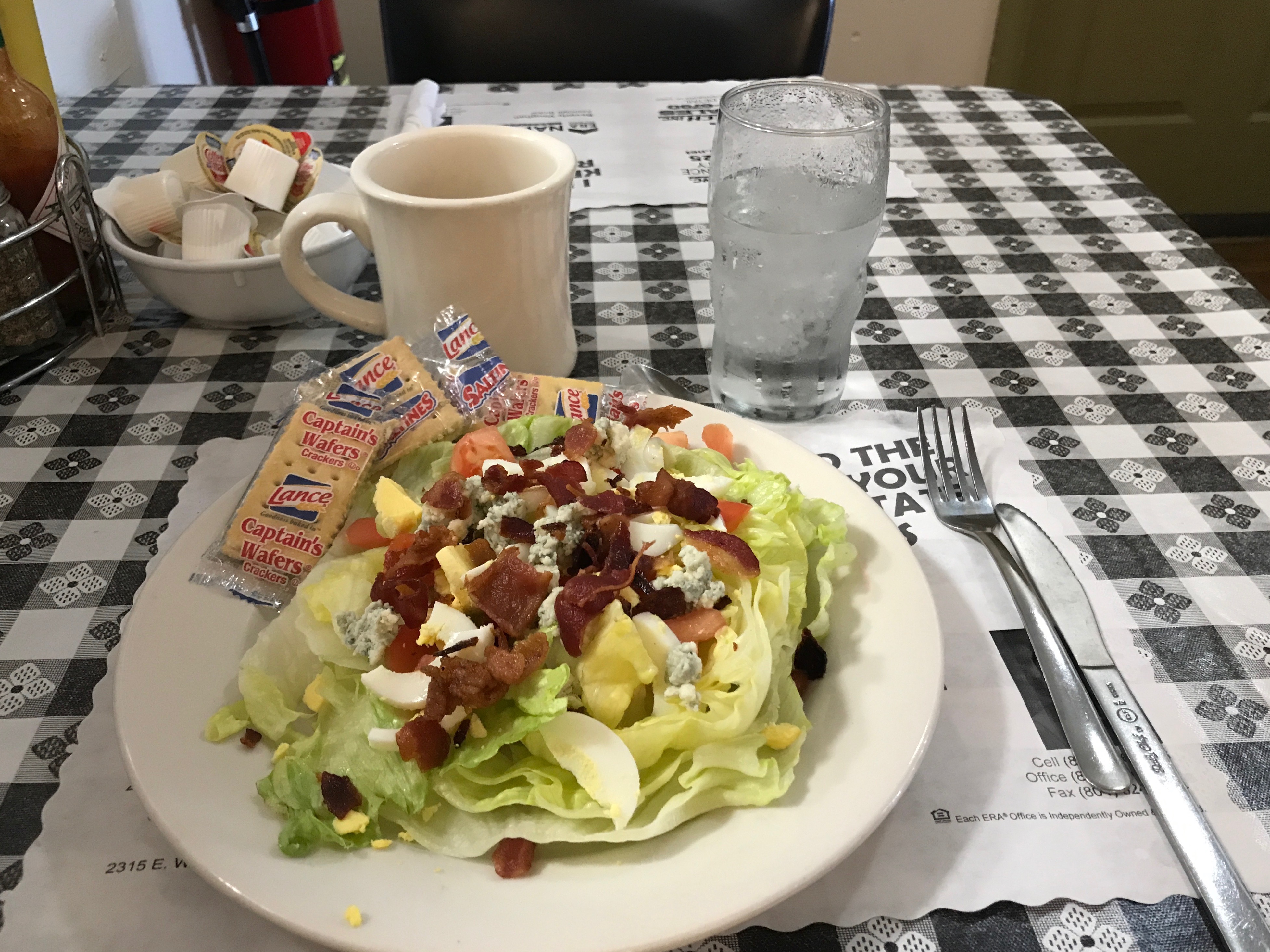
As I recall, this was a tasty Cobb Salad. It refreshed me and I was ready to explore a bit before heading back to finish my tour of the battlefield.
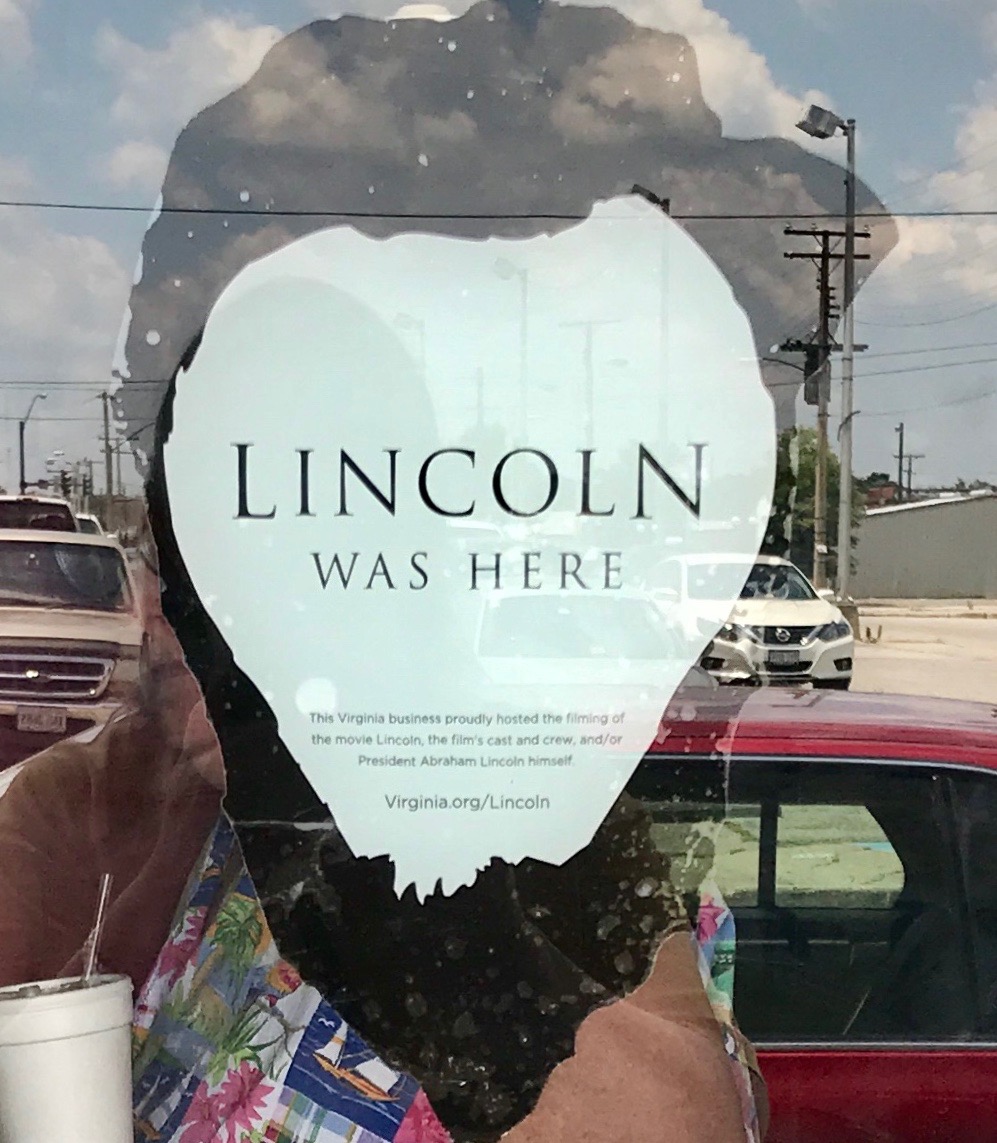
This decal was on the door. In case you are reading this on a small screen, allow me to share what it says.
Lincoln Was Here
This Virginia business proudly hosted the filming of
the movie Lincoln, the film’s cast and crew, and/or
President Abraham Lincoln himself.
I can easily see how they could recreate the appearance of what it must have looked during the Civil War.
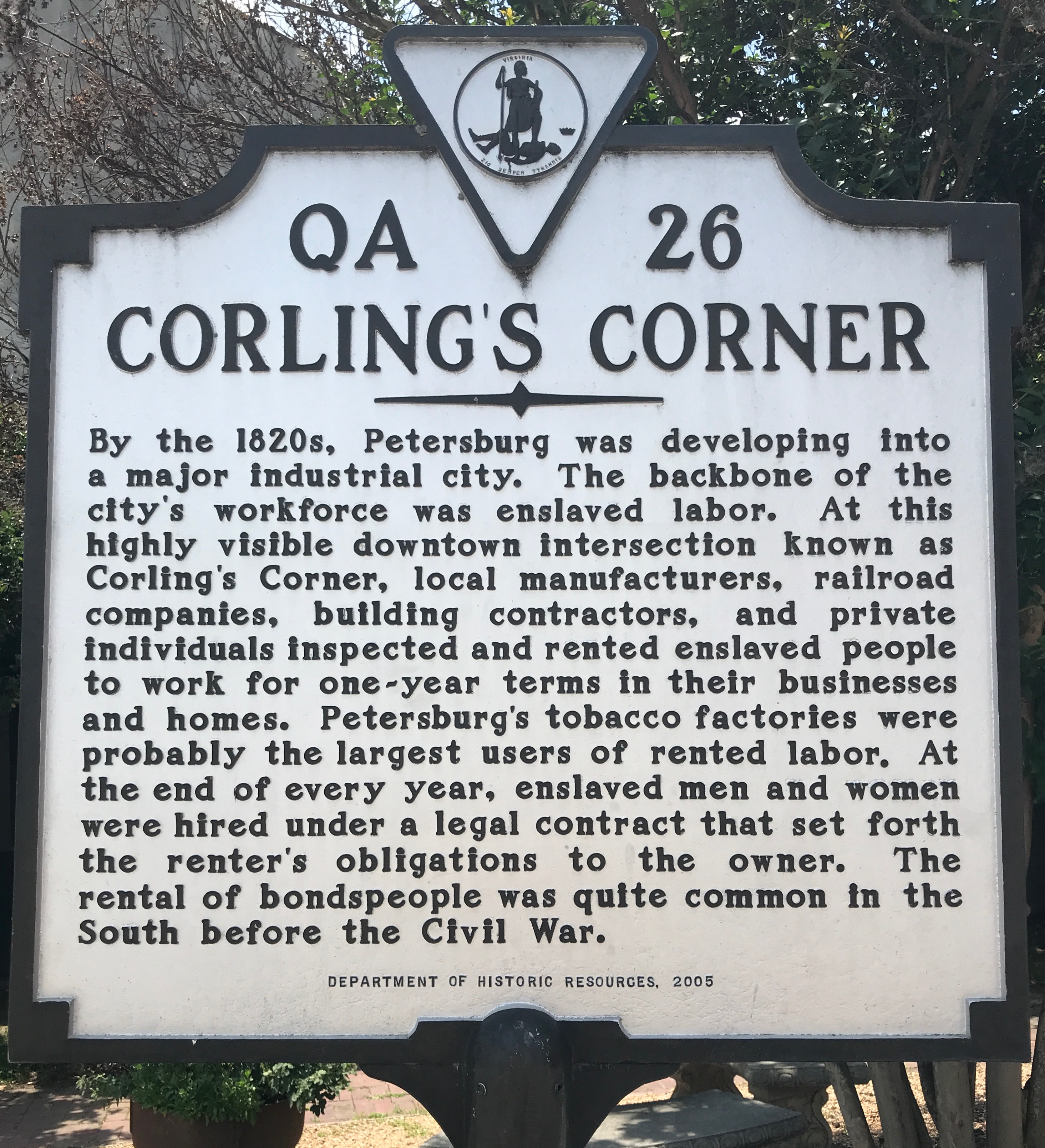
I found this interesting marker on a corner. It kind of reminds me of day laborers who gather in parking lots looking for work these days. Well, except that the day laborers are there by choice and they get to keep what they earn. But, other than that…
I saw a sign for a tourism office and went in to see what I could see. As an Information Specialist for Discover Kalamazoo, I find it interesting to check these things out and to see what the people on duty have to offer.
There were the usual brochures and such, but in the back they had an informative display of reproductions of photos from the 1860s.
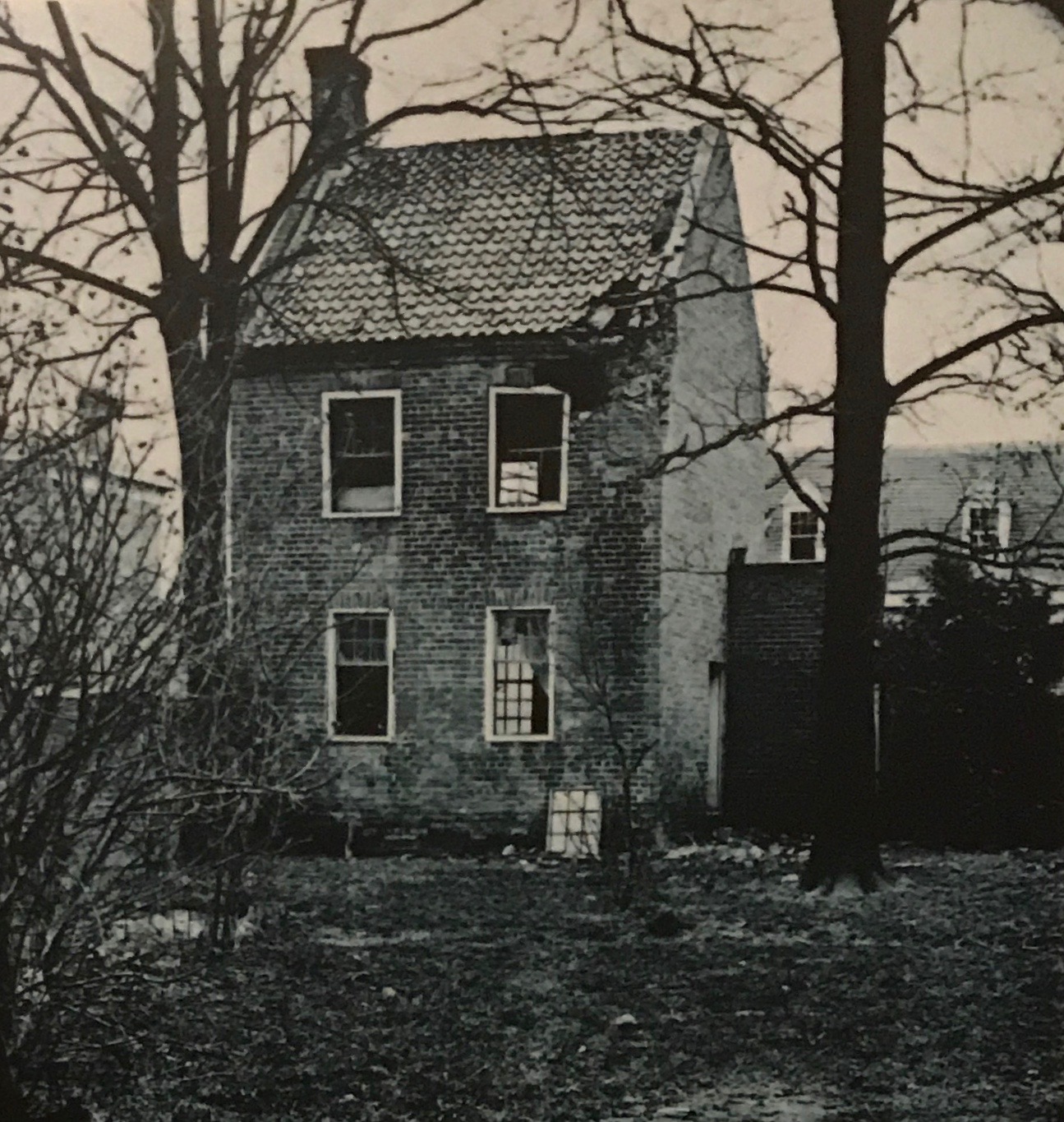
It’s interesting to see the effects of war on life in a city under siege. At the beginning of the Civil War, Petersburg was ranked the second largest city in Virginia and ranked eleventh in size among all Confederate cities. The 1860 U.S. Census listed 18,266 residents in the city. The five railroads that crossed through the city and its location on the Appomattox River contributed to the area’s economic growth in the years before the war.
This photo was labeled “Damaged home in Petersburg.”
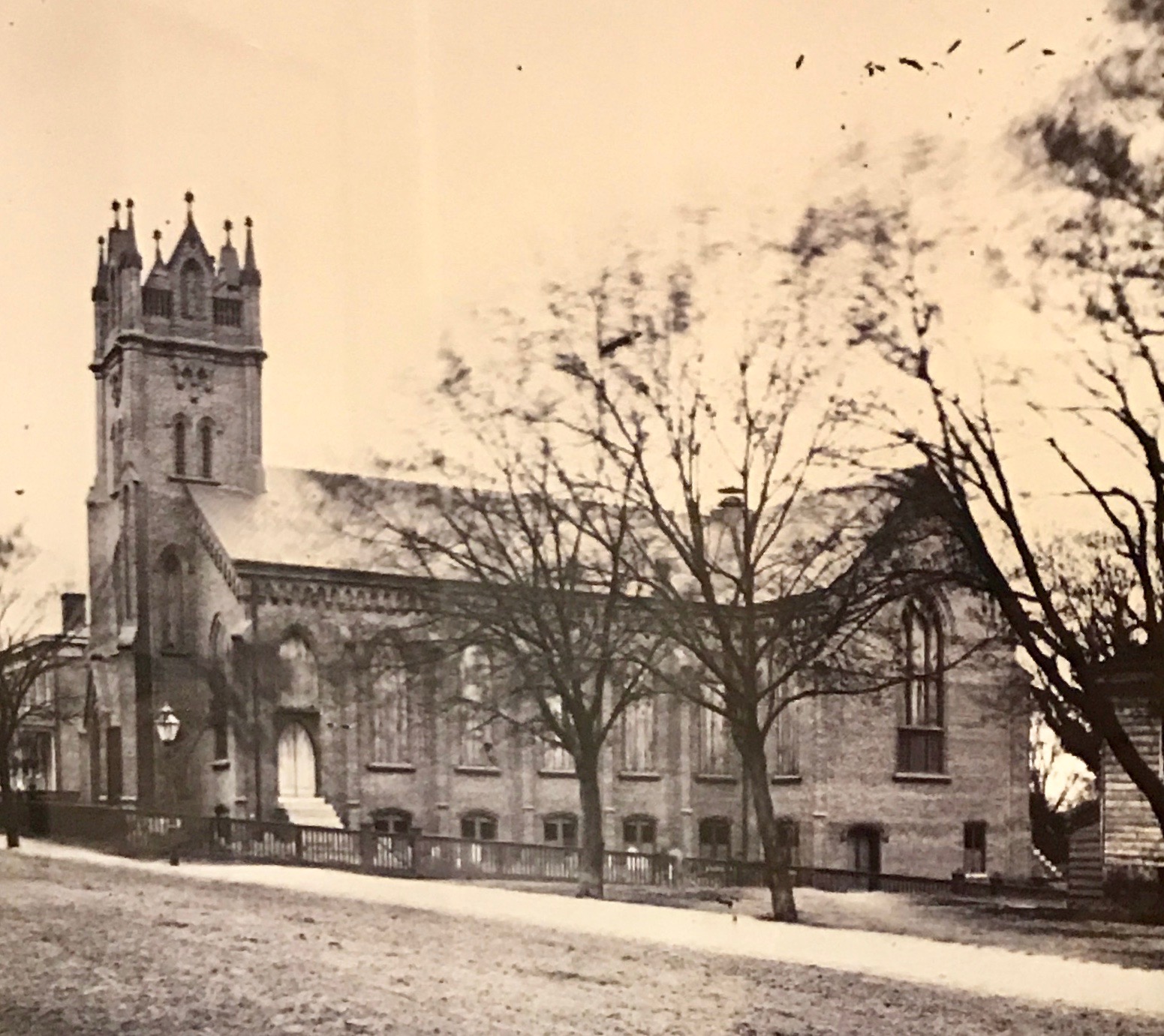
Reverend William Platt, the priest of Grace Episcopal Church, wrote a letter to Federal forces asking them to refrain from shelling on Sunday mornings, so that the citizens of Petersburg might be able to attend worship services. The Federal troops were ordered to comply with the request.
Grace Episcopal was one of the newer churches in Petersburg. Construction started around 1859, and at least the basement space was completed by the Siege. A Wednesday evening prayer service was held during the Siege, and General Lee was reported to have attended several of these services, although he frequently attended morning services at St. Paul’s Episcopal Church. The building the housed Grace Episcopal Church was demolished in 1959.
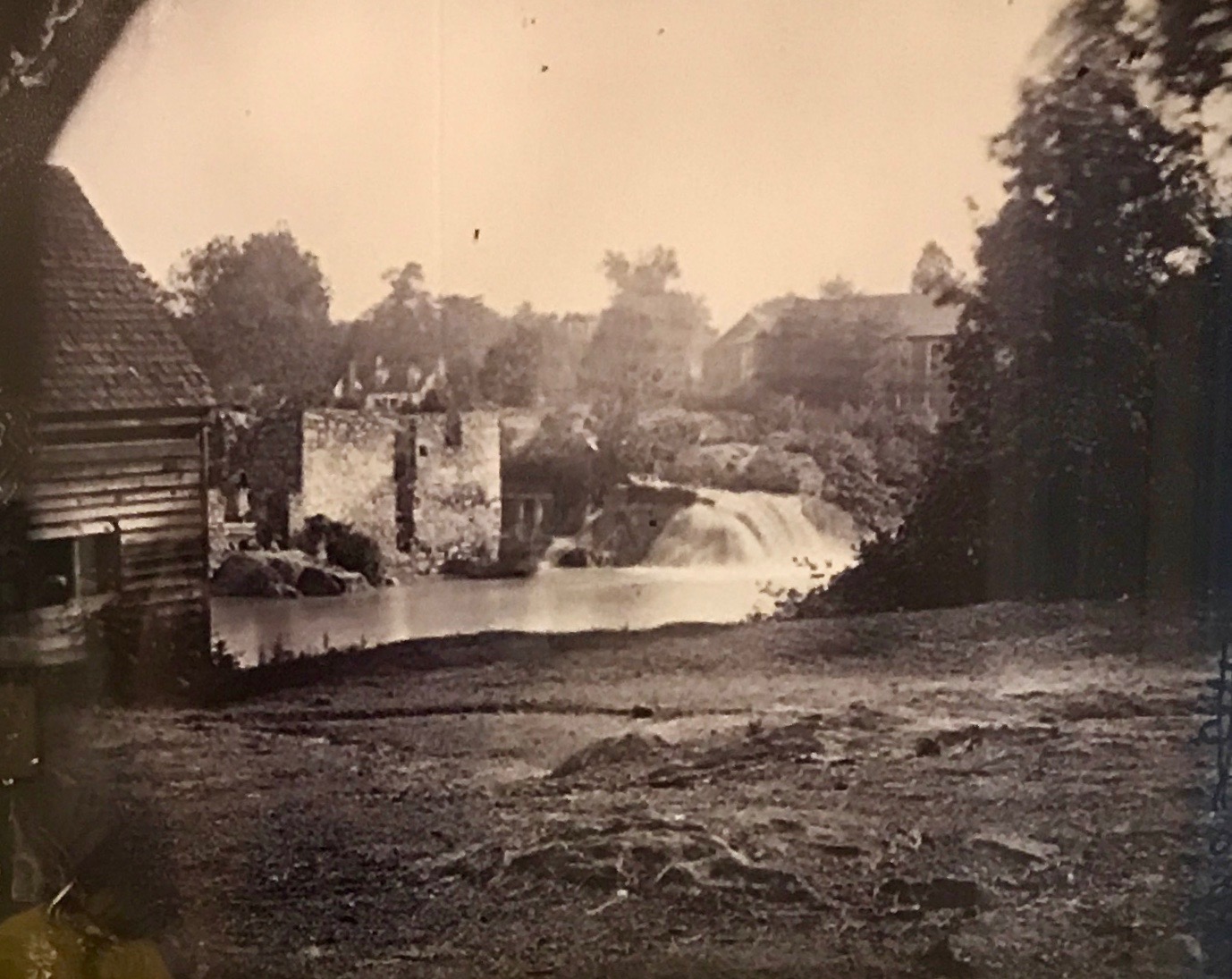
This is a photo of the ruins of a woolen mill.
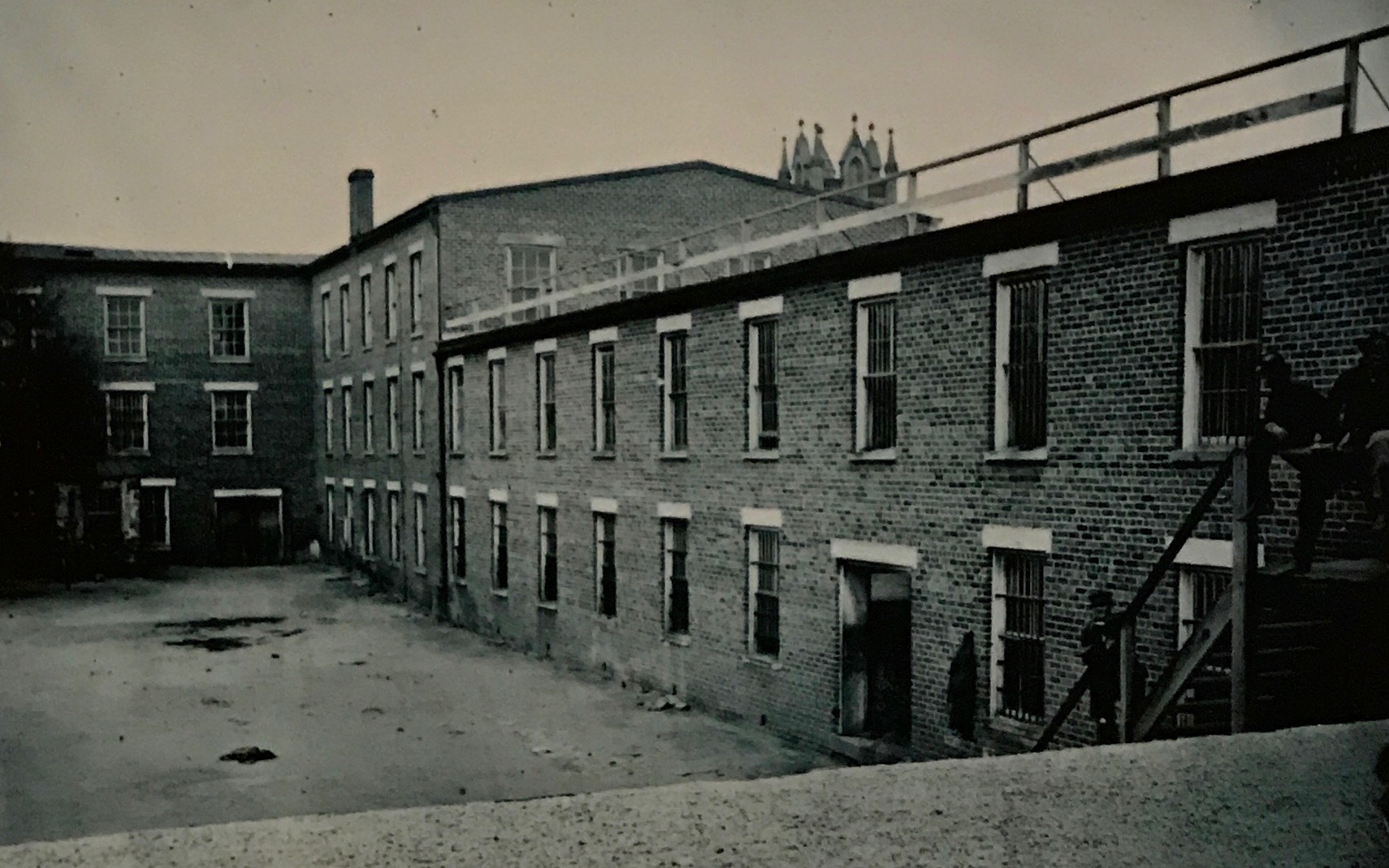
Buildings were commandeered for military purposes. This was a tobacco warehouse was used as a Confederate prison.
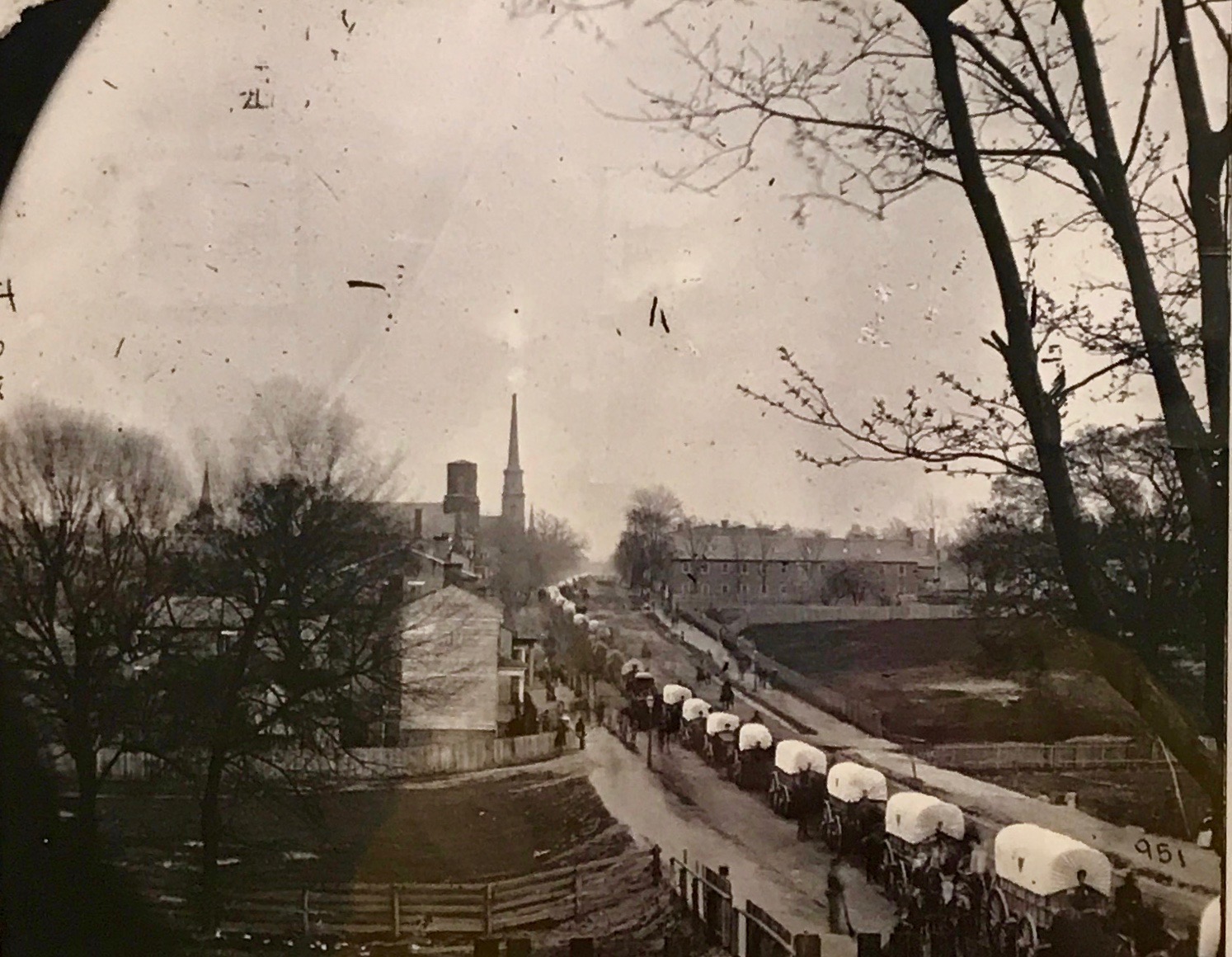
Here’s a Federal wagon train rolling through Petersburg.
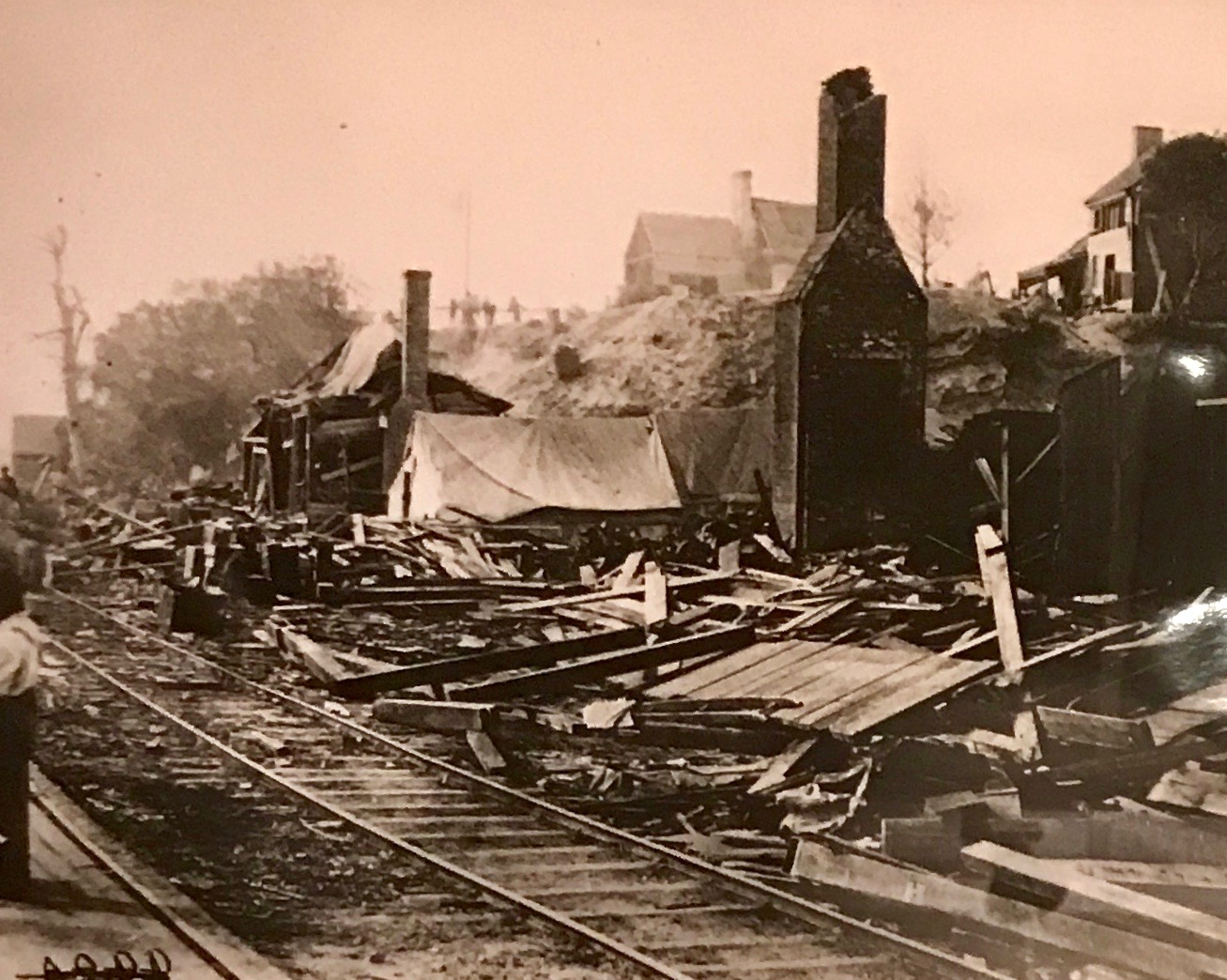
City Point was at the mouth of the Appomattox River, where it emptied into the James River. It was about 10 miles away, but was important because boats couldn’t get through once the Union forces controlled the area. General Grant made his headquarters and base for supplies in City Point.
The damage in this photo wasn’t caused by the Union troops, however. This photograph depicts damage at City Point following an explosion set by Confederate troops on August 9, 1864.

After the explosion at the Crater, the Confederates did what they could to prevent another mine explosion. They dug at twenty-seven foot ditch at the rear of fort Gilmer.
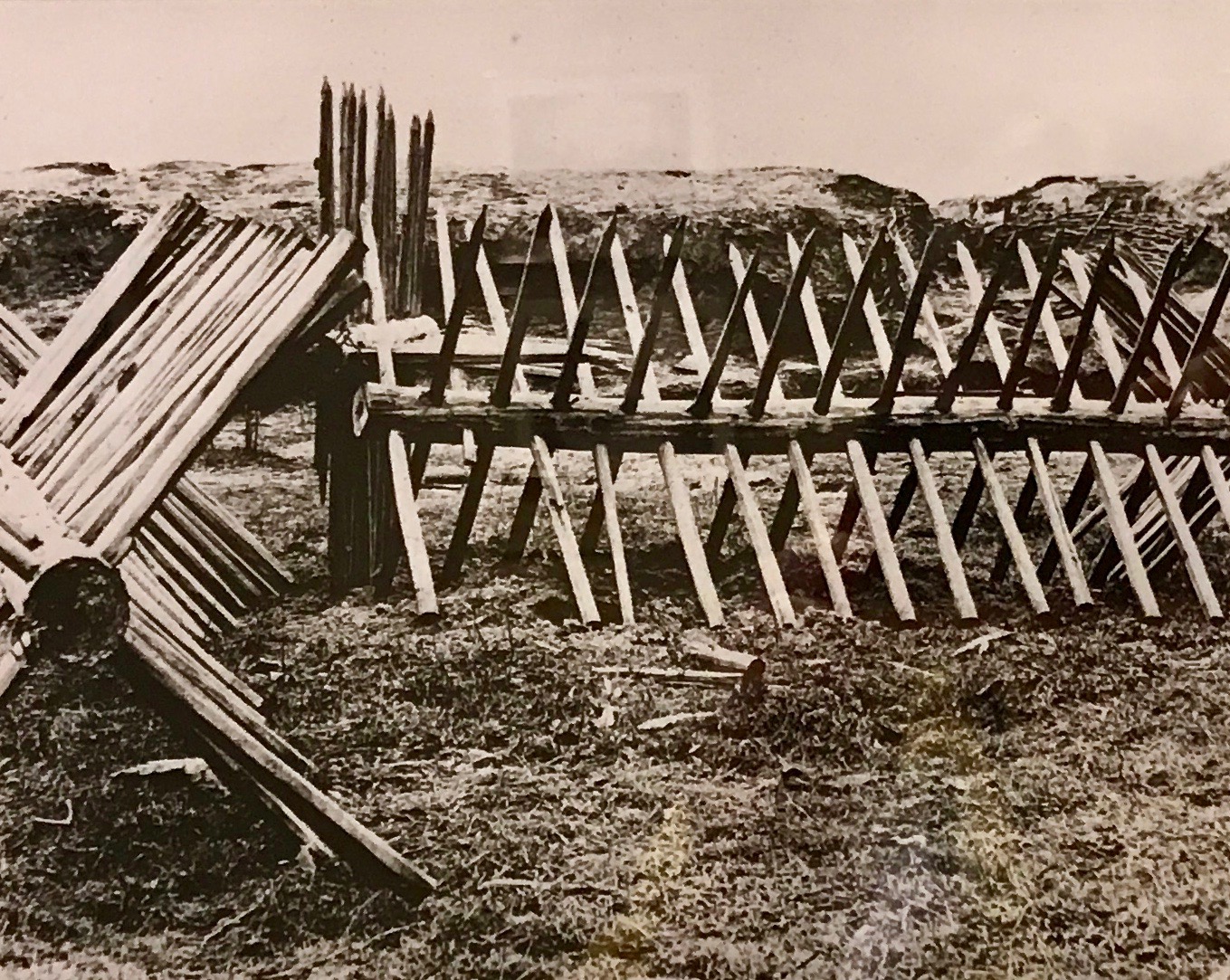
The twenty-seven foot ditch would slow down attackers, as would these structures known as “abates.”
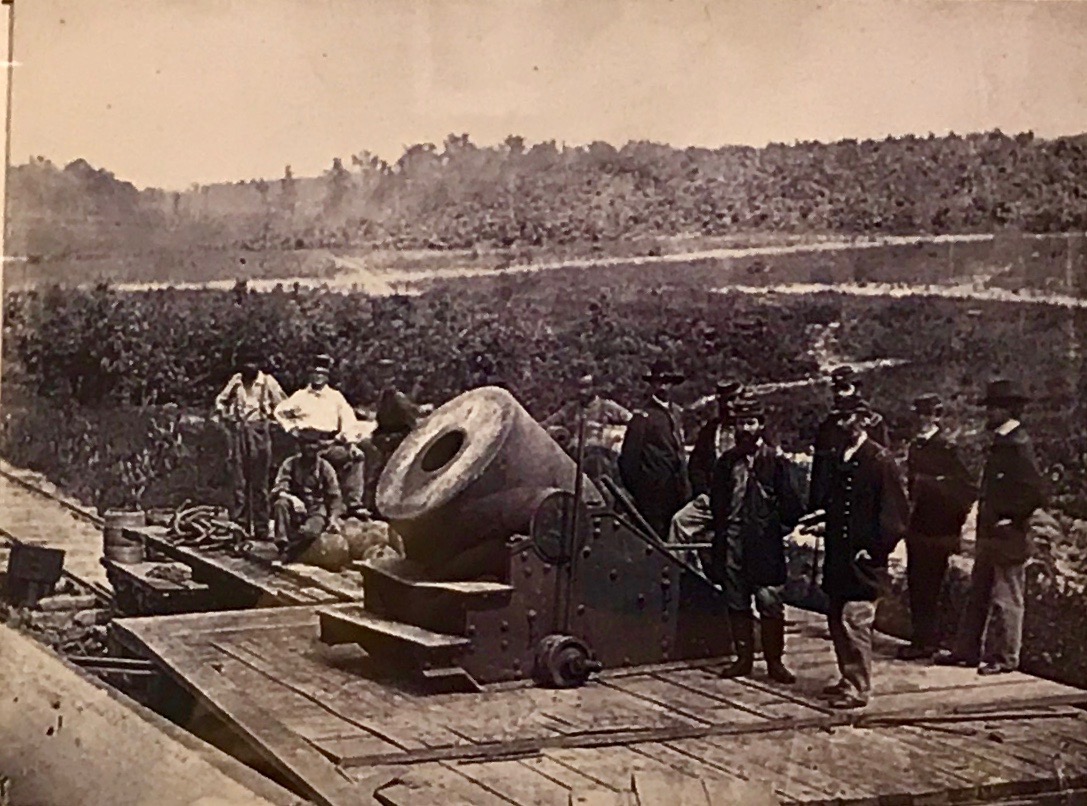
This Mortar was named “The Dictator.” It weighed in a 17,000 pounds and was mounted on a specially reinforced railroad car. It was transported to the Siege operations by rail from City Point. Th mortar could lob a 200 pound explosive shell about 2.5 miles. It was usually positioned in a curved sections of the Petersburg & City Point Railroad and it was used for about three months during the Siege. During the Siege, it was manned by Company G of the 1st Connecticut Heavy Artillery.
David Knox photographed this image of the mortar that Gardner later published in the Photographic Sketch Book of the Civil War.
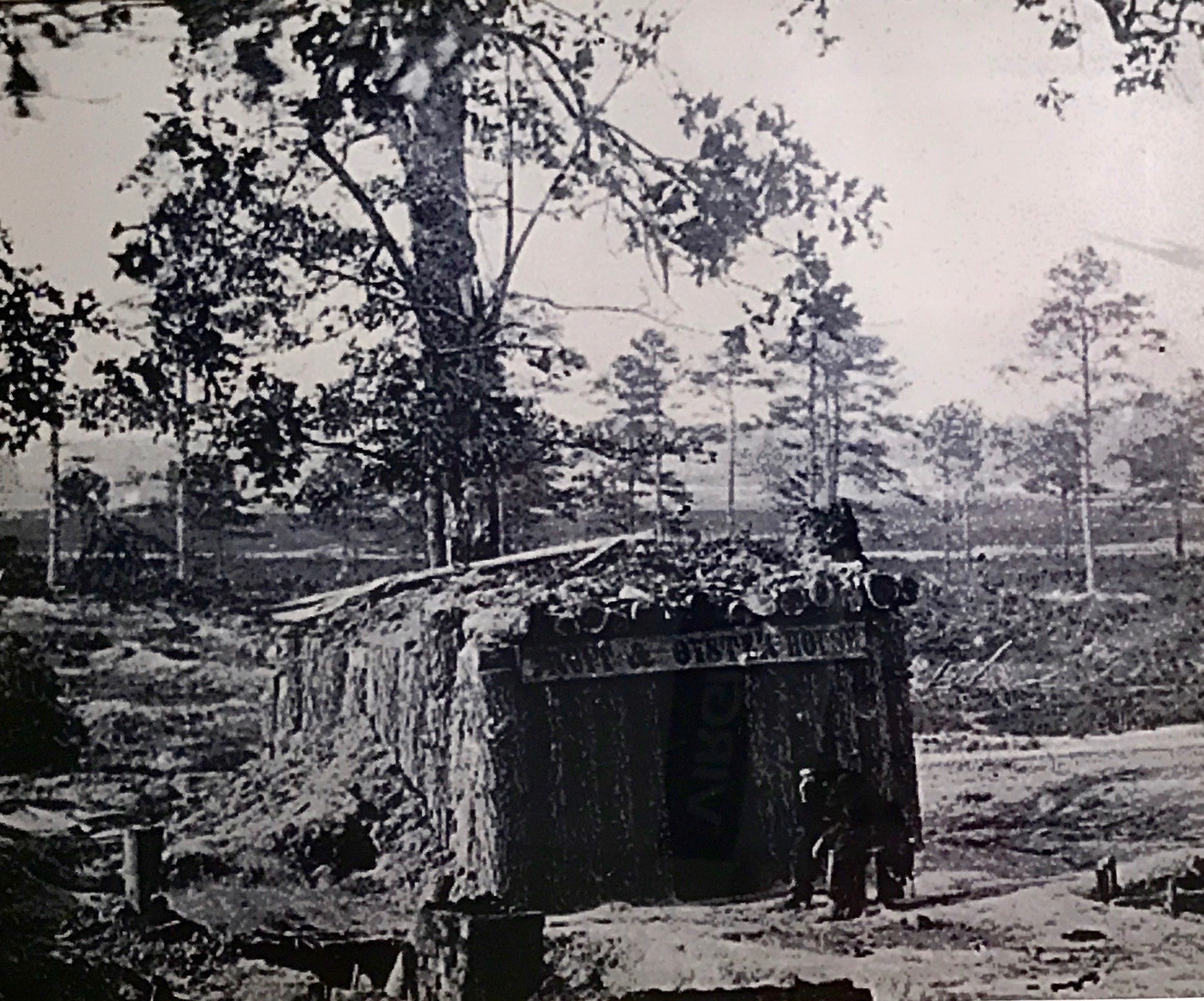
A soldier has to eat, and this is a restaurant. I don’t know if this was created by some enterprising individual or was created by the army.
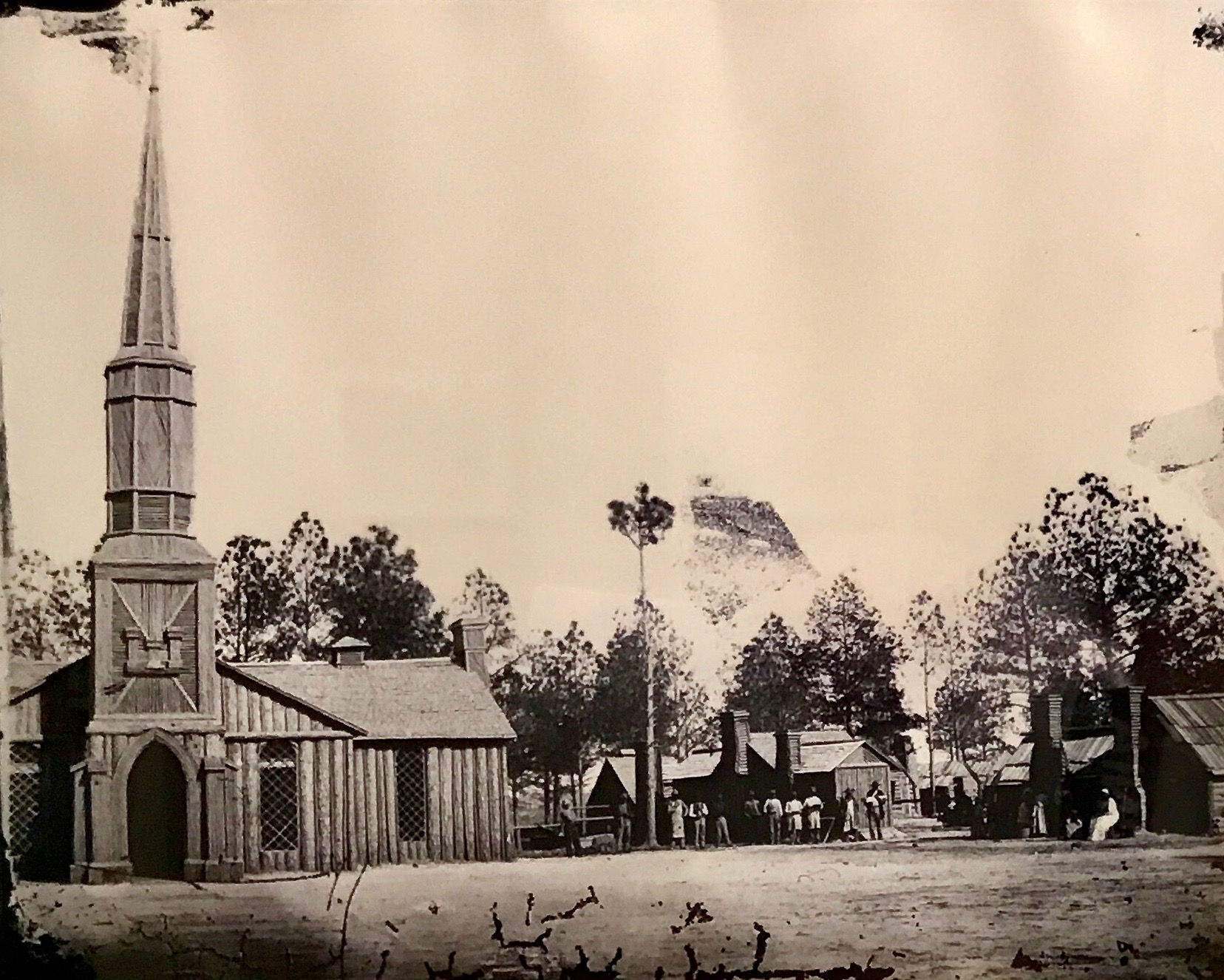
This structure was built by the army. Members of the 50th New York Engineers completed this church at their winter camp in February 1865. The church and the officers’ quarters to the right of the church were built from wood that had been cleared from the land. This church was built near the site of Poplar Springs Church, that had been destroyed during the Battle of Peebles Farm. The structure was demolished in 1868.
It tickled me to see that they managed to include the Army Corps of Engineers logo included over the door.

There was a photo of a place I hoped to get to before it closed for the day – Blandford Church.
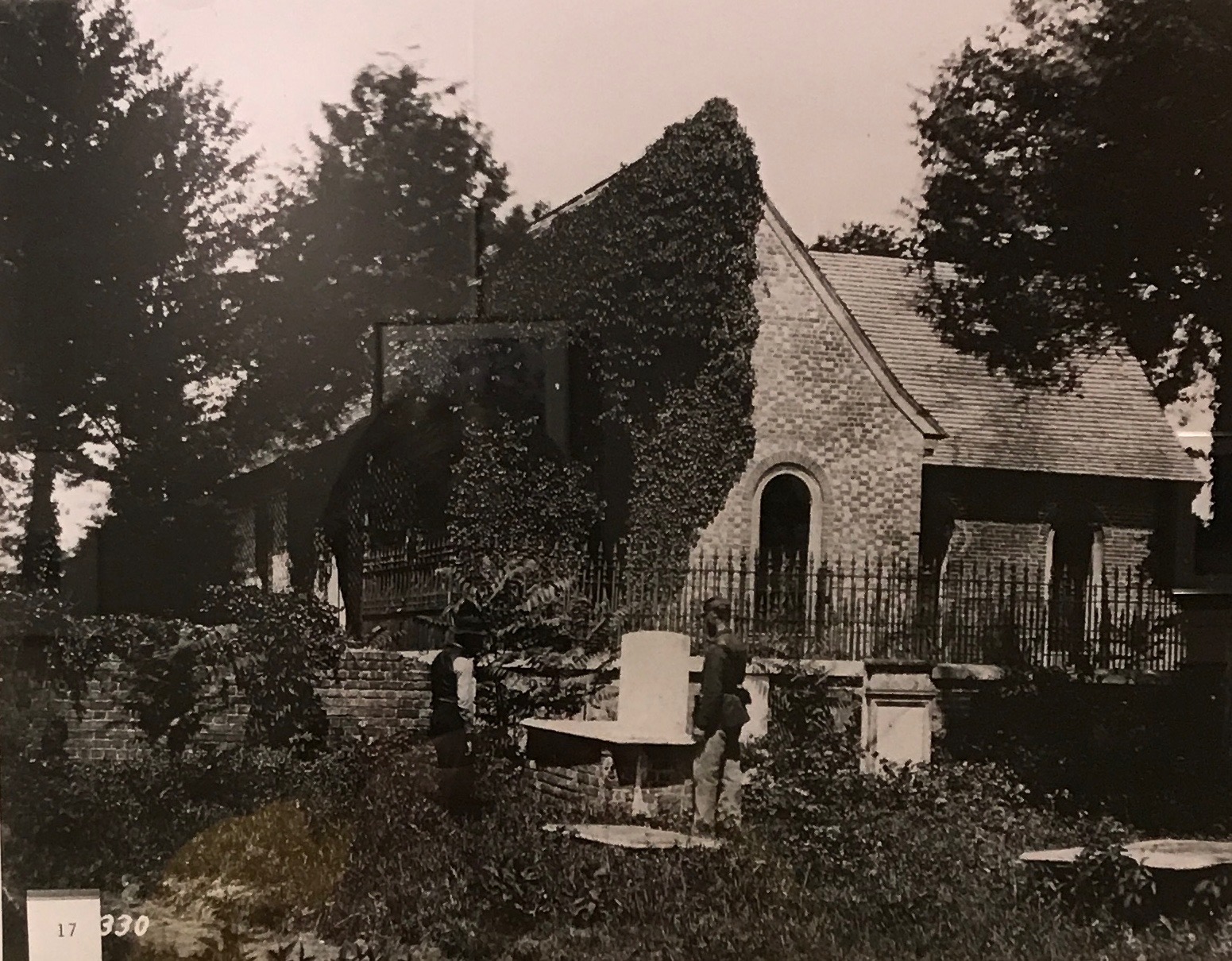
It had been built in 1735, as the seat of worship for the members of Bristol Parish. The church building was abandoned in 1806. This image was taken by Timothy O’Sullivan in April 1865 and included in Gardner’s Photographic Sketch Book of the Civil War. It is now used as a Confederate Memorial, and roughly 30,000 Confederate soldiers are buried Blandford Cemetery.
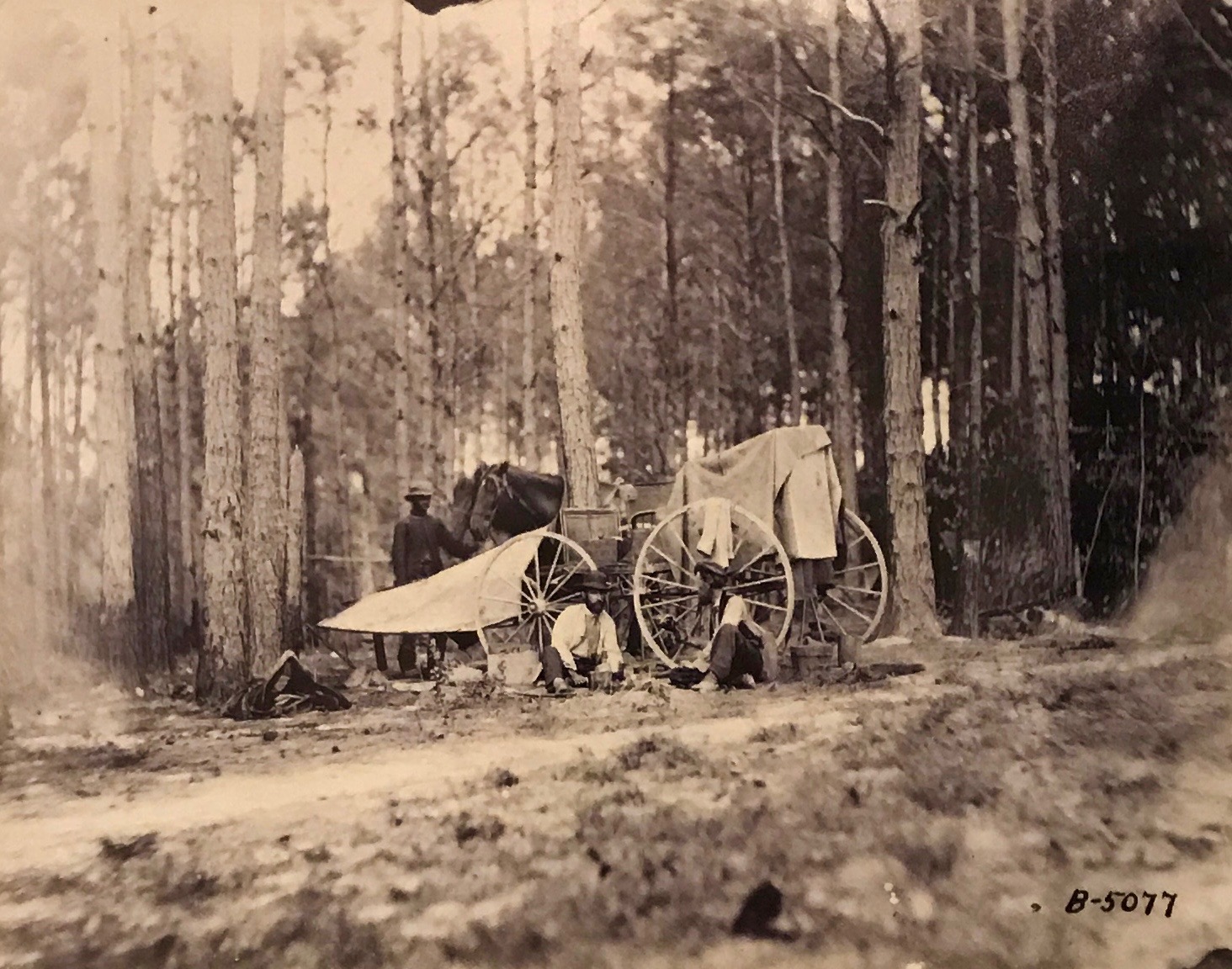
Some of the most prolific documentary photographers of the Civil War were Mathew Brady and his associates, Alexander Gardner, George Bernard, and Timothy O’Sullivan. They travels throughout the easter part of the country visually recording scenes of war and its aftermath. The result is a collection of some 12,000 images that form a rich visual document of the Civil War.

Not to mention, forming the basis for Ken Burns’ PBS miniseries. Cue Ashokan Farewell.
The Post Office and Customs House was built between 1856 and 1859. In July 1864, the postmaster moved the post office to Dunlop Street in the western portion of Petersburg because he felt that this location was too exposed to shelling.
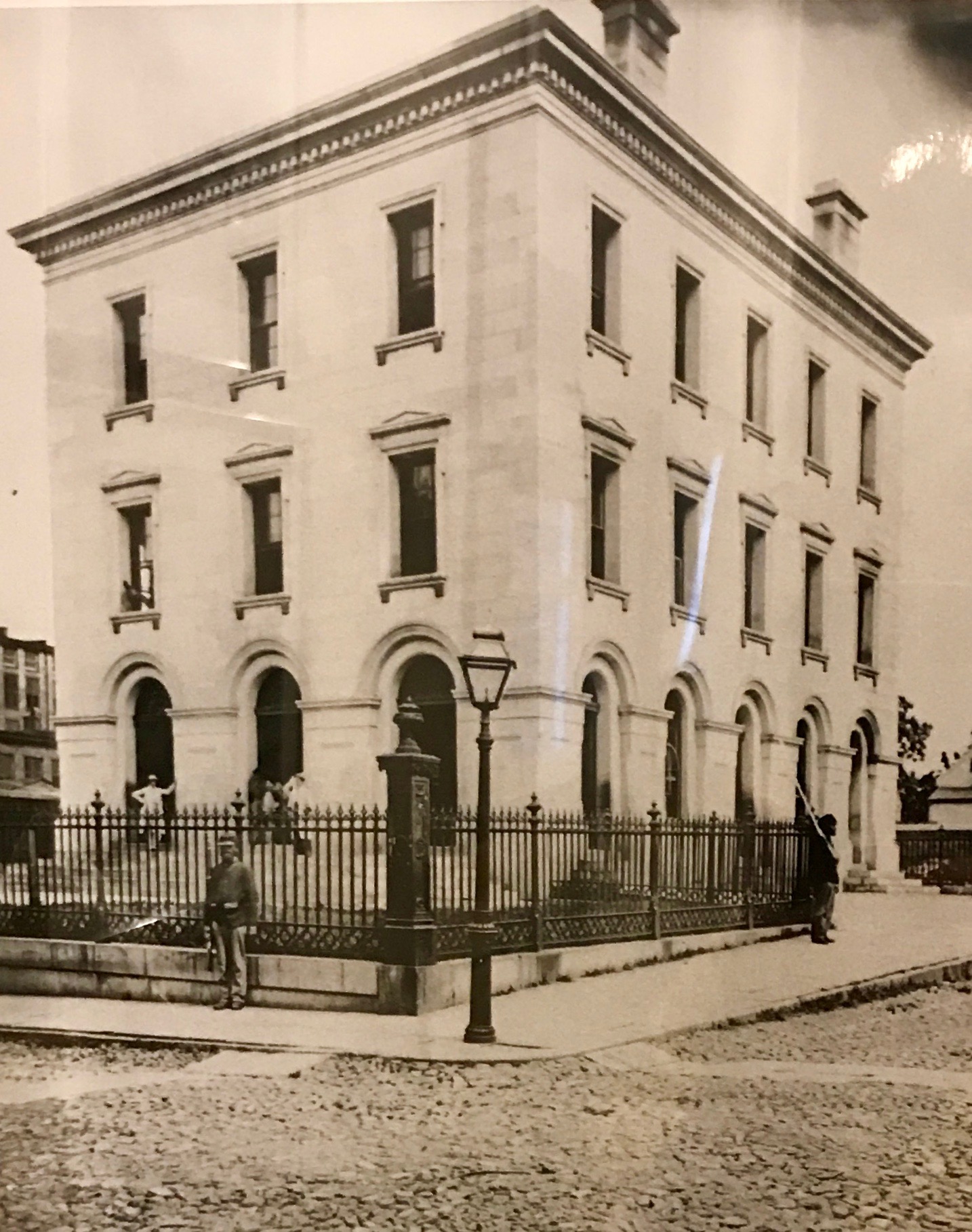
The building was used as a meeting place for Confederate officers during the Siege. General Lee and General Beauregard met here on at least one occasion. A Confederate signal Station was also located on the roof.
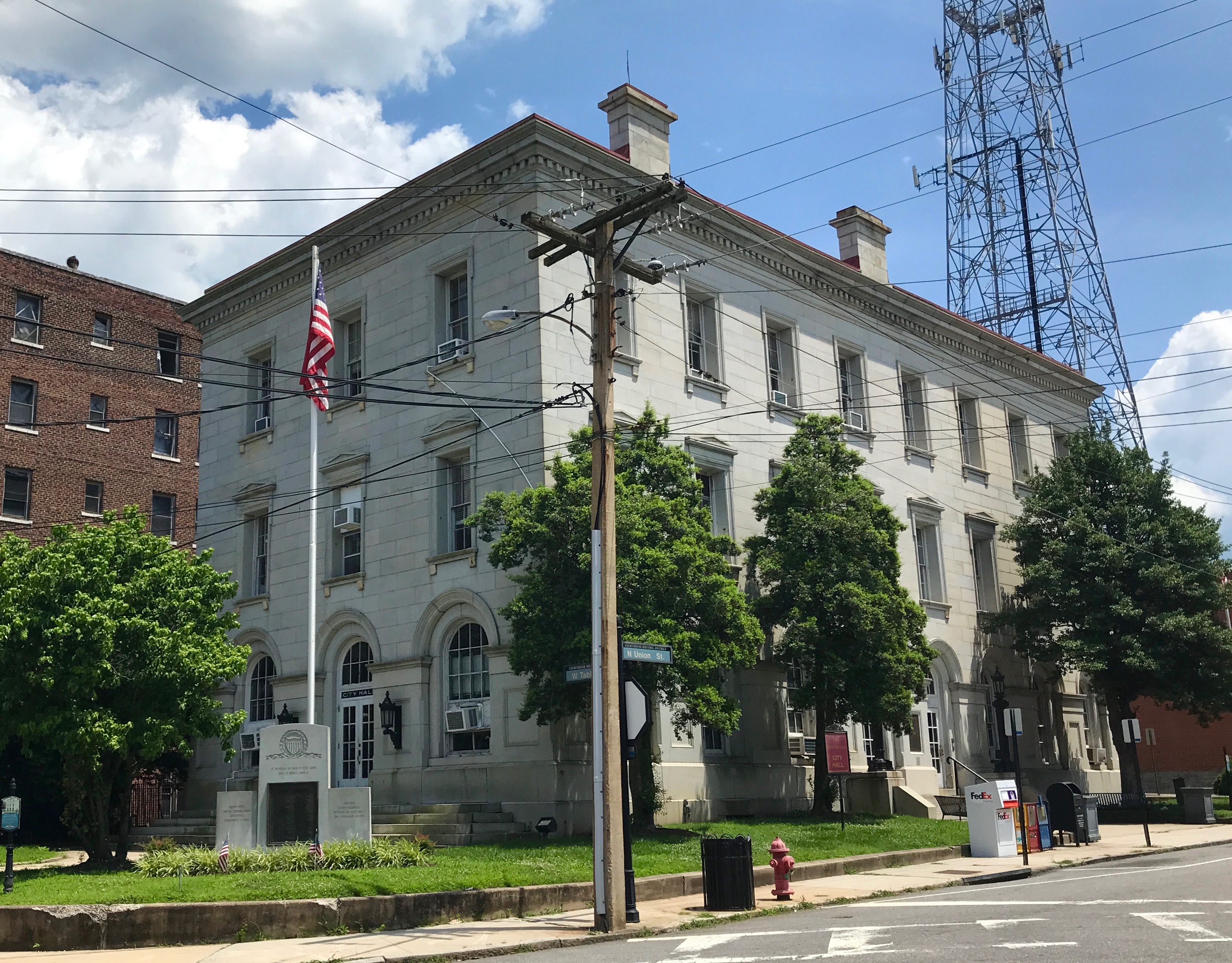
The building became Petersburg’s City Hall in 1938.
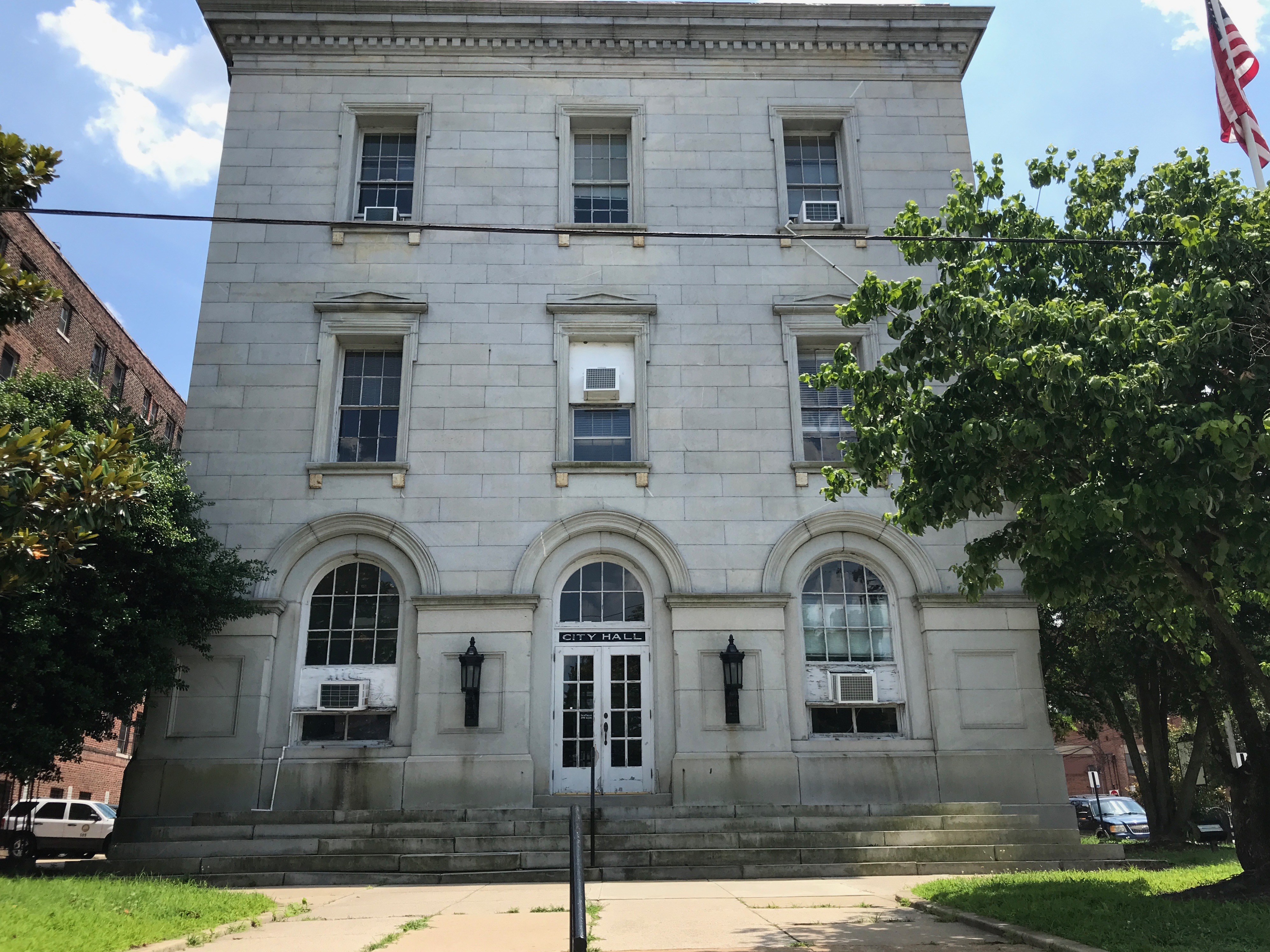
Yes, the same building is still in use.
And with that, it was time to find the truck and head back to the battlefield.