One of the unexpected things I found in Boise is that it had a lot of Basque settlers. Although there are larger populations of Basque-Americans in the United States, Boise’s is the most concentrated. There is a “Basque block” in downtown Boise, with a museum, cultural center, restaurants and a market.
I decided that I couldn’t be cultural on an empty stomach, so I put lunch at that top of my “to-do” list.
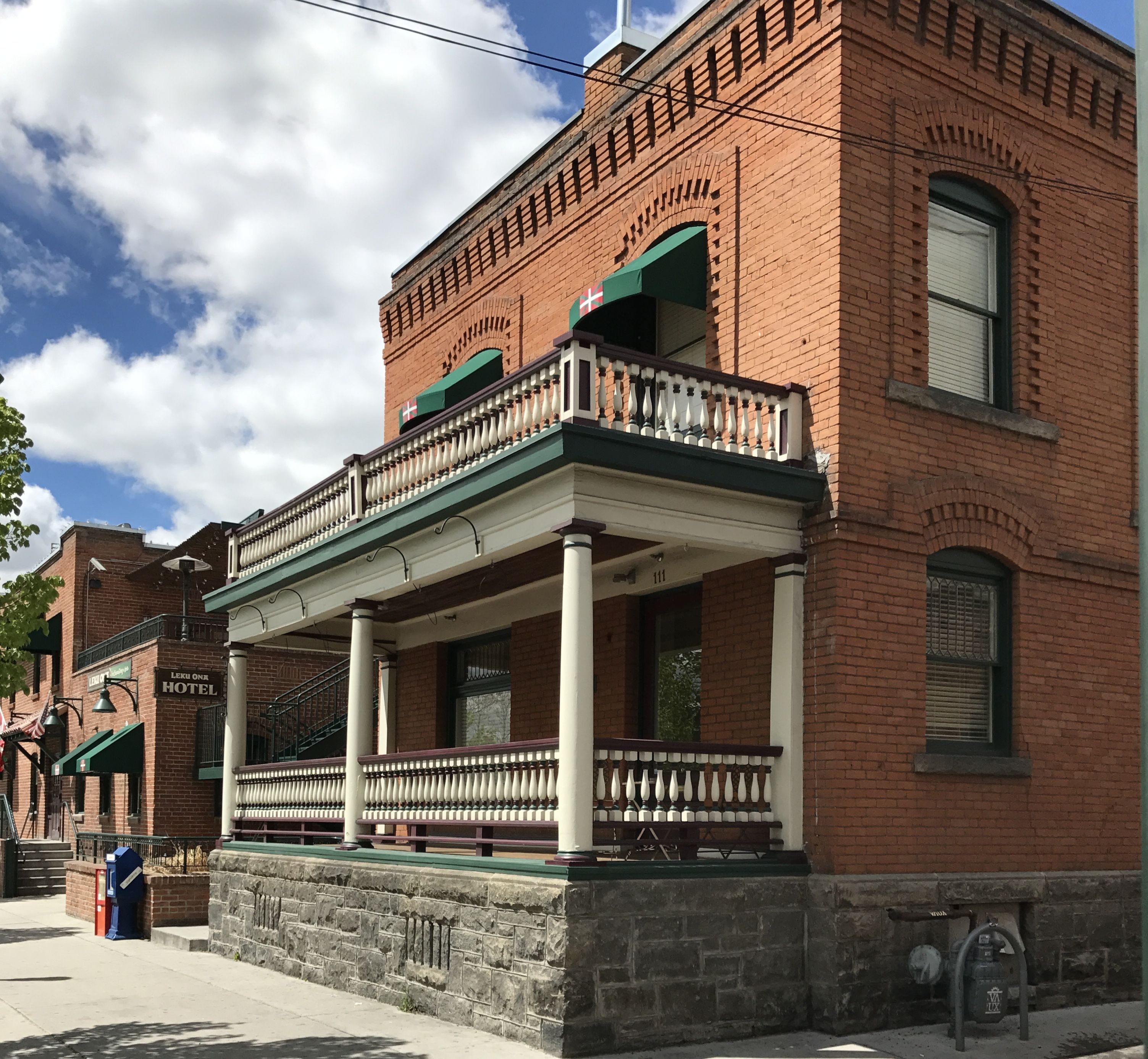 I located Hotel Leku Ona, and decided that it looked like it was worth a shot.
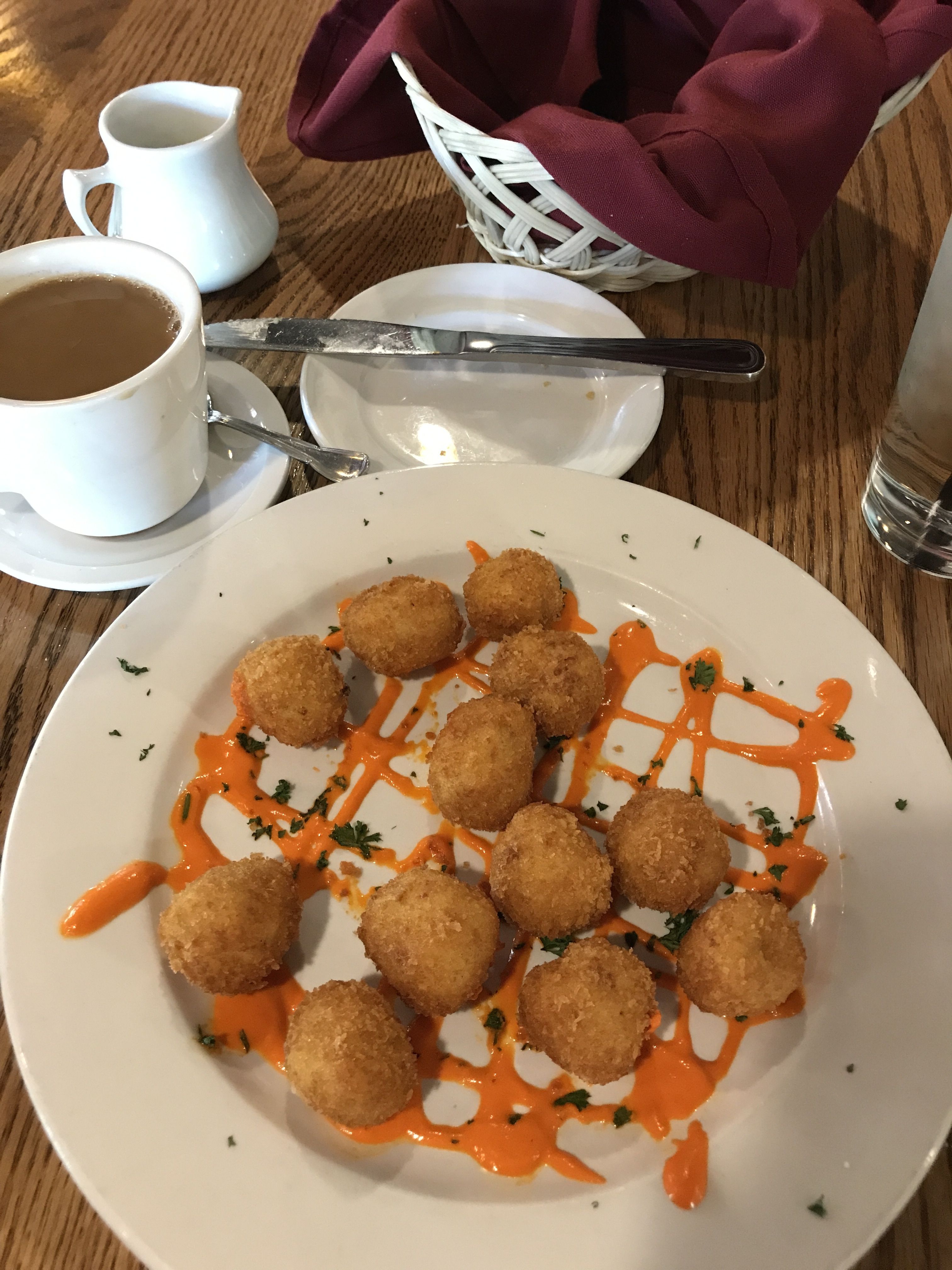
As an appetizer, I ordered croquetas, just like mamá used to make.
Seriously, when I did my Junior Year…uh, Semester…Abroad, the woman whose house we stayed in did make use croquetas for dinner. I hadn’t had them since 1976. (In case you have never heard of croquetas, here’s some information.)
For my main course, I had the tortilla española.
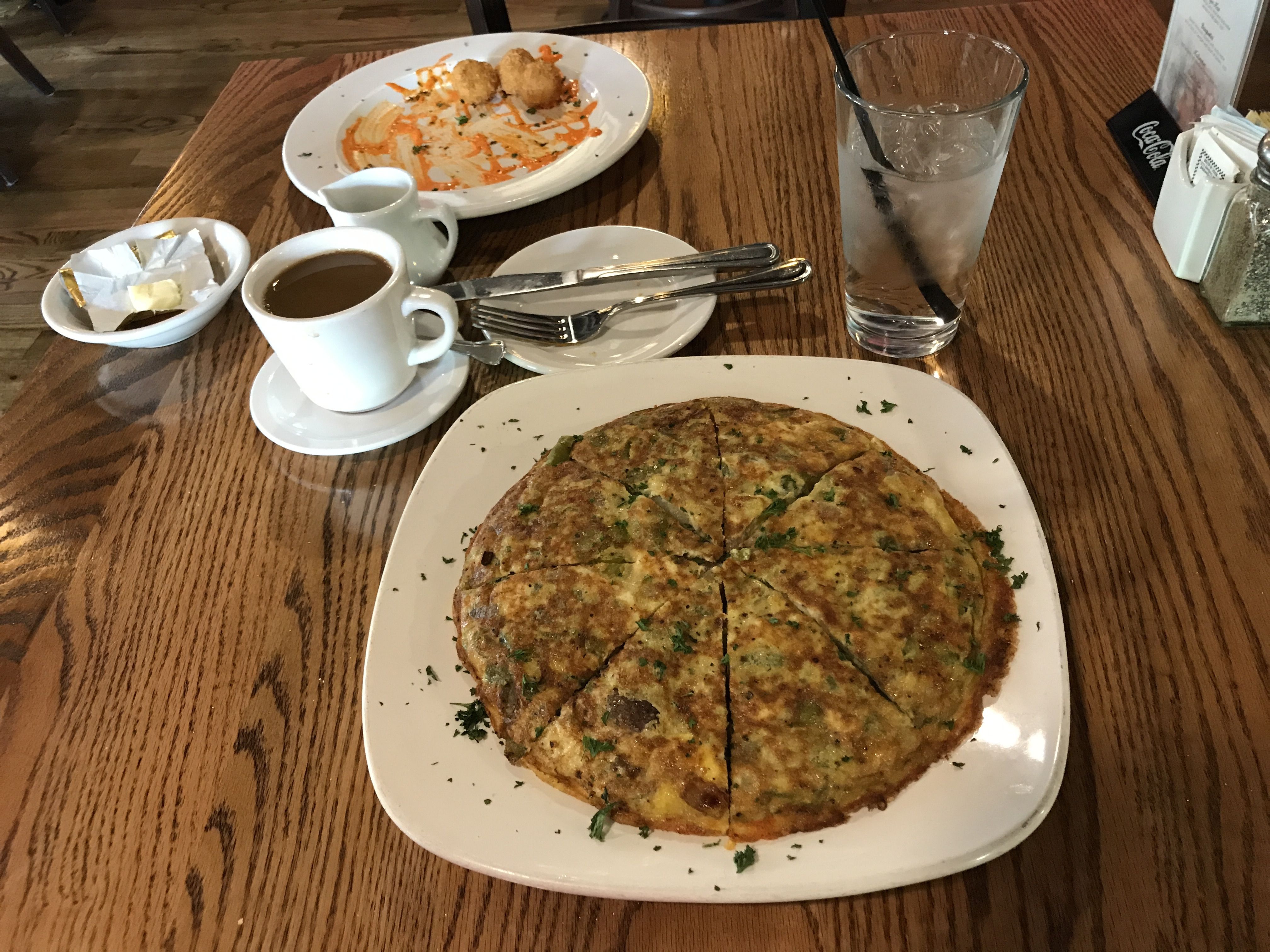
It was kind of a lot of food, but I don’t get into restaurants that offer these two dishes all that often. I did pack up some of the tortilla and took it with me.
Thus restored, I was ready to tackle The Basque Museum and Cultural Center.
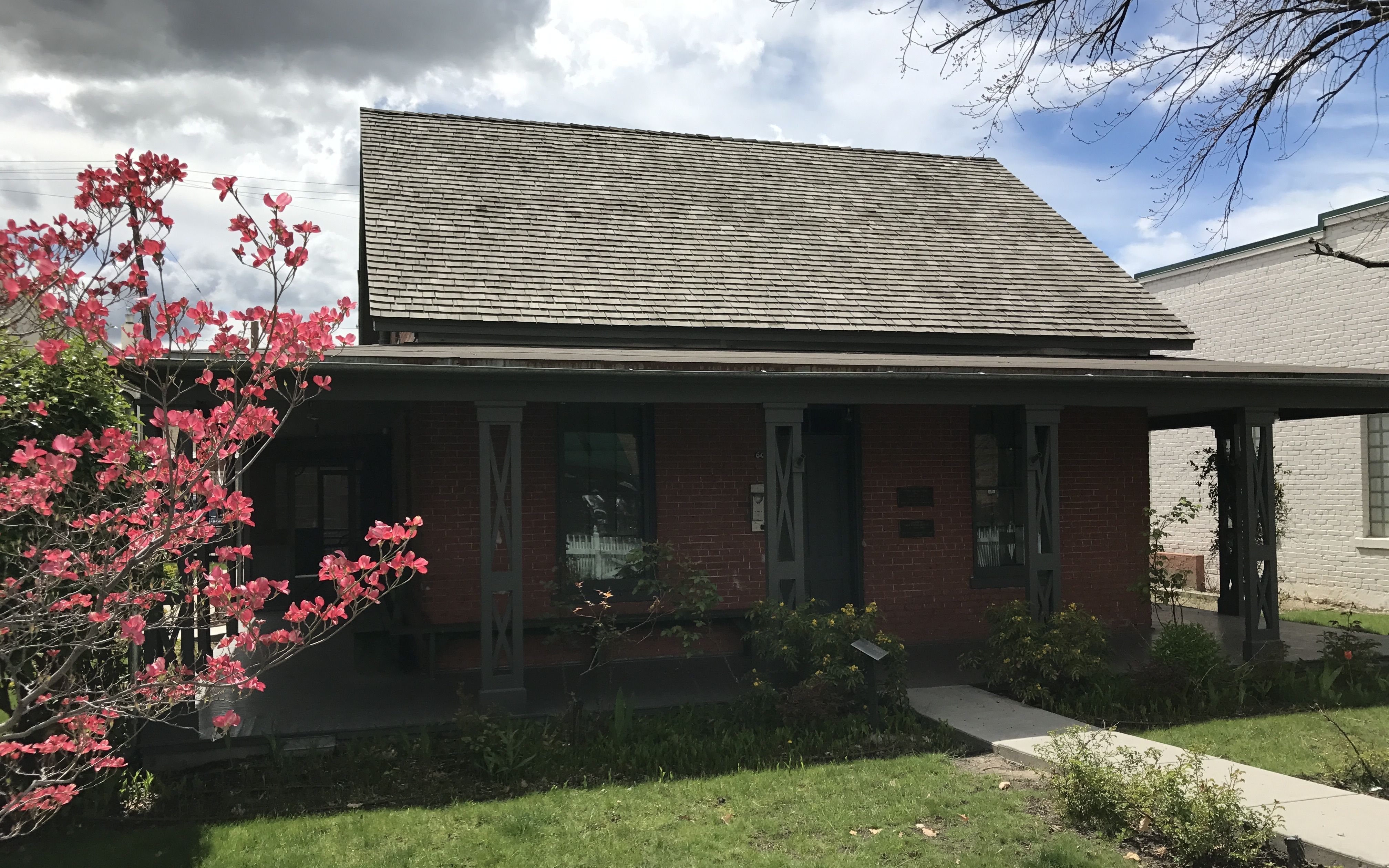
It was right next door to the Cyrus Jacobs Uberuaga House, which is the oldest surviving brick building in Boise. Cyrus Jacobs was a pioneer merchant and prominent citizen of Boise when the town was founded in 1863. Cyrus built his home in 1864. He lived there for almost 40. In the early 1900s, the house became the residence of Basque families. In 1917, Jose and Hermigilda Uberuaga moved in and it remained in the family until 1983, when Adelia Garro Simplot purchased the property to preserve the rich tapestry of the Idaho Euskaldunak history.
Incidentally, “euskaldunak” is the Basque word for Basque.
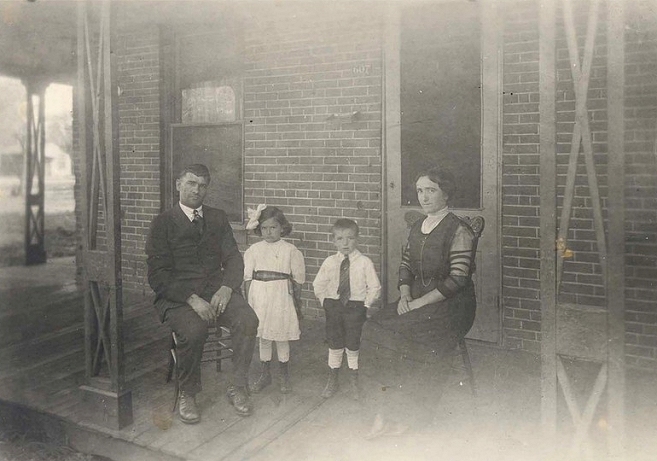
This is a 1921 photo of the Uberuaga family on their porch at 607 Grove. This house now stands as a tribute to the Basque boarding house life in America.

In case your Spanish geography needs a brush up, here is the part of the country that is the Basque region. Guernica is in the Basque region. On this map, it is in the province of Bizkaia.
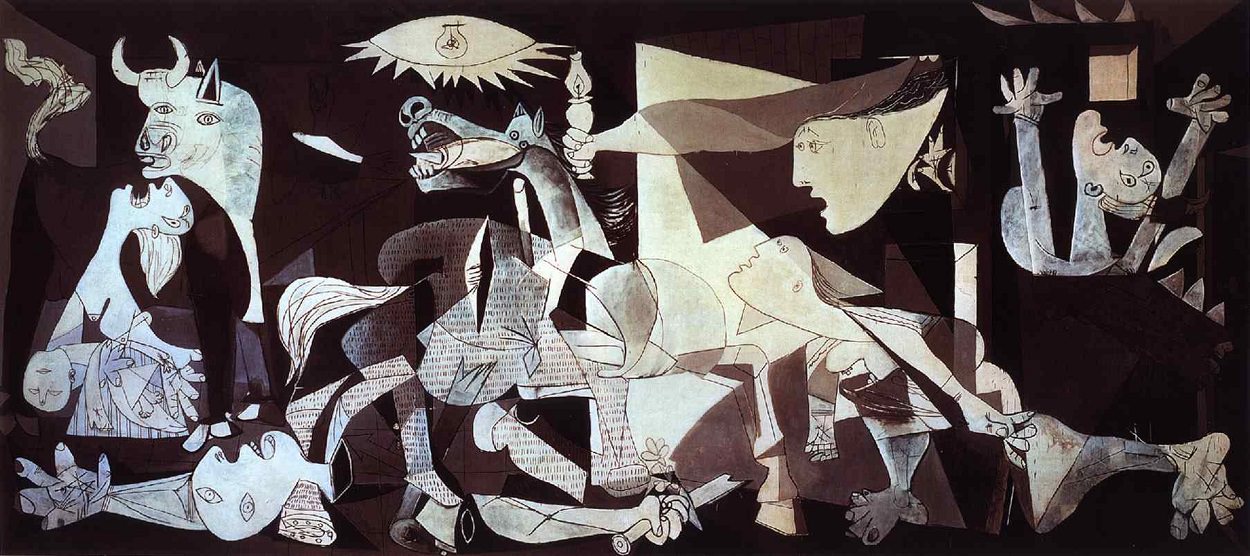
For the art history/war buffs out there, Guernica is the site of an egregious bombing of civilians during the Spanish civil war in 1937. This work of art by Pablo Picasso was commissioned by Spanish government. It was exhibited at the 1937 World’s Fair in Paris and used to raise funds for war relief.
This bombing, which was carried out by Nazi Germany and Fascist Italian warplanes, helped them practice for their next planned escapades. It kind of reminds me of how we used chasing Pancho Villa after his raid on Columbus, New Mexico as a preparation for involvement in World War I.
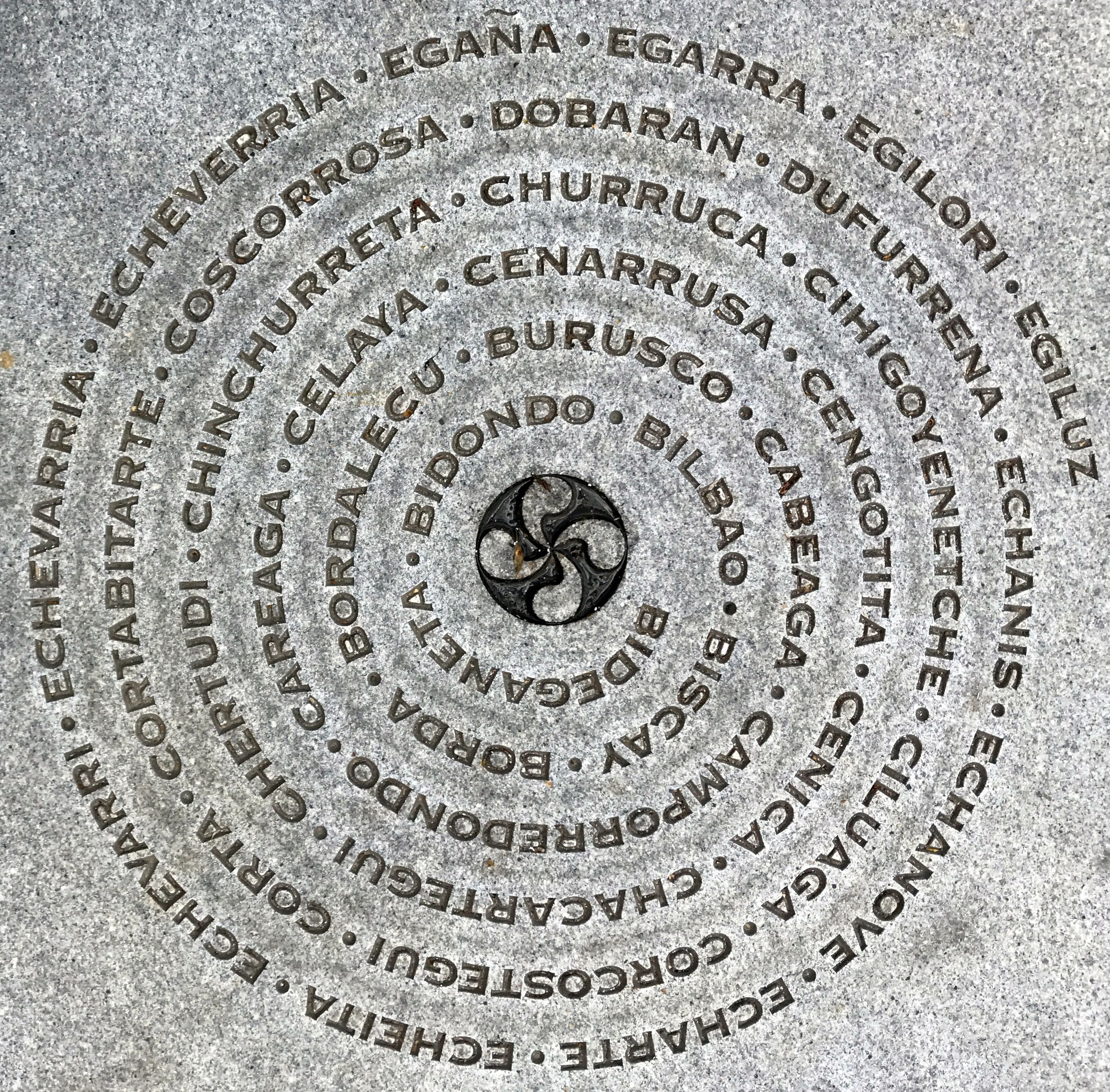
This graphic was stamped in the sidewalk in front of the museum. I think these are family names. I stepped inside the museum, paid my $5 entrance fee and started exploring.
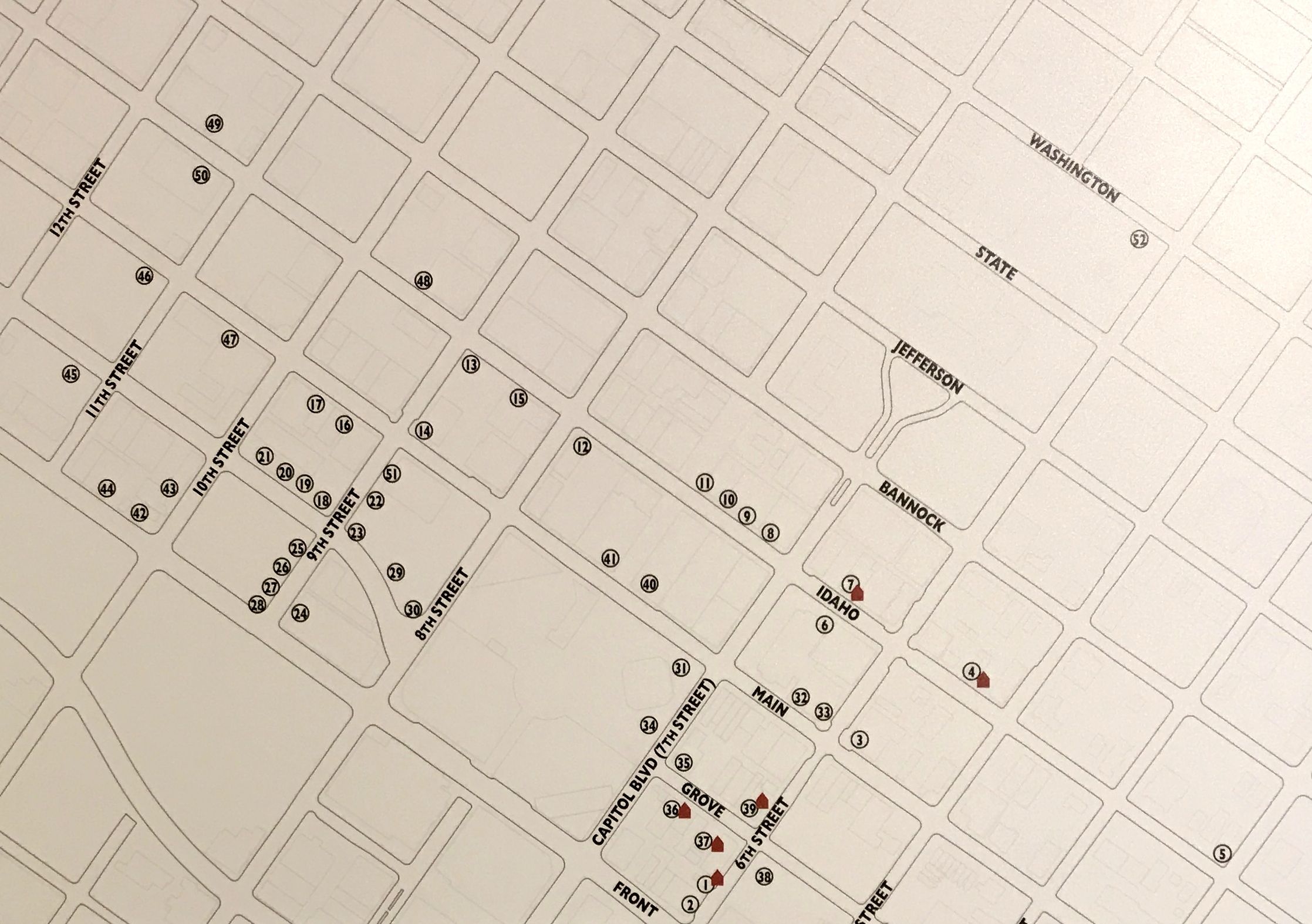
I found this map interesting. This shows the distribution of Basque boarding houses in downtown Boise. I believe the Uberuaga house was at number 37.
Many of the Basques who settled in Idaho ended up as shepherds. According to what I read in the museum, this wasn’t because they were particularly interested in sheep or even had a background in herding sheep. It was one of those things where they were hard workers looking for an opportunity. Their language didn’t cause problems because their work didn’t require good English. One member of a family would come to America, find work, and then send for others as money permitted.
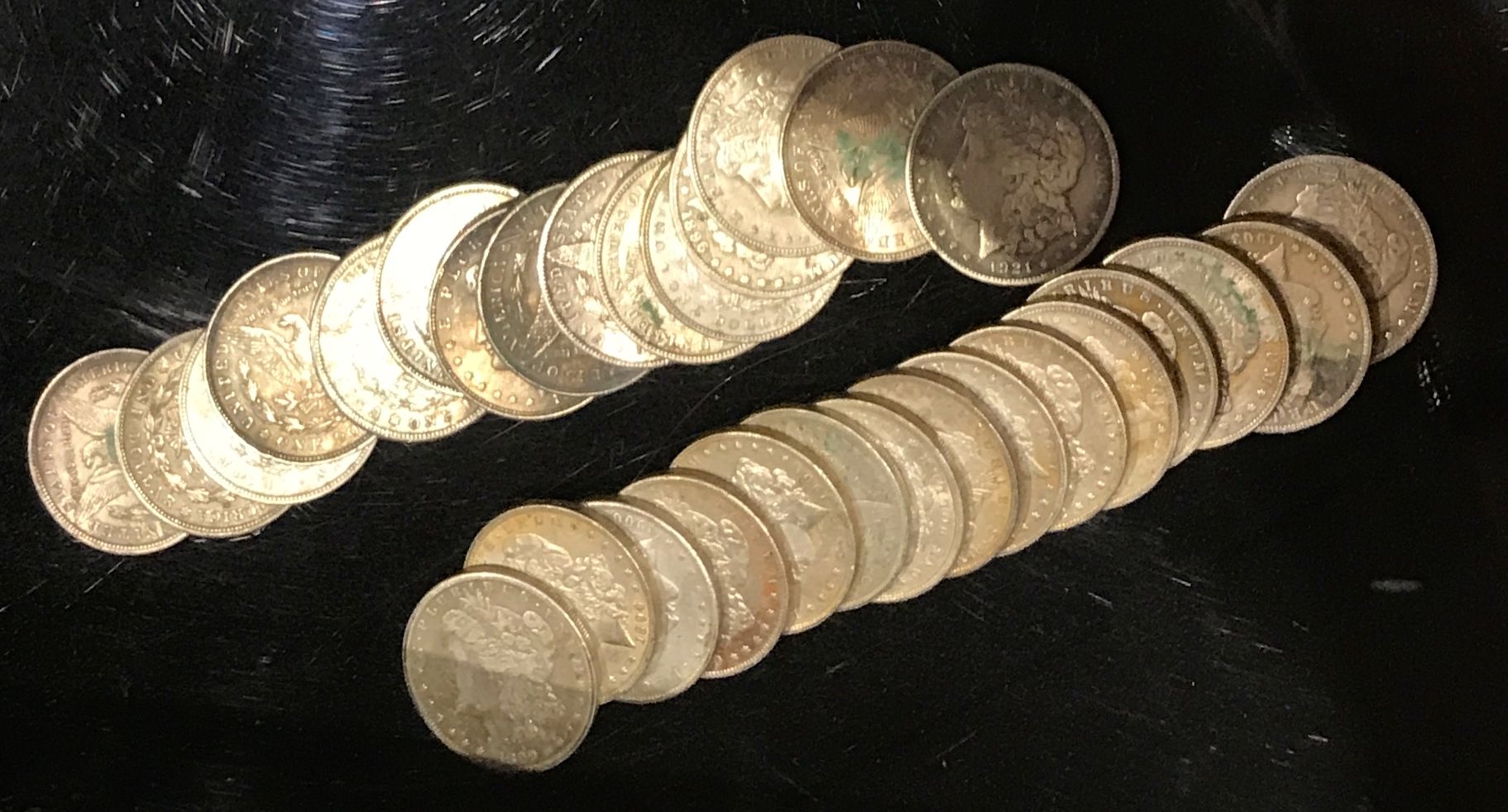
According to the museum, recently arrived immigrants had to show proof that they had at least $25 in hand to enter the United States.

While out with the sheep, they would live in shepherds’ wagons.
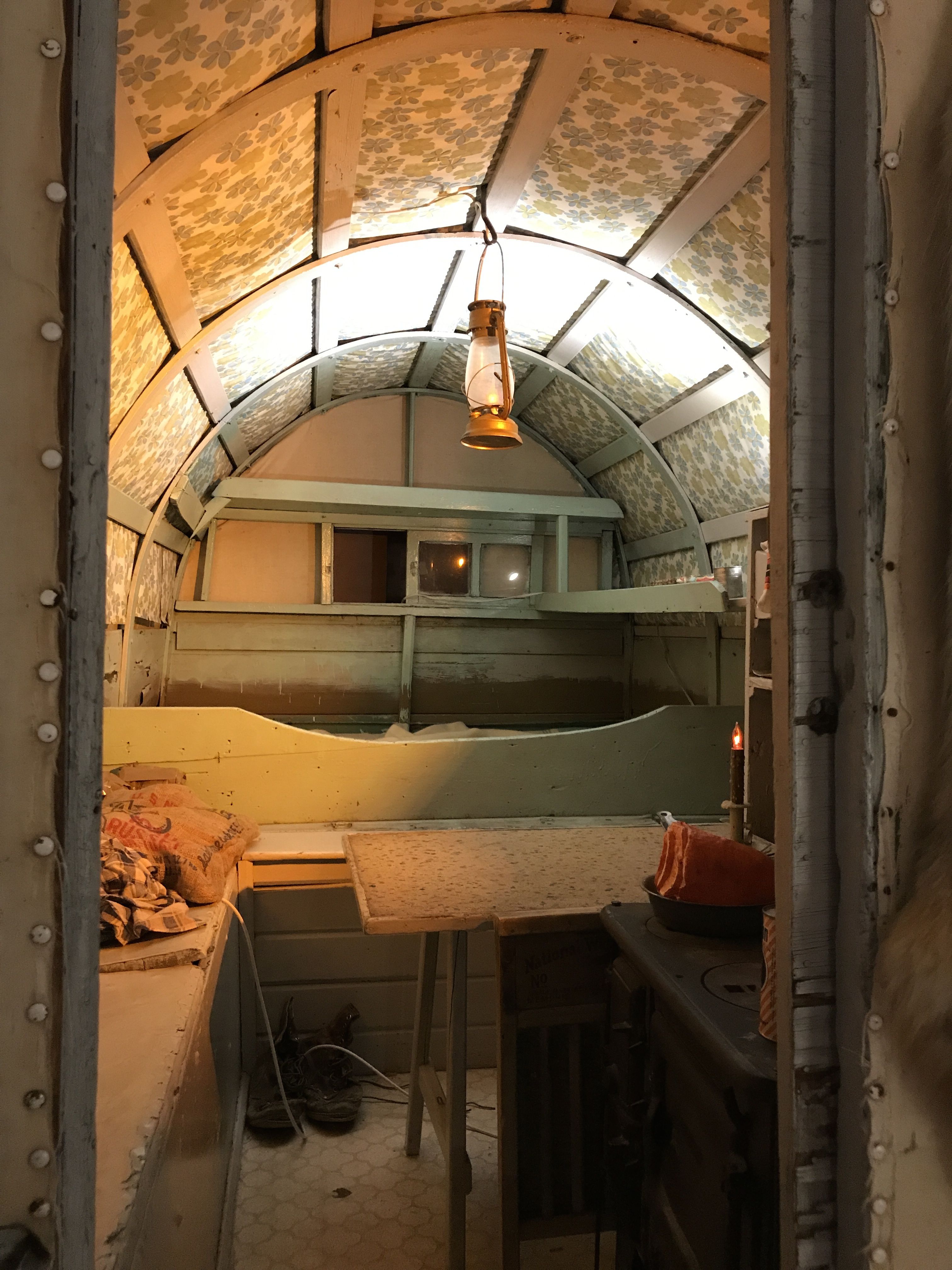
They floor plan isn’t that much different from many of the smaller RVs on the road today.

They had a nice display of historic photos of the sheep industry.
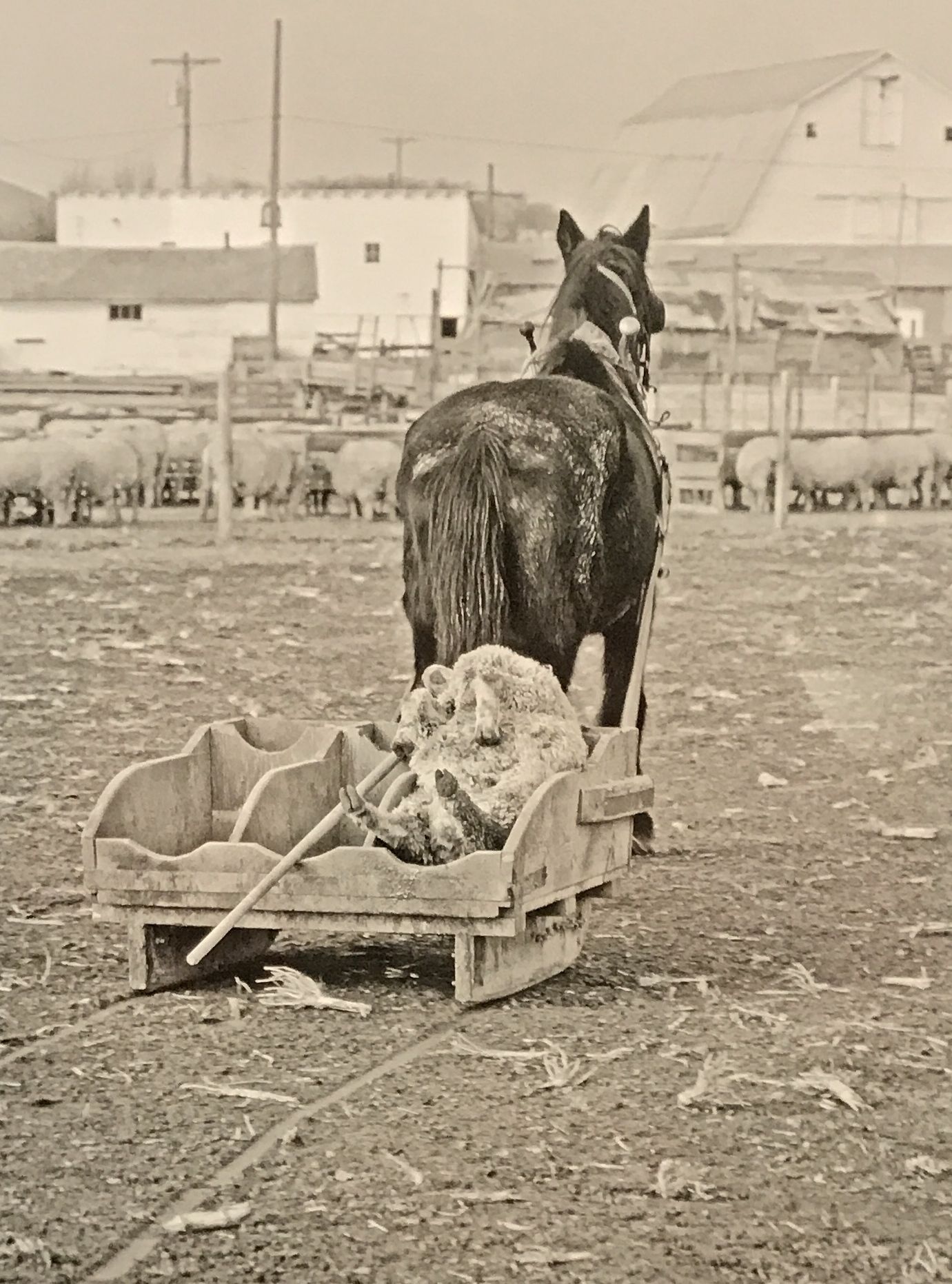
This one was titled “Transporting to the lambing shed”. I imagine that this was a mother sheep getting ready to give birth. I do find it interesting that the horse seems to be taking the sheep there without direction. The shepherd’s crook sin the sledge, but I don’t see the shepherd.
They had a few artifacts from their daily life, as well.

This artifact was called “The Cans.”
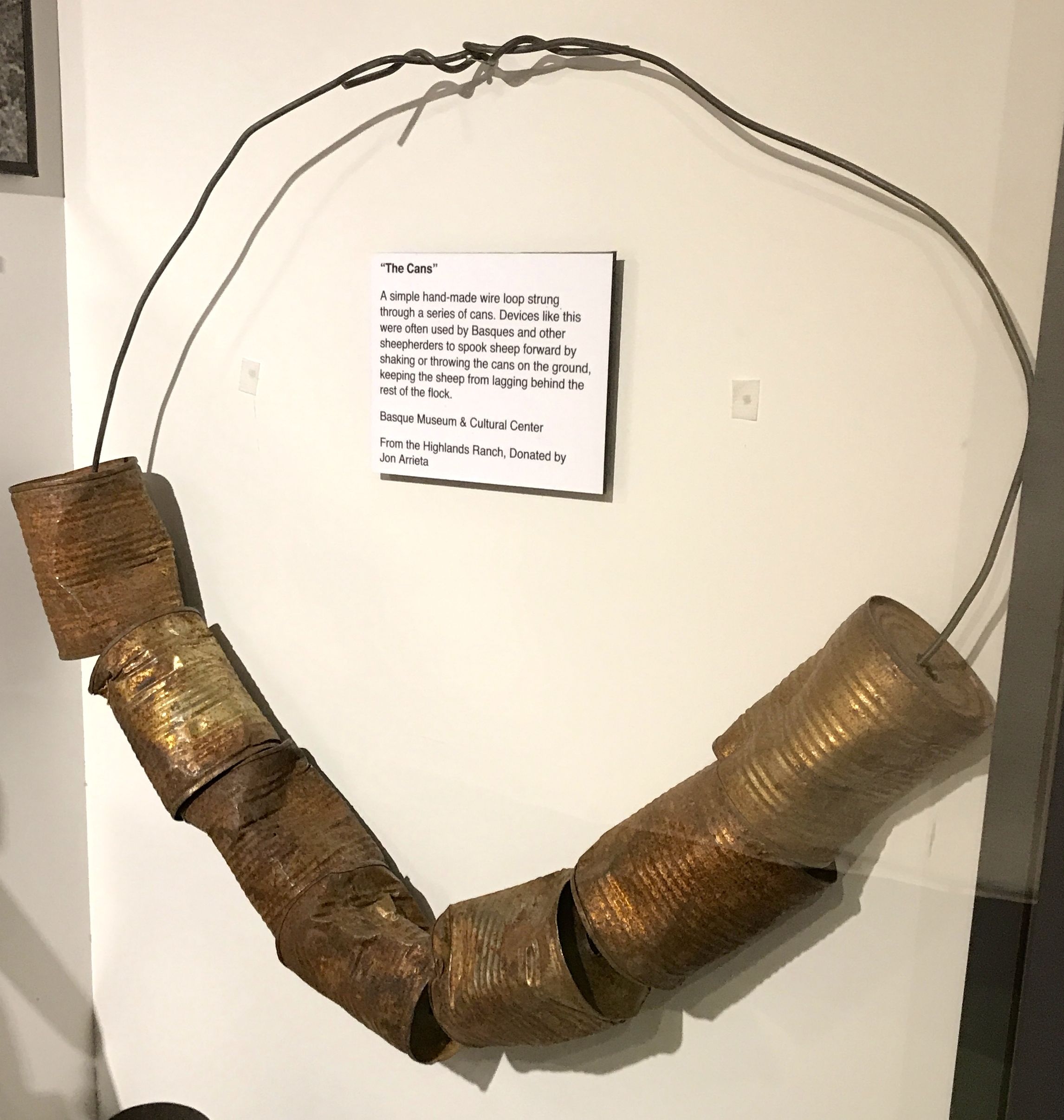
According to the information with the display, the Basques used devices like this to spook sheep forward. They would shake the noise the cans or throw them on the ground to keep the sheep from lagging behind the rest of the flock.
I like trees. I like them a lot. And, any regular reader of this blog knows I love petroglyphs. What do you get when you combine the two concepts?
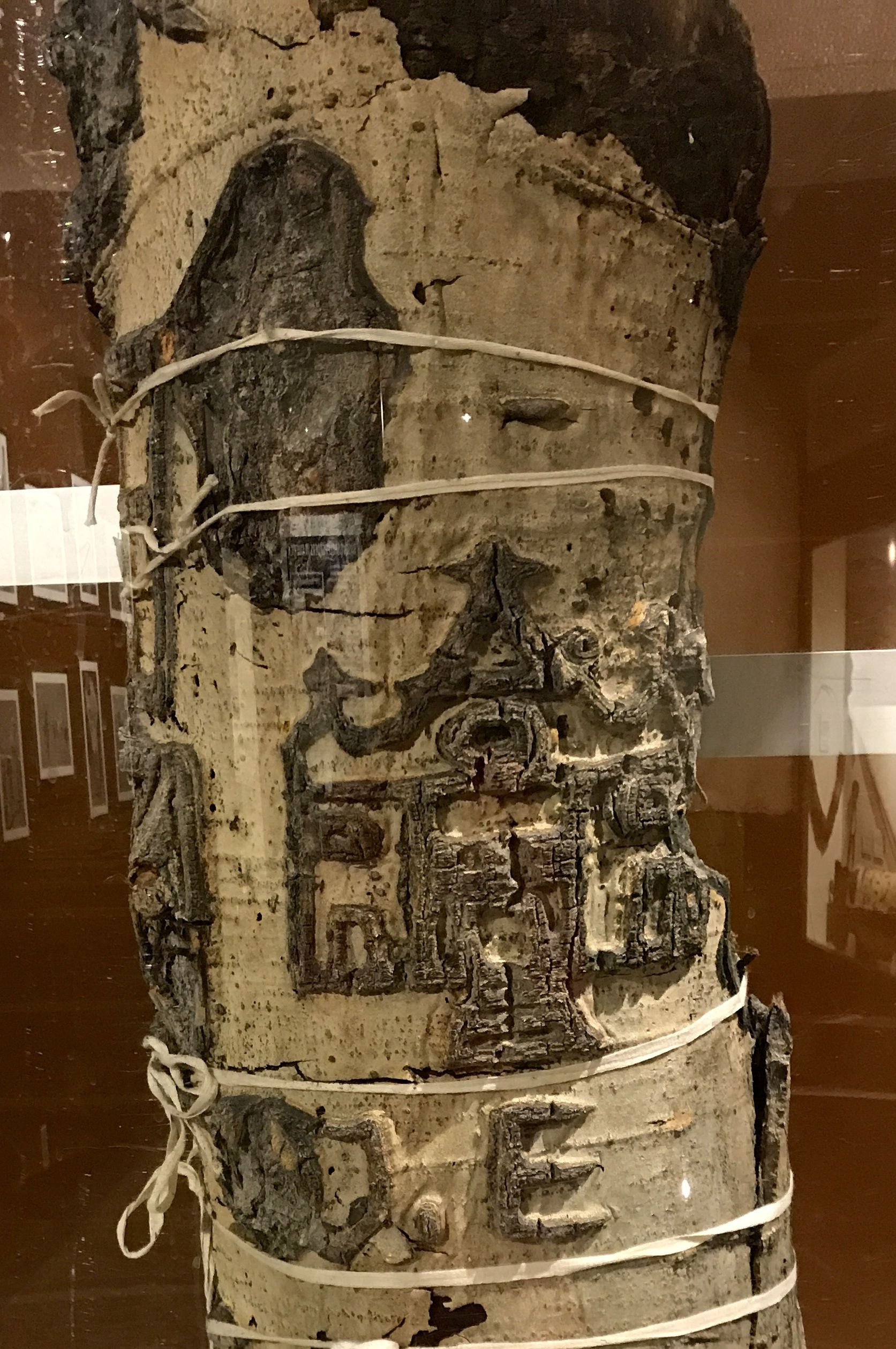
You get arborglyphs!
Shepherds would carve images and text into trees. This is an aspen tree taken from the Fisher Creek area in the Sawtooth National Forest in Idaho. According to the information with the display, it took about 20 years for the tree to mature enough to reveal the carving. The tree had been dead for a number of years when this section was removed for preservation in 2004.
This was an interesting museum and introduced me to a segment of our American population about which I was unfamiliar. It was certainly worth the $5 admission fee.
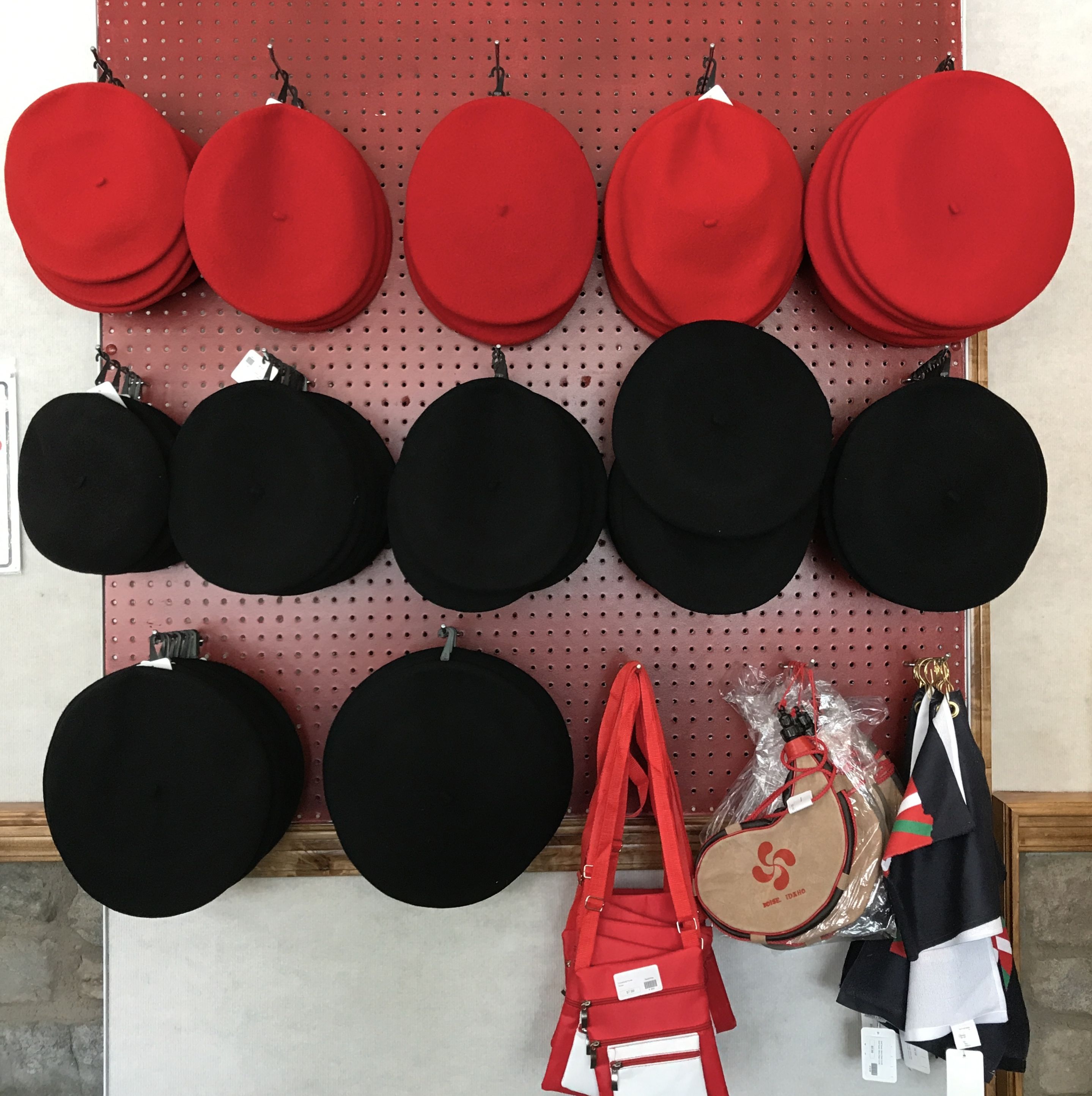
And, as usual, exit though the gift shop.