Olds is one town in Alberta and New Norway is another.
The next day, Kelly and I went to Olds to meet up with some cousins. Cousin Susan Quail hosted the gathering at her lovely home.
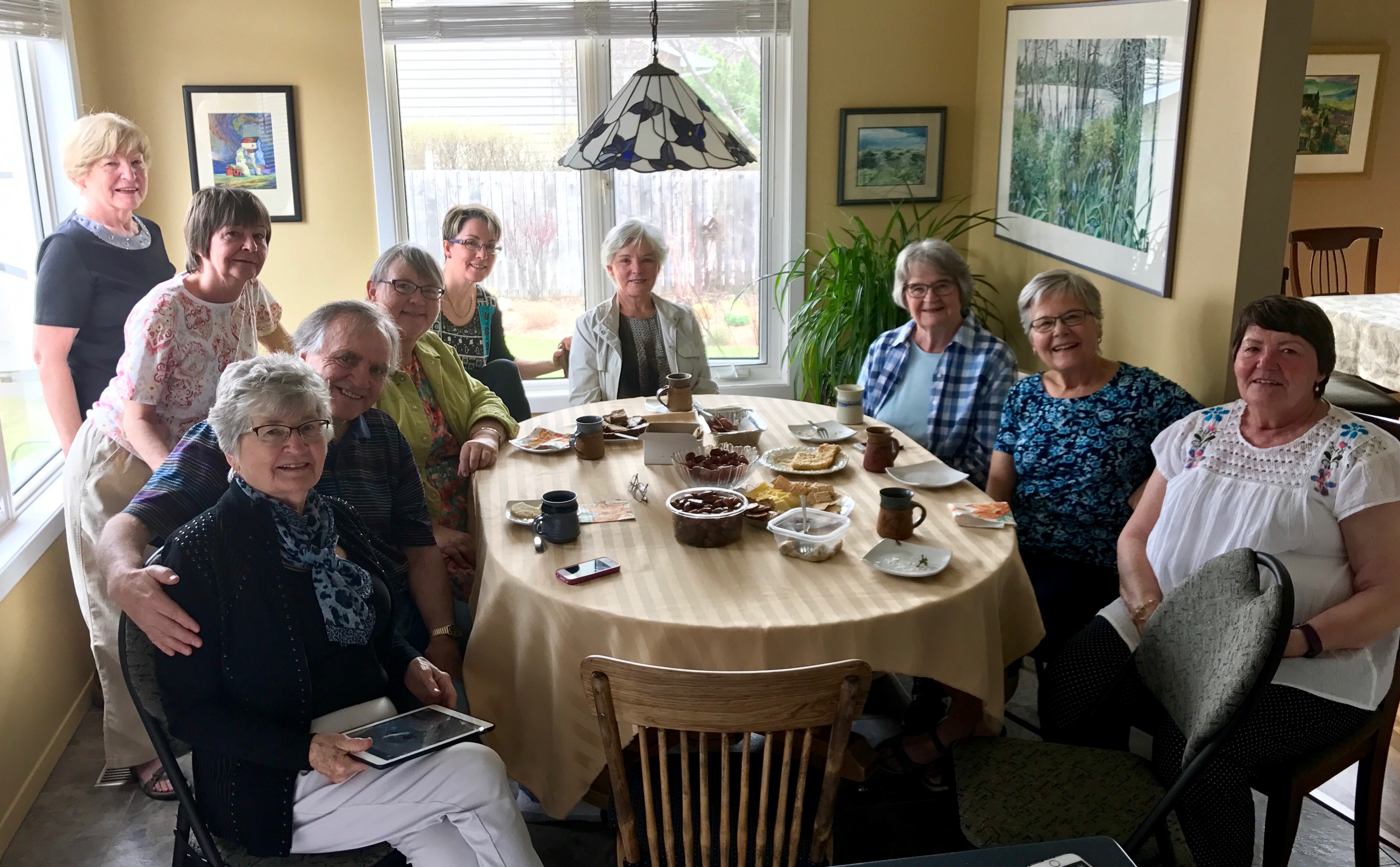
It was a family gathering – so of course we gathered around the table!
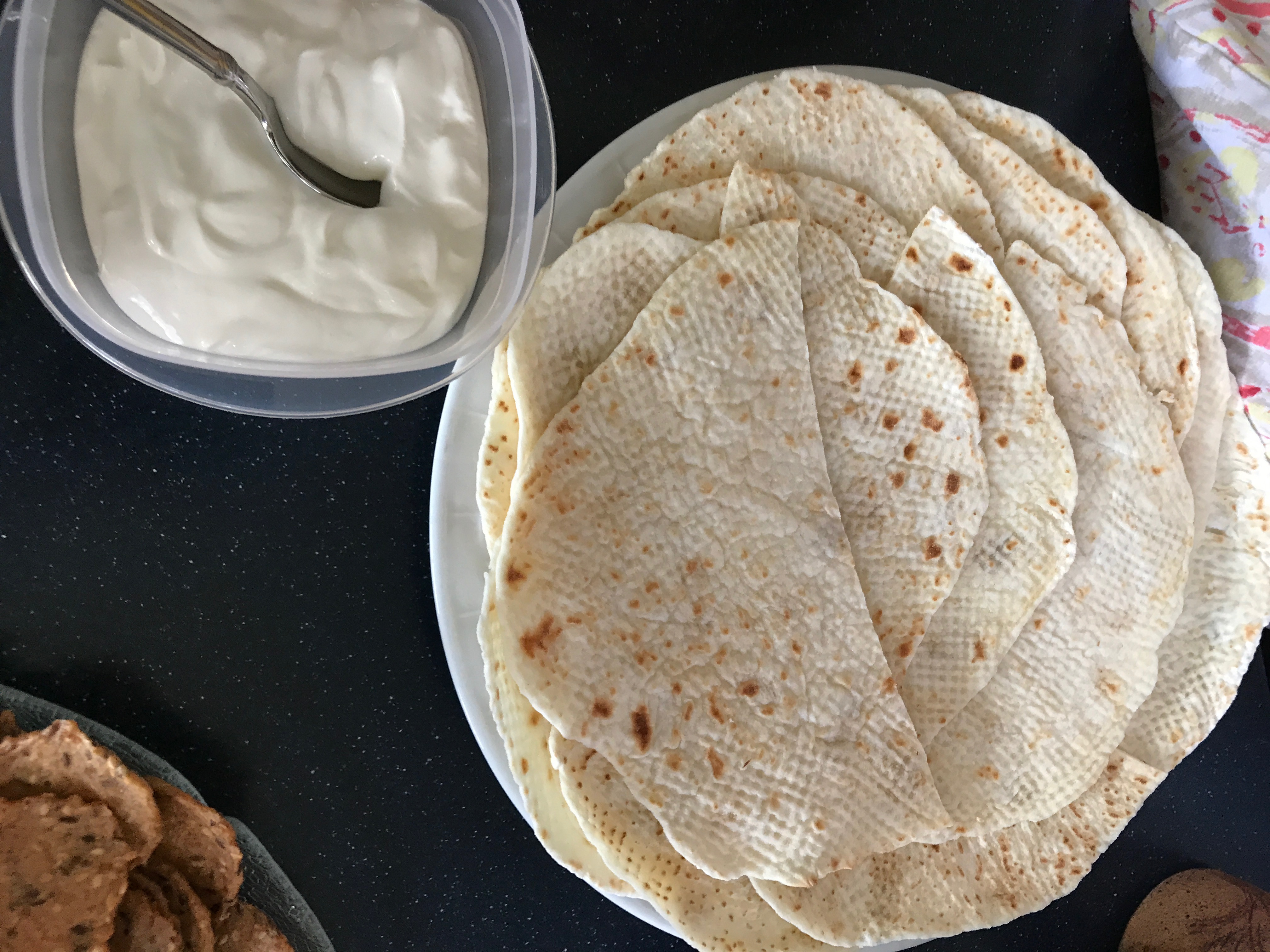
It was a special treat to have lefse, which is a Norwegian flat bread made primarily from potatoes. Mom and Auntie Lo, her sister, used to make them every Christmas. After Mom and Dad moved in with me in Kalamazoo, my father took over the lefse baking.
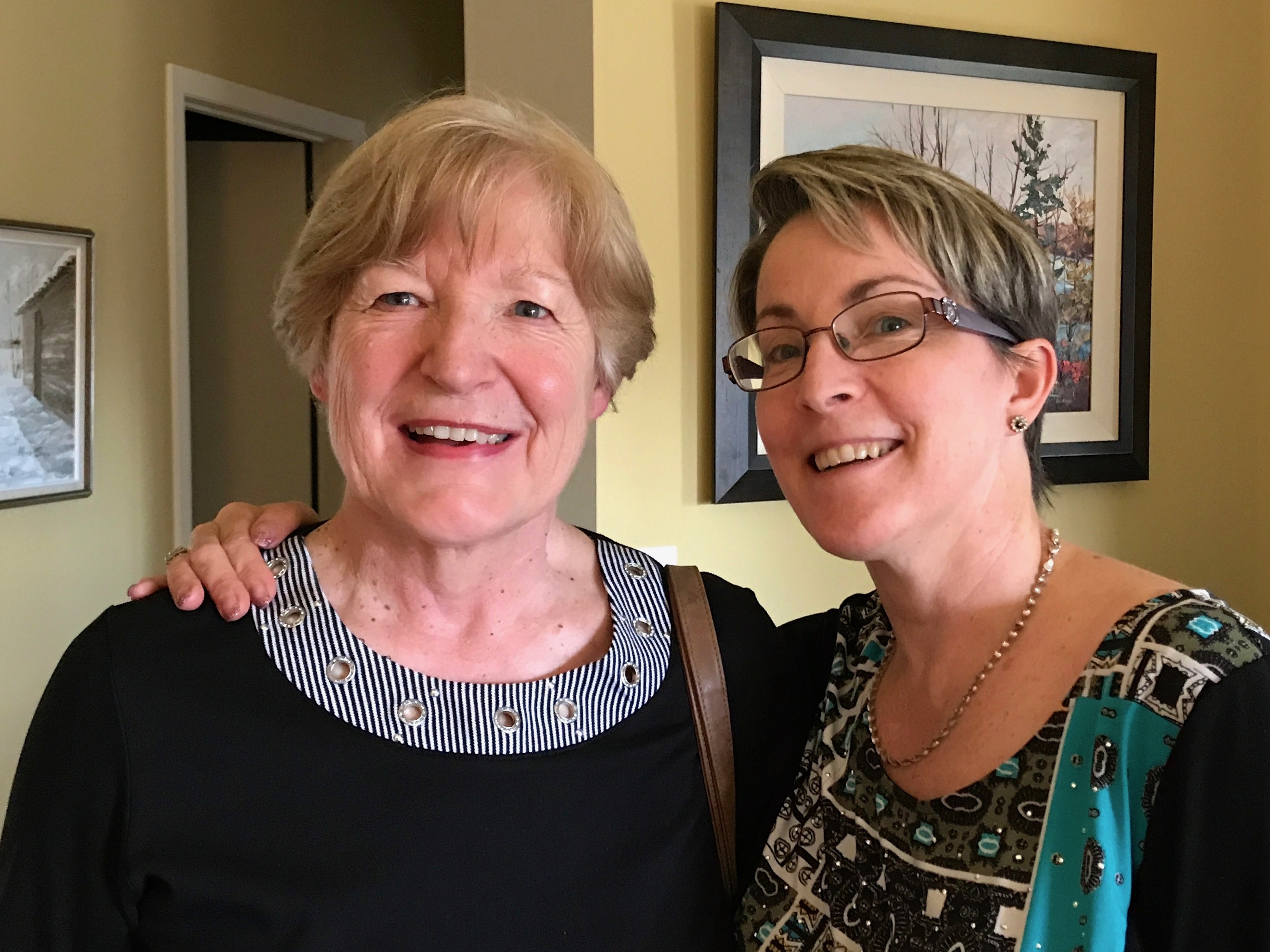
They welcomed me as warmly as they welcomed each other.
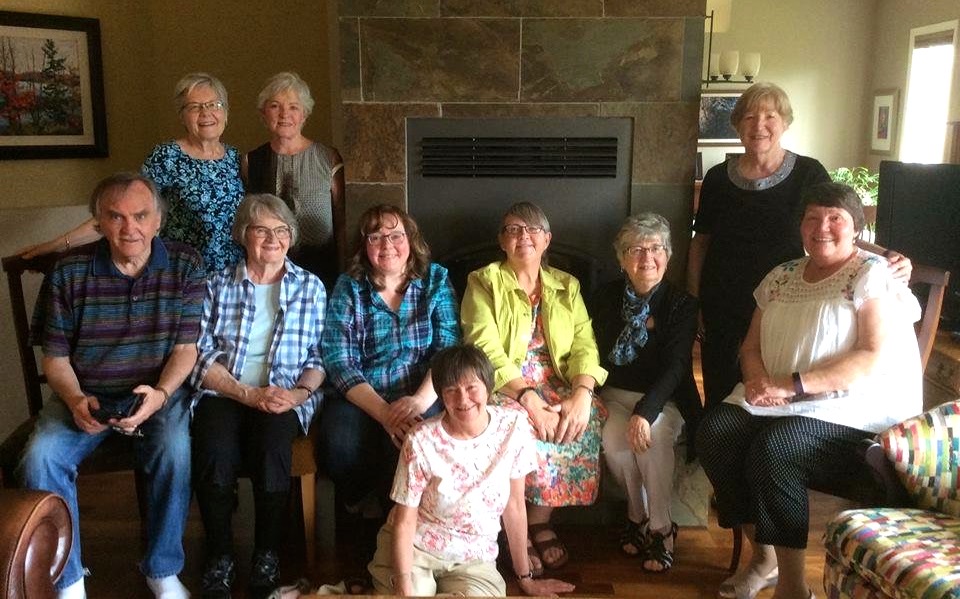
It was great to meet so may cousins I never knew I had!
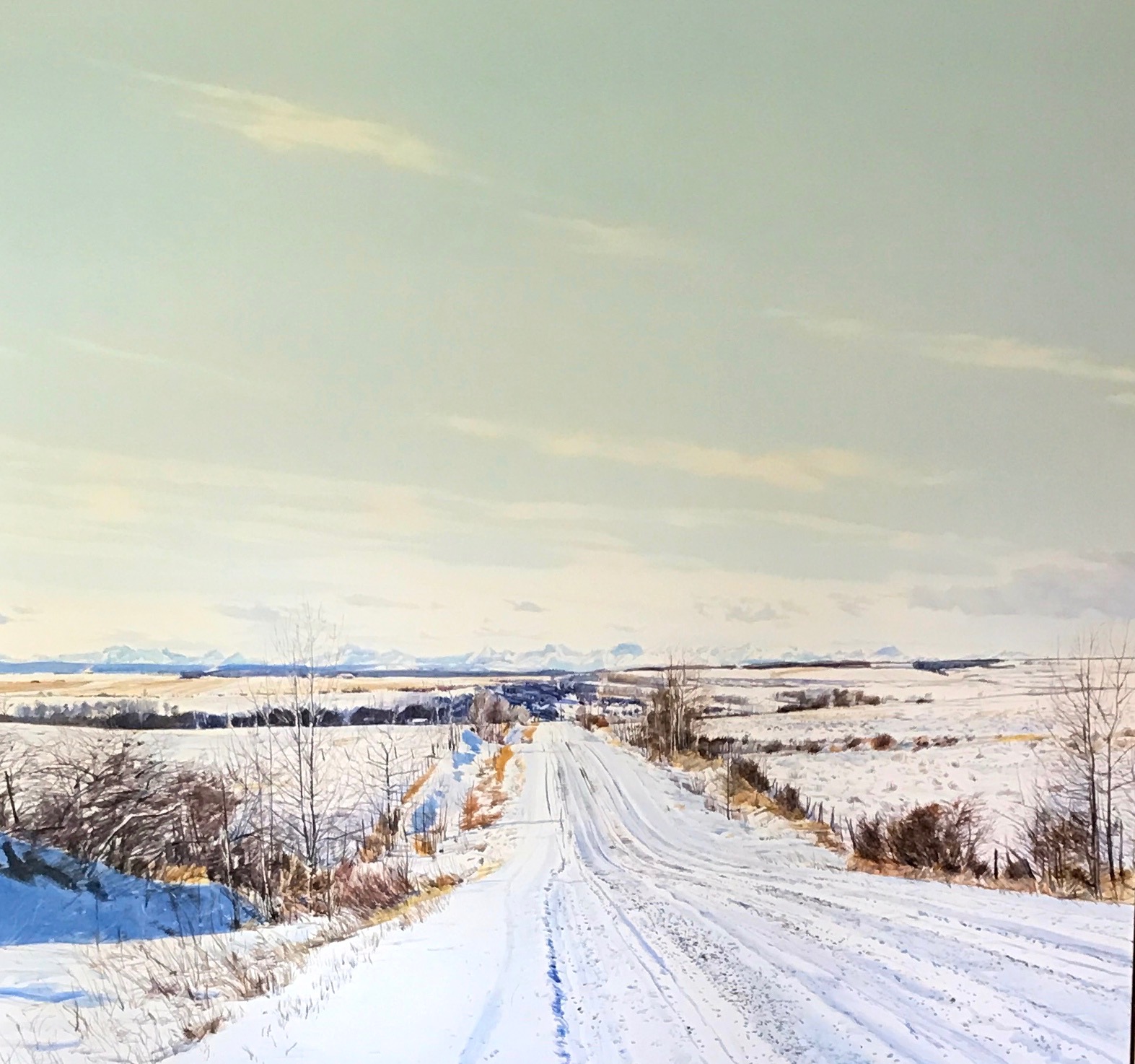
Susan had this painting hanging on her wall. I imagine that this is a scene my mother might have seen in the winter. Maybe she wouldn’t have been able to see all the way to the Rockies, but I’ll bet the winter road and the prairies would have been very familiar to her.
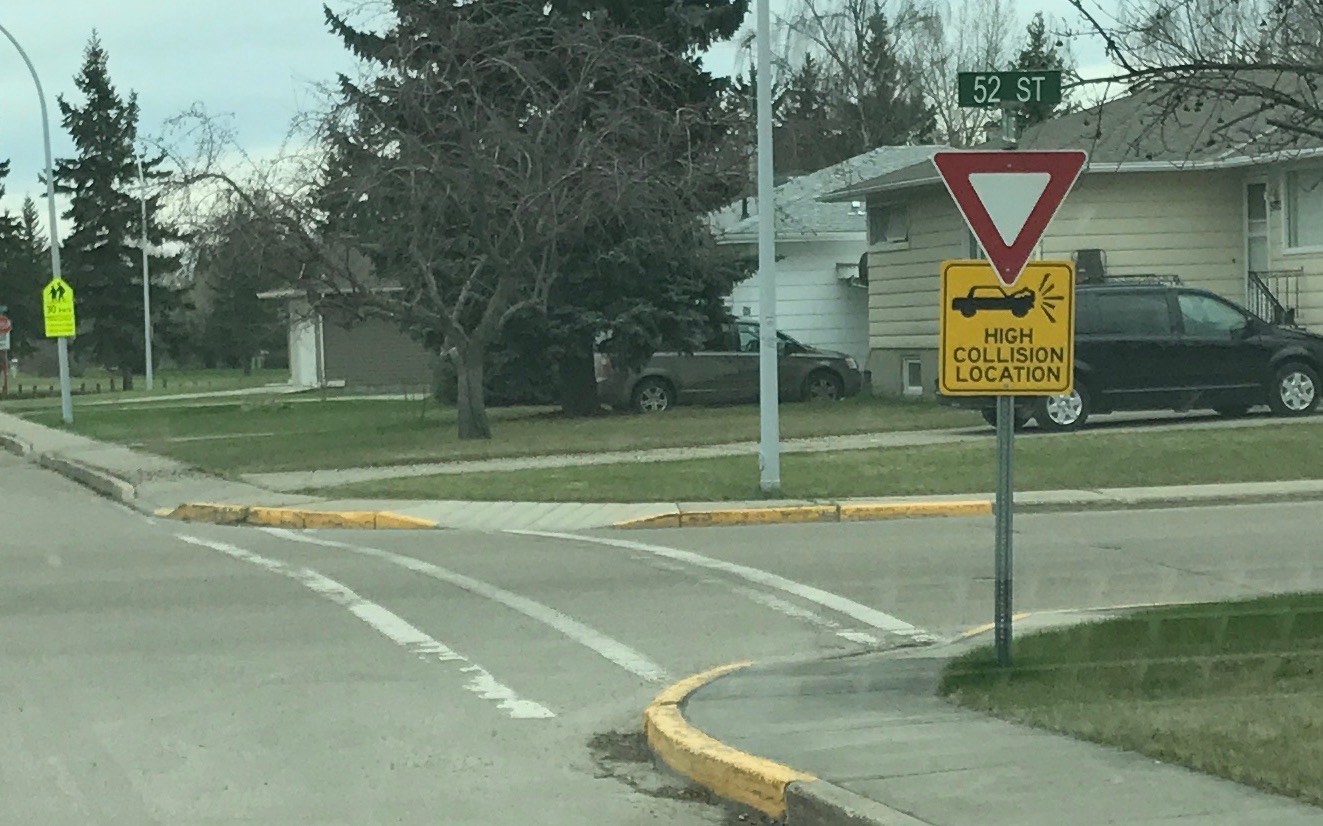
I saw this road sign in Olds on the way back to Red Deer. I thought it was a good idea to bring a dangerous intersection to the drivers’ attention.
The next day, it was time for a trip that was 21 years in the making. I was finally going to visit New Norway!
There was a reunion that was held in 1996, and I bought a new car to be able to make the trip with Mom, Dad and Auntie Lo.
Okay, so this wasn’t my car, but I did buy the ubiquitous dark green middle-age-mobile, a Plymouth Voyager.
Unfortunately, my mother had a stroke and we weren’t able to make the trip. She did live for nearly five more years, and each extra day was a blessing.
Anyway, I was finally going to visit New Norway – my mother’s birthplace – and I was excited.
They next day, Kelly and her brother Kent came to pick me up and we were off on a road trip. 115 kilometers later – or about 70 miles, if you prefer – we came to New Norway.
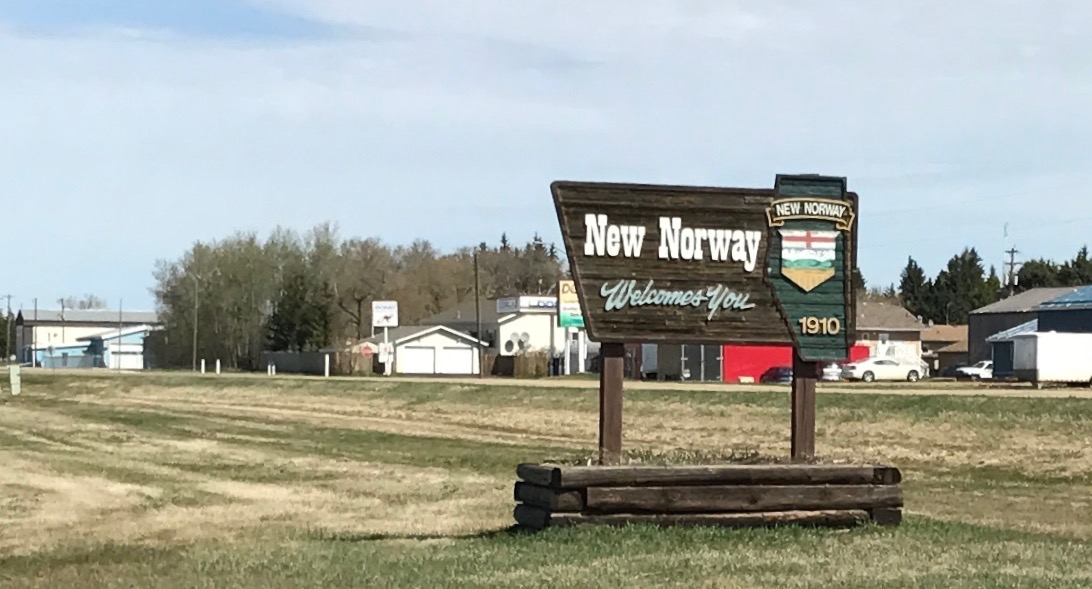
It was founded in 1910, and they rolled out the welcome mat.
According to my preferred source, the railroad had a lot to do with the development of the area. The newly constructed Canadian Pacific Railway took the Ole M. Olstad family to Wetaskiwin in 1892. They continued on to the Duhamel settlement. The family filed homesteads for themselves and several relatives and friends in the United States.
That’s where my family comes into the picture. But, maybe the Olstads were family, too. I do remember Mom talking about “Uncle Ole”.
For a while, the area was known as the “Olstead District”. The name was changed to New Norway around 1895 as other families with Norwegian heritage settled in the area. By 1903, the community had a school, a general store and a blacksmith shop.
They didn’t stay put though. They anticipated the Grand Trunk Pacific rail line being built nearby, so they decided to move. They moved the whole town! In the fall of 1909, the community used skids and seven oxen to move it to its present location.
New Norway was incorporated as a village on May 6, 1910. It had a good run, but was “demoted” to hamlet status in 2012.
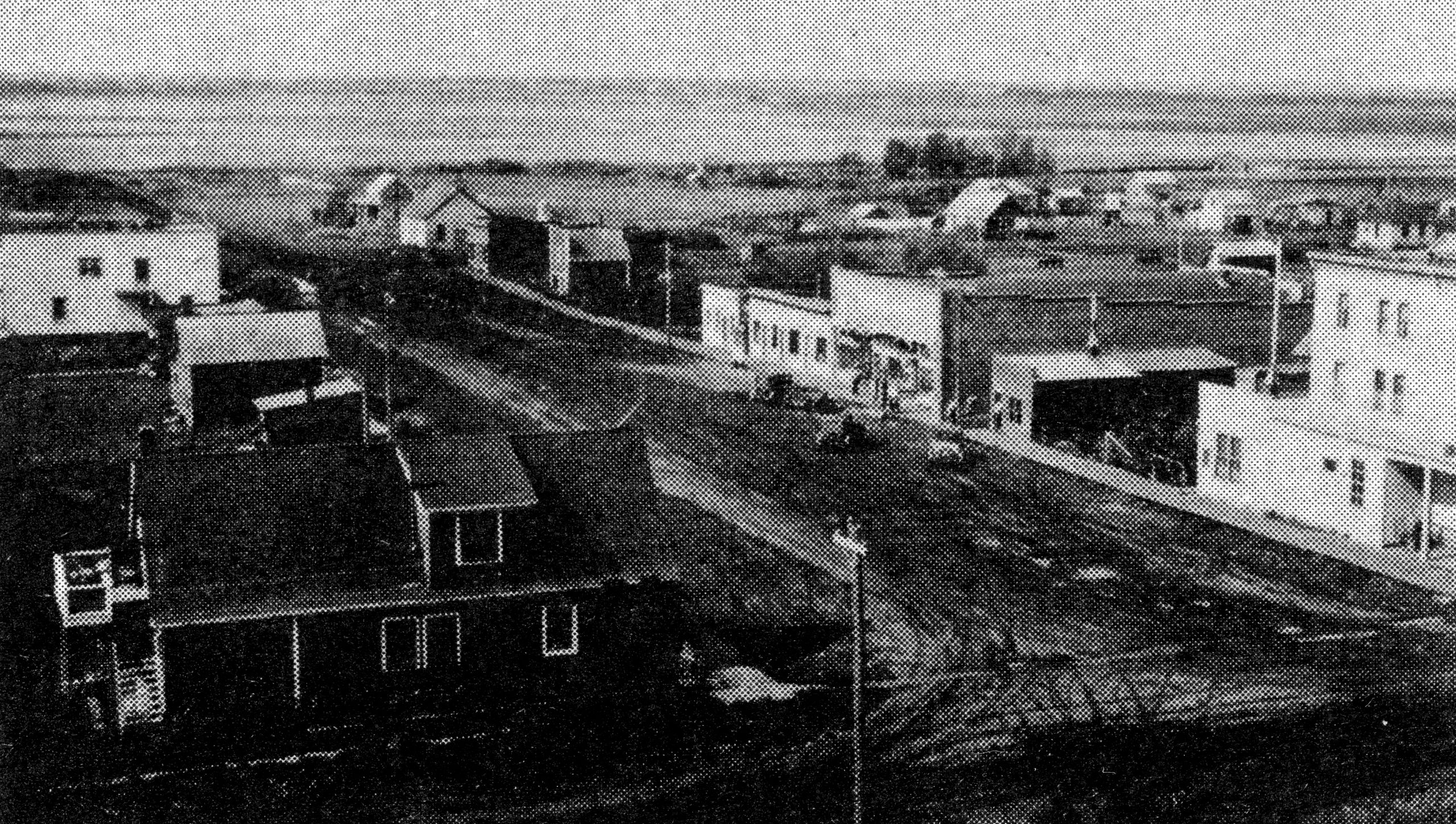 Public Domain, https://commons.wikimedia.org/w/index.php?curid=119421
The village grew quickly. This photo was taken around 1915. This was before aerial photography, so I wonder how they got this shot.
(Cousin Neil Olstad tells me that the photo was taken from the top of the grain elevator, which makes sense.)

This community hall was constructed with the help of my Grandpa.
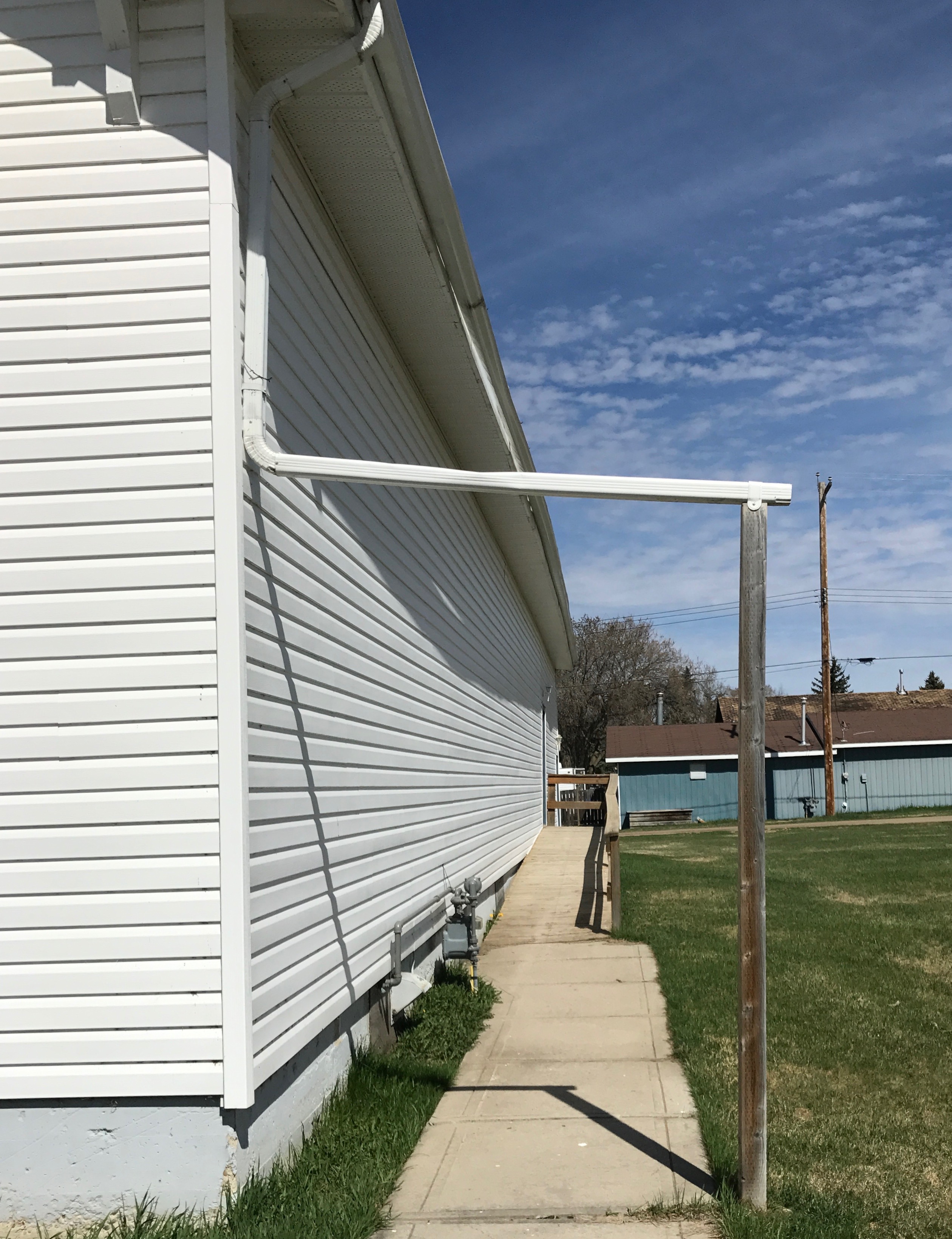
This downspout looks more like something my father would have come up with, but he wasn’t part of the story in 1939.
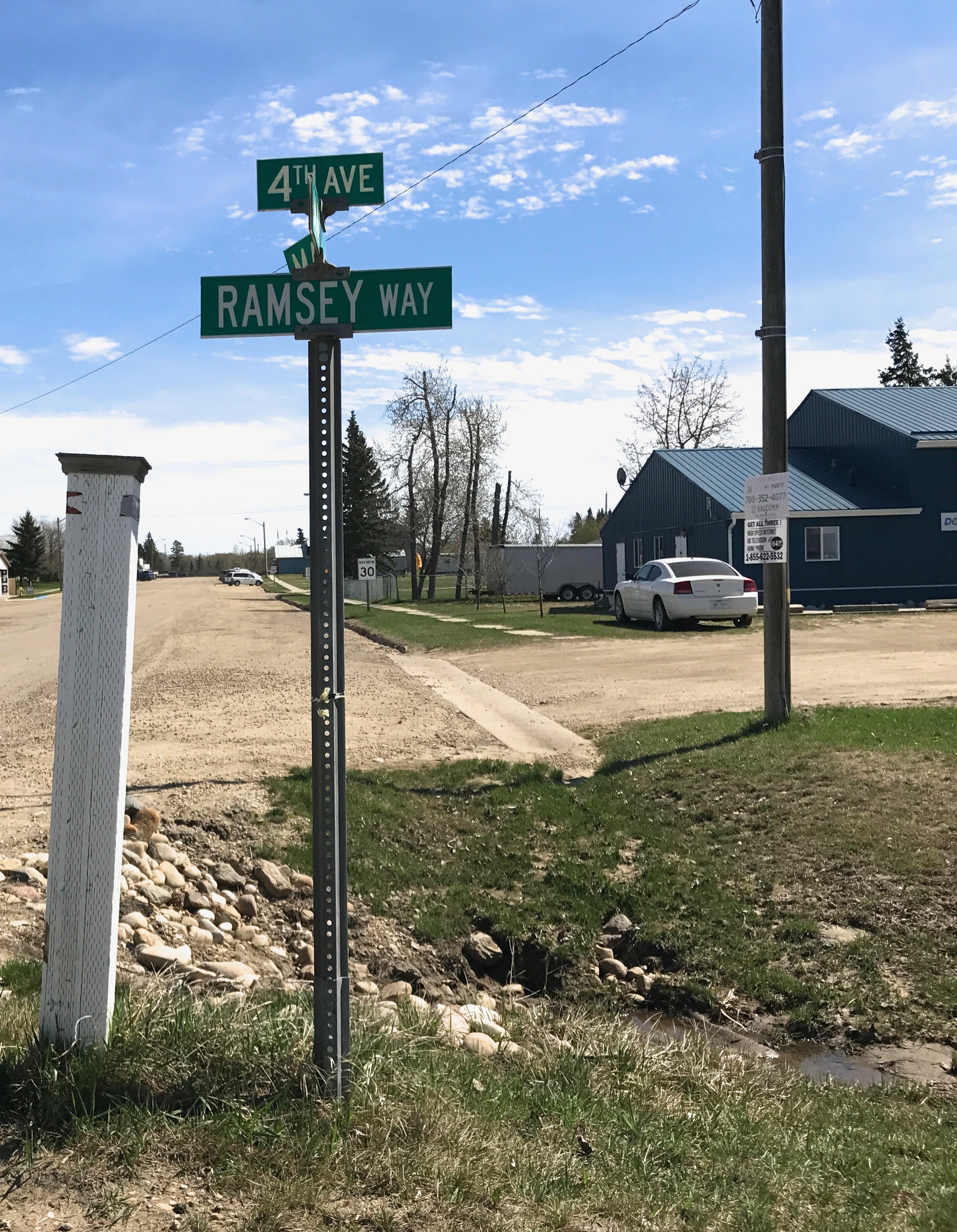
For me, this is the Ramsey story, although there were lots of other families involved.
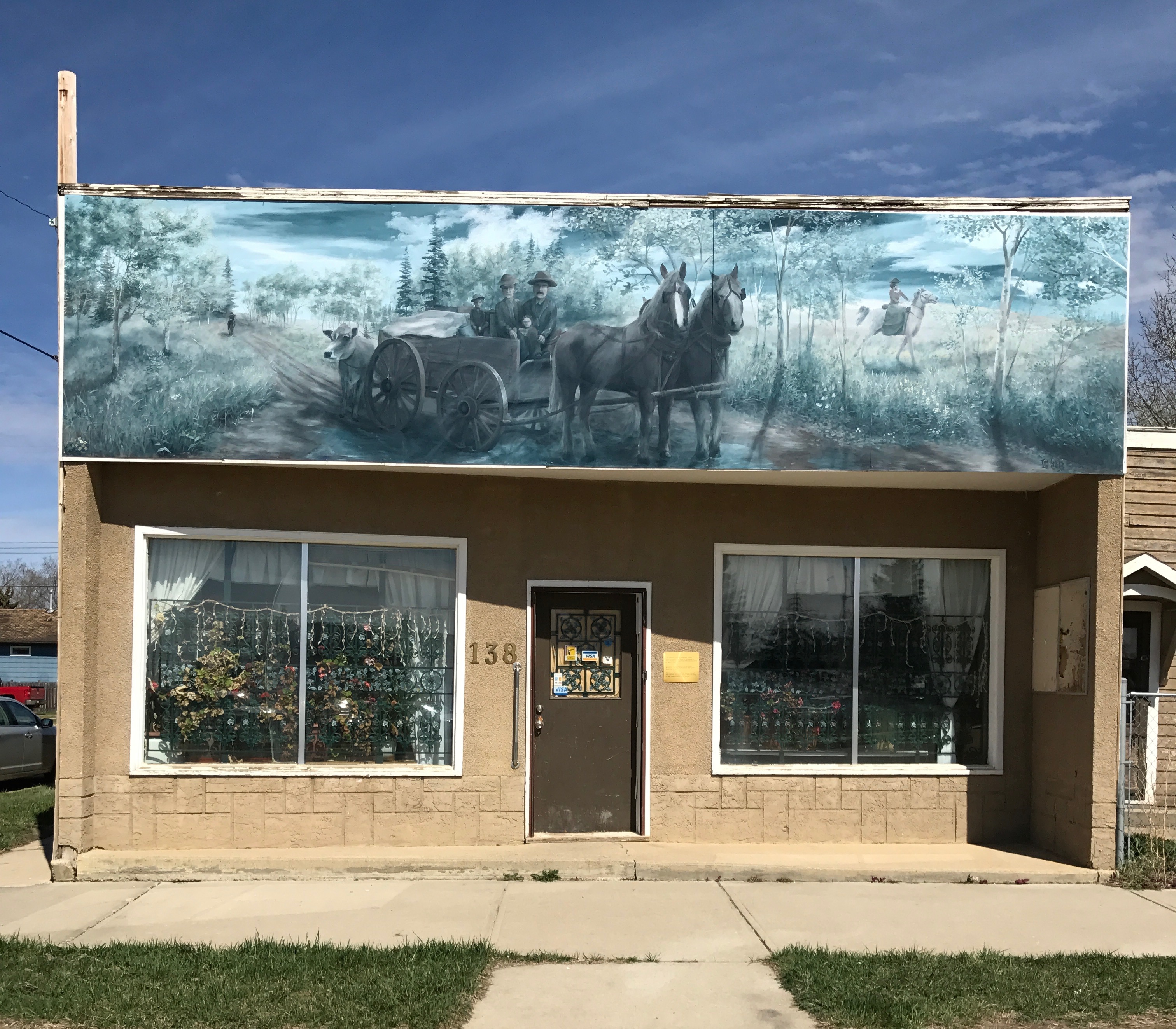
This mural was on the front of what had been an antique shop. It wasn’t open when we were there, and it looked like someone might be living in it now.
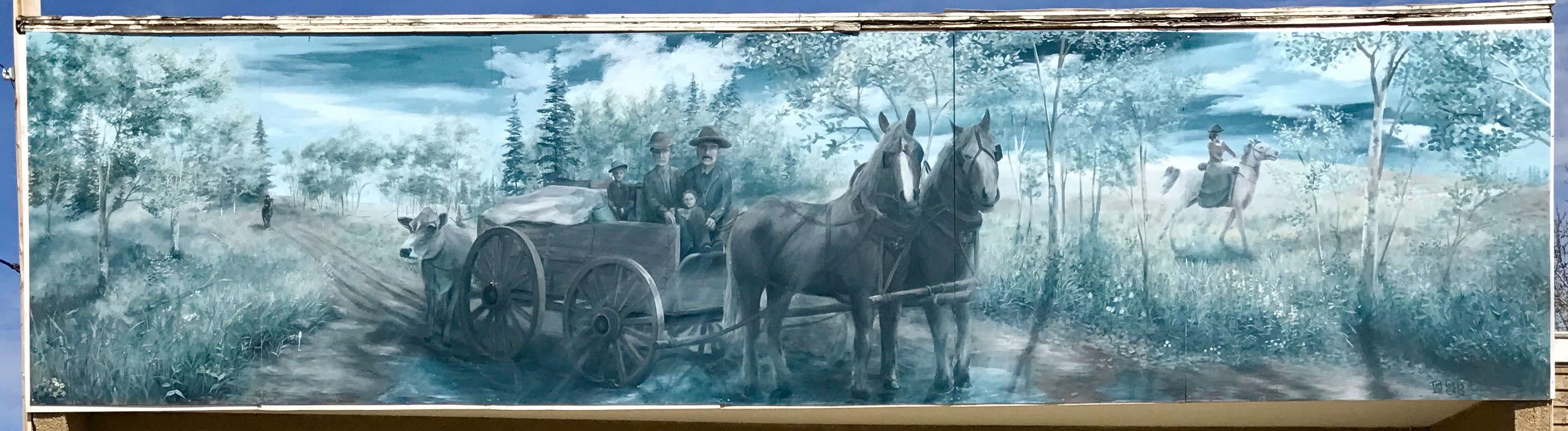
If I understood correctly, the little boy riding in the wagon is my Grandpa, Oscar Ramsey. His parents – my great grandparents – Ed and Karen Ramsey are riding the horses nearby.
I come from a line of homesteaders! I was excited to learn this, considering that I didn’t know much about family history. I sure wish I had asked my parents more when I had the chance.
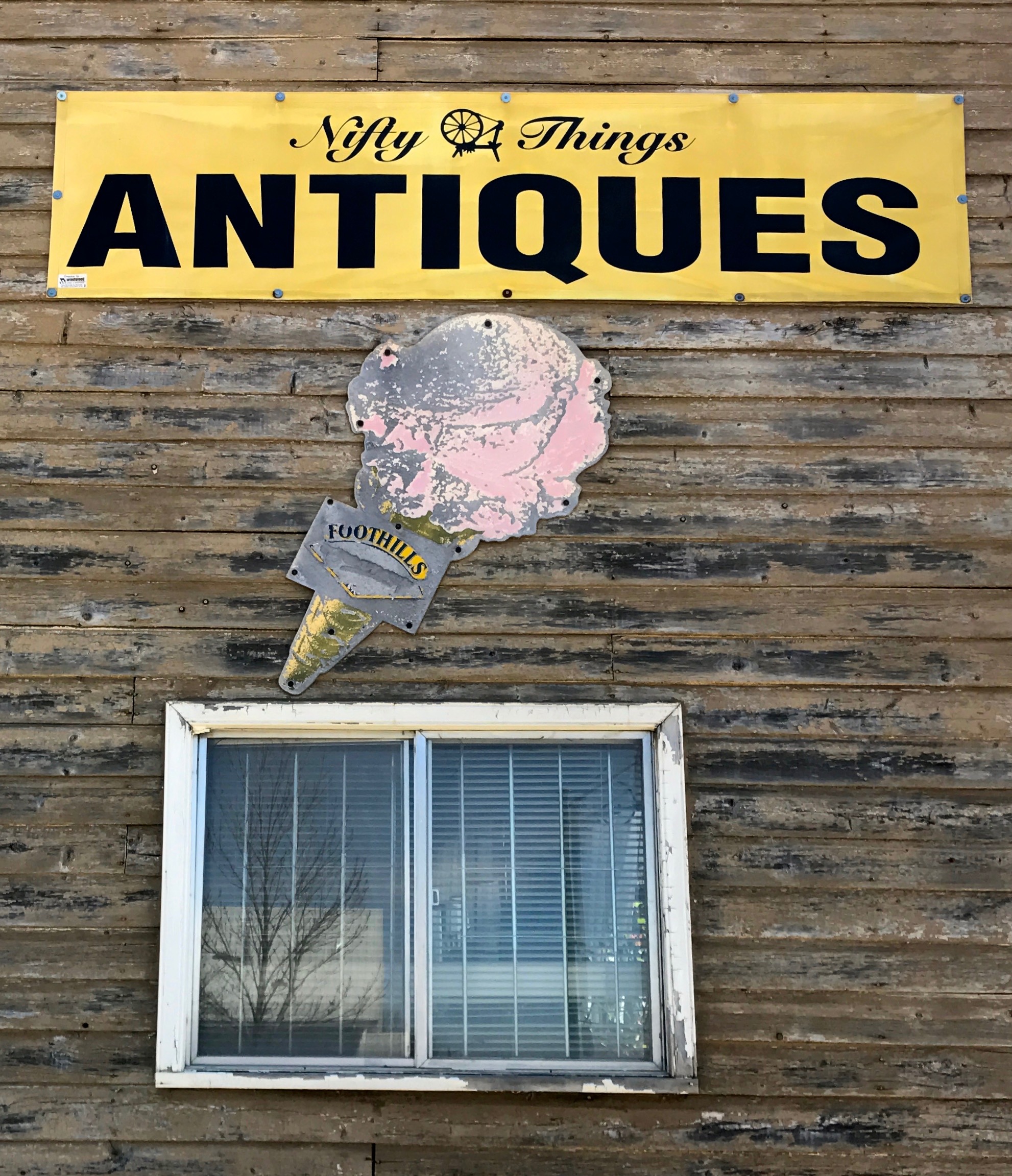
This sign is on the side of the building with the mural.
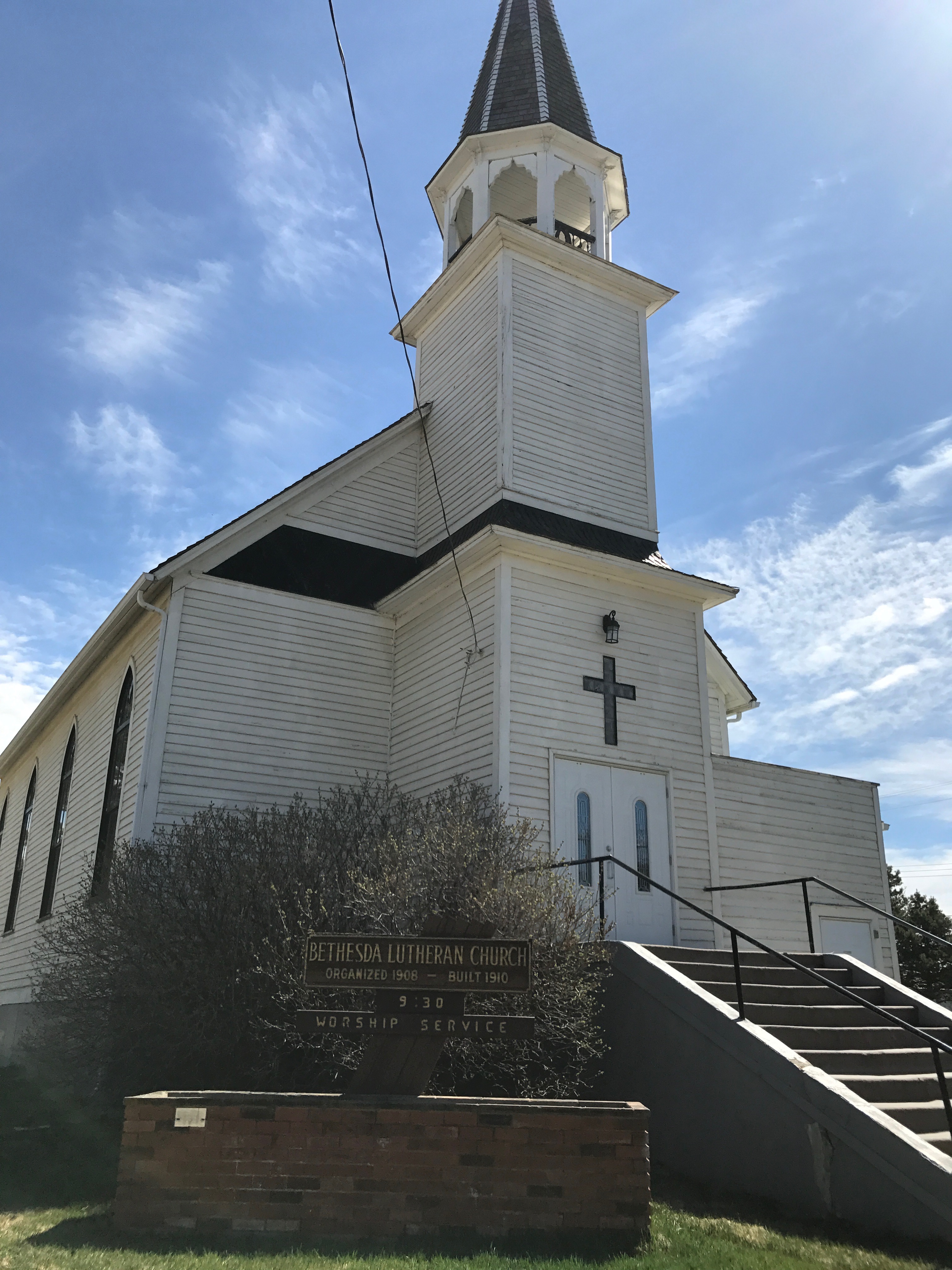
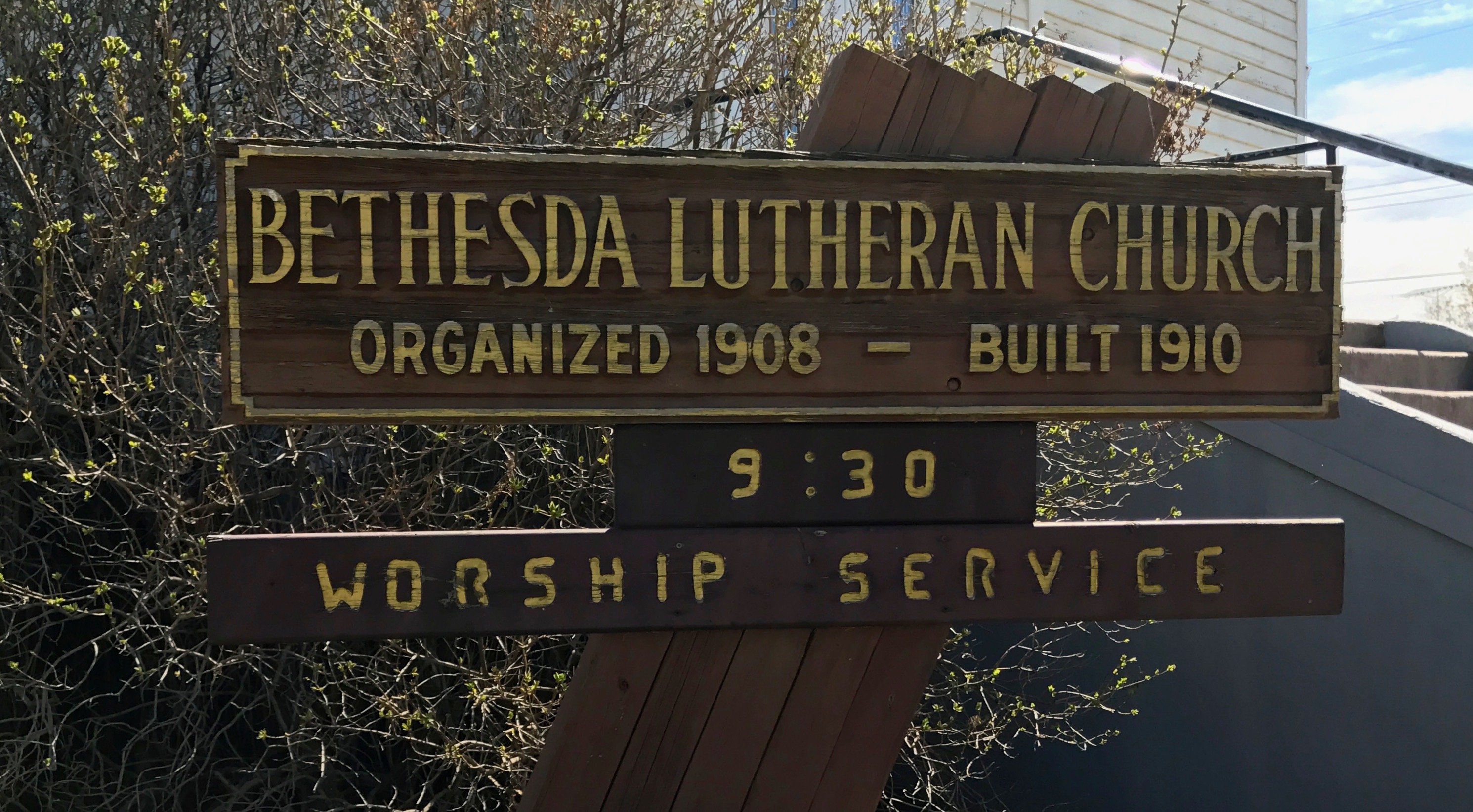
My mother attended this church. In fact, I think it was everyone’s church, as I didn’t see another other denominations represented in town.
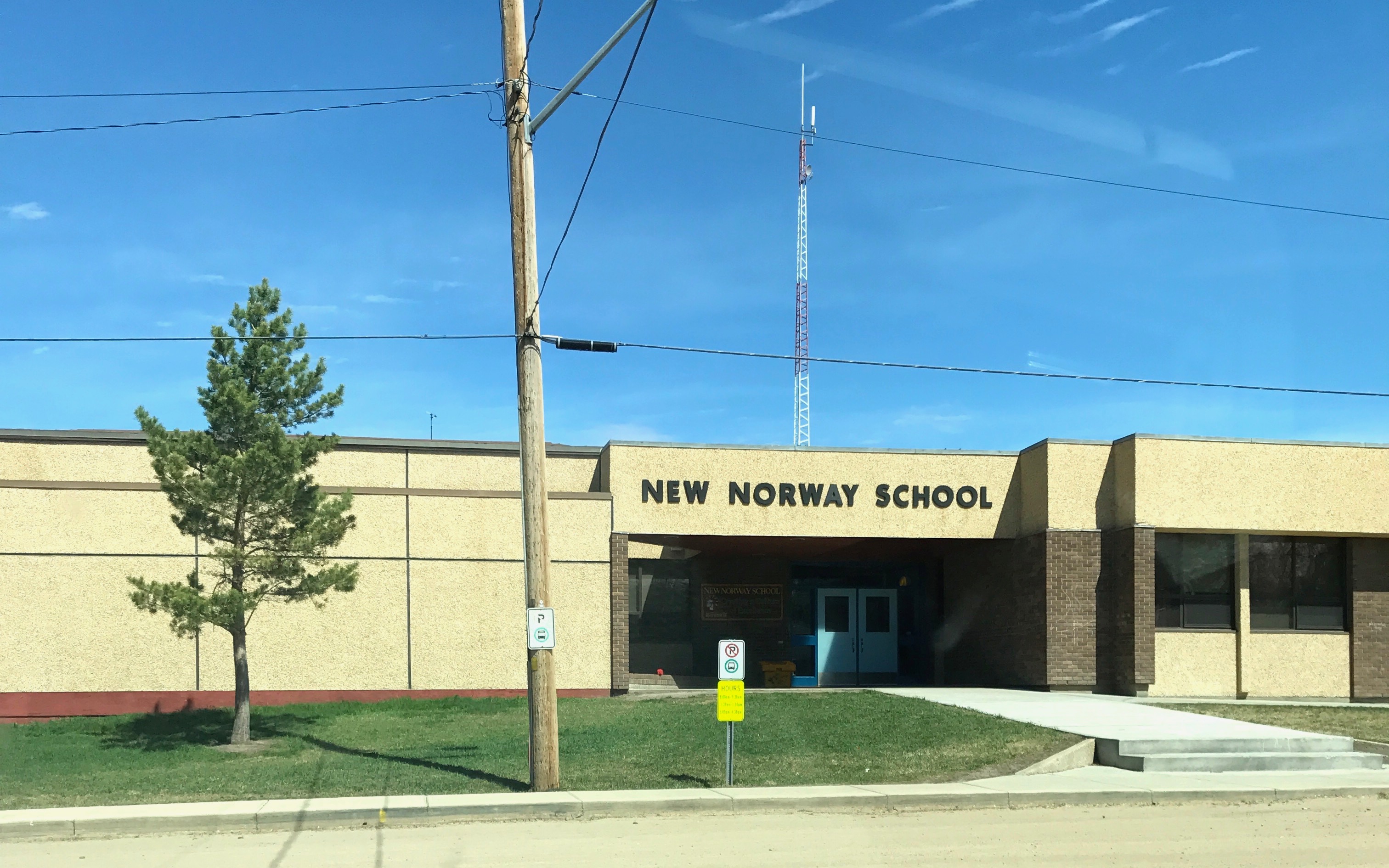
The church is as old as the town, but the school looks brand new.
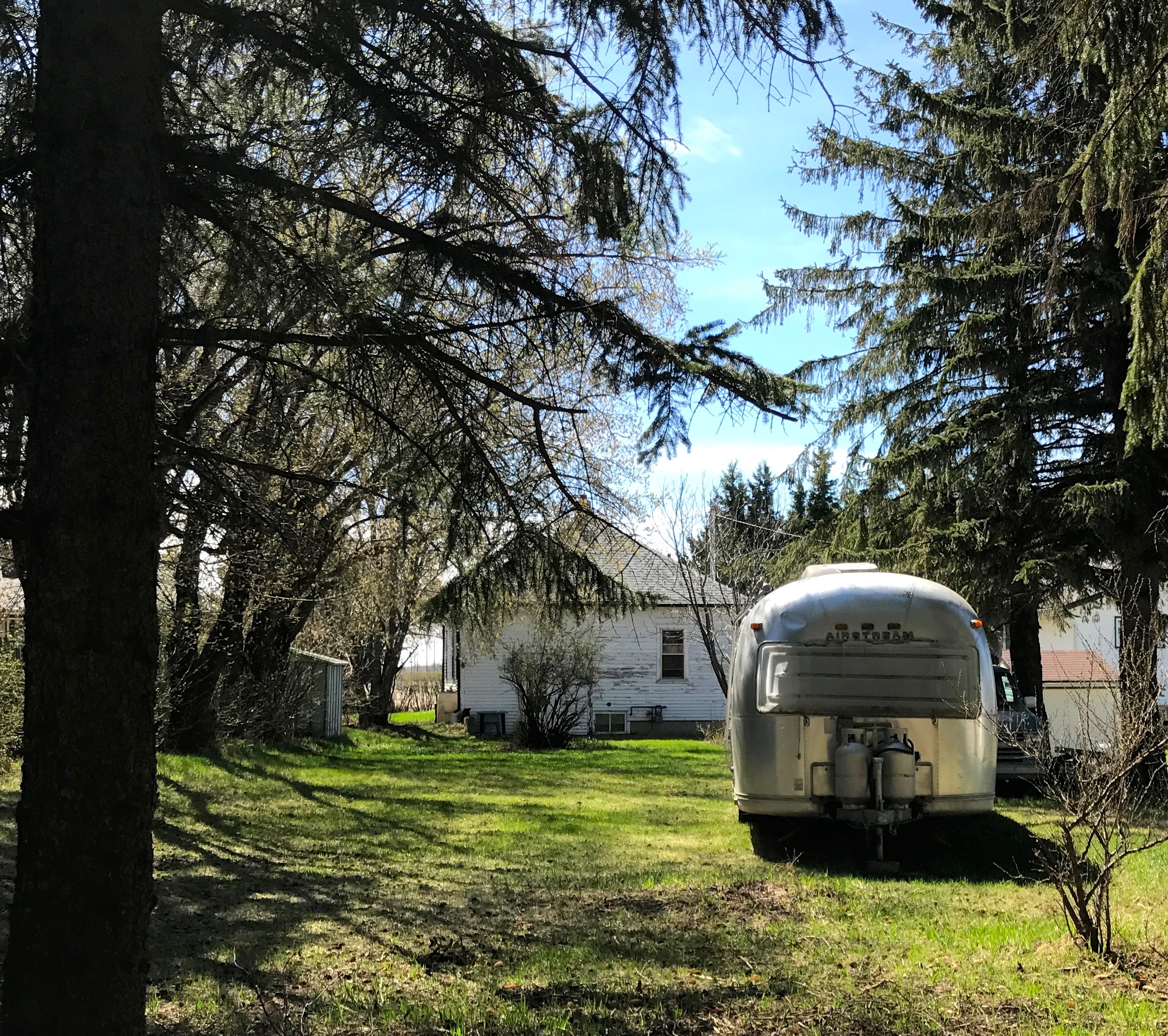
We drove up and down the streets. Look what I found in someone’s backyard!
After touring the town, it was time to visit the graves of the ancestors.
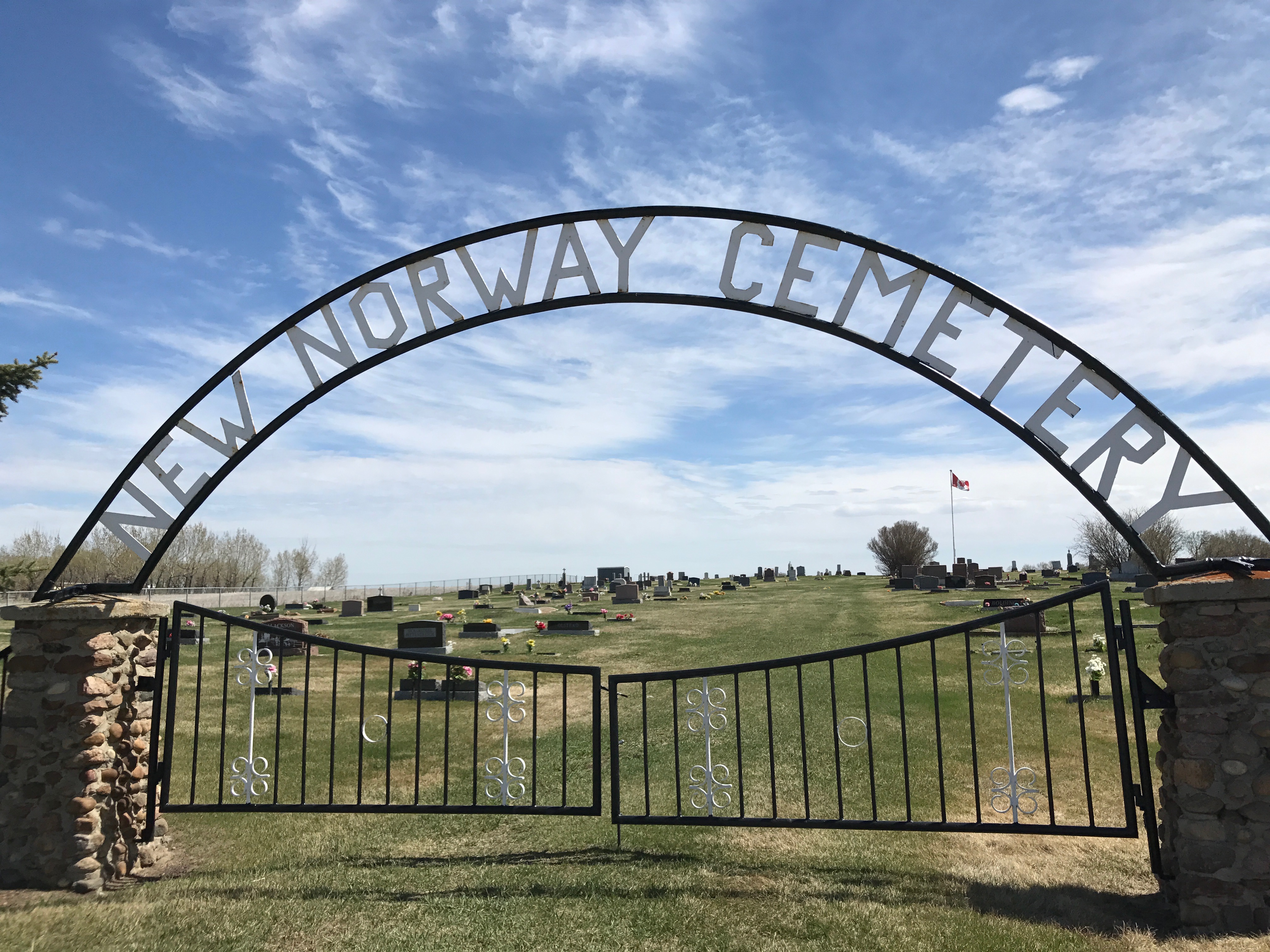
We went inside the gates and went to look at the names on the markers.
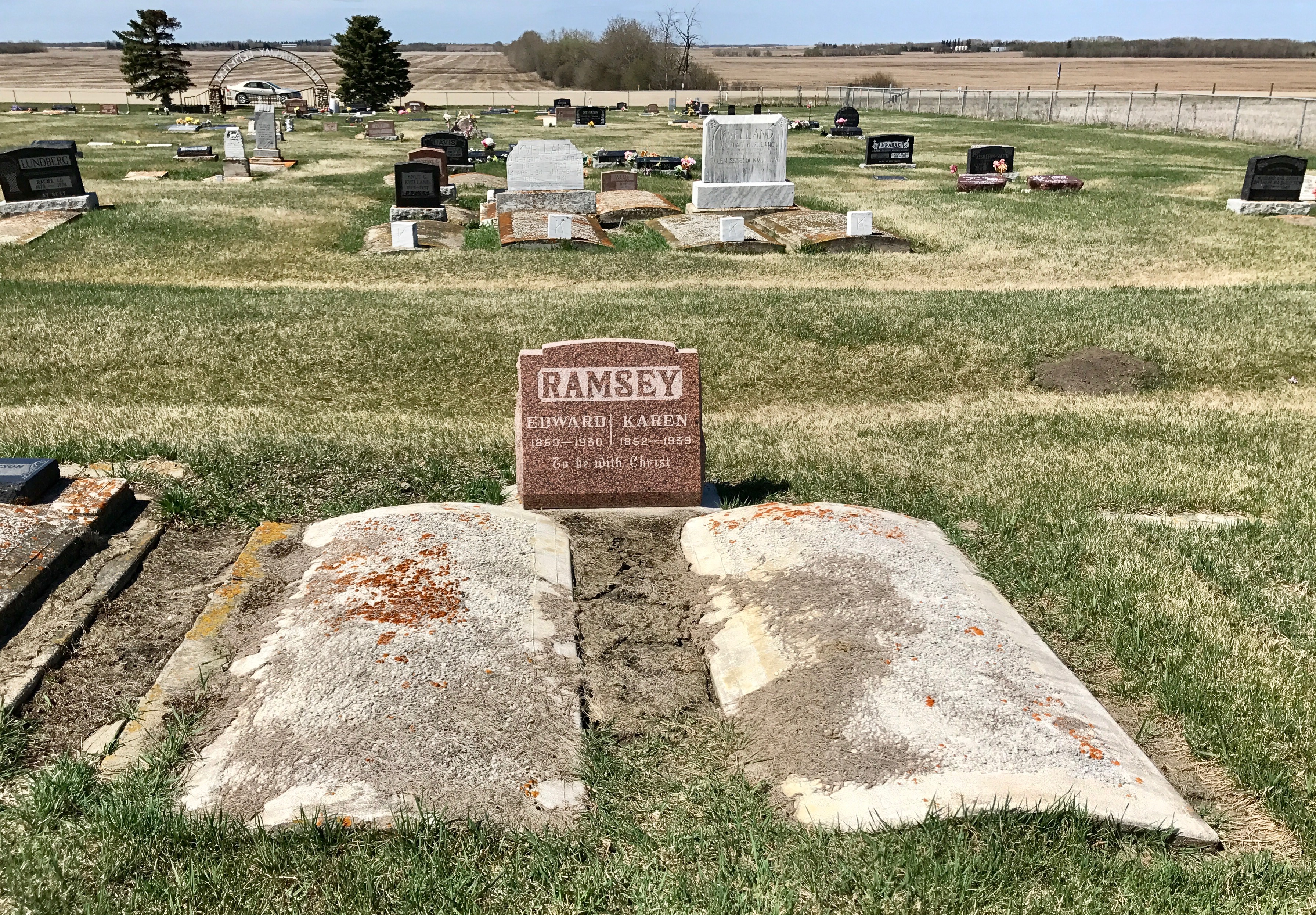
I found my great grandparents’ graves. My grandparents’ graves are in Crystal Beach, Ontario.
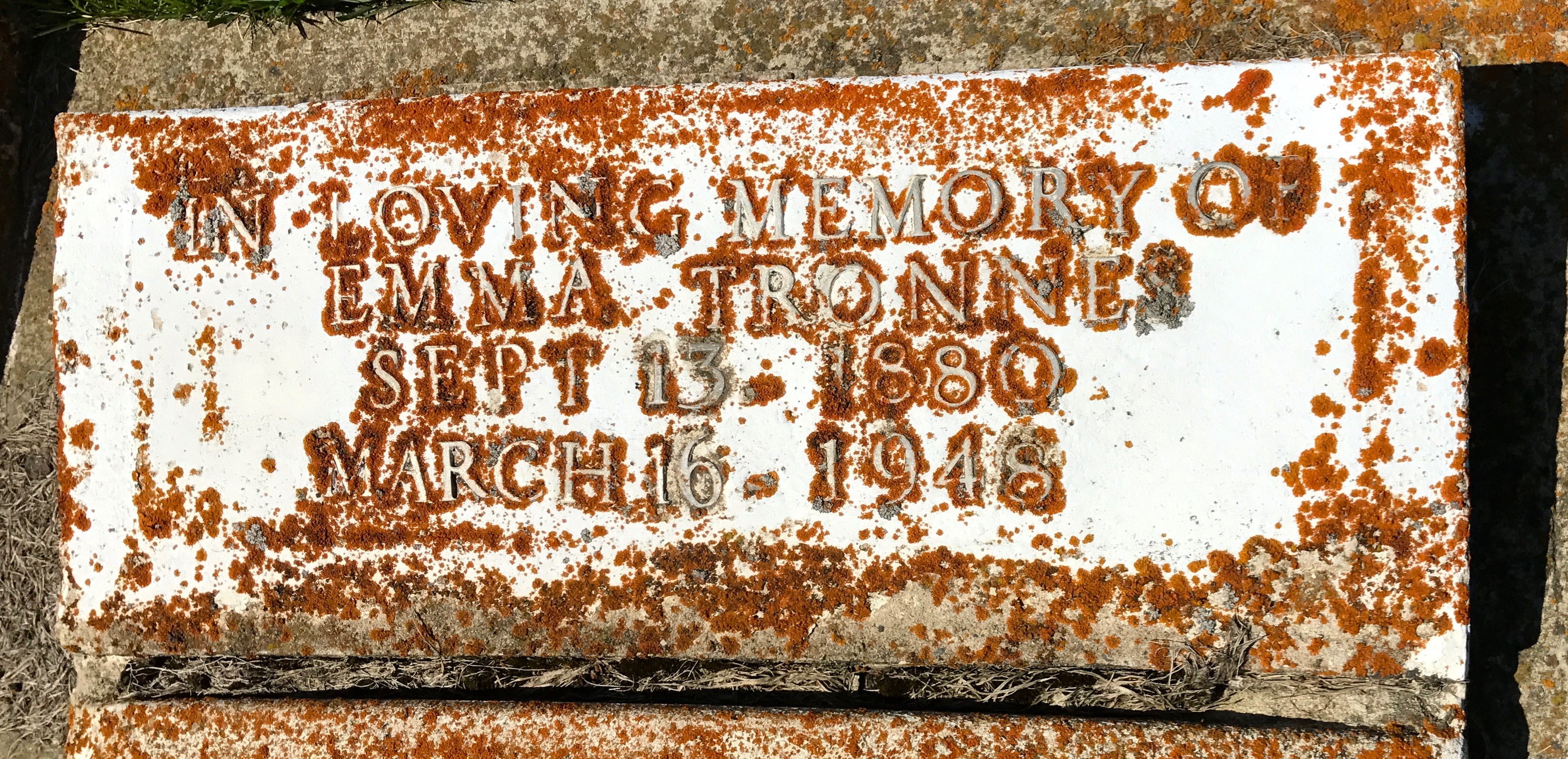
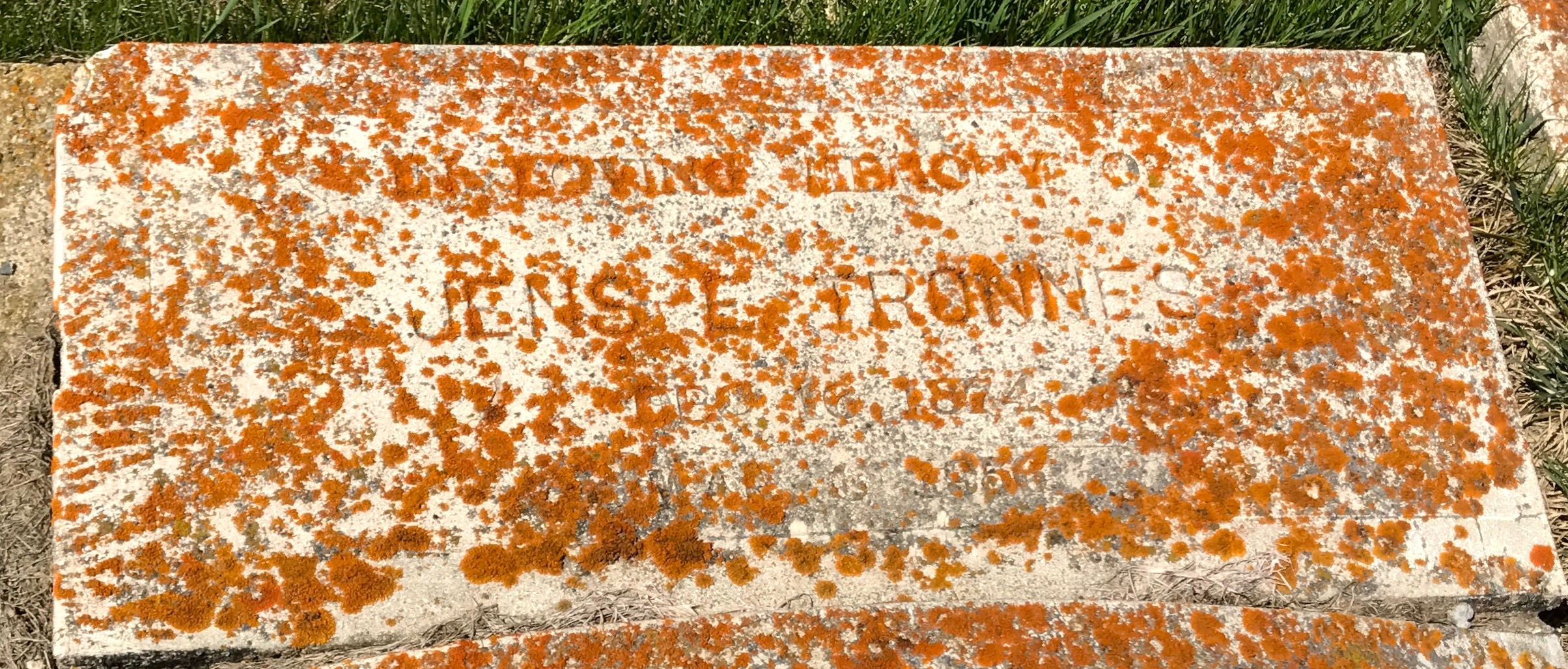
The markers of Kelly and Kent’s grandparents were in New Norway, but they had aged terribly. Their side of the family was working on getting new ones. Kelly sent me photos of the replacements when they had them installed.
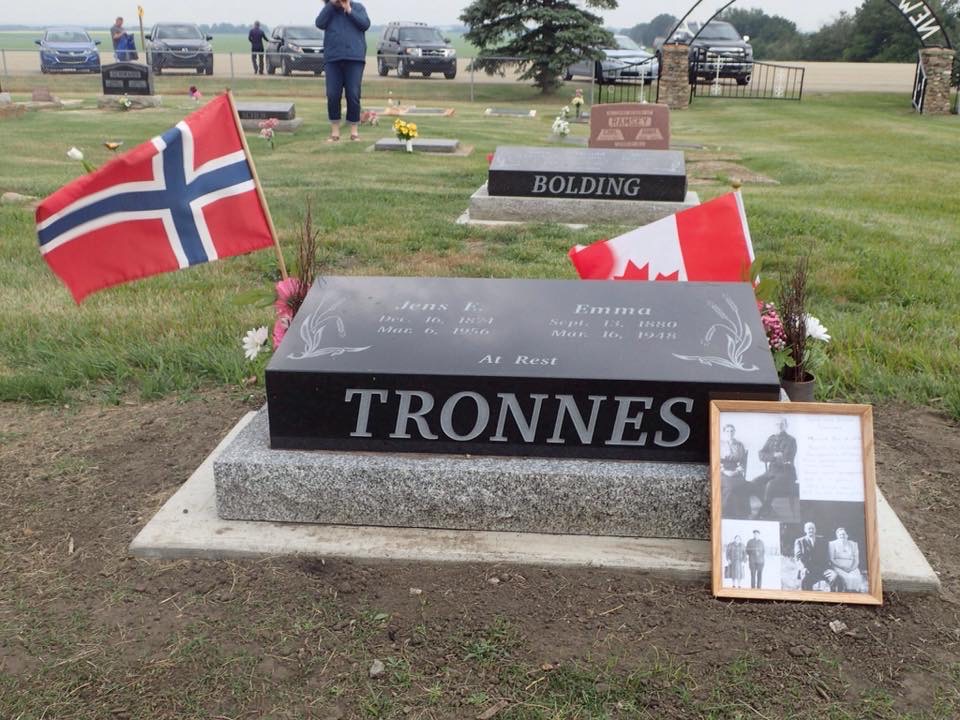 It looked crisp and fresh. The Norwegian and Canadian Flags were a nice touch.
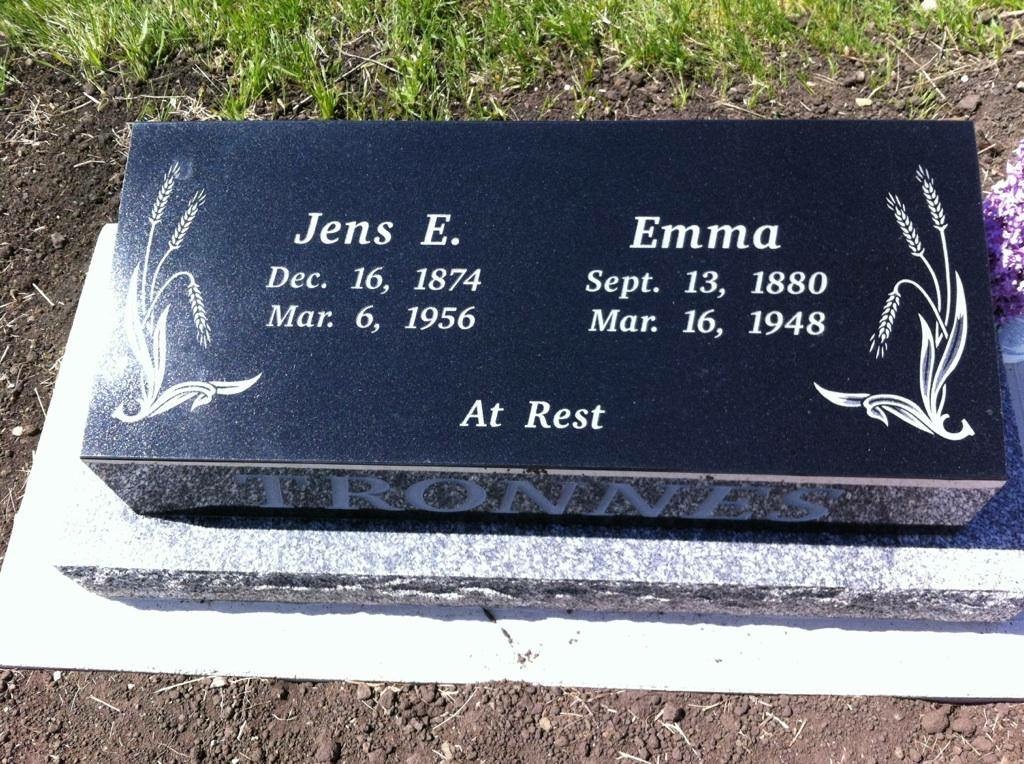
Their lives are recorded for posterity.
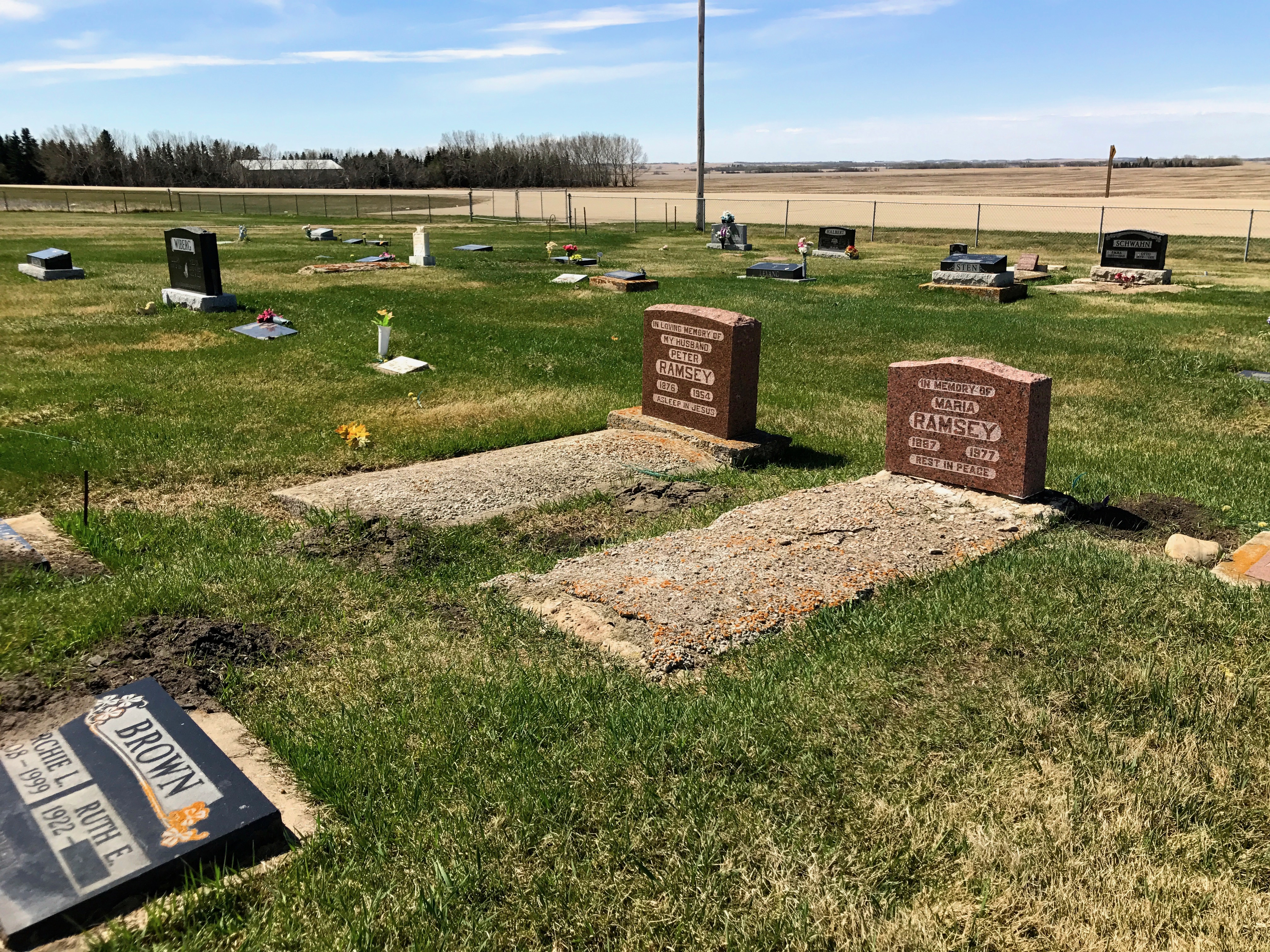
More Ramsey graves – Peter and Maria. Judging by the condition of the cement covering the graves, the markers have been replaced. I must be related to them, somehow.
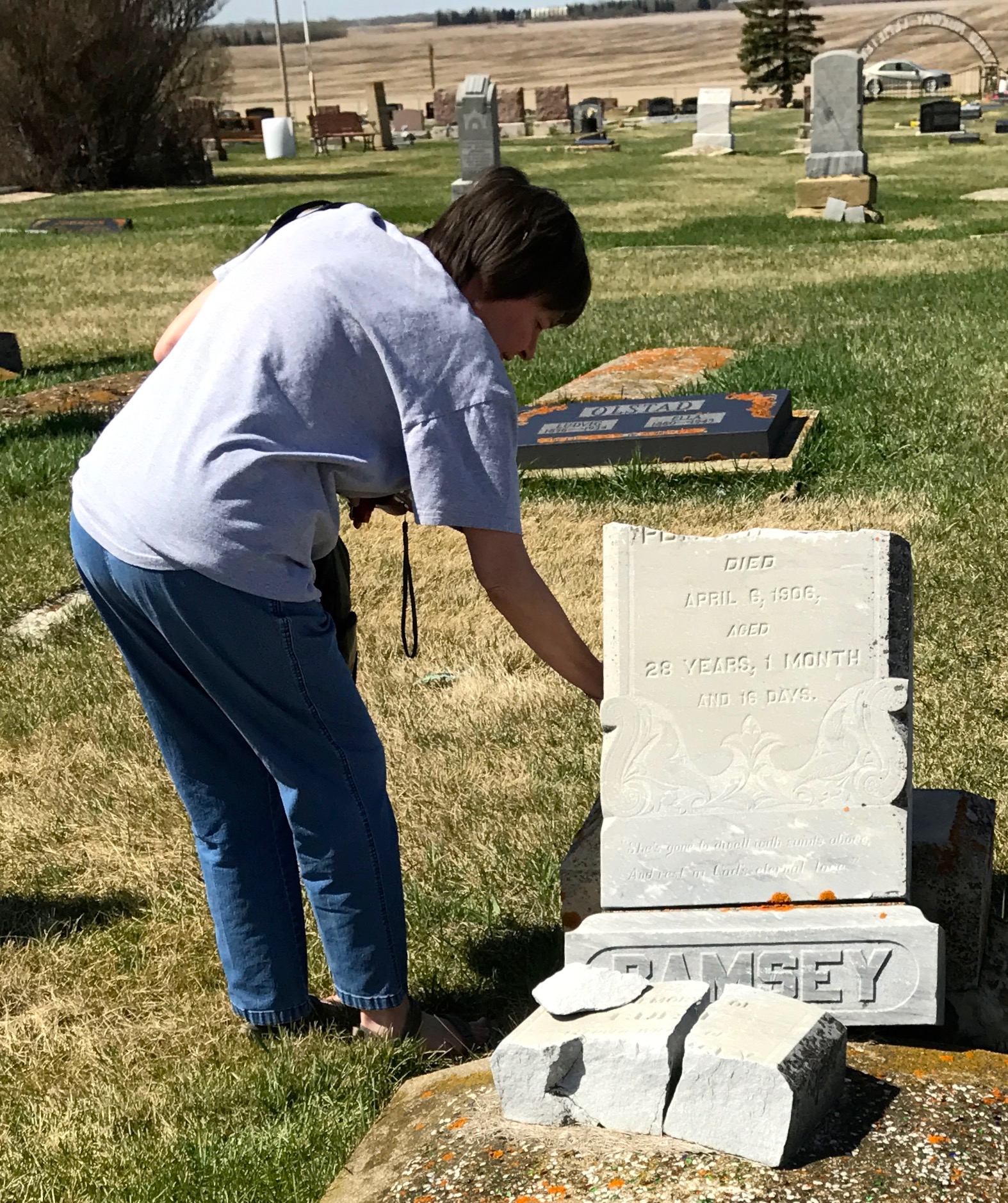
Kelly examined this Ramsey monument that had aged poorly.
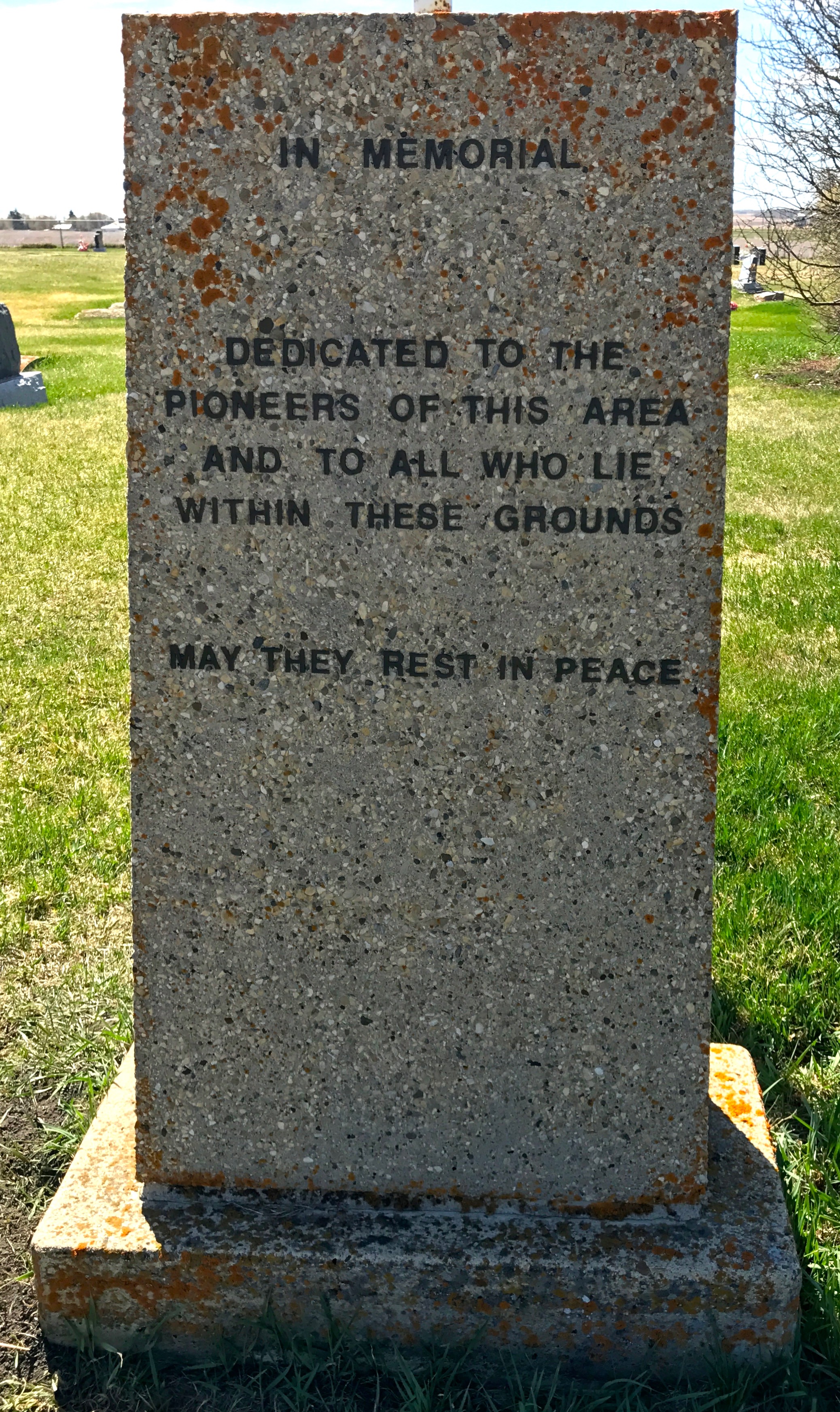
May they rest in peace – and may we live in peace.
After the cemetery, it was time to visit the old farm. This is where the reunion was held that my folks and I missed in 1996. It’s a golf course, now.
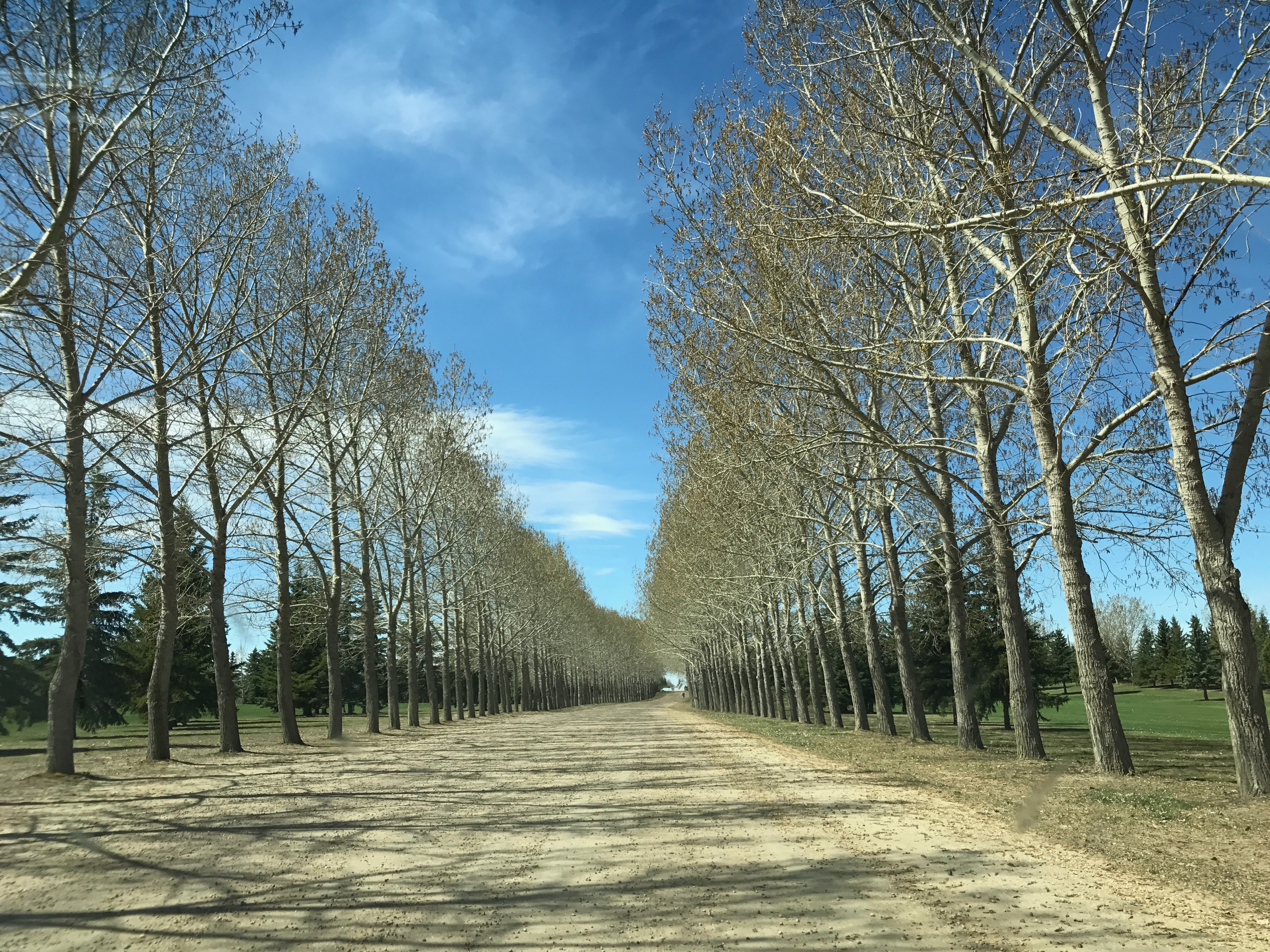
We took the tree-line road up to the clubhouse.
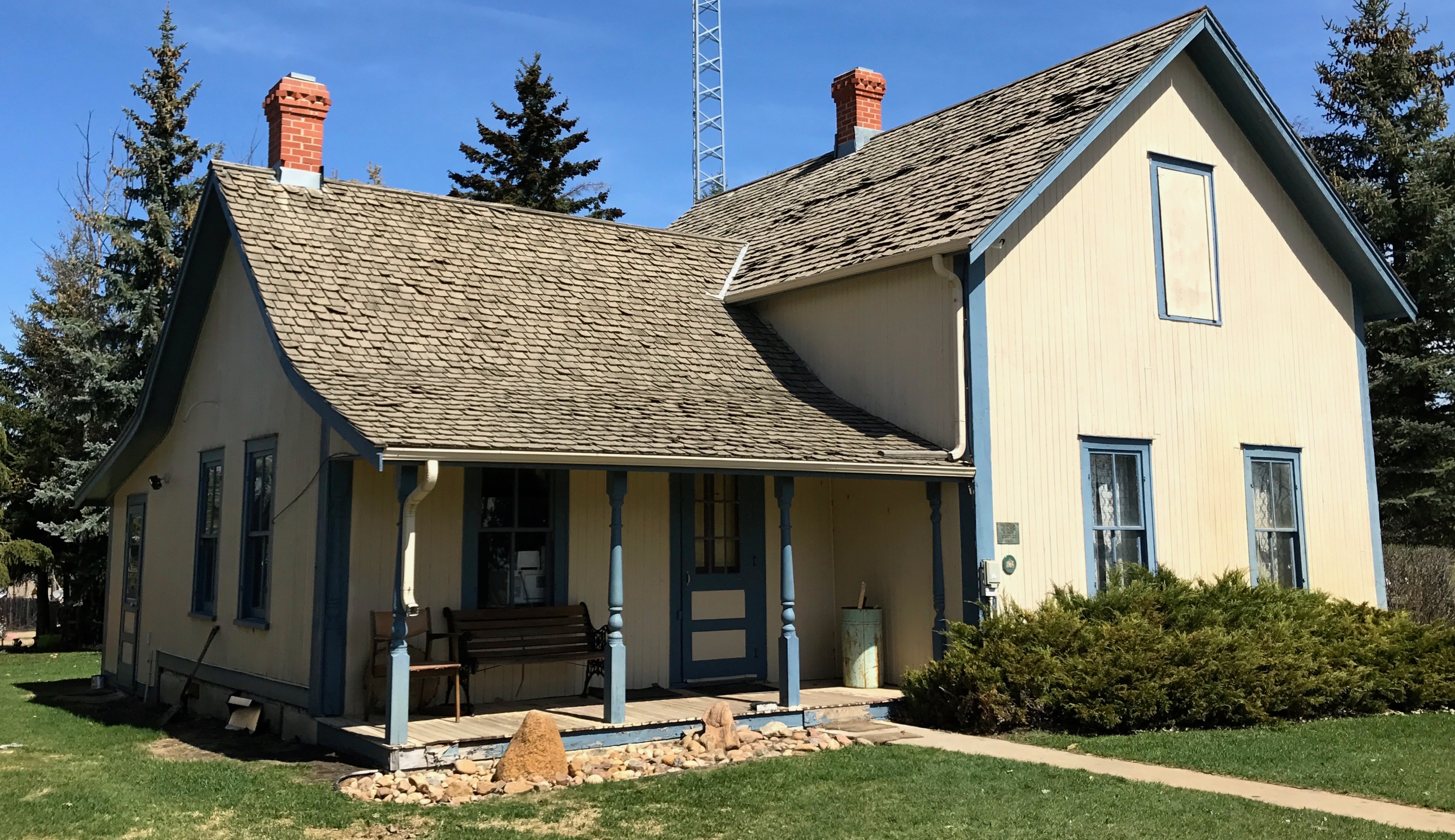
No, this isn’t the clubhouse. It was the original homestead.
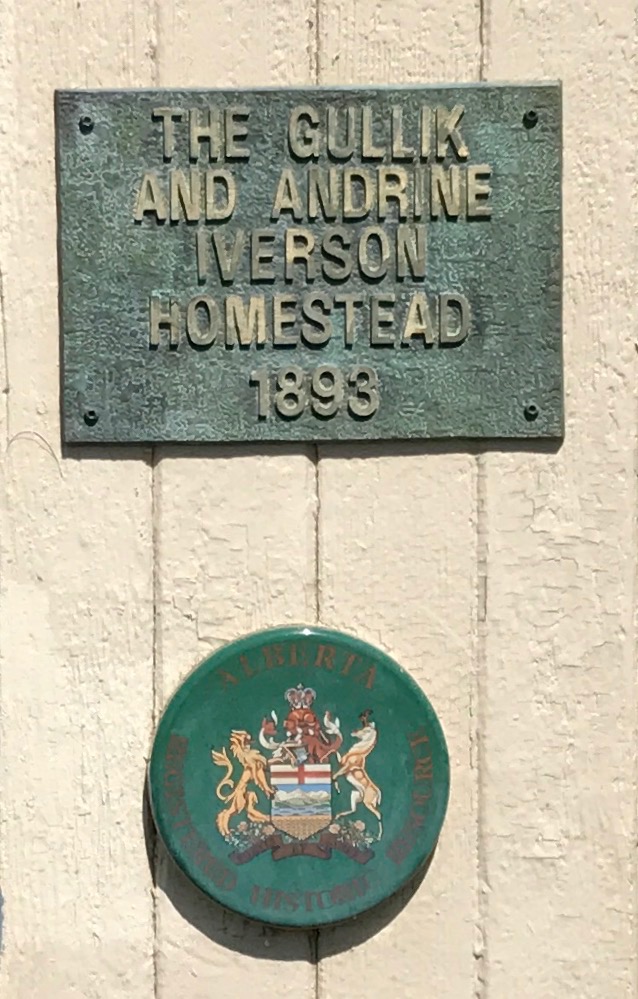
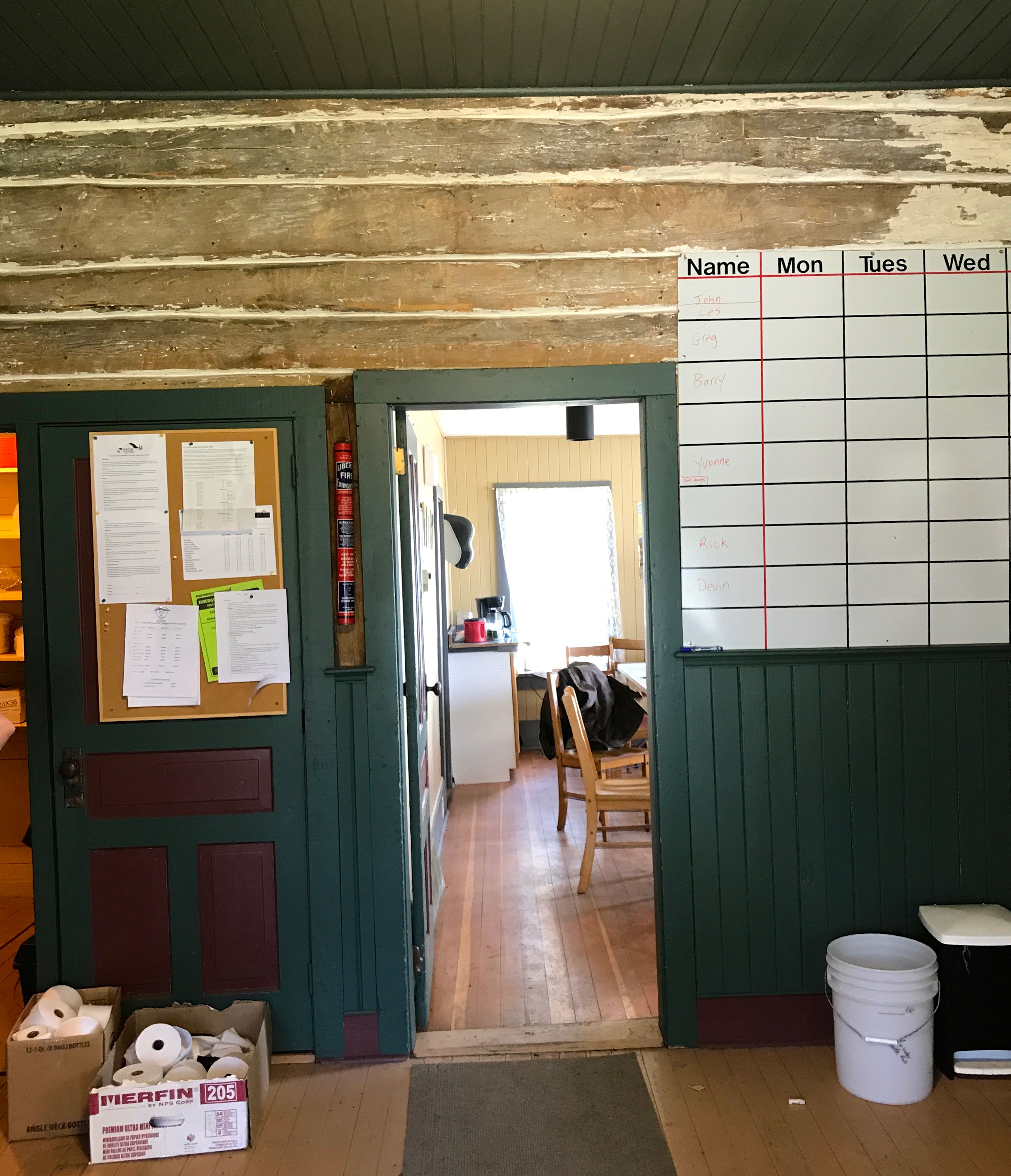
Over the years, it had been used as a staff building. Apparently they held meetings there and work assignments were made.
The old stove was still there.
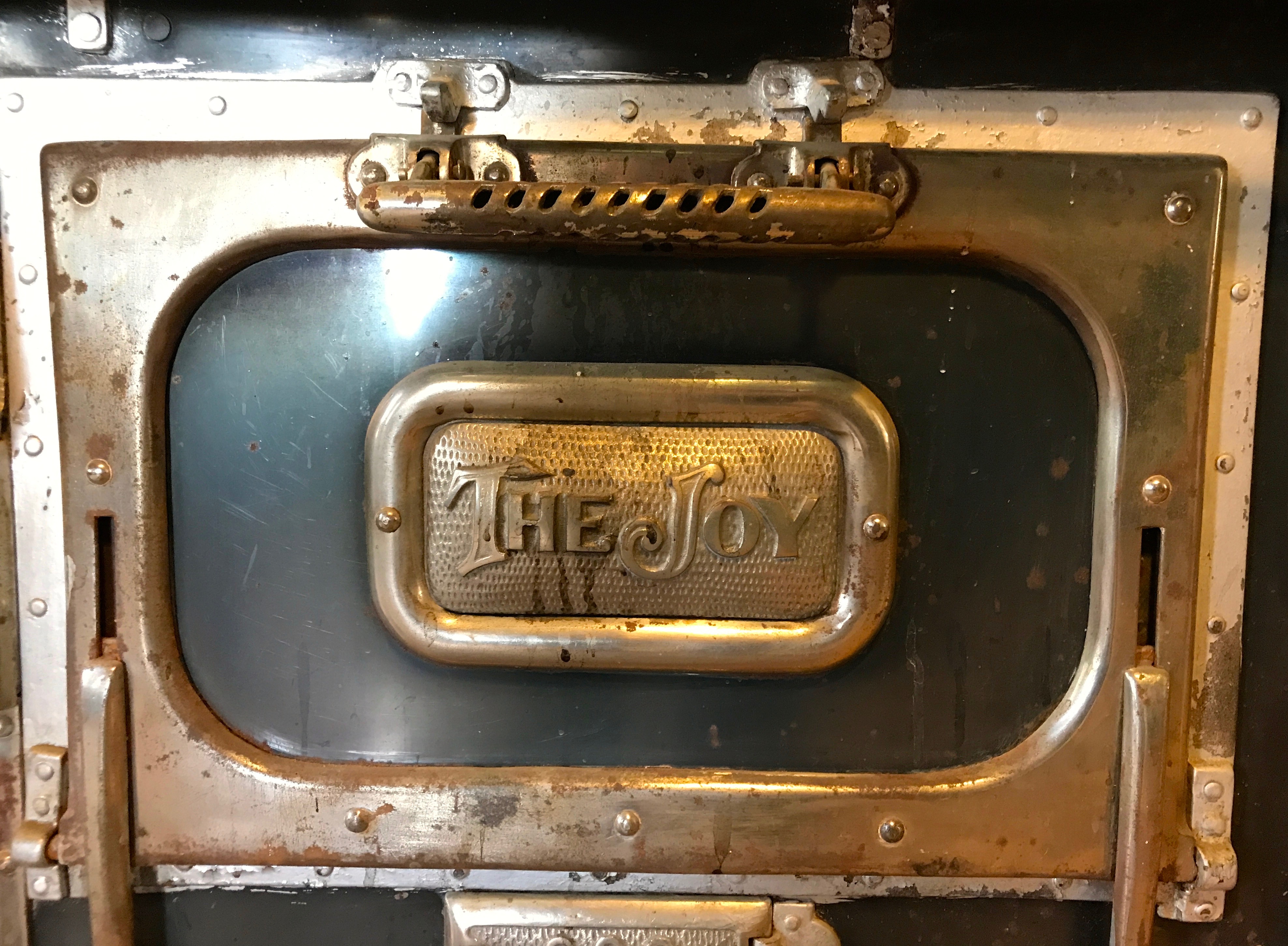
I wonder if this is where they got the name for the cookbook?
Naw…probably not.
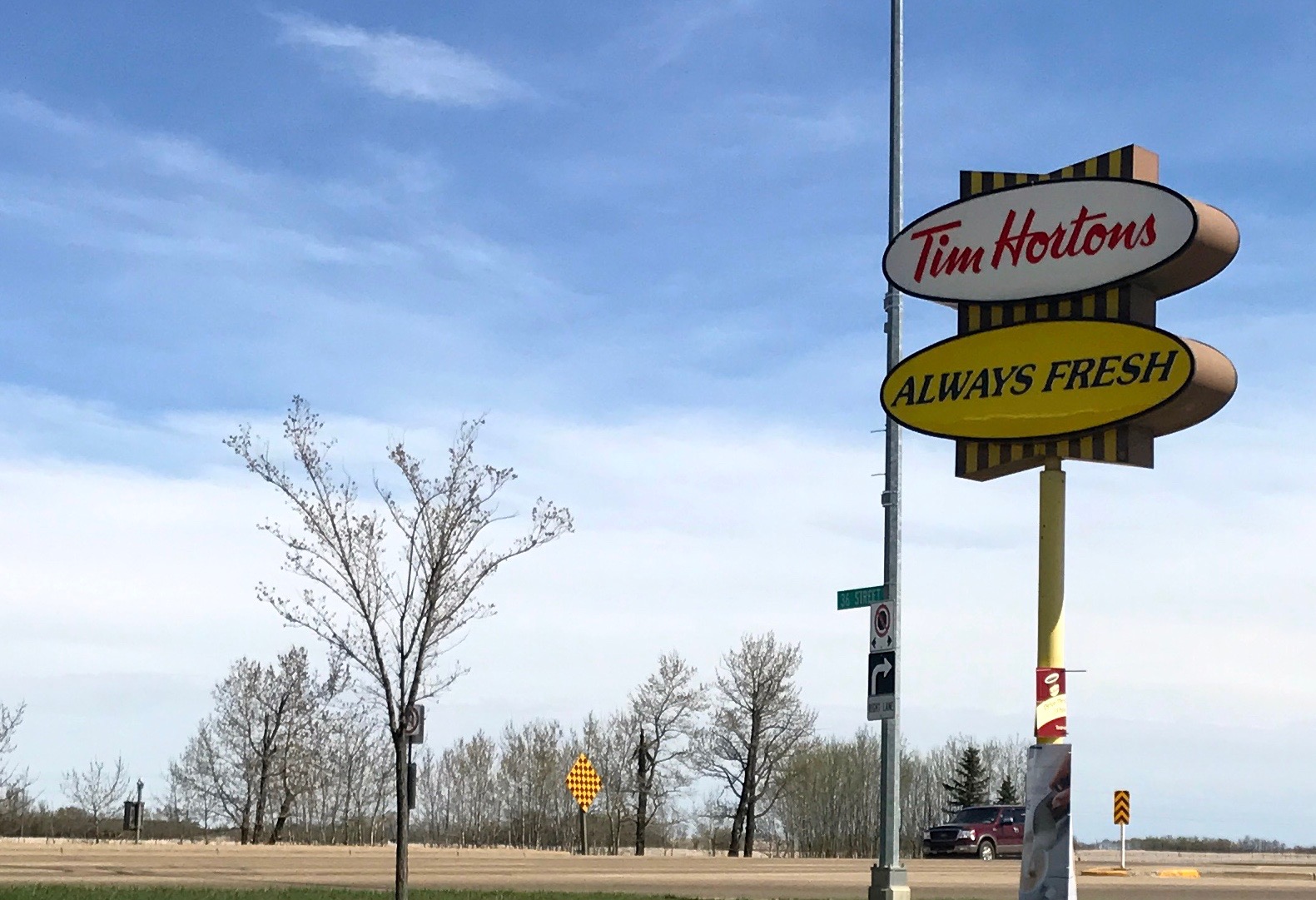
We headed to Camrose for lunch at the Norseman. But, what would a road trip be without a stop at Tim Horton’s?
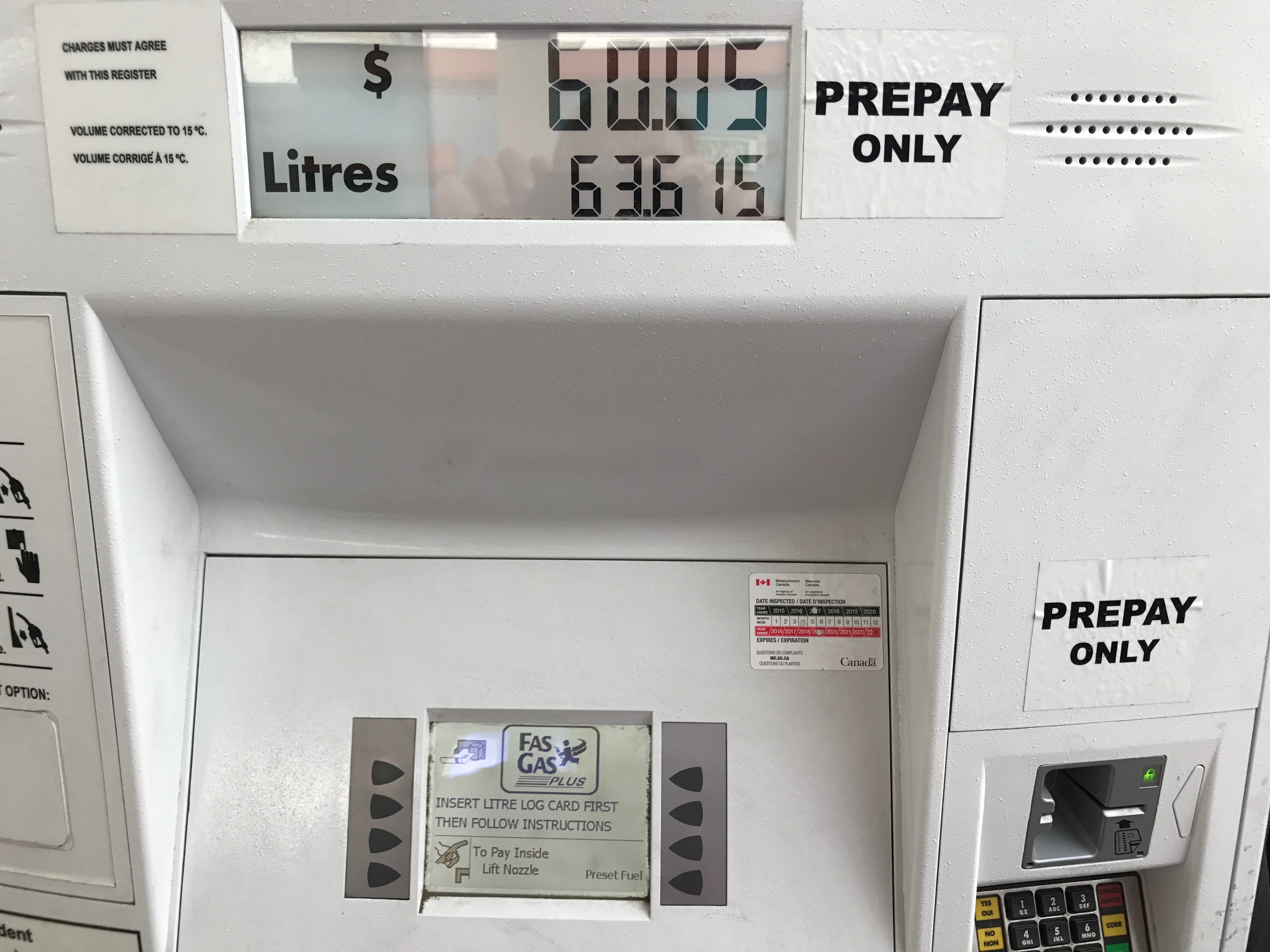
Oh, and some gas. How much gas and how much did it cost? My poor American brain can’t wrap my mind around it.
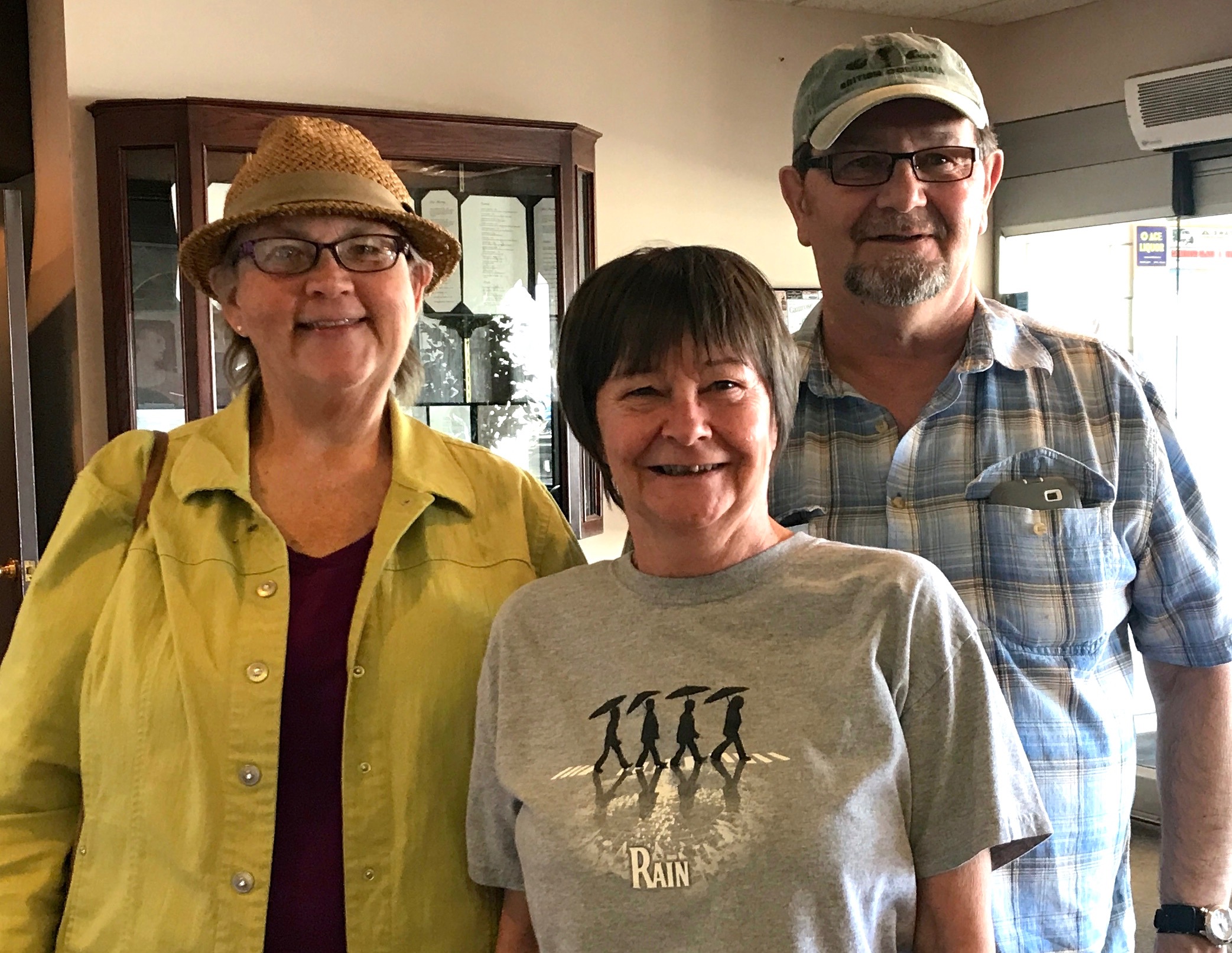
After lunch, we snagged a passerby and got a photo. There is a photo, so there is proof it happened!
Heading back to Red Deer, we passed by a place my mother used to talk about.
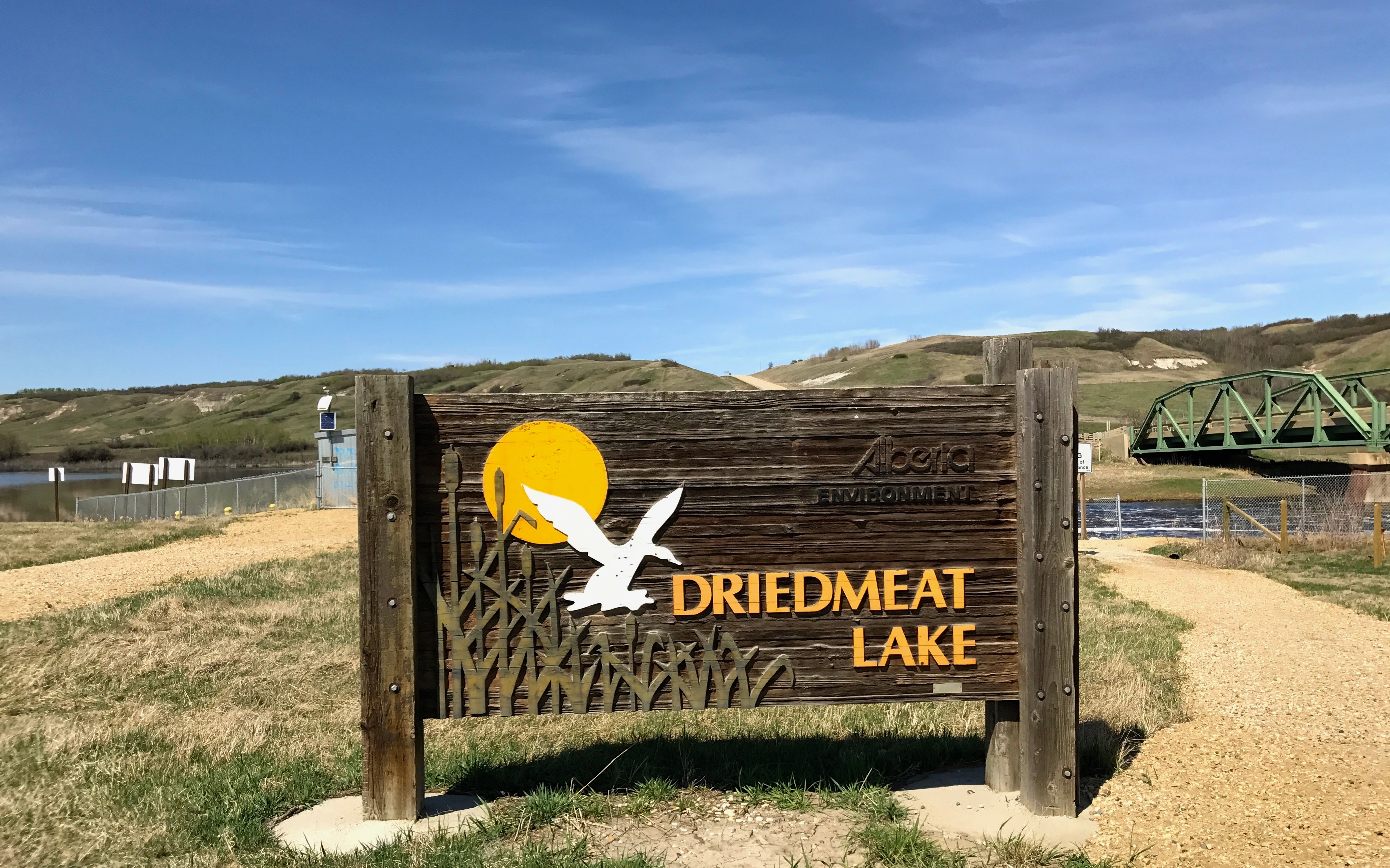
The funny thing is, that I remembered it as DEADmeat Lake! When I saw the sign, I realized that I had it wrong.
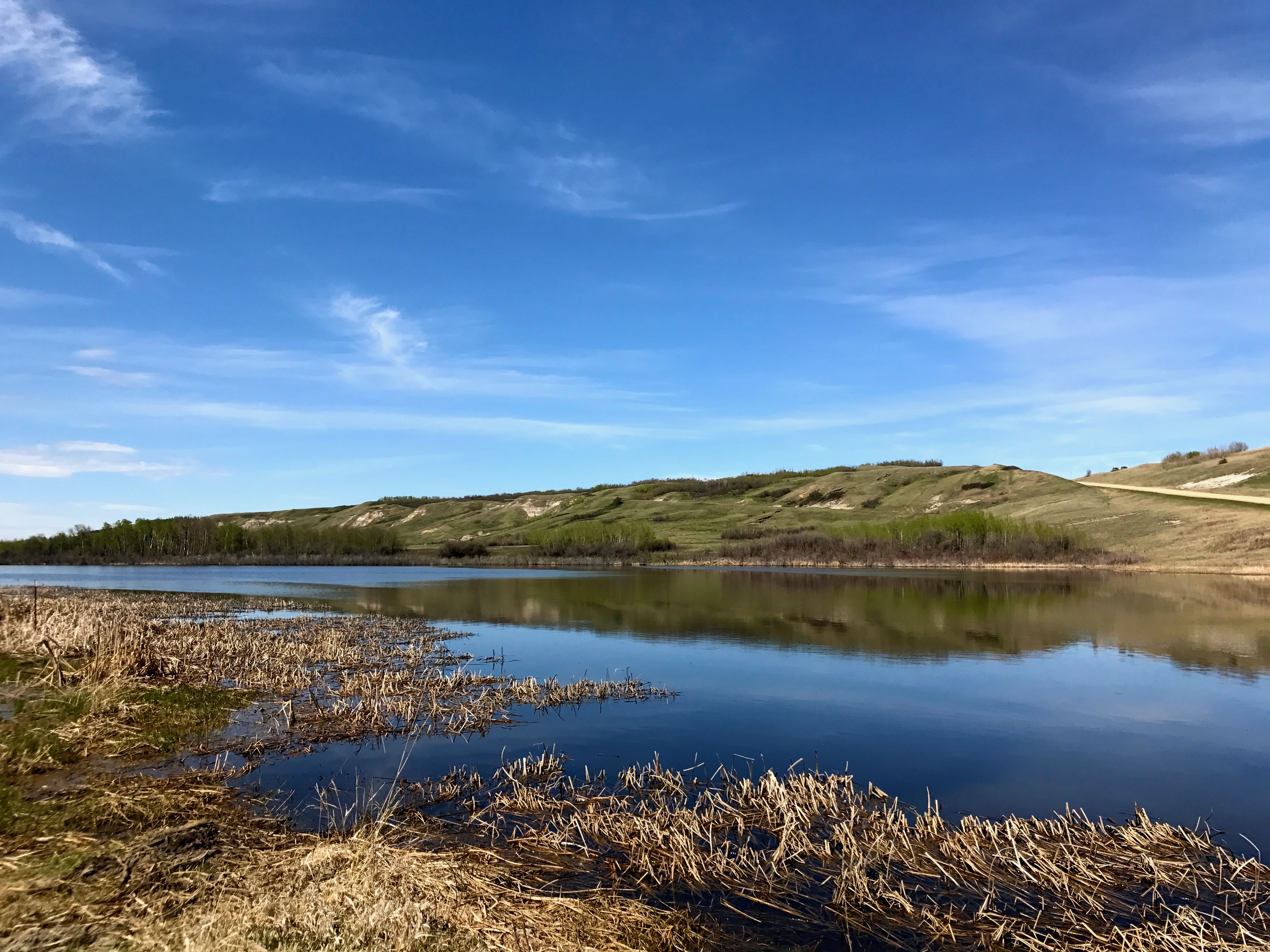
According to the information I could find, the Blackfoot and Cree used the area around the lake to camp and hunt. Saskatoon berries grew around the lake and the surrounding valley, and the Blackfoot and Cree would use the Bison meat and the berried to make pemmican, which is basically dried meat.
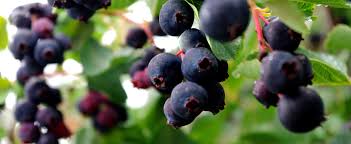
Saskatoon berries look a lot like blueberries, but they are more closely related to the apple family. They are high in fiber, protein and antioxidants and are described as having a sweet, nutty almond flavor. They sound delightful!
A nearby hill is named Driedmeat, which is where the long ribbon lake gets its name. It was originally crated by a glacial meltwater channel, which carved the surrounding valley. The hill has been reduced due to gravel mining.
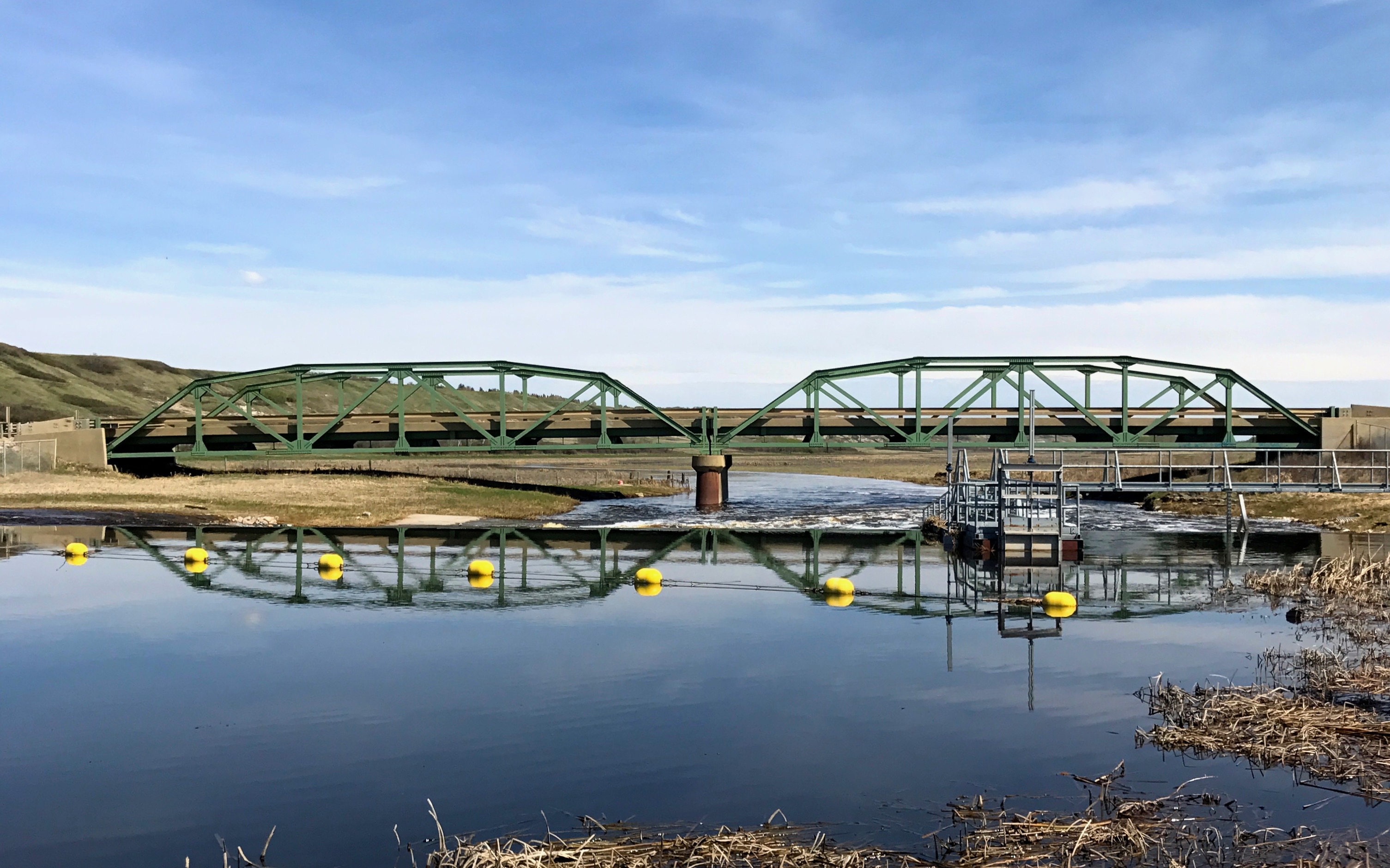
After walking around lake for a bit, it was time to get in the car and resume our trip back to Red Deer.
And that was that. Thanks to Kelly for being an excellent hostess and to all my cousins I met in Alberta! I hope we can get together again.