My HISTORY Here! app told me of an interesting site near the exit of Badlands National Park.
The Prairie Homestead was billed as a “rare intact sod home”. It was build in 1906 by pioneers Mr and Mrs. Ed Brown during the last wave of western expansion.
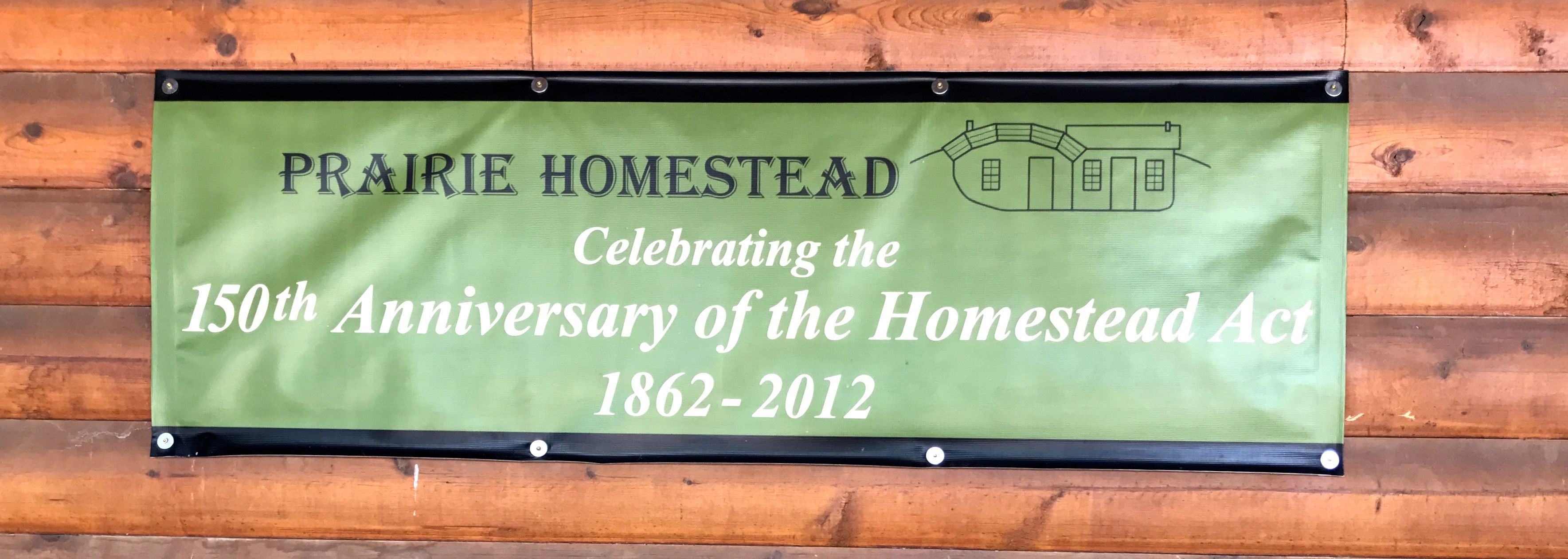
There was a sign on the visitor center that celebrated the Homestead Act of 1862. Signed into law in May 1862, the Homestead Act opened up settlement in the western United States, allowing any American, including freed slaves, to put in a claim for up to 160 free acres of federal land. By the end of the Civil War, 15,000 homestead claims had been established, and more followed in the postwar years.
There is a Homestead National Monument of America in Beatrice, Nebraska. I guess I’ll have to put that on my “next time” list. If you are interested in the effects of the Homestead Act of 1862, you might want to put it on your list, too.
According to the app, South Dakota was one of the last areas of the United States to be homesteaded. Dugouts and sod homes like this one were once common on the prairie.
I had first become acquainted with “soddies” in the Little House on the Prairie books, and I had long wanted to see a real one.
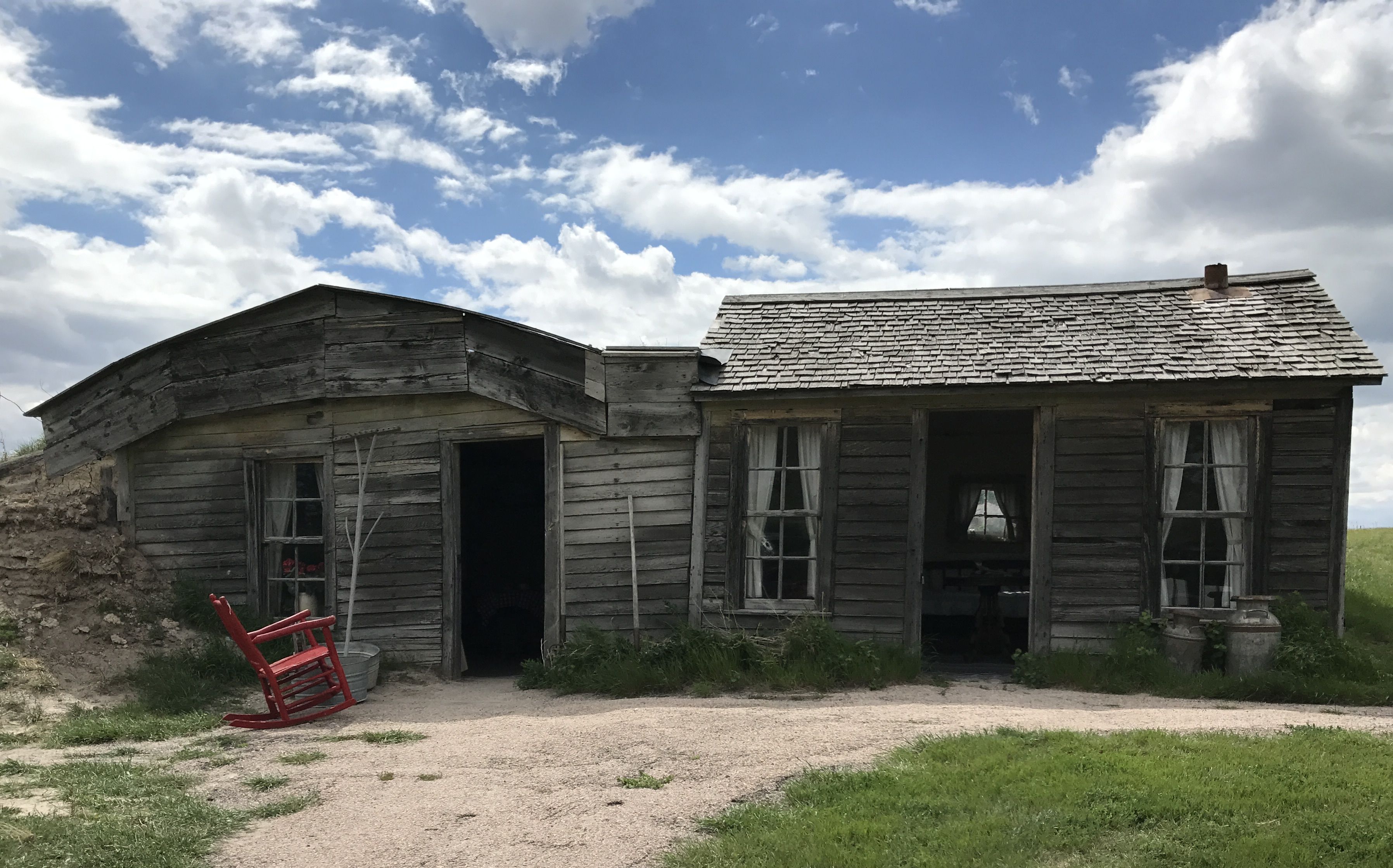
This was about as real as you could get. My word, these must have been hearty souls to try to make a go of it in these conditions. Or maybe they were desperate. In any event, life wasn’t easy.
This was one of the interior walls.
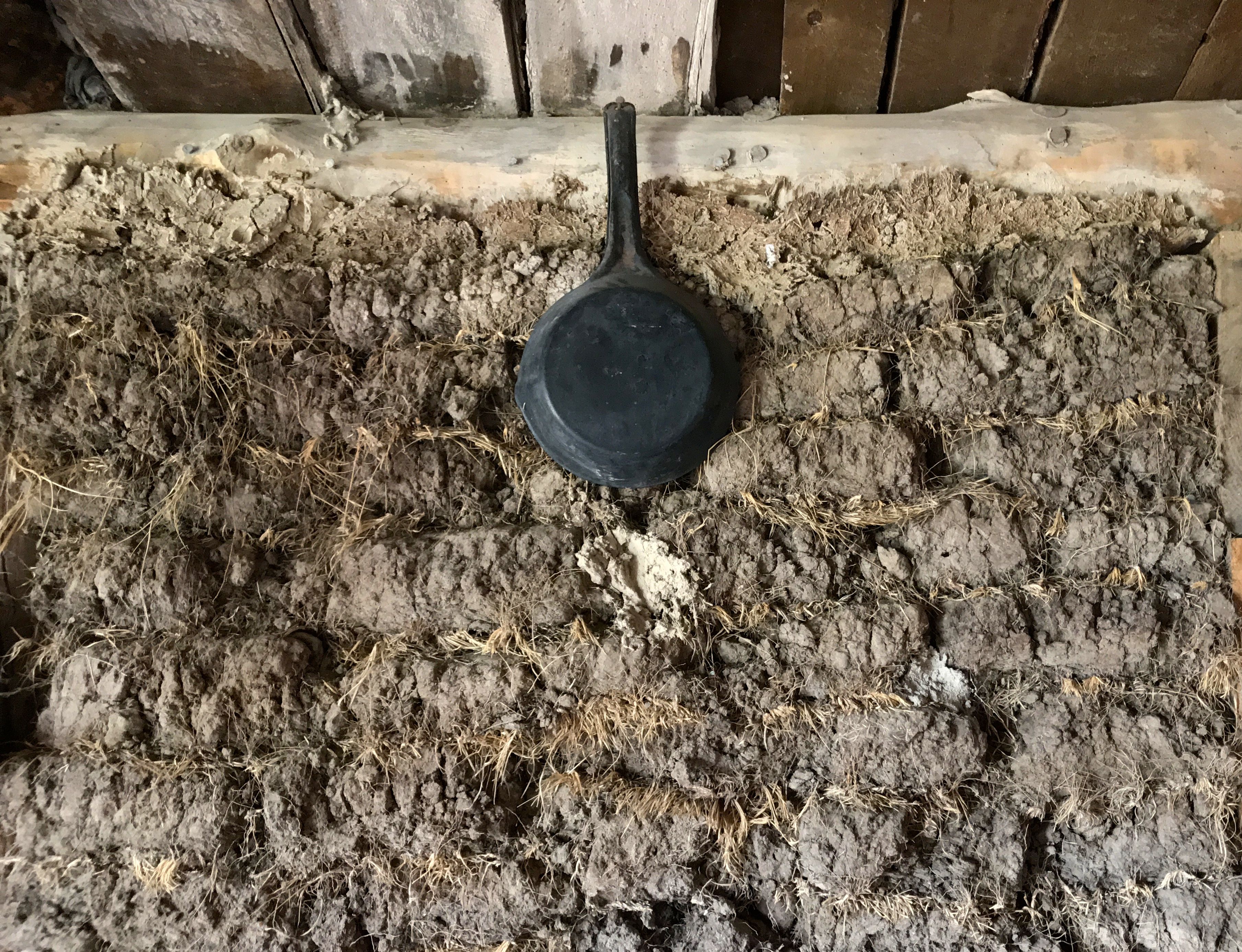
I remember reading somewhere that some sod houses had plaster on the inside and eventually were covered in clapboard and painted. I’ll bet the R value of the sod made the houses economical to heat.
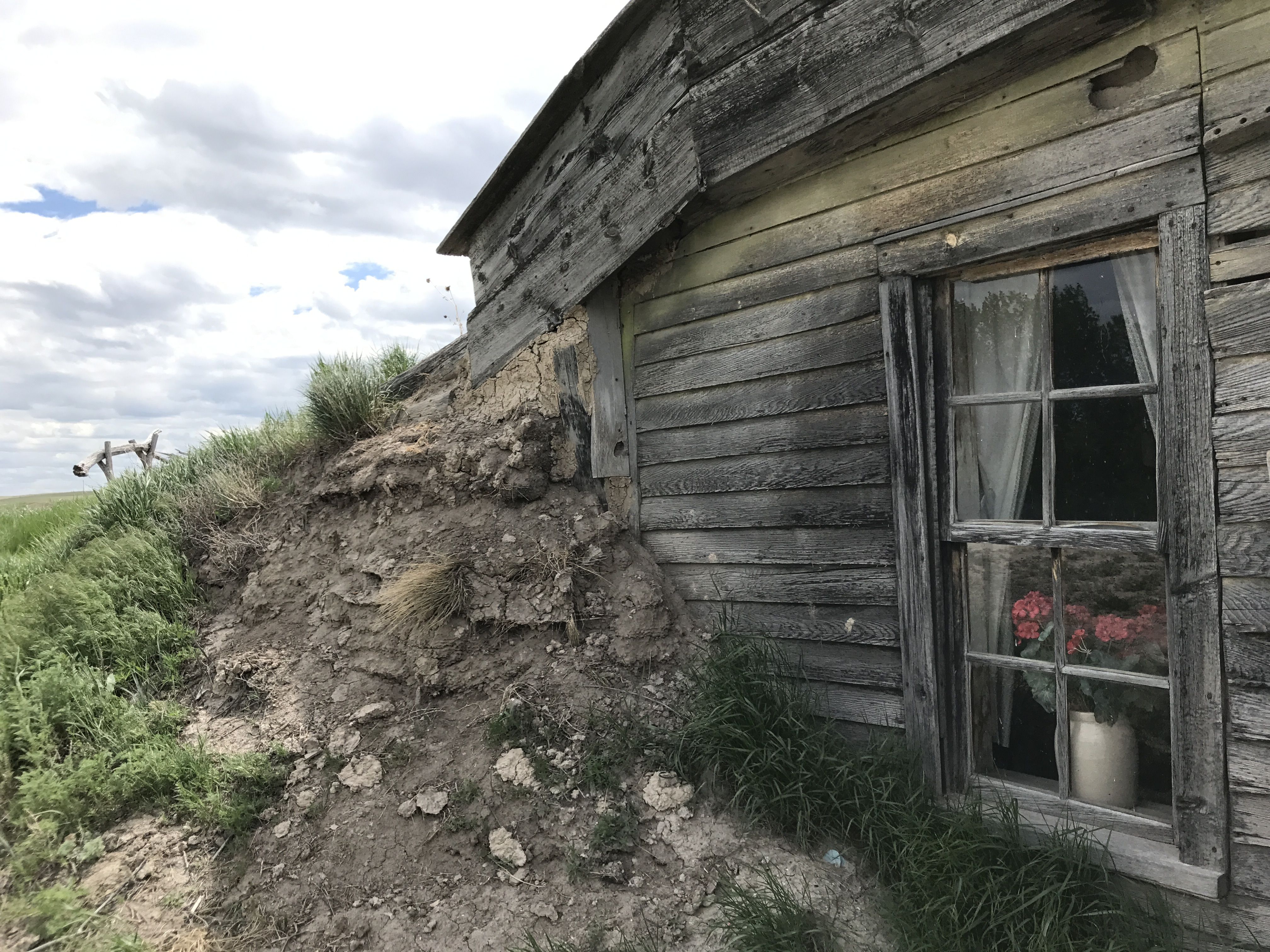
They built right into the hillside and added on as more materials became available. Bear in mind that this is 1906. Young folks might think that was a long time ago, but when I was a kid, I still would find pennies from that era in my change.
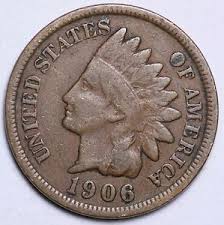
This was before the advent of the Lincoln penny, which was issued in 1909, the centennial of his birth.
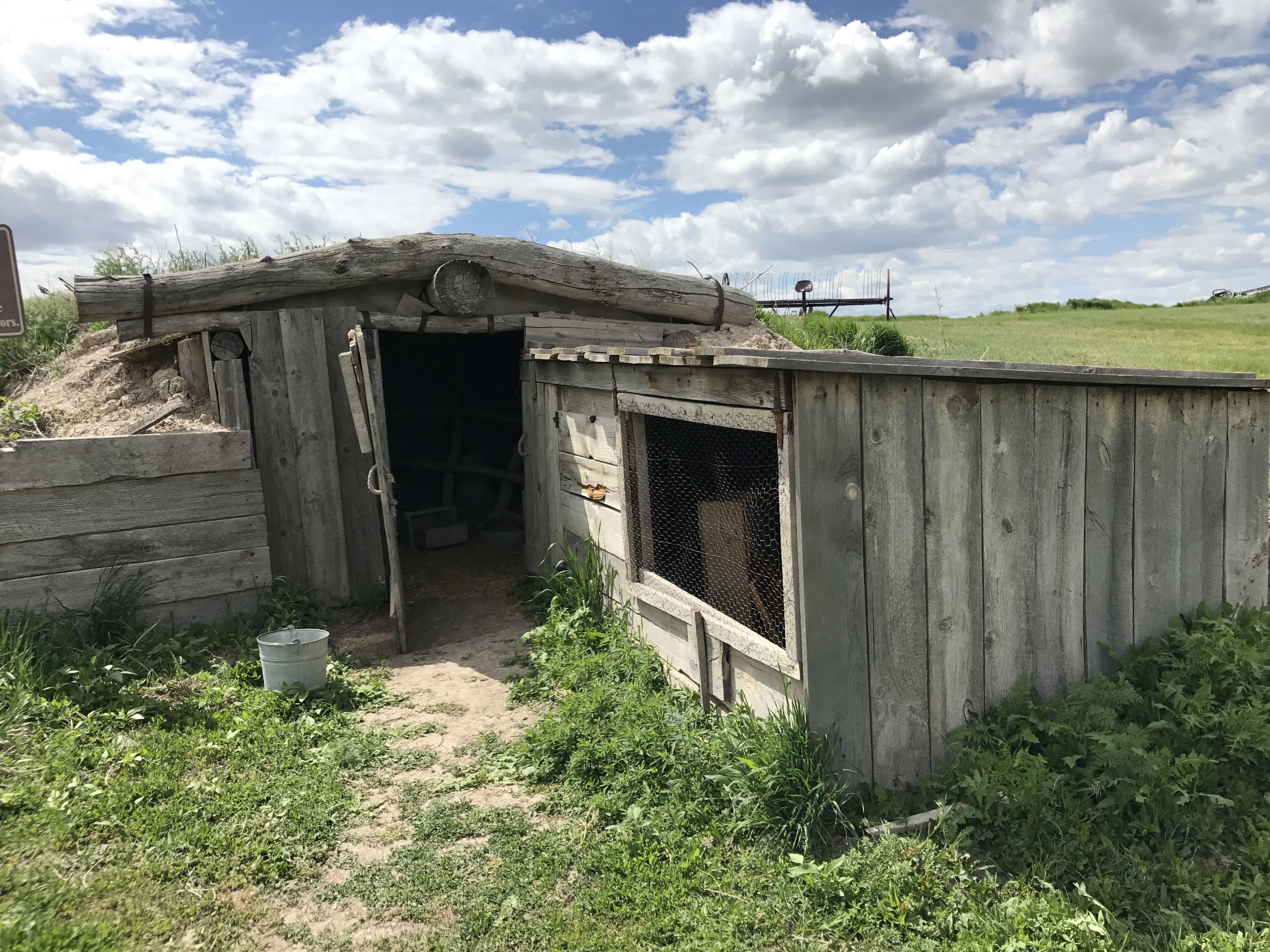
The outbuildings were built the same way. This is a chicken coop.
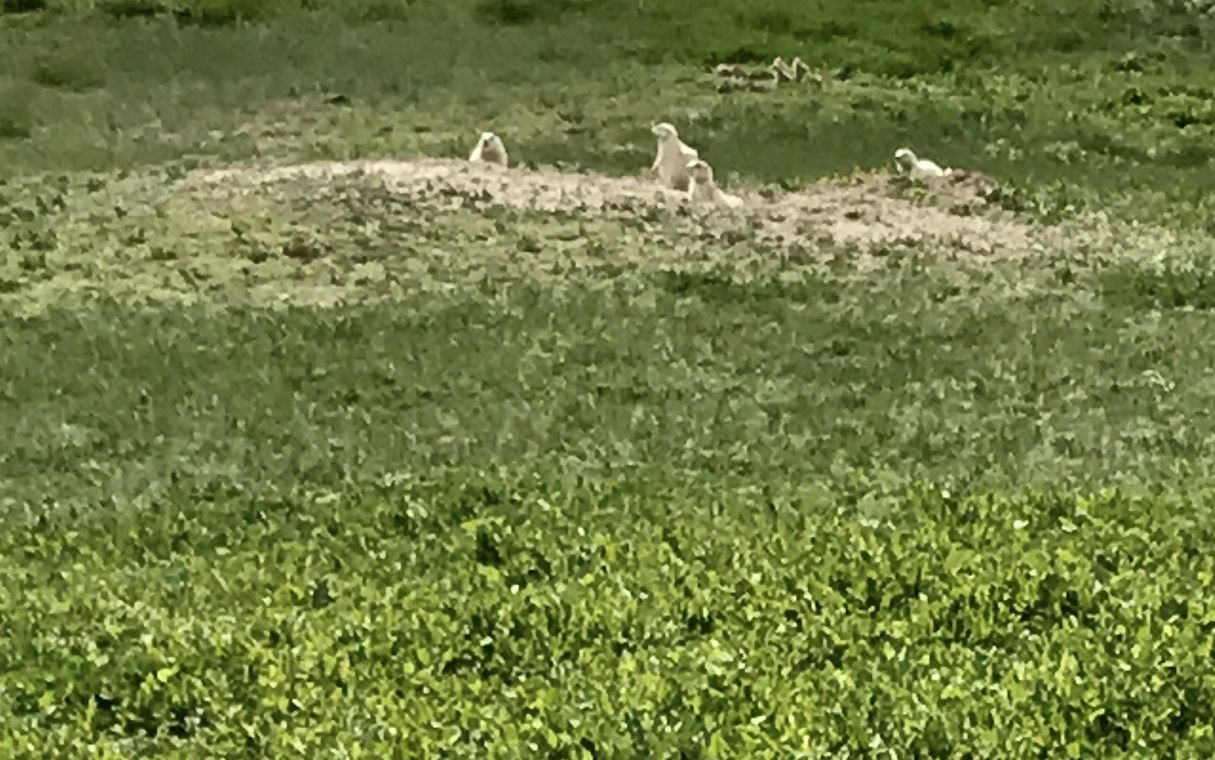
I did manage to snap a somewhat decent photo of these white prairie dogs.
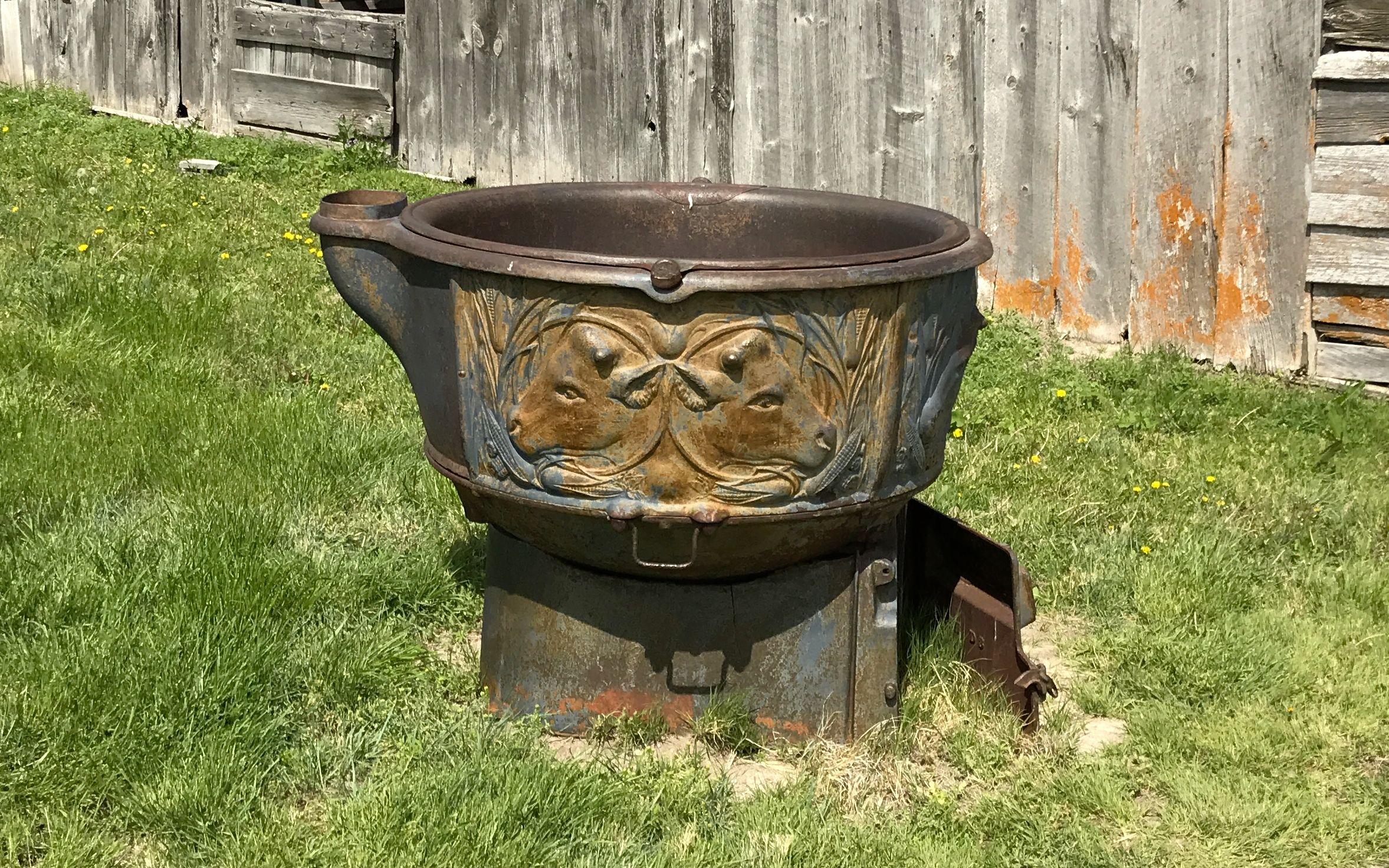
They had the usual assortment of old tools and artifacts scattered about. The sign my this piece of equipment said that it was an “agricultural boiler”. It was typically shared by neighbors to render hogs, scald chickens or wash heavy bedding. It is rather elegantly decorated for such a utilitarian item.

They had a few goats there, but they seemed to be taking a break from their goating duties.
I headed out for my next stop, the Minuteman Missile National Historic Site.

It boggles my mind that from the time Mr. and Mrs. Ed Brown built their sod house in 1906, we experienced World War I, World War II, the Korean Conflict and were deep into a cold war with the Soviet Union by the time I was born in 1955.
It was a fearful time to grow up. I remember going into the basement of the school to practice what we would do in case of an attack during the Cuban Missile Crisis. It was quite a scary time.
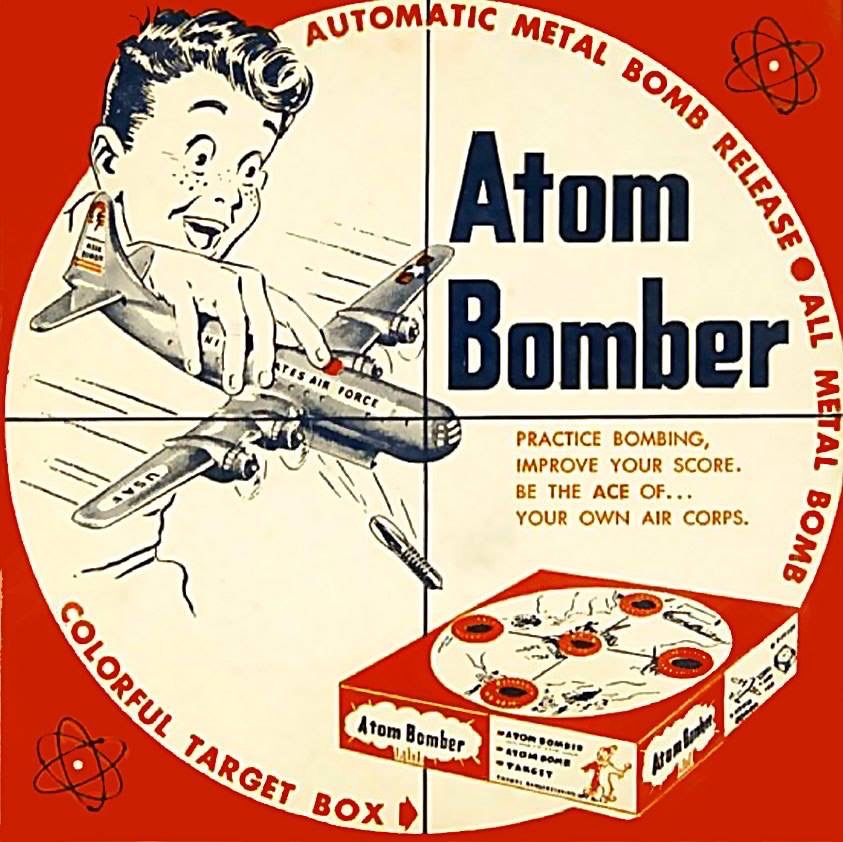
Of course, as long as there is a buck to be made, someone will try to come up with a way to make it.
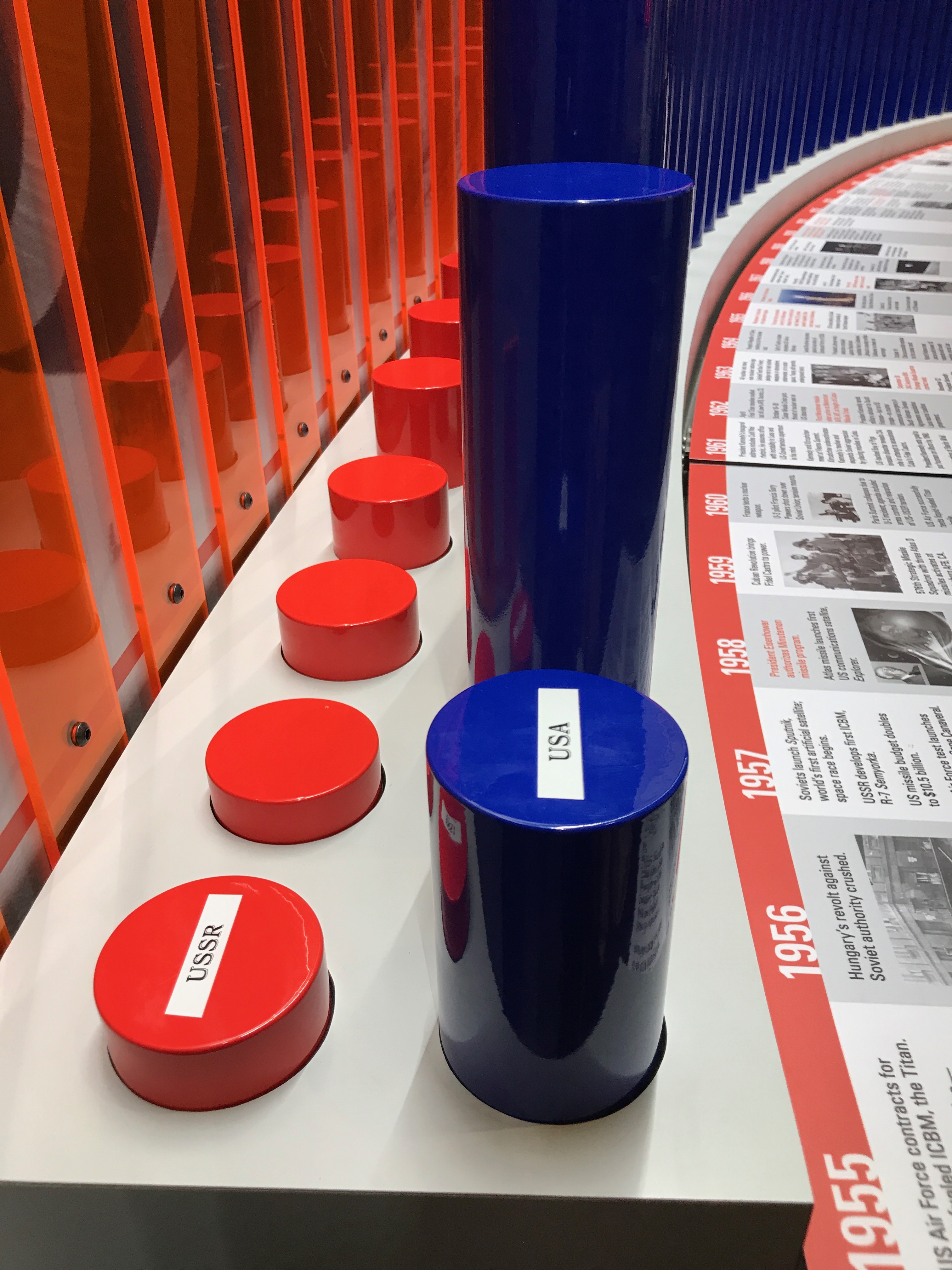
I always appreciate an interesting representation of data. Would you look at the relative sizes of the missile stockpile between the USA and the USSR. Think of all the human poverty that could have been abolished with the money that went into creating this arsenal.
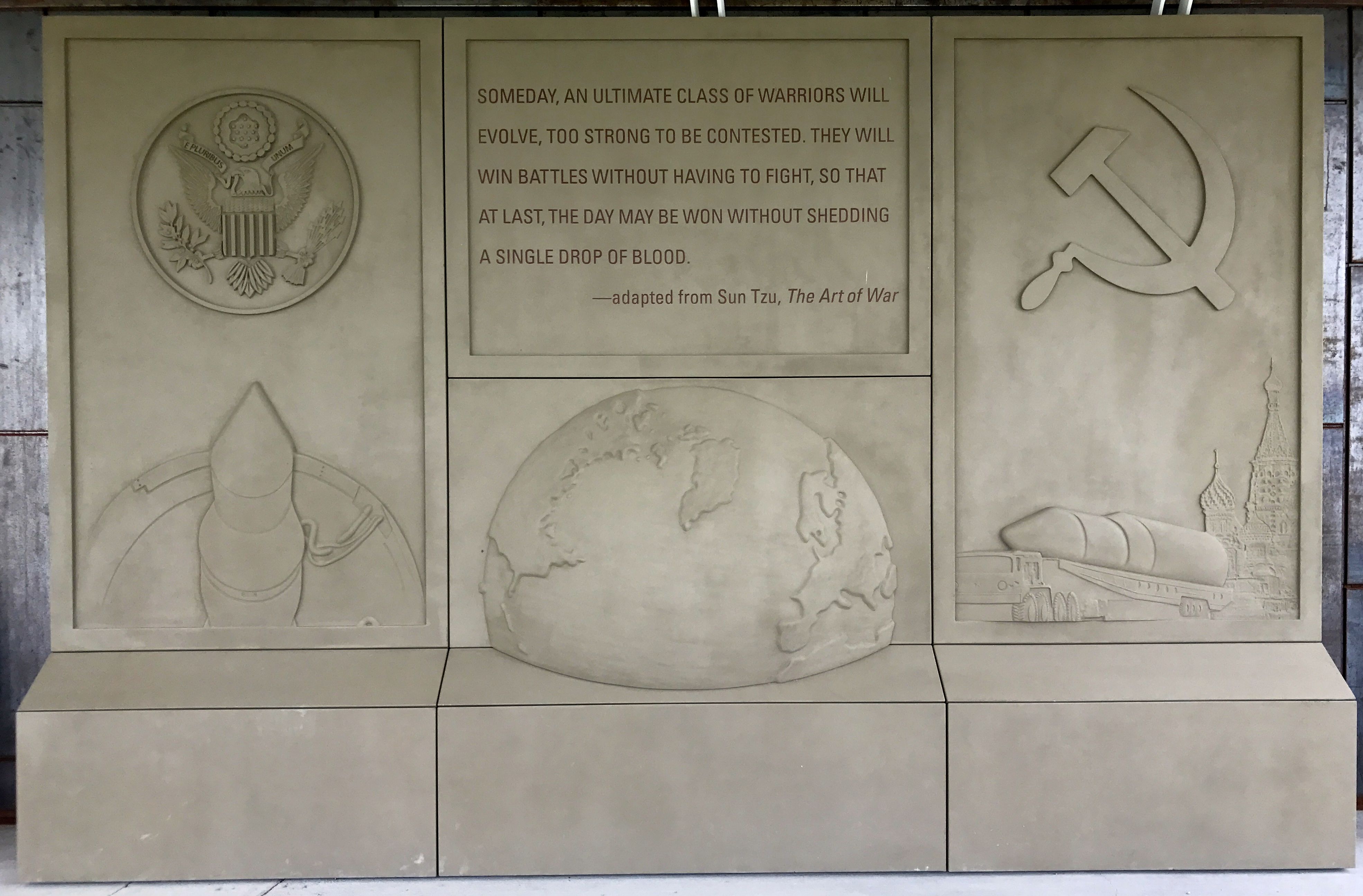
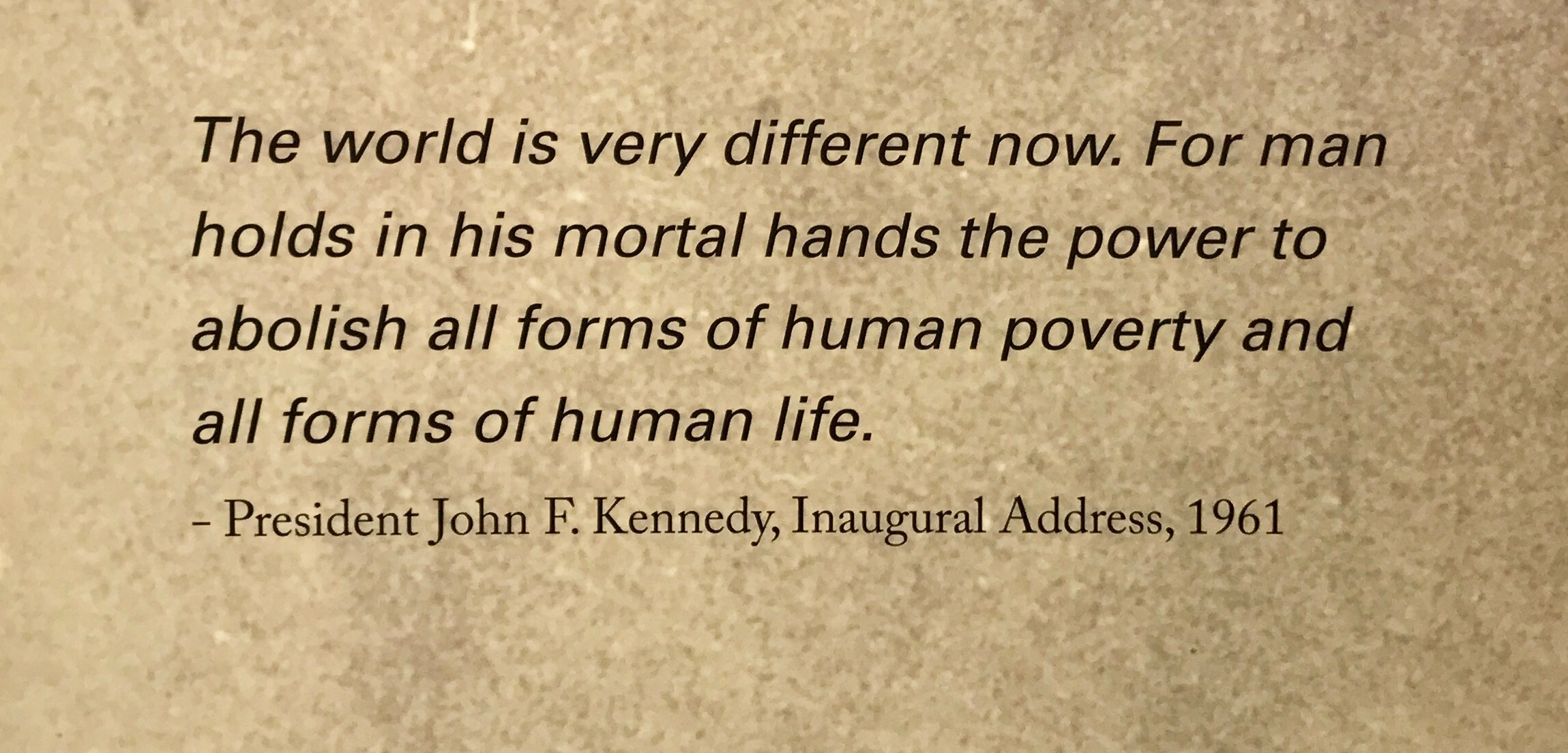
I am not sure how to take this plaque that is displayed at the entrance to the museum. Are they saying that the nuclear arms race was a good thing because it enabled us to “fight” without spilling a drop of blood?
There were a number of displays, and if you are interesting in this period, you would find them interesting. They weren’t easily accessible for photography.
There is also a missile silo you can visit – Delta-01. (I borrowed this photo from the Minuteman Missile National Historic Site.)
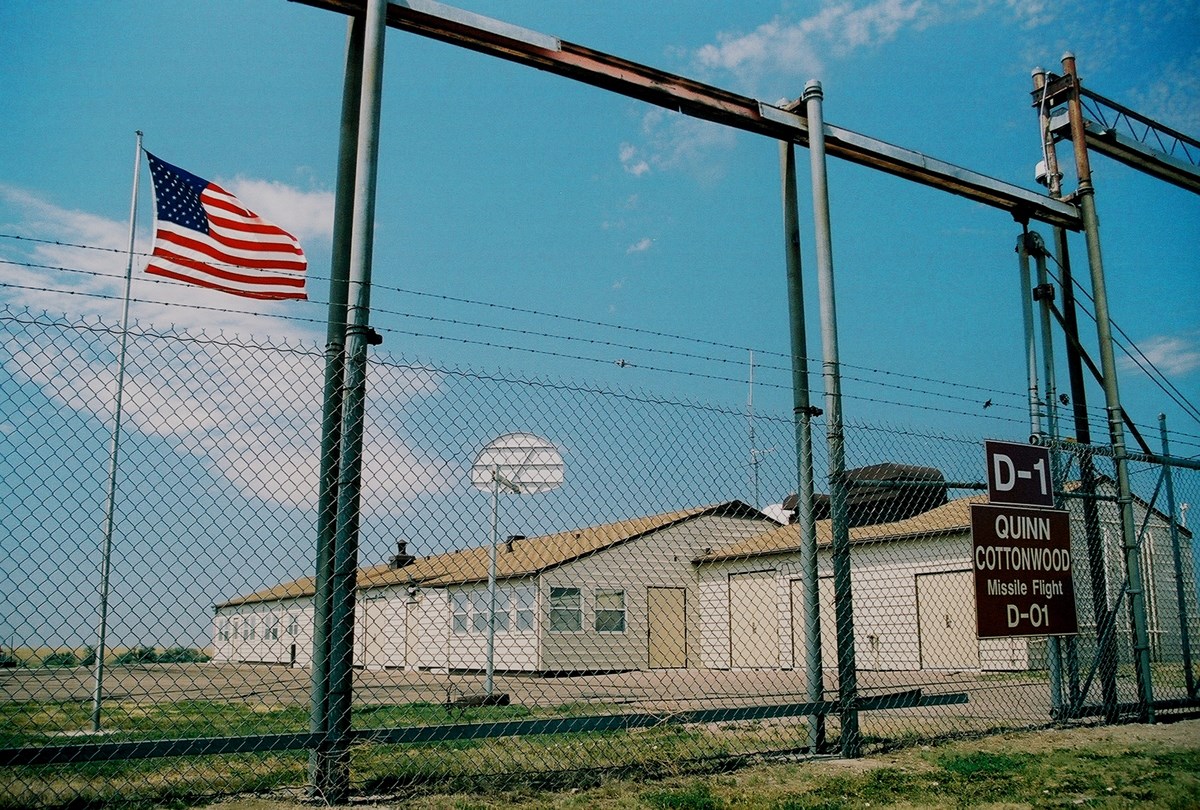
I didn’t try to book a tour. They warn you that you have to be able to climb up two 15-foot ladders in case of a power failure. I didn’t like the idea of that, so I decided to pass on the opportunity.
I did spot a sign for the Delta-09 site, and decided to see what I could see.
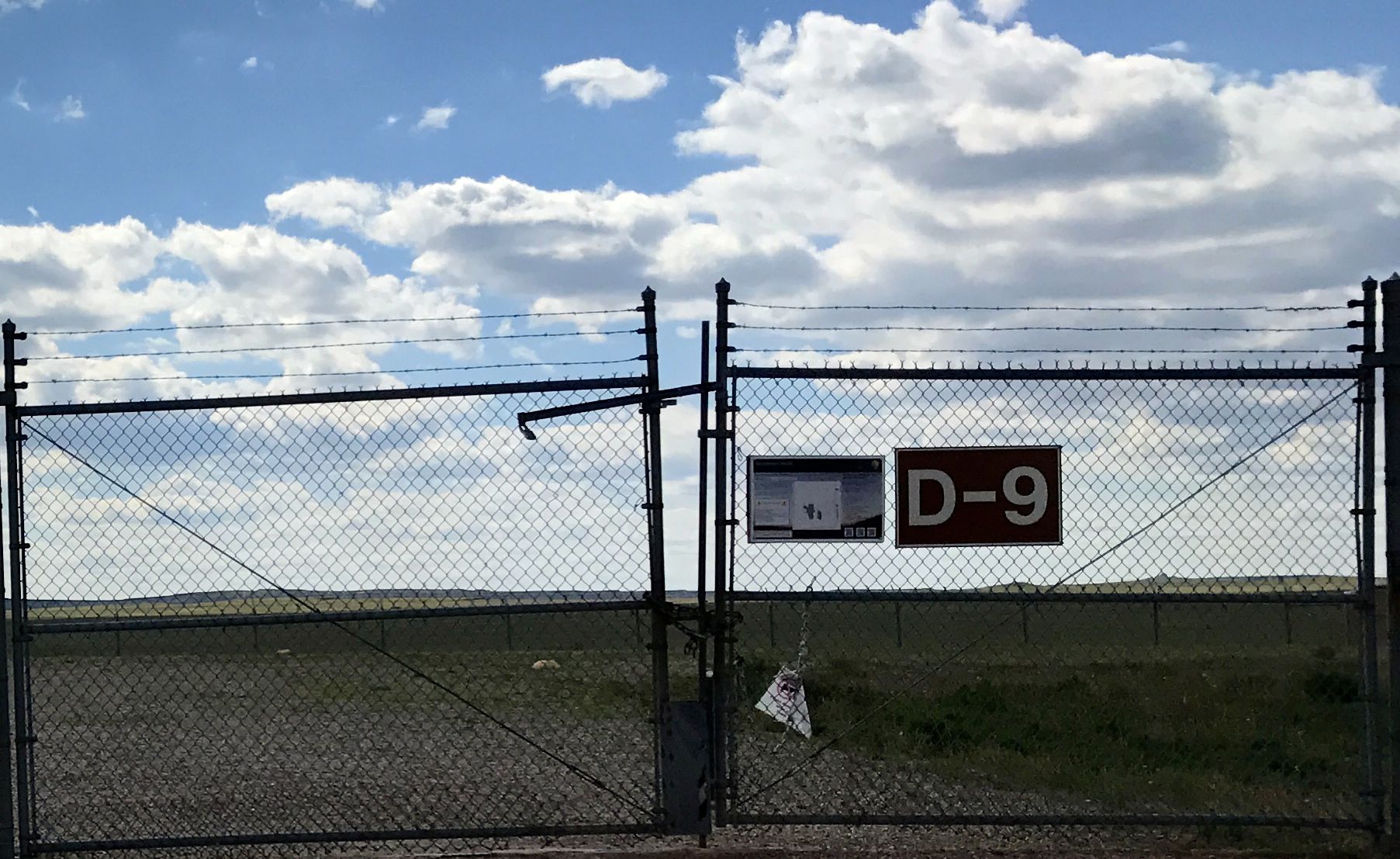
According to their website, from 1963 until the early 1990s, the missile silo at Delta-09 contained a fully operational Minuteman Missile, bearing a 1.2 megaton nuclear warhead. The Delta-09 missile silo was one of 150 spread across western South Dakota. In total there were 1,000 Minuteman’s deployed from the 1960’s into the early 1990’s.
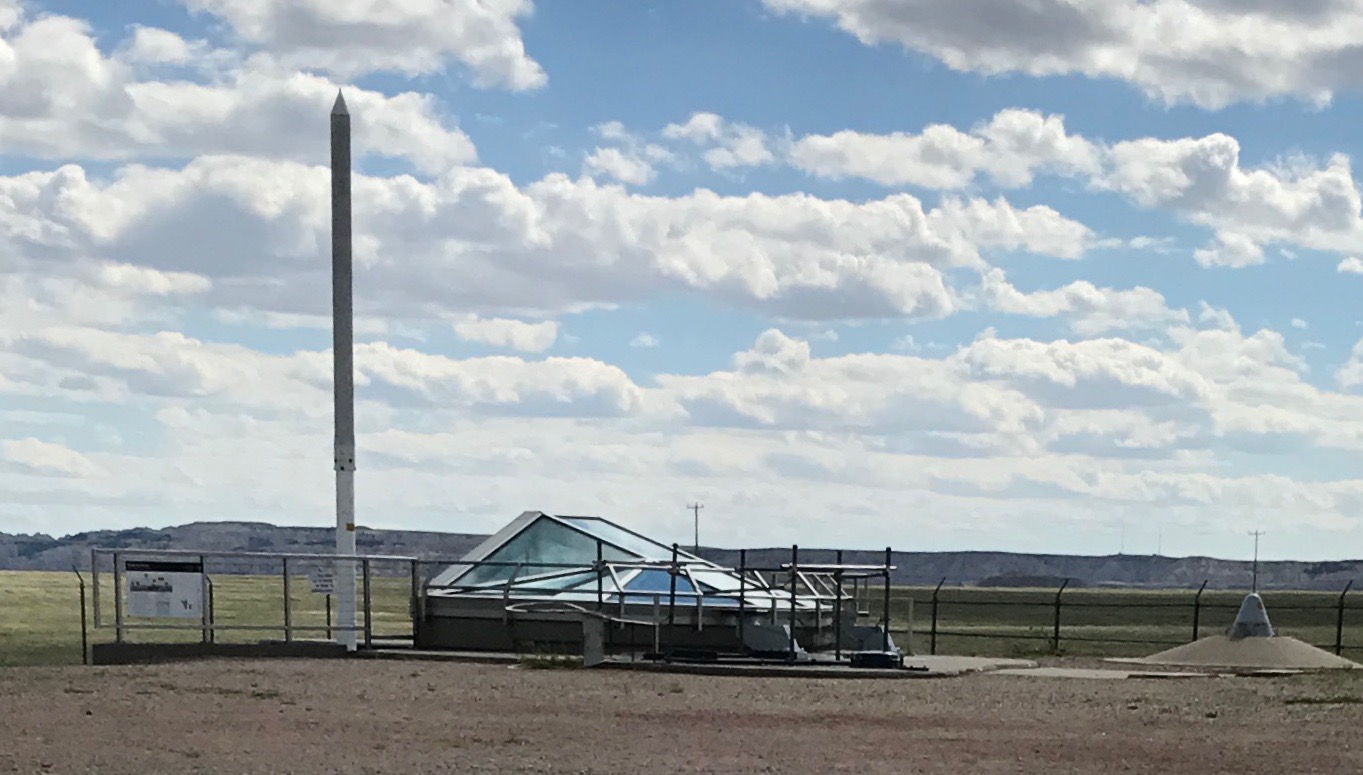
There wasn’t a lot to see. But, still, it was quite a significant place. I am glad that it is now a historical site.
By then, I had just about exhausted the things to do in and around Wall and it was time to move on.
Next stop: Mitchell, South Dakota and the World’s Only Corn Palace!