Rhode Island – the smallest state in the nation. Given the extra time the AC repairs took, this is going to be one of the quickest state visits so far.
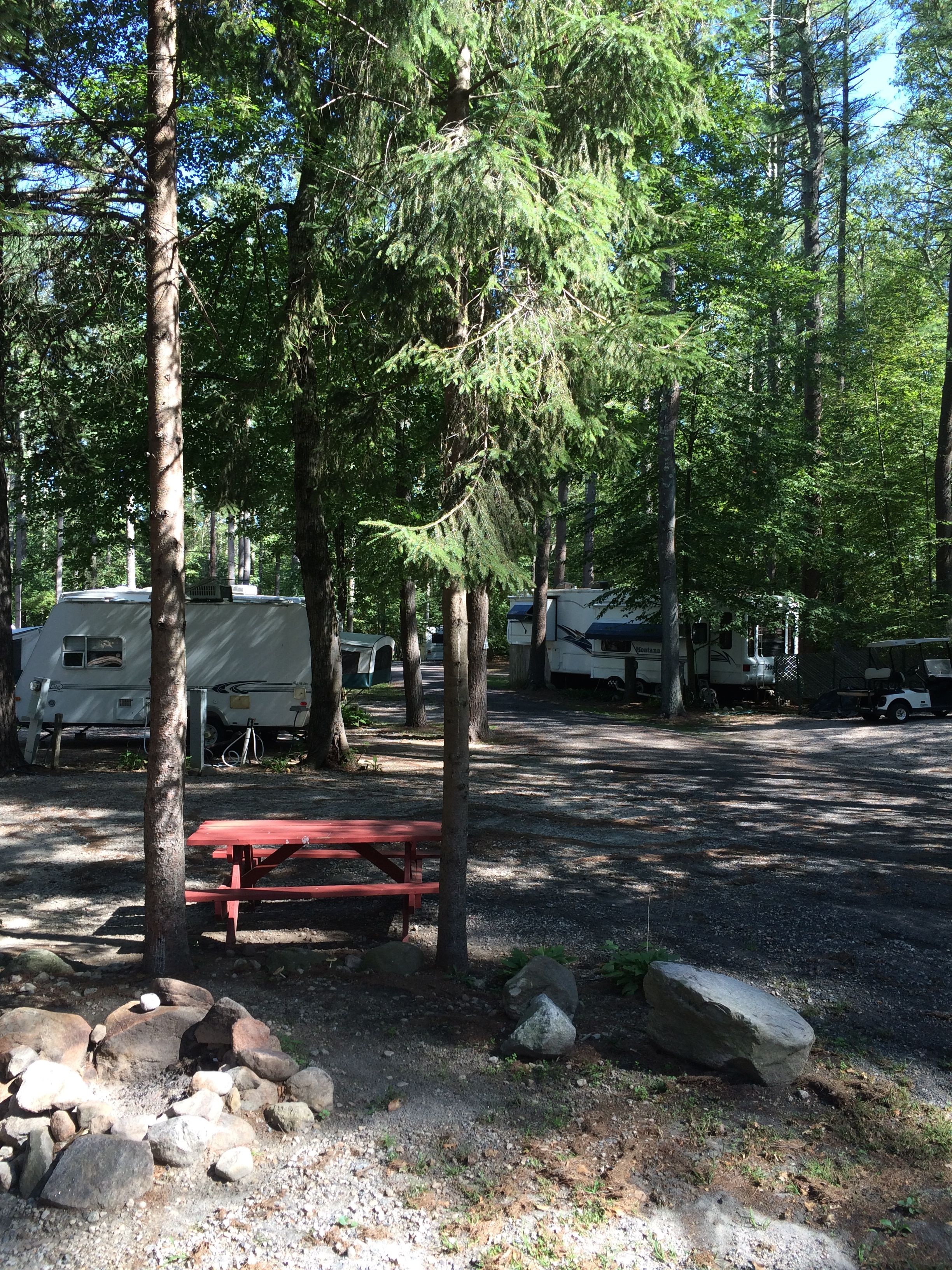
I left Nickerson State Park on Cape Cod and made the trip to Whispering Pines Campground in Hope Valley, Rhode Island. I got checked in and set up camp. It was a pull-through site with electricity and water! Woo-hoo!
The main event for my first night in Rhode Island was dinner with a friend I met on Facebook. I like how social “social media” can be! We met for dinner at 11th Green Restaurant and Pub.
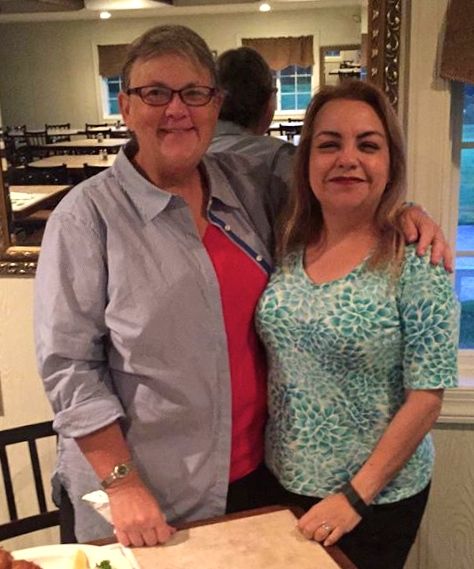
It’s always fun meeting people for the first time in real life. The pub was full, so they put us in the back room. It was nice and quiet so we got to chat.
The next day, I slept in. I did a bunch of phoning around and finally found an Airstream repair shop that can help me with what might be the source of the leaking I’ve been experiencing. I wish someone had told me that the roof needed to be resealed from time to time!
By the time I got showered and dressed and on the road, it was kind of late. I would have been happy to just hang out in the park, but I take my touristic responsibilities seriously. The only thing I really knew about Rhode Island was that there were all sorts of “cottages” in Newport that belonged to the rich and famous around the turn of the 20th century. I jumped in the truck and headed that way.
When I stopped for gas, I noticed a sign that pointed the way to Gilbert Stuart’s birthplace.
For those of you who may have forgotten, Gilbert Stuart is the artist who painted the famous portrait of George Washington.
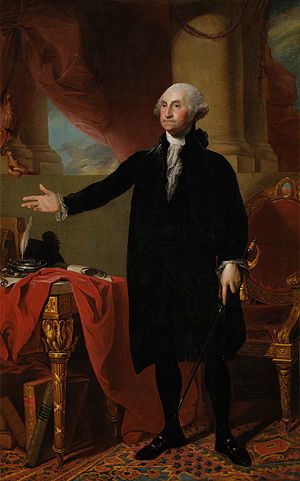
This is called the “Lansdowne Portrait”. It shows Washington at age 64 renouncing a third term as President. It was painted in 1796 and commissioned by Senator William Bingham of Pennsylvania and his wife Anne. It was given as a gift of appreciation to British Prime Minister, born William Petty FitzMaurice; the second Earl of Shelburne and later the first Marquess of Lansdowne. He was an American sympathizer who supported the colonies independence in Parliament. He secured peace with American while he was Prime Minister of Great Britain.
I remembered much of this from lessons taught by my beloved art history professor, Sister Jeanne File. The rest of it came from searching on Google. Why? Because I was too late to visit the museum.
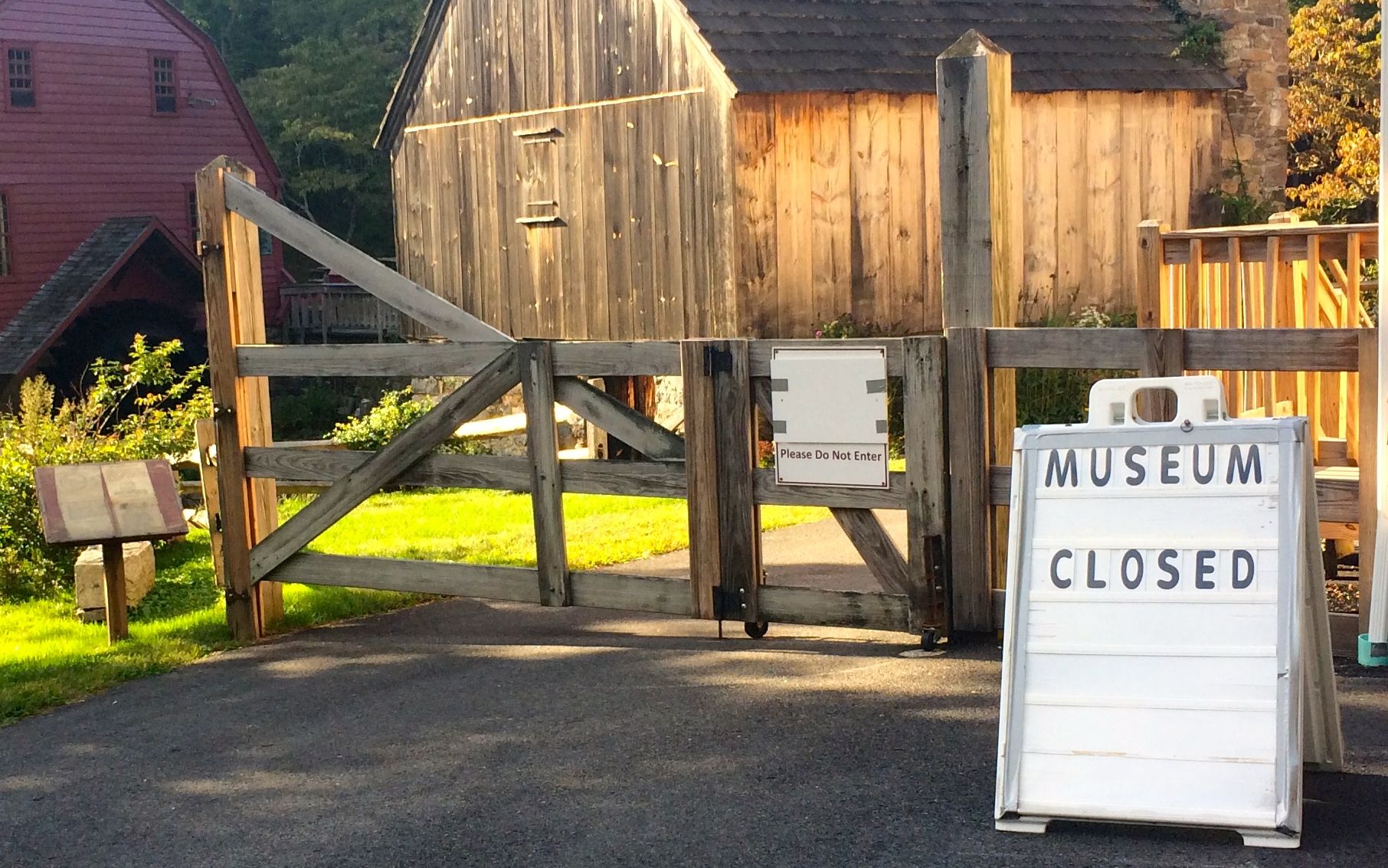
Oh, well.

As I walked up to the door to make sure that it was really closed, I caught the scent of boxwood. That seemed very appropriate, as I associate the smell of boxwood with George Washington and Mount Vernon.
I couldn’t go in, but I could look from outside the fence.
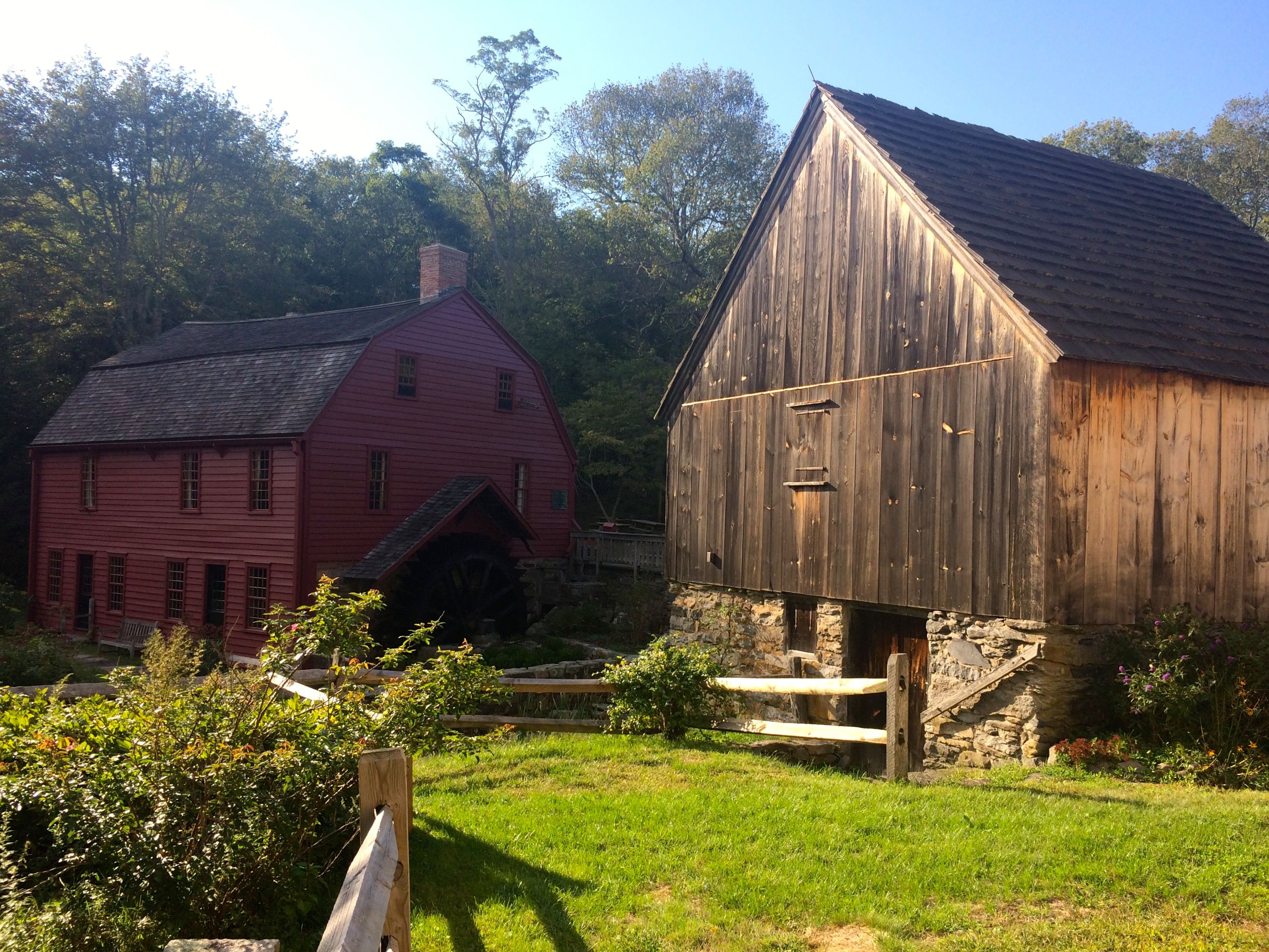
Gilbert Stuart was born in the red building. According to the information on the museum’s website, his room was right above the waterwheel. This building is unique because it was both a family dwelling and a place of industry. It’s the site of the first snuff mill in the colonies.
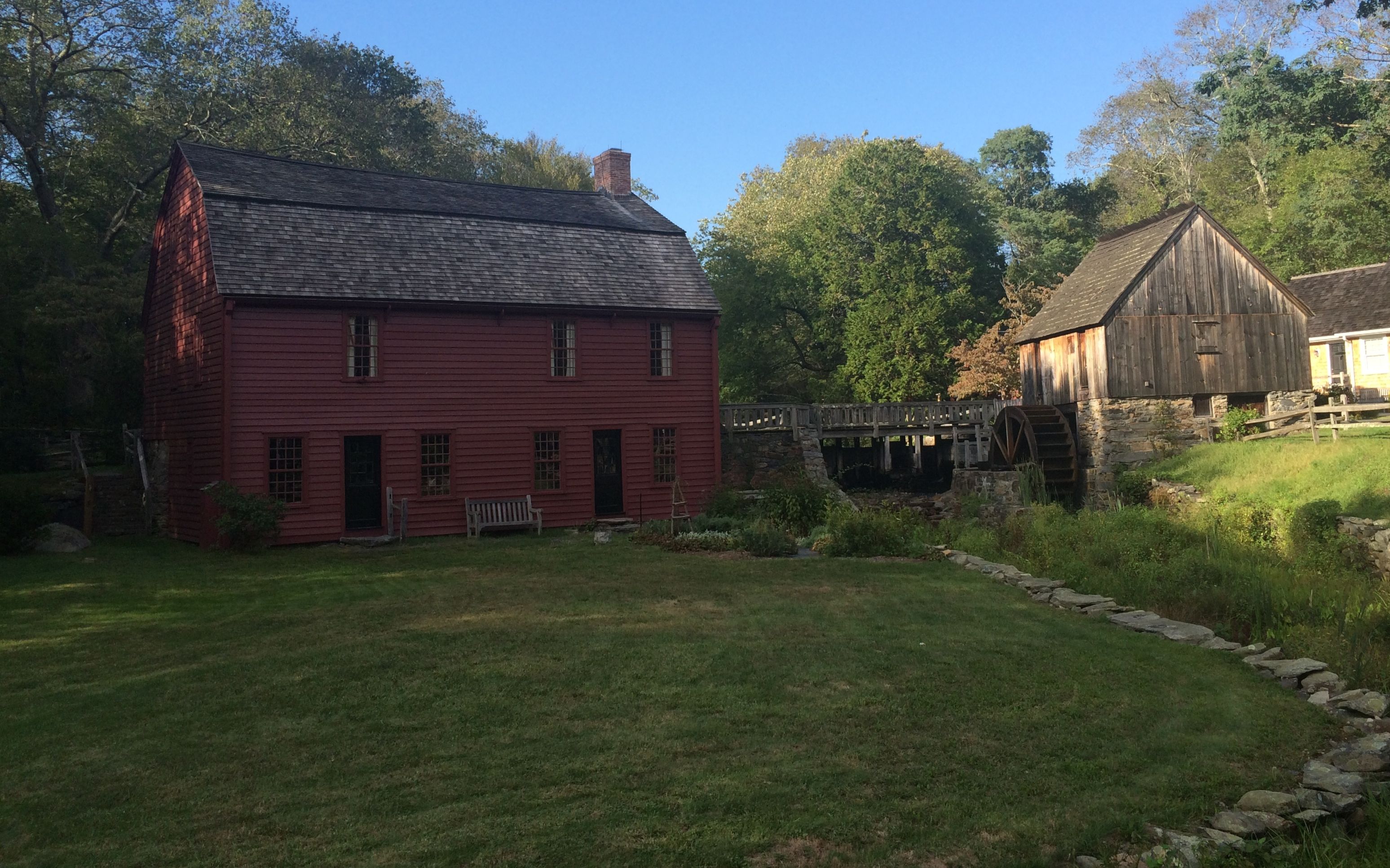
I like the practical nature of the site. There is a second mill operating on the same mill pond.
The Stuart family lived here until 1761 when they moved to Newport. Many families lived here over the next 170 years. By the late 1920s, the buildings had fallen into disrepair and was in danger of being torn down. A group was formed that raised money and purchased the grounds in 1930. The buildings were restored by Norman Isham who was a renowned specialist in colonial restoration.

By 1933, the State of Rhode Island got around to commemorating the site, as well.
Outside the fence, there was also this interesting artifact. Do you have any guesses as to what it is?
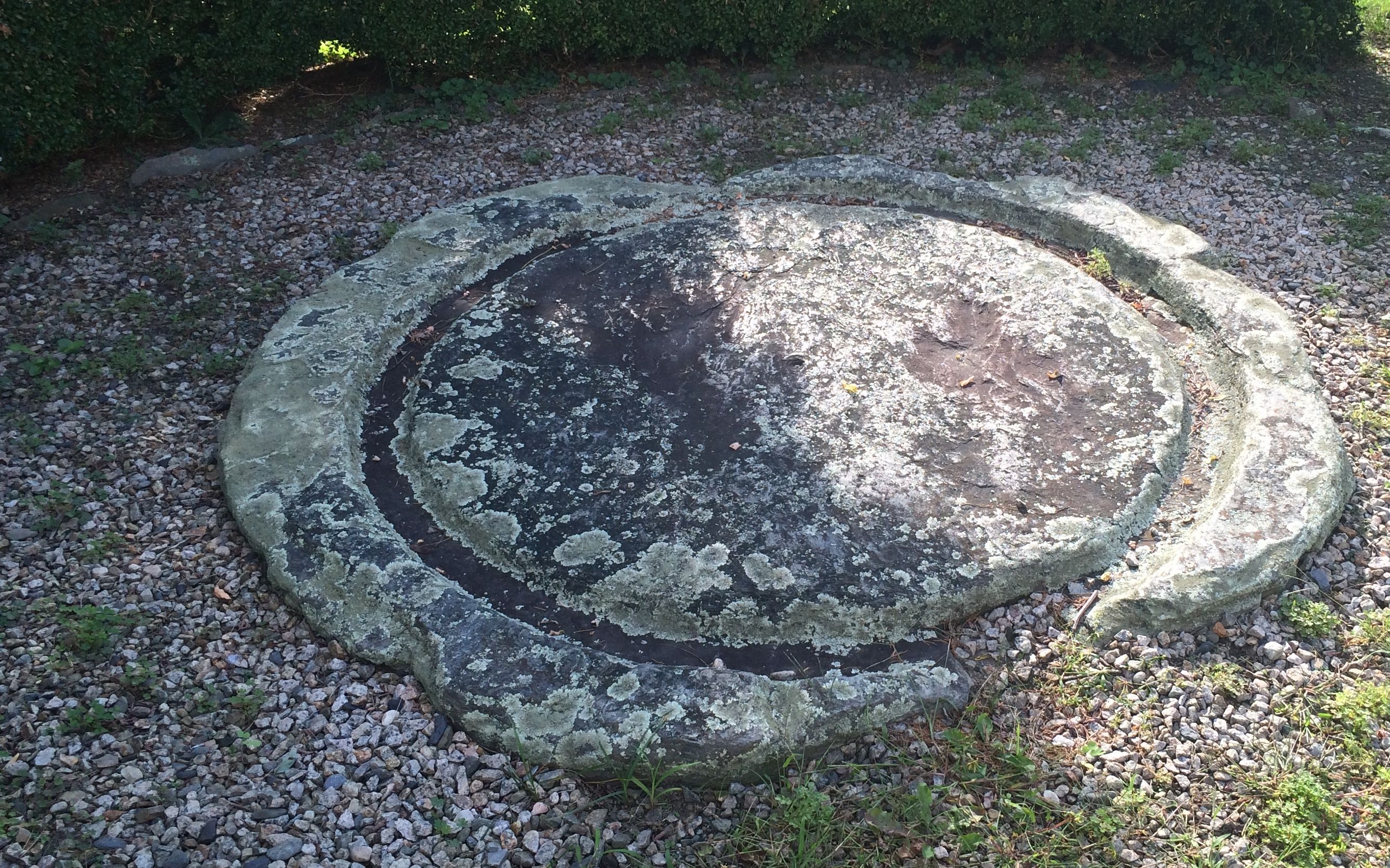
It’s a leeching stone. I was used for creating potash lye, which is mixed with animal or vegetable fat to make soap. A barrel is fitted into the circle carved into the stone. Wood ashes are saturated with water and allowed to soak for about two weeks. After soaking, the barrel was filled with water and the liquid was allowed to seep out through the spout.
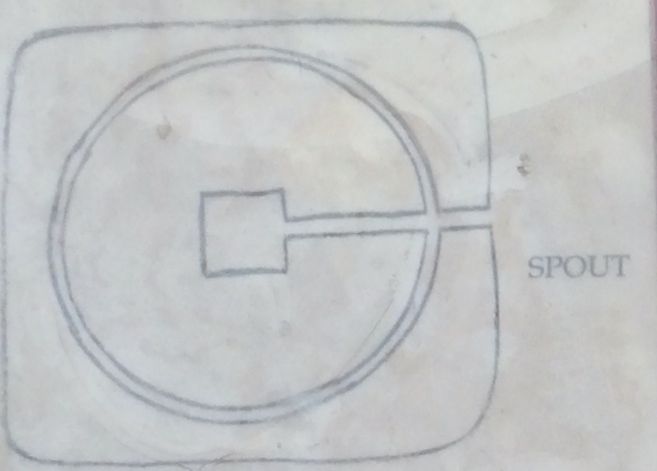
At least, that is the way it seemed from the somewhat faded sign by the leeching stone. I am always curious about how things are done.
With that, it was time to continue to Newport. I made my way to the area near the Cliff Walk. I parked by the beach and went to stroll in the surf.
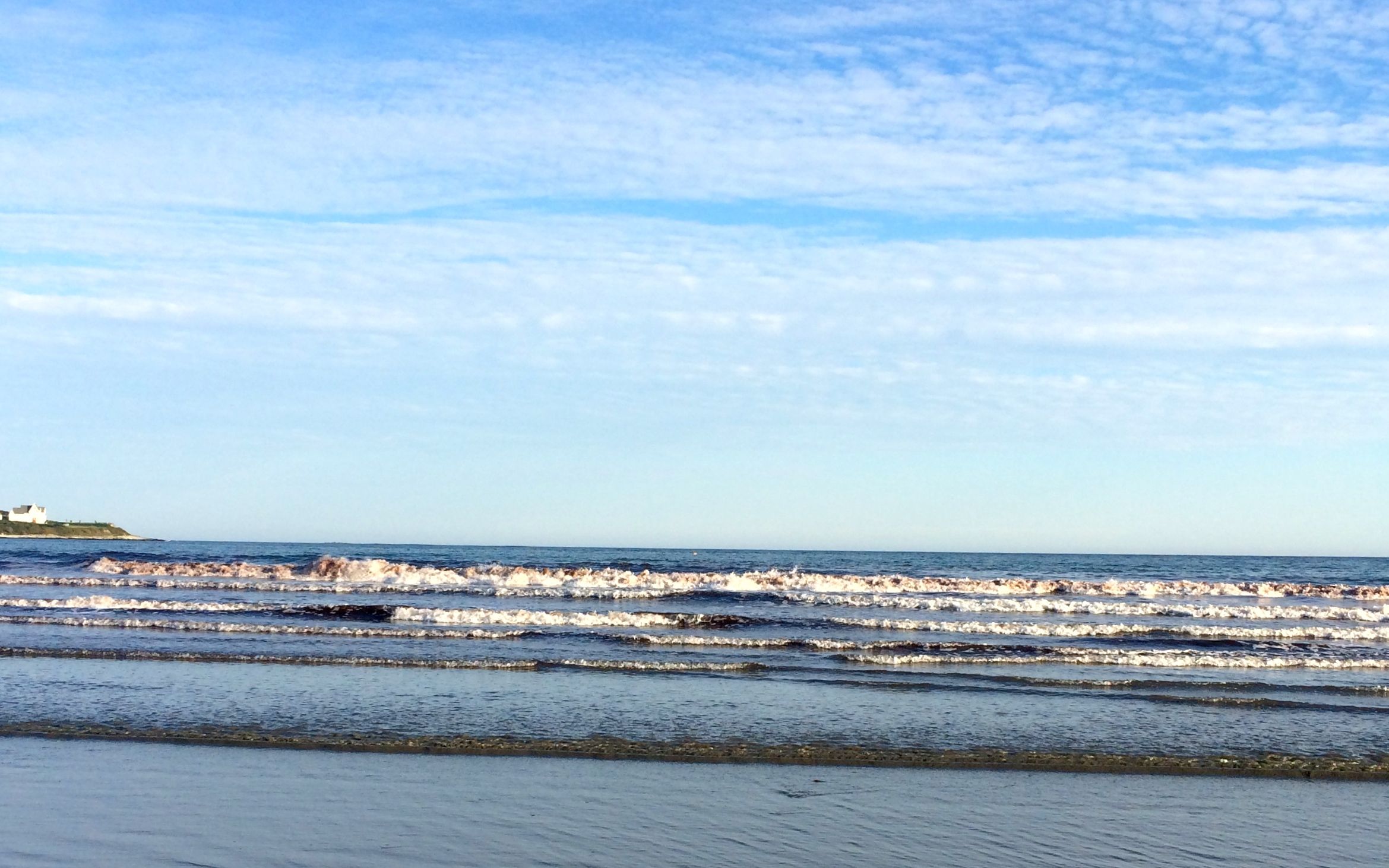
The beach was wide and smooth and studded here and there with shells.
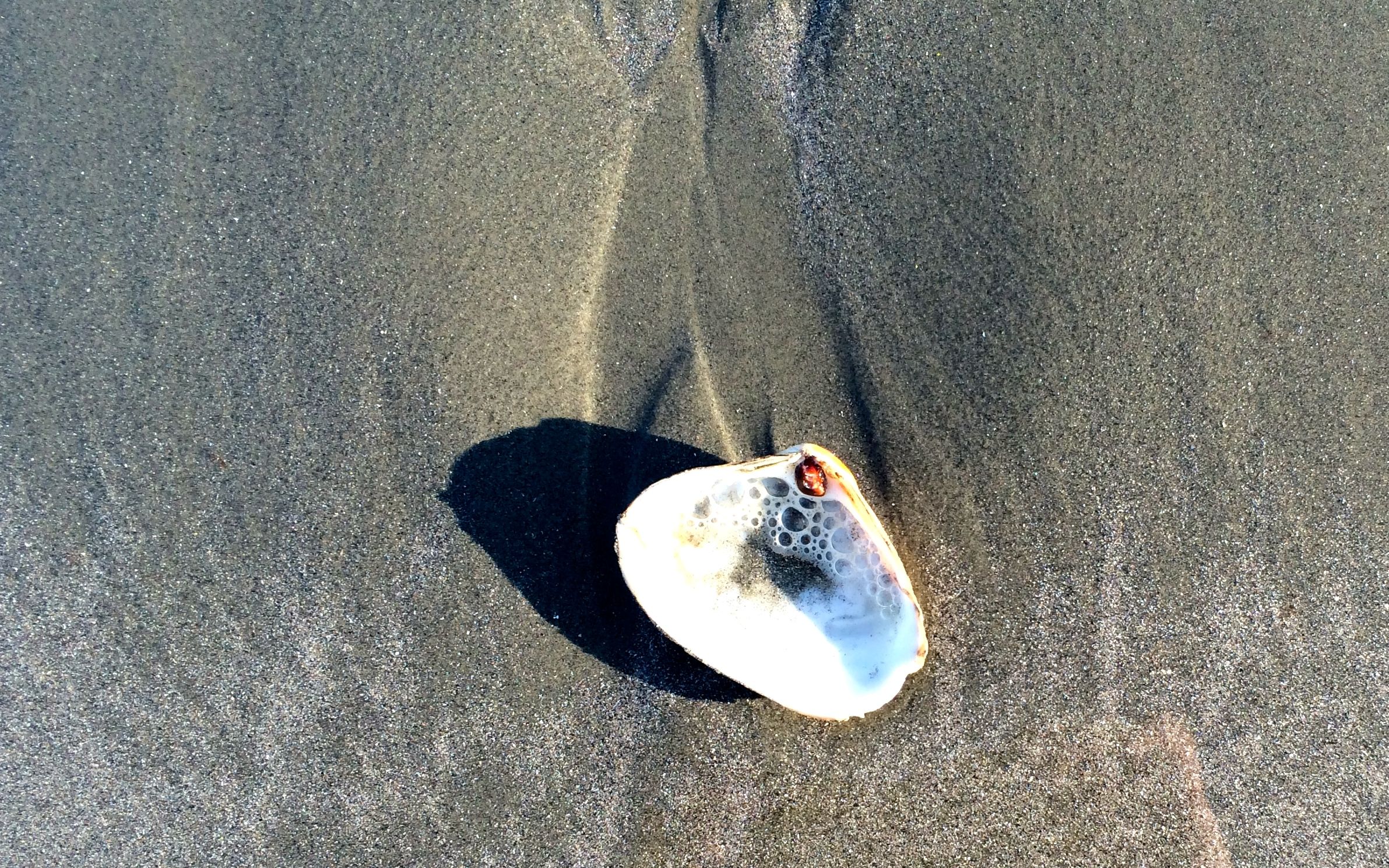
I looked around and took it all in.
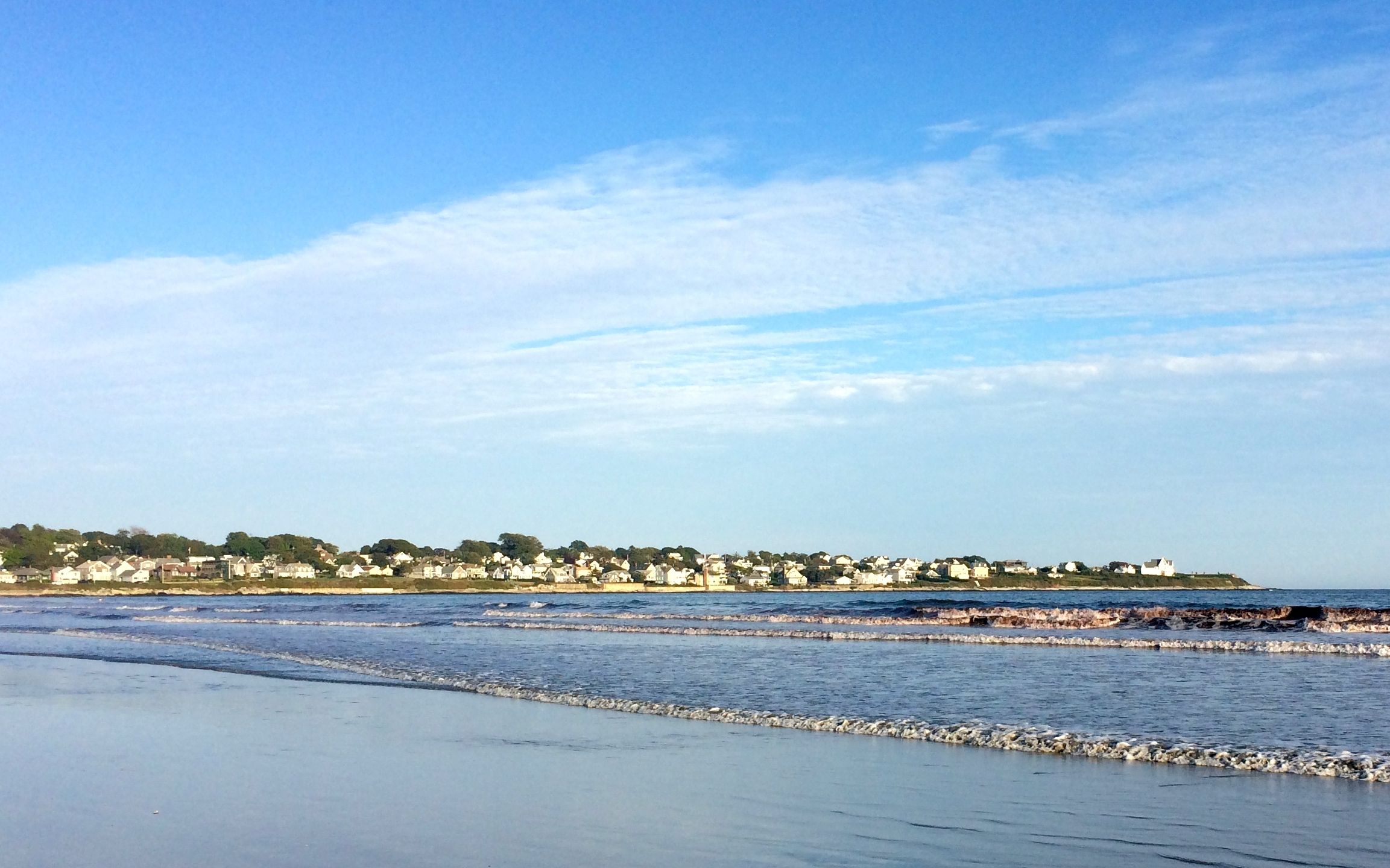
Ah, the smell of money!
I read about the Cliff Walk on the internet, and it didn’t sound like a good hike. Well, not good for me, anyway. It sounded like the path wasn’t well-maintained and some property owners made it hard for people to pass though, even though people do have the right to access the trail. It was also damaged by Hurricane Sandy.
So, I looked for other things to do, and this lighthouse popped up. I drove over, but couldn’t access the island it’s on because it was being used for a conference.
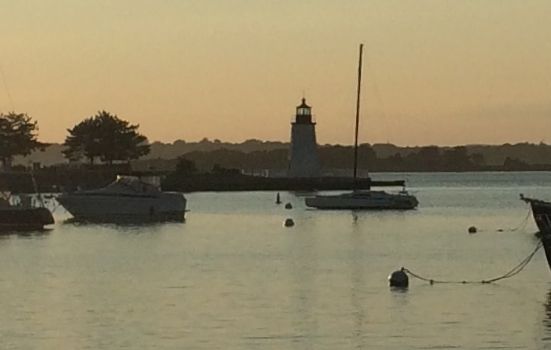
I managed to get a nice view from across the water.
I also watched some kids playing on a dock and swimming. They were having so much fun. I loved watching this girl. First, she climbed up.
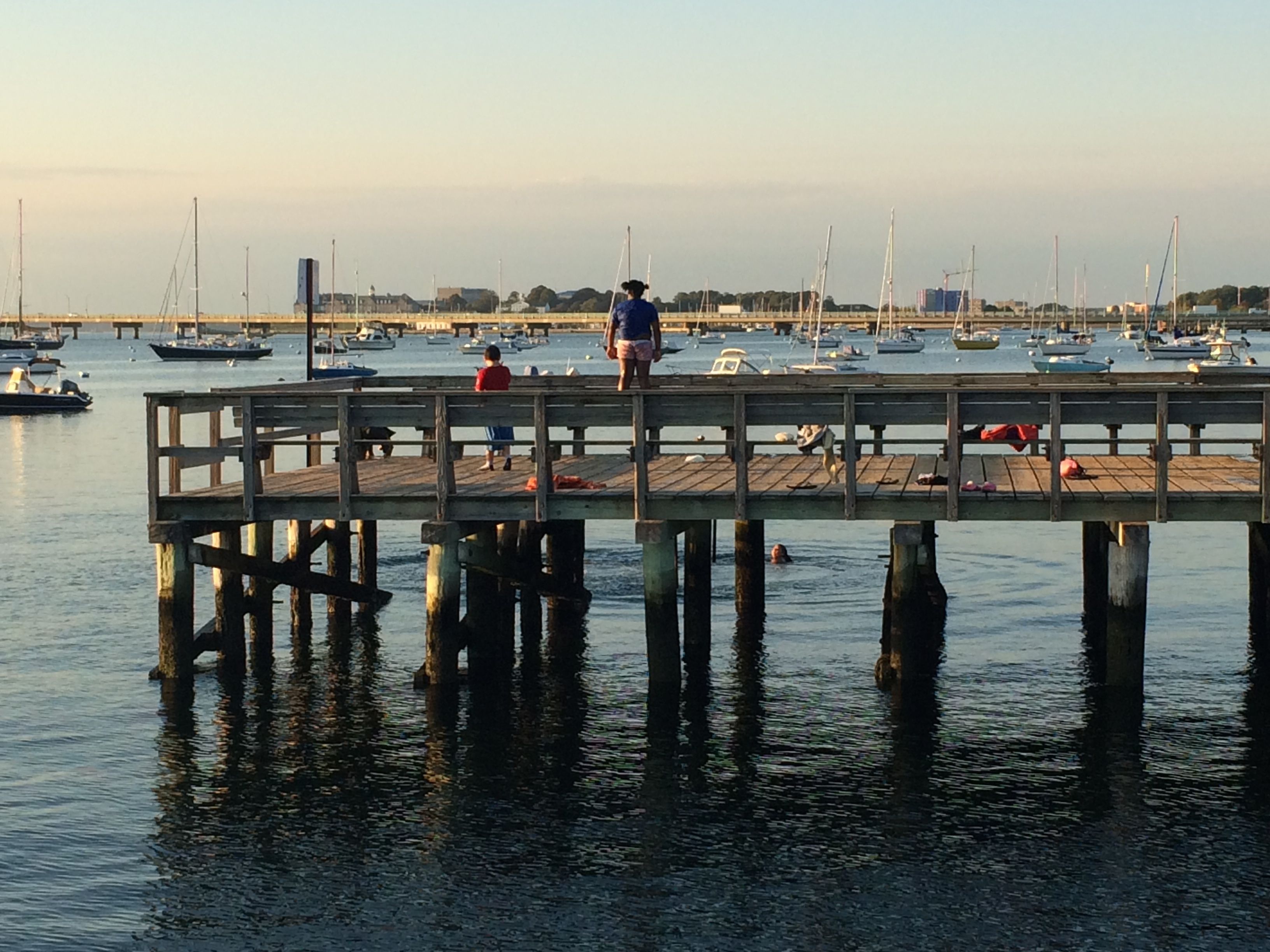
Then she lost her courage and stepped back down.
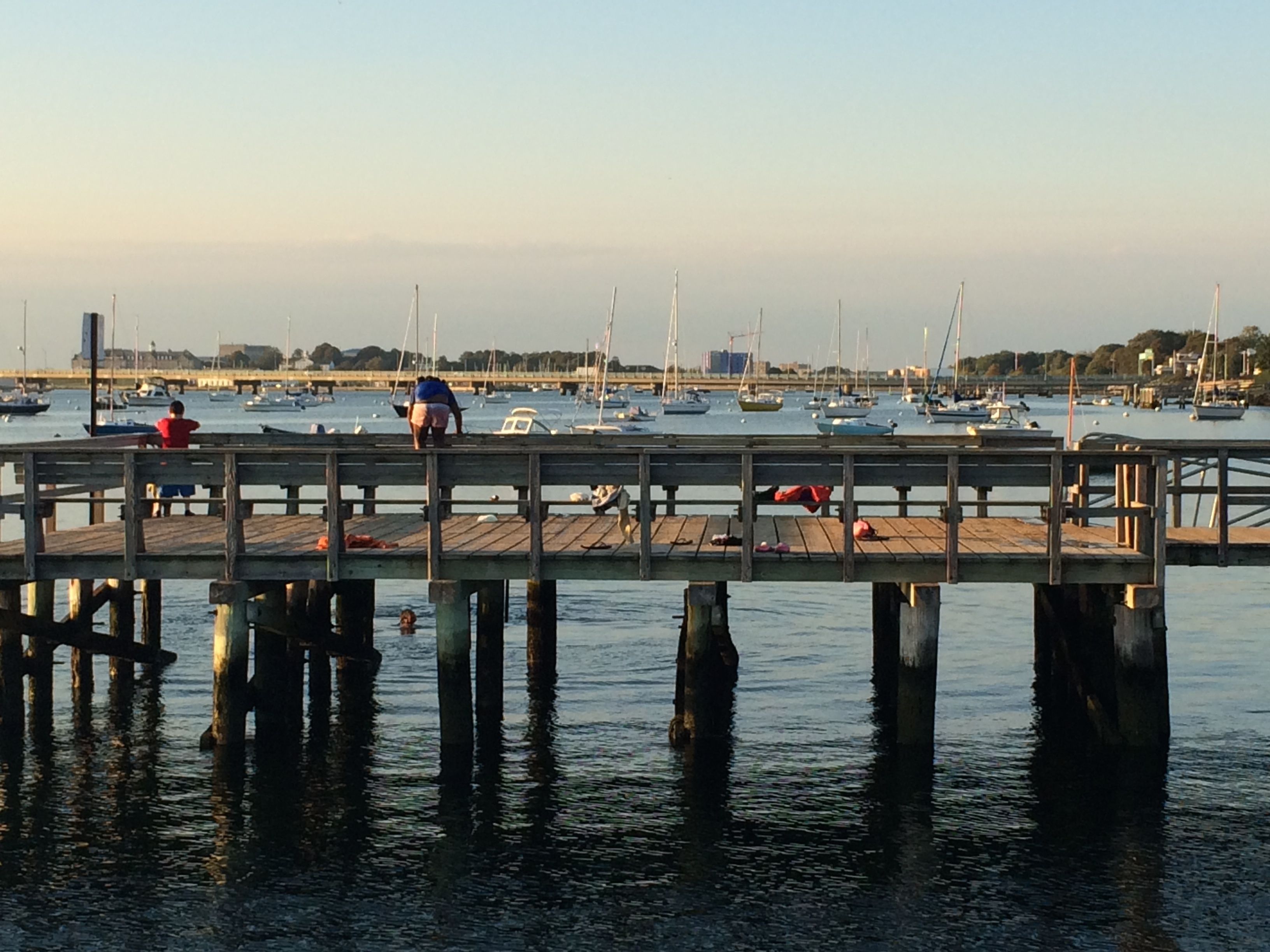
She must have watched her friends down in the water and decided she wanted to have fun, too.
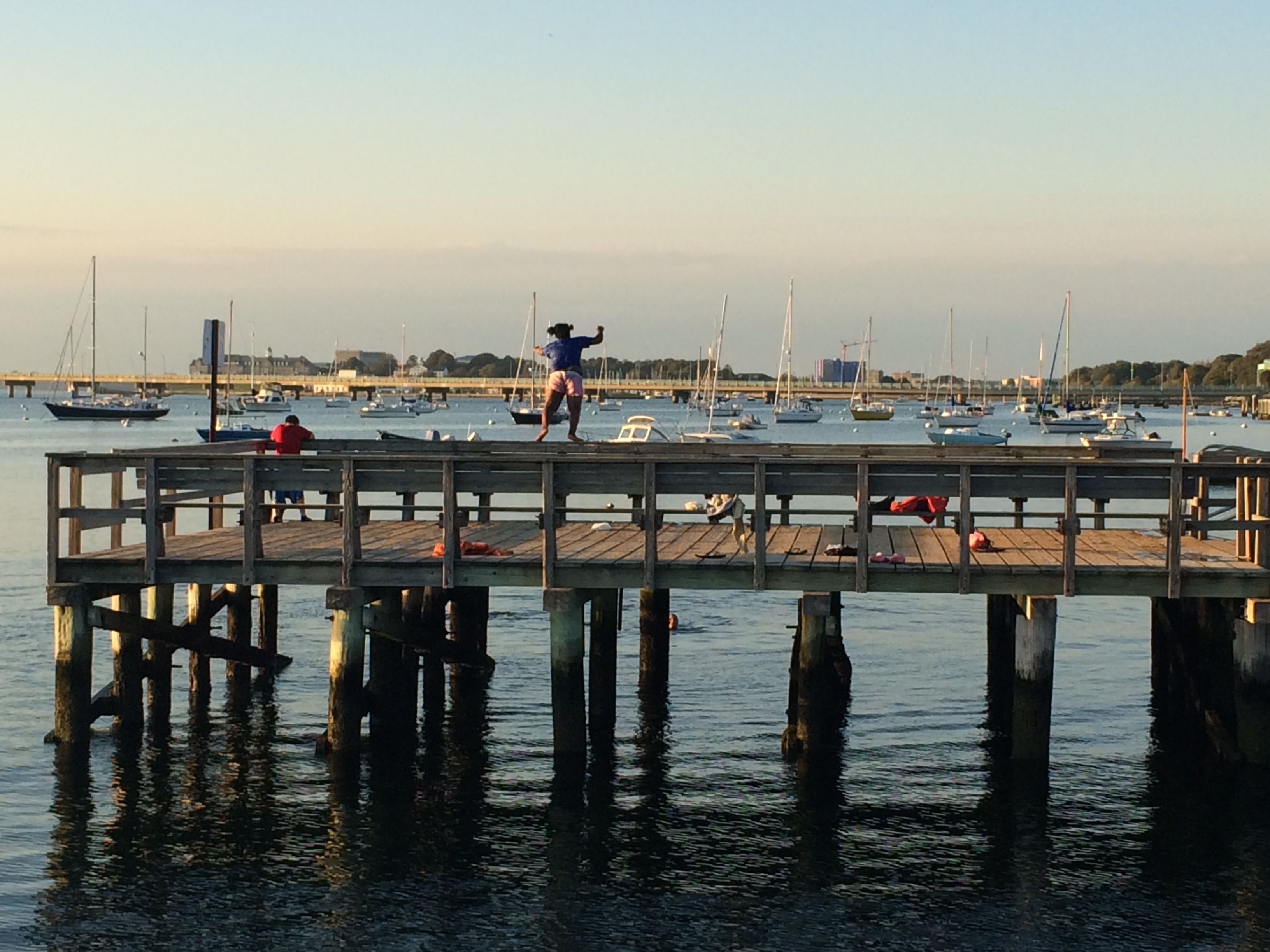
And she jumped!
Afterwards, I walked over and showed her the photos, and she really got a kick out of them.
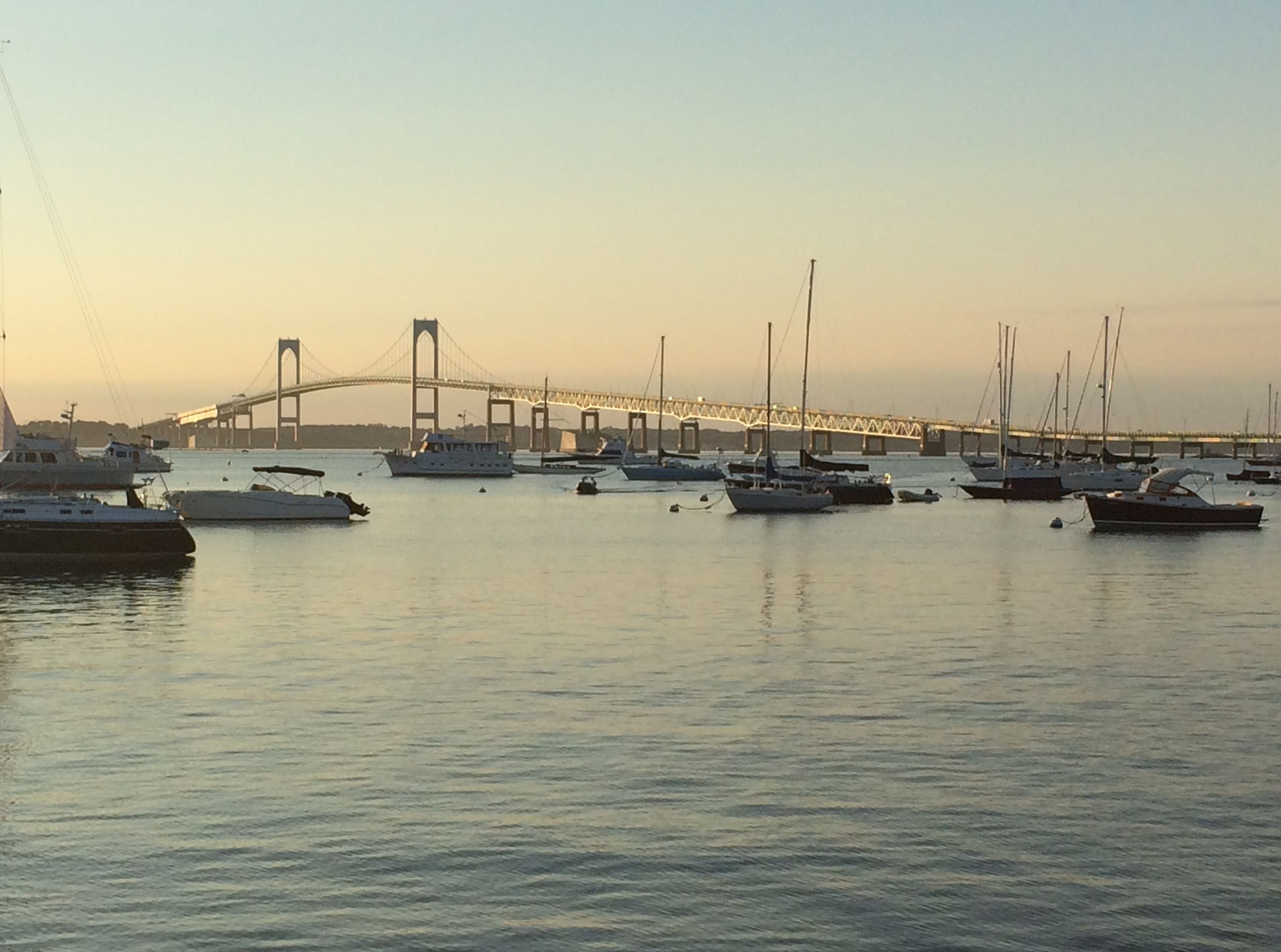
This is the bridge I crossed over to get to Newport. It’s the Claiborne Pell Bridge, named for Senator Claiborne Pell. He served in the Senate for six terms. I imagine most people are familiar with his name because he was the sponsor of the Pell Grant.
On my way back to where I had parked the truck, I stopped to notice some of the houses lining Washington Street.
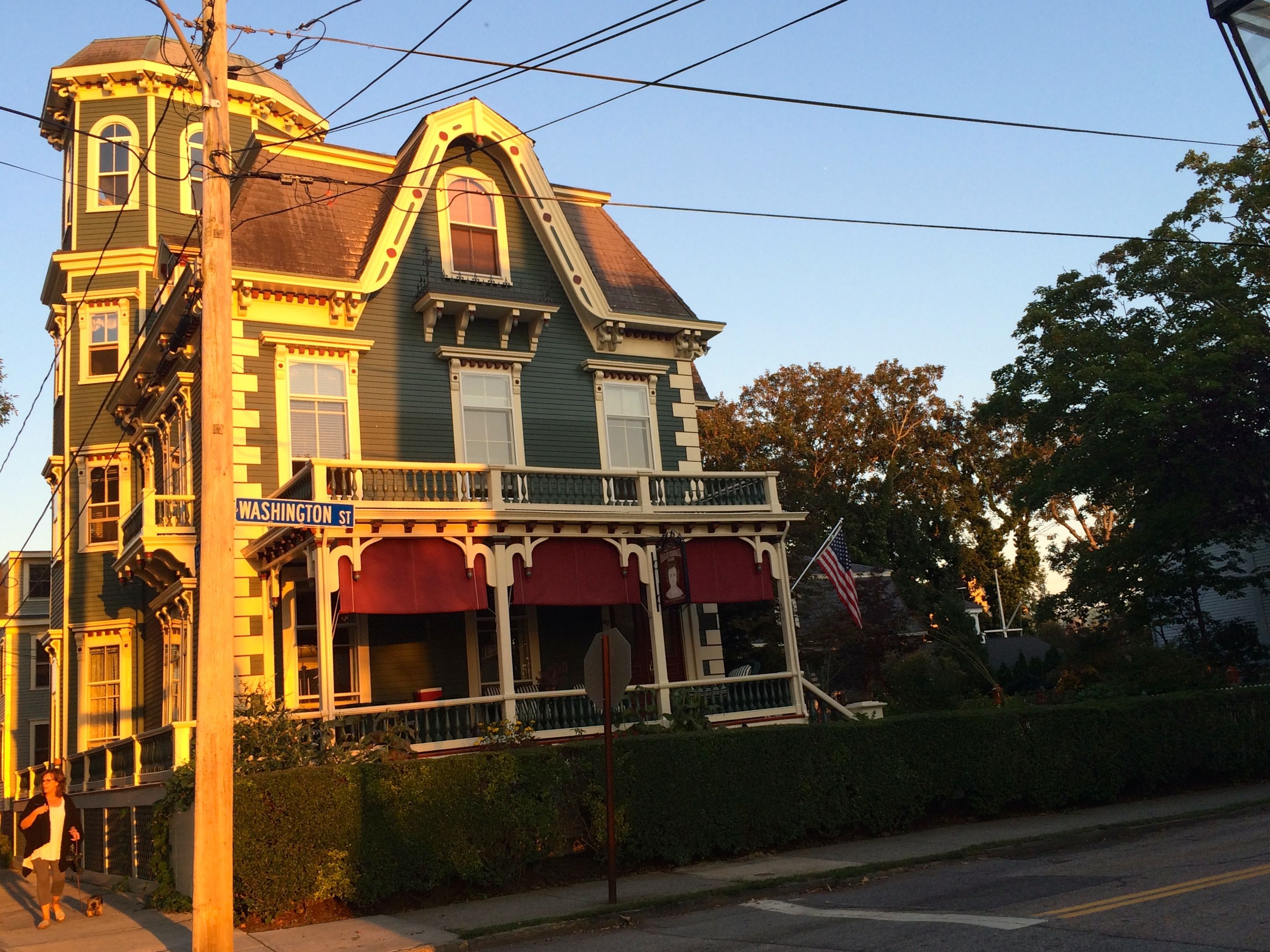
There were large gingerbready houses.
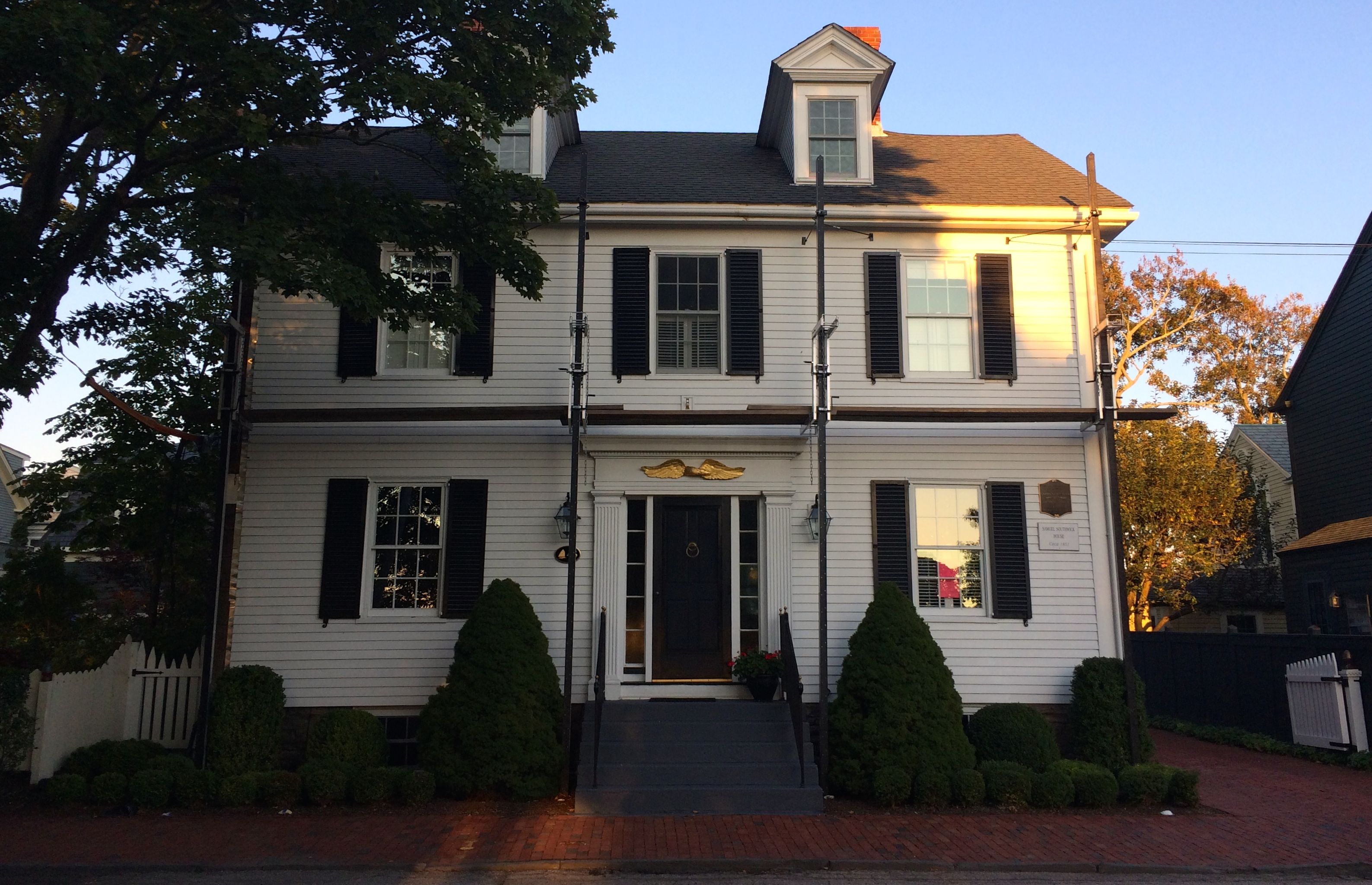
The front of this house reminded me of the house I grew up in, except that we didn’t have dormers on the third floor.

Our house was the Marlin House and it was built circa 1927. Also, our house didn’t have a fancy plaque on it.
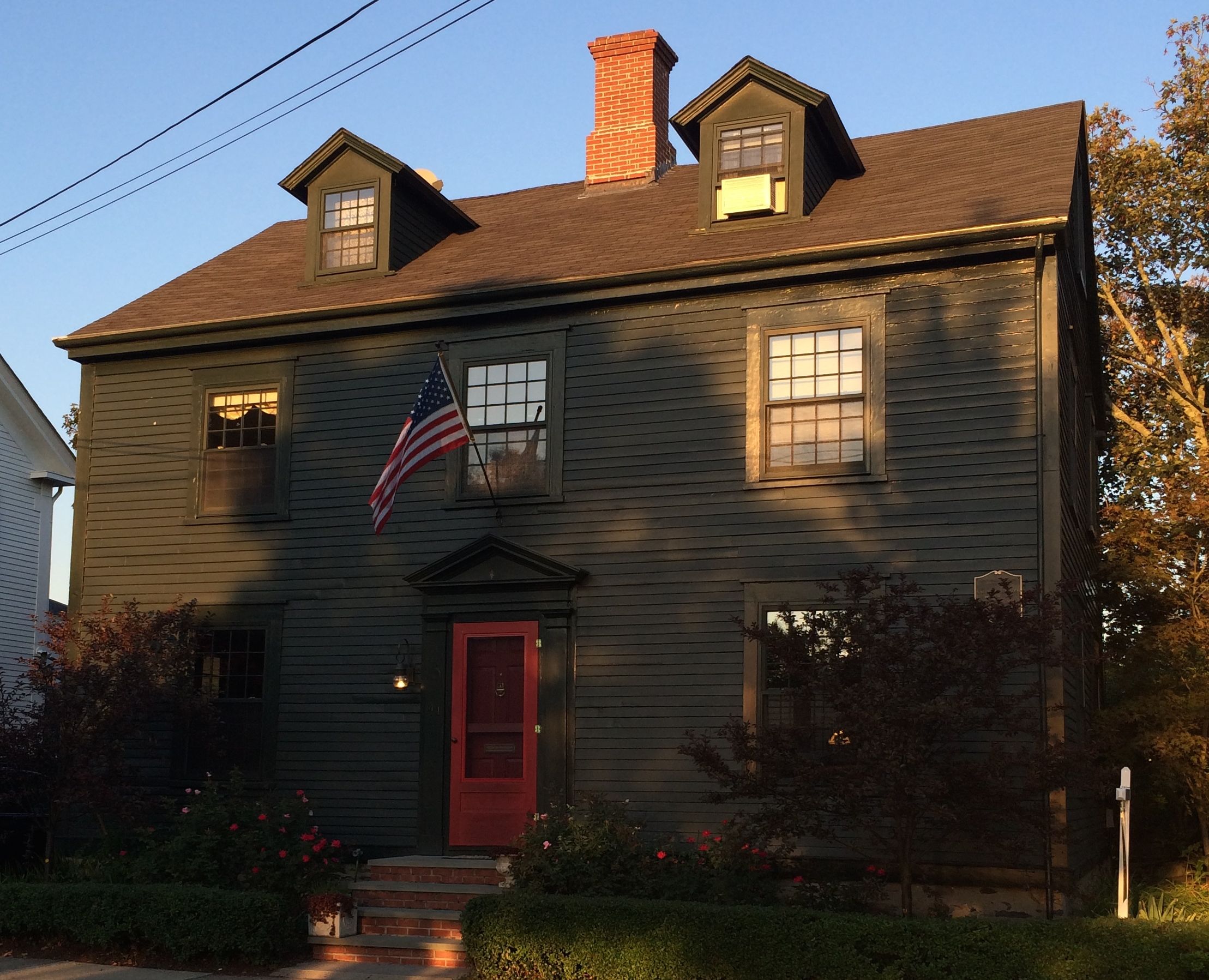
This is the John Bigelow house from around 1770. If you fancy it, it could be yours!
It’s only $1,295,000. If you’re interested, contact the realtor. Actually, I was surprised that the price was so low.
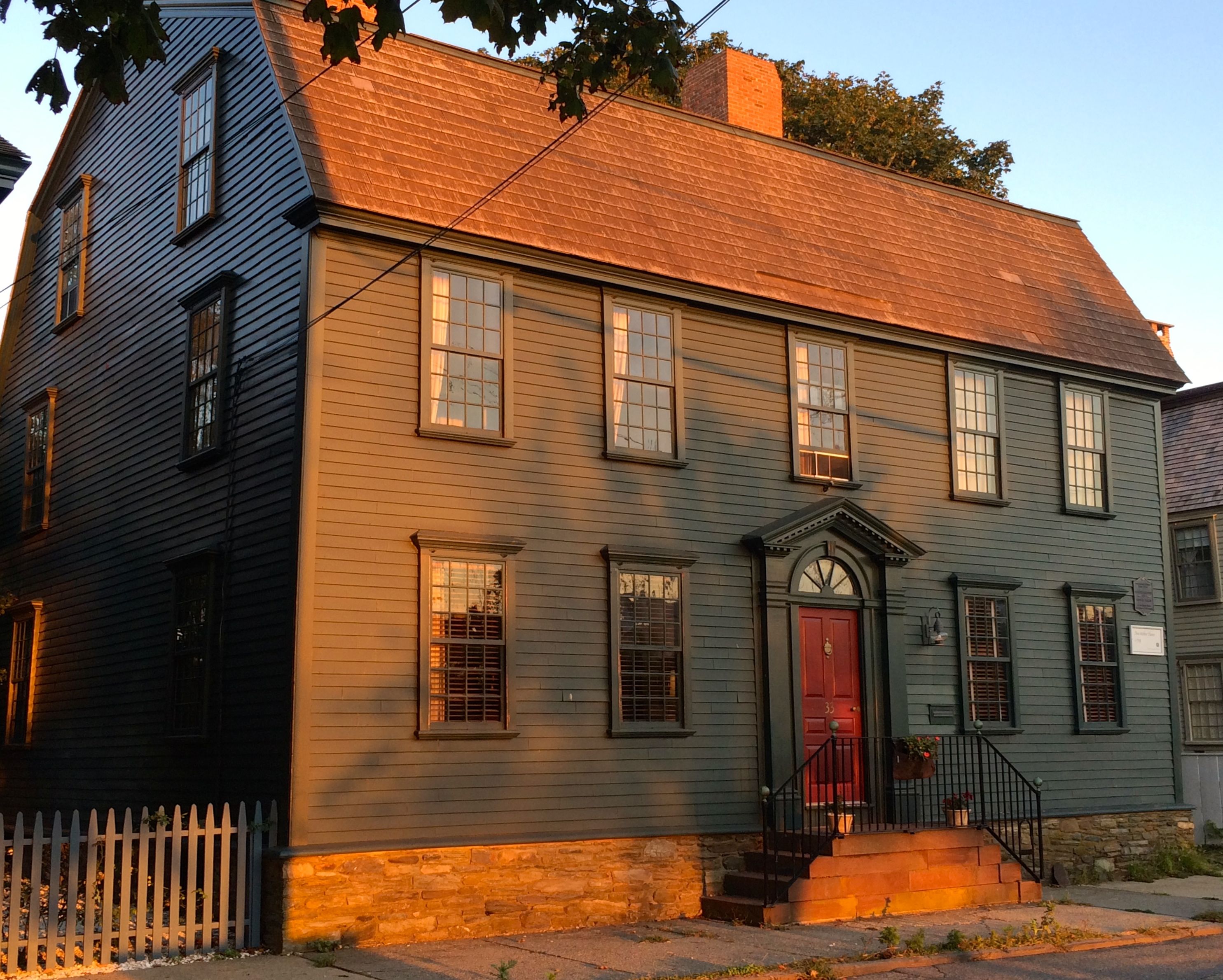
There were large houses, like this one from 1794.
And small houses, like this one next door.
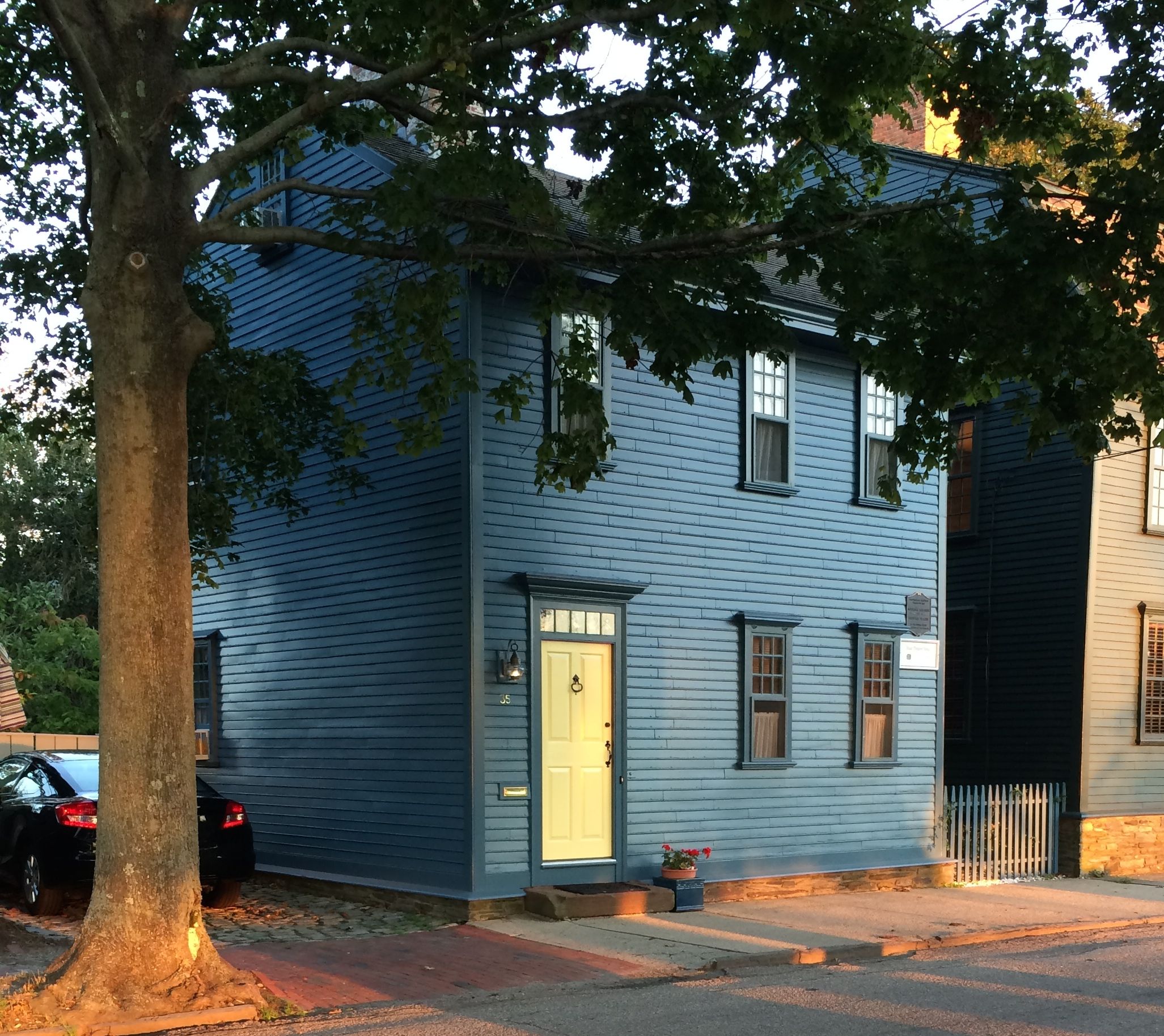
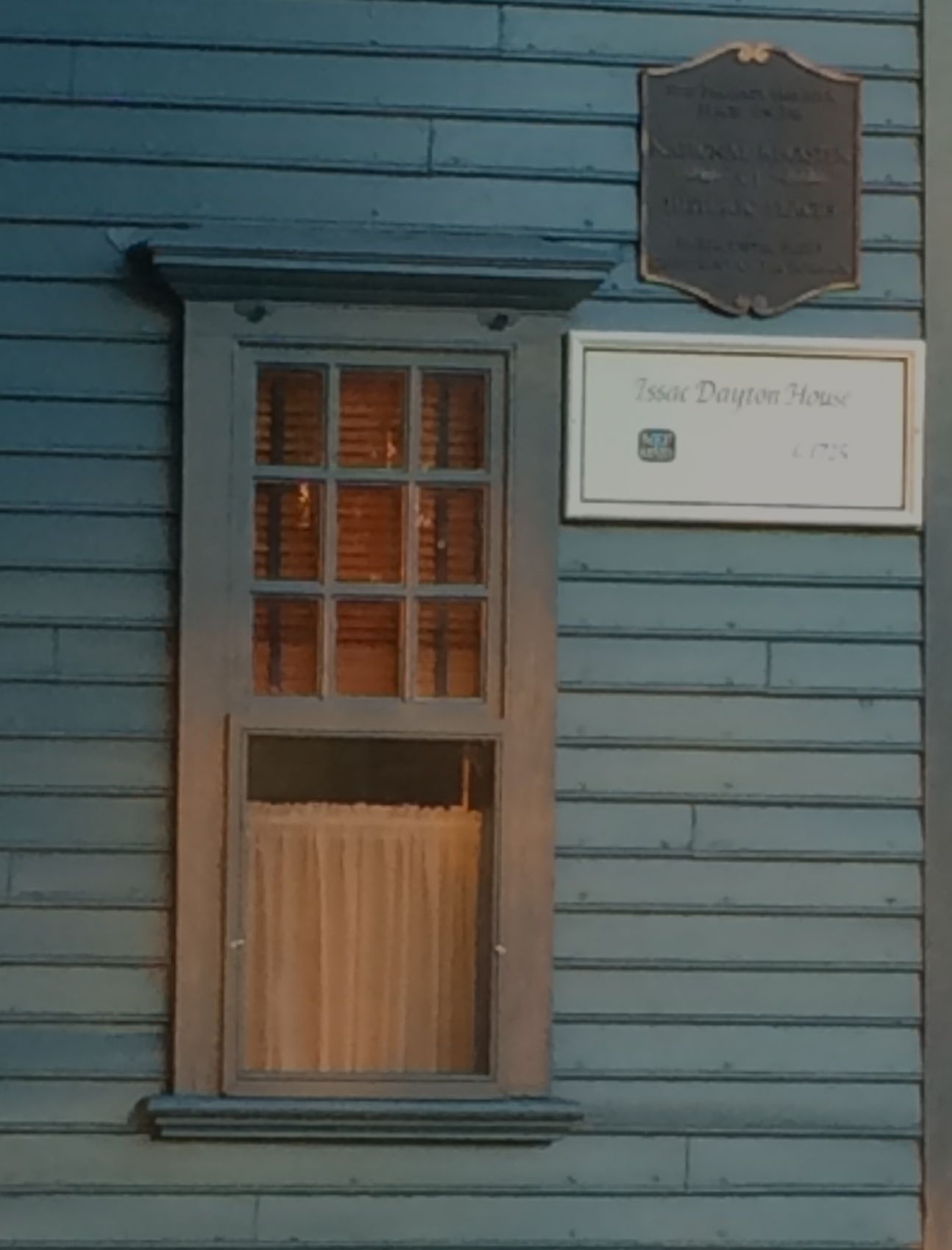
The Isaac Dayton house from 1786.
And they all had a lovely view.
By then, the time on my meter was about to run out and it was time to head back over the Claiborne Pell bridge and get back to my little aluminum home on wheels.