The next day the weather was better.
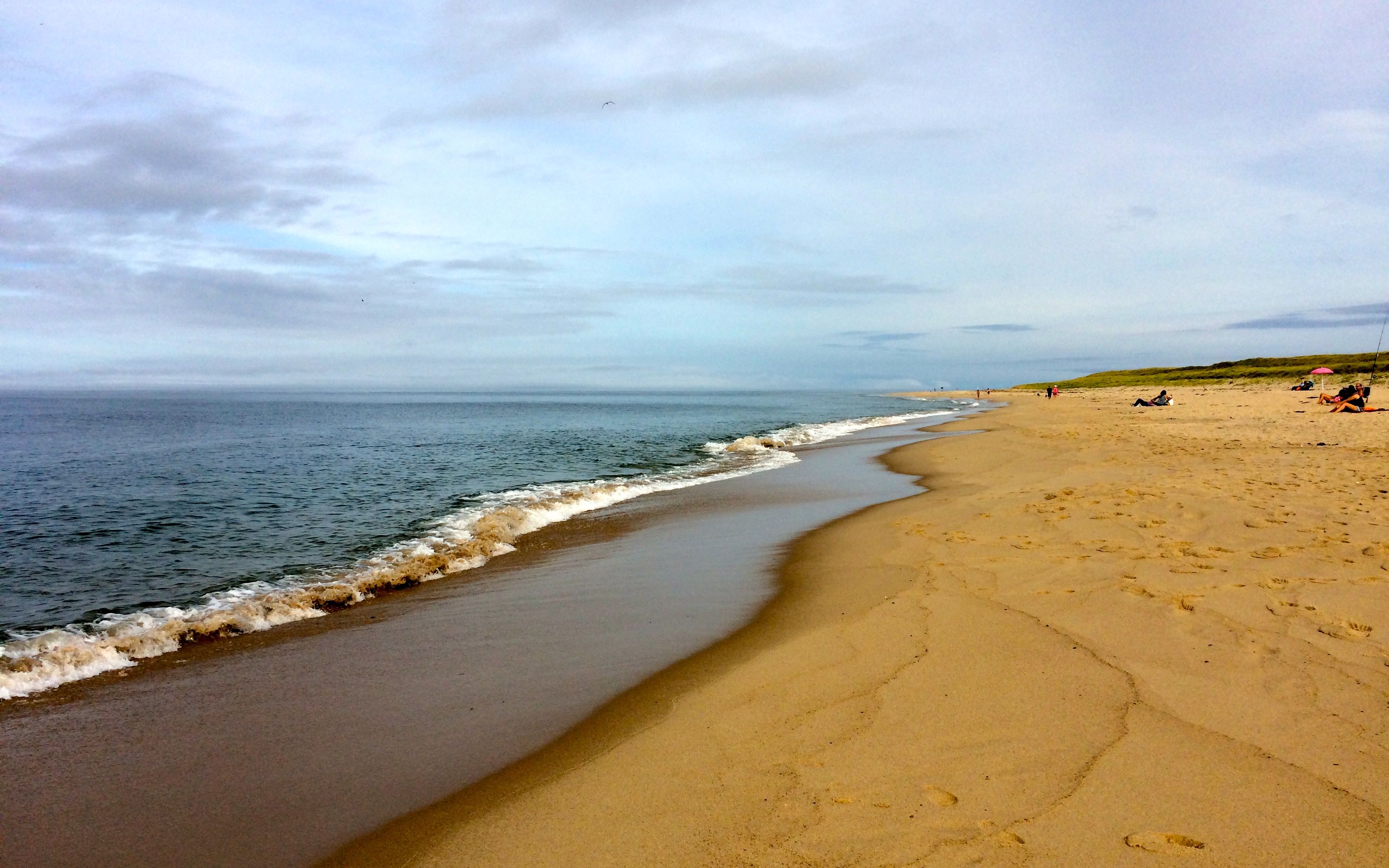
A lot better! I walked the beach up near Provincetown and enjoyed wading in the water.
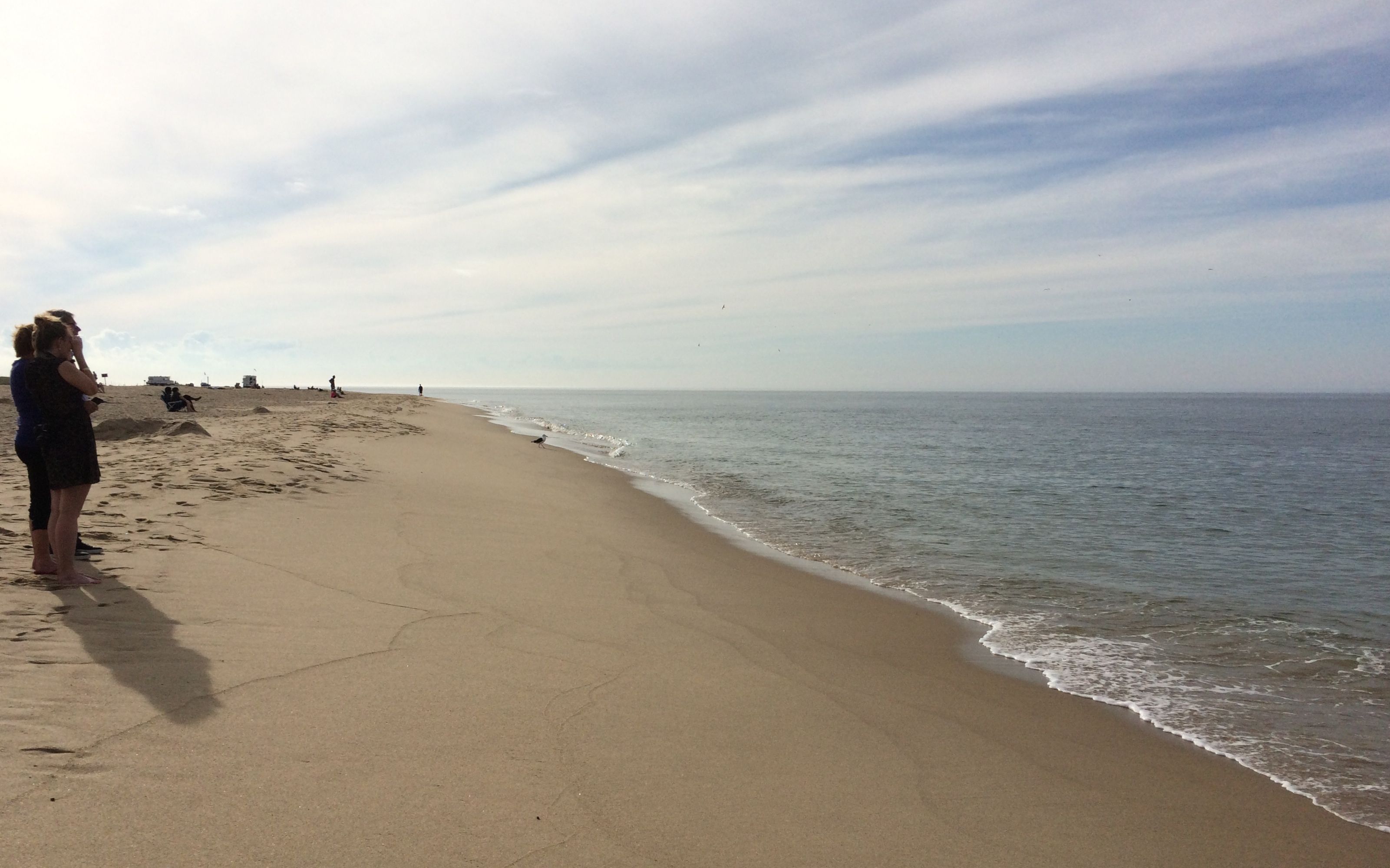
After a stroll up and down the beach, I walked past these folks a couple times. I asked them what they were looking at. They told me that they saw whales! I stood and looked with them for a bit, but I saw about as much whale action as I did manatee action when I was in Florida last winter – which is to say, not much of anything.
After a bit, it was time for lunch.
I stopped at Mac’s Fish House. The reviews were good and they had a parking lot. Land is at a premium and parking that huge truck is always a headache. The fish was tasty and they had lots of ketchup. How could I leave Cape Cod without trying the cod?
I have to admit that the memories of my time in Cape Cod are a bit jumbled. It was a while back, but I still feel compelled to report on my stay.
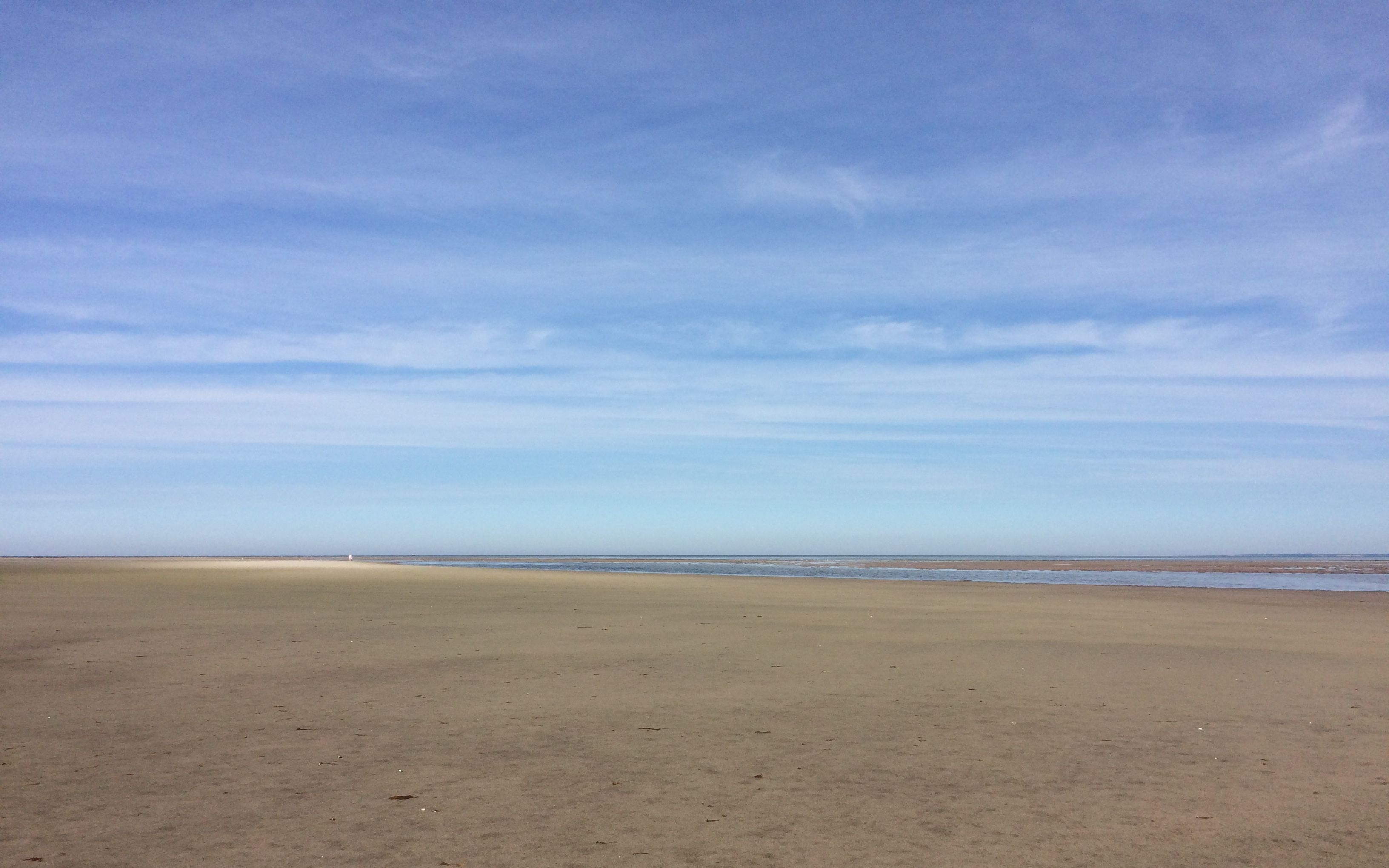
The next day, I took a walk at low tide on the side that faces Cape Cod Bay.
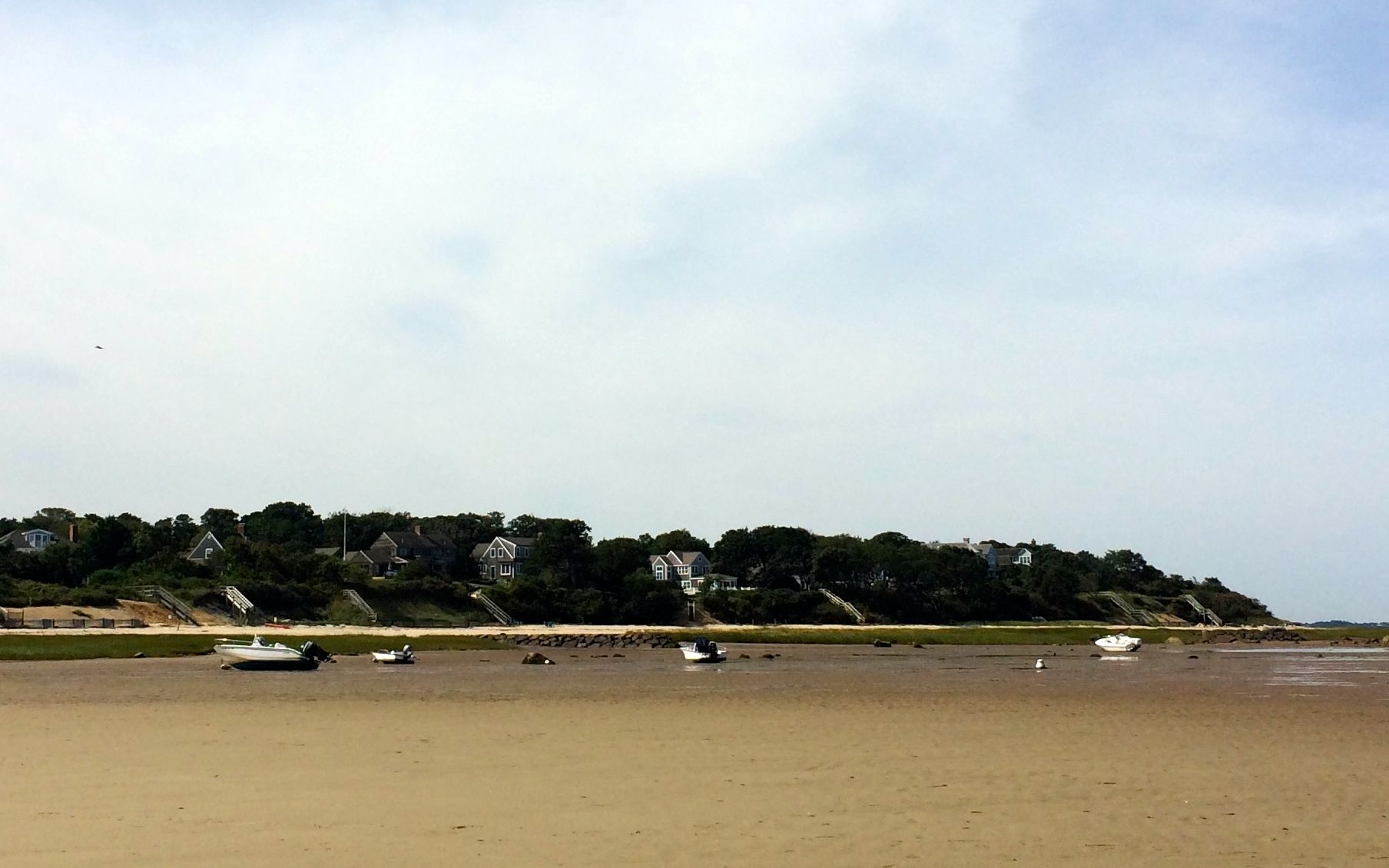
Being a “Fresh Water Girl”, the idea of boats just being left there while the tide goes out is kind of amazing. It also gives real meaning to the phrase, “A rising tide lifts all boats.”
I am kind of a beach comber at heart. I walk around looking at the sand.
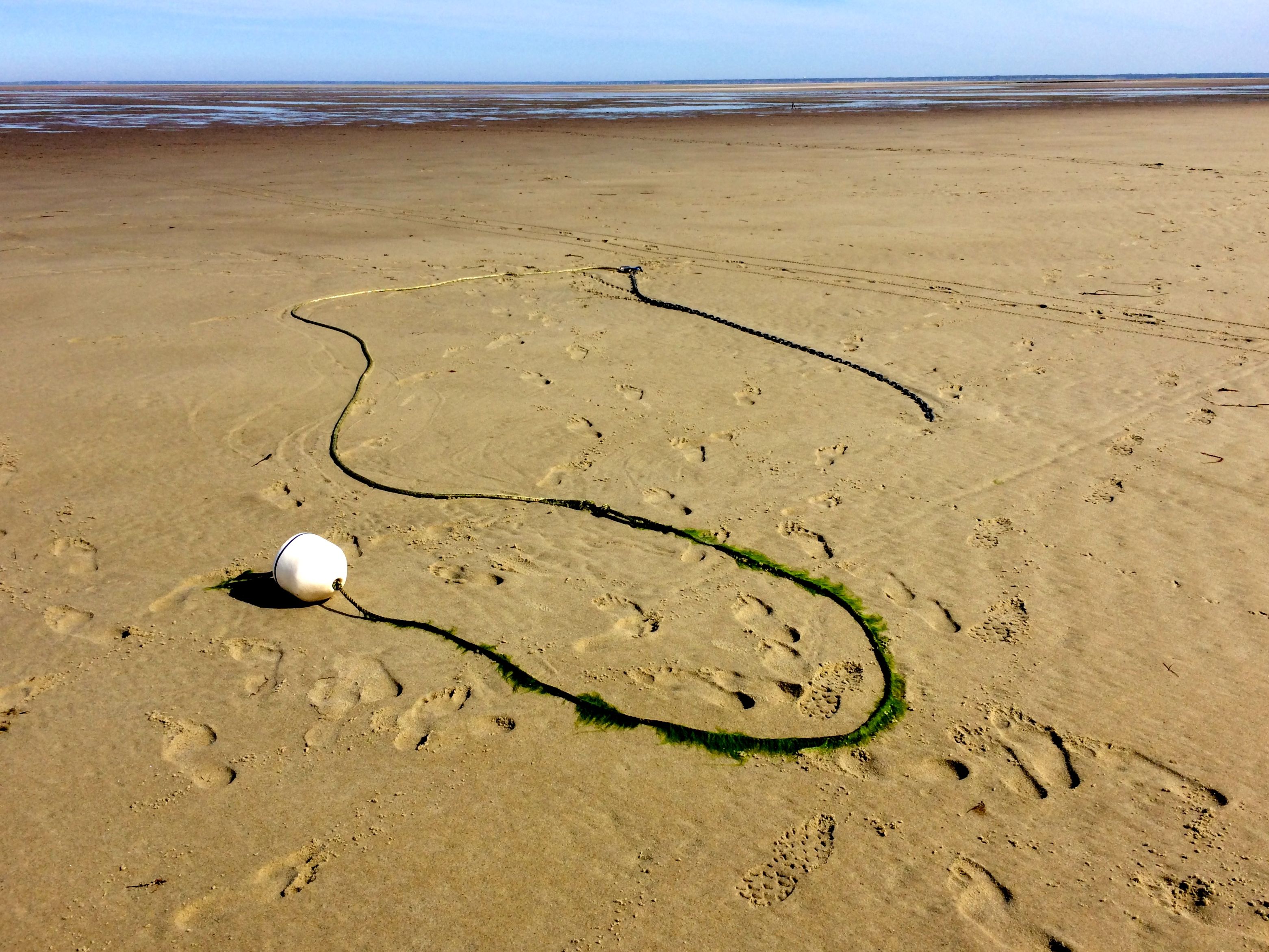
This line covered with mossy plant material with some sort of a float at the end caught my eye.
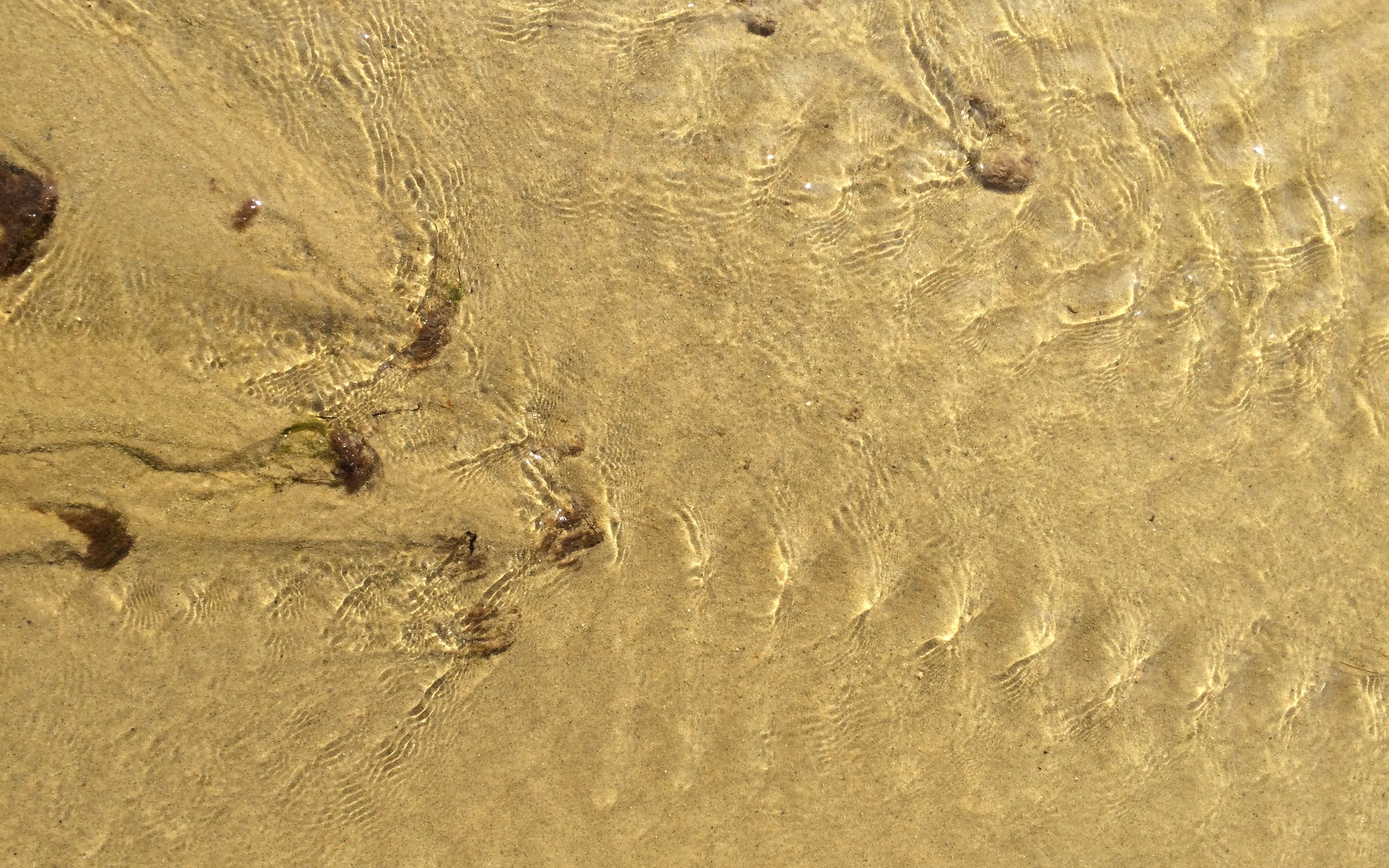
So did the ripples in the water caused me to stop and admire them. I love the way the light refracts through the water.
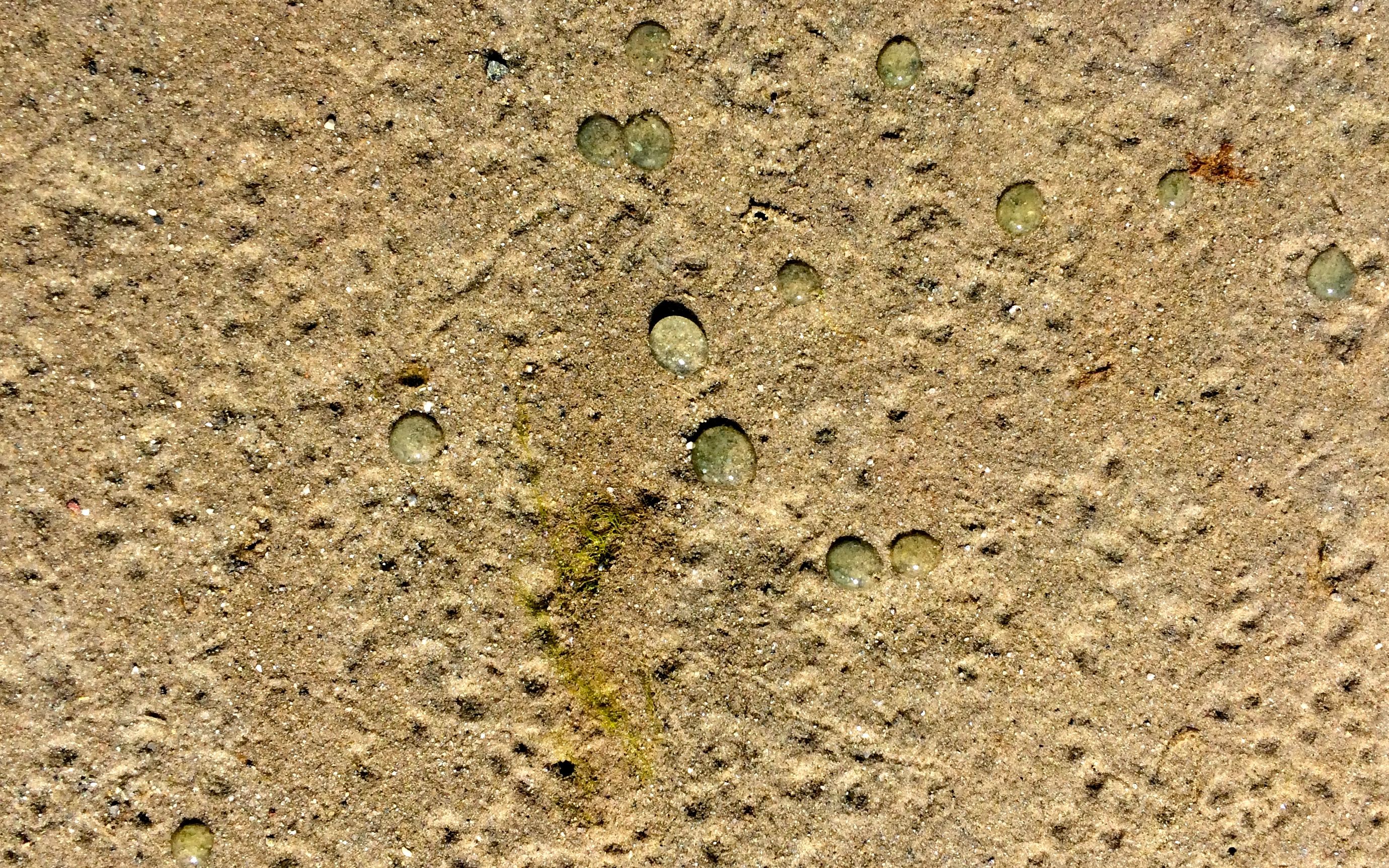
I encountered these greenish clear blobs on the sand. I have no idea what they are, but I imagine they might be something I probably shouldn’t touch. When I was a kid, I remember walking out in the snow to entertain myself while my mother was visiting with a friend. I found all these unusual dark pellets on top of the snow. I collected a pocketful and took them in to show my mother. She laughed and told me that they were rabbit droppings. You can tell I’m easily intrigued by the natural world.
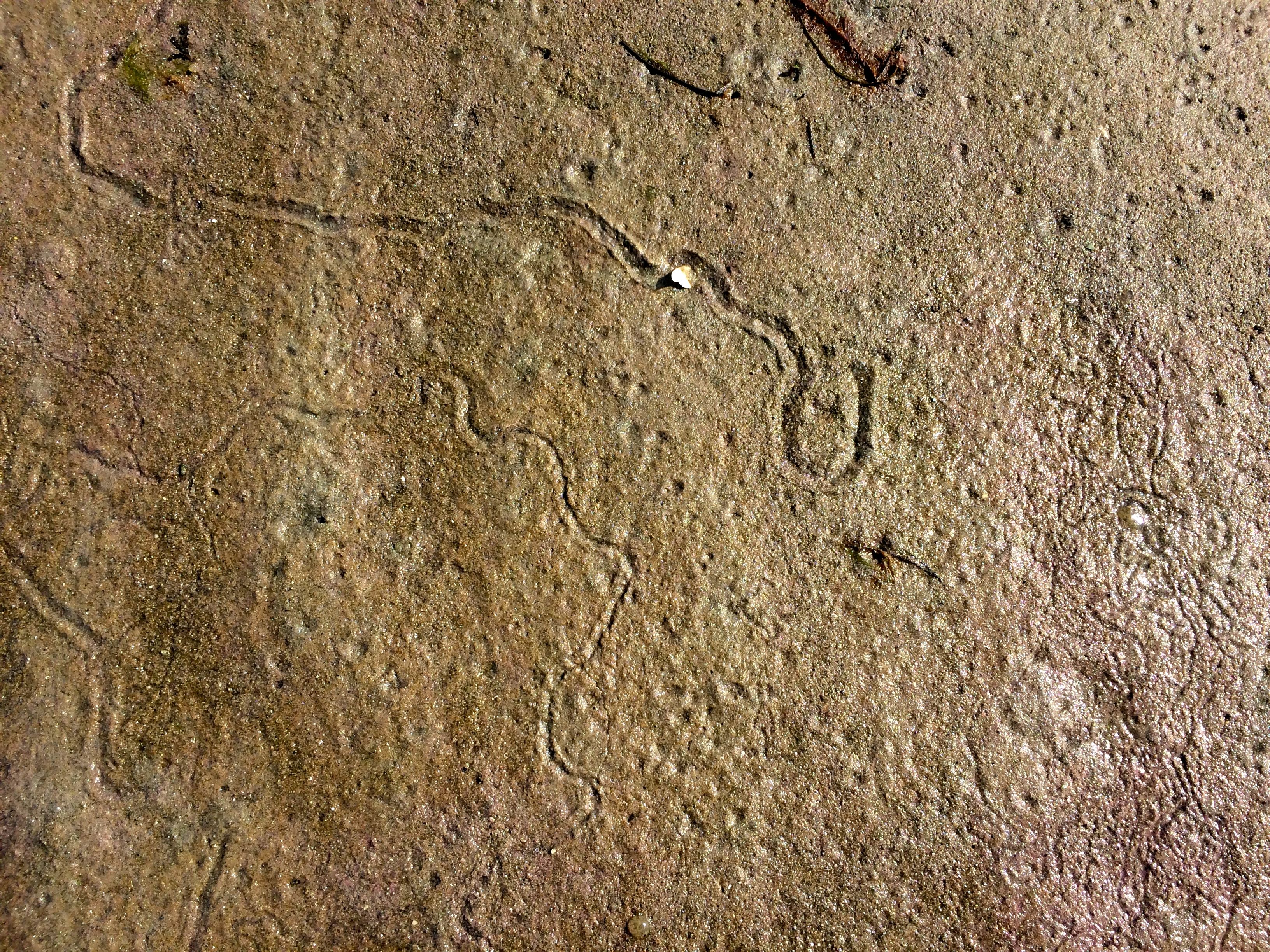
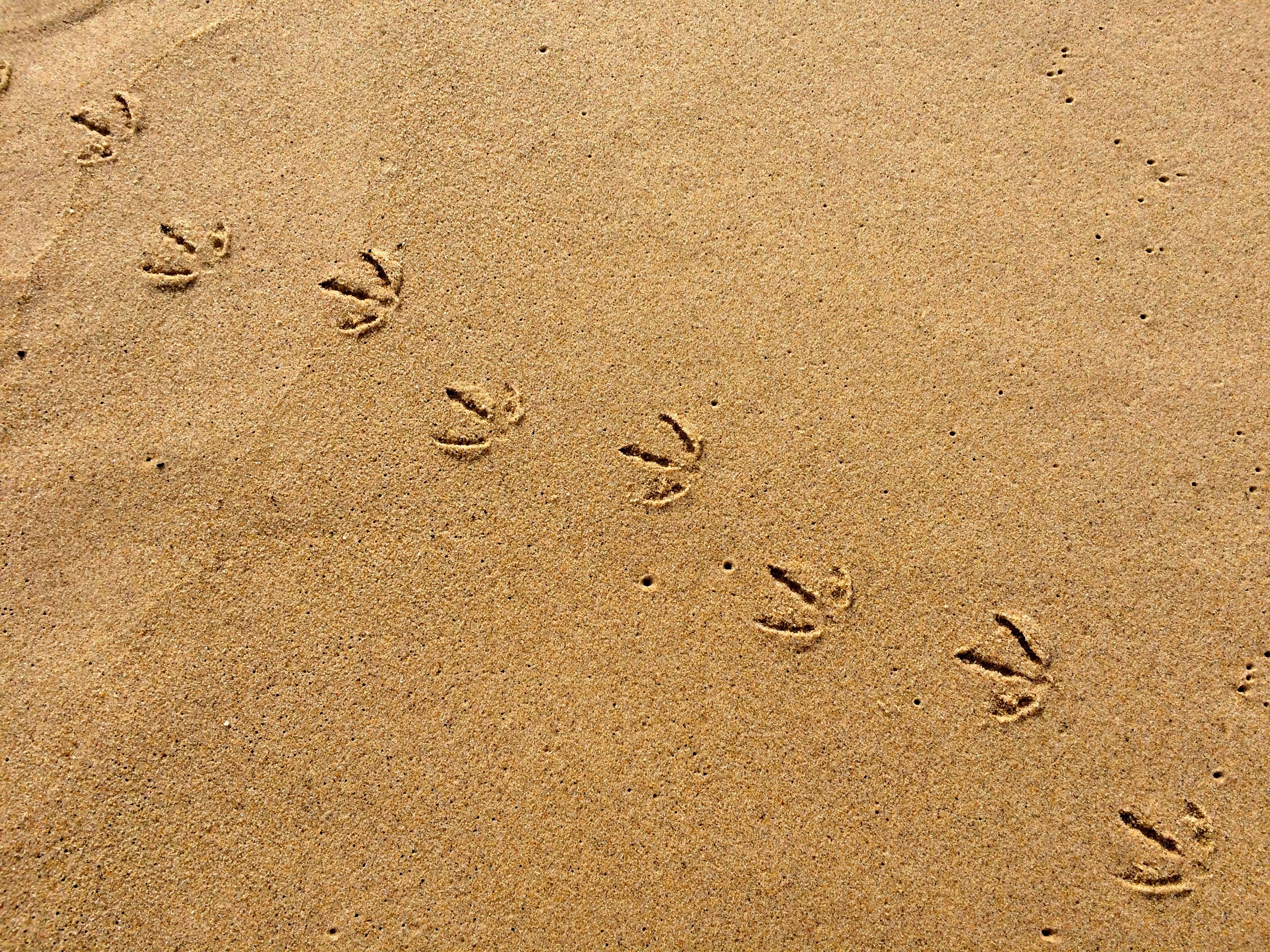
Then there were these tracks in the sand. I wonder what made them? I am sure someone out there knows. Me? Color me curious!
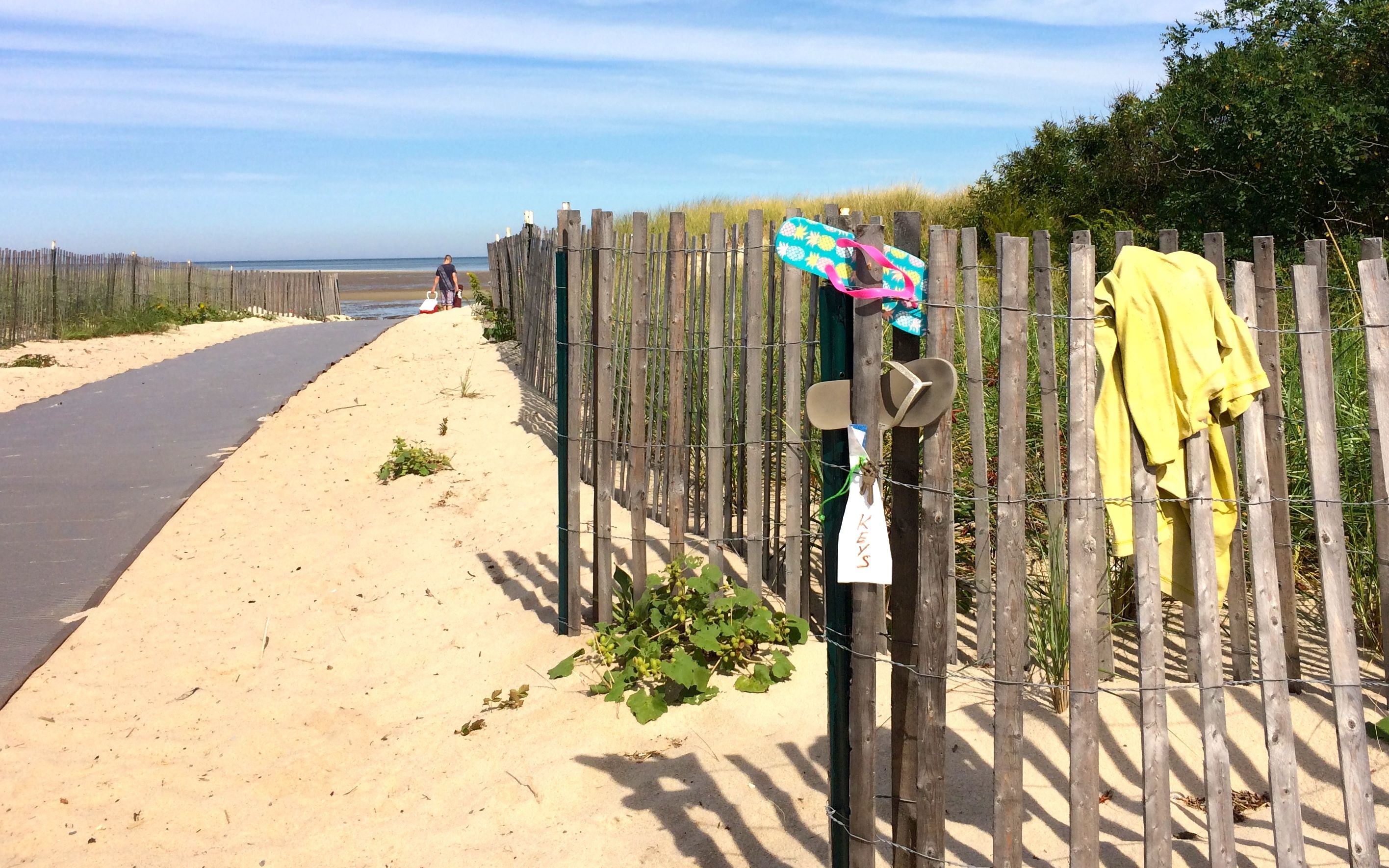
After walking out for a good, long while, I decided to turn around and head back to the parking area. Wouldn’t you know it? More lost shoes! Also keys…I hope someone comes back for them.
After that, I headed down the shore a bit to another beach. A woman in the tourism center had said that I might find some beach glass there. It was close to the site of the Sandwich Glass Company.
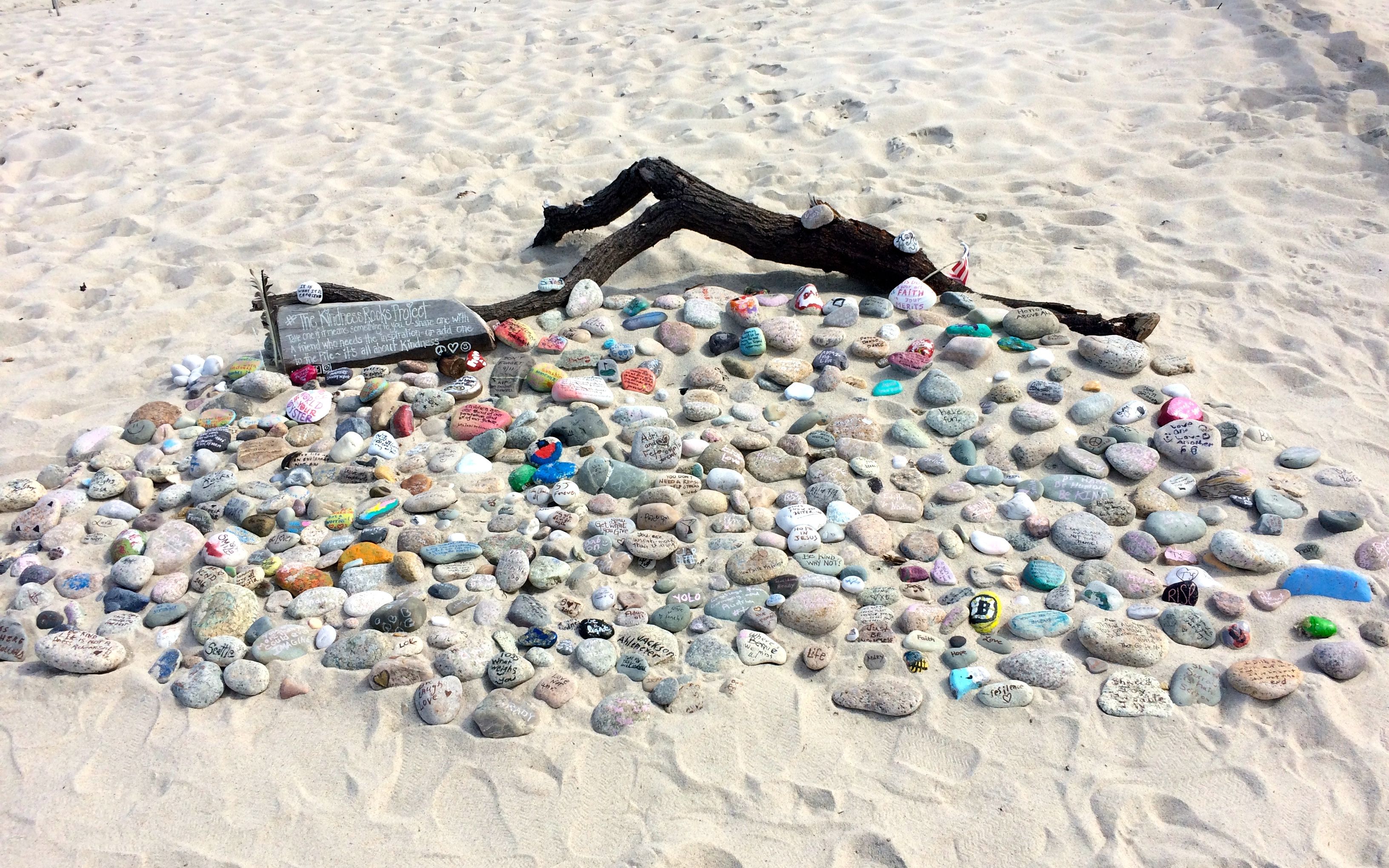
When I got to the beach, I found this wonderful interactive art installation – the Kindness Rocks Project.

What a great idea! I would have made a few if I had known about it. Although they invited people to take them, I didn’t. Rocks and the mobile lifestyle don’t mix.
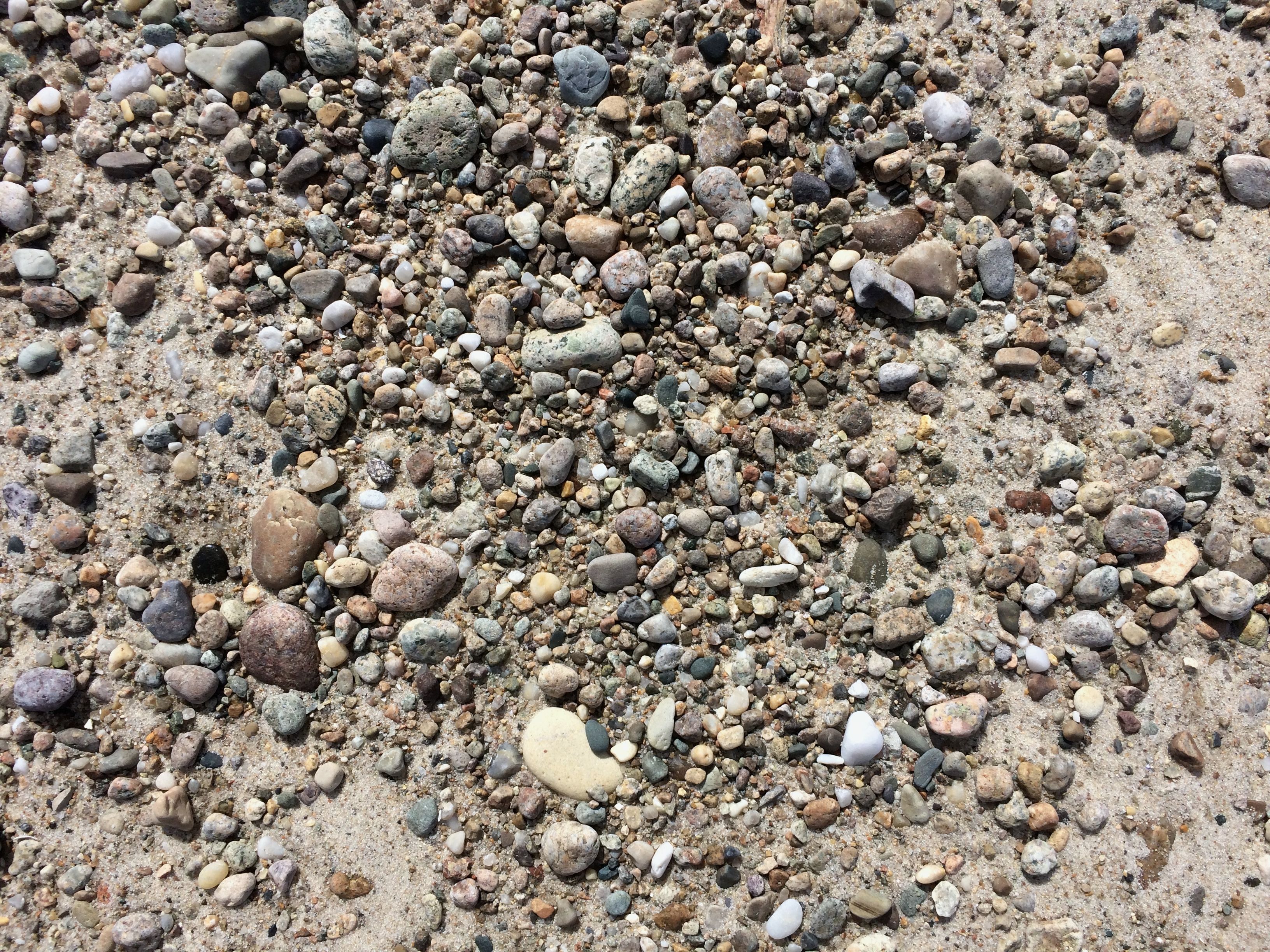
There were lots of rocks to look at, and I studied them all, hoping to find a piece of beach glass.
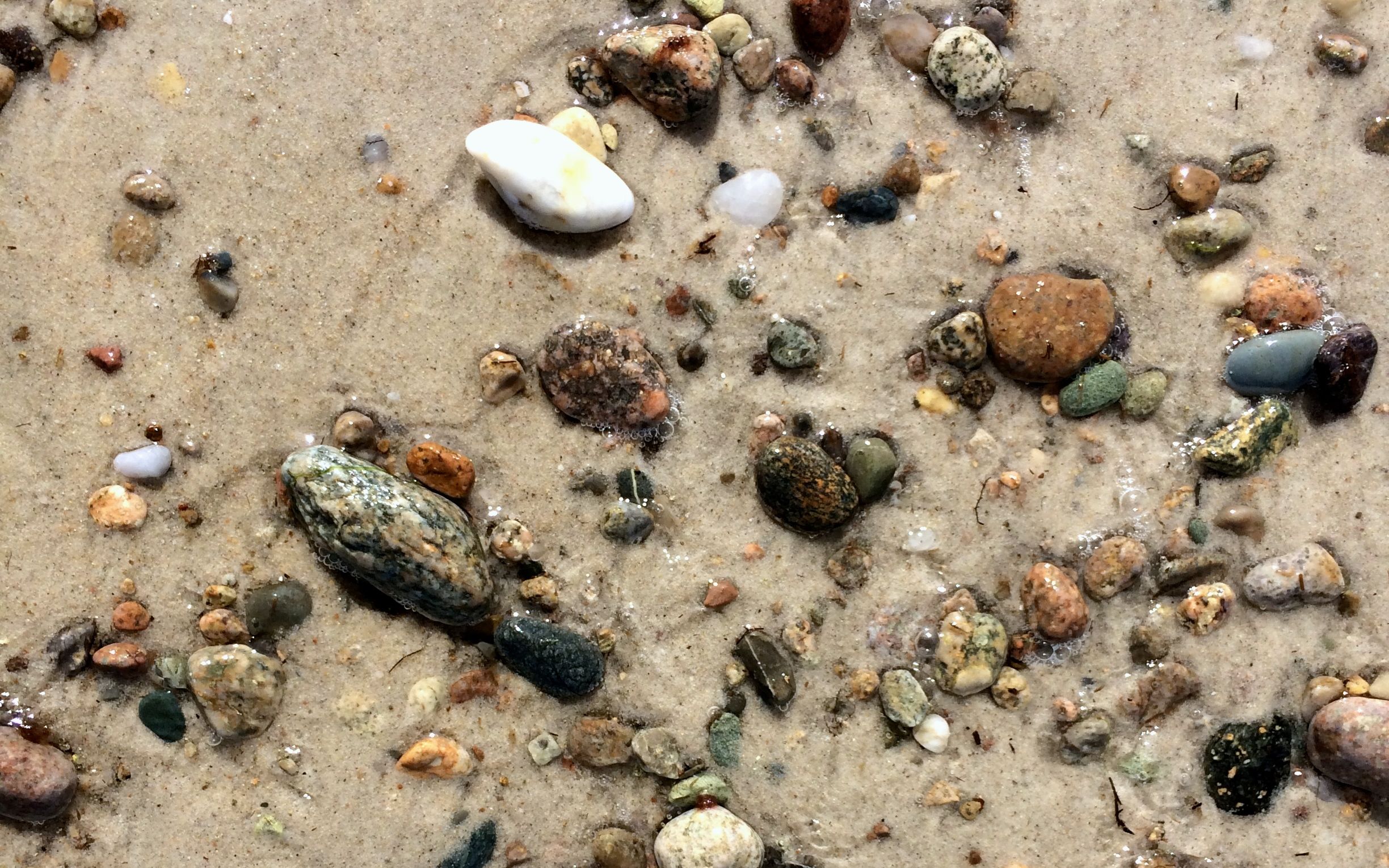
After scouring the beach, I actually found the smallest bit of a brown beer bottle. Unfortunately, I misplaced it, so you will just have to take my word for it. (I know – I know – no photo: it didn’t happen. But you’ll have to take my word for it.)
By that time, I had worked up a bit of an appetite. I decided that since I’d already had cod on Cape Cod, I’d have a sandwich in Sandwich.
Near the Sandwich sandwich shop, I found a small memorial.
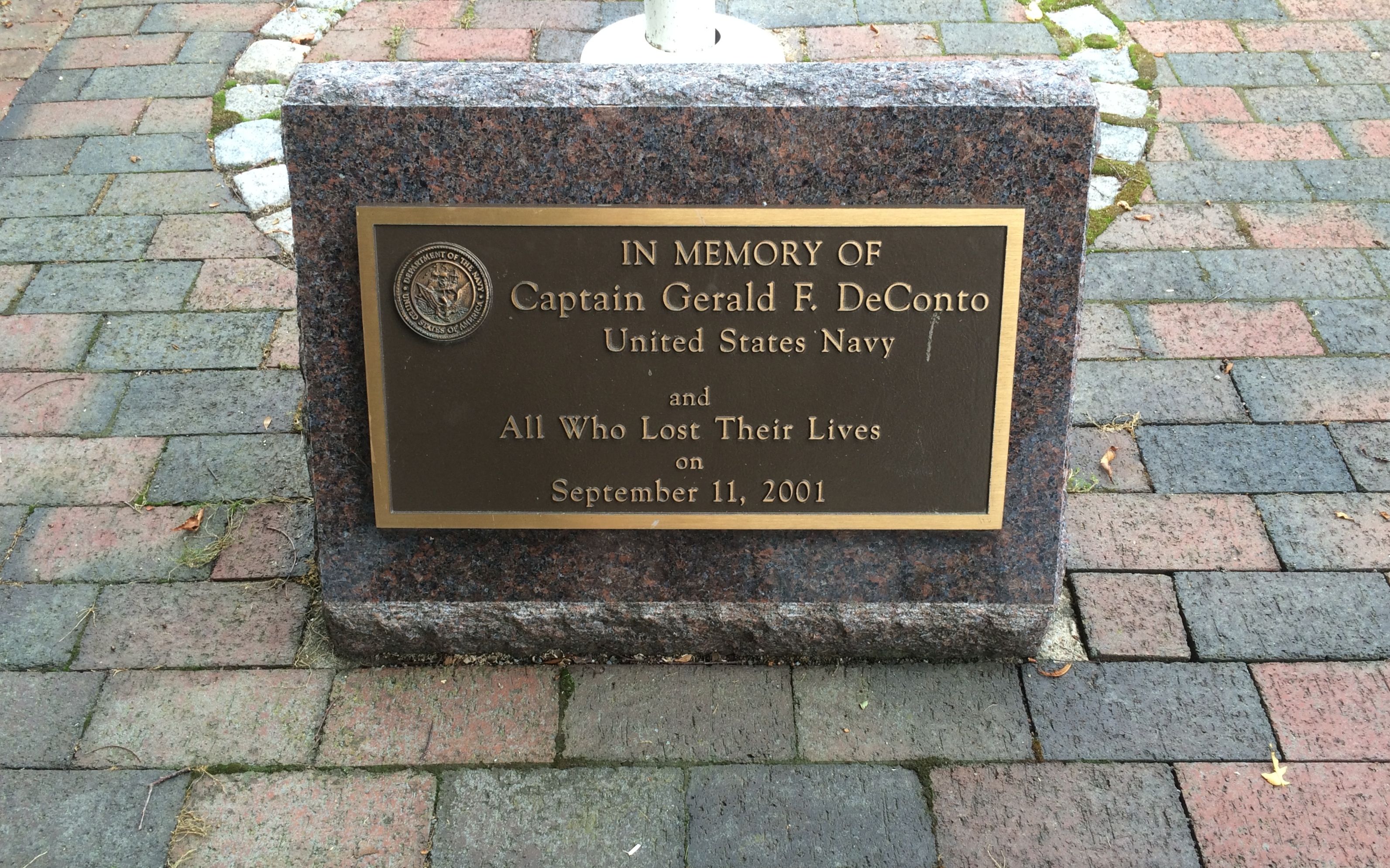
This is the first one I’ve encountered for 9/11 since I’ve been looking to see what communities choose to honor and when they do it. The date for “when” isn’t on it, but this is a pretty quick turn around, compared with some of the other monuments I’ve seen.
After lunch, it was time for the Sandwich Glass Museum.
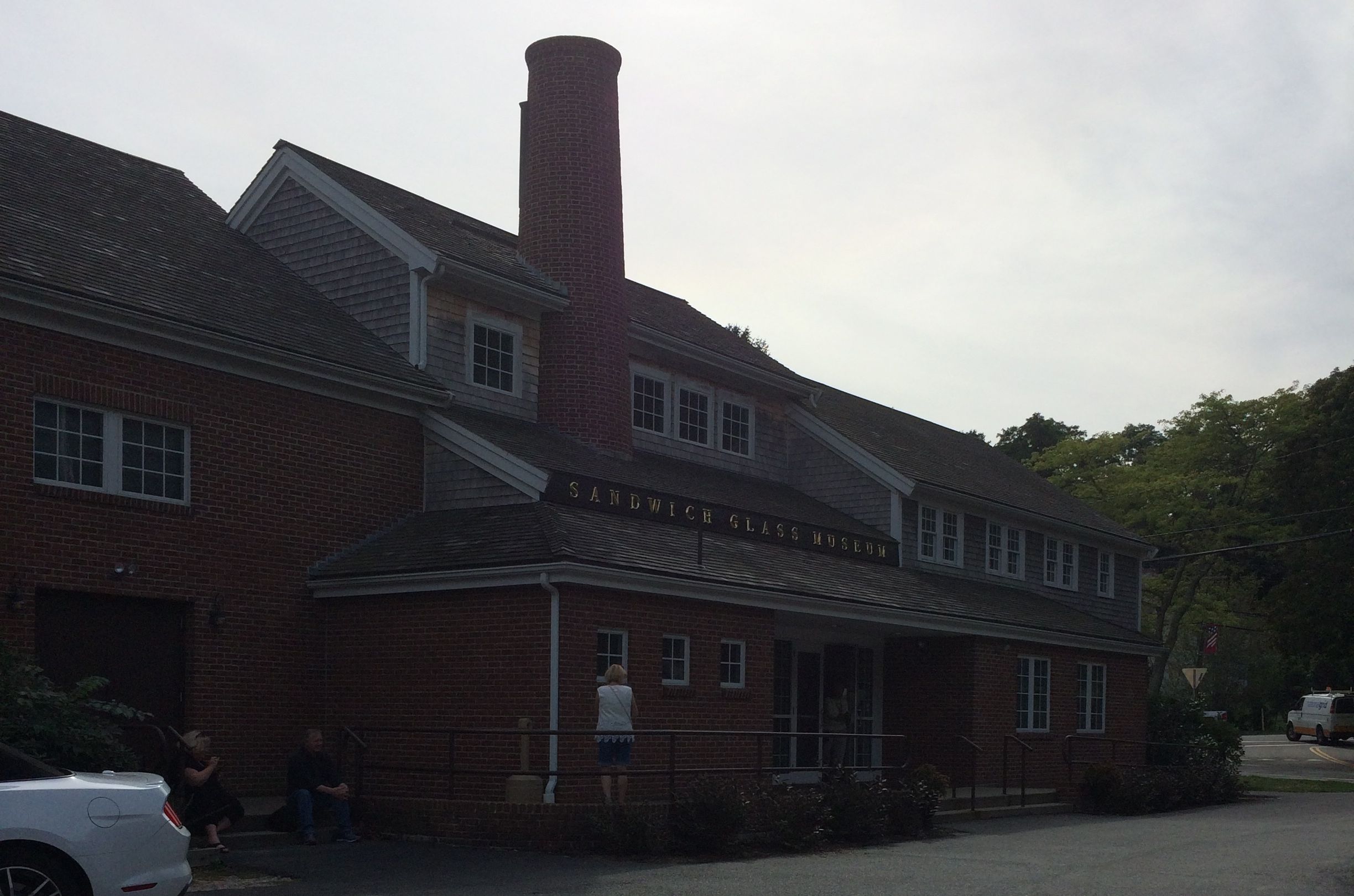
Now, I had heard of sandwich glass my whole life (more or less) and I always thought it referred to the process of pressing the glass – the glass is “sandwiched” between the molds. Apparently, I was wrong.
The glass factory in Sandwich was started in 1825 by Boston entrepreneur Deming Jarves. He was familiar with the area because he hunted and fished here and he believed the area would be a good location for glass production.
But why? People who are familiar with what goes into making glass know that sand is an essential ingredient.
And while there is no shortage of sand here, the sand had too many impurities to be useful in glass production. So, what was the draw?
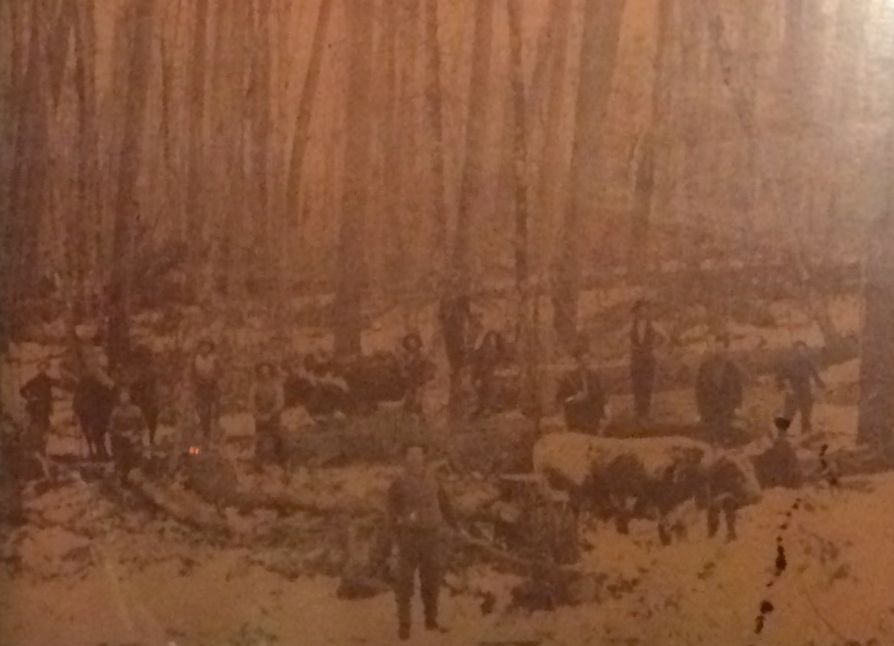
It was the fuel!
Glass melts at around 2,000 degrees Fahrenheit. A factory requires a lot of fuel to keep the temperatures constant. And, the temperature has to be kept up even when they aren’t creating product.)
Jarves bought extensive woodlots of white pine in 1824 and hired local workers to cut and prepare the wood. In 1836, the furnaces were converted to burn coal, which proved to be more economical.
(Just a politcal aside: I wonder if the coal miners cared about the lumber jacks they put out of business? Did they consider their their employment put others out of work? Of course not! Keep me posted about how they are doing in “getting their jobs back”.)
I went in to see what it cost and to check out the gift shop – here you enter and exit through the gift shop. The cost seemed kind of high, considering that I have seen plenty of glass blowing. In fact, I have even blown a glass ornament at the Louisville Glassworks about a decade ago. I asked the guy to tell me what I’d learn if I toured the museum. He convinced me that it was worth my while because the glassblower would explain the connection of the factory with its location.
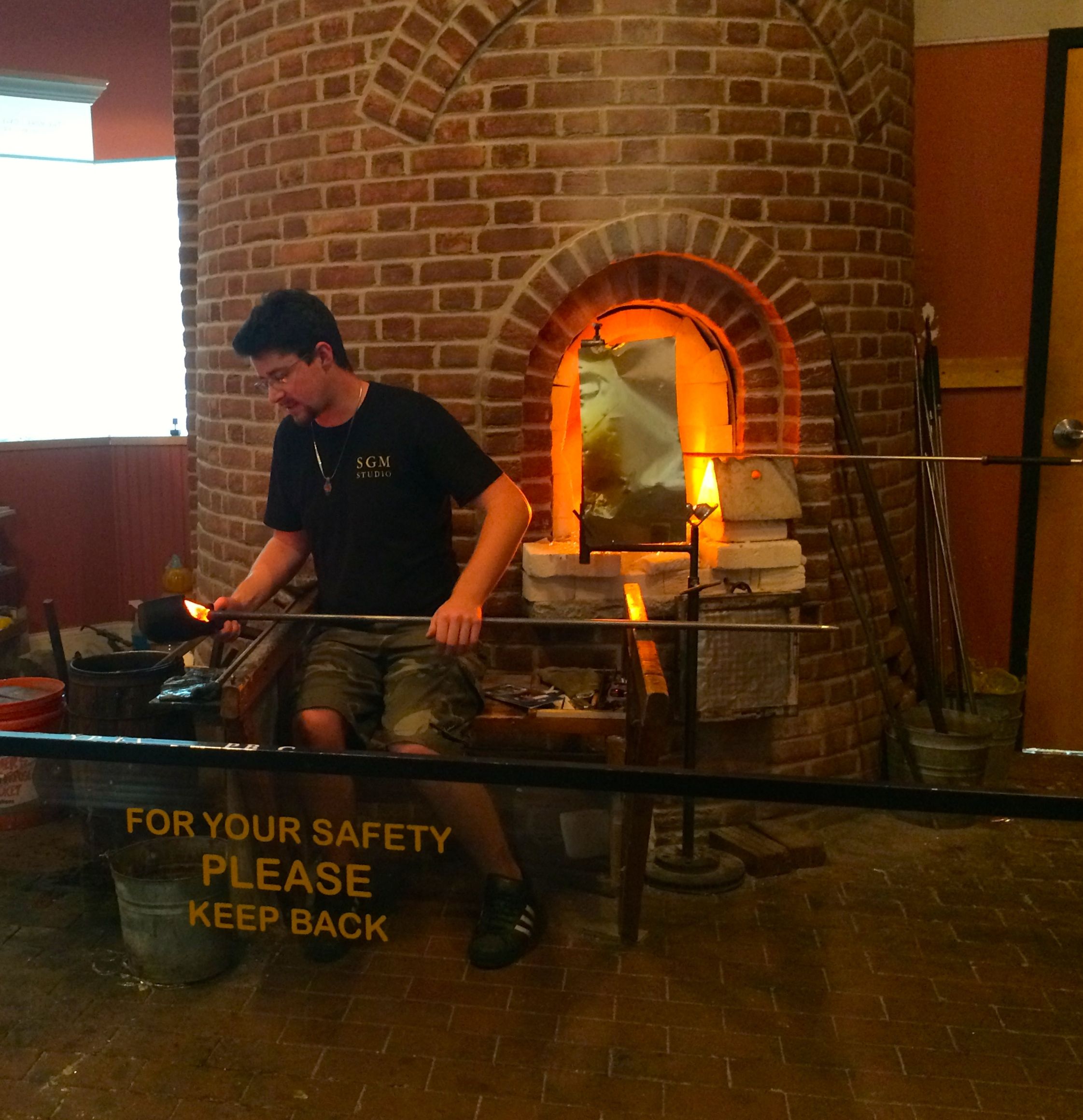
This was the first time I’d seen a glass blower working alone. Most of the time, there are at least two people working together – sometimes there are more moving around the action.
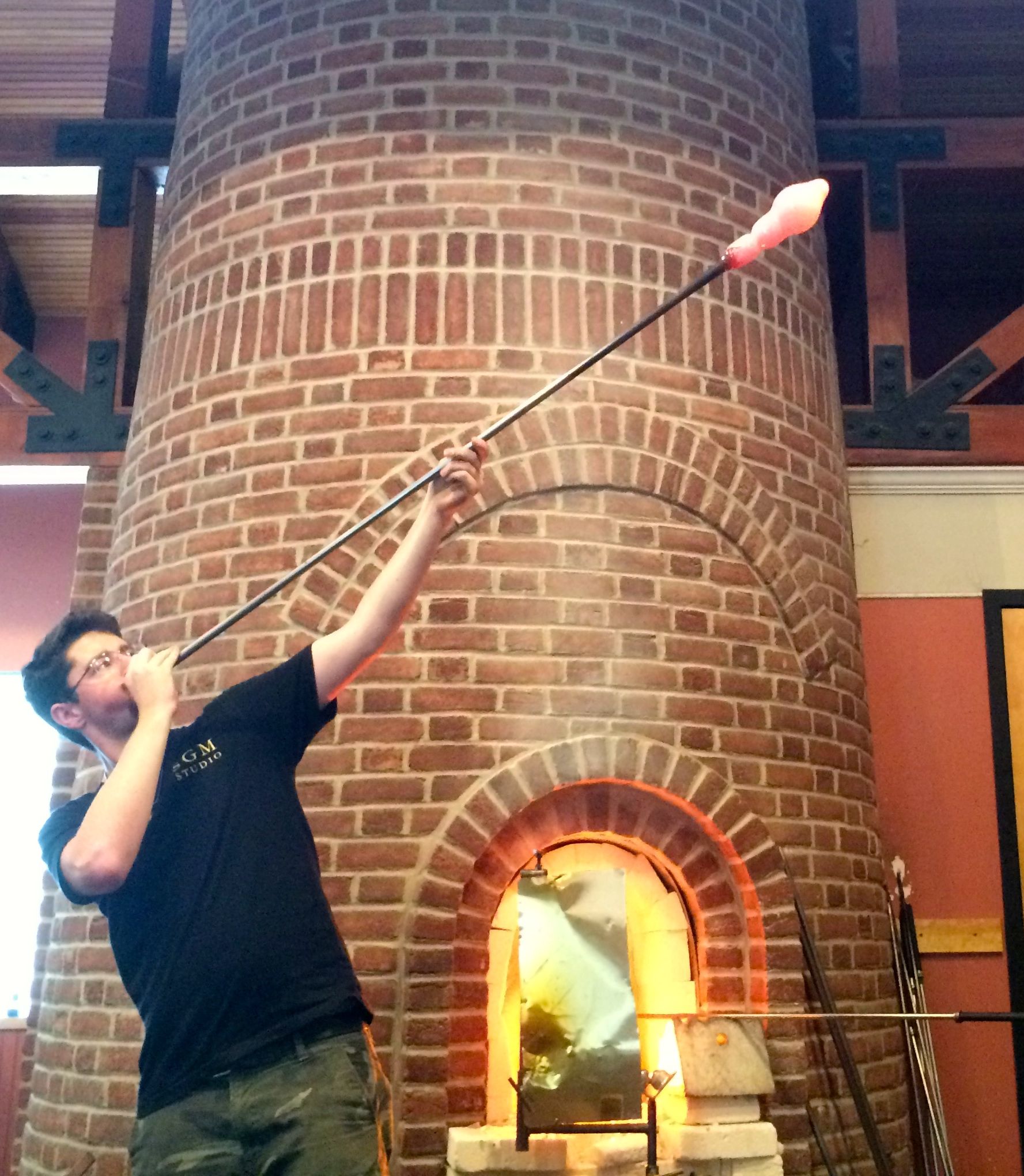
He created a vase, and it was interesting to see him work alone. However, he didn’t explain anything that was promised. He did direct me into the museum, where he said my questions would be answered.
And so I left the glass blower to learn more about the factory and its history.
Jarves left the company he founded in 1858, but the company continued producing fine blown, mold-blown and pressed glassware. The the middle of the 19th century, it had become one of the largest glass factories in the United States, employing over 500 people.
Following the Civil War, glass factories moved closer to fuel sources – such as the coal deposits in Pennsylvania and West Virginia – and they were able to undersell the inexpensive Sandwich products.
(Another political aside: Did the people in Pennsylvania and West Virginia mind the fact that they contributed to hardship for the workers in Massachusetts? Doubtful.)
The company closed its doors in 1888.
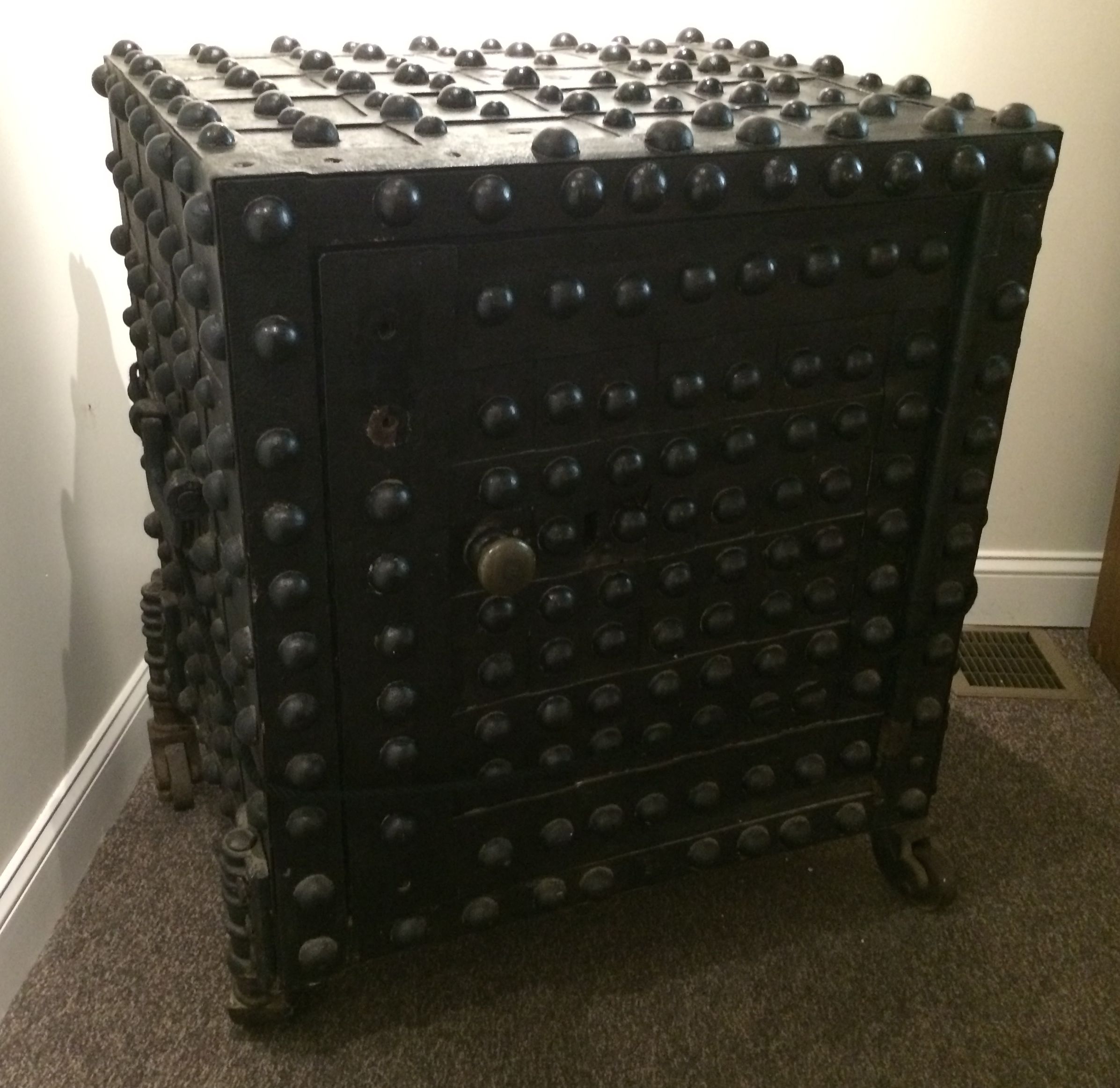
This is the safe from the company, also called it’s “iron chest.” It was found among the demolished buildings of the company in 1920. It was quite an engineering feat. Over a treated wooden frame, it was covered with thin sheet-iron, and then banded and strapped. The metal was fastened with large nails and had prominent knobs with cast iron heads. The keyhole was revealed by moving the knobs in a specific sequence. According to the label, it was probably made by a company in New York City that operated between 1825-1859.
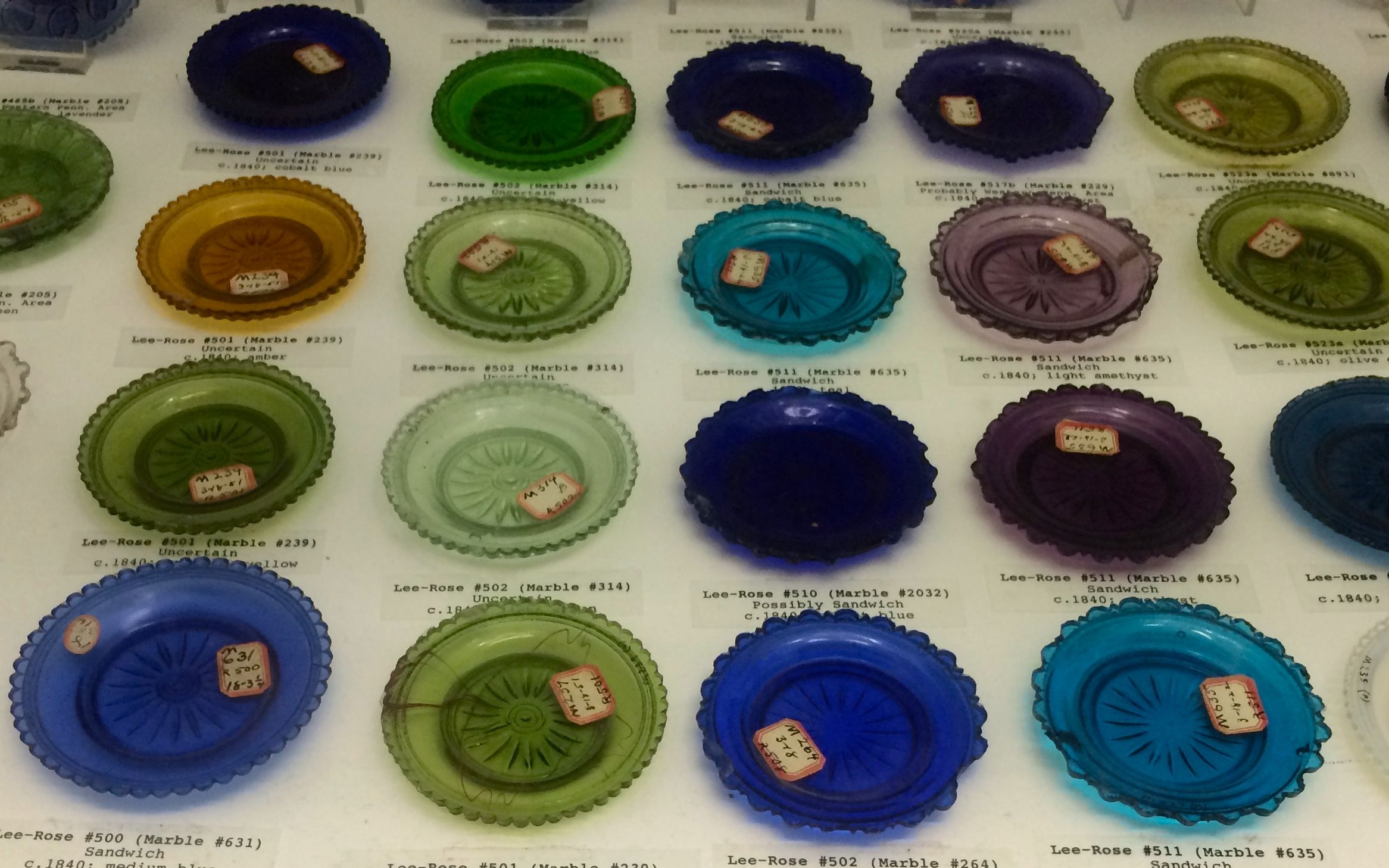
Of course there was a lot of glass in the museum, too. I was fascinated by their large collection of “cup plates.” They are small plates, usually about 3 1/2″ in diameter. They were used to hold the tea cup while the tea was being cooled in the saucer. That strikes me as an odd practice, but it became popular in England in the 18th century, and it may have been a reaction to the discomfort of drinking hot tea from the handleless, oriental-form cups.
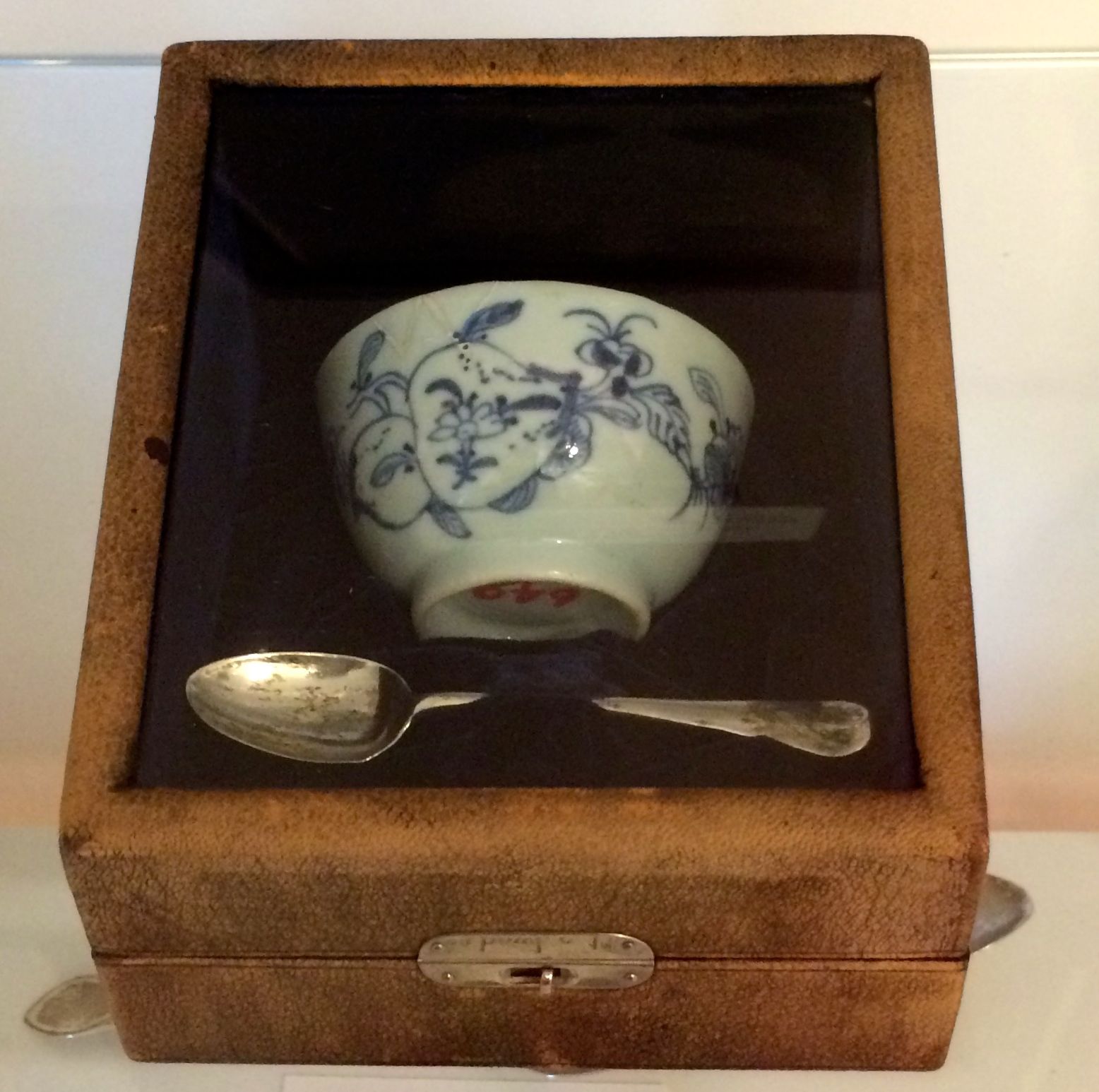
Do you remember this tea cup that Washington drank from at Munroe Tavern in Lexington? This is what they were using in the 18th century.
By the 1829s and 1830s cups with handles were in common use, yet the custom of pouring tea from the cup to the saucer remained popular in America. According to the information in the museum, the use of cup plates became unfashionable by the 1850s.
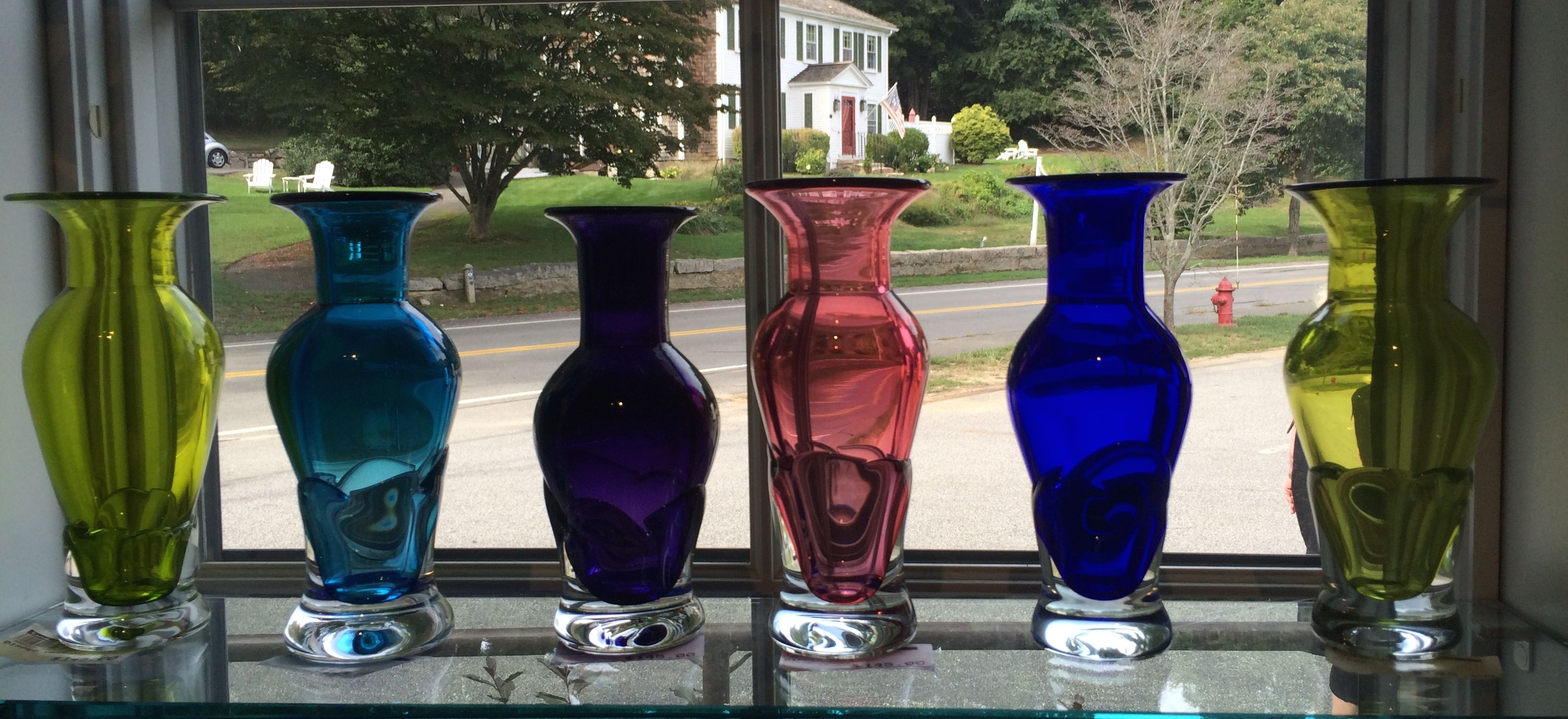
There were lots of beautiful pieces to examine. Vases made of colored glass,
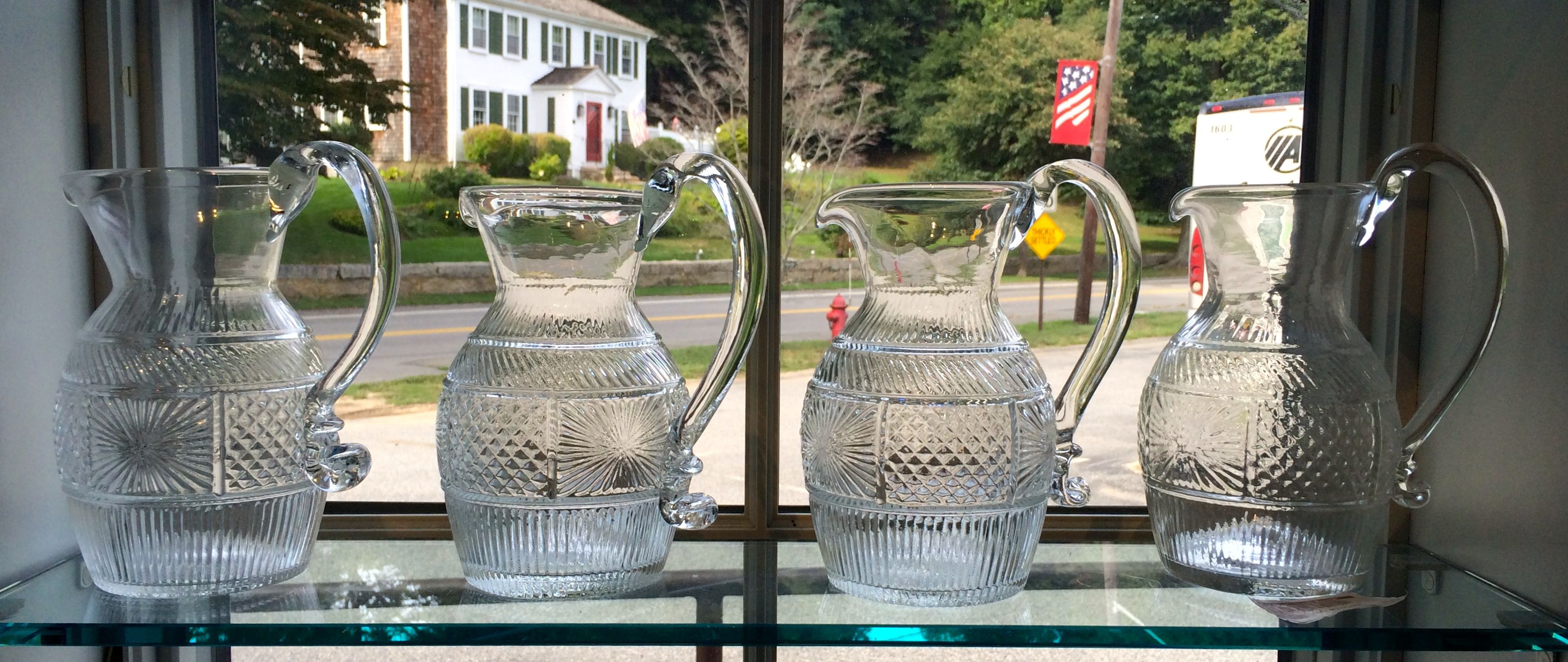
clear glass pitchers,
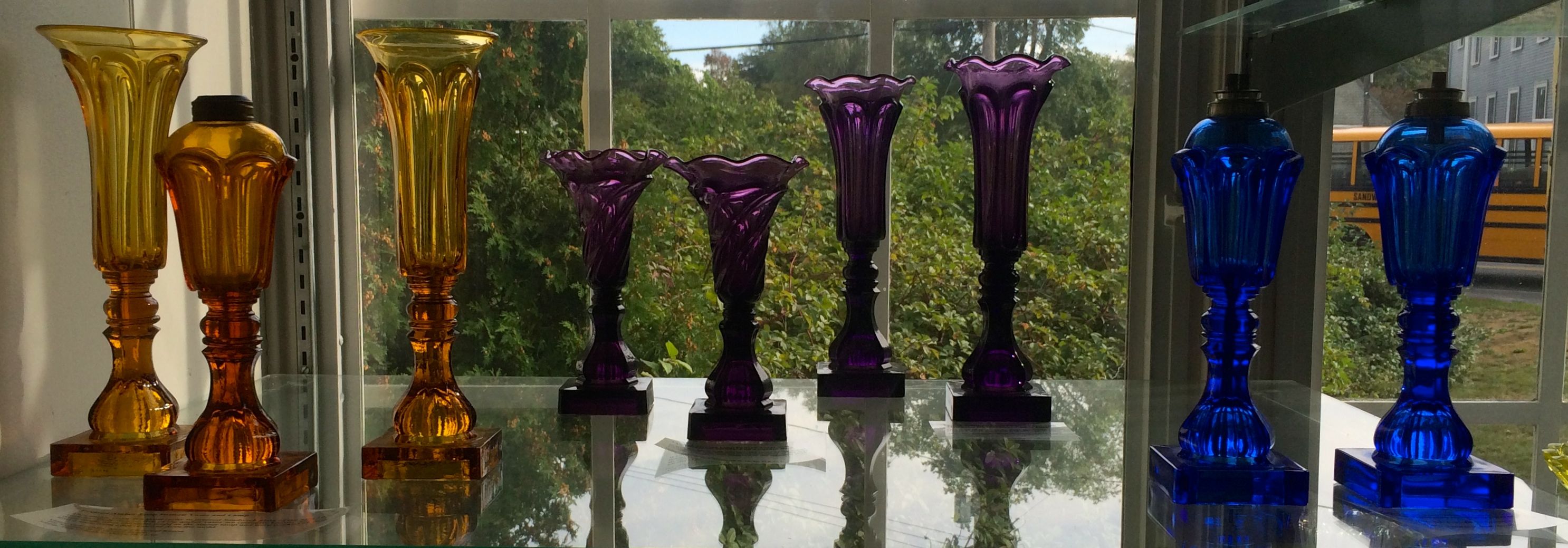
these colorful pieces,
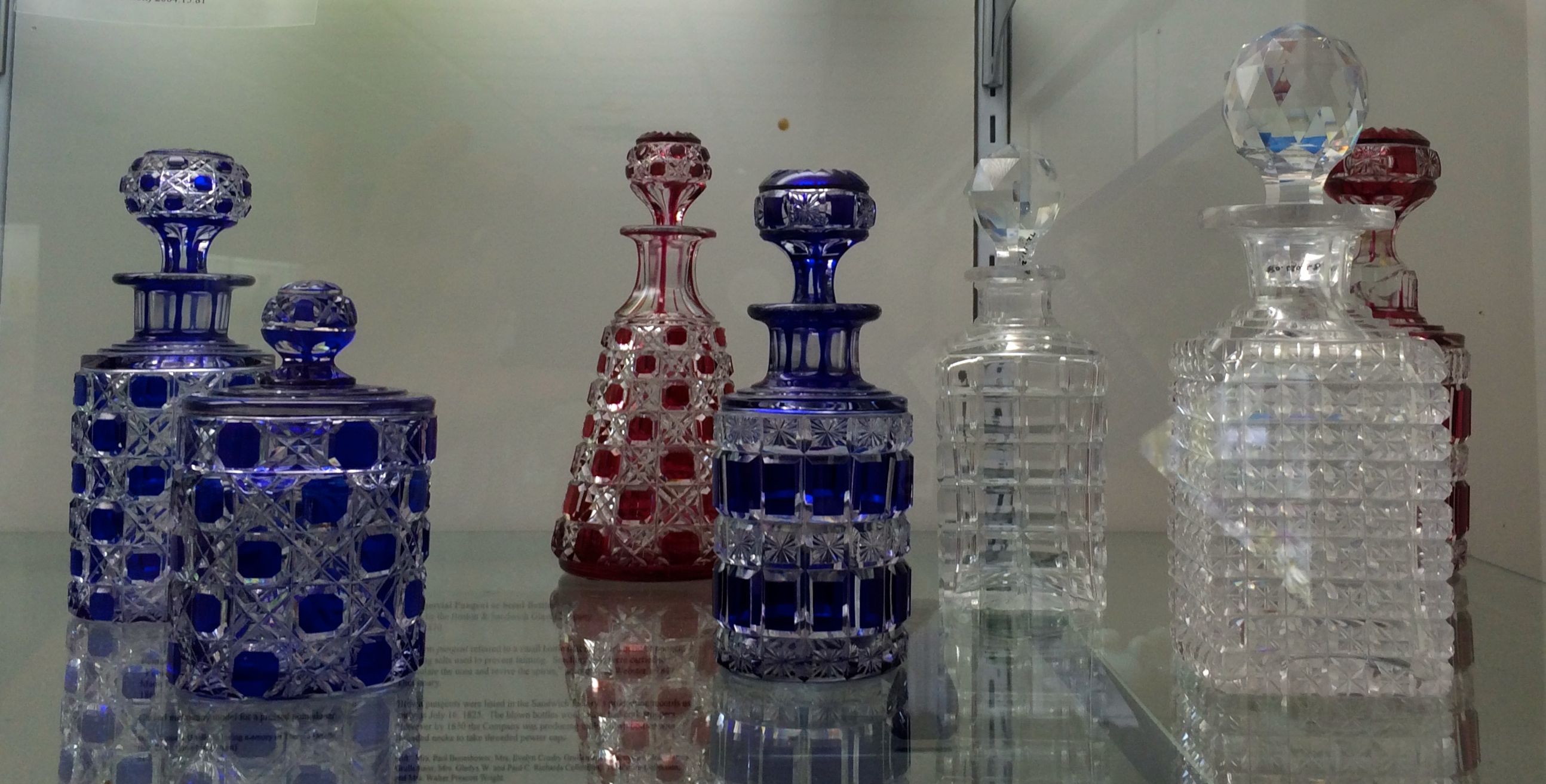
and fancy stoppered bottles.
They also produced lightbulbs for a while.
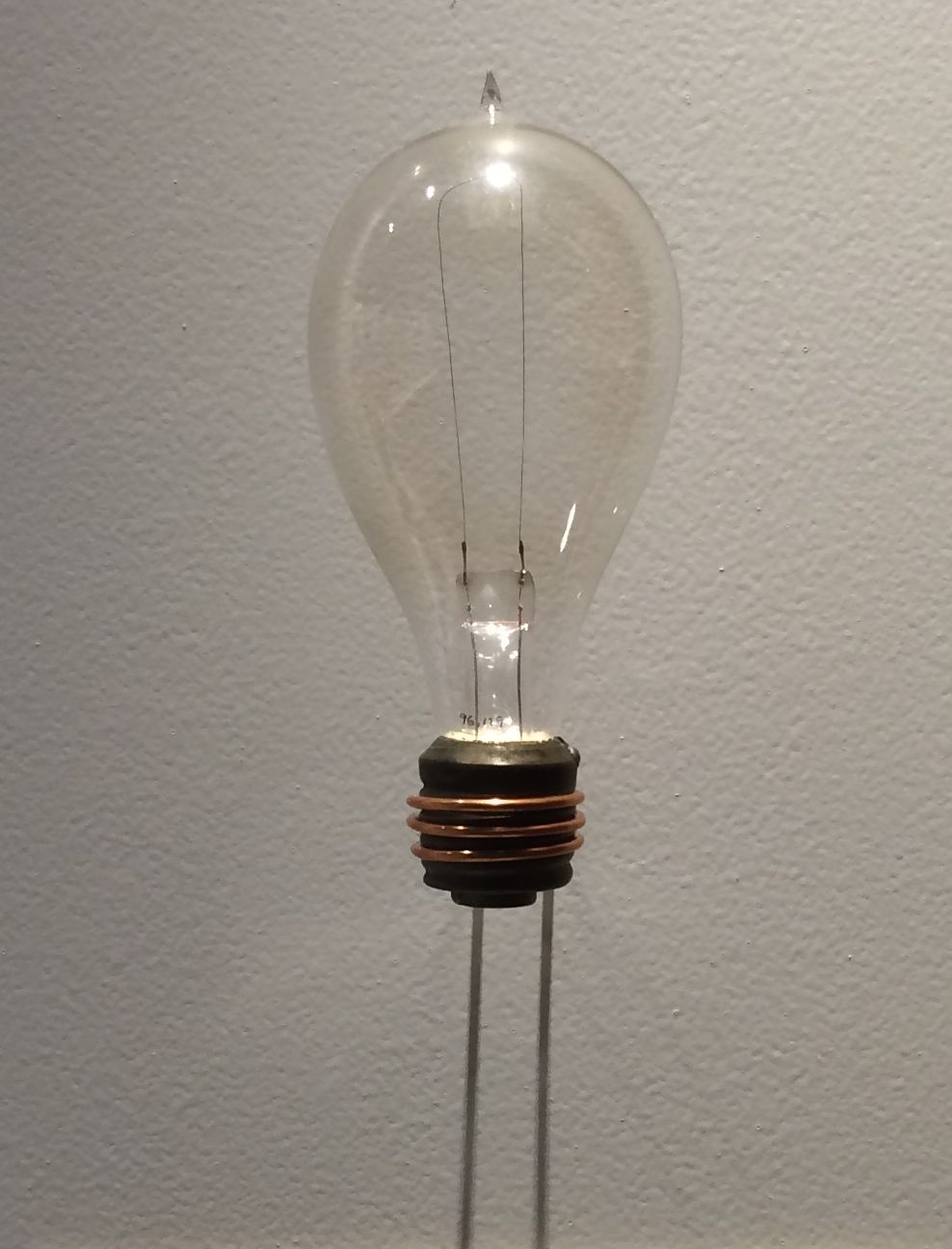
This one was produced in 1887. Of course, it was a short-lived production run, as the factory closed in 1888.
With that, I left the museum. I timed my visit well, as I hit just as one tour bus was leaving and left just as another was arriving.
Another thing I saw while driving around was a cranberry bog! It was sitting there, right next to the road.
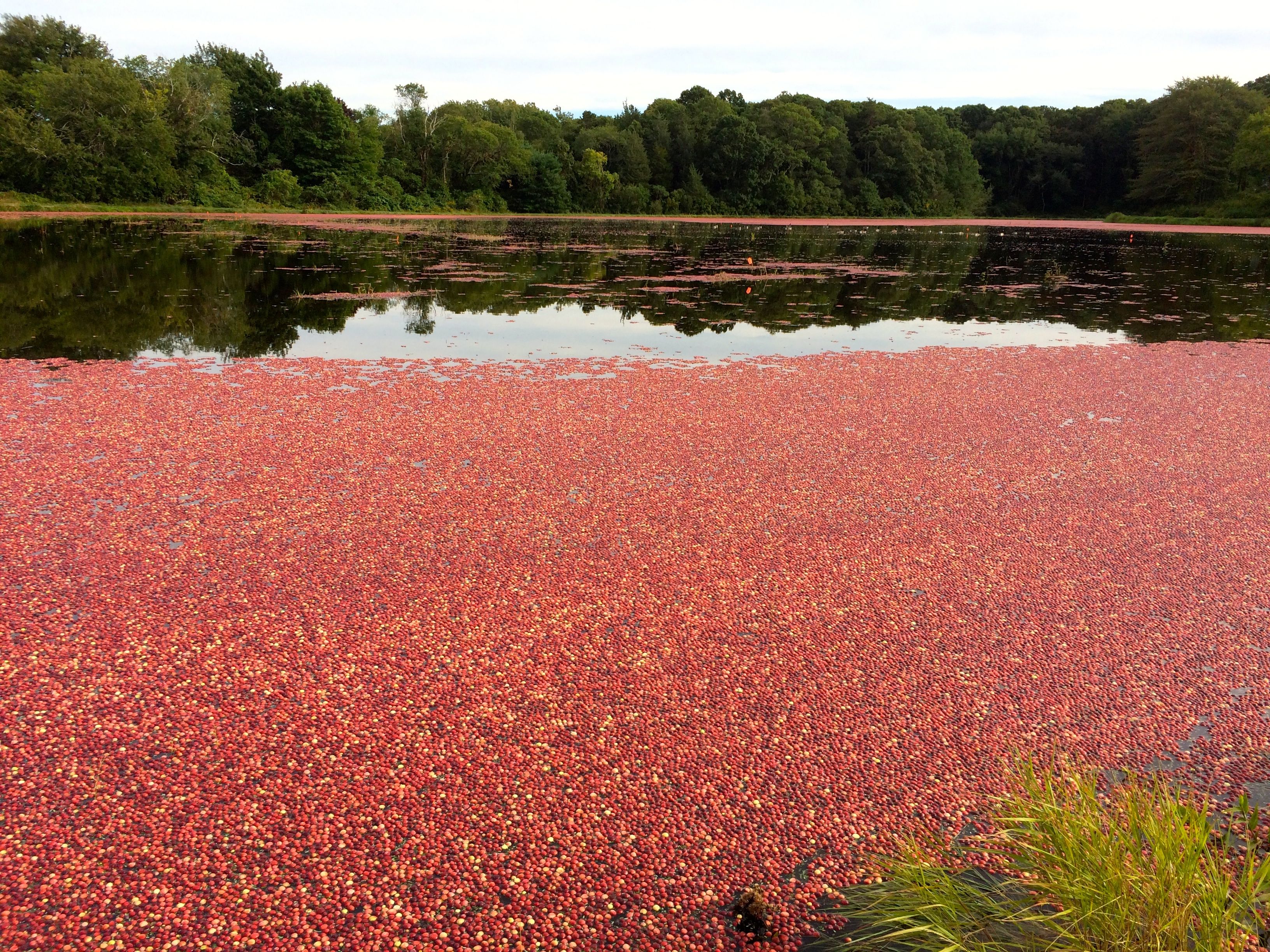
I pulled over to check it out.

Imagine that! A pond with cranberries floating on it.
As I mentioned a couple of posts ago, my last stop on Cape Cod was Hyannis Port to visit the Clinton campaign headquarters.
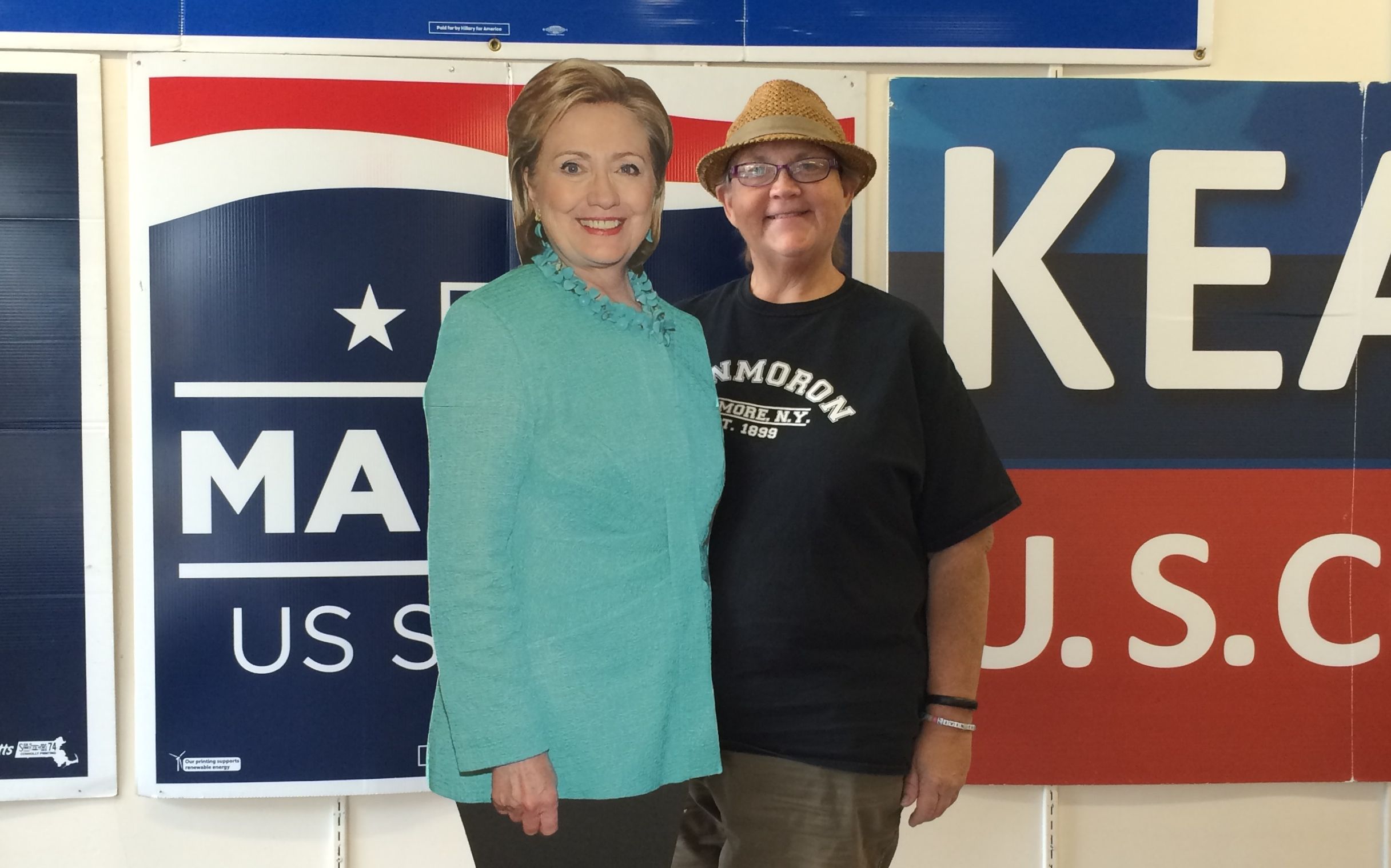
And, yes, I’m still with her.
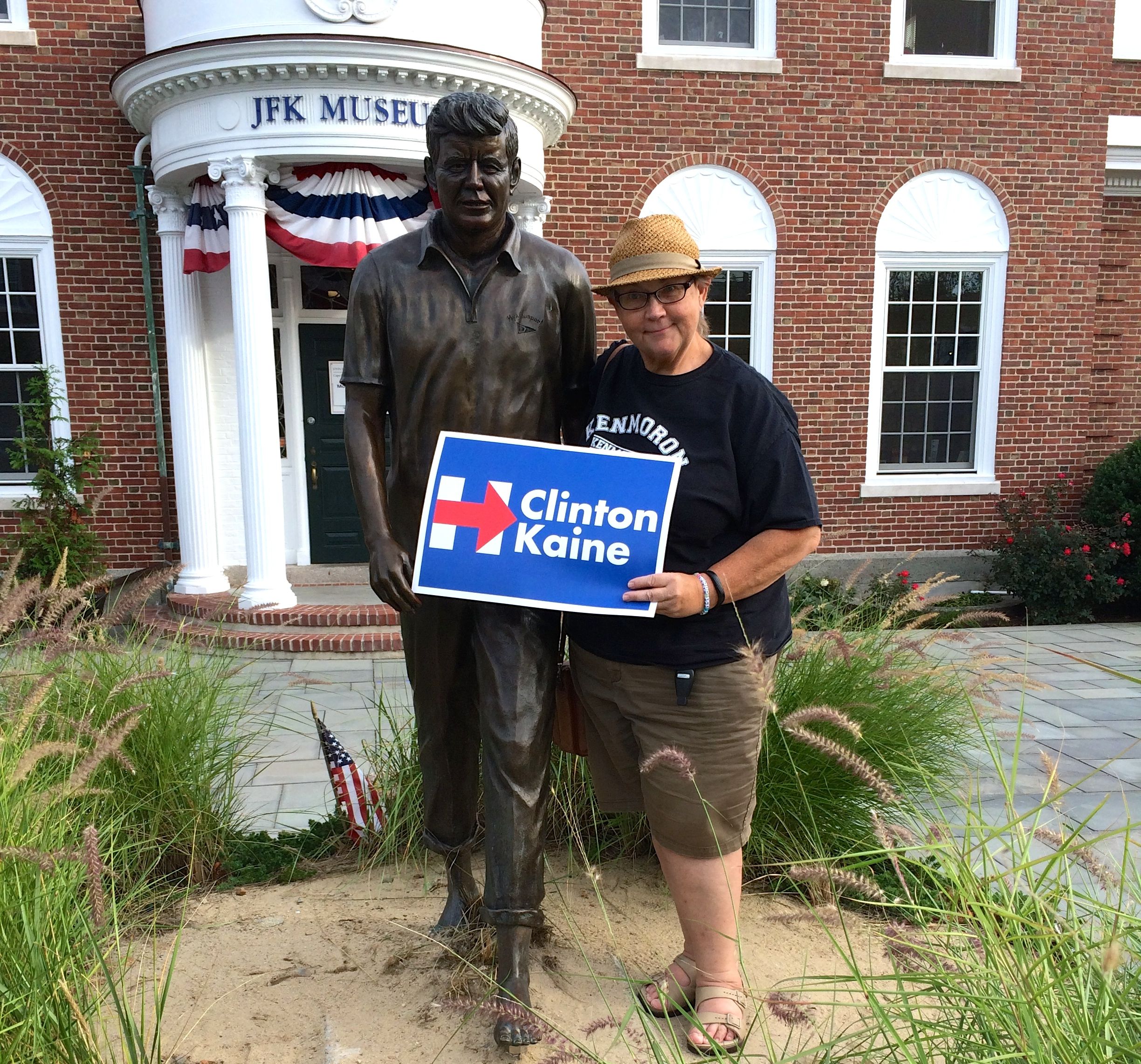
And so is Jack.