Washington Crossed the Delaware (And So Did I)

I had lots to do to get ready to hand over Flo to Joyce, but I still had things to see. I mean, I had to get everything out of Flo and packed up and stuffed into Bart. It was a lot of work!

But, Joyce’s house wasn’t too far from Washington Crossing Historic Park. One day, I decided to take a break from the work and play tourist.

Interestingly enough, the park is located in Washington Crossing, Pennsylvania.
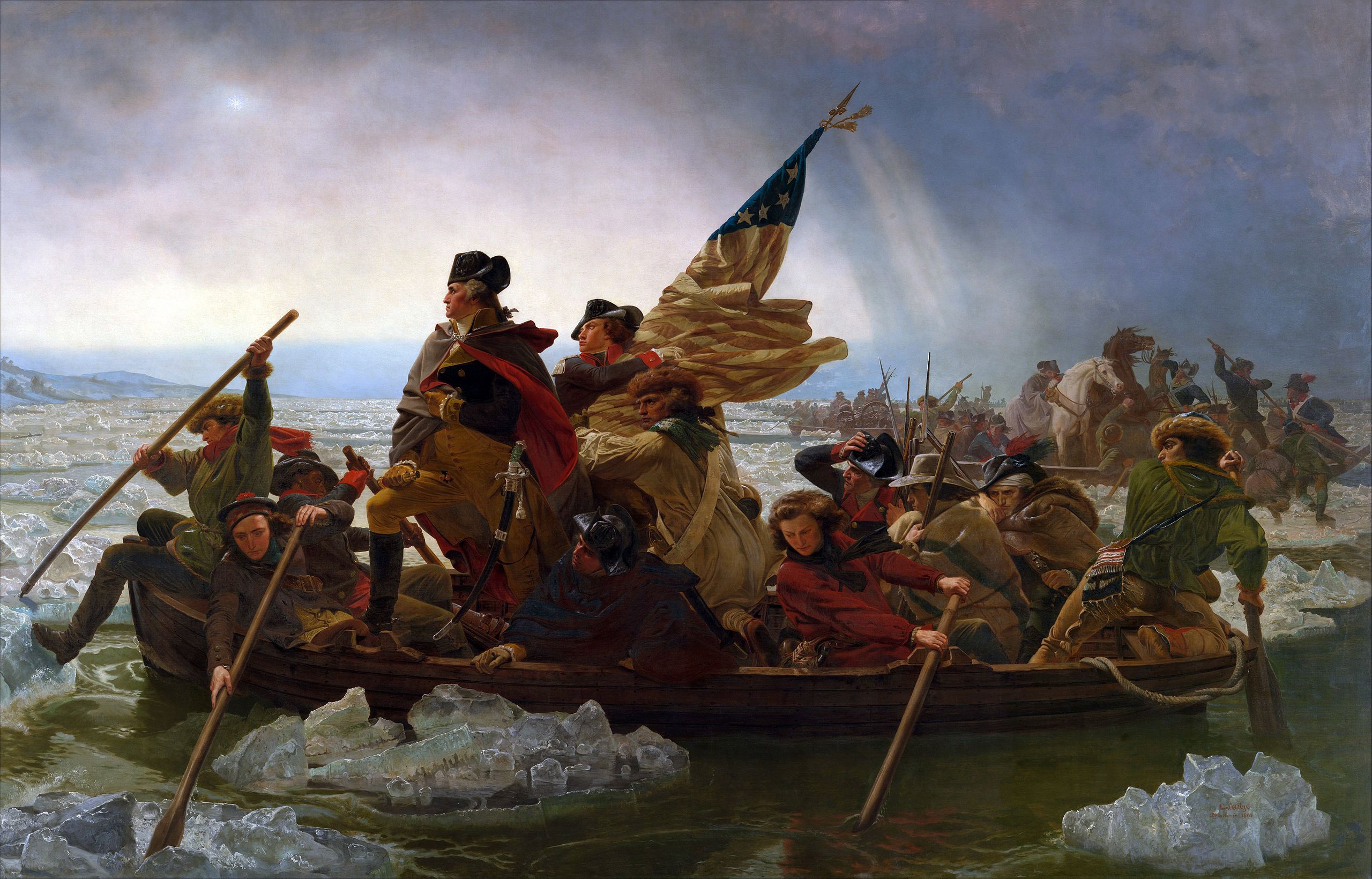
By Emanuel Leutze – The Metropolitan Museum of Art, Public Domain, https://commons.wikimedia.org/w/index.php?curid=9520770

Of course, everyone is familiar with this painting, completed by Emanuel Leutze in 1851.

Of course, we’re also all familiar with the parodies.
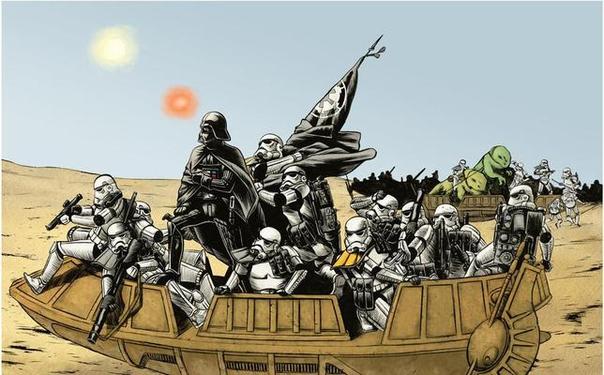
I have admit that I am more familiar with some of them than others.

http://muppet.wikia.com/wiki/Washington_Crossing_the_Delaware?file=Crossdelaware.jpg

I got to the park, but missed the parking lot, so I kept going across the Delaware.

What a beautiful day! Wow! Look at all those signs! I wonder what they say?
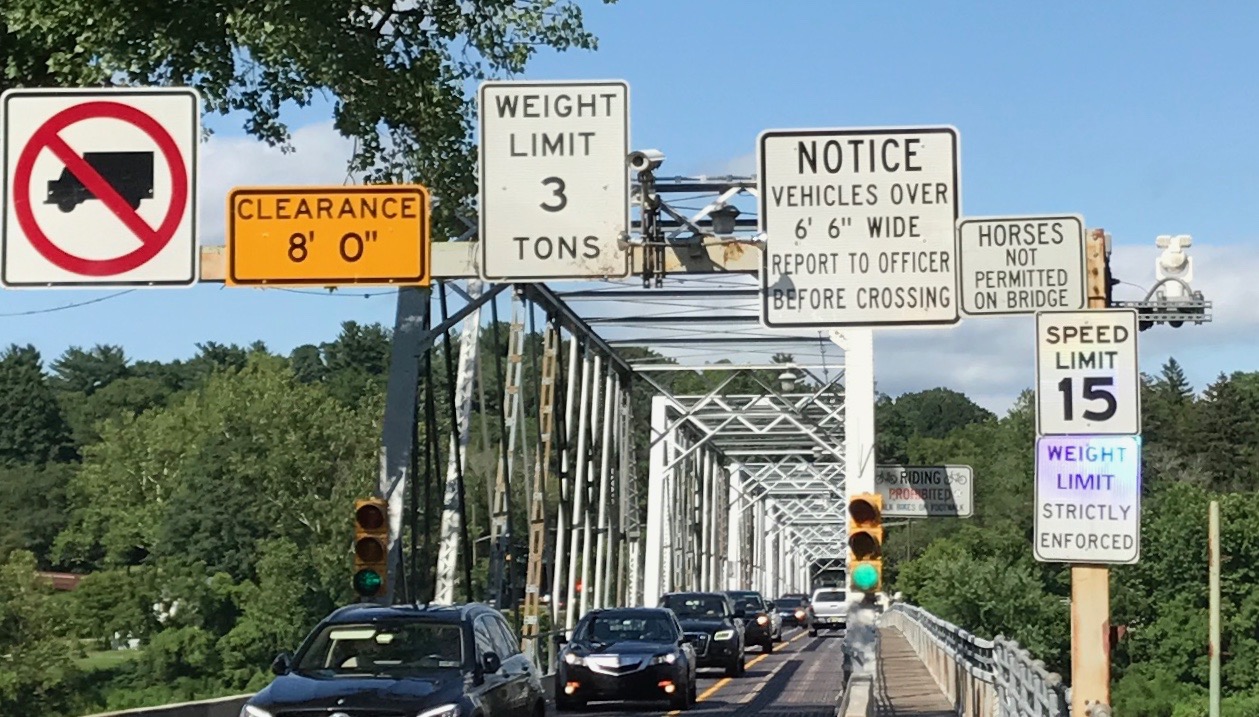
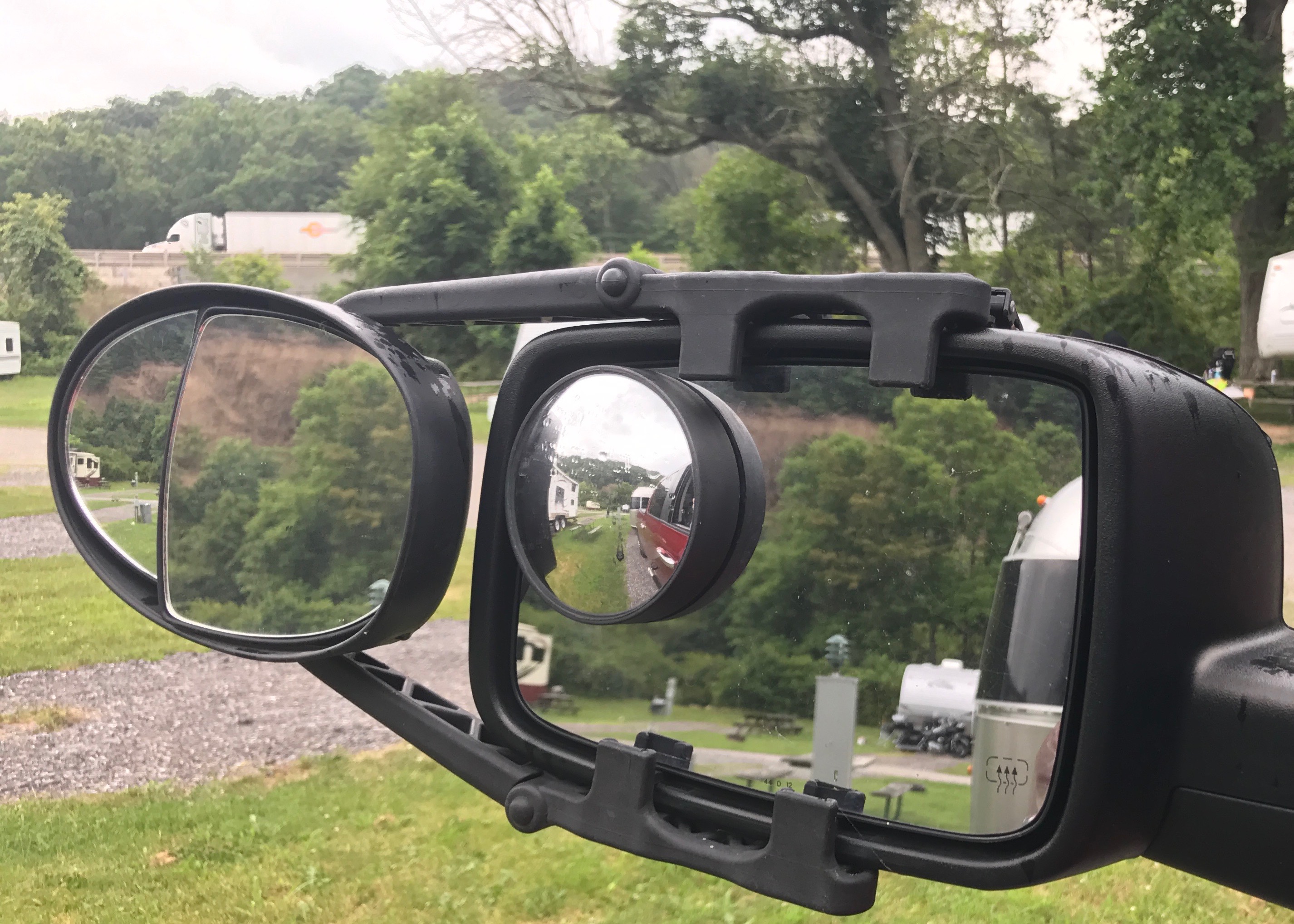
I took this picture after got back from the other side. In fact, the bridge was so narrow that I folded the driver’s side view mirror in to reduce the possibility of hitting someone.

Once I was on the other side, I figured that I might as well check out the New Jersey Washington Crossing State Park. There was a small museum that I went through. I have no photos, so you’ll have to take my word that I did it. While I was there, I met some people. They were rangers at Independence Hall in Philadelphia. One of them is still a Facebook friend. I have met so many people in my travels and I cherish all of them.

I headed back across the bridge with my mirror folded in. This time I managed to find the parking area.
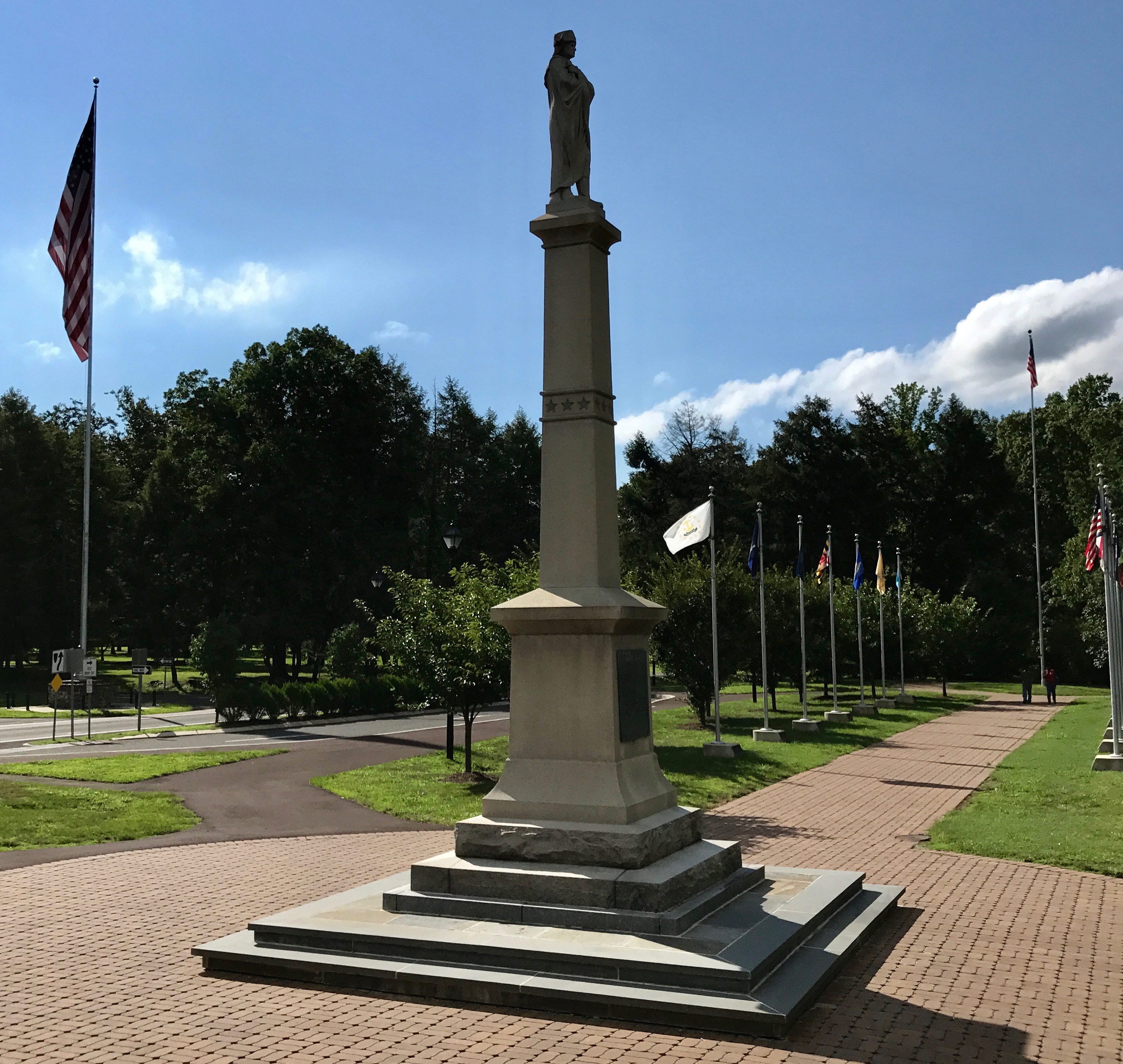
One my way in to the visitor center, I passed this monument to Washington.
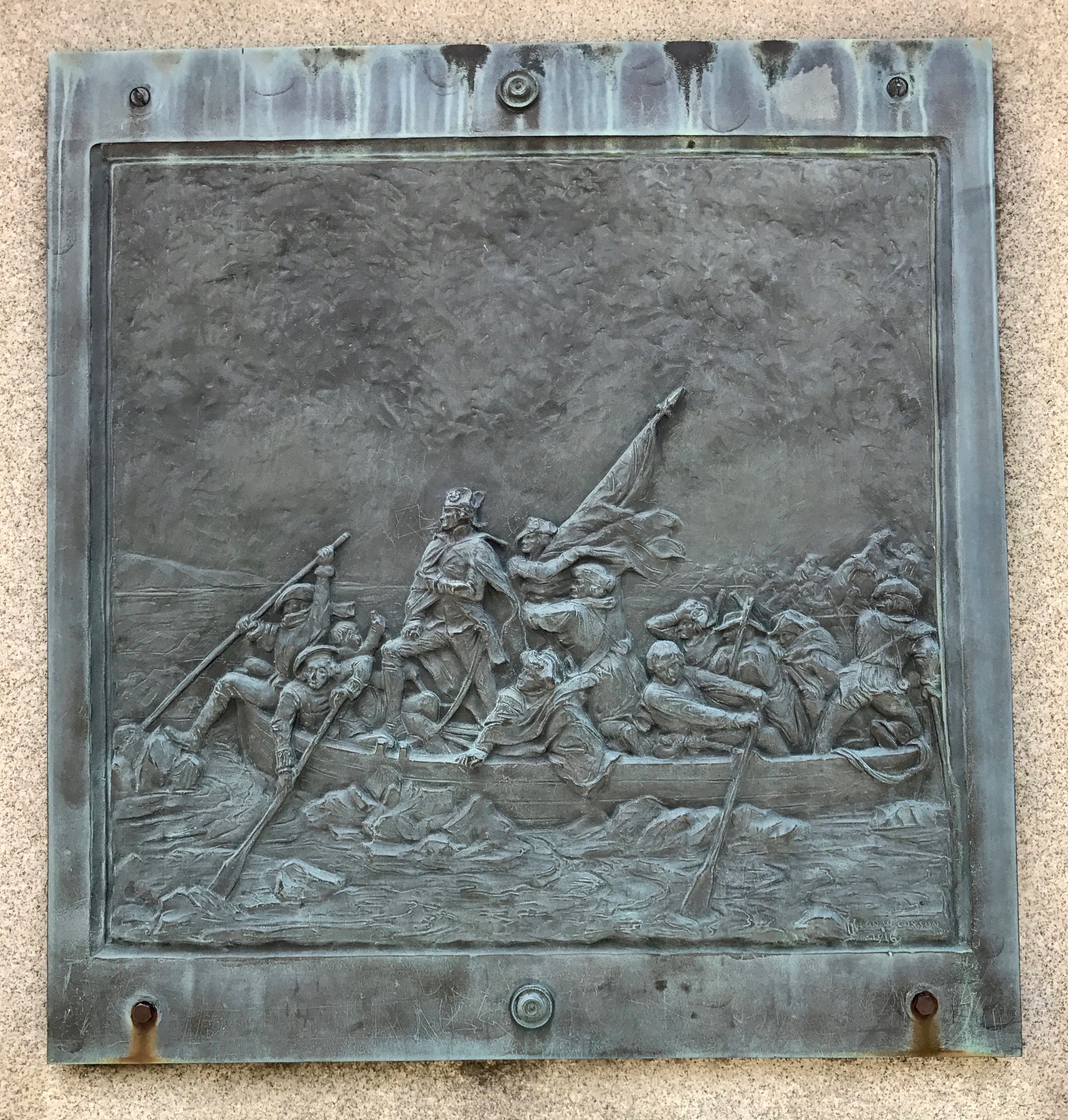
There was a bronze plaque based on the famous painting.
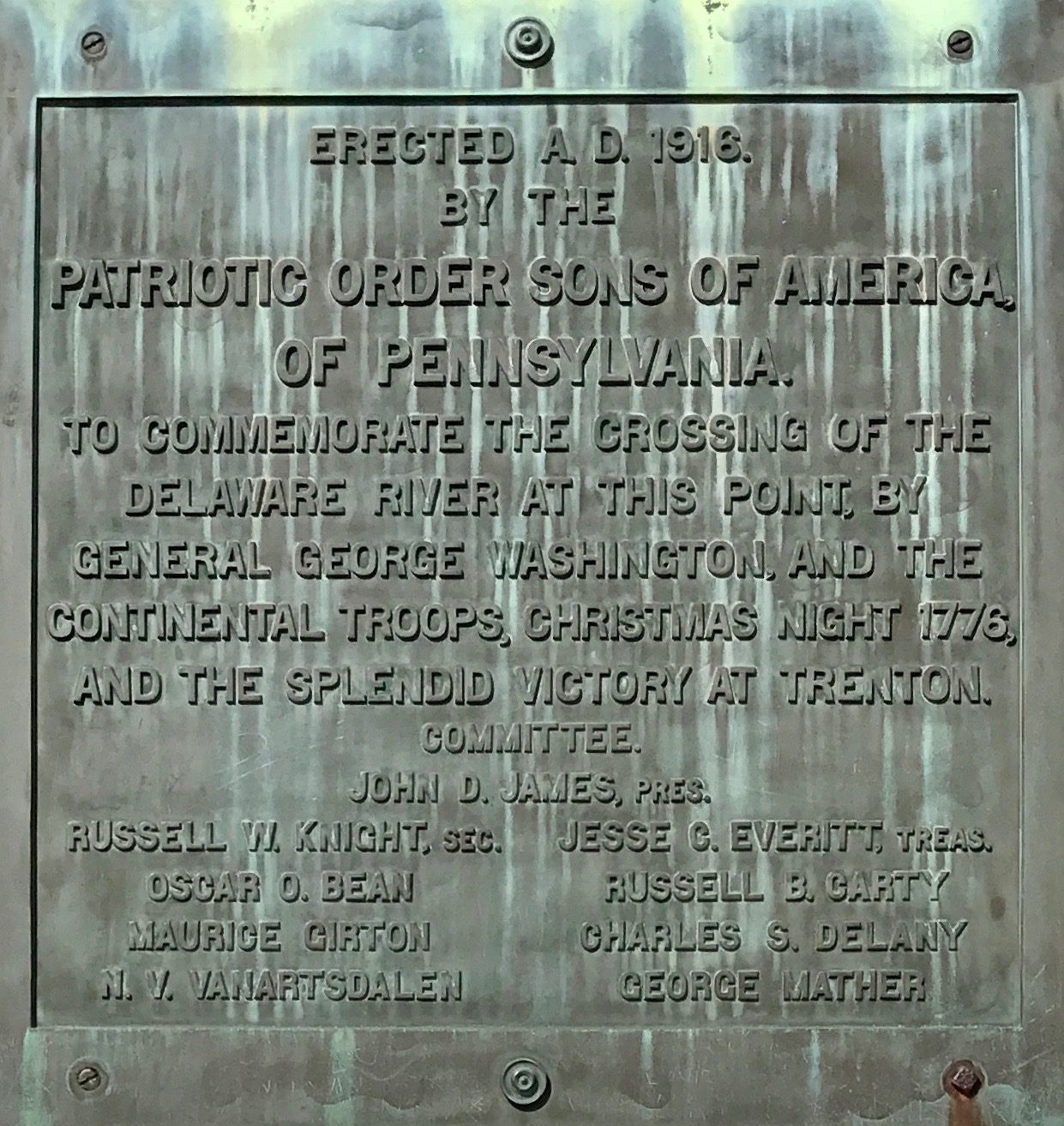
On the other side was a plaque with information about when it was erected, 142 years after the event. That seems kind of an odd number of years. I wonder if they got it done and just couldn’t wait for the 150th anniversary? Or was it to gin up patriotism during World War I?

I was kind of tired, but I toured the museum and snapped a few photos.
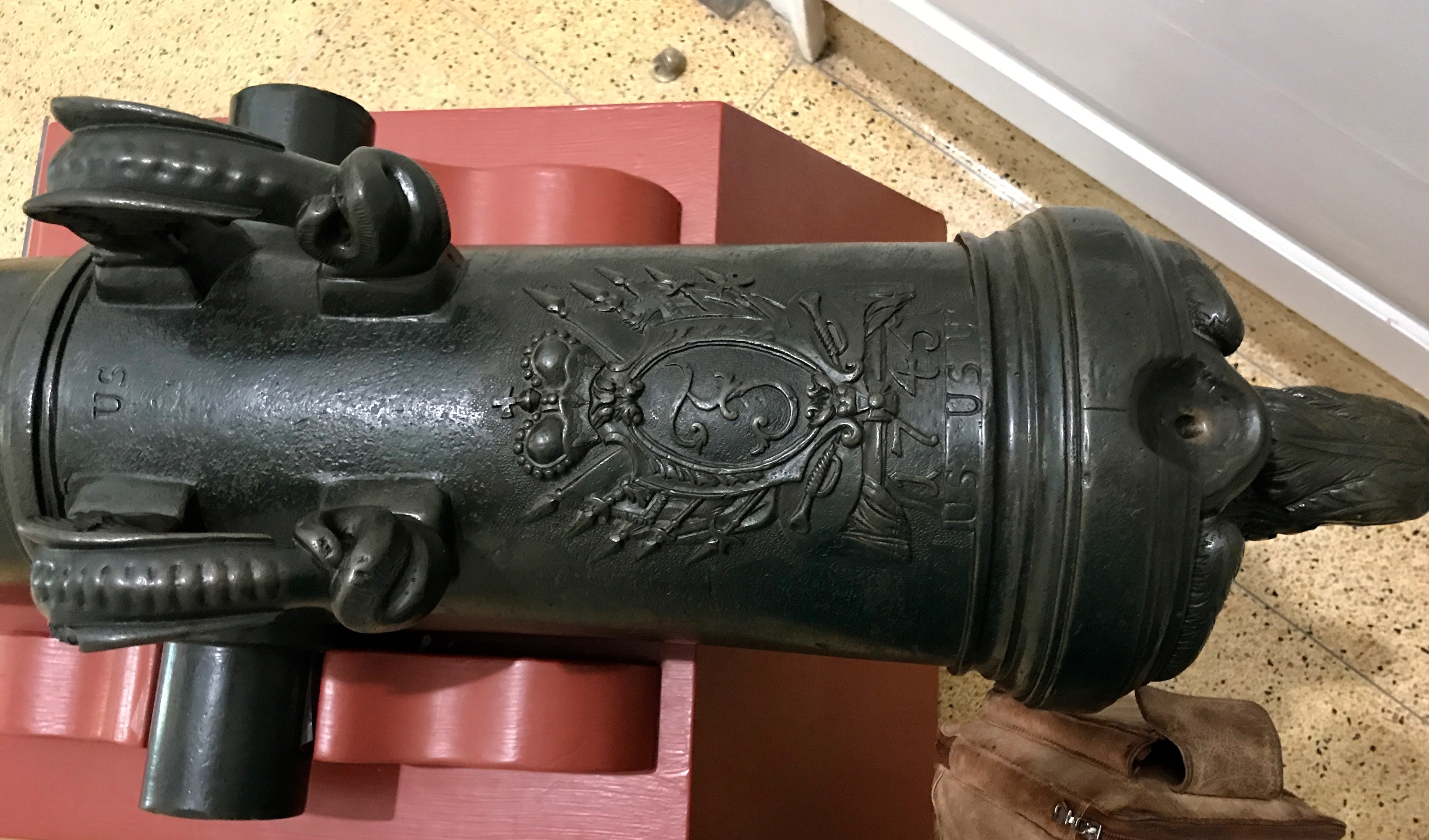
They had a cannon that was made in France for Frederick the Great of Prussia in 1745. They stamped US during the revolution to mark the gun as American property. Frederick had quite the fancy crest on his cannon.
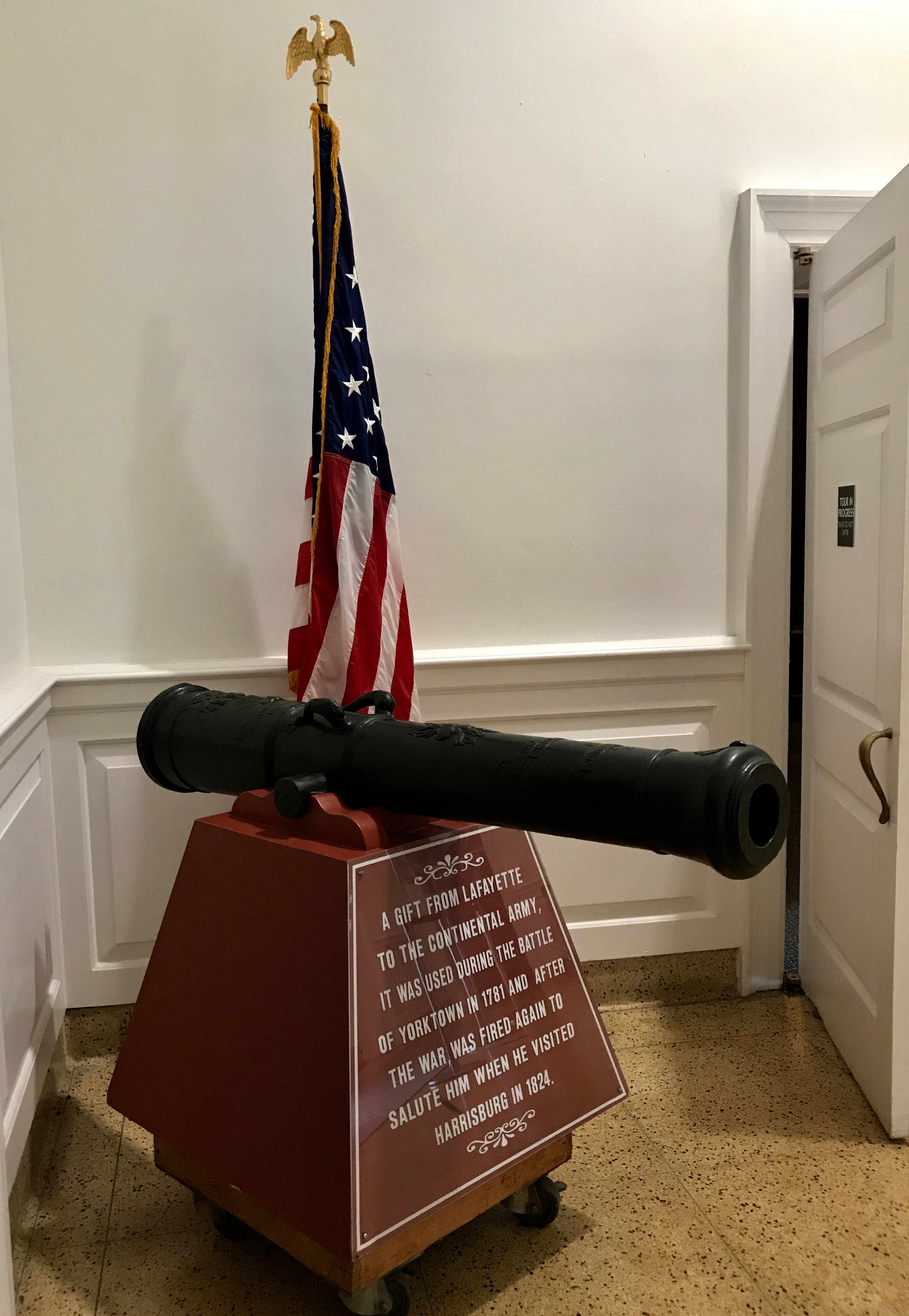
There was also this cannon, which was a gift from Lafayette to the Continental Army. It was used during the battle of Yorktown in 1781. After the was, it was fired again to salute him when he visited Harrisburg in 1824. If you would like to revisit my post about my time in Yorktown, click here. Yorktown was a big deal.
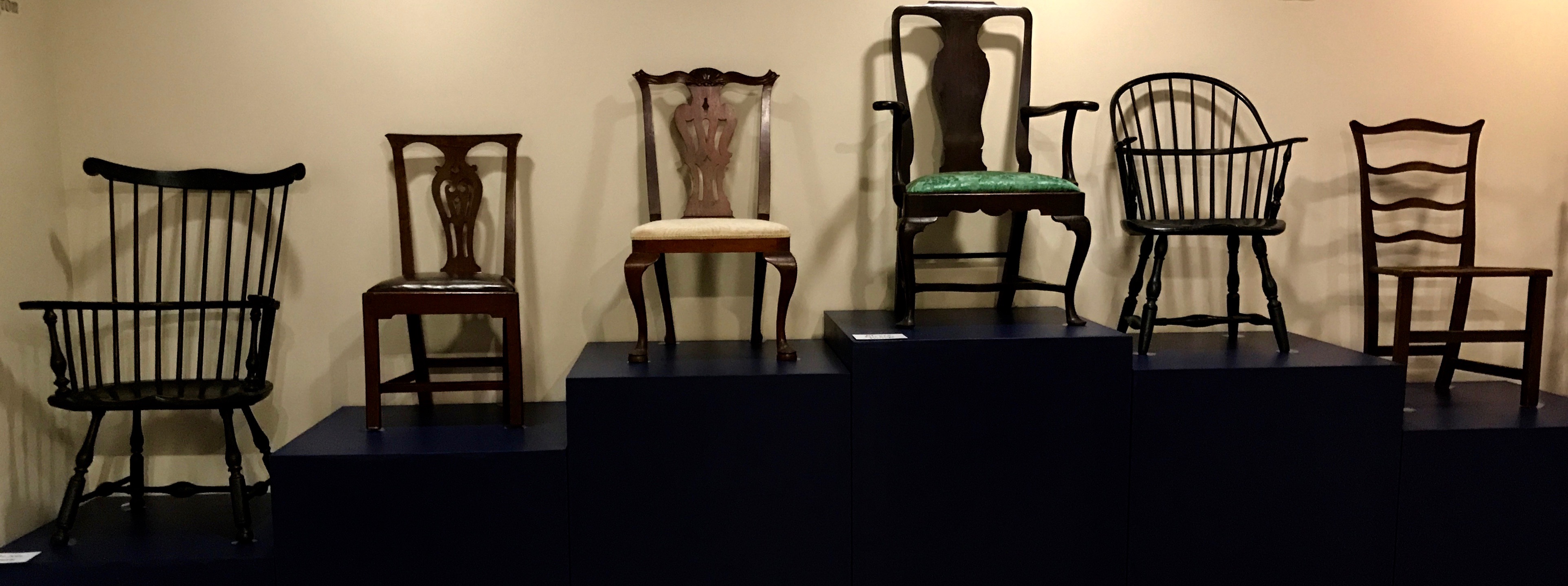
There were some displays, but I wasn’t in the mood to read the information about them. I’m not sure exactly why these chairs were here. They don’t seem related to the revolutionary war, unless Washington sat in them.
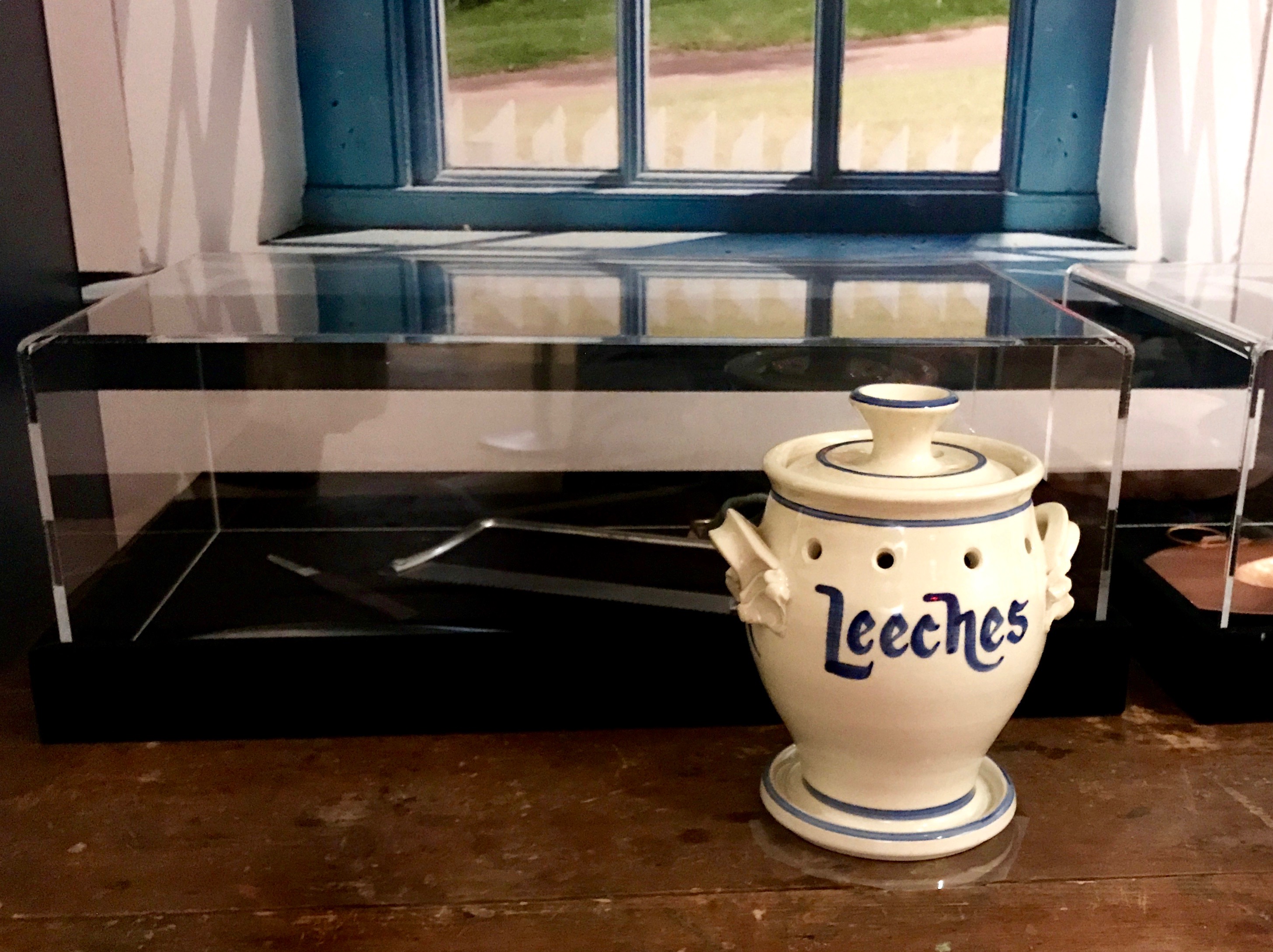
This seems more appropriate. I am sure many soldiers needed medical care. 
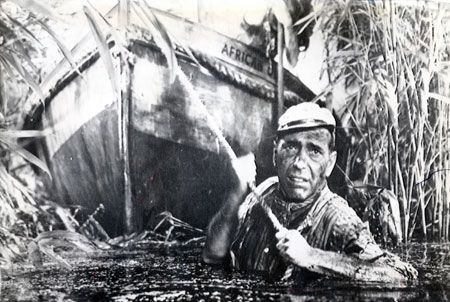
Of course, whenever I see a reference to leeches, I think of Humphrey Bogart towing that boat through the swamp in The African Queen.

“Leeches! I hate leeches!”
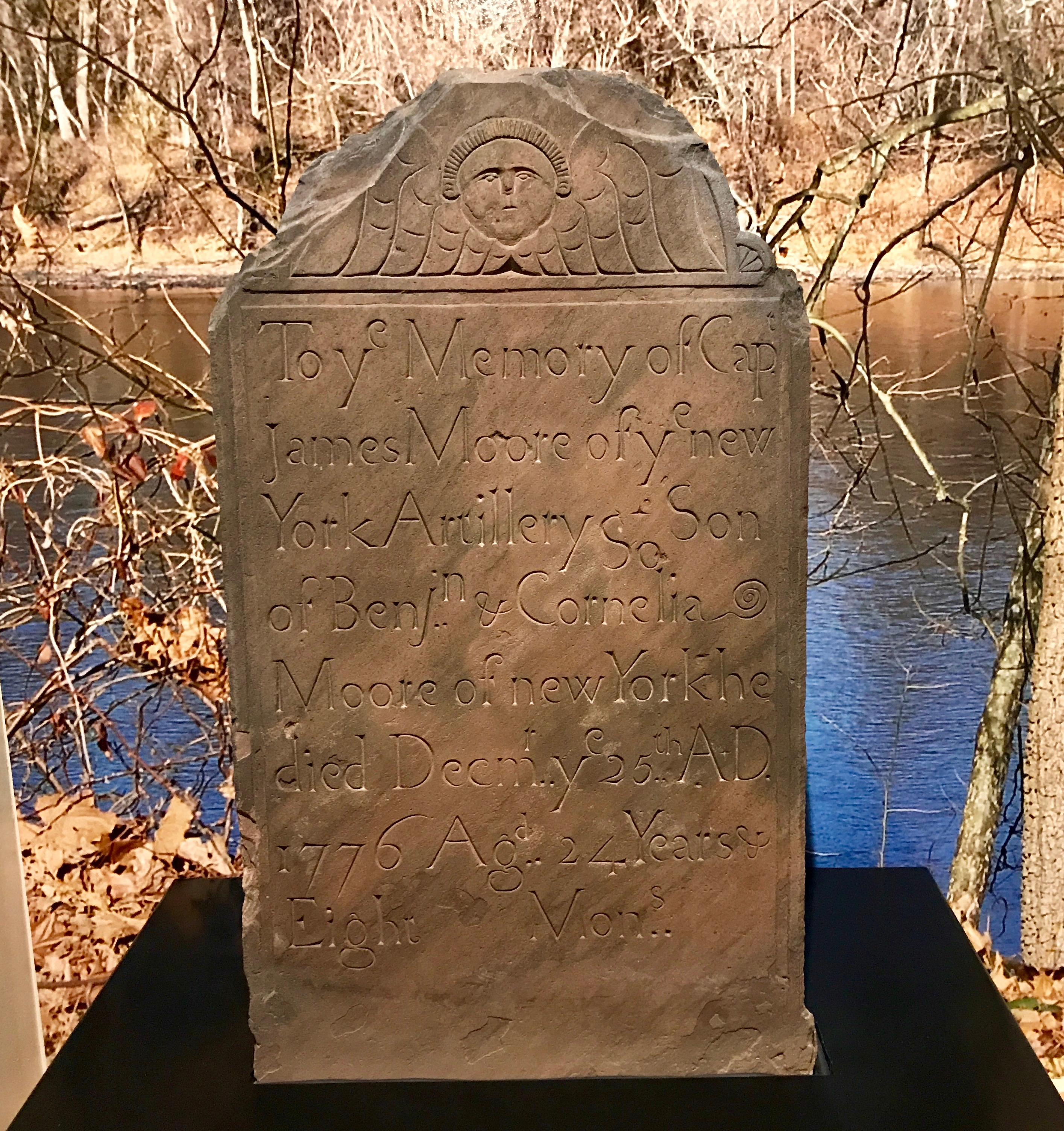
I also snapped a photo of this stone, which I assume was not an actual tombstone. The inscription reads:

To the memory of Captain James Moore of the New York artillery
Son of Benjamin and Cornelia Moore of New York.
He died December 25th 1776 AD
Aged 24 years and eight months

Of course, this is translated from the “Ye Olde” English that was in use at the time.
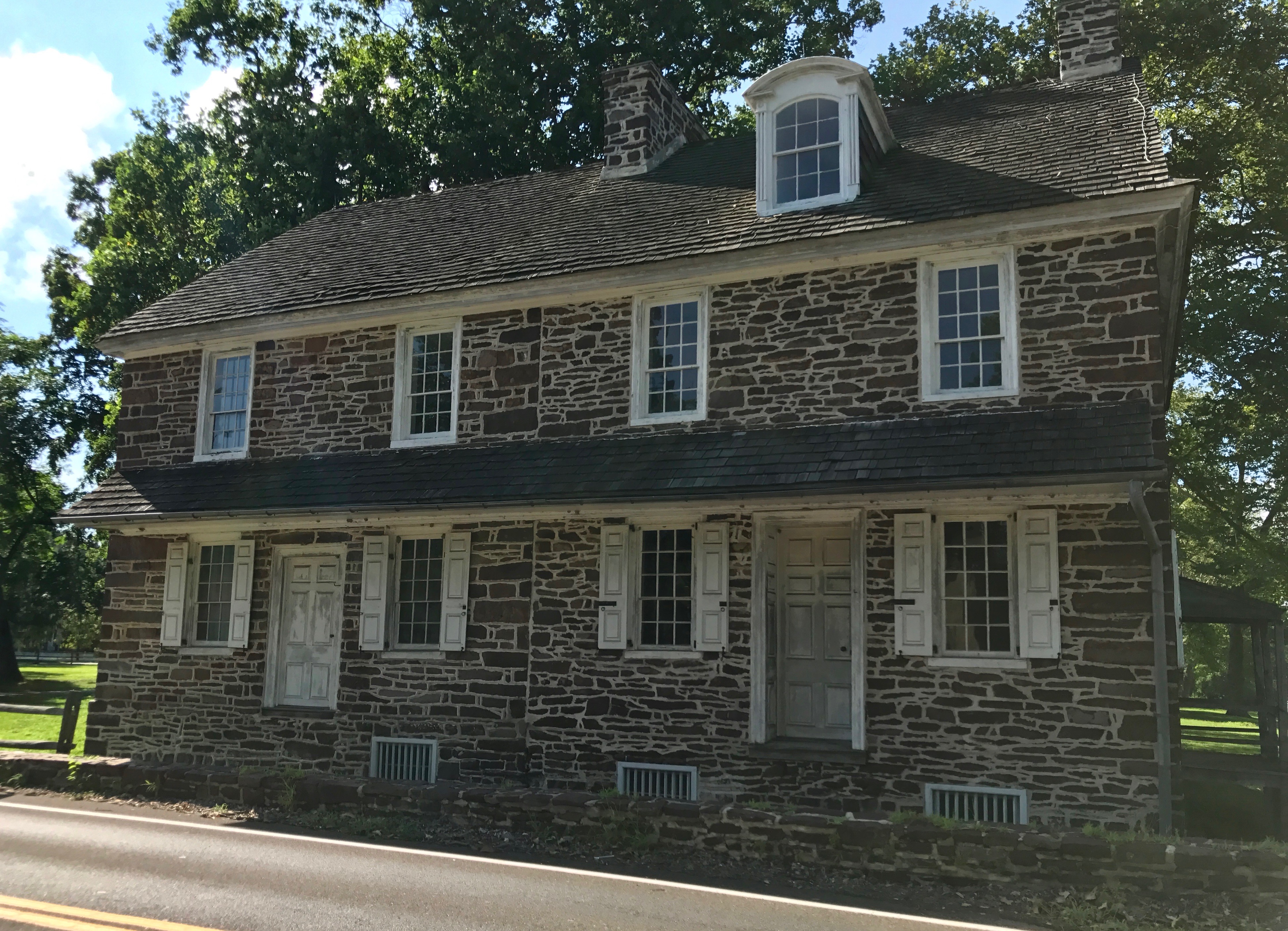
I decided to stroll about a bit and see what I could see. The McConkey Ferry Inn sat close to the road. I know that’s what it is because I took a photo of the sign.

I walked around it.
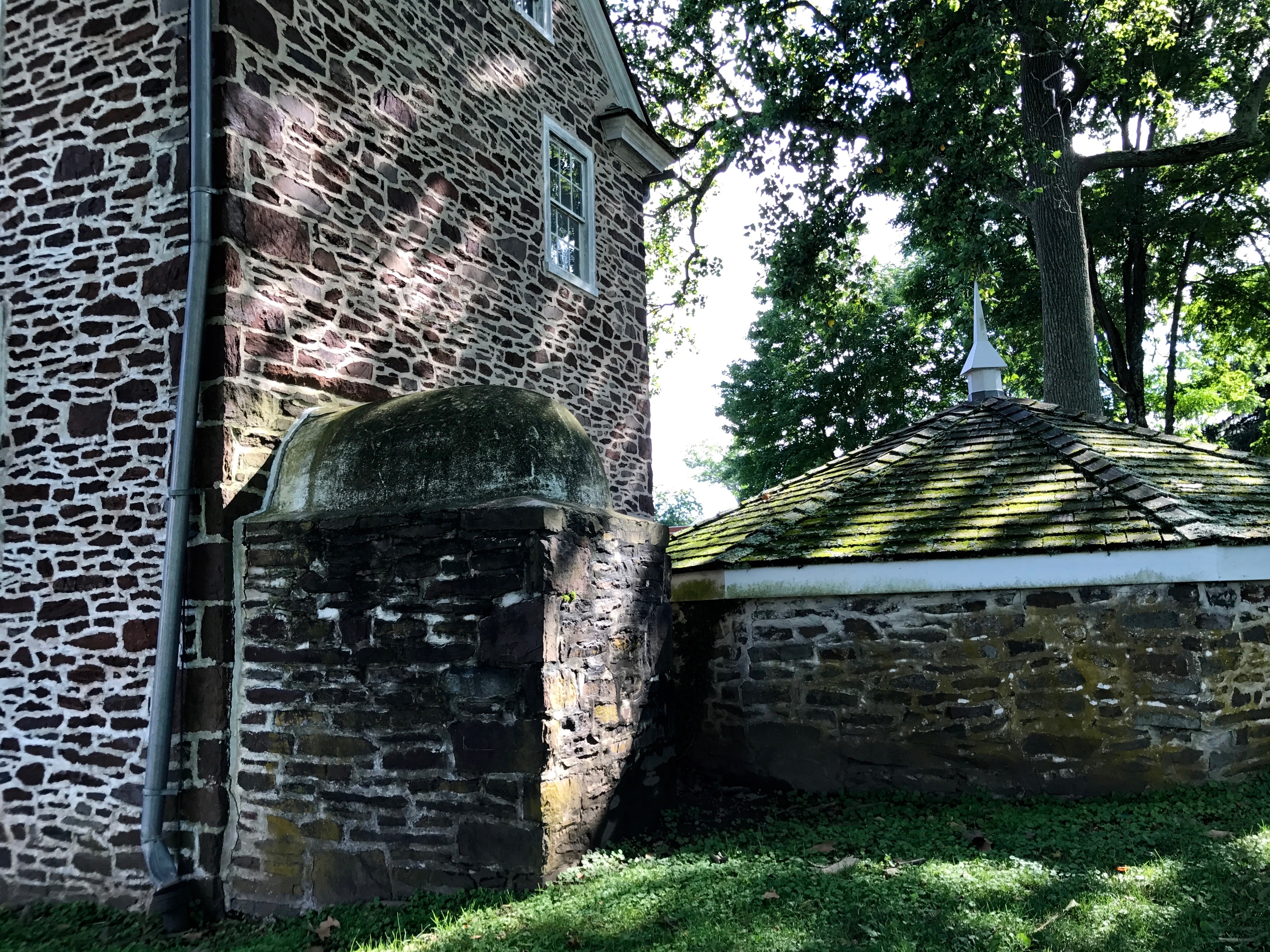
There’s the oven and the ice house. I know that because I have seen many of them on my travels.
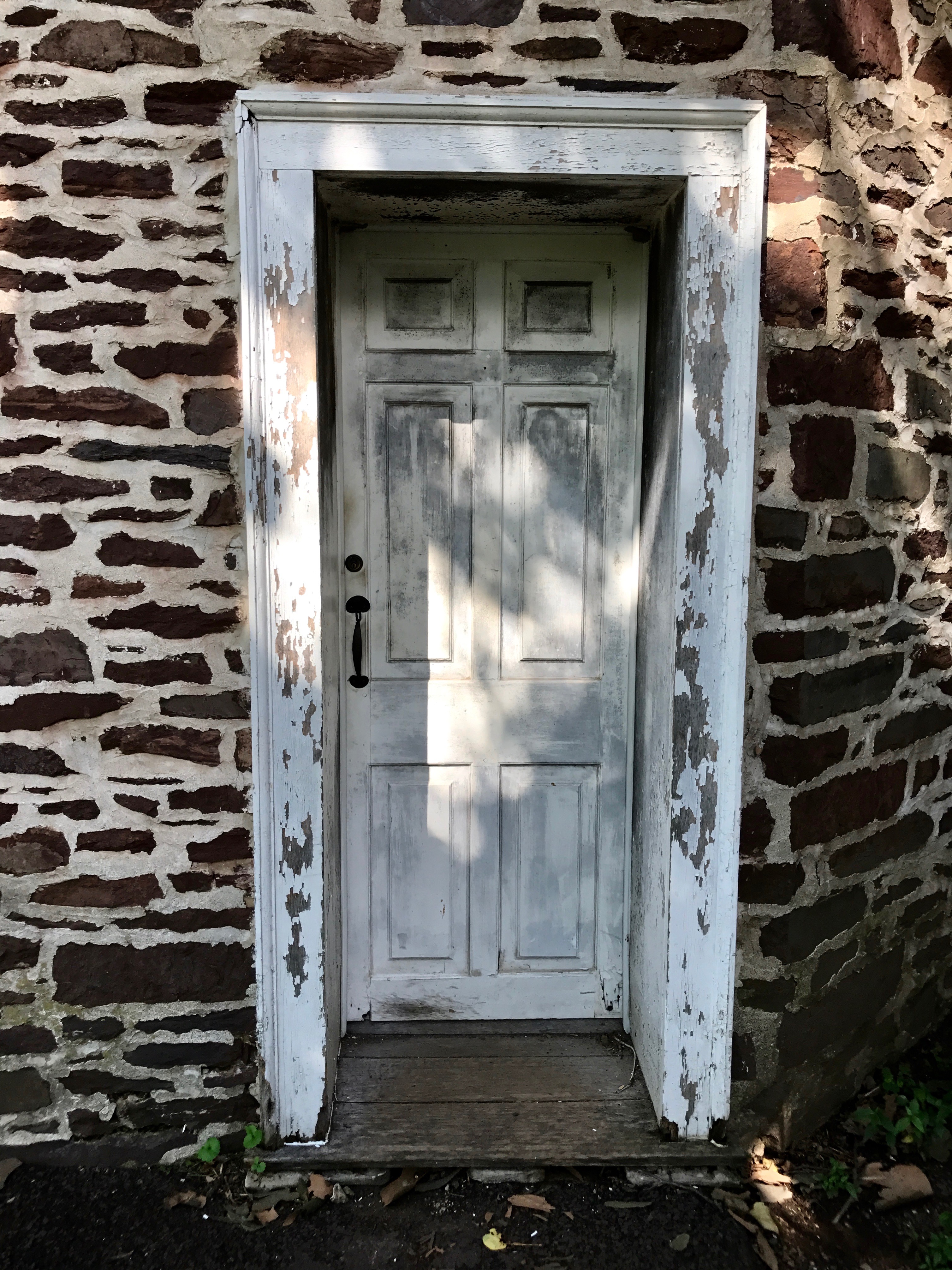
I rather liked this small door into the ice house.
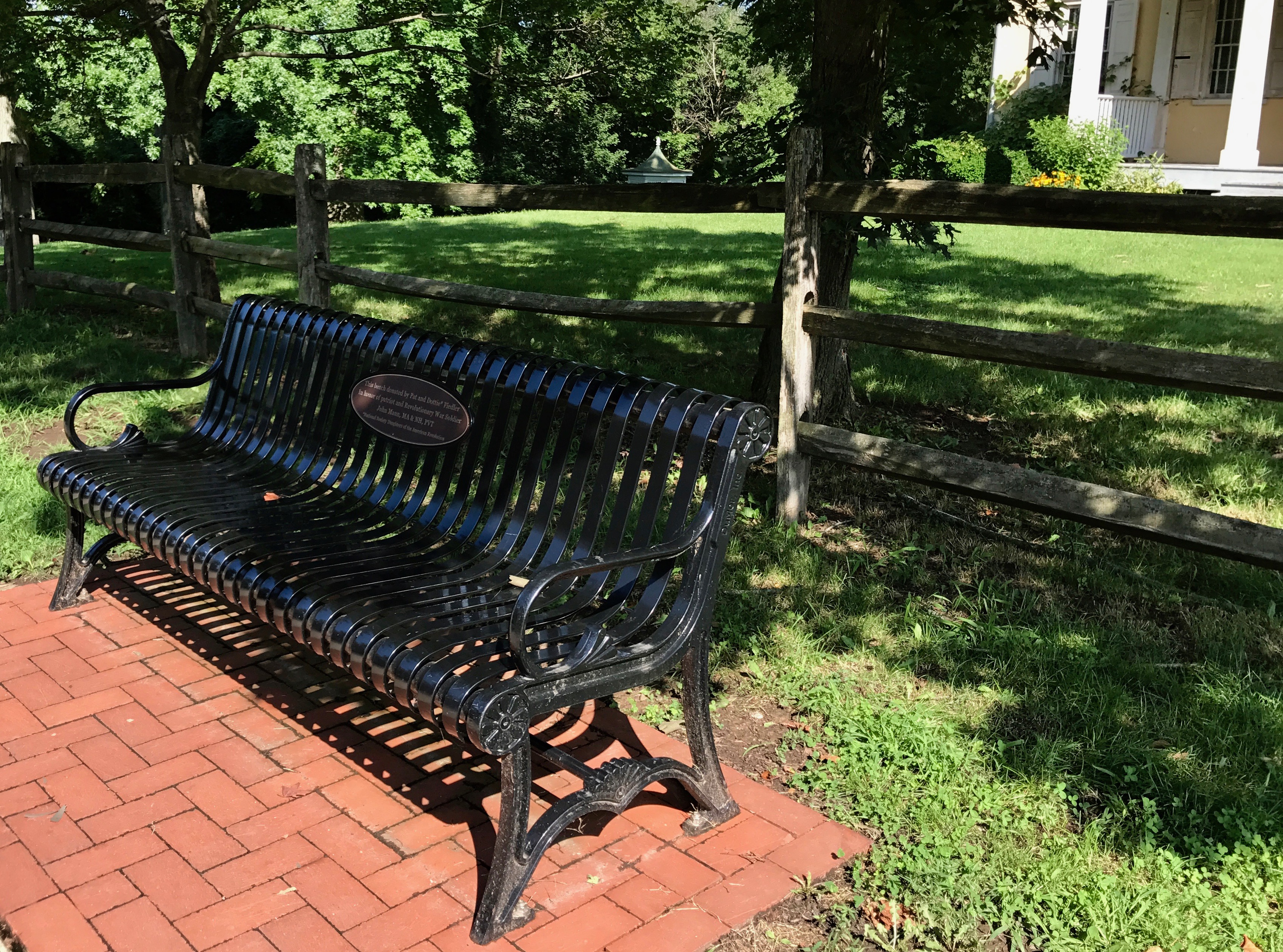
Across the road there was a house set back from the road at a discrete distance. I liked the bench that they had installed in front of it.
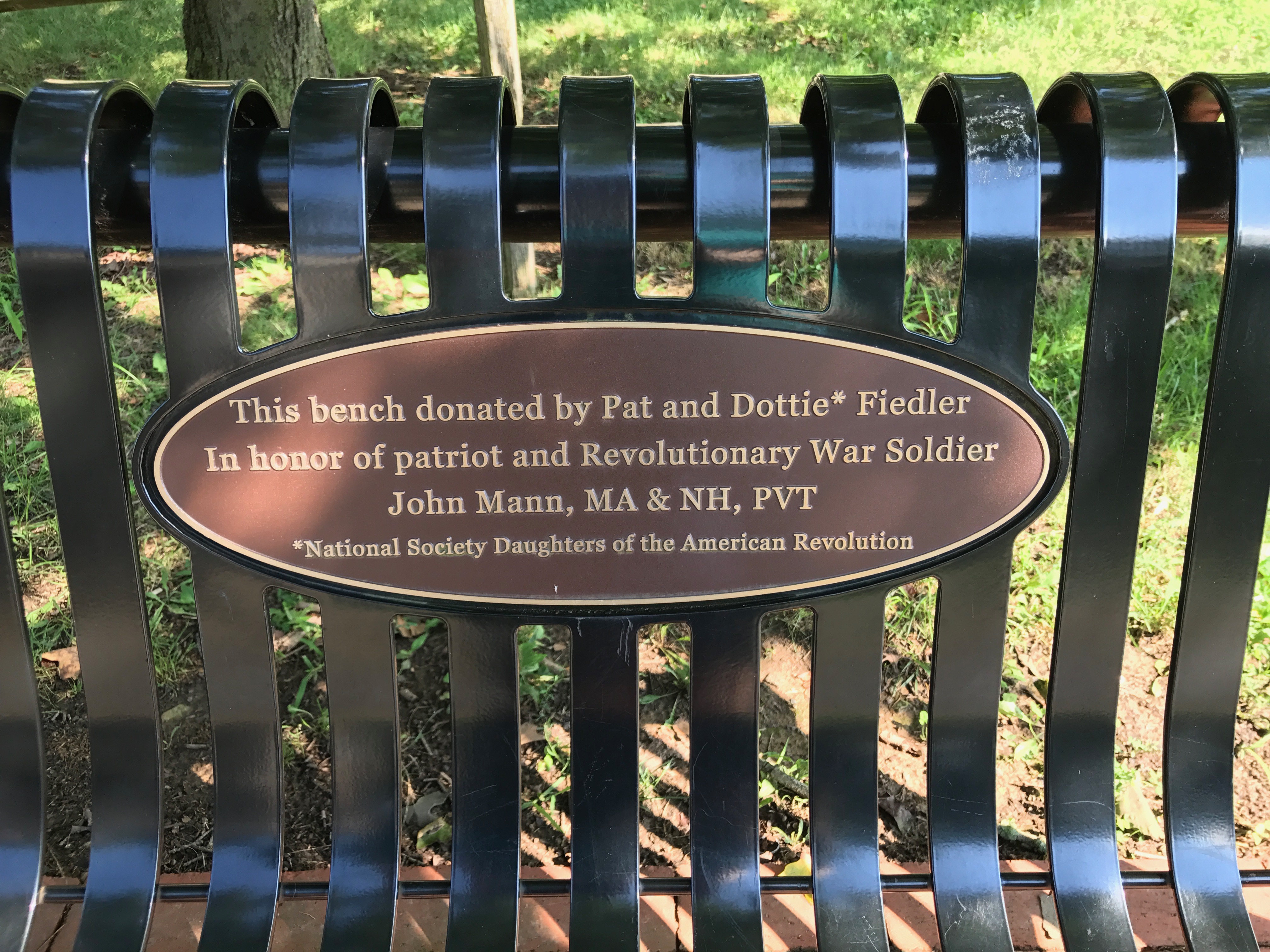
I think this is a nice memorial. So practical!
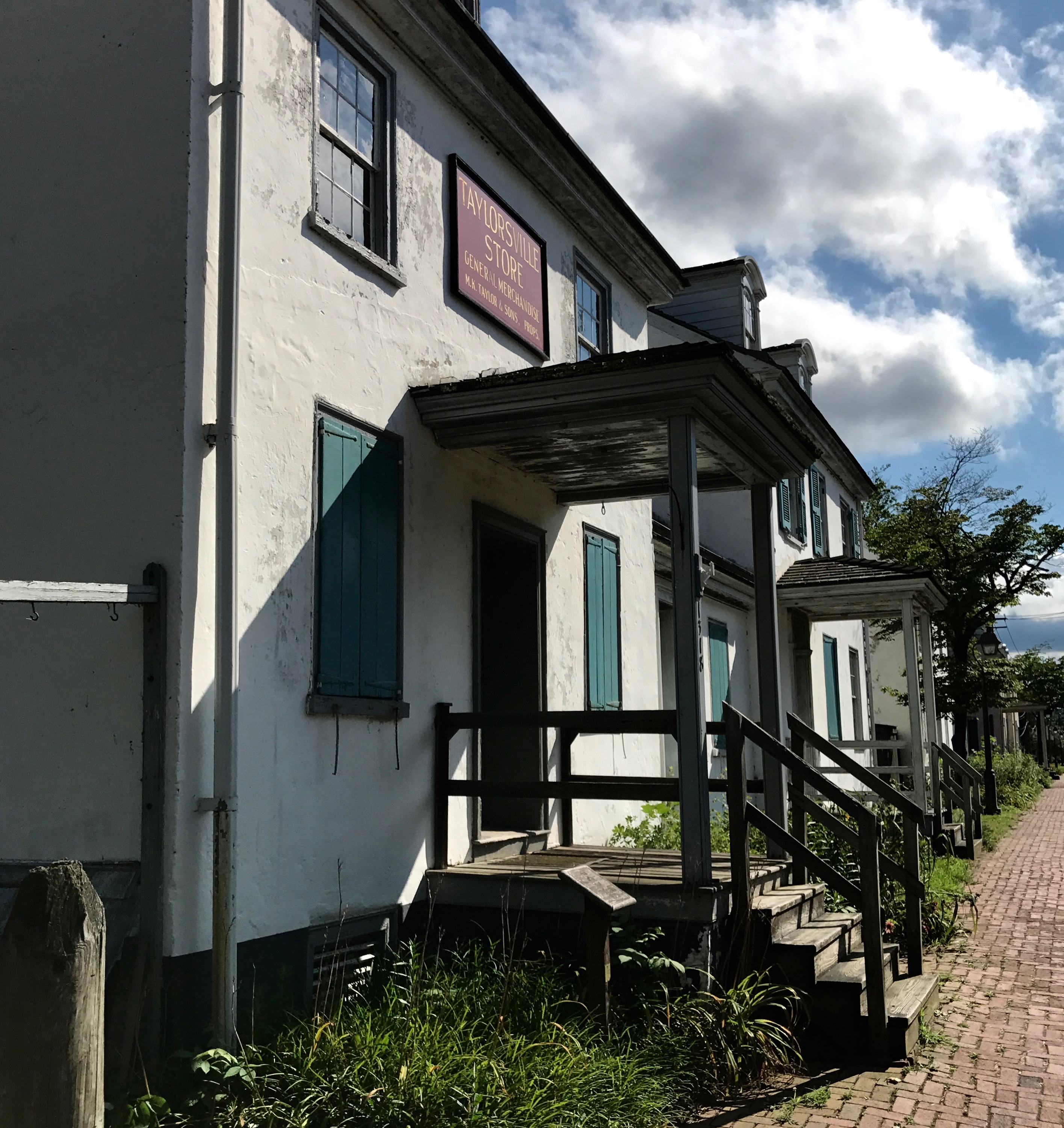
There was also the Taylorville store. Had I been up on my game, I would have tried to find out if this place had been originally called Taylorville. Admittedly, I was running out of touristic energy. After all, I had dedicated myself to being a tourist for more than three years by this point.
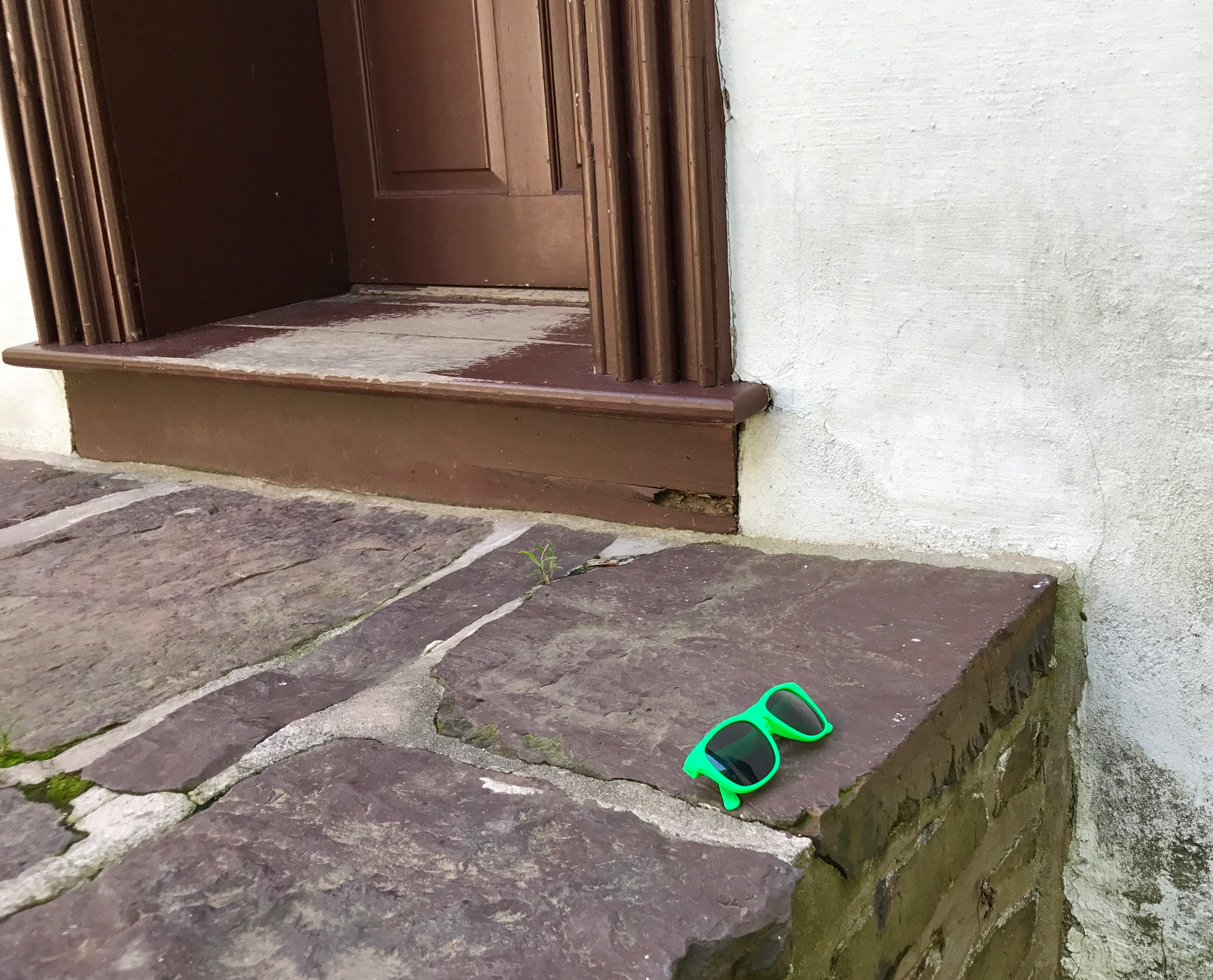
I should have started a file of all the lost things I’d seen in my travels. I hope the person who left these bright green sunglasses behind came back and found them.
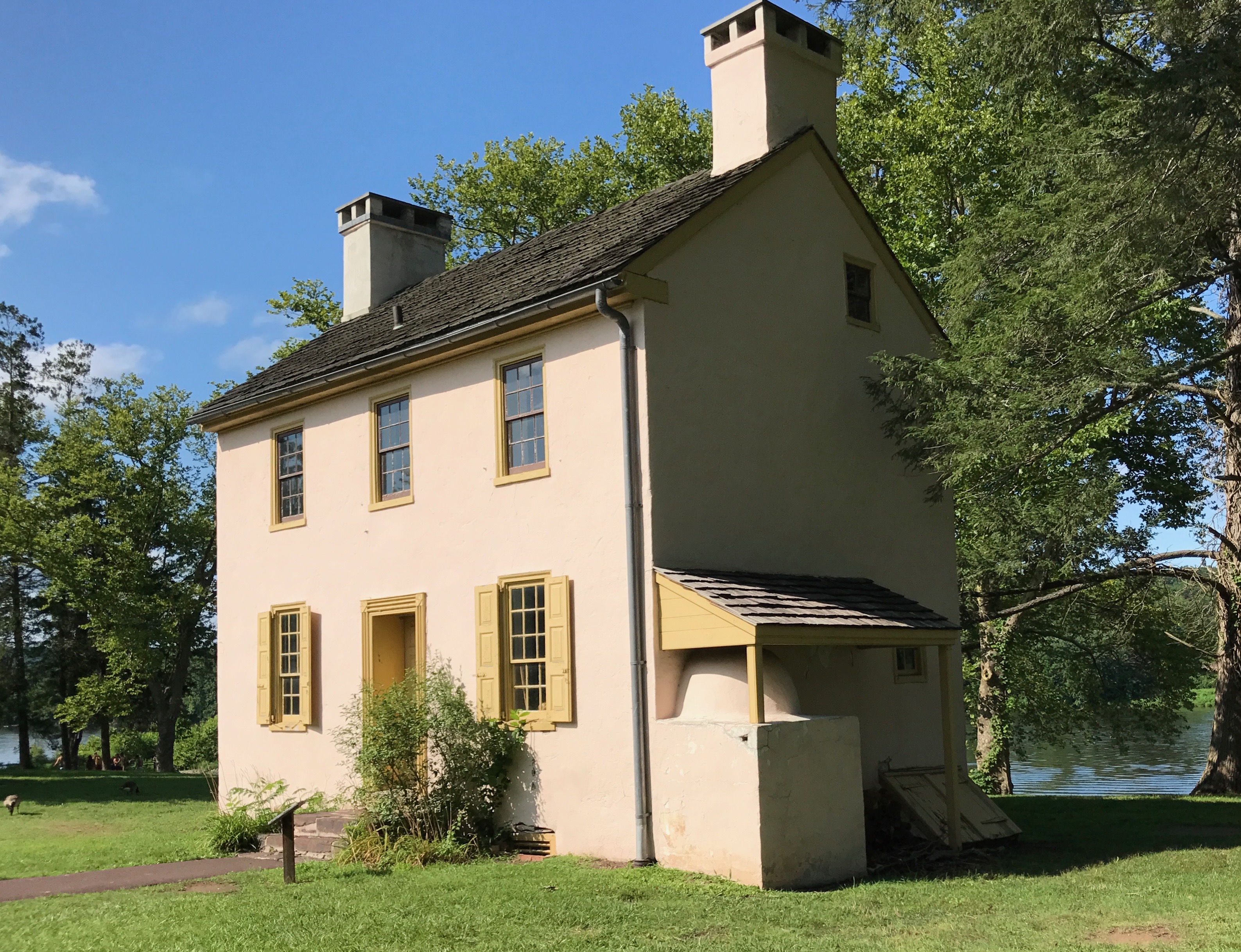
Here’s another house with its own oven. They must have been a prosperous community.
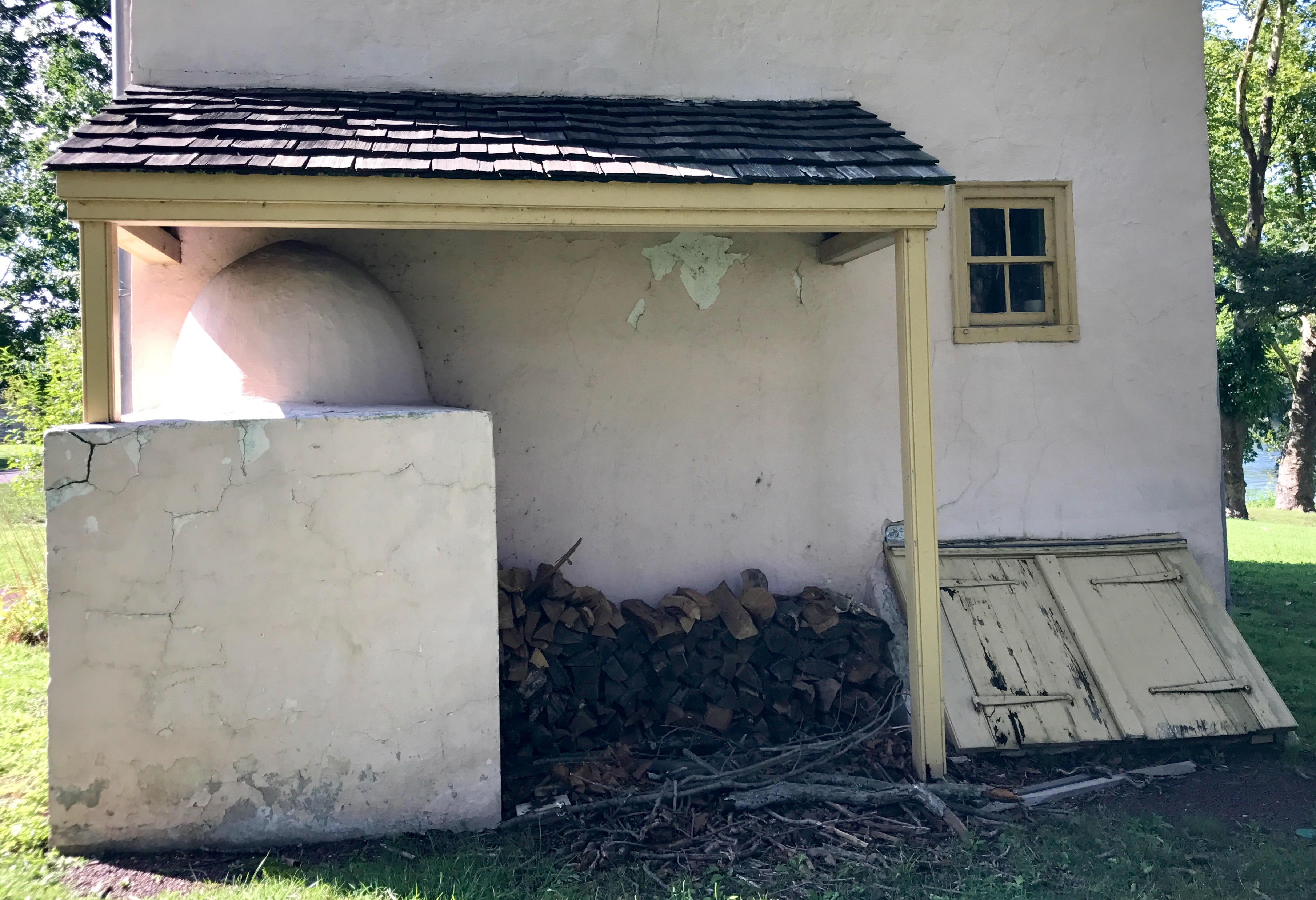
They might have not had their own ice house, but they did have a cellar.
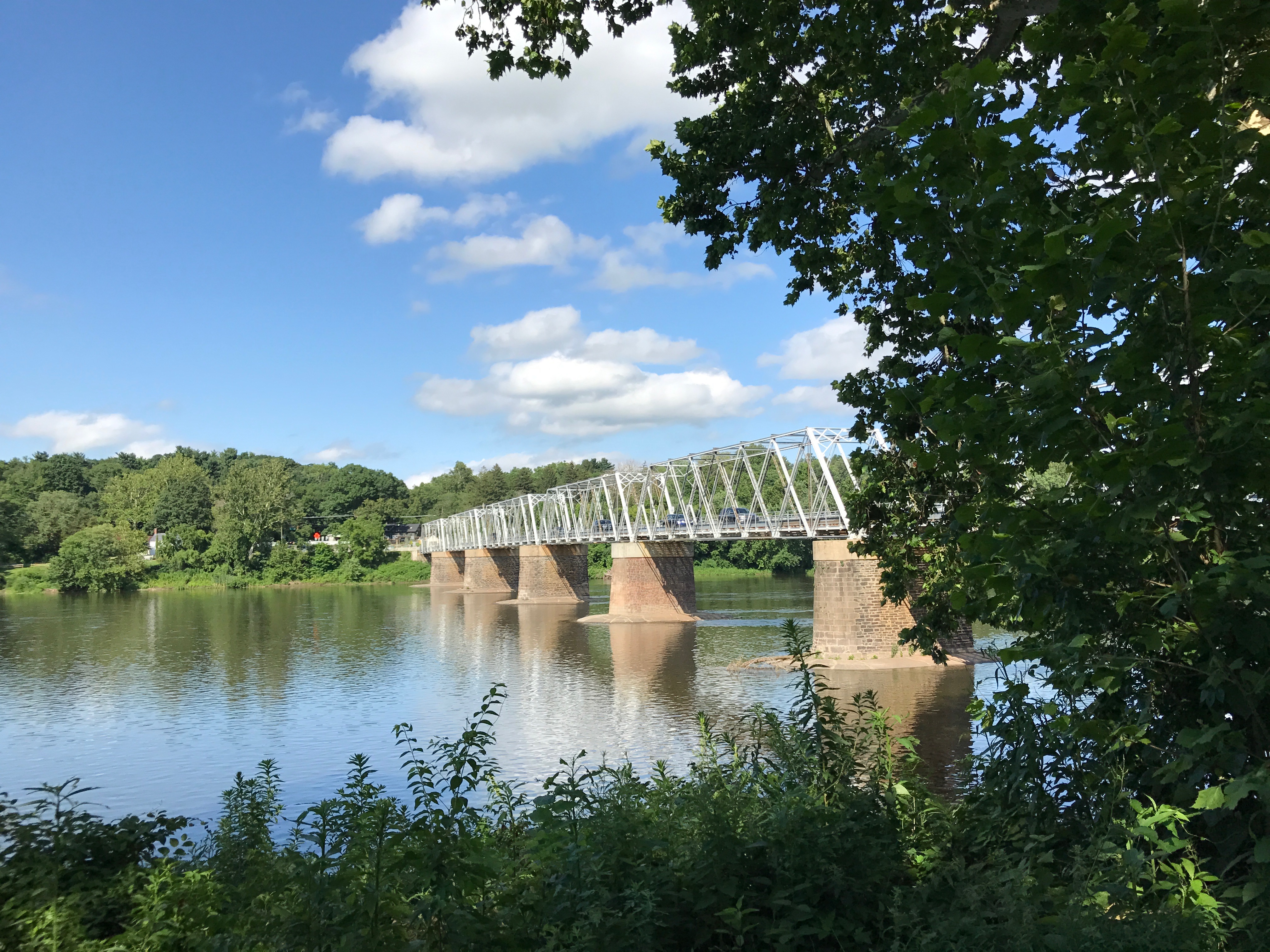
I wandered over to the river to take in the scenery. It’s a pretty little river, but it sure played a big roll in our nation’s history.
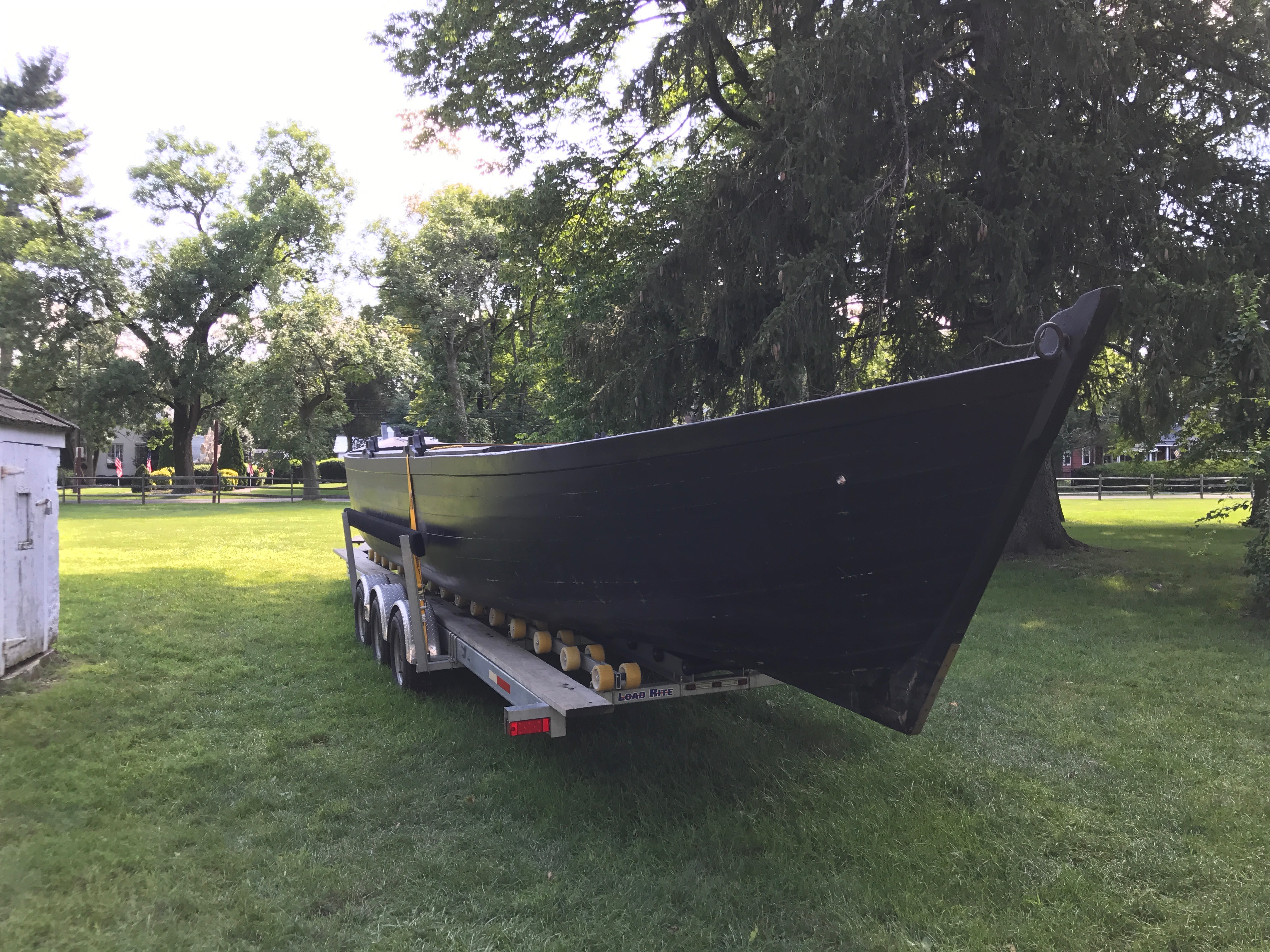
They had a model of the kind of boat that Washington used to cross that river.
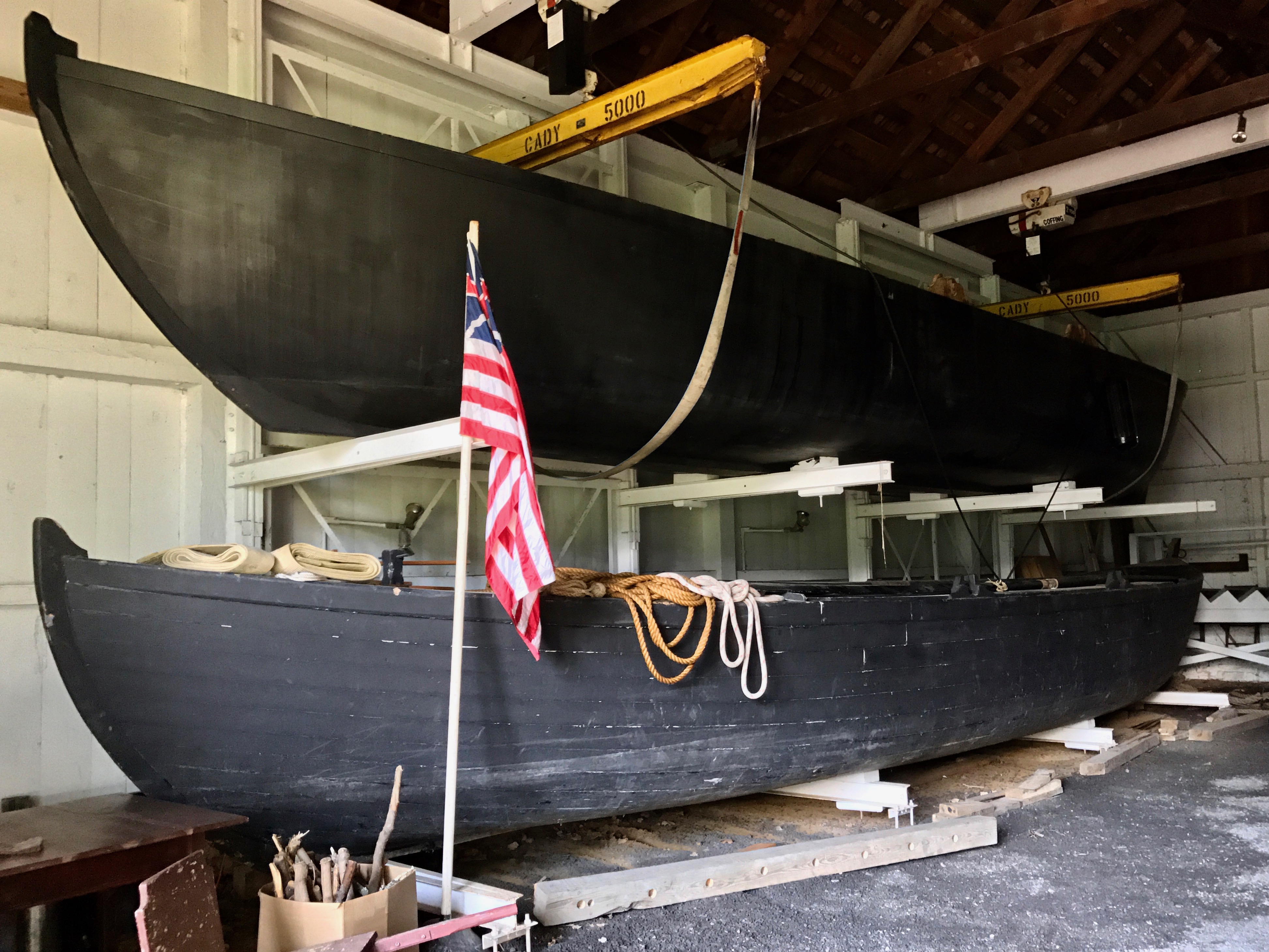
There were several more inside the boathouse.
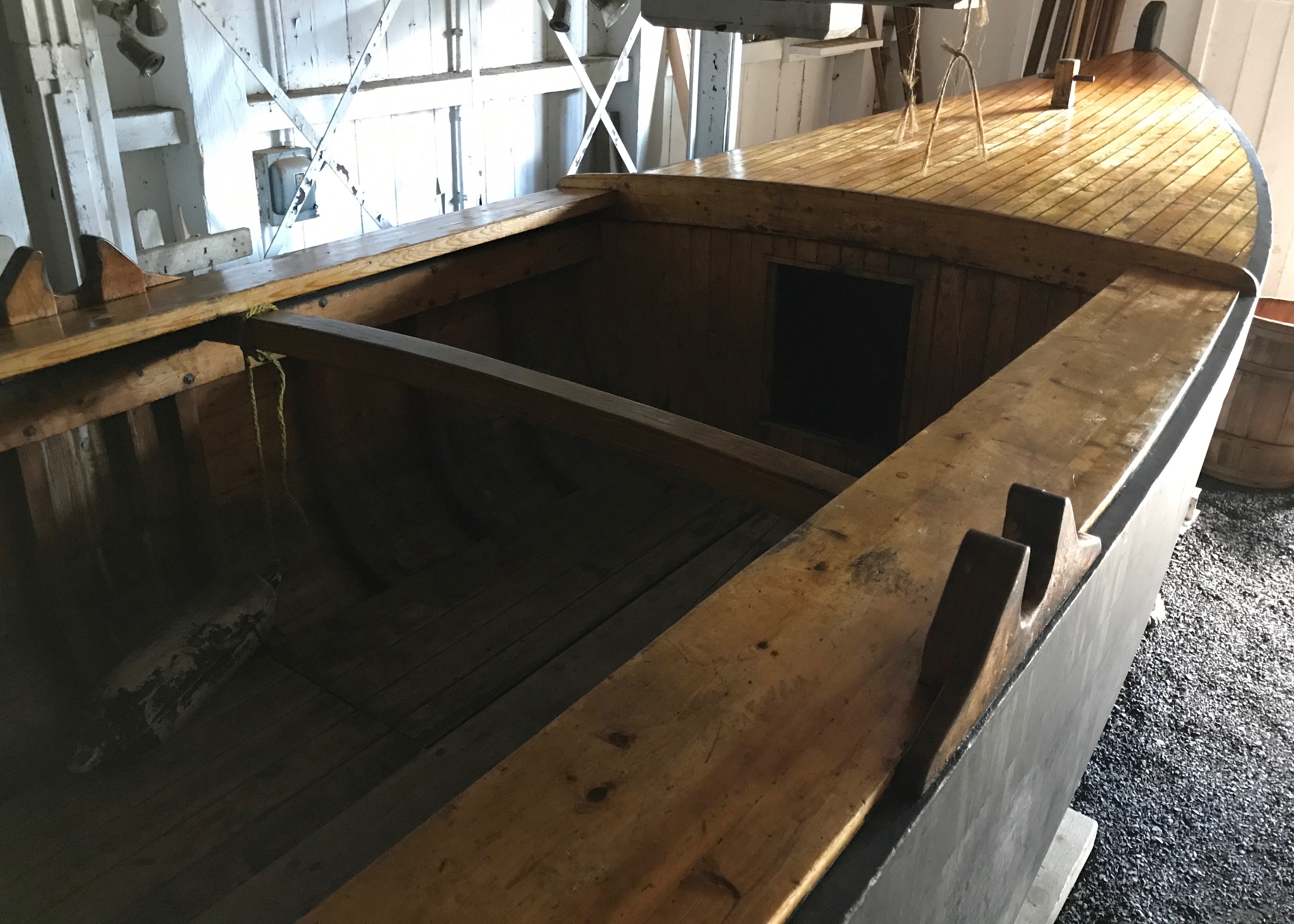
You could even climb up and look inside to see how much space there was in it.

Before I left, I had one more thing to take a look at.
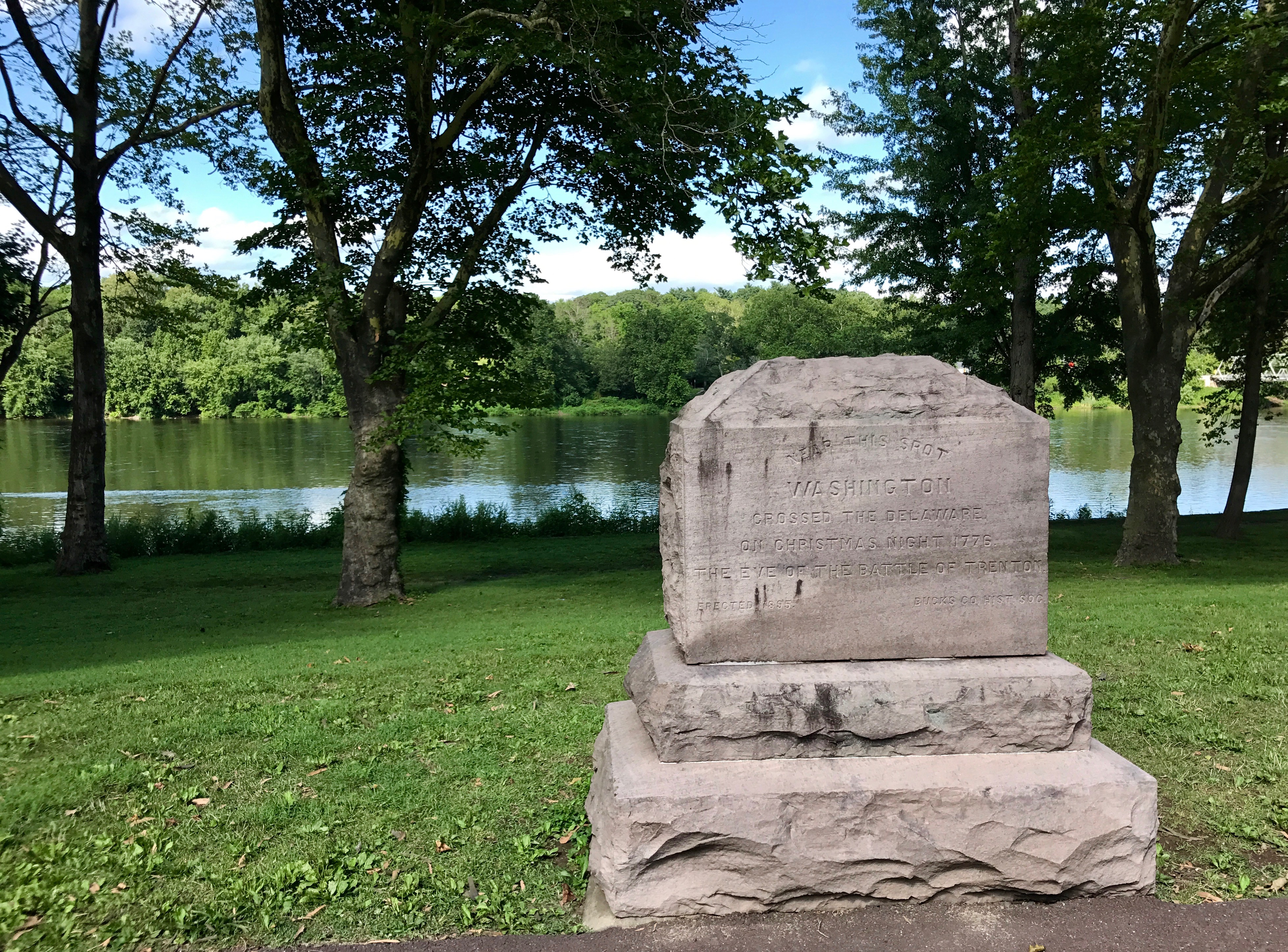
There was a marker that read:

“Are this spot Washington crossed the Delaware one Christmas night 1776
The eve of the Battle of Trenton
Erected 1895 Bucks County Historical Society”

And with that, I headed back to Joyce’s house.
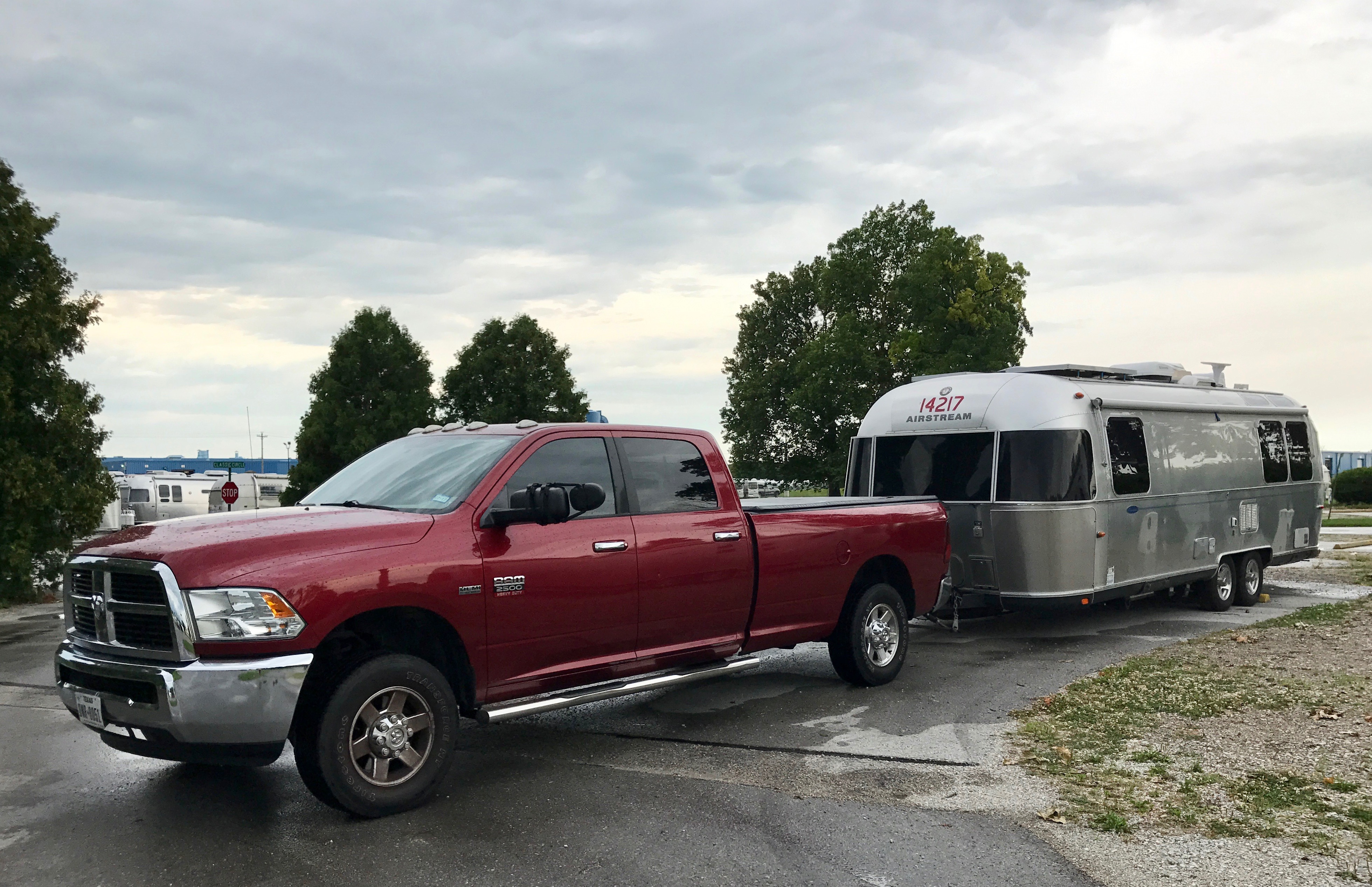


One Last Night in the Airstream

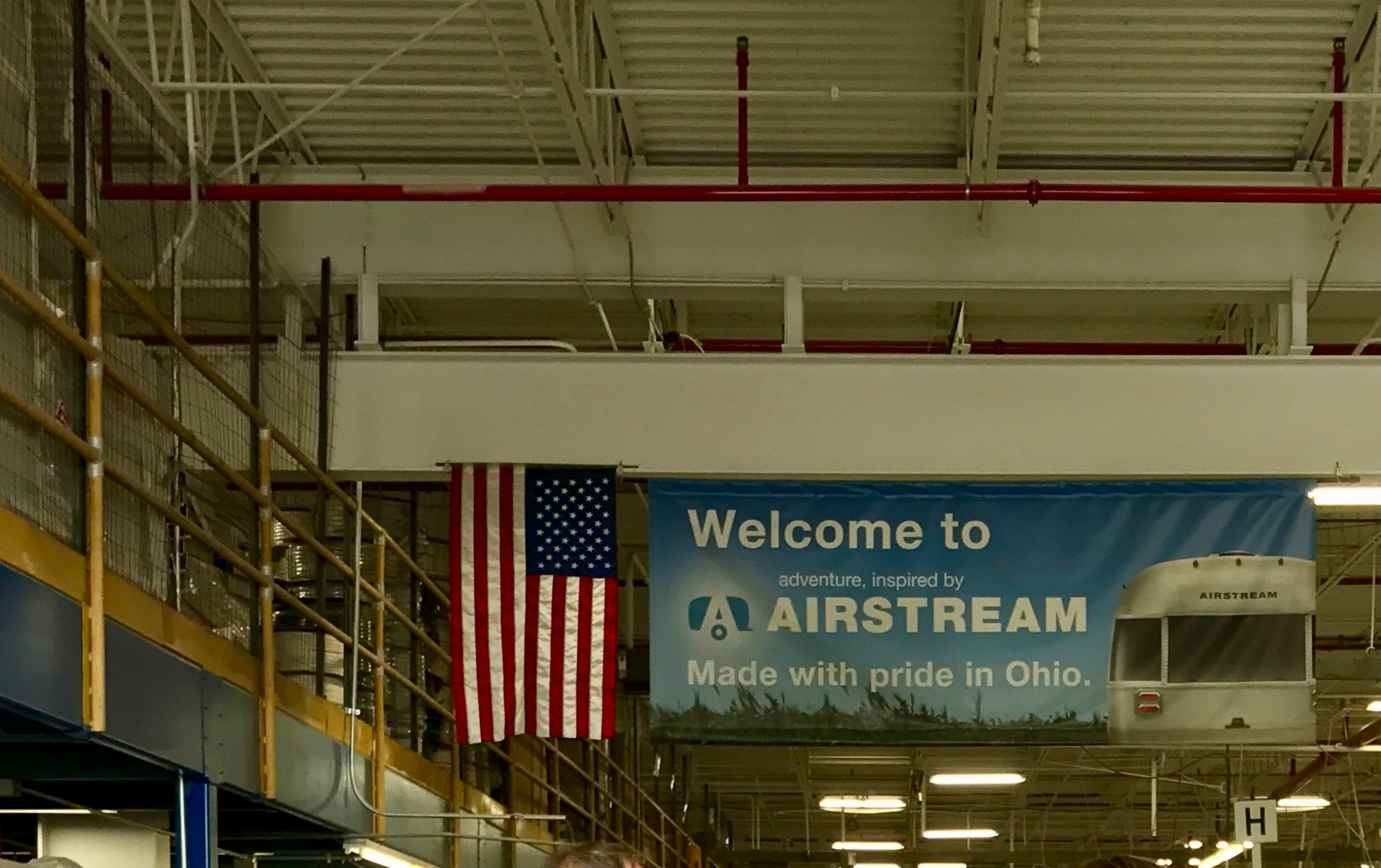
With all the maintenance items completed at the Mothership in Jackson Center, Ohio, it was time to head toward Pennsylvania.

I got hitched up and ready to roll. According to the overly optimistic directions in Google Maps, the trip from there to Joyce’s house in Pennsylvania should have taken a little more than nine hours. I knew it was going to take longer than that, so I made arrangements to spend the night at an RV park in Burnt Cabins, Pennsylvania.

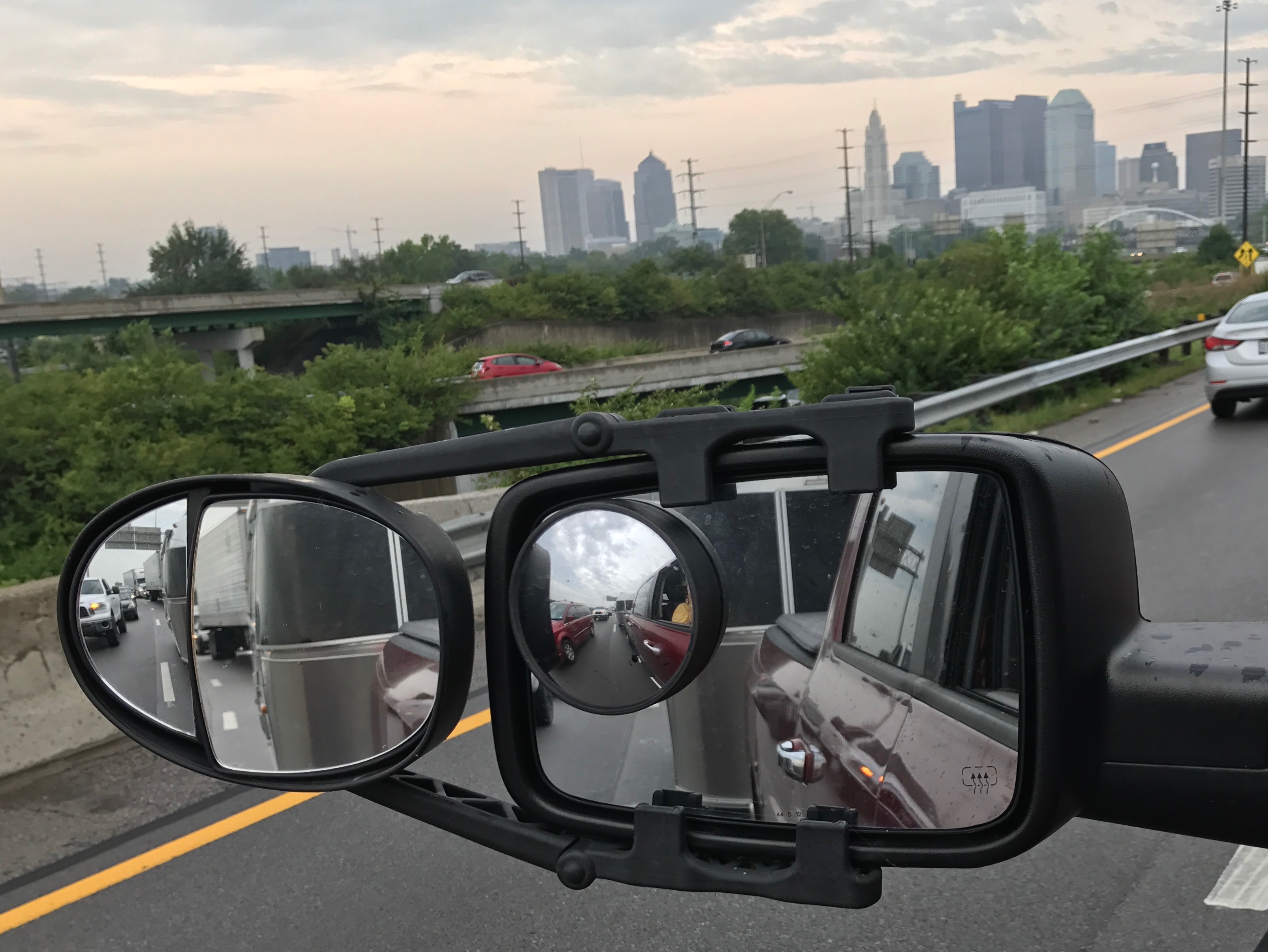
I rolled along, with Flo right in my rearview mirror. It took all day, but I eventually got to the campground – Ye Olde Mill Campground .

I am sure you are curious about the name of the community. “Burnt Cabins” is not exactly a name you would pick to attract people to settle down. According to my preferred source, the land was owned by Native American tribes until 1758. By 1750, a small village known as Sidneyville had grown to 11 squatters’ cabins. These cabins were burned by order of the provincial government to maintain peace and to demonstrate to Native Americans that their ownership would be respected.

We all know how that turned out.

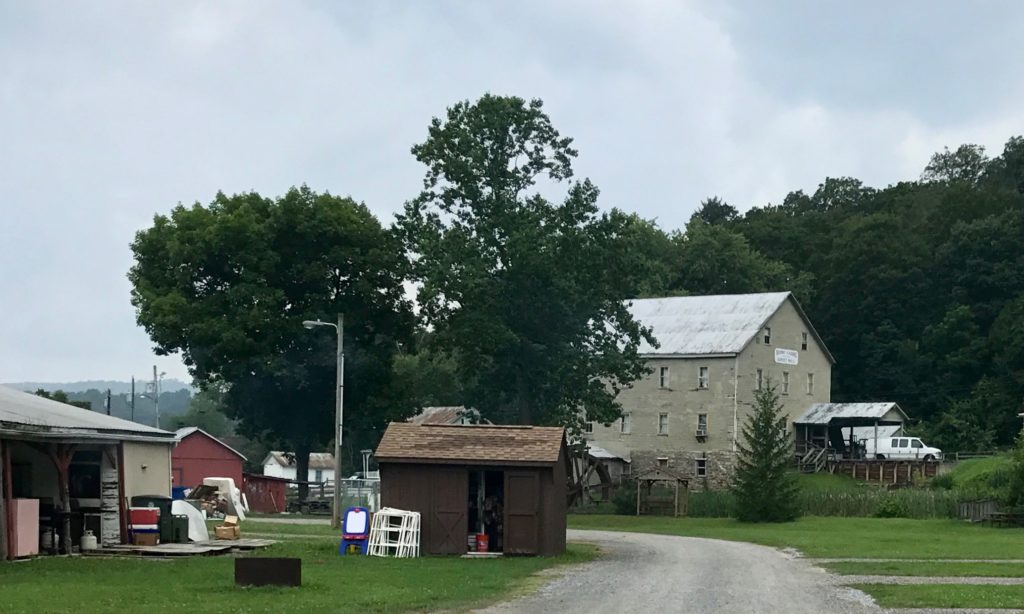
That large white building is Ye Olde Mill. A tour of it was included in my campground fee, but I decided that I’d seen enough mills in my travels. I settled in for the night and spent my last night in a rather unglamorous spot – but it had water and electricity and I don’t think I could have driven any further.

I timed things out great, in terms of food.

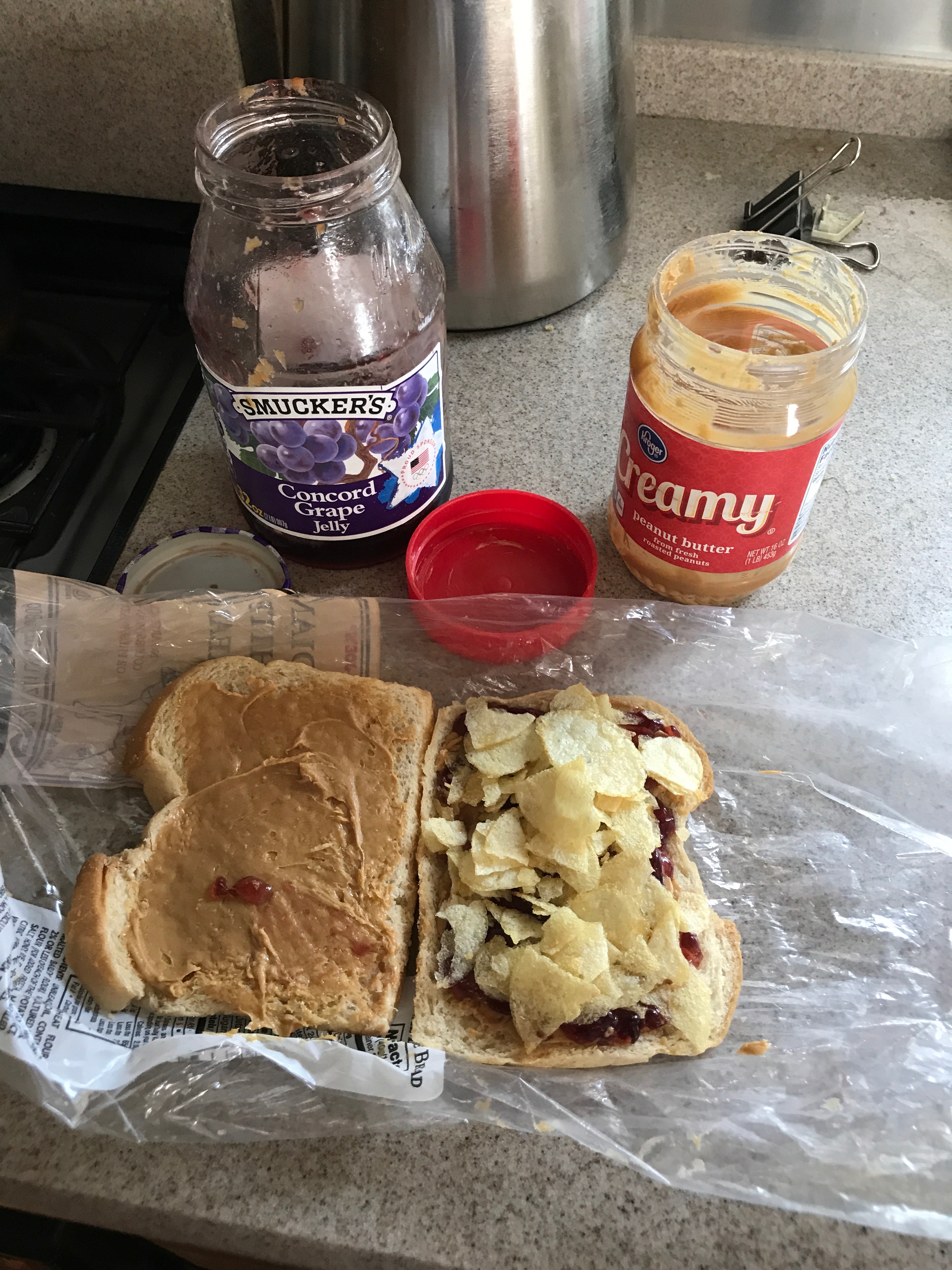
I used my last two slices of bread and scraped the peanut butter and jelly jars to make a sandwich for lunch along the way. The crumbs in the bottom of the potato chip bag were the perfect accompaniment.

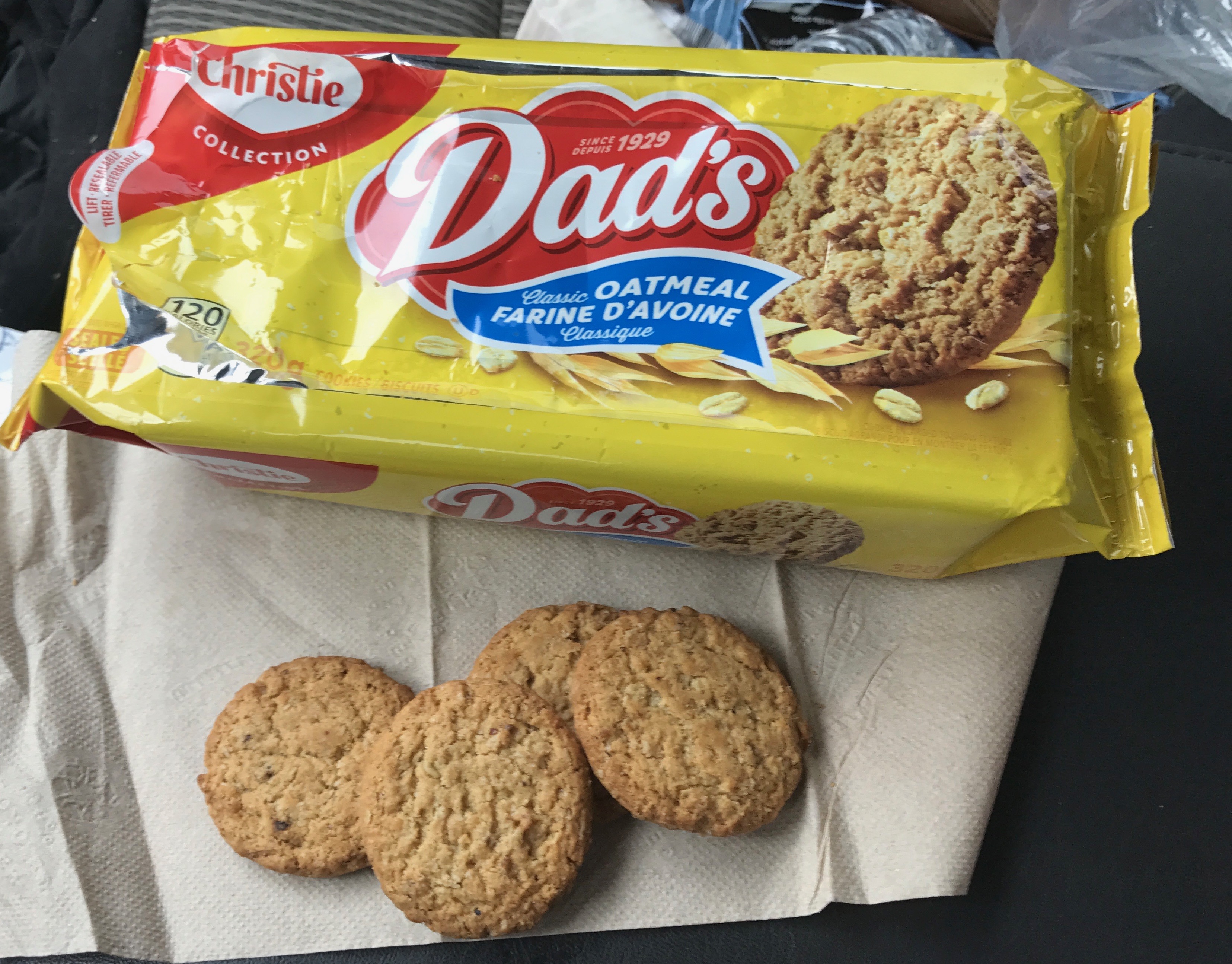
The last four of the Dad’s Oatmeal Cookies I bought in Calgary made a great lunch dessert.

I got hitched up and ready to roll.

It seems like they kept moving the exit, but eventually I got off the Pennsylvania Turnpike. (Budget advice: Don’t take the Pennsylvania Turnpike with a trailer, if you can at all avoid it.) Joyce was so excited for my arrival that she met me at the exit – I think. She called me as I was trying to follow the voice in my phone to her house and told me that she was right in front of me. I was sorry that I didn’t recognize her, but after all the backends of cars I’d seen in my travels, it would have to be something pretty eye-catching for me to notice. Besides, I was focusing on the turn-by-turn navigation.

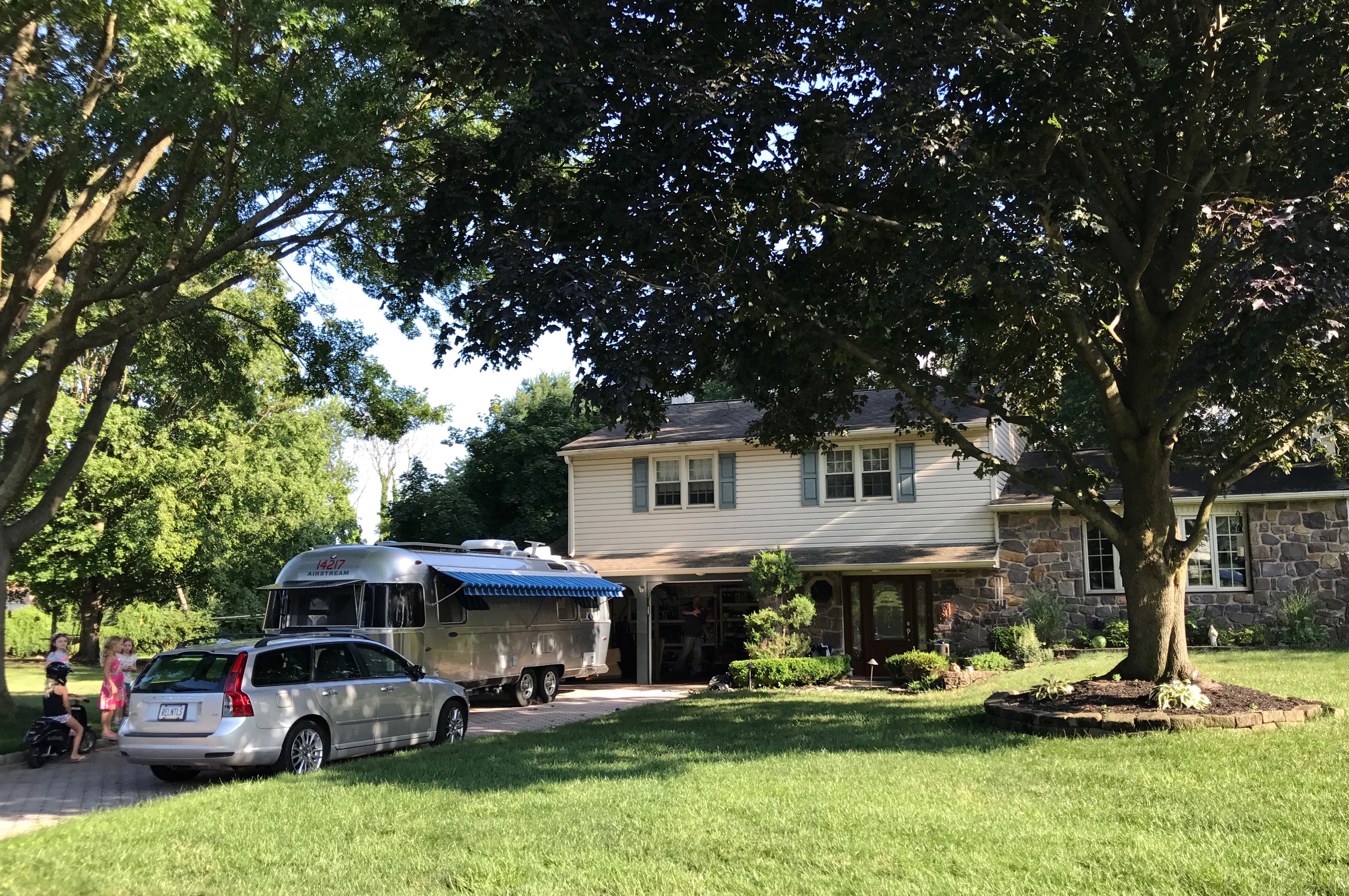
I followed her home and we got Flo in the driveway.

And by “we,” I mean the “Royal We.” I was pretty wiped after the drive, so Jeff offered to back Flo up the driveway.

There was a lot of interest from the neighbors.

And, as I always say, any house looks better with an Airstream in the driveway.


Fixing Flo

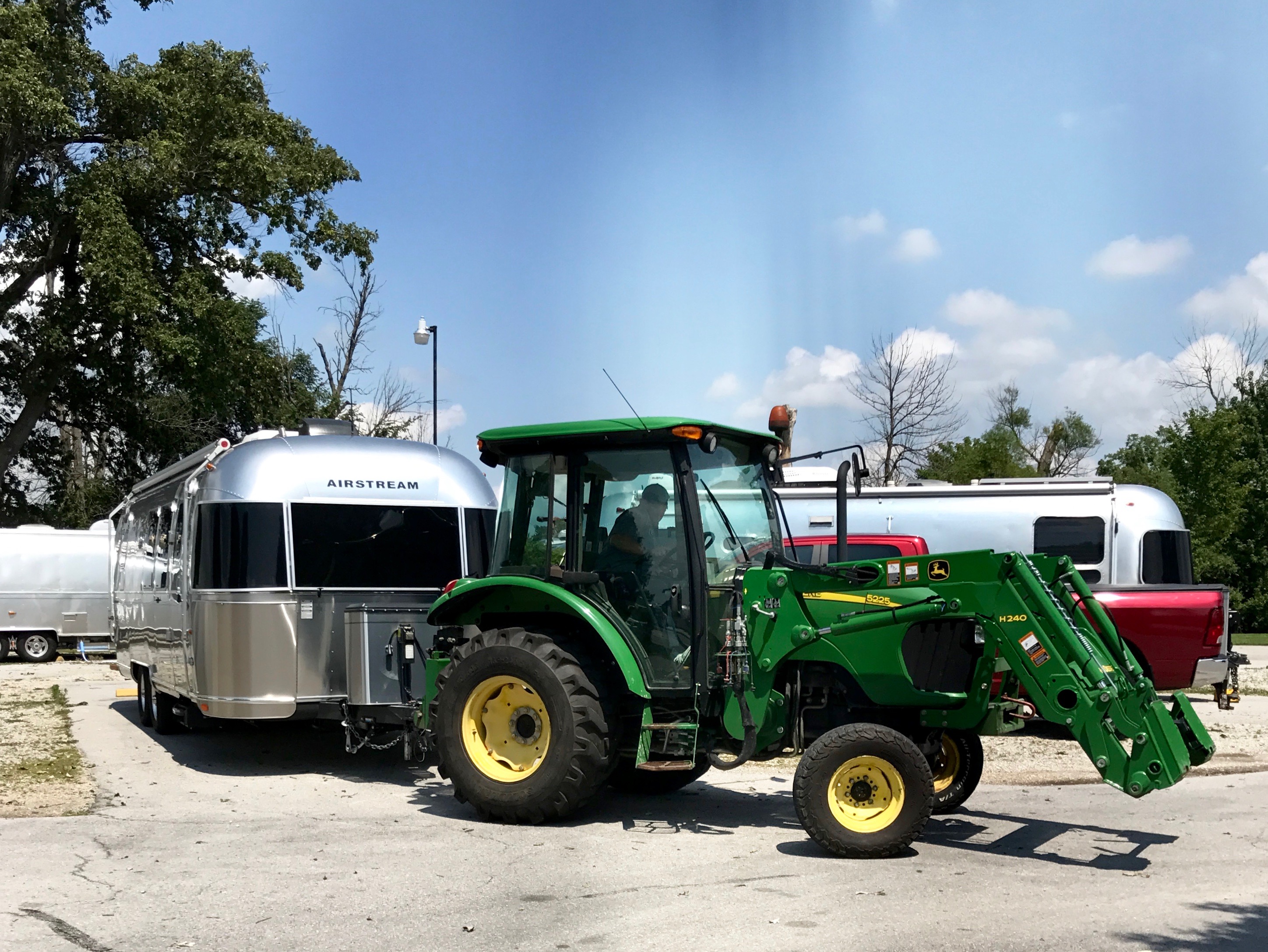
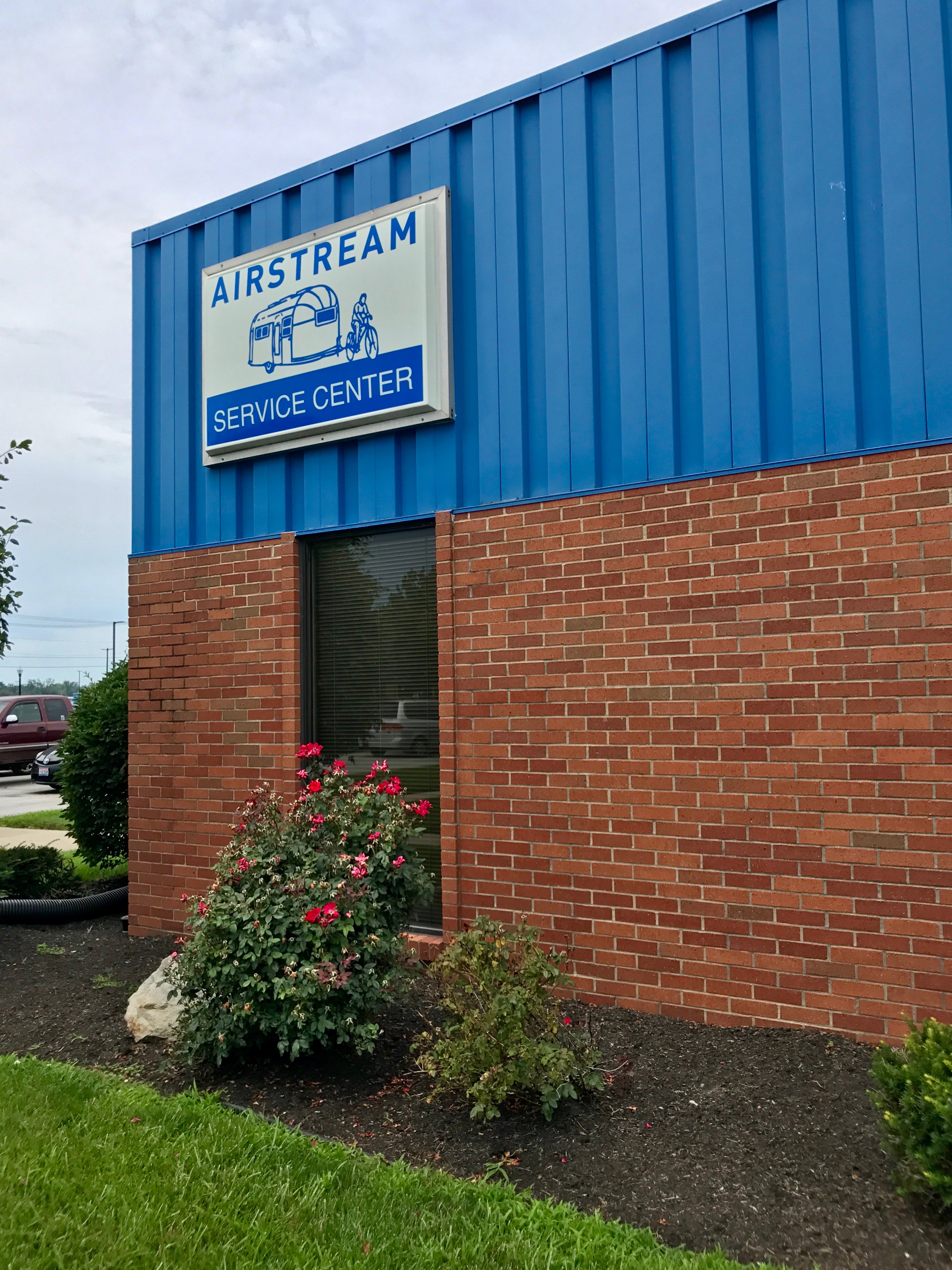
They have quite an efficient operation at the service department at Airstream. You check in with them, and then they come with a tractor and move your Airstream into the shop. If your work takes more than one day, they bring your Airstream out for the night for you to sleep in it and take it back to the shop in the morning.

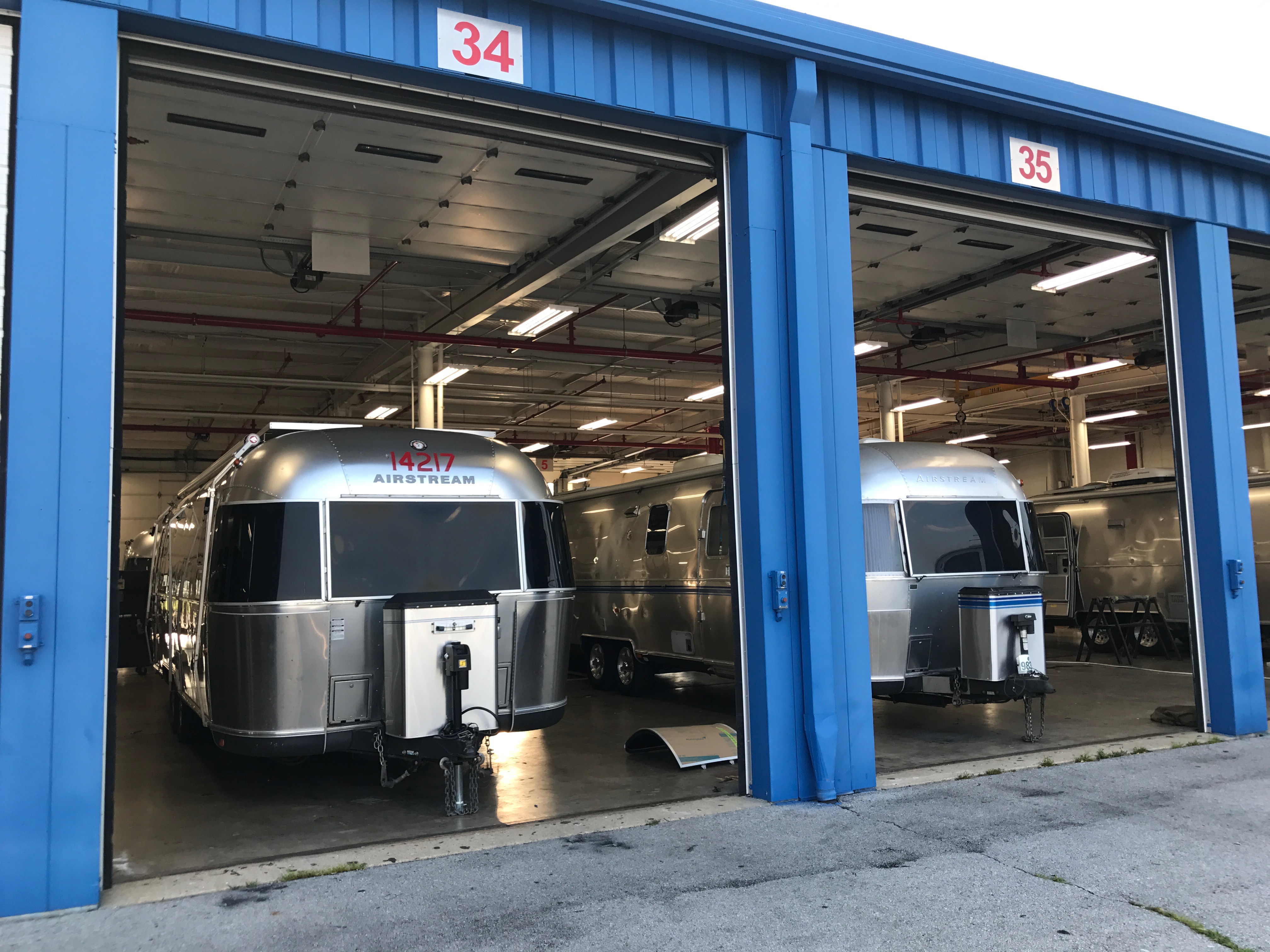
Flo is in the background, just in case you were wondering where the big red numbers are.

Then you are free to take advantage of their hospitality in the lounge.

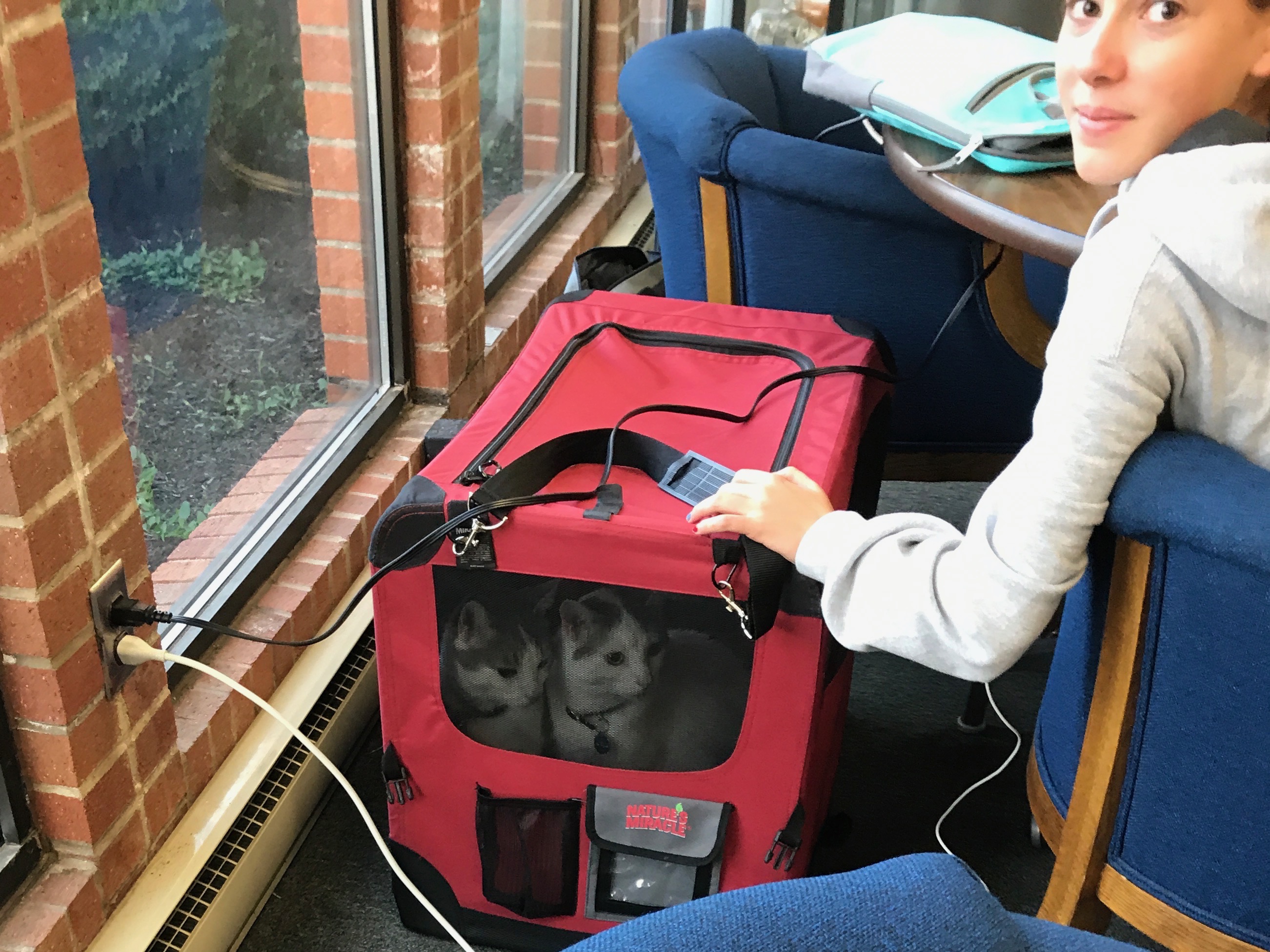
People bring in their traveling companions. They plug in their computers and use the free wifi.

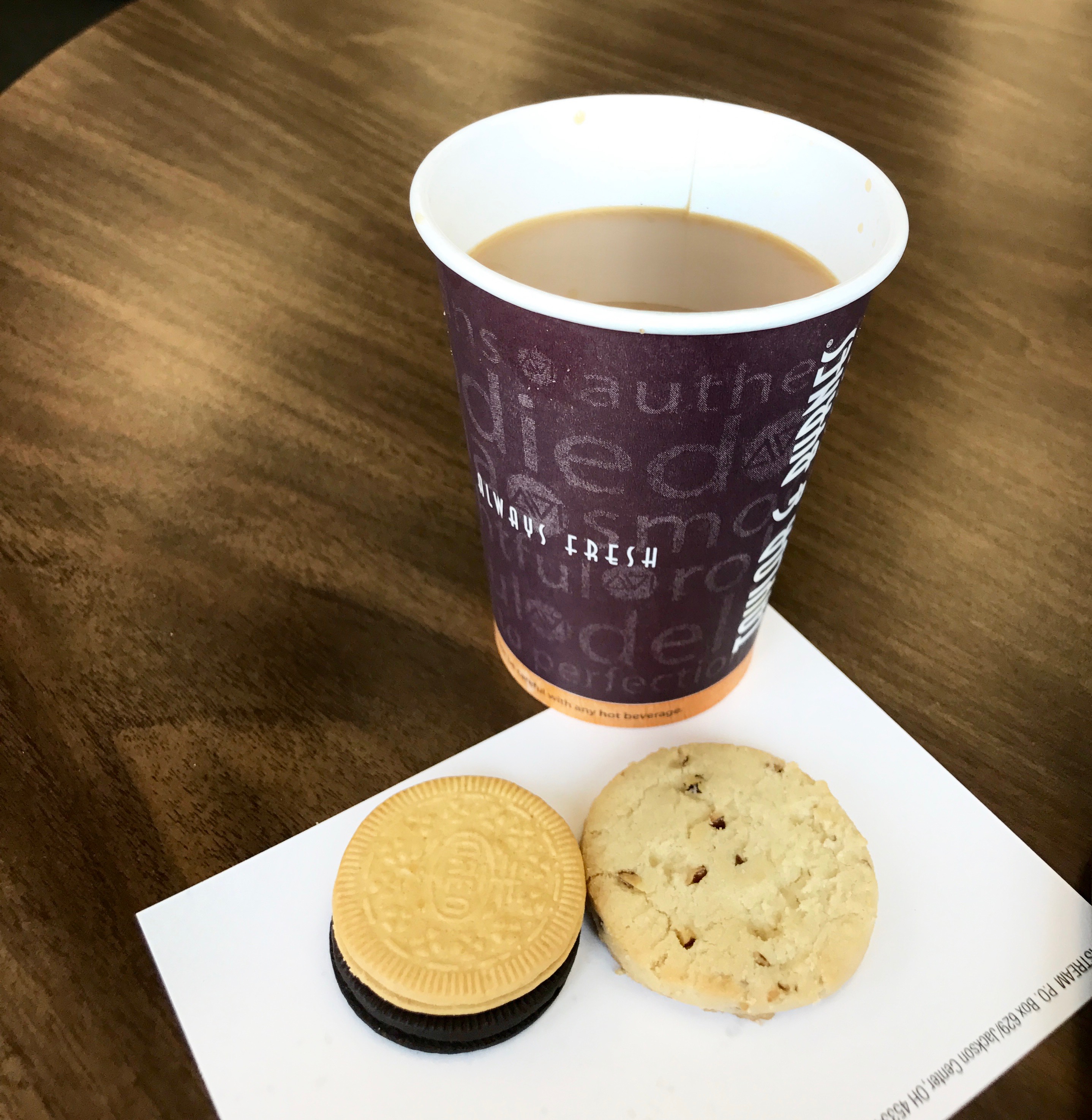
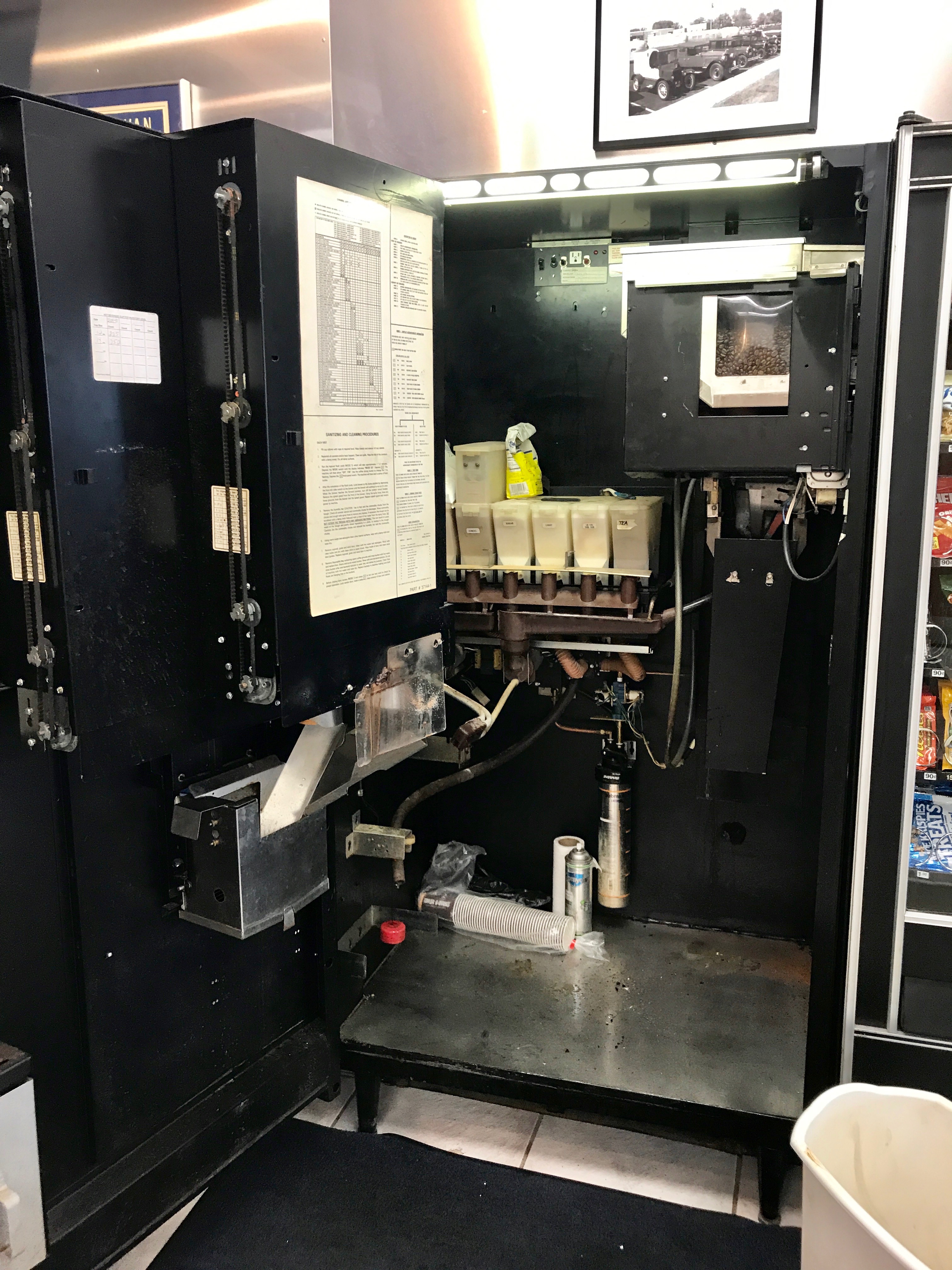
They even have snacks for us. There is one of those coffee machines where you pick what you want. The cup drops and then various liquids pour in.

While I was there, they opened up the machine to do some maintenance.

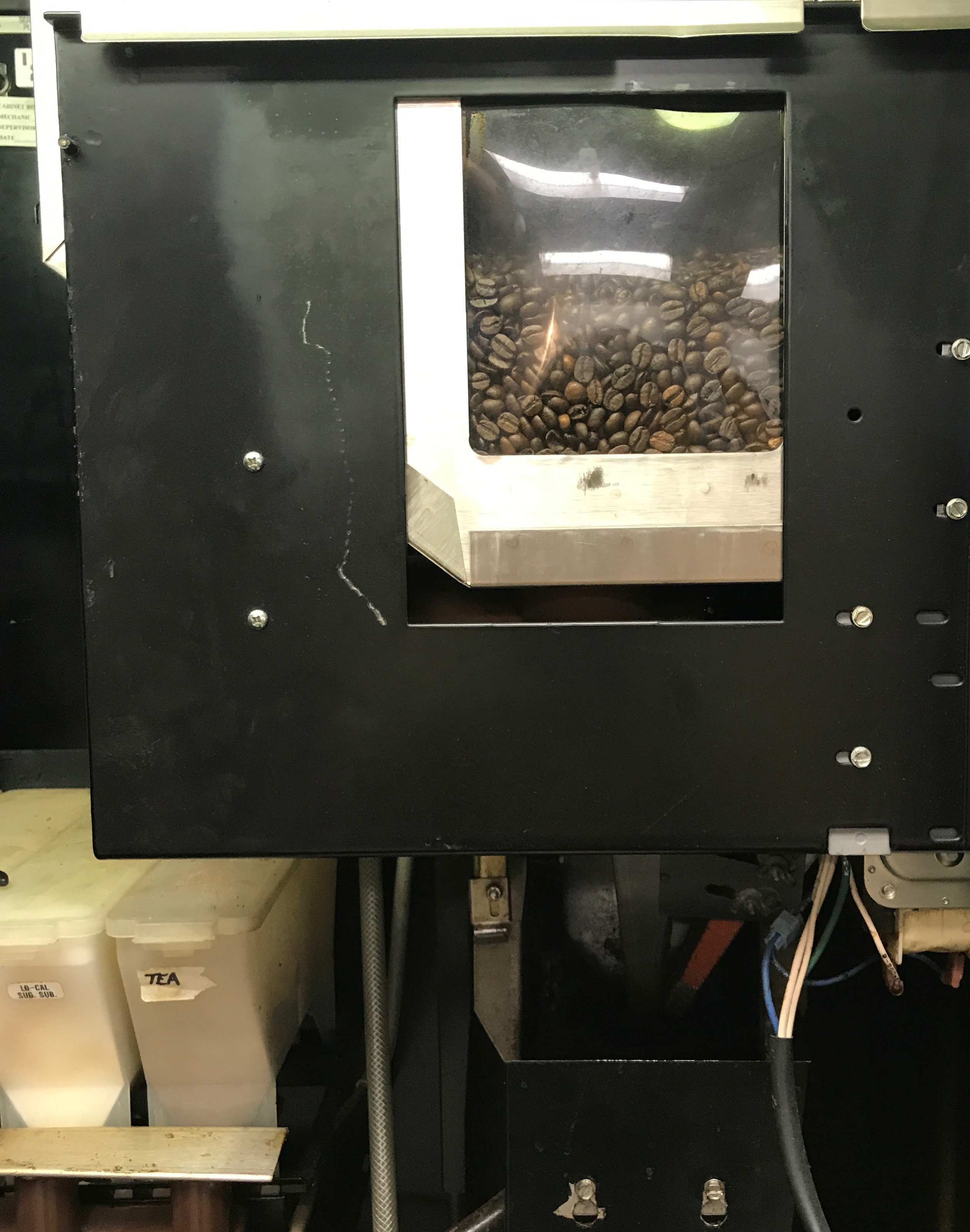
I was amazed that there were real beans inside!

You can stroll about the town.

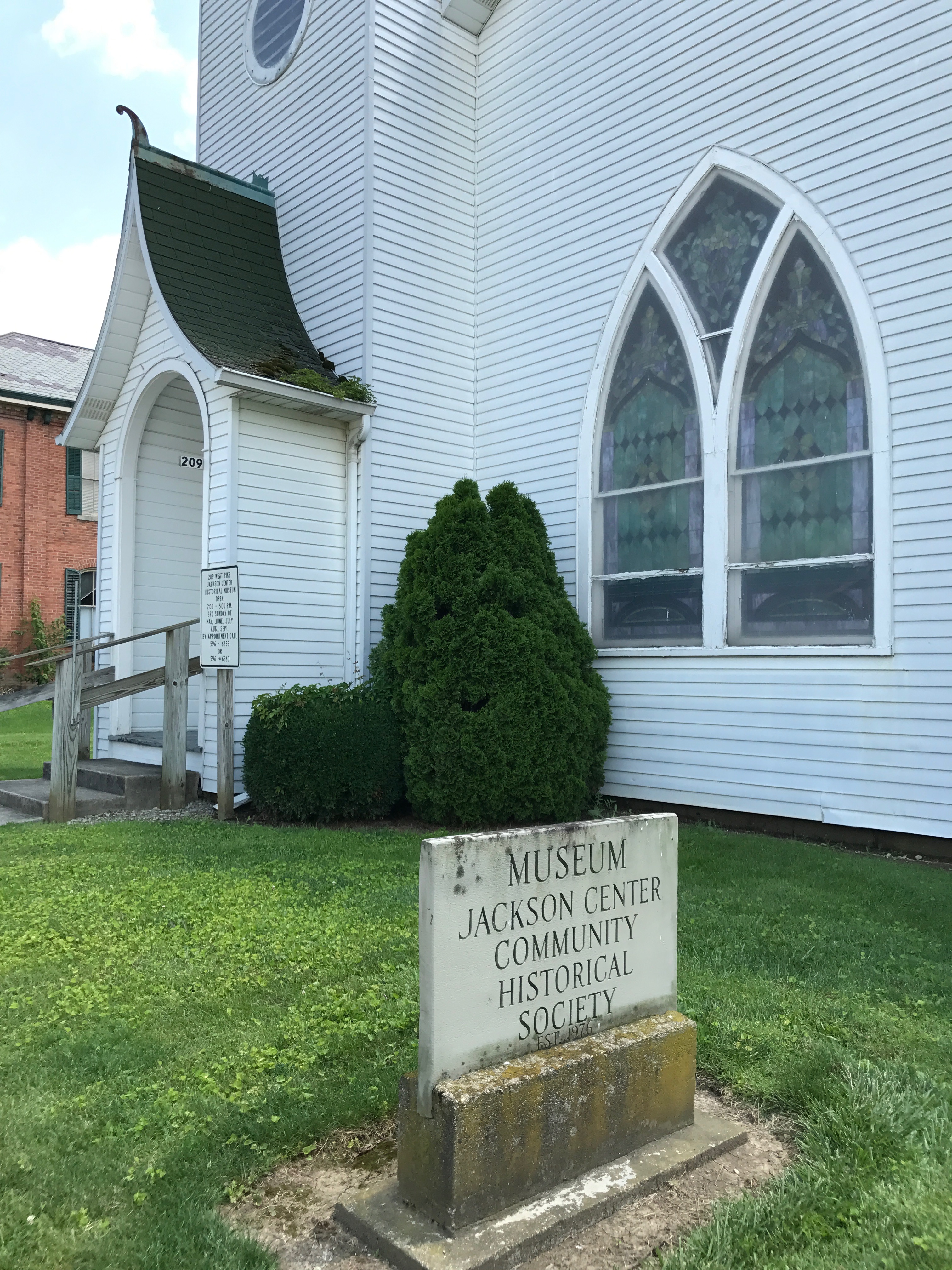
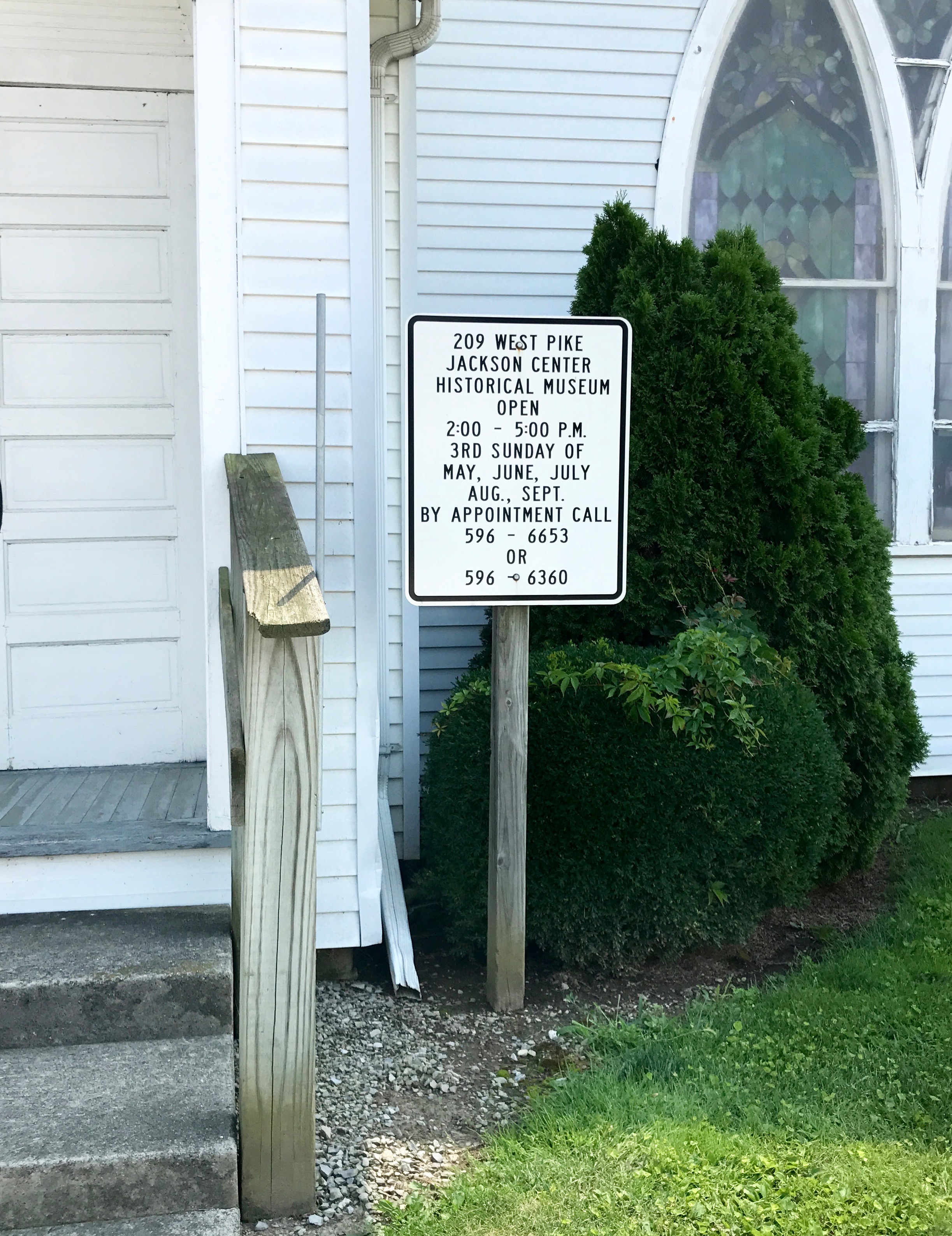
Naturally, the museum wasn’t open – and I didn’t think to call ahead to make an appointment.

You can go grab a bite to eat at the local restaurants.

You can sneak a look at your baby while it’s being worked on.

The best thing to do while you are waiting, though, is to take a factory tour. I have been on my fair share of factory tours, and this one is definitely topnotch.

We met up with our tour guide, who had been with the factory here in Jackson Center practically from the start.

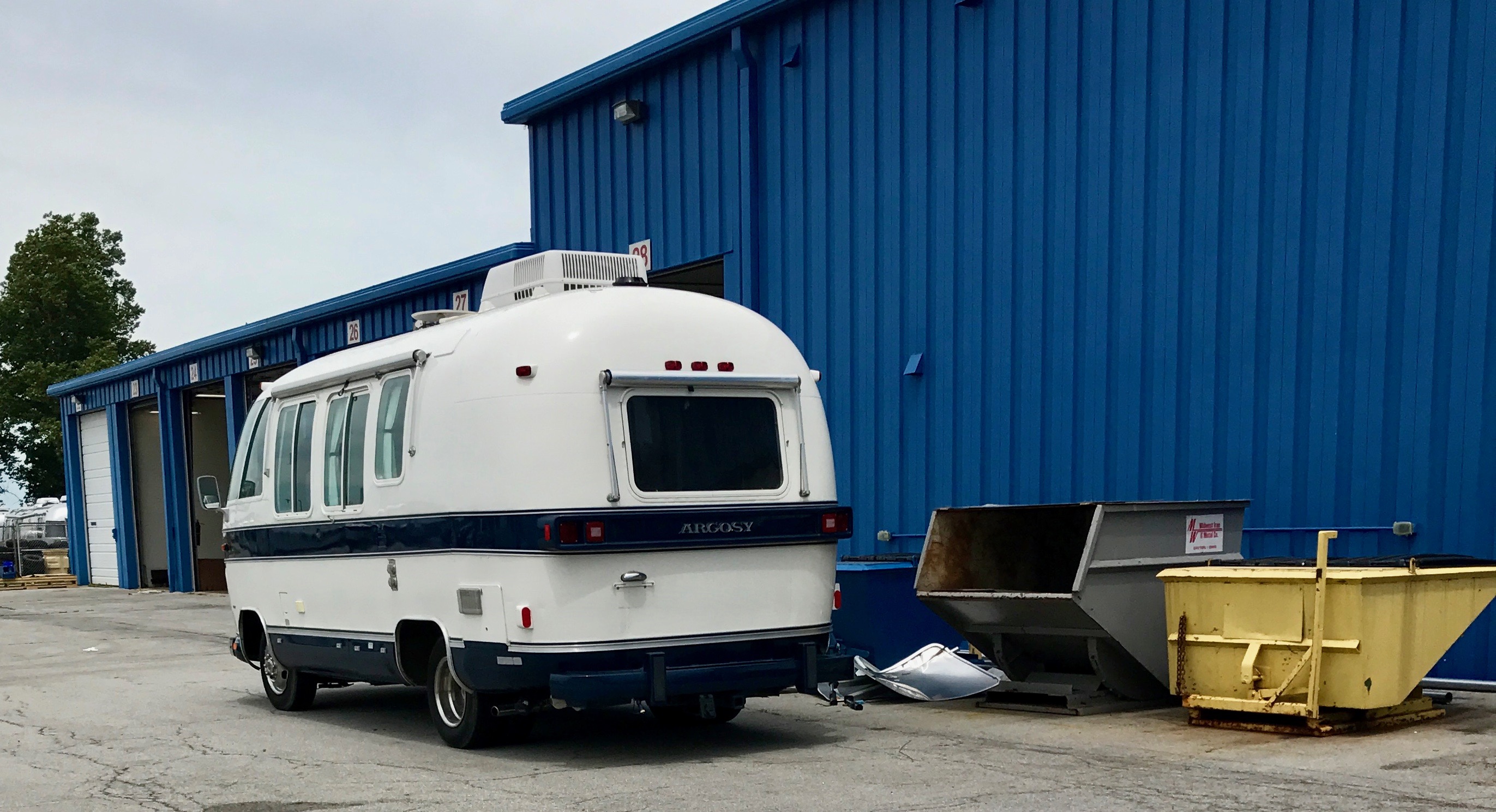
We meet up in the lounge and walk back to the factory past some owner’s rigs that are in the shop. This one is an Argosy. I thought their shells were 100% fiberglass, but I was wrong. I wouldn’t mind if that one would follow me home!

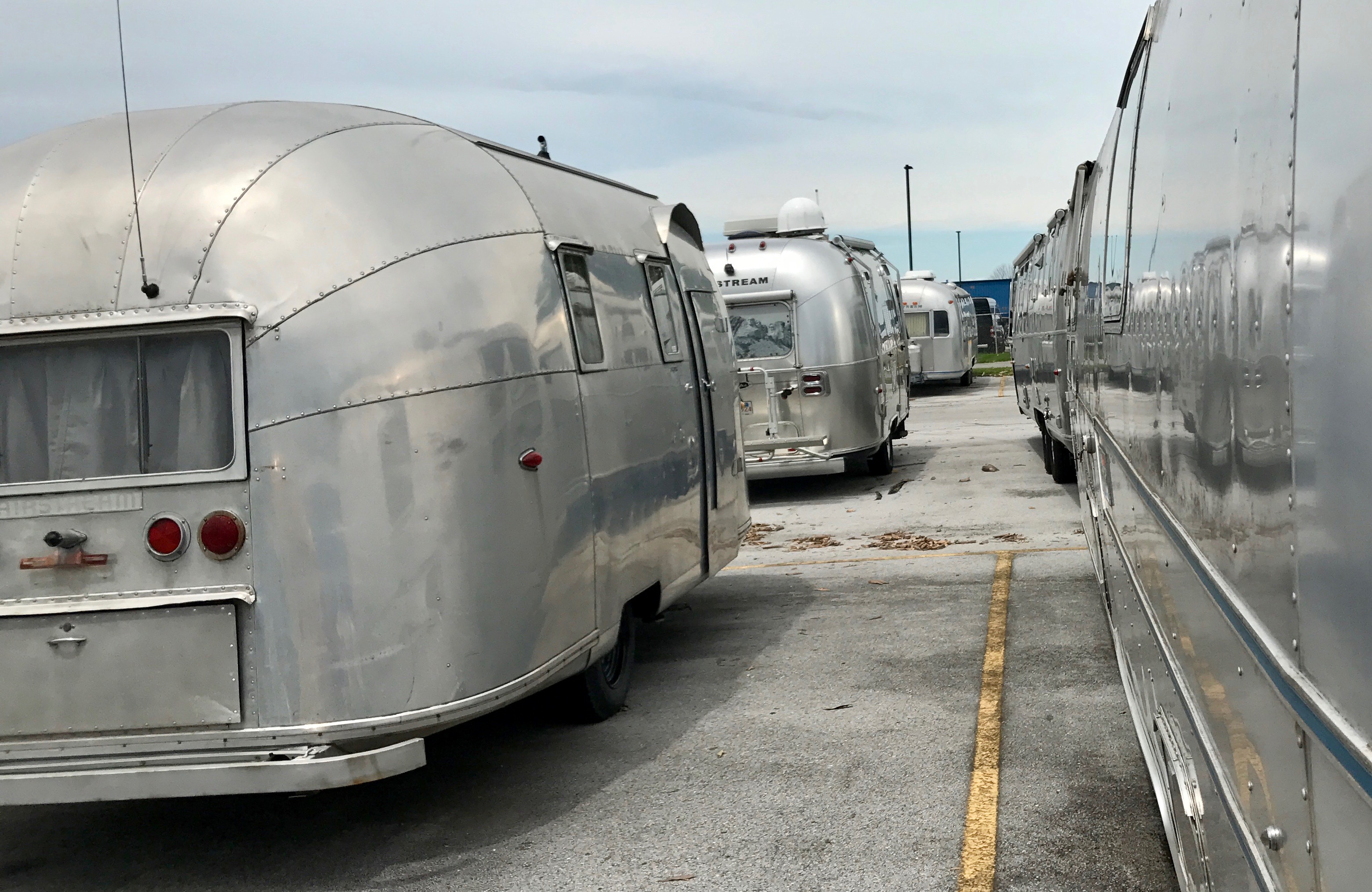
There are all sorts of Airstreams waiting for their turn in the shop.

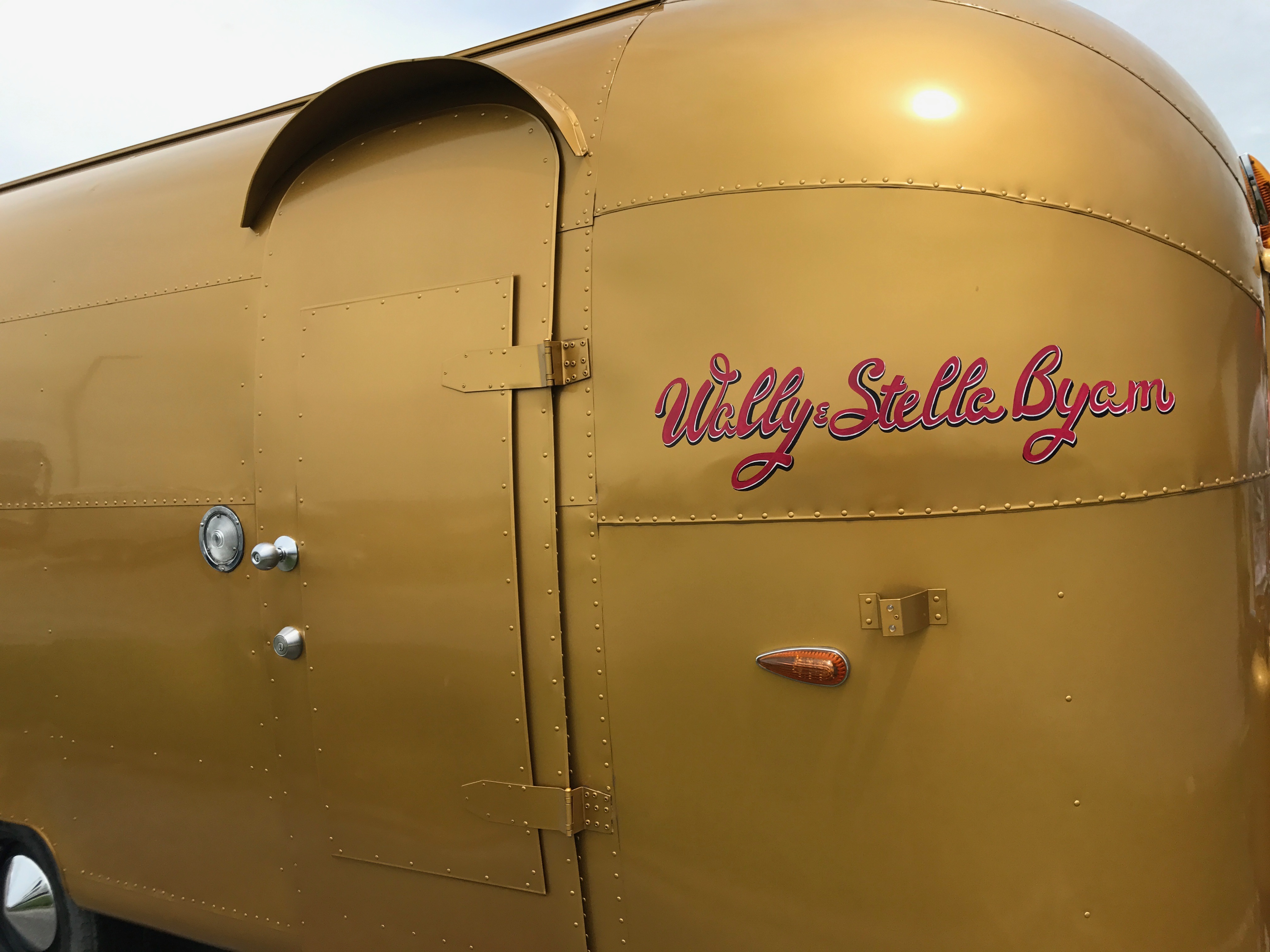
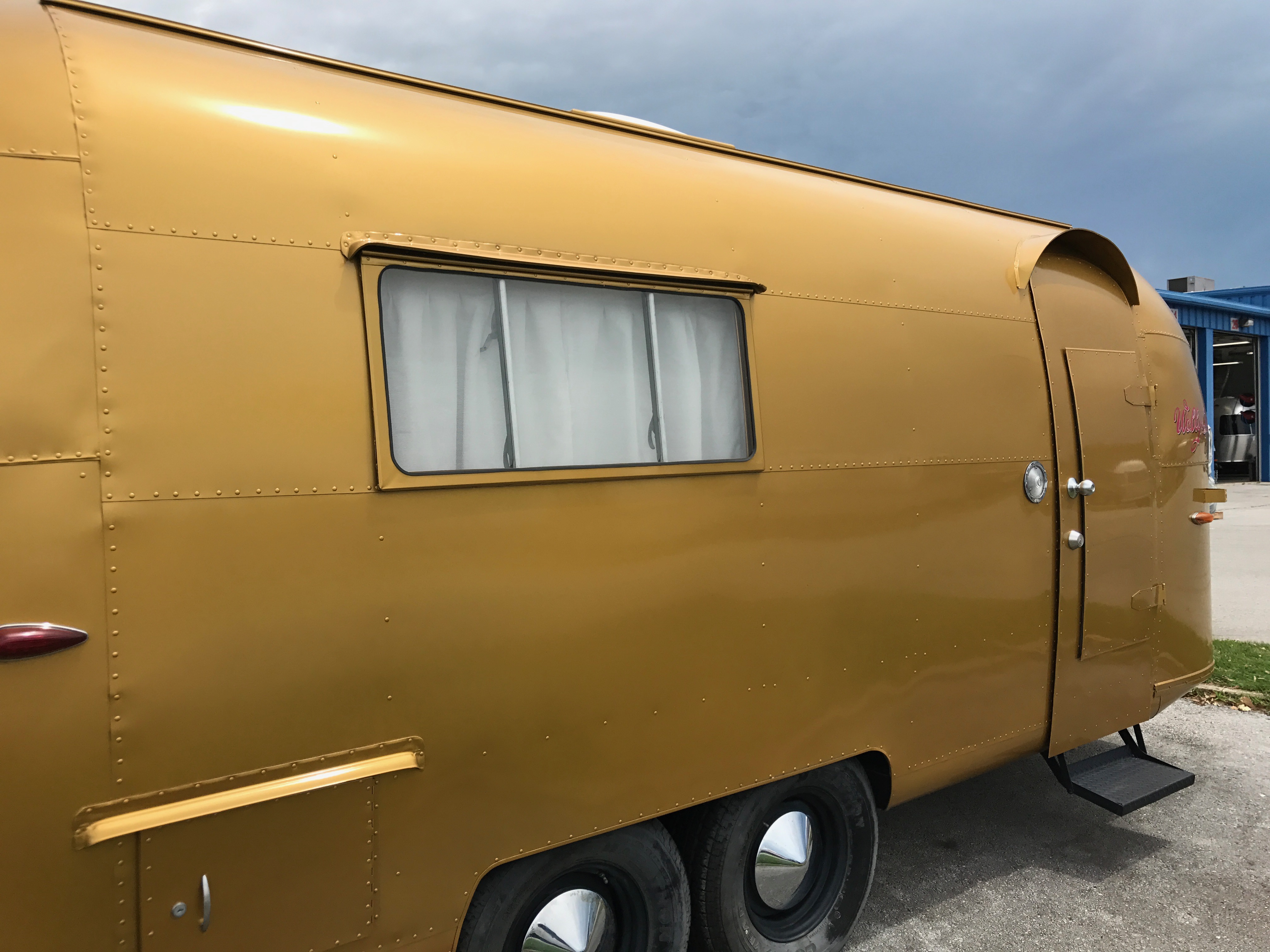
You’ll also see Wally and Stella Byam’s gold Airstream that he used when leading caravans.

It was easy to pick them out in a sea of silver.

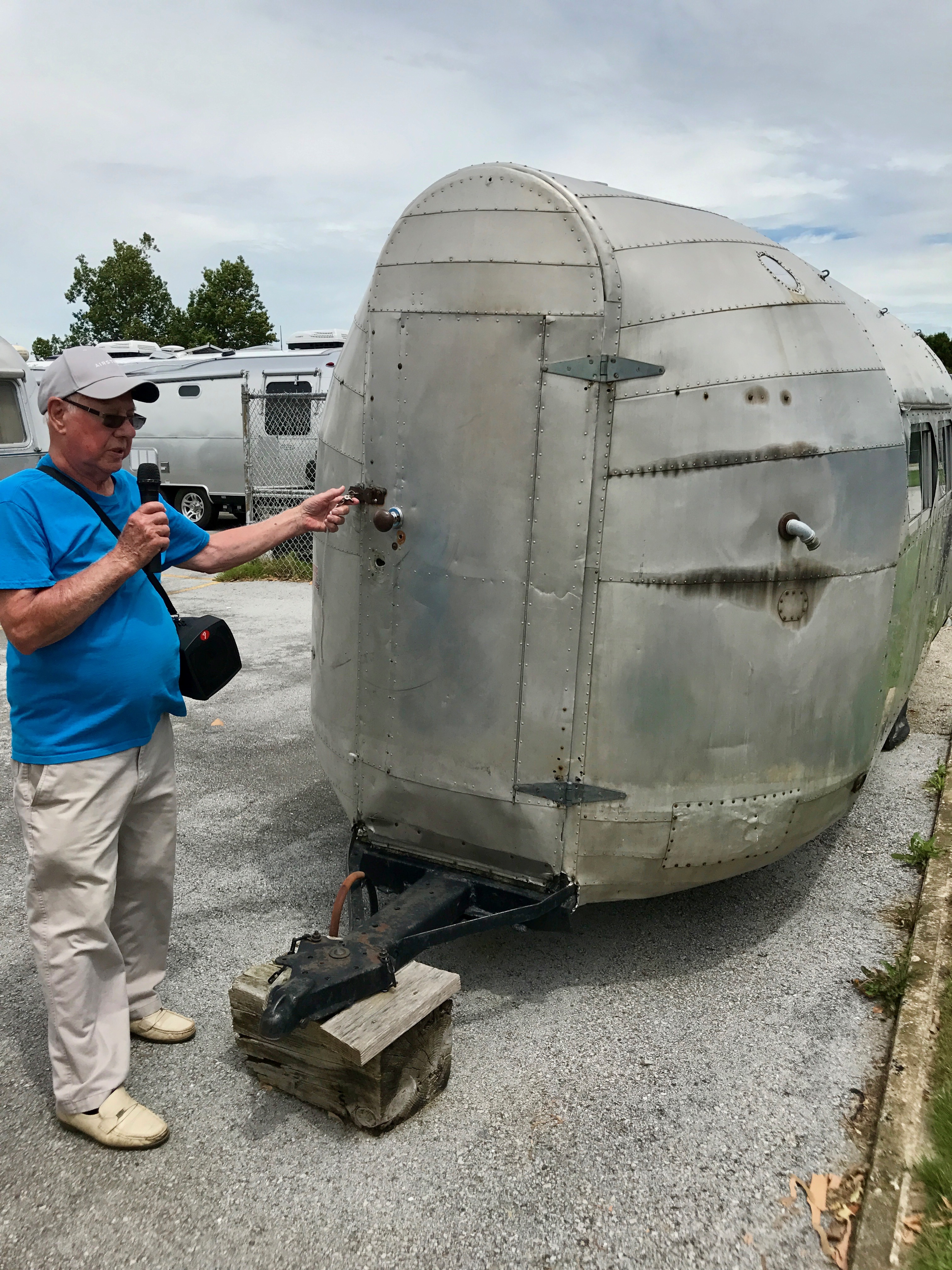
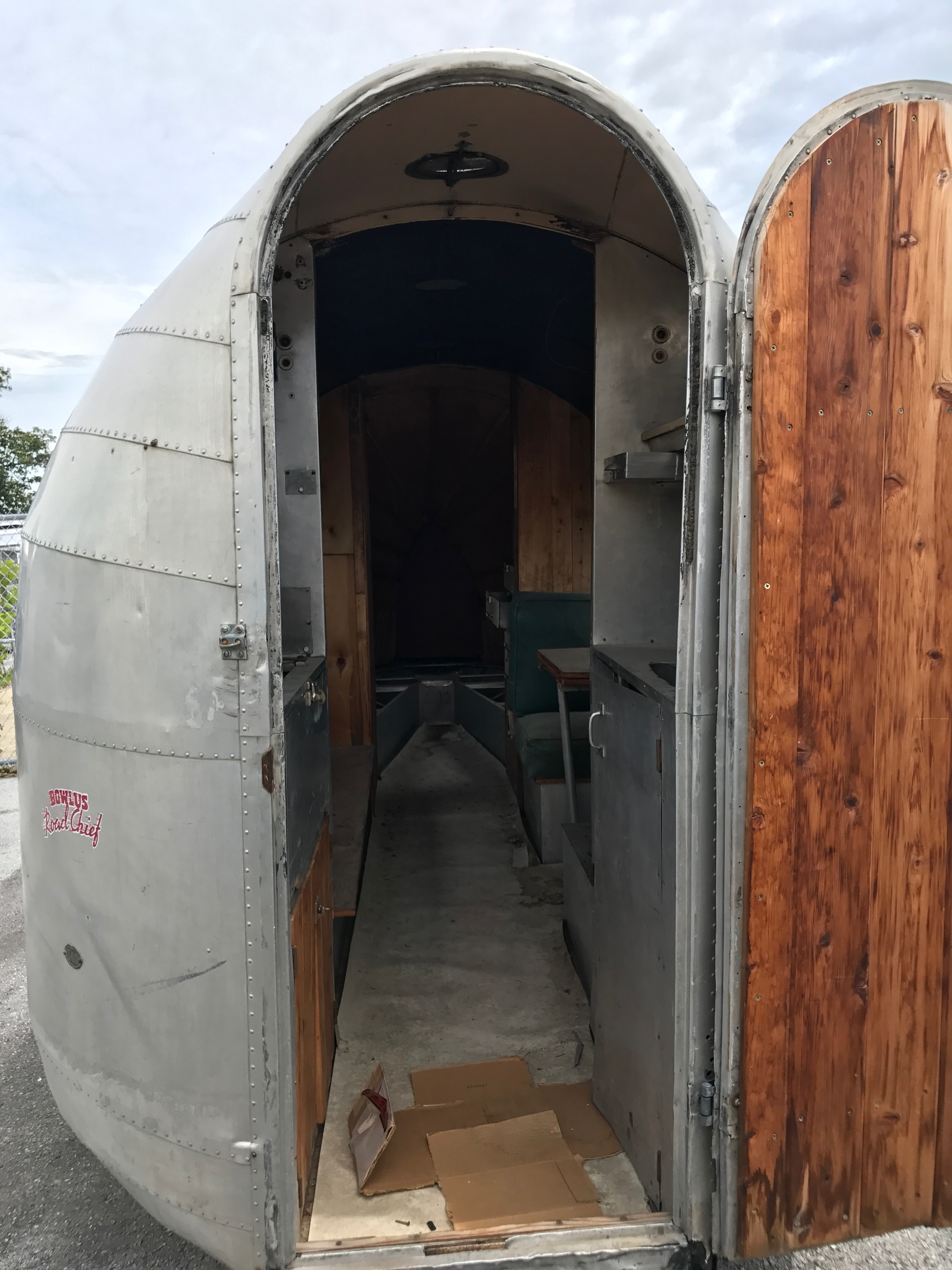
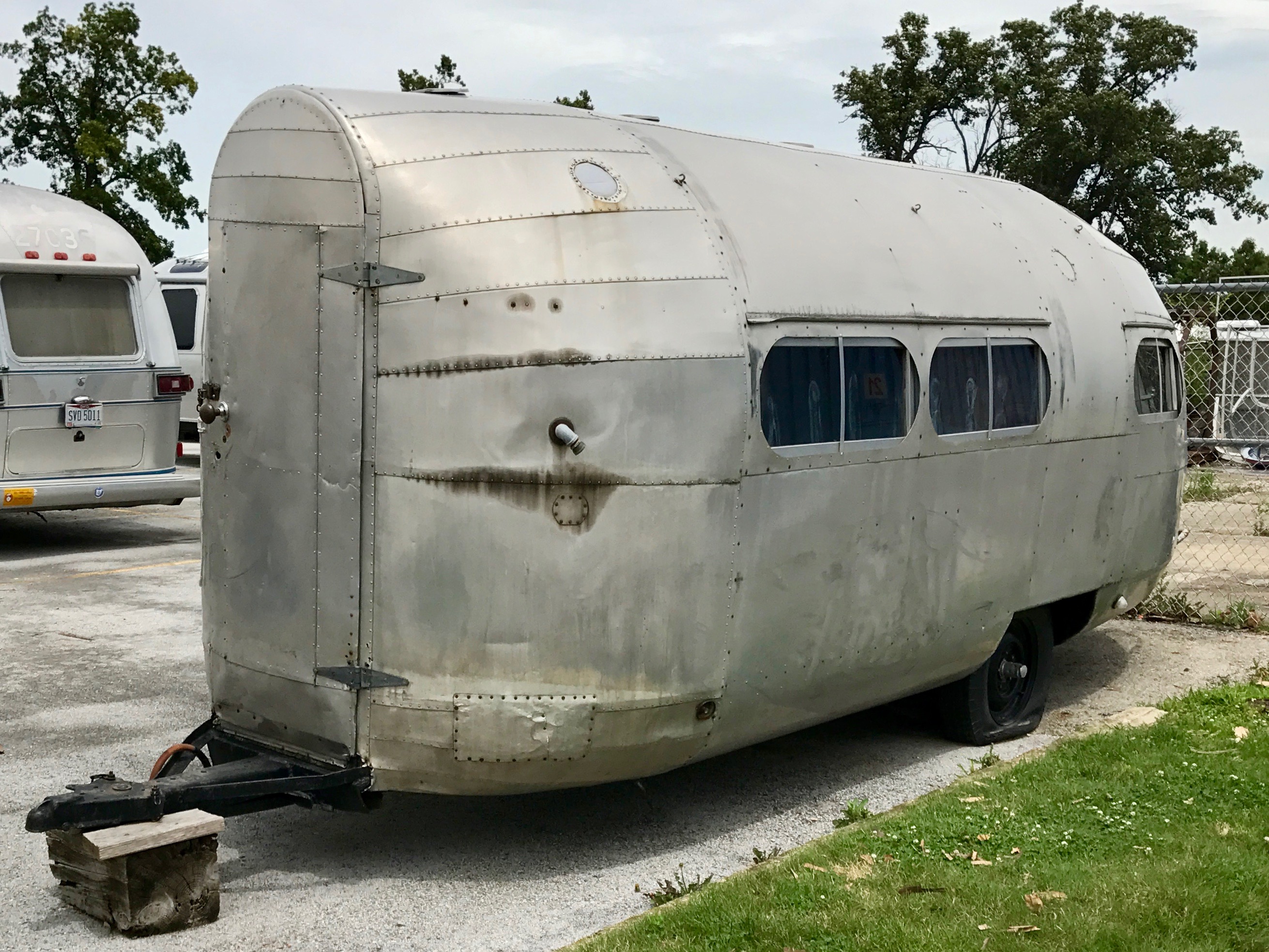
They also had a Bowlus on the lot. This was a unique design where the door was on the end and you stepped up on the tongue to enter.

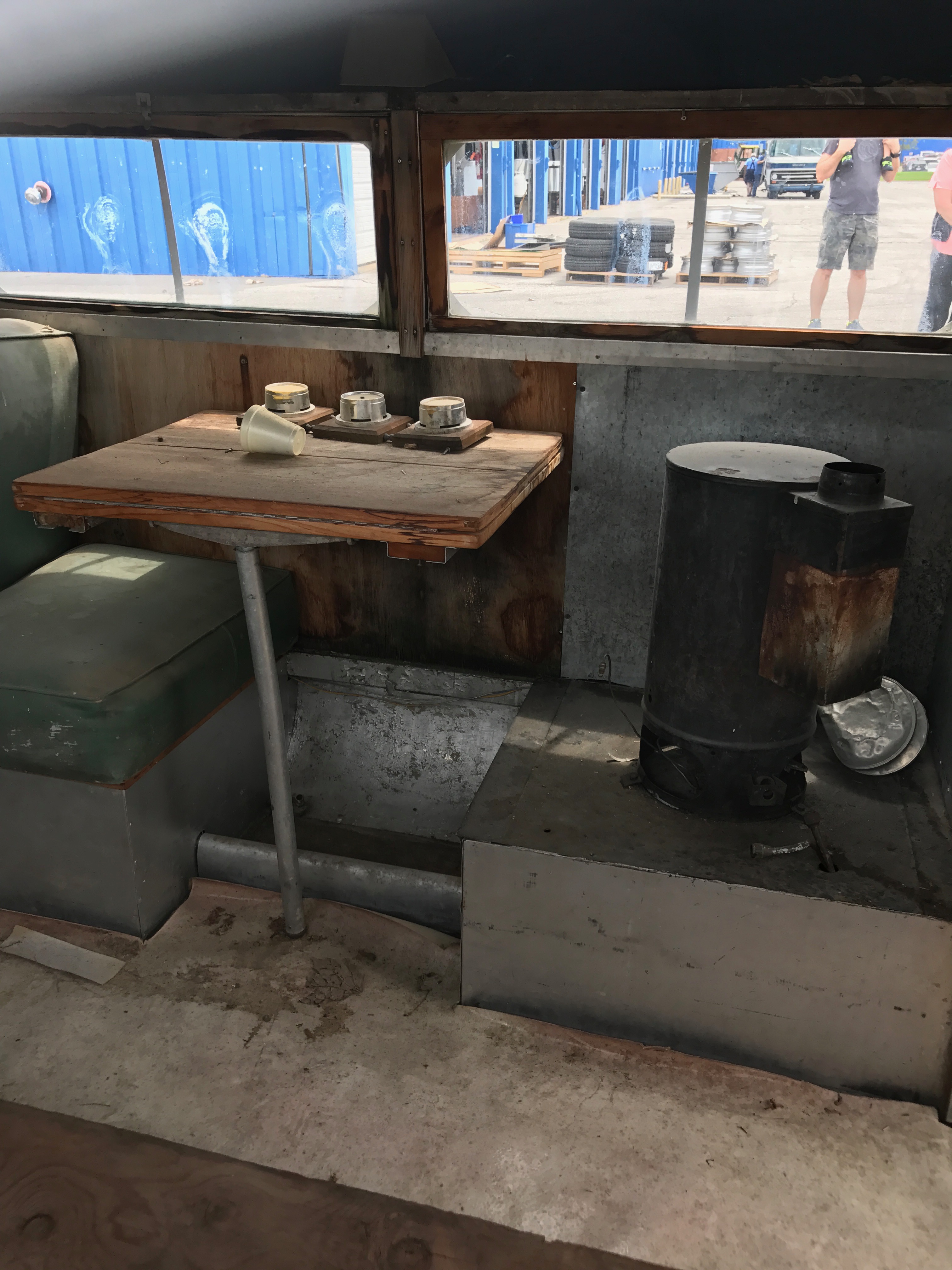
It really is a time capsule.

Still, when you consider that this trailer was made in the mid-’30s, I think it was quite advanced.

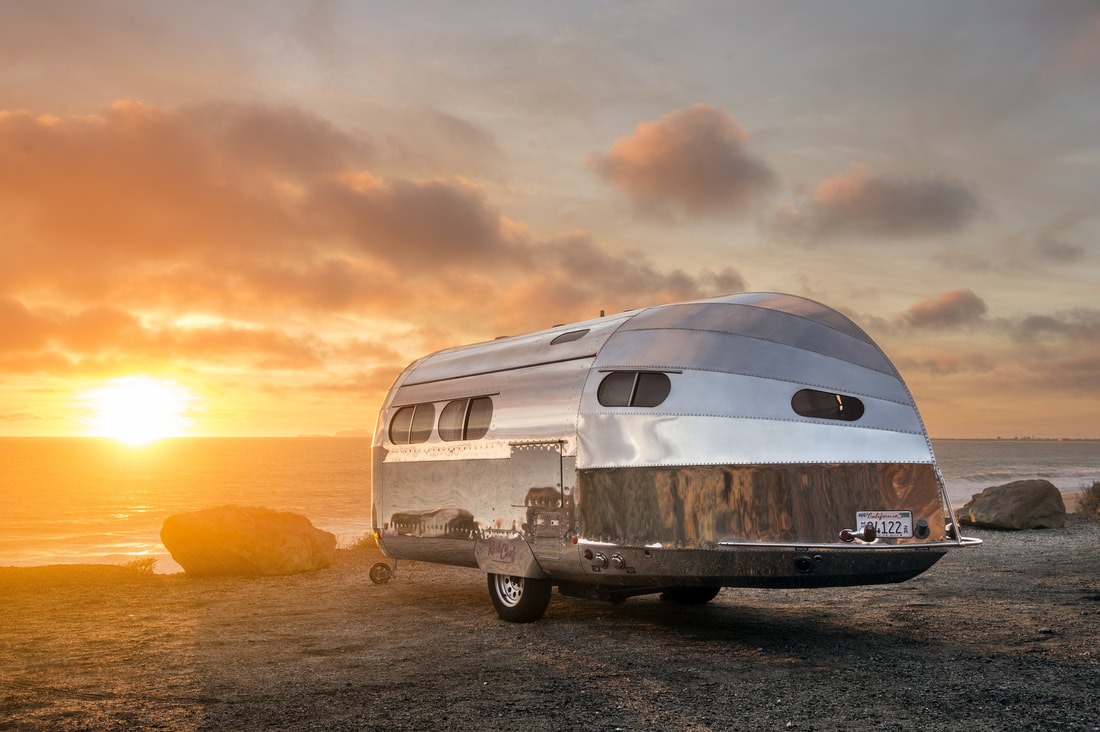
You can see the ideas of this Bowlus Road Chief being carried out in the “newly imagined” Bowlus Road Chief.

www.bowlusroadchief.com

If you have some extra cash sitting around, you might want to consider one. Just be sure you are sitting down when you click on the link above.

With that, it was on to the factory tour. And this is as far as they let us take photos. If you want to see the factory, you will have to take the tour yourself.

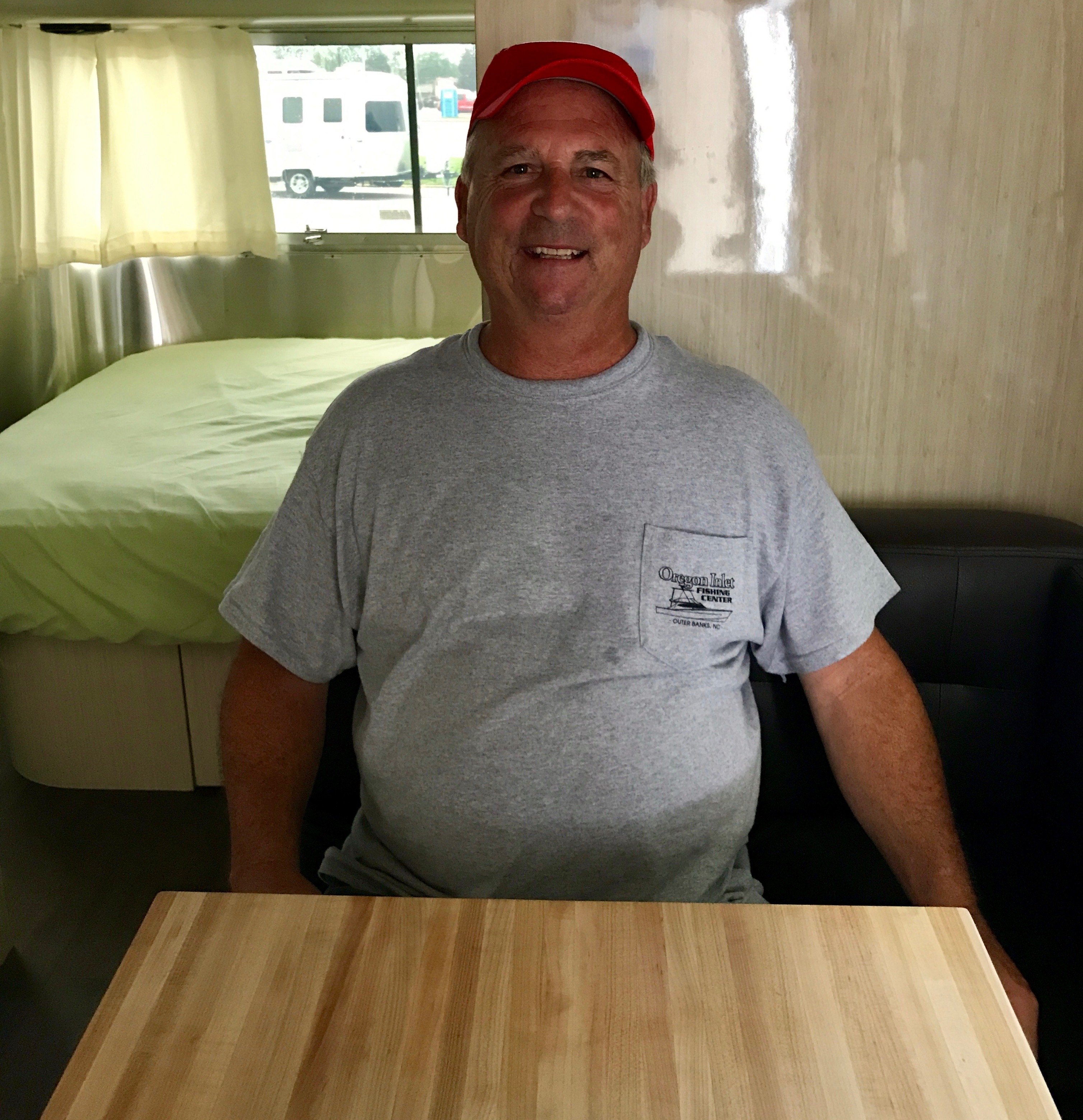
On the tour, I buddied up with my friend, Tommy, who was having the high school reunion at his Airstream. At the end of the tour, we stopped in to see how the work on his trailer was coming along.

He showed off the new table top he had installed.

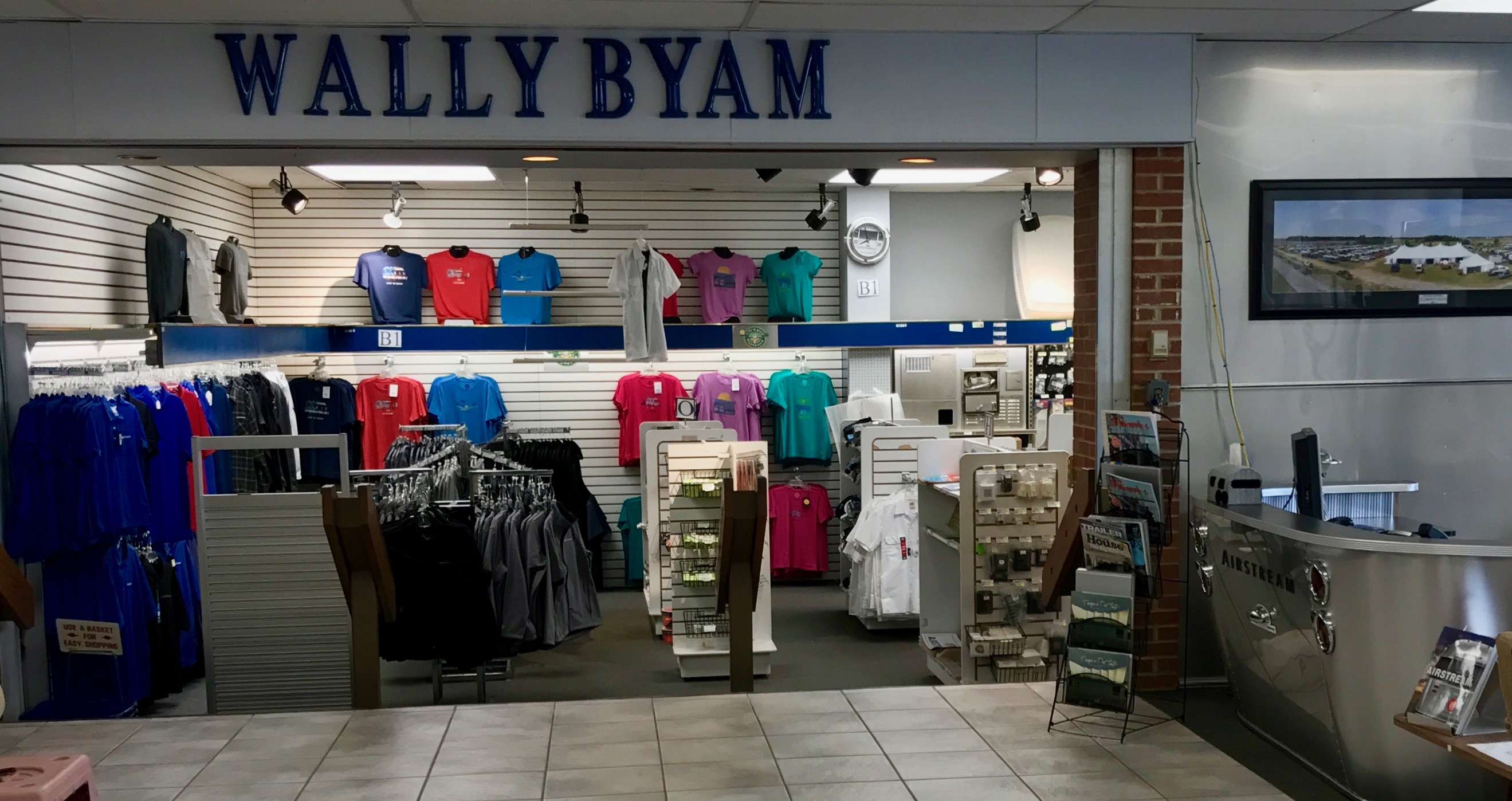
After that, we took a lap through the store.

What would a factory tour be without a gift shop?

At the end of the day, the had finished working on Flo and it would be time to go.


The Mothership

Ah, the Mothership!

The factory where the Airstreams are born and one of the best places to go for service and repairs. (And I should know, because I think I have found many of the less-than-best places for service and repairs.)

I had made a reservation several months back to have a bump repaired and to have a pressure test done to try one last time to detect where the leak was and get it fixed. Since insurance was paying for the bump and I had already made an appointment, I figured I might as well get it taken care of before I handed Flo over to Joyce.

They have a great little campground on the property. They invite anyone to stay there, although it is “free” if you are having work done. I arrived on the weekend, so I had a day to fill before my appointment.

I took off for Bellefontaine, a nearby town, which was touted as have two things of interest to me:

An award-winning pizza restaurant
The nation’s oldest concrete street

The restaurant is Six Hundred Downtown. According to their website, they are “a completely independent restaurant, locally owned and operated by 5 time World Pizza Champion Brittany Saxton. In addition to being a World Pizza Champion, Brittany has competed on the Food Network show Guys Grocery Games.”

I parked and walked over to the restaurant.

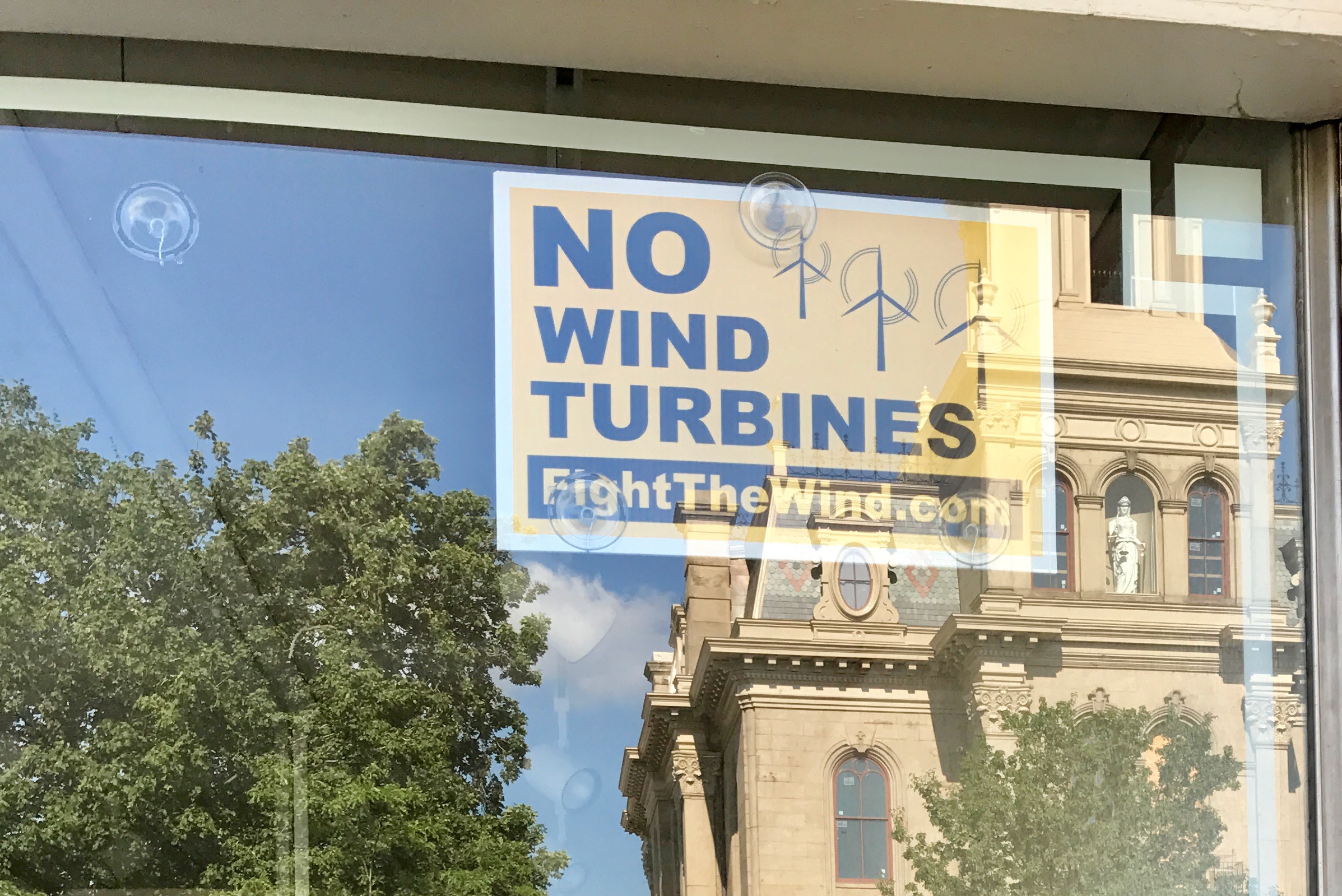
I passed this sign in the window next door. I am in favor of using the wind to generate electricity, but I do realize that people can have differing opinions. I had to laugh at the name of their organization. FightTheWind.com. Really?

I entered the restaurant and got settled.

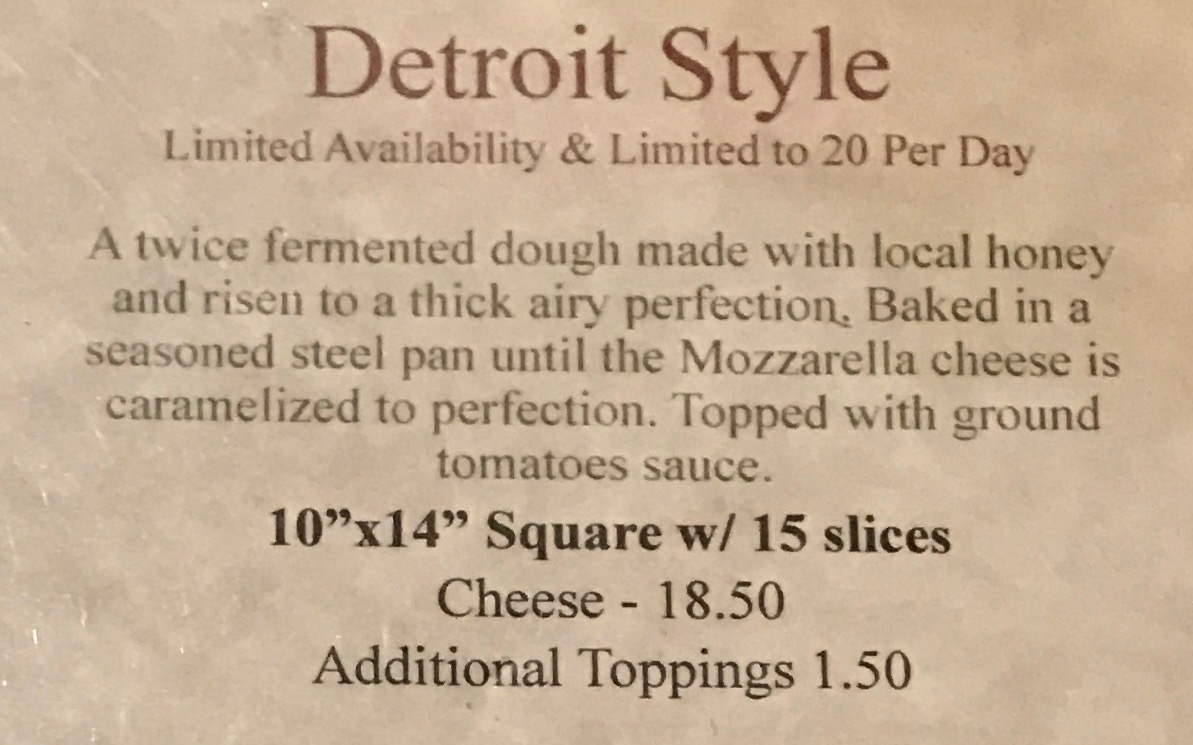
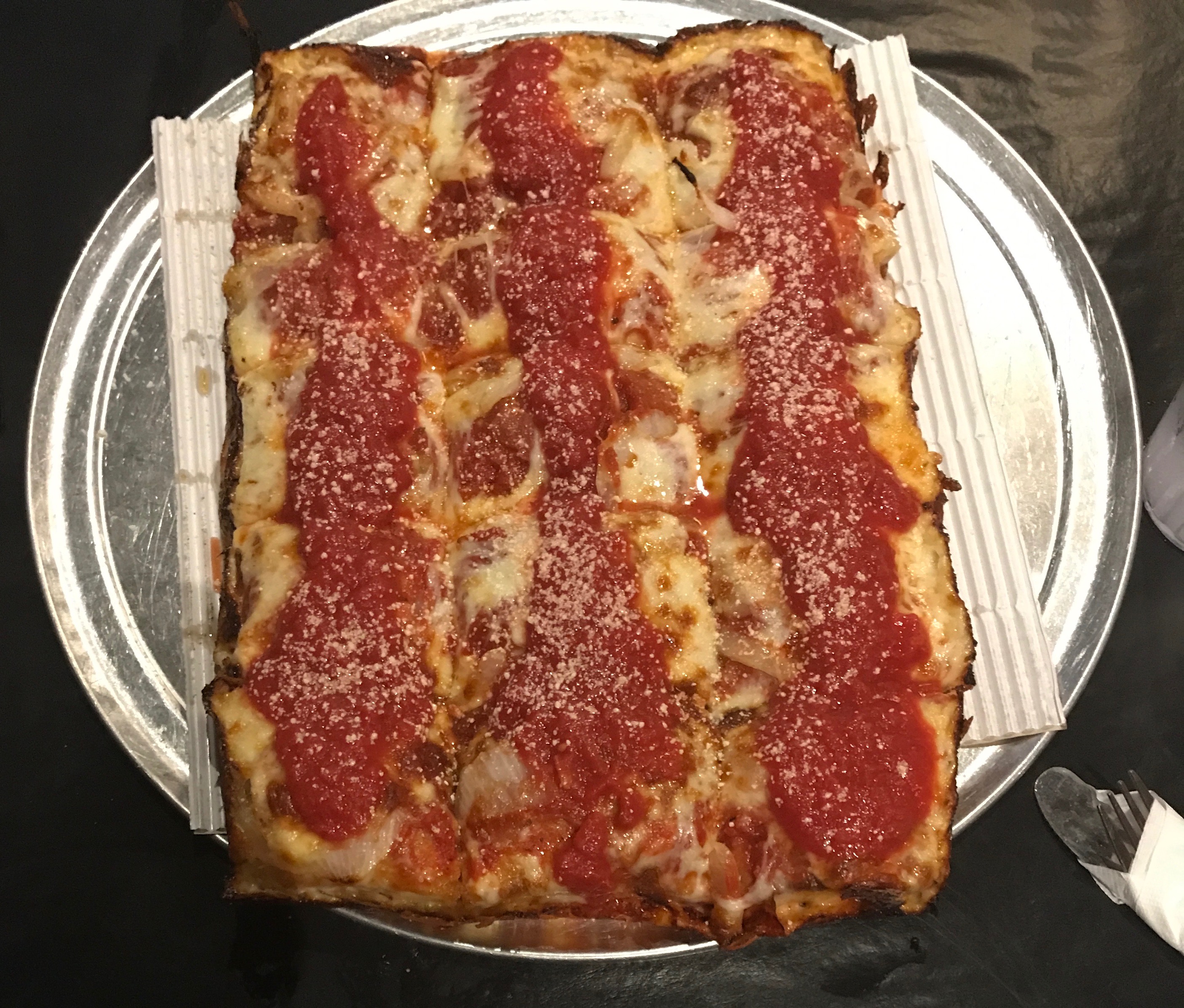
I decided to have the Detroit Style. I don’t know if the description of the pizza was  what sold me or the limited availability. It was a little more than I usually spend on a pizza, but I figured that I could eat it for several days.

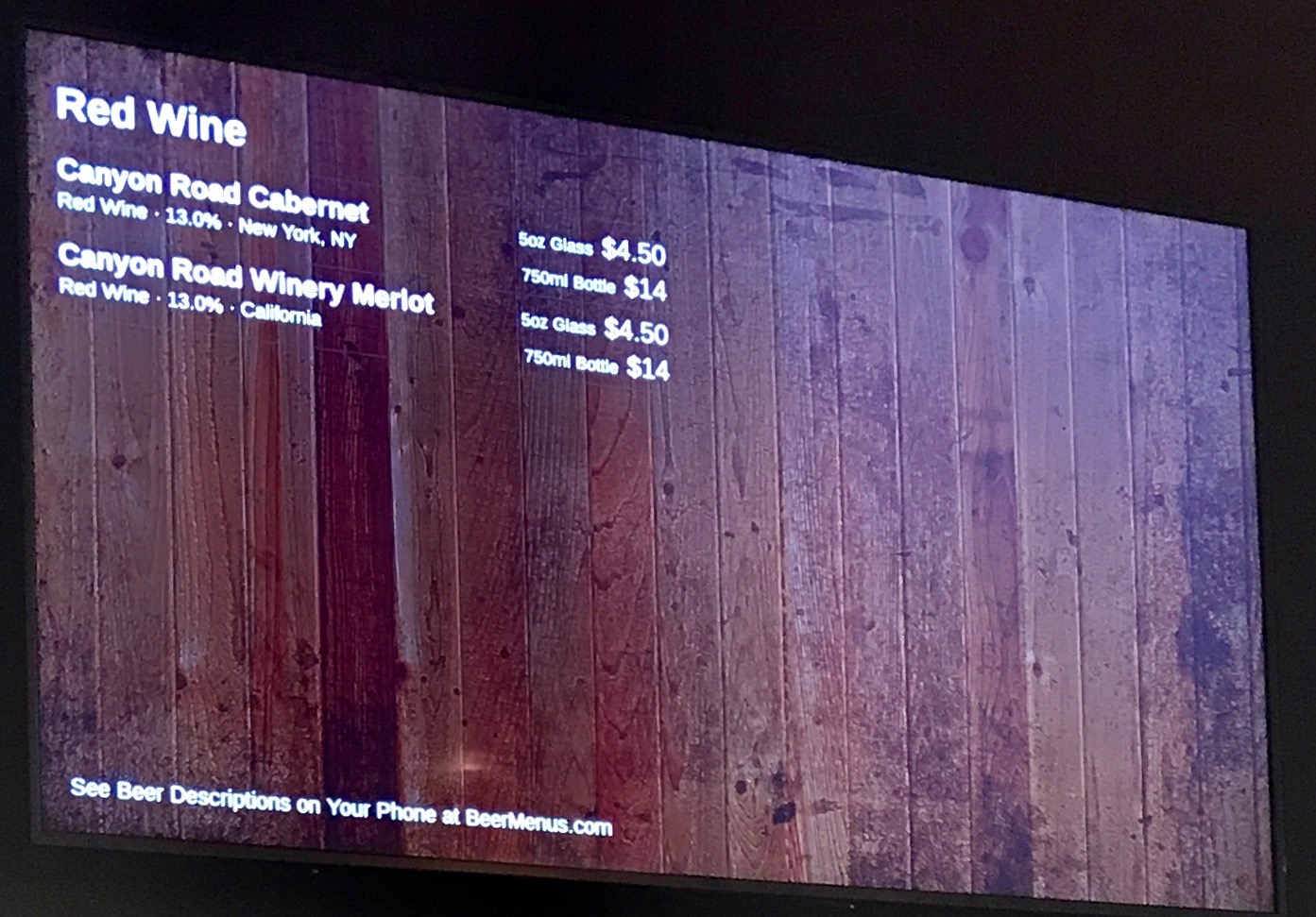
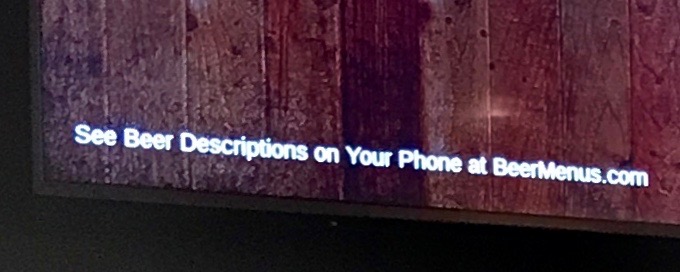
I found the digitally displayed drink menus to be interesting. Just in case you missed it, this is what it says at the bottom of the menu:

Why not? Everyone is staring at their phones anyway. Might as well take advantage of it.

After the wait time – which they warned me about – the Detroit style pizza arrived.

The sad thing was that I didn’t like it. How surprising and disappointing. I did manage to eat a couple slices. After all, this was my food and it was as it was described. I just didn’t care for it. I wasn’t about to leave it there, so I had it boxed up and I took it with me.

Well, that took care of my number one objective, now it was time to check out the concrete street.

And there is is!

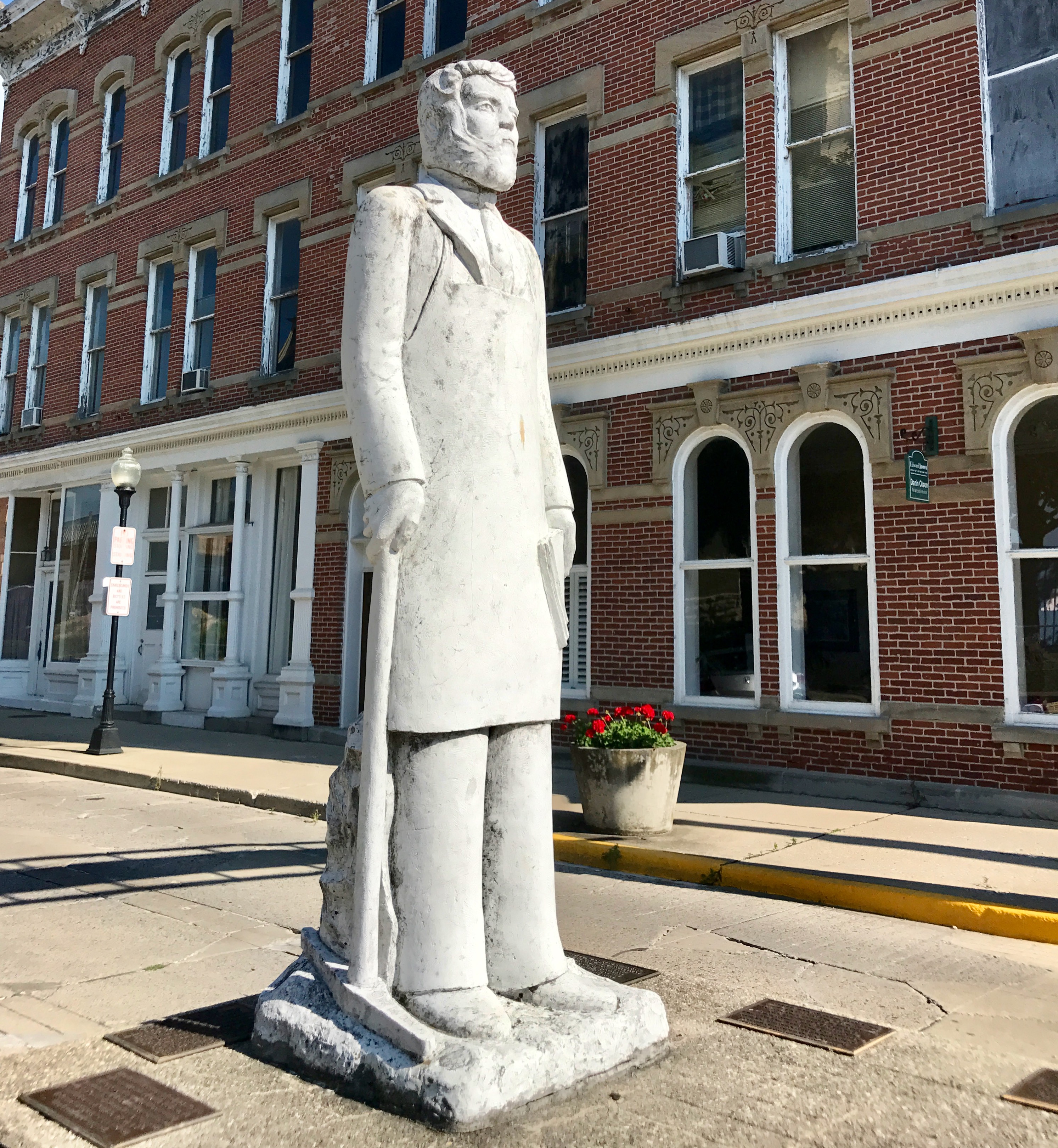
George Bartholomew developed his formula for a durable paving concrete in Bellefontaine. According to a plaque near the stature, he used a “small laboratory in the rear of his childhood friend George Kalteyer’s drug store, across from Court Avenue.”

This statue of him was presented to the citizens of Logan country by the Concrete Industries of Ohio and the United States in 1991, to commemorate the 100th anniversary of the first concrete street in America.

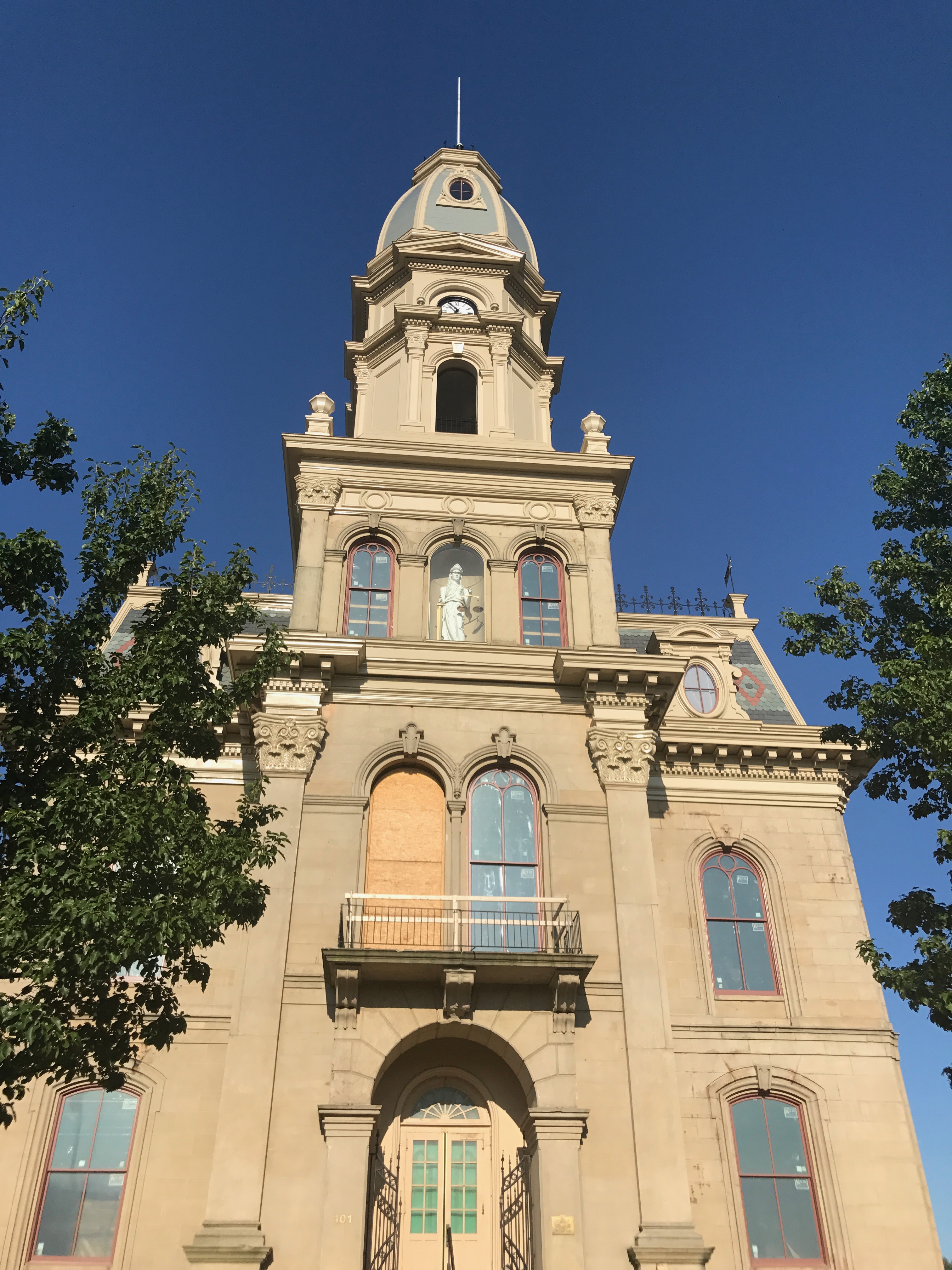
There was a lovely courthouse in Bellefontaine that appeared to be undergoing some major renovations.

I imagine that it will be quite lovely when it is complete.

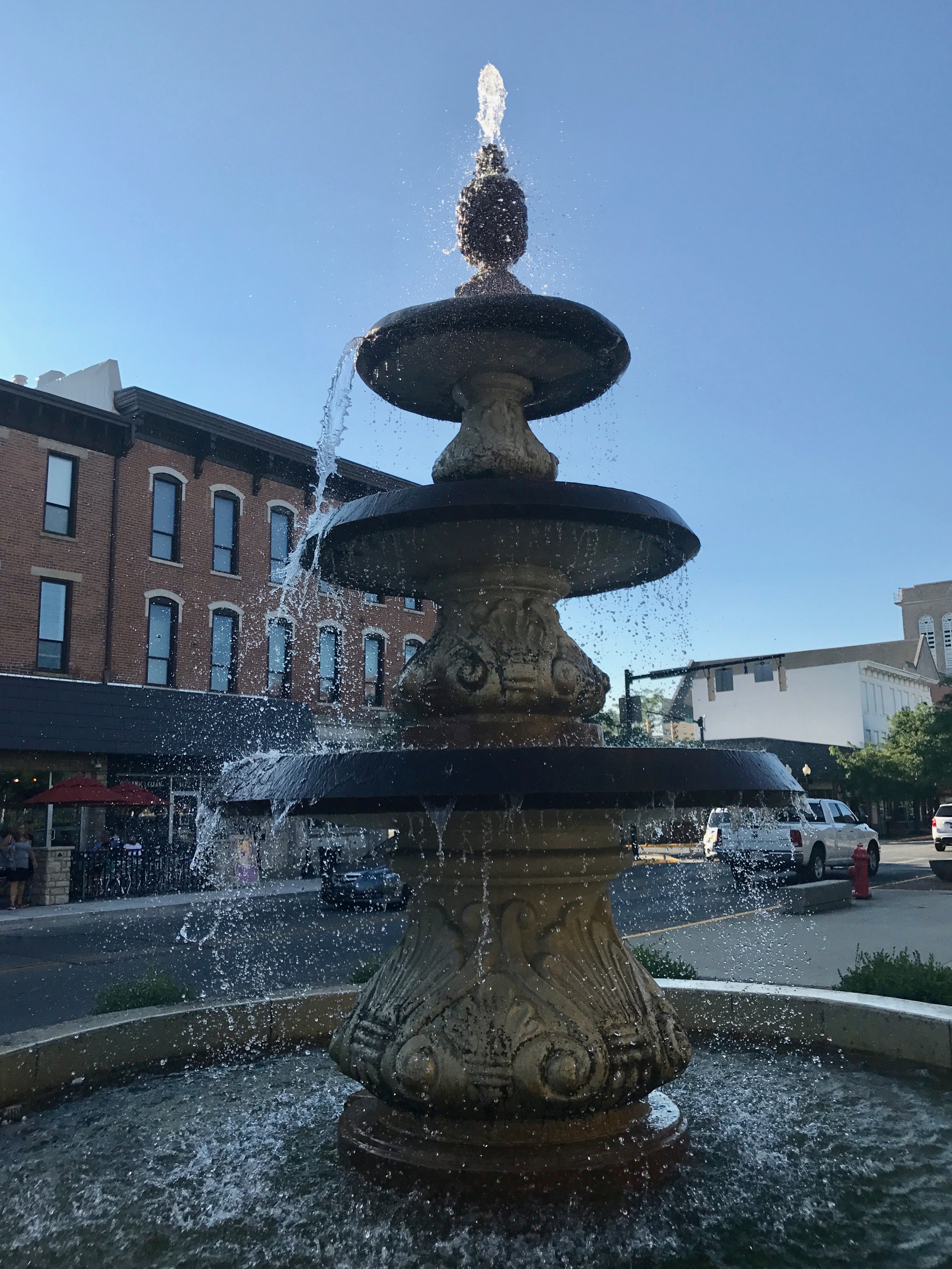
Still, the fountain continues to splash merrily. I wonder if that is the “belle” fountain?

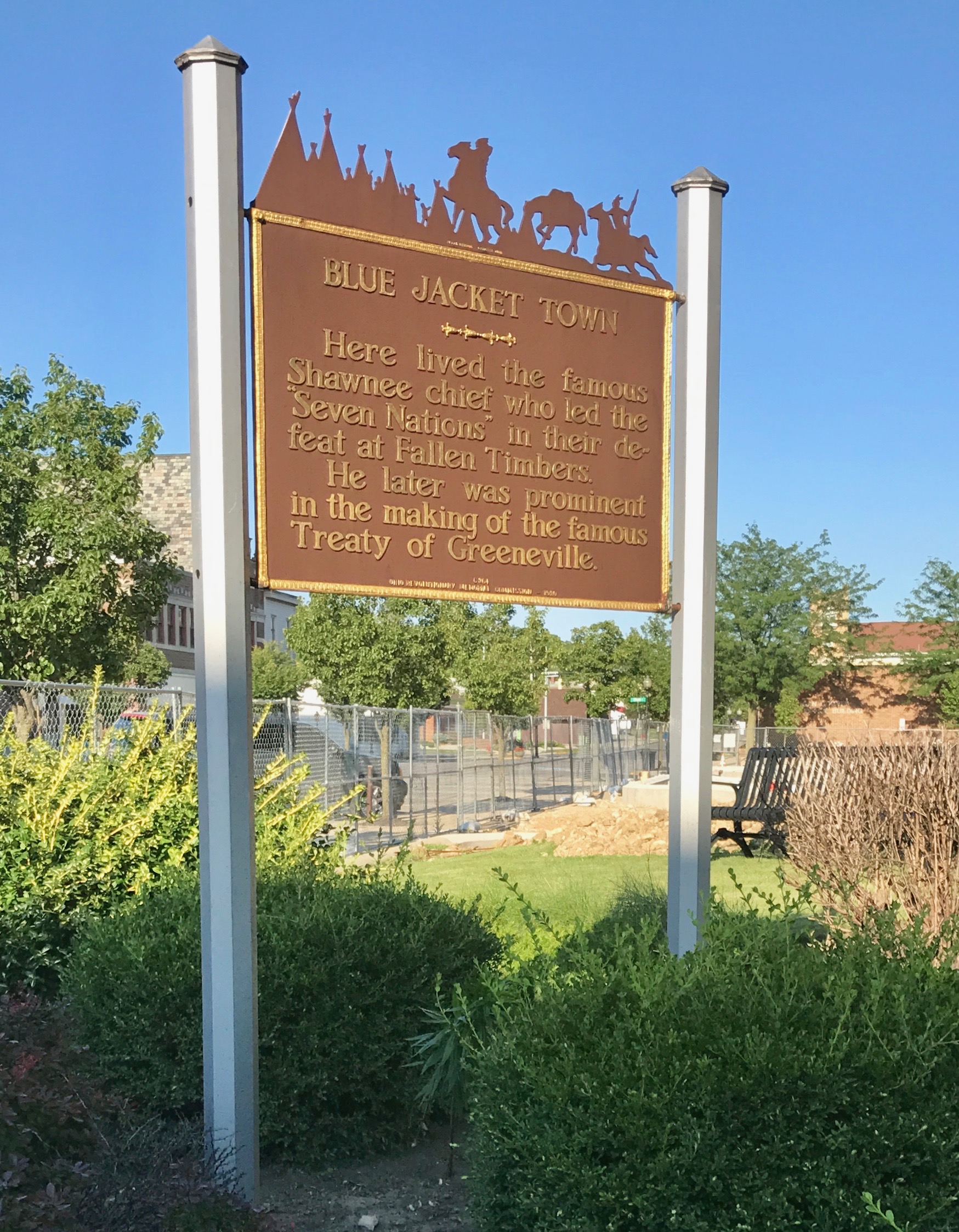
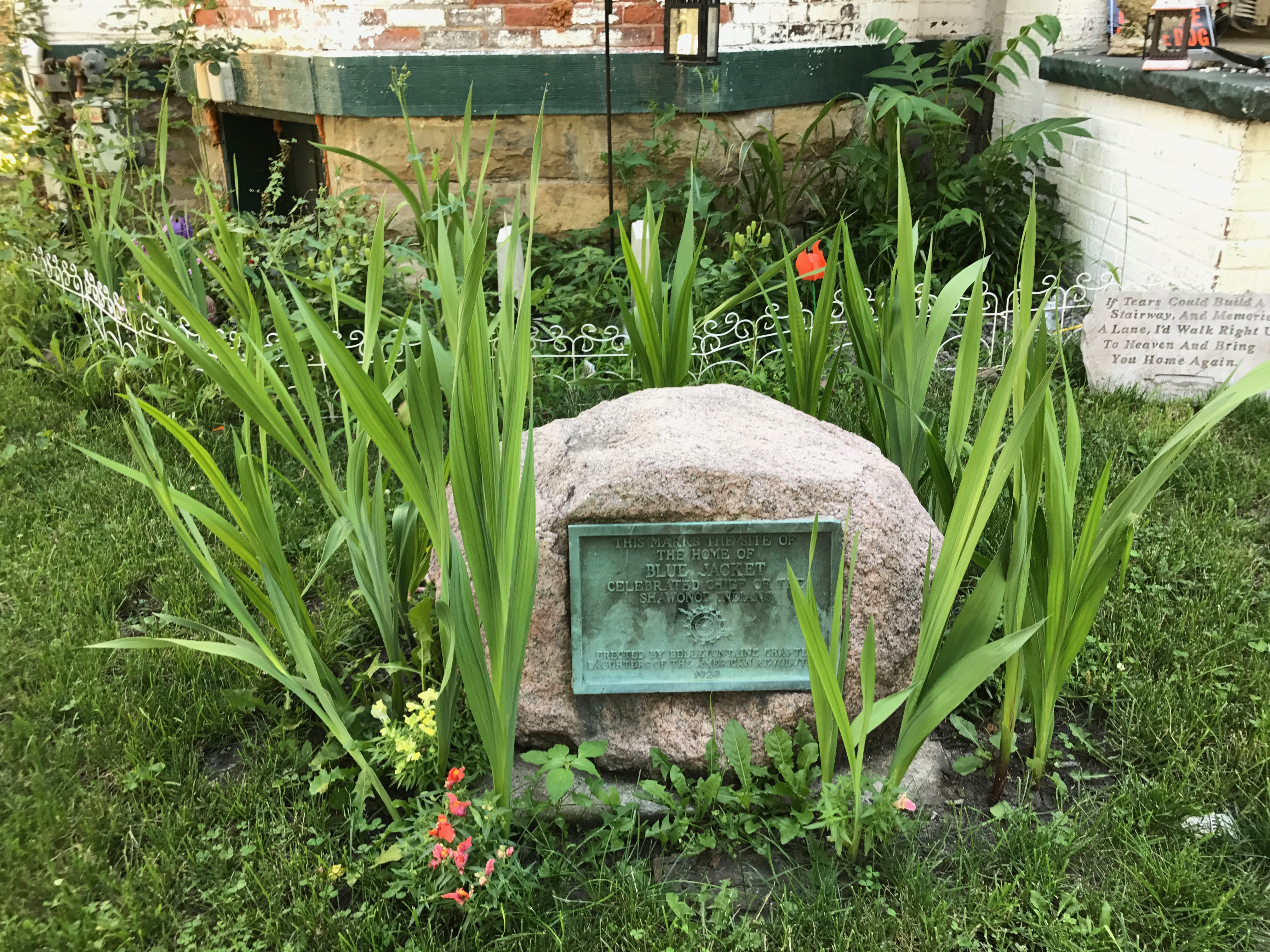
There was a marker dedicated to Blue Jacket. I wonder how accurate the silhouettes are at the top? I don’t recall knowing that the Natives of this area lived in teepees. Still, it is something that they recognized history that wasn’t that of the settlers. If you want to find out more about Blue Jacket, click here.

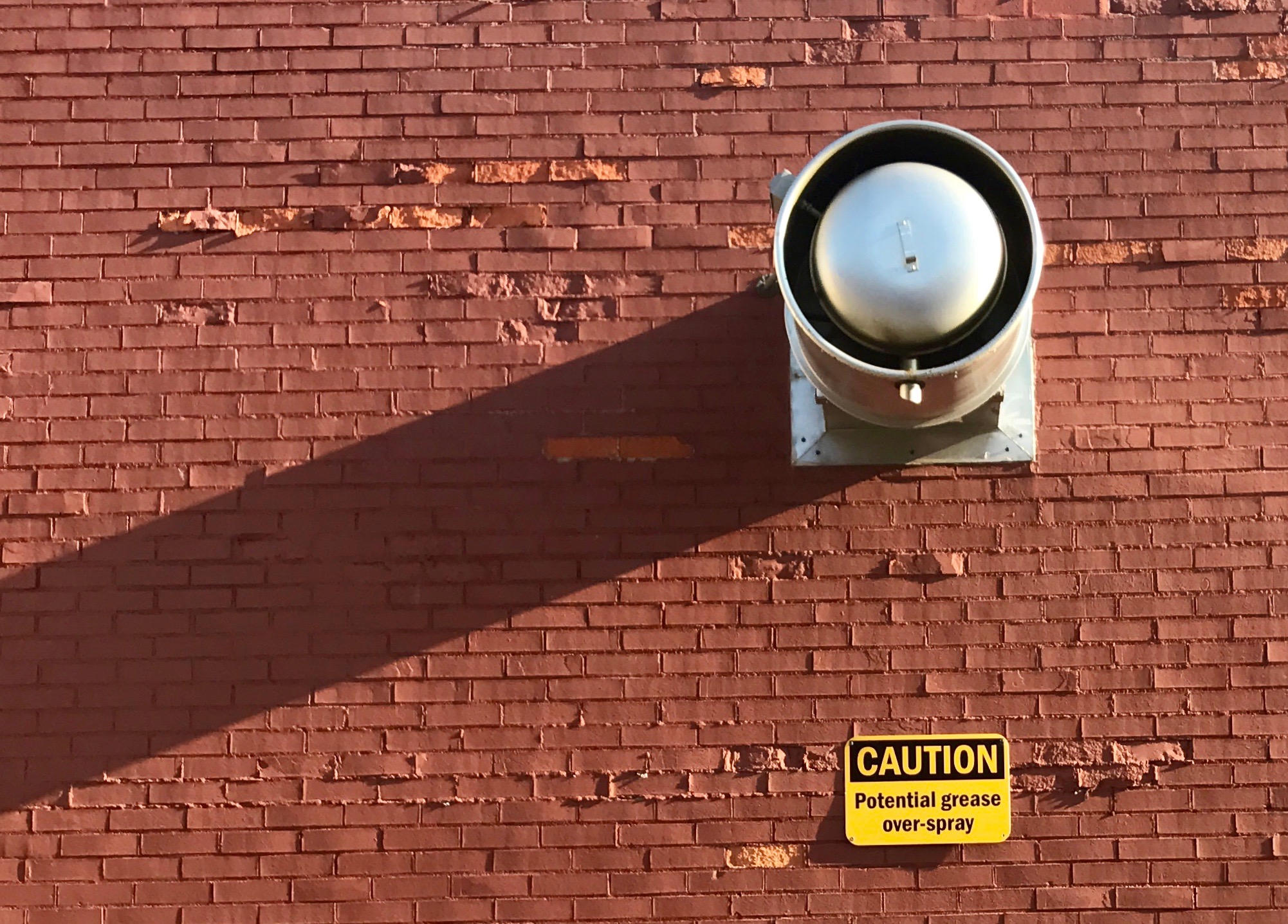
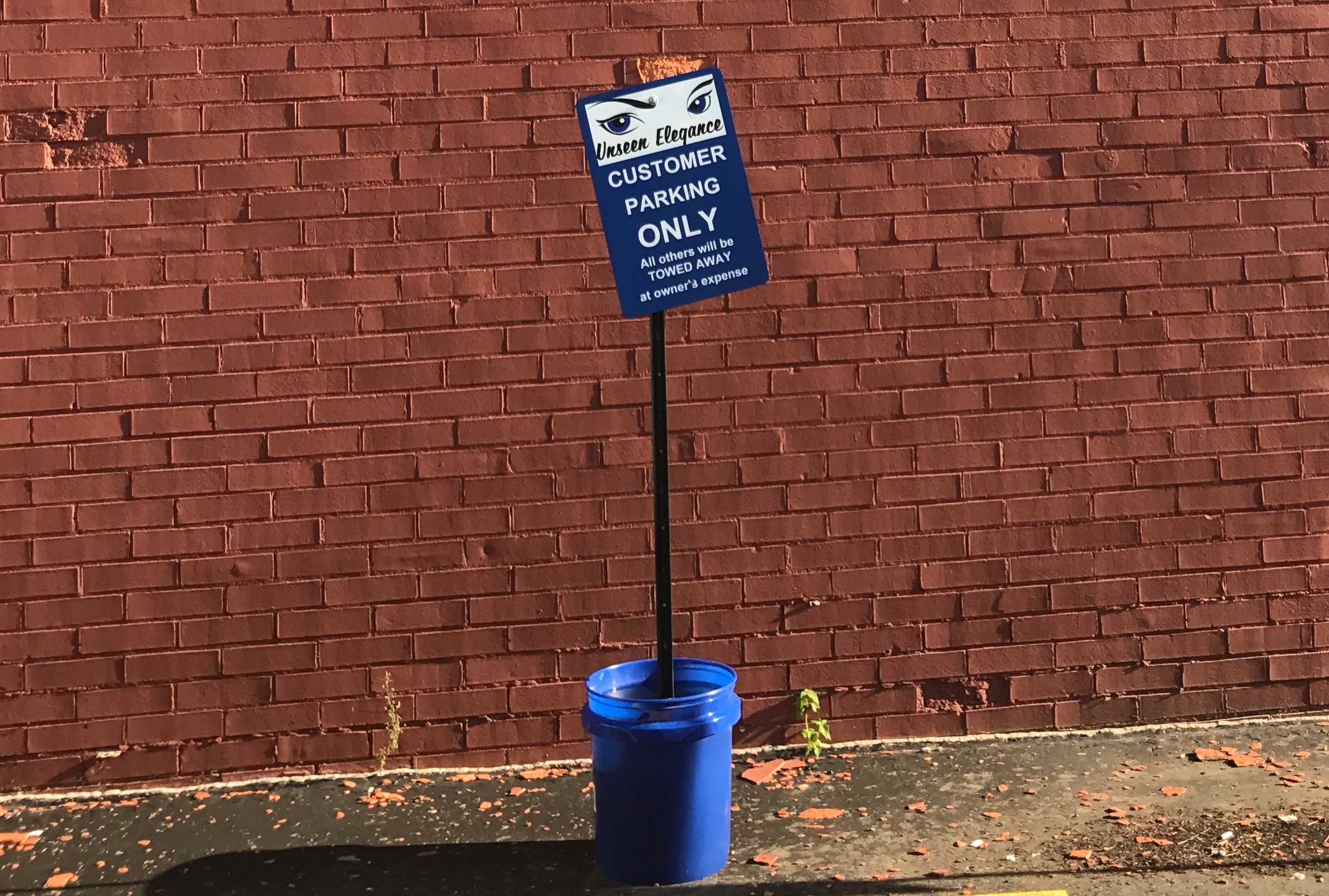
I made my way back to where I had parked Bart. I thought this was an interesting composition.

I can’t imagine wanting to park where there is potential for grease over-spray.

And what is the purpose of “Unseen Elegance”?

Ah, I guess I ask too many questions.

Once back in the car, I consulted my favorite app for locating the offbeat places, History HERE! and I found that there was another marker for Blue Jacket.

The plaque reads, “This marks the site of the home of Blue Jacket, celebrated Chief of the Shawonoe Indians. Erected by Bellefontaine Chapter of the Daughters of the American Revolution 1928.”

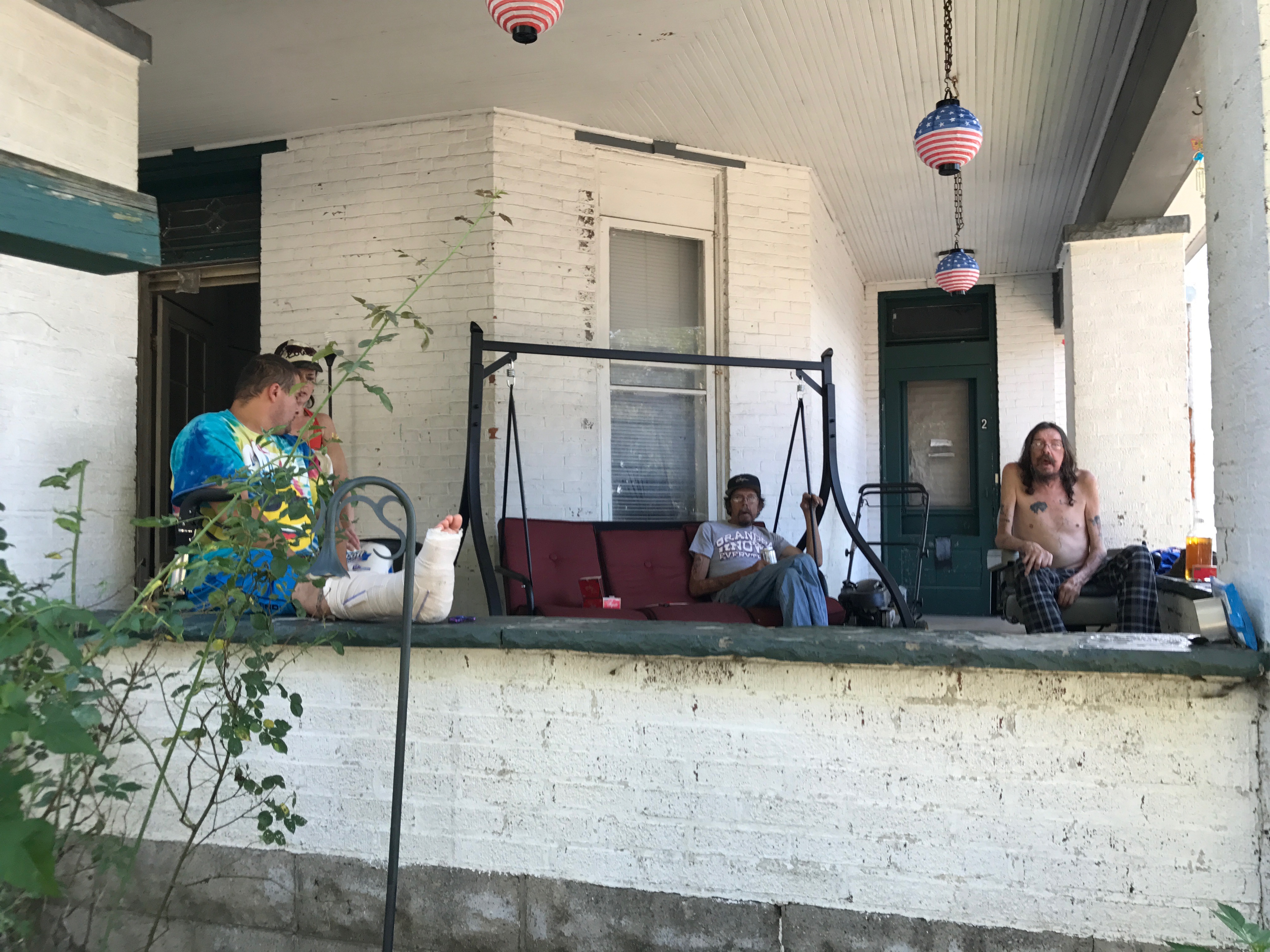
The folks sitting on the porch where the monument was didn’t mind me taking their photo.

At this point, I figured that I had just about exhausted the charms of Bellefontaine. I got into Bart and headed back to the campground at the Mothership, which is referred to as “The Terrport.” There were a few folks hanging out, and I figured that I’d see if they wanted the pizza. At this point, I decided that I didn’t need to eat it just because I paid for it.

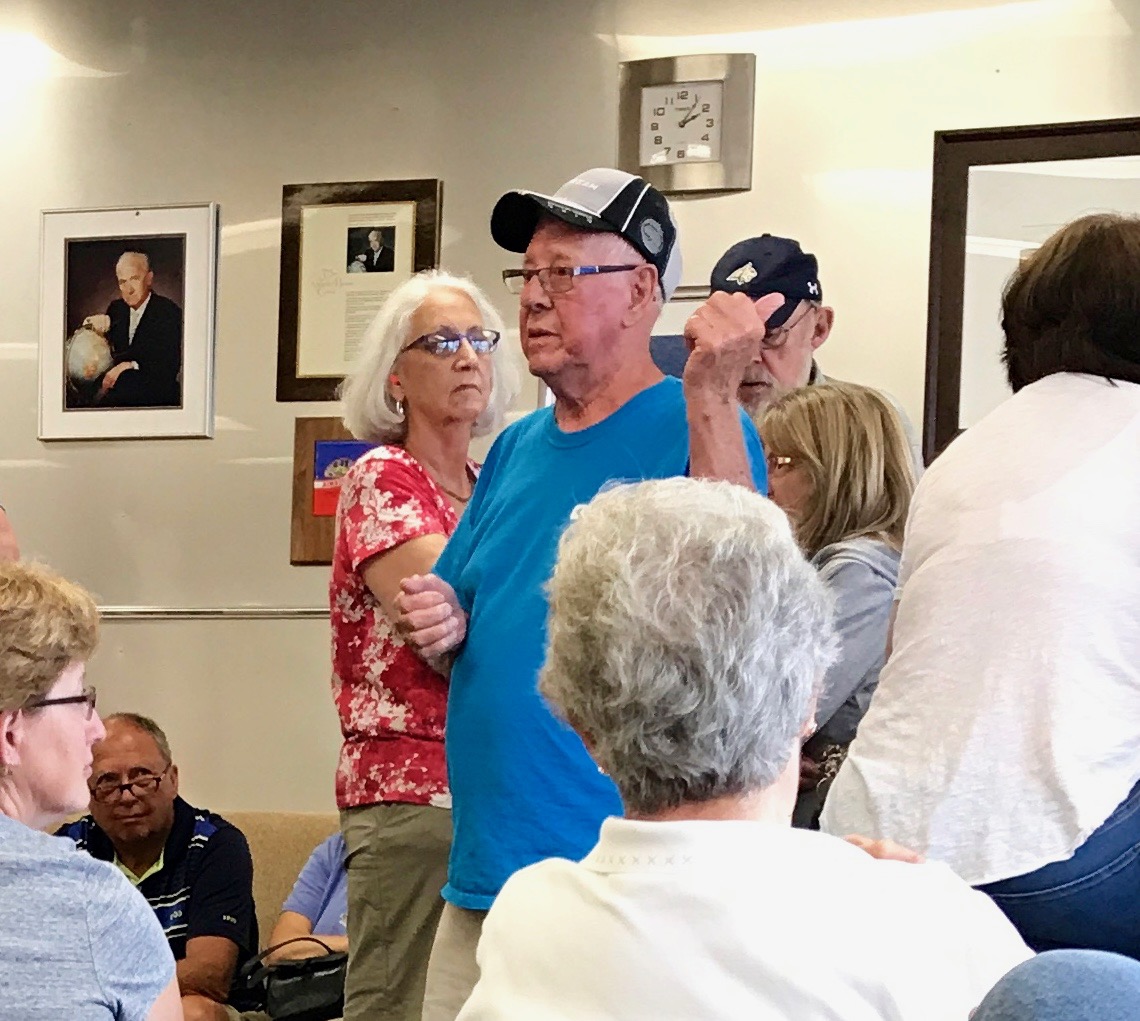
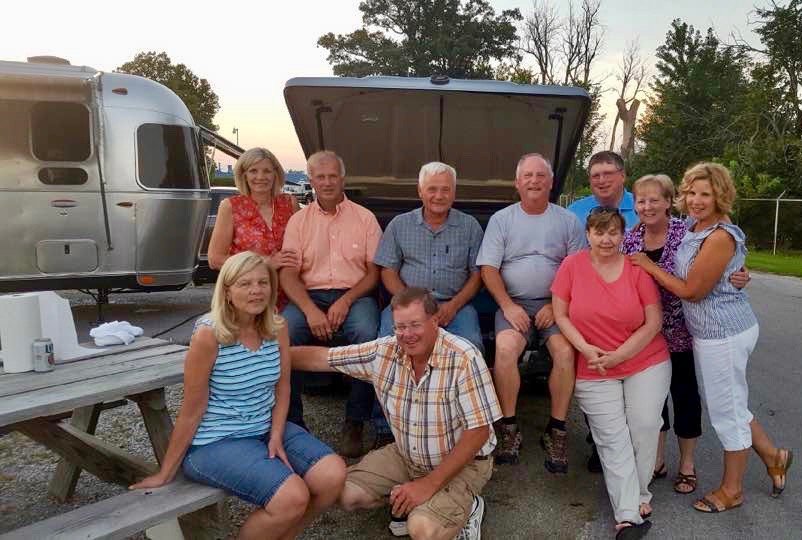
It turns out that they were having a high school reunion because Tommy was back in town getting some work done on this Airstream. I had fun with them, trying to fool the people who came up as we sat there. They’d tell me the people’s names and I greet them warmly and act like we were old friends. I managed to fool a few of them for a minute or two until my improv skills let me down.

I had a good evening with my new friends. In the morning it would be time to take care of Flo.

On to Pennsyltucky

Dad used to refer to Pennsylvania as “Pennsyltucky.” I don’t know why. I didn’t know if it was really a “thing,” so I looked it up. This is what my Preferred Source had to say:

‘”Pennsyltucky” is a slang portmanteau of the state name Pennsylvania and Kentucky. It is used to characterize-usually humorous, but sometimes deprecatingly-the rural part of the state of the state of Pennsylvania outside the Pittsburgh and Philadelphia metropolitan areas, more specifically applied to the local people and culture of its mountainous central Appalachian region.  The term is more generally used to refer to the Appalachian region, particularly its central core, which runs from Pennsylvania to Kentucky, and its people.’

Who knew?

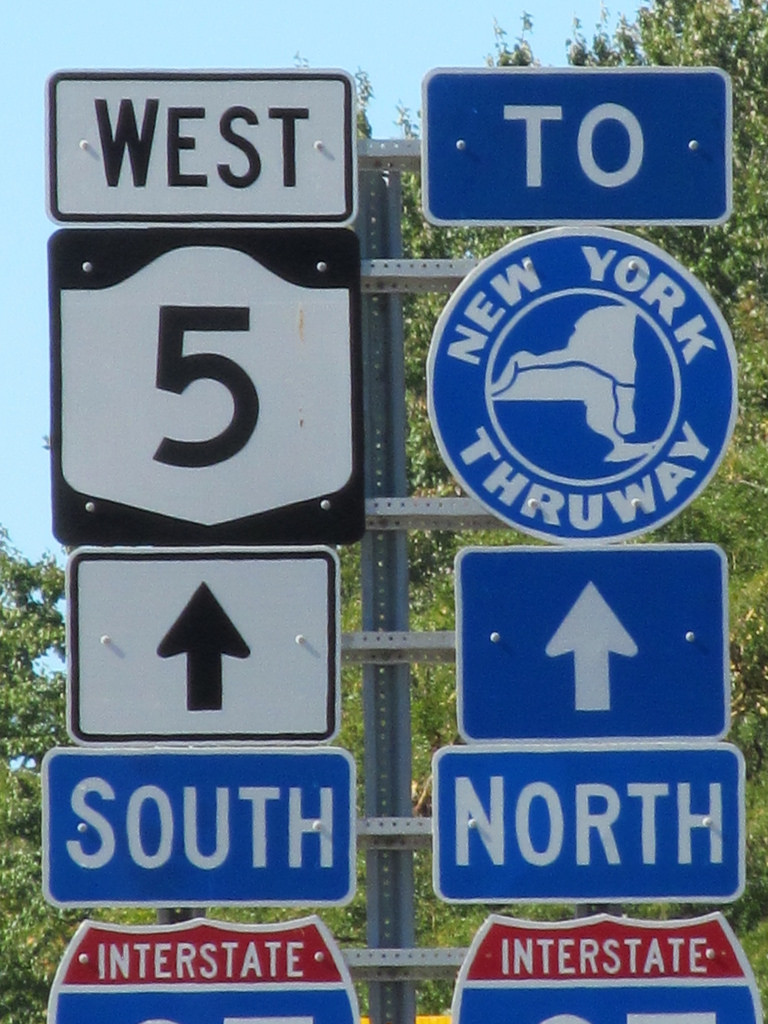
Anyway, I hitched up and headed down route 5. I was tired of paying the Thruway tolls.

If you have a few extra minutes, Route 5 is a lovely alternative past vineyards with the occasional glimpse of Lake Erie.

I jumped back on I-90 at the state line, just in time to stop at the welcome center with its most welcome restrooms.

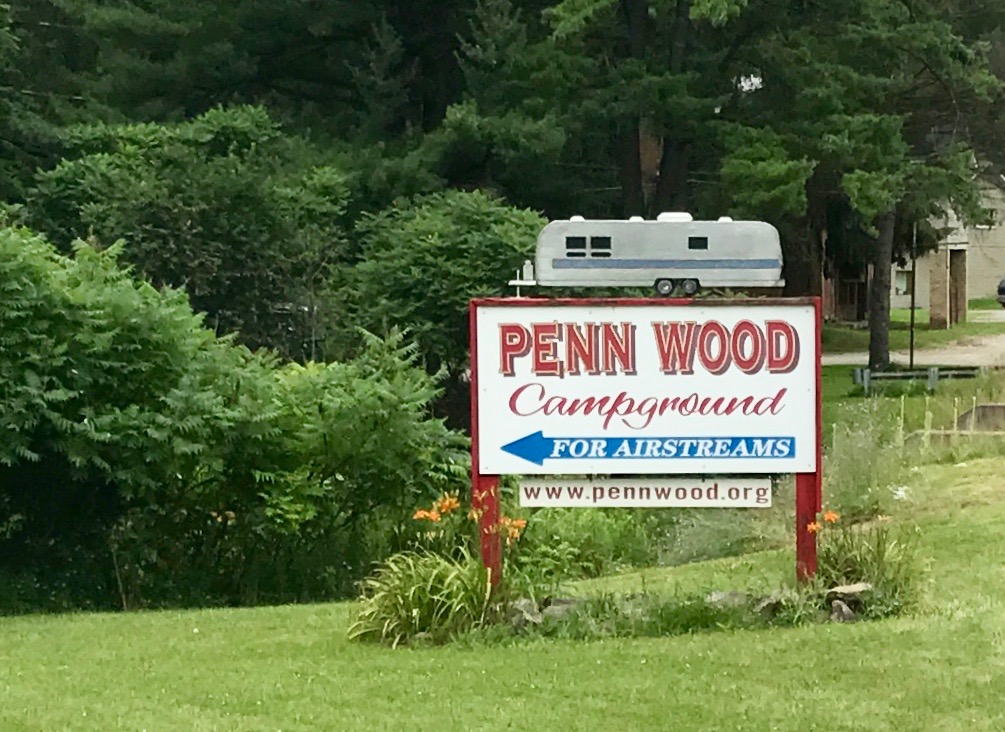
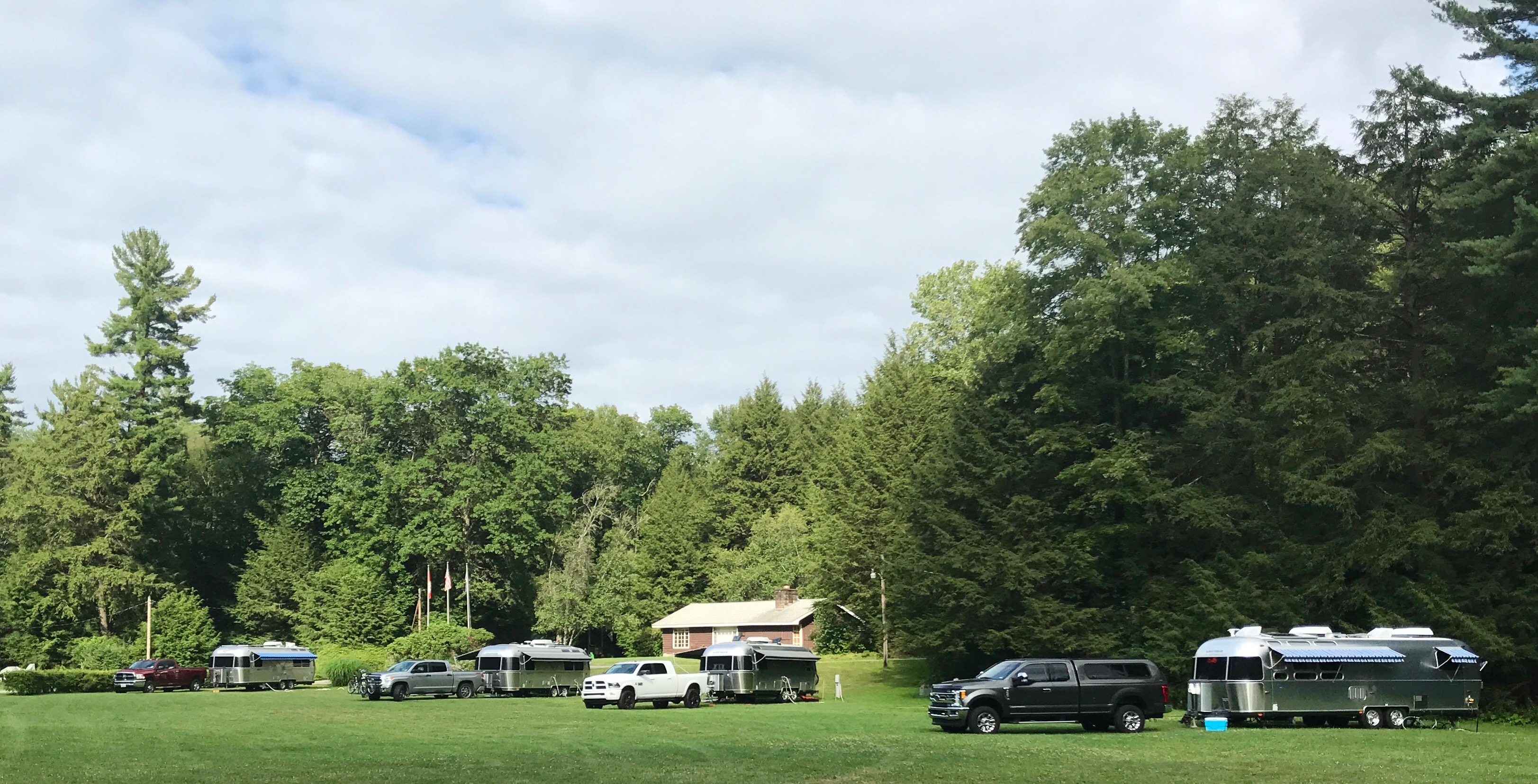
I drove on until I got to the campground I had selected for a couple night’s stay; Penn Wood Campground for Airstreams near Clarion, Pennsylvania. I figured that I’d better take advantage of still being an Airstream owner to visit an Airstream only campground.

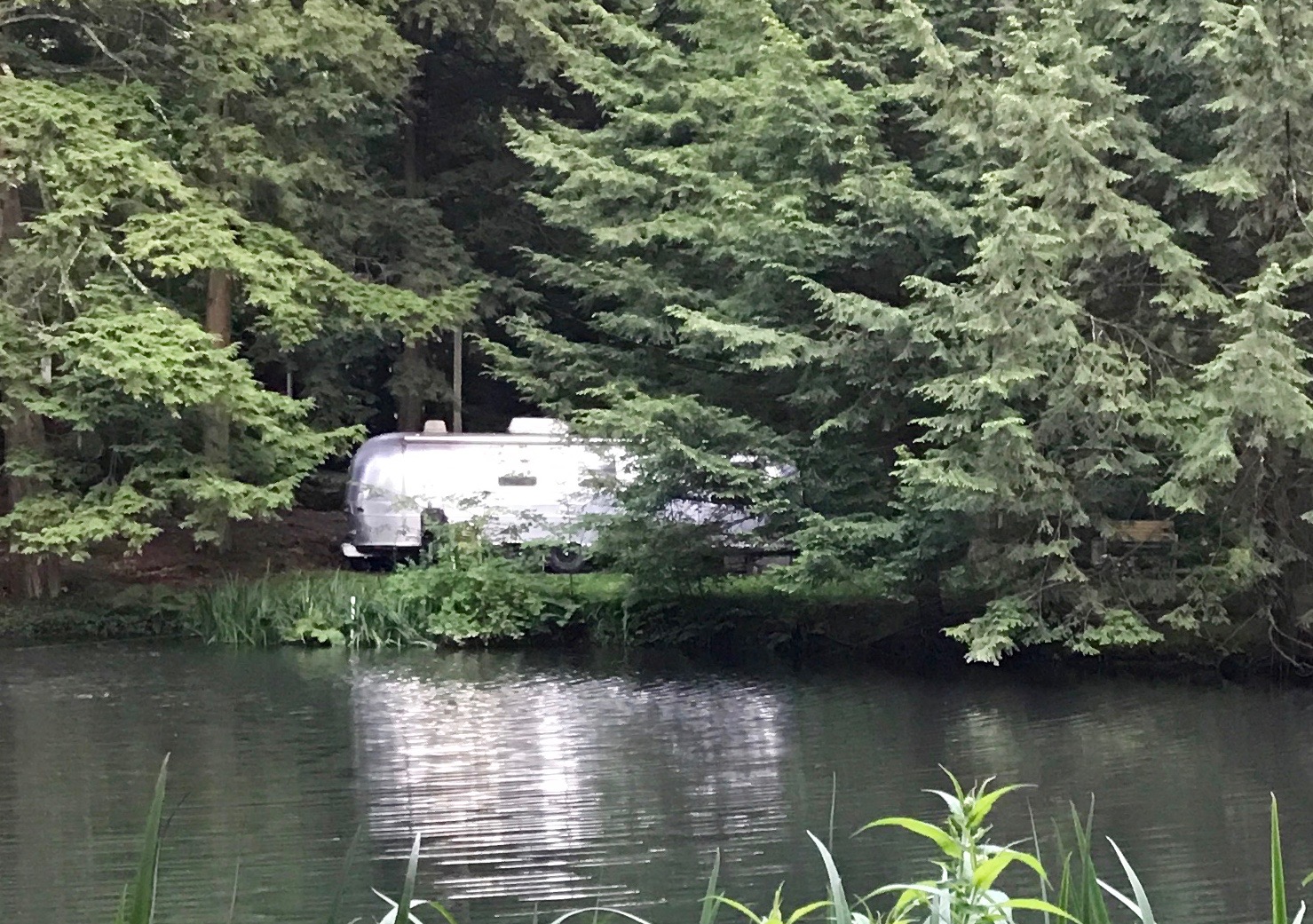
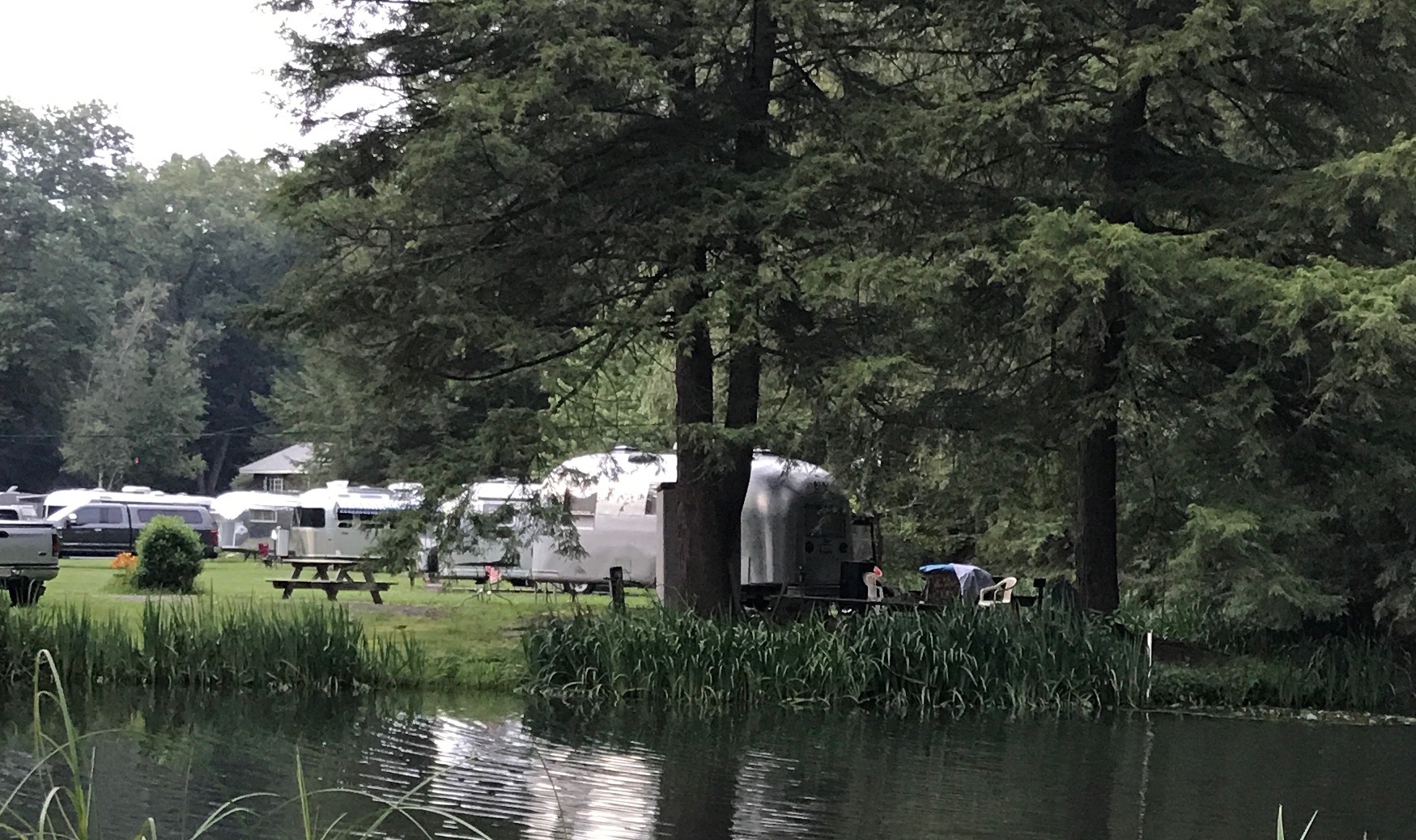
It was a lovely campground and it was so much fun to wander around and see aluminum gleaming between the trees.

The people there were very welcoming. They invited me to a happy hour and to a pot luck dinner. We also had an art time, where we did some coloring. I’d be happy to go back!

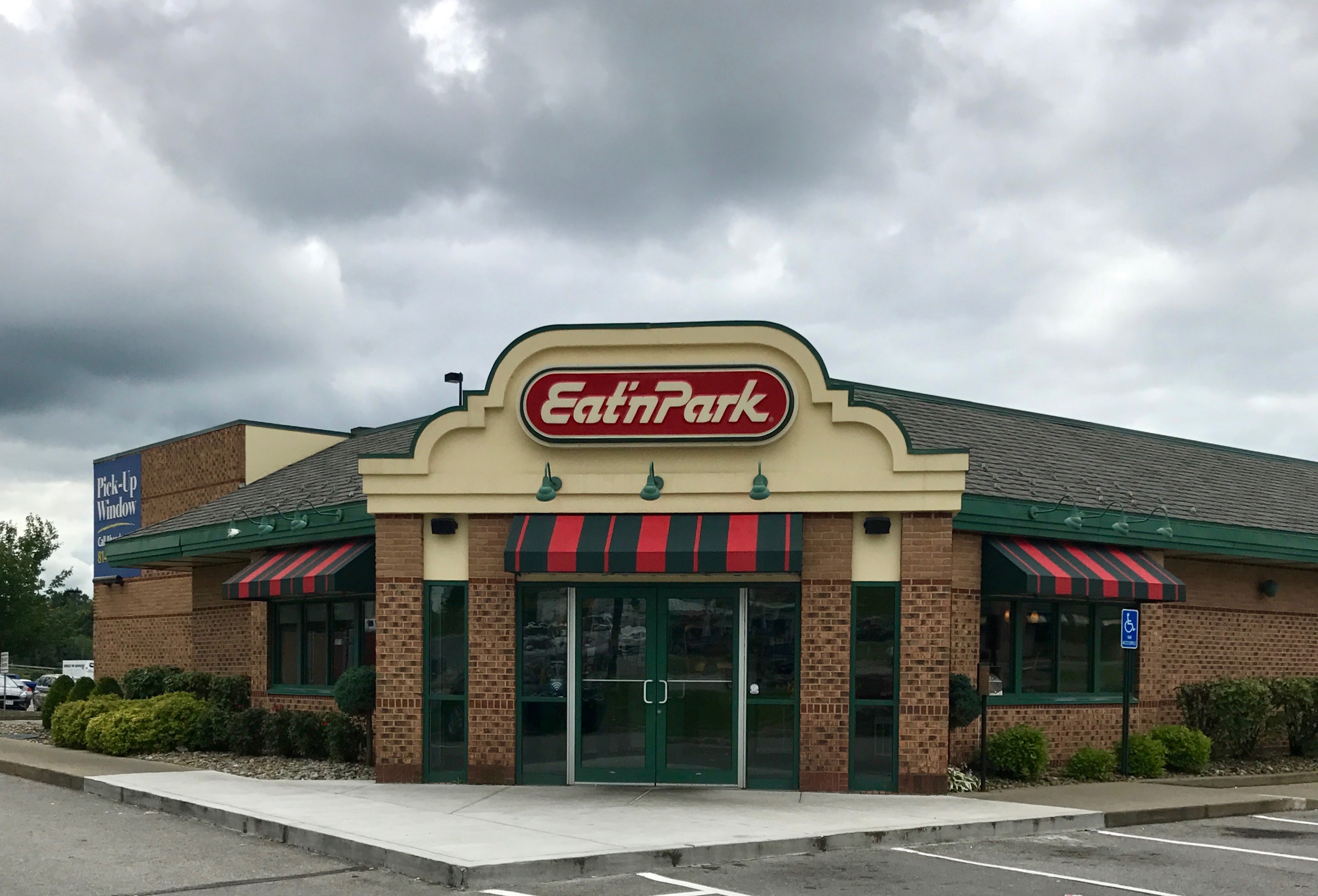
One evening I went out to eat. I’d seen signs for this chain during my travels, but never stopped. Personally, I would think the Parking before Eating would be a better idea, but they didn’t ask me.

Also, if the theme of the restaurant involves Parking, why do they have a pick-up window? Again, they didn’t ask me…

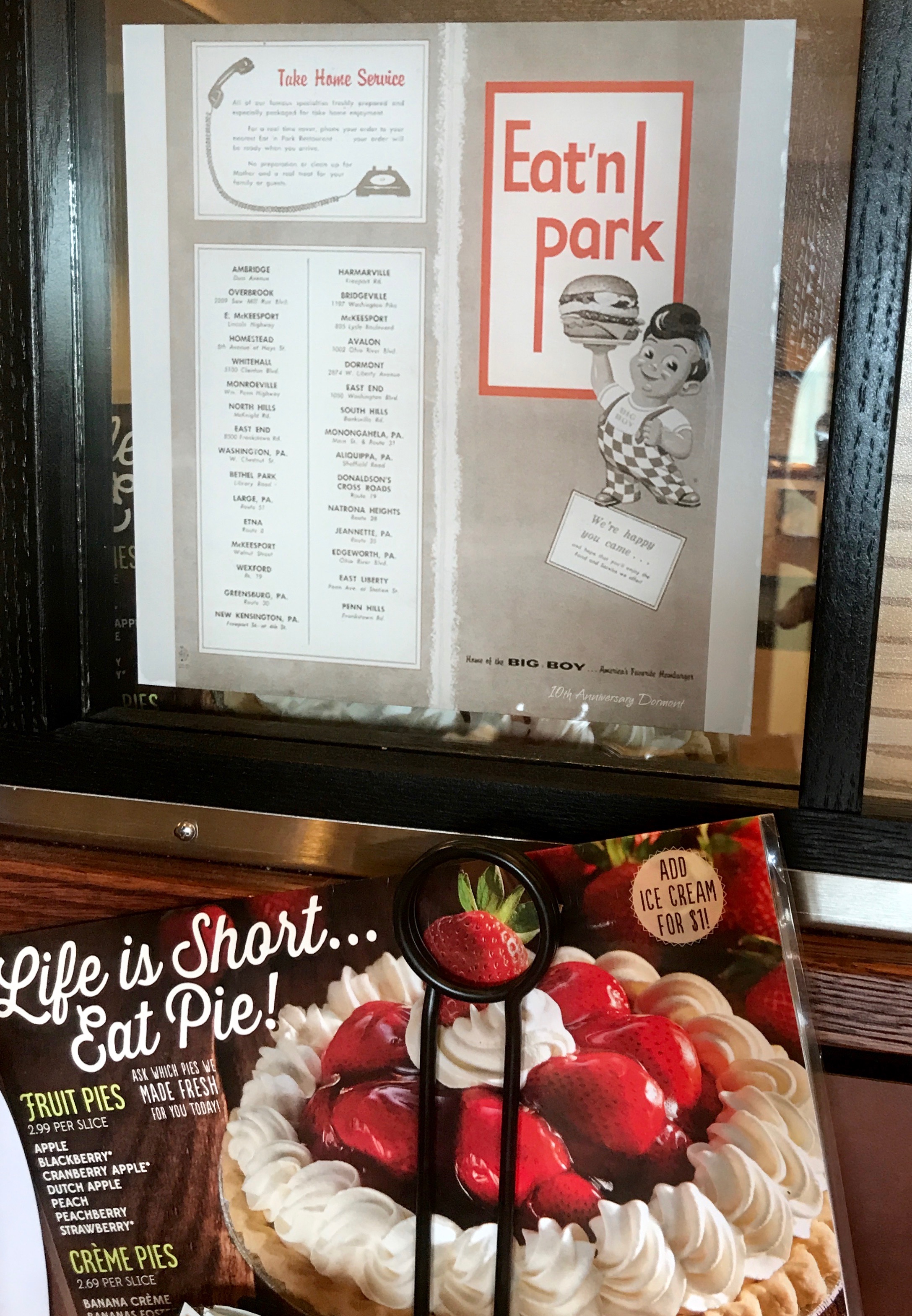
Apparently Eat’n Park is related to Big Boy. Either that, or they are involved in some heavy-duty copyright infringement.

And, as luscious as the pie looks, I skipped dessert.

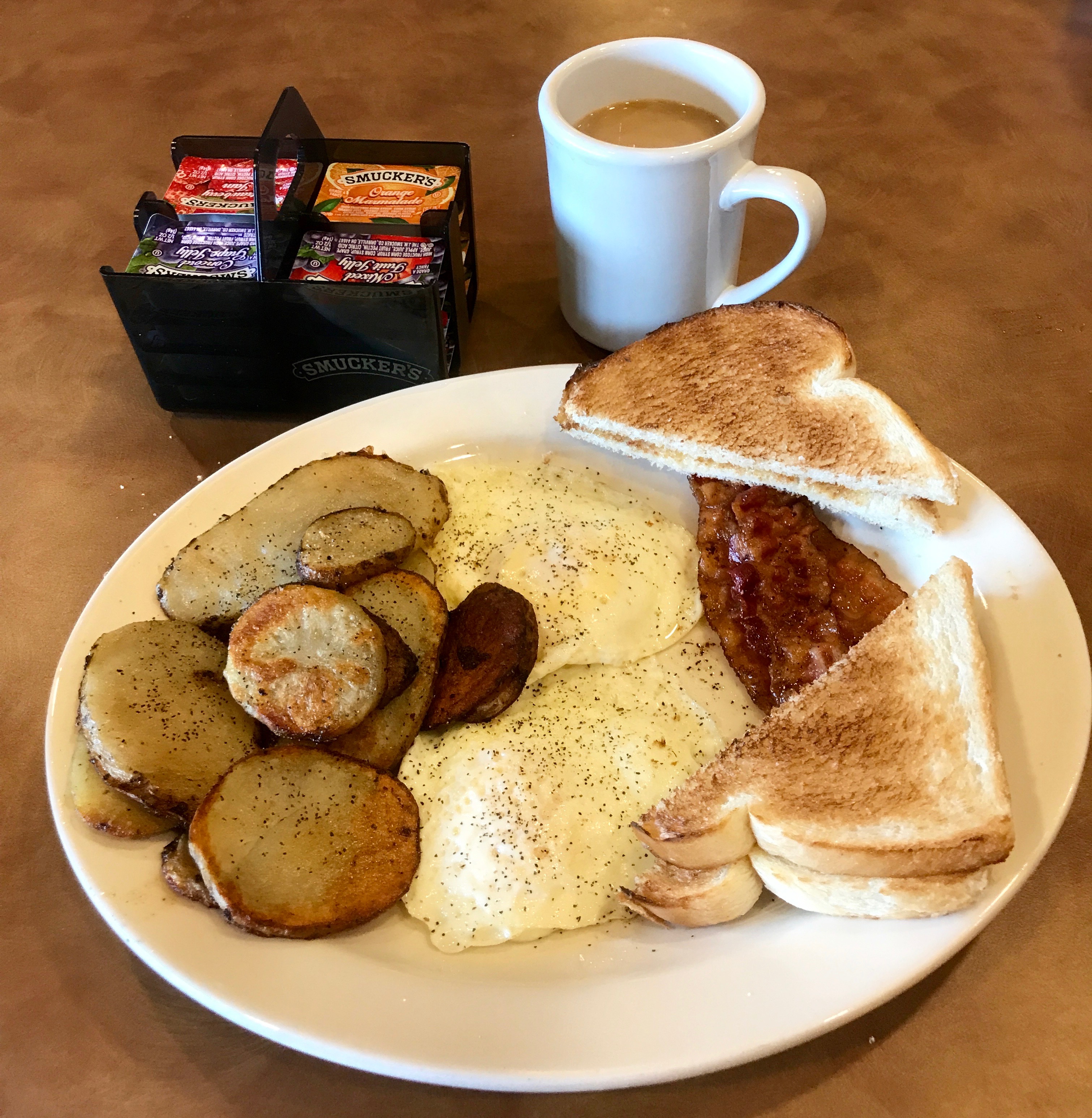
I mean, they had orange marmalade! I didn’t need dessert.

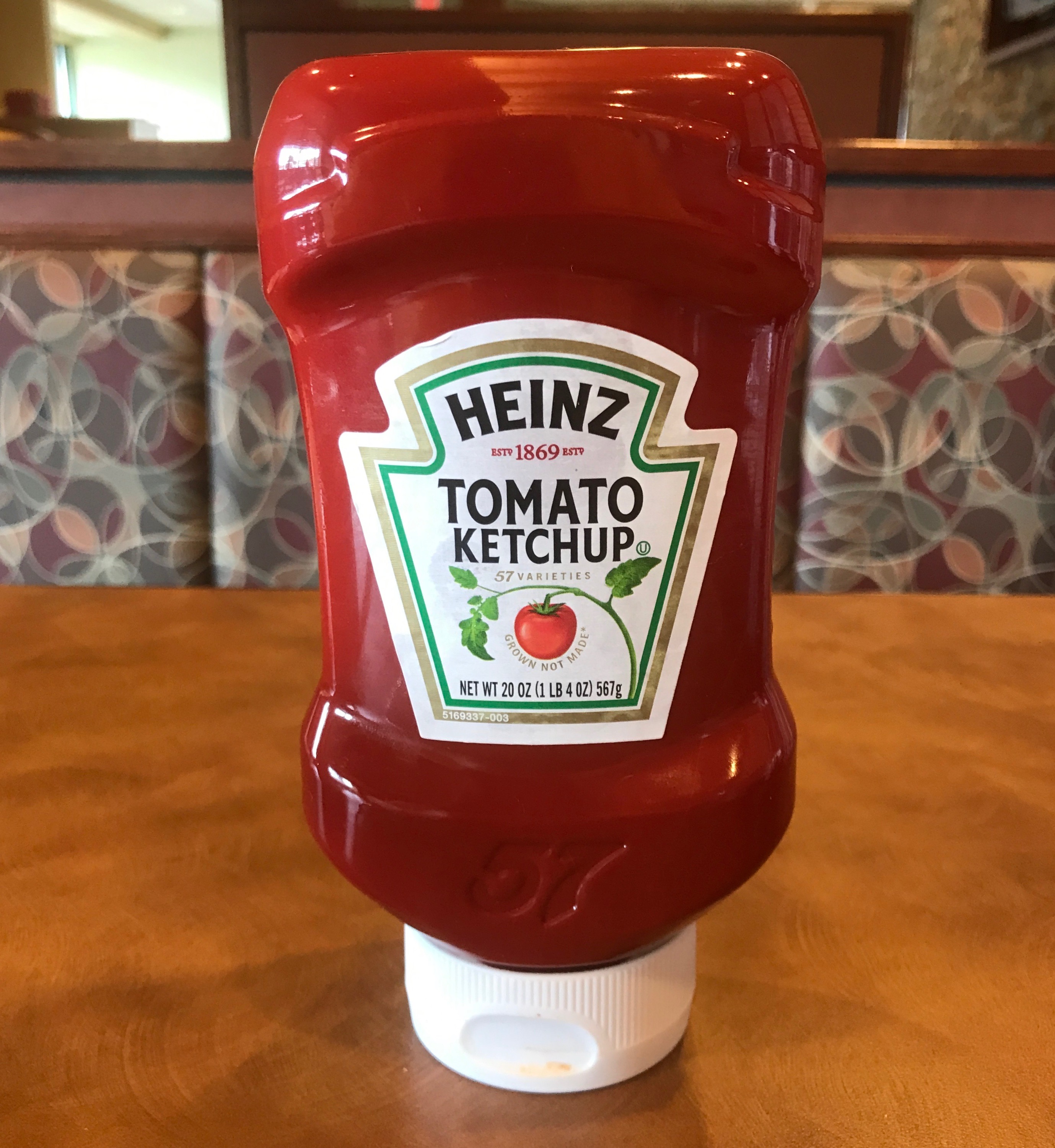
While I was sitting at the table, I took particular notice of the Heinz label.

It bore a striking resemblance to the symbol Pennsylvania uses for their state roads. Now, I know that Pennsylvania’s nickname is “The Keystone State”. According to State Symbols USA that is because it was the middle colony of the original thirteen colonies, and because Pennsylvania has held a key position in the economic, social, and political development of the United States.

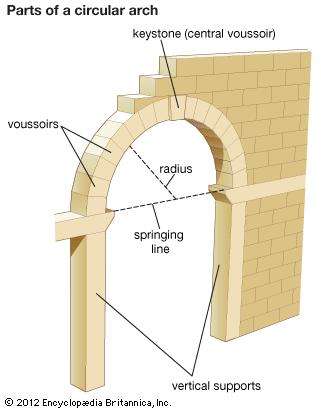
If you want more information about how arches work and why the keystone important, check out this page on ScienceABC.com. There is a cute little gif that demonstrates the principle.

Anyway, I wondered about the relationship between the Heinz logo and the Pennsylvania road sign. Heinz is based in Pittsburgh. I wondered if they convinced the state to use the same shape for their road signs as they used for their labels.

I did some research, and came to the conclusion that the road signs came first. I don’t remember how I decided that was the case, but I think Heinz did a great job piggybacking their brand to the state logo. I know I think about Heinz every time I see a Pennsylvania state route sign.

Well, enough rambling. It’s kind of amazing how your mind wanders and ping-pongs around when you are traveling solo.

Back to Flo. I hitched up in the morning and headed to the Mothership.


Just a Little More Buffa-Love

What would a trip to Buffalo be without a shout out to some popular restaurants?

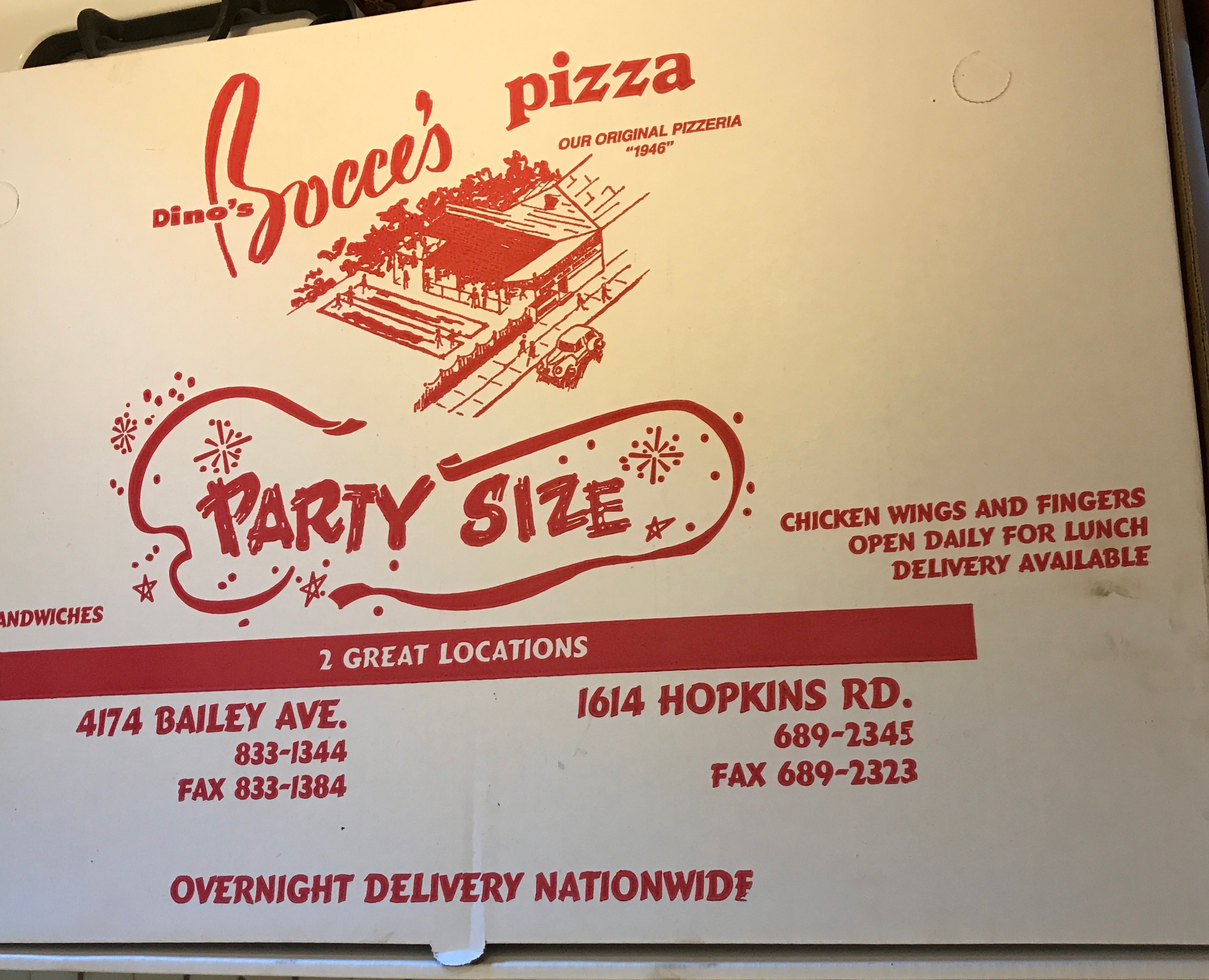
I’ve already given props to Bocce’s Pizza.

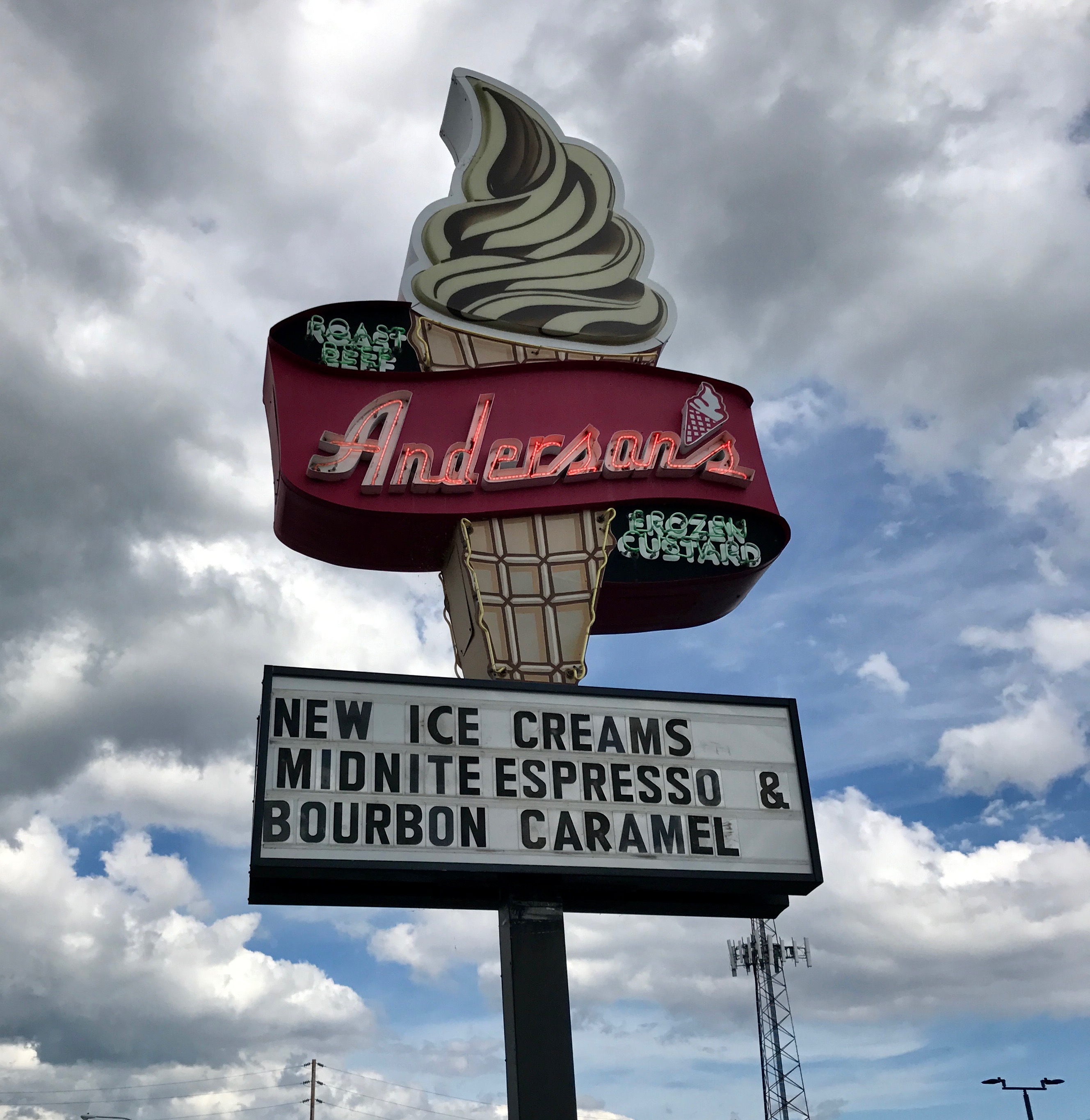
Let us not forget to acknowledge Anderson’s. Those look like some mighty adventurous flavors!

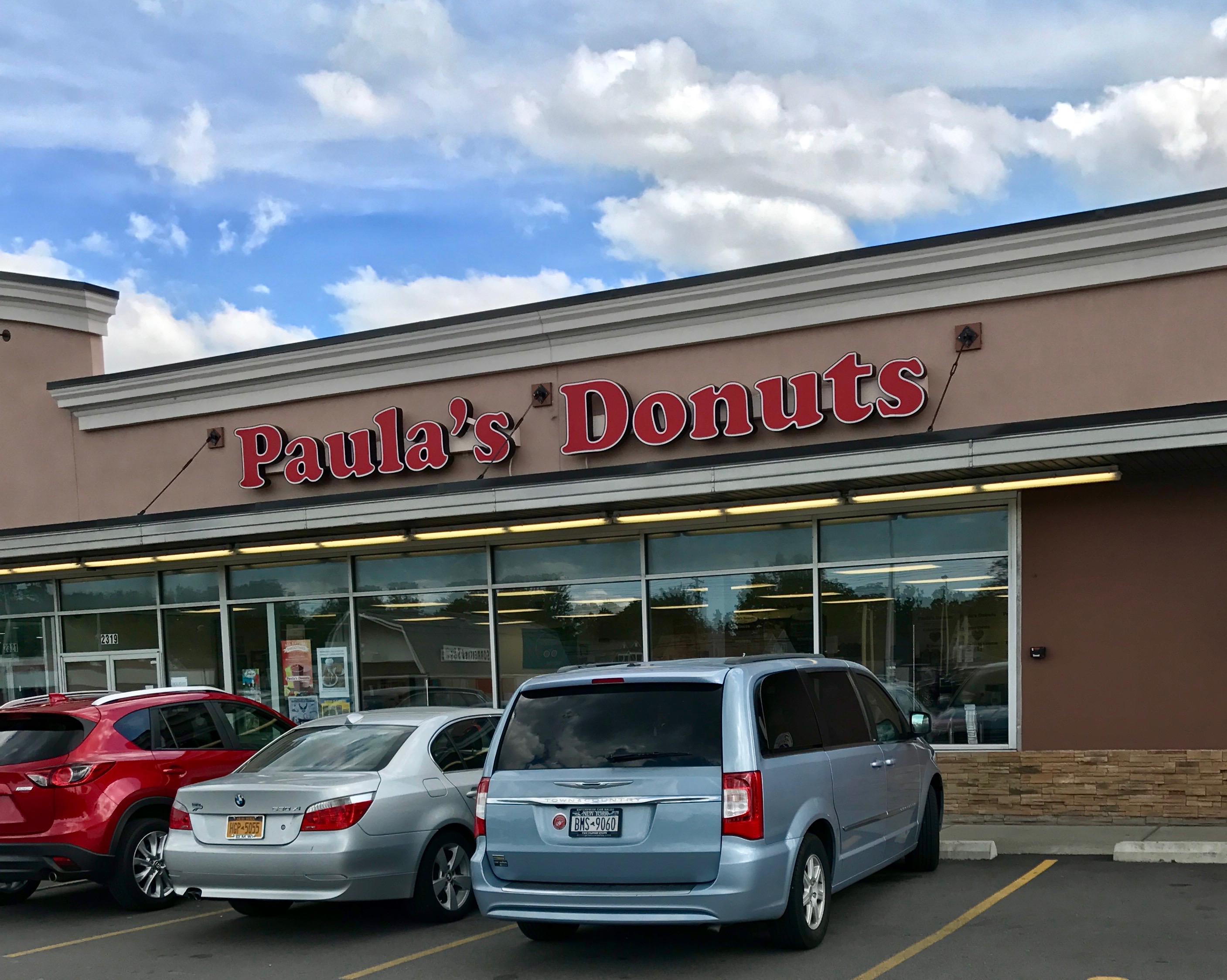
If that wasn’t enough sweetness for you, just a block away and across the train tracks, there’s Paula’s donuts. 

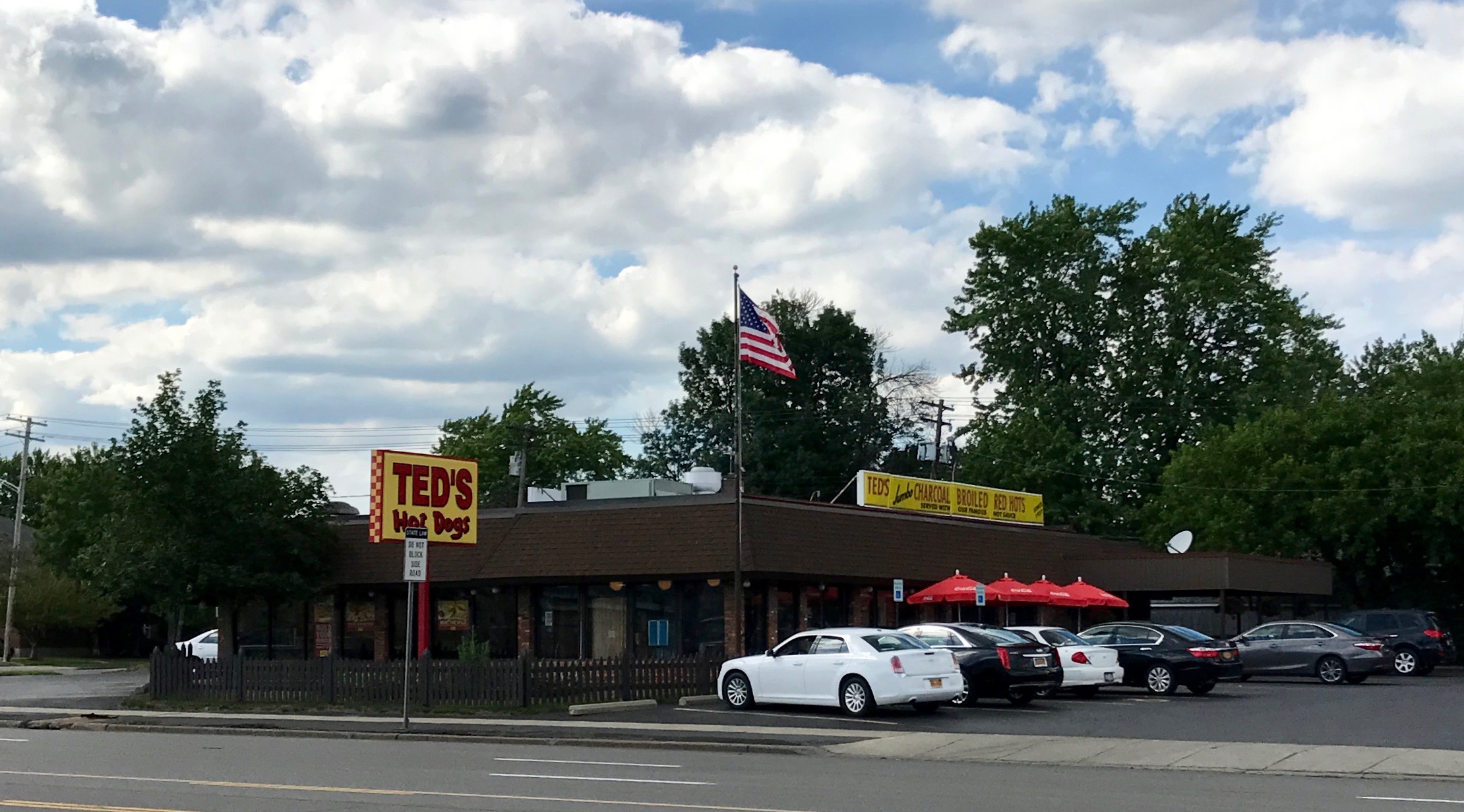
If you need a little savory after all that sweet, Ted’s Hot Dogs is right across the street from Paula’s.

I don’t think I partook of any of Anderson’s, Paula’s or Ted’s offerings on this trip. I did visit a new-to-me restaurant in the waterfront area.

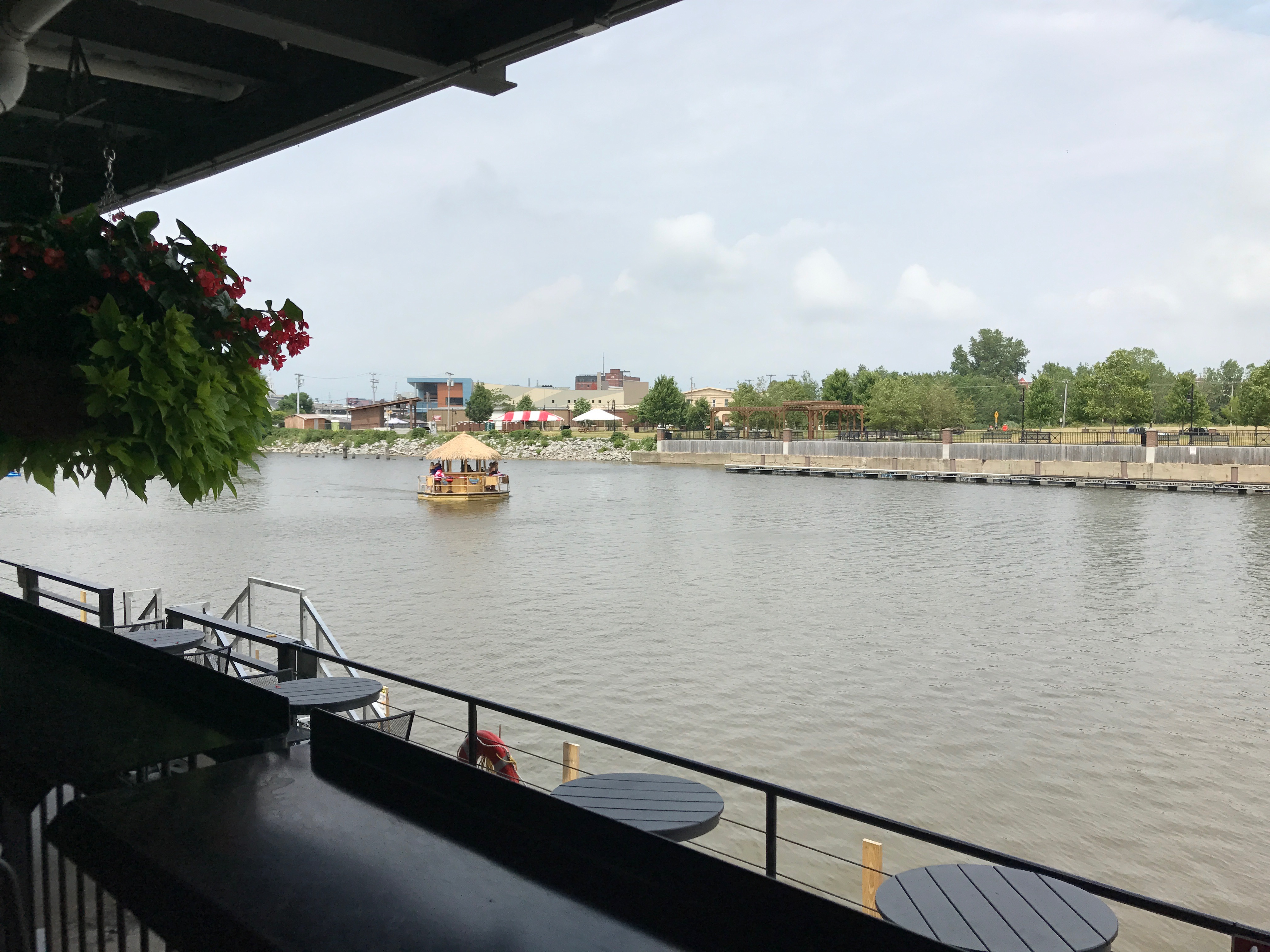
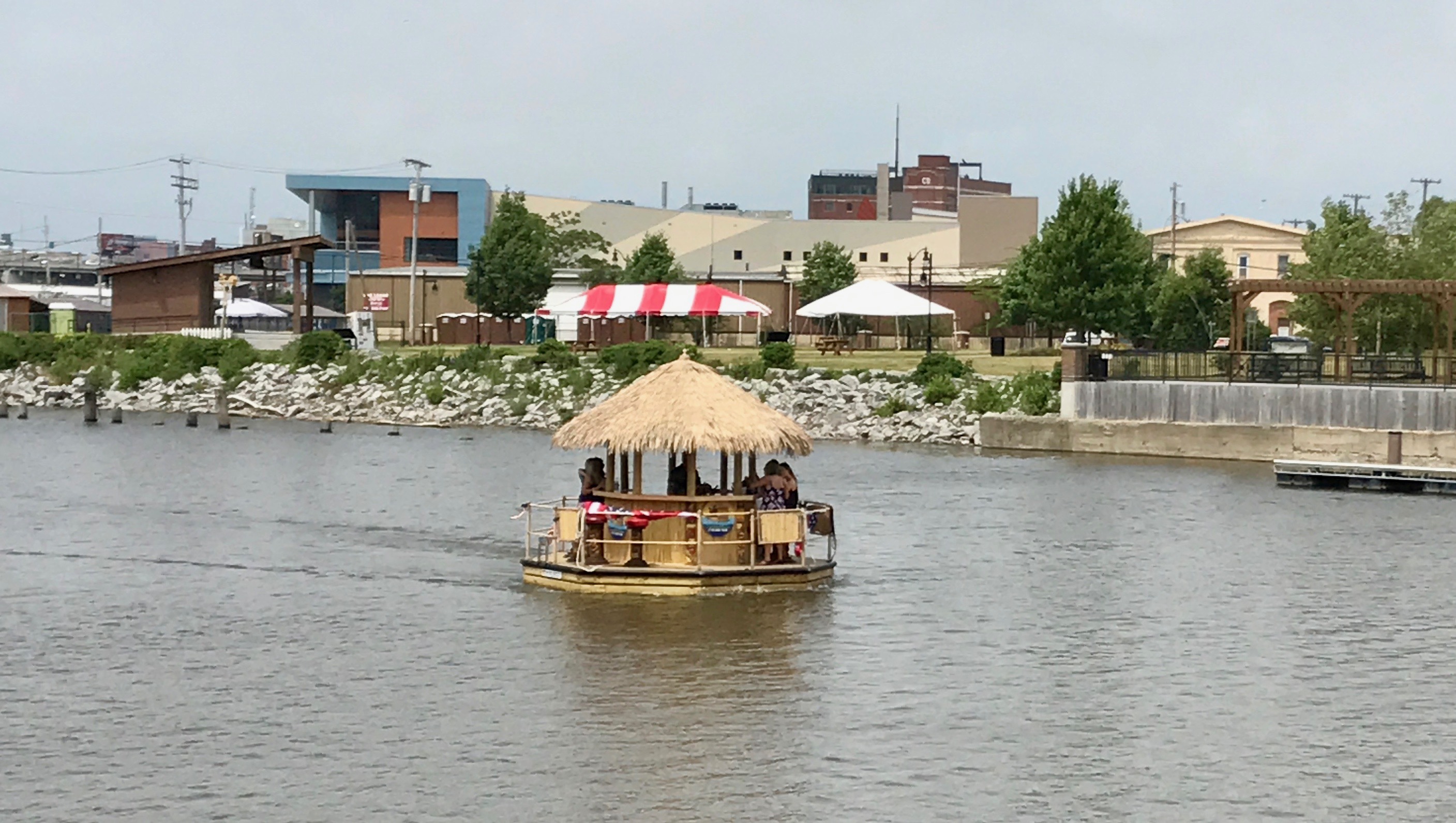
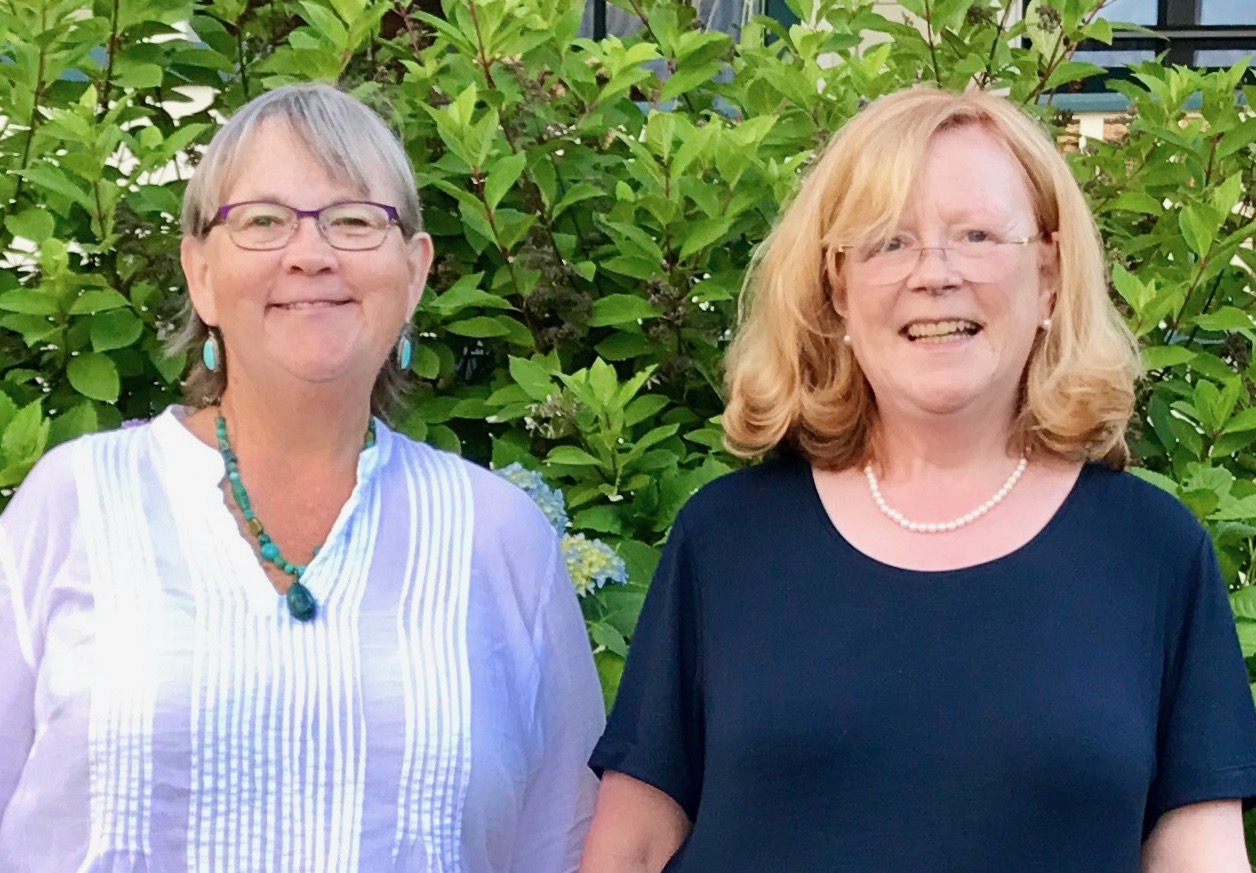
I met Susan, a high school chum, and her wife, Kay, for lunch. We got a table overlooking the Buffalo River.

I tell you, this is not the Buffalo I grew up with! (And that’s a good thing.)

When I lived in the area, the Buffalo River was essentially dead. It was so polluted that nothing lived in it. In fact, in 1968, it caught on fire. According to a report from the United States Department of the Interior:

“The Buffalo River is a repulsive holding basin for industrial and municipal wastes,” said the Federal Water Pollution Control Administration.  “It is devoid of oxygen and almost sterile.  Oil, phenols, color, oxy­gen-demanding materials, iron, acid, sewage, and exotic organic compounds are present in large amounts.  Resi­dents who live along its backwaters have vociferously complained of the odors emanating from the river and of the heavy oil films.  In places the river’s surface is a boundless mosaic of color and patterns resulting from the mixture of organic dyes, steel mill and oil refin­ery wastes, raw sewage, and garbage.” 

It sure isn’t that anymore!

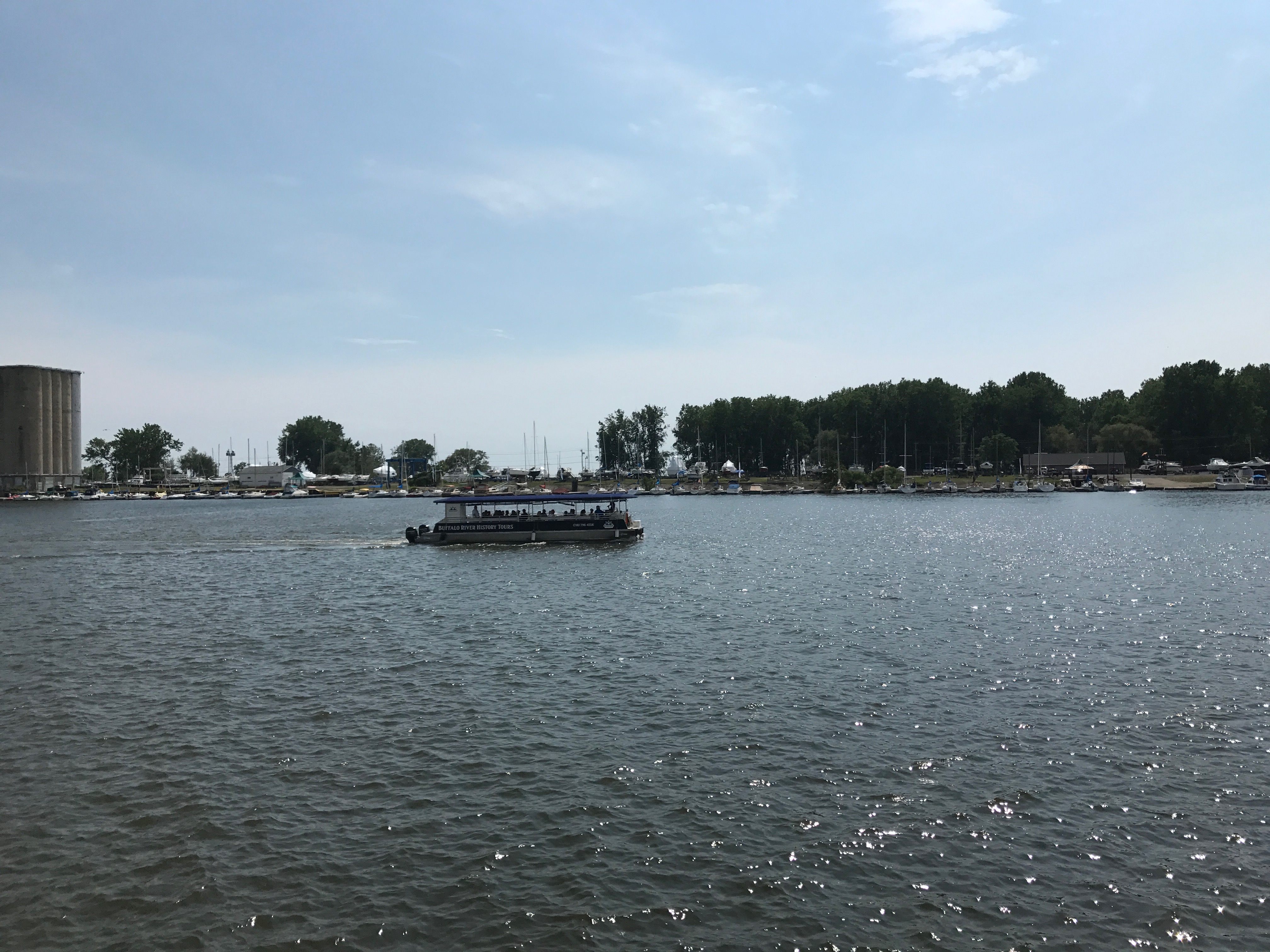
I mean, can you imagine how much the river has improved to make a party boat business a viable investment? It looked like those people were having fun!

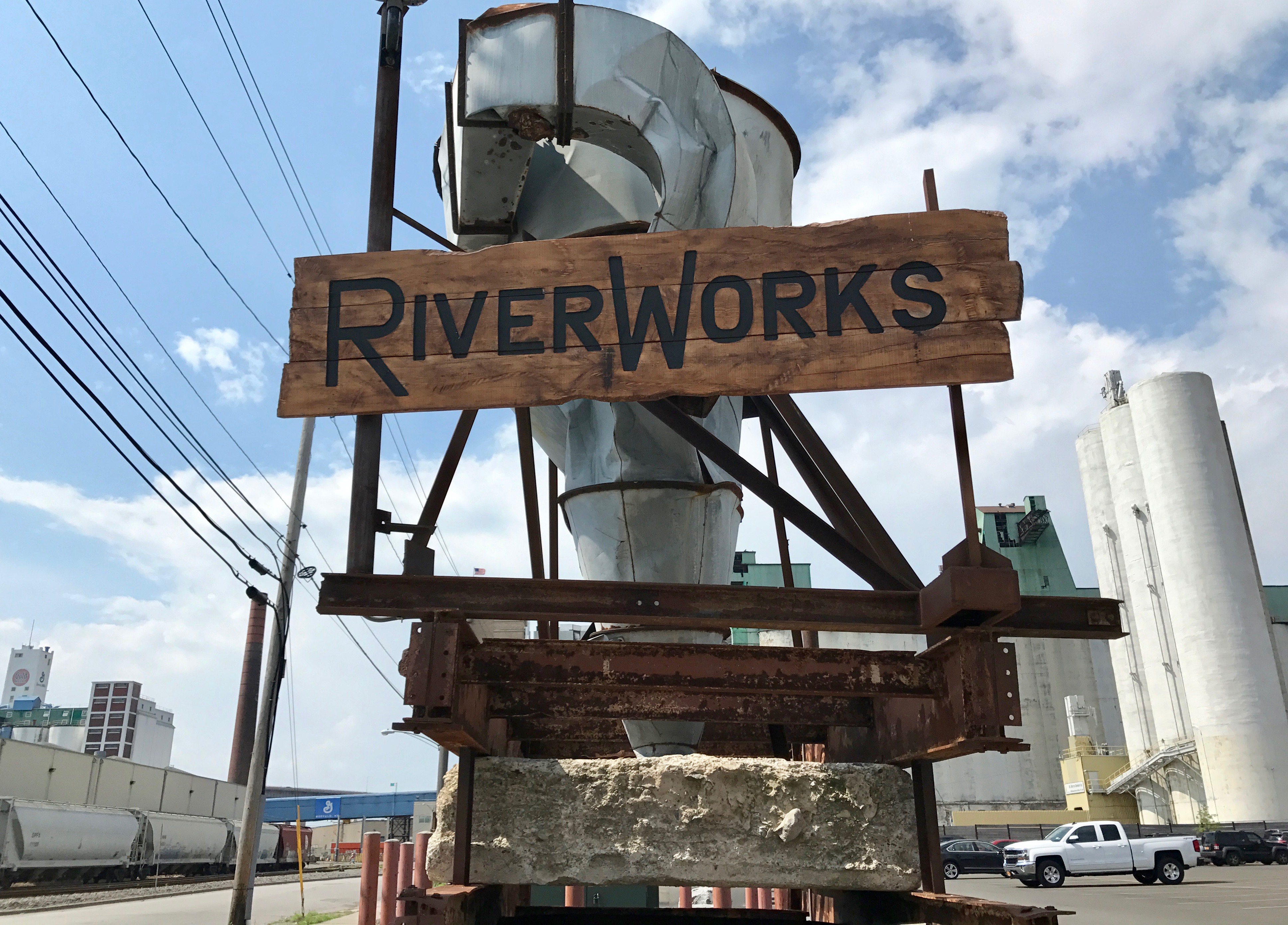
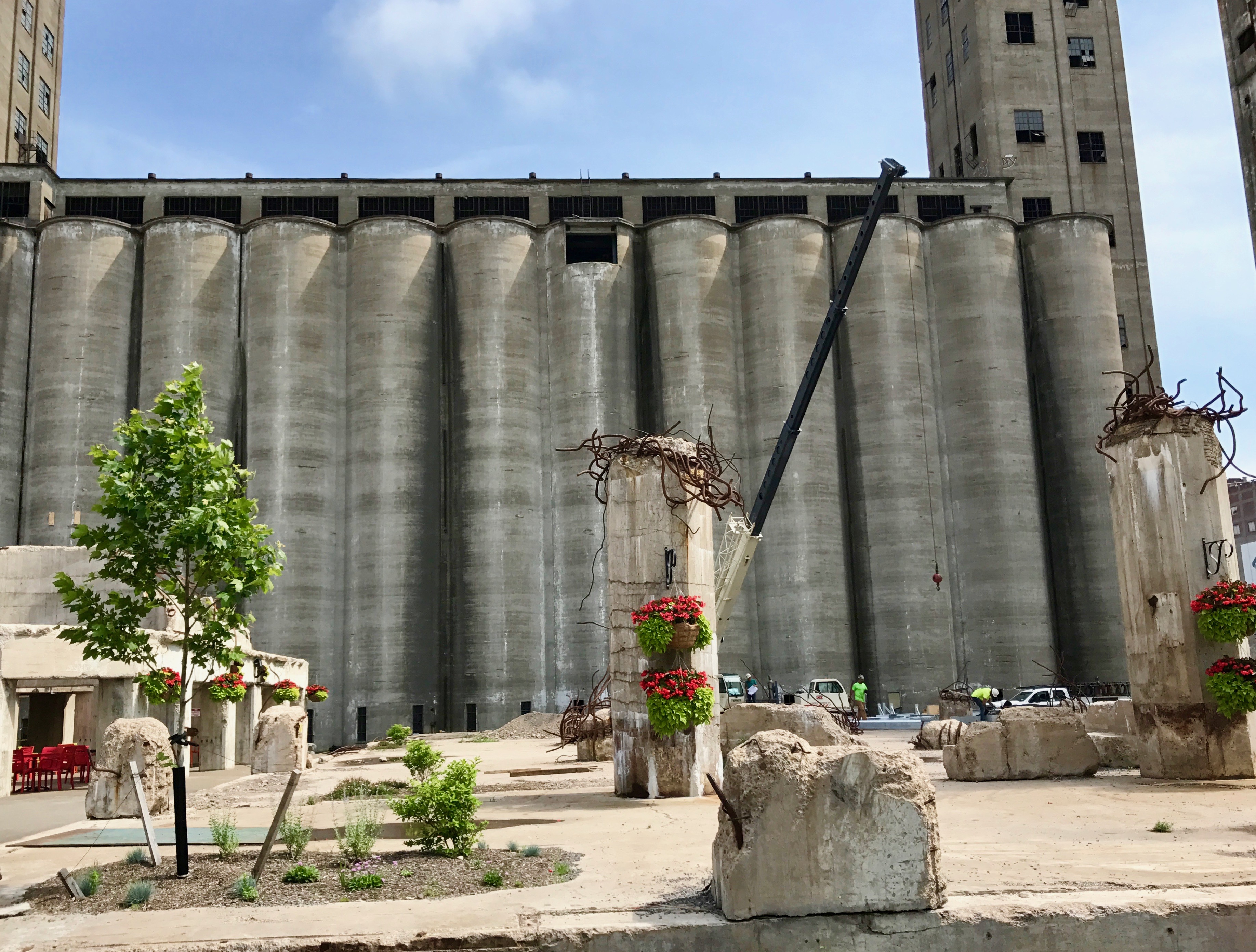
What a great advertising use of the old grain silos! I know Buffalo drove the demise of the grain business in Minneapolis. I wonder what city took over for Buffalo?

Some structures are coming down. I imagine other things will take their places.

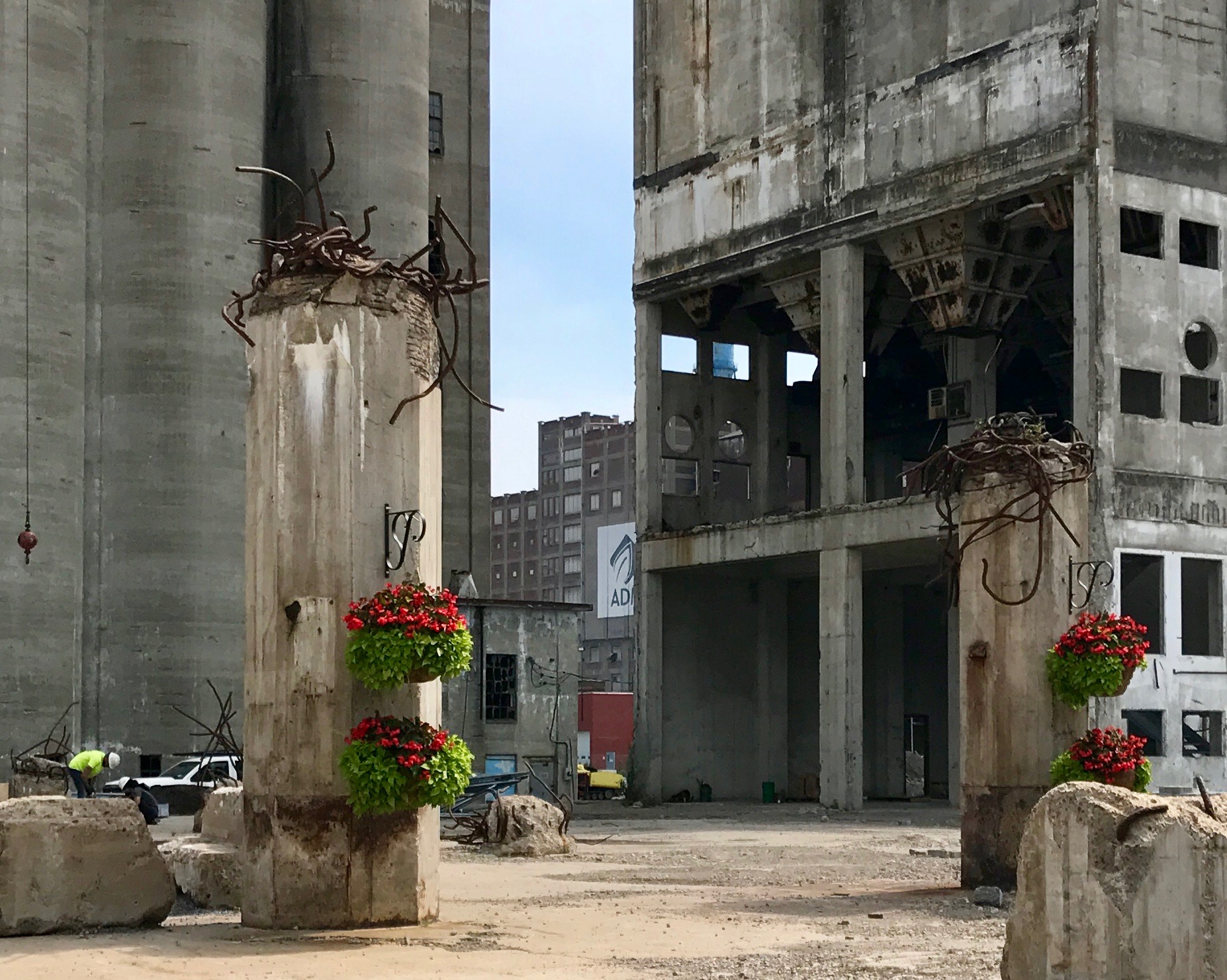
In the meantime, a few baskets of flowers here and there make the area festive.

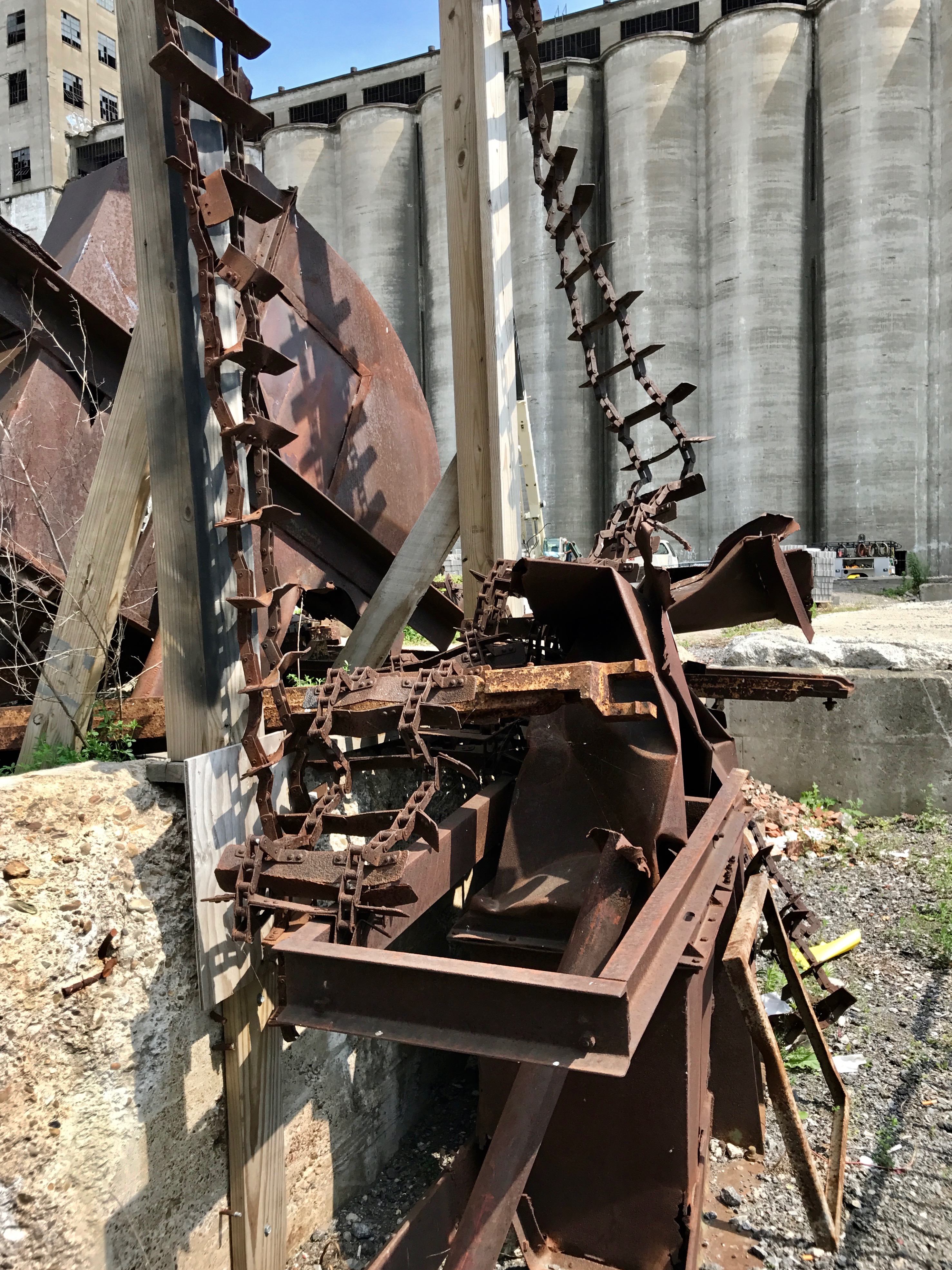
Some things are gone and some remain.

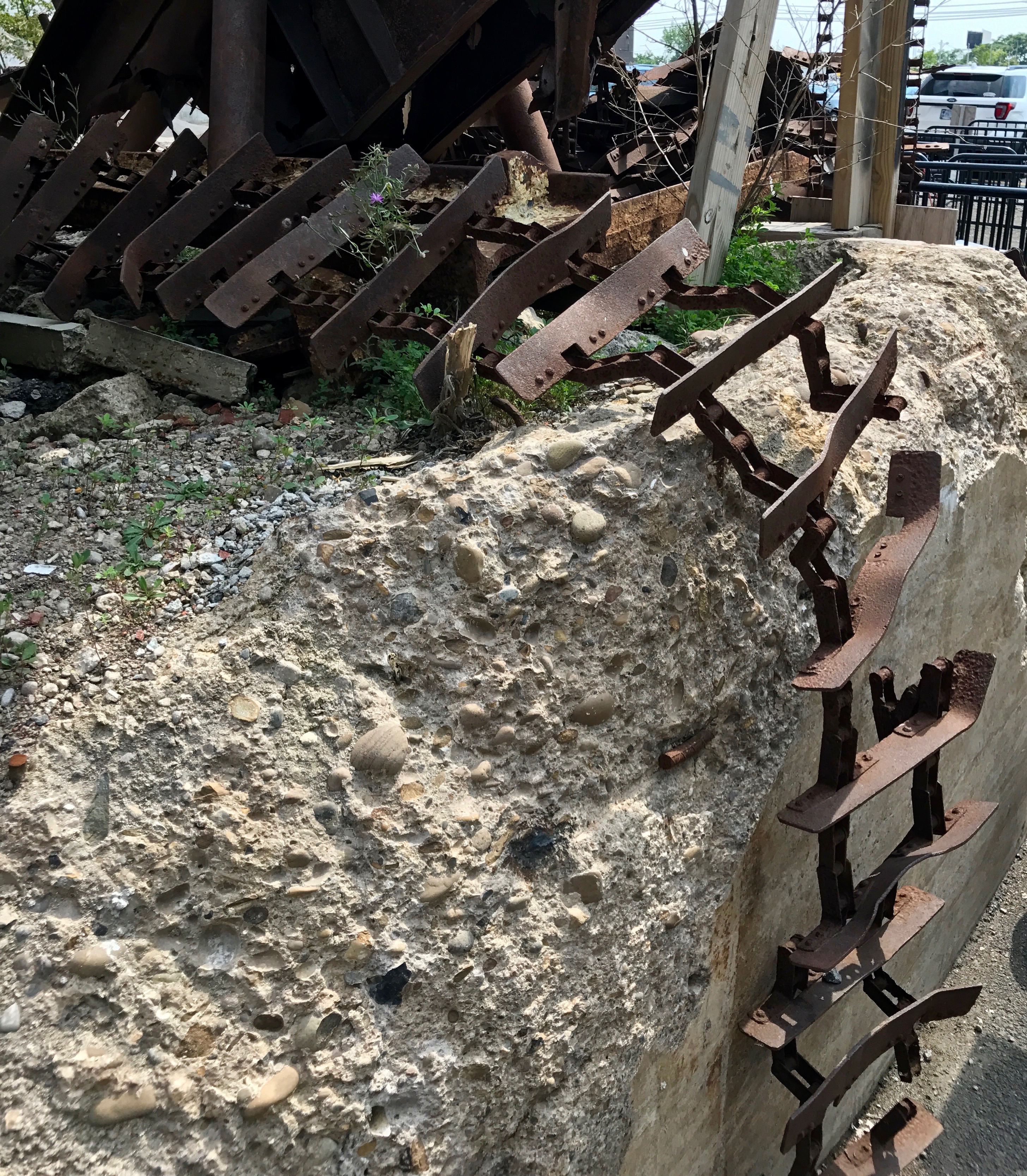
It’s almost like an archeological dig. You get to wander through the bits and pieces of the past.

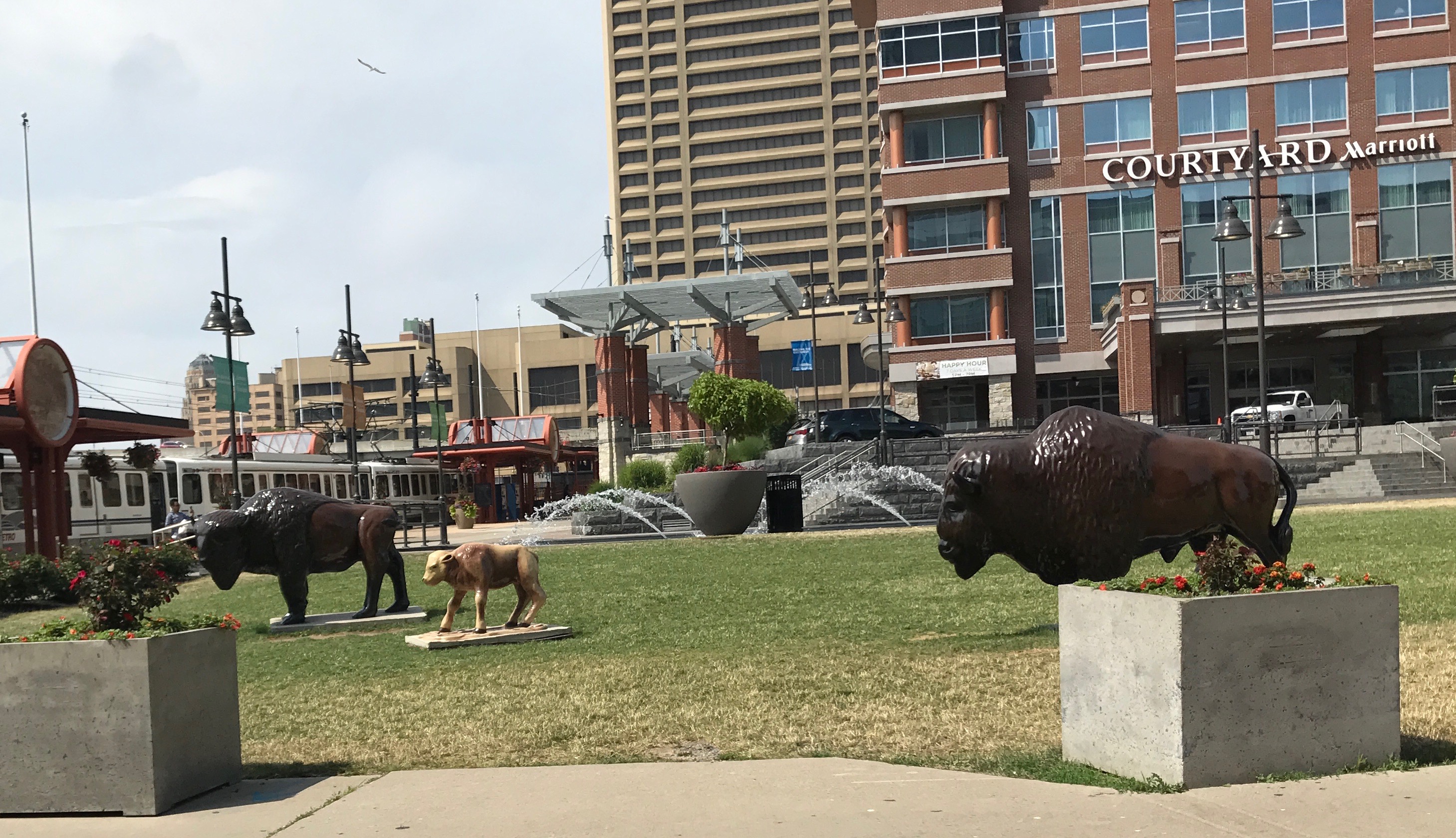
After lunch, we wandered over to Canalside, past the ever-present herds of Buffalo.

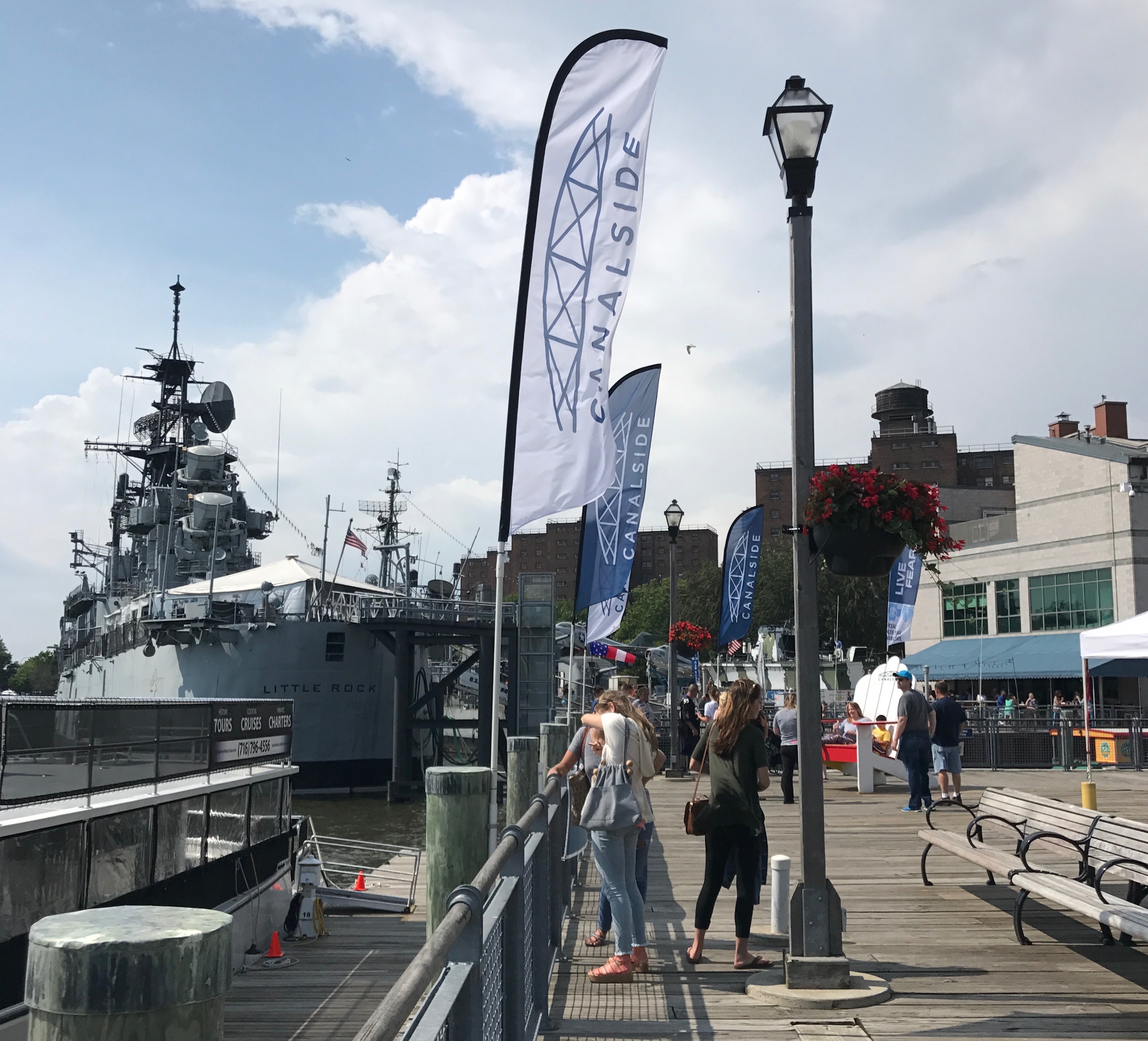
This is another part of town that has really expanded since I was young. In the photo, you can see the USS Little Rock, which is part of the Buffalo and Erie County Naval and Military Park. There is a lot more here than the only other time I visited the park. The USS Little Rock was commissioned too late to see action during WW II, although it does have an interesting history you can read in the link.

When I taught at Calasanctius Preparatory School, we took the kids on a field trip to see USS The Sullivans. That Fletcher-class destroyer  has a more active history during WW II, as it was launched in April of 1943. This was the first United States Navy ship named in honor of more than one person. The five Sullivan brothers, aged 20 to 27, lost their lives when their ship, USS Juneau, was sunk by a Japanese submarine during the Battle of Guadalcanal in November 1942. This was the greatest military loss by any one American family during WW II.

Excuse the trip down memory lane with no photo to back it up.

The area is abuzz with people enjoying themselves. I think they call this part “the inner harbor.”

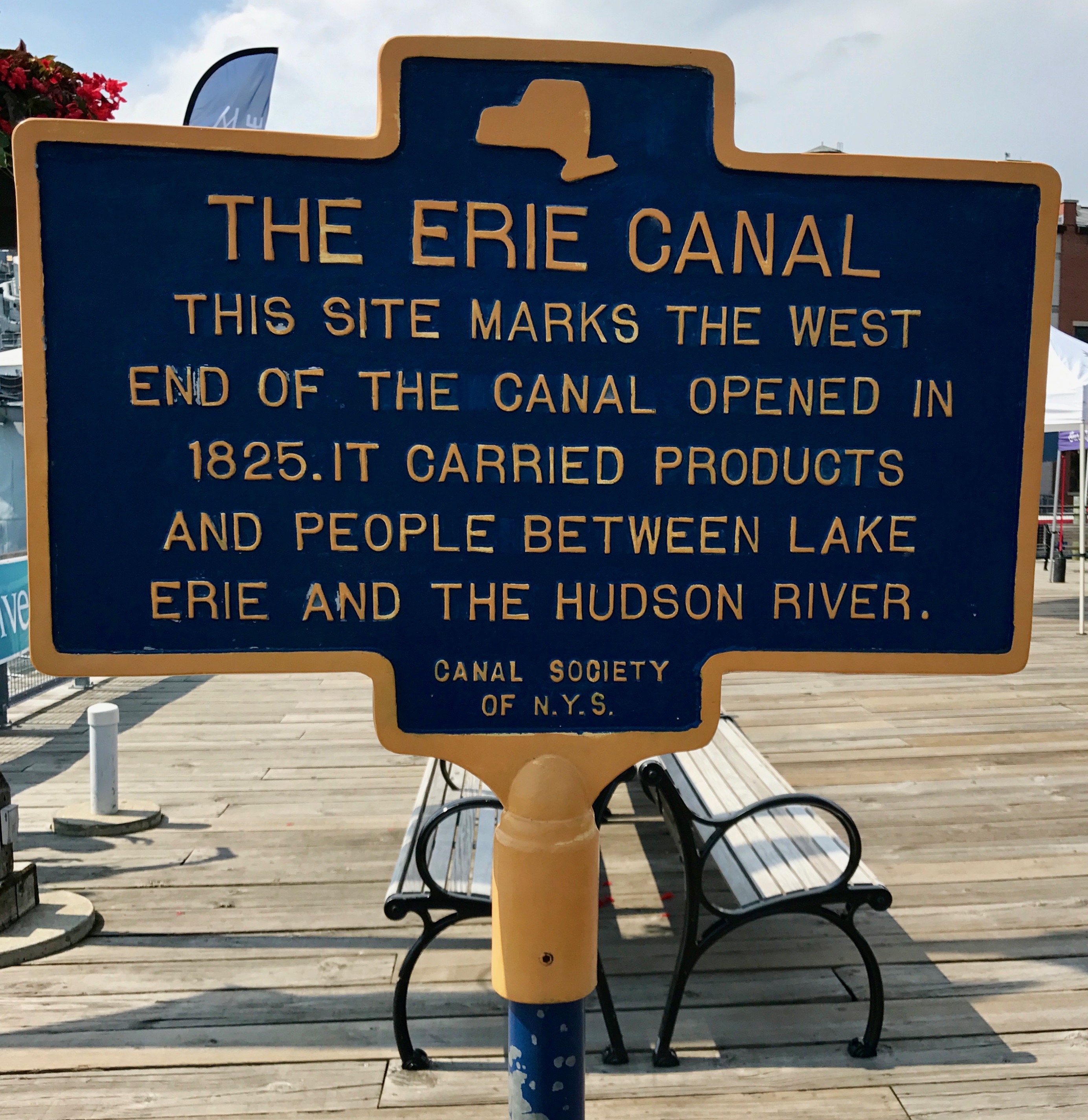
Susan, Kay and I were visiting Canalside. According to my Preferred Source, it is “a master-planned neighborhood and festival marketplace within the inner harbor.”  It is located at the western terminus of the Erie Canal.

And you know what products they carried…

“We hauled some barges in our day
Filled with lumber, coal and hay.”

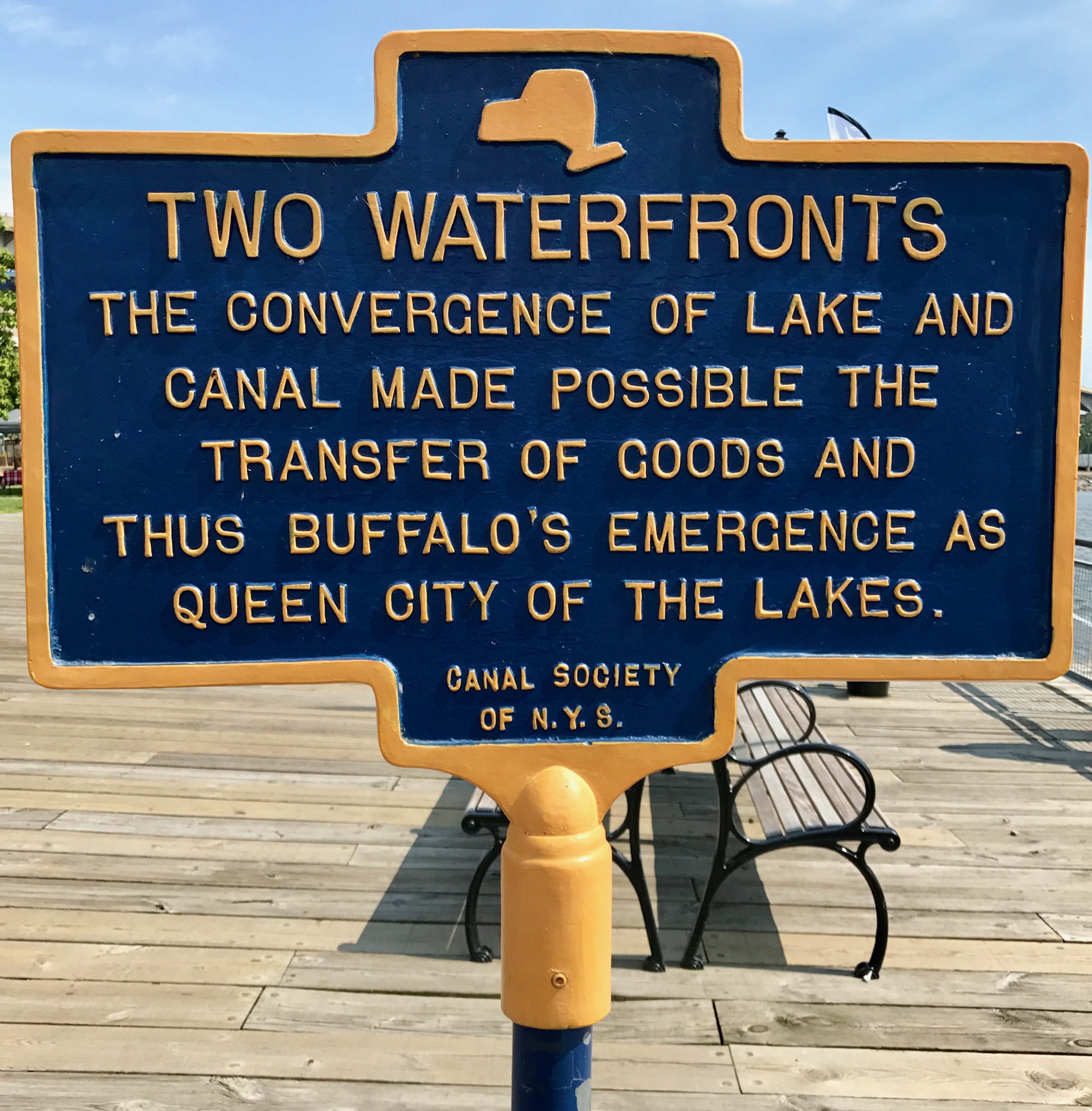
Ah, yes! Buffalo, the Queen City of the Lakes

At least for a while.

Hey! There’s a photo, so it happened!

After this, we bid each other “hasta la vista” and went our separate ways.

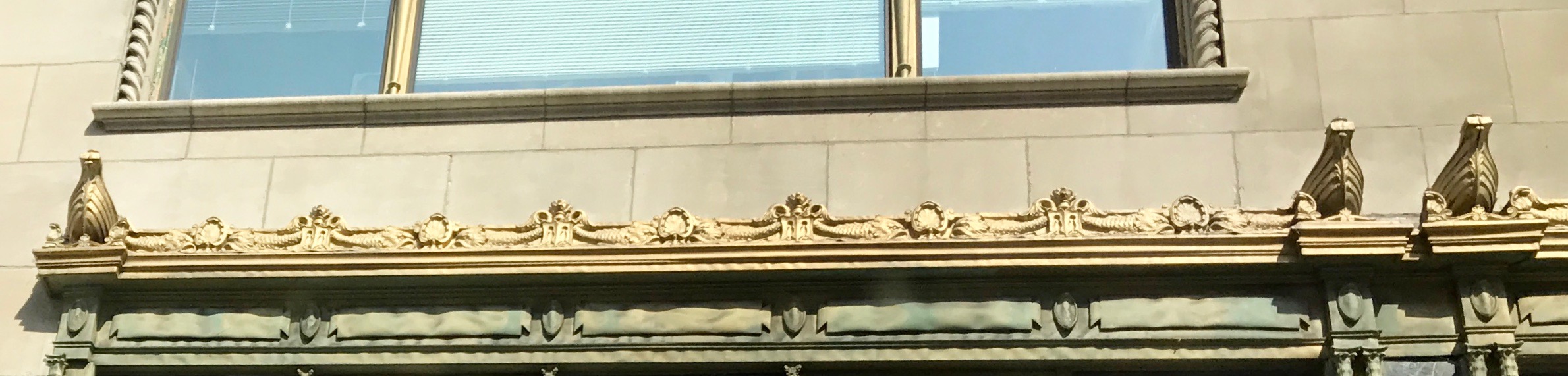
I did a little architectural photography while stuck in traffic. I thought the nautical motifs of the ships’ bows was an interesting touch after visiting the harbor – a reminder of Buffalo’s history as an important part of transportation in the 19th and 20th centuries.

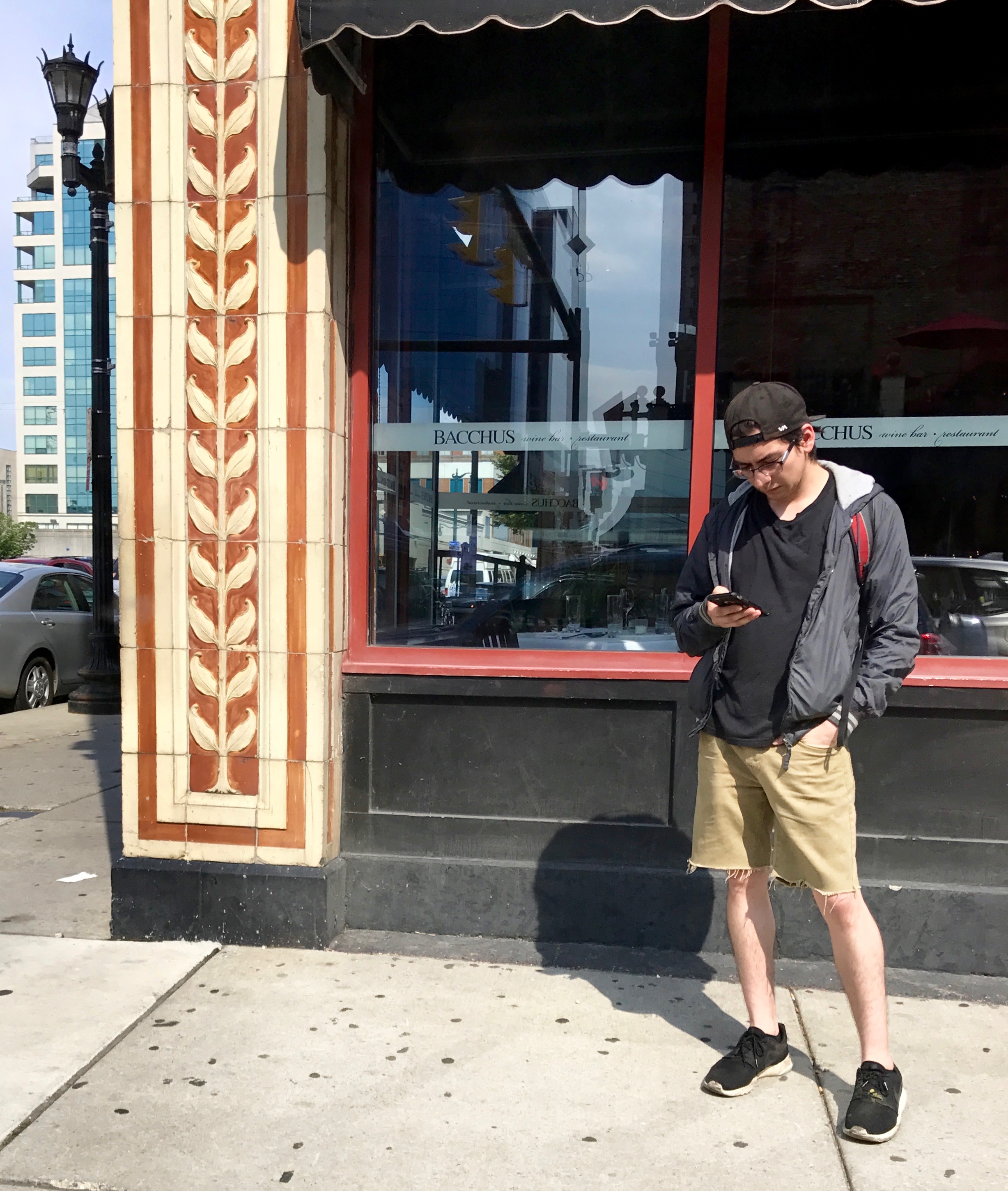
In my notes, I titled this photo “Architectural Detail with Hipster.”

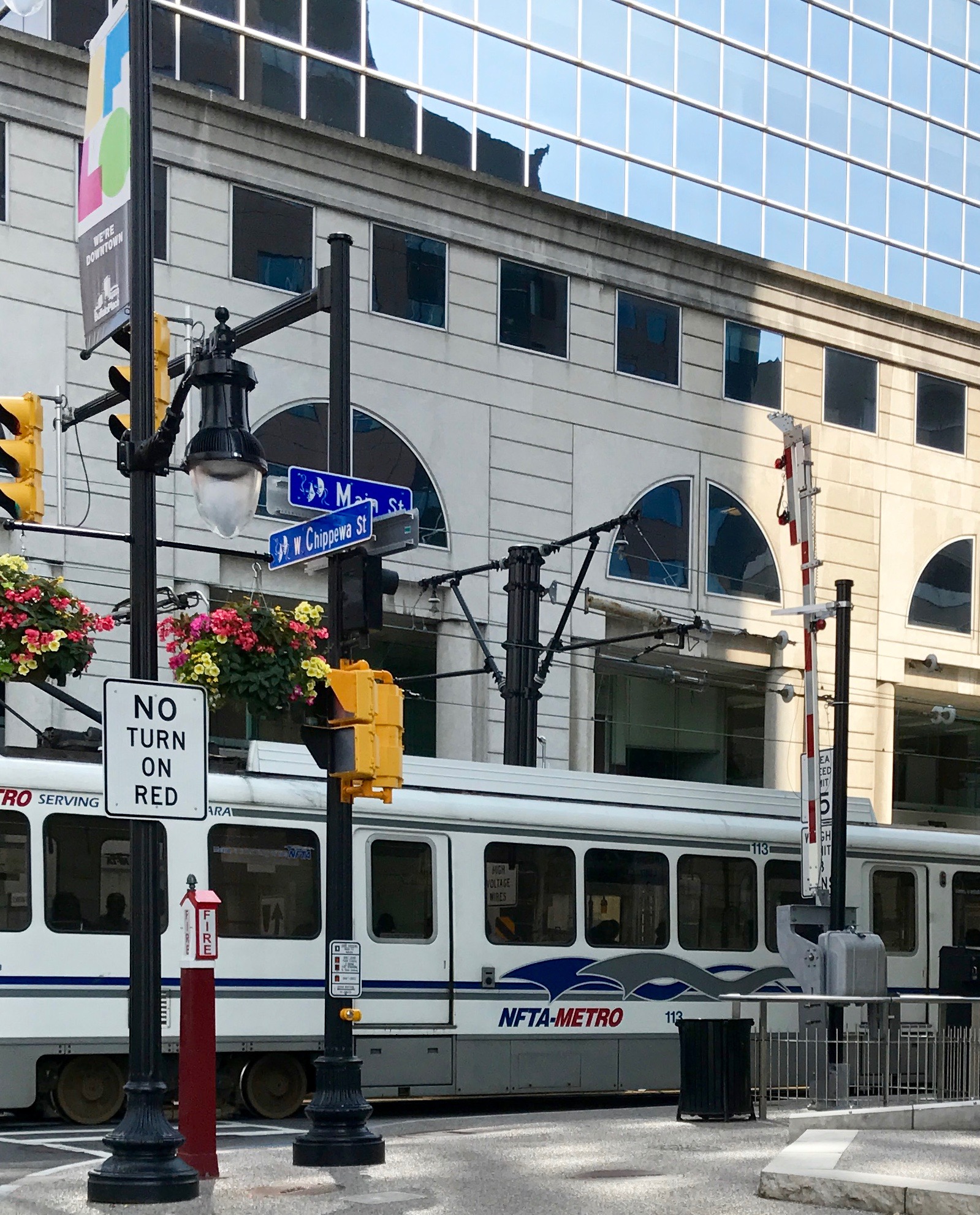
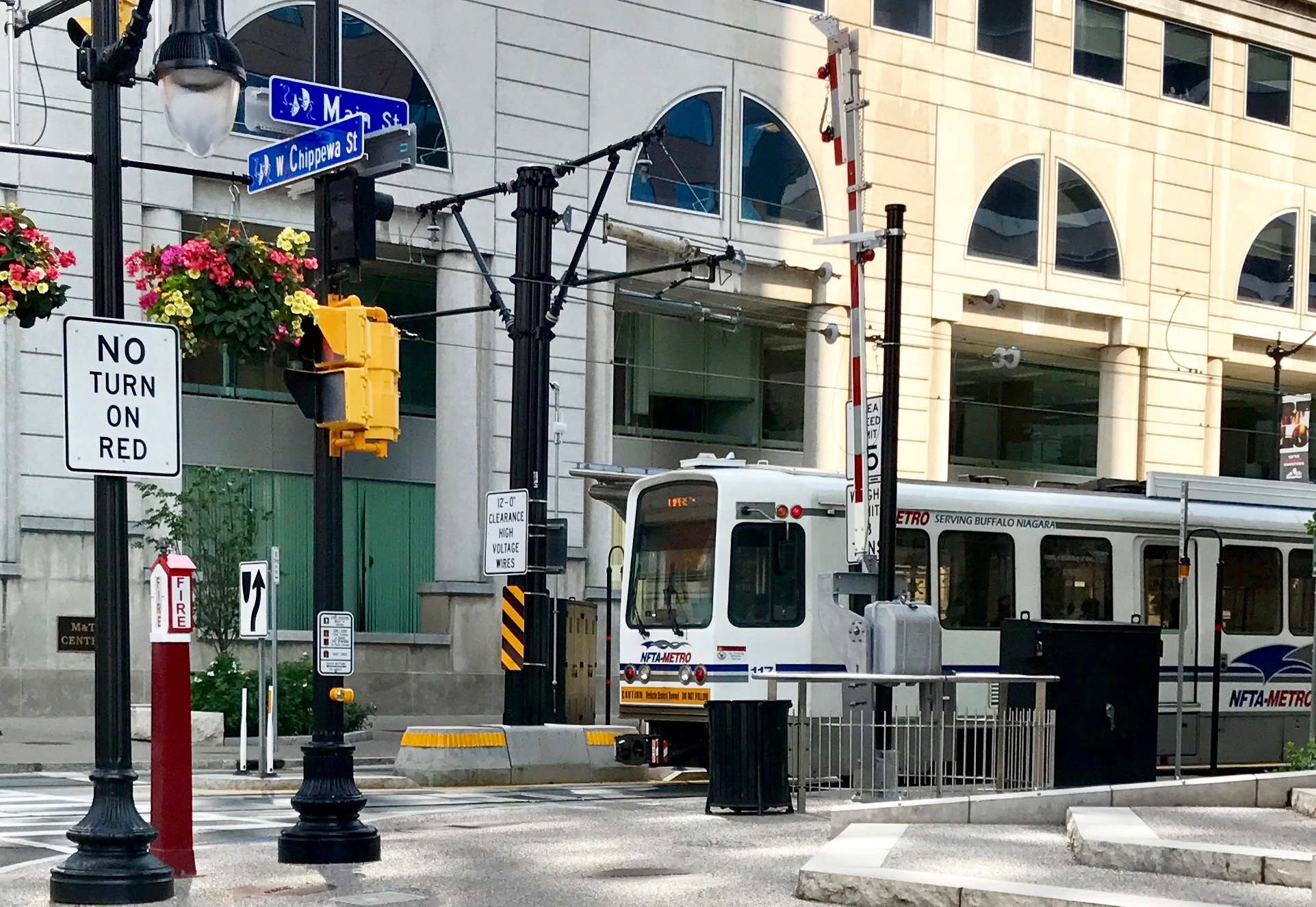
I turned on Chippewa and got to Main Street just at the Light Rail was pulling up to a stop. I’m of an age where Chippewa Street was a red light district – a seedy neighborhood that people of repute didn’t visit. It’s certainly doesn’t appear to be that any more.

The train left the stop and I went back to the campground to get Flo ready to leave Buffalo for one last time.

Niagara Falls

This wasn’t my first visit to Niagara Falls – far from it!

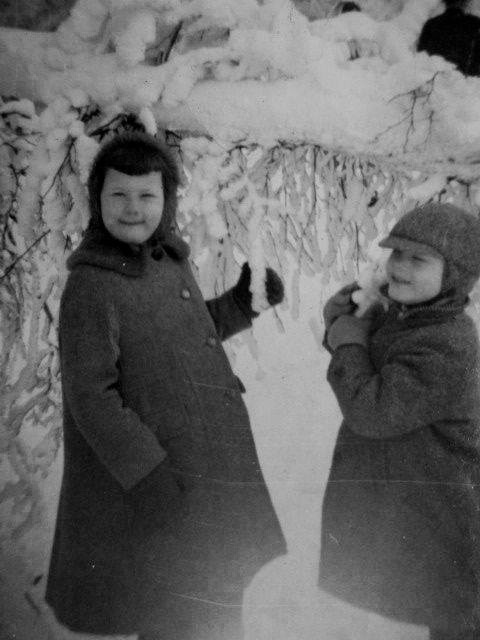
I remember this trip to Niagara Falls in the winter. Dad walked my brother, Craig, and me over to Luna Island. My notes have it as 1962, but brother Scott was born in 1961, so maybe it was in 1961 or 1963. Maybe Scott was with Mom, as I know Mom didn’t walk over with us. I can just hear her saying, “Oof da! George!”

But, this was the first time I visited with Kathy and Dennis and their kids, John, Teresa, Paul and Paul’s wife, Amber. We were all in town at the same time and we set off on an adventure.

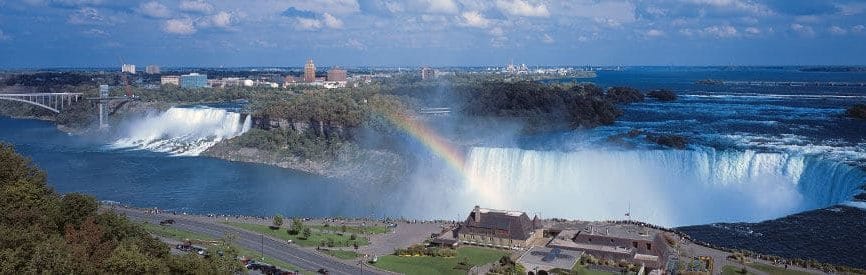
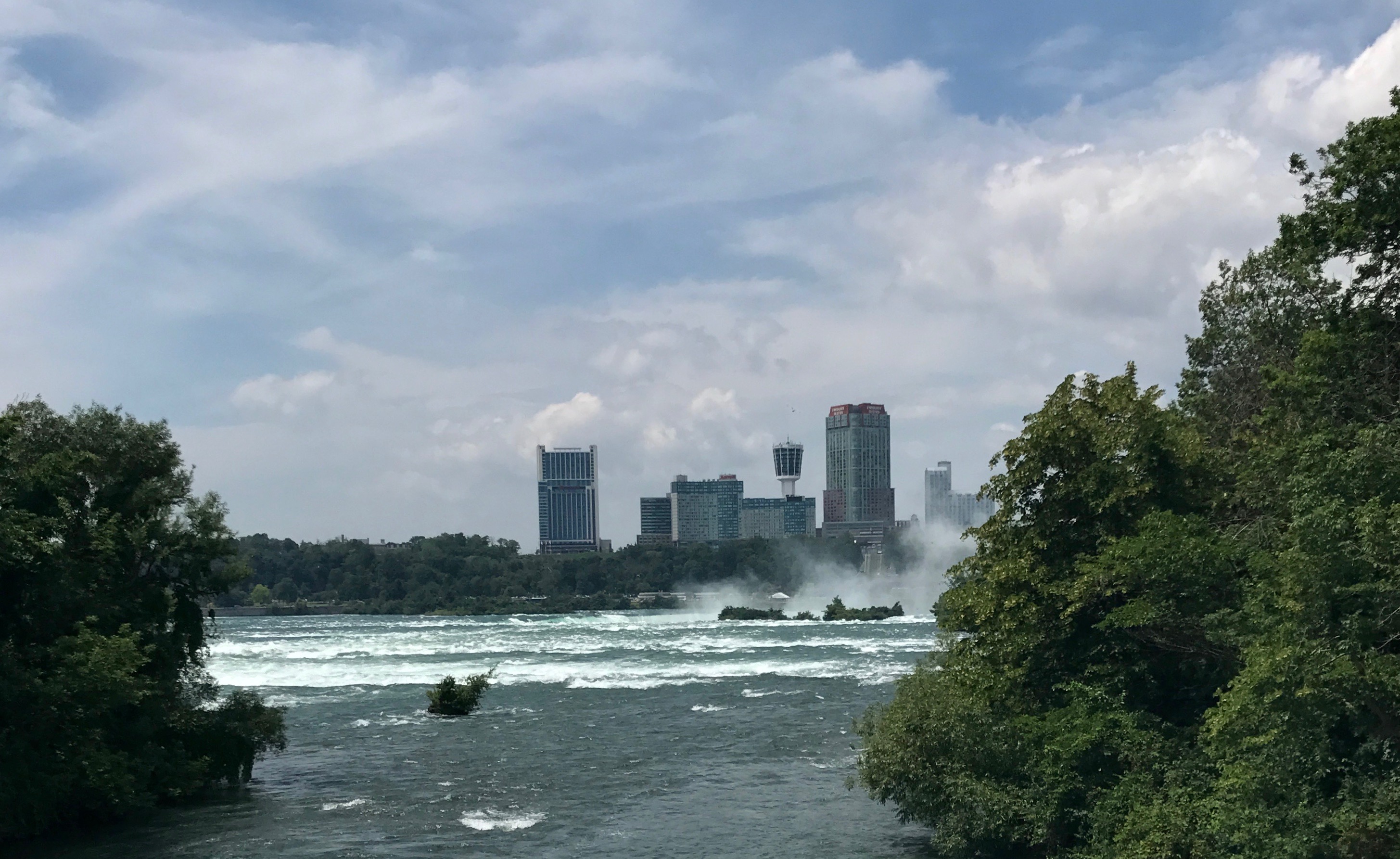
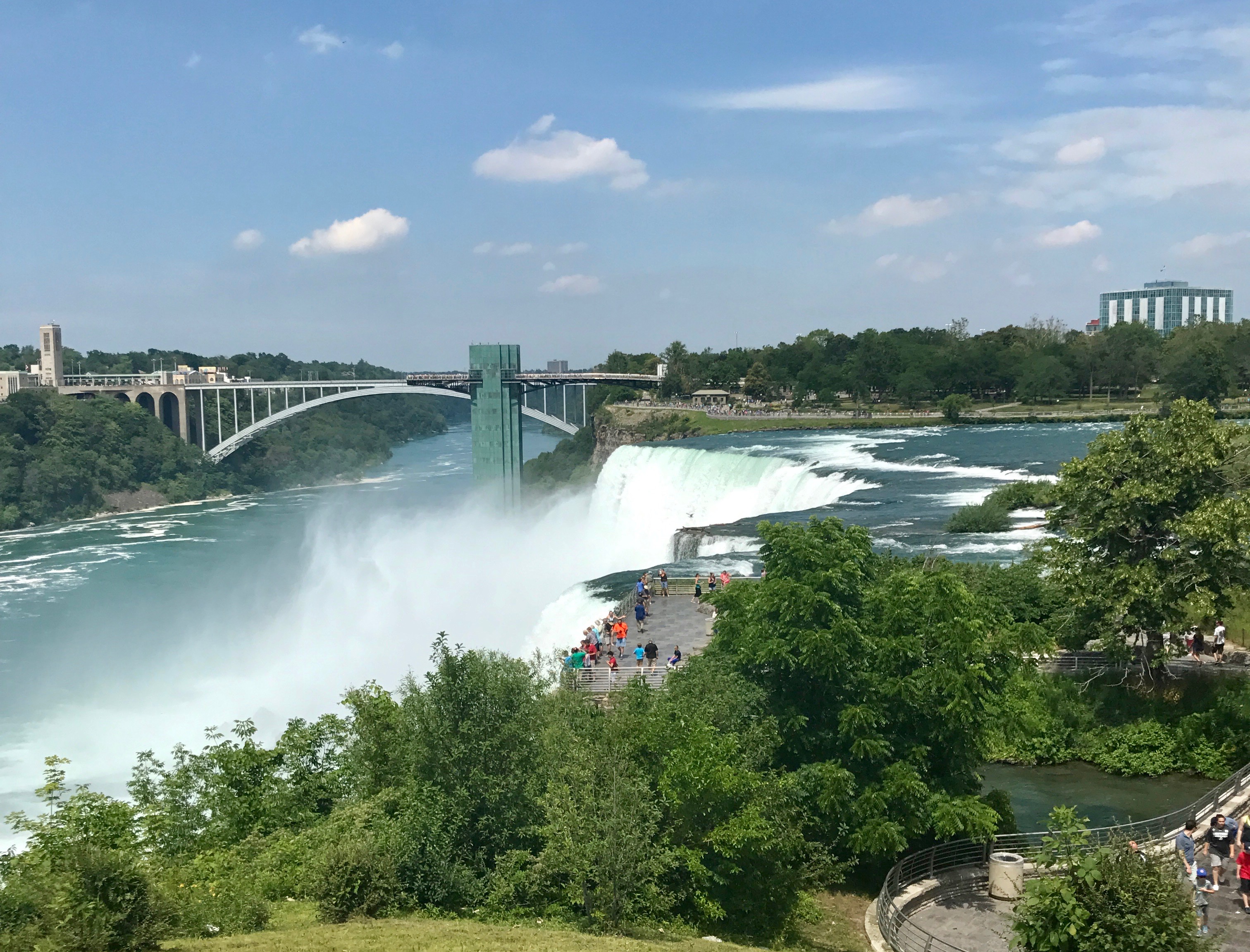
This is the typical touristic image of Niagara Falls. The Horseshoe Falls is to the right of Goat Island and the American Falls and Bridal Veil Falls to the left.

I find it amazing to consider that just about all the water in the Great Lakes eventually passes through this straight.

Fun Fact to Know and Share: The Niagara River isn’t really a river. It is a straight.  A strait is a naturally formed, narrow, typically navigable waterway that connects two larger bodies of water. The two larger bodies of water, in this case, are Lake Erie and Lake Ontario. While a straight is “typically navigable” isn’t easy to see why this one isn’t – navigable, that is.

Fun Fact Number Two: Niagara Falls State Park is the oldest continually operated state park in the nation. It began operation in 1885.

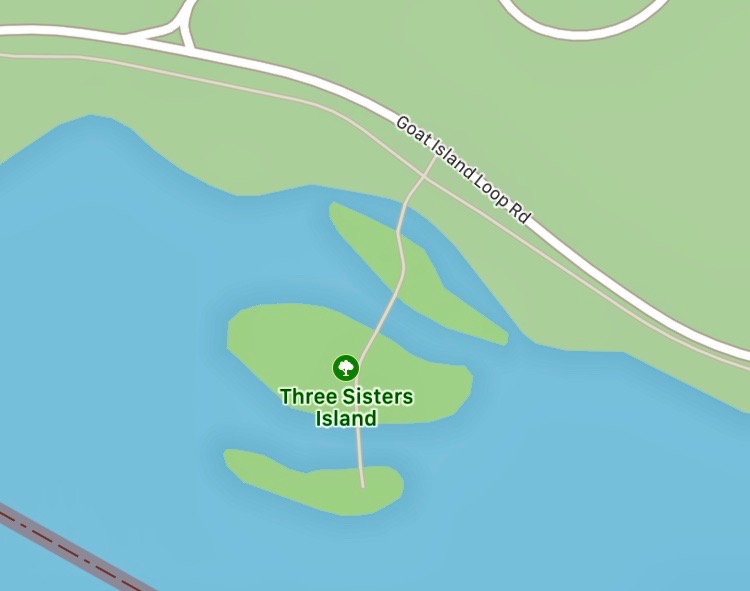
Our mission on this trip was to visit the Three Sisters Islands, part of the park that extends out into the river, on the side of Goat Island that faces Canada.

We carpooled over – with such a large group, we needed more than one car – and found a place to park.

If you’ve never been seen the Falls from this angle, I highly recommend it. I was one of the first places I went after I got my driver’s license. Even though we made repeated trips to the Falls when we were kids, I could never get my folks to go explore this part of the park.

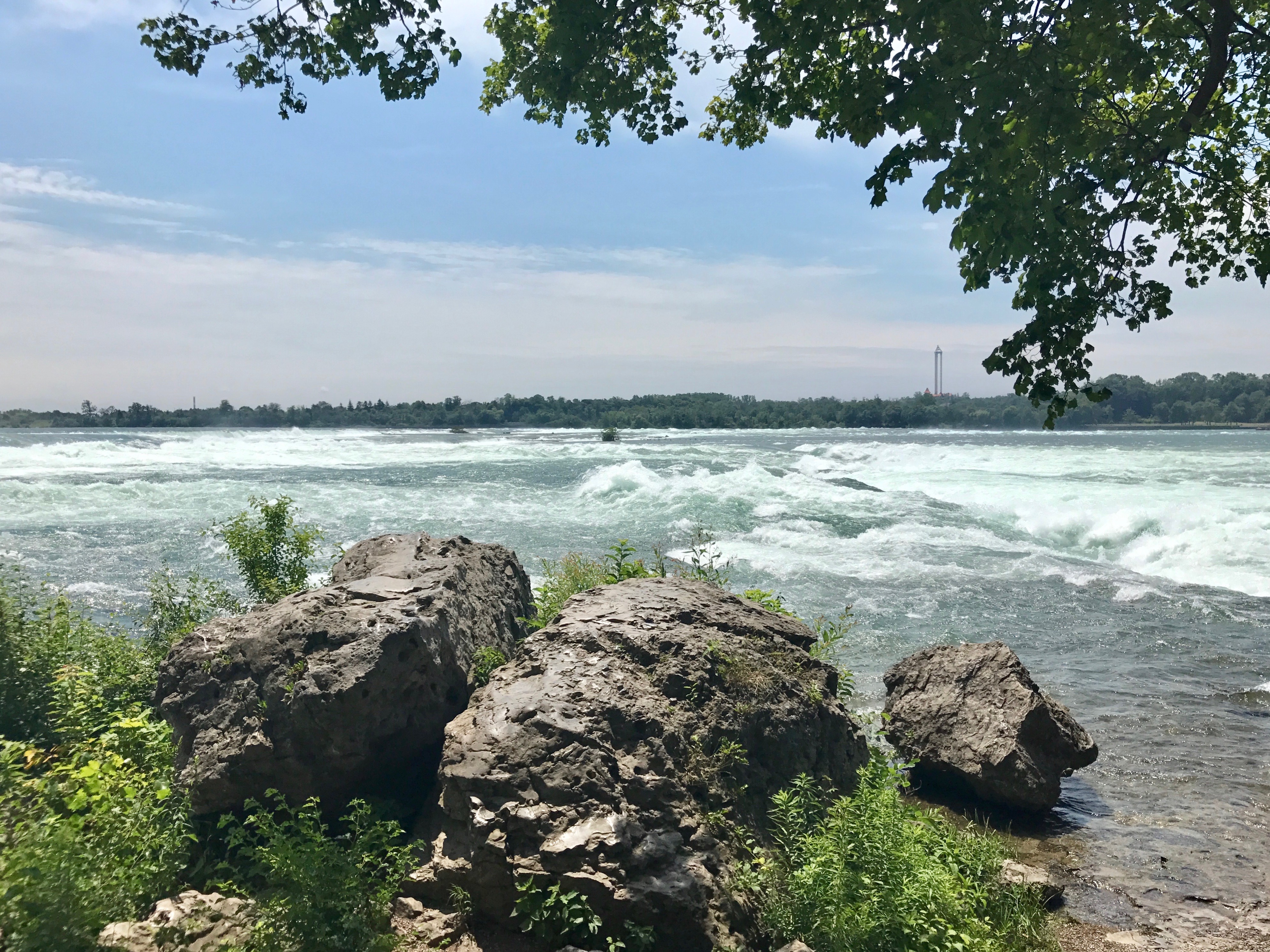
You can really feel the power of the water.

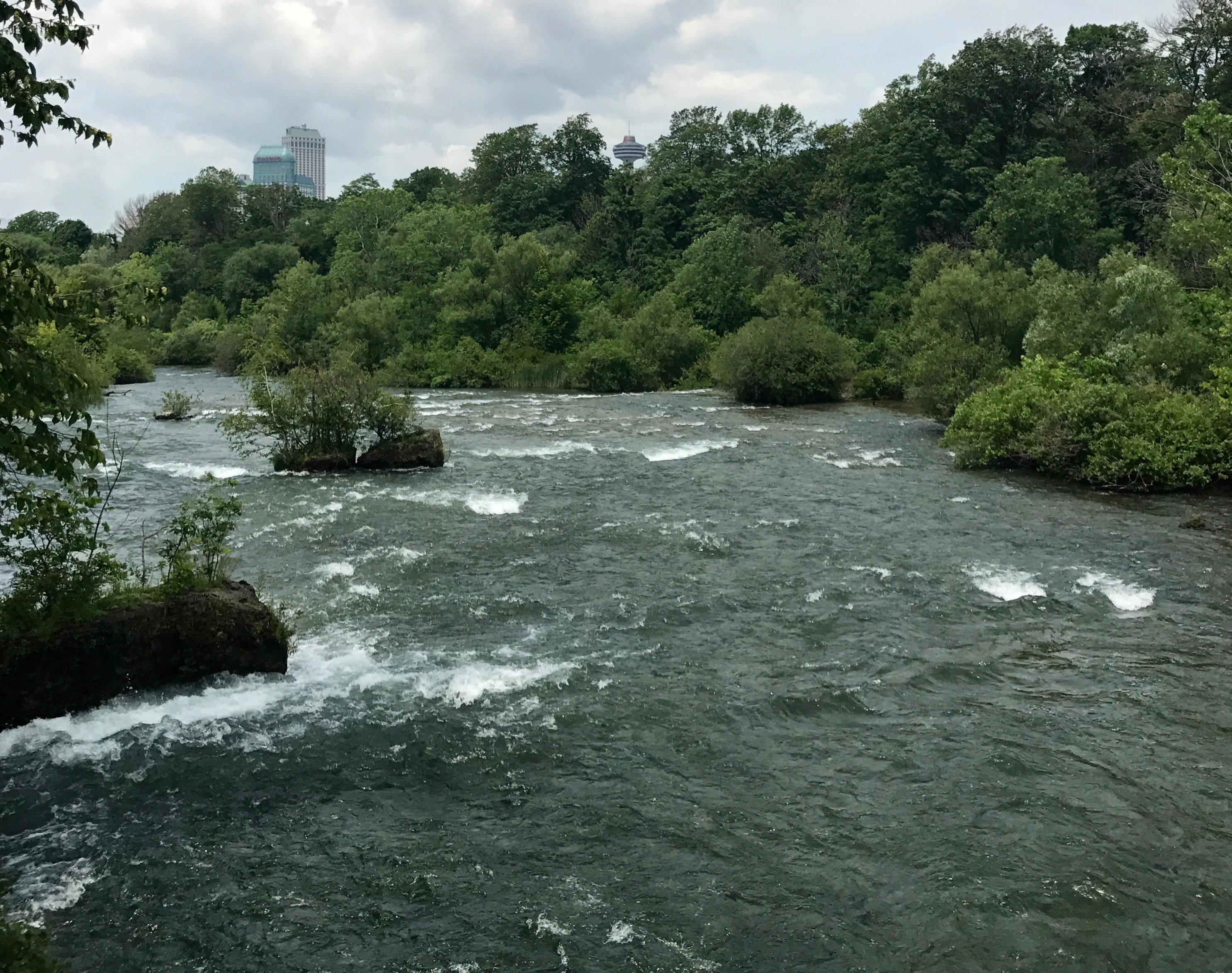
We crossed all the bridges and went right out to the edge. That’s Canada on the other side.

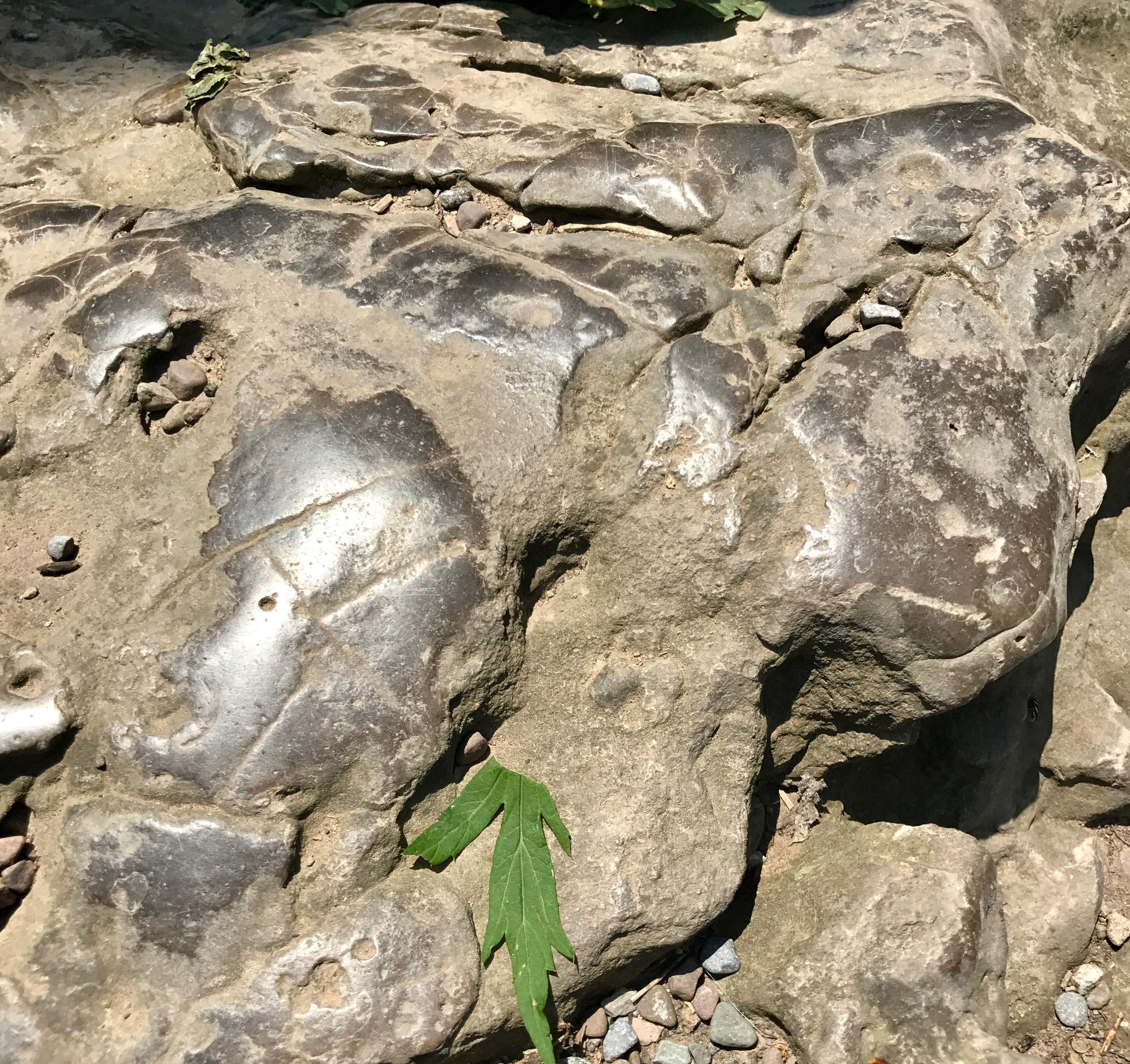
I think these shiny spots on the boulders tell the story of centuries of tourism. They remind me of the “buffalo rubs” I saw out west. I suppose the native peoples could have visited here, but it seems like an unnecessary risk when there were so many other places to go.

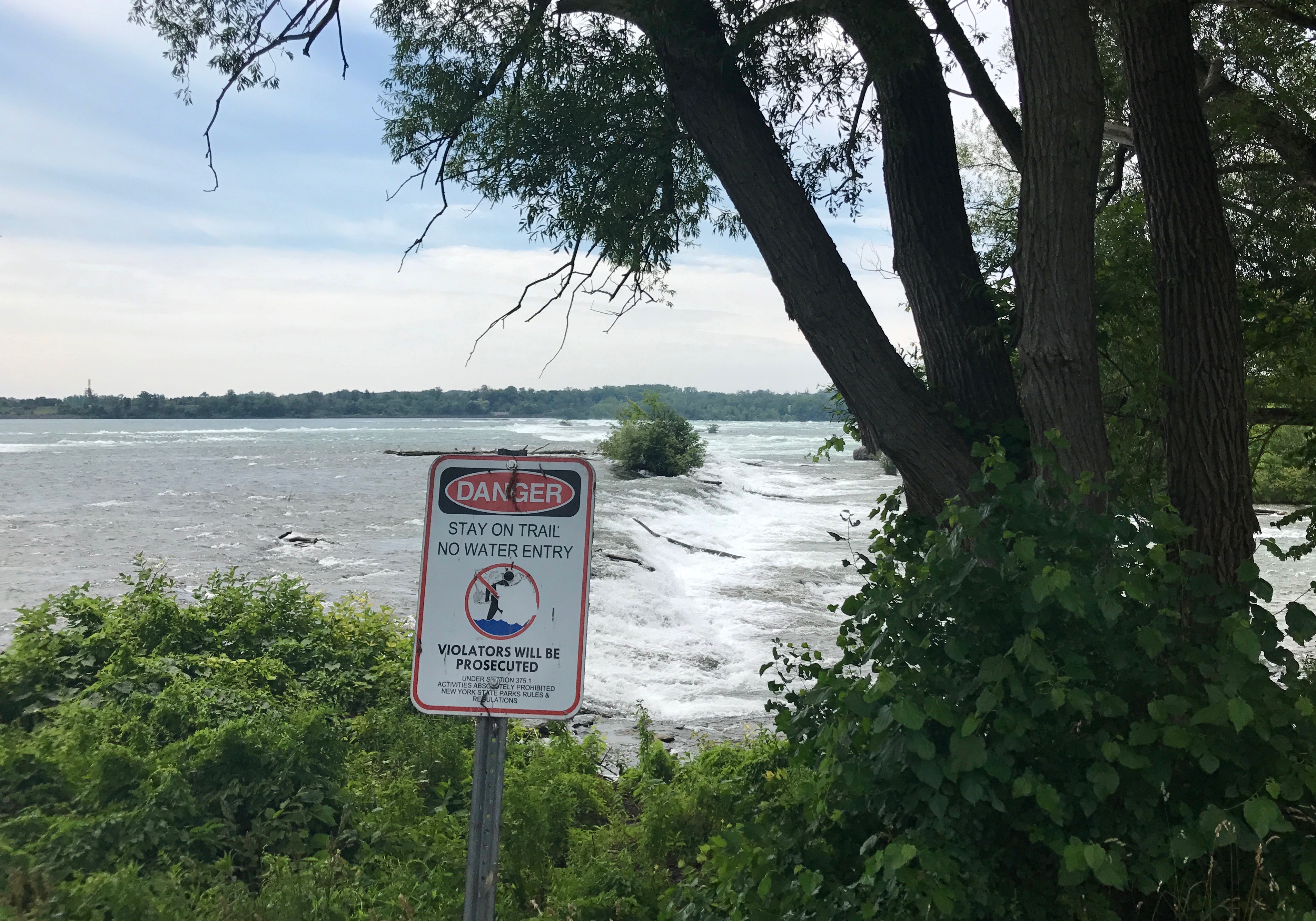
This is one sign that I didn’t need. There was no way I was leaving the trail – let alone entering the water.

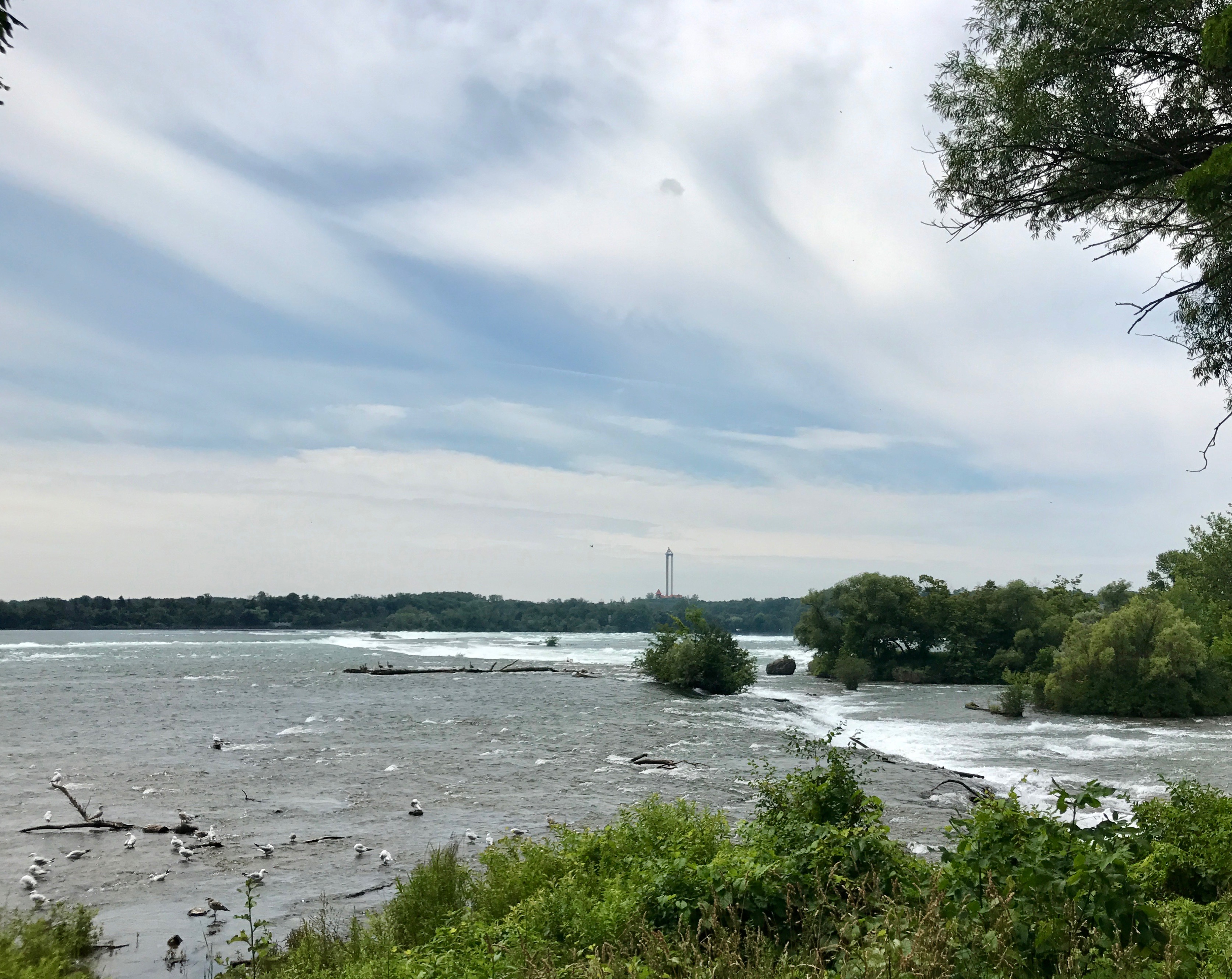
It seems like the birds didn’t see the sign. Still, it is interesting to reflect that there are pockets of calm in every storm.

I was curious about the name of the Three Sisters Islands. I figured that it was some sort of cheesy story invented about the Indian maidens trying to get to their braves on the other shore.

According to a sign posted on the islands, it turns out that the names were given by Parkhurst Whitney, a local businessman and decorated War of 1812 veteran, to honor his daughters.

What did these young ladies do that merited having islands named after them? In 1816, when ice jams in the shallow rapids created natural bridges between the islands, Parkhurst took his three daughters on a walk out to the latest island. He was so proud of the success of their adventure, that he convinced Augustus Porter, the islands’ new owner, to name them after his daughters.

The nearest island is Asenath, the middle one is Angeline and the farthest is Celinda Eliza. There is an island adjacent to Celinda Eliza that is called “Little Brother,” after their brother, Solon.

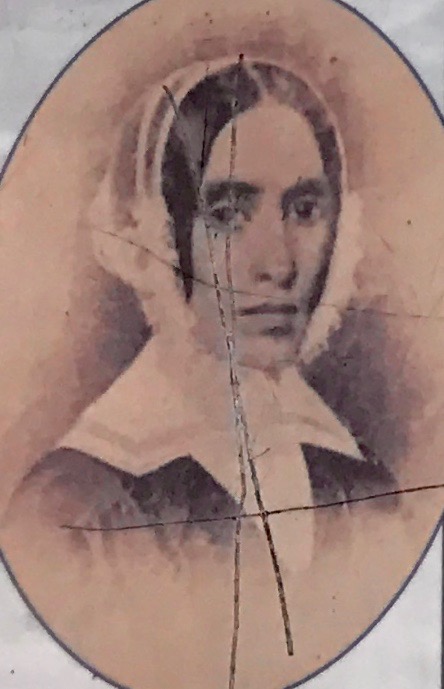
Asenath Whitney

It’s too bad people can’t resist the urge to make their marks on things when they are traveling.

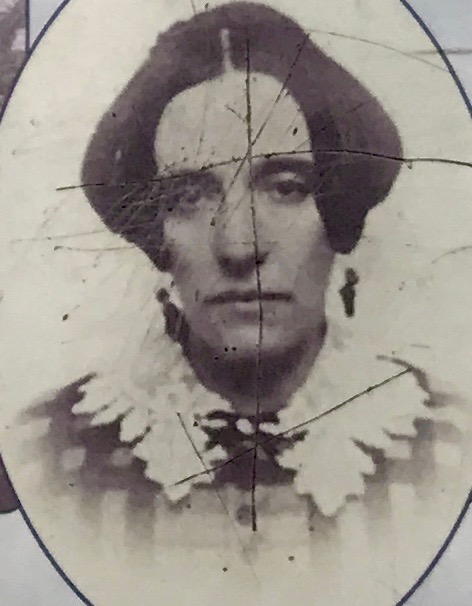
Angeline Whitney

They didn’t have any photos for poor Celinda Eliza and Solon.

There are so many streets and places named Porter, I thought that I might as well see what I could find out about Augustus Porter. I wondered why he’d agree to name the island he owned after Parkhurst’s daughters.

It turns out that he worked with Parkhurst, who was an engineer and hotel operator. Together, they developed the first bridge from the mainland to Goat Island in 1818, and the first staircase from Prospect point to the base of the Falls in the same year, along with a ferry service, gardens, walks, bridges and other attractions.

It appears that giving Parkhurst “naming rights” was a small concession to keep him involved in the enterprises.

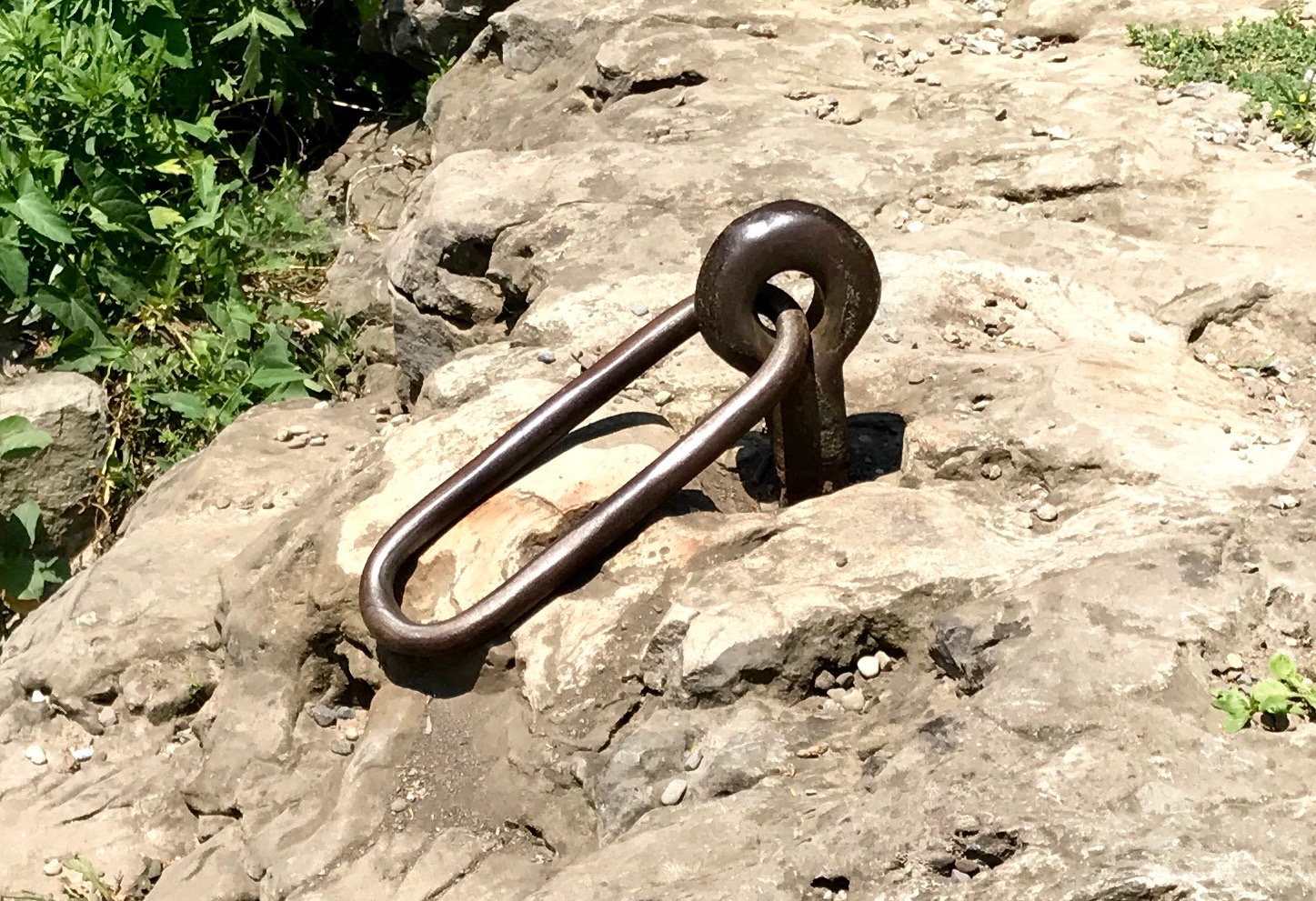
On our way back to Goat Island, we passed this eye bolt and link. I wonder what it was for?

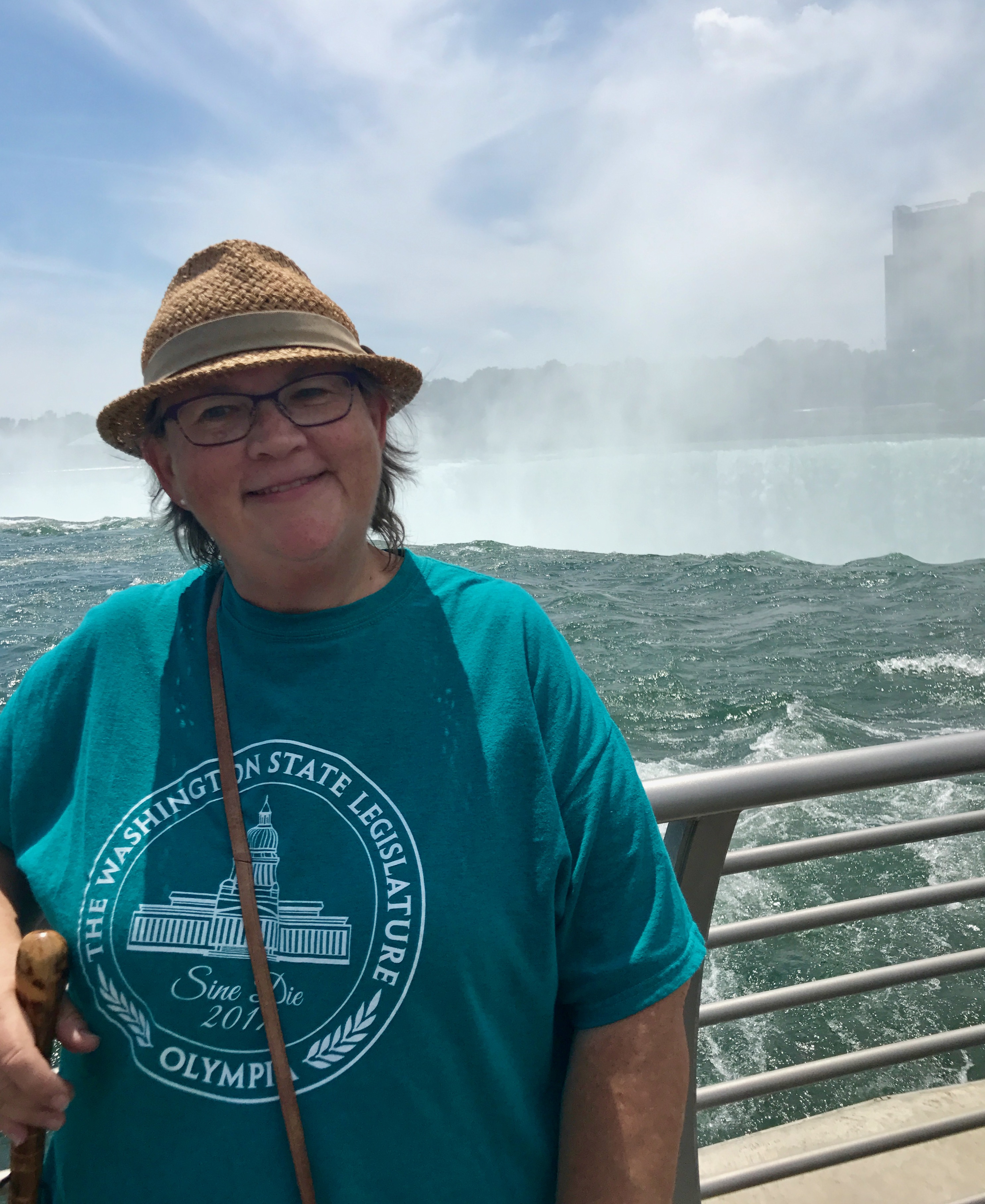
You can see the mist rising from the Horseshoe Falls. That’s Canada on the other side.

We continued on toward Terrapin Point. About 90,000 cubic feet of water per second flows over the Horseshoe Falls during the summer months in the daytime. They can vary the amount of water that goes over the falls and divert water to create hydroelectric power.

You know that green color of the water flowing over the Falls? It is created by the 60 tons per minute of dissolved salts and “rock flour” generated by the erosive force of the River itself. What is rock flour? Well, don’t go baking a cake with it . It is very finely ground rock.

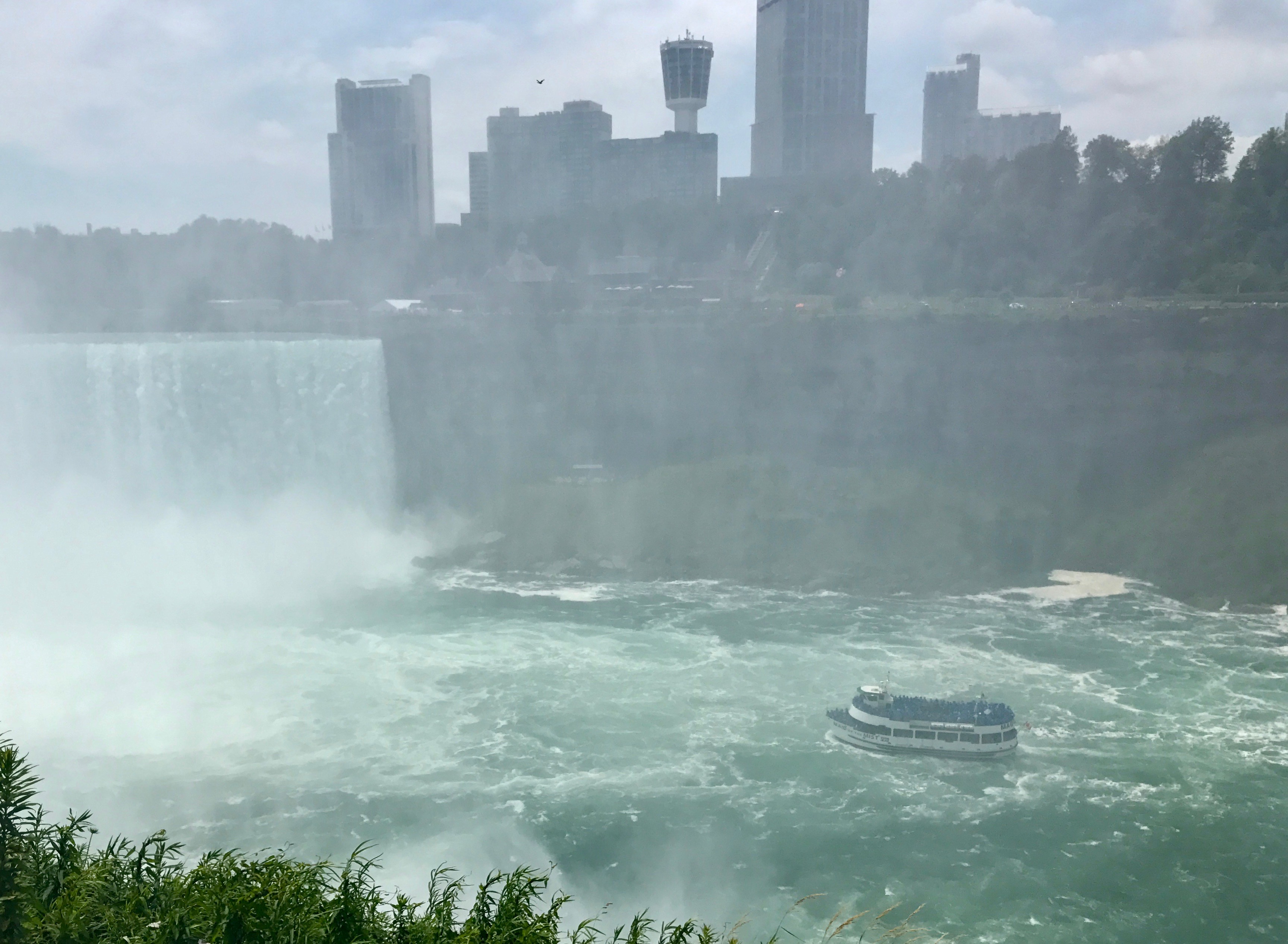
We continued walking along the edge of Goat Island. That boat down there is one of the fleet of boats used by the Maid of the Mist. You can take a ride on one of the boats from the American side or the Canadian side. I’ve done it before, and there is nothing better on a hot day.

We continued on around. At the end of that little footbridge at the lower right corner of the photo is Luna Island, where Craig and I had our photo taken all those years ago.

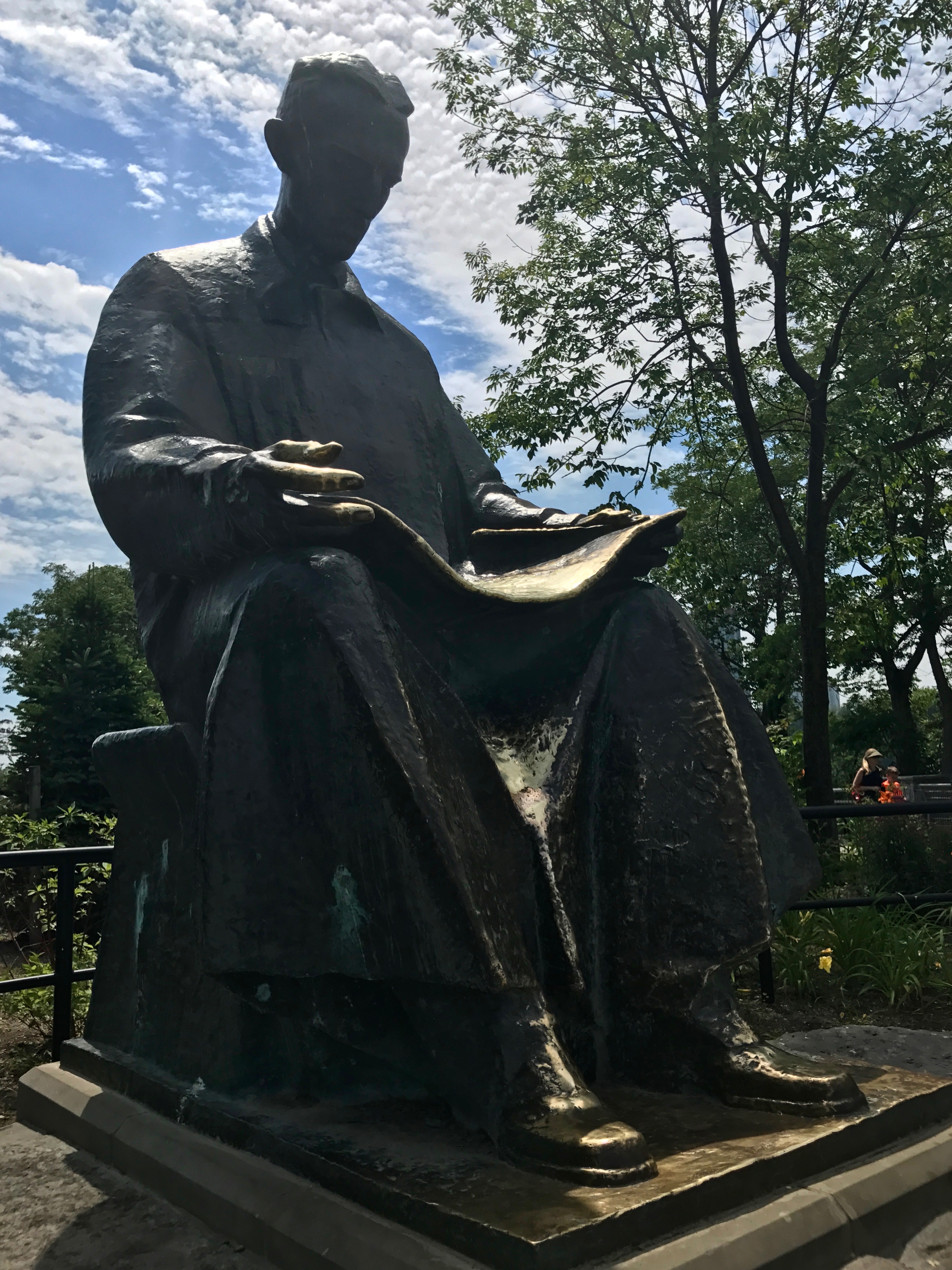
There is a statue honoring Nikola Tesla, who invented the alternating current induction motor. The statue was dedicated on 1976, 33 years after his death.

We all met up again and headed over for a little refreshment.

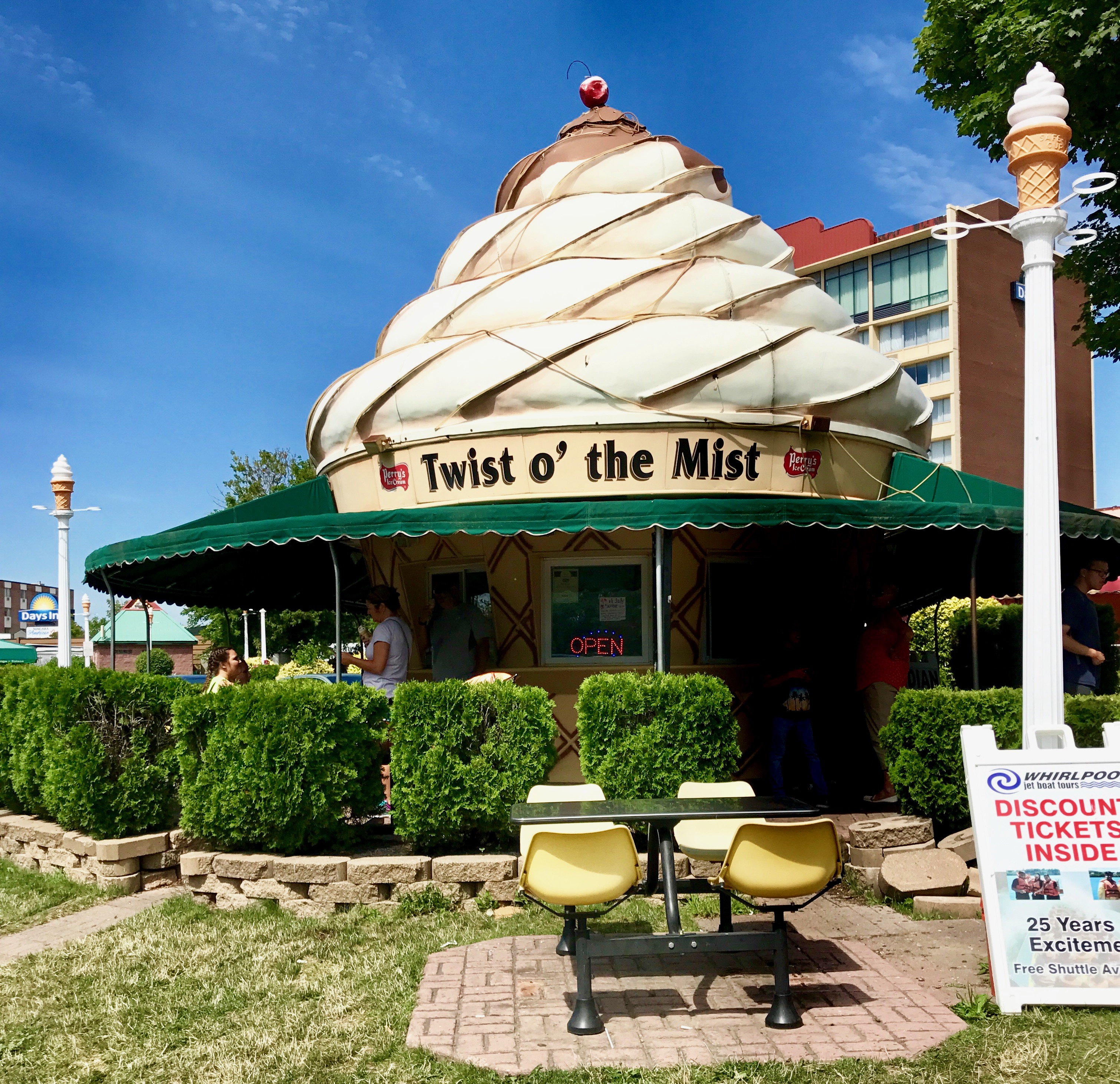
What a cute a kitschy ice cream stand! I had never been there before. It was a nice break before we headed over to one last stop: Devil’s Hole.

Devil’s Hole State Park, opened in 1924, is one of the oldest state parks in the region, although the Niagara Falls State Park is older.  It was a portage used by Native Americans to transport canoes around Niagara Falls and the rapids on the Niagara River. It was the location of an early battle between European settlers and Native Americans over control of the portage route.

Just time for a quick look.

And then it was time to head back to Buffalo.


Chautauqua

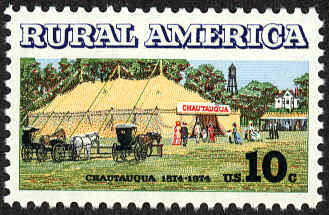
When I first got to Michigan, back in the 1980s, they used to talk about holding “Chautauquas”. Little did I know, but Chautauqua was an adult education movement that was very popular in the late 19th and early 20th centuries.

By Bureau of Engraving and Printing – USPS, Public Domain, https://commons.wikimedia.org/w/index.php?curid=17321165

Being from Western New York, I was only familiar with the one on Chautauqua Lake,

According to my Preferred Source, this first Chautauqua was organized in 1874 at a campsite on the shores of Chautauqua Lake by Methodist minister John Heyl Vincent and businessman Lewis Miller. It eventually was called Mother Chautauqua because many independent, or “daughter” Chautauquas were developed following their ideas.

I had been there a couple of times in the past. This was the distant past for me. Probably the 1970s. I have been eager to return ever since. Luckily for me, Mary Ellen, a friend from Kalamazoo was visiting her sister at the same time I was in the area.

When we met at choir in Kalamazoo, we found out that we were both from Buffalo. Here were are, just a couple of Buffalo gals!

I managed to get to Chautauqua in time to get parked. Sunday is a big day there. They have free parking and free admission for the Sunday church service. Mary Ellen was singing with the choir, so my mission was to get there in time for the church service.

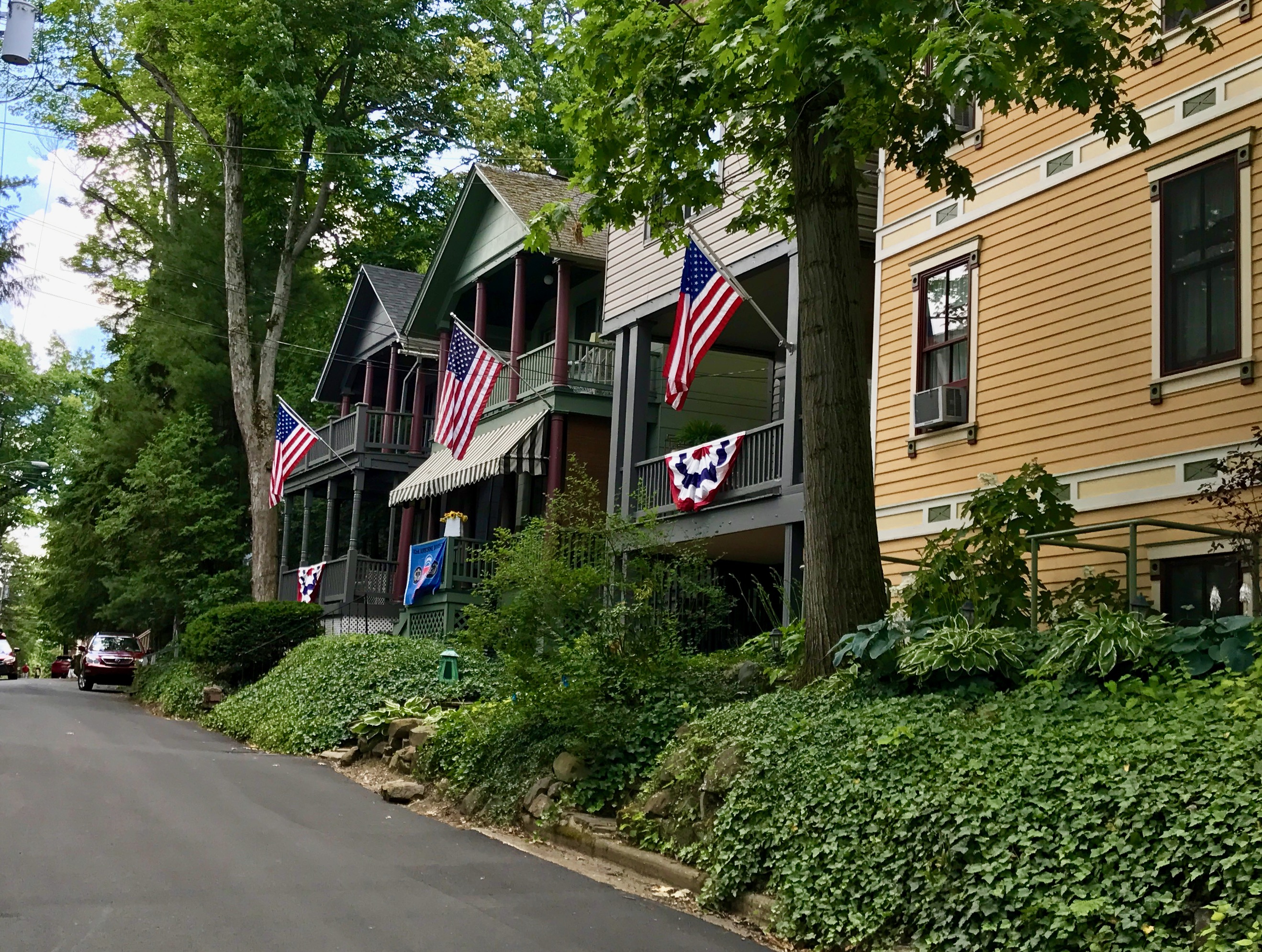
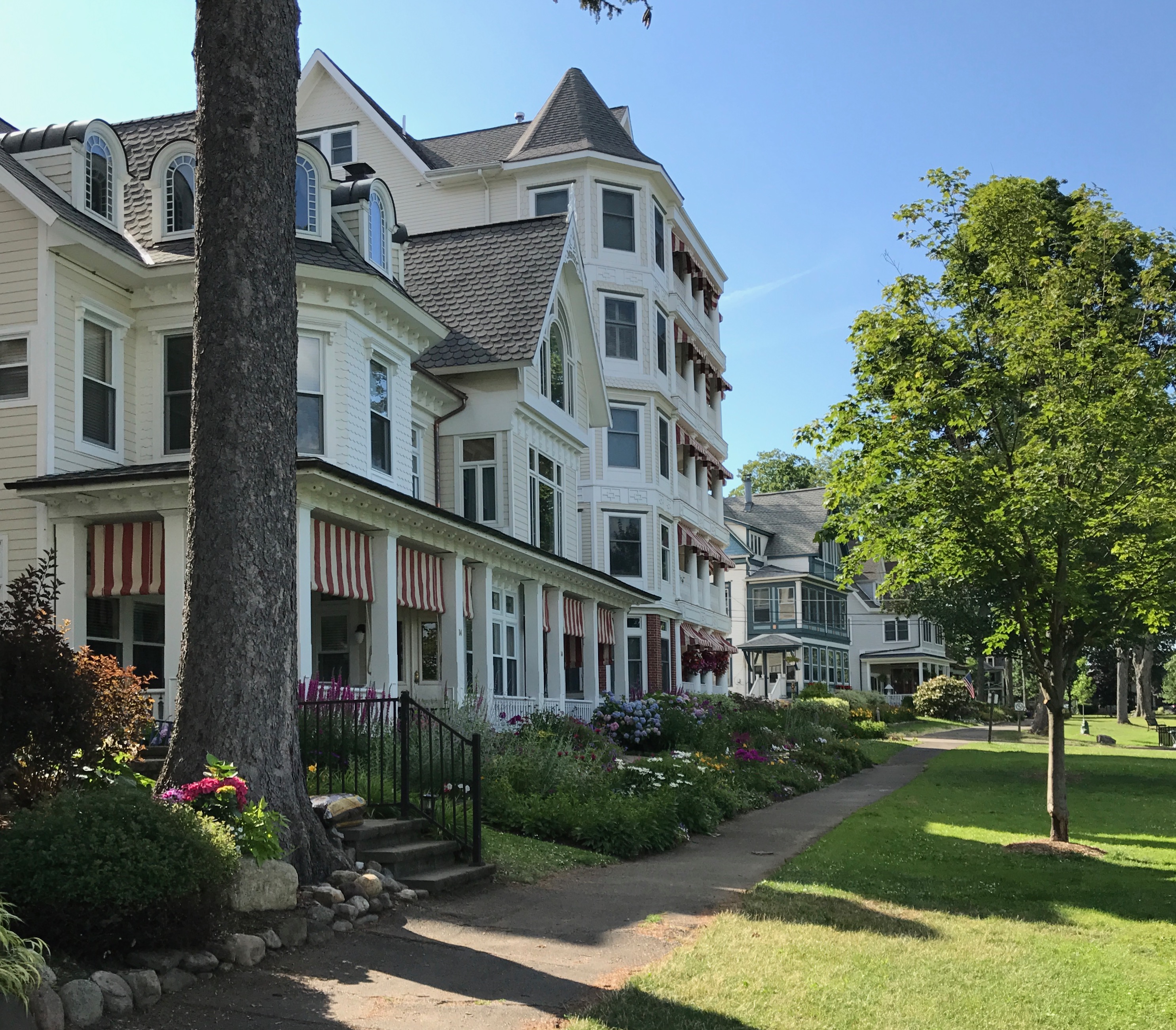
I wandered my way through the tree and flag lined streets, past the lovely old cottages with porches.

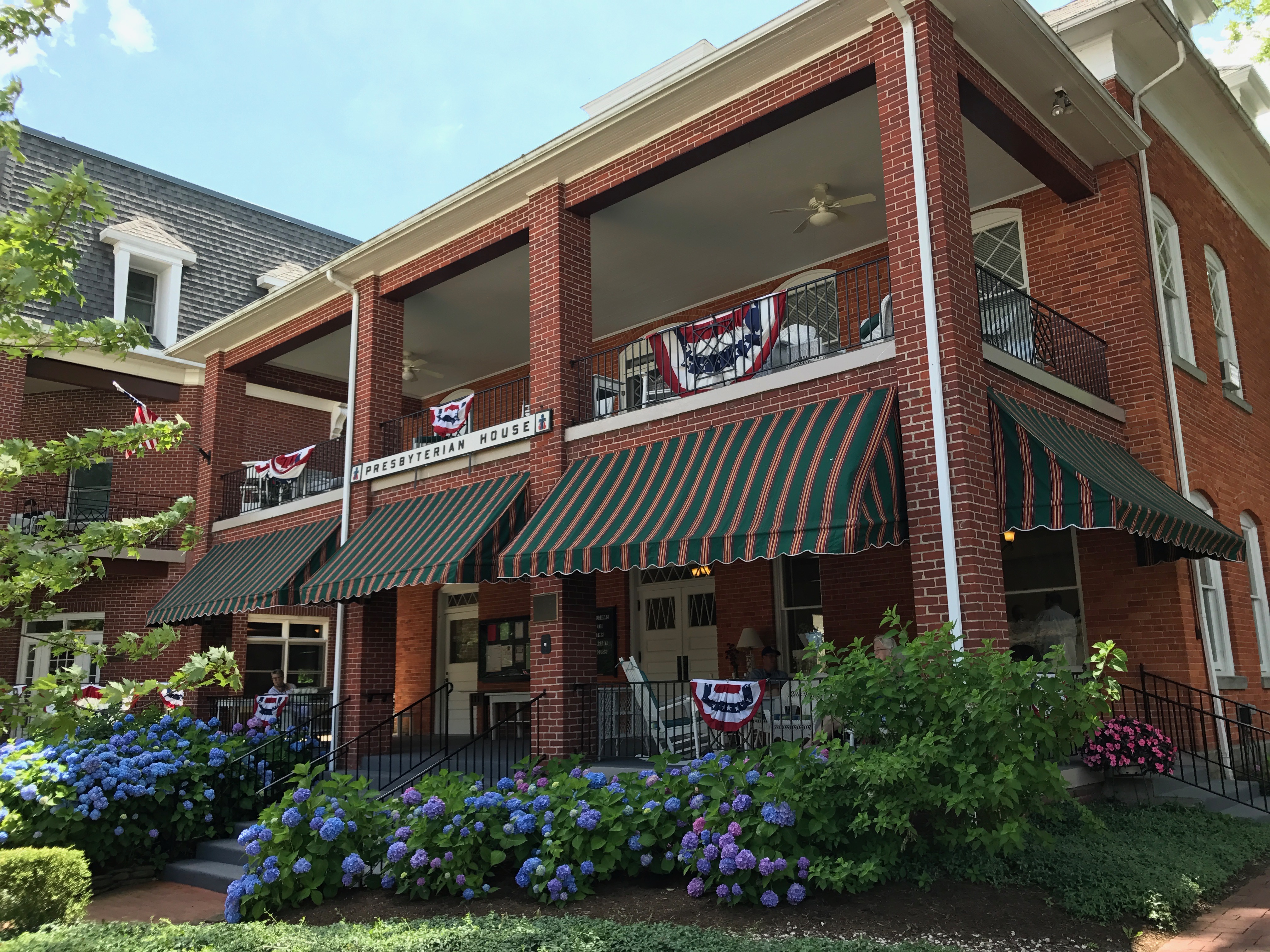
I passed the Presbyterian House.
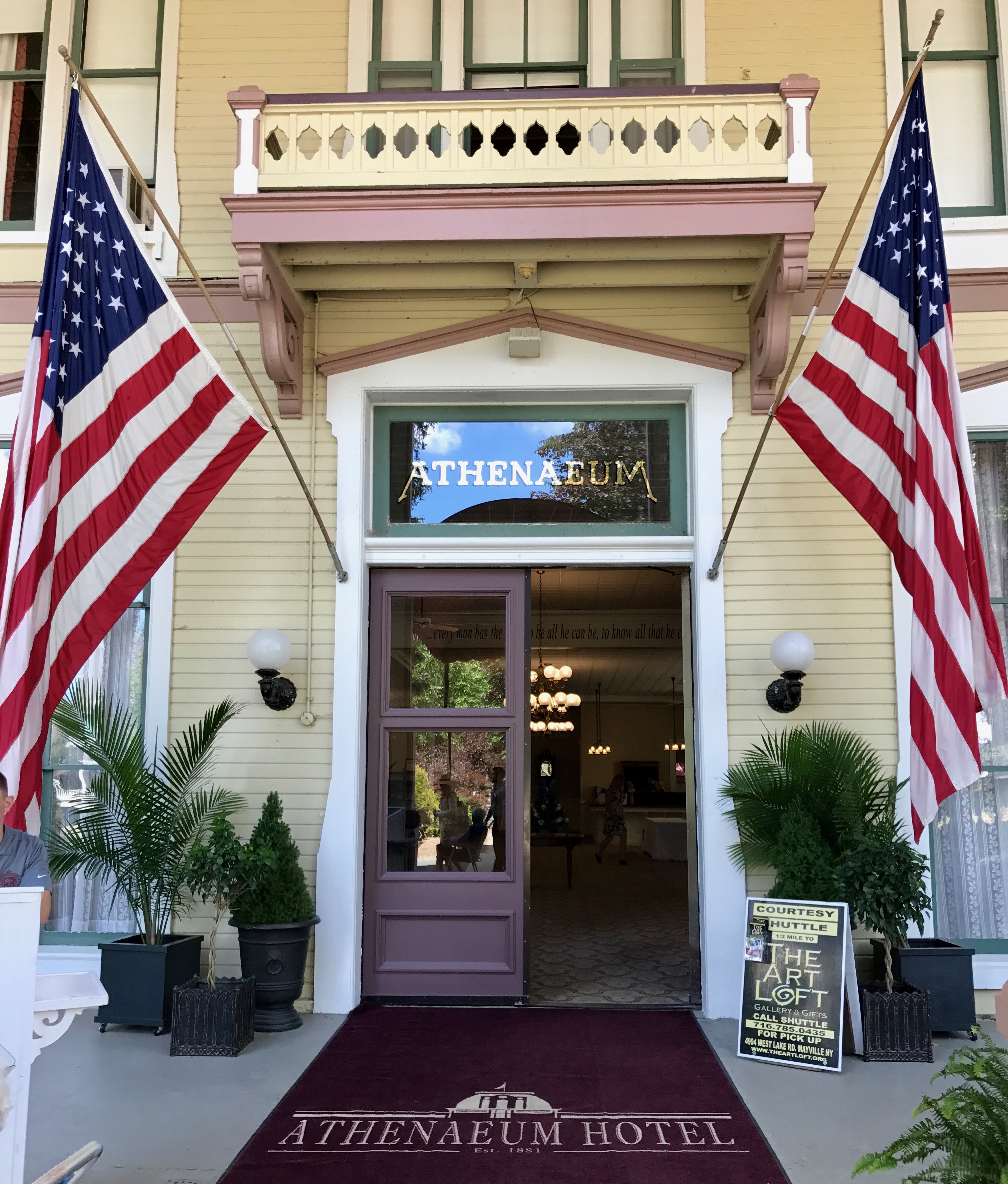
I passed the entrance to the Athenaeum Hotel.

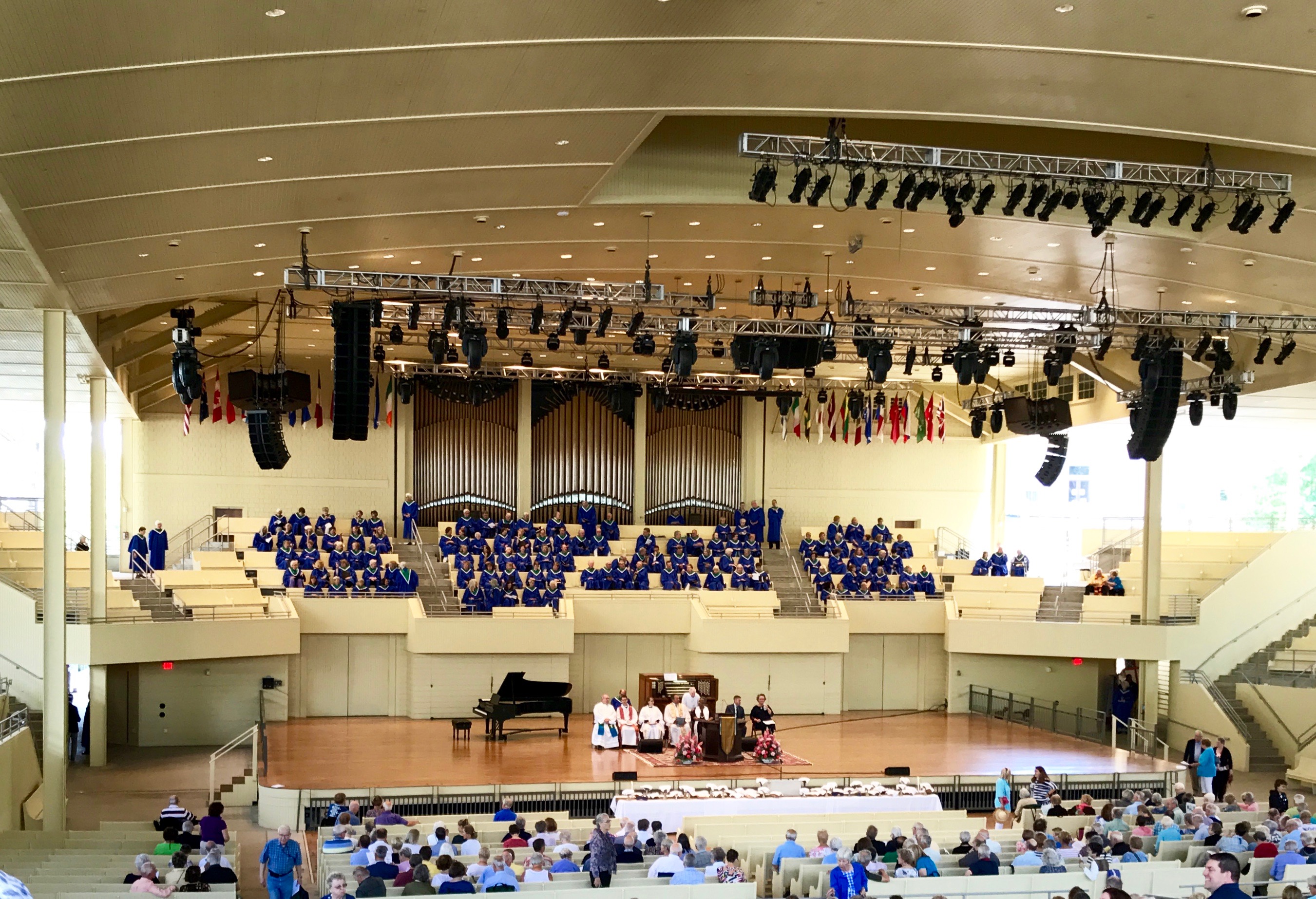
I made it to the Amphitheater with time to spare. After the service, we met up at her sister’s place.

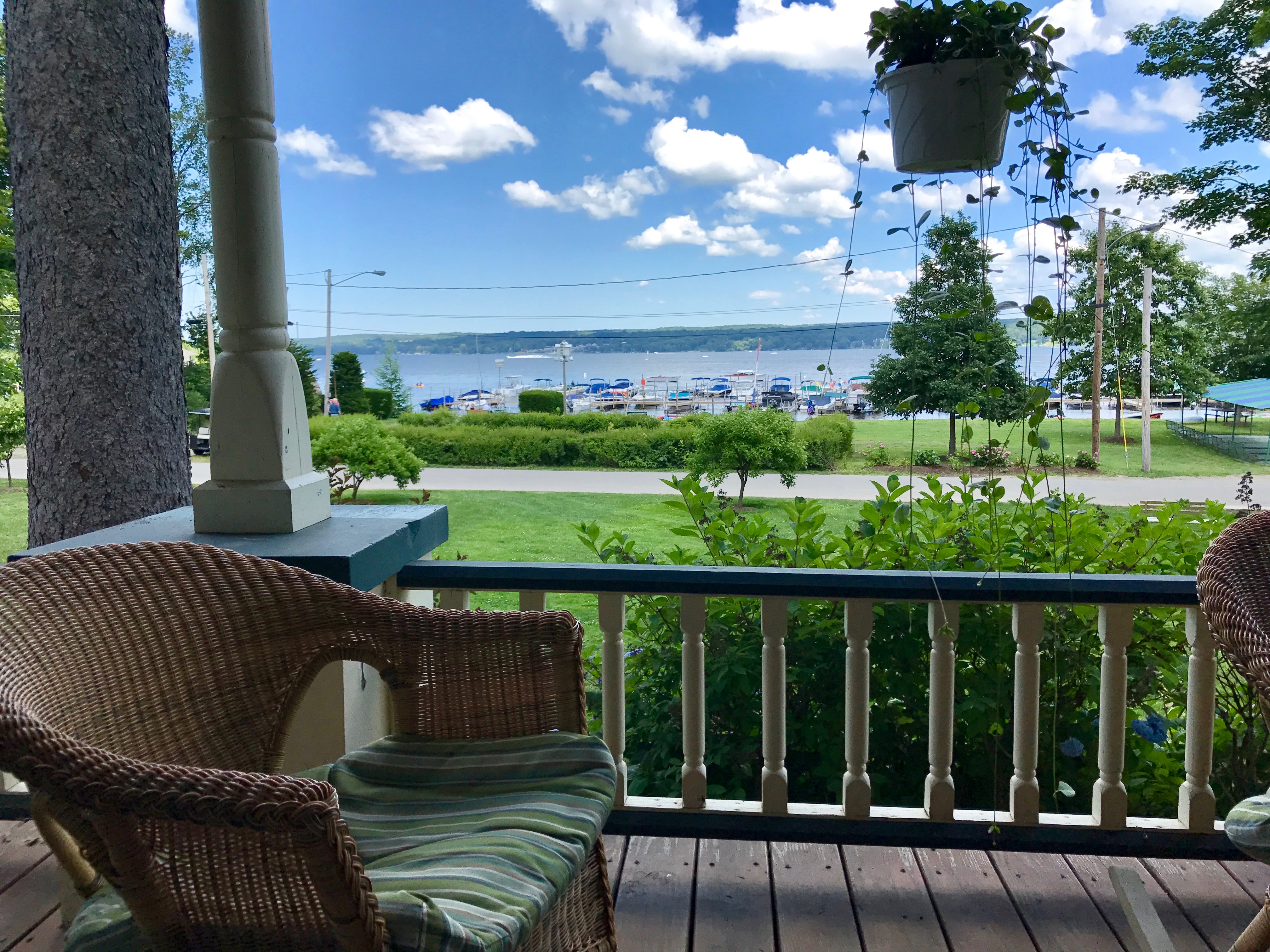
What a glorious view! I must put “get a porch” on my to-do list!

After a little lunch, we strolled about the grounds.

We admired the gracious old buildings.

There were lovingly tended gardens everywhere.

Where there weren’t gardens, there were planters.

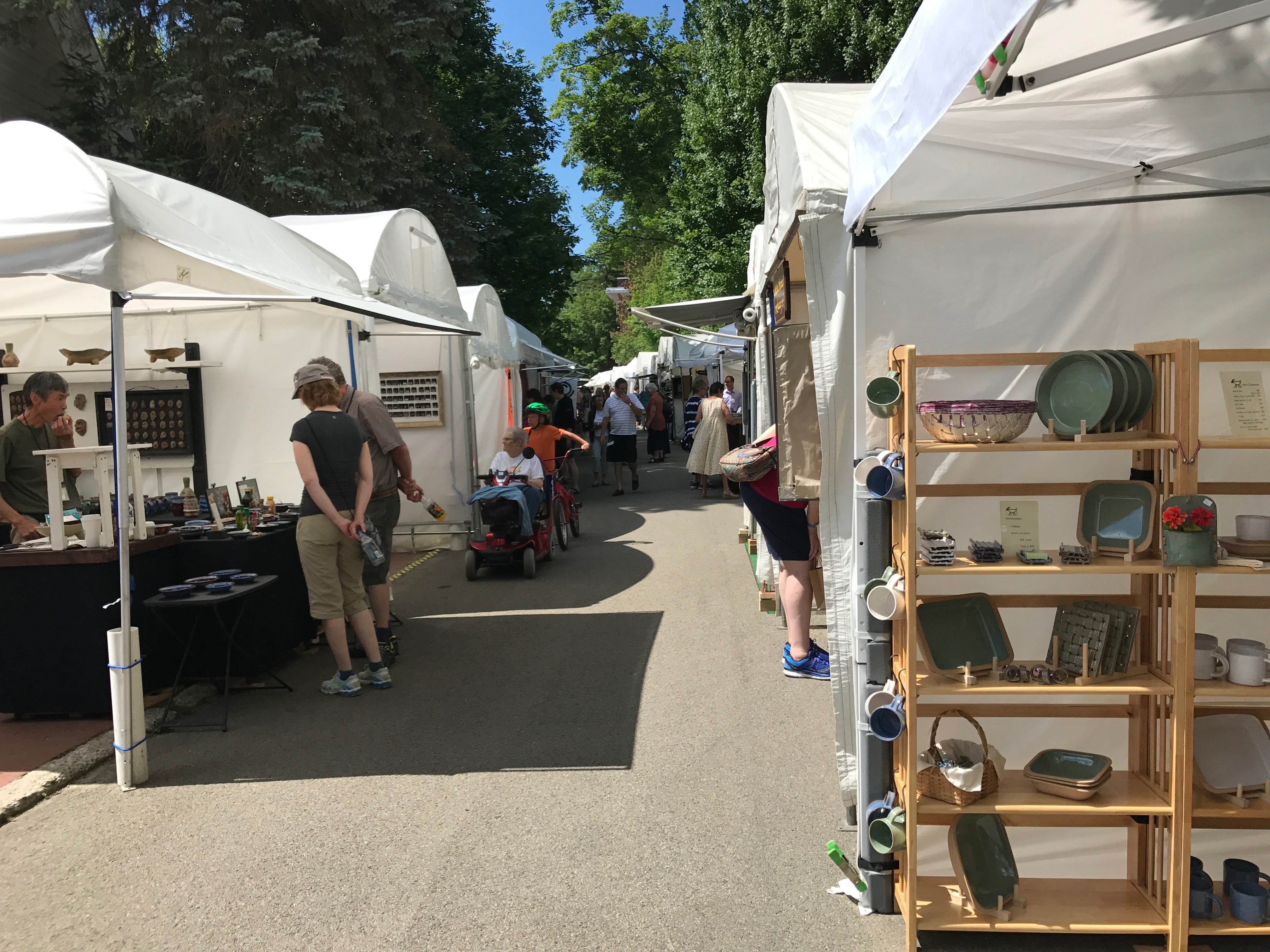
We happened upon a craft show, with artists selling their wares.

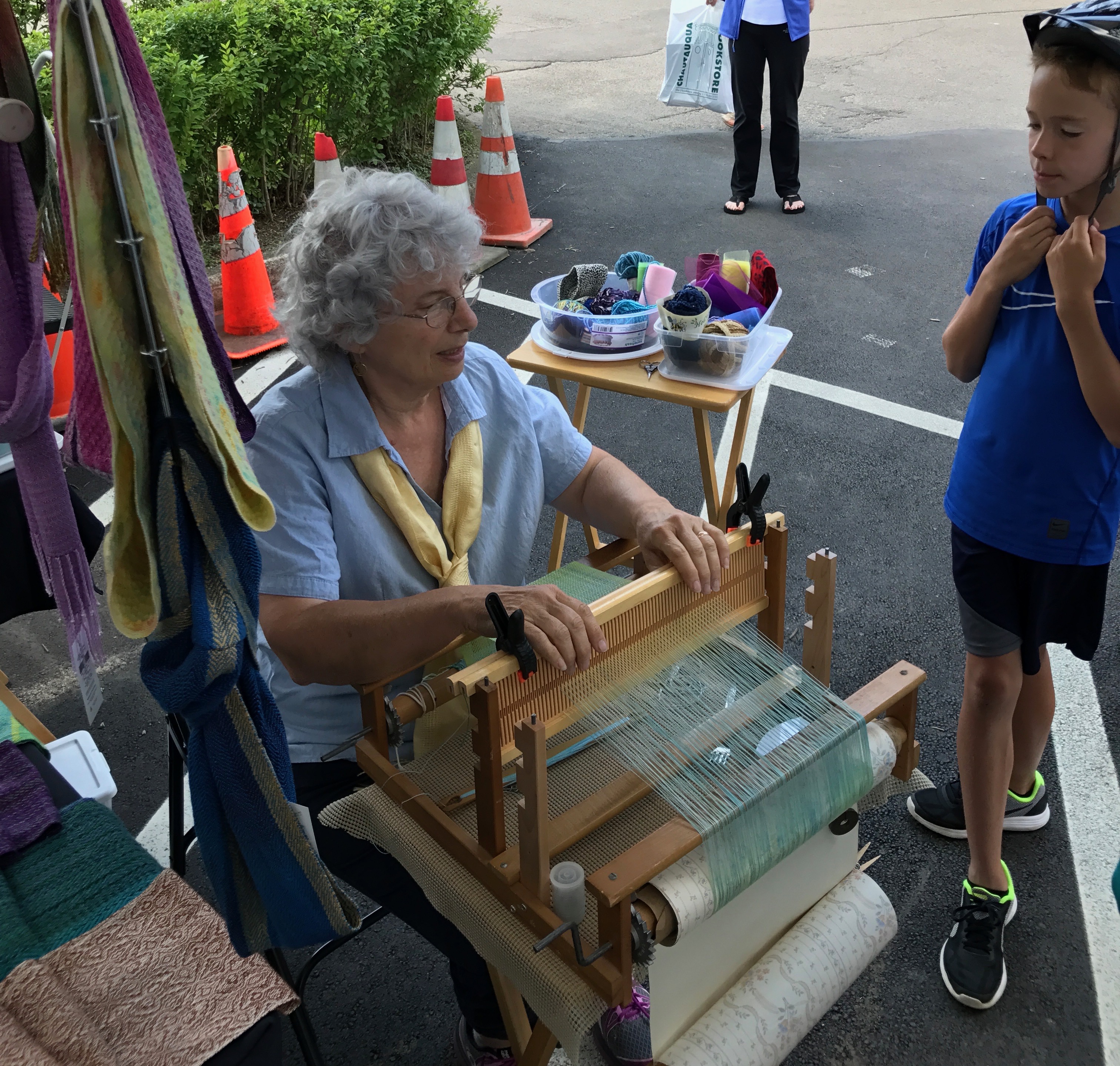
There were also demonstrations.

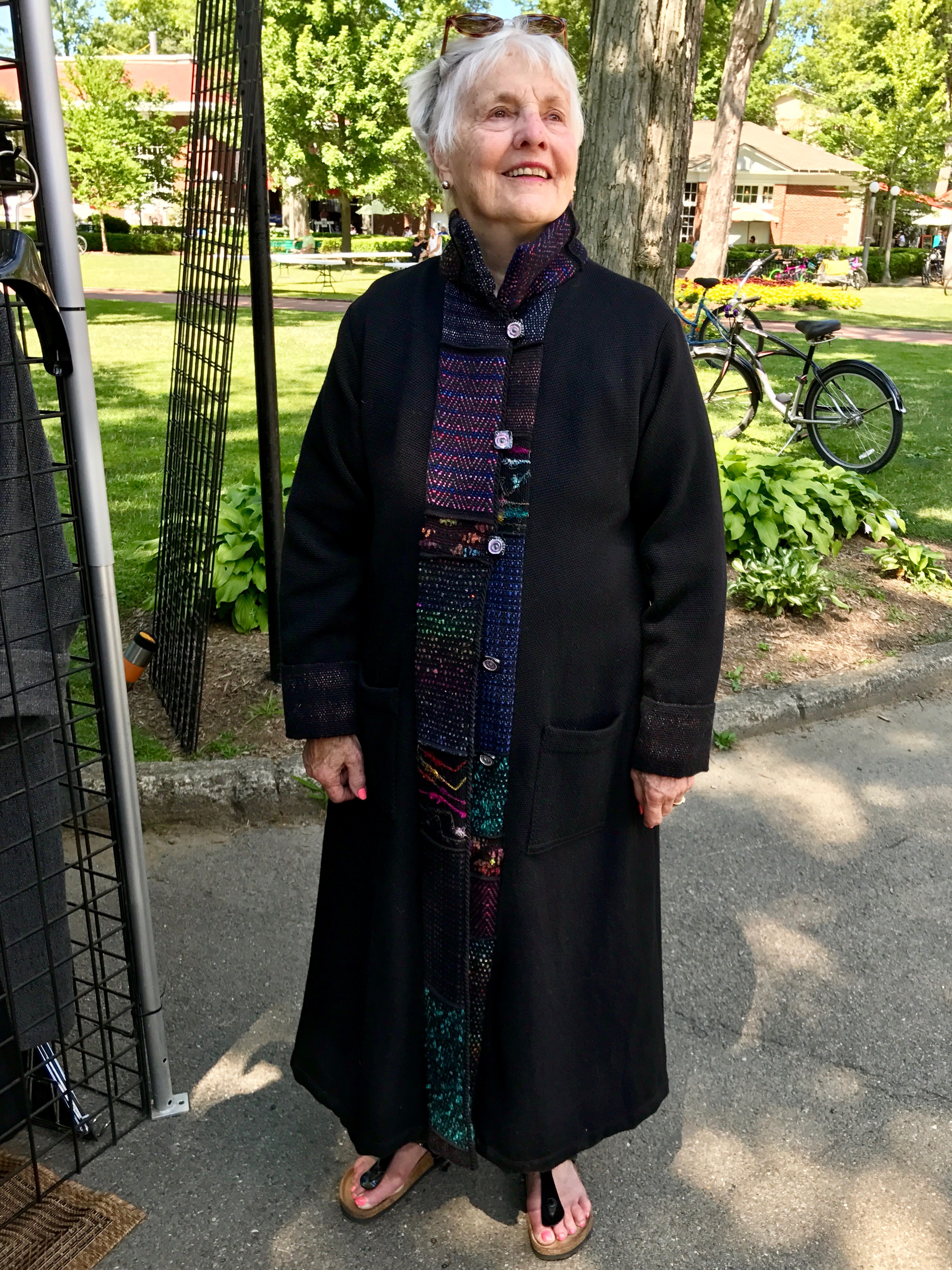
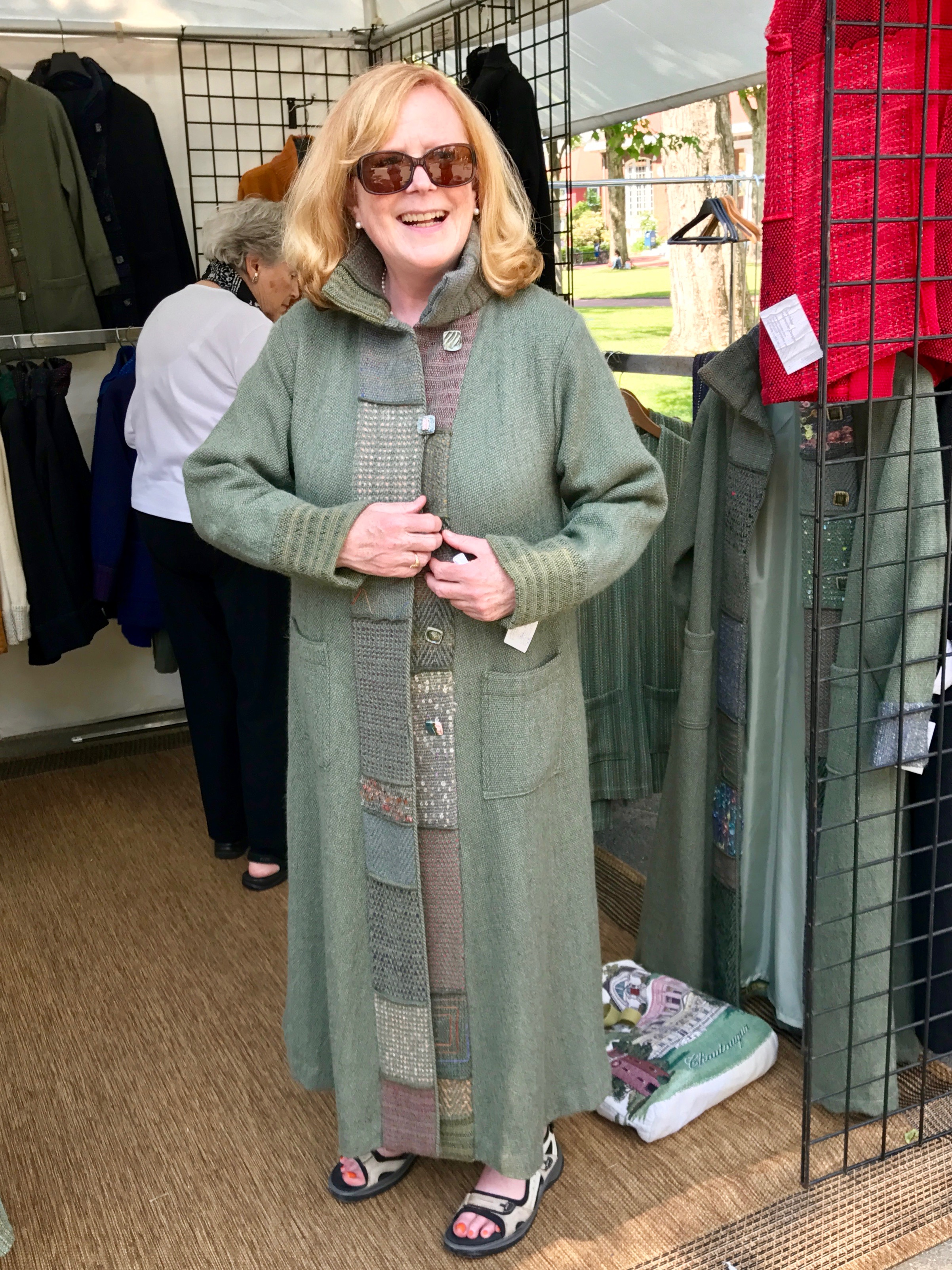
We came upon a vendor selling gorgeous winter coats. For some reason, this vendor didn’t seem to have a mirror, so I made a new friend when I offered to take her photo so she could see how she looked in her coat. If I remember correctly, she ended up buying it.

Mary Ellen had to try on a coat, too. She didn’t buy hers.

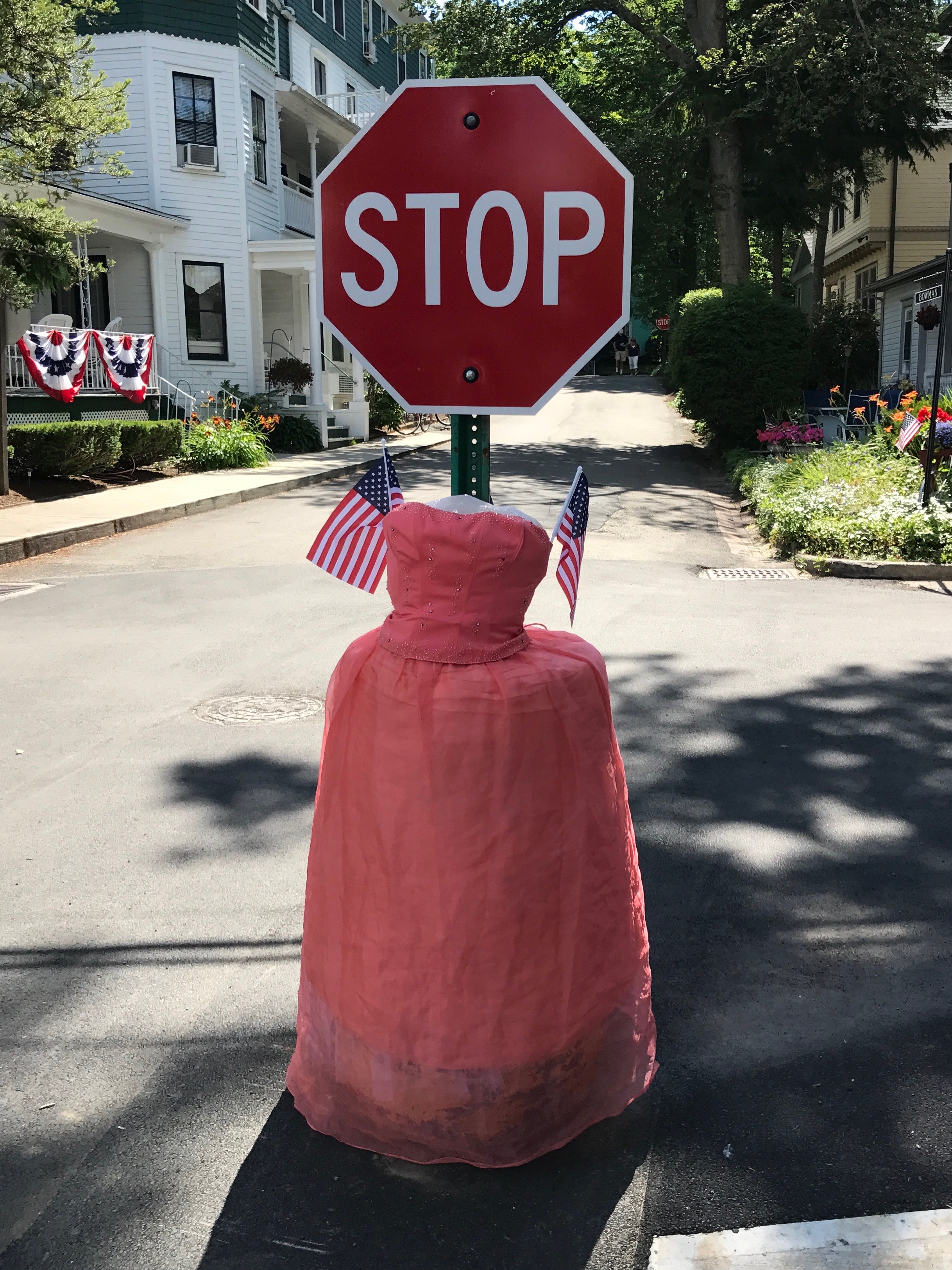
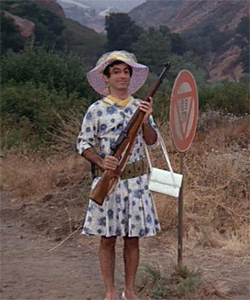
I must admit, I don’t understand why this stop sign was wearing a dress. Maybe it was channeling its inner Klinger.

We wandered about a bit longer and then went to a nearby store to pick up sandwiches for dinner.

Really, is there anything more peaceful looking than these gracious old houses? A company of military musicians that travel about giving shows was on the schedule during the afternoon and we went to the amphitheater to watch. I have caught several performances by these groups. If you ever have one coming to your town, be sure to catch it. Your tax dollars at work!

It was great to get back to Chautauqua and to see my friend, Mary Ellen again.

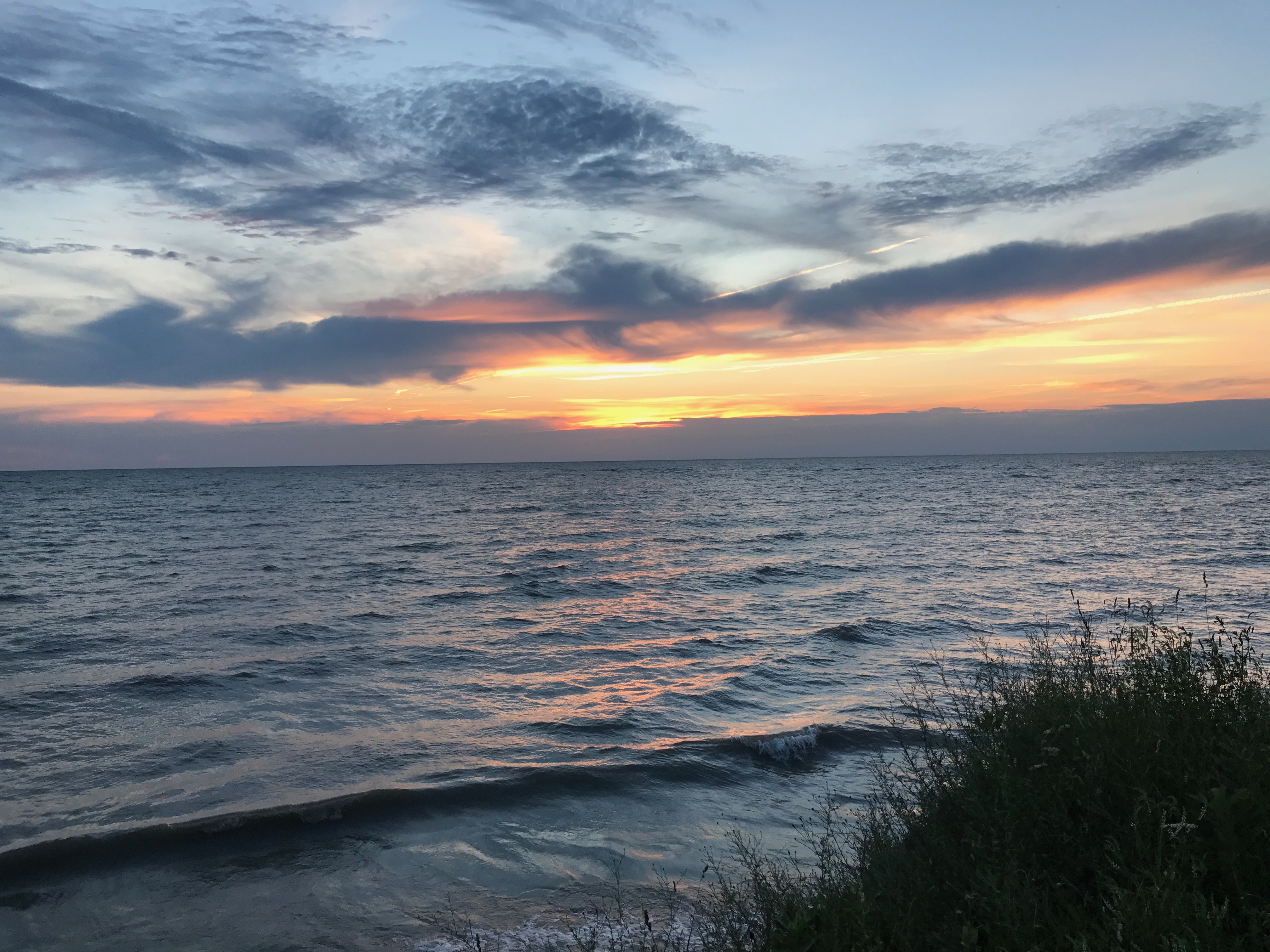
Back to Evangola State Park in time for the sunset.


I love Lake Erie!

I know that many people consider Lake Erie to be the least great of the Great Lakes, but it holds a special place in my heart. It is “home” for me – the American and Canadian sides.

My campground was right on the shore, just west of Buffalo – Evangola State Park. Actually, the campground was on a bluff above the lake, but there was a beach that was park of the park, and we were allowed access as part of our camping fees.

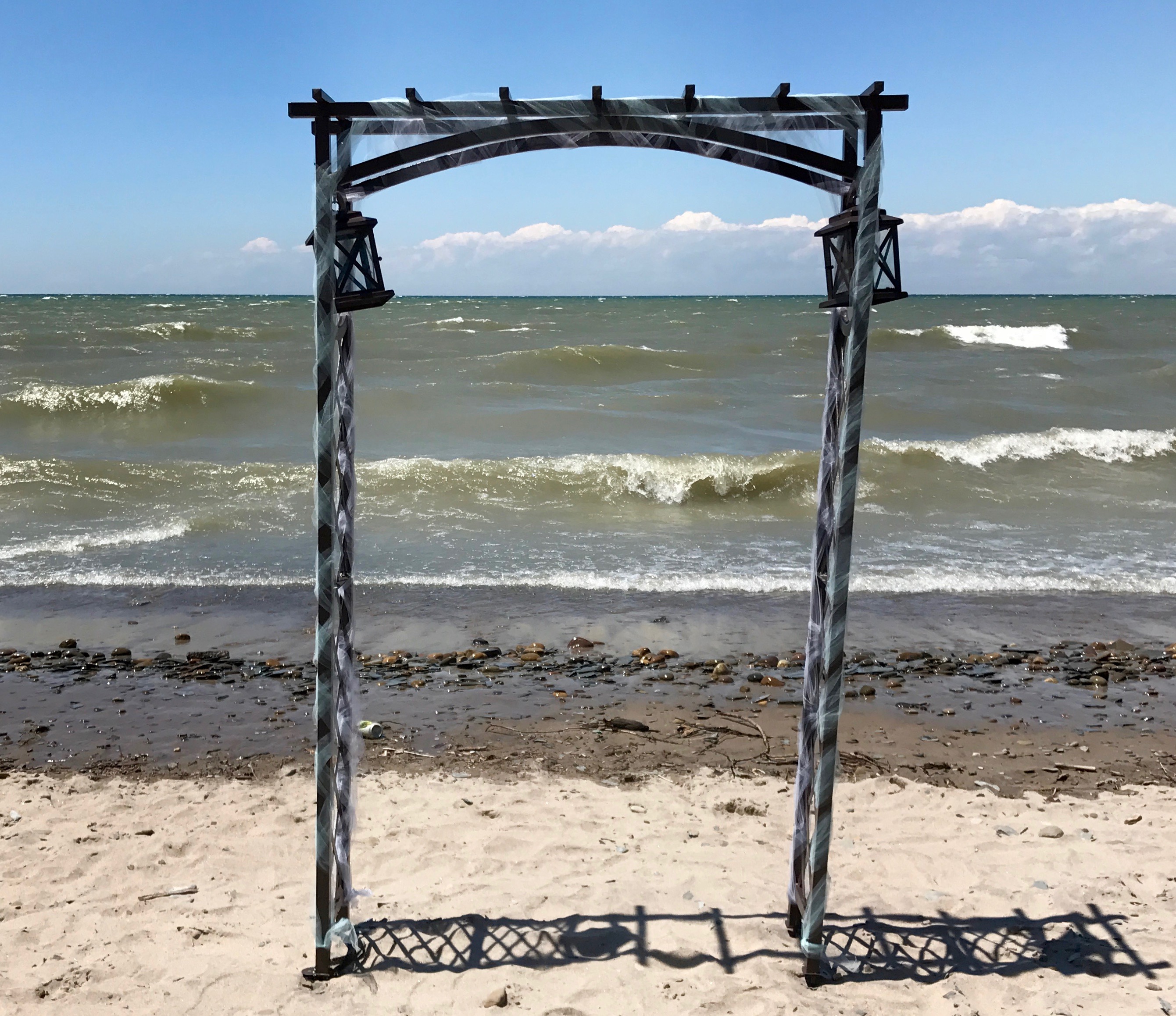
While I was there, I made a couple trips to the beach. There was this archway constructed. On my way back up, I ran into the bridal party. It looked like a great day for a wedding.

The sun was shining and the sky was blue.

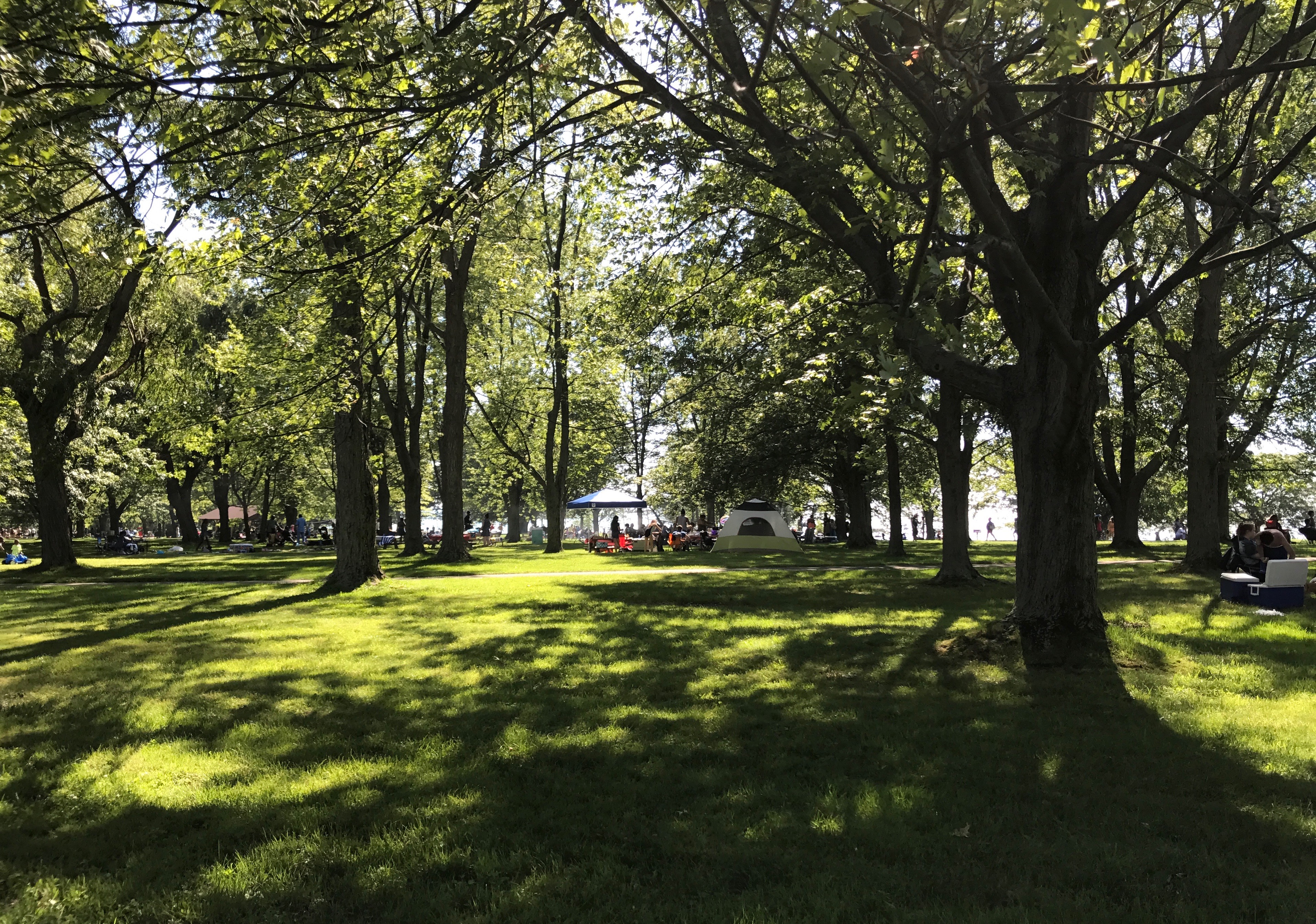
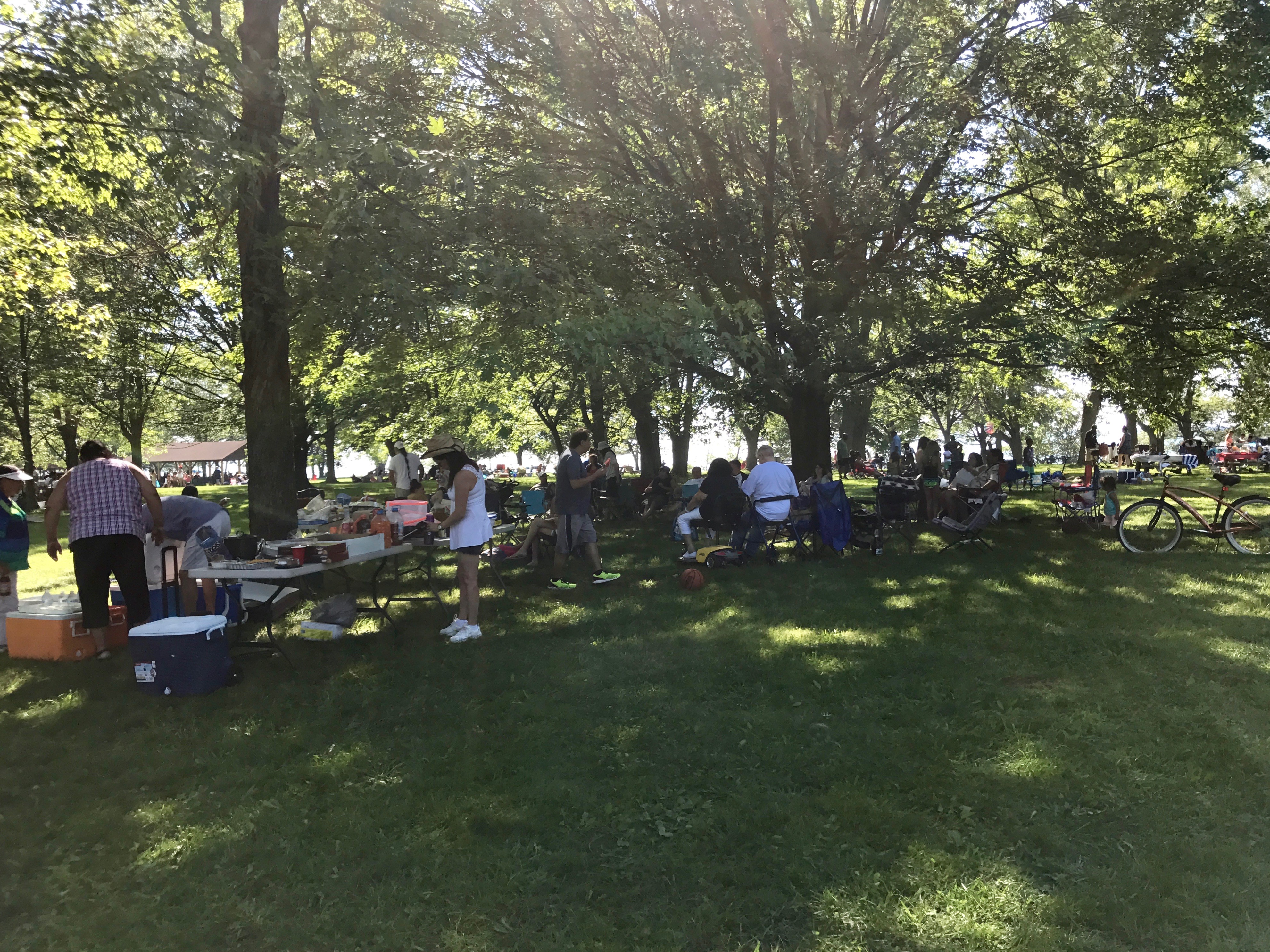
I headed to the beach on the Independence Day. People were in serious picnic mode, with tents and canopies galore. As much as I love sun, I think I love the shade under these beautiful trees even more.

If I had a dollar for each cooler in the park, I think I could have almost have afforded to buy a Yeti.

Yeti – the Airstream of coolers.

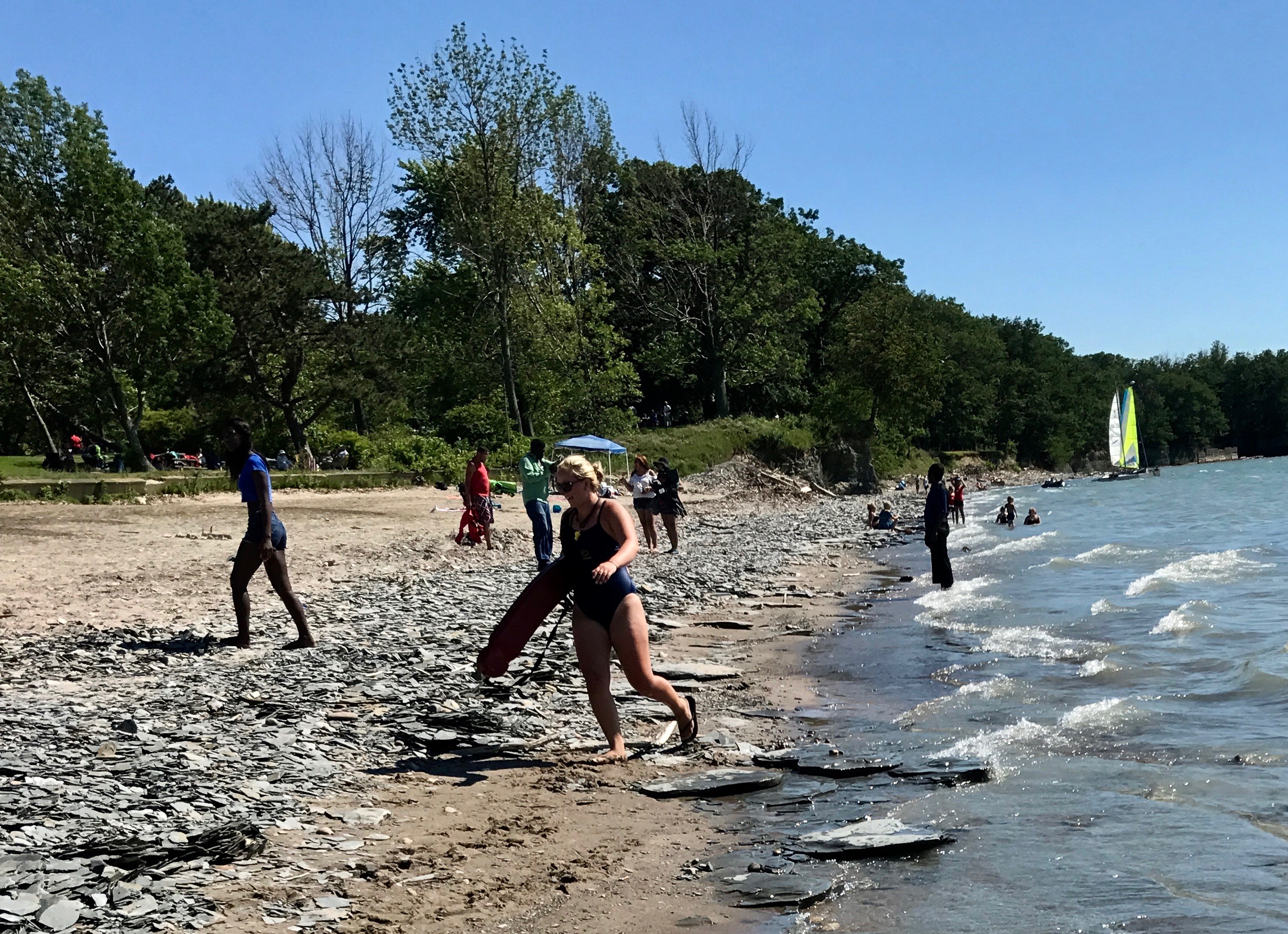
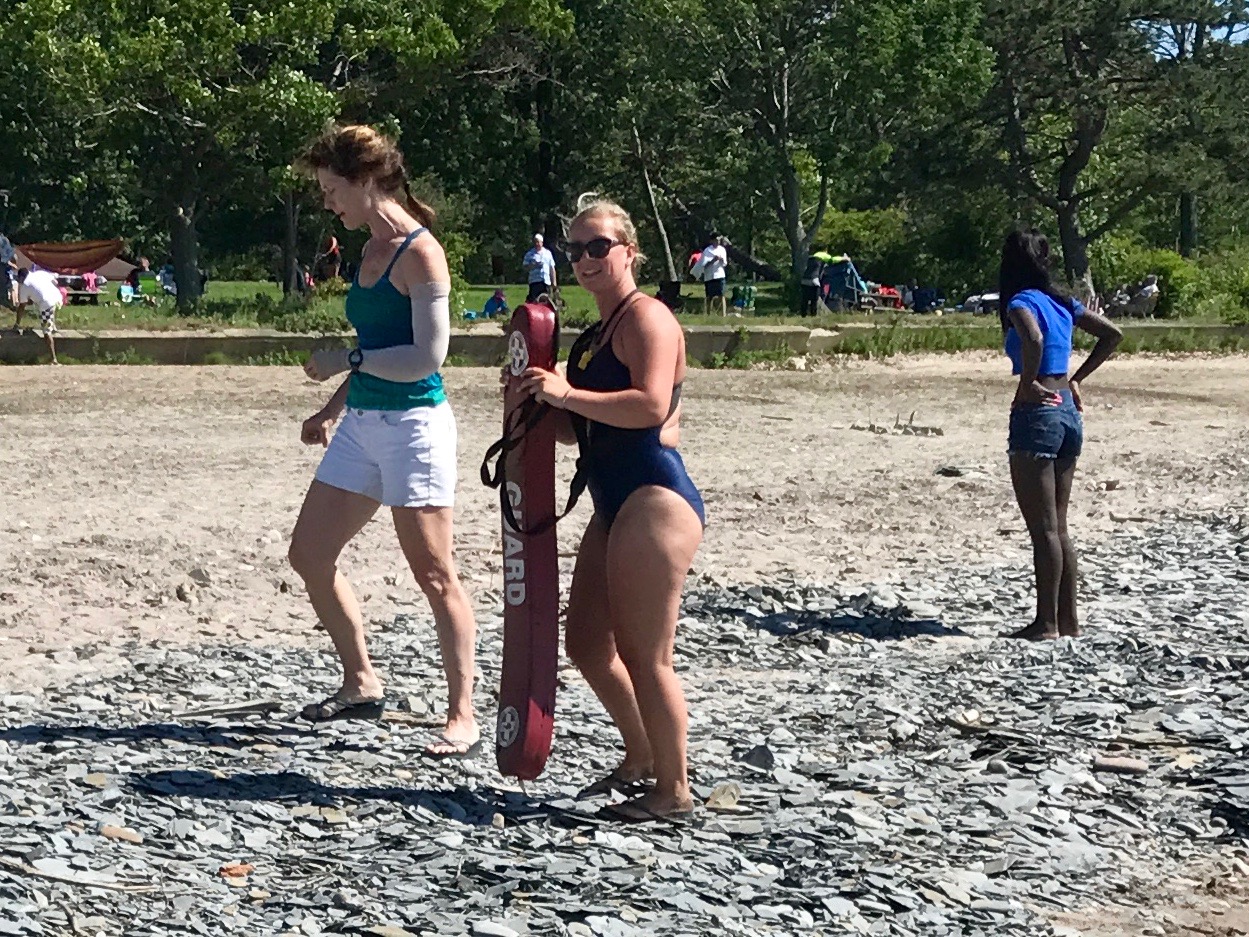
I headed down to the water’s edge and I saw something I haven’t seen in years. I saw a lifeguard on duty at a public beach!

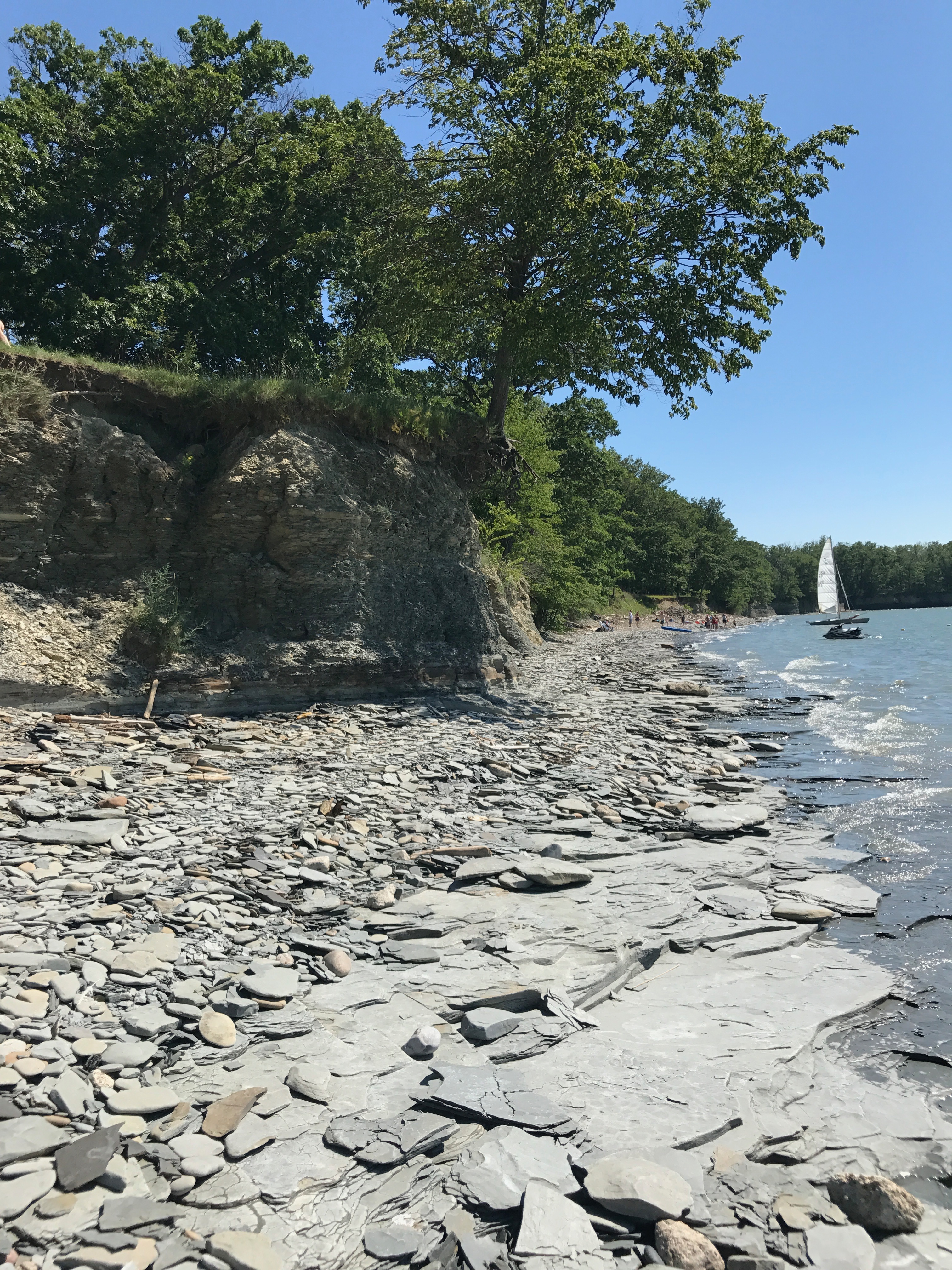
I decided to wander down to the cliff and then back to where I started from.

What a beautiful day to be on the water.

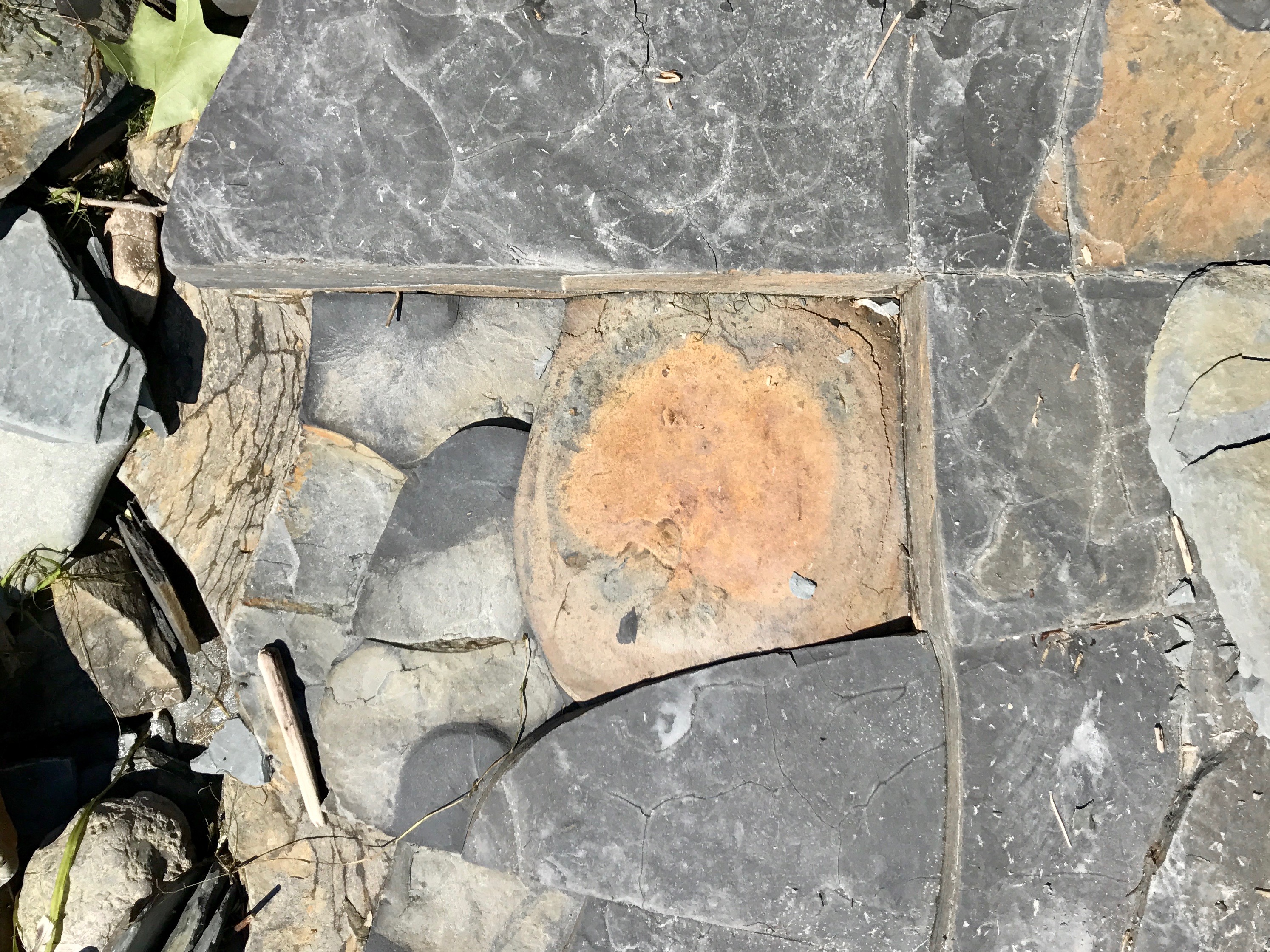
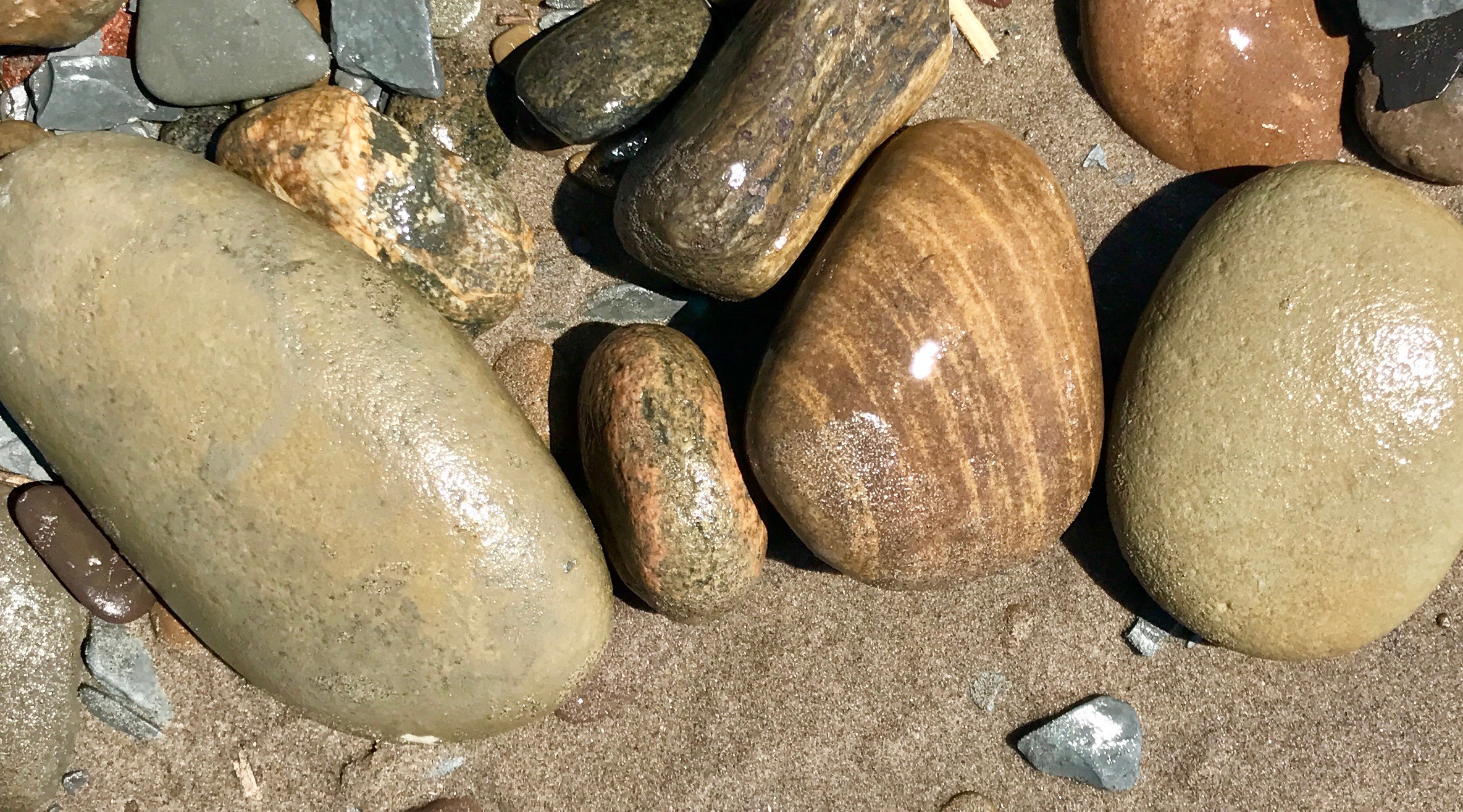
It was also a great day to look at rocks!

Rocks and water! What a great combination!

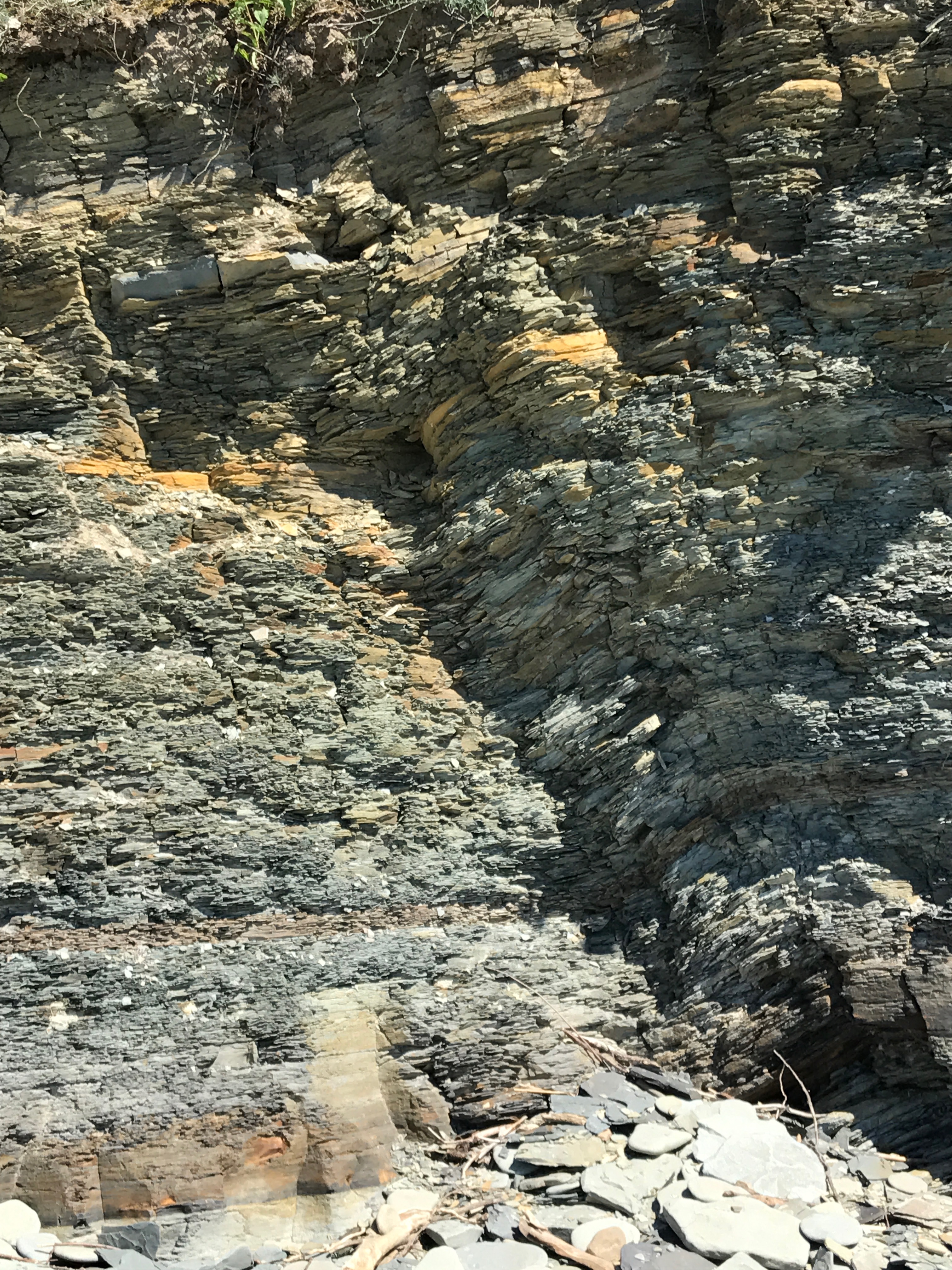
I find the fracture patterns interesting in these rocks. They cleave into rectangular slabs.

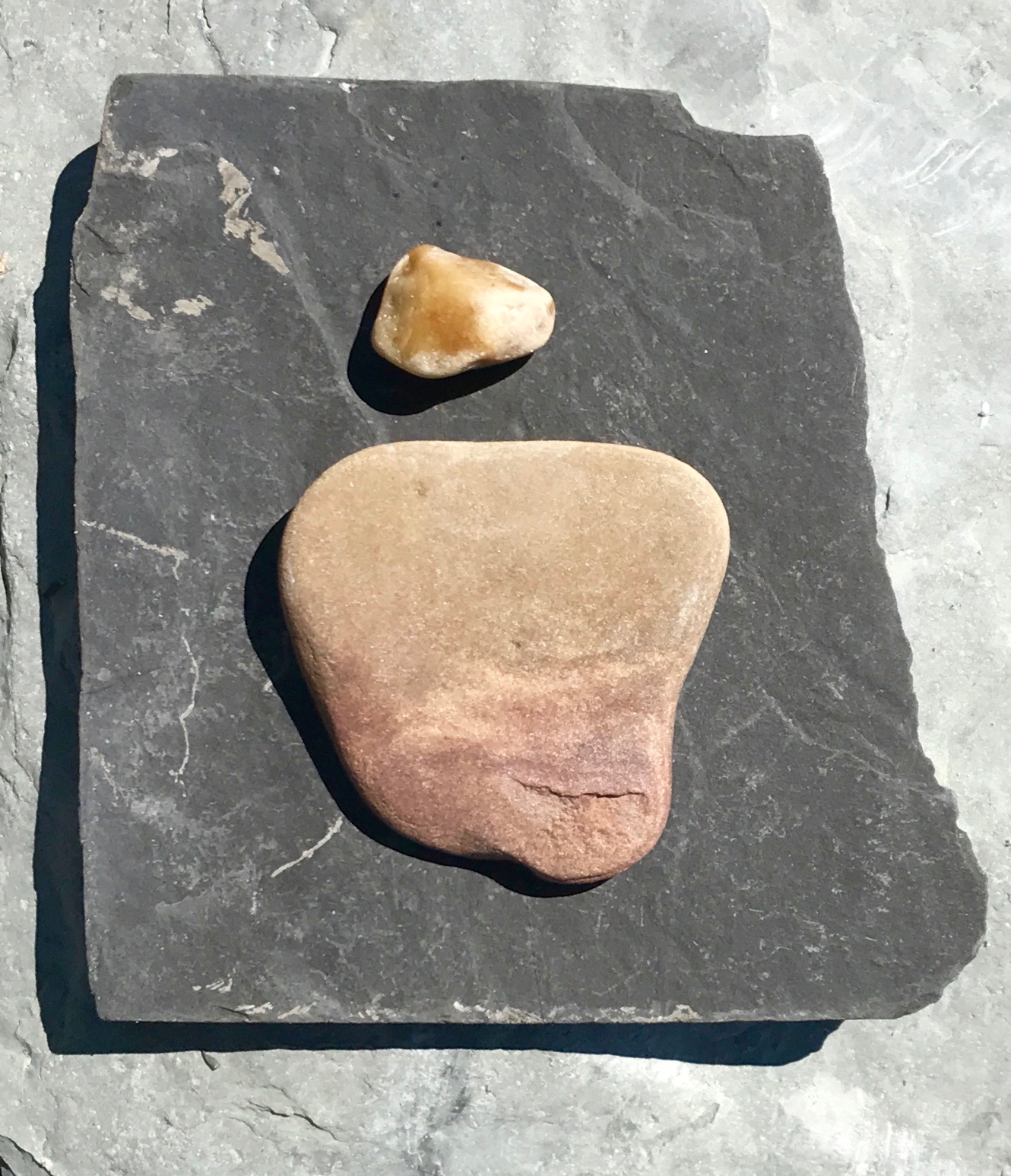
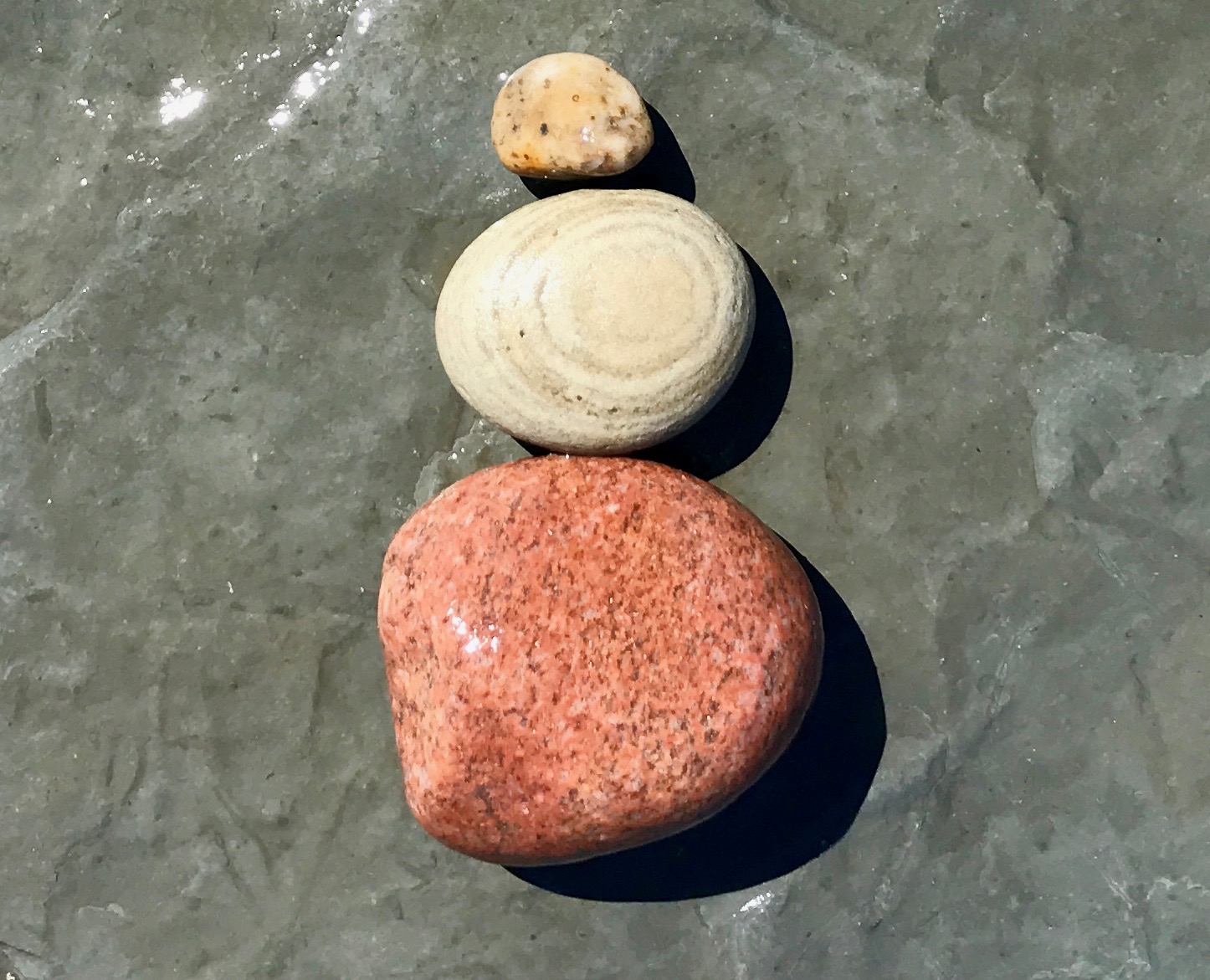
I found a smaller slab and used it as a base for one of my catch-and-release rock collections.

First, a photo of it dry. Now let’s see it wet.

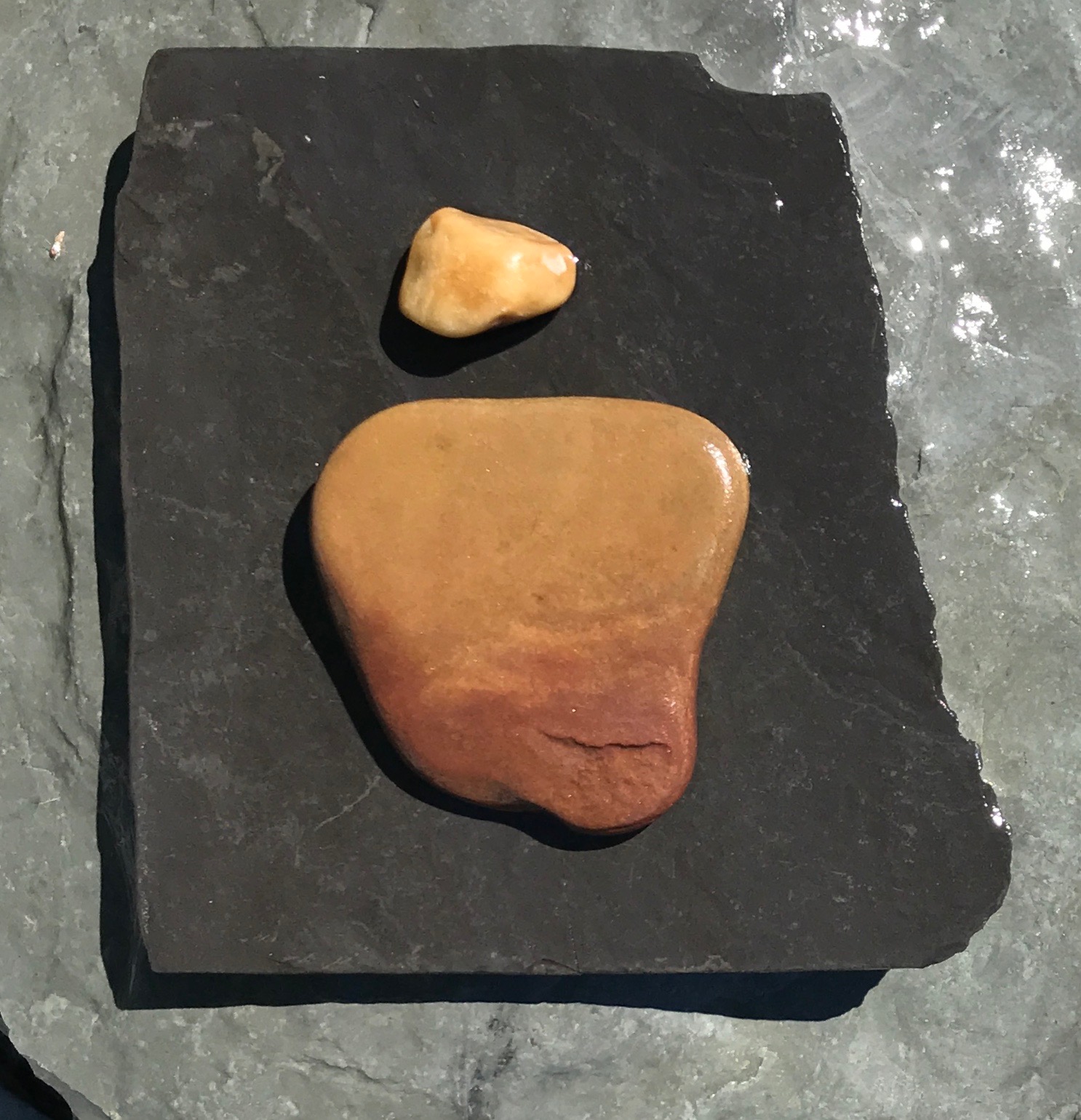
That’s more like it! The colors are so much more vibrant.

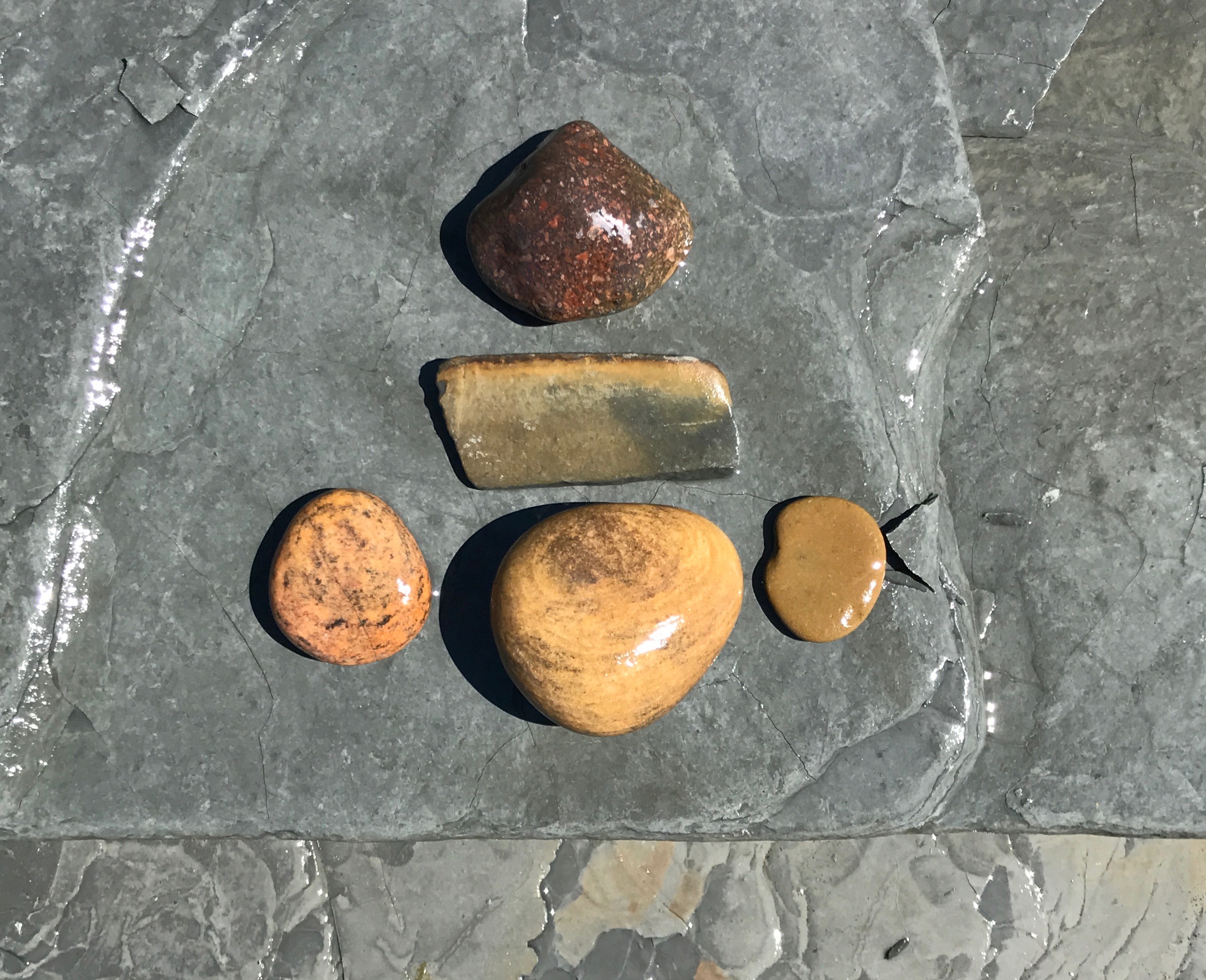
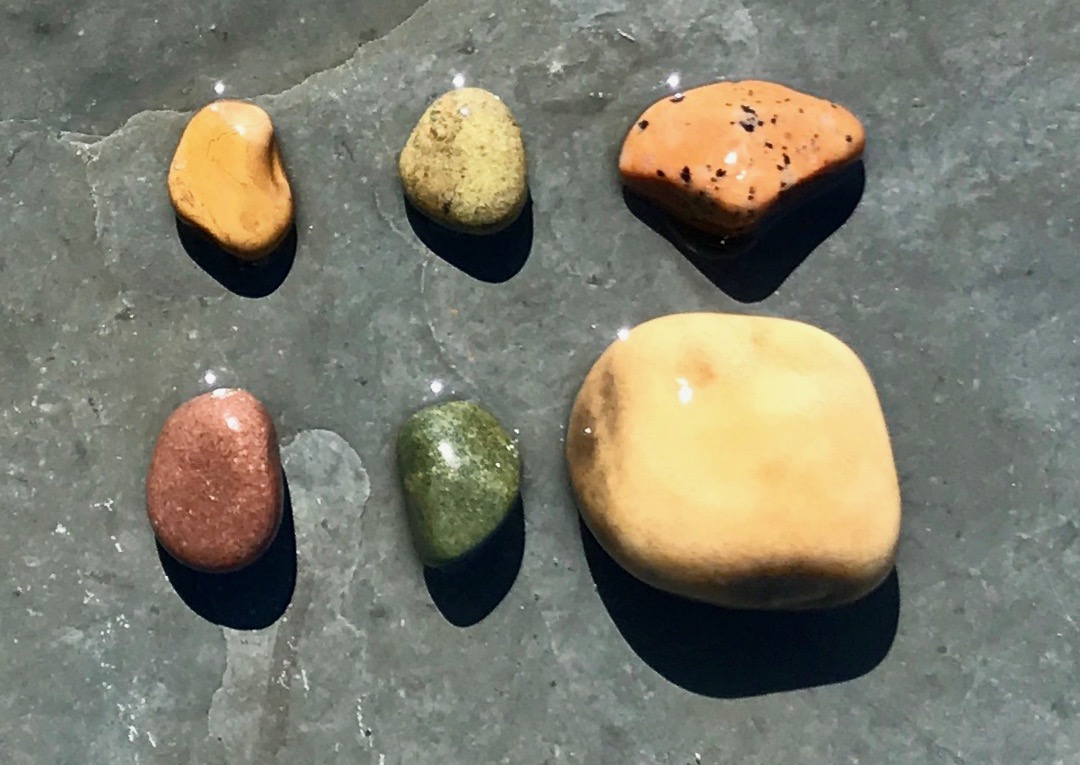
I did a few where if marveled at the dry-vs-wet rocks, but I decided that I really preferred the wet ones.

This composition reminds me of a snowman, well, except that it’s not white.

What a lovely array of colors!

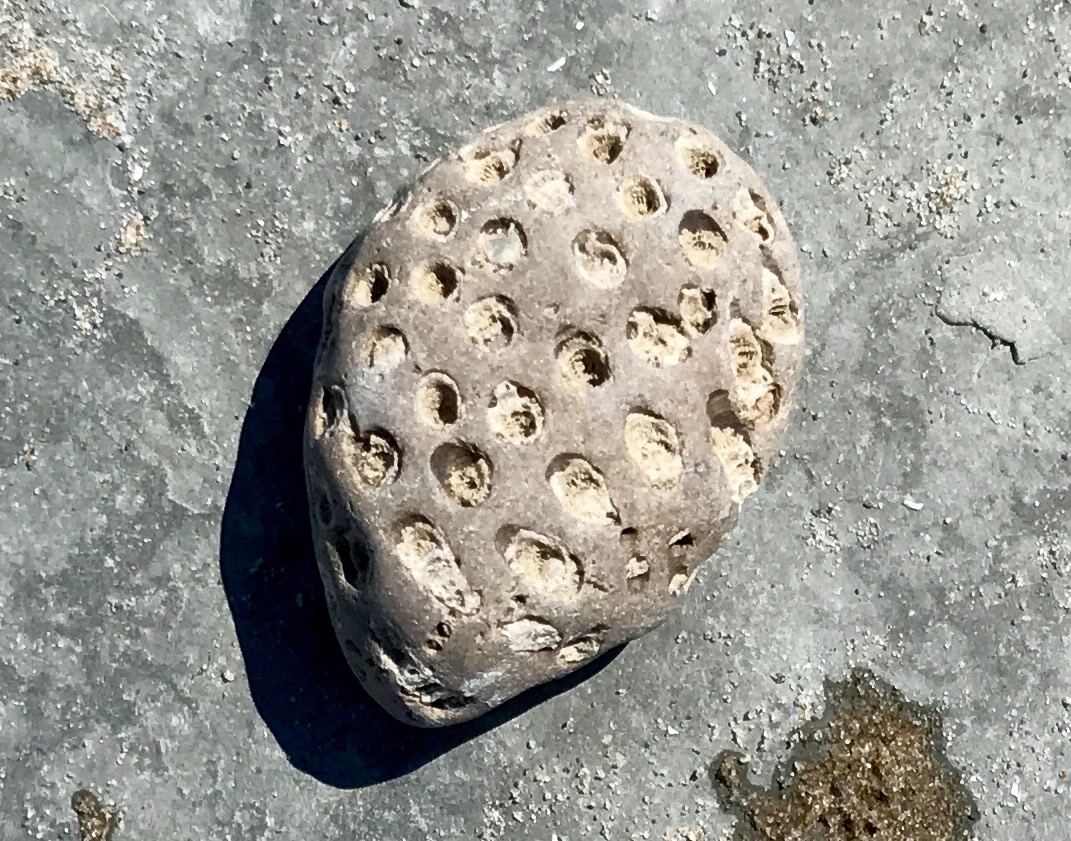
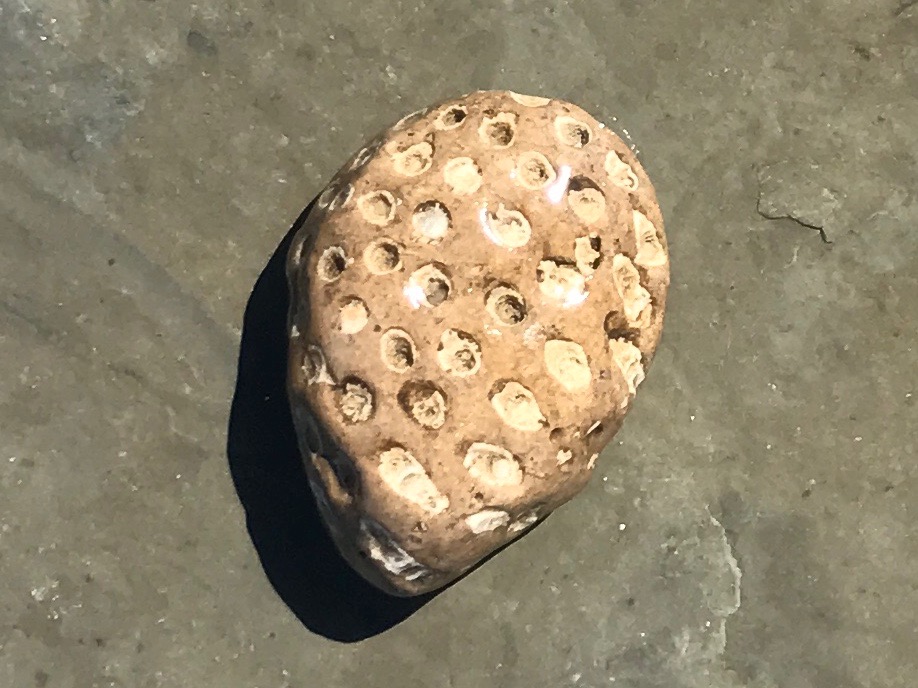
I found this fossil, and I thought it was pretty interesting. What the heck! Let’s see it wet.

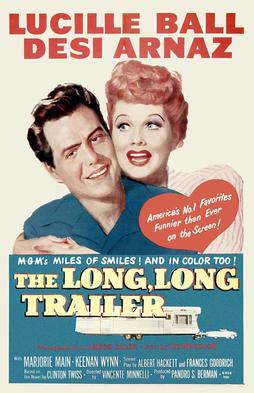
I came across a fellow rock aficionado – a young boy of about eight. I had picked up this one and was thinking of keeping it. After all, I was going to have a house soon. It wouldn’t turn out like Lucy’s collection in The Long, Long Trailer.

By Source (WP:NFCC#4), Fair use, https://en.wikipedia.org/w/index.php?curid=43379887

But, I gave the rock to him and told him that it had fossils in it. I explained what fossils were and that he might find some more if he kept looking. I swear, I’ll be a teacher until the day I die!

One last photo of rocks arranged by Mother Nature and it was time to head up.

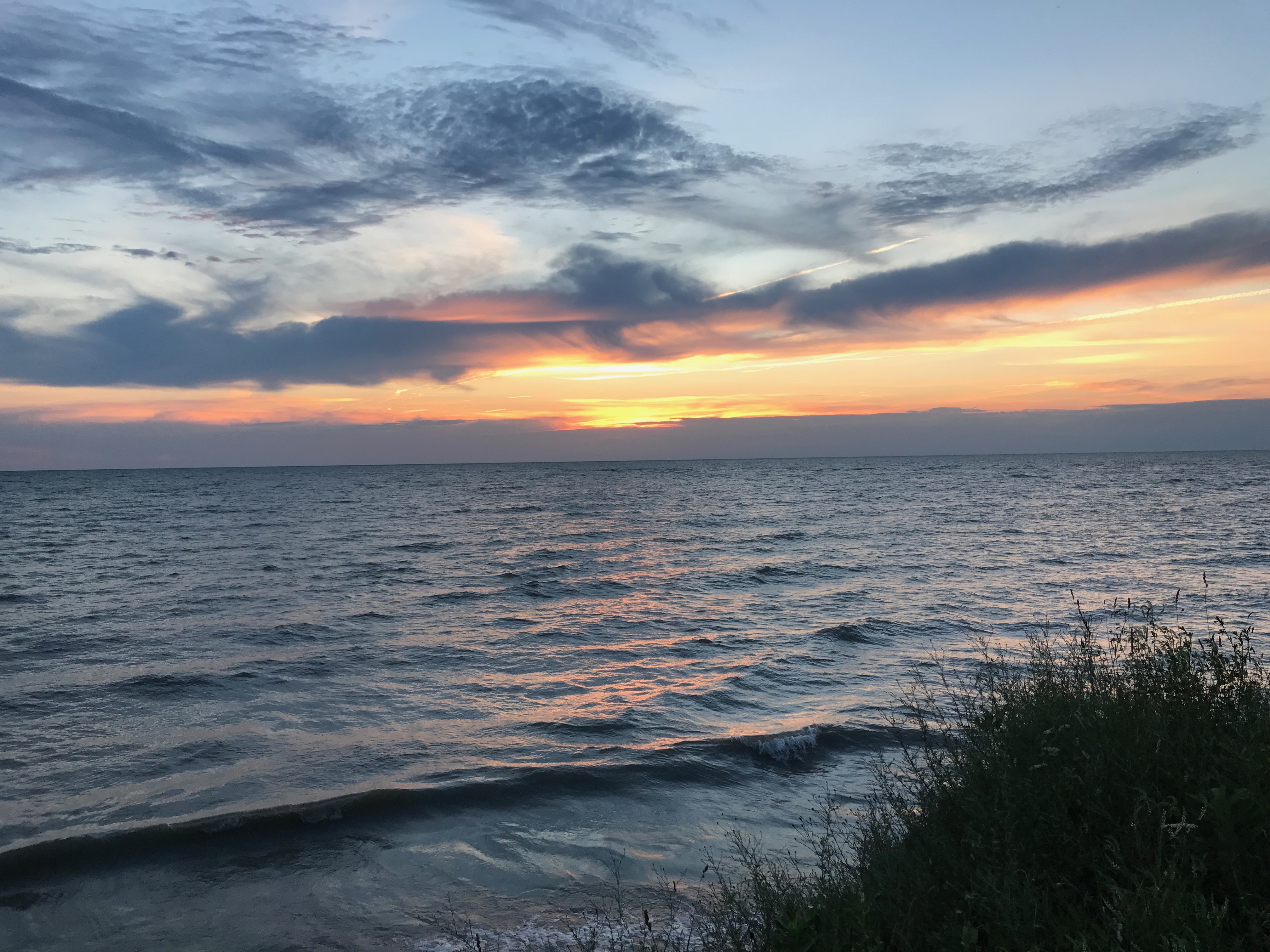
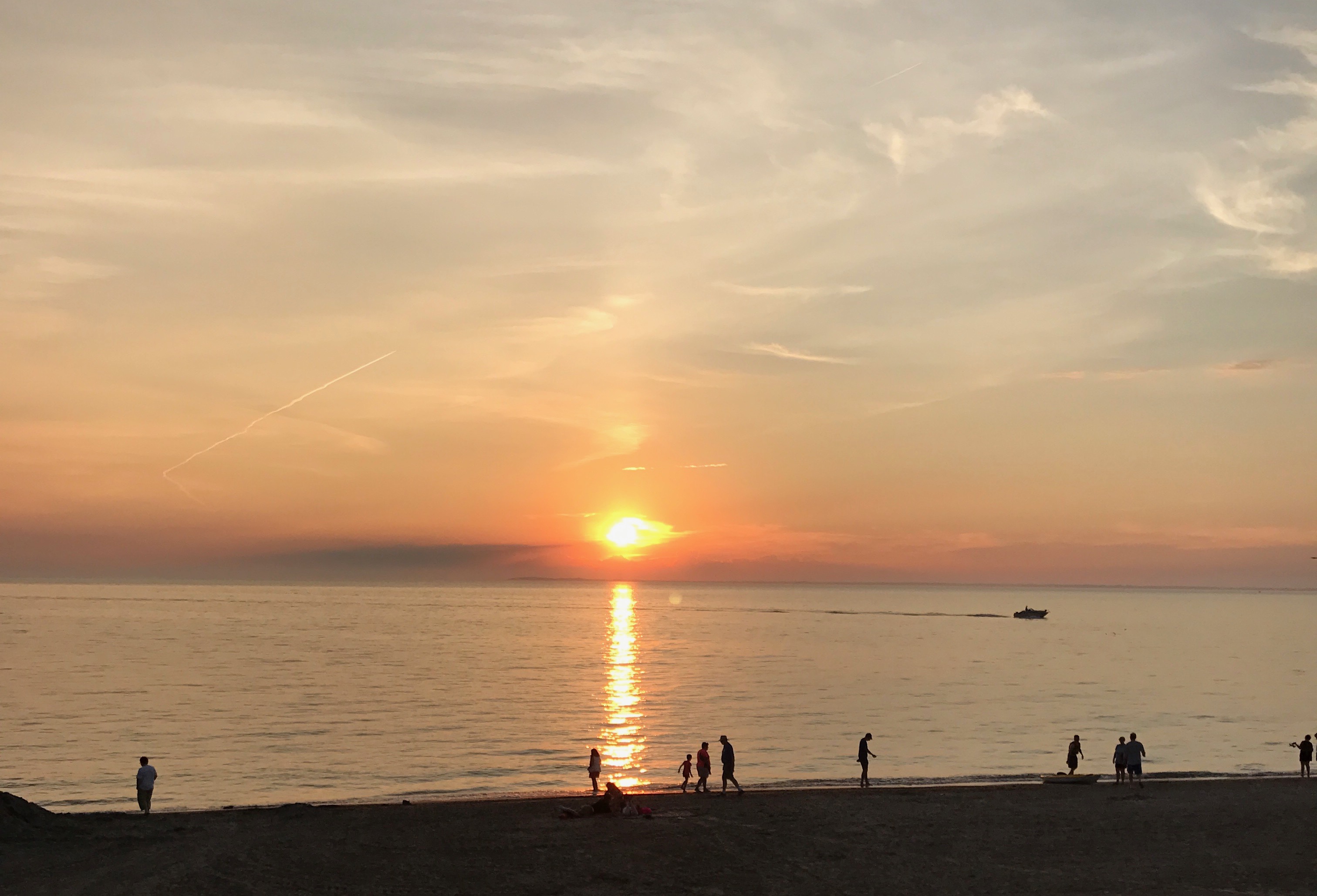
I was fortunate to catch a few lovely sunsets while I was visiting during this trip. Just because I feel like it, I will post them here.

I took this one from the beach at Evangola State Park.

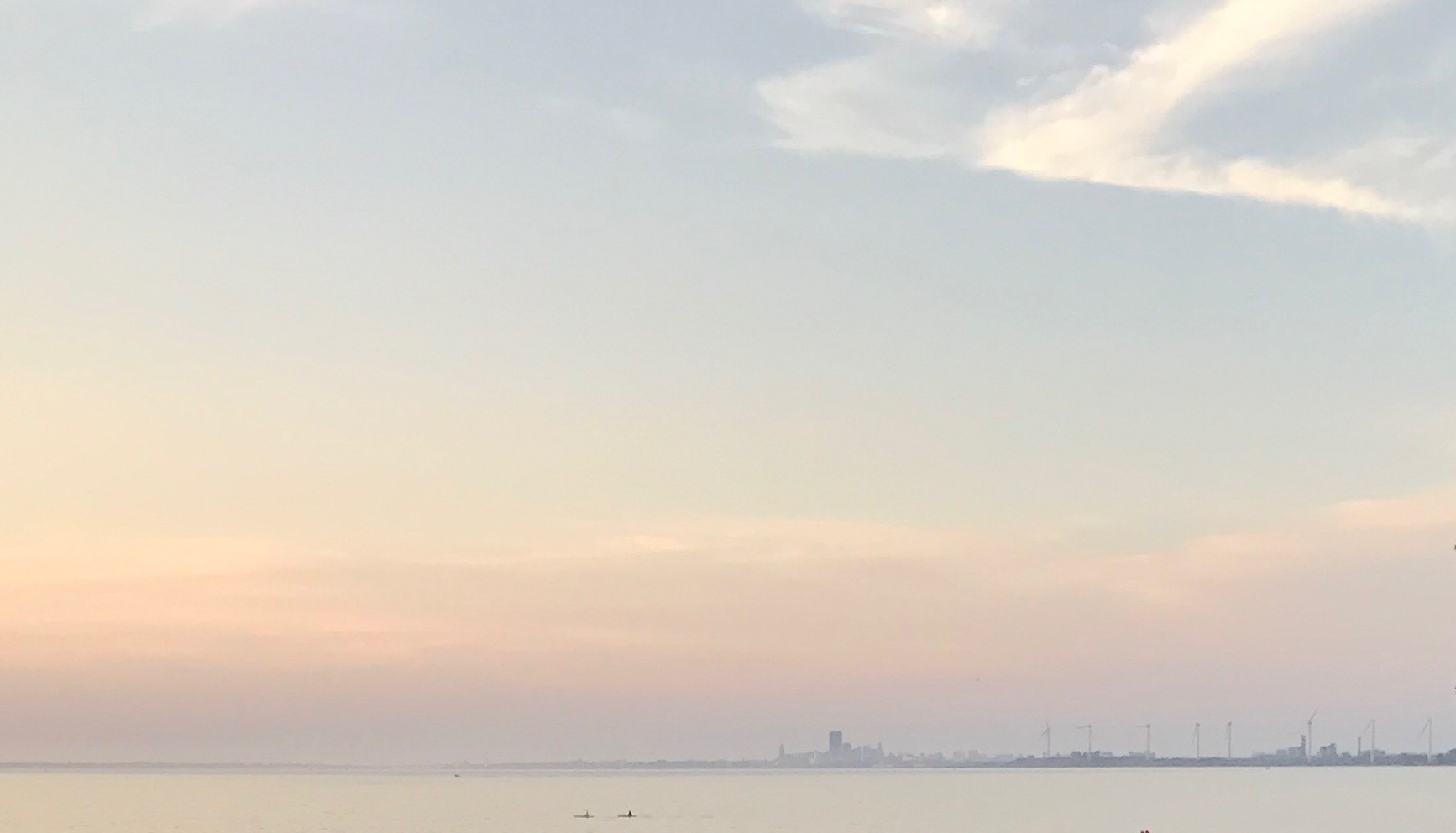
I took this one from Hamburg Town Park. If you look one way, there’s Buffalo in the background.

If you look in the other direction, you see a glorious sunset.

It all depends on where you focus your attention.


The Old Buffalo Psych Hospital

I have always enjoyed Buffalo’s architecture. I’ve written about it in earlier posts. This time, I visited a gem that I was sure was going to be lost, due to lack of maintenance, neglect and obsolescence.

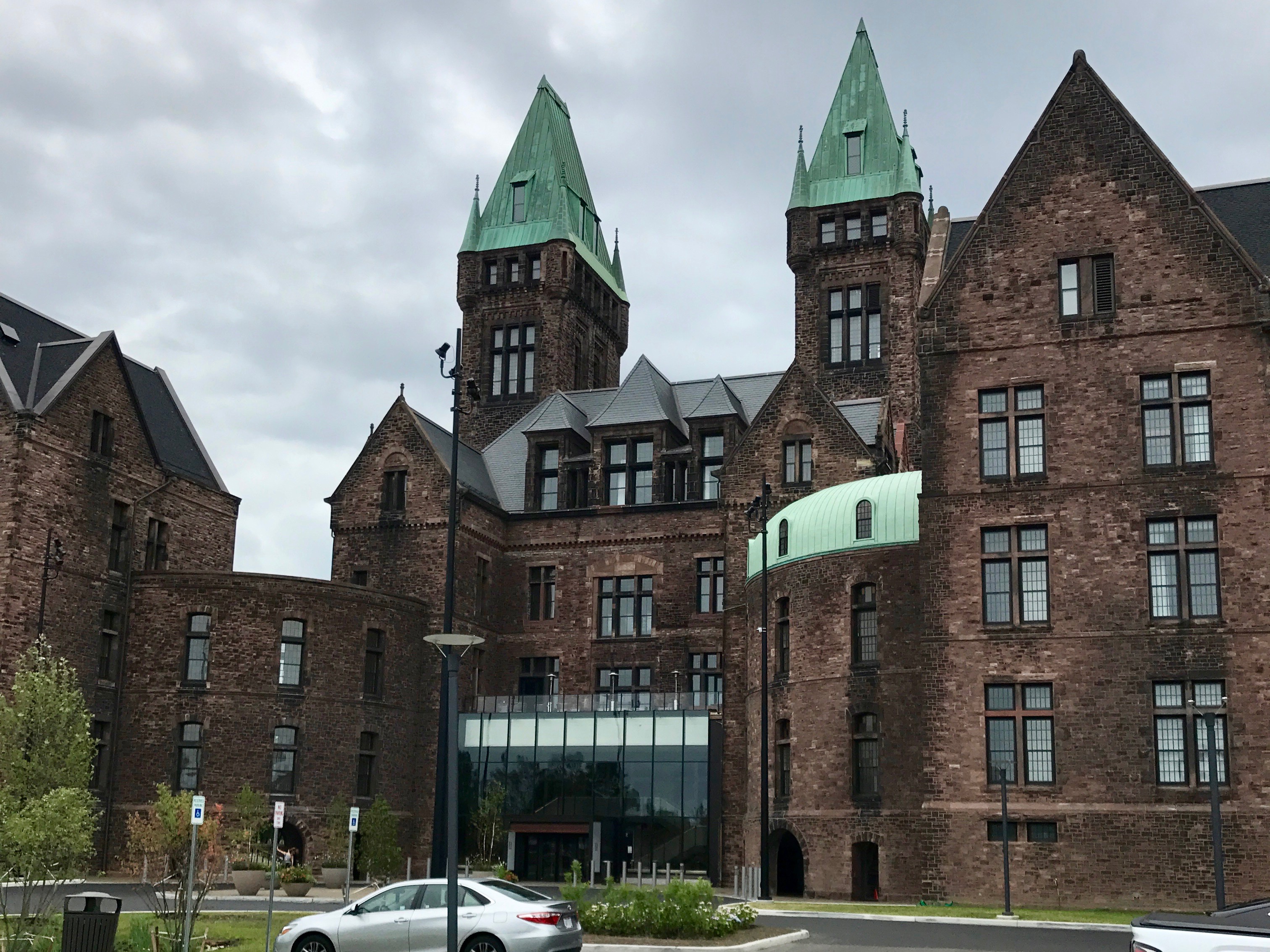
During this trip to the area, I was able to visit the old Buffalo Psych Center. The official name when it was built was the Buffalo State Asylum for the Insane.

Sister Jeanne taught us about this building during my art history classes at Rosary Hill – now Daemen College. Back in the 1970s, when I was studying with her, the buildings were in rough shape and its future was in doubt. Every now and then over the years, I’d drive by and look, and it seemed less and less viable each visit. The visit before this, the complex was even fenced in. I was sure that it was in the process of demolition.

Why does this building matter? It was designed by H.H. Richardson, who was one of the “recognized trinity of American architecture”, along with Louis Sullivan and Frank Lloyd Wright. He had his own design style, which was referred to as “Richardsonian Romanesque”.

H.H. Richardson must have been quite a character. (Incidentally, H.H. stands for Henry Hobson.)

And, not only is the building a work of a prominent American architect, it was done with Frederick Law Olmsted, the famed landscape architect who gave us New York City’s Central Park.

(To be fair, Olmsted was the junior partner with Calvert Vaux, but I don’t recall ever hearing that name before. Maybe people just like saying the names of people who use their middle names.)

During this visit, I heard something about a renovation at the old hospital and that it had been repurposed as a hotel – Hotel Henry.  I decided to see what was going on. I followed the signs and pulled into the parking area at the back.

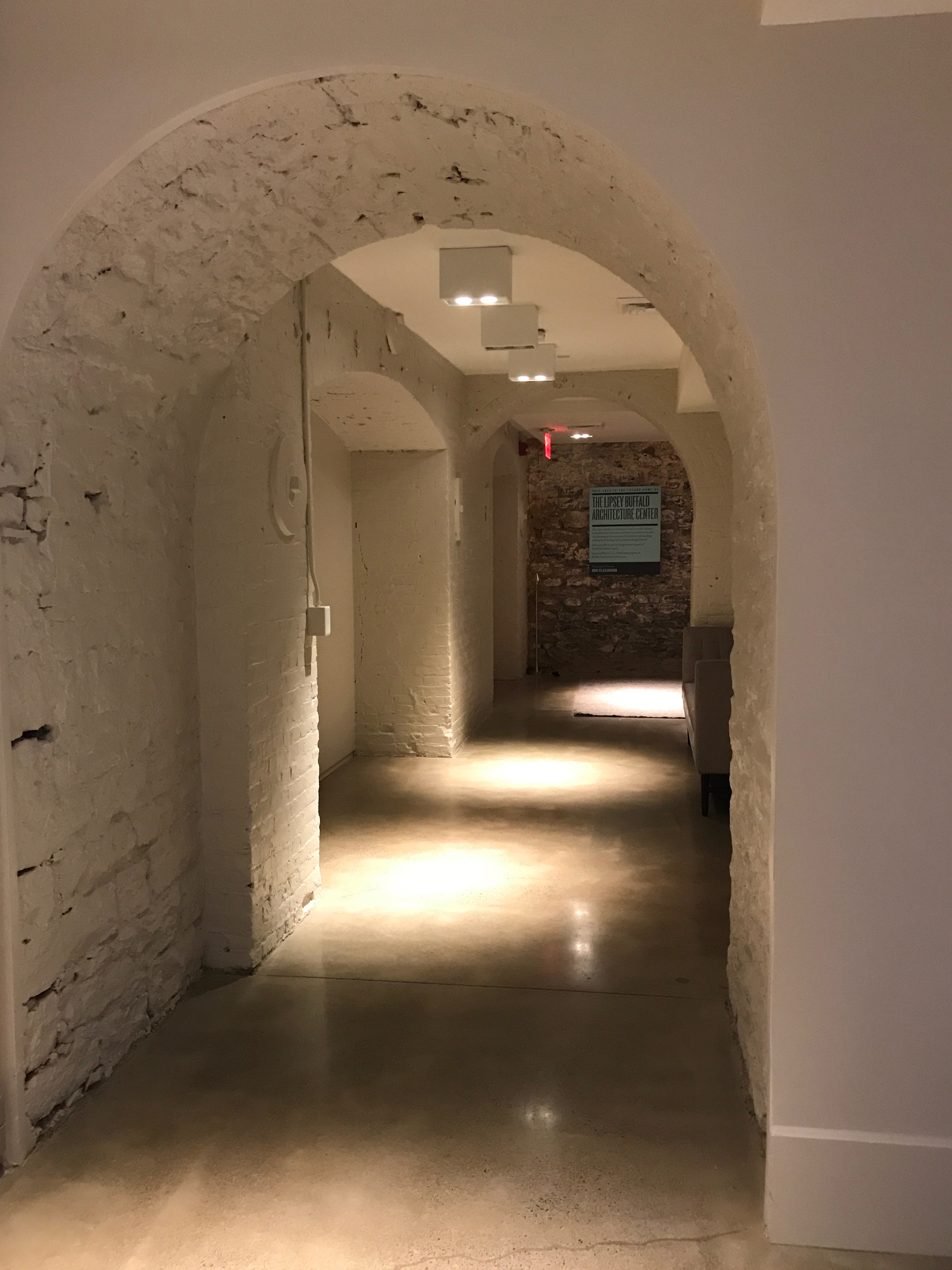
They did a good job of designing an entrance with an atrium that blended in with the original design.

I passed through the atrium to see what I could see.

It’s not much to look at now, but this sign was hanging nearby.

In an effort to keep things as current as possible (even though I am writing this fifteen months after the fact) I called the hotel to see if the center did open as planned. As with many things in this world, they didn’t get it open last year, but are on schedule for a spring 2019 opening. Maybe I can check it out next summer.

I wandered on. I thought this was an interesting view.

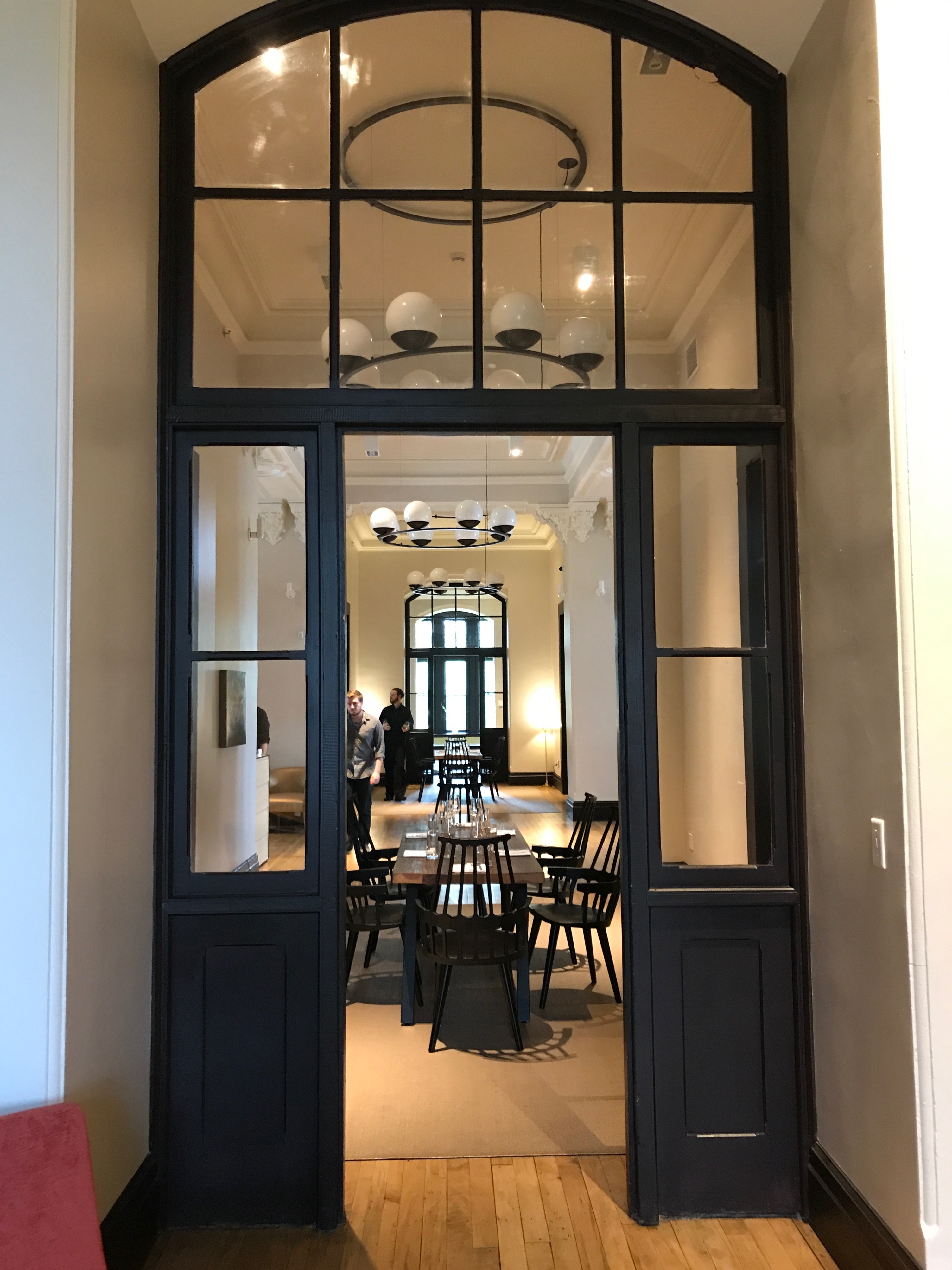
I made my way upstairs and came across this elegant dining room. It turns out that there is a restaurant in the new Hotel Henry called 100 Acres: The Kitchens at Hotel Henry. According to the information I could glean, it offered a selectively sourced, seasonal New American menu.

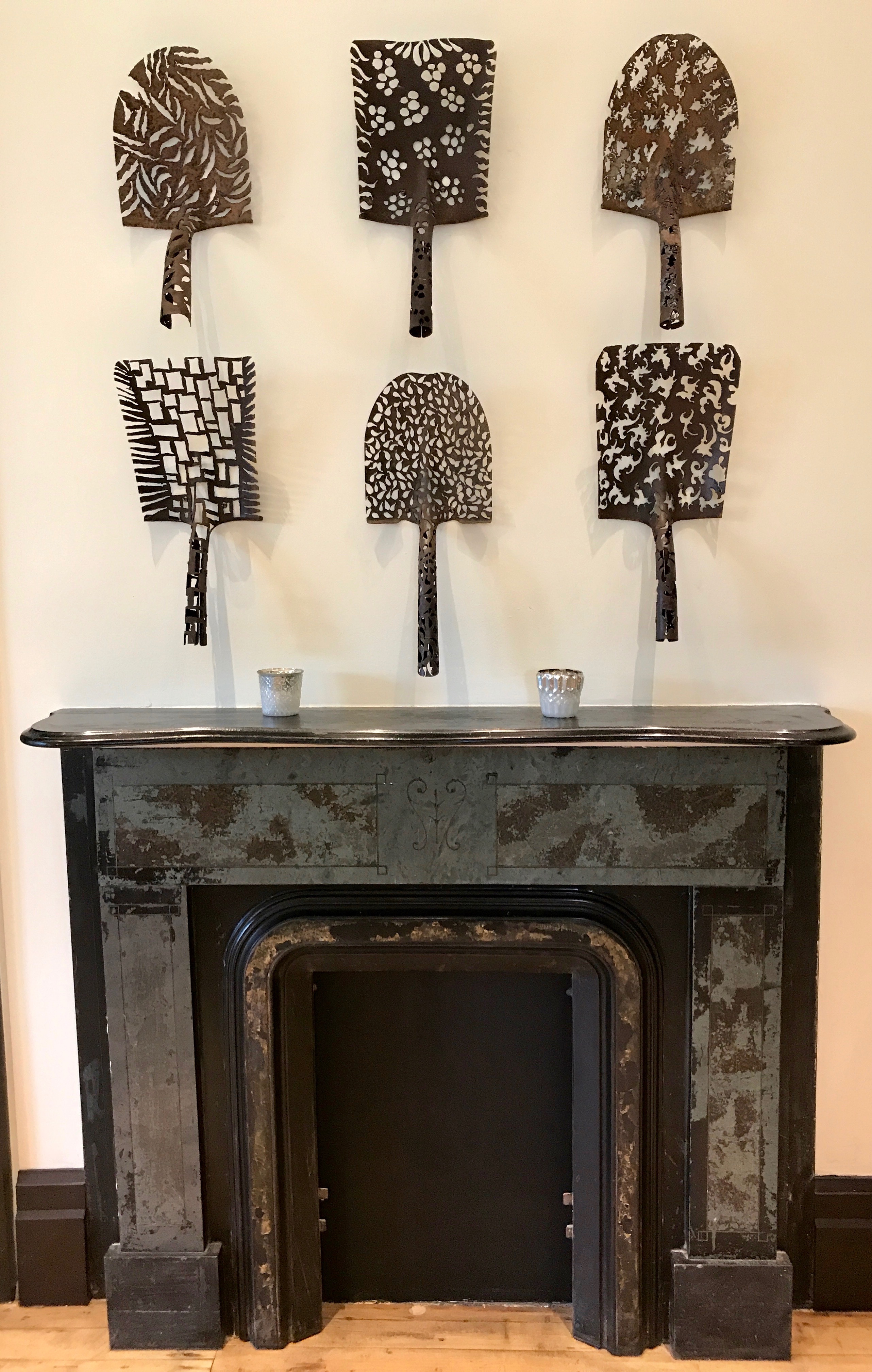
This installation was in a bar I came across. From one of the people I spoke with, the name “100 Acres” refers to the amount of farmland that was set aside for the purpose of creating the Buffalo State Asylum for the Insane. According to the Kirkbride Plan, much of the farmland remained productive and provided healing, rehabilitation and meaningful work for the patients.

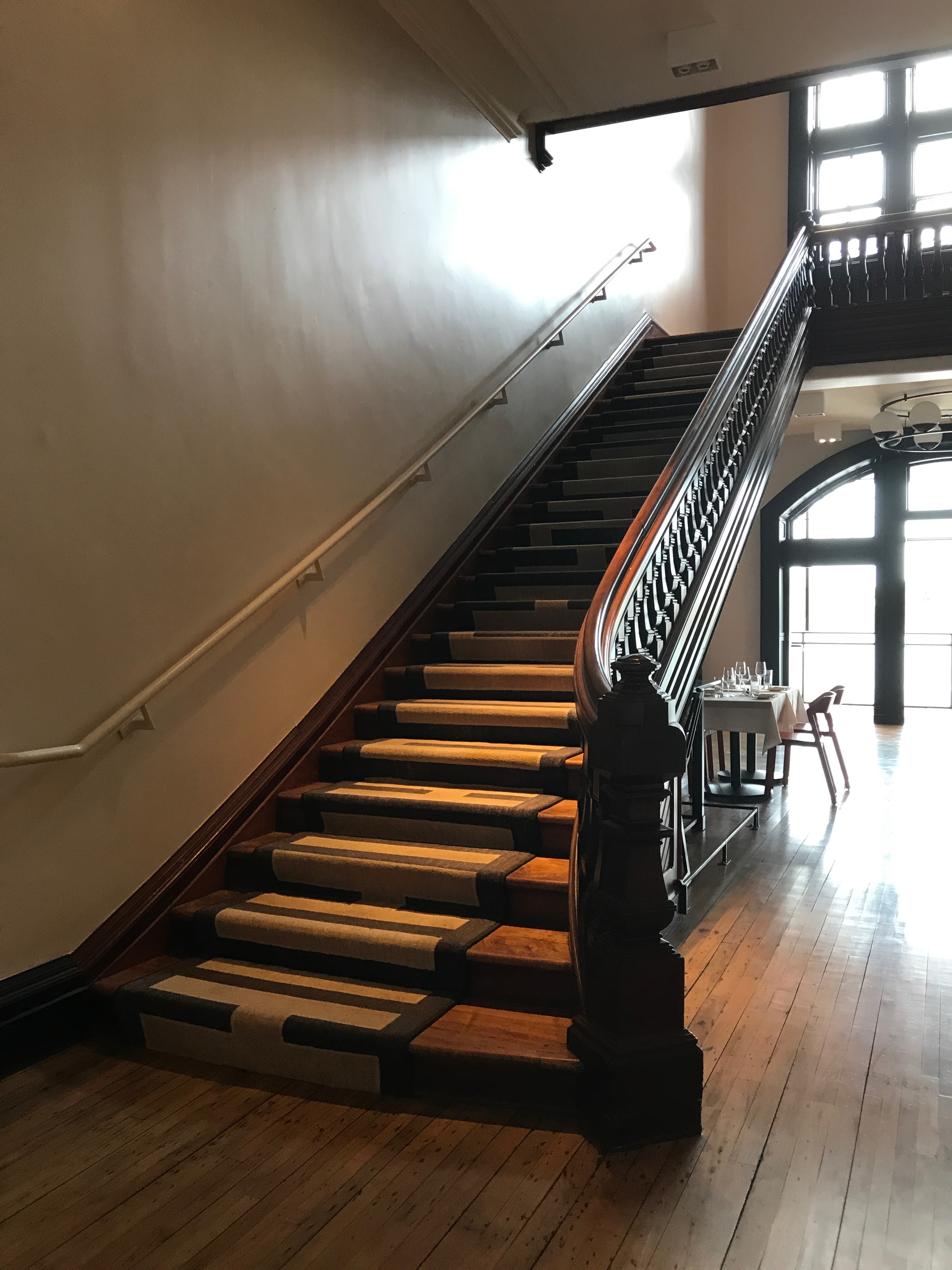
There were the elegant touches that one expects in a grand building, like this dramatic staircase.
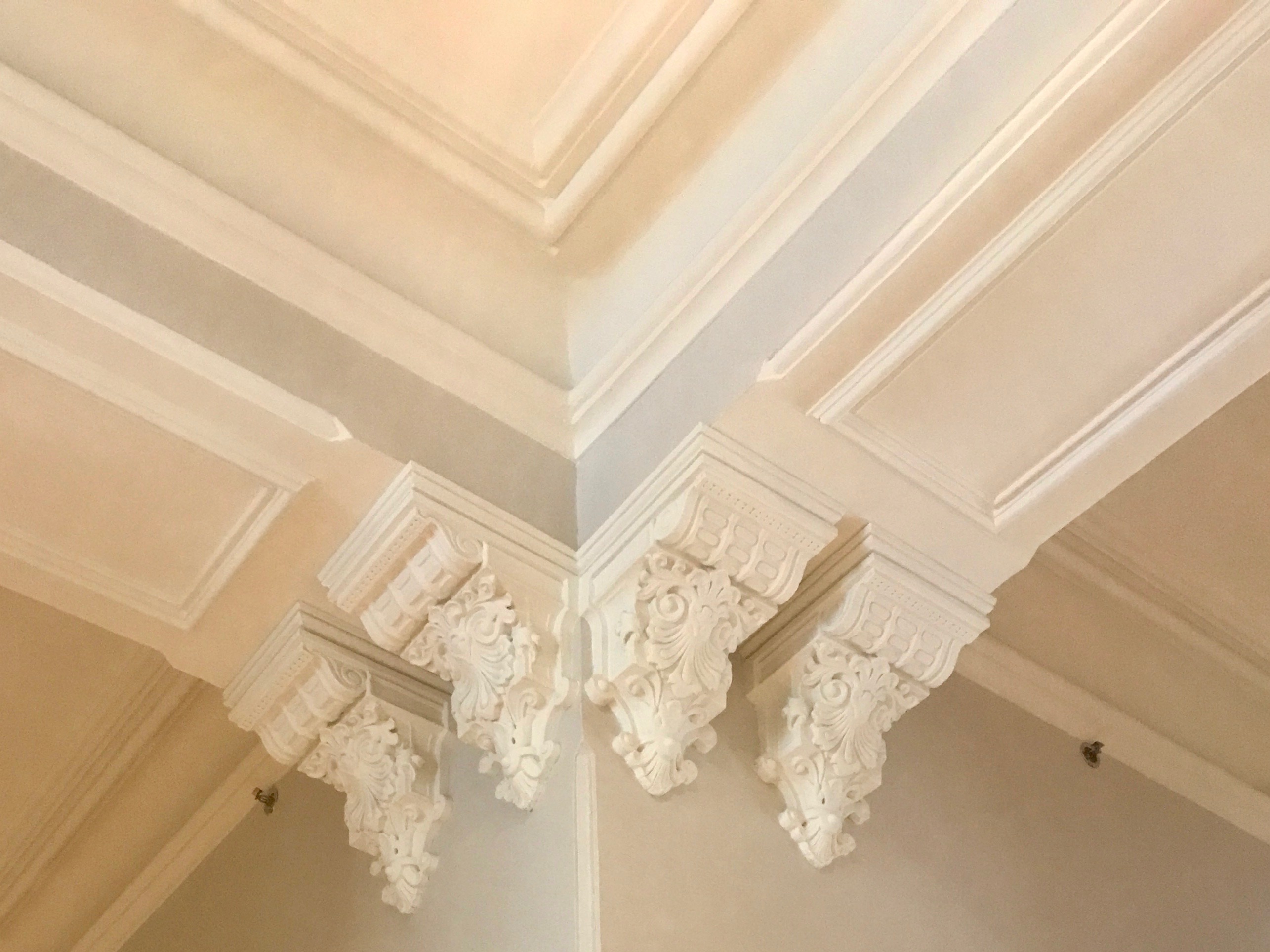
These elaborate corbels were set off by the subtle choices of paint.

Elaborate tile inserts made it look like corridors had rugs in them.

Even the edges of the curving corridor that connected the main building with the wings had decorative tile work,

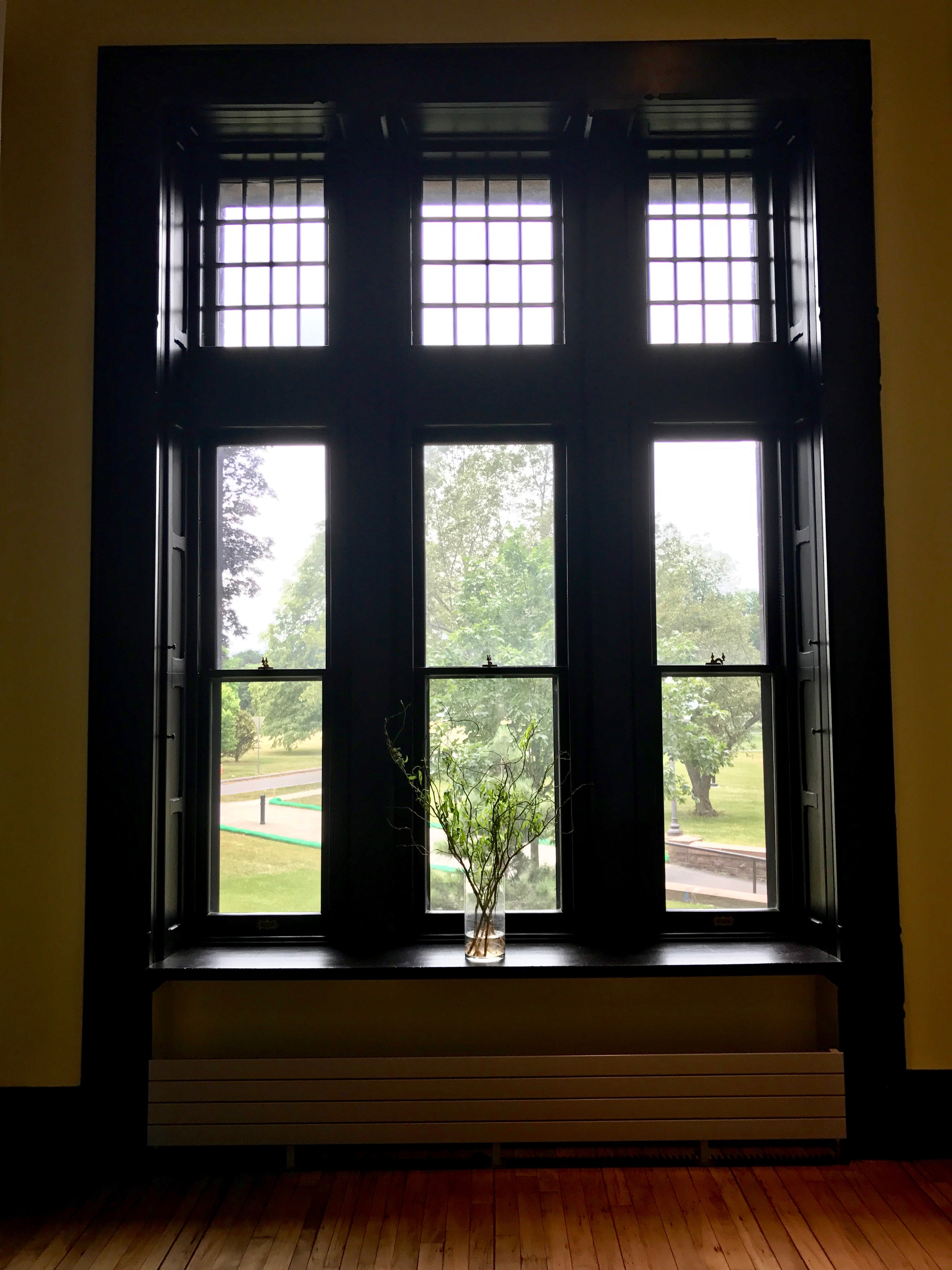
There were ample windows that kept the place bright. Bear in mind that this structure was designed in the 1870s, before electrification.

Even the smallest details had a special touch. I love the window latch.

The window pull also received design attention.

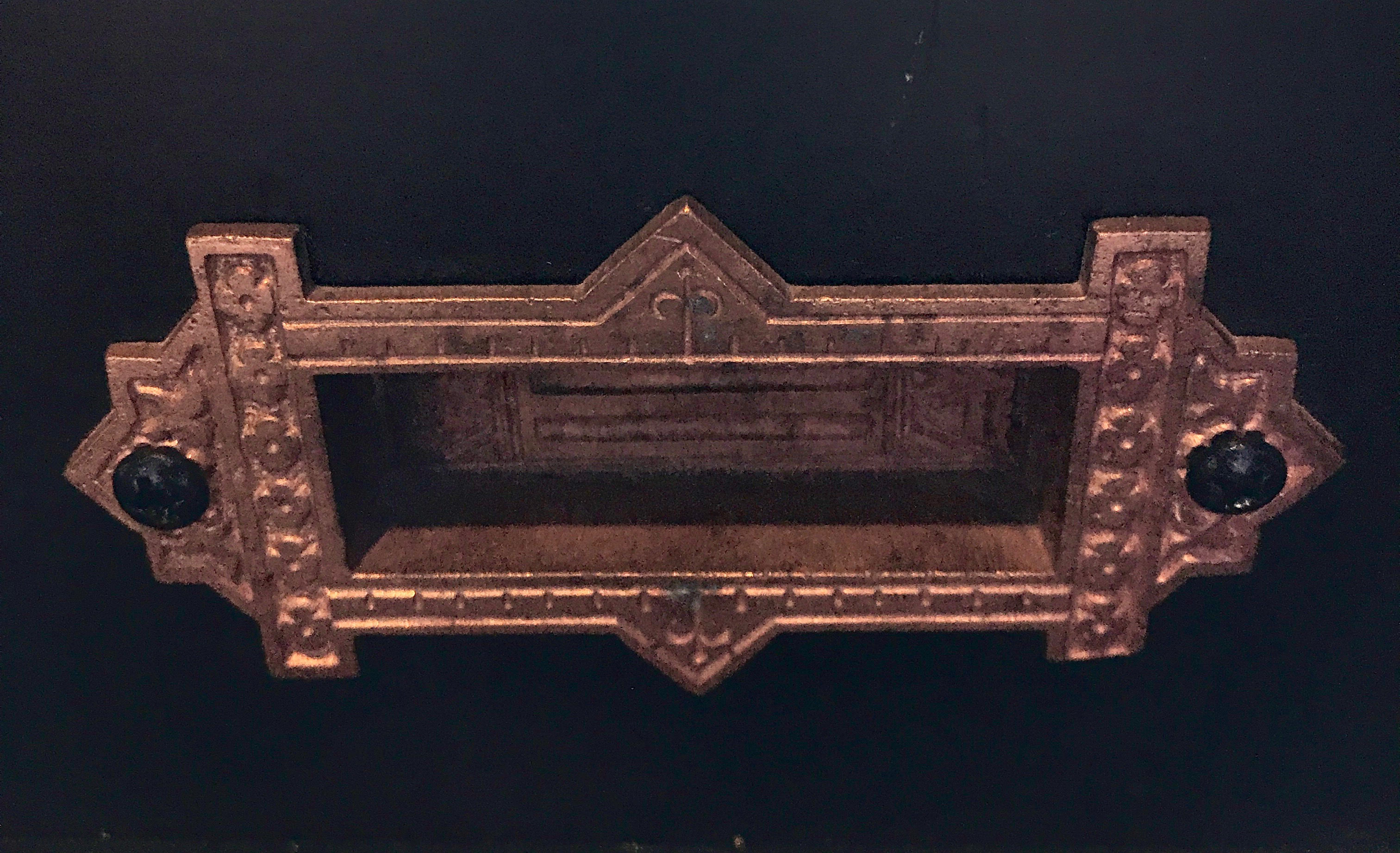
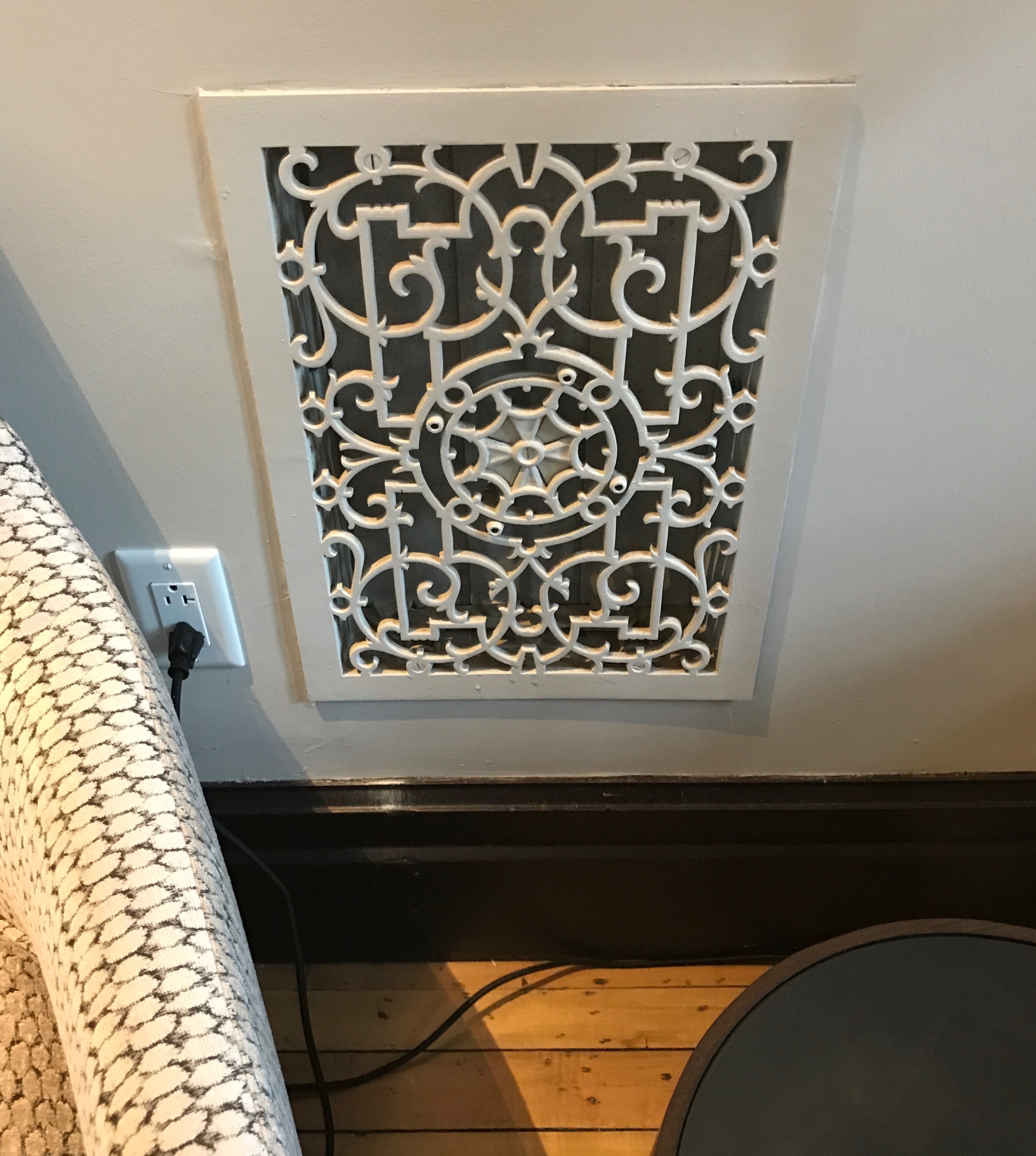
The register cover was also elegantly designed. Bear in mind that this was a state mental facility.

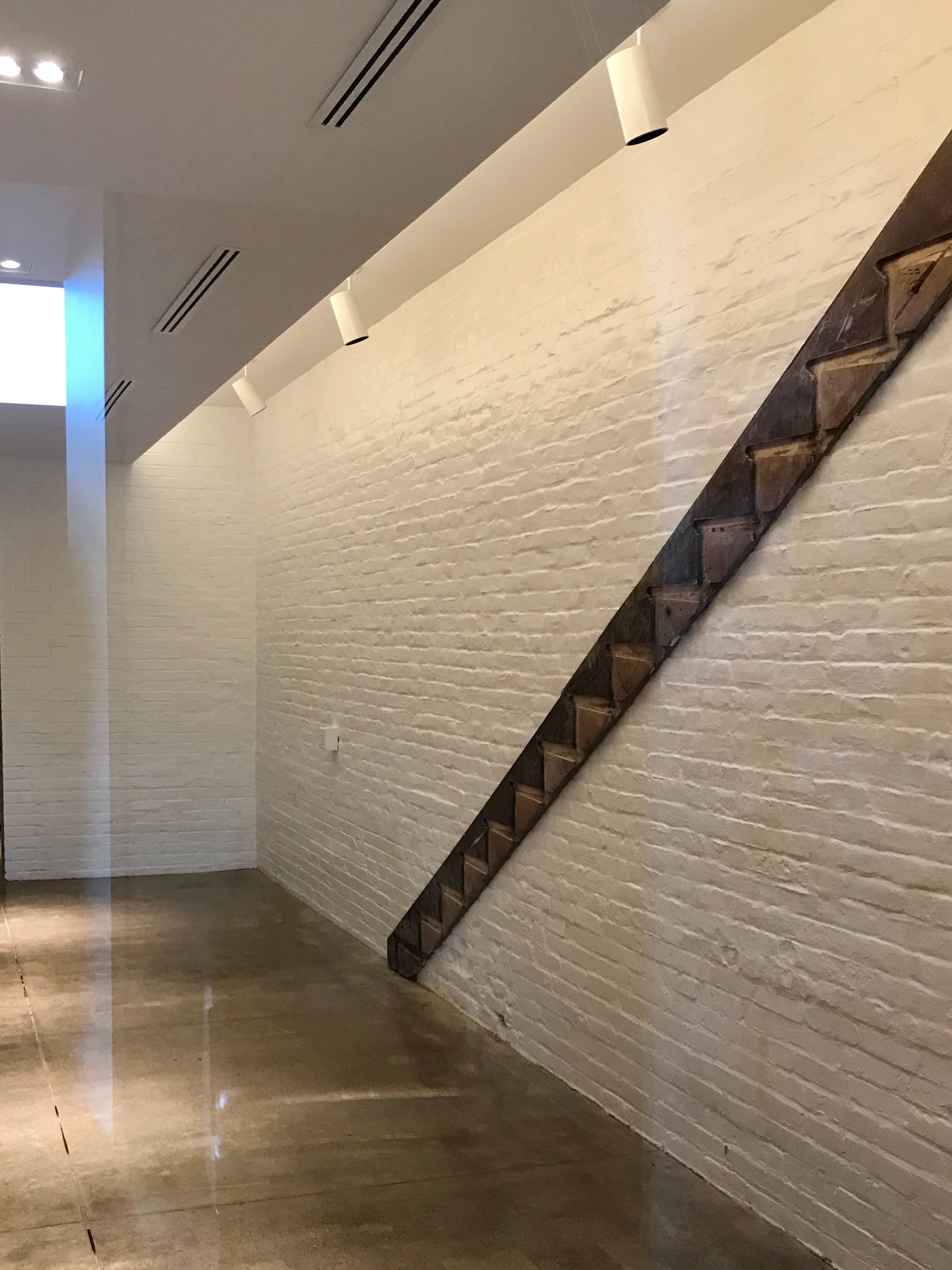
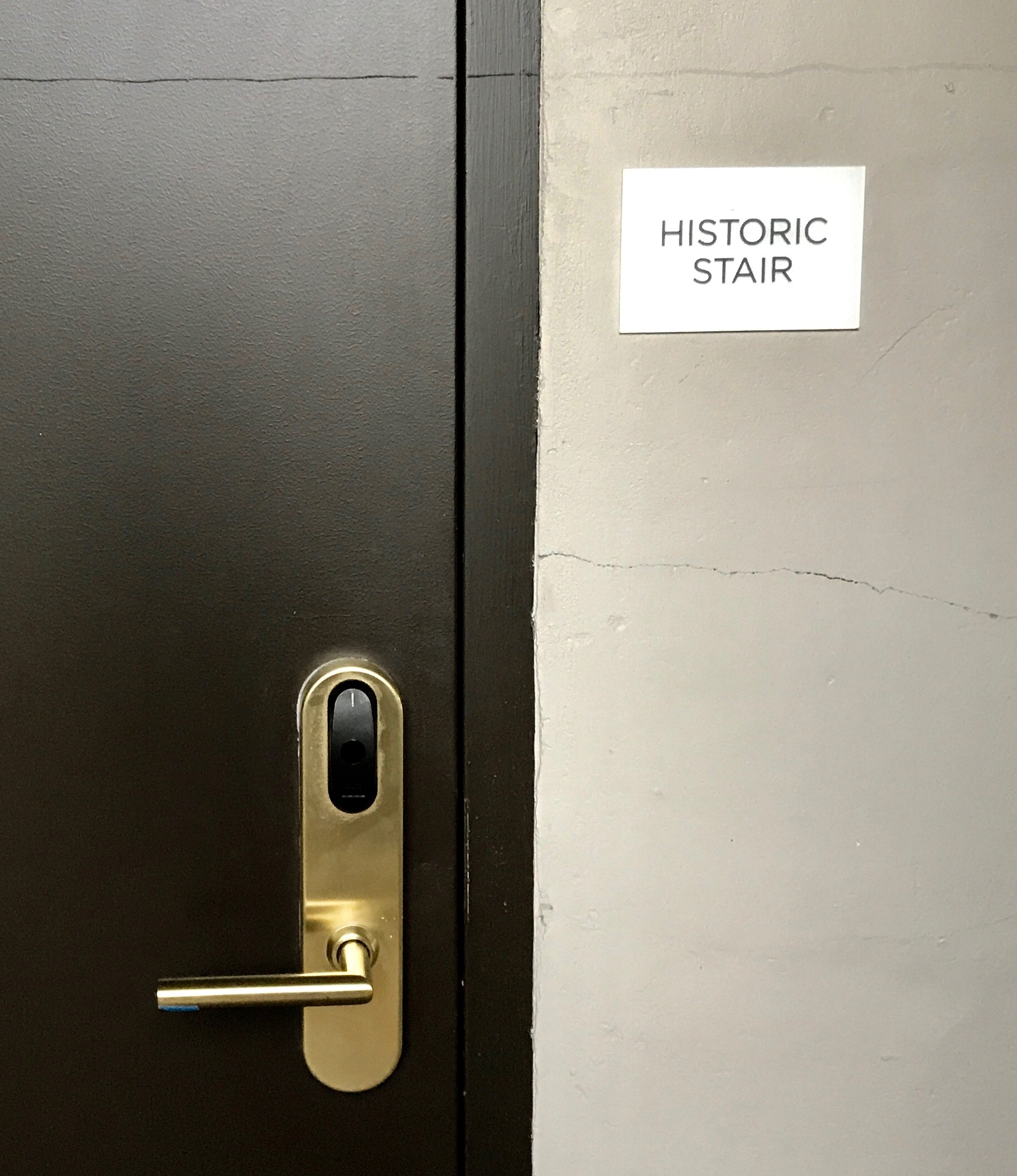
I came across this door with the tantalizing sign, “historic stair”. You know I had to try the door. It opened – and no alarm sounded.

Here’s the view going down.

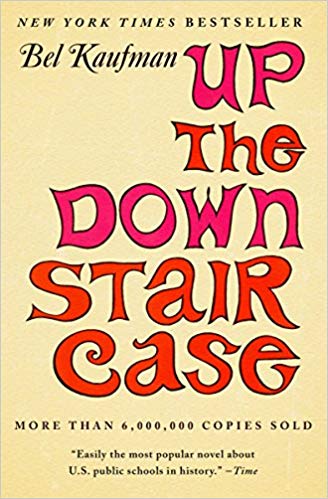
And then there’s the view going up. Is this “up the down staircase“?

And if you knew what I was referring to, you are officially old. I decided not to go up or down. I was a bit concerned that the door would lock behind me and I would be trapped.

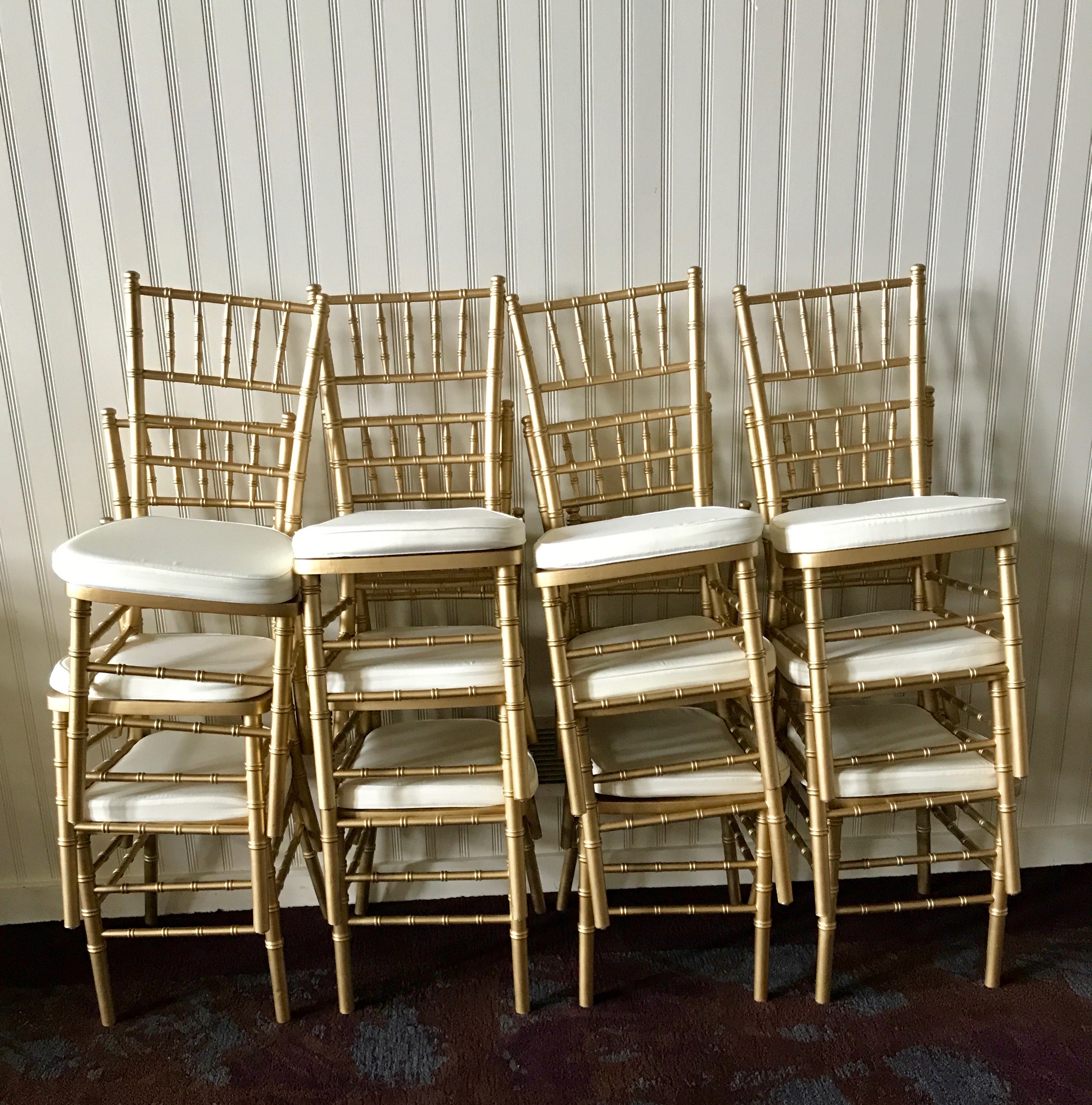
I wandered into the ballroom. They were in the midst of cleaning it after a reception. I liked these stacks of chairs.

I stopped by the registration desk to inquire about the rooms. I wondered what they cost. I was surprised that they only cost in the neighborhood of $150.

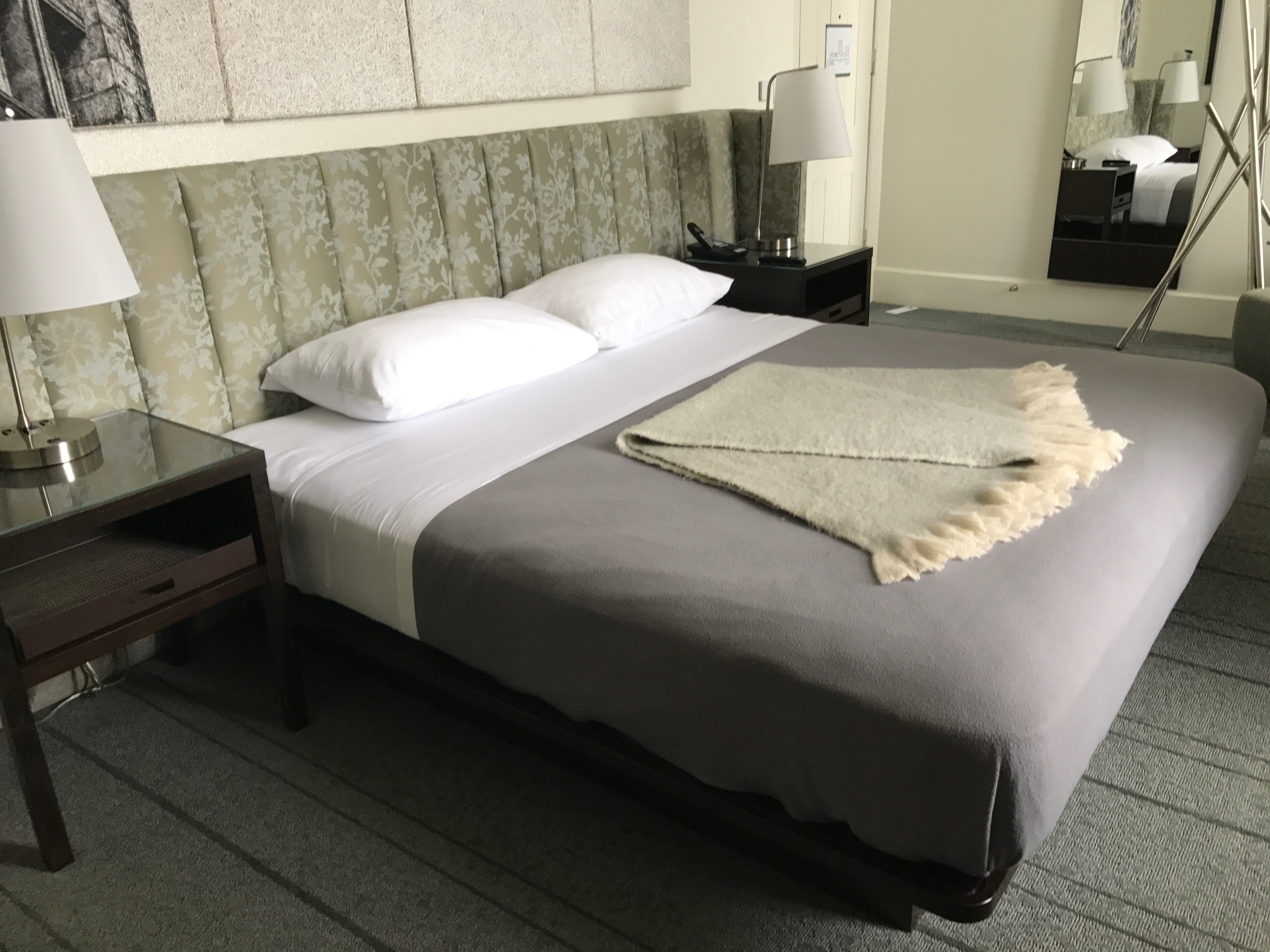
The clerk offered to let me see one, and I leapt at the chance.
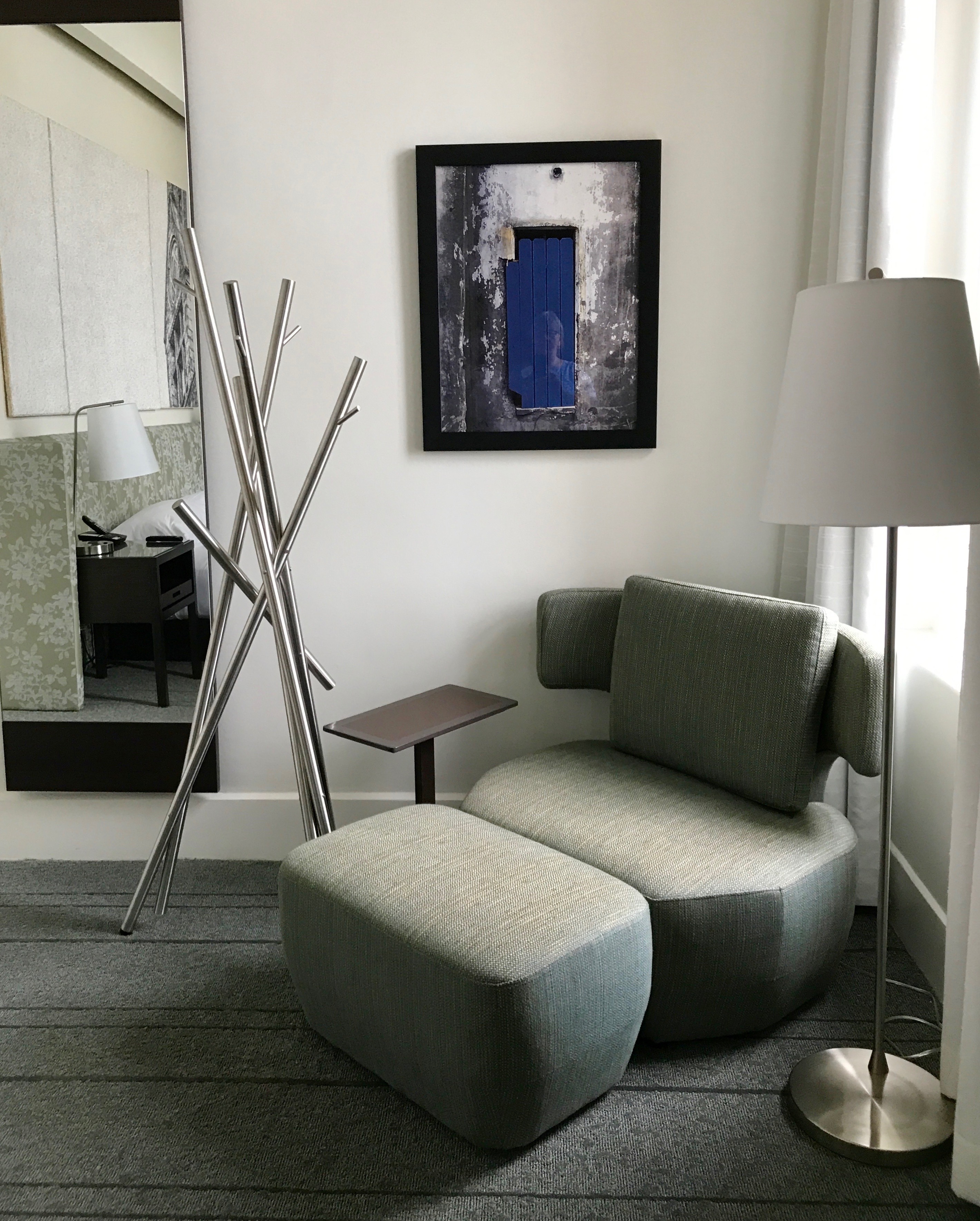
I could see myself in that chair. The rooms are small, so they combined functionality. This is a chair, side table and desk. The coat rack next to it doubles as a work of art.
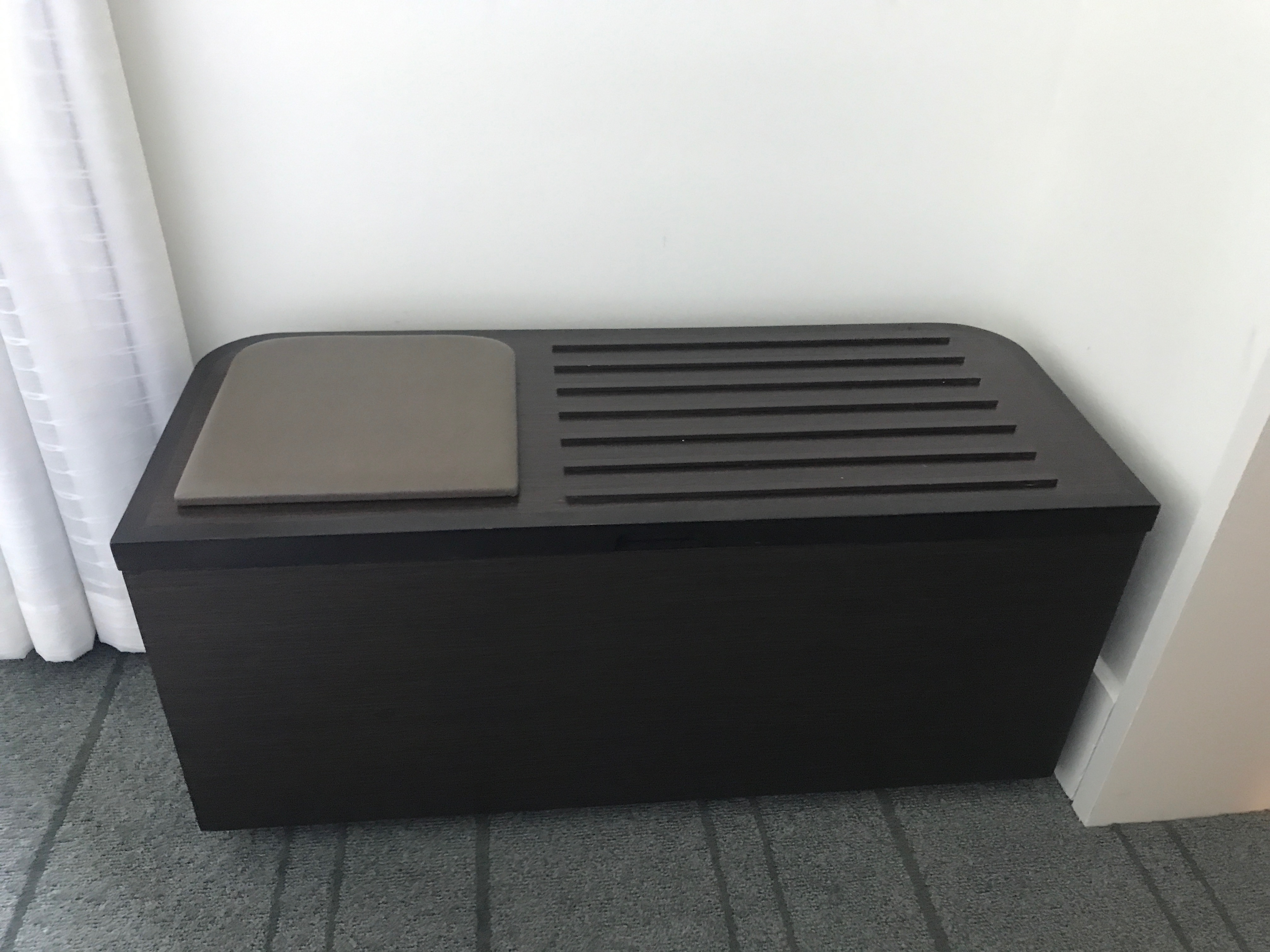
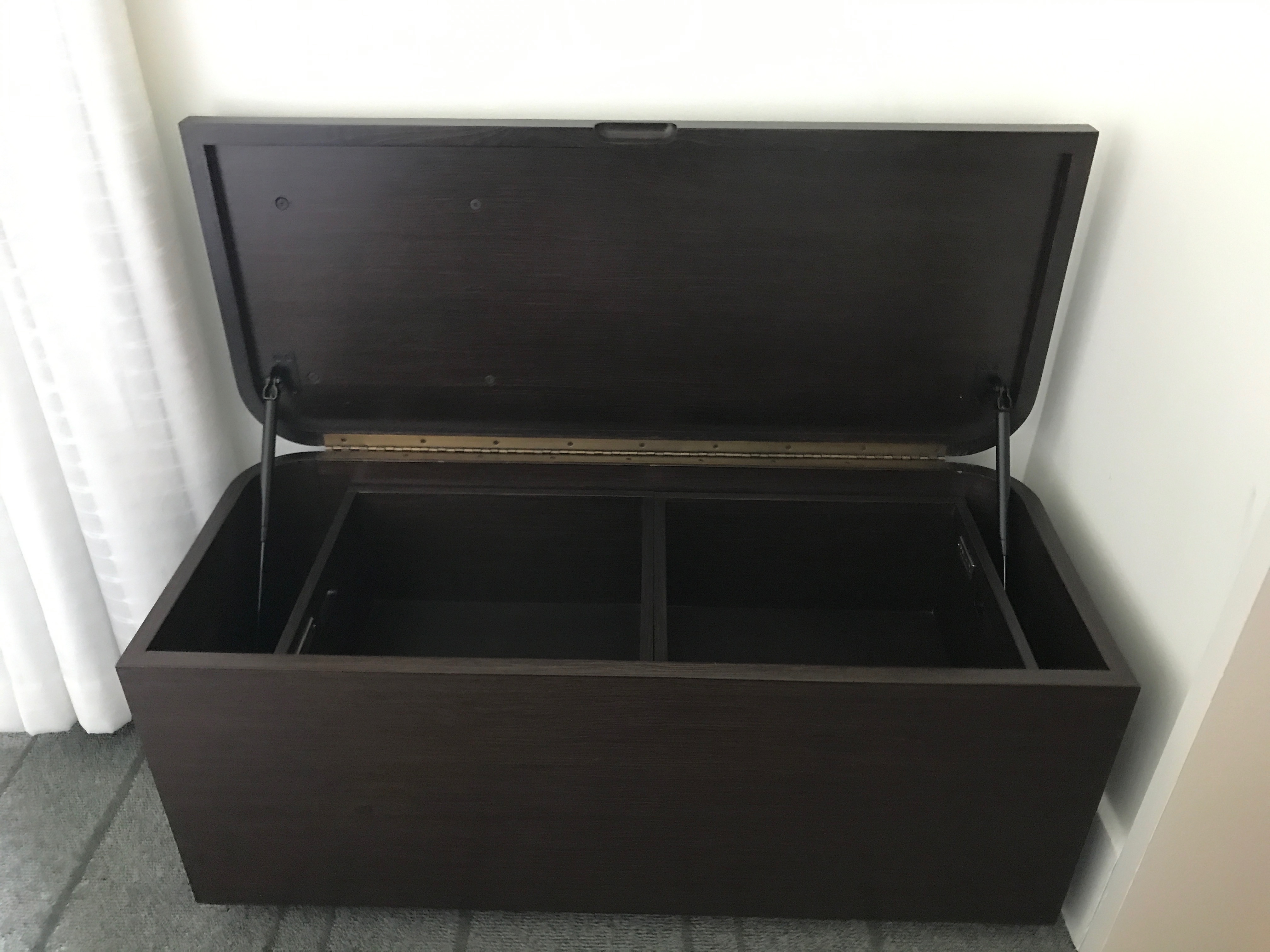
This is a luggage rack and bench.

It also doubles as a dresser.

The bathroom was sleek and modern, but given the small space, I couldn’t get a good angle to take a photo.

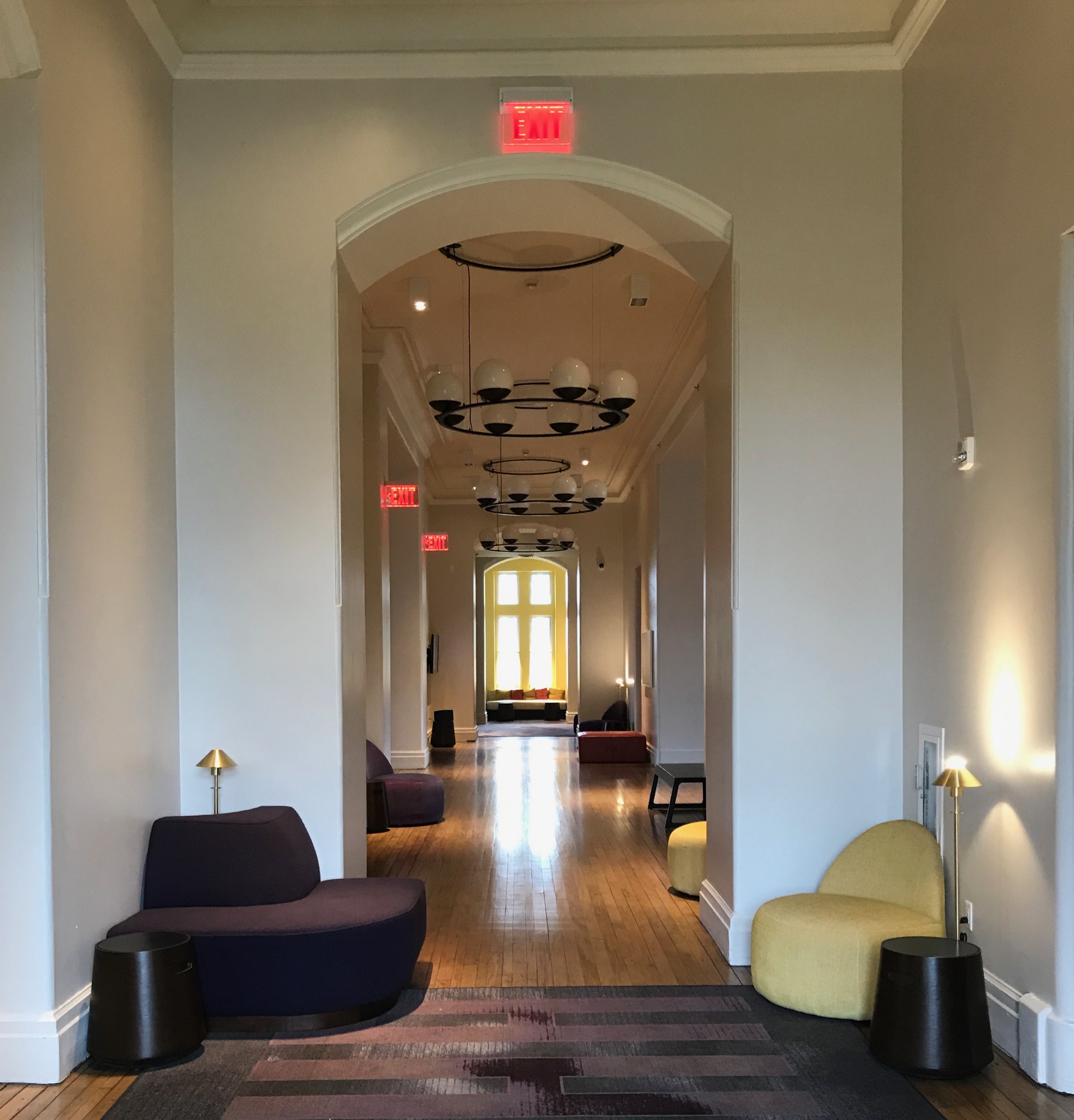
I wandered around a bit more. I just love hotels – especially unique ones.
What a gracious setting for a casual meal! With that, I decided to look around outside.

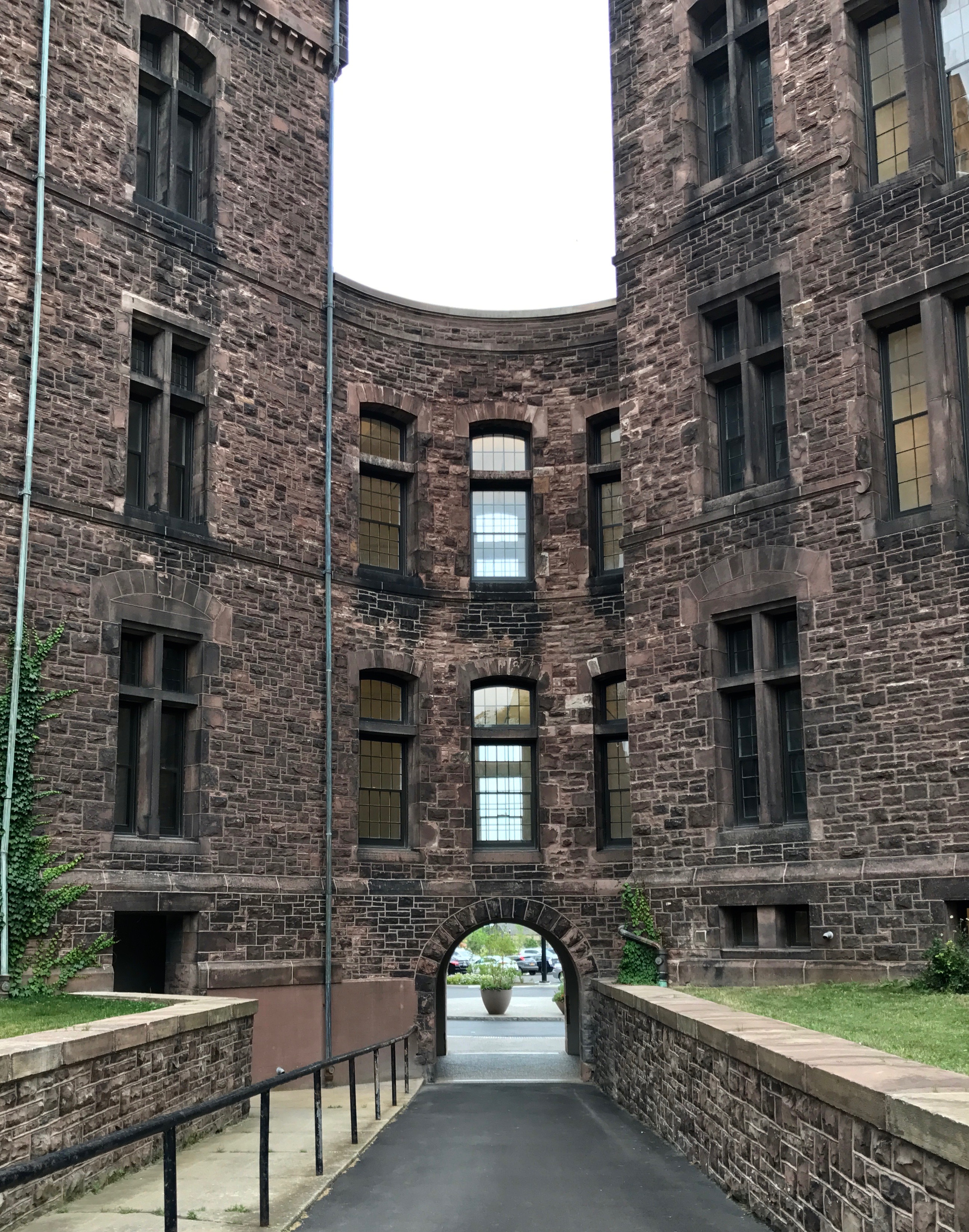
This is from the front of the back looking back at the curved corridor that connects the main building to the wings.

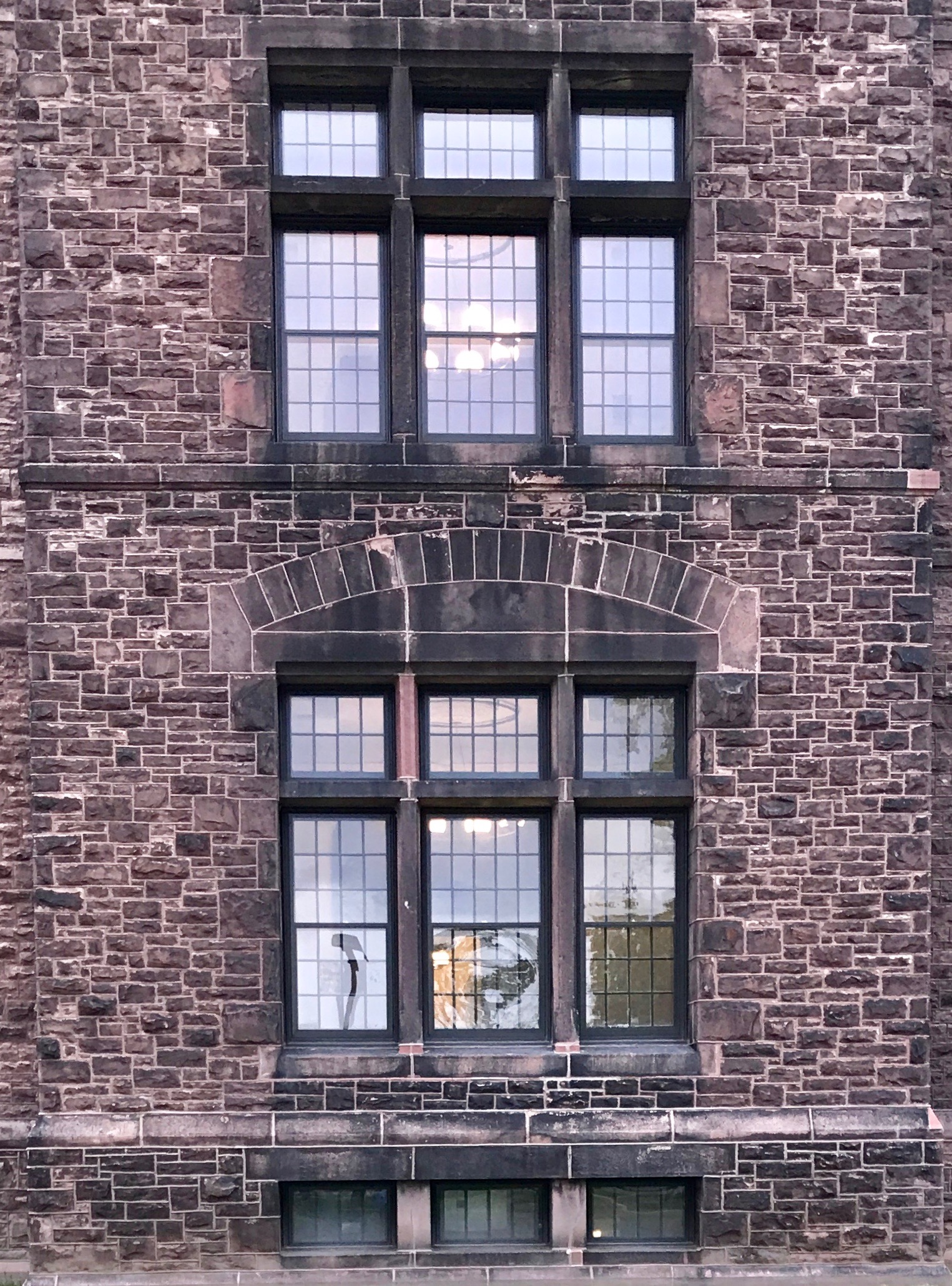
These windows were on the wing to the right as I looked at the front of the building.

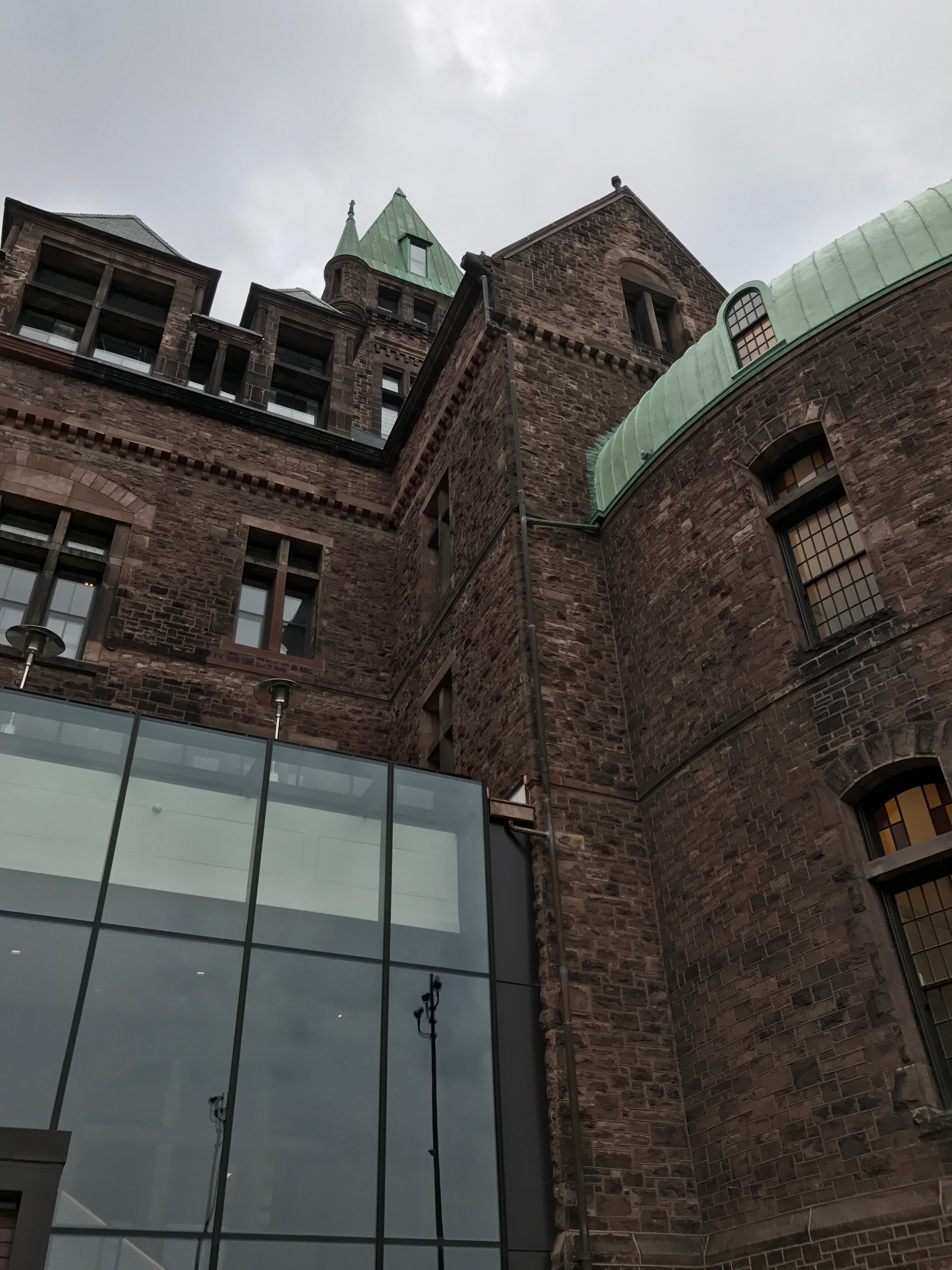
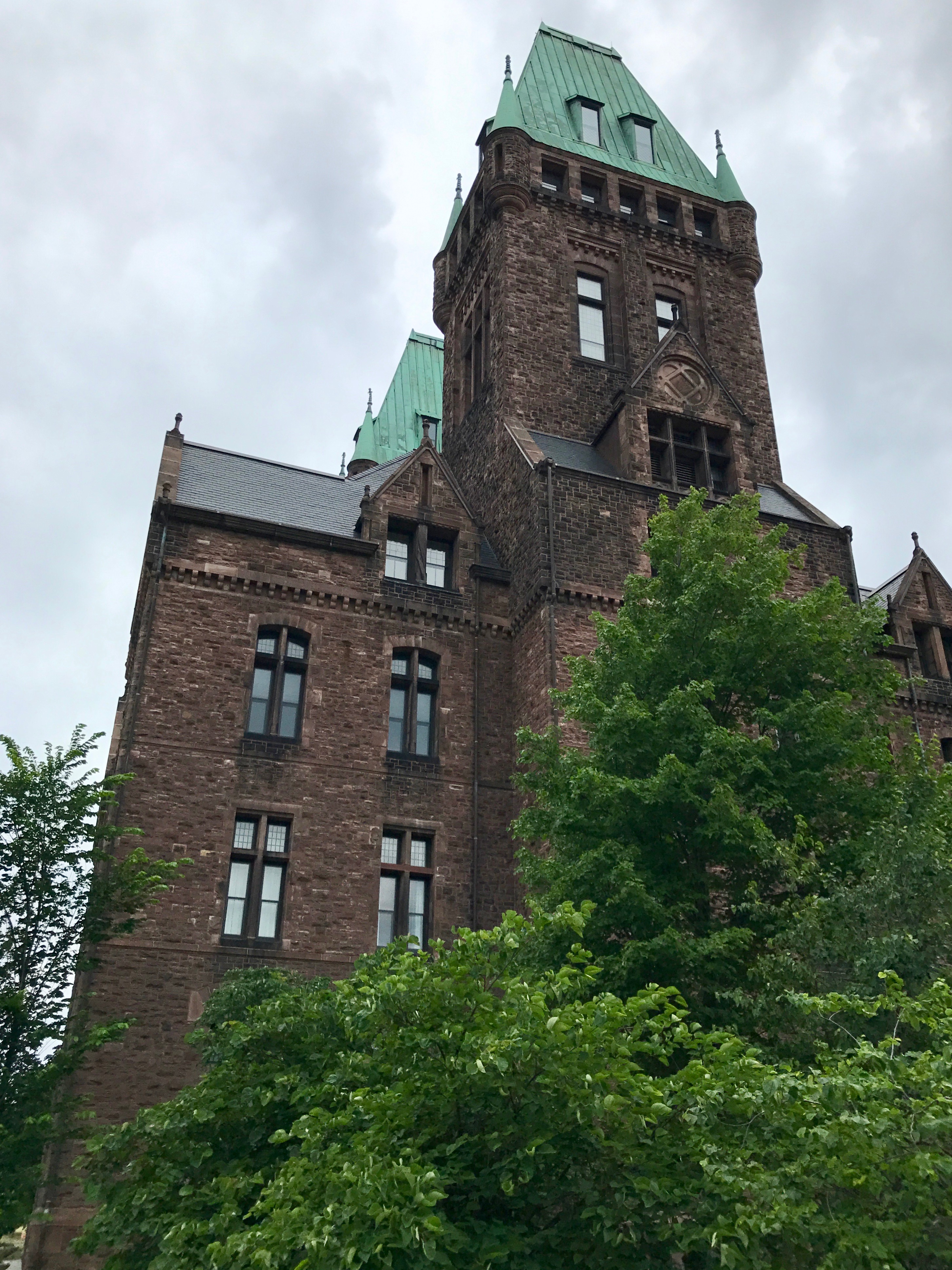
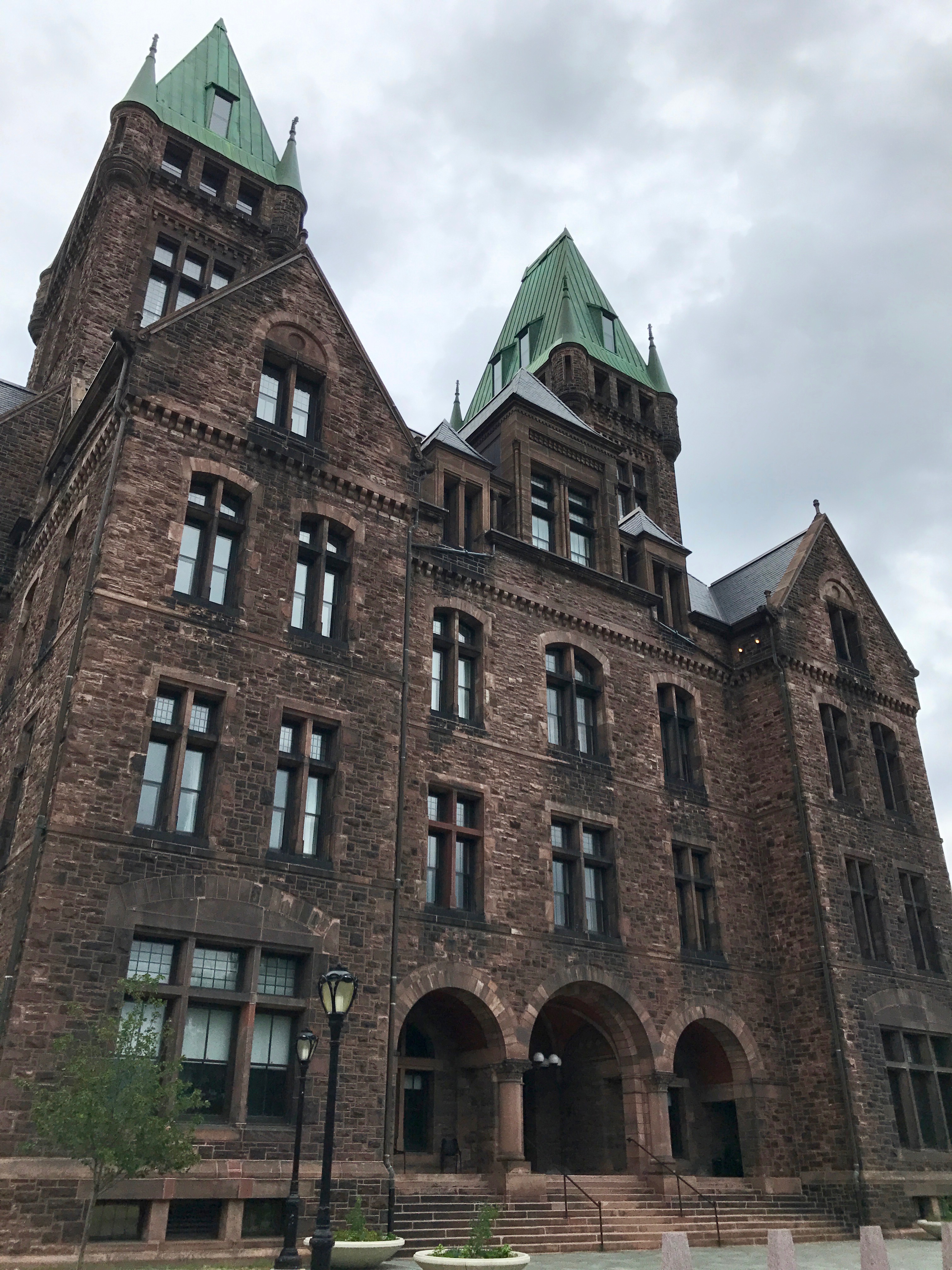
Looking up at the towers as I walked toward the front of the building.

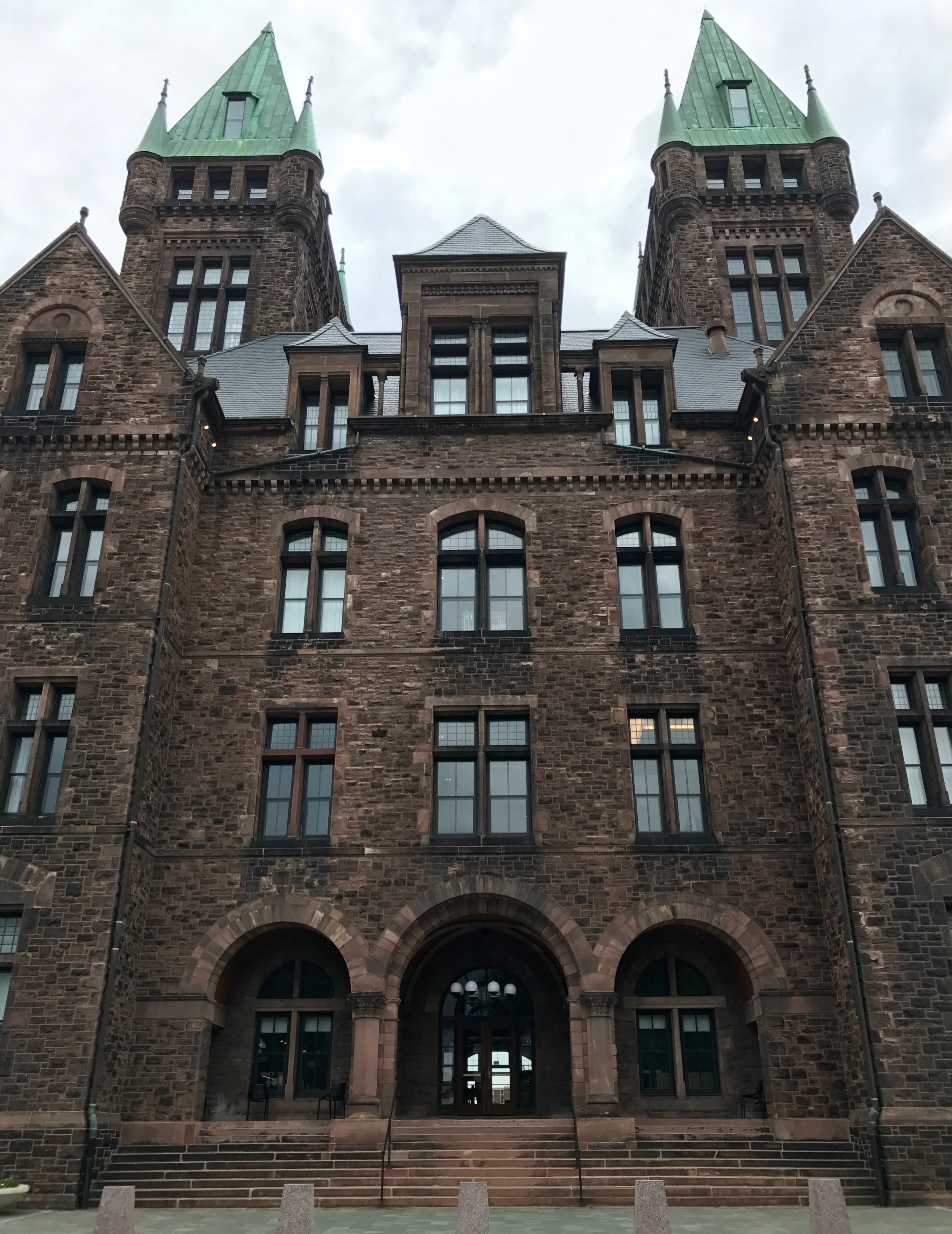
The front entrance to the main floor.

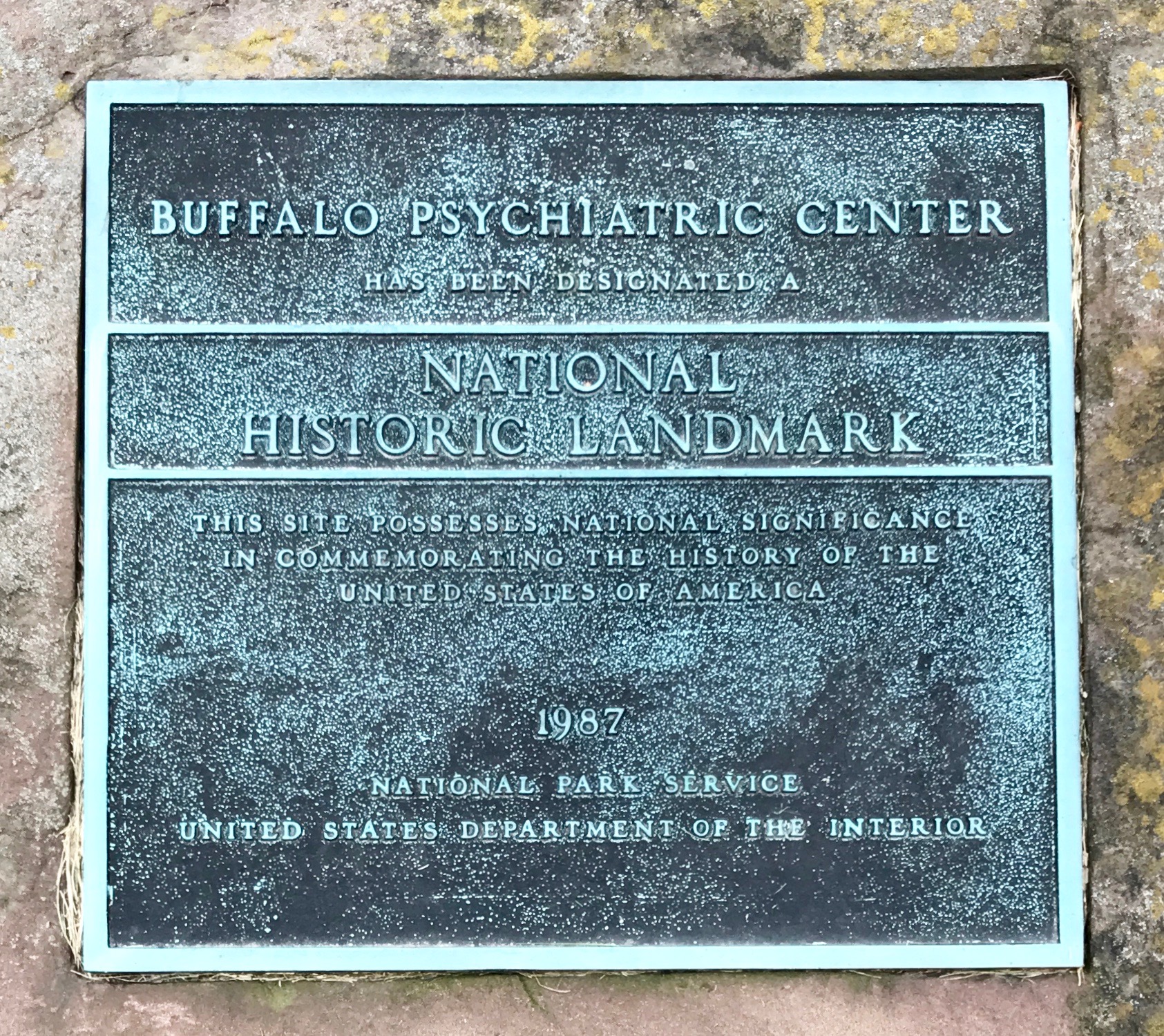
I find it a little surprising that it wasn’t put on the National Historic Landmark list until 1987. After all, Sister Jeanne told us about it in the first half of the 1970s.

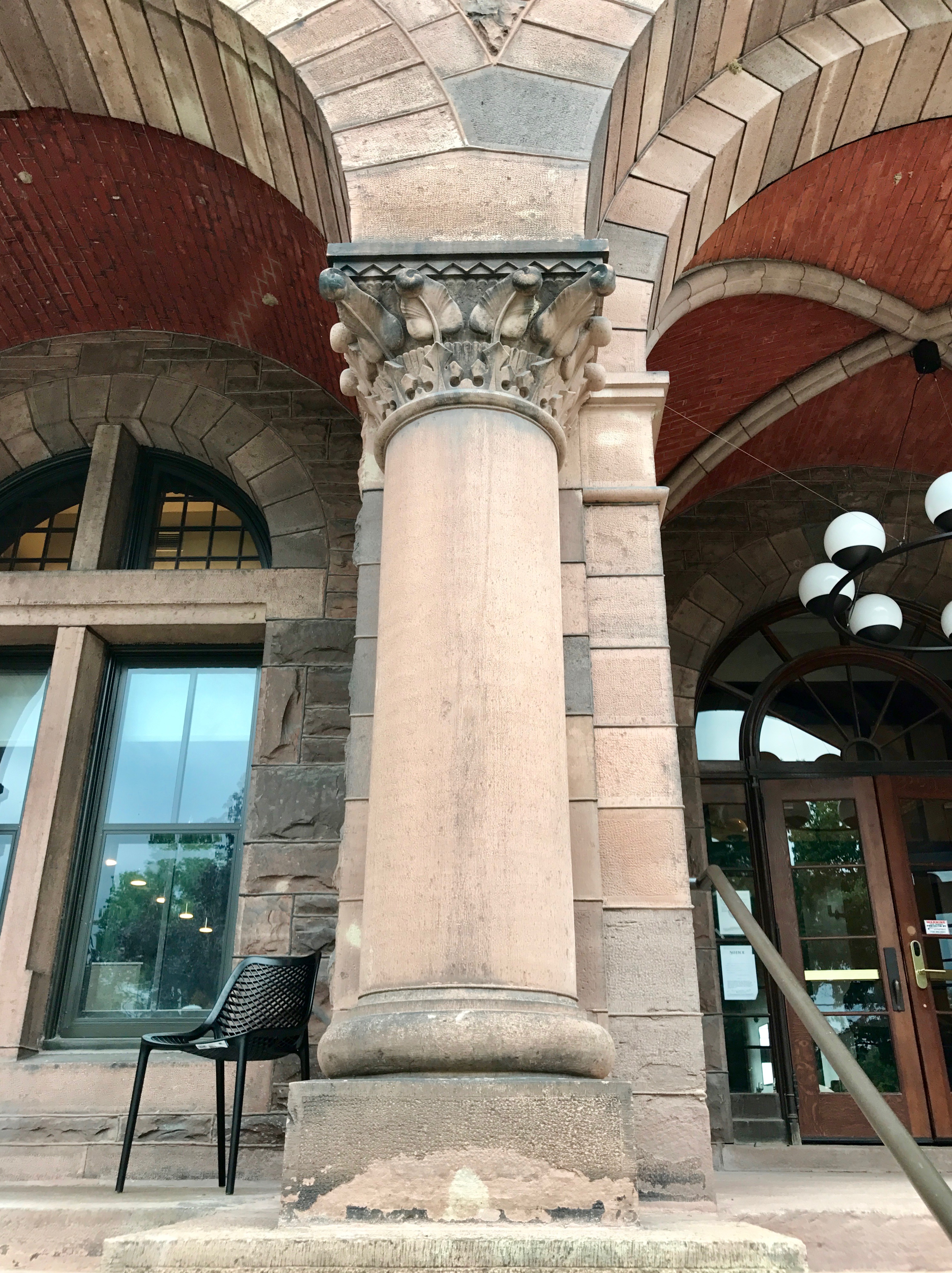
I walked across the front of the building and looked back at it. I needed to investigate the columns more closely.

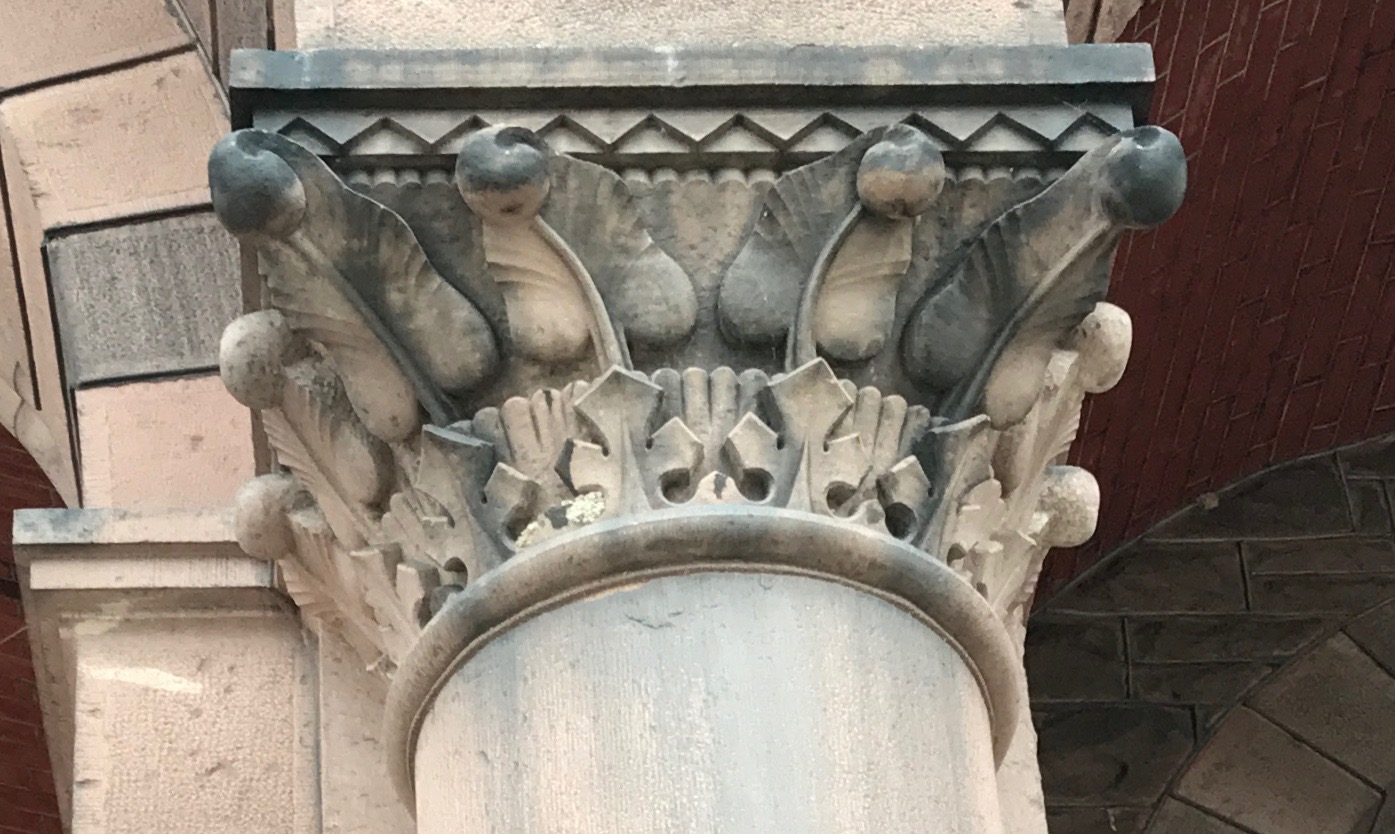
I suppose those are Corinthian capitals.

However, they are not your typical Corinthian capitals. It looks like Richardson chose to go with feathers instead of acanthus leaves.

There is ribbed groin vaulting in this area. I remember my art history classmates tittering when Sister Jeanne talked about ribbed groin vaults. The tile work on the outside compliments the tile work inside.

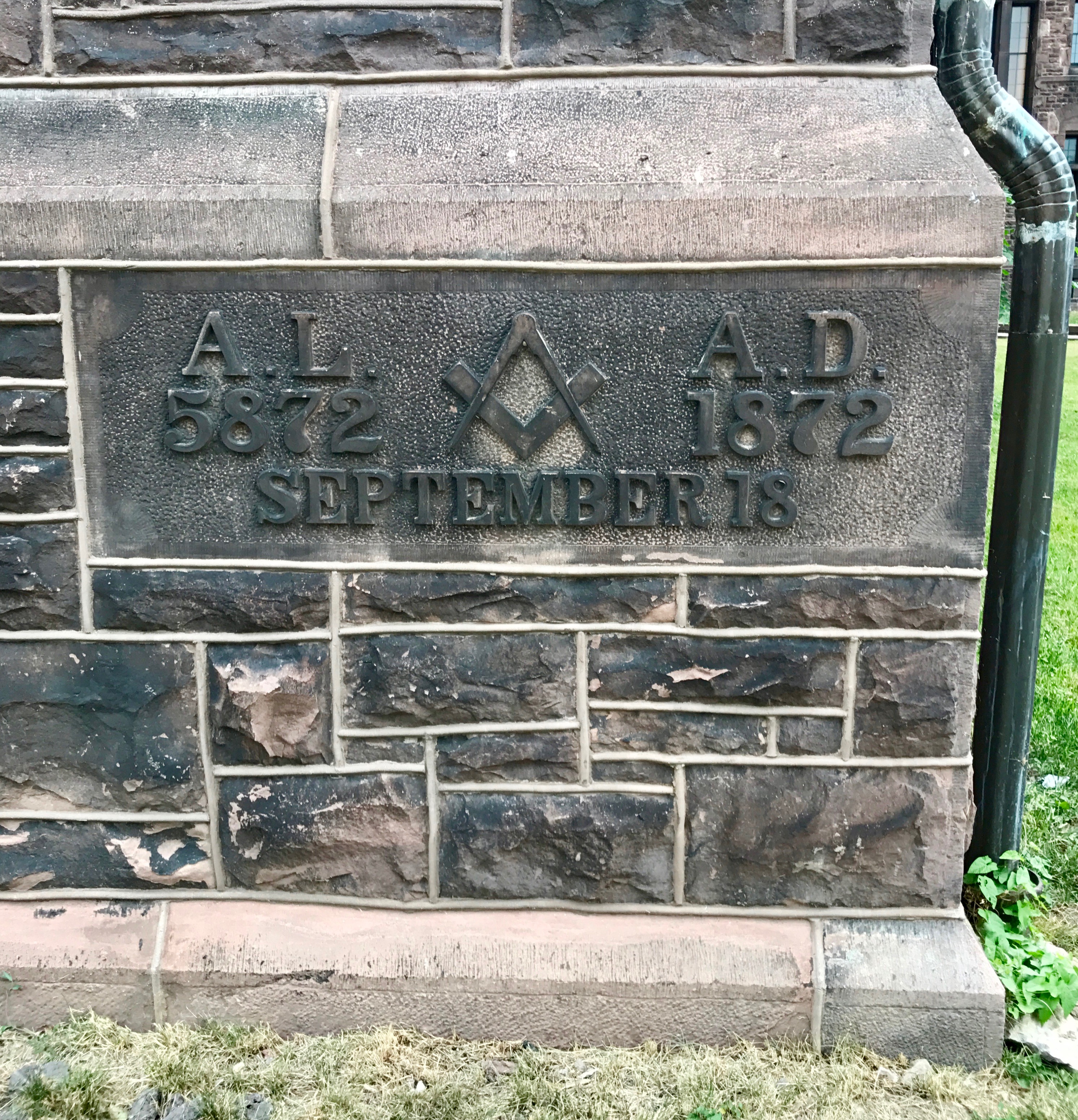
I started back toward the parking lot where I had left Bart, when I noticed the cornerstone with the Masonic inscription. It does rather make sense that masons would have had a hand in creating this building.

On my way back to the parking lot, I passed this door. I wondered what the label said?

I guess the historic stair does go somewhere. I tried the door, but it was locked.

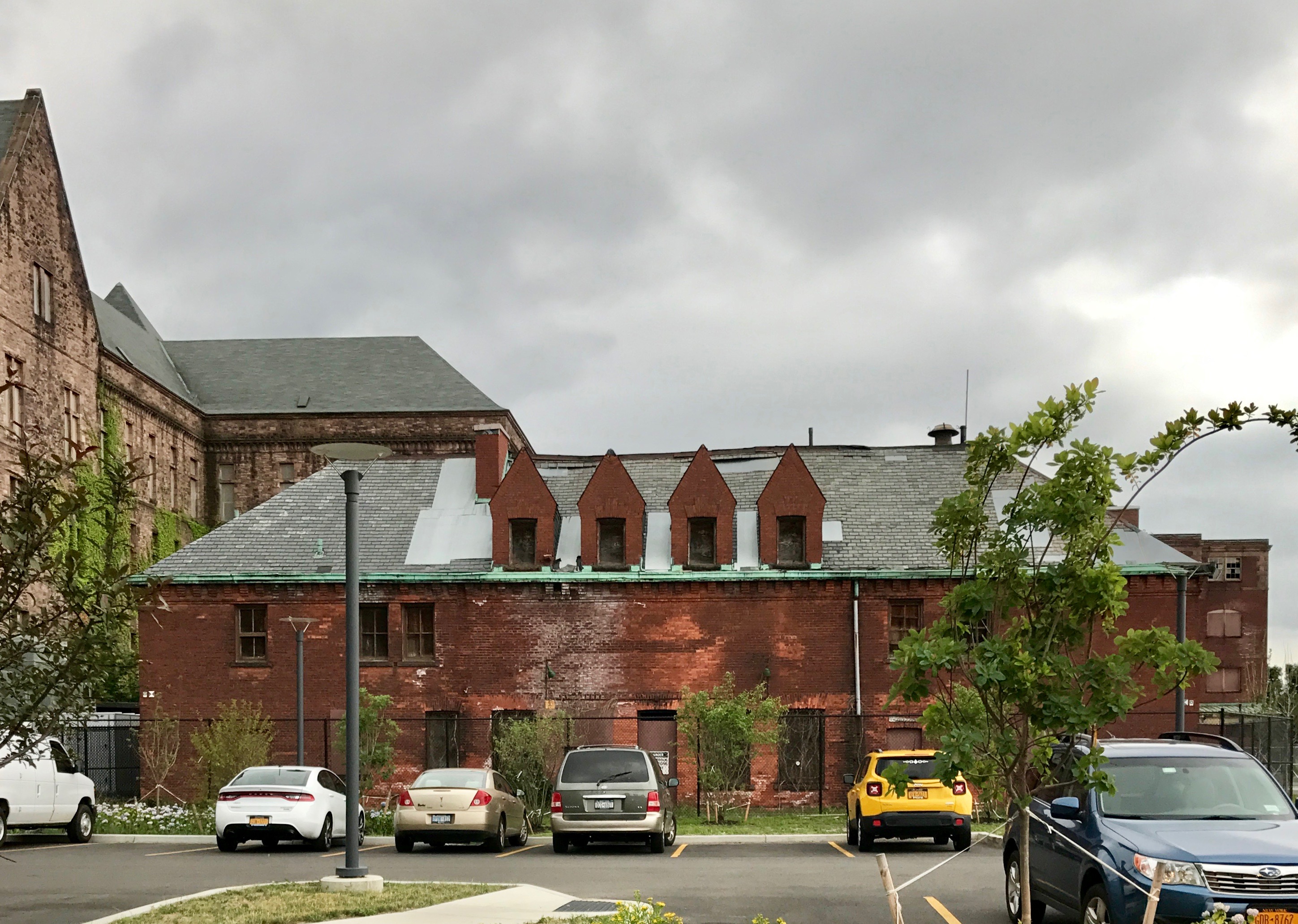
Back in the parking lot, you can see some of the other buildings that were part of the hospital at one time. Some parts have been torn down, and others appear to be in transition.

And with that, I left. I had things to do and people to see.

Once again, thank you, Sister Jeanne!