Sand Island Petroglyphs and Natural Bridges National Monument

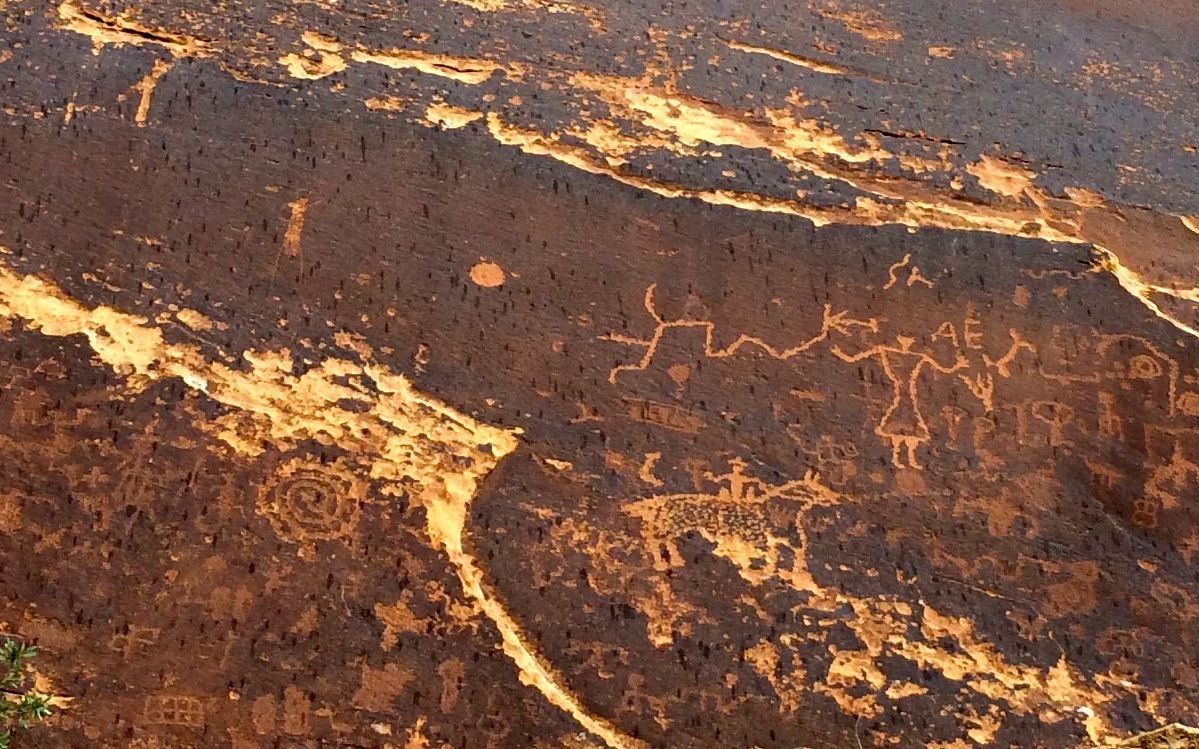
In reviewing the brochures I picked up at Bluff Fort, I found out that there were petroglyphs nearby.
glyphs 1

Petroglyphs? Yes, please!

Actually, these petroglyphs weren’t in the most pristine condition.
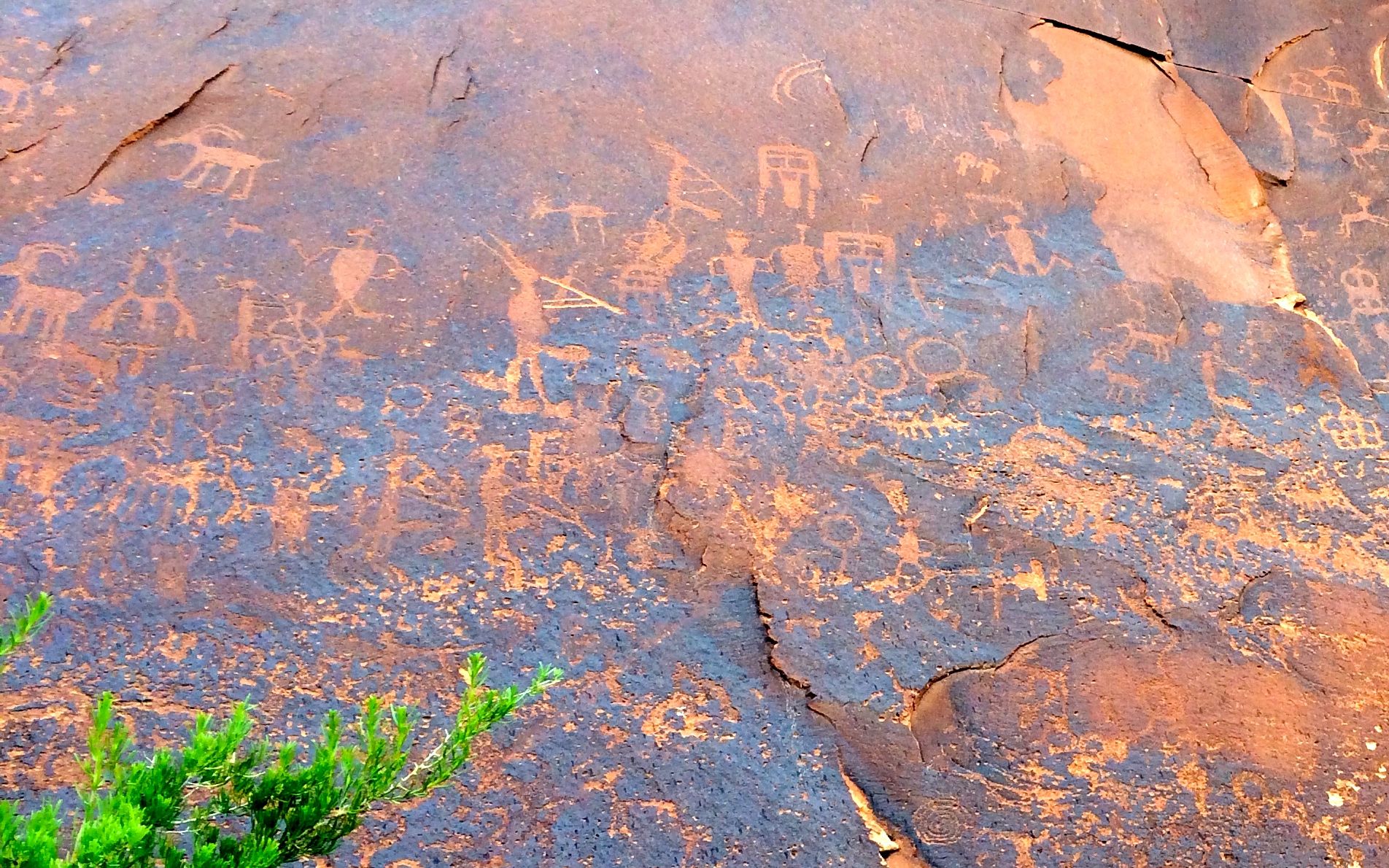
glyphs 2

But there certainly were a lot of them.
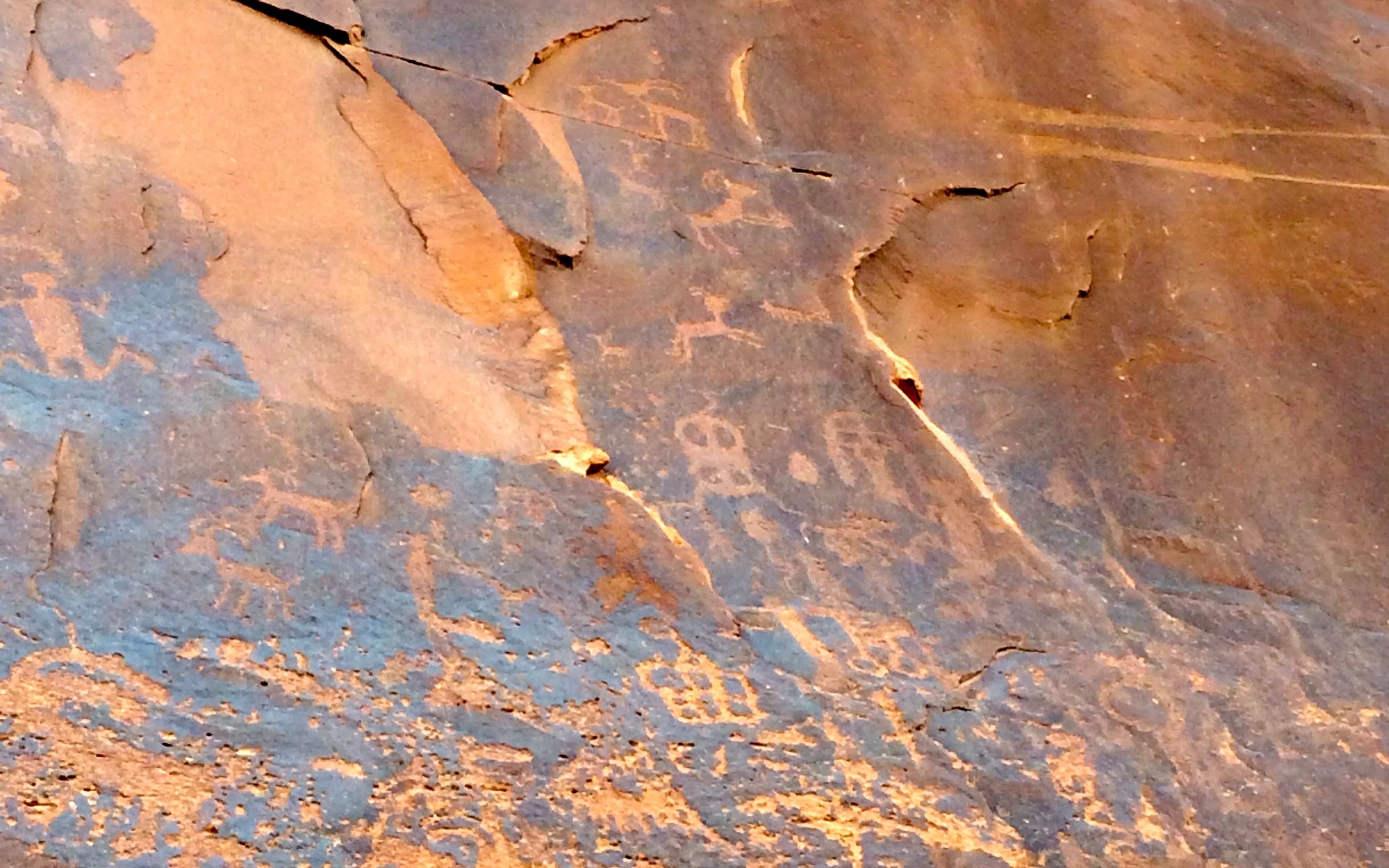
glyphs 3

The naturalistic  animal glyphs were new to me.
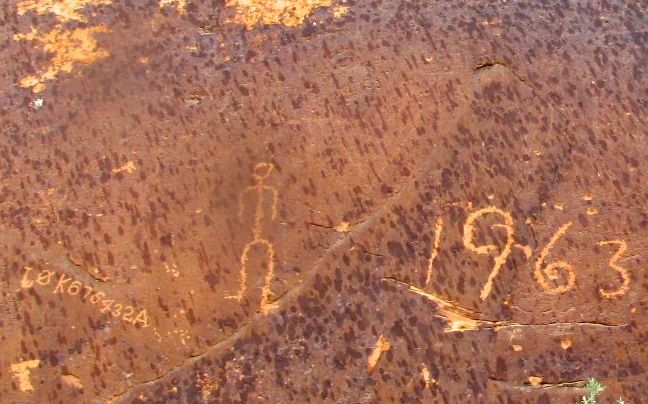
Glyph 1963

There a lot of glyphs that are of more recent creation.
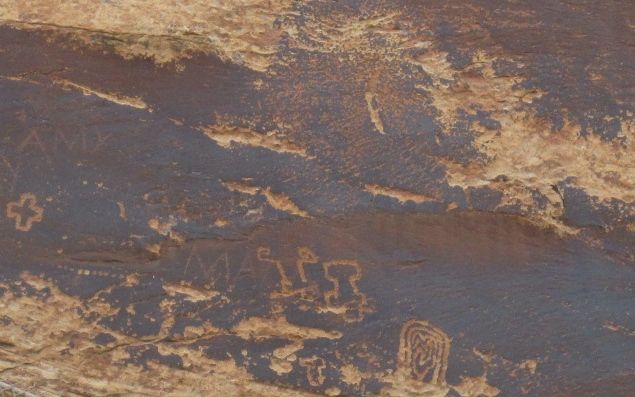
Glyphs 6

Some were created on top of others.

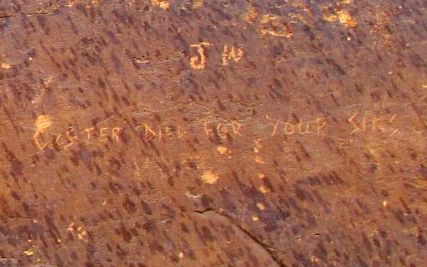
Glyph Custer died for your sins

And there was even political debate taking place.

The petroglyphs were in a piece of land managed by the Bureau of Land Management. In addition to the petroglyphs, they have camping sites. One side is only for tents or maybe very small vehicles – but absolutely no trailers or fifth wheels. The other side has larger sites with easier access. The sites there are $15 a night, with no hook ups at the site, although water is available. They are first-come, first-served, just in case you want to camp there.

One of the big attractions of the site is the access to the San Juan River. There are rafting companies that take groups down the river.

raft launches

You can see that the people are packed for a camping trip.
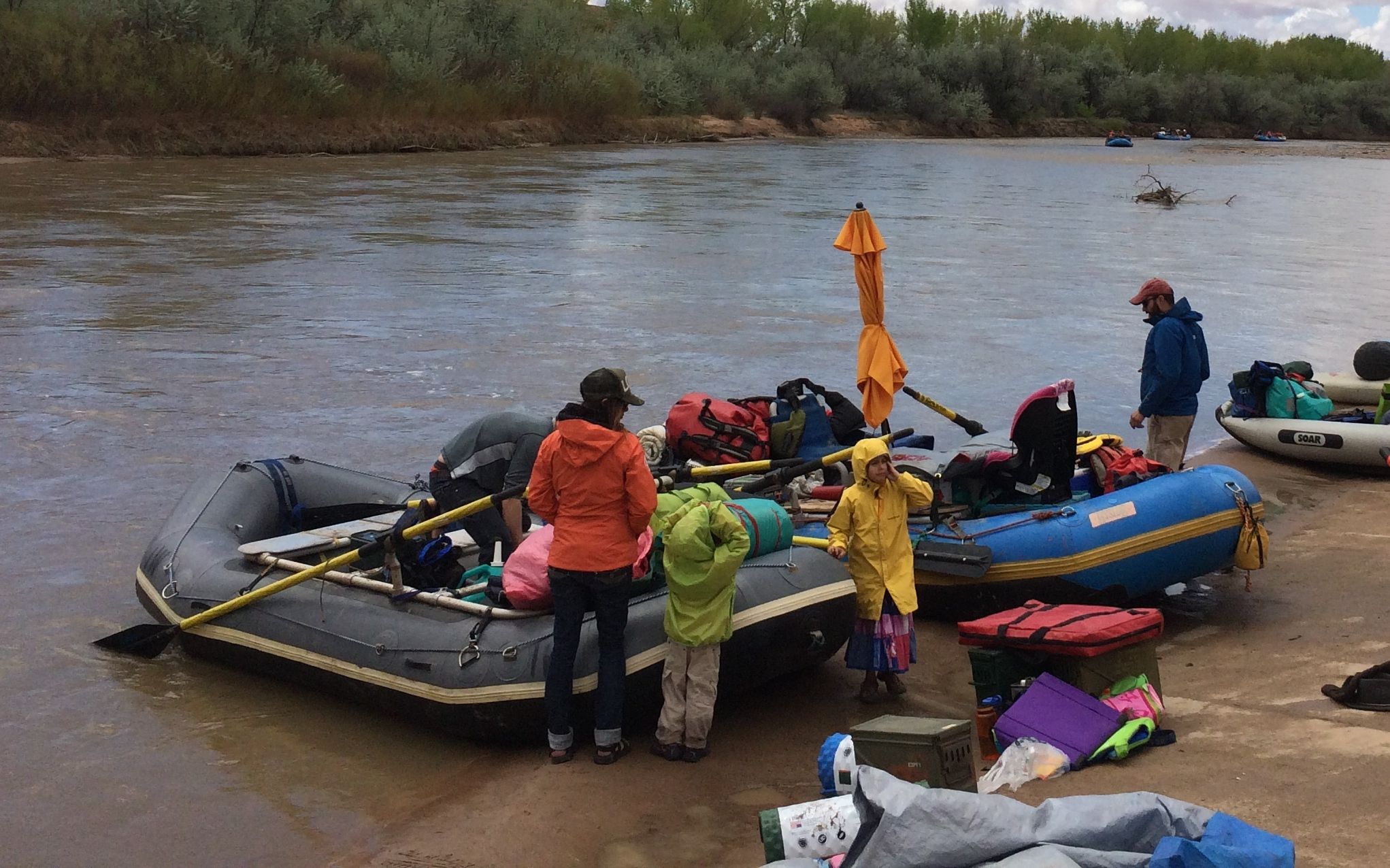
rafts packed for camping

After taking in what was available to see at Sand Island I headed out for Natural Bridges National Monument, which was about 60 miles further down the road. As I said earlier, in “out west miles” that is right next door.
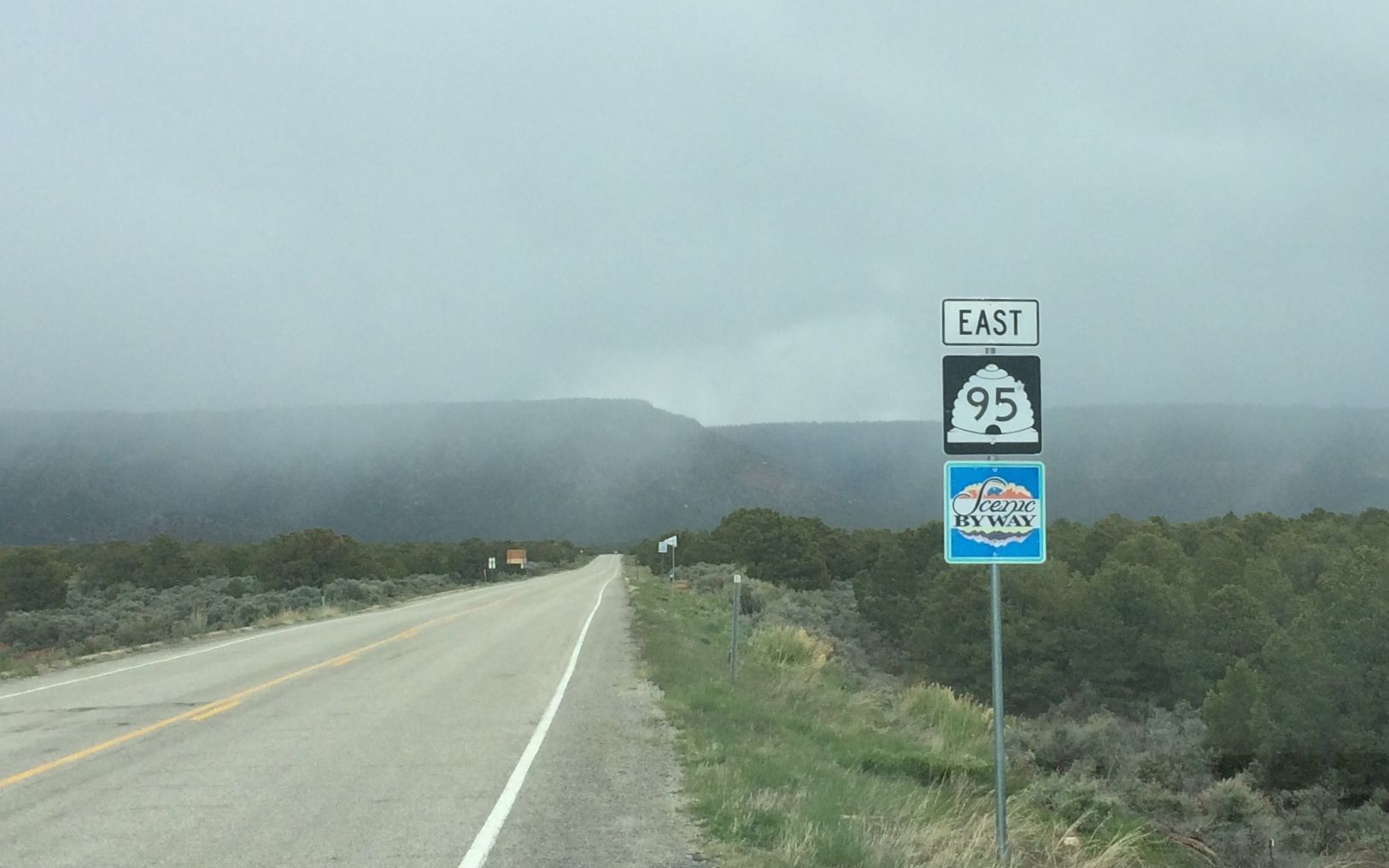
Scenic Byway sign

I drove north on highway 191 until I had to turn off onto highway 95. Oh, no! The dreaded “Scenic Byway” sign! That usually means both hands on the wheel and don’t take your eyes off the road. What good is a scenic byway if you can’t look at it?

Entrance sign

After going up hills and down and turning right and left, (over and over) I finally arrived at Natural Bridges, which was declared a National Monument in 1908. It was Utah’s first National Monument.

The visitor center had a good video explaining how the arches were formed. There also displayed plants and their names. I always wonder about what I am looking at when I’m out hiking the trails.
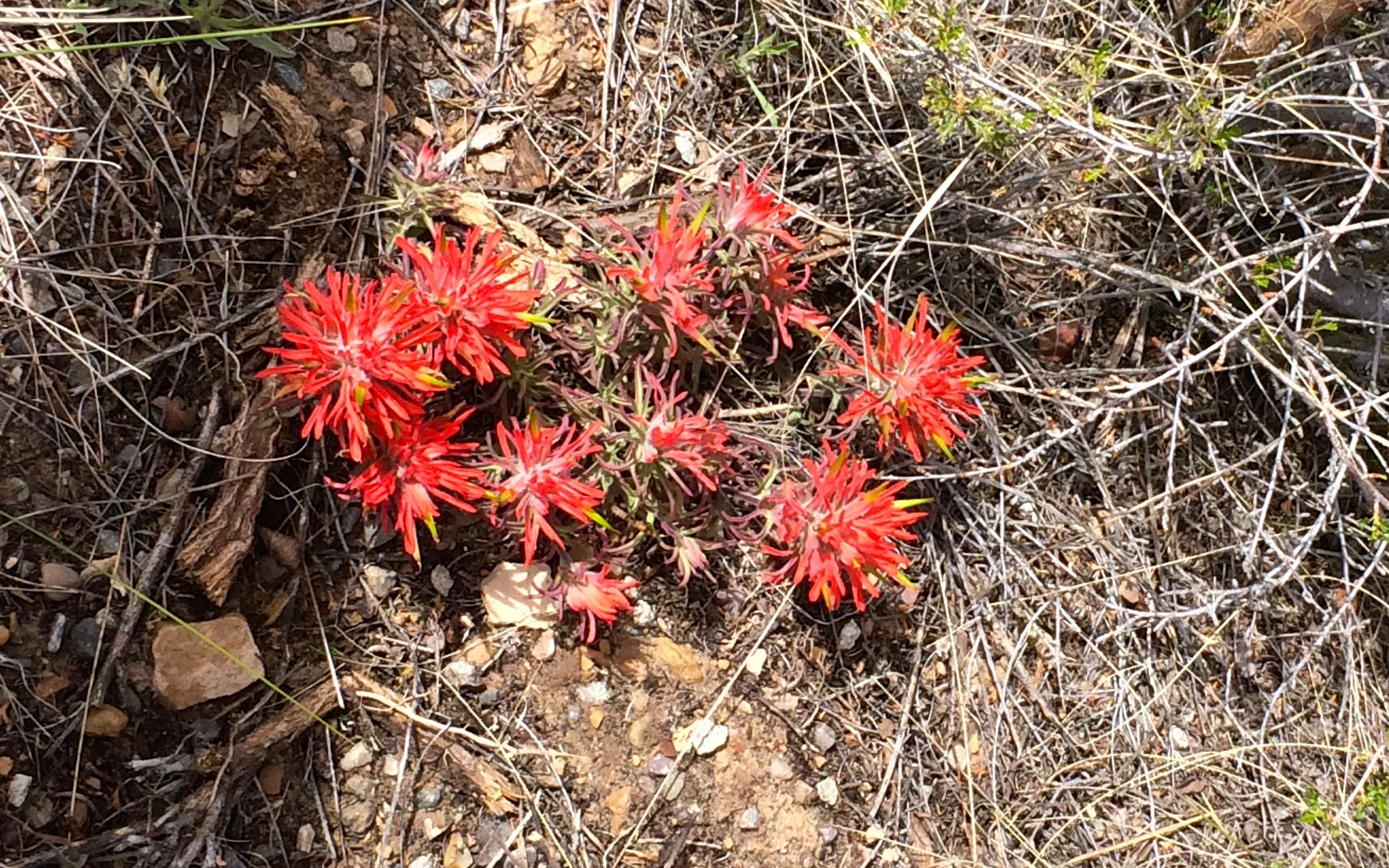
Paintbrush

This is paintbrush.

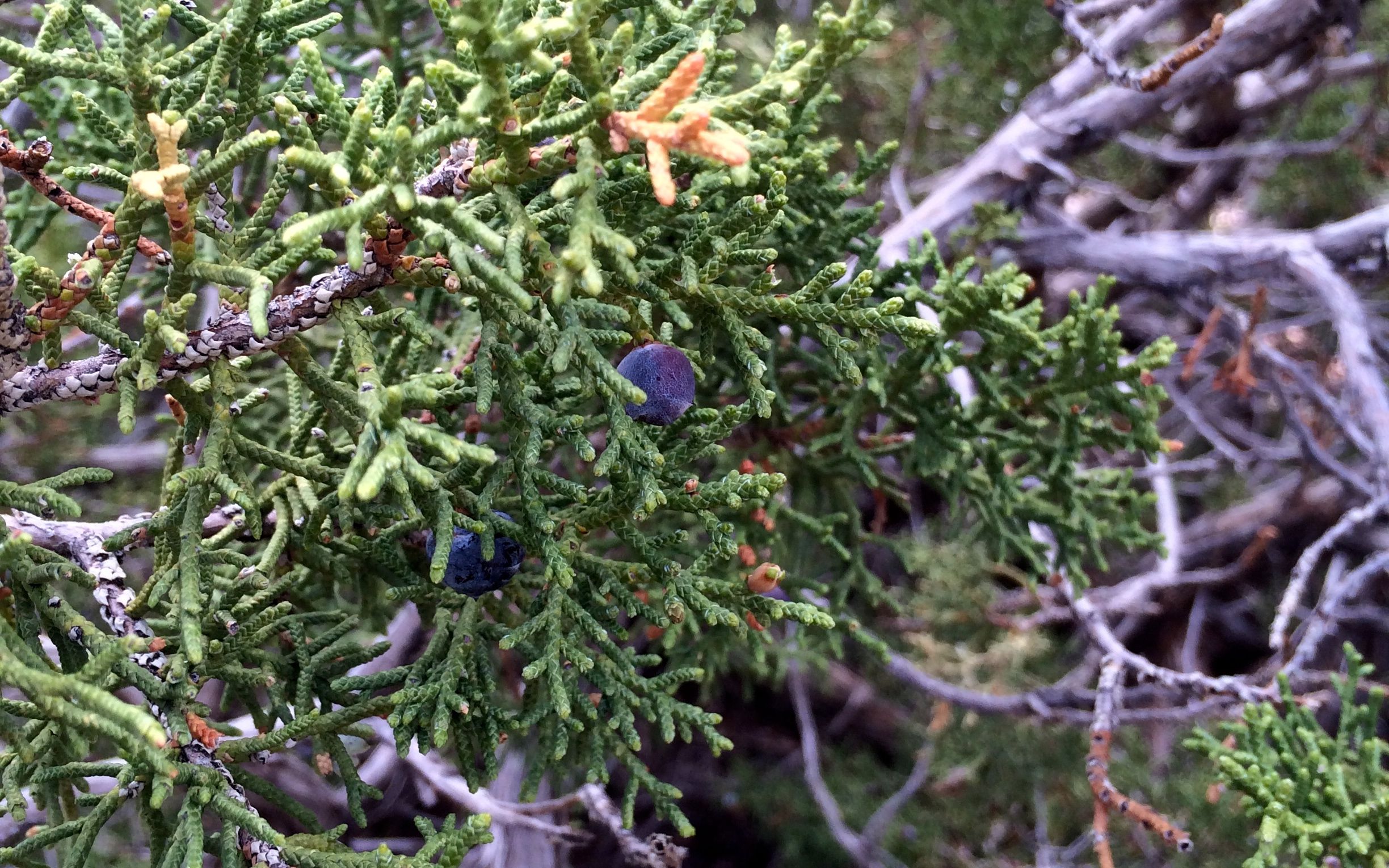
Juniper?

Juniper.

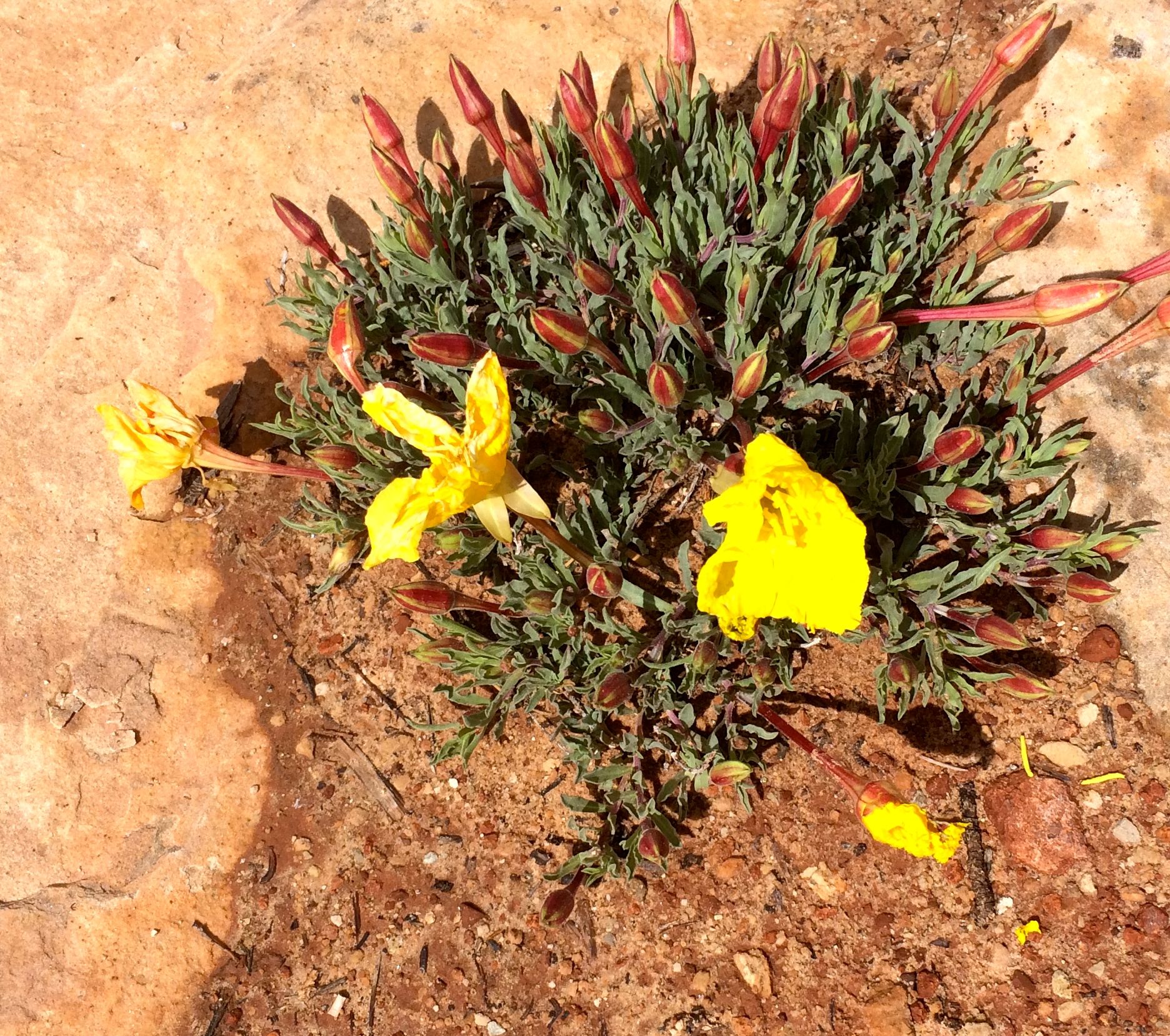
yellow floweer with red buds

Yellow flowers with red buds.

Okay, so not everything was labeled.
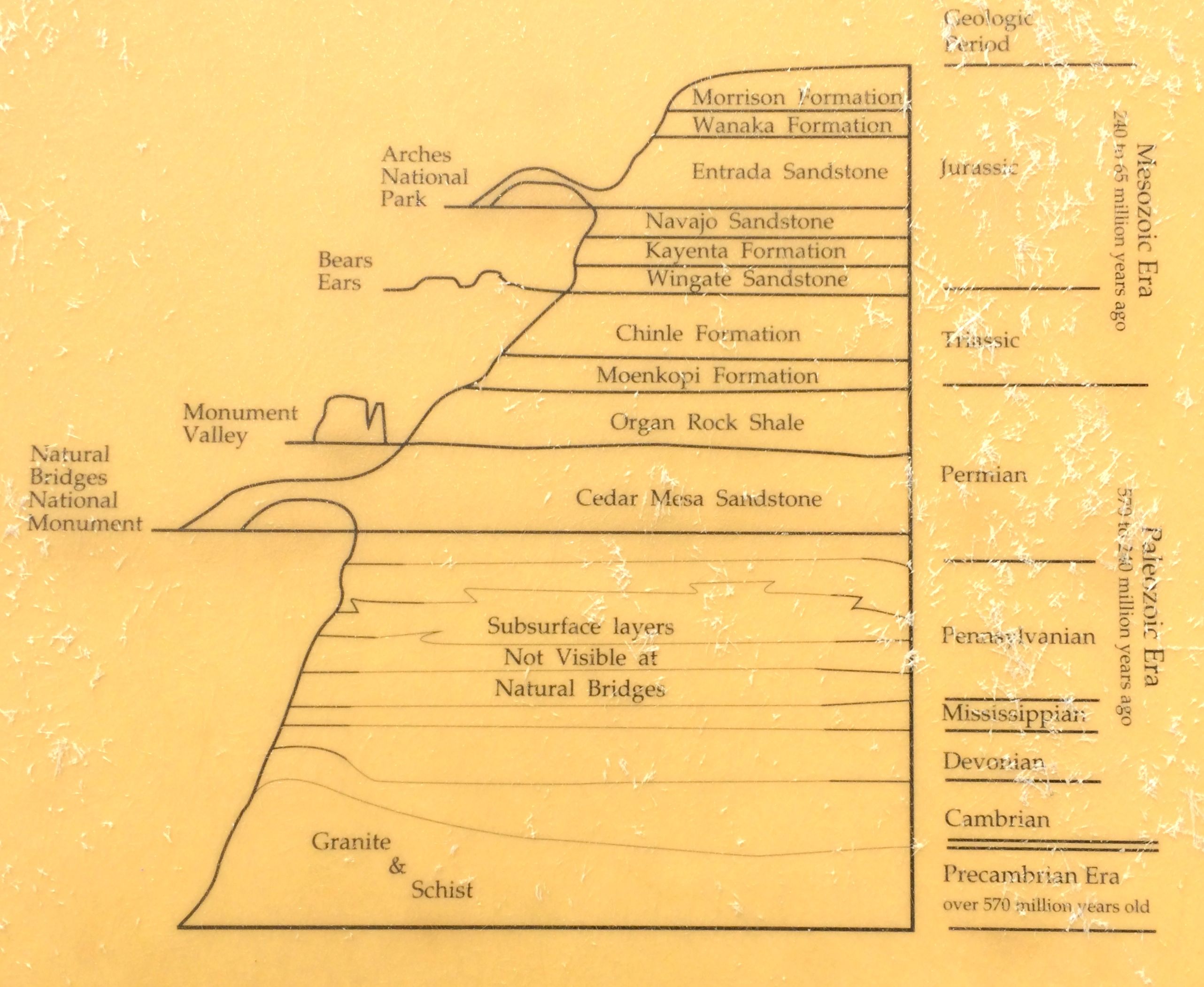
geologic period chart

They had informative signage along the way. This park was in a layer above the chinle formation that I saw at Lee’s Ferry.

Unfortunately, the arches were not easy to see from the pull-outs. The information on the sign convinced me that I was not going to be hiking down to get a closer view.
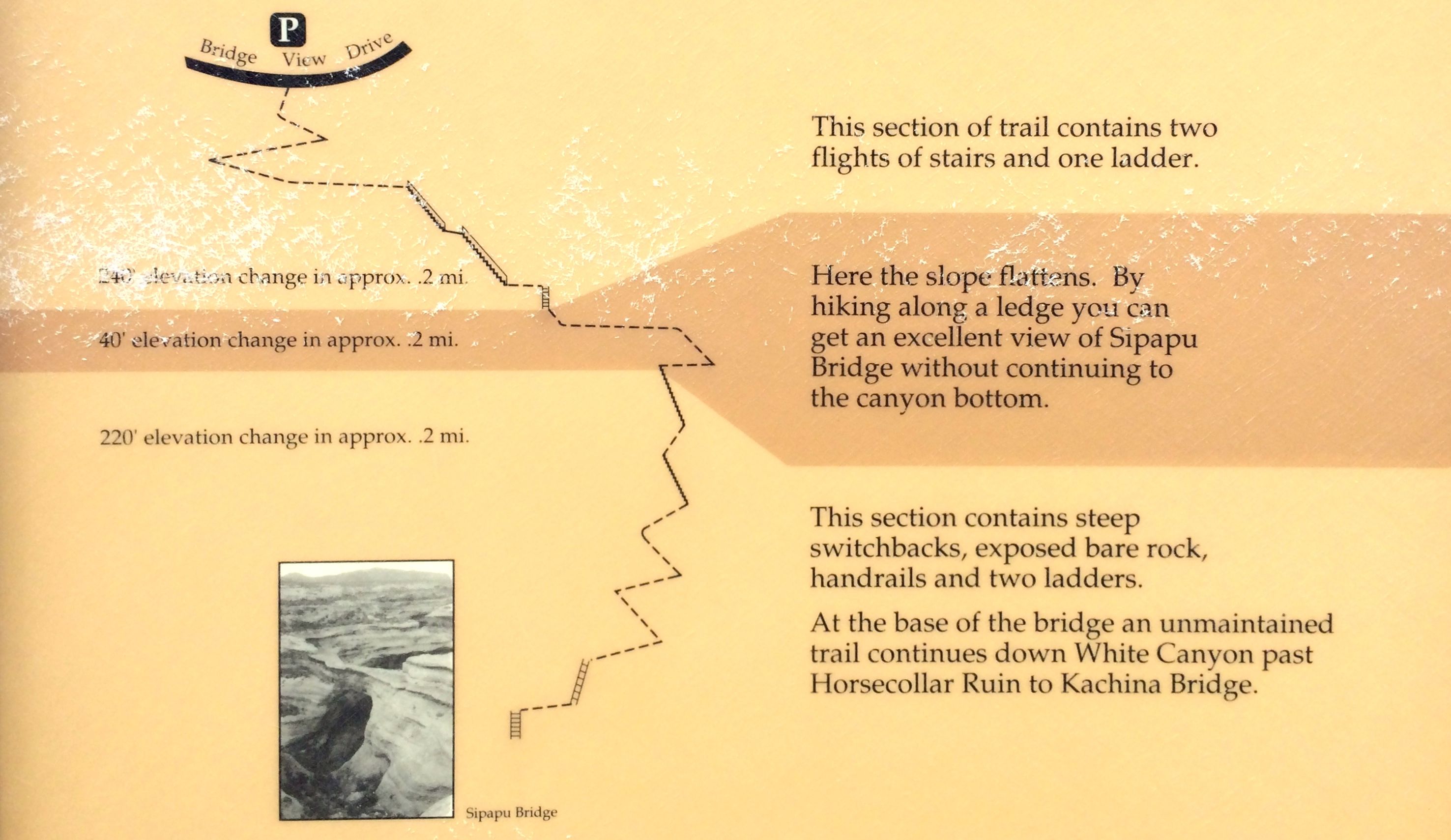
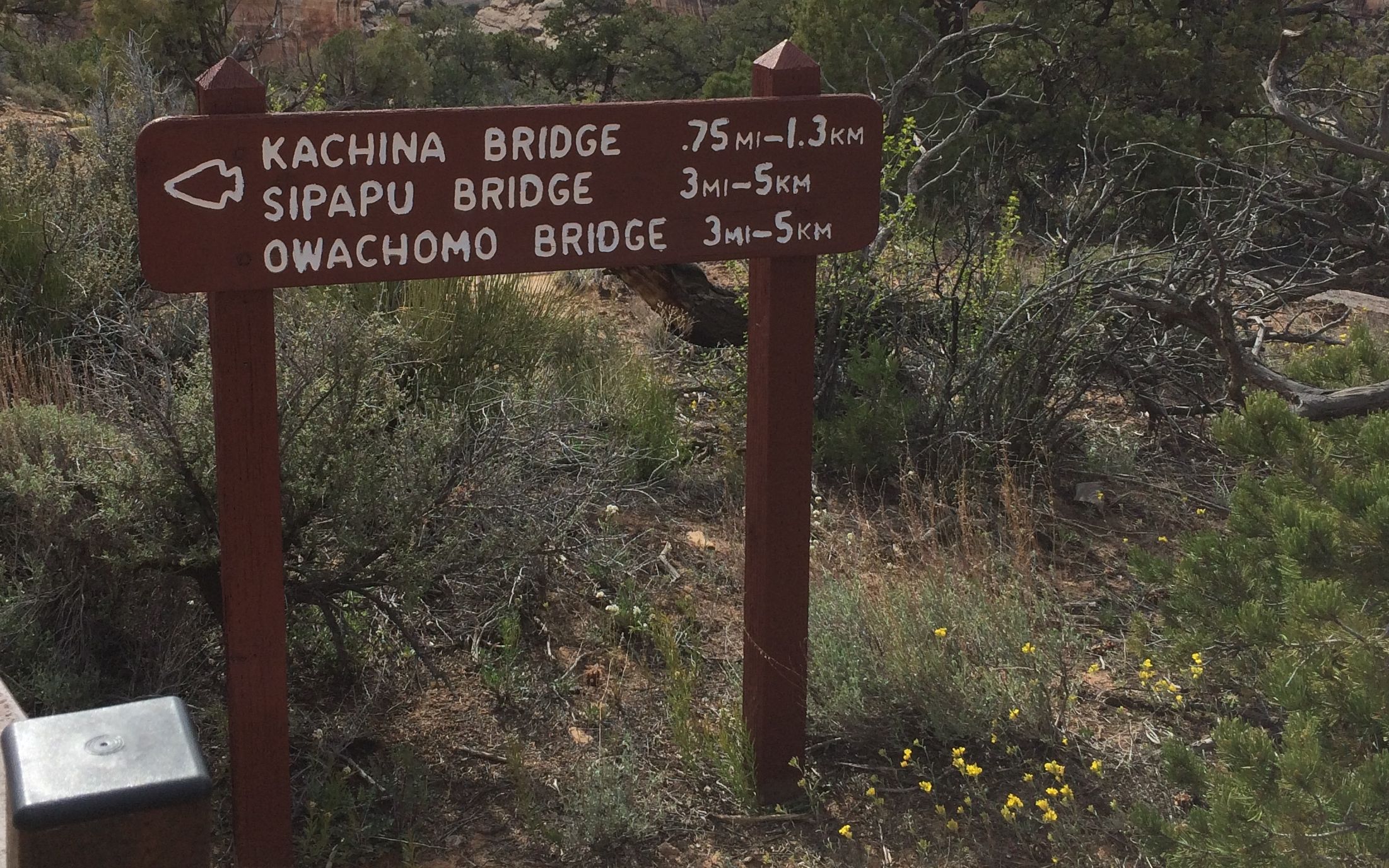
Sipapo bridge trail info

I am  much more a paved path sort of hiker.
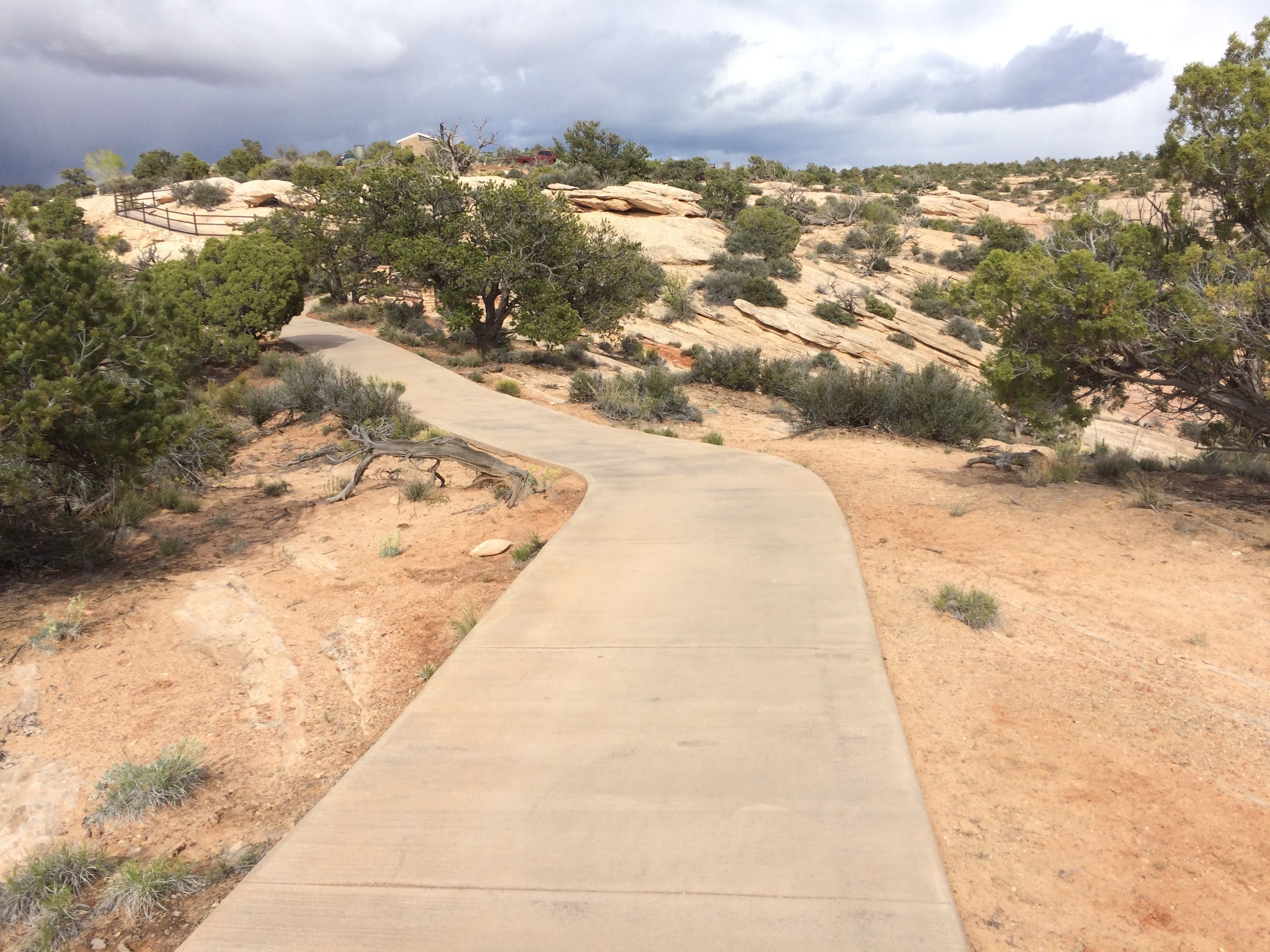
Path to Kachina bridge

If you look carefully, you can pick out Kachina bridge.
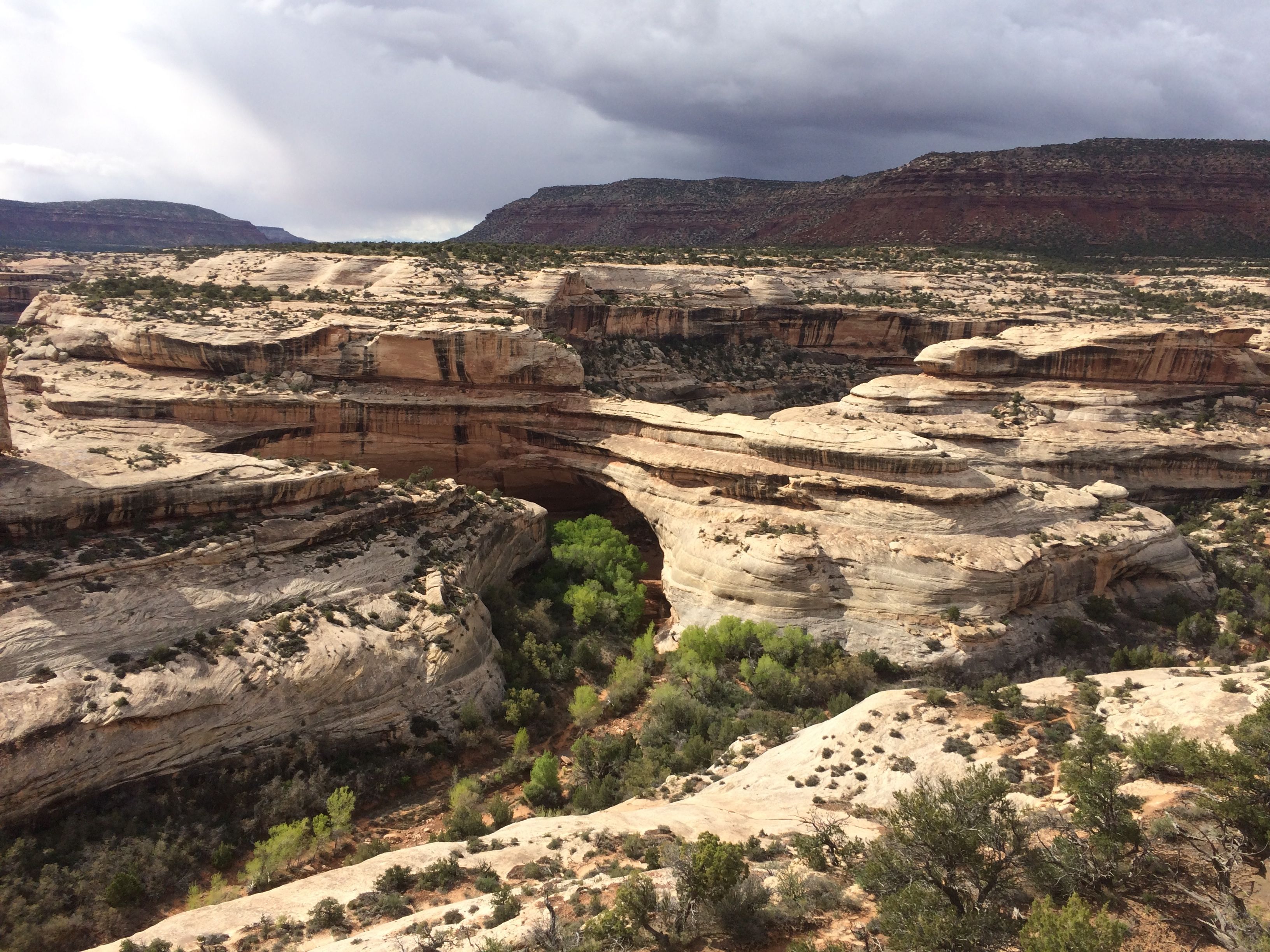
Kachina Bridge

Here’s a map of the canyon in the photo.

Kachina Bridge Map

This bridge is an old one. The river that originally formed it has changed channels and it no longer flows under it.

I did take one hike to an overlook.

potholes

I had to work my way across solid rock that had water-filled pot holes in them.
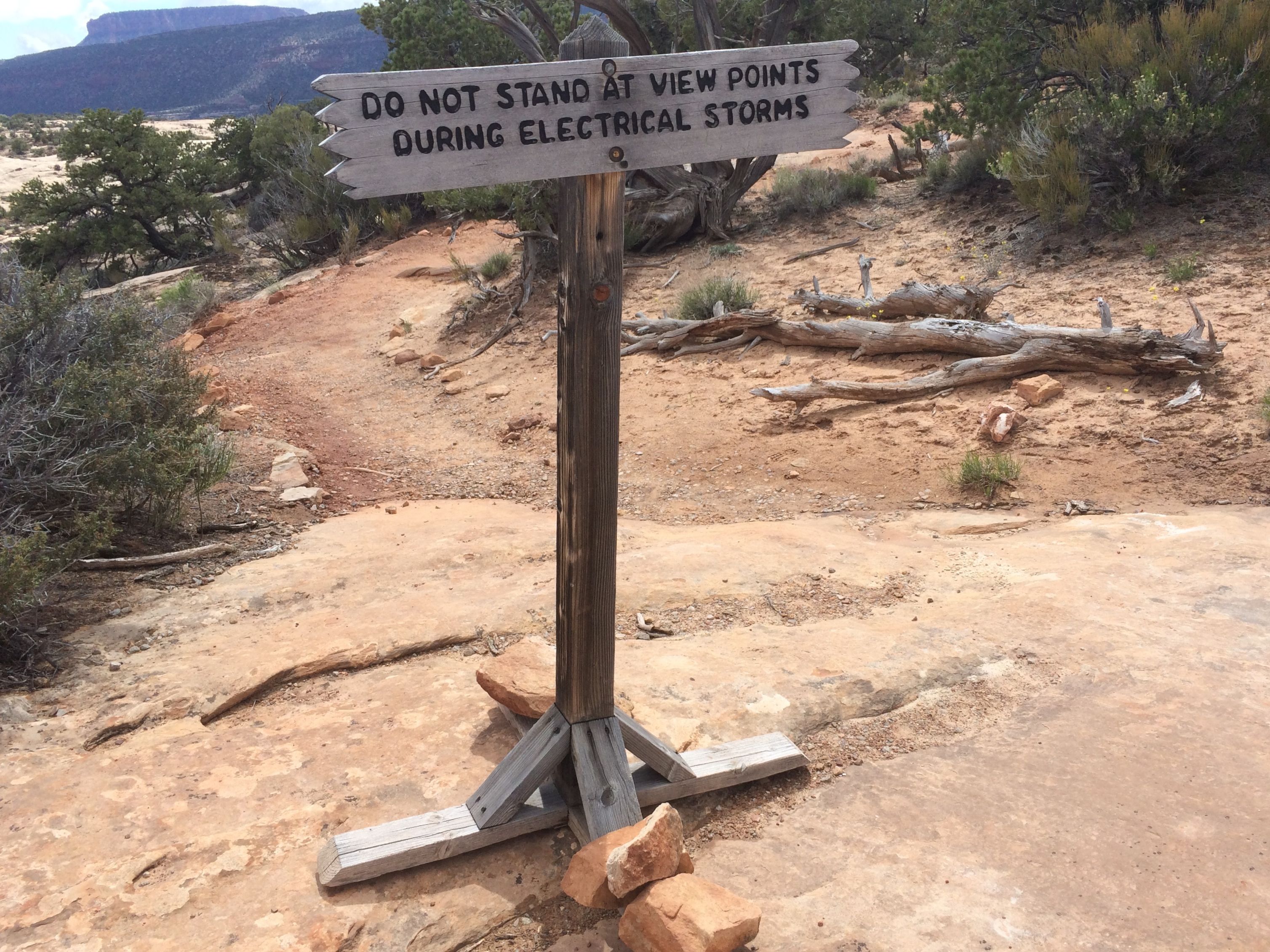
electrical storm sign

That was a sign that gave one pause.

Along the way, I stopped to chat with a gentleman who was hiking on the trail. It turns out that his name is Gordy and he is from Buffalo. He grew up on the Brinton Street, one street away from my aunt’s street. What a small world!
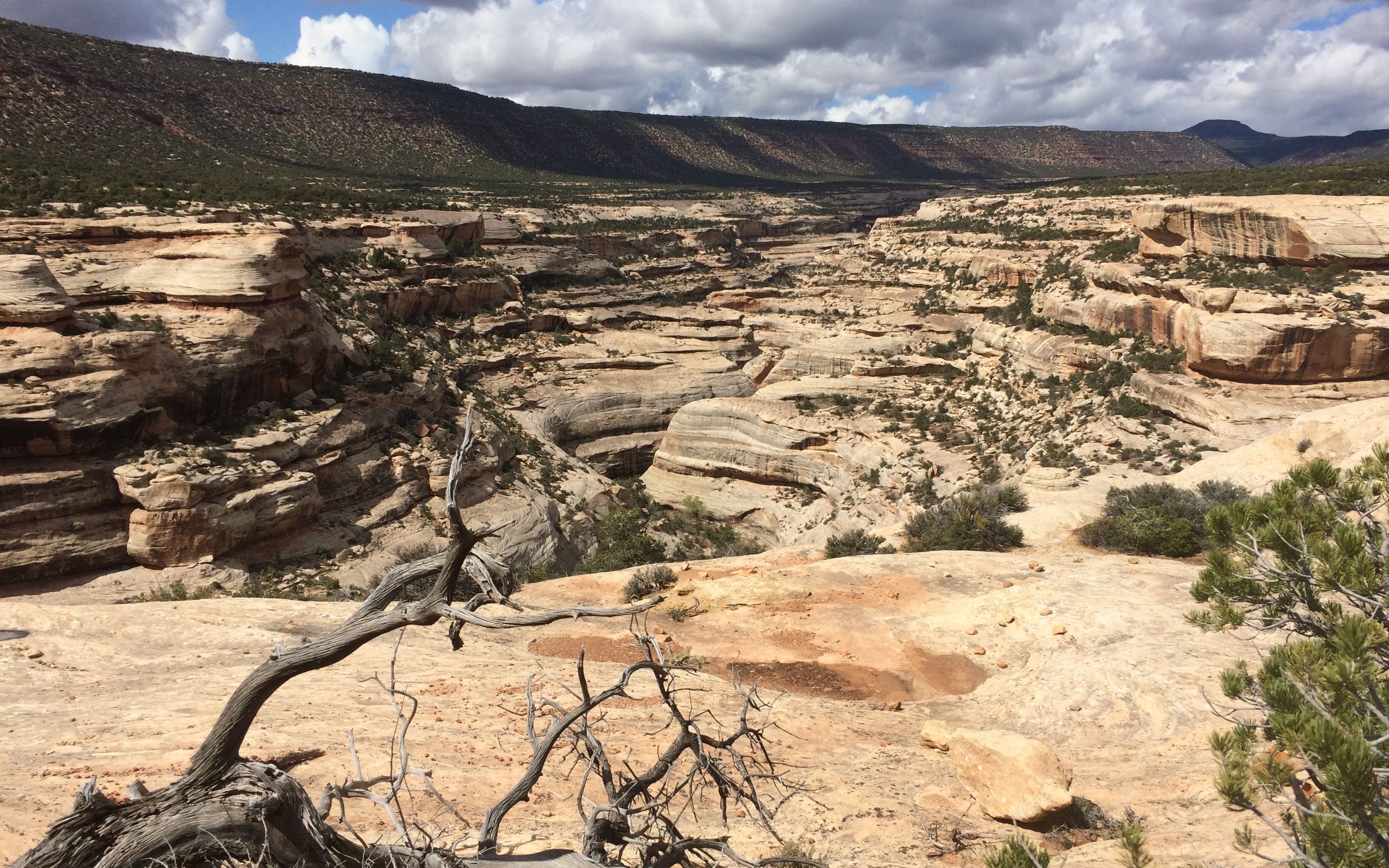
second bridge

It’s really hard to see the bridges from above, but there is a bridge in there somewhere.
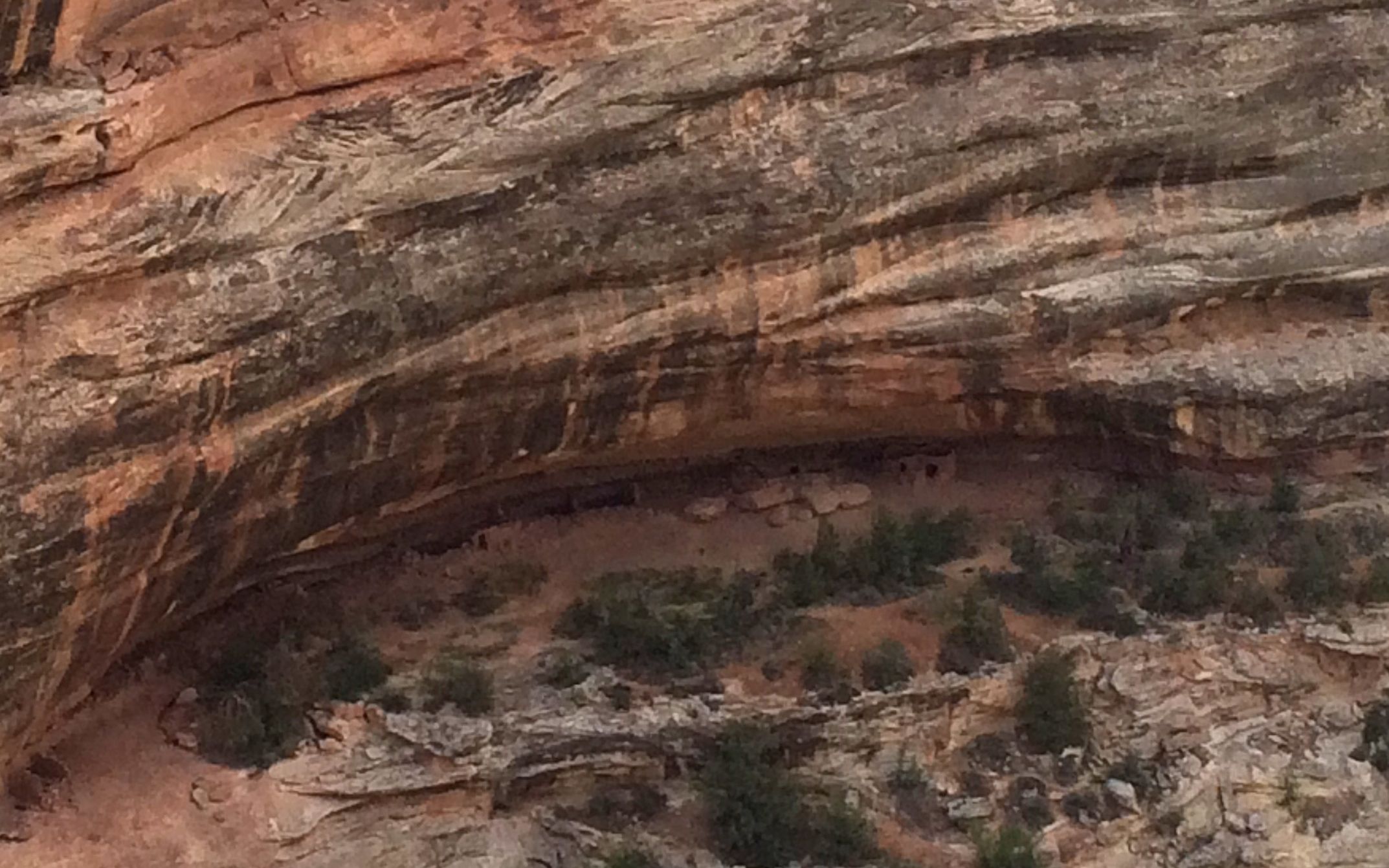
ruins

There are some ruins tucked into the cliff, too.
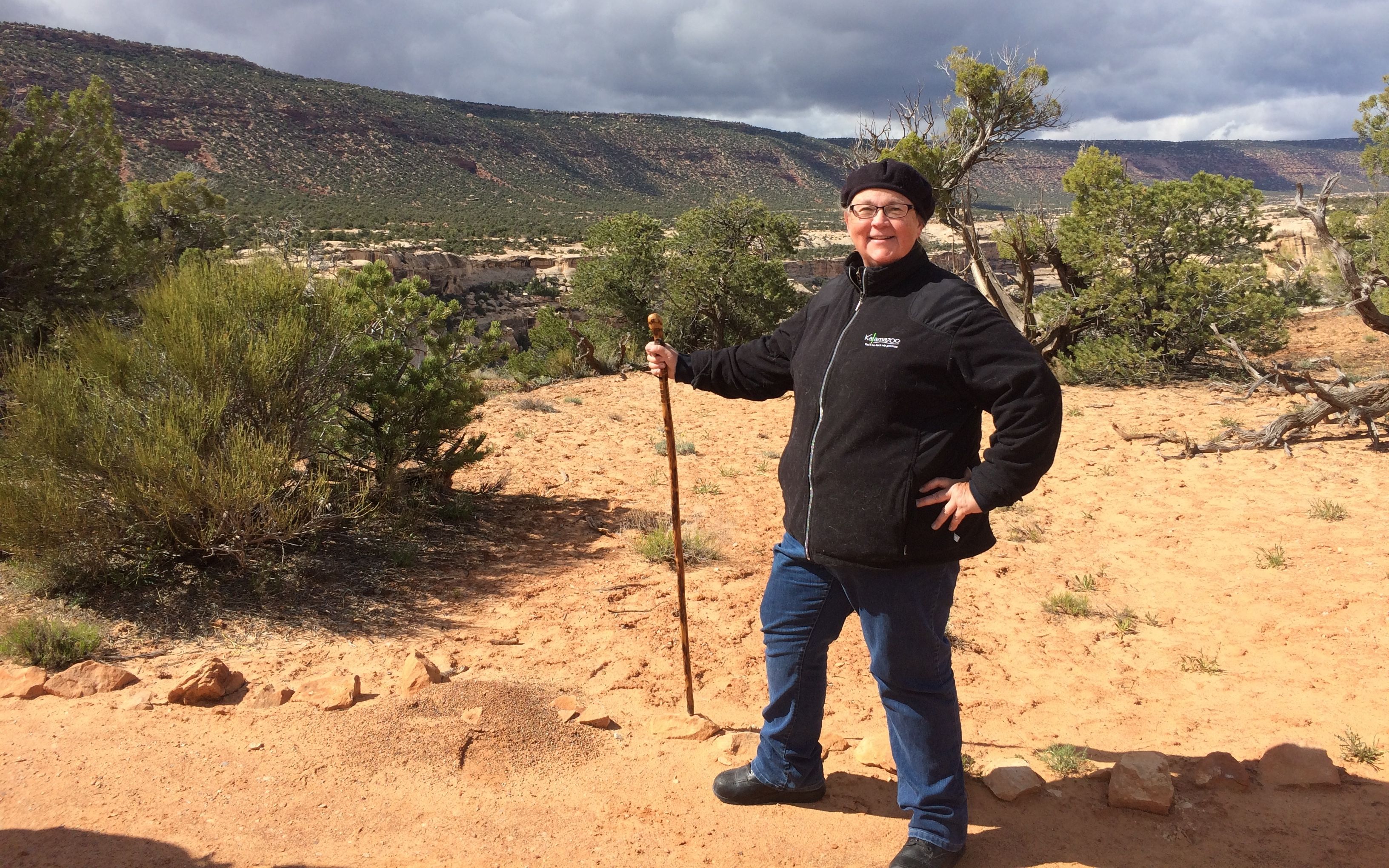
the happy hiker

And, here I am, the happy hiker!

Not far but a long way down

The trails were short, but the elevation changes were killers.
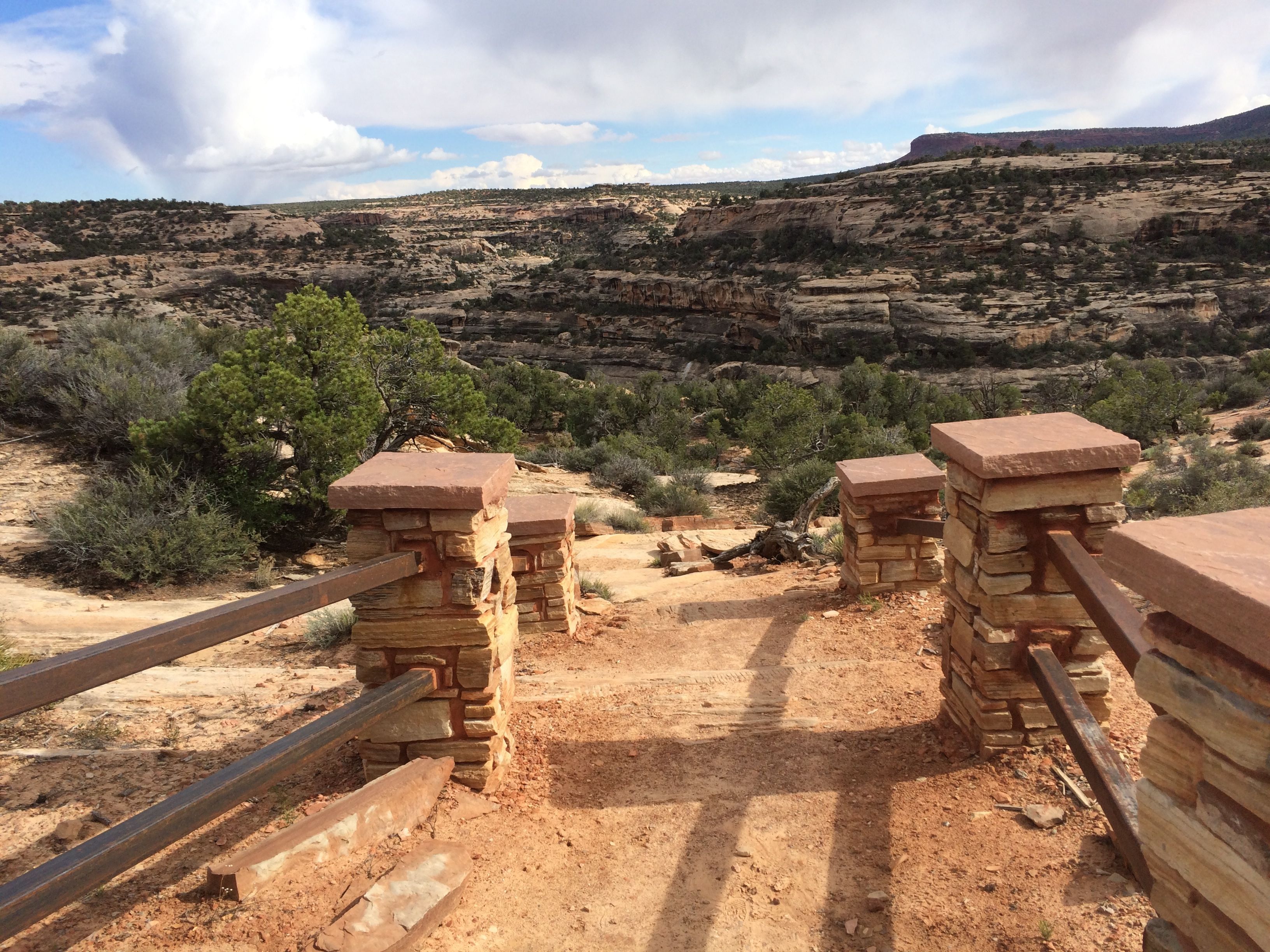
the start of the trails

The trails start out deceptively civilized, but quickly change to a more vertical orientation.
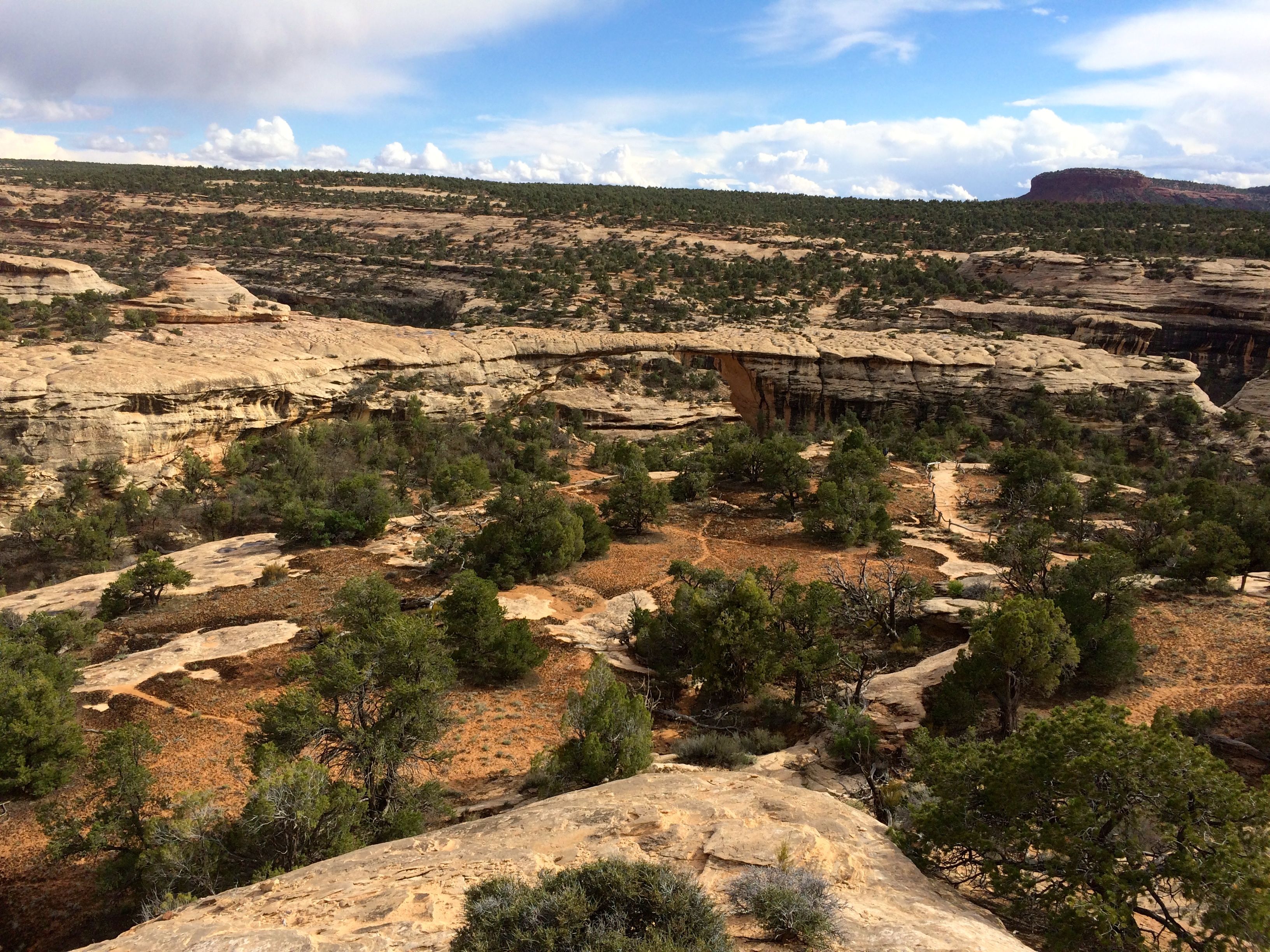
Owachomo bridge

There is one more bridge in this photo. It’s in the center and connects the two stone formations above the midline.

Pinon pine and Utah Juniper pygmy forest

The last stop in the park was a sign for the piñon pine and Utah juniper pygmy forest. The trees grow slowly and these trees are actually quite old in spite of their short size.

Then it was time to head over to Blanding for dinner. I hoped that they would have a stronger cell signal – and they did! I found a destination for the week before I had to take Flo the Airstream to Mesa, Arizona for repairs. I would be heading back to Sedona to take part in a HistoriCorps project!

The next day it was time to hook up and head out. Destination: Canyon de Chelly!


Hovenweep National Monument

I had heard about Hovenweep National Monument, and it was on my list of places I’d like to visit. It was only about 70 miles away – which in “out west” terms is virtually next door. So, in spite of the cool, overcast weather, I hopped into Bart and headed out – oh, at the crack of 11:00.

sign

By the time I got there, the cloud cover was pretty solid and the temperature had dropped considerably. I stopped in at the visitor center and watched the video about the monument.

I found out the Hovenweep is a Ute word that means “deserted valley.” There are a series of small river valleys and canyons that feed into the San Juan River from Cajon Mesa on the Utah-Colorado border. The Anasazi occupied the area from about 500 to 1300 AD and built the masonry towers and pueblos that are in the Monument.

William D. Huntington, who was on a missionary trip for Brigham Young, discovered the ruins that are in the present day Hovenweep National Monument in 1854. The ruins were already known the Huntington’s Ute and Navajo guides, who considered them to be haunted. Hovenweep was set aside as a National Monument  by President Warren Harding in 1923

The ranger gave me a map and told me about the trail that went around the Square Tower group. If I did the complete circuit, I would descend one side of the canyon and ascend the other side. I thought I just might do the whole loop.

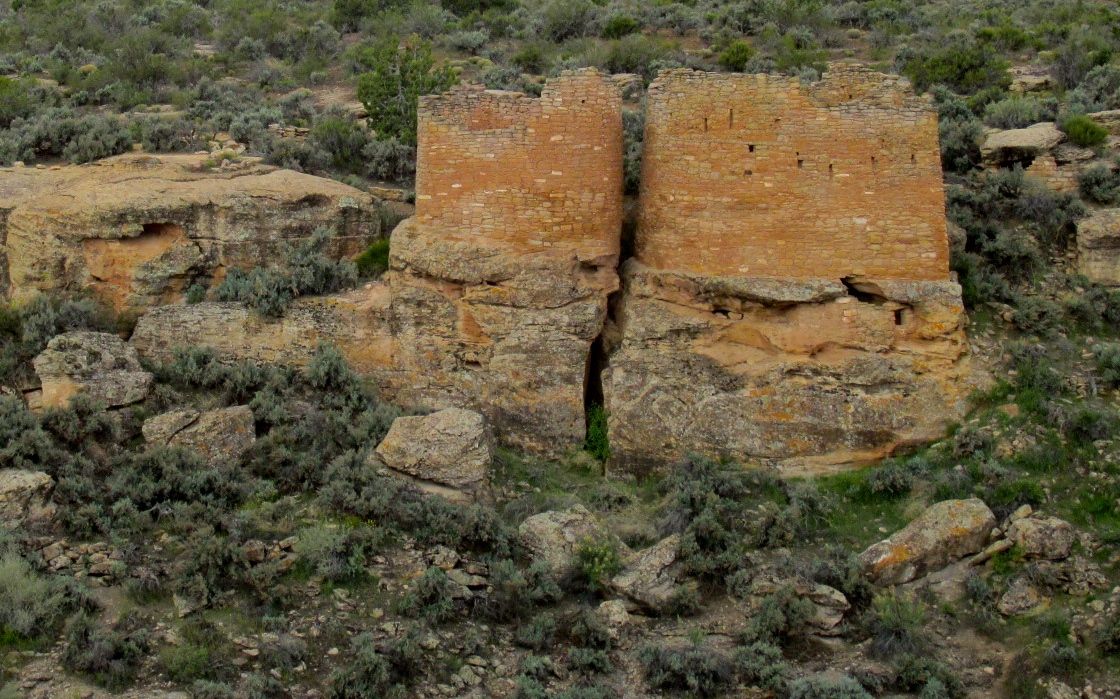
ruins twin towers?

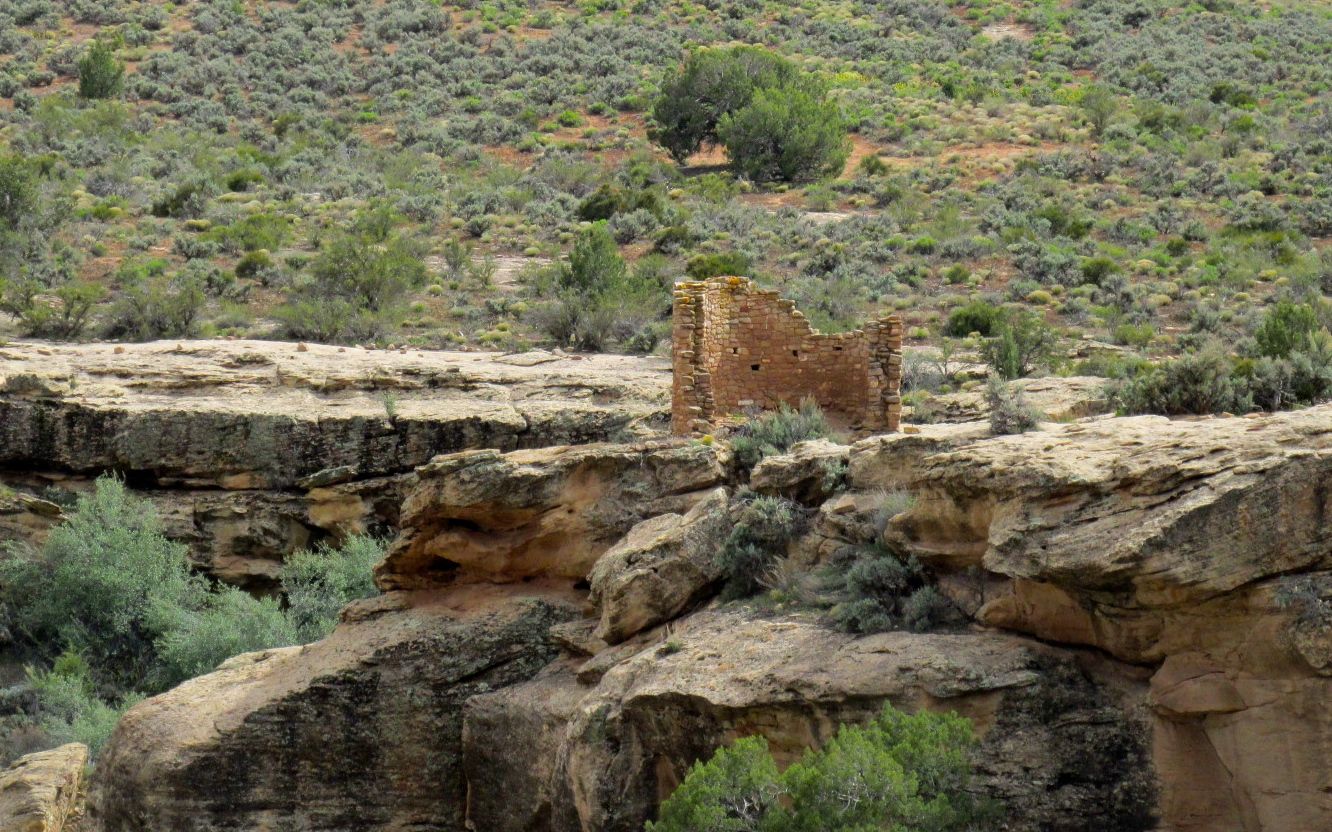
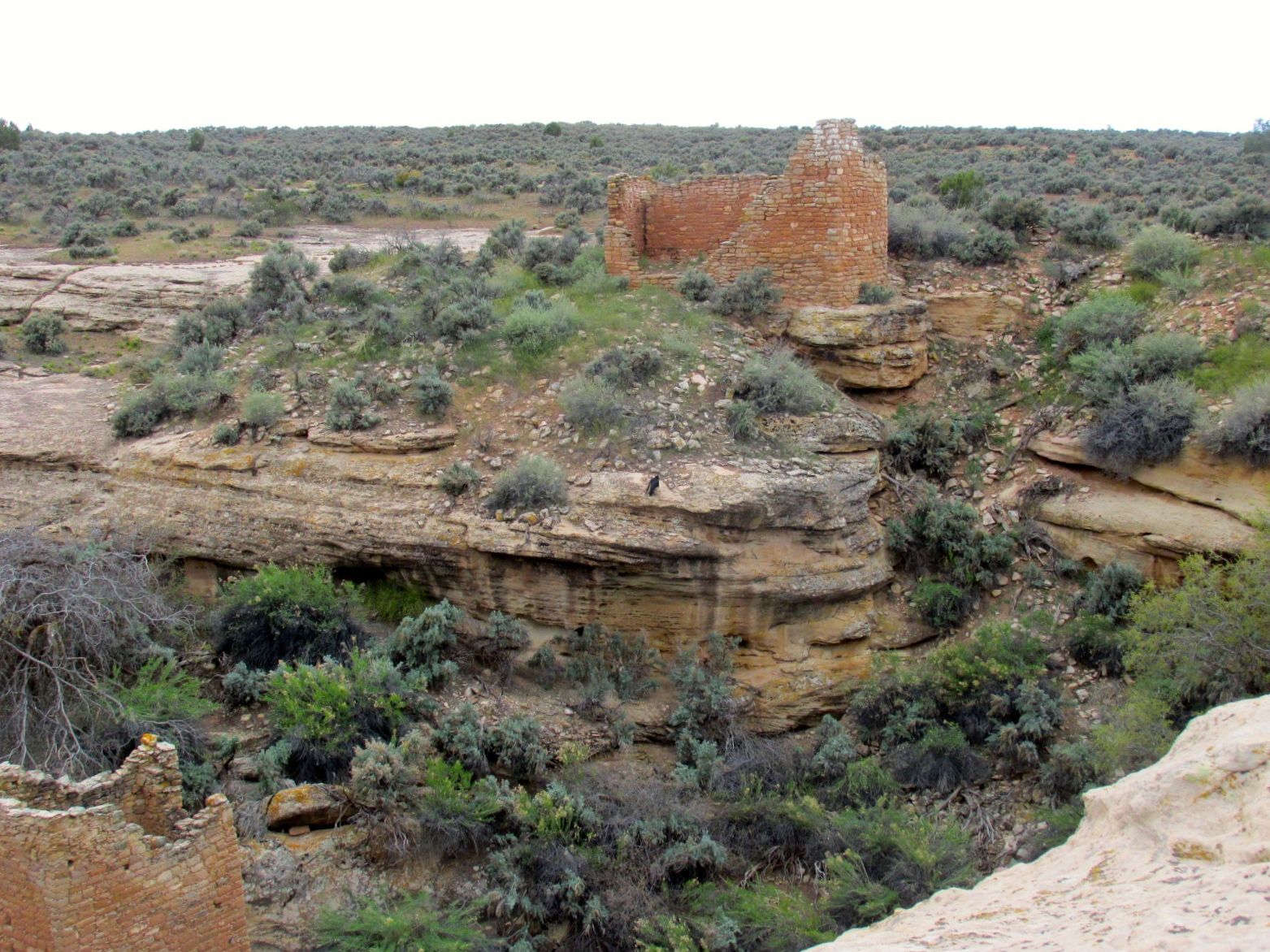
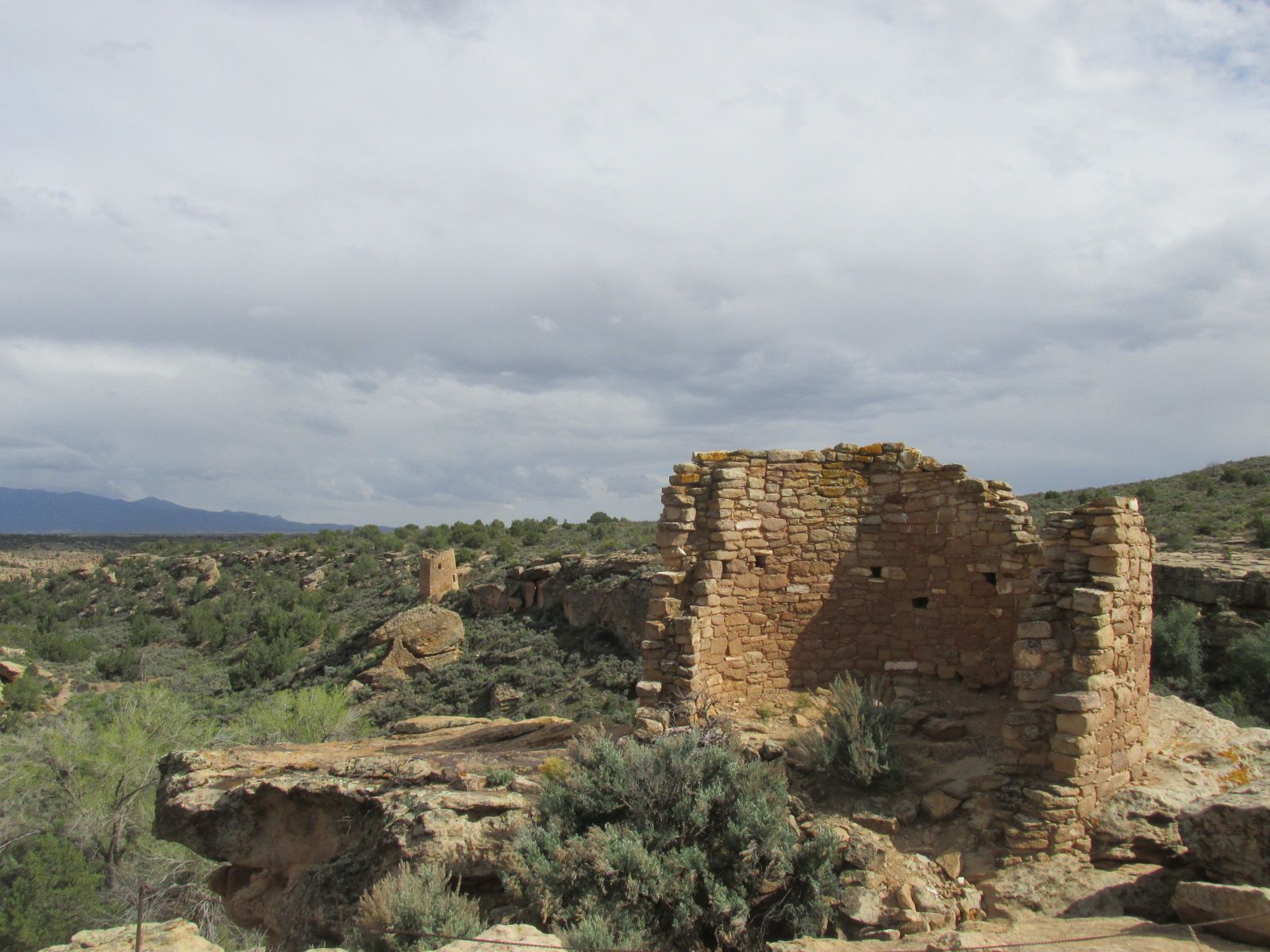
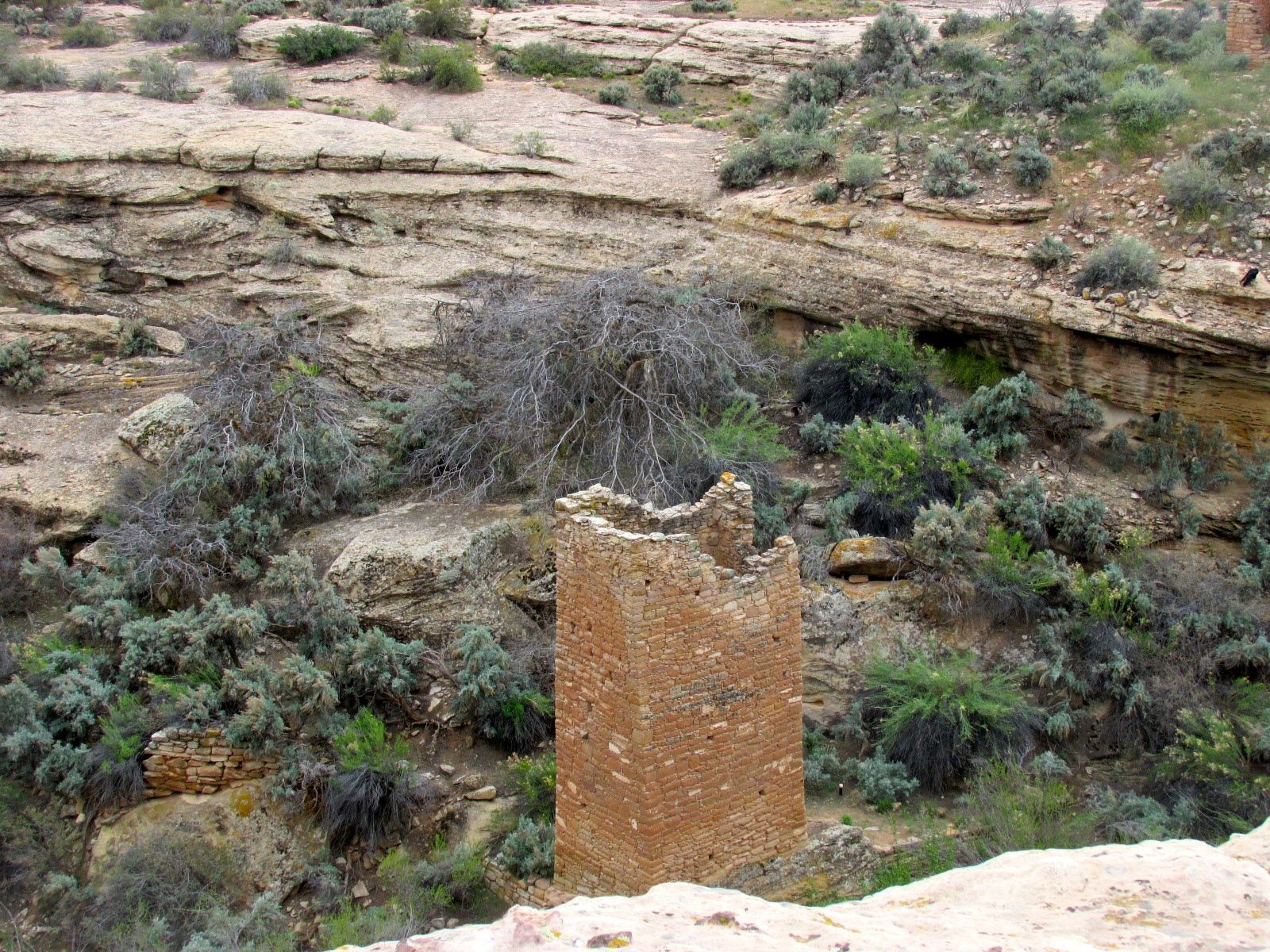
The large masonry towers were all around the rim of the canyon.

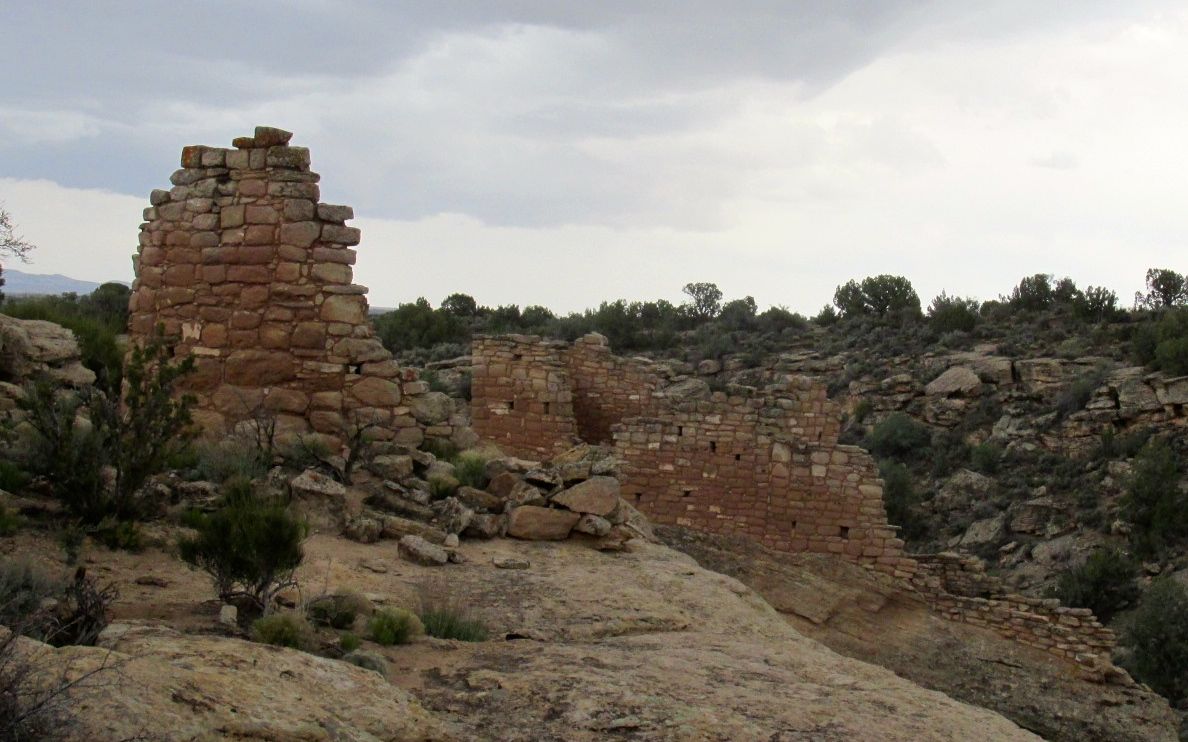
ruins

There were ruins that were more ruined.

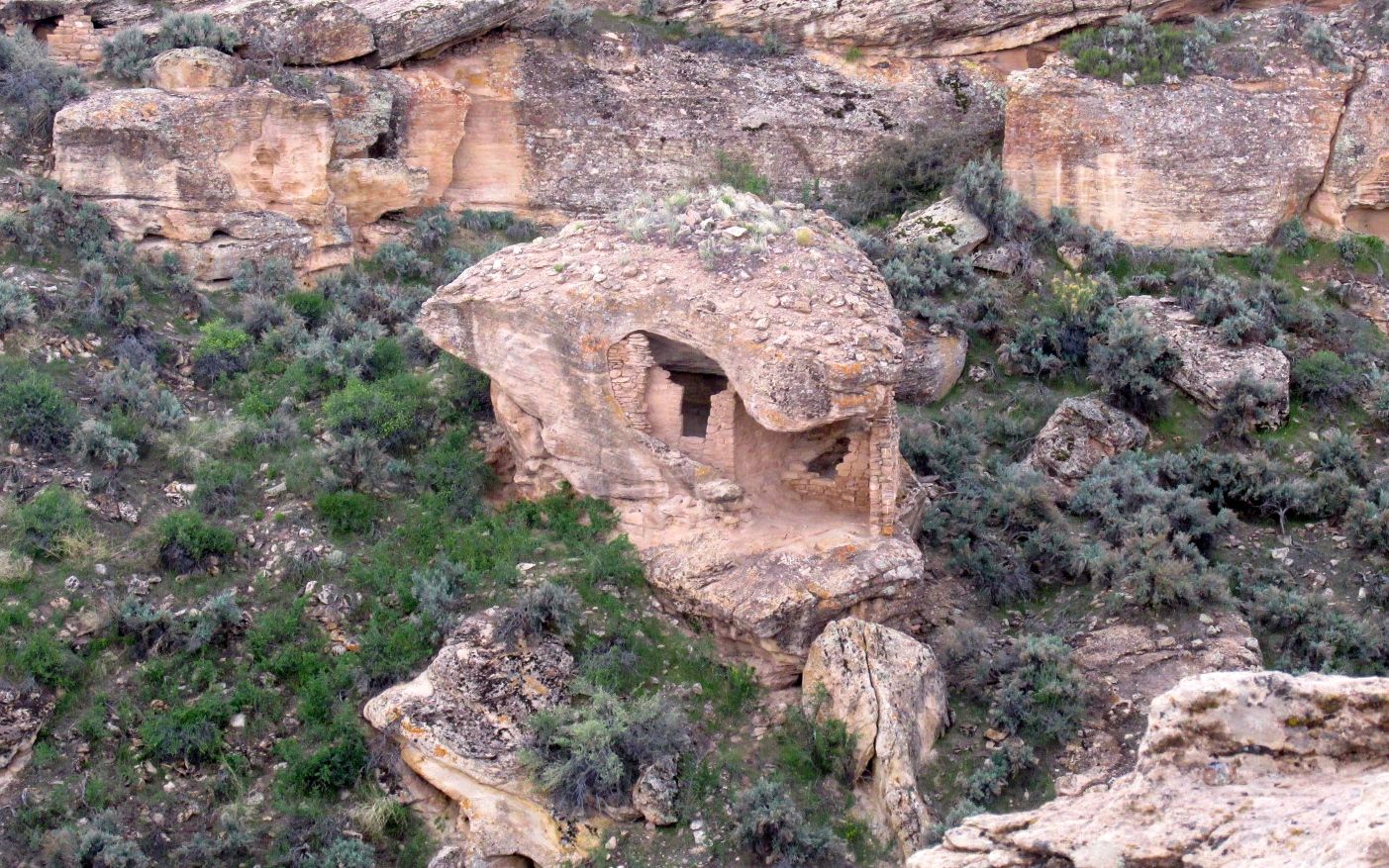
eroded boulder house

This dwelling was built into an eroded boulder.

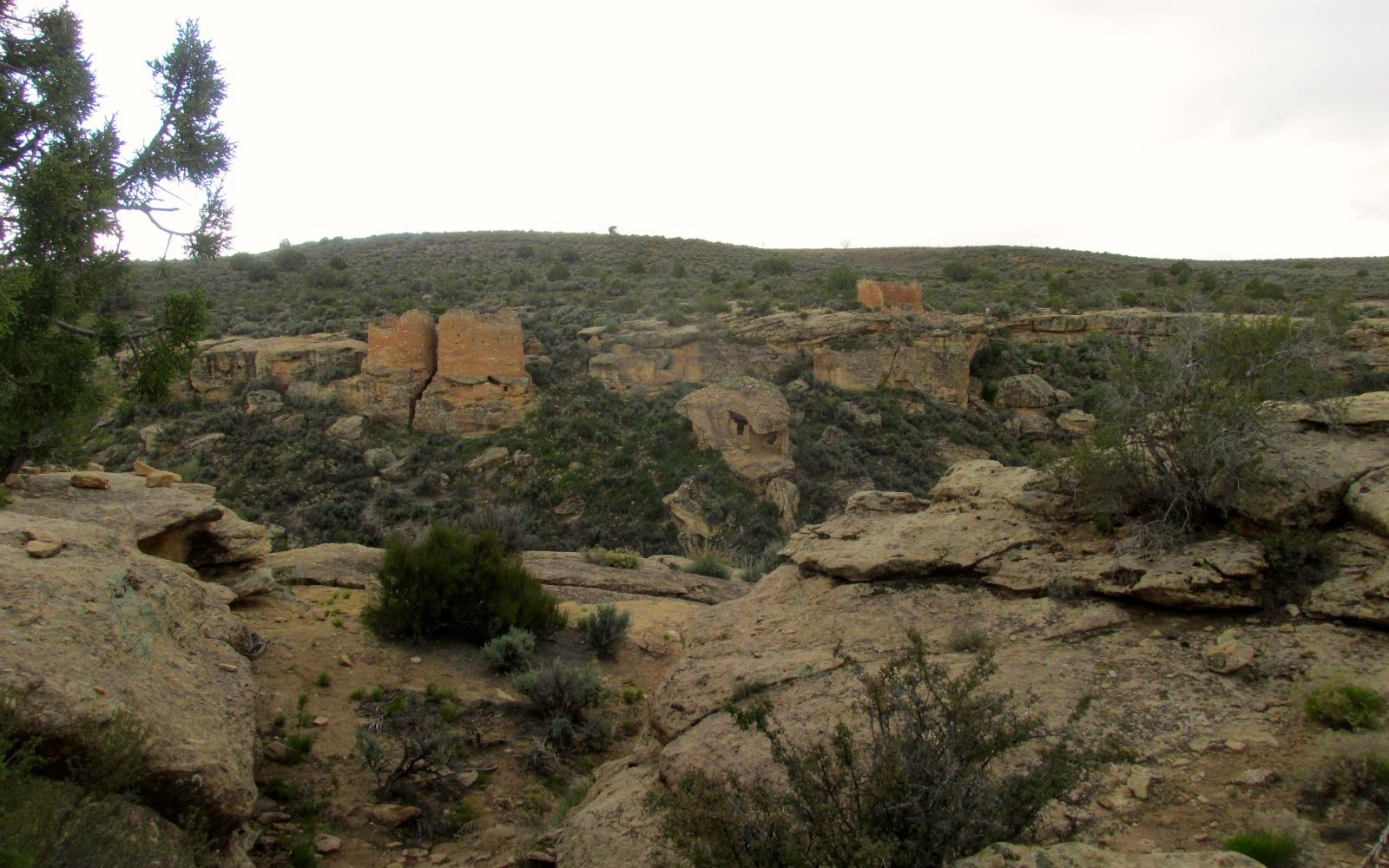
community

You can see the proximity of the structures in this view. This really was a community.

on the opposite rim

Considering that these towers have withstood at least 600 years of weather and the depredations of people looking for artifacts to sell, it is amazing that these structures are still standing.Two towers

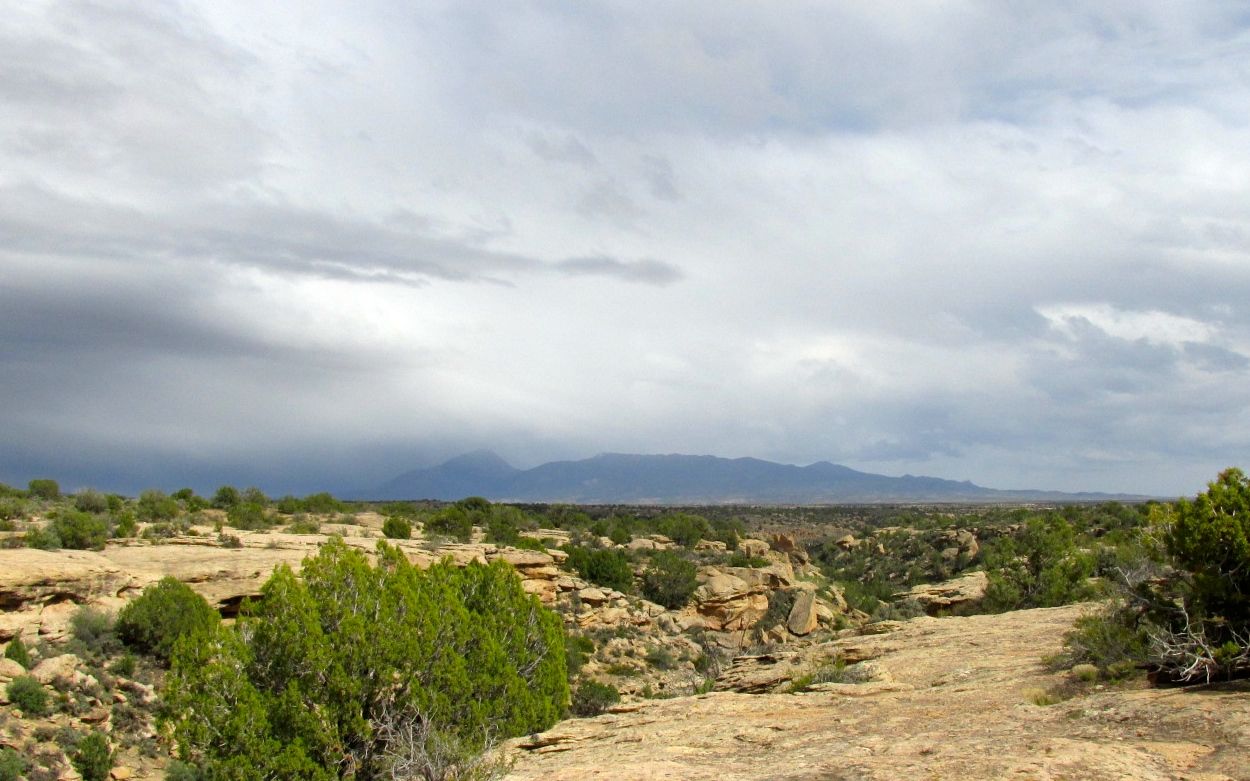
In the distance, you can see Sleeping Ute Mountain, which is in Colorado.

Sleeping Ute Mountain

The sun peeked out from behind the clouds from time to time.

ruined tower

I persevered, still determined to do the whole loop.

tower in the canyon

Eventually, though, I decided that I was just not dressed for the weather – even though I was wearing two polar fleece tops, a windbreaker, a hat and a scarf.  I made it to the turn, and then decided to head back.Two towers

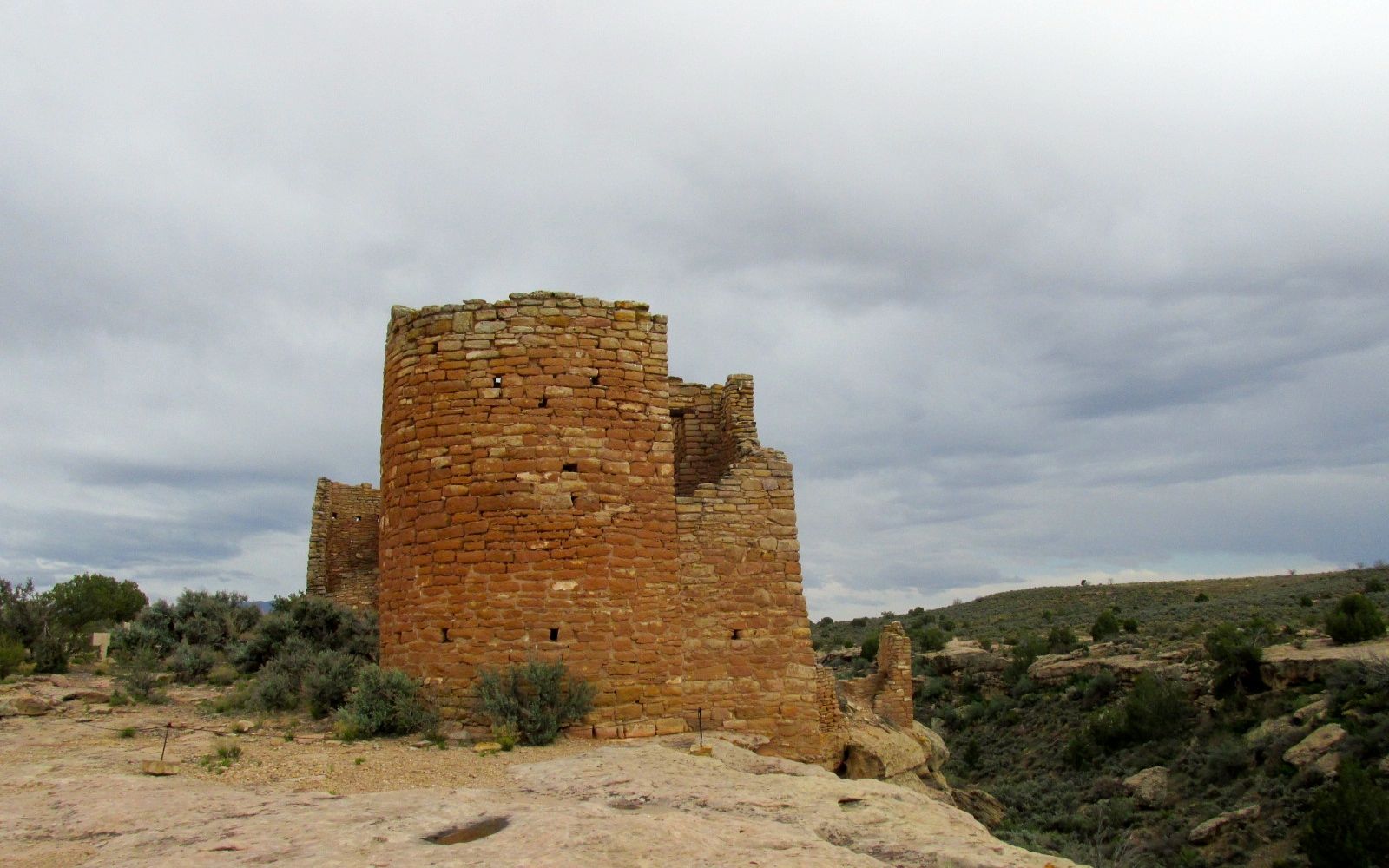
But heading back the way I came allowed me to take another shot of Hovenweep Castle, this time with just a little more light on it.

Castle

Wouldn’t you know it? As soon as I head out, the sky clears a bit and there is a bit more light.

sky clearing

The clouds closed back in by the time I got back to Goosenecks State Park. I was surprised to find this German RV at the campground when I arrived.

German RV

One of these days, I will talk to the folks who drive these. I wonder what they are like inside.


Bluff, Utah

Having decided that Goosenecks State Park would be my home base while I was in the area, I set out to explore.

Just down highway 191, I came across the town of Bluff. Compared with Mexican Hat, it was a buzzing metropolis. According to the 2000 census, 320 people live there. I was heartened that there were restaurants, hotels and RV parks. If I had been able to plug in, I could have moved there. But, since my backing up woes made me rely on my batteries and solar power, it made no sense to move.

I saw a sign directing me to the historical district and decided to investigate. I came across Bluff  Fort and a tourism information office. Since I didn’t know what there was to do in the area, I stopped in.

I was enthusiastically greeted at the door by a gentleman dressed in pioneer garb. After ascertaining that this was my first visit to Bluff, he asked if I wanted to see the multi-media presentation about the history of the town. It was free and so I said, “Yes, please.”

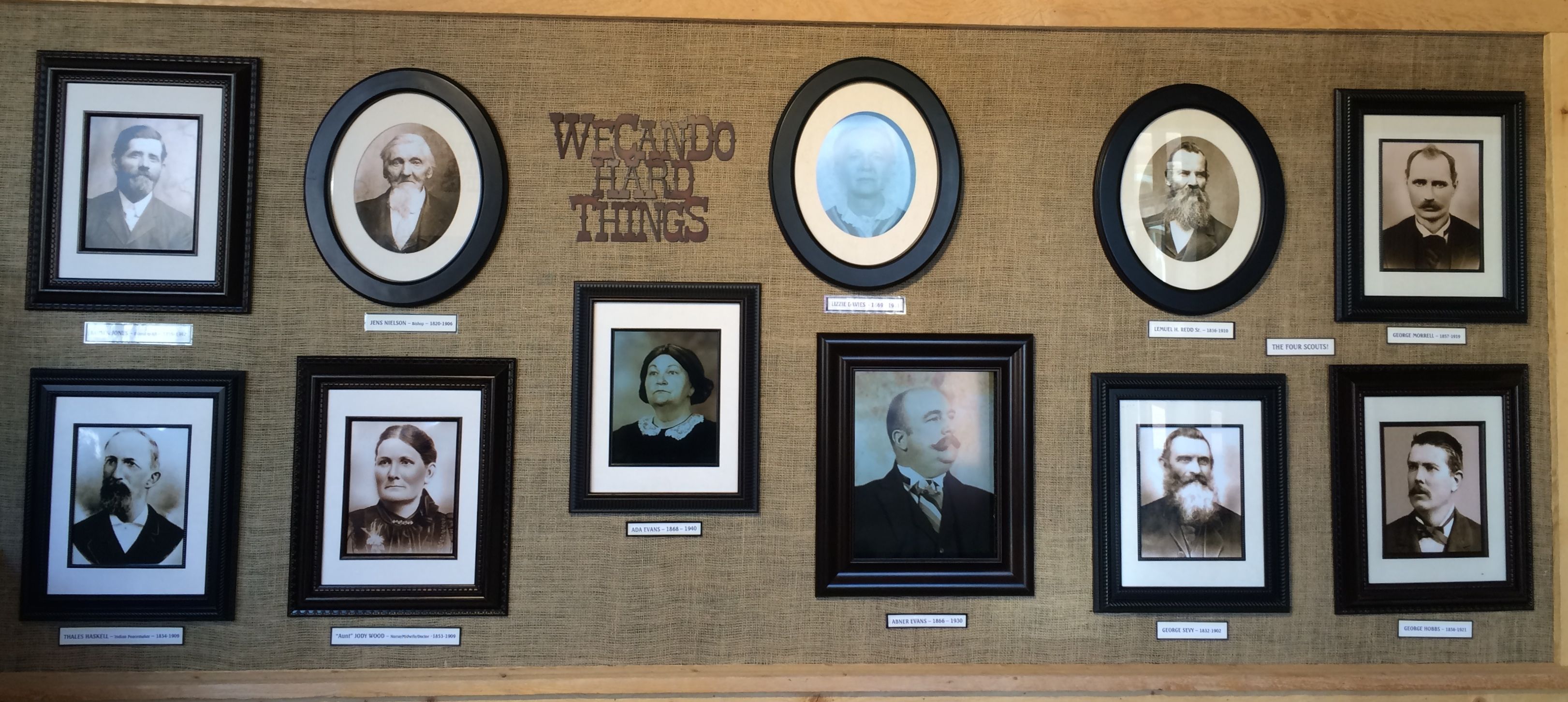
Since I was alone, he got his wife to run the presentation for me. I don’t know if he was afraid that I would take advantage of him or that I might be afraid to be alone with him. He brought his wife over, who was also dressed in period garb. She brought me over to this wall, and the presentation started.

talking photos

She flipped a switch and three of the portraits started talking to each other! After they finished the introduction, they got up and walked into the next room. That was the most interesting way to begin a presentation I had ever seen.

It turns out the Bluff was founded by the Mormons who sought to stabilize the area by establishing a town, setting up a trading post and farming the area. The settlers were “nominated” by the elders in their temple. They set out to do as they were directed. There were things they expected to happen.

wagon in museum

They expected to travel by wagon. Actually, their belongings traveled by wagon. Mostly the people walked.

what they left behind

They expected that they would have to leave things behind.

See those doors in the upper left of the photo? The woman who was giving me the presentation opened the doors and played a video that told the rest of the story.

It turns out that there was no road where they wanted to go. I think they kind of expected that, but they had no idea of the terrain they would have to cross to get to this place on the banks of the San Juan River. They expected the 125 mile trip to take about six weeks. They had planned to use a route that a scouting party had called the Escalante short cut, but that route didn’t work out. Instead, the journey turned into an arduous 260 mile trek that took six months during winter conditions.

What they ended up doing was spending six weeks blasting and chiseling a trail through a narrow 1,200 foot drop in the sandstone cliffs. It’s known as the Hole-in-the-Rock, which is still visible at present day Lake Powell.

thumbs_hole2-1

I found out that these kinds of trails are called “dugways”.  Merriam Webster defines a dugway as “a road constructed along a hillside by using for the fill on the downhill side material excavated immediately above it”

.I mean, can you imagine going down this cliff? With a wagon, no less!

thumbs_steps-hole-in-the-rock-1

But, even after they got down this cliff, they still had to cross Comb Ridge, which required that they built another dugway up the face of the ridge.

comb ridge

The pioneers named this “San Juan Hill.” At first, I thought it was named after the battle of San Juan Hill in Cuba, but that didn’t happen until 1898. I imagine it was named after the San Juan River.

Finally they arrived to the site of present day Bluff.

The Bluff

Actually, they were supposed to continue on to a site twenty miles upstream, but they were just too exhausted to continue. They saw that this location had water and good farmland, so they decided to stay here.

After the end of the video, the guide opened the doors and we went to a room that was outfitted like a religious meeting room, where the story was completed.

If you happen to be in the area, I would certainly recommend taking in the presentation. I was absolutely exhausted by the end of it. I can’t imagine what it took to get to this site.

we can do hard things sign

I thought this sign that was displayed on the wall of photos at the beginning of the presentation was an understated representation of what they accomplished.

After the presentation, The guide invited asked me what else I wanted to do in the area and she helped me pick out some brochures to plan my visit. She directed me to the recreated fort that continued the story.

One ofthe original wagons to go through the hole in the rock trail

According to the sign, this is one of the original wagons that made the trip down the Hole-in-the-Rock dugway.

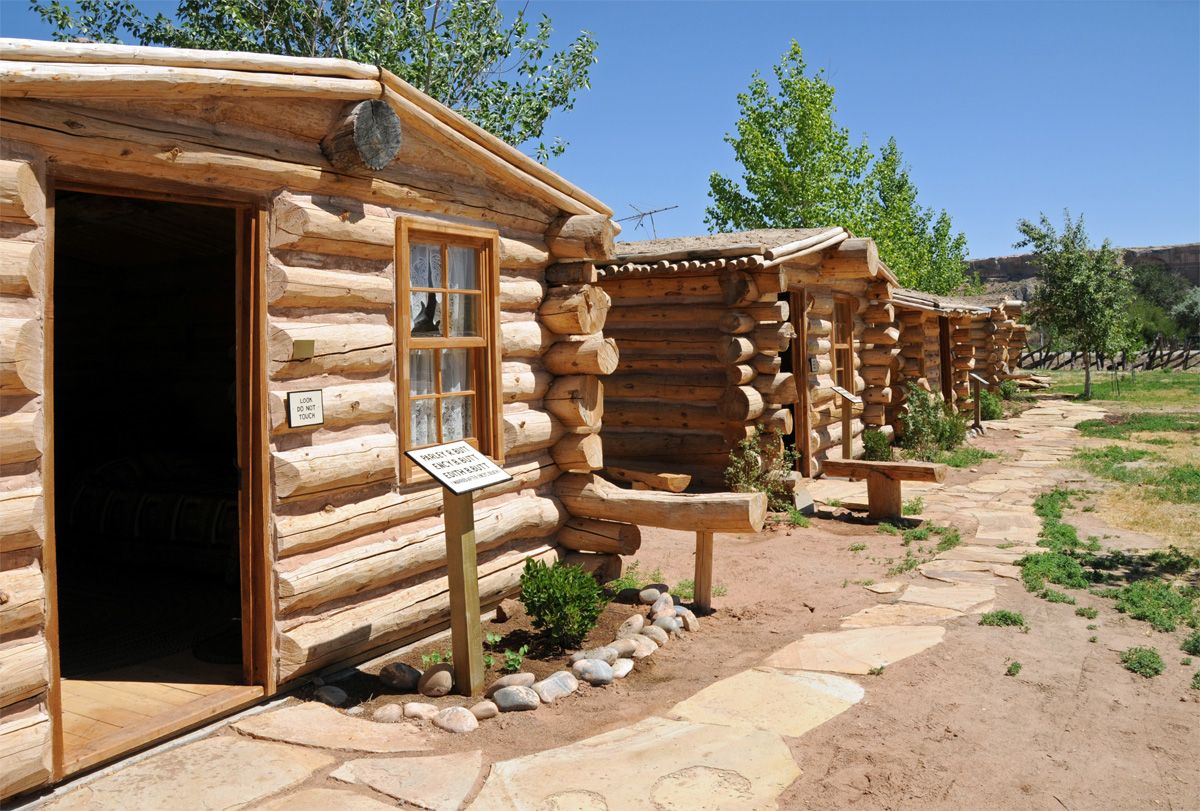
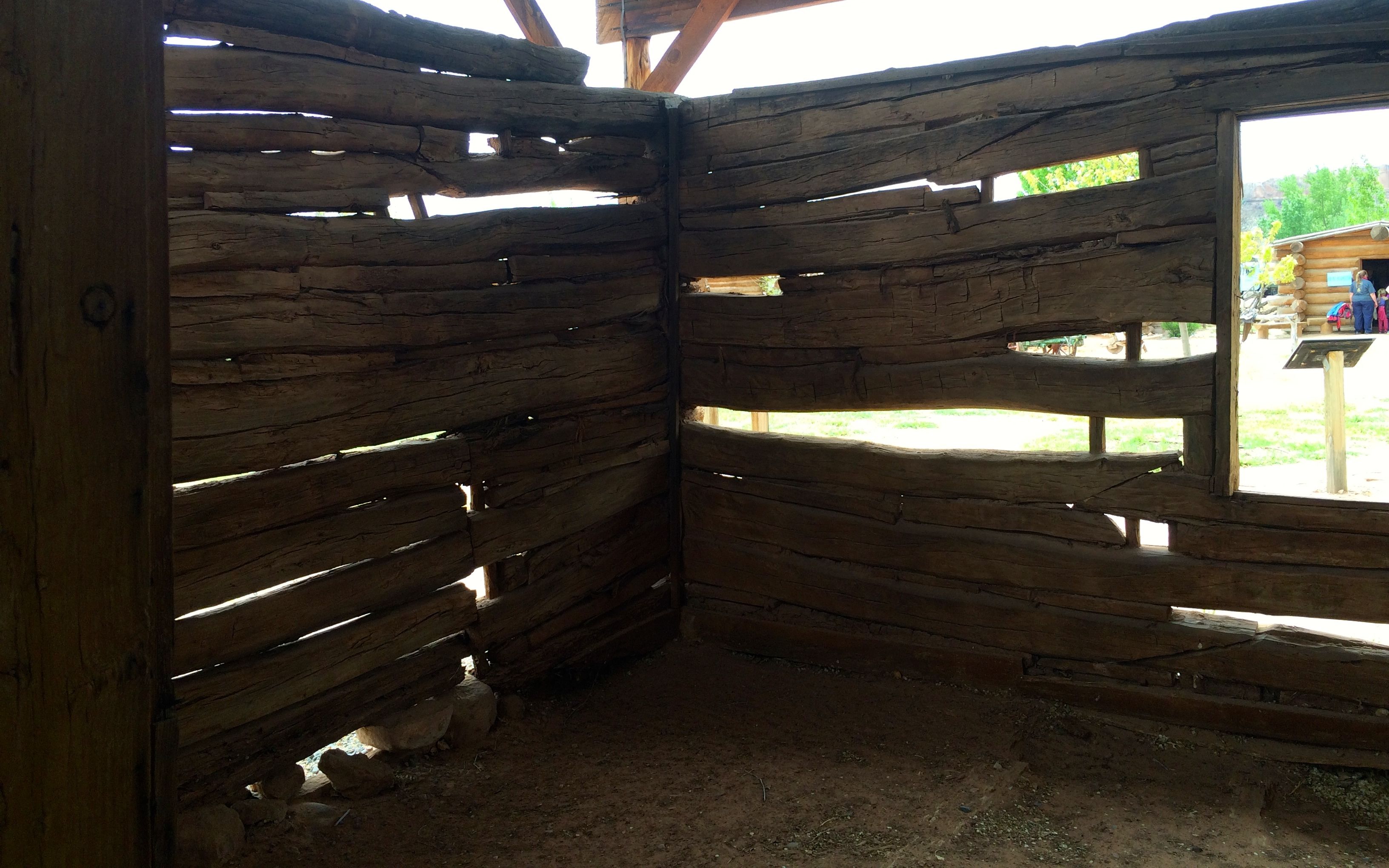
The settlers built their original cabins around a square with the back walls serving as the fortification of Bluff Fort. They reconstructed the cabins and then outfitted them in the style of the time. Outside each cabin were buttons you could press to hear stories about the settlers. The stories were often taken from letters or diaries and were read by the settlers’ descendants. They had a variety of languages you could chose from to hear the stories.

cabins

I thought this table had an interesting storage space.

cabin with interesting storage in table

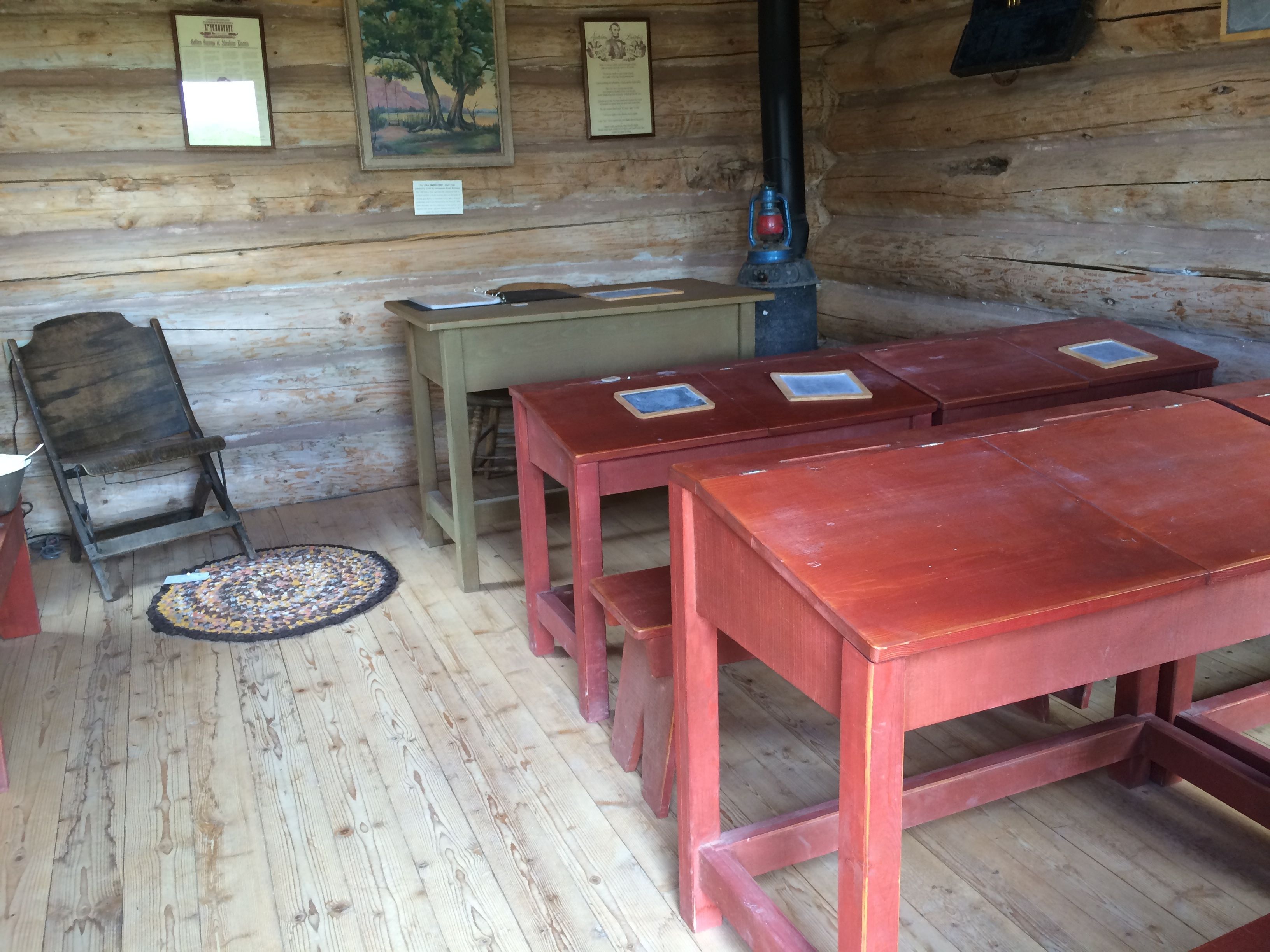
What would a community be without a school? Those are framed Abraham Lincoln quotes on the wall, flanking the painting.

school house

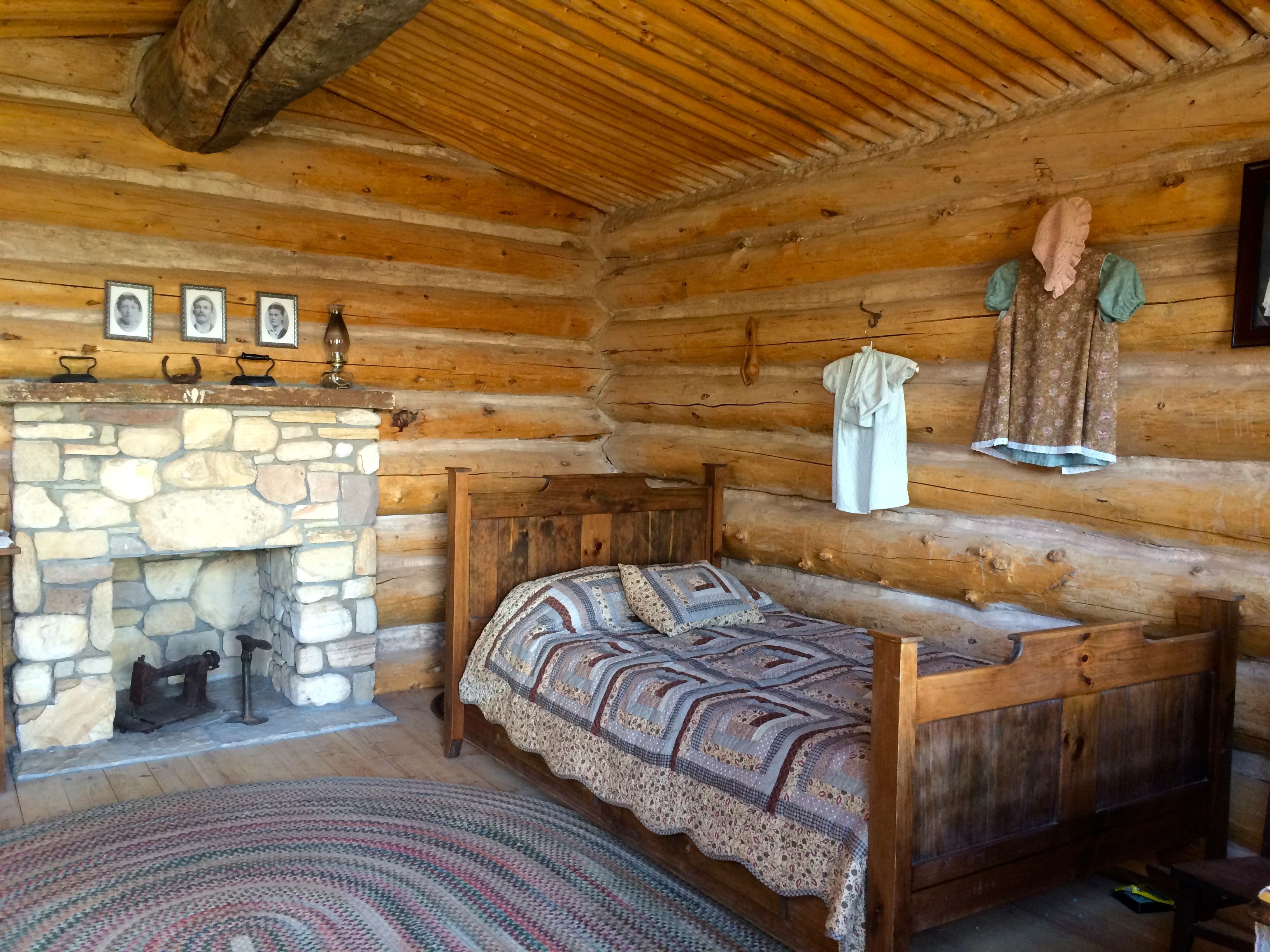
The original cabins were little more than a room that served all purposes.

Butt family cabin

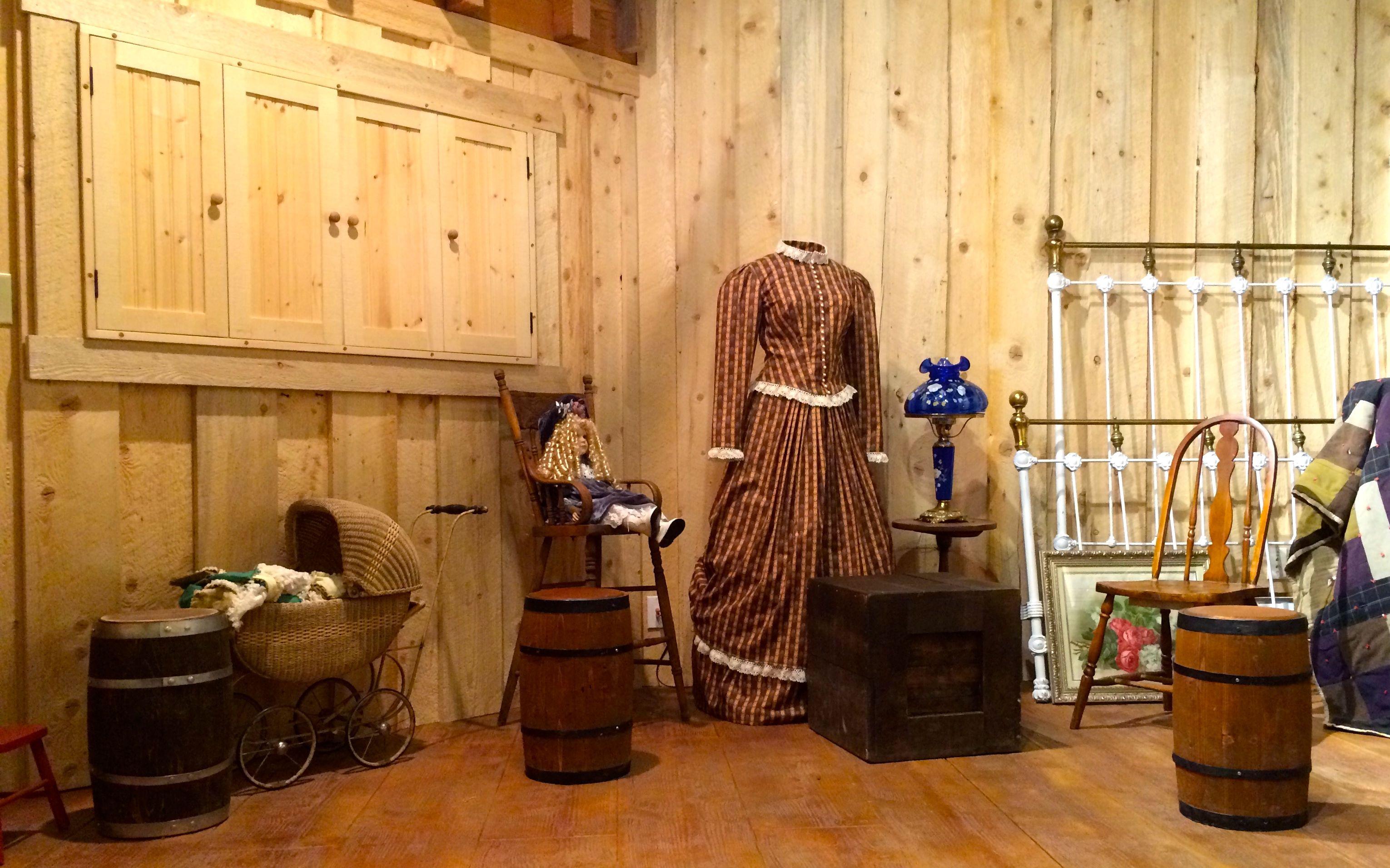
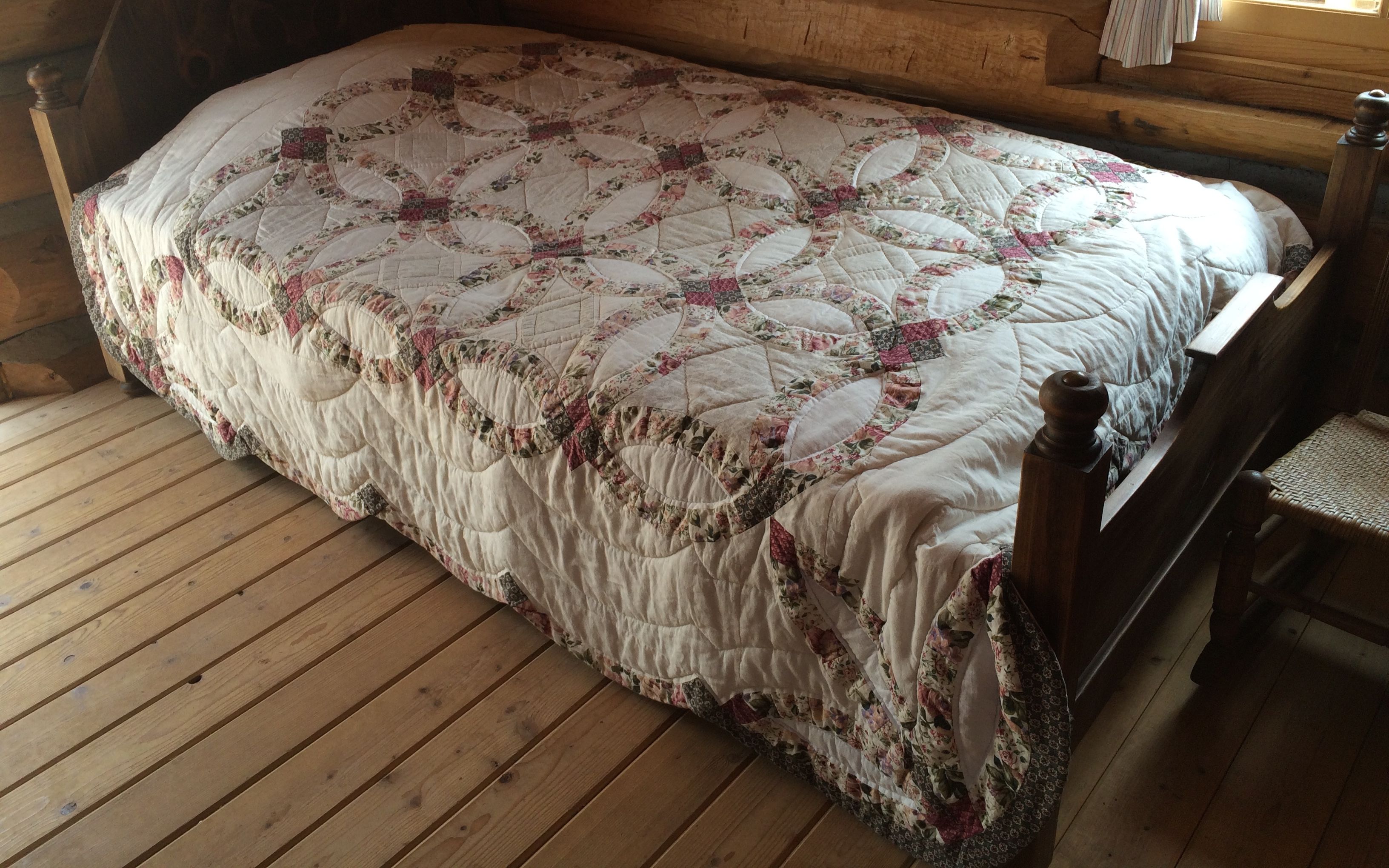
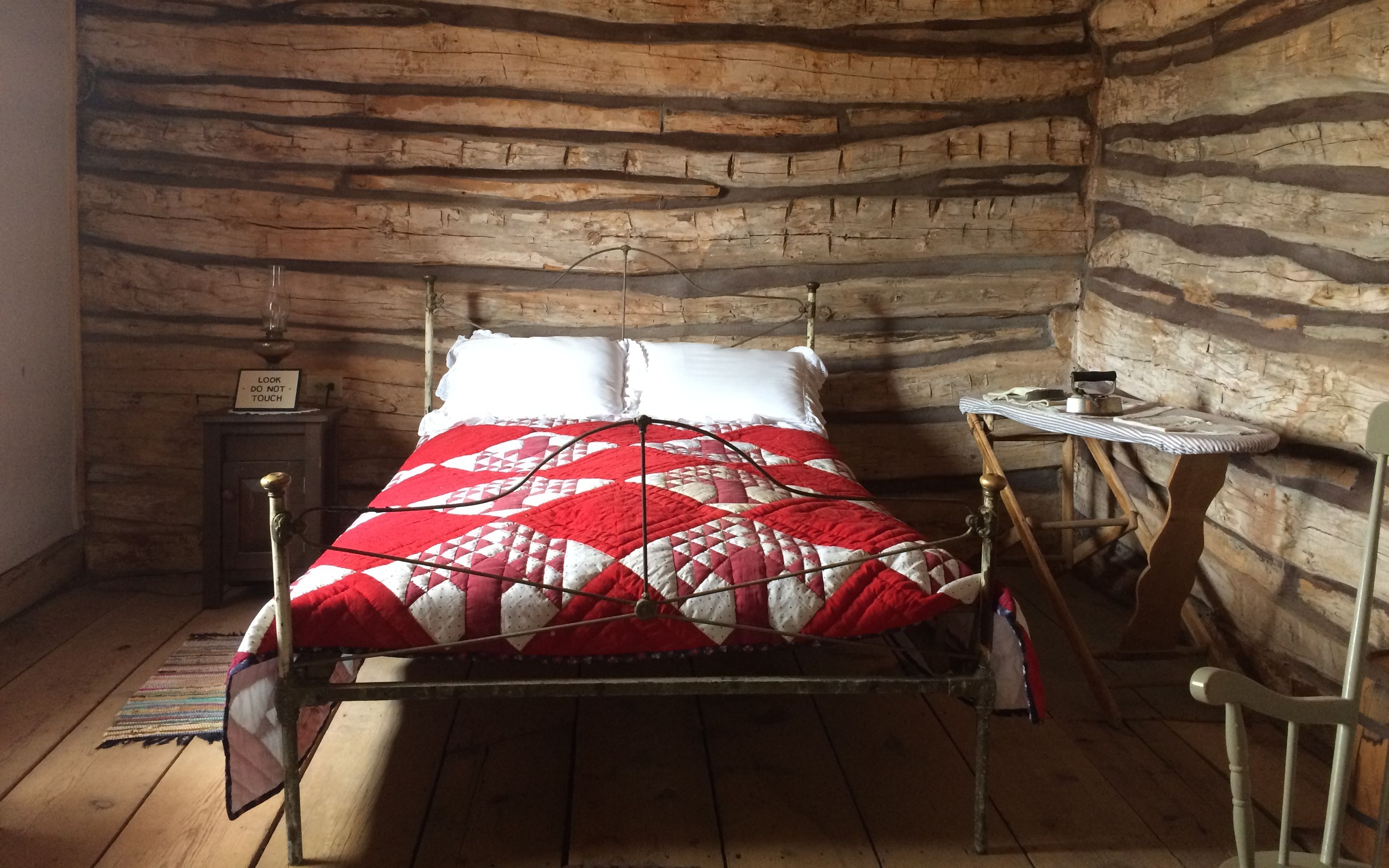
I was surprised to see this quilt in one of the cabins.

bed with my quilt

I have that same quilt in my Airstream. It was a gift from my sister. I mentioned this to one of the volunteers. She seemed apologetic, but I reassured her that the important thing is that they are telling a story. This quilt is just a prop.

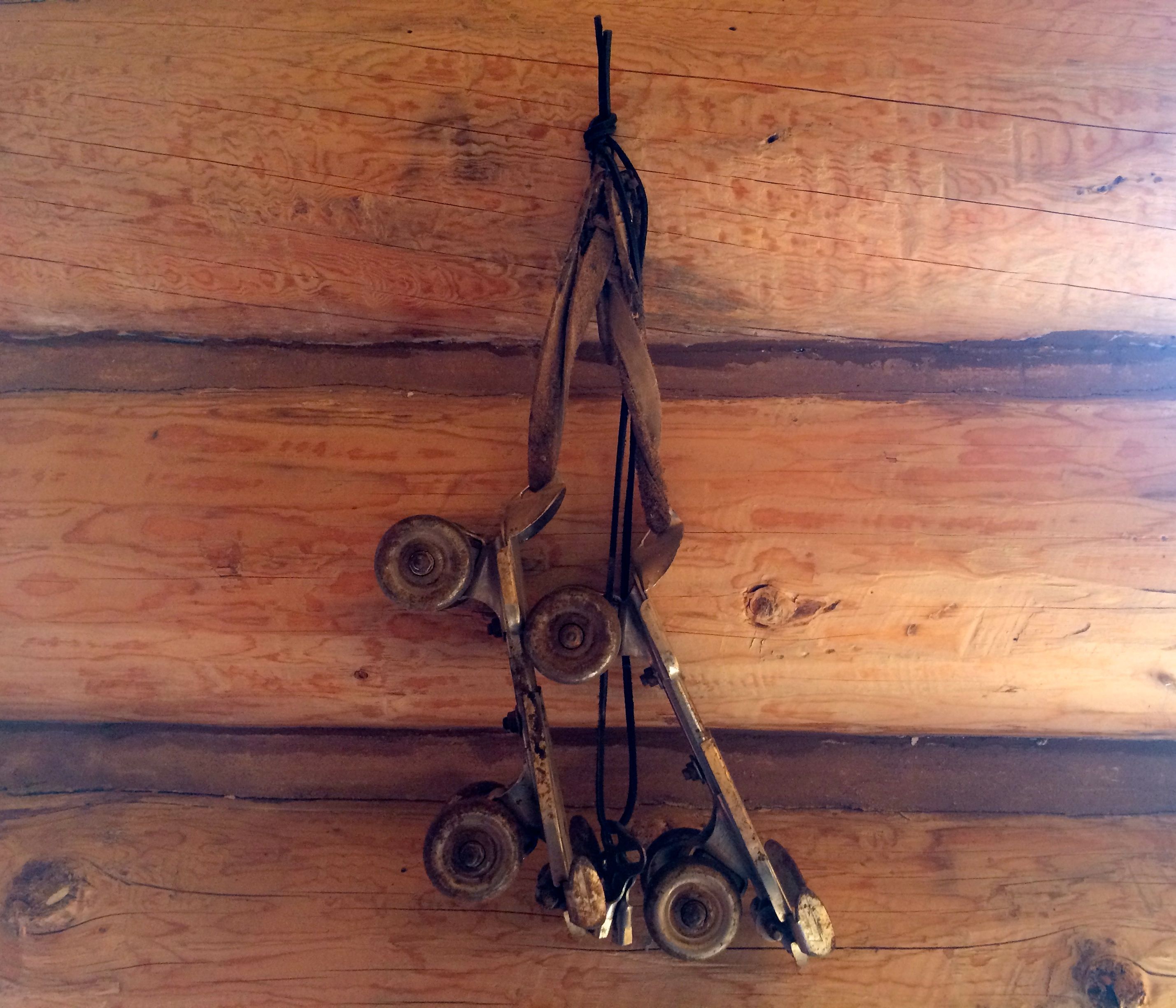
roller skates

I’m not so sure that the roller skates hanging on the wall were accurate, though.

There is one building that is there from the 1880s. That is the Barton cabin.

original Barton cabin

There’s not a lot of it left.

Barton cabin

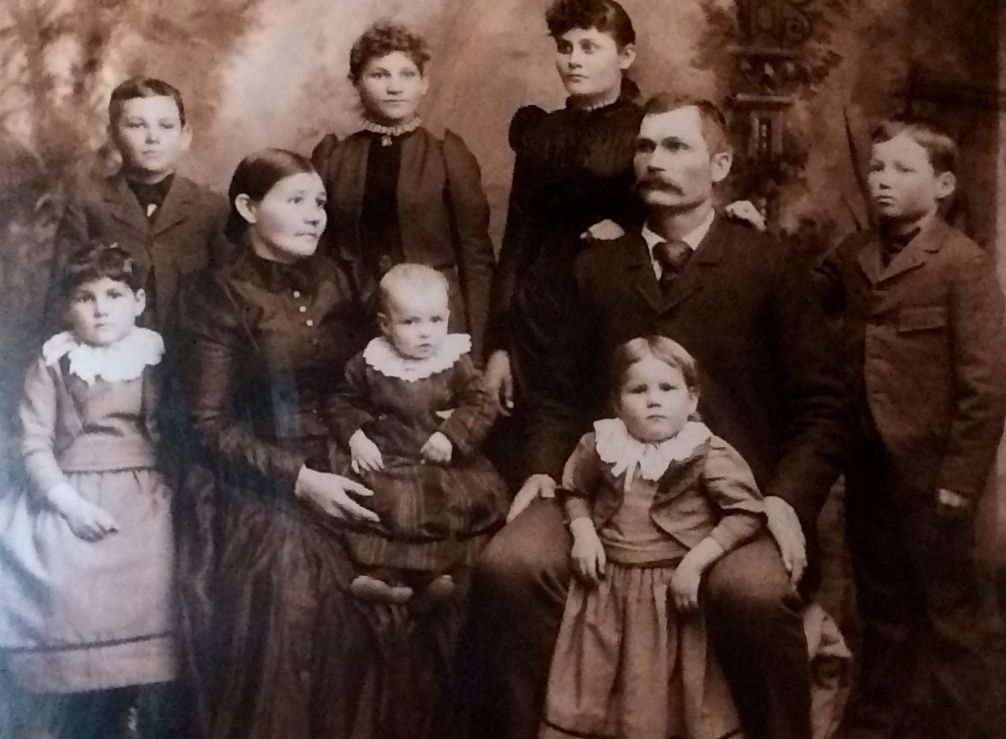
They have reconstructed one room of the cabin, and there is a story that plays there that tells of the death of the mother of the family.

The barton family photo before the mother died

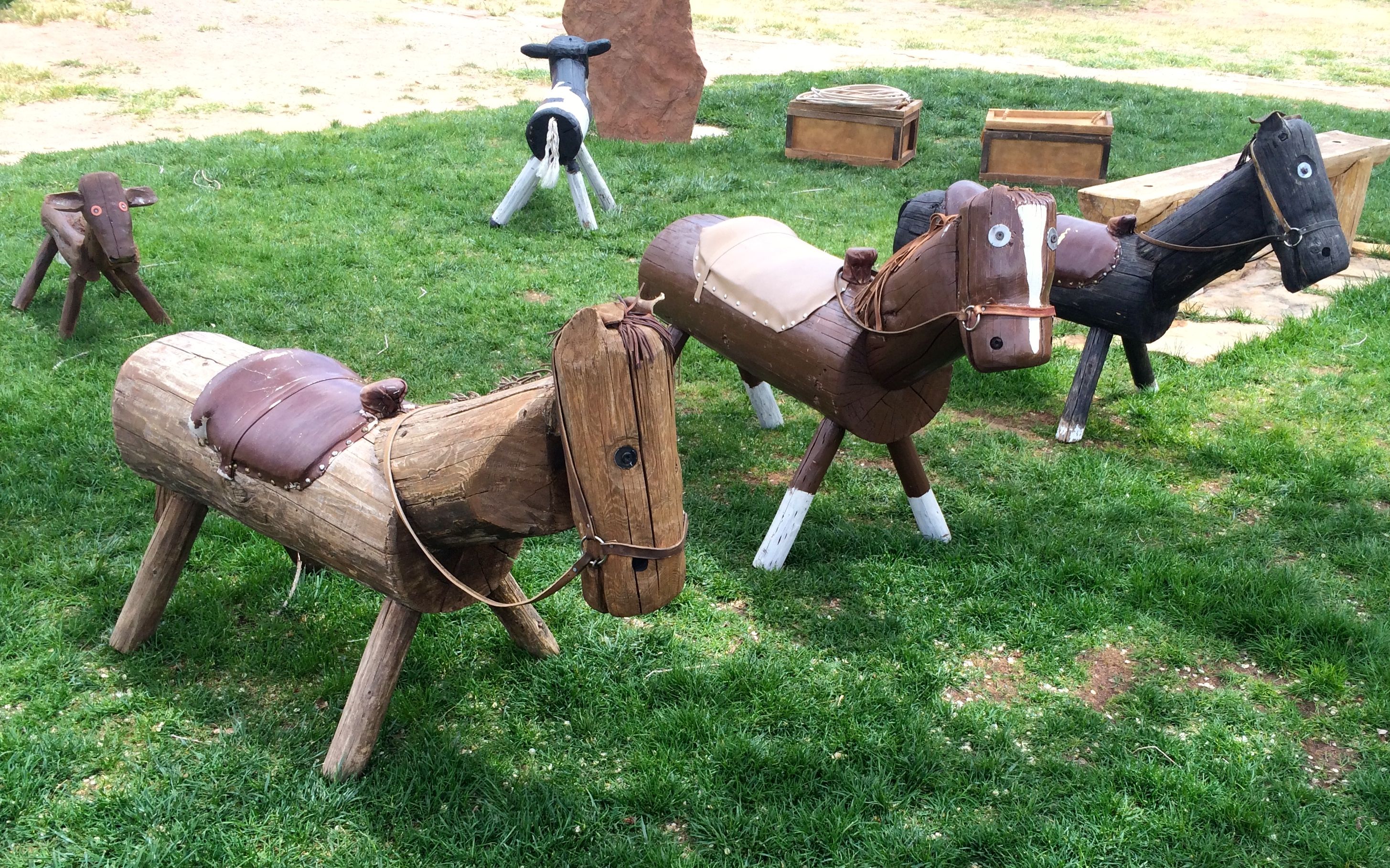
Toward the end of the walk through the fort, I was captivated by these charming toys for the younger visitors to play on.

horses, a cow and a sheep

They even had a box full of lariats so that the kids could practice their roping skills.

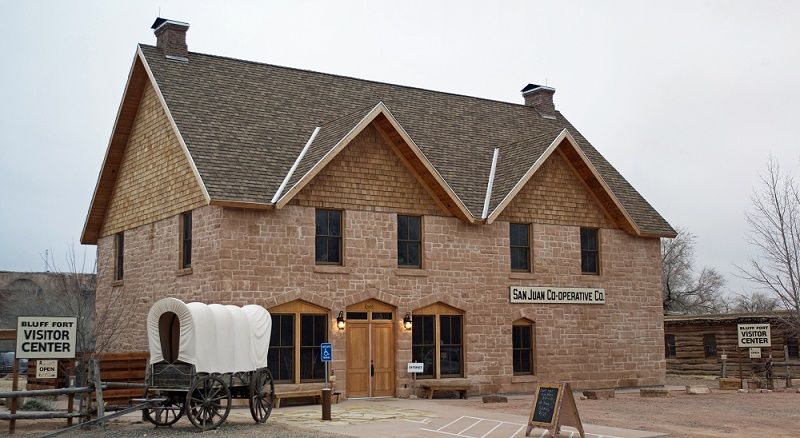
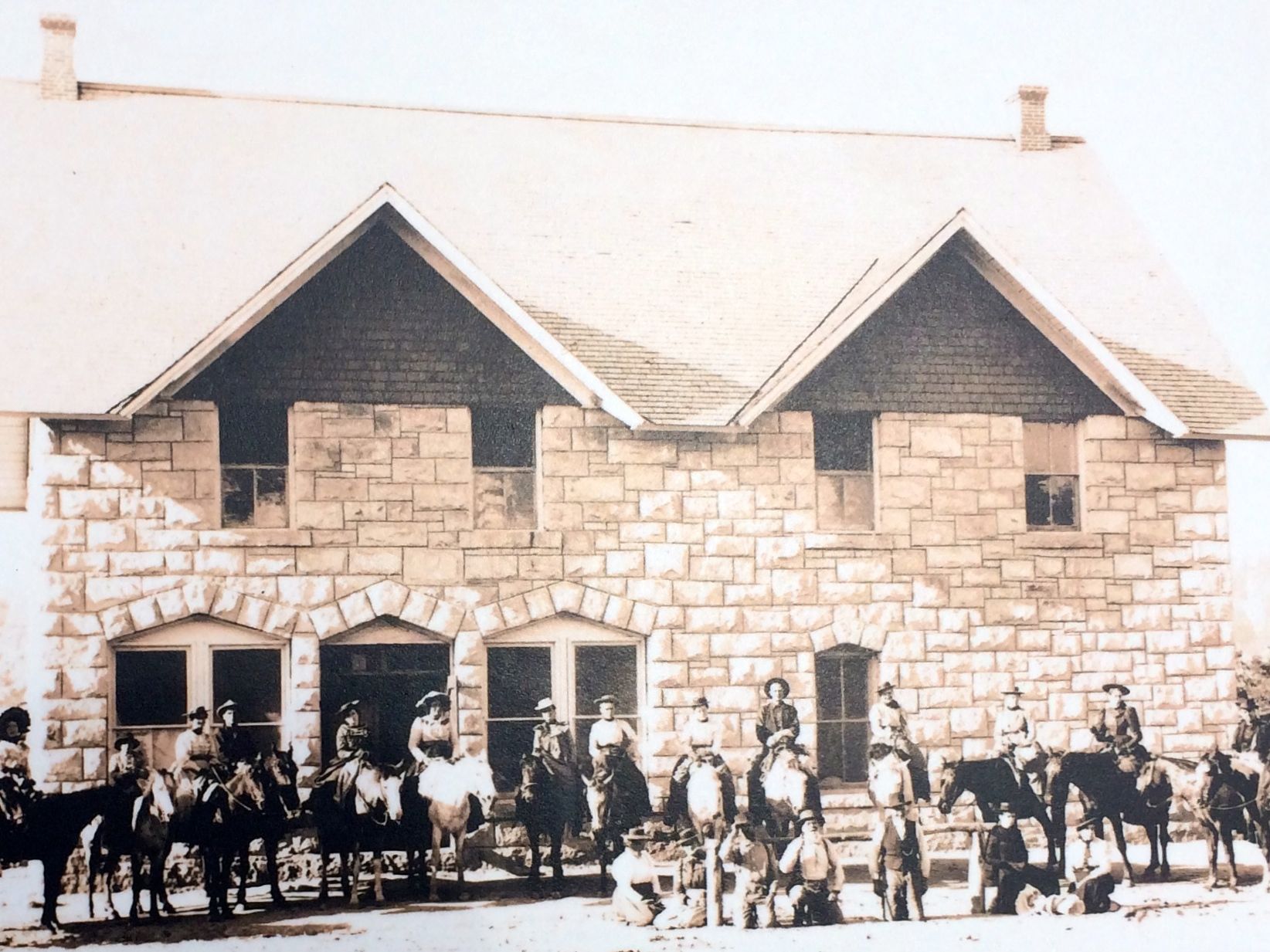
The building that was used for the visitor center – and gift shop – was a reproduction of a building that was destroyed in 1925. According to the sign, a bank robber named Frank Starr used too many sticks of dynamite when trying to open the safe. His failed attempt cause the demise of the building as well as Mr. Starr.

Full-Coop-w-stone-cropped-800

The co-op was rebuilt in 2012 by the settlers’ descendants.

stone co-op 1898

Here’s a photo of it in 1898.

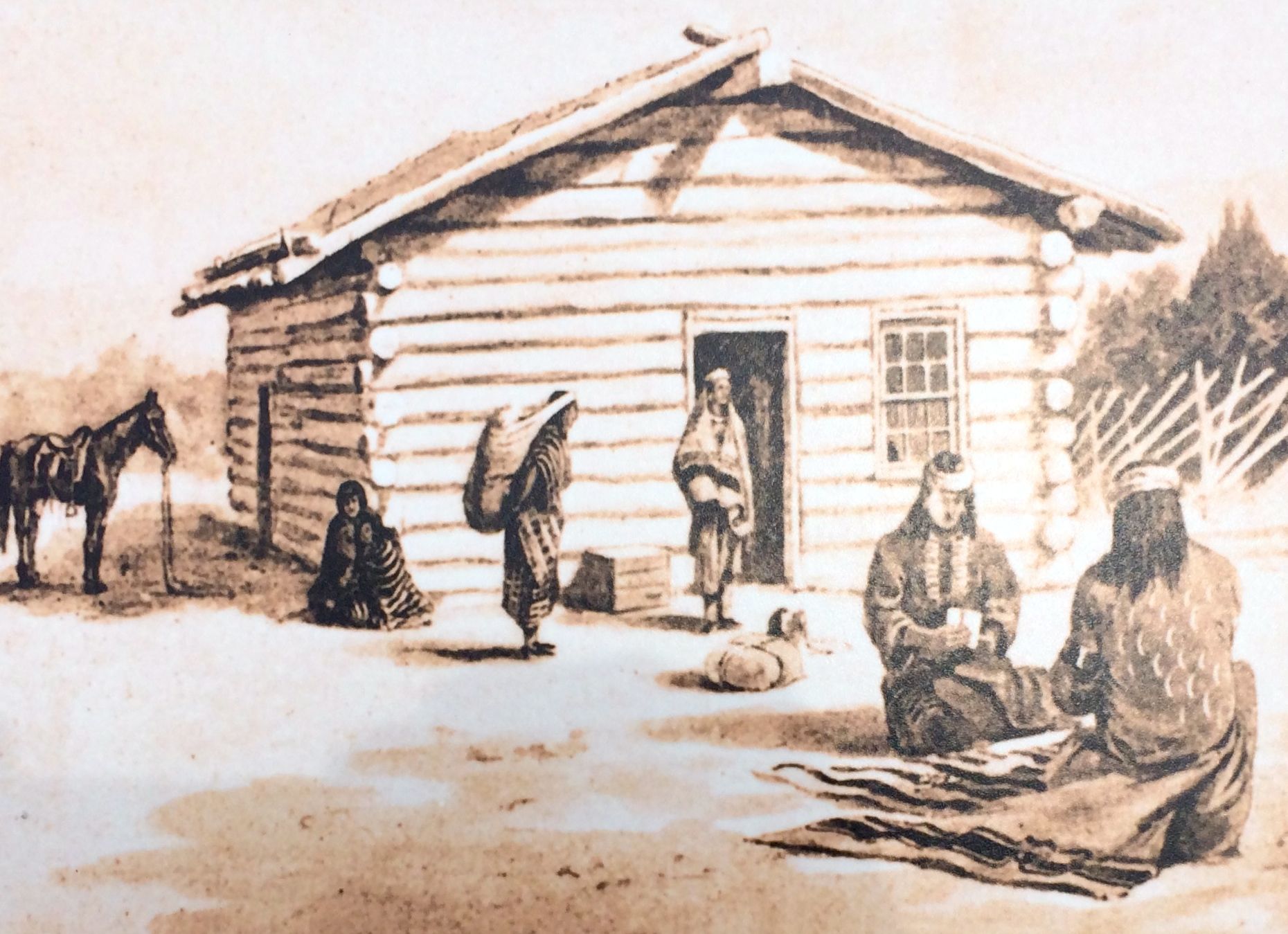
original log co-op 1894

This is a drawing of how it looked in 1894.

After all this history, I was ready for some sustenance. I hopped in ol’ Bart and set out in search of some food.

Twin Rocks Cafe

I decided on the Twin Rocks Cafe. Cars in the parking lot were a good sign.

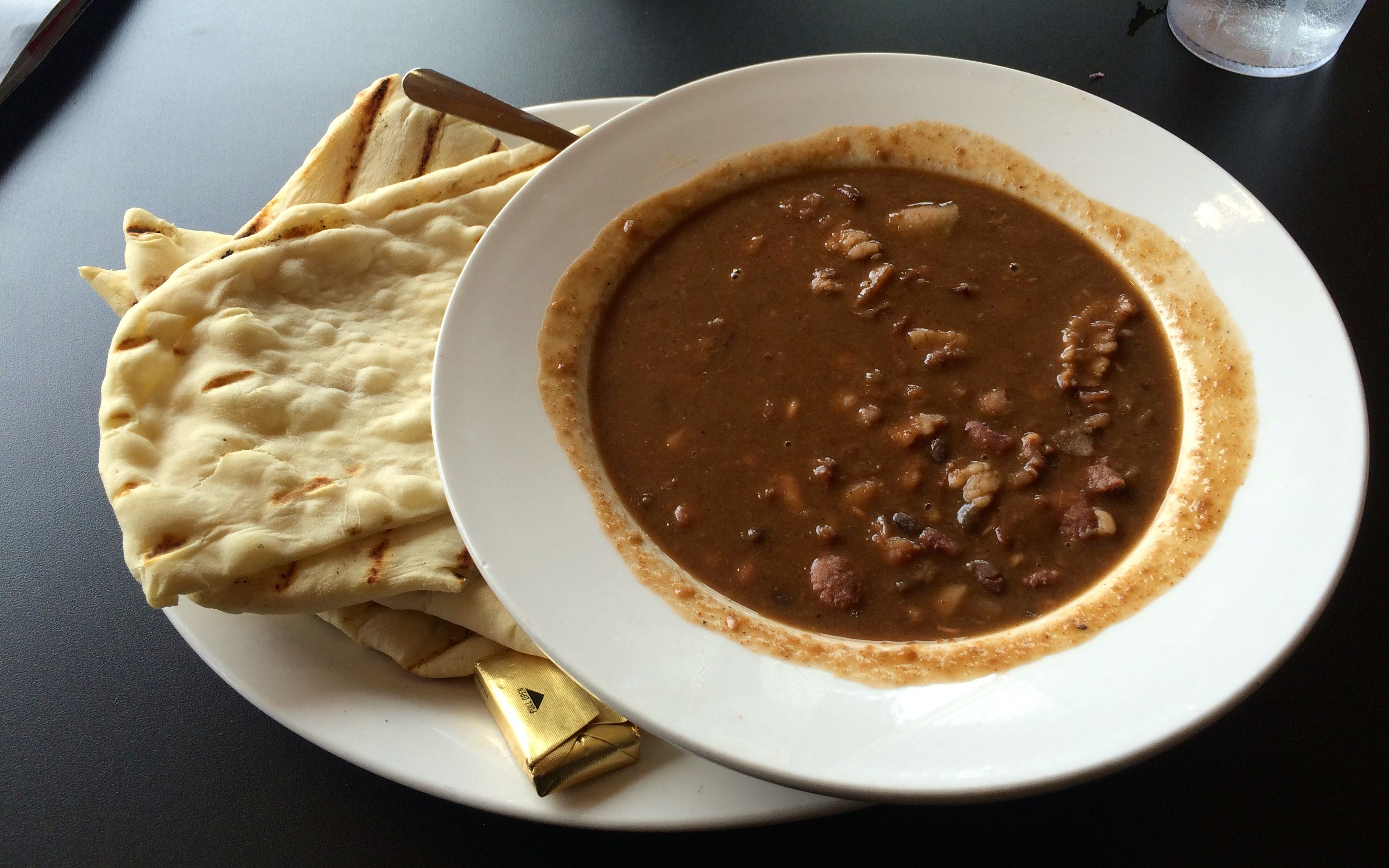
Cliff dwellers bean soup with ash bread at Twin Rocks cafe

I ordered the special of the day, Cliff Dwellers Bean Soup with Ash Bread. I could choose between fry bread or ash bread. I’d had fry bread before, so I asked for the ash bread. The way ash bread was explained to me was that it was baked over the coals after the main dish had been cooked.

Twin Rocks

On the way back to Goosenecks State Park, I paused to snap a photo of the twin rocks.

I could have driven further, but tomorrow was another day!


Goosenecks State Park, near Mexican Hat, Utah

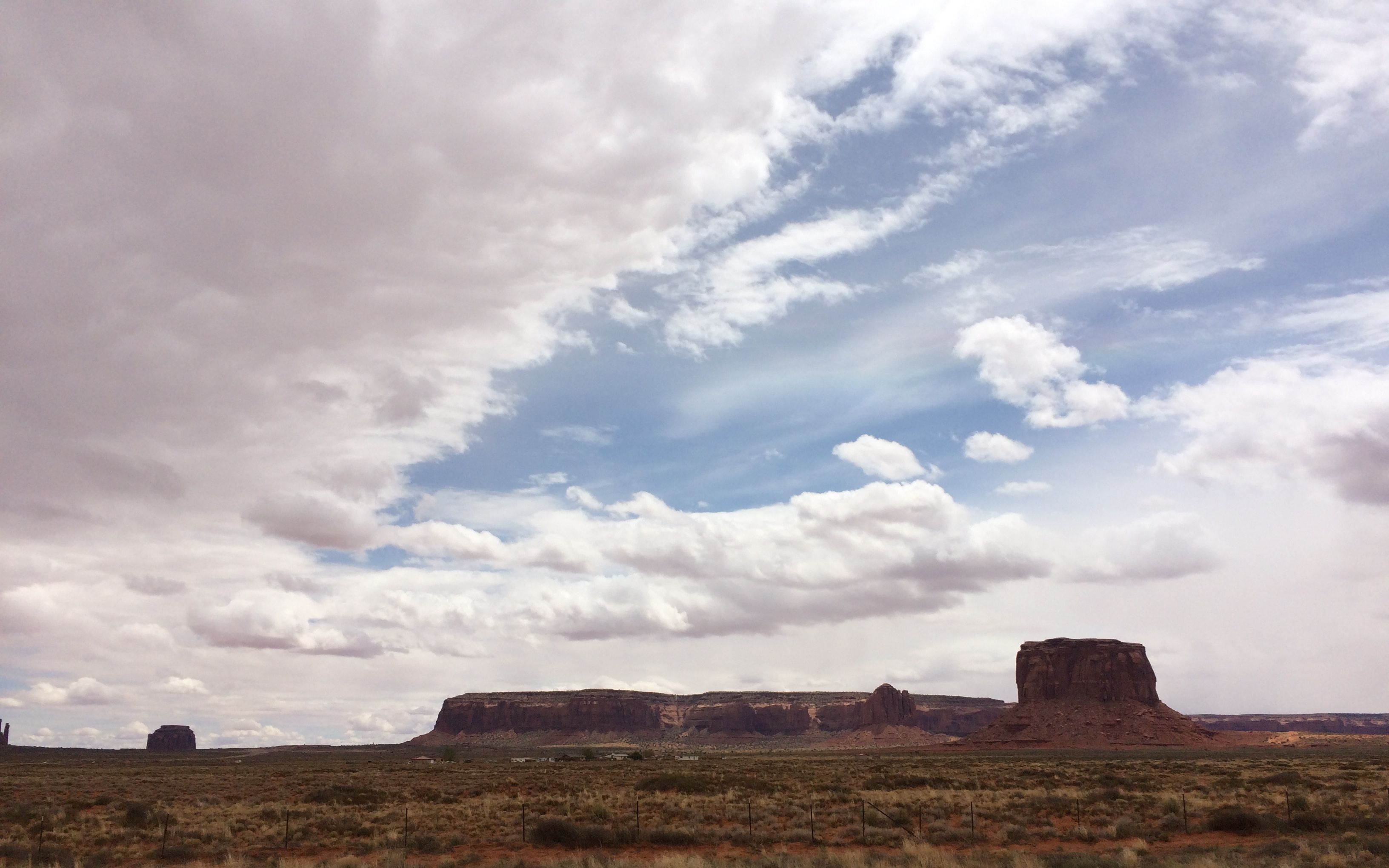
After my close brush with forestry, I wasn’t feeling much like playing tourist while towing my trailer. I drove by Monument Valley. I might have stayed over, but the attendant at the park entrance couldn’t tell me if they had any room in the campground. I didn’t feel like paying the $20 entrance fee to find out. Besides, There were lots of formations visible from the highway.

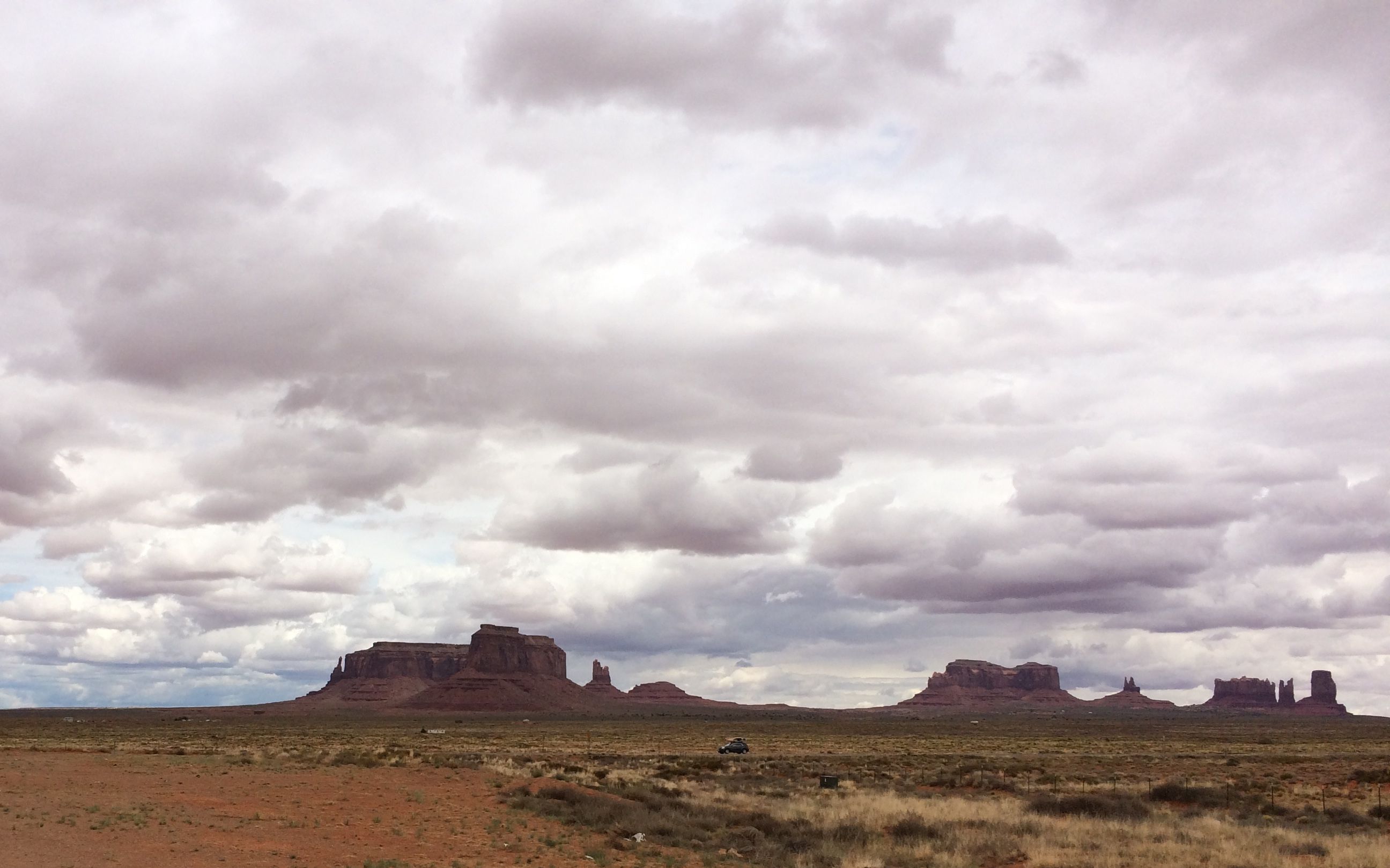
Monument Valley 2

I was fascinated by the pinkish color in the clouds.

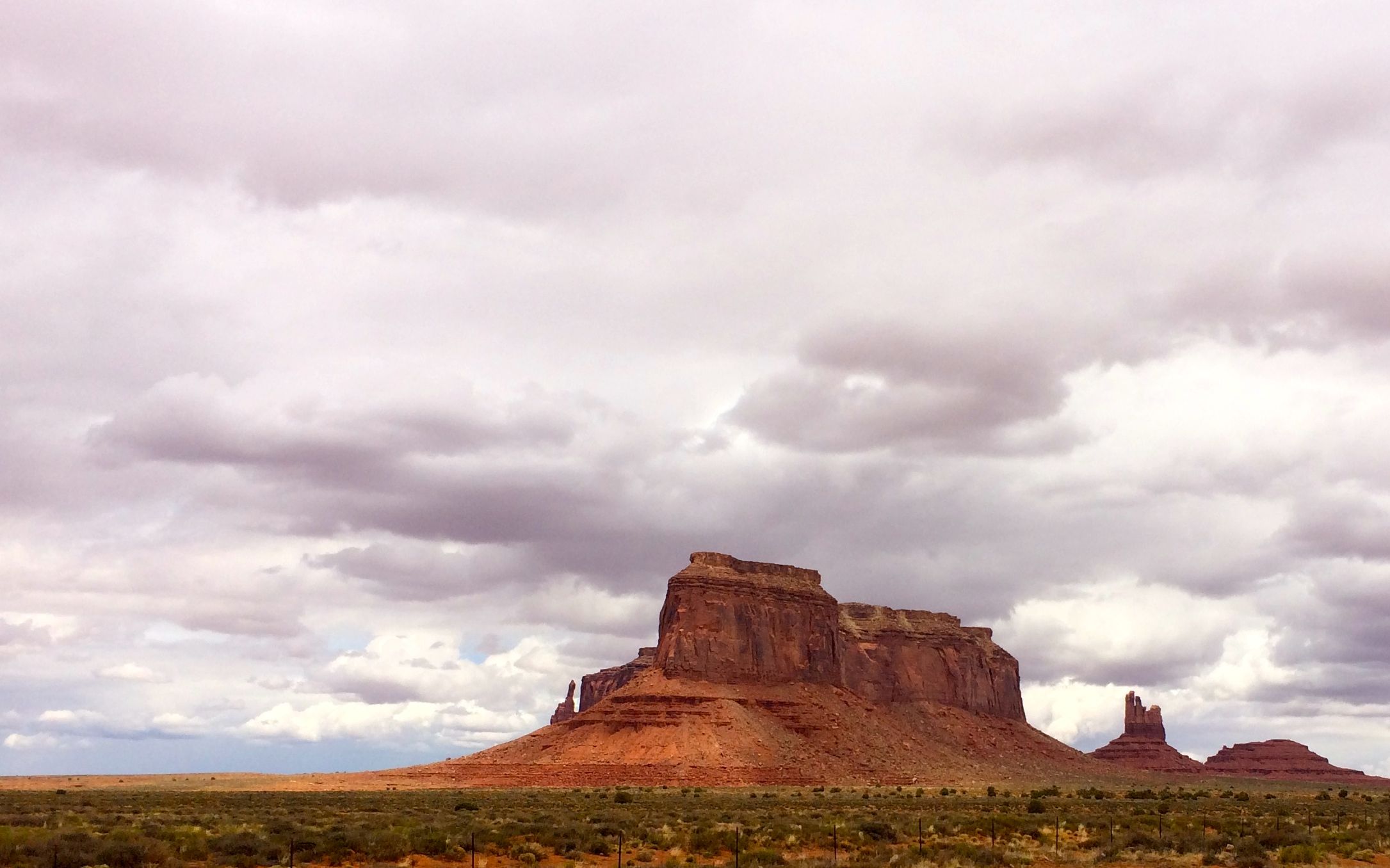
Monument Valley 3

I assume it was caused by the light reflecting off the red sand and rocks.

Monument Vlley 4

I guess I will just have to add Monument Valley to the “next time” list.

I chugged on out of Arizona and back into Utah. I crossed the San Juan River at Mexican Hat, which is a very small town. According to the 2010 census, 31 hearty souls lived there at an elevation of 4,244 feet. I’m not 100% positive, but I think that it was just a one lane bridge crossing the San Juan River, with a tight turn right after I crossed. I kept both hands on the wheel and both eyes on the road.

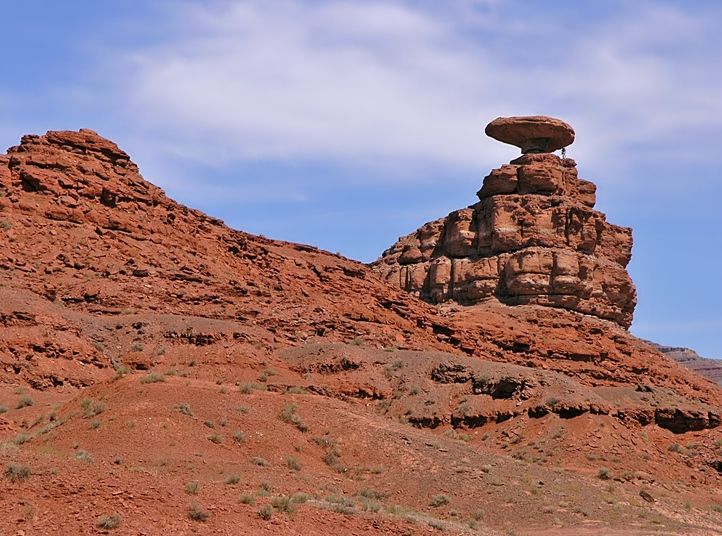
I did glance up and spy the rock formation that gives the town it’s name.

mexican_hat 2

I borrowed this shot from the internet, just to let you know why the town was named Mexican Hat. I was too busy driving to snap a photo!

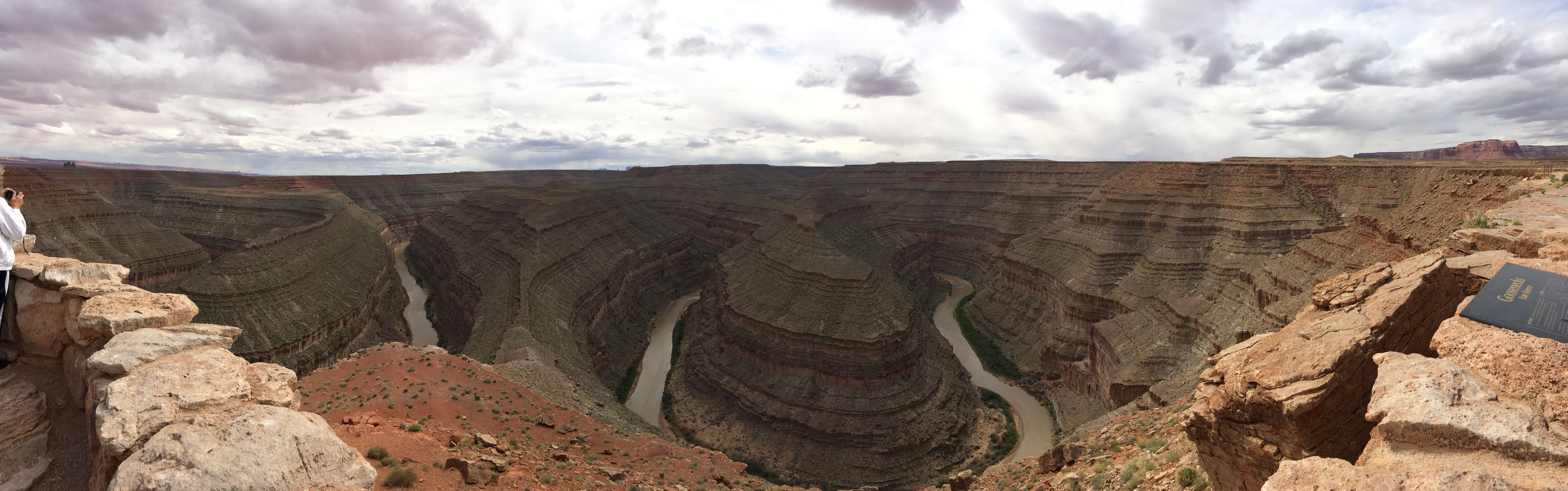
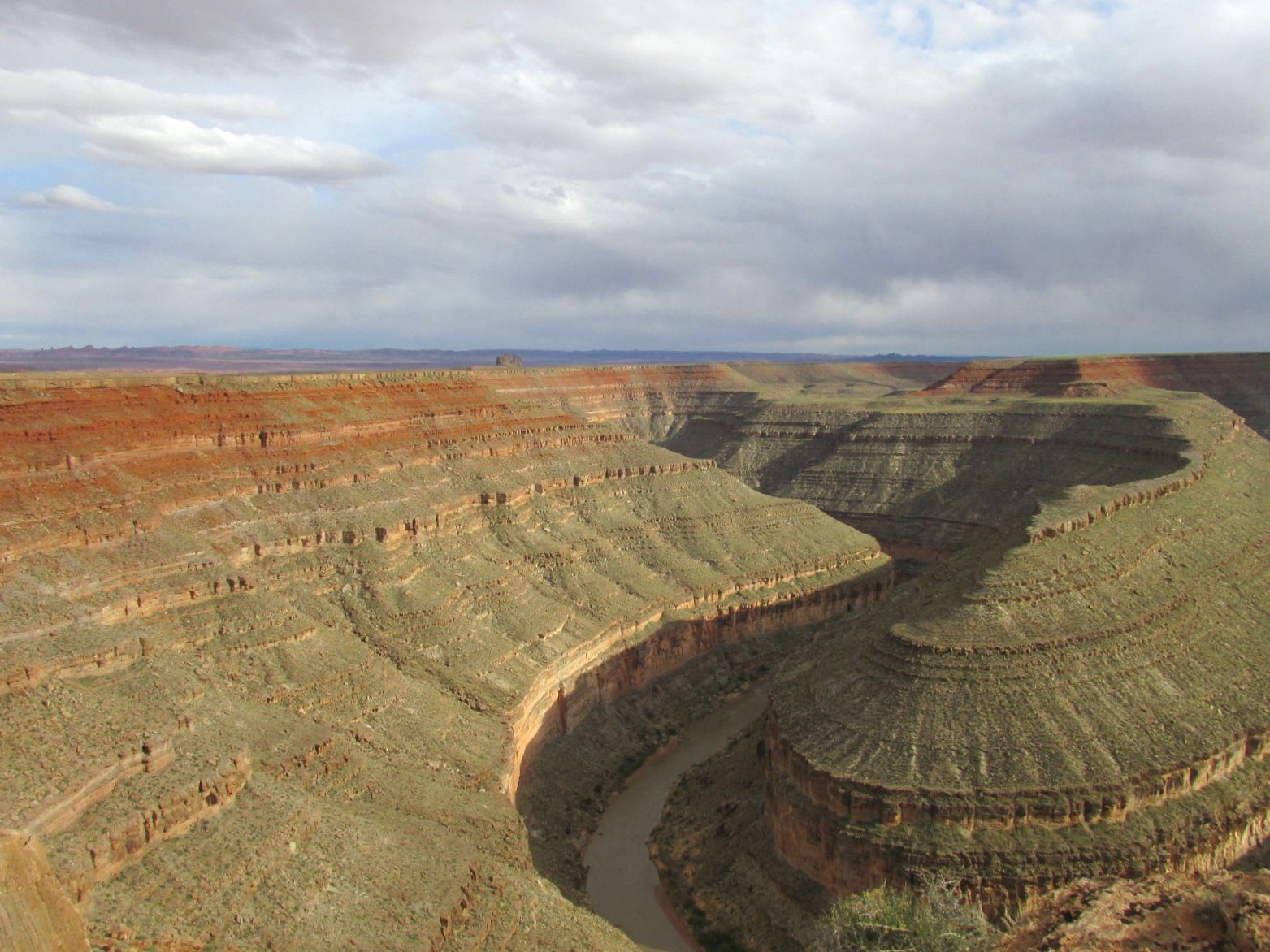
Just a few more miles and I arrived at my destination: Goosenecks State Park. It is named after the goosenecks that the San Juan River created as it headed downstream.

panoramic view

This is my first attempt at a panoramic view using my iPhone. The from the start of the goosenecks to the end, there is six miles of river. That six miles meanders back and forth within a space of four miles. At least, that’s what I remember reading someplace.

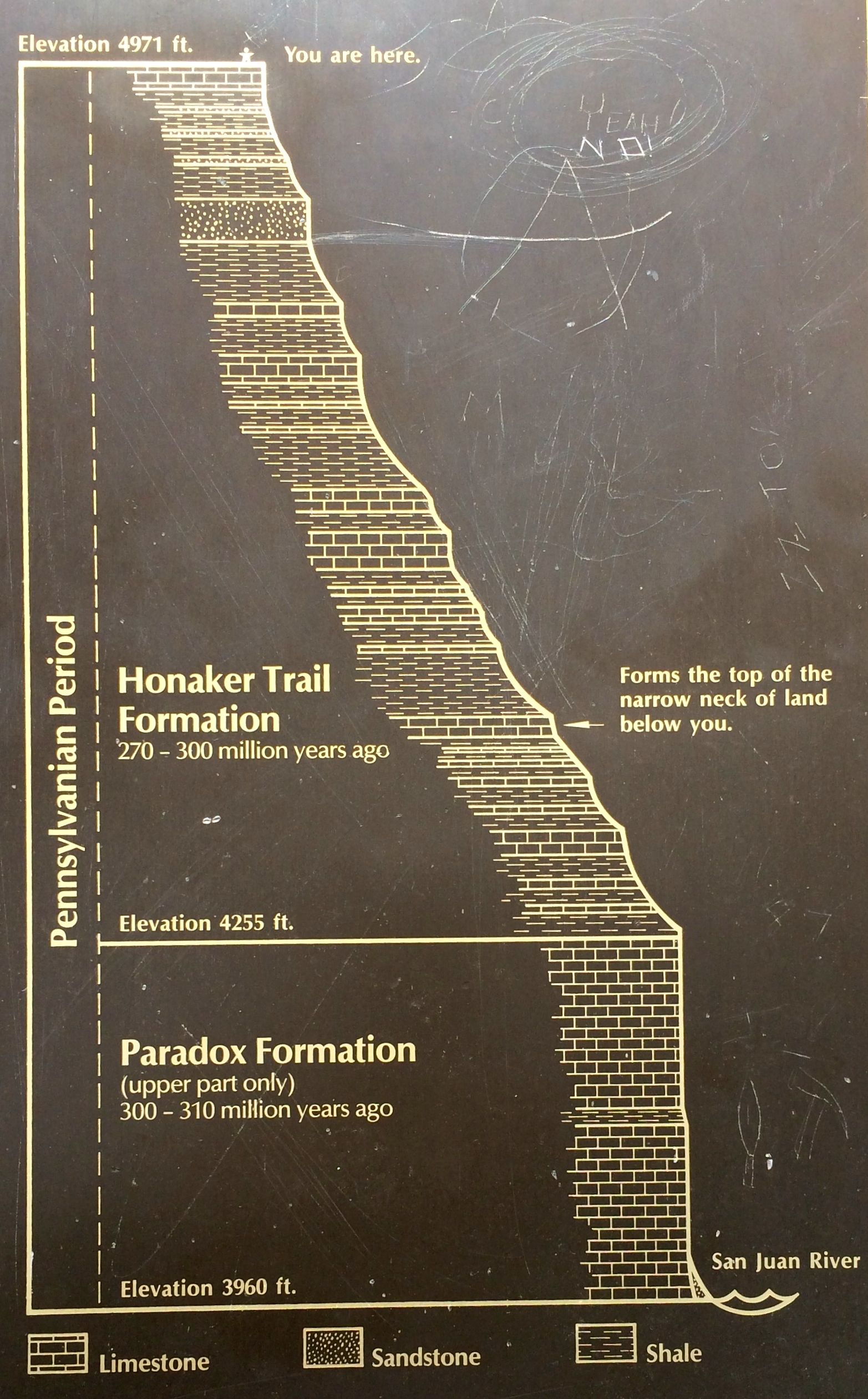
It’s 1000 feet from the edge down to the water.

You are here
You are here

I was amused by the cross section sign that has a little stick figure at the rim.

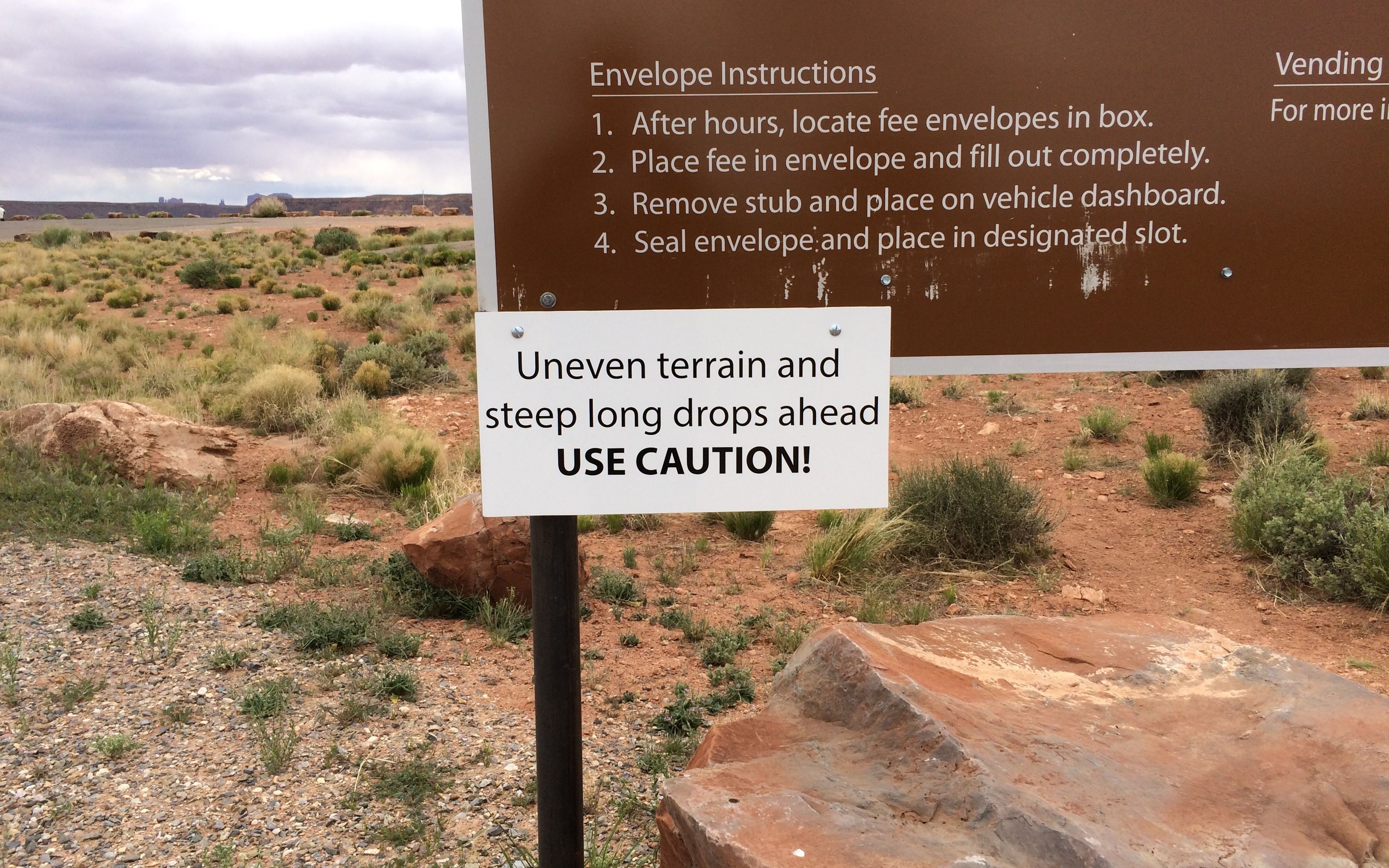
Warning sign

This sign drove the message home if the other sign was not explicit enough.

river to the left

This was the view out the door of my trailer.

Rafters on the river

If you look carefully, you can see rafters heading downstream in this shot.

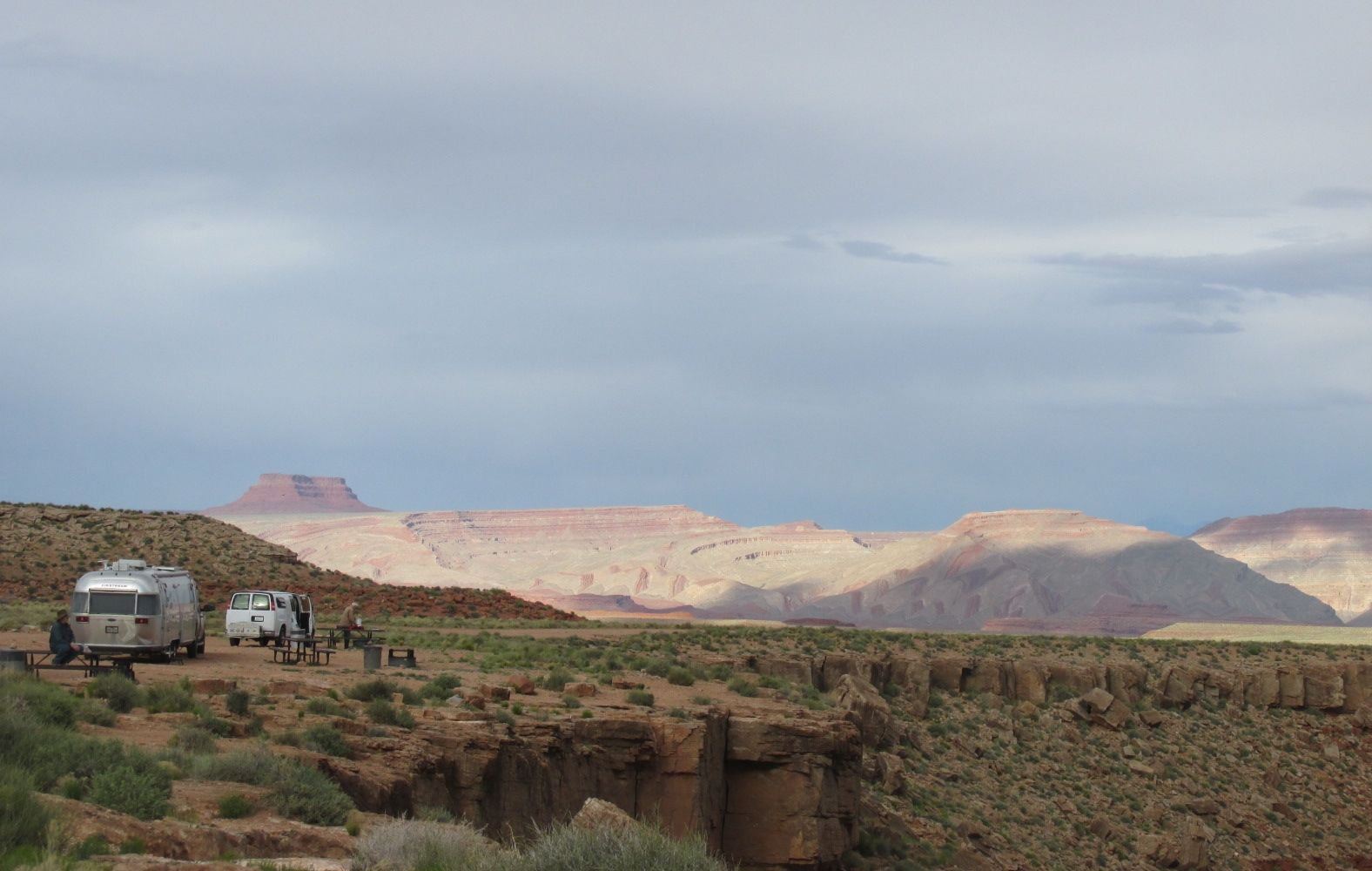
Airstream in a landscapeI suppose I could have parked a little closer to the edge…but why?

This is a popular park for people just to drive in and visit and then drive back out. When I arrived, I was the only person there. I made camp and fixed a little dinner. When I looked outside again, the park had filled up!

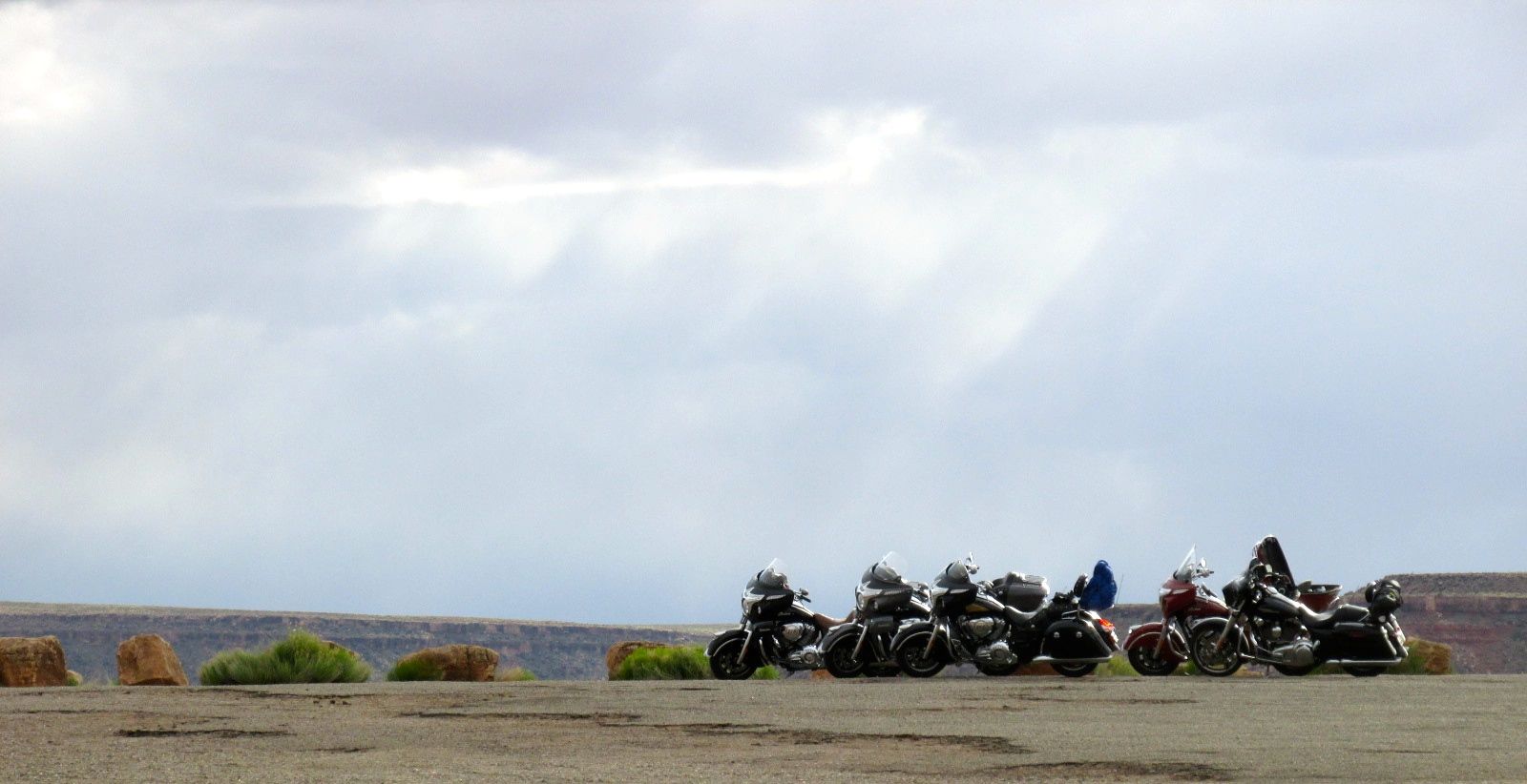
motorcycles

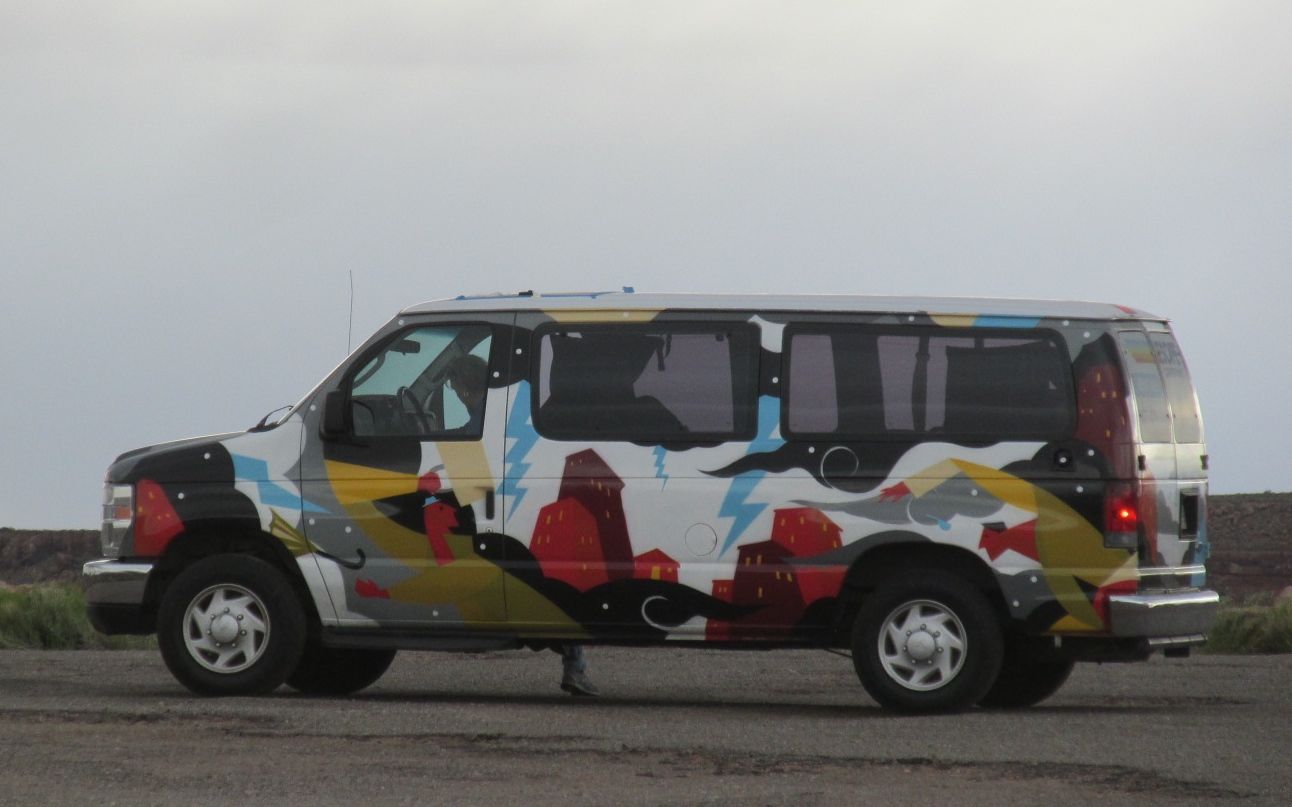
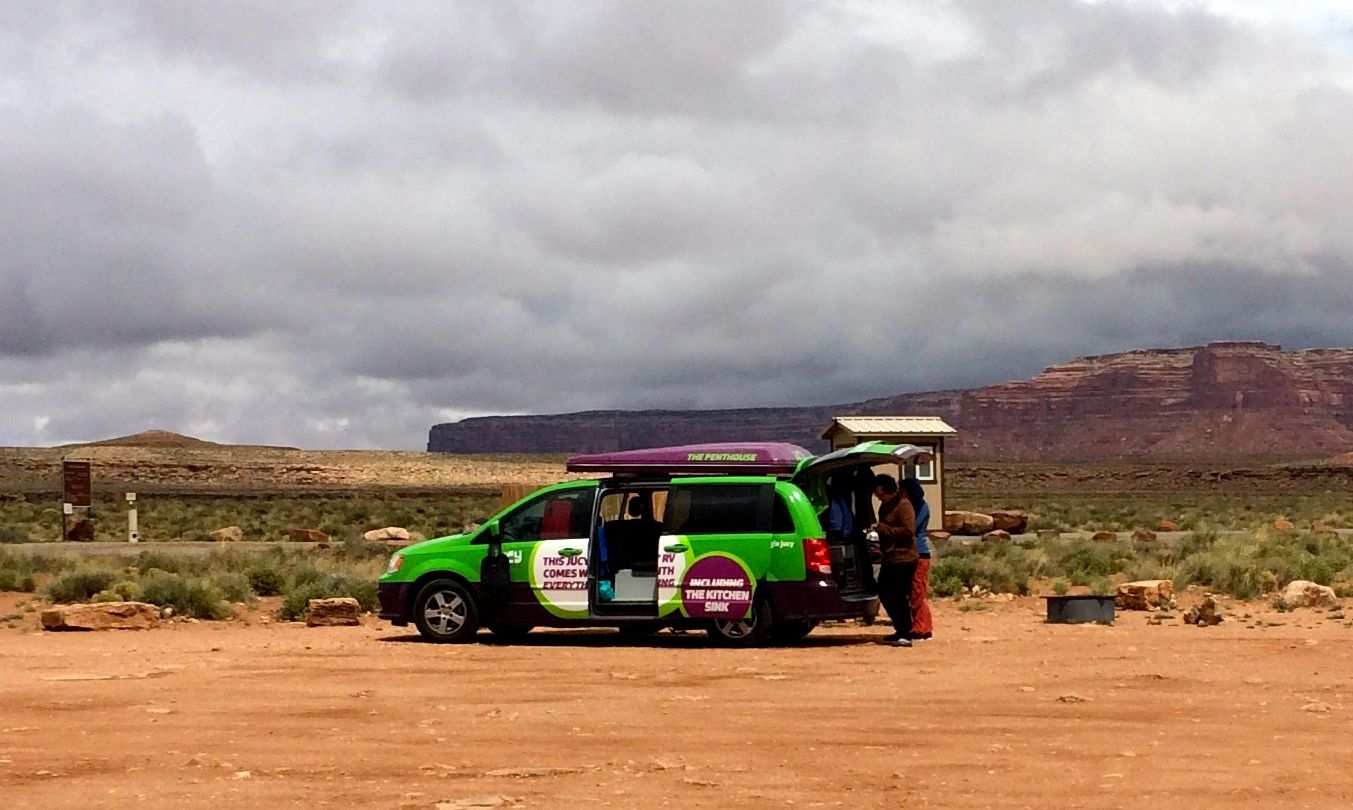
Many people came and stayed one night. There were a large number of rental campers and vans at this park. Some were your usual campers. Others were more interesting.

colorful van

This company is called Jucy RV Rentals and they bill themselves as having “everything including the kitchen sink.” The people using this camper were visiting from Switzerland and they were kind enough to show me the kitchen sink, which is in the back. The rear lift gate opens up to show the kitchen area.Juicy van

The pod on the top opens up to create a tent. It was cold and the wind was strong, so they just slept inside the night they were there. Of course, I had to show them Flo, too. I gave tours to people from France and Germany as well as a couple American states while I was there.

The price was right and I had a little bit stronger cell phone signal, so that I could continue working on my repair issues, so I decided to make Gooseneck State Park my home base while I was in the area.

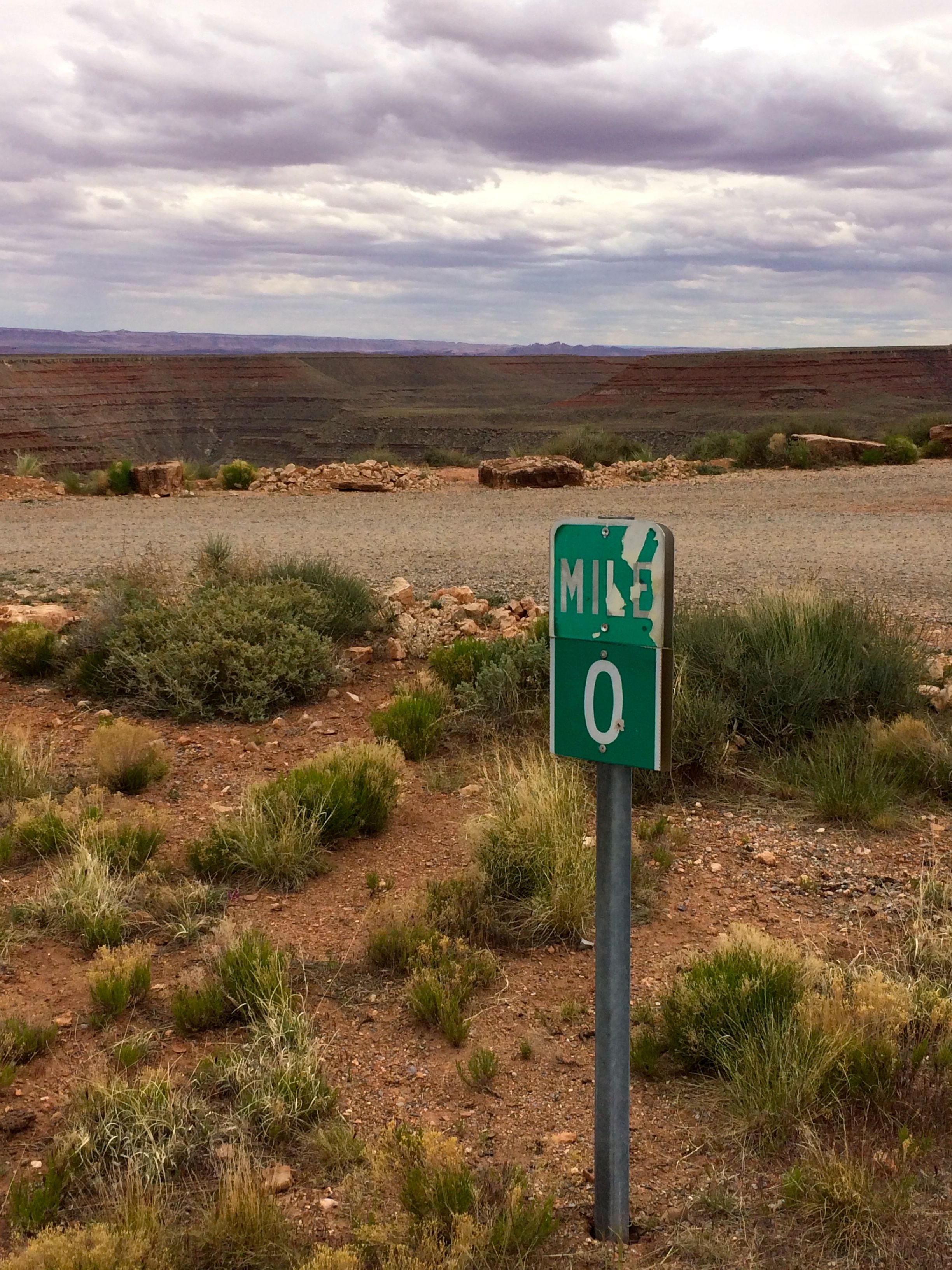
Mile 0 marker

After all, I was at the end of the road.


The Kindness of Strangers

I hitched up Flo and crossed the river the next day. I wanted to stay nearby in Page and take a tour of Antelope Canyon. Unfortunately, the only thing available seemed to be the Walmart parking lot. I decided that I would save Antelope Canyon for “next time” and push on.

My next stop was Navajo National Monument near Kayenta, Arizona.

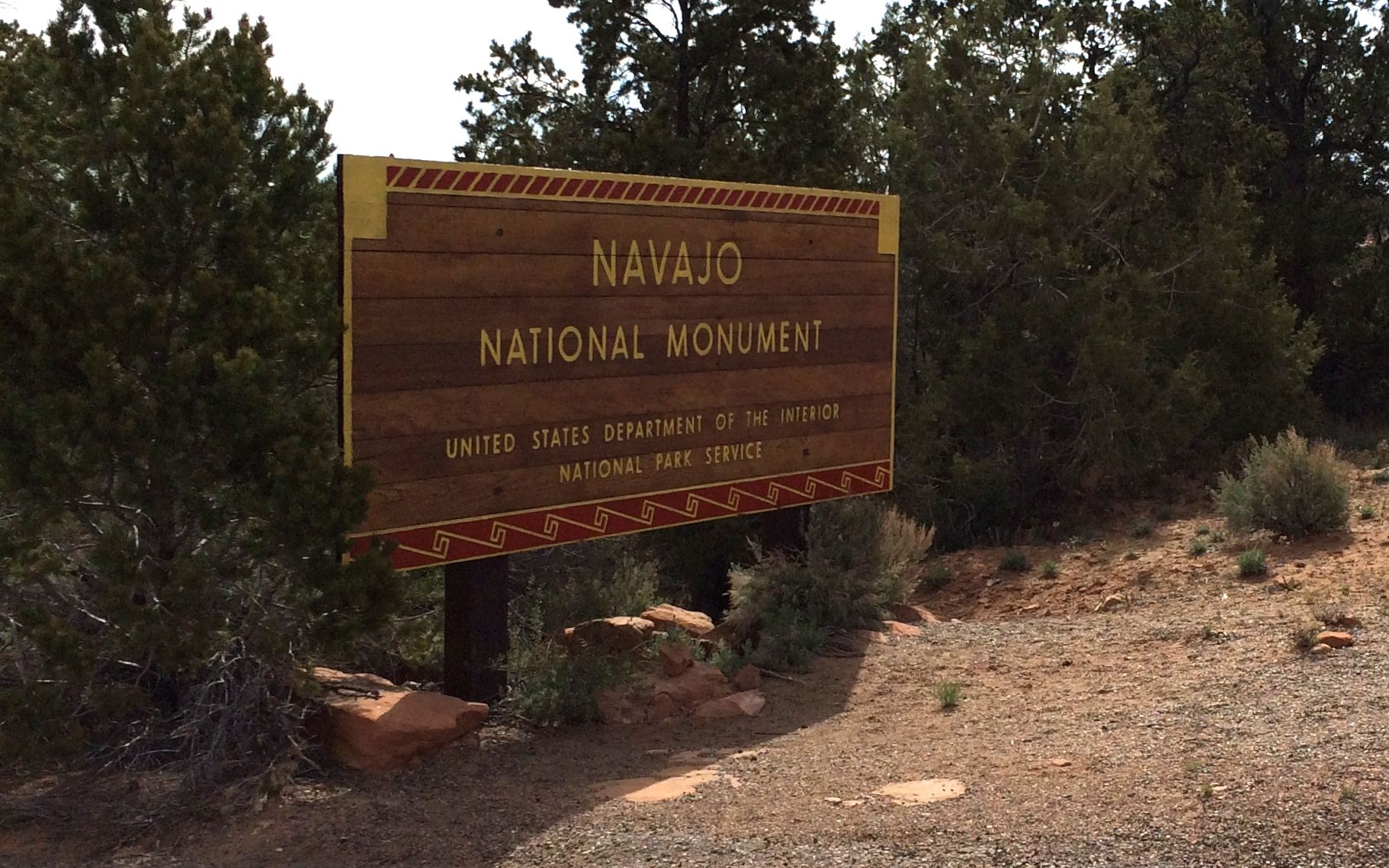
Navajo National Monument

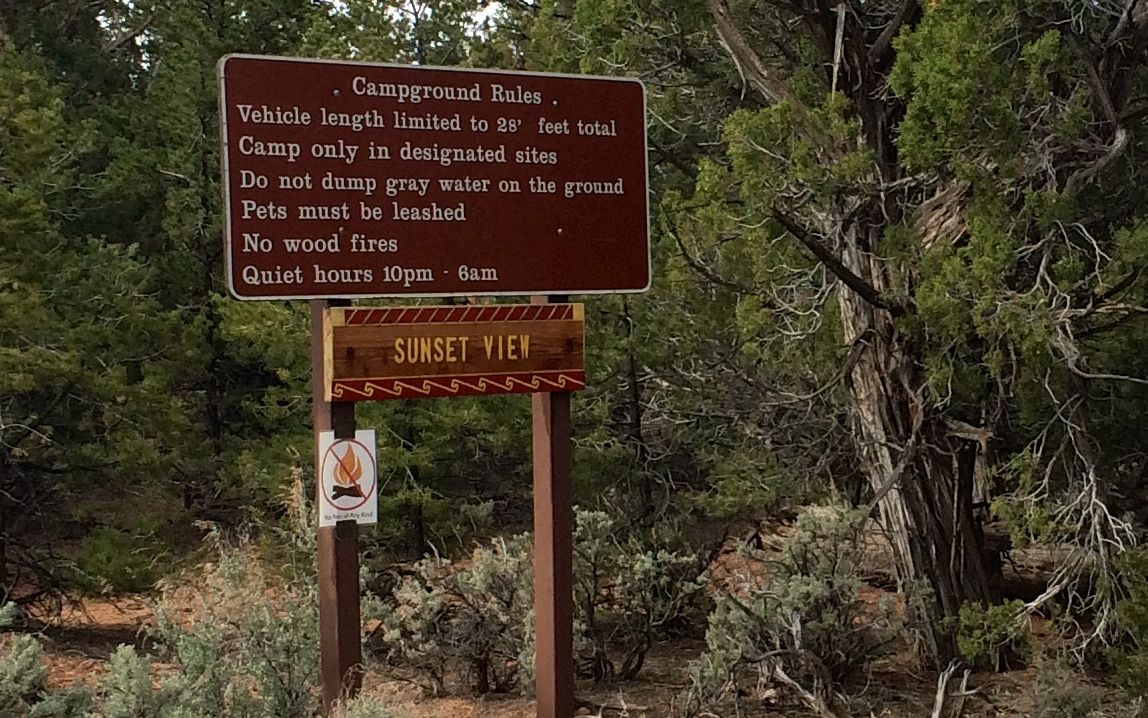
They were listed as a “free campground” in Campendium.com. There were warnings about length on the site. They said that there was conflicting information on the signs. The one out by the highway said there was a limit of 28 feet for any individual unit. Since my Airstream is 27 feet, I figured I’d be all right.

The sign at the campground said that the limit was 28 feet overall.

Warning sign

I wish I had looked at the warnings and decided that I should just roll on.

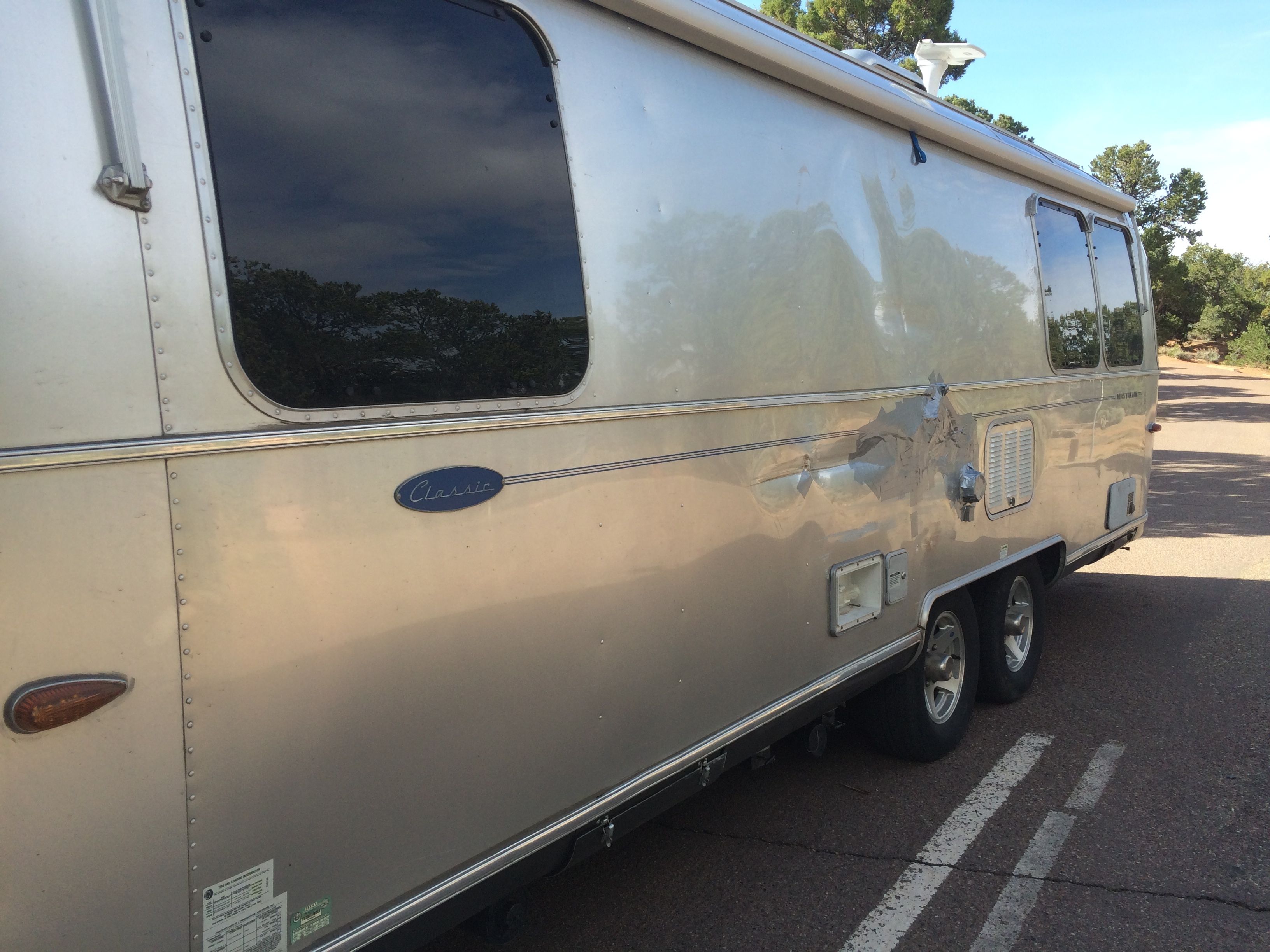
It didn’t seem that tricky to get into the site I picked, but those tough high-desert trees do not yield if you get too close.

Owie

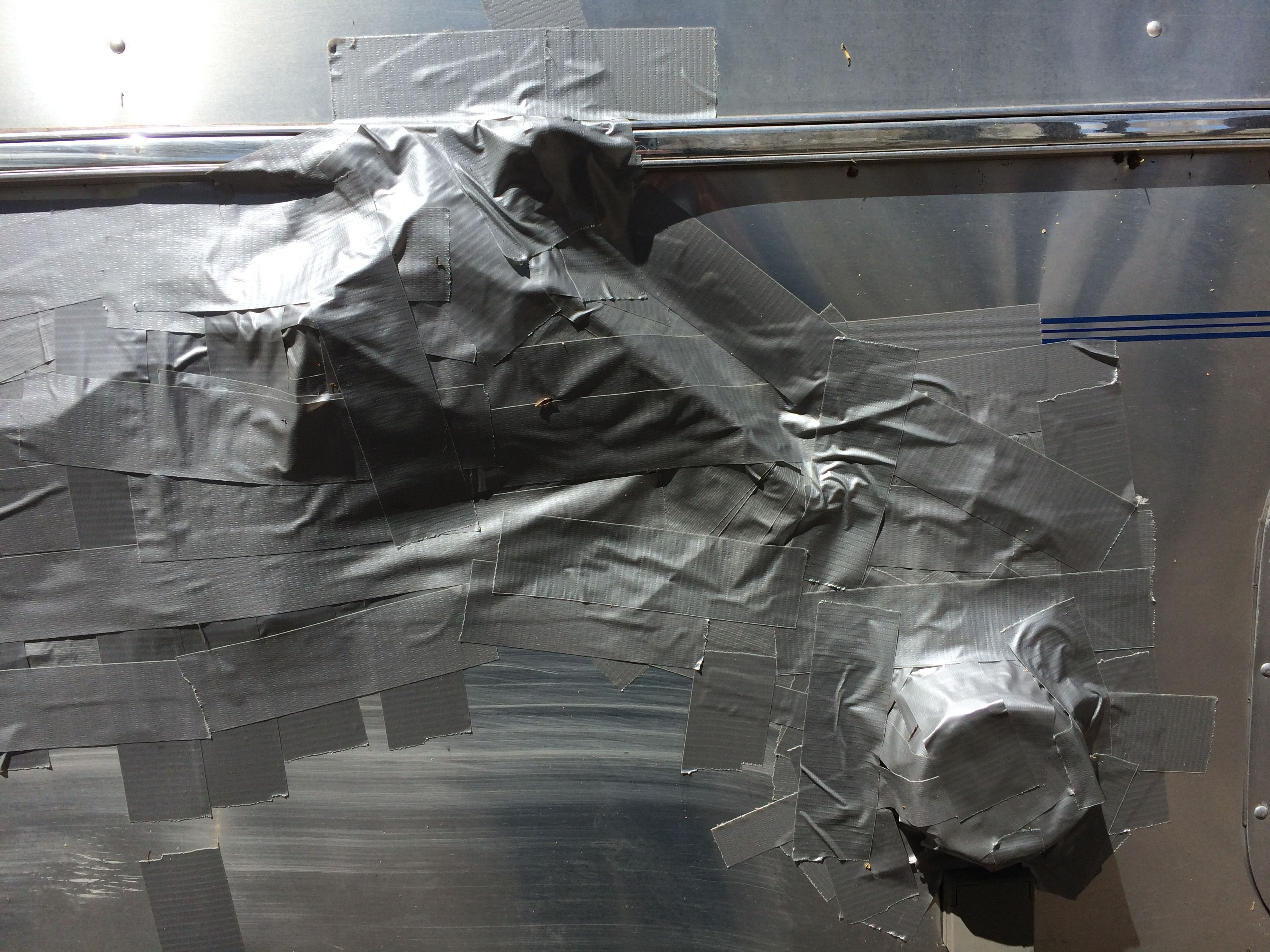
I punched a hole right through the side of my Airstream! This photo was taken in the morning with the sun shining. When I was trying to get settled, It felt like rain was in the offing. I grabbed my duct tape and started closing up the hole.

duct tape fix

I was taping away, and a couple in a nice small pop-up van camper came over to help. They brought more tape and a plastic container to put over the electrical connection, which I had also knocked off.

Then, I started working the phone. I had absolutely no internet connection and only the faintest whisper of a phone signal. I couldn’t look up any information, so all I could to was use the information in my phone. I called my good friends at Woodland Travel Center in Grand Rapids, Michigan and told them what had happened. Megan gave me some phone numbers and I started calling.

Some places didn’t answer. The one place I reached said that they couldn’t be able to work me in until July.

 July? JULY?!!! (I had this little incident at the end of April.)

That place did give me the phone number for Airstream, at least. However, due to time zone difference, they were closed.

The next morning, I got through to Airstream, and they gave me a few more numbers. I found a dealer, Desert Autoplex, that would be able to help me, but they were in Mesa, Arizona. Mesa was about six hours away, and would involve “doubling back”, but they were able to help me and I was delighted. After that, I called the insurance company and got the ball rolling in that department.

I always say, if a problem can be fixed with money – and you have the money – it’s not really a problem.

And so, I left Navajo National Monument without seeing anything.

Oddly enough, I just wasn’t in the mood.


Crossing the Colorado

Lee’s Ferry is located at the only place within hundreds of miles where one can easily access the Colorado River from both sides. John Lee came to the crossing in 1870 with the goal of setting up a permanent ferry service for Mormon settlers heading south to Arizona. The ferry was up and running by January of 1873 and was in service until 1927 when a bridge was built across the river a little further downstream.

There is not a lot that remains from the ferry – at least that I saw. There are other interesting remnants, though.

Lees Ferry Fort 1874

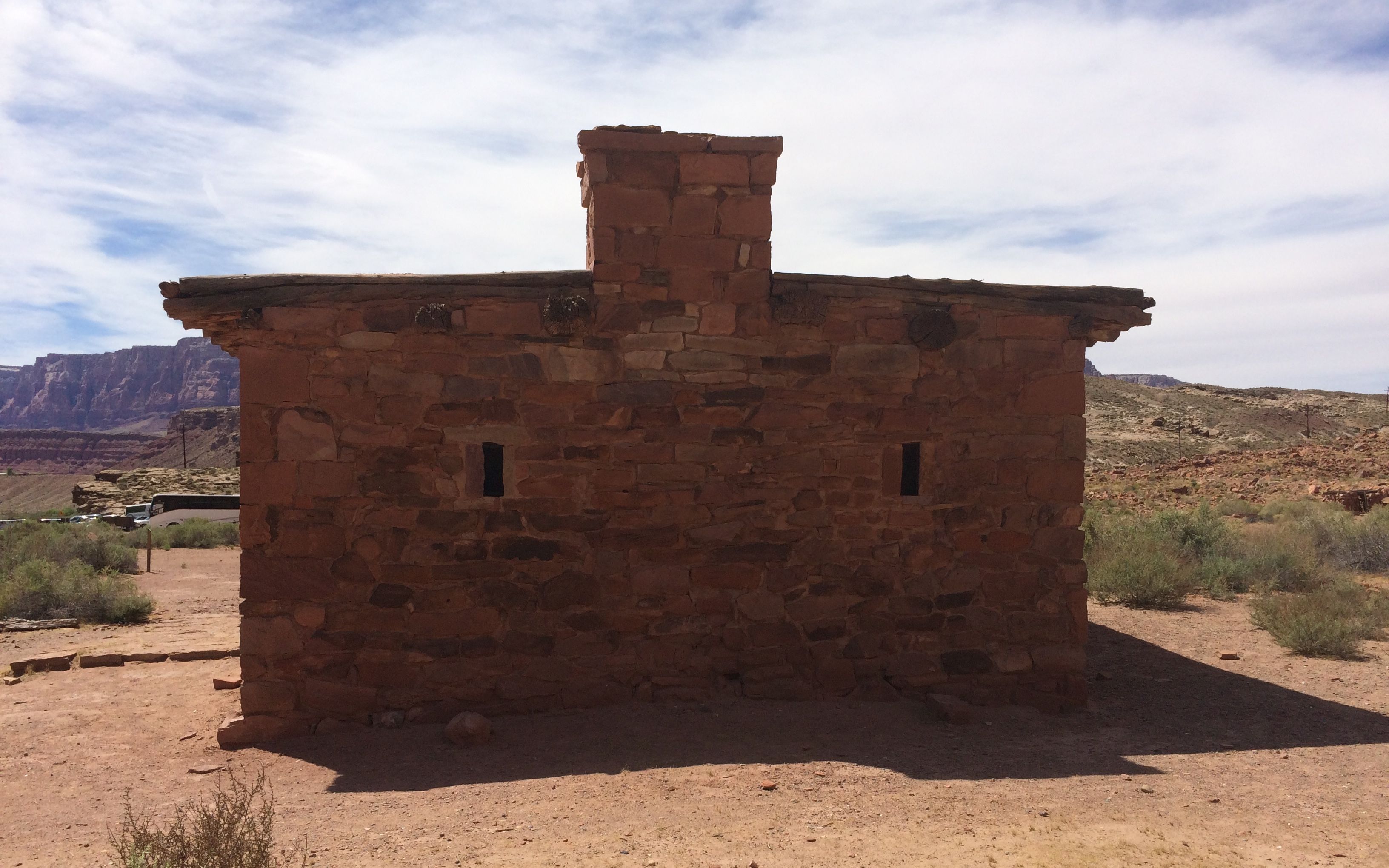
This is Lee’s Fort. It was built at about the same time as the ferry at the direction of Brigham Young to protect the crossing from raids by the Navajo.

fort with gun slits

Yes, it was a real fort. Here are the gun slits on one end of the ruins. The building has largely fallen down, but enough remains to make it worthwhile to walk over and take a look.

Lees Ferry Fort detail

In addition to serving as an important link in transportation, it was also a site of gold mining in the beginning of the 1900’s. Charles Spencer attempted to extract gold from the greenish-colored chinle layer in the photo below.

American Placer Corporation Office

This was his office. He also ran a steamship down the river to bring coal to run his machinery. This was before the Glen Canyon dam was built in the early 1960s.

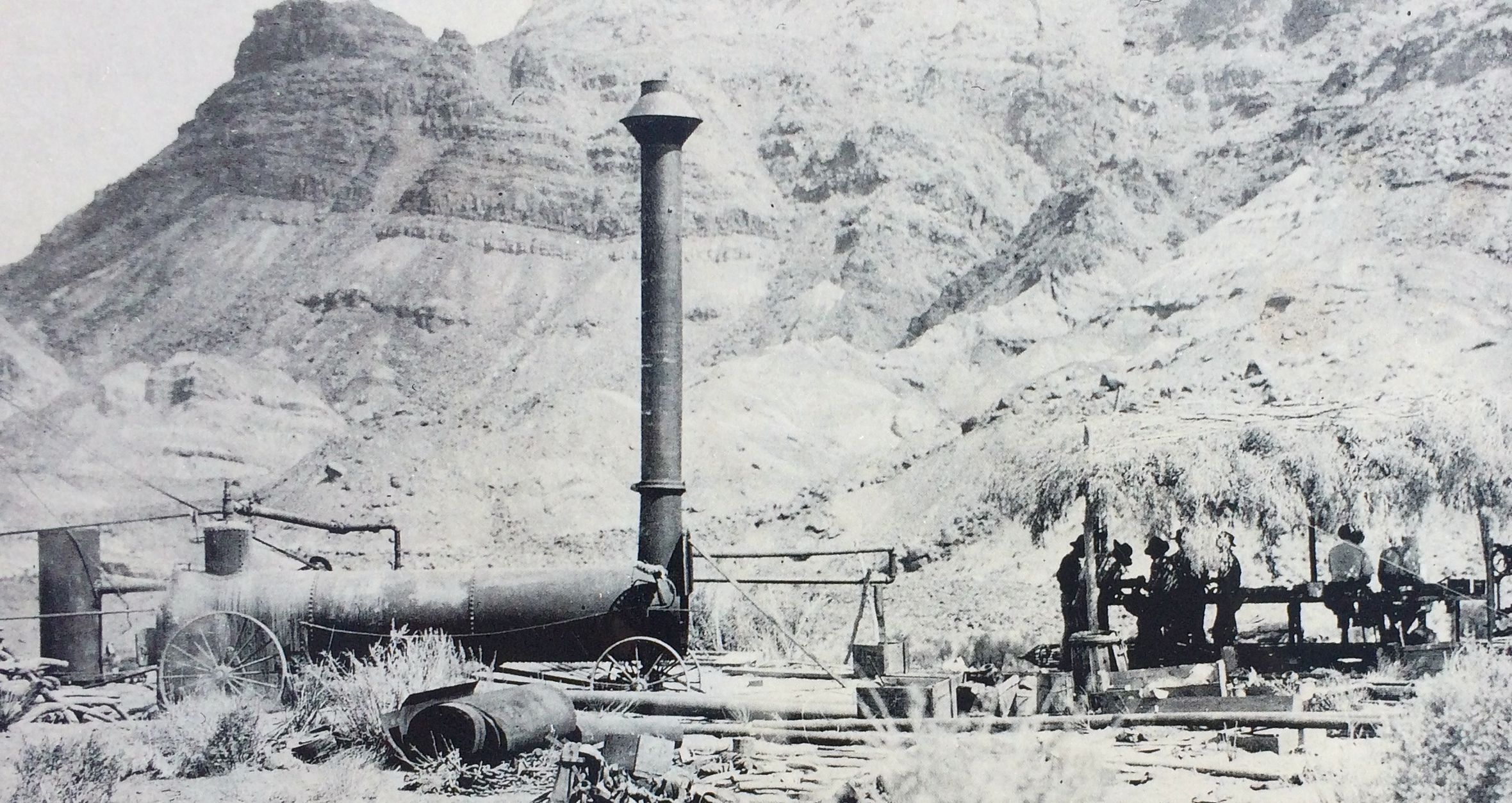
Black and white photo of Spencer Boiler

This was the boiler Spencer used back when he was still trying to get gold out of the soil.

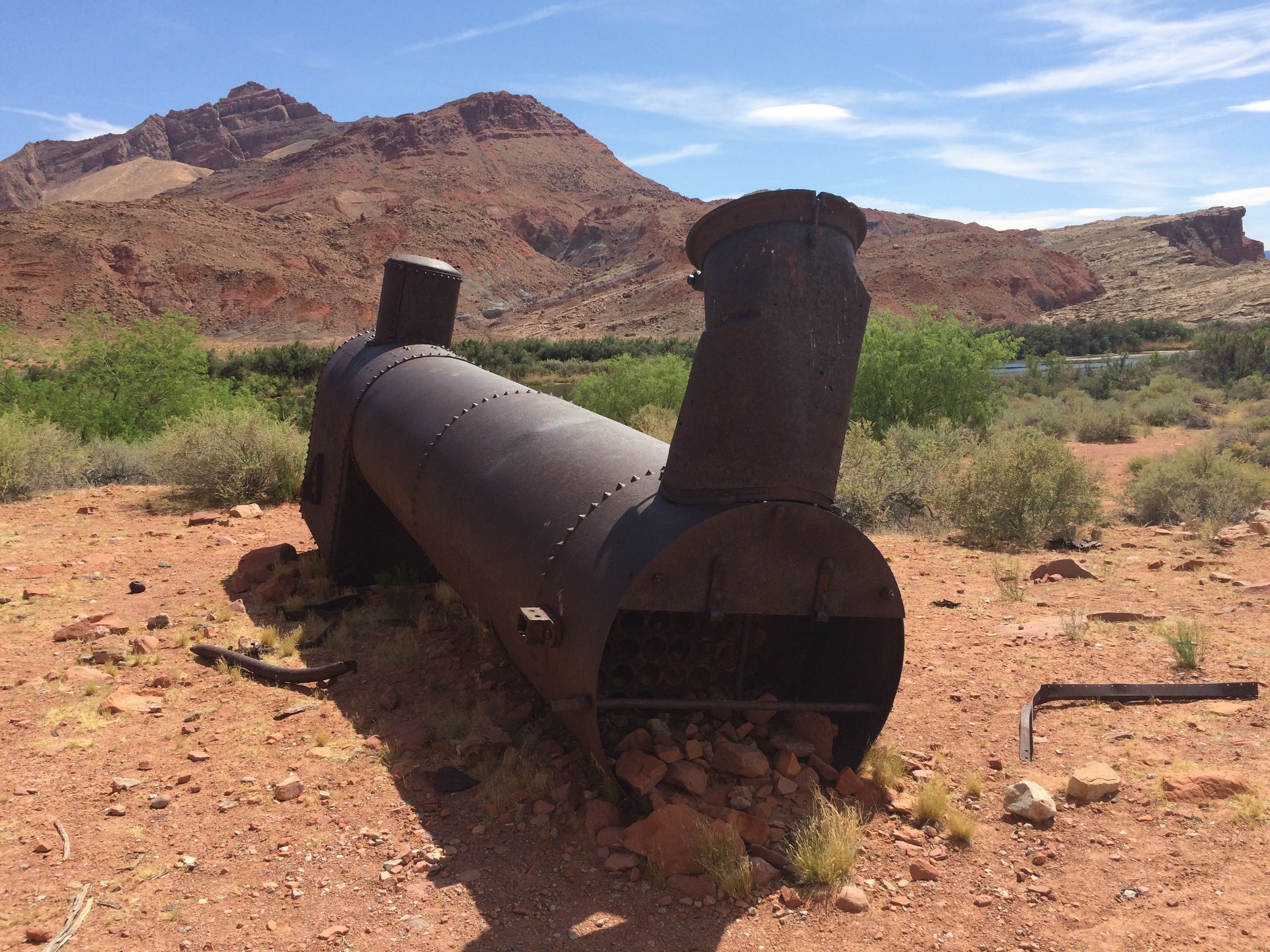
Spencier boiler today

And here it is today.

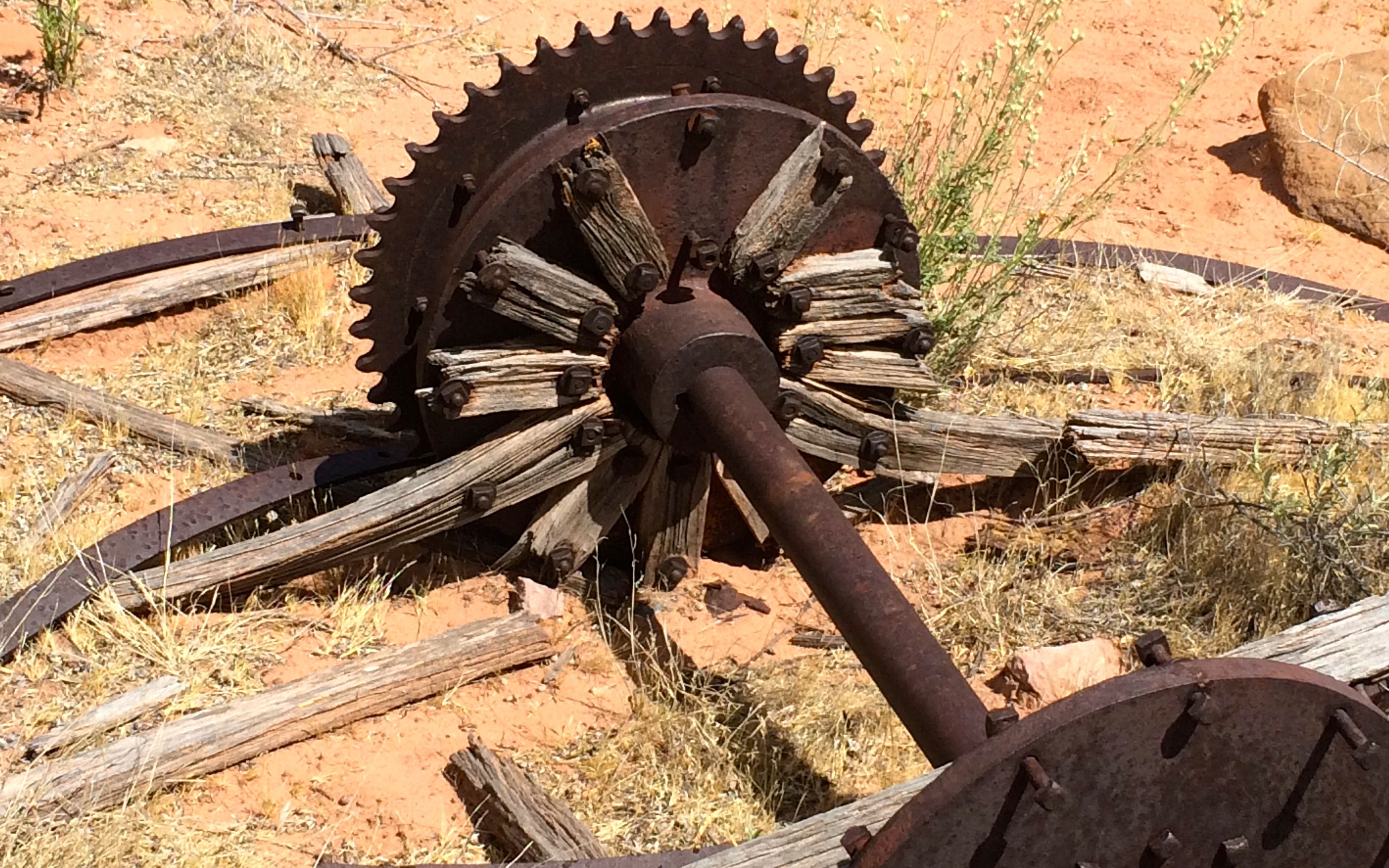
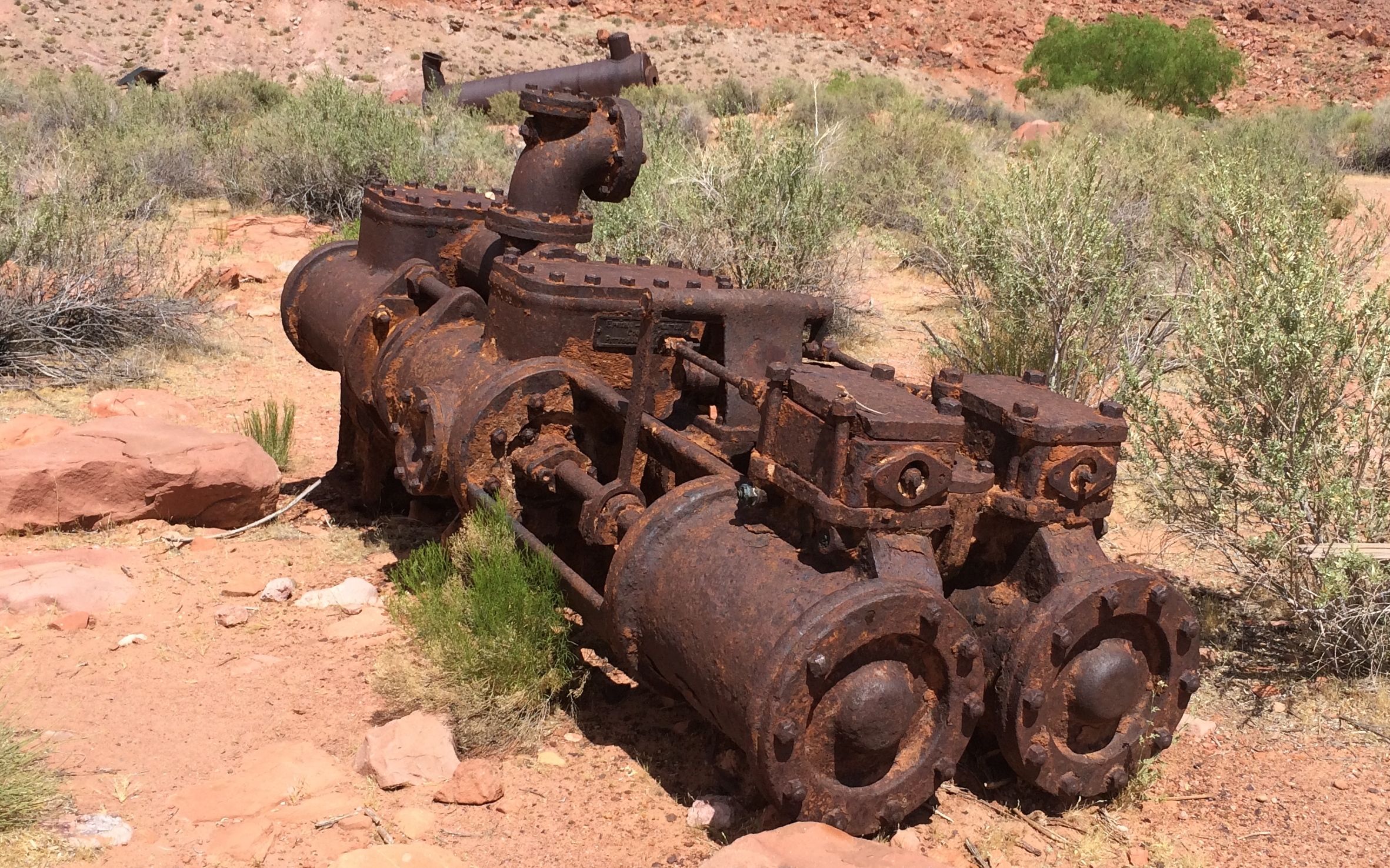
Ah, mining! It seems that whenever you have mining, there are bits and pieces of  machinery left behind.

Rusted machinery 1

I guess it’s more cost effective to abandon it than to try to do something with it.

Rusted machinery 2

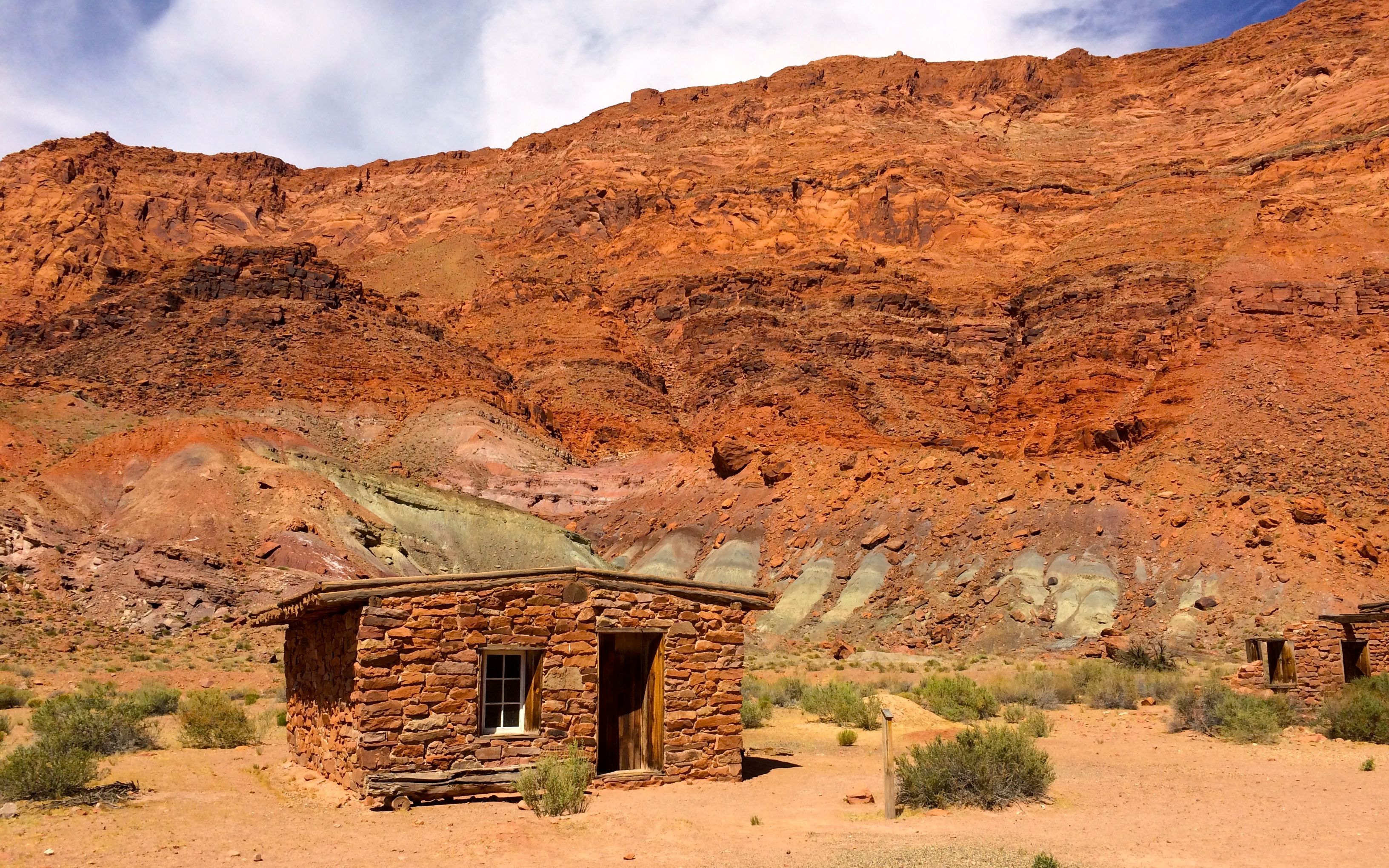
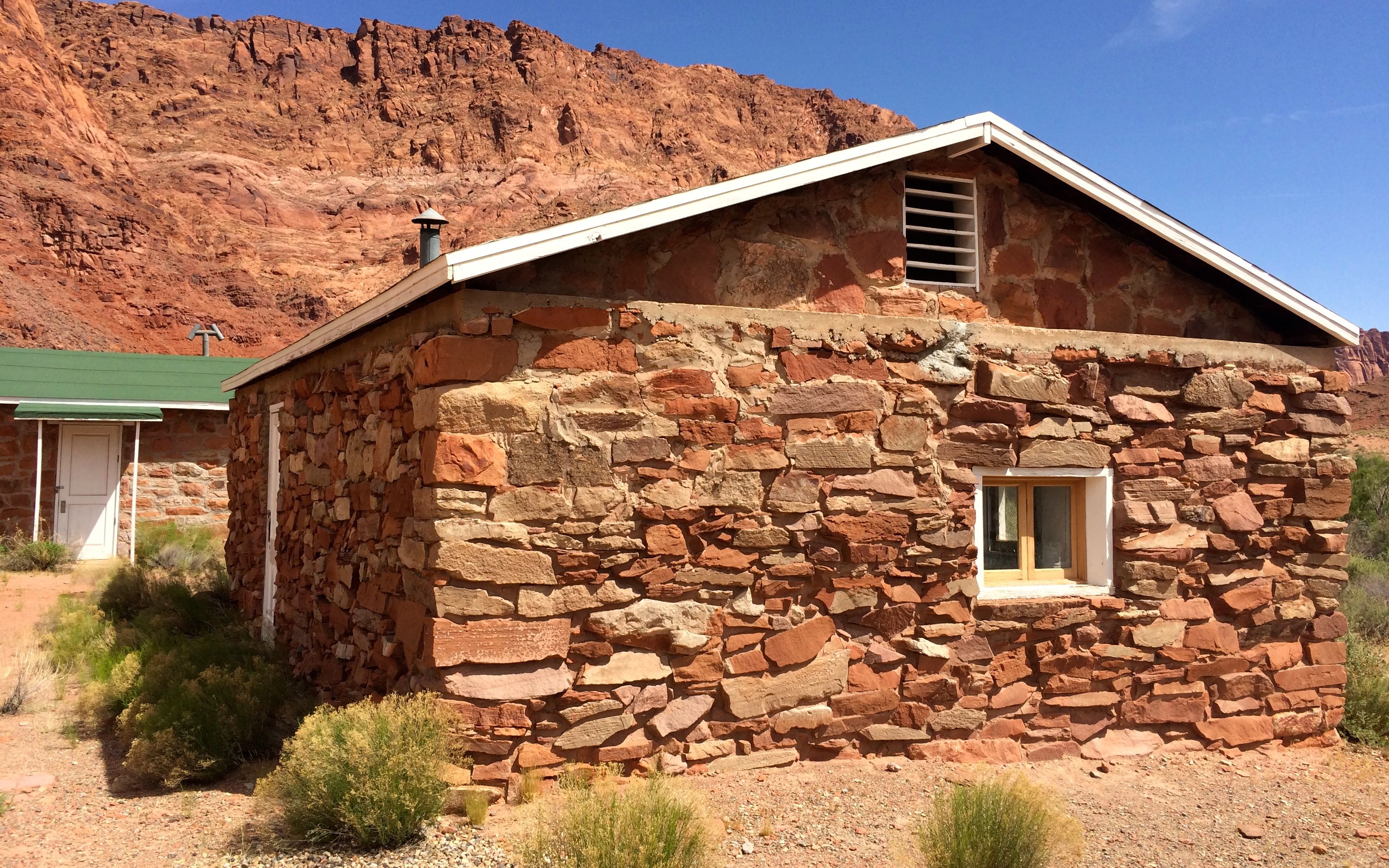
This building was the bunkhouse for Spencer’s operations. When he gave up looking for gold, the US Geologic Survey took it over. According to the sign by the building, it was the silt lab. They didn’t offer an explanation about what a silt lab is, but I imagine that they were measuring the amount silt in the river before the dam went in.

Spencer Bunkhouse and USGS Silt Lab 1911 -1964
Spencer Bunkhouse and USGS Silt Lab 1911 -1964 (Guest house in the rear.)

The Colorado River was named for the reddish color that it had from the silt that was carried in it before the dam went in. The river is no longer reddish in color. I imagine that there is a lot os silt built up behind the dam. I should look into that.Lees Ferry plaque

This part of the river is all about crossing it. Right by the entrance to the park, about four miles from the ferry crossing site, is the Navajo Bridge.

Old Navajo Bridge left and new right

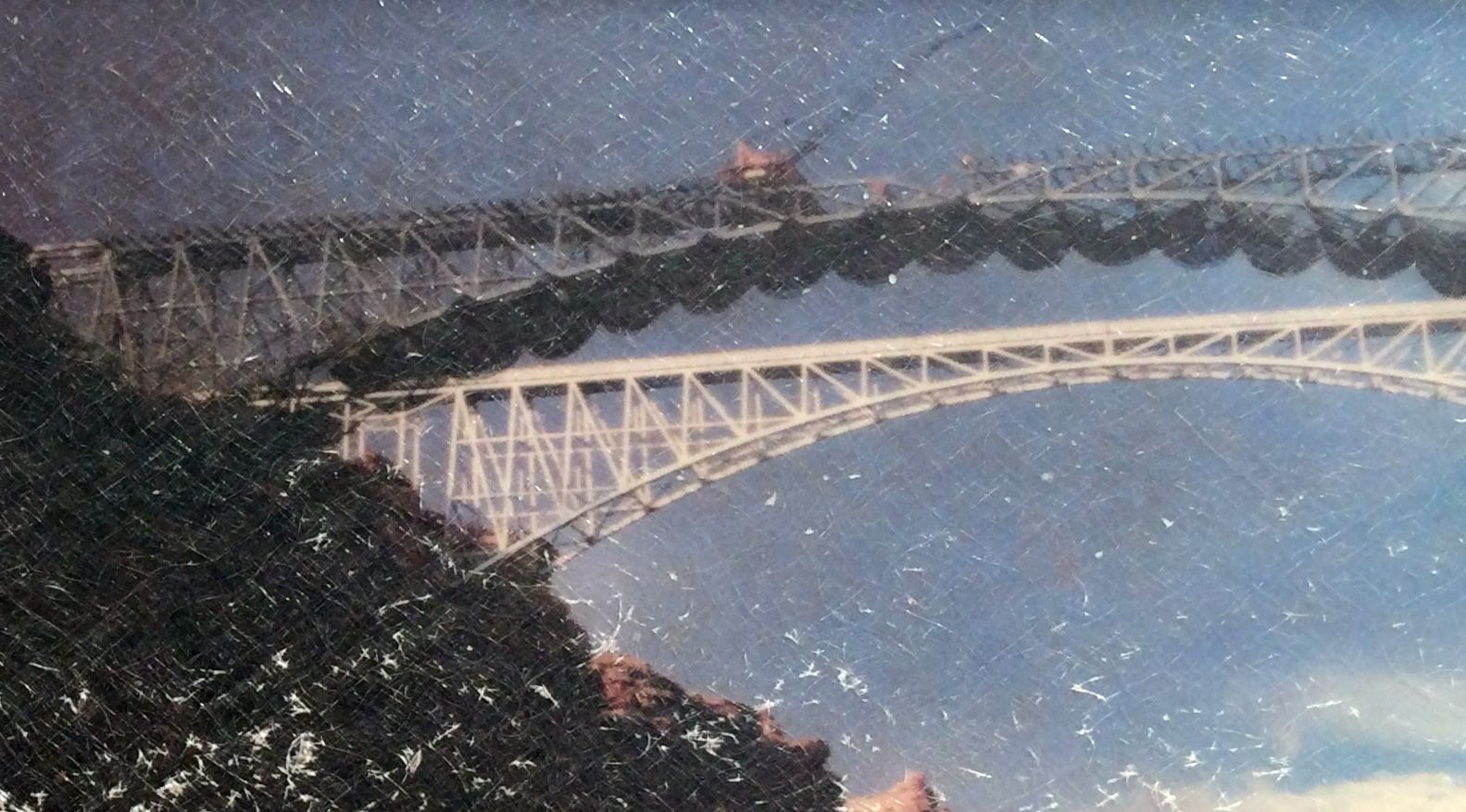
The bridge on the left is the original bridge that opened to traffic in 1929 after two years of construction. It was built to meet the needs of the time, and the roadway was only 18 feet wide. In 1990, it was decided that the traffic had become too great for the original span. It took a while to work things out – funding, design and satisfying concerns for preservation of sacred Navajo land, plant species and possible water pollution. The new span opened five years later, in 1995.

Building the new bridge

When the new span was built, netting was strung beneath to catch anything that might fall into the river.

The new span is 44 feet wide and is constructed with 3.5 times more concrete and  1.75 times more steel than the old bridge.

The old bridge was closed to vehicle traffic when the new bridge opened, but it is still open to pedestrians and equestrians. I didn’t see any horses while I was there, though.

The sign at the entrance to the bridge

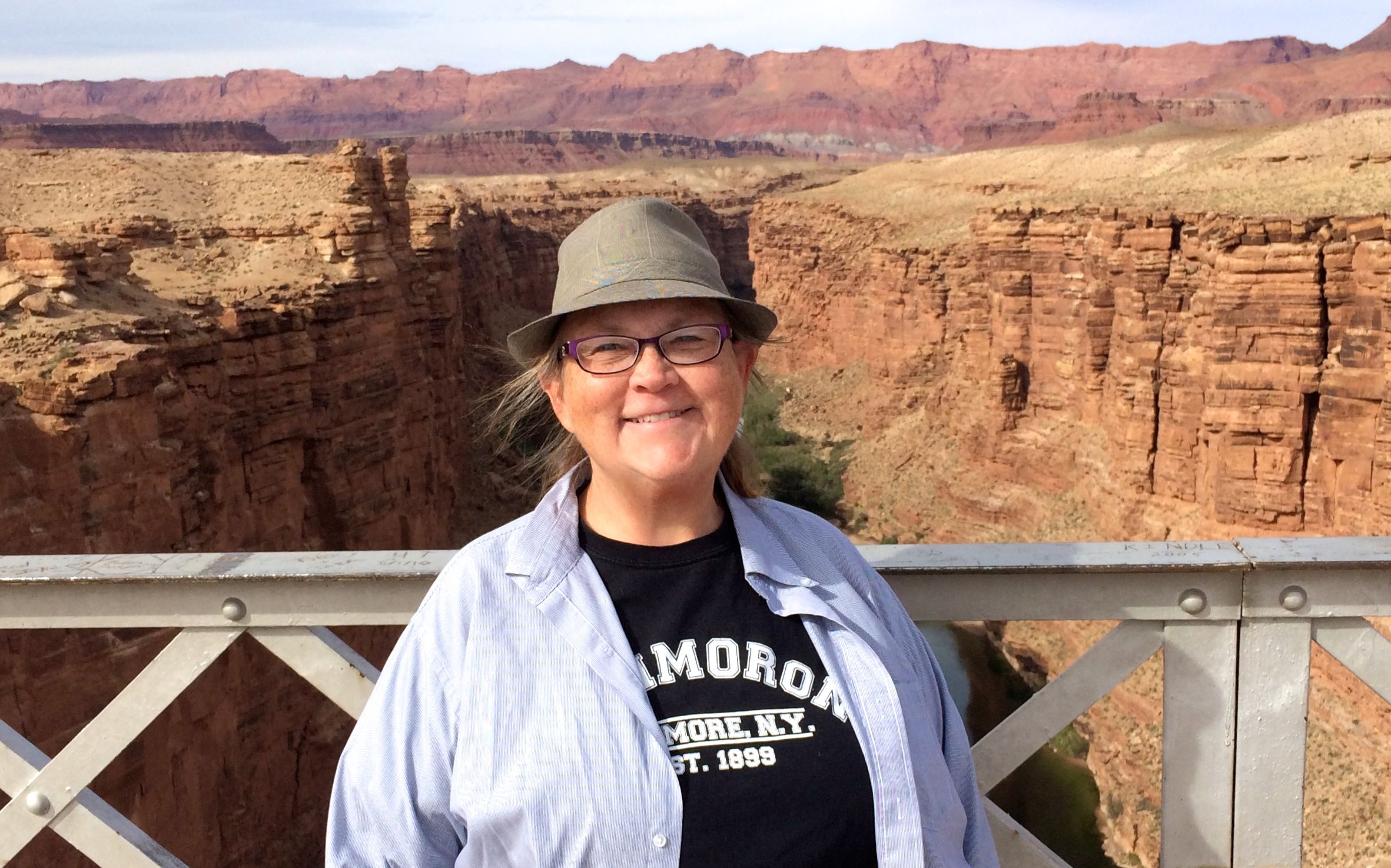
The bridge crossed Marble Canyon about 470 feet above the river. I’m not wild about heights, but there were great guardrails on the sides.

Me on the bridge

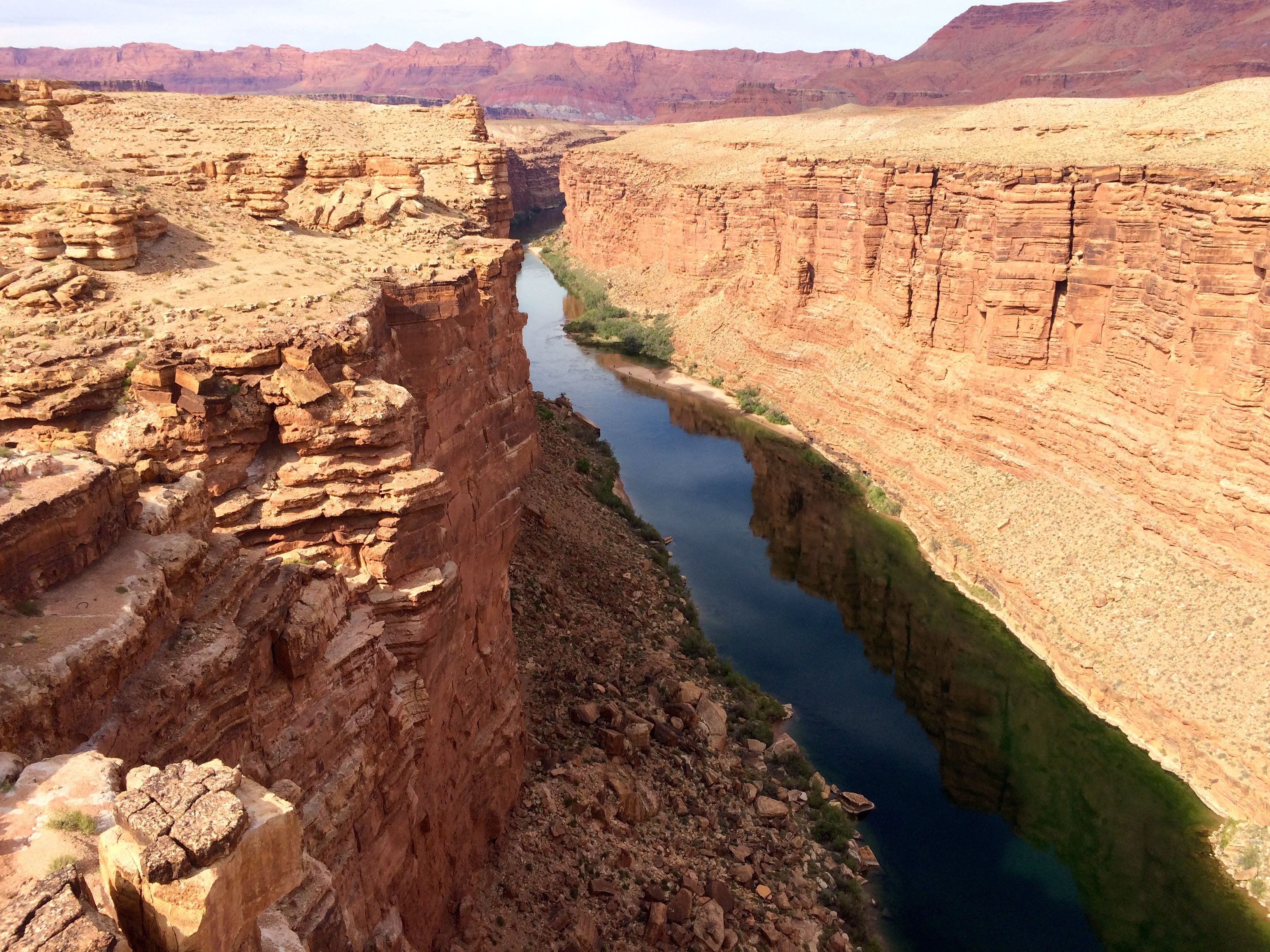
Here’s the view looking upstream.

River with beach

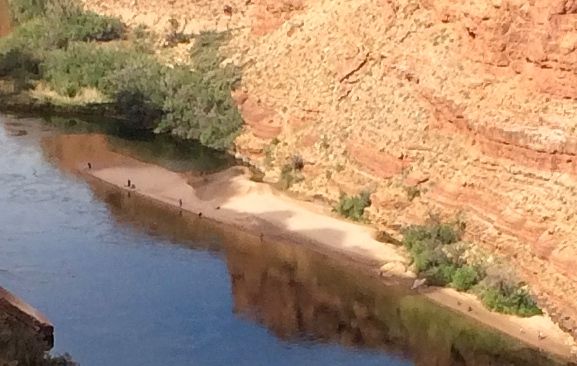
Do you see the people on the beach down there? No? Well, let me zoom in a bit for you.

People on the beach close up

I don’t know how they got there. Perhaps a boat dropped them off. I never really thought about rivers as having sandy beaches, but they do.

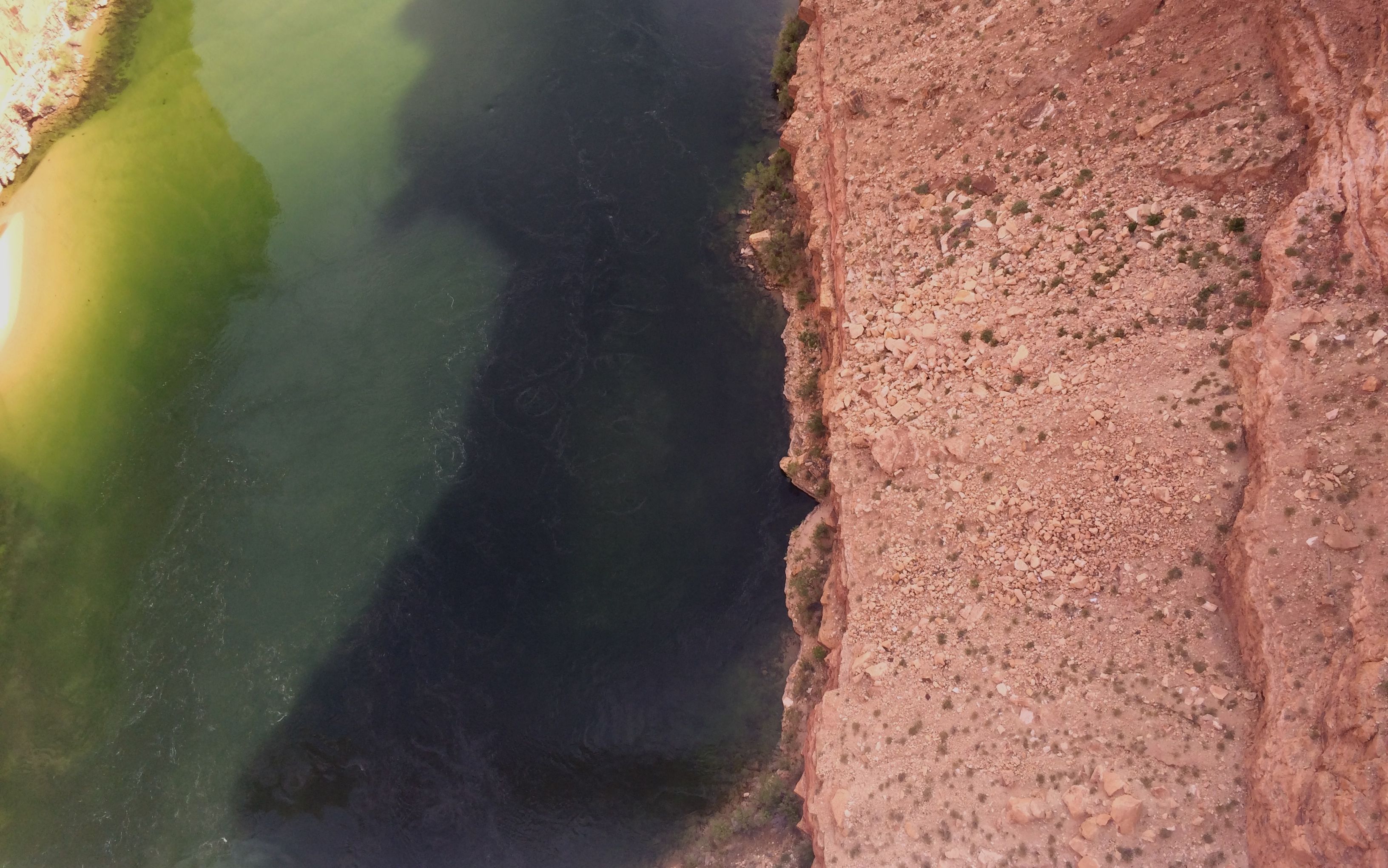
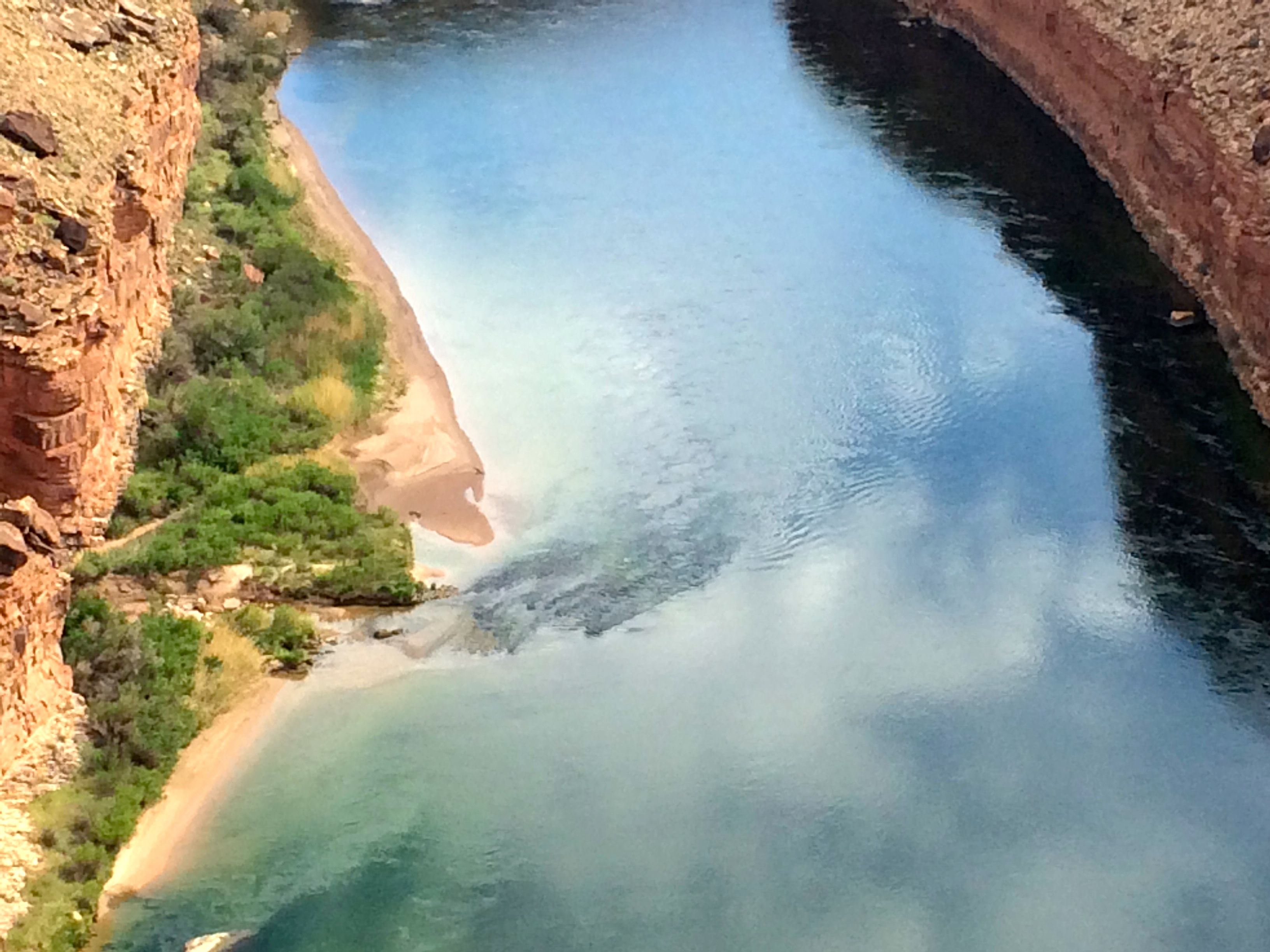
Looking into the river

Looking directly down into the water, you can see that there is none of the red colored silt in the river.

Looking down stream

Here’s the view of the river looking downstream.

As exciting as the bridges were, I was amazed to see condors flying around.

https://www.facebook.com/kalamazookim/videos/10153598620566989/

I’m not skilled birdwatcher, but people told me they were condors, and I believed them. I could tell that they weren’t robins, seagulls or flamingos. It was quite exciting.

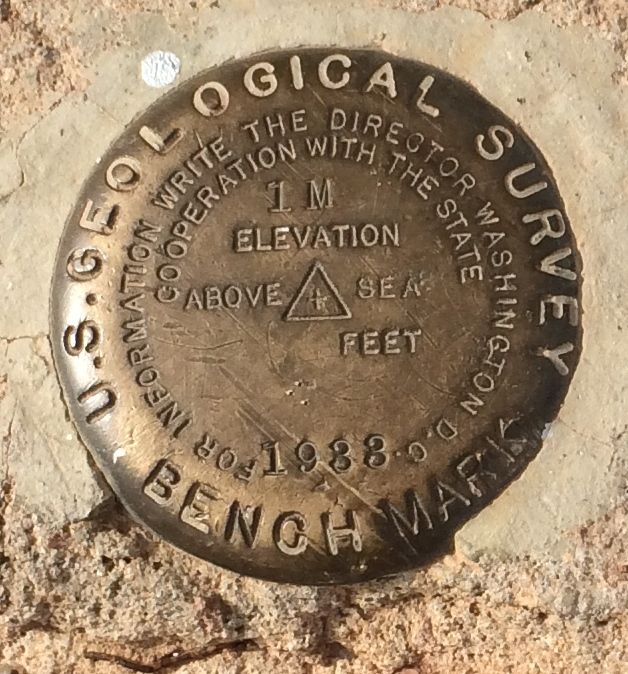
Benchmark medal

I found another of these benchmarks. Maybe I should contact the Director of the U.S. Geological Survey. I don’t understand how this place can be 1M above sea level.

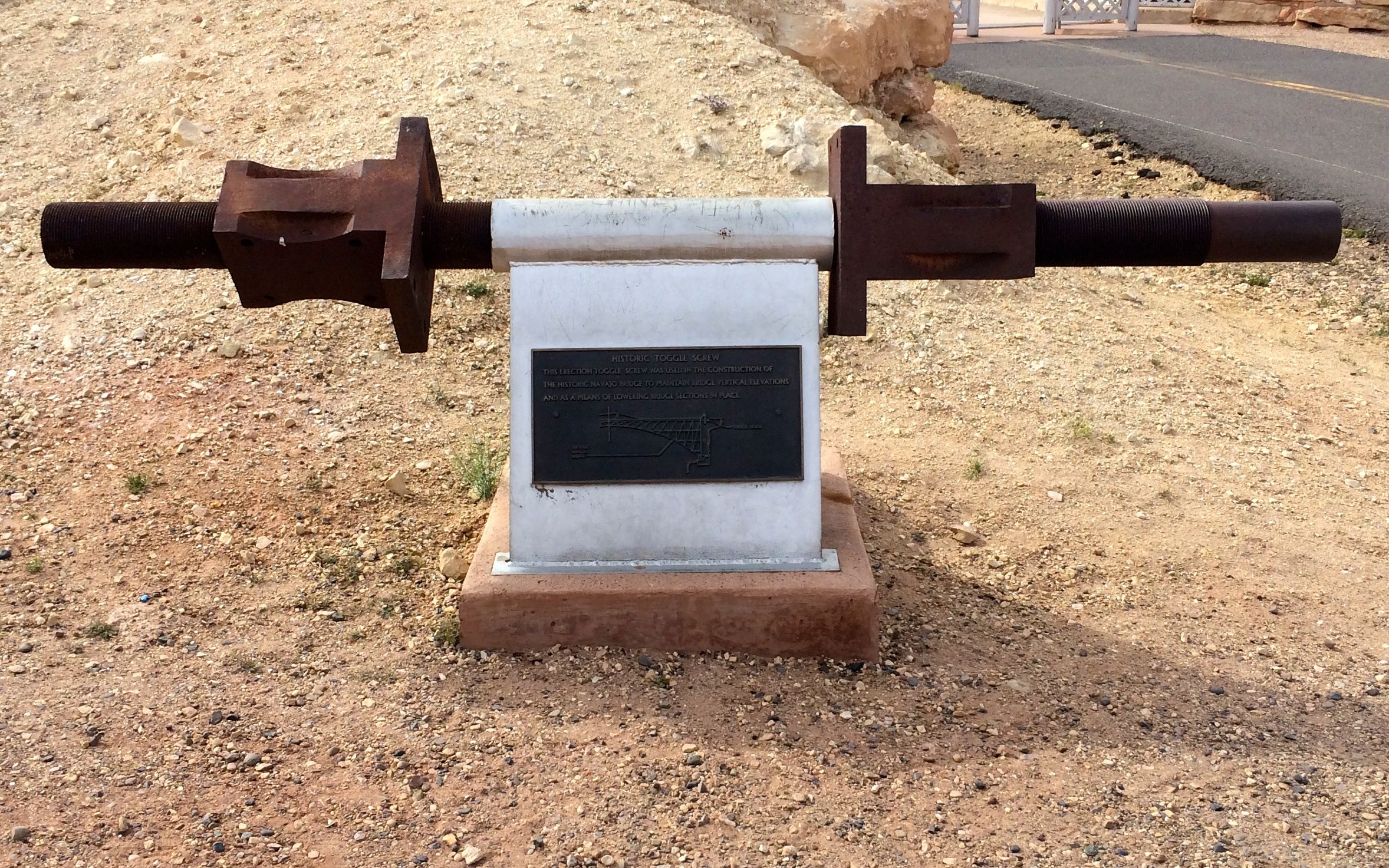
Historic Toggle Screw

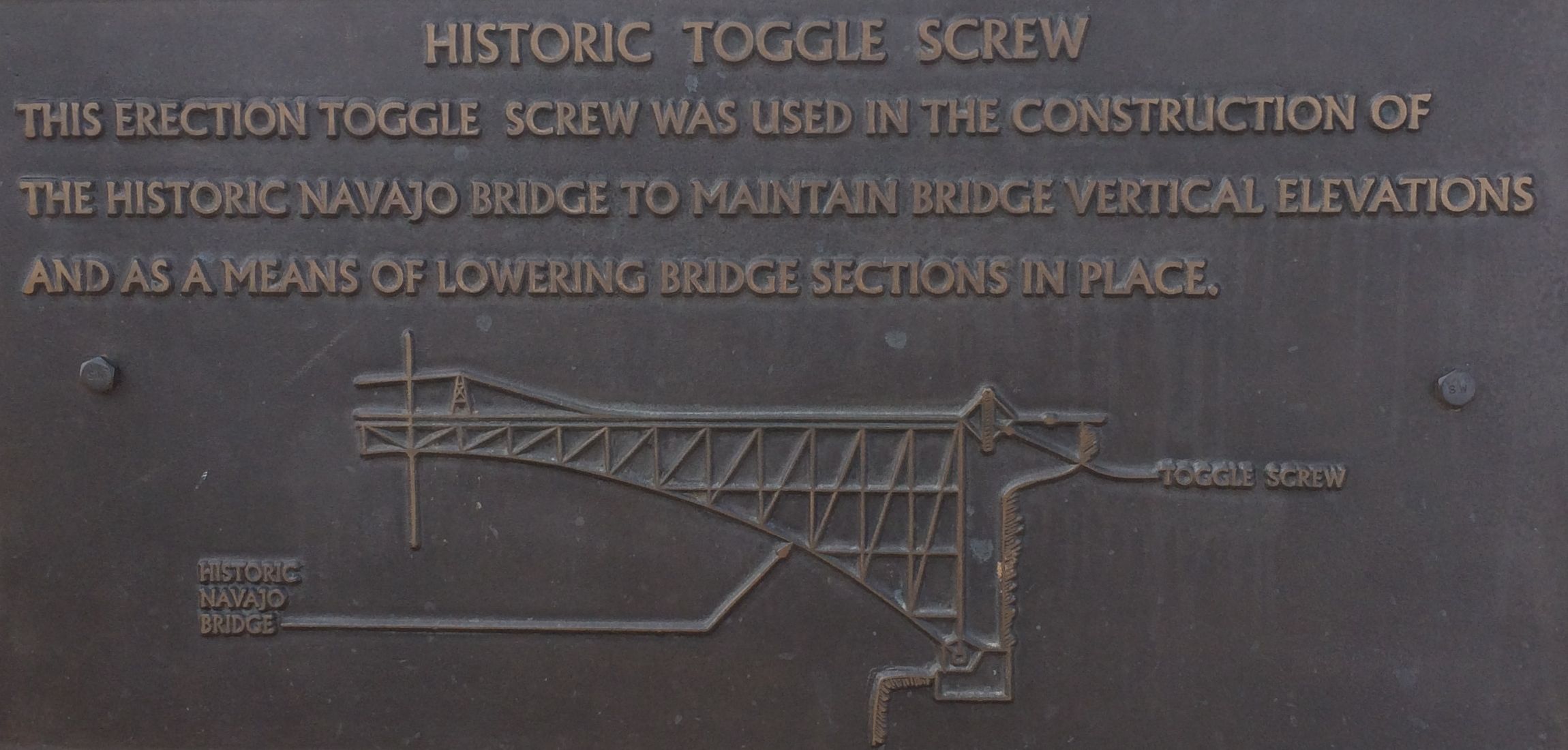
This historic toggle screw is on display on the south side of the bridge. It was an important piece of equipment used in getting the bridge to line up properly.

Historic Toggle Screw sign

On the way back to the campground, I stopped to check out the Balanced Rock.

Balanced Rock 1

These balanced rocks are formed when boulders from the hard upper layer, which is shinarump conglomerate, break off and roll down the cliff.

Cliff behind the blanaced rocks

They land on the softer lower layer, which is part of the moenkopi formation. As the softer stone is eroded away, the boulders end up on formations that look like pedestals.

Balance Rock 2

The wind, water and freezing temperatures continue their work, and eventually gravity triumphs.

Unbalanced rock

And then you end up with unbalanced rocks.

I decided to go down to the river’s edge. I wasn’t going to raft the Colorado, but I could go down and put my feet in it.

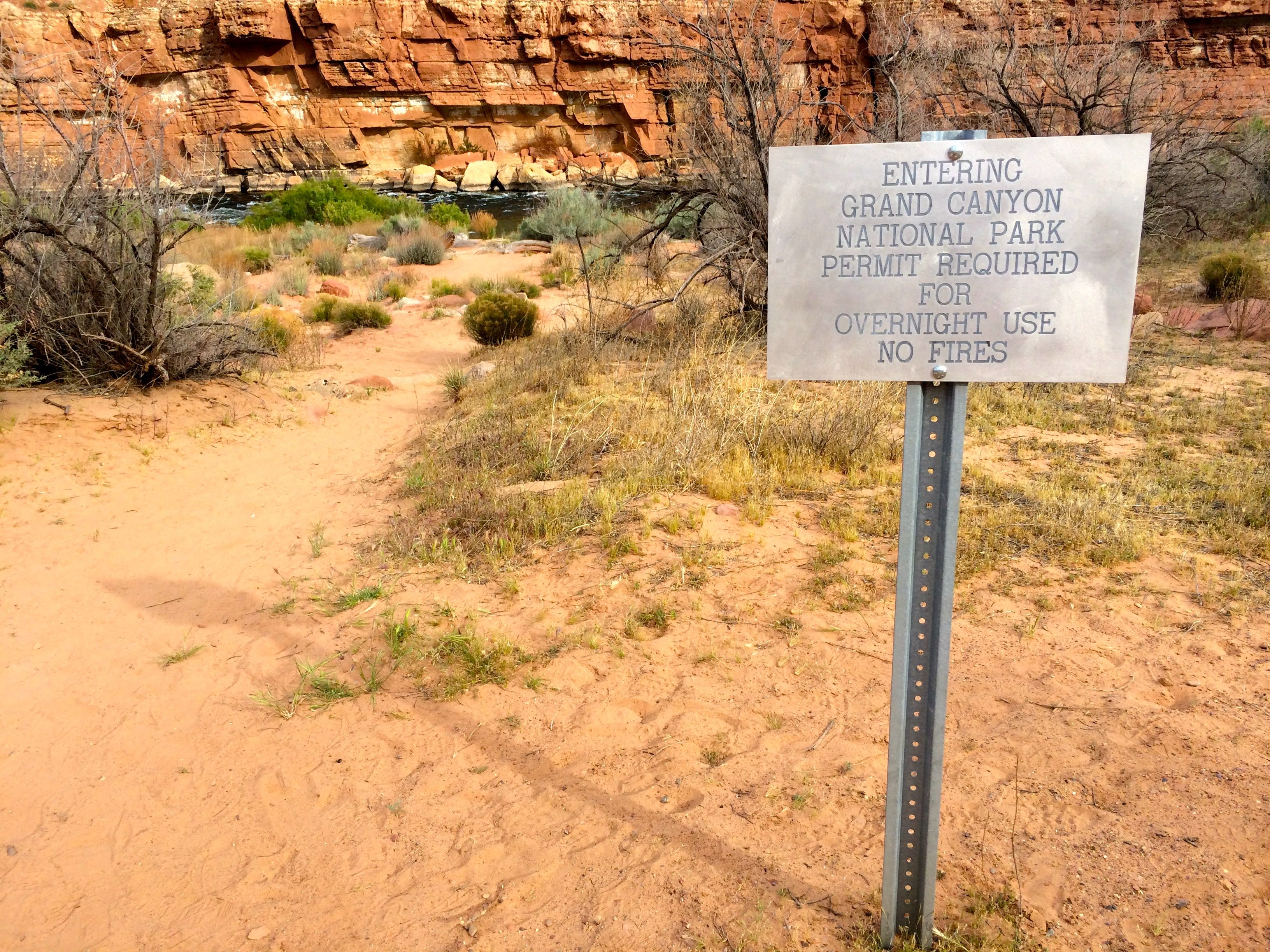
Just before I got to the river, I passed this sign:

Entering Grand Canyon National Part

Cool! I made it to the Grand Canyon National Park from the north side – even if the North Rim wasn’t officially open for the season.

http:/https://www.youtube.com/watch?v=EqjLdJINGfQ

The scent of the water going over the Paria Riffle took me back to Niagara Falls. It reminded me of being on the Three Sisters Islands just off Goat Island. The smell of home!

A riffle is smaller than a rapid. This one is formed where the Paria River empties into the Colorado River. At times of high flow, large rocks are pushed out of the mouth of the Paria River and into the Colorado.

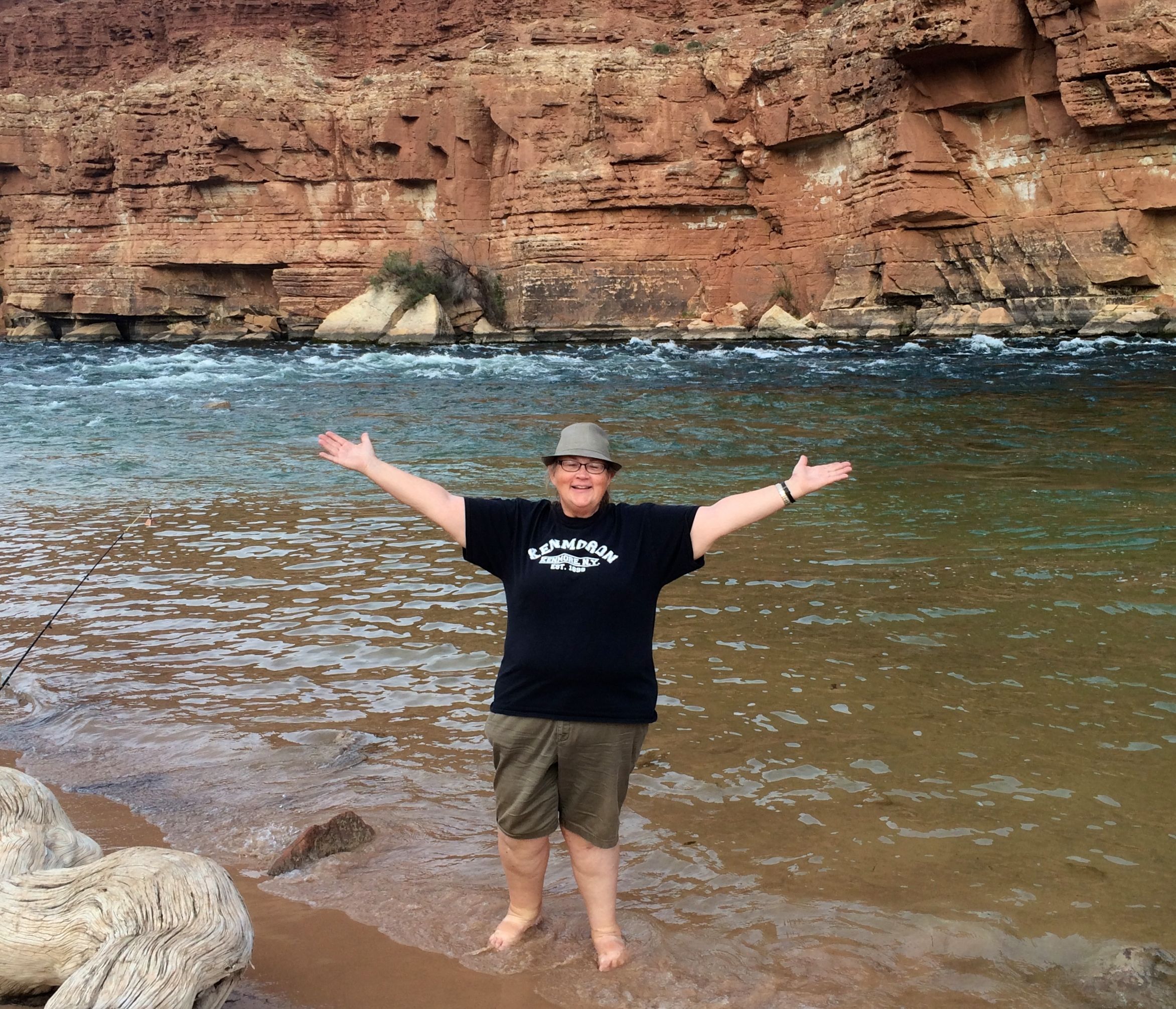
I chatted with some folks who were spending the day by the river. The mother agreed to take a photo of me standing in the water.

Me in the colorado river

The water was a little cool, but not so cold as to keep me out of the water. Down the river a ways, there were people who were actually swimming in the river.

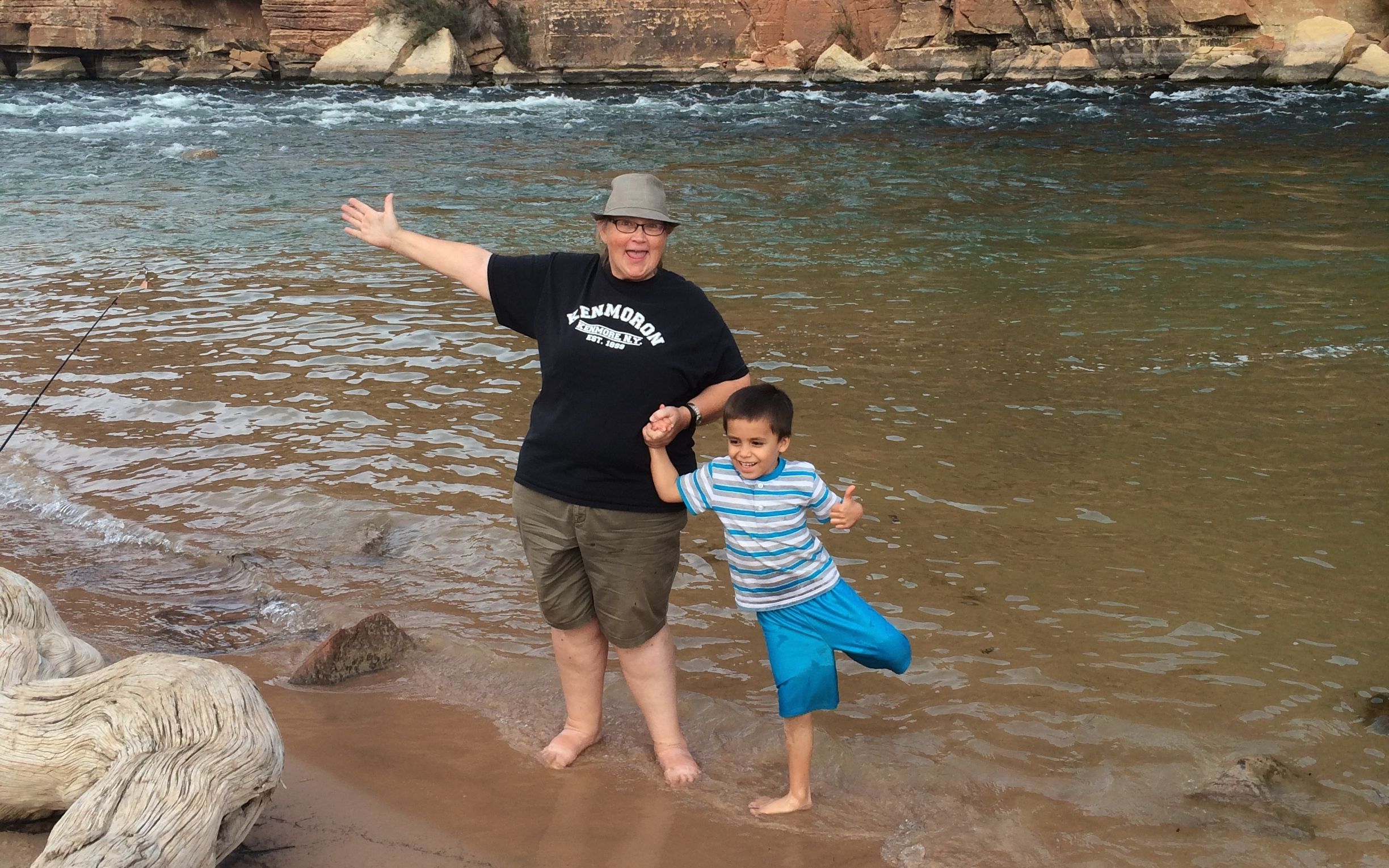
Her son wanted to get in the photo, too, so we took another.

Me and my buddy

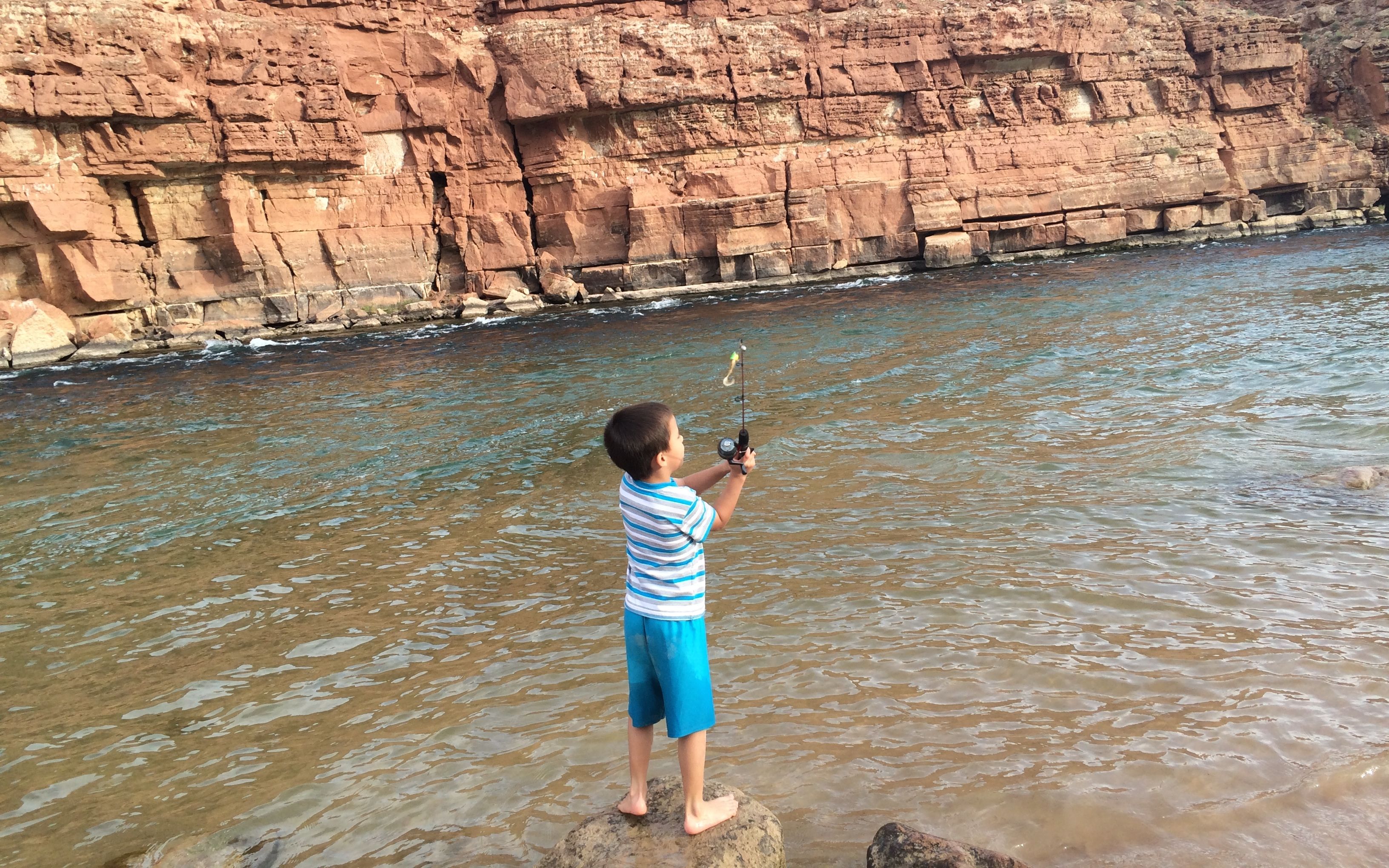
Then, my new buddy wanted to teach me how to fish. First he demonstrated how to cast. His mom told me that there was no hook on the line, so I didn’t have to worry about getting snagged by it.

Casting

After demonstrating the proper technique, he handed the rod to me. I let it rip and got the fly a good way out in the river.

On the way back to the parking area, I came across these lizard tracks.

Lizard tracks in the sand

The next day, it was time to make tracks of my own.


Lee’s Ferry

After Bryce Canyon, my next destination was Lee’s Ferry, part of the Glen Canyon National Recreation Area. It’s in Arizona on the bank of the Colorado River.

Ah, but first I had to get there! According to the maps, Lee’s Ferry is about 160 miles from Bryce Canyon. If I were rolling down I-94, from Kalamazoo to Detroit, it would take about three hours. However, this route was full of elevation changes.

  • Bryce Canyon, Utah           7,664 feet
  • Mt. Carmel, Utah                5,203 feet
  • Kanab, Utah                        4,970 feet
  • Jacob Lake, Arizona          8,000 feet
  • Lee’s Ferry, Arizona          3,200 feet

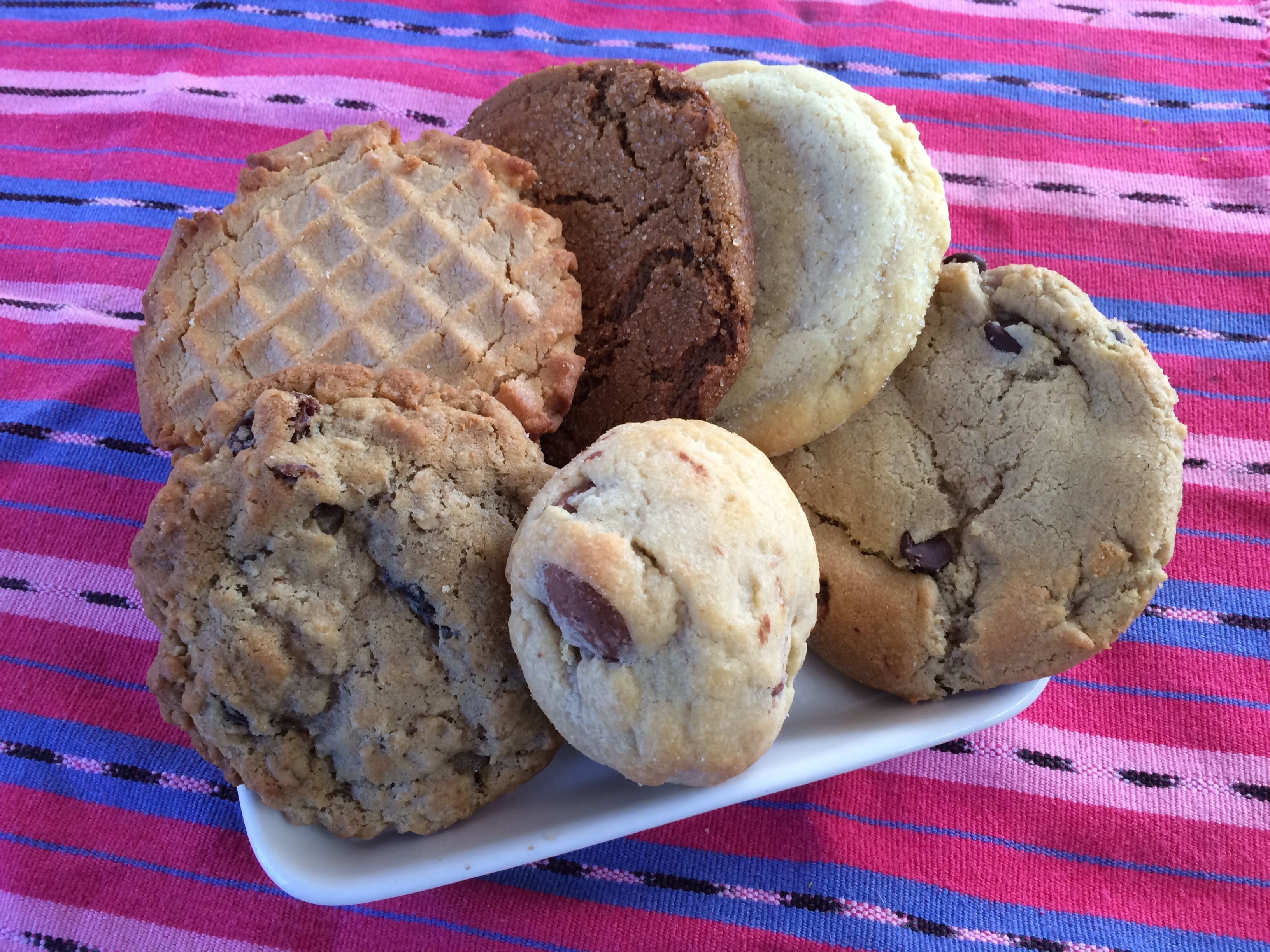
That adds time to the trip, but the views can be spectacular. Of course, I had to stop at Jacob Lake Inn for the cookies. I had several people tell me that I had to stop. Who am I to reject the advice of random people?

Cookies at Jacob Lake Inn

Jacob Lake is the entrance to the North Rim of the Grand Canyon. Even though I was passing through at the end of April, the entrance wasn’t open yet. After seeing the snow in Bryce Canyon, I can imagine that the conditions  might not have been right yet.

There was a pine forest around Jacob Lake. Tall pines. I would have liked to have stayed, but the campground wasn’t open yet, either.

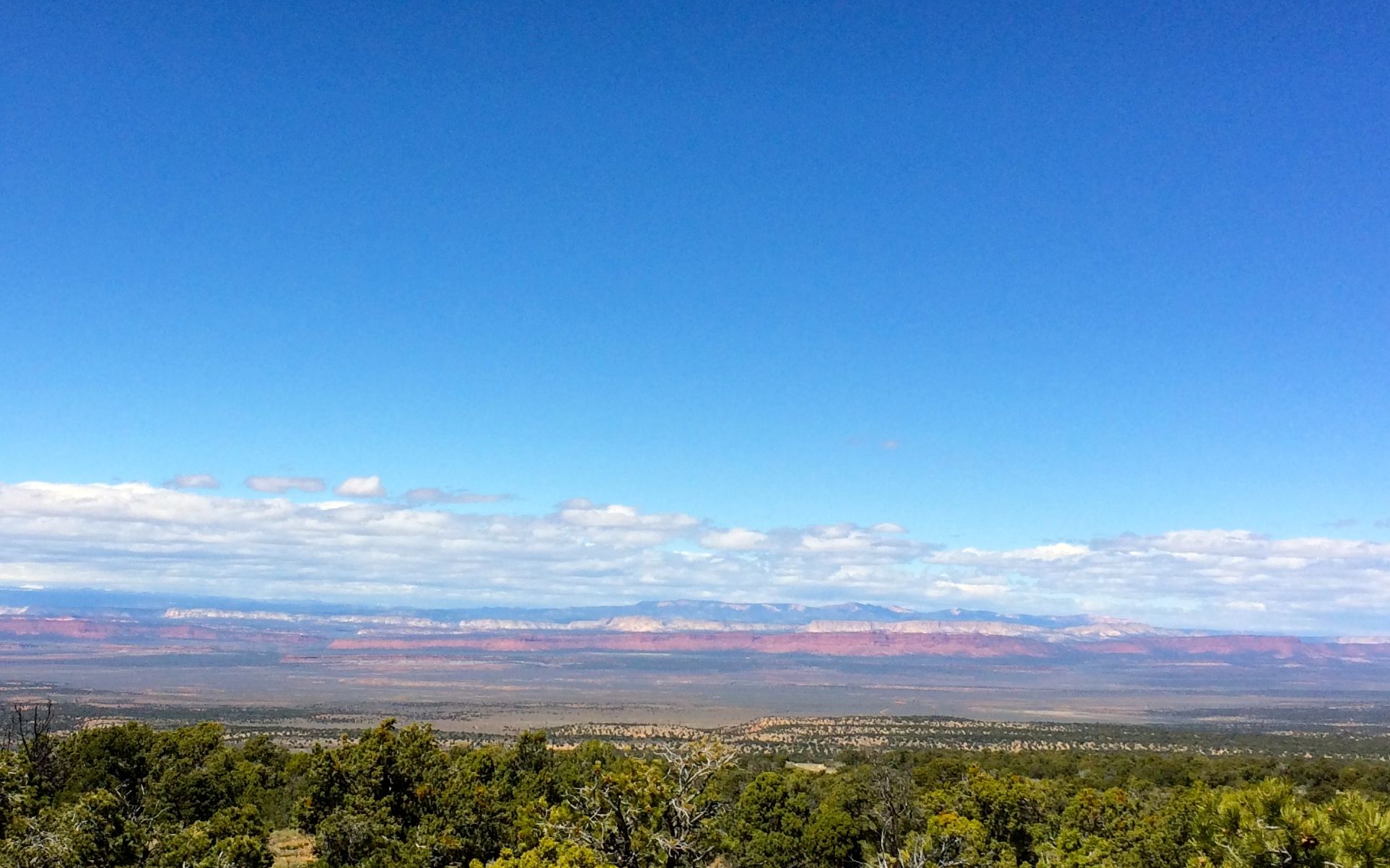
Back on the road, I notice a pull off for a scenic view. The traffic was light and there was easy parking, so I pulled off to take a look.

Incredible view

Wow!

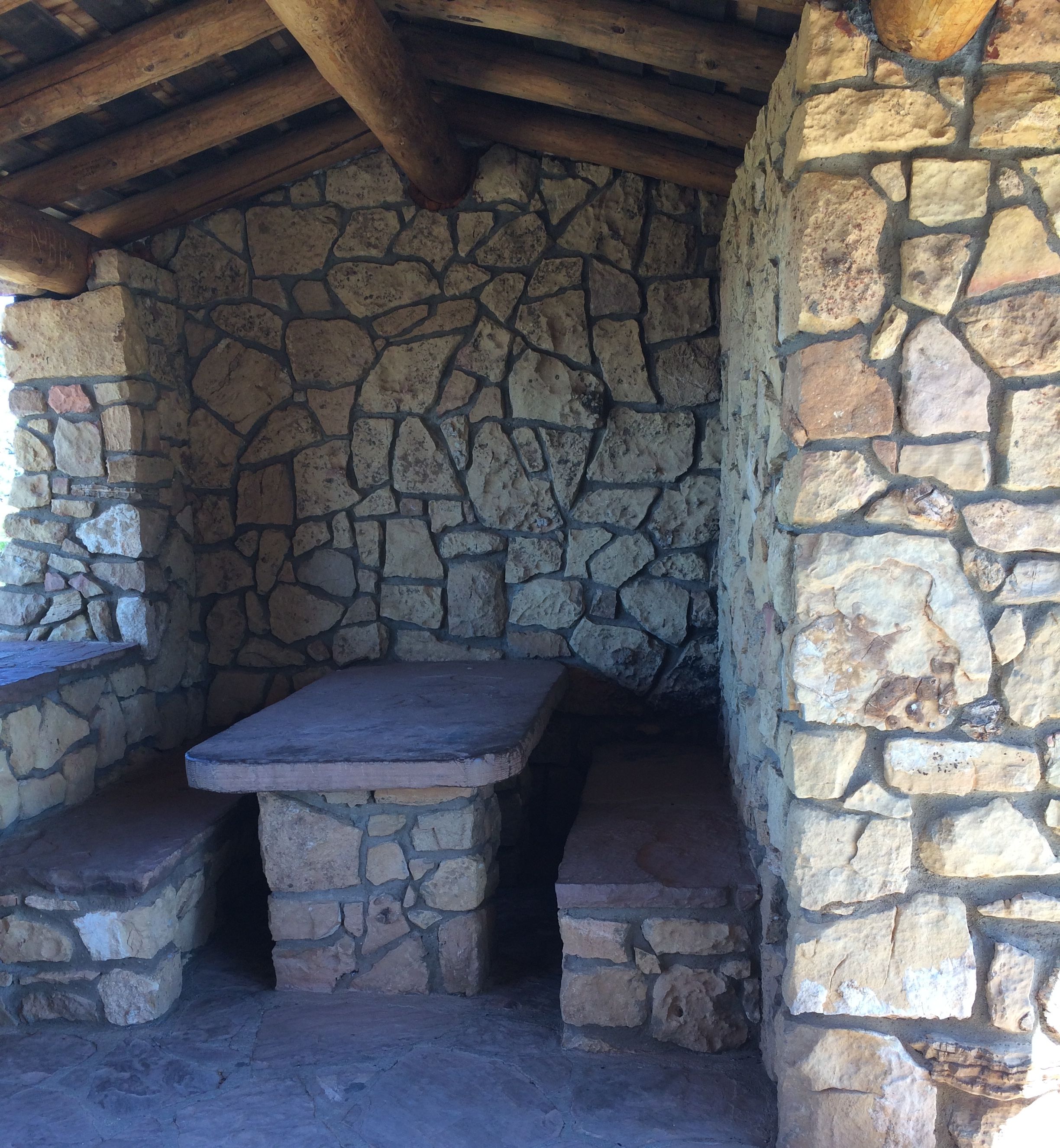
At the top of the stairs to the overlook, there was a cute little shelter. It mad me think of what an Airstream dinette would look like if it was designed by Fred Flintstone.

Flinstone dinette

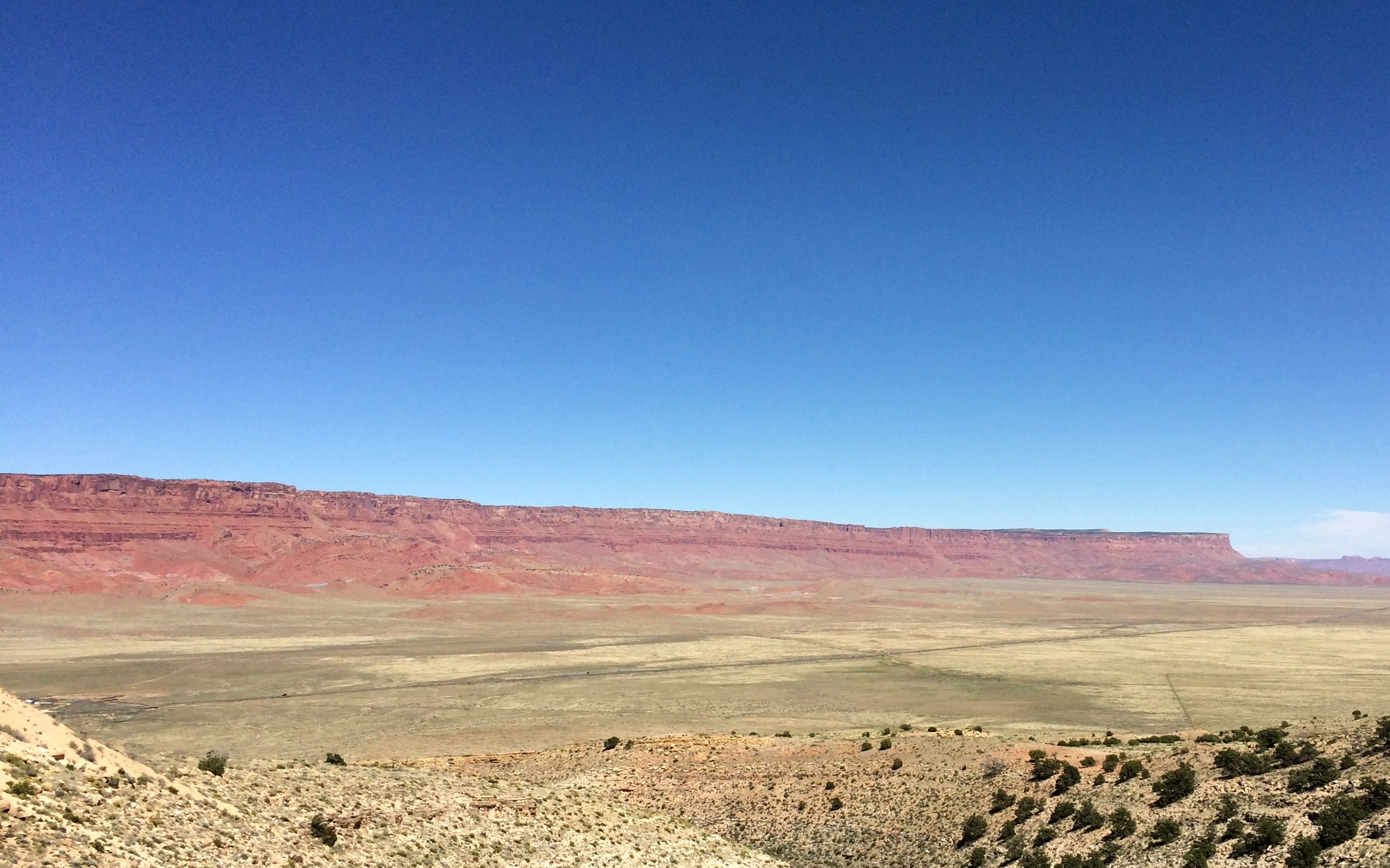
Back on the road, and there was another scenic pull off.

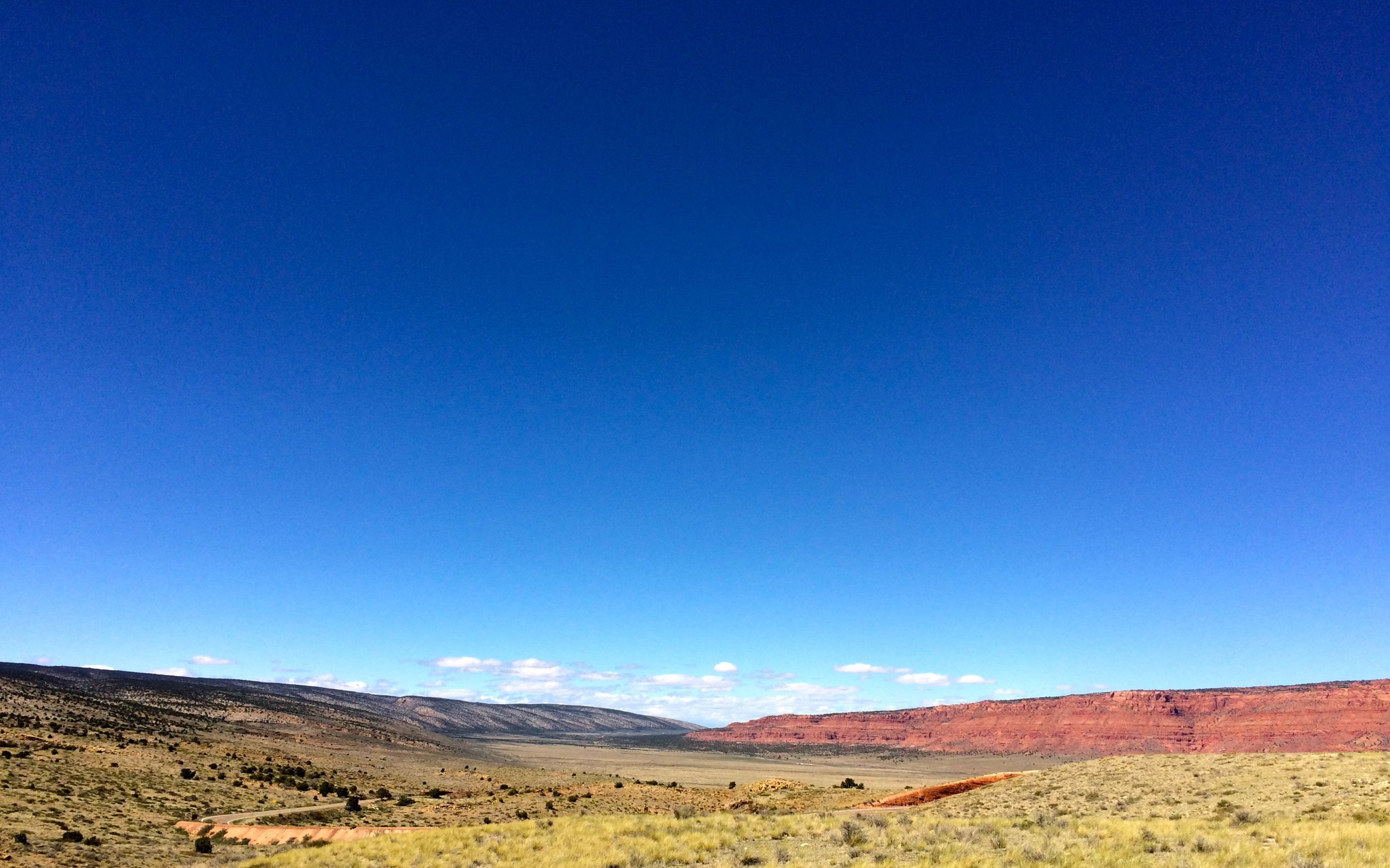
Red cliff

I was getting close to the Vermillion Cliffs National Monument. The land sure does change quickly!
another view from the second stop

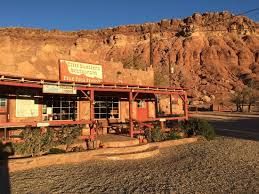
I stopped for a late lunch at a restaurant called Cliff Dwellers. It was also recommended by a random person.

Cliff Dwellers Restaurant

Nourished and refreshed, it was time for the final push to Lee’s Ferry Campground.

Lee's Ferry sign

I got there and found a pull-though site. I leveled the trailer and got unhitched and then went to pay my $18 nightly fee at the kiosk. It’s a small campground and no one was on duty – at least not this time of year. Someone in an official vehicle toured the camp several times a day, but no one was there to check us in and out.

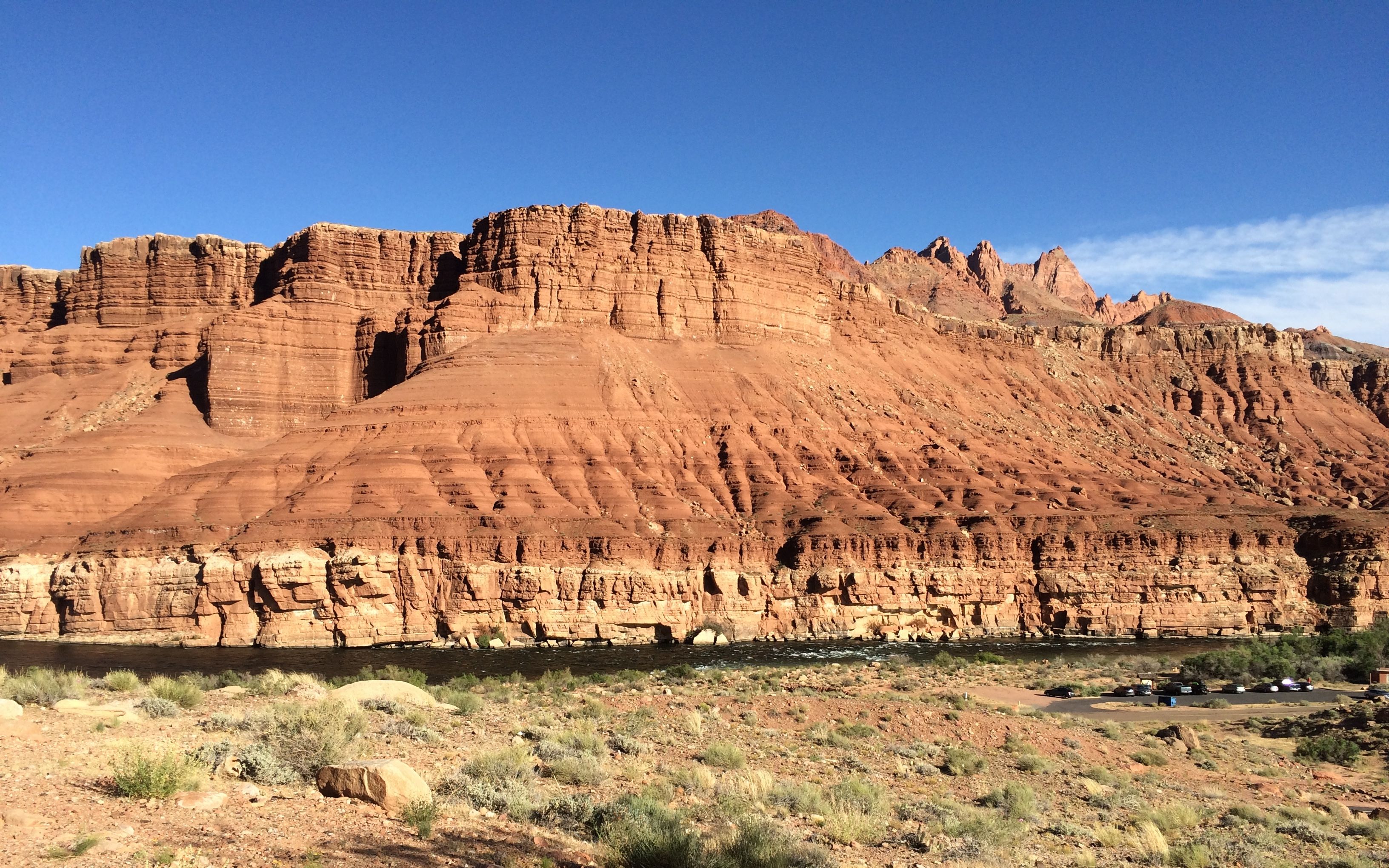
The campground is perched on a bluff above the Colorado River. There are about three sites that have front row seats. I was tucked in the middle, but I still walked over to take a look.

view from the campground

Yep! That’s the Colorado River down there!

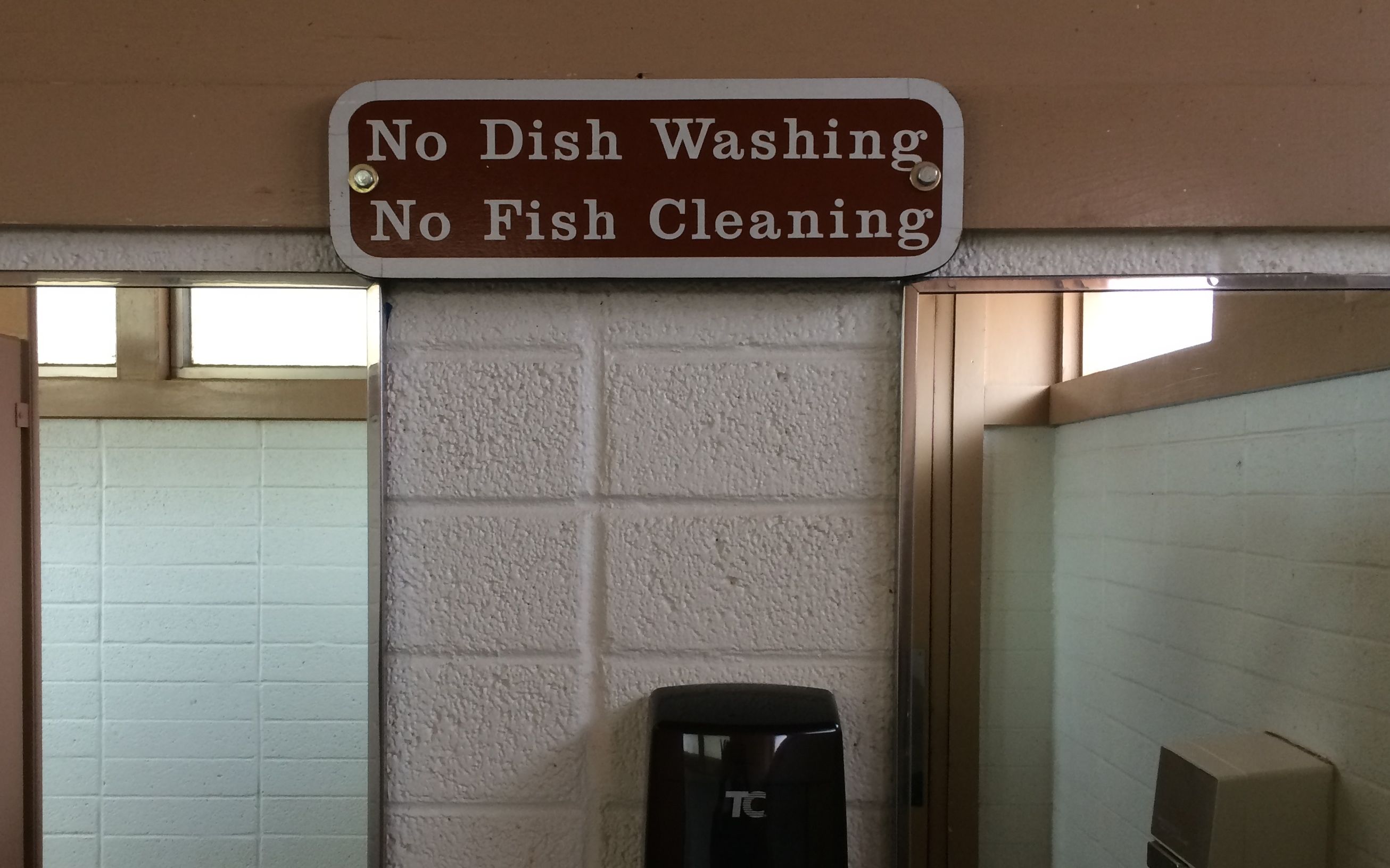
And, judging from the sign in the restroom, there is fishing in the river.

sign in rest room

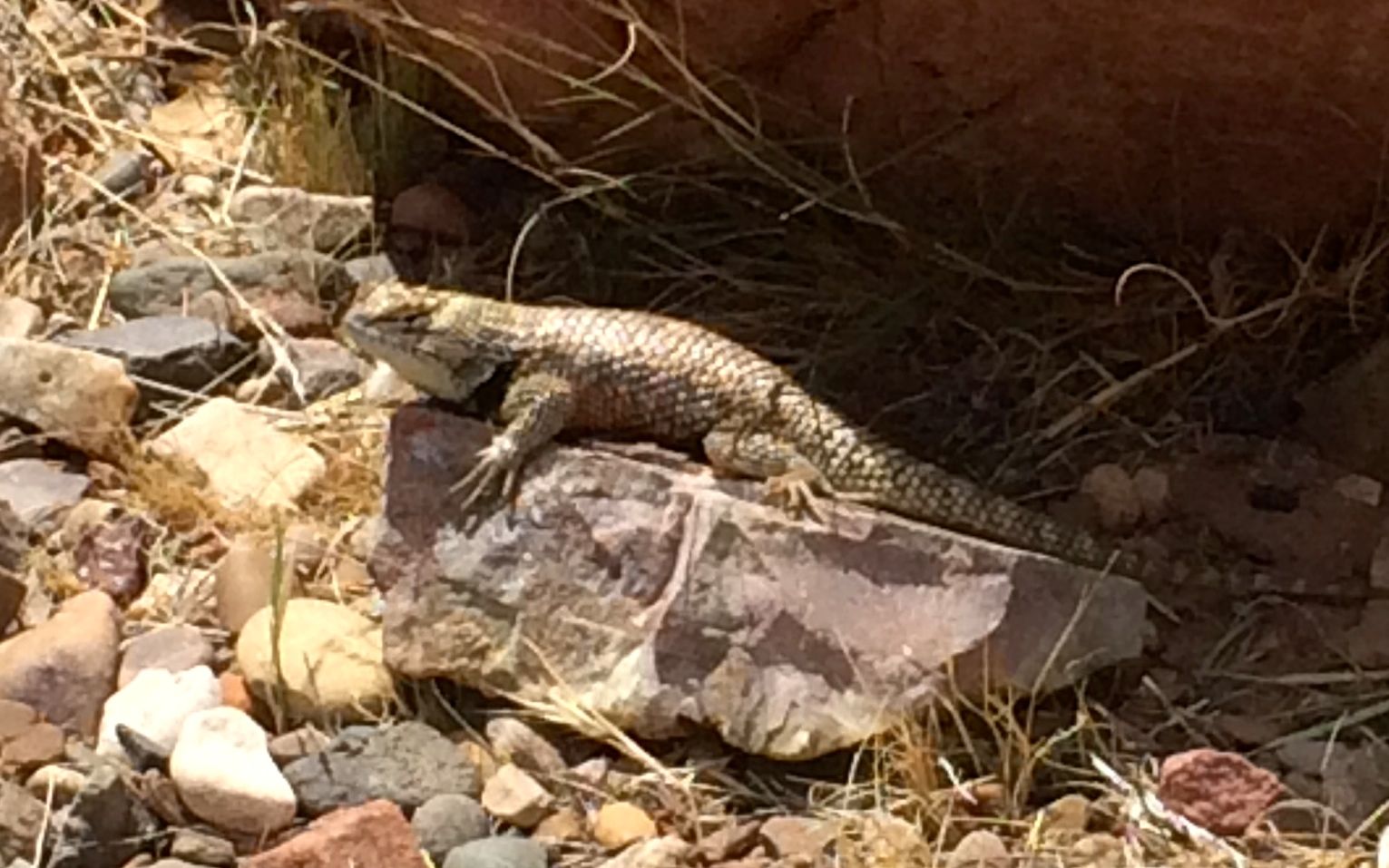
There are lizards up around the campsites.

Lizard on a rock

I met a lizard sunning itself on  my way back to the trailer. I had business to attend to back in the trailer, however.

cookies on a plate

COOKIES!


May Money Madness

I alluded to the changes in spending that would be coming along in May. Yep, it has been my most expensive month so far this year.

Thank goodness for insurance, is all I can say. At the end of April, I punched a hole in the side of my Airstream. I was trying to back into a space and I think the tires slipped off the asphalt. Those gnarled old trees in Arizona are tough!

It kind of changed my plans, though. I needed to get things taken care of, and the only place that could handle me in a reasonable time frame was Desert Autoplex RV in Mesa, Arizona. So, the guys at Desert Autoplex got all the parts in, I got the claims filed and we got it done. I also got the dent I put in the back end in 2014 taken care of.

Incidentally, if you need Airstream repairs done, I highly recommend them.

Here are my expenses for May:

RV expenses                                         $1770.00
Gas                                                             403.08
Campsites                                                 316.84
Other expenses                                        306.25
Groceries                                                   163.86
Restaurants                                               133.58
Tourism                                                      111.50
Truck expenses                                           80.89
Laundry                                                        11.00
Tolls and parking                                        10.00
Food and drink on the go                            8.42
Clothing                                                           3.13

TOTAL                           $3,318.55

I drove 2,300 miles during the month. A good chunk of the driving was due to the fact that I had to change plans in order to get the repairs done.

I stayed at ten different campgrounds and I spent ten nights in a HOTEL while the trailer was in the shop. Insurance covered that expense.

I wish I could say that June was going to be better, expenses-wise, but I have the truck and trailer insurance coming due.

Oh, well…

That’s the way the money goes.

empty pockets


Bryce Canyon Miscellany

Just a few last notes before I hitch up Flo and leave Bryce Canyon.

Ruby’s Inn RV Park is part of a large enterprise. They have a hotel, restaurants, gift shops and a general store. I went over to check it out. I’m always curious.

Hisotric Ruby's Inn sign

There was a long, long line waiting to get in to the Cowboy Buffet and Steak. The price was rather jaw-dropping for a buffet — something like $30.  What really irked me was that beverages were extra. Good grief! For that price, couldn’t they throw in a cup of coffee or a glass of pop?

But, I know people have to eat, and people staying in the hotel are a captive audience. Luckily, I have a kitchen and I went shopping before I arrived in Bryce Canyon.

I strolled through the gift shop, just to see if they had anything I hadn’t seen before. Believe it or not, I saw something that I’d never seen in a gift shop before.

License Plates for sale

They had license plates for sale! Real license plates.

Real License plates for sale

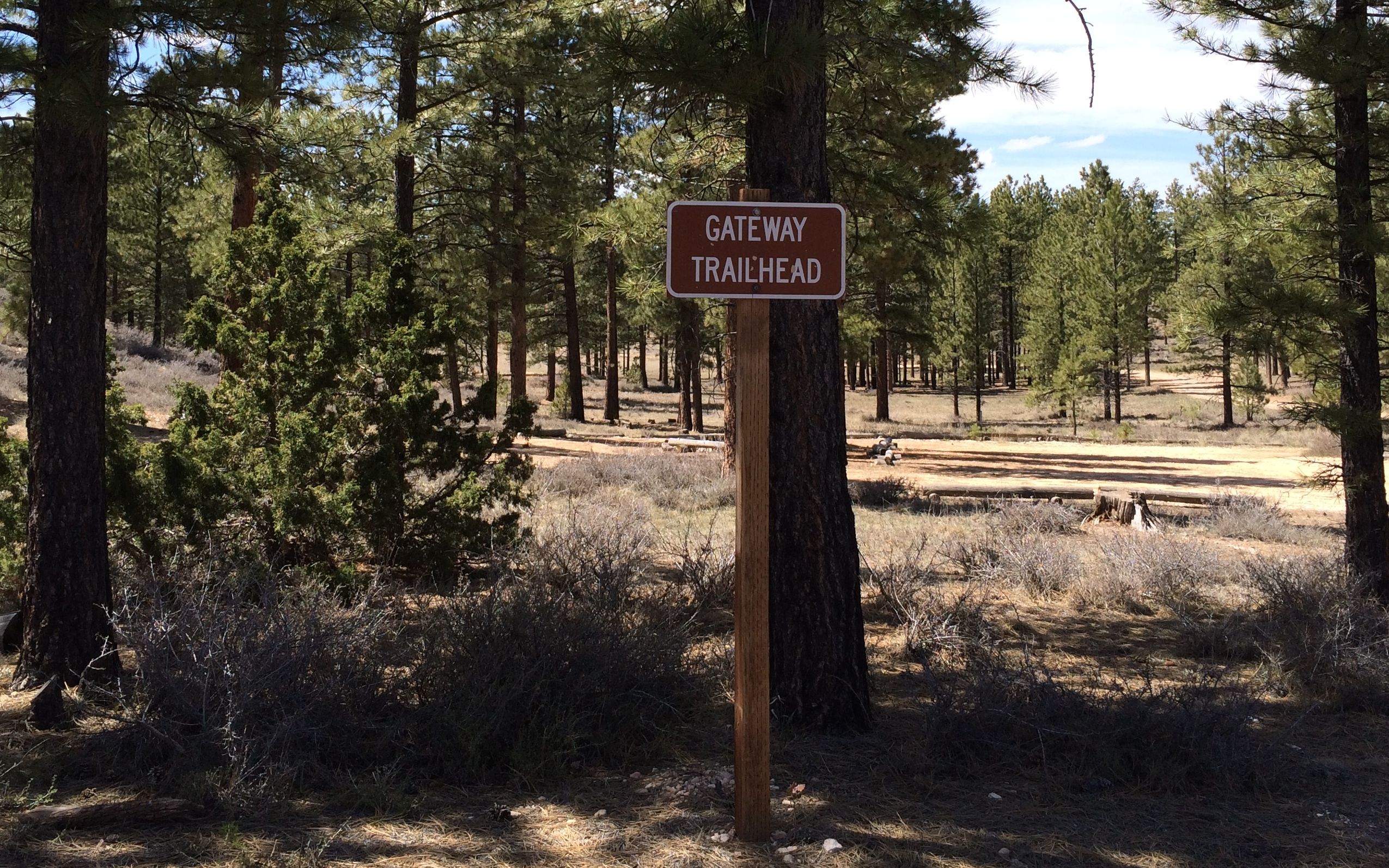
I also notice that Ruby’s Inn RV Park was right next to a part of Dixie National Forest.  There was a trailhead with roads leading back into the forest.

Gateway trailhead

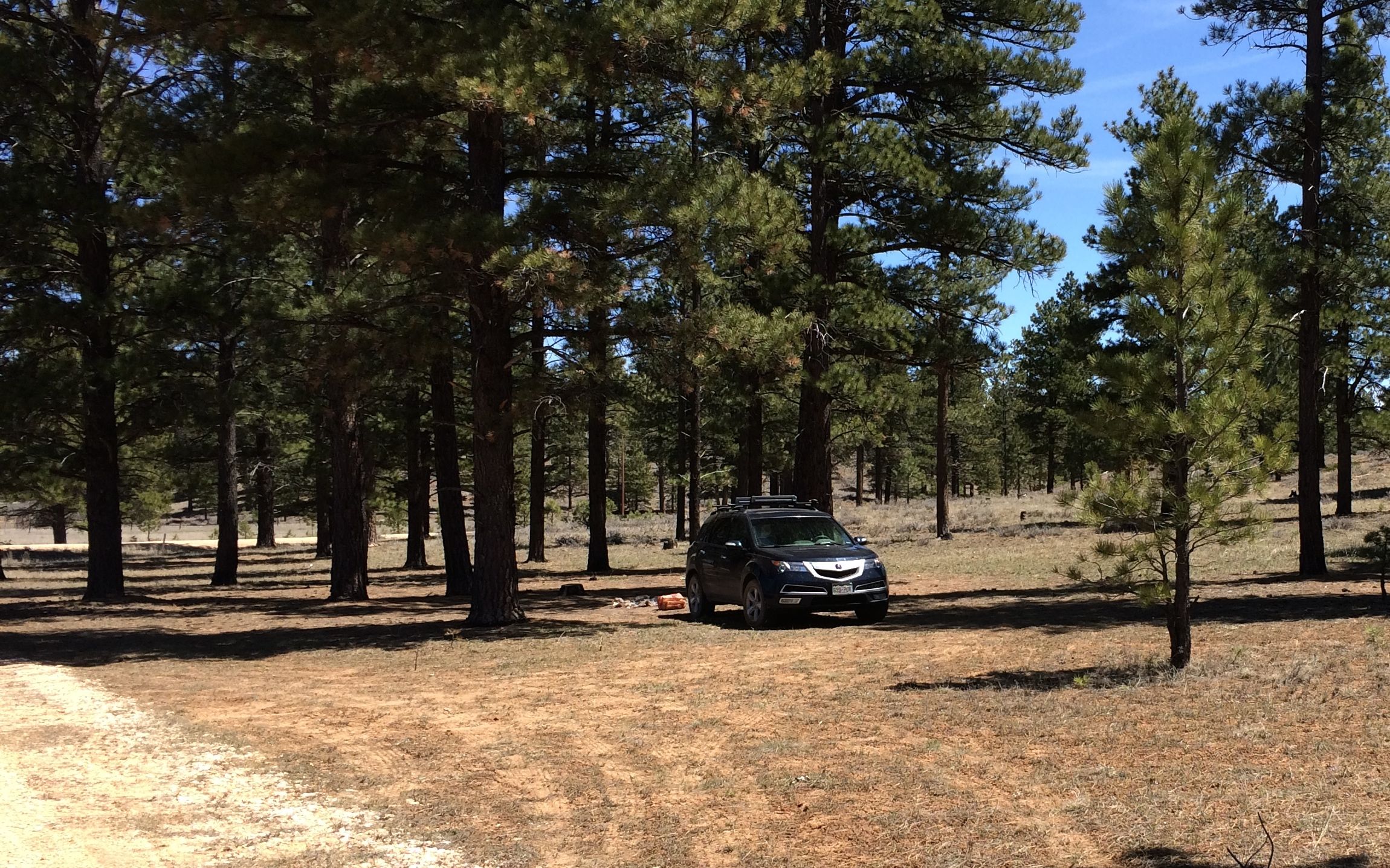
I decided that I’d take a little drive around the forest. I discovered all sorts of dispersed camping sites. Free camping! I checked Campendium.com to see if they had it listed. They didn’t! So, I got to be the person to name it on their website. It’s not an official name, but that’s how it is listed on their website.

My choice of boondock sites

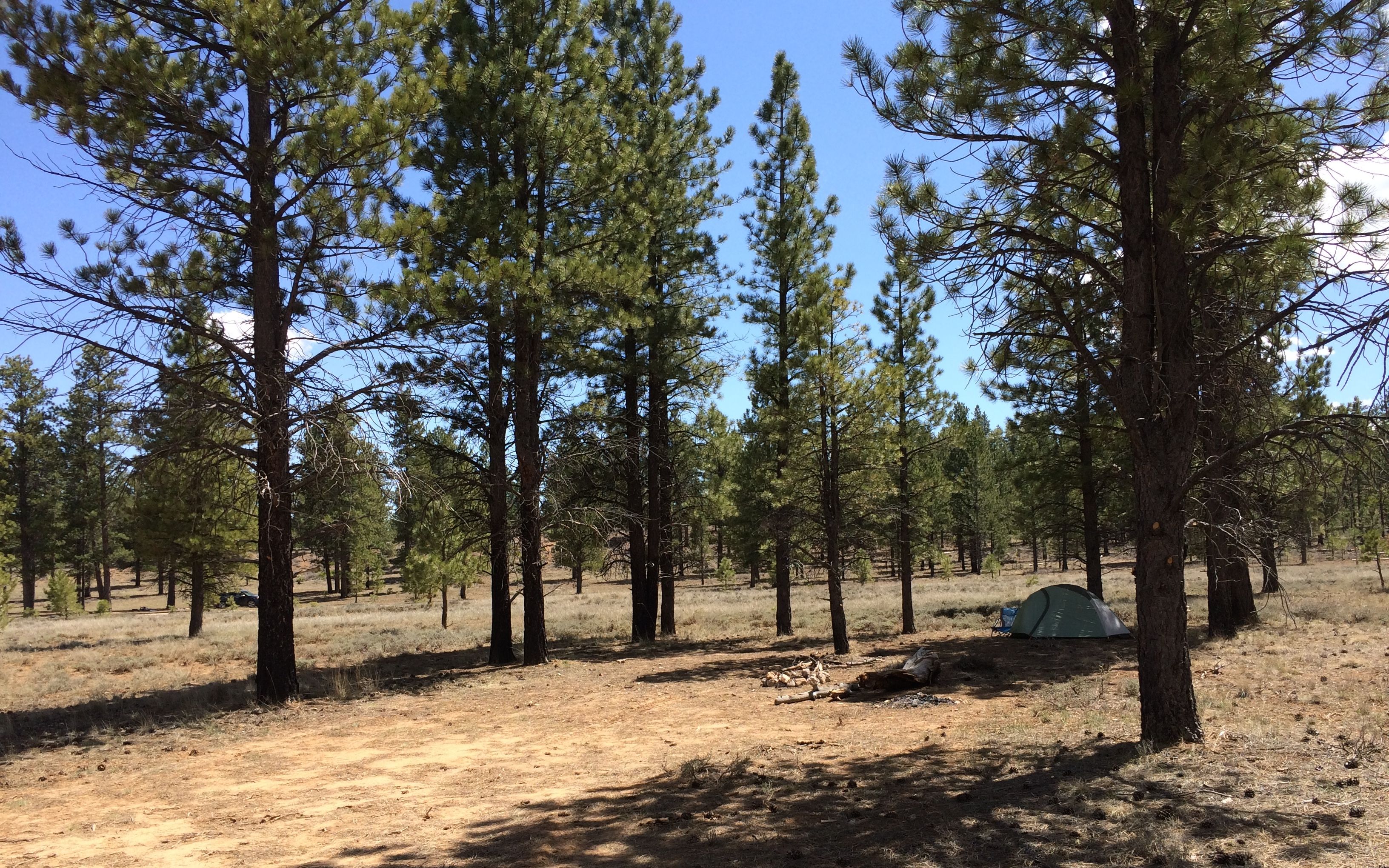
This is the site that I would have camped in, if I hadn’t already paid for my stay at Ruby’s Inn RV Park. Level and spacious! In addition, in National Forests, you can collect firewood, as long as you use it in the forest.

tent camp

Here’s a site that a tent camper is using.

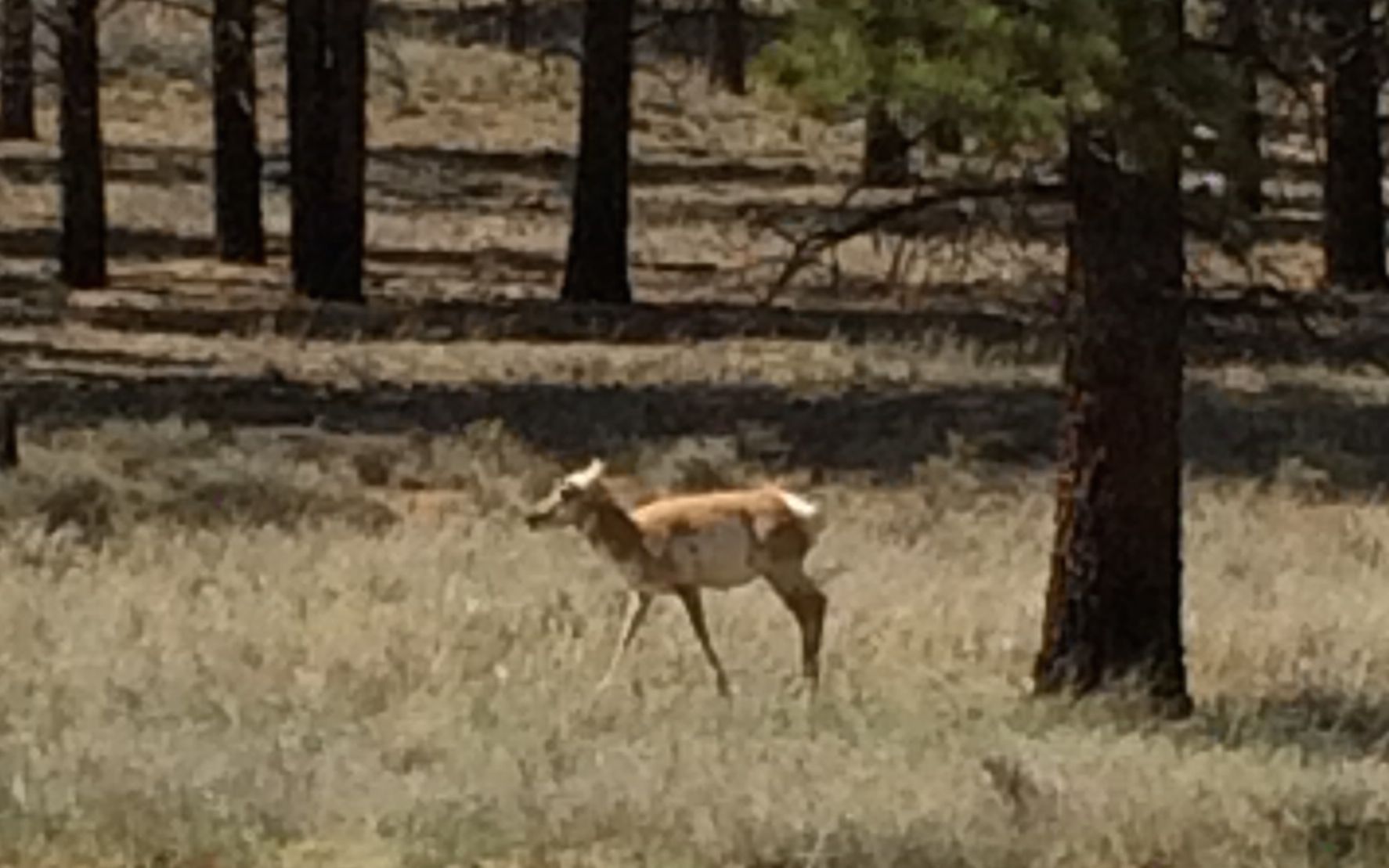
Antelope

There was a good deal of wildlife. I saw some mule deer in the distance, and I managed to snap a shot of this one. I’m no wildlife expert, but I think that is an antelope.

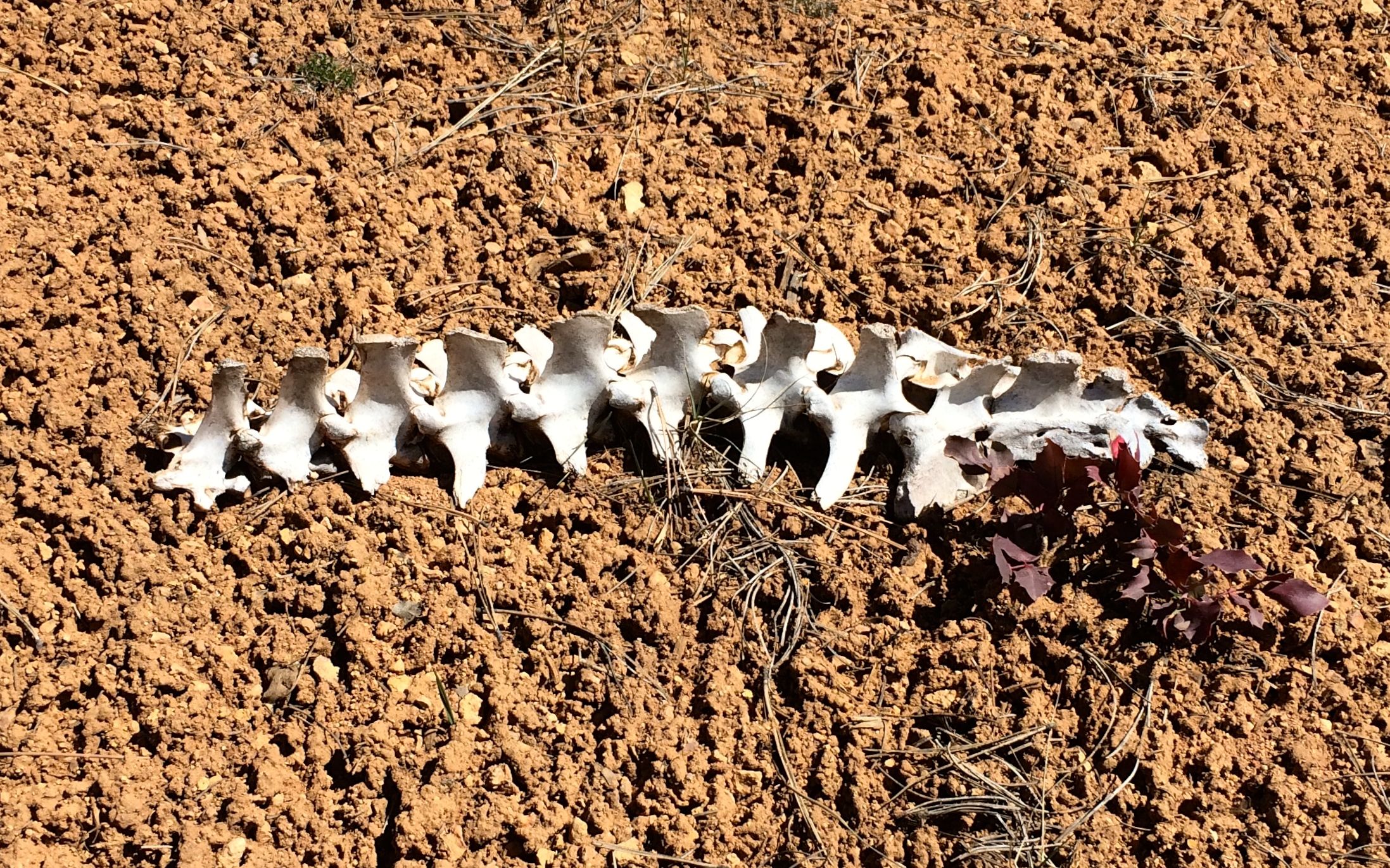
circle of life

Ah, but there is the circle of life.

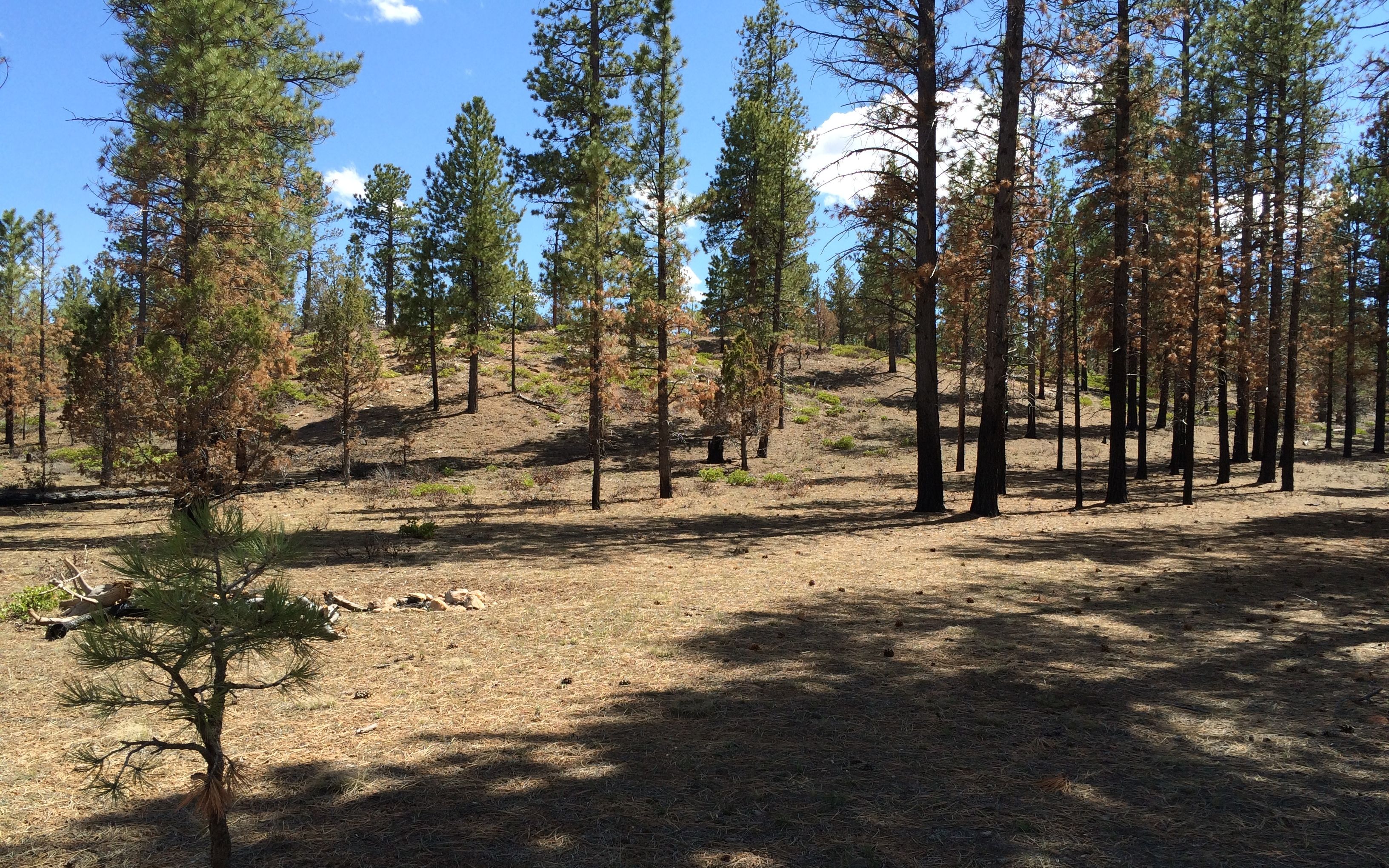
empty campsite

What a lovely place to camp! There was also good phone connection, and all the roads I was on were on the map. I didn’t even have to worry about getting lost.

What did I name this place? I named it “George’s Gift” after my father, who gave me a spirit of adventure. If you want to read my review, you can check it out here.

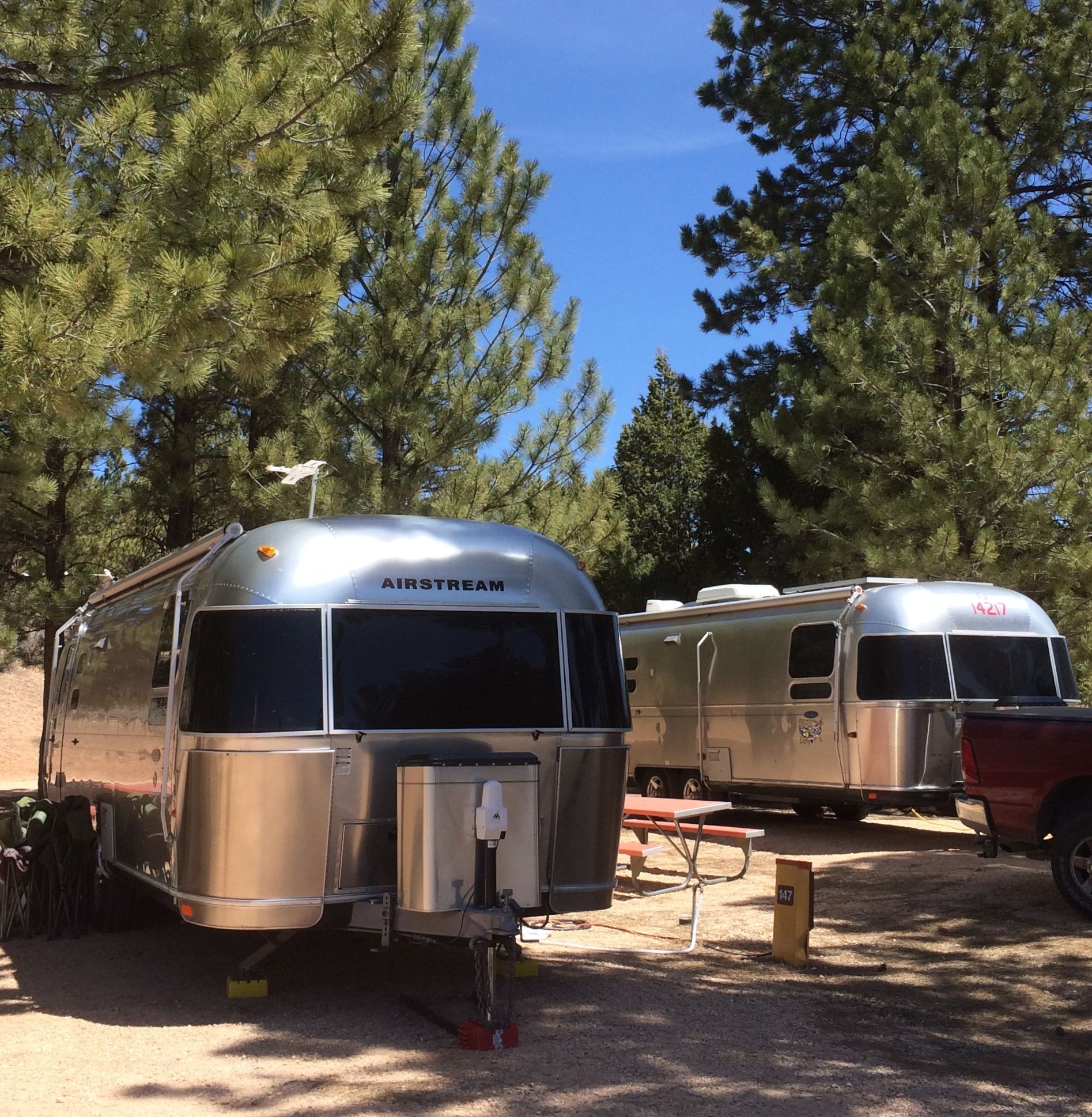
After the day’s explorations, I returned home to  delightful surprise. There was another Airstream parked right next to mine!

a pair of Airstreams

I met my neighbors, Linda and Marty. They were having a campfire that night, and they invited me to join them. It’s always lovely to spend time with other Airstream fans.

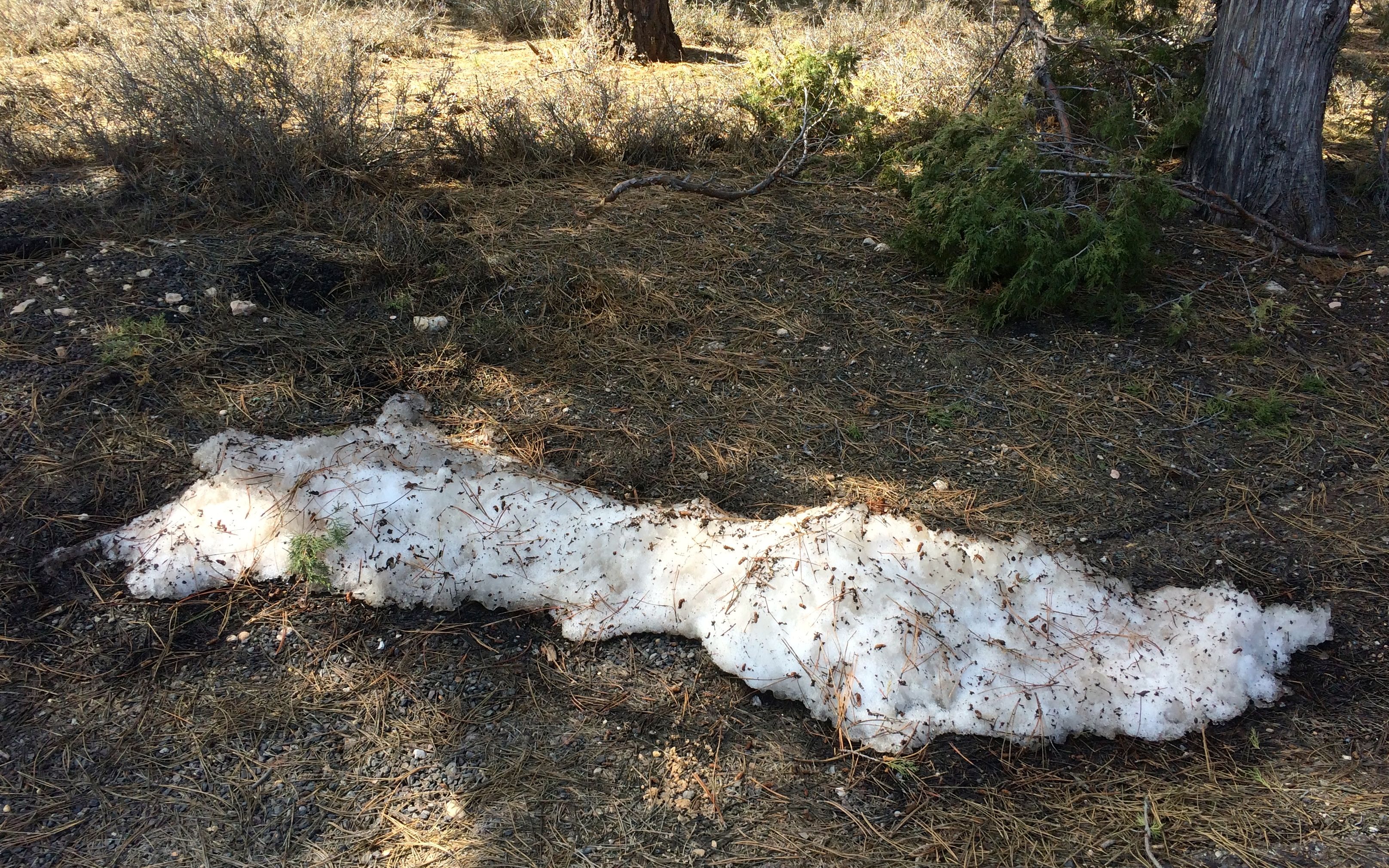
Before I left Bryce Canyon, I had to do one more thing. I had to check on my snowman.

melted snowman

It was gone.

And so was I.

Twenty Miles of Bad Road

After my day at Bryce Canyon, I decided to see some of the other offerings of the area.

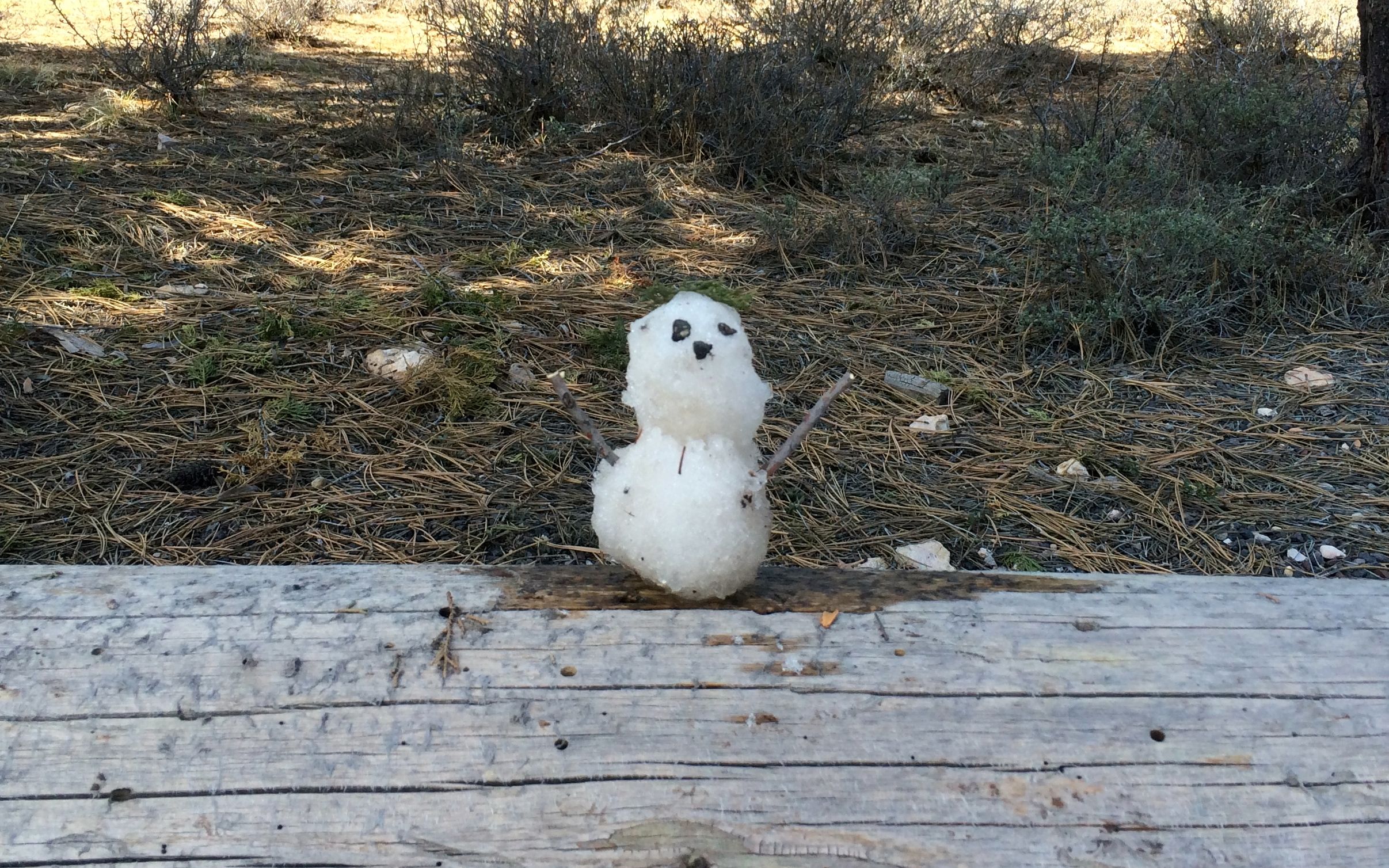
But first, I needed to make a snowman.

Snowman

There was just a little snow nearby and I needed to take advantage of it.

Snow

After documenting my snowman – after all, if there are no photos, it didn’t happen – I decided to explore Mossy Cave Trail.

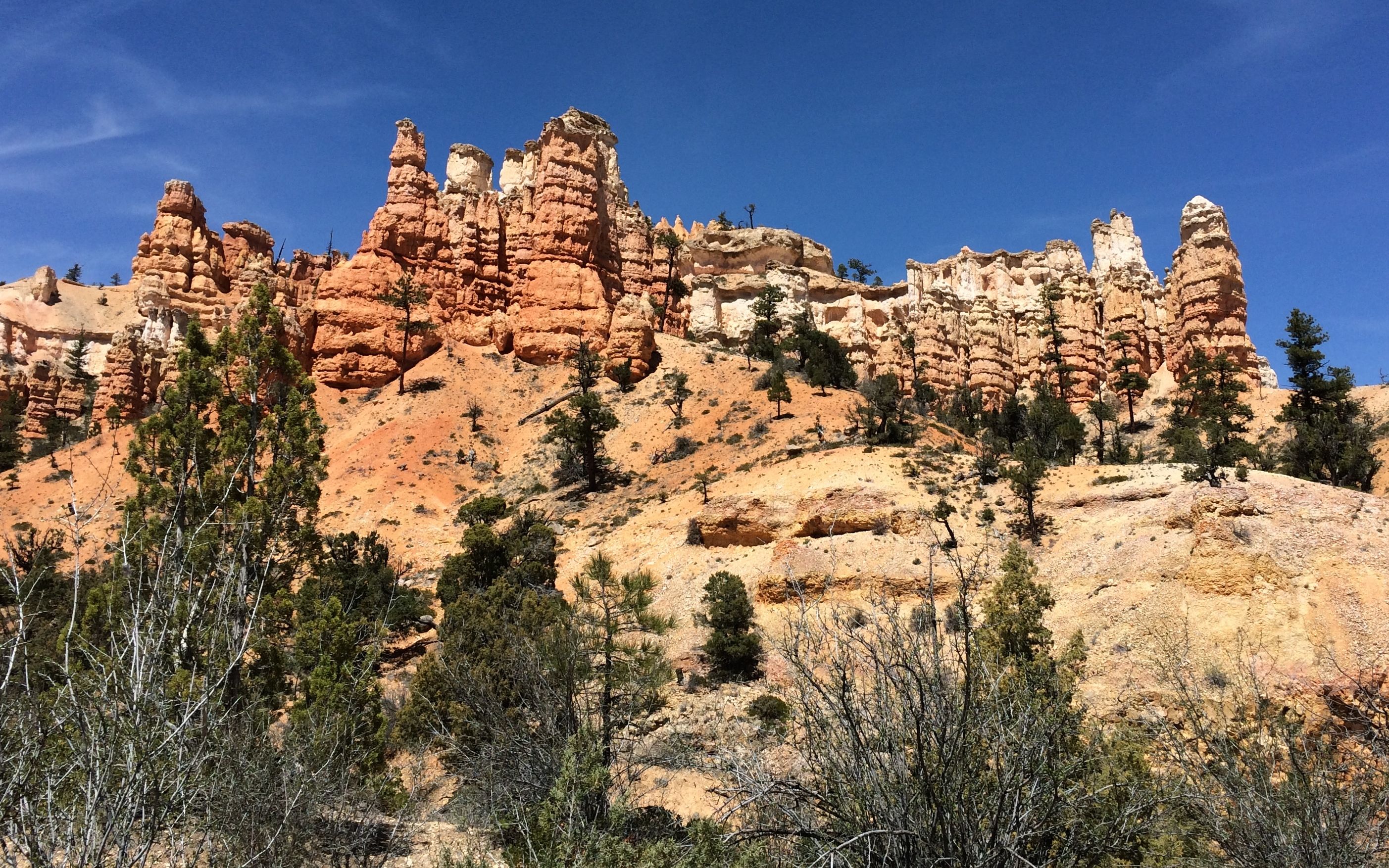
Mossy cave hoodoos

The hoodoos were spectacular!

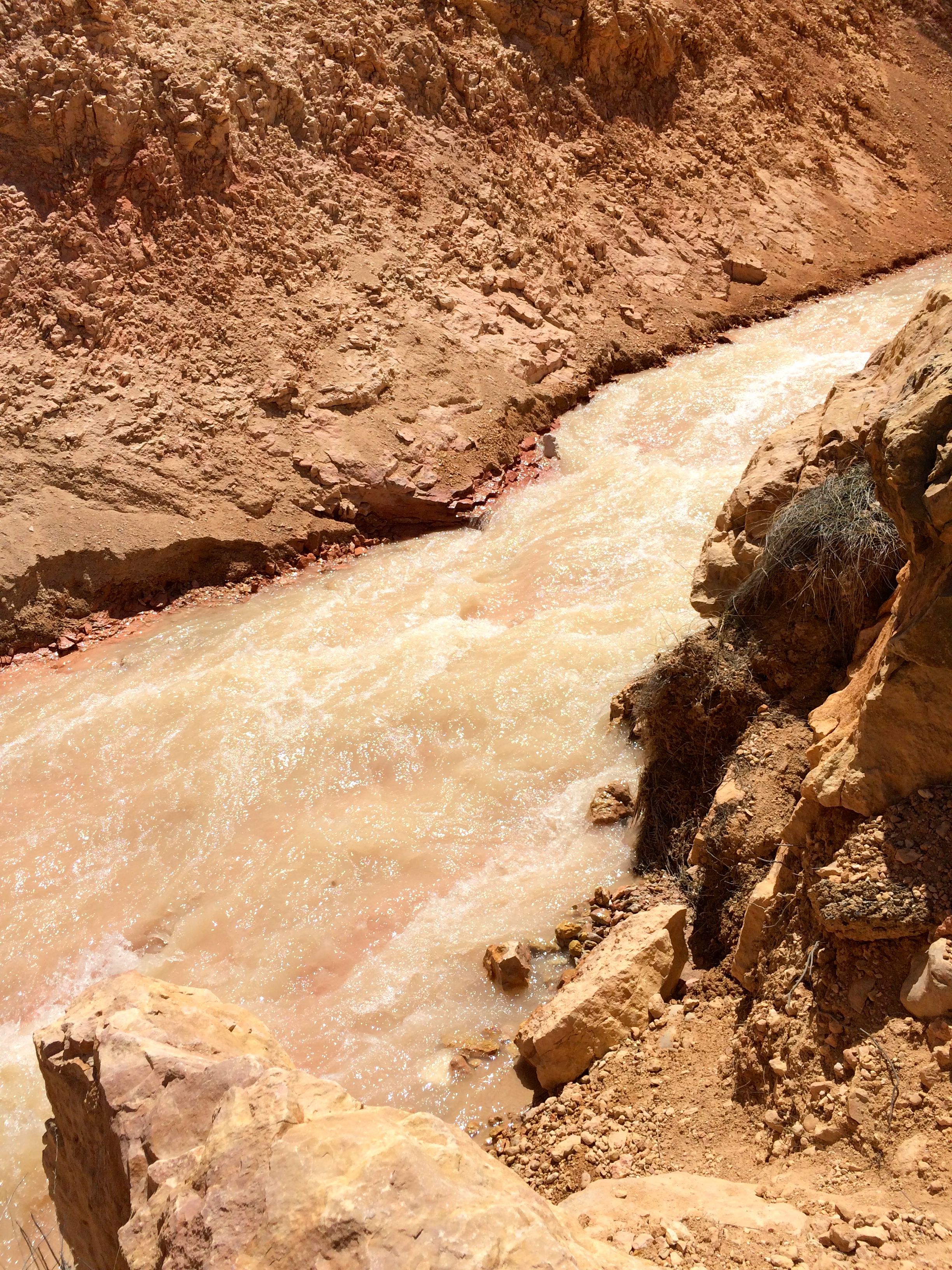
The canyon originally was dry. The Mormon settlers managed to dig a ditch that brought water up an over the ridge from a nearby river and ran it down the canyon.

Mossy cave water

It was a short but steep trail. I walked up it a ways, but decided that I had had enough walking the day before. It was hot and I felt like I had the general idea. I headed back to Bart.

Mossy cave looking in the opposite direction

The view from the parking lot shows a change in the scenery coming down the road.

I motored onward and came to a visitor center for various federal lands, including the Grand Staircase-Escalante National Monument. I stamped my National Parks Passport and looked at the displays. One point I found interesting was that the Southern Paiute, who arrived from the Southern Great Basin around 800 years ago believed in following the water. They traveled in a seasonal rhythm and used what the land offered. The Mormon settlers followed a European lifestyle that involved bringing the water to where they wanted it.

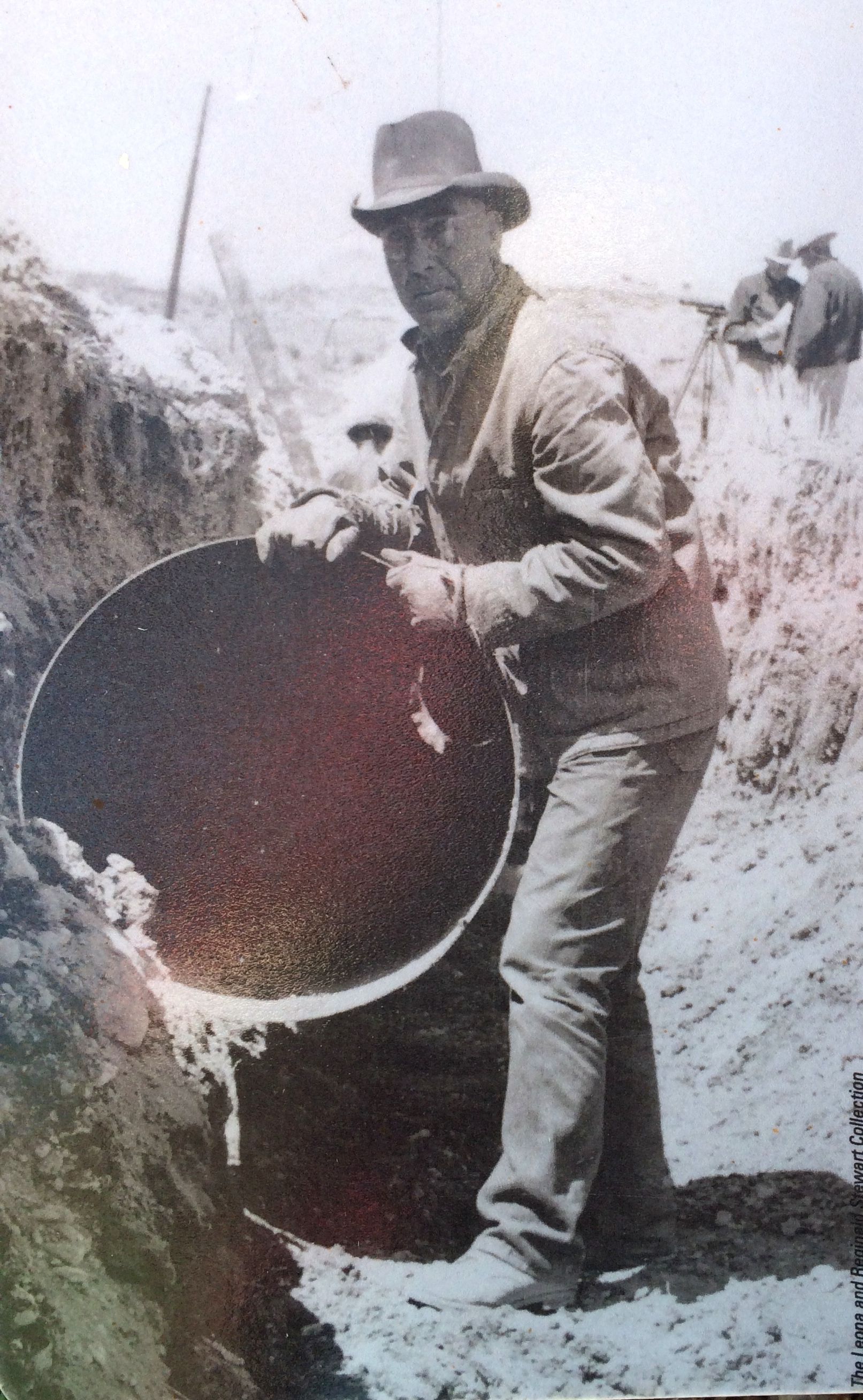
Reginald Stewart working on the ditch

Here we see Reginald Stewart, working on the ditch that brought the water down Mossy Cave canyon.

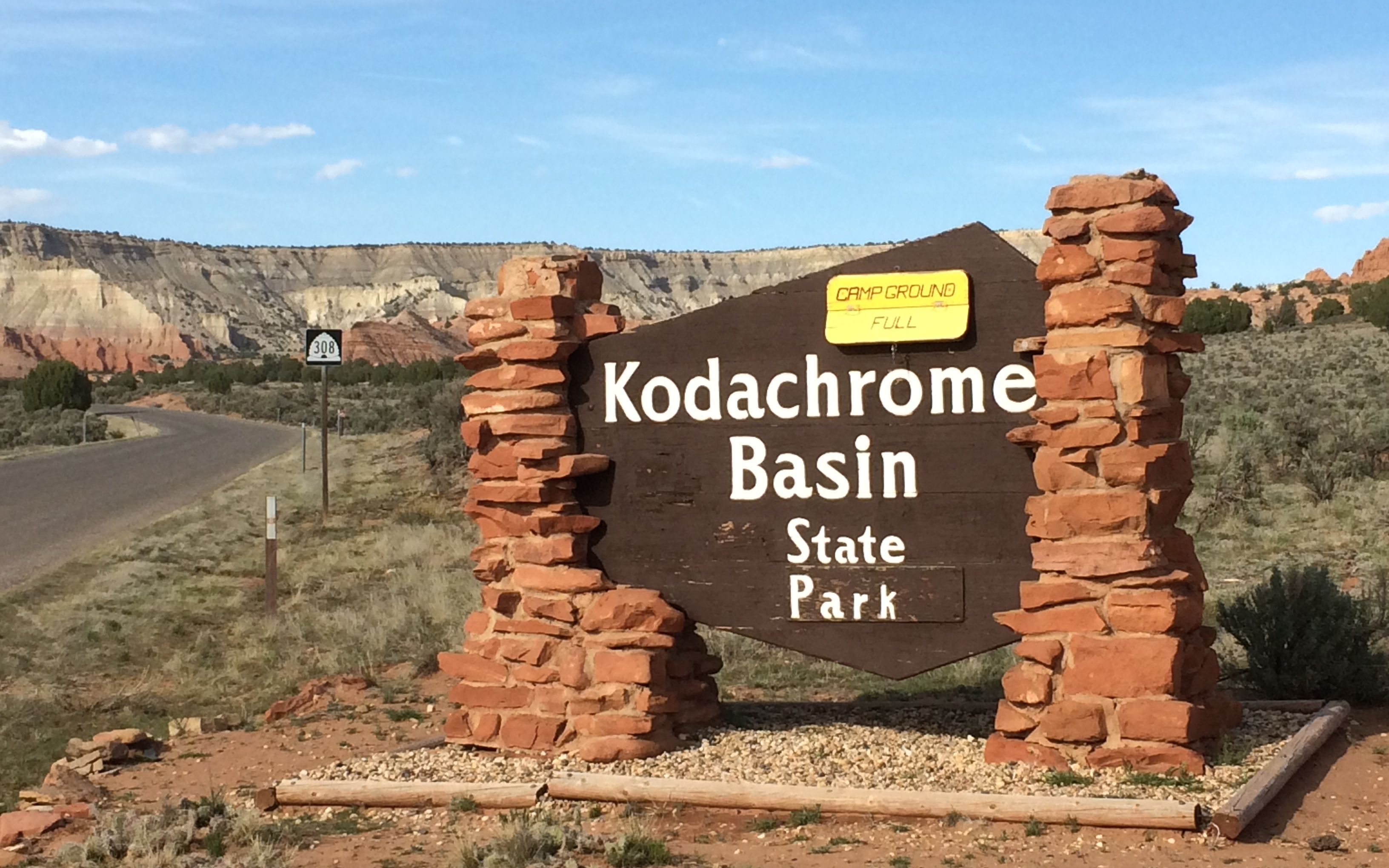
After looking around a bit, I decided to follow the road a little further to Kodachrome Basin State Park. I was intrigued by the name. Was it named after the film I had to find out!

Kodachrome Basin sign

I was tantalized by what I could see from the entrance, but I couldn’t bring myself to spent the $8 admission fee. I chatted with the ranger and he invited me to park and look at the displays they had inside the ranger station.

And, I found out that it Kodachrome Basin was named for the film! Originally, it was called Thorley’s Pasture.

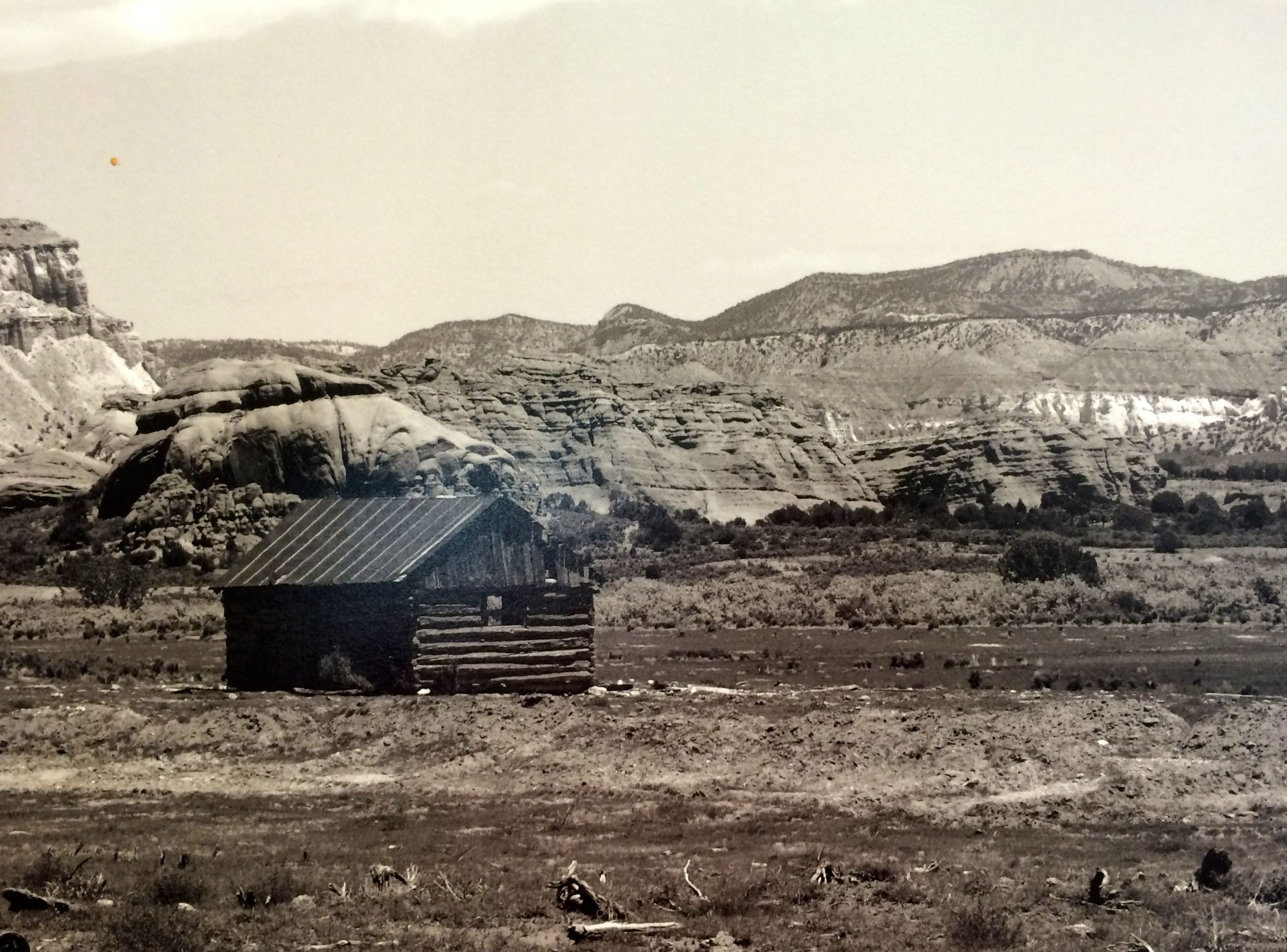
Thorley's Pasture

The area is filled with sixty-seven sand pipes that range from six to 170 feet tall. One theory is that the area was once filled with hot springs and geysers, which filled up with sediment ant solidified. Over time, the sandstone surrounding the solidified geysers eroded and left the sand pipes behind.

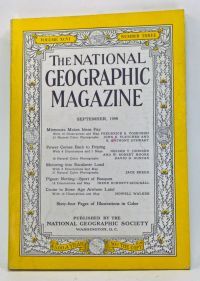
Around the turn of the 20th century, cattlemen from the nearby used the area as a winter pasture. In 1948, the National Geographic Society explored and photographed the area for a story that appeared in the September 1949 issue of the National Geographic.

National Geographic

They were writing a story called “Motoring into Escalante Land”. They named this area Kodachrome Flat, after the relatively new brand of Kodak film they used. In 1962, Utah designated the area as a state park, and changed the name to Chimney Rock State Park, to avoid possible repercussions from Kodak for using their trademarked name. It was renamed Kodachrome Basin a few years later, with Kodak’s permission.

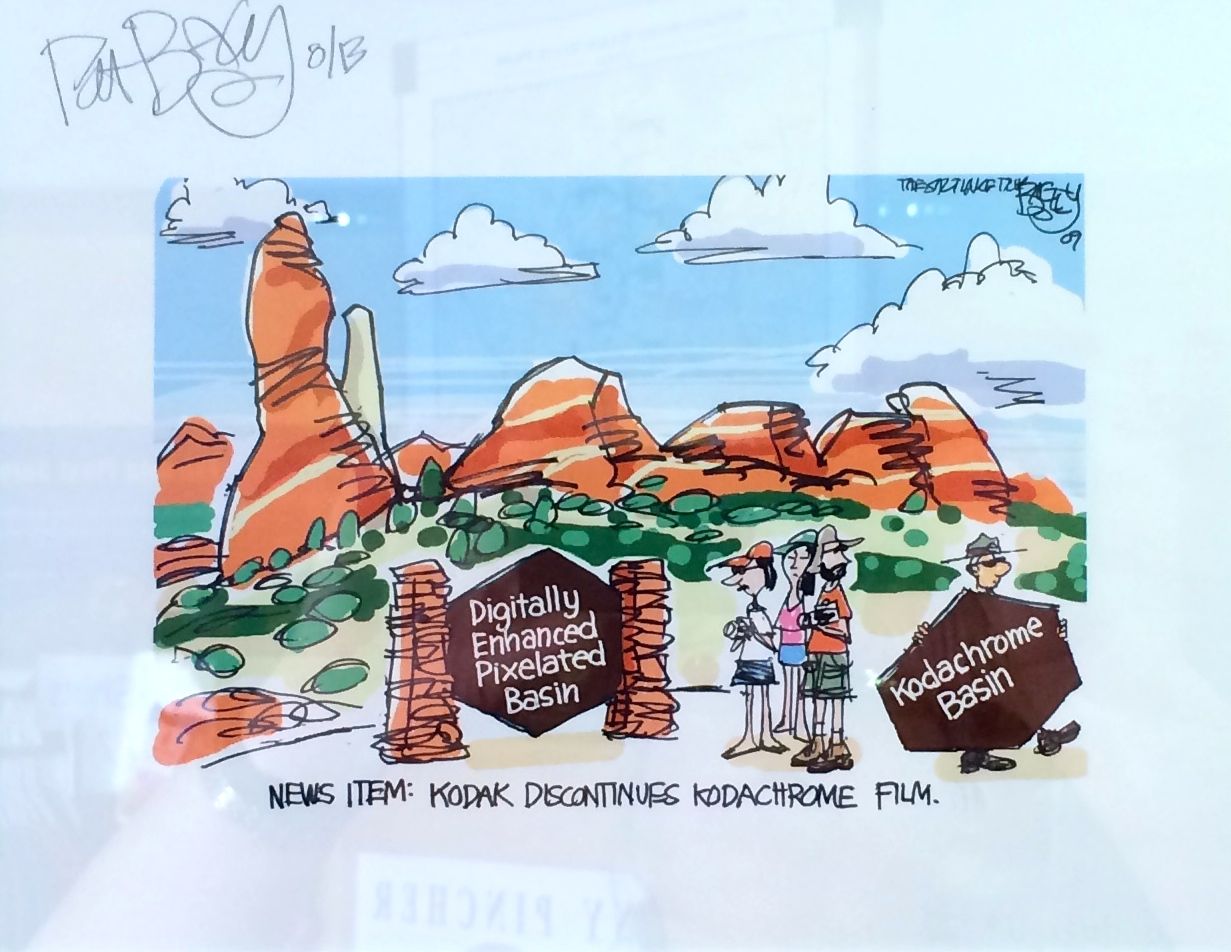
Kodachrome Basin cartoon

Ah, but time marches on! This cartoon was displayed in the ranger station. No more Kodachrome film, but Kodachrome Basin State Park remains.

In retrospect, maybe I should have sprung for the $8 admission to the park, but I found out the Grosvenor Arch wasn’t too far and the road was in good condition. I decided to head that way and see it.

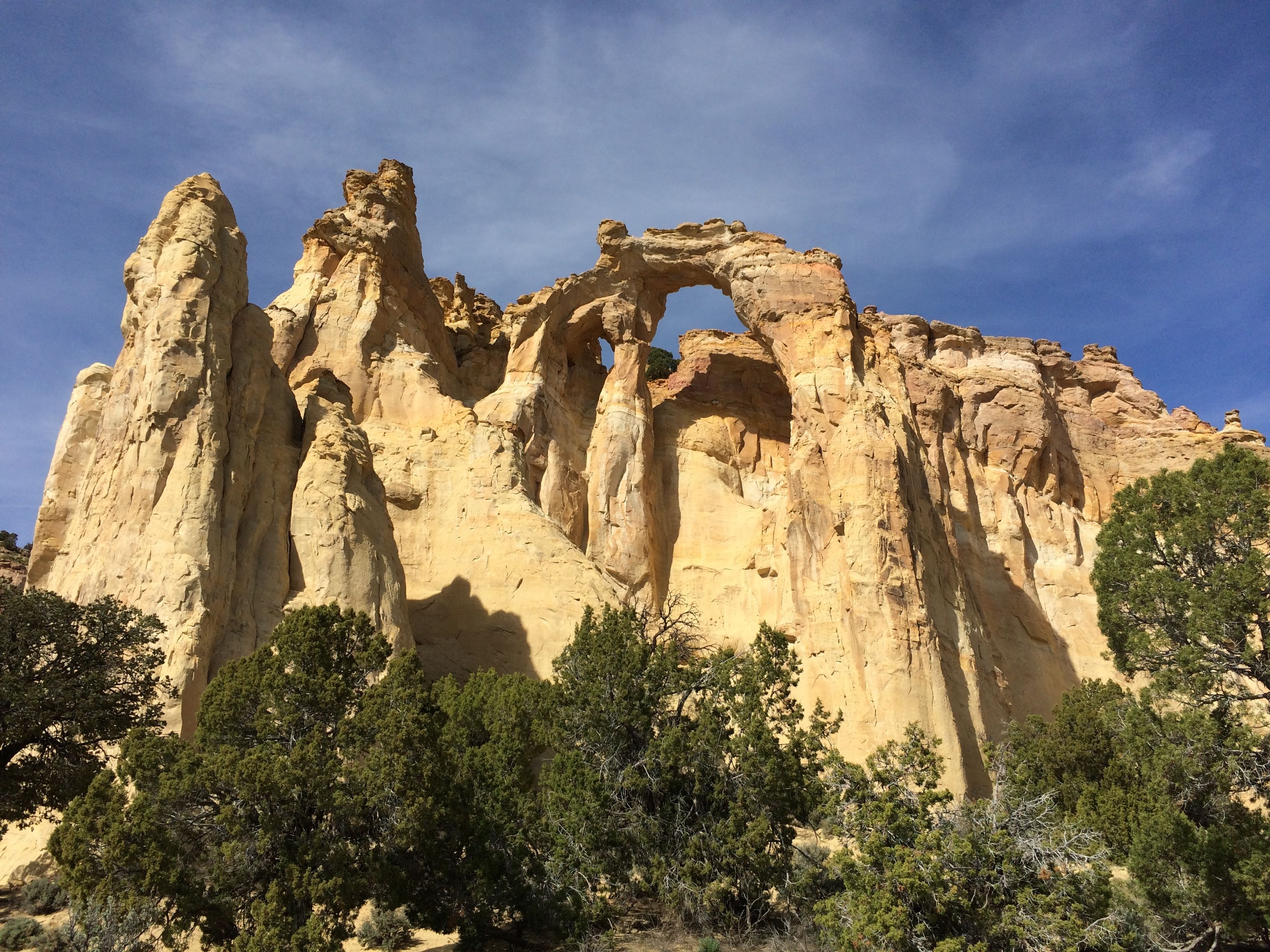
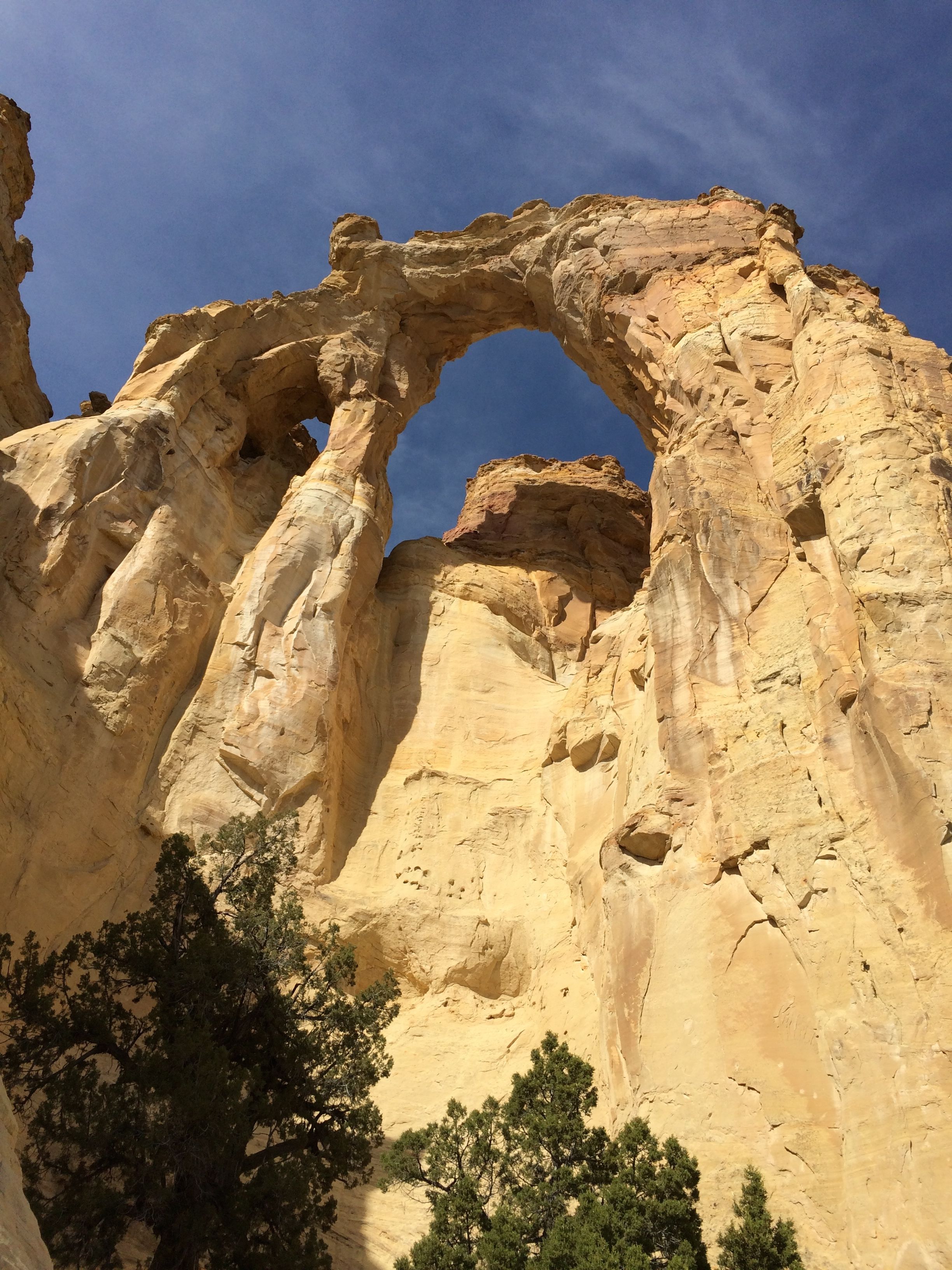
Grosvenor Arch was named for Gilbert Grosvenor, a president of the National Geographic Society. It is about ten miles down the road from Kodachrome Basin State Park in the Grand Staircase-Escalante National Monument.

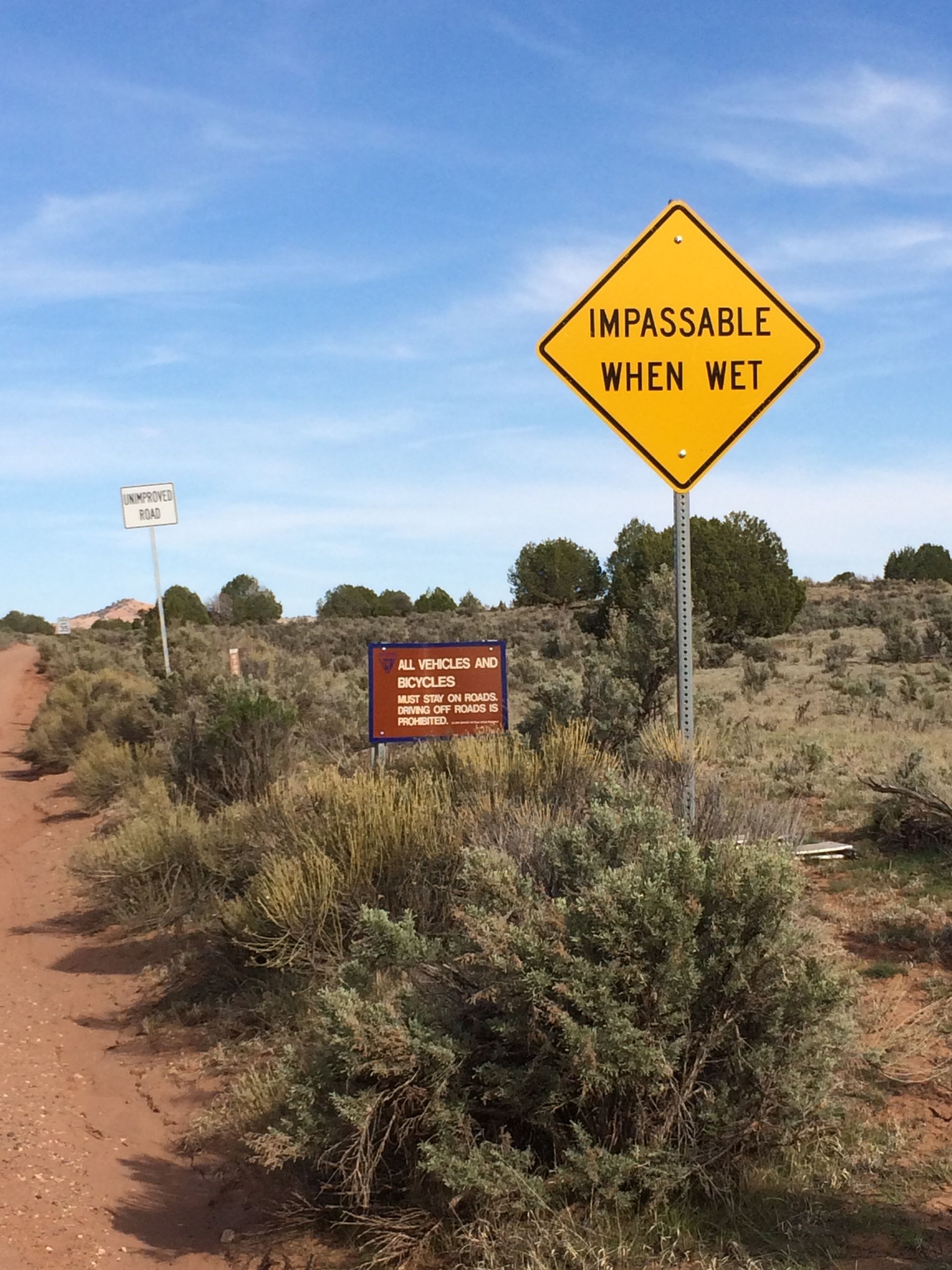
warning signs

Luckily, the roads were dry. But – my-oh-my! – the roads were not smooth! However, they were passable. After a fashion.
roadbed to the arch sand

There were sandy spots…

Unimproved road sign

and washboard roads that jarred my teeth. I was so glad to have a steering wheel to hold on to and I learned to clench my teeth so that they didn’t rattle. I went up over ridges and down through washes. It was quite a ride!

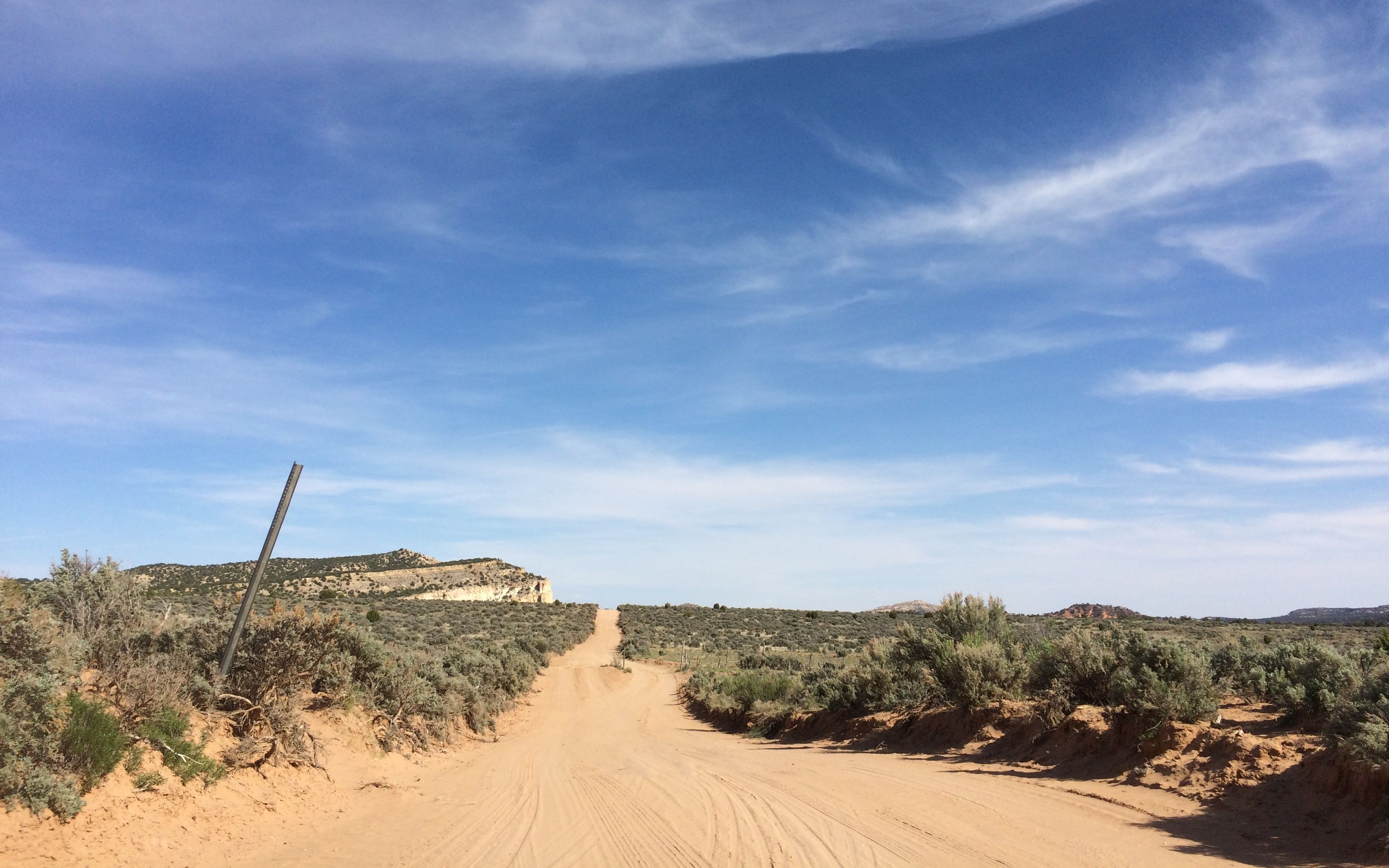
Road to the arch

There were incredible views along the way!

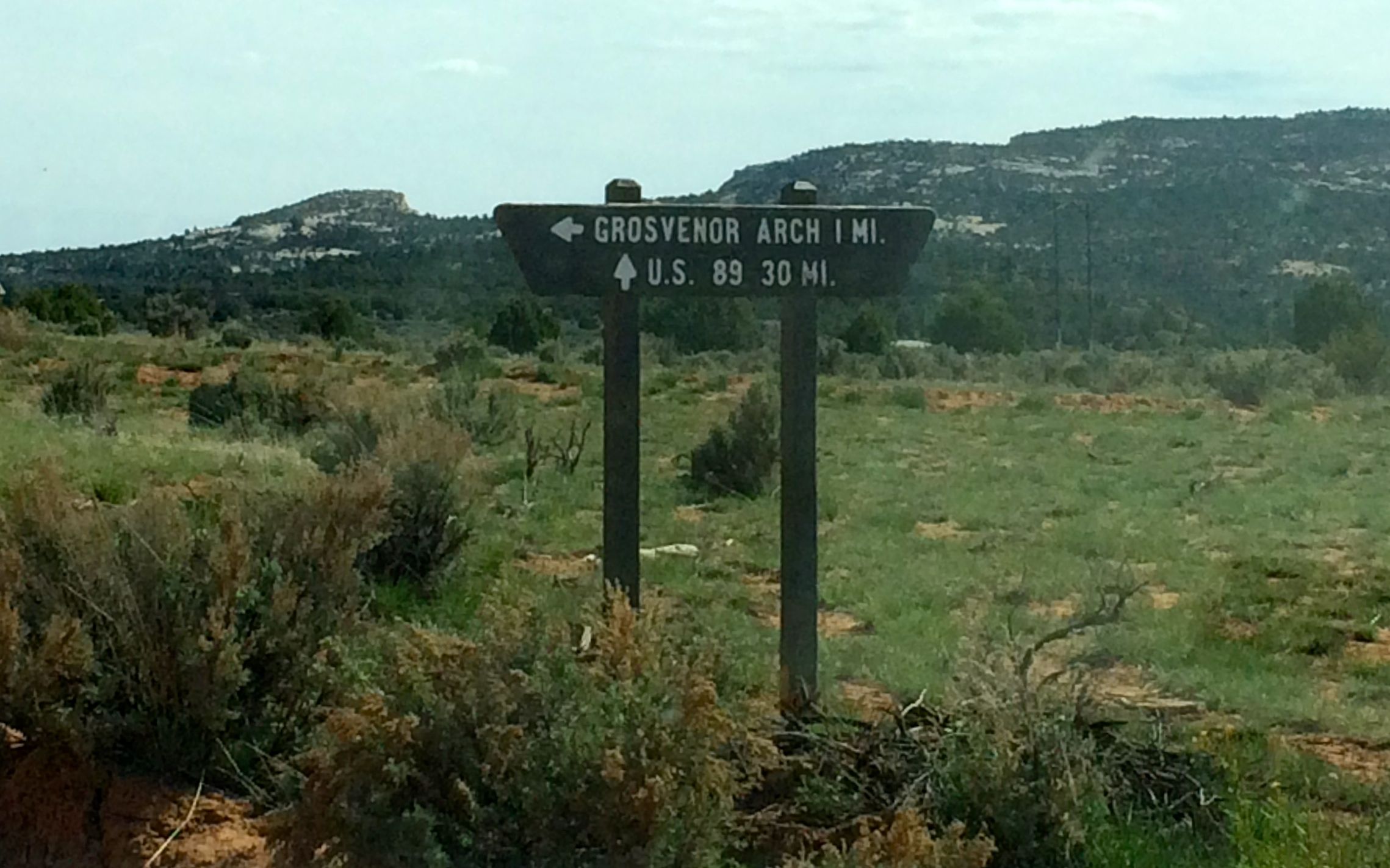
Direction to Grosvener Arch and Rte 89

I finally came to a fork in the road – so I took it. (Quote courtesy of Yogi Berra.)

Yogi Berra

I couldn’t imagine 30 more miles of this rutted, washboard, rocky road to get to US 89. But, one more mile – I could handle that.

Grosvner's arch

And I arrived!

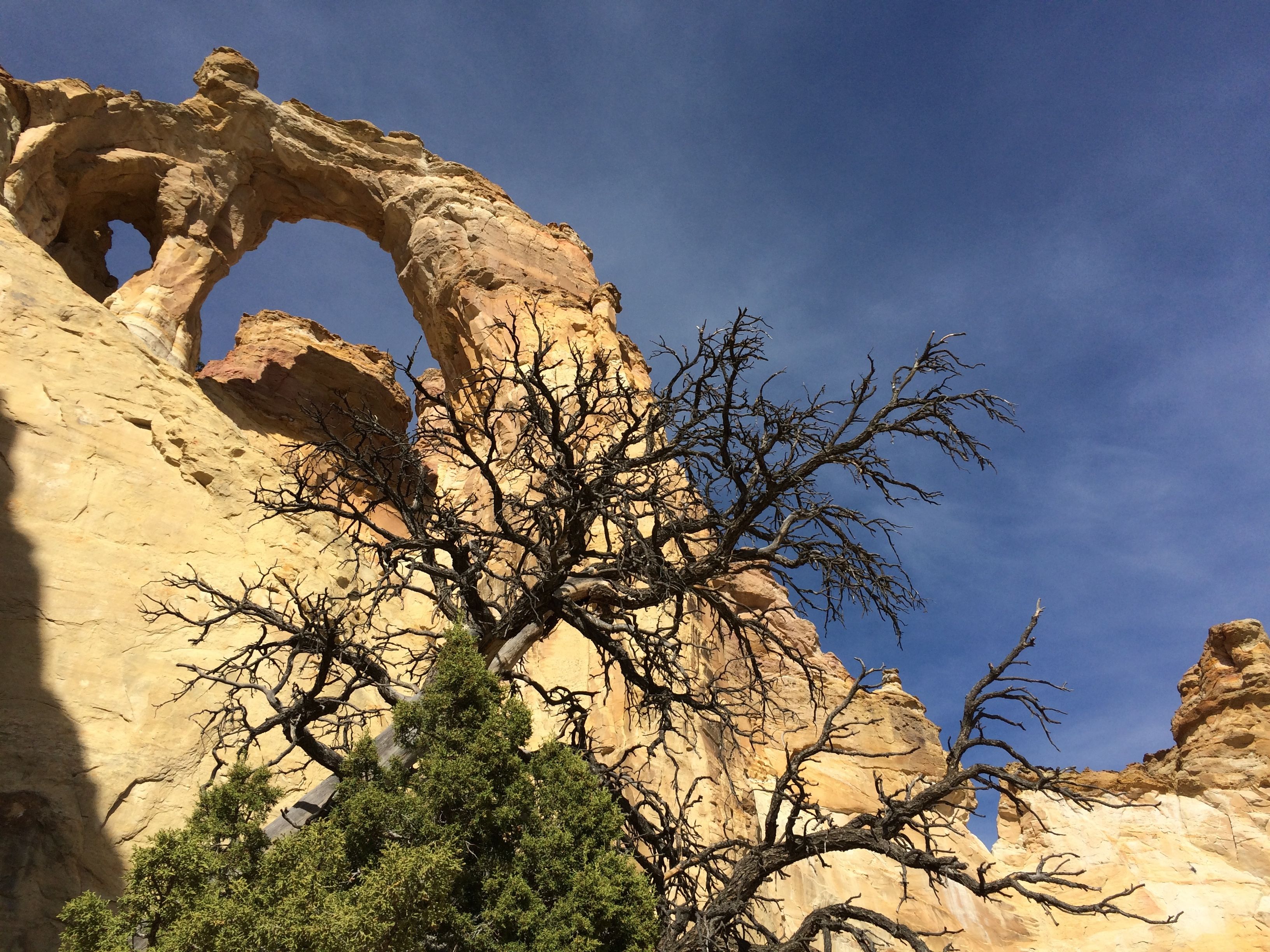
Grosvenor Arch is a unique double arch in sandstone.

Grosvnor's arch 2

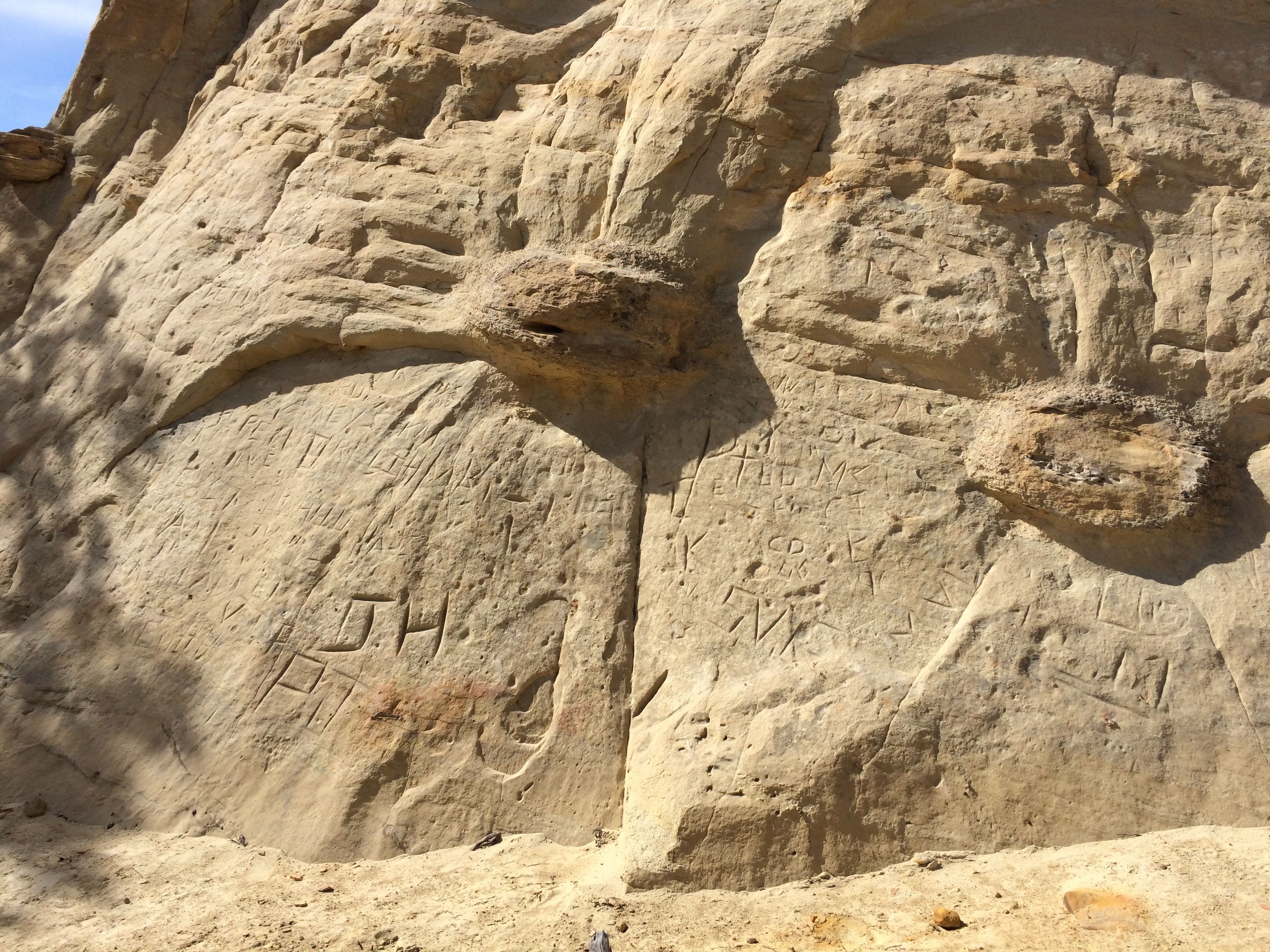
Of course, what would natural beauty be without graffiti?

Grosvner's arch grafitti

What is surprising to me is how soft the sandstone is. I got close to the rock and put my hand on it to brace myself when I walked past. My hand was covered with sand when I pulled it away. I wonder how much longer this arch will be standing? Wind, water, freezing temperatures and gravity will take their tolls. One of these days, It will be no more. I’m glad I got to see it.

Grosvner's ARch 3

I went back to my truck and got ready to leave. I noticed a sign a little further down the road and decided to walk over and check it out.

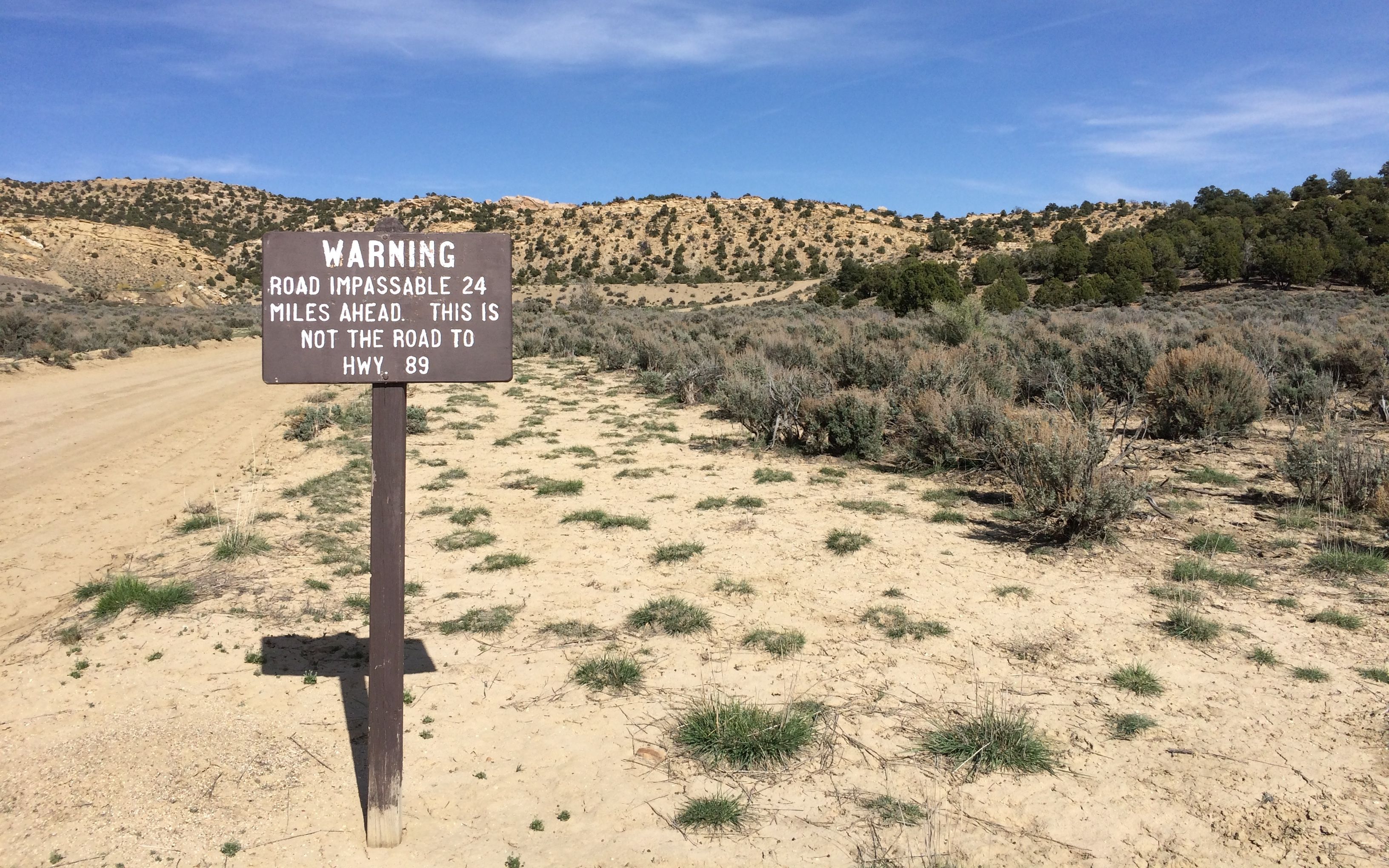
Not the road to hwy 89

Well, you can’t be any more explicit than that, can you? I have to admit, I was curious about what the impassible section looked like. I was not willing to drive the 24 miles to see it.

I bounced my way back to the paved road – another ten miles or so. I was never so glad to see asphalt!

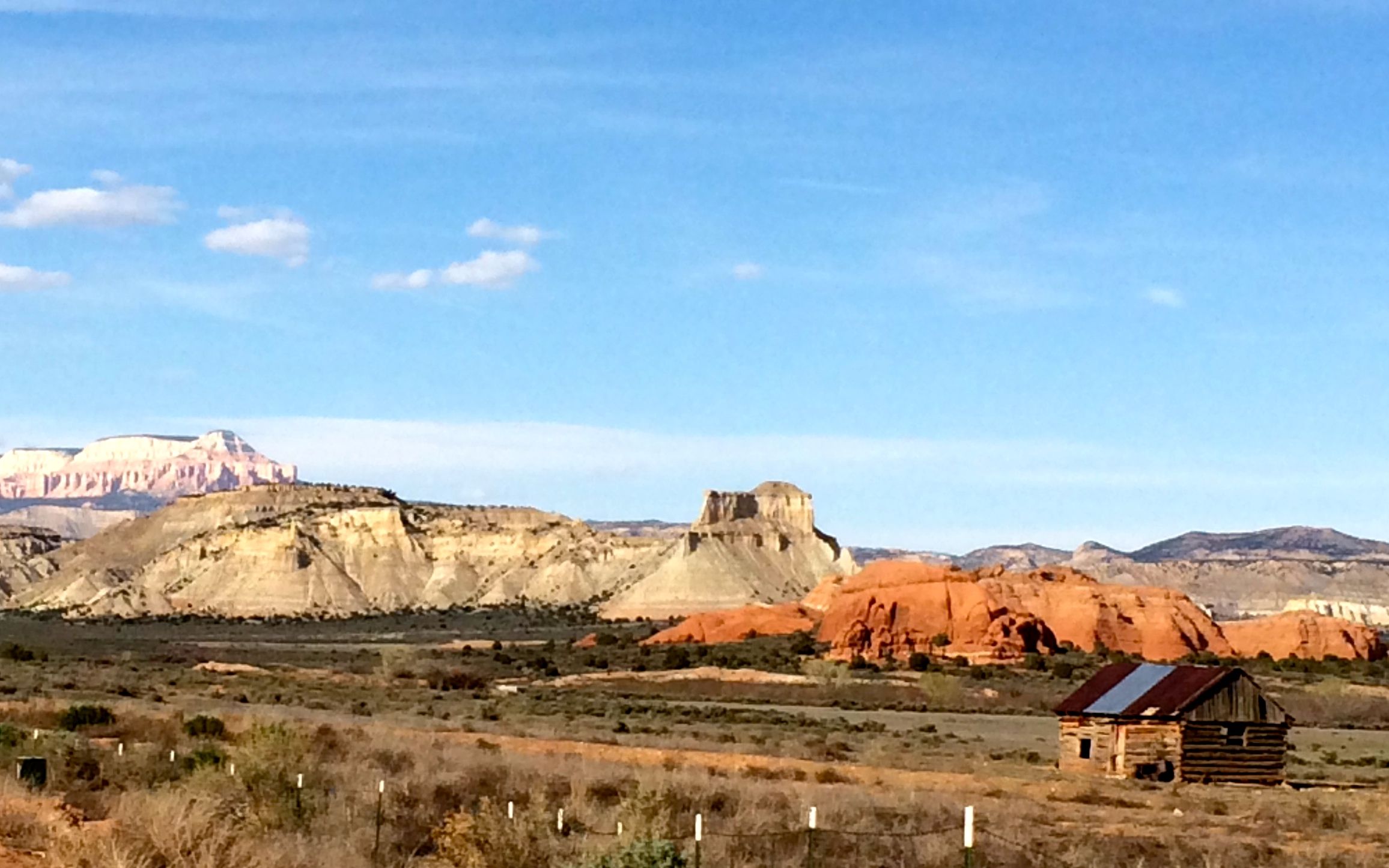
Old cabin in landscape

And the scenery was just as good on the way back!