My goal was Kansas City. I had to be there the next day for my orientation as a seed courier, but that still left plenty of time for drive-by tourism.
My first stop was Hannibal, Missouri. I mean, I had been on the road for a couple of hours. It was time for a break.
I got off the interstate and looked for a likely spot to park and then find a restroom. Wouldn’t you know it? I find an Airstream!
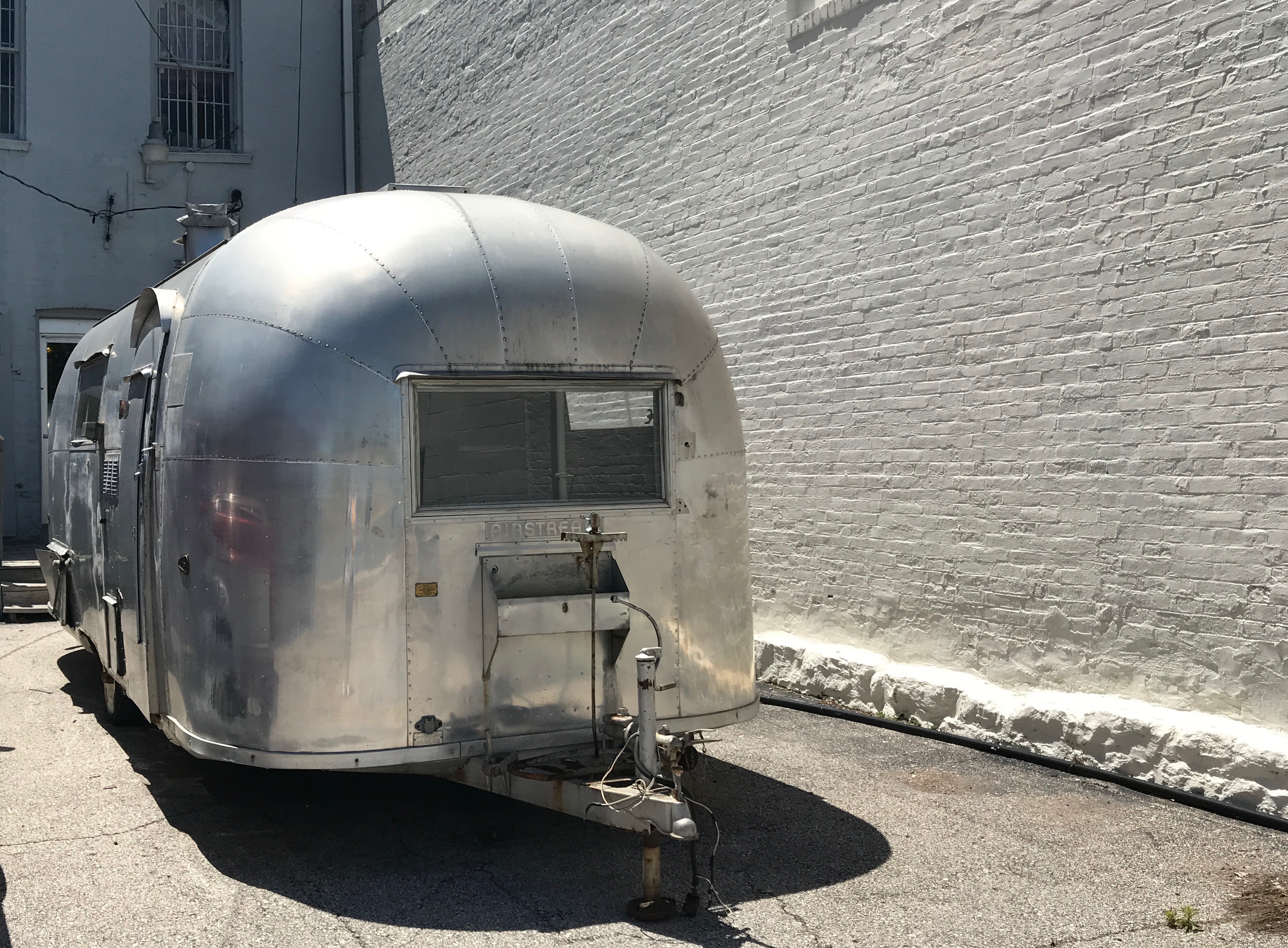
It’s tucked away behind some stores.
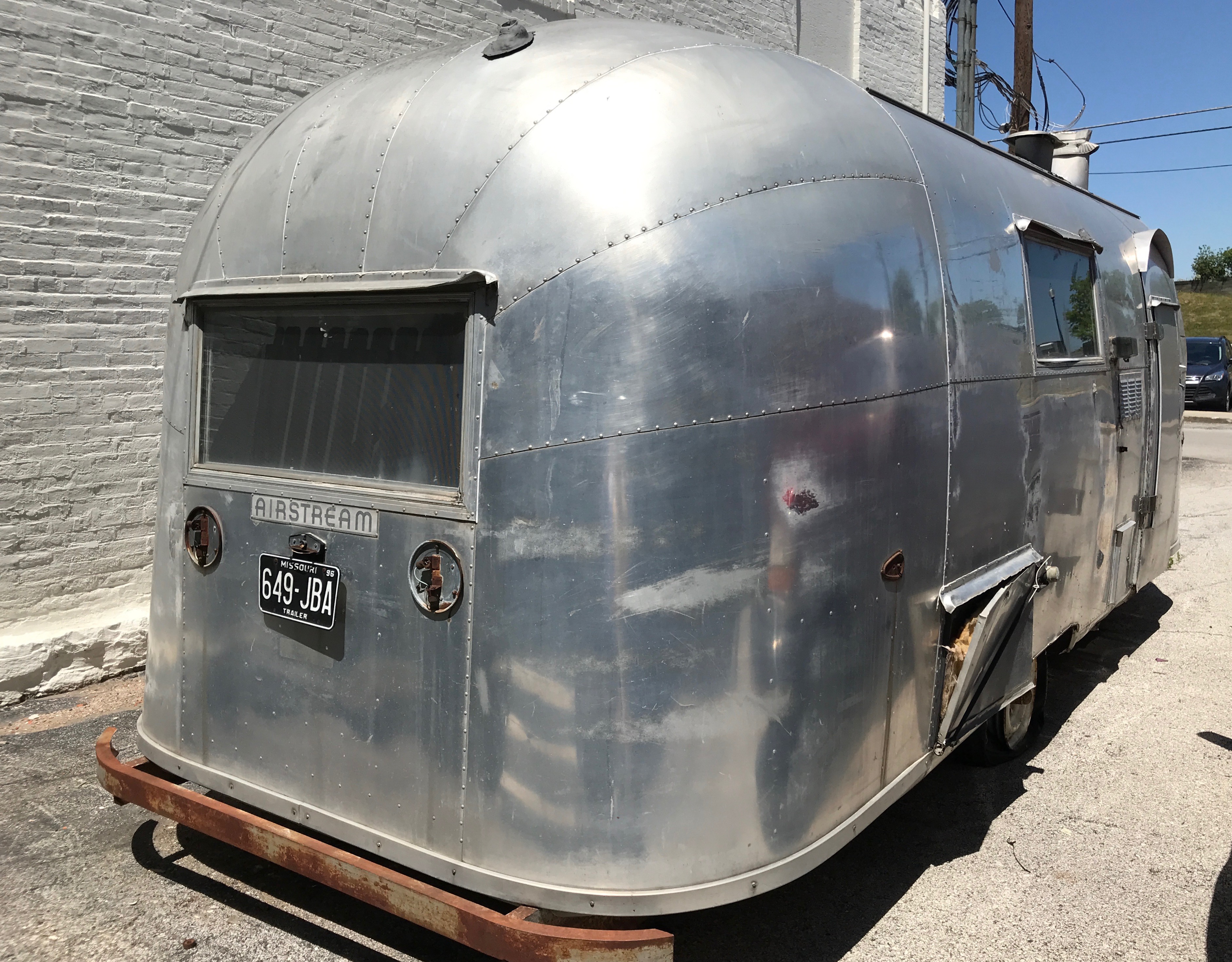
The old gal looks like she’s had many adventures behind her. She even has a plate on! However, the plate is from 1996, and there aren’t any brake lights.
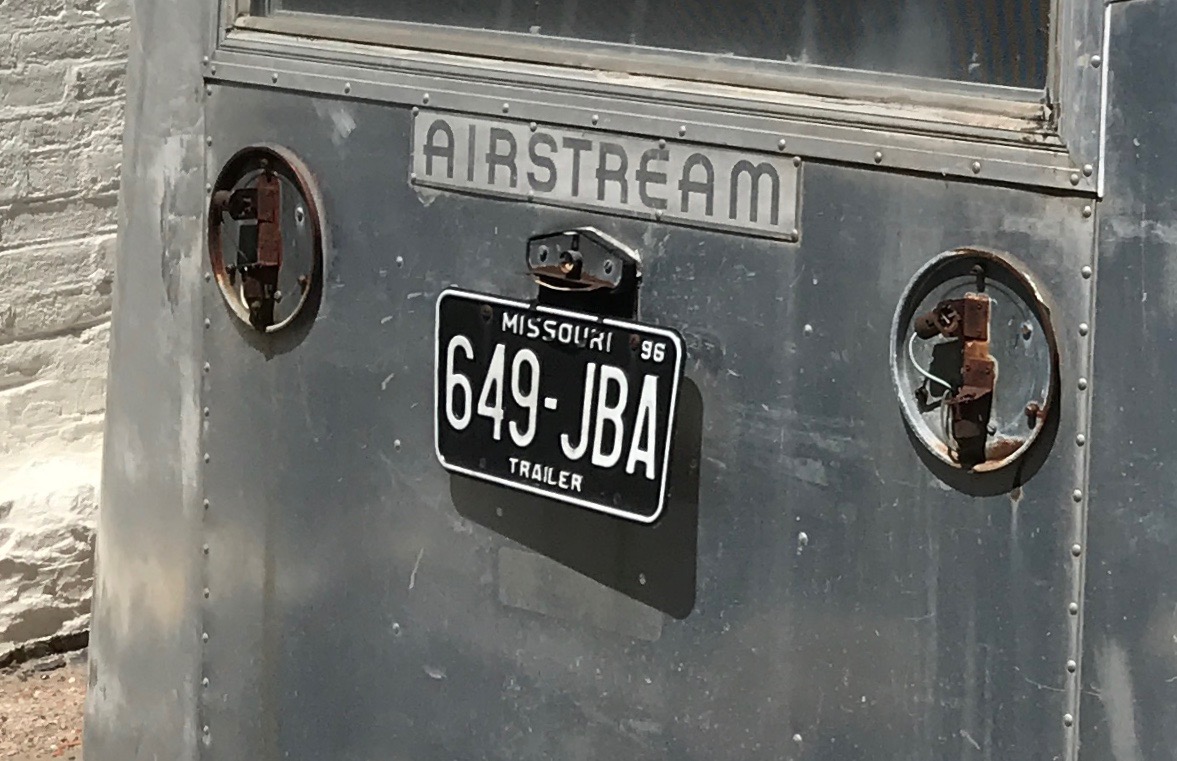
I suppose the lack of brake lights is fine, since I can’t imagine that she still has working brakes.
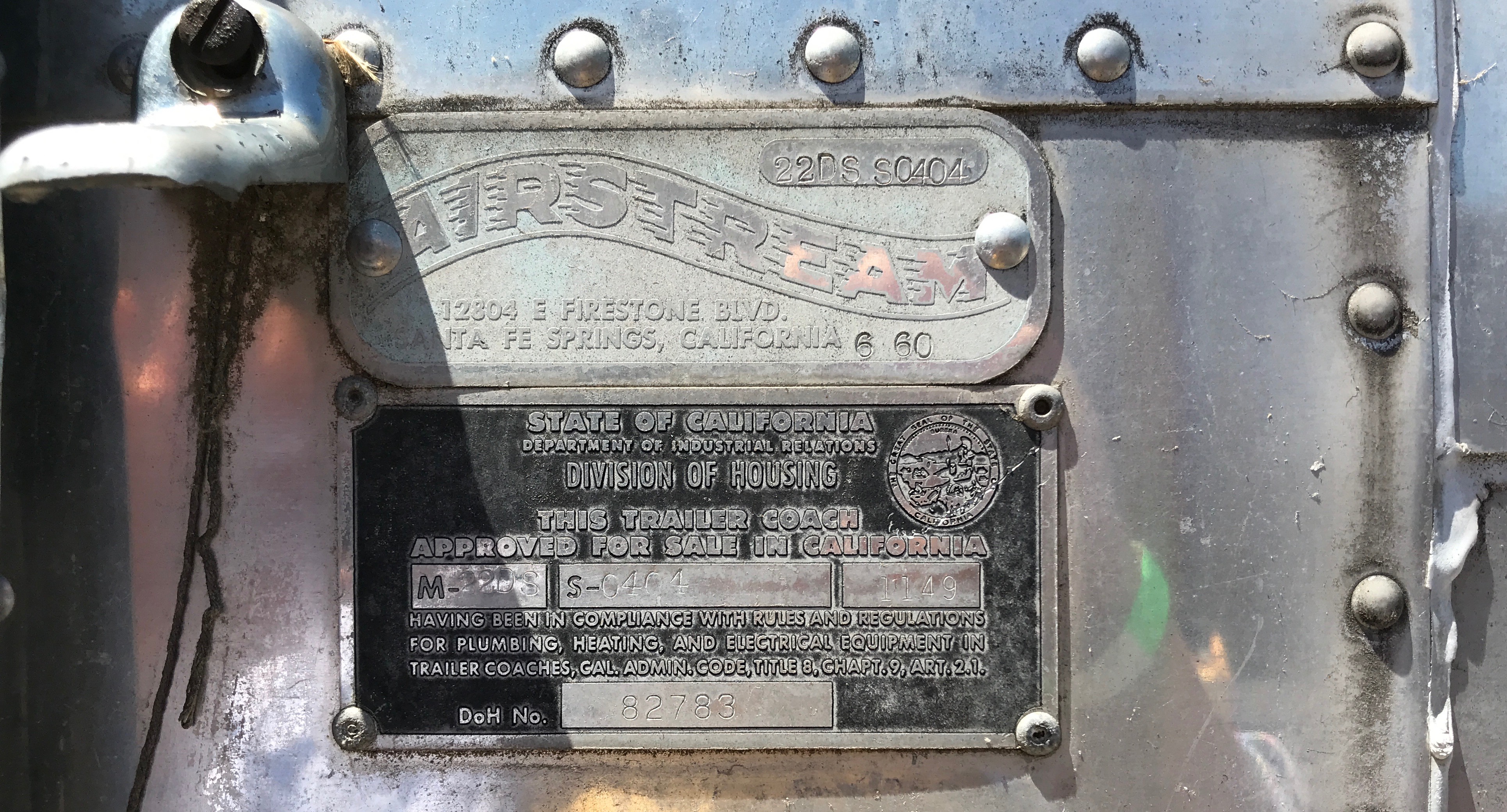
I’m including the identification tags, just in case you are into those sorts of things.
My goal, in my whirlwind visit to Hannibal, was to see what I would see of Samuel Langhorne Clemens’ childhood home.
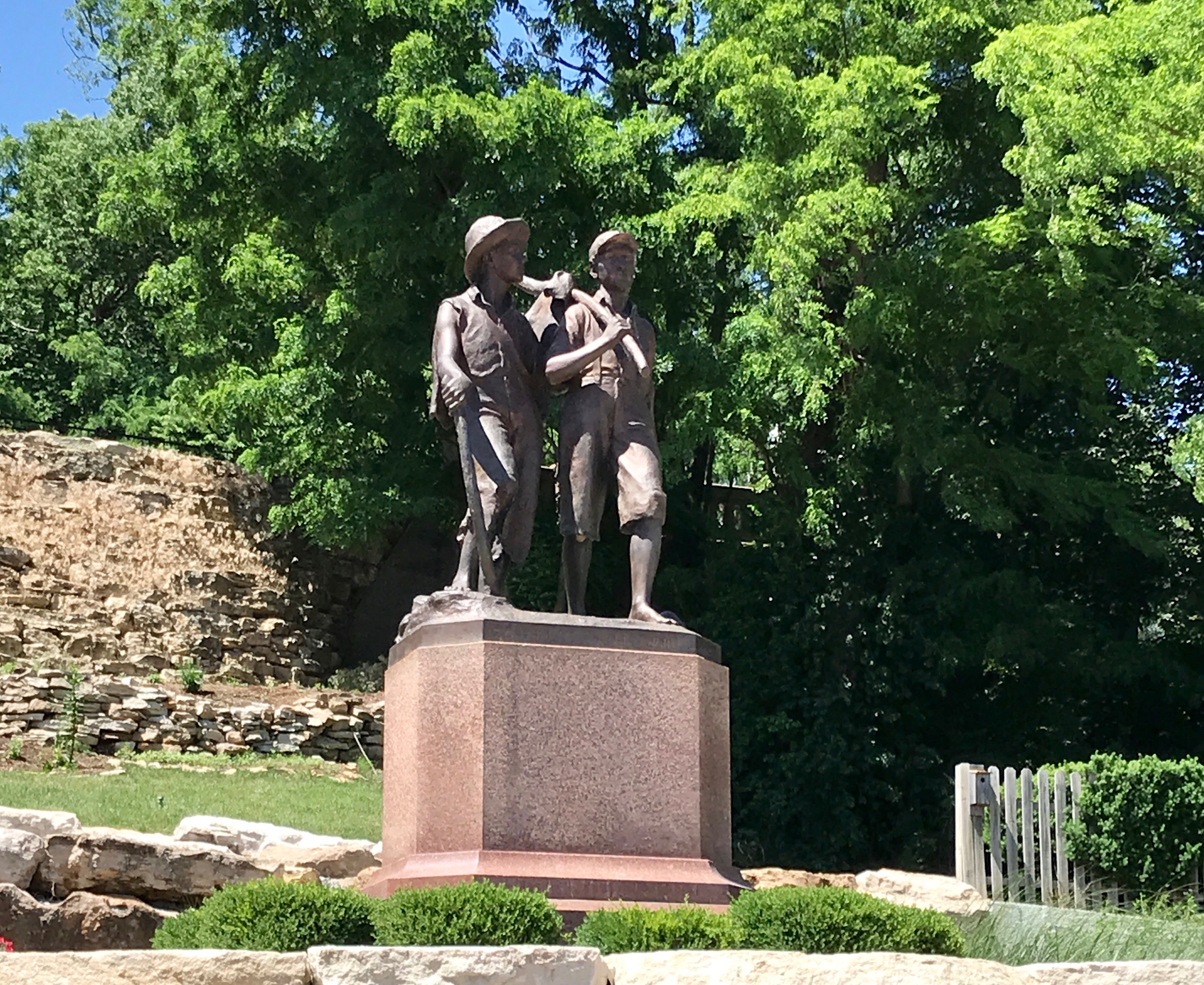
You know, Mark Twain – the writer who gave us Tom Sawyer and Huckleberry Finn.
Mark Twain lived in Hannibal from 1844 to 1853, from about the age of nine to age eighteen. He lived house he lived in is now a museum. Of course, I was moving far too quickly to invest in a museum ticket. Maybe I’ll put that on my “Next Time” list.
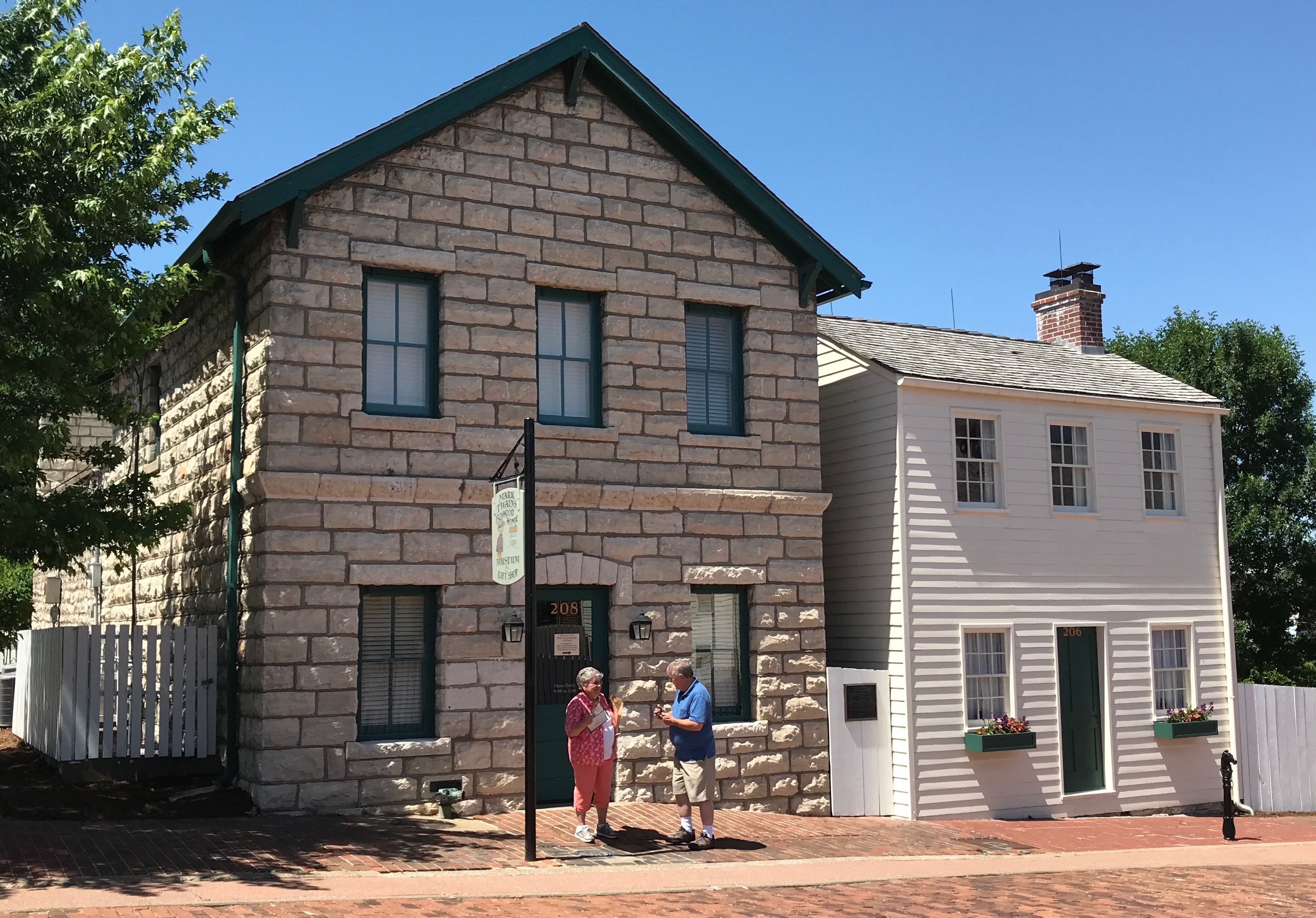
He lived in that little white house.
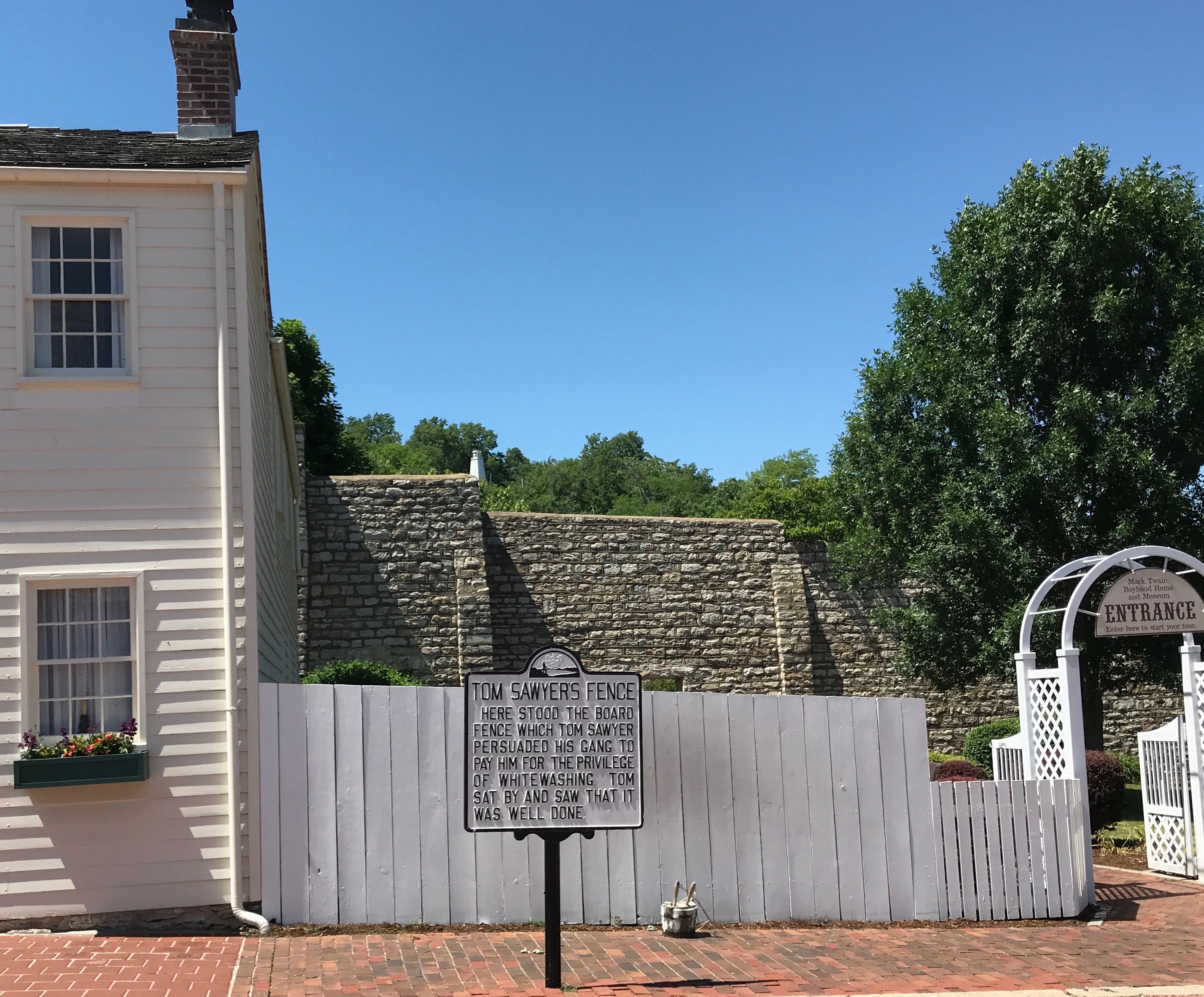
Right next to a recreation of Tom Sawyer’s fence.
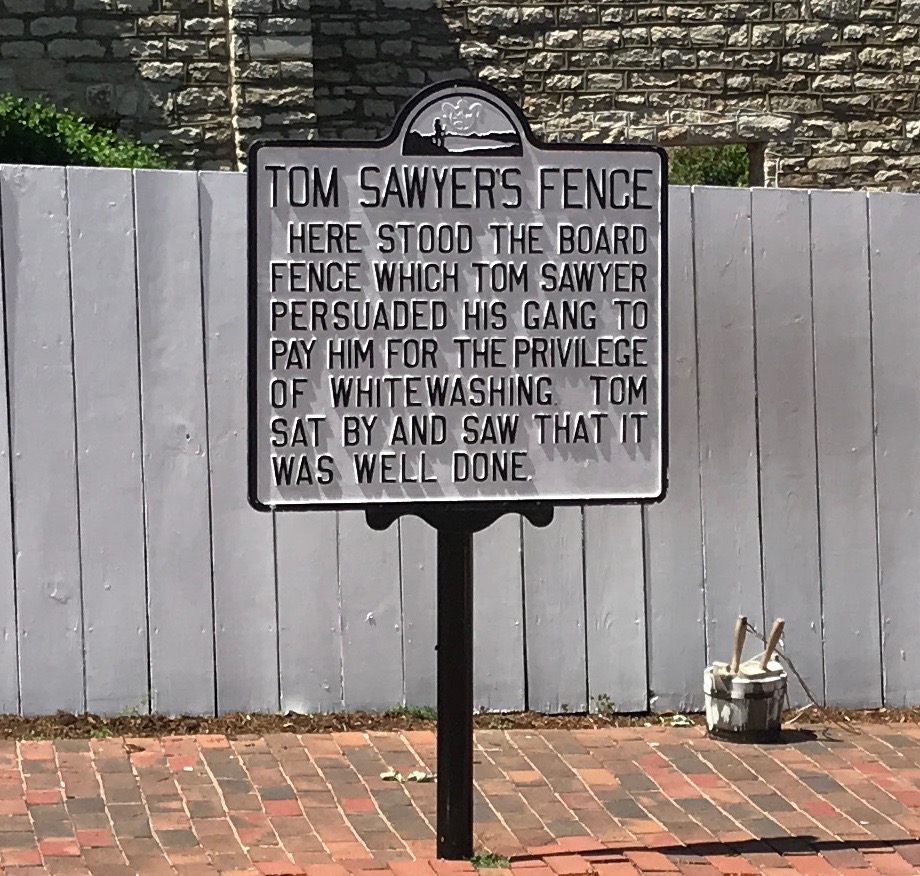
It is complete with a bucket of whitewash and some brushes.
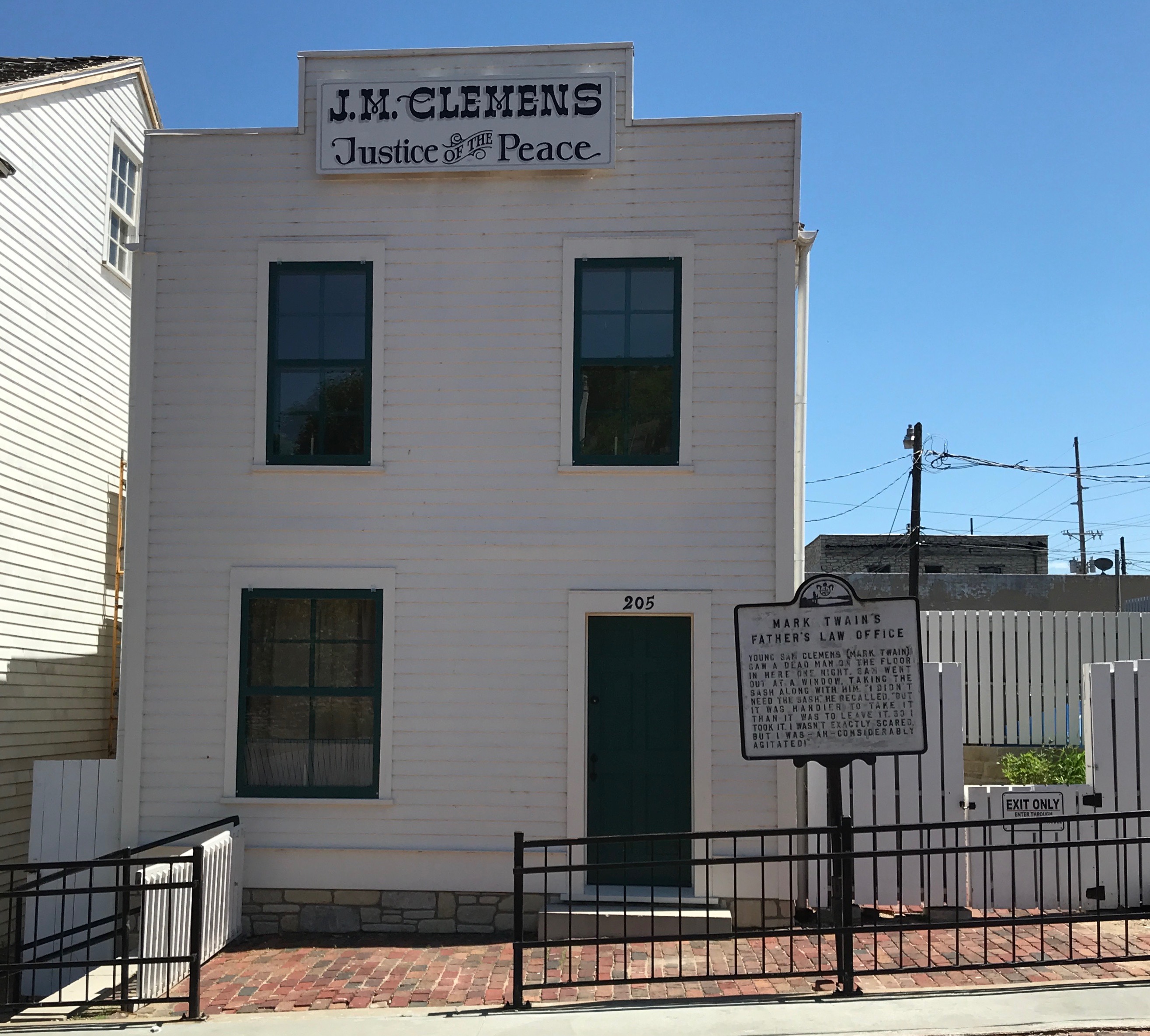
His father’s law office was right across the street from the house. According to the sign in front – in case you can’t make it out – here young Sam Clemens (Mark Twain) saw a dead man on the floor one night. Sam went out a window, taking the sash along with him. “I didn’t need the sash,” he recalled. “But it was handier to take it that it was to leave it, so I took it. I wasn’t exactly scared, but I was – ah -considerably agitated.”
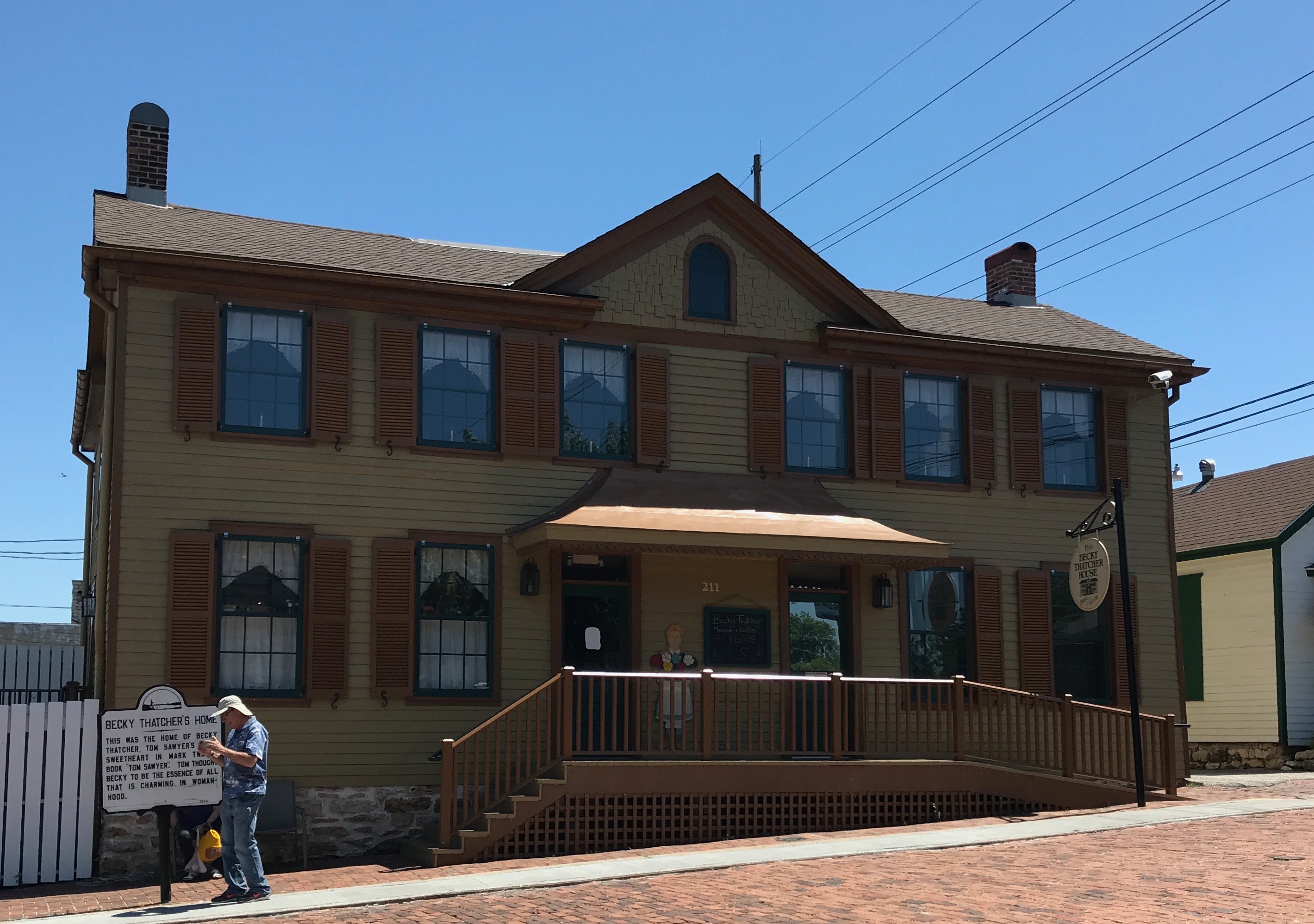
“Becky Thatcher’s” house is on Hill Street, too. Actually, it was the home of Mark Twain’s childhood sweetheart, Laura Hawkins.

Hill Street, where the Clemenses and Hawkinses lived, was paved with Missouri Block, made in Moberly, MO.
I decided that I should head down to the Mississippi River, a couple blocks away, to check it out.
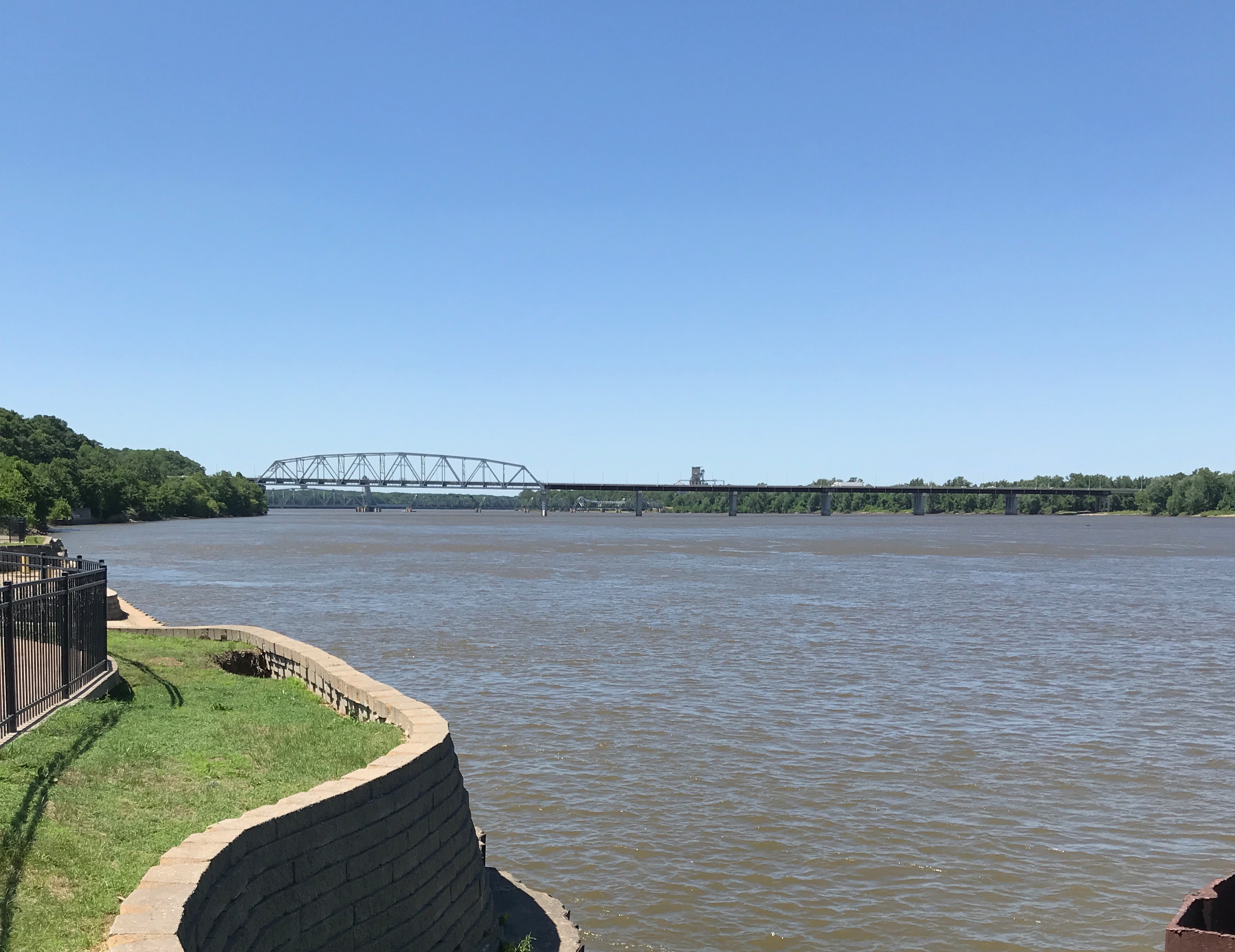
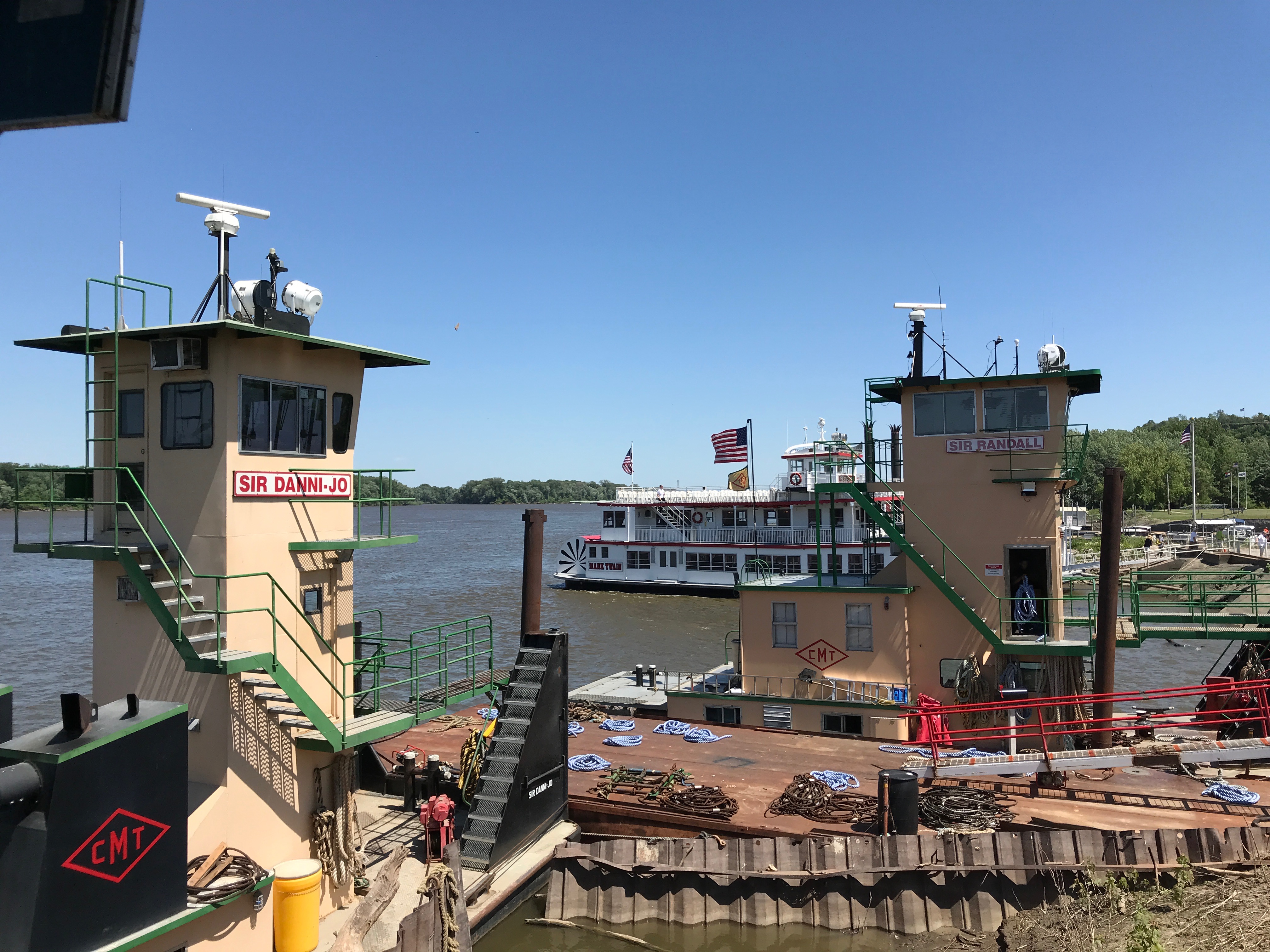
I didn’t see any barge traffic, but there was a stern wheeler there, and I imagine they had some tourist excursions scheduled. What a beautiful day to be out enjoying the river!
I came across a sundial.
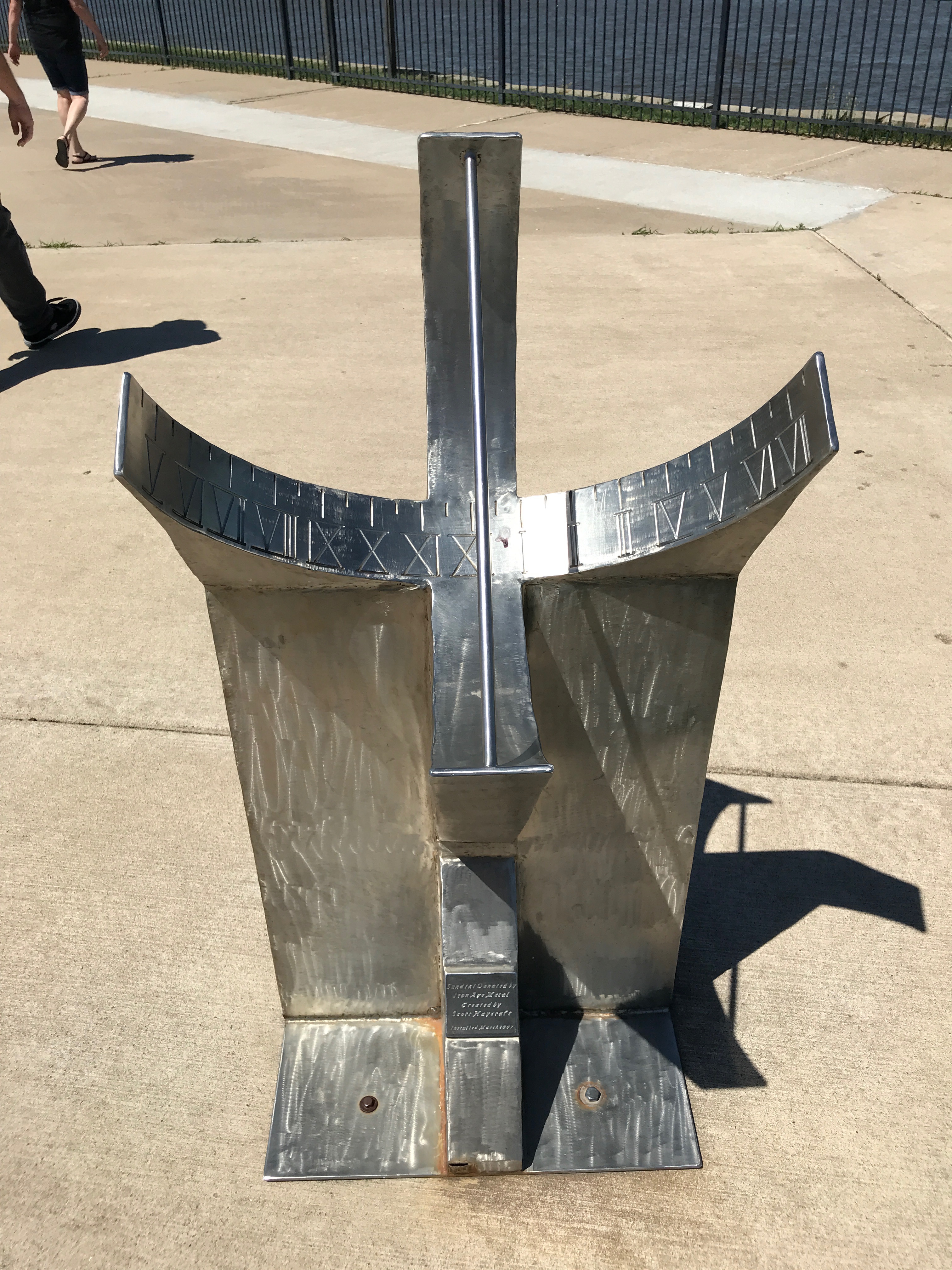
Incidentally, this is the easiest-to-read sundial I have ever seen! For one thing, it’s in a spot that isn’t shaded by trees.
Seeing the sundial reminded me that I did need to be on my way. Bladder empty and tank full, I pulled back on the interstate.
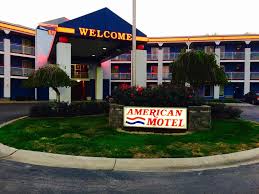
My next goal was Kansas City and the American Motel. If I had known ahead of time, that they were paying for my expenses in getting to the job, I might have chosen an establishment that was a little more…upscale. But, it was only for one night and it would do.
I dropped my overnight bag and went out to see what I could see. HISTORY Here sent me to Clark’s Point, overlooking the Missouri River.
Fun Fact: The Missouri River is the longest river in the United States, according to the United States Geological Survey. It starts flowing in the Rockies in Western Montana and empties into the Mississippi 2,341 miles later. The Mississippi is a close second, at 2,202 miles. It starts in Lake Itasca in Minnesota and empties into the Gulf of Mexico.
After that comes the Yukon River at 1,979 miles and the Rio Grande at 1,759 miles.
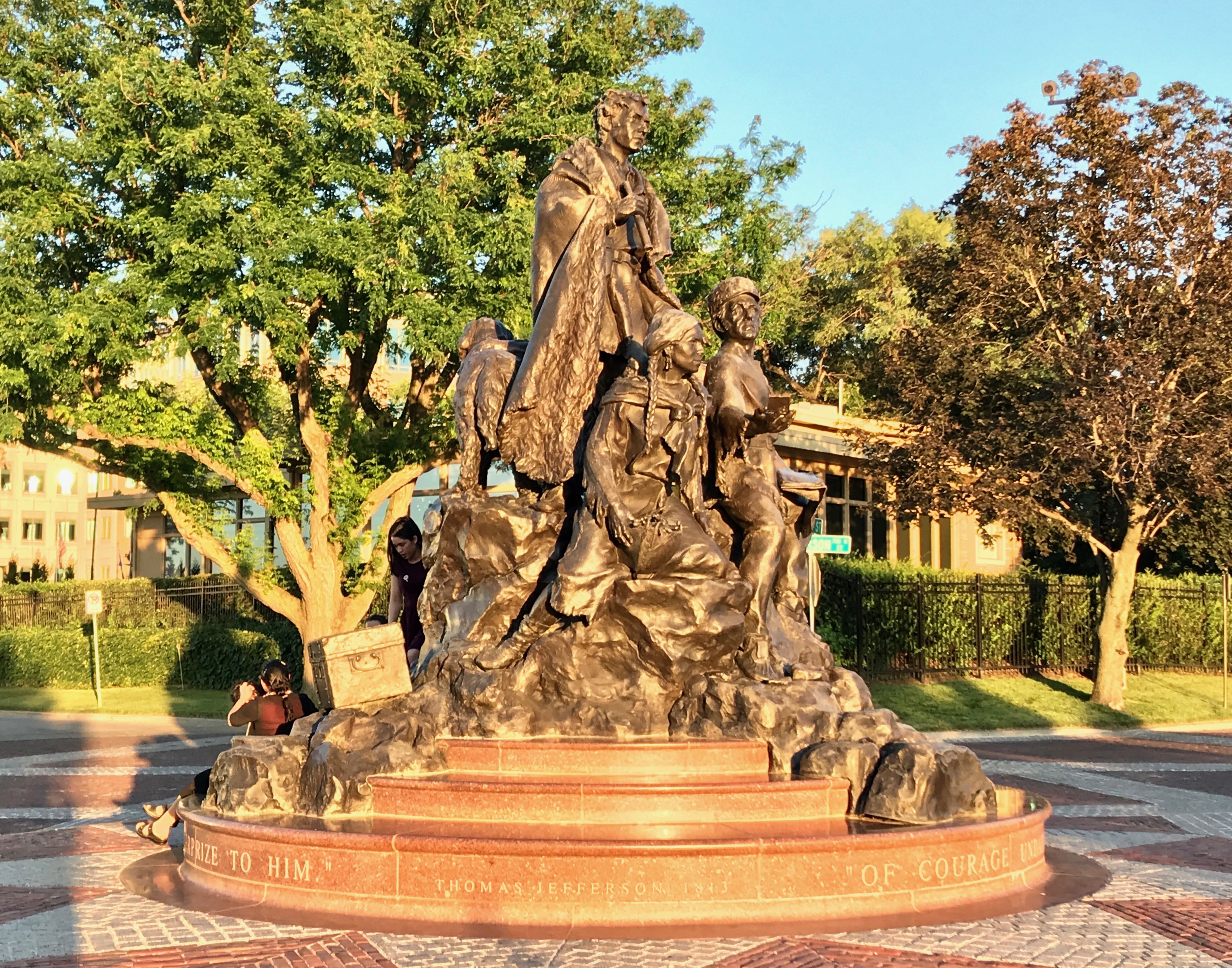
Near this site, the Lewis and Clark expedition stopped to camp in 1804. At that time, this was a good vantage point for the merging of the Osage and Missouri Rivers. Another source I saw said that they stopped there in 1806. Maybe they stopped on the way out and the way back.
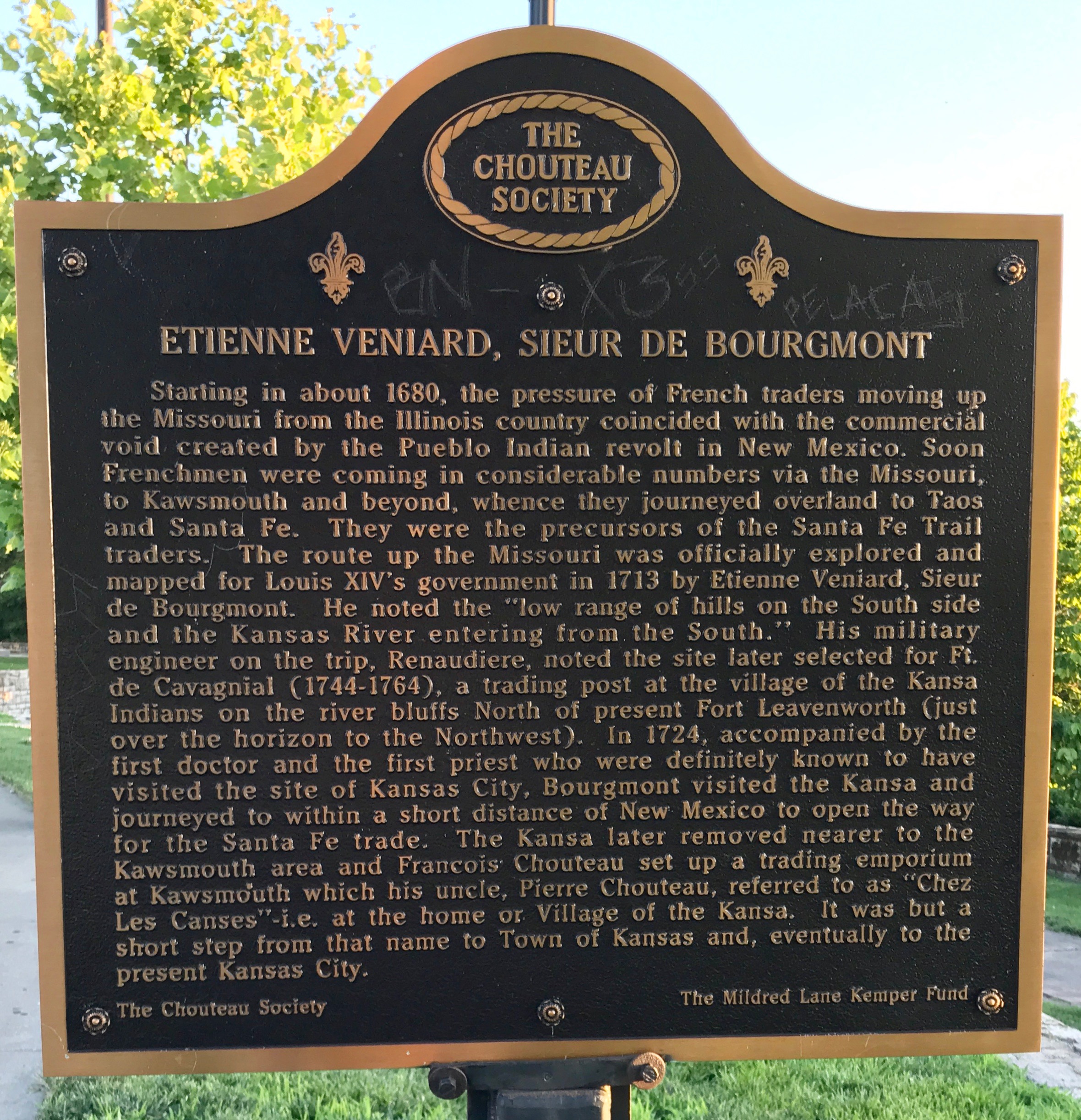
Apparently, Lewis and Clark were not the only visitors to the river. Étienne de Veniard, Sieur de Bourgmont came through, too.
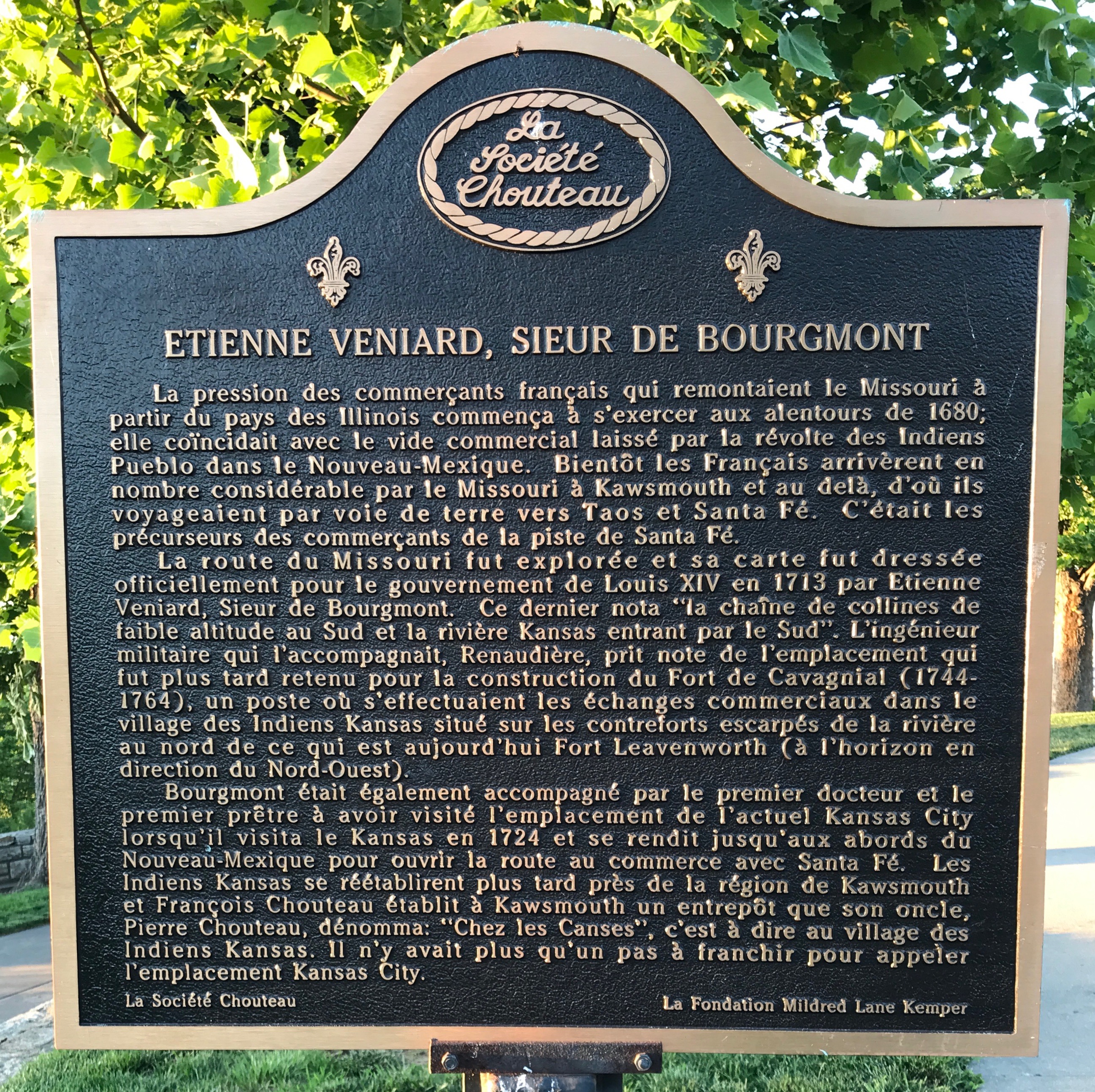
And since he was French, the sign was in English with a French translation on the other side.
It was an arduous journey, to say the least. The men of the Corps of Discovery had to tow the keelboat and the two pirogues that made up the flotilla against the river’s powerful current. If that wasn’t bad enough, they had to cut trees down along the way to be able to tow the boats. AND it was a hot day!
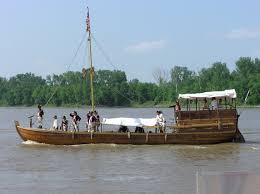
Just in case, you are curious, this is a replica of Lewis and Clark’s 55 foot keelboat.
To clear up any confusion, these are pirogies…

and these are pirogues.
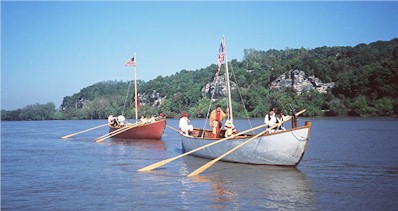
It was a hard bit of travel, but they got to rest for two days. At this point, they had been on the river for a month and a half and they were about 367 miles from the mouth of the Missouri.
While they were camped at this spot, then crew got to gather paw paws, otherwise know as custard apples.

I know you just want to sing the song now…Pickin’ up paw paws, put ’em in your pocket…
According to the signage at the park, Clark recorded seeing “an immense flock of Carolina parakeets.”

This was the first documented sighting of the birds. Unfortunately, they are now extinct.
It was getting close to sunset. I strolled around the park, to see what I could see.
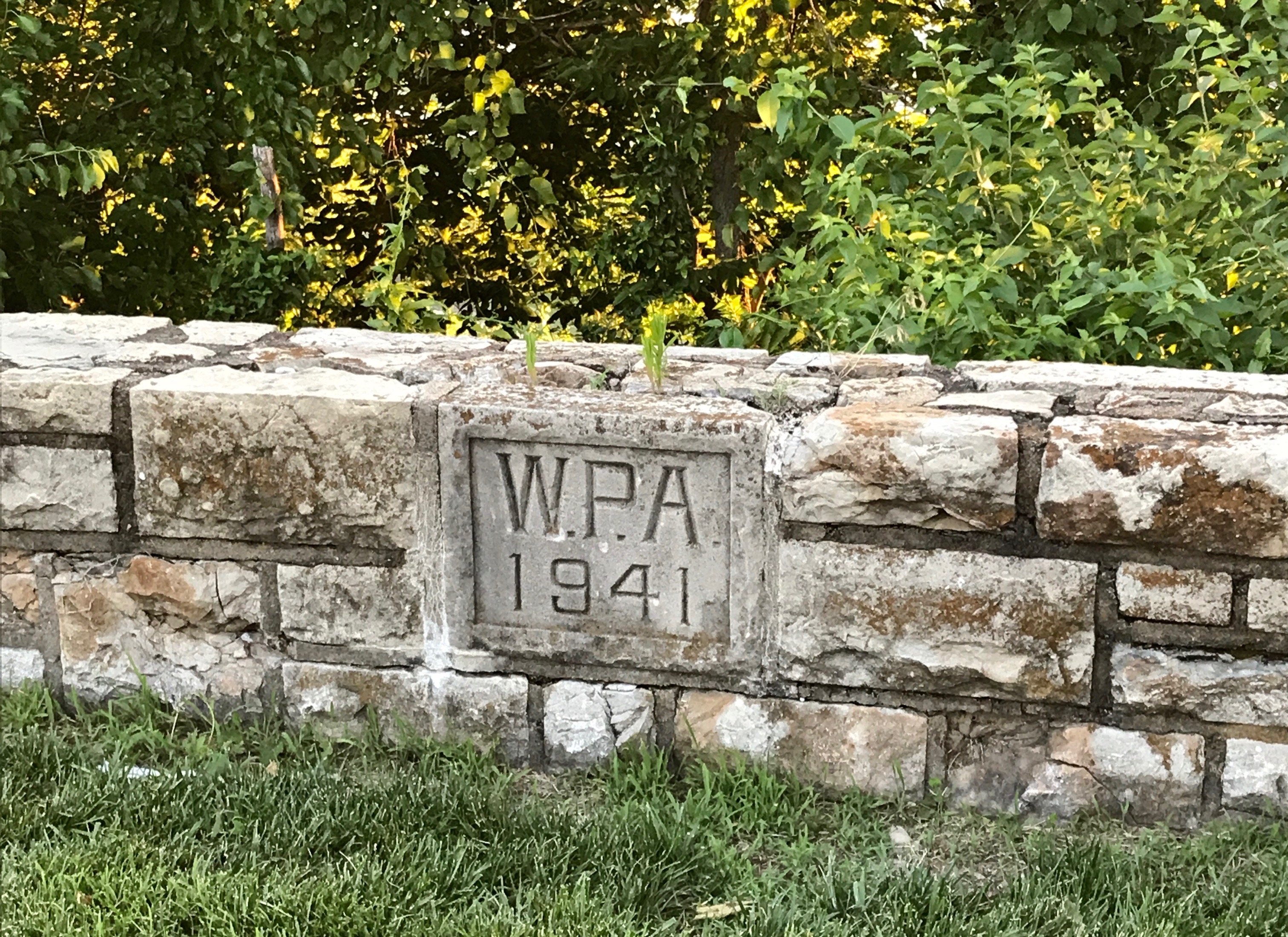
Gee…spending our country’s wealth on building infrastructure that is still in use more than 65 years later, and providing the dignity of work to the citizens. What a novel idea!

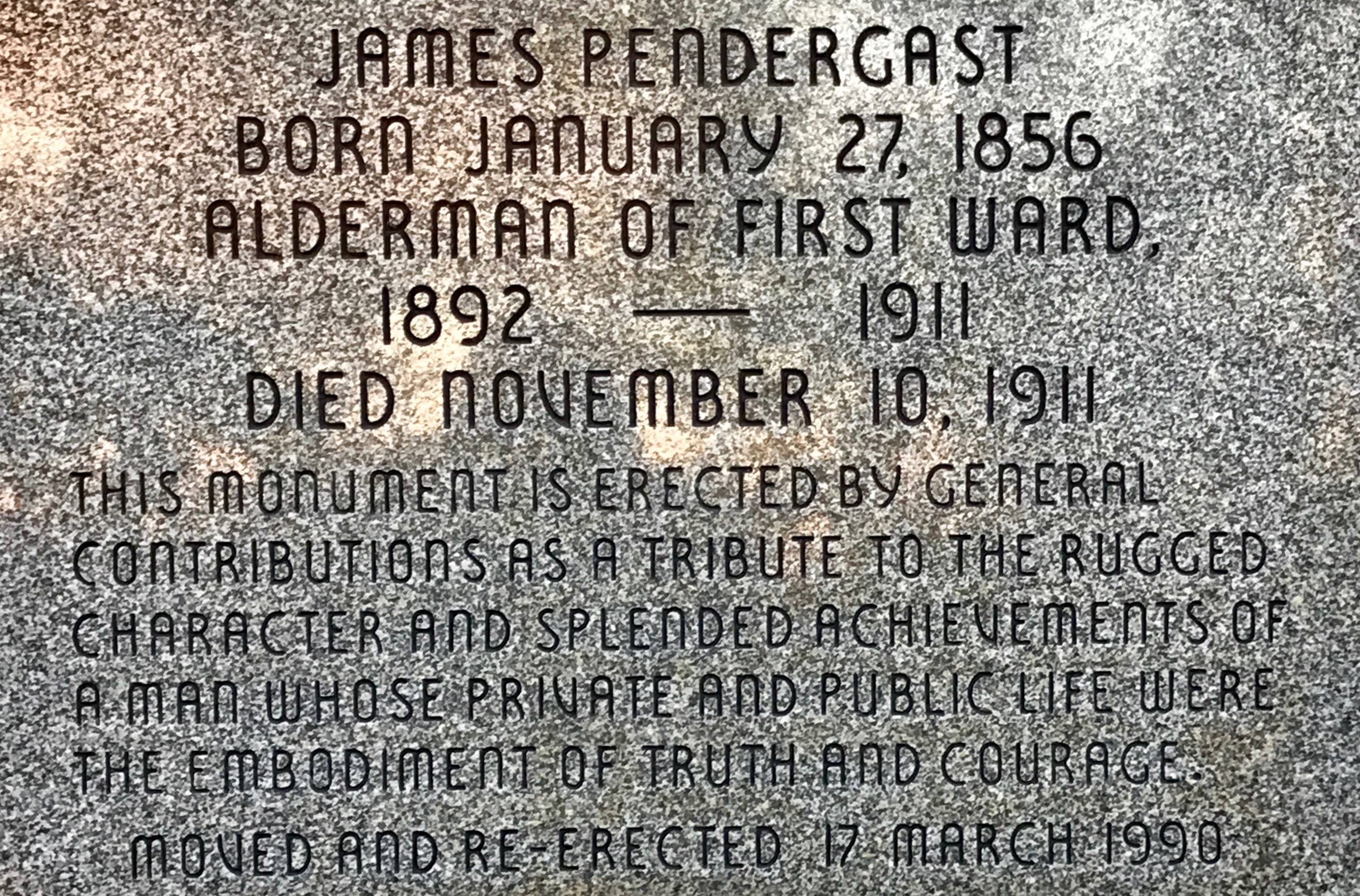
As the shadows deepen, I came across this statue of James Pendergast.
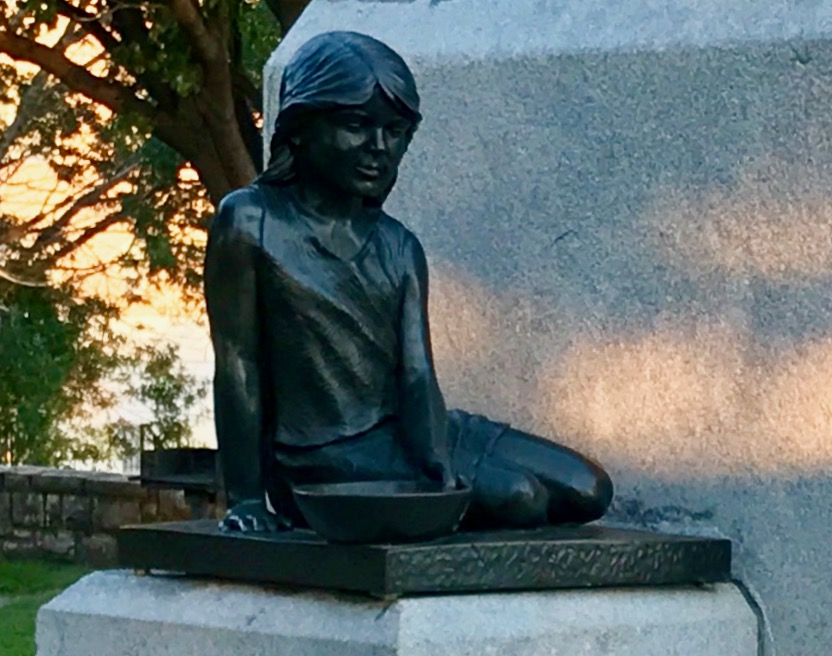
The statue of Pendergast was flanked by two smaller statues. This one of a young girl.
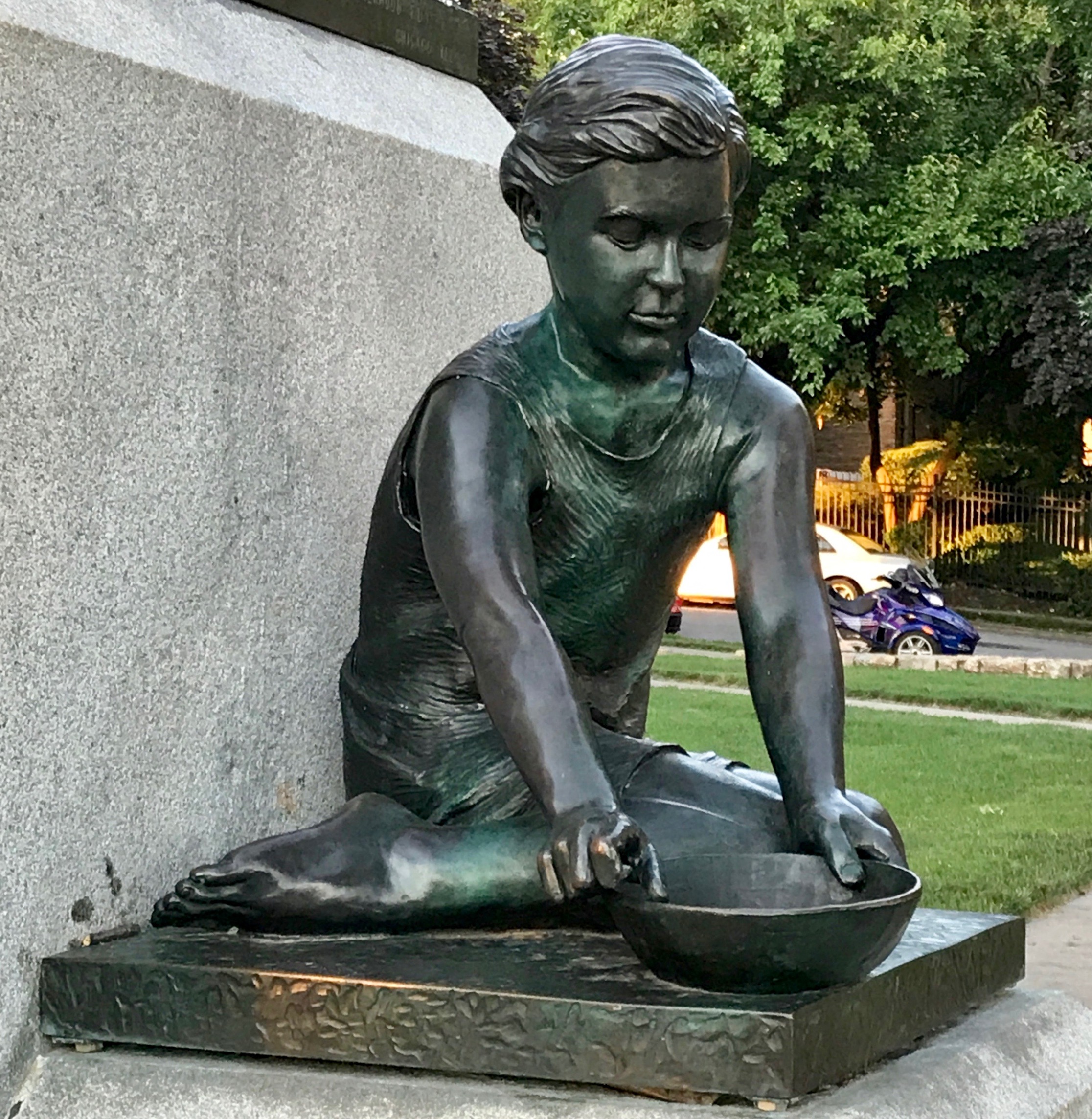
On the left is a statue of a young boy.
Of course I had to look for more information. I couldn’t locate as specific links to feeding hungry children or, perhaps, arts programs. I mean, who wouldn’t like to make a nice ceramic bowl?
It turns out that James Pendergast was part of the “Pendergast Machine” run by him and his brother, Thomas. At the turn of the century, political bosses and their machines that operated in large American cities enjoyed strong support among the poor and immigrants, who returned the favor by voting for the bosses’ preferred candidates. I think the best known “big boss” – at least to those of us east of the Mississippi – is Boss Tweed of New York City.
According to an article in the Social Welfare History Project, Many immigrants saw bosses and political machines as a means to greater enfranchisement. For immigrants and the poor in many large U.S. cities, the political boss represented a source of patronage jobs.
In 1887, James Pendergast became the Democratic committeeman from the first ward, and he was elected alderman in 1892. During the peak of his power, he not only hand picked this own mayor, James A Reed, but every other key office at City Hall. One of those occupants of the key offices in city hall was his brother, Thomas. He became Superintendent of Streets, which allowed him to hire 200 workers and buy material and equipment for the street paving program.
After James’ death in 1911, his brother Thomas took over running the Kansas City political machine, but that shall be covered in a later post.
I decided it was time to find a good vantage point for viewing the sunset.
Along the way, I came across this paver for the Riverfront Heritage Trail. But there was no time for that now.
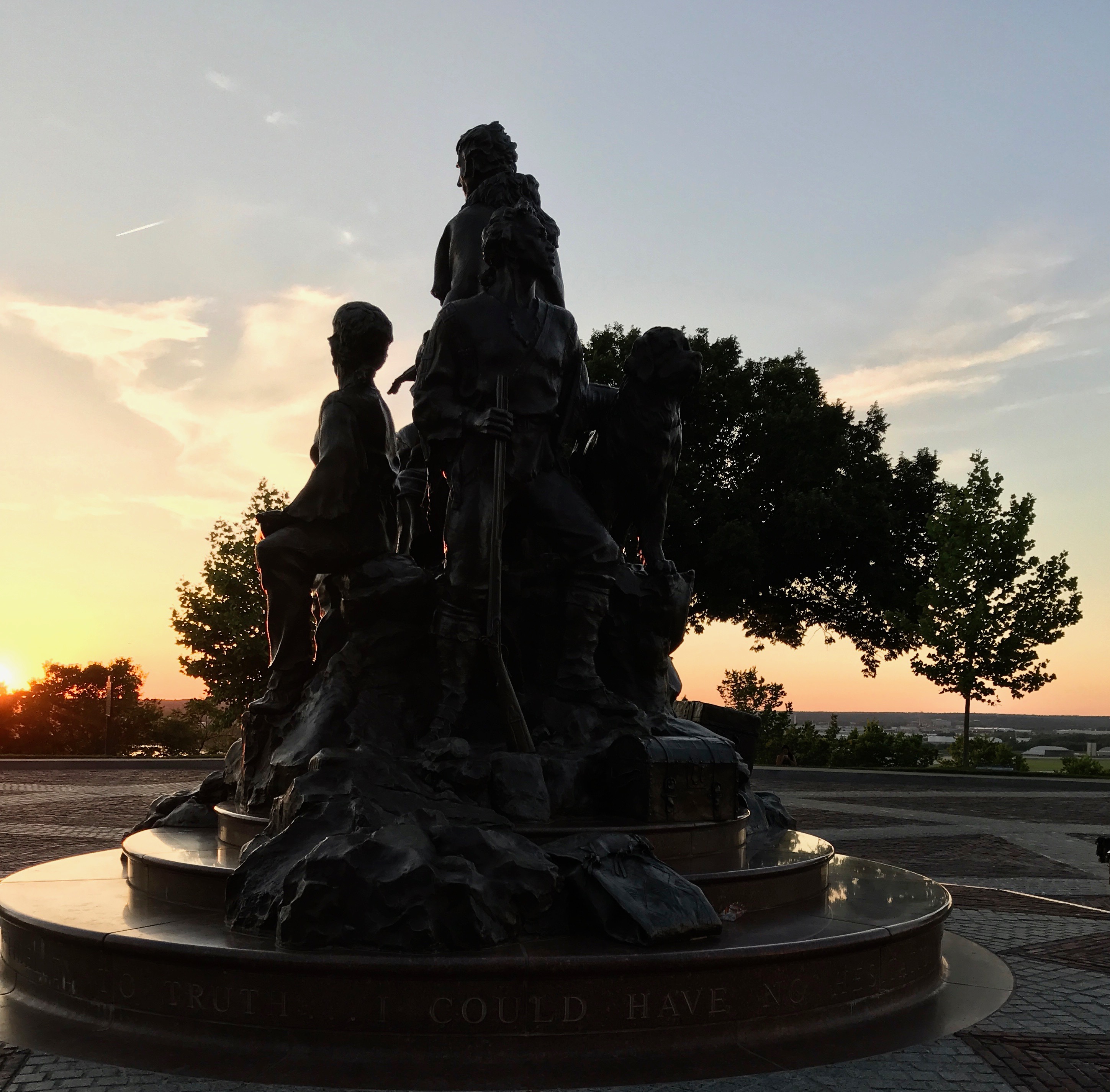
The sun was setting!
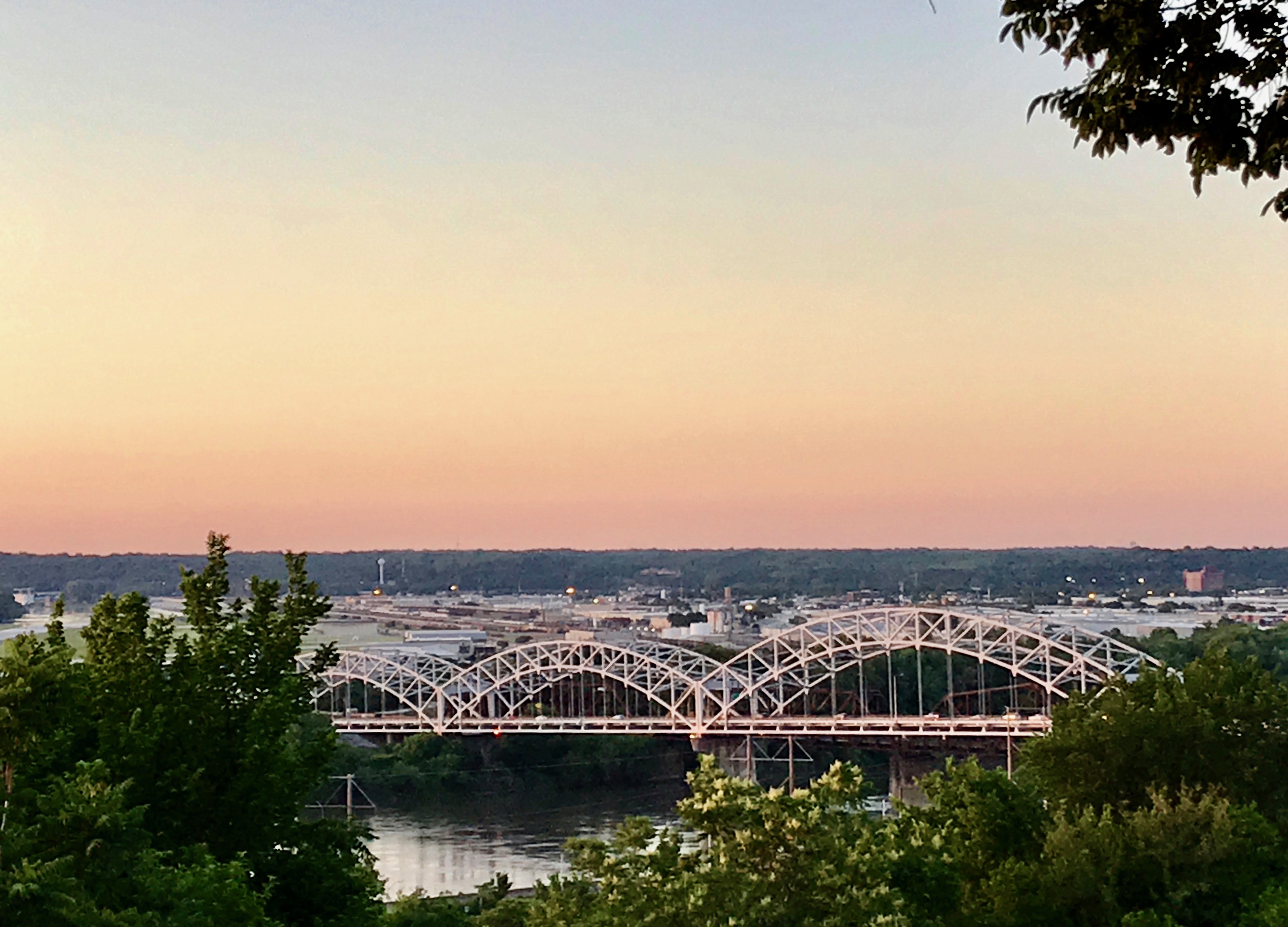
I love that peachy glow off toward the northeast.
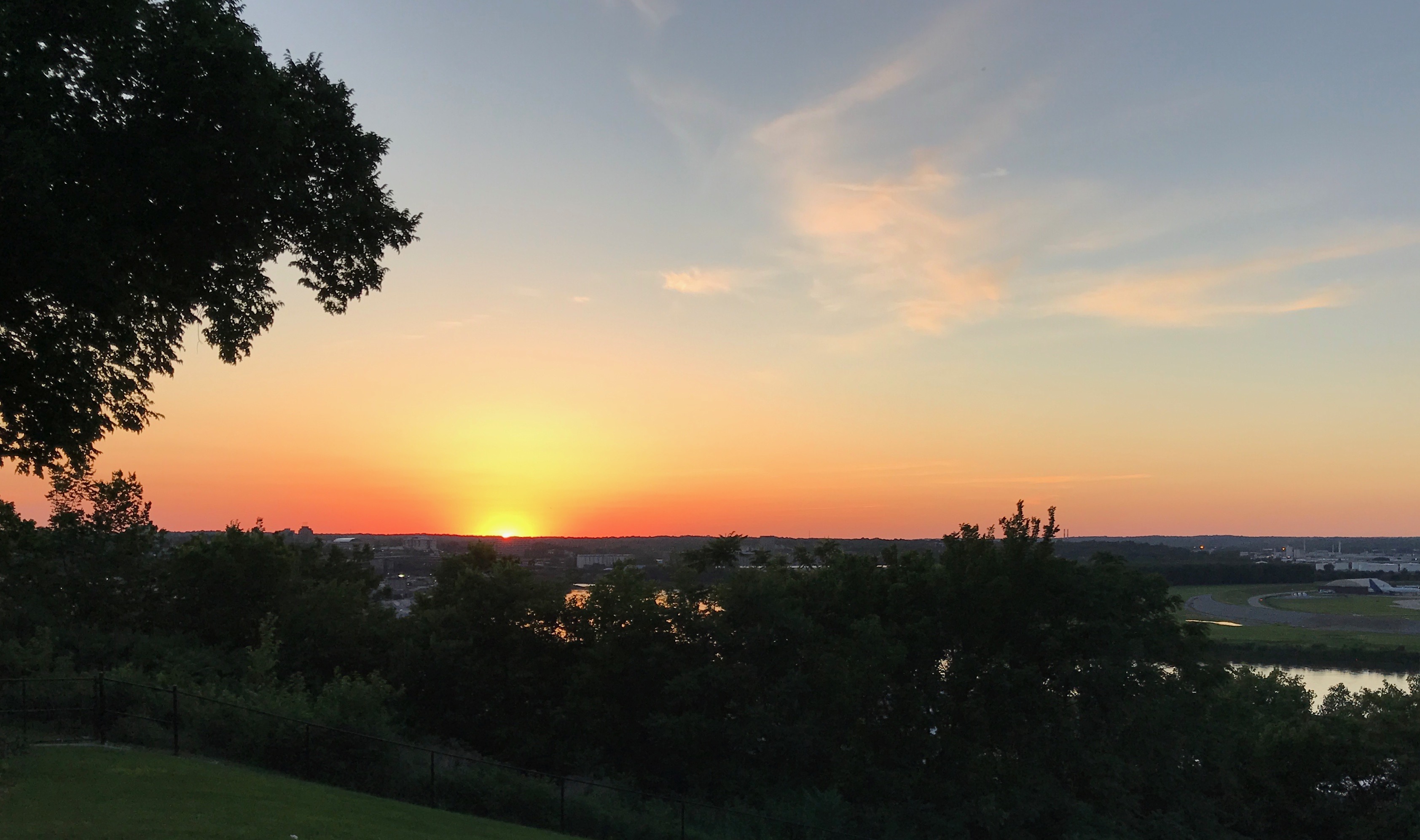
It’s going.

And it slides behind the horizon.
And tomorrow I go to work!