Steamboat Arabia

Long ago, I remembered hearing about the recovery of the Steamboat Arabia that  hit a snag and sank in the Missouri River in 1856 near Kansas City. What was amazing to me is that they found it buried 45 feet beneath a farmer’s field and about half a mile from where the river runs today.
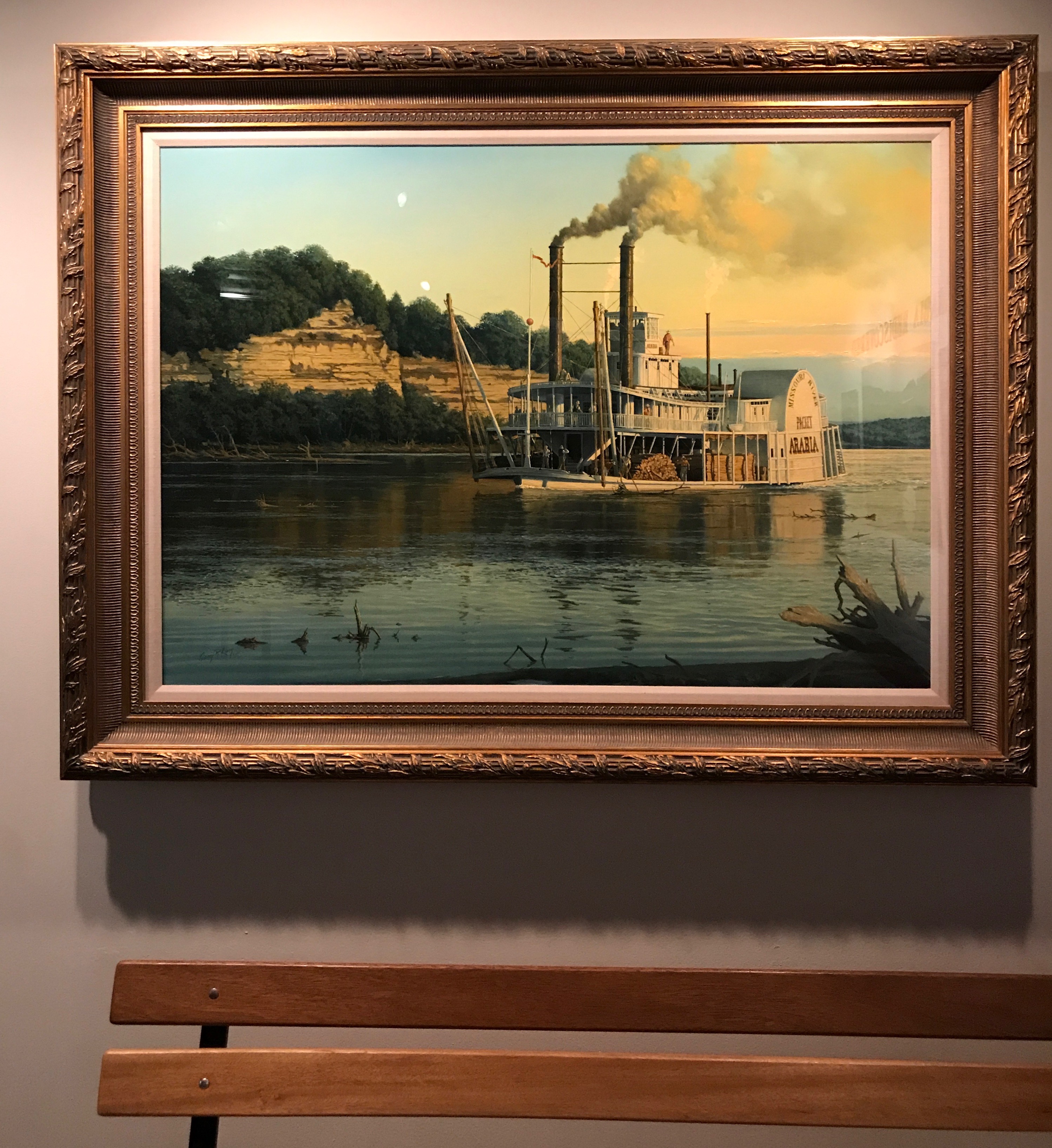
This painting, by Gary R. Lucy, is titled THE ARABIA: The Afternoon of Her Last Voyage, 1856.

The Arabia, loaded down with whiskey and other frontier necessities,  was on a routine run when it hit a snag.

Incidentally, snag refers to trees, branches and such that are found sunken in rivers and streams. In this case, The Arabia ran afoul of a dead sycamore. it ripped open the hull, which filled with water. The upper decks stayed above water, and the only casualty was a mule that was tied to some equipment and was forgotten in the rush to abandon ship.

Although the upper decks were above water the day it hit the snag, the boat sank into the mud that by the next day only the smokestack and the pilot house remained visible. Within a few days, these traces were also swept away.

I found the story of the recovery pretty incredible.
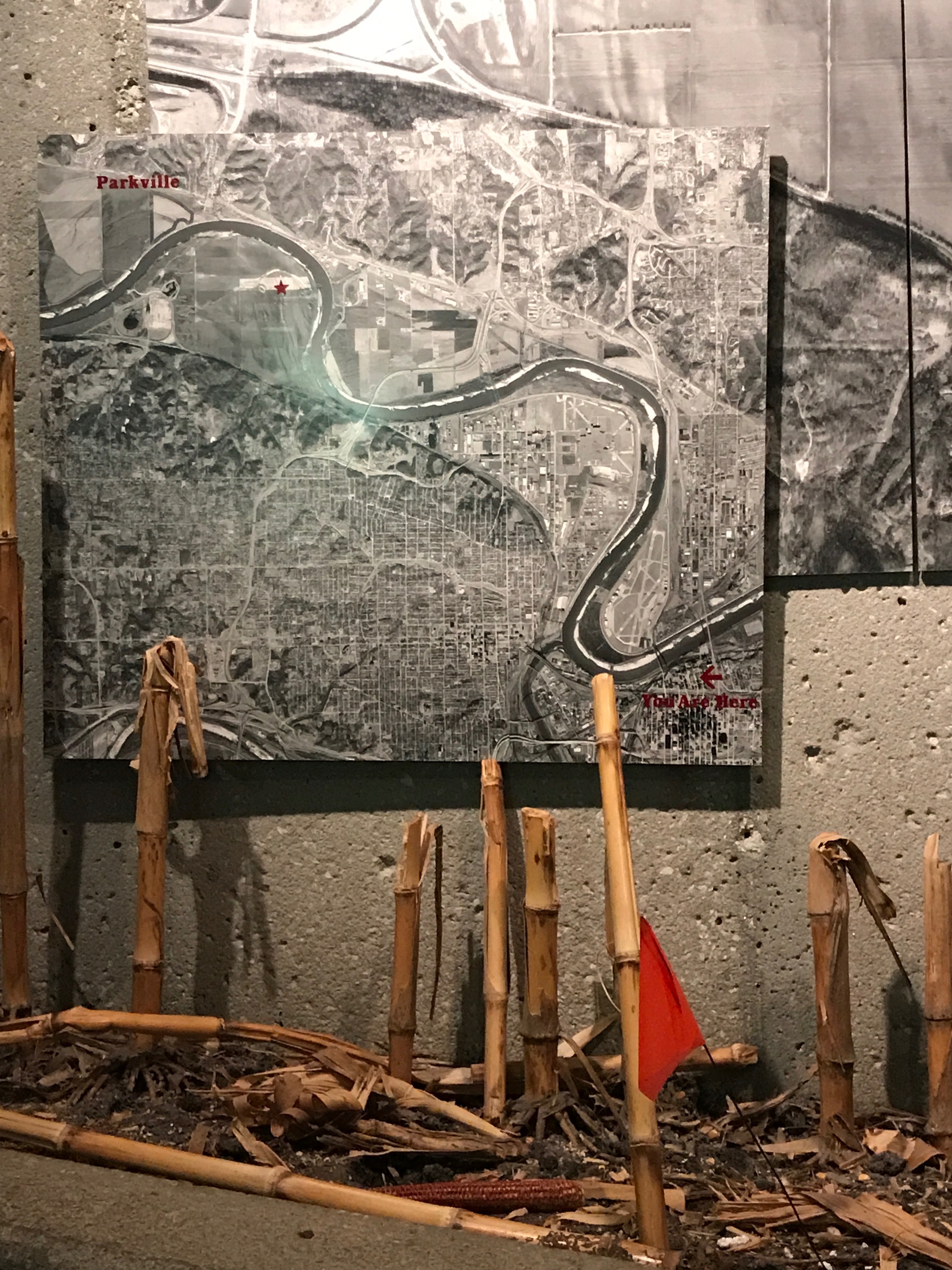
How would you know where to begin to look? In 1987, Bob Hawley and his sons, Greg and David, along with  Jerry Mackey and David Lutrell and their families, set out to find the Arabia They used old maps and a proton magnetometer to decide on a probable location.
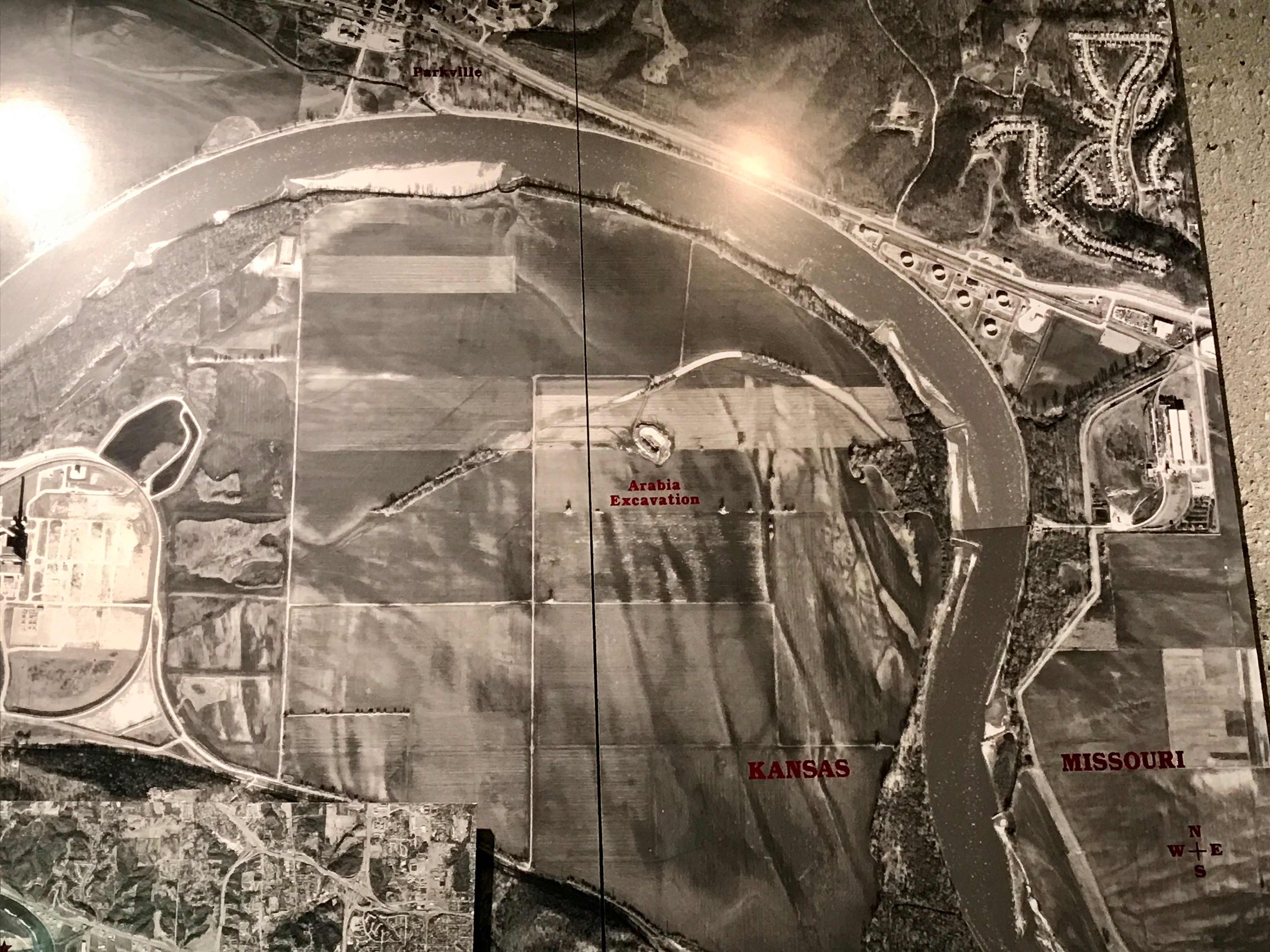
While the steamboat was found in Kansas, the museum is in Missouri.
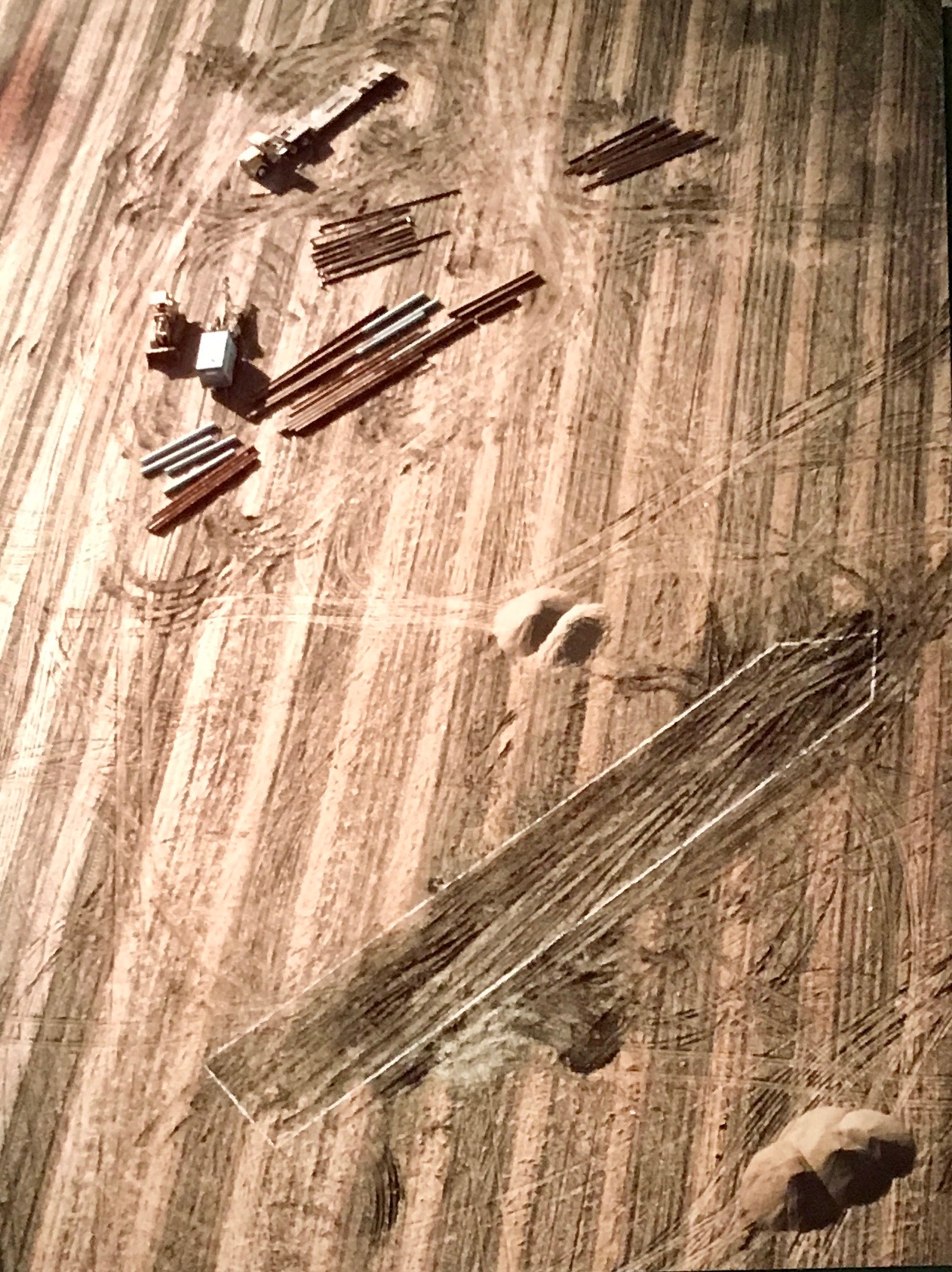
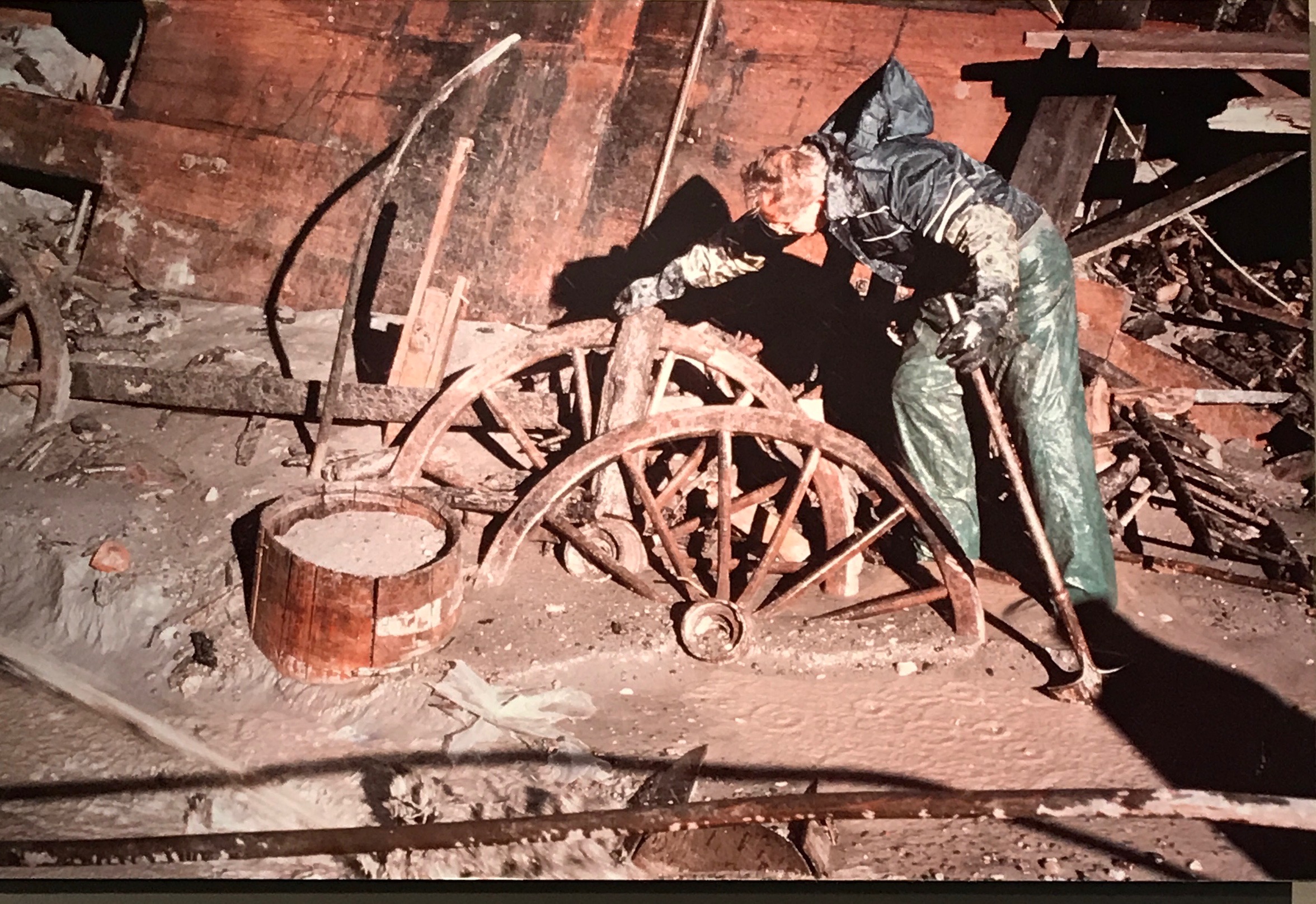
They found what they thought was the site and commenced digging in November 1988. They dug until February 1987. They were digging with the landowner’s permission. Permission was granted with one condition: the fields had to be ready for spring planting.
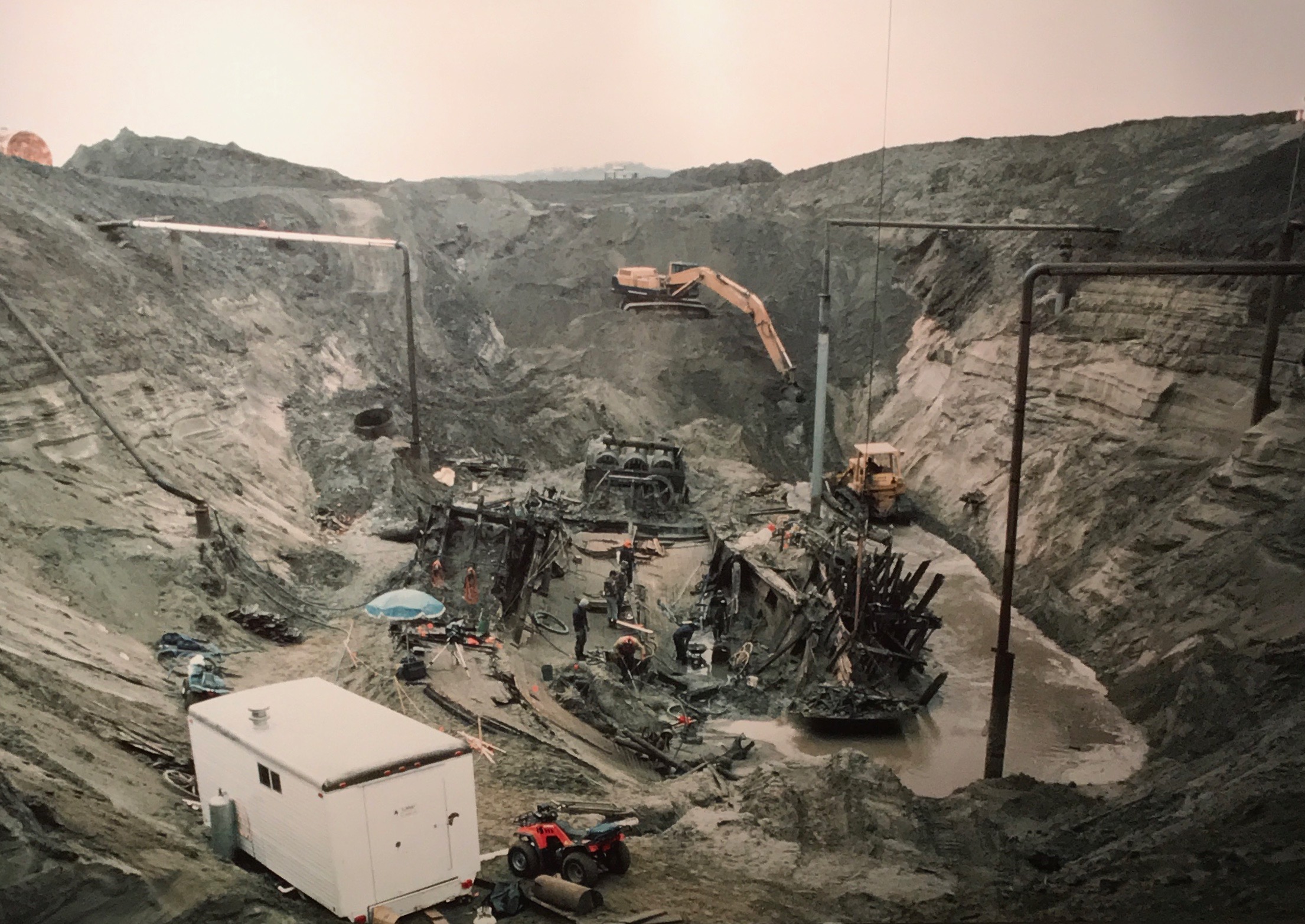
This photo gives you a view into the pit. What a monumental task!
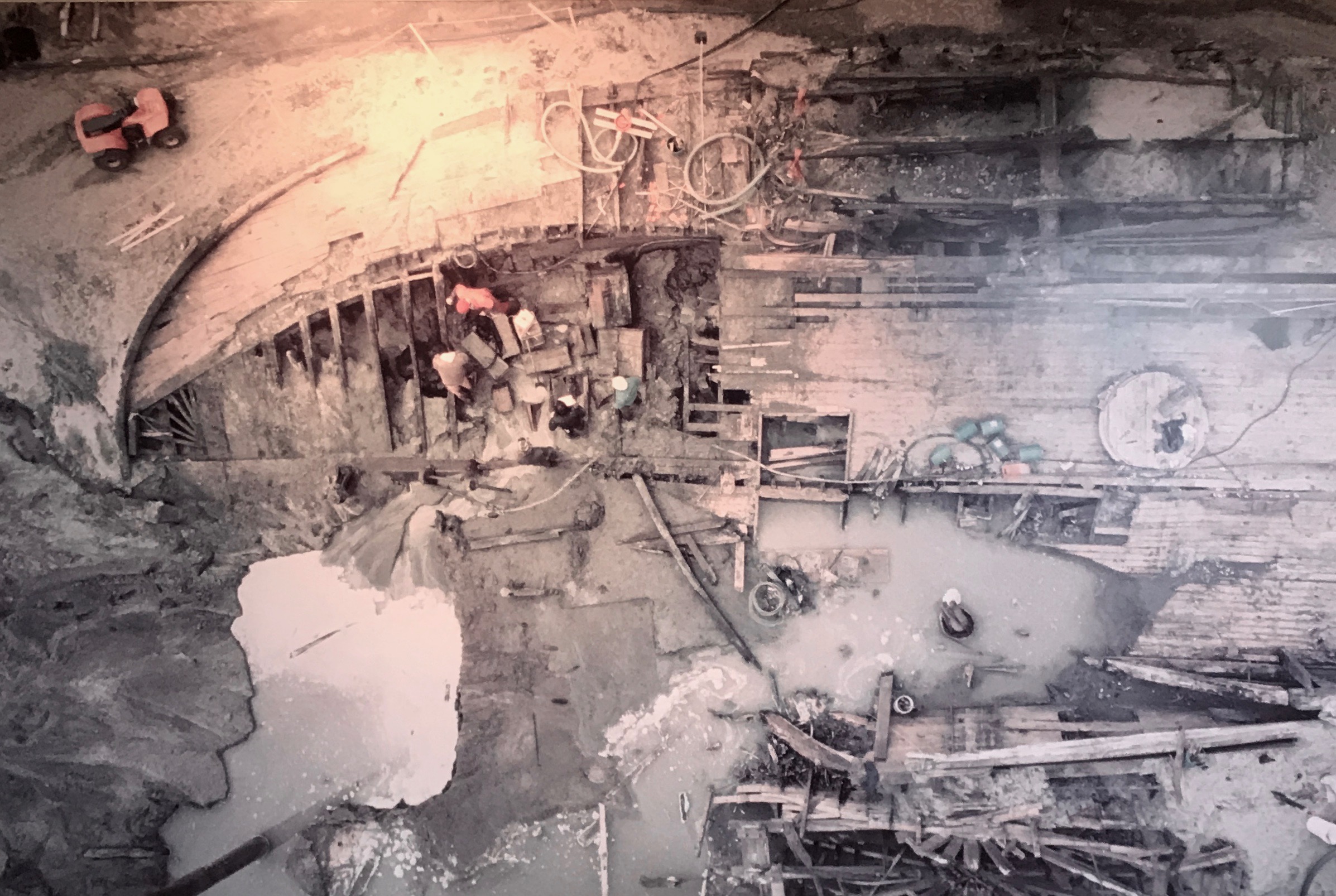
And then they had to get the field ready for spring planting! I wonder if they made the deadline?
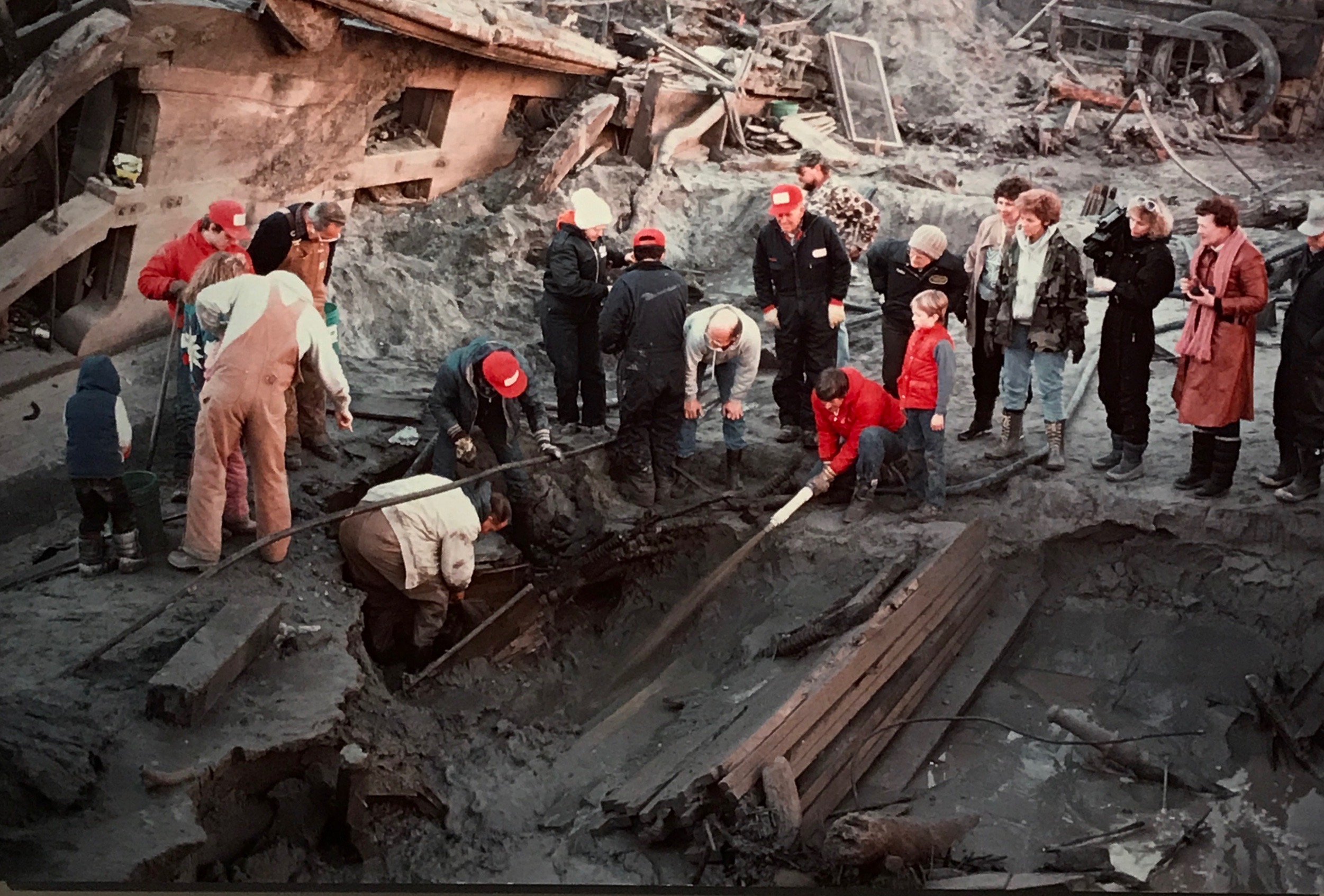
Their original goal was to sell their discoveries.  The historical importance of what they found buried under this Kansas farmer’s field made them change course. They started to plan a museum – a privately owned museum. Today it is still owned and operated by the Hawley family.

In all, they unearthed 200 tons of artifacts!

With the contents of the ship protected from light and oxygen, the artifacts they found were incredibly well preserved. Their website proclaims that the museum contains “… the largest single collection of pre-Civil War artifacts in the world.” The quantity of items is amazing – and they still have 60 tons of what they excavated yet to process.
Well, enough of the preamble. Let’s go inside.
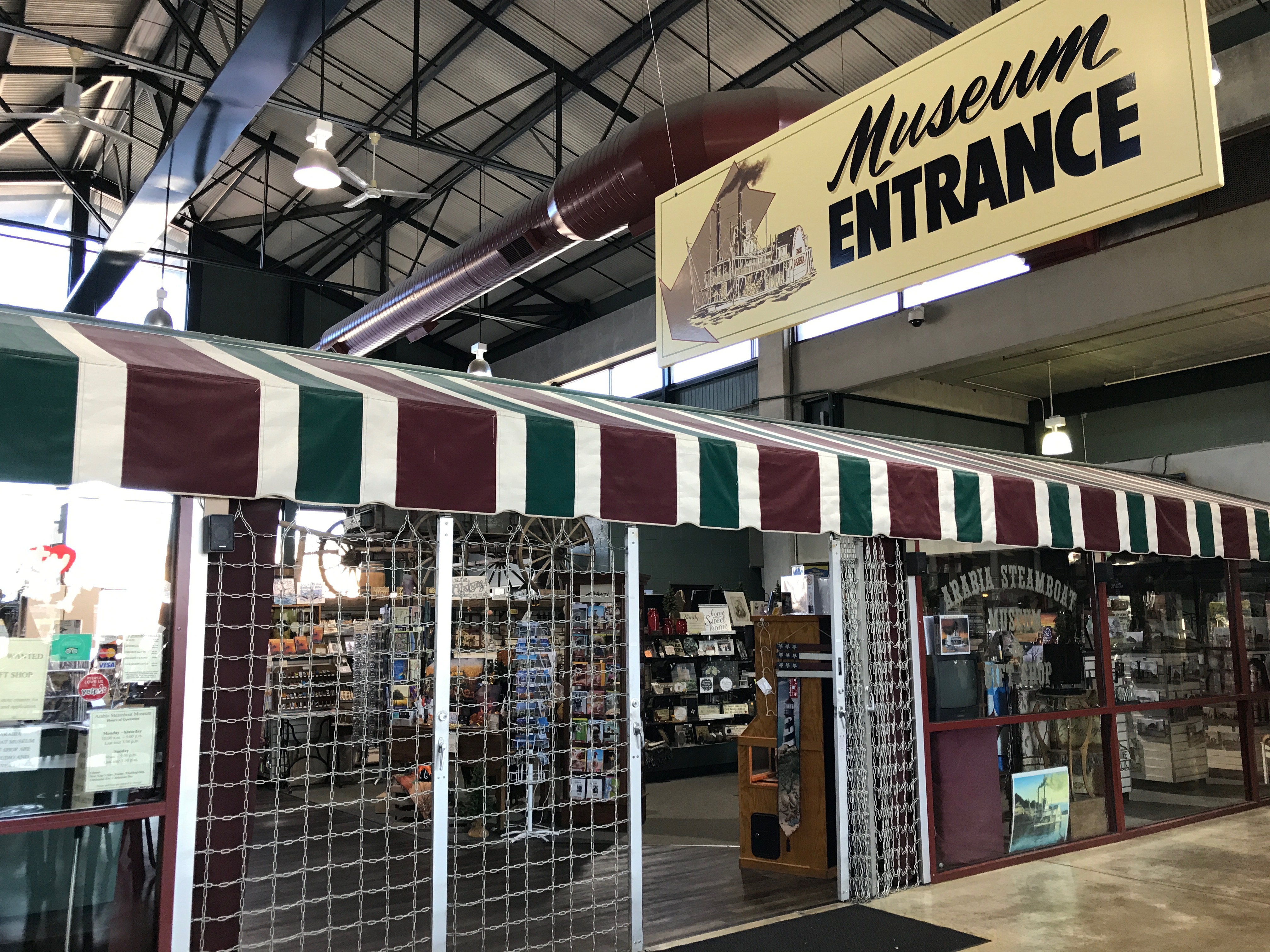
Enter through the gift shop…that’s a variation on a theme!
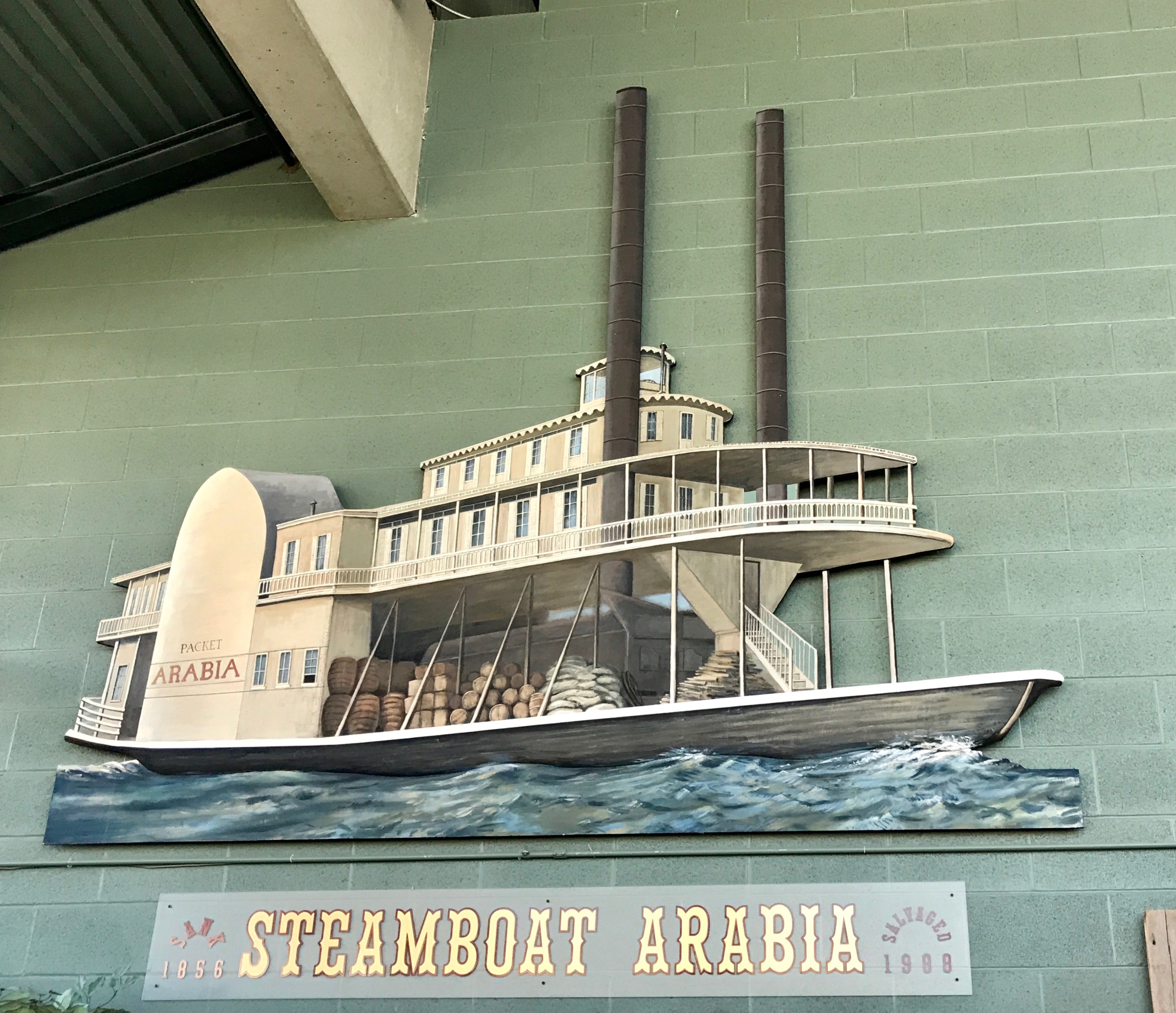
The sign let me know I was heading in the right direction.
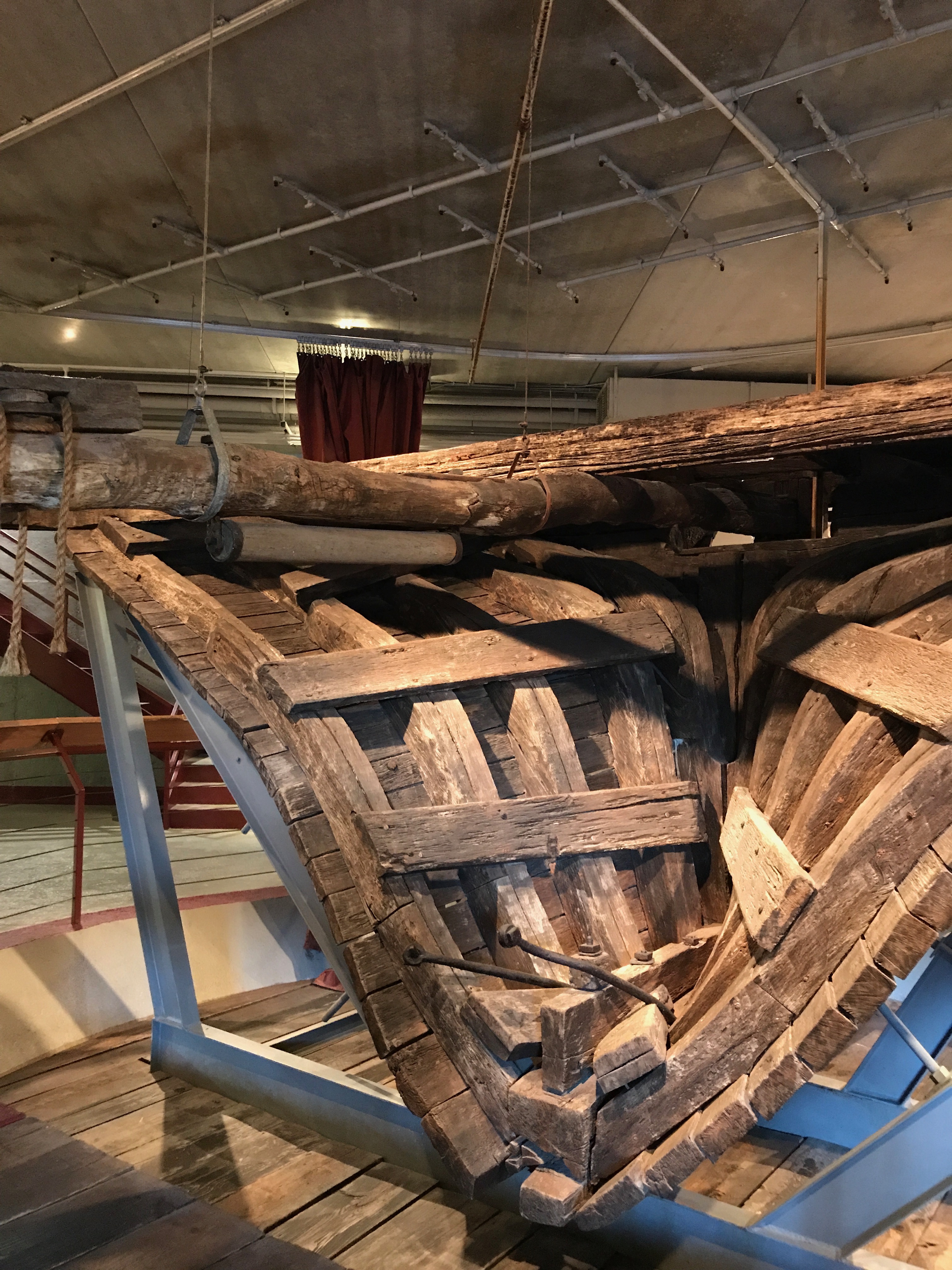
The steamboat was built in Brownsville, Pennsylvania on the Monongahela River. This hull originally travelled on the Ohio and Mississippi Rivers before it came to the Missouri River.
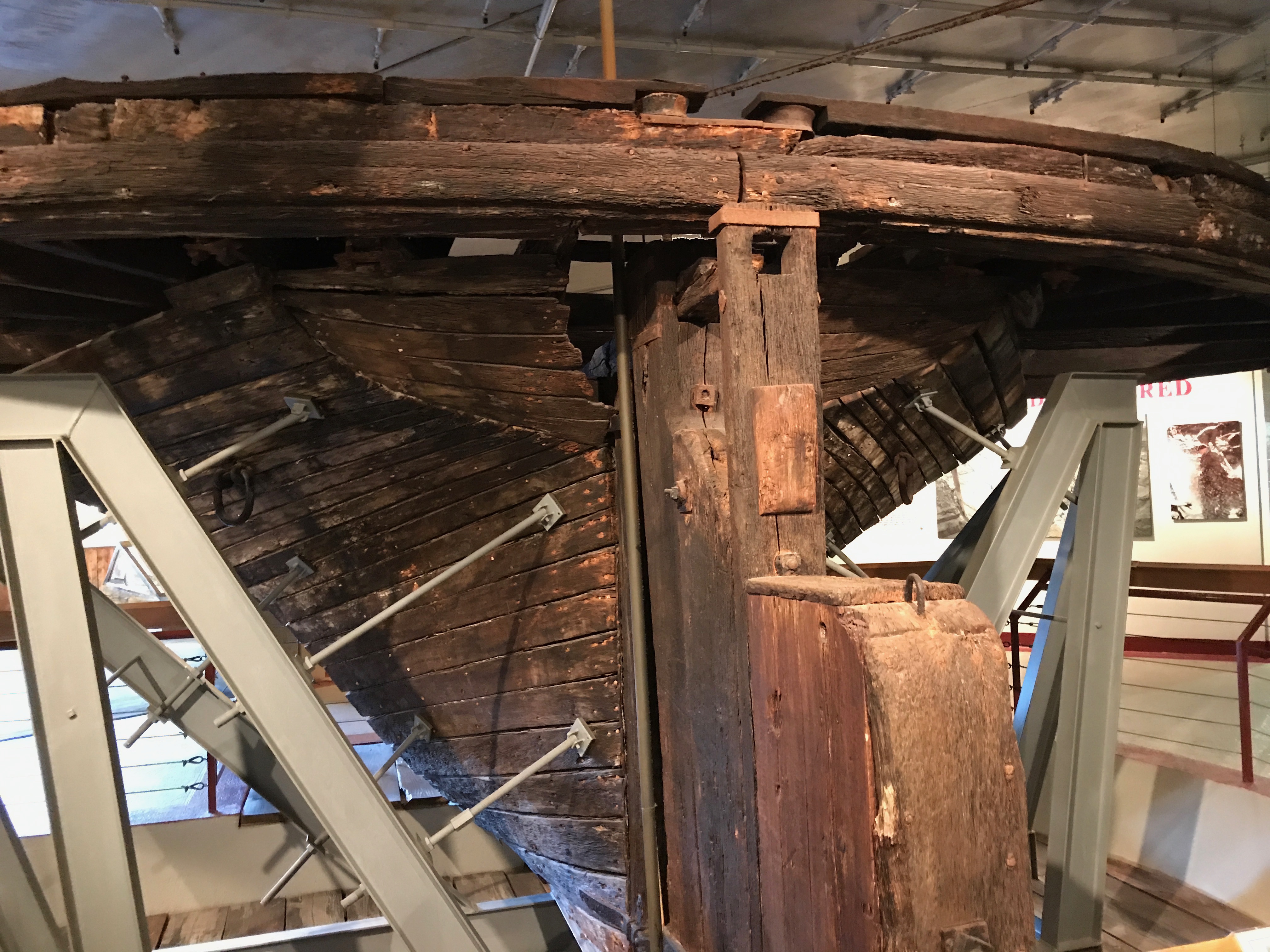
“But, what did they find in the cargo?!” I can practically hear you shouting at your screens. Your wait is over!
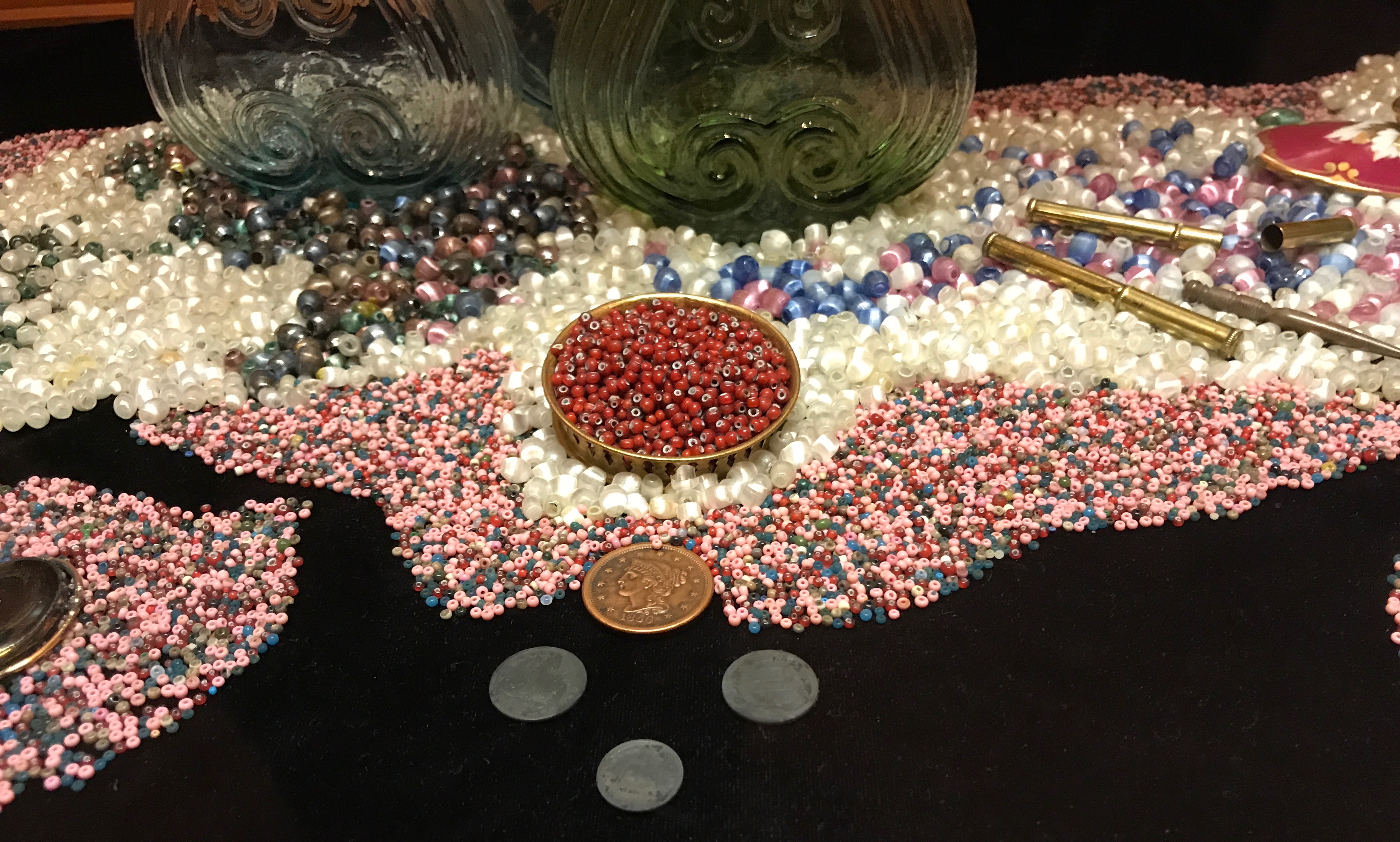
They found beads.
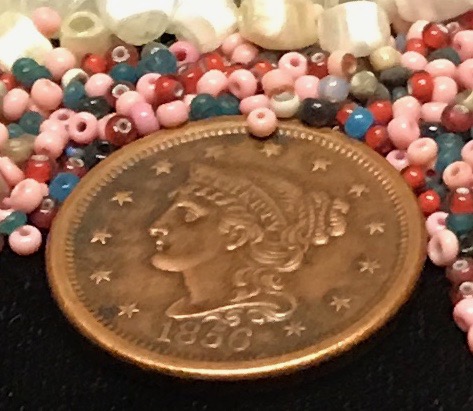
And a coin that was newly minted when the boat sank.
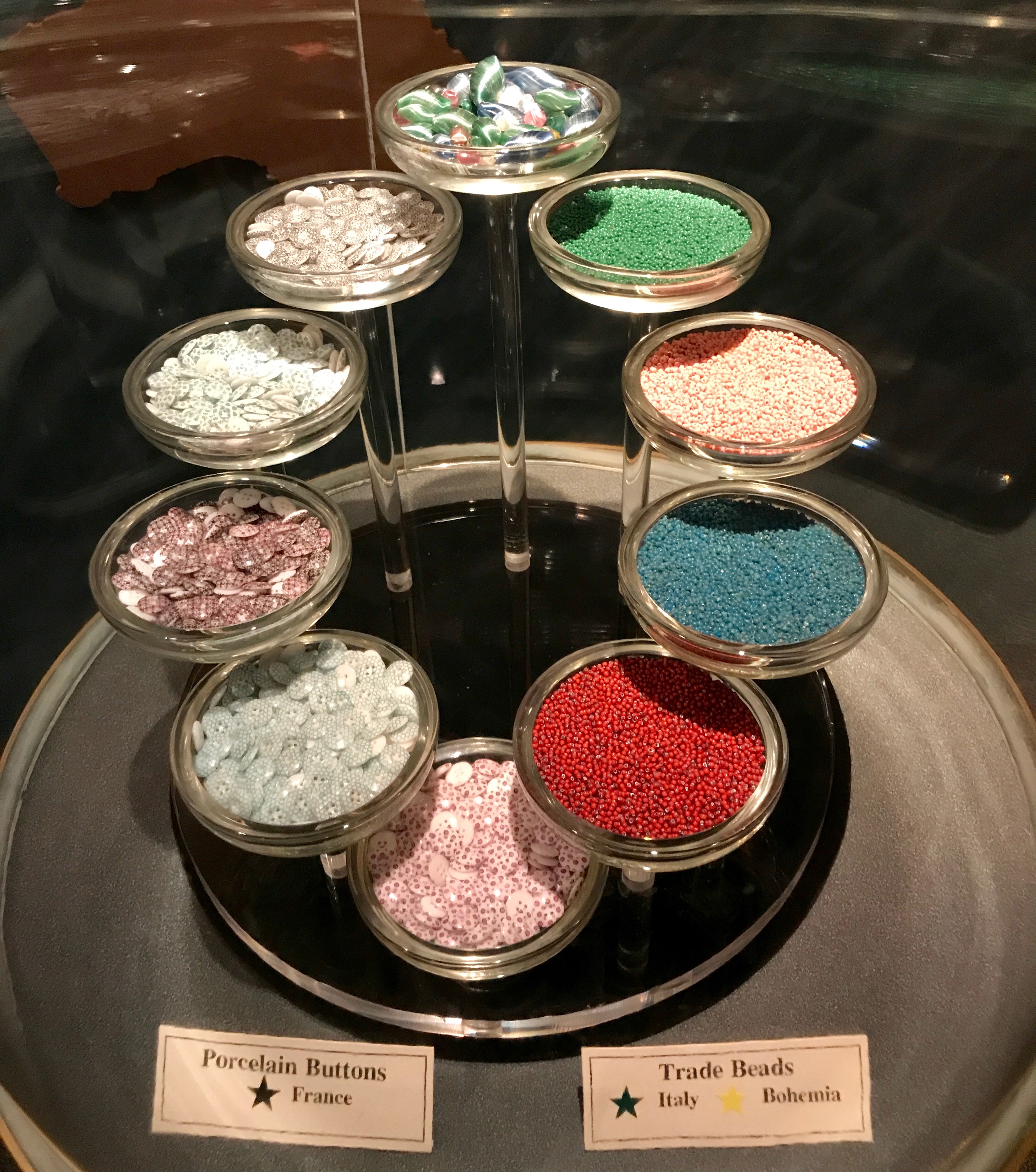
Beads and buttons – from France, Italy, and Bohemia. (Bohemia is where Czechoslovakia is today.)
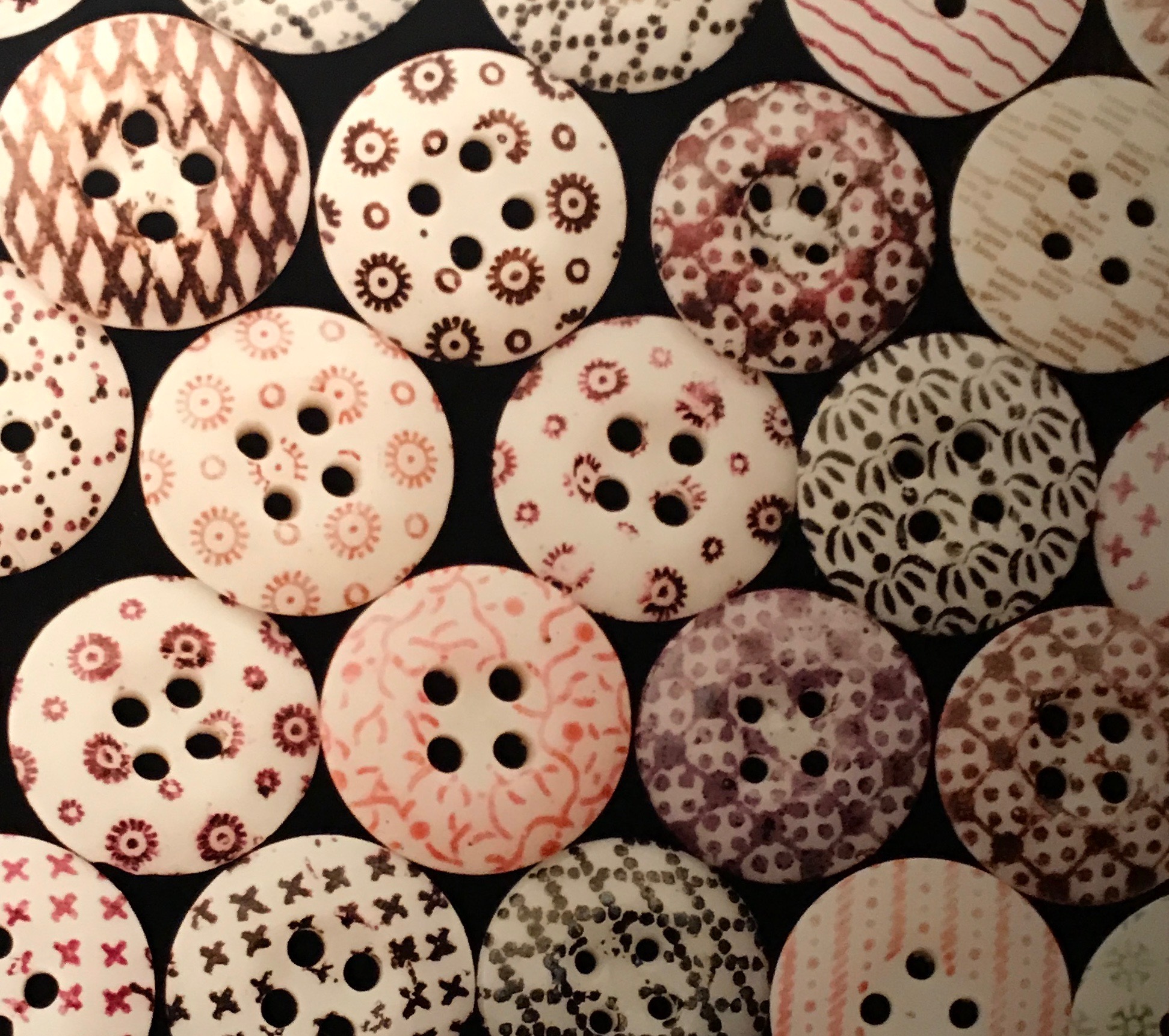
Those buttons were pretty snazzy! Each of the thousands and thousands of the buttons and beads had to be cleaned by hand.
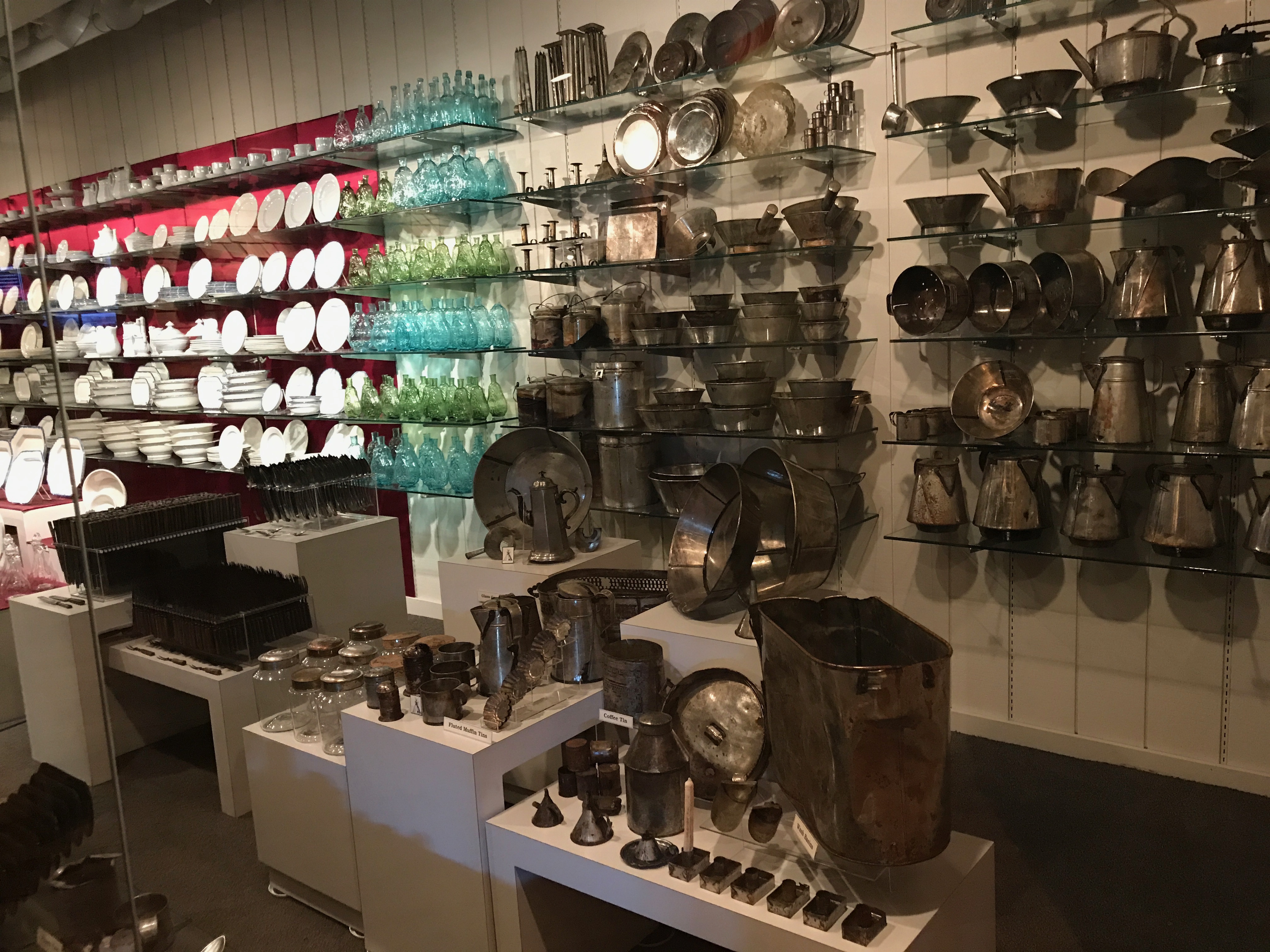
Dishes, glassware and metalware were on board.
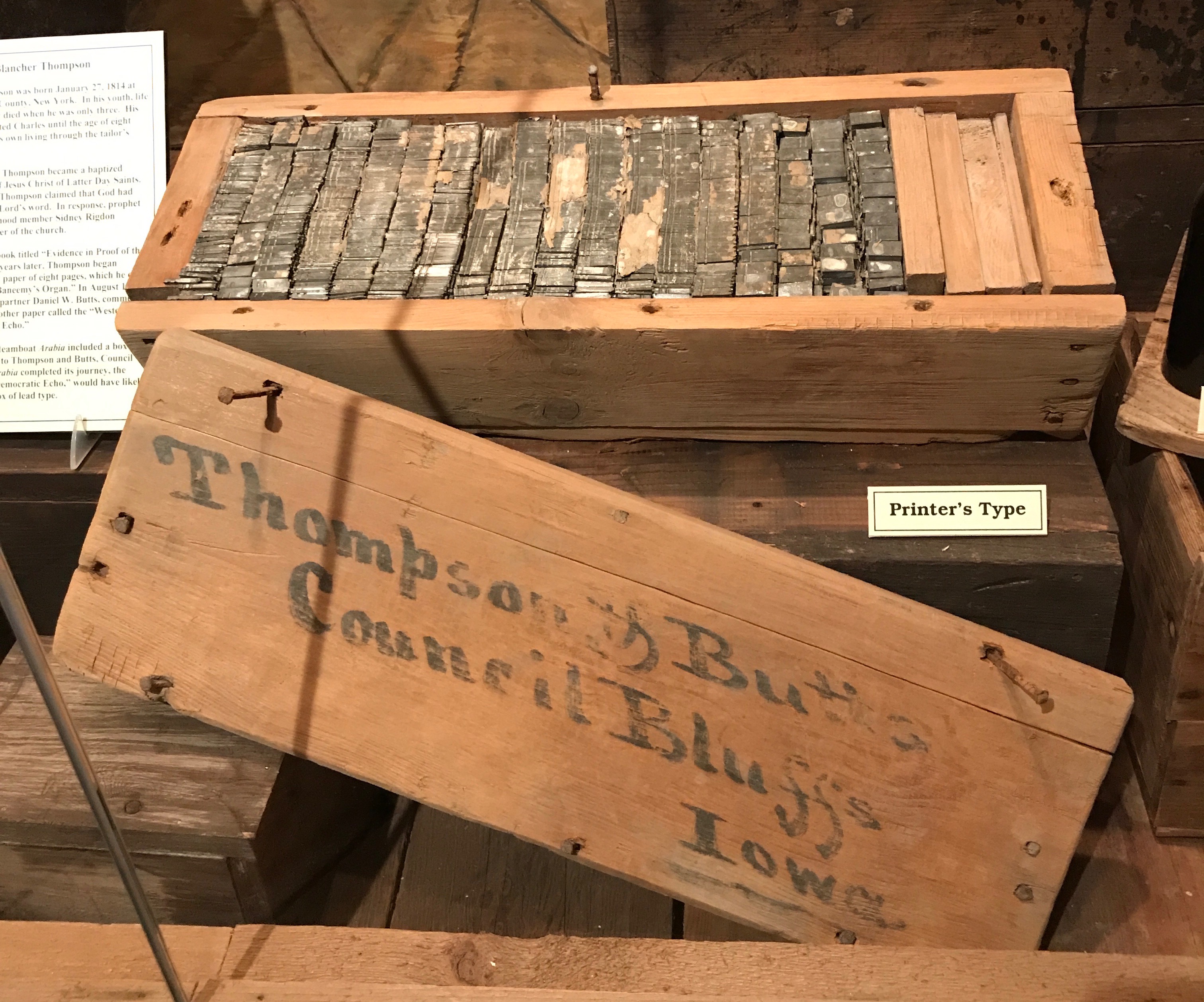
And printer’s type, bound for Council Bluffs, Iowa.
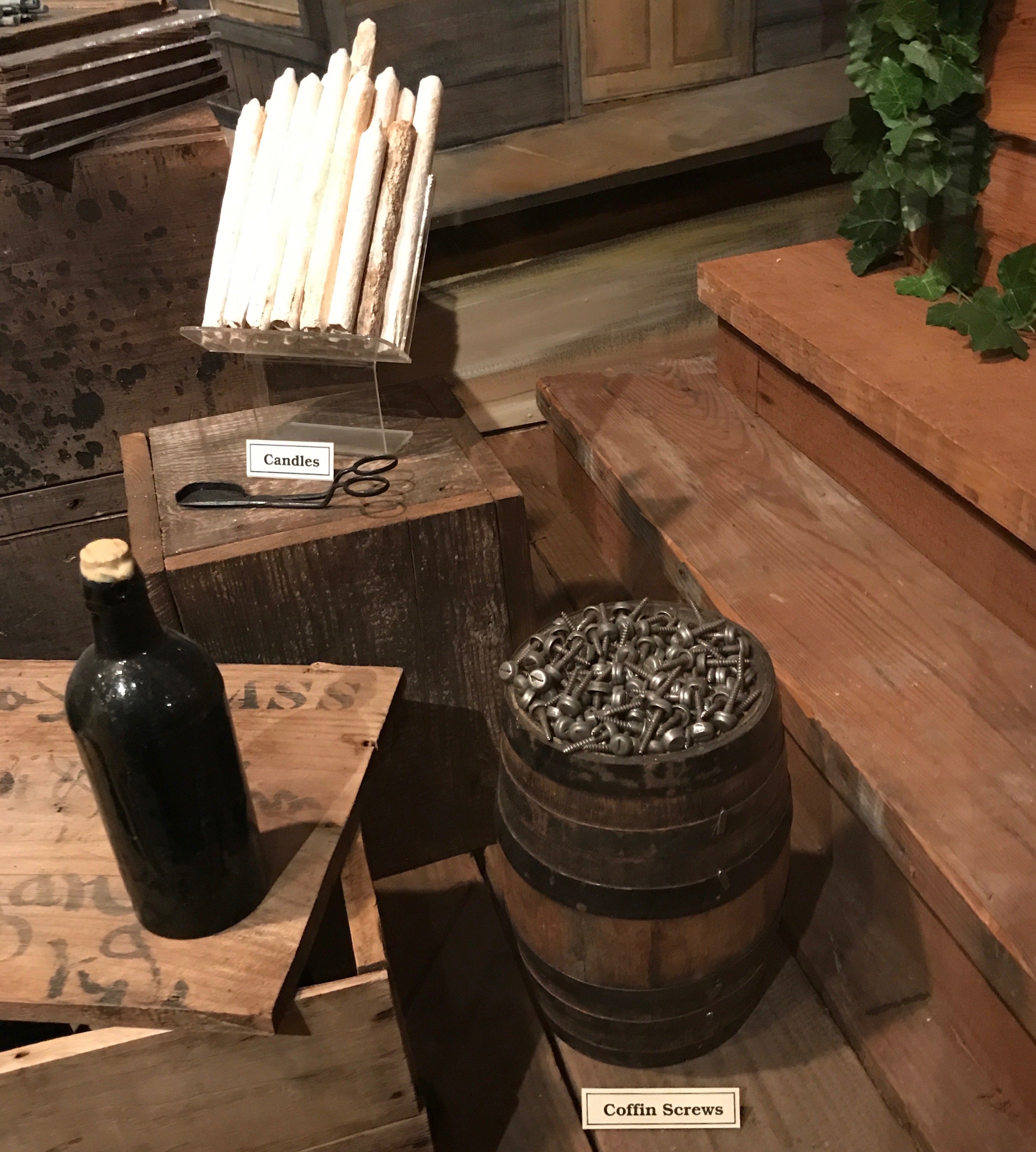
Coffin screws and candles.
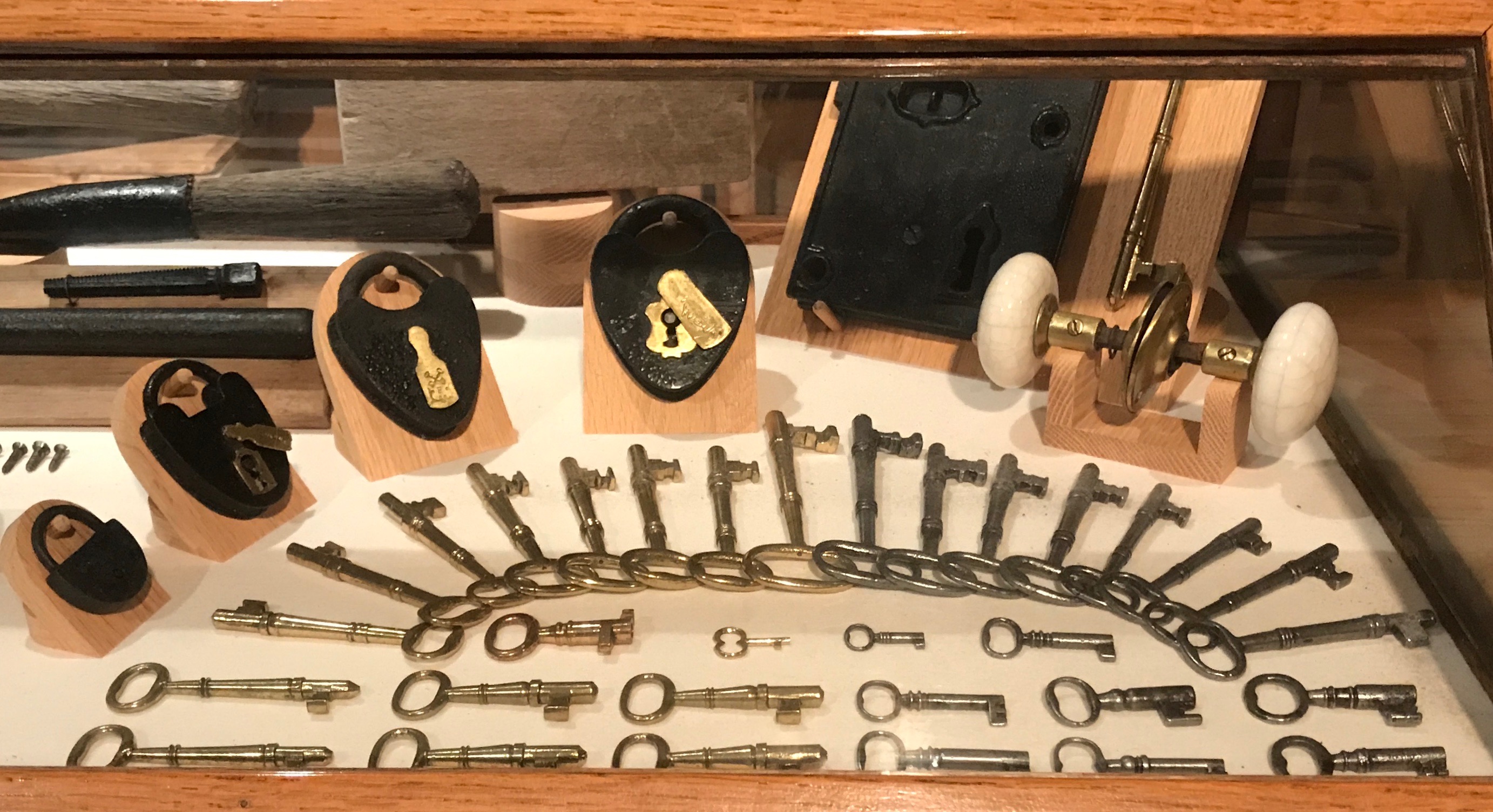
Locks and keys and doorknobs.
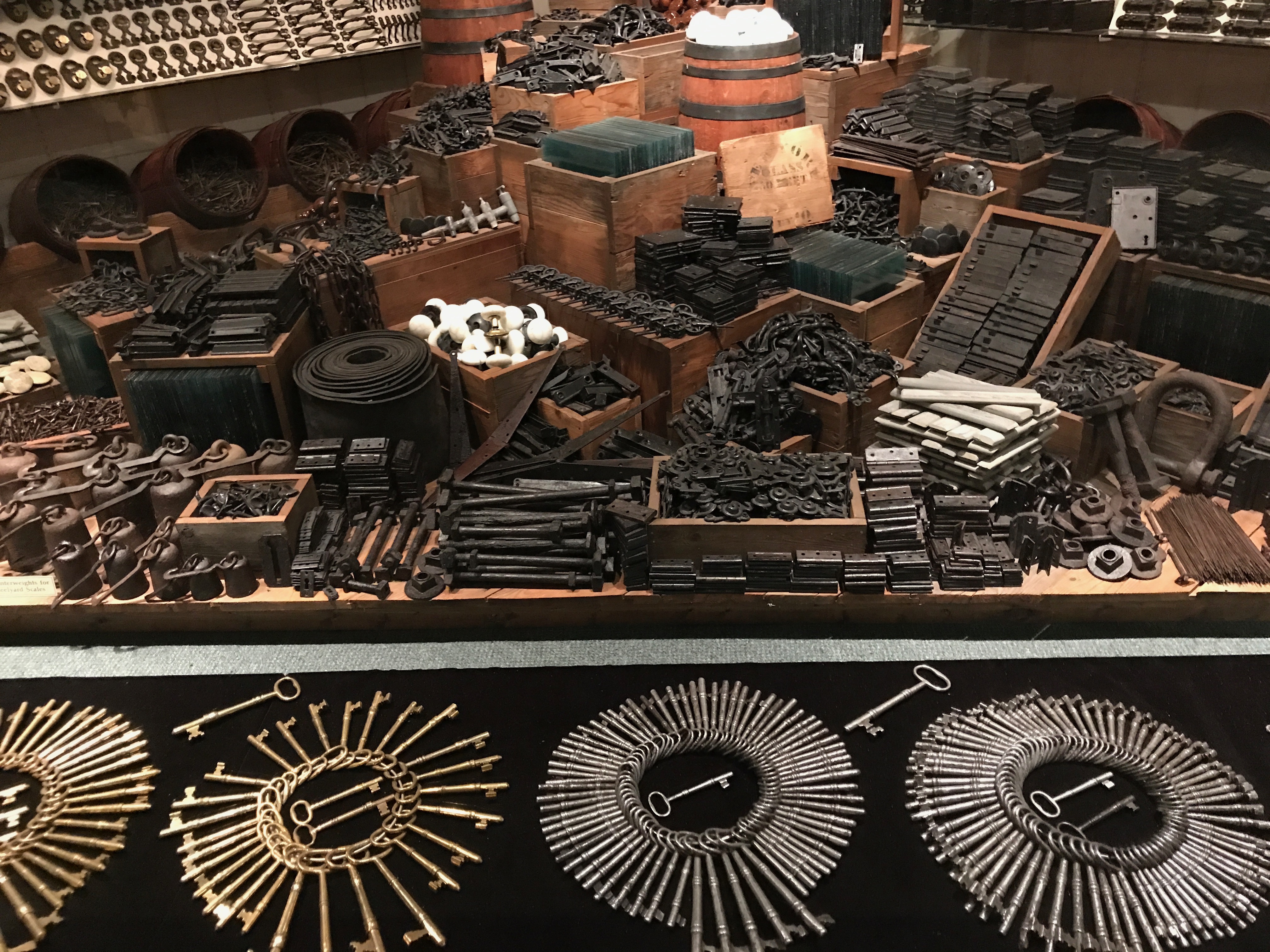
Lots of keys and all sorts of metal products.
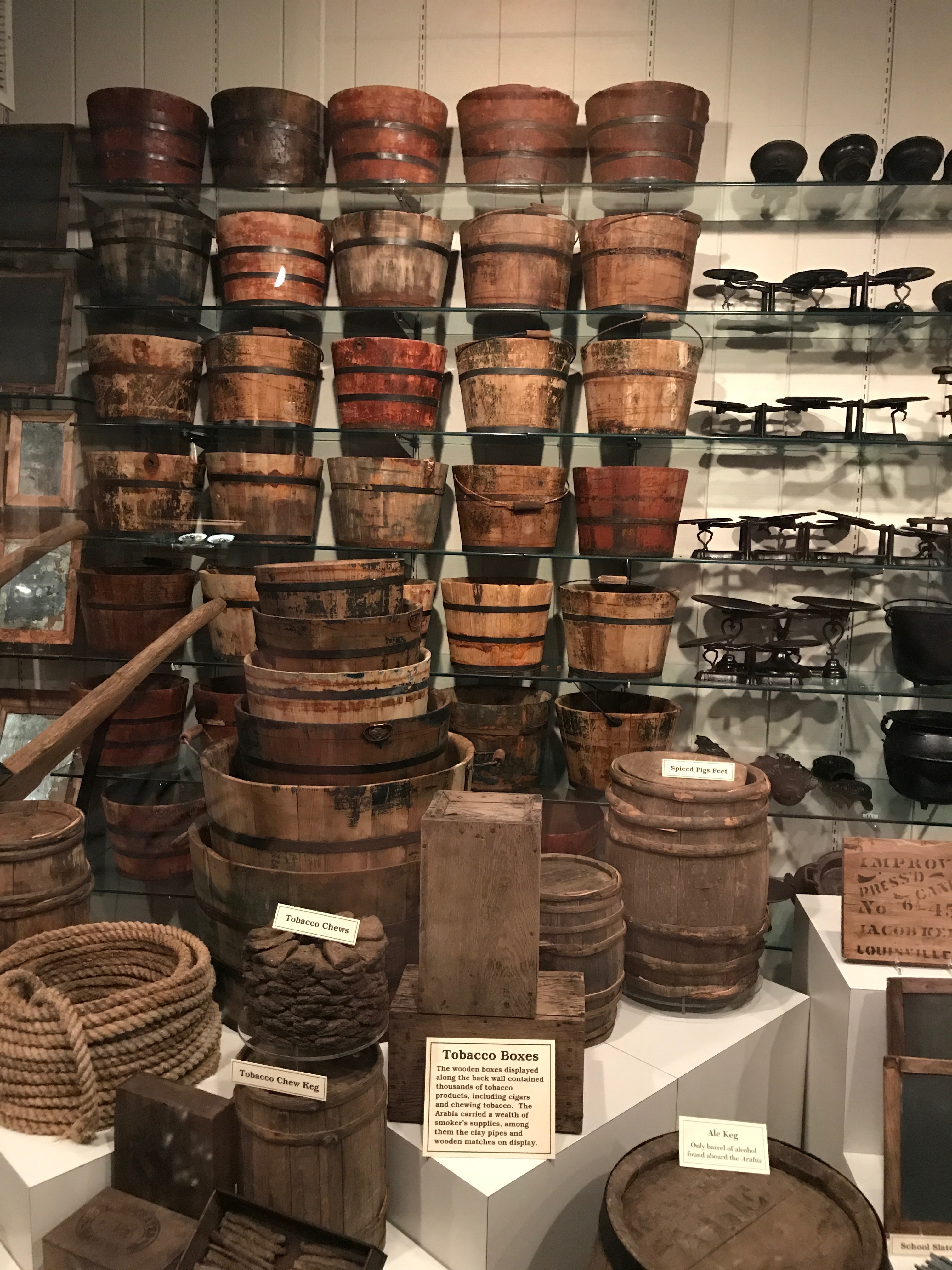
Wooden buckets, boxes, kegs, scales, rope
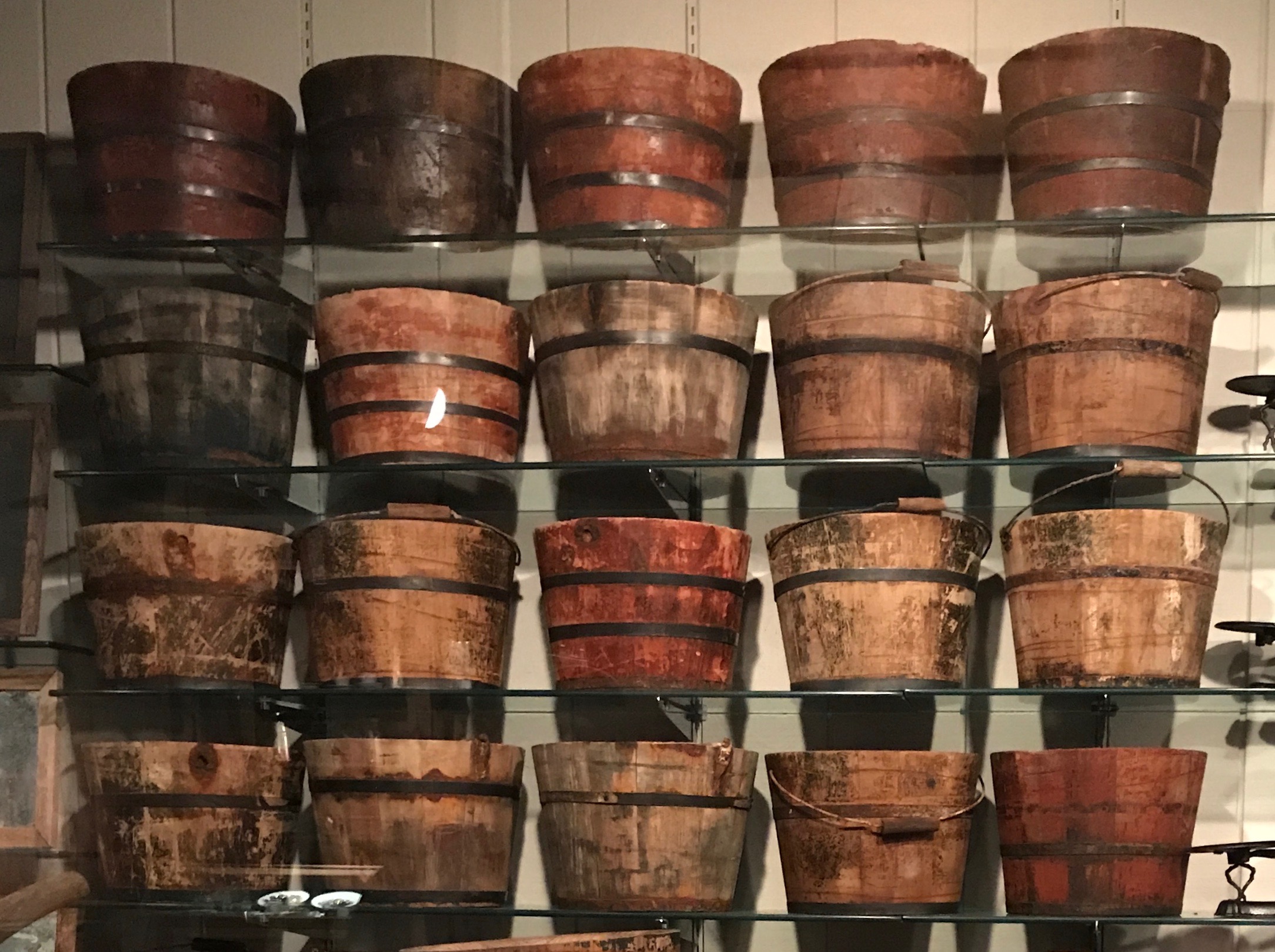
I liked the buckets, so here’s another shot of them.
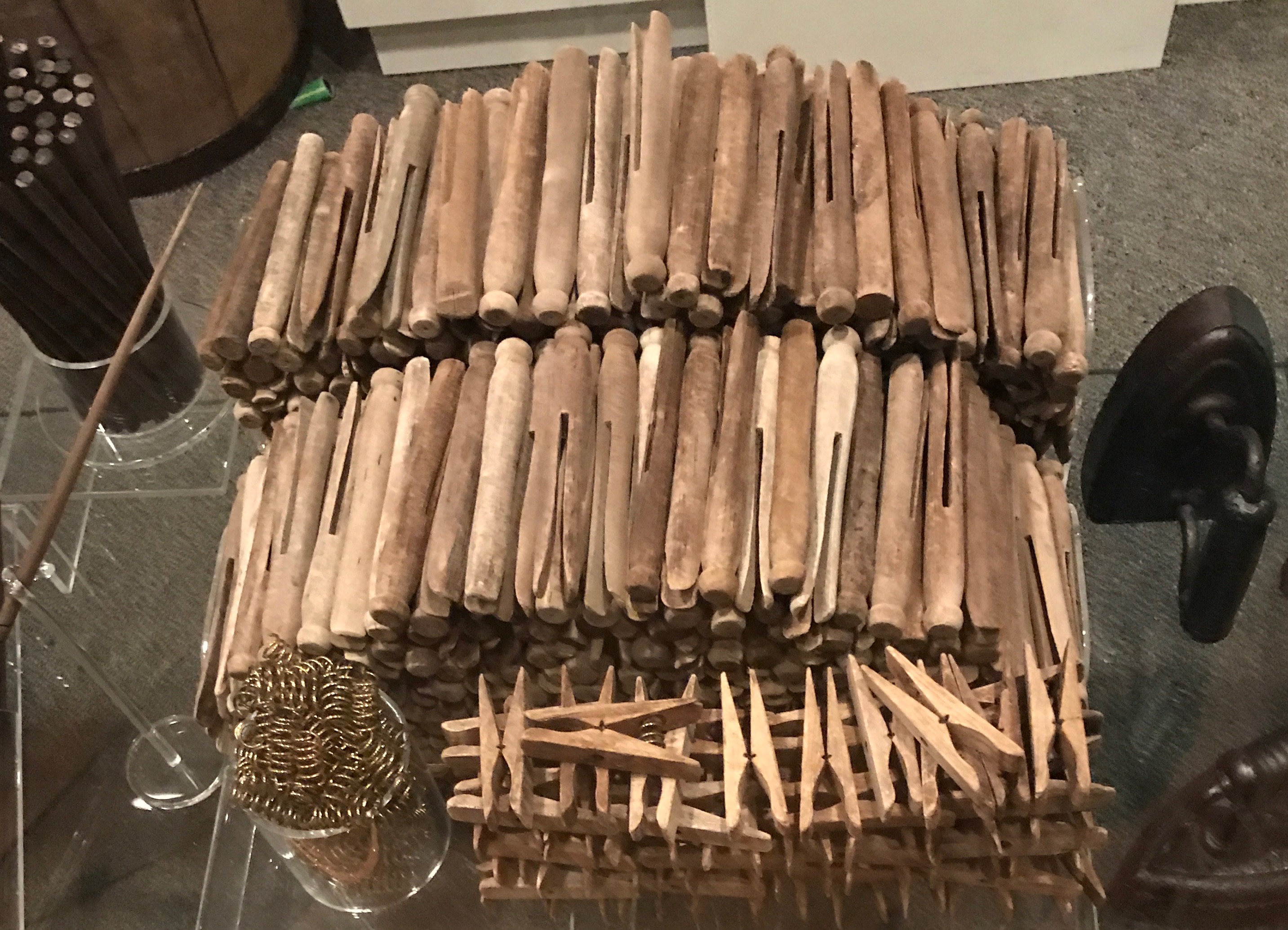
Clothes pins – or clothes pegs, if you prefer. I assume that the brass springs had something to do with laundry. There are also sad irons in the photo. What is so sad about the irons? I knew at one time, but couldn’t find that fact rattling around in my memory. I looked it up.

“Sad” is an Old English word for “solid,” and the term “sad iron” is often used to distinguish the largest and heaviest of the flat irons, usually 5 to 9 pounds.”
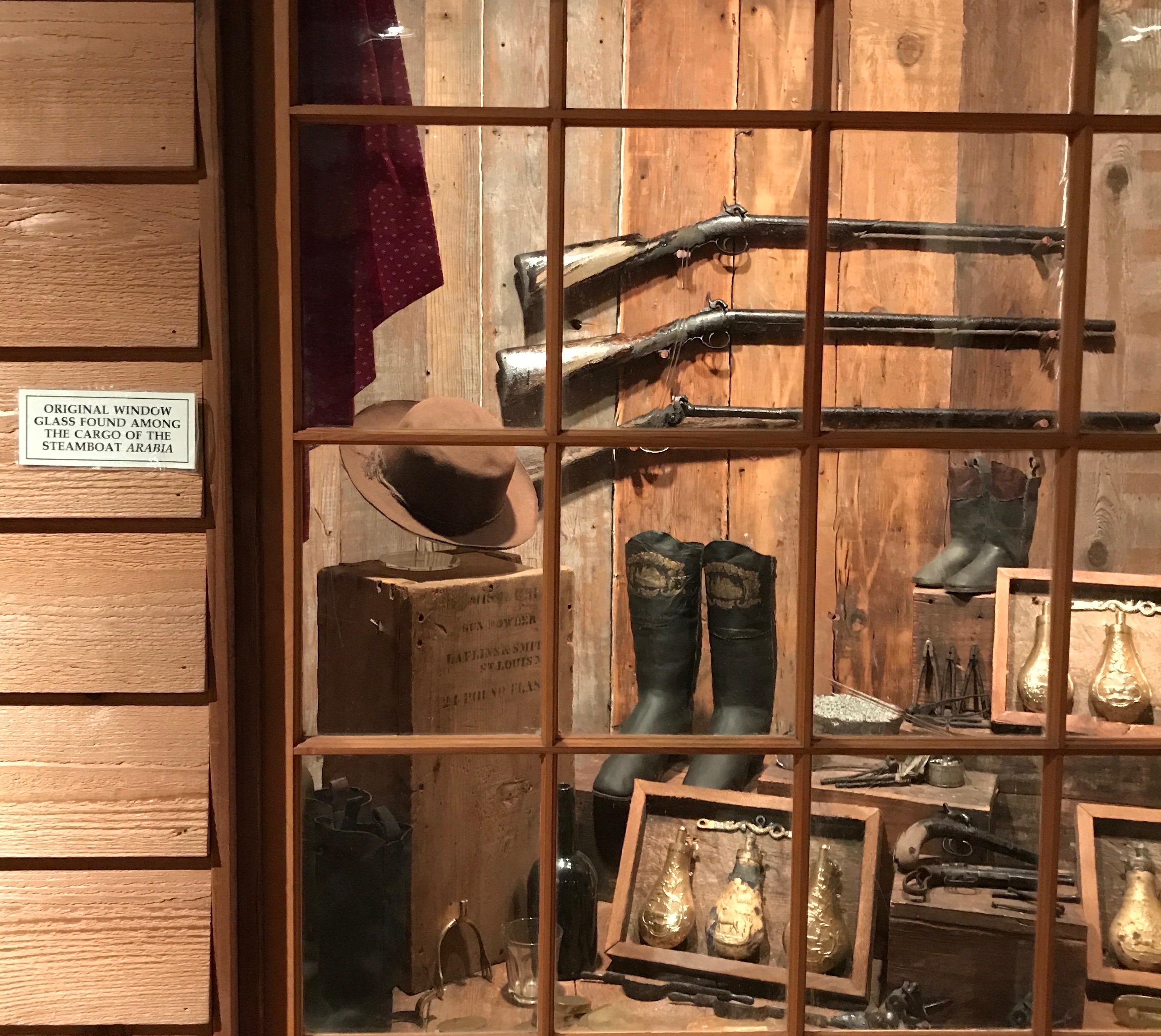
Glass was on board the Arabia when it went down – this glass, in fact.
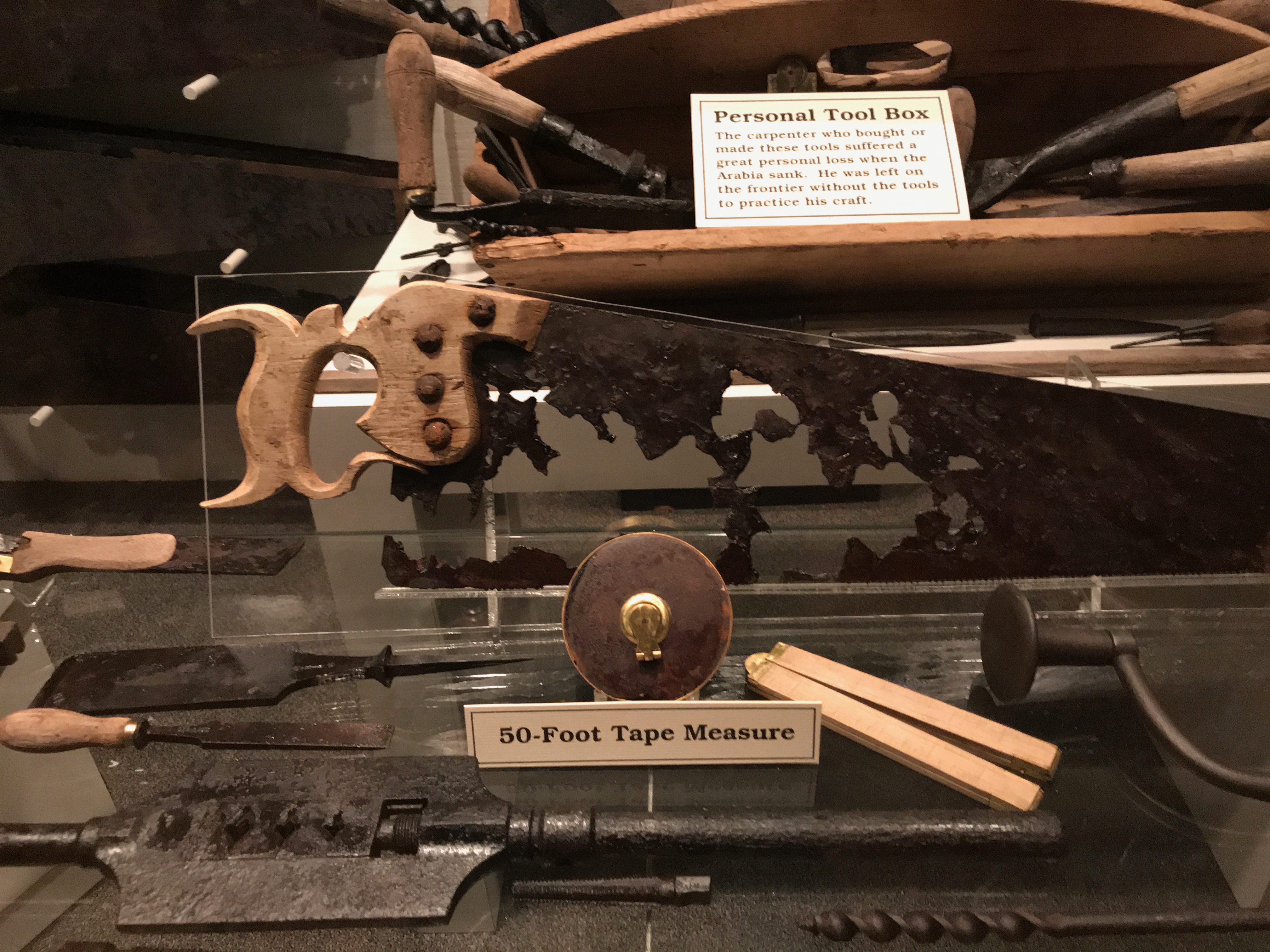
Tools. That poor saw looks kind of woe-begone, though.
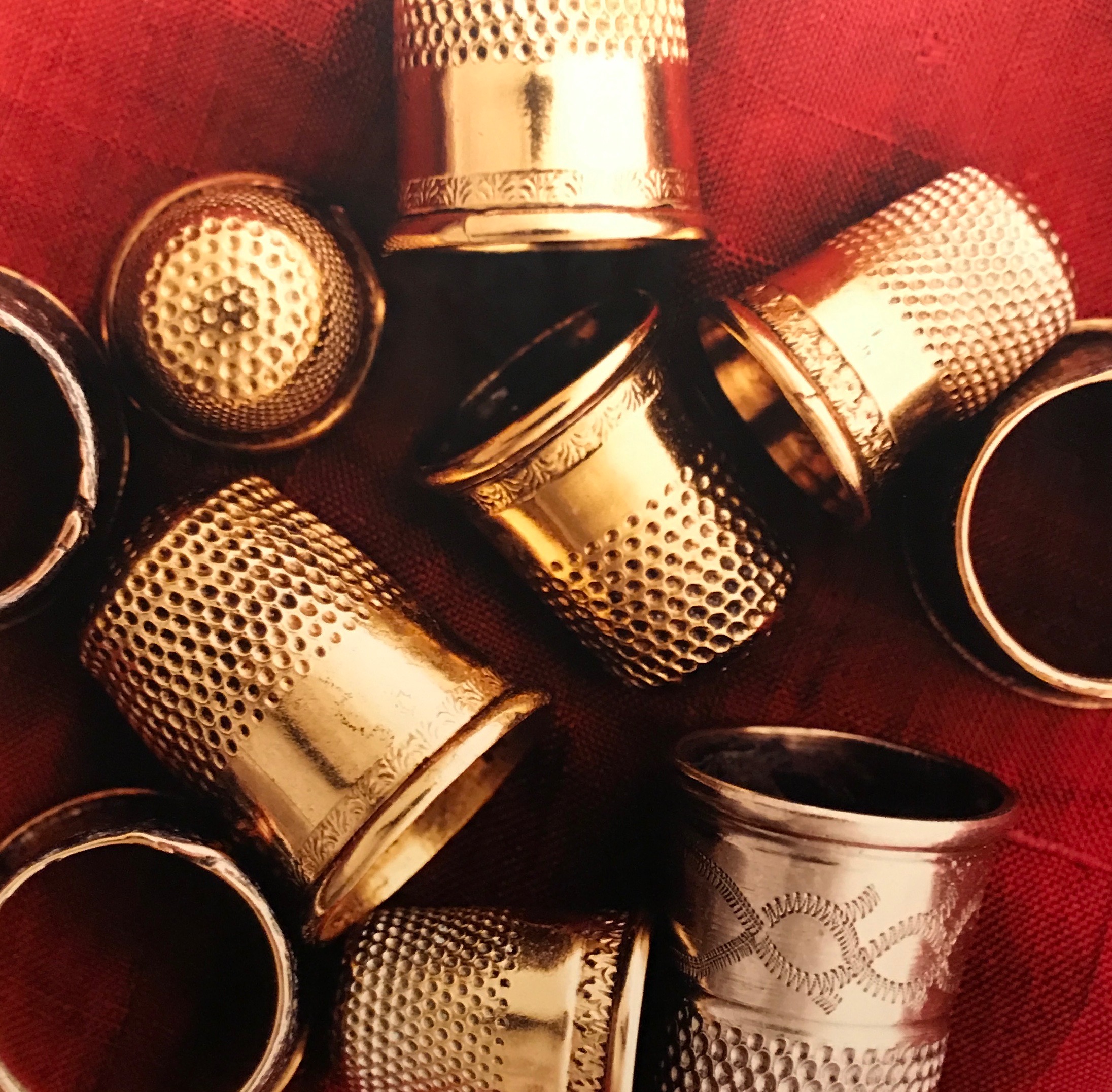
Some lovely thimbles
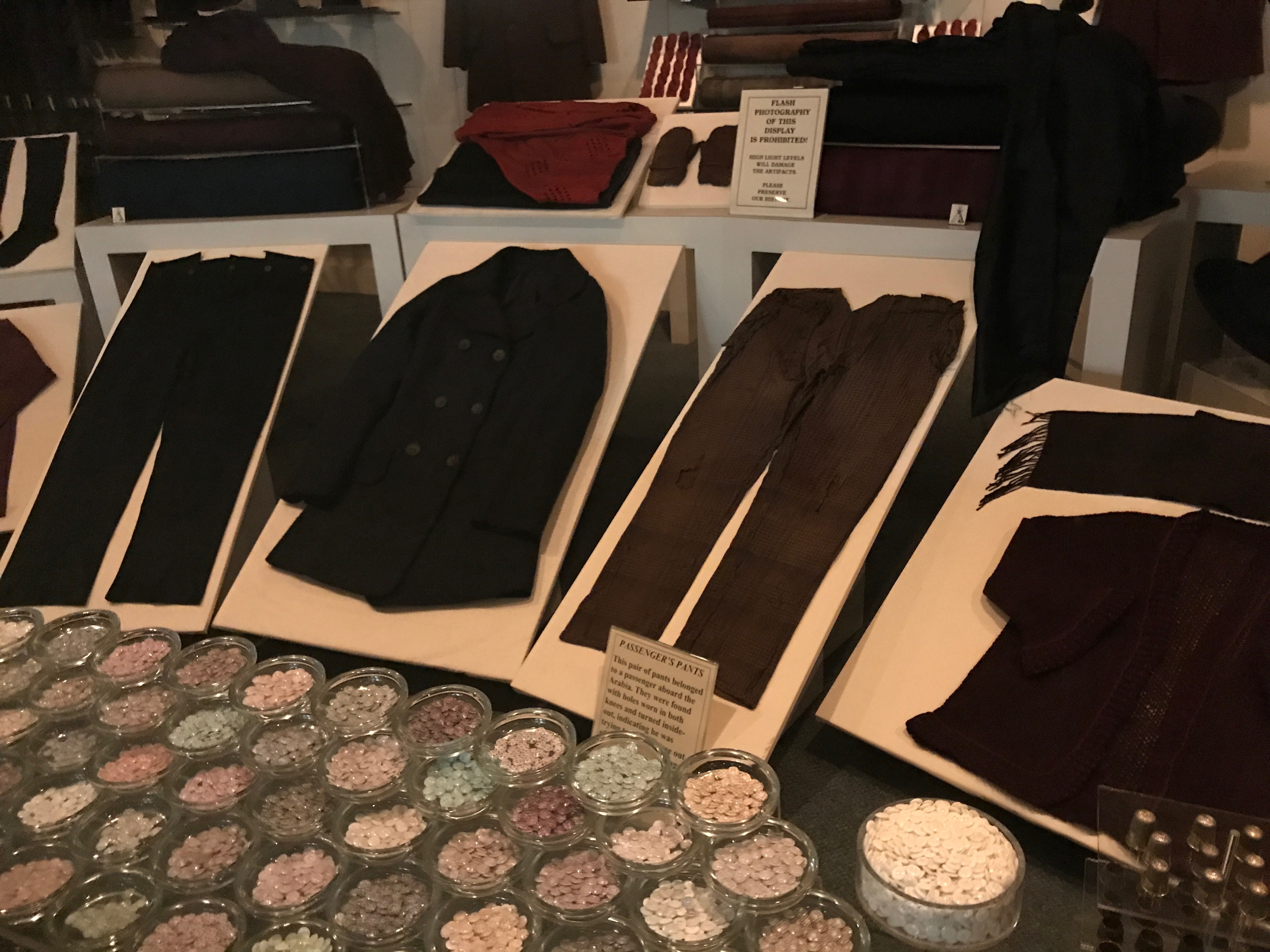
The sign by the brown pants says:

Passenger’s Pants
This pair of pants belonged to a passenger aboard the Arabia. There were found with holes worn in both knees and turned inside-out, indicating he was trying to get extra use out of them. His other meager belongings included cooking supplies, a whale oil lamp, a spittoon and 25 cents.
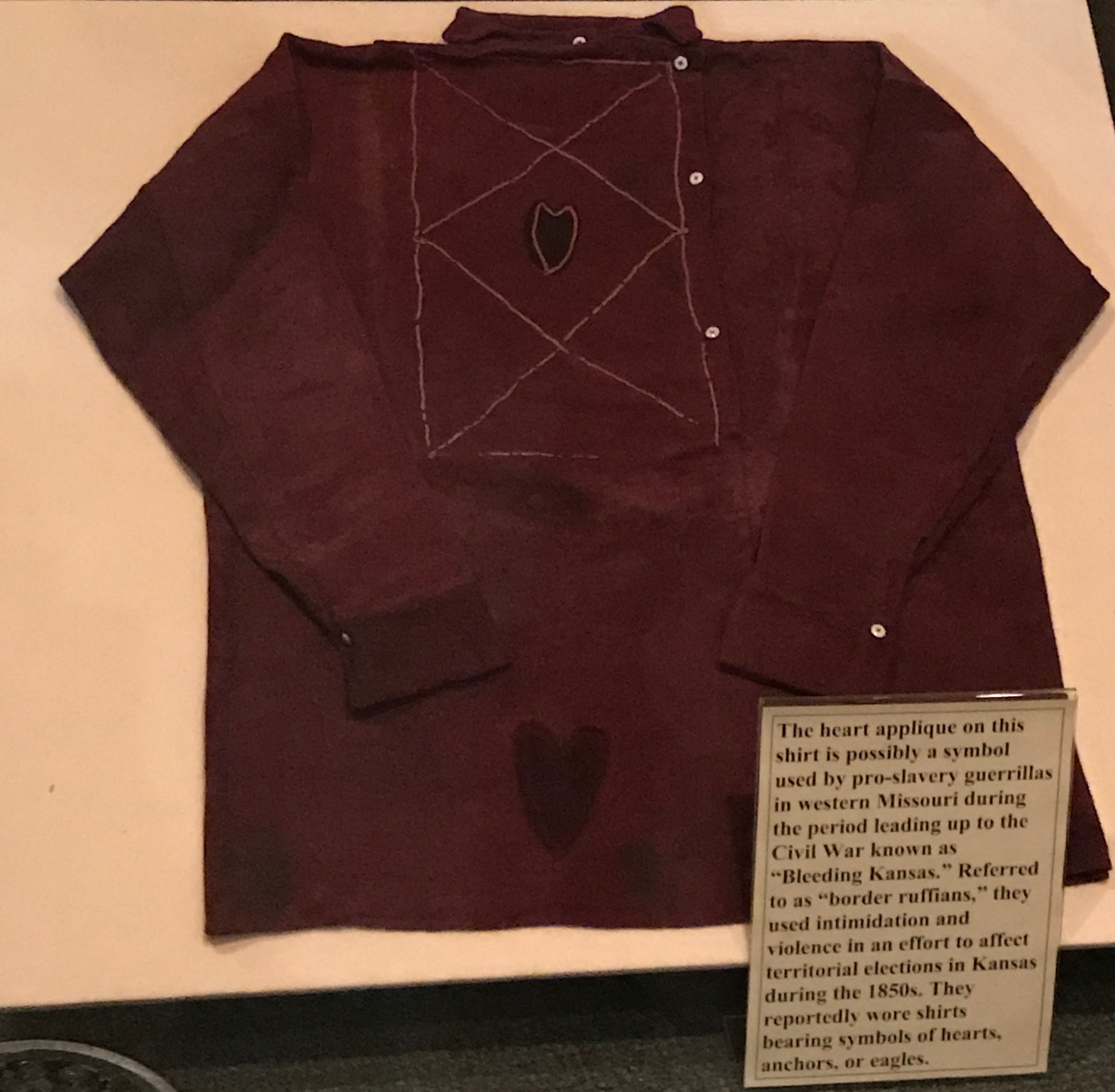
In case  you are reading this on a small screen, allow me to tell you what the sign by the shirt says.

“The heart appliqué on this shirt is possibly a symbol used by pro-slavery guerrillas in west Missouri during the period leading to the Civil War known as “Bleeding Kansas.” Referred to as “border ruffians,” they used intimidation and violence in an effort to affect territorial elections in Kansas during the 1850s. They reportedly wore shirts bearing symbols of hearts, anchors, or eagles.”

Back to the inventory…
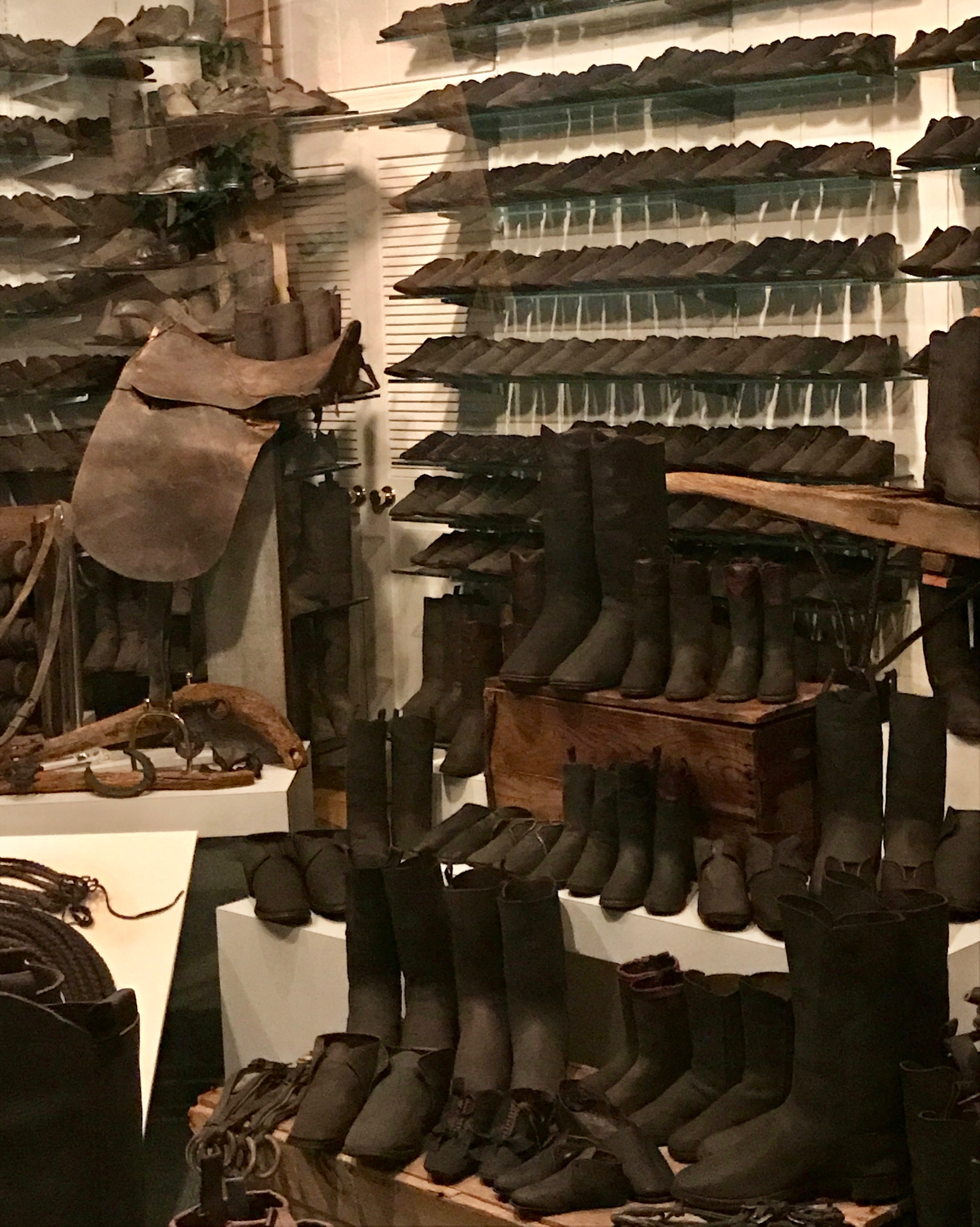
Shoes and saddles

And rubber artifacts…
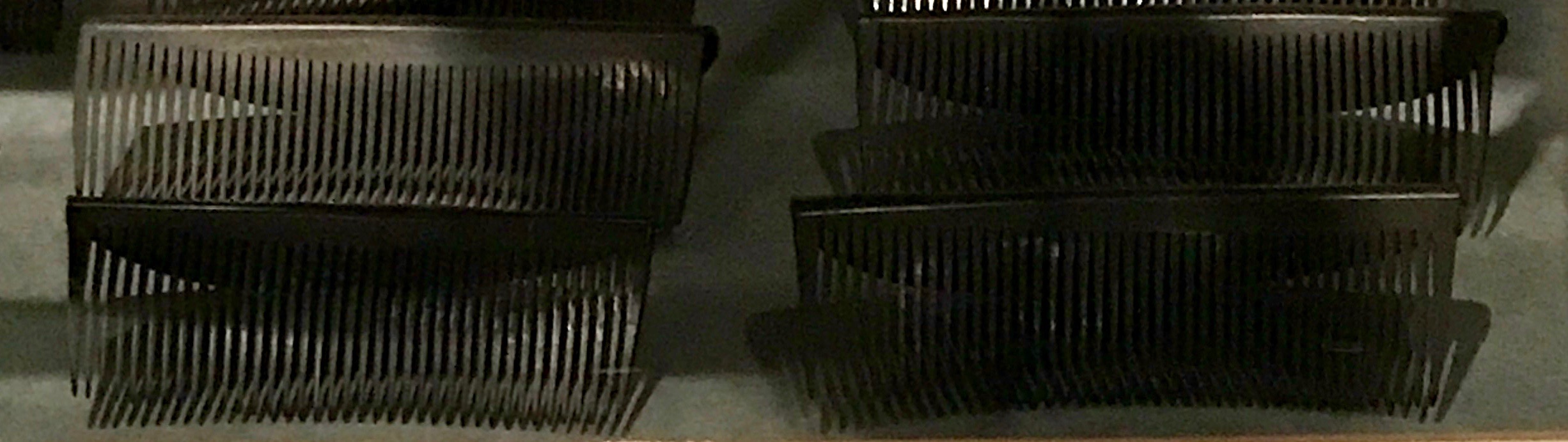
Combs
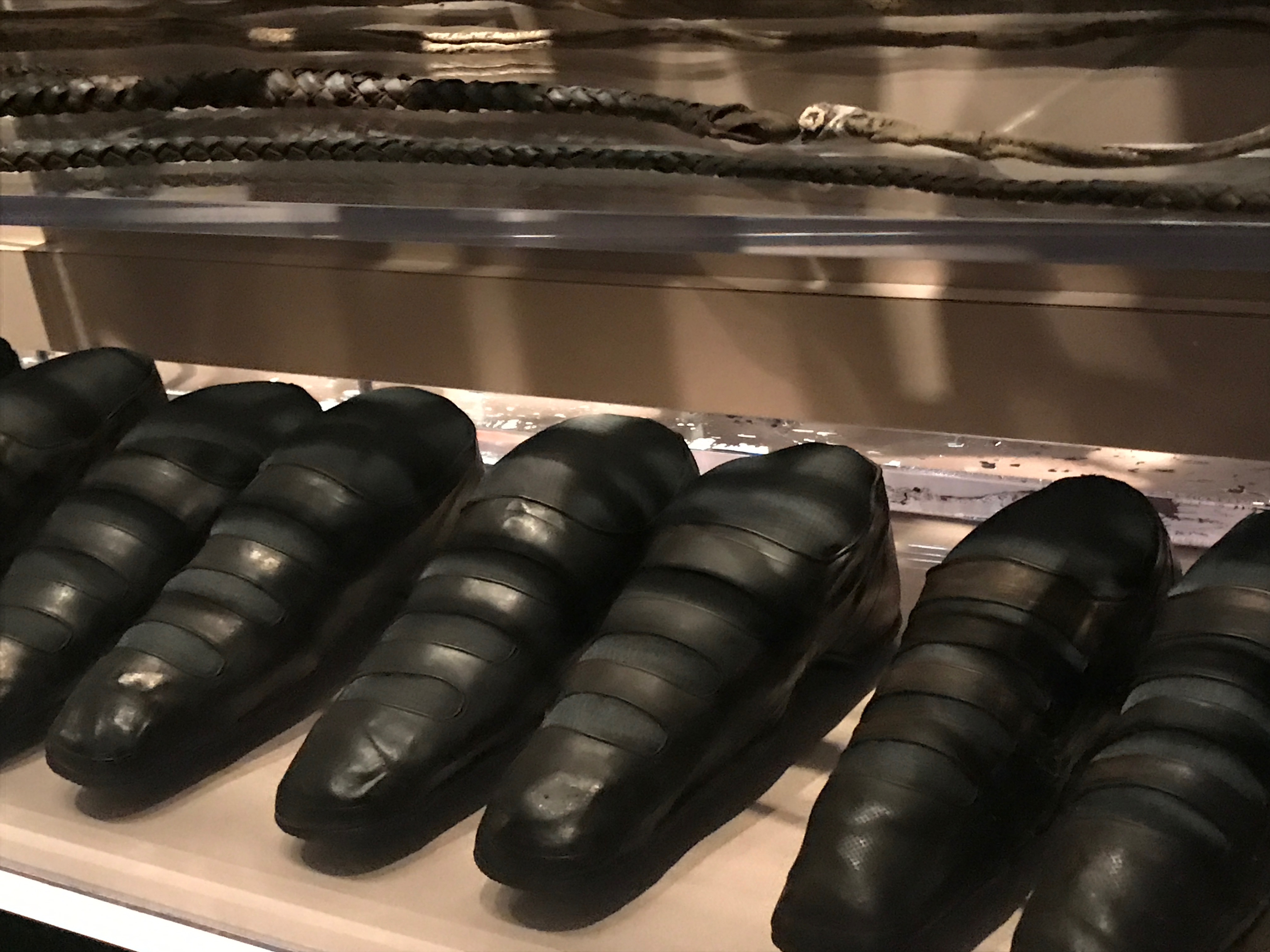
Shoes and bullwhips.

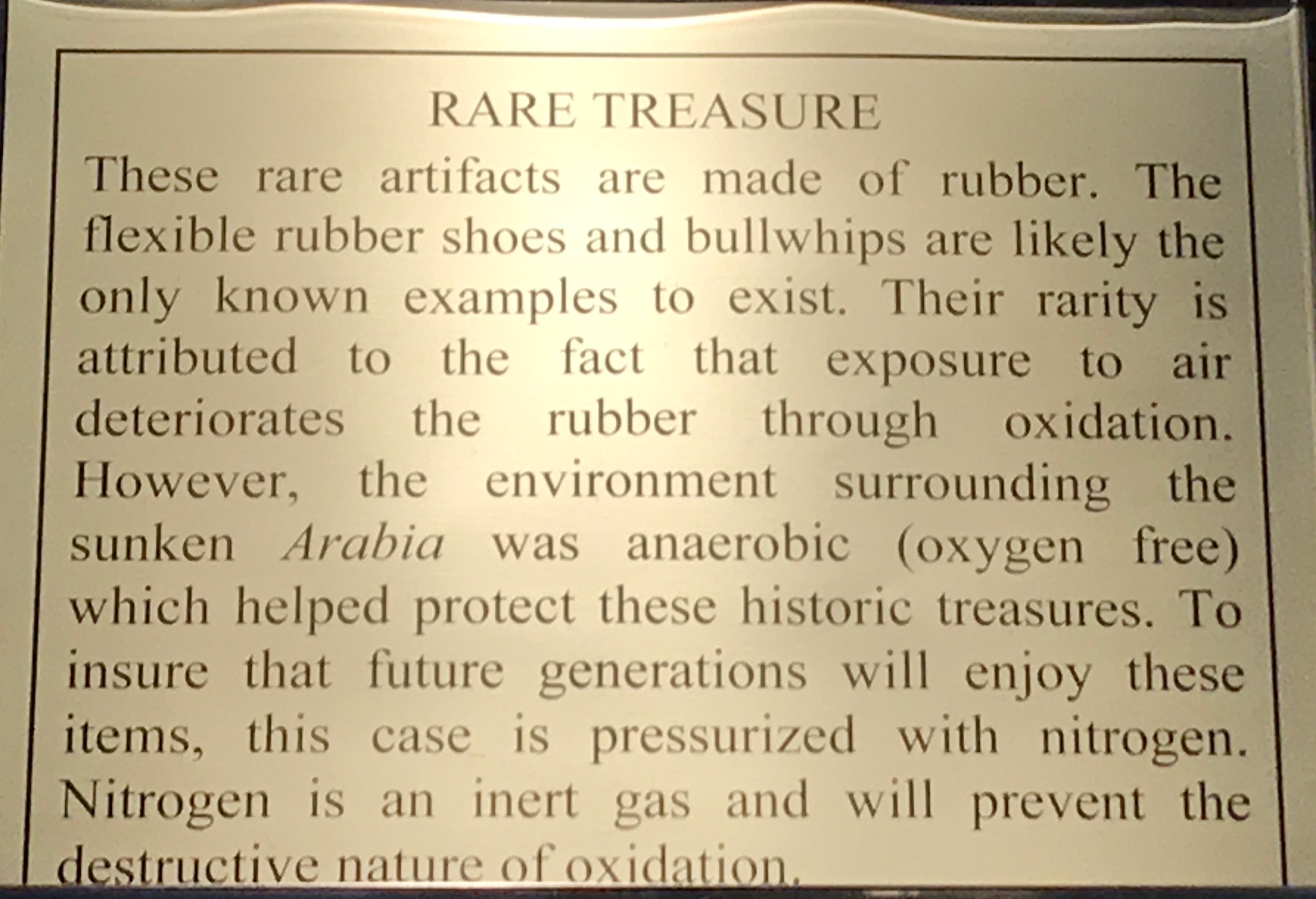
I’ll let you read the sign that was posted by the rubber items.
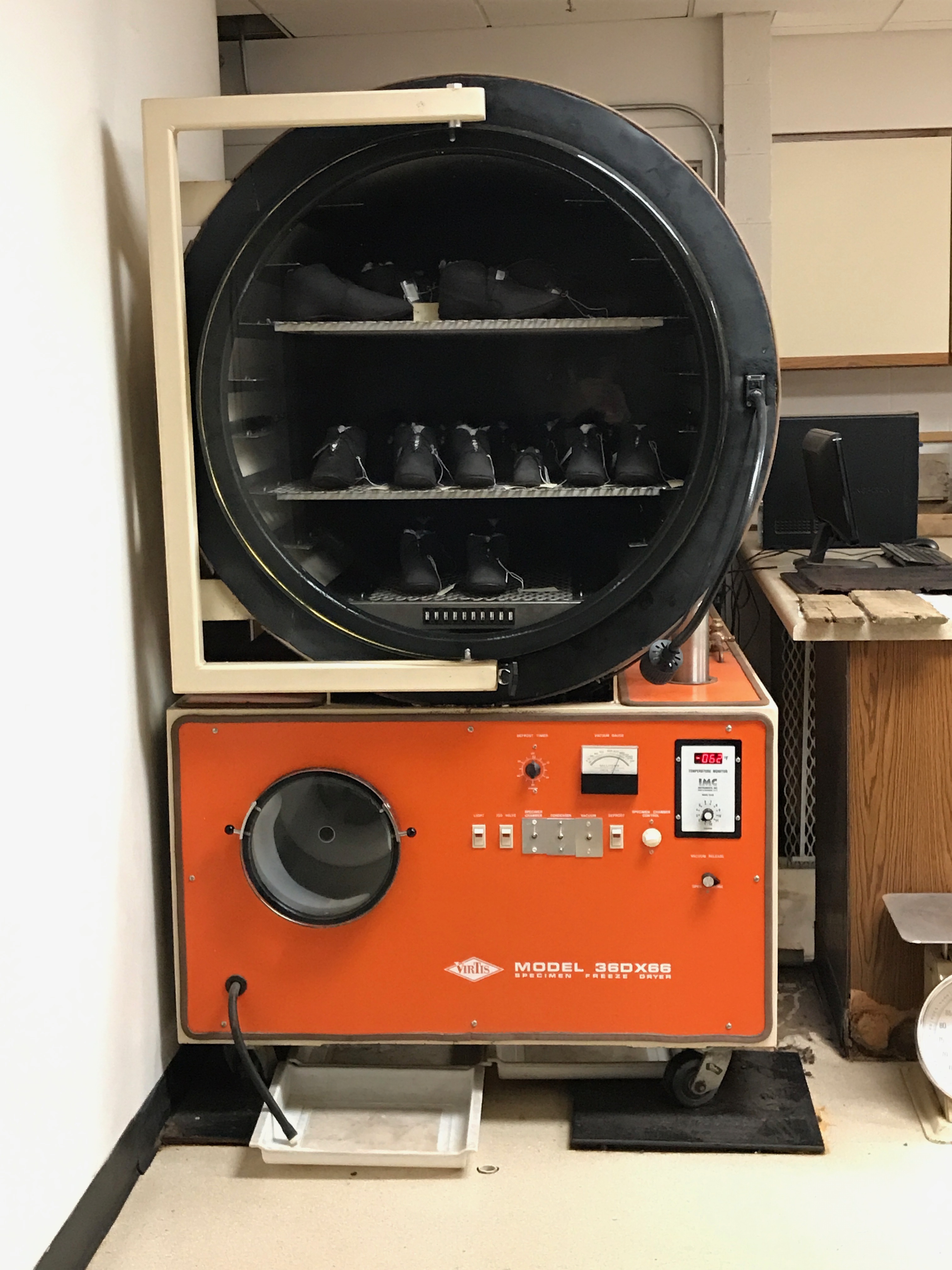
Here is some of the equipment used to preserve the rubber artifacts.
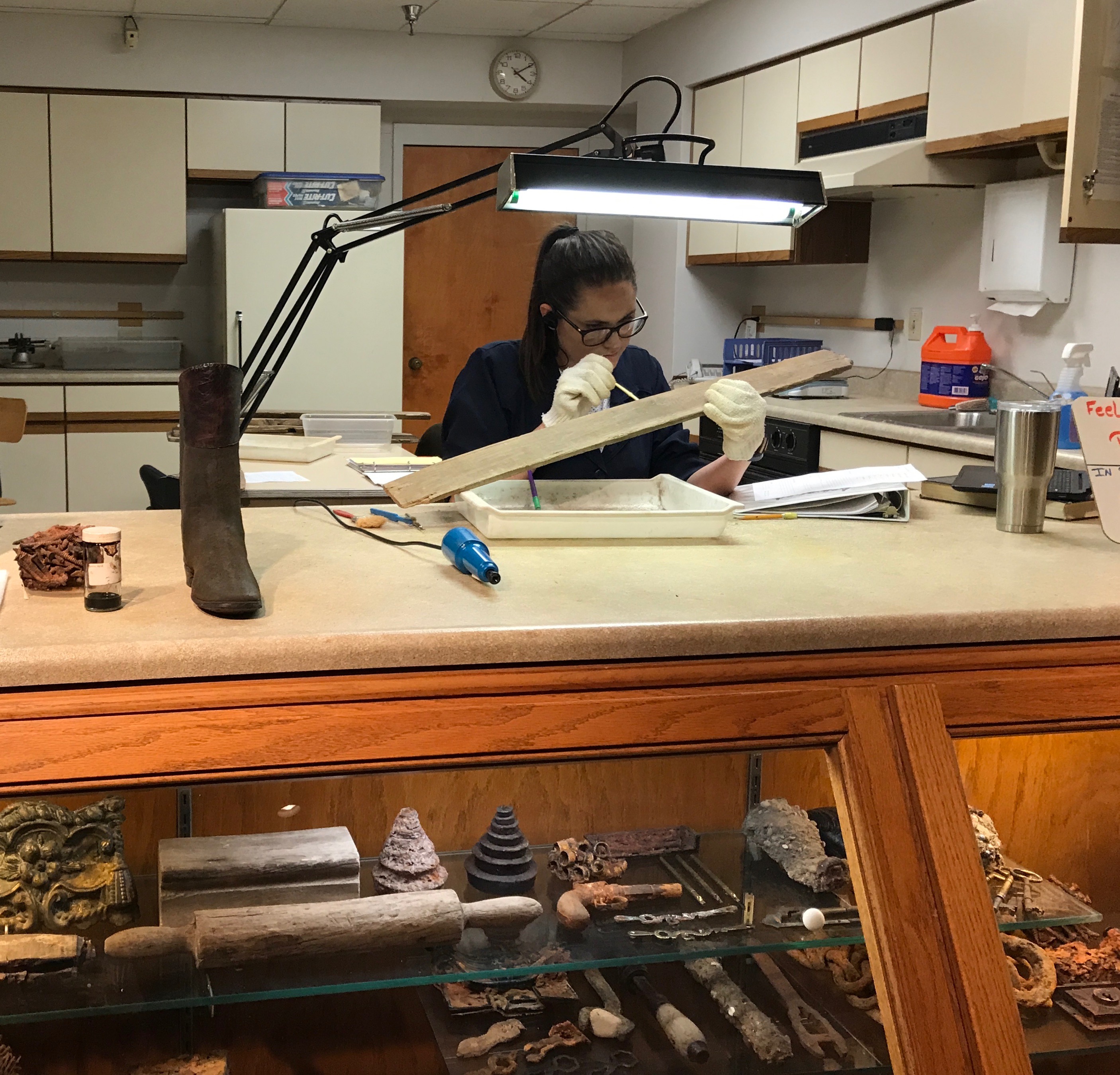
The promised us a view of the conservation lab – and there was even a conservator at work.
Here are some of the items in the 60 tons that are left to process
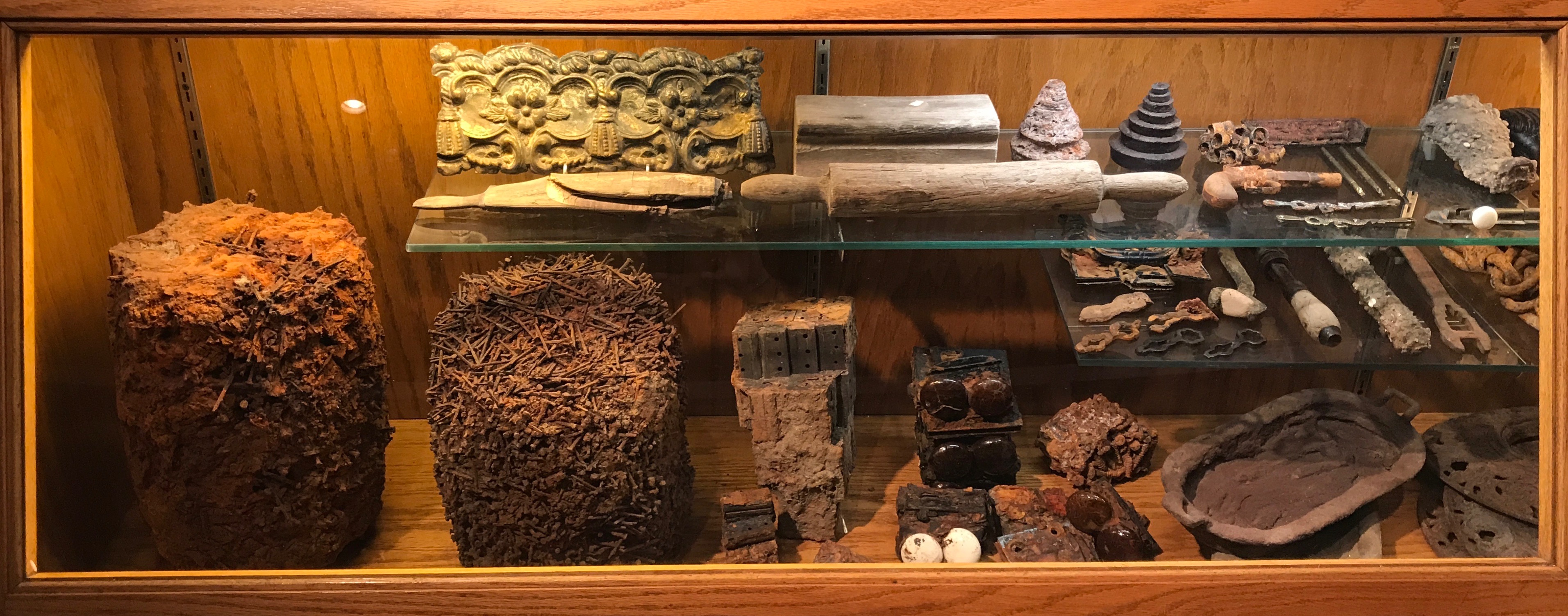
I would not look forward to having to conserve the nails in the two lumps on the left.

Not all the artifacts that were aboard survived in such pristine condition.
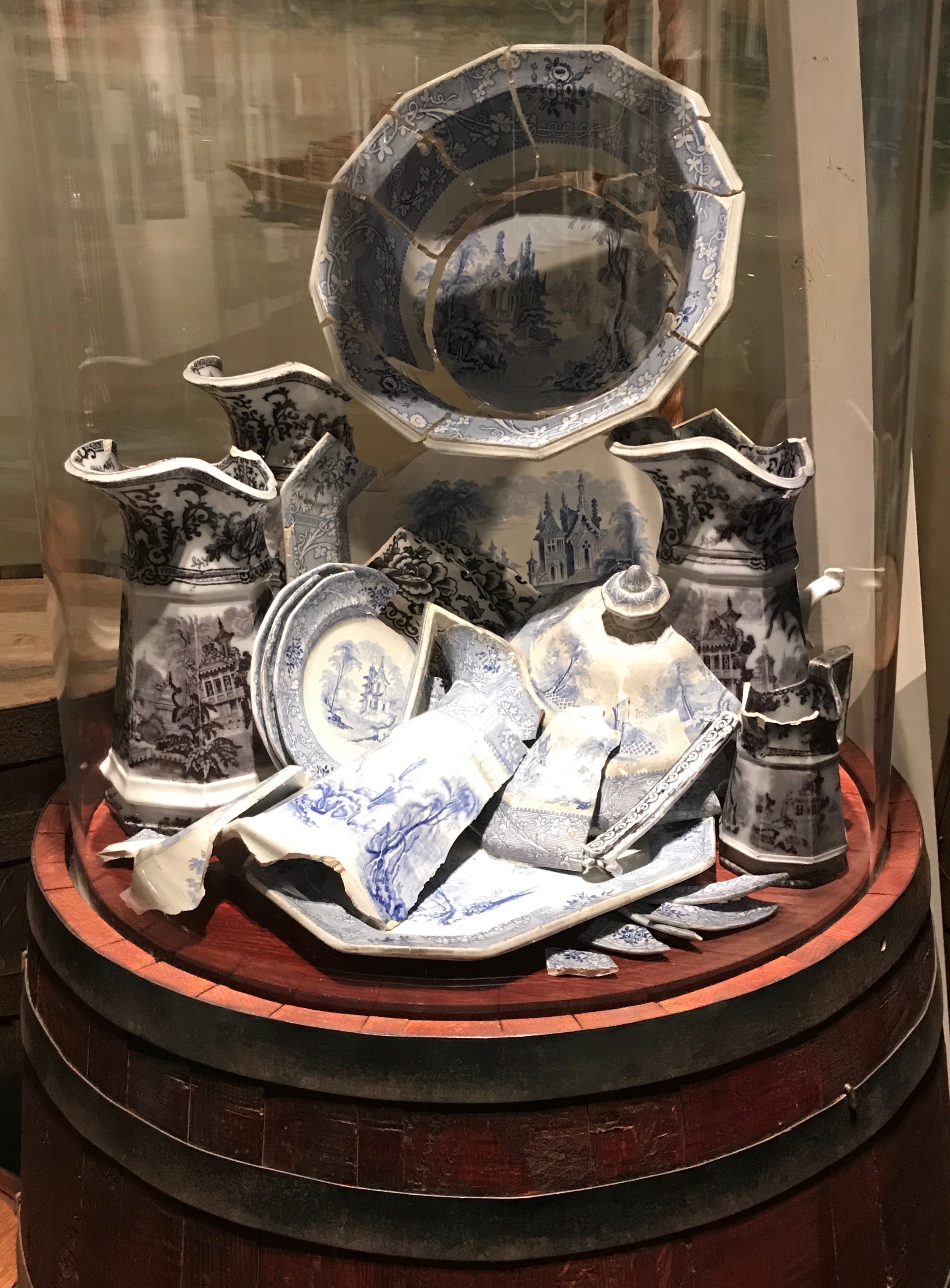
This china didn’t fare well.
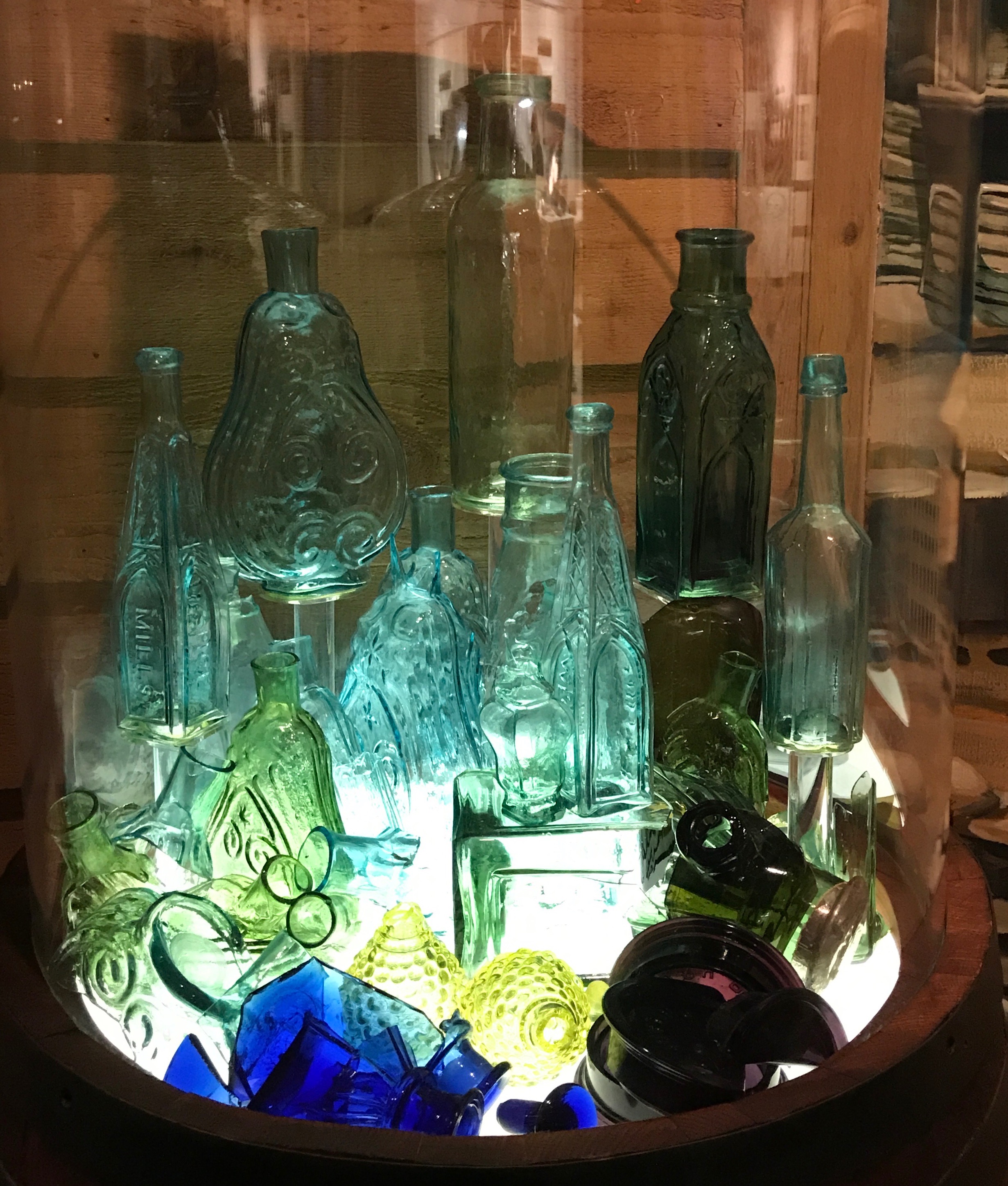
The bottles also took a hit. If you look closely, though, you can see that five of these bottles survived without a scratch.

There was also an interesting display about how the boat actually worked. It could make about five miles an hour going upstream, and it burnt about 30 cords of wood a day. How much is a cord, you ask?

“A full cord is determined by the total cubic feet of firewood, not necessary the measurements of the stack. However, the 4′ x 4′ x 8′ shape is the most common.”

128 cubic feet are in a cord. 30 cords of wood would be 3,840 cubic feet a day. That is about the size of the largest school bus that you would see on the road today. I wonder what the infrastructure was for replenishing their fuel supply?
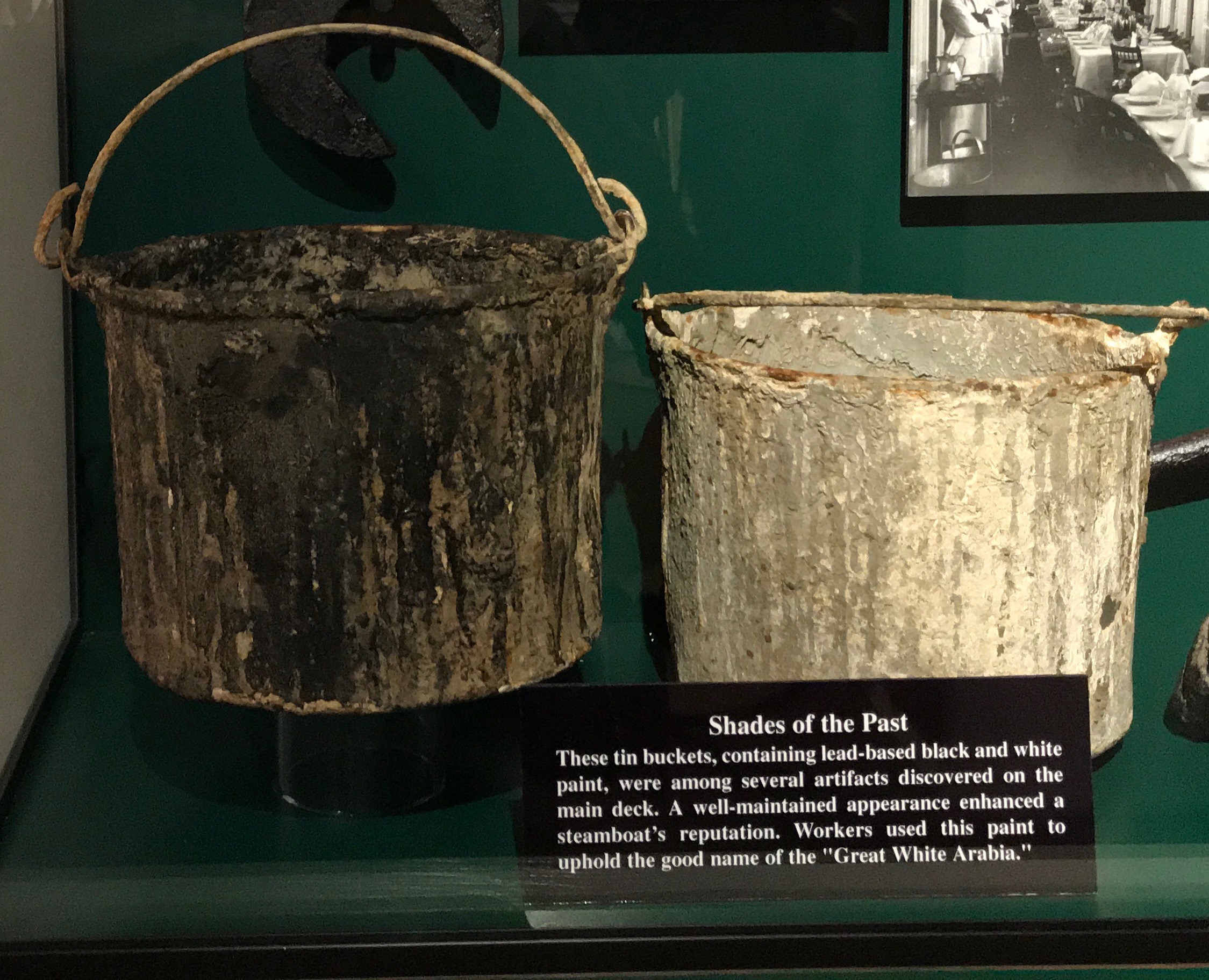
These buckets were also part of the working of the boat. The workers had to keep the Arabia looking good.
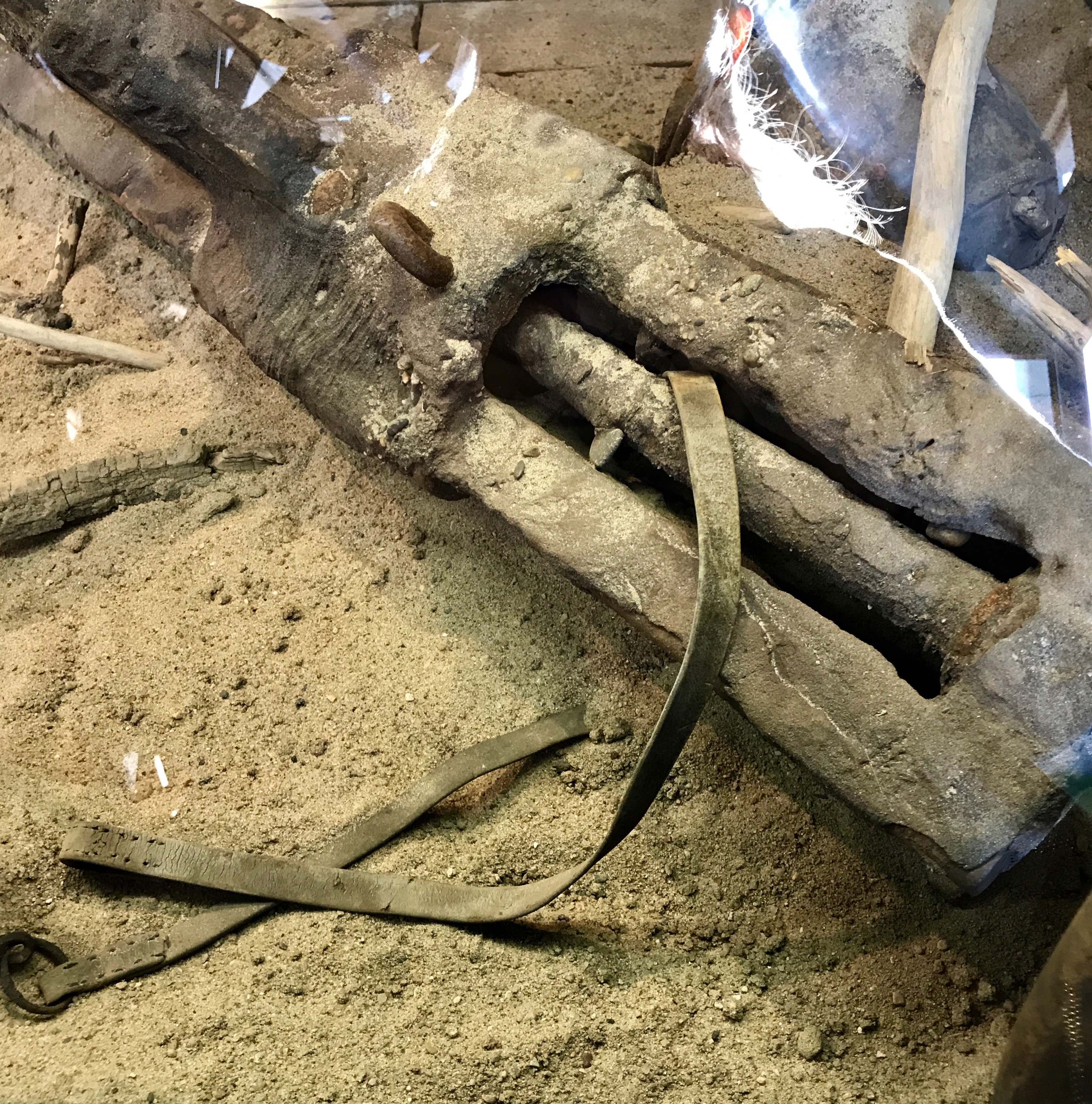
Oh, and you know the story about the mule being the sole casualty of the sinking of the Arabia? The owner was interviewed shortly after the sinking and he said that he tried to free his mule, but it was too stubborn and would not leave the sinking steamboat. The reins tell a different story. They were discovered firmly tied to this lumber mill jack.
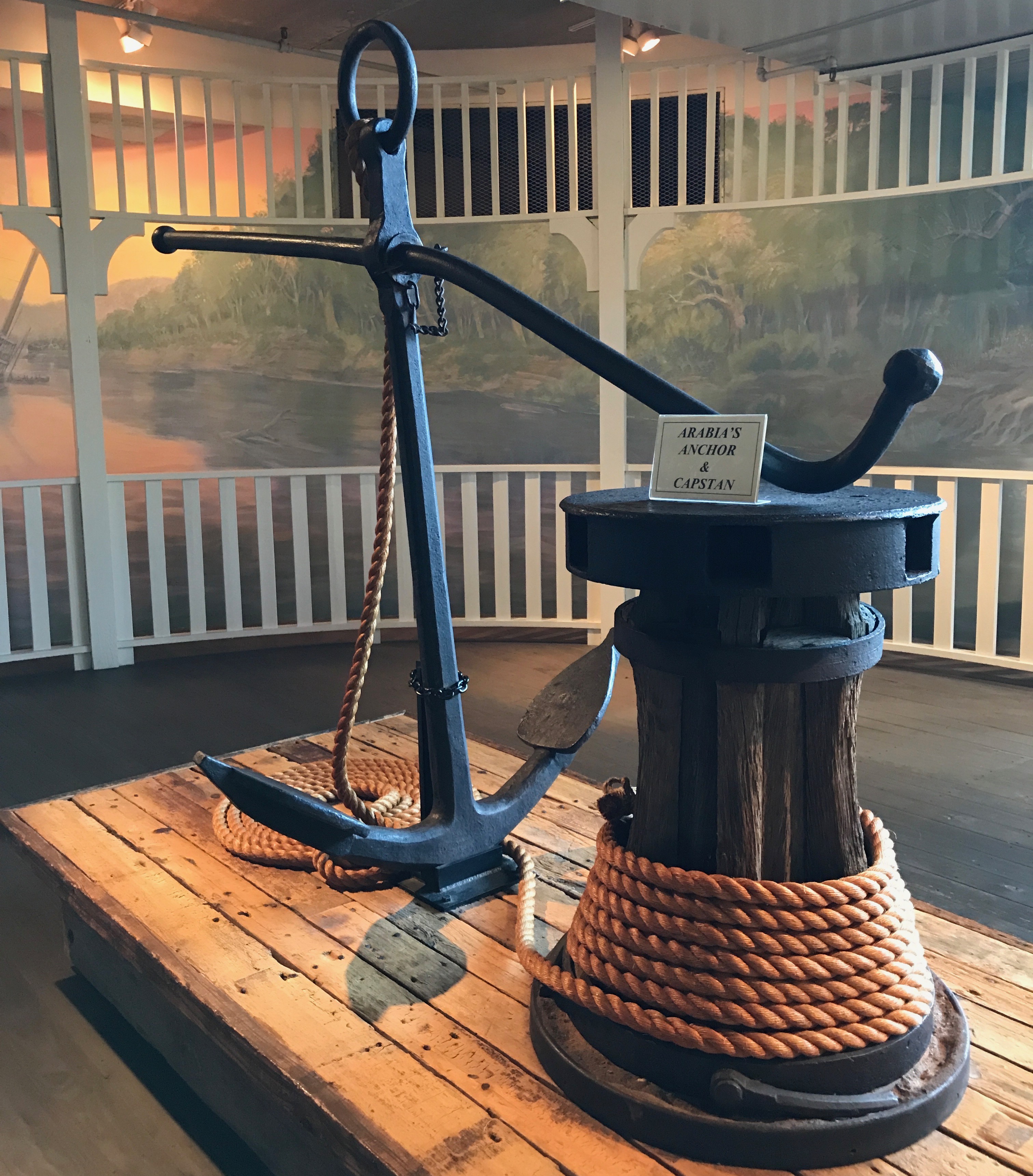
With that, it was time to weigh anchor
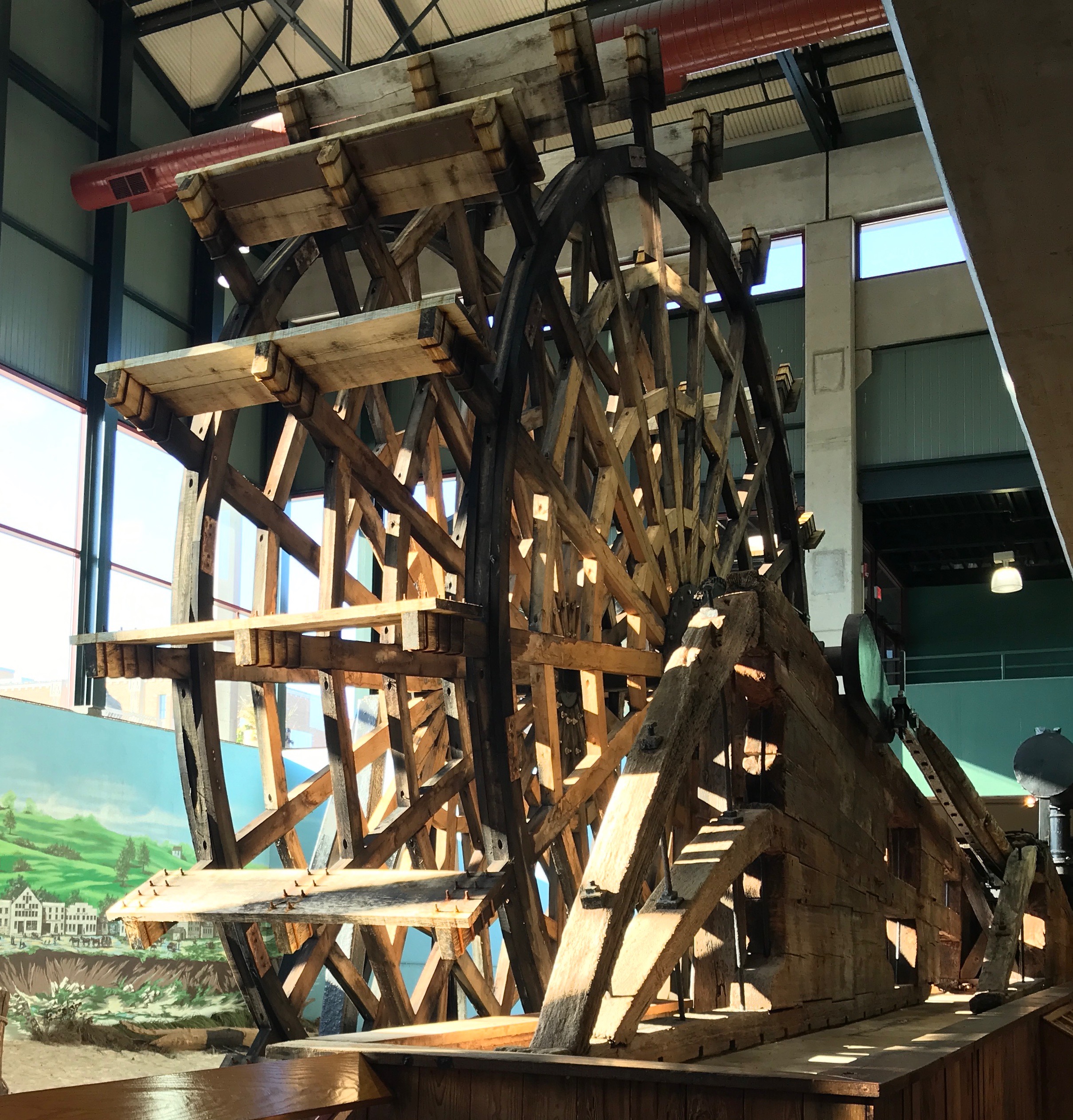
and head off to my next adventure.
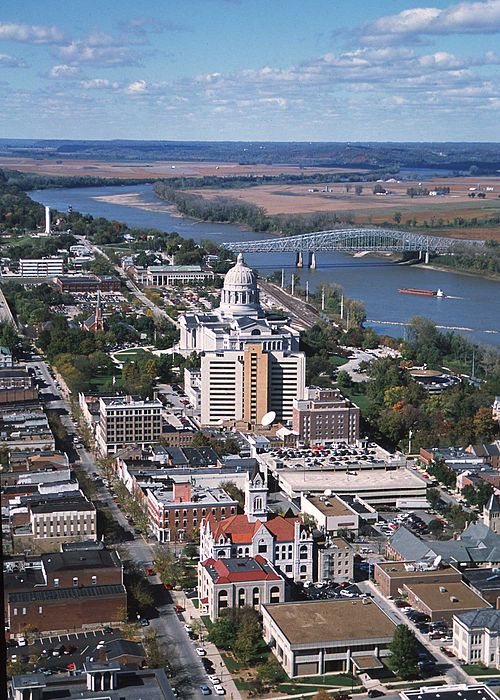
Oh, My! The Capitol Building of Missouri!

The capital of Missouri is Jefferson City – that’s Jeff City to its friends. It’s a surprisingly small city for a state capital. The 2010 census pegged it at about 43,000. According to my Preferred Source, it is the 15th largest city in Missouri. The largest city in the state is Kansas City, at about 460,000, and the populations continue down from there. In fact, the smallest place listed as a city in this source is Triplett with a population of 41 in 2010. What is at the bottom of the list? Well, it’s Goss, with a population of 0, according to the 2010 census. (But it’s only identified as a town.)
While the city is on the small side, the capitol building is not. It is built on a bluff on the south side of the Missouri River. Lewis and Clark paddled past this very spot on their 1804-1806 Corps of Discovery Expedition. Of course, none of these buildings were here.
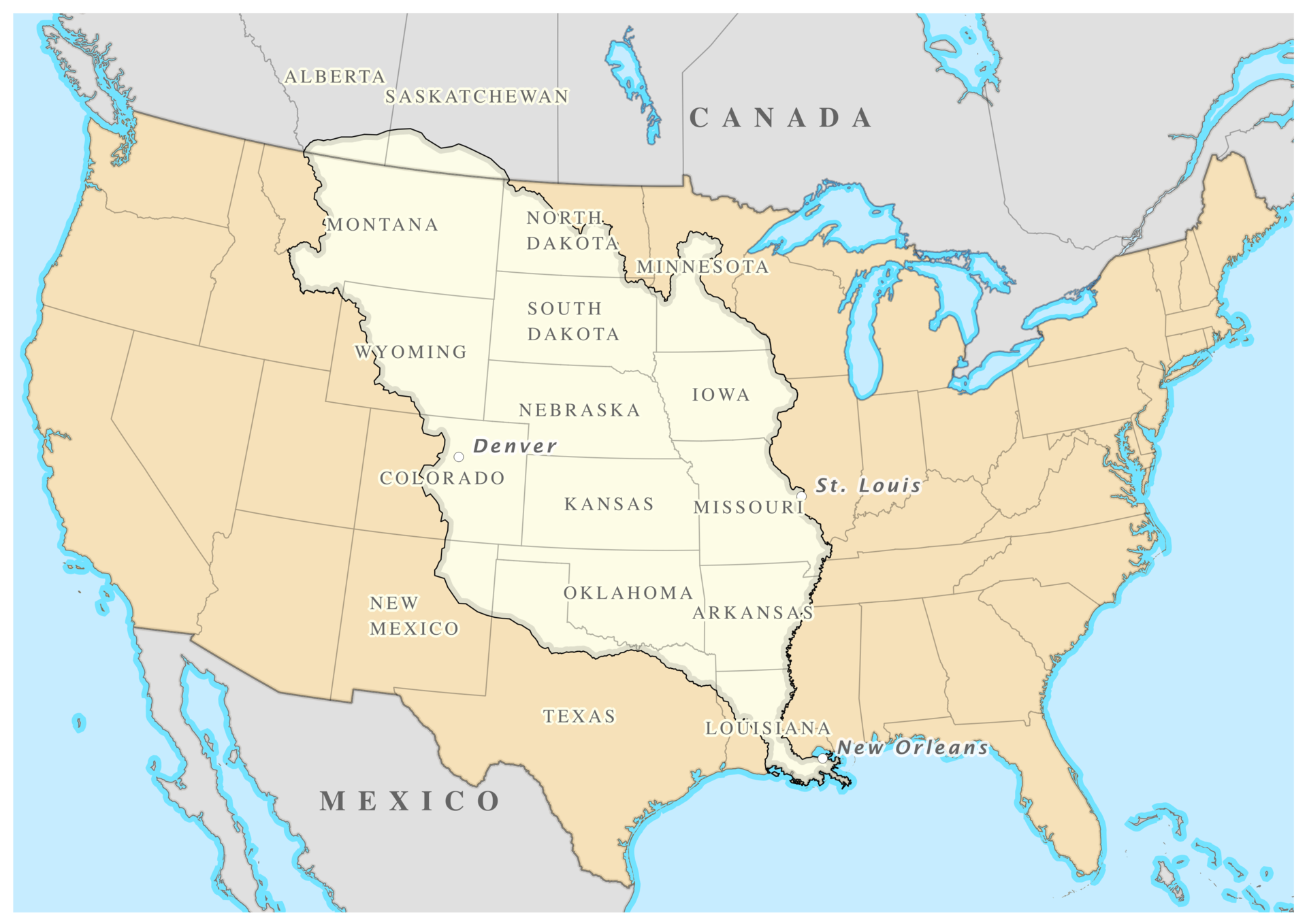
I was tempted to say that Missouri wasn’t even part of the United States at that time, but it was acquired from the French in 1803 as part of the Louisiana Purchase. The USA paid the French fifteen million dollars, or approximately $18 per square mile. That works out to about three cents an acre. They acquired a total of 530,000,000 acres – or about 830,000 square miles.
The Missouri Territory was organized in 1812. St. Louis, on the Mississippi River, was the seat of government. St. Charles, located on the Missouri River, became the second seat of government. Jefferson City was chosen as the new capital in 1821. The village was first called “Lohman’s Landing.” When the legislature decided to relocate there, they proposed changing the name to “Missouriopolis.”

I don’t know about you, but I prefer the name Jefferson City.

The settlement was incorporated as a city in 1825 and the Missouri legislature met there for the first time a year later.

I spent a lot of time trying to figure out how to present this capitol building. The building itself is mammoth, but it is filled with the more amazing works of art that I have seen in most state capitols. So, I have decided to break this up in to two posts. The first one will focus mainly on the building. If you’re not so much into the building, the post with the artwork should be along in a few days.

If you are not a fan of my state capitol posts, well, something else will be along in a eventually.

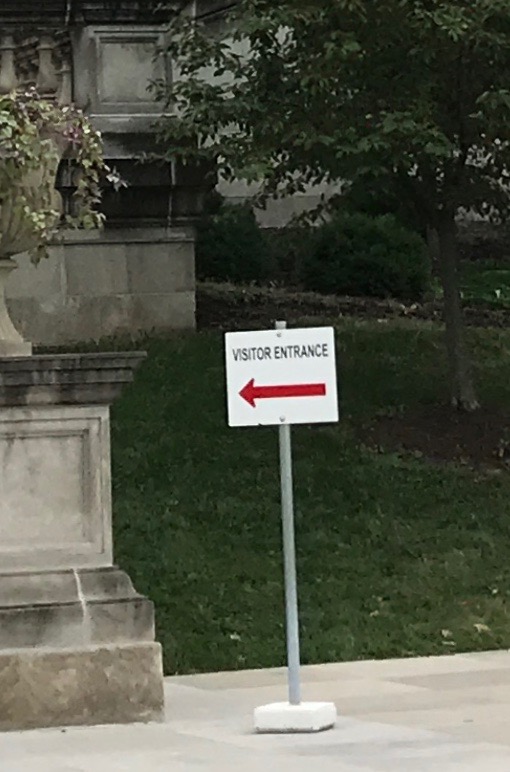
It was still a soggy day when I got up, but not quite as bad as what I had driven through the day before. I got myself ready and headed to the Capitol Building. I parked and found a sign directing me to the visitor’s entrance.

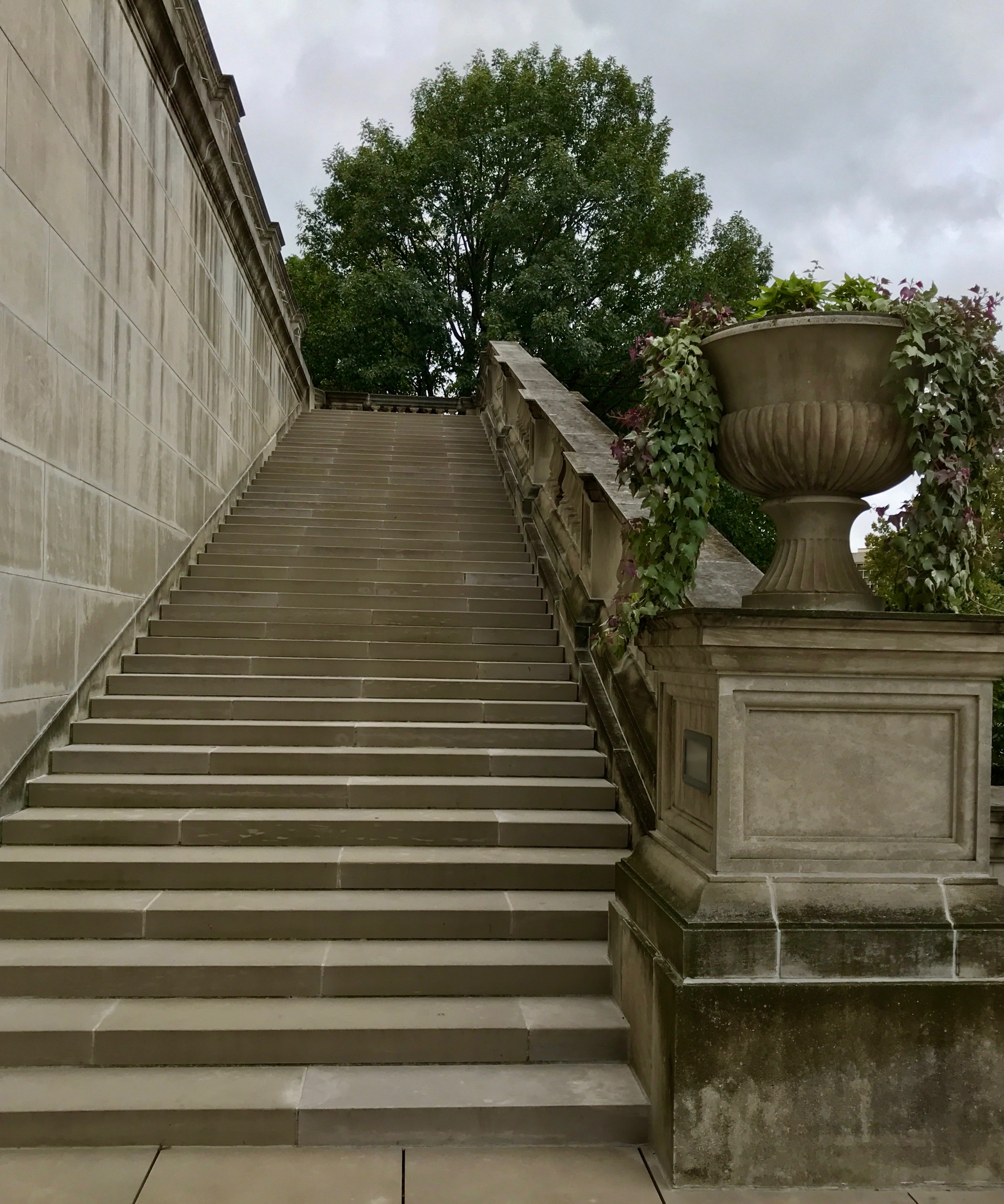
I started climbing. At one landing, there was an entrance. It wasn’t my entrance, however.

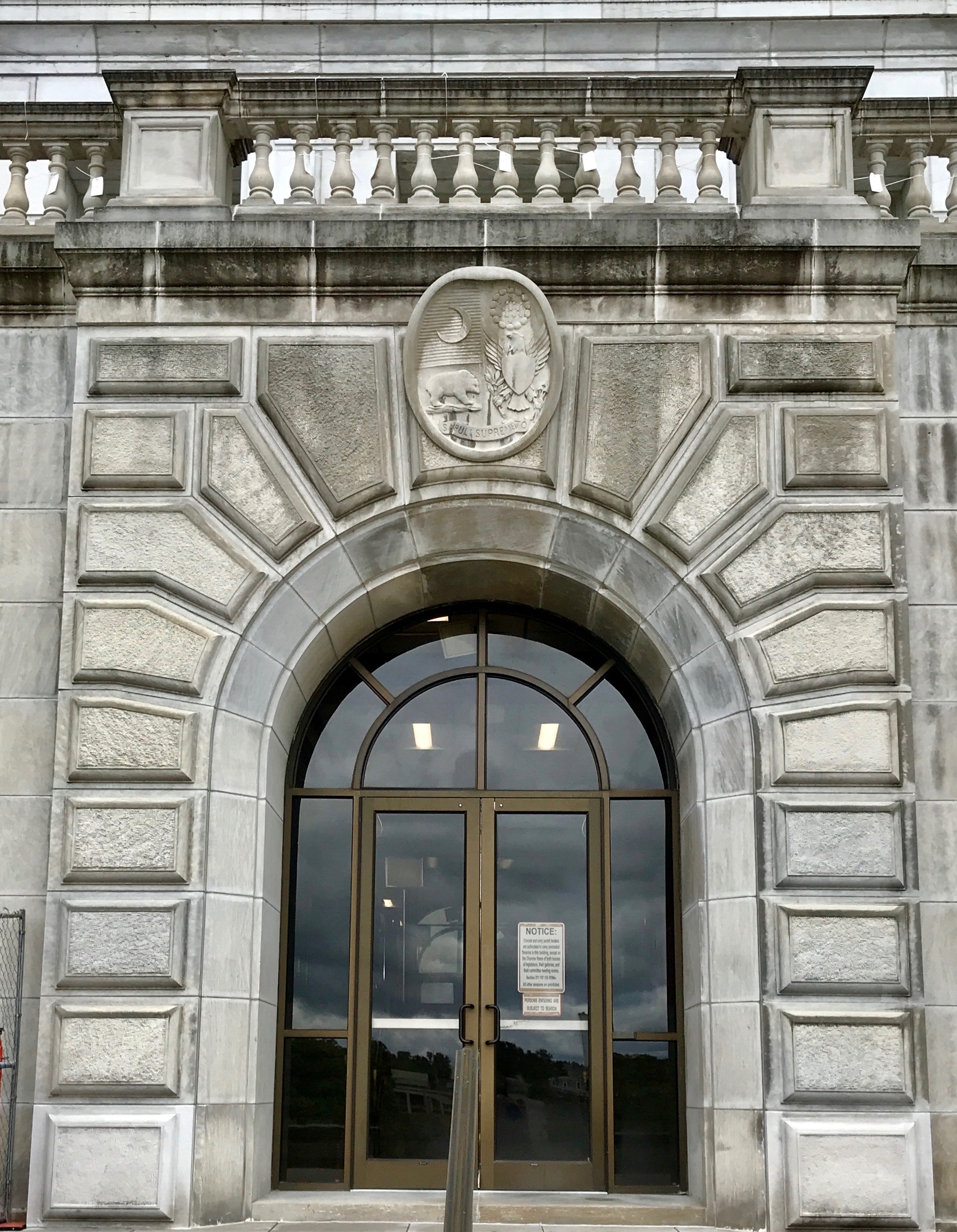
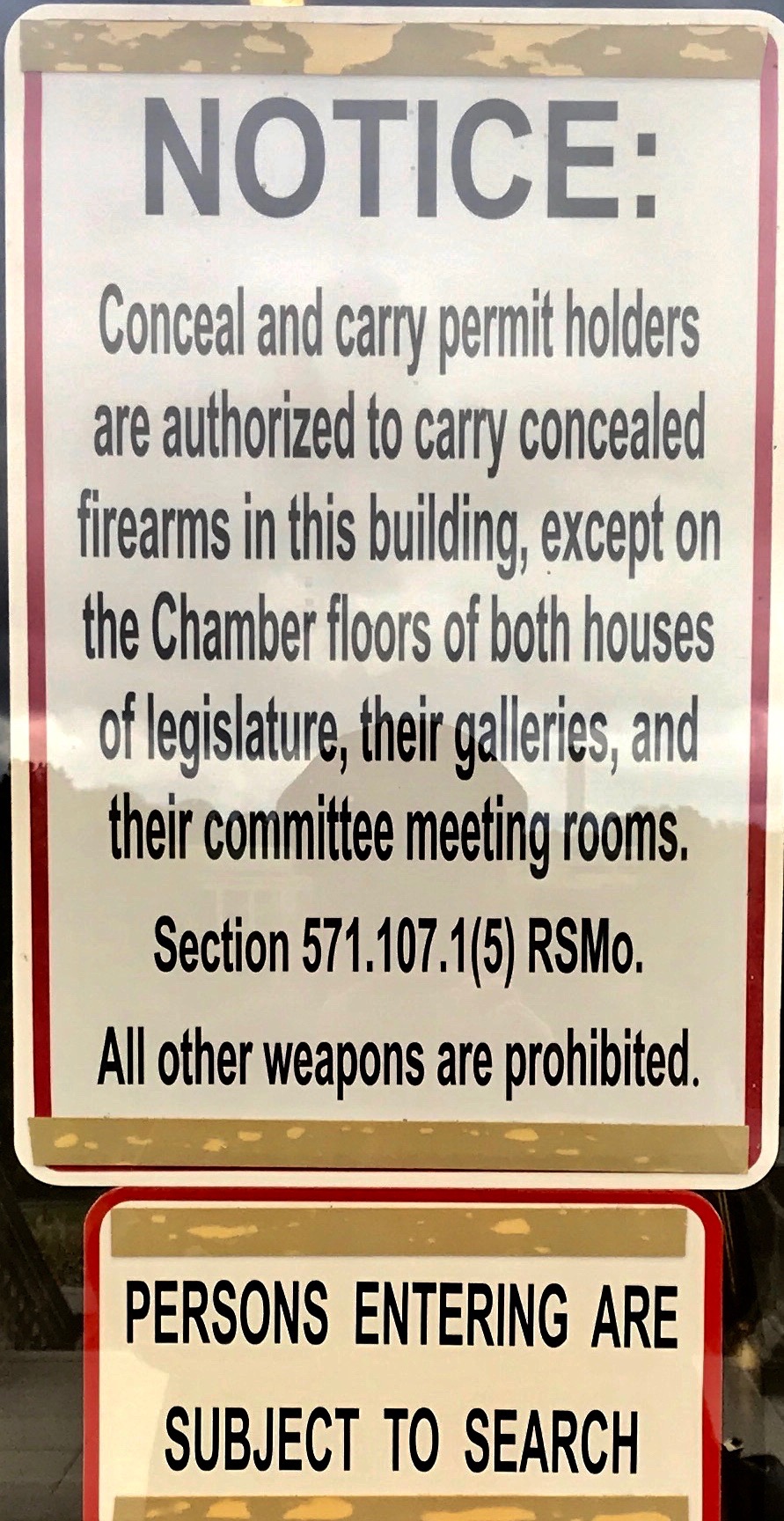
Of course, I had to go up and read the signs on the door.

And, if you wanted to know what the signs said, now you do. I continued on up the stairs.

I wish I had been counting the number of stairs! They seemed to go on for ever.

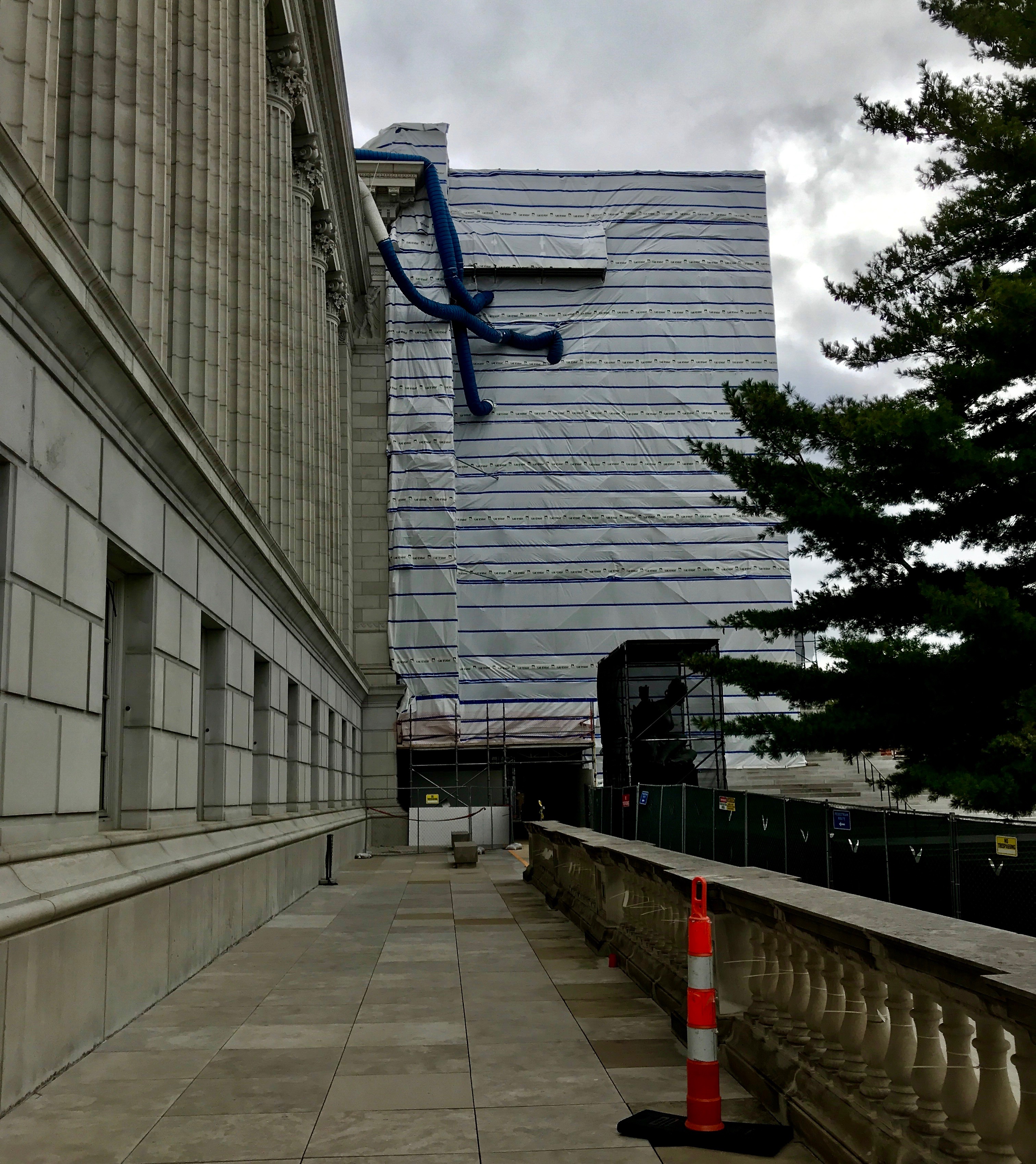
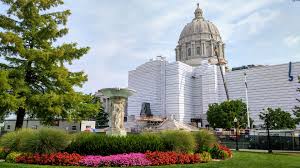
I followed the arrows around to the visitor’s entrance. I guess they must be doing some renovations. It kind of reminds me of one of Christo’s wrapped buildings.

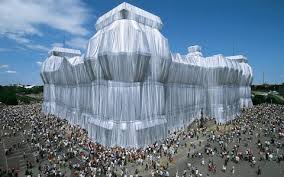
Here’s a photo of the Reichstad in Berlin in 1995.

You can see the similarities, although Christo’s wrapping was only up for fourteen days. I wonder how long the wrapping on the capitol will be up? Incidentally, while Christo didn’t wrap the Reichstad until 1995, I first heard about it in art history class with Sister Jeanne when I was in college. Christo started planning that temporary work of art in the sevenities.

Thank you, Sister Jeanne!

Anyway, I entered the building and looked around for a restroom. The tour wasn’t going to start for a bit, and I figured that I might as well make myself comfortable.

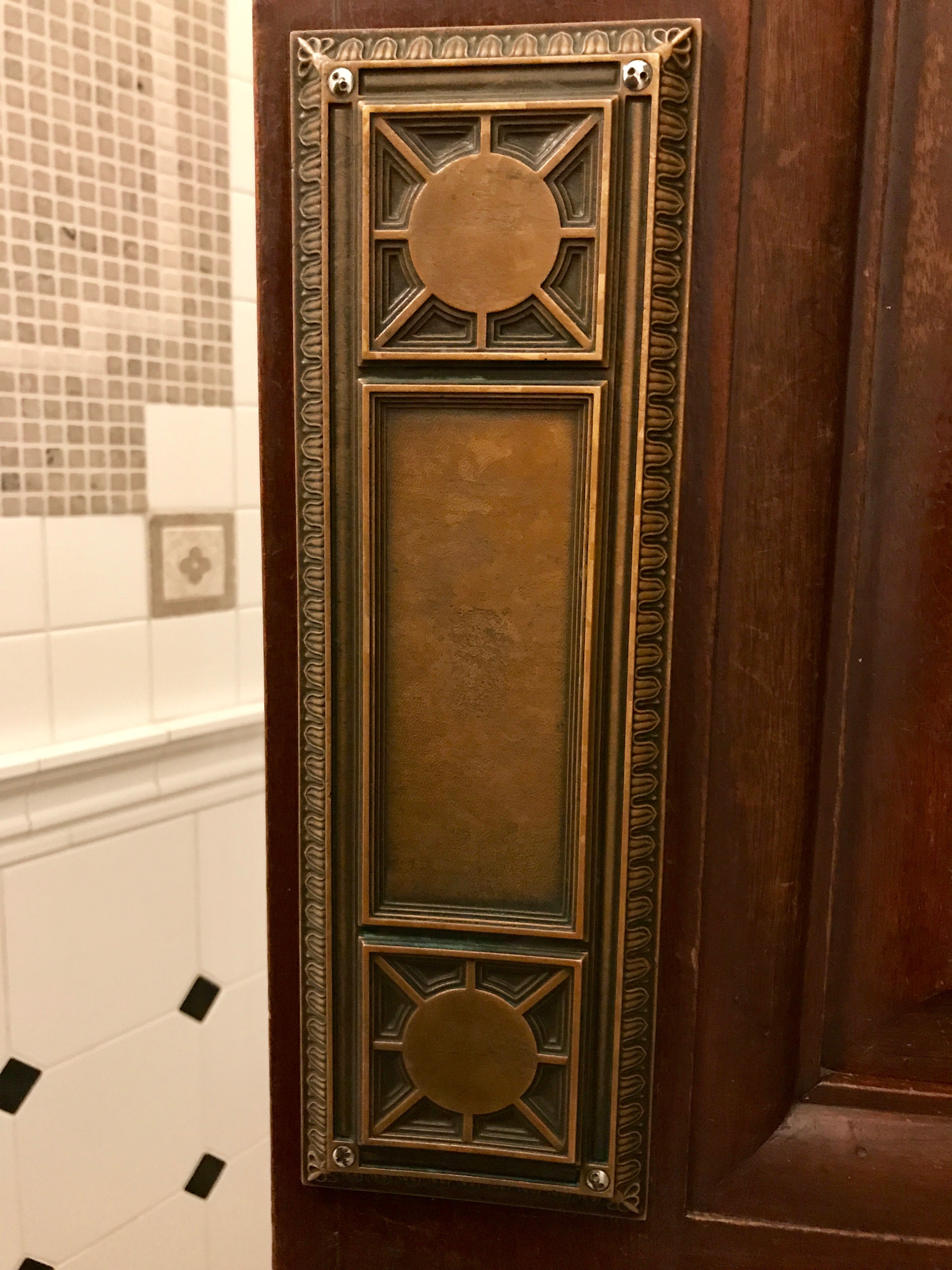
The push plate on the door was quite lovely.

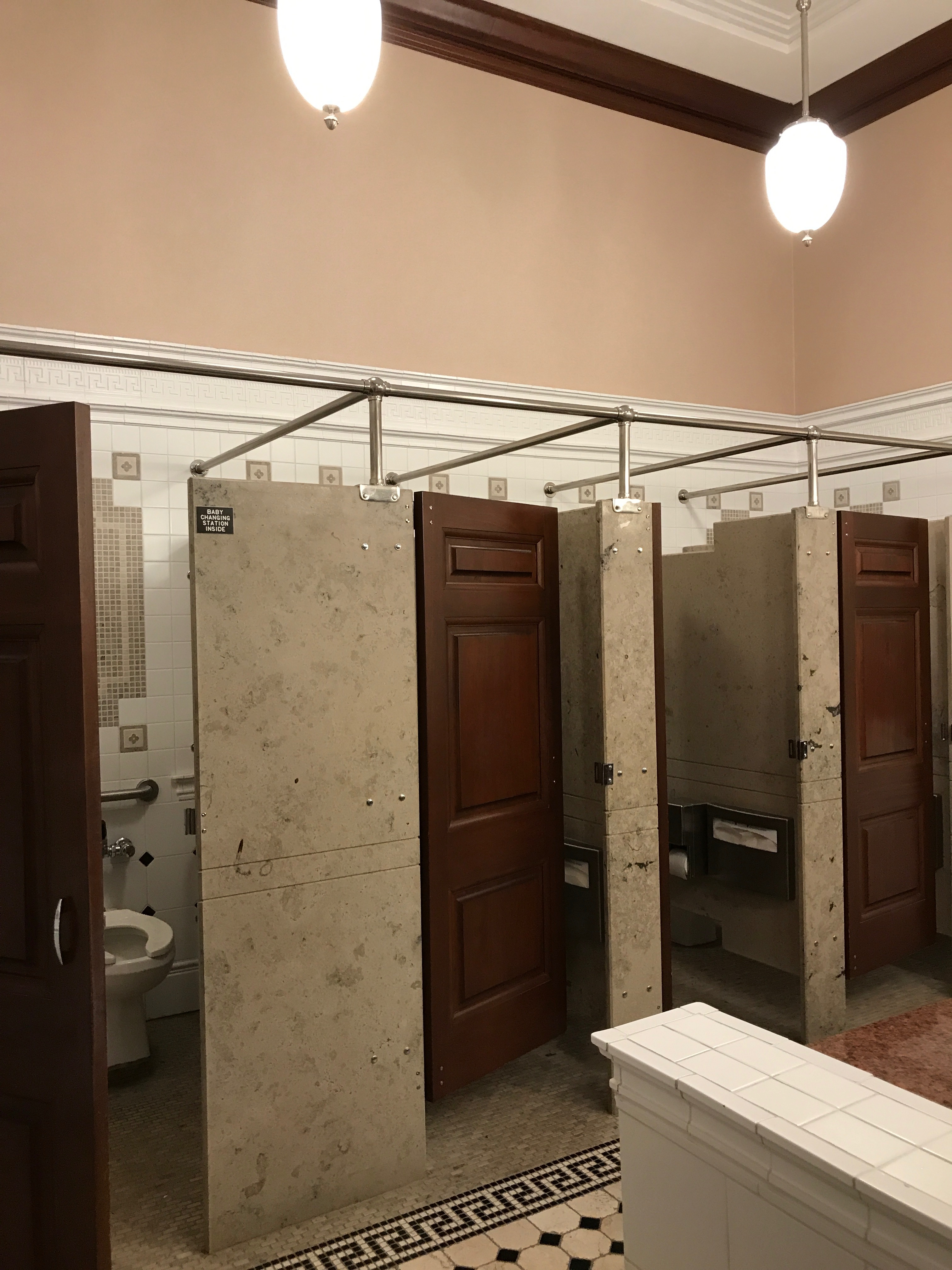
The restroom was also elegantly appointed with marble and tile work.

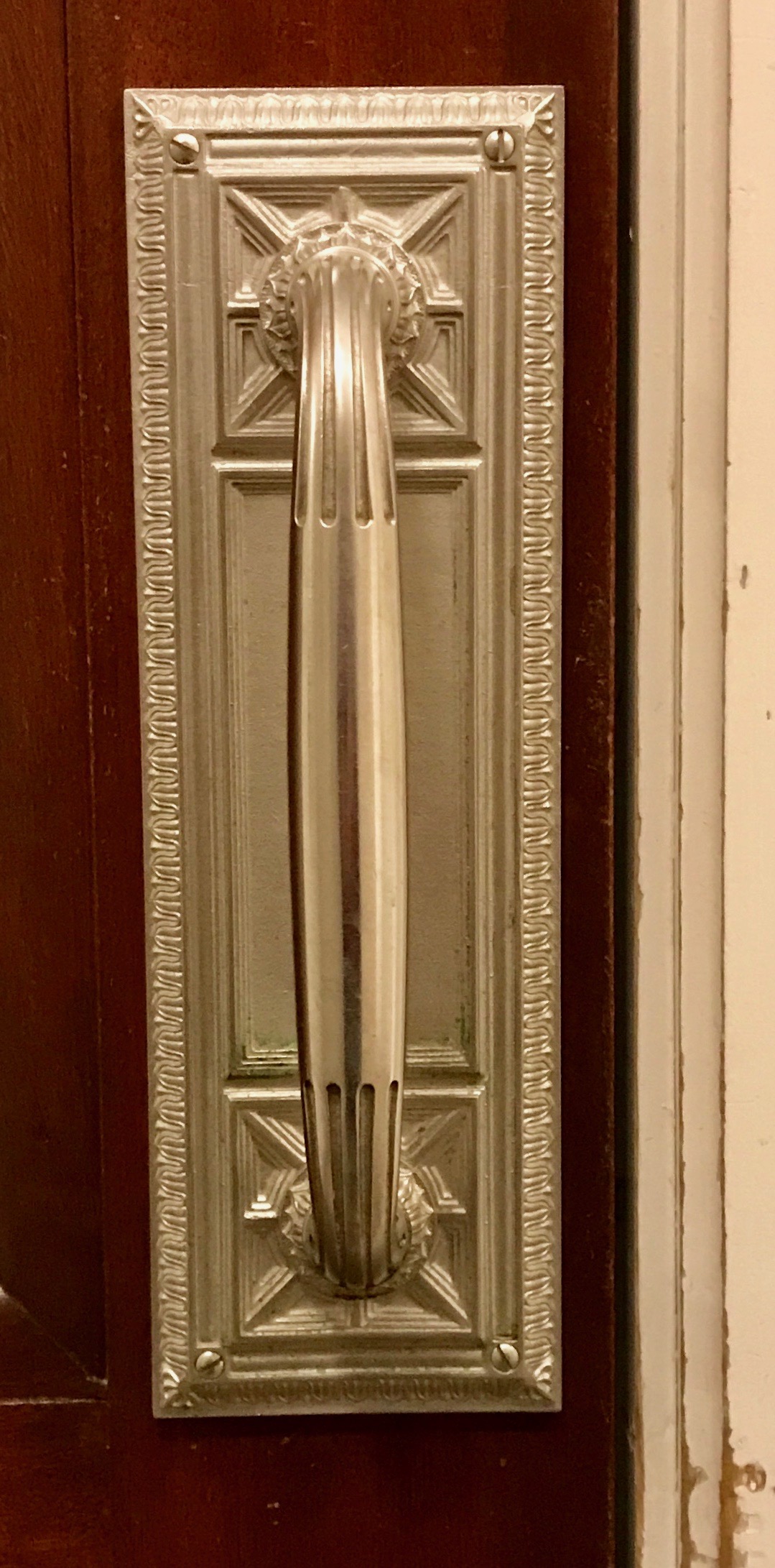
As I left, I was struck by the quality of the pull plate. At this point, I was starting to think that this building might really be something out of the ordinary.

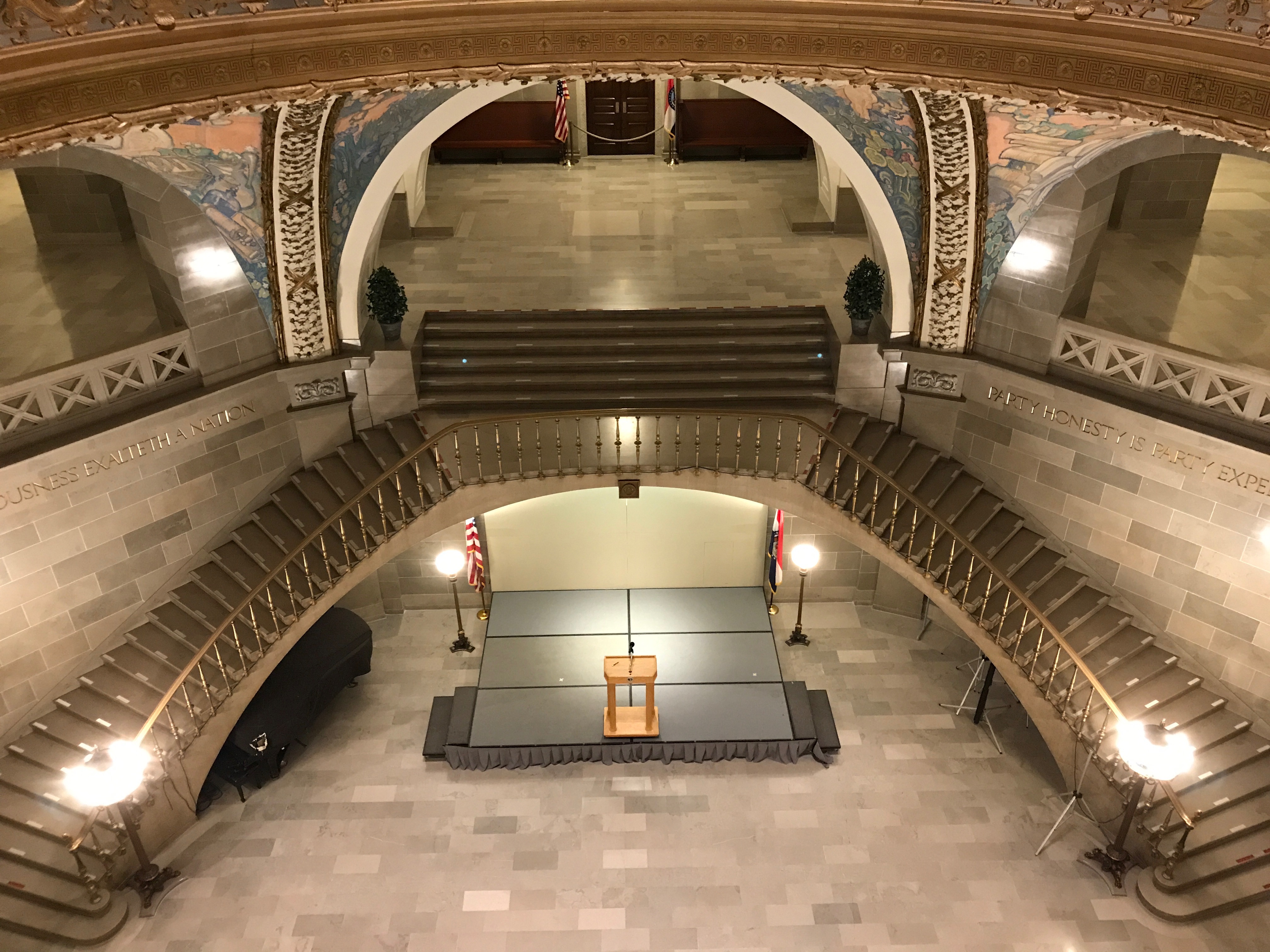
Oh, my! I do believe this building is designed to be inspirational as well as elegant.

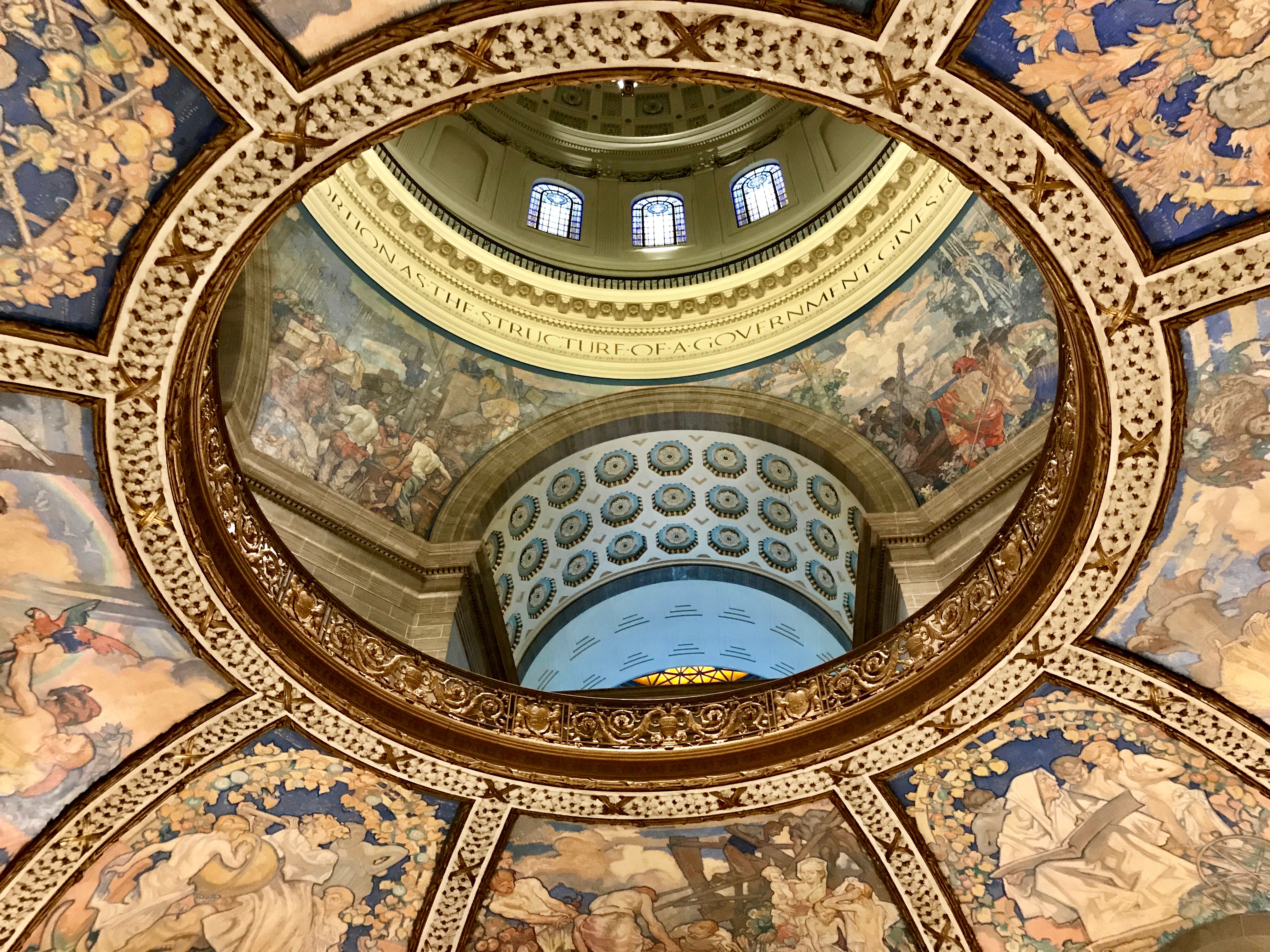
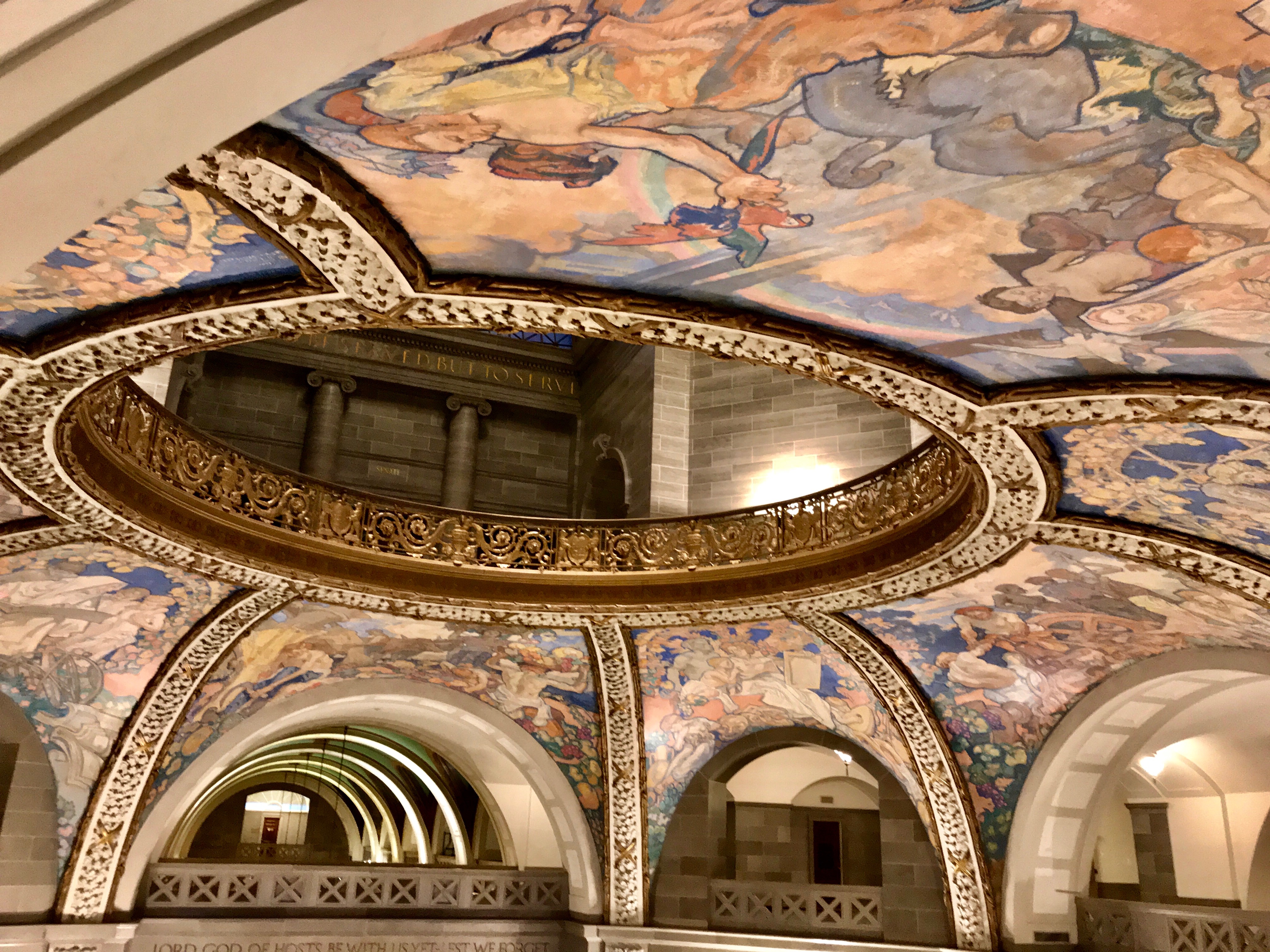
This is one of the views looking up into the dome.

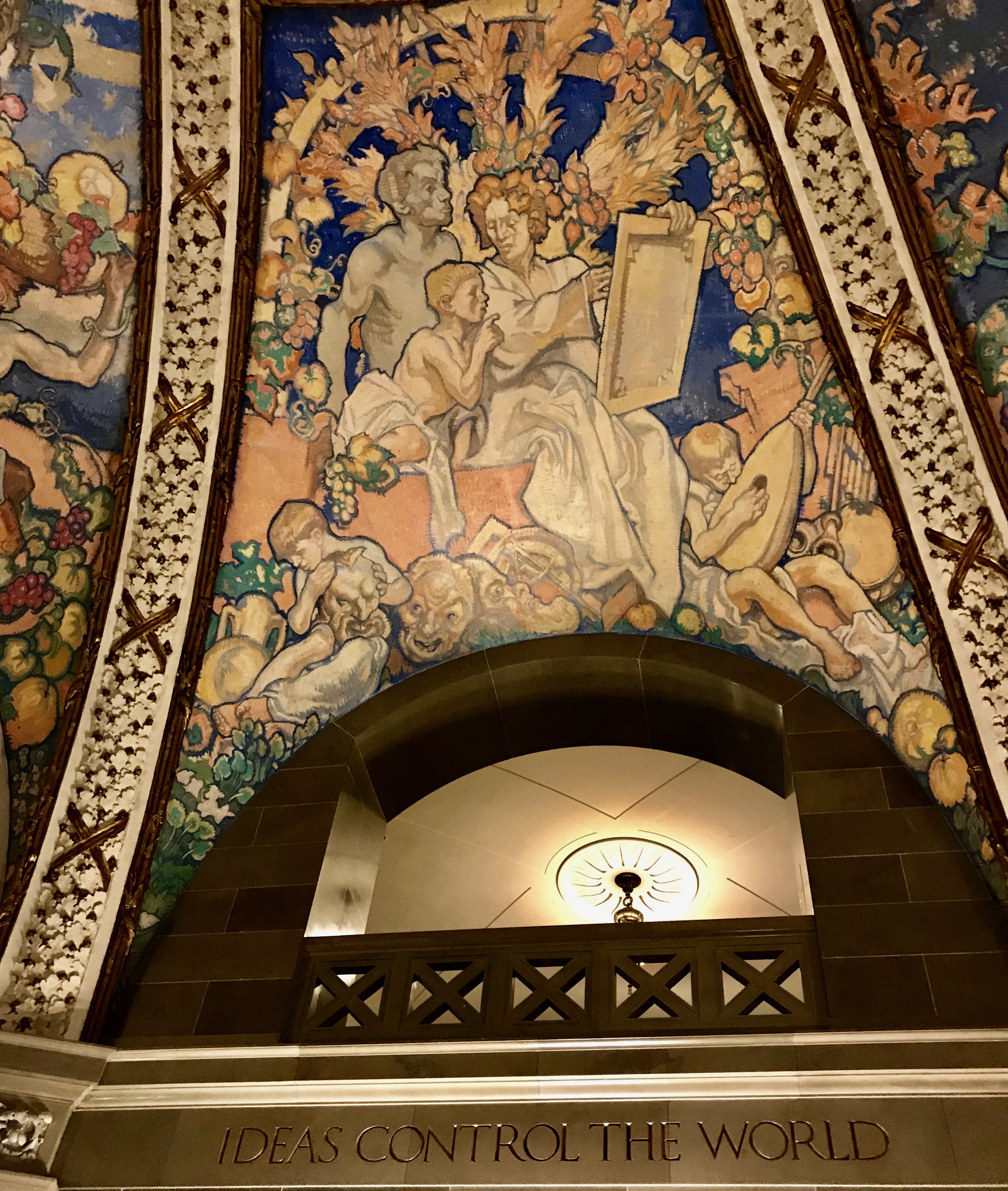
All the areas of the dome are covered with artwork and inscriptions designed to inspire. I particularly liked with panel. I think of it as a pro-education, pro-teacher segment. But, even if it is just “pro-get-a-clue,” I like it.

The views change depending on which floor you are standing on and where exactly you are standing.

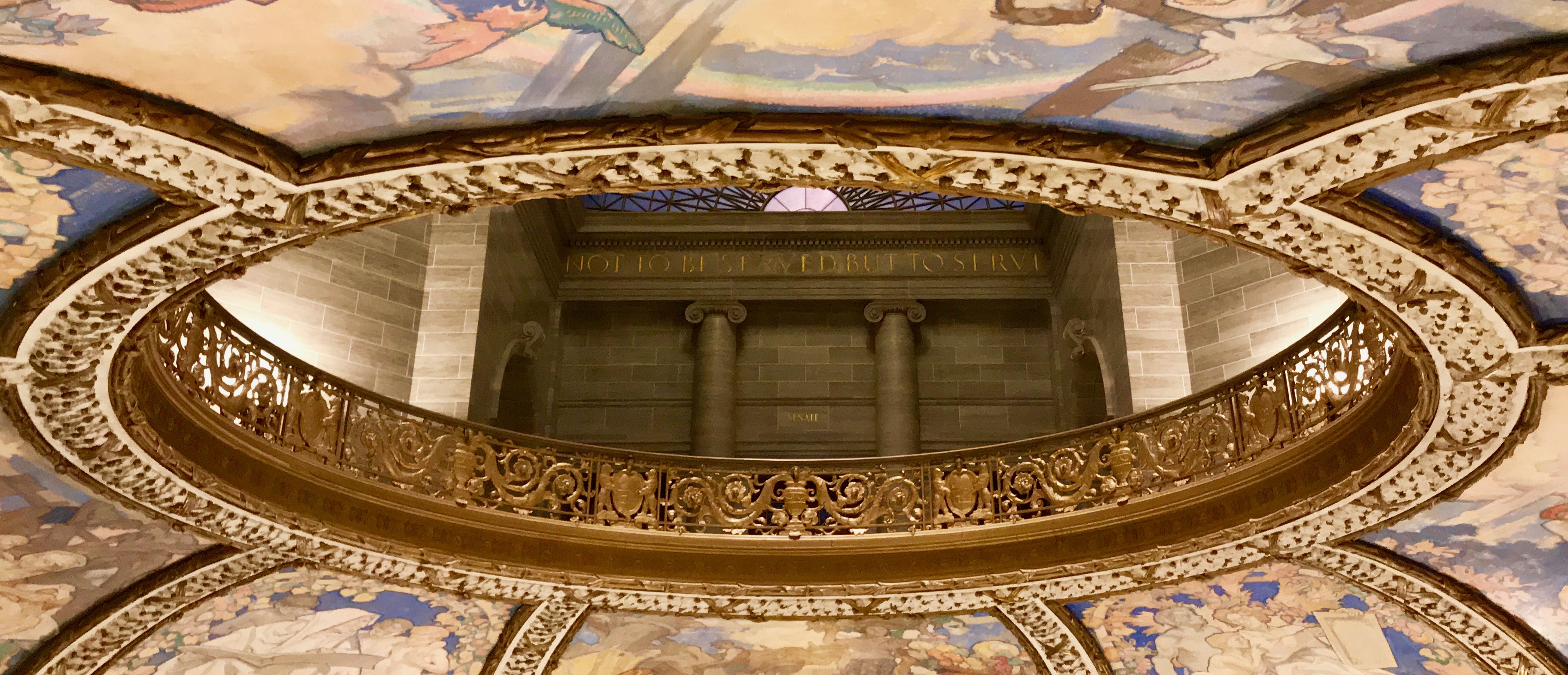
These are noble words, as well. In case you can’t read the inscription seen through the circle, it says, “Not to be served but to serve.” I hope that is over the entrance to one of the legislative chambers – and I hope they look up and read it from time to time. Maybe they could even think about it. (Incidentally, this is not a critique of the Missouri legislators. I am not familiar with the workings of Missouri politics.)

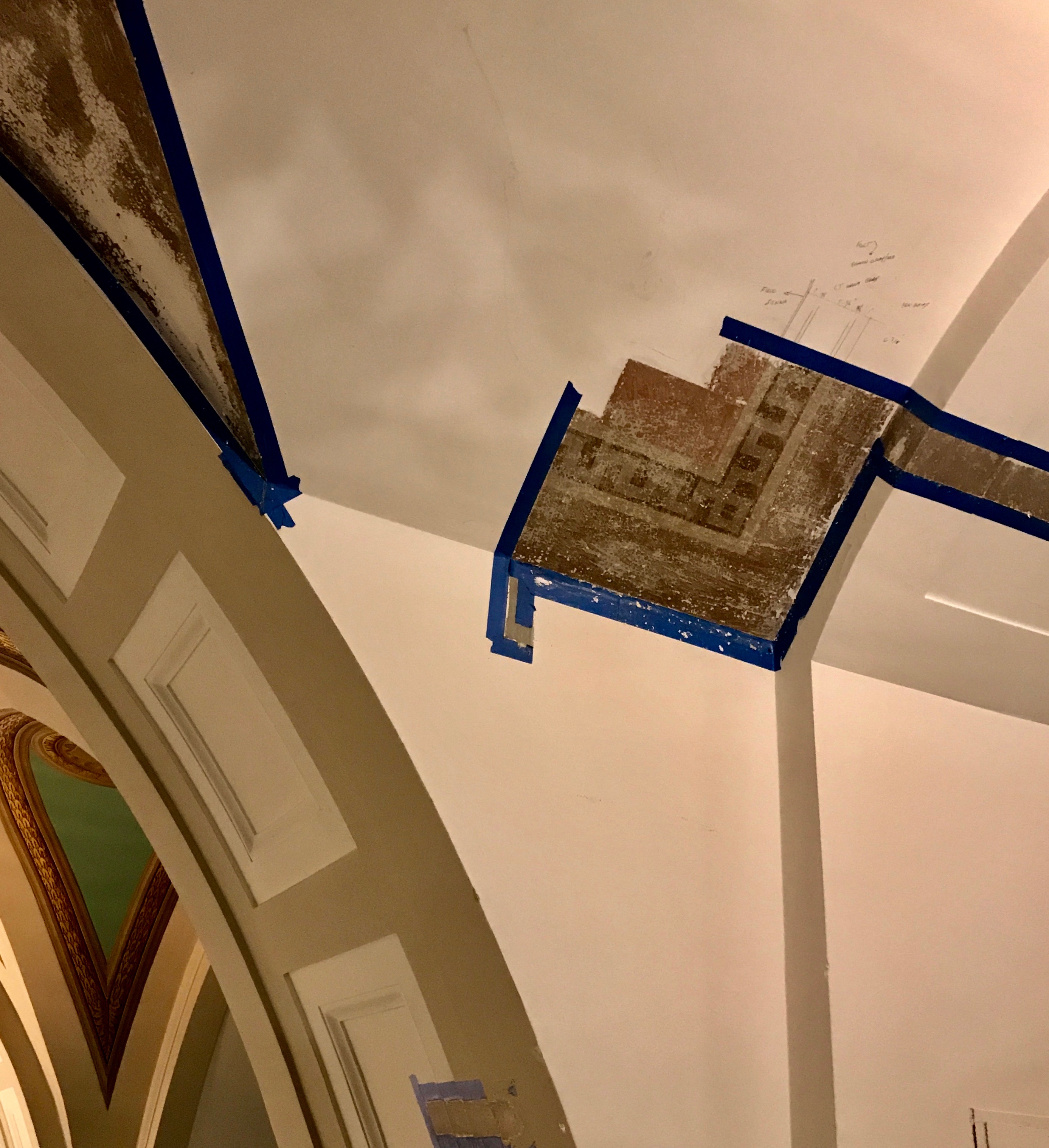
This is a building under renovation. This is the third building to serve as the capitol in Jefferson City. It was completed in 1917. You can see a remnant of some of the original paint in this fragment.

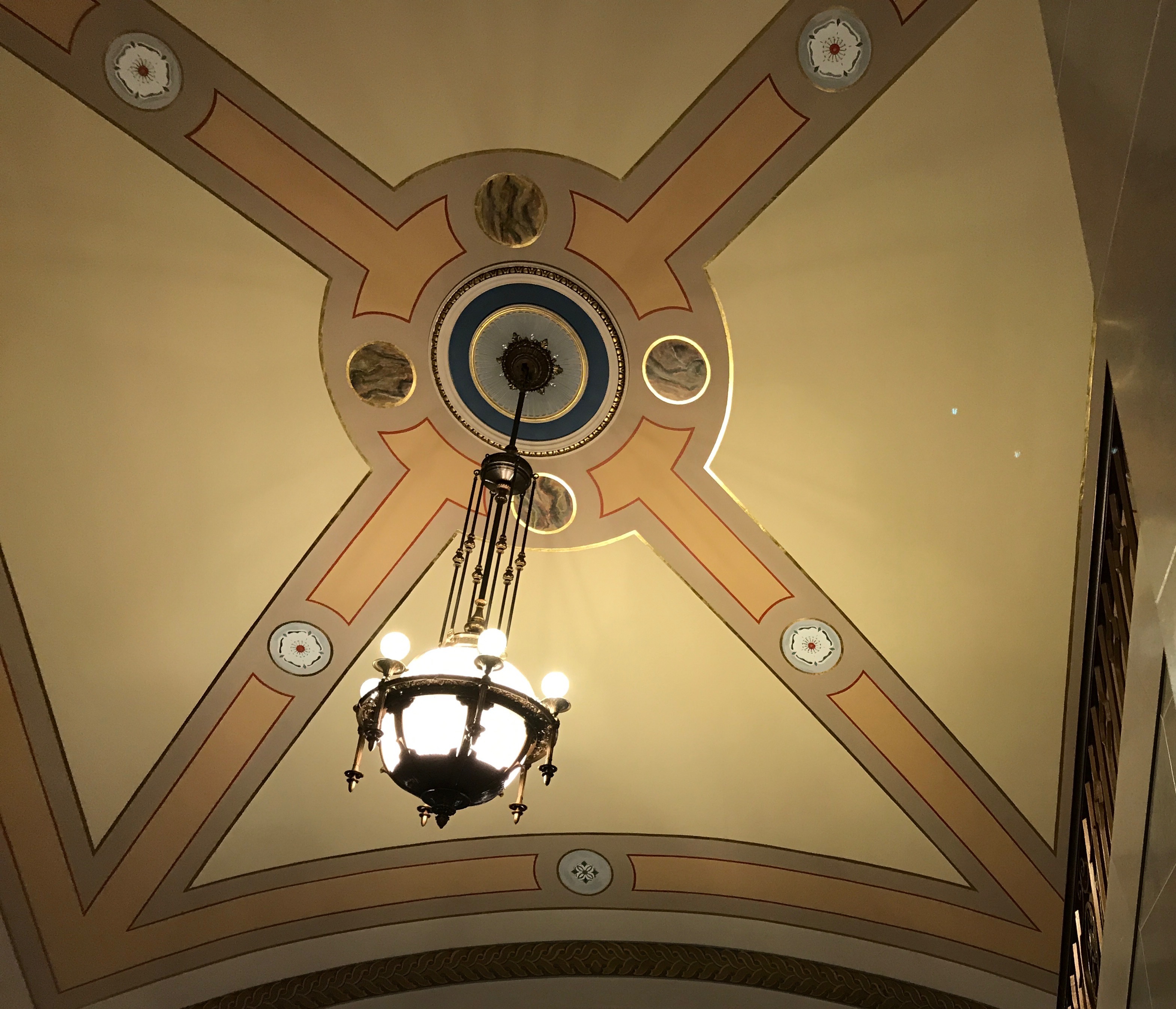
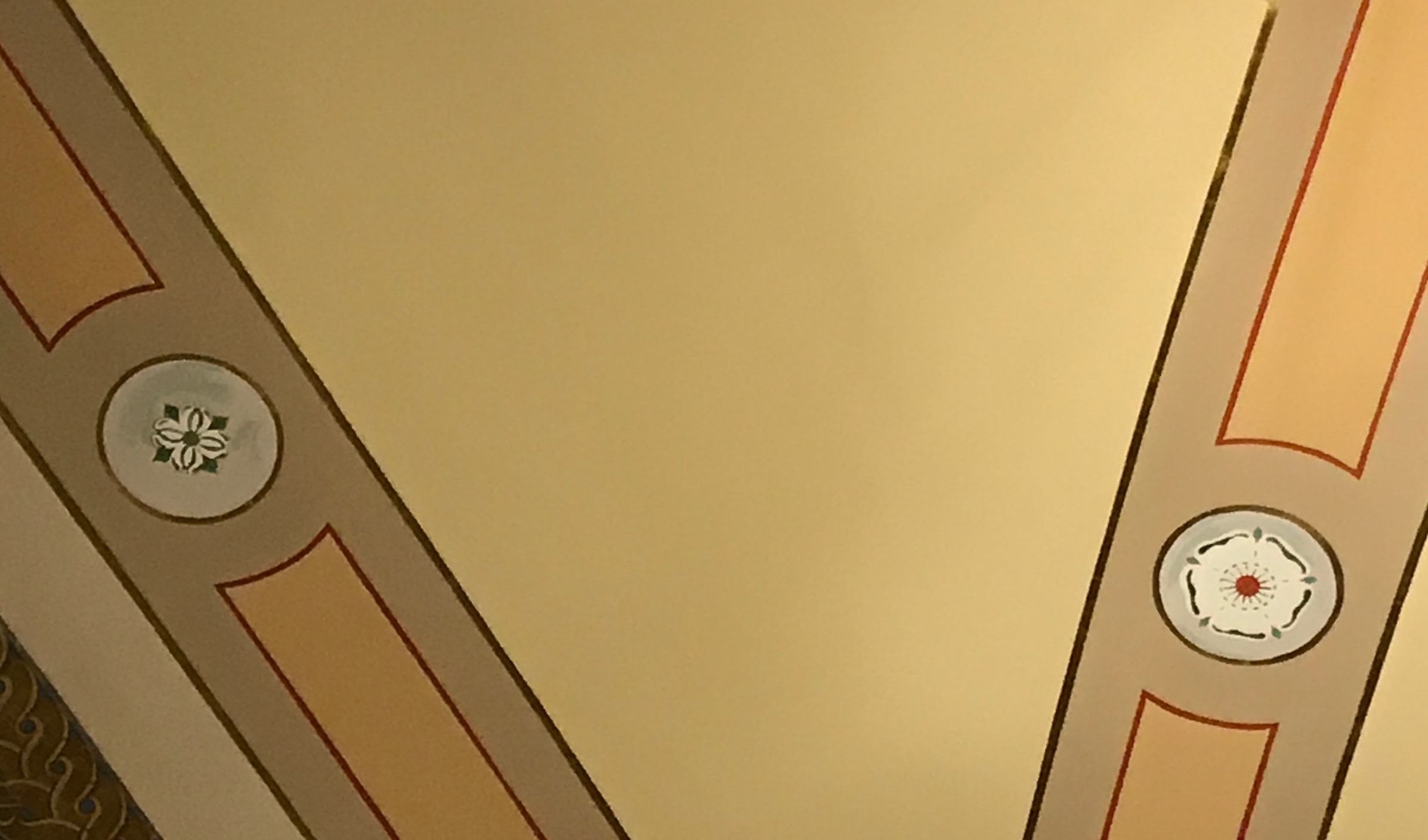
The colors and the sensibilities have been used in some of the restorations that are already complete. This was in the area that visitors pass through when they enter.

Incidentally, the state flower and the state tree are included in the designs. The state flower is Crataegus punctata, which is a kind of hawthorn. The state tree is the Cornus florida, or the flowering dogwood.

This is the state flower, which looks almost like a tree.

This is the flowering dogwood, which is a tree.

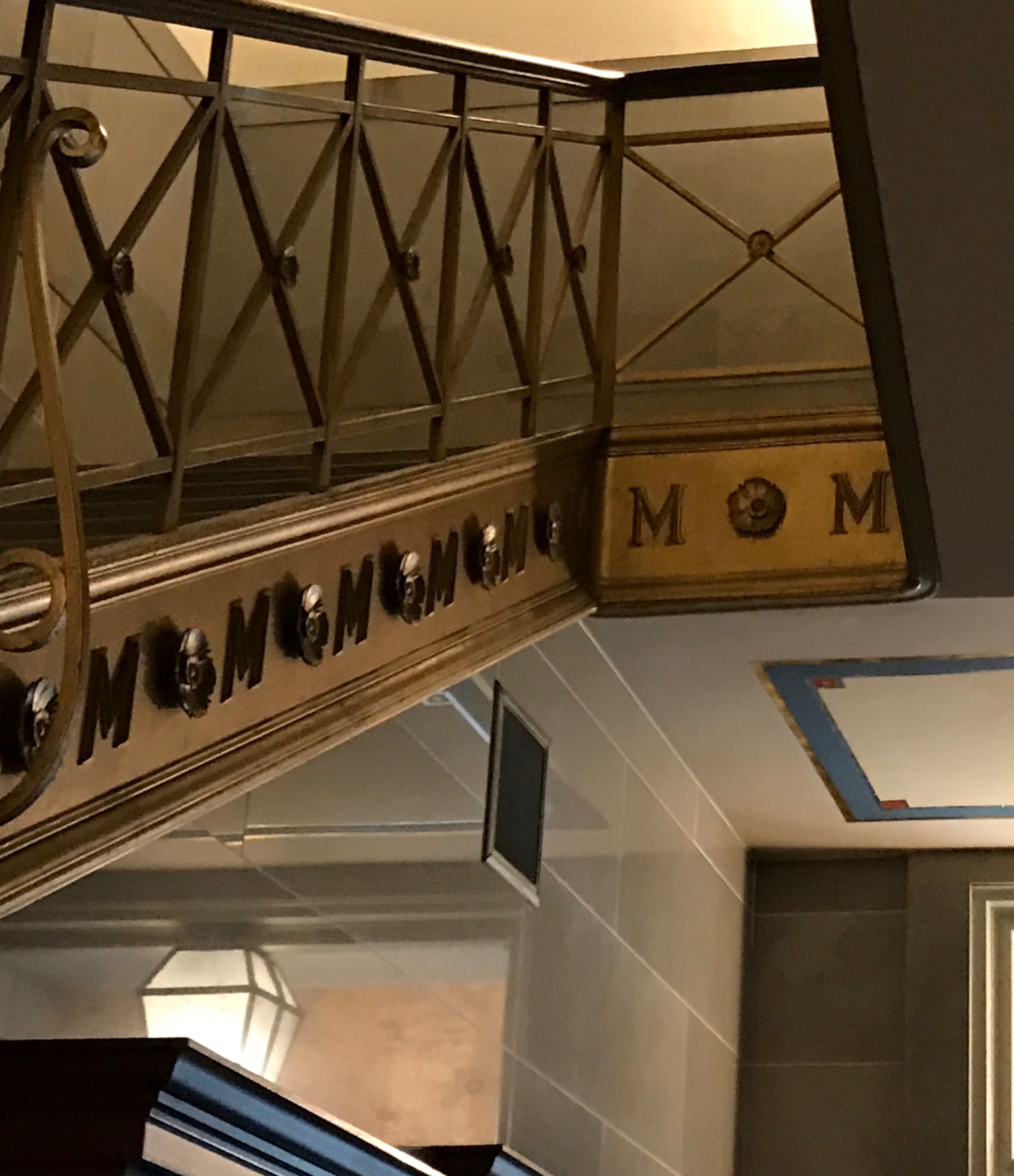
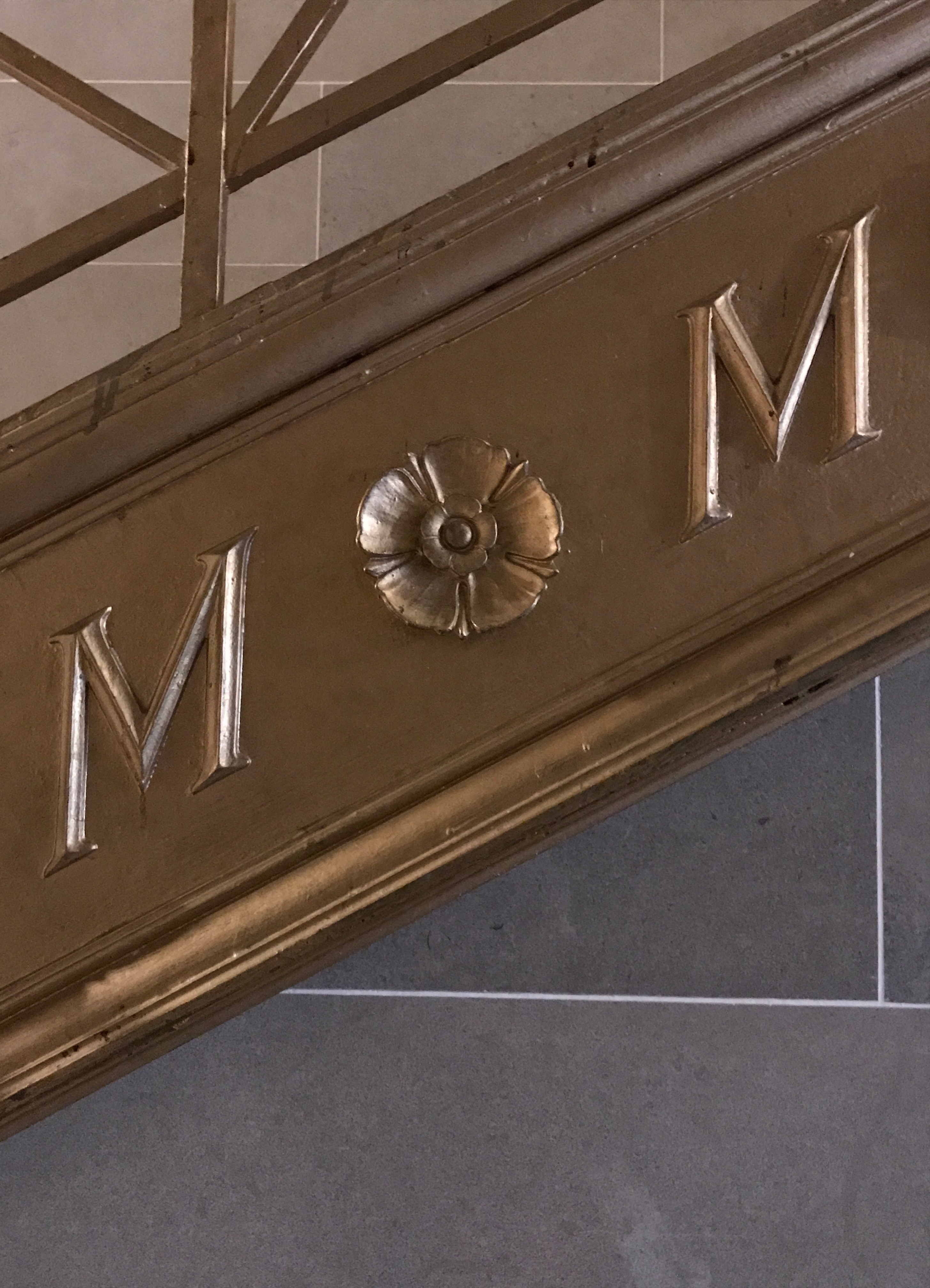
This stairway in the same area had the hawthorn as a repeating motif.

It also tickled me the way it looked like it spelled out “MOM.”

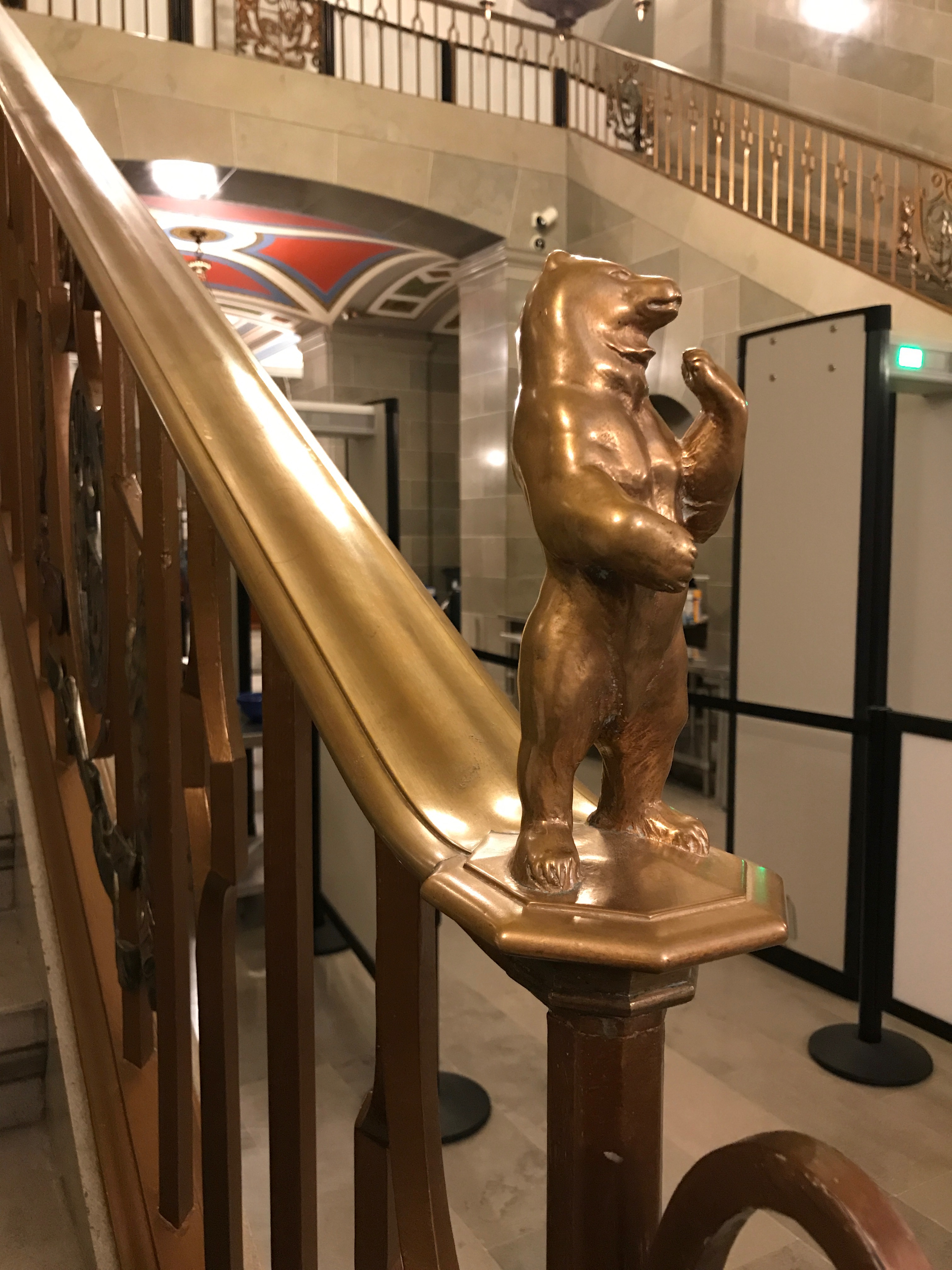
Incidentally, at the end of the balustrade, was this amazing finial. I figured that the bear must be the state animal. I asked our guide if it was, but, no, it turns out that the state animal is the mule. Incidentally, the state bird is the bluebird, the state dessert is the ice cream cone and the state dance is the square dance. The factoids you can find if you look!

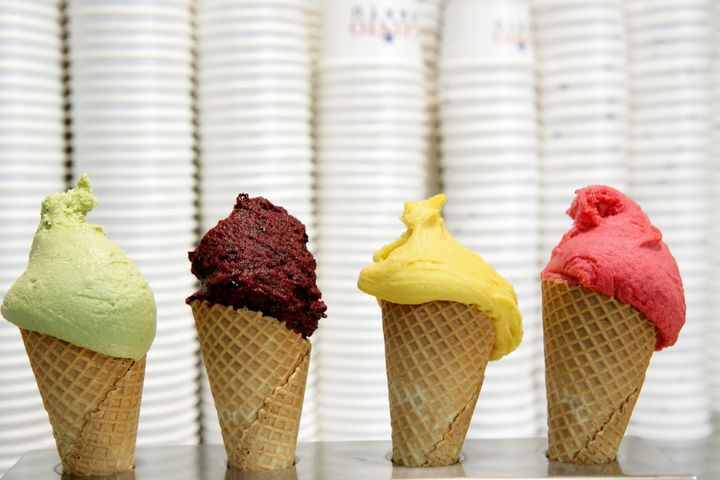
You might be wondering why the ice cream cone is Missouri’s state dessert. I had an idea about that, so I did a little research. According to my Preferred Source, the ice cram cone became mainstream in the USA at the St. Louis World’s Fair in 1904. Arnold Fornachou ran out of the paper cups he was using to serve the ice cream he was selling. Next door to him as a waffle vendor named Ernest Hamwi. He sold Arnold some of his waffles. Arnold rolled the waffles into cones to hold the ice cream. The rest is history.

And mighty delicious history, at that!

Speaking of our guide, he spent a lot of the tour talking about the artwork. Really, this building is so rich in art, that it’s hard to separate the art from the building. You do notice that I haven’t completely avoided the art. The reason that there is so much art in the building is that they ended up with too much money.

The original budget allotted $3 million for the building and and additional $500,000 allocated for the site and furnishings. The state miscalculated on the revenue projections and ended up collecting $4,215,000.  I whipped out my calculator, and figured that they collected $715,000 more than they thought they would need. If I remember correctly what the guide told us, by law they could only spend the money they raised on the capitol. That is why there is so much artwork and why it is of such high calibre. I will talk more about the artwork in the next post.

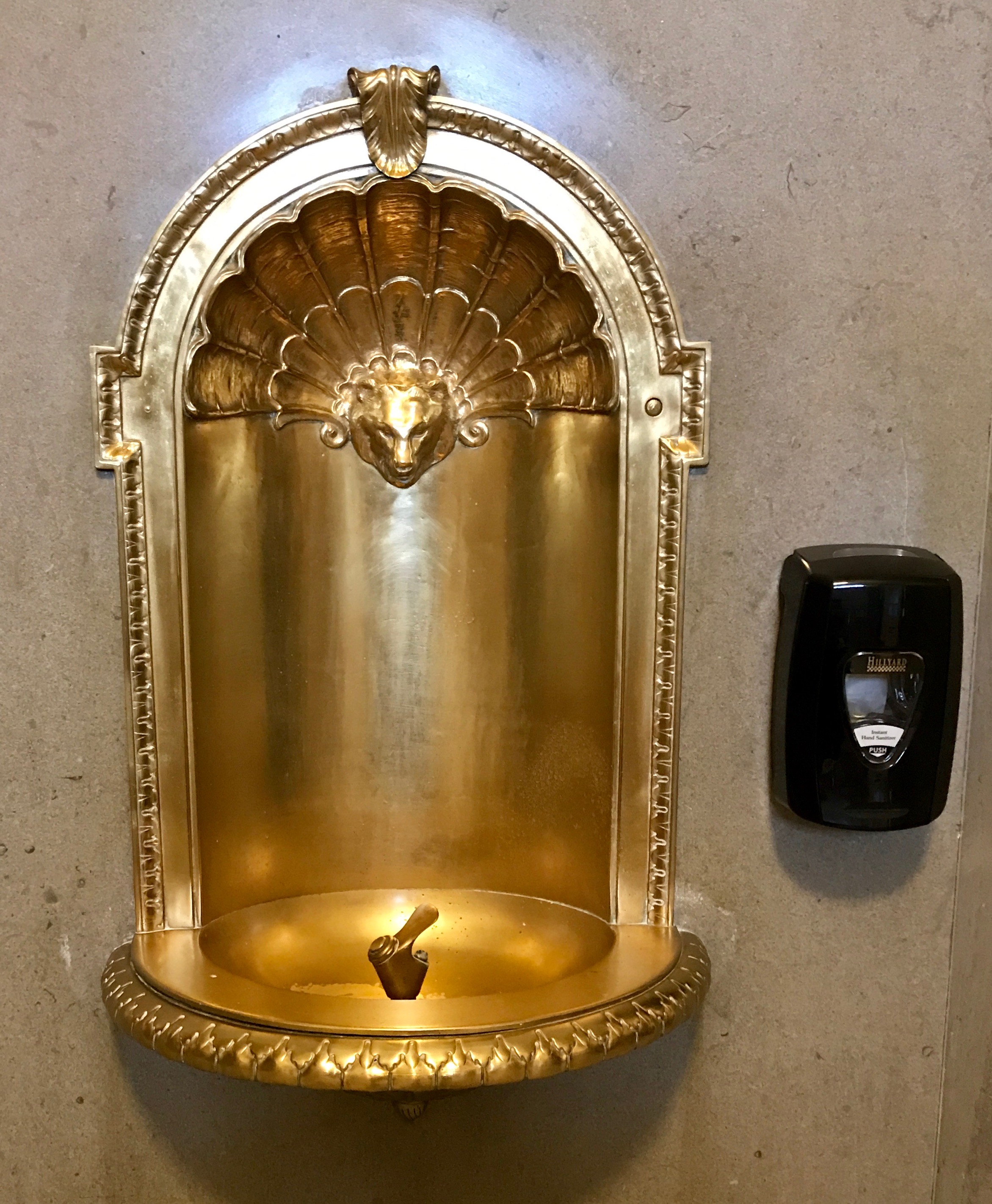
But, as long as I’ve paused to talk about funding, compare and contrast this original drinking fountain with the hand sanitizer dispenser. (Go ahead, I’ll wait.)

In my opinion, they ought to fling that ugly piece of plastic far away. I doesn’t belong next to that glorious drinking fountain.

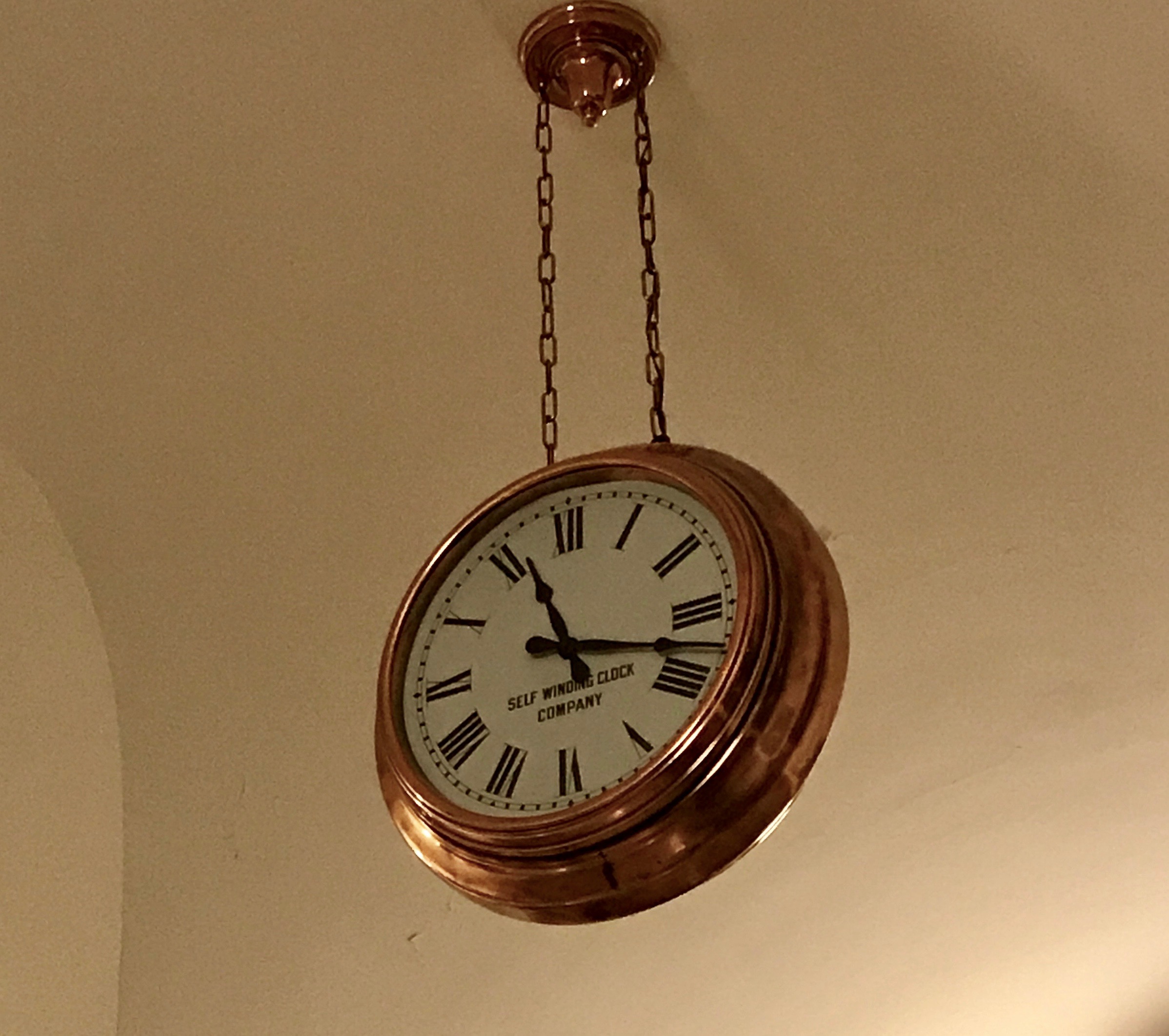
And how about that elegant clock hanging in the hallway? The dial proclaims it to be “self winding.” I wonder how that works? Do you think the wire woven into the chain on the right side has something to do with it how it operates?

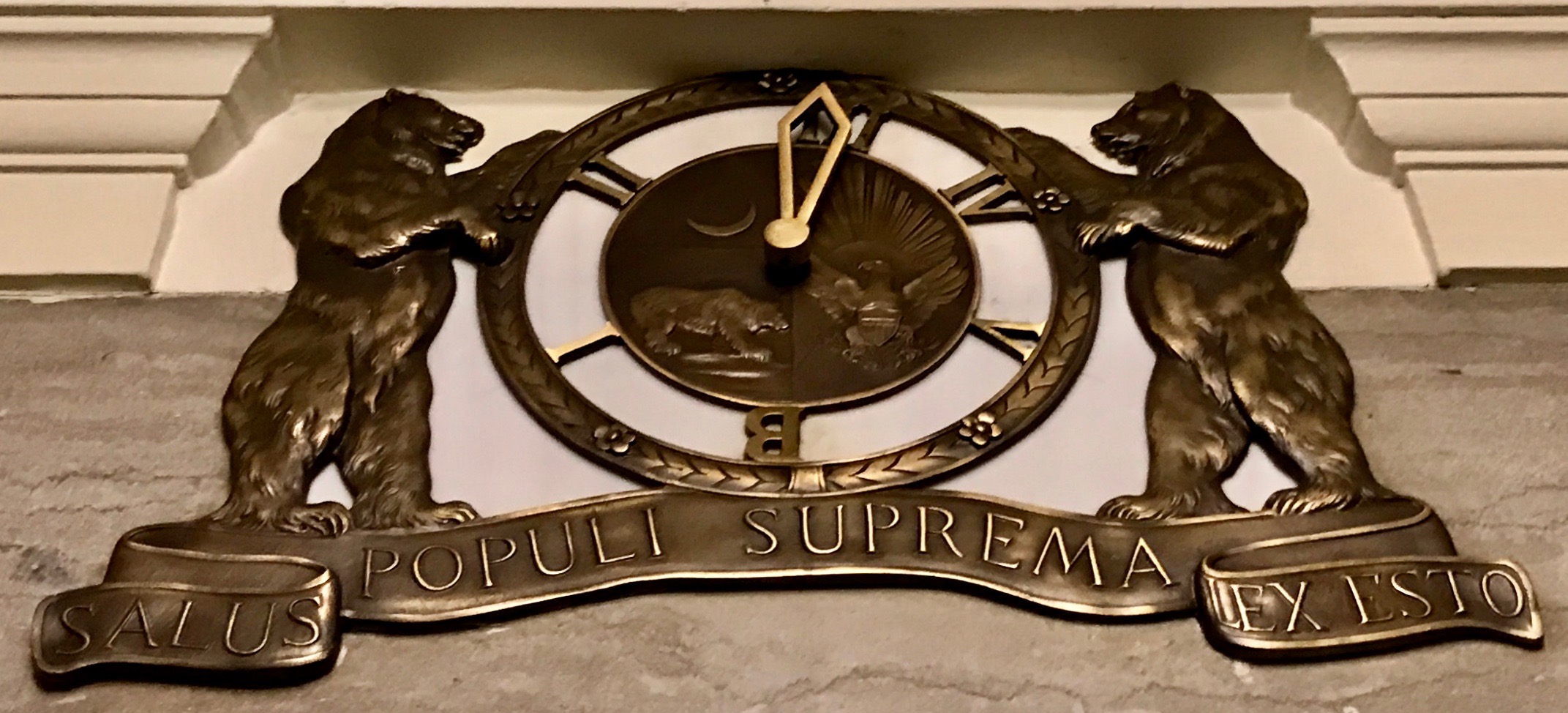
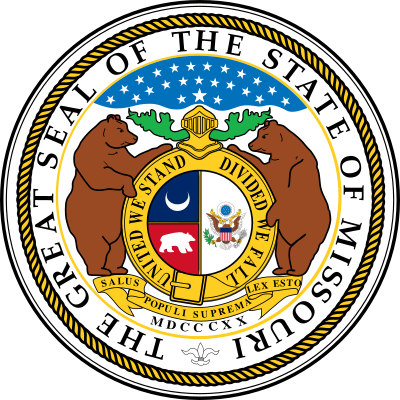
Take a look at this elevator dial! I am sure someone wanted a bear as the state animal. The state’s motto is “Salus populi suprema lex esto” which means “Let the good of the people be the supreme law.”

The elevator dial is based on the Great Seal of the State of Missouri. The bears represent strength and bravery. The crescent moon represents the newness of statehood and the potential for growth. MDCCCXX is Roman numerals for 1820, although Missouri wasn’t admitted to the union until 1821. They must have been into the power of positive thinking. Incidentally, take a look at the yellow belt with the words “United we stand divided we fall” in the enter of the seal. Do you see the buckle? The buckle signifies the State’s ability to secede from the Union if they deemed it necessary. The belt can be unbuckled.

So, did Missouri unbuckle during the Civil War? According to my Preferred Source, it was a “hotly contested border state, populated by both Union and Confederate sympathizers.” Both the Union and the Confederacy claimed the state. It sent armies, generals and supplies to both sides and maintained dual governments. They carried on a bloody neighbor-against-neighbor intrastate war within the larger national war.

By the end of the war in 1865, nearly 110,000 Missourians had served in the Union Army, and at least 30,000 had served in the Confederate Army. The war in Missouri was continuous between 1861 and 1865. There were battles and skirmishes in all areas of the state. The largest battle west of the Mississippi River  was the Battle of Westport in Kansas City. If you count all the military actions, from the large ones to the minor skirmishes, Missouri saw more than 1.200 distinct engagements within its boundaries. Only Virginia and Tennessee had exceeded that number.

I guess the belt buckle stayed fastened.

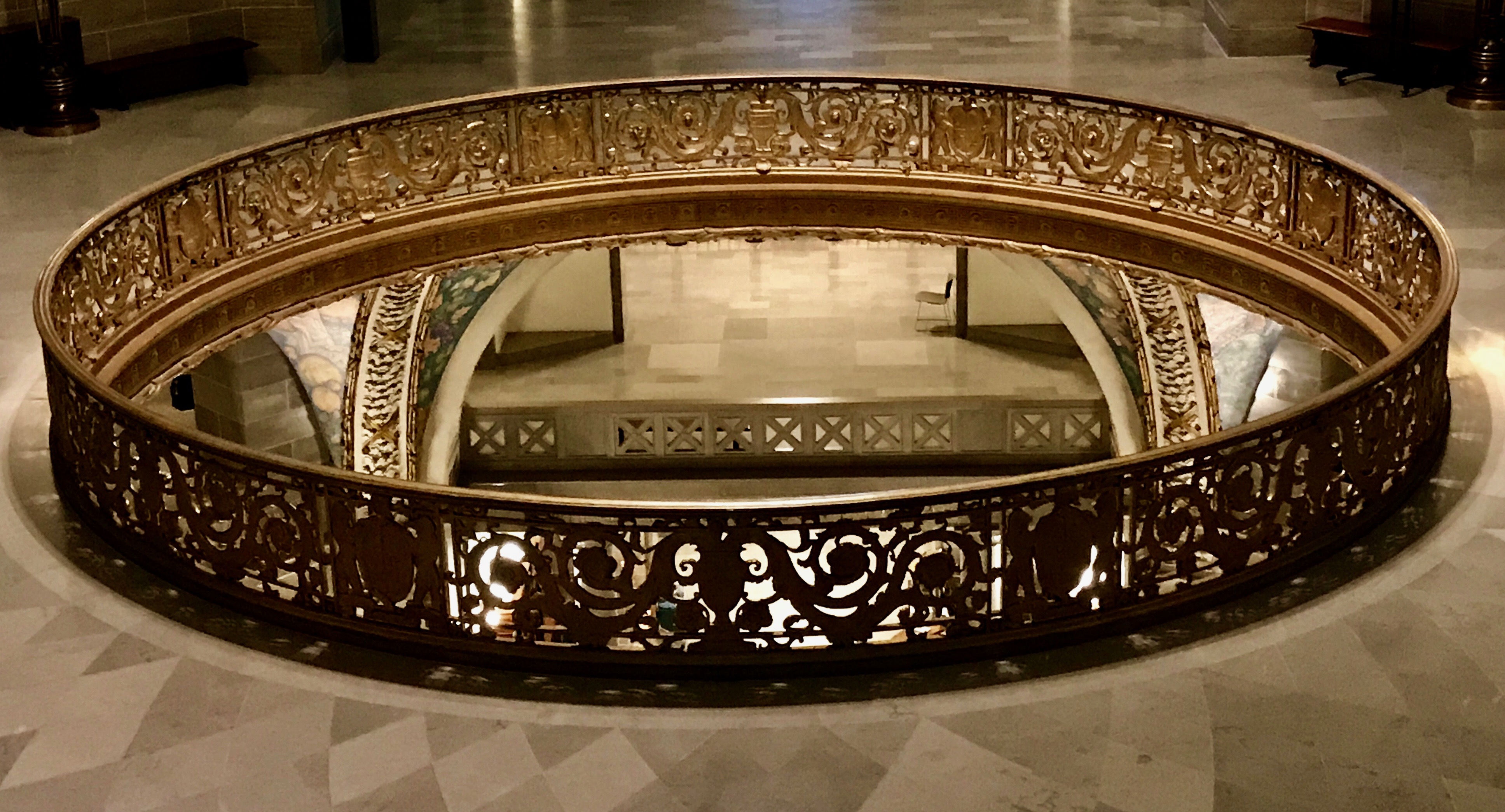
I wandered around a bit more. You can really see the money that was spent on the building.

The stonework is so well done.

I wonder if there are even enough skilled artisans left in the world if we wanted to recreated these structures?

Everywhere you look, there is a little vignette waiting to be appreciated.

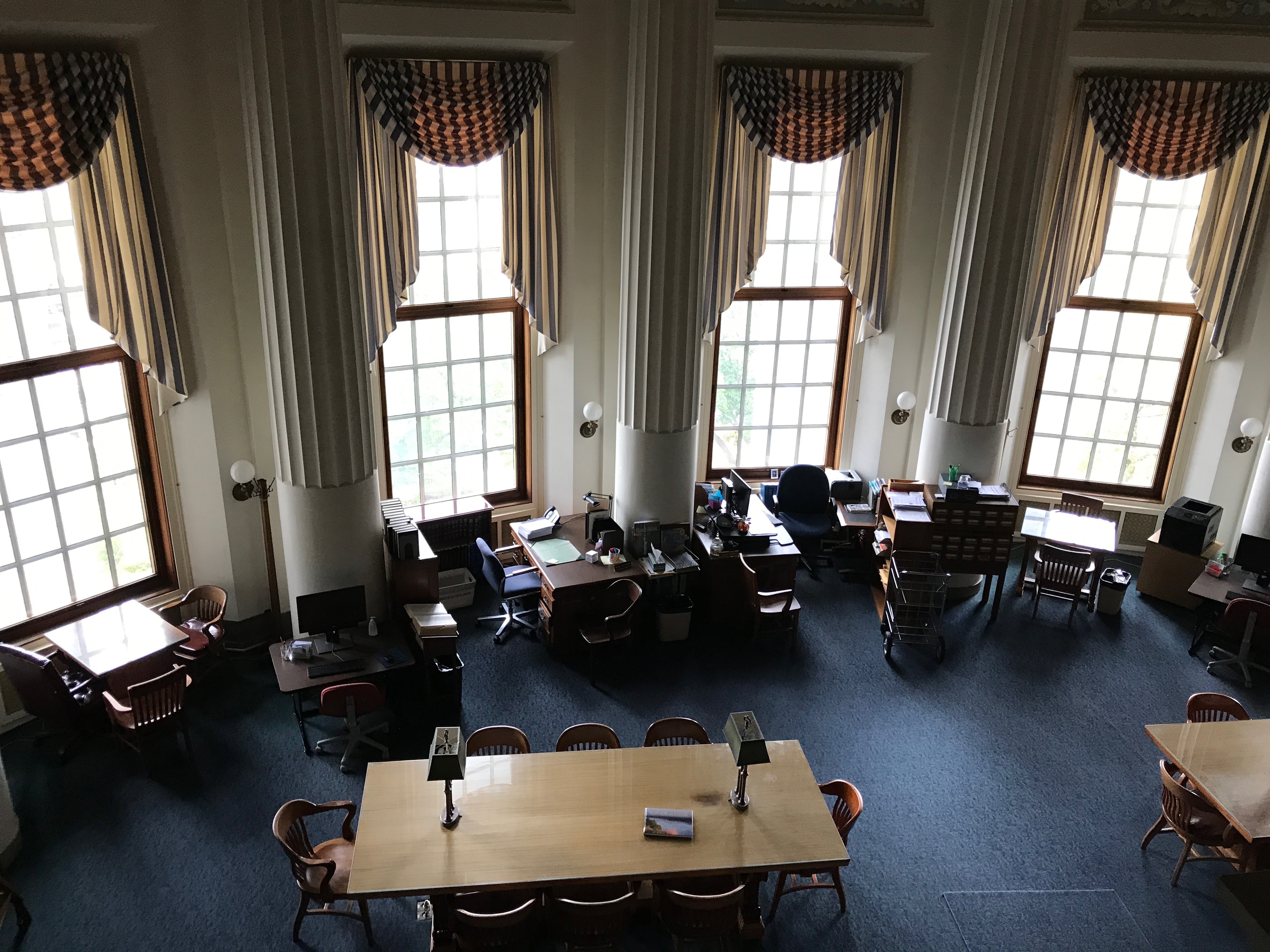
The Legislative Library was open to be viewed.

You had to look at it from above, but that makes it easier of take a photo, anyway.

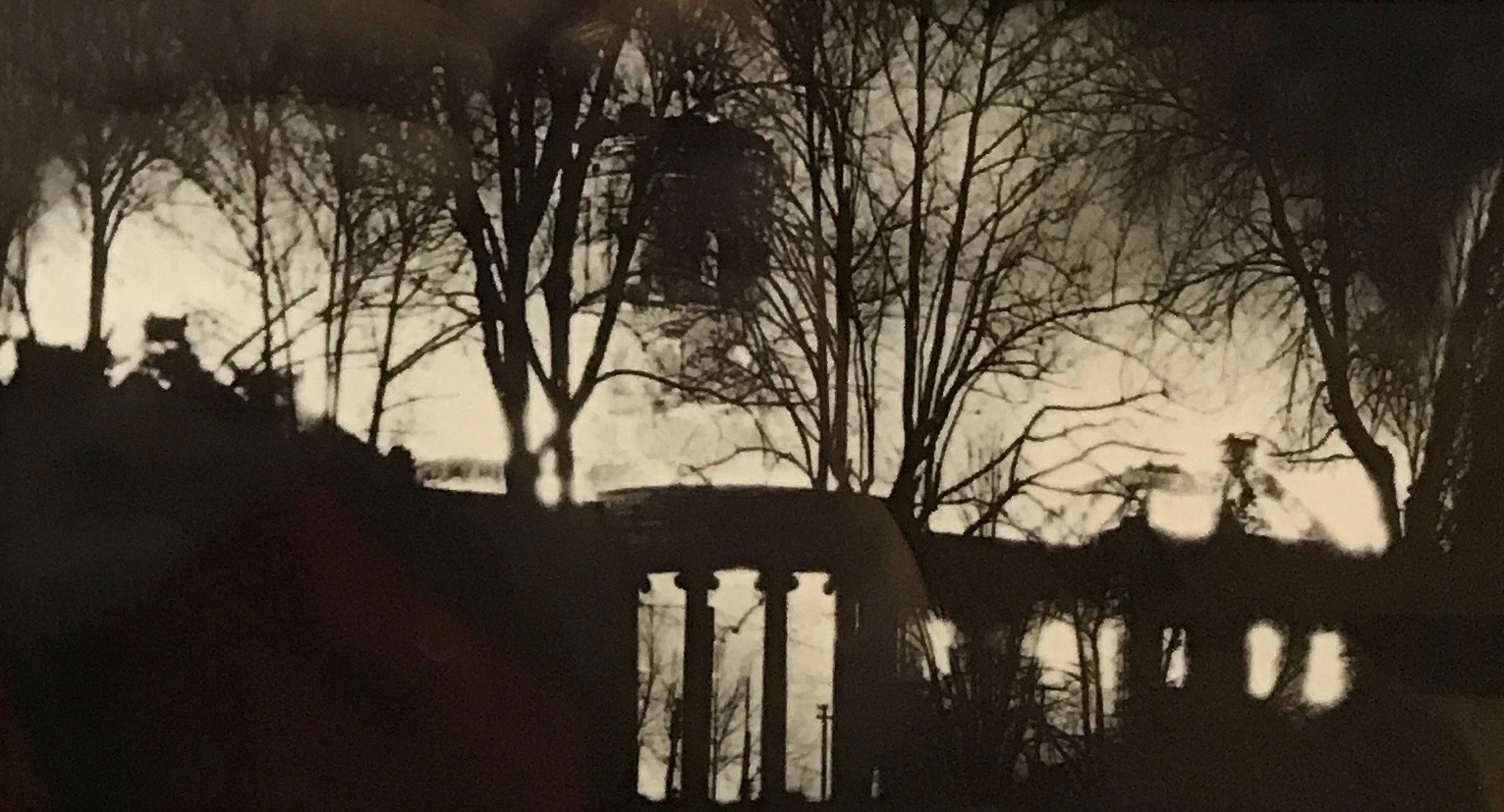
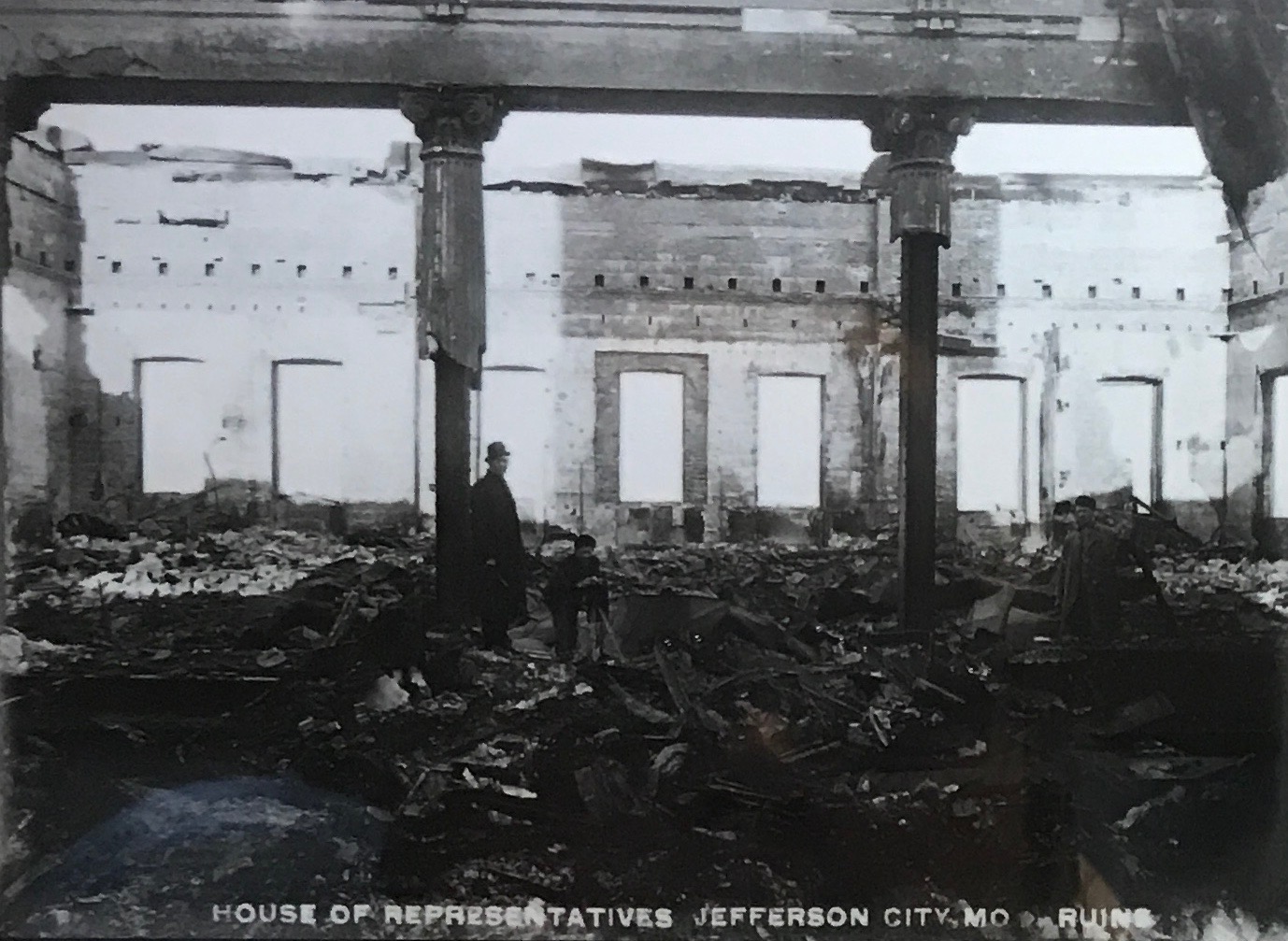
In the basement was a display about the fire that took down the previous capitol. It was struck by lightning in 1911 and burned throughout the night.

The House of Representatives lay in ruins – along with the rest of the building.

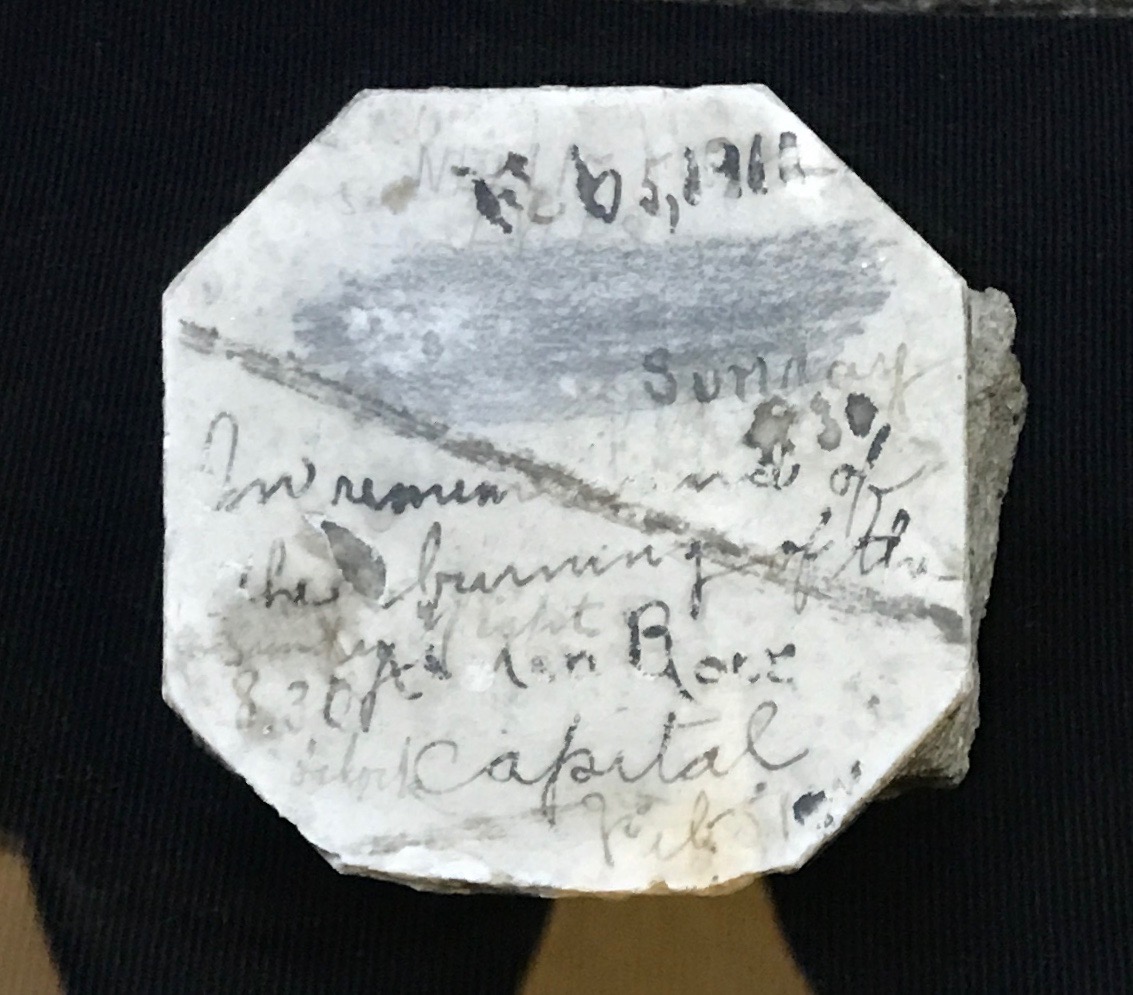
According to the sign with this artifact, “A curiosity seeker pulled this floor tile from the rubble of the 1911 fire. It reads, “Feb. 5, 1911…Sunday…In remembrance of the burning of the Capitol…8:30 A[M]” the rest of the inscription may be names.

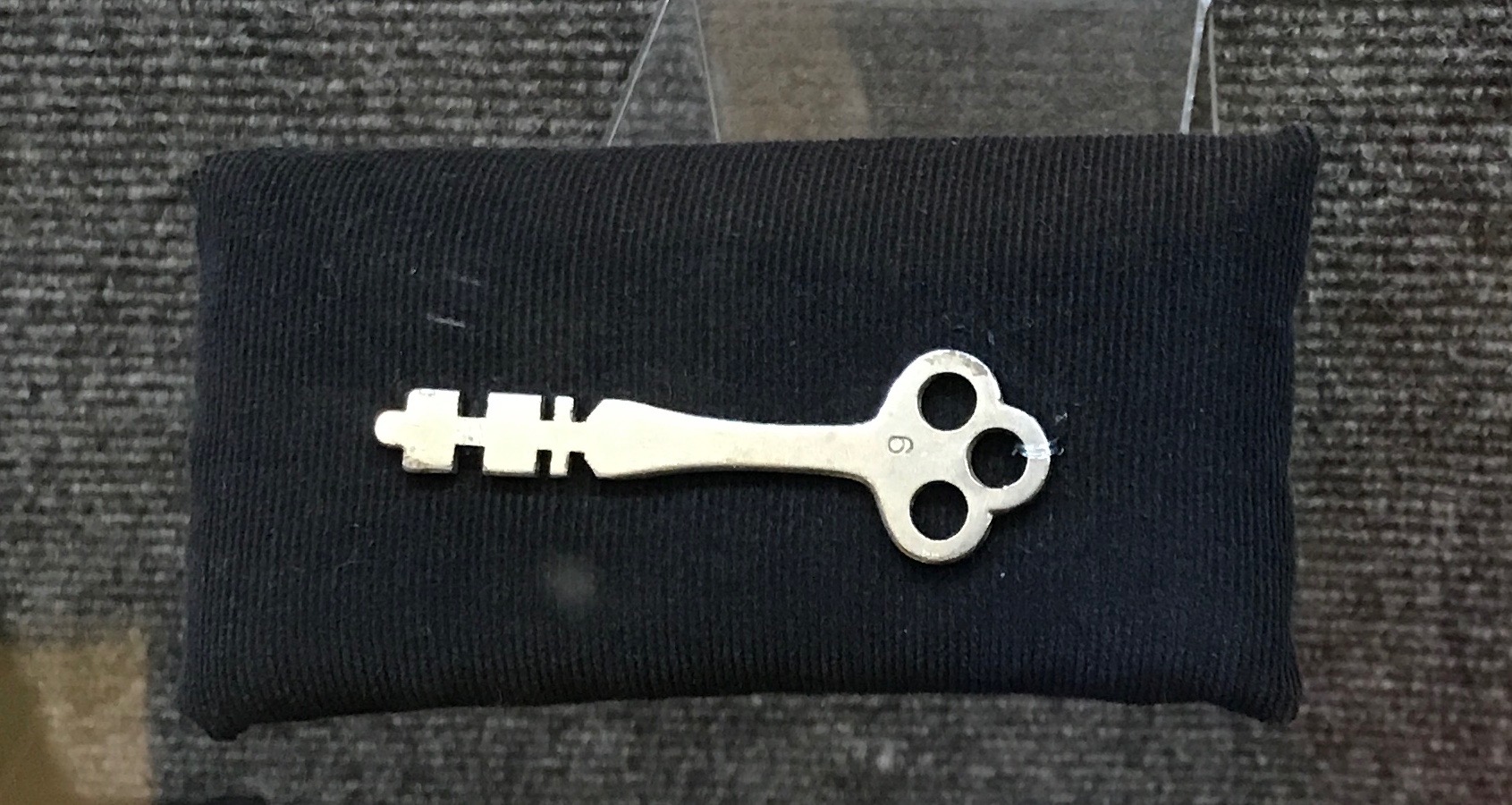
This is the key to the dome of the capitol that burned in 1911. If I remember correctly what the guide said, someone had taken it home. Since it wasn’t at the capitol, it hampered the fire fighting. This key may be the reason why the building burned to the ground. But, maybe I am not remembering this correctly.

I will tell you more about the artwork in my next installment. At this point, I wound my way out.

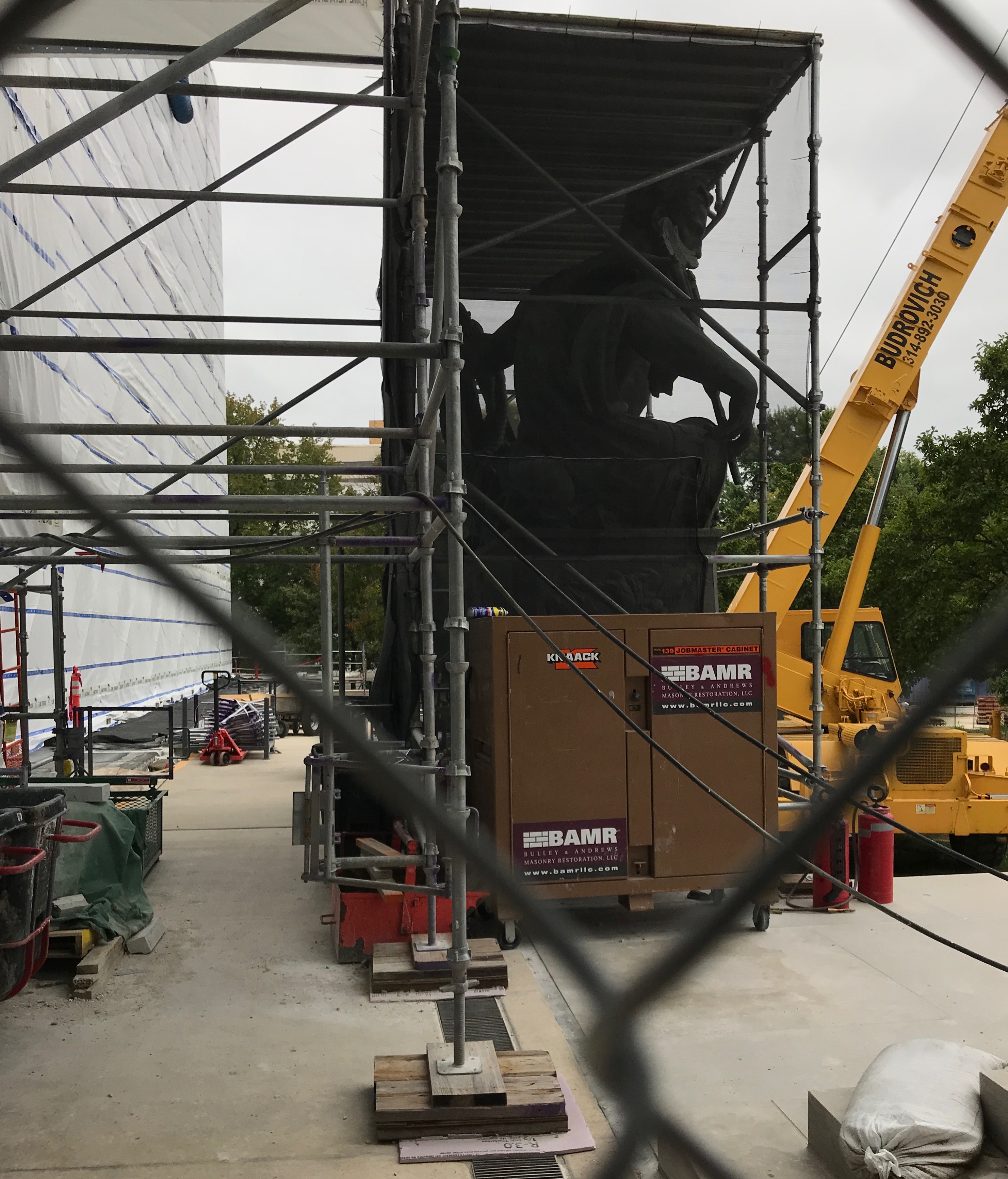
I passed the statuary that was protected by mesh during the reconstruction.

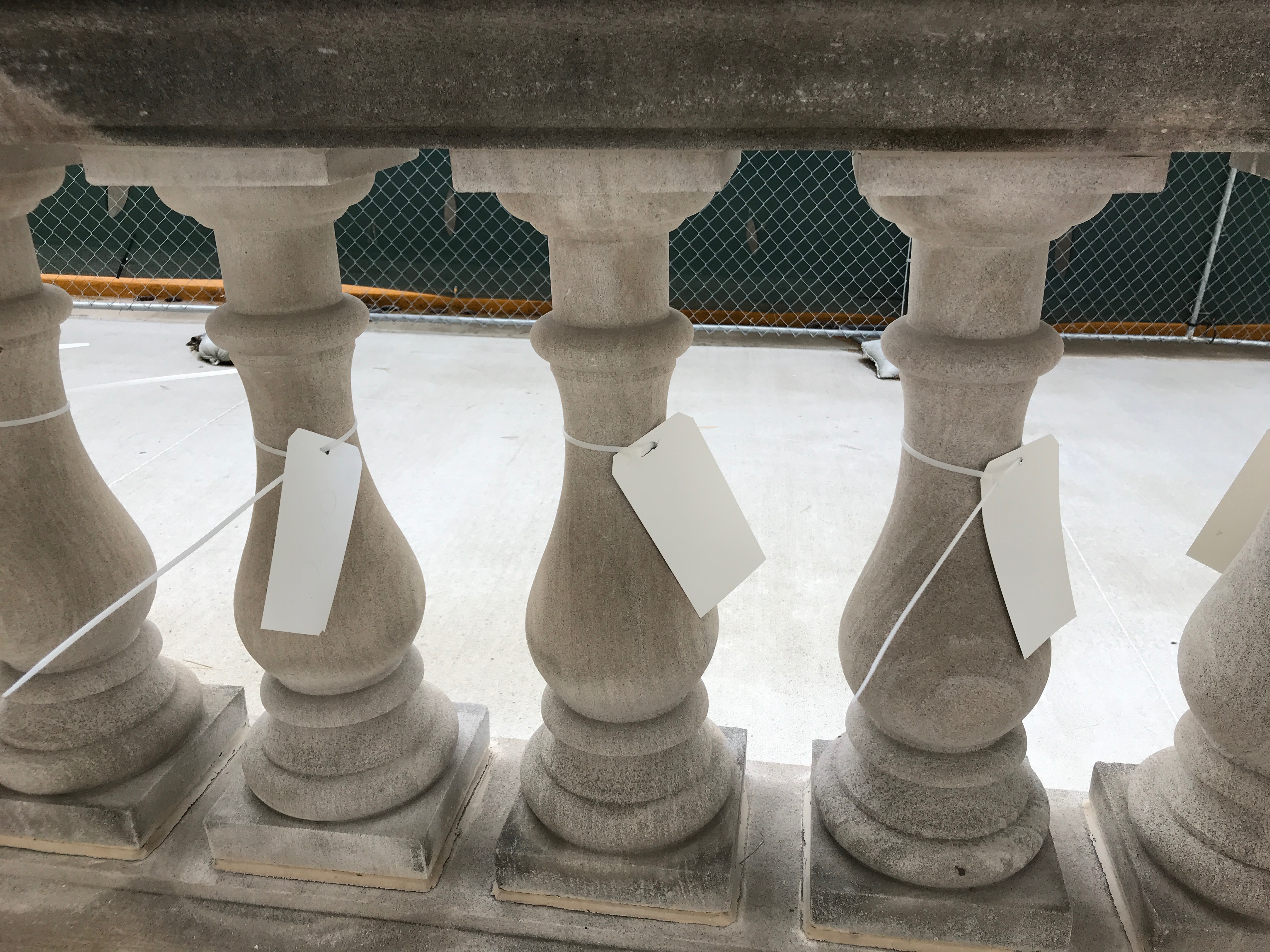
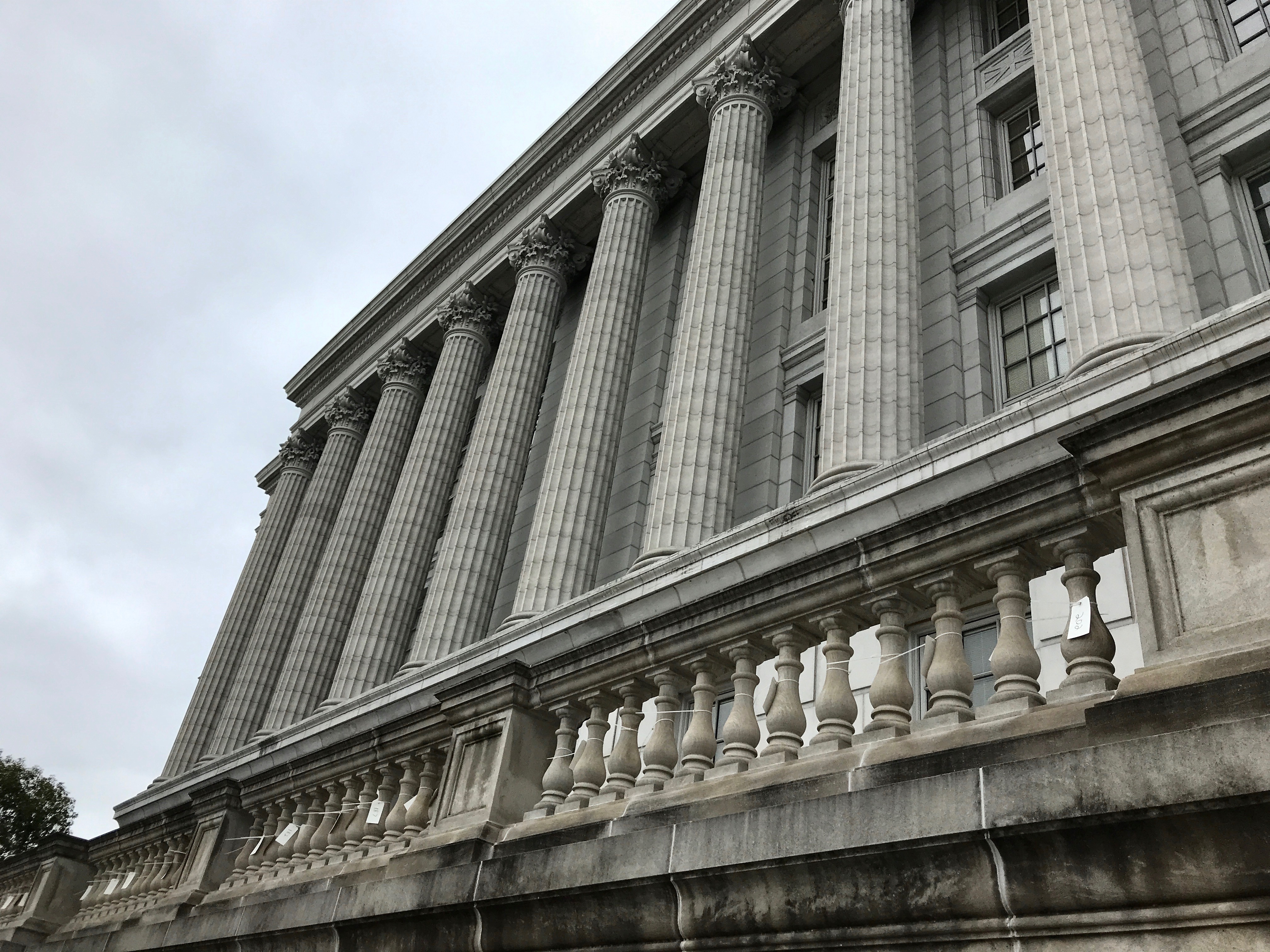
I passed the tagged balustrade. I imagine they are going to remove these and then return them when the work is complete. You want to make sure you put things in the right spots!

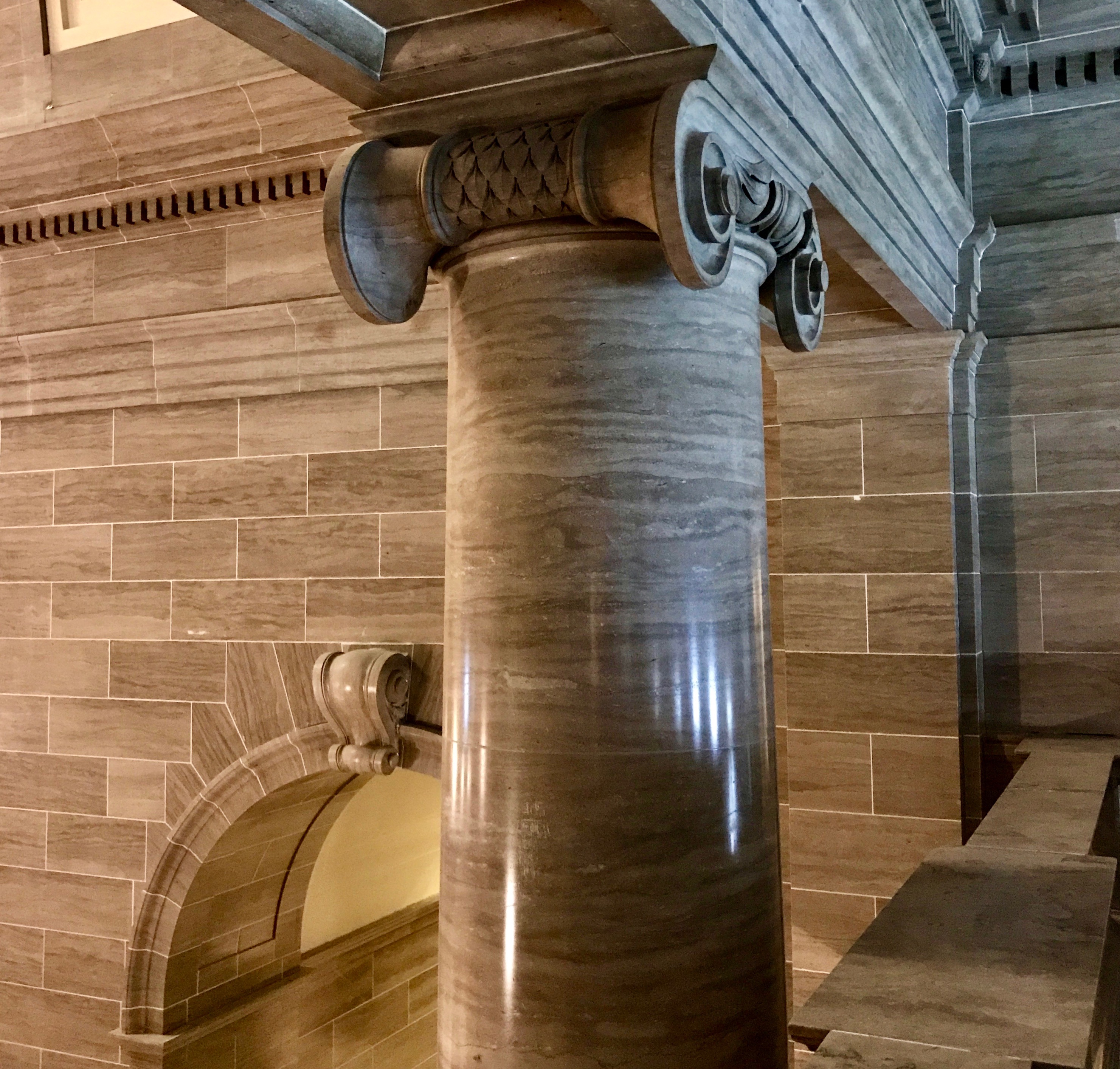
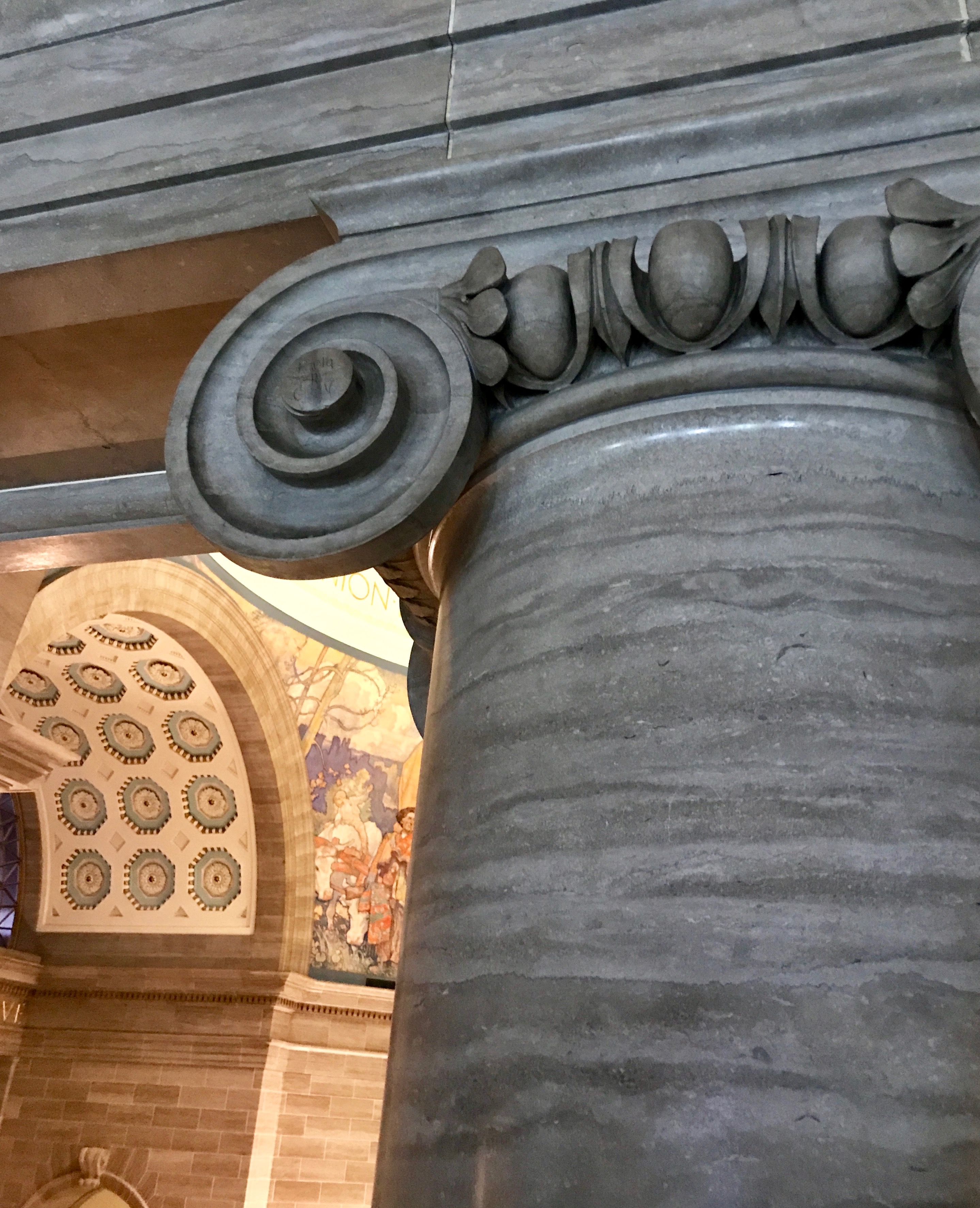
I looked up at the columns.

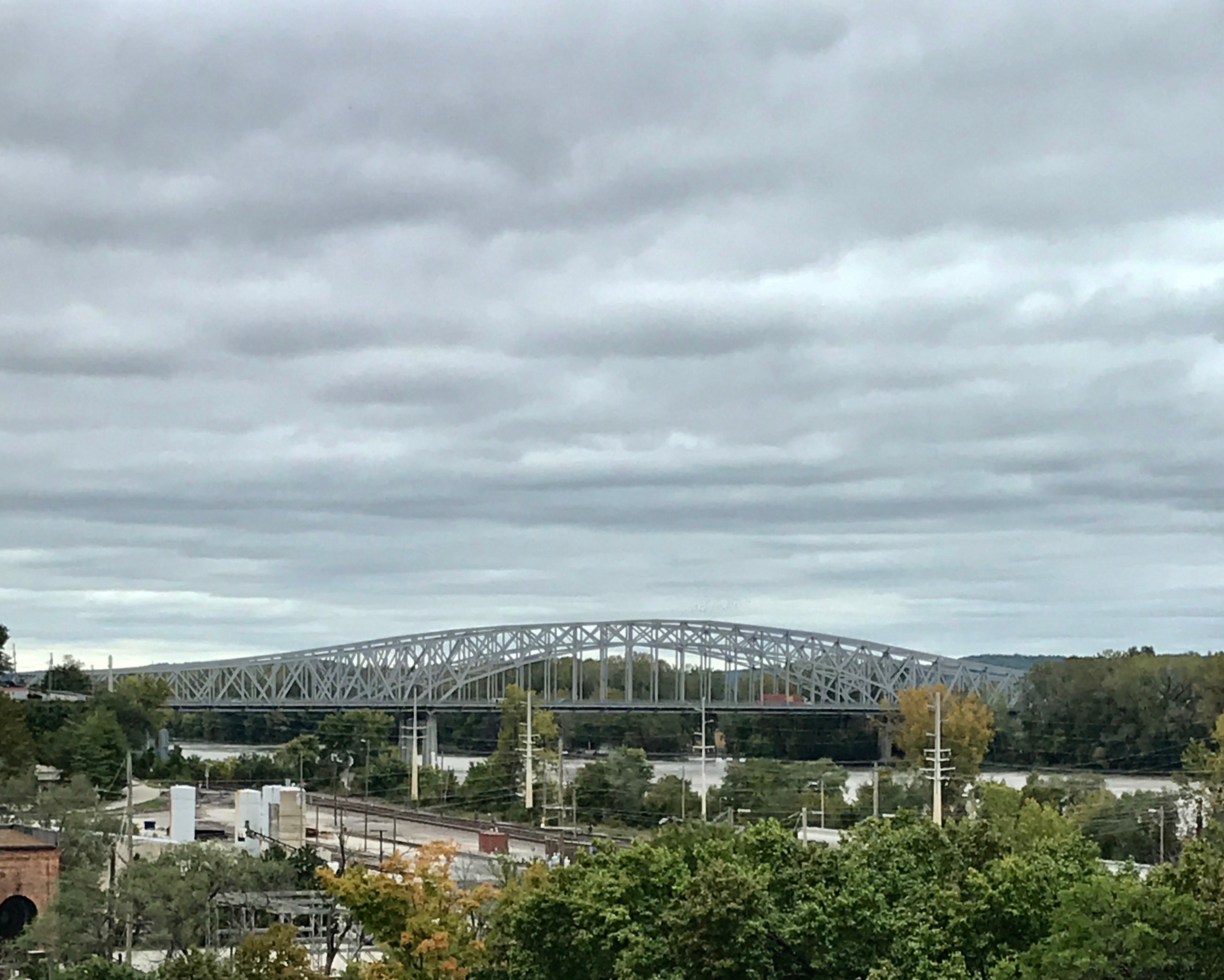
I paused to snap a photo of the bridge across the Missouri, and then I went to find my car. It was time to go find something to eat!


The World’s Only Corn Palace!

I have to admit that I didn’t really know what a corn palace was.

Was it built with corn? Decorated with corn? I didn’t know, but I was planning on finding out!

The next day, I got hitched up and moseyed about three hours down I-90.

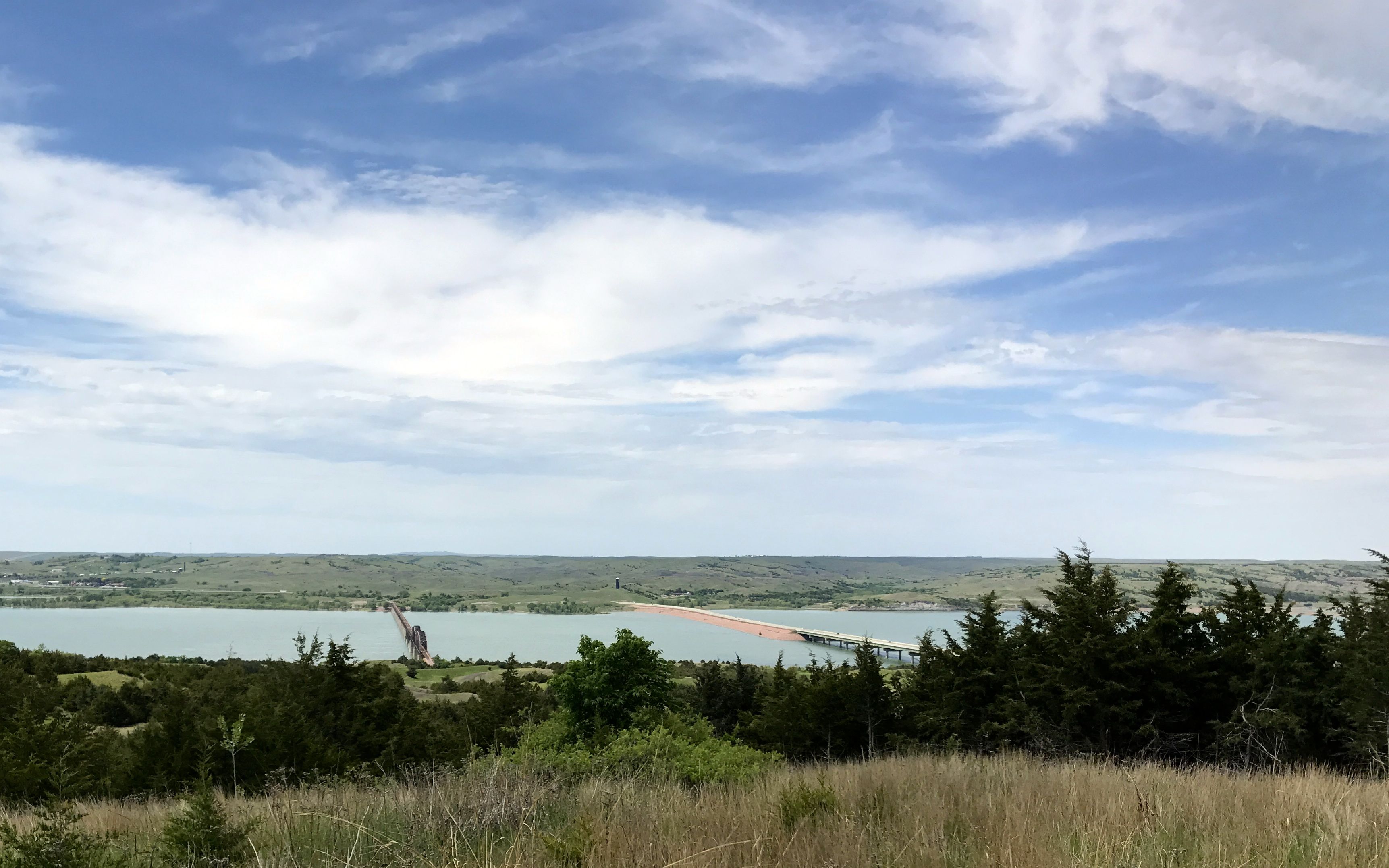
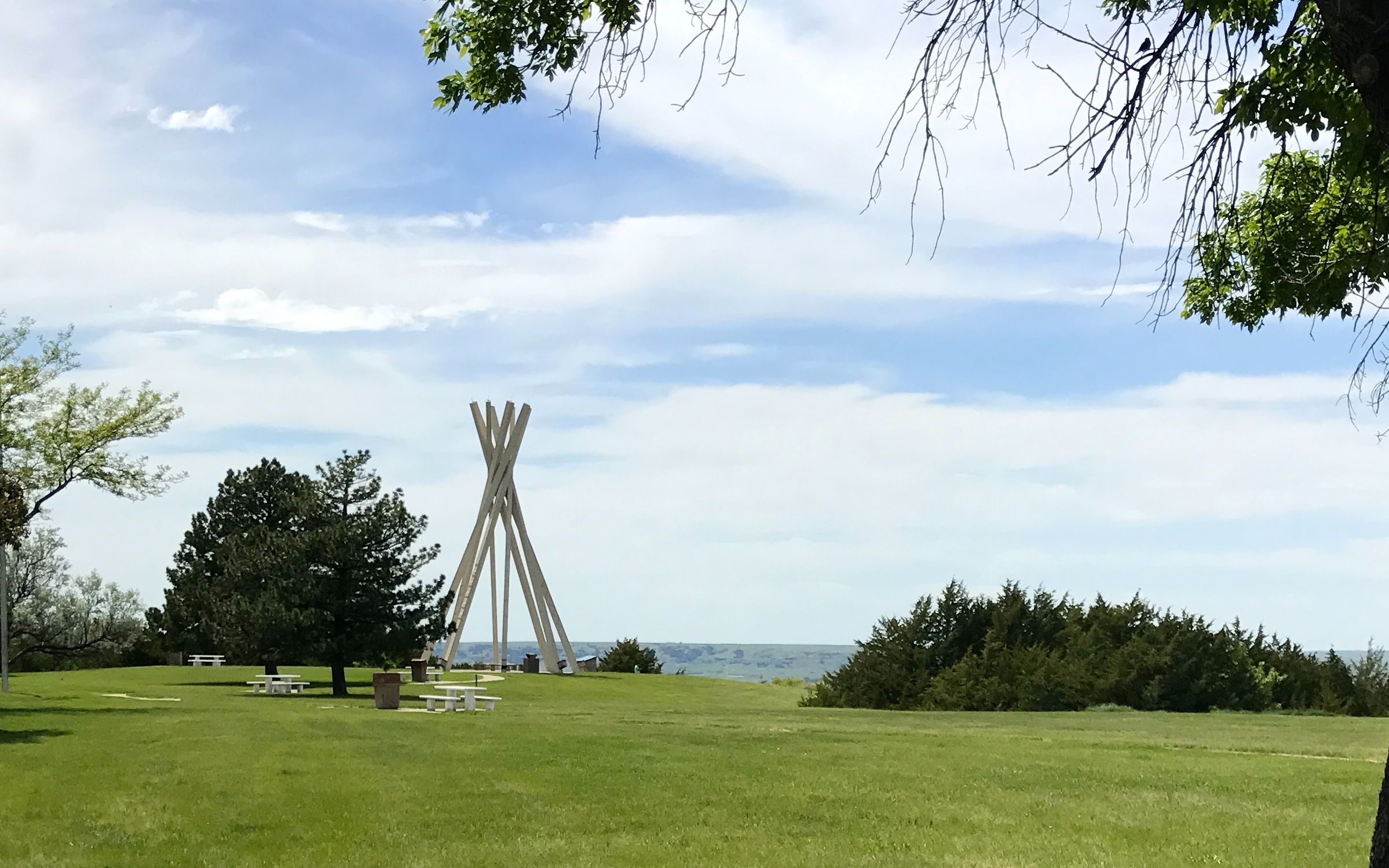
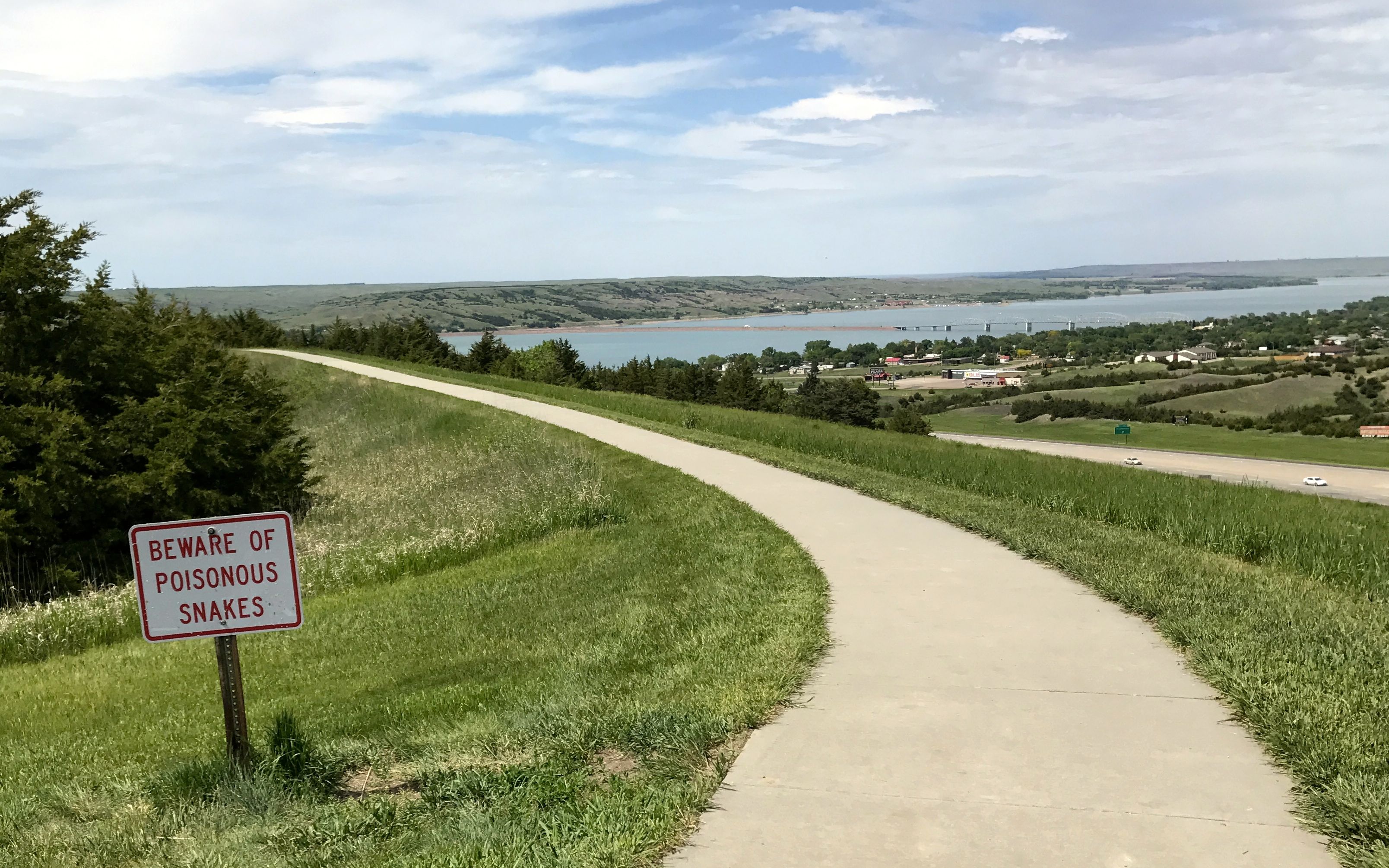
When I got to the Missouri River, I found the most wonderful rest stop.

It was a great view of the river.

But what really made it outstanding was the enormous statue.

The statue is entitled “Dignity of Earth and Sky” and is a tribute that states the Native cultures are alive and standing with dignity.

According to the rest stop’s website, it was sculpted by South Dakotan Dale Lamphere. He used three Native American models, ages 14, 29 and 55 to inspire the face of Dignity. The dress was fashioned to resemble dresses from the 1850s. She is holding a star quilt with 100 blue stainless steel diamond that flutter in the wind. It is lit by LED lighting and is visible from I-90 day and night.

The statue was installed in 2016, which was just the year before my visit. It looked marvelous. I hope it continues to age well.

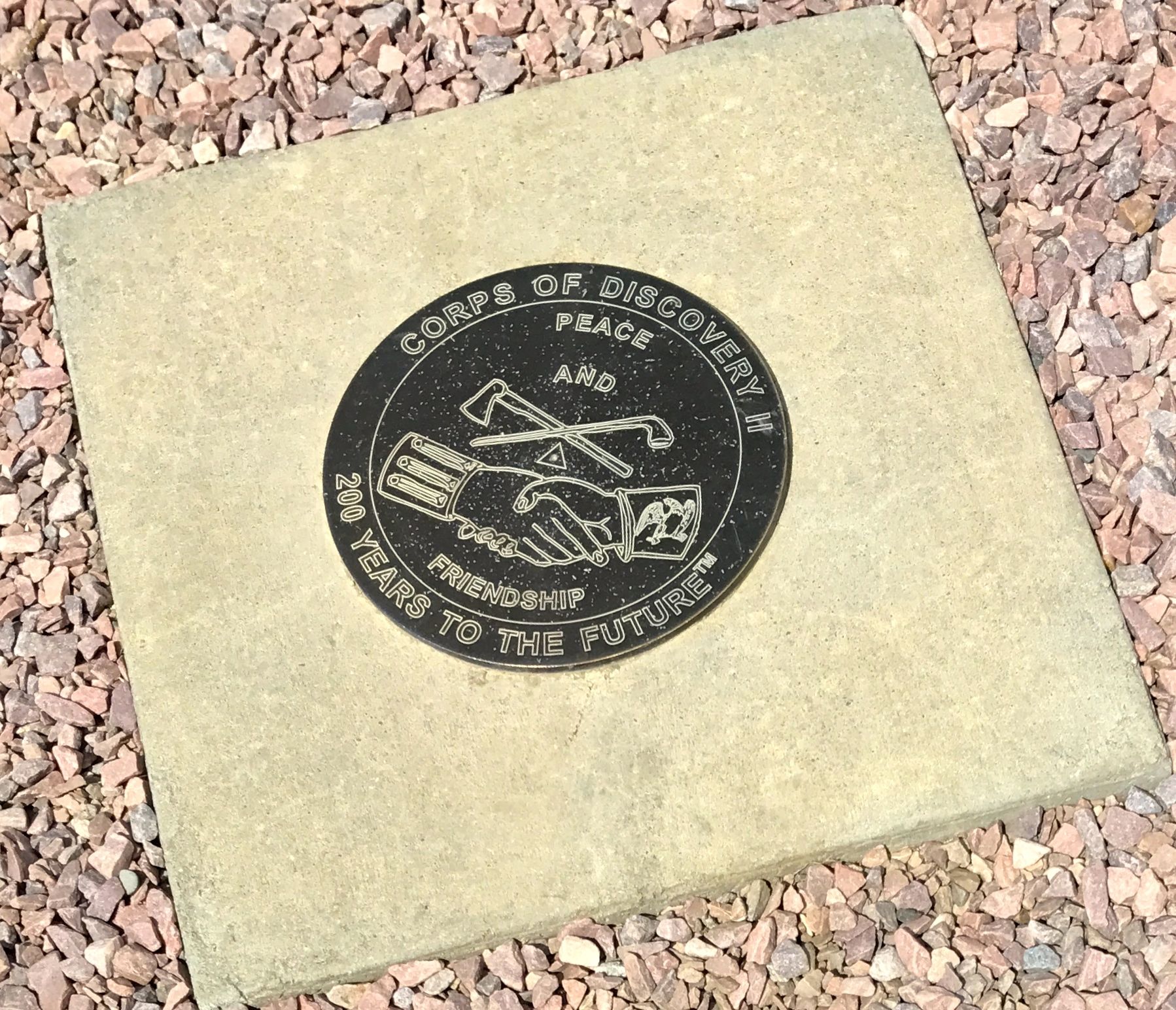
If you are near the Missouri River, you should expect to find some mention of Lewis and Clark and the Expedition of the Corps of Discovery.

According to the plaque nearby, this marker commemorates the bicentennial of the Lewis and Clark expedition. The geographic position of this marker has been established using the satellite-based Global Positioning System. This marker is part of the National Spatial Reference System, which is the standard used for positioning, mapping, and navigation in the United States.

Kind of amazing to think about how much navigation has changed in the 200 years since Lewis and Clark passed this way.

Just in case you were wondering, the position of this marker is at 43 degrees, 47 minutes, 13.66 seconds north latitude and 99 degrees, 20 minutes, 18.16 seconds west longitude. It is 1718 feet above mean sea level.

If you are crossing South Dakota on I-90, this is a wonderful rest stop. In fact, they also have a small museum with a full-sized model of one of the boats that Lewis and Clark used. It is an outstanding rest stop.

You can get out and stretch your legs.

Or not.

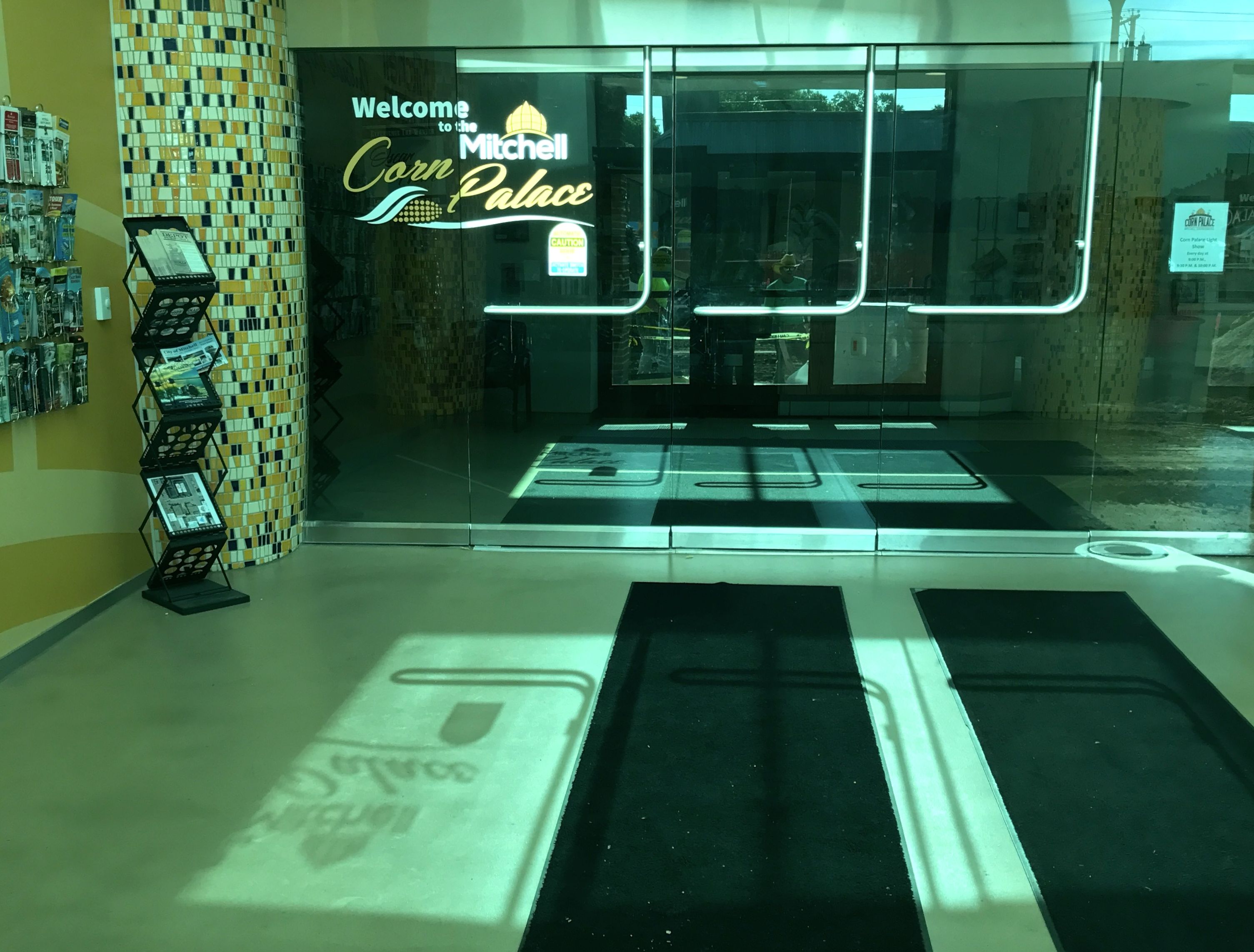
I continued on my way and finally reached Mitchell. I got set up in some little nondescript campground that was just off the Interstate and headed toward the World’s Only Corn Palace.

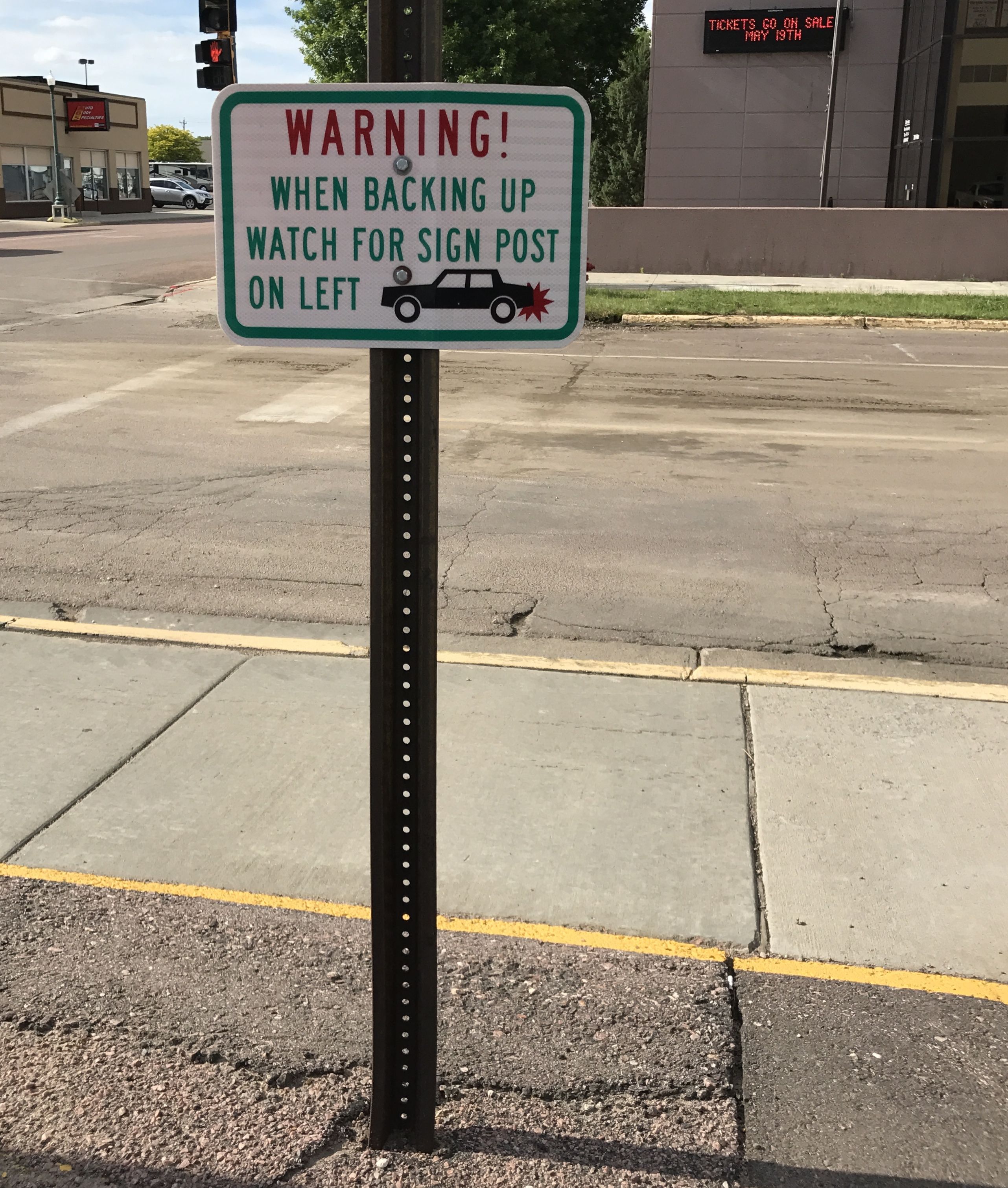
I found a spot to park near this oddly specific warning sign.

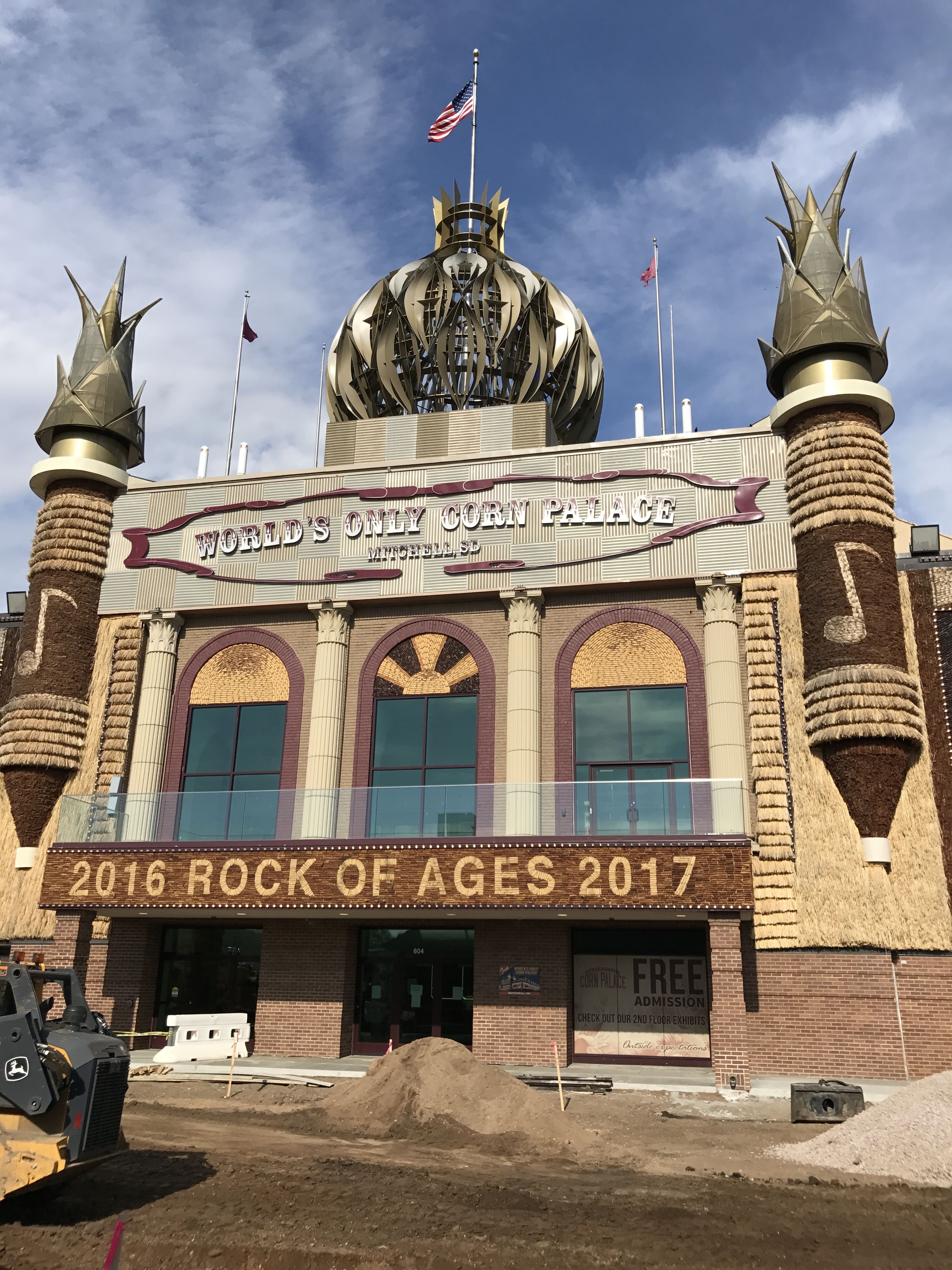
I found it! In spite of all the road work going on.

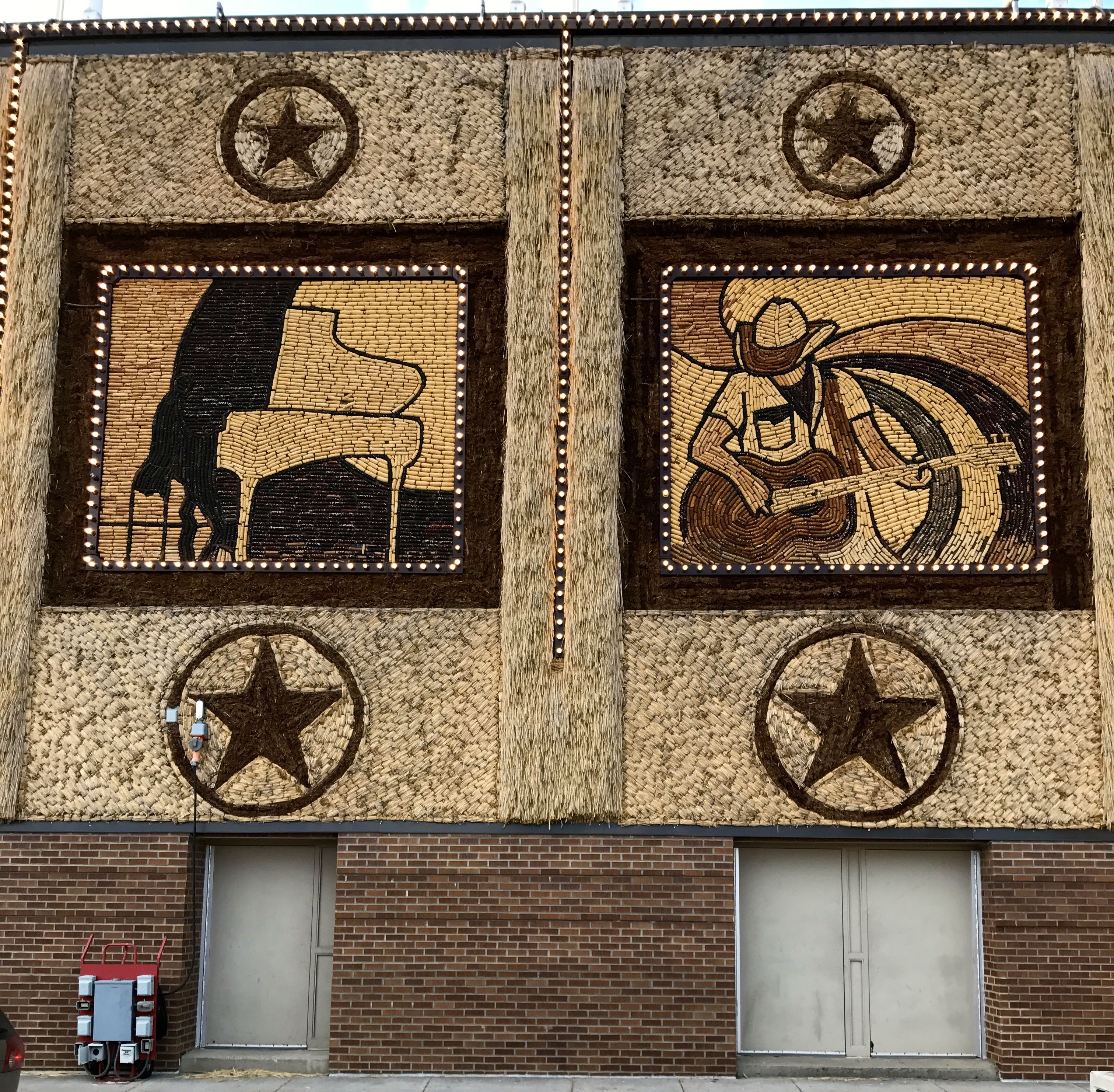
So, what is the Corn Palace? It is a multi-purpose arena/facility that is decorated with crop art. A new design is constructed each year. According to my preferred source, the Corn Palace is a venue for concerts, sports evens, exhibits and other community events. Each year the Corn Palace is celebrated with a citywide festival.

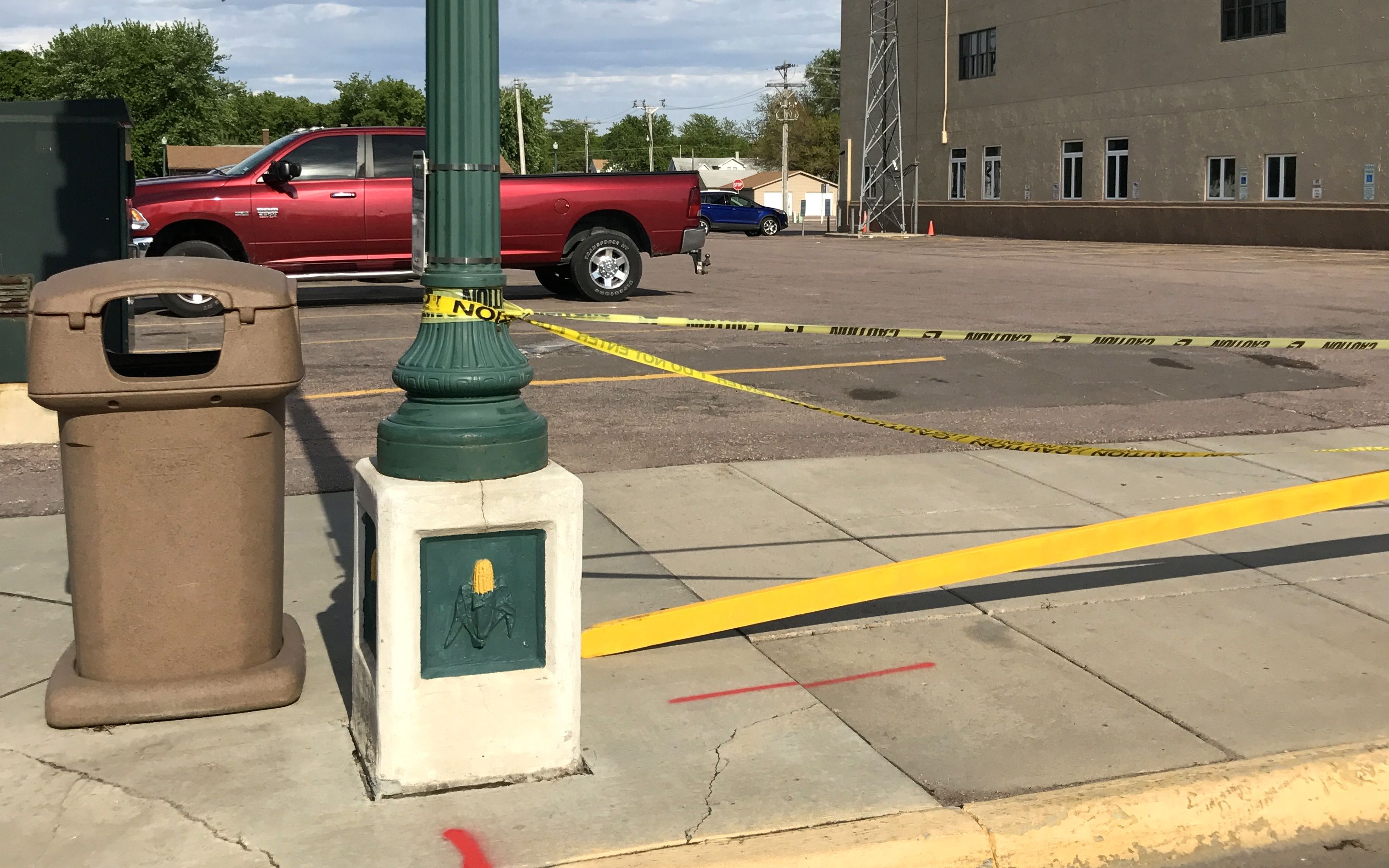
Mitchell is all about the corn. I thought the corn motif on the base of the streetlight was a nice touch.

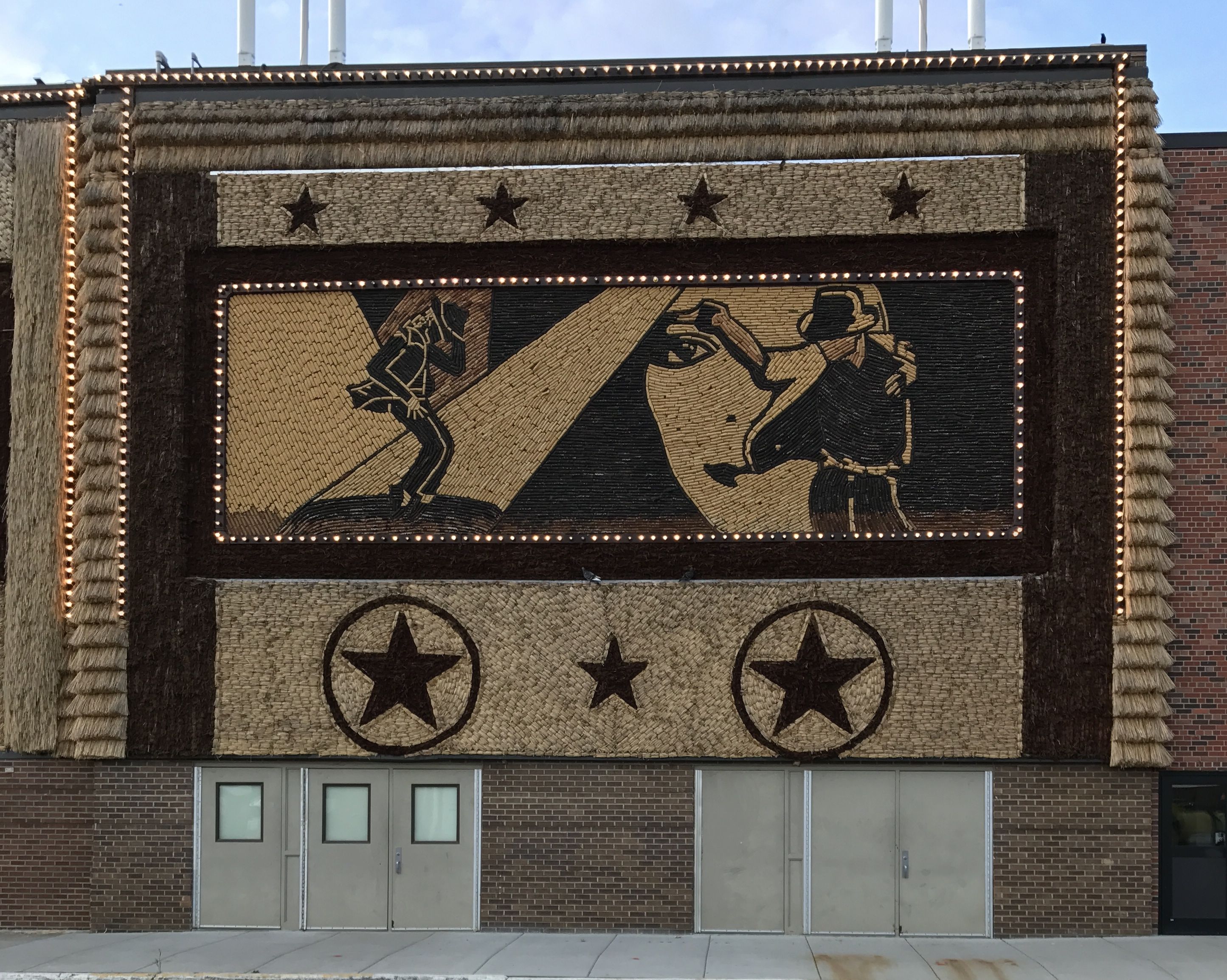
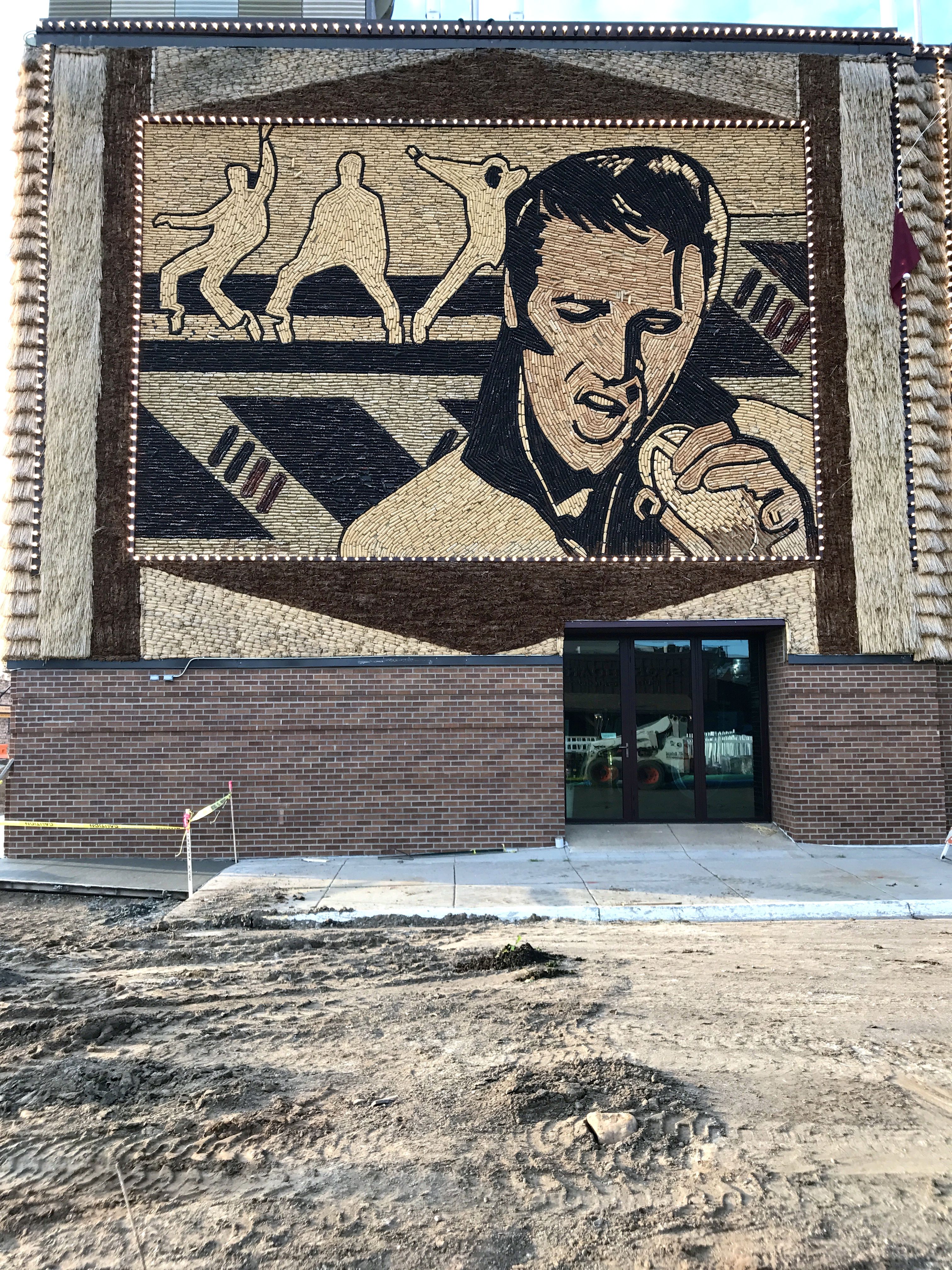
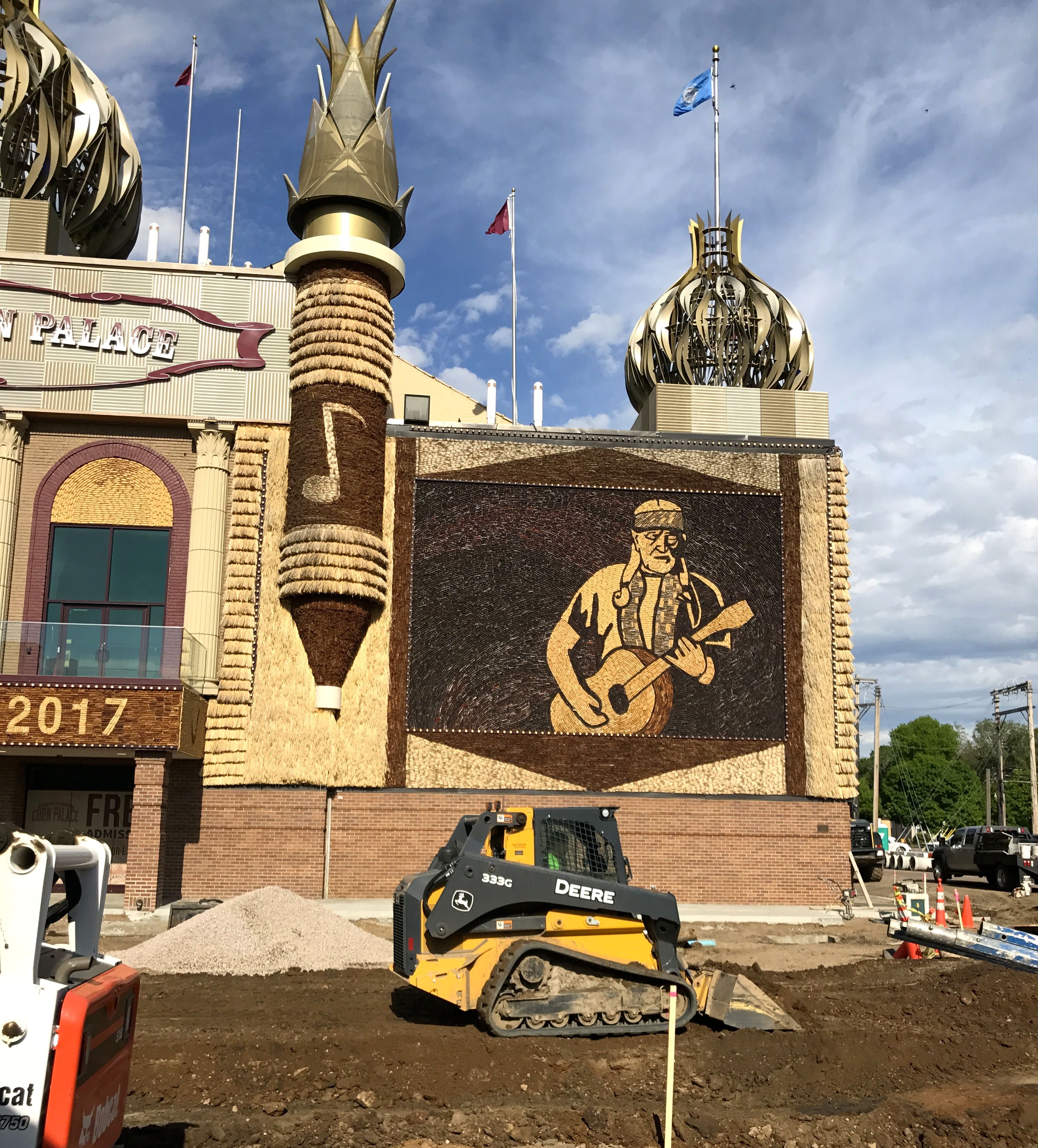
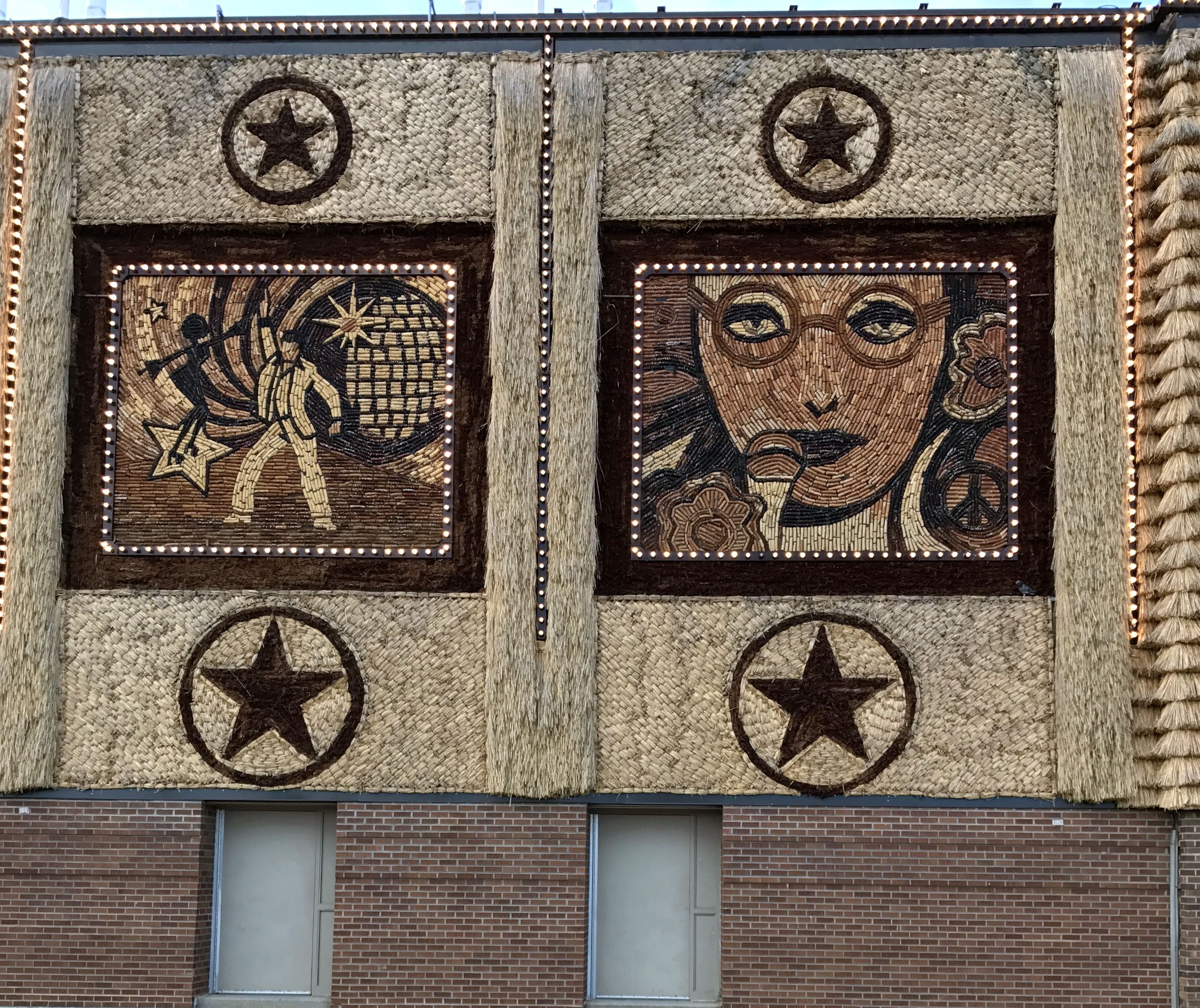
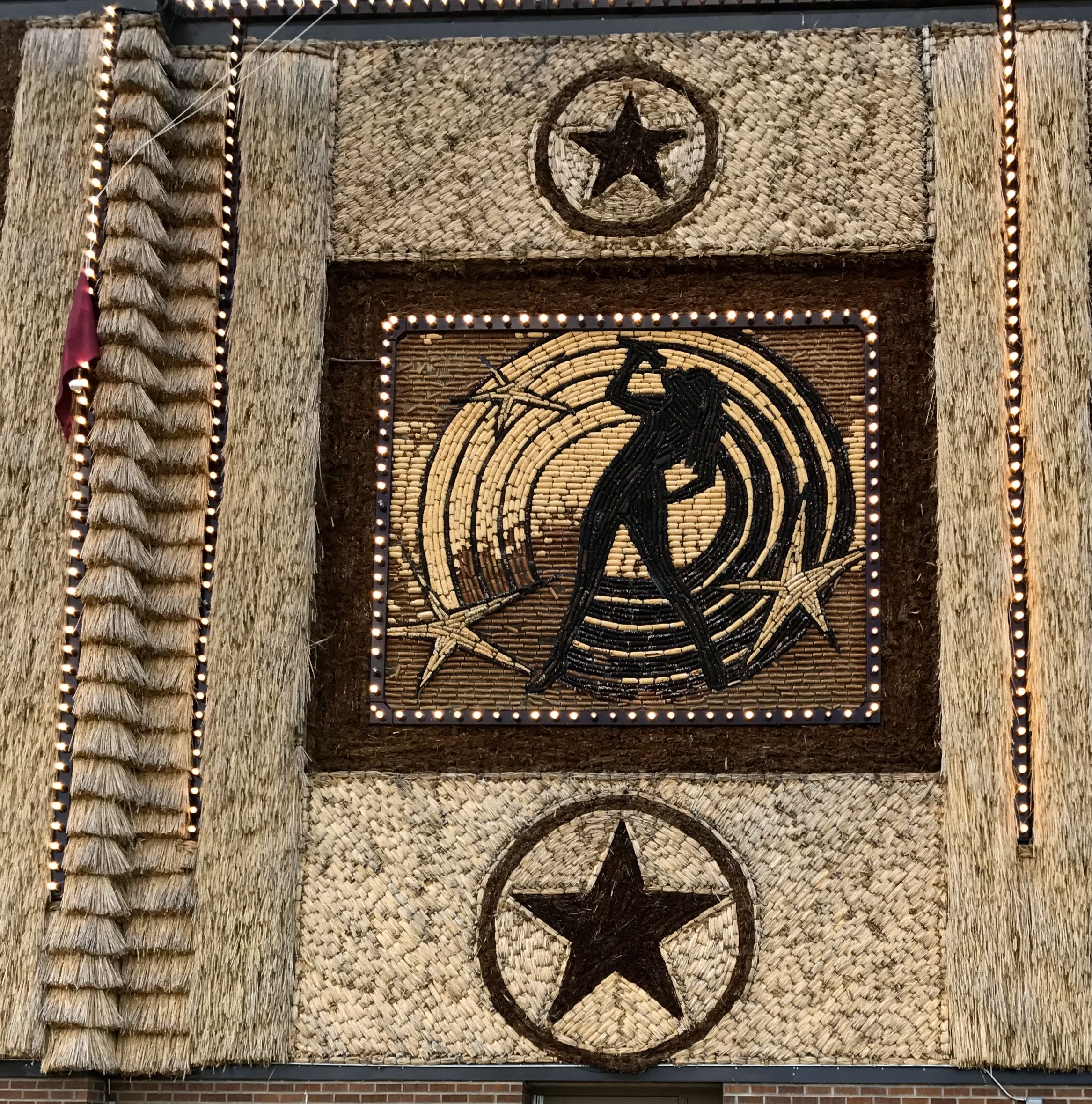
The theme of the murals when I visited in 2017 was “Rock of Ages” and they portrayed various music stars through the years.

Some were not easy to identify.

Other murals were iconic. Here’s The King!

And Willie Nelson.

I’m pretty sure that the one on the left is John Travolta in his iconic white suit in Saturday Night Fever. I’m not sure about the one on the right side.

I’m not sure about these, either, but they are definitely musical.

This one also fits in with the theme.

If I had gotten there earlier in the day, there might have been someone to ask.

But, in keeping with my usual timing, the building was locked up tighter than a drum.

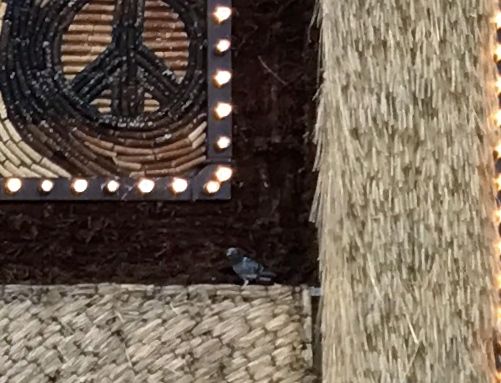
In addition to asking about the subjects of the murals, I wanted to know when they changed them and if the birds (and possibly rodents) affected the murals. I did notice this bird perched on it.

If you look closely, you can see where kernels are missing from the corn.

Speaking of kernels, the name of the Mitchell High School baseball team is the Kernels! I love it!

In checking on information to write this post, I came across a list of the themes of the murals. The year I visited, it was “Rock of Ages”. This year the theme is “South Dakota Weather.” I would love to see what those murals look like.

I bid my farewells to the mascot for the World’s Only Corn Palace and headed back to Flo for my last night in South Dakota.