I hitched up and headed out. I was thrilled to find this rest stop with loads of information about Wisconsin.Menomonie… Does that name make anyone else think of this Muppet bit?
I was singing it for days!
I reached a point when it was time for me to stop and stretch my legs. Cheese!
After all, I was in Wisconsin, land of the Cheeseheads. And ice cream!
Get a load of the nutritional information. “YOU WANT NUTRITION, EAT CARROTS.” Igor the Rat met me at the door.
In spite of their persuasive argument for ice cream, I decided that I was more in the mood for cheese.
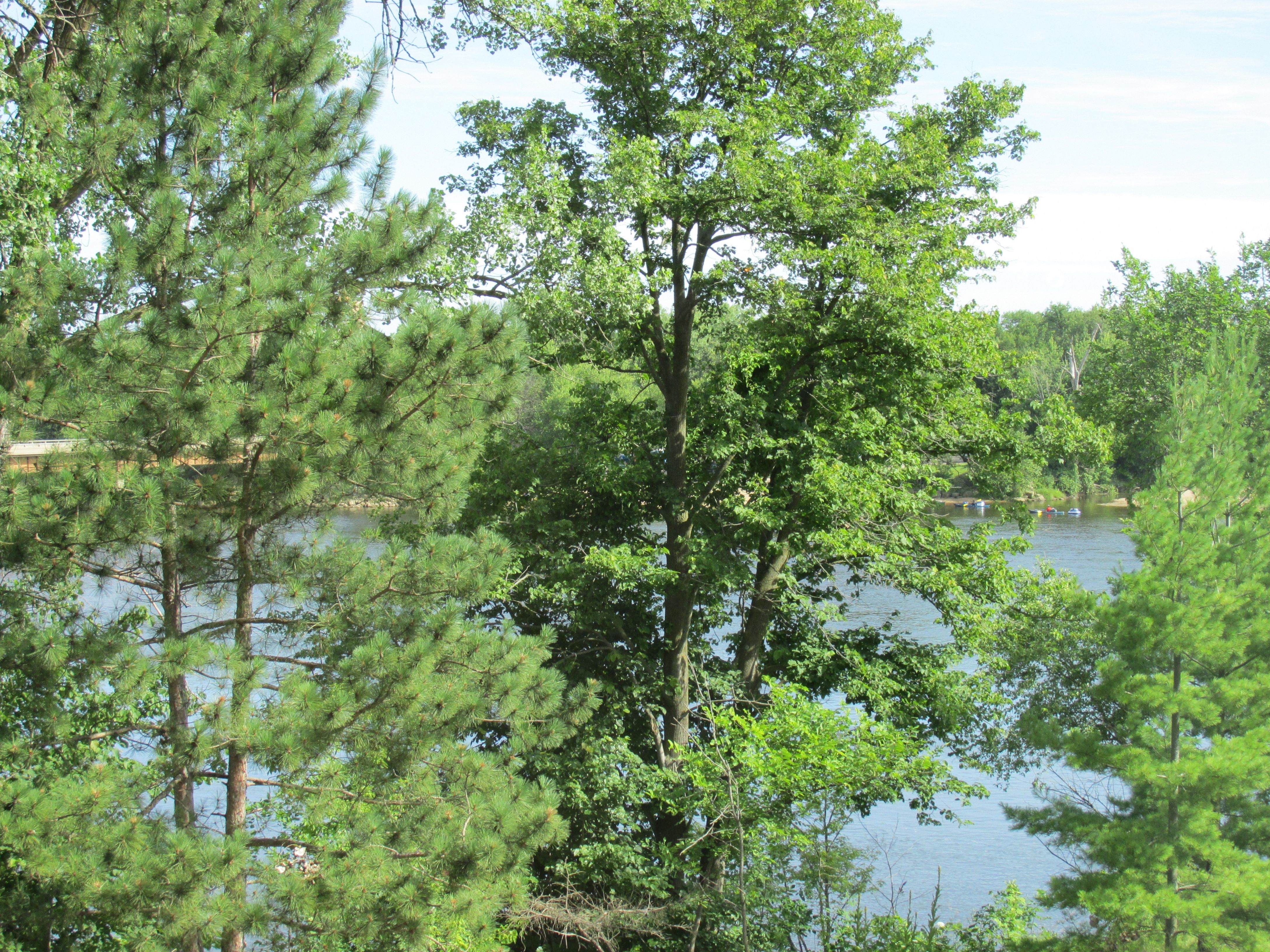
After a quick break I headed off for the day’s destination, Grant River Recreation Area. In spite of the name, it is on the Mississippi River. I was a little leery of the signs that proclaimed “rustic road”. Curvy, rustic roads with a 27 foot trailer are not my favorite thing. But the trip down the rustic, curvy road was worth it. This was an Army Corps of Engineers campground and it was lovely. My site was just a short stroll from the banks of the mighty Mississippi.Of course, train tracks many times follow river beds. My site was quite close to the railroad right of way.
It is kind of exciting when it rolls through. I am glad that I don’t live next to the tracks, though.
I could have sworn the name of the city was pronounced Mil-WAH-key. However, after listening to the newscasters for a few days, I now know that it is MWAH-kee.
I learn so much in my travels,
The main reason for including Milwaukee in this trip – nay, the reason I came to Wisconsin in the first place – was to celebrate my godson’s wedding.
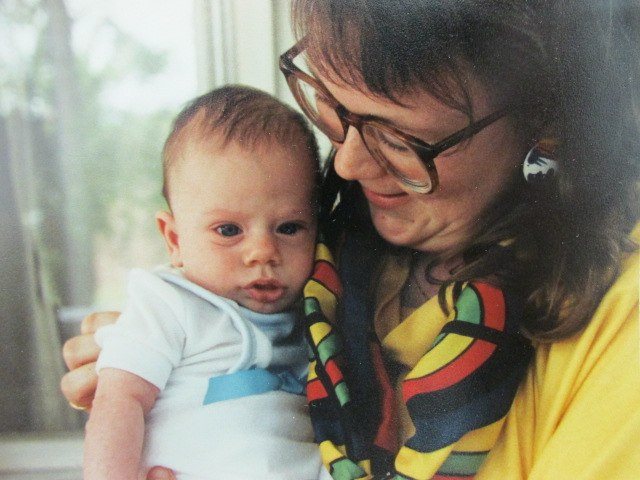
Me and my godson, Paul
Oh, wait, that’s an old photo.
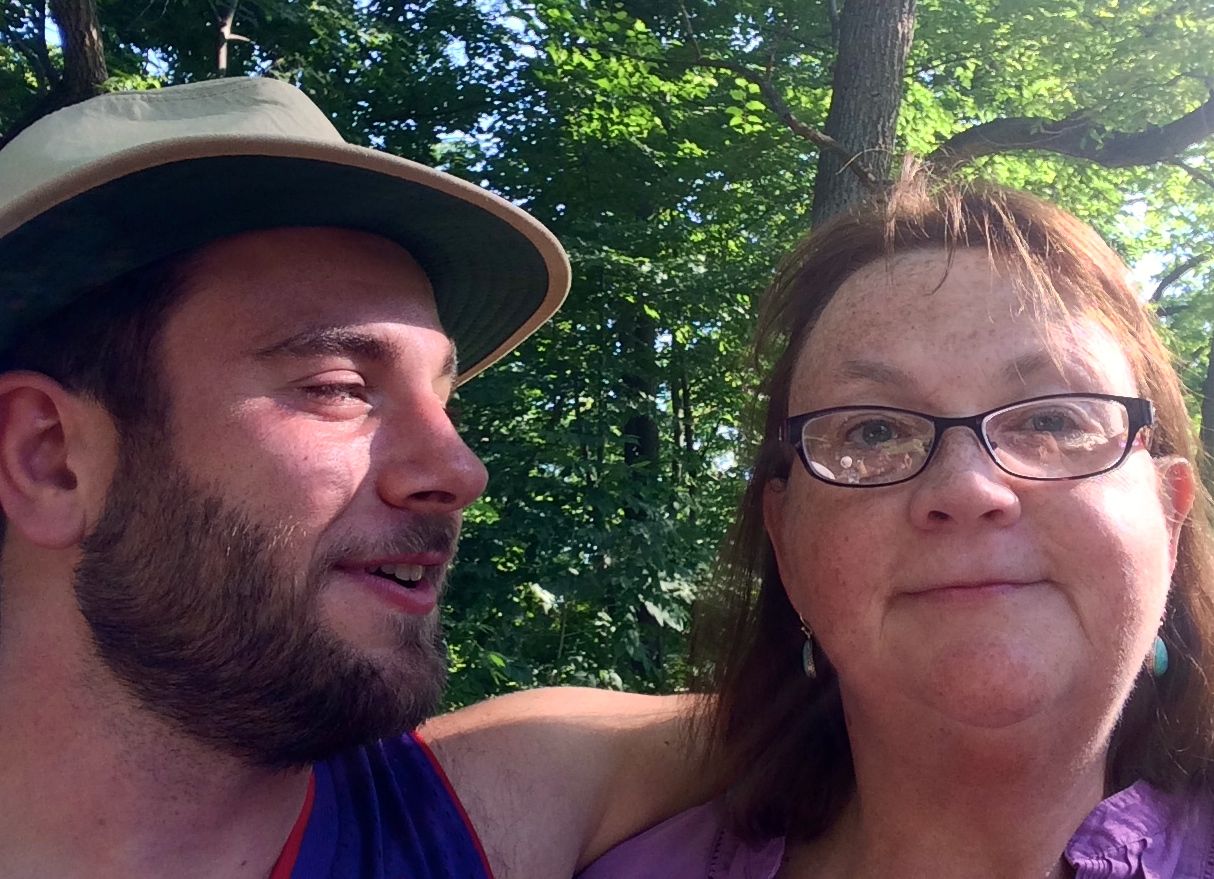
Here’s one that’s more up to date.
Me and my godson, Paul.
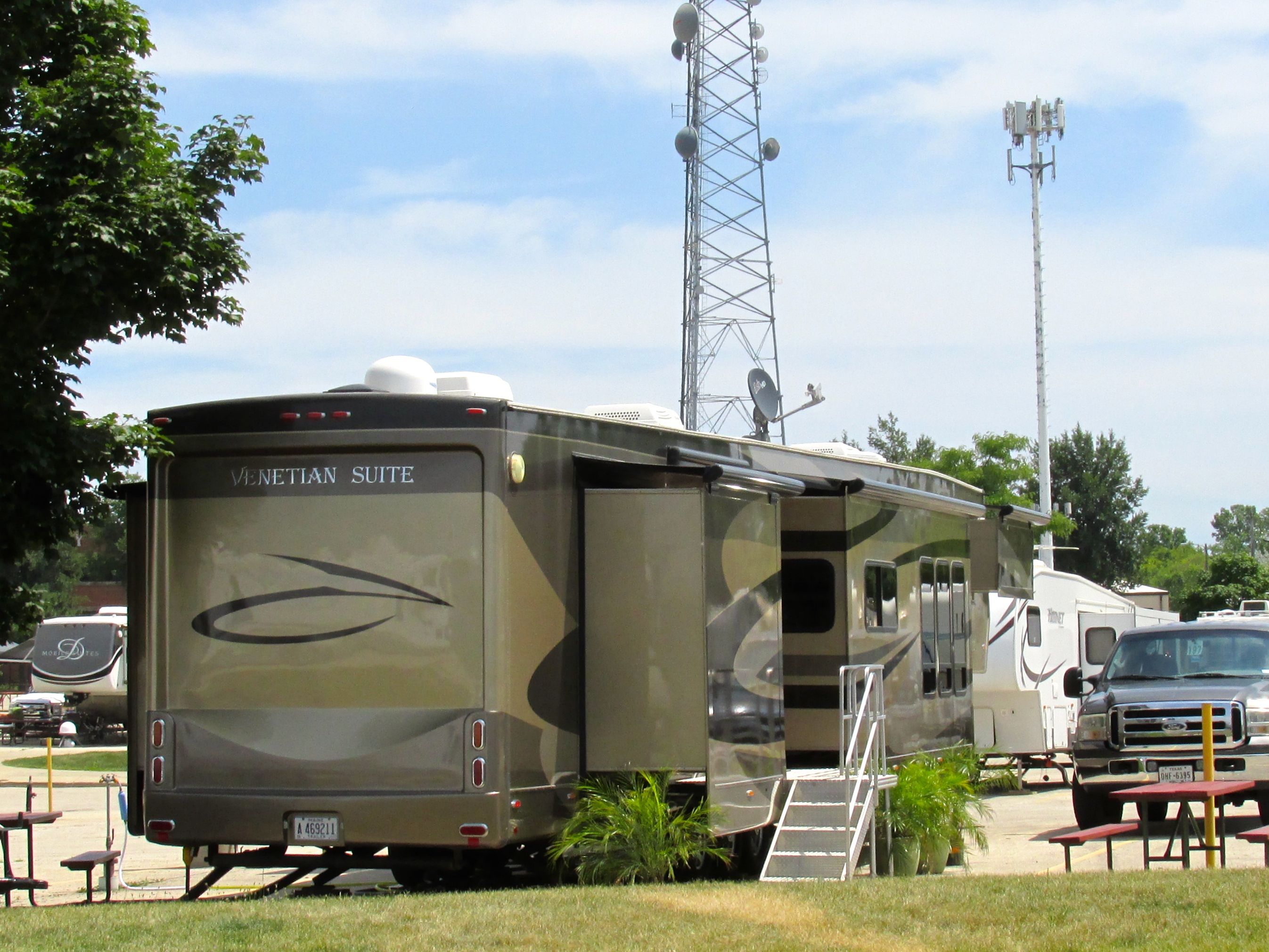
One thing that surprised me was that there are so few places to camp near Milwaukee. I ended up at the Wisconsin State Fair RV Park. It was another one of those “acres o’ asphalt” places. There were full-hookup sites, but I opted for a more budget-friendly electric-only site. Budget-friendly is relative, though. Supply and demand rules the day.
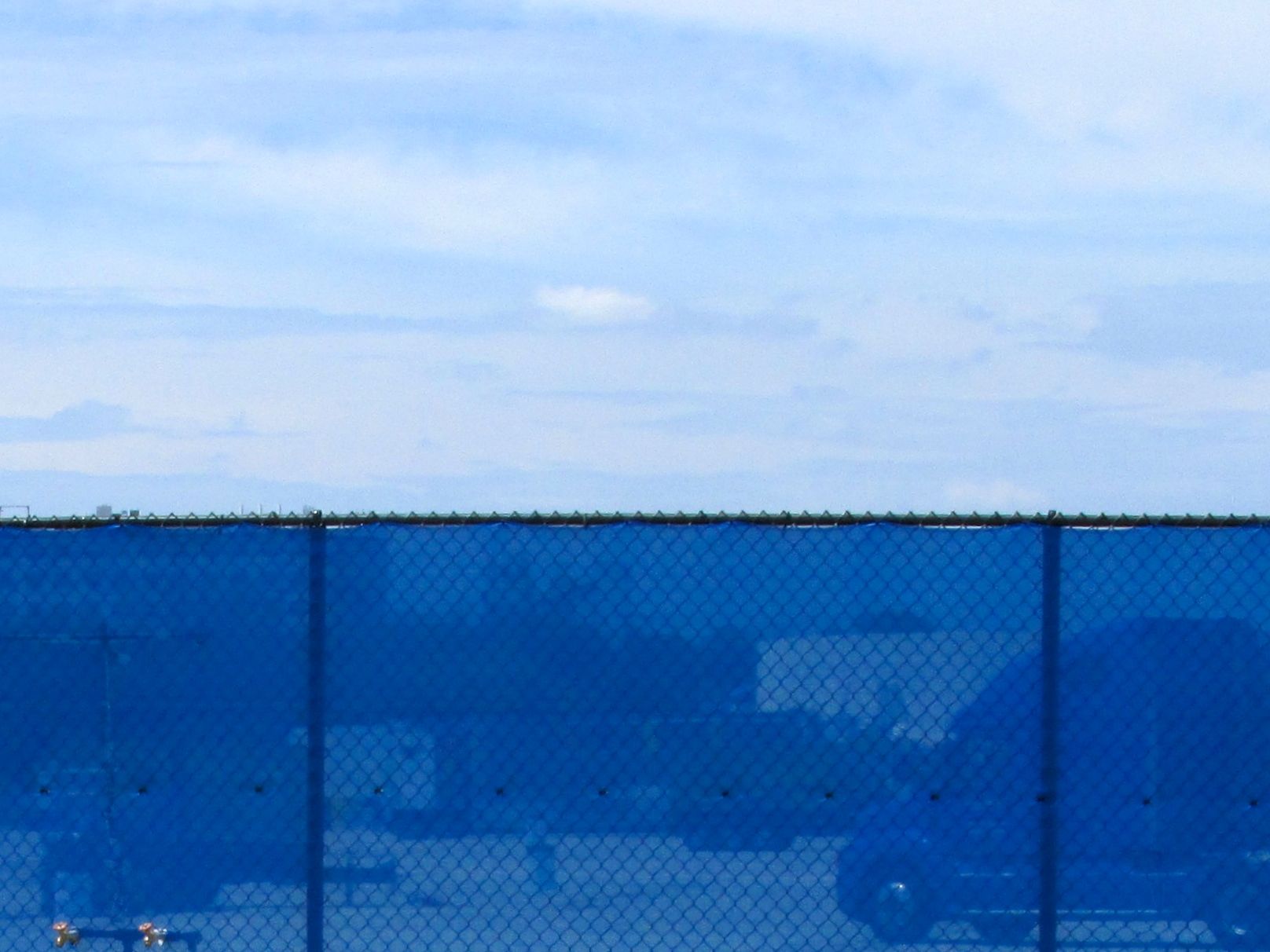
However, when I would peek out my window in the morning, sometimes I almost thought I was at the shore when I saw the blue privacy cover on the chain link fence.
view out my window
The full-hookup sites did have a bit of grass, picnic tables and the occasional tree. And, if that is not enough to suit you, you can always bring your own greenery.
The high rent district
But, I wasn’t there to hang out at the park, I was there to celebrate with my friends – and celebrate we did!
First there was the shower for all the women-folk. This gave those of us who had never met the chance to meet and greet.
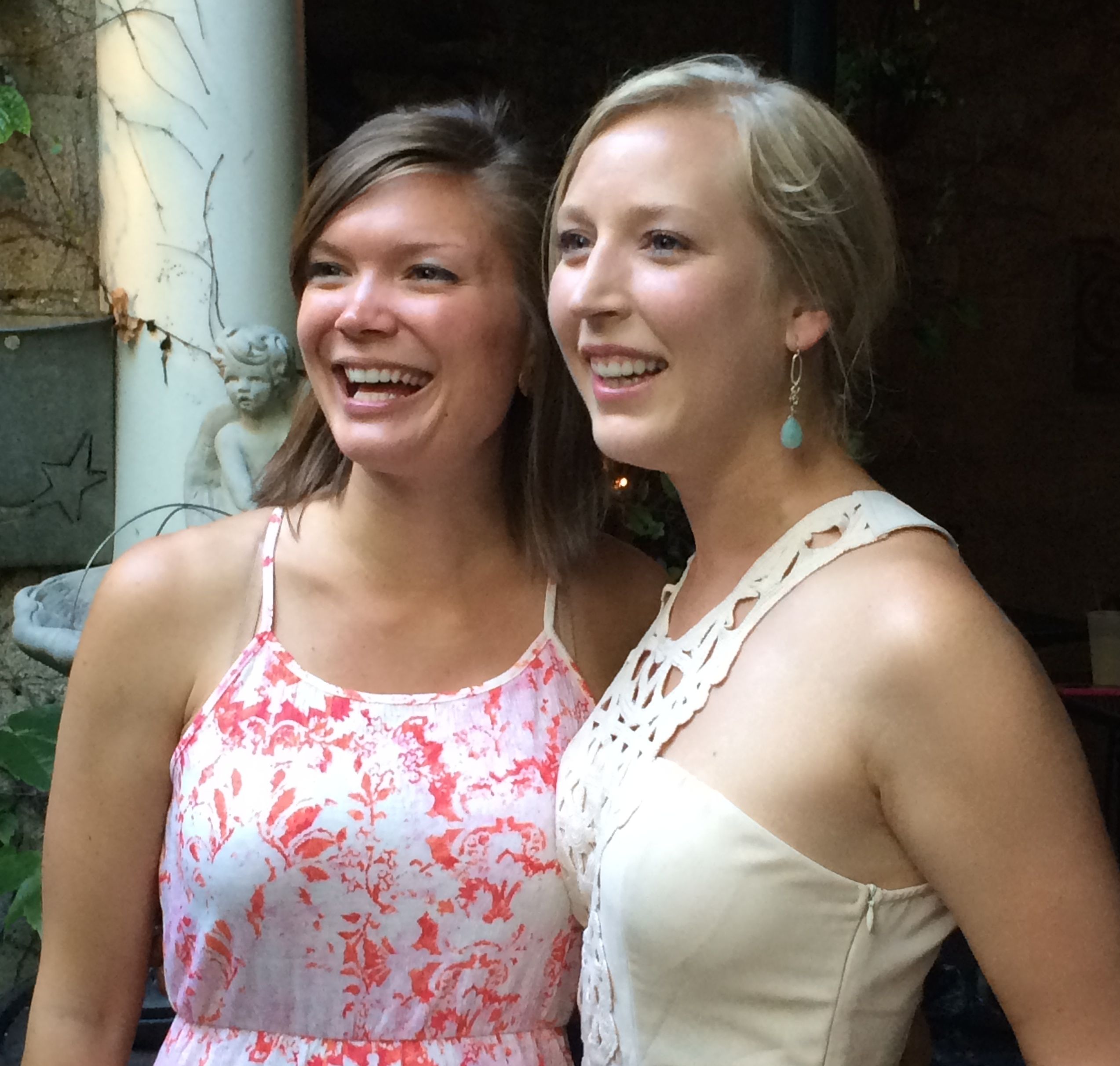
Lisa, the Maid of Honor, and Amber, the bride
It was a lovely party, with tasty food and the requisite games along with gift opening.
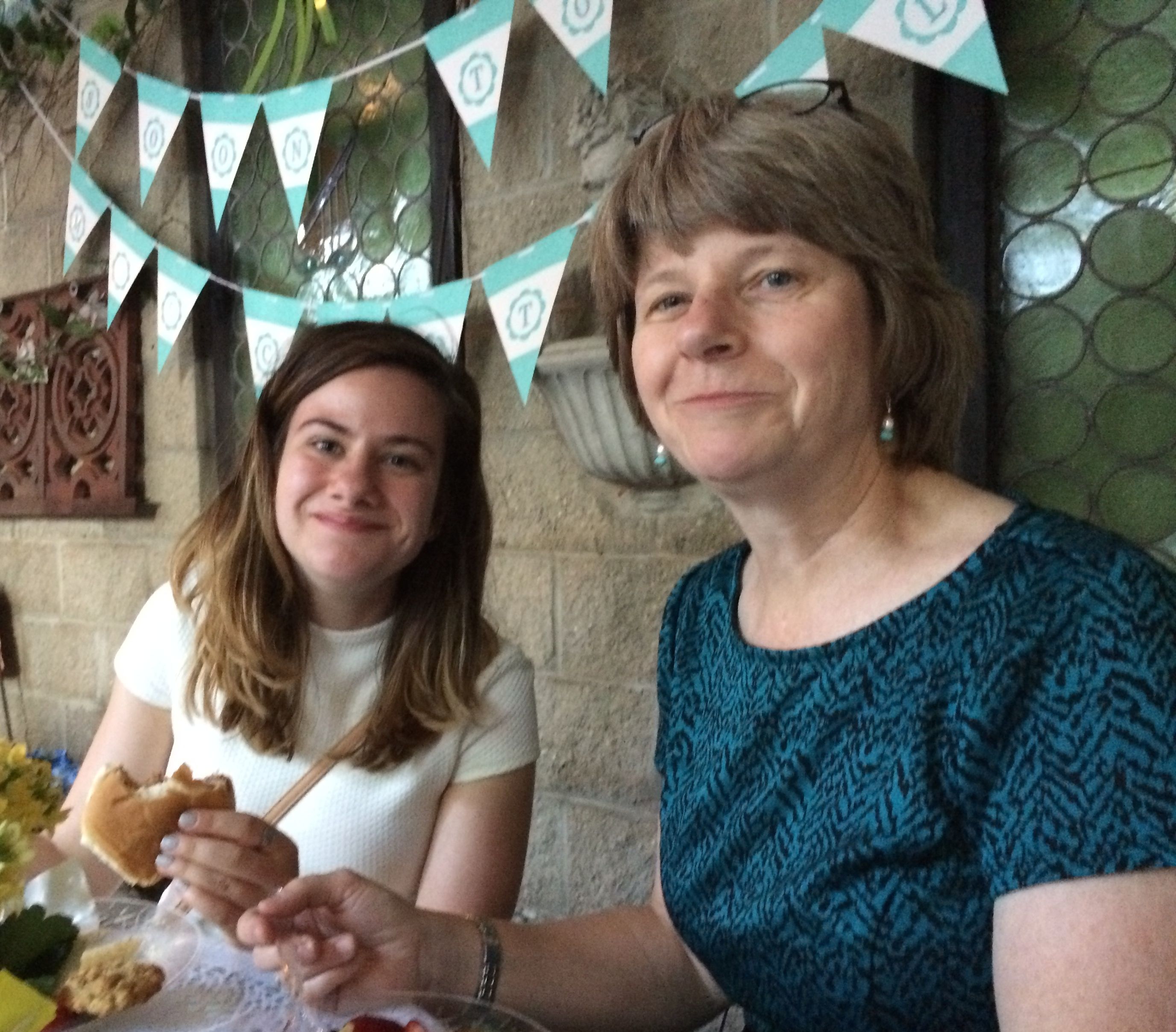
Teresa, the sister, and Kathy, the mother of the groom.
Towards the end of the party, the men-folk joined us. They had been out enjoying a Friday night fish fry.
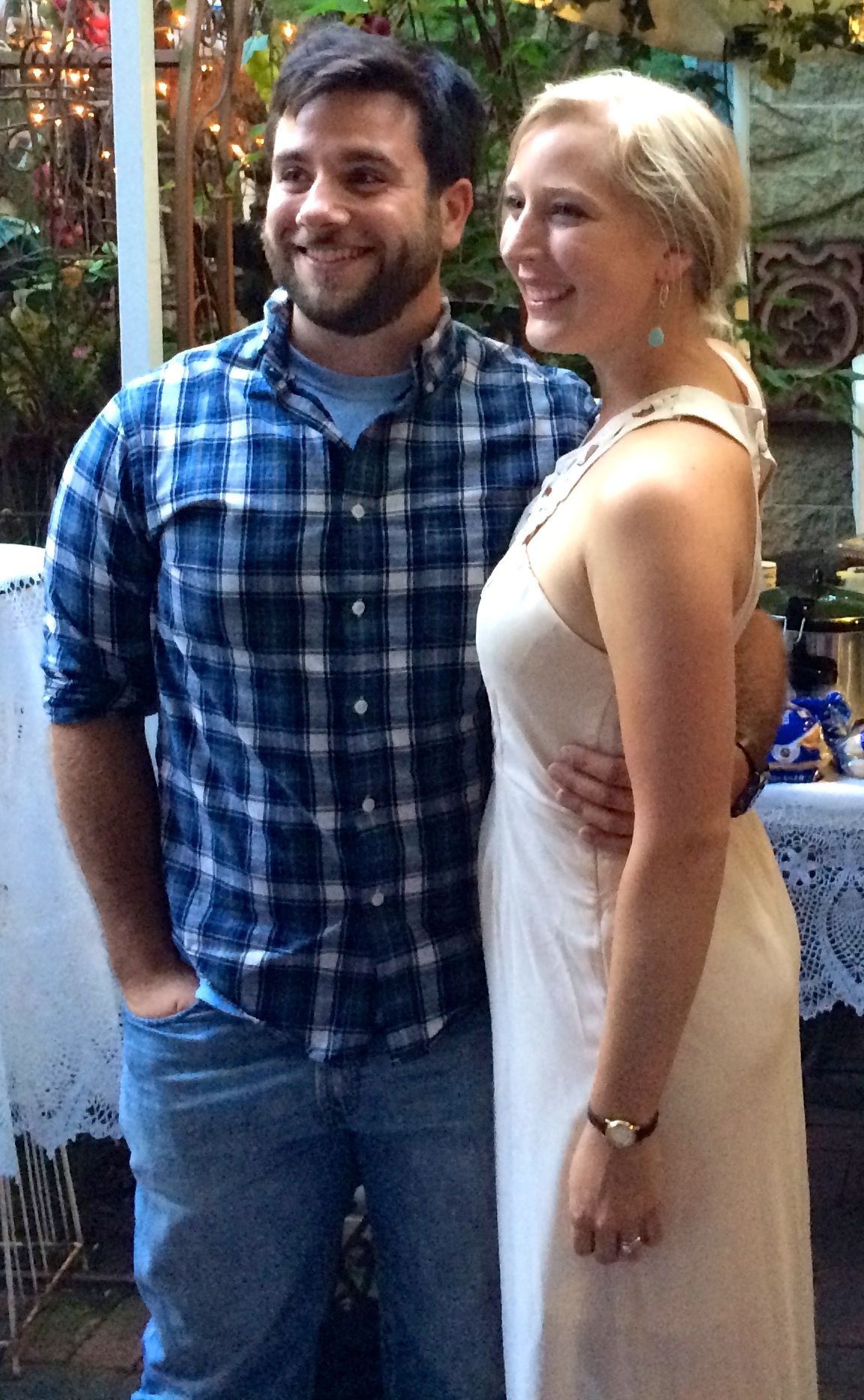
Paul and Amber
The next day was the rehearsal, so it was a day off for me. Most of the day, I enjoyed the comforts of my Airstream, electricity, wifi, and good TV reception.
However, I did join up with them later for the rehearsal dinner. It was a wonderful picnic in the park. Here’s something that surprised me: the parks in Milwaukee not only allow beer, they have beer gardens in the parks! Must be part of the beer culture. Pabst, Schlitz, Miller, Blatz.
I have no photos of the picnic, but I would highly recommend Estabrook Park for anyone looking for picnic venue in Milwaukee. Lush and green and well-maintained.
That night, I decided that I should do something in Milwaukee besides take part in wedding events. I googled top things to do in Milwaukee and came up with a couple things to do before the wedding on Sunday.
Surprise, surprise! I found some Frank Lloyd Wright buildings that I had never heard of.
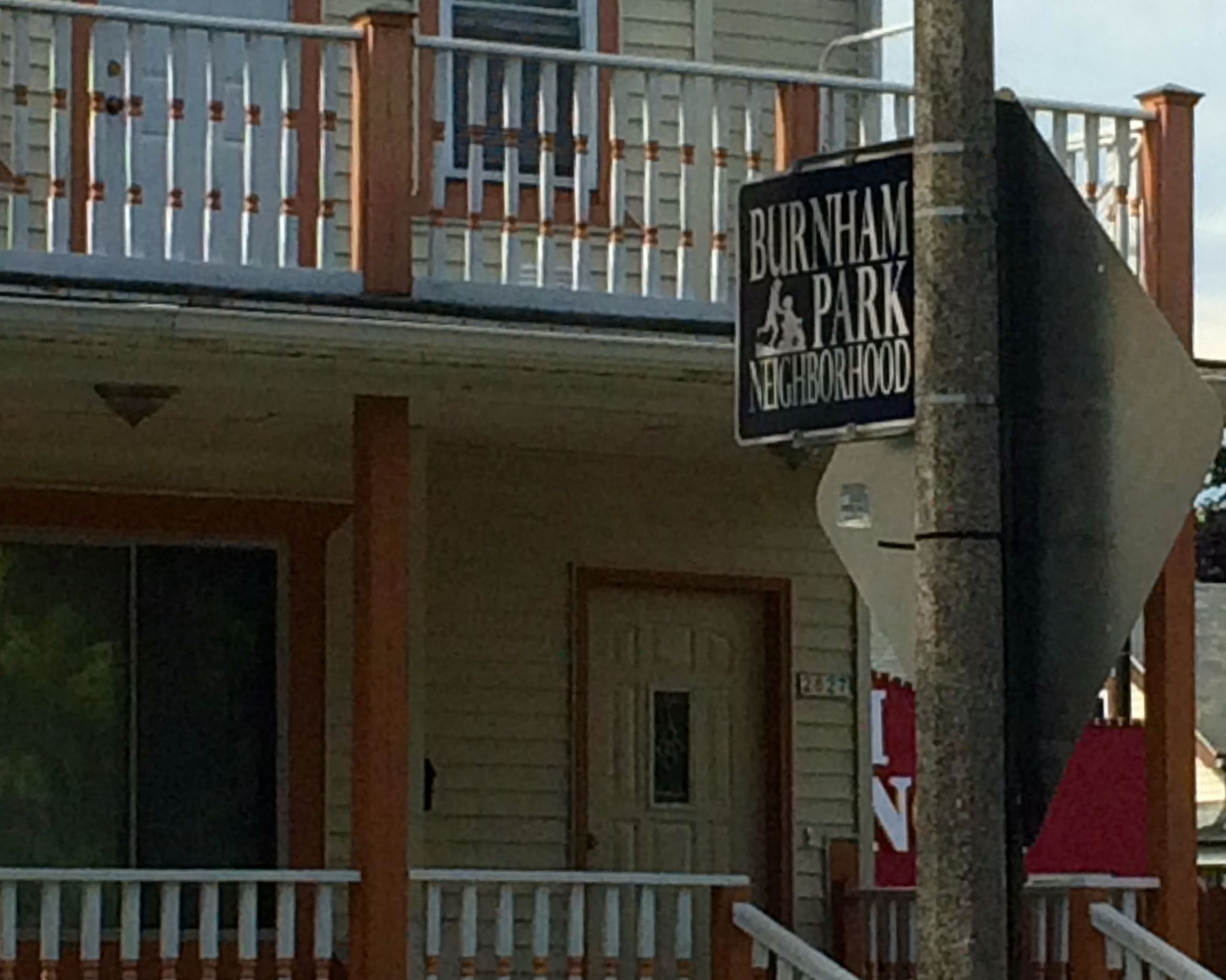
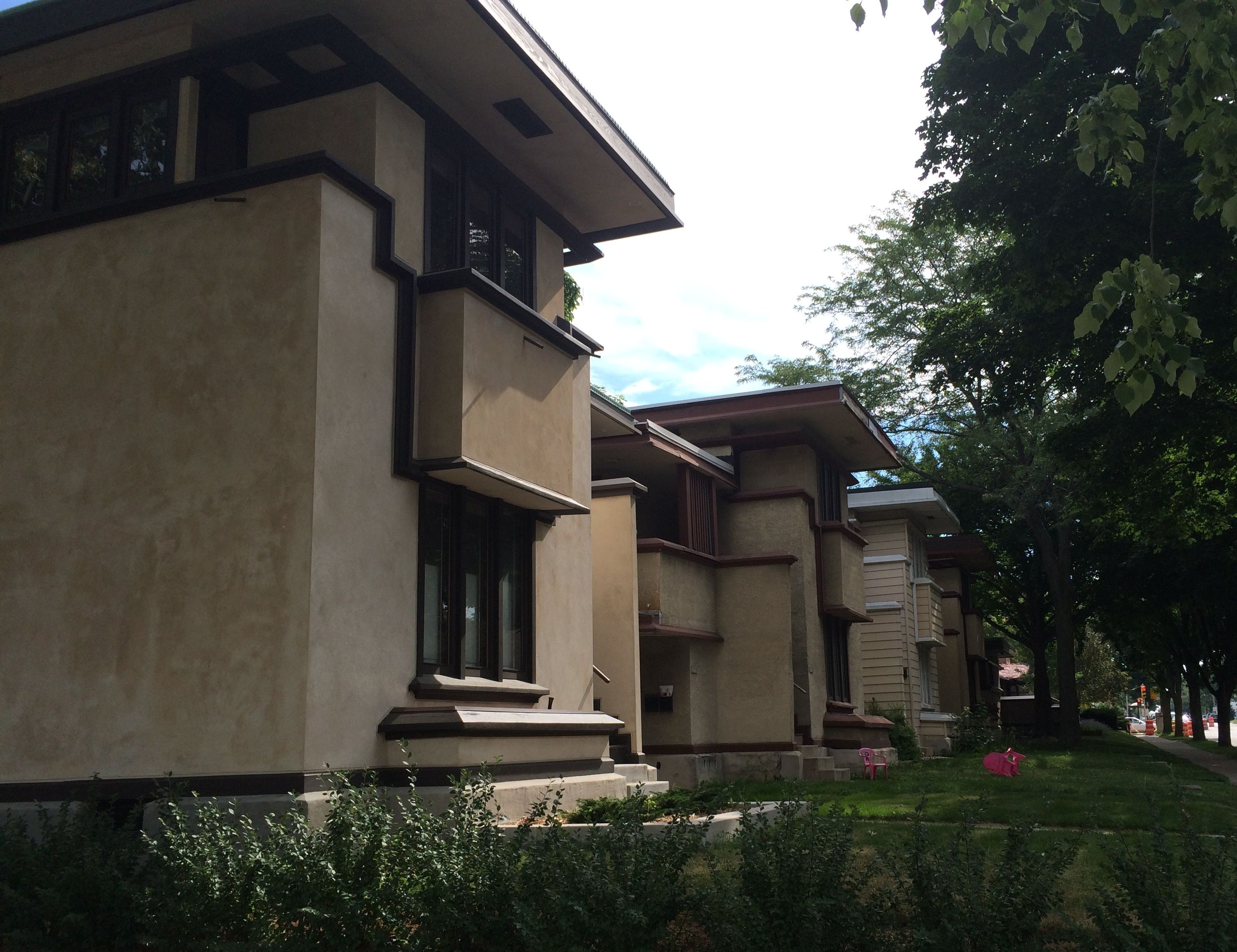
I visited the Burnham Street Historic District.
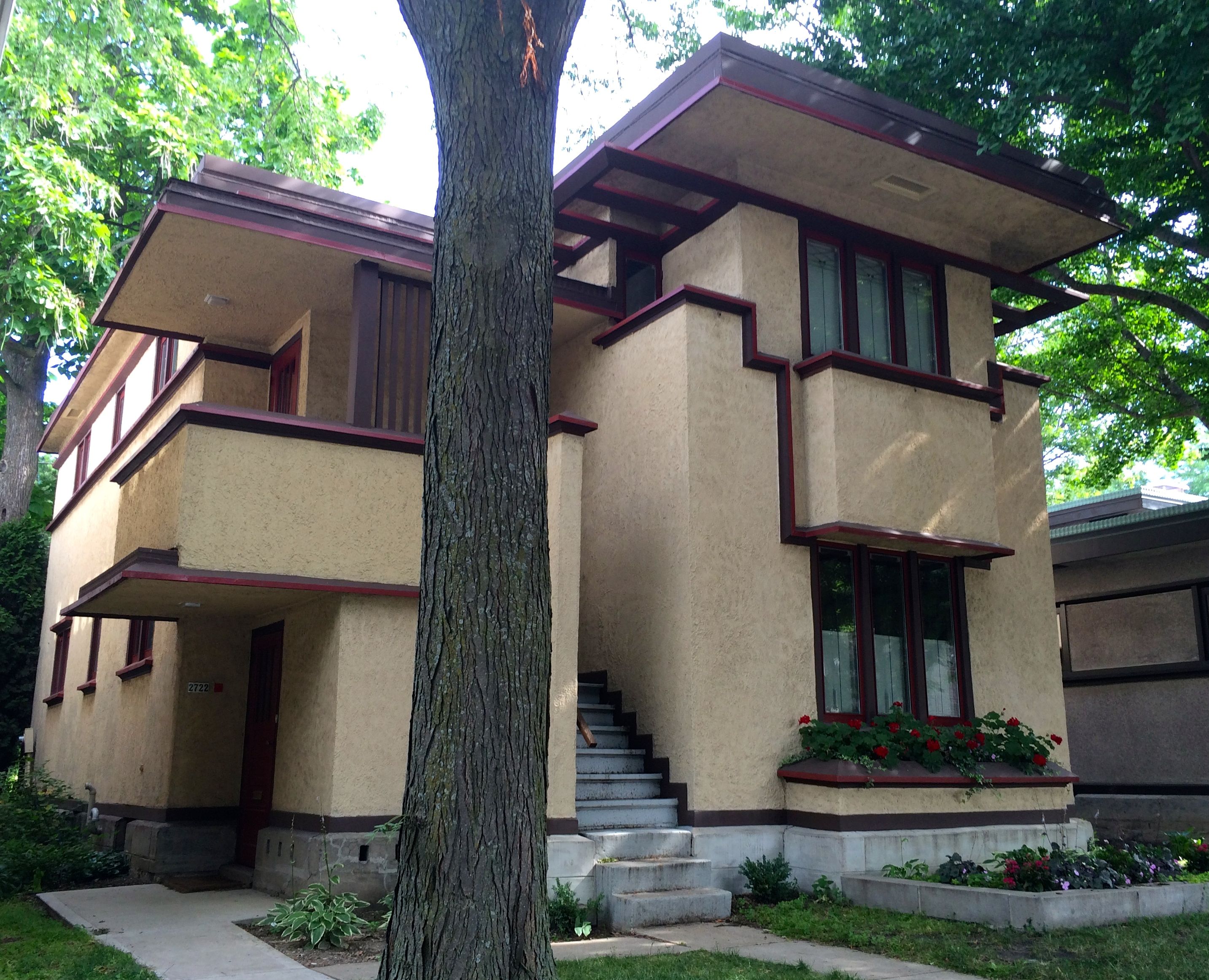
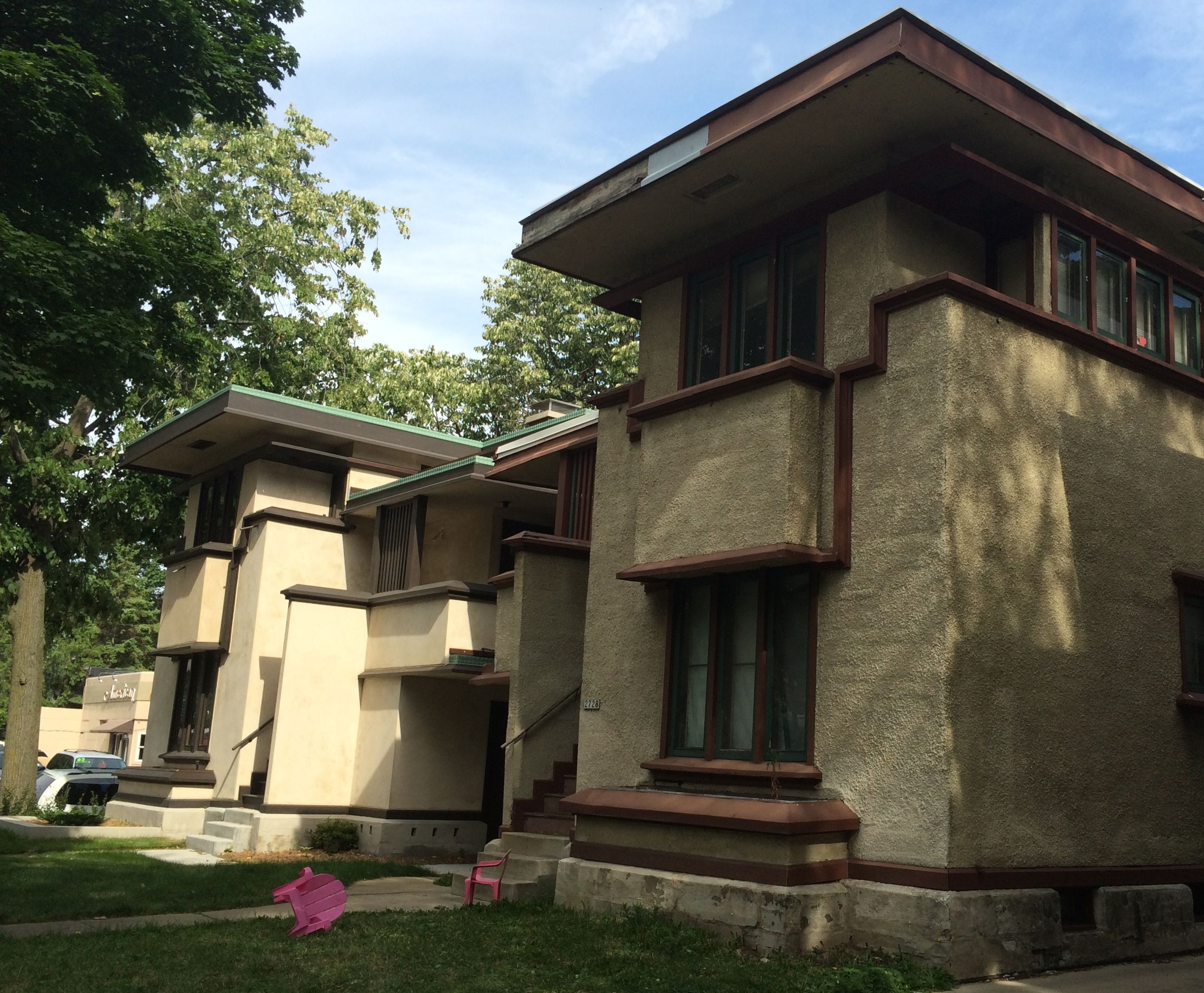
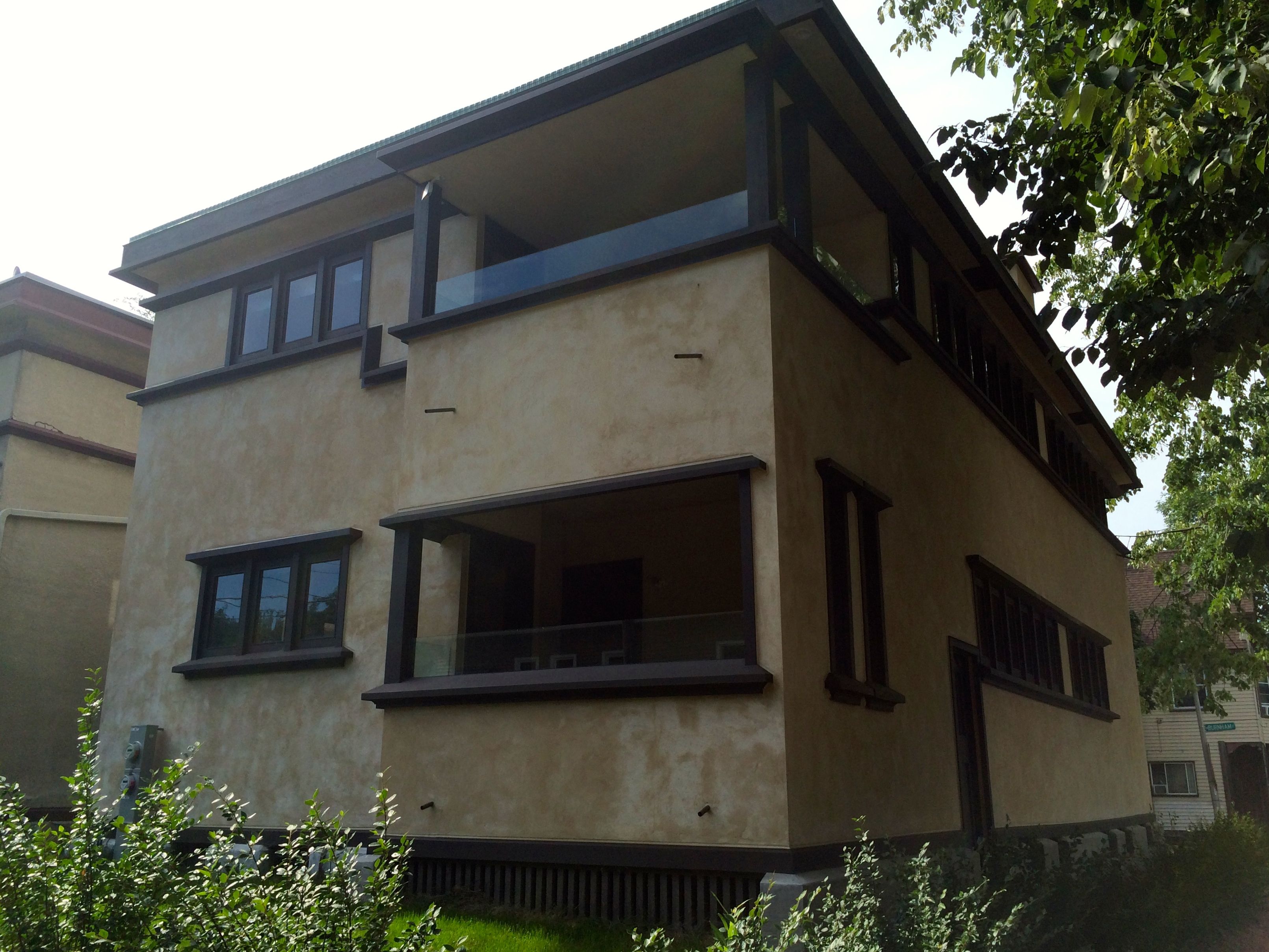
There was a grouping of Wright’s American System-Built Homes. These designs were Wright’s first efforts to create affordable housing. Essentially, all the materials were cut, labeled and prepared off-site. They were delivered to the job site and constructed there.
These houses were built by Arthur L. Richards in 1914. This grouping was built as demonstrator models. He held the franchise to market these buildings, but World War I interfered with the supply of materials. Then Wright sued Richards for non-payment of royalties and fees, and that was the end of the American System-Built Homes.
This is the view standing on the corner looking right.
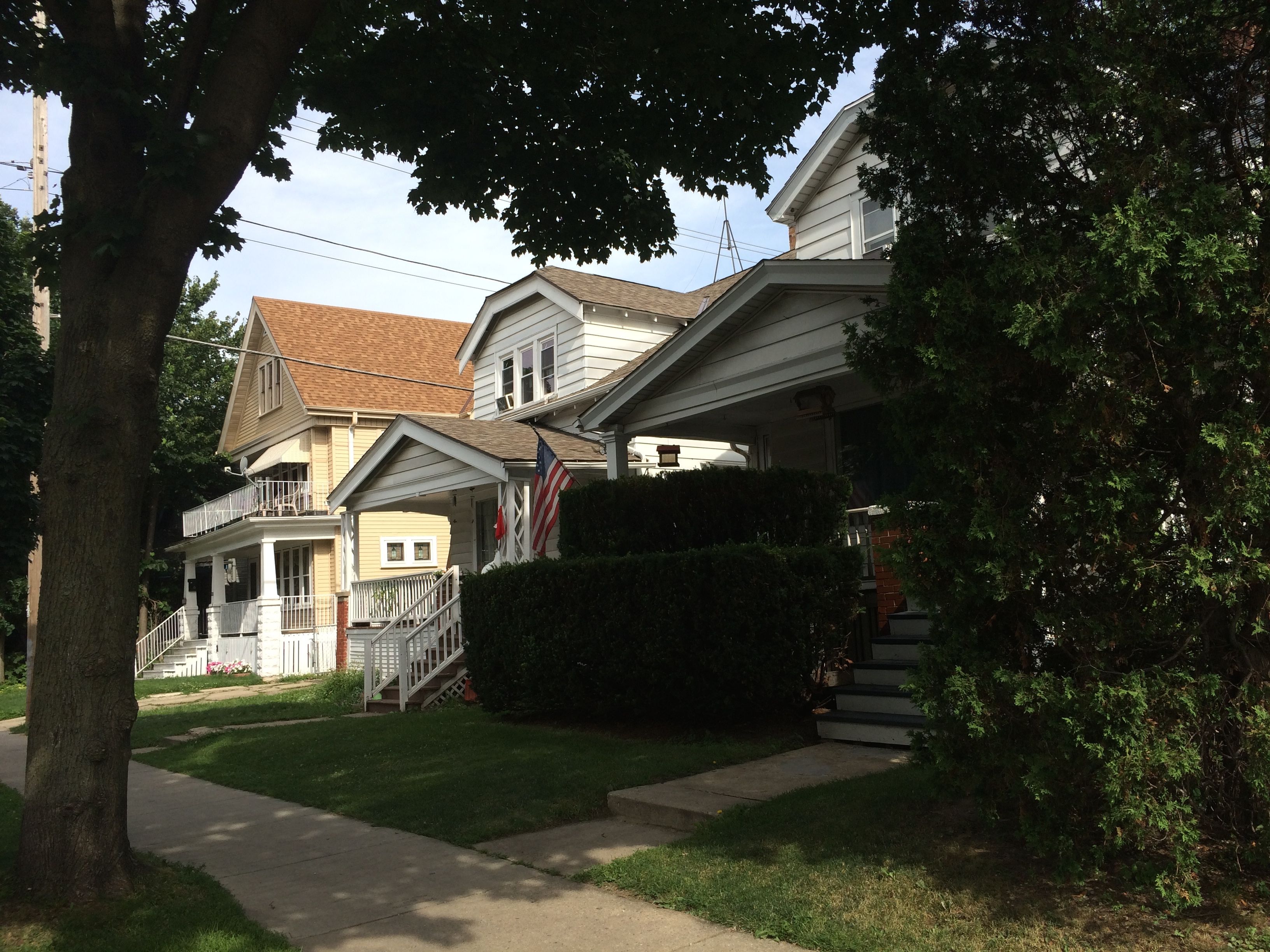
This is the view looking left. I assume they were built around the same time, but what a difference in styles!
Some of the buildings were duplexes and fairly well-maintained.
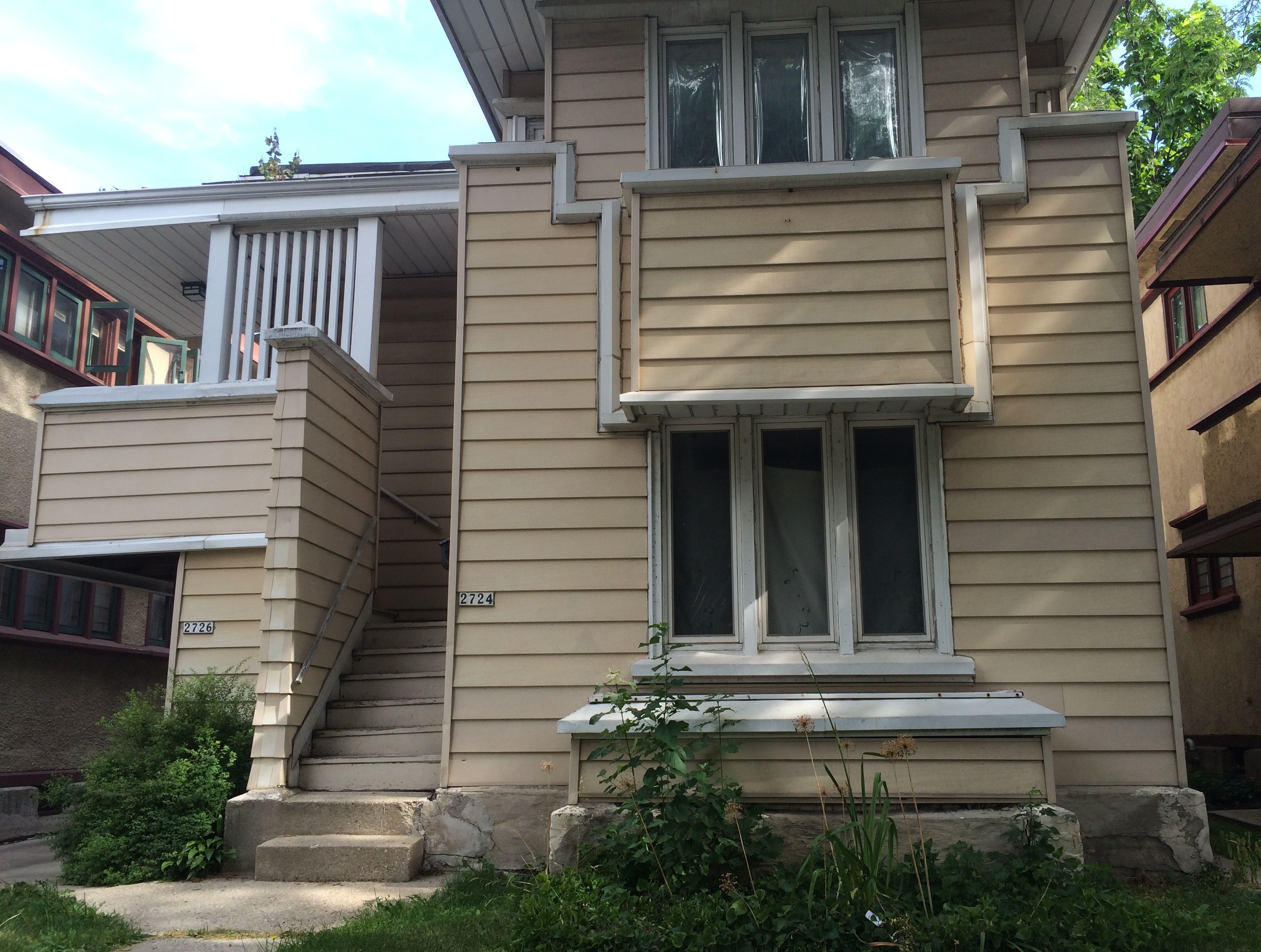
This one, however, was more of a Frank Lloyd Wrong. Imagine covering a Wright building with aluminum siding. Horrors!
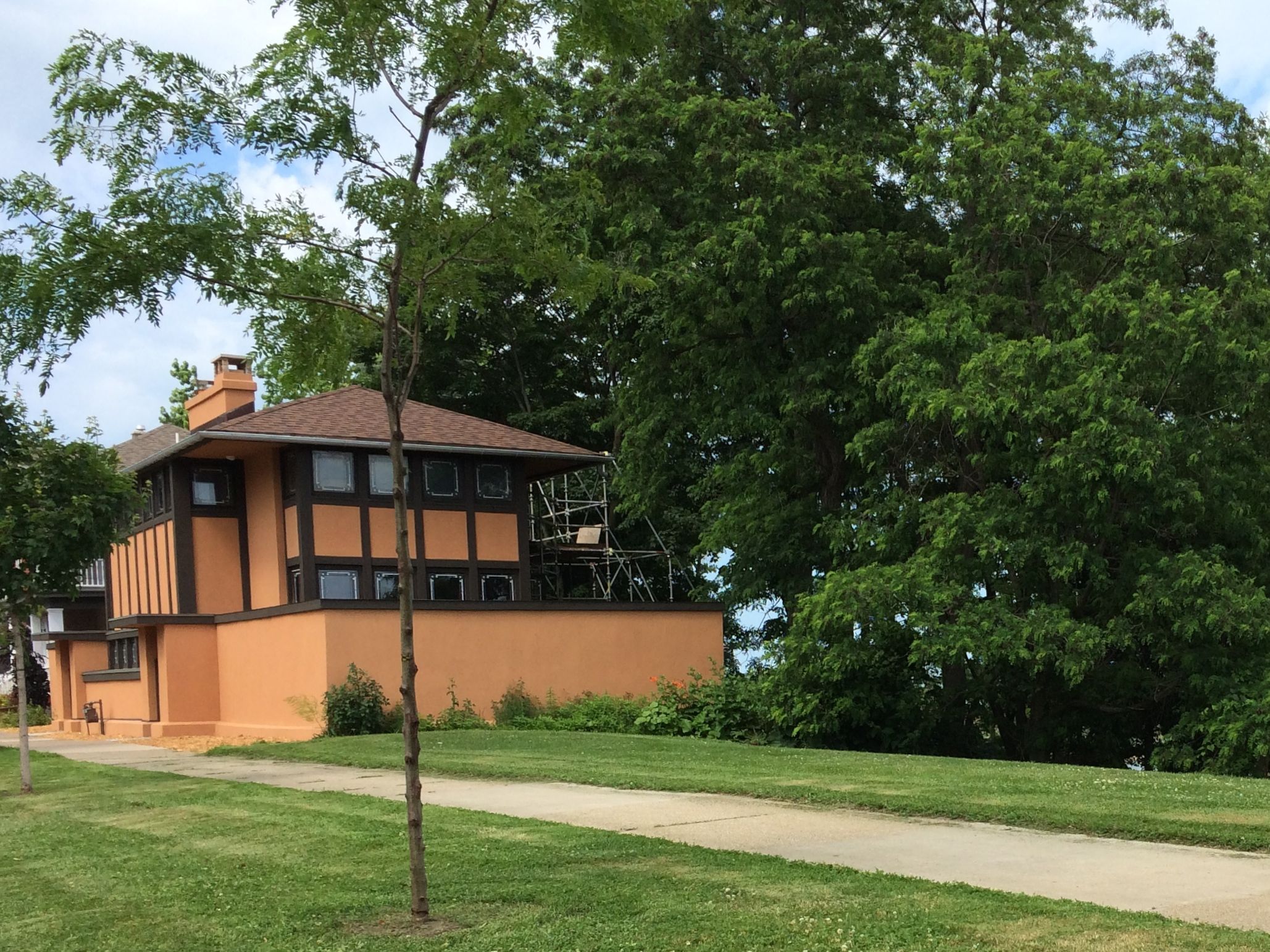
There was also a bungalow design that was purchased by the Frank Lloyd Wright Wisconsin Program and was renovated in 2010. I read on the web that they open it for tours several times a month. This wasn’t one of the times.
It looks like pink lawn chairs are the new pink flamingoes.
I found it interesting that the owner of this building added a clear barrier to the back porch. I wonder if that is because Wright designed the porch too low to be safe. From what I have heard from tour guides at other Wright sites, he was “vertically challenged” but designed for his height – which was naturally perfect.
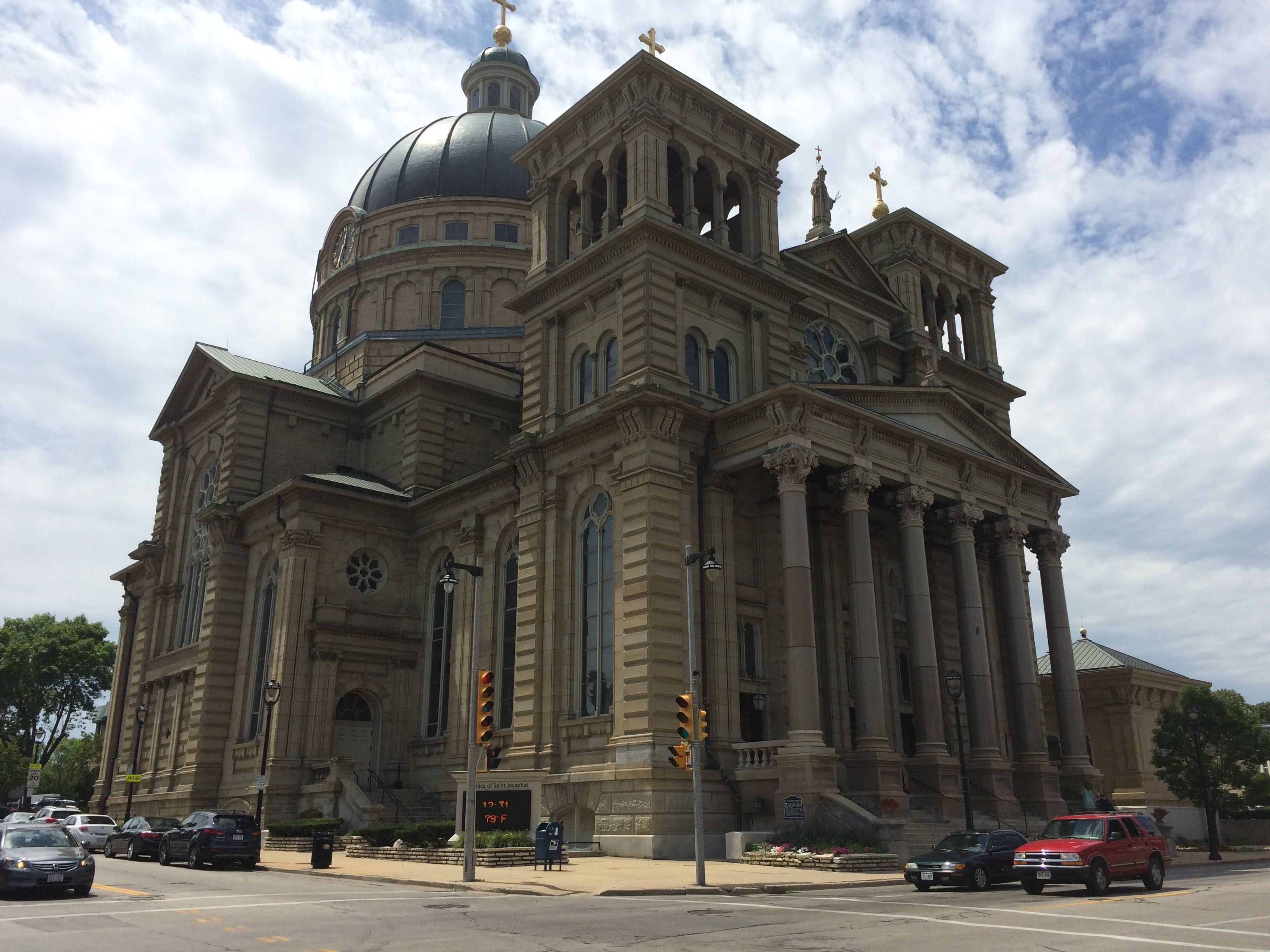
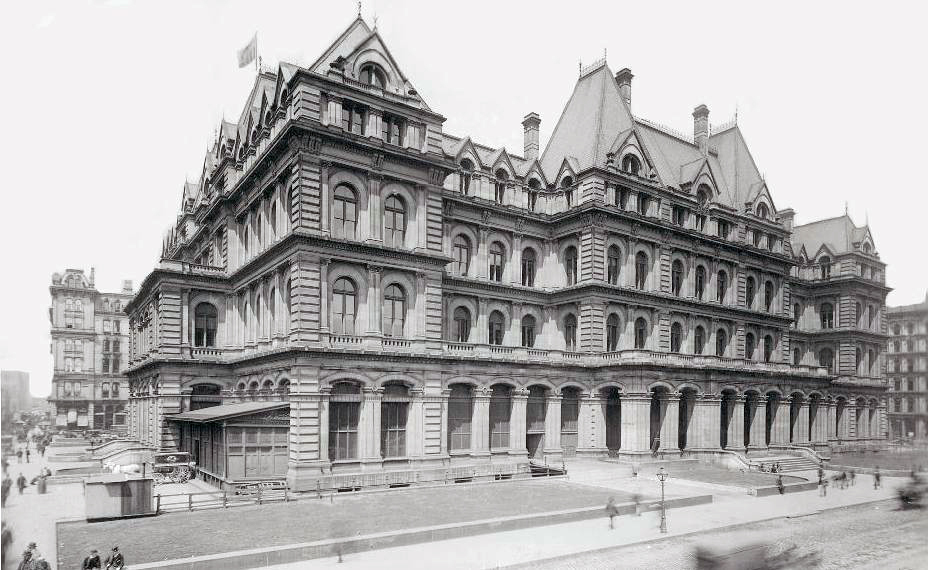
My next stop was the Basilica of St. Josaphat.
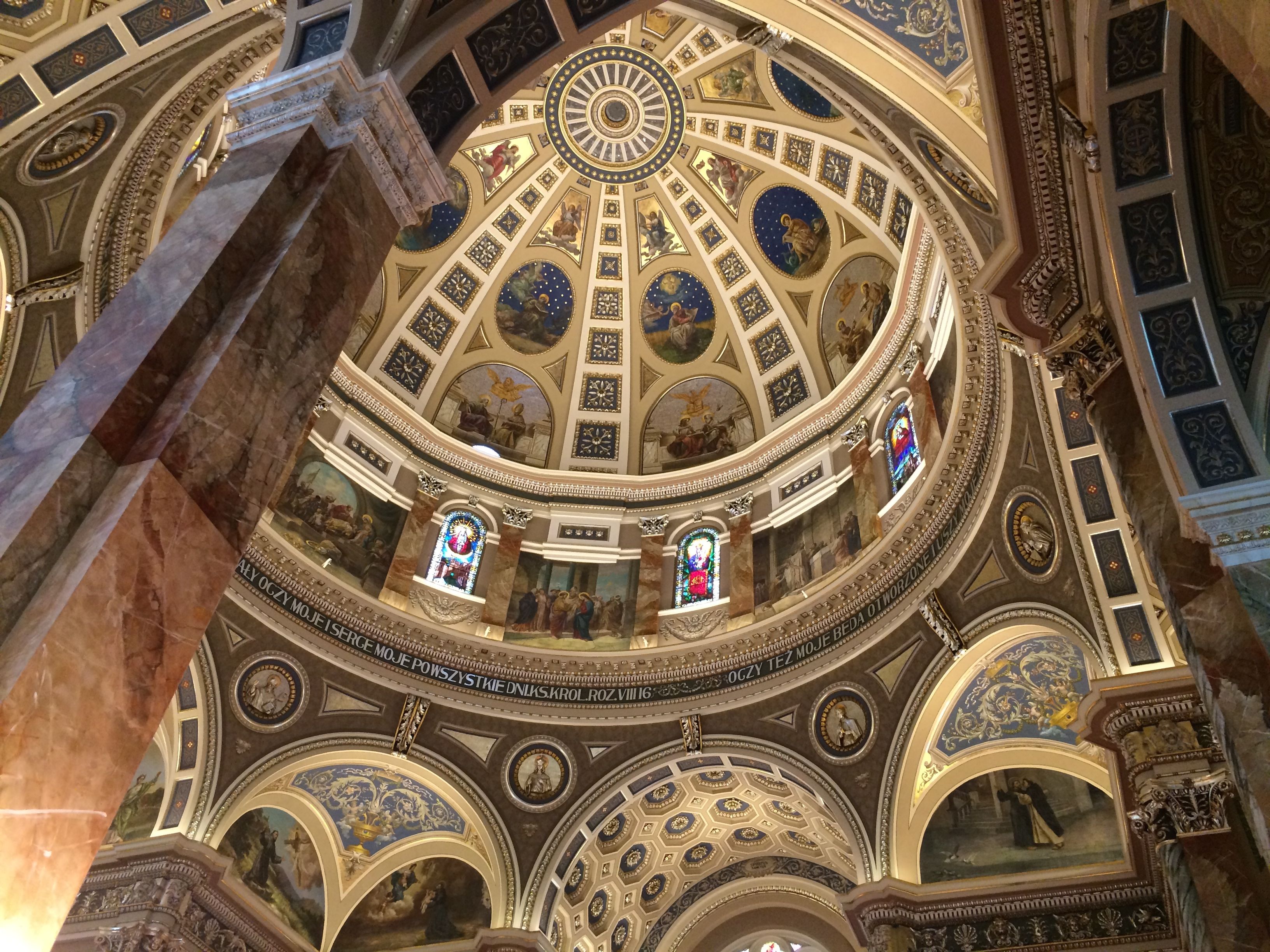
The outside is amazing. The interior is eye-popping!
The first church was built in 1888, but destroyed by fire in less than a year. They rebuilt, but by 1895, the growing Polish population had exceeded its capacity. Erhard Breilmaeir was hired to design a new church that was to be built in brick and terra cotta and to be modeled after St. Peter’s in Rome.
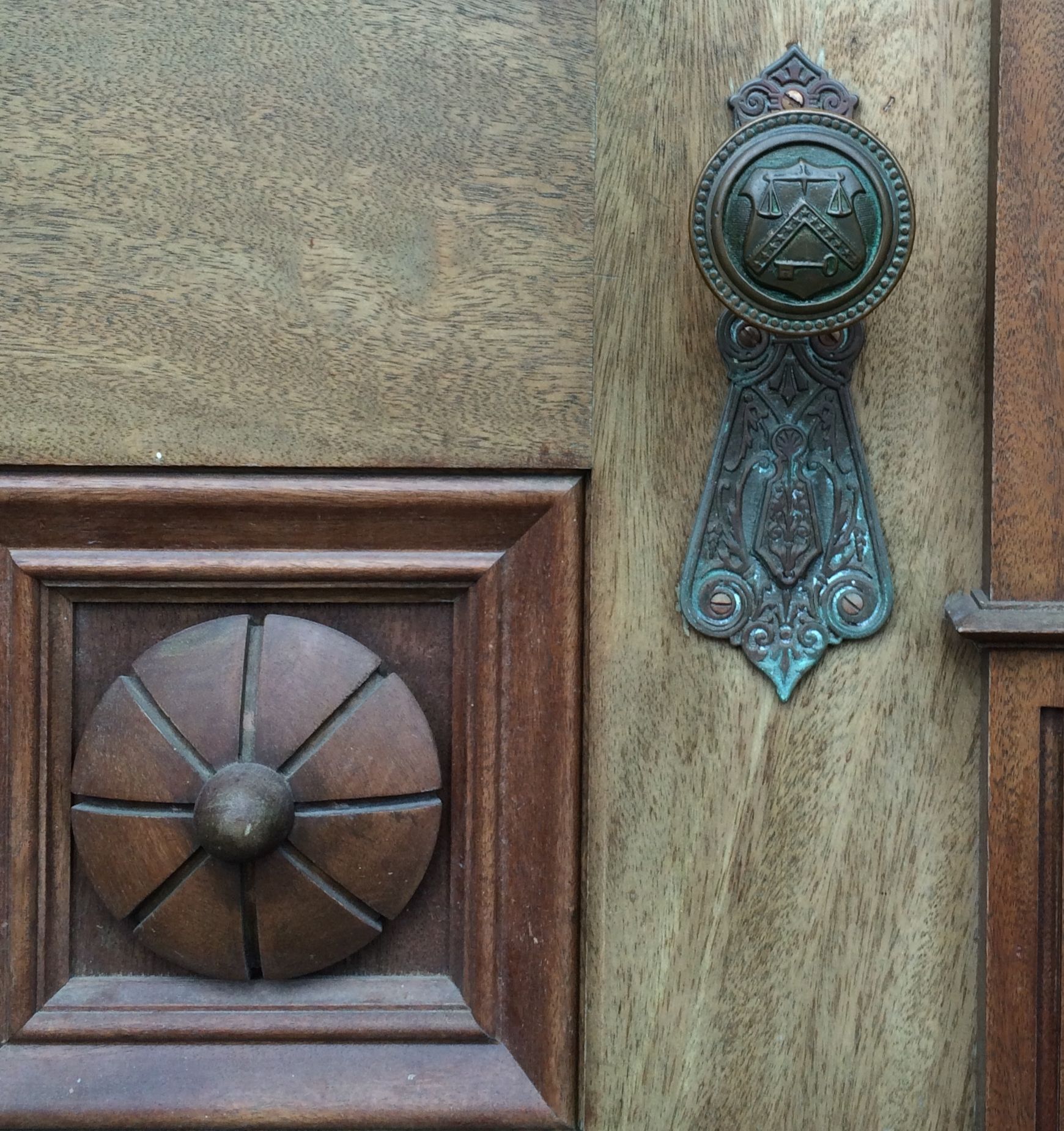
In 1896, the U.S. Post Office and Customs House in Chicago was demolished because it was too heavy for the ground it was built on. Father Grutza asked Mr. Breilmaeir if he could adapt his design to the materials used in the Chicago building. He said he could and they bought it for $20,000 and it was transported to Milwaukee on 500 railroad flatcars. The tour guide told us that they managed to use the materials with a minimum of reworking.
They even used the doorknobs!
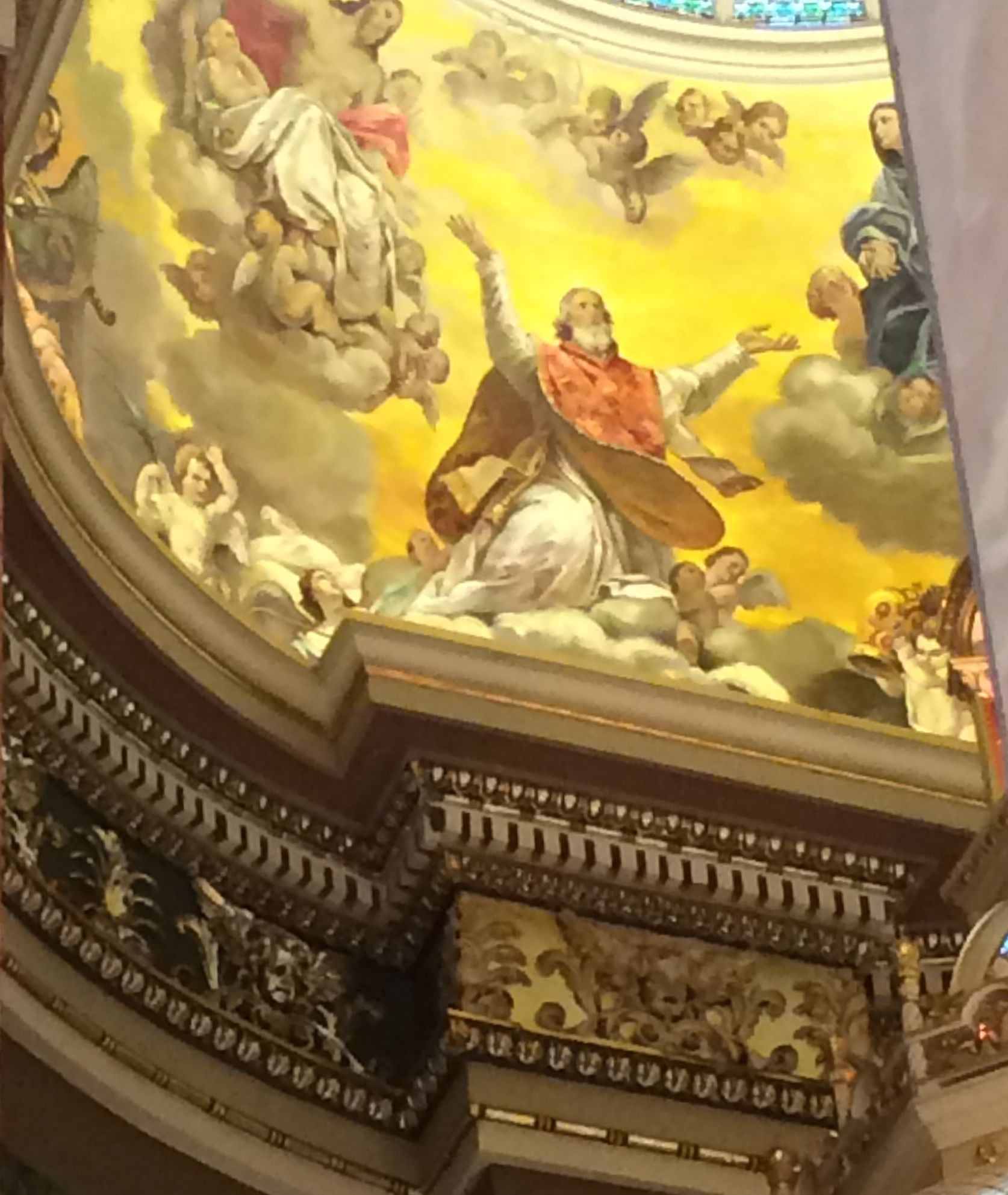
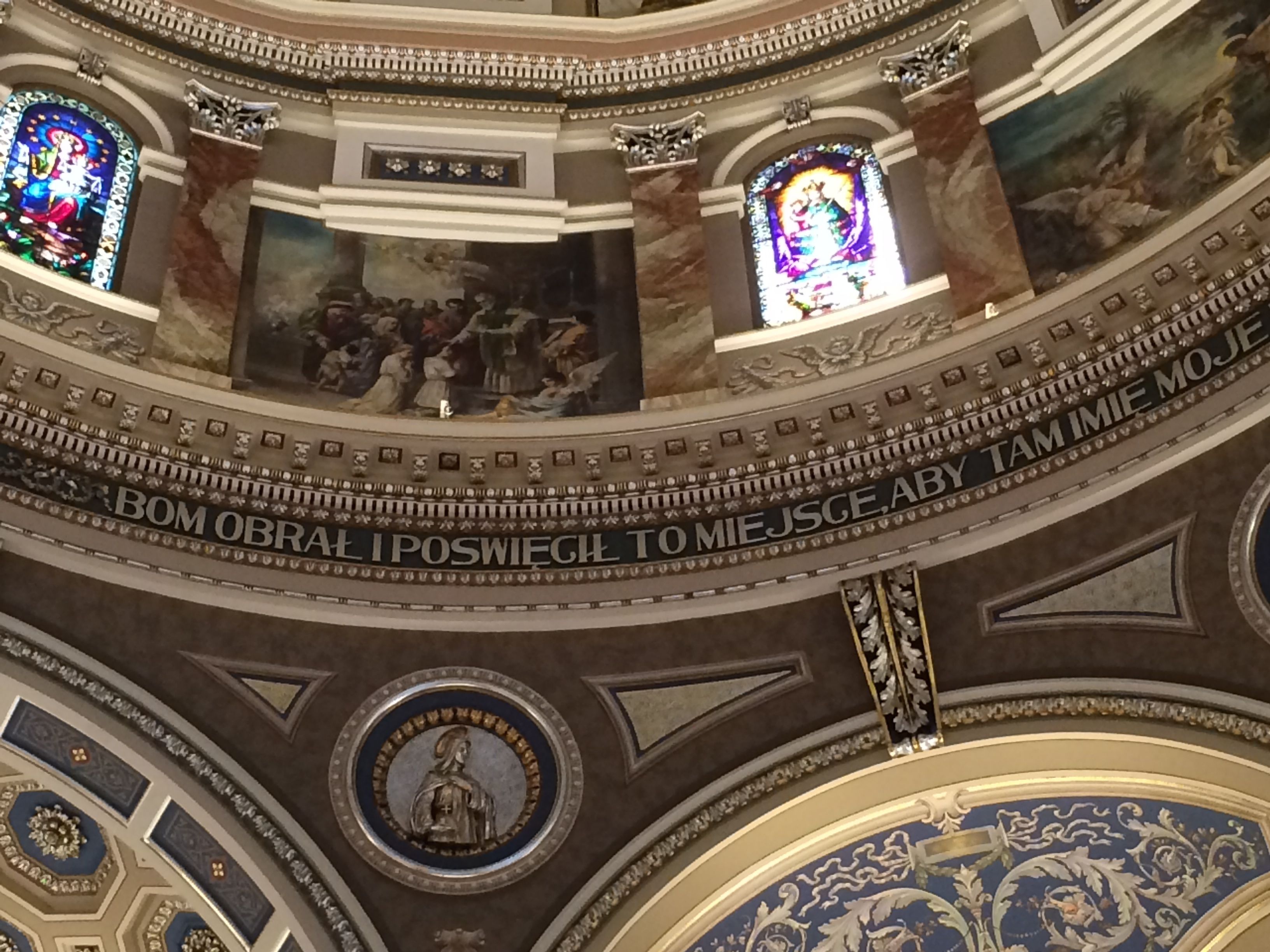
Artists and artisans were brought to Milwaukee from Rome to handle the interior. The guide told us that the paintings were painted in buildings nearby and that the figures were cut out and attached to the surfaces with the backgrounds already painted in.
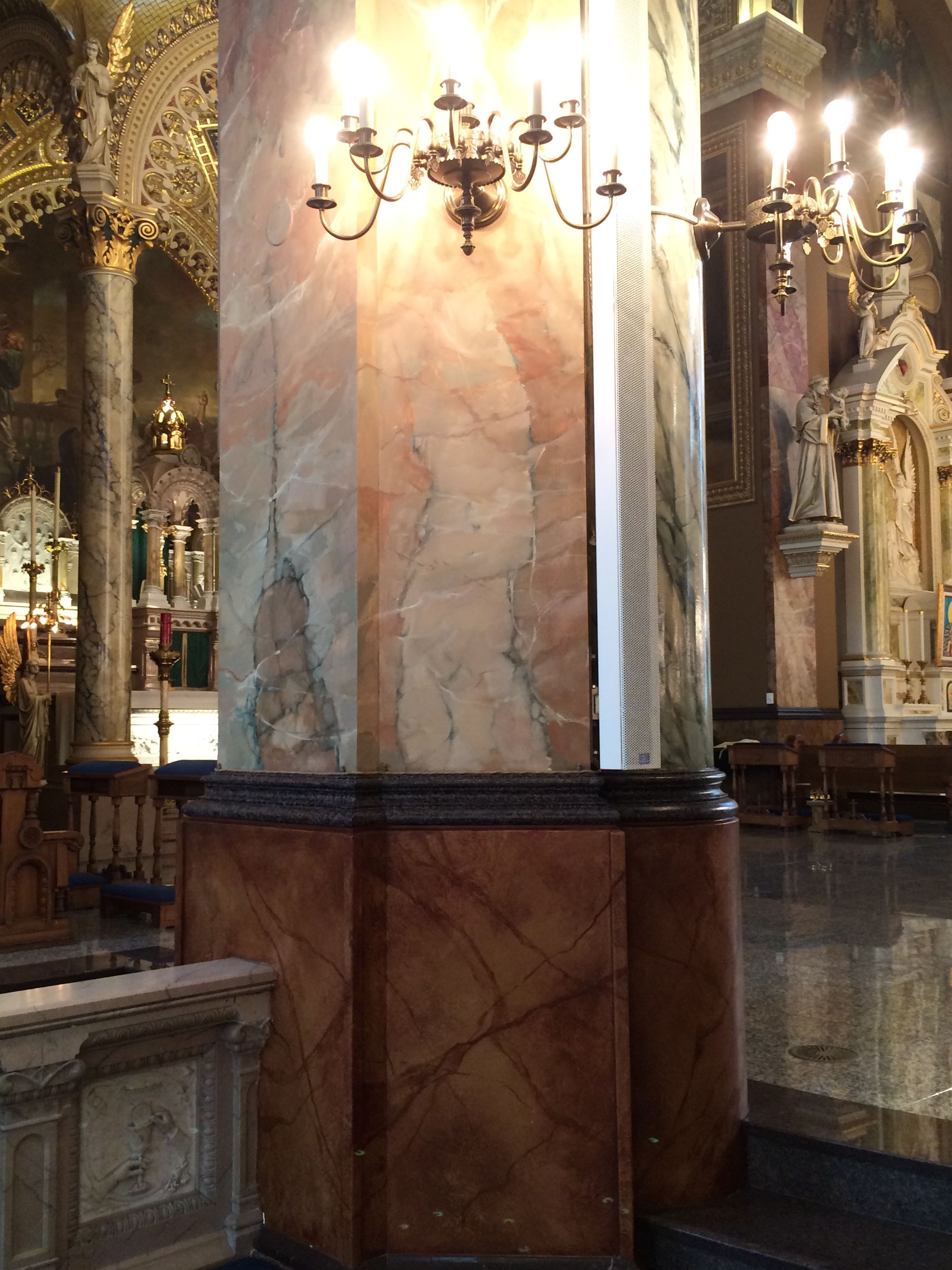
St. JosaphatThe Polish built the church and quoted scripture in Polish.Loads of marble everywhere
Oops. Not all that much marble. Some of the artisans they brought were faux marble painters.
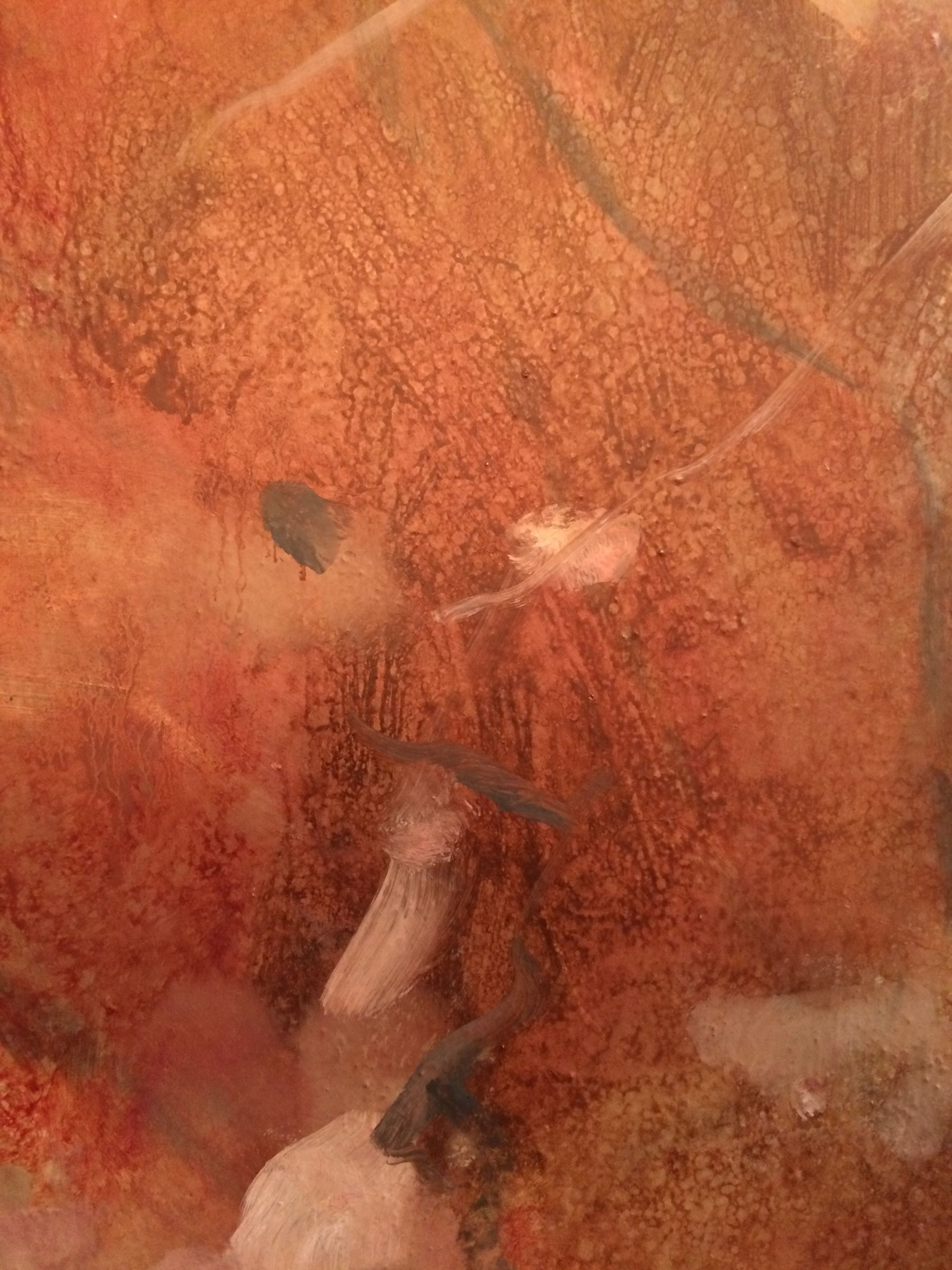
Faux marble close up
You can see the brush marks so you know that it is a painted surface, but the overall effect is richly veined marble.
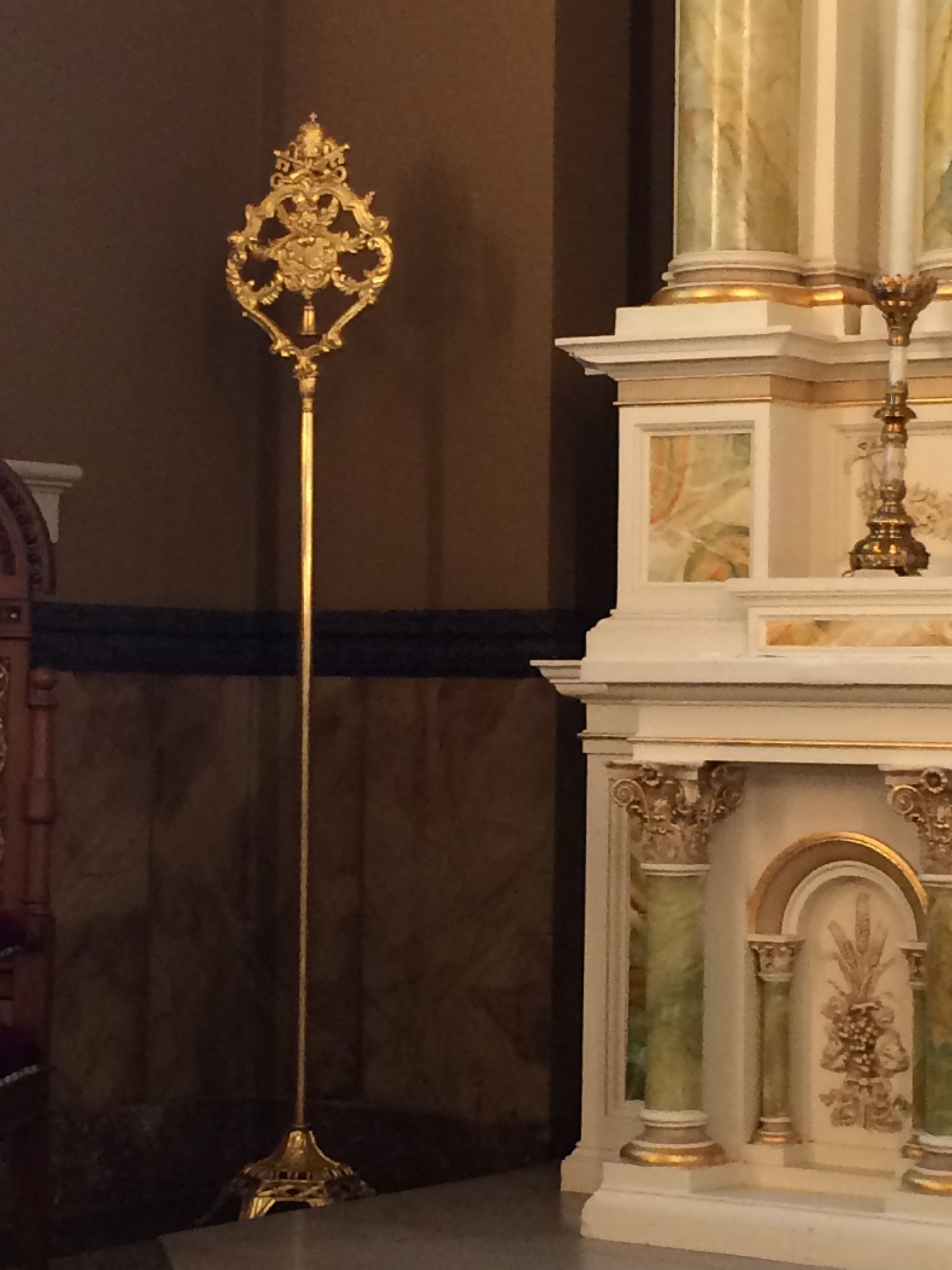
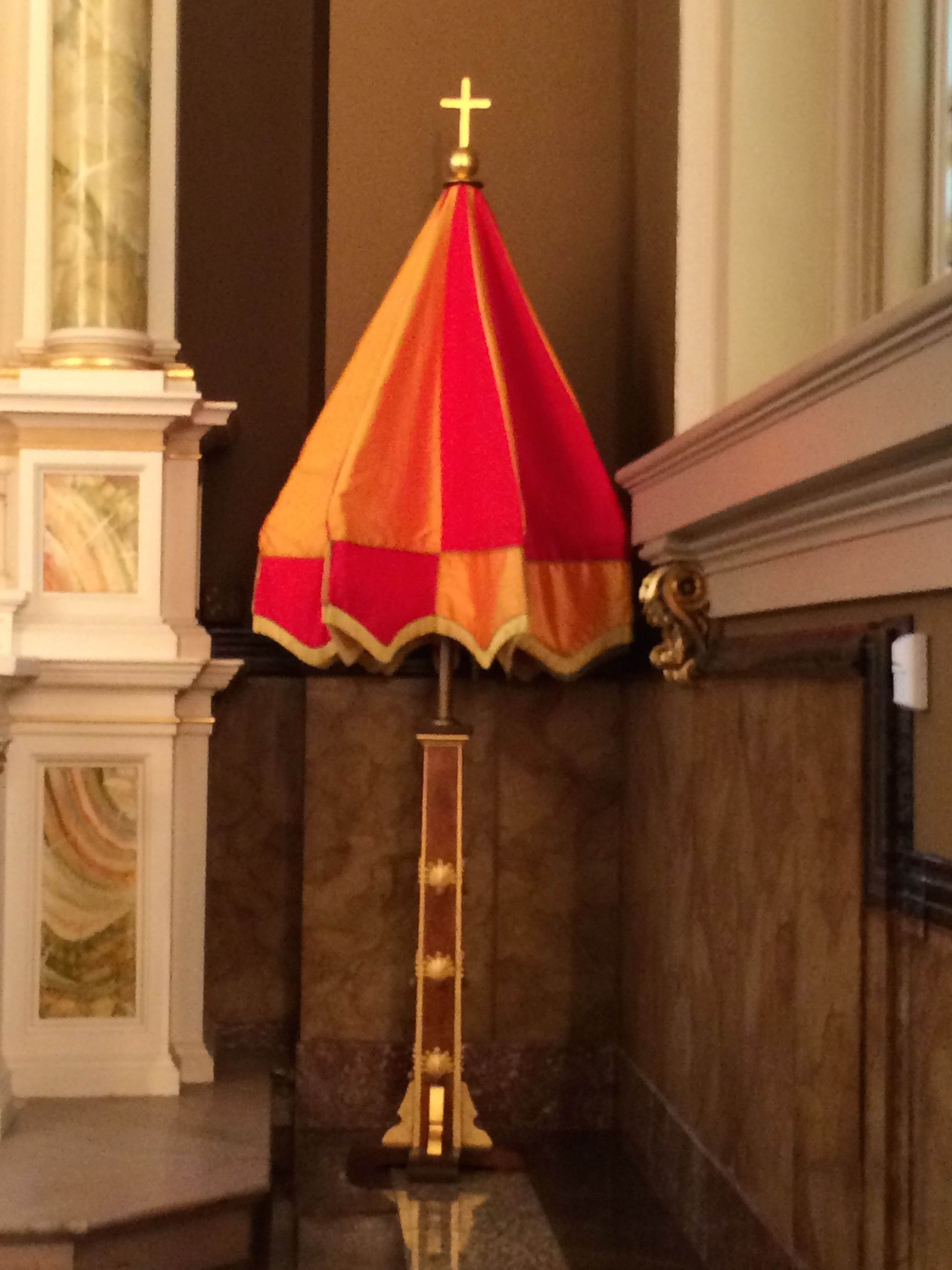
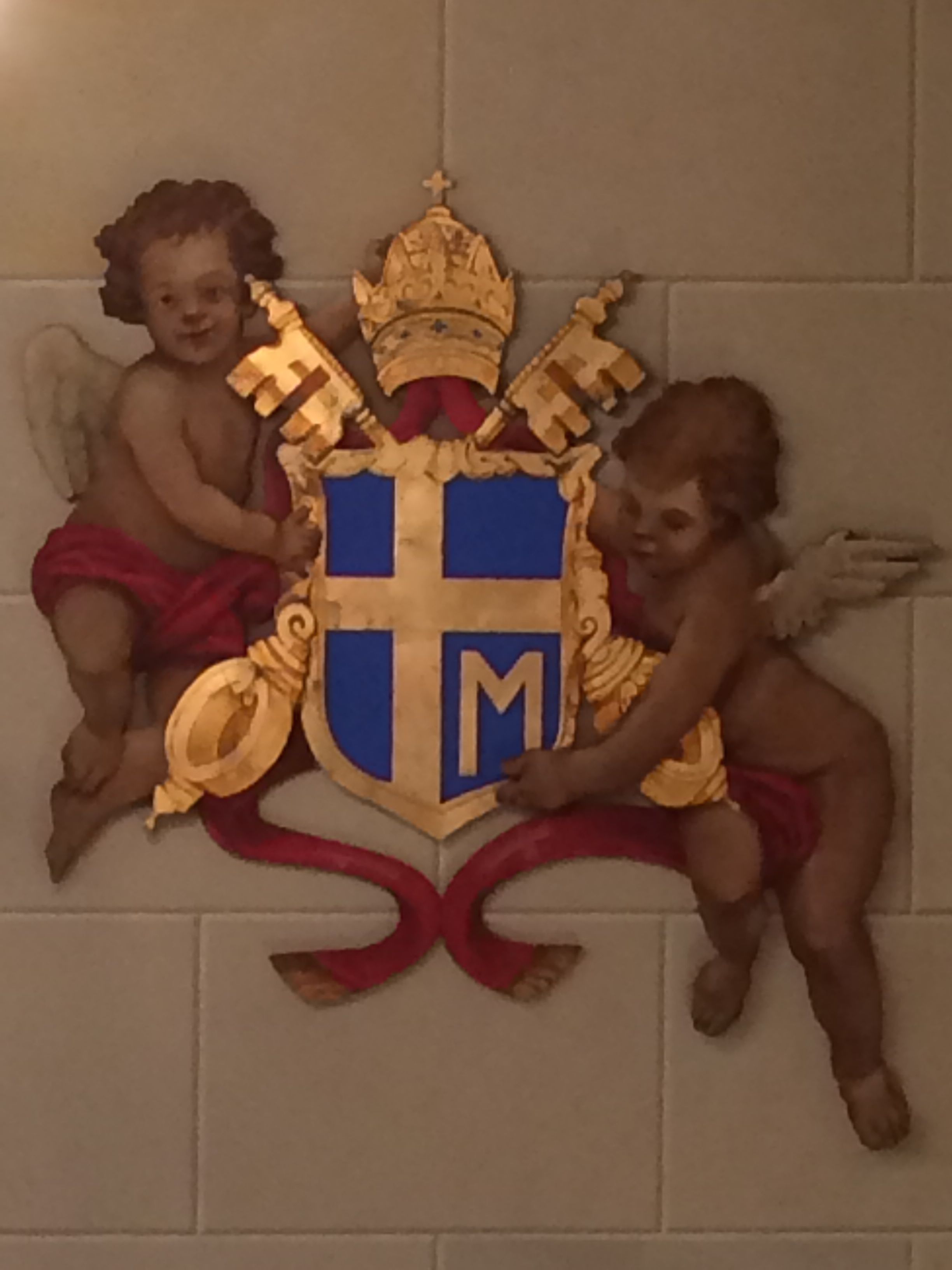
In addition to lavish decoration, a basilica is entitled to three symbols that ordinary churches aren’t allowed to use, a tintinnabulum, an umbraculum and to use the papal keys in their symbols.
TintinnabulumUmbraculumCrest with Papal keys
The guide told us that the first two symbols were used in processions; the tintinnabulum was carried at the head of the procession, and that the umbraculum was carried over the host.
Time until the wedding was going to start was growing short, and Amber, the bride, had told me to be sure to have lunch before the wedding. Just across the street was a Salvadoran restaurant.
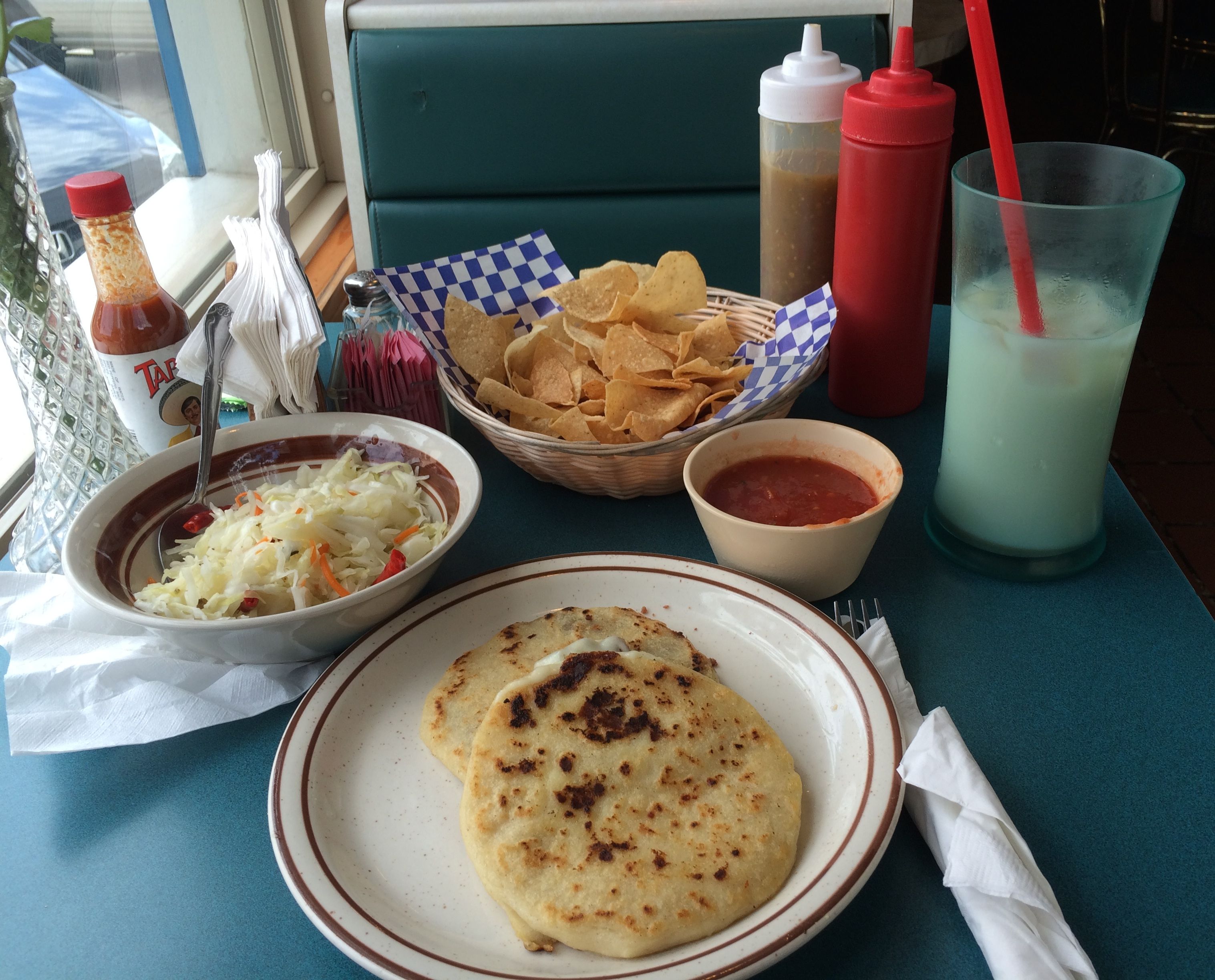
They had me at pupusas!
Two pupusas with repollo and a glass of horchata
Pupusas are filled tortillas. A little pocket of filling is put into the center of the corn dough and then it is patted into shape. I chose one of cheese and one of bean. The repollo is a spicy cabbage garnish. Horchata is a rice beverage flavored with cinnamon and sugar.
Yum!
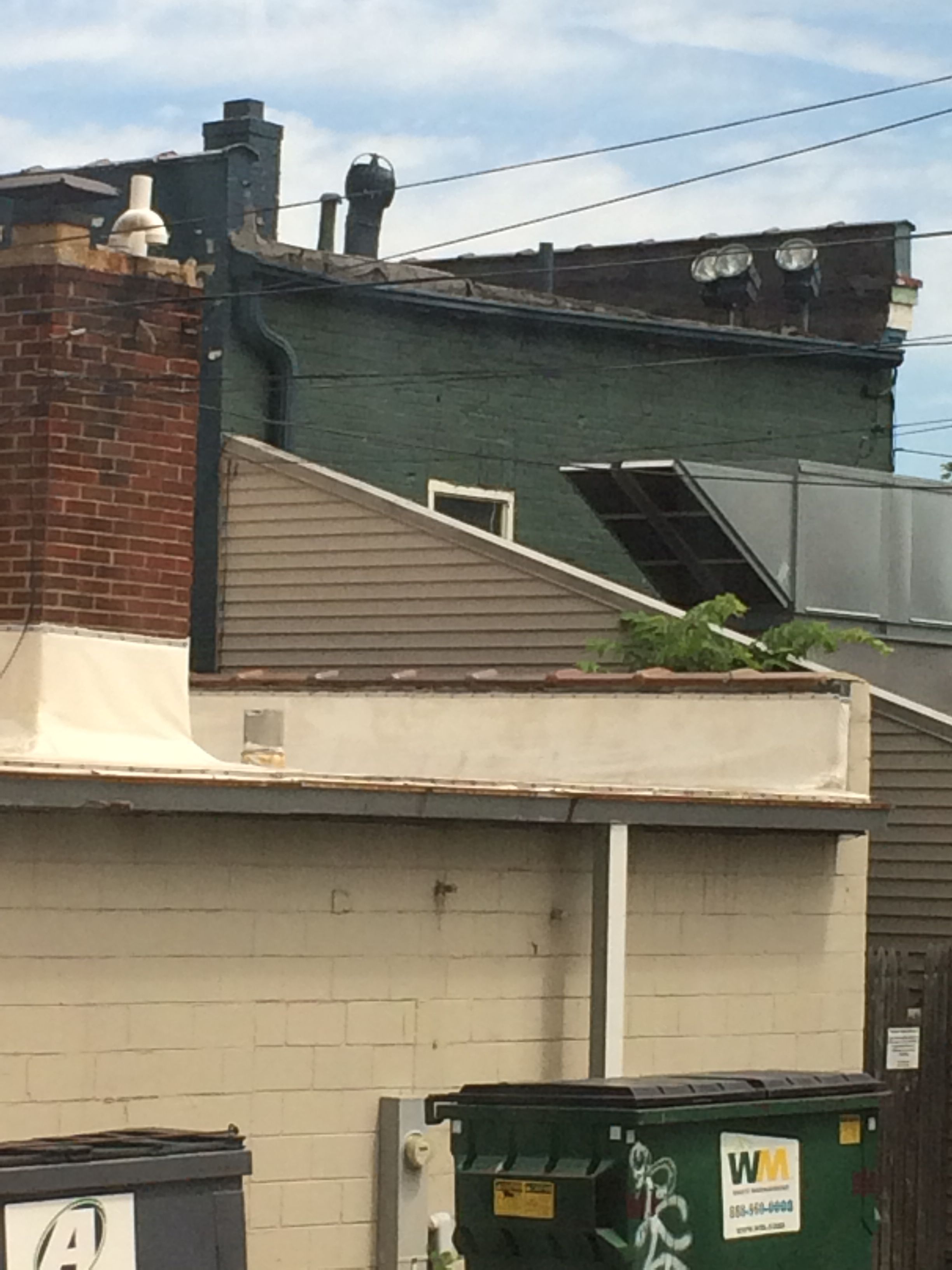
I had a window seat, and while I was waiting for my lunch, I noticed lights mounted on a nearby building to illuminate the dome of the basilica at night.
Lights, camera, action!
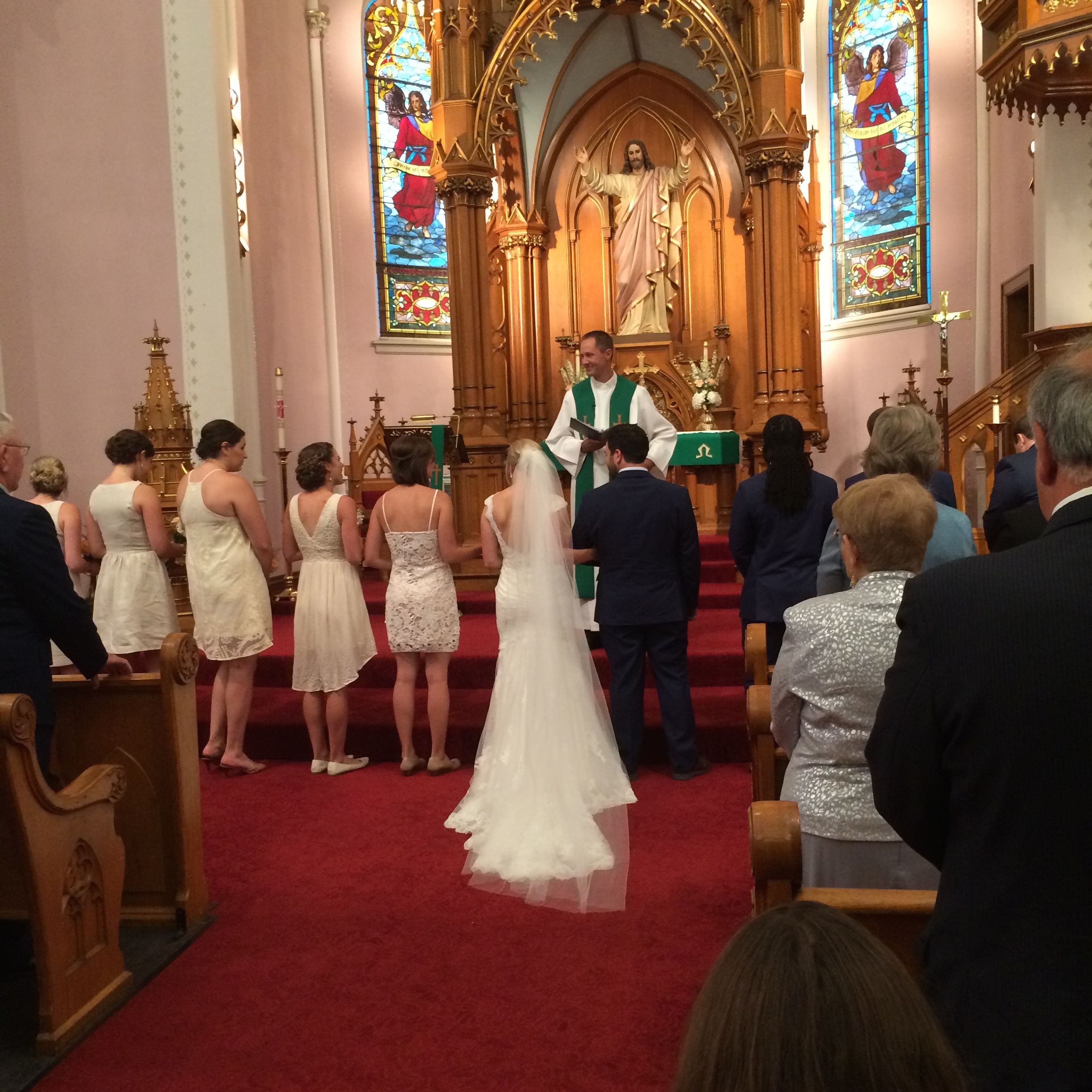
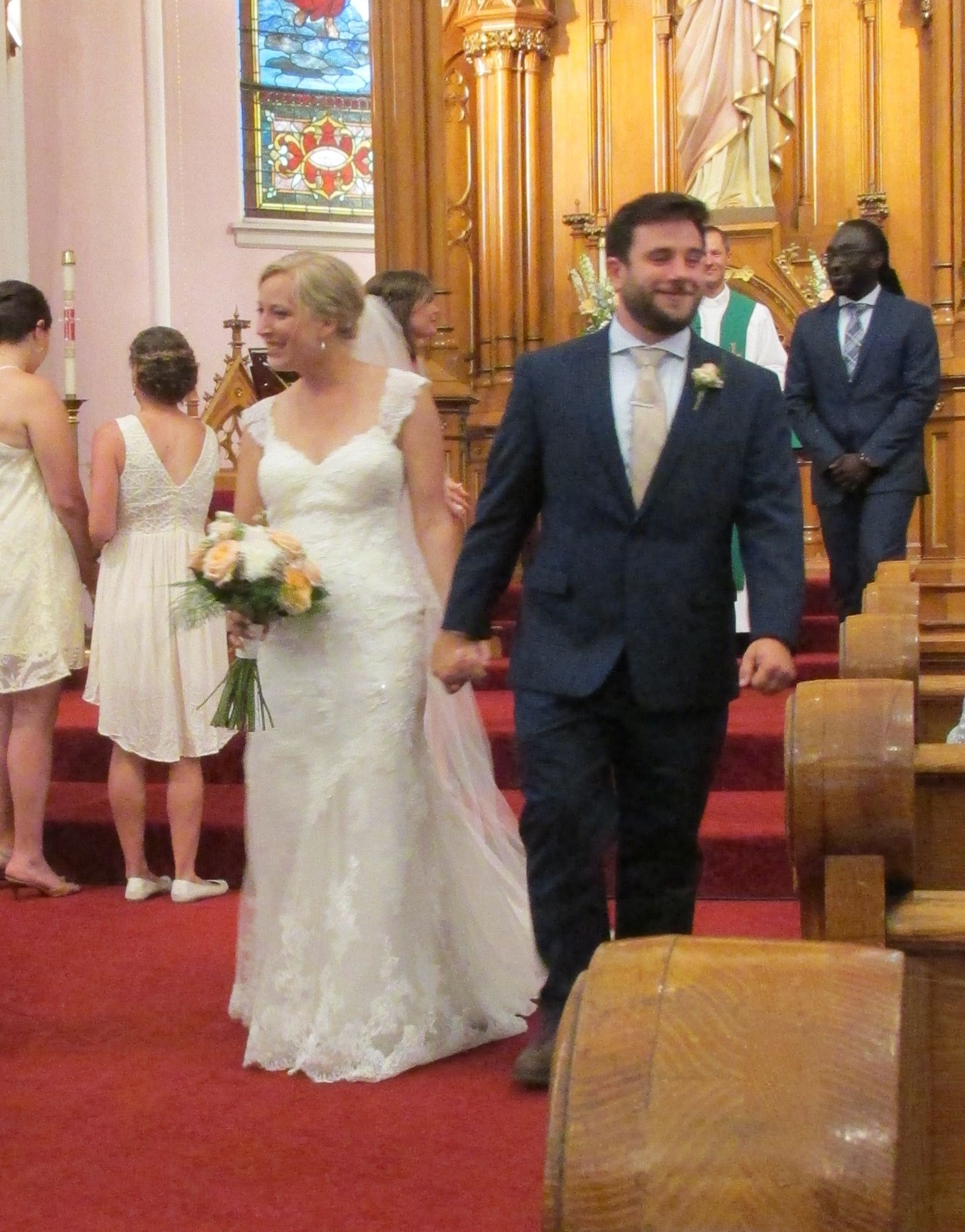
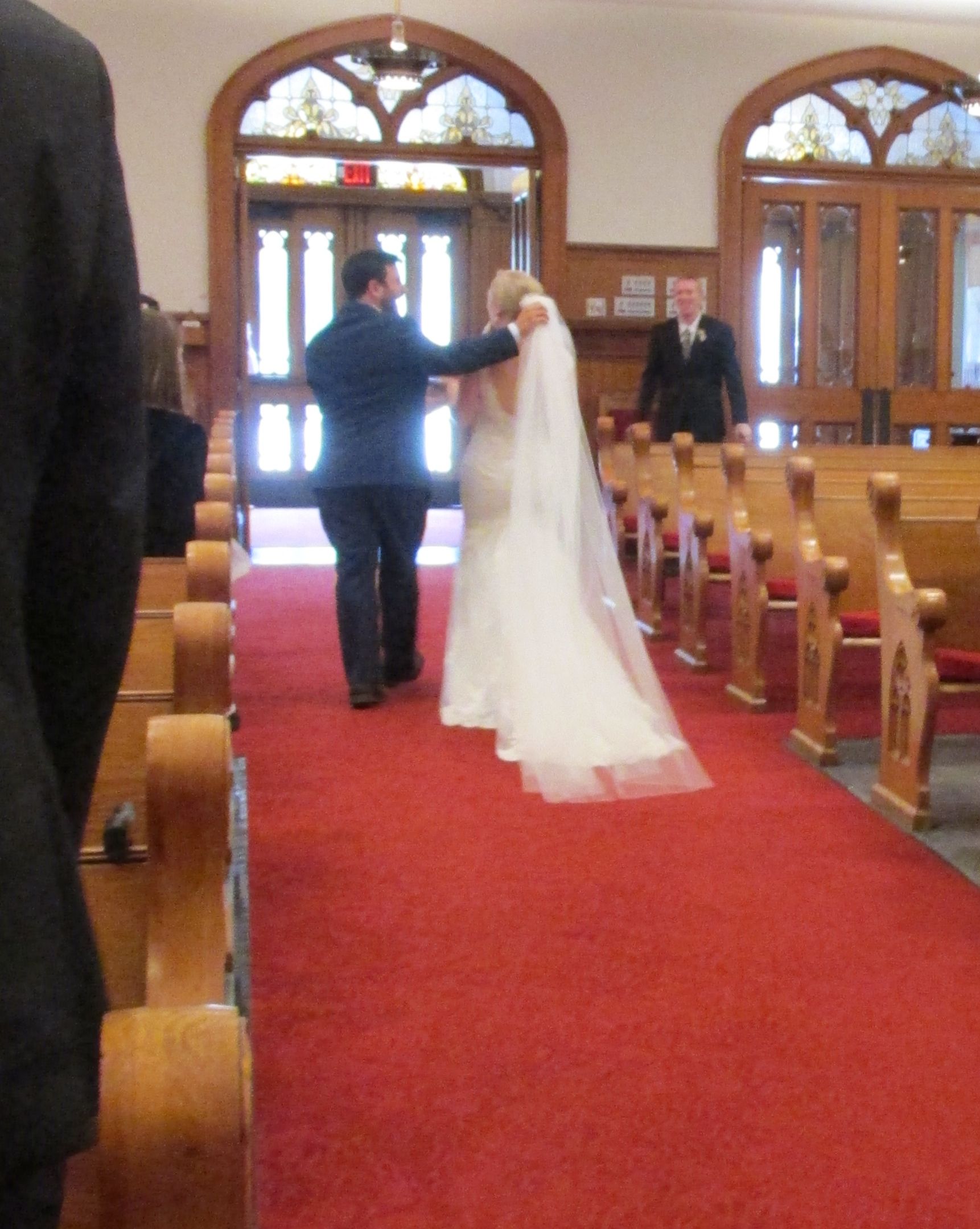
And then it was time for THE WEDDING!
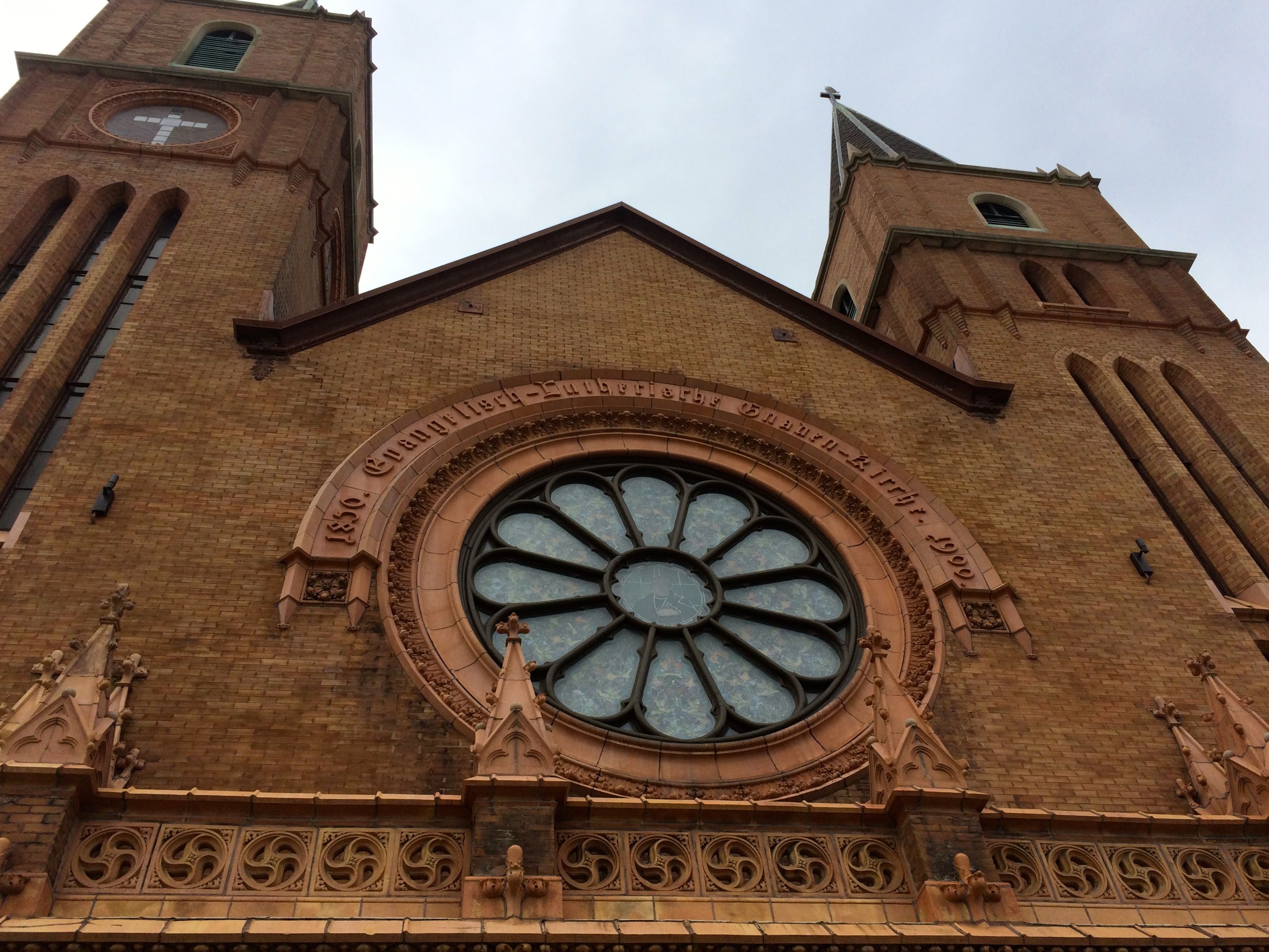
Grace Lutheran Church
Everyone is in place, the music is starting.
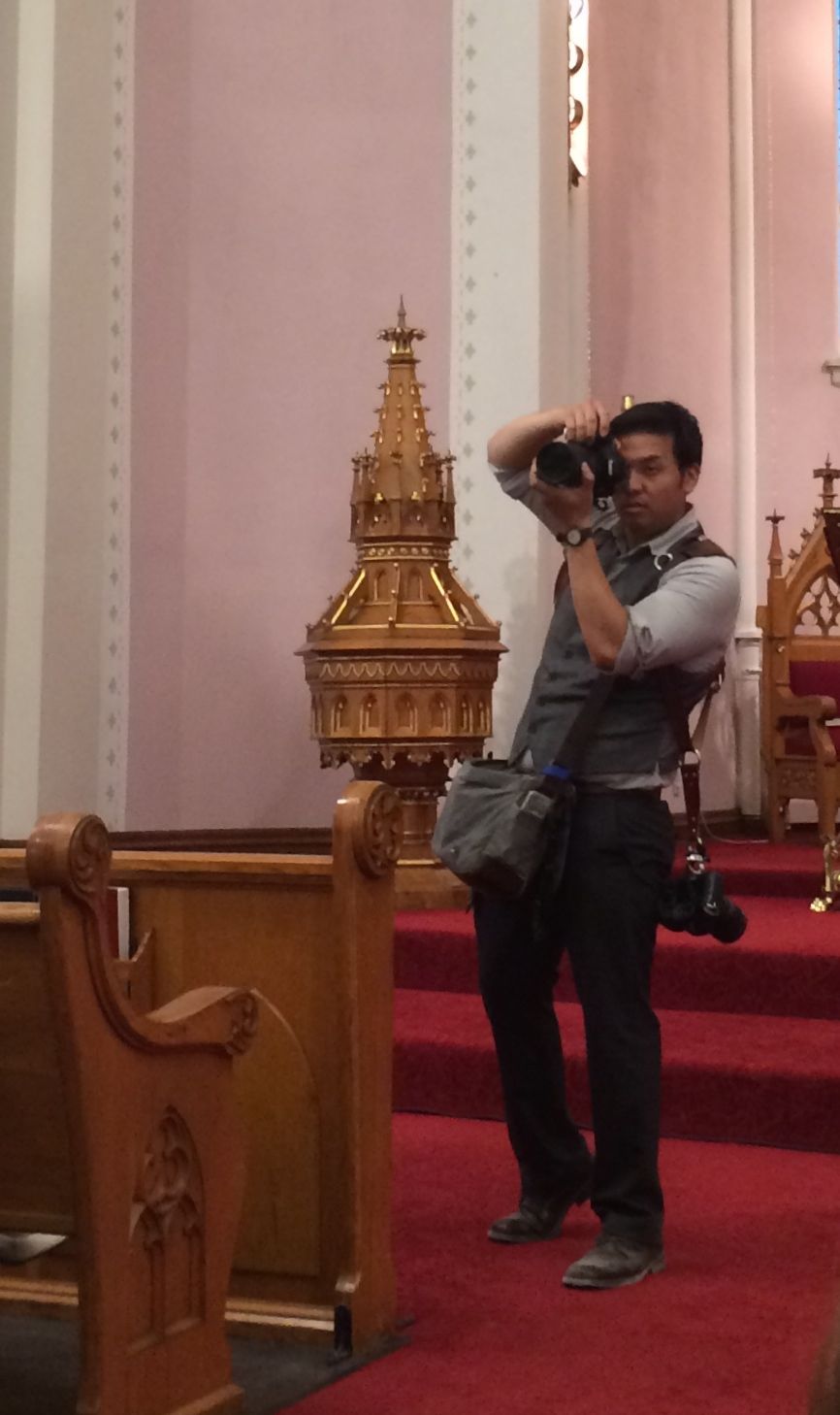
What’s a wedding without a photographer?
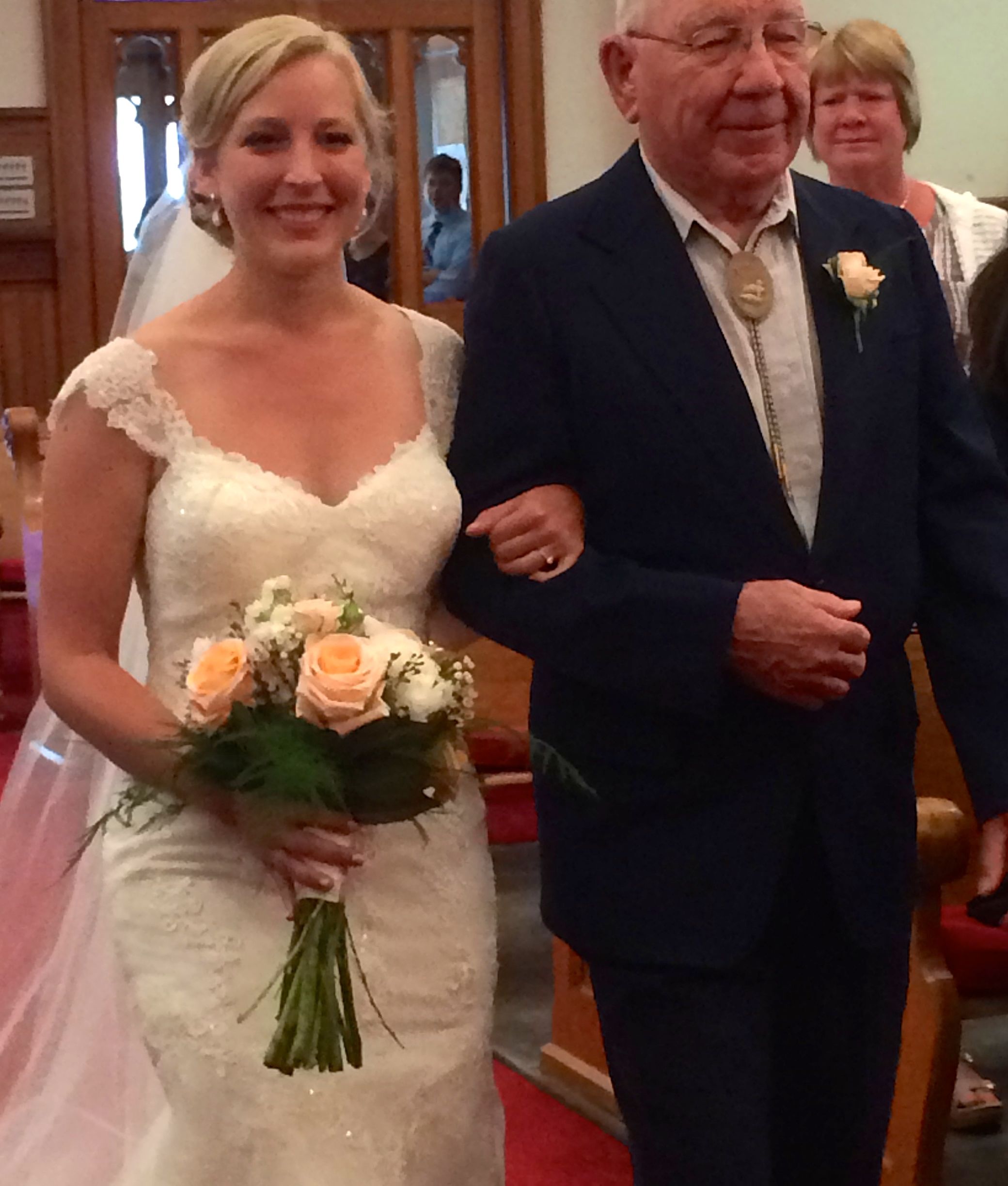
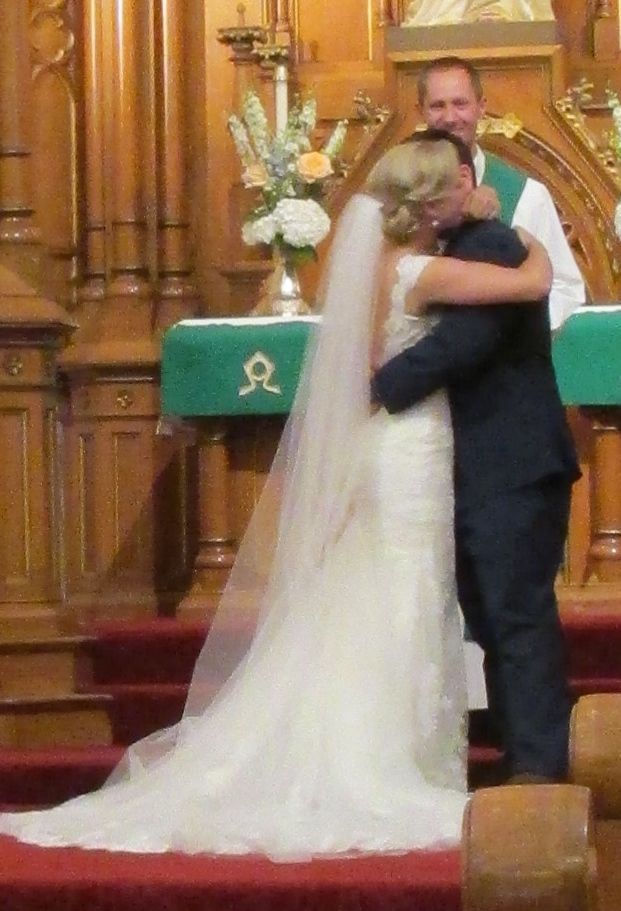
Here comes the bride!The wedding in progressThe kissOn their way outThere goes the bride!
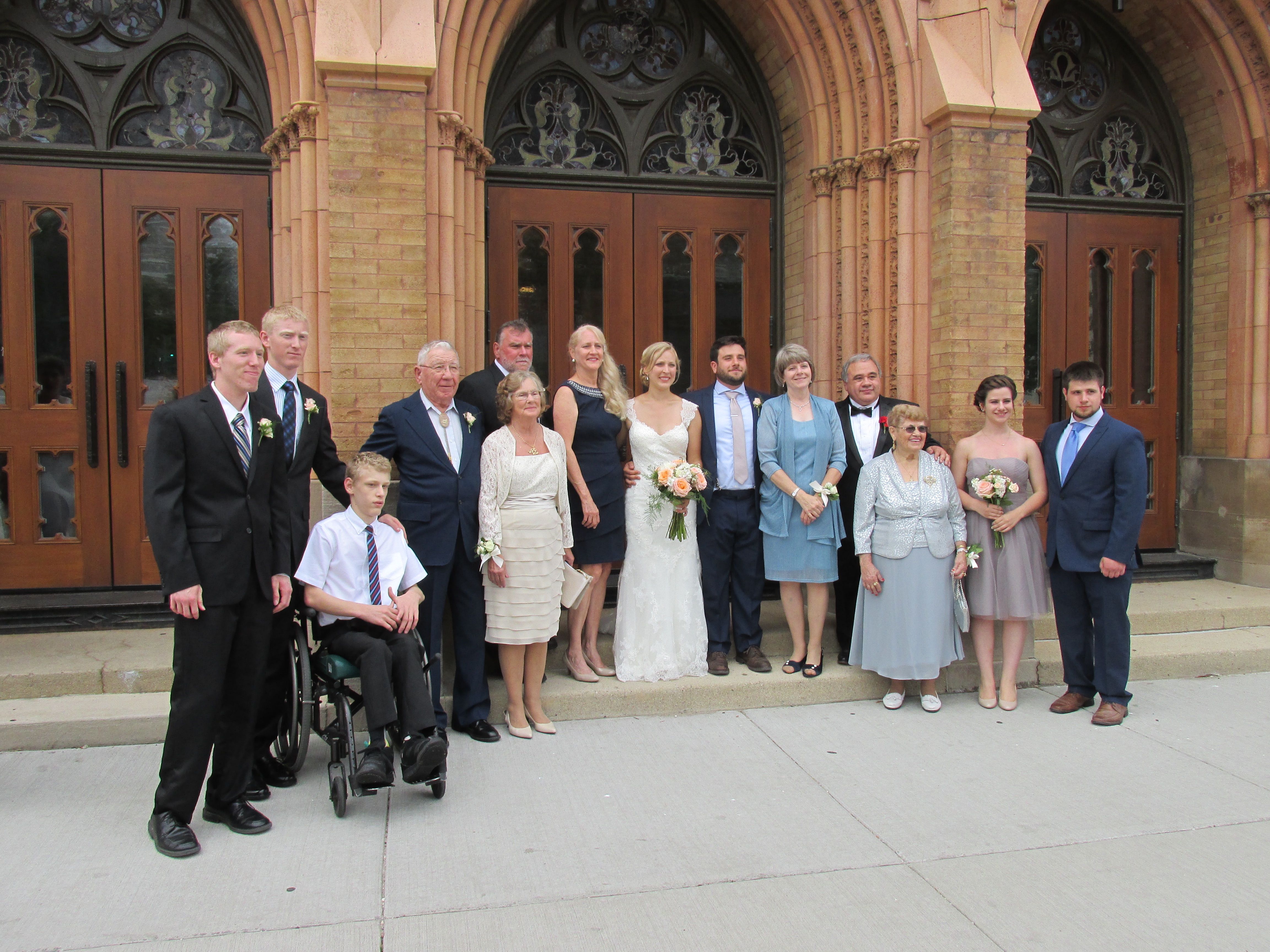
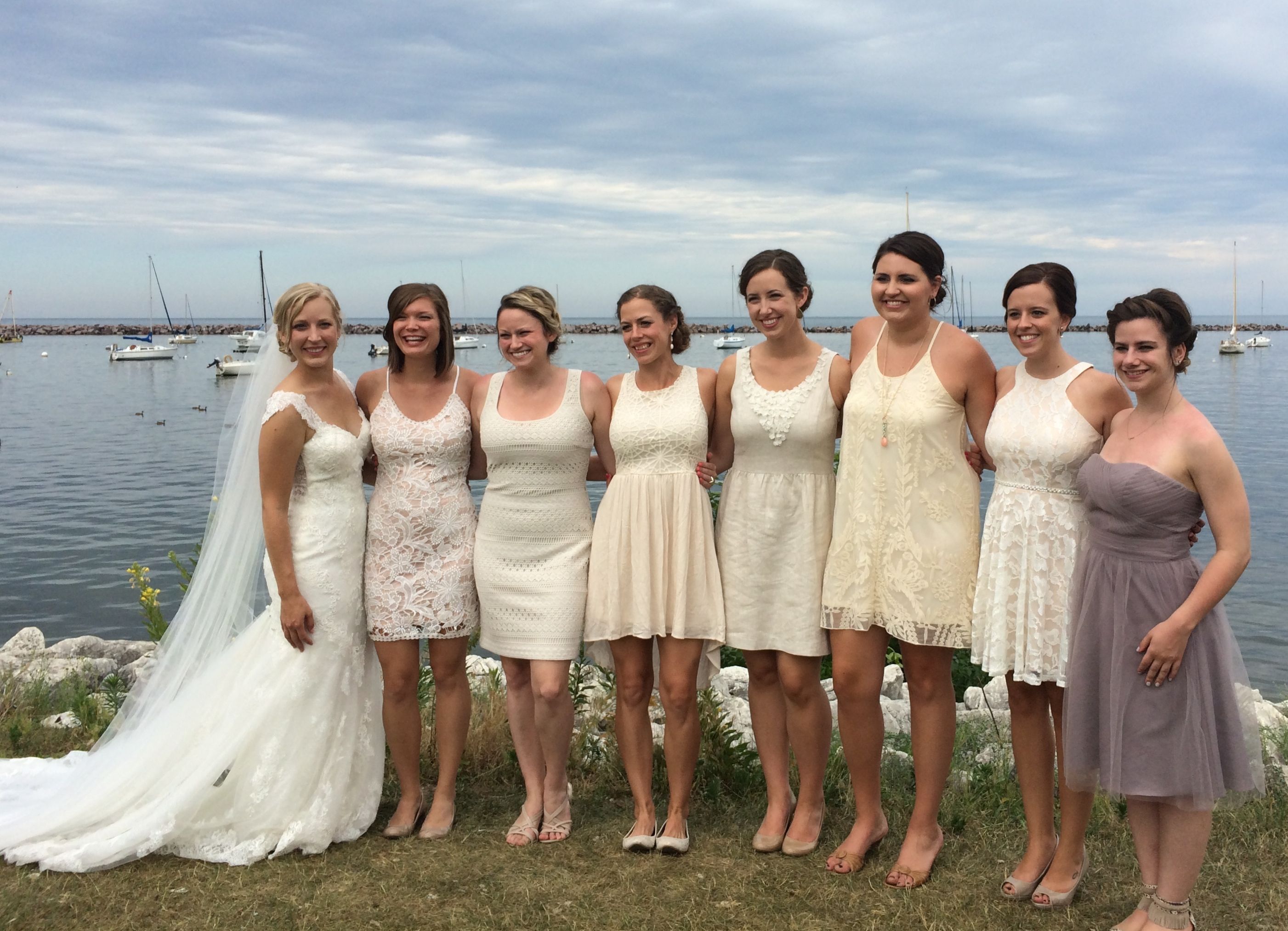
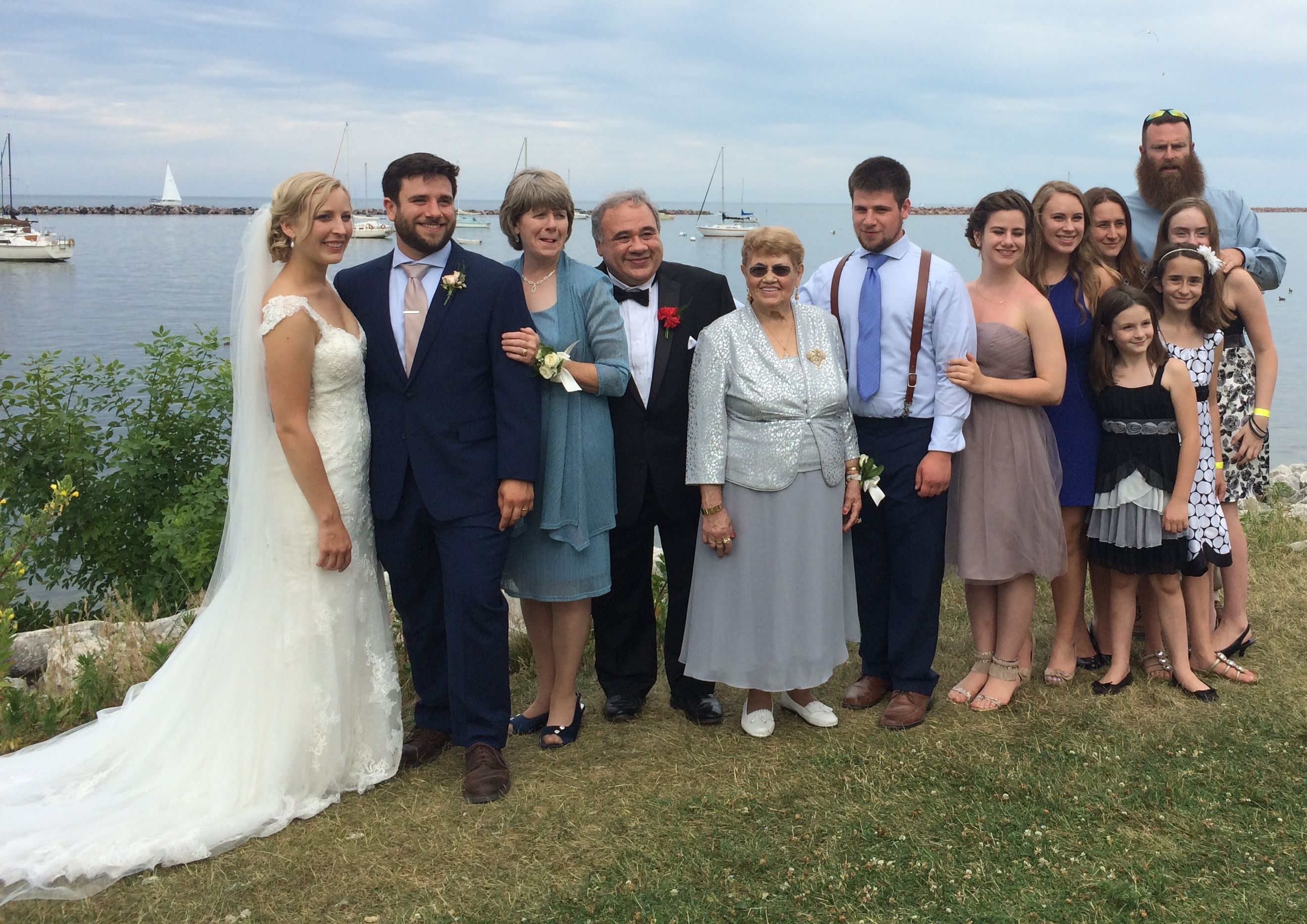
Then, the family photos.
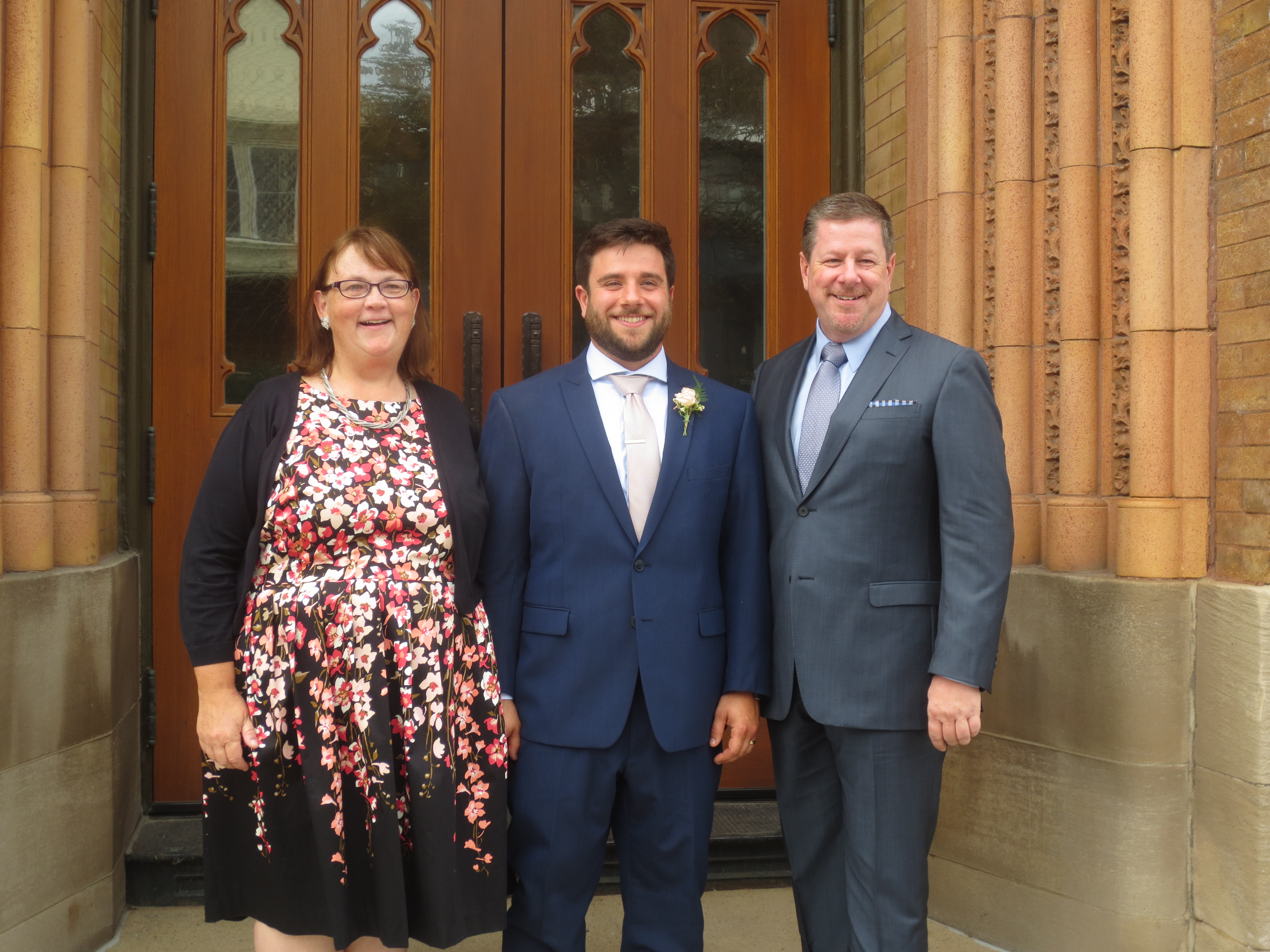
Two families are joinedPaul with his godparents; me and his uncle Michael
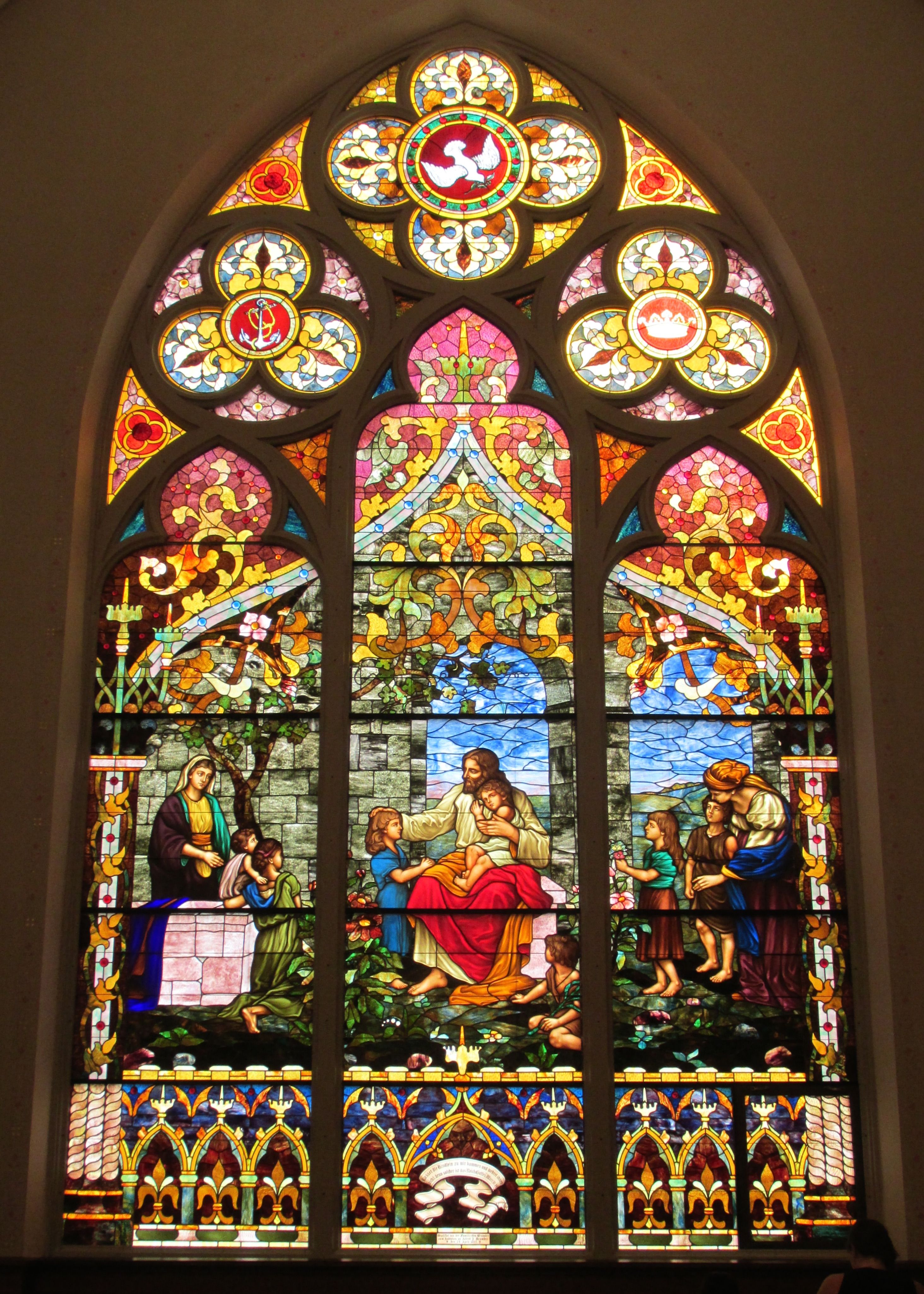
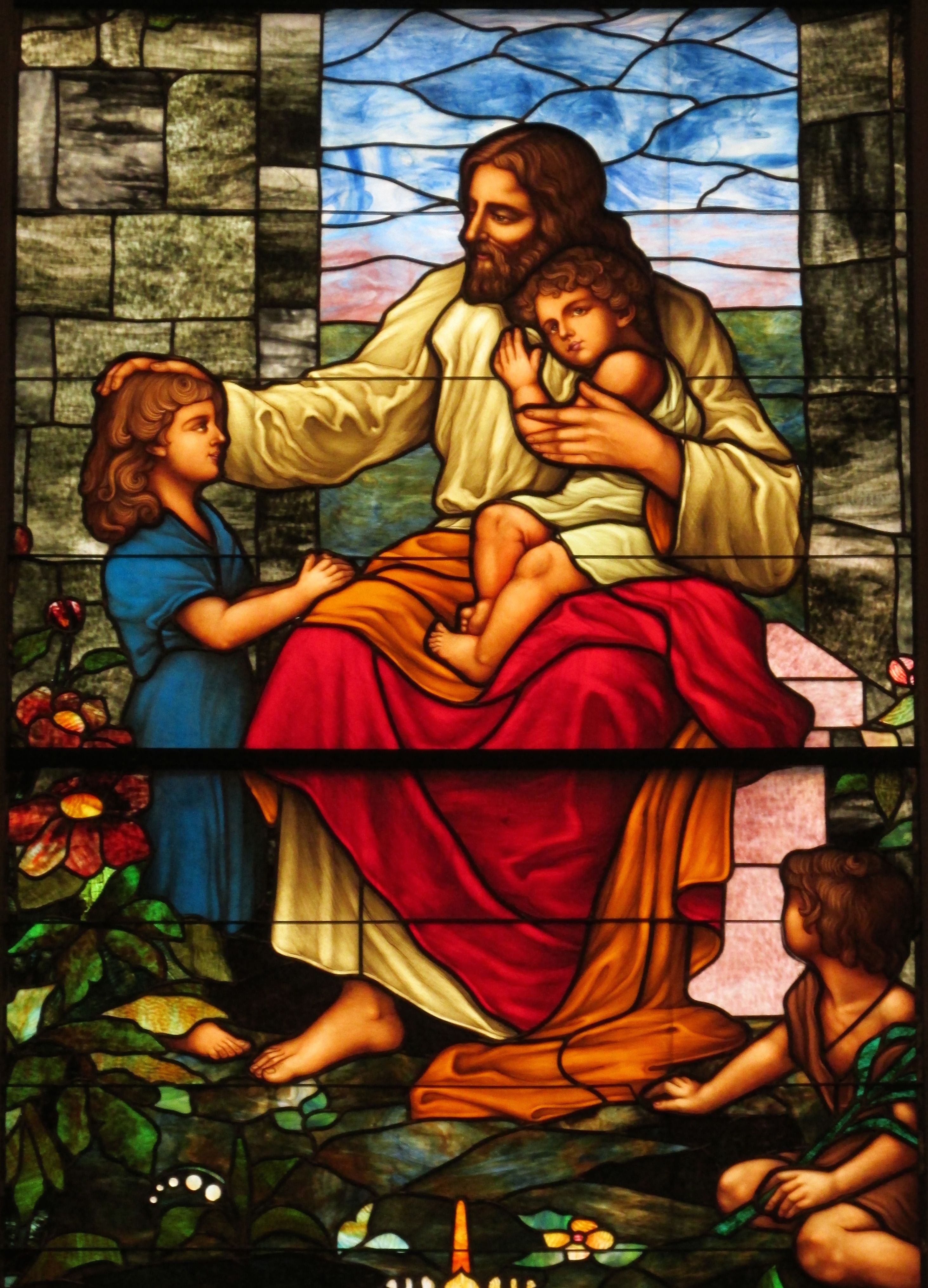
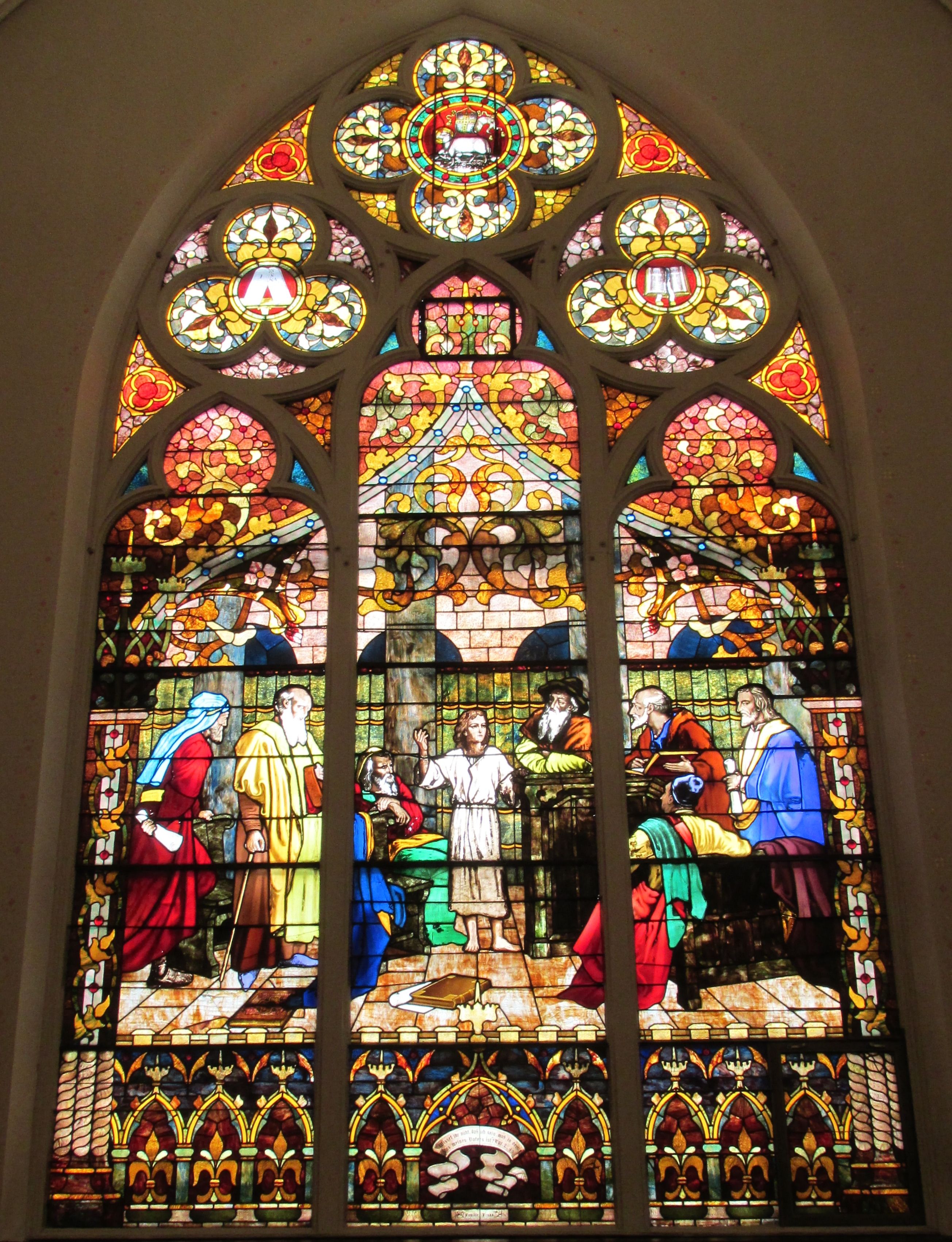
There were many more photos by the photographer, and I went inside to admire the church that had been built by German immigrants.
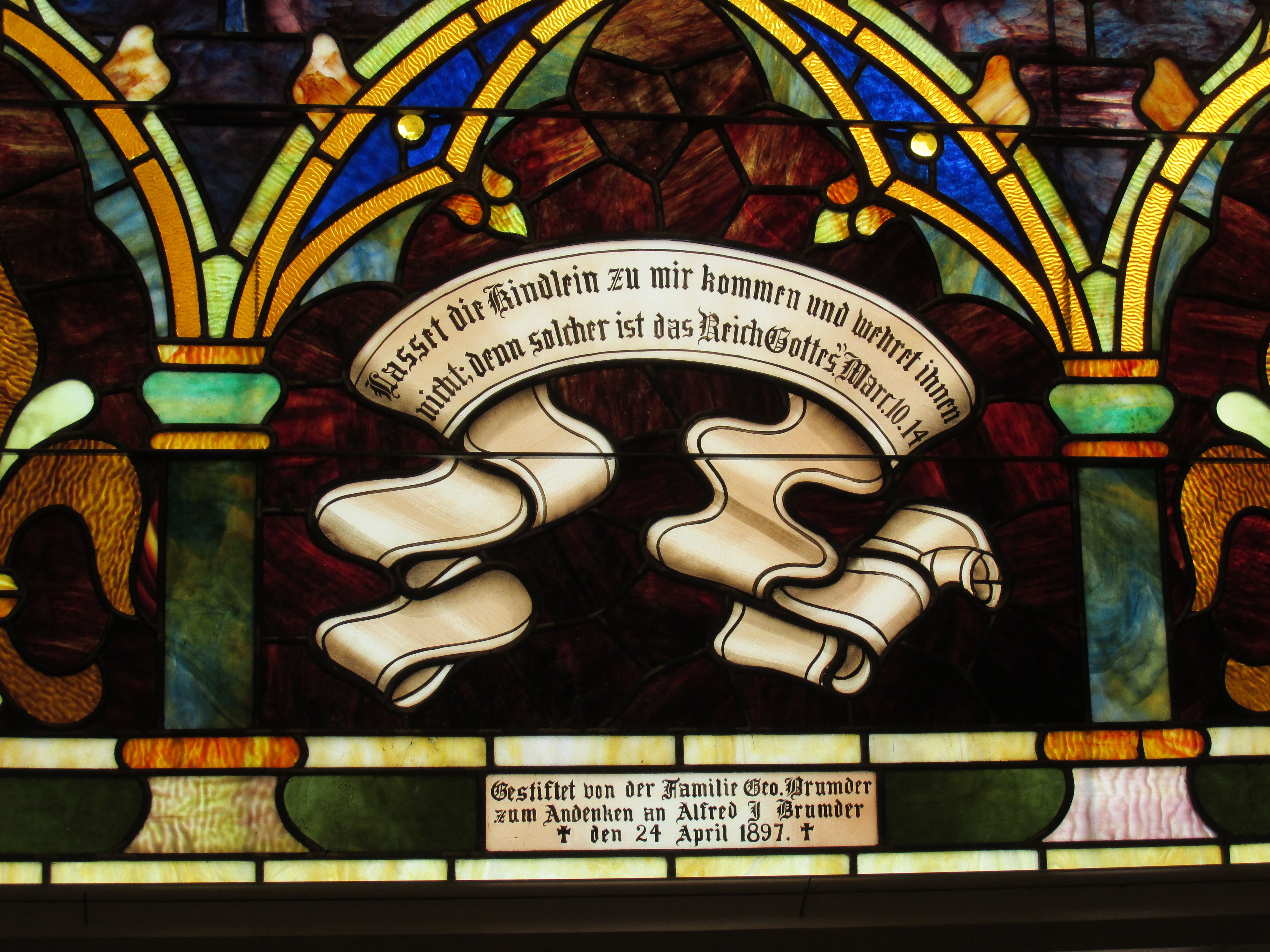
“But when Jesus saw it, he was much displeased, and said unto them, Suffer the little children to come unto me, and forbid them not: for of such is the kingdom of God.” Mark 10:14
“And He said to them, “Why is it that you were looking for Me? Did you not know that I had to be in My Father’s house?” Luke 2:49
Okay, so these might not be the literal translation of the German, these are the Bible verses that correspond to the illustrations.
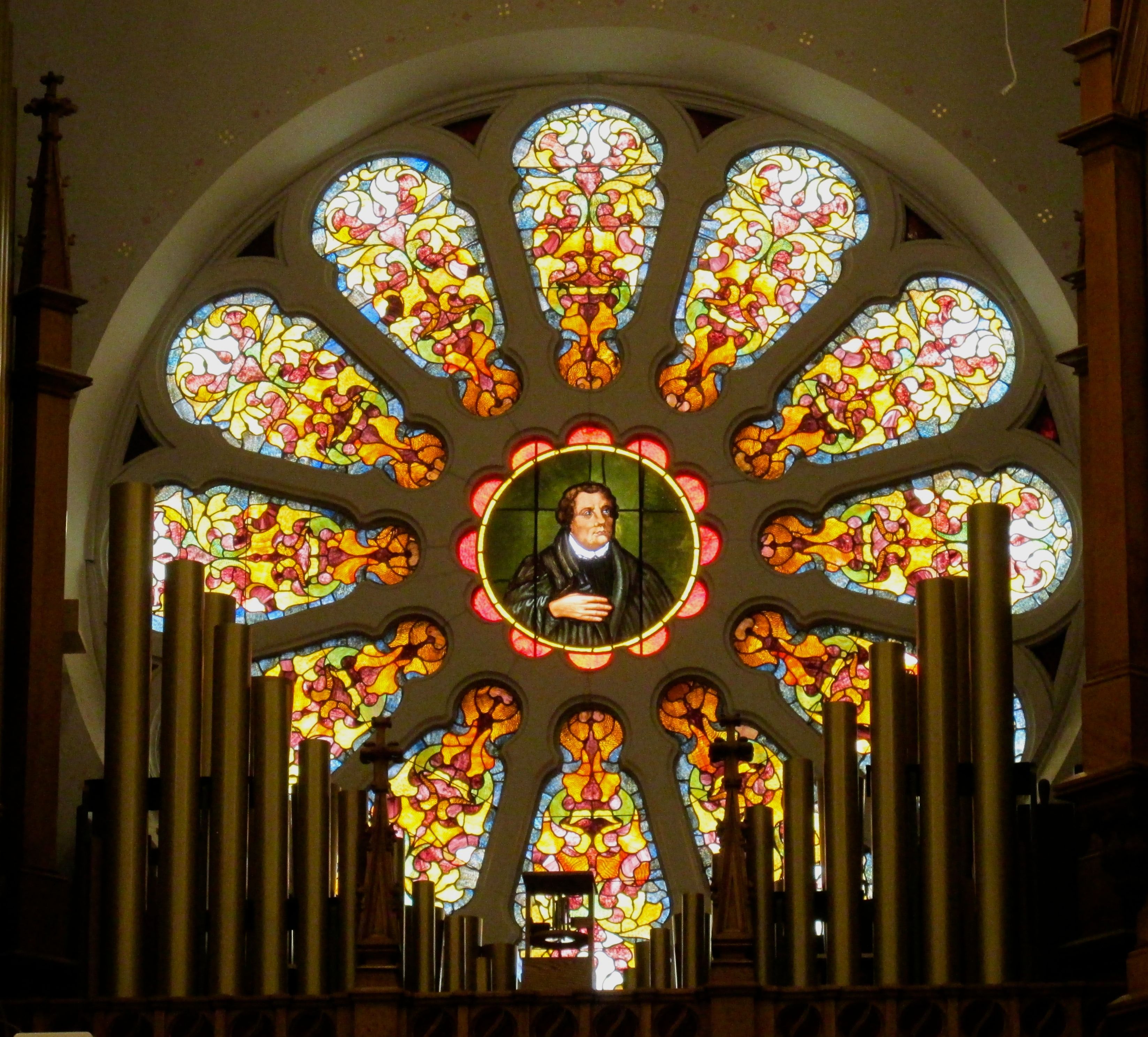
Rose window in the organ loft with Martin Luther’s portrait
Then it was time for the celebrating. They chose a lovely venue on the shore of Lake Michigan. The reception started with a cheese curd and chicken wing buffet.
After we were sufficiently refueled, there was more photography.
And of course, there were many more photos, much eating, much drinking, and – after I left – dancing and high jinks. I had a lovely time, but left early. I was tired and worn out with joy.
Can I ever get enough Frank Lloyd Wright? Apparently not. And, I am glad my friend, Dina, was also into his buildings, which made for a great visit to Racine.
Actually, not only am I seeing some Wright buildings for the first time, but I am also meeting Dina face-to-face for the first time. We have been Facebook friends, introduced by a mutual friend. It was great to finally meet her!
I guess we both got the tie dye memo!
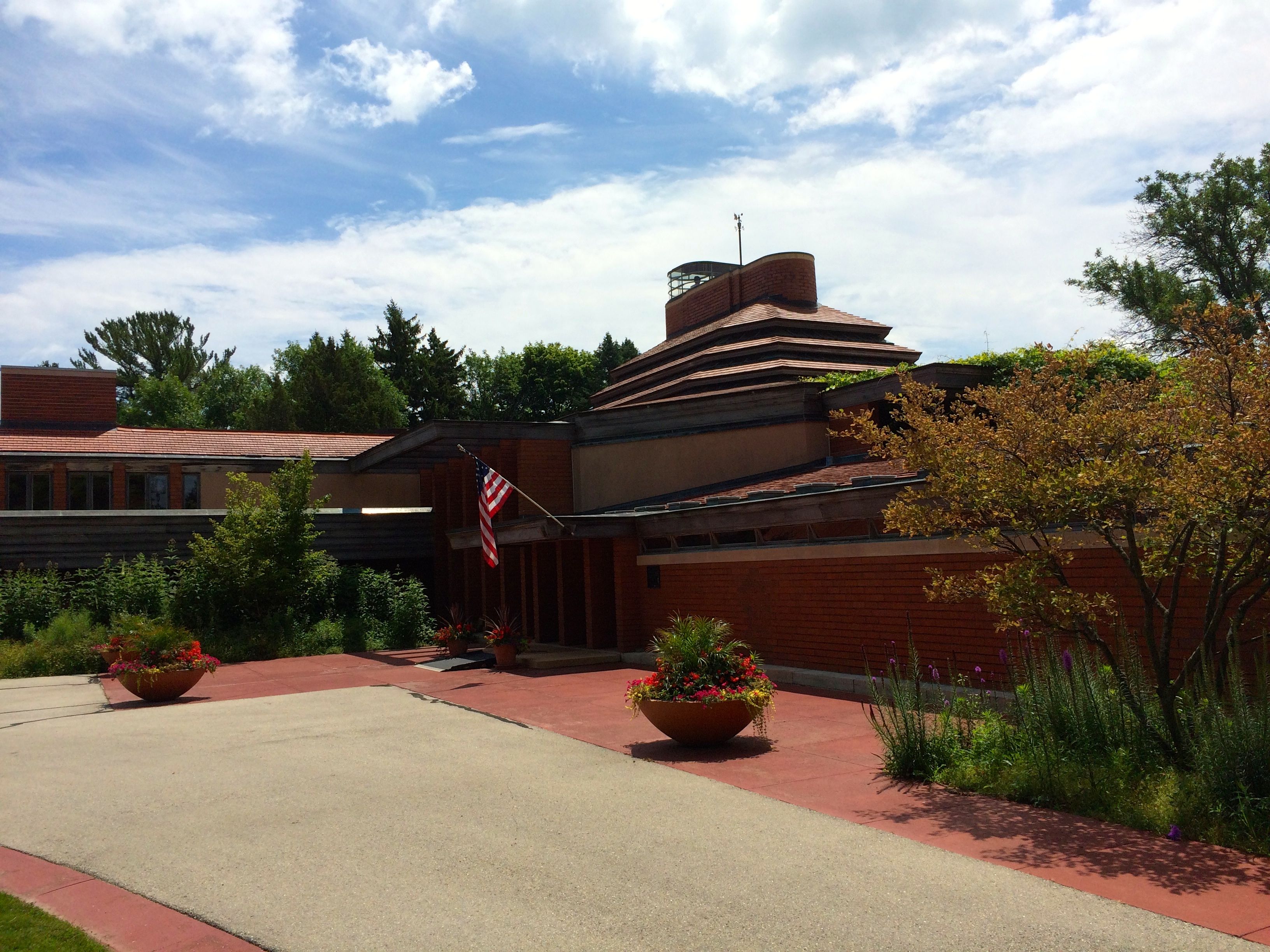
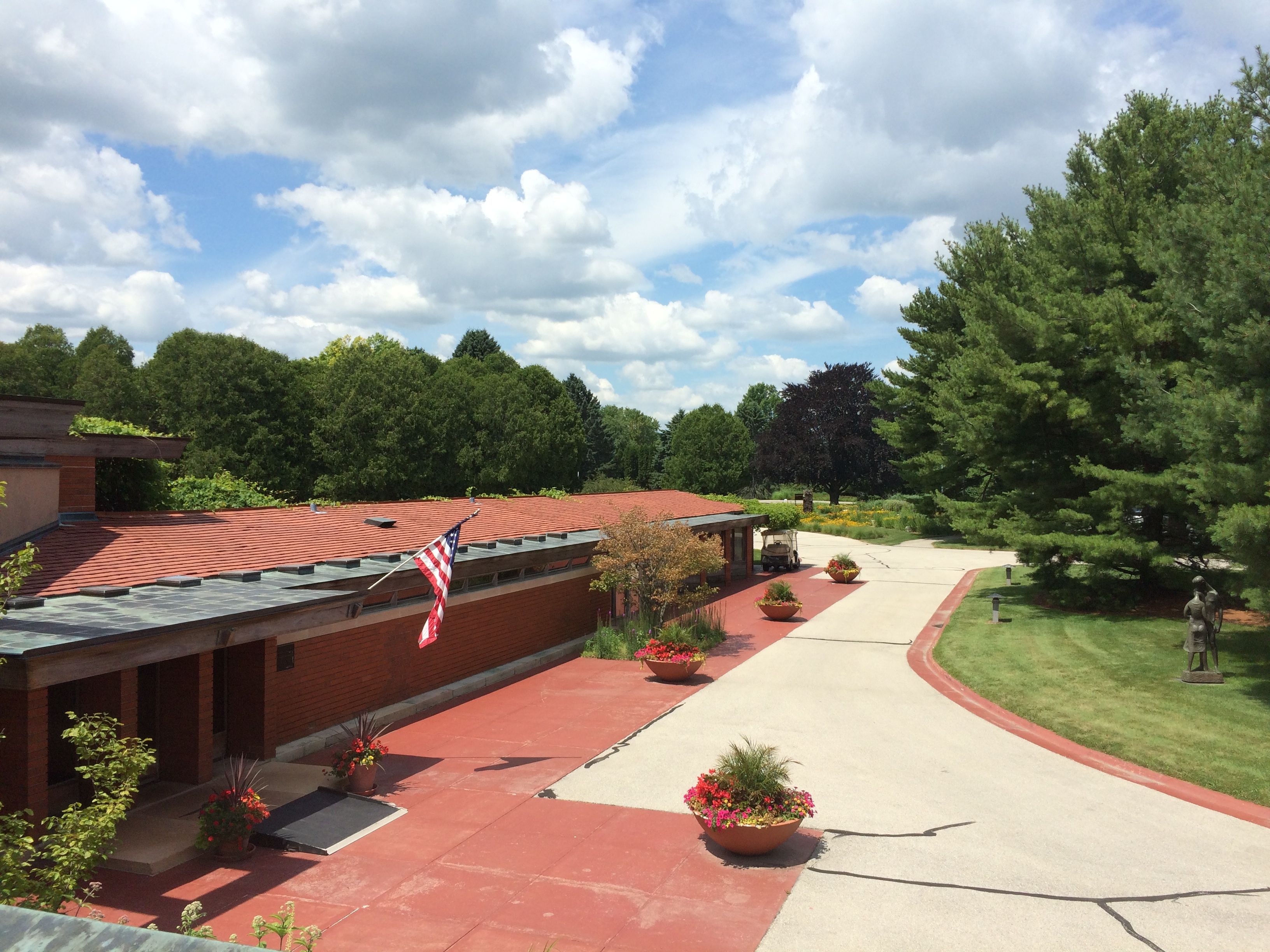
Our first stop was Wingspread, the home of Herbert F. Johnson. It was built in 1938-1939.
The house has four wings that extend from the central public space.
One of the wings
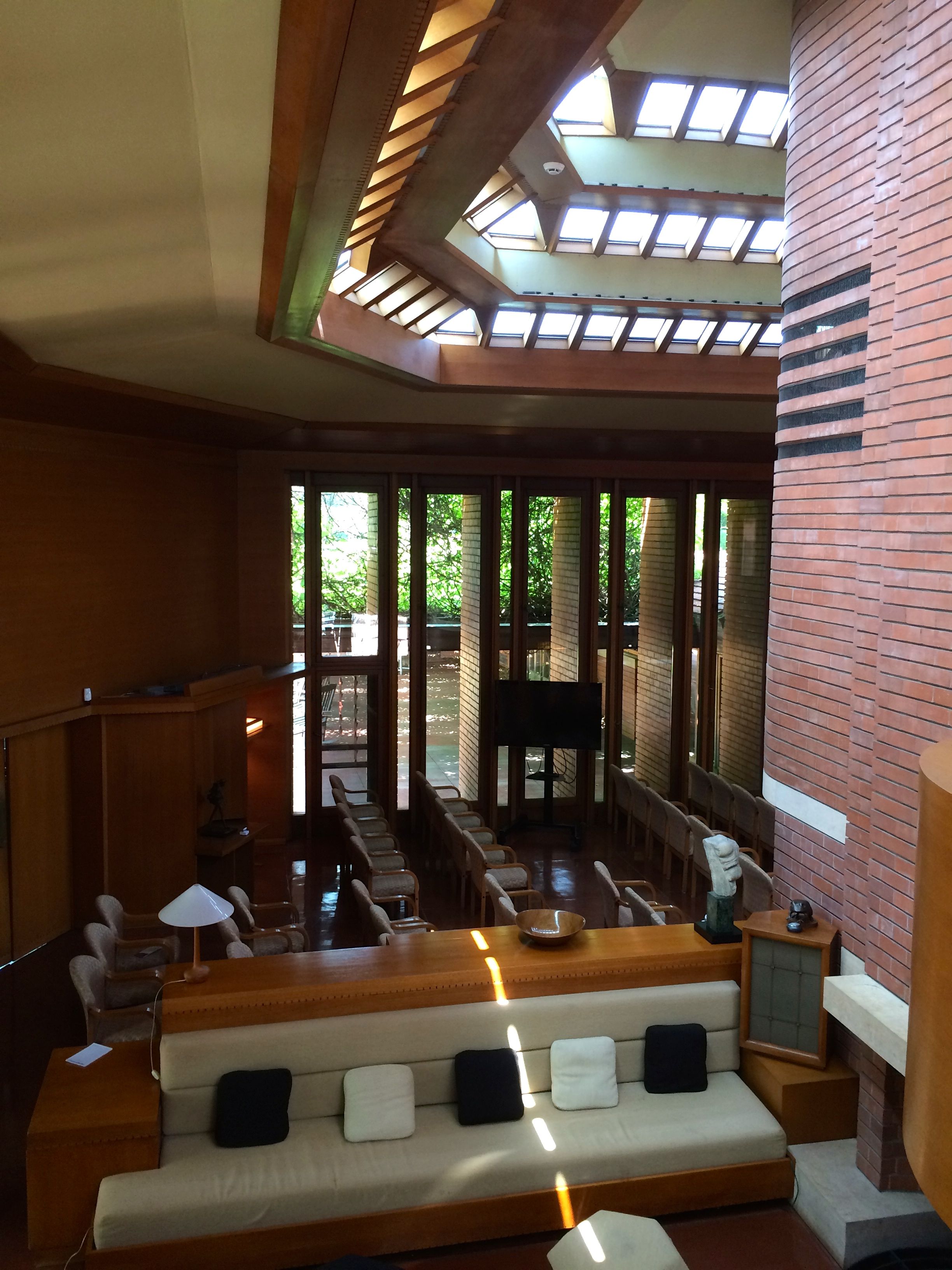
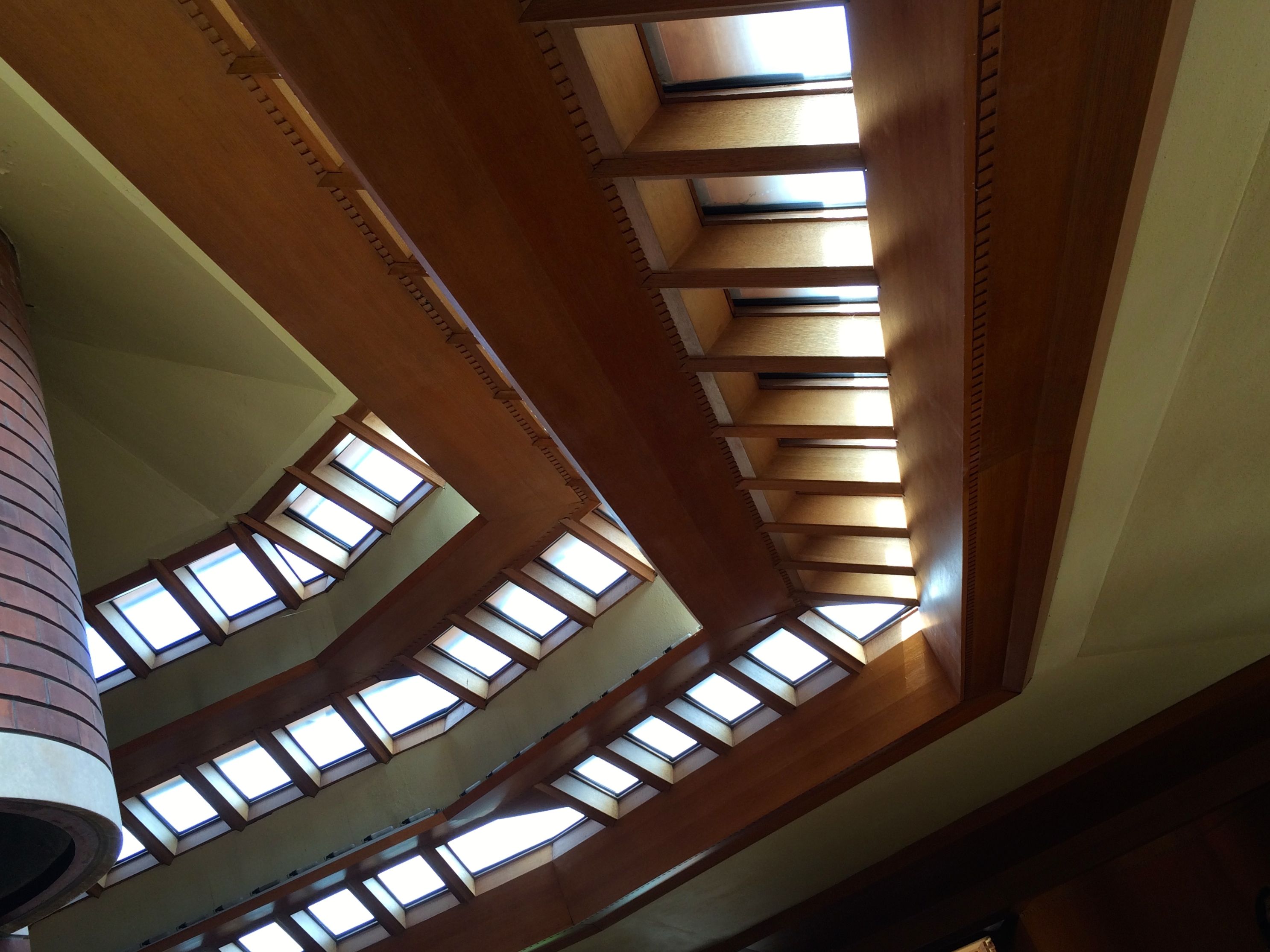
The central space contains the living room, dining room, sitting areas and places for entertaining. It is capped with a roof filled with multiple skylights.
A view of the living room from the mezzanine.
The light that these skylights provide illuminates the spaces beautifully. However, they did leak. Wright’s designs are always inspirational, but not always practical.
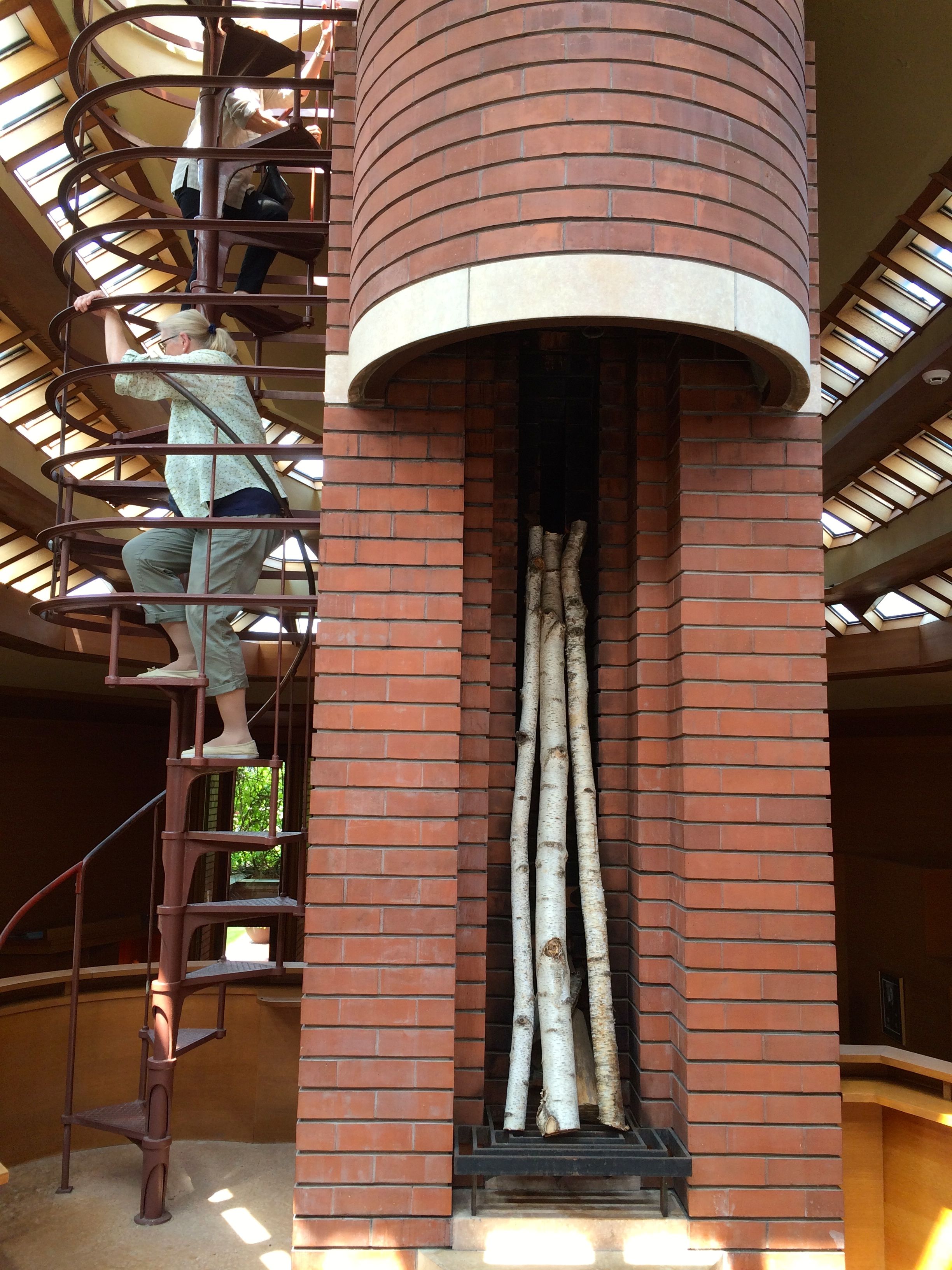
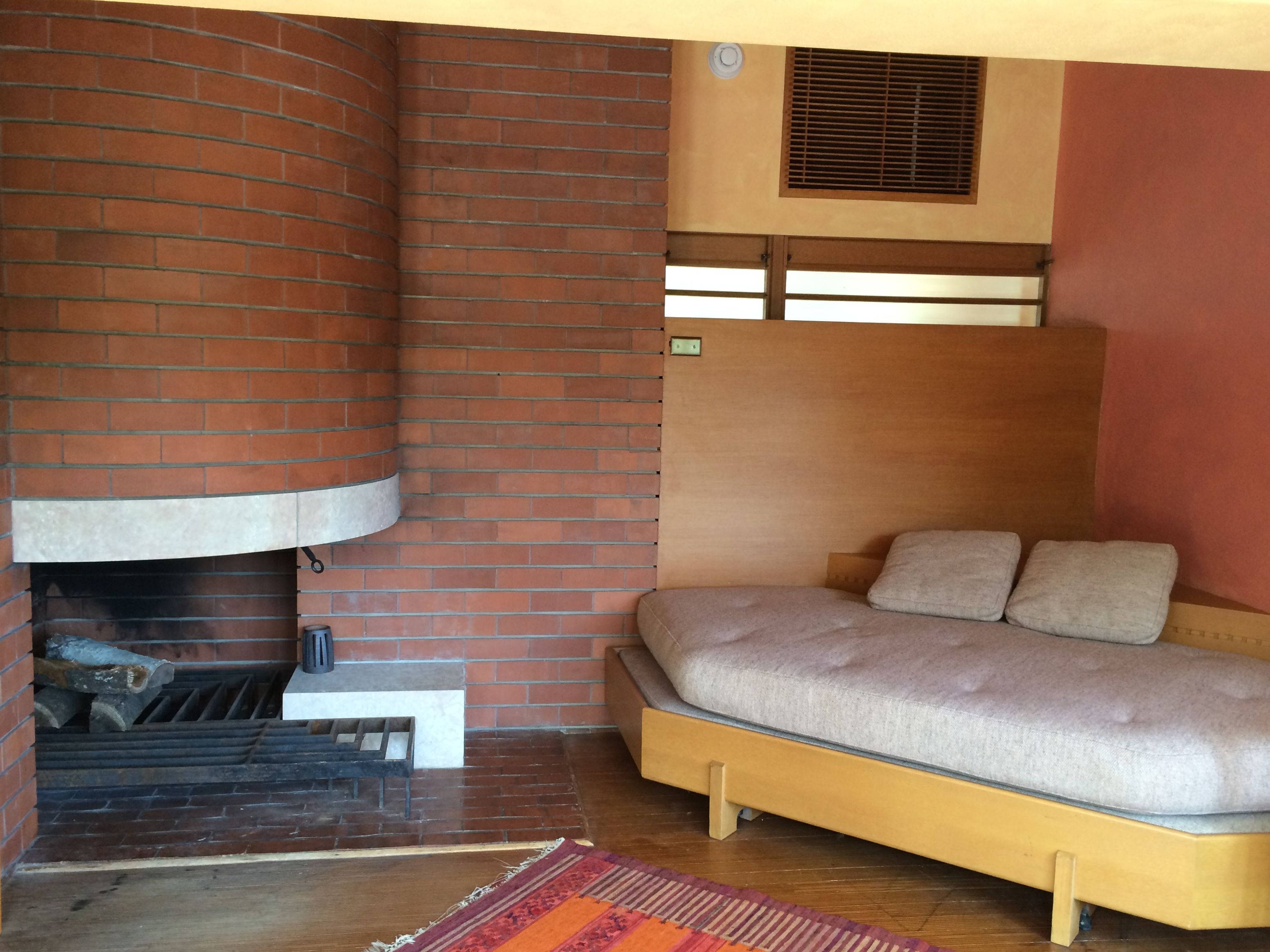
Speaking of impractical designs, have you ever heard of a vertical fireplace? In the central chimney, he has four fireplaces on the main floor and that vertical fireplace on the mezzanine.
Vertical fireplace
It was designed to be stoked with eight-foot birch logs. The first time it was lit, the logs burned away at the base and then they fell out onto the floor. The Johnsons quickly got the fire extinguished and the logs out of the house. From what I understand, the logs have been purely ornamental since then.
To the left of the fireplace, you see a feature that Wright designed for the boys. They wanted to have an area they could use for a lookout, like the cupola that their grandparents had at their house. At the top of the circular staircase is a room that looks out over the hillside. Sam used to talk with his father via walkie talkies as he would fly by the house.
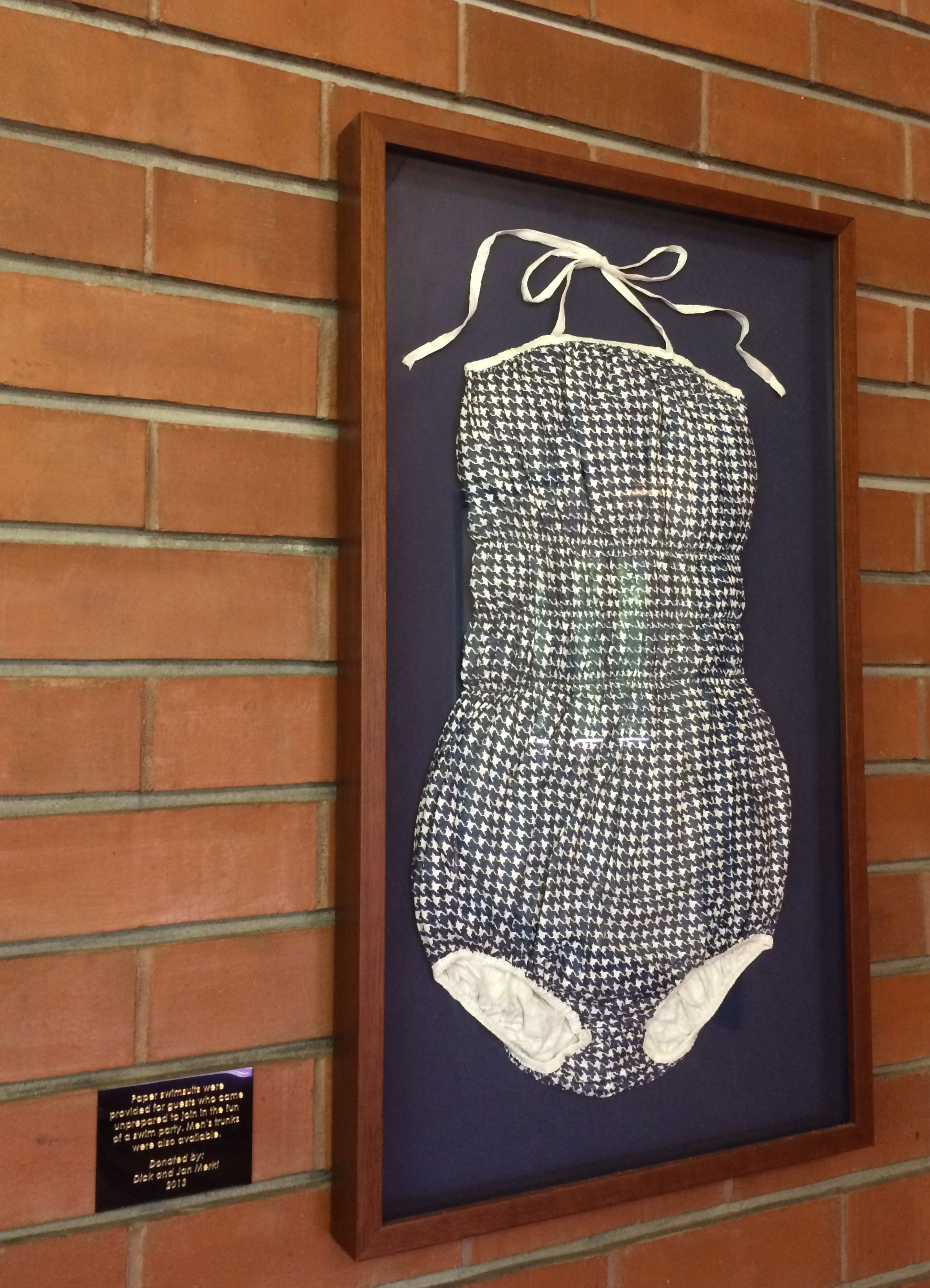
Another thing that the boys wanted was a swimming pool. Wright didn’t approve of swimming pools, so this was a very deep reflecting pool. The pool was included to get the kids’ friends to make the trek all the way out of town to the new house. To insure that everyone could enjoy the pool, they had “paper” bathing suits that guest could wear in the pool.
Paper bathing suit
This was hanging in what had been the boys’ playroom. With Wright’s fondness for fireplaces, this room has one, too. It is now used as a meeting room.
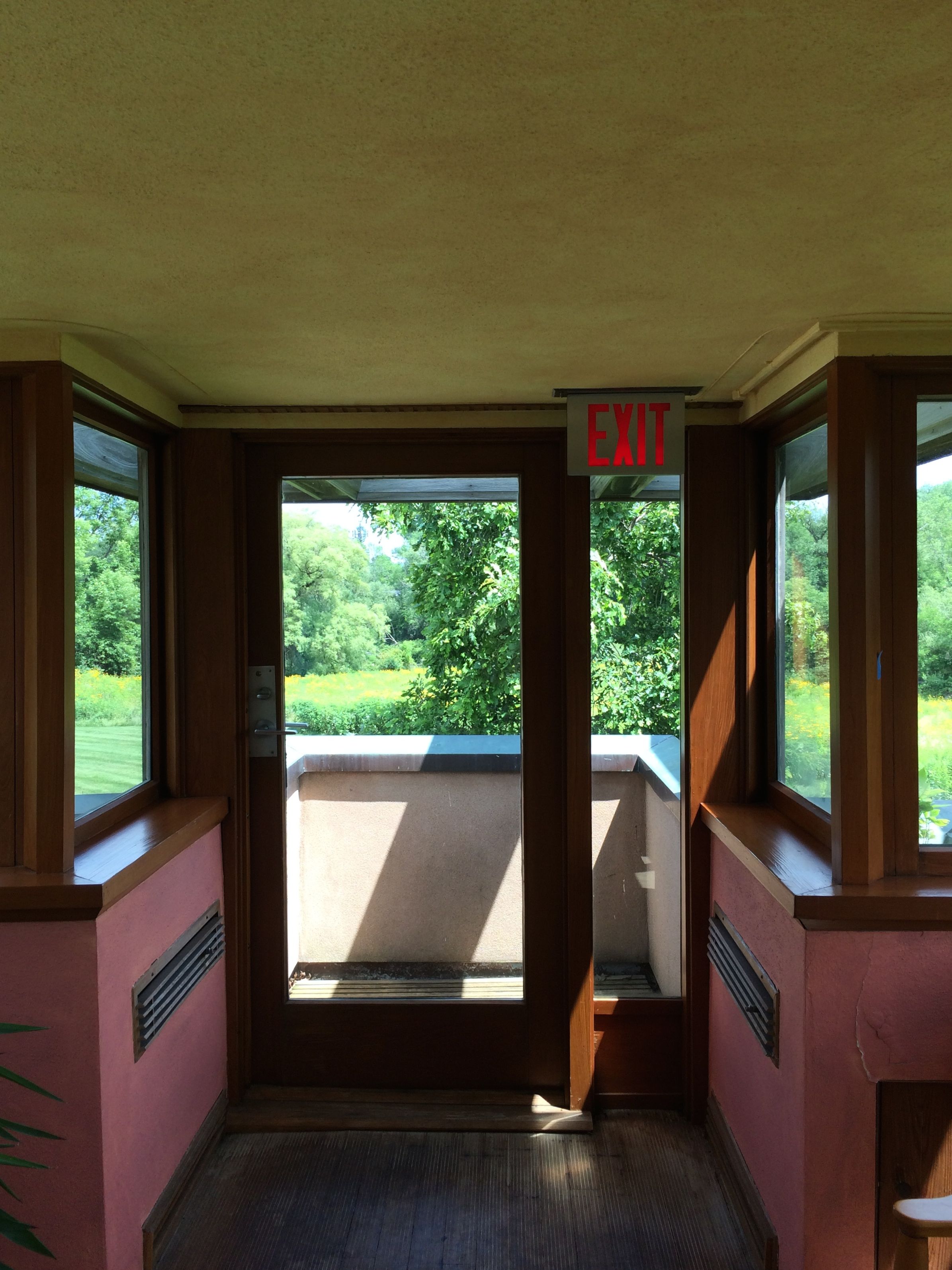
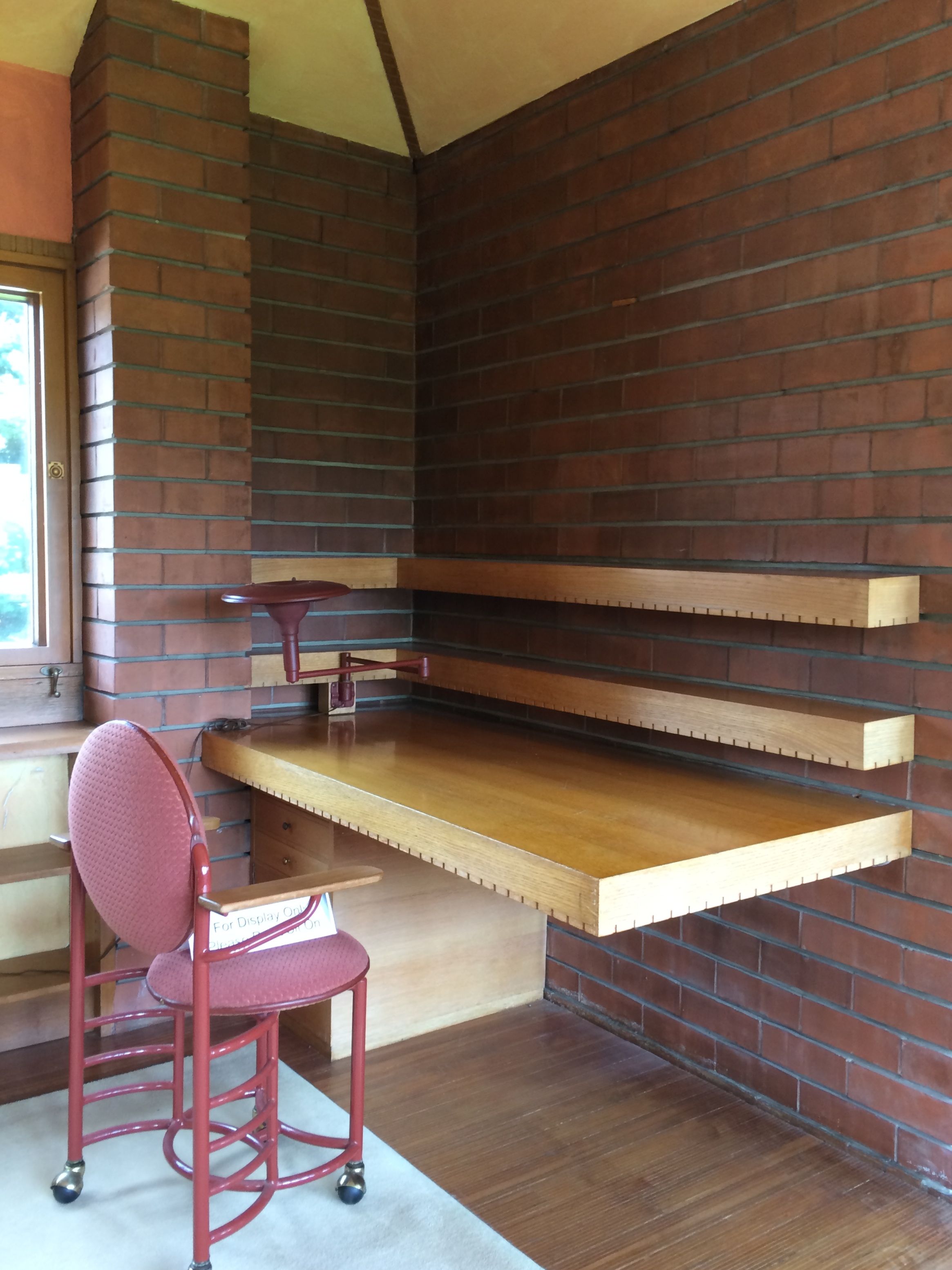
Wright didn’t leave the daughter out of the design. He designed her room to have a Juliet balcony at the end of it. It’s a small balcony, but it was all hers.
The Juliet balconyThe daughter’s built-in desk
The parents each had their own bedrooms, but shared a sitting room. Of course, it had its own fireplace. Dina told me that Eleanor Roosevelt once took a nap on the couch. She heard that bit of information when she took a previous tour.
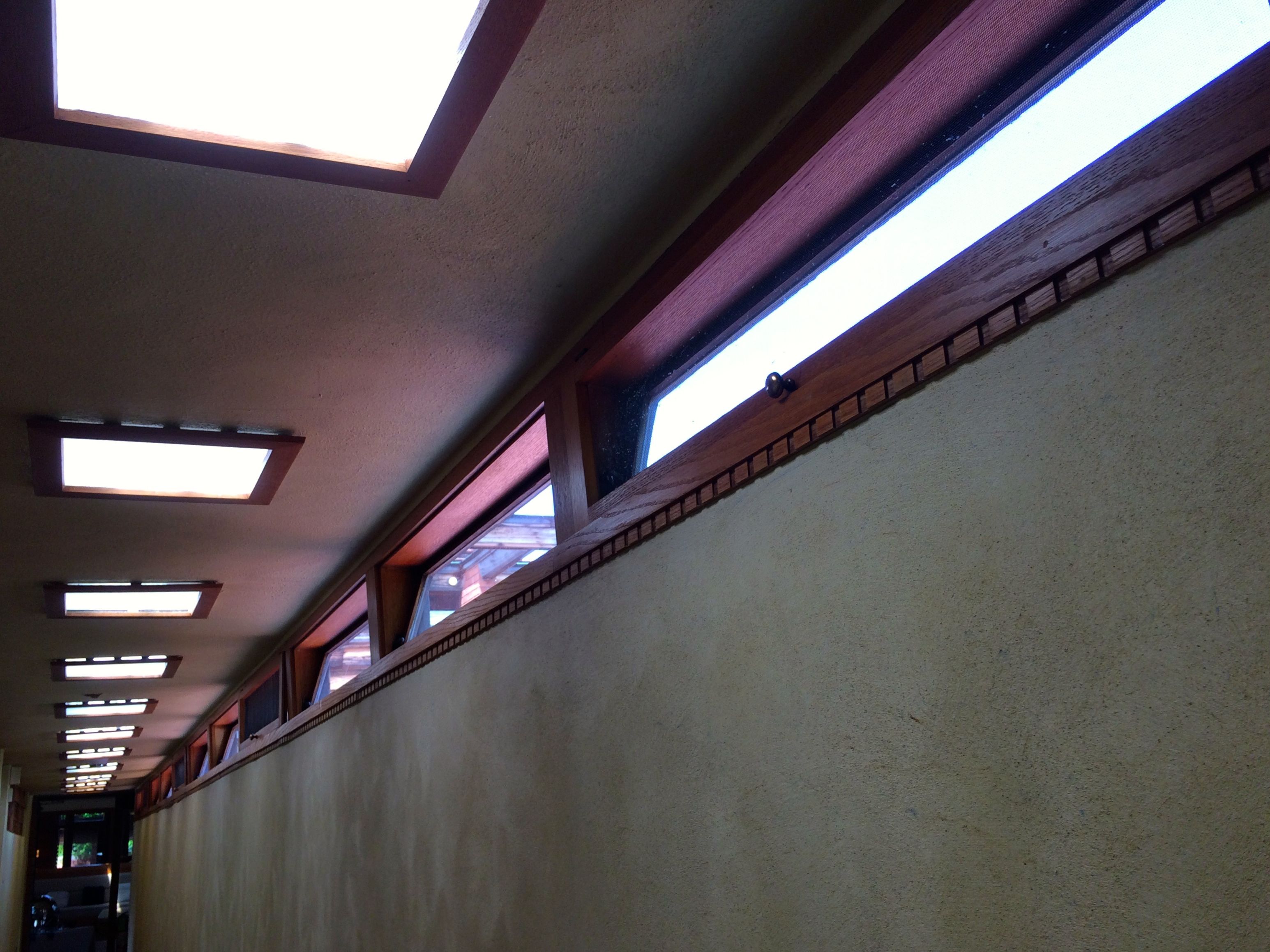
You can see how Wright allowed light to enter the private areas of the building. He didn’t use leaded glass windows that he used in houses he built in cities as there was no traffic out in the country. In the wings, though, he did manage the amount of clear glass that he used to preserve privacy but still illuminate the area.
We weren’t allowed in all the parts of the building, as it is used by the The Johnson Foundation. We could see that they were setting up for meetings and events later in the day.
The Johnson Foundation is an organization dedicated to helping to create change that leads to healthier environments and communities. They use Wingspread to hold their meetings and the offices of the Foundation are on the property as well.
Even though we couldn’t see all parts of the building, it was amazing to be able to take pictures inside.
We weren’t so fortunate with the Johnson Wax building, but it was a splendid building to see.
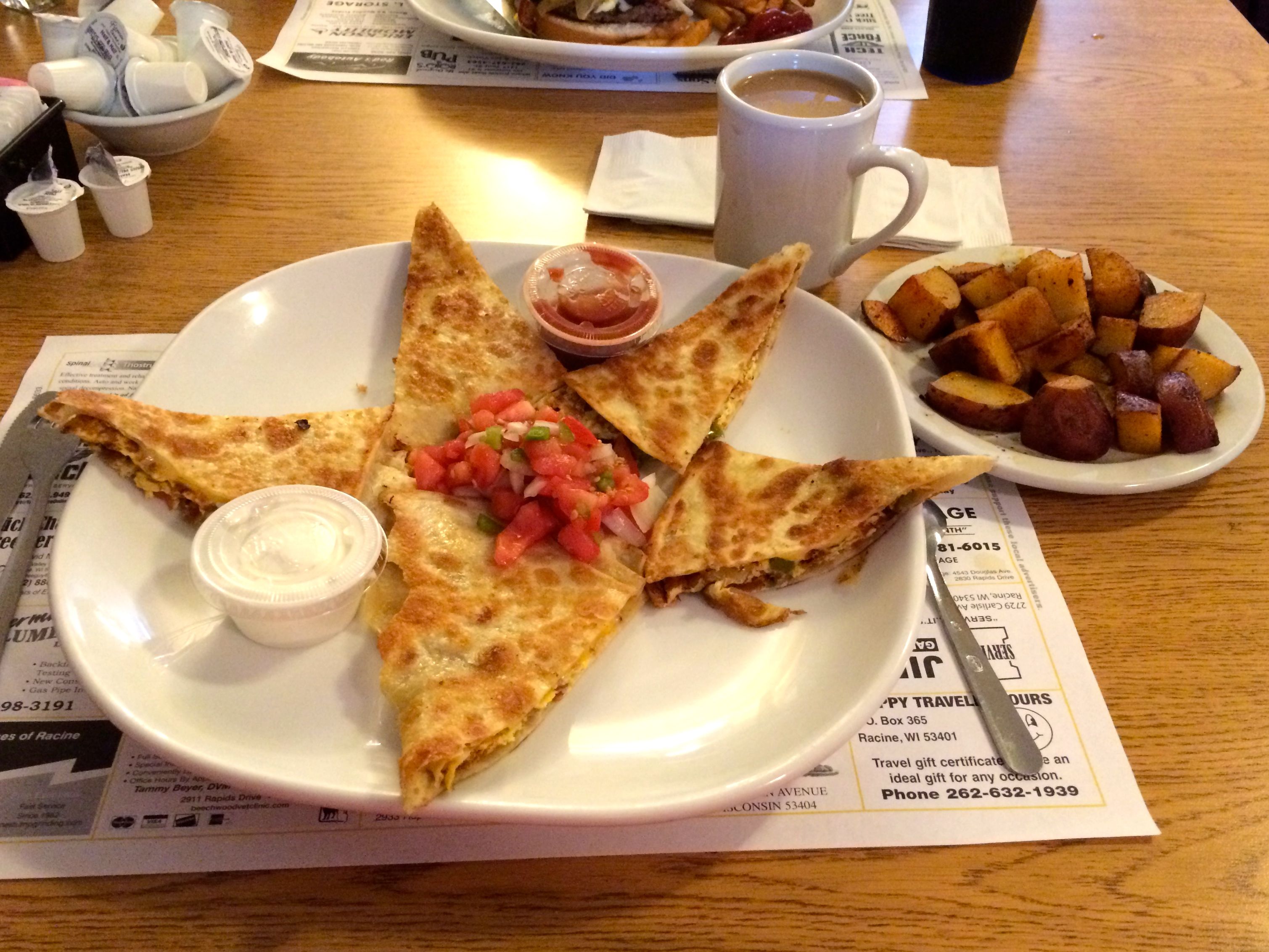
However, before we went to the Johnson Wax building, we stopped off for a bit of lunch at Honey B’s.
Breakfast quesadilla
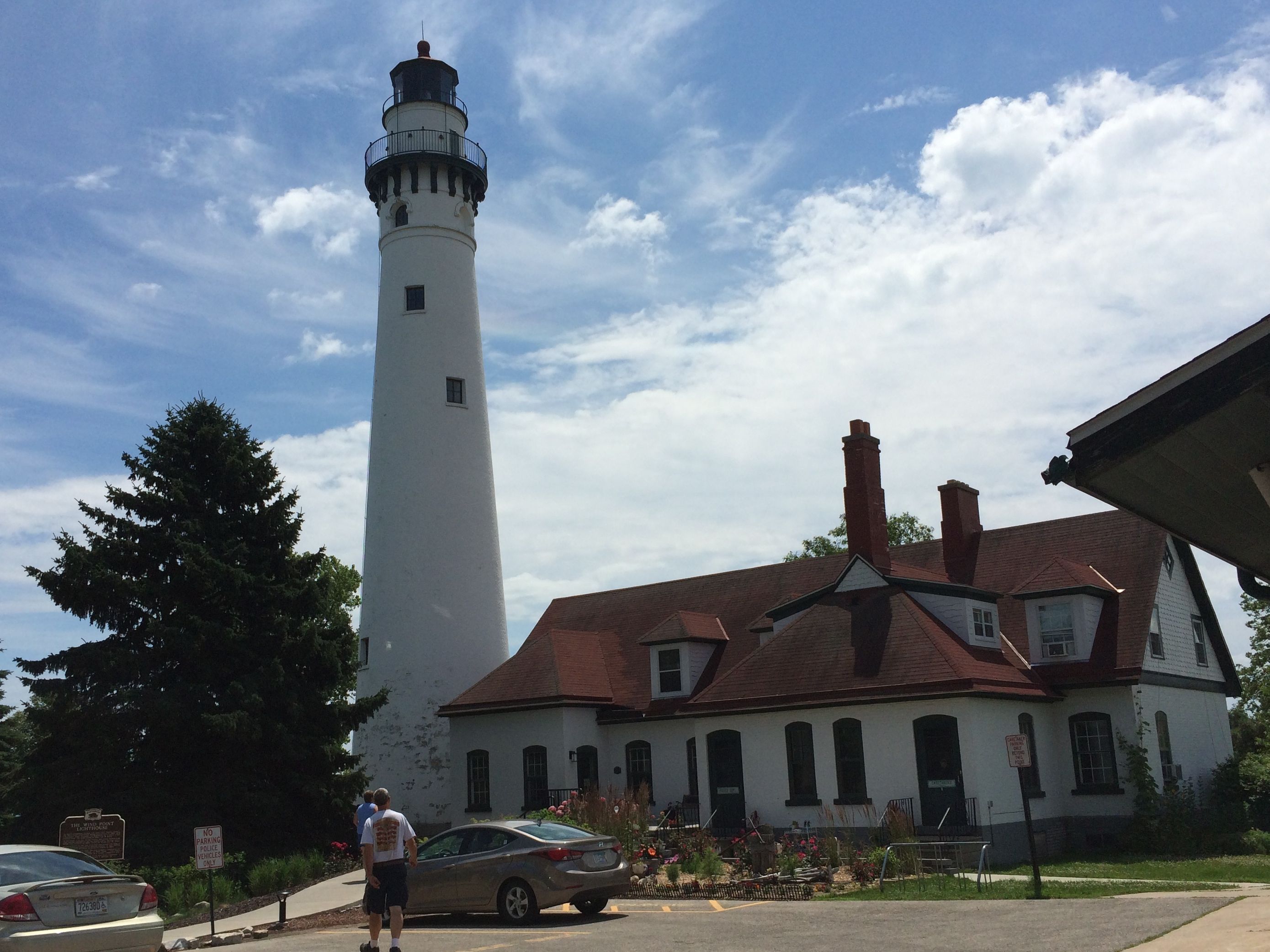
And then we zipped by the lighthouse on Wind Point.
En route to the Johnson Wax compound, we just happened to pass another Wright building: a house on the shore of Lake Michigan.
FLW is EVERYWHERE!
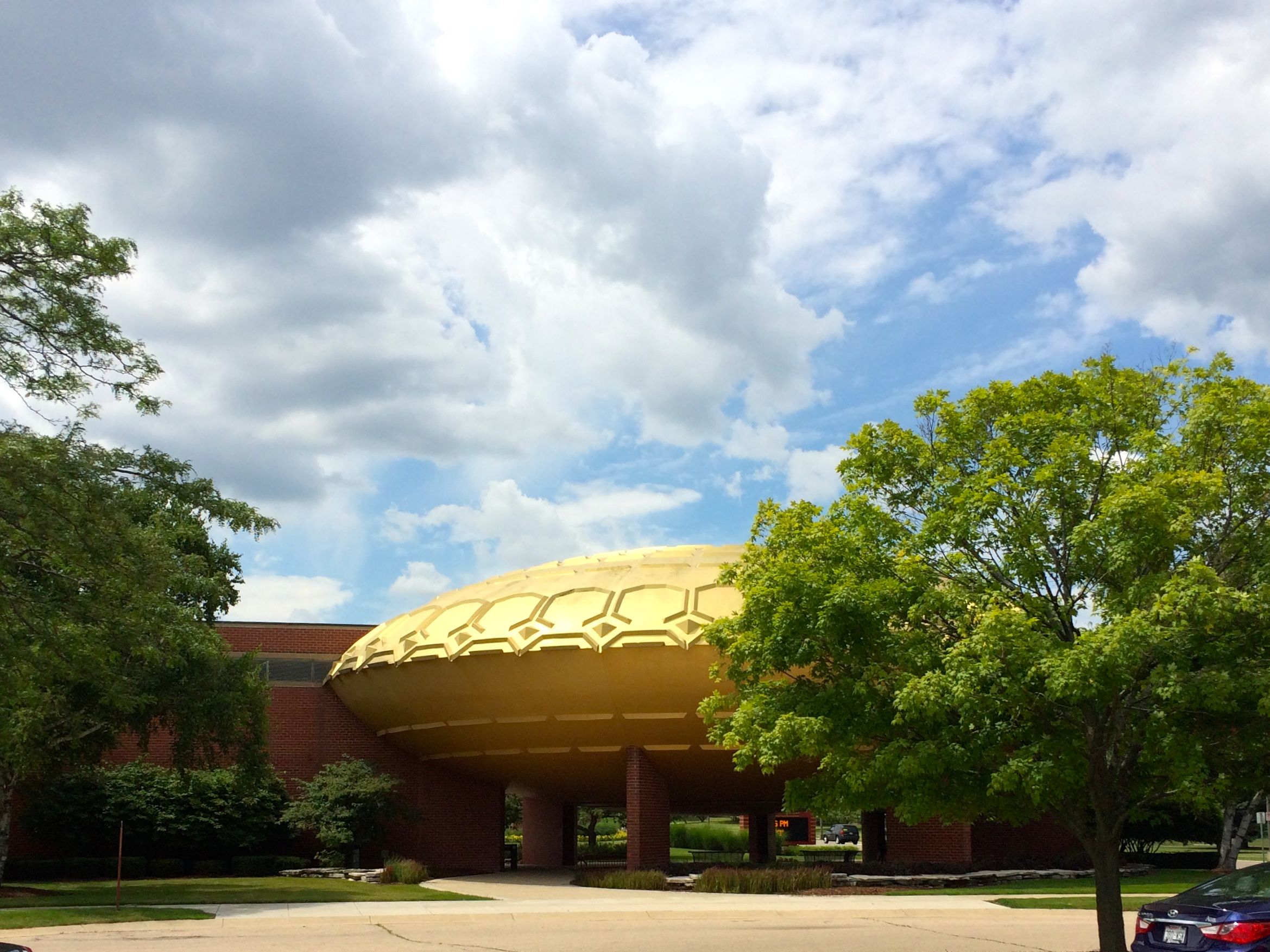
We met our tour guide at the Golden Rondelle, which was the Johnson Pavilion at the 1964 New York World’s Fair.
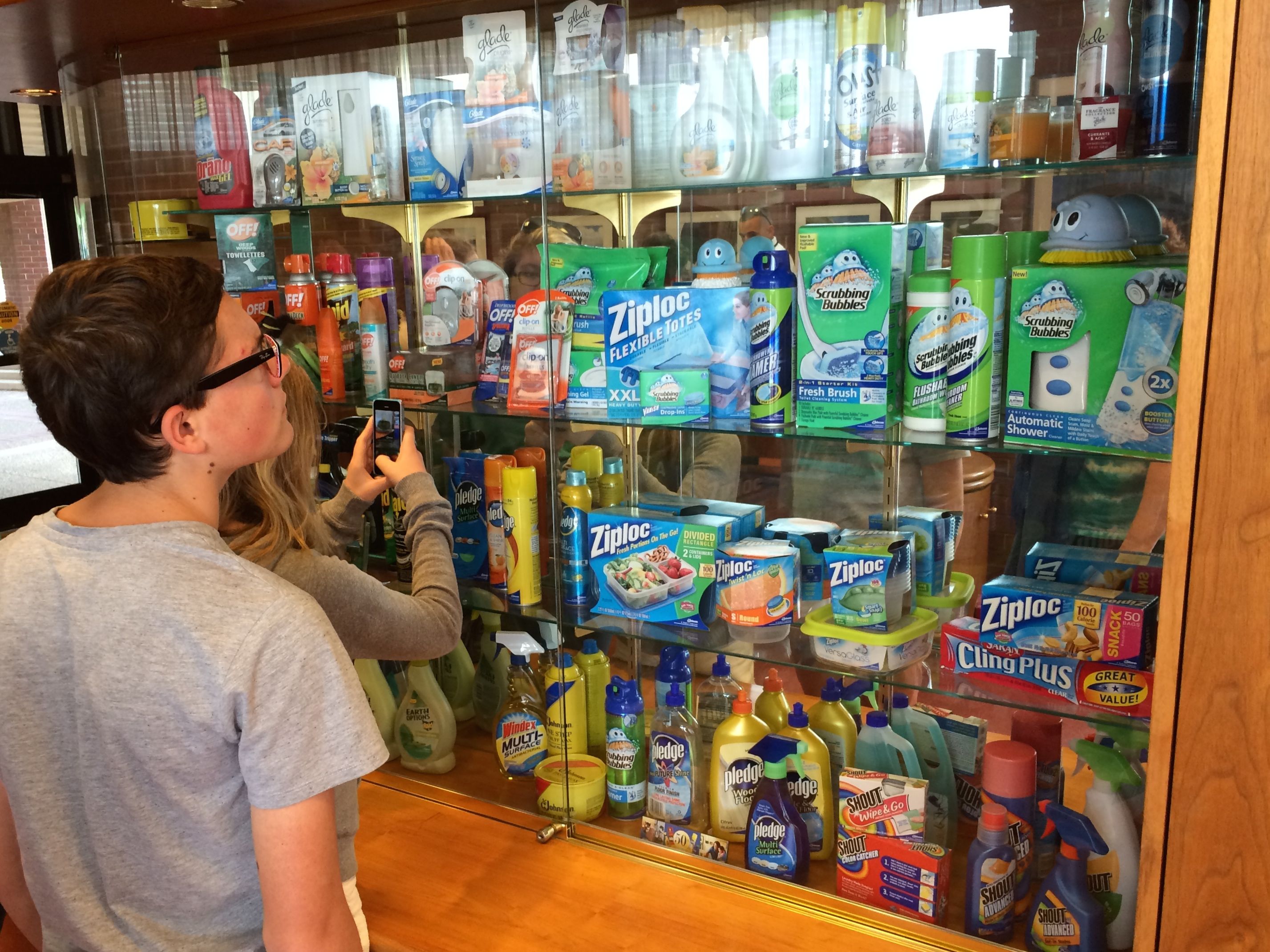
The Golden RondelleSC Johnson products on display
From there, we walked over to the Administration Building, which Wright designed beginning in 1936. It opened in 1939.
Johnson Wax Headquarters
The Administration Building is the lower building. The taller building is the Research Tower. It was opened in 1950. The building to the left in the picture is Fortaleza Hall, which opened in 2010.
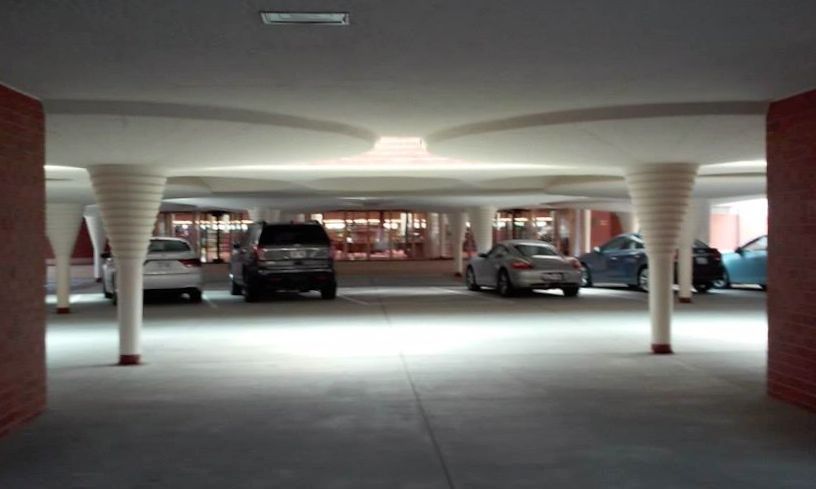
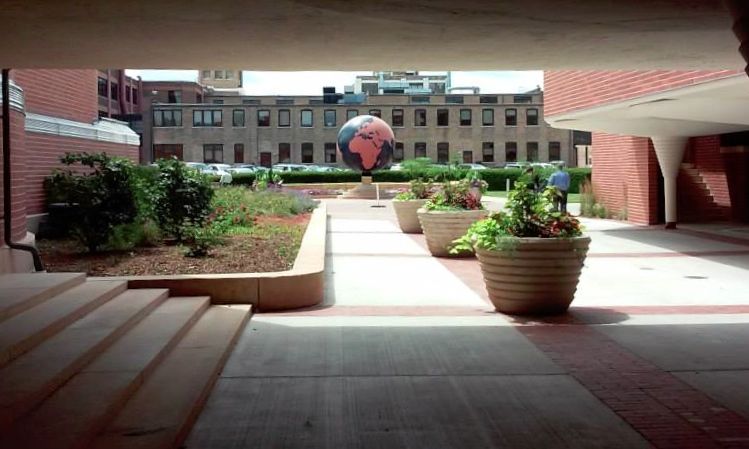
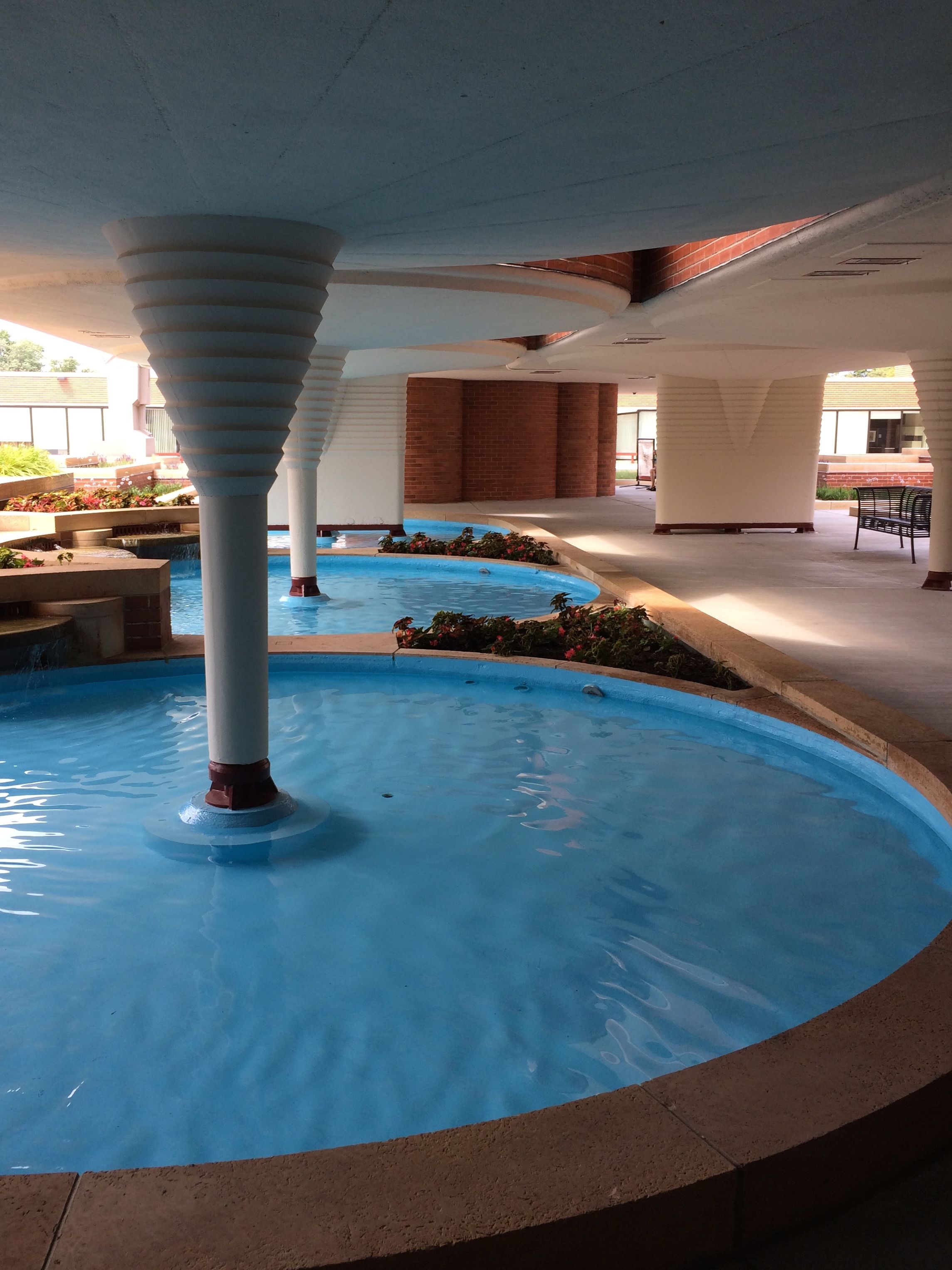
A dendriform column is one that has the form of a tree. The Administration Building is supported by them, which give a very light and airy feeling to the interior. Unfortunately, I have no interior shots to share. Interior shots are not allowed here.
However, the lovely parking area gives a bit of a feel of the airiness of the interior.
You can get a sense of the compression and release that Wright is known for. It is absolutely glorious passing from the parking area into the Administration Building.
Rounded brick walls
Wright emphasize the horizontal aspects of his design by raking the horizontal mortar and leaving the vertical mortar flush with the bricks.
At the end of the covered walkway is the Research Tower. It is a fantastic structure that has round mezzanine-like floors interspersed between the square floors. You could look from the round floor down to the square floor below.
The Research Tower is no longer in use. While it was a marvelous structure, there was only one stairway. Not only was it a circular stairway, but it was only 29 inches wide. I can’t speak to the practicality of the work spaces, as I have no science lab experience. It may have been a good place to work. However, as accustomed as we have become to accessible spaces, it seemed quaint.
I was particularly taken with the restrooms that were snugged into small spaces next to the circular stair case. They even had curved doors that slid into place when the facilities were in use.
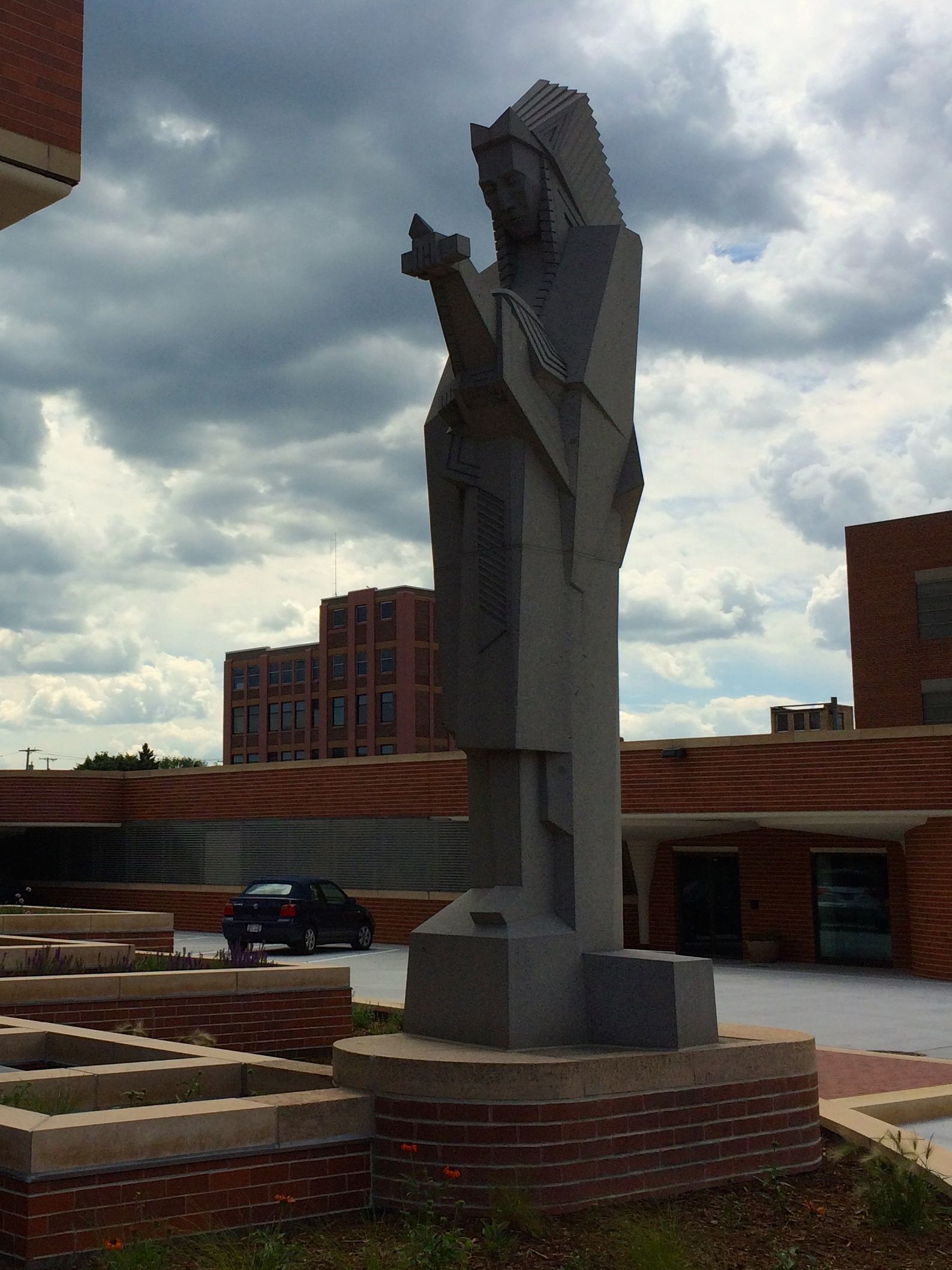
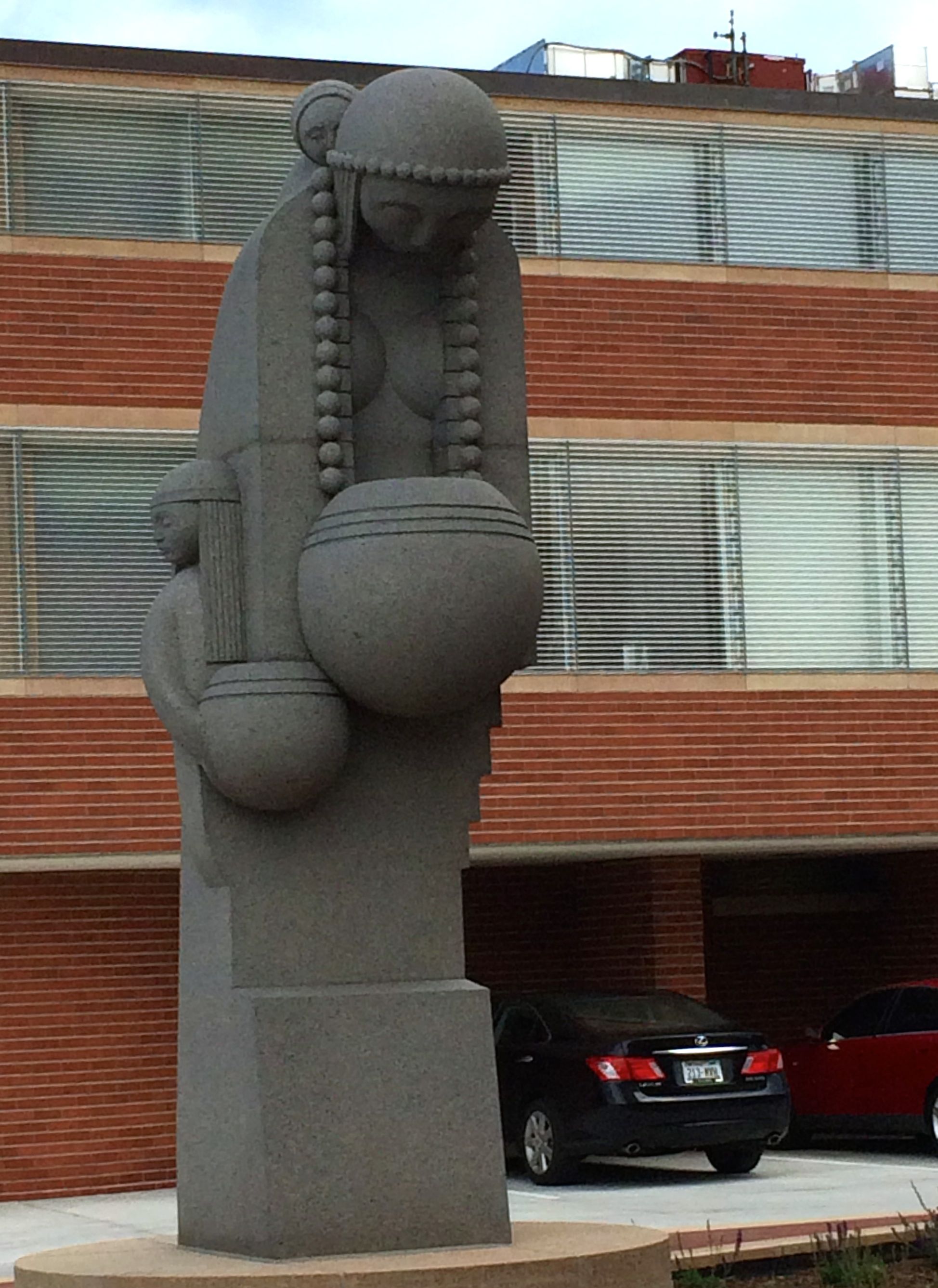
NakomisNakoma
These sculptures, which paid homage to the Winnebago people of the area, were designed by Wright, but not completed until the late 1970’s. They are carved from granite quarried in Cold Spring, Minnesota. Nakomis is nearly 18 feet tall and weighs 40 tons. Nakoma is 12 feet tall and weighs 12 tons.
After our visit to the Research Tower, we went over to Fortaleza Hall. We got to look at a display of Wright’s work taken from the Wasmuth Portfolio, a book of lithographs, which was published in Germany in 1911.
And, of course, exit was through the gift shop.
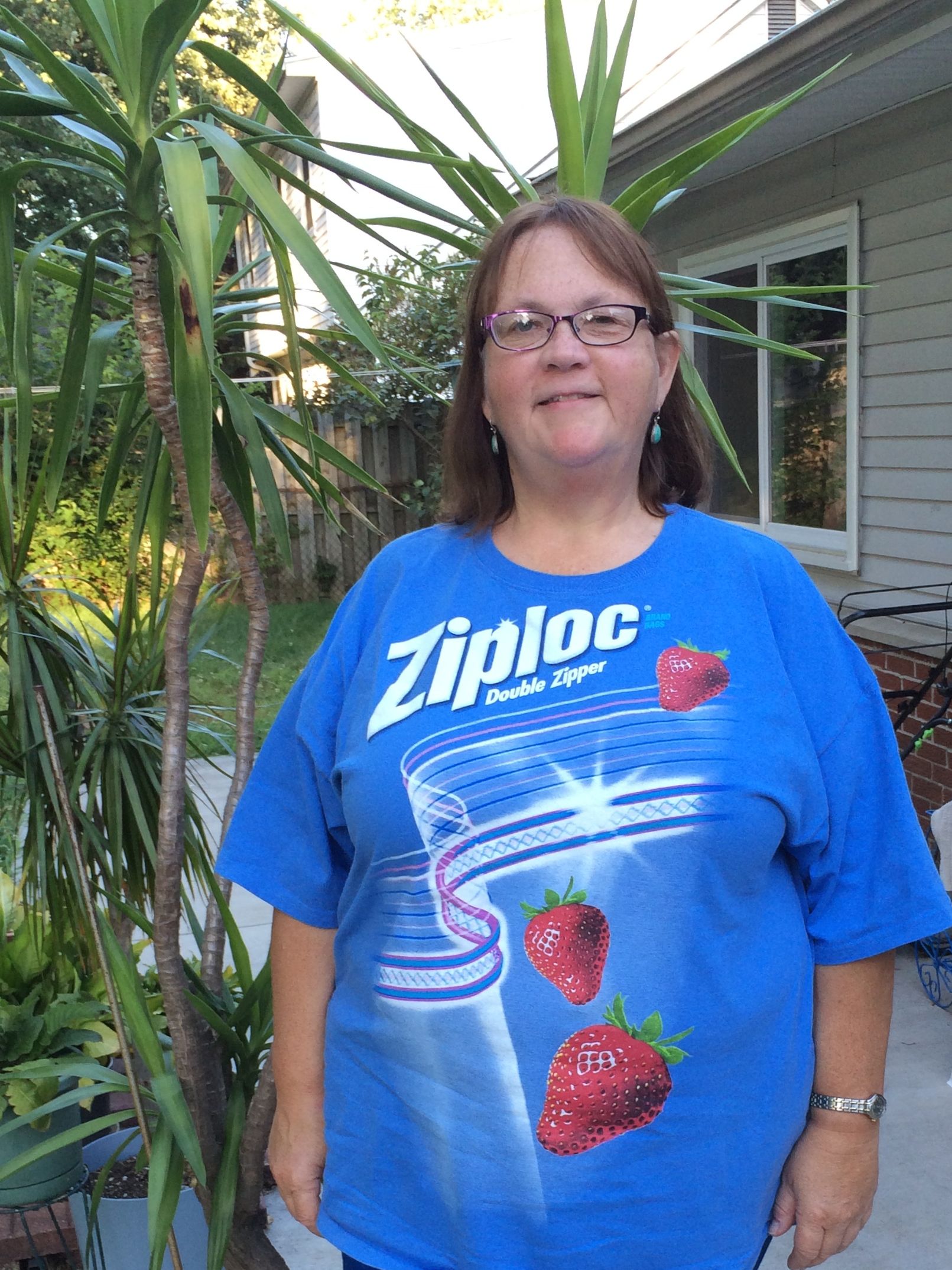
I am a fan of the Ziploc!
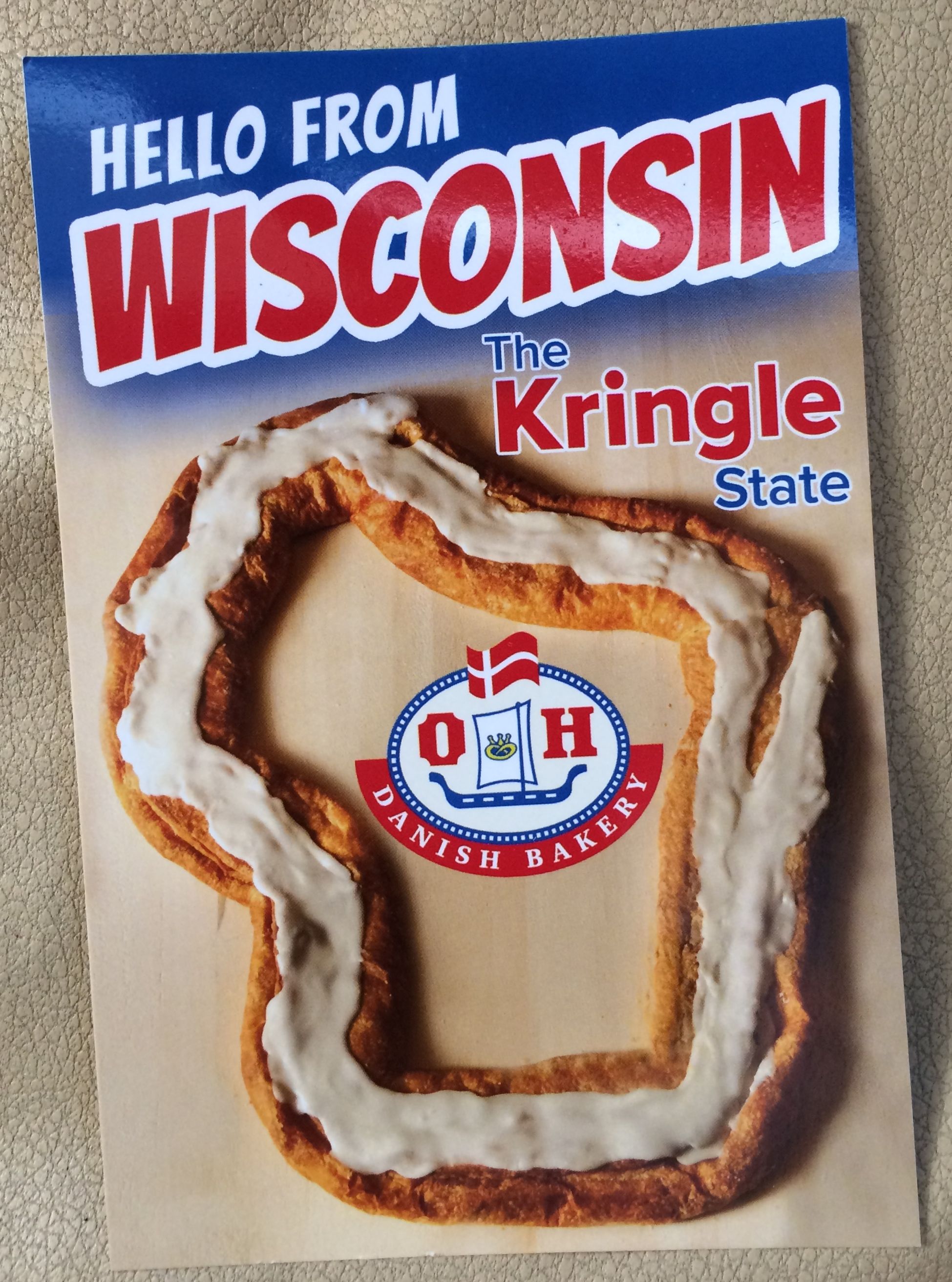
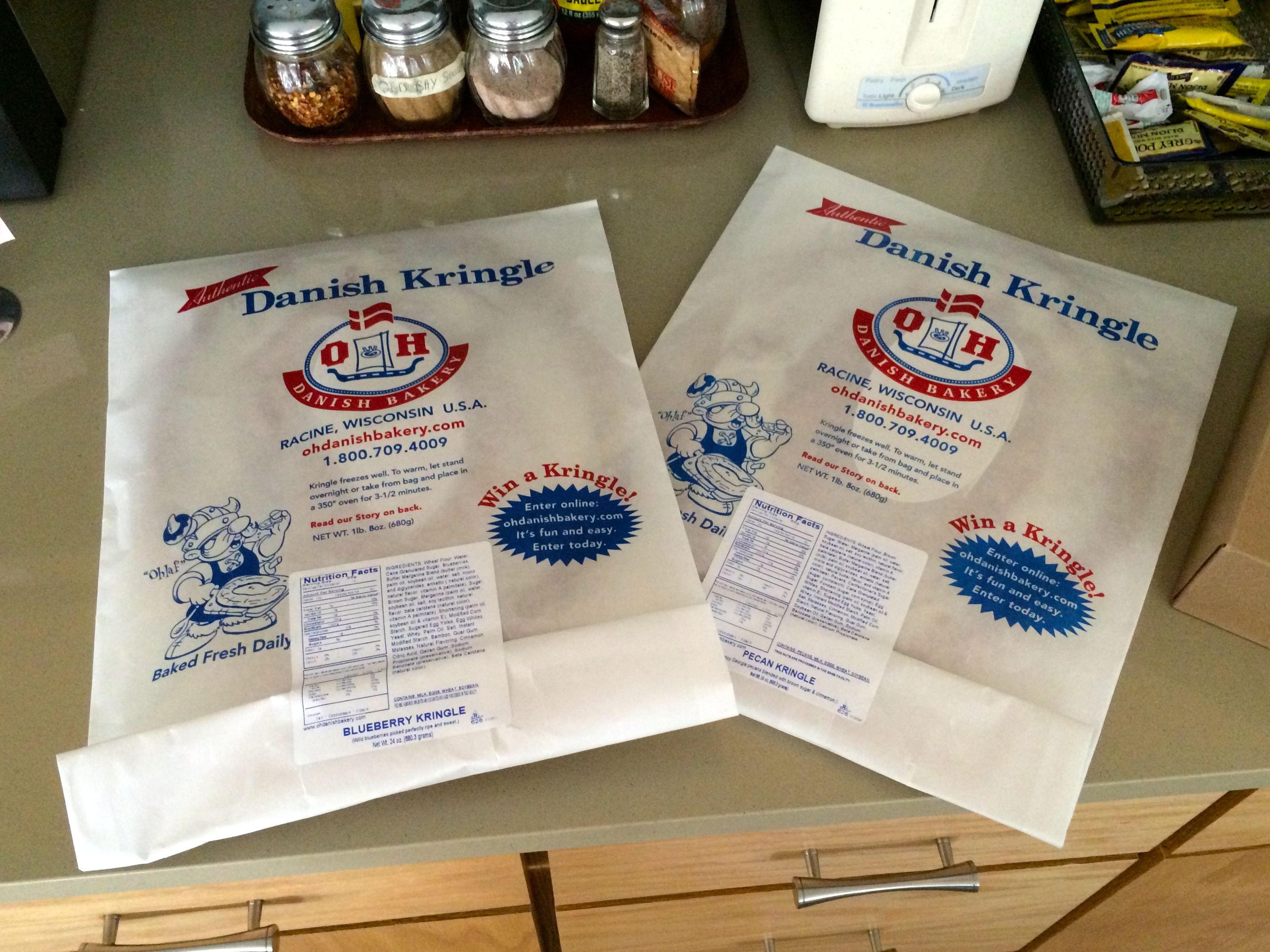
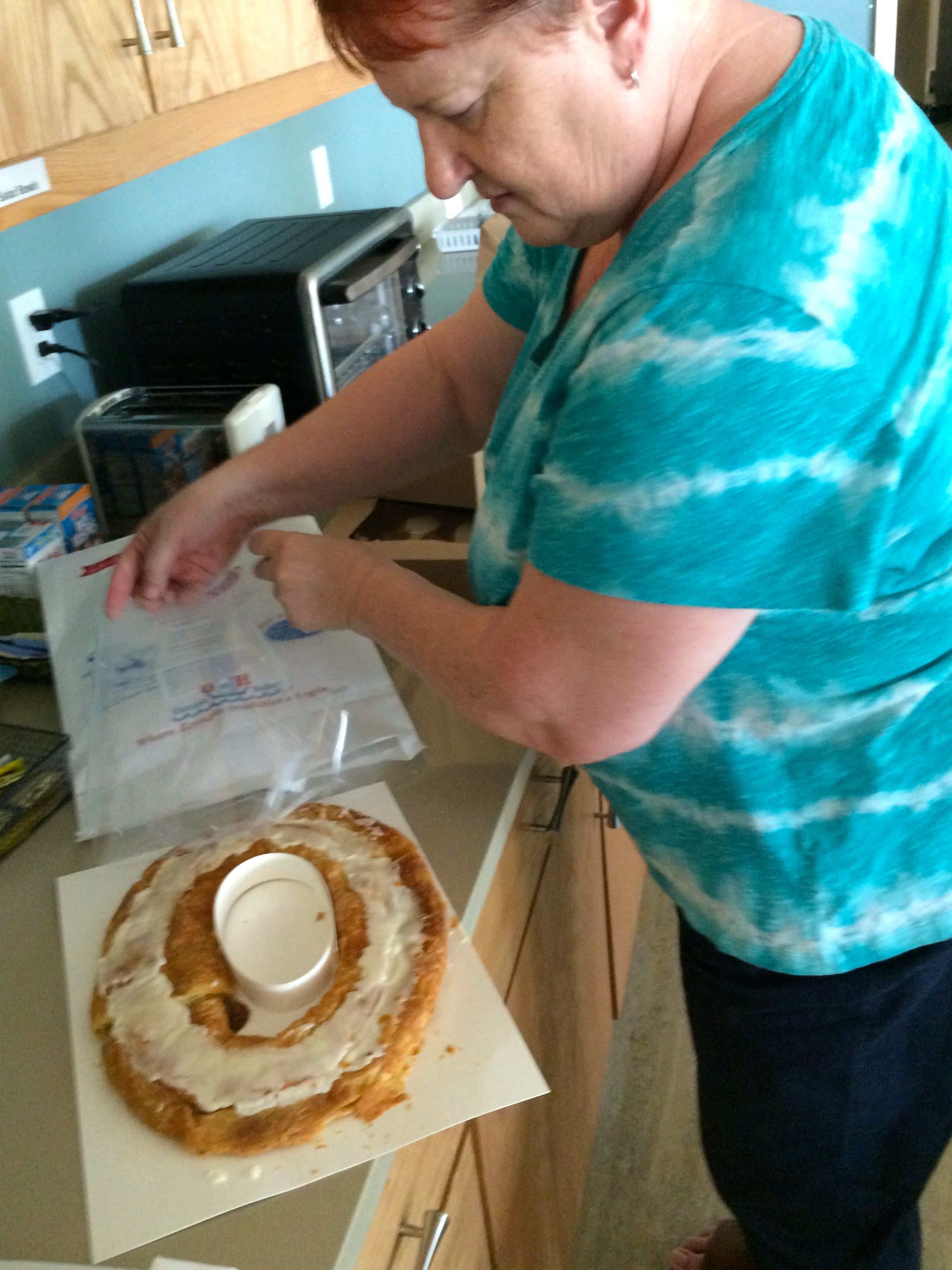
Before Dina and I parted ways, she had to treat me to some wonderful Danish pastry. I am always up for a bit of culture, and I never knew that the Danes had such a strong presence in Wisconsin.
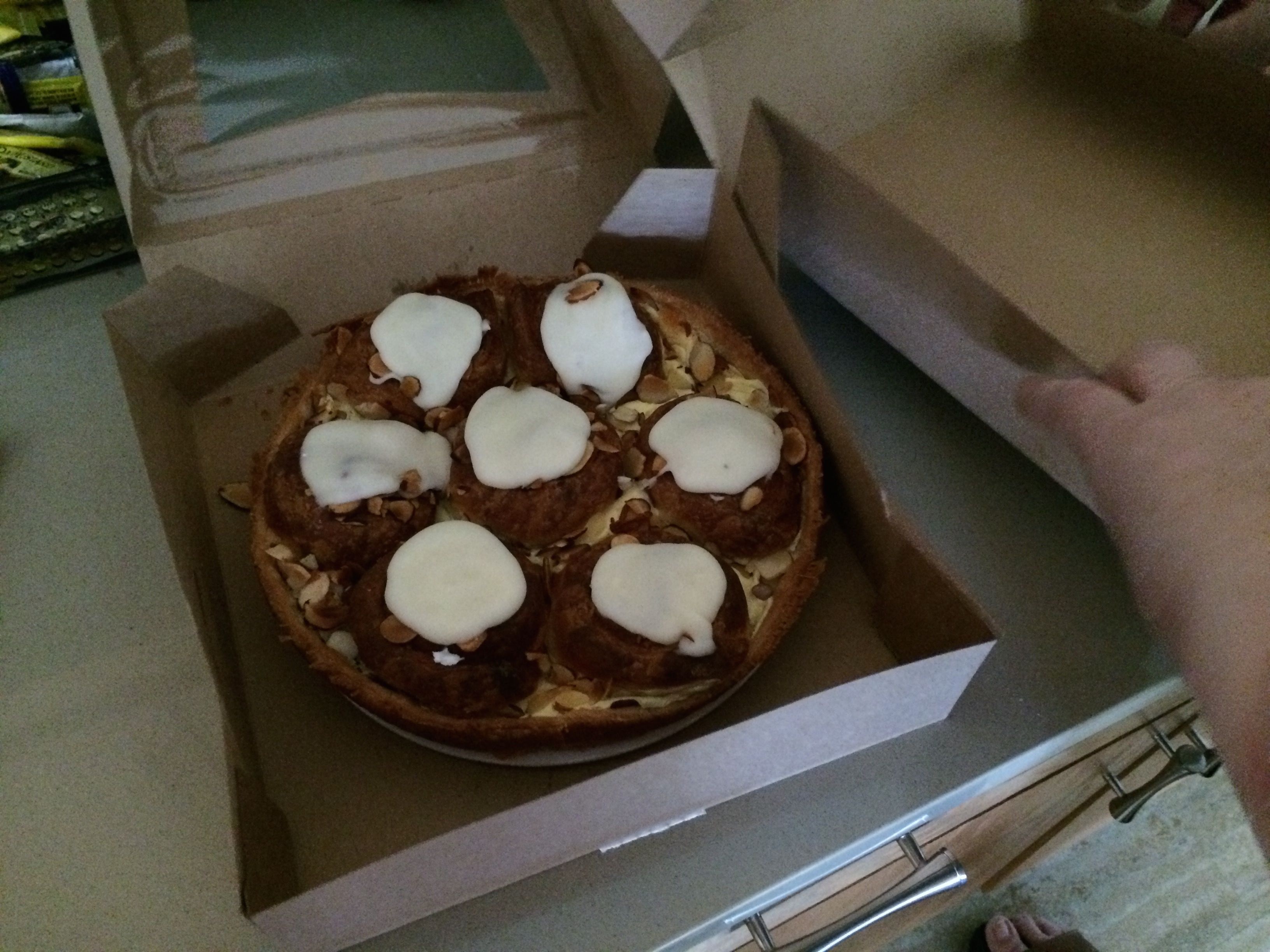
Seven Sisters pastry
We stopped off at her place of employment to pick up Bart, and she made up a lovely box of treats for me to take on my way.
Like many people, I consider myself quite knowledgeable about Frank Lloyd Wright, his life and the evolution of his work. After visiting Taliesin and taking the four hour tour, I realized that I didn’t know as much as I thought.
The tour started at the Wright-designed Visitor Center on the bank of the Wisconsin River. After we met our guide, Cyndi, we boarded the little red bus with Taliesin emblazoned on the side that took us to the first stop on our tour.
I have plenty of exterior shots of the buildings, but interior photography is not permitted. However, there are books and postcards available. Exit through the gift shop.
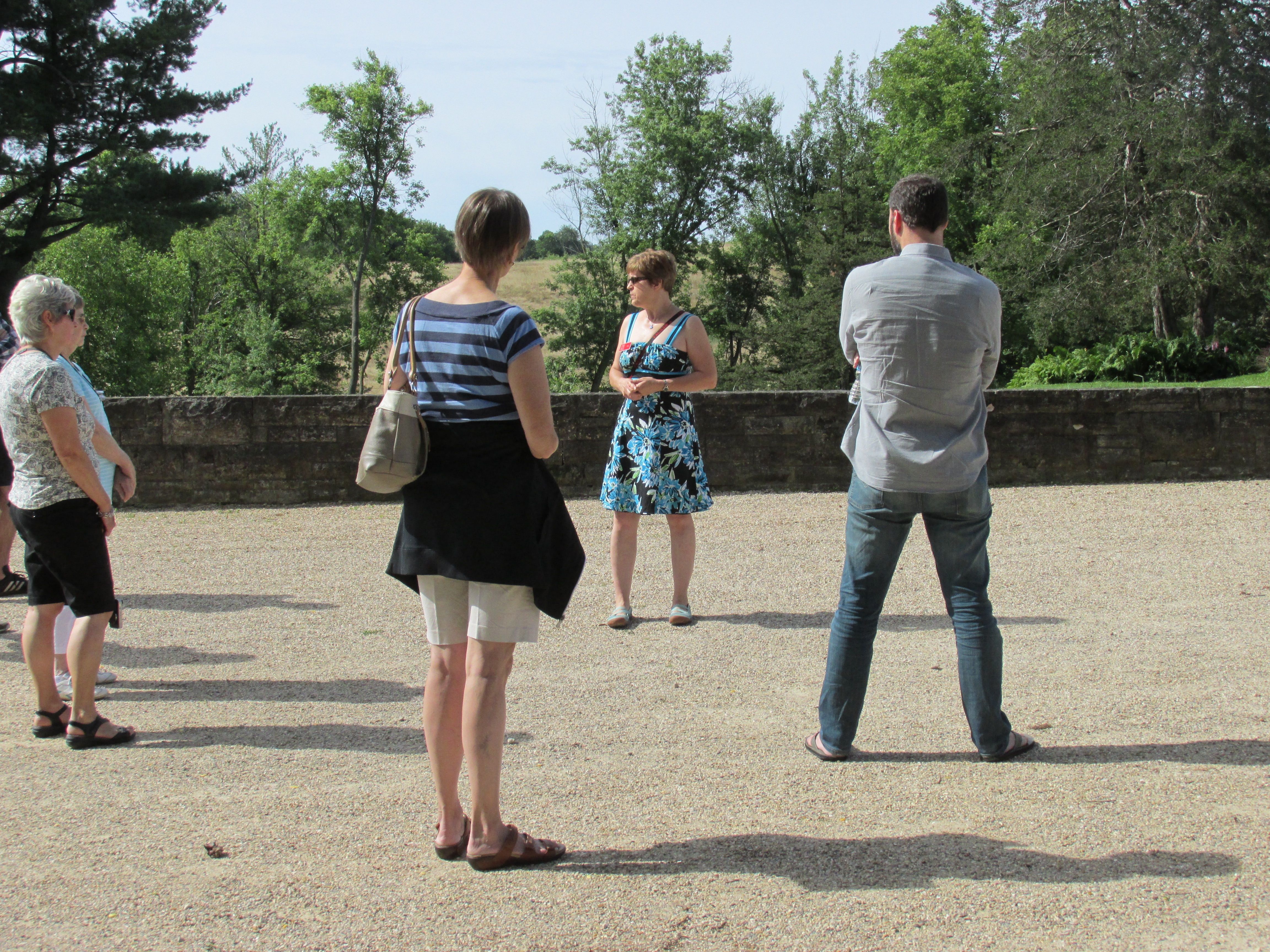
Cyndi, a most excellent tour guide
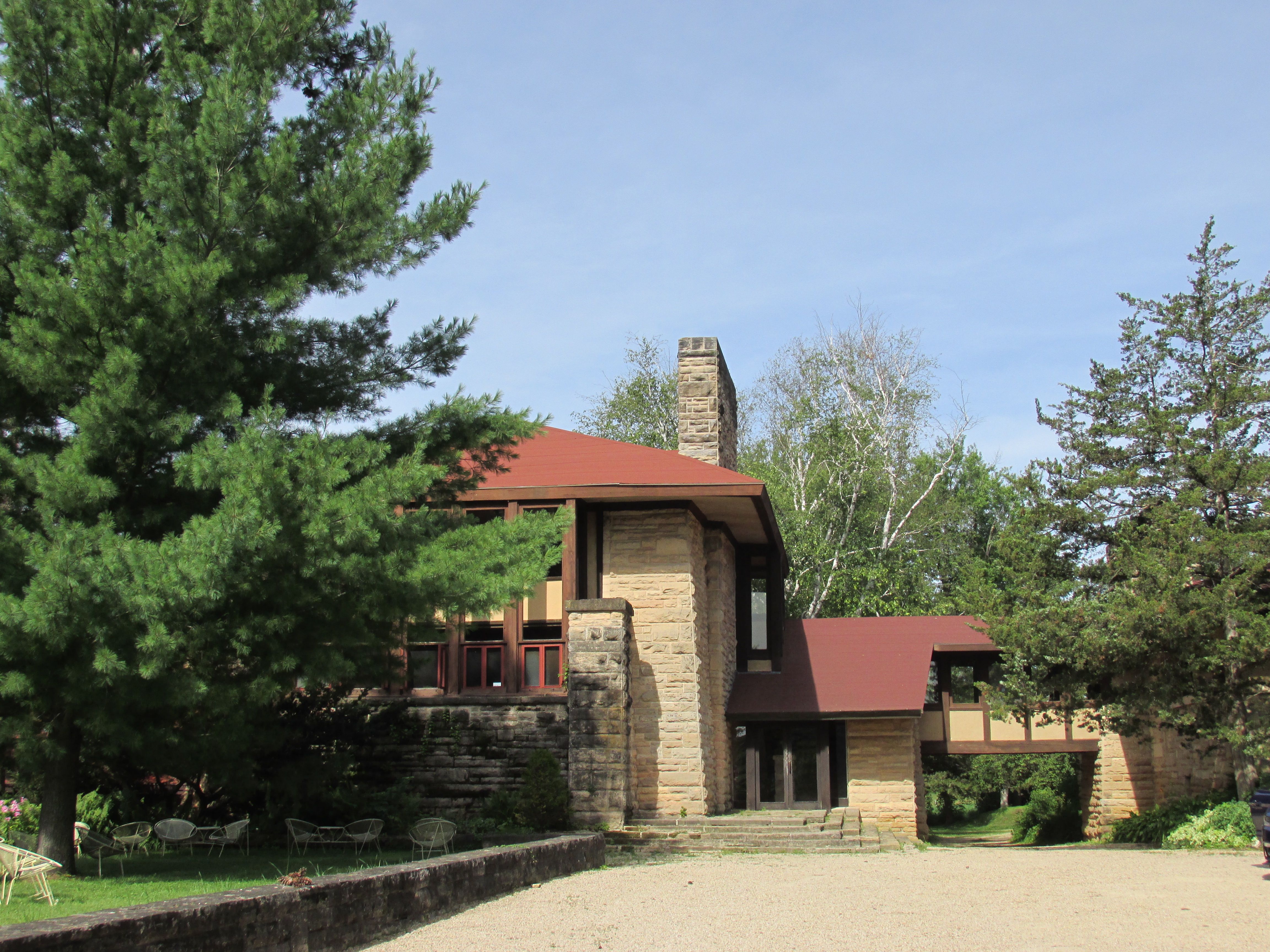
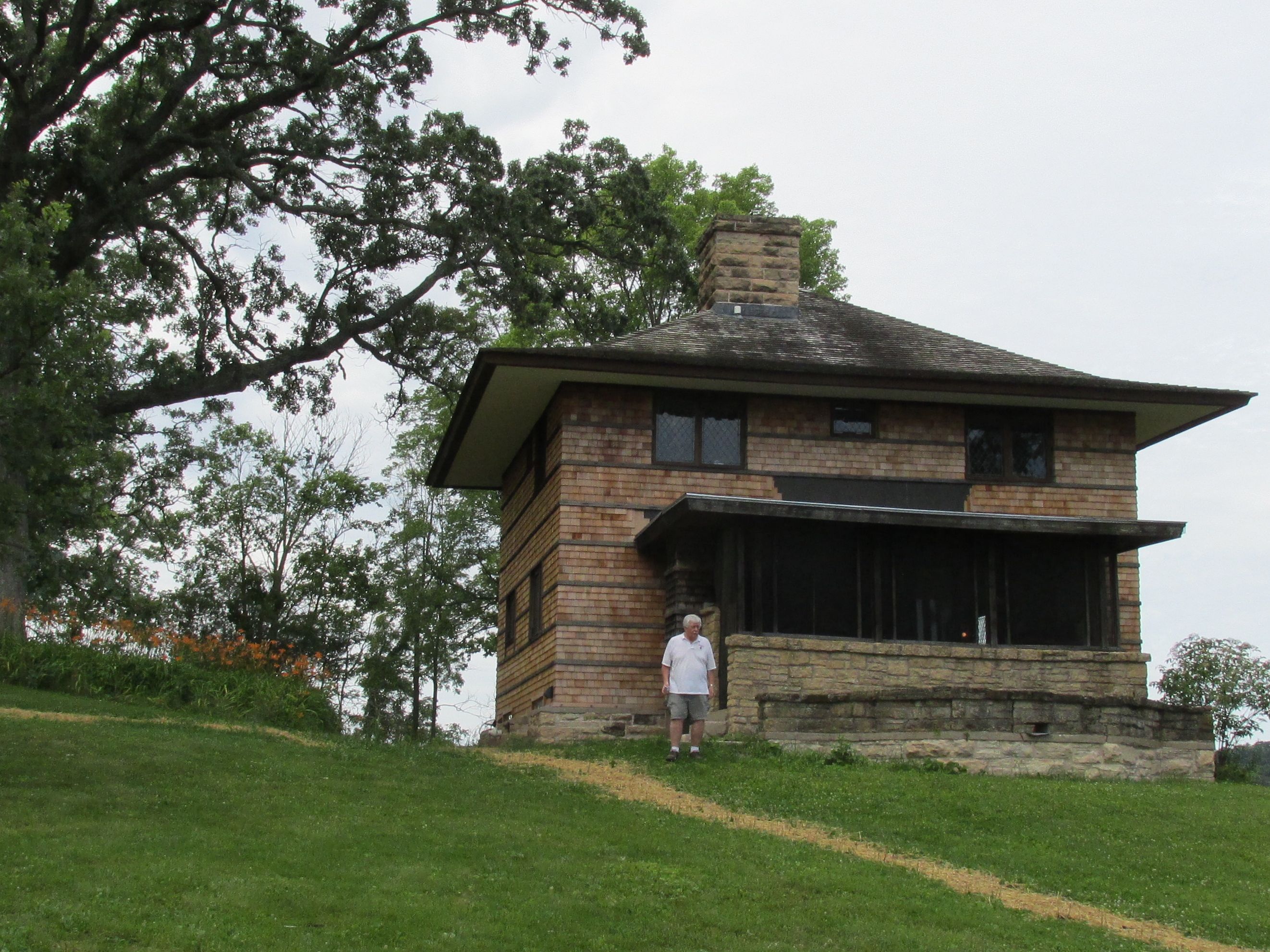
We got off the bus at the Hillside School, which Wright designed for his aunts in 1902. They ran a progressive school that they called Hillside Home School. It was so radical that they even educated boys and girls together. They did a lot of learning by doing, which is the best way to learn – in my humble opinion.
Hillside School
This building replaced an earlier building that Wright had designed for them in 1887. Cyndi showed us the site of the Victorian style building, and told us that it was Wright’s first independent commission.
This was the first building he designed for the school. The second building was a classroom building to the right, across the bridge.
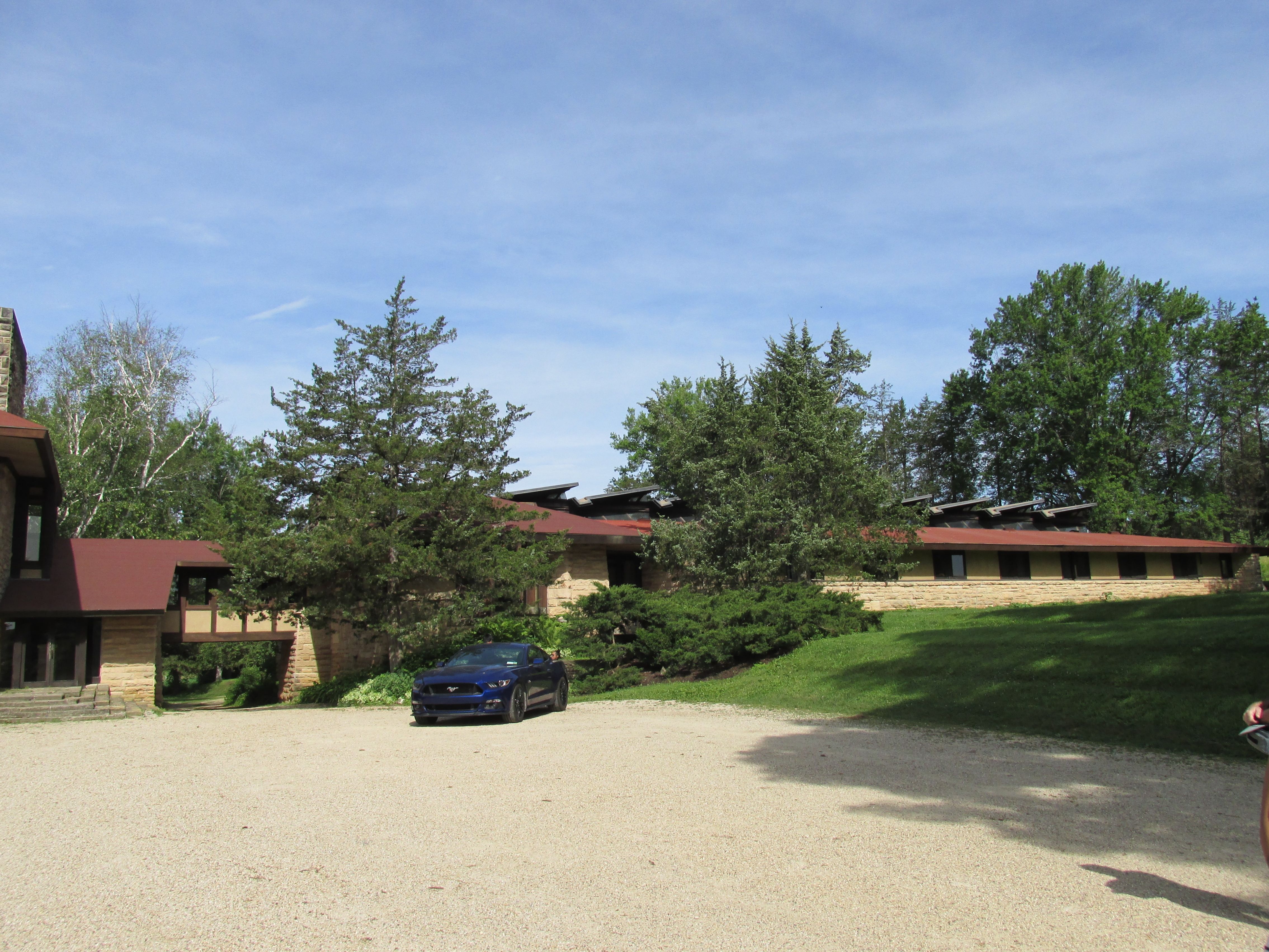
Hillside School, the drafting room wing
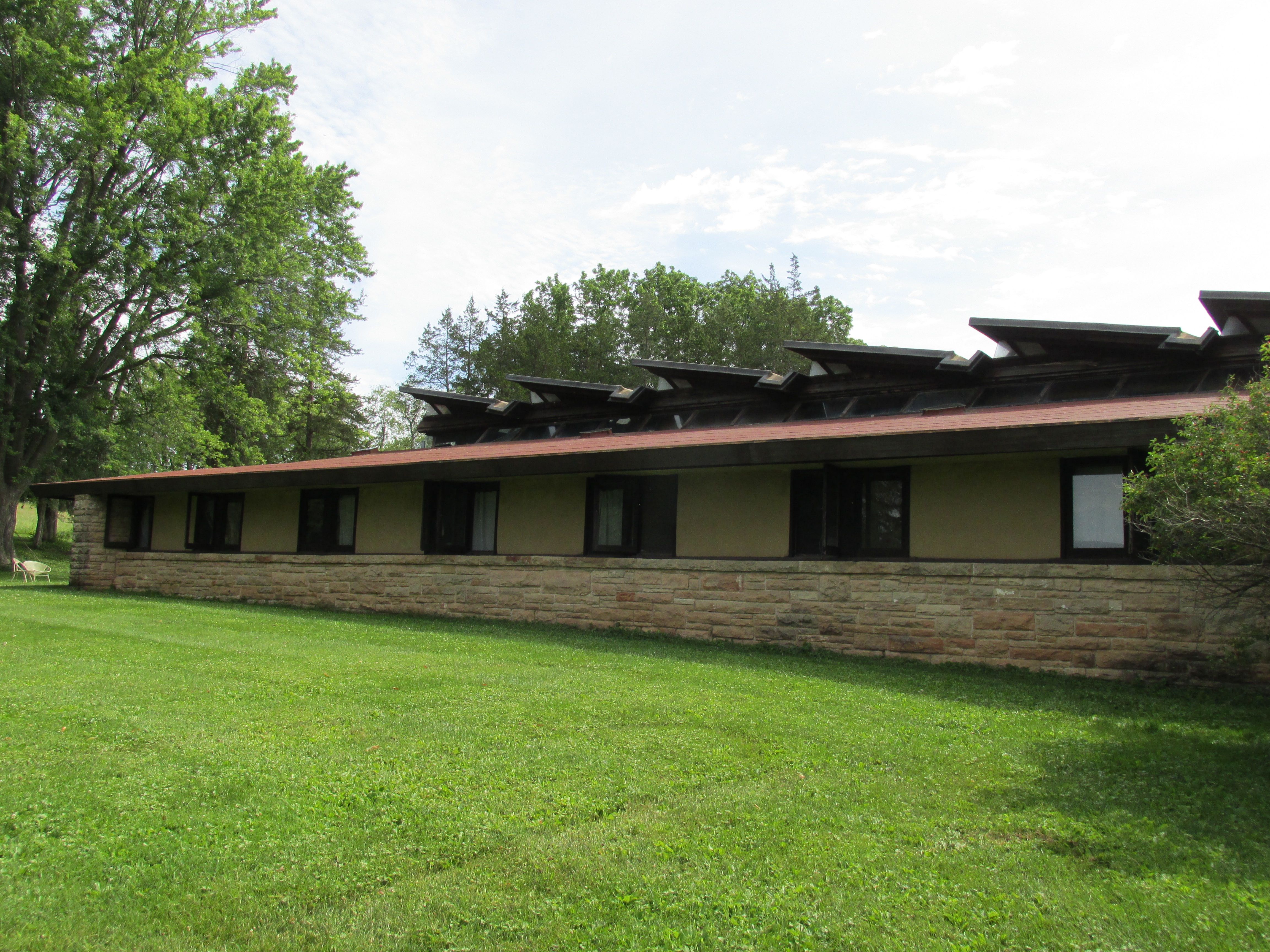
The school is now the summer home of the Taliesin Architecture School, and the drafting room and bedrooms have been added on to the classroom building. The drafting room is lit by the skylights; the windows on the sides of the building are for the students’ bedrooms.
The interior of the drafting room is amazing in its construction. The trusses and rafters support the roof in a way that is reminiscent of a forest. The skylights on the roof face north, to provide even light. There are also windows to the east and west on this wing.
West side of the drafting room
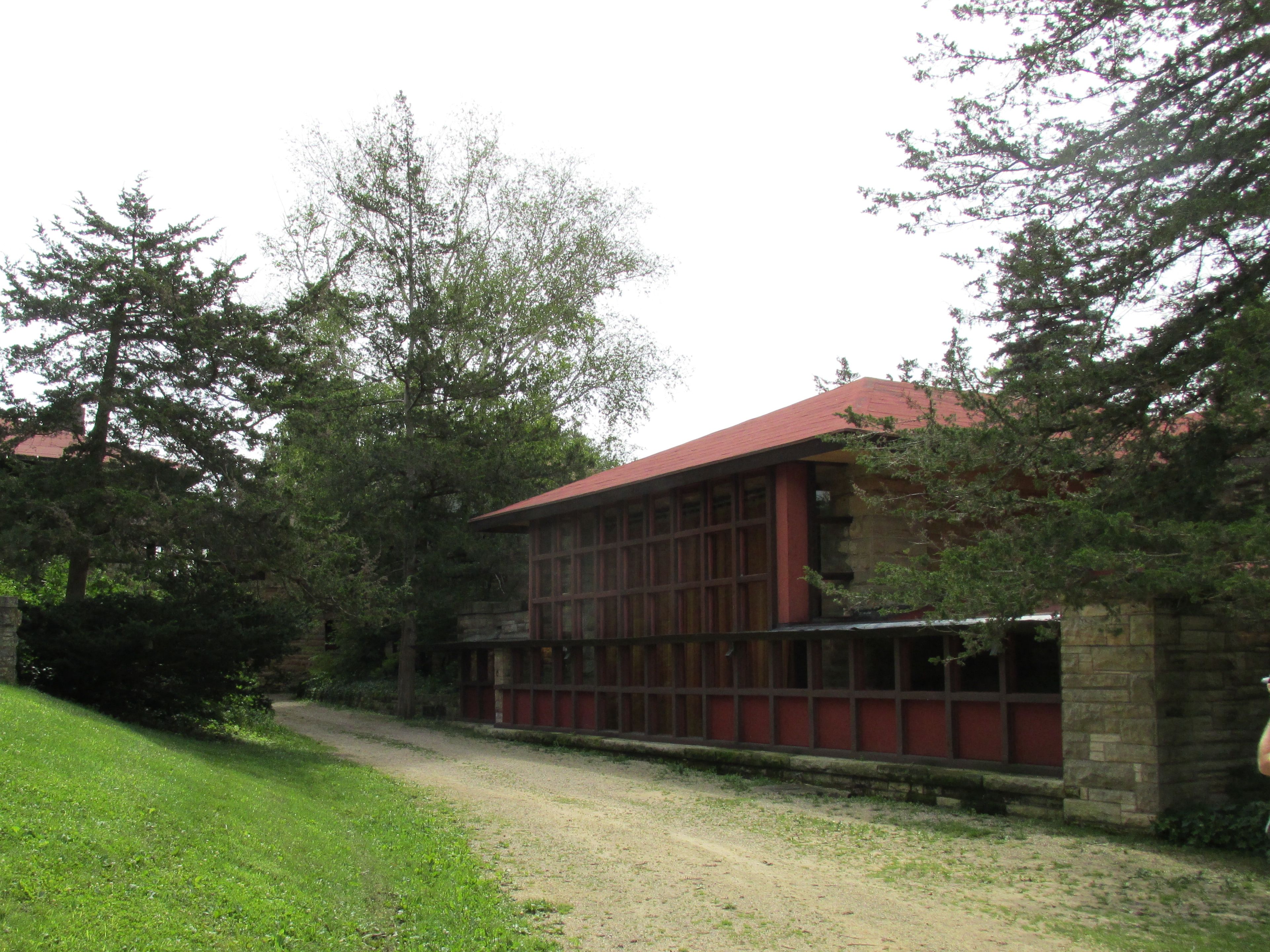
The last building in this complex originally built as a gymnasium, but is now used as a theater.
Hillside Theater
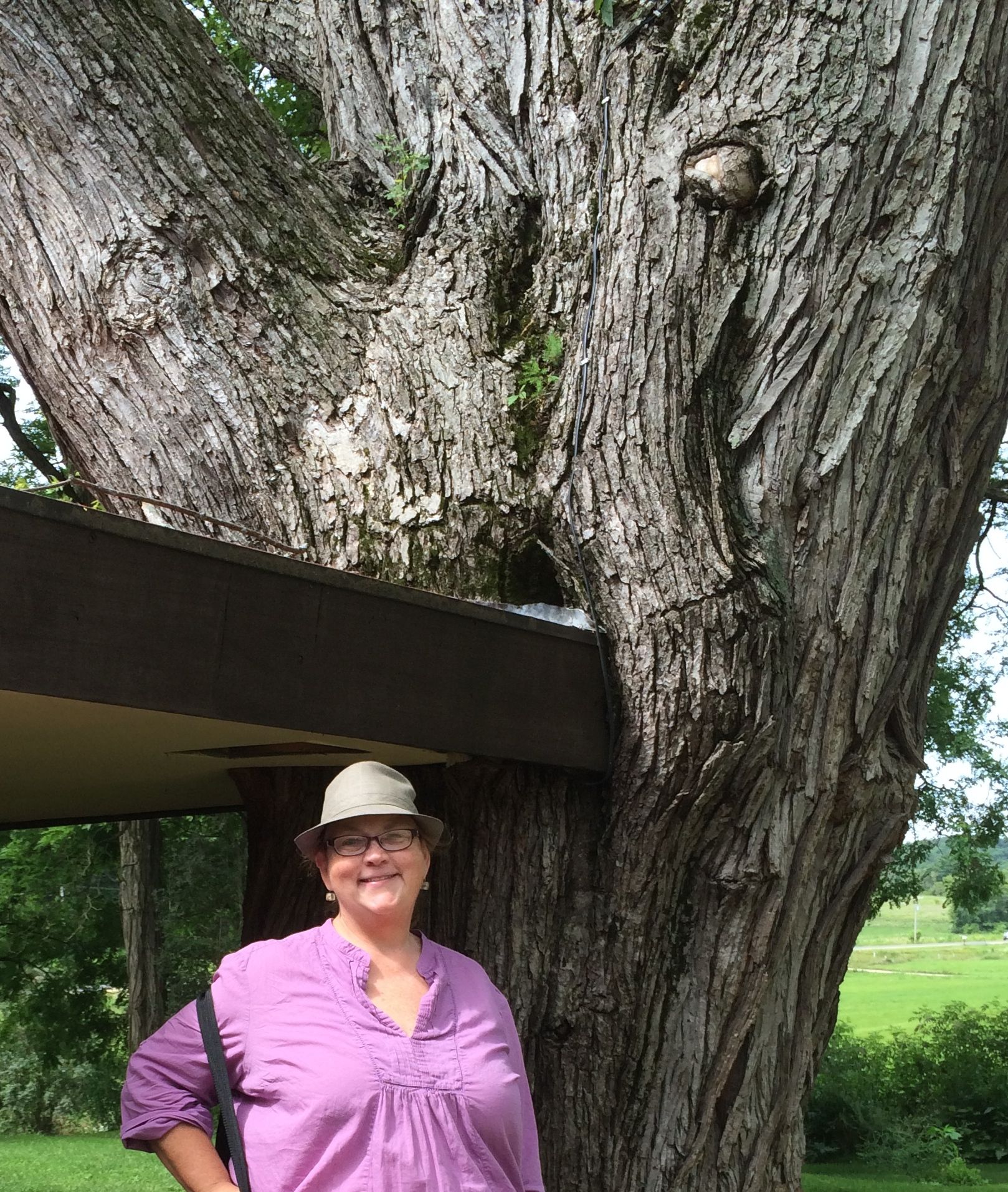
One interesting feature is a tree that is growing right by the roof overhang. A tree that was planted by one of Wright’s uncles was growing there, and it was allowed to stay. Cyndi told us that it reflected Wright’s attitude that he was designing for now. Problems were in the realm of the future and would be worked out later.
Build for the present. Let the future take care of itself.
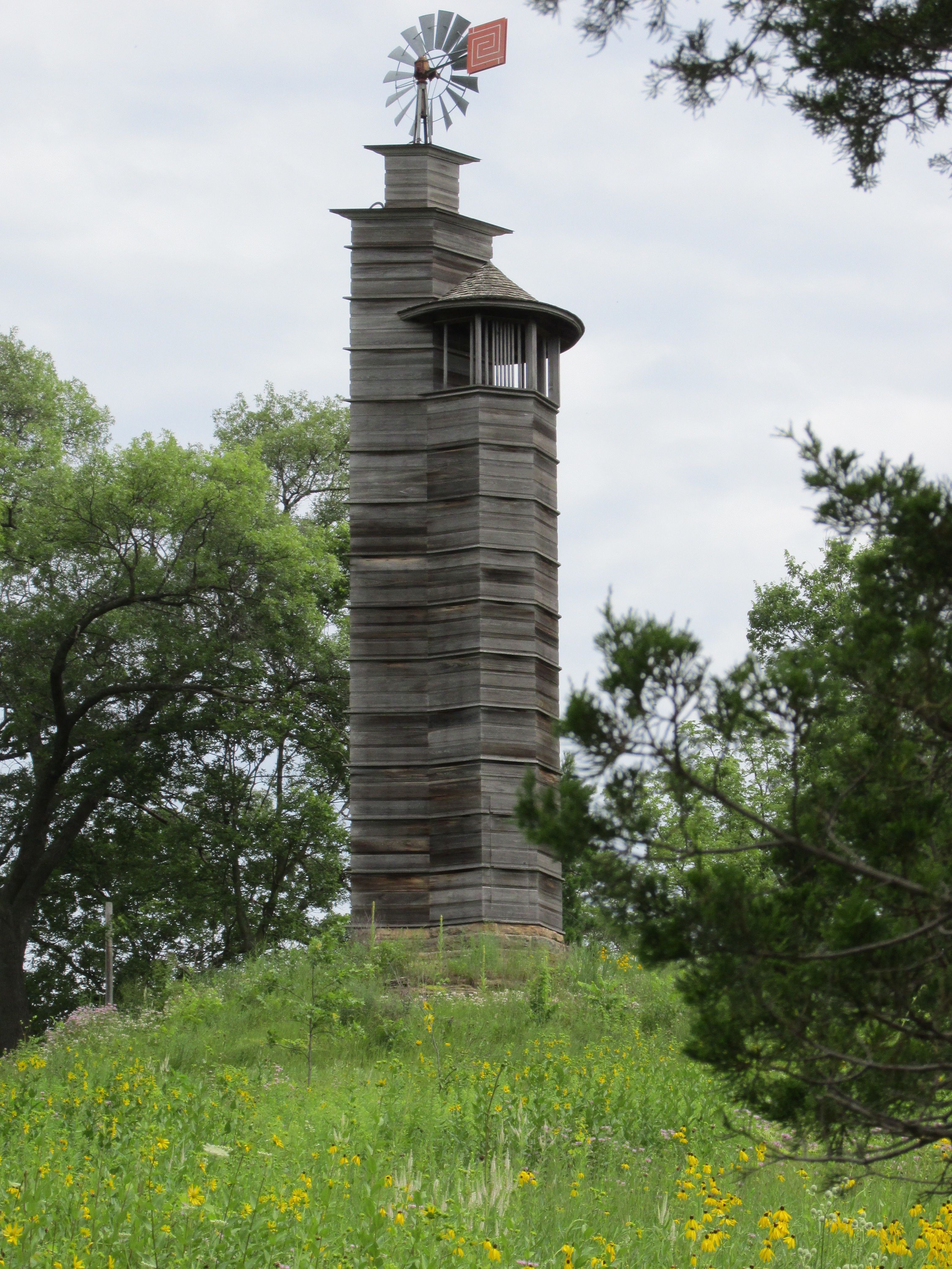
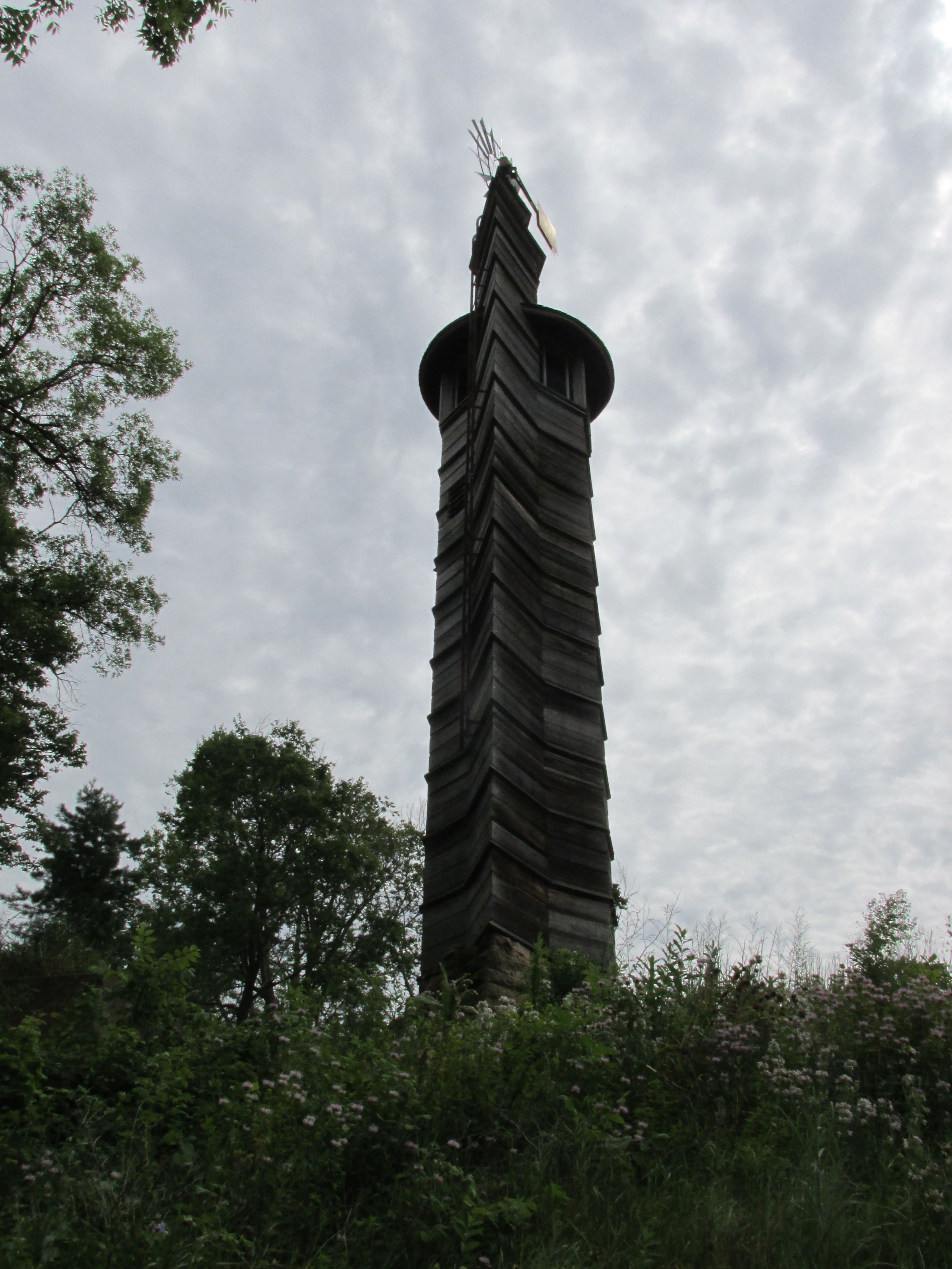
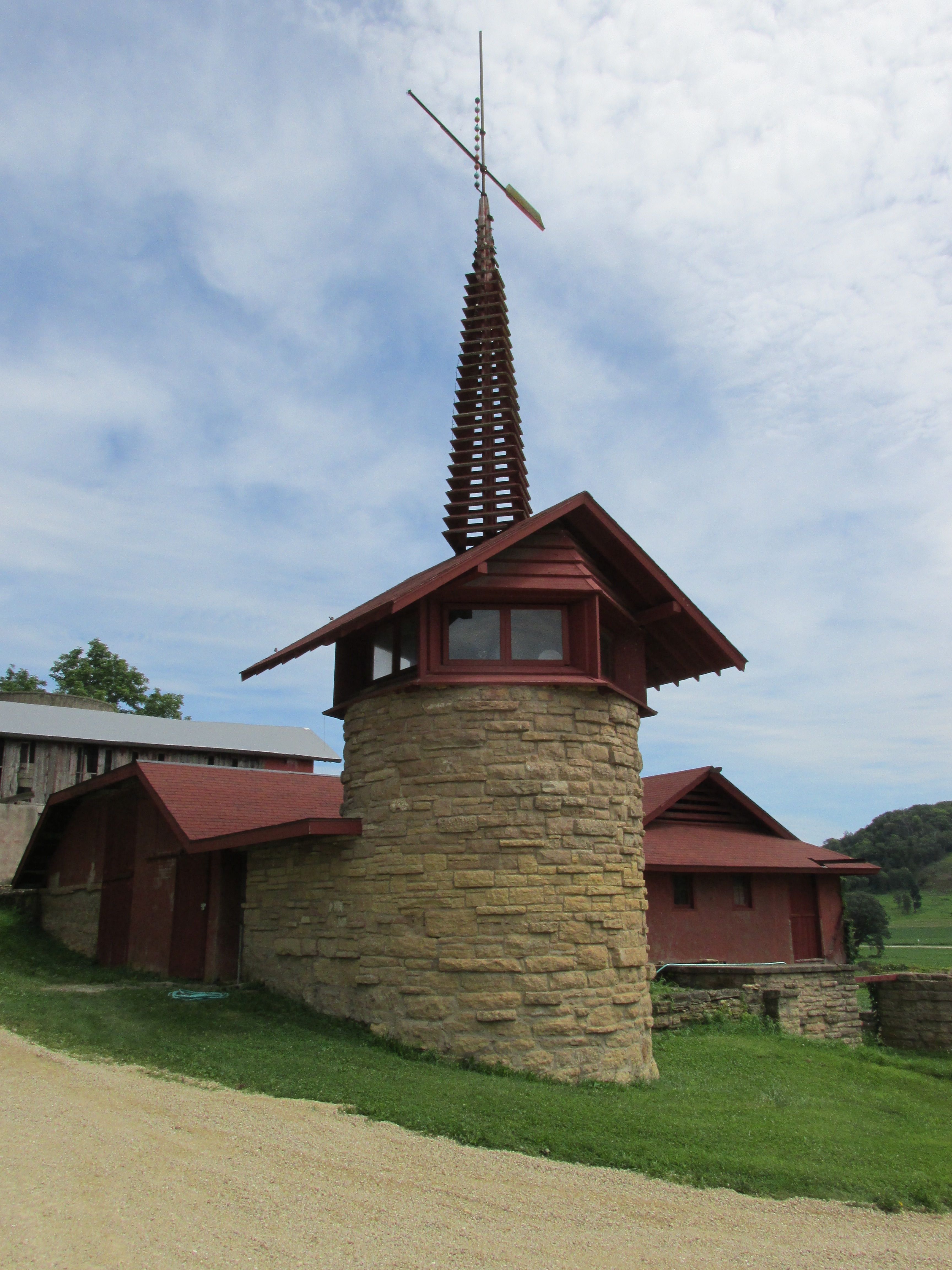
The next commission he received on the family land was the Romeo and Juilet Tower.
The name came from the method of construction. Cyndi told us that it referred to the diamond and hexagonal shapes that interlocked to make the tower strong.
This side operated like the prow of a ship, facing into the prevailing direction of the wind. The wind pressure served to make the structure stronger.
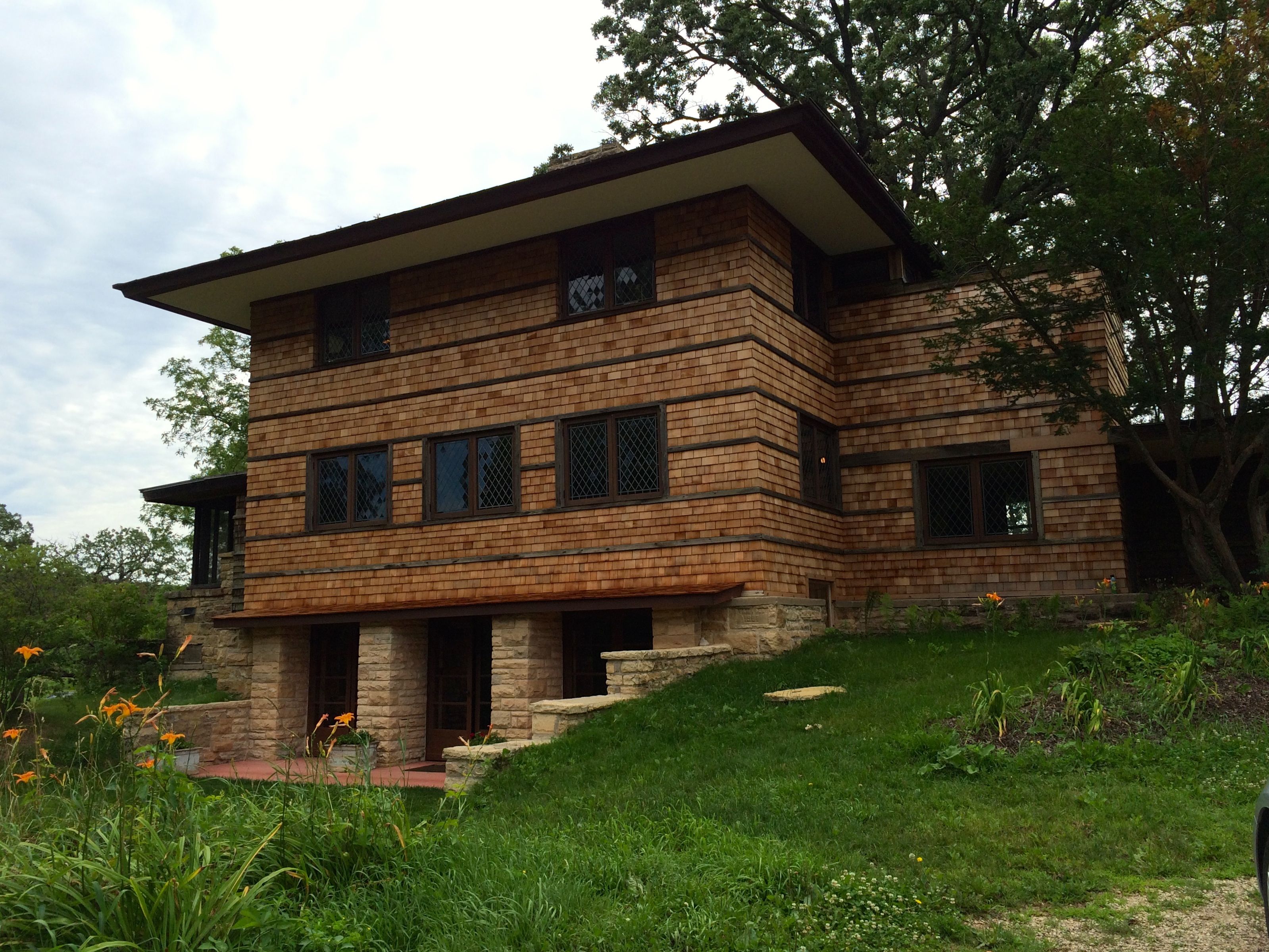
Porter House entrance
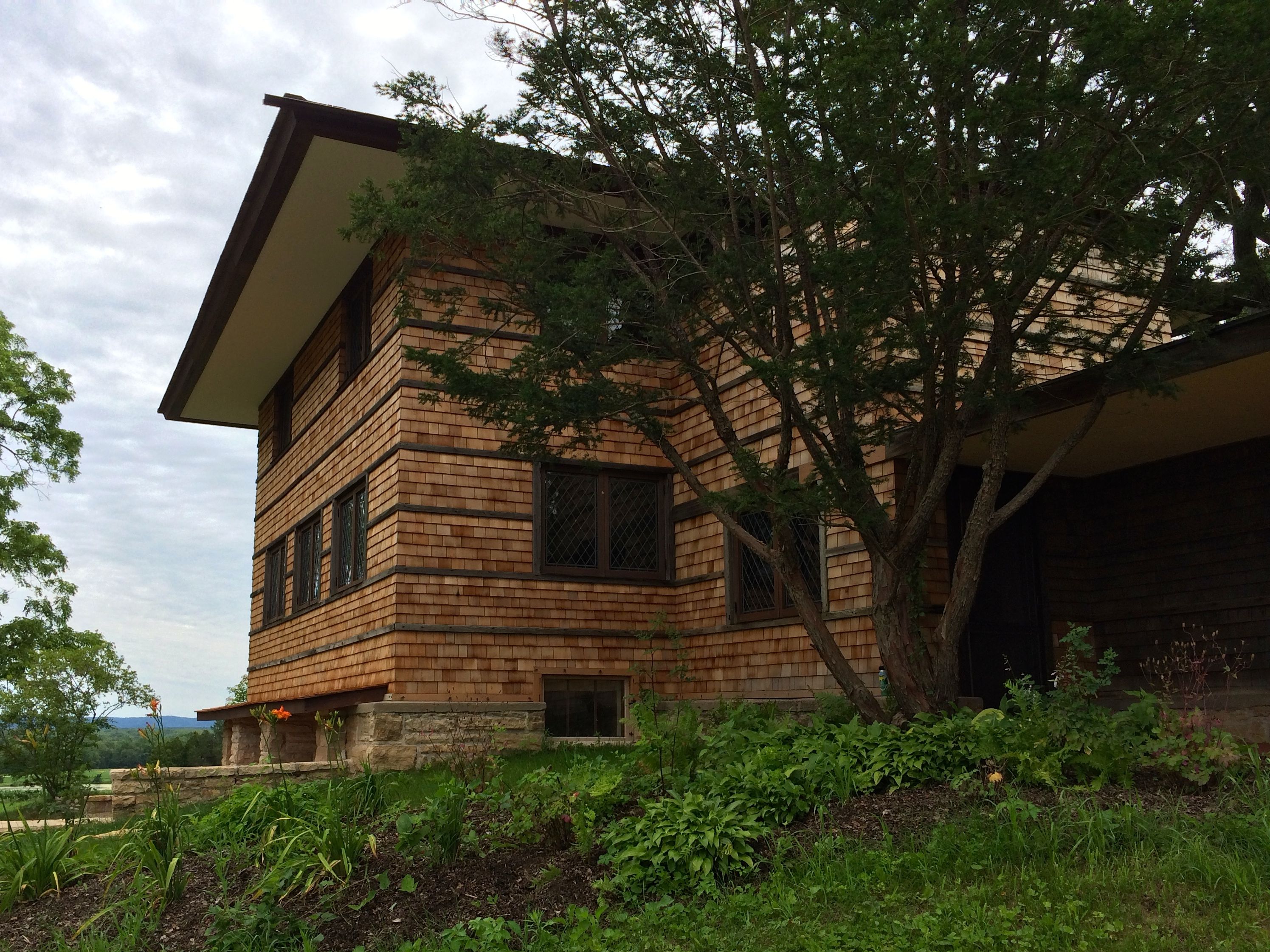
The next stop on our tour was Tan-Y-Deri, which Wright designed for his sister, Jane Porter, and her husband. The name is Welsh for “under the oaks.” She saw the design for his $5000 fireproof house that was published in The Ladies Home Journal in 1907 and wanted to build it. Wright refused. He told her that he would design a house that would fit the land.
The family added an apartment in a mechanical area. Cyndi told us that Wright was incensed about the addition of the apartment, as it added vertical elements that disrupted the flow of the horizontal.
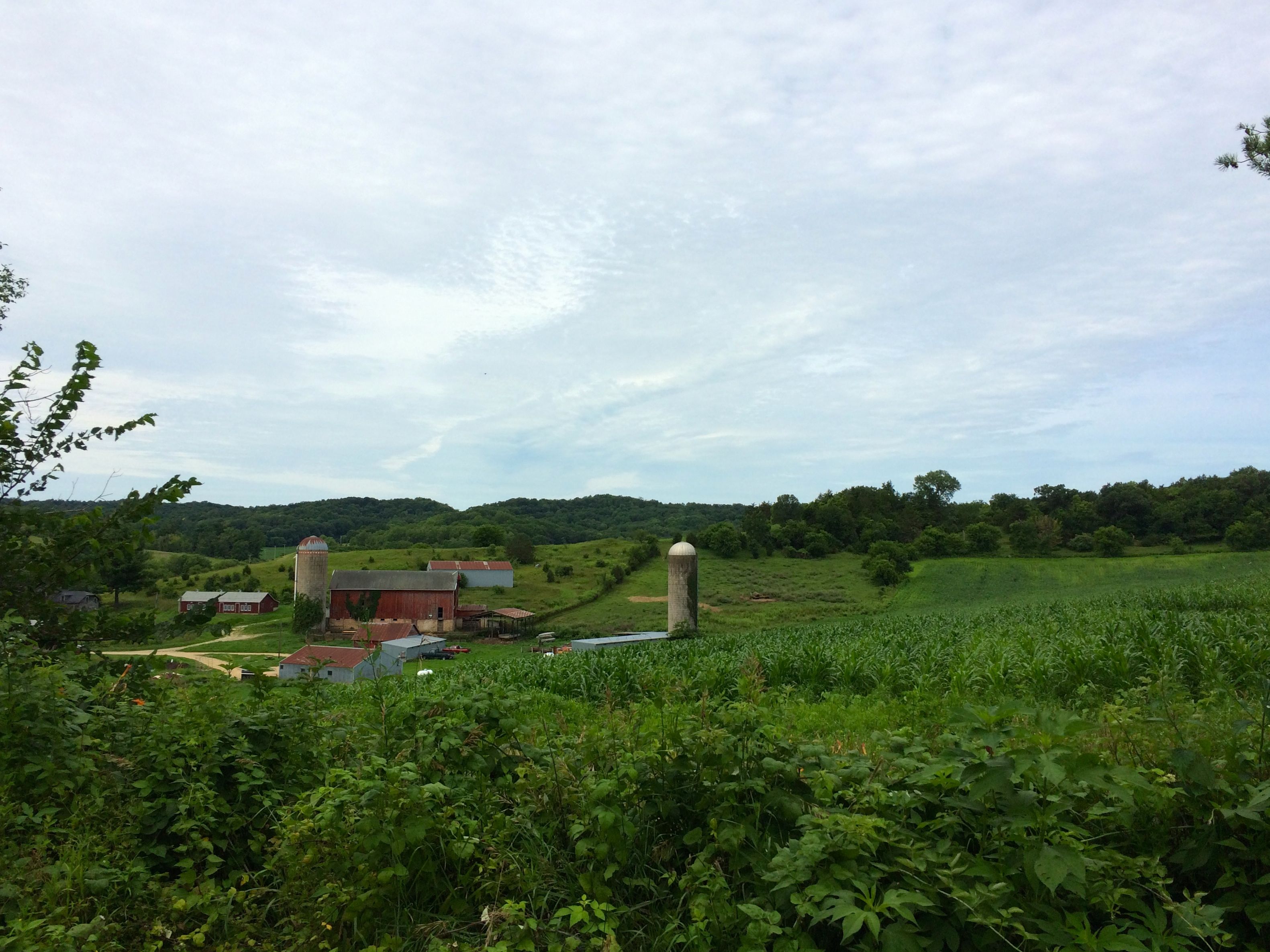
The view from Tan-Y-Deri
We were fortunate in that we were able to enter the public areas of the main floor. This is the first year it has been open for visits. Taliesin fellows live here – and in many of the buildings here. The preservations and renovation work is continuing, as it is with all of the buildings at Taliesin.
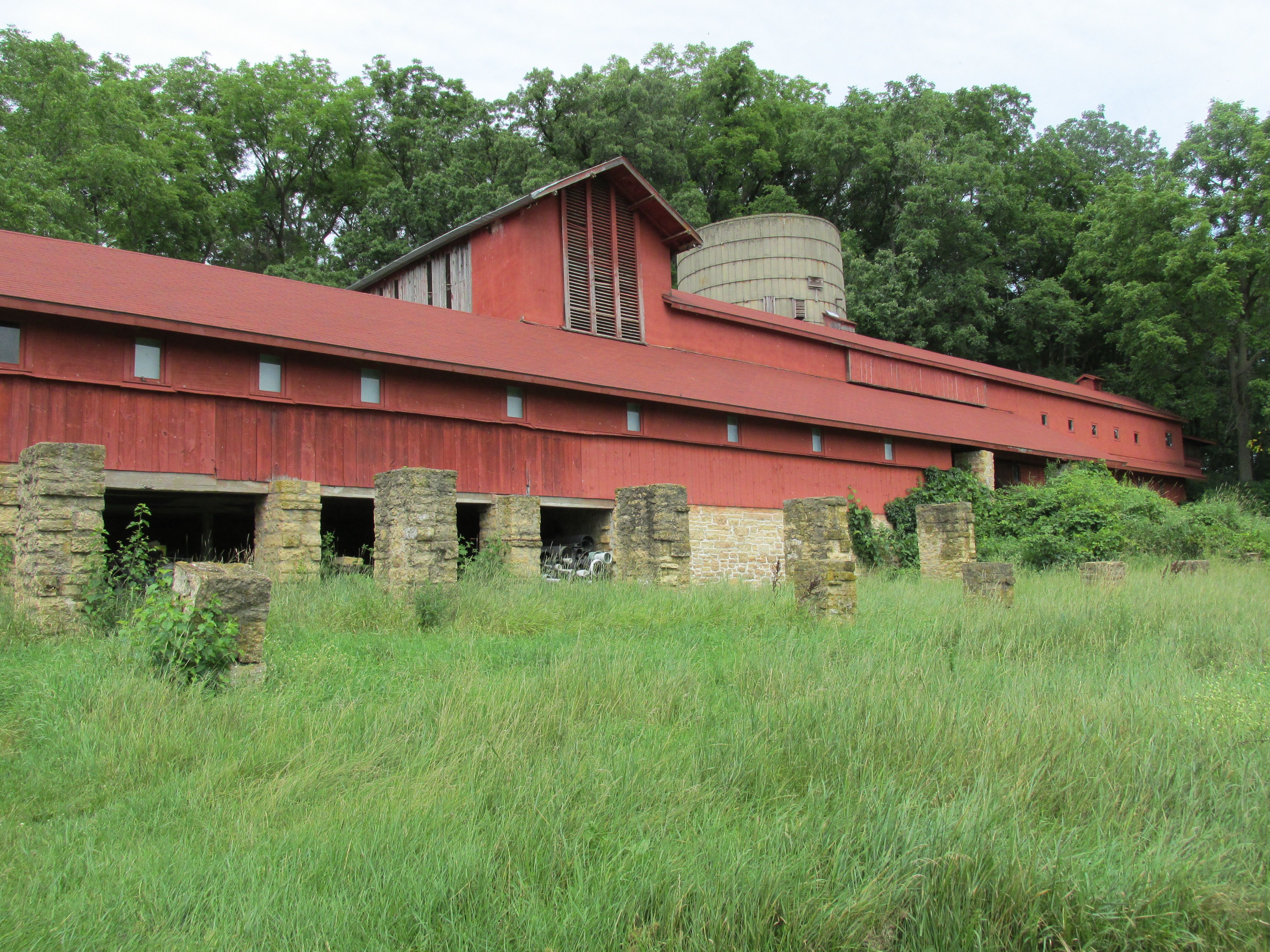
We continued on our track across the property. Next stop was The Farm.
The milling parlor
It was difficult to get a view of the total. Wright had designed The Farm as a system where the farmers would be able to care for the animals without having to go outside.
The chicken coop
After The Farm, it was on to the main attraction: Taliesin!
After a couple of hours of cross-country trekking, we were offered a light refreshment on the patio.
A shot from the patio during the coffee break
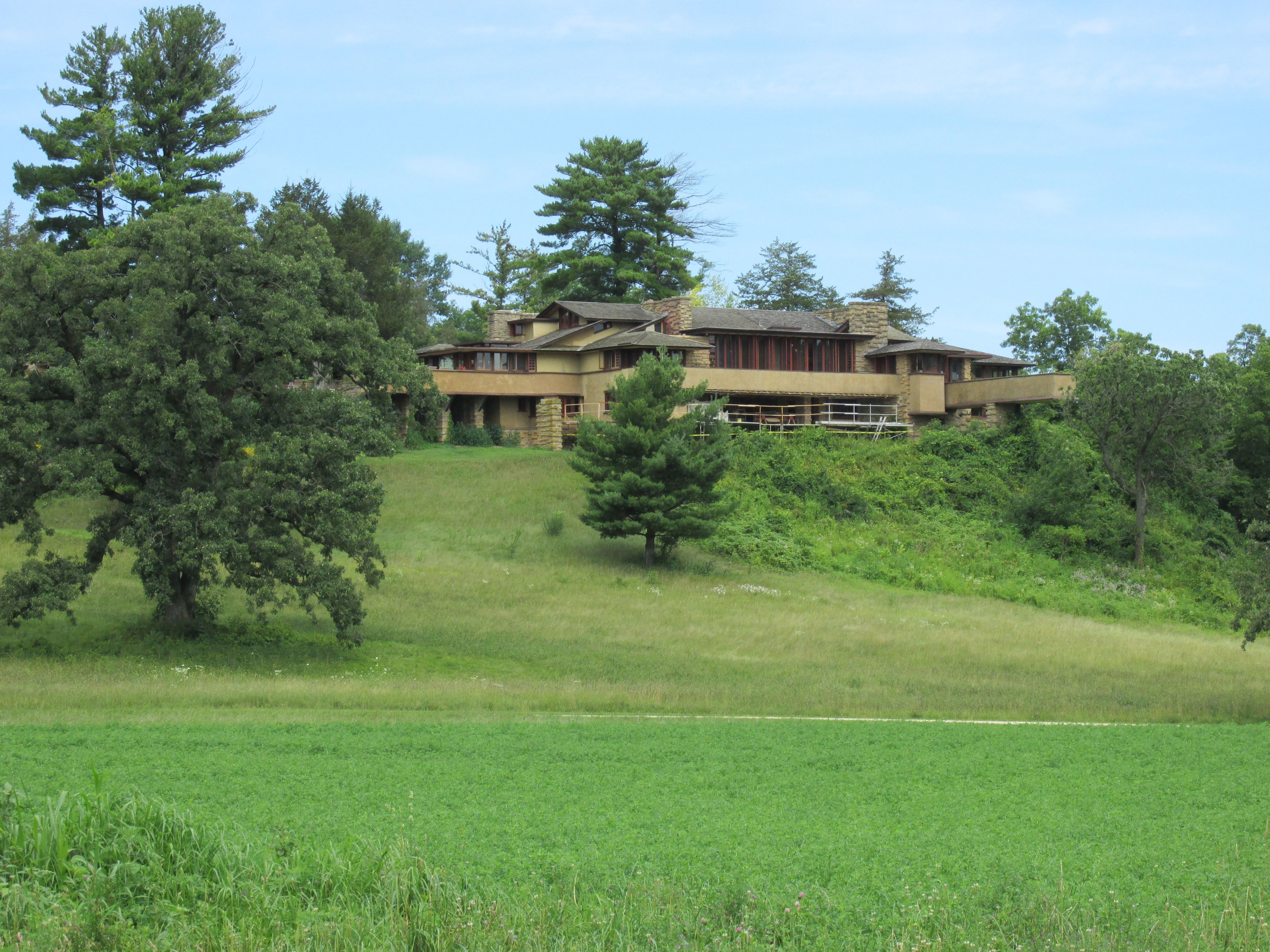
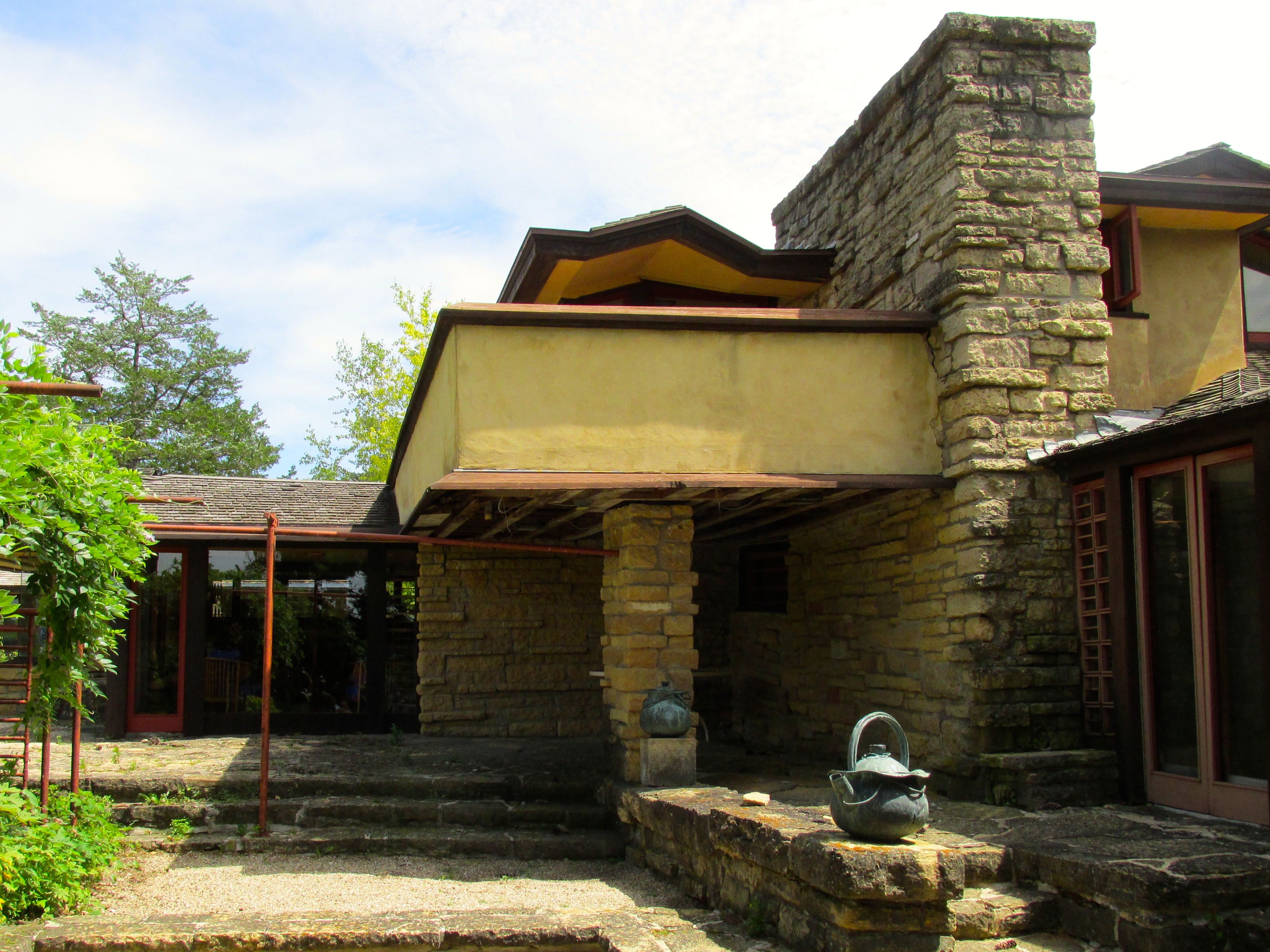
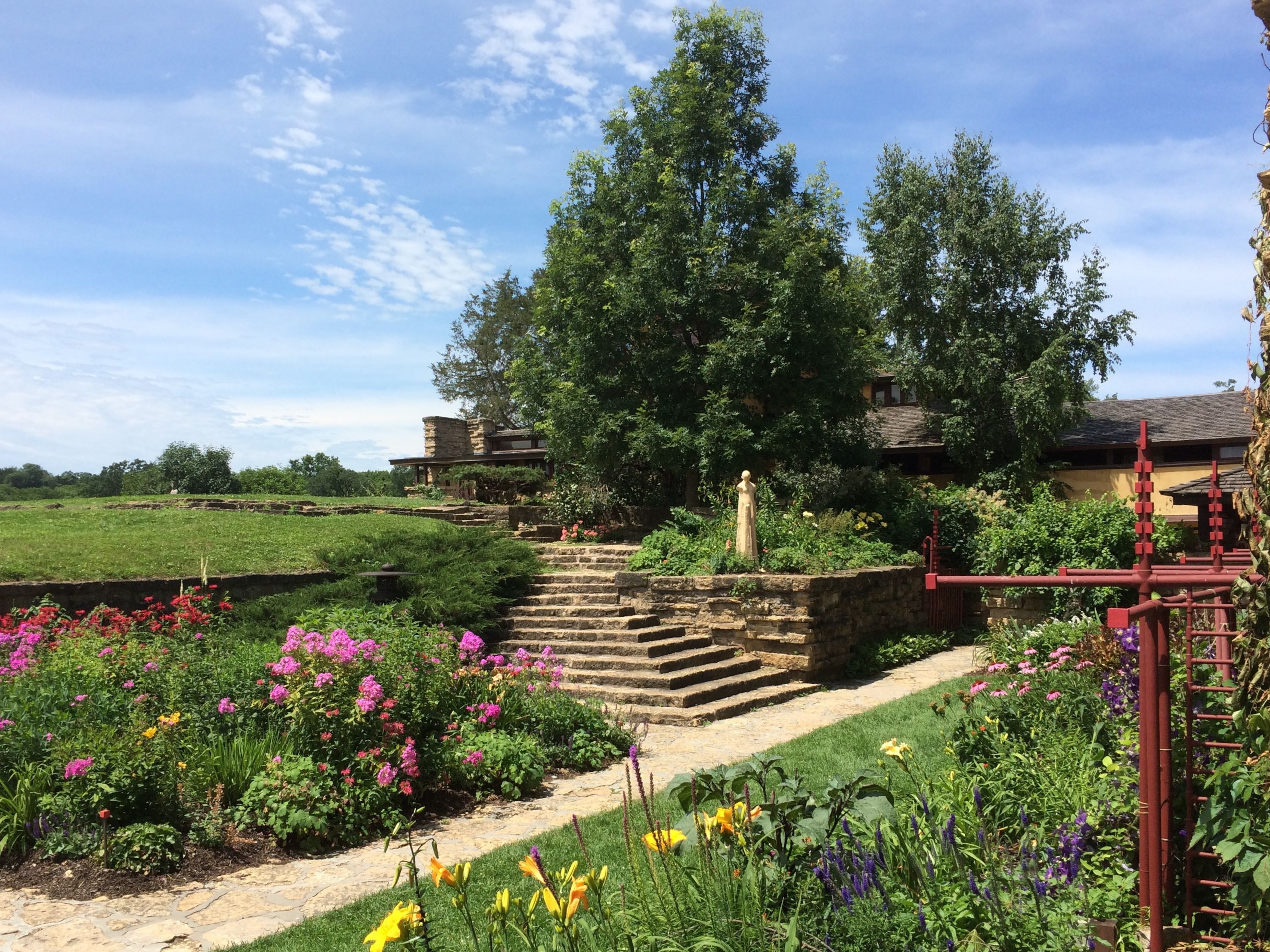
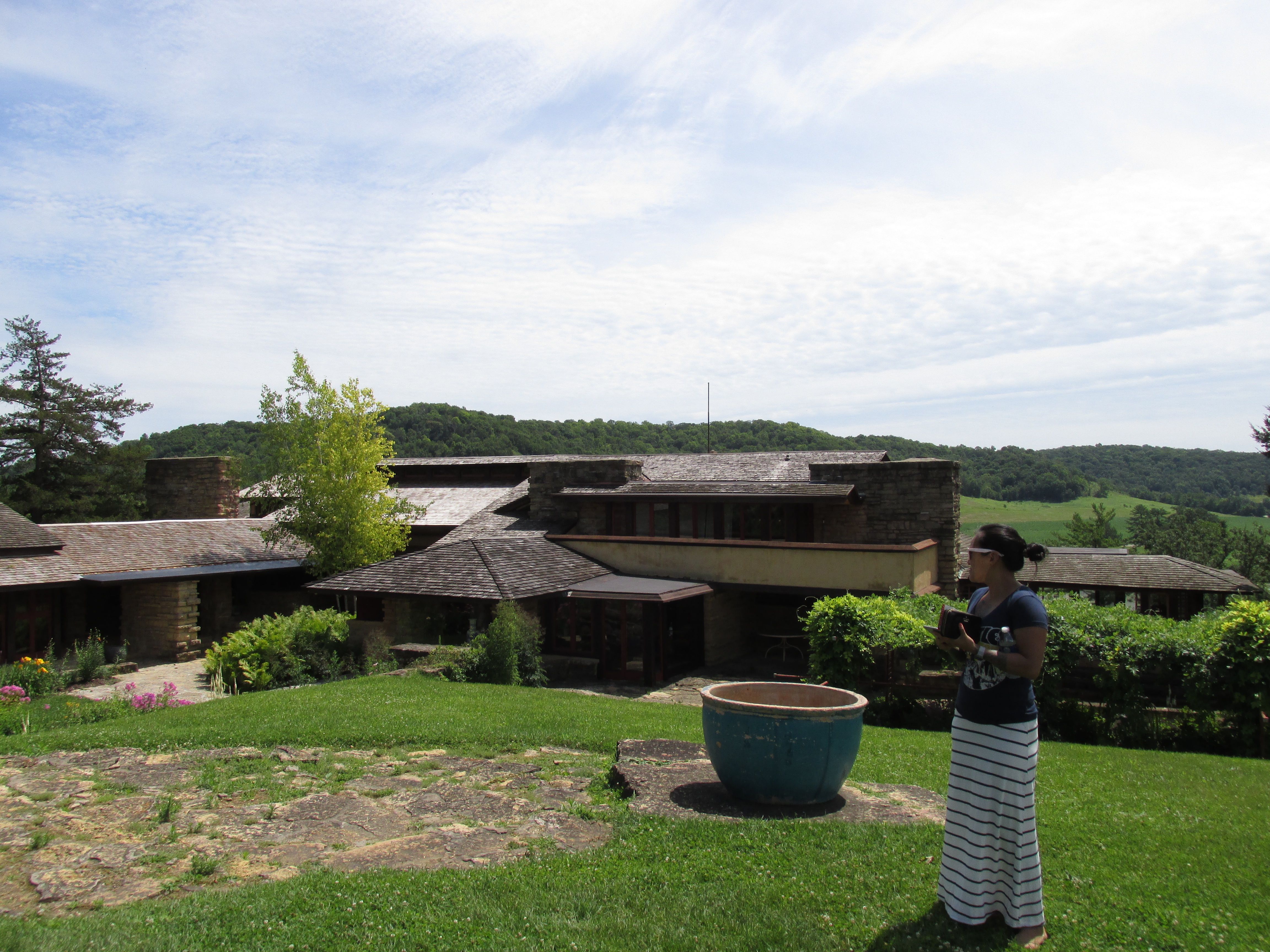
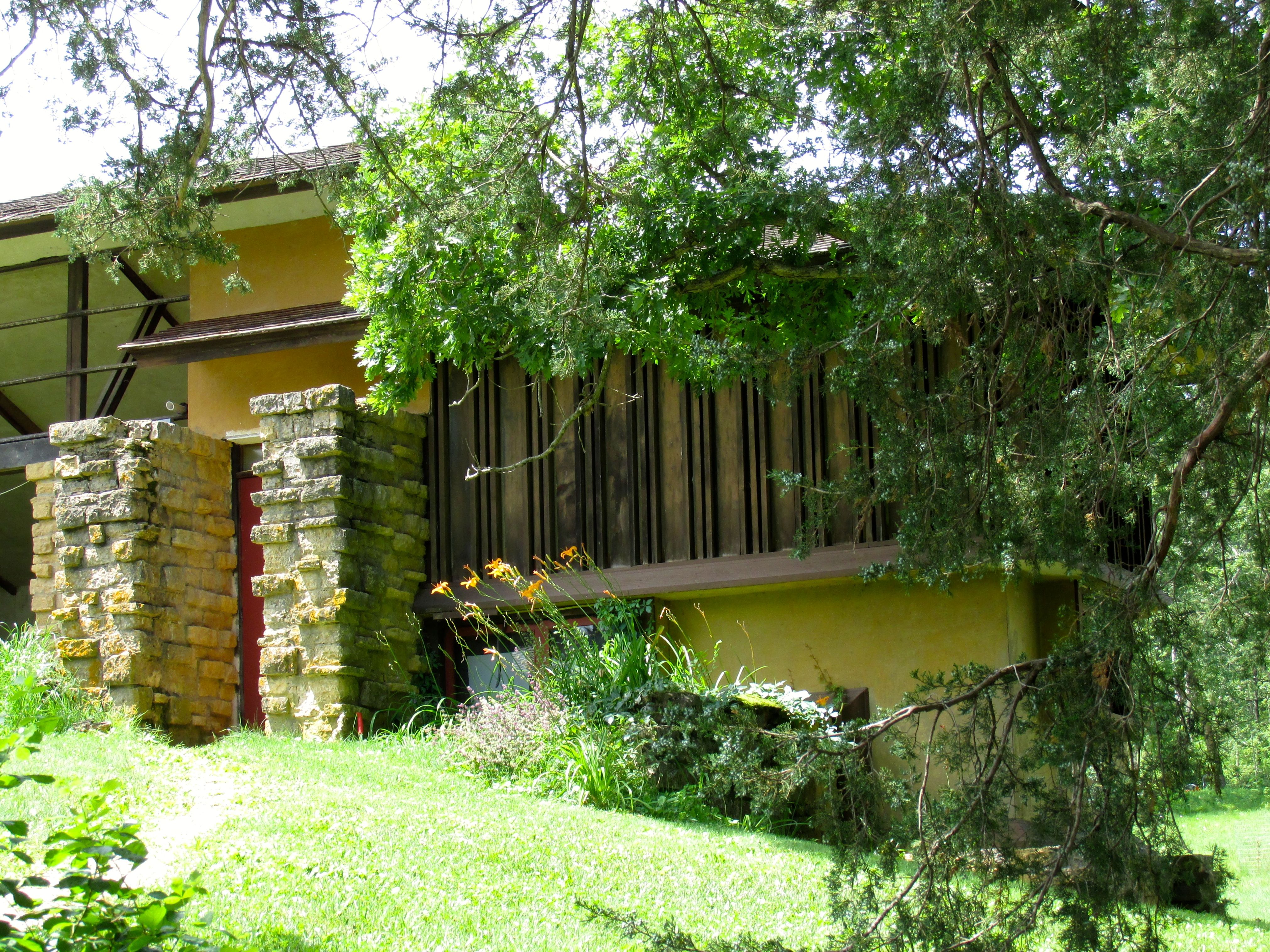
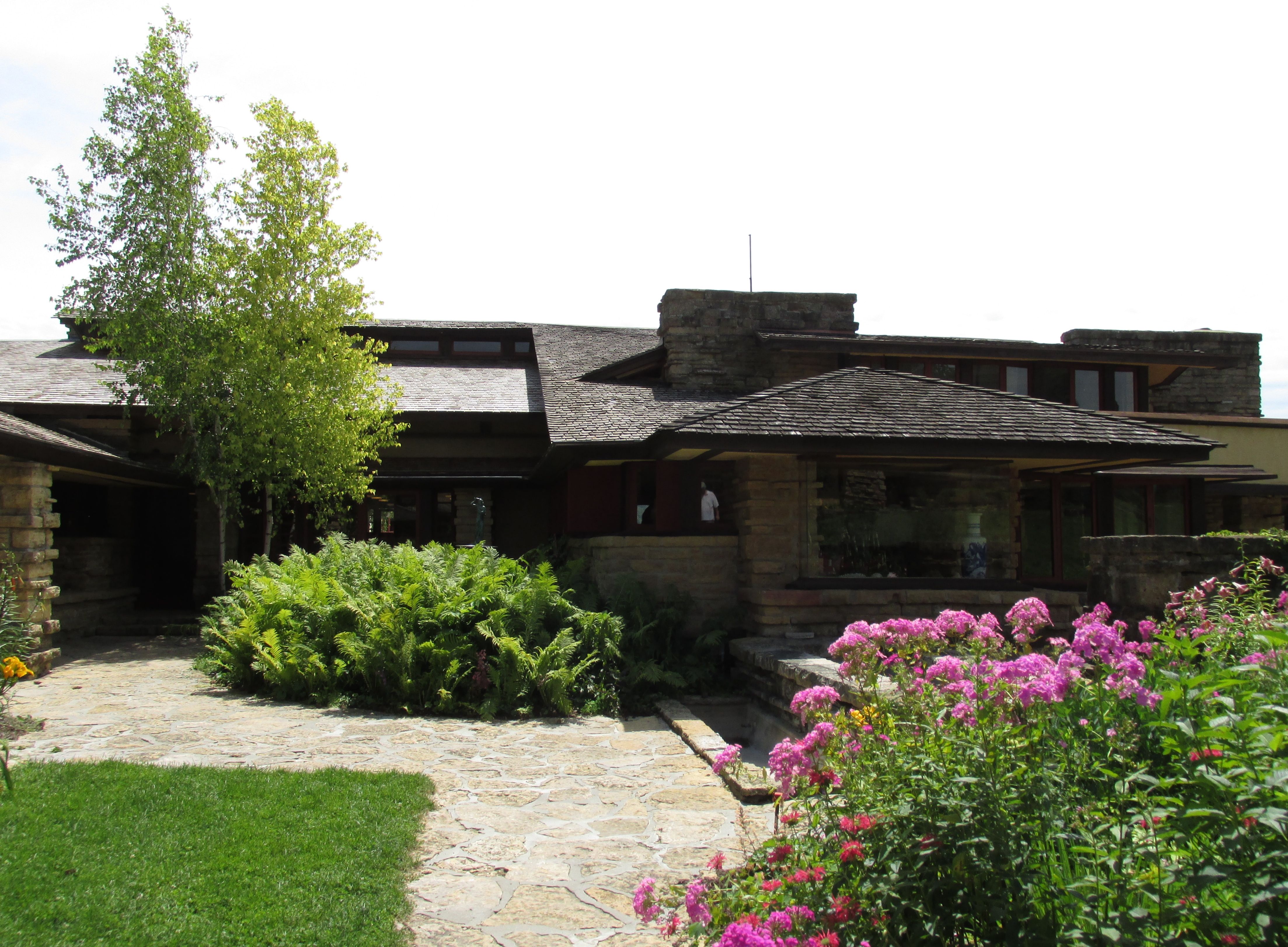
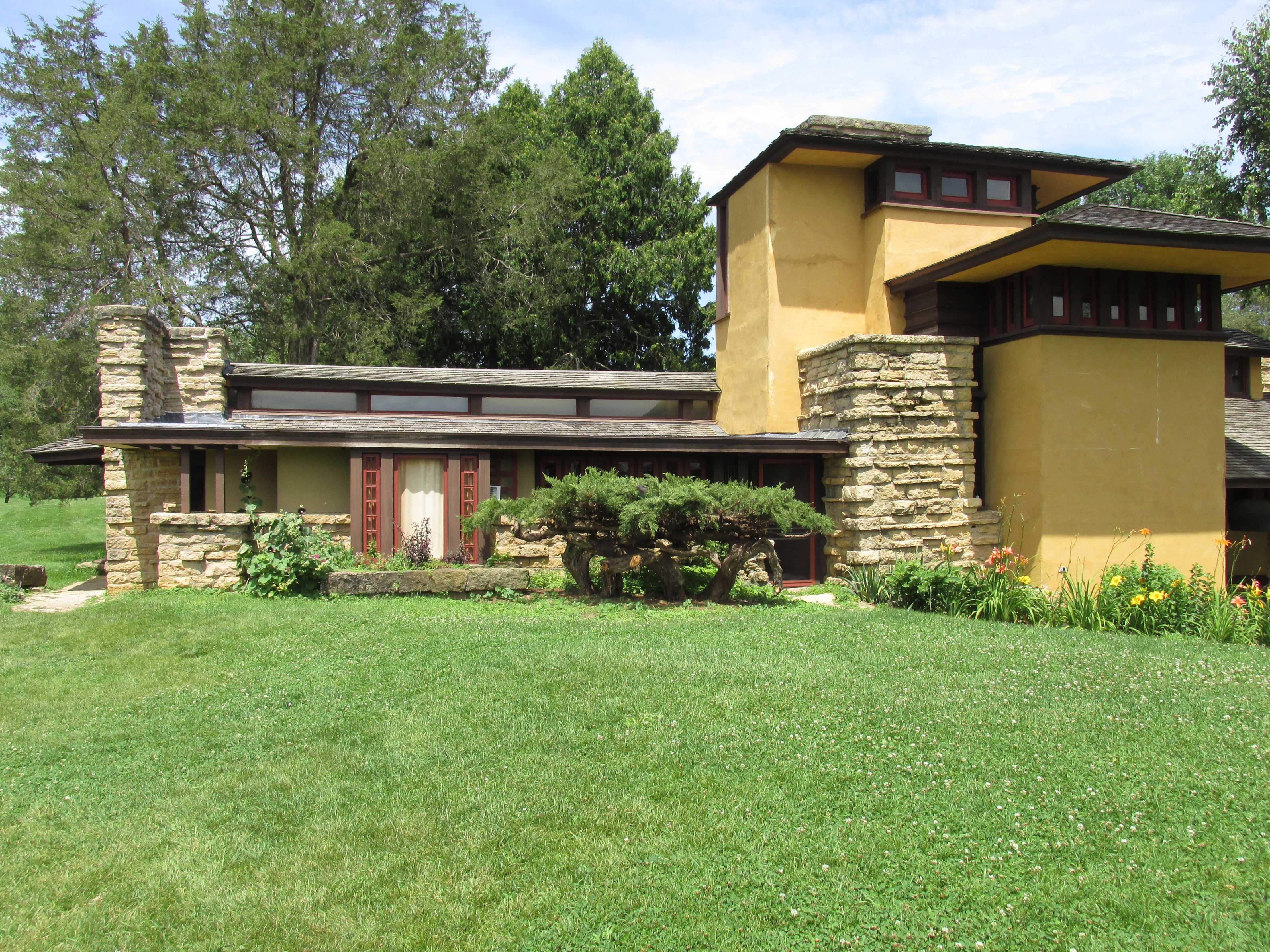
Taliesin is a Welsh name whig means “shining brow”. Wright placed his home on the brow of the hill, leaving the top of the hill open. The complex circles the top of the hill.
Wright started building Taliesin in 1911, and it went through two major revisions, as well as many smaller ones. Again, his “build it for today and let the future take care of the problems” has caused the Foundation many preservation issues, which they have handled and are continuing to address.
Wright didn’t like hand railings
Here you can see the crown of the hill and get a feeling for the manner in which the building encircled it.
The woman in this photo had just gotten married at Kentuck Knob, another Wright building. It is located in Pennsylvania, not too far from Fallingwater. I didn’t ask, but I got the feeling that she and her husband were on a Frank Lloyd Wright-inspired honeymoon.
I learned many things I didn’t know about Wright and his work during this tour. One of the things I didn’t know was that Wright had designed his home to be as self-sufficient as possible. We’d already walked past The Farm. During the tour of Taliesin, we saw some other features that showed that desire for independence and self-sufficiency.
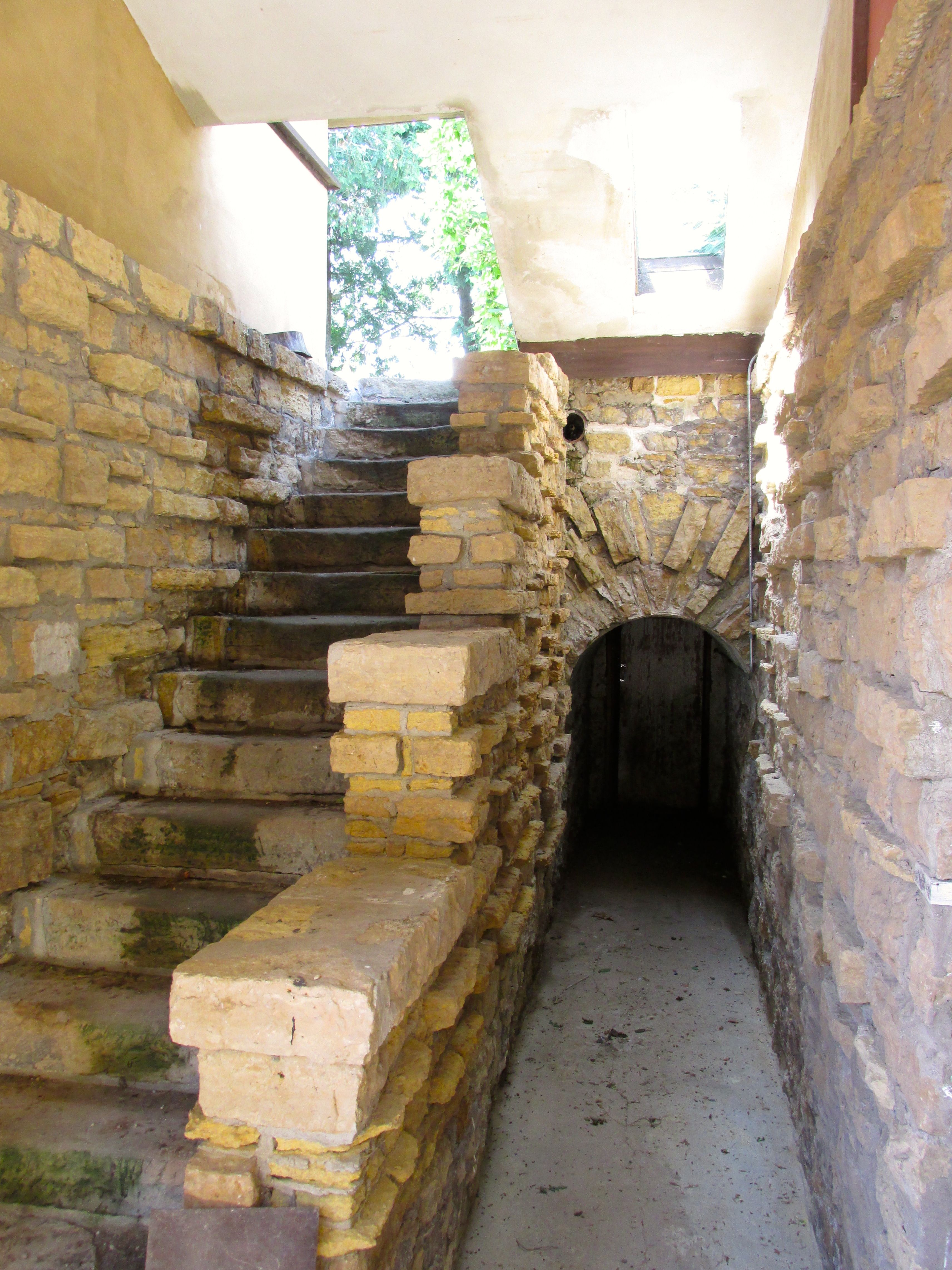
The entrance to the root cellar
I was struck by the arched doorway. I’d never seen something like that in a Wright building. But, it was just in a utility area.
The West Wing apartment
Another was this apartment that houses one of the Taliesin Fellows. The call it The West Wing, but it is not as grand as television’s The West Wing. It was built in the pig pen! Pretty nice digs!
When the property was handed over to the Foundation, provisions were made for the Taliesin Fellows who had worked with Wright to be able to live there for the rest of their lives. The eat with the students in the dining hall at the school and are included in all aspects of the community life. I think that is wonderful!
Another thing that I learned – although I might have figured it out, had I thought about it – was that this building was begun in the era of horse and buggy and was worked on and revised right up to Wright’s death in 1959.
That meant that the building changed to accommodate the technology.
If I understood Cyndi correctly, the main entrance used to be via a porte cochere that was under that triangular shaped roof. When people stopped using horses, he rerouted the traffic to the back of the house where he put in stalls for cars. He filled in the former porte cochere to bring the floor level up and build a meeting area with a tremendous view of the courtyard and the land around it. The corners are mitered glass so that the sense on indoors and outdoors would be undetectable. Cyndi told us that he built this area to pitch his ideas for the Guggenheim Museum in New York City.
Apparently, this is a good strategy for getting a job – IF you are Frank Lloyd Wright. I think the rest of us had better stick to resumes.
And, if you are an architect, and you enjoy indulging your children, why not build them something? It the above photo, to the right and just under the roof is the APARTMENT he built for his you daughter. Some kids want tree houses or play houses – she wanted an apartment, and that is what she got, complete with guest bedroom and sitting area.
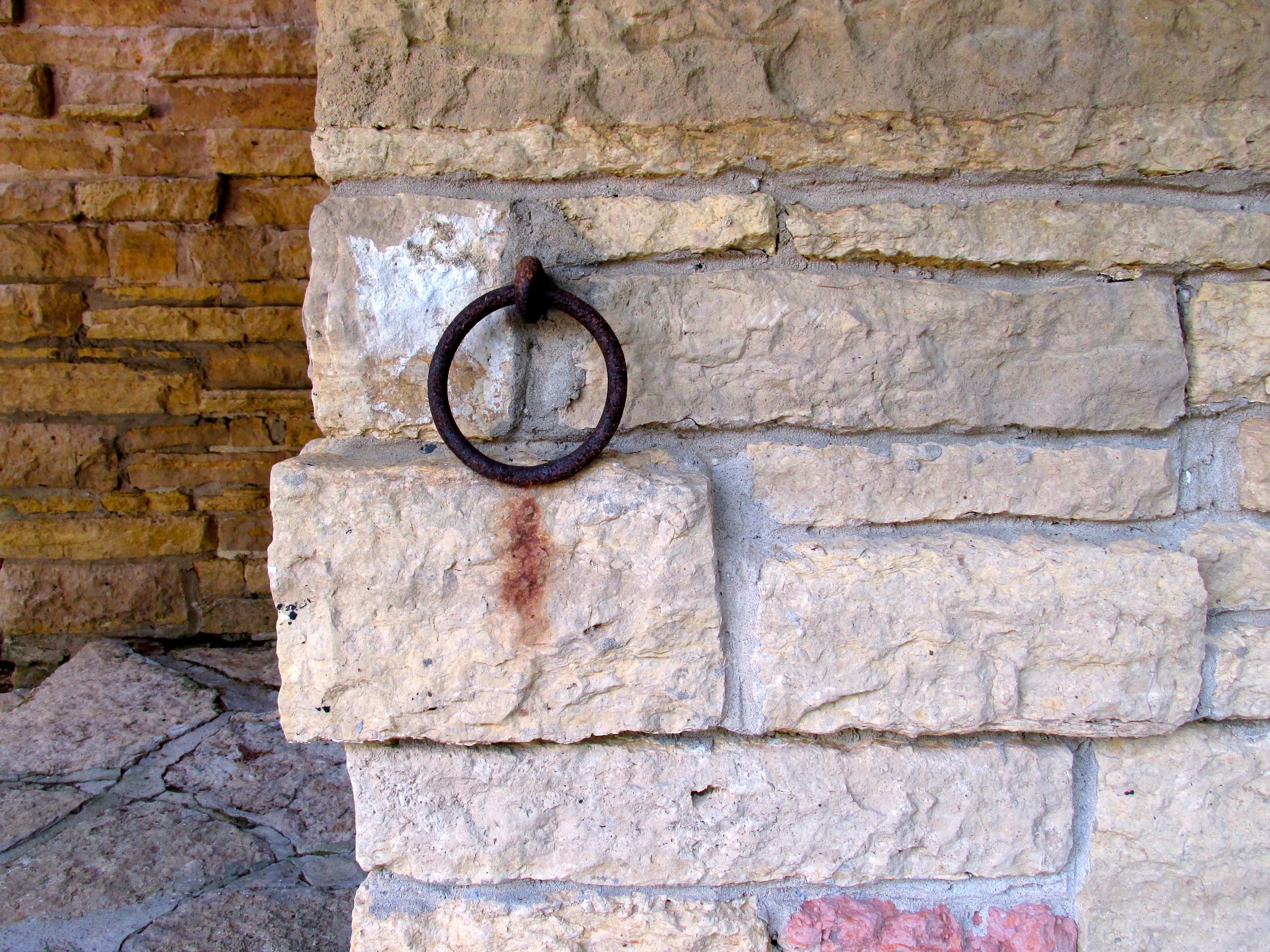
There are remnants of old technology here and there, however.
Iron ring to tie up horses
I didn’t manage to take a picture, but Wright even generated his own electricity for a time. He dammed a stream and built a generator that was topped with a Japanese pagoda, according to Cyndi. A flood took it out in the ’40’s, if I remember correctly. The dam still exists and water is still flowing over it.
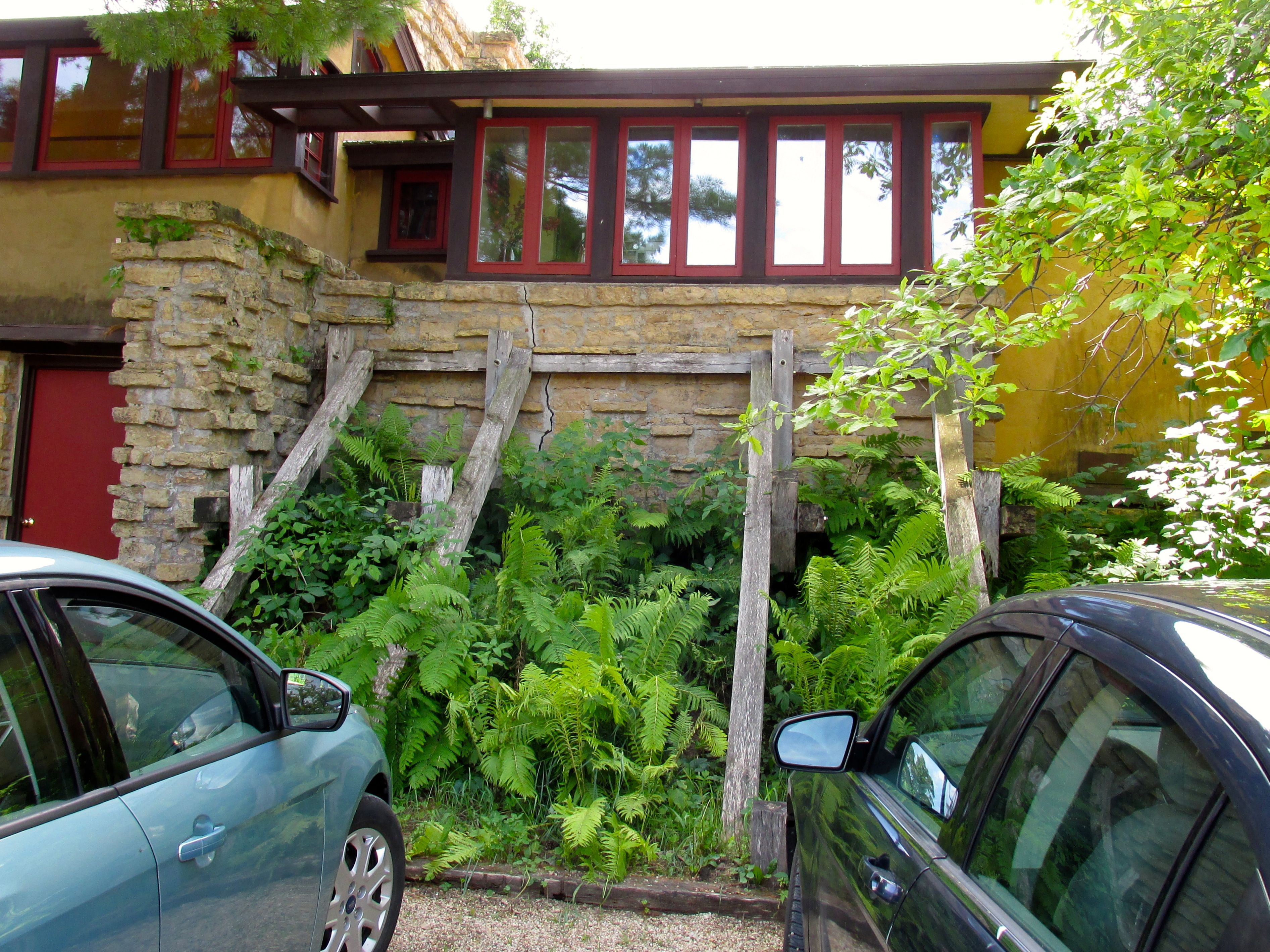
Time is catching up to this lovely building. Repairs need to be made constantly. This is an apartment where a Taliesin Fellow currently resides. They are doing Just enough work to keep the structure sound. When the time comes, they will do major preservation work.
It makes me wonder what percentage of the building failures are due to Wright’s tendency to build for the present and let the future solve the problems down the road, what is due to deferred maintenance due to lack of funding and what is due to the fact that Wright’s buildings are old. It’s hard to remember that they are old when they look so modern.
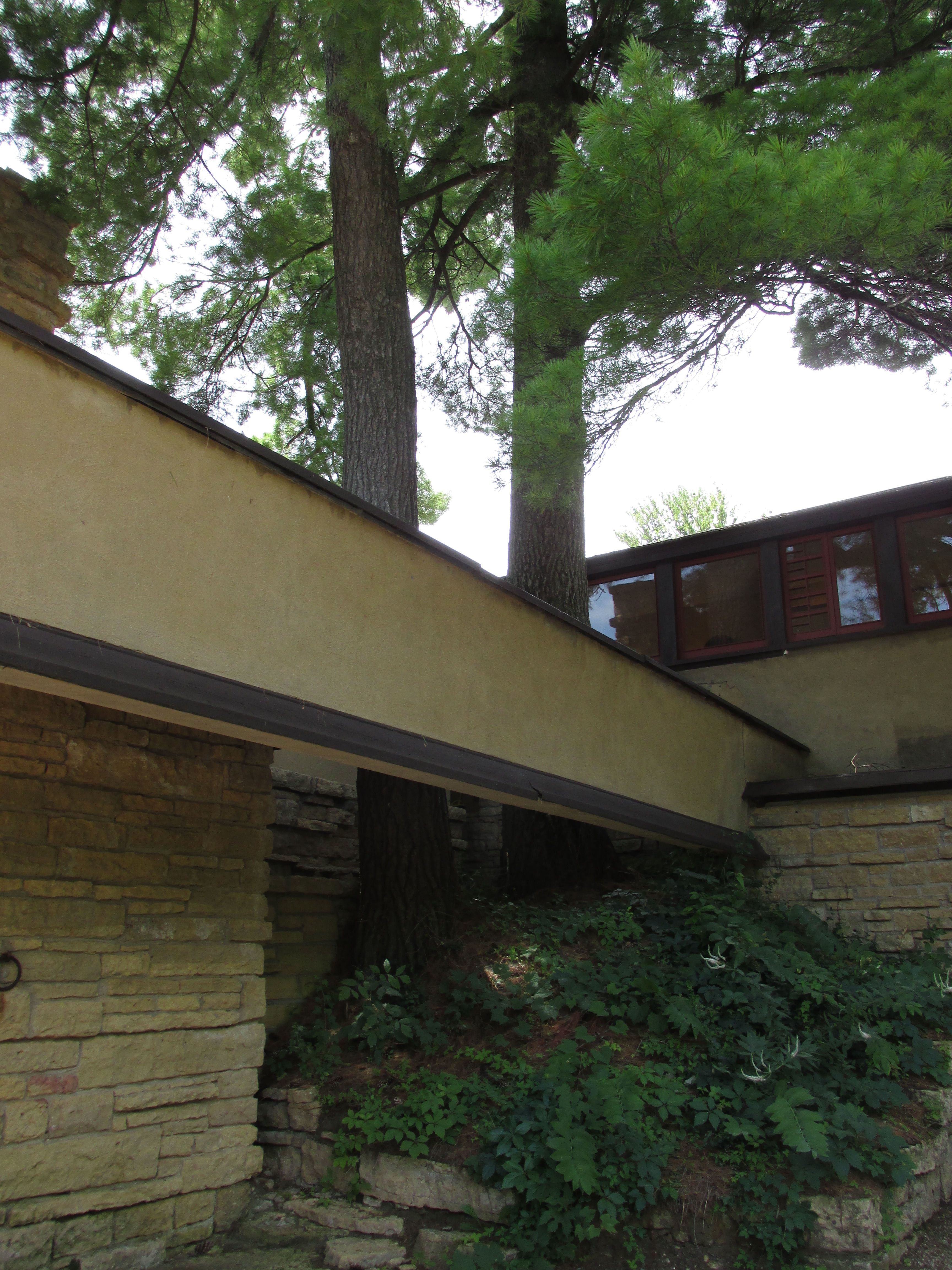
Wright built around these two trees. It looks good from this side, but on the other side, you can see that the roots are pushing walls over.
Still, what a wonderful building!
At the end of the tour, we got to put on little booties over our shoes and experience Taliesin from the inside. Of course, I have no photos to share, but it was lovely. We are able to enter areas that had been closed for years. Preservation is ongoing, and we got to enjoy the fruits of their labors.
Another thing I found interesting and amusing was that Wright ordered upholstered furniture from Marshal Fields for his house. He insisted on designing furniture for his clients that many found uncomfortable. He didn’t hold himself to the same standards.
And then it was time to go. We slid off our booties and exited the building.
We got back into the little red Taliesin bus and headed back to the Visitor Center.
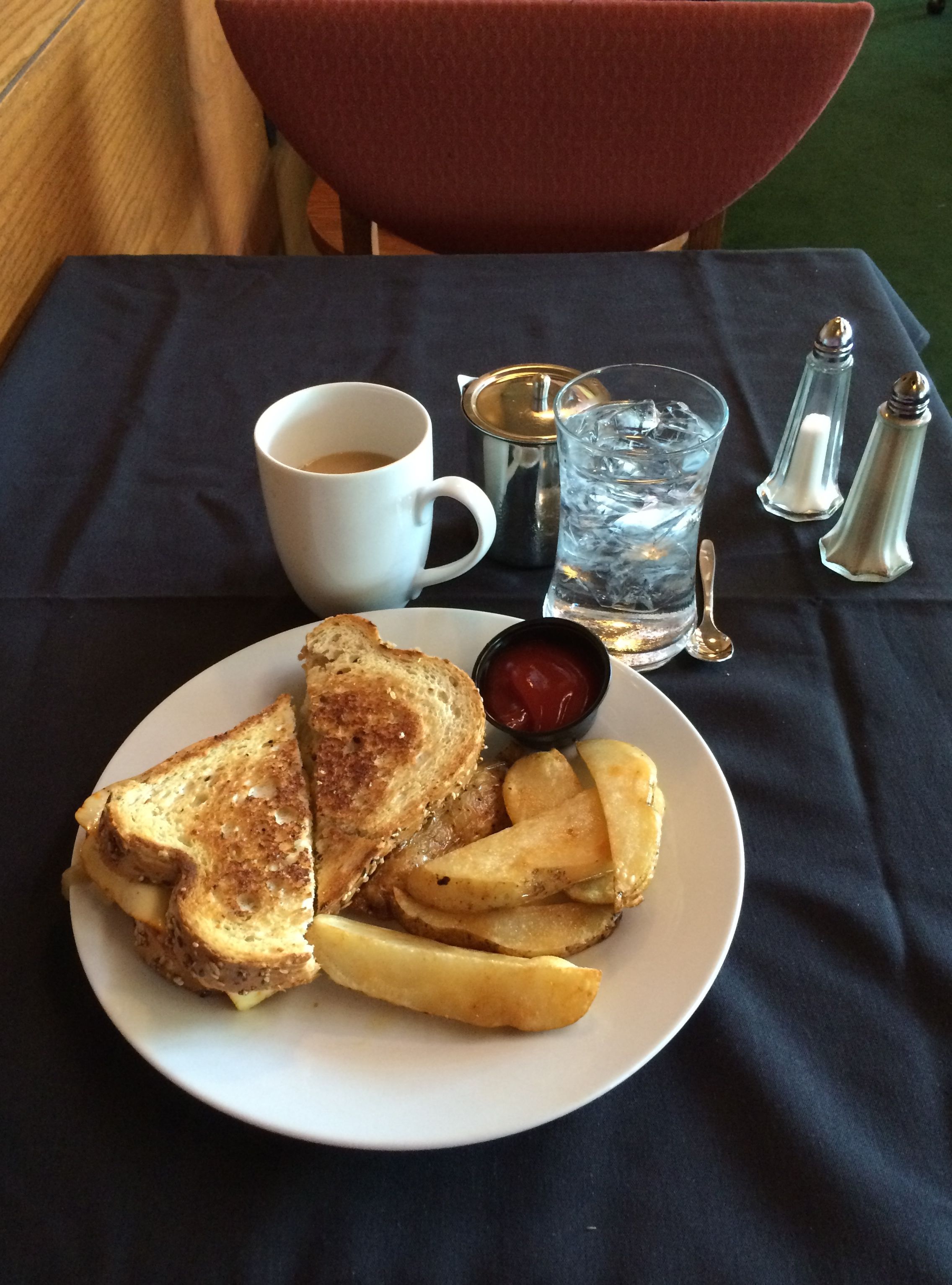
A Wisconsin lunch at Riverview Terrace Cafe in the Visitor’s Center – a grilled cheese sandwich
After the great experience I had at the Pictured Rocks National Lakeshore, I just had to see the Apostle Islands National Lakeshore. After a two and half hour drive through the drizzle, slapping flies all the way, I arrived in Bayfield, Wisconsin.
I found their hospitable little lakeside city park, Dalrymple City Campground, and got set up. It was a bit of a challenge to get Flo backed into a site. I imagine that this campground was laid out back when tents and pop-ups were the norm. Payment was by envelope and the fee was $20 per night, electricity included.
The view out my door
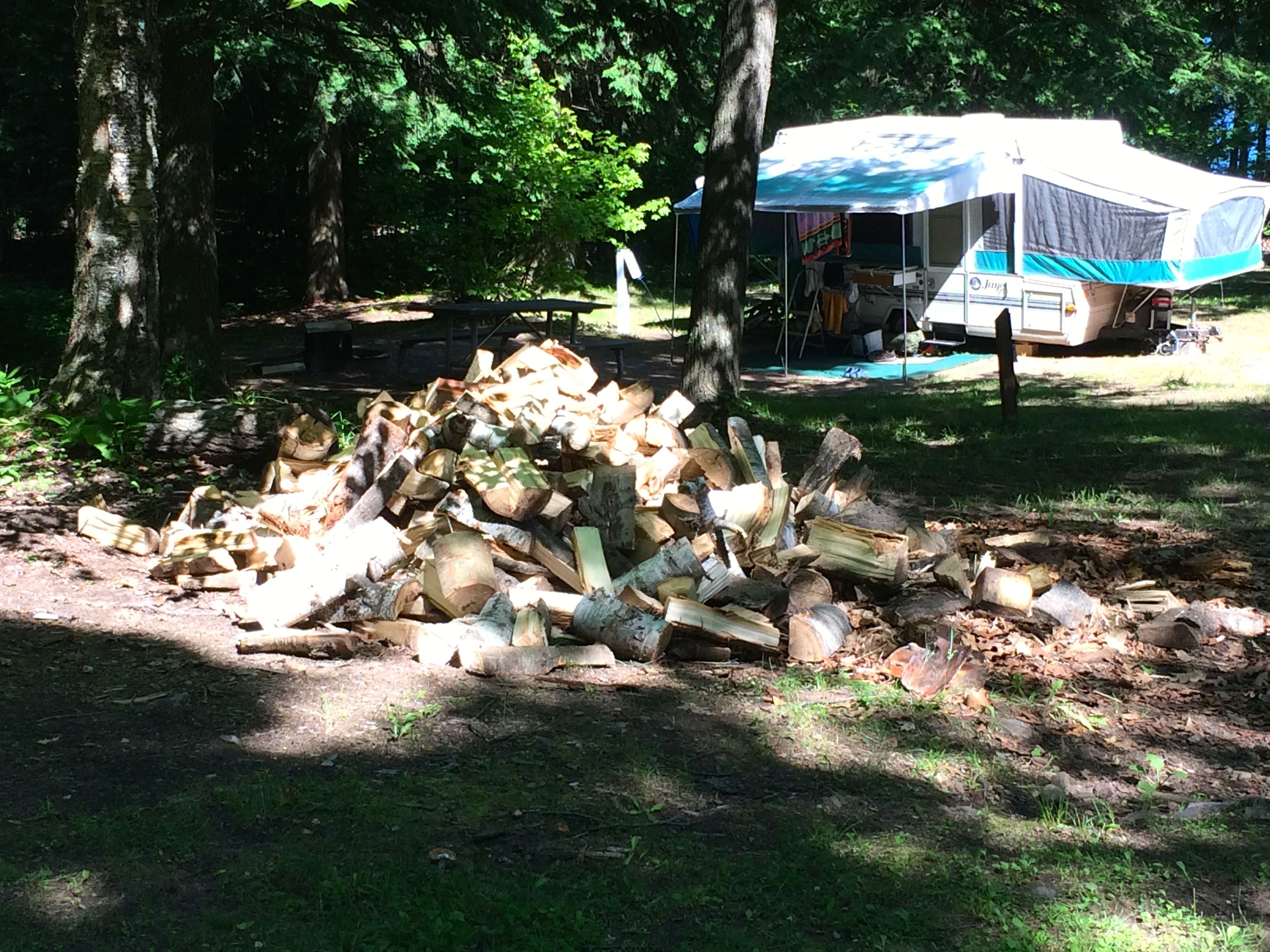
Another neat perk was included, too – firewood! The public works department dumped off wood they cut up from trees that they had to take down and from storm damage. I thought that was mighty nice, although I didn’t take advantage of their generosity.
Free firewood! (Almost as good as a “Free Beer” sign)
I had a seat on the sunset cruise for the day I arrived, but with the weather – gloomy, at best – I went to the cruise office and got my ticket changed for the next day.
Settled in and ticket changed, I went about restocking the larder. I headed toward the local IGA, but I couldn’t find a place to park. with all the tourists milling about, I was worried that I might run into one. The weather might be bad for cruises, but it is good for the local shops.
I remembered that I had seen another IGA the town just before Bayfield, so I headed back there. When I pulled into town, I noticed the name of the town – Washburn. I started thinking, “Didn’t Paul come from Washburn?” Paul was a guy I taught with at the American School of Guatemala back in the ’80’s. So, I sent of a text to a mutual friend that I had just visited a few months ago. By the time I had my shopping done, I had his phone number. I went back to the trailer, dropped my groceries and gave him a call.
He had moved to a town just a few miles away, and I zipped right over. We spent a couple hours catching up. He treated me to a beer and Extreme Peanut Butter Cookies.
Paul and me
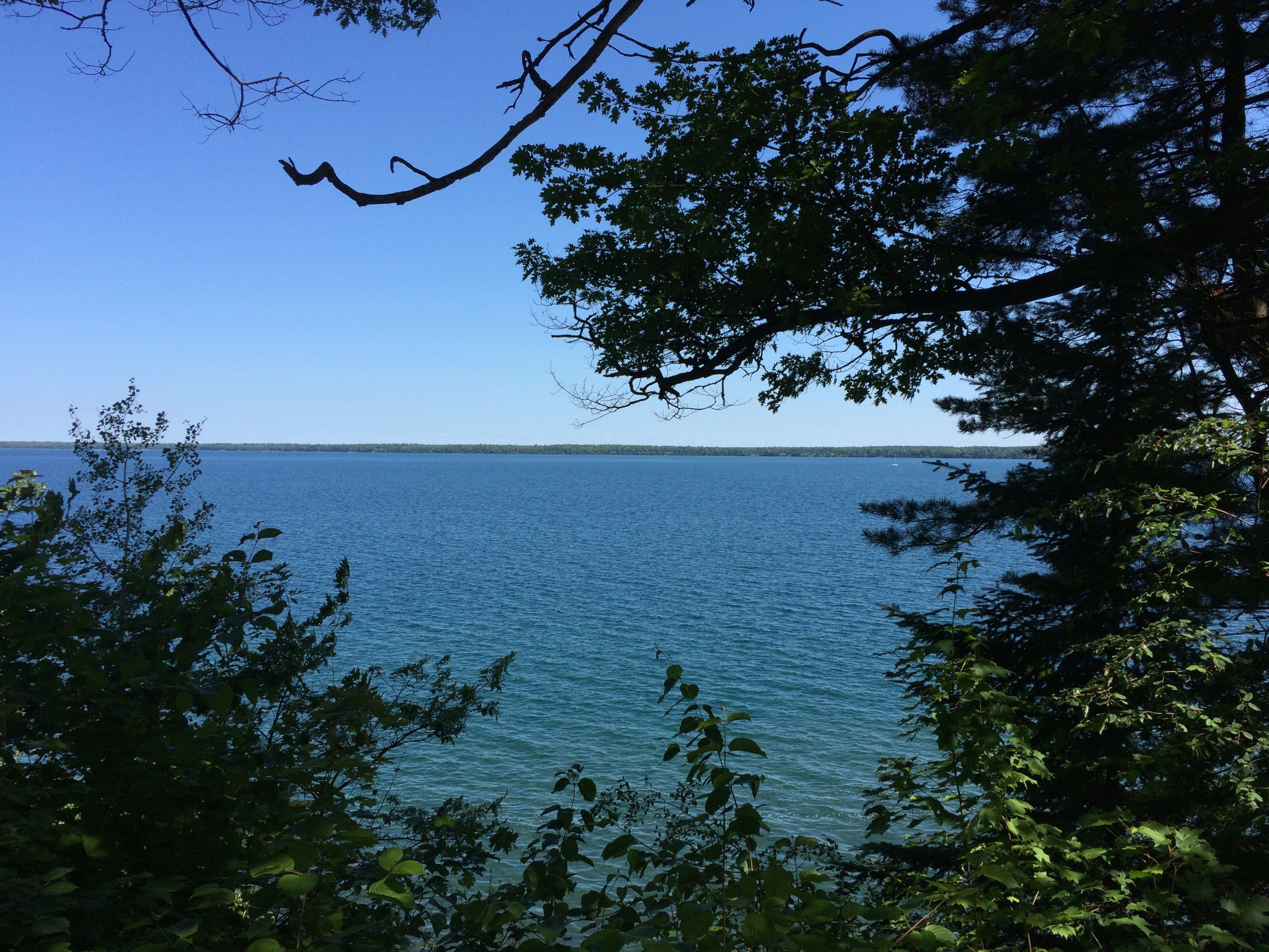
The next day dawned bright, clear and beautiful. First off, I decided to check out the campground I was in. Some of the sites had million dollar views!
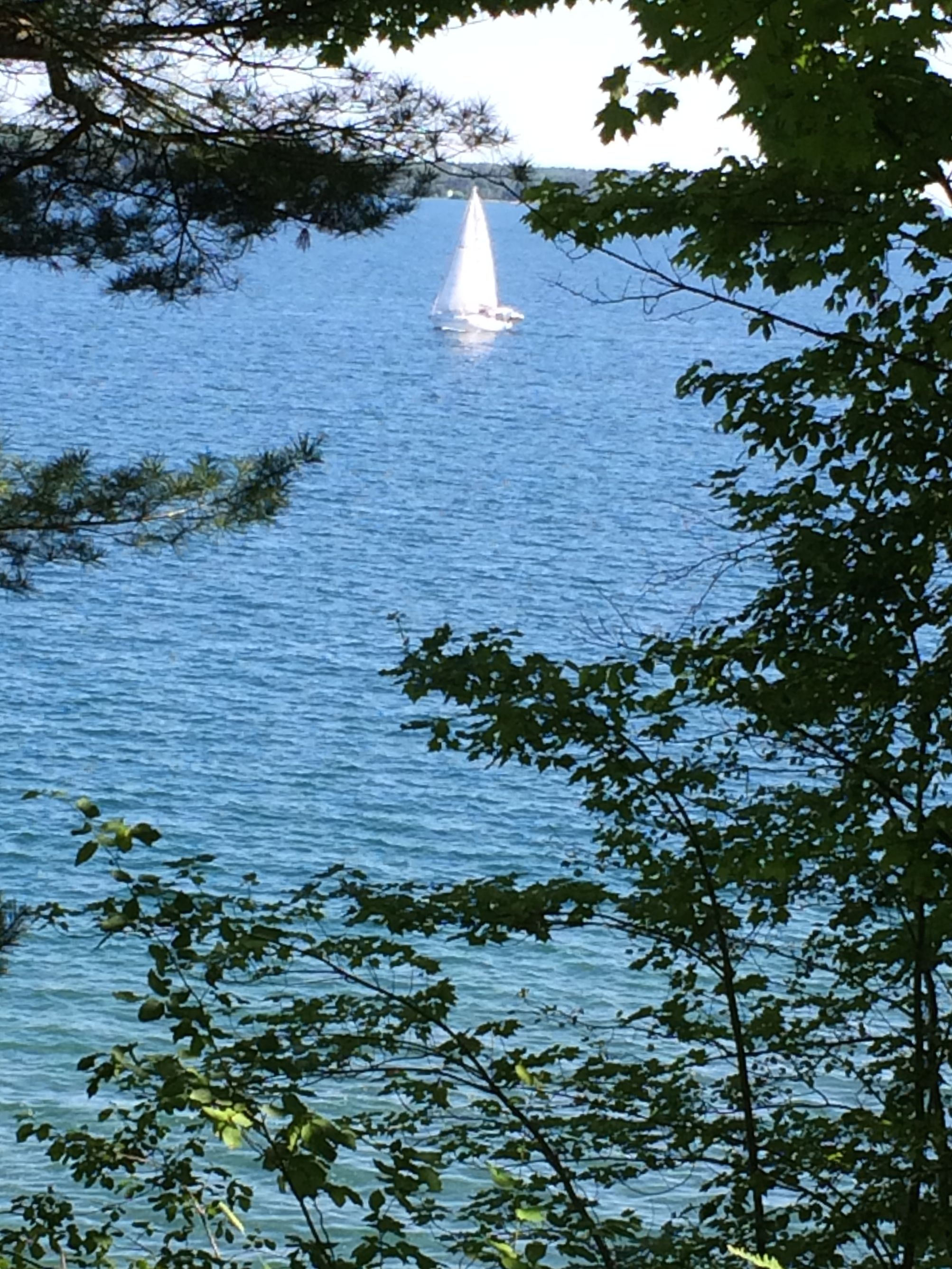
A view from one of the lakeside sitesAnd the sailboats passed by, too.
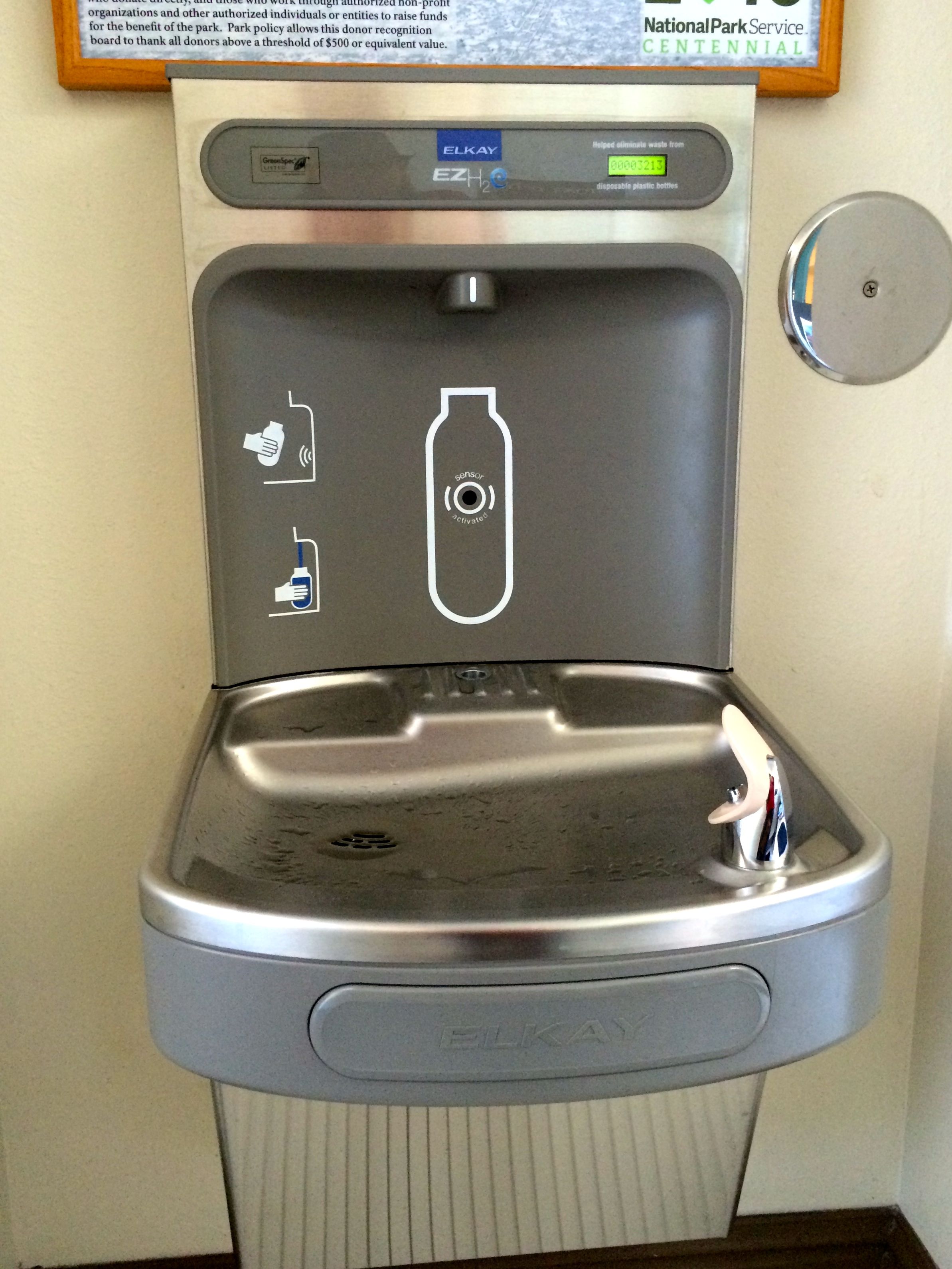
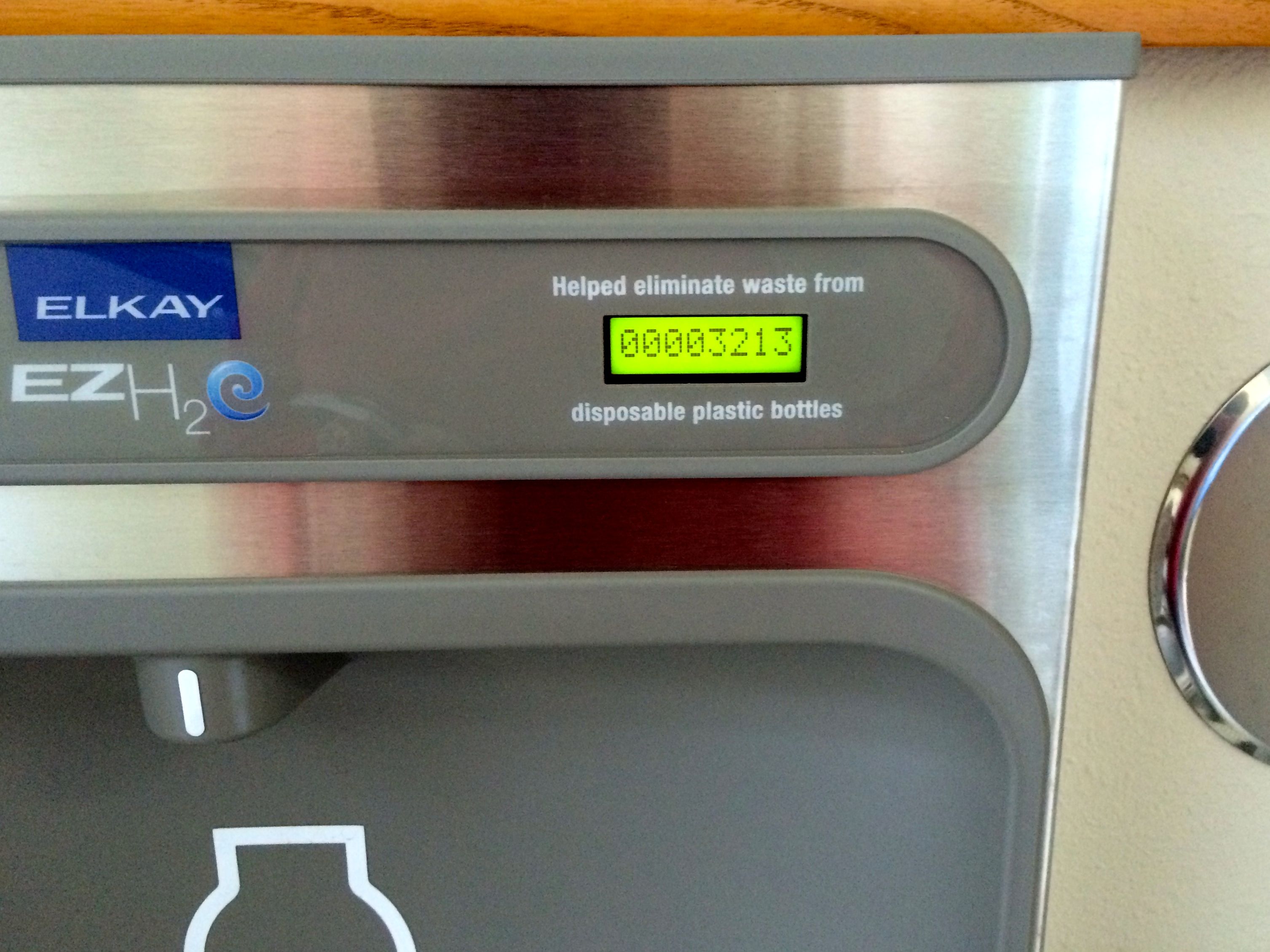
I stopped by the National Park Service office for the Apostle Islands National Lakeshore. I was impressed by the drinking fountain that encouraged people to refill their own water bottles rather than buy water in disposable plastic bottles.
3213 bottles saved to date
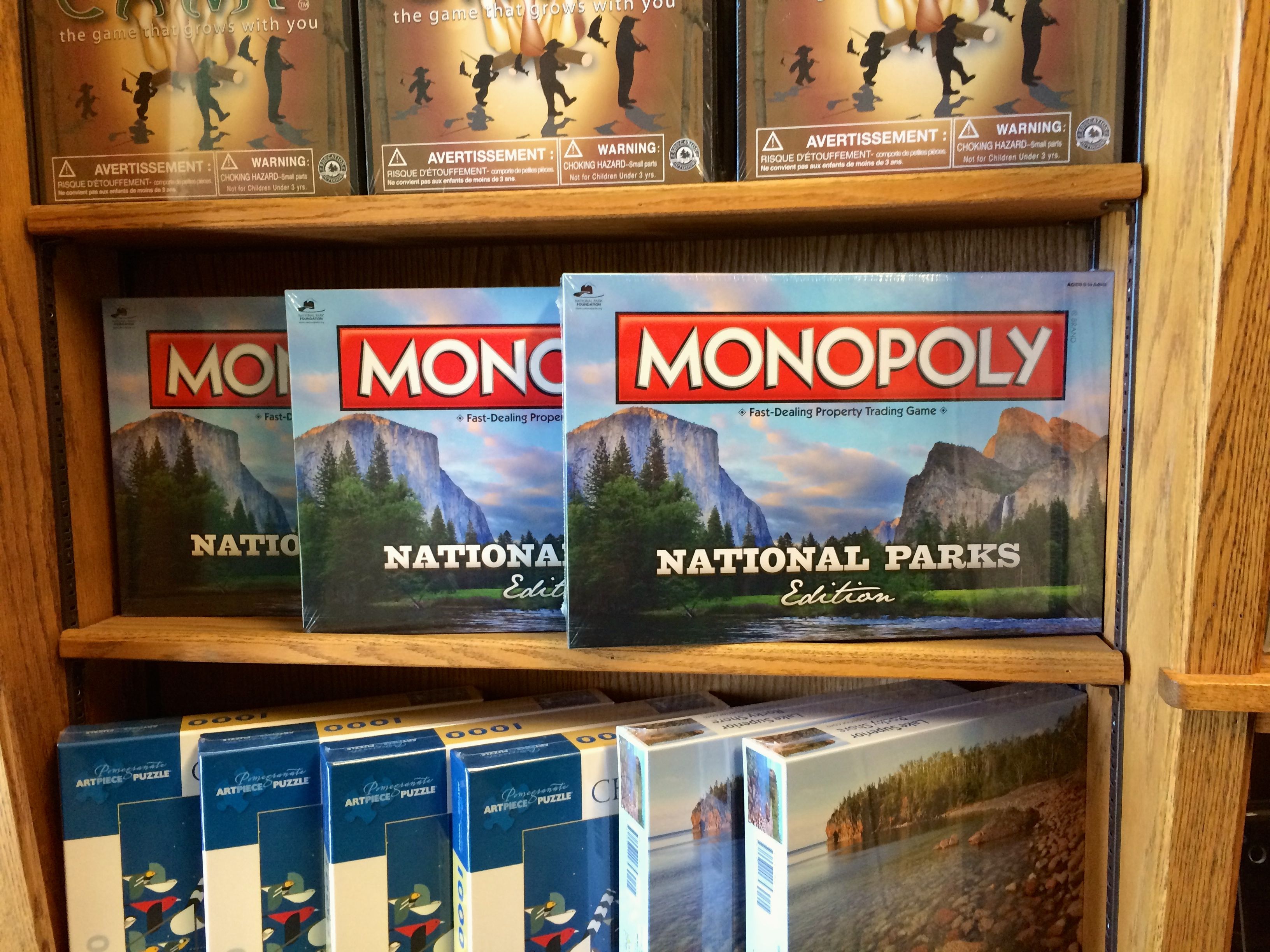
I stamped my National Park Passport and looked at the interesting merchandise. Given the talk I have been hearing on the radio about selling off national forests and privatizing parks, this seems a little chilling.
Anyone want to play?
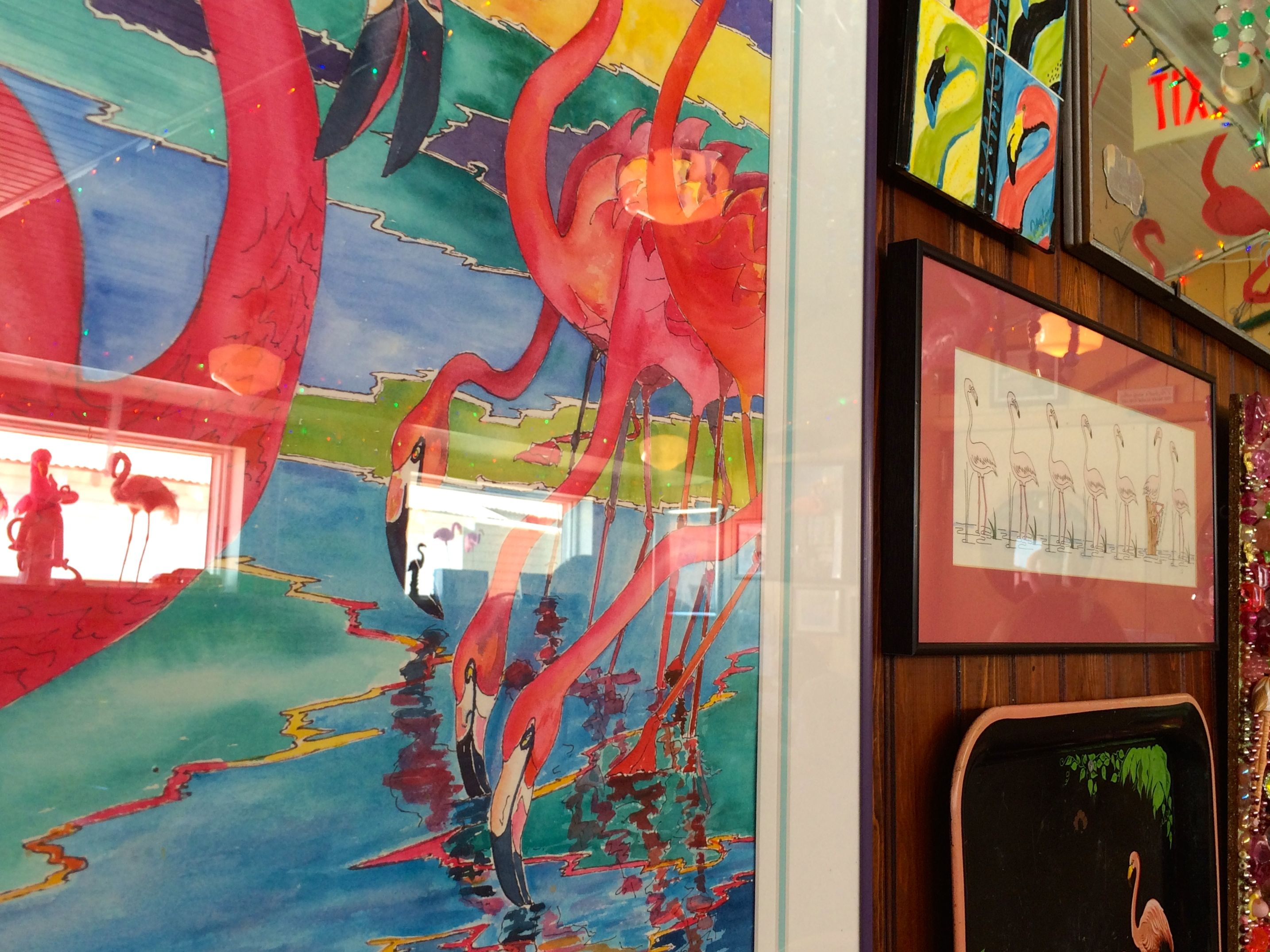
I had a burger at Maggie’s and enjoyed the flamingo decor.
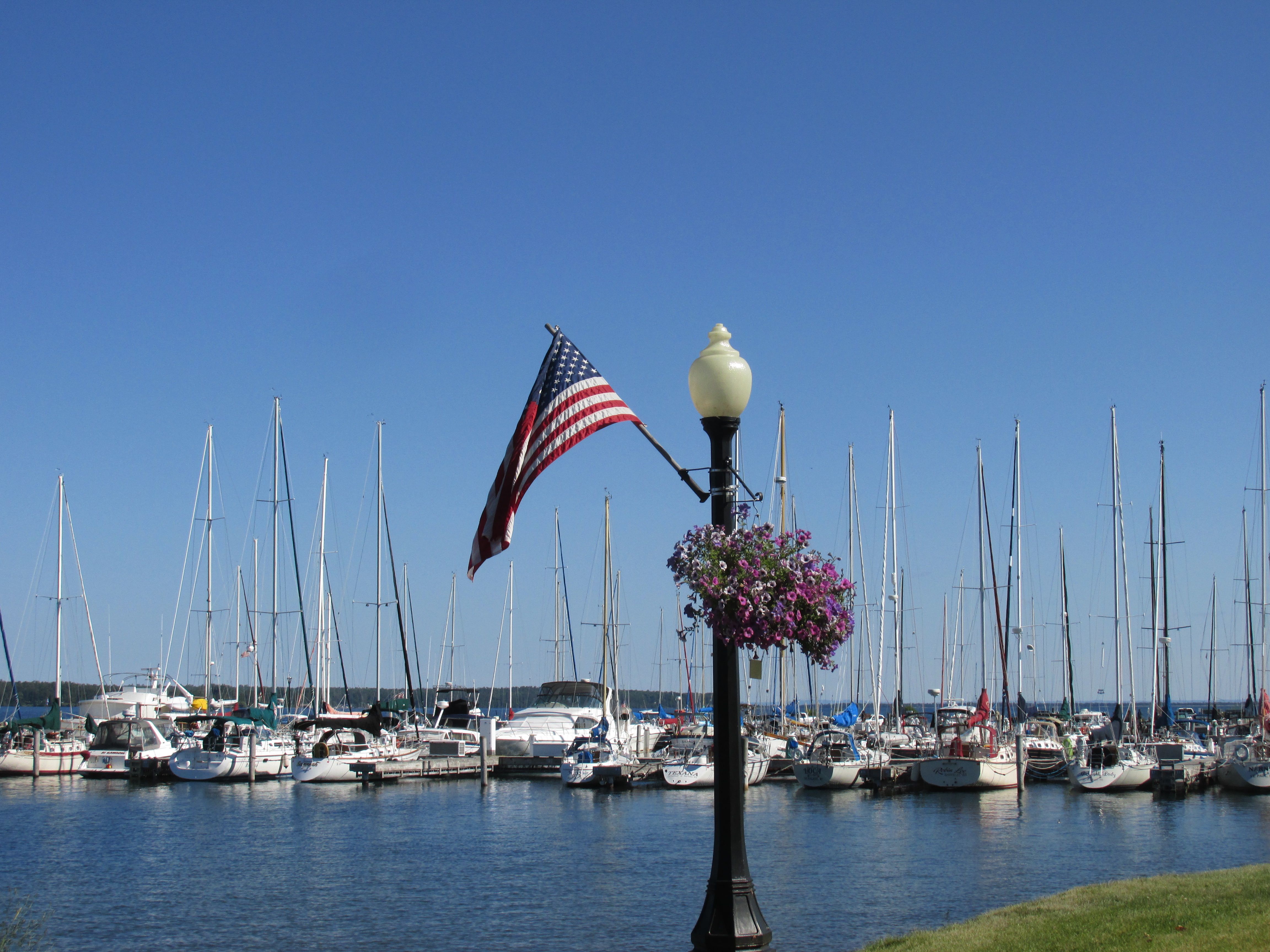
And then strolled around a bit.
Bayfield Harbor
There were lots a stores selling art, clothing and souvenirs. But, since I didn’t need anything more in my Airstream, I didn’t look.
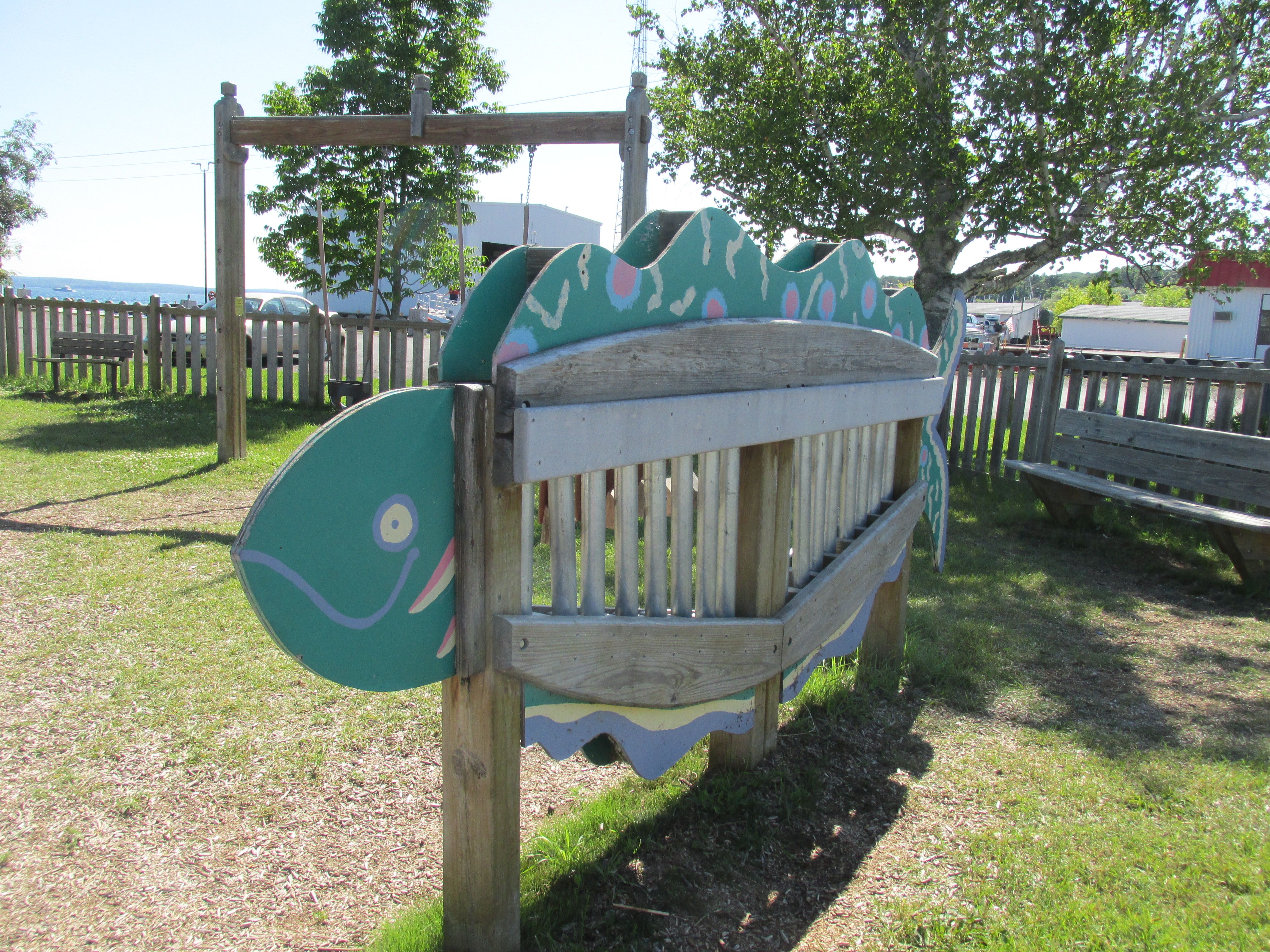
I did find an amazing playground, however. In addition to interesting structures for climbing and swinging, they had a musical fish!
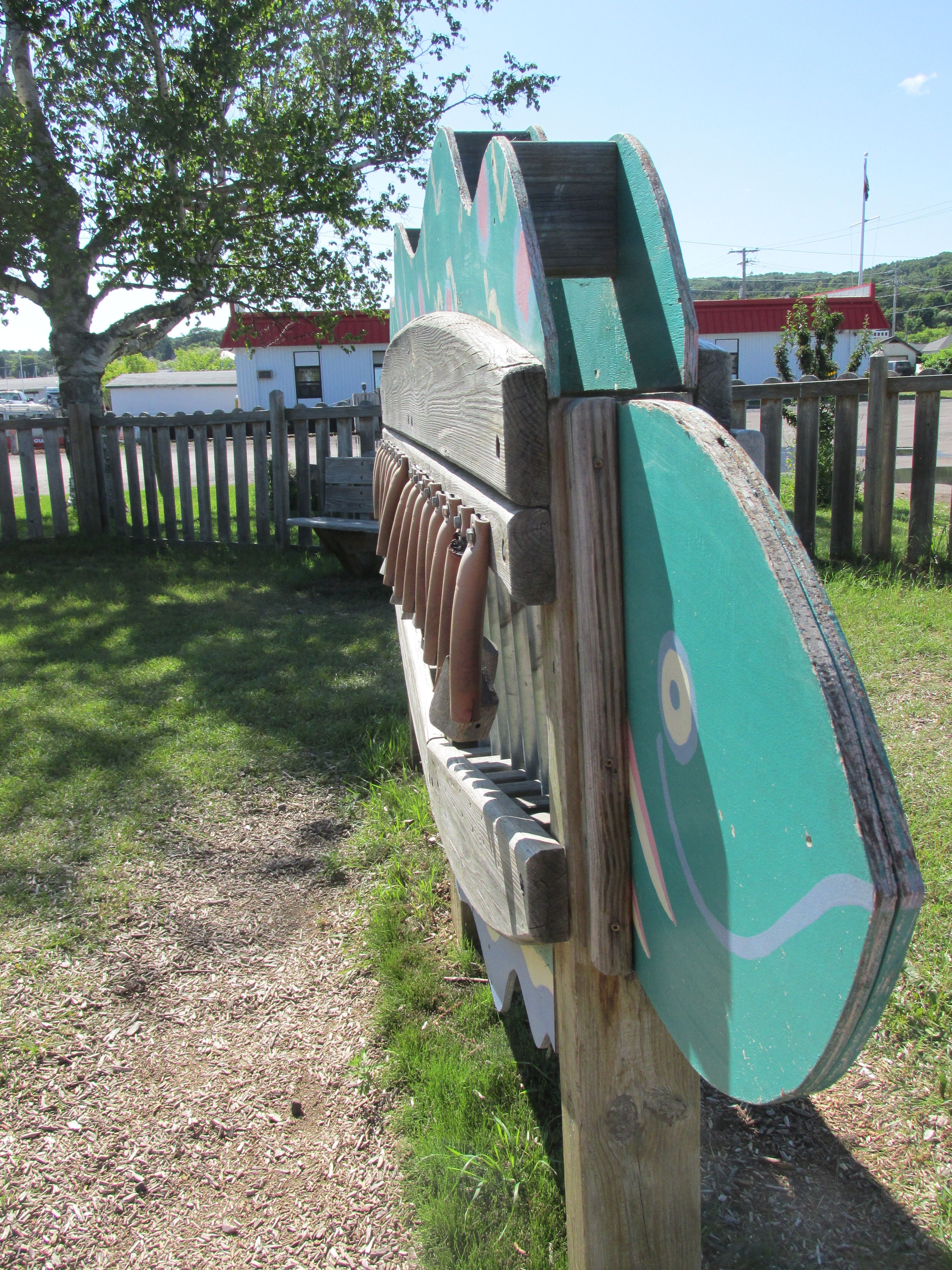
It must have been fantastic in its prime. Now it is only partially functional as some of the hammers have broken. To play it, you pull back the hammer and drop it on the tube. It really sounded lovely.
The back of the musical fish
The three and a half hour cruise was set to begin at 5:30, and the woman who sold me the ticket told me to be there at 5:00.
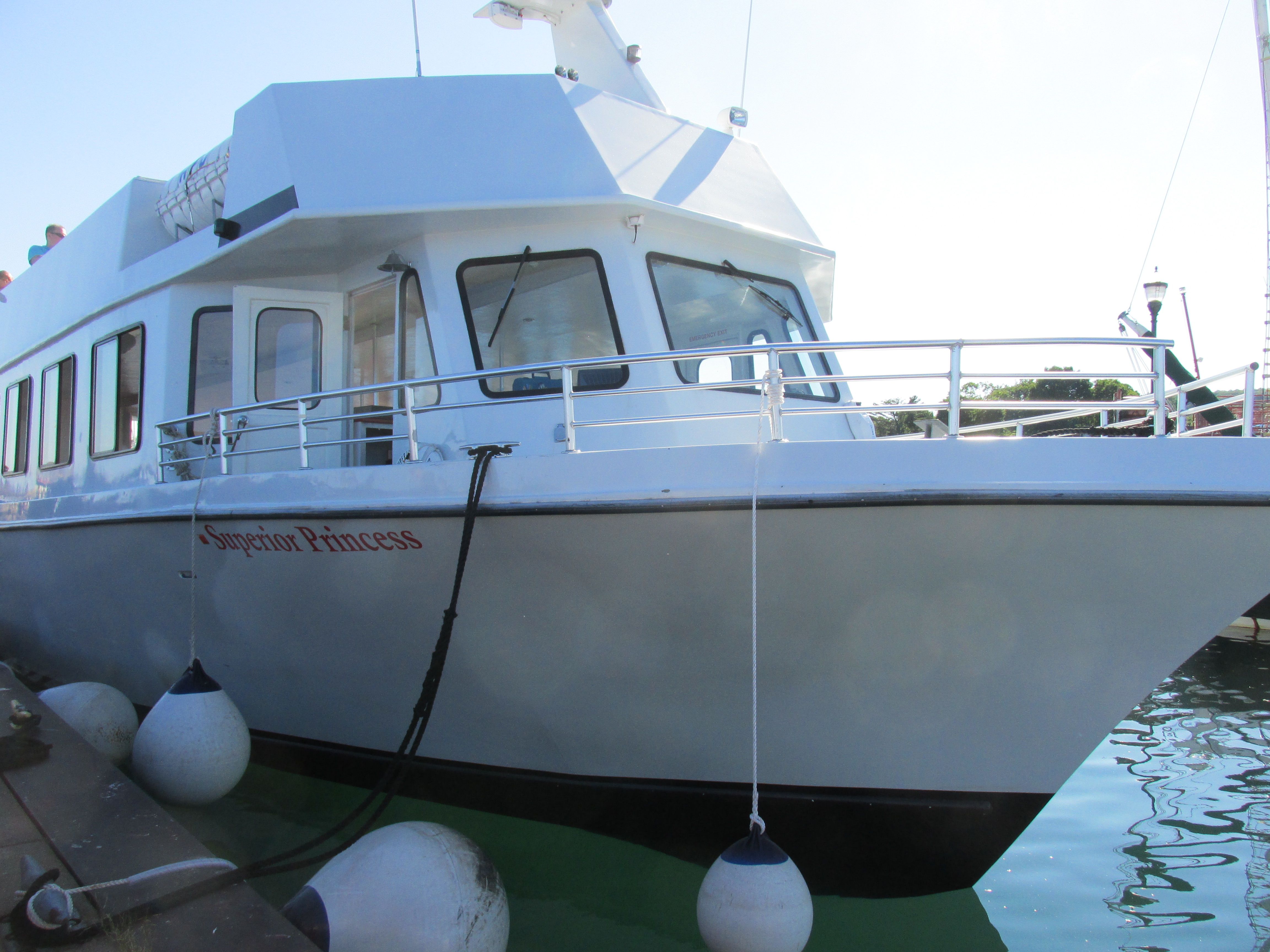
Superior Princess
This is the boat, the Superior Princess. (I took the shot after the cruise.) I wouldn’t want to a take a trip on and Inferior Princess.
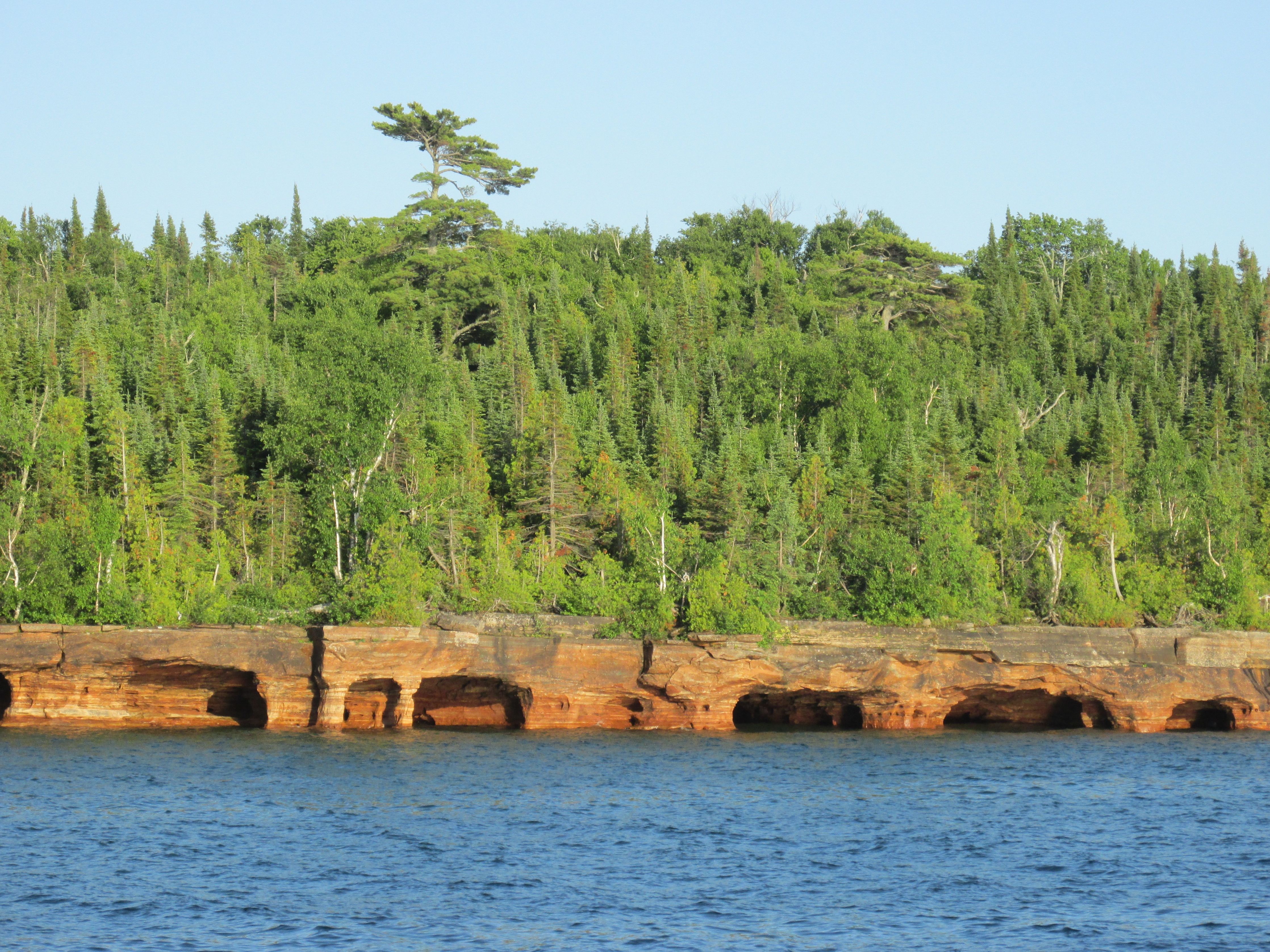
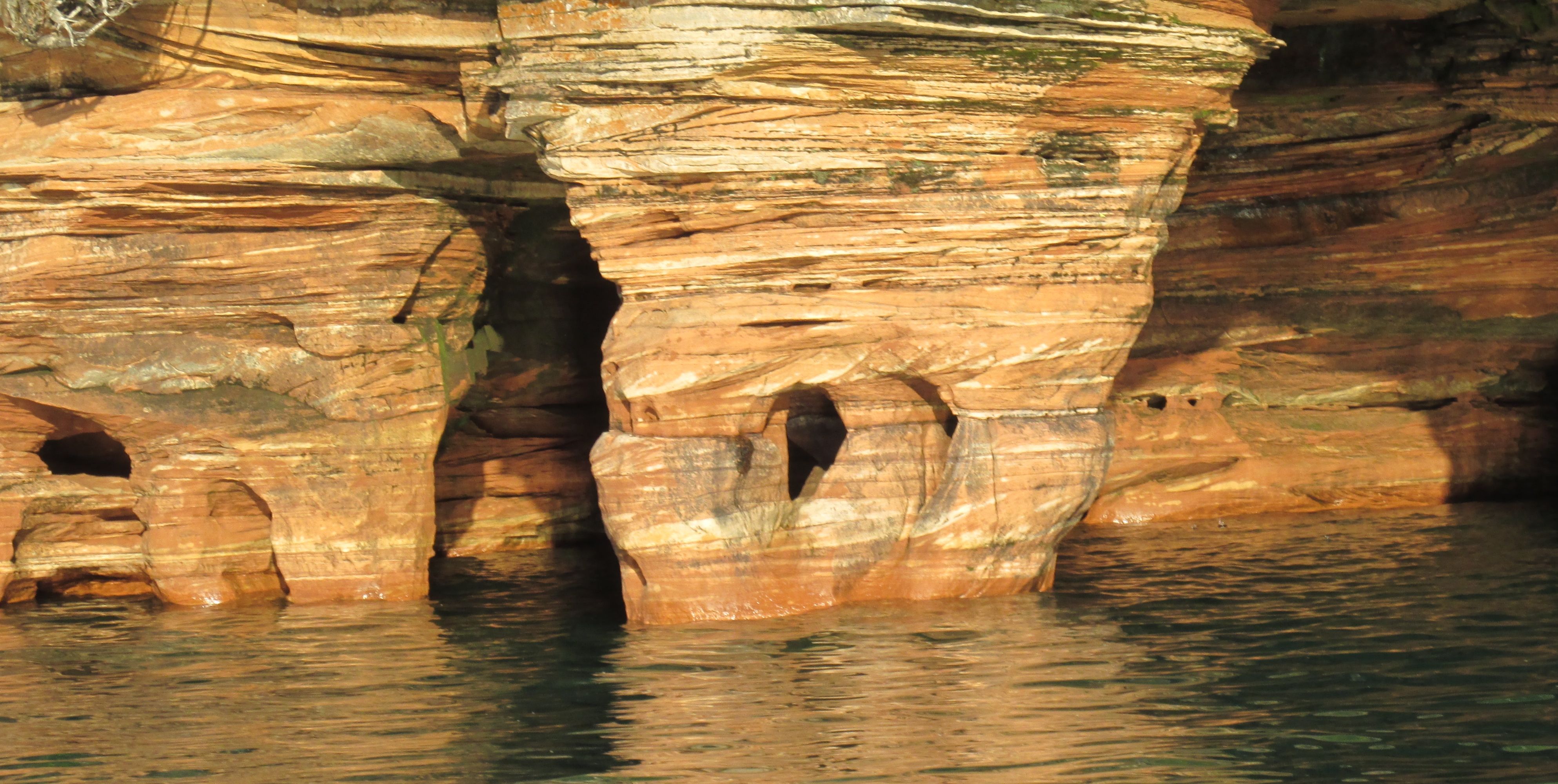
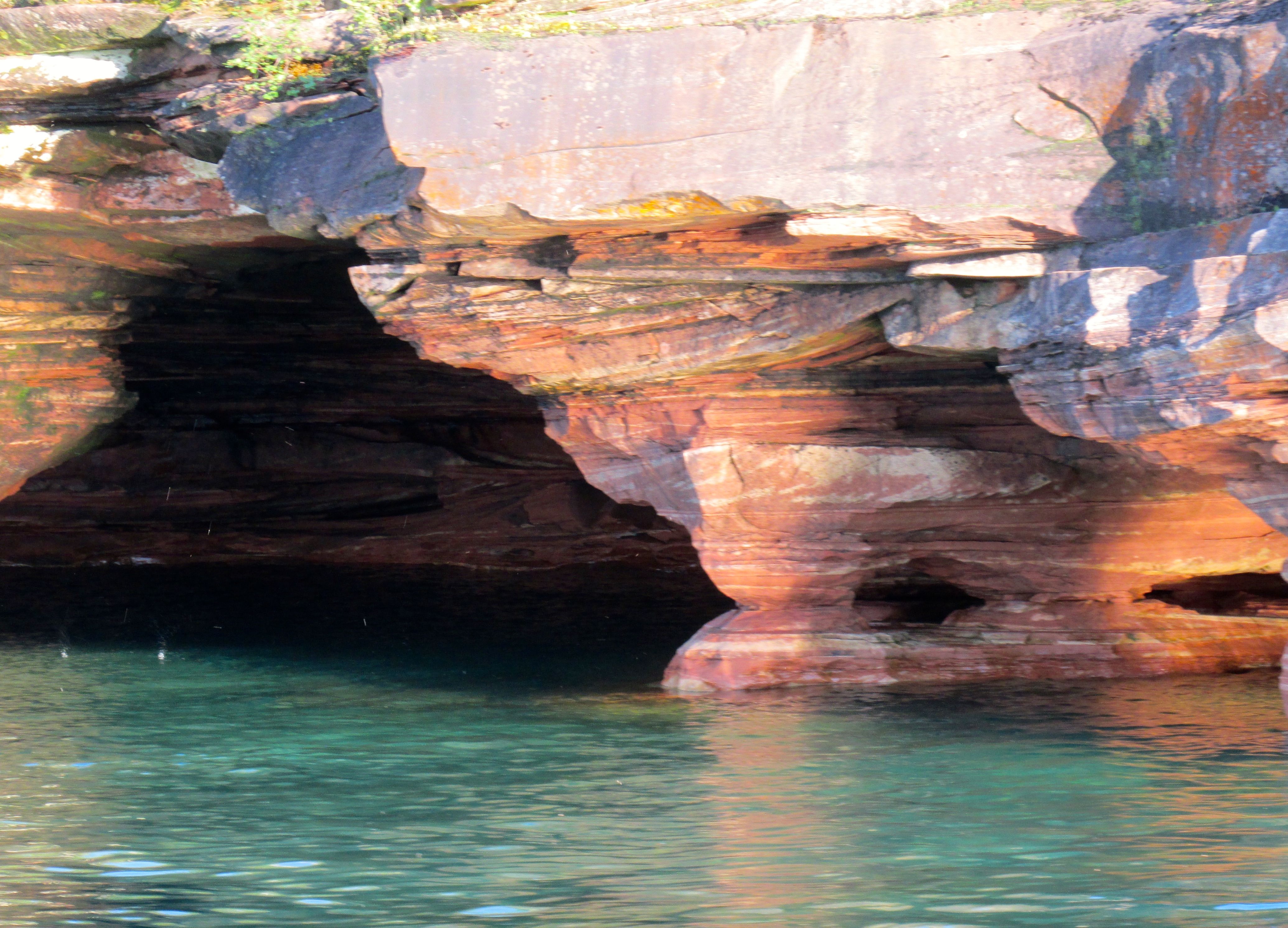
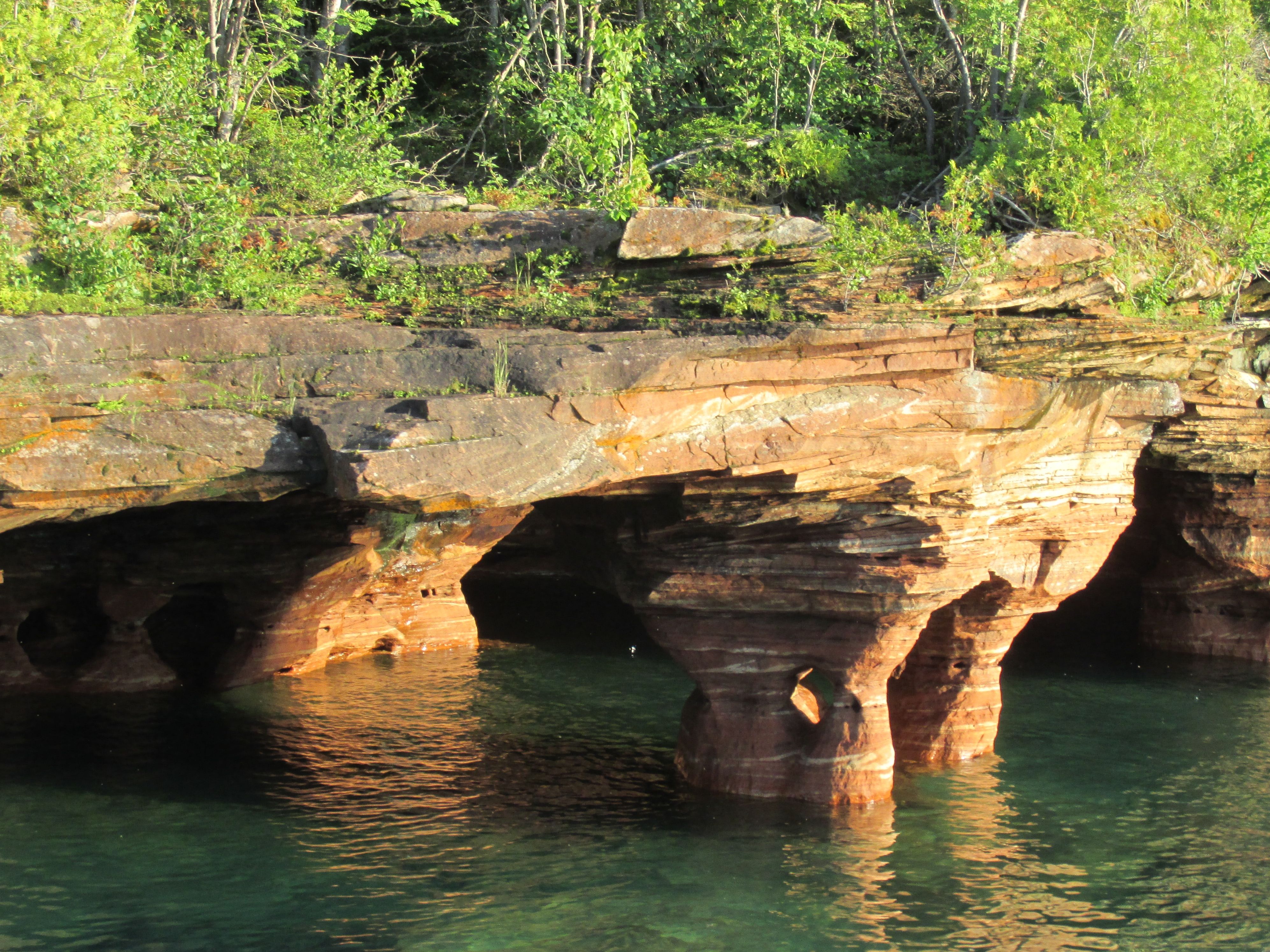
Now comes the tricky part about describing the trip. The high point is definitely Devil’s Island.
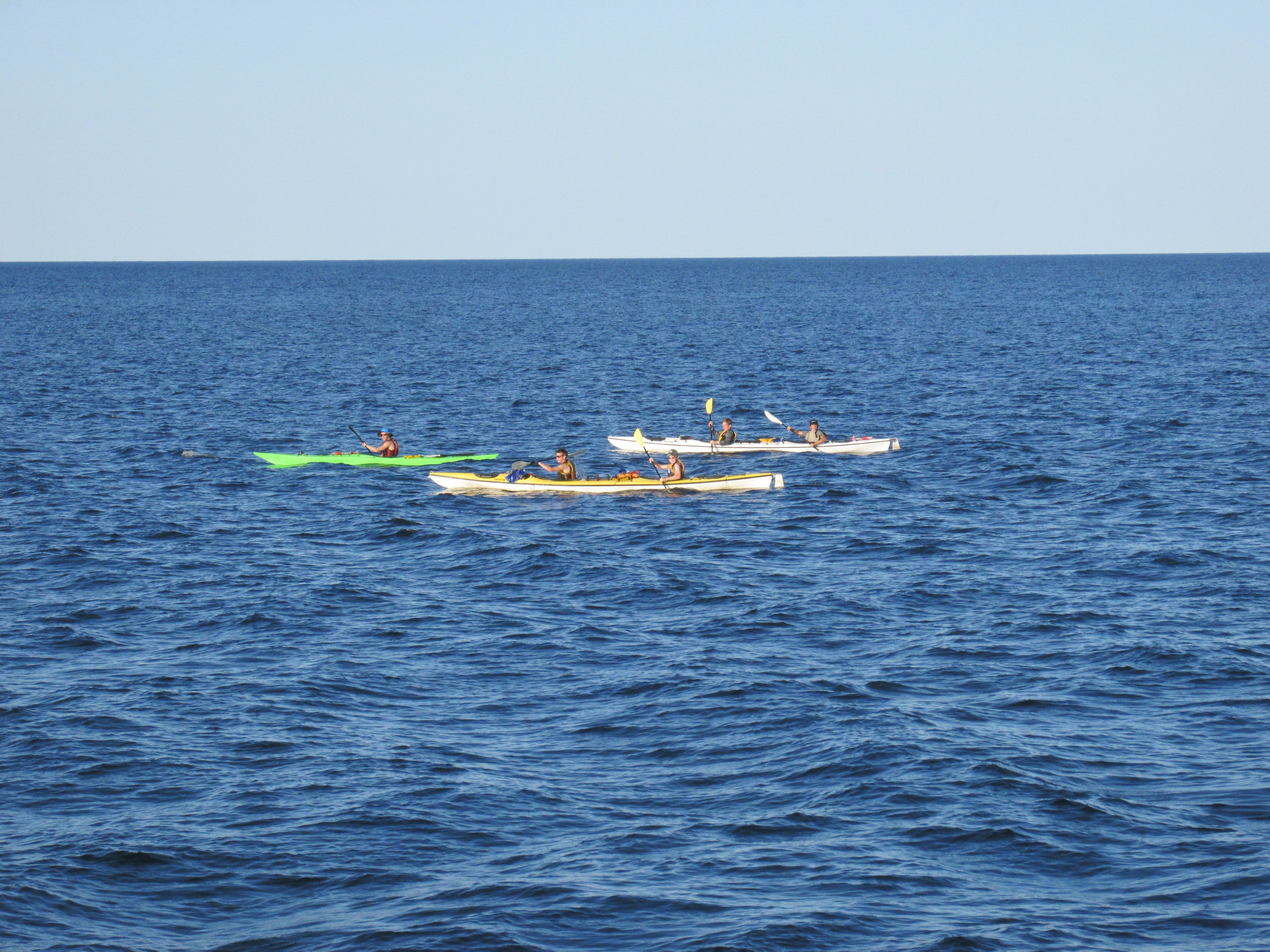
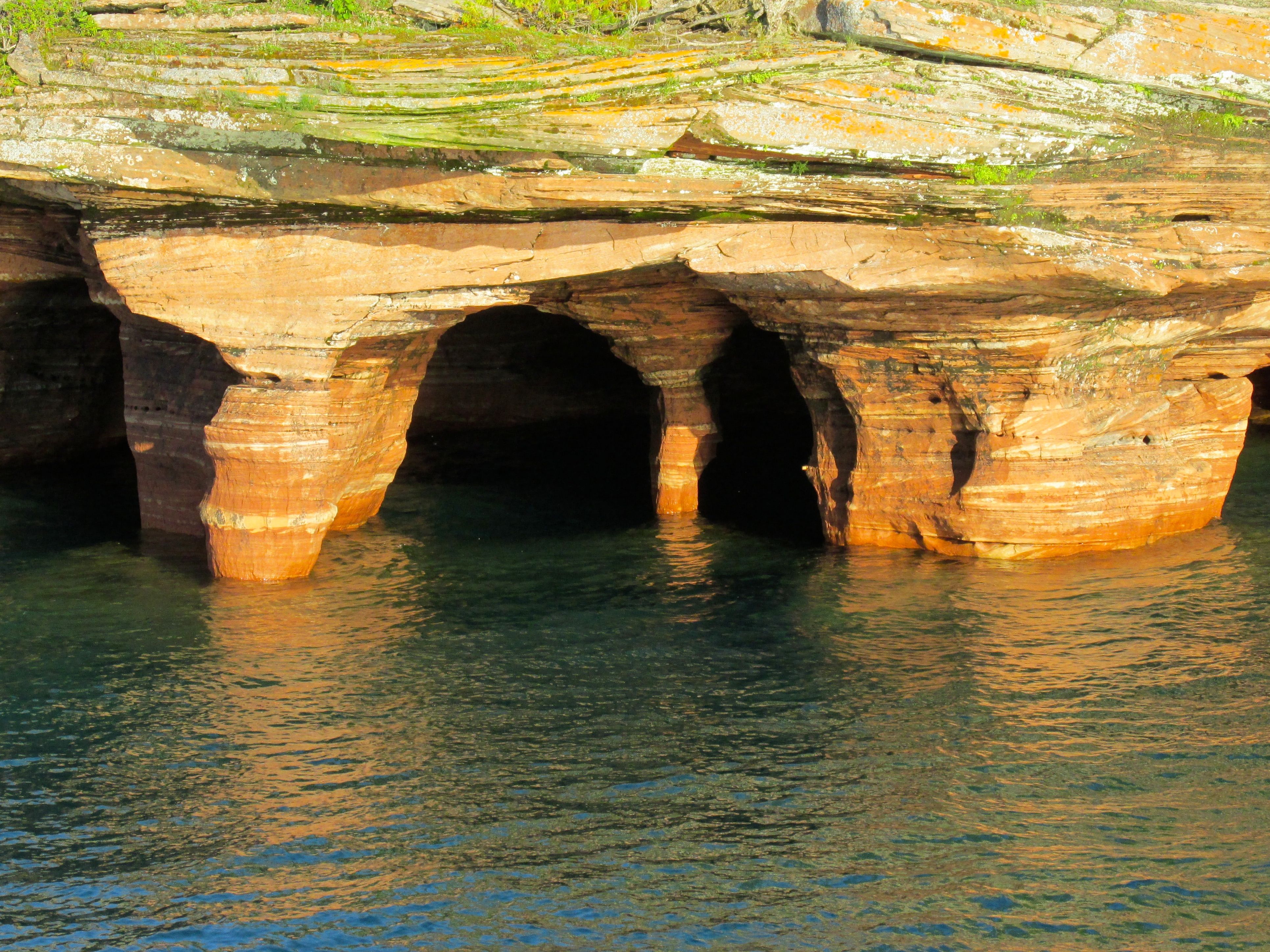
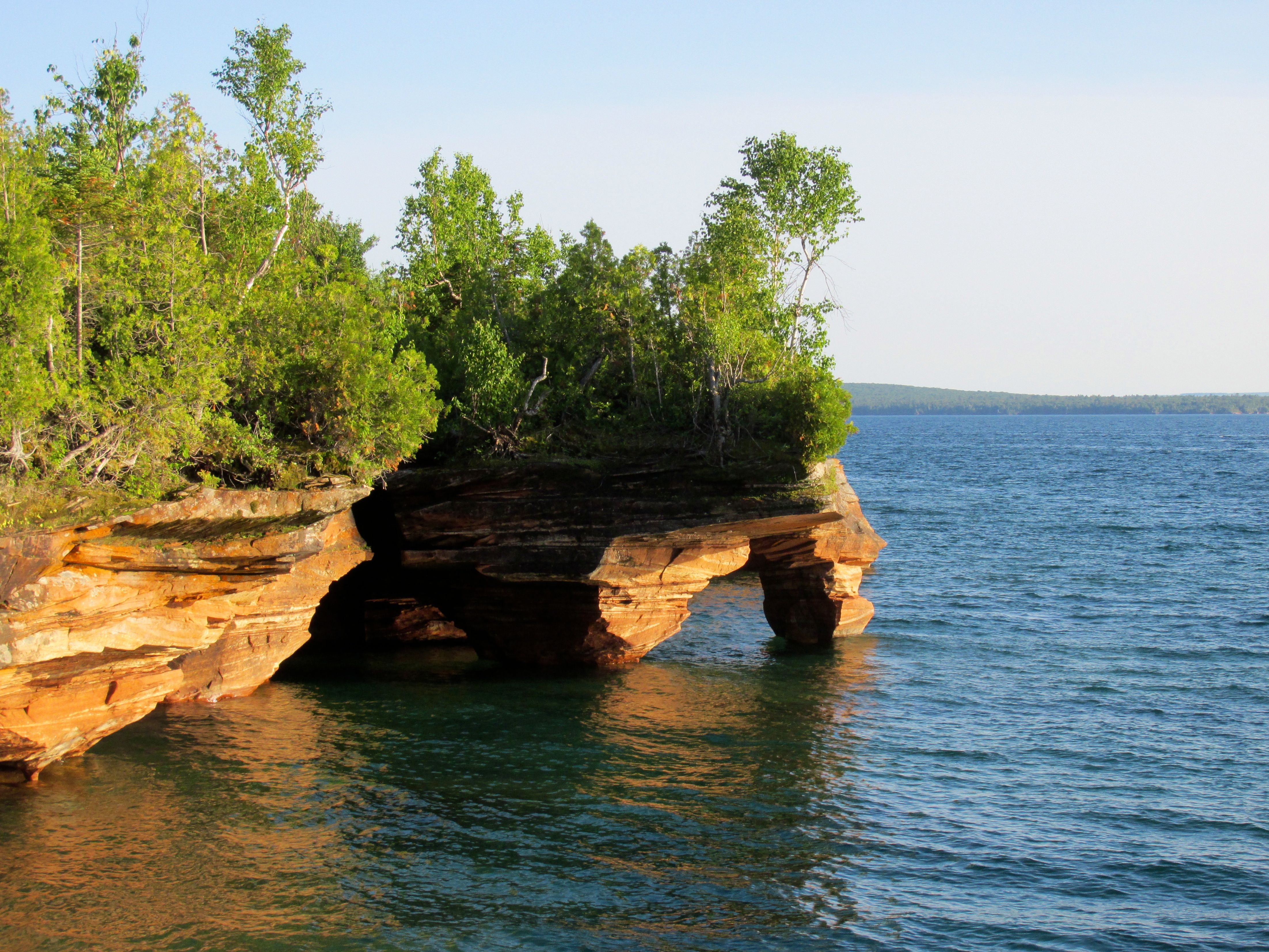
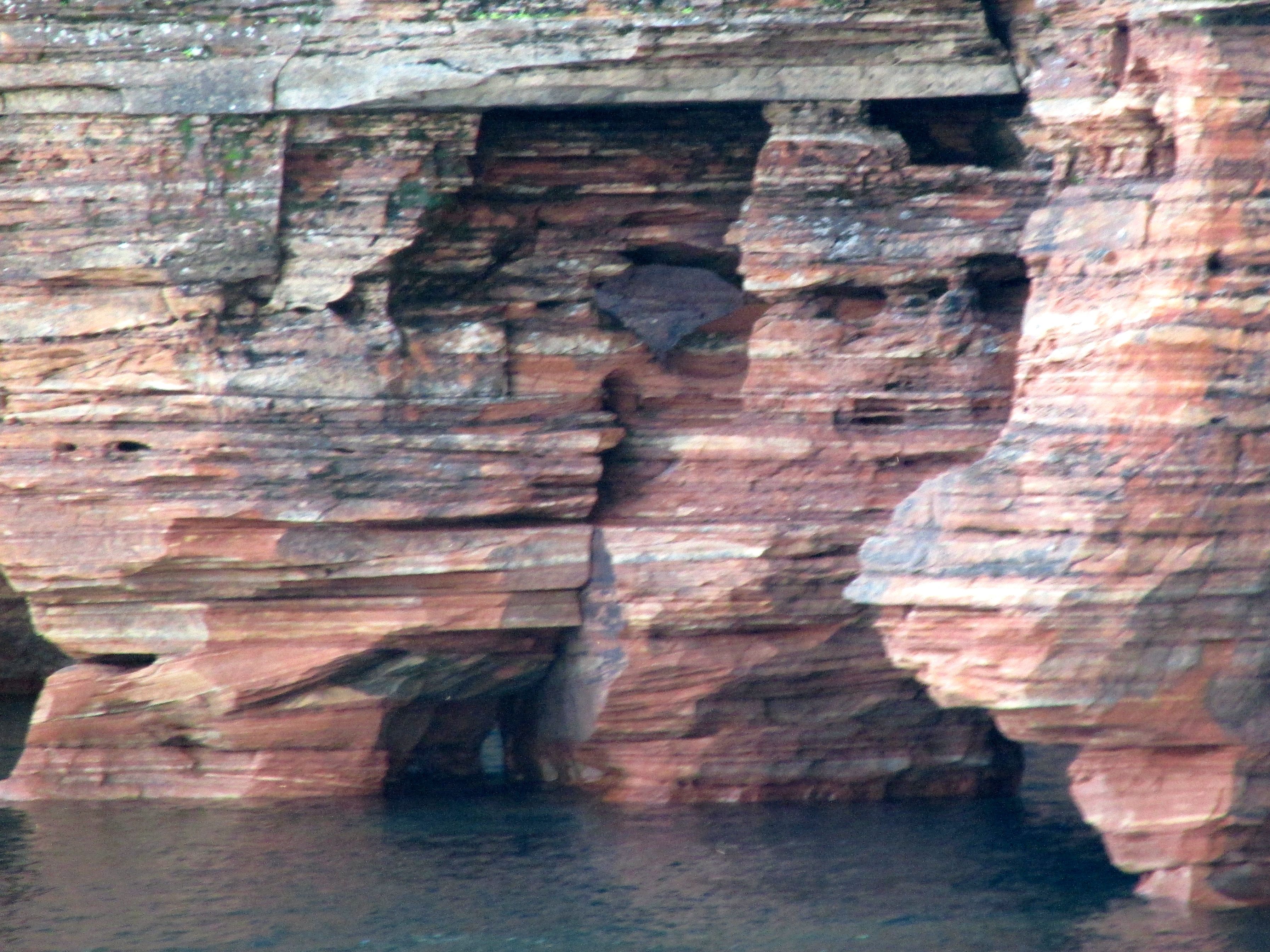
The island is riddled with caves. Some of them go as far as sixty feet under the island. The ship’s captain said that people in kayaks enjoy paddling into the caves. That sounds like fun!
I gotta learn to kayak!
The name “Devil’s Island” comes from the wild sounds that the wind and surf makes when it passes through the caves. Thankfully, the day was calm, so we didn’t get to hear the noise.
Ah, but here is one problem:
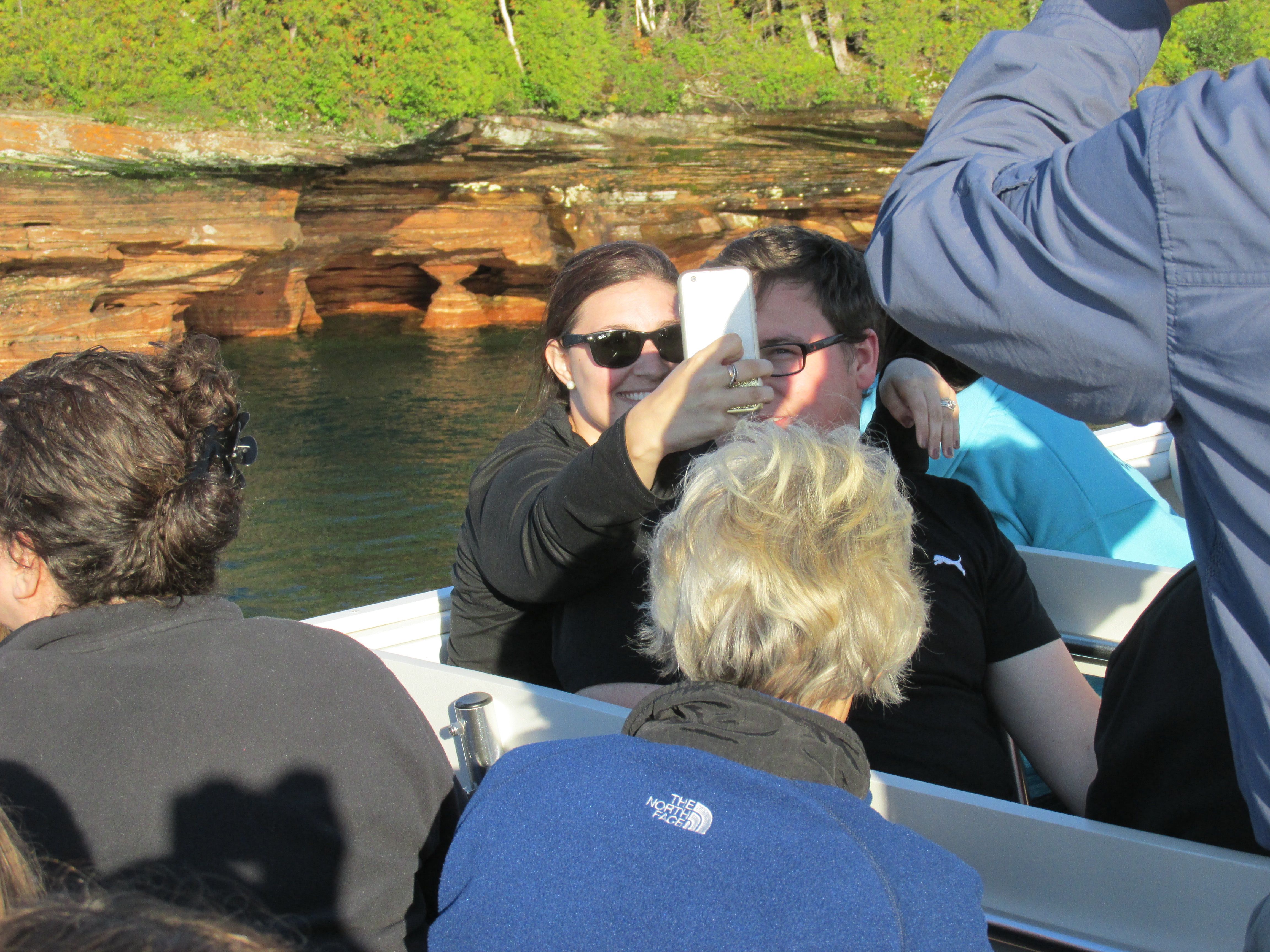
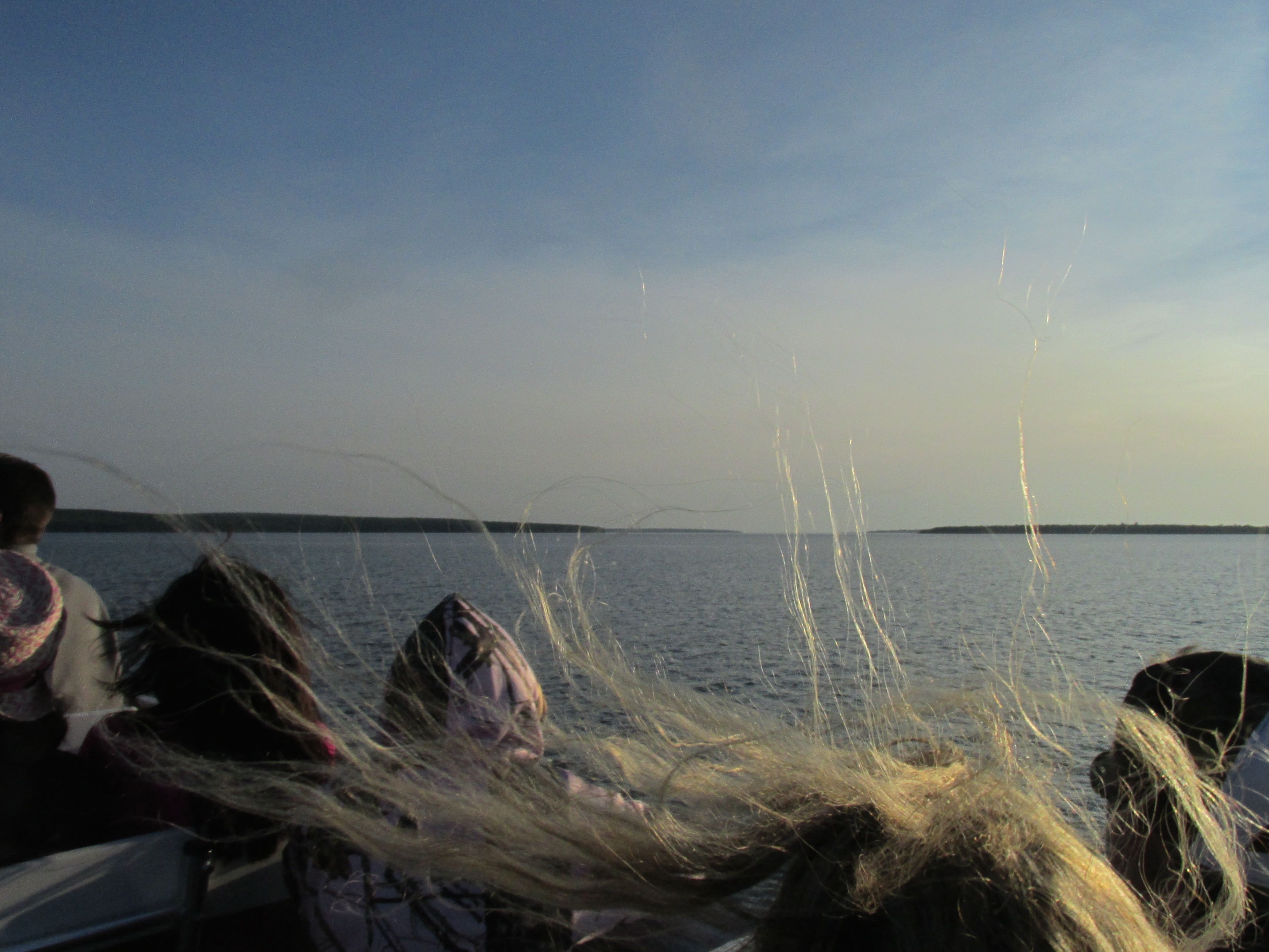
Unless you managed to sang a prime seat, every time you wanted to look at something, you were looking through a sea of heads.
And another problem with the tour is that it was three and a half hours long. Do you remember the Vaughn Meader’s First Family album that came out in 1963? Oh? You’re not older than dirt? Well, you might want to give a listen to the bit that had Jackie Kennedy giving a tour of the White House.
I almost got the giggles when I thought of Jackie pointing out the paintings.
Well, there’s this one
And that one
And that great big one over there
And that little tiny one behind the other one.
The captain told us things like “That one’s called Basswood Island because there were a lot of bass trees growing there.” A little later, “That one’s called Ironwood Island. They cut down Ironwood trees. They used them to make special furniture.” But he didn’t tell use what sort of special furniture it was.
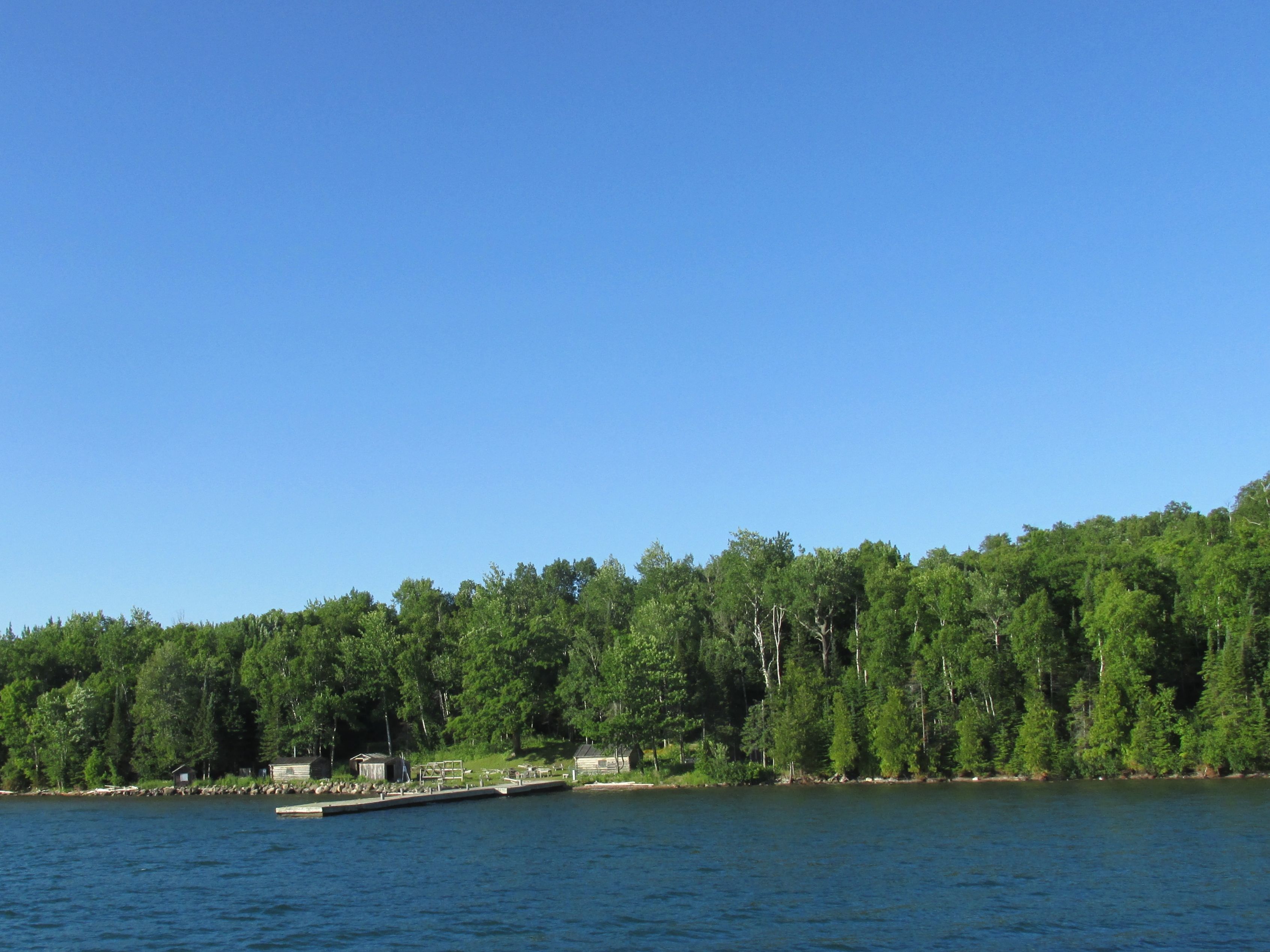
And then he kept pointing out things that weren’t there. “There used to be three fishing camps on that island.” There used to be a quarry on this island.” “There used to be logging camps on that island.” A little knowledge is good, but there wasn’t enough context to fill the time.
Fish camp that was recreated by the National Parks Service
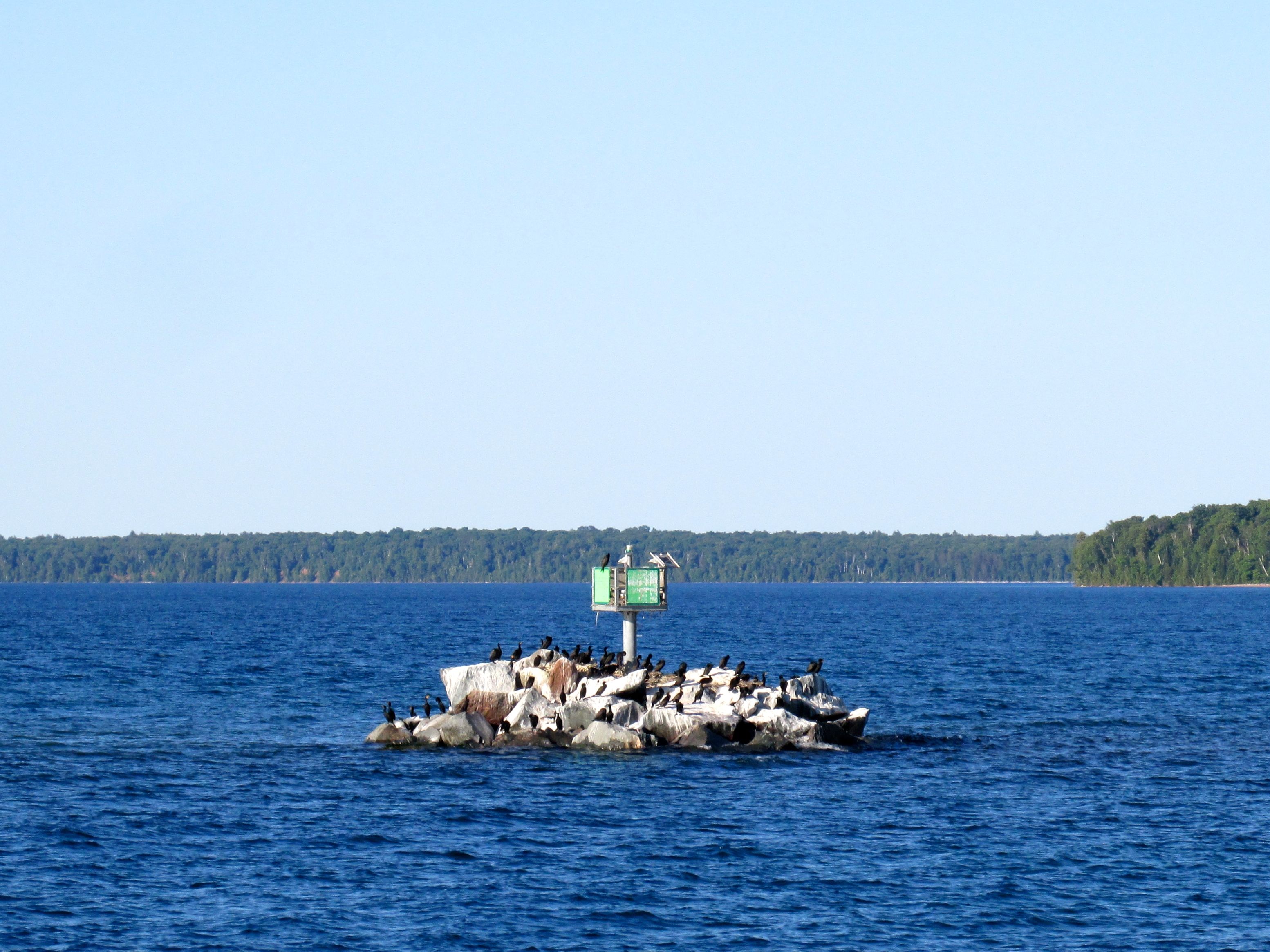
He did have his little jokes, though. At this light, he said that the dark birds were cormorants. The seagull was on top because it was his job to turn on the light.
And then he promised to show us the driftwood factories.
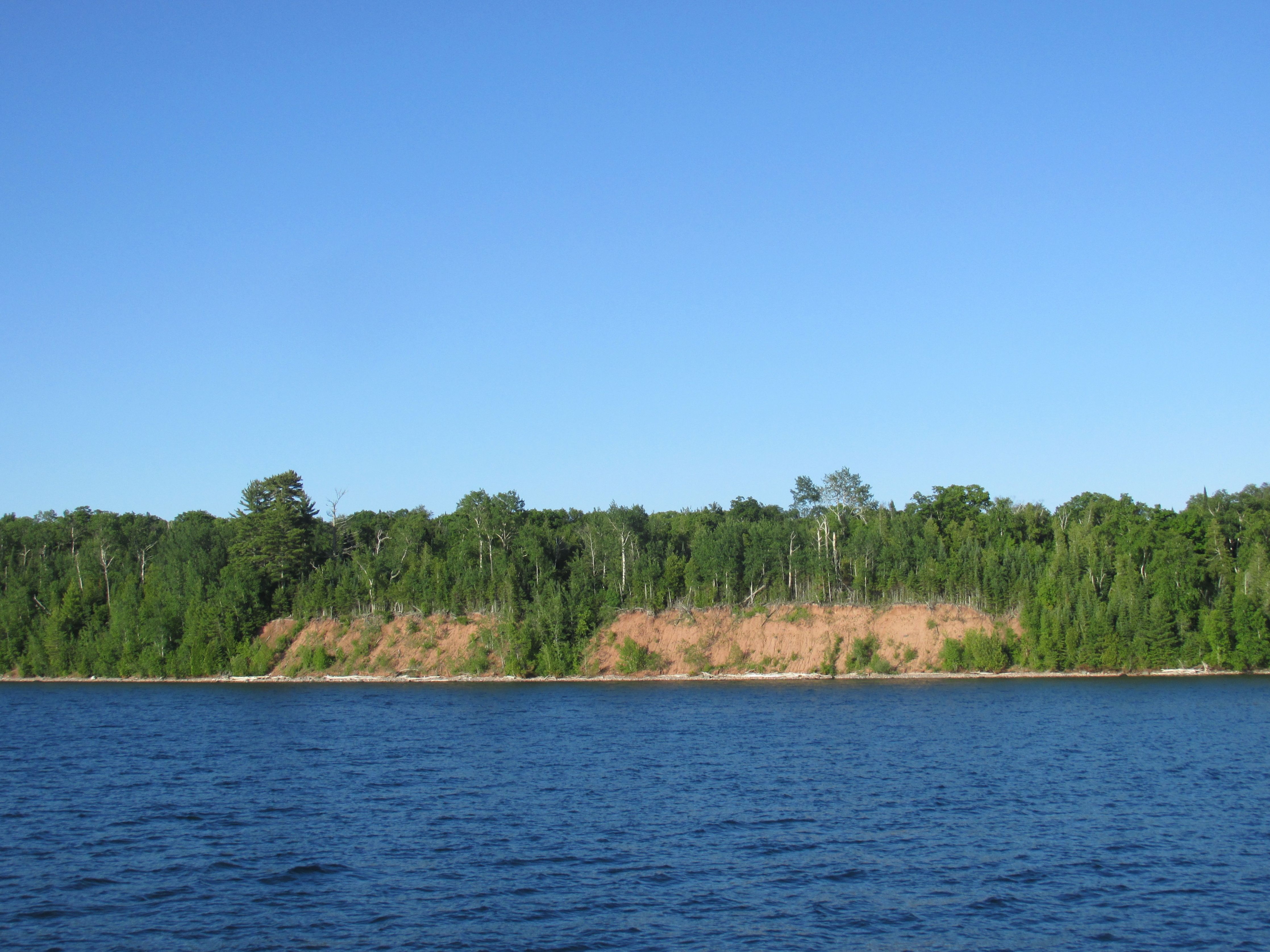
As cliffs erode away, the trees fall in and become driftwood.
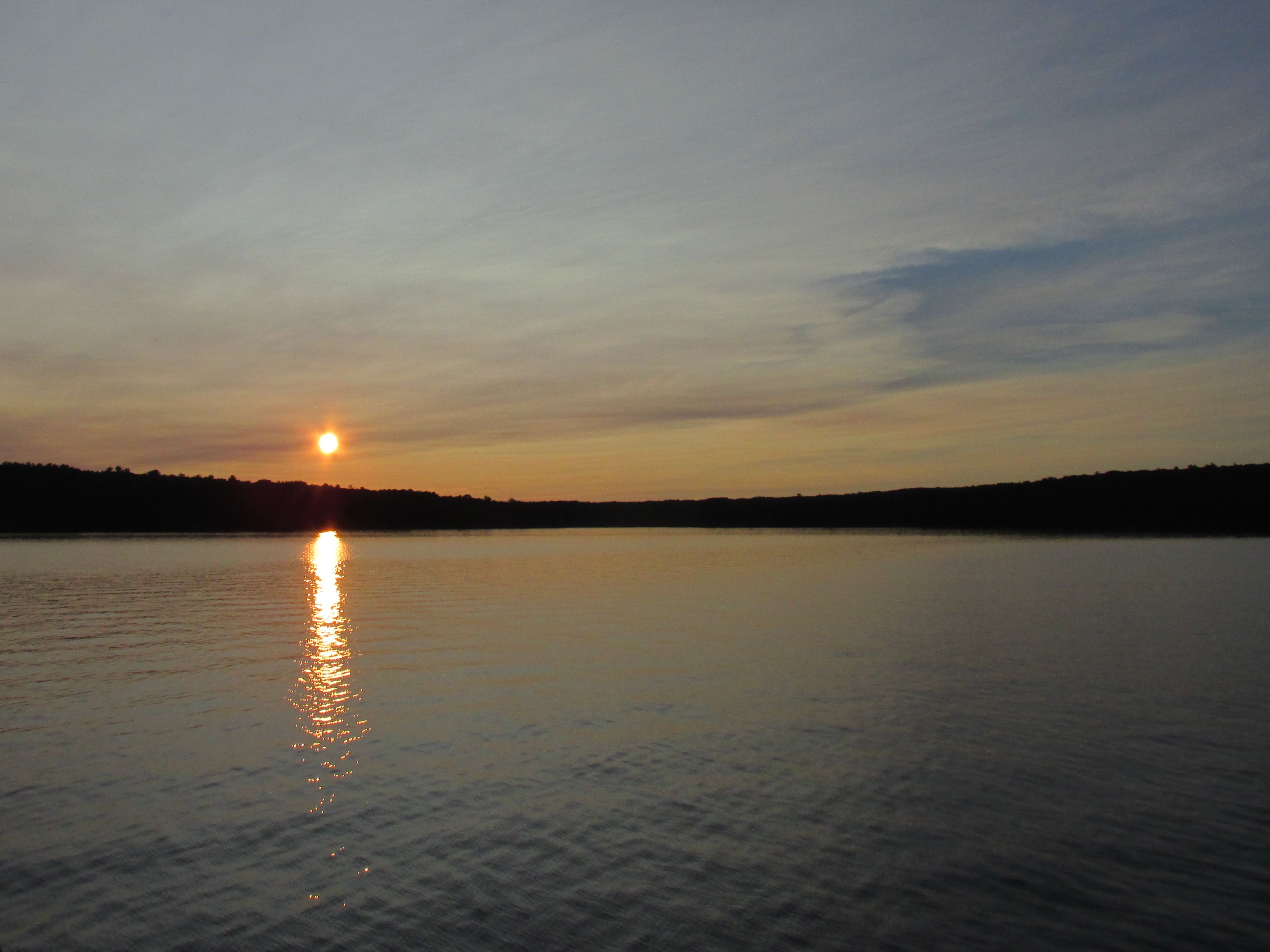
The point of going on the tour at 5:30 was to see the sunset. The sunset was lovely!
It wasn’t a bad tour, it was just long. Another possibility might be to find someone to just take you to the interesting parts. I saw this sign by a boat at the dock.
It might be worth looking into, if you want to see the Apostle Islands and not a lot of heads.
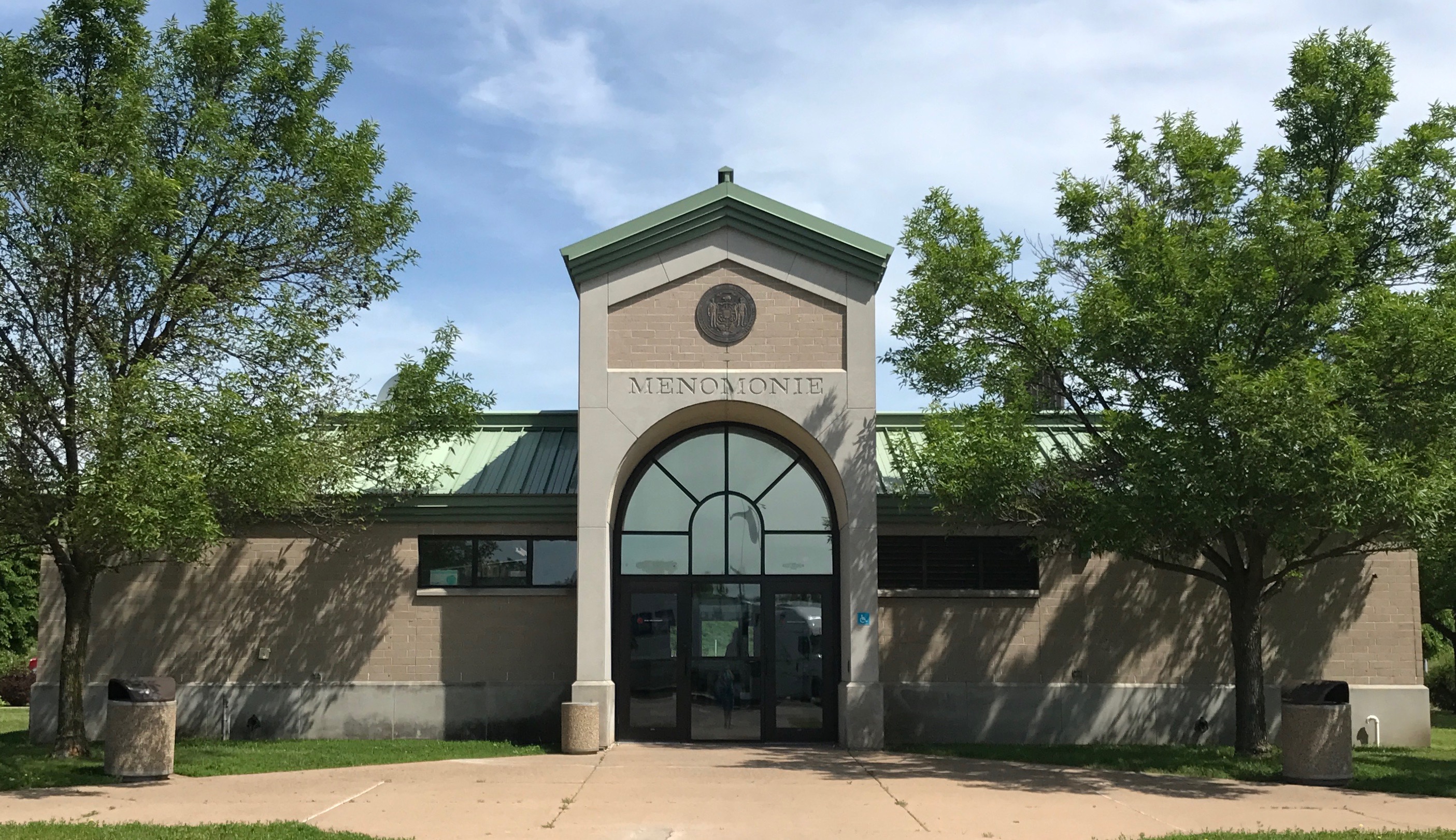 Menomonie… Does that name make anyone else think of this Muppet bit?
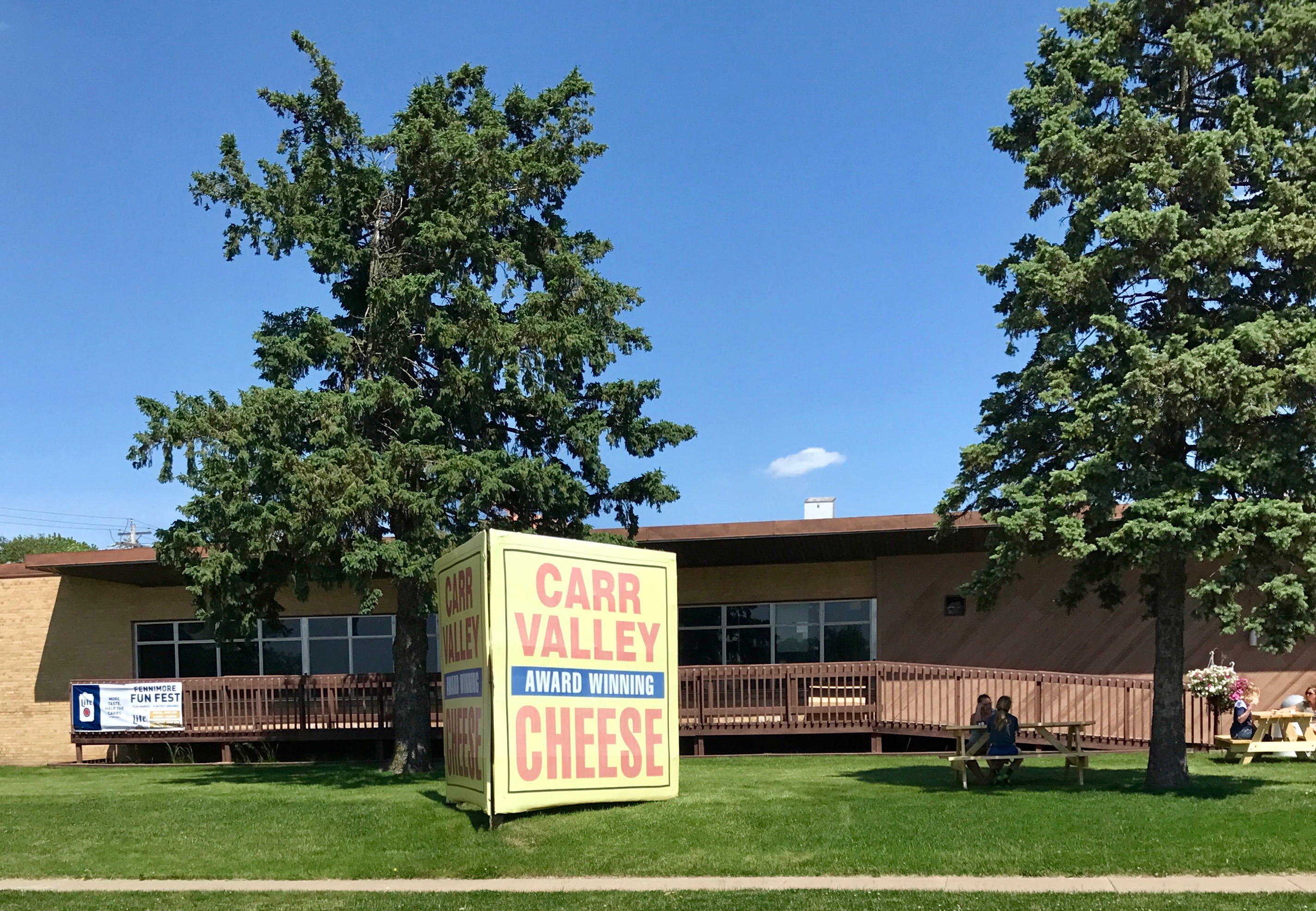 Cheese!
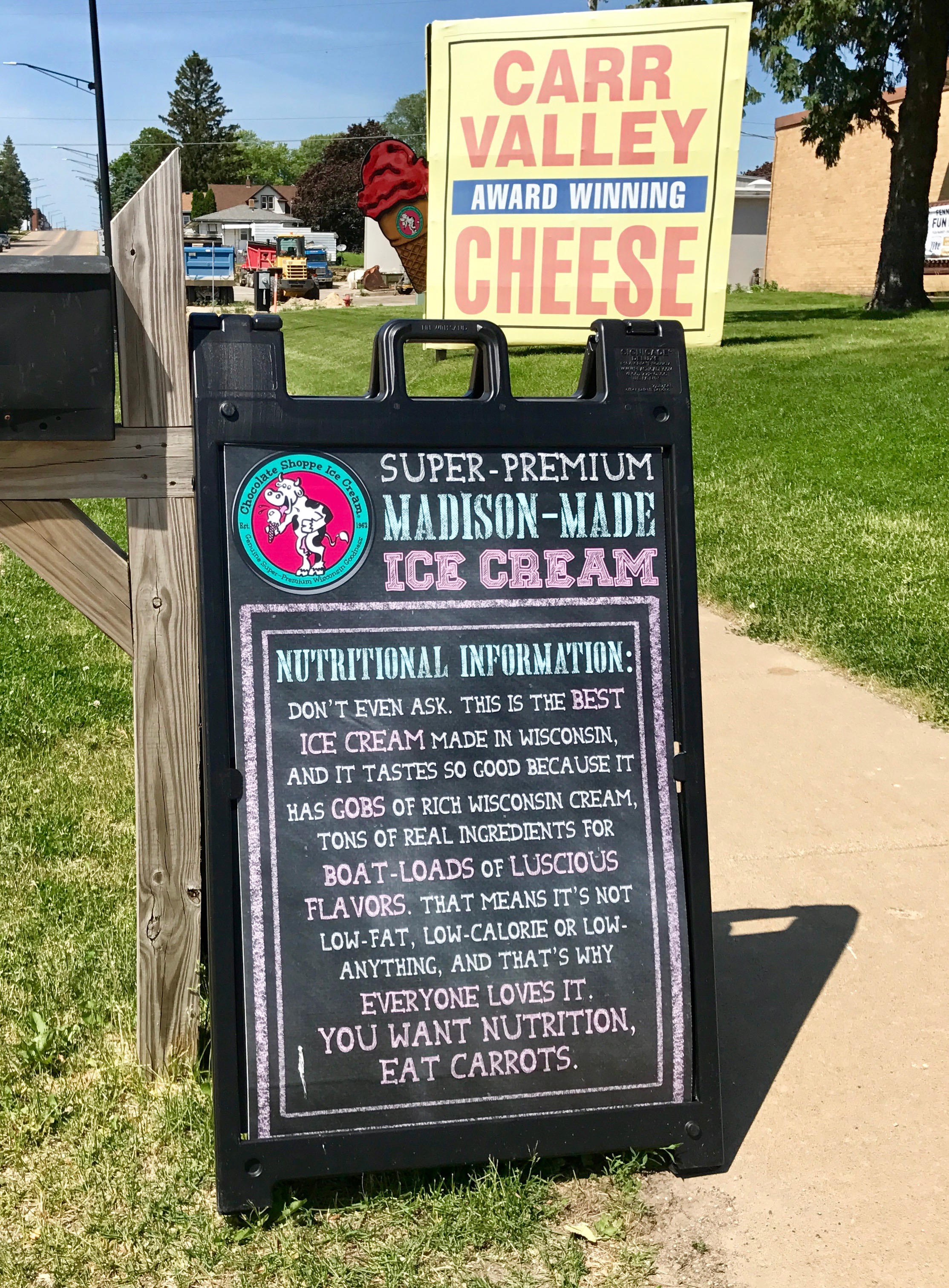 And ice cream!
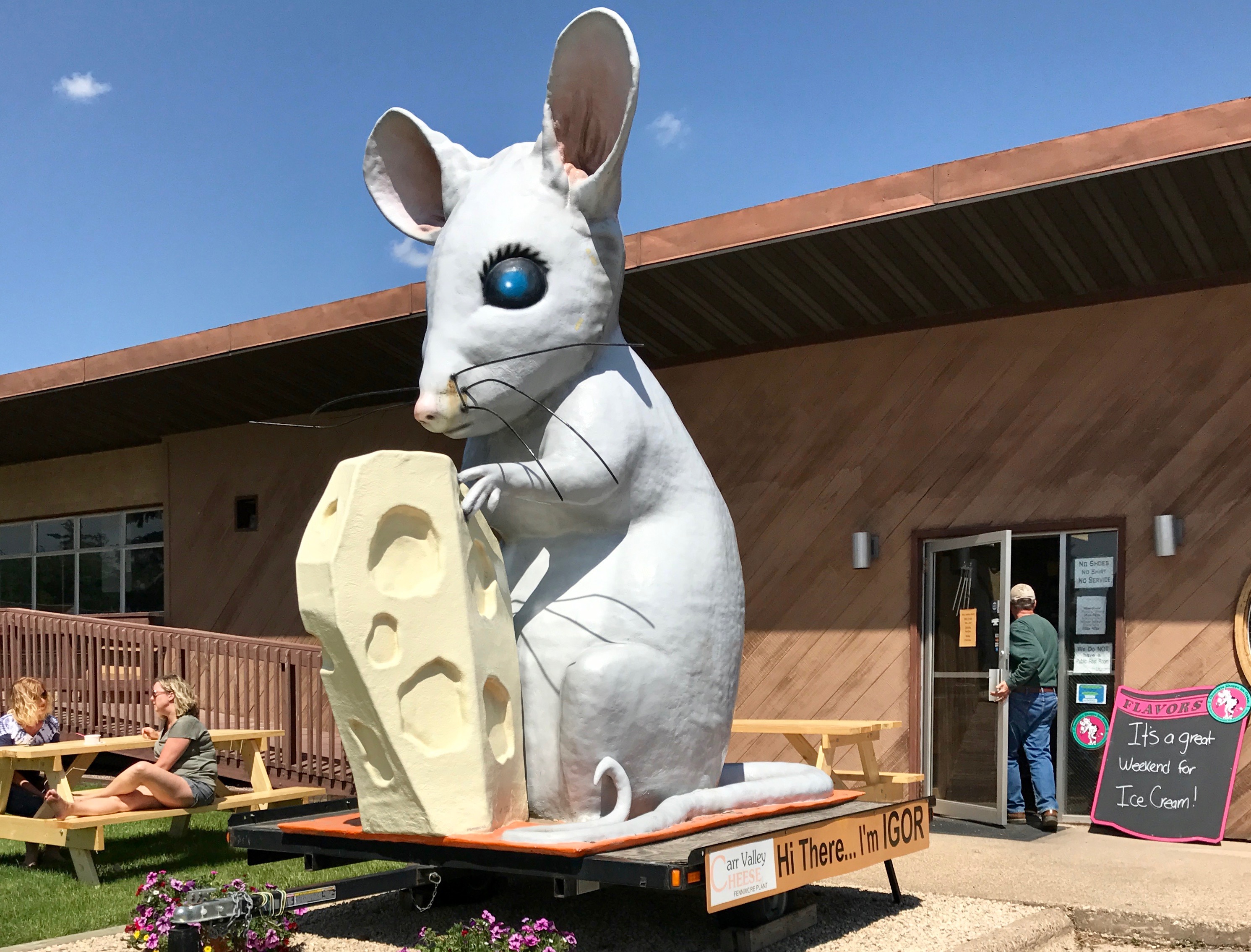 Igor the Rat met me at the door.
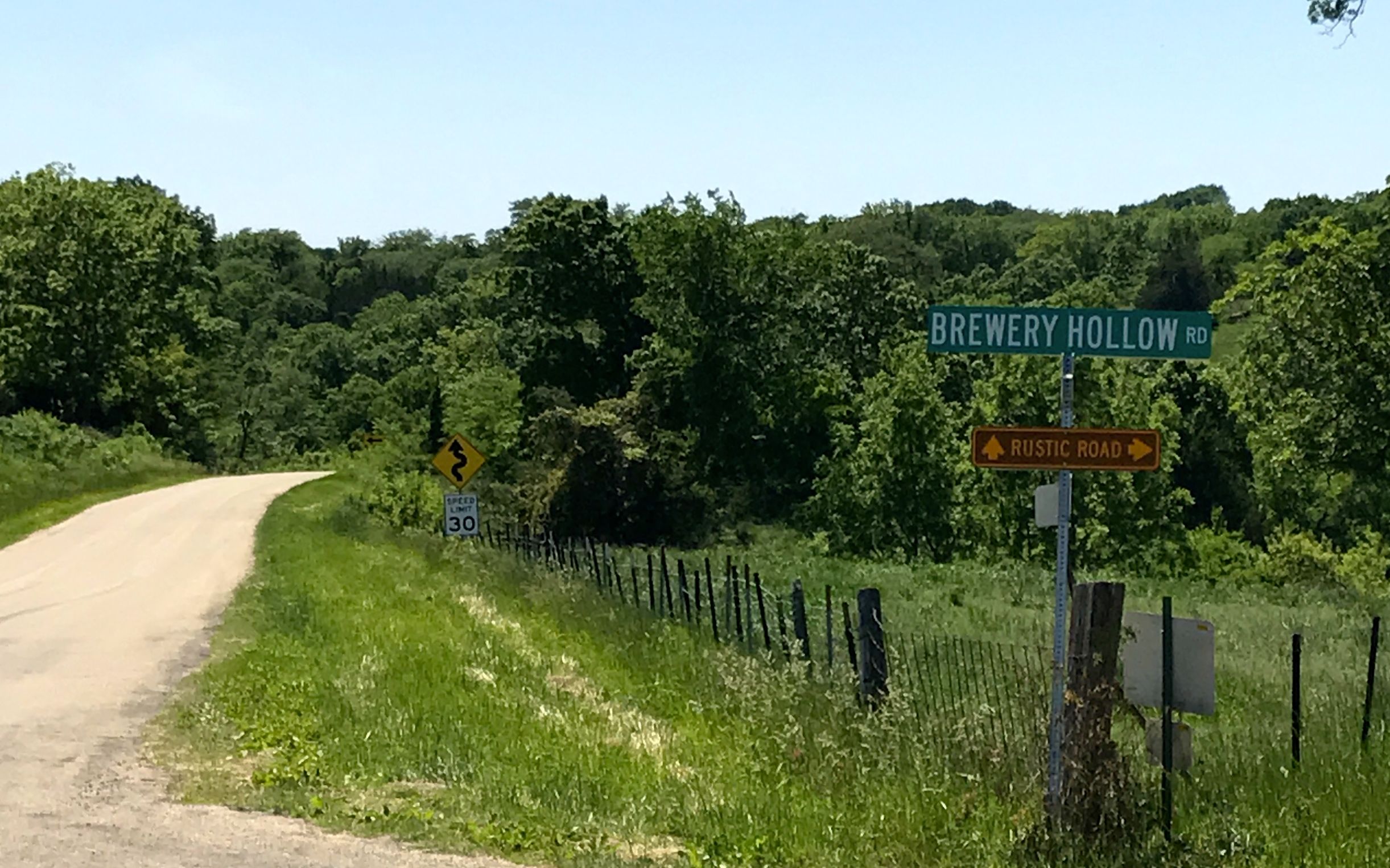 I was a little leery of the signs that proclaimed “rustic road”. Curvy, rustic roads with a 27 foot trailer are not my favorite thing.
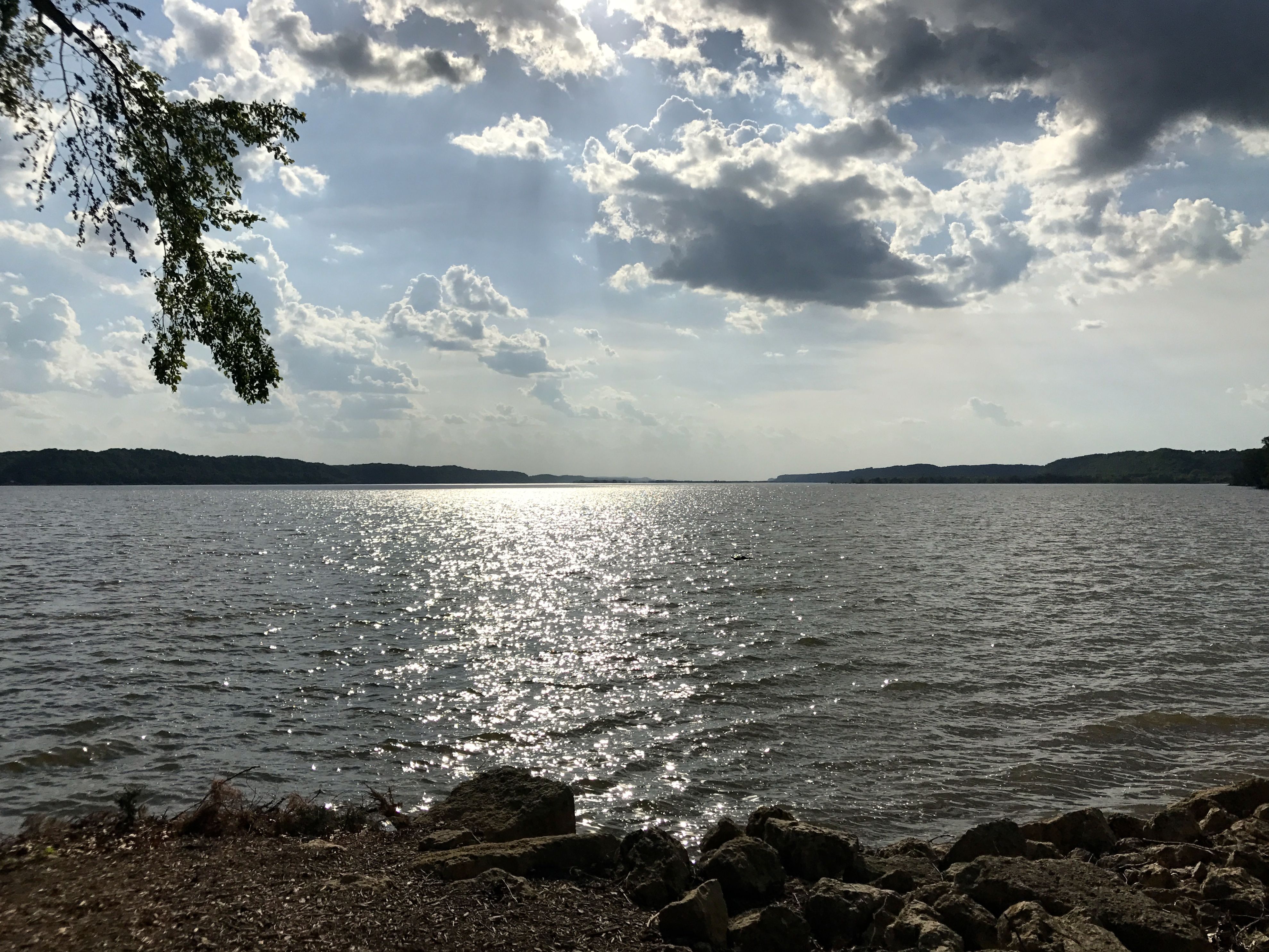 But the trip down the rustic, curvy road was worth it. This was an Army Corps of Engineers campground and it was lovely. My site was just a short stroll from the banks of the mighty Mississippi.
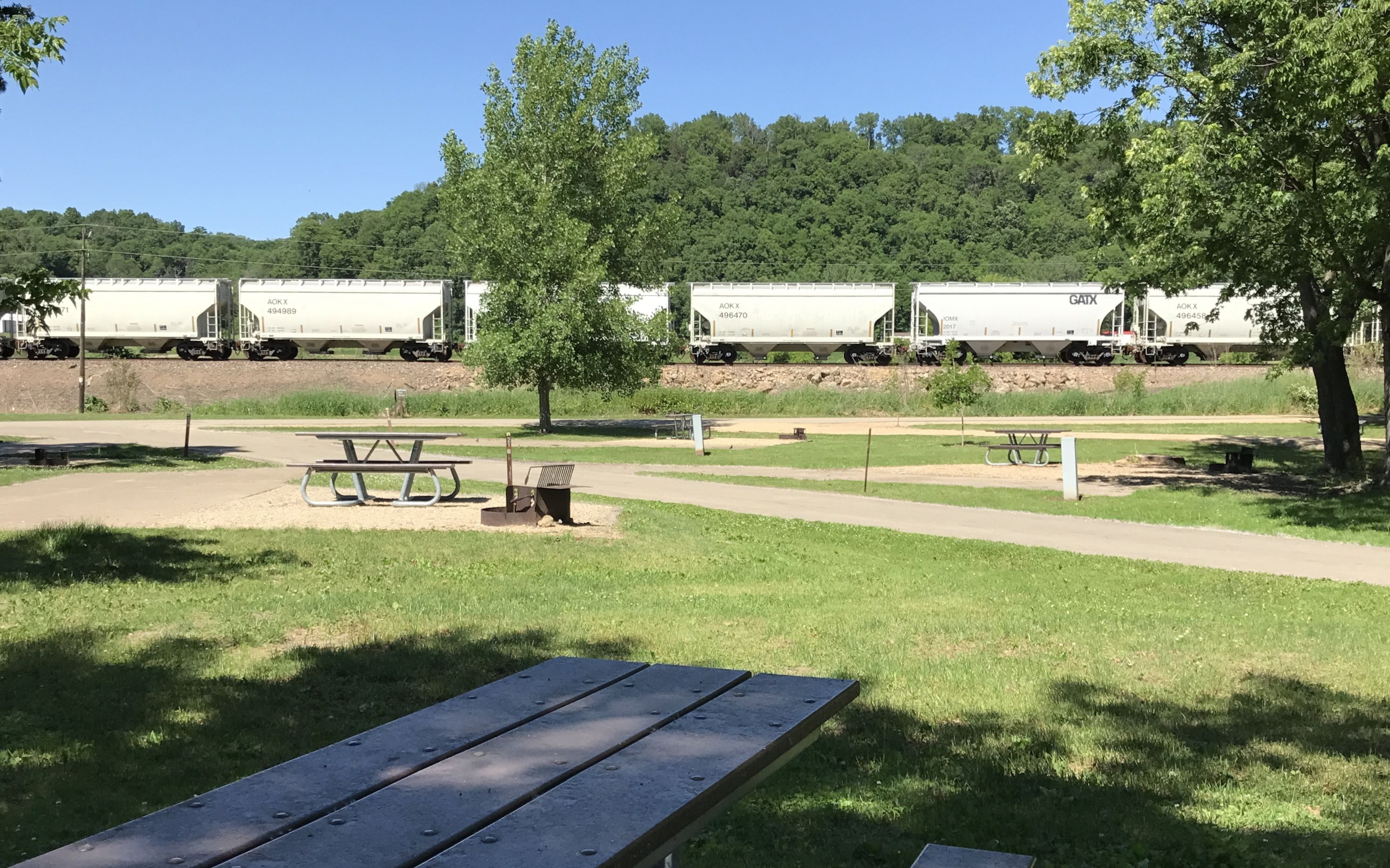 Of course, train tracks many times follow river beds. My site was quite close to the railroad right of way.